

Journal Menu
► ▼ Journal Menu-
- Cancers Home
- Aims & Scope
- Editorial Board
- Reviewer Board
- Topical Advisory Panel
- Early Career Editorial Board
- Instructions for Authors
- Special Issues
- Topics
- Sections & Collections
- Article Processing Charge
- Indexing & Archiving
- Editor’s Choice Articles
- Most Cited & Viewed
- Journal Statistics
- Journal History
- Journal Awards
- Society Collaborations
- Conferences
- Editorial Office
Journal Browser
► ▼ Journal BrowserNeed Help?
Announcements
22 June 2026
Meet Us Virtually at the 1st International Online Conference on Hematology, 28–30 October 2026

We cordially invite you to attend the 1st International Online Conference on Hematology organized by the MDPI journals Hematology Reports (ISSN: 2038-8330, Impact Factor 1.9), Hemato (ISSN: 2673-6357, Impact Factor 0.7), and Thalassemia Reports (ISSN: 2039-4365, Impact Factor 2.4). It will take place online from 28 to 30 October 2026, and it is free of charge for all participants.
Conference Chair:
- Prof. Dr. Claudio Cerchione, Istituto Scientifico Romagnolo per lo Studio e la Cura dei Tumori, Meldola, Italy.
The topics of interest:
S1. Multiple Myeloma;
S2. Acute Myeloid Leukemia;
S3. Acute Lymphoblastic Leukemia;
S4. Non-Hodgkin Lymphoma;
S5. Hodgkin Lymphoma;
S6. CML and Myeloproliferative Neoplasms;
S7. Stem Cell Transplantation and New Cellular Therapies;
S8. Rare diseases.
Important dates:
Deadline for abstract submission: 29 June 2026;
Notification of acceptance: 28 July 2026;
Deadline for registration: 22 November 2026.
Guide for authors:
To submit your abstract, please click on the following link: https://sciforum.net/user/submission/create/1493.
To register for the event, please click on the following link: https://sciforum.net/event/IOCHE2026?subscribe§ion=#registration.
Note: We only accept abstracts for this conference. To publish a conference proceedings paper for free and submit a full manuscript to the organizing journals Hematology Reports (ISSN: 2038-8330, Impact Factor 1.2), Hemato (ISSN: 2673-6357, Impact Factor 1.0) and Thalassemia Reports (ISSN: 2039-4365, Impact Factor 1.2), please refer to the Publication Opportunities section.
Best Presentation Award and Best Poster Award:
- Six winners;
- Each winner will receive a certificate;
- CHF 200 each.
For any enquiries regarding this event, please contact ioche2026@mdpi.com.
We look forward to seeing you at the 1st International Online Conference on Hematology!
8 June 2026
Meet Us at the 2026 Human Proteome Organization World Congress, 27 September–1 October 2026, Singapore

Conference: 2026 Human Proteome Organization World Congress
Date: 27 September–1 October 2026
Location: Singapore
From 27 September to 1 October 2026, MDPI will be attending the 2026 Human Proteome Organization World Congress (HUPO 2026) in Singapore as an exhibitor, welcoming researchers from diverse backgrounds to visit and share their latest ideas.
This year, HUPO 2026 are embracing the theme “Proteomics Plus: Transforming Lives” and are excited to explore how proteomics is shaping the future of health and medicine in ways we could have only dreamed of a few years ago. Proteomics is no longer just a field of study; it is a catalyst for change. From cutting-edge breakthroughs to real-world solutions, the impact of proteomics is undeniable. At this Congress, we will come together to celebrate how our work is transforming lives—from advancing medical treatments to uncovering new ways to understand health on a global scale. It is an opportunity to see how the science is evolving and, most importantly, how it is making a real difference in people’s lives.
We look forward to meeting you in Singapore for an unforgettable experience at HUPO 2026!
The following MDPI journals will be represented:
If you attend this conference, please feel free to visit our booth. Our delegates look forward to meeting you in person and answering any questions that you may have. For more information about the conference, please visit the official website: https://2026.hupo.org/.
5 June 2026
Cancers | 2025 Editor’s Choice Articles and Special Issues Related to Cancer Metastasis

We are delighted to share some of the most viewed papers in cancer metastasis that were published in Cancers (ISSN: 2072-6694) in 2025. In addition, a few Special Issues on this topic are open for submission. The following is a list of articles and Special Issues that may be of interest to you.
The list of relevant papers can be seen below:
“Real-World Systemic Treatment Patterns, Survival Outcomes, and Prognostic Factors in Advanced Hepatocellular Carcinoma: A 15-Year Experience from a Low-Resource Setting”
by Jirapat Wonglhow, Chirawadee Sathitruangsak, Patrapim Sunpaweravong, Panu Wetwittayakhlang and Arunee Dechaphunkul
Cancers 2025, 17(17), 2729; https://doi.org/10.3390/cancers17172729
Available online: https://www.mdpi.com/2072-6694/17/17/2729
“Characterisation of Castration-Resistant Cell-Derived Exosomes and Their Effect on the Metastatic Phenotype”
by Jorge Recio-Aldavero, Lorena Parra-Gutiérrez, Laura Muñoz-Moreno, Irene D. Román, María Isabel Arenas and Ana M. Bajo
Cancers 2025, 17(1), 141; https://doi.org/10.3390/cancers17010141
Available online: https://www.mdpi.com/2072-6694/17/1/141
“Brain Metastases from Primary Cardiac Tumors: A Systematic Review of Diagnosis, Treatment, and Prognosis”
by Salvatore Marrone, Ignazio Alessio Gueli, Roberta Lo Coco, Lorenzo Scalia, Salvatore Rizzica, Giuliana Baiamonte, Roberta Costanzo, Antonino Salvatore Rubino, Gianluca Ferini, Giuseppe Emmanuele Umana et al.
Cancers 2025, 17(10), 1621; https://doi.org/10.3390/cancers17101621
Available online: https://www.mdpi.com/2072-6694/17/10/1621
“Apalutamide and Stereotactic Body Radiotherapy in Metastatic Hormone-Sensitive Prostate Cancer: Multicenter Real-World Study”
by Juan A. Encarnación, Virginia Morillo Macías, Isabel De la Fuente Muñoz, Violeta Derrac Soria, Luis Fernández Fornos, María Albert Antequera, Osamah Amr Rey, Vicente García Martínez, José L. Alonso-Romero and Raquel García Gómez
Cancers 2025, 17(13), 2216; https://doi.org/10.3390/cancers17132216
Available online: https://www.mdpi.com/2072-6694/17/13/2216
“Characteristics of Oligo-Recurrence and Treatment Selection in Non-Small Cell Lung Cancer”
by Dai Sonoda, Yasuto Kondo, Satoru Tamagawa, Masahito Naito, Masashi Mikubo, Kazu Shiomi, Kazuhiro Yasufuku and Yukitoshi Satoh
Cancers 2025, 17(14), 2293; https://doi.org/10.3390/cancers17142293
Available online: https://www.mdpi.com/2072-6694/17/14/2293
“Radiation Necrosis in Neuro-Oncology: Diagnostic Complexity and Precision Radiotherapy Strategies”
by Laura Mittelman, James Duehr, Jacob S. Kazmi, Luis O. Vargas, Nora Donahue, John Chen, Sandra Leskinen, Shoaib A. Syed, A. Gabriella Wernicke and Randy S. D’Amico
Cancers 2025, 17(21), 3542; https://doi.org/10.3390/cancers17213542
Available online: https://www.mdpi.com/2072-6694/17/21/3542
Special Issues:
“Molecular Mechanisms of Cancer Progression and Metastasis”
Guest Editor: Dr. Babak Behnam
Submission deadline: 30 June 2026

“Cancer Metastasis in 2025–2026”
Guest Editor: Prof. Dr. Lance A. Liotta
Submission deadline: 31 July 2026

“Advances in Bone Metastasis Research: From Mechanisms to Therapy”
Guest Editor: Dr. Ye Lin
Submission deadline: 25 September 2026

“Breast Cancer Bone Metastasis”
Guest Editors: Prof. Dr. Allan Lipton and Prof. Dr. Louis Costa
Submission deadline: 27 November 2026

You are invited to view and submit relevant papers to Cancers using the following link:
https://www.mdpi.com/journal/cancers.
Cancers Editorial Office
4 June 2026
Welcoming New Editorial Board Members Who Joined Cancers in May 2026
We are pleased to announce that four new scholars have been appointed as Editorial Board Members (EBMs) of Cancers (ISSN: 2072-6694), joining in May 2026. We wish our new members success in both their research and efforts to develop the journal.

Name: Prof. Dr. Jørgen Jensen
Affiliations: 1 Department of Clinical Medicine, Arhus University, Aarhus, Denmark;
2 Department of Surgery, Queen Ingrid’s Hospital, Nuuk, Greenland
Interests: bladder cancer; urothelial cancer; reconstructive surgery; molecular markers

Name: Prof. Dr. Lugui Qiu
Affiliation: State Key Laboratory of Experimental Hematology, National Clinical Research Center for Blood Diseases, Haihe Laboratory of Cell Ecosystem, Institute of Hematology and Blood Diseases Hospital, Chinese Academy of Medical Sciences and Peking Union Medical College, Tianjin, China
Interests: multiple myeloma; B-cell lymphoma; chronic lymphocytic leukemia

Name: Prof. Dr. Zhijie Chang
Affiliation: State Key Laboratory of Membrane Biology, School of Basic Medical Sciences, School of Medicine, Tsinghua University, Beijing, China
Interests: tumorigenesis; oncogene; CREPT

Name: Prof. Dr. James Hicks
Affiliations: 1 Convergent Science Institute in Cancer, University of Southern California, Los Angeles, CA 90089, USA; 2 Department of Biological Sciences, University of Southern California, Los Angeles, CA 90089, USA; 3 USC Norris Comprehensive Cancer, Keck School of Medicine, University of Southern California, Los Angeles, CA 90089, USA
Interests: single cell genomics; cancer genomics; sequencing; cancer evolution; circulating tumor cells (CTCs); liquid biopsy; biomarkers
Further details about the Editorial Board of Cancers can be found on the following link: https://www.mdpi.com/journal/cancers/editors.
Cancers is recruiting scholars from around the world to join our Editorial Board. To apply for membership, recommend potential candidates, or request further information, please contact the Cancers Editorial Office and provide the following files:
- A full academic CV;
- A short cover letter detailing your interest in the position.
4 June 2026
Open Access, Broadly Recognized: 363 MDPI Journals Receive CiteScores for 2025
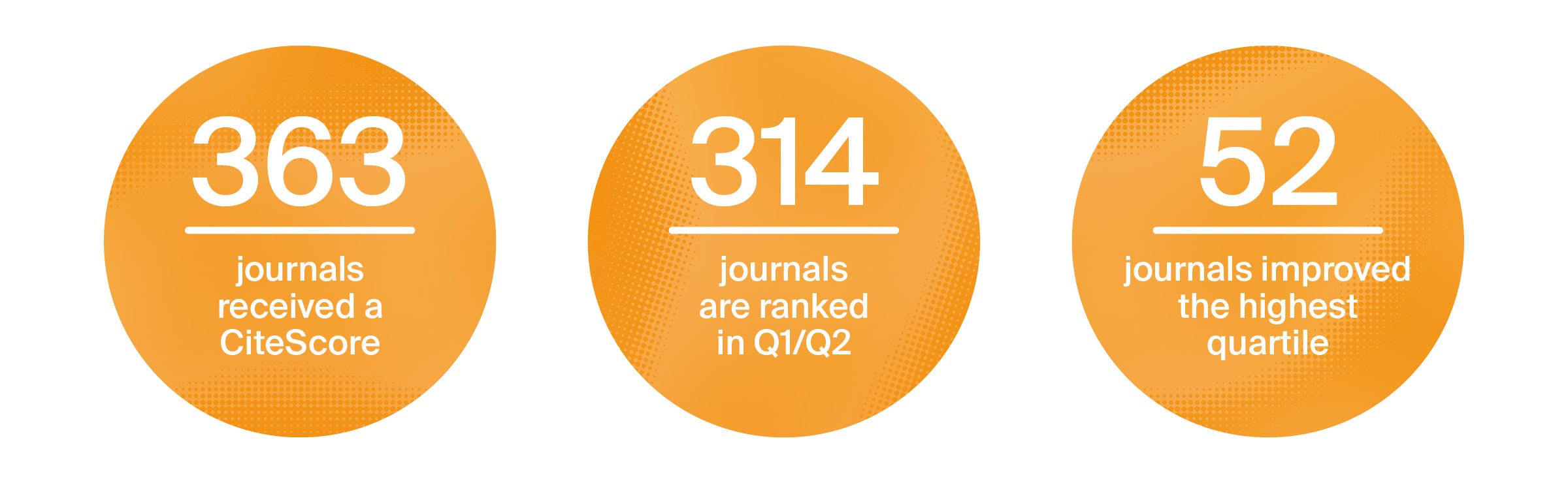
The 2025 CiteScore metrics have been officially released by Scopus, and the results confirm what has become a consistent pattern for MDPI's journal portfolio: broad recognition across disciplines, steady improvement across the majority of ranked titles, and a growing presence at the top of subject category rankings.
CiteScore, published annually by Elsevier's Scopus database, measures the average citations received by articles published in a journal over a four-year window. As a complement to the Journal Impact Factor, which uses a two-year window based on the Web of Science database, CiteScore provides an alternative, long-term perspective on citation performance.
The 365 MDPI journals in Scopus (as of May 2026) are indexed across a wide range of subject categories, ensuring that open access research remains highly discoverable to a global readership through one of the most widely used platforms in academic publishing.
Data Summary (2025 CiteScores)
- New Additions: 41 MDPI journals received a CiteScore for the first time.
- Trending Upward: 234 of 322 previously ranked journals (73%) saw an increase in their CiteScore compared to last year.
- High Visibility: 314 journals (86%) rank in Q1 or Q2 in at least one subject category.
- Elite Performance: 42 journals rank in the top 10% of their subject categories.
Portfolio Performance
Among the 322 journals that held a CiteScore in 2024, 234 saw an increase this year. Quartile improvements outnumbered declines across the portfolio, with 52 journals moving to a higher quartile and only 20 seeing a decline. Furthermore, no previously ranked journals were removed. The 42 journals now ranked in the top 10% of their subject categories are drawn from a strong foundation of 178 journals holding a Q1 position.
With the large majority of our indexed portfolio ranked in the top half of research fields, researchers can confidently choose MDPI to meet funder mandates for high-quality, fully compliant Open Access publishing.
Exceptional Achievements for Foods and Life
Notably, both Foods and Life achieved a 99th percentile ranking in their respective subject categories for the 2025 CiteScores. This outstanding placement positions them as leading journals in their fields and highlights the high visibility and global impact of the open access research they publish.
Journal Metrics and Beyond
Journal-level metrics describe outlets, not individual articles. An increasing number of funders and institutions—including signatories of DORA and the Coalition for Advancing Research Assessment—now explicitly encourage evaluation at the article level rather than by the journal in which research appears. MDPI supports this direction: we report CiteScore alongside the Journal Impact Factor, Journal Citation Indicator, and article-level usage data because no single number captures the full reach and contribution of published research.
Thank You
These results reflect the sustained effort of thousands of editors-in-chief, editorial board members, reviewers, and authors across every field MDPI serves. The metrics are the outcome; the work is yours.
1 June 2026
Cancers | Interview with the Author of Editor’s Choice Article—Dr. Zhenyun Yang

We had the pleasure of speaking with Dr. Zhenyun Yang, the first and corresponding author of an Editor’s Choice Article in Cancers (ISSN: 2072-6694). Below, he shares insights into his research focus, his paper, challenges encountered, emerging trends, and practical advice.
“Urinary Biomarkers in Bladder Cancer: FDA-Approved Tests and Emerging Tools for Diagnosis and Surveillance”
by Zhenyun Yang, Fengyu Song and Jin Zhong
Cancers 2025, 17(21), 3425; https://doi.org/10.3390/cancers17213425
Available online: https://www.mdpi.com/2072-6694/17/21/3425
The following is an interview with Dr. Zhenyun Yang:
1. Could you briefly introduce yourself and describe your main research focus?
I am an Associate Professor in the Department of Internal Medicine, with research interests centered on clinical anatomy, pathology, histopathology, advanced cancer biomarkers, and emerging diagnostic technologies. My work focuses on translating laboratory and pathological findings into clinically meaningful tools that can improve cancer diagnosis, surveillance, and patient outcomes. In recent years, I have also become increasingly interested in the integration of artificial intelligence, digital pathology, and computational biomarker analysis into precision oncology.
2. In your own words, what are the key findings or main messages of your Editor’s Choice Article?
The main message of our Editor’s Choice Article, “Urinary Biomarkers in Bladder Cancer: FDA-Approved Tests and Emerging Tools for Diagnosis and Surveillance”, is that urinary biomarkers are becoming increasingly important in the diagnosis and surveillance of bladder cancer. While cystoscopy remains the gold standard, it is invasive, costly, and uncomfortable for patients. Our review highlights both FDA-approved urinary tests and emerging molecular tools, including genomic and AI-assisted analytical approaches, that may improve sensitivity, specificity, and patient compliance. We also emphasize that combining biomarkers, machine learning models, and clinical evaluation may help move the field toward more personalized and less invasive bladder cancer management.
3. What current developments in your area of expertise are most exciting to you?
One of the most exciting developments in this area is the rapid integration of molecular diagnostics, artificial intelligence, and digital health technologies into oncology. Advances in liquid biopsy technologies, urinary DNA and RNA analysis, next-generation sequencing, and multi-omics approaches are creating opportunities for earlier detection and more accurate monitoring of bladder cancer recurrence. AI-driven image analysis and predictive algorithms are also transforming pathology and clinical decision-making by improving diagnostic accuracy and identifying patterns that may not be easily recognized through traditional methods. These innovations are accelerating the transition toward precision oncology and individualized patient care.
4. What were the biggest challenges you encountered during this study, and how did you overcome them?
One of the biggest challenges in this study was synthesizing a rapidly expanding body of literature while maintaining clinical relevance and scientific rigor. The field of urinary biomarkers and AI-assisted diagnostics is evolving very quickly, with many emerging assays and computational tools showing promising but sometimes inconsistent results across studies. Another challenge was evaluating technologies that are innovative but not yet fully standardized in clinical practice. We addressed these issues by carefully reviewing the quality of evidence, comparing FDA-approved tests with investigational tools, and emphasizing clinically actionable findings that may realistically impact patient care.
5. How do you see this research evolving or influencing future studies in the field?
I believe this research will contribute to the continued transition toward noninvasive and technology-driven cancer diagnostics and surveillance strategies. Future studies will likely focus on validating biomarker panels in larger multicenter trials, integrating AI-based predictive models into routine clinical workflows, and improving the cost-effectiveness and accessibility of advanced molecular testing. I also anticipate stronger collaboration between clinicians, pathologists, bioinformaticians, and AI researchers to develop smarter diagnostic systems that can support earlier detection and personalized treatment planning.
6. What advice would you give to early career researchers who aim to publish impactful work in oncology?
My advice to early career researchers in oncology is to remain scientifically curious and open to interdisciplinary collaboration, especially as AI and computational medicine become increasingly integrated into healthcare research. Strong research begins with clinically meaningful questions, but impactful studies today often require collaboration across medicine, pathology, data science, and biotechnology. I would encourage young researchers to build strong foundations in research methodology and scientific writing while also becoming familiar with emerging technologies such as digital pathology, bioinformatics, and artificial intelligence. The future of oncology research will likely depend heavily on the ability to combine clinical insight with technological innovation.
7. If you could go back to the very beginning of your research career, what advice would you give to your younger self?
If I could give advice to my younger self, I would say: be patient and embrace continuous learning, especially as science and technology evolve so rapidly. Early in my career, I focused heavily on traditional academic milestones, but I now appreciate the importance of adaptability and interdisciplinary thinking. I would encourage my younger self to explore emerging technologies earlier, including computational medicine and AI, because these tools are increasingly shaping the future of diagnostics and biomedical research. At the same time, I would also emphasize maintaining balance outside the lab and clinic, because long-term success in science depends not only on productivity, but also on resilience, mentorship, curiosity, and personal well-being.
1 June 2026
Cancers | 2025 Editor’s Choice Articles and Special Issues Related to Clinical Research of Cancer

Editor’s Choice Articles are selected based on suggestions from Cancers’ Academic Editors worldwide. The Editors select a small number of recently published articles that they consider particularly interesting to our readers or important in their respective fields of research. You are welcome to read the Editor’s Choice Articles and Speclal Issues related to “Clinical Research of Cancer”.
The list of relevant papers can be seen below:
“Efficiency of Fulvestrant Monotherapy After CDK4/6 Inhibitor Exposure: Is This a Viable Choice?”
by Nanae Ogata, Brian G Barnett, Nicholas J.H. Sharp, Takeo Fujii, Toshiaki Iwase, Sandra E. Dunn and Naoto T. Ueno
Cancers 2025, 17(5), 884; https://doi.org/10.3390/cancers17050884
Available online: https://www.mdpi.com/2072-6694/17/5/884
“The Safety of Abiraterone Acetate in Patients with Metastatic Castration-Resistant Prostate Cancer: An Individual-Participant Data Meta-Analysis Based on 14 Randomized Clinical Trials”
by Amy L. Shaver, Nikita Nikita, Swapnil Sharma, Scott W. Keith, Kevin K. Zarrabi, Wm. Kevin Kelly and Grace Lu-Yao
Cancers 2025, 17(17), 2747; https://doi.org/10.3390/cancers17172747
Available online: https://www.mdpi.com/2072-6694/17/17/2747
“Impact of Membranous Nectin-4 on Outcomes of Platinum-Based Chemotherapy in Metastatic Urothelial Carcinoma”
by Fu-Jen Hsueh, Chung-Chieh Wang, Jhe-Cyuan Guo, Shih-Chieh Chueh, Yu-Chieh Tsai
Cancers 2025, 17(3), 433; https://doi.org/10.3390/cancers17030433
Available online: https://www.mdpi.com/2072-6694/17/3/433
“Immunotherapy-Induced Complete Response in dMMR Rectal Cancer. A Surgical Dilemma?”
by Panagiotis Loufopoulos, Konstantinos Perivoliotis, Danai Chatziathanasiou, Maximos Frountzas, Anisha Sukha, Abdullah Alrebdi, Mohammad Mahmoud Rajab Eddama, Christos Kontovounisios, Shengyang Qiu, Paris Tekkis et al.
Cancers 2025, 17(19), 3153; https://doi.org/10.3390/cancers17193153
Available online: https://www.mdpi.com/2072-6694/17/19/3153
“Advanced External Beam Stereotactic Radiotherapy for Skull Base Reirradiation”
by He Wang, Fahed M. Alsanea, Dong Joo Rhee, Xiaodong Zhang, Wei Liu, Jinzhong Yang, Zhifei Wen, Yao Zhao, Tyler D. Williamson, Rachel A. Hunter et al.
Cancers 2025, 17(3), 540; https://doi.org/10.3390/cancers17030540
Available online: https://www.mdpi.com/2072-6694/17/3/540
“Phase II Study of Atezolizumab and Bevacizumab Combination Therapy for Patients with Advanced Hepatocellular Carcinoma Previously Treated with Lenvatinib”
by Takeshi Terashima, Hidenori Kido, Noboru Takata, Tomoyuki Hayashi, Akihiro Seki, Hidetoshi Nakagawa, Kouki Nio, Tadashi Toyama, Noriho Iida, Shinya Yamada et al.
Cancers 2025, 17(2), 278; https://doi.org/10.3390/cancers17020278
Available online: https://www.mdpi.com/2072-6694/17/2/278
“Treatment Approaches for Oligoprogressive Non-Small Cell Lung Cancer: A Review of Ablative Radiotherapy”
by William Gombrich, Nicholas Eustace, Yufei Liu, Ramya Muddasani, Adam Rock, Ravi Salgia, Terence Williams, Jyoti Malhotra, Percy Lee and Arya Amini
Cancers 2025, 17(7), 1233; https://doi.org/10.3390/cancers17071233
Available online: https://www.mdpi.com/2072-6694/17/7/1233
“Regenerative Immunotherapy for Cancer: Transcription Factor Reprogramming of Tumor-Specific T Cells”
by Tyler R. McCaw, Nicholas P. Restifo, Kathrin Plath and Joseph G. Crompton.
Cancers 2025, 17(13), 2225; https://doi.org/10.3390/cancers17132225
Available online: https://www.mdpi.com/2072-6694/17/13/2225
Special Issues:
“Thyroid Cancer Recurrence: Integrating Surgical, Clinical, and Translational Research”
Guest Editors: Prof. Dr. Nikola Slijepcevic and Prof. Dr. Ioannis Koutelidakis
Submission deadline: 20 October 2026

“Clinical Research in Ocular Oncology”
Guest Editors: Dr. Anthony Daniels, Dr. Arun D. Singh and Prof. Dr. Jens Folke Kiilgaard
Submission deadline: 31 October 2026

“Real-World Clinical Studies in Acute Leukemia”
Guest Editor: Prof. Dr. Anna Candoni
Submission deadline: 31 December 2026

“Laparoscopic and Robotic Surgery for Gastrointestinal and Hepato-Pancreato-Biliary Cancers”
Guest Editor: Dr. Kosei Takagi
Submission deadline: 31 December 2026

You are invited to view and submit relevant papers to the journal Cancers at the following link:
https://www.mdpi.com/journal/cancers.
1 June 2026
MDPI INSIGHTS: The CEO’s Letter #35 – 30 Years of Open Science, Open Access Policies, Spain Summit, MMCS 2026 & Antibiotics 2026

Welcome to the MDPI Insights: The CEO's Letter.
In these monthly letters, I will showcase two key aspects of our work at MDPI: our commitment to empowering researchers and our determination to facilitating open scientific exchange.
Opening Thoughts

30 Years of Open Science, Built Together
This month, we officially launched MDPI’s 30th Anniversary campaign and dedicated anniversary website, marking an important milestone in our journey as an open access publisher. What began in 1996 with a single journal and the simple belief that scientific knowledge should be shared openly and freely has grown into a global publishing organization supporting more than 500 journals, 68,000 Editorial Board Members, and millions of researchers worldwide.
The anniversary page, entitled 30 Years of Open Science, Built Together, reflects on the people, milestones, and partnerships that have shaped MDPI over the past three decades. It includes a retrospective of our development, key moments in the evolution of open access, landmark research articles, journal anniversaries, an interview with the CEO, and perspectives from colleagues and partners who have contributed to our success.

Looking back, one of the most striking aspects of our journey is not simply our growth, but the broader transformation of scholarly publishing itself.
Open access has moved from a niche concept to a widely adopted publishing model, helping make research more accessible, discoverable, and impactful for researchers, institutions, policymakers, and society.
MDPI has been part of this transition and continues to invest in the people, technology, partnerships, and research integrity infrastructure needed to support high-quality open science at scale.
While anniversaries naturally encourage reflection, they are also an opportunity to look ahead. The challenges facing scholarly publishing today, including research integrity, artificial intelligence, accessibility, and global participation in science, will require continued collaboration across the research ecosystem. As we celebrate 30 years of publishing, our focus remains on supporting researchers, strengthening trust in open science, and helping shape the future of scholarly communication together.
I encourage you to visit the anniversary page, explore the milestones, and take a moment to reflect on the role each of us has played in contributing to MDPI’s story.
Thank you for being part of this journey.
Impactful Research

Highlights from MMCS 2026 in Beijing (14-17 May)
From 14–17 May, MDPI hosted The 5th Molecules Medicinal Chemistry Symposium (MMCS 2026) in Beijing, China, bringing together academia and industry to explore advances in chemical biology, medicinal chemistry, and drug discovery.
The conference hosted more than 230 attendees from 37 countries and regions, alongside 257 submissions and 145 accepted abstracts. With a significant increase in attendance – up by 100 participants compared with the previous edition – the popularity of MMCS continues to grow in terms of its international profile and scientific relevance within this rapidly evolving field.

The scientific program covered seven themes:
- Chemical Biology for Drug Discovery
- Medicinal Chemistry Research Progress
- Natural Products in Drug Discovery
- AI-enabled Drug Discovery
- GPCR & Ion Channel Targeted Drug Development
- Innovative Proximity-Based Drug Modalities
- Biocatalysis for Natural Product & Drug Synthesis
The event featured three plenary speakers, 14 keynote speakers, 35 selected oral presentations, and 98 poster presentations, creating opportunities for open scientific exchange and collaboration. Conference Chair Prof. Dr. Diego Muñoz-Torrero described this edition as one of the most successful MMCS events to date.
|
|
|


Thanks to our Sponsors
MMCS 2026 secured sponsorship support from 12 industrial partners, 11 of which set up on-site exhibition booths. Covering biopharmaceutical R&D, life science supplies, pharmaceutical experimental instruments, and industrial service sectors, exhibitors were able to connect their businesses directly with attendees and make connections at the conference.

30th Anniversary Celebration of Molecules
During the conference, we also celebrated the 30th anniversary of Molecules, one of MDPI’s flagship journals. The celebration brought together Section Editors-in-Chief, Editorial Board Members, MDPI leadership, and editorial colleagues to reflect on the journal’s development, achievements, and continued future growth.

Events such as MMCS 2026 highlight the important role conferences play in creating scientific exchange and collaboration, and in connecting our research communities in person.
They also reflect the continued development of MDPI’s conference portfolio and our commitment to supporting academic engagement beyond publishing alone. Thanks to everyone involved in organizing and contributing to the success of this event.
Inside MDPI

Open Access Policies Continue to Accelerate Globally
One of the clearest indicators of the continued momentum behind open access is the growing number of national and institutional policies supporting, and increasingly requiring, open dissemination of research.
Around the world, governments, funding agencies, and universities are building their open access mandates, with increasing focus on transparency, rights retention, and public accessibility of publicly funded research. While these policies vary across regions, the broader direction is clear: expectations around openness and compliance continue to accelerate.
For researchers, navigating these evolving requirements can be complex and time-consuming. Supporting the research community therefore means not only publishing high-quality open access content but also helping stakeholders better understand changing requirements and emerging opportunities. At MDPI, we see this as an important part of our role within scholarly communication.
“Expectations around openness and compliance continue to accelerate”
Through the MDPI Blog, our Content team continues to publish monthly articles overviewing different countries’ relationships with open access, exploring their histories, policies, opportunities, and statistics. All this information is centralized into an article which contains brief summaries of each country, with links to all the full articles, and is updated monthly.
Recent Policy Developments
South Africa
In 2026, South Africa’s Department of Science and Innovation introduced the South African Open Science Policy. The policy states that: “Open access shall be required for publications arising from publicly funded research, and desirable for research from all sources of funding.”
The policy envisions a coordinated and broad approach to open science that will sustainably and ethically drive socio-economic development by increasing the practice of open science through policy, training, incentivization, and infrastructure.
Canada
In Canada, the Tri-Agency OA Policy on Publications was revised, removing the 12-month embargo for research that must be deposited in a repository with an open license and with author rights retained.
The Agencies argue that “societal advancement is made possible through widespread and barrier-free access to cutting-edge research and knowledge.”
Chile
Chile is a collaborative and engaged member of the global open access movement.
The National Research and Development Agency (Agencia Nacional de Investigación y Desarrollo, or ANID) is Chile’s main funding agency for R&D. It mandates that all beneficiaries must deposit the final version of their published scientific output, with an embargo period of up to 12 months, into a repository.
ANID also supports the InES Open Science funding program, which allows universities to request funding for capacity and infrastructure building. Further, Chile is an active participant in various international initiatives, such as Redalyc, SciELO, and Red de Repositorios Latinoamericanos.
Openness Beyond Research
At MDPI, openness remains one of our core values, ensuring that research outputs are freely accessible to anyone. This commitment also extends to sharing knowledge about the scholarly publishing landscape itself, which we practice on the MDPI Blog through various topics, including open access, recent advances in science, and opportunities for researchers.
As the open access landscape continues to evolve, helping researchers, institutions, editors, and partners navigate these changes will remain an important priority for us.

Thank You
I would like to thank Jack McKenna (Senior Content Specialist, MDPI) from our Content team for his ongoing work on the MDPI Blog series covering global open access policy developments. Initiatives such as this help make complex policy discussions more accessible and useful to the wider research community.
Coming Together for Science

Reflections from the MDPI Spain Summit 2026 in Valencia (21 May)

On 21 May, we hosted the MDPI Spain Summit 2026 in Valencia.
The Summit brought together 30 Editorial Board Members and MDPI colleagues for a discussions on the future of publishing, research integrity, peer review, artificial intelligence, and the evolving research landscape in Spain.
We hosted participants from leading Spanish institutions and spoke on the importance of Spain as a major contributor to global open access (OA) research. In 2025 alone, Spain ranked among the leading countries worldwide for OA publishing, with more than 85% of publications made openly accessible. MDPI also continues to play a significant role within the Spanish research ecosystem.
MDPI in Spain
Spain remains one of MDPI's most important academic markets and a leading contributor to OA research globally. Ever since our Barcelona office opened in 2016 (Happy 10th Anniversary!), MDPI Spain has been actively supporting researchers, institutions, societies, and academic partners across the country. Today, the office plays an important role in creating engagement with the Spanish scholarly community through editorial support, partnerships, conferences, training initiatives, and outreach activities.
A cluster of high-level indicators highlight both the strength of the local research ecosystem and MDPI’s role within it:
- 43,218 total publications in Spain in 2025, of which 35,728 (83%) were open access (49% Gold OA).
- 211,200+ total publications (2021–2025), with 84% published open access.
- 13,444 MDPI publications from Spanish institutions in 2025, representing 14% of all open access publications in Spain.
- More than115,100 MDPI publications from Spanish institutions since 1996.
- More than 4,500 Editorial Board Members from Spain, including more than 150 Chief Editors and 57 Associate Editors.
- 42 institutional partners participating in MDPI’s Institutional Open Access Program (IOAP).
- Spain ranks second globally for MDPI society affiliations, with 26 affiliated society agreements currently in place.
Program Overview
What made this summit special was the openness of the discussions around the research landscape in Spain and the role MDPI plays within the market. General topics of the presentations included:
- MDPI Introduction – Stefan Tochev (CEO).
- Engagement with the Academic Community – Dr. Marta Colomer (External Affairs Lead).
- Latest Developments in the Editorial Process – Dr. Jordi Martinez (Deputy Managing Editor).
- Research integrity and Publication Ethics – Slavomir Nikodijevic (Research Integrity Specialist).
- A 360 View of Academic Publishing – Prof. Dr. Luis Angel Ruiz Fernandez (EBM of Remote Sensing).
|
|
|
|
|
|
|
|


Panel Discussion
We also hosted a panel discussion moderated by Marta, entitled “The Future of Academic Publishing” with Prof. Luis Ruiz, Prof. Marta Feliz (EBM of the journal Catalysts), Dr. Enric Sayas (Product Owner, AI & Technology Innovation), and myself. The discussion looked at the evolving role of editors, the future of peer review, and the growing importance of maintaining trust, ethics, and research integrity in an era increasingly influenced by artificial intelligence.
|
|
|
|


Themes from the Summit
Several themes emerged throughout the discussions, reflecting broader conversations taking place across publishing:
- The academic community values efficient publishing workflows, but expectations around scientific quality and editorial rigor continue to rise.
- Reviewer fatigue and long-term sustainability of peer review remain major challenges across the industry.
- AI is rapidly changing scholarly communication and requires transparent and responsible governance.
- Reputation and trust continue to depend on long-term engagement, transparency, and quality-focused decision-making.
“Maintaining an open dialogue with researchers, editors, reviewers, and institutions remains a priority for MDPI”
It was constructive to see the willingness of participants to engage directly and candidly with us. These conversations provide insights that help inform how we continue to develop our editorial processes, engagement activities, and support for the research community. While certain discussions included concerns, there was also recognition that open dialogue between publishers and the research community is essential if we want to improve scholarly communication together.
|
|
|
|


Events such as this are increasingly important for MDPI. They allow us to present our perspective, to listen to the experiences, expectations, and concerns of editors, reviewers, and researchers, and to address these accordingly.
Thank You
Thank you to our Barcelona Office and all colleagues involved in organizing the summit, as well as all participants for contributing to these thoughtful and constructive discussions.
|
|
|
|
|
|
|
|


As publishing continues to evolve, maintaining an open dialogue with researchers, editors, reviewers, and institutions remains an important priority for MDPI. Events such as the Spain Summit play an important role in helping us to build relationships, foster trust, and better understand the needs of our community.
Closing Thoughts

Highlights from Antibiotics 2026 in Barcelona (11–14 May)
This week, MDPI hosted the Antibiotics 2026 — Advances in Antimicrobial Action and Resistance conference in Barcelona, bringing together academics and industry experts to discuss one of the most important scientific and public health challenges of our time: antimicrobial resistance.
The conference welcomed 145 attendees from 42 different countries and territories, alongside 265 submissions and 127 accepted abstracts, showing the international reach of the event and the strong scientific interest in this rapidly evolving field.

Scientific Exchange on a Global Challenge
Antimicrobial resistance continues to be a global concern, creating collaboration across disciplines, institutions, and regions. The conference program focused on a range of topics including:
- Antimicrobial resistance mechanisms
- One Health approaches to antimicrobial stewardship
- Discovery of novel antimicrobial agents
- Innovation in clinical strategies and treatment approaches
- Ethnopharmacology and emerging therapies
Through keynote plenaries, invited lectures, oral presentations, and poster sessions, the conference created a platform for dialogue and scientific exchange.
|
|
|


International Participation and Collaboration
One of the highlights of the event was the diversity of participation across both geography and expertise. Researchers and speakers from Europe, North America, Asia, Africa, Australia, and Latin America took part in discussions throughout the conference, highlighting the global nature of both the challenge and the scientific response.
The scientific program included:
- 2 keynote speakers
- 10 invited speakers
- 36 selected talks
- 78 posters
The conference brought together perspectives from academia, healthcare, and industry, helping facilitate interdisciplinary collaboration around future approaches to antimicrobial research and resistance management.
|
|
|
|


The Role of Conferences in Scholarly Communication
Conferences are an important platform for collaboration, scientific exchange, and community-building. Events such as Antibiotics 2026 show the value of bringing researchers together in person to discuss emerging challenges, share new findings, and strengthen international networks across disciplines and regions.

Thank You
I would like to thank the conference chairs, speakers, participants, sponsors, and the entire MDPI conference team for their work in making this event a success. The engagement and positive feedback from attendees highlight the importance of our events in addressing some of the most pressing scientific challenges facing society today.

Chief Executive Officer
MDPI AG
29 May 2026
Cancers | Interview with One of the Authors of the Editor’s Choice Article—Dr. Angie Fasoula

We had the pleasure of speaking with Dr. Angie Fasoula, the first and corresponding author of the Editor’s Choice Article in Cancers (ISSN: 2072-6694). Here, she shares her motivation, sources of inspiration, research journey, and insights into future research.
“Wavelia Microwave Breast Imaging Phase#2 Clinical Investigation: Methodological Evolutions and Multidimensional Radiomics Analysis Towards Controlled Specificity”
by Angie Fasoula, Giannis Papatrechas, Petros Arvanitis, Luc Duchesne, Julio Daniel Gil Cano, John O’Donnell, Sami Abd Elwahab and Michael Kerin
Cancers 2025, 17(18), 2973; https://doi.org/10.3390/cancers17182973
Available online: https://www.mdpi.com/2072-6694/17/18/2973
The following is an interview with Dr. Angie Fasoula.
1. Could you briefly introduce yourself and describe your main research focus?
I am a biomedical/microwave radar engineer, with a PhD in electrical and computer engineering (TUDelft, NL) and nearly 20 years of research and industrial experience in microwave system engineering, radar signal processing and microwave medical imaging, including leading the full development cycle of the Wavelia Microwave Breast Imaging system from concept to clinical trials. I am currently CTO and Co-Founder of MIMA Technologies, a deep-tech medical device startup, developing a next-generation, non-ionizing, compression-free, 3D breast imaging scanner based on microwave radar technology. Our mission is to advance diagnostic accuracy and democratize early diagnosis of cancer, particularly in the underserved population of women with dense breasts.
2. What inspired you to pursue this particular area of cancer research?
Breast cancer is the most common malignancy in women and the second cause of cancer-related deaths. Early detection dramatically improves survival rates, yet current diagnostic technologies face critical limitations: low sensitivity in dense breast tissue and early-stage cancers (mammography detects only ~62-68% in dense breasts); radiation exposure: ionising radiation from mammography makes frequent screening unsafe; high cost and complexity: MRI offers better sensitivity but is expensive, requires contrast agents, and causes discomfort, limiting accessibility; painful compression and claustrophobic procedures deter participation, resulting in ~40% of eligible women in Europe skipping routine breast screening!
Unlike mammography or MRI, Microwave Breast Imaging (MWBI) eliminates radiation risks and painful compression while showing potential for enhanced sensitivity in dense breast tissue and early-stage cancers. In addition, by integrating radar-based (semi-)automated lesion reporting and malignancy scoring, clear potential to reduce radiologist workload and improve workflow efficiency, rendering the modality cost-effective and scalable for widespread adoption, opens up.
Several years ago, I got strongly motivated and persuaded to focus my research on the Microwave Breast Imaging (MWBI) technology and clinical research, driven by the belief that by addressing the aforementioned diagnostic gaps in breast imaging, the MWBI modality holds considerable promise for increasing screening participation, enabling earlier detection, and reducing healthcare costs, thus unlocking access for millions of women currently underserved by existing technologies.
3. In your own words, what are the key findings or main messages of your Editor’s Choice Article?
This study provided overall foundational data, contributing to the rationalization of the MWBI imaging and image analysis outputs, towards standardization, objective interpretability, and ultimate clinical acceptance.
By transitioning from the initial Wavelia#1 Microwave Breast Imaging (MWBI) prototype to the more advanced Wavelia #2 prototype, we have successfully demonstrated in the study that this technology can accurately distinguish between malignant and benign lesions across a more diverse patient population. Moving beyond the three basic features used in the initial study to a multidimensional radiomic approach, the new prototype leveraged complex texture and intensity data to improve the accuracy of lesion classification.
In addition, the qualitative assessment of false positive rates in healthy breasts marks a milestone for this technology, providing the first real-world look at how the system maintains accuracy without over-diagnosing healthy tissue.
4. What were the biggest challenges you encountered during this study, and how did you overcome them?
The clinical investigation of the Wavelia #2 prototype identified critical challenges in aligning microwave imaging (MWBI) results with traditional radiological references due to variations in breast positioning. In several cases, the detected Regions of Interest (ROIs) did not immediately align with the expected clinical and radiological locations within the breast. In the frame of this exploratory study, the system's internal camera views were used to help reconcile such positional discrepancies, providing a visual reference for how the breast was positioned during the scan. To achieve clinical acceptance, future developments will need to focus on standardizing patient positioning and improving the objective interpretability of MWBI scans compared to traditional mammography or ultrasound.
This study also marked the first-ever attempt to identify recurring Microwave Breast Imaging artifacts and categorize them based on their recognizable patterns. Such research required intensive, long-form review sessions where clinical investigators and study radiologists performed side-by-side comparisons of the MWBI datasets against reference imaging. This collaborative, detailed review was essential to (a) establish pattern recognition: distinguishing true biological signals from mechanical or algorithmic artifacts, and (b) ensure radiological alignment: confirming that the MWBI findings correlated with established clinical standards. Only after isolating the recurring imaging artifacts, we were able to conduct a meaningful preliminary analysis of the system's specificity within asymptomatic breasts.
5. How do you see this research evolving or influencing future studies in the field?
Our study highlighted MWBI as a significant area of interest in the future of breast cancer diagnostics. The absence of radiation and the potential for use in dense breasts positions this technology at the forefront of future screening interventions in younger women. Technological advances, reduced screening time and application of artificial intelligence are expected to open possibilities for major clinical applications. Finally, while breast imaging is the current main area of interest, this technology also has potential in diagnostic imaging of other superficial soft-tissue organs, such as the thyroid.
29 May 2026
Journal Cluster of Oncology | Interview with Abigayle (Abbey) Vito—Poster Award Winner at 7th DNA Repair/Replication Structures & Cancer Conference

Ms. Abigayle (Abbey) Vito, a third-year graduate student in Dr. Bret Freudenthal’s lab at the University of Kansas Medical Center, won the poster award at the 7th DNA Repair/Replication Structures & Cancer Conference, sponsored by the Journal Cluster of Oncology, and we had the privilege of speaking with her. Below, she shares insights into her academic journey, research focus, and the motivation behind her landmark study.
1. Could you briefly introduce yourself and your main research focus within the broad area of DNA repair, replication structures, or cancer biology?
My name is Abigayle (Abbey) Vito, and I am a third-year graduate student in Dr. Bret Freudenthal’s lab at the University of Kansas Medical Center. My research focuses on understanding how DNA repair occurs within the complex chromatin environment of human cells. Much of the biochemical work that has laid the foundation for our knowledge of DNA repair has been performed on short DNA oligonucleotides. However, DNA in human cells is much more complex and is condensed into chromatin through the fundamental unit known as the nucleosome. My research goal is to understand how DNA repair, specifically base excision repair (BER), operates within chromatin. To address this goal, I utilize the nucleosome as a model system and use structural biology to elucidate the molecular mechanism that BER enzymes use to engage their substrates. This work fundamentally enhances our understanding of how DNA repair is carried out within human cells.
2. What do you think made your poster stand out—the scientific novelty, the clarity of the story, the visual presentation, or something else?
It was an incredible experience to attend a conference with so many structural biologists, from trainees to experts in the field. Based on the feedback I received during the poster session, I believe that my poster stood out for its clarity and the number of novel structures presented. I think, as structural biologists, we get very excited to see new structures from other researchers in the field because they can provide a lot of new insight into proteins that we are invested in understanding.
3. Any advice for early career researchers preparing their first poster?
The most important piece of advice that I have received about making a poster is that it is not necessary to present every piece of data that you have collected. It is much more impactful to have a visually appealing poster with a logical flow and only share the most important aspects of your story. Getting to the central point of your story quickly allows time for more meaningful conversations with audience members, which can lead to new perspectives on your research or experiments you may be struggling with.
4. Looking beyond the poster, what are the next steps for this research? Are you planning to follow up with a full paper?
This poster was only the beginning of a very exciting project! Along with structural data showing how BER enzymes engage their substrates, I am very interested in understanding how these enzymes locate their substrates to begin with. The nucleus of human cells contains over 3 billion base pairs of DNA, and these proteins face the extraordinarily difficult task of finding the specific lesion that they need to process. We are excited to use a single-molecule approach to investigate the mechanisms used by BER proteins to search for DNA damage. Looking further ahead, we hope to translate this into human cells to better understand how these enzymes protect against DNA-damaging agents that drive cancer.
5. Our journal has always been committed to promoting high-quality research in DNA repair/replication and cancer biology. Would you be interested in working with us? What kind of support would be most helpful for you in that process?
I would absolutely be interested in working with the journal! As my project develops, I hope to submit a research article encompassing both the structural and single-molecule findings from this work. Having a journal with a strong commitment to DNA repair and cancer biology would be a great fit for this story. As for support, having guidance through the submission and revision process would be most helpful. In particular, workshops that address the technical aspects of manuscript submission and the editorial/peer review process would be very beneficial for early-career researchers like myself.
