
-
Enhancing Wide-Bandgap Triple-Halide Perovskites for Tandem Solar Cells by 0.5% Formate and Zn(II) Doping -
Targeting Triple-Negative Breast Cancer: A Special Focus on Phototherapy and Nanomaterials -
Classical Food Fermentations as Modern Biotechnological Platforms: Alcoholic, Acetic, Butyric, Lactic and Propionic Pathways and Applications -
Dietary Flavonoids as Cross-System Modulators of Hypertension and Intestinal Permeability -
Synthesis of BODIPY@MOFs as Hybrid Materials for Emerging Applications: A Review
Journal Description
Molecules
Molecules
is a leading international, peer-reviewed, open access journal of chemistry published semimonthly online by MDPI. The International Society of Nucleosides, Nucleotides & Nucleic Acids (IS3NA), Spanish Society of Medicinal Chemistry (SEQT) and International Society of Heterocyclic Chemistry (ISHC) are affiliated with Molecules and their members receive discounts on the article processing charges.
- Open Access— free for readers, with article processing charges (APC) paid by authors or their institutions.
- High Visibility: indexed within Scopus, SCIE (Web of Science), PubMed, MEDLINE, PMC, Reaxys, CaPlus / SciFinder, MarinLit, AGRIS, and other databases.
- Journal Rank: JCR - Q2 (Biochemistry and Molecular Biology) / CiteScore - Q1 (Organic Chemistry)
- Rapid Publication: manuscripts are peer-reviewed and a first decision is provided to authors approximately 15.1 days after submission; acceptance to publication is undertaken in 2.6 days (median values for papers published in this journal in the second half of 2025).
- Recognition of Reviewers: reviewers who provide timely, thorough peer-review reports receive vouchers entitling them to a discount on the APC of their next publication in any MDPI journal, in appreciation of the work done.
- Sections: published in 25 topical sections.
- Testimonials: See what our editors and authors say about Molecules.
- Companion journal: Foundations.
- Journal Cluster of Chemical Reactions and Catalysis: Catalysts, Chemistry, Electrochem, Inorganics, Molecules, Organics, Oxygen, Photochem, Reactions, Sustainable Chemistry.
Impact Factor:
4.6 (2024);
5-Year Impact Factor:
5.0 (2024)
Latest Articles
Application of Single-Atom Nanozymes in the Detection of Small Biomolecules: A Review
Molecules 2026, 31(8), 1242; https://doi.org/10.3390/molecules31081242 (registering DOI) - 9 Apr 2026
Abstract
Single-atom nanozymes (SANs) with atomically dispersed metal sites show great potential in small biomolecule detection. This review first summarizes SAN synthesis (wet chemistry, atomic layer deposition, etc.), structural features (tunable coordination, metal-carrier interactions), and catalytic mechanisms (synergistic effects, d-band modulation). Afterwards, this review
[...] Read more.
Single-atom nanozymes (SANs) with atomically dispersed metal sites show great potential in small biomolecule detection. This review first summarizes SAN synthesis (wet chemistry, atomic layer deposition, etc.), structural features (tunable coordination, metal-carrier interactions), and catalytic mechanisms (synergistic effects, d-band modulation). Afterwards, this review focuses on the applications of SANs in detecting small biomolecules, including glucose, glutathione, uric acid, ascorbic acid, hydrogen peroxide, and dopamine via colorimetry, fluorescence, and electrochemistry. Challenges such as matrix interference and stability, along with future directions in flexible electronics and clinical translation, are discussed, aiming to advance SAN-based detection technologies.
Full article
(This article belongs to the Special Issue 30th Anniversary of Molecules—Recent Advances in Applied Chemistry)
►
Show Figures
Open AccessArticle
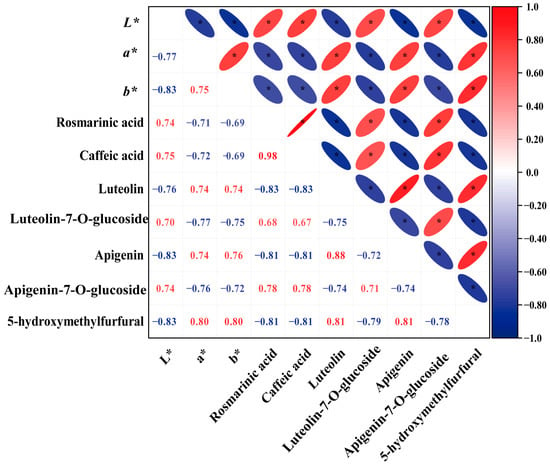
Non-Enzymatic Browning of Collagen Hydrolysates with Chondroitin Sulfate Disaccharides from Turkey and Shark Cartilage
by
Anna Pudło
Molecules 2026, 31(8), 1241; https://doi.org/10.3390/molecules31081241 (registering DOI) - 9 Apr 2026
Abstract
►▼
Show Figures
The aim of this study was to evaluate the feasibility of inducing non-enzymatic browning using enzymatic collagen hydrolysates from turkey knee cartilage and chondroitin sulfate disaccharides derived from turkey and shark cartilage. Glycation was carried out in aqueous solutions at 60–120 °C for
[...] Read more.
The aim of this study was to evaluate the feasibility of inducing non-enzymatic browning using enzymatic collagen hydrolysates from turkey knee cartilage and chondroitin sulfate disaccharides derived from turkey and shark cartilage. Glycation was carried out in aqueous solutions at 60–120 °C for 3 h. After glycation, furosine content and browning intensity were determined as indicators of intermediate and final Maillard reaction products. FTIR spectra, color parameters, and antioxidant properties were also analyzed. The results showed that chondroitin sulfate disaccharides were more reactive with collagen hydrolysates than glucose and produced glycation products with higher antioxidant activity. The sulfation site on the N-acetylgalactosamine residue linked to glucuronic acid influenced the characteristics of the Maillard reaction products, including higher antioxidant activity and increased redness in products derived from turkey chondroitin sulfate disaccharides compared with those derived from shark cartilage, despite very similar FTIR spectral characteristics.
Full article

Figure 1
Open AccessArticle
Phytochemical Characterisation and Bioactivity of Picnomon acarna Extracts: LC–MS/MS Profiling, Antioxidant Capacity and Enzyme Inhibition
by
Zeyneb Karakus
Molecules 2026, 31(8), 1240; https://doi.org/10.3390/molecules31081240 (registering DOI) - 9 Apr 2026
Abstract
Picnomon acarna (L.) Cass. is a Mediterranean medicinal plant with limited phytochemical and bioactivity characterisation. In this study, methanolic extracts obtained by maceration (MAC), Soxhlet (SOE), and ultrasound-assisted extraction (UAE) were comparatively investigated to determine their phytochemical composition and biological potential. Liquid chromatography–electrospray
[...] Read more.
Picnomon acarna (L.) Cass. is a Mediterranean medicinal plant with limited phytochemical and bioactivity characterisation. In this study, methanolic extracts obtained by maceration (MAC), Soxhlet (SOE), and ultrasound-assisted extraction (UAE) were comparatively investigated to determine their phytochemical composition and biological potential. Liquid chromatography–electrospray ionisation–tandem mass spectrometry (LC–ESI–MS/MS) analysis identified and quantified 24 phenolic compounds, with hesperidin, chlorogenic acid, and hyperoside as the dominant constituents. The maceration extract exhibited the highest total phenolic content (29.06 mg GAE/g extract) and showed superior antioxidant performance across six complementary assays [2,2-diphenyl-1-picrylhydrazyl (DPPH), 2,2′-azinobis-(3-ethylbenzothiazoline-6-sulfonic acid) (ABTS), cupric reducing antioxidant capacity (CUPRAC), ferric reducing antioxidant power (FRAP), phosphomolybdenum, and ferrous-ion chelation), reflected by the highest relative antioxidant capacity index (RACI = 0.93). Enzyme inhibition assays revealed extraction-dependent activity patterns: Soxhlet and ultrasound extracts demonstrated stronger acetylcholinesterase inhibition (IC50 ≈ 1.23 mg/mL), while Soxhlet extract showed the most potent tyrosinase (AChE) inhibition (IC50 = 1.48 mg/mL). α-Amylase inhibition was comparable among extracts (IC50 = 1.90–2.03 mg/mL). Pearson correlation analysis indicated strong relationships between major phenolics and antioxidant activity. Molecular docking further supported these findings, showing favourable binding affinities of hesperidin, hyperoside, and chlorogenic acid toward α-amylase and acetylcholinesterase, while only chlorogenic acid and hyperoside demonstrated favourable interactions with tyrosinase-related protein-1 (TYRP1), whereas hesperidin did not exhibit a meaningful binding affinity. Overall, the results demonstrate that the extraction strategy significantly influences the phenolic composition and multi-target bioactivity of P. acarna, highlighting its potential as a source of natural antioxidant and enzyme-modulating compounds.
Full article
(This article belongs to the Special Issue Biologically Active Molecules from Microbes and Plants)
►▼
Show Figures

Figure 1
Open AccessArticle
Hydrothermal Transformation of Organic Matter in the Case of Domanik Shale Deposits
by
Yaroslav Onishenko, Arash Tajik, Alexey Vakhin, Aleksey Dengaev, Facknwie Kahwir Oscar, Sergey Sitnov, Yulia Duglav, Mustafa Ismaeel, Oybek Mirzaev and Firdavs Aliev
Molecules 2026, 31(8), 1239; https://doi.org/10.3390/molecules31081239 (registering DOI) - 9 Apr 2026
Abstract
The presence of source rock with a high concentration of kerogen is not a sufficient condition for petroleum formation, as maturation requires specific thermodynamic conditions. In this study, the artificial maturation of organic matter was investigated through hydrothermal treatment simulating the vaporization–condensation zones
[...] Read more.
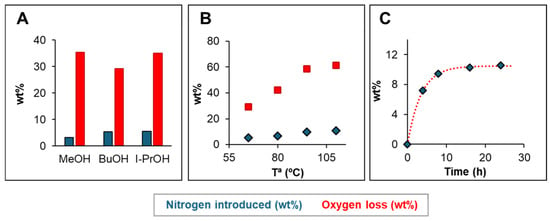
The presence of source rock with a high concentration of kerogen is not a sufficient condition for petroleum formation, as maturation requires specific thermodynamic conditions. In this study, the artificial maturation of organic matter was investigated through hydrothermal treatment simulating the vaporization–condensation zones associated with in situ combustion and steam-assisted recovery processes. The experiments were conducted under an inert nitrogen atmosphere at 250–350 °C to reproduce oxygen-depleted thermal environments where hydrothermal reactions dominate. The results demonstrate that the bitumoid yield increases with temperature, reaching a maximum of 4.44 wt.% at 300 °C, followed by a decline at 350 °C due to secondary cracking. At the same time, gas generation increases significantly, with a more than five-fold rise in total gas yield between 250 and 350 °C. In parallel, the H/C atomic ratio of kerogen decreases from 1.17 in the initial sample to 0.52 at 350 °C, indicating progressive aromatization and advanced catagenetic transformation. These changes are accompanied by the conversion of high-molecular-weight kerogen into resins, asphaltenes, and subsequently lighter hydrocarbons. The study provides experimental evidence for the effectiveness of hydrothermal processes in inducing kerogen transformation under inert conditions, offering insights into the mechanisms governing artificial maturation in unconventional reservoirs.
Full article
(This article belongs to the Topic Petroleum and Gas Engineering, 2nd edition)
►▼
Show Figures

Figure 1
Open AccessArticle
Chemical Constituents Comparison Between the Flowers of Sophora japonica L. and Robinia pseudoacacia L. by UPLC-Q-TOF-MS/MS and HPLC
by
Cui-Cui Sun, Yi-Ting Chen, Hai-Xia Xu, Yu-Xian Guo and Qing-Feng Zhang
Molecules 2026, 31(8), 1238; https://doi.org/10.3390/molecules31081238 (registering DOI) - 9 Apr 2026
Abstract
The flowers of Sophora japonica L. (SJF) and Robinia pseudoacacia L. (RPF) are edible and similar in appearance. The chemical constituents of SJF and RPF were compared by UPLC-Q-TOF-MS/MS and HPLC analysis in this study. A total of 29 and 19 constituents were
[...] Read more.
The flowers of Sophora japonica L. (SJF) and Robinia pseudoacacia L. (RPF) are edible and similar in appearance. The chemical constituents of SJF and RPF were compared by UPLC-Q-TOF-MS/MS and HPLC analysis in this study. A total of 29 and 19 constituents were identified in SJF and RPF, respectively. Flavonoid glycosides were the main constituents found in both flowers. The main aglycon moieties found in SJF were quercetin, kaempferol and isorhamnetin, whereas acacetin and kaempferol were the main ones found in RPF. Additionally, the content of flavonoids in SJF was significantly higher than that in RPF, as determined by HPLC. Rutin was the most dominant flavonoid in SJF with a content range of 72.31~88.15 mg/g, followed by quercetin (13.05~20.30 mg/g). Kaempferol-di(rhamnoside)-hexoside was the most dominant flavonoid in RPF with a content range of 25.94~30.00 mg/g. The distinct flavonoid profiles indicated the chemical non-equivalence of SJF and RPF. Therefore, RPF should not be considered a direct substitute for SJF in herbal medicine without further pharmacological and clinical validation.
Full article
(This article belongs to the Special Issue Application of Analytical Methods in Food, Drug, and Natural Products Research: 3rd Edition)
►▼
Show Figures

Figure 1
Open AccessArticle
Use of Halogenated Units for the Construction of Artificial Carbohydrate Receptors
by
Betty Fuhrmann, Conrad Hübler and Monika Mazik
Molecules 2026, 31(8), 1237; https://doi.org/10.3390/molecules31081237 (registering DOI) - 9 Apr 2026
Abstract
To investigate the potential of halogen-containing building blocks in the development of artificial carbohydrate receptors, the 1,3,5-trisubstituted 2,4,6-triethylbenzene scaffold with halogenated subunits and classical hydrogen bonding sites was used as a model system. In the first studies, the influence of the presence of
[...] Read more.
To investigate the potential of halogen-containing building blocks in the development of artificial carbohydrate receptors, the 1,3,5-trisubstituted 2,4,6-triethylbenzene scaffold with halogenated subunits and classical hydrogen bonding sites was used as a model system. In the first studies, the influence of the presence of halogens on the binding properties of compounds bearing benzamidomethyl units was investigated, whereby the type of halogen and its ring position were varied. The question was whether the presence of halogens could lead to an increase in binding effectivity and whether this increase can be attributed to the formation of halogen bonds (especially for X = Br and I in ortho position) with the sugar substrate or to other effects. The binding studies revealed some interesting relationships between structure and binding affinity for the tested compounds 1–9. For those bearing the halogen substituent in the ortho position to the amide functionality, the binding affinity increases in the expected order 4 (o-F) < 3 (o-Cl) < 2 (o-Br) < 1 (o-I). In the presence of small amounts of water in CDCl3, an increase in binding strength was observed in comparison to experiments conducted in dry CDCl3. The present studies aim to provide impulses for the use of halogenated building blocks in the design of artificial carbohydrate receptors. Optimizing the type of halogenated units and the receptor architecture should result in more effective carbohydrate receptors capable of functioning effectively in aqueous media through a combination of different noncovalent interactions.
Full article
(This article belongs to the Special Issue Recent Advances in Supramolecular Chemistry, 2nd Edition)
►▼
Show Figures

Graphical abstract
Open AccessArticle
The Influence of Autohydrolysis Temperature and the Addition of 2 wt% of Expired Paracetamol on the Thermal Behavior and Composition of Pyrolysis Products After Hydrothermal Treatment of Sunflower Stems (SSs) and Sunflower Inflorescences (SIs)
by
Andrzej Strojwas, Valentina Zubkova, Joanna Masternak and Ilona Stabrawa
Molecules 2026, 31(8), 1236; https://doi.org/10.3390/molecules31081236 (registering DOI) - 9 Apr 2026
Abstract
►▼
Show Figures
The influence of the autohydrolysis temperature of sunflower stems (SSs) and sunflower inflorescence (SI) on the changes in the composition of the pyrolysis products of their hydrochars (HCs) was investigated. This research was carried out using a TG/FT-IR analytical device, the semi-quantitative ATR
[...] Read more.
The influence of the autohydrolysis temperature of sunflower stems (SSs) and sunflower inflorescence (SI) on the changes in the composition of the pyrolysis products of their hydrochars (HCs) was investigated. This research was carried out using a TG/FT-IR analytical device, the semi-quantitative ATR technique, the quantitative XRD technique, and the SEM (EDS) technique. It was found that a rise in autohydrolysis temperature alarmingly increases the contribution of undesirable hydrocarbons in the volatile pyrolysis products of HCs calculated with respect to the emitted CO2 and substantially decreases the yield of pyrolyzed solid products. The rise in autohydrolysis temperature not only changes the content of inorganics in HCs but also influences the migration of inorganics in these samples during pyrolysis: intensifies the migration of Mg and Ca and reduces the migration of K. This affects the secondary reaction between the volatile pyrolysis products. The addition of 2 wt% of paracetamol to pyrolyzed HCs inhibits the migration of Mg and Ca and increases the migration of K with volatile products, which positively influences the reduction in undesirable compounds in the composition of emitted volatile products. The addition of paracetamol decreases the yield of pyrolyzed SSHCs by circa 2% and increases the yield of pyrolyzed SIHC180 by almost 5%.
Full article

Figure 1
Open AccessArticle
A Dual-Drug Nanocarrier Strategy for Ocular Fungal Infections: Micelles Embedded in Electrospun Nanofibers
by
Egemen Uzel, Meltem Ezgi Durgun, Neriman Aydilek, Mayram Hacıoğlu, Sevgi Güngör and Yıldız Özsoy
Molecules 2026, 31(8), 1235; https://doi.org/10.3390/molecules31081235 - 8 Apr 2026
Abstract
Ocular fungal diseases are associated with severe infection and pain and, in advanced stages, can lead to vision loss. Current treatment options are limited to the topical application of conventional drugs, and the bioavailability of these drugs is quite limited due to ocular
[...] Read more.
Ocular fungal diseases are associated with severe infection and pain and, in advanced stages, can lead to vision loss. Current treatment options are limited to the topical application of conventional drugs, and the bioavailability of these drugs is quite limited due to ocular barriers. In this study, a dual-drug nanodelivery system was developed to improve intraocular drug delivery by combining antifungal and anti-inflammatory therapies. Posaconazole (PSC), a broad-spectrum triazole antifungal agent, and dexketoprofen trometamol (DKP), a rapidly acting nonsteroidal anti-inflammatory drug, were co-loaded onto polymeric micelles and then incorporated into electrospun poly(vinyl alcohol)/poly(vinylpyrrolidone) (PVA/PVP) nanofiber intraocular implants. DSC, XRD, FTIR, and FESEM analyses showed that both APIs were successfully converted into nanofiber form without disrupting the micelle structure. Comparative studies with DKP solution and PSC commercial oral suspension (Noxafil® 40 mg/mL) showed that the produced micelle-loaded nanofibers provided sustained release and significantly increased ex vivo ocular permeation and penetration. In vitro antifungal activity tests demonstrated efficacy against Candida albicans, and HET-CAM toxicity tests showed that the micelle-loaded nanofibers were non-irritating and suitable for ocular application. Overall, the micelle-loaded electrospun nanofiber ocular inserts developed in this study represent a promising platform for combined antifungal and anti-inflammatory ocular therapy.
Full article
(This article belongs to the Special Issue Nanostructured Materials: Synthesis, Functionalization and Applications in Biomedicine—2nd Edition)
►▼
Show Figures

Figure 1
Open AccessArticle
Oil Extract of Green Brazilian Propolis, Antioxidant Activity, Safety and Quality Control
by
Murilo Alberici de Oliveira, Giovanna Veronezzi, Guilherme Perez Pinheiro, Marcia Ortiz Mayo Marques and Alexandra Christine Helena Frankland Sawaya
Molecules 2026, 31(8), 1234; https://doi.org/10.3390/molecules31081234 - 8 Apr 2026
Abstract
Propolis is a resin collected by bees from several plant sources and used by humans for centuries. Its commercial use is usually based on alcoholic extracts, which is a drawback for some applications. Conversely, oil extracts are non-toxic and capable of extracting and
[...] Read more.
Propolis is a resin collected by bees from several plant sources and used by humans for centuries. Its commercial use is usually based on alcoholic extracts, which is a drawback for some applications. Conversely, oil extracts are non-toxic and capable of extracting and dissolving a wide range of less polar compounds. As previous studies showed that oil extracts presented bioactivity similar to ethanolic extracts, a reproducible method for the extraction of green Brazilian propolis was developed and patented. The antimicrobial and cytotoxic activities of the ethanolic and oil extracts of green propolis were compared as well as their ultra-high-performance liquid chromatography with high-resolution mass spectrometry (UHPLC-HRMS) profiles, with similar results. A method was developed to recover propolis bioactive compounds from the oily matrix in order to allow its qualitative and quantitative quality control, according to parameters determined by the Brazilian Ministry of Agriculture, and is presented herein for the first time. The total flavonoid and phenolic contents, antioxidant activity and dry mass are comparable to the ethanolic extract. Therefore, OEP can be recommended for the diverse food supplements and cosmetic products that currently use the ethanolic extract of propolis, without the drawbacks of the presence of alcohol in these formulations.
Full article
(This article belongs to the Special Issue Functional Foods: Bioactive Compounds, Antioxidants and Anti-Inflammatory Activities, 2nd Edition)
►▼
Show Figures

Figure 1
Open AccessArticle
Integrative In Vivo and Proteomic Analysis of a Bovistella utriformis Polysaccharide Formulation Reveals Mechanisms of Enhanced Skin Wound Healing
by
Aya Maaloul, Juan Decara, Piedad Valverde-Guillén, Casimiro Cárdenas-García, Cristian Riquelme, Claudia Pérez Manríquez, Antonio Jesús López-Gambero, María Albendea Santana, Manuel Marí-Beffa, Marisel Araya-Rojas, Victor Fajardo and Roberto Teófilo Abdala-Díaz
Molecules 2026, 31(8), 1233; https://doi.org/10.3390/molecules31081233 - 8 Apr 2026
Abstract
►▼
Show Figures
Natural fungal polysaccharides are increasingly explored as bioactive compounds capable of orchestrating complex regenerative responses during tissue repair. This study aimed to evaluate the in vivo wound-healing efficacy and molecular mechanisms of a topical polysaccharide formulation derived from Bovistella utriformis (Calvatin 2%) using
[...] Read more.
Natural fungal polysaccharides are increasingly explored as bioactive compounds capable of orchestrating complex regenerative responses during tissue repair. This study aimed to evaluate the in vivo wound-healing efficacy and molecular mechanisms of a topical polysaccharide formulation derived from Bovistella utriformis (Calvatin 2%) using complementary murine, zebrafish, and proteomic approaches. Phylogenetic analysis based on ITS sequences confirmed the taxonomic identity of the Chilean specimen. In a murine full-thickness excisional wound model, Calvatin 2% significantly accelerated wound contraction and re-epithelialization compared to both saline and base-cream controls, achieving near-complete closure by day 10. Label-free quantitative proteomic analysis of wound tissue by UHPLC-HRMS identified 2432 high-confidence proteins, with 171 upregulated and 153 downregulated proteins in the Calvatin versus control comparison (p < 0.01). Functional enrichment revealed strong activation of innate immune response, complement activation, coagulation cascades, and acute-phase response pathways, while lipid metabolism, mitochondrial energy production, and muscle-related processes were significantly downregulated. KEGG pathway analysis further highlighted complement and coagulation cascades and neutrophil extracellular trap formation as the most prominently affected pathways. In a zebrafish laser-induced wound model, Calvatin induced early and sustained regenerative responses, reaching over 93% wound closure by 18 days post-lesion, significantly outperforming both PBS and vehicle-treated groups. Chronic oral administration of polysaccharides did not induce major hepatic inflammatory responses, supporting systemic safety. Overall, these findings indicate that B. utriformis polysaccharides are associated with modulation of immune- and repair-related pathways together with tissue reprogramming processes that may contribute to accelerated cutaneous regeneration, positioning Calvatin as a promising bioactive formulation for wound-healing applications.
Full article

Figure 1
Open AccessArticle
Effect of Phthalocyanines Substitution Pattern on Their Loading into Bacterial Cellulose Nanocrystals
by
Zeynel Şahin
Molecules 2026, 31(8), 1232; https://doi.org/10.3390/molecules31081232 - 8 Apr 2026
Abstract
Photodynamic therapy (PDT) has already gained immense attention in the anti-tumor field due to its low toxicity and non-invasiveness compared to traditional treatment methods. Therefore, the development of efficient photosensitizers is crucial for the advancement of photodynamic therapy. Although phthalocyanines (Pcs) have attracted
[...] Read more.
Photodynamic therapy (PDT) has already gained immense attention in the anti-tumor field due to its low toxicity and non-invasiveness compared to traditional treatment methods. Therefore, the development of efficient photosensitizers is crucial for the advancement of photodynamic therapy. Although phthalocyanines (Pcs) have attracted huge attention as efficient photosensitizers, their clinical applications are hindered by poor solubility and a tendency to aggregate. Herein, two different Pcs that have different polarities were loaded into bacterial cellulose nanoparticles via non-covalent interactions. The aggregation behaviors and singlet oxygen production efficiencies were studied, as well as the influence of the Pc polarity on loading ratios. It was observed that octa-propylsulfonyl phthalocyanine ZnPc(SO2Pr)8, which has a more polar structure, loaded more on bacterial cellulose nanocrystal. Also, singlet oxygen generation efficiency of ZnPc(SO2Pr)8 was harmoniously increased with the loading ratio. The result indicated that both of the phthalocyanine/bacterial cellulose nanocrystal (Pc/BCNs) systems produced singlet oxygen and could be used as potential photosensitizers in PDT, especially ZnPc(SO2Pr)8, due to the high loading ratio.
Full article
(This article belongs to the Special Issue Design, Synthesis, and Photochemical Studies of Functional Dyes)
►▼
Show Figures

Figure 1
Open AccessArticle
Cucurbitane-Type Glycosides and Sterol from Momordica balsamina Linn. As Target Potential Leads for Diabetes Management
by
Buang Matseke, Daniel Tswaledi, Raymond T. Makola, Xavier Siwe-Noundou, Ali H. Rabbad, Sekelwa Cosa and Kokoette Bassey
Molecules 2026, 31(8), 1231; https://doi.org/10.3390/molecules31081231 - 8 Apr 2026
Abstract
Momordica balsamina Linn. is widely used in traditional medicine for the management of diabetes; however, the specific bioactive compounds responsible for this activity have not been fully isolated and structurally elucidated from South African populations. This study reports, for the first time, the
[...] Read more.
Momordica balsamina Linn. is widely used in traditional medicine for the management of diabetes; however, the specific bioactive compounds responsible for this activity have not been fully isolated and structurally elucidated from South African populations. This study reports, for the first time, the isolation and comprehensive characterization of antidiabetic compounds from South African samples of M. balsamina. Crude extracts were obtained through sequential solvent extraction, followed by isolation and purification using vacuum liquid chromatography. Structural elucidation was achieved using HPLC, UPLC–MS, FTIR, and NMR spectroscopy. The antidiabetic potential of the isolated compounds was evaluated through inhibition assays against α-amylase, α-glucosidase, and β-glucosidase. Molecular docking was employed to examine binding interactions with these target enzymes, while cytotoxicity was assessed using the MTT assay against Vero and HEK-293 cell lines. Two compounds, DD26.27 and EAEA1.2, were successfully isolated from dichloromethane and ethyl acetate extracts, respectively. Both compounds demonstrated concentration-dependent inhibition of the tested enzymes. Notably, molecular docking revealed strong binding affinities and favorable interactions with key catalytic residues, surpassing the standard drug acarbose and corroborating the in vitro results. Cytotoxicity studies confirmed that, at lower concentrations, the compounds were non-toxic to the tested cell lines. Collectively, these findings provide novel scientific validation of the traditional use of M. balsamina in South Africa and identify promising lead compounds for further in vivo studies and antidiabetic drug development targeting postprandial hyperglycemia.
Full article
(This article belongs to the Special Issue Advances in Natural Products and Their Biological Activities—2nd Edition)
►▼
Show Figures

Graphical abstract
Open AccessArticle
Design, Synthesis, and Biological Activity of Boron-Bearing Sugar Derivatives for Boron Neutron Capture Therapy (BNCT)
by
Mengyan Hou, Xia Li, Yan Li, Wenhao Shi, Haotian Tang, Fang Feng, Xuan Wan, Hua Xie and Guilong Zhao
Molecules 2026, 31(8), 1230; https://doi.org/10.3390/molecules31081230 - 8 Apr 2026
Abstract
Radiotherapy is one of the conventional methods for the treatment of cancers. Boron neutron capture therapy (BNCT) has emerged as a promising and well-recognized modality for treating certain types of cancers. BNCT is a binary radiotherapy that largely depends on neutron beams and
[...] Read more.
Radiotherapy is one of the conventional methods for the treatment of cancers. Boron neutron capture therapy (BNCT) has emerged as a promising and well-recognized modality for treating certain types of cancers. BNCT is a binary radiotherapy that largely depends on neutron beams and 10B carriers. Although an “ideal” boron carrier should fulfill multiple criteria, high tumor/normal tissue ratio (T/N > 5) and high tumor uptake of boron (>20 μg/g) are critically important. First-generation (boric acid and derivatives) and second-generation (BPA and BSH) boron carriers suffer from poor T/N and extremely high dose in clinical use (500 mg/kg and usually >30 g for each patient). Glucose transporter 1 (GLUT1) is overexpressed on the membrane surface of multiple tumors and is a potential target for third-generation boron carrier to achieve high T/N and high tumor uptake of boron. However, the boron-bearing sugar derivatives designed in the last few decades have suffered from suboptimal T/N values and significant cytotoxicity. In the present study, a total of two categories comprising 6 series (28 in total) of boron-bearing sugar derivatives were designed and synthesized and their cellular boron uptake, T/N, and cytotoxicity were evaluated. The structure–activity relationship (SAR) of these target compounds was analyzed, and one of the target compounds, B3, a phenyl C-mannoside with an o-carborane moiety, exhibited the best boron-carrying profile, which featured 10.6-fold higher boron uptake by the SCC-9 cell line and a largely improved T/N (3.3 for B3 vs. 1.4 for BPA) compared with the current clinical gold standard BPA. Therefore, the chemical structure of B3 represents a privileged candidate structure for the future design of “ideal” boron carriers for BNCT.
Full article
(This article belongs to the Section Medicinal Chemistry)
►▼
Show Figures

Graphical abstract
Open AccessArticle
l-Tryptophan Stimulates Bioactive Metabolite Accumulation and Cell Wall Remodelling in Flax Callus Cultures
by
Kornelia L. Tudruj, Michał Piegza, Lucyna Dymińska, Maja Słupczyńska and Magdalena Wróbel-Kwiatkowska
Molecules 2026, 31(8), 1229; https://doi.org/10.3390/molecules31081229 - 8 Apr 2026
Abstract
While l-tryptophan is a precursor of plant growth regulators, its effects on secondary metabolism, amino acid profile and cell wall organization in flax callus remain underexplored. This study aimed to optimize flax callus shaken cultures and evaluate the impact of l-tryptophan
[...] Read more.
While l-tryptophan is a precursor of plant growth regulators, its effects on secondary metabolism, amino acid profile and cell wall organization in flax callus remain underexplored. This study aimed to optimize flax callus shaken cultures and evaluate the impact of l-tryptophan (0.1 mM and 1 mM) on structural properties of plant cell walls in tested callus using Fourier transform infrared spectroscopy. The impact of l-tryptophan on callus proliferation and metabolism was also determined, because amino acids (among them l-tryptophan) can promote the growth of callus. The results showed that 1 mM l-tryptophan is an effective elicitor, which stimulates flax callus to accumulate larger amounts of bioactive compounds, especially carotenoids and polyphenols, than control callus cultured without l-tryptophan. A lower concentration of l-tryptophan (0.1 mM) slightly improved the level of determined secondary metabolites (except flavonoids). The effect of l-tryptophan on polymers in plant cell walls was investigated. The data confirm that the plant cell wall is a dynamic structure, capable of remodelling in response to growth conditions and external agents. l-tryptophan (0.1 and 1 mM) reduced cellulose levels and induced structural changes in cellulose compared to the untreated control. The structural analyses also suggested a decrease in lignin level and increase in pectin amounts in flax callus after tryptophan addition in comparison to control callus. The results may reflect the relationship between tryptophan and auxins (which are derived from tryptophan) and confirm the role of these metabolites in shaping the structure of the plant cell wall. In fact, an increase in tryptophan level was confirmed in flax callus in tested experimental conditions (supplementation of cultures with both doses of l-tryptophan). These findings have practical significance, because l-tryptophan is also used as a fertilizer or component of fertilizers in plant cultivation.
Full article
(This article belongs to the Special Issue Natural Products: Isolation, Analysis and Biological Activity, 2nd Edition)
►▼
Show Figures

Figure 1
Open AccessArticle
Synthesis and Biological Evaluation of Isomeric Artemisinin Trimers as Novel Antitumor Agents
by
Zejin Zhang, Along Li, Bingying Jiang, Typhaine Bejoma, Yongxi Zhao, Fujiang Guo, Yajuan Li, Huiyu Li and Qingjie Zhao
Molecules 2026, 31(8), 1228; https://doi.org/10.3390/molecules31081228 - 8 Apr 2026
Abstract
While artemisinin and its derivatives demonstrate broad antitumor potential, the stereochemical influence on the bioactivity of higher-order artemisinin assemblies remains inadequately characterized. Herein, we report the synthesis, chromatographic separation, and structural elucidation of four stereoisomeric artemisinin trimers, followed by systematic evaluation of their
[...] Read more.
While artemisinin and its derivatives demonstrate broad antitumor potential, the stereochemical influence on the bioactivity of higher-order artemisinin assemblies remains inadequately characterized. Herein, we report the synthesis, chromatographic separation, and structural elucidation of four stereoisomeric artemisinin trimers, followed by systematic evaluation of their antitumor efficacy against MCF-7 and MDA-MB-231 breast cancer cell lines. All trimers exhibited potent cytotoxicity against MCF-7 cells (IC50 < 0.09 μM), with trimer 6a (β, β, β) demonstrating robust antitumor activity in both in vitro and in vivo xenograft models. Remarkably, pronounced stereochemistry-dependent activity emerged against MDA-MB-231 cells: 6a displayed approximately 100-fold greater potency than 6b (β, β, α) and 6.6-fold superiority over gemcitabine. Mechanistic investigations revealed that 6a downregulates Cyclin D1, CDK4, and CDK6 expression, thereby inducing G0/G1 phase cell cycle arrest. These findings underscore the pivotal role of stereochemical configuration in modulating artemisinin trimer bioactivity and provide rational guidance for structure-based design of artemisinin-derived anticancer therapeutics.
Full article
(This article belongs to the Special Issue Advances in Anticancer Activity of Natural Products and Related Compounds)
►▼
Show Figures

Graphical abstract
Open AccessArticle
Anti-Neuroinflammatory Cannabinoid Acids as a New Therapeutic Approach for Multiple Sclerosis
by
Nitsan Sharon, Yvonne Ventura, Nirit Bernstein, Jonathan Gorelick, Shimon Ben-Shabat and Sigal Fleisher-Berkovich
Molecules 2026, 31(7), 1227; https://doi.org/10.3390/molecules31071227 - 7 Apr 2026
Abstract
Neuroinflammation is a hallmark of multiple sclerosis (MS). MS is marked by glial cell activation, autoreactive T cells, and the release of pro-inflammatory cytokines and free radicals. Current therapeutic strategies aim to modulate the immune response using disease-modifying therapies, to slow disease progression.
[...] Read more.
Neuroinflammation is a hallmark of multiple sclerosis (MS). MS is marked by glial cell activation, autoreactive T cells, and the release of pro-inflammatory cytokines and free radicals. Current therapeutic strategies aim to modulate the immune response using disease-modifying therapies, to slow disease progression. The specific aims of this study were: (a) to investigate the effect of cannabinoid acids on the release of glial neuroinflammatory mediators, (b) to examine the effect of intraperitoneally administered cannabinoid acids on symptoms of MS, and (c) to evaluate their effects on microglial and astrocyte activation and CD4+ T cell infiltration into the spinal cords of MS mice. Exposure of BV2 microglia to cannabinoid acids attenuated lipopolysaccharide (LPS)-induced expression of inducible nitric oxide synthase by 40–90% it also reduced the release of nitric oxide and interleukin-17A. Among the cannabinoid acids tested, cannabidiolic acid (CBDA) significantly increased tumor necrosis factor alpha (TNFα) secretion by up to 40% in LPS-stimulated BV2 cells. Intraperitoneal administration of CBDA also resulted in a twofold increase in TNFα secretion in splenocytes isolated from MS mice, compared to untreated MS controls. This study provides evidence that CBDA significantly reduces neurological scores, while both cannabinoid acids attenuate microgliosis, astrogliosis, and CD4+ T cell migration in lumbar spinal cord sections of MS mice. These compounds cross the blood–brain barrier (BBB) and act directly within the central nervous system. The consistent elevation of TNFα in the presence of CBDA across three experimental models suggests a distinctive immunomodulatory role for CBDA, with potential therapeutic implications in MS.
Full article
(This article belongs to the Special Issue Back to Nature: Pharmacological Activities of Phytochemicals Isolated from Medicinal Plants)
►▼
Show Figures

Figure 1
Open AccessArticle
Caffeic Acid, Reduced Glutathione, and Ferric Iron Addition Effects on the Redox Potential of Model Wine Solutions
by
William Jordan Wright, Dallas J. Parnigoni, Sean Kuster, James Nelson, Robert E. Coleman and L. Federico Casassa
Molecules 2026, 31(7), 1226; https://doi.org/10.3390/molecules31071226 - 7 Apr 2026
Abstract
To further understand redox mechanisms occurring in wine, caffeic acid (CAF, 150 mg/L) and/or glutathione (GSH, 150 mg/L) were added to a model wine solution, followed by ferric iron (2 mg/L Fe(III), added as 10 mg/L Fe(III) chloride hexahydrate), while monitoring the oxidation–reduction
[...] Read more.
To further understand redox mechanisms occurring in wine, caffeic acid (CAF, 150 mg/L) and/or glutathione (GSH, 150 mg/L) were added to a model wine solution, followed by ferric iron (2 mg/L Fe(III), added as 10 mg/L Fe(III) chloride hexahydrate), while monitoring the oxidation–reduction potential (ORP, redox potential). Caffeic acid produced only modest ORP changes. In contrast, glutathione and caffeic acid + glutathione additions dropped the ORP from 243 mV and 238 mV, respectively, to the same post-addition value of 189 mV, suggesting that glutathione dictated the ORP, while caffeic acid showed no effect. The quinone of caffeic acid (assumed as changes in AU at 420 nm), was not detected, suggesting caffeic acid did not participate in oxidation reactions under wine conditions under superfluous amounts of dissolved oxygen (DO). After the addition of Fe(III), ORP increased to similar values across all treatments: 266 mV (FE), 269 mV (CAF), 284 mV (GSH), and 242 mV (CAF + GSH), suggesting that the Fe(II)/Fe(III) redox couple dominated the ORP electrode response. CAF + GSH produced the steepest ORP decline after the addition of Fe(III) chloride hexahydrate (β (slope of the ORP) = −0.7082), significantly steeper than FE (β = −0.3051; p = 0.0032) and GSH (β = −0.4643; p = 0.0496), suggesting synergistic radical quenching and metal redox cycling. Photo-Fenton-like reactions likely contributed to slight decreases in the ORP over time. In conclusion, glutathione strongly lowered the ORP, Fe(III) increased the ORP across treatments, and caffeic acid had minimal impact on the ORP under model wine conditions.
Full article
(This article belongs to the Special Issue Current Research in Wine Chemistry and Analysis)
►▼
Show Figures

Graphical abstract
Open AccessArticle
Chemical Characterization, Evaluation of Antimicrobial Potential, and Cytotoxic Activity of Thuja occidentalis L. and Myrtus communis L. Essential Oils for Topical Applications
by
Elena Dănilă, Ioana Cristina Marinas, Madalina Diana Gaboreanu, Vlad Andrei Neacșu, Irina Titorencu, Minodora Maria Marin, Durmuş Alpaslan Kaya, Nafiz Çeliktaş, Mădălina Albu Kaya and Raluca Țuțuianu
Molecules 2026, 31(7), 1225; https://doi.org/10.3390/molecules31071225 - 7 Apr 2026
Abstract
In this study, we investigated the chemical composition, antimicrobial and antibiofilm activities, and cytotoxicity of Thuja occidentalis L. (thuja) and Myrtus communis L. (myrtle) essential oils (EOs) to evaluate their potential as natural alternatives for topical applications. Thuja EOs were extracted from fresh
[...] Read more.
In this study, we investigated the chemical composition, antimicrobial and antibiofilm activities, and cytotoxicity of Thuja occidentalis L. (thuja) and Myrtus communis L. (myrtle) essential oils (EOs) to evaluate their potential as natural alternatives for topical applications. Thuja EOs were extracted from fresh and dried leaves and cones, while myrtle EO was extracted from fresh leaves. GC-MS analysis revealed that myrtle EO was rich in oxygenated monoterpenes (58.2%), predominantly eucalyptol (41.86%) and α-pinene (20.98%). In contrast, thuja EOs were dominated by monoterpene hydrocarbons (55–82%), with α-pinene as the major component (29–66%), and their composition varied markedly with plant organ and moisture state. Myrtle EO displayed the most potent and broad-spectrum antimicrobial activity, with MIC values as low as 3.096 µL/mL against Staphylococcus aureus and Escherichia coli, and effectively inhibited microbial adherence. Thuja EOs showed selective activity, particularly against Gram-positive bacteria and Candida parapsilosis, with EOs extracted from fresh leaves and cones exhibiting the lowest MICs (1.95–7.8 µL/mL). All EOs did not show cytotoxicity to human keratinocytes at concentrations ≤125 µg/mL and, when diluted to 0.05%, indicated excellent skin compatibility in human patch tests. This study suggests that myrtle and thuja EOs, particularly myrtle, are promising and safe natural antimicrobial agents for dermatological and cosmetic formulations.
Full article
(This article belongs to the Special Issue Plant-Based Food Science: Chemical Composition and Biological Activity—2nd Edition)
►▼
Show Figures

Graphical abstract
Open AccessArticle
Hydrothermal Conversion of Annatto Seed Waste (Bixa orellana) into Functional Hydrochar: Synthesis, Characterization, and Adsorption Mechanism of Tetracycline
by
Diana Guaya, Linda Jadán and José Luis Cortina
Molecules 2026, 31(7), 1224; https://doi.org/10.3390/molecules31071224 - 7 Apr 2026
Abstract
Agroindustrial residues represent an abundant and underutilized source of carbon-rich materials for environmental remediation. In this study, annatto processing waste (Bixa orellana), a largely unexplored lignocellulosic by-product generated during pigment extraction, was converted into hydrochar via hydrothermal carbonization at 200 °C
[...] Read more.
Agroindustrial residues represent an abundant and underutilized source of carbon-rich materials for environmental remediation. In this study, annatto processing waste (Bixa orellana), a largely unexplored lignocellulosic by-product generated during pigment extraction, was converted into hydrochar via hydrothermal carbonization at 200 °C for 3 h. The resulting hydrochar (HC-AW) exhibited a predominantly amorphous carbon structure with retained oxygen-containing surface functionalities, and a solid yield of 44%, indicating efficient biomass conversion under subcritical conditions. Adsorption performance toward tetracycline was evaluated through pH-dependent experiments, kinetic modeling, equilibrium isotherms, and thermodynamic analysis. Maximum adsorption occurred under near-neutral conditions (pH ≈ 7), consistent with the interplay between tetracycline speciation and the hydrochar surface charge (pHPZC ≈ 6.3), highlighting its potential applicability under realistic water treatment conditions without pH adjustment. Kinetic data were well described by the pseudo-second-order model, while equilibrium results were best fitted by the Langmuir model, with a maximum adsorption capacity of 14.94 mg g−1 at 30 °C. Thermodynamic analysis indicated a spontaneous and slightly endothermic adsorption process. Overall, the results highlight the potential of annatto-derived hydrochar as a low-cost adsorbent and provide insight into the relationship between surface properties and adsorption behavior governing antibiotic removal from aqueous systems.
Full article
(This article belongs to the Topic Biomass for Energy, Chemicals and Materials)
►▼
Show Figures

Figure 1
Open AccessReview
Comparative Review of O,O′-, N,O-, and N,N′-Bidentate Ligands: Structural and Electronic Properties of β-Diketones, Enaminones, and β-Diketiminates
by
Jeanet Conradie
Molecules 2026, 31(7), 1223; https://doi.org/10.3390/molecules31071223 - 7 Apr 2026
Abstract
Bidentate ligands, derived from the 1,3-dicarbonyl framework, play a central role in coordination chemistry, catalysis, and materials science due to their tuneable donor properties and structural versatility. This review examines and compares three closely related ligand classes, β-diketones (O,O′ donors), imino-β-diketones or enaminones
[...] Read more.
Bidentate ligands, derived from the 1,3-dicarbonyl framework, play a central role in coordination chemistry, catalysis, and materials science due to their tuneable donor properties and structural versatility. This review examines and compares three closely related ligand classes, β-diketones (O,O′ donors), imino-β-diketones or enaminones (N,O donors), and di-imino-β-diketones or β-diketiminates (N,N′ donors), to elucidate how systematic substitution of oxygen by nitrogen affects structure and properties. The discussion integrates spectroscopic data (NMR and IR), crystallographic findings, electrochemical measurements, and density functional theory (DFT) calculations reported in the literature. Across these systems, tautomerism plays a decisive role, with conjugation-stabilized enol or enamine forms generally preferred in solution and the solid state. Frontier molecular orbital analyses show extensive delocalization over the chelate backbone and, when present, aromatic substituents. Electrochemical studies reveal consistent correlations between experimental reduction potentials and calculated LUMO energies for O,O′-, N,O-, and N,N′-bidentate ligands. Overall, the comparison demonstrates that donor atom substitution within a conserved conjugated scaffold provides a systematic approach to tuning acidity, coordination behaviour, and redox properties, offering a coherent framework for understanding structure–property relationships in 1,3-dicarbonyl-derived chelating ligands.
Full article
(This article belongs to the Special Issue N,O,S-Donor Ligands and Metal Complexes: From Structural Characterization to Biological and Catalytic Applications)
►▼
Show Figures

Figure 1
Journal Menu
► ▼ Journal Menu-
- Molecules Home
- Aims & Scope
- Editorial Board
- Reviewer Board
- Topical Advisory Panel
- Instructions for Authors
- Special Issues
- Topics
- Sections & Collections
- Article Processing Charge
- Indexing & Archiving
- Editor’s Choice Articles
- Most Cited & Viewed
- Journal Statistics
- Journal History
- Journal Awards
- Society Collaborations
- Conferences
- Editorial Office
- 30th Anniversary
Journal Browser
► ▼ Journal Browser-
arrow_forward_ios
Forthcoming issue
arrow_forward_ios Current issue - Vol. 31 (2026)
- Vol. 30 (2025)
- Vol. 29 (2024)
- Vol. 28 (2023)
- Vol. 27 (2022)
- Vol. 26 (2021)
- Vol. 25 (2020)
- Vol. 24 (2019)
- Vol. 23 (2018)
- Vol. 22 (2017)
- Vol. 21 (2016)
- Vol. 20 (2015)
- Vol. 19 (2014)
- Vol. 18 (2013)
- Vol. 17 (2012)
- Vol. 16 (2011)
- Vol. 15 (2010)
- Vol. 14 (2009)
- Vol. 13 (2008)
- Vol. 12 (2007)
- Vol. 11 (2006)
- Vol. 10 (2005)
- Vol. 9 (2004)
- Vol. 8 (2003)
- Vol. 7 (2002)
- Vol. 6 (2001)
- Vol. 5 (2000)
- Vol. 4 (1999)
- Vol. 3 (1998)
- Vol. 2 (1997)
- Volumes not published by MDPI
Highly Accessed Articles
Latest Books
E-Mail Alert
News
Topics
Topic in
Applied Nano, Catalysts, Materials, Nanomaterials, Polymers, Molecules
Application of Nanomaterials in Environmental Analysis
Topic Editors: Yonggang Zhao, Yun ZhangDeadline: 13 April 2026
Topic in
Biomolecules, Chemistry, IJMS, Molecules, Pharmaceuticals
Progress in Drug Design: Science and Practice
Topic Editors: Rui M. V. Abreu, Maria João QueirozDeadline: 30 April 2026
Topic in
Biomass, Energies, Materials, Molecules, Nanomaterials, Polymers
Biomass for Energy, Chemicals and Materials
Topic Editors: Shaohua Jiang, Changlei Xia, Shifeng Zhang, Xiaoshuai HanDeadline: 24 May 2026
Topic in
Catalysts, ChemEngineering, Chemistry, Materials, Molecules, Processes, Sustainability, Clean Technol.
Green and Sustainable Chemical Processes
Topic Editors: Iuliana Deleanu, Cristina BusuiocDeadline: 20 June 2026
Conferences
Special Issues
Special Issue in
Molecules
Challenges in Green Analytical Chemistry
Guest Editors: Slobodan Gadzuric, Tatjana Trtić-PetrovićDeadline: 10 April 2026
Special Issue in
Molecules
Design, Synthesis, and Biological Evaluation of Novel Anti-Tuberculosis Drugs
Guest Editor: Hendra GunosewoyoDeadline: 15 April 2026
Special Issue in
Molecules
Novel Graphene Materials: Synthesis, Characterization and Applications
Guest Editors: Stefano Veronesi, Ylea VlamidisDeadline: 15 April 2026
Special Issue in
Molecules
Catalysis in Organic Chemistry: A Themed Issue Dedicated to Professor Johannes G. de Vries
Guest Editor: Sergey TinDeadline: 16 April 2026
Topical Collections
Topical Collection in
Molecules
Bioactive Compounds
Collection Editors: Roberto Fabiani, Eliana Pereira
Topical Collection in
Molecules
Versatility of G-quadruplexes
Collection Editors: Bernard Juskowiak, Anna Renata Dembska, Anna S. Kichkailo, Joanna Kosman
Topical Collection in
Molecules
Recent Advances in Flavors and Fragrances
Collection Editor: Luca Forti