



-
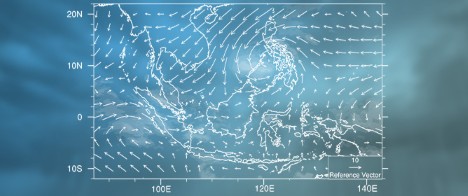
Machine Learning in Climate Downscaling: A Critical Review of Methodologies, Physical Consistency, and Operational Applications -
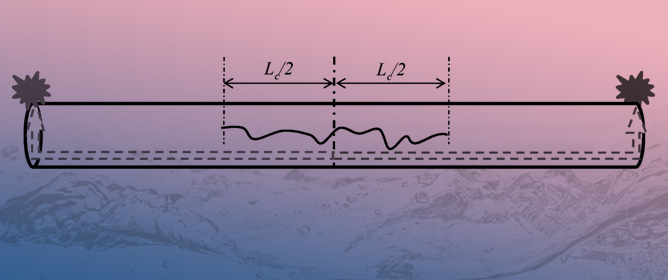
Long-Term VOC Transport in a Thick Heterogeneous Vadose Zone and Perched Aquifers: Jerusalem Mountains Industrial Site -
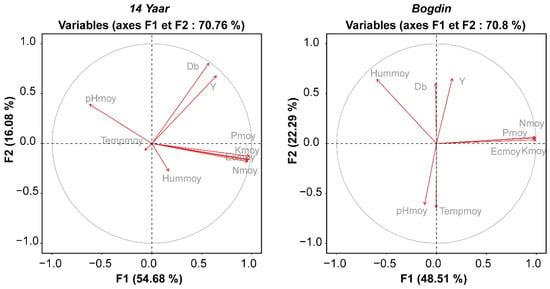
Leakage Modelling in Water Distribution Networks: A Novel Framework for Embedding FAVAD Formulation into EPANET 2.2 -
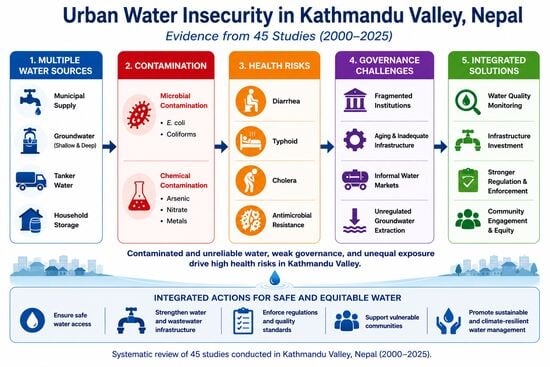
Distributive Disturbances: Examining Community Exposure to Drinking Water Contaminants Amidst the Jackson, Mississippi (USA) Water Crisis
Journal Description
Water
Water
is a peer-reviewed, open access journal on water science and technology, including the ecology and management of water resources, published semimonthly online by MDPI. Water collaborates with the Stockholm International Water Institute (SIWI). In addition, the American Institute of Hydrology (AIH), Polish Limnological Society (PLS) and Japanese Society of Physical Hydrology (JSPH) are affiliated with Water and their members receive a discount on the article processing charges.
- Open Access— free for readers, with article processing charges (APC) paid by authors or their institutions.
- High Visibility: indexed within Scopus, SCIE (Web of Science), Ei Compendex, GEOBASE, GeoRef, PubAg, AGRIS, CAPlus / SciFinder, Inspec, and other databases.
- Journal Rank: JCR - Q2 (Water Resources) / CiteScore - Q1 (Aquatic Science)
- Rapid Publication: manuscripts are peer-reviewed and a first decision is provided to authors approximately 18.9 days after submission; acceptance to publication is undertaken in 2.7 days (median values for papers published in this journal in the second half of 2025).
- Recognition of Reviewers: reviewers who provide timely, thorough peer-review reports receive vouchers entitling them to a discount on the APC of their next publication in any MDPI journal, in appreciation of the work done.
- Companion journals for Water include: Hydropower and Freshwater.
- Journal Clusters of Water Resources: Water, Journal of Marine Science and Engineering, Hydrology, Resources, Oceans, Limnological Review, Coasts.
Impact Factor:
3.0 (2024);
5-Year Impact Factor:
3.3 (2024)
Latest Articles
Regulatory-Aligned Energy Assessment for Wastewater Collection Networks Under the Scope of the UWWTD 2024/3019
Water 2026, 18(9), 1109; https://doi.org/10.3390/w18091109 (registering DOI) - 5 May 2026
Abstract
The revised EU Urban Wastewater Treatment Directive (UWWTD, EU 2024/3019) expands the scope of the previous directive (Council Directive 91/271/EEC, 1991) by explicitly including combined sewer systems, stormwater discharges, and overflow events while promoting energy neutrality and reducing greenhouse gas (GHG) emissions across
[...] Read more.
The revised EU Urban Wastewater Treatment Directive (UWWTD, EU 2024/3019) expands the scope of the previous directive (Council Directive 91/271/EEC, 1991) by explicitly including combined sewer systems, stormwater discharges, and overflow events while promoting energy neutrality and reducing greenhouse gas (GHG) emissions across urban wastewater systems. Although the Directive establishes energy accountability at the system level, it does not define how energy performance in wastewater collection networks should be structured, assessed, or benchmarked, resulting in a significant implementation gap. This paper presents a novel, regulatory-aligned, data-driven framework to organise, analyse, and interpret energy-relevant information in support of UWWTD requirements, with specific focus on wastewater collection networks. Using Portuguese regulator datasets, supplemented with published sources, existing metrics are reorganised into energy-significant dimensions that differentiate structural, excess-driven, operational, and renewable-related components of energy use. The preliminary findings show that available datasets already support a screening-level diagnosis of specific energy intensity, pumping-related energy shares, inflow-driven excess volumes, and associated GHG emissions. However, important gaps remain regarding subsystem disaggregation, hydraulic normalisation, and measurement granularity. The study restructures existing information into a novel audit-compatible framework, proposes additional metrics and measurement requirements, and identifies measures to facilitate UWWTD implementation. Although developed for the Portuguese context, the framework offers a scalable pathway for integrating wastewater collection networks into energy neutrality governance across European Member States.
Full article
(This article belongs to the Special Issue Energy Use Assessment and Management in Wastewater Systems)
Open AccessArticle
Response of Coastal Vegetation to Extreme Precipitation Modulated by Groundwater: A Case Study of Two Extreme Years in the Contemporary Yellow River Delta
by
Xiaolan Ji, De Wang, Xinpeng Tian, Xiaoli Bi and Xiaoli Wang
Water 2026, 18(9), 1108; https://doi.org/10.3390/w18091108 - 5 May 2026
Abstract
Driven by global warming, increasing extreme precipitation events (EPEs) threaten low-lying coastal ecosystems. This study focused on the contemporary Yellow River Delta and established a continuous framework linking extreme precipitation, groundwater, and vegetation, based on long-term extreme precipitation changes during 1960–2022 and vegetation
[...] Read more.
Driven by global warming, increasing extreme precipitation events (EPEs) threaten low-lying coastal ecosystems. This study focused on the contemporary Yellow River Delta and established a continuous framework linking extreme precipitation, groundwater, and vegetation, based on long-term extreme precipitation changes during 1960–2022 and vegetation dynamics during 2001–2022. Using regional precipitation records, groundwater observations from 16 monitoring wells, and five-day kernel normalized difference vegetation index (kNDVI) data, we compared two EPEs that exceeded the 99th-percentile wet-day precipitation threshold and had complete precipitation–groundwater–vegetation observations. Our findings reveal that: (1) extreme precipitation was intensified in the study area, with an R99p trend of 19.1 mm/10 a; (2) vegetation disturbance was stronger and more persistent after the 2019 Lekima event, with a mean post-event kNDVI anomaly of −12.8%, whereas the 2022 Chaba event produced a weaker, later, and more spatially limited negative response; (3) groundwater response was also stronger in 2019, as the proportion of wells with above-surface water levels reached 43.8%, compared with 12.5% in 2022, indicating more extensive and longer-lasting inundation; (4) the shallowest post-event groundwater depth was significantly negatively correlated with kNDVI anomalies (r = 0.579, p < 0.001), and during the 2019 event, the kNDVI fell below about −17% when surface inundation lasted for 6 days. These results indicate that groundwater is a key hydrological link connecting extreme precipitation and vegetation response. This study provides new evidence for the identification and adaptive management of ecological risks in low-lying coastal deltas.
Full article
(This article belongs to the Section Oceans and Coastal Zones)
►▼
Show Figures

Figure 1
Open AccessArticle
Measurement-Based Framework for Real-Time Flood Prediction in Small Streams Using Rainfall–Discharge Nomographs and Depth–Discharge Rating Curves
by
Tae-Sung Cheong, Seojun Kim and Kang-Min Koo
Water 2026, 18(9), 1107; https://doi.org/10.3390/w18091107 - 5 May 2026
Abstract
Small streams exhibit rapid and nonlinear flood responses due to steep slopes, short flow paths, and limited storage capacity, making real-time flood prediction difficult under both computational and data constraints. This study presents a measurement-based flood prediction framework for real-time estimation of flood
[...] Read more.
Small streams exhibit rapid and nonlinear flood responses due to steep slopes, short flow paths, and limited storage capacity, making real-time flood prediction difficult under both computational and data constraints. This study presents a measurement-based flood prediction framework for real-time estimation of flood discharge and depth in small-stream basins. Conventional approaches, such as physically based hydrodynamic models, require detailed boundary conditions and high computational cost, while data-driven models often lack physical interpretability. The proposed framework integrates high-frequency monitoring data from the Small-Stream Smart Monitoring System, short-term rainfall nowcasting from the MAPLE system, and nonlinear regression-based hydraulic relationships within a unified operational structure. Rainfall–discharge nomographs and depth–discharge rating curves were developed using a four-parameter logistic regression model based on long-term observations from 12 small streams in Korea. Additional comparisons with alternative regression forms confirmed the suitability of the 4PL model for representing nonlinear hydrological responses. Forecast rainfall was used to estimate discharge, which was subsequently converted to flood depth through calibrated rating curves. For ungauged reaches, depth–discharge relationships were derived using HEC–RAS-based scenario simulations and the Manning equation to enable spatially continuous prediction along stream networks. Model performance was evaluated using independent validation events, showing mean prediction accuracies of approximately 89% for discharge and 90% for flood depth. The framework reduces computational demand by relying on pre-established relationships while maintaining physically interpretable structures. The results indicate that the proposed approach can support real-time flood prediction in small streams under conditions like those examined in this study, although its applicability to other regions requires site-specific calibration and further validation.
Full article
(This article belongs to the Section Hydrology)
►▼
Show Figures

Figure 1

Open AccessArticle
Ecosystem Health of Andean–Amazonian Rivers: Integrating Macroinvertebrate Diversity, Microbiological Loads and Chemical Signatures Across Anthropogenic Gradients
by
Daniela Alvear-Sayavedra, Daning Montaño-Ocampo, Mariana V. Capparelli, Jorge E. Celi, Marcela Cabrera and Rodrigo Espinosa
Water 2026, 18(9), 1106; https://doi.org/10.3390/w18091106 (registering DOI) - 5 May 2026
Abstract
The Western Amazon is a global biodiversity hotspot, yet the Upper Napo River Basin (UNRB) remains understudied regarding aquatic ecosystem health along anthropogenic gradients. We integrated benthic macroinvertebrate assemblages with physicochemical and microbiological indicators across 45 sites to assess ecological quality under four
[...] Read more.
The Western Amazon is a global biodiversity hotspot, yet the Upper Napo River Basin (UNRB) remains understudied regarding aquatic ecosystem health along anthropogenic gradients. We integrated benthic macroinvertebrate assemblages with physicochemical and microbiological indicators across 45 sites to assess ecological quality under four impact scenarios: Few Threats (FT, reference sites; n = 6), Crop/Aquaculture (CA; n = 22), Gold Mining (GM; n = 10), and Wastewater Discharge (WD; n = 7). Analysis of 2285 individuals (62 families) revealed clear degradation across the anthropogenic gradient. Reference sites (FT) exhibited high integrity (q0 = 24.3 families), establishing the regional baseline for Andean–Amazonian freshwater ecosystems. In stark contrast, GM sites showed catastrophic defaunation (q0 = 9.9 families) coupled with extreme turbidity (1320 ± 1589 NTU) and heavy metal mobilization (Fe: 430 ± 229 µg/L; Cu: 338 ± 128 µg/L), placing these reaches in “Bad” ecological status (Ecological Quality Ratio, EQR ≤ 0.16). Wastewater sites reached critical fecal coliform levels (33,708 ± 58,047 CFU/100 mL)—165-fold higher than FT sites—indicating severe sanitary impairment and community collapse (EQR = 0.28, dominated by Chironomidae at 80%). The application of ASPT (Average Score Per Taxon) and EQR proved essential for detecting functional shifts toward tolerant assemblages even when raw biotic scores appeared moderate. Crop/Aquaculture sites showed intermediate degradation (EQR = 0.37–0.38), reflecting chronic pesticide exposure and habitat loss. We conclude that gold mining and wastewater discharge are the primary drivers pushing the UNRB toward ecological collapse, with GM exerting the most severe impact on aquatic biodiversity. Safeguarding this global freshwater stronghold requires immediate implementation of multimetric biomonitoring, enhanced mining regulation, wastewater treatment infrastructure, and establishment of Indigenous-led fluvial reserves to maintain long-term connectivity.
Full article
(This article belongs to the Section Biodiversity and Functionality of Aquatic Ecosystems)
►▼
Show Figures

Graphical abstract
Open AccessArticle
Influence of Longitudinal Aquifer Slope on Hyporheic Exchange and Flow Organization in Bounded Floodplain Aquifer Systems
by
Uğur Boyraz and Emin Ayvaz
Water 2026, 18(9), 1105; https://doi.org/10.3390/w18091105 - 4 May 2026
Abstract
This study investigates the role of longitudinal aquifer slope in controlling stream–aquifer interaction within bounded floodplain aquifer systems. A series of numerical simulations were conducted to analyze groundwater flow patterns, hyporheic exchange fluxes, and contaminant transport behavior under varying slope conditions. The results
[...] Read more.
This study investigates the role of longitudinal aquifer slope in controlling stream–aquifer interaction within bounded floodplain aquifer systems. A series of numerical simulations were conducted to analyze groundwater flow patterns, hyporheic exchange fluxes, and contaminant transport behavior under varying slope conditions. The results showed that increasing slope does not simply enhance hydraulic gradients but fundamentally reorganizes subsurface flow structure. As the slope increases, groundwater flow becomes progressively aligned with the stream, reducing lateral connectivity and confining exchange to a narrow corridor adjacent to the stream. This reorganization leads to the expansion of hydraulically inactive zones and a non-linear response in hyporheic exchange. Exchange flow rates initially increase at low to moderate slopes but decline beyond a threshold at higher slopes, despite higher local gradients. The transition begins at around a 2% slope and becomes pronounced within the range of approximately 3–7%, indicating a shift in flow regime rather than a continuous scaling of interaction intensity. Particle tracking analyses further reveal that slope controls the spatial distribution of contaminant vulnerability. While the overall extent of active transport zones decreases with increasing slope, localized transport potential intensifies near the stream boundary due to higher velocities and reduced residence times. These findings demonstrate that hydraulic gradient magnitude alone is insufficient to characterize stream–aquifer interaction and highlight the importance of flow geometry and connectivity. The results provide a process-based framework for understanding slope-controlled hyporheic exchange and offer insights for improving groundwater vulnerability assessment and management in alluvial systems.
Full article
(This article belongs to the Section Hydrogeology)
►▼
Show Figures

Figure 1

Open AccessArticle
Efficient Removal of Ammonium Nitrogen from Aquatic Systems Using Thermally and Alkali-Modified Diatomite and Zeolite
by
Gulfairus Bizhanova, Maral Abdibattayeva, Wang Ping, Umut Mussina, Laura Kurbanova, Arman Zhumazhanov, Dana Akhmetzhanova, Ospan Doszhanov, Bekzat Ismukhanbetov, Didar Bolatova and Yerlan Doszhanov
Water 2026, 18(9), 1104; https://doi.org/10.3390/w18091104 - 4 May 2026
Abstract
Ammonium nitrogen (NH4+-N) is a key biogenic pollutant in aquatic systems. This study evaluated natural diatomite (Aktobe region) and zeolite (Shankhanai, Zhetysu region) as low-cost, environmentally benign sorbents for NH4+-N removal, and examined the effects of thermal
[...] Read more.
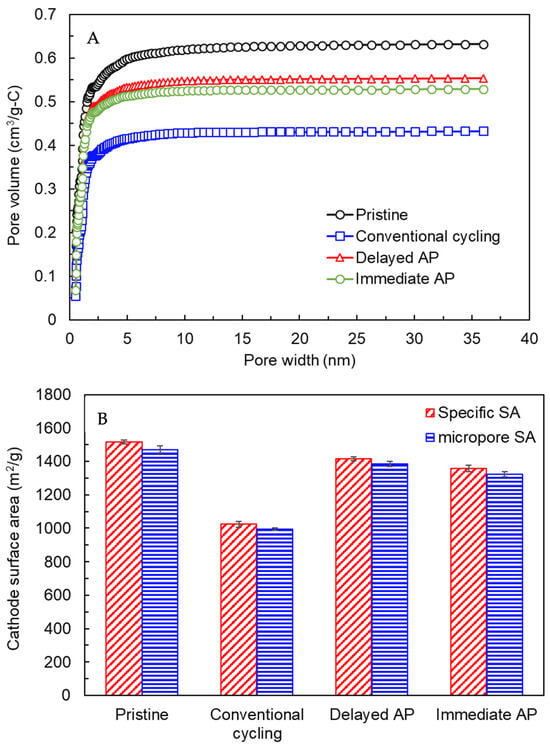
Ammonium nitrogen (NH4+-N) is a key biogenic pollutant in aquatic systems. This study evaluated natural diatomite (Aktobe region) and zeolite (Shankhanai, Zhetysu region) as low-cost, environmentally benign sorbents for NH4+-N removal, and examined the effects of thermal (200–750 °C; 450 °C selected) and alkaline (0.5 M NaOH) treatments on their structural, textural and adsorption properties. Materials were characterized by XRD, XRF, FTIR, SEM-EDX and adsorption performance was assessed by kinetic and equilibrium experiments. Specific surface area and pore characteristics were determined from low-temperature nitrogen adsorption–desorption measurements, and the specific surface area was calculated using the Brunauer–Emmett–Teller (BET) method. Thermal treatment at 450 °C increased the specific surface area of diatomite (46.3 m2/g) and pore volume, and subsequent alkaline activation further enhanced adsorption activity. The modified diatomite achieved up to 84.6% removal of NH4+-N with an equilibrium capacity qmax = 1.758 mg/g. Adsorption kinetics were best described by the pseudo-second-order (PSO) model, which may indicate a substantive role of surface chemical interactions. Equilibrium data were fitted with Langmuir and Freundlich models: the modified diatomite fitted Langmuir best (R2 = 0.999), which may suggest predominance of a monolayer adsorption mechanism under the studied conditions, whereas natural samples and the zeolite were better described by the Freundlich model, reflecting likely surface energetic heterogeneity. Separation factor values (RL = 0.068–0.643) indicate favorable adsorption within the investigated concentration range. The point of zero charge (pHpzc) was determined for all sorbents (5.3–6.3), confirming that at pH 7 the surface carries a negative charge favorable for electrostatic attraction of NH4+ cations. Reusability tests over five consecutive adsorption–desorption cycles showed that modified diatomite and modified zeolite retained 93.4% and 92.3% of their initial removal efficiency, respectively, indicating acceptable stability under the applied regeneration conditions. These results demonstrate the potential of alkaline-modified diatomite and zeolite as effective sorbents for ammonium removal from wastewaters, contributing to the mitigation of eutrophication risks.
Full article
(This article belongs to the Special Issue Advanced Adsorbent-Based Technologies for Efficient Wastewater Treatment)
►▼
Show Figures

Figure 1
Open AccessArticle
Correcting a Transboundary Aquifer Delineation for the U.S.–Mexico Border Region Based on Hydrogeologic Criteria
by
Barry Hibbs and Alfredo Granados-Olivas
Water 2026, 18(9), 1103; https://doi.org/10.3390/w18091103 - 4 May 2026
Abstract
A widely reproduced error in hydrogeologic maps originated from a provisional delineation drawn in the mid-1990s to depict the southern extent of the Mesilla Bolson aquifer along the western margin of the El Paso–Juárez metropolitan area. The delineation was created solely to satisfy
[...] Read more.
A widely reproduced error in hydrogeologic maps originated from a provisional delineation drawn in the mid-1990s to depict the southern extent of the Mesilla Bolson aquifer along the western margin of the El Paso–Juárez metropolitan area. The delineation was created solely to satisfy a U.S. Environmental Protection Agency contractual milestone during early binational groundwater inventory efforts and was never intended to represent a final hydrogeologic basin limit. Nevertheless, the outline persisted, became institutionalized in reports, models, management documents, and public imagery, and was ultimately labeled the “Mesilla/Conejos–Médanos Basin Transboundary Aquifer,” where it continues to be treated as a valid transboundary aquifer delineation. This paper documents the origin of the provisional delineation and proposes a revised delineation for the Mesilla/Conejos–Médanos Basin Transboundary Aquifer, based on internationally recognized definitions of transboundary aquifers and groundwater basins, including United Nations frameworks, and established scientific criteria. These criteria include basin-scale geologic and structural controls, hydrostratigraphic continuity, groundwater divides, and permeability contrasts at basin interfaces. Results indicate that the newly defined aquifer delineation falls within Mexico’s much larger administrative Acuífero Conejos–Médanos (0823), a unit that represents groundwater management jurisdiction in Mexico rather than solely a hydrogeologic basin. The proposed transboundary aquifer is defined on hydrogeological principles and does not coincide with either the administrative unit of Mexico or the historic provisional outline that has become widely used by multiple binational entities and by different experts in groundwater science.
Full article
(This article belongs to the Section Hydrogeology)
►▼
Show Figures

Figure 1
Open AccessArticle
Fluorescence Properties and Sources of Dissolved Organic Matter in Xinghua River, a Typical Urban River
by
Mingyue Li, Yongchao Wang, Shuling Chen, Wenhui Liu, Guodong Chai, Zhongfeng Jiang and Fang Yang
Water 2026, 18(9), 1102; https://doi.org/10.3390/w18091102 - 4 May 2026
Abstract
This work focused on the Xinghua River, a typical urbanizing river, to investigate how different anthropogenic activities affect the composition, sources, and environmental impact of dissolved organic matter (DOM) during urbanization. Using fluorescence spectroscopy combined with multivariate statistics, we systematically explored DOM characteristics
[...] Read more.
This work focused on the Xinghua River, a typical urbanizing river, to investigate how different anthropogenic activities affect the composition, sources, and environmental impact of dissolved organic matter (DOM) during urbanization. Using fluorescence spectroscopy combined with multivariate statistics, we systematically explored DOM characteristics and their response to urbanization. A total of four fluorescent components were identified, including protein-like components C1 and C3, and humic-like components C2 and C4, with protein-like substances constituting the major fraction of DOM. Fluorescence indices indicated that DOM in the Xinghua River was primarily derived from autochthonous sources (FI > 1.9), with a low degree of humification reflecting the dominance of fresh organic matter input during urbanization. Spatial analysis revealed that from upstream to downstream, the source of DOM gradually shifted from autochthonous dominance to increased allochthonous input, accompanied by increasing trends in both protein-like and humic-like components, indicating an accumulative effect of anthropogenic activities along the river. 2D-COS further revealed that the transformation sequence of DOM components along the flow direction was C3 → C1 → C4 → C2, suggesting that tyrosine/tryptophan-like substances were the most sensitive to anthropogenic disturbance. Redundancy analysis identified total phosphorus (TP), total dissolved solids (TDS), and permanganate index (CODMn) as the key environmental factors influencing DOM distribution, highlighting the synergistic regulatory roles of nitrogen and phosphorus nutrients and organic pollution loads on DOM composition. This study not only elucidates the gradient effects of human activities on DOM in the Xinghua River but also provides a scientific basis for water management in urban rivers worldwide, particularly for zone-based control and source-oriented management.
Full article
(This article belongs to the Special Issue Water Environment Pollution and Control, 4th Edition)
►▼
Show Figures

Figure 1

Open AccessArticle
Mechanisms of Metal Particle Release from Pipe Scales in Ductile Iron Water Supply Pipelines: Control by Water Quality Parameters
by
Yu Chang, Menghao Fang, Qing Lu, Dawei Zhang and Weiying Li
Water 2026, 18(9), 1101; https://doi.org/10.3390/w18091101 - 4 May 2026
Abstract
To clarify the control mechanism of water quality parameters on metal particle release from pipe scales in aging ductile iron water supply pipelines (service life > 20 years), this study conducted single-factor experiments to explore the effects of pH, temperature, concentration of humic
[...] Read more.
To clarify the control mechanism of water quality parameters on metal particle release from pipe scales in aging ductile iron water supply pipelines (service life > 20 years), this study conducted single-factor experiments to explore the effects of pH, temperature, concentration of humic acid (HA) and Mn2+ on Fe, Mn, and Al particle release. Combined with inductively coupled plasma optical emission spectrometry (ICP-OES) for quantitative detection, first-order/second-order kinetic fitting, and X-ray diffraction (XRD) and scanning electron microscopy-energy dispersive spectrometry (SEM-EDS) characterization, the results showed that an increase in temperature generally promoted the aggregation and sedimentation of metal particles, among which Fe and Mn particles were more sensitive to temperature changes. pH affected the sedimentation process by controlling metal ion speciation and particle surface charge: low pH significantly accelerated pipe scale dissolution, while weakly alkaline conditions prolonged particle suspension time. Low-concentration HA (0.5 mg/L) promoted particle dissolution, whereas high-concentration HA (1.0–2.0 mg/L) extended particle retention time through surface coating. Mn2+ concentration exhibited an obvious concentration-dependent effect: the range of 20–50 μg/L enhanced particle suspension stability, while 80–100 μg/L accelerated particle aggregation and sedimentation. The pipe scales mainly consisted of Fe3O4, Fe2O3, Mn3O4, and Al2O3, with metal release regulated by the “element complexation–particle aggregation–crystal growth” pathway. Particle sedimentation followed first-order kinetics. Controlling pH at 7.0, temperature < 30 °C, and reducing HA/Mn2+ concentrations effectively weakened metal particle migration. This study reveals the coupled effect mechanism of water quality parameters, providing theoretical and technical support for optimizing water quality control and solving the “yellow water” problem.
Full article
(This article belongs to the Section Urban Water Management)
►▼
Show Figures

Figure 1

Open AccessArticle
Assessing the Performance of a Tubular Solar Still in an Arid Region Using Various Water Types
by
Tamadhor Almahmoud, Litty Mary Abraham, Mohammad Abdullah Alolayan and Bader Shafaqa Al-Anzi
Water 2026, 18(9), 1100; https://doi.org/10.3390/w18091100 - 4 May 2026
Abstract
The performance of a tubular solar still in an arid region was evaluated for producing freshwater from various water sources. The water sources fed to the tubular solar still were blowdown from a seawater desalination plant, recovered water from an oil production facility,
[...] Read more.
The performance of a tubular solar still in an arid region was evaluated for producing freshwater from various water sources. The water sources fed to the tubular solar still were blowdown from a seawater desalination plant, recovered water from an oil production facility, rejected seawater from a reverse osmosis treatment plant, seawater, and rejected groundwater from a reverse osmosis treatment plant. The TDS for these water sources ranged from 17,210 mg/L for groundwater to 221,710 mg/L for produced water. Compared with other water types, produced water had distinct characteristics: low pH, a petroleum-like odor, and a reddish-brown color. The estimated average production rates were 5.1, 5.9, 6.1, 6.6, and 6.8 L/m2·day for produced water, reverse osmosis-rejected water, desalination plant blowdown, seawater, and reverse osmosis-rejected groundwater. Different TSS designs were examined to determine whether production rates could be improved using tap water. Production increased slightly when a blackened basin, steel mesh, or both were applied as heat-absorption enhancements. Therefore, the tubular solar still without any enhancements was found to be a better option due to its lower cost and simpler design. The composition of the residual salts (65–73%) did not meet the 97% standard set by the FAO. The results of the study are promising for future upscaling projects aimed at enhancing water security in rural areas and arid regions.
Full article
(This article belongs to the Section Wastewater Treatment and Reuse)
►▼
Show Figures

Figure 1

Open AccessArticle
A Three-Dimensional Probabilistic Framework for Stability Assessment of Unsaturated Slopes Under Rainfall Infiltration
by
Qingguo Wang, Yabing Ma, Mingyang Ren and Heng Liu
Water 2026, 18(9), 1099; https://doi.org/10.3390/w18091099 - 4 May 2026
Abstract
Given the escalating impacts of global climate change and extreme weather events, the accurate stability assessment of rainfall-induced landslides necessitates a comprehensive consideration of both seepage processes and the inherent spatial variability of soils. Traditional deterministic and two-dimensional (2D) analyses often fail to
[...] Read more.
Given the escalating impacts of global climate change and extreme weather events, the accurate stability assessment of rainfall-induced landslides necessitates a comprehensive consideration of both seepage processes and the inherent spatial variability of soils. Traditional deterministic and two-dimensional (2D) analyses often fail to capture the multi-dimensional kinematic features of slope failures and the stochastic nature of soil heterogeneity, thereby leading to inaccurate risk assessments. This study proposes a three-dimensional (3D) slope reliability analysis framework. Within this framework, a 3D slope geometric model is constructed using GeoStudio 2025.1.0 software, and seepage analysis is conducted by the SEEP3D module. To account for soil spatial variability, the Karhunen–Loève (K-L) expansion method is employed to discretize key shear strength parameters (effective cohesion and effective angle of internal friction). The factor of safety (Fs) is evaluated using the 3D simplified Bishop method, which is then coupled with Monte Carlo simulations to determine the probability of failure (Pf). The results show that rainfall infiltration causes progressive dissipation of shallow matric suction and a significant rise in the groundwater table near the slope toe, resulting in reduced effective stress in the critical resistance zone. As rainfall intensity increases, the Fs decreases approximately linearly from 1.14 to 0.90, whereas the Pf increases nonlinearly from nearly 0 to 98.36%. Under the rainstorm condition, although the Fs remains above unity at 1.063, the corresponding Pf reaches 23%, indicating that deterministic evaluation based only on the Fs may underestimate the actual failure risk. The proposed framework provides a quantitative tool for evaluating rainfall-induced slope instability by integrating transient hydraulic response, three-dimensional spatial variability, and probabilistic reliability assessment.
Full article
(This article belongs to the Special Issue Disaster Analysis and Prevention of Dam and Slope Engineering)
►▼
Show Figures

Figure 1
Open AccessArticle
Multivariate Joint Risk Assessment of Small- and Medium-Sized River Flood in Arid and Semi-Arid Regions Based on Vine Copula
by
Boyan Sun, Xiaomin Liu, Guoqing Wang, Ping Miao, Kang Xie and Hongli Ma
Water 2026, 18(9), 1098; https://doi.org/10.3390/w18091098 - 3 May 2026
Abstract
Flood risk assessment is essential for flood control and disaster mitigation in arid and semi-arid river basins, where conventional univariate and bivariate frequency analyses struggle to capture nonlinear dependence among flood variables and often underestimate extreme synergistic risks. This study focuses on the
[...] Read more.
Flood risk assessment is essential for flood control and disaster mitigation in arid and semi-arid river basins, where conventional univariate and bivariate frequency analyses struggle to capture nonlinear dependence among flood variables and often underestimate extreme synergistic risks. This study focuses on the Wulanmulun River Basin in Inner Mongolia and employs long-term observations from the Zuanlongwan and Wangdaohengta hydrological stations. A trivariate D-vine Copula model was constructed to jointly characterize peak discharge, total flood volume, and water level. Optimal vine structures differ between the stations (Qp–H–W and W–Qp–H) and outperform traditional Copula models in representing extreme joint risks. The ternary joint return periods reveal two distinct flood risk transmission modes, “jump” and “accumulation”, and joint exceedance probabilities under low, medium, high, and ultra-high-risk scenarios are 6.4%, 31.95%, 37.64%, and 5.75% at Zuanlongwan, and 4.7%, 35.24%, 45.78%, and 0.53% at Wangdaohengta, indicating concentration in medium-to-high risk ranges. The validation at Longtouguai Station showed an error RSME of 0.0630 and an R2 of 0.905, confirming the reliability of the model framework. These results indicate that the proposed framework can effectively capture multivariate flood dependencies and provide a scientific basis for flood control design, risk zoning, and emergency management of small and medium rivers in arid and semi-arid regions.
Full article
(This article belongs to the Special Issue "Watershed–Urban" Flooding and Waterlogging Disasters)
Open AccessArticle
Mulching Improved Soil Water, Plant Growth, and Seed Yield of Sunflower Under Raised Bed–Furrow Irrigation Method
by
Zhonglin Wu, Rajesh Kumar Soothar, Habibullah Memon, Farman Ali Chandio and Sher Ali Shaikh
Water 2026, 18(9), 1097; https://doi.org/10.3390/w18091097 - 3 May 2026
Abstract
Plastic film mulching combined with raised bed–furrow irrigation is an effective technique for enhancing the seed yield, oil contents, and plant-level water use efficiency of sunflower cultivation, while also optimizing water footprint. In this study, a field experiment was carried out at the
[...] Read more.
Plastic film mulching combined with raised bed–furrow irrigation is an effective technique for enhancing the seed yield, oil contents, and plant-level water use efficiency of sunflower cultivation, while also optimizing water footprint. In this study, a field experiment was carried out at the experimental station of the Department of Irrigation and Drainage during 2023–2024. The trial involved three types of raised bed–furrow irrigation (raised beds with 60, 45, and 30 cm ridges and 30 cm furrows) with and without mulching practices. The results revealed that the treatments combining mulching with raised beds showed higher soil temperature and moisture contents compared to non-mulching treatments. The highest seed yield and oil content were recorded in furrow irrigation with mulching, representing a 35% increase in yield and a 28% increase in oil content compared to the control treatment. Seed yield was positively correlated with oil content. Additionally, the highest plant-level water use efficiency was observed in a raised bed 45 cm in size with mulching, while the highest total water footprints were recorded in a raised bed with a 60 cm ridge and non-mulch treatment, both exceeding the control treatment. It is concluded that sunflower cultivation under mulching combined with raised bed–furrow irrigation significantly enhances crop and water productivity.
Full article
(This article belongs to the Special Issue Water-Soil-Vegetation Interactions in Changing Climate)
►▼
Show Figures

Figure 1
Open AccessArticle
The Reliability of SBR System During COVID-19 and Its Impact on Water Quality of a Small Flysch River in Protected Areas
by
Ewa Dacewicz, Karol Plesiński and Ewa Łobos-Moysa
Water 2026, 18(9), 1096; https://doi.org/10.3390/w18091096 - 2 May 2026
Abstract
This study assessed the impact of pandemic-related changes in treated wastewater on surface water quality and ecological status of the Raba River within the Natura 2000 site. Particular attention to the reliability of the Kasinka Mała wastewater treatment plant operating in this protected
[...] Read more.
This study assessed the impact of pandemic-related changes in treated wastewater on surface water quality and ecological status of the Raba River within the Natura 2000 site. Particular attention to the reliability of the Kasinka Mała wastewater treatment plant operating in this protected area during the two study periods—pre-pandemic (PP) and COVID-19 (CP)—was given. For this purpose, current standard monitoring methods (ecological status of a small flysch stream, existing and potential threats to the Natura 2000 site) and extended monitoring methods (river’s utility values, technological reliability of the treatment plant operating with SBR technology, reliability rating of the river as a sewage receiver) were used. The results indicated that biodegradable carbon compounds (as dissolved and suspended forms) and ammonium nitrogen were the dominant factors determining water quality. Their presence reduced the Raba River’s utility value—determined by what is required of surface water treatment—by at least one class. During the CP, the reliability analysis showed that the river remained in a reduced class for 145 days due to elevated BOD5 and nearly one-third of the year due to elevated TSS levels. For approximately half of the year, ammonium nitrogen concentrations exceeded the threshold of 1.8 mg·dm−3, thereby further reducing the class of water quality. Technological reliability of the WWTP during PP for BOD5, COD, TSS, NH4+–N, and PO4−3–P was 43%, 100%, 30%, 86%, and 100%, respectively. This means that permitted values of COD and PO4−3–P were maintained. The exceedances of limits concerned BOD5 (25 mg O2·dm−3 for 208 days), TSS (35 mg O2·dm−3 for 256 days), and NH4+–N (15 mg O2·dm−3 for 51 days). During CP, the technological reliability of the WWTP decreased rapidly for the following pollutants to 5%, 18%, 18%, 30%, and 89%, respectively. This means that permissible concentrations of BOD5 (25 mg O2·dm−3 for 347 days), COD (125 mg O2·dm−3 for 241 days), TSS (35 mg O2·dm−3 for 299 days), NH4+–N (15 mg O2·dm−3 for 256 days), and PO4−3–P (2 mg O2·dm−3 for 40 days) were exceeded. A two-year monitoring campaign has shown that small flysch rivers receiving treated wastewater may experience prolonged changes in water quality under conditions of increased anthropopressure. Effective ecosystem protection should, therefore, include extended monitoring and stricter management of BOD5, TSS, and NH4+–N in SBR systems in protected areas.
Full article
(This article belongs to the Special Issue Advances in Hydrology and Hydraulics: Integrating Aquatic Biota and River Ecosystem Processes)
►▼
Show Figures

Figure 1
Open AccessArticle
Urban Runoff Pollution Forecasting in the Yangtze River Basin: A Physics-Informed Data-Driven Framework Enhanced with Cluster-Based Transfer Learning
by
Yacheng Sun, Yasong Chen, Yuzhen Li, Tingting Li and Wenlong Zhang
Water 2026, 18(9), 1095; https://doi.org/10.3390/w18091095 - 2 May 2026
Abstract
Accurate forecasting of urban rainfall-runoff pollution across large river basins is essential for urban water management. However, this task faces formidable challenges due to the scarcity of locally monitored data and the heterogeneity in hydrological and pollution processes. To address these challenges, we
[...] Read more.
Accurate forecasting of urban rainfall-runoff pollution across large river basins is essential for urban water management. However, this task faces formidable challenges due to the scarcity of locally monitored data and the heterogeneity in hydrological and pollution processes. To address these challenges, we proposed a novel three-tiered framework comprising (1) functional area clustering using 16-dimensional features to identify zones with shared pollution mechanisms and establish a physical parameter library; (2) a hybrid physics-informed data-driven model integrating SWMM with a Residual-BiLSTM-Multi-Head Attention (RLA) model; and (3) cluster-based transfer learning enabling predictions in data-scarce zones. The framework’s efficacy was demonstrated through a multi-tiered dataset for the Yangtze River Basin. First, a knowledge base comprising 2390 reported rainfall events across 57 functional areas was synthesized to inform the functional clustering and establish a shared physical parameter library. Subsequently, intensive field monitoring from two representative residential areas was used to train and validate the hybrid model. In data-rich zones within a cluster, the model achieved high accuracy (R2 > 0.82). For data-scarce zones within the same functional cluster, the model maintained a promising performance (R2 > 0.5). This study presents a novel basin-scale framework, with its initial application and preliminary validation in the Yangtze River Basin.
Full article
(This article belongs to the Special Issue AI, Machine Learning and Digital Twin Applications in Water, 2nd Edition)
►▼
Show Figures

Figure 1
Open AccessArticle
The Sustainability Challenge of Water Resources in Arid Rural Areas Under Drought Constraints and Increasing Consumption Pressure: A Case Study of the Guercif Plain (Morocco)
by
Lamfaddal El Hani, Nir Y. Krakauer, Ridouane Kessabi, Mohamed Belmahi, Jawad Khachab and Abdelouahed Bouberria
Water 2026, 18(9), 1094; https://doi.org/10.3390/w18091094 - 2 May 2026
Abstract
This article analyzes the state of water resources in the Guercif Plain (Morocco) under the combined effects of drought and increasing consumption pressures. The study adopts a quantitative and analytical approach based on climatic and hydrological data, demographic information, and Landsat satellite imagery.
[...] Read more.
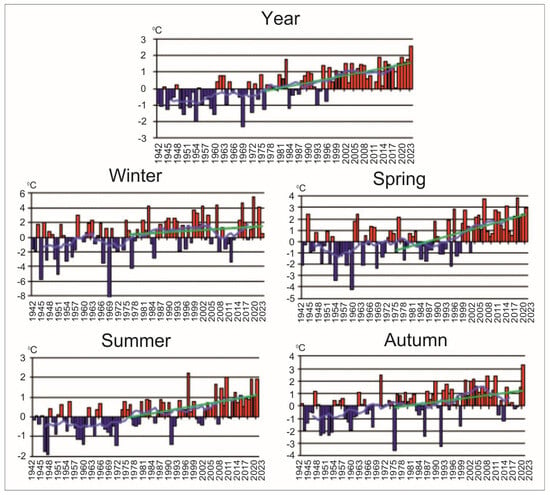
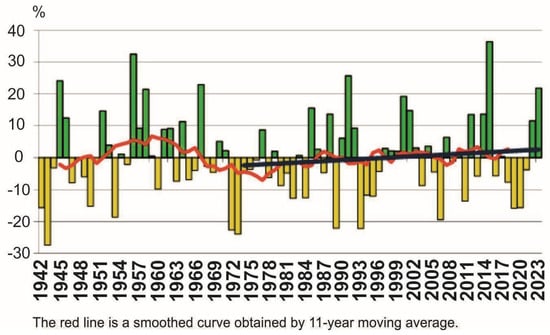
This article analyzes the state of water resources in the Guercif Plain (Morocco) under the combined effects of drought and increasing consumption pressures. The study adopts a quantitative and analytical approach based on climatic and hydrological data, demographic information, and Landsat satellite imagery. The main findings reveal pronounced rainfall variability with an overall declining tendency, with drought years accounting for approximately 58% of the observation period. This climatic context has been accompanied by strong interannual fluctuations in the discharge of Oued Melloulou, with a slight long-term declining trend, along with a continuous and accelerating groundwater decline in the Tafrata aquifer at an average rate of 0.98 m per year. The analysis also indicates an estimated urban water deficit approaching 77% under peak demand conditions in 2025. Furthermore, NDVI-based analysis of satellite imagery highlights a marked expansion of irrigated areas in the Guercif Plain, increasing from about 2% of the total plain area in 1985 to approximately 9% in 2020. This vegetation expansion is largely associated with irrigation development, suggesting increasing pressure on groundwater resources rather than recovery linked to rainfall conditions. Overall, the findings raise critical concerns regarding the long-term sustainability of water resources and underscore the need for integrated and adaptive water-management strategies under persistent drought conditions.
Full article
(This article belongs to the Section Water and Climate Change)
►▼
Show Figures

Figure 1
Open AccessReview
Sustainable Recirculating Aquaculture Systems (RAS): Development and Challenges
by
Ayesha Kabir, Abubakar Shitu, Zhangying Ye, Xian Li, He Ma, Gang Liu, Songming Zhu, Jing Zou, Ying Liu and Dezhao Liu
Water 2026, 18(9), 1093; https://doi.org/10.3390/w18091093 - 2 May 2026
Abstract
The recirculating aquaculture system (RAS) marks a significant shift in global aquaculture, transitioning to controlled, land-based production. This review highlights technological advancements that enable the treatment and reuse of over 90% of water, thereby enhancing water quality and production efficiency. These features position
[...] Read more.
The recirculating aquaculture system (RAS) marks a significant shift in global aquaculture, transitioning to controlled, land-based production. This review highlights technological advancements that enable the treatment and reuse of over 90% of water, thereby enhancing water quality and production efficiency. These features position RAS as a cornerstone of sustainable seafood production. This review introduces the RAS Readiness Level (RRL) framework which is a novel, structured approach to assess the commercial maturity of emerging RAS technologies. Applying the RRL to six key technological domains (from digital AI systems to biological PHB recovery) reveals a pervasive pilot-scale purgatory where most innovations stagnate at RRL 4–6. It further addresses advanced processes such as membrane bioreactors, denitrification reactors, and the conversion of waste into valuable products. Furthermore, this review addresses persistent challenges, including high energy demand, economic viability, and the accumulation of pathogens. Finally, it focuses on the emergent integration of the Internet of Things (IoT) and artificial intelligence (AI), which are revolutionizing RAS management through data-driven optimization. By synthesizing current innovations, this review envisions a future of intelligent, closed-loop RAS where advanced IoT- and AI-driven technologies optimize water quality and feeding strategies to minimize ecological impact while enhancing sustainability and productivity.
Full article
(This article belongs to the Special Issue Advanced Water Management for Sustainable Aquaculture)
►▼
Show Figures

Figure 1
Open AccessArticle
A Binocular Vision Method for Measuring Hydraulic Bulging Deformation of Geomembranes
by
Zhuang Zhao, Xi Yang, Canping Jiang, Feng Yi and Haimin Wu
Water 2026, 18(9), 1092; https://doi.org/10.3390/w18091092 - 2 May 2026
Abstract
Geomembranes are extensively used for seepage control in the reservoir of pumped-storage power stations due to their superior deformability, ease of construction, and low cost. The deformation behavior of geomembranes under high hydraulic pressure is of great importance for seepage-control design and operational
[...] Read more.
Geomembranes are extensively used for seepage control in the reservoir of pumped-storage power stations due to their superior deformability, ease of construction, and low cost. The deformation behavior of geomembranes under high hydraulic pressure is of great importance for seepage-control design and operational safety evaluation. Nevertheless, existing hydrostatic pressure resistance tests cannot effectively measure the hydraulic bulging deformation of geomembranes subjected to water pressure. This study proposes a non-contact binocular vision method to quantify the hydraulic bulging deformation of geomembranes. The method combines underwater camera calibration, image enhancement, stereo matching, triangulation, and three-dimensional reconstruction to achieve both visualization and accurate measurement of geomembrane deformation. After experimental validation and accuracy calibration, the proposed method was preliminary applied to four geomembrane materials, including HDPE, LLDPE, PVC, and TPO, under hydraulic loading. The results show that the measurement error is less than 5% in the large-deformation range under medium and high water pressures. The method can effectively capture the hydraulic bulging behavior of geomembranes and accurately characterize the deformation features of different materials under high hydraulic pressure. This study provides a practical technical approach for underwater deformation measurement of geomembranes and supports seepage-control design and operational safety monitoring.
Full article
(This article belongs to the Section Hydraulics and Hydrodynamics)
►▼
Show Figures

Figure 1
Open AccessArticle
Wave Transmission and Ice Drift for Ice Floe Under Waves
by
Izmail Kantarzhi and Maksim Afonyushkin
Water 2026, 18(9), 1091; https://doi.org/10.3390/w18091091 - 2 May 2026
Abstract
A study was conducted on the interaction of surface gravity waves with a relatively thin, free-floating ice floe compared to the height of the waves. Physical and numerical modeling, as well as analytical research, were used. An overview of scientific works on the
[...] Read more.
A study was conducted on the interaction of surface gravity waves with a relatively thin, free-floating ice floe compared to the height of the waves. Physical and numerical modeling, as well as analytical research, were used. An overview of scientific works on the research topic is presented. The physical model consisted of an experimental setup (wave flume) with a wooden plate exposed to gravitational harmonic waves of different lengths and periods. The numerical model is based on calculations performed in the LS-DYNA program, where the fluid was simulated using the Euler–Lagrange method, and solid bodies were considered rigid. Analytical studies use the theory of interaction of small-amplitude waves with floating breakwaters. It is shown that as the wave height increases for conditions of interaction between waves and ice floes of almost identical horizontal dimensions, one end of the floating body sinks into the water, which leads to a significant reduction in the drift speed of the ice floe. Formulas have been obtained that express the ratio of the ice floe’s speed to the wave velocity, as well as the ratio of the height of the incident waves to the height of the transmitted waves, depending on the ratio of the wavelength to the horizontal dimensions of the floating ice floe.
Full article
(This article belongs to the Special Issue Recent Advances in Hydraulic Machinery and Its Application in Marine Engineering)
Open AccessArticle
A Sustainable Teaching Framework for Hydraulic Model Experiment Course: Practice-Oriented Optimization Based on Integrated Unit-Based Instruction
by
Dan Liu, Jianyong Hu, Yongye Li, Shiang Mei, Haitao Zhao, Zhenzhu Meng, Cundong Xu, Jinxin Zhang, Jie Jin, Miaoyan Liu, Yuqiang Wang and Wanling Wu
Water 2026, 18(9), 1090; https://doi.org/10.3390/w18091090 (registering DOI) - 1 May 2026
Abstract
Addressing the challenges of vague ability assessment, delayed teaching adjustment, and fixed cognitive challenge levels in sustainable engineering practice courses, this study proposes a “goal elevation-matrix evaluation-dynamic regulation” tripartite coupled sustainable teaching model. The model employs a value-oriented assessment matrix as the core
[...] Read more.
Addressing the challenges of vague ability assessment, delayed teaching adjustment, and fixed cognitive challenge levels in sustainable engineering practice courses, this study proposes a “goal elevation-matrix evaluation-dynamic regulation” tripartite coupled sustainable teaching model. The model employs a value-oriented assessment matrix as the core diagnostic tool, integrating a dual-threshold regulation mechanism and standard iteration strategy within a four-year “design-implementation-diagnosis-iteration” closed loop. Empirical evidence demonstrates that ① a three-tier diagnostic model (overall-module-indicator attainment levels) identifies structural problems of the teaching content and pinpoints the key bottleneck; ② replacing redundant high-scoring modules with basic skill modules eliminates extreme values, improves distribution gradients, and trends to class performance at 75~85%; ③ iterative standard calibration supports progressive student competence development along a “familiar problems → new challenges” pathway. This study provides an empirically validated methodological framework for systematically implementing “scientific rigor, practicality, and appropriate challenge” in engineering practice courses while fostering sustainable engineering literacy.
Full article
(This article belongs to the Special Issue Water and Education: Teaching Sustainability, Managing Risks, and Shaping the Future)
►▼
Show Figures

Figure 1
Journal Menu
► ▼ Journal Menu-
- Water Home
- Aims & Scope
- Editorial Board
- Reviewer Board
- Topical Advisory Panel
- Instructions for Authors
- Special Issues
- Topics
- Sections & Collections
- Article Processing Charge
- Indexing & Archiving
- Editor’s Choice Articles
- Most Cited & Viewed
- Journal Statistics
- Journal History
- Journal Awards
- Society Collaborations
- Conferences
- Editorial Office
Journal Browser
► ▼ Journal BrowserHighly Accessed Articles
Latest Books
E-Mail Alert
News
Topics
Topic in
Applied Sciences, Toxics, Water, ChemEngineering, Processes
Environmental Remediation: Research Advances Towards a Comprehensive Sustainability Approach
Topic Editors: Rongkui Su, Giovanni Vinti, Franco Hernan Gomez, Lei HuangDeadline: 31 May 2026
Topic in
Environments, Hydrology, Sustainability, Water
Critical Issues in Groundwater Pollution Monitoring and Risk Warning
Topic Editors: Wenjing Zhang, Wenxia Wei, Huan Huan, Zhi Dou, Yuanzheng ZhaiDeadline: 30 June 2026
Topic in
Algorithms, Data, Earth, Geosciences, Mathematics, Land, Water, IJGI
Applications of Algorithms in Risk Assessment and Evaluation
Topic Editors: Yiding Bao, Qiang WeiDeadline: 31 July 2026
Topic in
Applied Sciences, Clean Technol., Energies, Membranes, Polymers, Sustainability, Water
New Advances in Membrane Technology and Its Contribution to Sustainability
Topic Editors: Patricia Luis Alconero, Bart Van der BruggenDeadline: 12 September 2026
Conferences
Special Issues
Special Issue in
Water
Sustainable Remediation of Pesticides in Contaminated Water and Sites
Guest Editors: Limin Ma, Deyang KongDeadline: 10 May 2026
Special Issue in
Water
Economic Approaches to Sustainable Water Management: Policy, Innovation, and Global Challenges
Guest Editor: Lan MuDeadline: 10 May 2026
Special Issue in
Water
Water and Society: Challenges for Freshwater Quality Under a Climate Change Scenario
Guest Editors: Daniela R. De Figueiredo, Patrícia S. M. SantosDeadline: 15 May 2026
Special Issue in
Water
Environmental Behavior and Prevention Strategies of Toxic Chemicals in Farmland Soil Within River Basins
Guest Editor: Qing LuoDeadline: 15 May 2026