


Highlights
- A value-oriented assessment matrix is established as the core diagnostic tool, inte-grating a dual-threshold regulation mechanism and a standard iteration strategy.
- A four-year “design-implementation-diagnosis-iteration” closed-loop system is im-plemented, enabling diagnostic assessment of achievement levels at the overall, mod-ule, and indicator levels.
- The strategic focus shifts from “optimization” to “replacement,” redefining success from “score improvement” to “distributional optimization”.
Abstract
Addressing the challenges of vague ability assessment, delayed teaching adjustment, and fixed cognitive challenge levels in sustainable engineering practice courses, this study proposes a “goal elevation-matrix evaluation-dynamic regulation” tripartite coupled sustainable teaching model. The model employs a value-oriented assessment matrix as the core diagnostic tool, integrating a dual-threshold regulation mechanism and standard iteration strategy within a four-year “design-implementation-diagnosis-iteration” closed loop. Empirical evidence demonstrates that ① a three-tier diagnostic model (overall-module-indicator attainment levels) identifies structural problems of the teaching content and pinpoints the key bottleneck; ② replacing redundant high-scoring modules with basic skill modules eliminates extreme values, improves distribution gradients, and trends to class performance at 75~85%; ③ iterative standard calibration supports progressive student competence development along a “familiar problems → new challenges” pathway. This study provides an empirically validated methodological framework for systematically implementing “scientific rigor, practicality, and appropriate challenge” in engineering practice courses while fostering sustainable engineering literacy.
1. Introduction
Education for Sustainable Development (ESD) fosters learning to make decisions that secure the economic, environmental and social future [1,2]. Professional accreditation is grounded in a student-centered philosophy and an outcomes-based educational approach, requiring graduates to demonstrate comprehensive competencies in addressing complex, real-world engineering challenges [3,4]. The core objectives of these two concepts are highly aligned. Concurrently, the “Emerging Engineering Disciplines” initiative emphasizes interdisciplinary integration and cultivates innovative thinking, particularly by embedding STEM (Science, Technology, Engineering, and Mathematics) principles so as to address the dual challenges of industrial transformation and sustainable development [5,6,7]. Against this backdrop, Hydraulic and Hydropower Engineering education needs to align with the UN Sustainable Development Goals (SDGs) through sustainability-focused curricula [8]. To advance this goal, universities are widely undergoing systemic reform in both teaching and reforming water-related practice education further, which is reinforced by the United Nations Decade of Education for Sustainable Development (DESD) [9].
Given modern higher education’s development trend, practical education’s strategic importance is increasingly evident, and curriculum reform is gaining focused attention. Han et al. surveyed seven local universities—comprehensive, science-and-engineering, and engineering-specialized—to examine how the “New Engineering Education Initiative” implements engineering practice education, with competency-based teaching as a key driver [10]. Jiang et al. noted that while professional certification has advanced discipline development and reform, experimental and practical teaching reform still lacks breakthrough progress, and the role of comprehensive experiments in cultivating engineering competence needs further enhancement [3]. Wang et al. developed a reform model aimed at optimizing teaching through the construction of a water conservancy engineering curriculum cluster and conducted a research study to analyze the effectiveness of this reform [4]. Li et al. use faculty-guided student societies as platforms to develop innovation-focused courses, and integrate experimental centers and practice bases to implement an undergraduate innovation practice education model—enhancing innovation and entrepreneurship education effectiveness [11]. Therefore, continuously advancing practical education reform is key to cultivating high-quality, sustainable engineering talent.
Although numerous reform initiatives have been undertaken to enhance practical education’s instruction, a series of persistent and salient challenges remain unresolved. Traditional course practical components include observational orientation internships, in-class experiments, and course design assignments, which are frequently characterized by standardized curricula [3,12,13,14,15]. These activities are predominantly verification-oriented, characterized by fixed operating protocols and overly simplified boundary conditions; students typically follow prescribed procedures to reproduce predetermined outcomes, thereby receiving insufficient exposure to—and limited opportunity to navigate—the inherent uncertainties and interdependent complexities that define authentic engineering practice. Furthermore, course design topics remain comparatively narrow in scope and poorly aligned with subsequent capstone design projects, resulting in a pronounced “gap” between these two pivotal pedagogical stages [16,17]. At a more fundamental level, the practical teaching system remains largely fragmented and compartmentalized: students “observe” during orientation internships, “measure” in in-class experiments, and “calculate” in course design assignments—but seldom engage in an integrated, end-to-end learning process that encompasses problem identification, solution conceptualization, model development, result interpretation, and optimization-informed decision-making. This absence of robust systems thinking thus constitutes a critical constraint in addressing complex engineering challenges.
In response to the aforementioned issues, scholars have conducted targeted research with focused attention. Tang et al., Peng, Meng, Wang et al. respectively commented on the following four textbooks [12,17,18,19]. Their reviews consistently underscored the critical importance of practice-oriented instruction in the curriculum. At the same time, they identified several key challenges confronting current textbooks—including insufficient integration of hands-on pedagogical design, outdated content, and weak alignment with real-world engineering practice—and proposed concrete, actionable recommendations for improvement. Tang et al., Yao et al., and Wang et al. conducted an exploration into leveraging scientific research models to support undergraduate experimental instruction, covering topics such as hydraulic structures and hydropower stations [20,21,22,23]. Moreover, Yang et al., Zheng et al., Kong et al., and Luo et al. from other disciplines have leveraged on- and off-campus research platforms to design undergraduate practice courses—emphasizing course content centrality, alignment with learning objectives, and the conversion of research resources into teaching support to strengthen students’ engineering thinking and innovation capabilities. Thus, the rational use of research resources deepens instruction and provides a scalable pathway for building high-level, distinctive undergraduate practice teaching systems [24,25,26].
As a foundational methodology for tackling complex engineering challenges, the hydraulic model experiment exemplifies sustainability that is not only preserving the classical theoretical framework and remaining responsive to practical engineering requirements, but also making substantial contributions to the cultivation of engineering talent [27,28,29,30]. They intrinsically mirror the multifaceted nature of real-world engineering challenges. They cover multi-process coupling, uncertain and variable boundary conditions, scale-effect mitigation, and rigorous measurement error analysis. Therefore, they need systems thinking more challenge than more observational orientation internships and in-class experiments. These inherent characteristics require students to integrate knowledge across disciplines and engage holistically throughout the entire experimental workflow—from similarity-theory-driven design and physical model construction, to operational scenario simulation, and finally to data acquisition and interpretation.
This comprehensive, process-oriented experience constitutes essential preparatory training for developing the “ability to solve complex engineering problems,” a core competency emphasized in capstone design projects. It enables students to systematically consolidate their interdisciplinary knowledge framework prior to undertaking graduation design, while fostering a systematic, holistic-to-detail understanding of engineering systems and their underlying complexities. Crucially, hydraulic model experiments are frequently embedded within authentic research initiatives and real-world engineering projects; students thus confront non-standardized boundary conditions and must grapple with inevitable discrepancies between model behavior and prototype performance [16,20,21]. Such practice—grounded in “real problems” and “real contexts”—empowers students to directly engage with engineering uncertainty and navigate multi-objective trade-offs, thereby progressively cultivating a value-oriented framework for sustainable engineering decision-making.
Currently, experimental courses in hydraulic and hydroelectric engineering are predominantly delivered in an integrated, interspersed manner. Such as hydraulic structure experiments and in-class hydropower station experiments are closely aligned with, and directly reinforce, the corresponding theoretical instruction [21,22,31]. In contrast, comprehensive practical instruction on hydraulic model experiments within the two-week intensive training period for undergraduate programs in Water Resources and Hydropower Engineering remains rare in the literature; moreover, a nationally standardized textbook specifically addressing this undergraduate curriculum has yet to be published. To bridge this gap, the development of such a course must begin with the compilation of a dedicated teaching manual, the systematic design of a comprehensive pedagogical framework, and iterative refinement through sustained classroom implementation and evaluation. The following section draws upon four years of instructional practice and systematically elaborates on the following three aspects: (1) evolution and issues in three-year teaching implementation achievement, (2) teaching decision chain and adjustment pathways based on evaluation data, and (3) module refactoring validation (year 4) and system steady state achievement.
2. Basic Information of the Hydraulic Model Experiment Course
Zhejiang University of Water Resources and Electric Power, located in Zhejiang province, is dedicated to establishing a high-level applied university with distinctive characteristics. The curriculum development of the hydraulic model experiment course initiative was launched following the accreditation of the hydraulic and hydroelectric engineering major by the Engineering Education Accreditation Council in 2021, aiming to systematically reform distinctive practice-oriented courses in alignment with the accreditation standards’ requirements for practice courses—namely, systematic design, competence-oriented instruction, and continuous improvement. During the two-week intensive learning period of summer Practice Training (after junior year), this course design establishes a sustainable teaching framework composed of three interrelated and cyclical components—namely, a “three-order course content”, “four teaching modules”, “five-dimensional evaluation metrics”, and “dual-threshold dynamic adjustment calibrated to student achievement level”—as depicted in Figure 1.
Figure 1.
Construction of the sustainable teaching framework.
As illustrated in Figure 1, the sustainable teaching framework developed in this study thoughtfully integrates three interdependent core dimensions: content progression, outcome assessment, and process regulation. From left to right in the figure, these dimensions are, respectively, represented by the content progression system, the assessment matrix, and the regulation mechanism. They mutually support one another, forming a cohesive “Goal–Implementation–Evaluation–Adjustment” closed loop. Additionally, achievement-level analysis helps identify, with precision, those areas where pedagogical refinement would be most beneficial. Currently, four rounds of instruction have been successfully delivered across 16 classes, reaching 625 participants in total.
2.1. Intensive-Layered Teaching Materials of the Course Teaching Modules
This course emphasizes the integration of theoretical knowledge with practical application, addressing a broad spectrum of real-world implementation requirements. How to effectively design and implement a course within a tight two-week timeframe—centering on national and regional industry development, integrating modularized teaching content in a coherent and purposeful manner, organizing targeted inquiry-based experiments, and actively engaging students in self-directed, deep learning—constitutes the primary challenge and critical focus of curriculum development. Specifically, this entails enabling students to progressively build solid professional expertise, cultivate critical and innovative thinking competencies, and develop comprehensive capabilities for identifying, analyzing, and resolving complex engineering problems—all through authentic, real-world engineering problem-solving experiences [32,33,34,35]. Owing to the lack of a nationally designated planning textbook appropriate for undergraduate instruction in this course, the teaching team has independently developed four project-based, thematically organized instructional modules. These modules are iteratively refined in response to cutting-edge disciplinary advances and student feedback, thereby ensuring the course’s academic currency and pedagogical adaptability.
The main teaching materials of this course are as follows:
- (1)
- Fundamental ability
From 2022 to 2024, the fundamental ability enhancement module builds upon the hydraulic structures course’s in-class laboratory experiments, aiming to deepen students’ understanding and proficiency. The theoretical component covers structural model testing and measurement techniques, including the similarity conditions for linear-elastic stress models, with particular emphasis on the principles of similitude in structural model testing. The practical training component focuses on stress analysis experiments for gravity dams, which constitute a static hydraulic structural model test [31]. This foundational enhancement is designed for students who already possess a preliminary understanding of the subject matter.
In 2025, the curriculum has been revised to prioritize the enhancement of information literacy, with a strengthened focus on scholarly literature analysis and data visualization—core competencies essential for sustainable research development. Through concrete examples, the course underscores that high-quality research outcomes are never achieved instantaneously; rather, they emerge through iterative refinement and rigorous revision [35,36]. The practical training component employed an open-ended, portfolio-based assessment format and a course e-portfolio examination, so as to reinforce students’ ability to independently retrieve, critically evaluate, and properly cite academic literature, as well as to conduct an in-depth study of patent diagrams and key patent claims. This foundational reinforcement is informed by a comprehensive analysis of student learning profiles and needs.
- (2)
- Engineering cases
In hydraulic and hydropower engineering, a comprehensive literature review serves as the foundational step for synthesizing existing technical knowledge and formulating original, scientifically rigorous research questions. By systematically examining doctoral dissertations, master’s theses, peer-reviewed journal articles, and authoritative monographs, students can trace the historical development of hydraulic research, critically assess the theoretical frameworks and methodological approaches underlying experimental designs, and remain current with cutting-edge advances in hydraulic structure optimization. This rigorous engagement with the scholarly literature establishes a robust conceptual and methodological foundation for subsequent independent experimental investigation. Flood discharge capacity and energy dissipation safety are fundamental to the safe, reliable, and long-term operation of hydraulic engineering projects; accordingly, optimizing structural geometry and conducting thorough investigations of hydraulic characteristics constitute critical aspects of engineering design [30,37,38,39,40]. As illustrated in Figure 2, the research model is derived from the Guxian Hydropower Station. Focusing on this subject enables students to develop a comprehensive cognitive framework—bridging theoretical foundations with practical engineering applications [38].
Figure 2.
Flip-bucket shapes design optimization of Guxian water conservancy project: (a) A physical model with geometric scale 1:60; (b) flood discharge releasing from a continuous flip-bucket; (c) flood discharge of a narrow-slit flip-bucket; (d) flood discharge releasing from a differential slit flip-bucket; (e) flood discharge releasing from a dovetail slit flip-bucket [38].
From 2022 to 2025, the theoretical component of the engineering cases investigation module centers on the “SL 155-2012 Specification for normal hydraulic model test”, augmented by two illustrative case studies drawn from the textbook “Design and Practice of Hydraulic Models”: Chapter 2—Xihe hydropower station (gravity dam), and Chapter 6—Zhaikou reservoir (spillway tunnel) [41,42]. The instruction encompasses a project overview, required input data for physical modeling, scope and objectives of the tests, model design and construction methodology, experimental procedures, analysis and interpretation of test results, and concluding remarks. Moreover, the online theoretical learning platform has established an “Exemplary Assignment Repository,” which archives outstanding reading reports submitted by prior student cohorts to serve as benchmark models for subsequent cohorts. The repository is systematically updated with high-quality theses published within the past three years, ensuring continued alignment with the latest disciplinary advances. Feedback on recurring challenges has evolved progressively—from an initial focus on “formatting standards” to increasingly nuanced guidance on “logical rigor” and “identification and articulation of scholarly innovation”—thereby supporting students’ intellectual development from foundational comprehension toward deeper, more critical engagement, and cultivating a virtuous cycle of iterative academic improvement.
The practical training component of the engineering cases investigation module is structured around the “In-Depth Study of Master’s Theses” framework. In 2022 and 2023, students began their training with the foundational monograph “Hydraulic Design of Spillways [43]”, thereby acquiring essential theoretical knowledge in hydraulic testing and analysis, as well as proficiency in applying relevant technical standards and specifications. In 2024 and 2025, the training advanced to master’s theses focused on experimental and simulation of spillways, equipping students with robust competencies in experimental design methodologies and data interpretation techniques. The curriculum centers, respectively, on two thematic clusters: (1) flood discharge engineering for pumped-storage hydropower stations, and (2) optimization of ski-jump stilling basin configurations for high dams. The corresponding reference theses are listed in Appendix A.1. A PowerPoint-based format is used to present research findings, with students assigned clear team roles—e.g., literature review, methodological comparison, and conclusion synthesis. Through collaborative presentations, structured peer evaluation, and targeted instructor feedback, students deepen their understanding of engineering problems as foundational challenges. This process transforms individual insights into shared, evidence-informed consensus—bridging a key developmental shift: from “understanding a single scholarly article” to “clearly articulating an engineering problem.” Ultimately, it builds students’ capacity for systematic analysis and innovative design in addressing complex, real-world engineering challenges.
- (3)
- Specialized Experiments I and II
The core mission of engineering experimental modules is to bridge the transition from “cognitive learning” to “experiential perception.” As a pivotal methodology for elucidating hydraulic mechanisms in hydraulic engineering and validating structural optimization strategies, flow field testing and analysis seamlessly integrate physical modeling with real-world engineering practice. Aligned with ongoing faculty-led research projects on campus, these modules immerse students directly in the visual observation and quantitative characterization of complex flow fields—thereby enabling authentic engagement with the profound synergy between theoretical knowledge and engineering application. This pedagogical advancement not only strengthens disciplinary expertise but also cultivates intrinsic motivation for inquiry and innovation, establishing an integrated training paradigm centered on “research–learning–innovation.” Below are the specific implementation pathways for two distinctive experimental modules.
Pumped-storage hydropower plants play a pivotal role in modern power systems. Hydraulic model testing of their bidirectional inlet and outlet structures is essential for characterizing hydraulic transients and optimizing the design of water conveyance systems [44,45]. From 2022 to 2025, the theoretical component of specialized experiments I covers: an overview of pumped-storage hydropower stations; analysis of intake and outlet structure characteristics; introduction to velocity measurement techniques; application-oriented engineering test analysis; and a comprehensive summary. References are made to the “NB/T 10072-2018 Code for design of pumped storage power Stations” and “SL 285-2020 Design specification for intakes of water and hydropower projects” [46,47]. Instructional case studies are drawn from Chapter 4 (“Bidirectional Flow Hydraulic Model Tests at Intake/Outlet Structures—Fengning hydropower station”) and Chapter 3 (“Hydraulic Model Tests at Intakes—Stacked-Gate Configuration”) of “Design and Practice of Hydraulic Models” [42]. These cases cover project overviews, input data, test objectives and scope, model design and fabrication, experimental methods, results, and conclusions.
The core technical challenge of hydraulic transient analysis in pumped-storage hydropower station water conveyance systems [48,49]. The training experiment includes a “Main Valve Flow Characteristic Model Test for Water Conveyance and Power Generation Systems” conducted in the College’s Hydraulic Engineering Laboratory. The hydraulic control and operational safety testing system used is shown in Figure 3a. Focus on physical model tests of valve flow characteristics under gravity flow, enabling students to preliminarily master model testing methods for valves and their flow behavior in water conveyance systems. By measuring pressure and flow data and calculating the valve’s discharge coefficient and flow resistance coefficient, students analyze its flow characteristic patterns—thereby developing their ability to solve real-world engineering problems.
Figure 3.
Specialized experimental photographs: (a) Main valve flow characteristics of the water conveyance and power generation system in experiment I; (b) wave dissipation performance of a novel ecological seawall armor block in experiment II.
Zhejiang’s Seawall Project—a flagship ecological seawall initiative—provides a real-world context for dike engineering and related hydraulic model tests [50]. From 2022 to 2025, the theoretical component of specialized experiments II encompasses the following topics: fundamental dike concepts; Zhejiang’s Seawall Mega-Project; coastal wave-section physical modeling; and case-based application analysis and synthesis. These topics are systematically grounded in key technical standards, including the “GB 50286-2013 Code for design of levee project, SL/T 171-2020 Design specification for levee project management, and development and construction of Zhejiang seawall projects” [51,52]. The urgent research need for understanding the interaction mechanisms between waves and ecological revetments [53,54,55]. This experimental training session includes a “Wave dissipation performance of a novel ecological seawall armor block” conducted in the Hydraulic Engineering Laboratory of the College; a photograph of the experimental setup is shown in Figure 3b. The experiment focuses on: observing wave behavior—specifically wave deformation, reflection, and breaking—upon impinging on a representative coastal dike; and assessing the stability of revetment units (e.g., armor blocks). Its overarching objective is to cultivate systems thinking and sustainable decision-making capabilities within authentic engineering contexts, thereby supporting participants’ transition from technical implementers to reflective engineering practitioners.
The two experiments are grounded in the teaching team’s well-established research focus; experimental conditions remain consistent, while test content is subject to minor adaptive adjustments based on annual project variations. Appendix A.2 and Appendix A.3 detail the specific evaluation criteria and their respective weightings for the 2025 experimental report in the experiment I and II, respectively. Students consistently follow a common competency development pathway: “theoretical instruction to understand engineering problems; hands-on measurement to master experimental systems, instrumentation, condition control, data acquisition and processing, and pattern/phenomenon analysis.” However, the emphasis of data analysis methods varies depending on the specific engineering problem: the experiment I in Appendix A.2 primarily relies on graphical analysis of raw data, whereas the experiment II in Appendix A.3 focuses on image-based analysis.
The two analytical approaches synergistically enhance students’ systems thinking capacity in addressing engineering problems, leveraging multi-source, multi-path data fusion. Meanwhile, students demonstrate considerable variability in the level of detail documented during testing procedures; consequently, scoring explicitly distinguishes those who comprehensively record the actual testing process—including all critical steps and salient observational details—from those whose documentation is incomplete or superficial. Furthermore, the analysis of observed phenomena and underlying patterns constitutes a semi-open-ended task: students’ depth of conceptual understanding—evidenced by their integration of empirical measurement data with theoretical insights drawn from scholarly literature—is likewise a central criterion for differentiation.
Overall, the two experiments—grounded in foundational experimental skills and data processing competencies—respectively emphasize chart analysis (Appendix A.2) and image analysis (Appendix A.3). Engineering thinking and problem-solving abilities are systematically cultivated through a semi-open-ended pattern-analysis component, thereby fostering integrated development across these core competencies. This approach establishes a capability-development framework characterized by “shared foundational competencies—distinctive emphases—comprehensive advancement,” offering educators a robust foundation for monitoring instructional progress and delivering targeted, evidence-informed guidance.
In summary, the three order adhere to a progressive pedagogical logic: “establishing a foundational knowledge base to cultivate innovative capacity; conducting integrated model experiments to collaboratively verify hypotheses and pursue scientific truth; and simultaneously implementing targeted model experiments to elucidate flow-field mechanisms.” Collectively, they constitute a coherent competency-development chain—comprising” cognitive construction”, “collaborative inquiry”, and “mechanistic analysis”. Specifically, Module ① emphasizes stress analysis of gravity dams and innovation-oriented training, directly supporting the graduate outcome “Design/Development of Solutions.” Modules ②, ③, and ④—focused respectively on bidirectional flow model experiments for intake and outlet structures, hydraulic model experiments for dike engineering, and ecological slope-protection systems—jointly underpin the graduate outcome “Research”.
2.2. A 4-Row by 5-Column Evaluation Matrix of Course Evaluation
Assessment of students’ course achievement levels is commonly used to quantitatively evaluate teaching effectiveness [2,9,35,56,57]. Four teaching modules are assessed using a unified, five-criteria evaluation framework, with criterion weights aligned to the course’s core pedagogical values: learning discipline (0.10)—adherence to engineering ethics; Classroom Performance (0.10)—collaborative communication; Knowledge Mastery (0.10)—application of scientific methodology; Practical Skills (0.10)—adherence to standardized practice; Practice Report (0.60)—demonstration of systems thinking. The substantial weight assigned to the Practice Report explicitly underscores the principle that “systems thinking is essential for solving complex engineering problems.” Employing a common, non-subdivided criteria framework across all modules ensures consistent application of evaluation standards and enables valid cross-module comparisons—thereby facilitating precise diagnostic feedback and supporting a closed-loop process wherein evaluation data directly informs targeted instructional improvement.
There is an individual student evaluation matrix of . Each row and column corresponds to four teaching modules and five evaluation indicators, respectively. Matrix element is the student’s percentage score on a corresponding competency improvement metric within a teaching module. Based on weight vector , the teaching module score vector and capability improvement score vector are computed as in Equations (1) and (2). Assume the student class set is S (), the matrix associated with student k is , the teaching module score vector is , and the capability improvement index score vector is . Based on this, the class’s instructional module attainment vector is , the competency improvement score vector is , and the overall course attainment is , as shown in Equations (3)–(5). The is the class’s attainment level in Module i; the is the class’s attainment level for the competency improvement indicator j. Assume there are M classes; the overall achievement level of Class c is , and the average overall achievement level across all classes is . The inter-class standard deviation can thus be computed as , as shown in Equations (6) and (7). Similarly, the inter-class standard deviations for individual instructional modules and for each competency improvement indicator are calculated as (i) and (j), respectively.
Based on the above evaluation framework, the teaching module achievement level across years and classes monitors module difficulty and instructional fit; the competency development module achievement level diagnoses the extent to which competency goals are achieved; overall course achievement level —aggregating all four modules—serves as a macro-level indicator of course quality. Additionally, standard deviations of attainment rates across classes and years quantify inter-class variation and system-wide balance. This study employed Spearman’s rank correlation coefficient () to examine associations both across instructional modules and among competency improvement indicators.
2.3. Dynamic Regulation over 4 Years of Course Optimization
Quantitative data underpin instructional decision-making, facilitating the precise identification of pedagogical bottlenecks and enabling targeted, evidence-informed improvements. Moreover, Year-on-year achievement data and regulatory frameworks jointly form a continuous improvement closed loop “Design—Implementation—Evaluation—Refinement—Re-evaluation”. In addition to calculating the achievement level of each module and each ability improvement goal, particular emphasis should be placed on comparing the process evaluation achievement level (Cp), defined as the average score across the first four evaluation criteria: discipline compliance (), classroom performance (), mastery of subject knowledge (), and proficiency in practical skills (). Additionally, the formative evaluation achievement level (Cf) is determined solely on the basis of the practice report (c5), whereas the comprehensive evaluation achievement level (Cc) is computed as a weighted composite of Cp (weight: 0.40) and Cf (weight: 0.60).
Grounded in Mastery Learning Theory and Vygotsky’s Zone of Proximal Development, a dual-threshold triggering mechanism is implemented: (1) a group support threshold. , which initiates targeted supportive interventions—such as supplemental instruction or personalized tutoring—when module-level attainment level falls below 75%; and (2) an individual extension threshold , which activates extension-oriented interventions—such as open-ended research projects or iterative refinement of performance criteria—when attainment level exceeds 85%. When attainment stabilizes within the interval 75~85%, it defines the “steady-state zone” at the group level—a dynamic equilibrium that balances instructional challenge with student capability, thereby mitigating both excessive difficulty (which risks learner frustration) and insufficient challenge (which may precipitate disengagement).
3. Results and Discussion
3.1. Evolution and Issues in Three-Year Teaching Implementation Achievement
Each academic year comprises four classes, with class identifiers randomly assigned as M = 1–4. For each class identifier (M = 1–4), the average achievement levels with standard deviation across process evaluation (Cp), formative evaluation (Cf), and comprehensive evaluation (Cc) are computed for the period 2022–2024; and the overall average achievement level for each assessment type, which is defined as the mean across all classes and academic years, is calculated, as shown in Figure 4a. Moreover, for each instructional module (i = 1–4), the achievement levels with standard deviation of process evaluation (Cp), formative evaluation (Cf), and comprehensive evaluation (Cc) are computed across different class formats in the same year. Trends of these statistics over years are plotted in Figure 4b, Figure 4c, and Figure 4d, respectively. In Figure 4, i = 1, 2, 3, 4 denote the teaching modules of the fundamental ability enhancement module, a comprehensive literature review, and special experiments I and II, respectively.
Figure 4.
Interannual variations in the mean and standard deviation of typical attainment levels of four classrooms across different teaching modules (i = 1~ 4) in 2024: (a) Achievement levels are calculated as the average over three years, using the same class identifier; (b) Achievement levels of Cp are calculated as the average over four class identifiers, using the same year; (c) Achievement levels of Cf are calculated as the average over four class identifiers, using the same year; (d) Achievement levels of Cc are calculated as the average over four class identifiers, using the same year.
As illustrated in Figure 4, when classes are grouped by identical class identifiers, the average achievement level of process evaluation (Cp) is the highest, followed by comprehensive evaluation (Cc), with formative evaluation (Cf) ranking lowest. All three metrics fall within the ideal range of 75–85%, and inter-annual variations are relatively small, with corresponding mean standard deviations of 3.67, 3.36, and 3.22, and corresponding coefficients of variation on the order of 4%. However, when teaching modules serve as the clustering criterion for Cp, Cc, and Cf, the teaching module 1 exhibits the highest overall performance—some scores even exceed the upper bound of the ideal range (85%). The teaching module 2 ranks second and remains consistently within the target range. In contrast, the teaching modules 3 and 4 yield comparatively lower scores, with certain values falling below the lower bound of 75%. Notably, inter-class variations are relatively small, with corresponding mean standard deviations of 4.83, 5.71, and 4.87, and corresponding coefficients of variation on the order of 6%. Although student learning outcomes have varied across classes over the years, the overall achievement distribution remains stable (with an average coefficient of variation for standard deviation ranging from 4% to 6%), indicating that the curriculum reform has been implemented with high consistency and reproducibility across different classes. Further analysis of annual changes in achievement levels in the mean scale of achievement levels across modules and the effectiveness of instructional enhancements is as follows:
- (1)
- From 2022 to 2024, the achievement levels of the fundamental ability enhancement module remained consistently high and stable (85.68~91.68%). This stability reflects the module’s role as an advanced, practice-oriented extension of the in-class hydraulic structures experiments; its training content is closely integrated with theoretical instruction, thereby supporting students’ comprehension and mastery. Although the teaching materials and reflective questions were expanded during 2023–2024, the core knowledge structure remained unchanged; consequently, these enhancements did not produce a statistically significant effect on overall achievement levels.
- (2)
- From 2022 to 2024, the achievement levels of a comprehensive literature review remained stable (82.26~90.10%) between 2022 and 2023; however, it declined marginally to 80.28~85.56% in 2024—coinciding with a pedagogical shift toward an integrated teaching model that combines hands-on experimentation with numerical simulation. Analysis indicates that, since 2022, an effective mechanism has been institutionalized to disseminate exemplary student work and to systematically collect recurring feedback, thereby enabling the delivery of targeted, evidence-informed review guidance. This initiative has progressively strengthened the analytical rigor and overall quality of student reports across successive cohorts. Such sustained improvement has effectively mitigated the adverse impact on the pass rate arising from both the elevated assessment standards introduced in 2023 and 2024 and the increased complexity of assessment tasks implemented in 2024.
- (3)
- The achievement levels in special experiments I and II conducted in 2022 exhibited notable instability, characterized by a relatively high incidence of low scores (Two-thirds are below 80%). In 2023, targeted pre-instructional explanations—designed to clarify concepts frequently misunderstood by students—were introduced, resulting in a marked improvement in performance. However, when these pre-instructional explanations were discontinued in 2024, achievement levels reverted to the 2022 baseline. This recurring pattern reveals a persistent gap in student competency: specifically, an ability to execute tasks operationally (“can do but cannot articulate”) and to conduct empirical testing without commensurate analytical rigor (“can test but cannot analyze”). At its core, this gap reflects a deficiency in independent, systematic thinking—the very capacity required to engage meaningfully with open-ended, complex problems. Critically, the instructional scaffolding implemented in 2023 functioned solely as short-term, externally mediated support; it was not internalized as durable conceptual knowledge. Consequently, performance declined precipitously upon withdrawal of the scaffolding.
In summary, the existing mechanism for disseminating exemplary assignments from the teaching module 2 should be retained; the content of the teaching module 1 may be moderately streamlined to facilitate more effective reallocation of instructional resources; and instruction for the teaching modules 3 and 4 must advance beyond ad hoc explanations toward a systematically designed, progressively scaffolded, and increasingly self-directed learning sequence to authentically strengthen students’ capacity to address complex engineering challenges.
3.2. Teaching Decision Chain and Adjustment Pathways Based on Evaluation Data
To more precisely identify the key weaknesses and problems, the following section presents a disaggregated analysis of achievement levels in 2024 against the respective evaluation indicators for each module, as shown in Figure 5. In Figure 5, j = 1, 2, 3, 4, 5 denote the evaluation indicators of the learning discipline (adherence to engineering ethics); classroom performance (collaborative communication); knowledge mastery (application of scientific methodology), practical skills (adherence to standardized practice), and practice report (demonstration of systems thinking); class identifier (M = 1–4) are radial color bands in yellow, green, purple, and blue; the inner and outer circles of the dashed circumference denote the control thresholds of achievement levels, including a group support threshold and an individual extension threshold .
Figure 5.
Achievement levels of representative evaluation indicators (j = 1~5) across classrooms (M = 1~4) in different teaching modules (i =1~4) in 2024: (a) Achievement levels in the first teaching module of the fundamental ability; (b) Achievement levels in the second teaching module of engineering cases; (c) Achievement levels in the third teaching module of specialized experiments I; (d) Achievement levels in the fourth teaching module of the specialized experiments II.
As illustrated in Figure 5, the achievement levels of evaluation indicator 1 are the highest across all modules, followed closely by evaluation indicators 2 and 5; in contrast, evaluation indicators 3 and 4 demonstrate comparatively lower achievement.
- (1)
- Among these 80 evaluation samples, 20 samples exceeded the individual extension threshold of 85%. The teaching module 1 of the fundamental ability enhancement contains 17 such samples, accounting for 85% of its total evaluation sample count of 20. The teaching module 2 of a comprehensive literature review includes 6 samples (30% of its total), whereas no such samples appear in teaching modules 3 or 4. Notably, although teaching modules 3 and 4 of special experiments I and II show low overall attainment, their “Learning Discipline (Adherence to Engineering Ethics)” indicator (Indicator 1) scores relatively high, which can reflect strong ethics awareness and sound learning attitudes. However, this positive attitude has yet to translate into proficient capabilities for addressing open-ended problems, which further exposes a critical gap: “able to act but unable to articulate clearly; able to test but unable to analyze.” While such an attitude supports adherence to basic standards, core competencies require targeted development, especially systems thinking.
- (2)
- Among these 80 evaluation samples, 24 samples fall below the group support threshold of 75%. The teaching module 1 of the fundamental ability enhancement contains no such samples, and the teaching module 2 of a comprehensive literature review contains only one. Specifically, teaching modules 3 and 4 of special experiments I and II contain 12 and 11 samples, representing 60% and 55% of their respective total sample sizes, respectively. Moreover, samples with low achievement levels are predominantly concentrated in the 3 and 4 evaluation indicators. From the perspective of indicator dimensions, low-scoring samples are not uniformly distributed; rather, they are highly concentrated in the two indicators “knowledge mastery (application of scientific methodology)” and “practical skills (adherence to standardized practice).” The investigation identified misalignment in learning task demands as the primary constraining factor.
In summary, the empirically oriented analytical tasks in teaching modules 3 and 4 place substantially greater demands on methodological transfer and hands-on validation than those in the first two modules. Students’ primary challenge does not stem from a lack of understanding of foundational principles, but rather from critical translational gaps—specifically, an inability to effectively transform “data into evidence” and “procedural operations into clear, articulate explanations.” These gaps manifest concretely in three key areas: low efficiency in synthesizing scholarly literature; poorly articulated logical structures within figures and tables; and the absence of a coherent, systematic analytical framework. While temporary instructional interventions may yield short-term gains, they fall short of fostering the durable, transferable competencies essential for tackling complex engineering problems. What is truly required is not passive, task-compliant execution (“teach-and-do”), but rather the deliberate, sustained development of proactive learning habits and robust analytical capabilities—competencies that must be systematically cultivated and repeatedly reinforced across the integrated task sequence.
3.3. Module Refactoring Validation (Year 4 vs. Year 3) and System Steady State Achievement
3.3.1. Achievement Levels Variation Between 2025 and 2024
To evaluate the effectiveness of the teaching improvement initiatives implemented in 2025, Figure 6a presents the achievement levels attained across the four teaching modules introduced that year. These modules are assessed via process evaluation (Cp), formative evaluation (Cf), and comprehensive evaluation (Cc), along with their respective module-level mean scores and standard deviations. Figure 6b illustrates the year-on-year changes for each evaluation component, computed as the difference between the 2025 and 2024 values. Notably, the reported standard deviations reflect inter-class variability in achievement levels across the modules.
Figure 6.
The mean and standard deviation of typical attainment levels of four classrooms across different teaching modules (i = 1~ 4) in 2025 and the difference between 2024: (a) Attainment levels in 2025; (b) Attainment levels difference between 2025 and 2024.
As illustrated in Figure 6a, when classes are grouped by teaching modules, the average achievement levels of process evaluation (Cp), formative evaluation (Cf), and comprehensive evaluation (Cc) are 72.66~86.08%, 72.04~88.77% and 75.08~87.70% in 2025, respectively, and inter-class variations are relatively small, with corresponding mean standard deviations of 5.91, 6.33, and 4.86, and corresponding coefficients of variation on the order of 7%. Among these 12 evaluation samples, 2 samples (Cf of i = 1 and i = 3) fall below the group support threshold of 75%, and 3 samples (Cp, Cf, and Cc in i = 2) exceeded the individual extension threshold of 85%. Overall, the average achievement levels and standard deviation calculated at the module level are 78.99~79.29% and 4.86~6.33%, falling within the ideal threshold range 75~85%, which is better than that in 2024, within 74.13~91.66% and 4.16~8.36%. This indicates that large-scale systematic biases and significant inter-class disparities in the mean scale of achievement levels have been substantially mitigated, yielding a more balanced and stable overall performance.
Compare Figure 6a,b, the inter-class variations in process evaluation (Cp), formative evaluation (Cf), and comprehensive evaluation (Cc) are 72.66~86.08%, 72.04~88.77% and 75.08~87.70% in 2025, respectively, and increased slightly compared to those in 2024 (4.64, 6.17, and 5.10, respectively). The coefficient of variation remained consistently low at 7%. This indicates that the course not only demonstrates improved overall structural balance but also sustains high implementation consistency across different classes.
Compare Figure 6a,b, when compared with 2024, the 2025 mean achievement levels across modules reveal a pronounced structural divergence. The teaching module 1 of the fundamental ability enhancement shows a moderate, pedagogically grounded downward adjustment with 9.17% to 19.62% declining. In contrast, the teaching module 2 of a comprehensive literature review and the teaching modules 3 and 4 of special experiments I and II collectively exhibit upward trends, with the teaching module 2 demonstrating particularly robust growth. This pattern indicates that the reconfigured “teaching module of information literacy enhancement” (reset teaching module 1) has successfully established a sustainable educational function. Its knowledge transfer and application capabilities demonstrate strong discriminative validity, and it has effectively addressed students’ longstanding challenge of cognitive transition. Overall, this phase of pedagogical reform has yielded substantive progress in optimizing resource allocation and strengthening higher-order competencies.
To further verify the balance of the internal capability dimensions of each module, this study analyzed the achievement levels of each module across all evaluation indicators in 2025, as well as their year-on-year changes relative to 2024, which used evaluation indicators as clustering units and the entire grade cohort as the statistical population. The results are presented in Figure 7. In the figure, the 2025 achievement levels for each evaluation indicator are depicted in blue, while the year-on-year change from 2024 to 2025 is shown in red.
Figure 7.
The mean and standard deviation of typical attainment levels of the entire grade cohort across different evaluation indicators (j = 1~ 5) in 2025 and difference between 2024: (a) Attainment levels in the first teaching module of the fundamental ability; (b) Achievement levels in the second teaching module of engineering cases; (c) Achievement levels in the third teaching module of specialized experiments I; (d) Achievement levels in the fourth teaching module of the specialized experiments II.
As illustrated in Figure 7, the range of achievement levels across evaluation indicators within each teaching module narrowed in 2025 (70.47~89.25%) relative to 2024 (61.81~96.94%), reflecting improved balance in indicator-level performance and stronger synergistic development across capability dimensions. Compared to 2024, 2025 performance shows the following trends: the achievement levels of the learning discipline (adherence to engineering ethics in j = 1) fall 3.31–13.99% across all modules, resulting in adjusted range of 73.21~89.25%; the achievement levels of the classroom performance (collaborative communication in j = 2) declined by 3.41~10.51% except the teaching module 2, adjusted range from 70.47% to 82.79%; the achievement levels of the knowledge mastery (application of scientific methodology in j = 3), practical skills (adherence to standardized practice in j = 4), and practice report (demonstration of systems thinking in j = 5) improved by 0.76~14.73% mostly, and only all indicators in teaching module 4 and indicator 4 in teaching module 4 declined, adjusted range span 72.43~88.77%.
Further analysis shows the decline in foundational indicators reflects not regression, but a rational recalibration—away from “artificially inflated performance at a high baseline”—in response to higher evaluation standards. This shift marks real progress toward authentic assessment. The information literacy introduced in Module 1 has successfully carried forward into later modules, driving an overall rise in advanced indicators and empirically confirming the principle: “foundational competencies enable high-order tasks.” Conversely, the drop in Module 1’s own advanced indicators highlights the urgent need for differentiated instruction. This reform represents a paradigm shift—from uniform high scores to authentic capability demonstration and individualized realization of potential. As a result, students with diverse aptitudes and learning profiles can excel in areas aligned with their strengths—a true fulfillment of the assessment’s core purpose.
3.3.2. Correlation Coefficient Variation Between 2025 and 2024
As a nonparametric measure, Spearman’s ρ assesses monotonic relationships by evaluating the ranks of observed values, particularly advantageous when data exhibit non- normal distributions. Because it does not require assumptions of normality, Spearman’s is especially well suited for educational performance data. Correlation coefficients and their corresponding significance levels (, p) were computed automatically using statistical software. To further examine the independence of teaching modules and the intrinsic relationships among evaluation indicators, Spearman correlation coefficients (ρ) were computed separately by grade level for the 2024 (155 students) and 2025 (175 students) academic years, as shown in Table 1 and Table 2. Specifically, correlations were calculated: (1) attainment levels of process evaluation (Cp), formative evaluation (Cf), and comprehensive evaluation (Cc) across different teaching modules; and (2) across individual evaluation indicators (j = 1~5) within the same modules. By convention, |ρ| ≥ 0.6 denotes a strong correlation, 0.3 ≤ |ρ| < 0.6 a moderate correlation, and |ρ| < 0.3 a weak correlation. The statistical significance of each correlation was determined using the “p”, with “p” < 0.05 indicating statistical significance.
Table 1.
Correlation analysis among teaching modules across different years.
Table 2.
Correlation analysis of competency improvement indicators across different years.
As illustrated in Table 1, from 2024 to 2025, correlations in achievement levels across teaching module pairs (i = 1 and i = 2~4) remained consistently low, which indicates functional independence among these modules, a feature fully aligned with the original instructional design intent. Notably, following the comprehensive content redesign of teaching module 1, two complementary pedagogical effects emerged: ① its enhanced information literacy instruction exerted a positive, cross-module influence, yielding measurable improvements in achievement levels across teaching modules 2~4; ② its newly expanded assessment components retain a high degree of conceptual and operational autonomy, which can exhibit no statistically significant correlation with assessments in other modules. This “radiating yet decoupled” relationship constitutes the intended pedagogical outcome: it enables effective transfer and learner empowerment from foundational competencies to higher-order, integrative tasks, while rigorously preserving the distinct conceptual framing and assessment integrity of each module. Such a design is particularly advantageous within constrained instructional timeframes, as it leverages a diversified, modular architecture to robustly support students’ development of capabilities essential for addressing complex, real-world engineering challenges.
As illustrated in Table 2, in 2024, with the exception of the teaching module 2, the internal indicators within each module exhibited strong intercorrelations, reflecting a high degree of internal consistency in the overall modular design. In 2025, however, the intra-module indicator correlations underwent structural differentiation. On one hand, certain correlations are weakened, specifically those between evaluation indicators between 1 and 5, 2 and 5. This attenuation likely stems from the elevation of evaluation standards: project performance assessments increasingly emphasized higher-order cognitive competencies, such as innovative and critical thinking. Consequently, students who had previously relied predominantly on disciplinary knowledge to achieve high scores found it challenging to adapt rapidly to these revised criteria. In contrast, students demonstrating greater intellectual agility and active reasoning tended to excel under the new framework, which can lead to an asynchronous improvement trajectory across foundational indicators. On the other hand, several correlations strengthened markedly, particularly those evaluation indicators between 3 and 5, and 4 and 5. It is primarily attributable to the redesign of the teaching module 1. By reconfiguring its content architecture, it successfully extended knowledge acquisition into the learning processes of other modules and enhanced practical skill development, thereby fostering synergistic advancement of “theoretical understanding” and “practical application.”
Overall, the post-reform shifts in correlation patterns do not reflect statistically significant biases; rather, they indicate a constructive realignment in students’ competency architecture, which moves away from uniform, low-level convergence toward differentiated, high-level development. This finding aligns with differentiated instruction theory, which has been empirically demonstrated to enhance learning motivation, classroom engagement, and equitable academic achievement by tailoring instruction to students’ diverse developmental needs [9,58]. The reform has successfully fostered dual progress: enhancing the collective academic performance of the student population while simultaneously enabling meaningful differentiation in individual competencies. Consequently, students with diverse aptitudes and learning profiles are now empowered to pursue personalized developmental pathways aligned with the assessment dimensions in which they demonstrate particular strength. The hierarchical and modular design adopted in this study is fully aligned with the multi-level integrated teaching framework proposed by Chen and Kang [59]. Through the deliberate integration of associative, interactive, and systematic pedagogical strategies, this design effectively cultivates students’ systematic thinking and holistic competencies. Moreover, it provides empirical validation of the framework’s transferability and practical applicability across diverse disciplinary domains [49,57,59].
Existing pedagogical reforms in hydraulic engineering laboratories have predominantly focused on how to teach on instructional delivery modalities such as conventional hands-on experimentation, online simulation, and blended learning approaches [4,8,10,13,20,26]. In contrast, the integrated practical component of this course begins by explicitly articulating what should be taught, which is a more foundational and intellectually demanding question [21,22,23,24,25,31]. Its central objective is to cultivate students’ ability to identify and resolve complex engineering problems within both disciplinary and interdisciplinary contexts, while simultaneously fostering their critical engagement with emerging technologies and methodologies [1,2,3,5,60,61,62,63,64,65]. Amid the growing emphasis on multi-energy complementarity, water-related physical modeling has expanded into applications within the renewable energy domain, which includes offshore wind energy (e.g., scour processes around turbine foundations) and floating photovoltaics (e.g., impacts on water quality and hydrodynamic behavior) [64,65]. Although these applications are firmly rooted in fundamental hydraulic principles, they remain largely confined to research environments, with limited systematic integration into undergraduate curricula. As a result, a persistent gap endures: “strong demand, abundant real-world case studies, yet insufficient pedagogical translation”.
4. Conclusions and Prospects
Course instruction constitutes the primary arena for talent development. High-quality course design must be firmly grounded in institutional strengths, actively promote inter-institutional collaboration, and deepen the integration of industry–university–research cooperation and education–research synergy—thereby fostering a sustainable, multi-stakeholder, collaborative ecosystem for education. This study introduces a sustainable teaching framework for the Hydraulic Engineering Model Experiment course, explicitly designed to cultivate engineering professionals equipped with sustainability competencies. The design and implementation are described as follows.
- (1)
- Framework Construction: From Dispersed Design to System Integration
The sustainable teaching framework developed in this study comprises three interrelated components: a progressive thematic module structured around “three order and four teaching modules,” a value-oriented evaluation matrix organized along “four teaching modules and five evaluation indicators,” and a dual-threshold regulatory mechanism designed to monitor progress and support the attainment of learning outcomes. Four years of iterative practice have validated that this framework effectively supports the continuous improvement and dynamic adaptation of engineering practice courses.
- (2)
- Diagnostic Innovation: From Outcome Evaluation to Structural Analysis
The Sustainable Teaching Framework has been empirically validated as an effective instrument for guiding sustained, evidence-informed course improvement across four iterative cycles. It demonstrates the feasibility of replacing high-scoring foundational modules with foundational skill-building modules, which helps eliminate statistical outliers, enhances student attainment levels, and highlights individual strengths. Furthermore, overall achievement level alone cannot substitute for structural diagnosis of teaching modules; rather, inter-module correlations and the strength of evaluation indicator support constitute more sensitive diagnostic metrics. Adopting “distributional morphology optimization” as the benchmark for teaching effectiveness better aligns with the capability-oriented and sustainability-driven paradigm of engineering education.
- (3)
- Paradigm Shift: From Local Optimization to System Reconstruction
The strategic focus of curriculum reform has achieved a fundamental shift from “local optimization” to “structural replacement,” and the benchmark for success has shifted from “score improvement” to “distributional morphology optimization.” Overall achievement level cannot serve as a substitute for structural diagnosis of teaching modules; rather, inter-module correlations and the strength of evaluation indicator support constitute more sensitive diagnostic metrics. This transformation marks a deep evolution in the concept of engineering education evaluation—moving from outcome-oriented to process-diagnostic, and from qualification-based to capability-driven. Adopting “distributional morphology optimization” as the benchmark for effectiveness better aligns with the capability-oriented and sustainability-driven paradigm of engineering education.
- (4)
- Future Outlook: From Single Practice to Diversified Expansion
The main force driving the development of curriculum construction lies with teachers. The driving force stems from the collaborative demands of students, schools and society. Our future efforts will focus on three fronts: ① establishing an online case library through collaborative partnerships between universities and industry, integrating water-related experimental models with wind and solar energy utilization systems, which aims to enhancing students’ understanding of the complex water–energy nexus within a multi-energy complementarity framework; ② continuously refine a scalable, practice-oriented curriculum aligned with national trends, integrate ideological and political education inspired by water conservancy achievements and industry pioneers, and elevate the course to “Golden Course” standards by fostering students’ national responsibility and engineering ethics; ③ leveraging this course as a foundation to systematically develop a coordinated practice course cluster for water resources engineering programs—ensuring vertical alignment and synergy across courses—to build a progressive, competence-based practical teaching system that robustly supports the cultivation of sustainable engineering professionals with systemic thinking, innovative potential, and social responsibility.
Author Contributions
Conceptualization, D.L. and J.H.; methodology, D.L. and Y.L.; formal analysis, D.L.; investigation, D.L., J.H., H.Z., S.M. and Z.M.; data curation, D.L., J.H., H.Z., S.M. and Z.M.; writing—original draft preparation, D.L.; writing—review and editing, J.Z., J.J., C.X., M.L., Y.W. and W.W.; project administration, C.X. and D.L.; funding acquisition, C.X. All authors have read and agreed to the published version of the manuscript.
Funding
This research was funded by University-Level Key Course of Zhejiang University of Water Resources and Electric Power, grant number ZDKC202319; Scientific research foundation of Zhejiang University of Water Resources and Electric Power, grant number xky2022002; Zhejiang Key Laboratory of River-Lake Water Network Health Restoration, grant number HHSWKF202501; Central Guidance Funds for Science and Technology Local Development Project, grant number 2025ZY01091; Scientific Research Fund Key Project of Zhejiang Institute of Hydraulics & Estuary (Zhejiang Institute of Marine Planning & Design), grant number ZIHE25Z002; Joint Funds of the Zhejiang Provincial Natural Science Foundation of China, grant number LZJWZ22E090004; Open Research Fund Program of Shanxi Key Laboratory of Collaborative Utilization of River Basin Water Resources, Taiyuan University of Technology, grant number LYSZY2025004; Zhejiang Provincial Department of Education Fund grant number Z20240062; The second batch of provincial-level teaching reform registered projects for undergraduate education during the 14th Five-Year Plan period grant number JGBA2024615.
Institutional Review Board Statement
The study was conducted in accordance with the Declaration of Helsinki and approved by the Institutional Review Board of the School of Hydraulic Engineering, Zhejiang University of Water Resources and Electric Power institute (approved date: 3 April 2026).
Data Availability Statement
The original contributions presented in this study are included in the article. Further inquiries can be directed to the corresponding author.
Acknowledgments
The authors would like to thank the editors and anonymous reviewers for their constructive comments and valuable suggestions to improve the paper. Also, sincere thanks to all of those who have offered selfless help during the course of this research.
Conflicts of Interest
The authors declare that they have no known competing financial interests or personal relationships that could have appeared to influence the work reported in this paper.
Appendix A
Appendix A.1. Engineering Case Sources for the Engineering Cases Investigation Module (2022–2025)
| Teaching Year | Teaching Reference Materials | Resource Ownership Information | Category | ||
| Author | Affiliation | Year | |||
| 2022/2023 | Hydraulic model experiment of the Xueye reservoir spillway | Zhang Qinghua, Song Xuedong | Huanghe Water Conservancy Press | 2012 | Monograph (ISBN 978-7-5509-0340-1) |
| Hydraulic model experiment of the Guangming reservoir spillway | |||||
| Hydraulic model experiment of the Moushan reservoir spillway | |||||
| Hydraulic model experiment of the Dongzhou reservoir spillway | |||||
| Hydraulic model experiment of the Huangqian reservoir spillway | |||||
| Hydraulic model experiment of the Jindou reservoir spillway | |||||
| 2024 | Study on energy dissipation model test for lower reservoir vent outlet of pumped storage power station | Zhao Ruicun | Zhejiang University | 2014 | Master’s thesis |
| Study on hydraulic characteristics of plunge shaft spillway tunnel | Wang Lijuan | University of Jinan | 2023 | ||
| Experimental study on hydraulic characteristics optimization of lower reservoir in Funing pumped storage power station | Meng Yunxiang | Northwest A & F University | 2021 | ||
| Experimental study on the hydraulic characteristics of the overflow channel of a reservoir under a pumped storage power station xp | Song Yinqiang | Xian University of Technology | 2020 | ||
| Hydraulic model test and numerical simulation study of drainage structure in Shang Yi pumped storage power station | Li Zhe | Xian University of Technology | 2022 | ||
| Hydrological model test research on Zhanghewan pumped storage plant tail reservoir | Zhang Donggang | Hohai University | 2007 | ||
| 2025 | Experimental study on the hydraulic characteristics of BSAM reservoir release building and its energy dissipation method | Tian Zheng | Northwest A & F University | 2021 | Master’s thesis |
| Study on optimization of ski-jump energy dissipation design of Guxian water conservancy project | Ye Xingyu | Tianjin University | 2021 | ||
| Study on shape optimization and hydraulic characteristics of flip bucket of Guxian water control project | Dai Yao | Tianjin University | 2020 | ||
| Study on shape parameters of dovetail flip bucket based on Guxian energy dissipation optimization | Wang Yuhang | Tianjin University | 2022 | Master’s thesis | |
| Experimental and numerical study on hydraulic model of the spillway of Mengyejiang hydropower station | Wang Yancheng | Xian University of Technology | 2023 | ||
| Experimental study on optimization of the shape of a reservoir discharge structure | Cao Xiaoyang | Xian University of Technology | 2024 | ||
Appendix A.2. Test Report of Experiment I in 2025
| Test Item Name | “Main Valve Flow Characteristic Model Test for Water Conveyance and Power” | |||||
| Faculty Advisor | Test Date | Test Location | ||||
| Team members | ||||||
| i. Test Content and Requirements (10 points) | ||||||
| ii. Main Instrument Names and Models (10 points) | ||||||
| iii. Test Process (Divided into two parts, totaling 80 points) | ||||||
| 1. Based on the content of the instruction manual, briefly outline the experimental procedure. (20 points) | ||||||
| 2. Record the test values and process the data, and complete Table A1 and Table A2. (Total: 60 points; each question: 10 points) | ||||||
| (1) Valve under steady-state | ||||||
| ① Circulating water system supports multiple pressure adjustments; pump frequency for this test: ___ Hz. ② The calculation method for valve flow coefficient is calculated according to the equation provided in Equation (A1). The flow coefficient calculation formula is primarily applicable to incompressible fluids. ③ The calculation method for the valve flow resistance coefficient is calculated according to the equations provided in Equations (A2) and (A3). | ||||||
| (A1) | ||||||
| (A2) | ||||||
| (A3) | ||||||
| where Q is the volumetric flow rate, in m3/h; is the fluid density, in kg/m3; is Pressure loss of the valve under test, in Pa; denote the pressures upstream and downstream of the value, respectively; is the average flow velocity of the fluid within the pipe, in m/s. | ||||||
| (2) Valve in a dynamically opening state | ||||||
| ① Transient tests were conducted under various operating conditions. ② After the water level stabilizes, open the valve and conduct a full-closure to full-opening test at various valve opening positions. ③ The valve was gradually opened from fully closed to fully open, and the flow rate, upstream pressure, and downstream pressure were recorded at each valve opening position; the results were compiled in Table A1. | ||||||
Table A1.
Test data under dynamic conditions with the valve in a dynamically opening state.
| (3) Valve in a dynamically closing state |
| ① Transient tests were conducted under various operating conditions. ② After the water level stabilizes, open the valve and conduct a full-opening to full-closure test at various valve opening positions. ③ The valve was gradually closed from fully open to fully closed, and the flow rate, upstream pressure, and downstream pressure were recorded at each valve opening position; the results were compiled in Table A2. |
Table A2.
Test data under dynamic conditions with the valve in a dynamically closing state.
| (4) Based on the test data, the valve flow coefficient curves and flow resistance coefficient curves for the valve’s dynamic opening and closing processes are plotted separately. (The abscissa in all plots represents the relative valve opening, expressed as a percentage.) |
| (5) How do the value flow coefficients vary and differ between the dynamic valve opening and closing processes? |
| (6) How do the value flow resistance coefficients vary and differ between the dynamic valve opening and closing processes? |
Appendix A.3. Test Report of the Experiment II in 2025

References
- Abubakar, I.R.; Al-Shihri, F.S.; Ahmed, S.M. Students’ Assessment of Campus Sustainability at the University of Dammam, Saudi Arabia. Sustainability 2016, 8, 59. [Google Scholar] [CrossRef] [Scilit]
- Brito, R.M.; Rodríguez, C.; Aparicio, J.L. Sustainability in Teaching: An Evaluation of University Teachers and Students. Sustainability 2018, 10, 439. [Google Scholar] [CrossRef] [Scilit]
- Jiang, H.D. Construction and Reform of Water Conservancy Undergraduate Majors Facing New Water Conservancy Situations in New Era: Thoughts Based on Engineering Education Accreditation. Adv. Sci. Technol. Water Resour. 2021, 41, 1–8+15. [Google Scholar] [CrossRef]
- Wang, Y.Q.; Liu, M.Y.; Xia, R.F.; Zhou, Y. A Study on the Teaching Model for Hydraulic Engineering Curricula Based on the OBE-BOPPPS Theory. Water 2026, 18, 685. [Google Scholar] [CrossRef] [Scilit]
- Liu, T.J.; Liu, J.J.; Jiang, L.W.; Zhang, X. Reform and Exploration of a New Engineering Education Model for Cultivating Students with Sustainable Competitiveness. High. Educ. Explor. 2025, S1, 113–115. [Google Scholar]
- Brown, S.; Küçük, Z.D.; Rickard, A.; Lonergan, J.; Abernethy, R.; McNerney, L.; McNerney, E.; Foley, R.; Behan, A.; Byrne, A.; et al. The Role of Teacher Agency in Using GIS to Teach Sustainability: An Evaluation of a Lower Secondary School Story Mapping GIS Initiative in Ireland. Int. Res. Geogr. Environ. Educ. 2024, 33, 56–71. [Google Scholar] [CrossRef] [Scilit]
- Li, M.; Han, B.; Song, X.Y.; He, H. Top 10 Hotspots and Trends of Global Engineering Education in 2024. Int. Res. Geogr. Environ. Educ. 2025, 34, 42–48. [Google Scholar] [CrossRef]
- Sánchez-Santamaría, J.; Boroel-Cervantes, B.I.; López-Garrido, F.M.; Hortigüela-Alcalá, D. Motivation and Evaluation in Education from the Sustainability Perspective: A Review of the Scientific Literature. Sustainability 2021, 13, 4047. [Google Scholar] [CrossRef] [Scilit]
- Hu, A.K.; Mao, X.H.; Fu, C.H.; Wu, M.K.; Zhou, S. Engineering Curriculum Reform Based on Outcome-Based Education and Five-Color Psychology Theory. Sustainability 2023, 15, 8915. [Google Scholar] [CrossRef] [Scilit]
- Han, X.L. Research on the Construction of Engineering Practice Education Model Under the Background of New Engineering—A Case Study of Local Universities. Ph.D. Thesis, Northeast Normal University, Changchun, China, 2025. [Google Scholar] [CrossRef]
- Li, H.T.; Li, W.X.; Liu, C.; Zhao, L. Exploring and Practicing Innovative Practice Education Mode for Undergraduate of Water Conservancy Driven by “ Development-Capability”. Res. Explor. Lab. 2018, 37, 250–253. [Google Scholar]
- Tang, M.; Zhang, C.; Wang, J. Exploration of the Construction of Practical Teaching System for Hydraulic Engineering Major Based on “Practical Teaching Guidance for Hydraulic Engineering”. Yellow River 2024, 46, 163. [Google Scholar]
- Wang, Z.J.; Gong, C.Y.; Wang, Y. Hybrid Experimental Teaching Design and Practice for Hydraulic Engineering Construction Based on Virtual Simulation. Exp. Sci. Technol. 2022, 20, 31–36. [Google Scholar]
- Yu, S.C.; Qian, K.L.; Liu, C.B.; Shang, X.Y.; Jiang, J.Q. Intensive-layered Teaching Mode for Reinforced Concrete Experiment. Exp. Technol. Manag. 2008, 25, 132–135. [Google Scholar] [CrossRef]
- Shi, S.; Wang, Y.; Si, J.; Zhang, W.W. Exploration of Reforming Hydraulics Experimental Teaching Methods Based on Engineering Education Accreditation. Int. J. Soc. Sci. Educ. Res. 2024, 7, 331–336. [Google Scholar] [CrossRef]
- Li, C.; Xu, R.H.; Duan, L.; Wang, W. Engineering Education Should Confront Complex Engineering Problems—Thoughts Based on the Graduation Requirements Framework of the “Washington Accord”. High. Educ. Dev. Eval. 2026, 666–678. [Google Scholar]
- Peng, L. Exploration of Practical Teaching Model for Water Conservancy and Hydropower Engineering Major under the Background of New Engineering Education—Review of “Practical Teaching Guidance Book for Water Conservancy and Hydropower Engineering Major”. Yellow River 2023, 45, 163. [Google Scholar]
- Meng, X.Y. Reform of Teaching Practice in Hydraulic Engineering Construction Course—Review of “Hydraulic Engineering Construction”. J. Irrig. Drain. 2021, 40, 145. [Google Scholar]
- Wang, H.Y.; Ma, X. A Critical Analysis of the Teaching of Hydraulic Engineering Drawing in the Context of New Engineering Disciplines—Review of “Hydraulic Engineering Drawing and Application. Yangtze River 2025, 56, 290–291. [Google Scholar]
- Guo, Y.H.; Yao, Y.; Chen, G.S.; Liu, F. Exploration of Integrated Teaching Model for Water Conservancy and Hydropower Experiment Courses under the Background of New Engineering Disciplines. J. High. Educ. 2023, 9, 121–124. [Google Scholar] [CrossRef]
- Yao, Y.; Chen, G.S.; Lian, J.J.; Ma, B. Exploration of Large-scale Hydraulic Models in Undergraduate Experimental Teaching. Res. Explor. Lab. 2021, 40, 190–193. [Google Scholar] [CrossRef]
- Wang, W.R.; Liu, H.; Ju, X.M. Teaching and Experiment Reform Practice on the Course of Hydropower Station. Exp. Sci. Technol. 2017, 15, 65–67. [Google Scholar]
- Yang, Q.; Kong, G.Q.; Zhu, X.G.; Yang, G.; Zhou, Y. Practice Teaching Exploration on Marine Engineering Geology Based on Scientific Research Resources. China Geol. Educ. 2022, 29, 88–91. [Google Scholar] [CrossRef]
- Zheng, G.; Xu, Q.; Cai, G.J.; Liu, H.X.; Liu, Y. Exploration and Practice of Geotechnical Centrifuge Model Test in Geological Engineering Professional Teaching. Exp. Technol. Manag. 2017, 34, 202–205. [Google Scholar] [CrossRef]
- Kong, G.Q.; Liu, H.L.; Shen, Y.; Wen, L.; Min, F.L. Practice Teaching Exploration on Subgrade Engineering Course Design Based on Scientific Research Resources. Int. Res. Geogr. Environ. Educ. 2020, 29, 145–151. [Google Scholar] [CrossRef]
- Luo, W.G.; Chen, H. Teaching Design of Research Experiments in Agricultural Water Engineering Relying on the Research Base. Res. Explor. Lab. 2022, 41, 193–197. [Google Scholar] [CrossRef]
- Zhang, H.C.; Zhang, L.C.; Wu, S.Q.; Wang, F.M.; Zhan, Z.G.; Zheng, X.Y.; Zhang, H.; Bao, W. Research on Flood Discharge and Energy Dissipation of a Tunnel Group Layout for a Super-High Rockfill Dam in a High-Altitude Region. Water 2021, 13, 3408. [Google Scholar] [CrossRef] [Scilit]
- Liu, G.; Tong, F.G.; Tian, B.; Lan, J.X. Research on the Similarity Scale of Flood Discharge Atomization Based on Water-Air Two-Phase Flow. Water 2023, 15, 442. [Google Scholar] [CrossRef] [Scilit]
- Liu, D.; Lian, J.J.; Liu, F.; Ma, B.; Liu, D.M.; Shi, J.Z.; Gou, W.J.; Li, H.P.; Zheng, Y.S.; Xu, C.D.; et al. A Refined Numerical Model for Assessing Low-pressure Effects on Ski-jump Atomization at High-altitude Dams. J. Mt. Sci. 2026, in press. [Google Scholar]
- Liu, F. Study on Characteristics of Fluctuating Wall-Pressure and Its Similarity Law. Master’s Thesis, Tianjin University, Tianjin, China, 2007. [Google Scholar]
- Hu, C.Q.; Xiao, Z.Z.; Yang, B.Q.; Zhang, L. Analysis on Structural Model Experimental Teaching under Perspective of Integrated Education. Exp. Technol. Manag. 2016, 33, 181–184. [Google Scholar] [CrossRef]
- Gusc, J.; Heijes, C. “Oh This Learning, What a Thing It Is!”—Putting Sustainability First in Teaching Techniques and in Content. Sustainability 2018, 10, 2803. [Google Scholar] [CrossRef] [Scilit]
- Sharma, B.; Steward, B.; Ong, S.K.; Miguez, F.E. Evaluation of Teaching Approach and Student Learning in a Multidisciplinary Sustainable Engineering Course. J. Clean. Prod. 2017, 142, 4032–4040. [Google Scholar] [CrossRef] [Scilit]
- Lai, Y.C.; Peng, L.H. Effective Teaching and Activities of Excellent Teachers for the Sustainable Development of Higher Design Education. Sustainability 2020, 12, 28. [Google Scholar] [CrossRef] [Scilit]
- Eriksson, A.; Olsson, D.; Gericke, N. Teaching for Photosynthesis Literacy: An Education Design Research Study. J. Biol. Educ. 2025, 60, 171–188. [Google Scholar] [CrossRef] [Scilit]
- Su, J. “Slow and Steady Wins the Race”: Revision and Refinement in Academic Writing. News Writ. 2022, 104–107. [Google Scholar]
- Pujari, S.; Kaushik, V.; Kumar, S.A. A Review of Energy Dissipation on Different Types of Spillways. AIP Conf. Proc. 2024, 3010, 030015-1–030015-7. [Google Scholar] [CrossRef] [Scilit]
- Wang, Y.H. Study on Shape Parameters of Dovetail Flip Bucket Based on Guxian Energy Dissipation Optimization. Master’s Thesis, Tianjin University, Tianjin, China, 2022. [Google Scholar]
- Lian, J.J.; Yang, M.; Li, H.K.; Ma, B.; Liu, F. Hydrodynamics for High Dam; China Water & Power Press: Beijing, China, 2008. [Google Scholar]
- Liu, D.; Lian, J.J.; Liu, F.; Ma, B.; Shi, J.Z. An Experimental Study on the Effects of Atomized Rain of a High Velocity Waterjet to Downstream Area in Low Ambient Pressure Environment. Water 2020, 12, 397. [Google Scholar] [CrossRef] [Scilit]
- SL 155-2012; Specification for normal hydraulic model test. Ministry of Water Resources of the People’s Republic of China: Beijing, China, 2012.
- Gao, X.P. Design and Practice of Hydraulic Models; Tianjin University Press: Tianjin, China, 2017. [Google Scholar]
- Zhang, Q.H.; Song, X.D. Hydraulic Design of Spillways; Huanghe Water Conservancy Press: Zhengzhou, China, 2012. [Google Scholar]
- Huang, H.L.; Yan, Z. Present Situation and Future Prospect of hydropower in China. Renew. Sustain. Energy Rev. 2009, 13, 1652–1656. [Google Scholar] [CrossRef] [Scilit]
- Kaldellis, J.K. Long-Term Analysis of Hydropower’s Pivotal Role in Sustainable Future of Greece. Energie 2025, 18, 2214. [Google Scholar] [CrossRef] [Scilit]
- NB/T 10072-2018; Code for Design of Pumped Storage Power Stations. National Energy Administration: Beijing, China, 2018.
- SL 285-2020; Design specification for intakes of water and hydropower projects. Ministry of Water Resources of the People’s Republic of China: Beijing, China, 2020.
- Ming, Z.; Kun, Z.; Daoxin, L. Overall Review of Pumped-hydro Energy Storage in China: Status quo, operation mechanism and policy barriers. Renew. Sustain. Energy Rev. 2013, 17, 35–43. [Google Scholar] [CrossRef] [Scilit]
- Liu, C.P.; Peng, T.; Yang, J.B.; Zhao, Z.G.; Yang, J.D. Transient Process of Pumped Storage System Coupling Gas–Liquid Interface: Novel Mathematical Model and Experimental Verification. Water 2021, 13, 2933. [Google Scholar] [CrossRef] [Scilit]
- Li, R. Overall Ideas and Key Measures for Water Security Safeguarding Plan in Zhejiang Province during the 15th Five-Year Plan Period. China Water Resour. 2025, 11–17. [Google Scholar]
- GB 50286-2013; Code for design of levee project. Ministry of Housing and Urban-Rural Development of the People’s Republic of China: Beijing, China, 2012.
- SL/T 171-2020; Design specification for levee project management. Ministry of Water Resources of the People’s Republic of China: Beijing, China, 2020.
- Qin, P.; Zhang, Y.; Chen, C.M. How Do Structural Safety, Ecological Functions and Social Development Infuence Construction of Ecological Seawalls for Coastal Protection and Sustainability? Water Resour. Manag. 2024, 38, 1807–1824. [Google Scholar] [CrossRef] [Scilit]
- Chen, C.; Peng, C.; Nandasena, N.; Yan, H.; Zhan, Z. Protective Effect of Ecological Embankment on a Building Subjected to Tsunami Bores. Ocean Eng. 2023, 280, 114638. [Google Scholar] [CrossRef] [Scilit]
- Luo, Z.W. Study on hydrodynamic performance of a new type of seawall eco-facing block. Master’s Thesis, Dalian Ocean University, Dalian, China, 2024. [Google Scholar]
- Luo, L.; Li, Z.J.; Zhang, X.; Hu, X.T. Construction and Practice of National Experimental Teaching Demonstration Center for Agricultural Water Engineering under the Background of “Double First-Class”. Res. Explor. Lab. 2022, 41, 168–187. [Google Scholar] [CrossRef]
- Nguyen, N.C.; Graham, D.; Ross, H.; Maani, K.; Bosch, O. Educating Systems Thinking for Sustainability: Experience with a Developing Country. Syst. Res. 2011, 29, 14–29. [Google Scholar] [CrossRef] [Scilit]
- Bi, M.J.; Huang, H.L. Theoretical Models of Differentiated Instruction Abroad: Evolution and Application. Glob. Educ. 2023, 52, 22–36. [Google Scholar]
- Chen, Y.; Kang, R. Cultivation of System Engineering Thinking with the Help of Multi- level Integrated Teaching: Taking the Series of Courses onElectronic Product Reliability as an Example. J. Beijing Univ. Aeronaut. Astronaut. (Soc. Sci. Ed.) 2023, 36, 182–187. [Google Scholar] [CrossRef]
- Sun, X.F.; Qin, Z.H.; Liu, Y.X.; Wang, W.H.; Zhou, Y.C.; Tian, S. Enhanced Mechanical Performance of Polycrystalline Diamond Compacts Through Microstructural Modification with a Carbon–Hydrogen-Based Quenching Fluid and Mechanistic Insights. Adv. Eng. Mater. 2026. [Google Scholar] [CrossRef] [Scilit]
- Wang, W.; Lu, B.; Wu, C.H. Cost-Effective Drone Monitoring and Evaluating Toolkits for Stream Habitat Health: Development and Application. Environ. Monit. Assess. 2025, 198, 10. [Google Scholar] [CrossRef] [Scilit] [PubMed]
- Zhou, K.Q.; Ming, D.P.; Lv, X.W.; Fang, J.; Wang, M. CNN-Based Land Cover Classification Combining Stratified Segmentation and Fusion of Point Cloud and Very High-Spatial Resolution Remote Sensing Image Data. Remote Sens. 2019, 11, 2065. [Google Scholar] [CrossRef] [Scilit]
- Chai, Y.F.; Miao, C.Y.; Aghakouchak, A.; Pokhrel, Y.; Fu, Y.S.; Li, X.Y.; Ji, J.C.; Zhang, Q.; Peñuelas, J. Flash droughts exacerbate global vegetation loss and delay recovery. Nat. Commun. 2025, 17, 485. [Google Scholar] [CrossRef] [Scilit] [PubMed]
- Lian, J.J.; Yu, J.W.; Li, J.L.; Wang, S.Y.; Guo, Y.H.; Dong, X.F. Experimental Evaluation of Flexible Protection for Local Scour Mitigation around Multi-bucket Jacket Foundations. Ocean Eng. 2026, 353, 124741. [Google Scholar] [CrossRef] [Scilit]
- Yan, L.L.; Lian, J.J.; Yao, Y. Simulation on Water Photovoltaic Heat Exchange Mechanism and Influence on Water Quality, a Case on the Middle Route of South-to-North Water Diversion Project. Sol. Energy 2024, 276, 112696. [Google Scholar] [CrossRef] [Scilit]
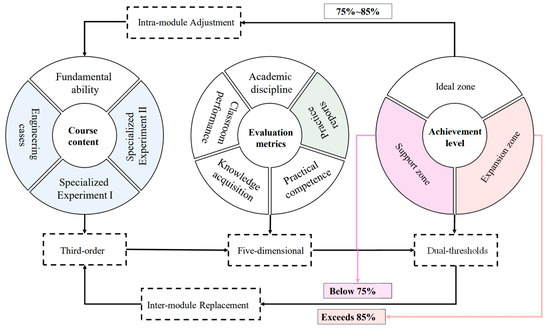
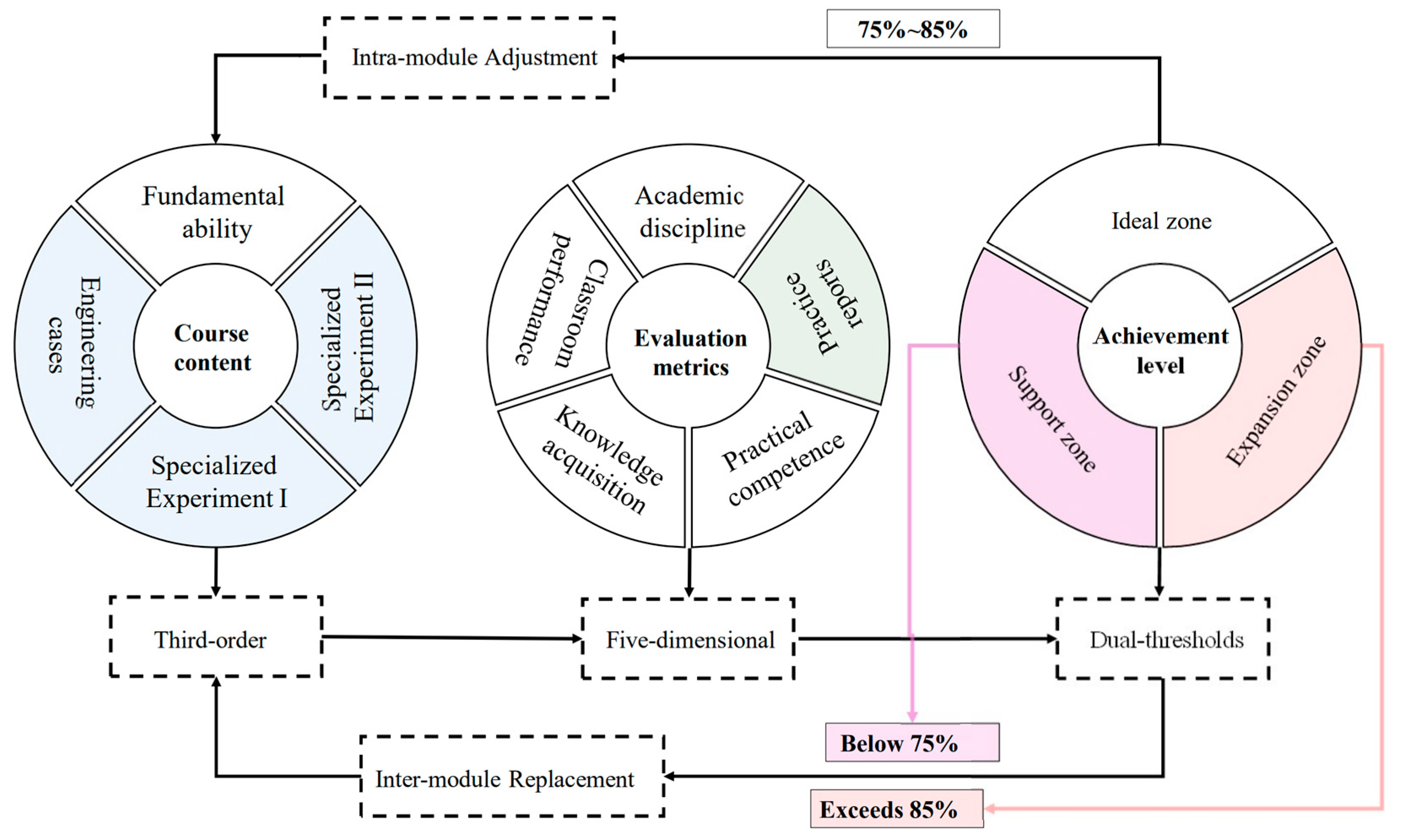
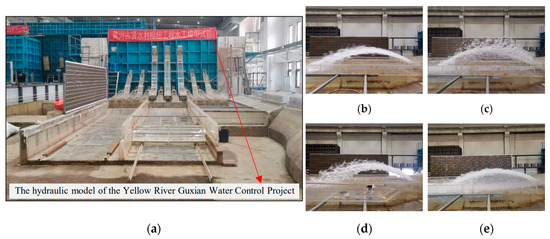
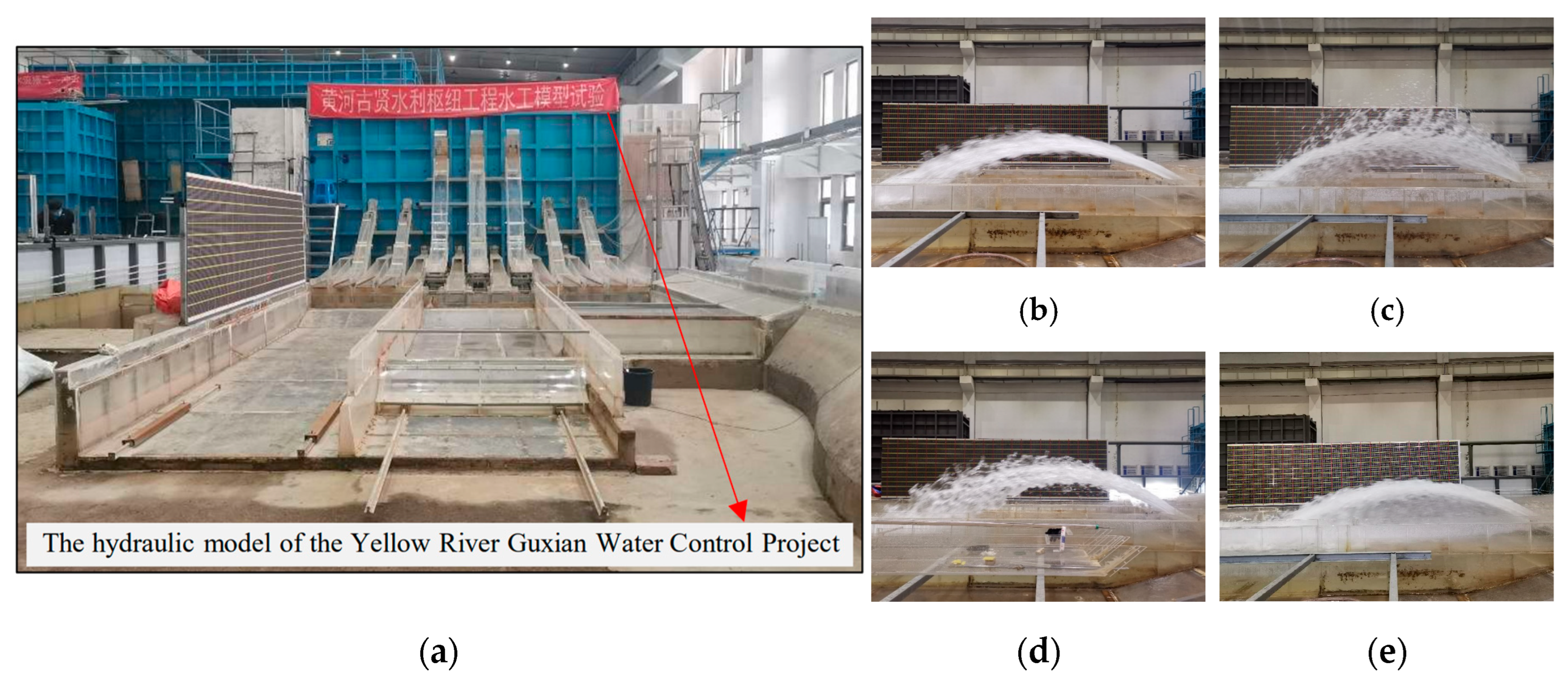
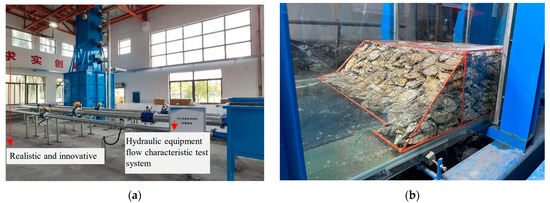
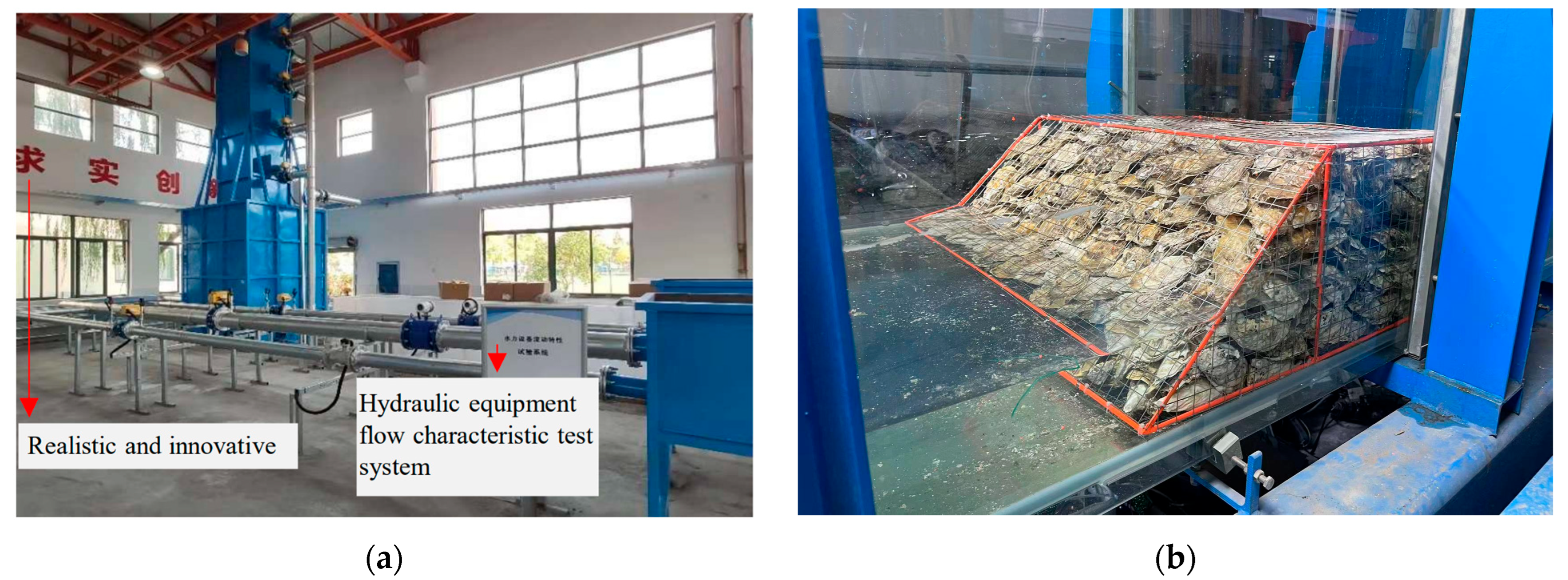
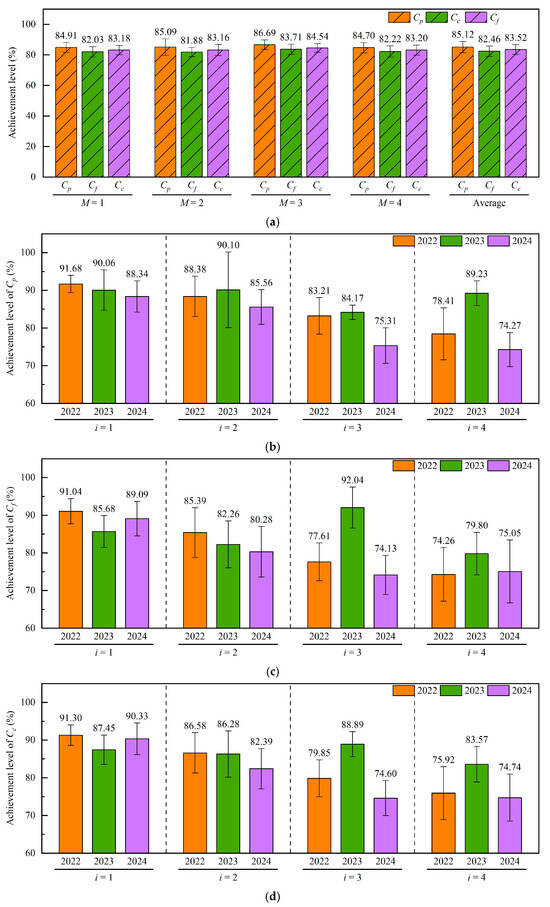
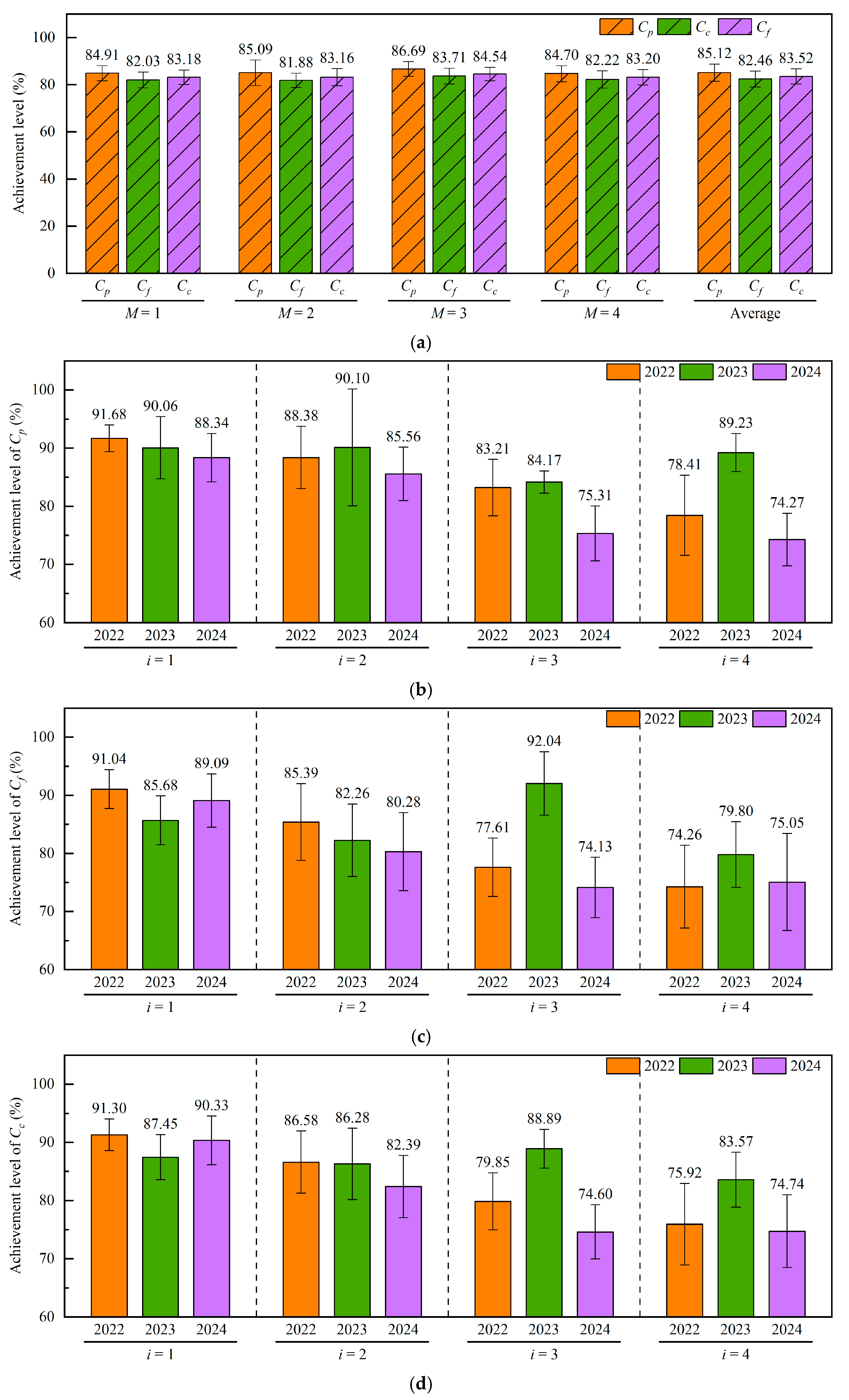
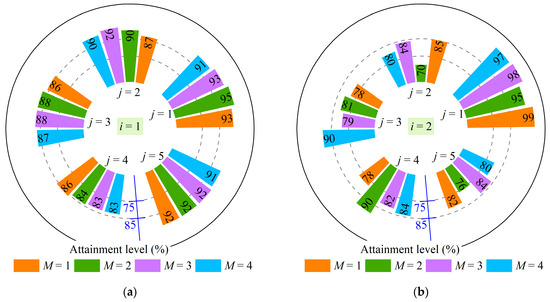
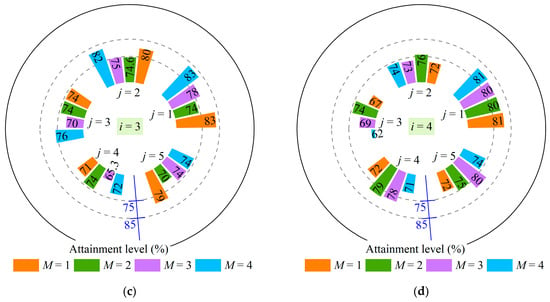
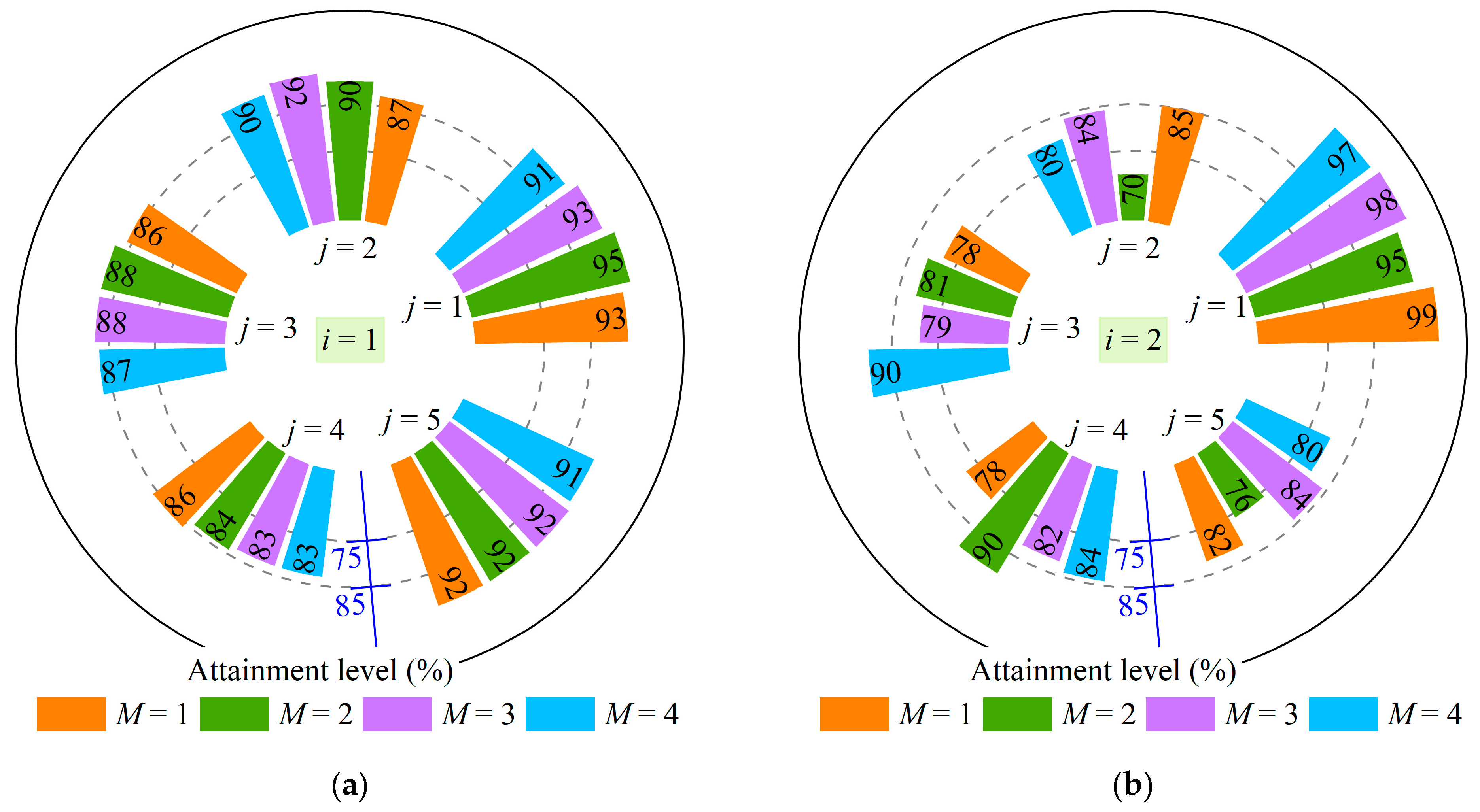
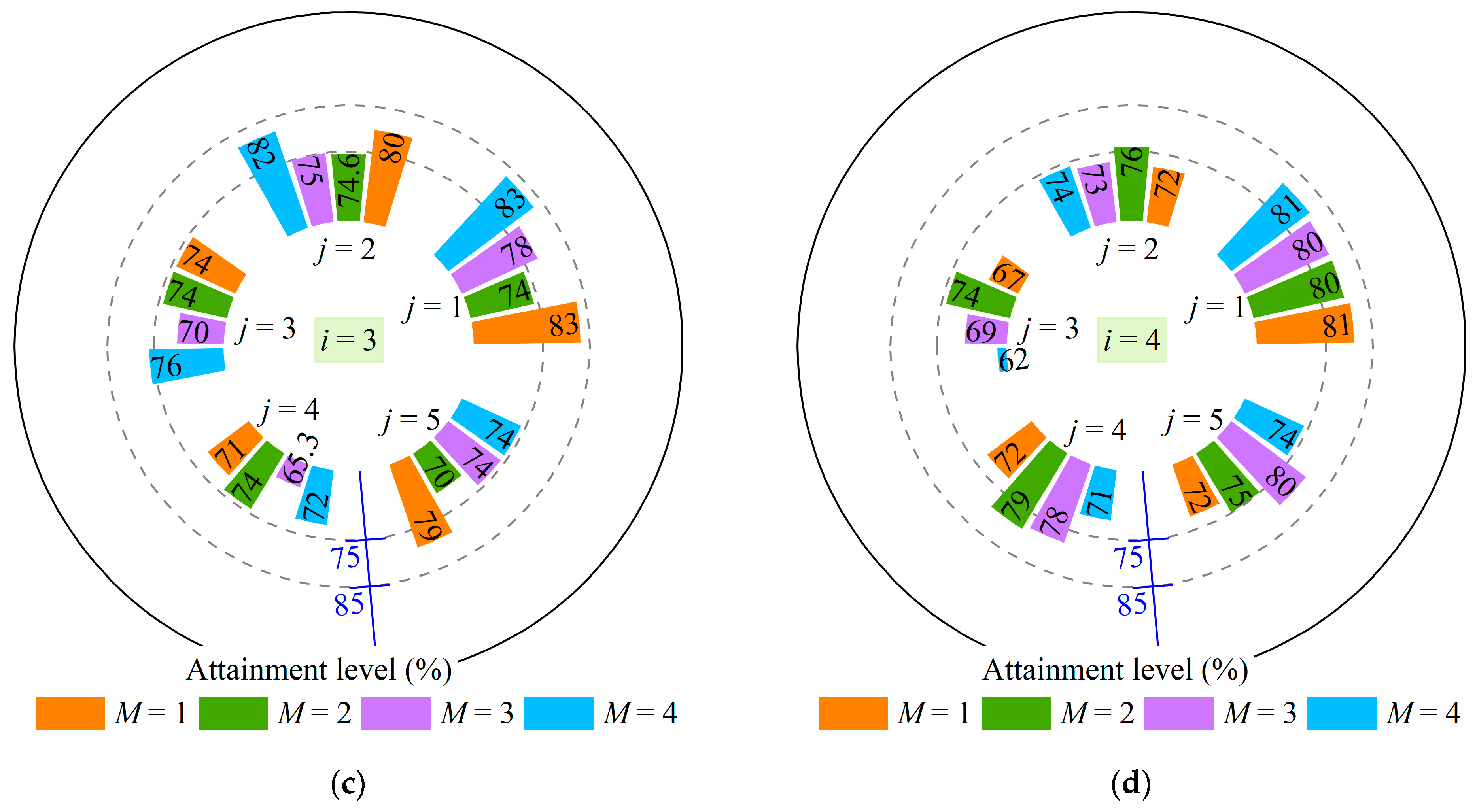
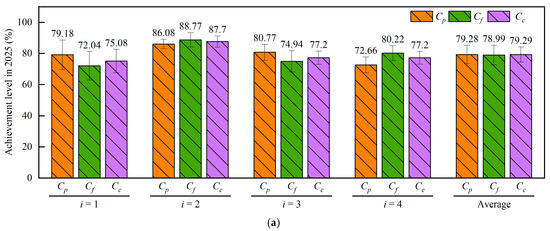
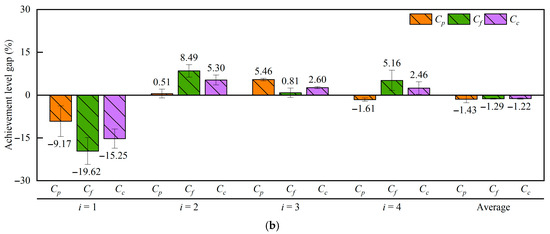
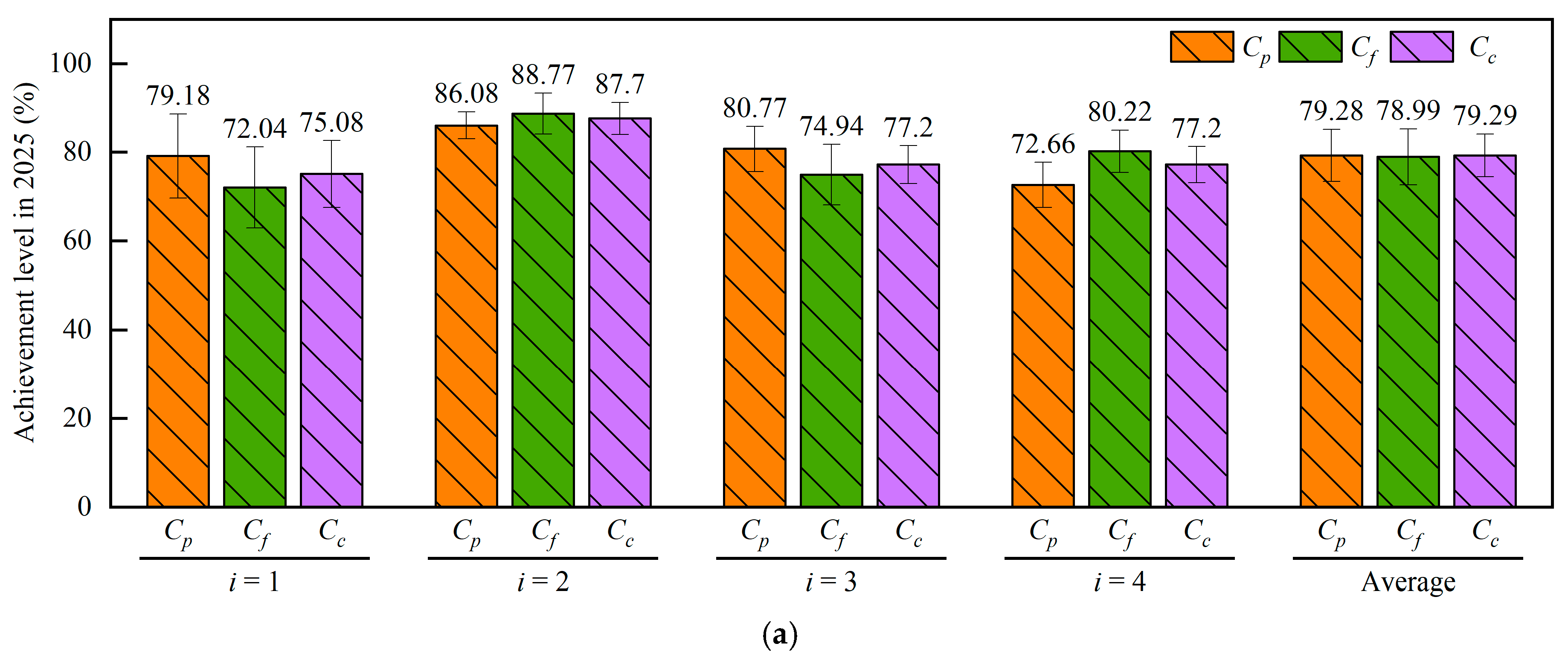
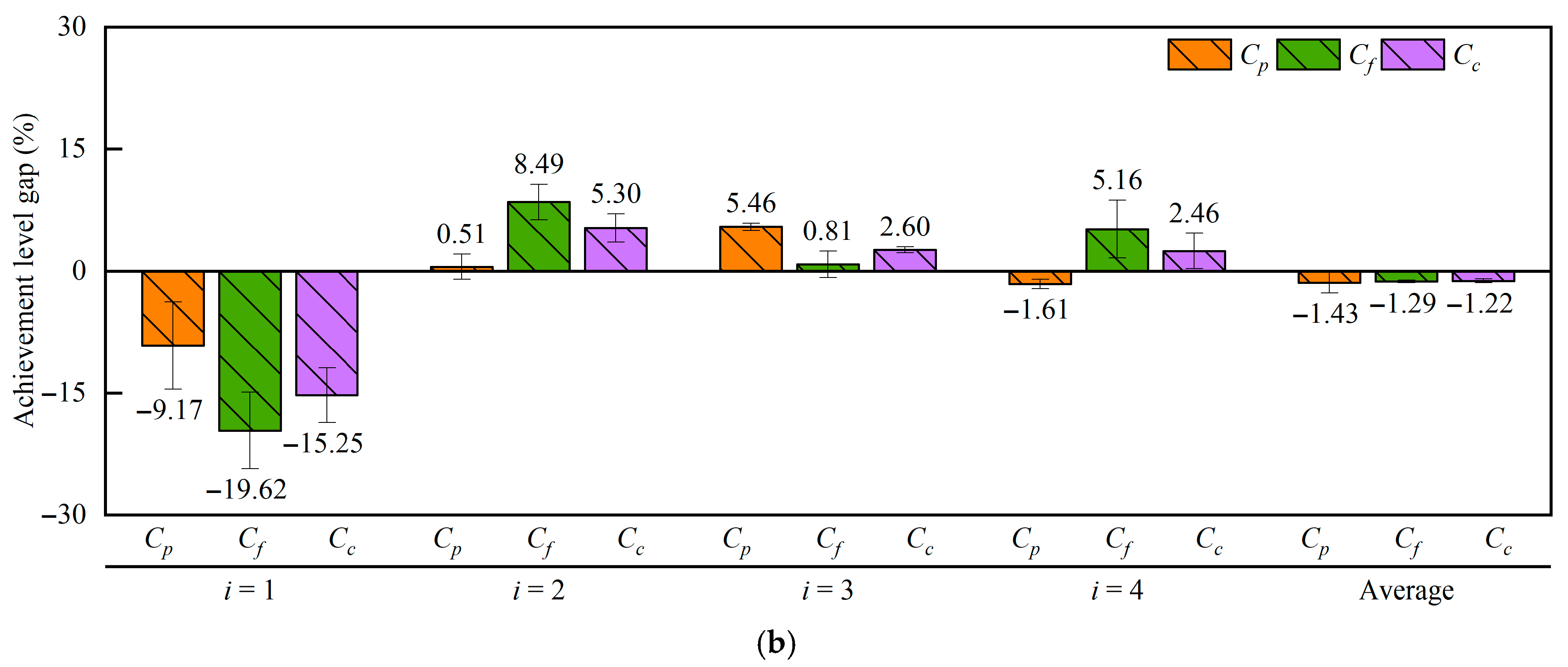
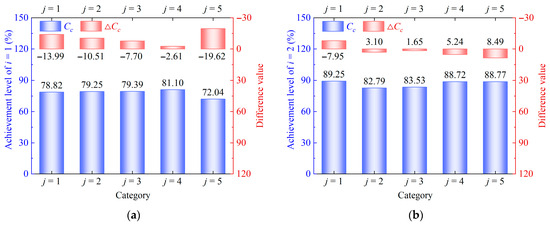
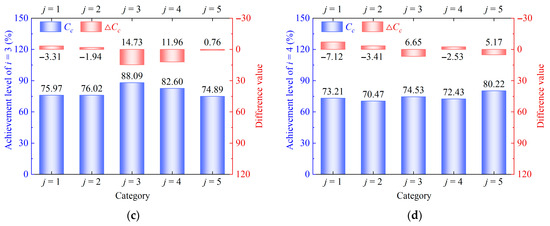
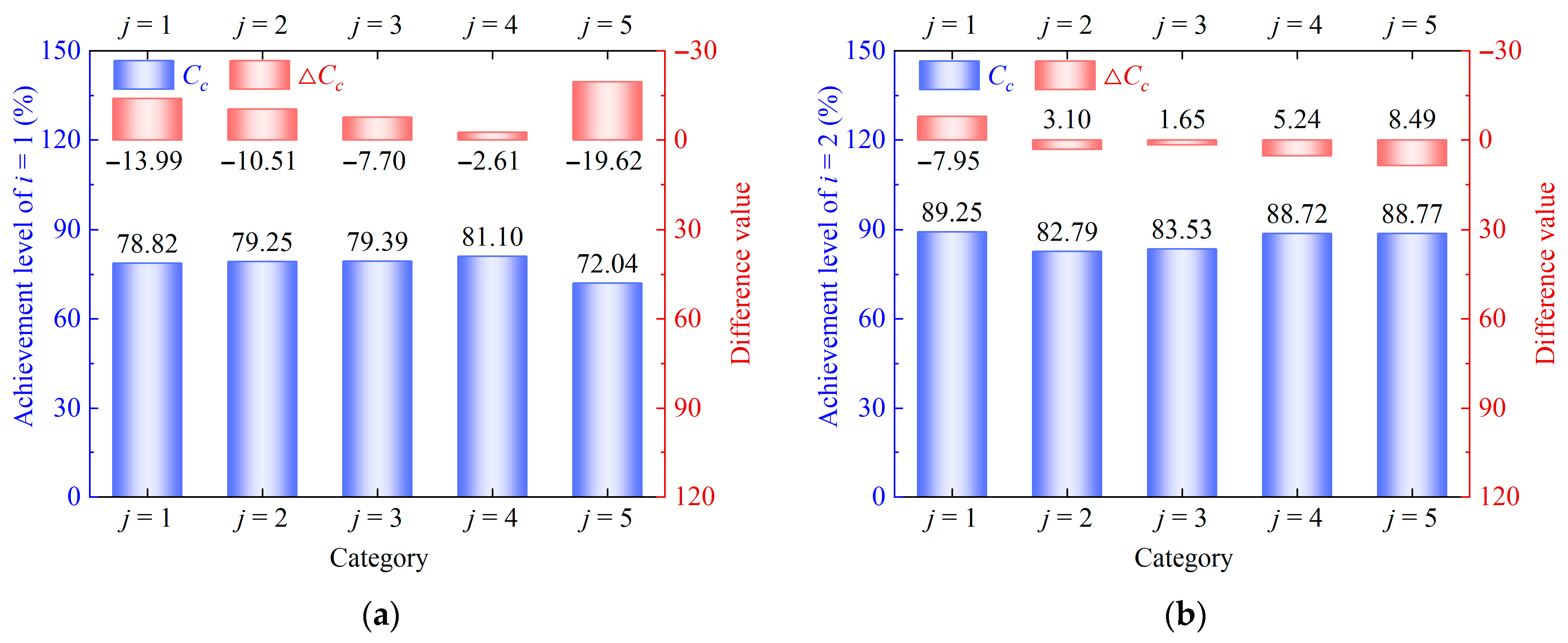
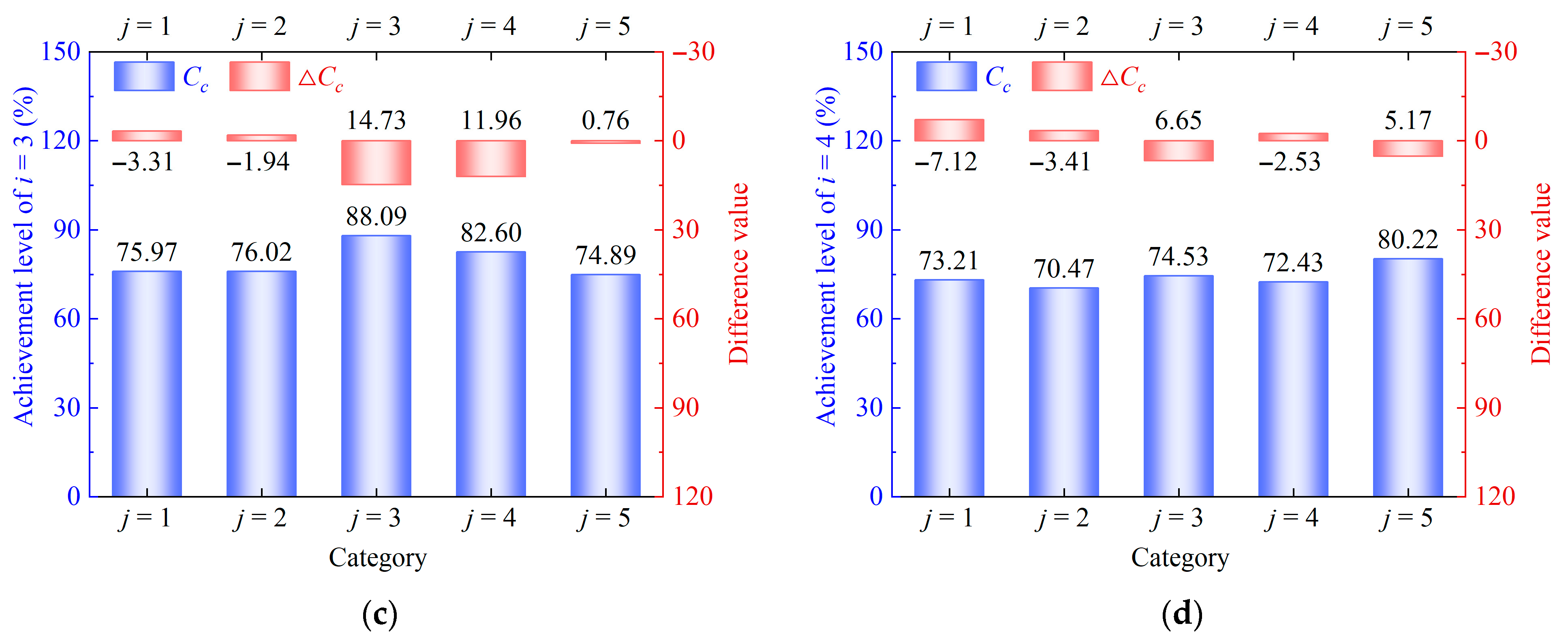
Disclaimer/Publisher’s Note: The statements, opinions and data contained in all publications are solely those of the individual author(s) and contributor(s) and not of MDPI and/or the editor(s). MDPI and/or the editor(s) disclaim responsibility for any injury to people or property resulting from any ideas, methods, instructions or products referred to in the content. |
© 2026 by the authors. Licensee MDPI, Basel, Switzerland. This article is an open access article distributed under the terms and conditions of the Creative Commons Attribution (CC BY) license.