



Journal Menu
► ▼ Journal Menu-
- Water Home
- Aims & Scope
- Editorial Board
- Reviewer Board
- Topical Advisory Panel
- Early Career Editorial Board
- Instructions for Authors
- Special Issues
- Topics
- Sections
- Article Processing Charge
- Indexing & Archiving
- Editor’s Choice Articles
- Most Cited & Viewed
- Journal Statistics
- Journal History
- Journal Awards
- Society Collaborations
- Conferences
- Editorial Office
Journal Browser
► ▼ Journal BrowserNeed Help?
Announcements
8 April 2024
Meet Us at the 9th Youth Geoscience Forum, 17–20 May 2024, Xiamen, China

MDPI will be attending the 9th Youth Geoscience Forum, which will be held from 17 to 20 May 2024 in Xiamen, China.
The Young Geoscience Forum is a free, equal and controversial communication platform initiated by young geoscientists in China, with distinguished scientists as advisors and young scholars and postgraduate students as the main participants. Since its inception in 2014, the Forum has been successfully held in Lanzhou (2014), Urumqi (2015), Xi'an (2016), Chengdu (2017), Nanjing (2018), Xining (2019), Guiyang (2021) and Wuhan (2023). Over time, it has gradually developed into a platform for academic exchanges and collision of ideas among young geoscientists in China. The conference has been successfully held eight times.
The Forum will feature 20 themes, with multiple different topics within each, and is expected to comprise about 270 topics. There will be invited presentations, special presentations and exhibition panels.
The following MDPI journals will be represented:
- Atmosphere;
- Earth;
- GeoHazards;
- Geoscience;
- Geotechnics;
- Hydrology;
- Land;
- Minerals;
- Nitrogen;
- Remote Sensing;
- Soil Systems;
- Sustainability;
- Water.
If you plan to attend this conference, please stop by booth #29 and start a conversation with us. Our delegates look forward to meeting you in person and answering any questions you may have. For more information about the conference, please visit the following website: http://www.qndxlt.com/index.html.
2 April 2024
Meet Us at the EGU General Assembly 2024, 14–19 April 2024, Vienna, Austria

MDPI will be attending the EGU General Assembly 2024 in Vienna, Austria, which will take place from 14 to 19 April 2024 at booth #57. The EGU General Assembly 2024 is organized by the European Geosciences Union, and this is the 22nd conference. It brings together geoscientists from all over the world to one meeting covering all disciplines of the Earth, planetary, and space sciences. The EGU 2024 aims to provide a forum where scientists, especially early-career researchers, can present their work and discuss their ideas with experts in all fields of geoscience.
The following MDPI journals will be represented:
- Remote Sensing;
- Water;
- Hydrology;
- Meteorology;
- Sustainability;
- Atmosphere;
- Climate;
- Earth;
- Land;
- Minerals;
- Geographies;
- IJGI;
- Resources;
- Gases;
- Forests;
- Oceans;
- Quaternary;
- Geotechnics;
- Mining;
- Geomatics;
- Drones;
- Geosciences;
- Nitrogen;
- Soil Systems.
If you are attending the conference, please visit our booth. Our delegates look forward to meeting you in person and answering any questions that you may have. For more information about the conference, please visit the following website: https://www.aag.org/events/aag2024/.
We would also like to congratulate the winners of the Geosciences 2024 Travel Award and the 2023 Outstanding Reviewer Award. Professor Olivier Lacombe, Section Editor-in-Chief of Geosciences, will present prizes on-site to Dr. Andrea Maffeis from Università di Torino, Dr. Simone Bello from University G. d’Annunzio, and Dr. Yuchen Wang from Japan Agency for Marine-Earth Science and Technology.
Join us on 16 April 2024 (17:30–17:45 CET) for the award ceremony at booth #57. If you are interested in travel support or learning about other MDPI awards, please visit our booth during the conference where our conference representatives will be available to assist you.
2 April 2024
Meet Us at the 2024 AAG Annual Meeting, 16–20 April 2024, Hawaii, USA

MDPI will be attending the 2024 AAG Annual Meeting in Hawaii, USA, which will take place from 16 to 20 April 2024 at booth #312. The AAG Annual Meeting is held annually by the American Association of Geographers (AAG). The themes of AAG 2024 connect our meeting and academic offerings to the ecologies, history, and cultures of our host location in Hawaii, affirming the interconnectedness of place and beings here and around the world.
The following MDPI journals will be represented:
- Remote Sensing;
- Sustainability;
- Atmosphere;
- Hydrology;
- Land;
- Earth;
- Water;
- Climate;
- IJGI;
- Fire;
- Oceans;
- Geomatics;
- GeoHazards.
If you are attending the conference, please visit our booth. Our delegates look forward to meeting you in person and answering any questions that you may have. For more information about the conference, please visit the following website: https://www.aag.org/events/aag2024/.
2 April 2024
MDPI Insights: The CEO's Letter #10 - South Korea, IWD, U2A, Japan

Welcome to the MDPI Insights: The CEO's Letter.
In these monthly letters, I will showcase two key aspects of our work at MDPI: our commitment to empowering researchers and our determination to facilitating open scientific exchange.
Opening Thoughts
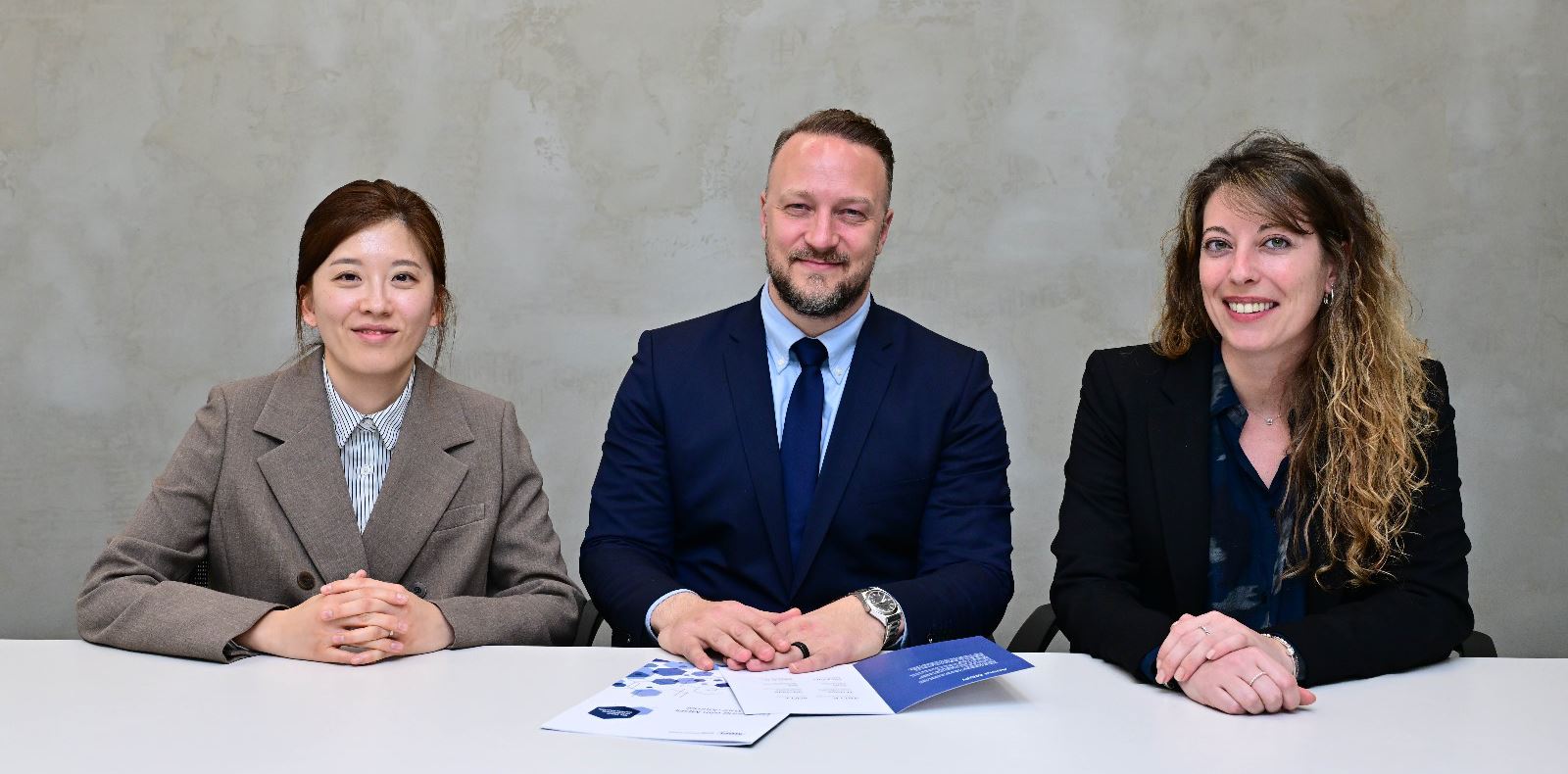
Left to right: Dr. Jisuk Kang (Scientific Officer, MDPI), Stefan Tochev (CEO, MDPI), and Dr. Giulia Stefenelli (Chair of Scientific Office Board, MDPI), during media meetings at Prain Agency office in Seoul, South Korea.
Visit to Seoul, South Korea
During my recent visit to South Korea, I had the privilege of meeting various stakeholders, including representatives of government, research institutions, and academia, to understand their needs and communicate MDPI’s commitment to accessible science. Accompanied by my colleagues Dr. Giulia Stefenelli and Dr. Jisuk Kang, I engaged with the Korean scientific community, which is increasingly embracing open access (OA).
As the leading OA publisher in South Korea, MDPI is trusted by local authors and in 2023 enjoyed an approximately 30% share of the OA market. South Korea ranks sixth globally for MDPI in terms of research papers submitted and published.
MDPI and South Korea by Numbers
As at 30 March, over 76,000 MDPI articles have been authored by individuals affiliated with Korean institutions. We have over 1,800 active editorial board members (EBMs) from South Korea, with more than 880 EBMs having an H-index between 26 and 50, including 10 serving as Chief Editors.
“South Korea is the sixth-largest contributor to our total publications”
Over the past five years (2019–2023), nearly 120,000 authors affiliated with South Korean institutes have published with MDPI. Specifically in 2023, we received approximately 25,000 submissions from South Korean authors, publishing close to 13,000 articles, resulting in a rejection rate of 47.4%, which is not far below MDPI’s overall rejection rate of 56.4% in 2023.
Institutional Partnerships with South Korea
I am pleased to share that MDPI has more than 825 institutional partnerships worldwide, with 12 in South Korea, including Kyunghee University, Chung-Ang University, and Inha University, among others.
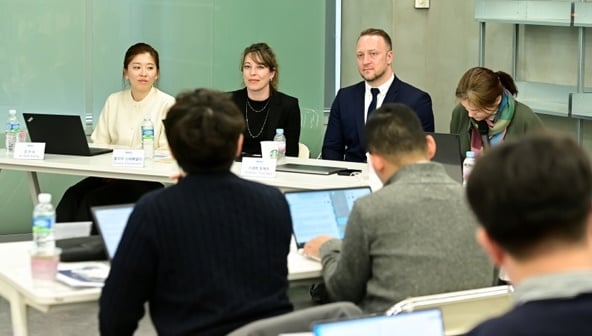
Left to right: Dr. Jisuk Kang (Scientific Officer, MDPI), Dr. Giulia Stefenelli (Chair of Scientific Office Board, MDPI), and Stefan Tochev (CEO, MDPI) fielding media questions at Prain PR Agency office in Seoul, South Korea.
Over the past three years (2021–2023), we have had some of the most prestigious academic universities ranked among the top 10 Korean institutions publishing with MDPI. Seoul National University had the highest number of publications with MDPI during those three years, publishing nearly 6,000 papers. Universities such as Korea University and Yonsei University also rank among the top 10 Korean institutions publishing with MDPI.
MDPI Hosts Seminar for Academia and Media
As the world’s leading OA publisher, MDPI is actively democratizing science. This is reflected in the seminars we hosted on 21 March to address questions about our editorial processes and ethical standards. The visit garnered media coverage, reflecting our mission to providing high-quality services and fostering open dialogue in the community.
“MDPI is actively democratizing science”
MDPI in the News
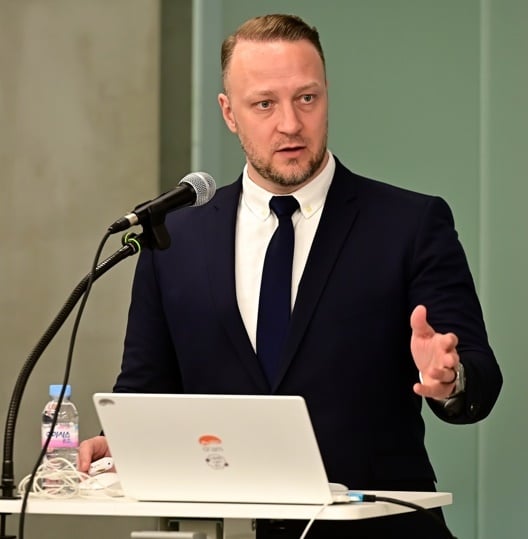
Stefan Tochev (CEO, MDPI) leading a seminar on OA and MDPI at Prain PR Agency office in Seoul, South Korea.
Media coverage generated by our visit to Seoul included the following stories:
“Open access is an unstoppable trend…it will lead the development of the knowledge ecosystem.”
I greatly appreciate the contributions of everyone who took the time to meet with us, share their stories, and hold us accountable for continuing to provide high-quality publishing services while identifying areas for improvement. I am also excited to announce that we have opened an MDPI office in Seoul and will release a press release on MDPI.com, with details, by the end April 2024. The purpose of the office is to establish a local presence to connect with and support the South Korean academic community through institutional partnerships, conferences, author workshops, stakeholder communications, and more.
Impactful Research

Featured Articles on Women’s Leadership and Healthcare
In celebration of International Women’s Day (8 March 2024), MDPI curated a collection of research articles on various topics, including women’s leadership, reproductive health, preventive healthcare, and a selection of articles from our journal Women.
Women’s Leadership
- Women Entrepreneurship and Sustainable Development: Bibliometric Analysis and Emerging Research Trends
Sustainability 2022, 14, 9160. https://doi.org/10.3390/su14159160 - Refugee Women Business Mentors: New Evidence for Women’s Empowerment
Sustainability 2022, 14, 9154. https://doi.org/10.3390/su14159154 - Women and Leadership in Higher Education: A Systematic Review
Soc. Sci. 2023, 12, 555. https://doi.org/10.3390/socsci12100555 - Understanding Needs and Potentials for Gender-Balanced Empowerment and Leadership in Climate Change Adaptation and Mitigation in Africa
Sustainability 2022, 14, 9410. https://doi.org/10.3390/su14159410 - Challenges Women Experience in Leadership Careers: An Integrative Review
Merits 2023, 3, 366-389. https://doi.org/10.3390/merits3020021
Women’s Reproductive Health
- Recreational Female Athletes’ Understanding of and Perceived Impact of the Menstrual Cycle on Physical Performance, Mood, and Sleeping Behaviour
Women 2023, 3, 445-456. https://doi.org/10.3390/women3030034 - Difficulties in Adaptation of the Mother and Newborn via Cesarean Section versus Natural Birth—A Narrative Review
Life 2023, 13, 300. https://doi.org/10.3390/life13020300 - The Main Theories on the Pathogenesis of Endometriosis
Int. J. Mol. Sci. 2023, 24, 4254. https://doi.org/10.3390/ijms24054254
Women’s Preventive Healthcare
- Insulin Metabolism in Polycystic Ovary Syndrome: Secretion, Signaling, and Clearance
Int. J. Mol. Sci. 2023, 24, 3140. https://doi.org/10.3390/ijms24043140 - Assessing Barriers Encountered by Women in Cervical Cancer Screening and Follow-Up Care in Urban Bolivia, Cochabamba
Healthcare 2022, 10, 1604. https://doi.org/10.3390/healthcare10091604 - Updates on HPV Vaccination
Diagnostics 2023, 13, 243. https://doi.org/10.3390/diagnostics13020243
Featured Articles in MDPI Journal Women
Below are a few articles from Women, our journal focused on women’s health, the social determinants of health, and the healthcare system that serves women. The aim of Women is to encourage academics to publish their experimental and theoretical results in detail, to aid reproducibility, and in an engaging style, to aid comprehensibility.
- Premenstrual Syndrome and Exercise: A Narrative Review
Women 2023, 3, 348-364. https://doi.org/10.3390/women3020026 - Increasing Awareness of the Human Papillomavirus (HPV) Vaccine for Women 18–45 Years of Age
Women 2023, 3, 365-373. https://doi.org/10.3390/women3030027 - Addressing Women’s Needs with Human Immunodeficiency Virus (HIV) and Enhancing the Visibility of Pharmacists in the Public Health Arena
Women 2022, 2, 346-352. https://doi.org/10.3390/women2040032
Inside MDPI

Championing Women’s Healthcare and Access to Healthcare Information
MDPI colleagues from our offices joined in celebrating #IWD2024. In doing so, we emphasized key missions that encompass:
- Empowering women to assume leadership and decision-making roles in both business and science.
- Helping women and girls make informed decisions about their health.
- Recruiting and developing female talent and fostering inclusive workplace environments.
“We are thrilled to recognize the accomplishments of women scientists”
I am proud to see our colleagues enthusiastically supporting the International Women’s Day call to ‘Inspire Inclusion!’ The heart-hands in the collage below symbolize our appreciation of the achievements of women researchers and the recognition of the trailblazers who have courageously made a mark on societies past and present.
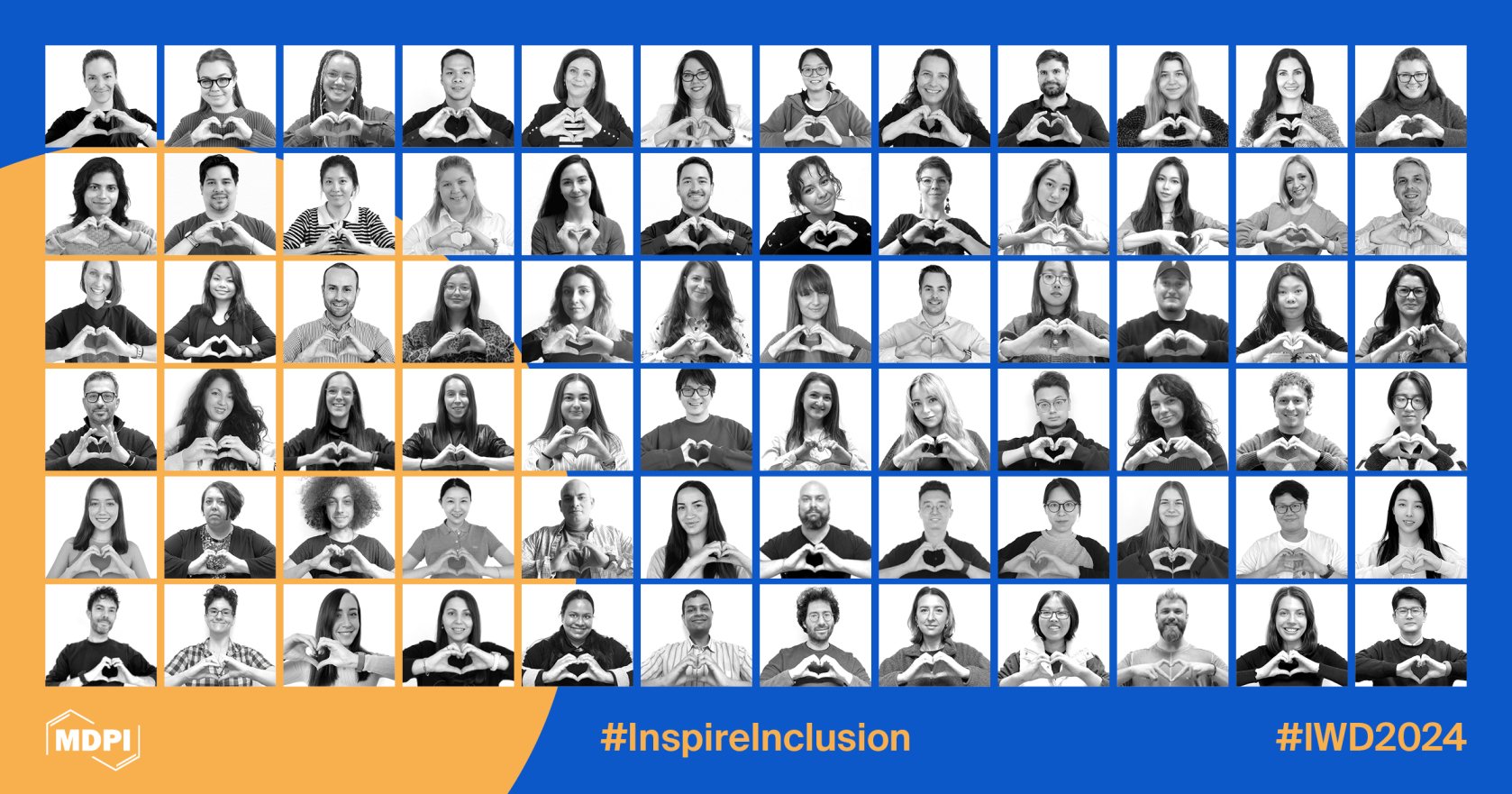
We are thrilled to recognize the accomplishments of women scientists through our many MDPI awards and by highlighting success stories. As inspirational figures, female scientists are paving the way for the next generation of women aspiring to pursue careers in engineering, life sciences, computing, and various other STEM fields.
“I consider myself lucky because I work with incredibly talented women who inspire me every day.”
– Dr. Alessandra Pasut, Winner of MDPI's ‘Biology 2023 Young Investigator Award’
“It’s really important to find a supportive and enabling environment in which to do your science; it would have a big impact on you as a person and on your scientific outputs.”
– Dr. Rhea Longley, Winner of the ‘Pathogens 2023 Young Investigator Award’
Open-access publishing, in particular, allows early-career women researchers to share their work more widely, potentially attracting mentorship opportunities and collaborations. This support is crucial for career development and advancement.
Coming Together for Science
MDPI Joins United2Act in Collective Fight to Stop Paper Mills
In my February 2024 CEO Letter, I highlighted some of our recent initiatives aimed at bolstering our commitment to research integrity, including joining the STM Integrity Hub and expanding our Research Integrity and Publication Ethics team (RIPE). Continuing our efforts in coming together for science, I am pleased to share our participation in the United2Act initiative.
The text below is taken from our official announcement:
United2Act represents an international group of stakeholders in the publishing industry committed to addressing the collective challenge posed to research integrity by paper mills.
Scientists and academic publishers have increasingly noted the alarming proliferation of paper mills, recognized as fraudulent entities seeking to manipulate the publication process for financial profit. These entities engage in fraudulent practices such as falsifying or fabricating data, selling co-authorship of fake papers, manipulating peer review, and including inappropriate citations. These actions pose a significant threat to the integrity of the scholarly record, prompting widespread concern among those involved in the academic community.
MDPI has been actively contributing to combat the undermining of the scientific record. Our editors employ a set of tools to detect potential ethical breaches within a manuscript and to tackle the issue of fake papers.
United2Act’s consensus statement is the outcome of a virtual summit held in May 2023. It involved the participation of research bodies, publishers, researchers/sleuths, universities, and publishing infrastructure from 15 countries and resulted in a Consensus Statement outlining five key areas of action for all stakeholders:
- Education and awareness
- Improve post-publication corrections
- Facilitate and organise research on paper mills
- Enable the development of trust markers
- Facilitate dialogue between stakeholders
MDPI is committed to promoting transparency and integrity in scholarly publishing and is continuing to work closely with the scientific community toward this goal.
Closing Thoughts
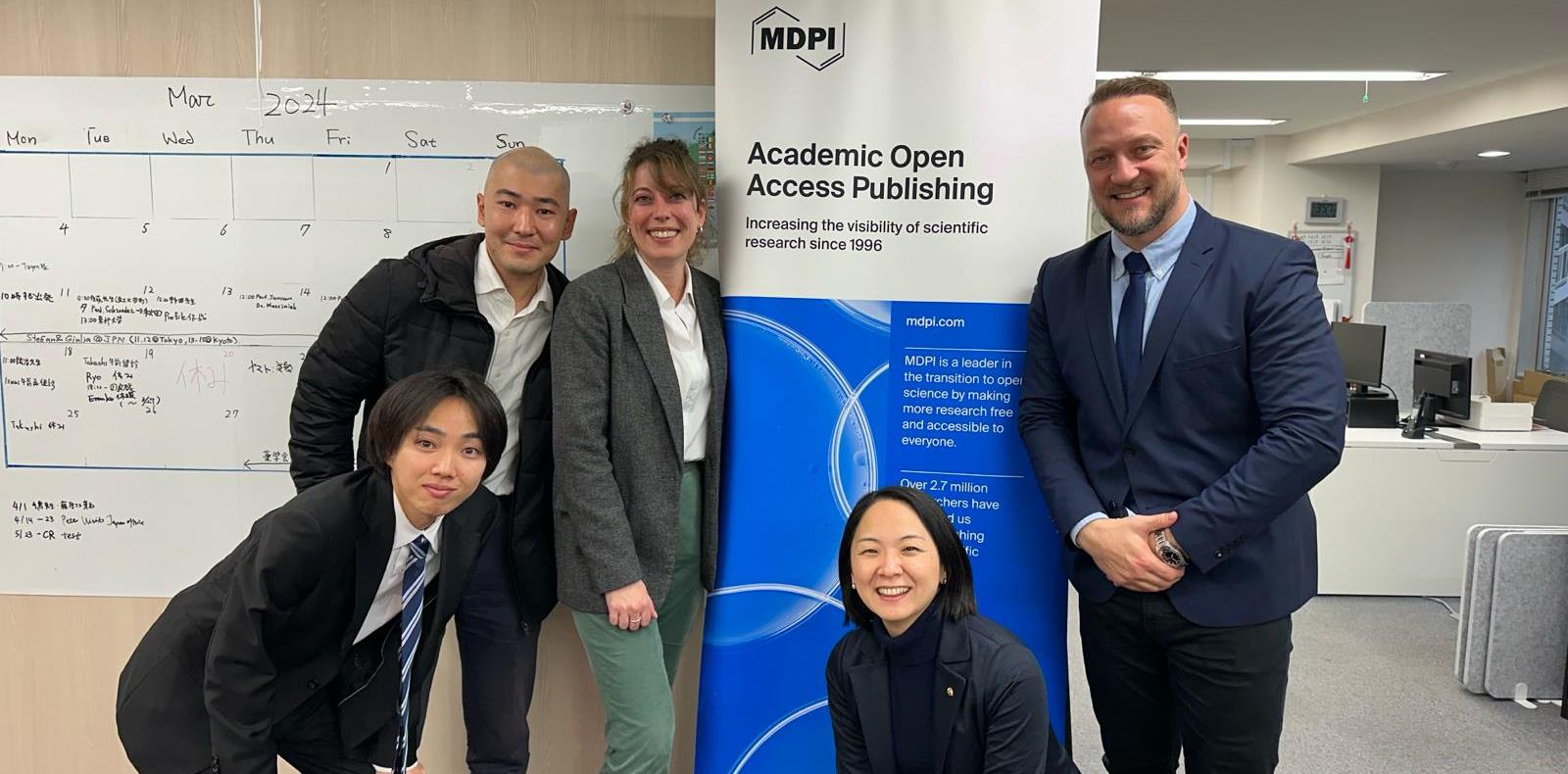
Left to right: Ryo Hirayama (Marketing Specialist, MDPI), Takashi Sasabe (Marketing Specialist, MDPI), Dr. Giulia Stefenelli (Chair of Scientific Office Board, MDPI), Dr. Izumi Yamamoto (Marketing Manager, MDPI), and Stefan Tochev (CEO, MDPI), at MDPI’s office in Tokyo, Japan.
Visit to Tokyo and Kyoto, Japan
In March, I had the opportunity to visit our Tokyo office and engage with stakeholders in Tokyo and Kyoto. During the visit, I also recorded a video message to welcome Japanese scholars working with MDPI and to highlight our operations in Japan.
We held meetings with Editors-in-Chief, librarians, scholars, and external consultants to gather feedback on our efforts to enhance our reputation and explore additional steps we can take in that direction. Japan's rich cultural heritage, characterized by tradition, respect, and formality, provided valuable insights into meeting the publishing needs specific to Japan.
Japan’s Open Access statistics
Over the years, we have seen a shift from subscription-only to gold OA publishing in Japan, despite the lack of an official mandate. Here are some statistics:
- 2012: 68% of articles were subscription-only, 6% were green Open Access, and 8% were gold Open Access.
- 2016: 55% of articles were subscription-only, 6% were green Open Access, and 20% were gold Open Access.
- 2022: 43% of articles were subscription-only, 7% were green Open Access, and 39% were gold Open Access.
To learn more about the history of OA in Japan as well as about future trends, please read this blog post.
“Japan is the ninth-largest contributor to our total publications”
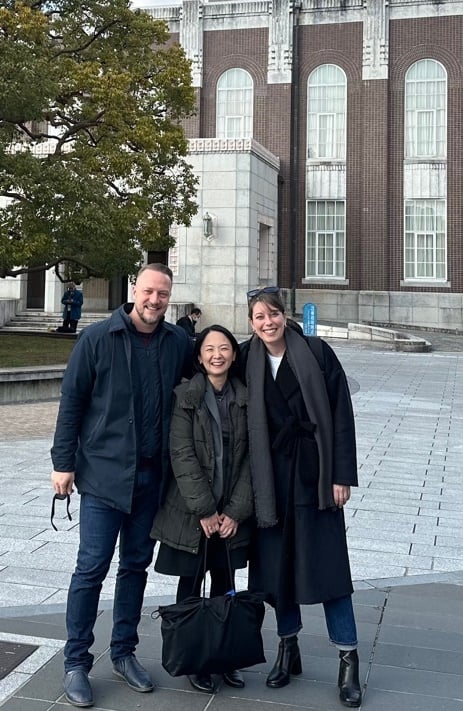
Left to right: Stefan Tochev (CEO, MDPI), Dr. Izumi Yamamoto (Marketing Manager, MDPI), and Dr. Giulia Stefenelli (Chair of Scientific Office Board, MDPI) visiting Kyoto University in Kyoto, Japan.
MDPI and Japan by Numbers
As at 1 April, over 50,000 MDPI articles have been authored by scholars affiliated with Japanese institutions, making the country the ninth-largest contributor to our total publications. Over the past three years (2020–2023), nearly 90,000 authors affiliated with Japanese institutes have published with MDPI, and we have collaborated with over 4,600 Guest Editors from Japan.
In 2023, we published over 8,200 papers from authors associated with Japanese institutions. MDPI collaborates with 41 institutional partnerships in Japan, including the University of Tokyo, Hokkaido University, and Nagoya University. We have over 2,100 active EBMs from Japan, more than 1,050 EBMs having an H-index between 26 and 50, including 13 serving as Editors-in-Chief.
General Feedback – a side note
A general takeaway from our discussions with stakeholders from around the world is that negative perceptions of MDPI often stem from misinformation, misconceptions, or misunderstandings about MDPI and our practices. While we acknowledge our mistakes and work diligently to address them, maintaining a strong editorial procedure and robust peer-review process, I find that educating stakeholders about our how we do what we do and our ongoing improvements tends to help shift opinions.
That said, we recognize the importance of addressing individual concerns. We take feedback seriously and are continuously working to get better while not compromising the core principles that millions of authors appreciate about MDPI.
Chief Executive Officer
MDPI AG
26 March 2024
Dr. Georg Umgiesser Appointed Section Editor-in-Chief of Section “Ocean and Coastal Zones” in Water

We are pleased to announce that Dr. Georg Umgiesser has been appointed the Section Editor-in-Chief of the Section “Oceans and Coastal Zones” in Water (ISSN: 2073-4441, IF 3.4).
Dr. Georg Umgiesser is a director of research at the National Research Council in Venice, Italy. He heads a group of scientists that mainly study lagoons and the coastal zone with numerical modeling. He is also covering a lead researcher position at Klaipeda University in Lithuania.
His research interests include the development of numerical models, sea–lagoon interactions, storm surge forecasting, and teaching discretization techniques and oceanography. In particular, he is interested in looking at the future of Venice under climate change.
He is the Italian coordinator of the DANUBIUS-RI infrastructure. He has published more than 100 peer-reviewed articles, with an h-index of 49.
The following is a short Q&A with Dr. Georg Umgiesser, who shared his vision for the journal as well as his views on the research area and open access publishing:
1. What appealed to you about the journal that made you want to take the role as its Section Editor-in-Chief?
It is a pleasure to be able to influence publishing matters as a Section Editor-in-Chief. I am grateful to the journal that they allow me to do so. The journal is well known in my field; therefore, it is great to contribute to its success.
2. What is your vision for the journal?
We should strive for higher quality. Rejection of borderline articles will be necessary. I think the fact that Water is extremely fast is a bonus.
3. What does the future of this field of research look like?
This research will be extremely important because of the changes our planet is going through. May it be freshwater availability, or sea level rise, this field will be of crucial importance.
4. What do you think of the development of Open Access in the publishing field?
OA is one of the most important aspects of publishing. In the EU it will soon be mandatory. It will also help to spread scientific results much faster.
We wish Dr. Georg Umgiesser every success in his new position, and we look forward to his contributions to the journal.
18 March 2024
Meet Us at the 2024 MDPI World Water Day Webinar: Unconventional Water Resources, 22 March 2024

To mark 2024 World Water Day, MDPI is launching a special webinar, encouraging scientists to come together, take action, and raise awareness regarding the importance of freshwater, whilst advocating for the sustainable management of water resources.
The theme for 2024 World Water Day is “Water for Peace”. When water is scarce or polluted, or when people have unequal or no access to water, tensions can rise between communities and countries. Over 3 billion people worldwide rely on water that crosses international borders, yet only 24 countries have comprehensive cooperation agreements for shared water resources. With the escalating impacts of climate change and population growth, there is an urgent need for collaboration within and between countries for the safeguarding and preservation of this vital resource.
We are looking forward to seeing you at the 2024 World Water Day Webinar. Please find an up-to-date outline of the invited speakers below.
Date: 22 March 2024 at 10:00 a.m. CET | 5:00 a.m. EDT | 5:00 p.m. CST Asia
Webinar ID: 835 1582 8017
Webinar Secretariat: journal.webinar@mdpi.com
Webinar Announcement: https://sciforum.net/event/MWWD24
Register now for free!

| Speaker/Presentation | Time in CET | Time in CST Asia |
| Introduction by MDPI | 10:00 a.m.–10:10 a.m. | 5:00 p.m.–5:10 p.m. |
| Prof. Dr. Andreas N. Angelakis Chair Introduction—Water for Peace and Nonconventional Water Resources |
10:10 a.m.–10:20 a.m. | 5:10 p.m.–5:20 p.m. |
| Prof. Dr. Andrea G. Capodaglio TBA |
8:10 a.m.– 8:35 a.m. | 5:20 p.m.–5:40 p.m. |
| Prof. Dr. Andreas N. Angelakis Nonconventional Water Resources Focusing on Desalinated Water |
10:40 a.m.–11:00 a.m. | 5:40 p.m.–6:00 p.m. |
| Dr. Chicgoua Noubactep Controlling Stormwater at the Source: Dawn of a New Era in Integrated Water Resource Management |
11:00 a.m.–11:20 a.m. | 6:00 p.m.–6:20 p.m. |
| Q&A Session | 11:20 a.m.–11:55 a.m. | 6:20 p.m.–6:55 p.m. |
| Prof. Dr. Andreas N. Angelakis Closing of Webinar |
11:55 a.m.–12:00 p.m. | 6:55 p.m.– 7:00 p.m. |
After registering, you will receive a confirmation email, containing information regarding how to join the webinar. Registrations with academic institutional email addresses will be prioritized.
Unable to attend? Register anyway, and we will inform you when the recording becomes available.
Webinar Chair and Keynote Speakers:
- Prof. Dr. Andreas N. Angelakis (Chair), International Water Association;
- Prof. Dr. Andrea G. Capodaglio, BCEE, University of Pavia, Pavia, Italy;
- Dr. Chicgoua Noubactep, Department of Applied Geology, University of Göttingen, Goldschmidtstraße 3, Göttingen, Germany.
Relevant Special Issues:
“Desalination and Waste/Water Treatment”
Guest Editor: Dr. Dipak A. Jadhav
Submissions Deadline: 25 July 2024
“Stable Isotopes as Groundwater Discharge Tracers: Recent Developments”
Guest Editors: Dr. Jorge Jódar Bermúdez and Prof. Dr. Albert Soler
Submissions Deadline: 20 June 2024
11 March 2024
Water Webinar | Extreme Storms, Floods, and Climate Change: Recent Advances and Interdisciplinarity, 27 March 2024

Storms and floods are among the most devastating water-related hazards and are primarily responsible for the loss of human life and destruction of the natural and man-made environment. Global climate change affects the frequency and severity of extreme hydro-meteorological events, such as storms and floods. Indeed, the impacts of global climate change on these events have become evident in recent years as storms and floods with unprecedented intensity and duration have been witnessed around the world. It is necessary to develop better models for these events and methodologies to address them based on an interdisciplinary approach and the cooperation of various specialists, such as meteorologists, hydrologists, engineers, and planners. Changes in event characteristics as well as changes in vulnerability and exposure are among the other factors determining the risks for infrastructure and society posed by these hydro-meteorological events and the development of suitable adaptation measures. This webinar will address these issues in a more focused way. Two contributions will be presented on (1) the changes in storm and flood risk and (2) flash flood development and changes in the Mediterranean region.
Date: 27 March 2024 at 4.00 p.m. CET | 11:00 a.m. EDT | 11:00 p.m. CST Asia
Webinar ID: 850 7530 2093
Webinar Secretariat: journal.webinar@mdpi.com
Webinar Announcement: https://sciforum.net/event/Water-5
Register now for free!
| Speaker/Presentation | Time in CET | Time in EDT |
| Prof. Dr. Athanasios Loukas Chair Introduction |
4:00 p.m.–4:10 p.m. | 11:00 a.m.–11:10 a.m. |
| Prof. Dr. Uwe Ulbrich Estimation of Changes in Storm and Flood Risk Based on Numerical Simulations |
4:10 p.m.–4:45 p.m. | 11:10 a.m.–11:45 a.m. |
| Prof. Dr. María del Carmen Llasat Botija Are Flash Floods Increasing in The Mediterranean Region? The Case of Spain |
4:45 p.m.–5:20 p.m. | 11:45 a.m.–12:20 p.m. |
| Q&A Session | 5:20 p.m.–5:55 p.m. | 12:20 p.m.–2:55 p.m. |
| Prof. Dr. Athanasios Loukas Closing of Webinar |
5:55 p.m.–6:00 p.m. | 12:55 p.m.–1:00 p.m. |
After registering, you will receive a confirmation email containing information on how to join the webinar. Registrations with academic institutional email addresses will be prioritized.
Unable to attend? Register anyway and we will inform you when the recording is available to watch.
Webinar Chair and Keynote Speakers:
- Prof. Dr. Athanasios Loukas (Chair), Department of Rural and Surveying Engineering, Aristotle University of Thessaloniki, Thessaloniki, Greece;
- Prof. Dr. Uwe Ulbrich, Institut fuer Meteorologie, Freie Universitaet Berlin, Berlin, Germany;
- Prof. Dr. María del Carmen Llasat Botija, Department of Applied Physics, Universitat de Barcelona, Barcelona, Spain.
4 March 2024
MDPI Insights: The CEO's Letter #9 - Romania, Research Integrity, Viruses
Welcome to the MDPI Insights: The CEO's Letter.
In these monthly letters, I will showcase two key aspects of our work at MDPI: our commitment to empowering researchers and our determination to facilitating open scientific exchange.
Opening Thoughts
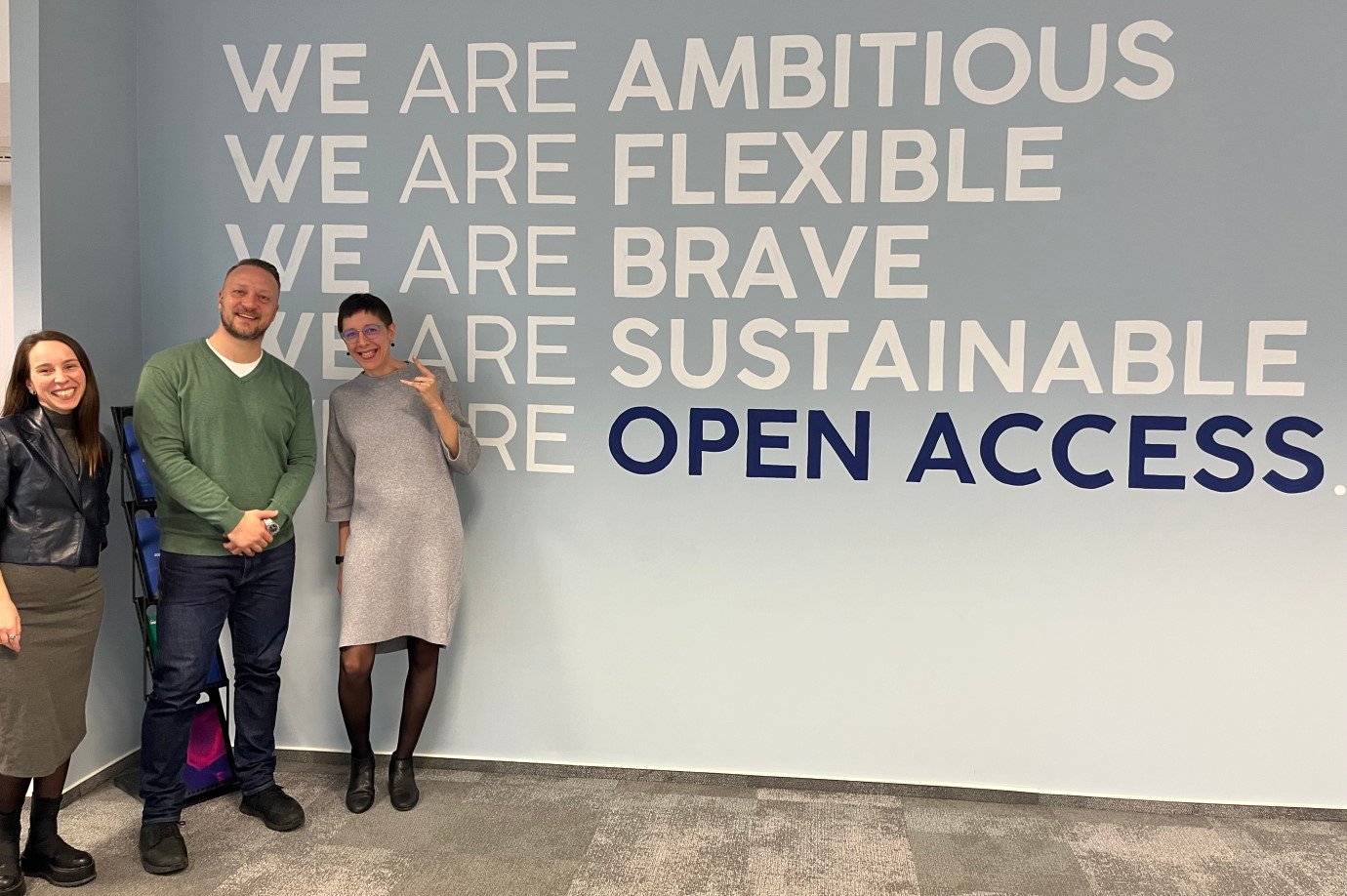
Reka Kovacs (Deputy Office Manager, MDPI), Stefan Tochev (CEO, MDPI), and Sandra Ana Spatariu (Office Manager, MDPI) at the MDPI office in Cluj, Romania.
MDPI’s Impact on Romania
In February, I visited our office in Cluj, Romania. I worked closely with our senior office managers and various teams, including the departments of training, marketing and conferences, as well as our journal relationship specialists, reviewing our service to the local scholarly community. During the visit, I also met with representatives from Babes-Bolyai University and the Technical University of Cluj-Napoca. Our multifunctional Romanian office plays an important role in supporting our collaborations with the local market as well as helping to meet MDPI’s overall business needs.
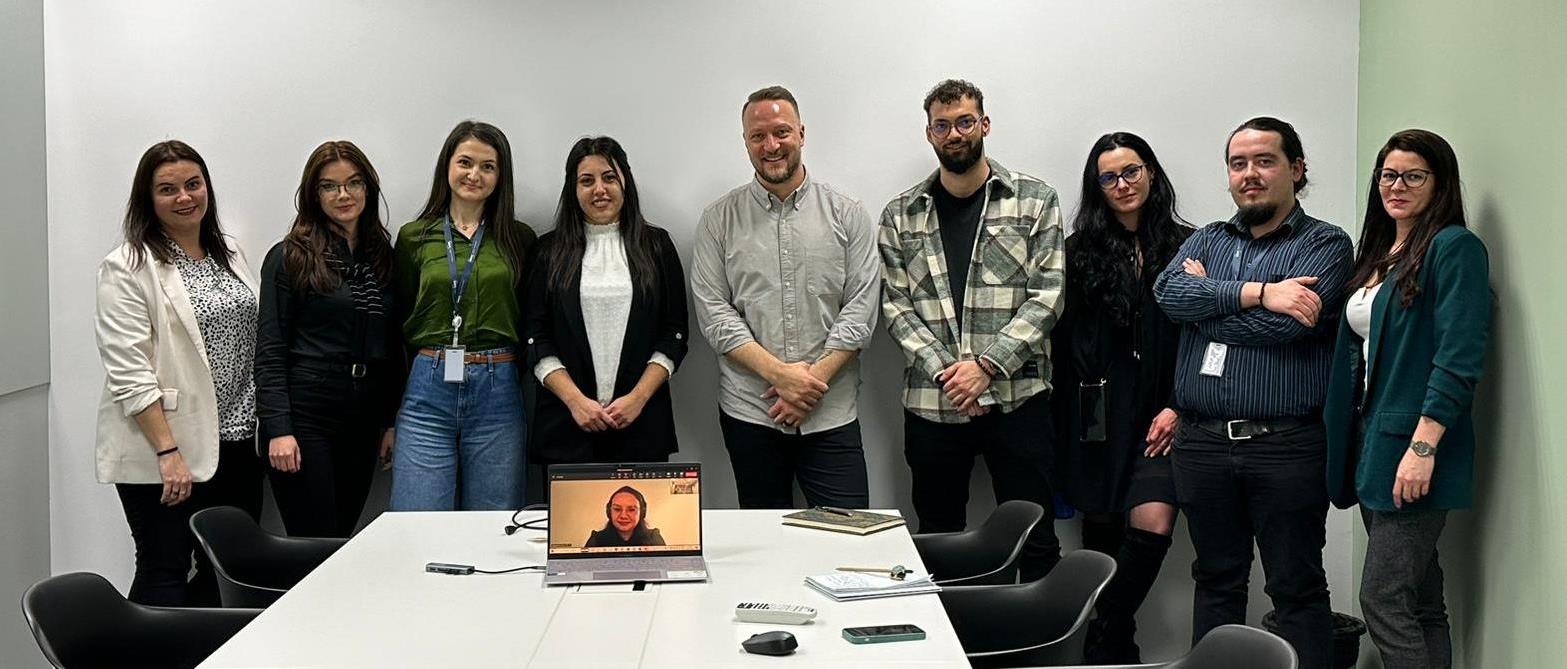
Feedback and strategy meeting with a group of MDPI’s Journal Relationship Specialists at the MDPI office in Cluj, Romania.
With 22,436 articles, Romania ranks as a top 20 contributing country to MDPI’s total number of papers published as at 28 February 2024. This highlights the importance of our collaboration with Romanian-affiliated authors and the growing opportunity to support their publishing needs. MDPI is one of the few academic publishers with a significant presence in Romania, boasting over 360 colleagues across our offices in Bucharest and Cluj. We are also proud to hire colleagues from local institutions to launch their careers within publishing.
Romania ranks as a top 20 contributing country.
The Numbers: 2019–2023
MDPI has seen a healthy increase in submissions from Romanian authors over the past three years, from 8,439 in 2021 to 11,866 by end of 2023, with most submissions going to journals such as Sustainability, Medicina, Diagnostics, IJMS, Applied Sciences, and JCM. From 2019 to 2023, MDPI published articles from 32,145 authors affiliated with Romanian institutions. Over those years, we have worked with Romanian Guest Editors on nearly 3,000 occasions to support their Special Issue and Topical collections.
With more than 300 Editorial Board Members from Romania, 34 appear on the board of Mathematics, 27 on Materials, 19 on Polymers, 18 on Coatings, and 16 on Molecules, while three serve as Section Editors-in-Chief (SEiC) on our journals Coatings (3.4 IF, 4.6 Citescore), Magnetochemistry (2.7 IF, 3.5 Citescore), and Chemosensors (4.2 IF, 3.9 Citescore).
Institutional Open Access Programs
Our commitment to working with institutions is evident in Romania, where we have established eight Institutional Open Access Programs (IOAP) with esteemed institutions such as the University of Bucharest, the University of Medicine and Pharmacy Cluj-Napoca, and most recently the National Institute for Laser, Plasma and Radiation Physics.
Our growth and presence in Romania are a true testament.
We also have IOAP agreements with Babes-Bolyai University and the Technical University of Cluj-Napoca, where I had the opportunity to meet senior stakeholders during my visit. Below are a few photos capturing our meeting with Prof. Radu Silaghi-Dumitrescu (Head of Faculty of Chemistry, Babes-Bolyai University) at the MDPI office in Cluj, Romania, along with a photo from our meeting with Vice Deans Nicoleta Cobarzan, Nicoleta Ilies, and Hoda Gavril, from the faculty of Civil Engineering at the Technical University of Cluj, Romania.
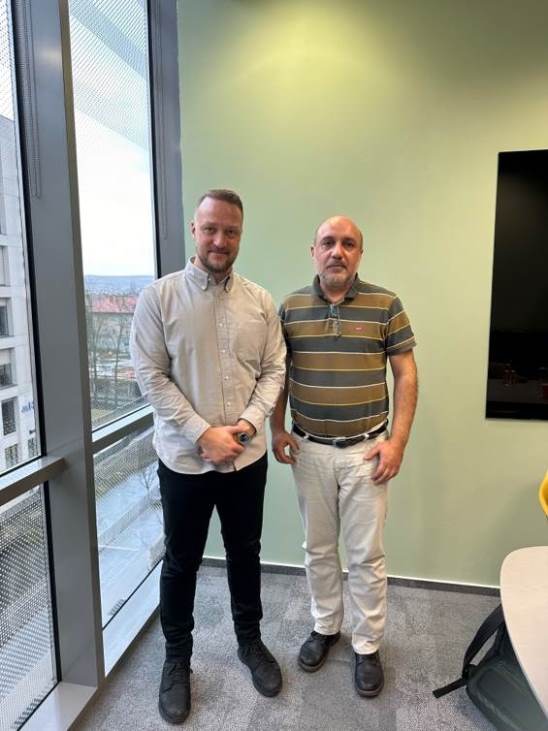

Our growth and presence in Romania are a true testament to the service we provide to the scholarly community and the relationships we foster in that region. We look forward to continuing to support Romanian scholars and institutions by providing a valuable and trusted experience with MDPI, the leader in open access publishing.
Impactful Research

MDPI Joins the STM Integrity Hub
MDPI has long been a supporter and partner of STM, with our involvement ranging from sponsoring and attending events to helping organize event programs. By joining the STM Integrity Hub, we aim to further our commitment to STM initiatives aimed at safeguarding the integrity of science.
“We are pleased to welcome MDPI as the 35th organisation participating in the Hub. This expansion is critical, as every new member enhances our capacity to prevent fraudulent submissions from entering the academic record.”
Joris van Rossum, Director of Research Integrity, STM
MDPI operates in full alignment with STM Integrity Hub's values of shared data and experiences. We strongly believe in collaboration and open exchange for the purposes of creating a holistic approach to support research integrity at MDPI itself and across the entire academic publishing industry. The Integrity Hub is an excellent example of how publishers can come together to jointly address industry-wide challenges related to research integrity, such as manuscripts that breach research integrity standards and paper-mills.
I look forward to our Research Integrity and Publication Ethics Team (RIPE) team immersing themselves in this initiative, exchanging information, best practices, and tools for the benefit of the entire scholarly ecosystem. We believe that ethical publishing standards should be implemented across the board, and we aim to be rigorous in our approach, addressing research integrity issues and improving the impact of published research.
Inside MDPI
MDPI Expands Research Integrity and Publication Ethics Team (RIPE)
In addition to external collaborations and joint initiatives aimed at further strengthening our commitment to research integrity, we are also enhancing our internal efforts. This includes improving our processes and guidelines and expanding our teams and departments to ensure quality assurance throughout our publishing process.
We are pleased to announce the expansion of our Research Integrity and Publication Ethics Team (RIPE) at MDPI. The RIPE team has recently welcomed new colleagues, each bringing unique skills and a personal commitment to prioritize ethical considerations in all our work.
The demand for research integrity and high ethical standards in academic publishing is steadily rising across our industry. Our expanded RIPE team will work to enhance and align our practices with industry best practices, ensuring excellence in research integrity and publication ethics.
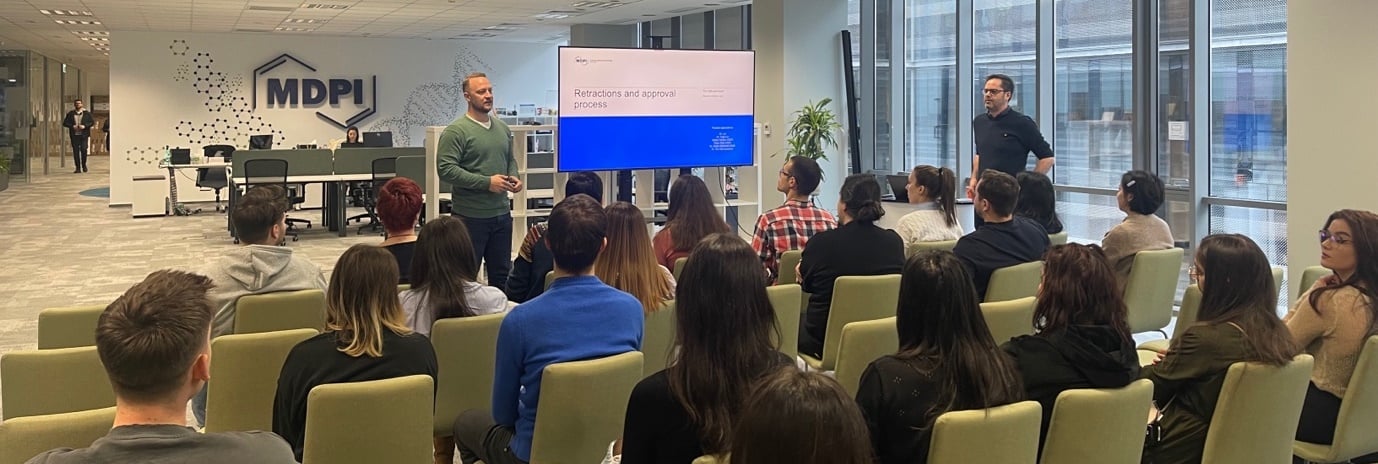
Stefan Tochev (CEO, MDPI) introduces Dr. Tim Tait-Jamieson (Research Integrity Lead, MDPI) for his presentation on MDPI’s Retraction and Approval Process to a group of Journal Relationship Specialists at the MDPI office in Cluj, Romania: “The demand for research integrity and publication ethics is steadily rising across our industry.”
Introducing our Research Integrity and Publication Ethics Team
Led by Dr. Tim Tait-Jamieson (Research Integrity Lead), the RIPE team comprises Dr. Ivana Resanovic (Research Integrity Manager), Dr. Lavinia Rogojina (Research Integrity Manager), Ms. Diana Apodaritei (Research Integrity Specialist), Dr. Zoltan Mihaly (Research Integrity Specialist), Mr. Aleksandar Đukić (Research Integrity Specialist), Ms. Ana Stankovic (Research Integrity Specialist), and Ms. Anna Pena (Publication Ethics Assistant).
Please click here to access everything that you need to know about MDPI’s Research and Publication Ethics.
With this span of complementary roles, the RIPE team collaborates directly with journal editorial teams and works closely with various departments, including our Scientific Office Board and our Journal Relationship Specialists. The team’s primary objectives are to help prevent issues regarding research integrity and publication ethics during peer review, uphold MDPI’s ethics policies, adhere to industry standards, and resolve publication ethics and research integrity issues and complaints.
Quality Updates to Special Issues Oversight
At MDPI, we are committed to reviewing policies pertaining to the quality of research. In this blog post, Shaheena Patel (Communications Associate, MDPI), outlines two recent updates to MDPI journal processes. These updates pertain to Special Issue (SI) quality guidelines, in line with criteria provided by COPE and DOAJ. Alongside the SI updates, details regarding the new minor corrections policy introduced in 2024 are provided in the blog.
The two updates we implemented include greater oversight and the verification of Guest Editor credentials. These guidelines require that Editors-in-Chief (EiCs) and Editorial Board Members (EBMs) take responsibility for overseeing SIs.
PS. Thank you, James Butcher, for featuring this up in your 67th issue of the Journalogy newsletter.
Read more:
Coming Together for Science
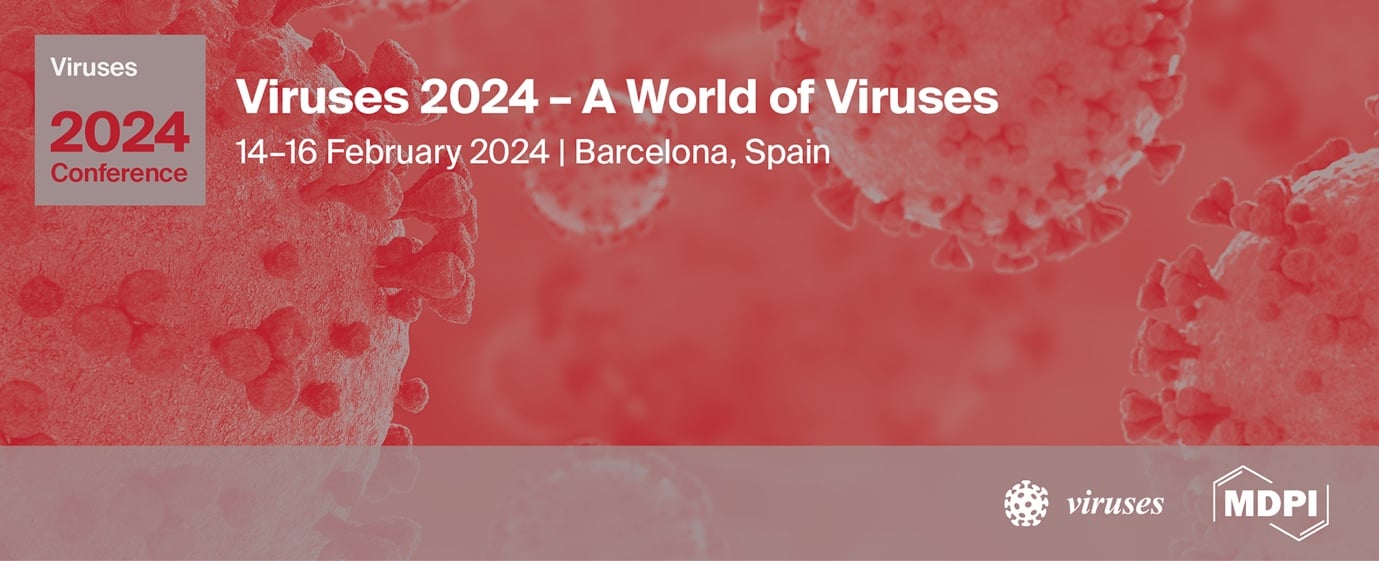
Viruses 2024 – A World of Viruses
I am pleased to share the success of our MDPI conference Viruses 2024 – A World of Viruses, held 14-16 February, in Barcelona. With 240 registrations, this event brought together top scientists, researchers, and industry experts from 40 countries to share their findings on the latest developments in viral pathogenesis and immune responses.
Attendees gathered for the 5th edition of the Viruses’ conference, where we hosted influential keynote speeches from Nobel Prize laureate Dr. Charles M. Rice and ‘Distinguished Senior Virologist’ Prof. Luis Enjuanes, along with 14 invited speakers, 47 selected speakers, and nine flash poster presenters, to discuss the most significant issues in virology today.
Recap on the #Viruses2024 Conference
Take a look at the key moments from MDPI’s Viruses event and please join us in commemorating a gathering for global knowledge and cooperation. A heartfelt thank-you to all attendees; their passion and engagement played a crucial role in making this event an engaging success!
Below are calls to action from the keynote speakers encouraging collaboration and communication:
“There’s never been a better time than now to really take the power that we have both in terms of basic research and also in biotech and pharma to develop antiviral agents.” - Dr. Charles M. Rice, The Rockefeller University, New York, USA
“The collaboration between labs is absolutely essential. Improving initial detection and improving communication is a must for all of us working in science.” - Prof. Dr. Luis Enjuanes, National Center of Biotechnology (CNB-CSIC), Madrid, Spain
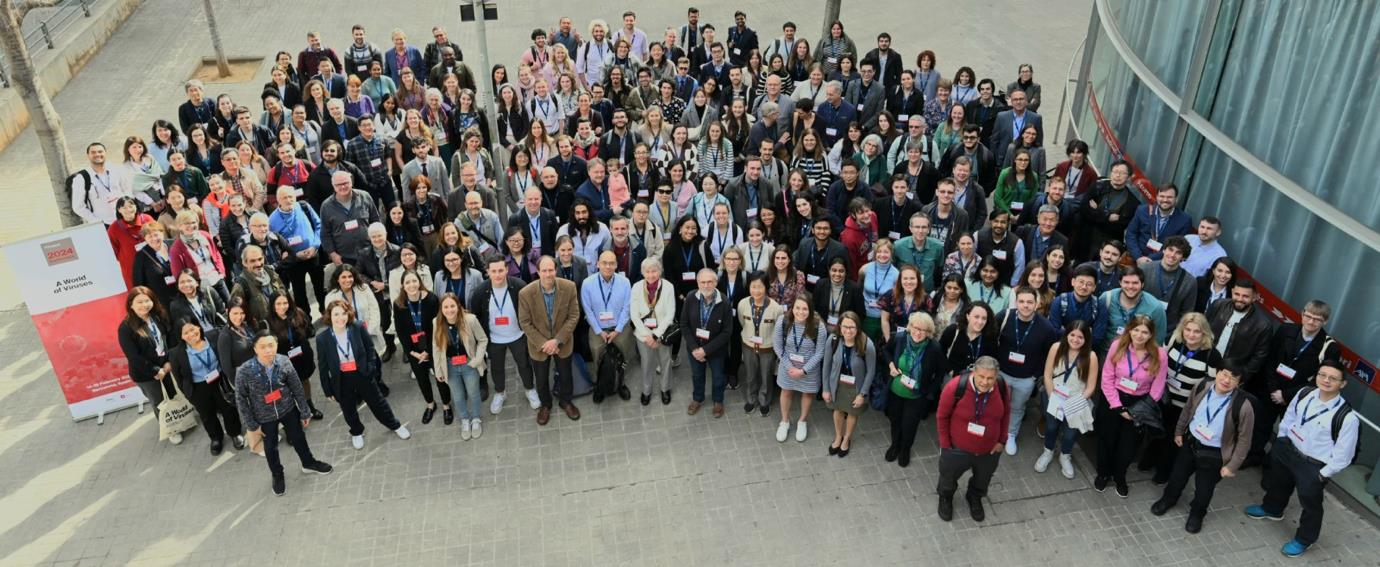
Our thanks go to our sponsors and partnering societies, our Viruses journal and editorial team, our Barcelona colleagues, and the social media, conference and other MDPI teams for making this event a memorable occasion. View the event gallery here.
Upcoming In-Person Event
24–26 April, 2024
4th MMCS – Harnessing the Power of New Drug Modalities
Location: Barcelona, Spain
Esteemed speakers at MMCS 2024 include Prof. Arun K. Ghosh, the mind behind the Darunavir molecule, and Prof. Paul Brennan, CSO of Alzheimer's Research UK Oxford Drug Discovery Institute.
Find more upcoming MDPI events here.
Organize Your Event with MDPI’s Sciforum
Sciforum is MDPI’s platform dedicated to the organization of scientific events. In line with our mission to promote science, Sciforum supports scholars, societies, research networks, and universities at all stages of organizing in-person events, virtual events and webinars. Our platforms are efficient, user-friendly, and cost-effective. We handle all steps related to event management. Contact us for details.
Closing Thoughts

Researcher to Reader (R2R) Conference
From 20–21 February 2024, I had the pleasure of attending the Researcher to Reader (R2R) conference in London, which MDPI has proudly sponsored over the years. The conference programme offered a variety of session formats, including workshops, panel discussions, debates, interviews, presentations, and lightning talks, with opportunities to discuss relevant topics.
We take pride in supporting the scientific community, bringing researchers across the world together to network, exchange ideas and share the latest in science and publishing. In 2023, MDPI invested close to 2 million CHF in sponsoring over 2,000 scientific and publishing-related conferences worldwide.
R2R Peer Review Innovations Workshop
I found the R2R conference to be engaging, with the workshops being particularly enjoyable. My colleague Giulia Stefenelli (Chair of Scientific Office Board) and I participated in the “Peer Review Innovations” workshop, which spanned four sessions over the two days. These sessions explored the future of peer review and how we can improve the peer review process for everyone involved. Notably, the large majority of attendees expressed their opinion that peer review, as currently practiced, requires significant improvement. Together, we collaborated on potential immediate and long-term improvements and innovative processes, aiming to create an ecosystem beneficial to all stakeholders by strengthening submission systems with the aim of reducing threats and making authors more responsible for their work. We also discussed the opportunity for academic institutions to better scrutinize the quality of the work produced and submitted to journals.
Our group comprised publishers, software providers, librarians, and more, bringing diverse perspectives to the discussions. These interactions were relevant to MDPI’s ongoing conversations, providing insights to our efforts. The session also made me appreciate that MDPI is doing well, as the group discussions included the subject of various quality checks that we have already embedded in our processes, ensuring that we keep abreast of industry standards.
The need for an optimized system to incentivize the activities of editors and reviewers was also a focus of discussion, as well as the support that reviewers need from publishers via the provision of strong reports through fixed forms, questionnaires and training.
At MDPI, we are currently auditing our reviewer program to improve reviewer recognition, guidelines, and methods for identifying suitable reviewers, while maintaining our commitment to quality and timeliness.
Congratulations to Mark Carden, Conference Director, and the R2R team for organizing a productive and successful event. PS: The break times were greatly appreciated as well!
Chief Executive Officer
MDPI AG
21 February 2024
Water | Interview with Prof. Dr. Athanasios Loukas, the Session Chair of the 8th International Electronic Conference on Water Sciences
1. Could you please briefly introduce yourself?
I am a professor of engineering hydrology—water resources management and development—Head of the Transportation and Hydraulic Engineering Department, Director of the “Hydraulic Works and Environmental Management” Lab, and the Director of the master’s program “Water Resources” at the School of Rural and Surveying Engineering, Aristotle University of Thessaloniki, Greece (2018–today). Previously, I was affiliated with the University of Thessaly, Greece, where I served as a professor/lecturer (1997–2018), Dean of the Faculty of Engineering (2015–2018), Head of the Department of Civil Engineering (2008–2012), Laboratory Director, and Director of an international master’s program (2010–2018). My research focuses on hydrology, hydrological hazards and risks (droughts and floods), climate change impacts, and water resources management—fields in which I have more than 400 scientific referred international journal publications, conference proceedings publications, books, and technical reports. I coordinated and participated in numerous national and international research programs. Besides my research activity, I have developed a vigorous outreach activity and acted as a mentor for a high number of post-graduate and Ph.D. students.
During my academic studies and career, I received numerous fellowships, prizes, and awards, such as the Fulbright Research Scholarship in 2013. I am ranked within the top 2% of the most influential scientists published by Stanford University based on the impact of my publications and the number of citations they have received throughout my career until 2022. I am also a visiting professor in U.S.A. and European universities.
I am a Section Editor-in-Chief of “Water Resources Management Policy and Governance” of Water (ISSN: 2073-4441), Editor-in-Chief of European Water, and an Editorial Board Member of Water Resources Management and Scientific Review Engineering and Environmental Sciences. Additionally, I am affiliated with national and international scientific organizations such as EWRA and EGU.
I was the Chair of ECWS-3, titled “Hydrological Extremes and Related Risk and Uncertainty” (2018), and ECWS-7, titled “Adaptive Water Resources Management in an Era of Changing Climatic, Environmental and Social Conditions” (2023). I have also organized and participated in several webinars organized by Water.
2. What do you think of the development status and trends of open access publishing?
Open access publishing has continuously increased since it was first introduced (approximately 20 years ago). Initially, it was treated with suspicion by scientists and large/established editorial companies. However, today, it is a respected way of publishing scientific research results and books with high visibility and no restrictions. Large editorial companies (such as Elsevier and Springer) have open access journals in their portfolio today and/or allow authors to publish papers with open access status in their journals (hybrid system). I think that open access publishing will continue to develop, and other publishing types will become open access. The requirement for gold open access publishing of European project results would help in this direction. The major positive thing about open access publishing is the unlimited visibility. However, the cost of open access publishing is quite high, and for scientists in less favorable economic countries and scientists without research funding, the cost is unbearable.
3. What is your impression of the Water Journal?
Water is an open access and interdisciplinary journal focusing on water science and technology. It stands well in the journal ratings of various disciplines (Q1 or Q2, depending on the discipline), but its scores (Impact Factor, Cite Scores, etc.) could be further improved. The strength of Water is that it is an interdisciplinary journal; therefore, it should focus more on interdisciplinary papers.
4. What do you think will be the research hotspots in the field of water in the next few years, and can you describe them to us?
I think that the research hotspots in the field of water in the following years will be:
- Detailed climate change impacts on hydrology and water resources in various global areas with higher accuracy;
- Minimization of the uncertainty of water resources (and hydrological) modeling;
- Use of new remote sensing (satellite and UAV) data for the evaluation of hydrological parameters and environmental status of water bodies;
- Impacts of land use/land cover change (intensified by climate change) on hydrology and water resources;
- Development of adaptive water resources management, new national and international water resources policies, and new high-level and local-level water resources governance;
- Impacts of climate change on extreme hydro-meteorological hazards (i.e., storms, floods, droughts), assessment of risks, and proactive planning;
- Impacts of extreme hydro-meteorological hazards (also induced by climate change) on agricultural and urban water systems;
- Interdisciplinary approaches to water resources management, including physical, system, and socio-economic modeling.
The above issues should focus on both water quantity and quality.
5. Can you give any advice on academic research for young scholars in related fields?
The first thing I say to young prospective scholars is to review the literature, be familiar with the current trends in science and engineering, and find a topic (or a scientific field) they would like to work on. Academic research needs knowledge, skills, an unconditional willingness to work, and an ability to find innovative aspects. For these reasons, the academic and/or research work should bring happiness and anticipation to them, although it could be very demanding, time-consuming, and, sometimes, harsh.
6. Could you kindly share your thoughts and outlook on this e-conference with us?
The previous e-conference I chaired (ECWS-7) was an extraordinarily successful conference. In total, 188 papers have been submitted for review, 110 papers were accepted, and 102 papers have been published in the ECWS-7 proceedings (published in Environmental Sciences Proceedings). Three topical webinars (live sessions) have been organized in the framework of ECWS-7. I expect that ECWS-8 will be larger and better than the previous e-conference under the chairing of Prof. Helena Ramos. I anticipate the organization of one live session (webinar) per thematic topic with invited well-known scholars. I look forward to extending our excellent collaboration with the Water and Sciforum people in the organization of ECWS-8.
7. Could you please provide a brief introduction to the session you are chairing, titled “Water Resources Management, Floods and Risk Mitigation”?
This session focuses on innovation in water resources management and hydrological extremes (mainly floods) to address current and future challenges: growing uncertainty, greater extremes, increasing water demands, water scarcity, global change, and related risks. While traditional management practice is still effective, new technologies and approaches are emerging to better protect, regulate, allocate, and recycle water resources; estimate, forecast, and mitigate hydrological extremes (i.e., droughts and floods); assess the inherent uncertainties; and mitigate the associated risks. The sustainable management of water resources in the 21st century requires a comprehensive understanding of the interaction of complex natural and socio-economic components in a changing context.
Introduction of ECWS-8
Conference date: 14–16 October 2024
Deadline for abstract submission: 17 June 2024
Deadline for registration: 11 October 2024
Conference chair: Prof. Helena M. Ramos (Instituto Superior Técnico, University of Lisbon, Portugal)
For more details, please visit https://sciforum.net/event/ecws-8.
For any inquiries regarding the event, please contact ecws@mdpi.com.
31 January 2024
MDPI Insights: The CEO's Letter #8 - Altmetric and Flat Fee Agreement
Welcome to the MDPI Insights: The CEO's Letter.
In these monthly letters, I will showcase two key aspects of our work at MDPI: our commitment to empowering researchers and our determination to facilitating open scientific exchange.
Opening Thoughts

MDPI and Digital Science Meeting
At MDPI, we are committed to providing our authors with the essential tools to publish, promote, and track their research. In line with this commitment, we have established a longstanding collaboration with Digital Science, a company specializing in research data and analytical insights for the research community. Our collaboration integrates their Altmetric tool, offering us and our authors the ability to track a variety of sources that monitor and report attention surrounding publications.
As part of our collaboration, we recently hosted Cathy Holland, Director of Global Publisher Business Development, and Helen Cooke, Managing Director of Publisher Sales, from Digital Science, at our MDPI headquarters in Basel, Switzerland.

Left to right: Facundo Santomé (Senior Marketing Manager, MDPI), Constanze Shelhorn (Indexing Manager, MDPI), Cathy Holland (Director of Global Publisher Business Development, Digital Science), Helen Cooke (Managing Director of Publisher Sales, Digital Science), and Stefan Tochev (CEO, MDPI) in front of MDPI headquarters in Basel, Switzerland.
During our meeting, we discussed MDPI’s publishing philosophy and explored further avenues for collaboration. We look forward to continuing our partnership with Digital Science, aiming to improve our services yet further and meet the needs of our authors more closely than ever.
What is Altmetric?
You will notice that MDPI articles feature an Altmetric score, a colourful doughnut capturing the score in the upper right corner of the article page. This score represents ‘alternative metrics,’ as distinct from traditional metrics such as Impact Factor, CiteScore, and Scimago Journal Rank.
Altmetrics complement traditional citation-based metrics by capturing online discussions related to a specific research topic. By analyzing both sets of data, we can obtain a comprehensive understanding of the attention a particular research output receives and the sources in which it is mentioned.
“Almetric provides visual insights into where research is being discussed”
Sources Tracked by Altmetric

Altmetric badge showing the Altmetric score and colour-coded mention sources.
Altmetric monitors various sources, categorizing them into segments such as policy documents, peer reviews, Wikipedia, news and blogs, and social media, among other sources. Each category is identifiable by a specific colour.
The Altmetric badge provides visual insights into where the research is being discussed. A more colourful badge indicates broader mentions across multiple platforms. Such tracking enables us to gauge the extent of an article’s online dissemination, noting that increased visibility may correlate with higher citation rates.
Read more:
Impactful Research

Ten High-Altmetric Articles Published by MDPI
As at 30 January 2024, Altmetric has tracked 670,500 MDPI research outputs from MDPI, resulting in over 4.3 million mentions. This includes over 71,894 mentions in policy and patents and 294,714 mentions in news and blogs, with some achieving an Altmetric score as high as 28,754.
So, what is a good Altmetric score? There are various ways to put this score into context. You can find out more about the score in context and how to evaluate your work by this means.
Here are ten MDPI papers ranking in the top 5% of all research outputs scored by Altmetric.
|
|
“Accuracy in Wrist-Worn, Sensor-Based Measurements of Heart Rate and Energy Expenditure in a Diverse Cohort” J. Pers. Med. 2017, 7(2), 3; https://doi.org/10.3390/jpm7020003 Altmetric page: https://mdpi.altmetric.com/details/20477344 Altmetric shows that this article appeared in 253 news stories from 209 outlets including Forbes, BBC, and Fox News. |
|
|
“Daylight Saving Time and Acute Myocardial Infarction: A Meta-Analysis” J. Clin. Med. 2019, 8(3), 404; https://doi.org/10.3390/jcm8030404 Altmetric page: https://mdpi.altmetric.com/details/57654628 Altmetric shows that this article appeared in 295 news stories from 207 outlets including Forbes, The Atlantic, and New York Times. |
|
|
“The Preliminary Analysis of Cave Lion Cubs Panthera spelaea (Goldfuss, 1810) from the Permafrost of Siberia” Quaternary 2021, 4(3), 24; https://doi.org/10.3390/quat4030024 Altmetric page: https://mdpi.altmetric.com/details/111086701 Altmetric shows that this article appeared in 182 news stories from 134 outlets including CBC News, CNN, and National Geographic. |
|
|
“Not the Cat’s Meow? The Impact of Posing with Cats on Female Perceptions of Male Dateability” Animals 2020, 10(6), 1007; https://doi.org/10.3390/ani10061007 Altmetric page: https://mdpi.altmetric.com/details/83796184 Altmetric shows that this article appeared in 124 news stories from 98 outlets including VICE, CNN and The Guardian. |
|
|
“Behaviour and Welfare Impacts of Releasing Elephants from Overnight Tethers: A Zimbabwean Case Study” Animals 2022, 12(15), 1933; https://doi.org/10.3390/ani12151933 Altmetric page: https://mdpi.altmetric.com/details/133463915 Altmetric shows that this article appeared in 192 news stories from 186 outlets. |




How do I use altmetrics?
Altmetric Explorer provides a detailed step-by-step guide and instruction video for first-time users of the tool. The guide includes useful diagrams that make it easy to get started.
Sharing Research Online
For research to be tracked across different sources, Altmetric needs a research output with a persistent identifier: a DOI, ISBN, PubMed ID, handle ID, etc. When sharing research, it is important to include a link to the original research output.
|
|
“An Update on Eukaryotic Viruses Revived from Ancient Permafrost” Viruses 2023, 15(2), 564; https://doi.org/10.3390/v15020564 Altmetric page: https://mdpi.altmetric.com/details/142929875 Altmetric shows that this article appeared in 250 news stories from 180 outlets including CTV, Fox News, and CNN. |
|
|
“The Global Problem of Insufficient Sleep and Its Serious Public Health Implications” Healthcare 2019, 7(1), 1; https://doi.org/10.3390/healthcare7010001 Altmetric page: https://mdpi.altmetric.com/details/53406248 Altmetric shows that this article appeared in 252 news stories from 168 outlets including BBC, Harvard Business Review, and Forbes. |
|
|
“A Detailed Review Study on Potential Effects of Microplastics and Additives of Concern on Human Health” Int. J. Environ. Res. Public Health 2020, 17(4), 1212; https://doi.org/10.3390/ijerph17041212 Altmetric page: https://mdpi.altmetric.com/details/86529137 Altmetric shows that this article appeared in 197 news stories from 150 outlets including BBC, The Tribune, and World Economic Forum. |
|
|
“An Empirical Study of Chronic Diseases in the United States: A Visual Analytics Approach to Public Health” Int. J. Environ. Res. Public Health 2018, 15(3), 431; https://doi.org/10.3390/ijerph15030431 Altmetric page: https://mdpi.altmetric.com/details/34714141 Altmetric shows that this article appeared in 232 news stories from 149 outlets including Forbes, New York Times, and Harvard Business Review. |
|
|
“Garden Scraps: Agonistic Interactions between Hedgehogs and Sympatric Mammals in Urban Gardens” Animals 2023, 13(4), 590; https://doi.org/10.3390/ani13040590 Altmetric page: https://mdpi.altmetric.com/details/142934305 Altmetric shows that this article appeared in 172 news stories from 168 outlets including BBC. |




Inside MDPI
MDPI Annual Meeting Celebrations in China
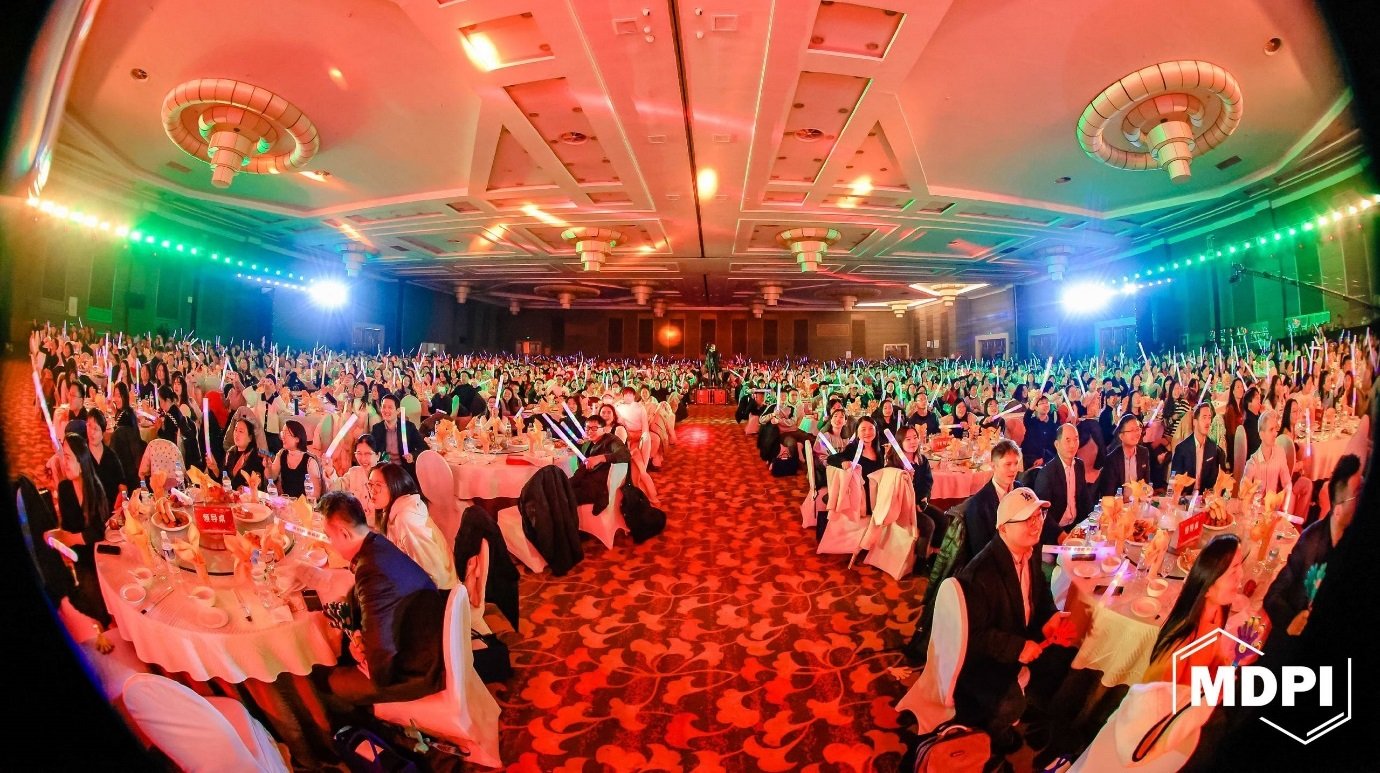
On Thursday 25 January, over 1,300 MDPI colleagues from our two offices in Beijing gathered to kick off MDPI’s traditional ‘Annual Meetings.’ These celebrations take place in MDPI’s offices across China, including Dalian, Tianjin, Wuhan, and Nanjing.
The evenings include performances, informative talks and presentations, awards, and entertainment, providing an ideal platform to recognize our colleagues, celebrate their achievements, and set our sights on the future.
“It is essential that we stay connected and share best practices”

I sent a video congratulating everyone on their work and sharing our vision of building MDPI into the most trusted OA publisher, highlighting the roles each of us has to play in achieving that goal.
Unfortunately I could not join in person, but you may recall my recent trip, when I visited our offices in Beijing and Wuhan, which I look forward to visiting again this year.
Although our headquarters are in Basel, Switzerland, and we are expanding throughout Europe and North America, the majority of MDPI’s workforce is in China and throughout the Asia-Pacific region, including offices in Singapore, Thailand, Japan, and newly opened office in South Korea. It is essential that as a global organization, we stay connected and share best practices in order to grow collectively and continue providing the exceptional service to our authors.
The Annual Meeting is a moment to reflect and enjoy the year’s hard work and dedication.
I extend our best wishes to all for the Chinese New Year (Xīnnián kuàilè)!
Coming Together for Science
MDPI and TU Delft Adopt Flat Fee Model in Extended Partnership
We are excited to announce a renewed three-year partnership with Delft University of Technology (TU Delft) in the Netherlands. This collaboration introduces a fixed lump-sum fee, covering publishing costs from 2024 to 2026.
“This initiative reflects our dedication to transparent and inclusive publishing”
TU Delft-affiliated authors will enjoy cost-free publishing in any MDPI journal during this period, aligning with our commitment to removing barriers for open access publishing. The agreement supports Plan S compliance and facilitates a seamless publishing process for TU Delft corresponding authors. This initiative reflects our dedication to transparent and inclusive publishing, providing stability and predictability both for authors and for institutions.
For further details on our Institutional Open Access Program (IOAP), please contact us.
Benefits to MDPI’s IOAP
At MDPI we have a long tradition of partnerships, including our Institutional Open Access Program (IOAP). IOAP supports institutions through simplification, access, transparency, APC discounts, and institutional repository deposits. The program simplifies administrative processes, offers central payment, and allows easy opting in and out. Participants gain free access to Susy, MDPI’s online submission system, with extensive article metadata and exportable data. APC discounts and Book Processing Charge discounts are available for affiliated authors. Automated deposits to institutional repositories and streamlined matching of papers to IOAP participants enhance the overall experience.
For further information, see our IOAP FAQ.
Closing Thoughts

Reflections on the 2024 APE Conference
MDPI was proud to co-sponsor the Academic Publishing in Europe (APE) 2024 Conference that took place in Berlin, Germany, from 9–10 January 2024.
The conference theme, ‘Keep the Conversation Going!’, explored the evolving landscape of scholarly communication. APE is one of the key conferences I make a point to attend each year. January offers a valuable opportunity to engage with new contacts, reconnect with familiar faces, and participate in impactful discussions and presentations among professionals, scholars, and practitioners in the field.
“It's fascinating to see how other publishers are leveraging AI”
Highlights
Some of the standout panels for me include: the role of the UN Sustainable Development Goals (SDGs) within the publishing industry. It was encouraging to hear the current status quo, though I was eager also to learn about the exciting projects planned for 2024 and beyond. These will allow us to track progress in subsequent years. At MDPI, we remain committed to promoting Open–Access (OA) content on SDGs through scientific articles and books. Furthermore, we extend our commitment to sustainability by financially supporting researchers through initiatives such as the World Sustainability Award and the Emerging Sustainability Leader Award, as well as waiving the APC for feature papers on each SDG.
In recent years, discussions on AI have become increasingly prominent at such conferences. It’s fascinating to see how other publishers are leveraging AI to meet the evolving needs of their audiences while at the same time using it to safeguard the scientific process. Other engaging panels that I enjoyed included updates on transformation beyond transformative agreements, the principles of lean change, incentive structures related to research integrity, and the panel on reviewer incentives.
“We can share best practices and lessons learned”
Incorporating MDPI’s Insights into Conferences
I must confess that I sometimes feel overlooked when MDPI is not invited to participate in crucial industry discussions. As the leading open access publisher and the third-largest publisher overall, we possess extensive experience in many of these areas and can offer valuable contributions to these discussions. We can share best practices, lessons learned, and our thinking about future trajectories. For instance, in panels discussing reviewer incentives, at MDPI we offer a discount voucher to reviewers for future submissions, reflecting our commitment to fostering a robust peer review process. In 2022 alone, MDPI collected over 1.4 million peer review reports, informing the decision-making processes of our editors. Given our expertise in these areas, it would be natural to include MDPI in such discussions. I therefore extend an invitation to future conference organizers to consider MDPI for speaking engagements and collaborative opportunities.
Chief Executive Officer
MDPI AG
