



Journal Description
Nutrients
Nutrients
is an international, peer-reviewed, open access journal of human nutrition published semimonthly online by MDPI. The Asia Pacific Nutrigenomics Nutrigenetics Organisation (APNNO), Italian Society for Pediatric Gastroenterology, Hepatology and Nutrition (SIGENP), Nutrition Society of New Zealand (NSNZ), Ocular Wellness & Nutrition Society (OWNS) and others are affiliated with Nutrients and their members receive discounts on article processing charges.
- Open Access— free for readers, with article processing charges (APC) paid by authors or their institutions.
- High Visibility: indexed within Scopus, SCIE (Web of Science), PubMed, MEDLINE, PMC, Embase, PubAg, AGRIS, and other databases.
- Journal Rank: JCR - Q1 (Nutrition and Dietetics) / CiteScore - Q1 (Nutrition and Dietetics)
- Rapid Publication: manuscripts are peer-reviewed and a first decision is provided to authors approximately 15 days after submission; acceptance to publication is undertaken in 2.4 days (median values for papers published in this journal in the second half of 2025).
- Recognition of Reviewers: reviewers who provide timely, thorough peer-review reports receive vouchers entitling them to a discount on the APC of their next publication in any MDPI journal, in appreciation of the work done.
- Companion journal: Dietetics.
- Journal Cluster of Food, Nutrition, and Health Science: Beverages, Dietetics, Foods, Nutraceuticals, Nutrients and Obesities.
Impact Factor:
5.0 (2024);
5-Year Impact Factor:
6.0 (2024)
Latest Articles
A Short-Term High-Sugar Diet Induces Glucose Intolerance, Visceral Adipose Tissue Inflammation, and Exacerbates Experimental Allergic Asthma
Nutrients 2026, 18(9), 1475; https://doi.org/10.3390/nu18091475 (registering DOI) - 6 May 2026
Abstract
Background: Diets composed of various components have been shown to influence inflammatory diseases such as asthma. While most studies have focused on fiber-rich diets to investigate their effects on the immune system and, consequently, on asthma, little is known about the impact of
[...] Read more.
Background: Diets composed of various components have been shown to influence inflammatory diseases such as asthma. While most studies have focused on fiber-rich diets to investigate their effects on the immune system and, consequently, on asthma, little is known about the impact of sugar-rich diets, particularly when such diets are consumed over short periods of time. Methods: To investigate the short-term effects of a sugar-rich diet on allergic airway inflammation, A/J mice were fed either a standard diet or a sugar-enriched diet and subsequently sensitized and challenged with ovalbumin or PBS. Airway inflammation was assessed by bronchoalveolar lavage (BAL) cell analysis, including eosinophil counts and cytokine levels (IL-4, TNF-α, IL-33), and by lung histology (H&E for inflammatory infiltrate and PAS for mucus). Serum IgE levels were also measured. In addition, glucose tolerance, visceral and subcutaneous adipose tissue mass, and inflammatory markers in visceral adipose tissue were evaluated. Results: Short-term consumption of a sugar-rich diet induced glucose intolerance and expansion of adipose tissue, particularly visceral fat, independent of ovalbumin sensitization. Gonadal adipose tissue analysis revealed a shift toward M1 macrophage polarization, characterized by elevated TNF-α, IL-6, and IL-1β, increased leptin levels, and reduced adiponectin. In OVA-sensitized mice, the sugar-rich diet significantly exacerbated eosinophil infiltration in BAL, increased IL-4, TNF-α, and IL-33, and enhanced PAS-positive mucus accumulation and inflammatory infiltrates in the lung. Moreover, total serum IgE was significantly higher in allergic mice fed the sugar-rich diet compared with allergic mice on the standard diet. Importantly, in non-sensitized mice fed the sugar-rich diet, no pulmonary inflammation was detected by BAL, demonstrating that HSD alone does not induce asthma but amplifies allergic responses when sensitization is present. Conclusions: Our findings demonstrate that short-term consumption of a sugar-rich diet is sufficient to exacerbate, but not initiate, allergic pulmonary inflammation. From a translational perspective, reducing dietary sugar intake may represent a valuable adjuvant strategy in the management of allergic asthma.
Full article
(This article belongs to the Special Issue The Role of Dietary Management in Chronic Inflammation)
►
Show Figures
Open AccessSystematic Review
Maternal Iodine Status During Pregnancy and Child Neurodevelopment: A Systematic Review and Dose–Response Meta-Analysis of Prospective Cohort Studies
by
Qingshan Luo, Zhou Wang, Jie Jiang, Xianru Luo, Tingxuan Feng, Chao Wang, Shasha Ruan and Xiaoheng Li
Nutrients 2026, 18(9), 1474; https://doi.org/10.3390/nu18091474 - 5 May 2026
Abstract
Background: Iodine deficiency during pregnancy remains a leading cause of preventable neurodevelopmental impairment worldwide, yet quantitative characterization of the dose–response relationship between maternal iodine status and child neurodevelopment is lacking. Methods: A systematic search of PubMed, Embase, the Cochrane Library, and Web of
[...] Read more.
Background: Iodine deficiency during pregnancy remains a leading cause of preventable neurodevelopmental impairment worldwide, yet quantitative characterization of the dose–response relationship between maternal iodine status and child neurodevelopment is lacking. Methods: A systematic search of PubMed, Embase, the Cochrane Library, and Web of Science was conducted for prospective cohort studies published up to February 2026 reporting associations between maternal iodine status and child neurodevelopmental outcomes across at least three exposure categories. All continuous effect estimates were converted to standardized mean differences (Hedges’ g) to permit pooling across heterogeneous assessment instruments, and meta-analyses were stratified by neurodevelopmental domain (cognitive, language, motor, behavior, academic). A two-stage dose–response meta-analysis was used to characterize non-linearity. Risk of bias was evaluated using the Newcastle–Ottawa Scale (NOS). Results: Ten prospective cohort publications corresponding to eight independent cohorts were included. After converting all continuous effect estimates to standardized mean differences (Hedges’ g) and consolidating the three overlapping MoBa publications into a single cohort, the pooled analysis revealed a significant negative association between suboptimal maternal iodine status and child neurodevelopmental performance (Hedges’ g = −0.13, 95% CI: −0.20 to −0.06, p < 0.001; I2 = 95.2%). Domain-stratified analysis identified cognitive outcomes as most consistently affected (g = −0.22, 95% CI: −0.30 to −0.14; I2 = 37.5%), followed by motor (g = −0.17; I2 = 0%) and language outcomes (g = −0.16; I2 = 92.5%), with between-domain heterogeneity explaining 38.6% of the total variance (p = 0.012). Binary outcome analysis confirmed increased odds of adverse neurodevelopmental outcomes (OR = 1.19, 95% CI: 1.03 to 1.39, p = 0.026). Subgroup analysis by iodine exposure indicator showed directionally consistent negative effects across dietary intake (g = −0.11), UIC (g = −0.11) and UI/Cr (g = −0.28), with no significant between-subgroup difference (p = 0.237). Exploratory dose–response modeling on the Hedges’ g scale suggested that neurodevelopmental performance in the fitted curves approached its maximum within a mid-range of dietary iodine intake (approximately 150–300 µg/d); however, the quadratic non-linearity terms did not reach statistical significance after cohort consolidation (p = 0.612 for dietary intake; p = 0.436 for UI/Cr), and these findings should therefore be interpreted as exploratory. Conclusions: Suboptimal maternal iodine status during pregnancy was associated with modest decrements in child neurodevelopmental performance, with exploratory dose–response analyses suggesting that the fitted curves approached their maximum within a mid-range of dietary iodine intake. Although statistical evidence for quadratic non-linearity was attenuated after consolidating overlapping cohorts, the directional pattern across indicators remained consistent with an inverted U-shaped relationship, supporting maintenance of adequate but not excessive iodine nutrition during pregnancy.
Full article
(This article belongs to the Section Nutrition in Women)
►▼
Show Figures

Figure 1
Open AccessArticle
Elevated Depressive Symptoms Shape Gut Barrier Integrity, LPS Translocation, and PUFA Composition in IBS-D: Evidence from a Low-FODMAP Dietary Intervention
by
Laura Prospero, Michele Linsalata, Giuseppe Riezzo, Antonella Orlando, Antonia Ignazzi, Benedetta D’Attoma, Domenica Mallardi, Maria Notarnicola, Valeria Tutino, Valentina De Nunzio, Giuliano Pinto and Francesco Russo
Nutrients 2026, 18(9), 1473; https://doi.org/10.3390/nu18091473 - 5 May 2026
Abstract
Introduction: Alterations of the microbiota–gut–brain axis, including increased intestinal permeability (IP), changes in microbial activity, and immune activation, are central to the pathophysiology of irritable bowel syndrome with diarrhea (IBS-D). The low-fermentable oligo-di-monosaccharides and polyols (FODMAP) diet (LFD) is an established therapy for
[...] Read more.
Introduction: Alterations of the microbiota–gut–brain axis, including increased intestinal permeability (IP), changes in microbial activity, and immune activation, are central to the pathophysiology of irritable bowel syndrome with diarrhea (IBS-D). The low-fermentable oligo-di-monosaccharides and polyols (FODMAP) diet (LFD) is an established therapy for IBS, yet its systemic effects, particularly in patients with elevated depressive symptoms, remain incompletely characterized. Methods: This single-arm pre–post study investigated associations between depressive symptom severity and markers of small IP (s-IP), endotoxin exposure, inflammation, and erythrocyte membrane polyunsaturated fatty acid (PUFA) composition in 43 IBS-D patients undergoing a 12-week personalized LFD. Patients were classified using the Symptom Checklist-90-Revised depression subscale into those with (d+, n = 23) and without (d−, n = 20) clinically elevated depressive symptoms. Results: At baseline, d+ patients exhibited higher s-IP, circulating lipopolysaccharide levels, inflammatory markers, and a more pro-inflammatory PUFA profile. Following LFD, significant improvements in symptoms and several biological parameters were observed in the overall cohort. Greater absolute changes in d+ patients were consistent with their higher baseline values rather than indicating differential responsiveness. Baseline depressive symptoms were not significantly associated with the magnitude of post-intervention changes in IP or inflammatory markers. Conclusions: These findings suggest that elevated depressive symptoms identify an IBS-D subgroup characterized by greater baseline biological burden. Results should be interpreted as associative given the single-arm design, absence of a control group, and the concurrent reduction in body weight, which may have influenced the observed changes. Randomized controlled studies are needed to clarify the role of dietary interventions in modulating gut–brain axis-related pathways in IBS-D.
Full article
(This article belongs to the Special Issue The Role of Omega-3 Fatty Acids in Depression: From Biological Mechanisms to Clinical Targets)
►▼
Show Figures

Figure 1
Open AccessReview
The 2024 Endocrine Society Guideline on Vitamin D: Comprehensive Summary and Critical Appraisal
by
Stefan Pilz, Pawel Pludowski, Daniel Arian Kraus, Lisa Schmitt and Uwe Riedmann
Nutrients 2026, 18(9), 1472; https://doi.org/10.3390/nu18091472 - 5 May 2026
Abstract
Background/Objectives: An Endocrine Society Clinical Practice Guideline on vitamin D was published in 2024. Its main objective was the use of vitamin D to lower the risk of disease in individuals without established indications for vitamin D treatment or 25-hydroxavitamin D (25(OH)D) testing.
[...] Read more.
Background/Objectives: An Endocrine Society Clinical Practice Guideline on vitamin D was published in 2024. Its main objective was the use of vitamin D to lower the risk of disease in individuals without established indications for vitamin D treatment or 25-hydroxavitamin D (25(OH)D) testing. The methodology followed the Grading of Recommendations, Assessment, Development, and Evaluation (GRADE) and the Evidence-to-Decision (EtD) framework. Evidence from randomized controlled trials (RCTs) retrieved by a systematic review was prioritized to inform this guideline. It was concluded that vitamin D supplementation reduces rickets and respiratory tract infections in children, mortality in individuals aged 75 years or older, pregnancy complications (outcomes), and progression of prediabetes to diabetes mellitus. Consequently, empiric vitamin D supplementation was recommended for individuals aged 1 to 18 years and ≥75 years, pregnant women, and individuals with prediabetes. Empiric vitamin D supplementation is defined as a vitamin D intake that exceeds the Dietary Reference Intakes (DRIs) and is implemented without 25(OH)D testing. Methods: This article provides a comprehensive guideline summary and critical appraisal based on a narrative review on scientific publications regarding that guideline. Results: Several publications discussed the 2024 Endocrine Society Clinical Practice Guideline on vitamin D. The main criticisms and discussion relate to unclear vitamin D dosages, guideline applicability to certain populations including controversy with previous vitamin D guidelines, and the implications of 25(OH)D testing. Conclusions: The 2024 Endocrine Society Clinical Practice Guideline on vitamin D followed a rigorous methodological approach with high quality standards but it leaves many open questions and uncertainties warranting clarification.
Full article
(This article belongs to the Special Issue Prevalence and Risk Factors of Vitamin D Deficiency)
Open AccessArticle
National and Sub-National Delivery of Balanced Energy and Protein (BEP) Supplements to Pregnant and Lactating Women in LMICs: Lessons from Multi-Country Implementation Case Studies
by
Mihaela C. Kissell, Kaosar Afsana, Sufia Askari, Rimu Byadya, Ranadip Chowdhury, Parul Christian, Saskia de Pee, Lieven Huybregts, Fyezah Jehan, Tsering P. Lama, Anne C. Lee, Elisabeth T. Mukendi, Nafissa Osman, Isabel Potani, Lisa Rogers, Vani Sethi and Martin N. Mwangi
Nutrients 2026, 18(9), 1471; https://doi.org/10.3390/nu18091471 - 5 May 2026
Abstract
The World Health Organization recommends the use of balanced energy protein (BEP) supplements during pregnancy in settings with a ≥ 20% prevalence of underweight women of reproductive age to reduce the risk of adverse health outcomes. Several countries are implementing BEP supplementation in varied
[...] Read more.
The World Health Organization recommends the use of balanced energy protein (BEP) supplements during pregnancy in settings with a ≥ 20% prevalence of underweight women of reproductive age to reduce the risk of adverse health outcomes. Several countries are implementing BEP supplementation in varied formats. However, the implementation and monitoring of outcomes remain poor across countries. This qualitative study explores the experiences, opportunities, and challenges related to implementing national and sub-national BEP supplementation programs in nine countries (12 countries originally invited) to inform best practices. Methods: Semi-structured interviews were conducted with 15 personnel involved in its implementation in Haiti, India, Malawi, Mexico, Nigeria, Pakistan, Rwanda, Senegal, and Sri Lanka between October 2024 and March 2025. The interviewees in each country were predominantly implementation experts but also government officials involved in the provision of BEP supplementation. The transcripts were analyzed thematically, focusing on acceptability, adoption, appropriateness, cost, feasibility, and sustainability of outcomes. Results: In non-humanitarian settings (five countries), BEP supplementation was commonly integrated into the governmental health system or social protection programs. However, humanitarian contexts (four countries) often relied on partner-led (e.g., UN organizations) implementation. Clear operational protocols, including behavioral change communication strategies, facilitated the implementation. Community-based organization partnerships strengthened adherence; however, implementation costs, stock shortages, and geographic inequities in coverage varied and were limiting factors in scale-up, primarily in humanitarian contexts. Conclusion: In sum, two distinct implementation pathways emerged: government-led models characterized by policy integration, national ownership, and more stable systems, and humanitarian or donor-led models shaped by crisis response, external dependency, and non-committal challenges. Successful implementation of BEP supplements depends on the presence of effective policies, context-adapted design, integration into health systems, consistent funding, and effective monitoring. There is a need for implementation research to generate evidence on best practices when implementing BEP supplementation programs.
Full article
(This article belongs to the Special Issue Nutritional Interventions and Dietary Supplements in Chronic Diseases: Mechanisms and Therapeutic Potential)
Open AccessReview
Dietary Polyphenols in Brain Aging: Molecular Mechanisms and Implications for Neurodegeneration
by
Noémi Mózes, János Tamás Varga, Dominik Szwajgier, Agata Kryczyk-Poprawa, Virág Zábó, Andrea Lehoczki, Ágnes Lipécz, Tamás Csípő, Vince Fazekas-Pongor, Dávid Major, Péter Varga, Attila Matiscsák and Mónika Fekete
Nutrients 2026, 18(9), 1470; https://doi.org/10.3390/nu18091470 - 5 May 2026
Abstract
Background/Objectives: Population aging is accompanied by a rapidly increasing burden of neurodegenerative disorders, particularly Alzheimer’s and Parkinson’s diseases. Within the geroscience framework, targeting fundamental mechanisms of aging may delay the onset or progression of multiple age-related conditions. Dietary factors, especially plant-derived polyphenols, have
[...] Read more.
Background/Objectives: Population aging is accompanied by a rapidly increasing burden of neurodegenerative disorders, particularly Alzheimer’s and Parkinson’s diseases. Within the geroscience framework, targeting fundamental mechanisms of aging may delay the onset or progression of multiple age-related conditions. Dietary factors, especially plant-derived polyphenols, have gained increasing attention due to their potential to modulate molecular pathways involved in brain aging. This narrative review aims to integrate current evidence on dietary polyphenols and their role in modulating the molecular mechanisms underlying brain aging and neurodegeneration. Methods: This narrative review synthesizes findings from molecular, experimental, epidemiological, and clinical studies to provide an integrated assessment of the effects of dietary polyphenols on key cellular pathways involved in brain aging. Results: Polyphenols are widely present in plant-based foods, and polyphenol-rich dietary patterns—particularly the Mediterranean and MIND diets—have been consistently associated in observational studies with a reduced risk of cognitive decline. Mechanistic evidence, derived predominantly from in vitro and animal studies with limited validation in humans, suggests that polyphenols may influence key hallmarks of aging, including oxidative stress, chronic inflammation, mitochondrial dysfunction, cellular senescence, and impaired proteostasis. These effects are mediated through pathways such as Nrf2, NF-κB, AMPK, mTOR, and SIRT1, as well as via gut–brain axis interactions. However, clinical evidence remains heterogeneous. Conclusions: Dietary polyphenols represent a biologically plausible and promising, yet not fully validated, nutritional strategy for promoting healthy brain aging. Their translation into clinical practice is limited by low bioavailability, substantial interindividual variability, and the lack of large-scale, long-term randomized controlled trials.
Full article
(This article belongs to the Special Issue Role of Food-Derived Bioactives in Cognitive Function, Mental Health, and Healthy Aging: A Nutritional Neuroscience Perspective)
►▼
Show Figures

Figure 1
Open AccessArticle
Early-Life High-Fat-Diet Exposure Induced Pre-Puberty Obesity-Related MASLD via Autophagy-Mediated Ferroptosis in Male C57BL/6J Mice
by
Zihan Zhang, Yan Wu, Xiaoqing Wu, Yiyi Zhao, Chen Liang, Jinran Xu, Zhouqi Nie, Shuhan Liu, Tianni Lv, Ming Wu and Lingling Zhai
Nutrients 2026, 18(9), 1469; https://doi.org/10.3390/nu18091469 - 5 May 2026
Abstract
Objectives: Exposure to high-fat diets in early life plays an important role in metabolic dysfunction-associated steatotic liver disease (MASLD); however, the mechanism remains unclear. In this study, we explore the role of autophagy and ferroptosis in pre-puberty obesity-related MASLD caused by high-fat diets
[...] Read more.
Objectives: Exposure to high-fat diets in early life plays an important role in metabolic dysfunction-associated steatotic liver disease (MASLD); however, the mechanism remains unclear. In this study, we explore the role of autophagy and ferroptosis in pre-puberty obesity-related MASLD caused by high-fat diets in early life. Methods: Twenty-four male C57BL/6J mice were fed over a 6-week period, and were divided into three groups: control, lactation HFD, and lactation + post-weaning HFD group. AML12 cells were treated with 0.5 mM free fatty acids (palmitic acid:oleic acid = 1:2) for 24 h to establish an in vitro model. Metabolism, autophagy, and ferroptosis-related indicators were detected. Results: Compared to the control group, the body weight, droplet deposition of the liver, Fe2+, and MDA level increased significantly in the lactation + post-weaning HFD group. Impaired autophagy, ferroptosis, and AMPK/mTOR/ULK1 pathway protein expression were also found in the lactation + post-weaning HFD group. Additionally, BL-918 (activate autophagy) exposure in AML12 cells may recover FFA-induced ferroptosis and disorder of lipid metabolism. Conclusions: Early-life high-fat-diet exposure induced pre-puberty obesity-related MASLD, possibly via autophagy, which may be regulated by the AMPK/mTOR/ULK1 pathway and mediated by ferroptosis in male mice.
Full article
(This article belongs to the Section Nutrition and Metabolism)
►▼
Show Figures

Figure 1
Open AccessArticle
Lactobacillus paracasei L9 Improves Amino Acid Absorption in Aged Mice via Enhanced LAT2 Expression Through the Akt/mTOR Pathway
by
Wenhao Li, Lili Qiu, Qianqian Huang, Ran Wang, Rui Song, Yixuan Li and Xiaoyu Wang
Nutrients 2026, 18(9), 1468; https://doi.org/10.3390/nu18091468 - 4 May 2026
Abstract
Background: Aging is frequently accompanied by disrupted amino acid homeostasis, contributing to malnutrition and physical function decline in elderly individuals. However, age-related impairment of intestinal absorptive capacity limits the efficacy of protein supplementation alone to improve nutritional status. Gut microflora diversity is regarded
[...] Read more.
Background: Aging is frequently accompanied by disrupted amino acid homeostasis, contributing to malnutrition and physical function decline in elderly individuals. However, age-related impairment of intestinal absorptive capacity limits the efficacy of protein supplementation alone to improve nutritional status. Gut microflora diversity is regarded as a key factor for nutrient absorption. Lactobacillus paracasei L9 (L9) has recently been shown to improve gut health, but its effects on intestinal amino acid absorption remain unclear. Methods: In this study, 15-month-old male C57BL/6J mice (n = 4 per group) were administered L9 (4 × 10¹⁰ CFU in 100 μL) via daily gavage for 9 months to investigate the effect of L9 on amino acid absorption. Results: After L9 intervention, both plasma amino acid levels and the expression of large neutral amino acid transporter 2 (LAT2), a key transporter associated with neutral amino acid absorption, were significantly increased. Subsequently, microbiota composition analysis revealed that L9 modulated the gut microbiota, increasing the abundance of multiple beneficial bacteria in aged mice. Targeted metabolomics then revealed that plasma concentrations of butyric acid significantly elevated in aged mice after L9 intervention. Furthermore, IEC-6 cells experiments were conducted, demonstrating that butyric acid can enhance LAT2 expression via activating the Akt/mTOR pathway. Conclusions: Overall, these results suggested that L9 significantly enhanced amino acid absorption capacity in aged mice via the butyric acid-Akt/mTOR-LAT2 axis, and this identifies potential targets for improving age-related malnutrition and providing a promising strategy to maintain amino acid homeostasis in the elderly.
Full article
(This article belongs to the Special Issue Metabolic Features and Nutritional Interventions in Chronic Diseases—2nd Edition)
►▼
Show Figures

Figure 1
Open AccessArticle
Facilitators and Barriers of Adherence to Time-Restricted Eating in Individuals with Type 2 Diabetes: A Qualitative Study
by
Brooke L. Devlin, Siobhan McKenna, Bridget E. Radford, Rebecca C. Hall, Leah Brennan, Xochitl de la Piedad Garcia and Evelyn B. Parr
Nutrients 2026, 18(9), 1467; https://doi.org/10.3390/nu18091467 - 4 May 2026
Abstract
Background/Objectives: Time-restricted eating (TRE) has shown promise for improving glycemic control and supporting weight management in individuals with Type 2 Diabetes Mellitus (T2DM). However, limited evidence exists regarding factors that influence adherence to TRE in this population. This study aimed to explore the
[...] Read more.
Background/Objectives: Time-restricted eating (TRE) has shown promise for improving glycemic control and supporting weight management in individuals with Type 2 Diabetes Mellitus (T2DM). However, limited evidence exists regarding factors that influence adherence to TRE in this population. This study aimed to explore the experiences of adults with T2DM who completed a 6-month TRE intervention to identify key barriers and enablers in adherence. Methods: A qualitative design was used involving semi-structured interviews with twenty-two adults (12 male, 10 female) with T2DM who completed a 6-month TRE intervention involving a 9 h eating window ending at 7:00 pm. Interviews were transcribed verbatim and analyzed inductively using thematic analysis. Results: Facilitators included (1) social and professional support; (2) simplicity; (3) perceived physical benefits such as weight loss, improved glycemic control, and sleep; and (4) improved routine. Barriers included (1) social events occurring outside the eating window; (2) misalignment of eating times with daily routines; and (3) hunger outside permitted eating hours. Although hunger was common, it did not consistently undermine adherence. Conclusions: TRE was viewed as acceptable and feasible for adults with T2DM when supported through structured implementation. Future interventions should incorporate social support and tailor strategies to individual routines to enhance sustainability.
Full article
(This article belongs to the Special Issue Time-Restricted Eating, Circadian Rhythms, and Cardiometabolic Risk)
Open AccessArticle
Environmental Impact of Diets Based on Established and Newly Proposed Dietary Guidelines: DASH, Mediterranean Diet and Dietary Guidelines for Americans 2025–2030-Style Diet
by
Silvia García, Marina Ródenas-Munar, Cristina Bouzas and Josep A. Tur
Nutrients 2026, 18(9), 1466; https://doi.org/10.3390/nu18091466 - 3 May 2026
Abstract
Background: Dietary patterns face substantial environmental pressures, but few studies compare the ecological impact of those derived from widely implemented or recently proposed dietary guidelines. Updates to the American dietary pyramid have raised concerns about these environmental implications. Objectives: To compare greenhouse gas
[...] Read more.
Background: Dietary patterns face substantial environmental pressures, but few studies compare the ecological impact of those derived from widely implemented or recently proposed dietary guidelines. Updates to the American dietary pyramid have raised concerns about these environmental implications. Objectives: To compare greenhouse gas emissions (GHGE), water use, land use, and energy use across three dietary patterns: Dietary Approaches to Stop Hypertension (DASH), Mediterranean diet (MD), and Dietary Guidelines for Americans (DGA) 2025–2030-style diet. Design: Comparative analysis of modeled seven-day diets based on each guideline. Methods: Representative diets were constructed following food-based recommendations for each pattern. Environmental indicators for all food items were obtained from the Agribalyse® 3.0.1 database. Daily GHGE, water use, land use, and energy use were calculated. Differences between patterns were assessed using one-way ANOVA with Bonferroni corrections, before and after adjustment for total dietary energy intake. Results: The DGA 2025–2030-style diet showed significantly higher GHGE and energy use compared with DASH and MD (p < 0.001), while no significant differences were observed between DASH and MD. No significant differences were found for water or land use across dietary patterns, which may be due to the heterogeneous contribution of individual food items to these indicators across dietary patterns. The DGA 2025–2030-style diet also had the highest total energy intake (p < 0.001). After adjustment for dietary energy intake, only GHGE differences remained significant (F = 6.187, p = 0.009), with the DGA 2025–2030-style diet showing the highest values and the MD the lowest. Conclusions: Dietary guidelines should integrate environmental sustainability criteria alongside nutritional recommendations. Reducing the environmental impact of diets may be achieved by promoting dietary patterns such as the MD and DASH diets, and by limiting high-impact foods characteristic of the DGA 2025–2030-style diet, particularly those contributing to higher GHGE. These strategies could support the transition toward diets that are both nutritionally adequate and environmentally sustainable.
Full article
(This article belongs to the Section Nutrition Methodology & Assessment)
Open AccessArticle
Chlorophyll Supplementation Delays Aging in Drosophila melanogaster via Enhanced Stress Resistance and Detoxification Network Remodeling
by
Suxia Shen, Ning Xu, Zhaotian Yang, Zixuan Han, Lin Zeng, Ajibola Nihmot Ibrahim and Yan Zhang
Nutrients 2026, 18(9), 1465; https://doi.org/10.3390/nu18091465 - 3 May 2026
Abstract
Background: Chlorophyll (Chl), widespread in fruits and vegetables, has been shown to have numerous nutritional functions, including beneficial effects on obesity. However, whether Chl has an anti-aging effect remains unclear. Methods: Here, we studied the beneficial effects and mechanism of Chl on delaying
[...] Read more.
Background: Chlorophyll (Chl), widespread in fruits and vegetables, has been shown to have numerous nutritional functions, including beneficial effects on obesity. However, whether Chl has an anti-aging effect remains unclear. Methods: Here, we studied the beneficial effects and mechanism of Chl on delaying aging using a Drosophila model. Results: The results showed that dietary supplementation of Chl in an appropriate dose (3.925 mg/L) significantly extended the lifespan (7.66–13.94%), improved climbing ability, increased CAT activity, reduced MDA content, enhanced stress resistance to starvation, heat stress, and cold shock in Drosophila. Notably, lifespan extension was not associated with dietary restriction, reproductive sacrifice, or circadian rhythm regulation. RNA-Seq analysis showed that Chl supplementation led to differential expression of 723 genes in female flies and 435 genes in male flies. KEGG analysis revealed that these differentially expressed genes were significantly enriched in the xenobiotic metabolism (XM) pathway. Within this pathway, phase II detoxifying enzyme genes associated with the CncC (Nrf2) signaling pathway (GstD10, GstE7, Ugt37A3, and AOX2) were significantly downregulated in both sexes. In contrast, protective target genes from the same pathway (cat, Mrp4, Hsp68) were significantly upregulated, as confirmed by qPCR. Conclusions: Taken together, our data indicate that Chl supplementation delays aging in Drosophila melanogaster via enhanced stress resistance and remodeling of the detoxification network.
Full article
(This article belongs to the Special Issue Food Functional Factors and Nutritional Health)
►▼
Show Figures

Figure 1
Open AccessArticle
Supercritical CO2-Derived Tomato Extract Activates Signaling Pathways to Reduce Oxidative Stress and Inflammation in Astrocyte Cells
by
Serena Recalchi, Beatrice Mengoni, Barbara Scaglia, Marilena Esposito, Emiliano Montalesi, Valeria Manganelli, Gloria Riitano, Elena Fasciolo, Tuba Rana Caglar, Daniela Caissutti, Camilla Moliterni, Federica Armeli, Rita Businaro, Roberta Misasi, Maurizio Sorice and Antonella Capozzi
Nutrients 2026, 18(9), 1464; https://doi.org/10.3390/nu18091464 - 3 May 2026
Abstract
Background/Objectives: In this study, we investigated the effect on antioxidant defenses of a tomato extract obtained by supercritical CO2 extraction (sCO2TE), evaluating whether this green extraction method preserves biological activity compared to a conventional tomato extract (CTE) and focusing on
[...] Read more.
Background/Objectives: In this study, we investigated the effect on antioxidant defenses of a tomato extract obtained by supercritical CO2 extraction (sCO2TE), evaluating whether this green extraction method preserves biological activity compared to a conventional tomato extract (CTE) and focusing on superoxide dismutase (SOD) and glutathione peroxidase (GPx) regulation, Nuclear factor erythroid 2-related factor 2 (NRF2) activation, reactive oxygen species (ROS) and lipid peroxidation modulation. Methods: Human glioblastoma astrocytoma U-373 cells were pre-treated with sCO2TE or conventional tomato extract (CTE) and subsequently exposed to sodium arsenite (AsNaO2) to induce oxidative stress, or lipopolysaccharide (LPS) to trigger inflammatory signaling. Cell viability was assessed by Trypan Blue and MTT [3-(4,5-dimethylthiazolyl-2)-2,5-diphenyltetrazolium bromide]; cell toxicity by propidium iodide staining. Intracellular ROS and lipid peroxidation were measured by flow cytometry. Gene expression of NRF2, SOD1 and GPX1 was analyzed by qRT-PCR, NRF2 activation and modulation of ERK1/2 (Extracellular Signal-Regulated Kinase 1/2) and NF-κB (Nuclear Factor kappa-light-chain-enhancer of activated B cells) were evaluated by Western blot. Results: Pre-treatment with sCO2TE significantly reduced AsNaO2-induced ROS production and lipid peroxidation, showing a stronger effect compared to CTE. sCO2TE enhanced the expression of NRF2 phosphorylation and its downstream targets SOD1 and GPX1, particularly under oxidative stress conditions. In addition, sCO2TE attenuated LPS-induced phosphorylation of ERK1/2 and NF-κB p65, suggesting anti-inflammatory activity. Conclusions: These findings demonstrate that sCO2TE preserves the antioxidant and anti-inflammatory properties of tomato-derived bioactives. The comparable efficacy of sCO2TE and CTE supports the use of sCO2 as a sustainable and solvent-free extraction method for the development of nutraceutical formulations targeting oxidative stress and neuroinflammation.
Full article
(This article belongs to the Special Issue Anti-Inflammatory and Anti-Oxidative Bioactive Compounds in Diet and Their Applications)
►▼
Show Figures

Figure 1
Open AccessArticle
Effects of Dietary Nitrate and Caffeine on End Power and Work Above End Power During a 3 min All-Out Test in Trained Male Cyclists
by
Anthony M. Hagele, Kyle L. Sunderland, Petey W. Mumford and Chad M. Kerksick
Nutrients 2026, 18(9), 1463; https://doi.org/10.3390/nu18091463 - 2 May 2026
Abstract
Background: The purpose of this study was to examine the effects of acute dietary nitrate (NO3−) and caffeine (CAF) supplementation on end power (EP) and work performed above EP (WEP) in trained male cyclists during a 3 min all-out test
[...] Read more.
Background: The purpose of this study was to examine the effects of acute dietary nitrate (NO3−) and caffeine (CAF) supplementation on end power (EP) and work performed above EP (WEP) in trained male cyclists during a 3 min all-out test (3MT) on a cycle ergometer. Methods: Fifteen healthy, trained male cyclists (28.5 ± 5.3 years, 79.2 ± 9.1 kg, VO2peak 55.2 ± 5.6 mL·kg−1·min−1) completed four exercise trials in a randomized, double-blind, placebo-controlled, crossover study design separated by 3–7 days. The four experimental conditions were placebo beverage (nitrate-depleted) + placebo capsule, nitrate-rich beetroot juice + placebo capsule (BR), placebo beverage + caffeine capsule (CAF), and nitrate-rich beetroot juice + caffeine capsule (BR + CAF). Participants consumed nitrate-rich beetroot juice (~13 mmol NO3−) or nitrate-depleted placebo three hours before exercise, and caffeine (5 mg∙kg−1) or maltodextrin placebo one hour before testing. EP and WEP were determined from the 3MT. Secondary outcomes included peak and mean power output. Data were analyzed using a repeated-measures ANOVA with repeated measures on condition. A p-value of 0.05 was used to determine statistical significance. Effect size was evaluated using partial eta squared. Results: No significant effect of condition was observed for EP (p = 0.401, ηp2 = 0.056), WEP (p = 0.580, ηp2 = 0.048), peak power (p = 0.642, ηp2 = 0.046), mean power (p = 0.212, ηp2 = 0.108), or total work (p = 0.217, ηp2 = 0.107). Conclusions: No statistically significant differences between conditions were detected under the conditions of the present study.
Full article
(This article belongs to the Section Sports Nutrition)
►▼
Show Figures

Figure 1
Open AccessArticle
Red Ginseng Extract Intake and Changes in Metabolite Profiles, Gut Microbiota, and Immune Responses of Healthy Rats
by
Madhuri Sangar, Seong-Hwa Song, Saoraya Chanmuang, Dong-Shin Kim, Gwang-Ju Jang, Hyeon-Jeong Lee, Young Kyoung Rhee, Hee-Do Hong, Chang-Won Cho and Hyun-Jin Kim
Nutrients 2026, 18(9), 1462; https://doi.org/10.3390/nu18091462 - 2 May 2026
Abstract
Background: Red ginseng (RG) exhibits enhanced bioactivity compared to white ginseng. Although the beneficial effects of RG have been well investigated in disease models, its impacts on the metabolome, gut microbiota, and immune response under normal physiological conditions remain poorly understood. Methods: Rats
[...] Read more.
Background: Red ginseng (RG) exhibits enhanced bioactivity compared to white ginseng. Although the beneficial effects of RG have been well investigated in disease models, its impacts on the metabolome, gut microbiota, and immune response under normal physiological conditions remain poorly understood. Methods: Rats were randomized into three groups: control (normal diet), RL (low-dose RGE at 100 mg/kg body weight), and RH (high-dose RGE at 200 mg/kg body weight). After five weeks, metabolite profiles of the blood, liver, kidney, and large intestinal contents were analyzed and the gut microbiota was assessed. Splenocytes were isolated and treated with or without ethanol-precipitated carbohydrate fractions isolated from RGE or from intestinal contents, and IL-12 secretion was measured. Additionally, the correlations among biochemical characteristics, metabolites, gut microbiota, and immune markers were analyzed. Results: RGE intake decreased plasma triglycerides, liver function biomarkers, and epididymal adipose tissue weight. It also altered metabolite profiles for plasma, liver, kidney, and intestinal contents and increased the hepatic NAD+/NADH ratio. RGE intake reduced the populations of harmful bacteria, whereas it increased Lachnospiraceae. RGE intake enhanced IL-12 production in splenocytes. Furthermore, splenocytes treated with carbohydrates isolated from the small and large intestinal contents of RGE-fed rats secreted higher IL-12 levels than those of the control group. Conclusions: RGE modulated the gut microbiota, metabolism, and immune responses in healthy rats under normal physiological conditions, warranting further investigation into the underlying mechanisms.
Full article
(This article belongs to the Special Issue Dietary Polysaccharides: Functional Properties and Health Implications)
►▼
Show Figures

Figure 1
Open AccessArticle
Associations Between Aspects of Diet and Internalizing and Externalizing Behaviors in Children Aged 4 Years
by
Nina Cecilie Øverby, Elisabet Rudjord Hillesund and Christine Helle
Nutrients 2026, 18(9), 1461; https://doi.org/10.3390/nu18091461 - 2 May 2026
Abstract
Background/objectives: Mental health challenges are increasing worldwide. Identifying preventable factors for such challenges is important and will have the greatest impact if identified in young children. In this study we aimed to explore the association between aspects of diet and child mental health
[...] Read more.
Background/objectives: Mental health challenges are increasing worldwide. Identifying preventable factors for such challenges is important and will have the greatest impact if identified in young children. In this study we aimed to explore the association between aspects of diet and child mental health at the age of 4 years. Methods: This is a secondary analysis of data from the Early Food for Future health study in Norway, a randomized controlled trial aiming to improve diet at ages 6–12 months. Cross-sectional data from 363 children aged 4 years and their mothers are used. Diet was assessed using food frequency questions. Five food scores were developed: vegetables, fruits, fruit and vegetables, sweet/salty snack score, and soft drink score. The Child Behavioral Checklist (CBCL) was used to assess internalizing and externalizing behaviors. Crude and multivariable linear regression models are presented. Results: We found that frequency of consumption of vegetables and total frequency of consumption of fruit and vegetables in 4-year-old children were inversely associated with internalizing behavior (β −0.207, 95% CI: 0.351, −0.063), while frequency of consumption of sweet and salty snacks was positively associated (β 1.807, 95% CI: 0.276, 3.337) with externalizing behavior and frequency of consumption of fruit and vegetables was inversely associated (β −0.188, 95% −0.336, −0.041). All were independent of maternal education, measures of financial difficulties and maternal mental health. Conclusion: An inverse association was observed between child frequency of consumption of fruit and vegetables and internalizing and externalizing behaviors, whereas frequency of consumption of sweet/salty snacks was positively associated with externalizing behavior. A varied and healthy diet early in life may promote child mental health, with potential large returns for society. Given the observational nature of the data, causal inference is limited and intervention studies are needed.
Full article
(This article belongs to the Section Nutrition and Public Health)
Open AccessArticle
The Effect of Online Fitness Combining Dietary Intervention on Body Composition, Body Shame and Self-Esteem in Young Adults: A Randomized Controlled Trial
by
Haoqin Chen, Pingqing Hu, Xiangang Yang and Yanchun Li
Nutrients 2026, 18(9), 1460; https://doi.org/10.3390/nu18091460 - 2 May 2026
Abstract
Background: Obesity is a major public health concern associated with adverse physical and psychological outcomes, including body shame (BS) and reduced self-esteem (SE). Lifestyle interventions incorporating dietary and exercise components, such as time-restricted eating (TRE), mindful eating, and structured physical activity, have
[...] Read more.
Background: Obesity is a major public health concern associated with adverse physical and psychological outcomes, including body shame (BS) and reduced self-esteem (SE). Lifestyle interventions incorporating dietary and exercise components, such as time-restricted eating (TRE), mindful eating, and structured physical activity, have shown promise; however, evidence on their combined effects within scalable, web-based formats remains limited. Objective: This study aimed to evaluate the effectiveness of a multi-component, web-based lifestyle intervention integrating TRE, mindful eating, and structured online exercise on body composition and psychological outcomes in young adults. Methods: In this pilot randomized controlled trial, 42 healthy young adults (age: 20.4 ± 1.6 years) were allocated to either an intervention group (n = 28) or a control group (n = 14). The intervention group followed an integrated program combining TRE, mindful eating principles, and guided online exercise sessions, while the control group received standard dietary and physical activity recommendations. Outcomes included body composition, anthropometric measures, BS (Weight- and Body-Related Shame and Guilt Scale), SE (Rosenberg Self-Esteem Scale), and eating behavior (Three-Factor Eating Questionnaire). Results: Significant group × time interactions were observed for body fat percentage (p < 0.001), fat mass (p = 0.001), and body mass (p = 0.025), with the intervention group demonstrating greater reductions compared with controls. BS scores significantly decreased in the intervention group, whereas no significant between-group differences were observed for SE (p > 0.05). Dietary adherence appeared higher than exercise adherence over the intervention period. Conclusions: A multi-component, web-based lifestyle intervention integrating TRE, mindful eating, and structured exercise may improve body composition and reduce BS in young adults. However, changes in SE were not observed over the short term. These findings support the feasibility of scalable digital lifestyle interventions, while highlighting the need for longer-term studies to clarify psychological outcomes.
Full article
(This article belongs to the Special Issue Dietary and Lifestyle Intervention on Body Mass Index and Overall Health)
►▼
Show Figures

Figure 1
Open AccessArticle
BMI and Prognostic Nutritional Index Are Independently and Positively Associated with Three Year Glycemic Change in Non-Diabetic Adults: A Community-Based Cohort Study
by
Yuting Yu, Li Chen, Wei Zhang, Lihua Jiang, Chunmin Zhang, Xiaoying Ni, Jianguo Yu and Yonggen Jiang
Nutrients 2026, 18(9), 1459; https://doi.org/10.3390/nu18091459 - 1 May 2026
Abstract
Background/Objectives: Both adiposity and nutritional–inflammatory status influence glucose metabolism; however, their longitudinal associations with glycemic changes in non-diabetic populations remain unclear. We examined the independent, interactive, and joint associations of body mass index (BMI) and prognostic nutritional index (PNI) with the 3-year
[...] Read more.
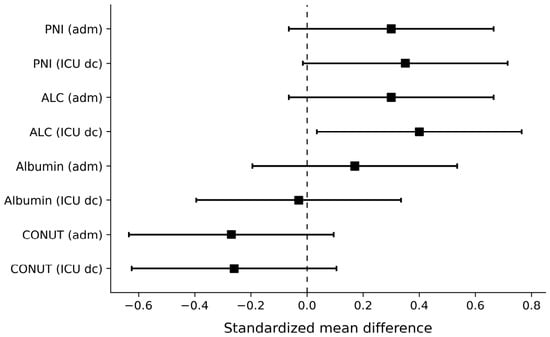
Background/Objectives: Both adiposity and nutritional–inflammatory status influence glucose metabolism; however, their longitudinal associations with glycemic changes in non-diabetic populations remain unclear. We examined the independent, interactive, and joint associations of body mass index (BMI) and prognostic nutritional index (PNI) with the 3-year change in HbA1c (ΔHbA1c). PNI, a composite marker of serum albumin and peripheral lymphocyte count, reflects both protein nutritional status and systemic immune competence. We hypothesized that BMI and PNI would each independently predict ΔHbA1c and that their joint profiling would identify higher-risk subgroups. Methods: A total of 9414 non-diabetic adults from the Shanghai Suburban Adult Cohort were included. Participants with diabetes at baseline (defined as fasting plasma glucose ≥ 7.0 mmol/L, 2-h post-load glucose ≥ 11.1 mmol/L, HbA1c ≥ 6.5%, or self-reported physician diagnosis of diabetes or use of glucose-lowering medications) were excluded. BMI was measured, and PNI was calculated as serum albumin + 5 × lymphocyte count. ΔHbA1c was assessed over a 3-year period. Multivariable linear regression, interaction testing, and joint stratification were performed. Covariate selection was guided by prior biological plausibility, and model adequacy was evaluated using the Akaike Information Criterion (AIC). Results: Both BMI (β = 0.013% per kg/m2, 95% CI: 0.011–0.016, p < 0.001) and PNI (β = 0.002% per unit, 95% CI: 0.000–0.004, p = 0.019) were independently and positively associated with ΔHbA1c. No significant interaction was observed (p = 0.431). High BMI (≥24 kg/m2) was associated with glycemic worsening irrespective of PNI level (β ≈ 0.075%, p < 0.001). Among normal-weight individuals, higher PNI was associated with a modest increase in ΔHbA1c (β = 0.031%, p = 0.007). Conclusions: Although the absolute effect sizes were modest at the individual level, BMI was consistently and independently associated with glycemic deterioration therefore, even small per-unit increases may translate into meaningful risk at the population level given the high prevalence of overweight and obesity. PNI showed a small positive association, suggesting that in relatively healthy populations a higher PNI may partly capture subtle pro-glycemic factors—such as low-grade inflammation or higher protein intake—rather than representing unambiguous nutritional benefit. The absence of interaction suggests that BMI and PNI act through largely independent pathways. These findings extend prior evidence by demonstrating that PNI provides modest additional glycemic information beyond BMI in non-diabetic community-dwelling adults, particularly among those of normal weight.
Full article
(This article belongs to the Special Issue Impact of Diet, Physical Activity and Sedentary Behavior on Non-Communicable Disease Development)
►▼
Show Figures

Figure 1
Open AccessArticle
The Oxidative Stress Imbalance in Children and Adults with IBD and Associated Factors
by
Sara Quattrini, Tiziana Galeazzi, Chiara Monachesi, Alessandra Palpacelli, Giulia Catassi, Claudia Quatraccioni, Giulia Annulli, Antonio Di Sario, Laura Cianfruglia, Monia Orciani, Tatiana Armeni, Andrea Faragalli, Rosaria Gesuita, Maria Elena Lionetti, Carlo Catassi and Simona Gatti
Nutrients 2026, 18(9), 1458; https://doi.org/10.3390/nu18091458 - 1 May 2026
Abstract
Background/Objectives: An imbalance in oxidative stress (OS) has been implicated in the pathogenesis of Inflammatory Bowel Disease (IBD). We compared OS status in IBD children and adults versus healthy controls by exploring variables impacting the OS disruption in IBD. Methods: Total
[...] Read more.
Background/Objectives: An imbalance in oxidative stress (OS) has been implicated in the pathogenesis of Inflammatory Bowel Disease (IBD). We compared OS status in IBD children and adults versus healthy controls by exploring variables impacting the OS disruption in IBD. Methods: Total antioxidant capacity (ferric-reducing ability of plasma (FRAP)), reactive species (ROS), oxidative products (advanced oxidation protein products (AOPPs) and thiobarbituric acid reactive substances (TBARSs)), and antioxidant defenses (glutathione, GSH and intracellular activity of the main antioxidant enzymes) were evaluated. Correlations between OS markers, clinical features, disease characteristics, and inflammatory indices were explored. Results: Eighty-two IBD patients (67.5% in clinical remission) and 73 healthy subjects were enrolled. IBD children showed significant FRAP reduction compared to controls and IBD adults (p < 0.0001), increased AOPPs and reduced GSH compared to controls (p < 0.0001 and p = 0.0011, respectively), higher total GSH (p = 0.020), and lower TBARSs (p = 0.023) compared to IBD adults. In the pediatric group, FRAP was significantly reduced in those with IBD and increased in older subjects and males, while AOPP levels were positively affected by increasing age. In the total IBD cohort, higher FRAP was associated with male gender, increasing age, overweight, and mesalazine therapy. The diagnosis of Ulcerative Colitis was associated with lower FRAP and AOPP levels compared to Crohn’s disease. Increased fecal calprotectin significantly decreased the total antioxidant capacity. Conclusions: The antioxidant system shows significant differences in IBD compared to controls, particularly in the pediatric group. The observed pediatric–adult pattern may suggest age-related differences in oxidative balance, but these findings should be interpreted with caution, given the modest sample size. Clinical Trial Registration Number: NCT04513015.
Full article
(This article belongs to the Special Issue Nutritional Support and Care for Pediatric Gastroenterology)
Open AccessArticle
Adoption of an Early Enteral Nutrition Feeding Protocol in Patients Receiving an Allogeneic Stem Cell Transplant
by
Nikki Spurgeon, Jana Ponce, Peyton Hainline, Michael Haddadin, Vijaya Raj Bhatt, Christopher Wichman, Emily Thompson, Md Saif Uddin Rashed, Jacque Schwartz, Corri Hanson and Mariah Jackson
Nutrients 2026, 18(9), 1457; https://doi.org/10.3390/nu18091457 - 1 May 2026
Abstract
Background: Acute Graft versus Host Disease (aGvHD) is a serious complication of allogeneic stem cell transplantation (Allo-SCT) associated with substantial morbidity and mortality. Enteral nutrition (EN) has been associated with improved transplant outcomes, yet standardized early EN practices remain inconsistently adopted across centers.
[...] Read more.
Background: Acute Graft versus Host Disease (aGvHD) is a serious complication of allogeneic stem cell transplantation (Allo-SCT) associated with substantial morbidity and mortality. Enteral nutrition (EN) has been associated with improved transplant outcomes, yet standardized early EN practices remain inconsistently adopted across centers. Methods: This retrospective cohort study evaluated the adoption and clinical outcomes of a standardized Day +1 EN protocol in patients undergoing Allo-SCT. The protocol included feeding tube (FT) placement on Day +1 with EN initiated at 25 mL/h. Demographic and clinical data were extracted from electronic health records for patients treated after protocol adoption (post-protocol) and retrospective controls from one year prior (pre-protocol group). Outcomes included successful Day +1 EN initiation, gastrointestinal (GI) complications, FT removal reason, and occurrence and severity of lower GI and overall aGvHD by Day +100 (Modified Glucksberg Criteria). Group comparisons used Welch’s t-test and Fisher’s Exact test (p < 0.05). Results: The final cohort included 108 patients (67 pre-protocol and 41 post-protocol). Successful Day +1 EN initiation occurred in 95.1% (n = 39) of patients post-protocol versus 4.5% (n = 3) pre-protocol (p < 0.001). GI complications and FT removal reason did not differ significantly between groups, and no FTs were removed due to adverse events. The occurrence of lower GI aGvHD was significantly lower post-protocol (12.2% vs. 28.4%, p = 0.05). Conclusions: Adoption of a standardized Day +1 EN protocol in Allo-SCT patients was successfully implemented and well-tolerated without adverse FT-related events. The significant difference in lower GI GvHD occurrence in the post-protocol group warrants confirmation of Day+1 EN in patients receiving an Allo-SCT in a future randomized trial.
Full article
(This article belongs to the Section Clinical Nutrition)
►▼
Show Figures

Figure 1
Open AccessArticle
Association of Maternal and Cord Blood Choline and Betaine Concentrations with Birthweight: A Prospective Mother–Infant Cohort Study
by
Sumiya Aihemaitijiang, Jiaxing Wen, Kai Li, Haoran Ren, Hongtian Li, Yubo Zhou and Jianmeng Liu
Nutrients 2026, 18(9), 1456; https://doi.org/10.3390/nu18091456 - 1 May 2026
Abstract
Background: Experimental studies indicated that maternal choline and betaine status have the potential to alter fetal growth, but epidemiological data remain sparse. Objective: We aimed to investigate the association of maternal and cord blood choline and betaine concentrations with birthweight outcomes. Methods: This
[...] Read more.
Background: Experimental studies indicated that maternal choline and betaine status have the potential to alter fetal growth, but epidemiological data remain sparse. Objective: We aimed to investigate the association of maternal and cord blood choline and betaine concentrations with birthweight outcomes. Methods: This prospective cohort study involved 988 mother–infant dyads from Hebei and Shandong provinces. Plasma concentrations of choline and betaine in maternal late pregnancy and cord blood were quantified using ultra-performance liquid chromatography–mass spectrometry. Multivariable linear or logistic regression was performed to examine their association with continuous or binary birthweight outcomes. Results: Maternal plasma choline and betaine concentrations in late pregnancy (median [interquartile range]; 12.34 [10.13, 14.78] and 14.99 [12.01, 18.36] μmol/L) were significantly lower than those in cord blood (29.98 [24.74, 35.93] and 31.14 [25.56, 37.28] μmol/L). Each 1 μmol/L increase of late-pregnancy and cord blood betaine concentrations were associated with 9.87 g (95% confidence interval [CI]: −16.08, −3.66 g) and 5.29 g (95% CI: −8.52, −2.06 g) lower birthweight, respectively. Compared with the lowest quintile, the highest quintiles of late-pregnancy and cord blood betaine concentrations were associated with lower risks of large-for-gestational-age (adjusted odds ratios [ORs] = 0.47 [95% CI: 0.24, 0.90] and 0.31 [95% CI: 0.17, 0.56]) and macrosomia (adjusted ORs = 0.12 [95% CI: 0.03, 0.43] and 0.15 [95% CI: 0.05, 0.40]). These associations, particularly for cord blood, persisted and appeared more pronounced in pregnancies with maternal overweight/obesity or gestational diabetes mellitus (GDM), but the interaction effect did not reach statistical significance. No significant associations were observed for choline in any periods. Conclusions: Higher plasma concentrations of betaine in maternal late-pregnancy and cord blood were associated with lower birthweight. These findings emphasize the importance of sufficient betaine status during pregnancy, especially among mothers with obesity or GDM.
Full article
(This article belongs to the Special Issue Vitamin Supplementation in Enhancing Maternal Health and Fetal Development)
►▼
Show Figures

Figure 1
Journal Menu
► ▼ Journal Menu-
- Nutrients Home
- Aims & Scope
- Editorial Board
- Reviewer Board
- Topical Advisory Panel
- Instructions for Authors
- Special Issues
- Topics
- Sections & Collections
- Article Processing Charge
- Indexing & Archiving
- Editor’s Choice Articles
- Most Cited & Viewed
- Journal Statistics
- Journal History
- Journal Awards
- Society Collaborations
- Conferences
- Editorial Office
Journal Browser
► ▼ Journal BrowserHighly Accessed Articles
Latest Books
E-Mail Alert
News
Topics
Topic in
Beverages, Foods, Molecules, Nutrients, Separations, Chemosensors
Advances in Analysis of Food and Beverages, 2nd Edition
Topic Editors: Constantinos G. Tsiafoulis, Anna M. KaczmarekDeadline: 31 May 2026
Topic in
Applied Sciences, Brain Sciences, JFMK, Nutrients, Sports
Exercise and Nutrition for Physical Performance, Mental Health and General Well-Being
Topic Editors: Gian Mario Migliaccio, Luca RussoDeadline: 12 July 2026
Topic in
Dietetics, Foods, Nutrients
Dietary Carbohydrate Chemistry, Nutrition, and Utilization
Topic Editors: Bin Zhang, Lijun Sun, Zhuqing XieDeadline: 31 July 2026
Topic in
Applied Microbiology, Fermentation, Foods, Microbiology Research, Microorganisms, Nutrients
News and Updates on Probiotics
Topic Editors: Alessandra Pino, Mutamed AyyashDeadline: 30 September 2026
Conferences
Special Issues
Special Issue in
Nutrients
The Ergogenic Effects of Caffeine Intake in Sport
Guest Editors: Ajmol Ali, Kaio VitzelDeadline: 15 May 2026
Special Issue in
Nutrients
Physical Activity, Metabolic Health, and Nutritional Interventions
Guest Editor: Xiaomin SunDeadline: 15 May 2026
Special Issue in
Nutrients
Chrononutrition: New Strategies for Approaching the Study of Bioactive Compounds in Metabolic Syndrome
Guest Editors: Begoña Muguerza, Jorge R. Soliz-RuedaDeadline: 15 May 2026
Special Issue in
Nutrients
Nutrition Strategy and Resistance Training
Guest Editor: Jungjun ParkDeadline: 15 May 2026
Topical Collections
Topical Collection in
Nutrients
Connection between Microbiome, Lifestyle and Diet
Collection Editors: Eva Untersmayr, Peter M. Abuja
Topical Collection in
Nutrients
Clinical Nutrition in Kidney Disease
Collection Editor: Piergiorgio Bolasco
Topical Collection in
Nutrients
Diet and Multi-Omics
Collection Editors: Mohsen Mazidi, Richard Webb
Topical Collection in
Nutrients
Advances in Phenylketonuria (PKU) Nutrition and Diet Research (2nd Edition)
Collection Editors: Júlio César Rocha, Anita MacDonaldConference Reports
Nutrients 2024, 16(15), 2528; https://doi.org/10.3390/nu16152528
Nutrients 2024, 16(8), 1157; https://doi.org/10.3390/nu16081157