



-
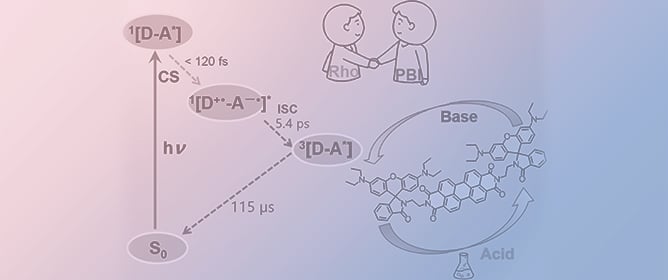
Preparation and Photophysical Study of Rhodamine–Perylenebisimide Electron Donor–Acceptor Dyad/Triads Containing Flexible Linkers -
Dual-Stimuli Responsive Cystamine-Modified Polydopamine Coatings as Payload Gatekeepers -
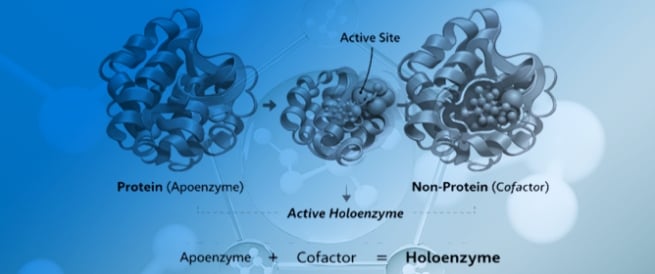
Enzymatic Nanomotors Integrated with Plant Extracts: Biochemical Mechanisms, Applications, and Clinical Perspectives -
Thallium Removal from Aqueous Solutions Using L Zeolite: Structural Modifications, Cation Distribution and Water Network Reorganisation -
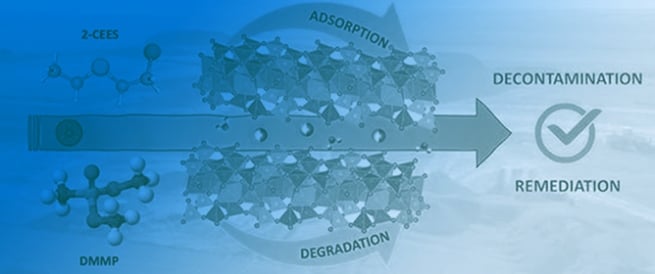
Fe-Exchanged Natural Bentonites from Kazakhstan as Multifunctional Solids for Decontamination from Hazardous Chemicals: Structure–Reactivity Relationships Under Mild Conditions
Journal Description
Molecules
Molecules
is a leading international, peer-reviewed, open access journal of chemistry published semimonthly online by MDPI. The International Society of Nucleosides, Nucleotides & Nucleic Acids (IS3NA), Spanish Society of Medicinal Chemistry (SEQT) and International Society of Heterocyclic Chemistry (ISHC) are affiliated with Molecules and their members receive discounts on the article processing charges.
- Open Access— free for readers, with article processing charges (APC) paid by authors or their institutions.
- High Visibility: indexed within Scopus, SCIE (Web of Science), PubMed, MEDLINE, PMC, Reaxys, CAplus / SciFinder, MarinLit, AGRIS, and other databases.
- Journal Rank: JCR - Q2 (Biochemistry and Molecular Biology) / CiteScore - Q1 (Organic Chemistry)
- Rapid Publication: manuscripts are peer-reviewed and a first decision is provided to authors approximately 15.6 days after submission; acceptance to publication is undertaken in 3.4 days (median values for papers published in this journal in the first half of 2026).
- Recognition of Reviewers: Reviewers whose reports are timely and of high quality receive an APC discount voucher for a future publication in an MDPI journal. Become a reviewer.
- Sections: published in 25 topical sections.
- Companion journal: Foundations.
- Journal Cluster of Chemical Reactions and Catalysis: Catalysts, Chemistry, Electrochem, Inorganics, Molecules, Organics, Oxygen, Photochem, Reactions, Sustainable Chemistry and Molbank.
Impact Factor:
5.1 (2025);
5-Year Impact Factor:
5.5 (2025)
Latest Articles
Therapeutic Effects of Ganoderma lucidum Against Aβ-Induced Neurotoxicity in SH-SY5Y Cells: In Vitro Evidence and Computational Validation of Human Protein Targets
Molecules 2026, 31(18), 3172; https://doi.org/10.3390/molecules31183172 - 9 Sep 2026
Abstract
The triterpenoid and polysaccharide constituents of Ganoderma lucidum (GL) are believed to influence key pathogenic pathways in Alzheimer’s disease (AD). This study first examined the molecular rationale for GL’s neuroprotective properties by subjecting its principal triterpenoids, Ganoderic Acid A&B, to computational profiling. Molecular
[...] Read more.
The triterpenoid and polysaccharide constituents of Ganoderma lucidum (GL) are believed to influence key pathogenic pathways in Alzheimer’s disease (AD). This study first examined the molecular rationale for GL’s neuroprotective properties by subjecting its principal triterpenoids, Ganoderic Acid A&B, to computational profiling. Molecular docking was performed against human acetylcholinesterase (AChE), TNF-α, COX-2, IL-6, caspase-3, Bcl-2, and the Keap1–Nrf2 complex using CB-Dock2, alongside SwissADME-based physicochemical and ProTox-3.0-based toxicological screening. These targeted pathways were then biologically validated in an in vitro AD model induced by Aβ1–42 toxicity in SH-SY5Y cells, assessing AChE activity, apoptosis, ROS levels, mitochondrial membrane potential (MMP), and cytokine expression (COX-2, TGF-β1, IL-6, TNF-α, IL-10). Docking revealed high binding affinities of both triterpenoids toward all seven targets (Vina scores: −7.3 to −10.4 kcal/mol), predicting strong modulation of cholinergic, inflammatory, apoptotic, and antioxidant pathways. Consistent with these predictions, GL extract significantly reduced TNF-α, COX-2, and IL-6 mRNA and protein levels, attenuated ROS accumulation, preserved MMP except at 500 µg/mL, and exerted a concentration-dependent antiapoptotic effect. IL-10 and TGF-β1 showed complex, dose-dependent patterns, reflecting indirect regulatory responses. Together, these findings support GL’s neuroprotective potential against Aβ-induced toxicity through direct engagement of cholinergic, inflammatory, apoptotic, and antioxidant regulatory proteins.
Full article
Open AccessArticle
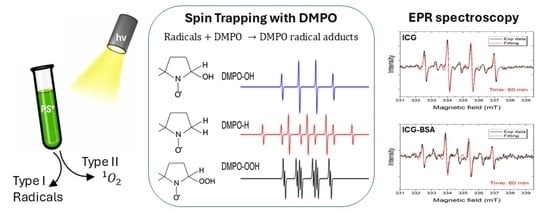
Spectroscopic Evidence of Free Radicals Generated by Indocyanine Green Under Light Irradiation
by
Magdalena Szpunar, Łukasz Dubiel, Bogumił Cieniek, Ireneusz Stefaniuk, David Aebisher and Andrzej Wal
Molecules 2026, 31(18), 3171; https://doi.org/10.3390/molecules31183171 - 9 Sep 2026
Abstract
Reactive oxygen species (ROS), particularly free radicals involved in type I photodynamic mechanisms, are key mediators of photodynamic therapy. Indocyanine green (ICG), a clinically approved near-infrared dye, is increasingly being considered as a photosensitizer. It has attracted considerable interest due to its photophysical
[...] Read more.
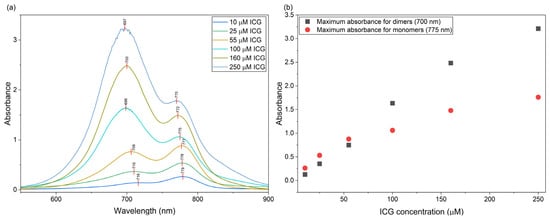
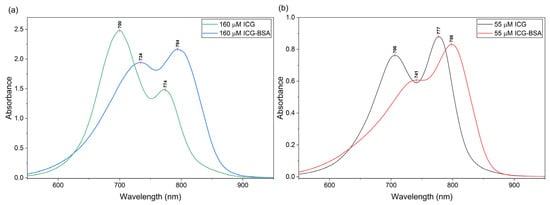
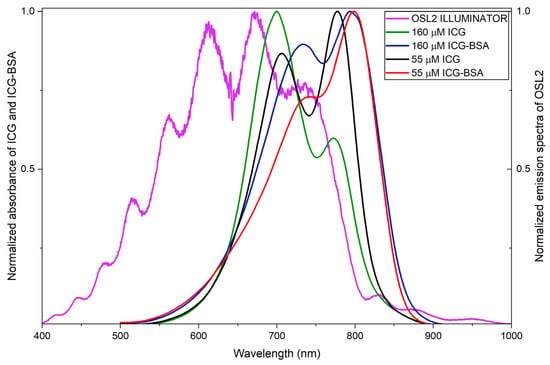
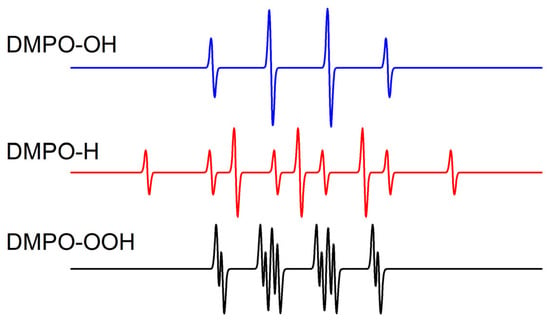
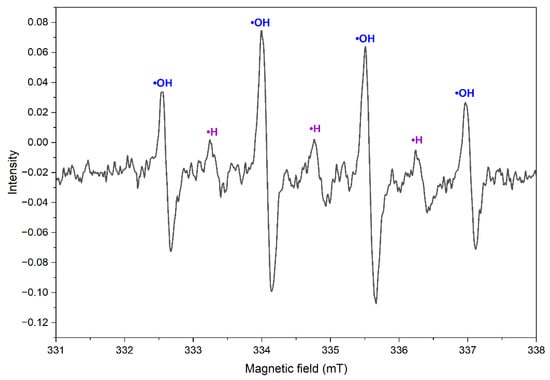
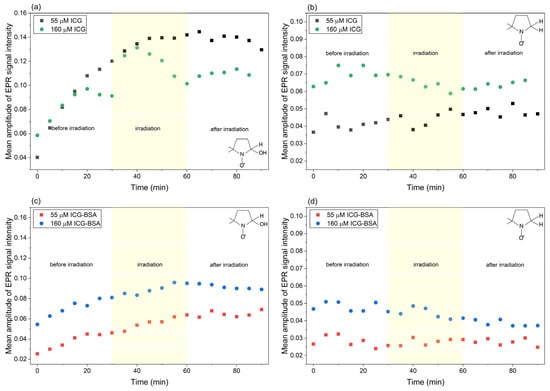
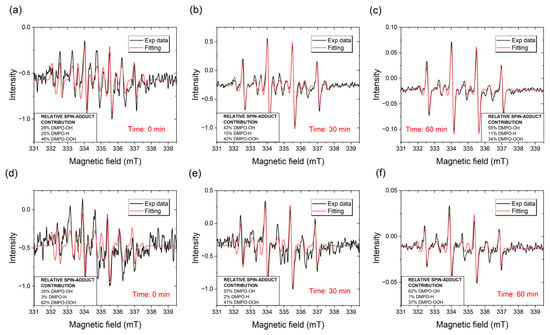
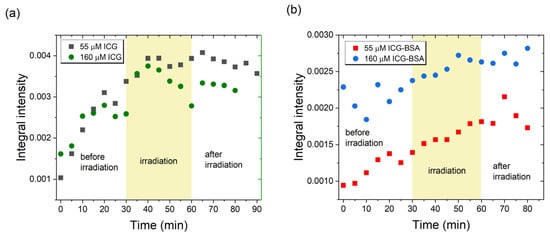
Reactive oxygen species (ROS), particularly free radicals involved in type I photodynamic mechanisms, are key mediators of photodynamic therapy. Indocyanine green (ICG), a clinically approved near-infrared dye, is increasingly being considered as a photosensitizer. It has attracted considerable interest due to its photophysical properties and affinity for serum albumin, which enhances its stability, circulation time, and tumor accumulation. This study aimed to characterize the formation of free radicals generated by ICG upon light irradiation, with particular emphasis on oxygen radicals involved in type I photodynamic mechanisms. Electron paramagnetic resonance (EPR) spectroscopy combined with the spin trap DMPO (5,5-dimethyl-1-pyrroline-N-oxide) was used to identify radicals formed during irradiation with an OSL2 fiber-optic illuminator providing white light. The detected radical species were identified by analysis of their characteristic hyperfine splitting constants and comparison with simulated EPR spectra corresponding to the DMPO-OH, DMPO-OOH, and DMPO-H adducts. Changes in radical concentrations over time were evaluated using the integral intensity of the EPR signals at two ICG concentrations. Differences in EPR signal intensities for samples containing ICG alone and ICG in the presence of bovine serum albumin (BSA) demonstrated the influence of protein binding on radical generation. Additionally, spectral analysis based on a Hamiltonian spin model was applied to support the reliable identification of the observed radical species. These findings provide insight into the free radical pathways of ICG and contribute to a better understanding of its type I photodynamic activity.
Full article
(This article belongs to the Section Photochemistry)
►▼
Show Figures

Graphical abstract
Open AccessReview
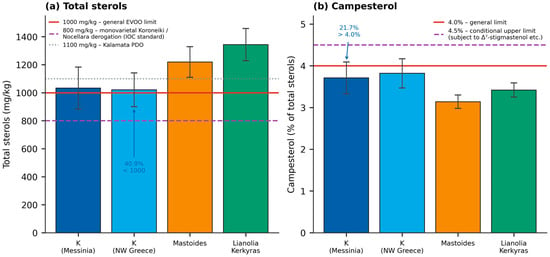
Beyond Phytosterol Profiling in Greek Olive Oil: Biological Variability, Regulatory Interpretation and the Near-Threshold Sterolic Space
by
Ioanna Dialyna, Emmanouil Trantas and Filippos Ververidis
Molecules 2026, 31(18), 3170; https://doi.org/10.3390/molecules31183170 - 9 Sep 2026
Abstract
Phytosterols are key minor constituents of olive oil, contributing not only to its nutritional and bioactive properties but also to authenticity assessment, quality control, and regulatory classification. In Greek olive oils, particularly extra virgin olive oils from the dominant Koroneiki cultivar, sterolic composition
[...] Read more.
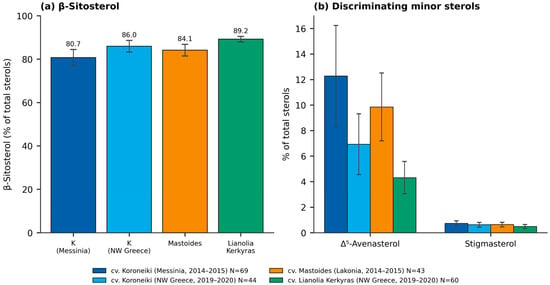
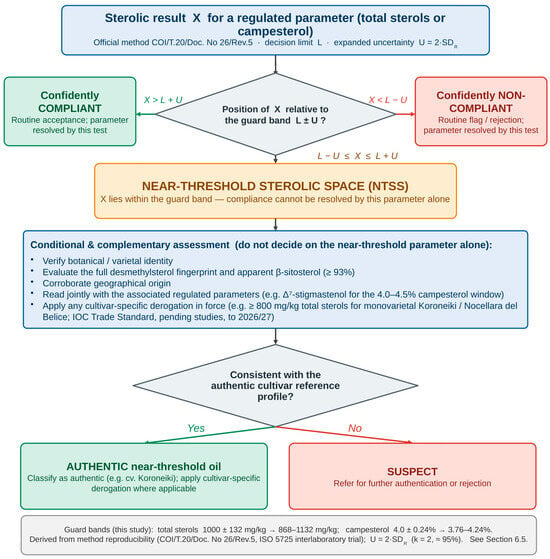
Phytosterols are key minor constituents of olive oil, contributing not only to its nutritional and bioactive properties but also to authenticity assessment, quality control, and regulatory classification. In Greek olive oils, particularly extra virgin olive oils from the dominant Koroneiki cultivar, sterolic composition is a critical yet complex marker, as total-sterol content and specific sterol fractions may naturally approach regulatory thresholds without indicating adulteration or quality loss. This review critically synthesizes current knowledge on phytosterol profiling in Greek olive oil, emphasizing sterolic composition, analytical methodology, stability, and the principal biological, geographical, technological, and methodological factors governing sterolic variability. Particular attention is given to the sterolic fingerprint of the Greek cultivars for which comparable data exist—principally Koroneiki, with Mastoides and Lianolia Kerkyras as comparators—dominated by β-sitosterol, Δ5-avenasterol, campesterol, stigmasterol, and Δ7-sterols, and to cultivar-dependent variation that may influence regulatory interpretation. The review further evaluates the official GC-FID analytical methodology, the complementary role of GC-MS and chemometric approaches, and the limitations of interpreting sterolic composition solely through fixed regulatory thresholds. It proposes a context-dependent framework for interpreting phytosterol composition in authentic Greek olive oils and introduces the concept of the Near-Threshold Sterolic Space, describing the natural clustering of authentic oils close to regulatory decision limits as a consequence of cultivar- and terroir-driven biological variability. Overall, phytosterol interpretation should evolve from a purely threshold-based regulatory exercise toward a biologically informed, method-aware and cultivar-sensitive framework that better reflects the natural complexity of authentic Koroneiki, and the other Greek cultivars examined here.
Full article
(This article belongs to the Special Issue Characterization, Quality, and Authenticity of Olive Products: A Themed Issue in Honor of Professor Emerita Maria Z. Tsimidou)
►▼
Show Figures

Figure 1
Open AccessArticle
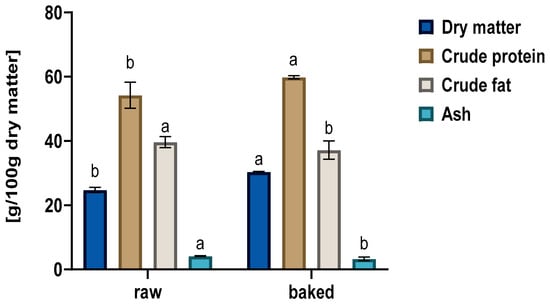
Comparative Analysis of Selected Biochemical Markers Involved in Antioxidative, Immune Responses, and Thyroid Function in Wistar Rats Fed Diets Containing Baked Sprats
by
Urszula Pomietło, Ewelina Piasna-Słupecka, Sylwester Smoleń, Kinga Dziadek, Mariola Drozdowska, Ewa Piątkowska, Teresa Leszczyńska, Ivo Doskocil and Aneta Kopeć
Molecules 2026, 31(18), 3169; https://doi.org/10.3390/molecules31183169 - 9 Sep 2026
Abstract
Objective: This study was designed to evaluate the effect of baked freeze-dried sprats (SPR) added to experimental diets of Wistar rats, with induced streptozotocin (STZ) oxidative stress, on selected biochemical markers involved in antioxidative, immune responses, and thyroid function. Material and Methods: Male
[...] Read more.
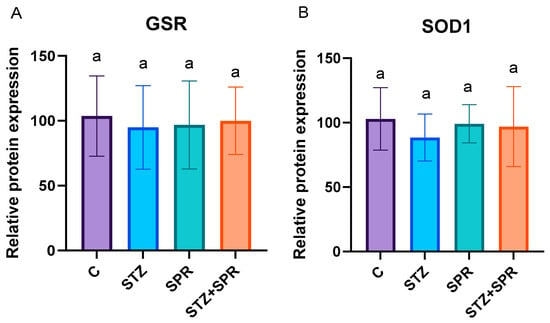
Objective: This study was designed to evaluate the effect of baked freeze-dried sprats (SPR) added to experimental diets of Wistar rats, with induced streptozotocin (STZ) oxidative stress, on selected biochemical markers involved in antioxidative, immune responses, and thyroid function. Material and Methods: Male Wistar rats (n = 48) were assigned to four experimental groups: C control group, STZ group of rats injected with streptozotocin, SPR group fed diet containing sprats, and STZ + SPR group. Concentrations of selected minerals were determined in urine, feces and selected organs. Serum thyroid hormones (T3, T4), a thyroid-stimulating hormone (TSH) concentration, and the activity of antioxidant enzymes (GPx, GR, SOD) were assessed. The relative expression of Txnrd1, Gpx1/3, Dio1–3 was quantified. Results: The highest concentrations of Mg, I, and Se were observed in the liver of the SPR and STZ + SPR groups compared with the C and STZ groups. T4 was significantly higher in all experimental groups compared to the C group. mRNA Txnrd1 expression was higher in the thyroid of the SPR and STZ + SPR groups than in the C and STZ groups. The thyroid in STZ + SPR exhibited higher Dio1 with lower Dio2 and Dio3 expression. Conclusions: It can be concluded that baked sprats are the source of bioavailable minerals involved in the reduction of oxidative stress and the modulation of iodine metabolism in rats with oxidative stress caused by impaired glucose metabolism.
Full article
(This article belongs to the Special Issue Exploring the Natural Antioxidants in Foods—2nd Edition)
►▼
Show Figures

Figure 1
Open AccessArticle
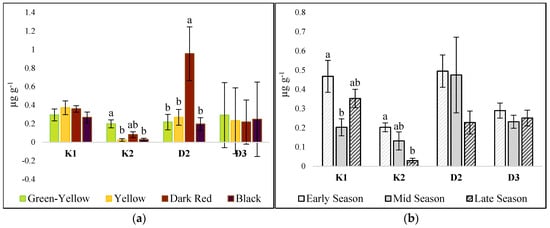
Comprehensive Analysis of Phytochemical Compounds in Seeds of Indigenous Grape Varieties Cultivated in Southeastern Anatolia: Fatty Acids, Tocopherols, Phytosterols, Vitamins, and Antioxidant Properties
by
Mehmet İlhan Odabaşioğlu, Atilla Çakır, Nesrin Karaca Sanyürek and Fırat İşlek
Molecules 2026, 31(18), 3168; https://doi.org/10.3390/molecules31183168 - 9 Sep 2026
Abstract
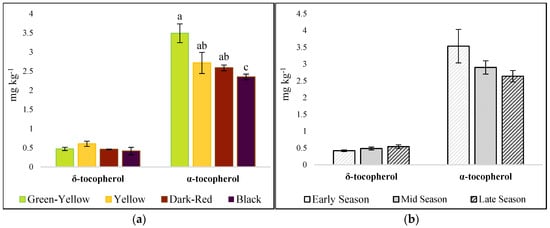
Aim: In this study, the phytochemical composition of the seeds of twelve different local grape (Vitis vinifera L.) varieties traditionally cultivated in the Southeastern Anatolia Region (Diyarbakır, Türkiye) was investigated using a holistic approach. The main objective of the study was to
[...] Read more.
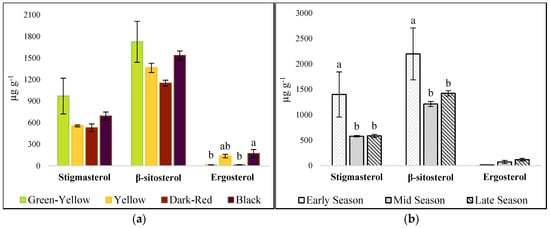
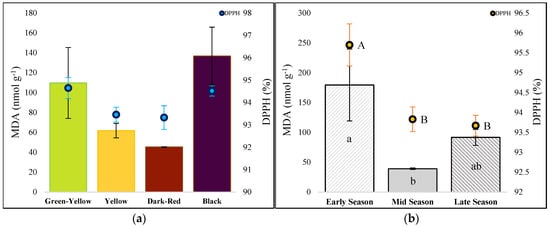
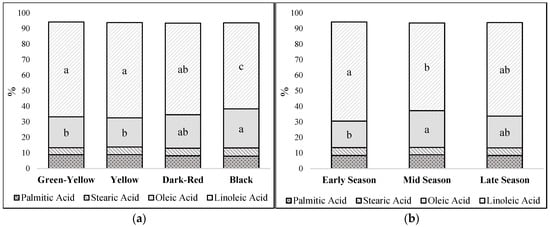
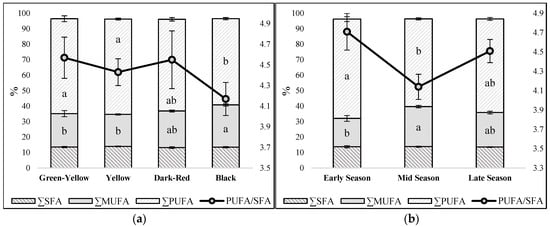
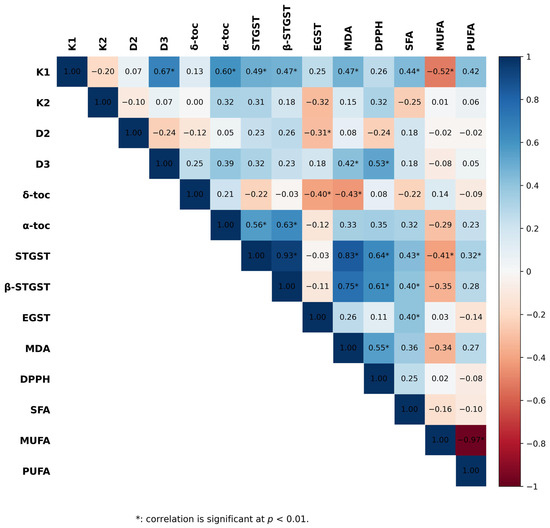
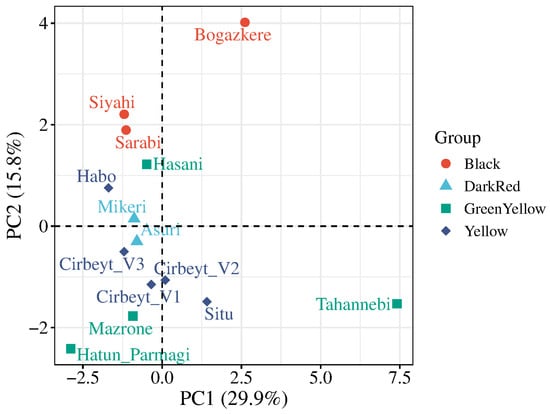
Aim: In this study, the phytochemical composition of the seeds of twelve different local grape (Vitis vinifera L.) varieties traditionally cultivated in the Southeastern Anatolia Region (Diyarbakır, Türkiye) was investigated using a holistic approach. The main objective of the study was to evaluate the associations of the effects of berry skin colour, the ripening stage and utilization type on the fatty acid profile, tocopherol and phytosterol contents, vitamin K and D levels, antioxidant capacity (DPPH) and lipid peroxidation (MDA) of grape seeds. Method: The seeds of grape varieties belonging to four different colour groups, grown on their own roots, were harvested during the 2017 growing season and analysed. Fatty acid composition was determined by gas chromatography (GC), vitamin and phytosterol contents by HPLC-UV, MDA content by the thiobarbituric acid reactive substance (TBARS) method, and antioxidant capacity by the DPPH radical scavenging assay. Findings: Linoleic acid was identified as the predominant fatty acid in all varieties (53.68–67.06%), followed by oleic acid (13.80–27.32%). α-Tocopherol was identified as the predominant tocopherol form (1.597–4.703 mg kg−1), whilst β-sitosterol was the phytosterol component present at the highest level (915.67–3340.42 µg g−1). Statistically significant varietal differences were detected for most measured phytochemical parameters. Group-wise differences associated with berry skin colour and ripening stage were observed for selected traits. Overall, varietal differences appeared to be more pronounced than those associated with berry skin colour or ripening stage. It was observed that the differences in phytochemical composition between the various commercial classifications of grapes were very limited. Result: The findings reveal that the seeds of the local grape varieties studied exhibit a rich phytochemical profile and represent an important source of bioactive compounds that could be utilised, particularly in the functional food, nutraceutical and cosmetics industries. The ‘Tahannebi’ variety stood out as the one with the highest values across many parameters. Differences observed among samples of the same cultivar collected from different vineyards suggest that vineyard-specific conditions may contribute to variation in selected phytochemical traits. Future multi-year and multi-location studies are needed to confirm the stability of these phytochemical profiles and to further clarify genotype × environment interactions.
Full article

(This article belongs to the Special Issue Bioactive Compounds and Phytochemical Diversity as Quality Traits in Horticultural Crops)
►▼
Show Figures

Figure 1
Open AccessArticle
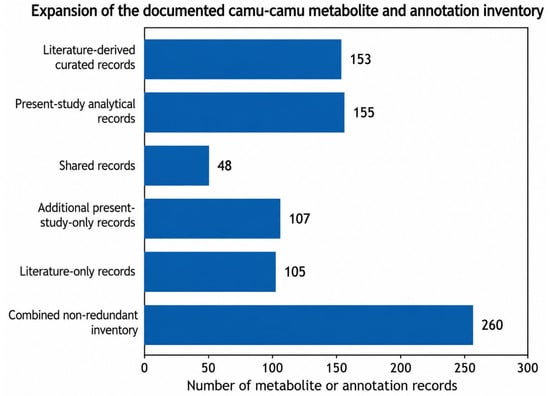
Assembling an Expanded Metabolome for Camu-Camu (Myrciaria Dubia): Bioactive and Nutritional Compounds Relevant to Functional Food Research
by
Subramanyam Ragupathy, Varathan Vinayagam, Velautham Saravanan, Arunachalam Thirugnanasambandam and Steven G. Newmaster
Molecules 2026, 31(18), 3167; https://doi.org/10.3390/molecules31183167 - 9 Sep 2026
Abstract
Camu-camu (Myrciaria dubia) is an Amazonian shrub associated with riverine ecosystems and is recognized for its high vitamin C content and a broad range of nutritional and specialized metabolites. Previous studies have focused on specific metabolites or bioactive metabolites associated with
[...] Read more.
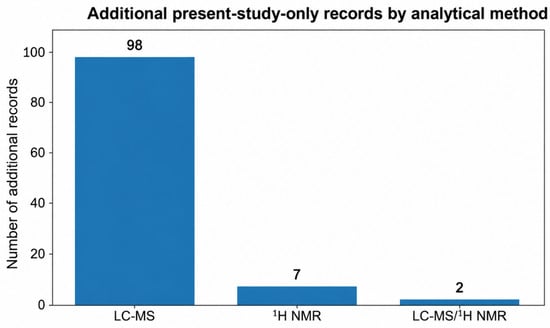
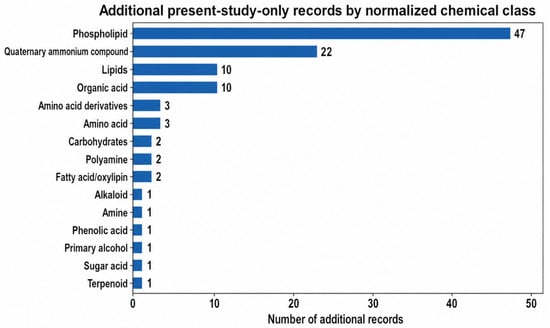
Camu-camu (Myrciaria dubia) is an Amazonian shrub associated with riverine ecosystems and is recognized for its high vitamin C content and a broad range of nutritional and specialized metabolites. Previous studies have focused on specific metabolites or bioactive metabolites associated with health issues. Therefore, a comprehensive metabolomic survey using multiple analytical methods islacking. To address this gap in the scientific literature, we prepared a focused metabolomic inventory by integrating curated literature records with proton nuclear magnetic resonance (1H NMR) and liquid chromatography–mass spectrometry (LC-MS) observations from berry materials, including pulp, skin/peel, and seeds. Ourstudy added 107 metabolite annotation records that were not in the literature. The integration of the literature-derived and ourdatasets yielded a combined inventory of 260 metabolites. Seven solvents were compared using 1H NMR spectroscopy, and CH3OH:CD3OD (9:1, v/v) provided the broadest assigned coverage. LC-MS expanded the detection of lower-abundance and structurally diverse features, particularly phospholipids, quaternary ammonium compounds, organic acids, amino acid derivatives, and related metabolites. Compound-level and class-level assignments were distinguished, and interpretations were limited to the confidence supported by the available analytical evidence. The resulting inventory provides an expanded foundation for camu-camu quality evaluation, solvent selection, clinical trials, and targeted functional food research.
Full article
(This article belongs to the Special Issue Natural Products Chemistry in the Americas)
►▼
Show Figures

Figure 1
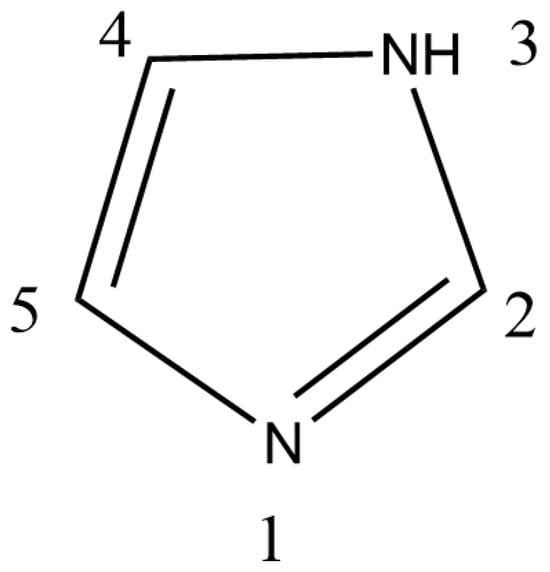
Open AccessArticle
QSAR-Based Ecotoxicological Assessment of Novel Imidazole Derivatives for Sustainable Crop Protection
by
Gabriella Kanižai Šarić, Marija Paurević, Andrea Dandić, Martina Šrajer Gajdošik and Vesna Rastija
Molecules 2026, 31(18), 3166; https://doi.org/10.3390/molecules31183166 - 9 Sep 2026
Abstract
Imidazoles have been proven to be very effective pesticides, especially against phytopathogenic fungi and insects. Due to their negative effects on the environment, only a few imidazoles have been approved for use by the European Commission (EC). There is an urgent need to
[...] Read more.
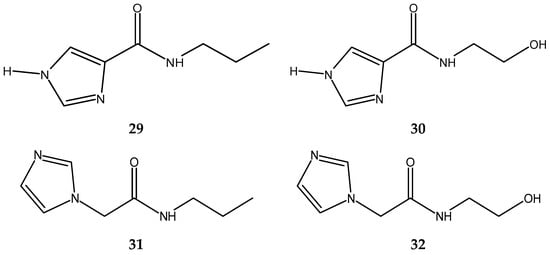
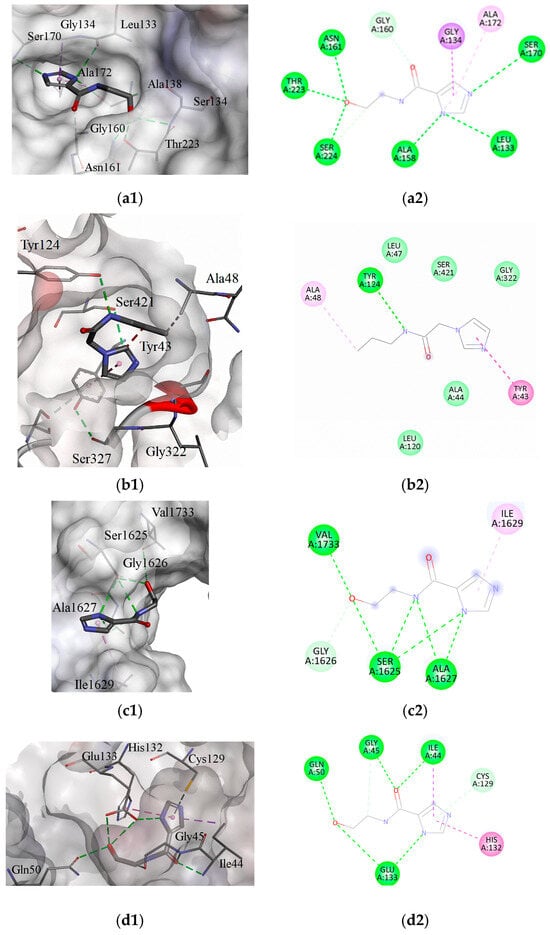
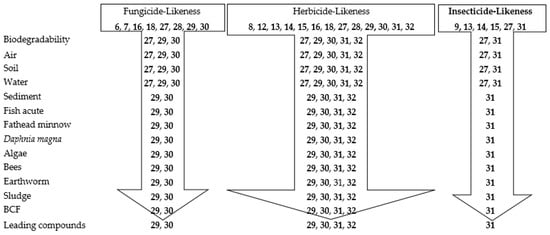
Imidazoles have been proven to be very effective pesticides, especially against phytopathogenic fungi and insects. Due to their negative effects on the environment, only a few imidazoles have been approved for use by the European Commission (EC). There is an urgent need to develop new imidazole derivatives with high efficiency and a wide spectrum of action against numerous pests that are, at the same time, safe for the environment and beneficial for organisms and humans. In order to reduce expensive and time-consuming experiments, an in silico approach based on quantitative structure–activity relationship (QSAR) models is valuable for predicting the toxicity of new or untested chemicals. In this study, we used the Vega and ChemFREE web platforms to evaluate the pesticide similarity, environmental risk properties, and ecotoxicological effects of imidazole derivatives designed for potential synthesis. Adamantane-, alkyl-, and triazole-amide, ester, carbamate, and ketone derivatives were filtered for the evaluated properties, and four alkyl-amides were highlighted as potentially effective and environmentally safe antifungal, herbicidal, and insecticidal agents. Molecular docking studies indicated the possible mechanism of action of the antifungal, herbicidal, insecticidal, and antibacterial activities of the observed compounds and revealed structural features important for binding to specific receptors.
Full article

(This article belongs to the Special Issue QSAR and QSPR: Recent Developments and Applications, 5th Edition)
►▼
Show Figures

Figure 1
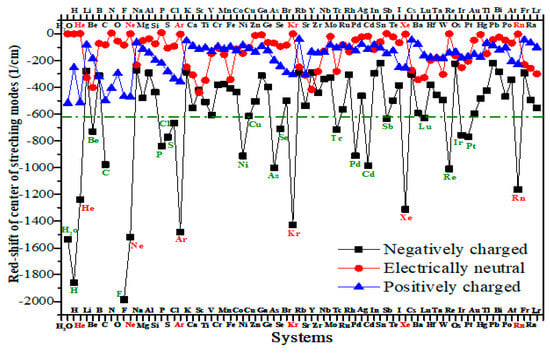
Open AccessArticle
Correlations Between Vibrational Red Shifts, Electronic Structure, and Water Dissociation on Alloy Clusters: An Exploratory Computational Study
by
Yanbiao Wang, Xinglong Pan and Tingting Liu
Molecules 2026, 31(18), 3165; https://doi.org/10.3390/molecules31183165 - 8 Sep 2026
Abstract
►▼
Show Figures
Understanding the activation mechanism of water molecules is of fundamental importance for catalytic water dissociation via water splitting. In this study, we employed first-principles molecular dynamics simulations to investigate the catalytic dissociation of H2O on 88 alloy clusters. Our results reveal
[...] Read more.
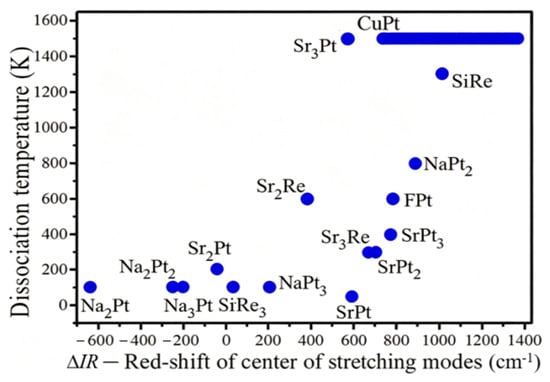
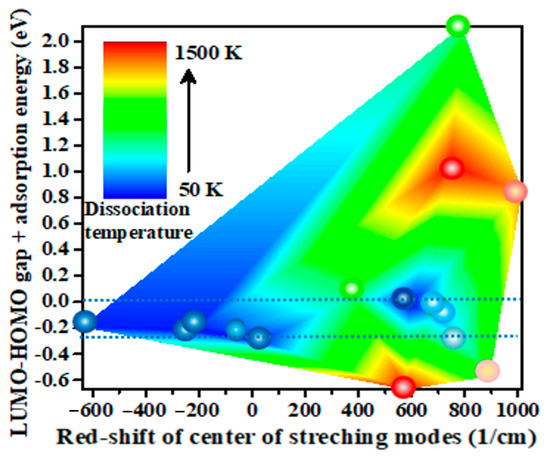
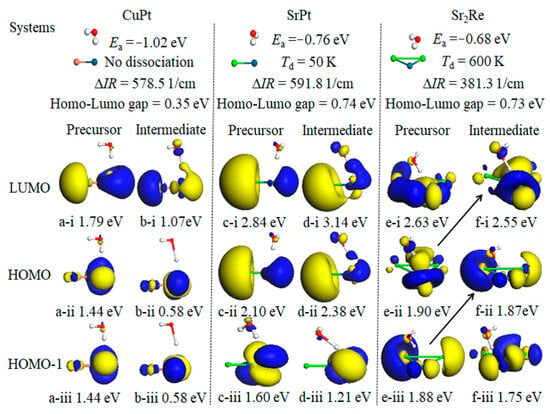
Understanding the activation mechanism of water molecules is of fundamental importance for catalytic water dissociation via water splitting. In this study, we employed first-principles molecular dynamics simulations to investigate the catalytic dissociation of H2O on 88 alloy clusters. Our results reveal that a larger red shift in the center of the coupled ν1 and ν3 stretching modes of adsorbed H2O correlates with a lower dissociation temperature. We observe an empirical correlation suggesting that dissociation is facilitated when the adsorption energy is comparable in magnitude to the HOMO–LUMO gap, which we propose as a hypothesis warranting further investigation with excited-state methods. Furthermore, comparison of the frontier molecular orbitals between precursor and intermediate states demonstrates that the number of frontier orbitals exhibiting increased overlap with the dissociating H atom is inversely correlated with the dissociation temperature. These findings provide atomic-scale insights into the activation mechanism of water dissociation on isolated gas-phase clusters and establish spectroscopic descriptors for evaluating the intrinsic reactivity of such model systems. We caution that extension of these findings to practical catalytic water splitting would require consideration of additional factors such as catalyst supports, solvents, and realistic reaction conditions.
Full article
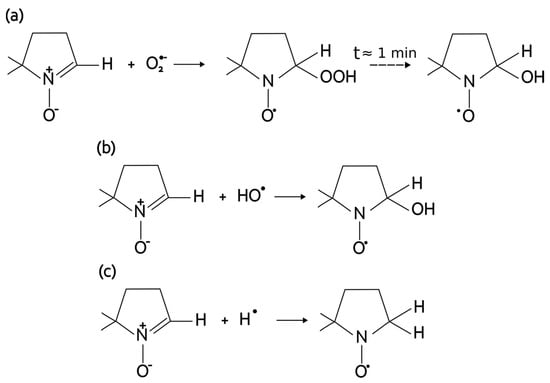
Figure 1
Open AccessArticle
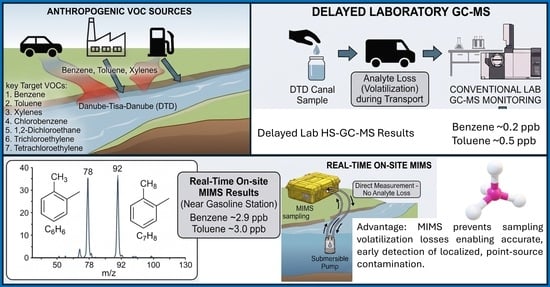
Portable Mass Spectrometry for In-Field Real-Time Water Pollution Monitoring: Validation and Pilot Study in Danube–Tisa–Danube Irrigation System
by
Djordje Vujić, Milena Aleksić, Daria Ilić and Boris Brkić
Molecules 2026, 31(18), 3164; https://doi.org/10.3390/molecules31183164 - 8 Sep 2026
Abstract
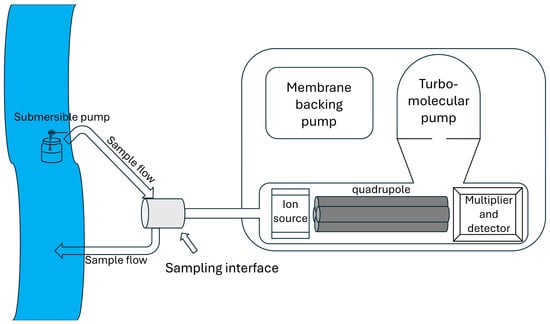
Continuous, real-time monitoring of volatile organic compounds (VOCs) in surface water is critical for environmental protection, yet conventional laboratory Gas Chromatography–Mass Spectrometry (GC-MS) suffers from analyte loss during sample transport. This study field-validates a portable Membrane Inlet Mass Spectrometry (MIMS) system for direct,
[...] Read more.
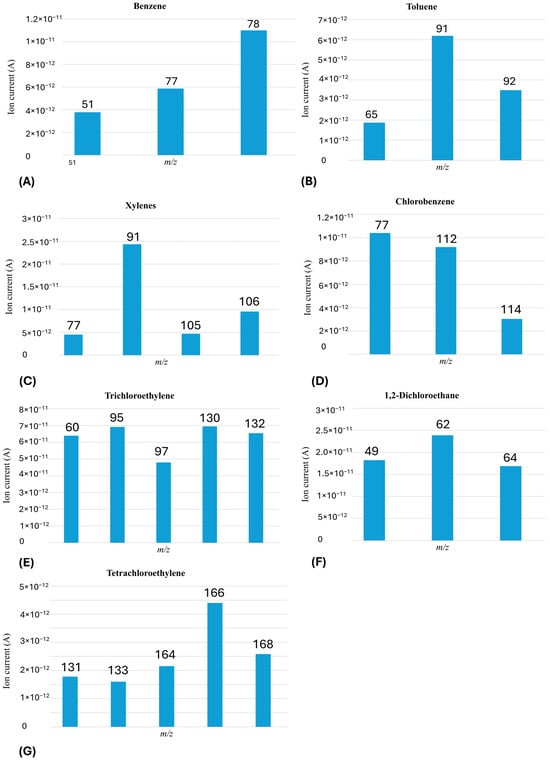
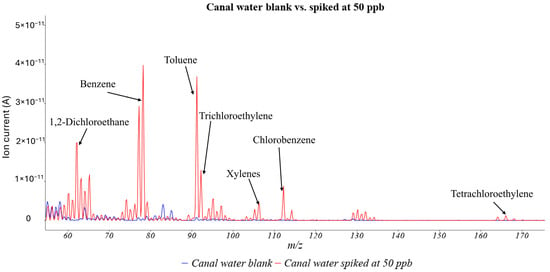
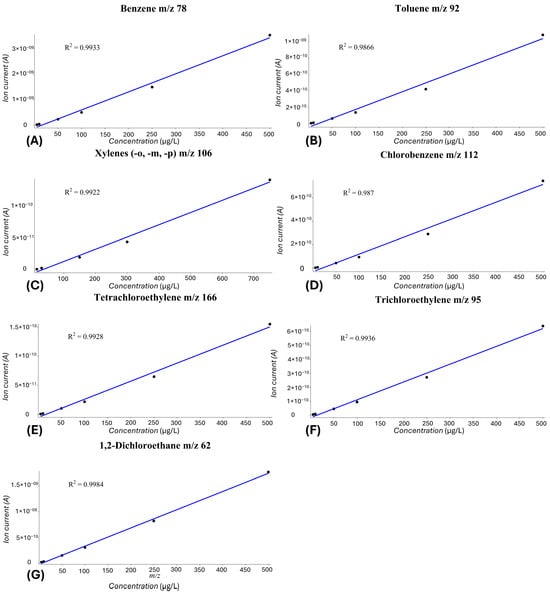
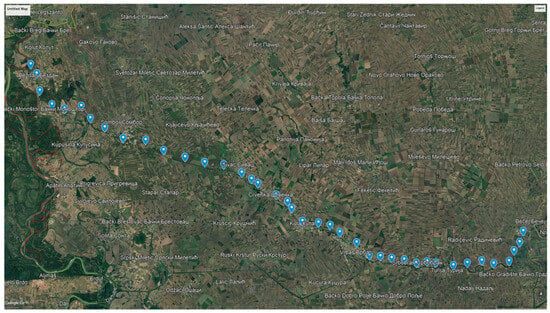
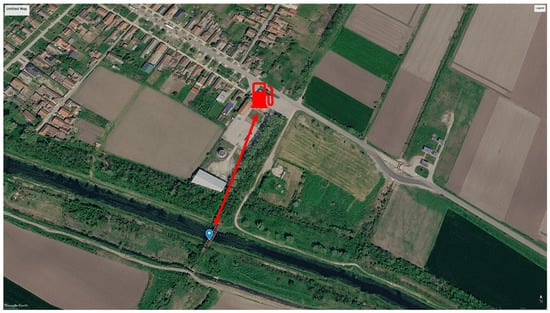
Continuous, real-time monitoring of volatile organic compounds (VOCs) in surface water is critical for environmental protection, yet conventional laboratory Gas Chromatography–Mass Spectrometry (GC-MS) suffers from analyte loss during sample transport. This study field-validates a portable Membrane Inlet Mass Spectrometry (MIMS) system for direct, on-site monitoring of seven target VOCs (benzene, toluene, xylenes, chlorobenzene, 1,2-dichloroethane, trichloroethylene, and tetrachloroethylene). Laboratory validation established limits of detection between 4 and 8 µg/L, linearity (R2 > 0.98), and acceptable precision and accuracy per AOAC guidelines, benchmarked against headspace GC-MS. In-field testing at 36 locations across the Danube–Tisa–Danube (DTD) irrigation canal demonstrated system robustness. Baseline canal samples remained below the detection limits, but real-time MIMS successfully identified localized benzene and toluene contamination near a gasoline station. On-site MIMS detected higher VOC concentrations than delayed laboratory GC-MS, demonstrating its key advantage in preventing sampling volatilization losses. Portable MIMS proves to be a powerful, rapid screening tool for continuous aquatic environmental monitoring.
Full article
(This article belongs to the Section Analytical Chemistry)
►▼
Show Figures

Graphical abstract
Open AccessArticle
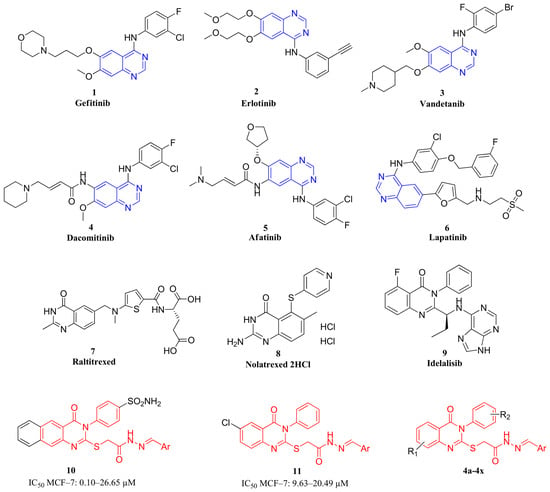
Synthesis of Quinazoline Derivatives and Mechanistic Approaches in Lung and Breast Cancers
by
Aybüke Züleyha Kaya, Beyzanur Tutuş, Şevval Karaca Arpa, Asaf Evrim Evren, Gülşen Akalin Çiftçi, Halide Edip Temel and Leyla Yurttaş
Molecules 2026, 31(18), 3163; https://doi.org/10.3390/molecules31183163 - 8 Sep 2026
Abstract
The quinazoline/quinazolinone ring is known as a unique scaffold, and its derivatives possess a broad biological activity profile, including antibacterial, antifungal, anticonvulsant, anti-inflammatory, anti-HIV, and analgesic activity, primarily focusing on anticancer activity. In this study, the synthesis of 2-[[4-oxo-3-(substituted phenyl)-3,4-dihydro-(substituted quinazolin-2-yl)]thio]-N′-(aryl/heteroaryl
[...] Read more.
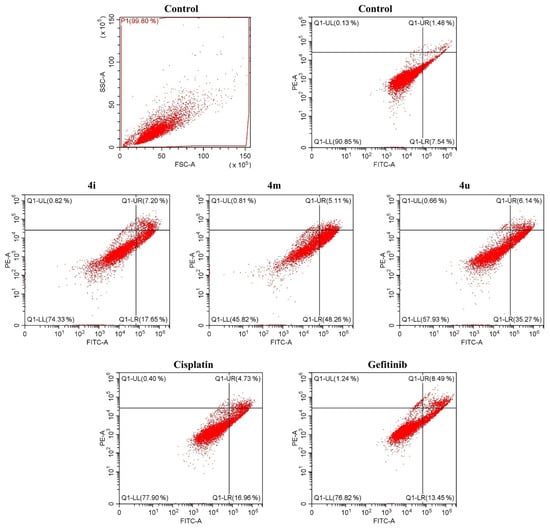
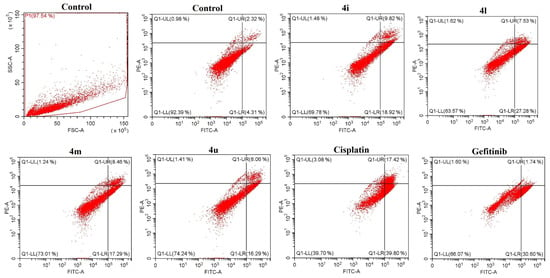
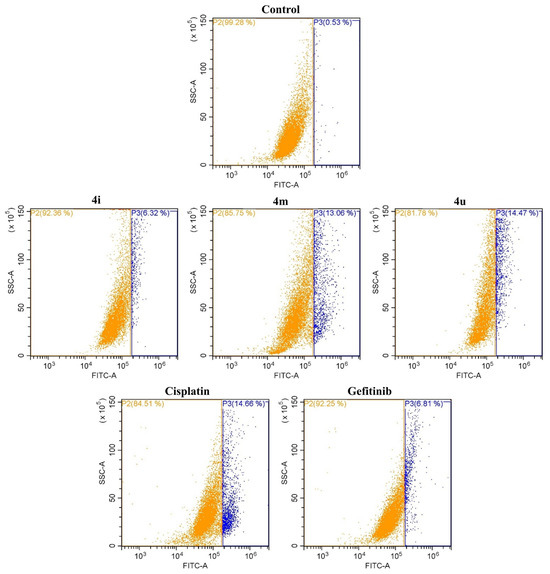
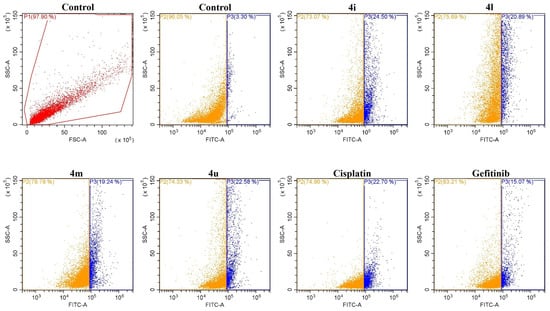
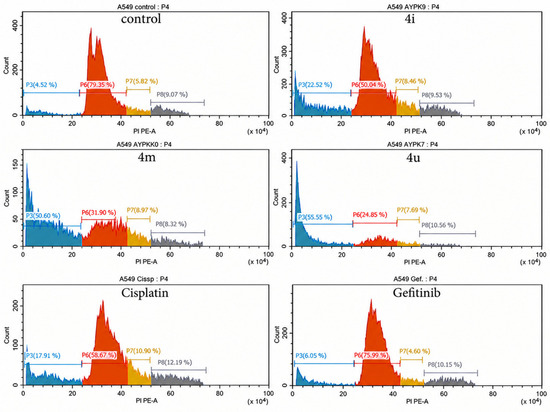
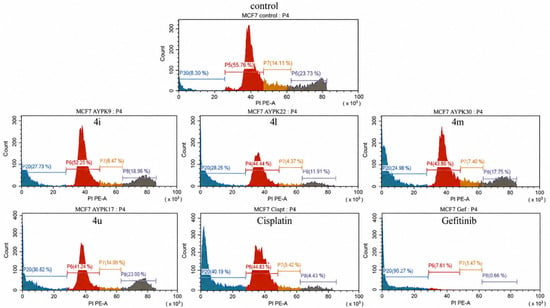
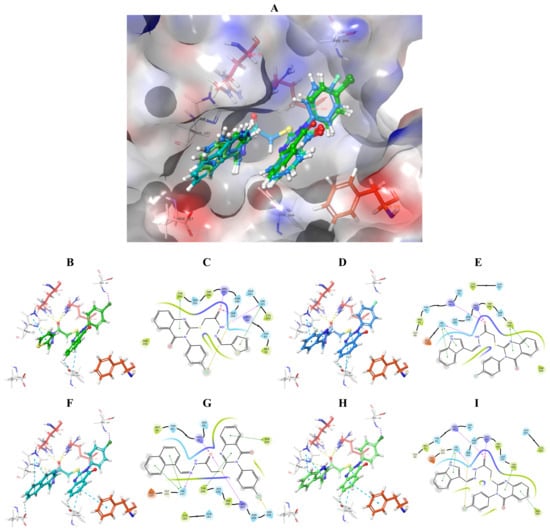
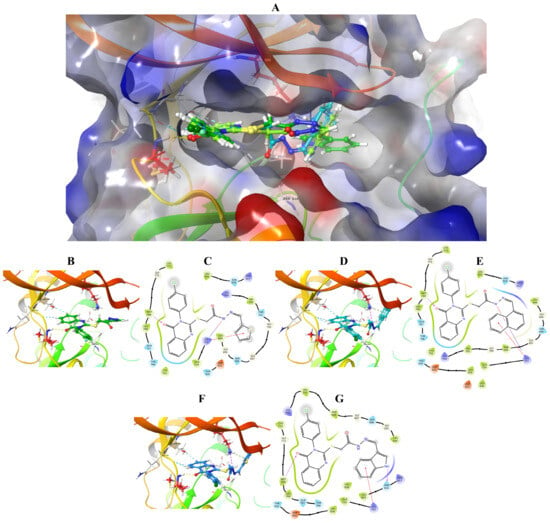
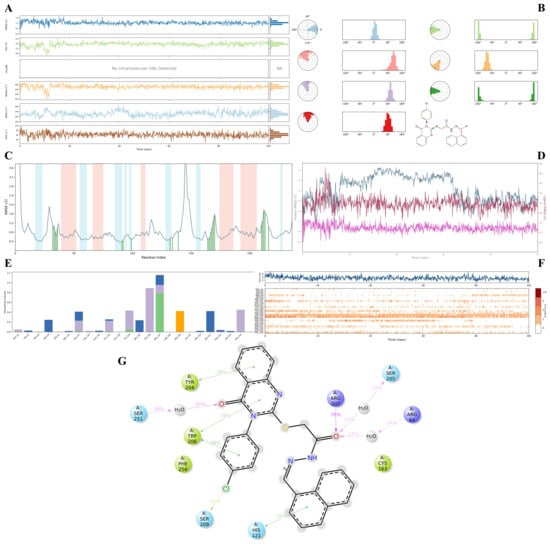
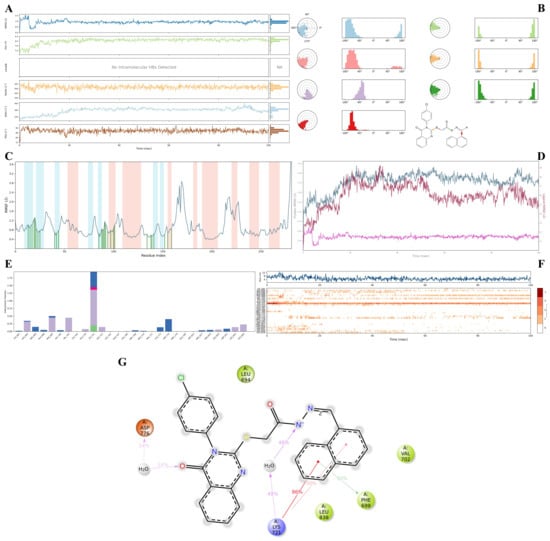
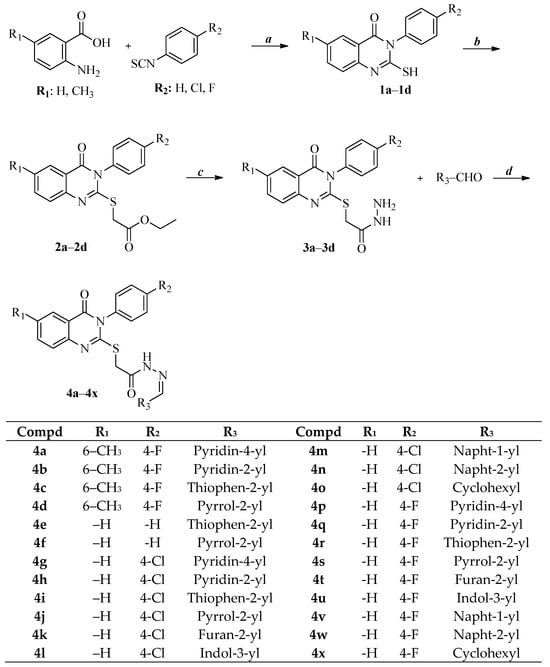
The quinazoline/quinazolinone ring is known as a unique scaffold, and its derivatives possess a broad biological activity profile, including antibacterial, antifungal, anticonvulsant, anti-inflammatory, anti-HIV, and analgesic activity, primarily focusing on anticancer activity. In this study, the synthesis of 2-[[4-oxo-3-(substituted phenyl)-3,4-dihydro-(substituted quinazolin-2-yl)]thio]-N′-(aryl/heteroaryl methylene)acetohydrazide (4a–4x) derivatives and their potential anticancer activities were investigated on the lung cancer A549 cell line, the breast cancer MCF-7 cell line, and healthy fibroblast L929 cell line. Compounds 4c, 4i, 4m, and 4u were identified as the most cytotoxic and selective molecules on the A549 cell line (IC50: 44.75–78.13 µM), while 4i, 4l, 4m, and 4u were identified as the most cytotoxic and selective molecules on the MCF-7 cell line (IC50: 14.43–29.39 µM). The mechanisms of action of their anticancer activities were examined and studied. It was determined that these compounds induced strong apoptosis and significantly activated caspase-3 activation in both cell types and that they interrupted the cell cycle in the pre-G (sub G0) phase. Compounds 4m and 4u exhibited EGFR inhibition (IC50: 4.80 µM, IC50: 5.40 µM, respectively) at a level similar to the standard drug gefitinib (IC50: 1.86 ± 0.43 µM). Based on the results of the biological activity assays, molecular docking, and molecular dynamics simulation studies, the 4-quinazolinone–acetyl hydrazone scaffold can be considered a promising structural framework with potential anticancer activity. More specifically, the findings of this study indicate that the acetyl moiety may function as an important pharmacophoric group, while the trisubstituted quinazolinone core may represent a favorable structural feature for caspase-3 activation. However, the same structural framework appears to be less favorable for EGFR inhibition, possibly due to steric constraints within the EGFR binding pockets.
Full article
(This article belongs to the Special Issue Quinoline and Quinazoline Derivatives: A Valuable Prospect for Drug Discovery)
►▼
Show Figures

Figure 1
Open AccessArticle
Synthesis, Herbicidal Activity Evaluation, and Molecular Docking of Novel Acylthioureas as AHAS Inhibitors
by
Binbin Jiang, Xiying Chen, Xu He, Yunlong Chai, Yan Wang and Ranhong Li
Molecules 2026, 31(18), 3162; https://doi.org/10.3390/molecules31183162 - 8 Sep 2026
Abstract
Acetohydroxyacid synthase (AHAS, EC 2.2.1.6) is a core enzymatic target in agrochemical research for herbicide development and has been widely investigated in recent decades. To develop novel AHAS-targeted herbicides, twenty-three acylthiourea derivatives were synthesized via fragment recombination and bioisosteric replacement strategies in this
[...] Read more.
Acetohydroxyacid synthase (AHAS, EC 2.2.1.6) is a core enzymatic target in agrochemical research for herbicide development and has been widely investigated in recent decades. To develop novel AHAS-targeted herbicides, twenty-three acylthiourea derivatives were synthesized via fragment recombination and bioisosteric replacement strategies in this work. All target compounds were fully characterized by elemental analysis, mass spectrometry, FTIR spectroscopy, and 1H NMR spectroscopy. Dose–response trends from the Petri dish assay at 1, 10, and 100 mg L-1 show that root-growth inhibition increased synchronously with concentration. Preliminary bioassays across gradient concentrations (1, 10, 100 mg L−1) revealed dose-dependent growth-inhibitory effects of several derivatives against the monocot weed Digitaria adscendens and dicot weed Amaranthus retroflexus. At 100 mg/L pre-emergence treatment, compounds 4v (76.48 ± 1.47%), 4m (69.34 ± 1.62%), and 4l (67.77 ± 1.87%) exhibited the strongest inhibitory activity, comparable to or exceeding bensulfuron-methyl (70.41 ± 1.21%). All synthesized acylthiourea derivatives exhibited less than 20% growth inhibition toward wheat and soybean, demonstrating acceptable crop selectivity. In vivo enzymatic assays at 100 mg L−1 showed that 4l, 4m, and 4v achieved AHAS inhibition rates of 38.25 ± 1.81%, 35.74 ± 1.35%, and 38.75 ± 1.93%, comparable to or marginally exceeding that of bensulfuron-methyl (35.64 ± 1.40%). Molecular docking simulations yielded binding energies of −6.67 kcal mol−1 (4l), −6.29 kcal mol−1 (4m), and −6.90 kcal mol−1 (4v), all more favorable than −5.86 kcal mol−1 calculated for bensulfuron-methyl, indicating stronger target-enzyme binding affinity for these three compounds. This research suggests that these acylthiourea derivatives may serve as preliminary lead scaffolds for developing novel AHAS inhibitors via subsequent structural derivatization, pending further dose–response, mechanistic, and field-efficacy validation.
Full article
Open AccessArticle
Production and Characterization of a Lipopeptide Biosurfactant from Bacillus velezensis SHB.28 Using Date Syrup for Heavy Metal Removal
by
Abdelhakim Bourouba, Redha Alouaoui, Samira Ferhat, Kamel Boubakri, Dominika Jama and Tomasz Janek
Molecules 2026, 31(18), 3161; https://doi.org/10.3390/molecules31183161 - 8 Sep 2026
Abstract
Biosurfactants are environmentally friendly surface-active compounds with promising applications in environmental remediation. In this study, a biosurfactant-producing bacterium, Bacillus (B.) velezensis SHB.28, was isolated from heavy metal-contaminated soil and evaluated for its ability to produce biosurfactants using date syrup as a low-cost agro-industrial
[...] Read more.
Biosurfactants are environmentally friendly surface-active compounds with promising applications in environmental remediation. In this study, a biosurfactant-producing bacterium, Bacillus (B.) velezensis SHB.28, was isolated from heavy metal-contaminated soil and evaluated for its ability to produce biosurfactants using date syrup as a low-cost agro-industrial substrate. Screening assays including drop-collapse (DC), oil spreading (OS), and emulsification index after 24 h E24 (%) confirmed strong biosurfactant production. Culture conditions were optimized, revealing that 30 °C, pH 6, and a C/N ratio between 10% and 20% provided optimal production. Under optimized conditions, the crude biosurfactant extract yield reached 2.16 g/L within 24 h, accompanied by a reduction in surface tension from 69 to 29.1 dyn/cm and high emulsification activity. Kinetic modeling showed that emulsification activity followed an exponential growth model (R2 = 0.985), whereas surface tension dynamics were well described by a spike decay–plateau model (R2 = 0.998). Structural characterization using Fourier-transform infrared spectroscopy (FTIR), electrospray ionization–mass spectrometry (ESI–MS), and nuclear magnetic resonance (NMR) spectroscopy revealed that the biosurfactants are surfactin- and iturin-like cyclic lipopeptides composed of a β-hydroxy fatty acid chain (C13–C15) linked to a cyclic peptide moiety. The biosurfactant exhibited a critical micelle concentration of 100 mg/L and an anionic character with a pHpzc of 5.7. Furthermore, it demonstrated high efficiency in removing heavy metals, achieving removal efficiencies of 99.88% for Fe2+, 99.69% for Pb2+, and 94.72% for Cu2+, outperforming conventional surfactants such as SDS and Tween 80. These findings highlight the potential of date syrup-derived surfactin and iturin from B. velezensis SHB.28 as sustainable and efficient biosurfactants for environmental remediation and heavy metal removal applications.
Full article

(This article belongs to the Special Issue Surfactants—SWOT Portfolio)
Open AccessArticle
Synthesis and Antidiabetic Evaluation of Novel 2,4-Thiazolidinedione Derivatives Targeting Key Carbohydrate-Digesting Enzymes
by
Mahendra Gowdru Srinivasa, Shreya Kanchan, Darshan S, Karthik G. Pujar, Gurubasavaraj V. Pujar and Prashant Nayak
Molecules 2026, 31(18), 3160; https://doi.org/10.3390/molecules31183160 - 8 Sep 2026
Abstract
Diabetes mellitus is a long-term metabolic disease associated with elevated glucose levels in blood and still constitutes one of the major public health issues worldwide. Inhibition of carbohydrate-digesting enzymes like α-amylase and α-glucosidase has been found to be effective in controlling postprandial hyperglycemia.
[...] Read more.
Diabetes mellitus is a long-term metabolic disease associated with elevated glucose levels in blood and still constitutes one of the major public health issues worldwide. Inhibition of carbohydrate-digesting enzymes like α-amylase and α-glucosidase has been found to be effective in controlling postprandial hyperglycemia. The current study focused on designing, synthesis, characterization, and evaluation of novel 2,4-thiazolidinedione derivatives (D1–D5) as potent antidiabetic drugs utilizing combined in silico, in vitro, and in vivo techniques. Results from drug-likeness and ADME analyses indicated that all synthesized derivatives met Lipinski’s rule of five and had desirable pharmacokinetics properties along with reduced toxicity. Molecular docking against maltase-glucoamylase (human; PDB ID: 3TOP) protein showed good binding affinities of both D1 and D5 derivatives (−7.74 and −7.40 kcal/mol respectively) due to stable interactions with catalytic residues of enzymes. Inhibition of enzymes in vitro showed that D1 and D5 had the highest inhibitory activities of all synthesized derivatives, with IC50 of 33.86 ± 2.1 and 37.55 ± 1.7 μM against α-amylase and 29.81 ± 3.2 and 32.43 ± 1.2 μM against α-glucosidase, respectively. Cytocompatibility tests on L6 myoblast cells proved that the lead compounds were well tolerated. In addition, studies in a model of Drosophila melanogaster induced by a high-sugar diet revealed a significant decrease in the level of glucose concentration depending on the dose, especially for D1 and D5, indicating their antihyperglycemic activity in vivo. Thus, these data confirm that D1 and D5 can be regarded as promising lead compounds for the development of new antidiabetics acting via inhibition of carbohydrate-metabolizing enzymes.
Full article
(This article belongs to the Section Medicinal Chemistry)
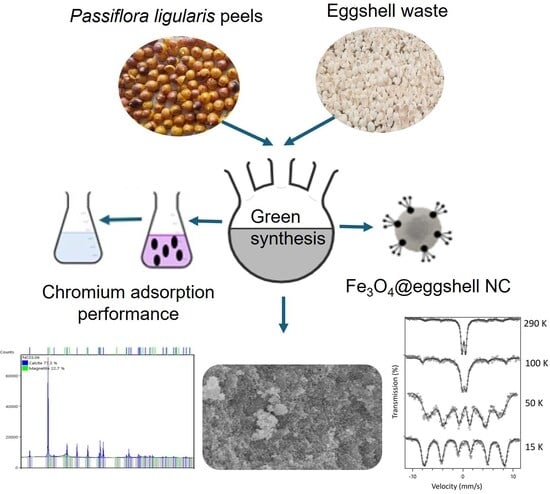
Open AccessArticle
Biogenic Fe3O4@eggshell Nanocomposite: Synthesis, Physicochemical Properties, and Cr(VI) Removal in Aqueous Media
by
Daniela Camacho-Valencia, Marcelo Rodríguez Valdivia, Gerson Márquez, Fabiana Morales, Jean Juraszek, Christine Devouge-Boyer, Mélanie Mignot and Géraldine Gouhier
Molecules 2026, 31(18), 3159; https://doi.org/10.3390/molecules31183159 - 8 Sep 2026
Abstract
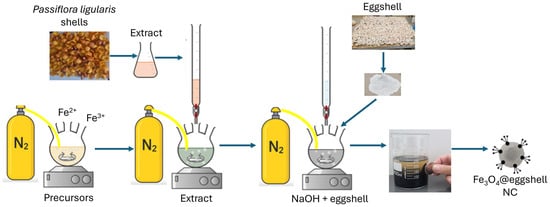
A magnetite–eggshell nanocomposite (Fe3O4@eggshell NC) was synthesized by green coprecipitation and evaluated for Cr(VI) removal from water. Passiflora ligularis peel extract, evaluated using a 23 factorial design, served as the biogenic medium, while eggshell waste acted as the
[...] Read more.
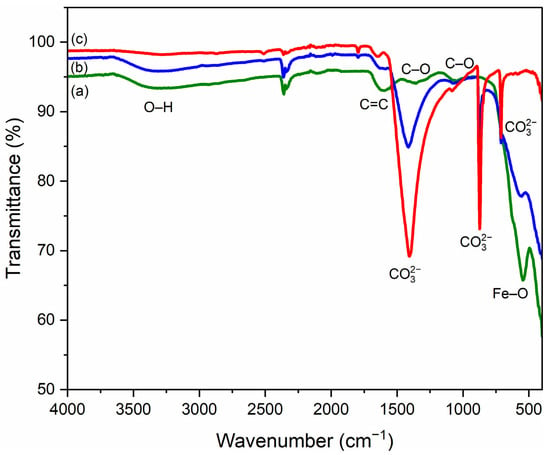
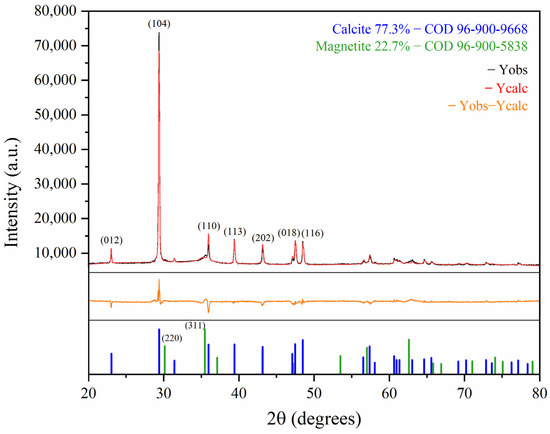
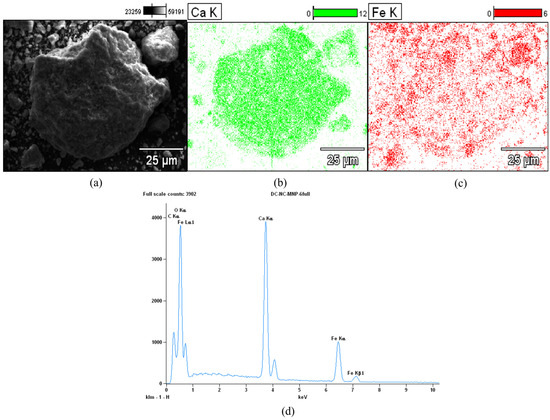
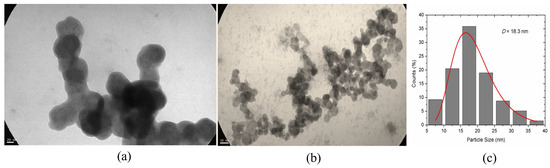
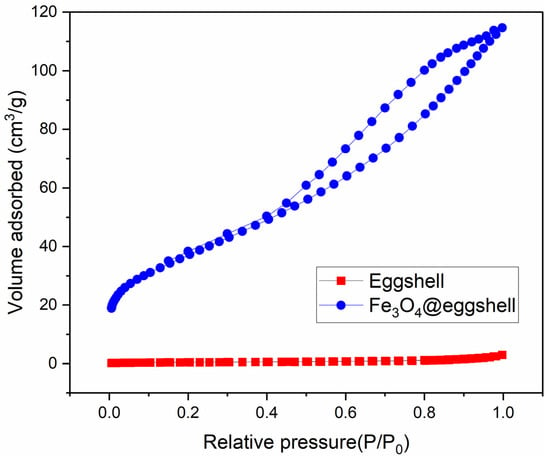
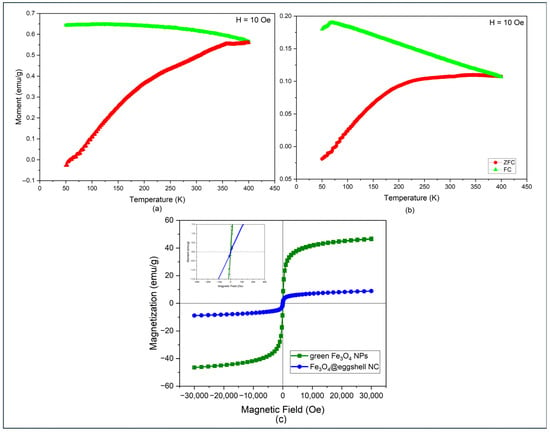
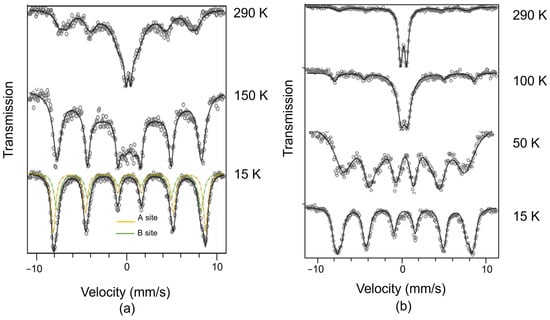
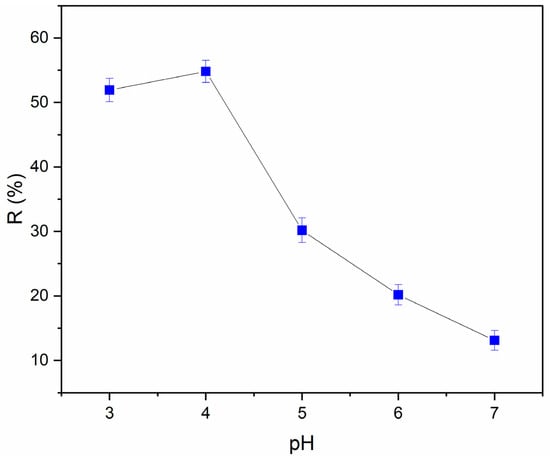
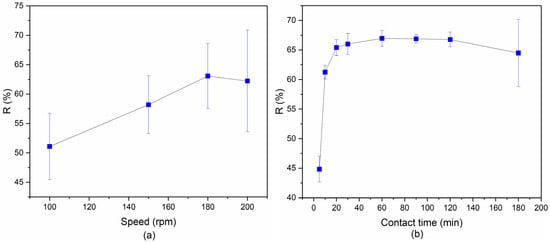
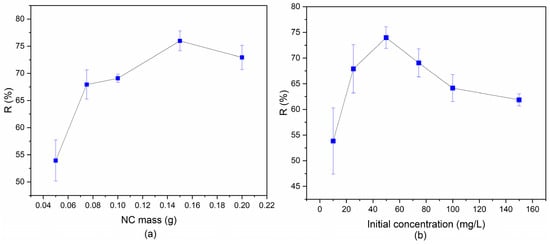
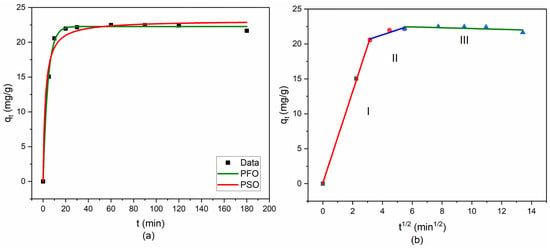
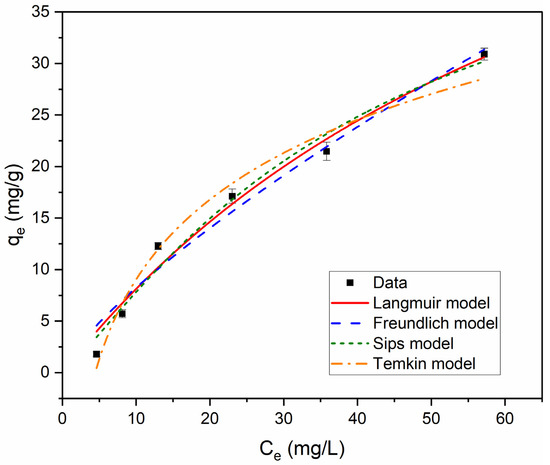
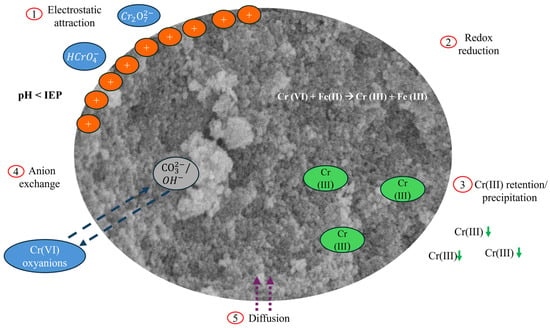
A magnetite–eggshell nanocomposite (Fe3O4@eggshell NC) was synthesized by green coprecipitation and evaluated for Cr(VI) removal from water. Passiflora ligularis peel extract, evaluated using a 23 factorial design, served as the biogenic medium, while eggshell waste acted as the support. Characterization included X-ray diffraction (XRD), Fourier-transform infrared spectroscopy (FTIR), scanning and transmission electron microscopy (SEM and TEM), Brunauer–Emmett–Teller (BET) analysis, zeta potential measurements, thermogravimetric analysis (TGA), vibrating sample magnetometry (VSM), and Mössbauer spectroscopy. The NC preserved Fe3O4 and CaCO3 crystalline phases, contained nanoparticles averaging 18 nm, and exhibited oxygenated surface functionalities, a BET surface area of 134.93 m2/g, amphoteric behavior, and a predominantly superparamagnetic response suitable for magnetic recovery. Under conditions of pH 4, 180 rpm, 60 min, 0.15 g NC, and 50 mg/L Cr(VI), removal reached 75.98%. Kinetic data followed the pseudo-first-order model, whereas equilibrium data were well described by the Sips isotherm, with an estimated capacity of 50.81 mg/g. At the investigated initial concentration of 50 mg/L, adsorption was exothermic and favored at temperatures up to 308 K, and the material retained moderate reusability during the first three alkaline-regeneration cycles. Overall, Fe3O4@eggshell NC is a waste-derived, magnetically recoverable adsorbent with favorable Cr(VI) uptake under moderately acidic conditions.
Full article
(This article belongs to the Special Issue Preparation, Performance and Application of Nano Functional Materials)
►▼
Show Figures

Graphical abstract
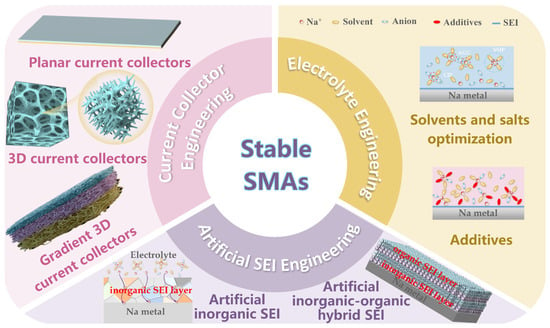
Open AccessReview
Advanced Design Strategies for Stable Sodium Metal Anodes: A Review
by
Jiaoli Gu, Hao Zhu, Zihao Bian, Dan Nie, Jiaojiao Li, Anlin Zhang, Xianming Xia, Hang Zhang, Bin Deng and Ruijin Yu
Molecules 2026, 31(18), 3158; https://doi.org/10.3390/molecules31183158 - 8 Sep 2026
Abstract
Sodium metal anodes (SMAs) are regarded as the most promising anode materials for next-generation high-energy-density sodium metal batteries, owing to their ultrahigh theoretical specific capacity (1166 mAh g−1) and low electrochemical potential (−2.71 V vs. SHEs). However, their practical application is
[...] Read more.
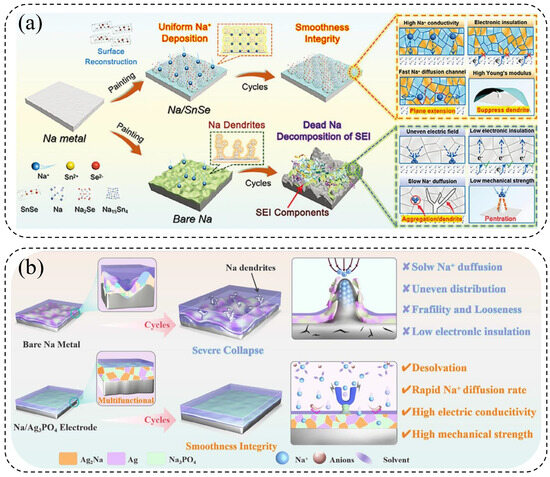
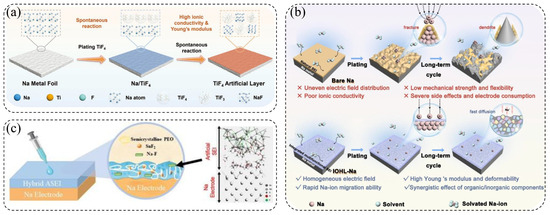
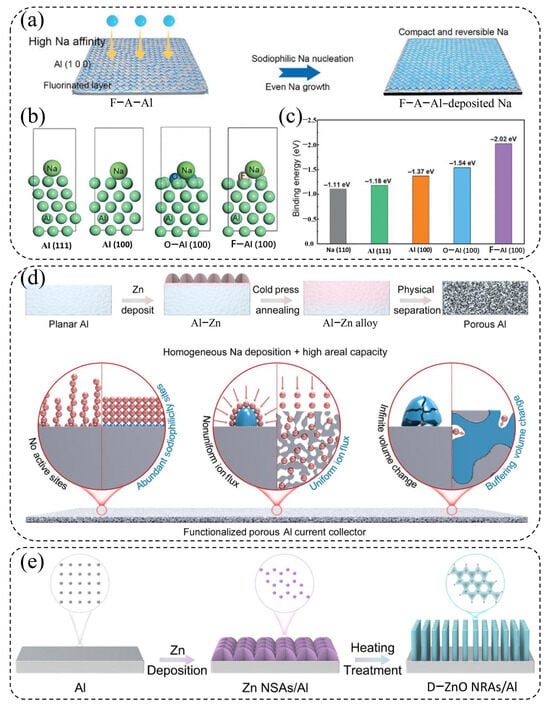
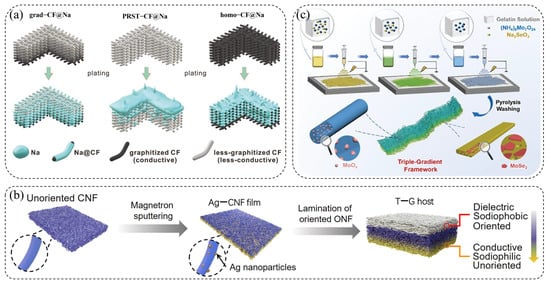
Sodium metal anodes (SMAs) are regarded as the most promising anode materials for next-generation high-energy-density sodium metal batteries, owing to their ultrahigh theoretical specific capacity (1166 mAh g−1) and low electrochemical potential (−2.71 V vs. SHEs). However, their practical application is severely hindered by a series of interrelated challenges, including unstable solid electrolyte interphase (SEI) films, severe volume fluctuations arising from their hostless nature, uncontrollable dendrite growth, and the consequent low Coulombic efficiency and short cycle life. This review systematically summarizes recent progress in stabilizing SMAs through three major categories of strategies: current collector engineering, which involves the design of planar, three-dimensional, and gradient architectures to regulate the local current density and Na+ flux, thereby guiding uniform nucleation and enabling “bottom-up” dendrite-free deposition; electrolyte engineering, which focuses on optimizing solvents, salts, and functional additives to tailor the solvation structure, construct robust inorganic-rich SEI layers, and utilize electrostatic shielding effects to suppress dendrite formation; and artificial SEI engineering, which aims to pre-construct inorganic or inorganic–organic hybrid protective layers that establish a physicochemical barrier between the electrode and electrolyte, combining high ionic conductivity, superior mechanical strength, and sufficient flexibility. Finally, we provide a critical perspective on the remaining challenges and outline future research directions, emphasizing the importance of in situ/operando characterization, synergistic multi-strategy integration, breakthroughs in high areal capacity and high-rate performance, and artificial intelligence-driven material discovery for the practical implementation of SMAs.
Full article
(This article belongs to the Special Issue Nano and Micro Materials in Green Chemistry)
►▼
Show Figures

Figure 1
Open AccessArticle
Influence of Spacer Chains Derived from Ring-Opened Crown Ethers on the Anti-Influenza A Virus Activity of closo-Decaborates Bearing Amino Acid Ester Pendant Moieties
by
Evgenii Yu Matveev, Elizaveta E. Rasskazova, Elizaveta A. Eshtukova-Shcheglova, Artemiy I. Nichugovskiy, Timur M. Garaev, Ilya I. Yudin, Natalya V. Breslav, Tatyana V. Grebennikova, Elena I. Burtseva, Varvara V. Avdeeva, Konstantin Yu Zhizhin and Nikolai T. Kuznetsov
Molecules 2026, 31(18), 3157; https://doi.org/10.3390/molecules31183157 - 8 Sep 2026
Abstract
A series of novel substituted derivatives of the closo-decaborate anion [B10H10]2− bearing alkoxy spacer chains of varying length derived from ring-opened crown ethers (12-crown-4, 15-crown-5, and 18-crown-6) with pendant L-amino acid methyl ester residues (L-tryptophan and L-histidine)
[...] Read more.
A series of novel substituted derivatives of the closo-decaborate anion [B10H10]2− bearing alkoxy spacer chains of varying length derived from ring-opened crown ethers (12-crown-4, 15-crown-5, and 18-crown-6) with pendant L-amino acid methyl ester residues (L-tryptophan and L-histidine) have been synthesized. The synthetic approach involved the nucleophilic ring-opening of oxonium crown ether derivatives of the closo-decaborate anion followed by coupling with amino acid methyl esters via mixed anhydride activation. The obtained compounds were characterized by multinuclear NMR spectroscopy (1H, 11B, 13C), IR spectroscopy, elemental analysis, and electrospray ionization mass spectrometry (ESI-MS). The compounds were obtained as sodium salts and evaluated for their in vitro cytotoxic and antiviral properties against the influenza A virus strain A/Moscow/78/2020 (H1N1)pdm09, which contains the S31N mutation conferring resistance to adamantane-class drugs. Cytotoxicity was assessed on MDCK cells, and antiviral activity was determined by cell ELISA. The results revealed a clear structure–activity relationship: the length of the alkoxy spacer chain significantly influenced both antiviral activity and selectivity. The shortest spacer (derived from 12-crown-4) proved to be optimal, while elongation of the chain led to a decrease in antiviral potency. The compound containing a 12-crown-4-derived spacer and a tryptophan methyl ester residue exhibited the highest selectivity index (SI = 155) with low cytotoxicity (CC50 = 155 µg/mL) and high antiviral activity (IC50 = 1.0 µg/mL). Tryptophan-containing derivatives consistently outperformed their histidine analogues, confirming the key role of the indole side chain in antiviral activity. Overall, the closo-decaborate platform with crown ether-derived spacers and amino acid ester pendant groups represents a promising scaffold for the development of low-toxicity, highly selective inhibitors of influenza A virus replication. The compound with the 12-crown-4-derived spacer and a tryptophan methyl ester residue merits further investigation as the most promising among the synthesized samples.
Full article
(This article belongs to the Section Inorganic Chemistry)
Open AccessArticle
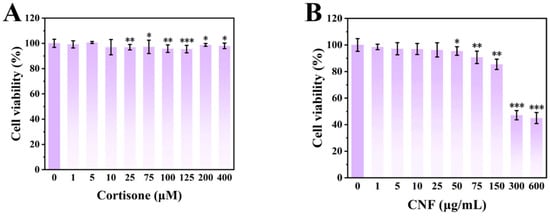
Camellia nitidissima Flower Extract Alleviates Stress-Induced Sebaceous Dysfunction by Targeting the 11β-HSD1/PI3K/Akt/mTOR Axis
by
Meng Zhang, Jiayi Fan, Zhenyu Qin, Timson Chen, Zhizhen Li, Ya Chen, Ling Ma, Guang-Li Wang and Jing Wang
Molecules 2026, 31(18), 3156; https://doi.org/10.3390/molecules31183156 - 8 Sep 2026
Abstract
Stress-induced sebaceous hyperactivity is a key driver of acne and seborrheic dermatitis; however, research investigating the pathway-specific mechanisms through which stress exerts its effects and the suppression of sebum production via targeting stress signaling remains relatively limited. In this study, we investigated whether
[...] Read more.
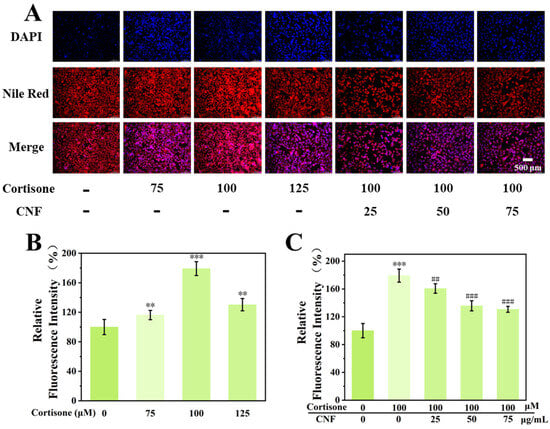
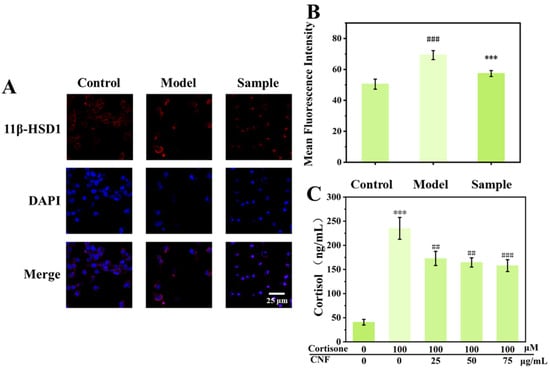
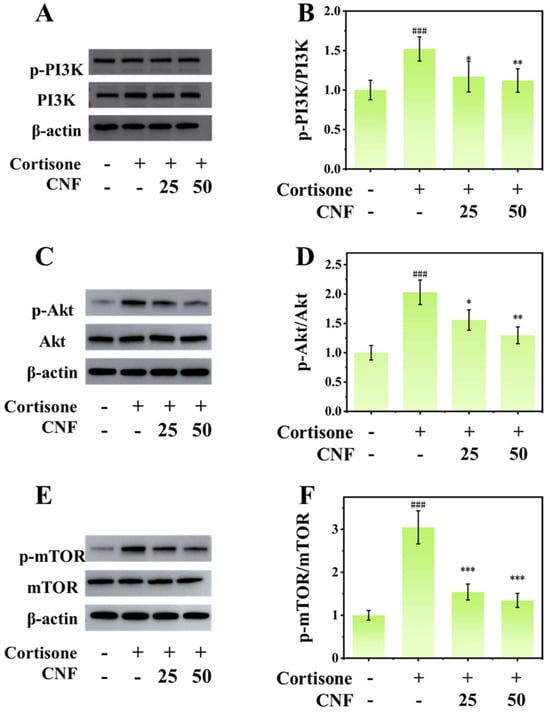
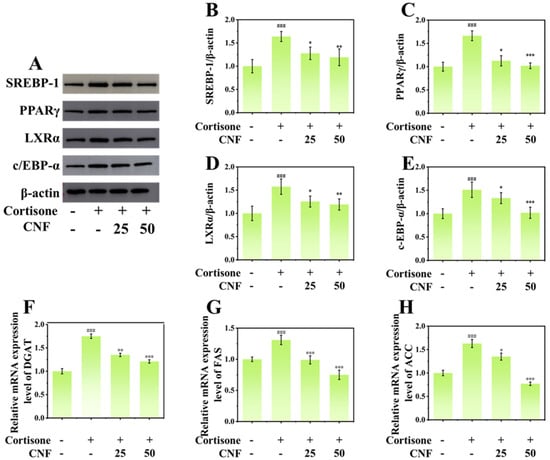
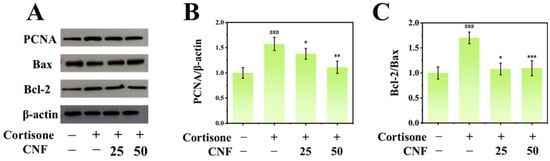
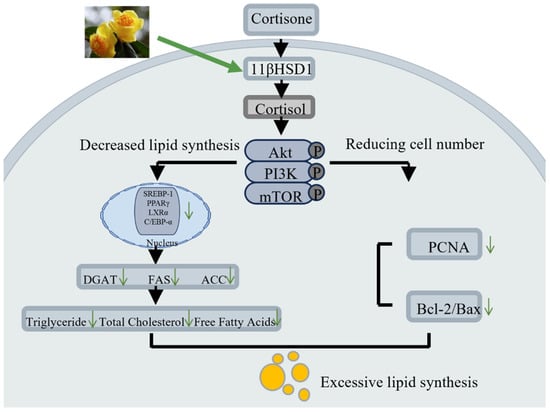
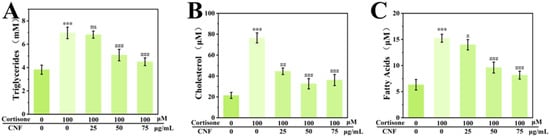
Stress-induced sebaceous hyperactivity is a key driver of acne and seborrheic dermatitis; however, research investigating the pathway-specific mechanisms through which stress exerts its effects and the suppression of sebum production via targeting stress signaling remains relatively limited. In this study, we investigated whether Camellia nitidissima flower extract (CNF) could counteract stress-induced sebaceous dysfunction and its underlying mechanisms. Using a cortisone-stimulated SZ95 human sebocyte model, we evaluated lipid accumulation, cortisol production, signaling pathway activation, and apoptotic markers. CNF treatment dose-dependently suppressed cortisone-induced lipid production, reducing triglyceride, cholesterol, and free fatty acid levels by up to 35.44%, 38.02%, and 46.39%. Mechanistically, CNF inhibited 11β-HSD1 expression (17.17% reduction) and cortisol secretion (32.84% decrease), thereby blocking local cortisol reactivation. This upstream interception subsequently attenuated PI3K/Akt/mTOR hyperphosphorylation, downregulated lipogenic transcription factors (SREBP-1, PPARγ, LXRα, C/EBP-α) and their target enzymes (FAS, ACC, DGAT). Beyond lipid synthesis inhibition, CNF reversed cortisone-induced apoptosis resistance by reducing the Bcl-2/Bax ratio and suppressing PCNA-mediated hyperproliferation, thereby decreasing sebocyte number. These findings demonstrate that CNF exerts dual oil-control effects: reducing lipid production per cell and reducing lipid-producing cell abundance. Collectively, CNF represents a promising multi-target botanical agent for managing stress-related sebaceous disorders and cosmetic sebum regulation.
Full article
(This article belongs to the Special Issue Natural Antioxidants: Applications in Foods, Medicine and Cosmetics)
►▼
Show Figures

Figure 1
Open AccessReview
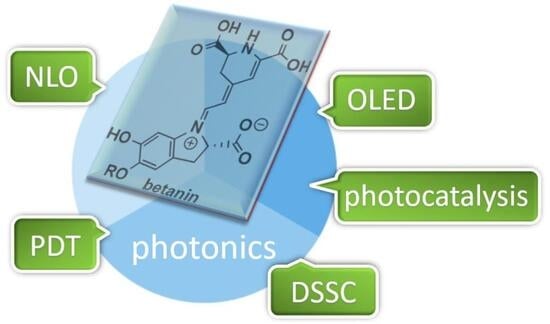
Photonic Applications of Betanin
by
Pierre D. Harvey
Molecules 2026, 31(18), 3155; https://doi.org/10.3390/molecules31183155 - 8 Sep 2026
Abstract
►▼
Show Figures
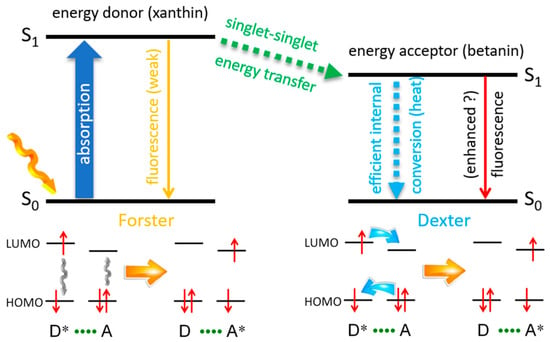
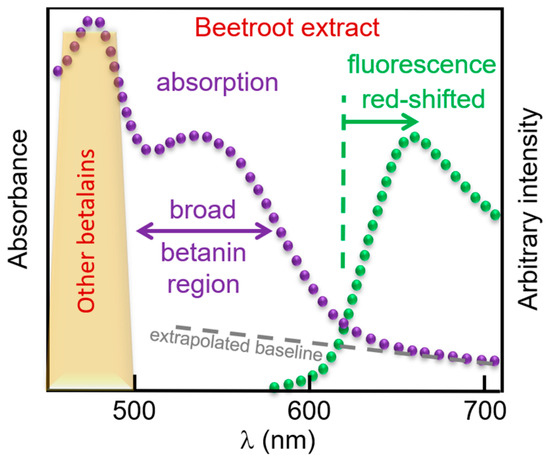
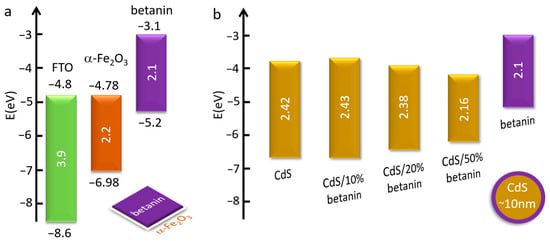
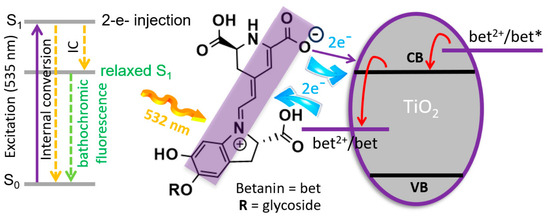
Betanin is the main betacyanin and major pigment extracted from red beets (Beta vulgaris). While its applications as food colorant, color-based sensors, antioxidant, anti-inflammatory, and antimicrobial traits are well-known, this natural dye is underestimated and underexploited in the field of light-
[...] Read more.
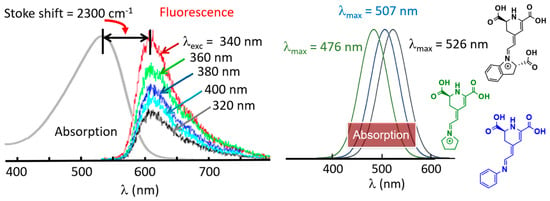
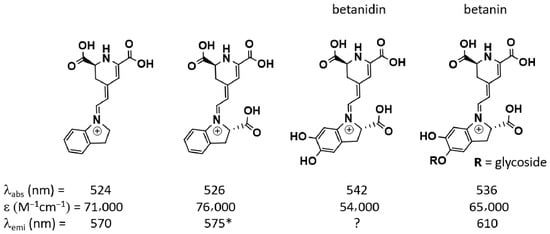
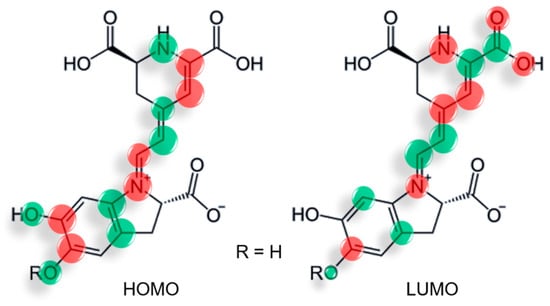
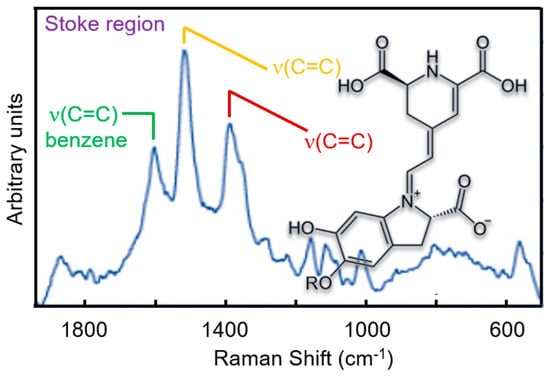
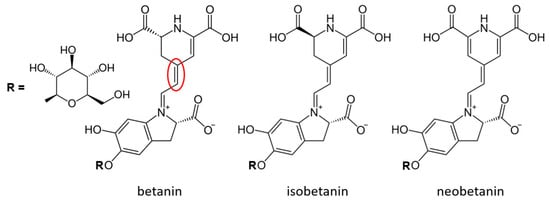
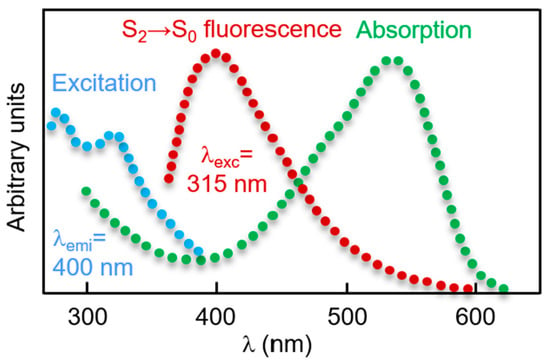
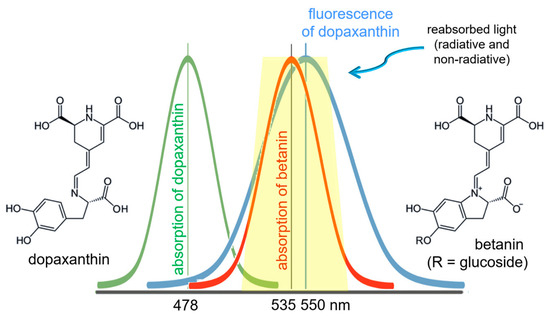
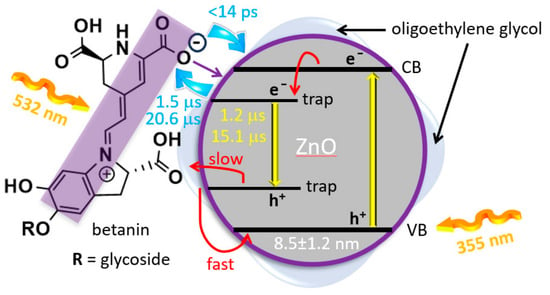
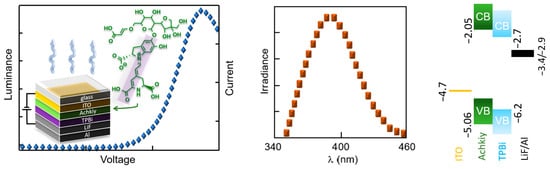
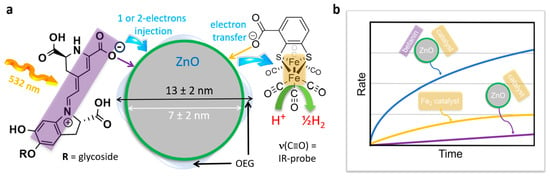
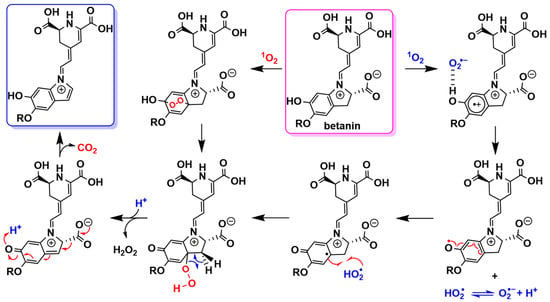
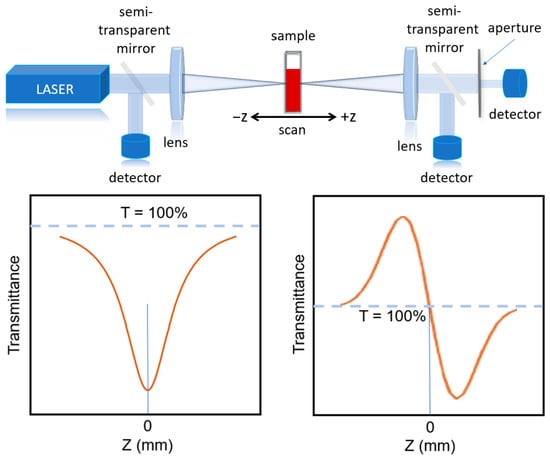
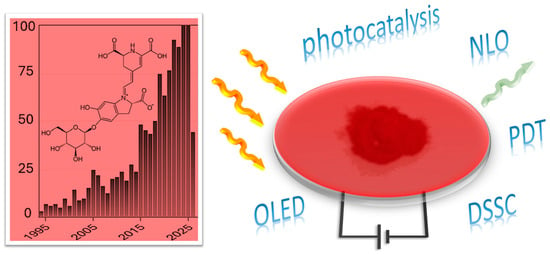
Betanin is the main betacyanin and major pigment extracted from red beets (Beta vulgaris). While its applications as food colorant, color-based sensors, antioxidant, anti-inflammatory, and antimicrobial traits are well-known, this natural dye is underestimated and underexploited in the field of light- and electric-responsive materials and devices. This comprehensive review describes the optical properties and molecular orbitals of this chromophore, along with its excited-state relaxation dynamics and emission quantum yields. Other relevant and basic behaviors of its excited-state features, such as cis-trans-photoisomerization, singlet–singlet energy transfer, photo-induced electron transfer, photosensitization of 1O2, and relative photo-instability are also presented in some relevant details. Photoconductive materials based on betanin and their related devices such as organic light emitting diodes, and dye-sensitized solar cells, are also surveyed. Other visible light-driven processes such as photodynamic processes and heterogeneous catalysis based on betanin-containing assembly/composites are demonstrated. Finally, the use of betanin as nonlinear optical materials is addressed.
Full article
Graphical abstract
Open AccessArticle
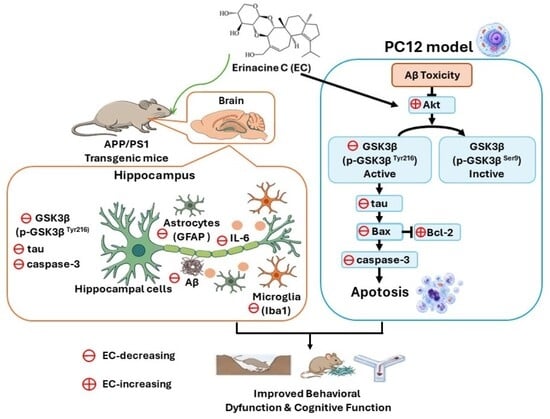
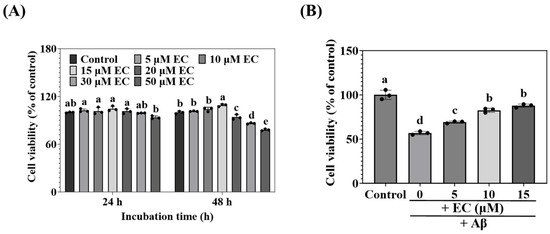
Erinacine C Attenuates Alzheimer’s-like Pathology: A Study in APP/PS1 Mice and PC12 Cells
by
Li-Yu Wang, Shu-Lan Yeh, Shih-Tien Hsu, Shu-Ming Huang, Chi-Fai Chau and Cheng-Hung Chuang
Molecules 2026, 31(18), 3154; https://doi.org/10.3390/molecules31183154 - 8 Sep 2026
Abstract
Alzheimer’s disease (AD) is a progressive neurodegenerative disorder characterized by amyloid-beta (Aβ) deposition and cognitive decline. Clinical evidence indicates that Hericium erinaceus whole fruiting body powder offers limited therapeutic efficacy, which is suggested to be constrained by whole-food matrix interference and uncertainties in
[...] Read more.
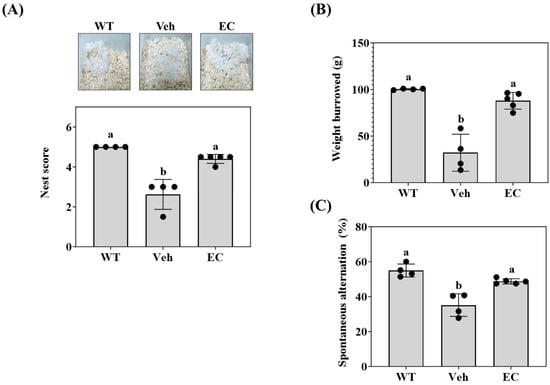
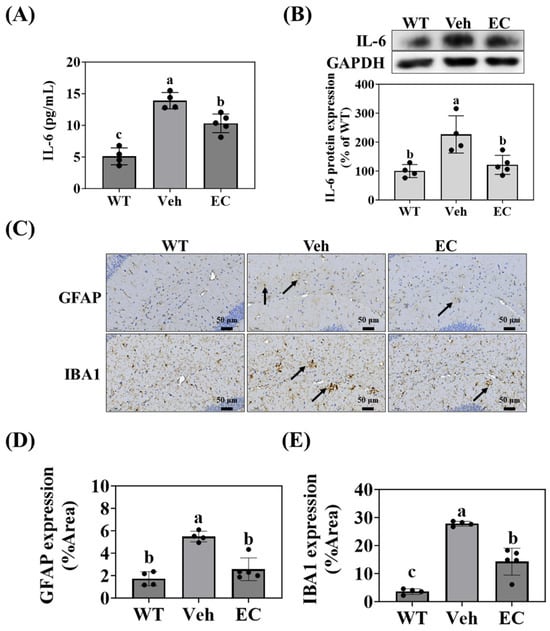
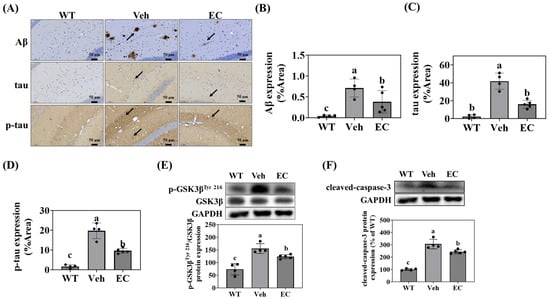
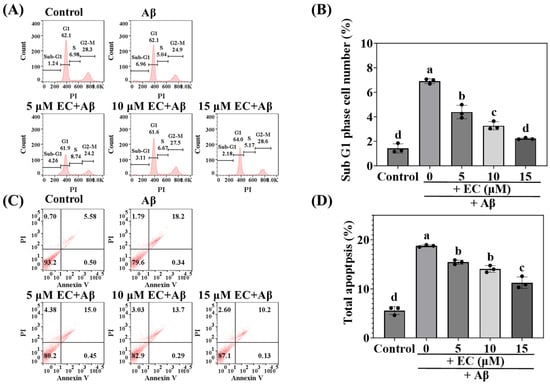
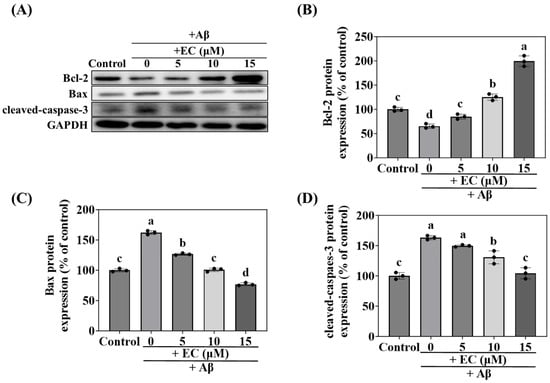
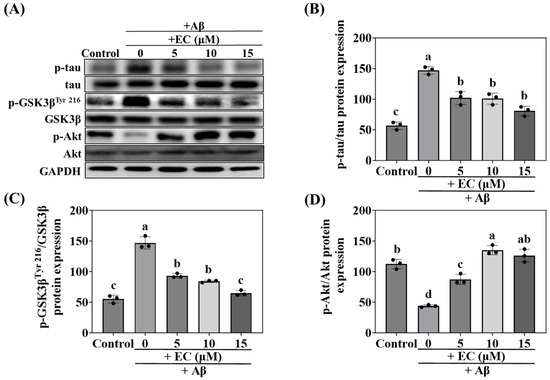
Alzheimer’s disease (AD) is a progressive neurodegenerative disorder characterized by amyloid-beta (Aβ) deposition and cognitive decline. Clinical evidence indicates that Hericium erinaceus whole fruiting body powder offers limited therapeutic efficacy, which is suggested to be constrained by whole-food matrix interference and uncertainties in central nervous system (CNS) exposure. Therefore, we hypothesized that erinacine C (EC)—a purified active component from Hericium erinaceus mycelia—could resolve these limitations and potentially exhibit favorable neuroprotective effects owing to its low molecular weight and lipophilicity. In this study, we investigated the neuroprotective potential and associated signaling alterations of EC using APP/PS1 transgenic mice and Aβ25-35-induced PC12 cells. In vivo, oral administration of EC alleviated deficits in activities of daily living, as evidenced by improvements in nesting and burrowing behaviors, along with enhanced short-term spatial memory in the Y-maze test. EC treatment was associated with a reduction in hippocampal Aβ plaque accumulation, suppression of glial activation (GFAP and IBA1), and decreased IL-6 levels in both serum and hippocampal tissues. In vitro, EC intervention counteracted Aβ25-35-induced cytotoxicity in PC12 cells. Analysis of signaling markers revealed that EC treatment was accompanied by a restoration of p-Akt/Akt levels and a suppression of p-GSK3β (Tyr216) activation. Consequently, EC treatment was correlated with reduced tau hyperphosphorylation, the up-regulation of the anti-apoptotic protein Bcl-2, and the down-regulation of pro-apoptotic markers including Bax and cleaved-caspase-3, thereby lowering the total apoptotic rate. Taken together, these findings suggest that EC may mitigate cognitive impairment and neurodegeneration in parallel with alterations in the Akt/GSK3β/tau/caspase-3 signaling response, thereby representing a potentially promising therapeutic candidate for the intervention of AD.
Full article
(This article belongs to the Section Food Chemistry)
►▼
Show Figures

Graphical abstract
Open AccessReview
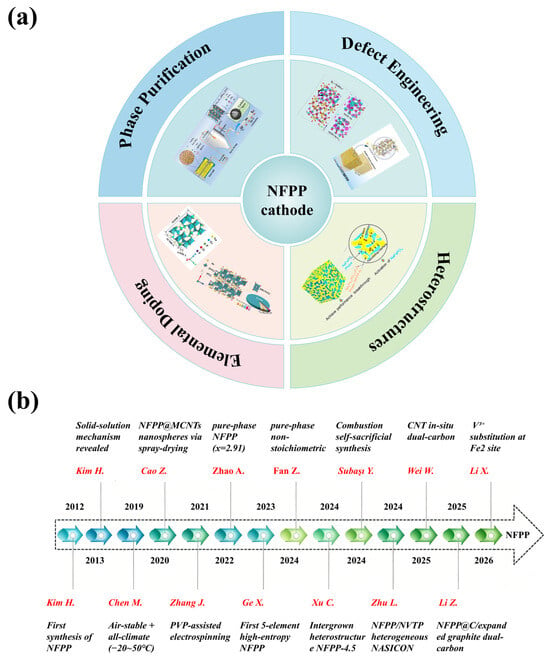
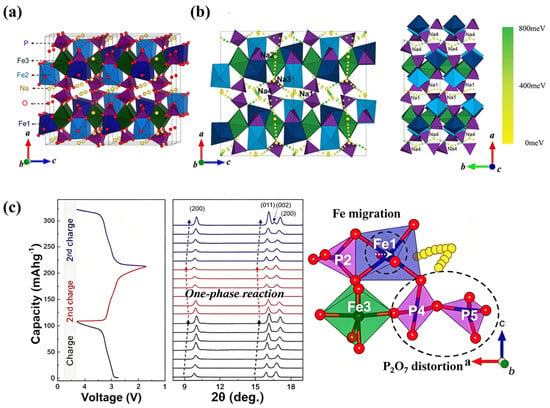
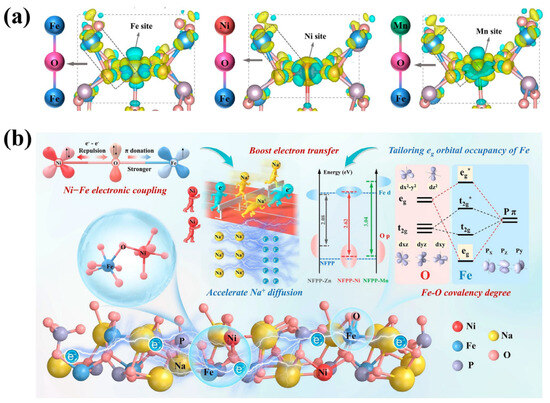
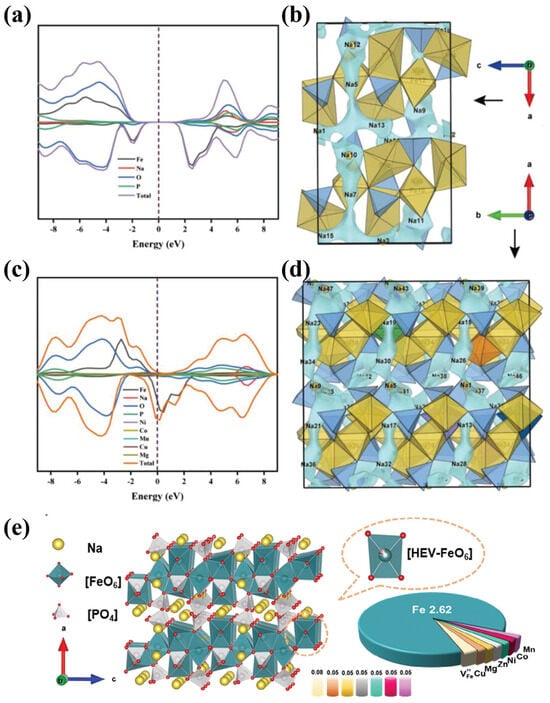
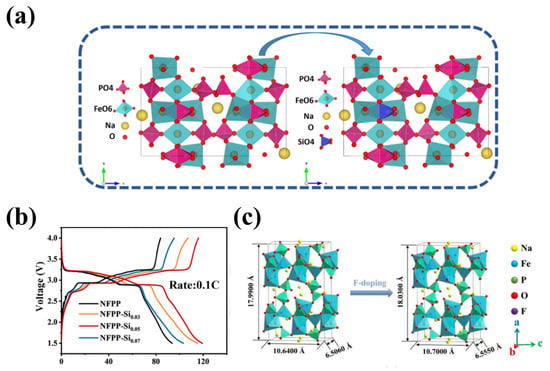
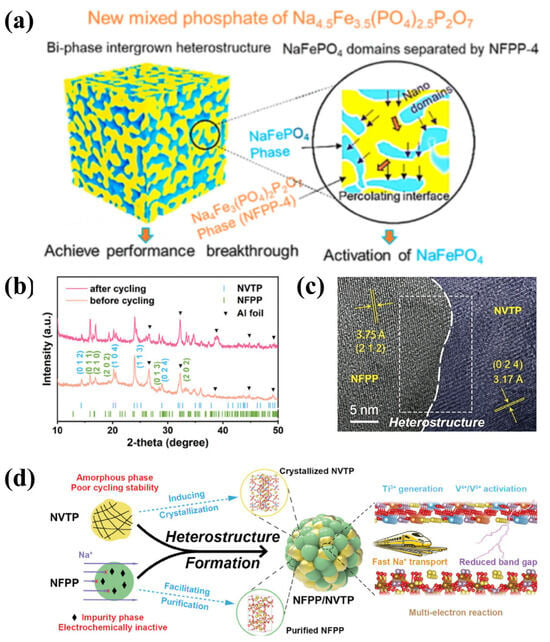
A Comprehensive Review of Na4Fe3(PO4)2P2O7 Cathode Materials for Sodium-Ion Batteries: From Crystal Structure and Phase Purification to Modification Strategies Progress
by
Yong-Gang Sun, Jian Xiong, Xiang-Yu Qian, Jin-Yi Ding, Yi-Han Zhang, Li Dong, Yu Hu, Xin Wang, Bei-Bei Zhang, Feng-Cai Li and Song Chen
Molecules 2026, 31(18), 3153; https://doi.org/10.3390/molecules31183153 - 8 Sep 2026
Abstract
►▼
Show Figures
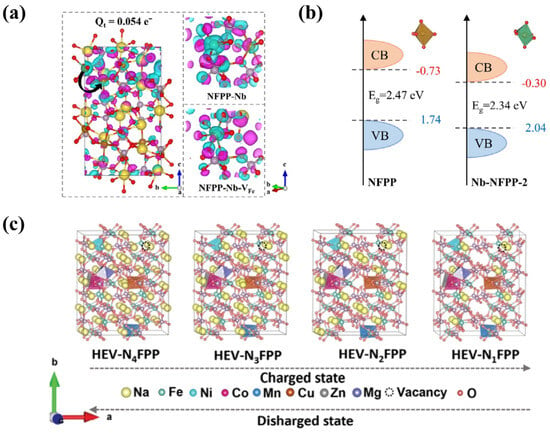
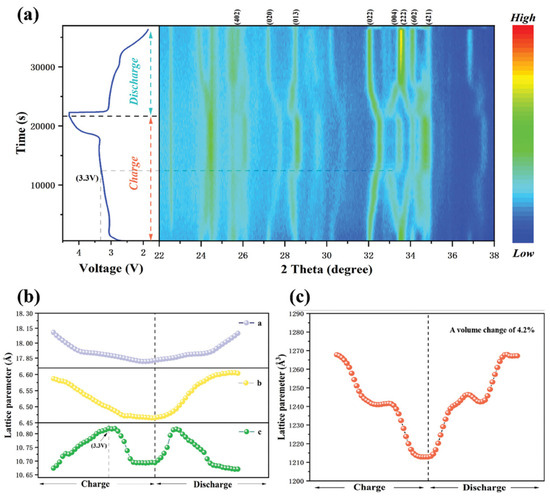
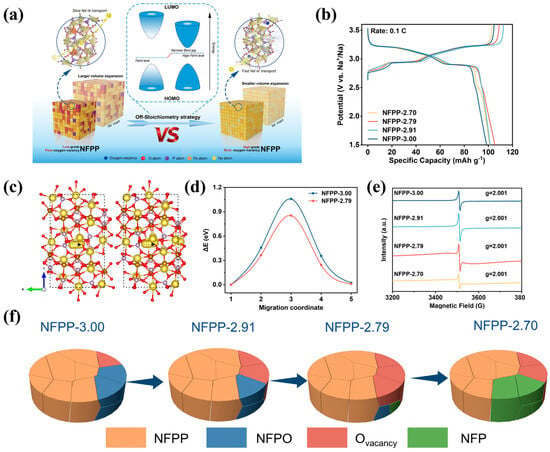
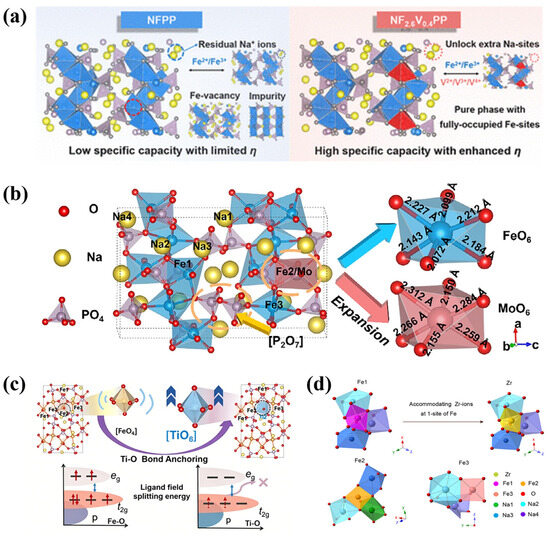
Na4Fe3(PO4)2P2O7 (NFPP), an iron-based mixed phosphate–pyrophosphate cathode material, has emerged as one of the most commercially promising candidates for large-scale sodium-ion battery (SIB) energy storage applications. Its exceptional characteristics—an ultralow volume change
[...] Read more.
Na4Fe3(PO4)2P2O7 (NFPP), an iron-based mixed phosphate–pyrophosphate cathode material, has emerged as one of the most commercially promising candidates for large-scale sodium-ion battery (SIB) energy storage applications. Its exceptional characteristics—an ultralow volume change of less than 4% during Na+ de/intercalation, a three-dimensional open framework enabling rapid ionic diffusion, and the use of earth-abundant, low-cost iron as the redox center—collectively deliver a unique combination of structural stability, rate capability, and economic viability. However, the fundamental challenge of phase-purity control, arising from the three-phase thermodynamic competition among NFPP, electrochemically inert maricite-NaFePO4, and Na2FeP2O7 during synthesis, critically limits its electrochemical performance. This review provides a systematic overview of NFPP research progress from 2012 to 2026, covering crystal structure and sodium storage mechanisms, synthesis methodologies, and—most critically—Phase Adjustment and modification strategies including non-stoichiometric regulation, defect engineering, elemental doping, anionic substitution, and heterostructure design. Mechanistic insights into how each strategy addresses the phase-purity challenge and enhances electrochemical kinetics are critically examined. Industrialization progress, full-cell performance evaluation, cost analysis, and future research directions toward practical deployment are also discussed.
Full article
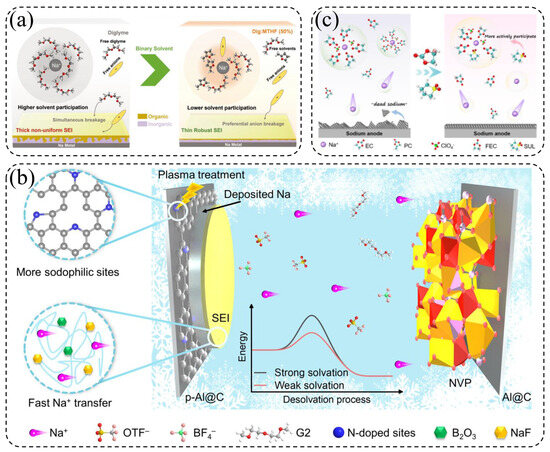
Figure 1
Journal Menu
► ▼ Journal Menu-
- Molecules Home
- Aims & Scope
- Editorial Board
- Reviewer Board
- Topical Advisory Panel
- Early Career Editorial Board
- Instructions for Authors
- Special Issues
- Topics
- Sections & Collections
- Article Processing Charge
- Indexing & Archiving
- Editor’s Choice Articles
- Most Cited & Viewed
- Journal Statistics
- Journal History
- Journal Awards
- Society Collaborations
- Conferences
- Editorial Office
- 30th Anniversary
Journal Browser
► ▼ Journal Browser-
arrow_forward_ios
Forthcoming issue
arrow_forward_ios Current issue - Vol. 31 (2026)
- Vol. 30 (2025)
- Vol. 29 (2024)
- Vol. 28 (2023)
- Vol. 27 (2022)
- Vol. 26 (2021)
- Vol. 25 (2020)
- Vol. 24 (2019)
- Vol. 23 (2018)
- Vol. 22 (2017)
- Vol. 21 (2016)
- Vol. 20 (2015)
- Vol. 19 (2014)
- Vol. 18 (2013)
- Vol. 17 (2012)
- Vol. 16 (2011)
- Vol. 15 (2010)
- Vol. 14 (2009)
- Vol. 13 (2008)
- Vol. 12 (2007)
- Vol. 11 (2006)
- Vol. 10 (2005)
- Vol. 9 (2004)
- Vol. 8 (2003)
- Vol. 7 (2002)
- Vol. 6 (2001)
- Vol. 5 (2000)
- Vol. 4 (1999)
- Vol. 3 (1998)
- Vol. 2 (1997)
- Volumes not published by MDPI
Highly Accessed Articles
Latest Books
E-Mail Alert
News
Topics
Topic in
Biomolecules, Chemistry, IJMS, Molecules, Pharmaceuticals
Enzymes and Enzyme Inhibitors in Drug Research
Topic Editors: Athina Geronikaki, Cosimo D. Altomare, Maria Stefania SinicropiDeadline: 11 September 2026
Topic in
Biomedicines, IJMS, Sci. Pharm., Molecules, Future Pharmacology, Biomolecules
Natural Products and Drug Discovery—2nd Edition
Topic Editors: Sonia Piacente, Marta MenegazziDeadline: 30 September 2026
Topic in
Molecules, Biomimetics, Chemosensors, Life, AI, Sci
Recent Advances in Chemical Artificial Intelligence
Topic Editors: Pier Luigi Gentili, Jerzy Górecki, David C Magri, Pasquale StanoDeadline: 15 October 2026
Topic in
Bioengineering, Molecules, Pharmaceuticals, Pharmaceutics, Processes, Sci. Pharm.
Complementary Strategies in Drug Delivery: From Particle Engineering to System Optimization
Topic Editors: Barbara R. Conway, Hisham Al-ObaidiDeadline: 30 October 2026
Conferences
27–29 September 2027
Meet Us Virtually at the 1st International Online Conference on Molecules (IOCMO 2027), 27–29 September 2027
5–19 November 2026
Meet Us at the 30th International Electronic Conference on Synthetic Organic Chemistry (ECSOC-30), 5–19 November 2026

Special Issues
Special Issue in
Molecules
Ligand Binding to DNA and RNA, 2nd Edition
Guest Editors: Dijana Pavlović Saftić, Marijana Radić StojkovićDeadline: 10 September 2026
Special Issue in
Molecules
Recent Advances in Graphene-Based Materials
Guest Editors: Raffaello Papadakis, Grazia PolitanoDeadline: 10 September 2026
Special Issue in
Molecules
Recent Advances in the Materials for Sodium-Ion Batteries
Guest Editor: Xihong ZuDeadline: 15 September 2026
Special Issue in
Molecules
Protein–Ligand Interactions, 2nd Edition
Guest Editor: Małgorzata Maciążek-JurczykDeadline: 15 September 2026
Topical Collections
Topical Collection in
Molecules
Natural Products as Leads or Drugs against Neglected Tropical Diseases
Collection Editors: Thomas J. Schmidt, Valeria Sülsen, Josphat Matasyoh
Topical Collection in
Molecules
Efficient Pharmaceutical and Chemical Approaches for Anticancer Therapy: Design, Preliminary Evaluations, and Further Developments
Collection Editors: Helen Osborn, Mohammad Najlah, Jean Jacques Vanden Eynde, Annie Mayence, Tien Huang
Topical Collection in
Molecules
Recycling of Biomass Resources: Biofuels and Biochemicals
Collection Editors: Nan Zhao, Chao Gai
Topical Collection in
Molecules
Featured Reviews in Natural Products Chemistry
Collection Editors: Enrique Barrajón-Catalán, Vicente Micol, María Herranz-López