
-
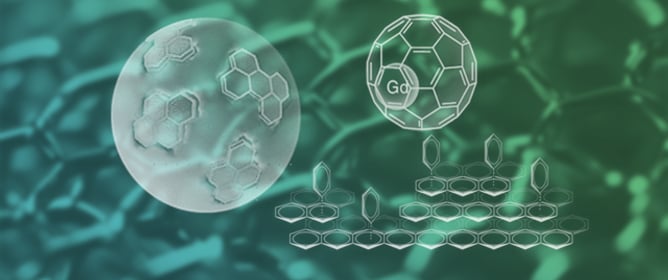
Applications of Carbon Dots and Graphene Quantum Dots in Treatment of Diabetes -
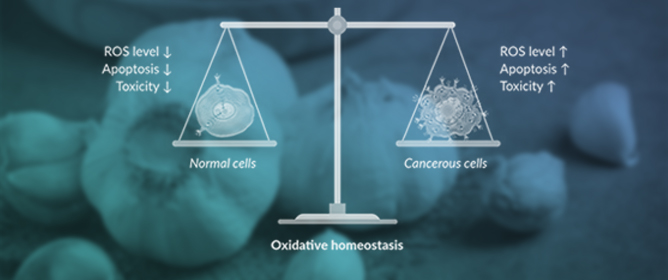
Current State of Knowledge of the Anticancer Properties of Polyphenolic Compounds from Garlic (Allium sativum L.) -
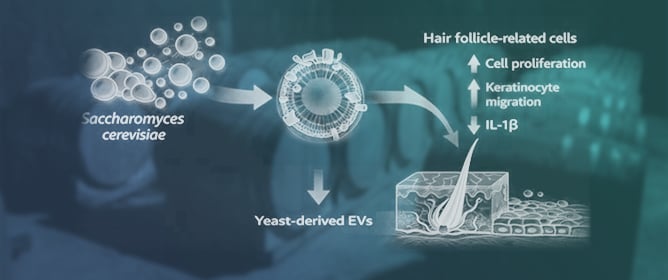
Multifunctional Bioactivity of Saccharomyces cerevisiae Extracellular Vesicle in Hair Follicle-Related Cellular Models -
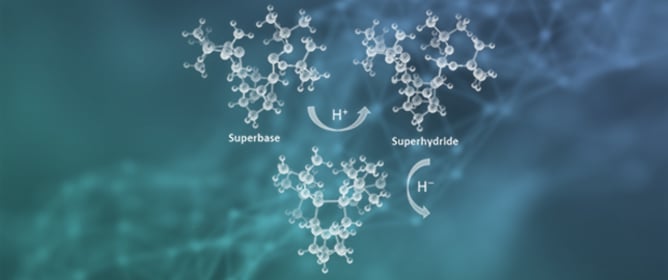
Bis(phosphazenyl)phosphines: From Superbases to Superhydrides
Journal Description
Molecules
Molecules
is a leading international, peer-reviewed, open access journal of chemistry published semimonthly online by MDPI. The International Society of Nucleosides, Nucleotides & Nucleic Acids (IS3NA), Spanish Society of Medicinal Chemistry (SEQT) and International Society of Heterocyclic Chemistry (ISHC) are affiliated with Molecules and their members receive discounts on the article processing charges.
- Open Access— free for readers, with article processing charges (APC) paid by authors or their institutions.
- High Visibility: indexed within Scopus, SCIE (Web of Science), PubMed, MEDLINE, PMC, Reaxys, CaPlus / SciFinder, MarinLit, AGRIS, and other databases.
- Journal Rank: JCR - Q2 (Biochemistry and Molecular Biology) / CiteScore - Q1 (Organic Chemistry)
- Rapid Publication: manuscripts are peer-reviewed and a first decision is provided to authors approximately 15.6 days after submission; acceptance to publication is undertaken in 3.4 days (median values for papers published in this journal in the first half of 2026).
- Recognition of Reviewers: reviewers who provide timely, thorough peer-review reports receive vouchers entitling them to a discount on the APC of their next publication in any MDPI journal, in appreciation of the work done.
- Sections: published in 25 topical sections.
- Testimonials: See what our editors and authors say about Molecules.
- Companion journal: Foundations.
- Journal Cluster of Chemical Reactions and Catalysis: Catalysts, Chemistry, Electrochem, Inorganics, Molecules, Organics, Oxygen, Photochem, Reactions, Sustainable Chemistry.
Impact Factor:
5.1 (2025);
5-Year Impact Factor:
5.5 (2025)
Latest Articles
Green Synthesis Characterization and Evaluation of Senna italica and Vepris reflexa Extracts and Silver Nanoparticles Against SARS-CoV-2 PLpro Enzyme
Molecules 2026, 31(14), 2428; https://doi.org/10.3390/molecules31142428 - 10 Jul 2026
Abstract
This study investigated the antiviral potential of silver nanoparticles (AgNPs) synthesized from Senna italica and Vepris reflexa plant extracts, rich in saponins and flavonoids. The aim was to explore the synthesis of AgNPs through green chemistry, followed by assessing their inhibitory activity against
[...] Read more.
This study investigated the antiviral potential of silver nanoparticles (AgNPs) synthesized from Senna italica and Vepris reflexa plant extracts, rich in saponins and flavonoids. The aim was to explore the synthesis of AgNPs through green chemistry, followed by assessing their inhibitory activity against SARS-CoV-2 papain-like protease (PLpro) and evaluating cytotoxicity. The synthesized AgNPs were predominantly spherical in shape, with an average particle size in the nanoscale range (12–55 nm), as conformed by the transmission electron microscopy (TEM) and dynamic light scattering (DLS) analyses. A dose-dependent inhibition of SARS-CoV-2 PLpro was observed, with IC50 values ranging from 0.12 to 0.48 mg/mL for different formulations. Cytotoxicity tests on Vero-76 cells revealed a high viability (>75%) at concentrations below 0.5 mg/mL for all AgNP samples. The findings suggest that the plant-derived AgNPs exhibit significant antiviral activity and minimal cytotoxicity, supporting their potential for further development as therapeutic agents.
Full article
(This article belongs to the Special Issue Bioactive Compounds in Plants: Extraction and Application)
Open AccessArticle
Lactobacilli-Fermented Chia Seeds as a Potential Anti-Hypertensive Agent
by
Hector Atonal-Sánchez, Jorge Cornejo-Garrido, Flor N. Rivera-Orduña, Nemesio Villa-Ruano, Lidia Esmeralda García-Díaz, Maricruz Rangel-Galván and Silvia Luna-Suárez
Molecules 2026, 31(14), 2427; https://doi.org/10.3390/molecules31142427 - 10 Jul 2026
Abstract
►▼
Show Figures
Hypertension is a prevalent disorder that results in millions of deaths worldwide. In this regard, timely diagnosis and effective treatment are paramount for maintaining optimal blood pressure levels in the early stages of the disease. The objective of the present study was to
[...] Read more.
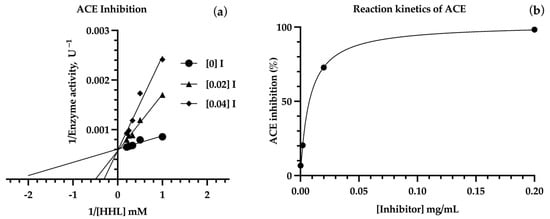
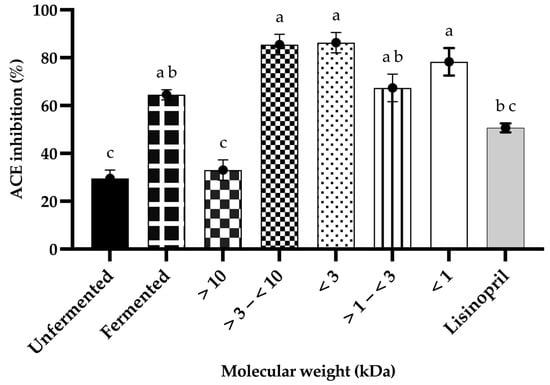
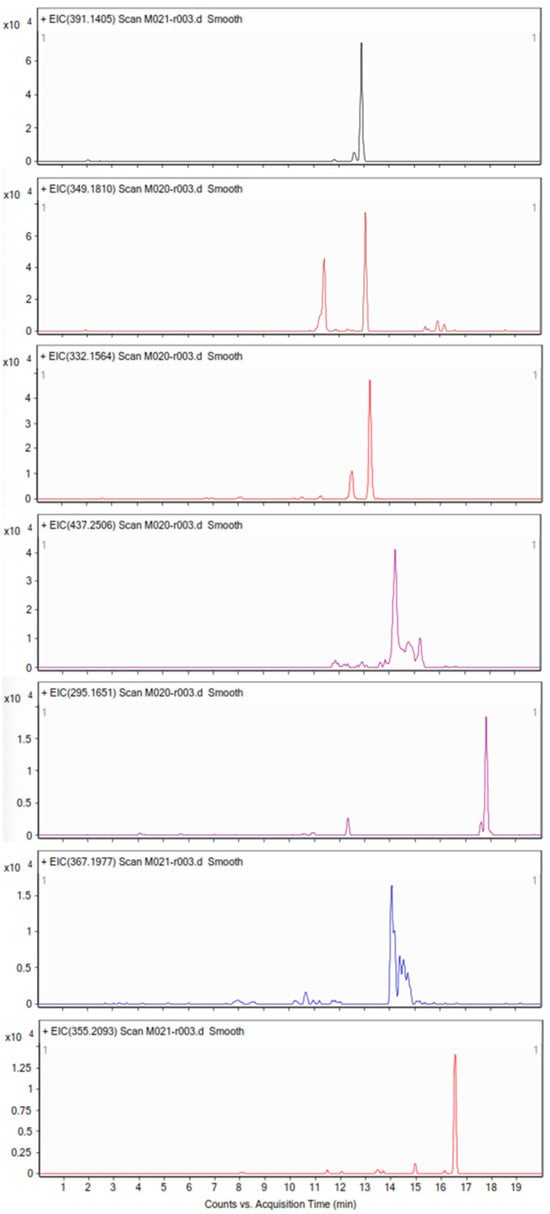
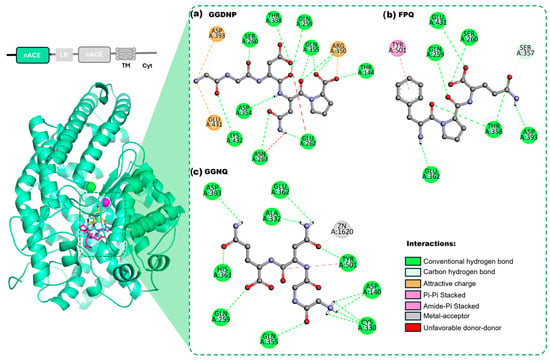
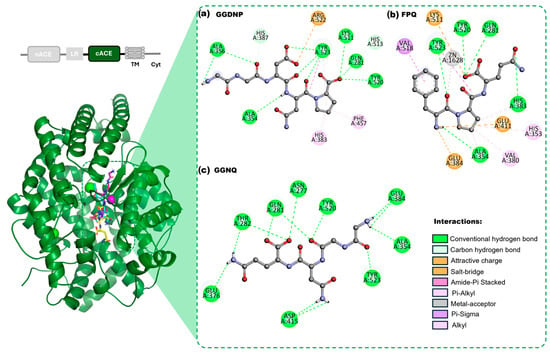
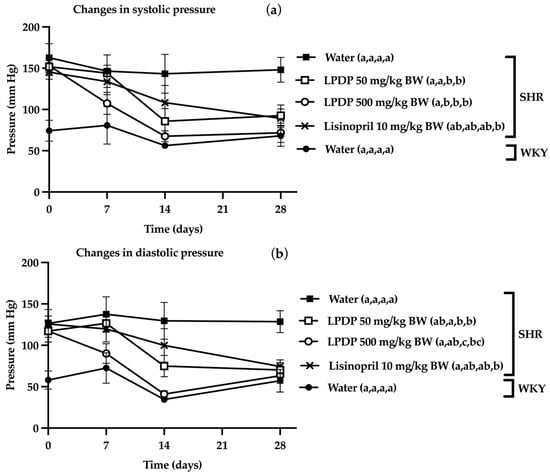
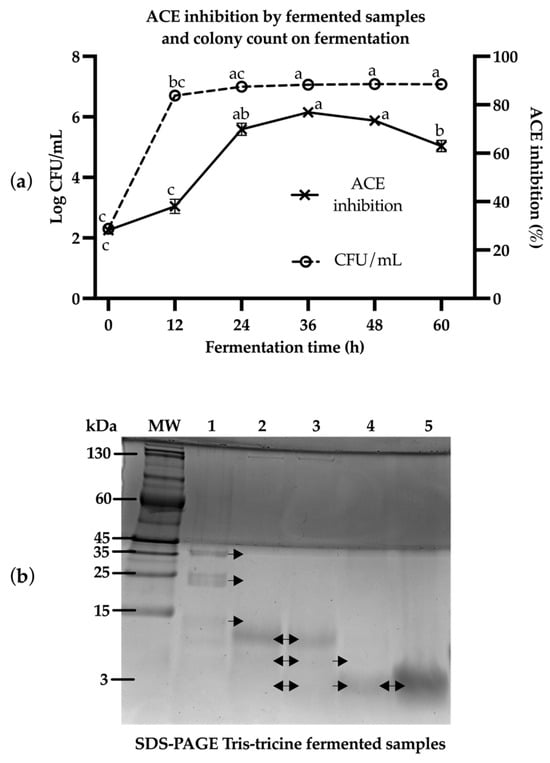
Hypertension is a prevalent disorder that results in millions of deaths worldwide. In this regard, timely diagnosis and effective treatment are paramount for maintaining optimal blood pressure levels in the early stages of the disease. The objective of the present study was to synthesize and assess the effect of peptides derived from chia seeds that had undergone fermentation with Lacticaseibacillus paracasei strain 2501 (hereinafter referred to as LPDP, i.e., L. paracasei-derived products from this fermentation) on the angiotensin-converting enzyme (ACE) and the spontaneously hypertensive rat model (SHR). LPDP exhibited competitive inhibition, as evidenced by the identification of seven peptides in the <1 kDa fraction by HPLC-QToF-MS. The LPDP exhibited an IC50 of 11.1 μg/mL on ACE. The oral administration of 50 mg/kg body weight (BW) to SHR over a 14-day period resulted in a significant reduction in systolic pressure from 152 to 87 mmHg, accompanied by a substantial decrease in diastolic pressure from 117 to 74 mmHg. It is noteworthy that doses of 500 mg/kg BW led to a significant reduction in systolic pressure, from 154 to 68 mmHg and diastolic pressure, from 117 to 42 mmHg under identical experimental conditions. The hematological profiling of the assayed animals revealed that LPDP has no adverse effects at the cellular or biochemical level. These findings indicate the anti-hypertensive properties of LPDP and its possible application in the treatment of blood pressure.
Full article

Figure 1
Open AccessReview
Advances in Mechanism of Action and Efficacy of CBP/p300 Inhibitors in Different Subtypes of Breast Cancer
by
Yue Yang, Ting Yang, Yan Lin and Lin Gan
Molecules 2026, 31(14), 2426; https://doi.org/10.3390/molecules31142426 - 10 Jul 2026
Abstract
Breast cancer is a highly heterogeneous malignancy with multiple molecular subtypes and variable treatment responses. Despite advances in endocrine therapy, HER2-targeted therapy, chemotherapy, and immunotherapy, treatment resistance and disease recurrence remain major clinical challenges. There is growing evidence that transcriptional plasticity and enhancer
[...] Read more.
Breast cancer is a highly heterogeneous malignancy with multiple molecular subtypes and variable treatment responses. Despite advances in endocrine therapy, HER2-targeted therapy, chemotherapy, and immunotherapy, treatment resistance and disease recurrence remain major clinical challenges. There is growing evidence that transcriptional plasticity and enhancer relinking contribute to tumor progression and treatment adaptation, highlighting the powerful role of epigenetic regulators. CREB-binding protein (CBP) and E1A-associated protein p300 (EP300) are transcriptional coactivators that regulate breast cancer enhancer activity and lineage-specific gene expression. Emerging research suggests that CBP/p300 is more of a context-dependent vulnerability point than a universal carcinogenic driver. ER-positive tumors exhibit a strong dependence on CBP/p300-mediated transcriptional programs, while the triple-negative breast cancer subgroup, including androgen receptor-positive and immunosuppressive tumors, may rely on CBP/p300-dependent signaling to maintain survival and treatment resistance. This is in contrast to their role in HER2-positive breast cancer. This review summarizes the biological functions of CBP/p300 in breast cancer and discusses subtype-specific vulnerability, biomarker-directed patient stratification, drug resistance mechanisms, rational combination strategies, and current translational challenges, emphasizing the need for precise treatment of breast cancer.
Full article
Open AccessArticle
Bio-Chemical Desensitization and Viscosity Reduction System for Ultra-Sensitive Heavy Oil Reservoirs in Jinjia Oilfield
by
Xiangyu Zhang, Ningkai Shu, Wangang Zheng, Hongguang Xu, Jing Hu, Zhongping Zhang and Shuaidong Wang
Molecules 2026, 31(14), 2425; https://doi.org/10.3390/molecules31142425 - 10 Jul 2026
Abstract
The Jinjia oilfield in Shengli oilfield is a typical ultra-sensitive reservoir characterized by high crude oil viscosity, poor fluidity, high clay content, and weak cementation. During development, oil-sand mixtures readily plug pore throats. Various development methods including water flooding and thermal recovery have
[...] Read more.
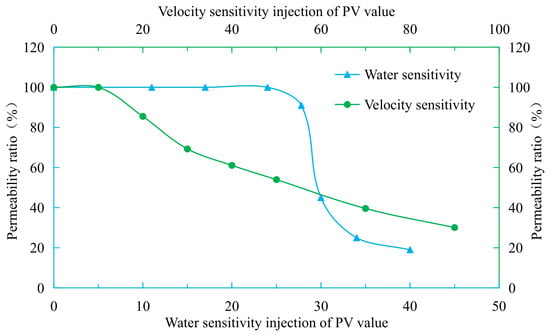
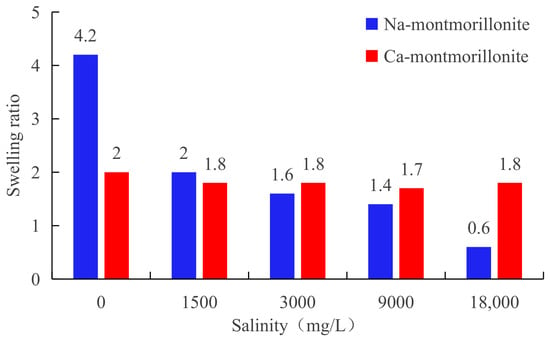
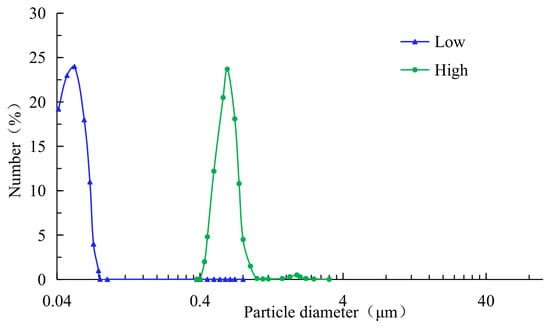
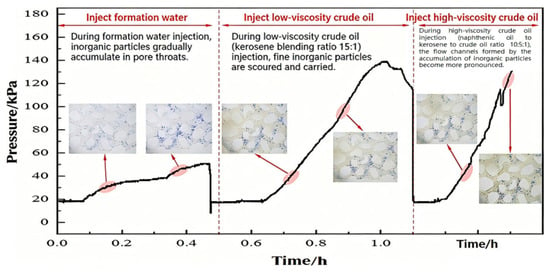
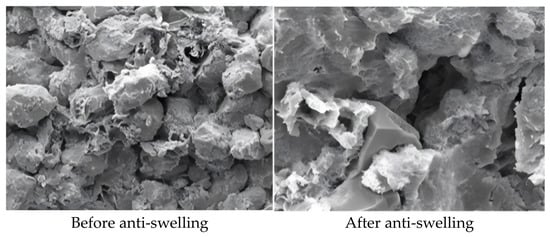
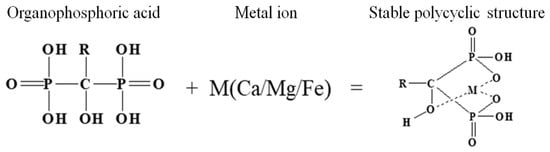
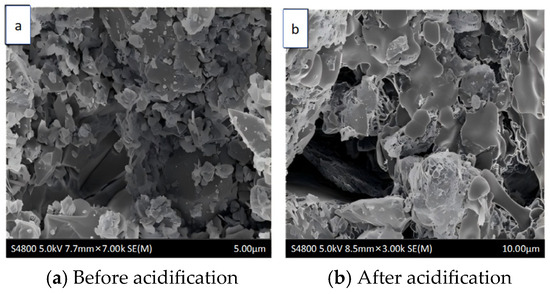
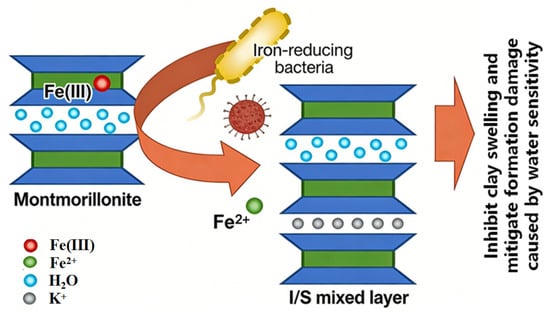
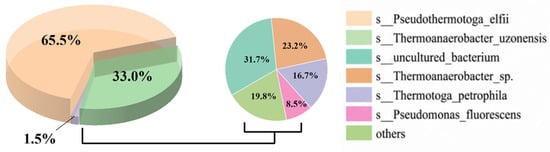
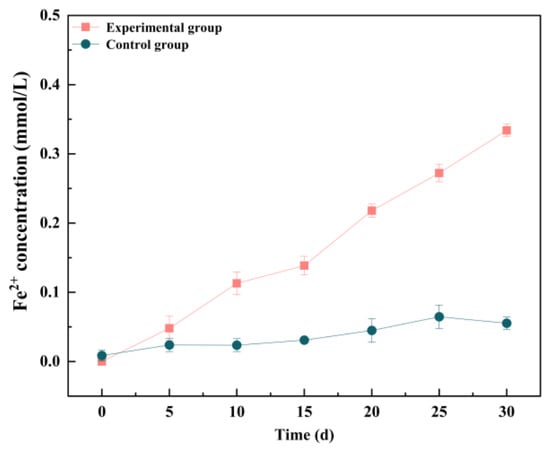
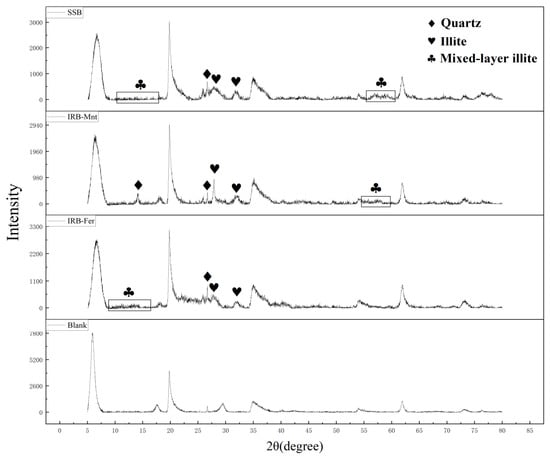
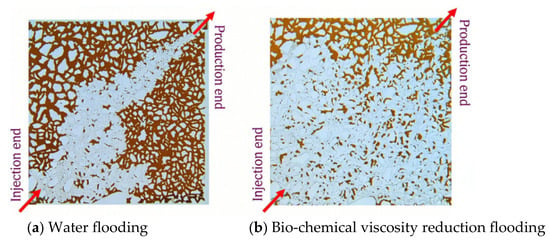
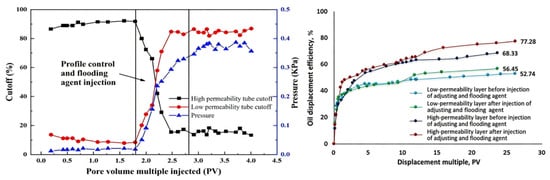
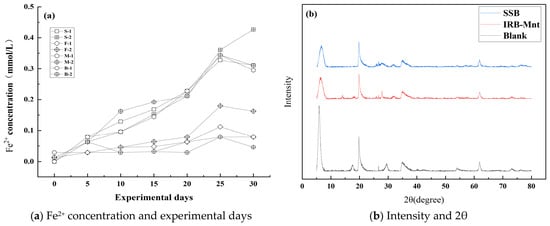
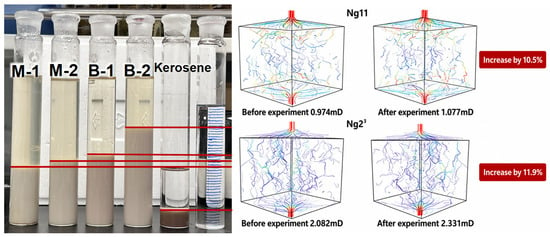
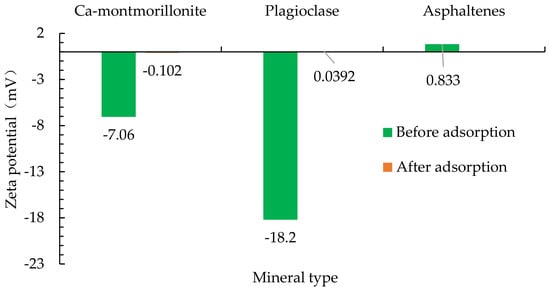
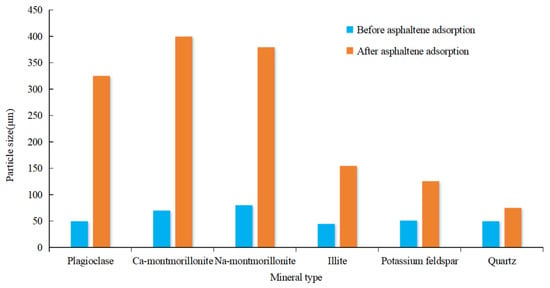
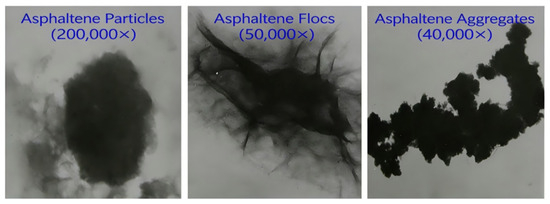
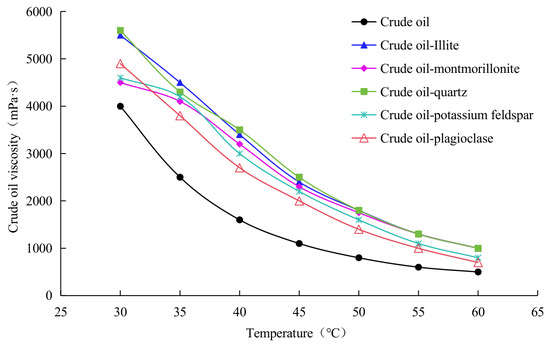
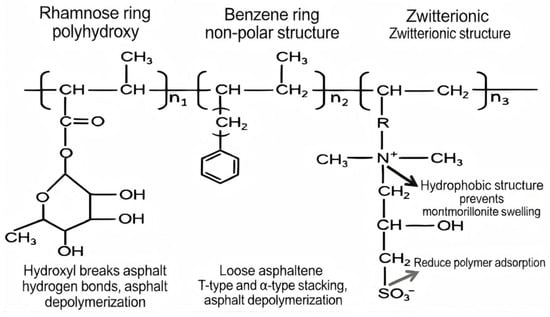
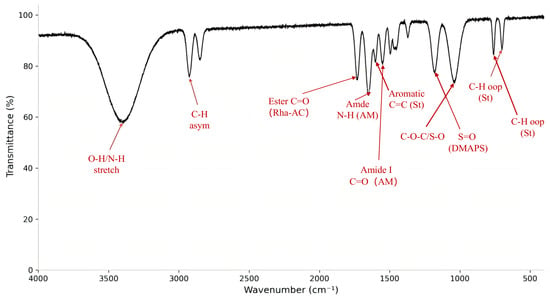
The Jinjia oilfield in Shengli oilfield is a typical ultra-sensitive reservoir characterized by high crude oil viscosity, poor fluidity, high clay content, and weak cementation. During development, oil-sand mixtures readily plug pore throats. Various development methods including water flooding and thermal recovery have been implemented, yet severe problems persist: inability to inject, failure to displace, and lack of capacity to produce. To address these challenges, a functional microbial mineral-modified desensitization-chemical viscosity-reduction dual-effect agent, a self-growing gel dispersion profile control agent, and a low-damage deep acidizing system were developed. Laboratory experiments clarified the enhanced oil recovery mechanism of the bio-chemical desensitization and viscosity-reduction system. Results indicate that the desensitization and viscosity-reduction system can inhibit clay swelling, with the anti-swelling improvement rate of core permeability reaching 56%. Chemical viscosity reduction enabled heavy oil to “flow effectively,” achieving a viscosity reduction rate of 98.9% after adsorption. The profile control agent dispersed and migrated, then stably adsorbed onto particle surfaces to plug high-permeability channels, demonstrating strong anti-scouring capability and effectively suppressing channeling flow. In the composite system, bio-chemical desensitization and viscosity reduction synergistically enhanced mobility control, achieving an oil recovery factor of 56.5%, representing a 26.3% increase over post-water-flooding viscosity-reduction flooding. After two pilot well groups in the Jinjia oilfield were converted from water flooding to bio-chemical desensitization and viscosity-reduction composite flooding, single-well oil production capacity increased by 2.8-fold, water cut decreased by 12%, and both development performance and economic benefits were significantly improved—transforming the situation from “increasing water without increasing oil” to “increasing both liquid and oil production.” The research findings provide important reference value for the effective development of ultra-sensitive reservoirs.
Full article
(This article belongs to the Section Computational and Theoretical Chemistry)
►▼
Show Figures

Figure 1
Open AccessArticle
Effect of Pt Loading Methods of Pt/CeO2 Catalysts Derived from Ce-BTC as Support on Catalytic Oxidation of Toluene
by
Xinxin Jin, Zhihao Zhao, Panpan Tian, Zhen Song, Zhiping Zhang and Yujun Zhu
Molecules 2026, 31(14), 2424; https://doi.org/10.3390/molecules31142424 - 10 Jul 2026
Abstract
►▼
Show Figures
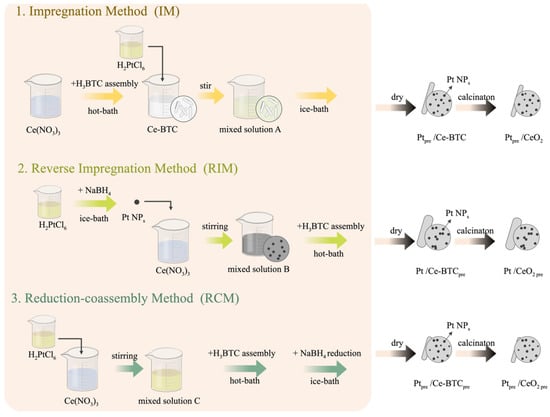
Three Pt/CeO2 catalysts were prepared via thermal reduction with different Pt introduction sequences: impregnation (IM), reverse impregnation (RIM), and reduction–co-assembly (RCM). Their physicochemical properties and catalytic oxidation activity for toluene were compared over IM-prepared Ptpre/CeO2, RIM-prepared Pt/CeO2pre
[...] Read more.
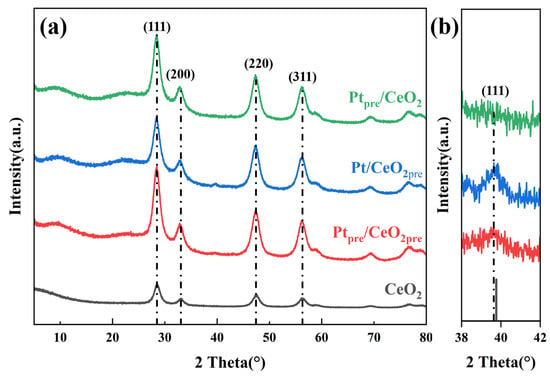
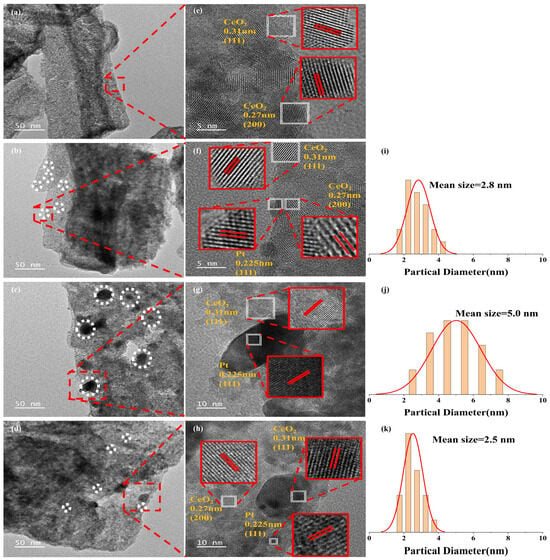
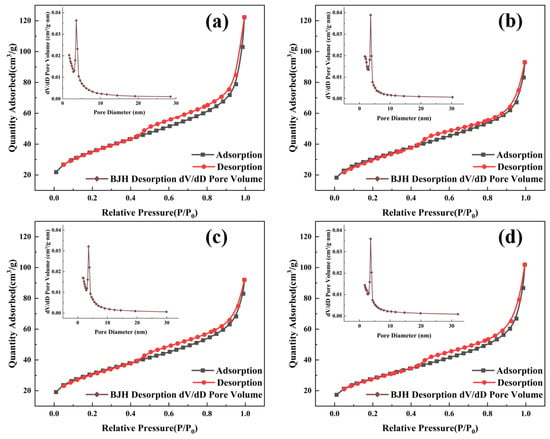
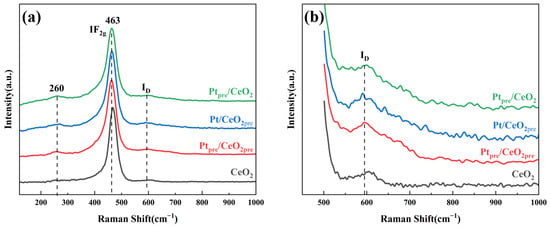
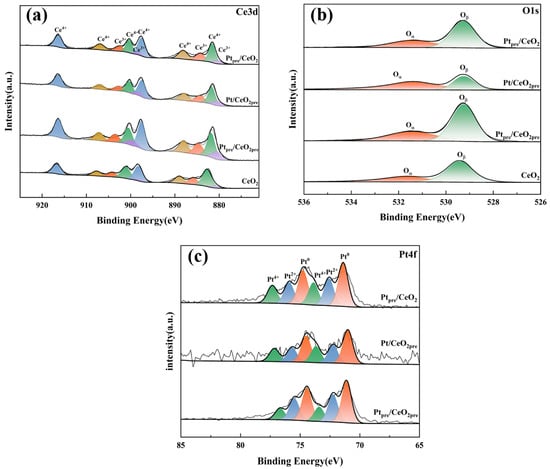
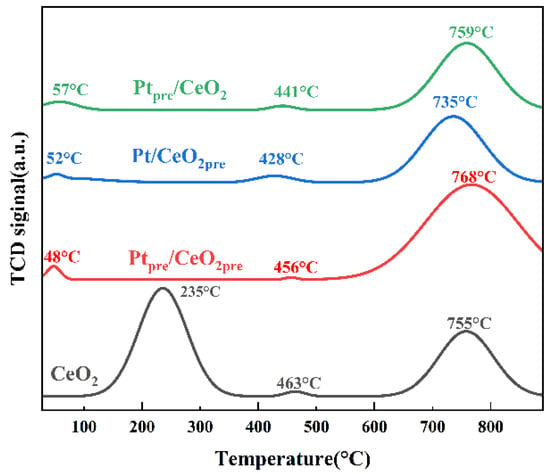
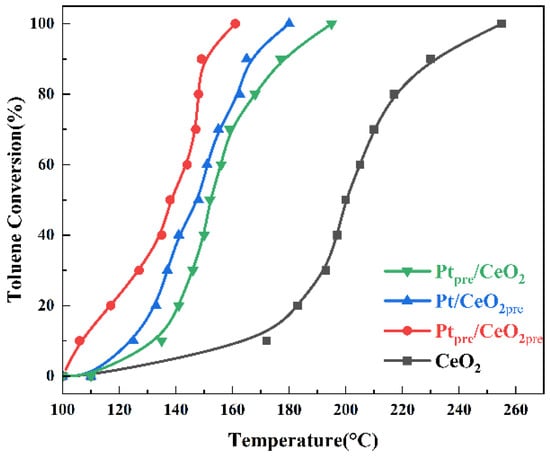
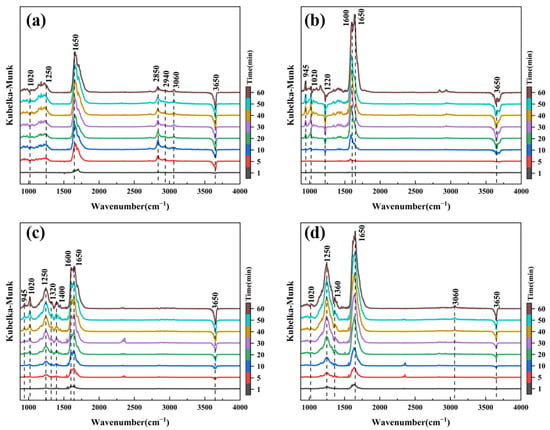
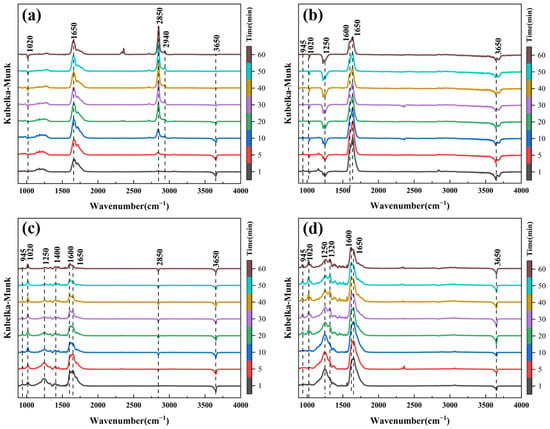
Three Pt/CeO2 catalysts were prepared via thermal reduction with different Pt introduction sequences: impregnation (IM), reverse impregnation (RIM), and reduction–co-assembly (RCM). Their physicochemical properties and catalytic oxidation activity for toluene were compared over IM-prepared Ptpre/CeO2, RIM-prepared Pt/CeO2pre, and RCM-prepared Ptpre/CeO2pre. Different Pt loading methods affect the distribution, particle size, chemical state of Pt, and the metal–support interaction on the catalyst surface. Among them, the Ptpre/CeO2pre catalyst exhibits a high oxygen vacancy concentration and the best low-temperature reduction characteristics. Its high Ce3+/Ce4+ ratio, lattice oxygen content, and the content of Pt with active valence states (Pt0, Pt2+) are all conducive to the catalytic oxidation of toluene. The content of different valence states of Pt, dispersion degree, and cluster size of Pt on the catalyst, as well as oxygen vacancies and the valence state of Ce, were evaluated by XPS, Raman, H2-TPR, in situ infrared, TEM, and N2 adsorption–desorption tests, clarifying the reasons for the high activity of the catalyst. This provides an experimental basis and contributes strategies for the development of noble metal-loaded oxide catalysts prepared from metal–organic frameworks as precursors.
Full article

Figure 1
Open AccessArticle
Fucoxanthin Suppresses Lipid Accumulation and Inflammatory Responses in FFA-Induced Hepatocyte Models via the EGR2-CD36 Axis
by
Xiangyu Li, Chen Yang, Qionghui Chen, Xianchuan Xu, Lian Wang, Peng Zhang, Qiang Hu, Danxiang Han, Aiqun Yu, Jing Jiang and Qizhou Lian
Molecules 2026, 31(14), 2423; https://doi.org/10.3390/molecules31142423 - 10 Jul 2026
Abstract
Metabolic dysfunction-associated steatohepatitis (MASH) is a progressive liver disease with limited treatment options. Here, we demonstrate that fucoxanthin (FUCO), a natural marine carotenoid, attenuates free fatty acid (FFA)-induced hepatocellular steatosis and inflammatory responses in vitro by targeting the EGR2-CD36 axis (EGR2, early growth
[...] Read more.
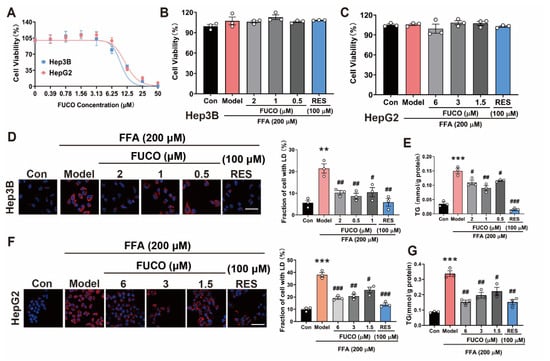
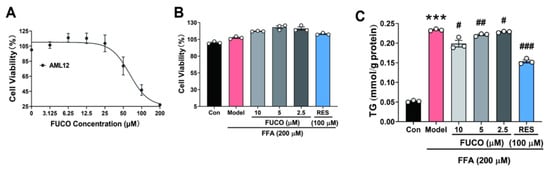
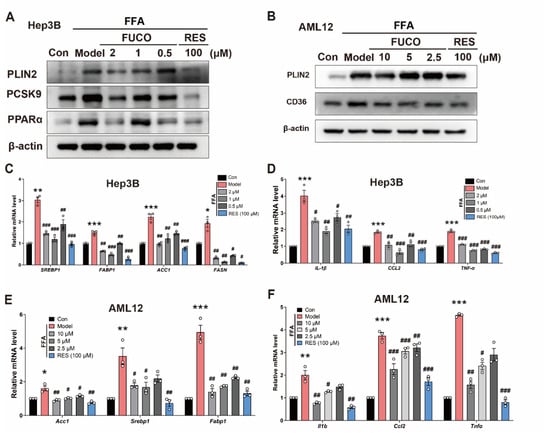
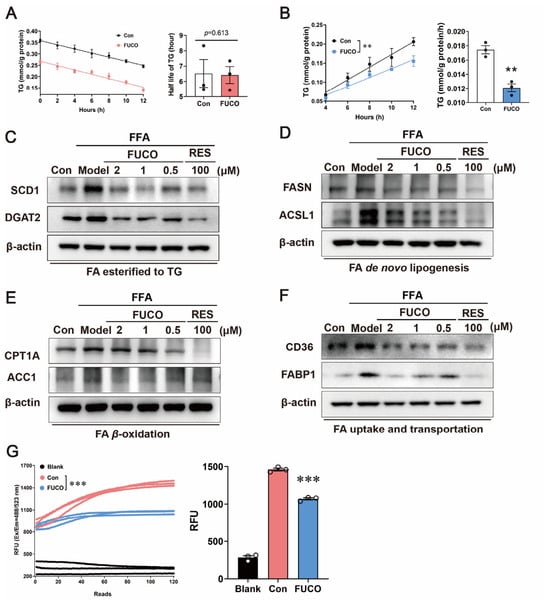
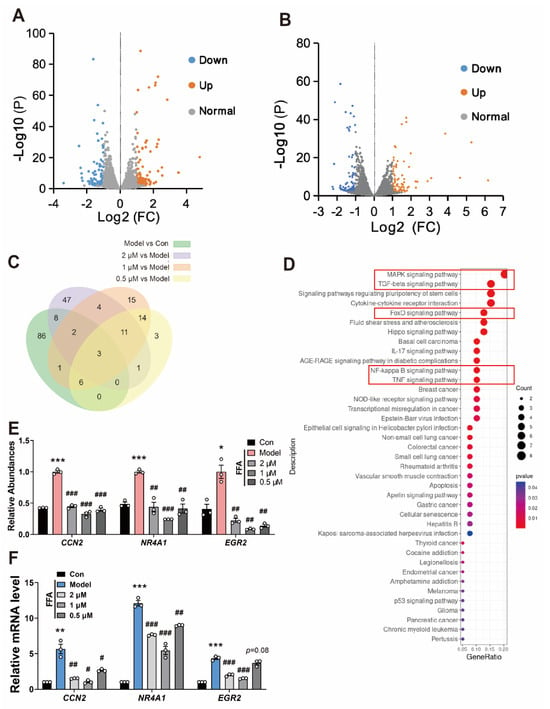
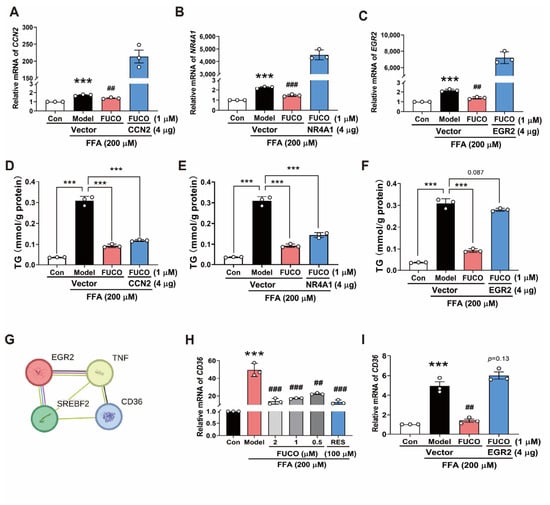
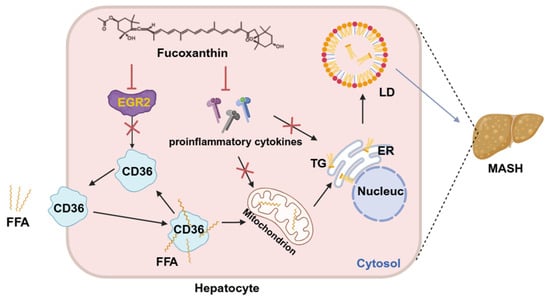
Metabolic dysfunction-associated steatohepatitis (MASH) is a progressive liver disease with limited treatment options. Here, we demonstrate that fucoxanthin (FUCO), a natural marine carotenoid, attenuates free fatty acid (FFA)-induced hepatocellular steatosis and inflammatory responses in vitro by targeting the EGR2-CD36 axis (EGR2, early growth response protein 2; CD36, cluster of differentiation 36). In FFA-induced hepatocyte models (HepG2, Hep3B, and AML12), FUCO significantly reduced lipid accumulation and inflammatory markers without cytotoxicity. Mechanistic studies revealed that FUCO specifically inhibited fatty acid uptake and transport by downregulating CD36, while triglyceride (TG) degradation remained unaffected. RNA sequencing identified EGR2 as a master regulator induced by FFA and suppressed by FUCO. Functional validation showed that EGR2 overexpression completely blocked FUCO’s lipid-lowering effects and restored CD36 expression, confirming that FUCO acts through EGR2-dependent CD36 inhibition. Bioinformatic analysis further supported EGR2-mediated regulation of CD36 via tumor necrosis factor (TNF) and sterol regulatory element-binding factor (SREBF) pathways. Collectively, our findings establish EGR2 as a critical molecular target for FUCO and provide mechanistic insights that may support its further evaluation in preclinical models for MASH therapy.
Full article
(This article belongs to the Special Issue Advances in Natural Products for the Prevention and Treatment of Diabetes and Obesity)
►▼
Show Figures

Figure 1
Open AccessArticle
Atmospheric Pressure Dielectric Barrier Discharge Plasma Treatment of Alternaria and Fusarium Species: Impact on Fungal Physiology, Antifungal Sensitivity, and Biofilm Formation
by
Irena Maliszewska, Daria Nowinski and Anna Baturo-Cieśniewska
Molecules 2026, 31(14), 2422; https://doi.org/10.3390/molecules31142422 - 10 Jul 2026
Abstract
This study investigated the effects of repeated dielectric barrier discharge (DBD) plasma applications on the morphological and physiological characteristics of pathogenic Alternaria and Fusarium species. Fungi, including both culture collection strains and environmental isolates, were exposed to sublethal doses of DBD plasma. The
[...] Read more.
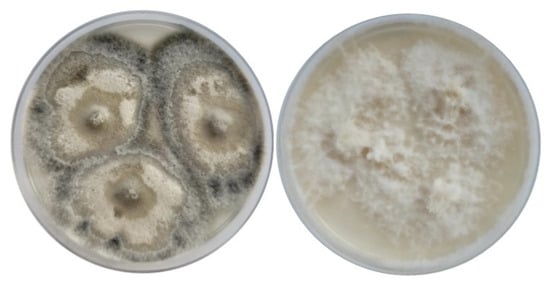
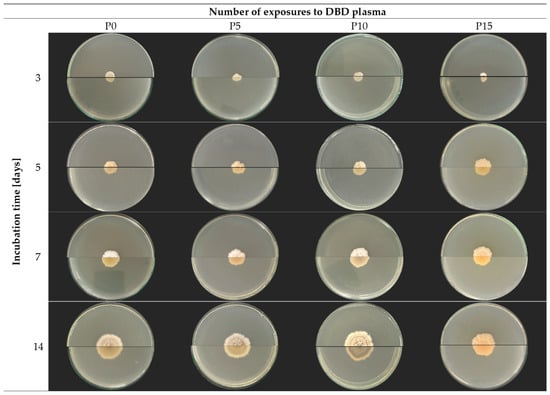
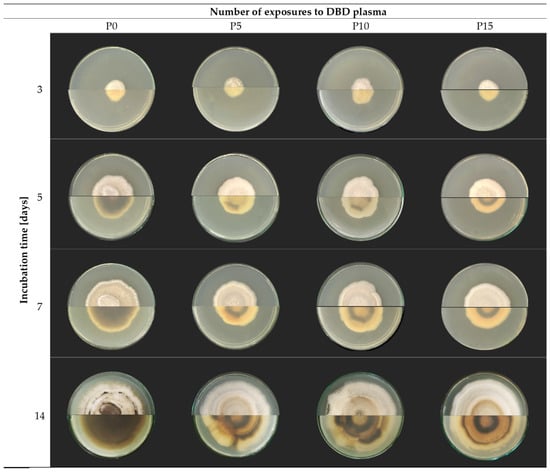
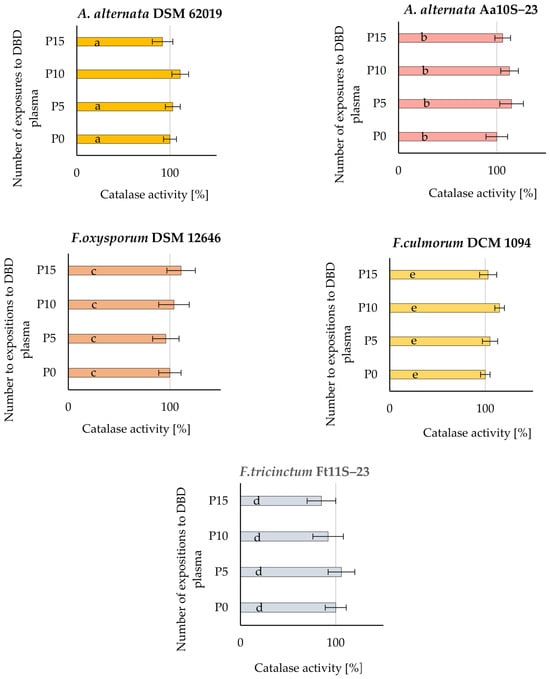
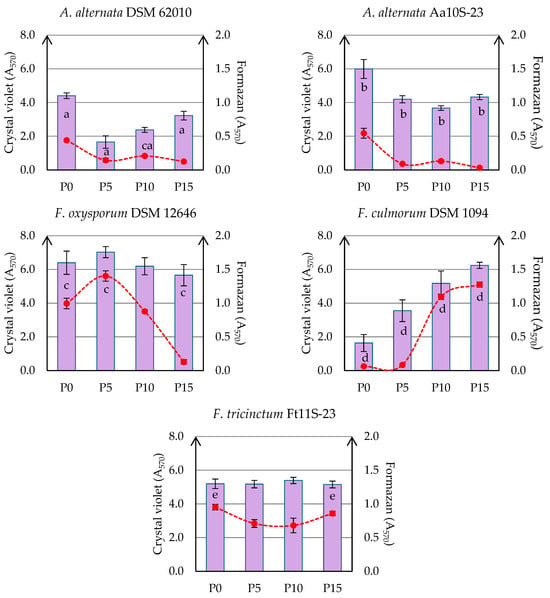
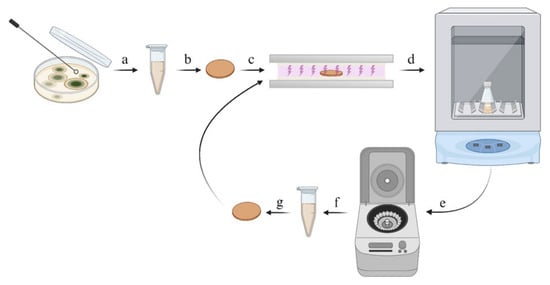
This study investigated the effects of repeated dielectric barrier discharge (DBD) plasma applications on the morphological and physiological characteristics of pathogenic Alternaria and Fusarium species. Fungi, including both culture collection strains and environmental isolates, were exposed to sublethal doses of DBD plasma. The results demonstrated that the plasma exposure time required to achieve 90% cell mortality varied significantly among microorganisms, ranging from 2 min and 39 s for Fusarium culmorum DSM 1094 to 5 min and 19 s for Alternaria alternata DSM 62010. Tolerance to oxidative stress, assessed by determining the minimum inhibitory concentration (MIC) and minimum fungicidal concentration (MFC) of hydrogen peroxide, generally decreased following repeated plasma exposure. Notably, F. tricinctum Ft11S–23 exhibited increased resistance to hydrogen peroxide, with MIC values doubling after fifteen plasma treatments. The MFC also increased significantly, rising from 25.5 mM to 102.0 mM. Furthermore, repeated DBD plasma applications resulted in reduced tolerance of fungi to at least one of the tested fungicides; however, exceptions were observed, including increased tolerance of F. culmorum to specific fungicides. The capacity for biofilm formation was modulated by plasma treatment, with some species exhibiting reduced biofilm formation while others demonstrated increased capacity, depending on the specific pathogen and frequency of plasma exposure.
Full article
(This article belongs to the Special Issue Feature Papers in Applied Chemistry: 4th Edition)
►▼
Show Figures

Figure 1
Open AccessReview
Mechanisms of Gut Microbiota-Derived Metabolites in Treating Hyperuricemia: Natural Products as Interventions
by
Wenyi Gu, Jianbin Liu, Jae Bin Choi, Kavsar Alim, Siyu Ma, Diliaise Dawuti, Yu Xu and Hongxi Xu
Molecules 2026, 31(14), 2421; https://doi.org/10.3390/molecules31142421 - 10 Jul 2026
Abstract
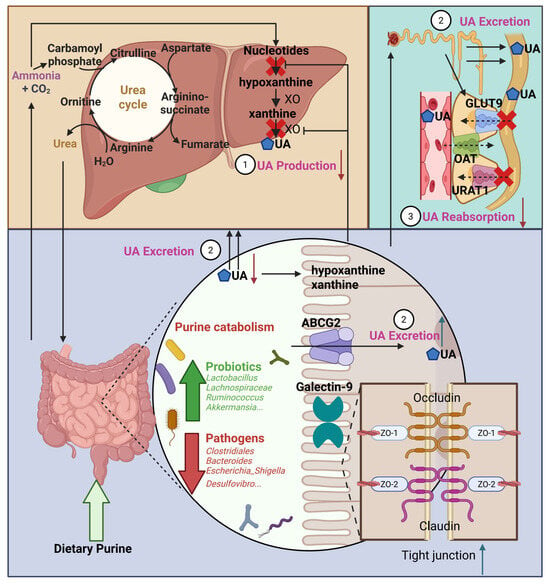
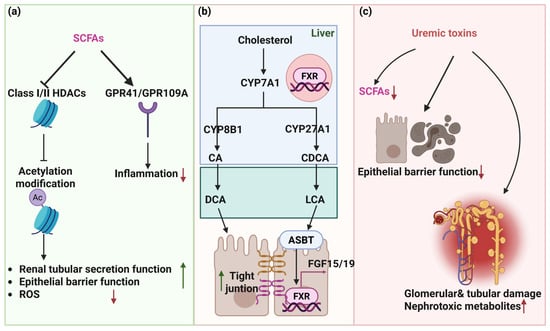
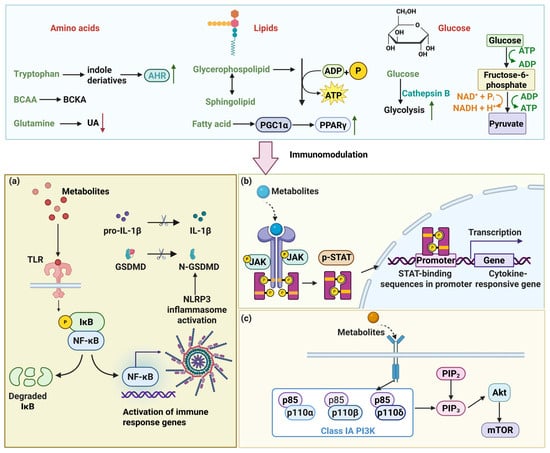
Emerging evidence links gut microbiota (GM) dysbiosis to hyperuricemia (HUA). The GM plays a critical role in regulating host health and homeostasis by producing a diverse array of metabolites, including short-chain fatty acids, bile acids and uremic toxins. Dysregulation of the microbial metabolite
[...] Read more.
Emerging evidence links gut microbiota (GM) dysbiosis to hyperuricemia (HUA). The GM plays a critical role in regulating host health and homeostasis by producing a diverse array of metabolites, including short-chain fatty acids, bile acids and uremic toxins. Dysregulation of the microbial metabolite profile has been implicated in the pathogenesis of HUA. Given the urgent need for green and safe urate-lowering therapies for HUA, recent years have seen an increasing focus on interpreting the ability of natural products to modulate these microbial metabolites. Such interventions enhance beneficial metabolites and suppress uremic toxins, thereby alleviating HUA through coordinated regulation of urate transporters, restoration of intestinal barrier integrity, reprogramming of systemic metabolic disturbances, and inhibition of inflammation via Toll-like receptor 4 (TLR4)/ nuclear factor kappa B (NF-κB), Janus kinase (JAK)/ signal transducer and activator of transcription (STAT), and Phosphatidylinositol-3-kinase (PI3K)/ protein kinase B (AKT) pathways. Furthermore, a comprehensive translational roadmap has been proposed, grounded in a critical appraisal of current trial limitations. Overall, this review consolidates evidence for the protective effects of natural products against HUA and related comorbidities, with an emphasis on GM-derived metabolites, aiming to expand clinical applications and provide insights for future studies.
Full article
(This article belongs to the Special Issue Advances in Natural Products and Their Biological Activities—2nd Edition)
►▼
Show Figures

Figure 1
Open AccessArticle
A Validated LC-MS/MS Method for Simultaneous Determination of Cortisol and Cortisone in Grey Wolf Hair for Application in Ecological Studies
by
Arkadiusz Jastrzębski, Kinga Ożga-Wybranowska, Rafał Łopucki, Sabina Nowak, Robert W. Mysłajek and Ilona Sadok
Molecules 2026, 31(14), 2420; https://doi.org/10.3390/molecules31142420 - 10 Jul 2026
Abstract
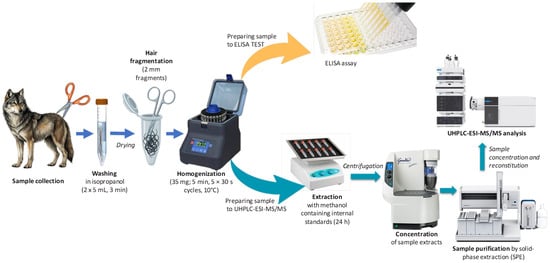
Hair is an easily obtainable, non-invasive biomatrix that allows for the assessment of long-term physiological responses to environmental and anthropogenic stressors in wildlife populations. Herein, an ultra-high-performance liquid chromatography–electrospray ionization–tandem mass spectrometry (UHPLC-ESI-MS/MS) method was validated to verify its suitability for the simultaneous
[...] Read more.
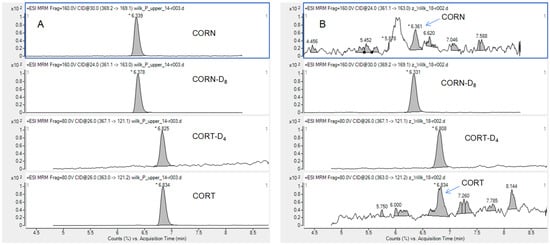
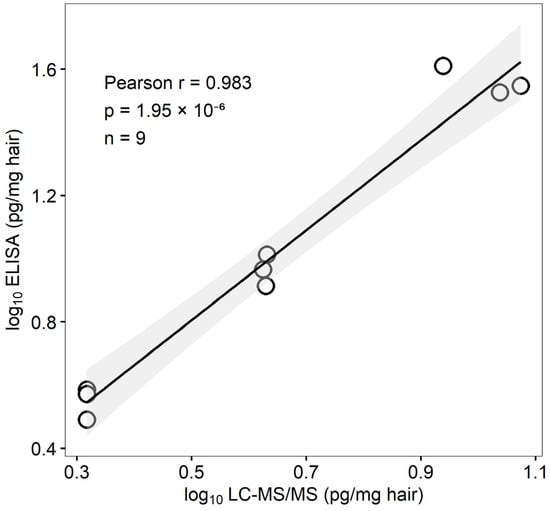
Hair is an easily obtainable, non-invasive biomatrix that allows for the assessment of long-term physiological responses to environmental and anthropogenic stressors in wildlife populations. Herein, an ultra-high-performance liquid chromatography–electrospray ionization–tandem mass spectrometry (UHPLC-ESI-MS/MS) method was validated to verify its suitability for the simultaneous determination of cortisol (CORT) and its metabolite, cortisone (CORN), in hair samples collected from wild-living grey wolves (Canis lupus). Hair samples were extracted with methanol and purified using solid-phase extraction on Strata-X cartridges, which enabled effective mitigation of matrix effects. Data for the glucocorticoids were normalized using internal standards. The method demonstrated good linearity for the target stress hormones, with satisfactory precision (RSD < 15%) and limits of quantification of 4.13 pg/mg for CORT and 2.49 pg/mg for CORN in the hair matrix. Analysis of authentic wolf hair samples revealed CORT and CORN concentrations in the ranges of <4.13–11.86 pg/mg and <2.49–3.67 pg/mg, respectively. The CORT results showed a strong positive correlation with those obtained using enzymatic immunoassays. The method may be applied to assess the impact of stressors on the welfare of wolves, e.g., providing a useful tool for monitoring recovering European populations as they face new challenges associated with expansion into potentially suboptimal habitats.
Full article
(This article belongs to the Special Issue Chromatography and Spectroscopy in Food, Environmental, and Pharmaceutical Sciences)
►▼
Show Figures

Figure 1
Open AccessArticle
A Derivative of Plumbagin Targets the JAK2/STAT3 Pathway to Inhibit the Progression of Oral Squamous Cell Carcinoma
by
Xiyang Sun, Yiming He, Ting Xiao, Yuanmin Dong, Jiao Tian, Kaihua Wang, Henan Ma, Ziwen Wang, Honggang Zhou, Qingmin Wang and Cheng Yang
Molecules 2026, 31(14), 2419; https://doi.org/10.3390/molecules31142419 - 9 Jul 2026
Abstract
Signal transducer and activator of transcription 3 (STAT3) drives multiple hallmarks of tumorigenesis, making it a validated therapeutic target for diverse cancers. The 1,4-naphthoquinones, such as plumbagin (PL), exhibit anticancer activity via inhibiting STAT3 phosphorylation and dimerization, but their severe cytotoxicity precludes clinical
[...] Read more.
Signal transducer and activator of transcription 3 (STAT3) drives multiple hallmarks of tumorigenesis, making it a validated therapeutic target for diverse cancers. The 1,4-naphthoquinones, such as plumbagin (PL), exhibit anticancer activity via inhibiting STAT3 phosphorylation and dimerization, but their severe cytotoxicity precludes clinical translation. Here, we screened 23 PL derivatives for STAT3 inhibitory activity and normal cell cytotoxicity, identifying III-1a as the optimal candidate with superior STAT3 inhibition and reduced toxicity compared to PL. Molecular docking and cellular thermal shift assay (CTESA) revealed that III-1a binds to the L244 residue within the coiled-coil domain (CCD) of STAT3. In vitro, III-1a dose-dependently suppressed JAK/STAT3 signaling in oral squamous cell carcinoma (OSCC), particularly STAT3 Ser727 phosphorylation. It inhibited STAT3-mediated epithelial-–mesenchymal transition (EMT) and induced ferroptosis, thereby attenuating OSCC proliferation, invasion and migration. STAT3 knockdown abrogated its anti-tumor effects, and in vivo studies further confirmed its efficacy against OSCC growth. Collectively, this study identifies a novel PL-derived STAT3 inhibitor targeting STAT3 CCD to regulate EMT and ferroptosis, providing a promising therapeutic candidate for OSCC.
Full article
(This article belongs to the Special Issue Small Molecules Derived from and Inspired by Natural Sources: Structure–Activity Relationships and Pharmaceutical Potential)
Open AccessHypothesis
Cholesterol at the Center of Alzheimer’s Disease: A Unifying Hypothesis on the Pathogenic Mechanism
by
Bao Ting Zhu
Molecules 2026, 31(14), 2418; https://doi.org/10.3390/molecules31142418 - 9 Jul 2026
Abstract
It is hypothesized that in most cases of sporadic late-onset Alzheimer’s disease (LOAD), the abnormally elevated cholesterol level in brain neurons represents a critical causative factor that drives the pathogenic processes of LOAD. Specifically, it is hypothesized that the abnormally elevated neuronal cholesterol
[...] Read more.
It is hypothesized that in most cases of sporadic late-onset Alzheimer’s disease (LOAD), the abnormally elevated cholesterol level in brain neurons represents a critical causative factor that drives the pathogenic processes of LOAD. Specifically, it is hypothesized that the abnormally elevated neuronal cholesterol will disrupt mitochondrial structure and metabolic activity, resulting in ATP deficiency as well as reduced formation of neuroactive metabolic intermediates (such as mevalonate and geranylgeraniol) along the cholesterol synthesis pathway in brain neurons. In addition, the abnormally elevated neuronal cholesterol will cause direct neuronal damage as well as other pathogenic changes in the brain, including increased formation and deposition of amyloid β (Aβ) plaques. It is speculated that Aβ accumulation and plaque formation in most LOAD cases only represent characteristic secondary pathological changes and are usually not the main force driving the pathogenesis of LOAD. As discussed in detail in this paper, abnormally elevated neuronal cholesterol in conjunction with ATP deficiency and lack of neuroactive metabolic intermediates will not only cause learning and memory impairment, but will also induce tauopathy and reduce the formation of cholinergic vesicles. It is expected that these pathogenic changes are more readily seen initially in ischemia-sensitive neurons in hippocampus and posterior parietal cortex, which are then followed by neurodegenerative and atrophic changes in other brain regions along with progressive cognitive decline. As explained in this paper, ApoE4 is a major risk factor in LOAD because it has a drastically reduced ability than ApoE2 and ApoE3 to efflux excess cholesterol out of neurons. Overall, there is a large body of direct, indirect and circumstantial clinical and experimental evidence which jointly offers strong support for the cholesterol-centered hypothesis on the etiology and pathogenesis of LOAD. Considerable efforts are made to apply the proposed hypothesis to offer a better mechanistic explanation for many of the poorly understood experimental and/or clinical observations related to AD (mostly LOAD).
Full article
Open AccessArticle
Chemical and Functional Characterization of a Novel European Black Soybean Variety
by
Marek Zdaniewicz, Szymon Lekowski, Barbara Mickowska, Stanisław Kowalski and Małgorzata Makarewicz
Molecules 2026, 31(14), 2417; https://doi.org/10.3390/molecules31142417 - 9 Jul 2026
Abstract
Interest in plant proteins and functional foods in the consumer diet is growing rapidly. One way to ensure food security is to diversify protein sources through the development of new plant varieties. This is of particular importance in the current era of climate
[...] Read more.
Interest in plant proteins and functional foods in the consumer diet is growing rapidly. One way to ensure food security is to diversify protein sources through the development of new plant varieties. This is of particular importance in the current era of climate change, when many historically cultivated varieties may be at risk. Due to their high protein content and favorable amino acid profile, soybeans have a wide range of nutritional and technological applications. The objective of this study was to asses a novel European black soybean variety that was obtained through phenotypic selection and stabilized across successive generations. The present study undertook a thorough evaluation of the chemical composition of the black soybean breeding line PLBPB1/24 and the commercial yellow soybean variety “Abelina”. The study, which employed analytical methods such as GC-FID, ICP-OES, ion-exchange chromatography, and spectrophotometric assays, revealed that PLBPB1/24 had a higher fat content, twice the amount of free amino acids (0.564 vs. 0.279 g/100 g), and an increased iron content (by 8%), while having a lower content of undesirable trypsin inhibitors (by 26%) compared to “Abelina”. These results confirm the potential of this new variety as a valuable source of nutrients, particularly in functional foods and plant-based diets.
Full article
(This article belongs to the Special Issue Chemical and Functional Characterization of Novel Plant Proteins)
Open AccessArticle
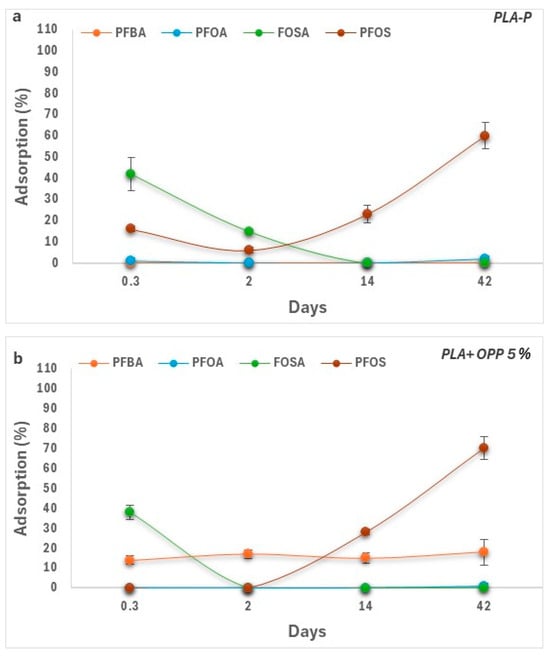
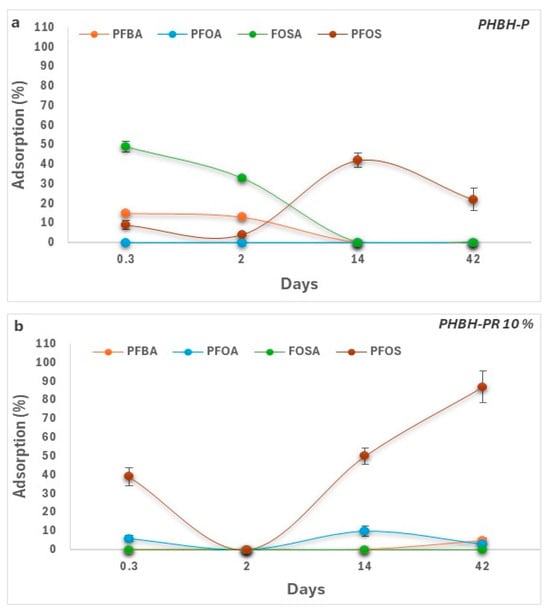
PFAS and Microplastics: Are Biodegradable Microplastics Less Harmful to the Environment?
by
Sonia Gaaied, Leilei Zhang, Terenzio Bertuzzi, Lucrezia Lamastra, Pier Paolo Becchi, Maria Grimaldi, Duccio Gallichi-Nottiani, Daniel Milanese, Corrado Sciancalepore and Nicoleta Alina Suciu
Molecules 2026, 31(14), 2416; https://doi.org/10.3390/molecules31142416 - 9 Jul 2026
Abstract
The monitoring of environmental pollution has attracted growing attention to per- and polyfluoroalkyl substances (PFASs) due to their long persistence and resistance to natural degradation. Despite extensive research into the occurrence of PFASs in the environment, their interactions with biodegradable polymers remain understudied,
[...] Read more.
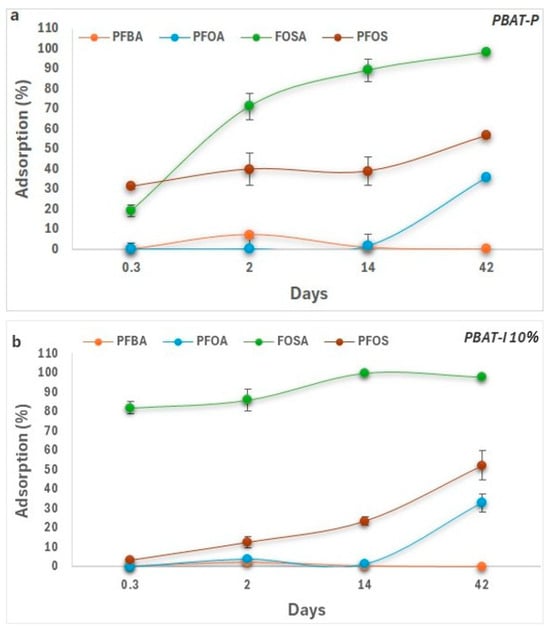
The monitoring of environmental pollution has attracted growing attention to per- and polyfluoroalkyl substances (PFASs) due to their long persistence and resistance to natural degradation. Despite extensive research into the occurrence of PFASs in the environment, their interactions with biodegradable polymers remain understudied, highlighting a substantial knowledge gap regarding their adsorption capacity and associated toxicological implications. Therefore, the main objective of the present study was to evaluate PFAS adsorption onto biodegradable microplastics (BMPs) and compare their behavior to non- BMPs. Although biodegradable plastics (BPs) are generally considered environmentally friendly polymers, the present study indicates that they can act as vectors for PFASs as shown by LC-MS-MS analysis. Based on the current results, PFAS adsorption depends on the polymer type and PFAS chemical structure. Although BMPs are not the only carriers of PFASs, compared with various natural particles, their persistence and mobility can still influence the transport and bioavailability of PFASs in the environment. Future studies are required for assessing the environmental fate of PFASs in systems containing biodegradable polymer, in order to enhance predictive accuracy and mitigate associated risks to both the environment and human health.
Full article
(This article belongs to the Special Issue Chemical Analysis of Organic Contaminants and Microplastics)
►▼
Show Figures

Figure 1
Open AccessReview
From Inclusion Complexes to Metabolic Signaling: The Emerging Role of γ-Cyclodextrin in Gut Microbiota and Metabolic Regulation
by
Pirscoveanu Denisa Floriana Vasilica, Pluta Ion Dorin, Dîrnu Rodica, Carmen Vladulescu, Diana-Maria Trasca, Renata Maria Varut, Adina Kamal, Maria Stoica, Gabriela Pura, Romeo Popa, Virginia Radulescu and George Alin Stoica
Molecules 2026, 31(14), 2415; https://doi.org/10.3390/molecules31142415 - 9 Jul 2026
Abstract
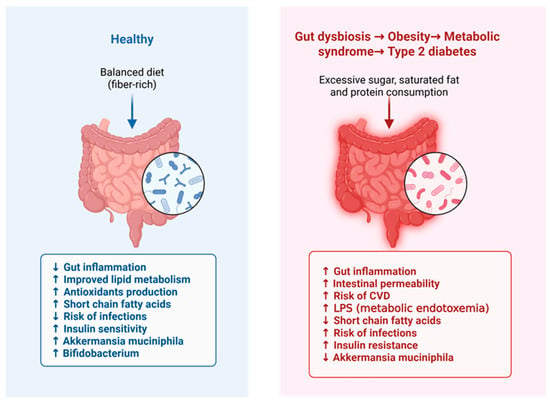
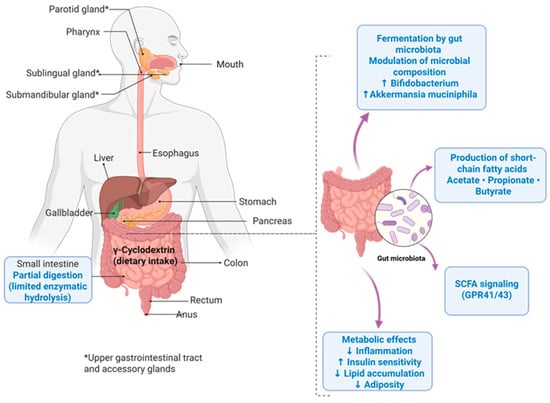
γ-Cyclodextrin (γ-CD) is a cyclic oligosaccharide with high aqueous solubility, low toxicity, and a large internal cavity that enables inclusion complex formation with selected bioactive compounds. Beyond its established role as a pharmaceutical and food excipient, emerging evidence suggests that γ-CD may influence
[...] Read more.
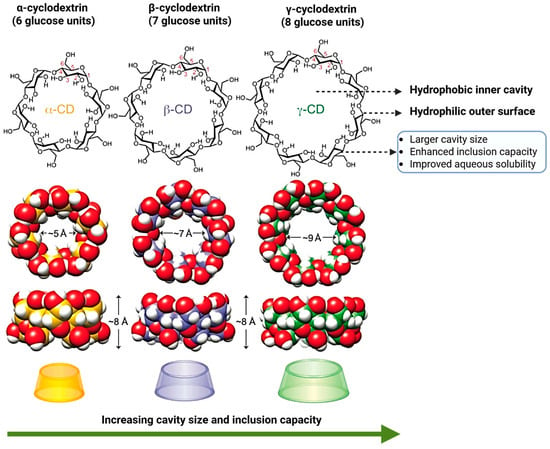
γ-Cyclodextrin (γ-CD) is a cyclic oligosaccharide with high aqueous solubility, low toxicity, and a large internal cavity that enables inclusion complex formation with selected bioactive compounds. Beyond its established role as a pharmaceutical and food excipient, emerging evidence suggests that γ-CD may influence metabolic regulation through interactions with the gut microbiota, microbial fermentation products, and host metabolic signaling pathways. This review synthesizes current evidence on the effects of γ-CD on short-chain fatty acid production, lipid homeostasis, glycemic control, and obesity- and type 2 diabetes-related metabolic disturbances. Particular attention is given to the gut–metabolism axis, SCFA-mediated GPCR signaling, microbial taxa potentially involved in γ-CD fermentation, and the relative contribution of prebiotic-like effects versus lipid-binding mechanisms. Available data indicate that γ-CD may modulate microbial composition and metabolic outcomes, but most evidence derives from in vitro experiments, animal models, and limited human studies. Therefore, the clinical relevance of γ-CD remains insufficiently established. Future studies should include well-designed human trials, standardized doses, multi-omics analyses, and direct comparisons between native and modified cyclodextrins to clarify whether γ-CD can be translated into nutritional or therapeutic strategies for metabolic disorders.
Full article
(This article belongs to the Special Issue Inclusion Complex: Formation, Structure and Properties)
►▼
Show Figures

Figure 1
Open AccessArticle
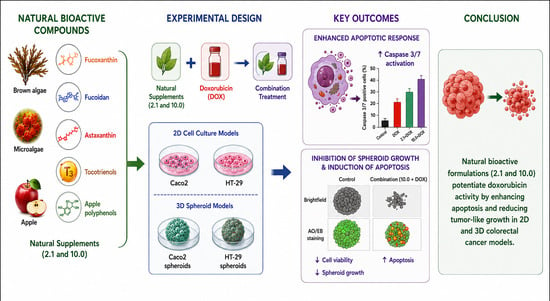
Plant- and Algae-Derived Compounds Enhance the Anticancer Activity of Doxorubicin in Colorectal Cancer Cell Lines
by
José Alberto Ramos-Silva, Gabriel Lara-Hernández, José Antonio Fuentes-Garibay, Elvia Pérez-Soto, Ericka Patricia Flores-Berrios and Hamlet Avilés-Arnaut
Molecules 2026, 31(14), 2414; https://doi.org/10.3390/molecules31142414 - 9 Jul 2026
Abstract
Colorectal cancer (CRC) remains one of the leading causes of cancer-related mortality worldwide, and the efficacy of conventional chemotherapy is frequently limited by systemic toxicity, chemoresistance, and tumor recurrence. Natural products derived from marine algae and plants have attracted increasing interest as multitarget
[...] Read more.
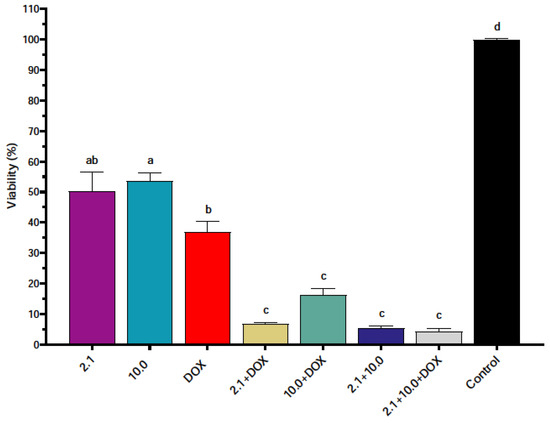
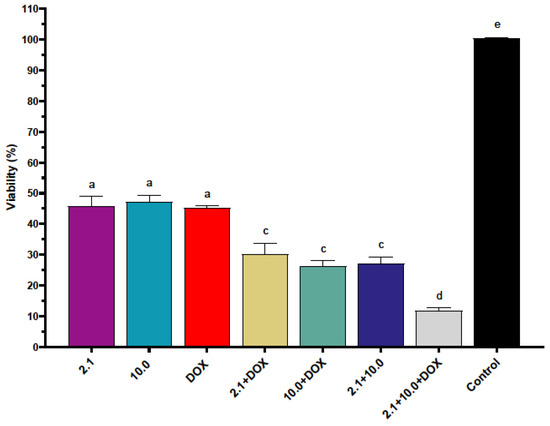
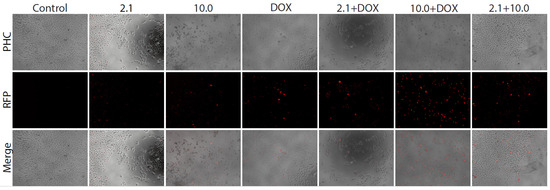
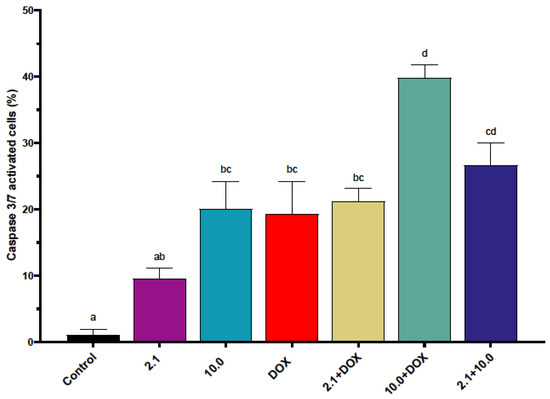
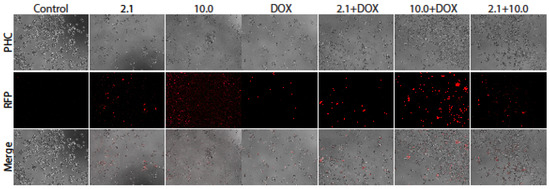
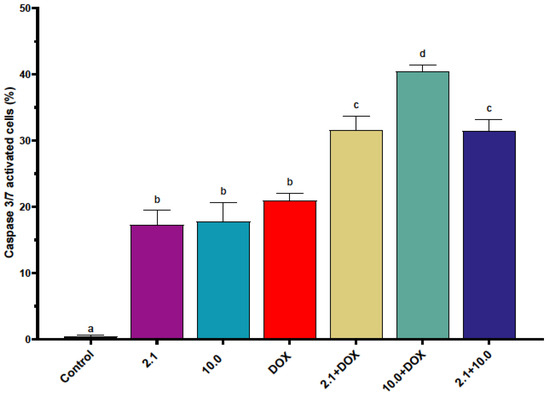
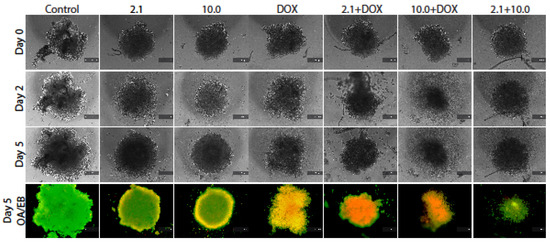
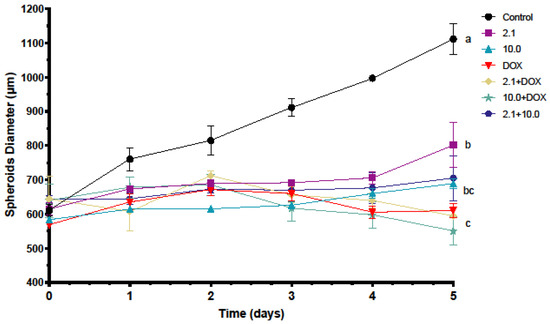
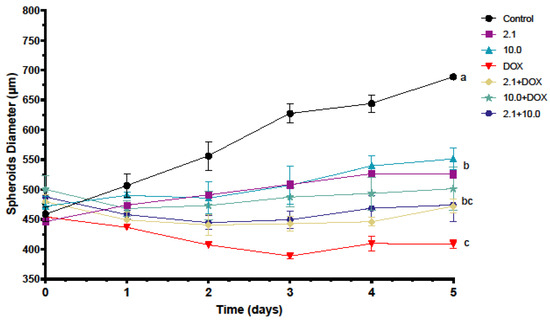
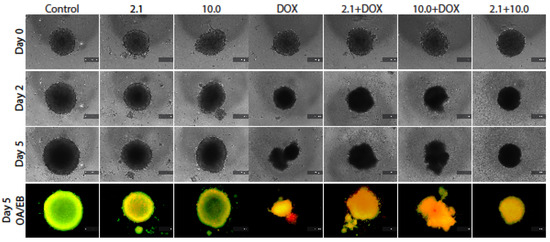
Colorectal cancer (CRC) remains one of the leading causes of cancer-related mortality worldwide, and the efficacy of conventional chemotherapy is frequently limited by systemic toxicity, chemoresistance, and tumor recurrence. Natural products derived from marine algae and plants have attracted increasing interest as multitarget adjuvant agents capable of modulating apoptosis, oxidative stress, and tumor-associated signaling pathways. In the present study, we evaluated the anticancer activity of commercially available formulations enriched in fucoxanthin, fucoidan, tocotrienols, astaxanthin, and apple polyphenols, either alone or in combination with doxorubicin (DOX), using two-dimensional and three-dimensional colorectal cancer models. Initial IC50 screening in ovarian (OVCAR3), prostate (PC3), colorectal (Caco2 and HT-29), and non-tumorigenic colon epithelial cells demonstrated that formulations 2.1 and 10.0 exhibited the most relevant cytotoxic activity, particularly in colorectal cancer cells. Combined treatments with DOX significantly reduced cell viability compared to individual treatments, particularly in Caco2 cells, where viability decreased to approximately 10% under combined exposure conditions. Mechanistically, combined treatments enhanced caspase-3/7 activation in both Caco2 and HT-29 cells, indicating apoptosis-associated effects. These findings were further supported in three-dimensional spheroid models, where supplement combinations impaired spheroid expansion, induced apoptotic AO/EB staining patterns, and reduced HT-29 spheroid growth by approximately 30–35%, reaching inhibitory effects comparable to DOX alone. Collectively, these results suggest that plant- and algae-derived formulations enriched in antioxidant bioactives may enhance chemotherapy-associated antitumor responses through apoptosis-related mechanisms and modulation of tumor-like growth behavior. The present findings support the further exploration of natural-product-based adjuvant strategies in colorectal cancer therapy using more clinically representative chemotherapeutic schemes and in vivo models.
Full article
(This article belongs to the Special Issue Effect of Natural Products in the Cancer Therapy Mechanism—2nd Edition)
►▼
Show Figures

Graphical abstract
Open AccessArticle
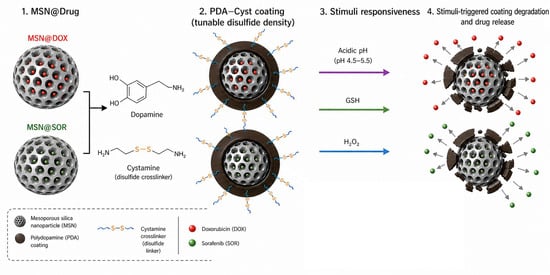
Dual-Stimuli Responsive Cystamine-Modified Polydopamine Coatings as Payload Gatekeepers
by
Sylwia Ostrowska, Monika Szukowska, Yeonho Kim and Radosław Mrówczyński
Molecules 2026, 31(14), 2413; https://doi.org/10.3390/molecules31142413 - 9 Jul 2026
Abstract
We present cystamine-modified polydopamine (PDA) coatings as tunable gatekeepers for mesoporous silica nanoparticles (MSNs) in drug delivery. Unlike conventional post-functionalization strategies, cystamine moieties were incorporated directly into the PDA network, enabling tunable shell composition and redox responsiveness by simply adjusting the dopamine-to-cystamine ratio.
[...] Read more.
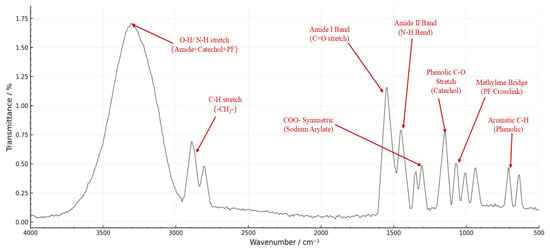
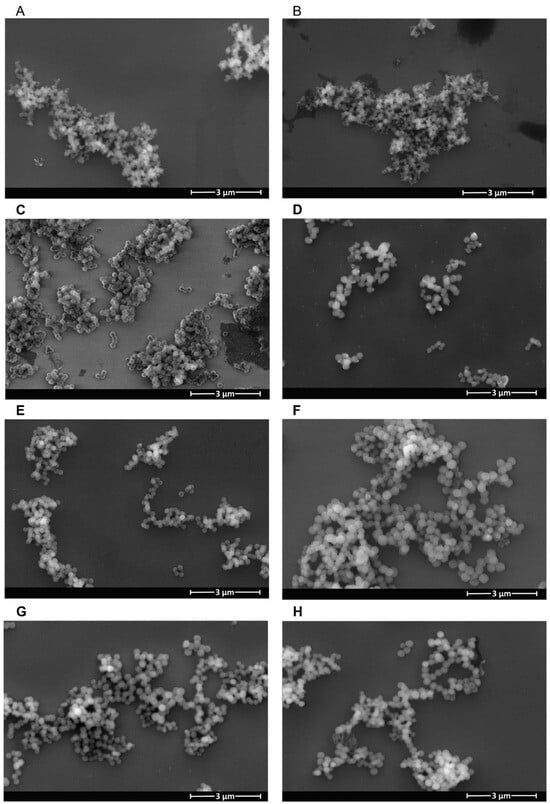
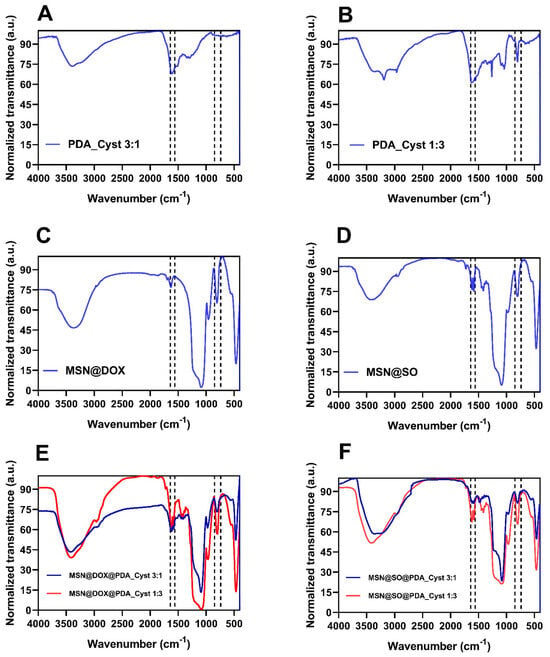
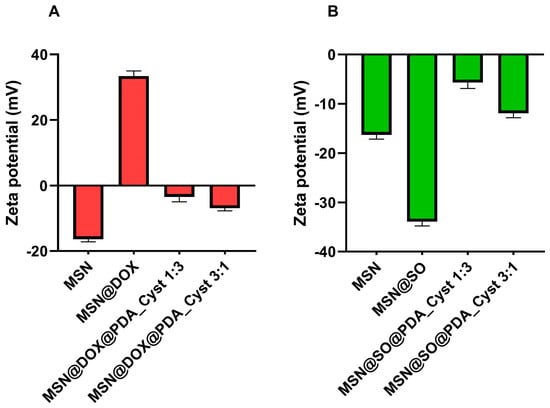
We present cystamine-modified polydopamine (PDA) coatings as tunable gatekeepers for mesoporous silica nanoparticles (MSNs) in drug delivery. Unlike conventional post-functionalization strategies, cystamine moieties were incorporated directly into the PDA network, enabling tunable shell composition and redox responsiveness by simply adjusting the dopamine-to-cystamine ratio. By varying the cystamine:dopamine ratio, pH- and redox-responsive release of doxorubicin (DOX) and sorafenib (SO) was achieved, with release kinetics following the Higuchi model. Cystamine-modified PDA nanoparticles with varying disulfide bridge content were synthesized and comprehensively characterized using SEM, TGA, FTIR, and zeta potential measurements. The cystamine content was found to influence thermal stability, coating performance, and protective properties. Importantly, increasing disulfide content did not necessarily improve release performance, suggesting that excessive crosslinking may partially restrict shell permeabilization and drug diffusion. These findings reveal important structure–property relationships in catechol-based coatings and underline the significance of disulfide linkages in the design of bioinspired stimuli-responsive drug delivery systems.
Full article
(This article belongs to the Special Issue Zeolites and Related Nanoporous Materials: Green Supports for Molecules)
►▼
Show Figures

Graphical abstract
Open AccessReview
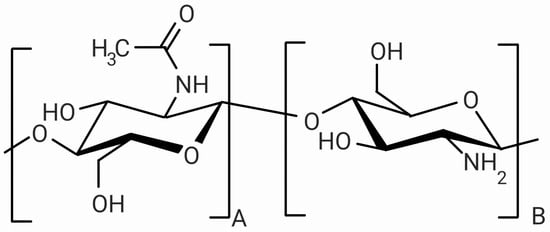
Factors Determining the Antimicrobial Effectiveness of Chitosan: A Critical Analysis of the Impact of Molecular Weight and Degree of Deacetylation
by
Karolina Czajkowska, Maciej Rybicki, Karol Kamil Kłosiński and Radosław Aleksander Wach
Molecules 2026, 31(14), 2412; https://doi.org/10.3390/molecules31142412 - 9 Jul 2026
Abstract
Despite chitosan’s proven biocidal potential, there is a lack of consensus regarding the influence of its key physicochemical parameters, degree of deacetylation (DD) and molecular weight (MW), on its antimicrobial efficacy. The aim of this study was to quantitatively synthesize available literature data
[...] Read more.
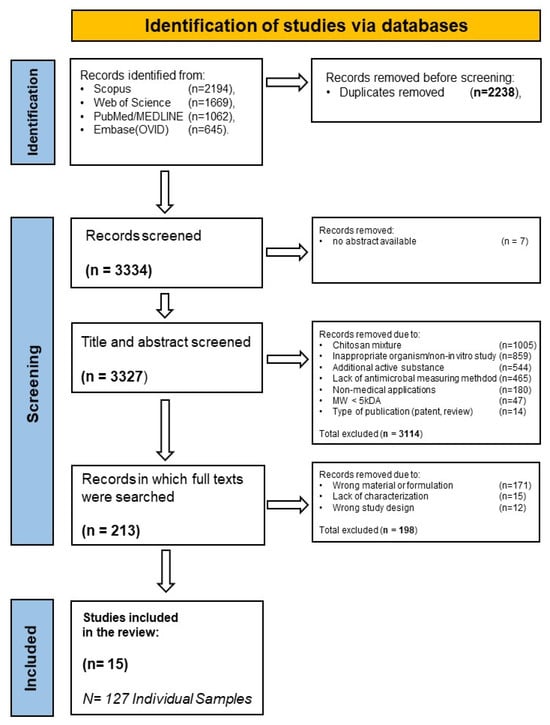
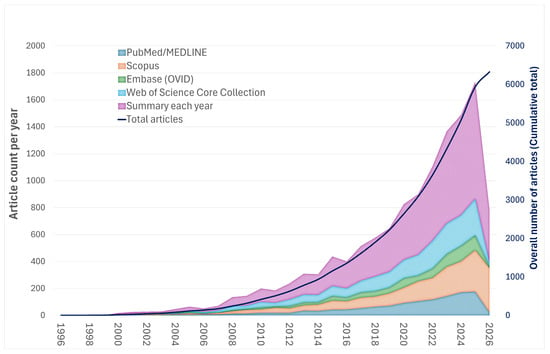
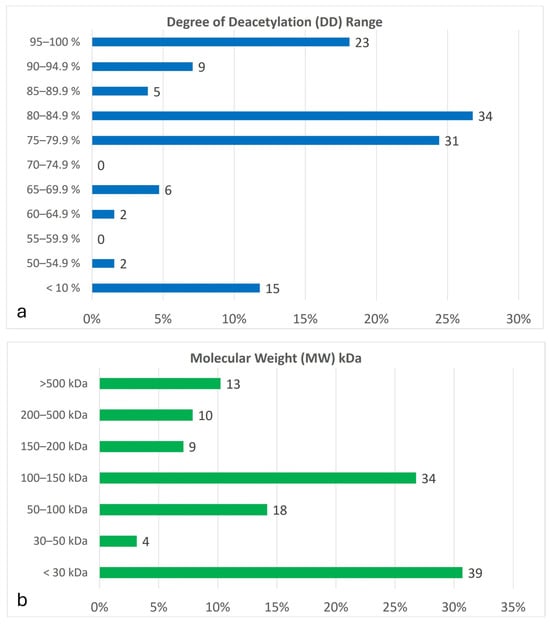
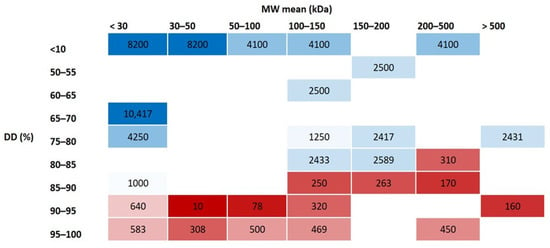
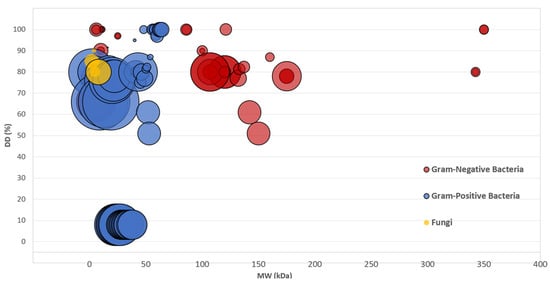
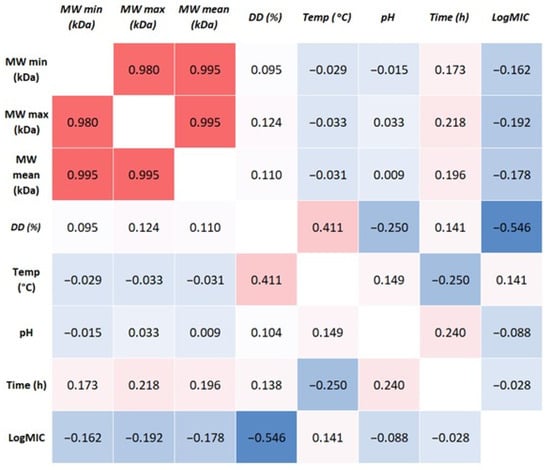
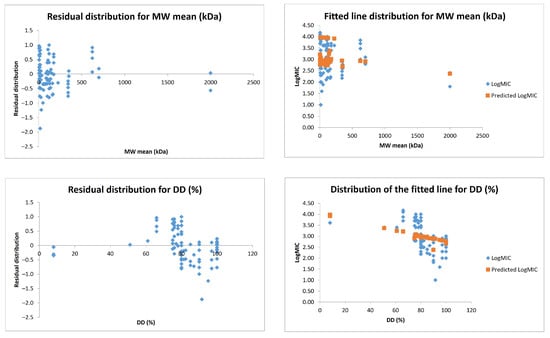
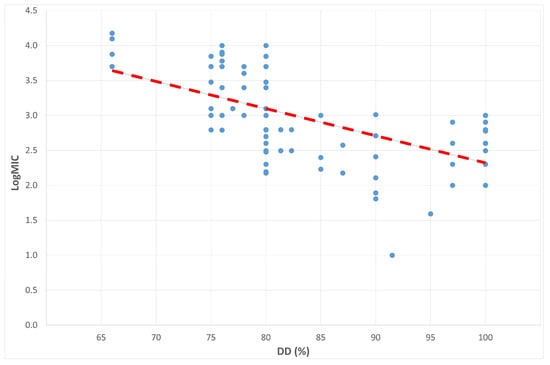
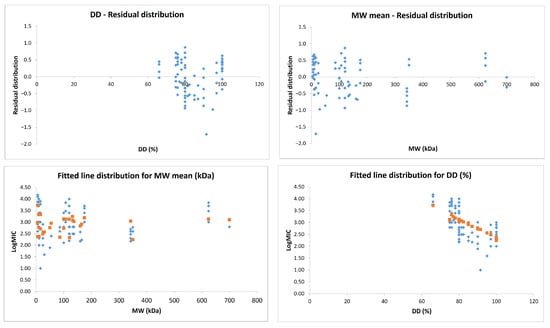
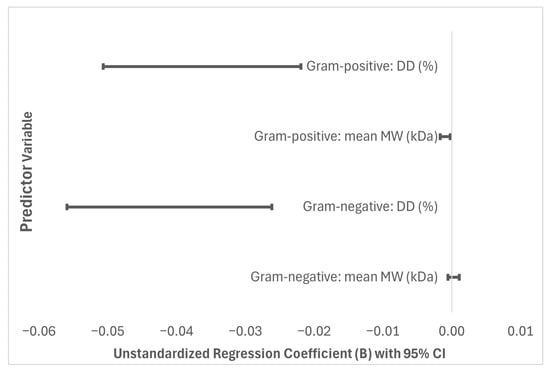
Despite chitosan’s proven biocidal potential, there is a lack of consensus regarding the influence of its key physicochemical parameters, degree of deacetylation (DD) and molecular weight (MW), on its antimicrobial efficacy. The aim of this study was to quantitatively synthesize available literature data and provide an exploratory statistical analysis of the trends regarding the influence of chitosan DD and MW on the minimum inhibitory concentration (MIC). A PRISMA-guided literature review (2016–2026) across four major databases extracted 127 independent in vitro experiments, Gram-positive/negative bacteria and fungi. Physicochemical correlations were analyzed using multiple linear regression. Insoluble polymer fractions (here set as DD < 60%) critically interfere with MIC determination due to restricted diffusion and were strictly excluded from analyses. For the optimized group of soluble chitosans (n = 106, R2 = 0.36), DD was the dominant factor determining biocidal activity (p < 0.0001)—every 1% increase in DD reduces the logMIC by an average of 0.040. In contrast, molecular weight did not emerge as a statistically significant predictor within this model (p = 0.156), suggesting that the degree of deacetylation remains the primary driver of antimicrobial efficacy among soluble chitosans. In summary, maximizing chitosan antimicrobial activity requires high DD polymers, and rigorous standardization (excluding insoluble fractions) is essential for the proper design of new biomaterials.
Full article
(This article belongs to the Special Issue Chitosan, Chitosan Derivatives, Polysaccharides and Their Applications—3rd Edition)
►▼
Show Figures

Figure 1
Open AccessArticle
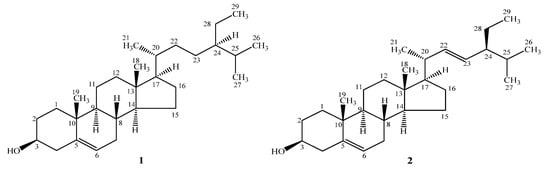
Selective Extraction of Lipophilic Bioactive Compounds from Industrial Root Meal of Glycyrrhiza glabra L.
by
Akbar Sanoev, Bakhodir Okhundedaev, Ildar Sham’yanov, Khayrulla Bobakulov, Sayyora Zaripova, Ruzali Botirov, Alimjan Sadikov, Shamansur Sagdullayev, Farida Ali and Eldar Garayev
Molecules 2026, 31(14), 2411; https://doi.org/10.3390/molecules31142411 - 8 Jul 2026
Abstract
►▼
Show Figures
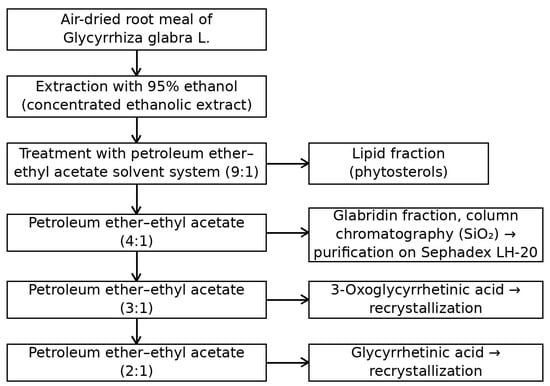
Licorice (Glycyrrhiza glabra L.) root meal generated after industrial extraction of water-soluble constituents represents an underutilized secondary plant resource rich in lipophilic bioactive compounds. In this study, an efficient approach for the comprehensive recovery of hydrophobic biologically active substances from licorice root
[...] Read more.
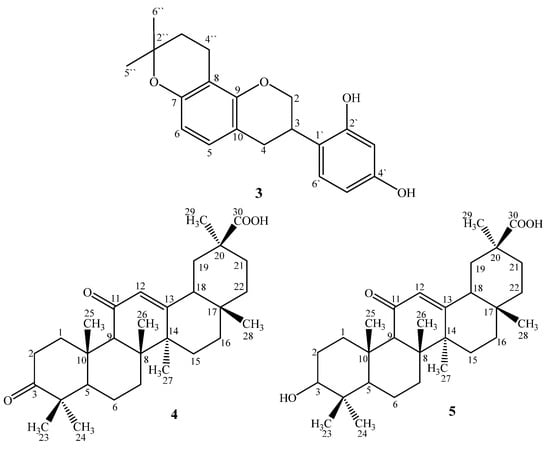
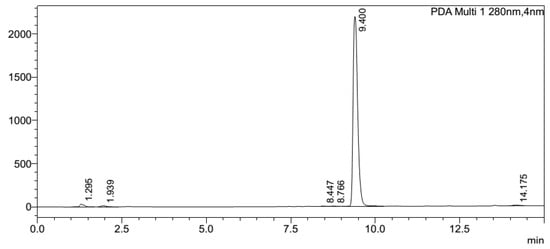
Licorice (Glycyrrhiza glabra L.) root meal generated after industrial extraction of water-soluble constituents represents an underutilized secondary plant resource rich in lipophilic bioactive compounds. In this study, an efficient approach for the comprehensive recovery of hydrophobic biologically active substances from licorice root meal was developed. The method is based on sequential ethanol extraction followed by selective fractionation using a petroleum ether–ethyl acetate solvent system and chromatographic purification. As a result, a lipid fraction (1.1%) containing phytosterols (β-sitosterol and stigmasterol) was obtained, while the pharmacologically important isoflavan glabridin was isolated with a purity of 87.9% and a yield of 0.17%. In addition, triterpenoid aglycones, including 3-oxoglycyrrhetinic acid (0.39%) and glycyrrhetinic acid (0.21%), were successfully isolated and structurally confirmed by IR and NMR spectroscopy. Comparative solvent studies demonstrated that ethanol provides the highest extraction yield (7.1%) while maintaining high levels of glabridin and total flavonoids in the extracts. The results indicate that licorice root meal is a valuable secondary source of lipophilic bioactive compounds, and the proposed approach enables more efficient utilization of plant raw materials, reduction of industrial waste, and development of sustainable technologies for obtaining pharmacologically valuable compounds for pharmaceutical, cosmetic, and biomedical applications.
Full article

Figure 1
Open AccessReview
Residual Stress in Epoxy-Based Insulators: Formation, Detection, and Reliability
by
Jin Li, Siyuan Chen, Hucheng Liang and Boxue Du
Molecules 2026, 31(14), 2410; https://doi.org/10.3390/molecules31142410 - 8 Jul 2026
Abstract
Gas-insulated switchgears (GISs) and gas-insulated transmission lines (GILs) are essential for large-capacity power transmission in demanding environments, such as high drops, large spans, and heavy pollution. As the core components providing both electrical insulation and mechanical support, ultra-high voltage (UHV) epoxy-based insulators often
[...] Read more.
Gas-insulated switchgears (GISs) and gas-insulated transmission lines (GILs) are essential for large-capacity power transmission in demanding environments, such as high drops, large spans, and heavy pollution. As the core components providing both electrical insulation and mechanical support, ultra-high voltage (UHV) epoxy-based insulators often suffer from high internal residual stress. This issue, compounded by a lack of reliable detection methods, frequently results in equipment being commissioned with hidden defects. To address this, this review first examines the formation mechanisms of curing deformation and residual stress in oversized insulators based on cure kinetics and thermo-chemical coupling models. Subsequently, it provides a comprehensive summary of current residual stress measurement techniques, comparing the applicability and limitations of embedded sensors, direct mechanical measurements, and indirect non-destructive testing (NDT) methods. Finally, by coupling residual stress with filler sedimentation, the stress distribution patterns and mechanical reliability of epoxy-based insulators across different life-cycle stages are analyzed. These insights offer valuable theoretical references for the structural design, process optimization, and performance evaluation of oversized epoxy-based insulators, ultimately contributing to the intrinsic safety of UHV power equipment.
Full article
(This article belongs to the Special Issue Epoxy Resin Synthesis, Performance and Application Research: Second Edition)
Open AccessArticle
Cisplatin and ε-Viniferin Synergistically Modulate Oxidative Stress in HeLa Cells: Implications for Redox Modulation in Cervical Cancer Cells
by
Tayyar Görkem Sayer, Gamze Yılmaz and Filiz Özdemir
Molecules 2026, 31(14), 2409; https://doi.org/10.3390/molecules31142409 - 8 Jul 2026
Abstract
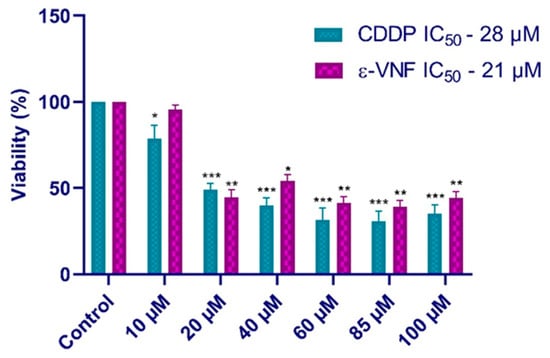
This study investigates the combined effects of cisplatin (CDDP) and ε-viniferin (ε-VNF), a natural stilbenoid, on oxidative stress and apoptosis in HeLa cells. Cytotoxicity was assessed using the MTT assay, and IC50 values were determined as 28 µM for CDDP and 21
[...] Read more.
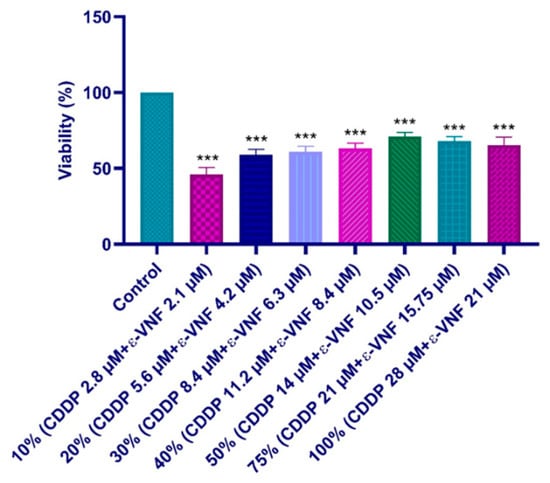
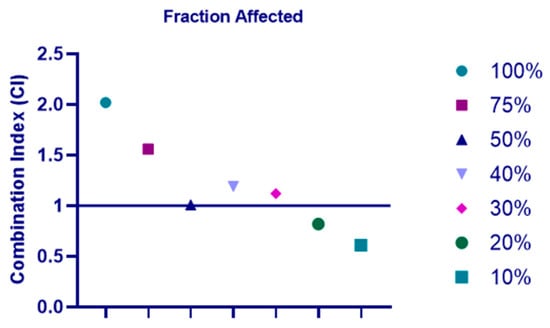
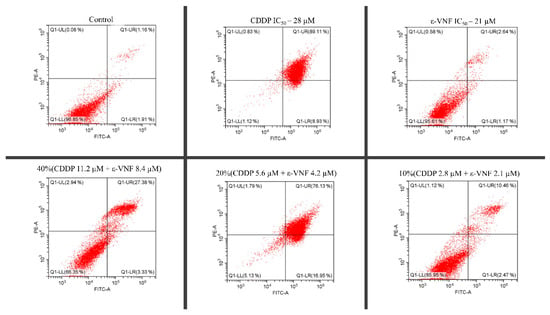
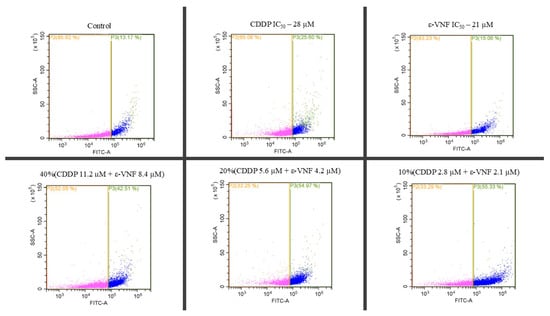
This study investigates the combined effects of cisplatin (CDDP) and ε-viniferin (ε-VNF), a natural stilbenoid, on oxidative stress and apoptosis in HeLa cells. Cytotoxicity was assessed using the MTT assay, and IC50 values were determined as 28 µM for CDDP and 21 µM for ε-VNF. Synergistic and antagonistic combination ratios of these doses were tested. Oxidative stress was evaluated via Total Oxidant Status (TOS), Total Antioxidant Status (TAS), Oxidative Stress Index (OSI), Superoxide Dismutase (SOD), Reduced Glutathione (GSH), and Malondialdehyde (MDA). Apoptosis was measured using Annexin V-FITC/PI staining and caspase-9 activation assays. TAS levels significantly increased in all combination groups compared to the control (control: 266.7 ± 0.1 µmol/L; 20% combo: 2466.7 ± 1.0 µmol/L). OSI values decreased accordingly (control: 22.5 ± 7.1; 10% combo: 1.6 ± 0.5). GSH levels decreased in the combination groups (e.g., 20%: 0.8 ± 0.2 µM vs. control: 1.4 ± 0.1 µM), while MDA levels increased (20%: 3.8 ± 0.5 µM vs. control: 0.5 ± 0.1 µM). Caspase-9 positive cells increased markedly (20%: 55.0% vs. control: 13.2%), supporting activation of the mitochondrial apoptotic pathway. Annexin V analysis revealed increased late apoptosis (20%: 76.1%) and early apoptosis (20%: 17.0%).
Full article
(This article belongs to the Special Issue Advances in Small-Molecule Cancer Therapeutics: Current Challenges and Future Perspectives)
►▼
Show Figures

Figure 1
Journal Menu
► ▼ Journal Menu-
- Molecules Home
- Aims & Scope
- Editorial Board
- Reviewer Board
- Topical Advisory Panel
- Early Career Editorial Board
- Instructions for Authors
- Special Issues
- Topics
- Sections & Collections
- Article Processing Charge
- Indexing & Archiving
- Editor’s Choice Articles
- Most Cited & Viewed
- Journal Statistics
- Journal History
- Journal Awards
- Society Collaborations
- Conferences
- Editorial Office
- 30th Anniversary
Journal Browser
► ▼ Journal Browser-
arrow_forward_ios
Forthcoming issue
arrow_forward_ios Current issue - Vol. 31 (2026)
- Vol. 30 (2025)
- Vol. 29 (2024)
- Vol. 28 (2023)
- Vol. 27 (2022)
- Vol. 26 (2021)
- Vol. 25 (2020)
- Vol. 24 (2019)
- Vol. 23 (2018)
- Vol. 22 (2017)
- Vol. 21 (2016)
- Vol. 20 (2015)
- Vol. 19 (2014)
- Vol. 18 (2013)
- Vol. 17 (2012)
- Vol. 16 (2011)
- Vol. 15 (2010)
- Vol. 14 (2009)
- Vol. 13 (2008)
- Vol. 12 (2007)
- Vol. 11 (2006)
- Vol. 10 (2005)
- Vol. 9 (2004)
- Vol. 8 (2003)
- Vol. 7 (2002)
- Vol. 6 (2001)
- Vol. 5 (2000)
- Vol. 4 (1999)
- Vol. 3 (1998)
- Vol. 2 (1997)
- Volumes not published by MDPI
Highly Accessed Articles
Latest Books
E-Mail Alert
News
10 July 2026
Meet Us Virtually at the 5th International Electronic Conference on Processes (ECP 2026), 20–22 October 2026
Topics
Topic in
Chemistry, IJMS, Molecules, Quantum Reports, Symmetry, Magnetochemistry
Theoretical, Quantum and Computational Chemistry—2nd Edition
Topic Editors: Jorge Garza, Andrei L. TchougréeffDeadline: 31 July 2026
Topic in
Applied Sciences, ChemEngineering, Molecules, Processes, Reactions, Separations
Processing Design and Intensification in Chemical Engineering
Topic Editors: Yang Yuan, Wenyu Xiang, Haisheng ChenDeadline: 25 August 2026
Topic in
Biomolecules, Chemistry, IJMS, Molecules, Pharmaceuticals
Enzymes and Enzyme Inhibitors in Drug Research
Topic Editors: Athina Geronikaki, Cosimo D. Altomare, Maria Stefania SinicropiDeadline: 11 September 2026
Topic in
Biomedicines, IJMS, Sci. Pharm., Molecules, Future Pharmacology, Biomolecules
Natural Products and Drug Discovery—2nd Edition
Topic Editors: Sonia Piacente, Marta MenegazziDeadline: 30 September 2026
Conferences
27–29 September 2027
Meet Us Virtually at the 1st International Online Conference on Molecules (IOCMO 2027), 27–29 September 2027

5–19 November 2026
Meet Us at the 30th International Electronic Conference on Synthetic Organic Chemistry (ECSOC-30), 5–19 November 2026

Special Issues
Special Issue in
Molecules
Precise Design and Action Mechanism of Photocatalytic Nanomaterials
Guest Editor: Yaya YangDeadline: 15 July 2026
Special Issue in
Molecules
Synthesis, In Silico Studies and Anticancer Activity of Heterocyclic Compounds
Guest Editor: Arif MermerDeadline: 15 July 2026
Special Issue in
Molecules
Novel Analytical Techniques in Food Chemistry
Guest Editor: Marilena DasenakiDeadline: 15 July 2026
Topical Collections
Topical Collection in
Molecules
Qualitative and Quantitative Analysis of Bioactive Natural Products
Collection Editors: Elisa Ovidi, Valentina Laghezza Masci
Topical Collection in
Molecules
Natural Products as Leads or Drugs against Neglected Tropical Diseases
Collection Editors: Thomas J. Schmidt, Valeria Sülsen, Josphat Matasyoh
Topical Collection in
Molecules
Bioactive Natural Molecules from Functional Foods
Collection Editors: Eun Kyoung Seo, Joo-Won Nam
Topical Collection in
Molecules
Efficient Pharmaceutical and Chemical Approaches for Anticancer Therapy: Design, Preliminary Evaluations, and Further Developments
Collection Editors: Helen Osborn, Mohammad Najlah, Jean Jacques Vanden Eynde, Annie Mayence, Tien Huang