Journal Description
Fluids
Fluids
is an international, peer-reviewed, open access journal on all aspects of fluids, published monthly online by MDPI. The Portuguese Society of Rheology (SPR) is affiliated with Fluids and its members receive discounts on the article processing charges.
- Open Access— free for readers, with article processing charges (APC) paid by authors or their institutions.
- High Visibility: indexed within Scopus, ESCI (Web of Science), Inspec, CAPlus / SciFinder, and other databases.
- Journal Rank: CiteScore - Q2 (Mechanical Engineering)
- Rapid Publication: manuscripts are peer-reviewed and a first decision is provided to authors approximately 17 days after submission; acceptance to publication is undertaken in 2.9 days (median values for papers published in this journal in the first half of 2026).
- Recognition of Reviewers: Reviewers whose reports are timely and of high quality receive an APC discount voucher for a future publication in an MDPI journal. Become a reviewer.
- Journal Cluster of Engineering Physics: AppliedPhys, Dynamics, Fluids, Magnetism, Plasma and Quantum Reports.
Impact Factor:
2.1 (2025);
5-Year Impact Factor:
2.0 (2025)
Latest Articles
Fluid–Solid Coupling Simulation and Field Flow Response of Separate-Layer Fracturing in Vertically Heterogeneous Thick Shale: Insights from the Qiongzhusi Formation
Fluids 2026, 11(9), 239; https://doi.org/10.3390/fluids11090239 - 20 Sep 2026
Abstract
The Qiongzhusi Formation, a thick and vertically heterogeneous marine shale sequence in southern China, presents substantial obstacles to efficient hydraulic stimulation when conventional horizontal-well staged fracturing is applied, owing to marked interlayer contrasts in mineralogy, rock mechanics, and natural fracture intensity. To address
[...] Read more.
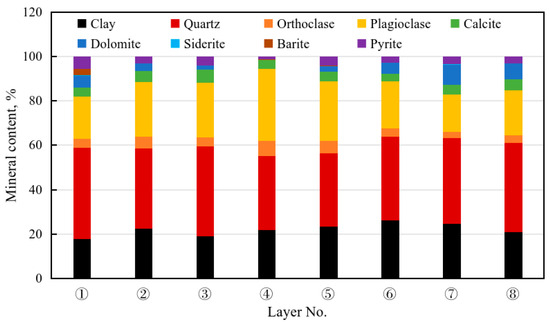
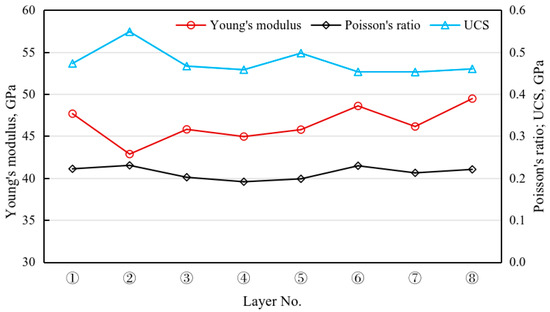
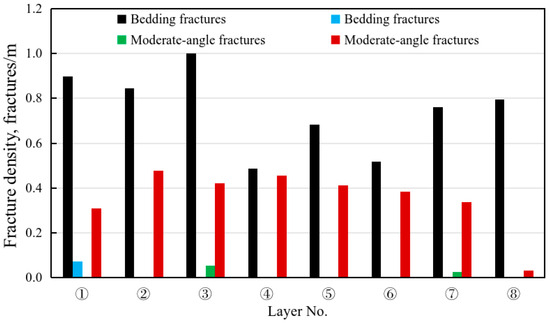
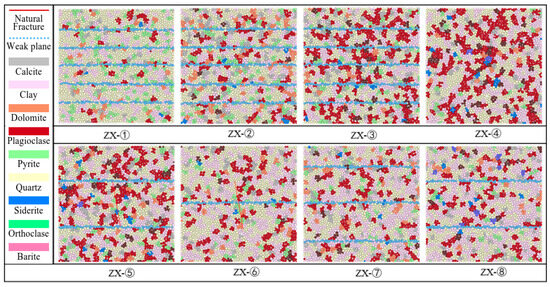
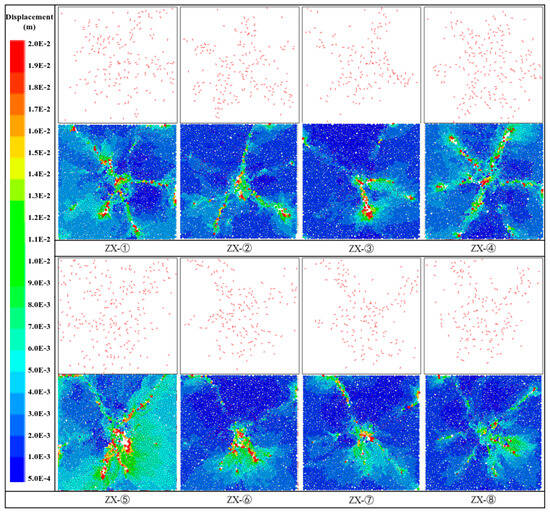
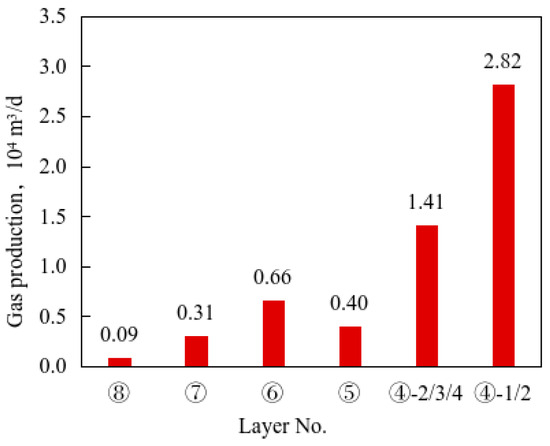
The Qiongzhusi Formation, a thick and vertically heterogeneous marine shale sequence in southern China, presents substantial obstacles to efficient hydraulic stimulation when conventional horizontal-well staged fracturing is applied, owing to marked interlayer contrasts in mineralogy, rock mechanics, and natural fracture intensity. To address this challenge, this study develops an integrated methodological framework that combines a comprehensive fracability index (IFI) with discrete-element-based fluid–solid coupling simulations, aimed at elucidating fluid-driven fracture propagation behaviors and their corresponding flow performance under separate-layer fracturing conditions. Using Well Z202 as a field case, the IFI is first constructed by incorporating mineral composition, mechanical properties, and natural fracture attributes to quantitatively rank the stimulability of individual layers. Subsequently, a discrete element hydraulic fracturing model is established, which explicitly resolves the transient fluid flow within fracture networks, the pressure-dependent initiation and extension of tensile fractures, and the dynamic evolution of fracture aperture and permeability in response to varying injection rates and fluid viscosities. The simulations reveal that fracture network geometry—and hence the effective fluid-flow pathway—is governed by a tripartite interplay: brittle mineral content dictates the locus of initial fracture opening, natural fracture density and orientation control fluid diversion and network interconnectivity, and the in situ stress state modulates fracture complexity and vertical growth potential. Critically, the results demonstrate that high-angle natural fractures substantially enhance vertical fluid connectivity, with a single perforation cluster generating a stimulated fracture height of up to 23.7 m, a finding corroborated by post-fracturing temperature logging. The modeled fracture heights align closely with field-observed production contributions: lower perforation clusters, which develop greater fracture half-heights, account for 4.0–4.6% of gas production, whereas upper clusters contribute only 1.4–2.9%, confirming the dominant influence of downward fluid-driven fracture propagation. Overall, the proposed workflow—integrating quantitative fracability evaluation, fluid–solid coupled numerical simulation, and field flow-data validation—offers a robust theoretical foundation for optimizing separate-layer fracturing design, with direct implications for injection strategy, fracture conductivity maintenance, and long-term productivity forecasting in thick shale reservoirs.
Full article
(This article belongs to the Special Issue Advances in Multiphase Flow of Oil and Gas)
►
Show Figures
Open AccessArticle
Solutions of the Newtonian Plane Couette Flow with Dynamic Wall Slip Using Machine Learning Methods
by
Georgia A. Foutsitzi, Nikolaos A. Antoniadis and Georgios C. Georgiou
Fluids 2026, 11(9), 238; https://doi.org/10.3390/fluids11090238 - 19 Sep 2026
Abstract
►▼
Show Figures
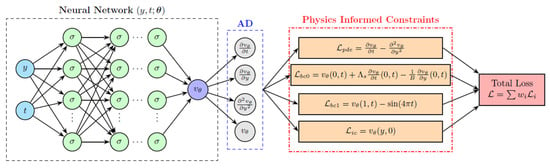
This study presents a comparative investigation of Physics-Informed Neural Networks (PINNs) and data-driven Deep Operator Networks (DeepONets) for predicting the evolution of plane Newtonian Couette flow with dynamic wall slip. First, a PINN framework is employed to solve flow for selected physical parameters.
[...] Read more.
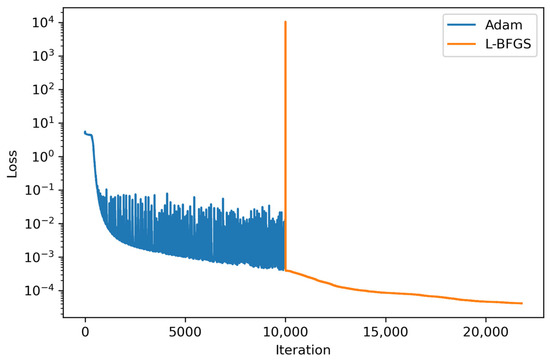
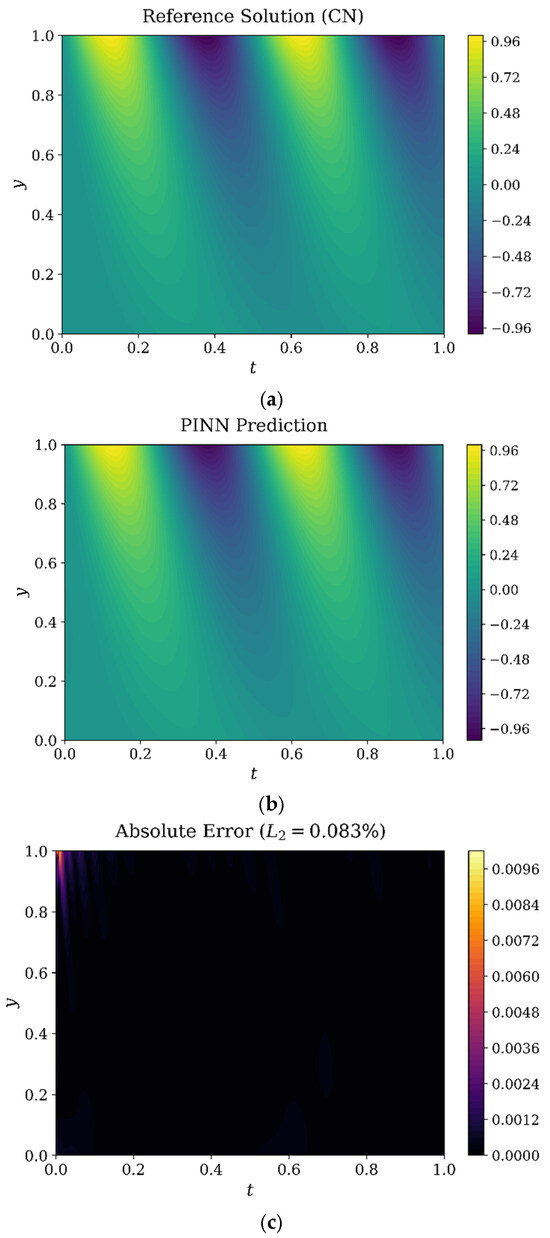
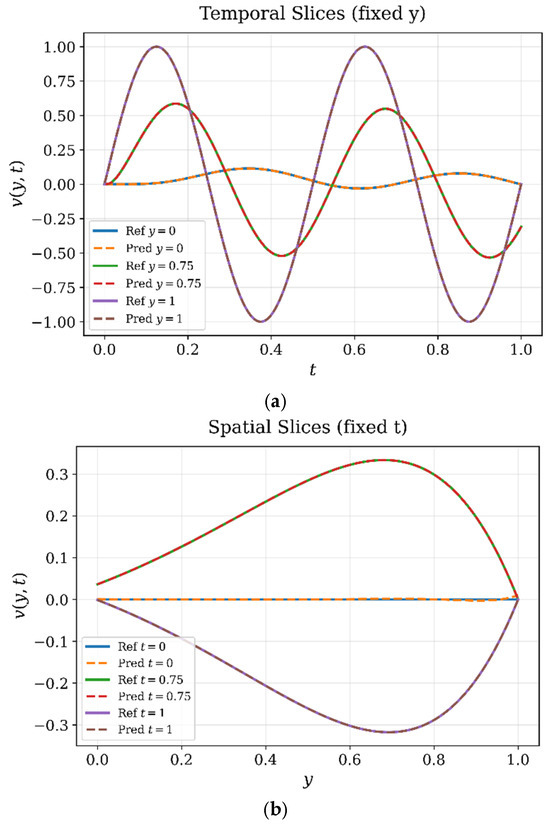
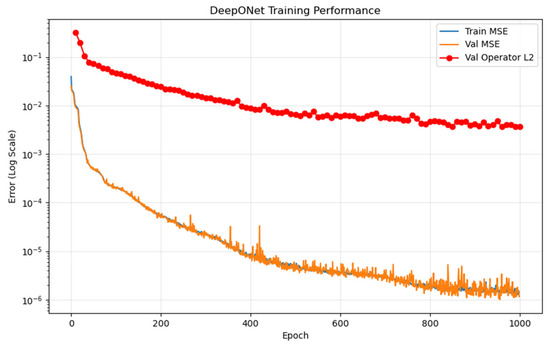
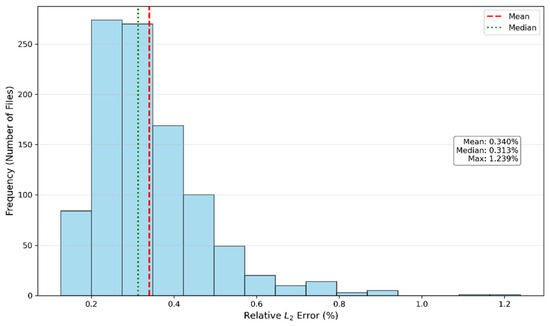
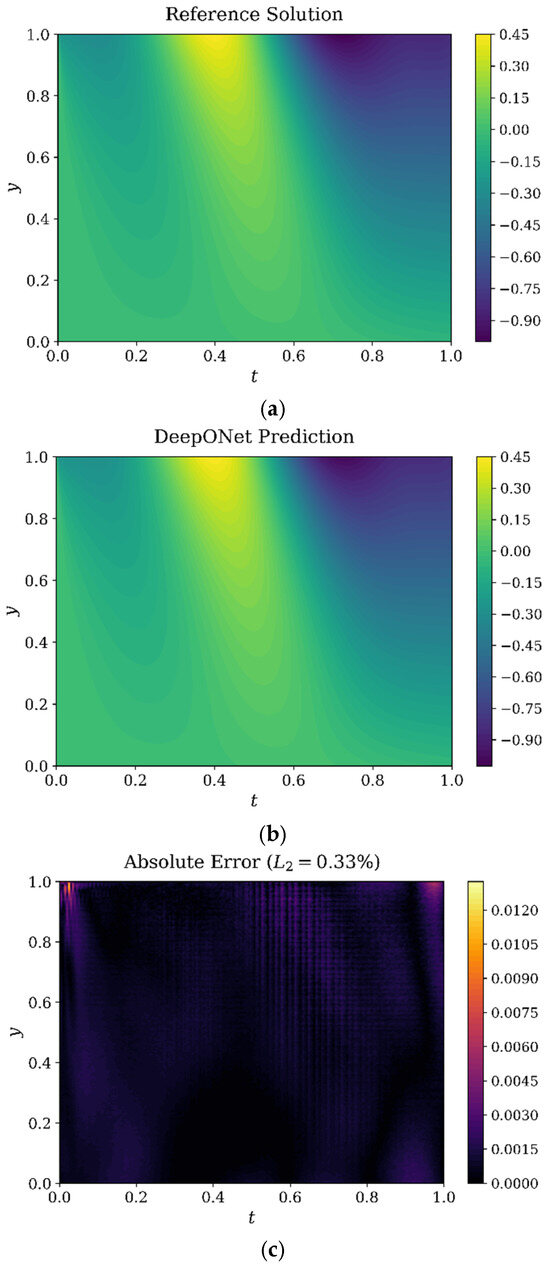
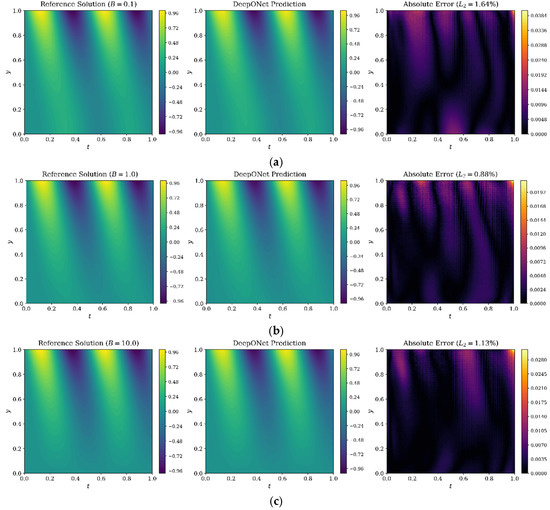
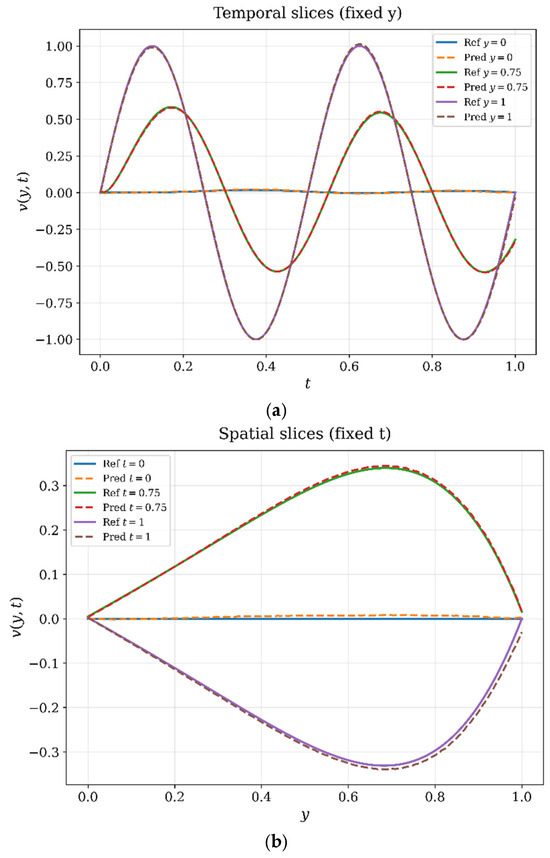
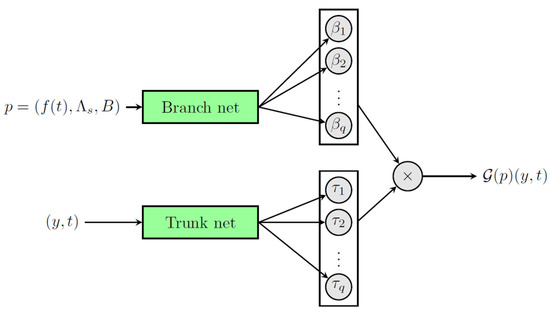
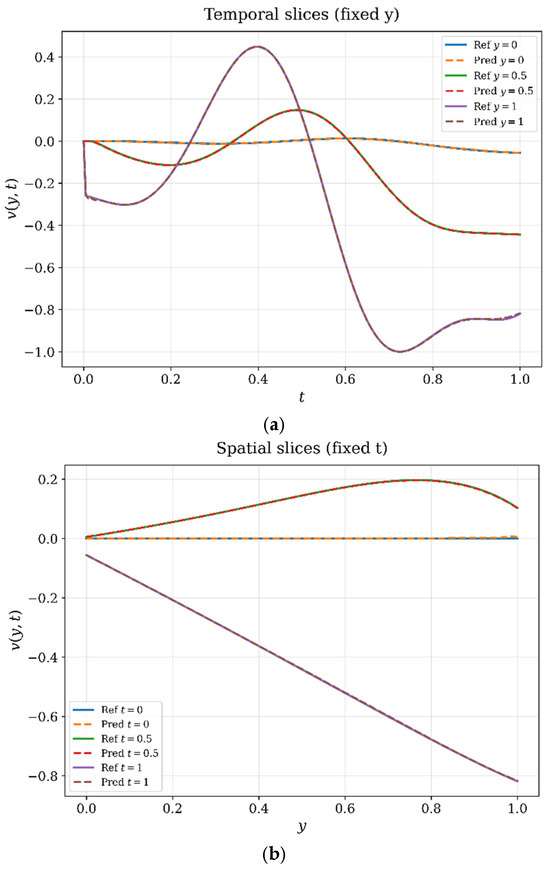
This study presents a comparative investigation of Physics-Informed Neural Networks (PINNs) and data-driven Deep Operator Networks (DeepONets) for predicting the evolution of plane Newtonian Couette flow with dynamic wall slip. First, a PINN framework is employed to solve flow for selected physical parameters. Subsequently, we develop a data-driven DeepONet, trained on high-fidelity numerical data, to learn the continuous solution operator across a broad range of slip boundary conditions and upper wall velocities. PINN achieves a relative error of 0.083% for the specific case considered. On the other hand, DeepONet shows a mean relative error of 0.340% on the standard test set and performs well when tested with a deterministic harmonic forcing outside the GRF-based forcing distribution used for training. While PINN gives accuracy for a specific configuration, the trained DeepONet can be reused for different boundary forcings and slip parameters without needing to be retrained. The compatibility of physics-based and data-driven models is highlighted. The results also demonstrate that DeepONet is a very effective surrogate model for quick parametric studies and the real-time prediction of fluid dynamics.
Full article

Figure 1
Open AccessArticle
Wall-Resolved Large-Eddy Simulation of an Airfoil Using High-Order Spectral Element CFD Solver NEKO
by
Tinto Thomas, Johannes Nicolaas Theron, Neeraj Paul Manelil, Bernhard Stoevesandt and Philipp Schlatter
Fluids 2026, 11(9), 237; https://doi.org/10.3390/fluids11090237 - 17 Sep 2026
Abstract
►▼
Show Figures
This study employs wall-resolved Sigma SGS Large-Eddy Simulation (WR-LES) of the Eppler 387 airfoil to evaluate the higher-order Spectral Element Method (SEM) CFD solver NEKO at a moderate Reynolds number of 105 and an angle of attack of 4 degrees. 2.5D simulation
[...] Read more.
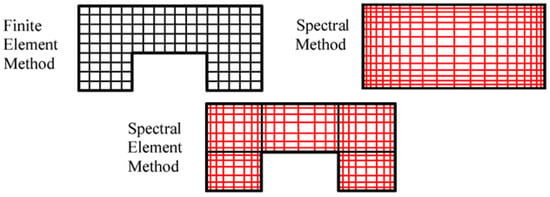
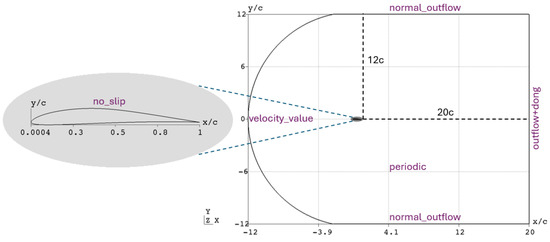
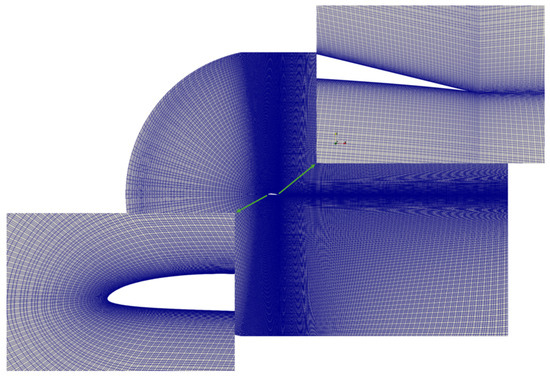
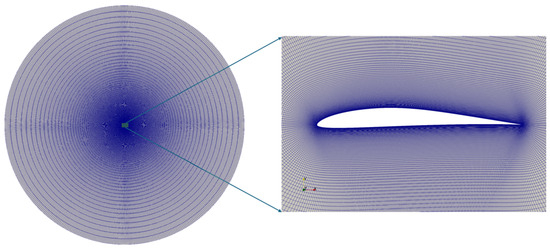
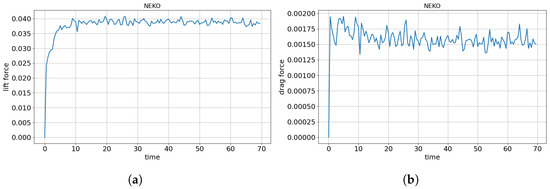
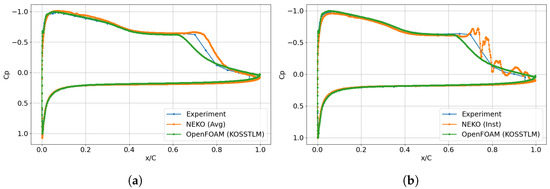
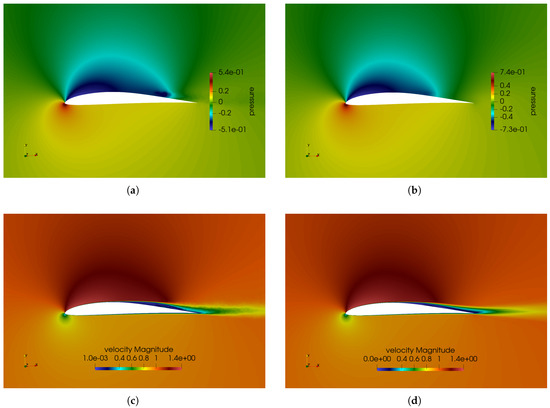
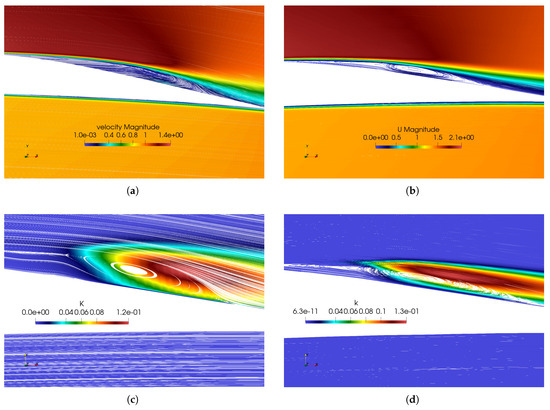
This study employs wall-resolved Sigma SGS Large-Eddy Simulation (WR-LES) of the Eppler 387 airfoil to evaluate the higher-order Spectral Element Method (SEM) CFD solver NEKO at a moderate Reynolds number of 105 and an angle of attack of 4 degrees. 2.5D simulation is performed with a span of 10% chord length using a polynomial order of 3, resulting in 300,960 elements and approximately 19 million Gauss-Lobatto-Legendre (GLL) quadrature points. Aerodynamic force coefficients and pressure distribution along the airfoil are used to evaluate the SEM solver and to validate results against wind-tunnel experimental data from NASA Technical Memorandum 4062 and OpenFOAM 2D RANS (simpleFoam) simulations (k- SST, k- SST Langtry–Menter, and k- SST CND). NEKO predicts the pressure distribution in good agreement with the experimental results; however, the transition point is captured slightly downstream of the experimentally observed location. The solver predicts the lift coefficient matching experimental values up to the 3rd decimal place, but the drag is overestimated. This discrepancy may be attributed to the absence of inflow turbulence in the numerical setup, which is likely present in the wind-tunnel experiment. This study demonstrates both the potential and limitations of higher-order SEM solver NEKO for CFD simulation.
Full article

Figure 1
Open AccessArticle
SW-RheoPINN: Physics-Informed In-Line Estimation of Pipe-Effective Yield Stress from Pressure–Flow Measurements
by
Md Munim Rayhan, Anirban Saha, Somnath Somadder, Anzaman Hossen, Fuad Hasan, Md Sharif Ahmed Sarker and Dwayne McDaniel
Fluids 2026, 11(9), 236; https://doi.org/10.3390/fluids11090236 - 17 Sep 2026
Abstract
Reliable in-line estimation of slurry rheology could improve the safety and control of pipeline-transfer operations, particularly in radioactive-waste processing where frequent manual sampling is undesirable. This study presents SW-RheoPINN, a physics-informed inverse pipe-rheometry framework for estimating pipe-effective yield stress and plastic viscosity from
[...] Read more.
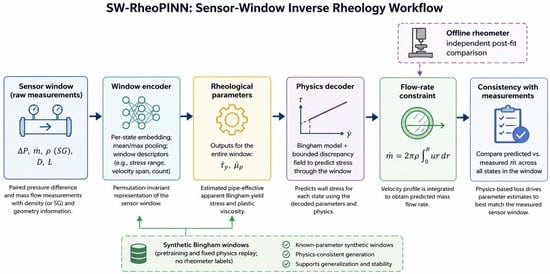
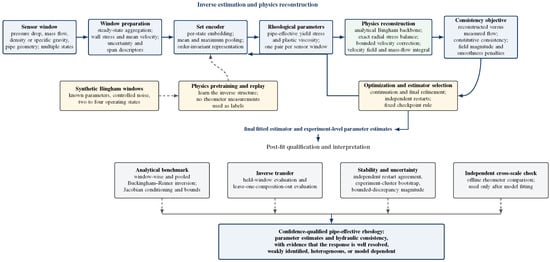
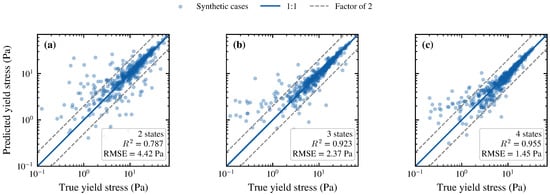
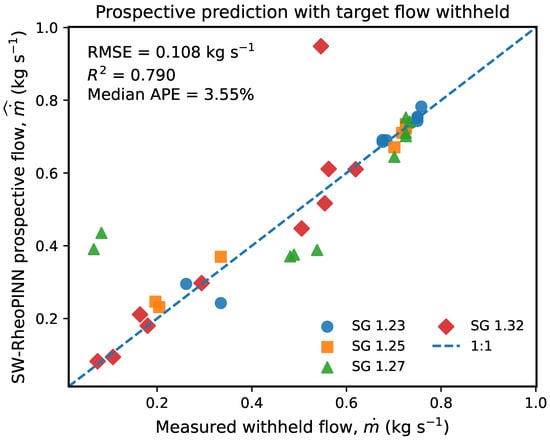
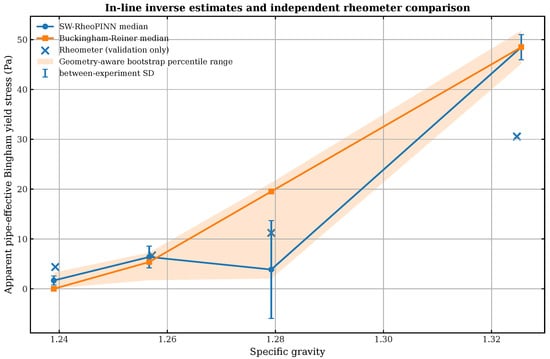
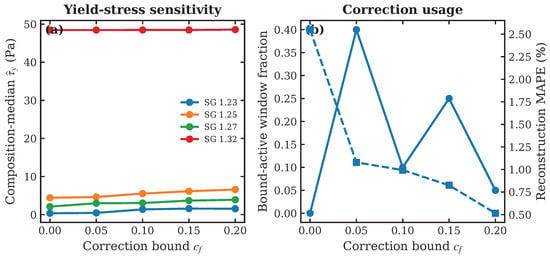
Reliable in-line estimation of slurry rheology could improve the safety and control of pipeline-transfer operations, particularly in radioactive-waste processing where frequent manual sampling is undesirable. This study presents SW-RheoPINN, a physics-informed inverse pipe-rheometry framework for estimating pipe-effective yield stress and plastic viscosity from short windows of pressure-drop, mass-flow-rate, density, and pipe-geometry measurements. The framework combines a permutation-invariant sensor-window encoder with an analytical Bingham pipe-flow backbone, radial momentum balance, a regularized constitutive relation, cross-sectional mass conservation, and a tightly bounded velocity-profile correction for limited model discrepancy. SW-RheoPINN was evaluated using 20 two-state kaolin–water flow-loop experiments comprising 40 hydraulic states. In matched-physics synthetic tests with 2% multiplicative mass-flow noise, yield-stress recovery improved from for two-state windows to and for three- and four-state windows, respectively; plastic-viscosity recovery improved from to and . For the experimental data, complete sensor-window reconstruction achieved a MAPE of 0.80% and . Because measured mass flow is an encoder input in this reconstruction, these metrics characterize inverse self-consistency rather than prospective prediction. A separate target-flow-withheld evaluation, in which the withheld mass flow was not supplied to the inverse model, achieved an RMSE of kg.s-1, , and a median absolute percentage error of 3.55%. Prediction was strongest for compositions with repeatable hydraulic behavior and degraded when nominally similar experiments occupied distinct response states. Ablation and sensitivity analyses showed that strongly resolved high-yield conditions were largely insensitive to composition-related regularization, Papanastasiou sharpness, and correction capacity, whereas low-yield estimates were more model dependent. Misspecified-physics tests further showed that small hydraulic residuals do not necessarily imply unbiased rheological parameters. The inferred pipe-effective yield stresses retained the broad composition-dependent trend observed by offline rheometry, although absolute cross-scale agreement was limited. These results support SW-RheoPINN as a physics-constrained inference and diagnostic framework for identifying both well-supported and weakly resolved rheological states from standard process measurements.
Full article
(This article belongs to the Special Issue Machine Learning and Artificial Intelligence in Fluid Mechanics, 2nd Edition)
►▼
Show Figures

Figure 1
Open AccessArticle
Optimized Hydrodynamic Profiling of a Vortex Chamber Configuration
by
Symeon Yesypchuk, Oleksandr Liaposhchenko, Jan Pitel, Maksym Skydanenko, Vsevolod Sklabinskyi and Vitalii Ivanov
Fluids 2026, 11(9), 235; https://doi.org/10.3390/fluids11090235 - 16 Sep 2026
Abstract
In modern industrial processes, particularly in the oil and gas, mining, and chemical sectors that handle complex multiphase flows (gas–liquid–solid), enhancing vortex separators is a critical engineering task to ensure the efficient separation of raw materials. The hydrodynamic characteristics and energy losses of
[...] Read more.
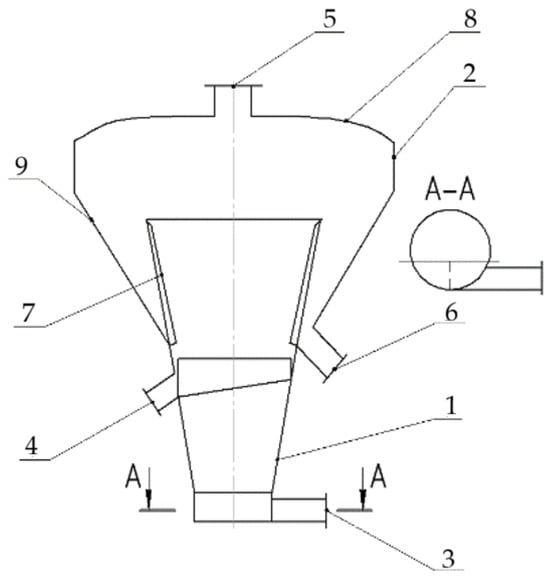
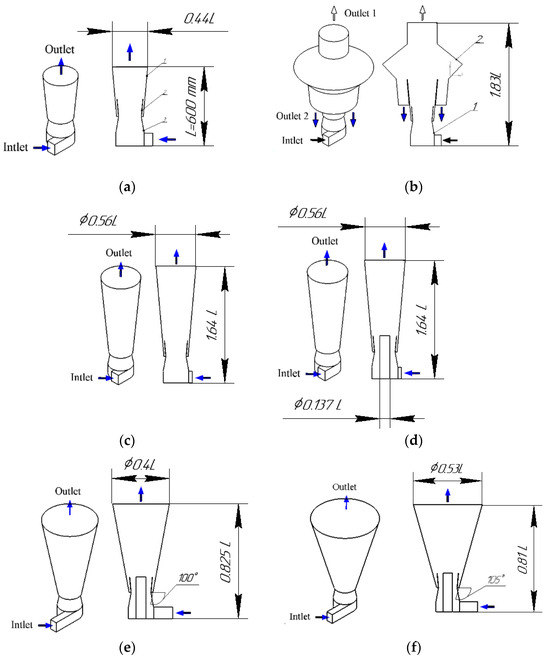
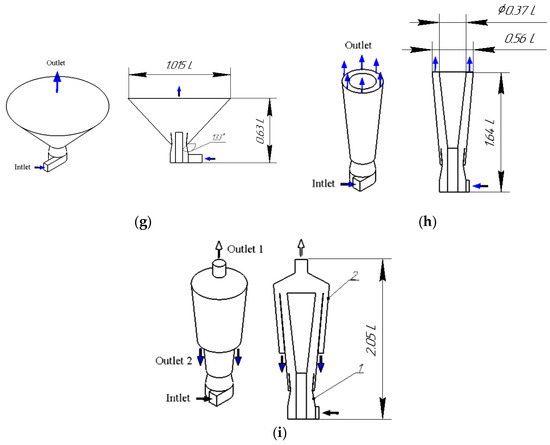
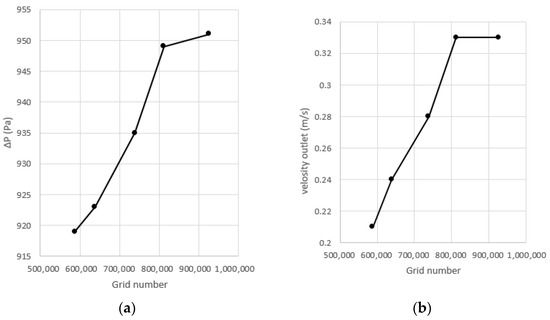
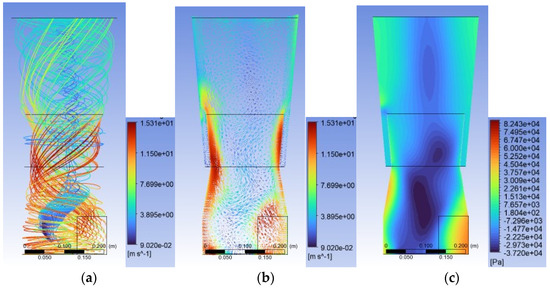
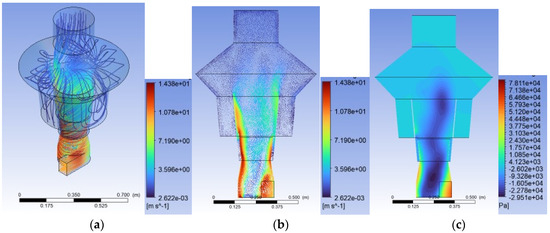
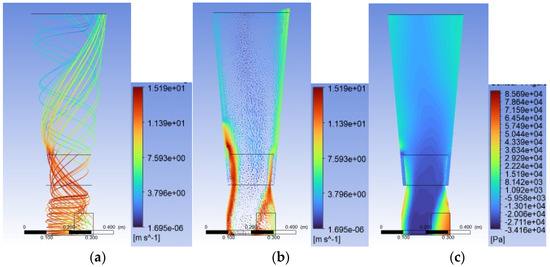
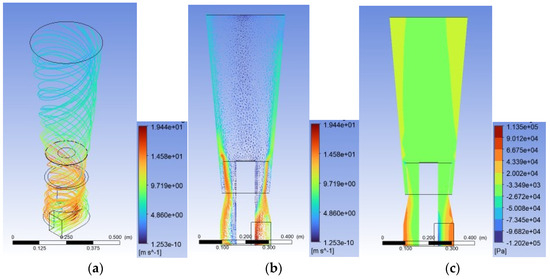
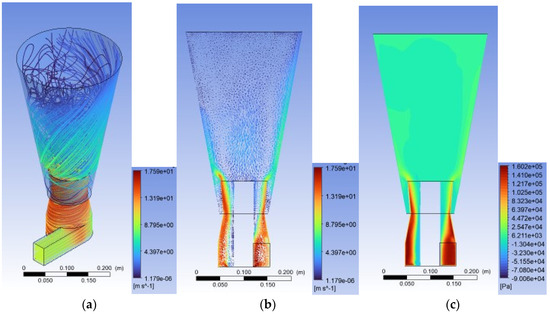
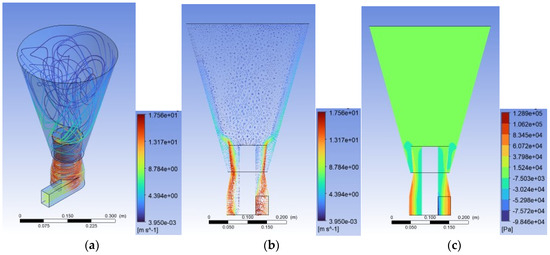
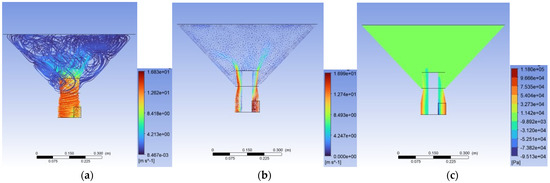
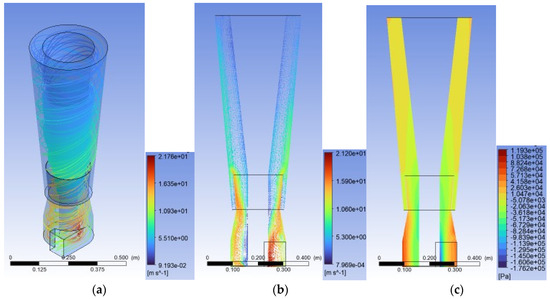
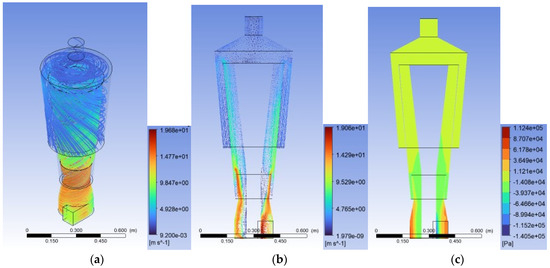
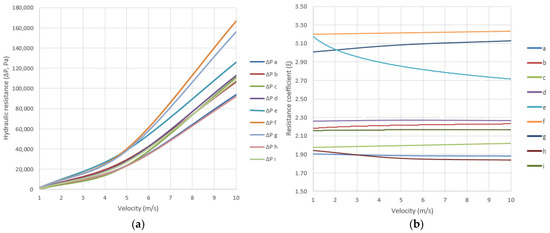
In modern industrial processes, particularly in the oil and gas, mining, and chemical sectors that handle complex multiphase flows (gas–liquid–solid), enhancing vortex separators is a critical engineering task to ensure the efficient separation of raw materials. The hydrodynamic characteristics and energy losses of such devices are directly dependent on their geometric configuration. Given that the direct simulation of three-phase systems is highly computationally intensive, this study conducts an essential foundational step: the comparative numerical simulation of single-phase hydrodynamic behavior across nine configurations of vortex chambers with tangential inlets. This research aims to evaluate the impact of geometric modifications on vortex formation, velocity and pressure fields, pressure drop, and hydraulic resistance within the investigated range of inlet velocities from 1 to 10 m/s. Based on the numerical results, Model 8, featuring a bi-conical expansion section, exhibits the most favorable hydrodynamic performance in terms of the ratio of flow swirl intensity to energy losses. It ensures stabilization of the vortex core, high rotational velocity, and an optimal pressure drop, thereby generating the hydrodynamic potential necessary for subsequent phase separation. Limiting the inlet velocity to 10 m/s prevents chaotic turbulence and local flow separation within the expansion zone. The derived geometry and the established hydrodynamic patterns provide a robust foundation for future numerical simulations of two- and three-phase media.
Full article
(This article belongs to the Special Issue Modelling and Simulation of Turbulent Flows, 2nd Edition)
►▼
Show Figures

Figure 1
Open AccessArticle
Computational Fluid Dynamics Simulations of Water Mist Penetration Through a Hot Air Jet
by
Rana Uzair Zahid and Tarek Beji
Fluids 2026, 11(9), 234; https://doi.org/10.3390/fluids11090234 - 15 Sep 2026
Abstract
Water-based suppression systems are widely employed in fire safety engineering, yet the accurate CFD modelling of their interaction with fire-driven flows remains a significant challenge. This study evaluates the impact of drag force modelling and grid mesh resolution on interaction boundary height predictions
[...] Read more.
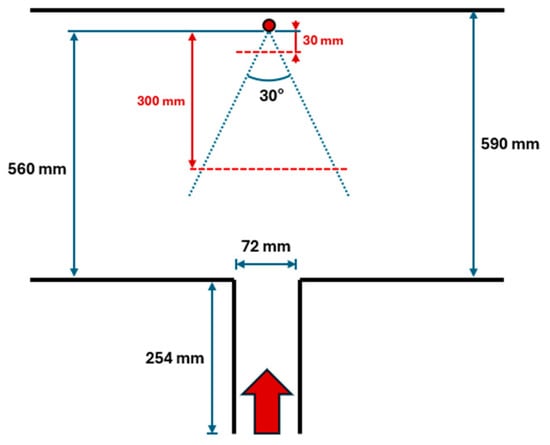
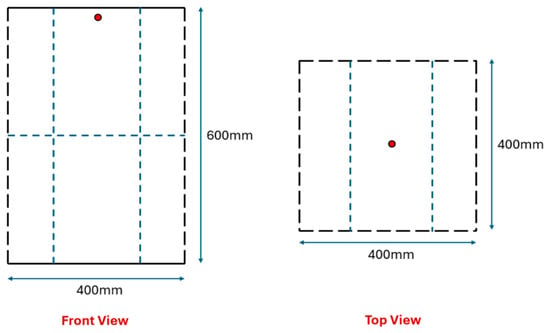
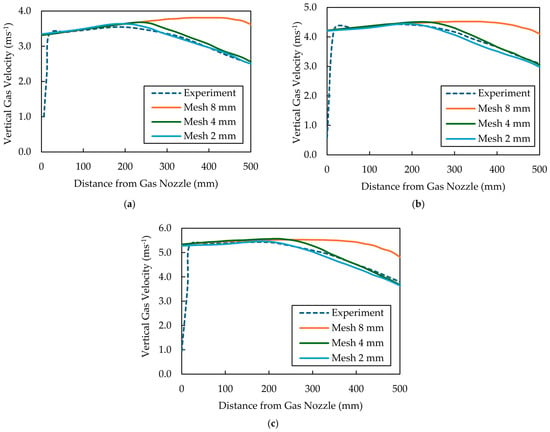
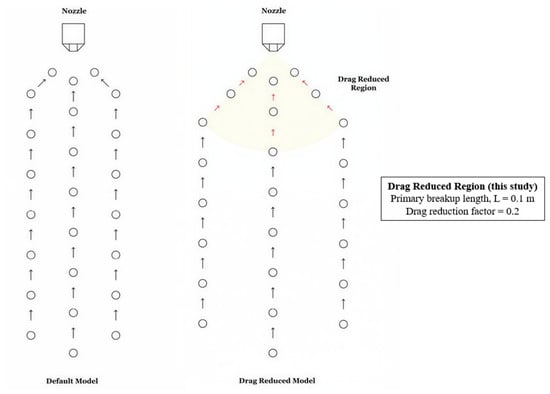
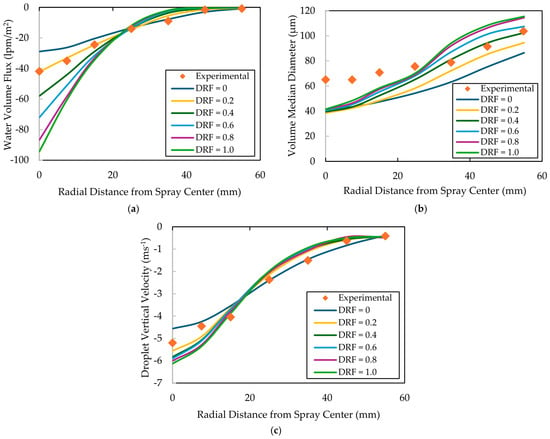
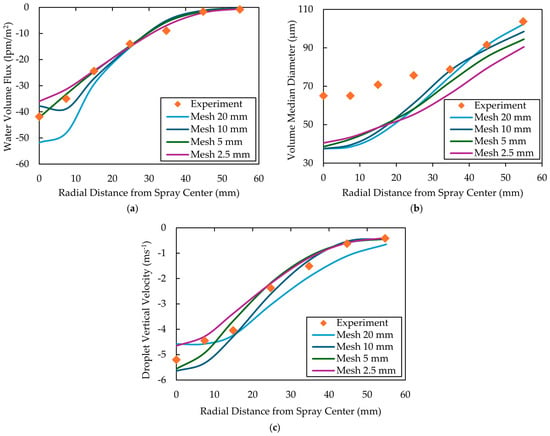
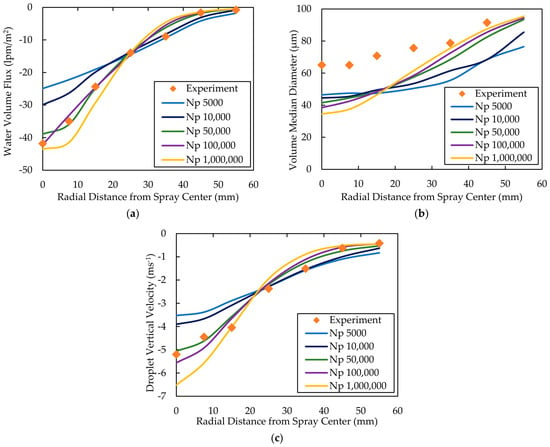
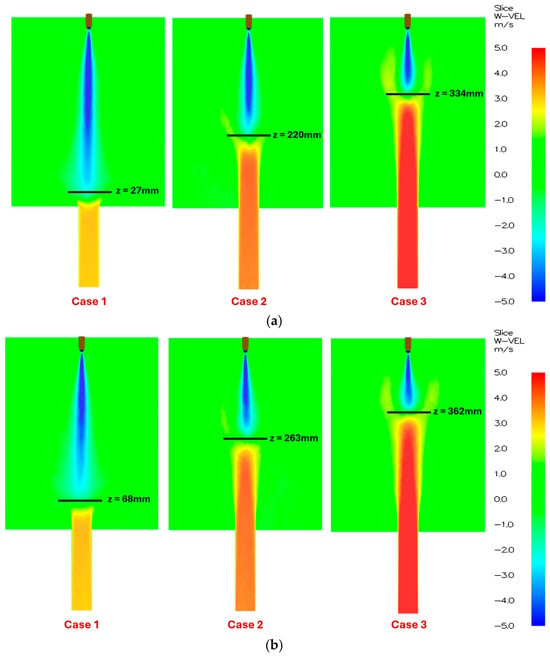
Water-based suppression systems are widely employed in fire safety engineering, yet the accurate CFD modelling of their interaction with fire-driven flows remains a significant challenge. This study evaluates the impact of drag force modelling and grid mesh resolution on interaction boundary height predictions between a hot air jet at experimental velocities of 3.3, 4.2, and 5.3 ms−1 and a full-cone 30° water spray nozzle operating at 0.084 LPM using the Fire Dynamics Simulator (FDS 6.9.1), employing the Very Large Eddy Simulation (VLES) turbulence simulation mode with the Deardorff subgrid-scale and WALE near-wall turbulence models. Gas phase and water spray simulations were independently validated against the experimental measurements of Zhou, with the water spray study establishing that representative Lagrangian particles must be on the order of 105 to avoid spurious zero readings in far-field measurements. Interaction phase modelling was conducted using mesh cell sizes of 4 mm and 2 mm with a localized drag reduction approach, confirmed to operate within the LES regime through an a posteriori turbulence resolution assessment. The results demonstrate that improved drag physics combined with refined grid resolution yields meaningful improvements in the predicted interaction boundary height, highlighting the importance of addressing both aspects concurrently for reliable multi-phase flow predictions in FDS.
Full article
(This article belongs to the Special Issue Computational Fluid Dynamics of Multiphase Systems)
►▼
Show Figures

Figure 1
Open AccessReview
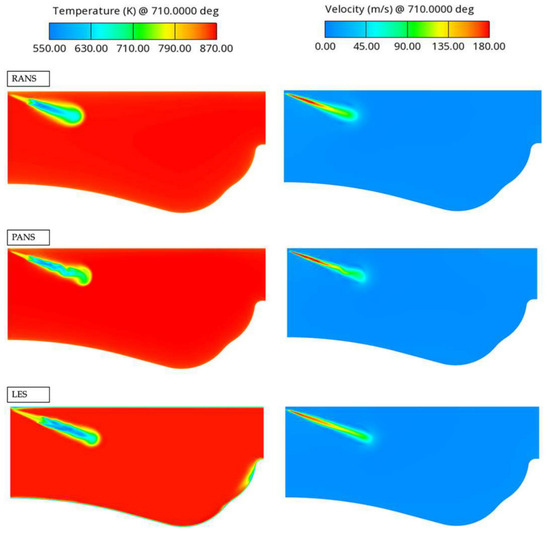
The Partially Averaged Navier–Stokes Paradigm: Recent Advances Toward Predictive Scale-Resolving Turbulence Simulation
by
Jiachen Zhu, Zelong Yuan, Yunpeng Wang and Haojun Yang
Fluids 2026, 11(9), 233; https://doi.org/10.3390/fluids11090233 - 15 Sep 2026
Abstract
Partially averaged Navier–Stokes (PANS) has evolved over the past two decades from a conventional RANS–DNS bridging model into a scale-resolving simulation framework with controllable turbulence resolution. By introducing the unresolved fractions of turbulent kinetic energy and dissipation, fk and fε,
[...] Read more.
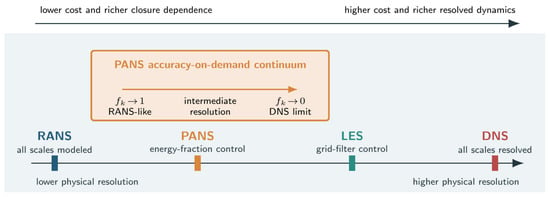
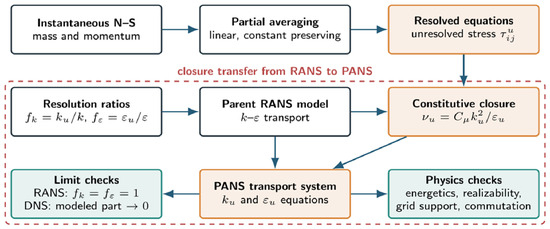
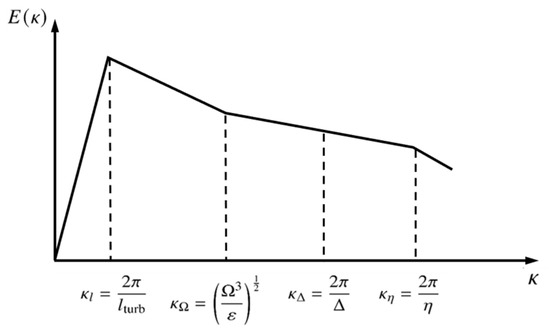
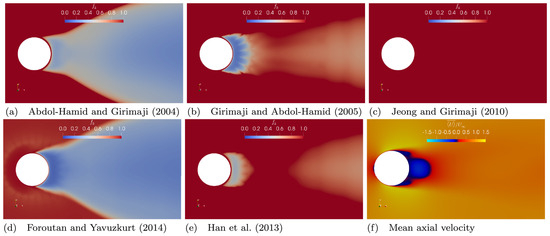
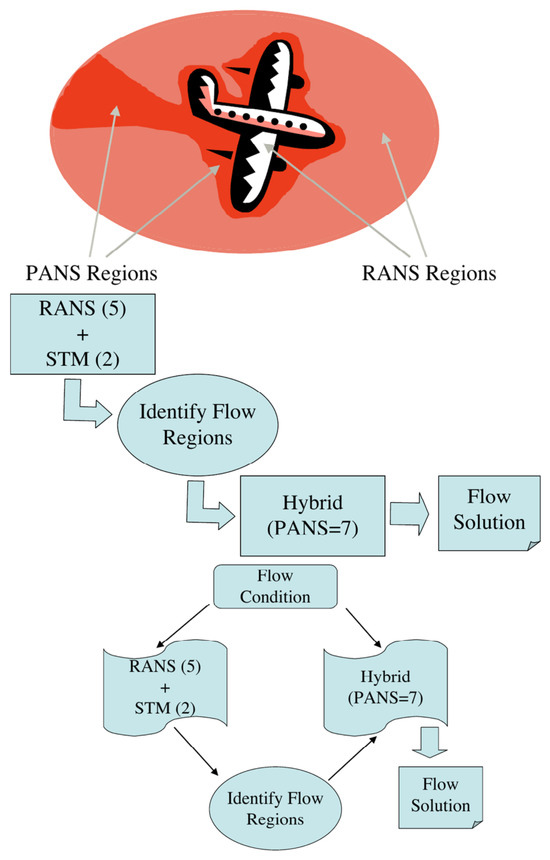
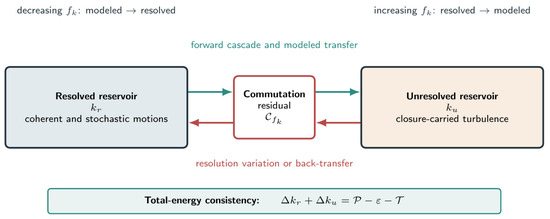
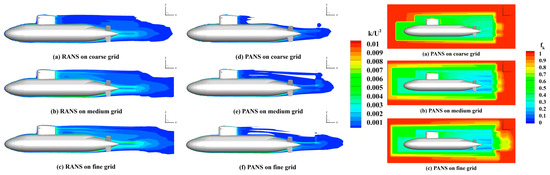
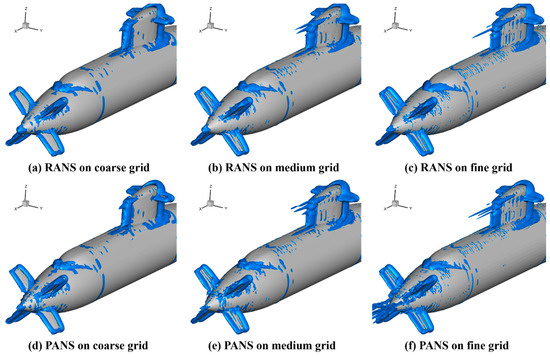
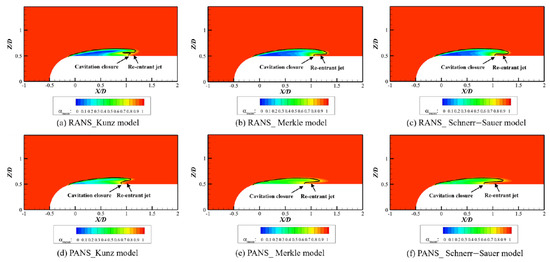
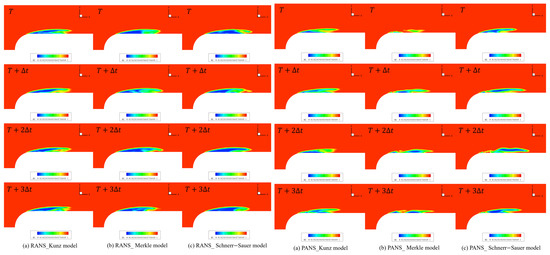
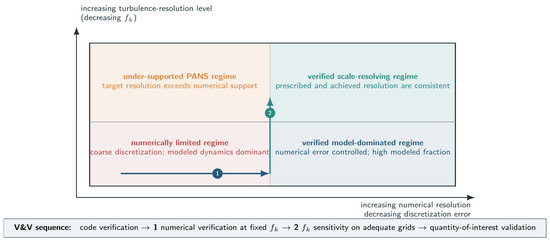
Partially averaged Navier–Stokes (PANS) has evolved over the past two decades from a conventional RANS–DNS bridging model into a scale-resolving simulation framework with controllable turbulence resolution. By introducing the unresolved fractions of turbulent kinetic energy and dissipation, fk and fε, PANS regulates the partition between modeled and resolved turbulence. However, the turbulence resolution achieved in practical simulations is not solely determined by the prescribed parameters, but also depends on the interaction among turbulence closure, grid resolution, numerical dissipation, and physical modeling. This review summarizes the theoretical foundations, resolution-control strategies, and engineering applications of PANS, with particular emphasis on the consistency between prescribed and realized turbulence resolution. The formulation of partially averaged governing equations, closure transformations, scale relationships, and the limiting behaviors toward RANS and DNS are first discussed. Recent developments in variable-resolution formulations, commutation-error treatment, scale-supplying variables, near-wall resolution approaches, dissipation-resolution control, and variable-density extensions are subsequently reviewed. Applications to canonical turbulence, separated flows, rotating machinery, marine hydrodynamics, cavitation, heat transfer, combustion, and compressible flows are assessed in terms of turbulence statistics, coherent structures, spectral characteristics, and engineering prediction capability. Existing studies demonstrate that PANS can recover energetic unsteadiness suppressed by RANS and improve predictions of complex flows when sufficient numerical resolution and appropriate physical closures are provided. Nevertheless, reducing fk does not necessarily guarantee improved accuracy, as the prescribed resolution must be consistent with grid resolution, time-step selection, numerical schemes, boundary treatments, and multiphysics models. Future developments of PANS will focus on reliable resolution estimation, conservative variable-resolution strategies, consistent multiphysics scale closures, and systematic verification and validation procedures to establish quantitative relationships among prescribed resolution, numerical realization, and predictive accuracy. In PANS, fk and fε define a scale-dependent closure rather than a scale separation set directly to the grid or filter.
Full article
(This article belongs to the Special Issue Advanced Numerical Methods for Turbulence Simulation)
►▼
Show Figures

Figure 1

Open AccessArticle
On the Convergence, Node Collocation, and the Disc-Edge Singularity of a Vortex-Ring/Vortex-Cylinder Free-Wake Model for the Uniformly Loaded Actuator Disc
by
Alois Peter Schaffarczyk
Fluids 2026, 11(9), 232; https://doi.org/10.3390/fluids11090232 - 14 Sep 2026
Abstract
Free-wake vortex-ring models are the simplest way of describing a uniformly loaded actuator disc consistently with the Euler equations, i.e., including the radial velocity that accompanies slipstream contraction or expansion. This paper examines the numerical behavior of this model class using an independent
[...] Read more.
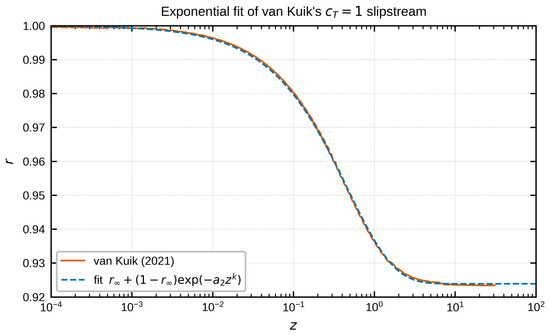
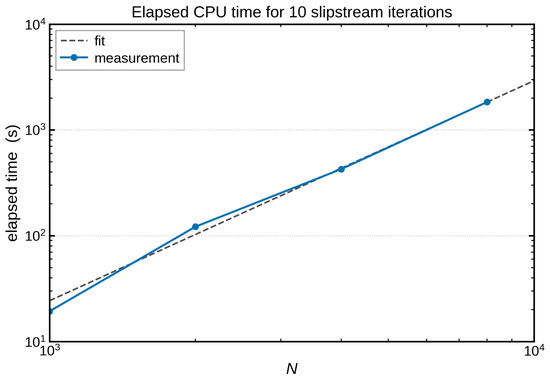
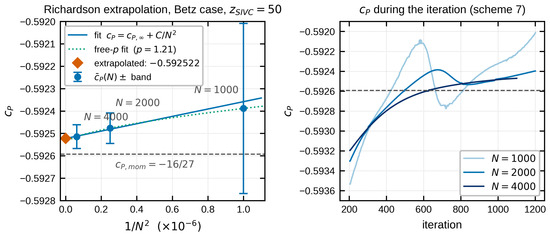
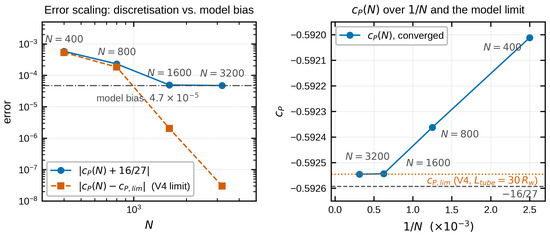
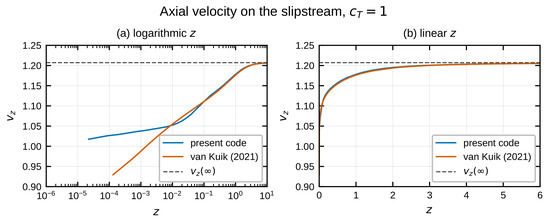
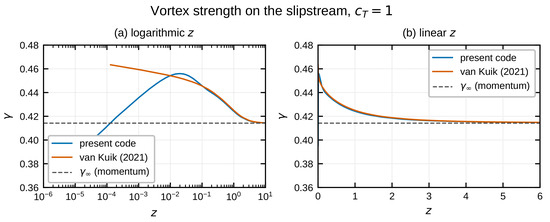
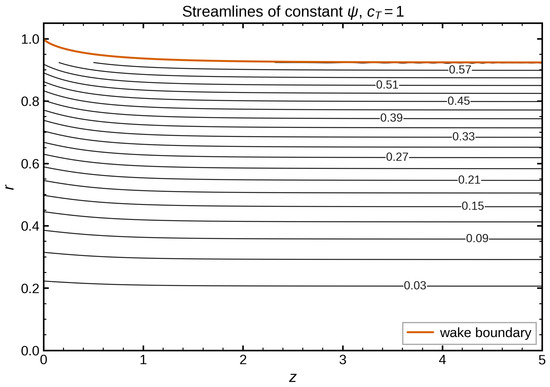
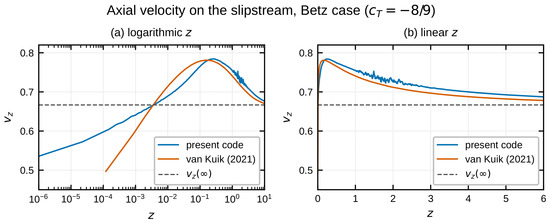
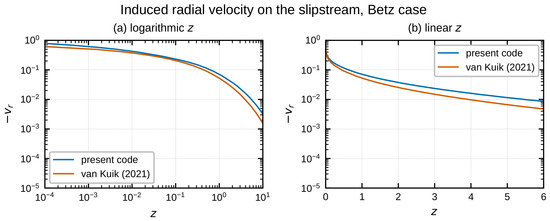
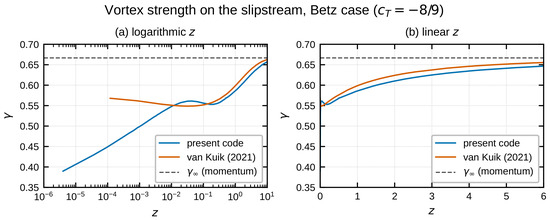
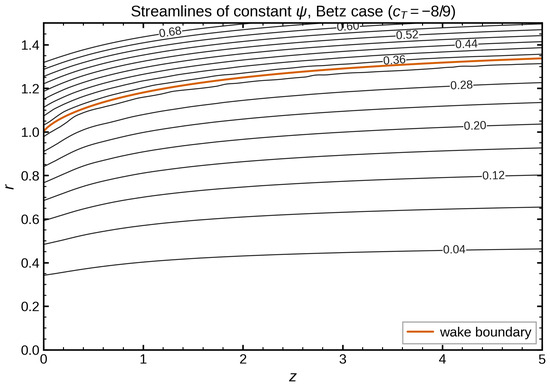
Free-wake vortex-ring models are the simplest way of describing a uniformly loaded actuator disc consistently with the Euler equations, i.e., including the radial velocity that accompanies slipstream contraction or expansion. This paper examines the numerical behavior of this model class using an independent open-source FORTRAN 90/95 implementation and a 1:1 Python (v3.12) replica, for the propeller case ( ) and the Betz case ( ). Three results are reported. First, the two convergence measures in common use—the residual of the wake (sheet) equations and the deviation of the power coefficient from momentum theory—are shown not to be equivalent: the latter has a discretization floor and is not monotone, so it is unsuitable as a stopping criterion, and accuracy figures obtained with it are sometimes misleading. Second, the discrete Kelvin–Helmholtz saw-tooth mode is stabilized by a damping factor proportional to , which reaches the residual floor within a few hundred instead of iterations; the remaining fluctuation band reflects the unresolved disc-edge region and is removed by node collocation with a spacing-proportional vortex kernel, which converges to a unique fixed point with machine-level residuals and . Third, the converged solutions show a bounded edge strength with fitted exponent in , differing from both the spiral and the constant- proposals in the literature; it is explained why single-valued, regularized sheet discretizations cannot decide this question.
Full article
(This article belongs to the Special Issue Application of Fluid Mechanics in Wind Turbines)
►▼
Show Figures

Figure 1
Open AccessArticle
The Interaction of Wind-Generated Gravity Water Wave Groups with Capillary-Gravity Wave Groups: Coupled Nonlinear Schrödinger Equations
by
Montri Maleewong and Roger Grimshaw
Fluids 2026, 11(9), 231; https://doi.org/10.3390/fluids11090231 - 13 Sep 2026
Abstract
The nonlinear Schrödinger equation is a well-known and much-studied canonical equation for weakly nonlinear wave groups. In the context of wind-generated water waves, an additional wind forcing term can be added. It is asymptotically derived for the slowly varying amplitude of a sinusoidal
[...] Read more.
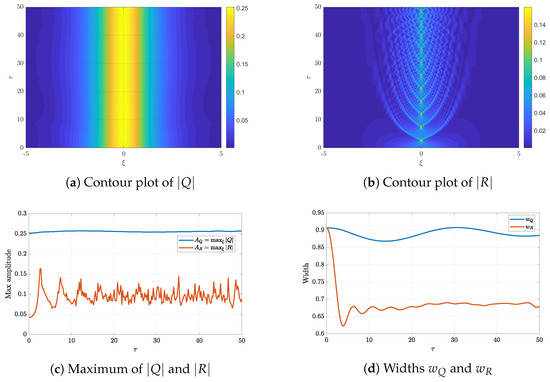
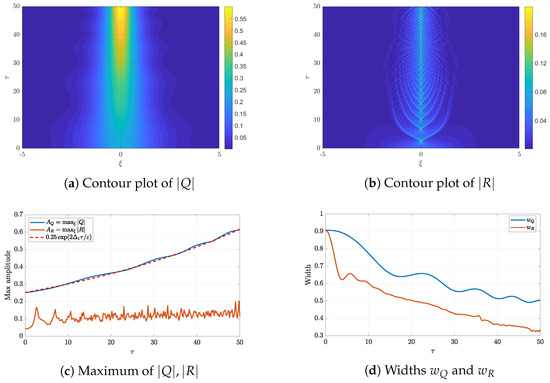
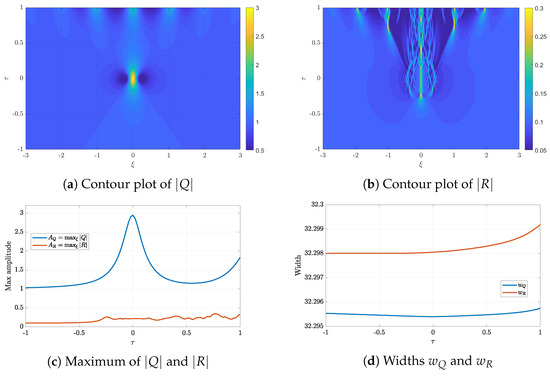
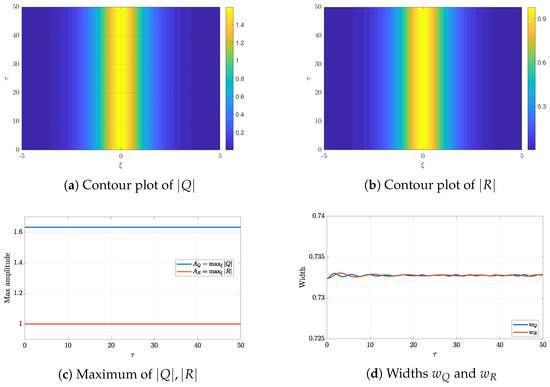
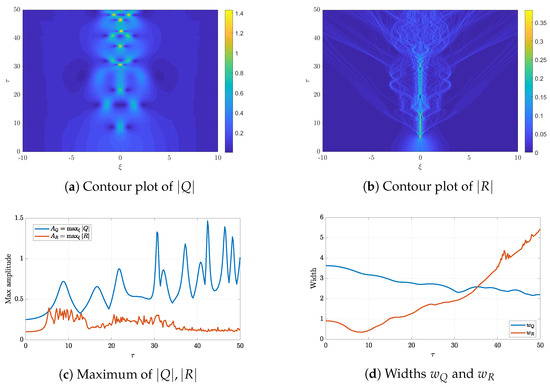
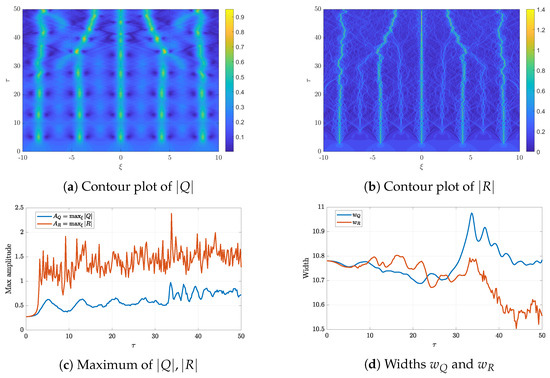
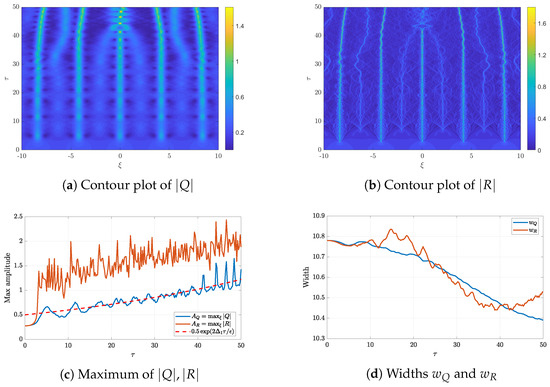
The nonlinear Schrödinger equation is a well-known and much-studied canonical equation for weakly nonlinear wave groups. In the context of wind-generated water waves, an additional wind forcing term can be added. It is asymptotically derived for the slowly varying amplitude of a sinusoidal wave, with a dominant wavenumber and frequency. When two such wave groups are present, the asymptotic outcome is two coupled nonlinear Schrödinger equations, with coupling through a nonlinear term in each equation. In this article we examine this scenario, in a one horizontal space dimension setting, when one wave is a gravity wind-driven water wave, and the other is a capillary-gravity wave. For this coupled system, we present an analysis of modulation instability and a suite of numerical simulations analogous to those presented previously for the forced nonlinear Schrödinger equation.
Full article
(This article belongs to the Special Issue Nonlinear Wave Dynamics in the Atmosphere and Oceans: Celebrating the 90th Birthday of Professor Roger Grimshaw)
►▼
Show Figures

Figure 1

Open AccessArticle
Theoretical Analysis of Cuttings Accumulation at Curvature Transition Zones in Double Build-Up Wells
by
Zaiming Wang, Ran Li, Jinxia Chen, Xiaofeng Xu and Yi Hou
Fluids 2026, 11(9), 230; https://doi.org/10.3390/fluids11090230 - 13 Sep 2026
Abstract
Extended-reach and highly deviated wells often adopt a double build-up trajectory. This profile contains two curvature transition zones: the build-to-tangent transition and the tangent-to-build transition. The annular flow undergoes severe restructuring in these zones. They are potential bottlenecks for cuttings transport. This work
[...] Read more.
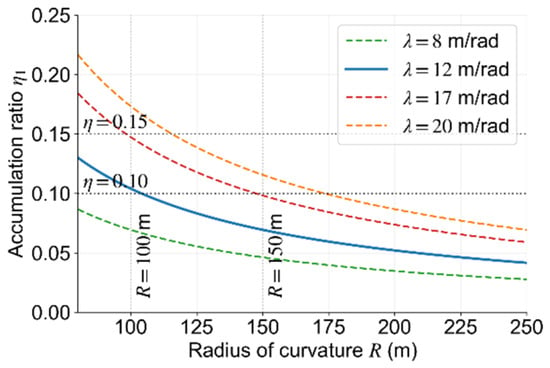
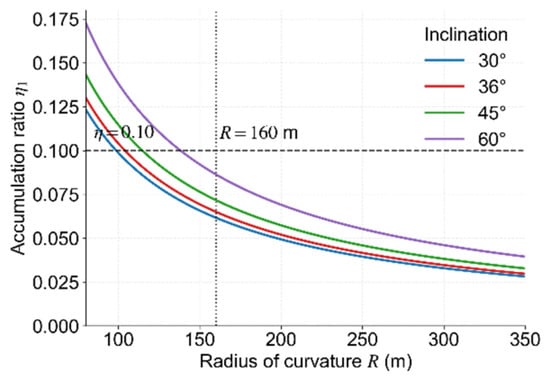
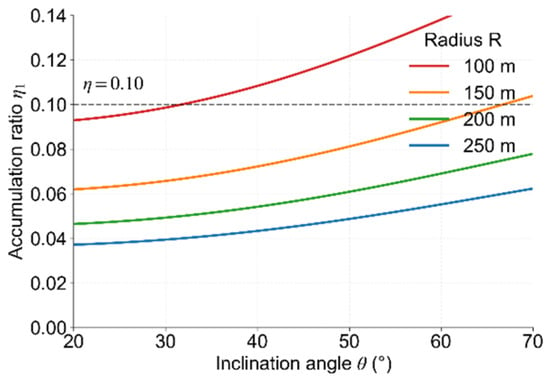
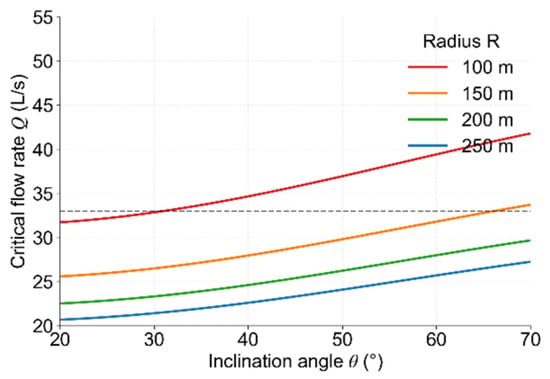
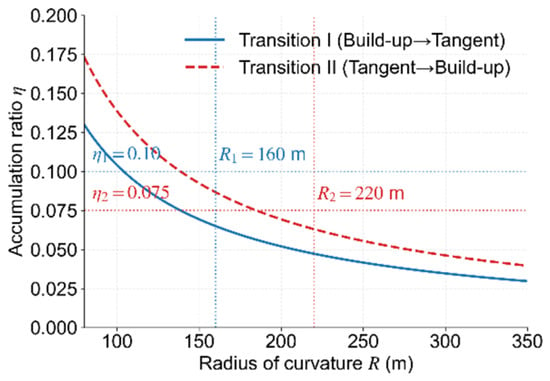
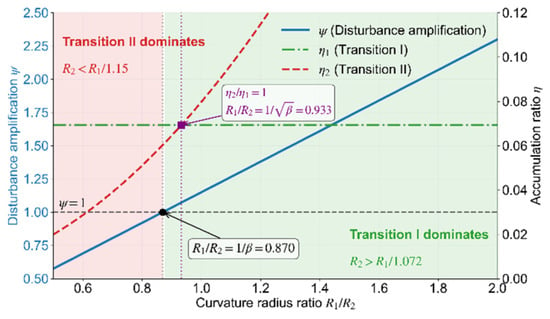
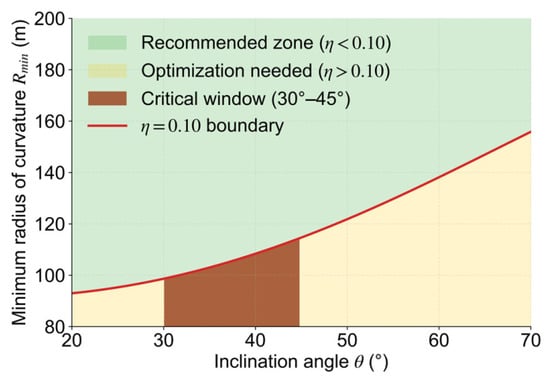
Extended-reach and highly deviated wells often adopt a double build-up trajectory. This profile contains two curvature transition zones: the build-to-tangent transition and the tangent-to-build transition. The annular flow undergoes severe restructuring in these zones. They are potential bottlenecks for cuttings transport. This work uses a 215.9 mm wellbore with 127.0 mm drill pipe as the reference case. Analytical expressions for the cuttings accumulation ratio in both transition zones are developed based on the three-layer transport model. For power-law drilling fluids, a generalized Reynolds number is introduced to reformulate the Dean number. A dynamic disturbance coefficient is constructed from the along-hole Dean number gradient. This coefficient captures the contrasting behavior of secondary flow. In one transition zone, the secondary-flow decays. In the other, it suddenly emerges. The results show that when the two curvature radii are equal, the accumulation ratio in the tangent-to-build transition is roughly 1.15 times that in the build-to-tangent transition. Reducing the curvature radius from 250 m to 100 m increases the accumulation ratio by about 2.5 times. The ratio rises with the inclination angle. The disturbance coefficient increases monotonically with the build rate. After accounting for drill pipe eccentricity, the recommended minimum curvature radii are 160 m for the first build section and 220 m for the second. These findings offer a theoretical basis for trajectory design in sections with abrupt curvature changes.
Full article
(This article belongs to the Special Issue Advances in Multiphase Flow of Oil and Gas)
►▼
Show Figures

Figure 1

Open AccessArticle
Effects of Variable-Speed Operation on the External Characteristics and Work Performance of Multiphase Pumps
by
Rui Guo, Guangtai Shi, Zhongbin Chen, Qingxi Pei, Tongde Feng and Aijing Deng
Fluids 2026, 11(9), 229; https://doi.org/10.3390/fluids11090229 - 11 Sep 2026
Abstract
Multiphase pumps are key equipment for the efficient transport of multiphase fluids in the petroleum industry, and their transient stability under variable-speed conditions directly affects system reliability. By combining numerical simulation with experimental validation, this study systematically investigates the evolution of external characteristics,
[...] Read more.
Multiphase pumps are key equipment for the efficient transport of multiphase fluids in the petroleum industry, and their transient stability under variable-speed conditions directly affects system reliability. By combining numerical simulation with experimental validation, this study systematically investigates the evolution of external characteristics, energy conversion mechanisms, and the dynamic response of the internal flow field during a 0.4 s variable-frequency speed regulation cycle at inlet gas volume fractions (IGVFs) of 10% and 20%. The numerical model was validated against experimental measurements of a four-stage multiphase pump under pure-water steady-state conditions, with deviations in head, efficiency, and power all within 5%. The results show that during acceleration, the increase in hydraulic efficiency at the lower IGVF is greater than that at the higher IGVF; once deceleration begins, IGVF has no significant effect on hydraulic efficiency. At the investigated IGVFs of 10% and 20%, a higher IGVF increases the transient sensitivity of the internal flow field to speed variation, and increasing IGVF suppresses energy conversion in the impeller. The principal novelty of this work lies in the temporal decomposition of impeller work into dynamic and static pressure components during transient speed variation, revealing that static pressure power consistently accounts for more than 50% of the total power throughout the speed regulation cycle. As rotational speed increases, dynamic pressure power rises because the circumferential velocity of the fluid increases with impeller peripheral speed, while static pressure power also increases continuously owing to the enhanced static pressure work of the blades. During deceleration, the impeller’s energy transfer capability weakens with decreasing rotational speed, and both dynamic and static pressure power decline. These findings elucidate the coupled evolution of gas–liquid two-phase flow under variable-speed conditions and provide a theoretical basis for the operational optimization and speed control of multiphase pumps.
Full article
(This article belongs to the Special Issue Advances in Mechanisms, Modeling, and Key Technologies of Complex Flows in Fluid Machinery and Hydraulic Engineering Systems)
►▼
Show Figures

Figure 1
Open AccessArticle
A Computational Model of Impaired Vasomotion and Retinal Fluid Transport in Diabetic Retinopathy
by
Zain Zahid and Liang Zhu
Fluids 2026, 11(9), 228; https://doi.org/10.3390/fluids11090228 - 10 Sep 2026
Abstract
Diabetic retinopathy is associated with early microvascular dysfunction that may alter retinal capillary pressure and promote fluid accumulation in retinal tissue. This study develops a computational model to quantify how the lack of vasomotion affects transcapillary fluid transport and interstitial fluid pressure in
[...] Read more.
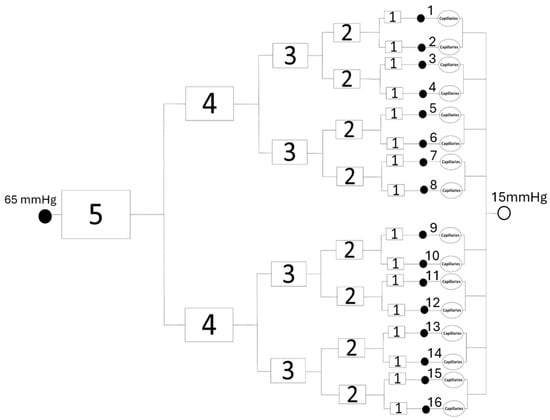
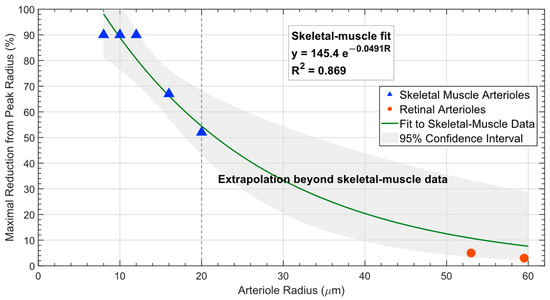
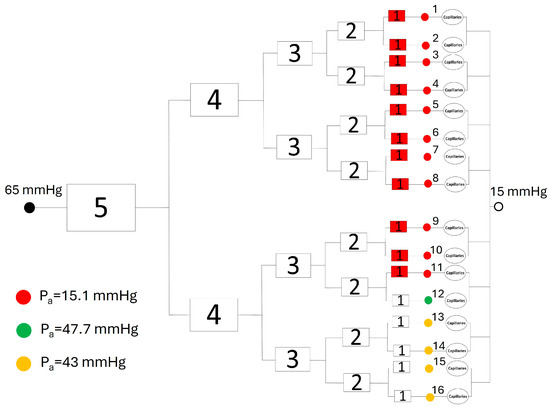
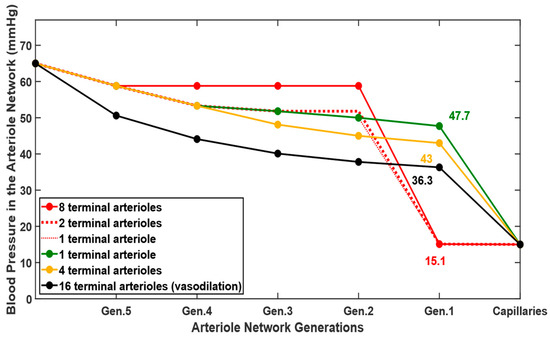
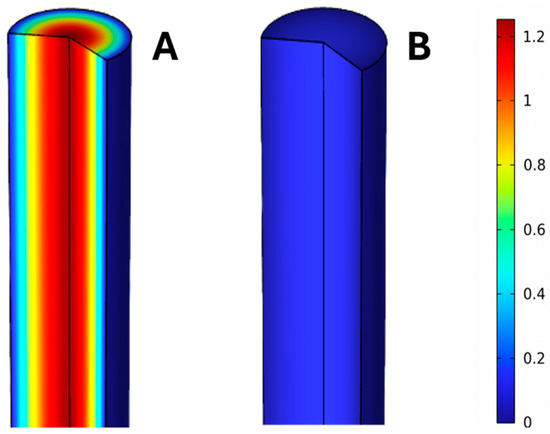
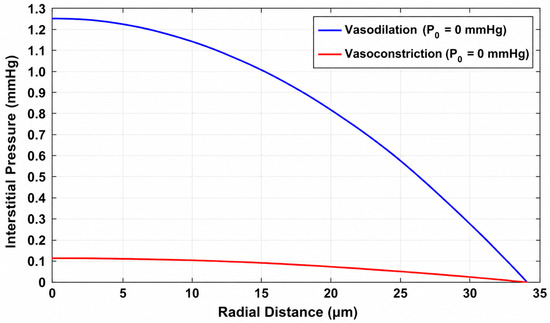
Diabetic retinopathy is associated with early microvascular dysfunction that may alter retinal capillary pressure and promote fluid accumulation in retinal tissue. This study develops a computational model to quantify how the lack of vasomotion affects transcapillary fluid transport and interstitial fluid pressure in the retina. A five-generation retinal arteriole network is first constructed. By introducing vasoconstriction in selected arterioles, the model first simulates the total flow resistance, flow rates, and resulting pressure distribution in the network affected by vasomotion. Starling’s equation was then used to calculate transcapillary fluid filtration, and Darcy’s law was applied to simulate interstitial fluid transport in a cylindrical retinal tissue region. For a simplified two-phase vasomotion cycle, loss of vasomotion increases the average capillary blood pressure by approximately 14%. Over an oscillation cycle, impaired vasomotion increases the required fluid-removal rate at the tissue boundary by approximately 83% in the modeled condition. If the baseline effective retinal fluid-clearance rate is treated as the maximum available clearance capacity, the boundary interstitial pressure must increase by approximately 2.72 mmHg to maintain steady state. Additional simulations examine the effect of increased capillary permeability, which can further enhance fluid leakage into the surrounding tissue. To manage this, the required retinal fluid-clearance rate must increase approximately three- to four-fold, or interstitial fluid pressure must rise by up to 7.52 mmHg. These results suggest that impaired vasomotion may contribute to increased retinal fluid accumulation or elevated interstitial fluid pressure in the retina, and this process may be aggravated as diabetes advances.
Full article
(This article belongs to the Section Heat and Mass Transfer)
►▼
Show Figures

Figure 1

Open AccessArticle
Apparent Hamaker Constants and Characteristic Interaction Distances Governing Sol–Gel Transitions in Aqueous Smectite Clay Dispersions
by
Hiroshi Kimura, Haruka Tanabe and Susumu Shinoki
Fluids 2026, 11(9), 227; https://doi.org/10.3390/fluids11090227 - 9 Sep 2026
Abstract
Aqueous smectite clay dispersions undergo sol–gel transitions and form three-dimensional networks at relatively low clay concentrations. However, the clay and electrolyte concentrations required for gelation differ markedly among clay species, and the physical origin of these differences remains unclear. In this study, sol–gel
[...] Read more.
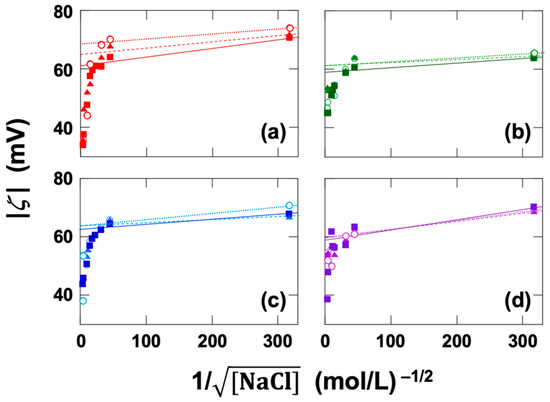
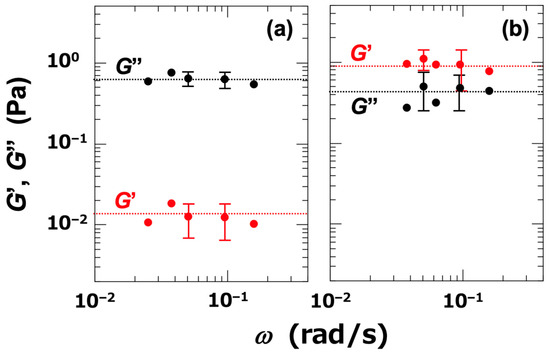
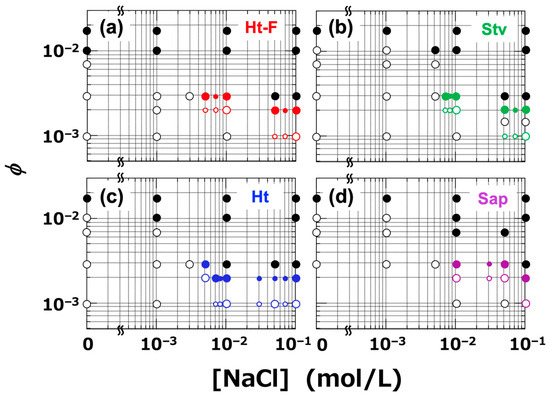
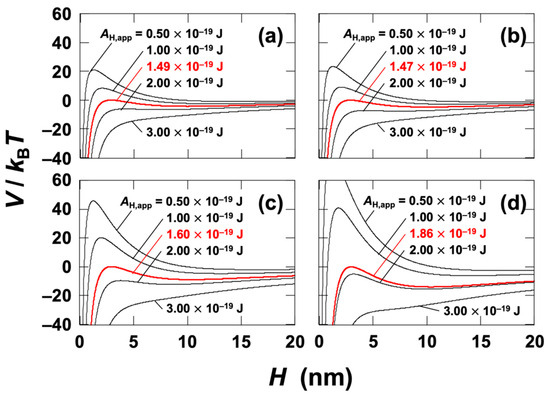
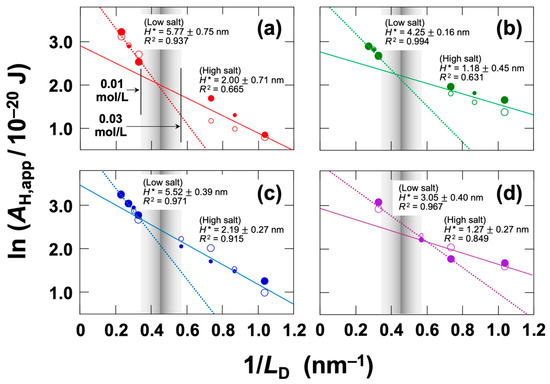
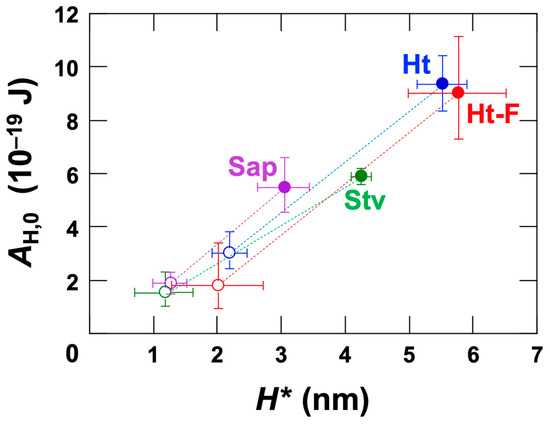
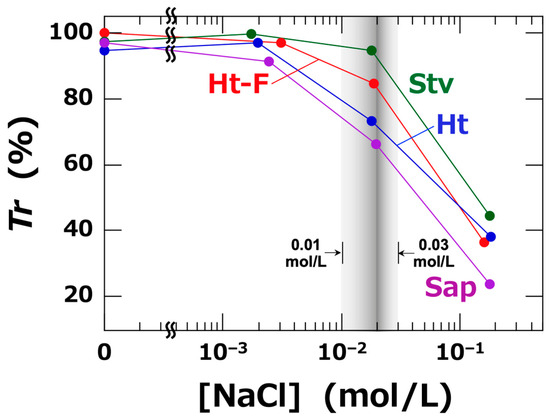
Aqueous smectite clay dispersions undergo sol–gel transitions and form three-dimensional networks at relatively low clay concentrations. However, the clay and electrolyte concentrations required for gelation differ markedly among clay species, and the physical origin of these differences remains unclear. In this study, sol–gel state diagrams were constructed for four smectite clays based on rheological measurements, and DLVO analysis was subsequently applied to the experimentally determined sol–gel transition boundaries using the corresponding zeta potentials and Debye lengths. The apparent Hamaker constant, AH,app, decreased with increasing NaCl concentration for all clays. In addition, ln(AH,app/10−20 J) showed approximately linear relationships with the reciprocal Debye length, 1/LD, with distinct trends in the low- and high-salt regions. A characteristic interaction distance, H*, was defined as the negative of the fitted slope. H* was larger and more strongly clay-dependent in the low-salt region, whereas it became smaller and less clay-dependent in the high-salt region. The crossover in H*, observed at approximately 0.01–0.03 mol/L NaCl, occurred in the same broad concentration range as the onset of decreased transmittance and previously reported rheological changes. Because these datasets were acquired at non-identical clay volume fractions, this agreement should be regarded as qualitative rather than as a direct one-to-one correspondence.
Full article
(This article belongs to the Special Issue 10th Anniversary of Fluids—Recent Advances in Non-Newtonian and Complex Fluids)
►▼
Show Figures

Figure 1

Open AccessArticle
Simulation of Dripping Faucet Chaos Based on Physics-Informed Neural Networks
by
Jingmin Liang, Qiyue Ma, Yixiang Deng, Chao Gao, Chenyang Zhao, Fenglong Wang, Chengbo Duan, Chunlong Xu and Zhen Wang
Fluids 2026, 11(9), 226; https://doi.org/10.3390/fluids11090226 - 9 Sep 2026
Abstract
Dripping faucets exhibit chaotic dynamics with order–chaos transitions and multi-field coupling. This study built a physics-informed neural network (PINN) model using high-speed camera and numerical simulation data. The model incorporates physical constraints and employs multi-dimensional verification to simulate chaos and ensure consistency with
[...] Read more.
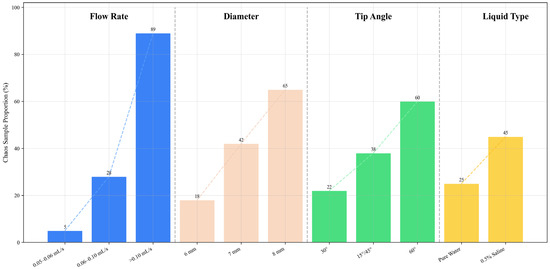
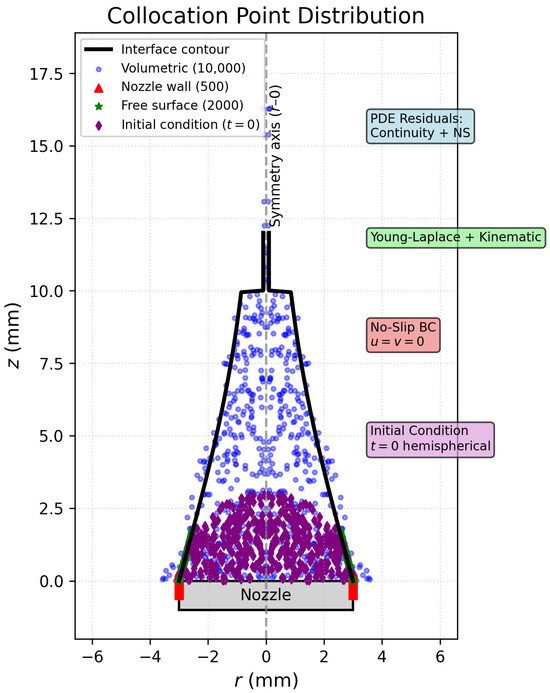
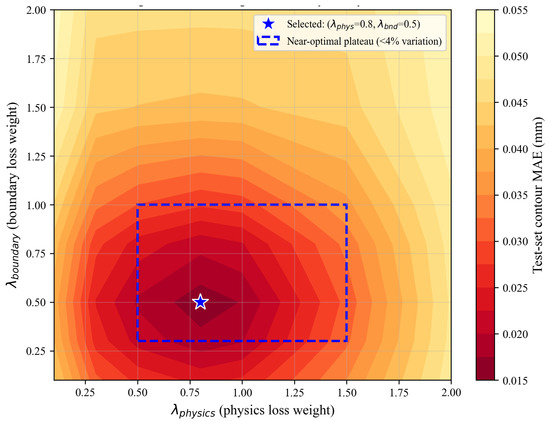
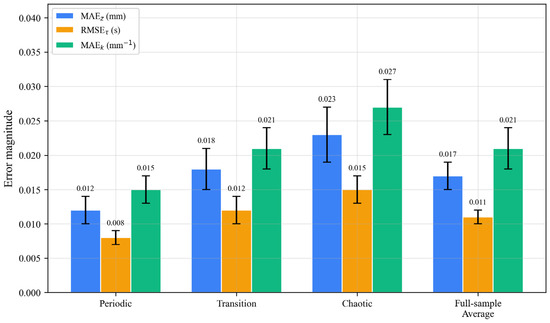
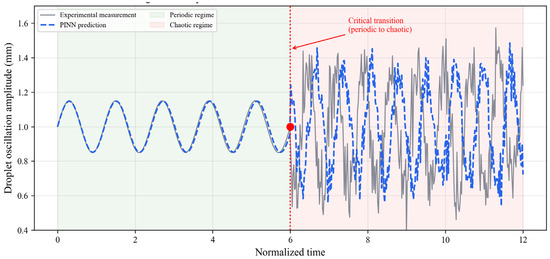
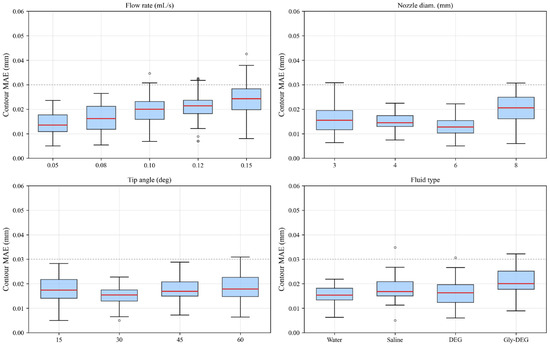
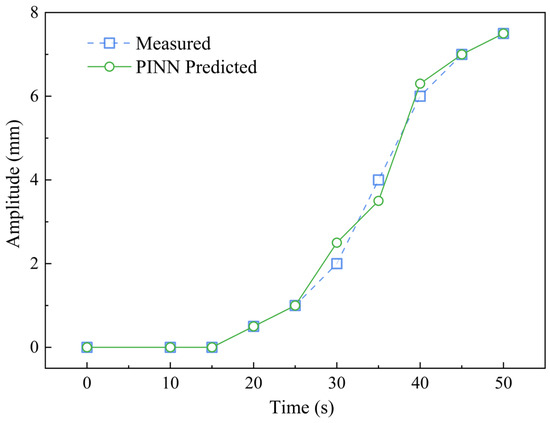
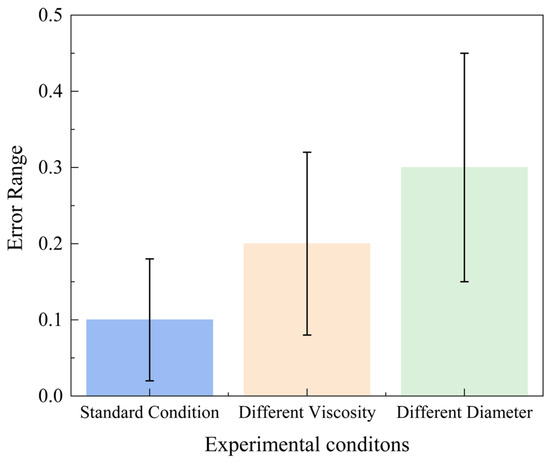
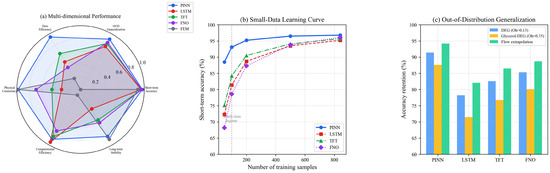
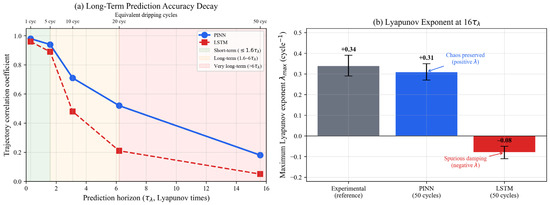
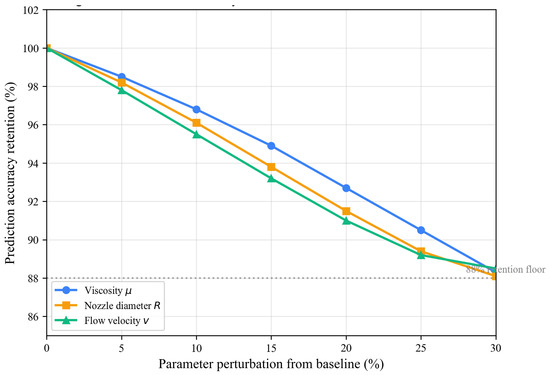
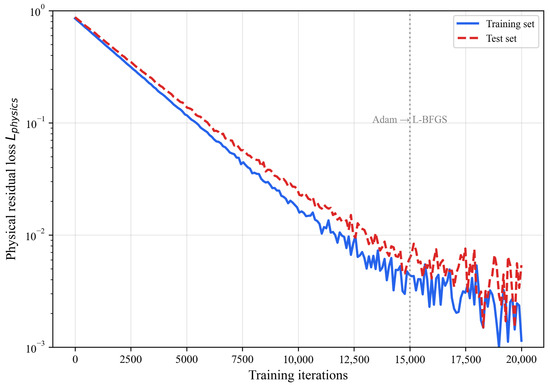
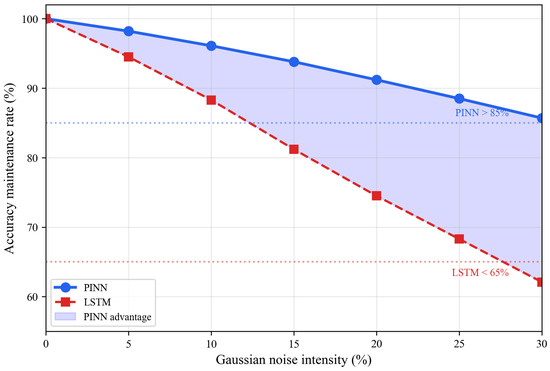
Dripping faucets exhibit chaotic dynamics with order–chaos transitions and multi-field coupling. This study built a physics-informed neural network (PINN) model using high-speed camera and numerical simulation data. The model incorporates physical constraints and employs multi-dimensional verification to simulate chaos and ensure consistency with the real system. Strategies including yargeted preprocessing, feature extraction, and physics enhancement alleviate the scarcity and poor quality of chaotic data. The PINN with an adapted network structure significantly improves prediction accuracy and generalization, boosting computational efficiency by over 100 times. More precisely, the inference speedup relative to FEM reached ~3800× under comparable resolution; this refers to prediction (inference) time, not training time. Long short-term memory (LSTM) performed best in predicting chaotic regions, achieving a 0.92 correlation between predicted and actual maximum Lyapunov exponents. A multi-step prediction strategy, physics-constrained loss function, and comprehensive verification framework ensure long-term prediction accuracy and physical consistency. Out-of-distribution validation on unseen fluids (diethylene glycol, glycerol–diethylene glycol) and extrapolated flow rates confirmed that the PINN retained 87–91% accuracy under OOD conditions, versus 71–78% for the LSTM baseline. A systematic sensitivity analysis further demonstrated that the loss-function weighting coefficients occupied a robust near-optimal plateau. The model comparison is fully quantitative, with all metrics reported alongside 95% bootstrap confidence intervals and a small-data learning curve demonstrating the PINN’s advantage in data-scarce regimes. Deep learning-based chaos identification and Lyapunov exponent estimation accurately capture the system’s chaotic characteristics. Computational optimization, hybrid precision training, distributed strategies, and model compression enhanced the simulation efficiency and indicate the feasibility of deployment. This study demonstrates that machine learning can effectively reveal the nonlinear dynamic behavior of dripping faucet systems, offering a novel approach for complex fluid dynamics and related applications.
Full article
(This article belongs to the Section Mathematical and Computational Fluid Mechanics)
►▼
Show Figures

Figure 1
Open AccessArticle
Structural Analysis and Optimization of a Propeller Under Separate Air and Water Operating Conditions Using One-Way Fluid–Structure Coupling
by
Tiezhuang Zhou, Zhihang Wang, Minghao Zhao and Guobin Zhang
Fluids 2026, 11(9), 225; https://doi.org/10.3390/fluids11090225 - 7 Sep 2026
Abstract
A propeller intended for aerial–aquatic vehicles must maintain adequate propulsive performance and structural reliability in both air and water, where the fluid properties and load levels differ substantially. This study presents an engineering workflow combining blade element momentum theory (BEMT), computational fluid dynamics
[...] Read more.
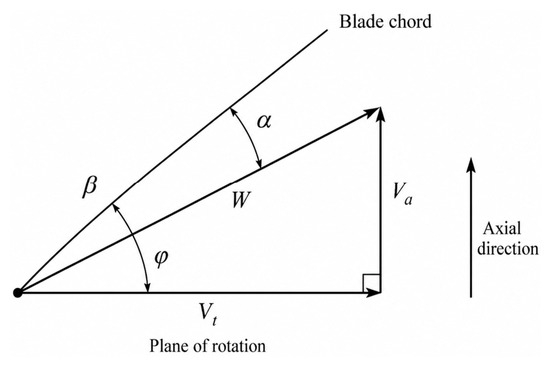
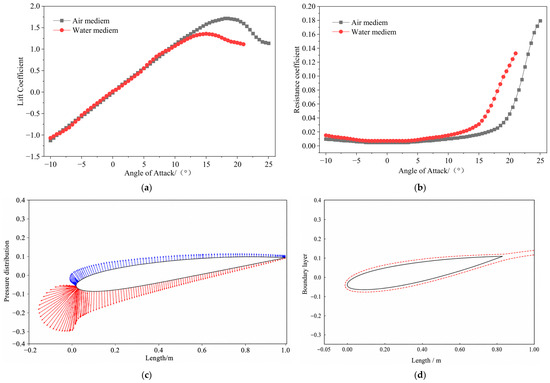
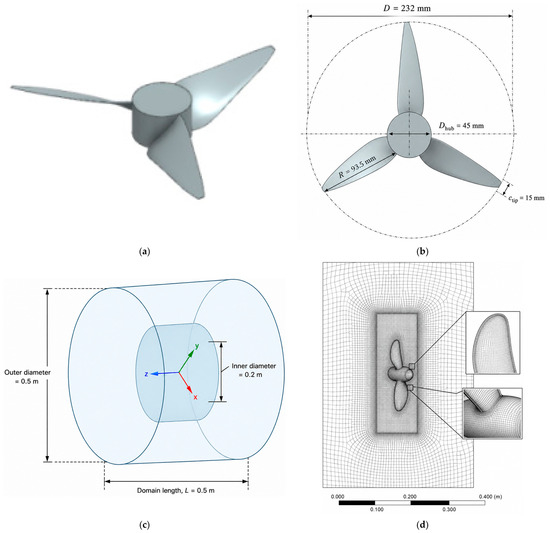
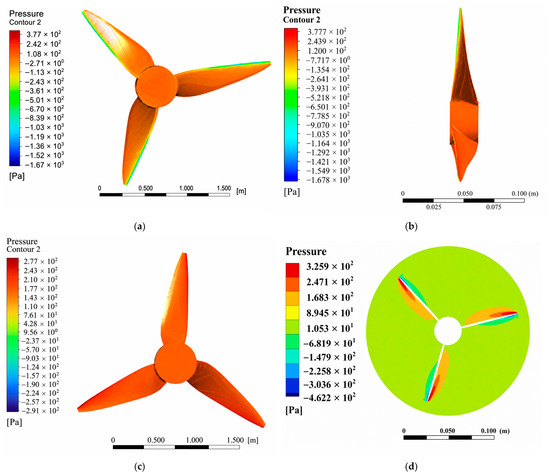
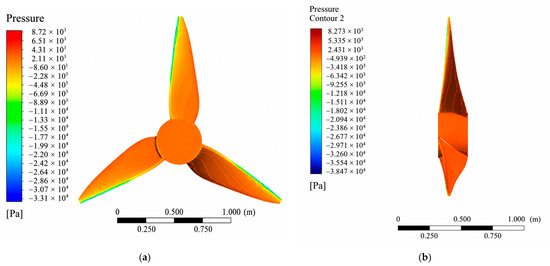
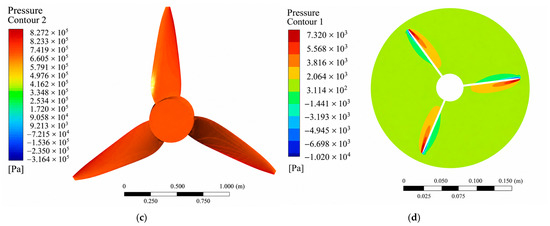
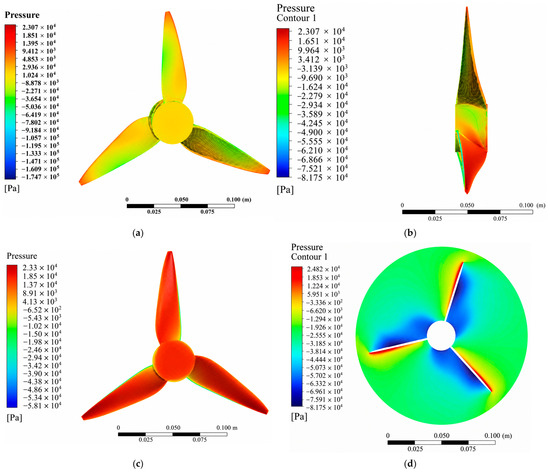
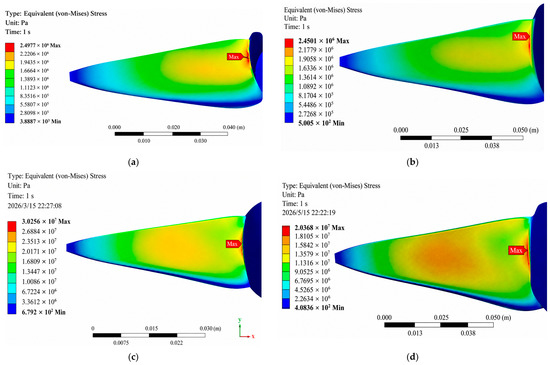
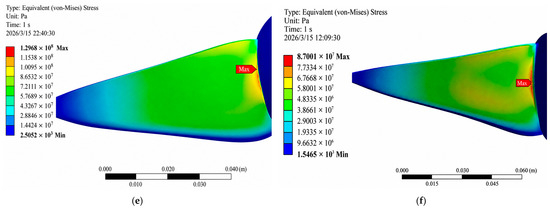
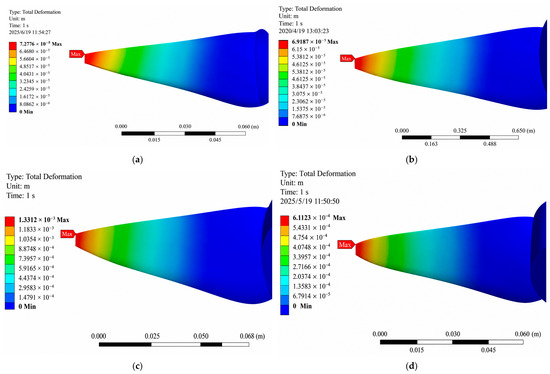
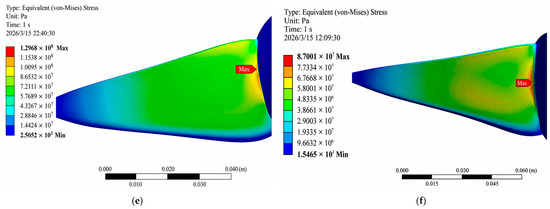
A propeller intended for aerial–aquatic vehicles must maintain adequate propulsive performance and structural reliability in both air and water, where the fluid properties and load levels differ substantially. This study presents an engineering workflow combining blade element momentum theory (BEMT), computational fluid dynamics (CFD), and one-way fluid–structure coupling to evaluate a propeller under separate air and water operating conditions. Candidate geometries were first screened using a two-stage BEMT procedure. The selected baseline configuration was subsequently analyzed by CFD under three steady operating conditions: air start, water start, and water inflow. The resulting non-uniform surface pressures and centrifugal loads were transferred to a finite element model. The blade root transition was identified as the dominant stress concentration region under all conditions, and the water inflow case produced the most critical structural response, with a maximum von Mises stress of 129.8 MPa and a maximum deformation of 5.378 mm. After local blade root optimization, these values decreased to 87.0 MPa and 3.669 mm, respectively. The proposed workflow provides an efficient approach for preliminary structural assessment and local optimization of propellers operating separately in air and water. The transient air–water interface-crossing process and associated multiphase effects are beyond the scope of the present study.
Full article
(This article belongs to the Section Mathematical and Computational Fluid Mechanics)
►▼
Show Figures

Figure 1
Open AccessArticle
Reconstruction of Central Airways from CT Scans and Computational Analysis of Flow and Structural Deformation in Fibrosis-Inspired Mechanical Model
by
Alvaro Valencia and Matías Jorquera
Fluids 2026, 11(9), 224; https://doi.org/10.3390/fluids11090224 - 4 Sep 2026
Abstract
Idiopathic pulmonary fibrosis (IPF) is a progressive interstitial lung disease characterized by parenchymal scarring, increased tissue stiffness, and impaired gas exchange. This study investigates the fluid dynamics and structural response of central airways in both healthy and fibrosis-inspired lungs under a 50% increased
[...] Read more.
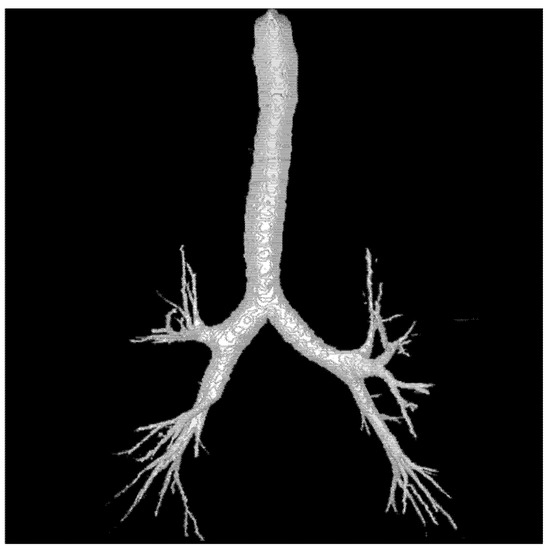
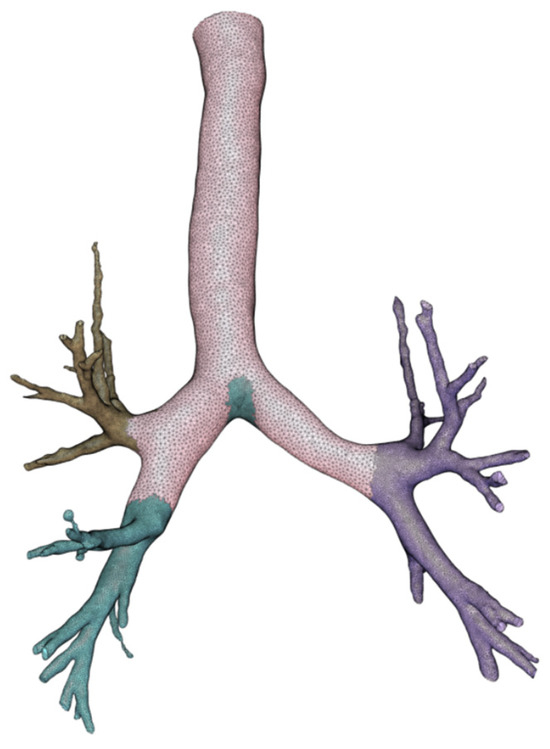
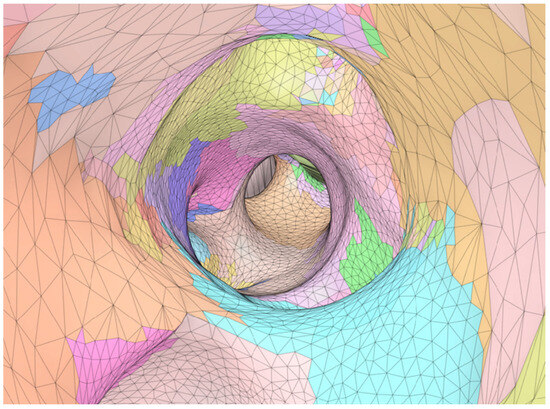
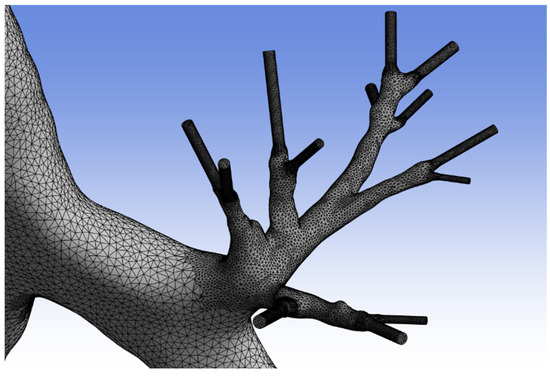
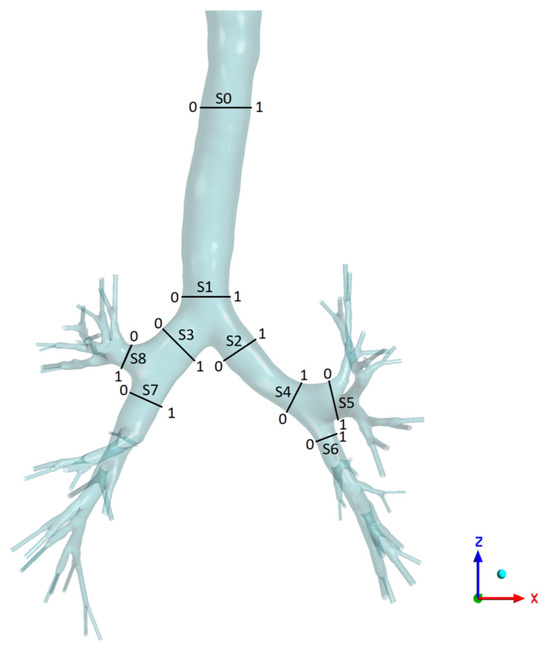
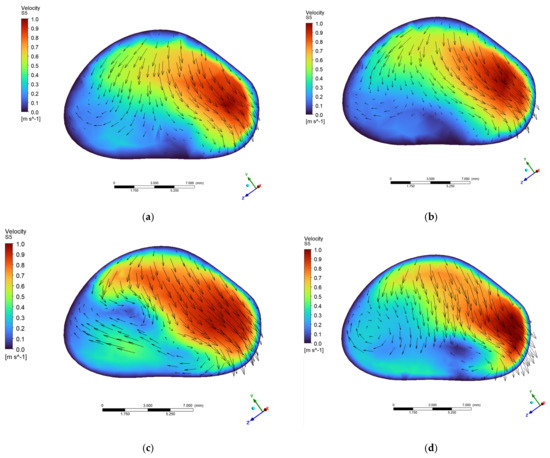
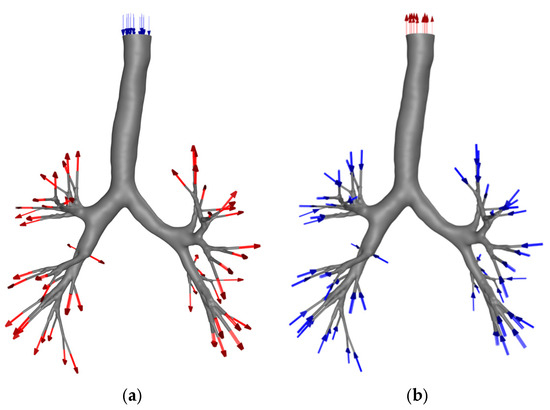
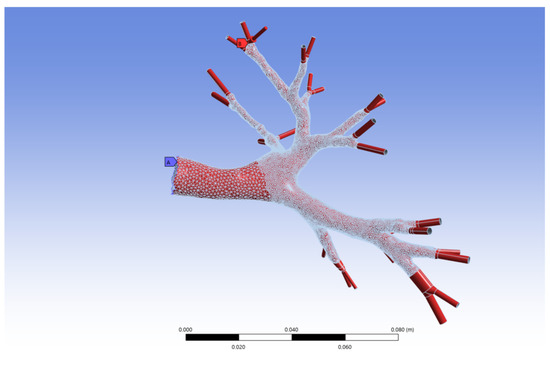
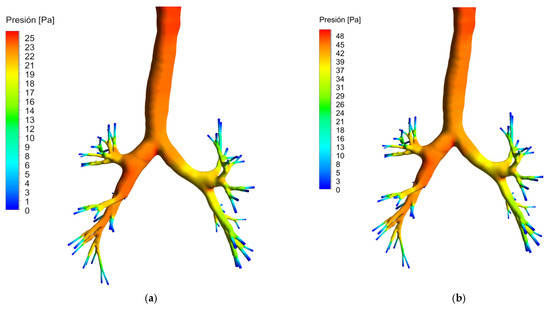
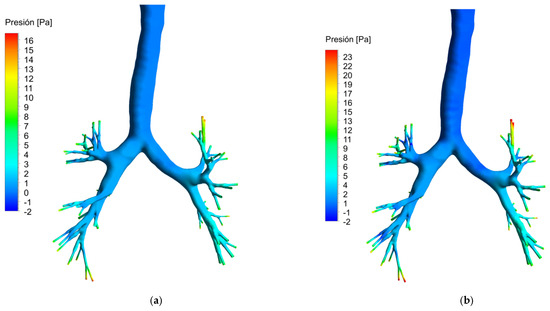
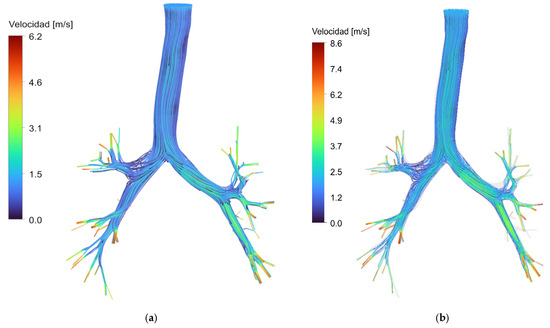
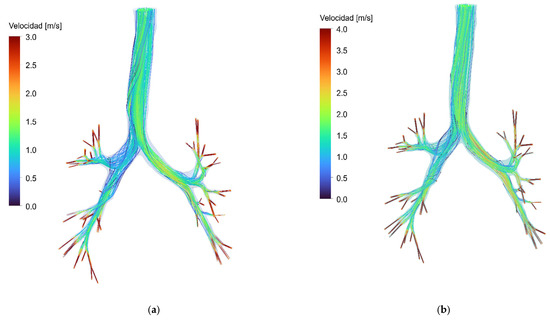
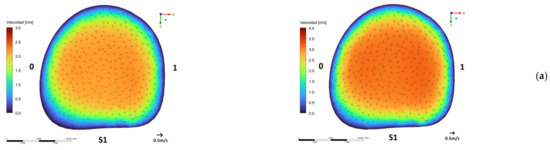
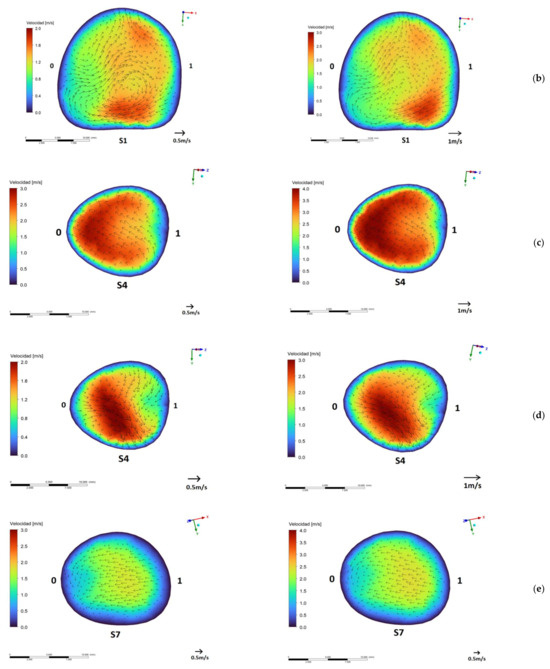
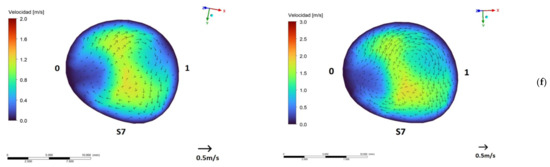
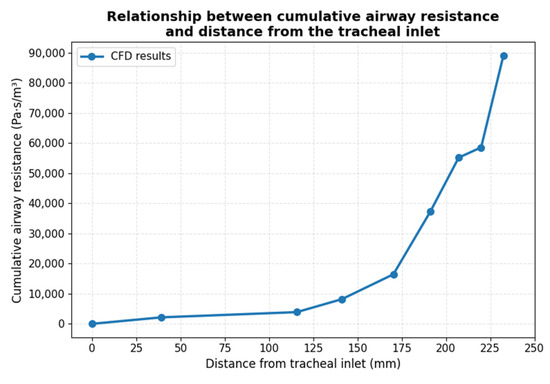
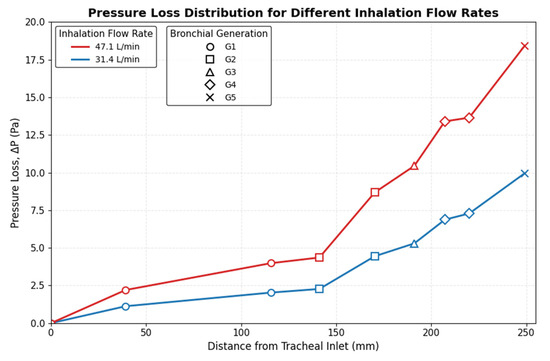
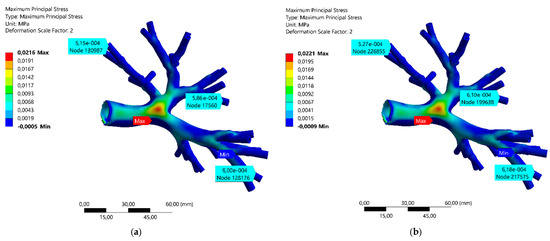
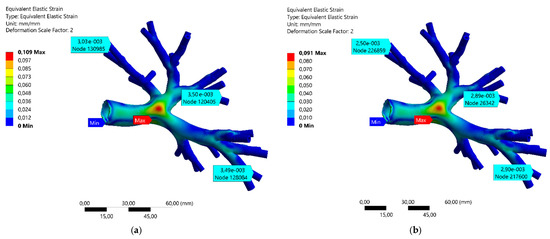
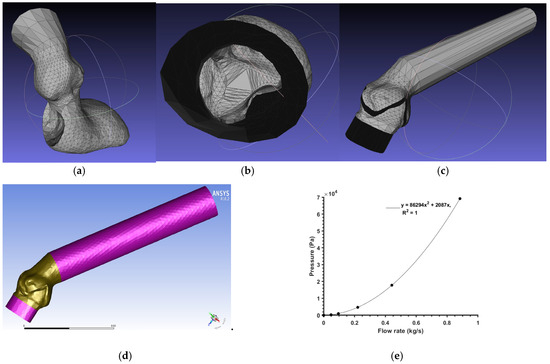
Idiopathic pulmonary fibrosis (IPF) is a progressive interstitial lung disease characterized by parenchymal scarring, increased tissue stiffness, and impaired gas exchange. This study investigates the fluid dynamics and structural response of central airways in both healthy and fibrosis-inspired lungs under a 50% increased flow demand. A three-dimensional airway geometry was reconstructed from computed tomography (CT) scans up to the fifth bronchial generation using a hybrid modeling approach. Transient computational fluid dynamics (CFD) simulations of inhalation and exhalation were performed using ANSYS Fluent with the SST k-ω turbulence model. A complementary static structural analysis was conducted to assess deformation and stress under pleural pressure loading. The results indicate that fibrosis-inspired lungs required 92% higher inlet pressure losses compared to healthy lungs, highlighting the increased energetic cost of breathing. Flow patterns remained qualitatively similar. Structurally, fibrosis-inspired tissue exhibited 17% lower equivalent elastic strain under the same pressure load, confirming the impact of increased stiffness on bronchial distensibility. Maximum principal stress concentrations of 22.1 kPa were identified at the left main bronchus bifurcation, indicating potential mechanical stress hotspots.
Full article
(This article belongs to the Special Issue Respiratory Flows, 2nd Edition)
►▼
Show Figures

Figure 1
Open AccessArticle
An Integrated Experimental–Numerical Methodology for Full-Scale Aerodynamic Characterization of Propeller-Driven Unmanned Aerial Vehicles
by
Leonardo Guardenti, Marika Mancino, Matteo Rosellini, Edoardo Manetti, Tommaso Nannini and Alessandro Mariotti
Fluids 2026, 11(9), 223; https://doi.org/10.3390/fluids11090223 - 4 Sep 2026
Abstract
►▼
Show Figures
The aerodynamic characterization of propeller-driven UAVs is often constrained by the unfeasibility of testing the complete airframe–propeller assembly in a wind tunnel, since geometric scaling prevents simultaneous similarity of both the airframe and the propeller. To address this limitation, this work presents an
[...] Read more.
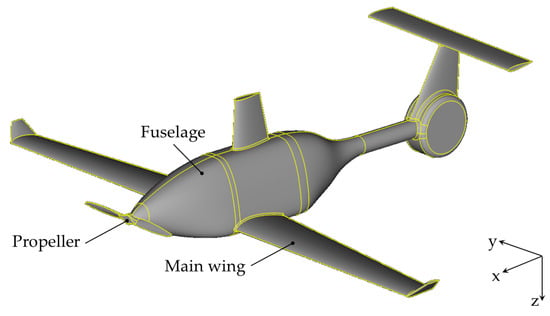
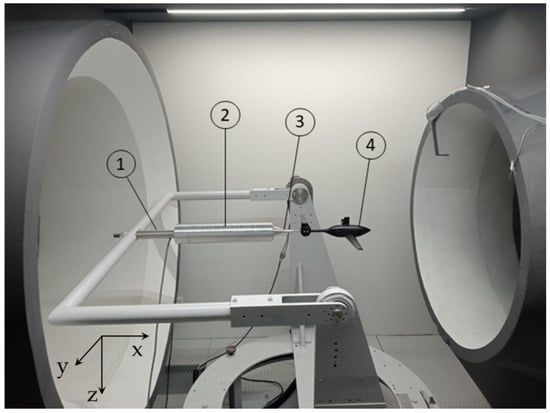
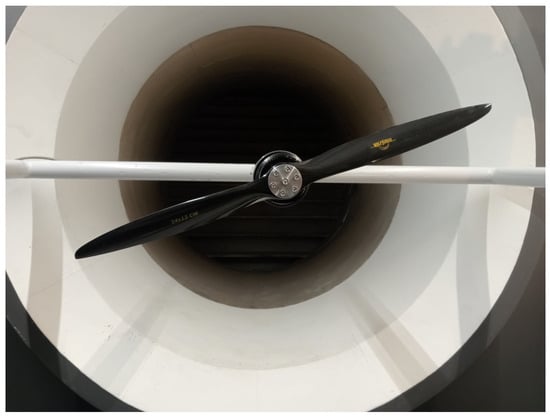
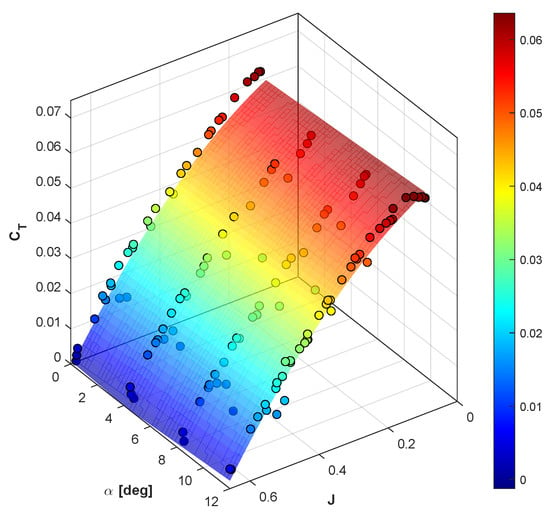
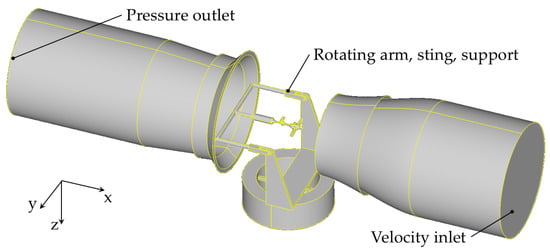
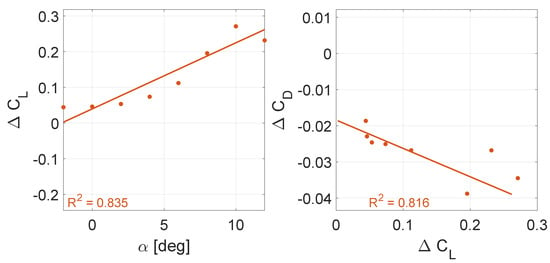
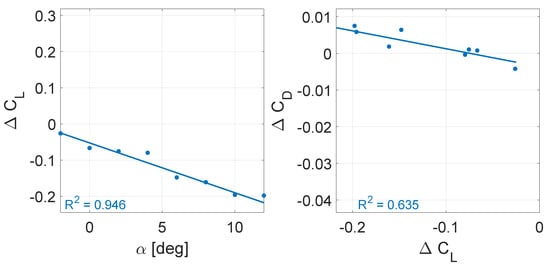
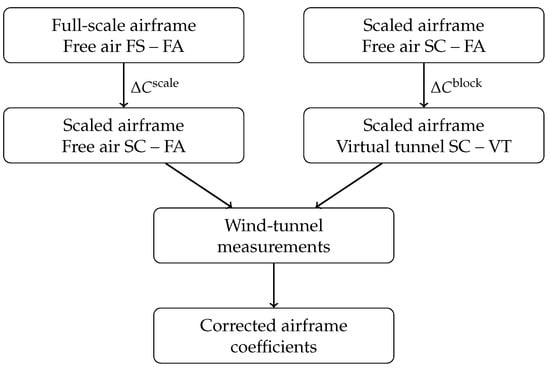
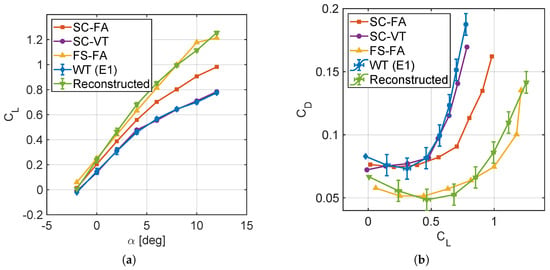
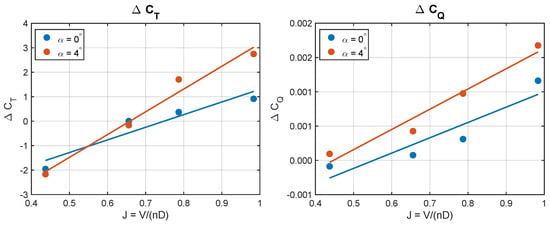
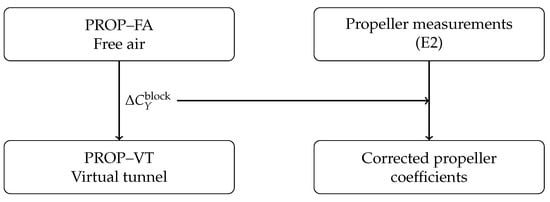
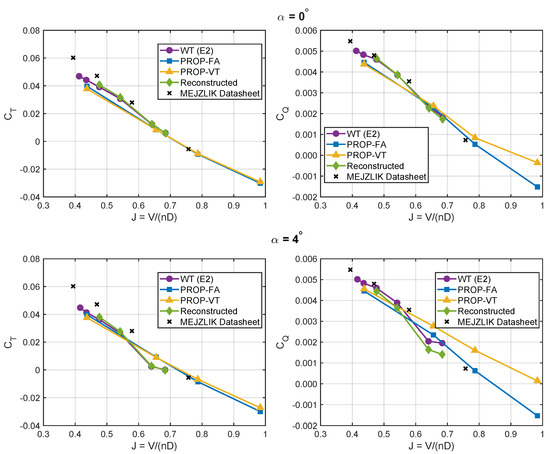
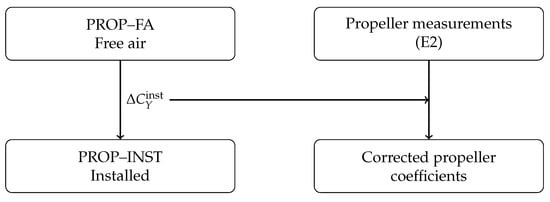
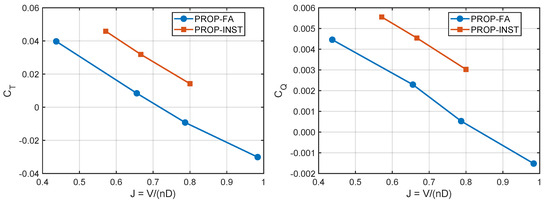
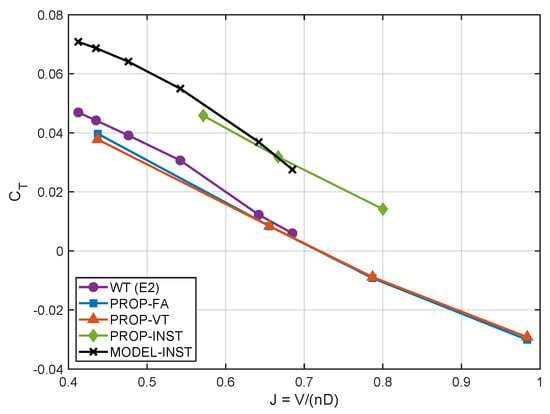
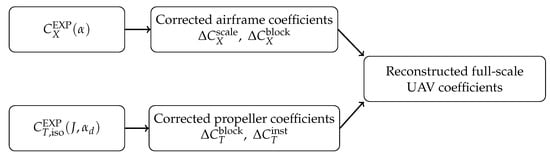
The aerodynamic characterization of propeller-driven UAVs is often constrained by the unfeasibility of testing the complete airframe–propeller assembly in a wind tunnel, since geometric scaling prevents simultaneous similarity of both the airframe and the propeller. To address this limitation, this work presents an integrated experimental–numerical methodology that reconstructs the full-scale free-air aerodynamic behaviour of a tractor-propeller UAV combining wind-tunnel measurements of the scaled airframe (without the propeller) and the full-scale propeller. Computational fluid dynamics (CFD) is not used to predict the full-scale UAV directly; it is used to predict differences between matched configurations, while the absolute aerodynamic level remains anchored to experiments. Dedicated CFD simulations are carried out to isolate three distinct physical contributions: scale effects, wind-tunnel blockage, and propeller installation effects. In the developed methodology, numerical simulations complement the experimental data to obtain corrected full-scale aerodynamic coefficients and propulsive maps together with a longitudinal force-equilibrium model used to determine the longitudinal force-equilibrium operating point. The reconstruction shows that scale and wind-tunnel blockage effects primarily alter the airframe aerodynamic characteristics, with a minor influence on equilibrium incidence, while propeller installation produces a substantial thrust augmentation due to airframe-induced inflow modification. Accounting for these effects leads to an overprediction of the propeller rotational speed by approximately when installation effects are neglected, demonstrating that the installed performance cannot be obtained by a linear superposition of isolated airframe and isolated propeller data.
Full article

Figure 1
Open AccessArticle
Numerical Study on Liquid-Fuel Atomization Characteristics of a Honeycomb-Corrugated Vaporizer Tube for a Micro-Turbine Engine
by
Tao Zhang, Pan Wu, Zhanyuan Wang, Delin Zeng, Shengyou Liao, Baoquan Liang, Weizhi Liang and Liang Xue
Fluids 2026, 11(9), 222; https://doi.org/10.3390/fluids11090222 - 3 Sep 2026
Abstract
►▼
Show Figures
Efficient liquid-fuel combustion in micro-combustors strongly depends on fuel atomization, evaporation, and fuel-air mixture preparation. However, conventional straight vaporizer tubes often provide limited droplet breakup and insufficient gas liquid heat and mass transfer. In this study, a honeycomb-corrugated vaporizer tube was proposed to
[...] Read more.
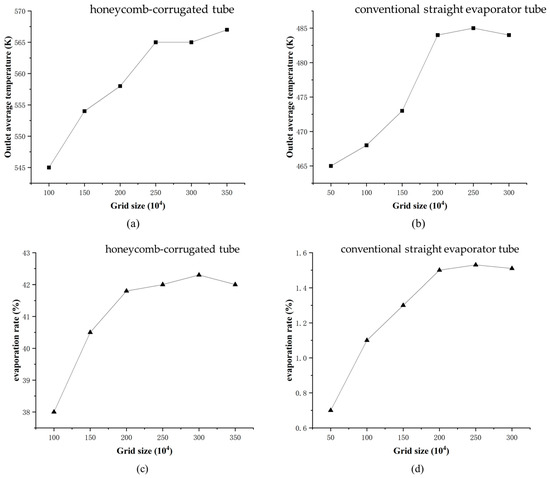
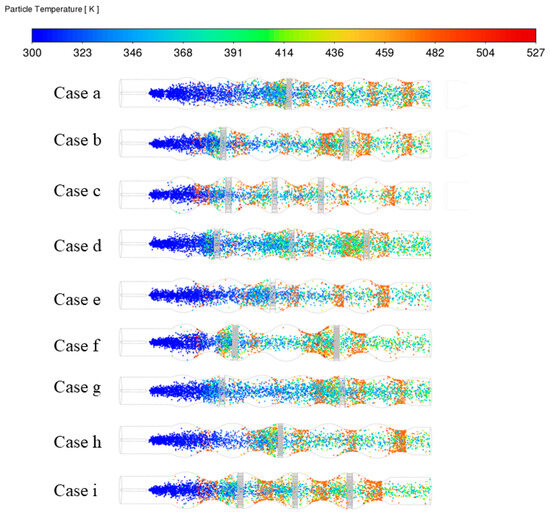
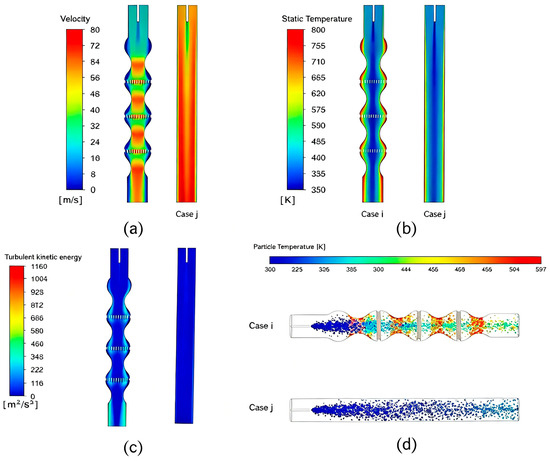
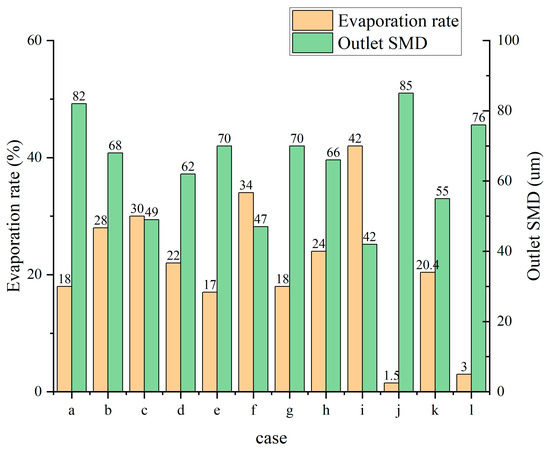
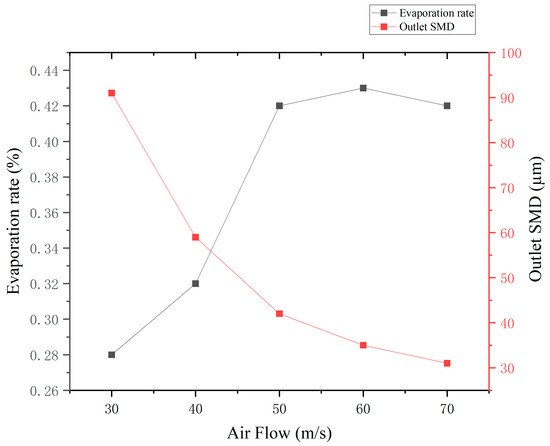
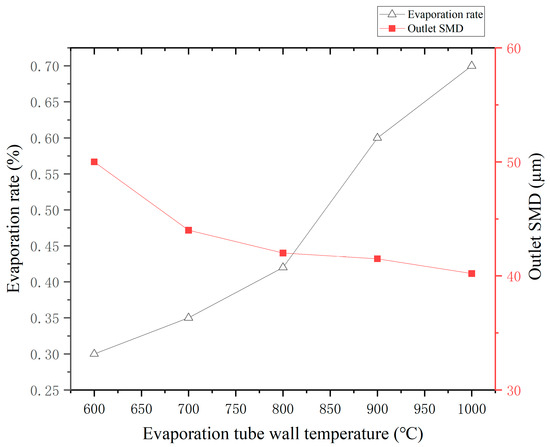
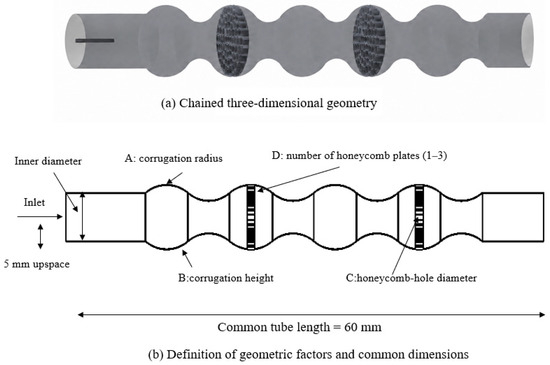
Efficient liquid-fuel combustion in micro-combustors strongly depends on fuel atomization, evaporation, and fuel-air mixture preparation. However, conventional straight vaporizer tubes often provide limited droplet breakup and insufficient gas liquid heat and mass transfer. In this study, a honeycomb-corrugated vaporizer tube was proposed to enhance fuel atomization and evaporation before combustion. A computational fluid dynamics model combined with an orthogonal design was employed to investigate the effects of corrugation height, corrugation radius, honeycomb-hole diameter, and number of honeycomb plates on gas–liquid two-phase flow, the Sauter mean diameter (SMD), and fuel evaporation rate. The results showed that corrugation height and the number of honeycomb plates were the dominant factors affecting atomization and evaporation performance. The optimized tube, with a corrugation height of 1.0 mm, a corrugation radius of 4.0 mm, three honeycomb plates, and a honeycomb-hole diameter of 0.6 mm, reduced the outlet SMD from 79.0 μm to 42.6 μm and increased the fuel evaporation rate from 1.5% to 42.0%. These findings provide a feasible structural approach for improving fuel atomization, evaporation, and mixture preparation in small-scale liquid-fuel combustors.
Full article

Figure 1
Open AccessArticle
A Digital Twin to Predict Patient Response to Valve Replacement Following Aortic Stenosis
by
Krzysztof Czechowicz, Grace H. Faulkner, Marcus Kelm, Titus Kuhne, Pim A. L. Tonino, Juliana Franz, Piotr Nowakowski, Andrew J. Narracott, Norman Briffa, Ian Halliday, David R. Hose, Gareth Archer and Paul D. Morris
Fluids 2026, 11(9), 221; https://doi.org/10.3390/fluids11090221 - 1 Sep 2026
Abstract
Lack of available data, ease of clinical use and lack of evidence for prognostic benefit are arguably the key limitations to clinical uptake for any model. This paper reports the development of an image-based analysis protocol, coupling 0D left heart and systemic circulation
[...] Read more.
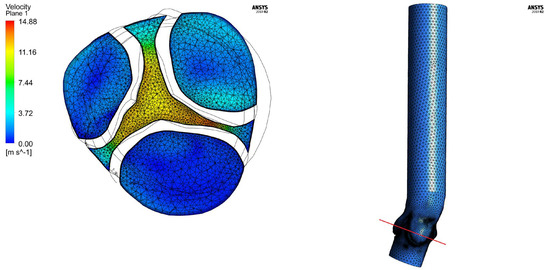
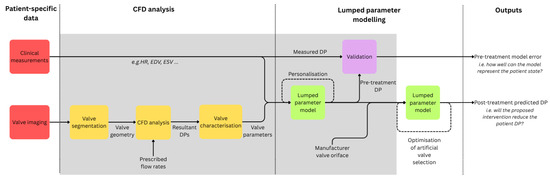
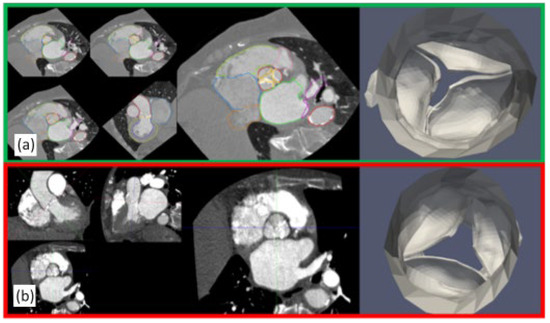
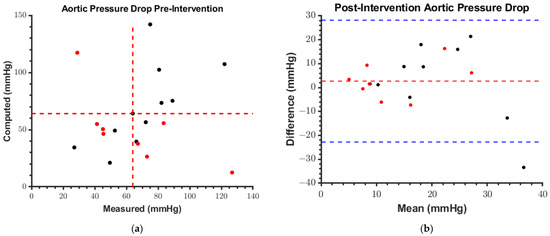
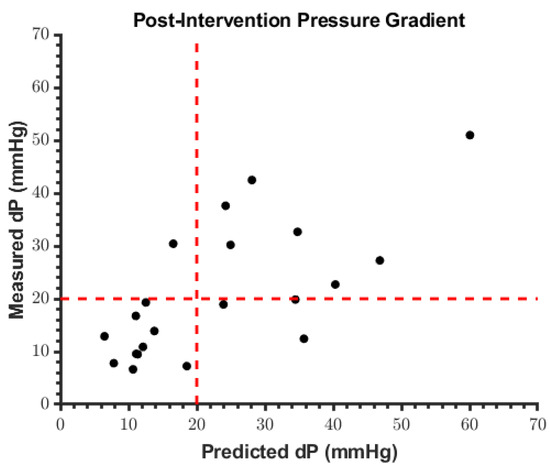
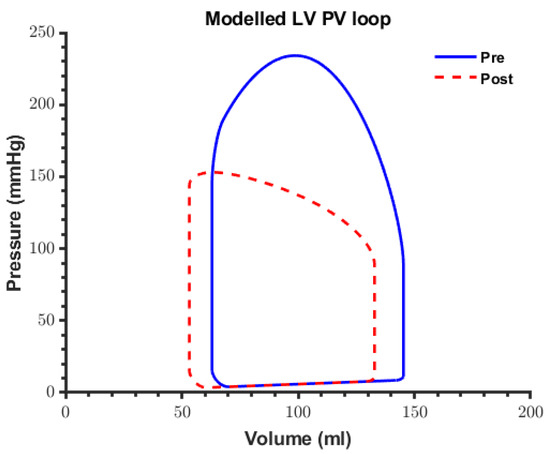
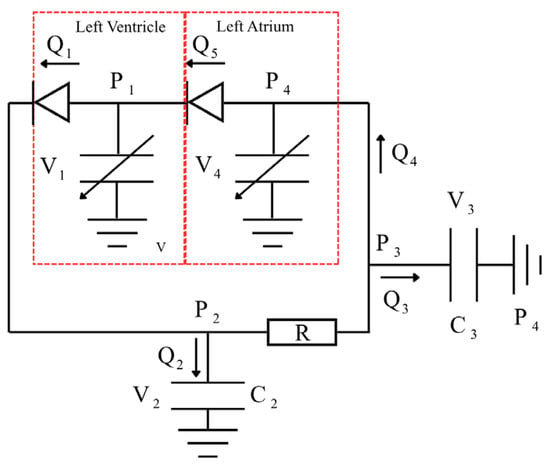
Lack of available data, ease of clinical use and lack of evidence for prognostic benefit are arguably the key limitations to clinical uptake for any model. This paper reports the development of an image-based analysis protocol, coupling 0D left heart and systemic circulation components with a 3D aortic valve model to measure and to predict the pressure gradient across the aortic valve at rest. The model is personalized using routine clinical data available for aortic valve patients, augmented by additional image data (transesophageal echo and/or CT) to support valve characterization. Computed aortic pressure gradient both pre- and post-intervention was compared with clinical measurements based on Doppler ultrasound for a cohort of 21 patients with aortic valve disease. Correlation for the diseased state measures were adequate ( ) for those cases for which associated image data was deemed to be of acceptable quality for segmentation to support a 3D computational fluid dynamics analysis but poor otherwise. Post treatment correlation was reasonable ( ) for all cases. Importantly, the personalized model presented here describes the interaction between the patient’s cardiovascular system, including the heart and circulation, and the valve, rather than evaluating the valve in isolation.
Full article
(This article belongs to the Special Issue Advances in Hemodynamics)
►▼
Show Figures

Figure 1
Open AccessArticle
Chaos and Stability in Continuous Stirred Tank Reactors: The Influence of Non-Ideal Feeding Dynamics on Processes with Haldane Kinetics
by
Felipe Piancatelli, Henrique Antônio Mendonça Faria and Fábio Roberto Chavarette
Fluids 2026, 11(9), 220; https://doi.org/10.3390/fluids11090220 - 31 Aug 2026
Abstract
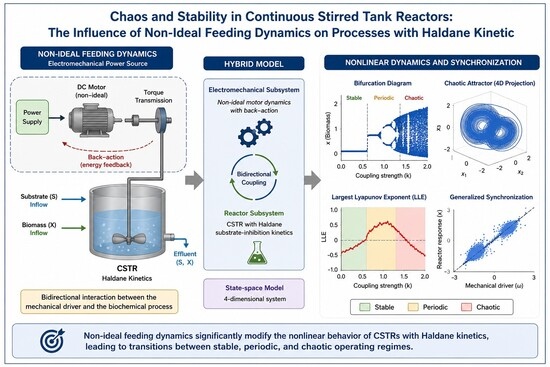
This study investigates how non-ideal electromechanical actuation influences the emergence and modulation of complex dynamics in dissipative nonlinear systems. A hybrid four-dimensional model is formulated by coupling a continuous stirred tank reactor (CSTR) with Haldane substrate-inhibition kinetics to a non-ideal electromechanical power source,
[...] Read more.
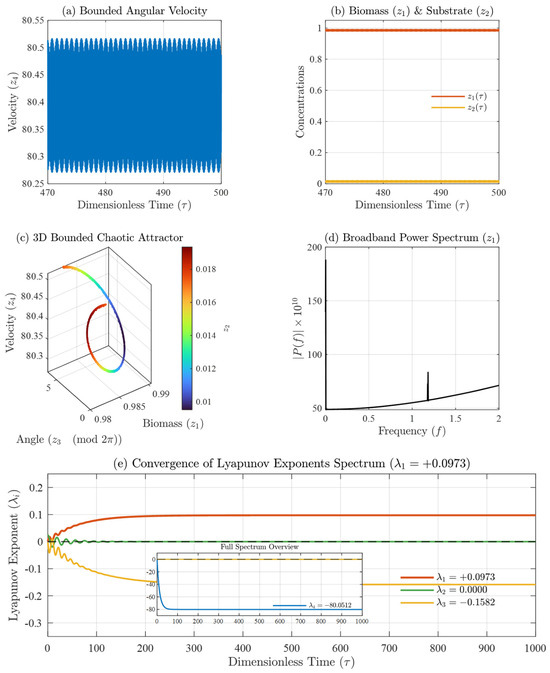
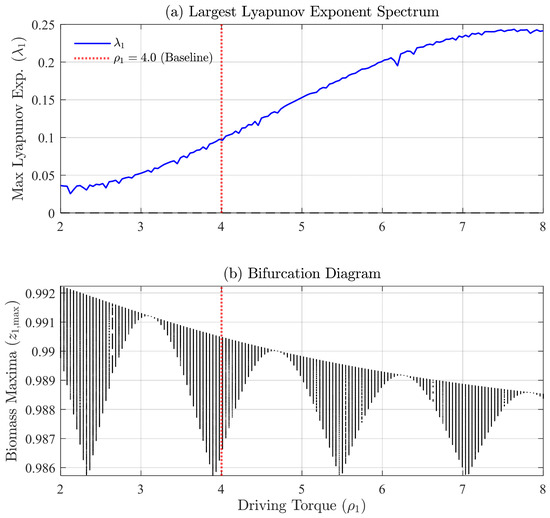
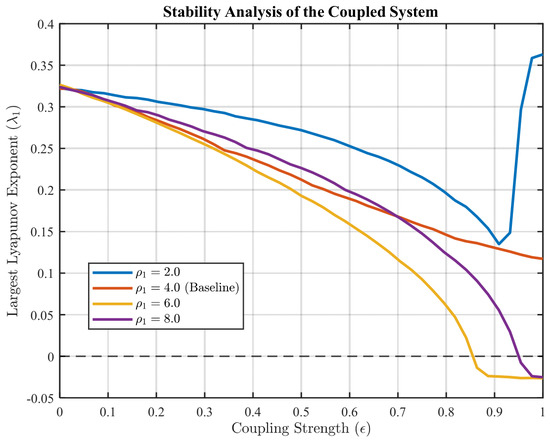
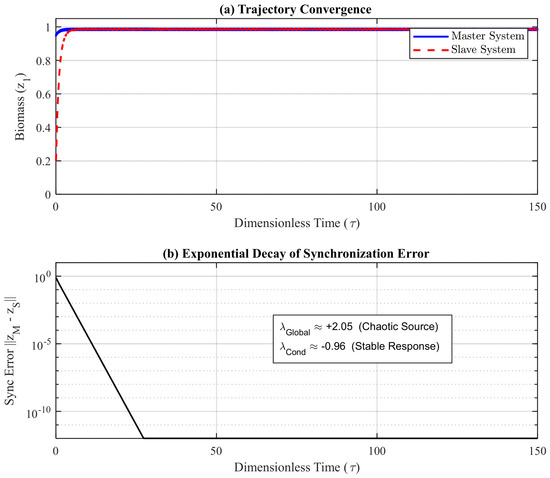
This study investigates how non-ideal electromechanical actuation influences the emergence and modulation of complex dynamics in dissipative nonlinear systems. A hybrid four-dimensional model is formulated by coupling a continuous stirred tank reactor (CSTR) with Haldane substrate-inhibition kinetics to a non-ideal electromechanical power source, explicitly accounting for the bidirectional interaction between the mechanical driver and the biochemical process. Numerical simulations and Lyapunov spectrum analysis are employed to characterize the resulting nonlinear dynamics and synchronization properties. The results show that the mechanical subsystem can evolve toward a high-energy chaotic regime with non-ideal rotational velocity pulsations, while the reactor subsystem retains a negative conditional Lyapunov exponent over a broad parameter range despite the presence of global chaos. This dynamical configuration characterizes generalized synchronization, in which the dissipative reactor response becomes functionally constrained by the chaotic mechanical attractor. In addition, the parametric analysis demonstrates that variations in coupling strength can either transmit complex oscillatory behavior or suppress chaos, depending on the operating regime. These findings indicate that aperiodic oscillations in process variables may originate from deterministic electromechanical coupling rather than intrinsic chemical instabilities and highlight the dual role of non-ideal actuation as both a source of nonlinear complexity and a potential mechanism for stabilization and control in hybrid engineering systems.
Full article
(This article belongs to the Special Issue Mixing and Mass Transfer in Various Chemical Reactors)
►▼
Show Figures

Graphical abstract
Journal Menu
► ▼ Journal Menu-
- Fluids Home
- Aims & Scope
- Editorial Board
- Topical Advisory Panel
- Early Career Editorial Board
- Instructions for Authors
- Special Issues
- Topics
- Sections & Collections
- Article Processing Charge
- Indexing & Archiving
- Editor’s Choice Articles
- Most Cited & Viewed
- Journal Statistics
- Journal History
- Journal Awards
- Society Collaborations
- Conferences
- Editorial Office
- 10th Anniversary
Journal Browser
► ▼ Journal BrowserHighly Accessed Articles
Latest Books
E-Mail Alert
News
Topics
Topic in
Applied Sciences, Energies, Fluids, Mathematics, Processes
Heat and Mass Transfer in Engineering
Topic Editors: Vasily Novozhilov, Xiaohu YangDeadline: 30 September 2026
Topic in
Electronics, Fluids, Machines, Micromachines, Applied Sciences
Micro-Mechatronic Engineering, 2nd Edition
Topic Editors: Teng Zhou, Antonio F. MiguelDeadline: 31 October 2026
Topic in
Applied Sciences, Energies, Fluids, Micromachines, Processes
Enhanced Heat Transfer and Advanced Energy Conversion Technology, 2nd Edition
Topic Editors: Feng Zhang, Yong LiDeadline: 30 November 2026
Topic in
Energies, Fluids, JMSE, Water, Hydrology
Advances in Environmental Hydraulics, 2nd Edition
Topic Editors: Juan Antonio Rodríguez Díaz, Jorge MatosDeadline: 31 December 2026
Conferences
Special Issues
Special Issue in
Fluids
Modelling and Simulation of Turbulent Flows, 2nd Edition
Guest Editors: Yufeng Yao, Jun YaoDeadline: 27 September 2026
Special Issue in
Fluids
Fluids Flow in Mining Engineering
Guest Editors: Miao Chen, Xiangxiang Zhang, Shiliang LiuDeadline: 30 September 2026
Special Issue in
Fluids
Thermal Sciences and Digitalization: Towards Intelligent and Sustainable Systems
Guest Editors: Hamza Faraji, Müslüm ArıcıDeadline: 30 September 2026
Special Issue in
Fluids
Computational Fluid Dynamics of Multiphase Systems
Guest Editors: Son Ich Ngo, Hai Hung PhamDeadline: 30 September 2026
Topical Collections
Topical Collection in
Fluids
Advances in Flow of Multiphase Fluids and Granular Materials
Collection Editors: Goodarz Ahmadi, Pouyan Talebizadeh Sardari
Topical Collection in
Fluids
Challenges and Advances in Heat and Mass Transfer
Collection Editor: D. Andrew S. Rees
Topical Collection in
Fluids
Advances in Geophysical Fluid Dynamics
Collection Editors: Jean Reinaud, Pavel Berloff