
Journal Description
Agriculture
Agriculture
is an international, peer-reviewed, open access journal published semimonthly online.
- Open Access— free for readers, with article processing charges (APC) paid by authors or their institutions.
- High Visibility: indexed within Scopus, SCIE (Web of Science), GEOBASE, PubAg, AGRIS, RePEc, and other databases.
- Journal Rank: JCR - Q1 (Agronomy) / CiteScore - Q1 (Plant Science)
- Rapid Publication: manuscripts are peer-reviewed and a first decision is provided to authors approximately 18.8 days after submission; acceptance to publication is undertaken in 1.9 days (median values for papers published in this journal in the second half of 2025).
- Recognition of Reviewers: reviewers who provide timely, thorough peer-review reports receive vouchers entitling them to a discount on the APC of their next publication in any MDPI journal, in appreciation of the work done.
- Companion journals for Agriculture include: Poultry, Grasses, Crops and AIPA.
- Journal Cluster of Agricultural Science: Agriculture, Agronomy, Horticulturae, Soil Systems, AgriEngineering, Crops, Seeds, Grasses, Agrochemicals and AI and Precision Agriculture.
Impact Factor:
3.6 (2024);
5-Year Impact Factor:
3.8 (2024)
Latest Articles
Enhancing Near-Infrared Estimation of Total Nitrogen in Manure Slurry by Integrating Contextual Farm Information with MultiScaleSE-GatedCNN
Agriculture 2026, 16(9), 965; https://doi.org/10.3390/agriculture16090965 (registering DOI) - 28 Apr 2026
Abstract
Near-infrared spectroscopy (NIRS) offers significant advantages for the rapid and non-destructive detection of nutrients in livestock manure slurry. However, conventional models based only on spectral features often show limited robustness under cross-seasonal and multi-farm conditions due to differences in farm source, treatment stage,
[...] Read more.
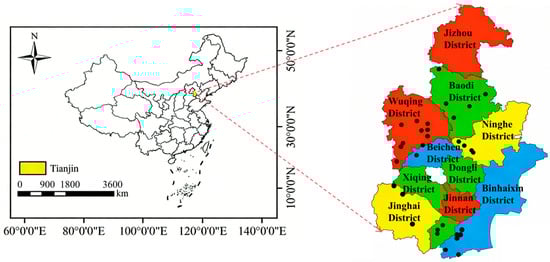
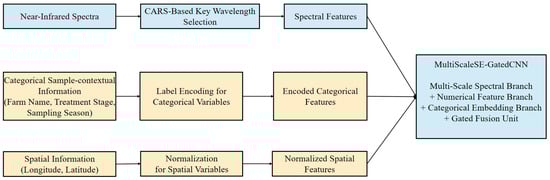
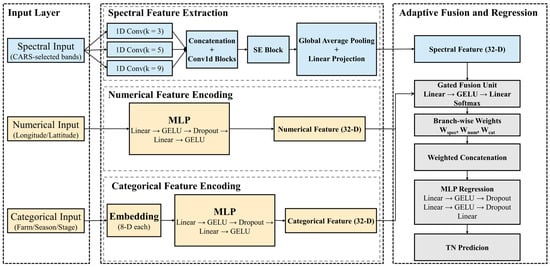
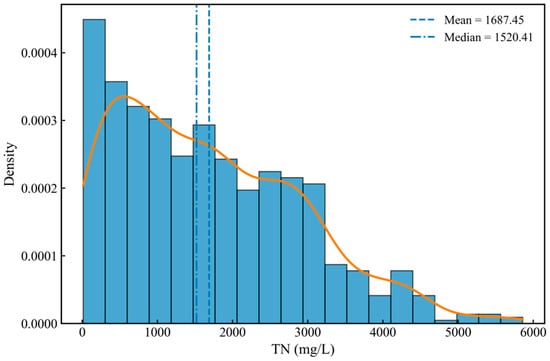
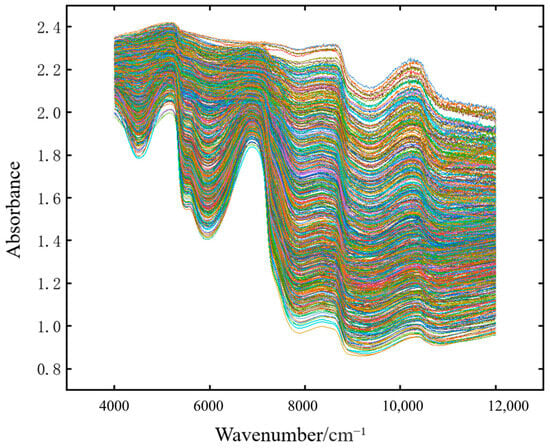
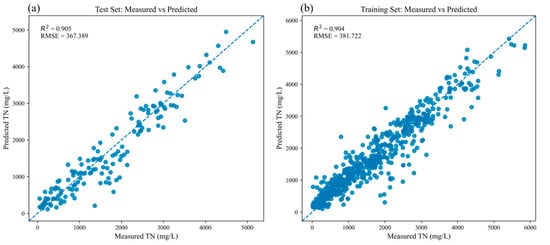
Near-infrared spectroscopy (NIRS) offers significant advantages for the rapid and non-destructive detection of nutrients in livestock manure slurry. However, conventional models based only on spectral features often show limited robustness under cross-seasonal and multi-farm conditions due to differences in farm source, treatment stage, and complex spatiotemporal background. To improve the accuracy and applicability of total nitrogen (TN) prediction in dairy farm manure slurry, this study used 747 samples collected from 36 large-scale dairy farms in Tianjin, China, covering 24 treatment stages and four seasons, together with sample-contextual information such as farm name, longitude, latitude, and season. Competitive adaptive reweighted sampling (CARS) was applied to select key wavelengths from near-infrared spectra. On this basis, a multi-branch gated fusion deep learning model, MultiScaleSE-GatedCNN, was developed to integrate spectral and sample-contextual information. The model combines multi-scale one-dimensional convolution for spectral feature extraction, separate encoding branches for numerical and categorical inputs, and a gated fusion unit for adaptive weighting of different information sources. Results showed that partial least squares regression remained a strong baseline under single-source spectral conditions, but the proposed deep learning fusion model achieved superior predictive performance after introducing sample-contextual information. Ablation experiments demonstrated that different combinations of sample-contextual information contributed differently to model performance, and the combination of spectra, farm name, longitude, and season yielded the best results. Under this optimal input combination, MultiScaleSE-GatedCNN achieved a test-set R2 of 0.905, an RMSEP of 367.389, and an RPD of 3.242. These results demonstrate that integrating NIRS with sample-contextual information can effectively improve the accuracy and robustness of TN prediction in dairy farm manure slurry.
Full article
(This article belongs to the Special Issue How Optical Sensors and Deep Learning Enhance Production Management in Smart Agriculture—2nd Edition)
►
Show Figures
Open AccessArticle
Regulatory Effects of Nitrogen Fertilization on Soil Extracellular Enzyme Activity and Greenhouse Gas Emissions in Paddy Fields with Straw Return
by
Lixin Zhang, Jiao Wang, Congling Zhu, Jiani Li, Qun Yang, Minjie Fu and Yongjun Wang
Agriculture 2026, 16(9), 964; https://doi.org/10.3390/agriculture16090964 (registering DOI) - 28 Apr 2026
Abstract
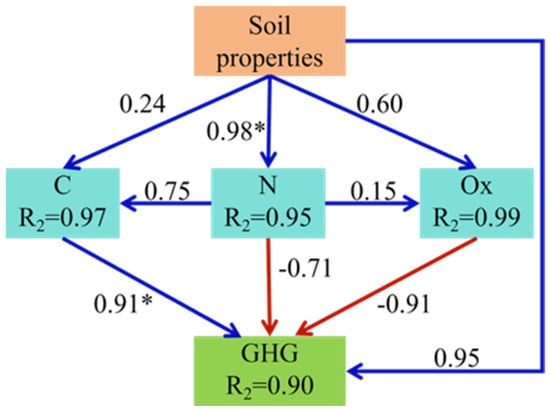
Straw return improves paddy soil quality and nutrient cycling, but its combined effects with nitrogen application on extracellular enzyme activities and greenhouse gas emissions in cold-region paddies remain unclear. A field experiment was conducted in Northeast China under full straw return (8.8 t
[...] Read more.
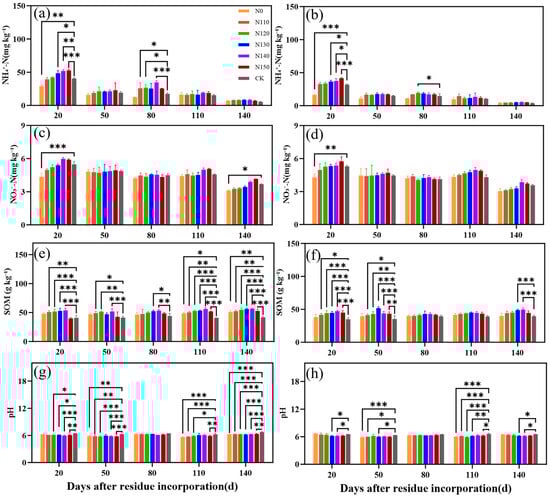
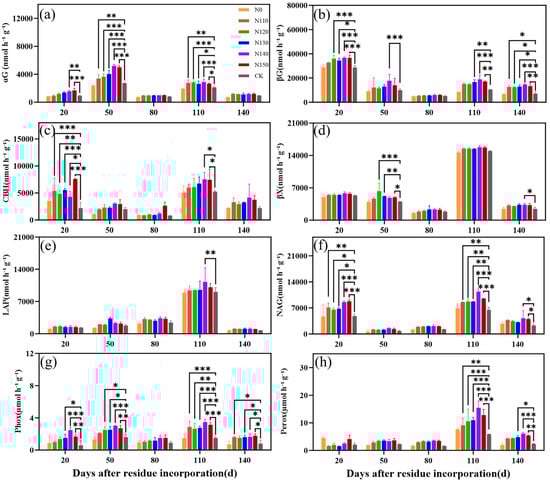
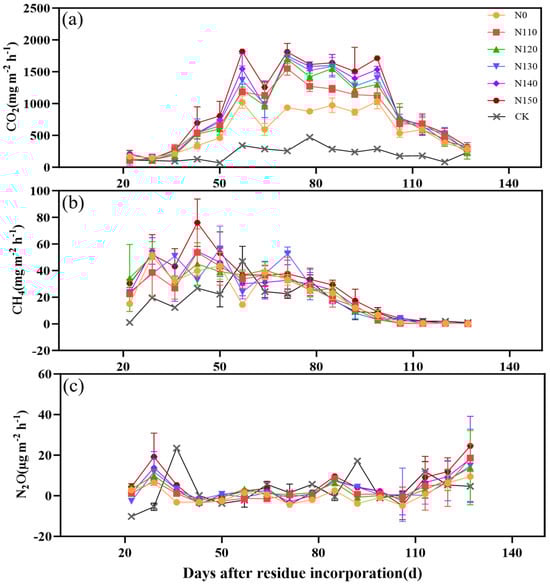
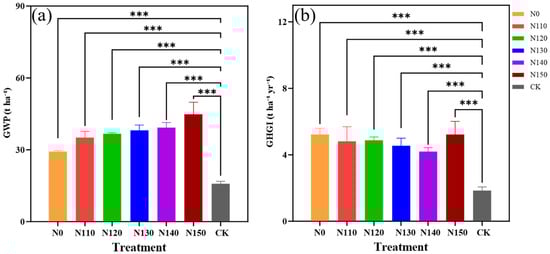
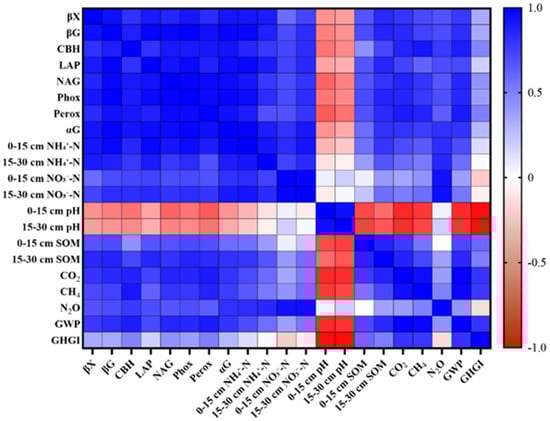
Straw return improves paddy soil quality and nutrient cycling, but its combined effects with nitrogen application on extracellular enzyme activities and greenhouse gas emissions in cold-region paddies remain unclear. A field experiment was conducted in Northeast China under full straw return (8.8 t ha−1) with six nitrogen rates (0, 110, 120, 130, 140, and 150 kg ha−1); conventional nitrogen application without straw return (130 kg ha−1) was the control (CK), while N0 distinguished straw input from nitrogen effects. Soil properties, extracellular enzyme activities, and CO2, CH4, and N2O emissions were measured 20, 50, 80, 110, and 140 days after straw return. At 140 days, compared with CK, straw return increased the NH4+-N and organic matter in the 0–15 cm soil layer by 41.75% and 28.69%, respectively, and reduced pH by 4.34%. Under N110–N150, straw return enhanced the carbon- and nitrogen-acquiring enzymes and oxidative enzymes by 15.88–162.23%. In particular, β-glucosidase, phenol oxidase, and peroxidase activities were significantly higher under N130–N140 than under CK. Compared with N150, N130–N140 maintained organic matter turnover without further increasing greenhouse gas emissions. Overall, under full straw incorporation in the Mollisol paddies of cool Northeast China, N130–N140 sustained high yield while balancing nutrient cycling, enzyme activity, and greenhouse gas mitigation.
Full article
(This article belongs to the Section Agricultural Soils)
►▼
Show Figures

Figure 1

Open AccessArticle
Nutrient Management, Soil Water, and Wheat (Triticum aestivum L.) Stability in Kazakhstan
by
Sagadat Turebayeva, Aigul Zhapparova, Dossymbek Sydyk and Elmira Saljnikov
Agriculture 2026, 16(9), 963; https://doi.org/10.3390/agriculture16090963 (registering DOI) - 28 Apr 2026
Abstract
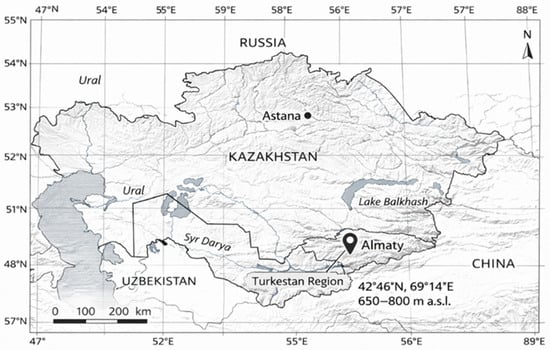
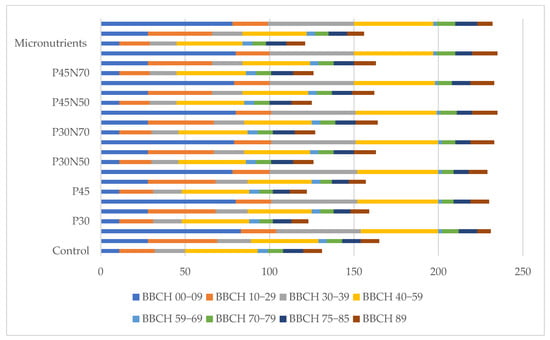
Rainfed wheat (Triticum aestivum L.) production in semi-arid regions is strongly influenced by precipitation variability, soil water availability, and crop management practices. This study evaluated the effects of nutrient management under uniform weed control on soil water dynamics, weed density, and grain
[...] Read more.
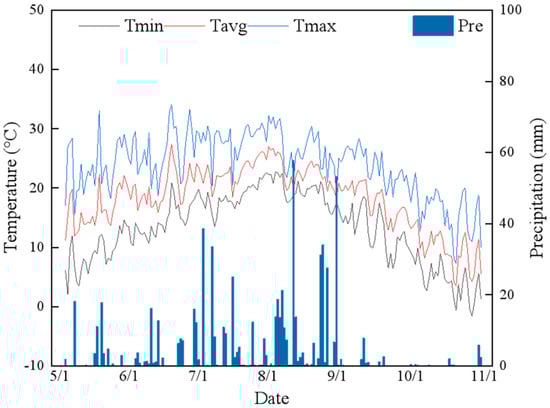
Rainfed wheat (Triticum aestivum L.) production in semi-arid regions is strongly influenced by precipitation variability, soil water availability, and crop management practices. This study evaluated the effects of nutrient management under uniform weed control on soil water dynamics, weed density, and grain yield of winter wheat grown under rainfed no-till conditions in southern Kazakhstan. Field experiments were conducted during the 2018–2021 growing seasons on gray soils characterized by low organic matter and limited nitrogen and phosphorus availability. Eight fertilization treatments, including phosphorus and nitrogen combinations and a micronutrient treatment, were arranged in a randomized complete block design. Soil moisture reserves, weed density, and grain yield were analyzed in relation to precipitation variability. Productive soil moisture reserves in the 0–100 cm layer at tillering (BBCH 21–25) ranged from 155 to 178.8 mm and were closely associated with overwinter precipitation. Balanced nitrogen–phosphorus fertilization reduced weed density from 38 plants m−2 in the control to 16 plants m−2 under the P45N70 treatment. Yield stability varied across dry, normal, and wet years, reflecting the influence of precipitation conditions on crop performance. Overall, the results suggest balanced fertilization in no-till systems contributes to improved resource use and more stable wheat production under variable precipitation.
Full article
(This article belongs to the Section Agricultural Systems and Management)
►▼
Show Figures

Figure 1

Open AccessArticle
Facilitating the Green Transition of Smallholders: The Role of Enterprise-Led Contract Farming in China’s Rice Sector
by
Andi Cao, Xingyi Zuo, Haoyu Wen and Houjian Li
Agriculture 2026, 16(9), 962; https://doi.org/10.3390/agriculture16090962 (registering DOI) - 27 Apr 2026
Abstract
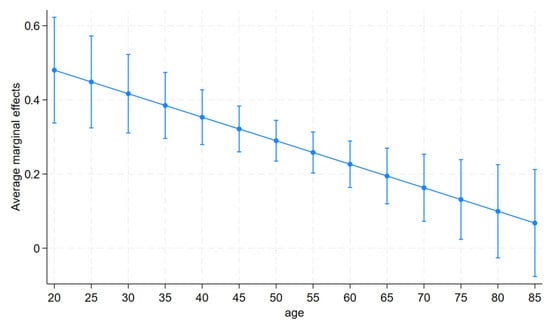
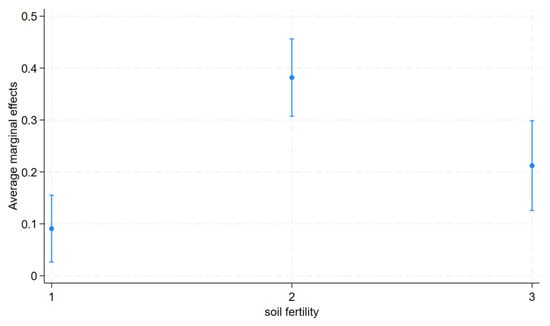
As China advances high-quality agricultural development, promoting green production among farmers has become an important policy priority. Using survey data from 1787 rice farmers in seven major rice-producing provinces in southern China, this study examines whether enterprise-led contract farming can promote farmers’ green
[...] Read more.
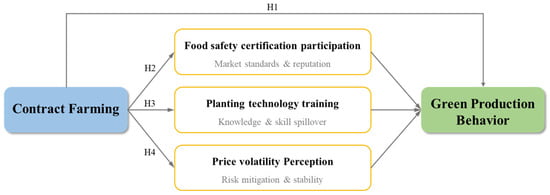
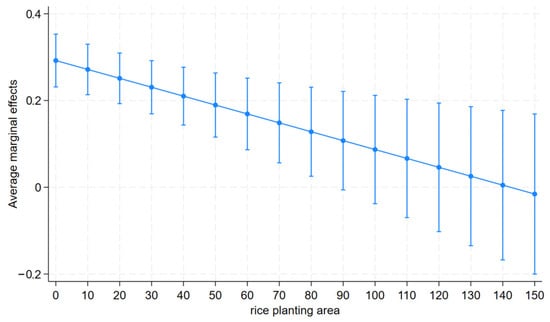
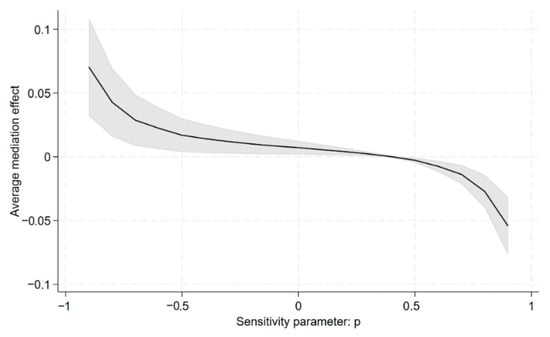
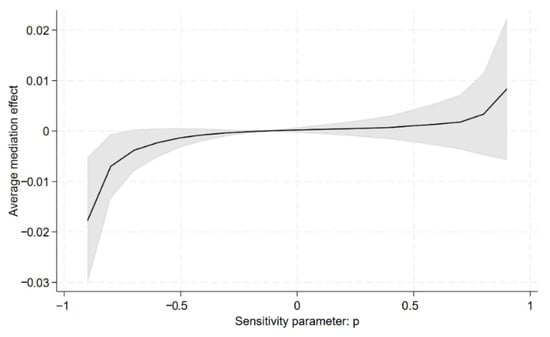
As China advances high-quality agricultural development, promoting green production among farmers has become an important policy priority. Using survey data from 1787 rice farmers in seven major rice-producing provinces in southern China, this study examines whether enterprise-led contract farming can promote farmers’ green production behavior. Green production behavior is measured by a composite index based on six practices, including green control technology, soil testing and formulated fertilization, organic fertilizer substitution, water-saving irrigation, agricultural film recycling, and straw return. Empirical analysis results show that enterprise-led contract farming can significantly promote farmers’ green production behavior. Further analysis suggests that food safety certification, planting technology training, and lower perceived price volatility are important pathways through which contract farming is linked to green production practices. The promoting effect is weaker among older farmers, stronger for farmers cultivating land with medium soil fertility, and more pronounced among small-scale rice farmers. These findings highlight the role of enterprise-led contract farming in promoting farmers’ green production and offer policy implications for encouraging wider participation in green production practices.
Full article
(This article belongs to the Section Agricultural Economics, Policies and Rural Management)
►▼
Show Figures

Figure 1

Open AccessReview
Interplay of Nitrogen and Phytohormones in Rice
by
Jiajia Liu, Senqiu Chang, Qing Li and Zhenyu Gao
Agriculture 2026, 16(9), 961; https://doi.org/10.3390/agriculture16090961 (registering DOI) - 27 Apr 2026
Abstract
Nitrogen is a critical macronutrient for plants, playing a central role in the synthesis of proteins, amino acids, and nucleic acids. To enhance nitrogen use efficiency (NUE) and ensure sustainable agricultural production, identification of nitrogen-efficient genes and application of molecular breeding techniques are
[...] Read more.
Nitrogen is a critical macronutrient for plants, playing a central role in the synthesis of proteins, amino acids, and nucleic acids. To enhance nitrogen use efficiency (NUE) and ensure sustainable agricultural production, identification of nitrogen-efficient genes and application of molecular breeding techniques are crucial for developing high-NUE rice germplasm. The nitrogen signaling pathway exhibits close crosstalk with phytohormones, including auxins (IAA), gibberellins (GAs), abscisic acid (ABA), cytokinins (CTKs), brassinosteroids (BRs), and strigolactones (SLs). This review systematically summarizes the molecular mechanisms underlying crosstalk between nitrogen and phytohormones, focusing on the physiological and molecular basis underlying their synergistic regulation of root development and NUE in rice, and outlines challenges for the complicated research field and prospective directions in future.
Full article
(This article belongs to the Special Issue Physiological and Molecular Mechanisms of Efficient Nutrient Utilization in Crops)
Open AccessArticle
Preference and Underlying Molecular Basis of Pork: A Multi-Omics and Sensory Study
by
Li Chen, Jie Chai, Xinhua Hou, Longchao Zhang, Jinyong Wang, Lixian Wang and Ligang Wang
Agriculture 2026, 16(9), 960; https://doi.org/10.3390/agriculture16090960 (registering DOI) - 27 Apr 2026
Abstract
Consumer preferences for pork are increasingly prioritizing quality traits such as flavor and tenderness, which are often superior in Chinese indigenous pig breeds. The primary objective of this study was to explore the molecular basis of flavor traits using Rongchang (RR), Yorkshire (YY),
[...] Read more.
Consumer preferences for pork are increasingly prioritizing quality traits such as flavor and tenderness, which are often superior in Chinese indigenous pig breeds. The primary objective of this study was to explore the molecular basis of flavor traits using Rongchang (RR), Yorkshire (YY), and RR × YY (YR) breeds. The investigation focused on meat quality traits, along with untargeted metabolomics, lipidomics, and volatile flavor compound (VOC) profiling of the longissimus dorsi muscle. The results indicated that RR pork exhibited higher pH levels and overall acceptability. Analyses using electronic nose and tongue demonstrated that RR pork elicited stronger responses for W2S, W1S, and W1C sensors, as well as for umami and sourness. A total of 15 VOCs were identified as differing among the breeds. RR pork contained higher levels of benzothiazole and dimethyl sulfoxide, but lower levels of nonane, 2-methylheptane, and 2,4-dimethylheptane. Metabolomic analysis revealed 45 distinct metabolites, with a greater abundance of flavor precursors such as α-ketoglutaric acid in RR pork. Lipidomic analysis identified 22 different lipids, with triglycerides being more enriched in RR pork. Phospholipids, such as phosphatidylcholine (PC) and phosphatidylethanolamine (PE), varied by breed, with PC (e) being lowest and cardiolipin highest in RR pork. Correlation network analysis revealed that nonane, 2-methylheptane was the most connected flavor compound, positively correlating with certain lipids and metabolites, such as PC (18:1_18:1), PE (18:2e_22:6), PC (36:4) and 2-phenylglycine, and negatively correlating with PC (32:0e), SM (d41:1), N-hydroxy-2-acetamidofluorene, and histamine. This multi-omics approach provides a comprehensive view of the molecular signatures associated with pork preference, identifying potential biomarkers for meat quality that can be leveraged for future breeding strategies.
Full article
(This article belongs to the Section Agricultural Product Quality and Safety)
Open AccessArticle
Factors Influencing Farmers’ Willingness to Participate in Agritourism in Mpumalanga Province, South Africa
by
Motlalepule John Seema, Uwe Peter Hermann and Grany Mmatsatsi Senyolo
Agriculture 2026, 16(9), 959; https://doi.org/10.3390/agriculture16090959 (registering DOI) - 27 Apr 2026
Abstract
The agricultural sector is increasingly confronted with numerous challenges, including declining prices for agricultural products, escalating production costs, intensified globalization, rapid industrialization, urban expansion and growing competition in global markets. To promote rural development and improve farmers’ livelihoods through diversified sources of income,
[...] Read more.
The agricultural sector is increasingly confronted with numerous challenges, including declining prices for agricultural products, escalating production costs, intensified globalization, rapid industrialization, urban expansion and growing competition in global markets. To promote rural development and improve farmers’ livelihoods through diversified sources of income, agritourism has been identified as a viable alternative strategy. This study aims to determine the factors influencing farmers’ willingness to participate in agritourism in Mpumalanga Province, South Africa. Primary data were collected from November 2022 to June 2023 using a structured questionnaire and a simple random sampling technique to select 100 farmers. A logistics regression model was used to analyse data. The findings revealed that profitability, non-farm employment, the number of labourers, and access to information positively influence WTP. Age also positively influenced WTP, while marital status showed a negative but significant effect. The findings imply that farmers with stronger financial capacity, labour availability and access to information are more likely to consider agritourism as a diversification strategy. The study suggests strengthening extension services, improving farm profitability and enhancing access to information to increase readiness to engage in agritourism.
Full article
(This article belongs to the Special Issue Agritourism: Sustainability, Management, and Socio-Economic Impact)
Open AccessReview
Fruit Quality Regulation in Passion Fruit (Passiflora edulis): Biological Mechanisms, Omics Evidence, and Opportunities for Biological Intervention
by
Jose Leonardo Santos-Jiménez and Maite Freitas Silva Vaslin
Agriculture 2026, 16(9), 958; https://doi.org/10.3390/agriculture16090958 (registering DOI) - 27 Apr 2026
Abstract
Passion fruit (Passiflora edulis) quality is defined by integrated sensory and nutritional traits, including sugar–acid balance, volatile organic compounds (VOCs), pigment-related attributes, and bioactive compounds such as ascorbic acid and phenolics. These traits emerge from coordinated regulation of carbon allocation, mineral
[...] Read more.
Passion fruit (Passiflora edulis) quality is defined by integrated sensory and nutritional traits, including sugar–acid balance, volatile organic compounds (VOCs), pigment-related attributes, and bioactive compounds such as ascorbic acid and phenolics. These traits emerge from coordinated regulation of carbon allocation, mineral nutrition, ripening metabolism, and stress- and defense-related signaling pathways, which are strongly modulated by environmental conditions. Sustainable biological inputs are increasingly explored as tools to influence these regulatory networks; however, evidence linking such interventions to reproducible fruit quality outcomes in Passiflora remains fragmented. This review first synthesizes current knowledge on the physiological, biochemical, and molecular mechanisms underlying passion fruit quality formation and maintenance, and then discusses how biofertilizers; microbial inoculants (including plant growth-promoting rhizobacteria—PGPR and arbuscular mycorrhizal fungi—AMF); fungal-derived elicitors such as chitosan and chitooligosaccharides; and complementary postharvest biological strategies may modulate these processes. Emphasis is placed on traits beyond yield, including sugar–acid balance, aroma and VOC profiles, color, nutritional quality, texture, and shelf life. By integrating genomics, transcriptomics, metabolomics, proteomics, and microbiome-based evidence, we examine how environmental modulation and key signaling pathways intersect with metabolic networks underlying fruit quality. Available studies indicate that responses to biological inputs are context-dependent and often non-linear. Key knowledge gaps and priorities for mechanism-informed sustainable management of passion fruit quality are identified.
Full article
(This article belongs to the Special Issue Fruit Quality Formation and Regulation in Fruit Trees)
Open AccessArticle
Insecticides in Bait Spray Solutions: Validation, Determination, and Stability: The Role of Trophic Attractants
by
Eleftheria Bempelou, Kyriaki Varikou, Antonios Nikolakakis and George P. Balayiannis
Agriculture 2026, 16(9), 957; https://doi.org/10.3390/agriculture16090957 (registering DOI) - 27 Apr 2026
Abstract
In Greece, the protection of olive orchards against the olive fruit fly (Bactrocera oleae), the most serious pest of olive fruits, is implemented through a national control program. This program is implemented by the Ministry of Rural Development and Food in
[...] Read more.
In Greece, the protection of olive orchards against the olive fruit fly (Bactrocera oleae), the most serious pest of olive fruits, is implemented through a national control program. This program is implemented by the Ministry of Rural Development and Food in co-operation with various public and private organizations. A new approach followed for this goal is the use of insecticide spray solutions combined with trophic attractant to attract and kill the olive fruit fly. In the present study, a method for the determination of the major insecticides, lambda-cyhalothrin and Spinosad, in their spraying solutions in combinations with trophic attractants was developed and validated and the monitoring of their residual concentration under various temperature conditions was examined. The reliability of the analytical method was achieved by obtaining acceptable results regarding the core criteria of specificity, linearity (R2 ≥ 0.99), accuracy (recoveries ranged from 91.01% to 116.29%), and precision (RSDs ranged from 0.47% to 3%). Furthermore, no significant effect on the stability of lambda-cyhalothrin and spinosad was noted from the various attractants that were added. As it was observed, in all cases the concentration of the insecticide remained stable. On the other hand, the effect of temperature as well as pH seems to be significant, with the degradation rates at 30 °C clearly higher in all cases than those at 20 °C. Therefore, preliminary data have been provided on recording the duration that the formulation remains stable and effective in spray solutions.
Full article
(This article belongs to the Special Issue Recent Advances for Determination and Assessment of Compounds Involved in Crop Protection)
Open AccessArticle
A Multi-Perspective Recursive Slice Framework with Cross-Slice Attention for Plant Point Cloud Instance Segmentation
by
Shan Liu, Shilin Fang, Luhao Zhang, Pengcheng Wang, Xiaorong Cheng, Lei Xu, Jian Sun and Tengping Jiang
Agriculture 2026, 16(9), 956; https://doi.org/10.3390/agriculture16090956 (registering DOI) - 27 Apr 2026
Abstract
Instance segmentation of plant point clouds is challenging due to intricate structures, non-uniform density, and large intra-class variation. Conventional methods often suffer from blurred boundaries, instance adhesion, and insufficient coupling of semantic and instance features. To address these issues, this paper proposes MPRSF-CSA,
[...] Read more.
Instance segmentation of plant point clouds is challenging due to intricate structures, non-uniform density, and large intra-class variation. Conventional methods often suffer from blurred boundaries, instance adhesion, and insufficient coupling of semantic and instance features. To address these issues, this paper proposes MPRSF-CSA, a novel network integrating recursive slice-based feature extraction with an attention-embedding mechanism. The method first transforms disordered point clouds into ordered sequences via a multi-directional recursive slicing strategy and models inter-slice dependencies using BiLSTM. Parallel decoding branches for semantic and instance segmentation are constructed, and a core attention-embedding module facilitates bidirectional fusion of semantic and instance features. Instance segmentation is achieved via clustering and semantic-aware optimization. Experiments on two public datasets demonstrate that MPRSF-CSA outperforms existing approaches in segmentation accuracy, boundary preservation, and adaptability to complex plant scenes.
Full article
(This article belongs to the Section Artificial Intelligence and Digital Agriculture)
Open AccessArticle
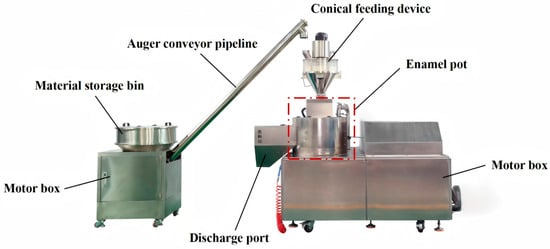
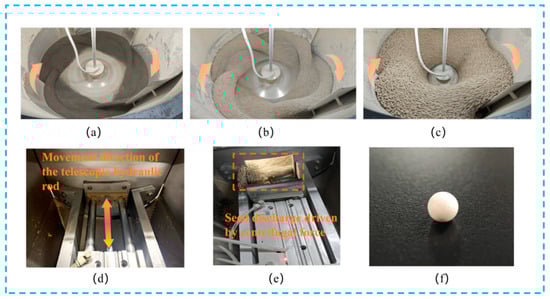
Numerical Simulation and Experimental Study of a Pelletizing Coating Machine for Astragalus membranaceus Seeds
by
Taiwei Zhao, Hua Zhang, Wei Sun and Luhai Zhang
Agriculture 2026, 16(9), 955; https://doi.org/10.3390/agriculture16090955 (registering DOI) - 27 Apr 2026
Abstract
To address the poor coating quality and low efficiency of Astragalus membranaceus seed pelletizing, this study combined theoretical analysis, DEM simulations, and experiments. The motion and force conditions of seed-powder particles were analyzed to identify key parameters. Using the coefficient of variation (Cv)
[...] Read more.
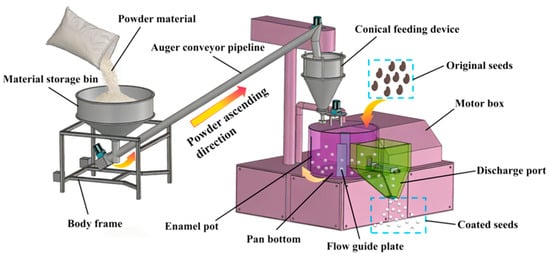
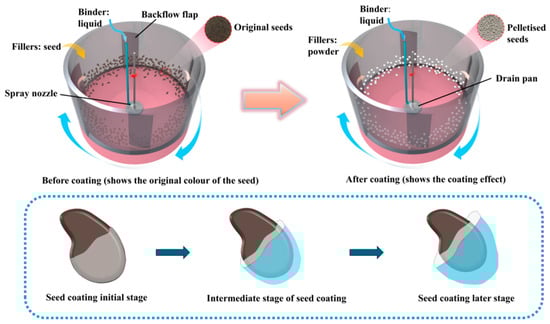
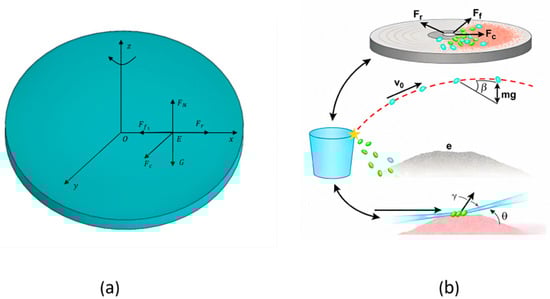
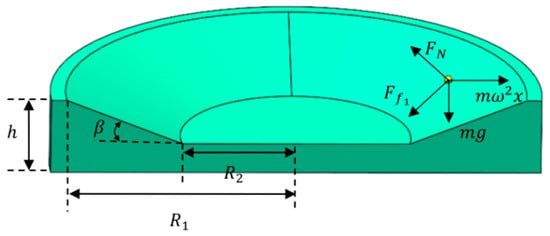
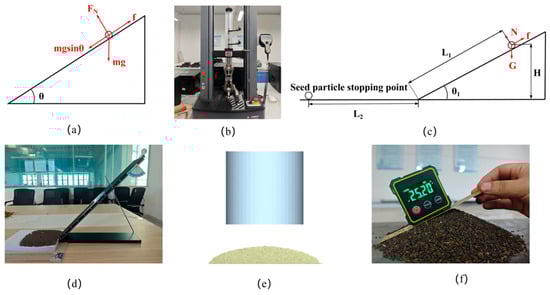
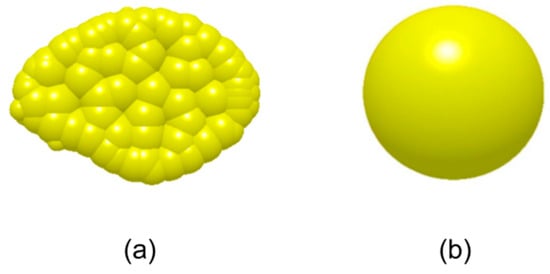
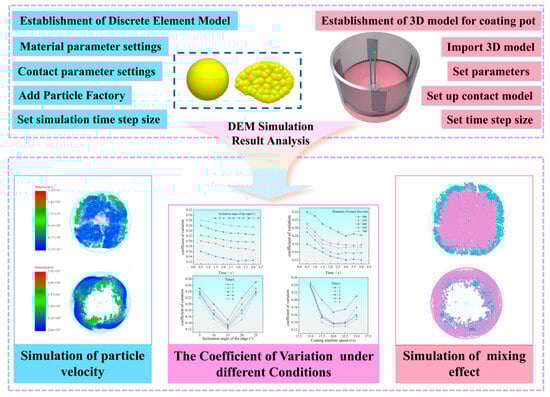
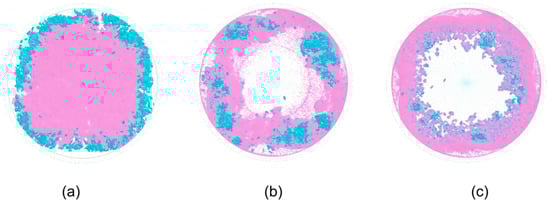
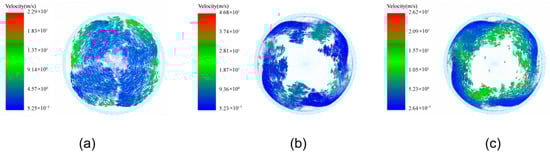
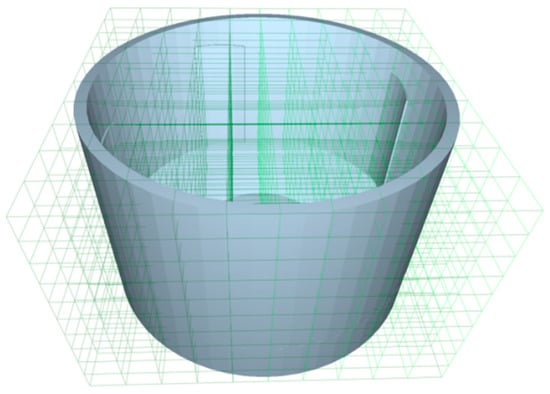
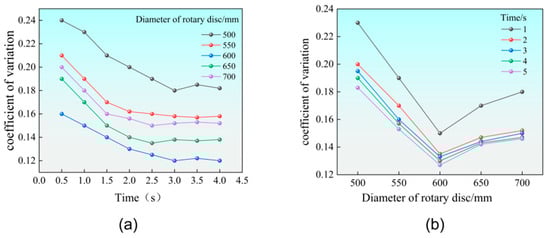
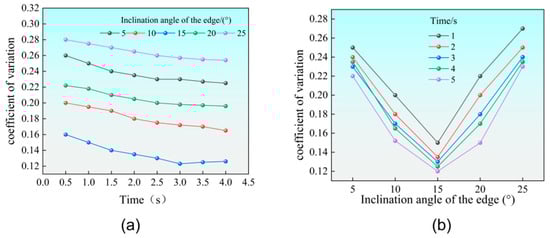
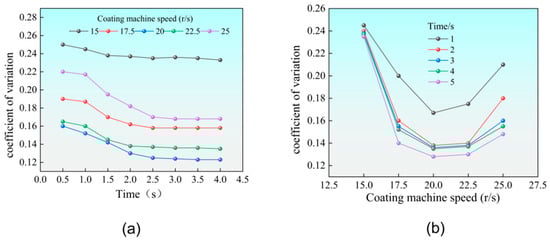
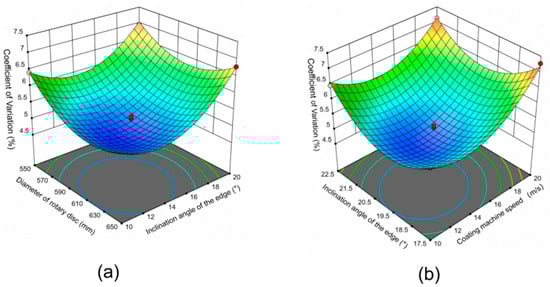
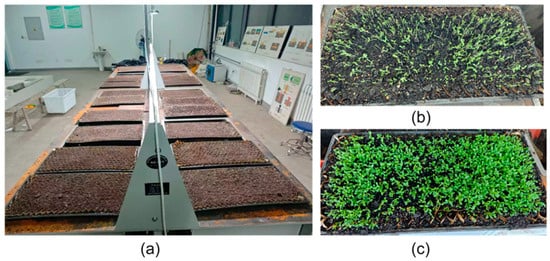
To address the poor coating quality and low efficiency of Astragalus membranaceus seed pelletizing, this study combined theoretical analysis, DEM simulations, and experiments. The motion and force conditions of seed-powder particles were analyzed to identify key parameters. Using the coefficient of variation (Cv) as the evaluation index, the disc diameter, pan edge inclination, and rotational speed were optimized via response surface methodology. The optimal structural parameters were 605.5 mm, 15.7°, and 20.3 r·s−1. Liquid adhesion was represented by a custom time-varying cohesion model in DEM. Physical experiments showed that the optimized structure increased the pelletization qualification rate from 74.8% to 94.3%. Orthogonal experiments further optimized the process parameters: a single powder feed of 20 g, a single binder solution feed of 25 mL, and a coating duration of 8 min, achieving a qualification rate of 98.3%. Seedling emergence tests revealed that pelleted seeds had a significantly higher emergence rate (97.6%) than non-pelleted seeds (67.3%). These findings provide theoretical and technical references for pelletizing the coating of irregularly shaped seeds.
Full article
(This article belongs to the Section Agricultural Technology)
►▼
Show Figures

Figure 1

Open AccessArticle
Spatiotemporal Characteristics and Influencing Factors of the Synergy of Agricultural Pollution Control and Carbon Reduction in Ecologically Fragile Areas: An Efficiency Perspective
by
Guofeng Wang, Mingyan Gao and Lingchen Mi
Agriculture 2026, 16(9), 954; https://doi.org/10.3390/agriculture16090954 (registering DOI) - 26 Apr 2026
Abstract
This paper is based on data from 121 cities in China’s ecologically fragile regions from 2008 to 2022; it constructs an indicator system for the efficiency of pollution control and carbon reduction in agricultural practices. This system includes expenditures on agriculture, forestry, and
[...] Read more.
This paper is based on data from 121 cities in China’s ecologically fragile regions from 2008 to 2022; it constructs an indicator system for the efficiency of pollution control and carbon reduction in agricultural practices. This system includes expenditures on agriculture, forestry, and water affairs, arable land area, agricultural laborers, total agricultural output value, agricultural carbon emissions, and agricultural non-point source pollution. It uses a super-efficiency SBM model that incorporates non-desirable outputs to measure the synergistic efficiency and analyzes its dynamic evolution using the Malmquist–Luenberger index to reveal the spatiotemporal characteristics of the synergistic efficiency. A Tobit model identifies the influence of factors, such as the level of rural economic development, crop planting structure, the strength of fiscal support for agriculture, rural education level, urbanization rate, and mechanization level on the synergistic efficiency. The results show that, from a temporal perspective, the average synergistic efficiency was only 0.58, significantly below the effective value of 1, indicating substantial room for overall improvement. Only 10 cities met the benchmark, with distinctly different reasons for compliance, while the remaining 111 cities remained inefficient. Regarding influencing factors, crop planting structure, the strength of fiscal support for agriculture, and urbanization rate significantly and positively drive efficiency; the level of rural economic development and mechanization level significantly inhibit efficiency, and rural education level shows no significant impact. These findings provide targeted policy recommendations for the synergy effect in ecologically fragile areas, as well as for low-carbon agricultural development.
Full article
(This article belongs to the Section Agricultural Economics, Policies and Rural Management)
Open AccessArticle
Combined-Population GWAS Identifies PROX2 as a Candidate Gene Associated with Total Teat Number Variation in Pigs
by
Haoran Shi, Xiaoyue Zhang, Lin Chen, Bin Yang, Sihan Liu, Guangming Li and Yang Liu
Agriculture 2026, 16(9), 953; https://doi.org/10.3390/agriculture16090953 (registering DOI) - 26 Apr 2026
Abstract
Teat number is an important economic trait in pigs because it affects sow reproductive performance and piglet nursing ability, yet its genetic basis and molecular regulatory mechanisms remain incompletely understood. In this study, a combined-population genome-wide association study was performed in Canadian and
[...] Read more.
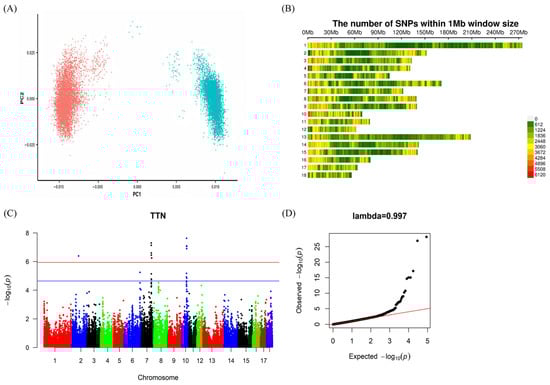
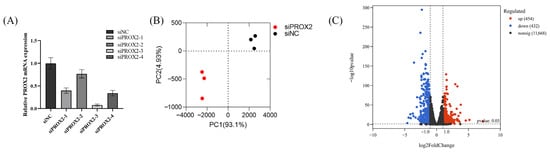
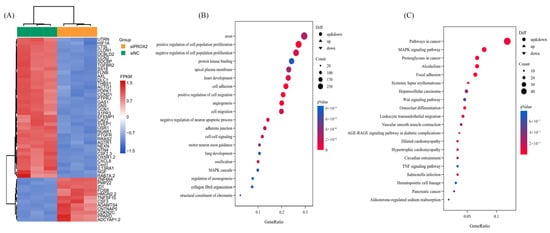
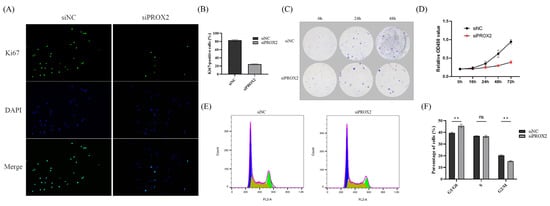
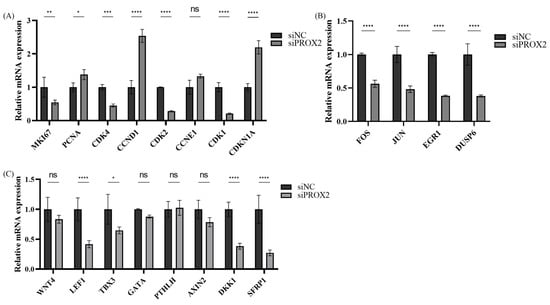
Teat number is an important economic trait in pigs because it affects sow reproductive performance and piglet nursing ability, yet its genetic basis and molecular regulatory mechanisms remain incompletely understood. In this study, a combined-population genome-wide association study was performed in Canadian and French Large White pigs to identify loci associated with teat number traits. A total of 4217 pigs were genotyped, and 2,244,684 autosomal single-nucleotide polymorphisms were retained after quality control and genotype imputation. Multiple association signals for total teat number were detected, with major peaks located on chromosomes 7 and 10. Among the positional candidate genes, PROX2 was prioritized for further validation, and genotype–phenotype association analysis showed that pigs with the CC genotype at the PROX2 polymorphic locus had significantly lower total teat number than those with the CT and TT genotypes. To investigate its biological role, PROX2 was silenced in porcine mammary epithelial cells. Transcriptome analysis identified 887 differentially expressed genes after PROX2 knockdown, and functional assays showed that PROX2 silencing inhibited cell proliferation, altered cell cycle progression, and affected the expression of proliferation- and development-related genes. These findings indicate that PROX2 is an important candidate gene associated with teat number variation in pigs.
Full article
(This article belongs to the Section Farm Animal Production)
►▼
Show Figures

Figure 1
Open AccessArticle
Soil Depth Stratification of Mineral Nitrogen and Functional Genes in Organic Sugar Beet Fields
by
Shunlei Li, Claudia Chiodi, Francesca Ragazzi, Marco Gnudi, Federico Gavinelli, Giulia Zardinoni, Carmelo Maucieri, Maria Giordano, Lucia Giagnoni, Samathmika Ravi, Andrea Squartini, Giuseppe Concheri, Gui Geng, Yuguang Wang and Piergiorgio Stevanato
Agriculture 2026, 16(9), 952; https://doi.org/10.3390/agriculture16090952 (registering DOI) - 26 Apr 2026
Abstract
(1) Background: Soil fertility in organic systems depends on interactions between physicochemical properties and biological processes that regulate nutrient availability along the soil profile. However, information on their vertical distribution remains limited, particularly for root crops such as sugar beet. This study evaluated
[...] Read more.
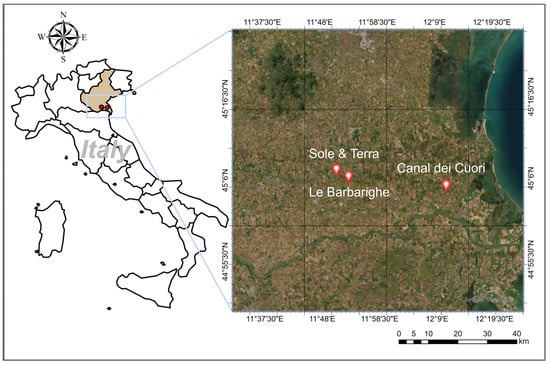
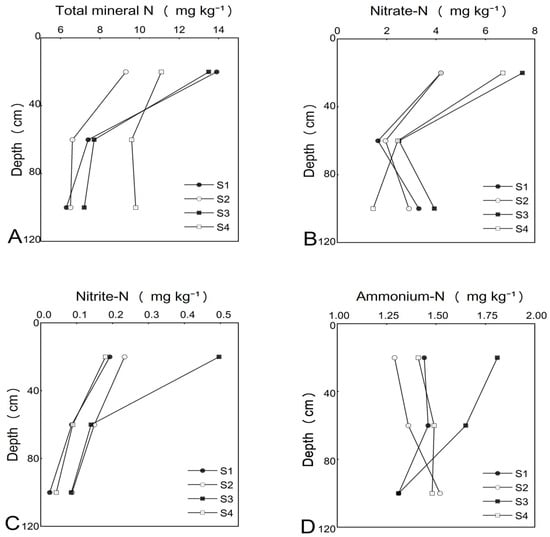
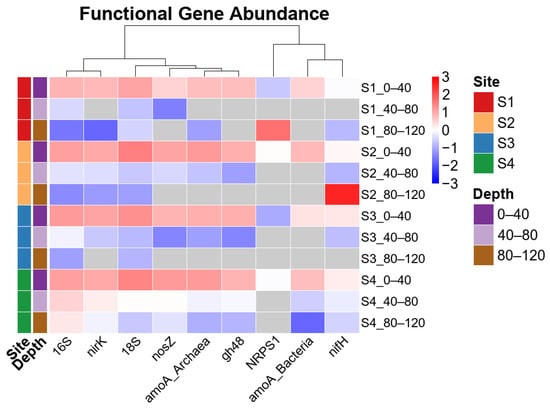
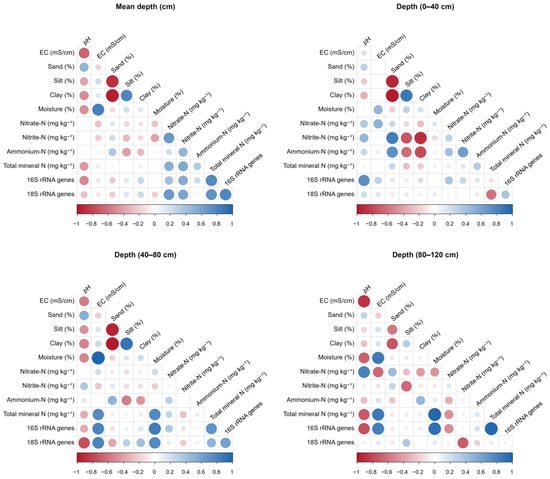
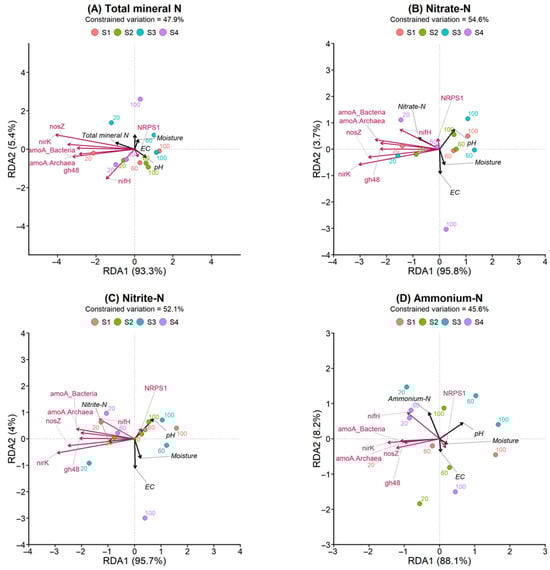
(1) Background: Soil fertility in organic systems depends on interactions between physicochemical properties and biological processes that regulate nutrient availability along the soil profile. However, information on their vertical distribution remains limited, particularly for root crops such as sugar beet. This study evaluated depth-related patterns in soils from three organic farms growing sugar beet. (2) Methods: Soil profiles (0–120 cm) were sampled and analyzed for physicochemical properties, mineral nitrogen (N) forms, and biological indicators, including the QBS-ar index, microbial abundance, and functional genes involved in N and carbon cycling. (3) Results: Nitrate-N and total mineral N were mainly concentrated in the 0–40 cm layer and declined markedly with depth. Microbial abundance and most N-cycling functional genes were similarly enriched in the topsoil, showing clear vertical stratification. Statistical analyses suggested that functional gene composition was associated with mineral N gradients after accounting for soil depth. (4) Conclusions: These findings provide an exploratory indication of relationships between mineral N forms and microbial indicators in an organically managed sugar beet system. Given the limited number of sampling units, results should be interpreted cautiously. However, these results highlight the value of soil profile approaches for understanding N redistribution and improving nutrient management strategies.
Full article
(This article belongs to the Section Agricultural Soils)
►▼
Show Figures

Figure 1
Open AccessArticle
A Soybean Rust Resistance Evaluation Approach Based on a Novel Spectral Index SRSI
by
Shuxin Zhu, Jiarui Feng, Hongfeng Yu, Xianglin Dou, Huanliang Xu and Zhaoyu Zhai
Agriculture 2026, 16(9), 951; https://doi.org/10.3390/agriculture16090951 (registering DOI) - 26 Apr 2026
Abstract
Soybean rust is a widespread and rapidly spreading fungal disease that poses a serious threat to both the yield and quality of soybeans. Traditional vegetation indices struggle to effectively assess disease severity across different infection stages, particularly during early or mild stages, due
[...] Read more.
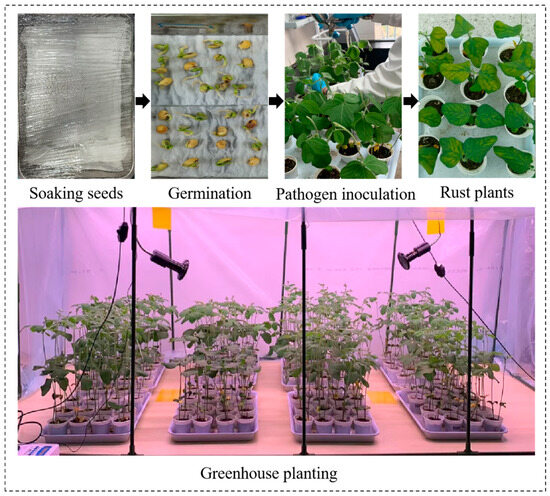
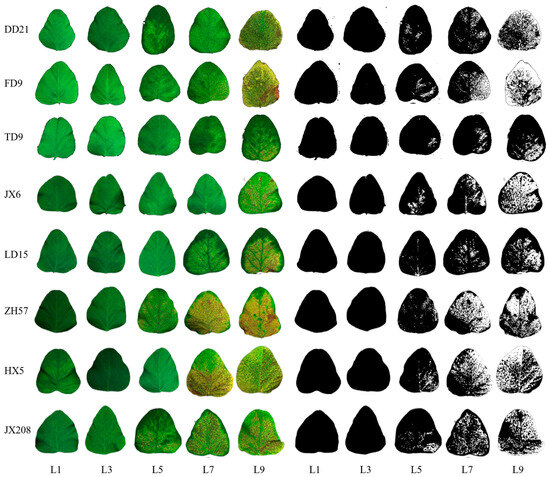
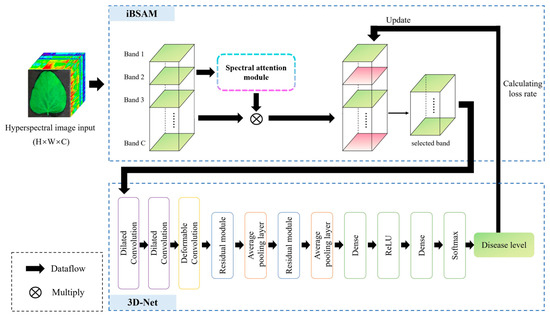
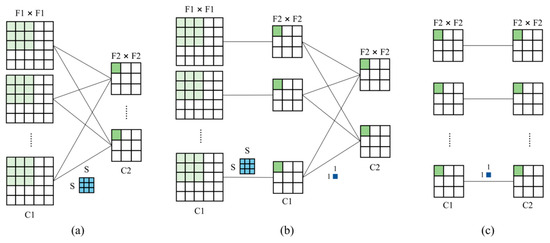
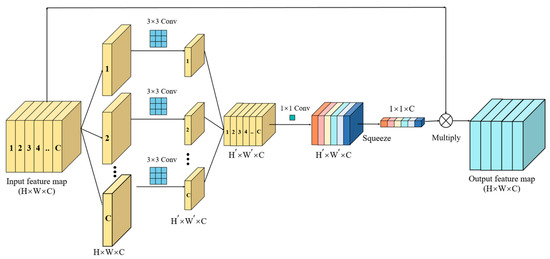
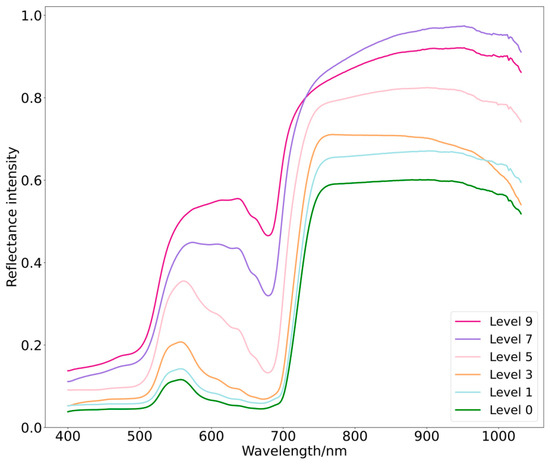
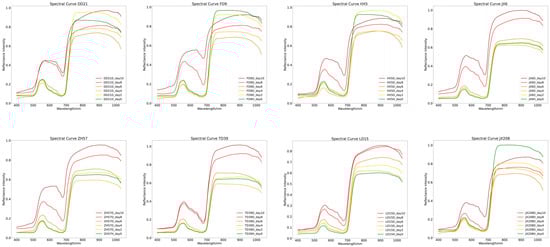
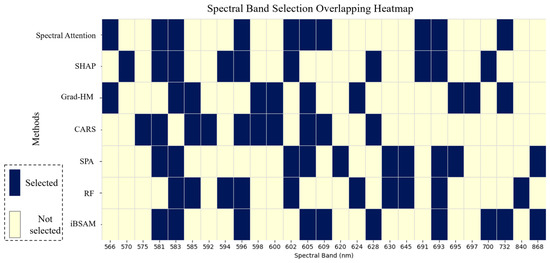
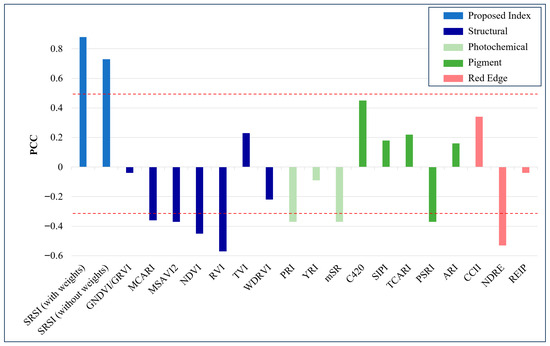
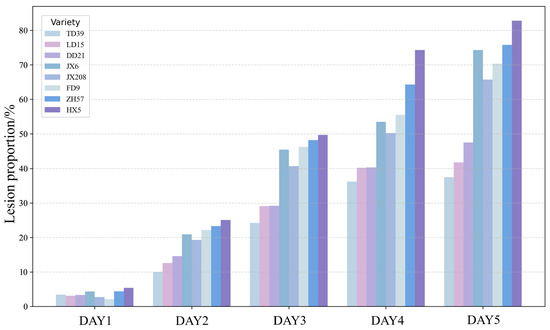
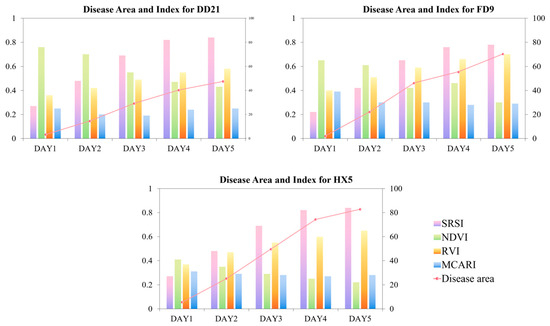
Soybean rust is a widespread and rapidly spreading fungal disease that poses a serious threat to both the yield and quality of soybeans. Traditional vegetation indices struggle to effectively assess disease severity across different infection stages, particularly during early or mild stages, due to weak spectral responses. In this study, we propose a soybean rust resistance identification model, RustNet-3D (Soybean Rust Disease Diagnosis Network-3D), which integrates a 3D deformable convolution module and a spectral dilated convolution module to achieve accurate classification of different disease severity levels. We further introduce a spectral feature band extraction module, iBSAM (improved Band Selection and Attention Module), which employs a modified depthwise separable convolution architecture. iBSAM incorporates bandwise independent convolution to enable individualized modeling of each spectral band. It also applies a hard thresholding strategy to remove redundant information, and integrates a channel attention mechanism to reinforce the model’s sensitivity to discriminative wavelengths. By modeling the temporal hyperspectral data of soybean rust, five highly sensitive spectral bands—581 nm, 605 nm, 596 nm, 609 nm, and 628 nm—are identified and subsequently used to construct the Soybean Rust Spectral Index (SRSI). Experimental results demonstrate that the RustNet-3D model achieves an overall accuracy (OA) of 92.74%, and the correlation coefficient between SRSI and disease severity reaches 0.89, validating the effectiveness of the selected spectral features. This study provides a rapid and accurate solution for soybean rust severity evaluation, offering a high-efficiency and automated approach for resistance identification and intelligent breeding.
Full article
(This article belongs to the Topic Digital Agriculture, Smart Farming and Crop Monitoring)
►▼
Show Figures

Figure 1
Open AccessReview
The Use of Ethylene Production Inhibitors and Ethylene Perception Blockers in Horticulture
by
Krzysztof Rutkowski and Grzegorz P. Łysiak
Agriculture 2026, 16(9), 950; https://doi.org/10.3390/agriculture16090950 (registering DOI) - 26 Apr 2026
Abstract
Ethylene is a key phytohormone regulating fruit ripening, the senescence of ornamental plants, and the post-harvest quality of horticultural products. Although numerous studies have described compounds that inhibit ethylene biosynthesis or perception, the available evidence remains fragmented across chemical groups, plant species, and
[...] Read more.
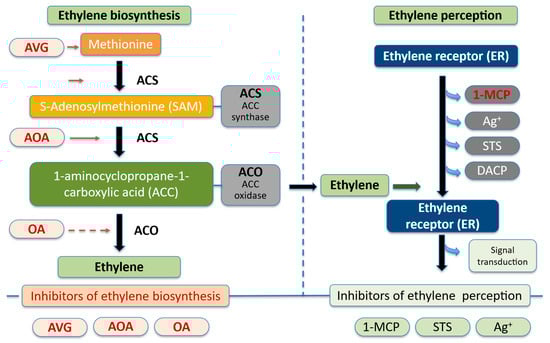
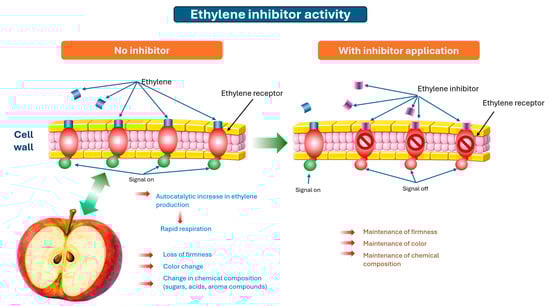
Ethylene is a key phytohormone regulating fruit ripening, the senescence of ornamental plants, and the post-harvest quality of horticultural products. Although numerous studies have described compounds that inhibit ethylene biosynthesis or perception, the available evidence remains fragmented across chemical groups, plant species, and pre- and post-harvest applications. This review addresses that gap by critically integrating current knowledge on the principal inhibitors of ethylene biosynthesis and perception used in horticulture, with emphasis on their sites of action, practical effectiveness, and limitations. Biosynthesis inhibitors, including aminoethoxyvinylglycine (AVG), aminooxyacetic acid (AOA), daminozide, benzyl isothiocyanate (BITC), and oxalic acid (OA), reduce ethylene production at different stages of the ethylene pathway, whereas perception inhibitors such as 1-methylcyclopropene, 1-DCP, silver compounds, alkenes, and diazocyclopentadiene interfere with receptor binding and downstream ripening responses. The available literature indicates that 1-methylcyclopropene remains the most widely used commercial inhibitor, while oxalic acid is emerging as a promising natural modulator of ethylene-related processes. However, the efficacy of these compounds is strongly dependent on species, maturity stage, dose, temperature, and storage conditions, and some are additionally constrained by regulatory concerns, incomplete mechanistic understanding, or inconsistent performance. Overall, ethylene inhibitors are important tools for extending shelf life, maintaining firmness, delaying senescence, and reducing post-harvest losses. Further comparative and crop-specific studies are needed to optimize application strategies, improve environmental safety, and support the development of effective natural alternatives.
Full article
(This article belongs to the Special Issue Adapting Horticultural Plant Cultivation Technology and Storage to Changing Conditions)
►▼
Show Figures

Figure 1
Open AccessArticle
CFD–DEM-Based Analysis and Optimization of Biomimetic Jet Hole Design for Pneumatic Subsoiling Performance
by
Shuhong Zhao, Changle Jiang, Xize Liu, Yueqian Yang, Mingxuan Du, Bin Lü and Shoukun Dong
Agriculture 2026, 16(9), 949; https://doi.org/10.3390/agriculture16090949 (registering DOI) - 25 Apr 2026
Abstract
Subsoiling can break the plough pan and improve the root growth environment. The effect of the traditional subsoiler is poor, as it relies only on the chisel tine, but pneumatic subsoiling can improve the soil structure more efficiently through the negative pressure generated
[...] Read more.
Subsoiling can break the plough pan and improve the root growth environment. The effect of the traditional subsoiler is poor, as it relies only on the chisel tine, but pneumatic subsoiling can improve the soil structure more efficiently through the negative pressure generated by the jet hole. This research used computational fluid dynamics and the discrete element method to optimize the biomimetic structure of the jet hole, model the pneumatic subsoiling process at a depth of 330 mm, and observe the movement of soil particles as airflow passes through. The effect of the jet hole at different positions and sizes on the plough pan soil was analyzed, and fluid domains and measurement areas were set up to observe the upward movement, diffusion, stabilization, and settling of soil particles under the action of airflow. The results of the soil bin experiment validated the accuracy of the simulation model through draft force and vertical force, and the average error between the simulation and experimental data was 2.8%. The study revealed that the increase in the rate of soil porosity reached a maximum of 3.65% when the jet hole was positioned above the chisel tine with a radius of 4 mm. The biomimetic jet hole pneumatic subsoiler designed in this study, along with the established CFD-DEM coupled simulation model capable of predicting pneumatic subsoiling performance, can provide references for the design and application of a pneumatic subsoiler. Furthermore, it also provides a theoretical basis for understanding the mechanism of airflow on soil during pneumatic subsoiling operations.
Full article
(This article belongs to the Special Issue Tillage Equipment Management and Its Effects on Grain Crop Productivity)
Open AccessArticle
Burkholderia gladioli Causing Brown Spot on Leaf Sheath of Sweet Corn (Zea mays L.) in Sinaloa, Mexico: An Emerging Disease
by
Rubén Félix-Gastelum, Jesús Ramon Escalante-Castro, Karla Yeriana Leyva-Madrigal, Ignacio Eduardo Maldonado-Mendoza and Gabriel Herrera-Rodríguez
Agriculture 2026, 16(9), 948; https://doi.org/10.3390/agriculture16090948 (registering DOI) - 25 Apr 2026
Abstract
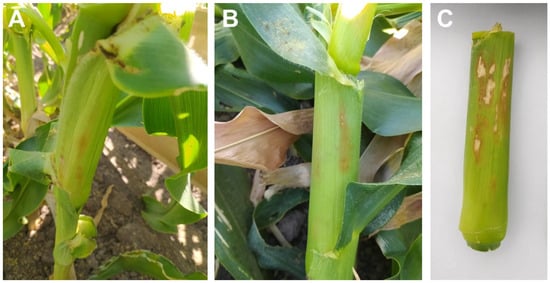
Brown spot on the leaf sheath is an emerging disease of sweet corn (Zea mays L.) in Sinaloa, Mexico, with an unknown etiology. This study aimed to identify the causal agent of the disease and assess its pathogenicity on commercial sweet corn
[...] Read more.
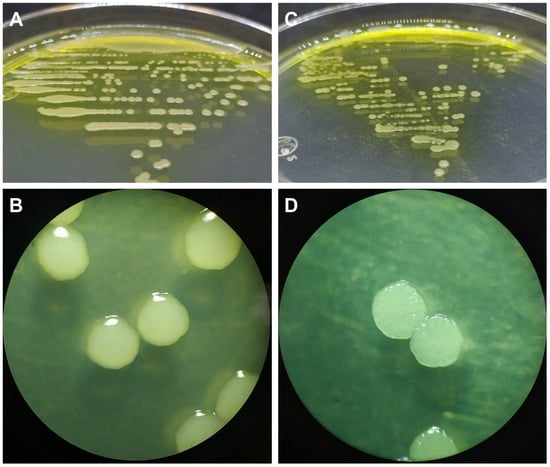
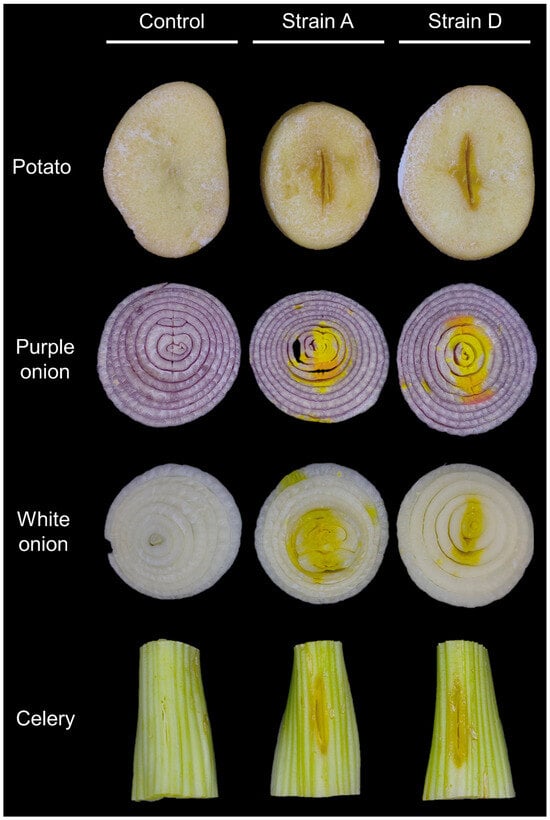
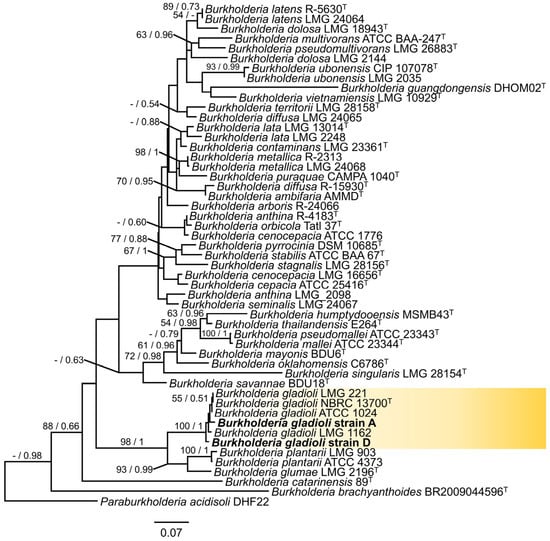
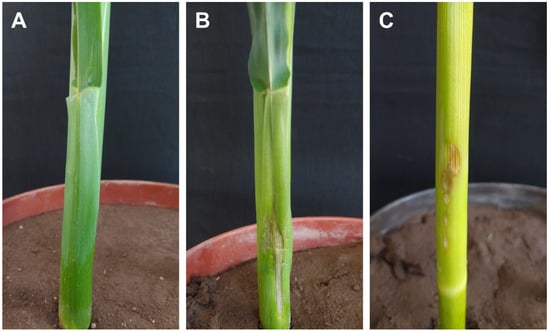
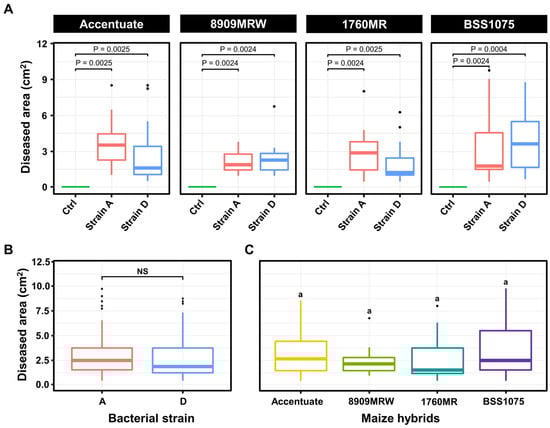
Brown spot on the leaf sheath is an emerging disease of sweet corn (Zea mays L.) in Sinaloa, Mexico, with an unknown etiology. This study aimed to identify the causal agent of the disease and assess its pathogenicity on commercial sweet corn hybrids. Bacterial strains were isolated from symptomatic leaf sheaths collected from commercial fields. Identification was performed through biochemical profiling (API 50CHB/E), pathogenicity tests on alternative hosts (potato, onion, celery), and molecular analysis (16S rRNA and recA genes sequencing and phylogenetic reconstruction). Pathogenicity and virulence were confirmed by inoculating four sweet corn hybrids in a greenhouse. The strains were Gram-negative rods, identified as Burkholderia gladioli based on biochemical profiles and molecular data (99% 16S rRNA+ recA similarity; phylogenetic clustering within the B. gladioli clade). In greenhouse trials, the strains induced brown spot lesions on the leaf sheaths of all tested hybrids, replicating field symptoms fulfilling Koch’s postulates. This is the first report of B. gladioli as the causal agent of brown spot on the leaf sheath of sweet corn in Mexico. The pathogen’s broad host range highlights its potential as an emerging threat to horticultural crops in the region.
Full article
(This article belongs to the Special Issue Diseases Diagnosis, Prevention and Weeds Control in Crops—2nd Edition)
►▼
Show Figures

Figure 1
Open AccessArticle
TGL-YOLO: A Multi-Scale Feature Enhancement Method for Plant Disease Detection Based on Improved YOLO11
by
Qi Wang and Zhiyu Wang
Agriculture 2026, 16(9), 947; https://doi.org/10.3390/agriculture16090947 (registering DOI) - 25 Apr 2026
Abstract
Plant disease detection in natural environments is significantly challenged by variations in lesion scales and interference from complicated background clutter. Nevertheless, current models often remain limited in effectively capturing multi-scale features and mitigating background interference simultaneously. To tackle these challenges, we present TGL-YOLO,
[...] Read more.
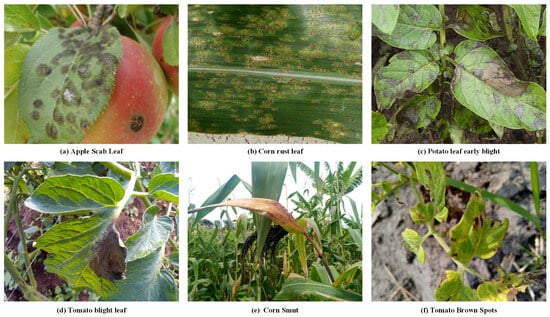
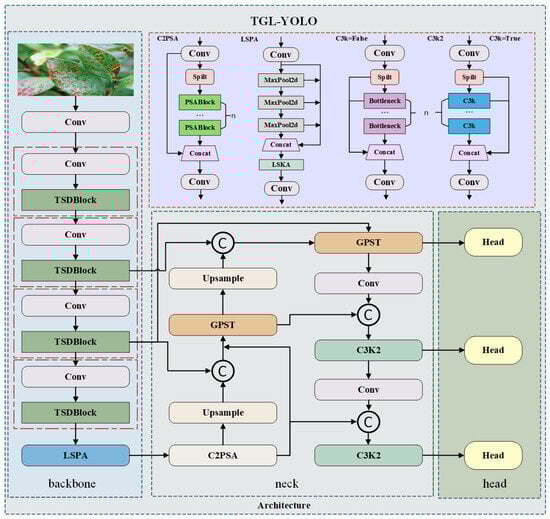
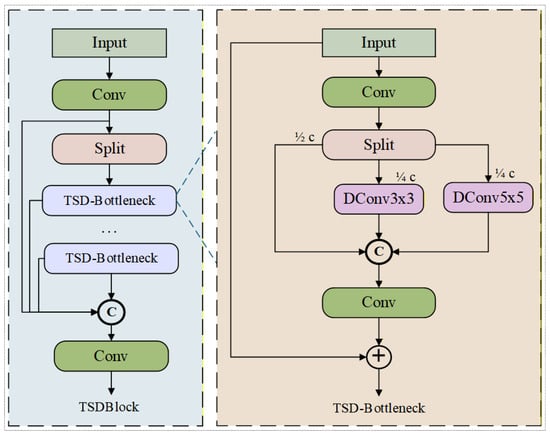
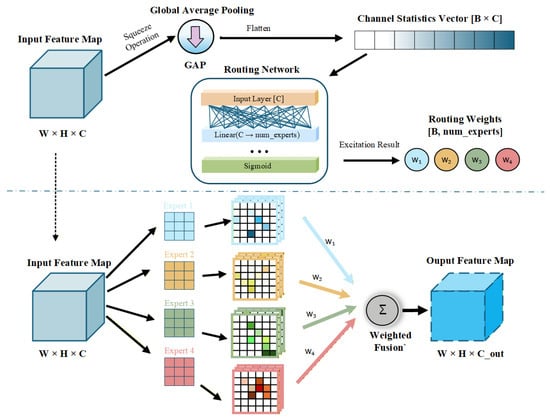
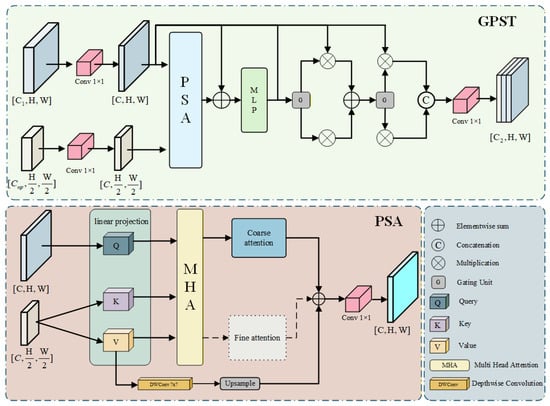
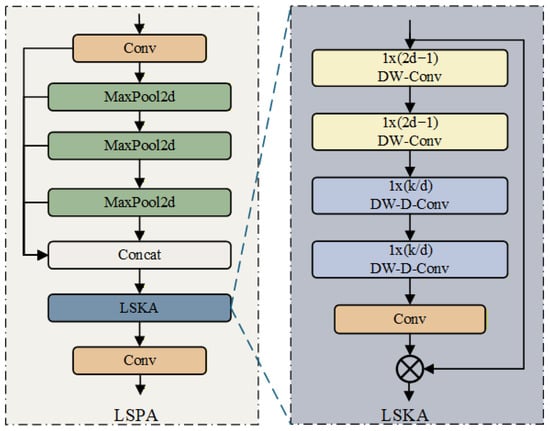
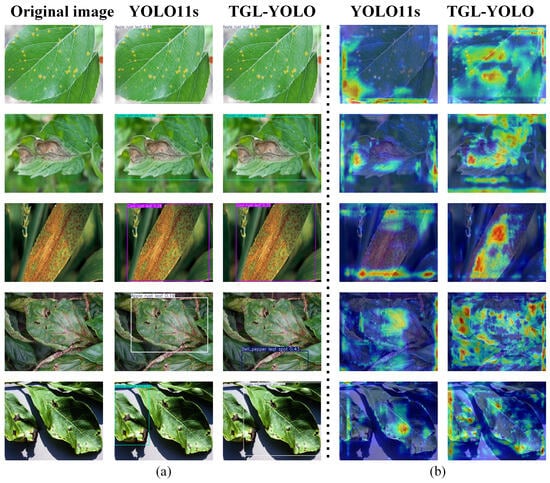
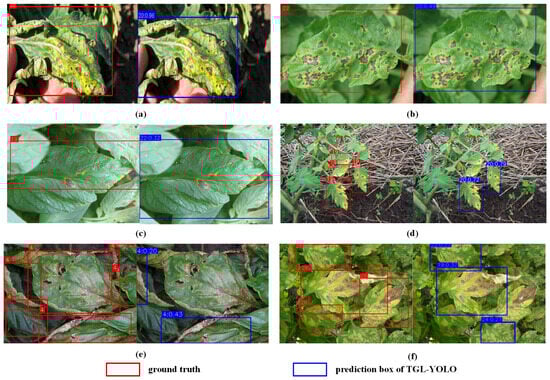
Plant disease detection in natural environments is significantly challenged by variations in lesion scales and interference from complicated background clutter. Nevertheless, current models often remain limited in effectively capturing multi-scale features and mitigating background interference simultaneously. To tackle these challenges, we present TGL-YOLO, an improved detection network built on the YOLO11 framework. Methodologically, we introduce the Tri-Scale Dynamic Block (TSDBlock) to adaptively extract fine-grained features across highly variable lesion sizes. Furthermore, a Gated Pyramid Spatial Transformer (GPST) is designed to fuse cross-scale features and suppress background interference, while a Large Separable Pyramid Attention (LSPA) module expands the spatial receptive field to capture global context. Experimental results on two public datasets show that TGL-YOLO demonstrates improved performance over the YOLO11s baseline. On the PlantDoc dataset, it improves mAP50 and mAP50:95 by 4.7% and 3.7%, reaching 0.591 and 0.449, respectively. On the FieldPlant dataset, it reaches 0.793 and 0.608, yielding improvements of 2.3% and 1.9%. The proposed method demonstrates the capability to reduce missed detections and false positives caused by multi-scale lesions and environmental noise, providing a competitive and computationally viable solution for agricultural disease monitoring in natural environments.
Full article
(This article belongs to the Special Issue Applying Artificial Intelligence to Sustainable Crop Protection: Managing Pests and Diseases)
►▼
Show Figures

Figure 1
Open AccessArticle
Automated Pomelo Posture Detection: A Lightweight Deep Learning Solution for Conveyor-Based Fruit Processing
by
Qingting Jin, Runqi Yuan, Jiayan Fang, Jing Huang, Jiayu Chen, Shilei Lyu, Zhen Li and Yu Deng
Agriculture 2026, 16(9), 946; https://doi.org/10.3390/agriculture16090946 - 24 Apr 2026
Abstract
In modern intelligent food processing, the unpredictable variability in pomelo orientation on high-speed conveyors poses a significant challenge to automated grading and precision peeling operations. To address this, a deep learning-based method is proposed for the real-time detection of pomelo posture. Firstly, a
[...] Read more.
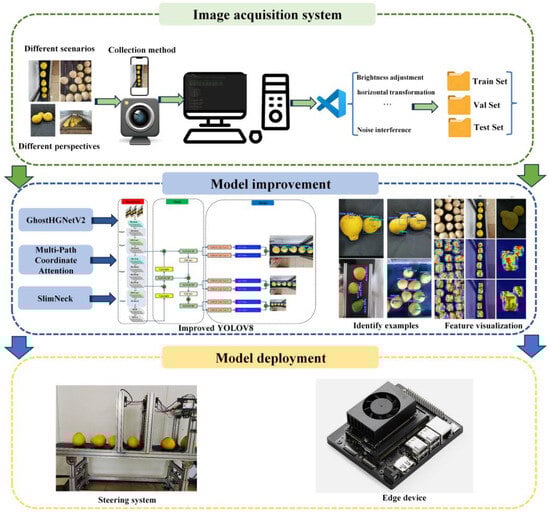
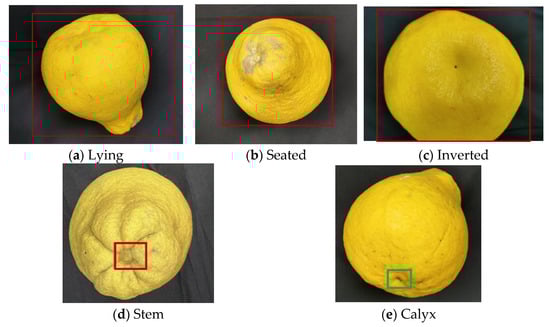
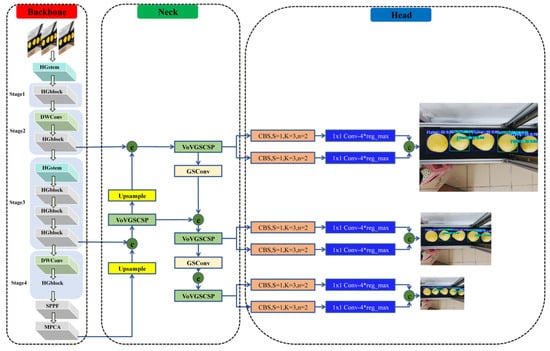
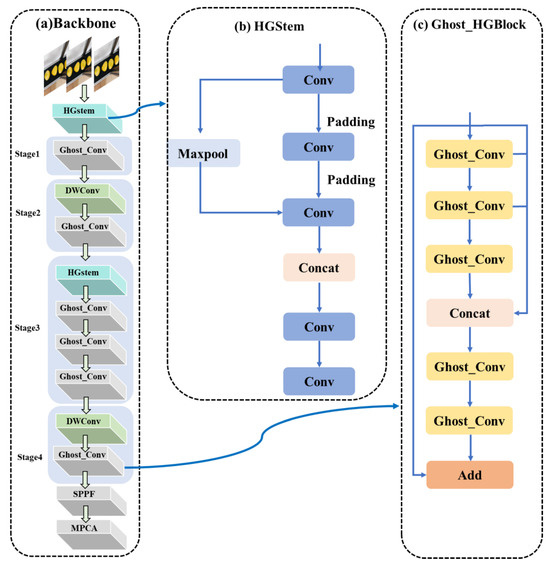
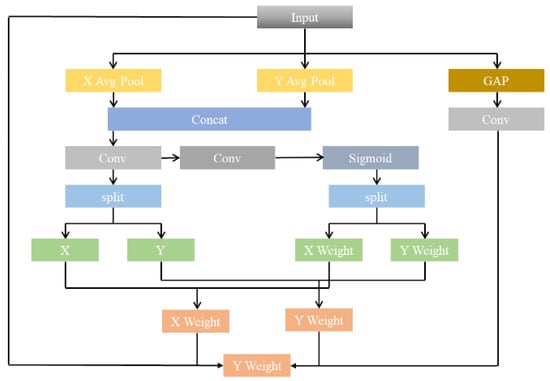
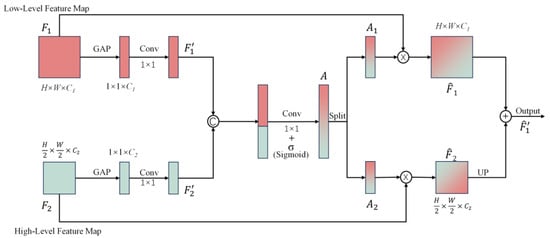
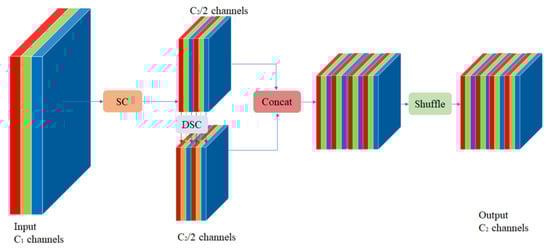
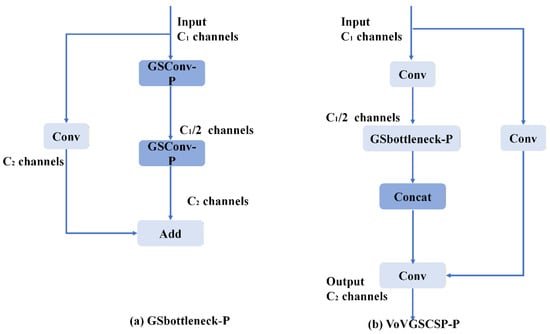
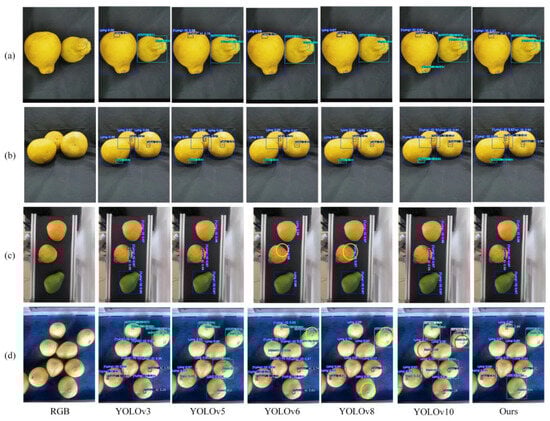
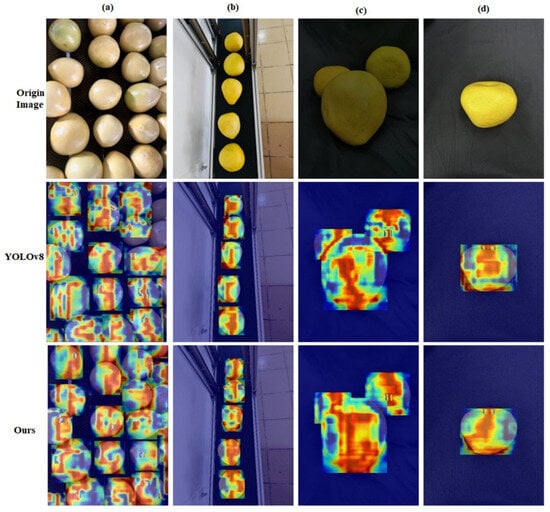
In modern intelligent food processing, the unpredictable variability in pomelo orientation on high-speed conveyors poses a significant challenge to automated grading and precision peeling operations. To address this, a deep learning-based method is proposed for the real-time detection of pomelo posture. Firstly, a pomelo posture dataset was constructed to support model training and validation. Secondly, to balance the extraction of posture features from uniform fruits with the low-power constraints of edge deployment, a domain-specific architectural optimization is presented. Building on the YOLOv8n framework, the proposed model synergistically integrates specialized modules. A lightweight GhostHGNetV2 foundation is utilized to significantly reduce computational redundancy while maintaining the resolution required to detect key anatomical landmarks. To overcome spatial confusion and capture multi-scale global appearance information, a multi-path coordinate attention (MPCA) module is introduced. Furthermore, the SlimNeck architecture and VoVGSCSP module streamline multi-scale feature fusion via one-time aggregation, effectively preventing computational bottlenecks. This design optimizes the computational efficiency of the model while maintaining detection accuracy. Experimental results demonstrate that compared with the baseline YOLOv8n model, the proposed method increased the mAP50 accuracy by 3.67% while reducing parameter count and computational load by 17.5% and 23.3%, respectively. Additionally, it achieved a processing speed of 19.3 FPS on the Jetson Orin Nano 6G edge platform. This research provides a critical technical foundation for the recognition of pomelo posture, enabling subsequent orientation rectification and fostering the development of streamlined, automated pomelo processing lines.
Full article
(This article belongs to the Special Issue Application of Smart Agricultural Technologies in Mountain Farming Systems)
►▼
Show Figures

Figure 1
Journal Menu
► ▼ Journal Menu-
- Agriculture Home
- Aims & Scope
- Editorial Board
- Reviewer Board
- Topical Advisory Panel
- Instructions for Authors
- Special Issues
- Topics
- Sections
- Article Processing Charge
- Indexing & Archiving
- Editor’s Choice Articles
- Most Cited & Viewed
- Journal Statistics
- Journal History
- Journal Awards
- Conferences
- Editorial Office
Journal Browser
► ▼ Journal BrowserHighly Accessed Articles
Latest Books
E-Mail Alert
News
Topics
Topic in
Agriculture, AgriEngineering, Agronomy, Applied Sciences, Automation, Crops, Robotics, Sensors
Digital Agriculture, Smart Farming and Crop Monitoring
Topic Editors: Qingting Liu, Tao Wu, Zhigang ZhangDeadline: 30 April 2026
Topic in
Agronomy, Crops, Foods, Plants, Agriculture, Horticulturae
Multidisciplinary Advances in Tea Science: Smart Cultivation, Digital Processing, and Health Innovation
Topic Editors: Chunwang Dong, Lin Chen, Yang LiDeadline: 30 June 2026
Topic in
Earth, Hydrology, Sustainability, Water, JMSE, Agriculture
Human Impact on Groundwater Environment, 2nd Edition
Topic Editors: Zongjun Gao, Jiutan Liu, Qiao Su, Tengfei Fu, Dakang WangDeadline: 31 July 2026
Topic in
Agriculture, Molecules, Plants, IJMS, Crops
Salicylic Acid as Plant Biostimulant
Topic Editors: Michael Moustakas, Julietta MoustakaDeadline: 31 August 2026
Conferences
Special Issues
Special Issue in
Agriculture
Advances in High-Quality or Value-Added Processing of Fruits and Vegetables—Second Edition
Guest Editors: Jianle Chen, Huan ChengDeadline: 30 April 2026
Special Issue in
Agriculture
Biological Control of Plant Diseases by Beneficial Microbes
Guest Editor: Jorge PovedaDeadline: 30 April 2026
Special Issue in
Agriculture
Integrated Management and Efficient Use of Nutrients in Crop Systems—2nd Edition
Guest Editor: Magdalena JastrzębskaDeadline: 30 April 2026
Special Issue in
Agriculture
Innovations in Grain Storage, Handling, and Processing
Guest Editors: Yanlong Han, Yang Liu, Anqi LiDeadline: 30 April 2026