
Journal Description
Recycling
Recycling
is an international, peer-reviewed, open access journal on the recycling and reuse of material resources, including circular economy published monthly online by MDPI.
- Open Access— free for readers, with article processing charges (APC) paid by authors or their institutions.
- High Visibility: indexed within Scopus, ESCI (Web of Science), FSTA, Inspec, AGRIS, and other databases.
- Journal Rank: CiteScore - Q1 (Management, Monitoring, Policy and Law)
- Rapid Publication: manuscripts are peer-reviewed and a first decision is provided to authors approximately 18.9 days after submission; acceptance to publication is undertaken in 3.8 days (median values for papers published in this journal in the second half of 2025).
- Recognition of Reviewers: reviewers who provide timely, thorough peer-review reports receive vouchers entitling them to a discount on the APC of their next publication in any MDPI journal, in appreciation of the work done.
- Journal Cluster of Environmental Science: Sustainability, Land, Clean Technologies, Environments, Nitrogen, Recycling, Urban Science, Safety, Air, Waste, Aerobiology and Toxics.
Impact Factor:
4.6 (2024);
5-Year Impact Factor:
4.9 (2024)
Latest Articles
Comparative Analysis of Techniques for Texture Feature Extraction for Supervised Classification of Wood and Textile Waste
Recycling 2026, 11(5), 86; https://doi.org/10.3390/recycling11050086 - 5 May 2026
Abstract
Municipal Solid Waste (MSW) is a common problem in all cities worldwide; it is expected to increase to 3400 billion tons by 2050. In Mexico, an average of 108,146 tons of MSW are generated daily. Artificial Intelligence (AI) is a computer tool that
[...] Read more.
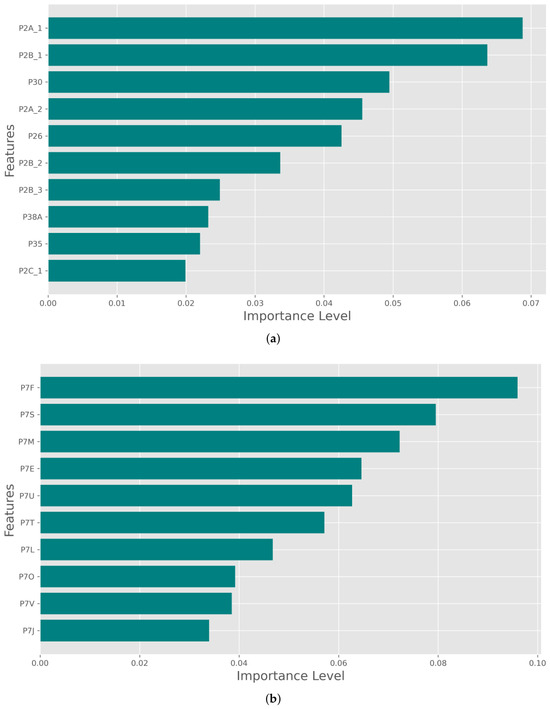
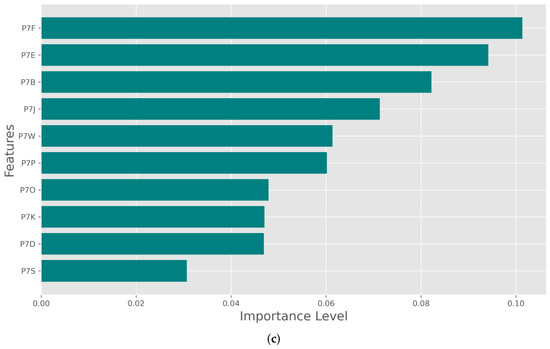
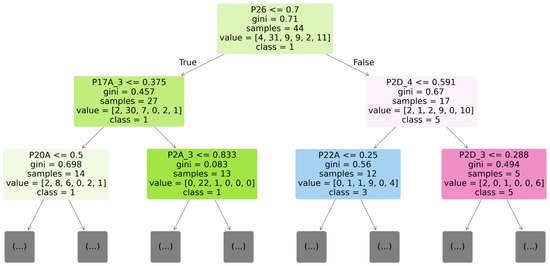
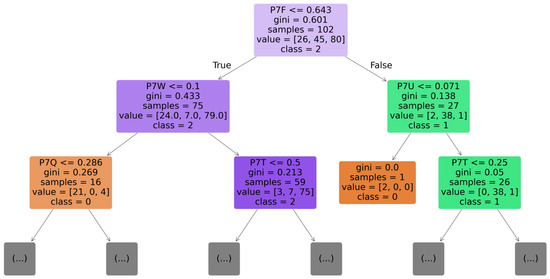
Municipal Solid Waste (MSW) is a common problem in all cities worldwide; it is expected to increase to 3400 billion tons by 2050. In Mexico, an average of 108,146 tons of MSW are generated daily. Artificial Intelligence (AI) is a computer tool that allows the development of systems that facilitate the recycling process. However, most AI programs focus on classifying paper, plastic, glass and metal; therefore, wood and textile waste have received little attention. Using texture techniques such as Local Binary Pattern (LBP), Gray-Level Co-occurrence Matrix (GLCM), Histogram of Oriented Gradients (HOG), Canny/Sobel edge detection, Fractal Dimension (FD), feature values were extracted and integrated from 4396 images belonging to wood and textile categories. Using the Random Forest Importance method, the most significant features were selected to train three Machine Learning (ML) algorithms. Multilayer Perceptron (MLP) achieved the best performance in accuracy with 96.70%, followed by Random Forest (RF) at 95.45% and Support Vector Machine (SVM) with 95.22%. The implementation of these comparisons will serve as a basis for the development of new technological tools with low computational cost that carry out a proper waste separation.
Full article
Open AccessArticle
Exergy-Based Evaluation of Ecodesign Strategies for Recyclable and Disassemblable Plastic Components in Automotive Applications
by
Samuel Alcoceba-Pascual, Nicolás I. Villanueva-Martínez, Abel Ortego, Ricardo Magdalena, Sofia Russo, Marta Iglesias-Émbil and Alicia Valero
Recycling 2026, 11(5), 85; https://doi.org/10.3390/recycling11050085 - 2 May 2026
Abstract
The automotive sector is the third-largest consumer of plastics in Europe, after packaging and construction, and its demand is expected to grow. Plastic recycling at the end of vehicle life remains low, with 80% of plastics ending up in energy recovery or landfills.
[...] Read more.
The automotive sector is the third-largest consumer of plastics in Europe, after packaging and construction, and its demand is expected to grow. Plastic recycling at the end of vehicle life remains low, with 80% of plastics ending up in energy recovery or landfills. Three vehicle models (SEAT Ibiza Gen. IV and SEAT Leon Gen. II and III) with two trim versions (Reference and Formula Racing) were examined to identify the most critical plastic components from an exergy perspective. Ecodesign measures were defined by considering both the disassemblability of vehicle components and their recyclability potential as key criteria to evaluate end-of-life recovery pathways and guide material and design optimization strategies. The proposed methodology classified the measures into three types: (1) substitution of high-exergy plastics with lower-impact alternatives; (2) use of recycled plastics instead of primary materials, with substitution rates depending on the material; and (3) reuse of components in new models, evaluated by disassemblability and end-of-life condition. Results show that Type 1 measures achieved savings up to 70 MJ, mainly in the floor covering and engine compartment insulator, while Type 2 measures provided larger reductions, up to 1.7 GJ, mainly in bumpers and carpets. Type 3 measures showed reuse potential for paddings and insulators but faced limitations in carpets and dashboards. Findings highlight the importance of material selection and implementing disassembly and recycling strategies to reduce the exergy of vehicle plastics.
Full article
(This article belongs to the Special Issue Advancing the Circular Economy: A Life Cycle Perspective on Waste Valorization)
►▼
Show Figures

Figure 1
Open AccessArticle
System-Level Modelling of Policy–Technology Coupling for Sustainability-Oriented Innovation in Urban Plastic Waste Management: Evidence from Bangkok
by
Nutcha Taneepanichskul
Recycling 2026, 11(5), 84; https://doi.org/10.3390/recycling11050084 - 1 May 2026
Abstract
►▼
Show Figures
Urban plastic waste management in large metropolitan regions remains constrained by low recovery rates despite growing policy attention. This study adopts a sustainability-oriented innovation (SOI) perspective to examine how policy–technology integration reshapes system-level performance in urban plastic waste systems. Using Bangkok as a
[...] Read more.
Urban plastic waste management in large metropolitan regions remains constrained by low recovery rates despite growing policy attention. This study adopts a sustainability-oriented innovation (SOI) perspective to examine how policy–technology integration reshapes system-level performance in urban plastic waste systems. Using Bangkok as a representative case, a system-level model integrates plastic waste generation growth, time-dependent behavioural adoption of separation at source, contamination-sensitive sorting efficiency, and mass-balance material flows. Three scenarios are assessed: Business-as-Usual, separation-at-source policy only, and an integrated policy–technology system with advanced sorting. Results show that the baseline system remains stagnant at approximately 3.1% recovery. Policy intervention alone increases recovery gradually, reaching around 20% by 2045 despite participation approaching an 85% ceiling. In contrast, integrating policy with advanced sorting generates non-linear gains, surpassing 20% recovery within two years and reaching approximately 47% by 2045, driven by substantial contamination reduction. A Monte Carlo sensitivity analysis extends the integrated pathway to 2060. The median recovery trajectory stabilises at 68%, while the probability of achieving more than 70% recovery rises to 28% by 2040 and plateaus at 33% thereafter. The findings demonstrate that circular economy performance is probabilistic and depends on system-level alignment between behavioural participation, material quality, and technological capability.
Full article

Figure 1
Open AccessReview
Circular Economy Integration in Healthcare Waste Management, a Zero-Waste Paradigm: A Review
by
Thobile Zikhathile, Harrison Atagana, Joseph Bwapwa and Taurai Mutanda
Recycling 2026, 11(5), 83; https://doi.org/10.3390/recycling11050083 - 1 May 2026
Abstract
Healthcare waste management is a growing environmental and economic challenge due to increasing waste volumes, hazardous materials, and continued reliance on linear disposal methods such as incineration and landfilling. This review aims to examine how circular economy and zero-waste approaches can be applied
[...] Read more.
Healthcare waste management is a growing environmental and economic challenge due to increasing waste volumes, hazardous materials, and continued reliance on linear disposal methods such as incineration and landfilling. This review aims to examine how circular economy and zero-waste approaches can be applied to healthcare waste management to improve sustainability, resource efficiency, and system performance. A structured narrative review was conducted using peer-reviewed literature obtained from prominent scientific databases, concentrating on circular strategies, zero-waste initiatives, digital technologies, and policy frameworks relevant to healthcare waste systems. The reviewed studies indicate that practices such as improved waste segregation, recycling and material recovery, reusable product design, digital waste tracking, and Extended Producer Responsibility can significantly reduce waste generation, lower environmental impacts, and achieve cost savings, while maintaining infection control and patient safety. However, the review also identifies key barriers to implementation, including regulatory complexity, limited infrastructure, financial constraints, and weak coordination among stakeholders. The novelty of this review lies in its integrated analysis of circular economy and zero-waste strategies through the lens of digital enablement, offering a systems-based framework for transforming healthcare waste management beyond incremental improvements. The findings highlight that successful circular healthcare waste management requires strong institutional leadership, supportive policies, and the integration of digital technologies to enable monitoring, traceability, and decision-making. This review enhances the comprehension of how circular economy principles can facilitate the transition from linear to sustainable healthcare waste systems and provides guidance for policymakers, healthcare managers, and researchers. Future research should focus on evaluating real-world implementation, advancing recyclable and reusable medical materials, and developing standardised indicators to measure circular performance in healthcare settings.
Full article
Open AccessArticle
Ex Ante Life Cycle Assessment of High-TRL Non-Ferrous Metal Recycling: Waste-Specific Environmental Impacts
by
Andrea Margheri, Matteo Cordara, Andrea Ballarino and Carlo Brondi
Recycling 2026, 11(5), 82; https://doi.org/10.3390/recycling11050082 - 30 Apr 2026
Abstract
Variability in life cycle assessment (LCA) results for metal recycling technologies arises from multiple sources, including allocation methods, recycling route, regionality of impacts, and type of waste treated. Among these factors, waste composition is particularly critical, as it directly influences process performance by
[...] Read more.
Variability in life cycle assessment (LCA) results for metal recycling technologies arises from multiple sources, including allocation methods, recycling route, regionality of impacts, and type of waste treated. Among these factors, waste composition is particularly critical, as it directly influences process performance by affecting auxiliary material consumption and emissions. This work investigates four waste categories: metals from incineration bottom ash (MBA), waste-printed circuit boards (WPCBs), industrial waste from gold refining (GRA), and spent automotive and industrial catalysts (SCs). The Climate Change (CC) for 1000 kg of waste was estimated at 3251 × 103 kg CO2eq for WPCBs, 3923 × 103 kg CO2eq for MBA, 1569 × 103 kg CO2eq for GRA, and 2101 × 103 kg CO2eq for SCs. A sensitivity analysis was performed to assess the influence of allocation methods on results for 1kg of recycled metal. The highest variability in CC across waste categories was observed for gold (up to 8477%) with the black-box economic allocation method, while different allocation methods reached 21,700% for WPCBs. These results highlight the strong influence of methodological choices and waste characteristics, emphasizing the need for transparent and consistent LCA reporting.
Full article
(This article belongs to the Special Issue Advancing the Circular Economy: A Life Cycle Perspective on Waste Valorization)
Open AccessArticle
From Waste to Resource: An Evaluation of Circular Economy Practices in Furniture Production
by
Inês Costa, Bruna Machado, Bruno Silva, Catarina Dias, Luís Silva, Isabel Carvalho, Vera Sá, Alexandre Pereira and Catarina Basto-Silva
Recycling 2026, 11(5), 81; https://doi.org/10.3390/recycling11050081 - 30 Apr 2026
Abstract
The European woodworking and furniture sector faces increasing sustainability challenges, including dependence on virgin raw materials and low recycling rates of furniture waste, highlighting the need for integrated environmental and economic assessments to support circular solutions. The purpose of this study is to
[...] Read more.
The European woodworking and furniture sector faces increasing sustainability challenges, including dependence on virgin raw materials and low recycling rates of furniture waste, highlighting the need for integrated environmental and economic assessments to support circular solutions. The purpose of this study is to evaluate and compare the environmental and economic performance of boards produced with different proportions of Polyethylene Recycling Waste (PRW) sourced from a Portuguese plastic recycling company, using an integrated Life Cycle Assessment and Life Cycle Costing approach. The environmental performance was assessed following ISO standards using the ReCiPe 2016 Midpoint (H) method, while the economic analysis included internal and external costs. First, the environmental and economic performance of PRW was assessed per 1 kg of material. Subsequently, four board formulations produced at pre-industrial scale, in a Portuguese company, were compared per 1 m3 of board: 100PRW; 80PRW20FW (with 20% furniture waste, FW); 80PRW20PE (with 20% virgin polyethylene, PE); and 80PRW20PU (with 20% virgin polyurethane, PU). Results show that waste-based boards (100PRW and 80PRW20FW) consistently present lower environmental impacts and improved cost-efficiency compared to formulations incorporating virgin polymers, particularly PU. Global warming and terrestrial ozone formation were the main contributing impact categories, largely driven by energy consumption. The dominant impact stage varied by formulation, with pressing prevailing in waste-based options and raw material production in virgin-polymer-based boards. These findings demonstrate that increasing the share of waste materials can significantly improve both environmental and economic performance, supporting the transition towards circular material solutions in the furniture sector. This study provides a novel contribution by integrating LCA and LCC in the assessment of pre-industrial PRW boards, offering practical insights for industry decision-making and sustainable material design.
Full article
(This article belongs to the Special Issue Advancing the Circular Economy: A Life Cycle Perspective on Waste Valorization)
►▼
Show Figures

Figure 1
Open AccessArticle
Valorisation of Rockmelon Skin Through NaOH Modification for Crystal Violet Adsorption
by
Chin Mei Chan, Amal Asheeba Romzi, Linda Lim Biaw Leng and Muhammad Raziq Rahimi Kooh
Recycling 2026, 11(5), 80; https://doi.org/10.3390/recycling11050080 - 27 Apr 2026
Abstract
Developing practical low-cost adsorbents for dye-contaminated wastewater remains a critical challenge, especially for persistent cationic dyes such as crystal violet (CV). Here, raw rockmelon skin (RMS), an abundant fruit-processing residue, and its NaOH-modified derivative (NaOH-RMS) were investigated as adsorbents for CV adsorption. Alkaline
[...] Read more.
Developing practical low-cost adsorbents for dye-contaminated wastewater remains a critical challenge, especially for persistent cationic dyes such as crystal violet (CV). Here, raw rockmelon skin (RMS), an abundant fruit-processing residue, and its NaOH-modified derivative (NaOH-RMS) were investigated as adsorbents for CV adsorption. Alkaline treatment altered the biomass’s characteristics and affected its adsorption behaviour. Equilibrium was reached within 120 min, and the kinetic data were best fit by the pseudo-second-order model. Equilibrium analysis showed that the Freundlich model best described RMS. In contrast, NaOH-RMS was better represented by the Langmuir model, indicating that alkaline treatment altered the adsorption behaviour of the biomass surface. The Langmuir-derived maximum adsorption capacities were 343.7 mg g−1 for RMS and 295.2 mg g−1 for NaOH-RMS, indicating that NaOH modification did not increase the maximum adsorption capacity. Adsorption was spontaneous across 298–343 K, and both materials retained satisfactory removal performance over five regeneration cycles, particularly under basic desorption conditions. Overall, NaOH treatment altered the adsorption behaviour from heterogeneous adsorption on RMS to a more Langmuir-type adsorption pattern on NaOH-RMS, despite not increasing the maximum adsorption capacity. These findings support the valorisation of fruit-processing residues as practical adsorbents for dye-contaminated wastewater.
Full article
(This article belongs to the Special Issue Advanced Wastewater Treatment and Resource Recovery: Pathways to Circular Valorization)
►▼
Show Figures

Graphical abstract
Open AccessSystematic Review
Material Reuse in the European Union Construction Sector: A Review
by
Inês Silva, Graça Martinho and Mário Ramos
Recycling 2026, 11(4), 79; https://doi.org/10.3390/recycling11040079 - 16 Apr 2026
Abstract
►▼
Show Figures
The progression towards a circular economy in the construction sector has gained attention as a response to rising resource consumption and construction and demolition waste generation, with material reuse playing a central role. In this context, this study analyses the literature on reuse
[...] Read more.
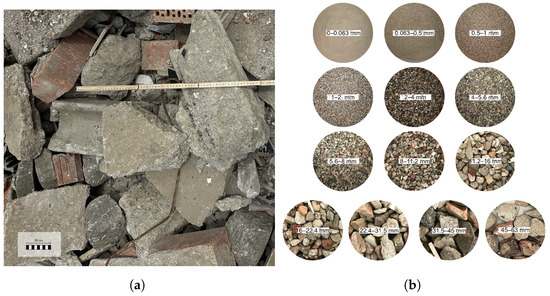
The progression towards a circular economy in the construction sector has gained attention as a response to rising resource consumption and construction and demolition waste generation, with material reuse playing a central role. In this context, this study analyses the literature on reuse in the construction sector, examining its investigation over time and its relation to European regulatory frameworks and policy strategies. A systematic literature review was conducted using a structured search across the B-on, Scopus, and Web of Science databases. The search targeted peer-reviewed journal articles in English, published between 2008 and 2023, focusing on titles, abstracts, and keywords with predefined terms. A total of 78 articles met the inclusion criteria and were analysed. Research activity has increased in recent years, reflecting growing European policy attention, particularly the Waste Framework Directive, its 2018 amendment, and the Circular Economy Action Plan. Most studies address strategies to promote the circular economy, waste management practices, life cycle assessments, and the identification of barriers and opportunities to reuse. Despite the expanding literature, reuse remains insufficiently addressed. These findings underline the need for more targeted research and stronger integration between policy and practice to support effective reuse in the construction sector.
Full article

Figure 1
Open AccessArticle
Dewatering of Short-Fibre Digestates from Paper Recycling Mills: Liquid Fraction and Mass Distribution Profiles
by
Dheeraja Winter, Svea Ziegner, Simone Krafft, Markus Grömping and Silvio Beier
Recycling 2026, 11(4), 78; https://doi.org/10.3390/recycling11040078 - 15 Apr 2026
Abstract
The paper sector is characterised by high freshwater consumption and a strong need for improved resource efficiency. In this context, industrial digestates derived from short-fibre residues in paper recycling mills represent a promising substrate for water recovery within a circular economy framework. This
[...] Read more.
The paper sector is characterised by high freshwater consumption and a strong need for improved resource efficiency. In this context, industrial digestates derived from short-fibre residues in paper recycling mills represent a promising substrate for water recovery within a circular economy framework. This study investigated the dewatering of short-fibre digestates as a pre-treatment for downstream membrane processes, aiming to maximise the liquid fraction (LF) recovery while minimising dry matter (DM) content. Seven scenarios were studied: sedimentation (S0); pre-sedimentation with chemical addition using iron(III) chloride (FeCl3) + polydiallyldimethylammonium chloride (polyDADMAC) (S1), FeCl3 + starch (S2), Nanofloc® (S3), and polyDADMAC (S4); and direct dewatering without pre-sedimentation using polyDADMAC with cloth filtration (S5) and centrifugation (S6). With reference to the sedimentation supernatant, S4 achieved the highest DM separation efficiency of 76%, followed by S1 (64%), whereas S2 and S3 were below 40%. However, LF recovery relative to the initial digestate was limited in scenarios S1–S4 to 17% (170 g/kgdigestate), with DM concentrations of 2.0–4.8 g/kgLF. In contrast, direct dewatering increased LF recovery substantially, with centrifugation (S6) achieving up to 690 gLF/kgdigestate and cloth filtration (S5) 420 g/kgdigestate, while maintaining a low DM (1.7 g/kgLF). Chemical oxygen demand (COD) and phosphorus (Ptot) were largely separated from the liquid fractions in all the scenarios. Nitrogen (Ntot) and ammonium (NH4-N) in the LF remained more variable, ranging from 22 to 153 and 5 to 22 mg/kgdigestate, respectively. These results indicate that centrifugation with polyDADMAC is the most effective approach, suggesting that mechanical force with a chemical additive can be used for the efficient dewatering of short-fibre digestates.
Full article
(This article belongs to the Special Issue Advanced Wastewater Treatment and Resource Recovery: Pathways to Circular Valorization)
►▼
Show Figures

Graphical abstract
Open AccessArticle
Citrus Waste as a Source of High-Value Compounds: Effect of Solvent System and Extraction Time on Bioactive Compound Recovery
by
Noemi García-Gomez, Roifer Pérez-Vásquez, José Luis Pasquel-Reátegui, Manuel Fernando Coronado-Jorge, Enrique Navarro-Ramírez, Karen Gabriela Documet-Petrlik, Pierre Vidaurre-Rojas, Keller Sánchez-Dávila and Ángel Cárdenas-García
Recycling 2026, 11(4), 77; https://doi.org/10.3390/recycling11040077 - 12 Apr 2026
Abstract
Orange waste, generally discarded, is a source of many bioactive compounds that could be used for the development of high-value-added products in the food, cosmetic, and pharmaceutical industries. The objective of this study was to evaluate the influence of extraction method (automated Soxhlet
[...] Read more.
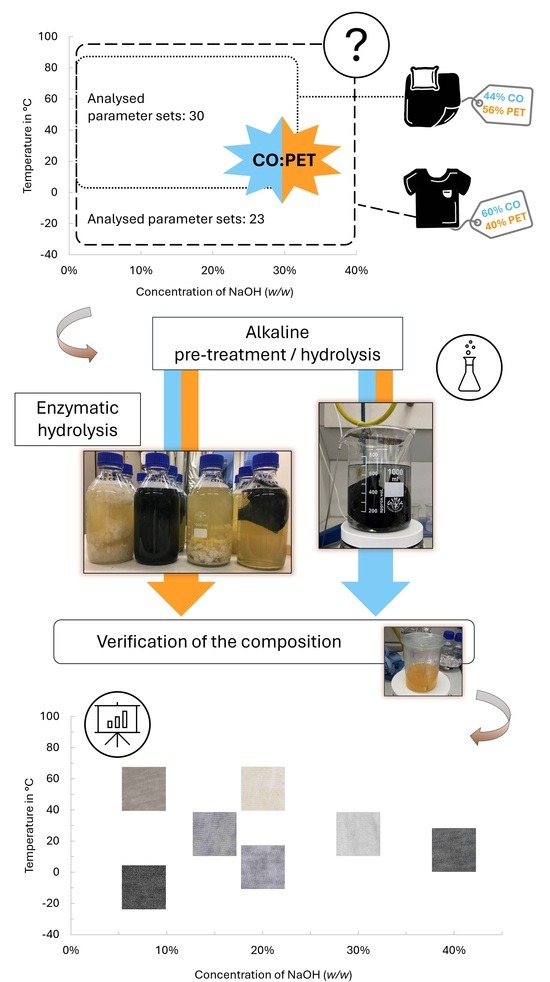
Orange waste, generally discarded, is a source of many bioactive compounds that could be used for the development of high-value-added products in the food, cosmetic, and pharmaceutical industries. The objective of this study was to evaluate the influence of extraction method (automated Soxhlet extraction and temperature-controlled maceration), solvent system, and extraction time on the recovery of bioactive compounds from Valencia orange (Citrus sinensis) by-products. Proximate characterization of the dried orange residue (DOR) was performed prior to extraction. The type of solvent (ethanol and methanol), solvent:water ratio (50, 75, and 100%), and extraction time (60 and 120 min) were evaluated in terms of total extraction yield (TEY), total phenolic content (TPC), and antioxidant capacity determined by ABTS and DPPH assays, for each extraction method. ASE generally provided higher extraction yield and total phenolic content, particularly with 75:25 ethanol:water at 120 min, whereas TCM combined with methanol produced the highest antioxidant capacity. Extracts with up to 46.32% TEY, 5.57 mg GAE/g dm, and antioxidant capacities of 66.49 and 11.10 µmol TE/g dm determined by ABTS and DPPH assays, respectively, were obtained. The results demonstrated that Valencia orange by-products are a source of phenolic compounds and antioxidants with potential for product development across different industrial sectors.
Full article
(This article belongs to the Topic Waste Management for Recycling and Environmental Protection)
►▼
Show Figures

Graphical abstract
Open AccessArticle
Bioprocess Valorization of Brazilian Agro-Industrial Wastes for Enzyme Synthesis in Protease Production
by
Rhudson Fellipy de Oliveira Almeida, Ivaldo Itabaiana, Jr. and Maria Alice Zarur Coelho
Recycling 2026, 11(4), 76; https://doi.org/10.3390/recycling11040076 - 8 Apr 2026
Abstract
►▼
Show Figures
Proteases are key biocatalysts widely applied in the food, pharmaceutical, detergent, and environmental industries. One of the most costly steps in large-scale enzyme production is the preparation of the culture medium, making agro-industrial wastes attractive as low-cost nutrient sources and potential inducers. The
[...] Read more.
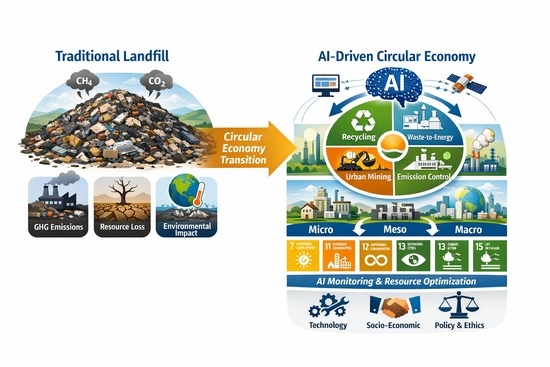
Proteases are key biocatalysts widely applied in the food, pharmaceutical, detergent, and environmental industries. One of the most costly steps in large-scale enzyme production is the preparation of the culture medium, making agro-industrial wastes attractive as low-cost nutrient sources and potential inducers. The non-conventional yeast Yarrowia lipolytica stands out in bioprocess engineering due to its high secretion capacity, GRAS status, and ability to metabolize diverse industrial residues. In this study, Brazilian agro-industrial by-products, namely Corn steep liquor (CSL), brewer’s yeast residue (BYR), and okara, were evaluated as alternative nitrogen sources for protease production by Y. lipolytica IMUFRJ 50678. Enzyme activity was quantified by the azocasein method at optimized conditions (40 °C, 40 min, pH 5 and 8). After an initial exploratory screening (n = 1), brewer’s yeast residue (BYR) and okara were identified as promising candidates for protease production. These preliminary findings guided subsequent experiments performed in biological triplicate (n = 3), which confirmed the reproducibility and comparative performance of these substrates, showing higher acid protease (AXP) activity in the BYR medium ((5.4 ± 0.3) U/mL), whereas alkaline protease (AEP) activities were comparable between the BYR ((8.4 ± 0.6) U/mL) and okara ((7.5 ± 0.9) U/mL) media. CSL was associated with higher lipase activity ((11.7 ± 0.9) × 103 U/L), while esterase activity was higher in the BYR medium. These findings indicate that agro-industrial residues, particularly BYR and okara, can serve as effective nitrogen sources for protease production by Y. lipolytica IMUFRJ 50678, supporting their use in waste valorization and sustainable bioprocesses.
Full article

Figure 1
Open AccessArticle
Comparative Analysis of Industrial Waste as Supplementary Cementitious Materials—A Preliminary Study
by
Pauls P. Argalis, Kristers Gelzis, Ralfs K. Valdovskis and Laura Vitola
Recycling 2026, 11(4), 75; https://doi.org/10.3390/recycling11040075 - 8 Apr 2026
Abstract
►▼
Show Figures
This preliminary study investigates the viability of substituting high-performance Aalborg white Portland cement (CEM I 52.5 R) with five diverse industrial byproducts: wood ash, silica waste, clay brick, glass fibre, and calcined sewage sludge ash. Sewage sludge ash was produced in a laboratory
[...] Read more.
This preliminary study investigates the viability of substituting high-performance Aalborg white Portland cement (CEM I 52.5 R) with five diverse industrial byproducts: wood ash, silica waste, clay brick, glass fibre, and calcined sewage sludge ash. Sewage sludge ash was produced in a laboratory from two different sludges from wastewater treatment plants in the Latvian cities of Jelgava and Liepaja. The research evaluates the influence of substitution levels ranging from 5% to 20% on the rheology of fresh material and its early-age mechanical performance (day 7). Results indicate that particle morphology largely dictates workability; porous and angular materials, such as wood ash, clay brick, and sewage sludge ash, reduce flowability, whereas non-absorbent milled glass fibres unexpectedly improve spread diameter. Regarding mechanical performance, glass fibre and clay brick waste demonstrated the highest potential, exceeding the 48–62 MPa reference compressive strengths by achieving up to 69 MPa at a 10% substitution level. Conversely, wood ash and silica waste exhibited significant strength degradation at higher substitution levels, due to agglomeration and high water demand. This approach not only identifies viable waste streams for cement substitution but also diverts significant industrial waste from landfills, thereby reducing CO2e emissions and advancing more sustainable construction practices.
Full article

Figure 1
Open AccessArticle
Effect of Water Treatment Plant Sludge Addition on the Composting Efficiency, Quality, and Environmental Sustainability of Sewage Sludge, Food Waste, and Agro-Industrial Waste
by
Daví Matos Lopes, Monica Luci Oliveira de Brito, Josiel Isaac Domingues de Almeida, Danilo Corado de Melo, Jhon Adno de Almeida Santana, Manoel Ferreira Lima Neto and Maico Chiarelotto
Recycling 2026, 11(4), 74; https://doi.org/10.3390/recycling11040074 - 7 Apr 2026
Abstract
►▼
Show Figures
This study aimed to evaluate the effects of adding sludge generated in water treatment plants on the composting of sewage sludge, urban organic waste, and agroindustrial waste. Four treatments were conducted with different proportions of water treatment plant sludge (WTS). Four treatments were
[...] Read more.
This study aimed to evaluate the effects of adding sludge generated in water treatment plants on the composting of sewage sludge, urban organic waste, and agroindustrial waste. Four treatments were conducted with different proportions of water treatment plant sludge (WTS). Four treatments were conducted with 0%, 10%, 20%, and 30% proportions of WTS. The different proportions allowed for the evaluation of the effects of WTS addition on composting. The study was carried out in composting reactors. Kinetic models were applied to study the degradation of organic matter. Physicochemical and microbiological parameters were analyzed. During the process, temperature variation and basal respiration exhibited similar patterns. Principal component analysis showed that the 30WTS (32.2% water treatment sludge) treatment presented higher values of cation exchange capacity (CEC)/total organic carbon (TOC) ratio (3.83), and germination index (94.35%), and lower values of TOC (23.67%) and C/N (carbon/nitrogen) ratio (14.45). The composts produced in all treatments complied with Brazilian regulations for the environmental and agronomic quality of organic composts. It was concluded that the inclusion of up to 30% of WTS in composting did not negatively affect the composting process and did not compromise the environmental or agronomic quality of the final organic composts.
Full article

Graphical abstract
Open AccessReview
A Review of Organic Municipal Waste Management in Medium Cities in Latin America
by
Linda Y. Pérez-Morales, Adriana Guzmán-López, Rita Miranda-López, Micael Gerardo Bravo-Sánchez and José E. Botello-Álvarez
Recycling 2026, 11(4), 73; https://doi.org/10.3390/recycling11040073 - 5 Apr 2026
Abstract
Latin America faces growing challenges in the management of municipal solid waste (MSW). This is particularly evident in medium-sized and metropolitan cities where rapid urbanization, limited infrastructure, and high proportions of organic waste (40–70%) converge. This review synthesizes the most recent advances in
[...] Read more.
Latin America faces growing challenges in the management of municipal solid waste (MSW). This is particularly evident in medium-sized and metropolitan cities where rapid urbanization, limited infrastructure, and high proportions of organic waste (40–70%) converge. This review synthesizes the most recent advances in organic waste management, valorization strategies, environmental performance, and policy frameworks in Mexico and Latin America. To provide a comprehensive overview, evidence from studies on informal recycling systems, route optimization, sustainable landfill siting, food waste valorization, life cycle assessments (LCAs), and biogas production is integrated. Techno-economic analyses of energy recovery from organic fractions are specifically reviewed. This review highlights that valorization of organic waste through composting, anaerobic digestion, food supplementation, and bioproduct generation can reduce greenhouse gas emissions by 40–70% compared to landfilling, with AD–composting hybrids achieving the highest reductions of 60–70%. Community composting achieved moderate reductions, 30–50%, but at significantly lower cost and with greater social co-benefits. These alternatives for valorizing the organic fraction extend the lifespan of both confined and open landfills. It also contributes to mitigating the public health impacts related to open dumping, disease vectors, and contaminated leachate. In short, this review also highlights shortcomings in policy coherence, financial mechanisms, source separation, and technology adoption. A strategic framework is proposed that prioritizes decentralized treatment systems, the integration of informal recyclers, tax incentives, community-based waste separation, and planning based on Life Cycle Assessment (LCA). The findings point to a viable strategy for transitioning from landfill dependency to circular waste management systems that improve the quality of life for the population of Latin America and the Caribbean.
Full article
(This article belongs to the Special Issue Celebrating 10 Years of Recycling: Shaping the Future of Waste Management)
►▼
Show Figures

Graphical abstract
Open AccessArticle
Research on Producing Boiler Fuel from Sunflower Oil Wastes
by
Denis Miroshnichenko, Yurii Parkhomov, Yurii Lypko, Vladislav Reivi, Yurii Rohovyi, Mariia Shved, Bohdan Korchak and Serhiy Pyshyev
Recycling 2026, 11(4), 72; https://doi.org/10.3390/recycling11040072 - 2 Apr 2026
Abstract
The effective utilization and effective valorization of various organic industrial wastes have become increasingly important issues. One significant area for enhancing the circular economy is the processing of waste generated from vegetable oils and animal fats. This article focuses on the processing and
[...] Read more.
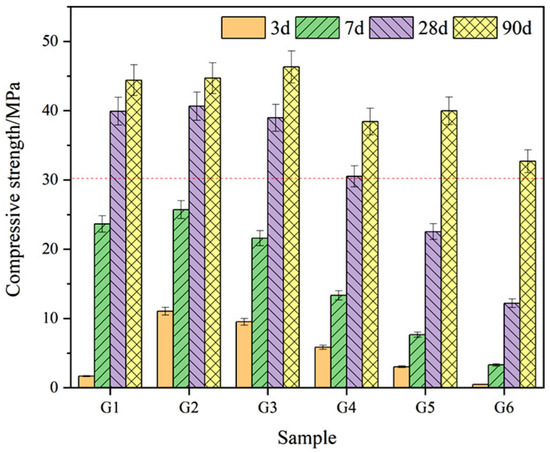
The effective utilization and effective valorization of various organic industrial wastes have become increasingly important issues. One significant area for enhancing the circular economy is the processing of waste generated from vegetable oils and animal fats. This article focuses on the processing and use of soapstocks, which result from the chemical reaction between fatty acids and alkali. These soapstocks represent the most significant portion (approximately 70–90 wt% by weight) of waste produced by the oil and fat industry. The raw material for this study was soapstock obtained from the neutralization of sunflower oil at the PJSC “Zaporizhzhya Oil and Fat Plant,” designed by the Belgian company “De Smet.” The soapstock yield was found to be 9.95 wt% based on 100 wt% oil. Through a series of treatments involving water, acid, and multiple washes, a low-sulfur fuel component was produced that nearly meets the standards for boiler fuels as outlined in DSTU 4058-2001 and PN-C-96024:2020, except for the heat of combustion. It fully complies with the requirements specified in ISO 8217:2024. The sulfur content of the final product was determined to be 0.12 wt%. Additionally, the fuels produced contained 75.33 wt% carbon, 11.64 wt% hydrogen, and 12.00 wt% oxygen. Due to the relatively low oxygen content, the resulting product exhibits approximately twice the heat of combustion of similar fuels derived from other waste streams in the oil and fat industry.
Full article
(This article belongs to the Special Issue Advancing the Circular Economy: A Life Cycle Perspective on Waste Valorization)
►▼
Show Figures

Graphical abstract
Open AccessArticle
Thermal Recycling of Gypsum–Hemp Bio-Concrete: Experimental Evaluation of Dehydration Conditions and Properties Evolution
by
Placide Uwizeyimana, Tania Lopes, Rodolphe Sonnier, Anthony Burlet, Mohammed Rakkane, Wissal Bouamri and Marc Potin
Recycling 2026, 11(4), 71; https://doi.org/10.3390/recycling11040071 - 2 Apr 2026
Abstract
The building sector is a major source of CO2 emissions and construction waste, motivating the development of sustainable materials and end-of-life recycling strategies. Bio-concretes, combining mineral binders with plant-based aggregates, offer low density and favorable hygrothermal performance but remain insufficiently studied with
[...] Read more.
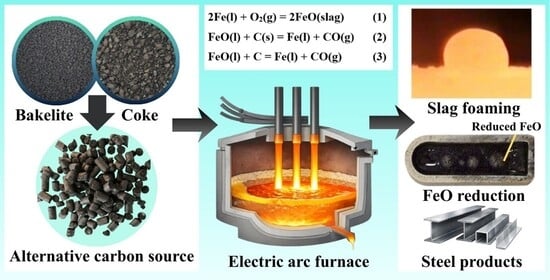
The building sector is a major source of CO2 emissions and construction waste, motivating the development of sustainable materials and end-of-life recycling strategies. Bio-concretes, combining mineral binders with plant-based aggregates, offer low density and favorable hygrothermal performance but remain insufficiently studied with respect to recyclability, particularly for gypsum-based materials. This study experimentally investigates the thermal recycling of gypsum–hemp bio-concrete, in which gypsum acts as the binder and hemp shiv as the aggregate. Thermogravimetric analysis of individual constituents and the bio-concrete was conducted to identify a temperature range enabling gypsum dehydration without hemp degradation. Controlled oven treatments at selected temperature–time couples were then applied to determine optimal recycling conditions, followed by the bio-concrete remanufacturing using 100% recycled constituents. Physical, thermal, and mechanical properties were evaluated before and after recycling under controlled conditions. Results show that a treatment at 180 °C for 60 min enables effective gypsum dehydration (18–20% mass loss) while preserving hemp integrity. Recycled gypsum–hemp bio-concrete exhibits increased density (368 to 587 kg·m−3) and compressive strength (0.05 to 0.52 MPa), accompanied by a moderate increase in thermal conductivity (0.081 to 0.096 W·m−1·K−1). These findings demonstrate the feasibility of 100% thermal recycling of gypsum–hemp bio-concrete without constituent separation.
Full article
(This article belongs to the Topic Circular Economy in Interdisciplinary Perspective: Valorization of Raw Materials, Sustainable Products, and Pro-Ecological Industrial Developments)
►▼
Show Figures

Figure 1
Open AccessReview
Crystallization Behavior of Recycled Semi-Crystalline Polymers in 3D Printing: Progress, Challenges, and Opportunities
by
Zunaida Zakaria, Arif Rochman and Paul Refalo
Recycling 2026, 11(4), 70; https://doi.org/10.3390/recycling11040070 - 1 Apr 2026
Abstract
In recent years, plastic recycling has emerged as a critical concern in environmental protection and waste management. Among the various techniques for repurposing plastic waste into valuable products, extrusion of filaments for 3D printing has proven to be a highly effective method. A
[...] Read more.
In recent years, plastic recycling has emerged as a critical concern in environmental protection and waste management. Among the various techniques for repurposing plastic waste into valuable products, extrusion of filaments for 3D printing has proven to be a highly effective method. A thorough understanding of the crystallization behavior of recycled plastics used in 3D printing is essential, as it significantly influences their final performance. This review provides an in-depth analysis of the crystallization behavior and crystallinity of recycled semi-crystalline polymers, with particular emphasis on recycled commodity plastics such as recycled polyethylene terephthalate (rPET), recycled polypropylene (rPP), and recycled high-density polyethylene (rHDPE). Recent research published between 2015 and 2025 was systematically synthesized and provides information on sources of plastic waste, additives employed, and recycling processes involved, with the findings summarized in a table that highlights their effects on polymer crystallinity. Furthermore, the key factors impacting the crystallinity of 3D-printed recycled plastics were examined, including the influence of additives, multiple processing cycles, printing parameters, and thermal treatments. Research gaps and the challenges faced during the printing process were also identified and discussed. By consolidating recent findings, this review provides a comprehensive understanding of the crystallization behavior of recycled plastics in 3D printing, thereby providing guidance for future research and developing strategies to optimize the performance of these materials.
Full article
(This article belongs to the Topic Green and Recycled Polymer Materials Towards Sustainability)
►▼
Show Figures

Graphical abstract
Open AccessArticle
Selective Recycling of Steel Sandwich Polyisocyanurate (PIR) Foam Insulation Cladding
by
Diana Meza-Rojas, James Holliman, David Penney, Anthony R. Lewis and Peter J. Holliman
Recycling 2026, 11(4), 69; https://doi.org/10.3390/recycling11040069 - 1 Apr 2026
Abstract
►▼
Show Figures
A method has been developed to delaminate the organic components (paint, foam) from the steel skins of composite polyisocyanurate (PIR) steel insulation panels at ambient temperature and in 20 min using selected solvents combined with ultrasonication. Using this method, polyisocyanurate foam can be
[...] Read more.
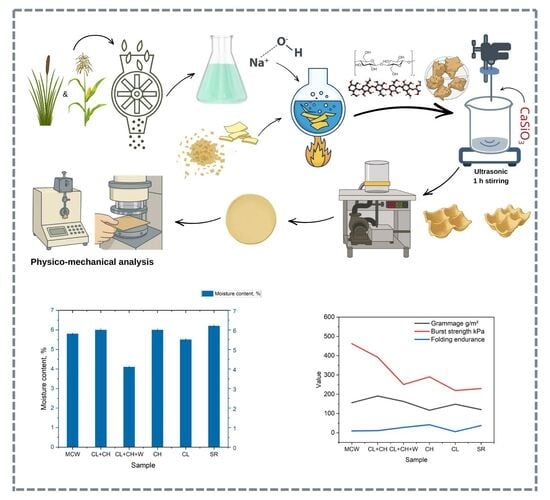
A method has been developed to delaminate the organic components (paint, foam) from the steel skins of composite polyisocyanurate (PIR) steel insulation panels at ambient temperature and in 20 min using selected solvents combined with ultrasonication. Using this method, polyisocyanurate foam can be selectively delaminated from polymer-based paint (PVC plastisol) and, in turn, the polymer paint can be selectively delaminated from the galvanised steel. Both the foam and paint are removed as intact layers, leaving the galvanised steel intact for the next steps of recycling, enabling the subsequent individualised recycling of each sub-component or layer. Several solvents have been tested, and the data show that H-bonding solvents (e.g., H2O, alcohols) are less effective at delaminating these polymers. Whilst high polarity, medium H-bonding acetonitrile and DMSO remove PVC paint and some PIR foam, the most effective solvent for both PIR foam and PVC paint removal is medium polarity, medium H-bonding acetone.
Full article

Graphical abstract
Open AccessArticle
Visitor Perceptions of Reusable Foodware Implementation at Grand Canyon National Park: A Pilot Study for Messaging and Graphic Design Considerations
by
Megan Wagaman, Brendan Derrick Taff, Jeremy Shellhorn, Haven Everhart, Jennifer Carrigan, Melissa Jung and Elizabeth A. Himschoot
Recycling 2026, 11(4), 68; https://doi.org/10.3390/recycling11040068 - 1 Apr 2026
Abstract
►▼
Show Figures
The Grand Canyon National Park (GRCA) attracts roughly five million visitors annually, creating immense pressure on the waste stream managed in the park. To reduce environmental impacts, the National Park Service, collaborating organizations and concessionaires are in the process of implementing large-scale reusable
[...] Read more.
The Grand Canyon National Park (GRCA) attracts roughly five million visitors annually, creating immense pressure on the waste stream managed in the park. To reduce environmental impacts, the National Park Service, collaborating organizations and concessionaires are in the process of implementing large-scale reusable foodware systems, replacing single-use plastics. This pilot study aimed to engage visitors in the design process to inform preferences and attitudes to further support management decision-making regarding the design and implementation of reusable foodware systems in the park. During September 2025, park visitors were intercepted at key concessionaire food vending locations and asked to complete a brief survey. The survey contained attitudinal questions, persuasive phrases, and potential logos and graphic designs that could be used with program implementation, which were evaluated via Likert scales by n = 164 respondents. Results suggest that respondents have overwhelmingly positive attitudes and norms towards reusing foodware at the park. Results highlight phrases and graphic designs that will be most effective as the program launches and can be used to inform future research.
Full article

Graphical abstract
Open AccessArticle
Advancing Plastic Waste Circularity Through Modular Portable Pyrolysis Systems
by
Dimitrios-Aristotelis Koumpakis, Dimitrios Christoforidis, Vasileios Diamantis, Alexandra V. Michailidou and Christos Vlachokostas
Recycling 2026, 11(4), 67; https://doi.org/10.3390/recycling11040067 - 1 Apr 2026
Abstract
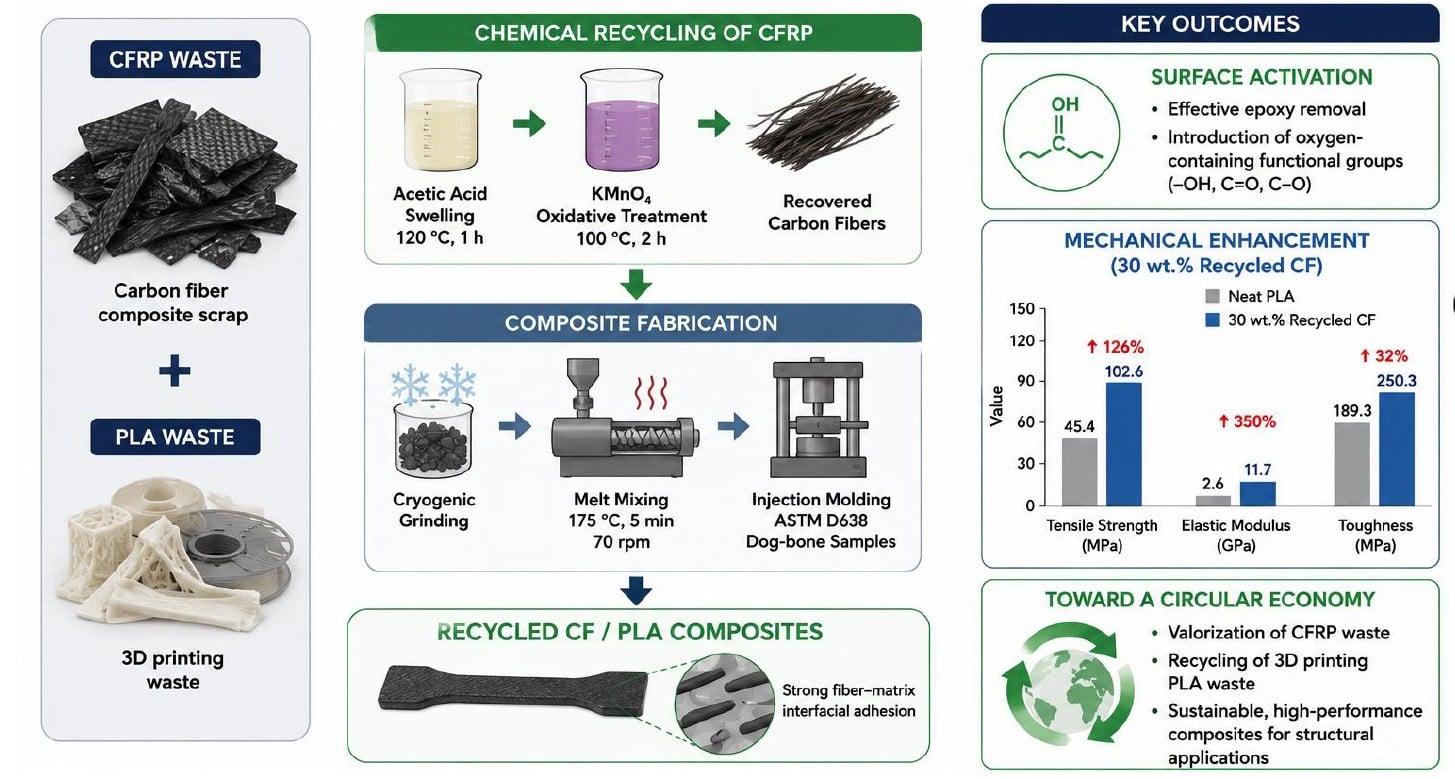
The lack of centralized waste management infrastructure in certain regions makes plastic waste an escalating environmental and economic problem. This research investigates how modular portable pyrolysis systems function as sustainable decentralized solutions. A standard shipping container houses a custom-designed pyrolysis unit which demonstrates
[...] Read more.
The lack of centralized waste management infrastructure in certain regions makes plastic waste an escalating environmental and economic problem. This research investigates how modular portable pyrolysis systems function as sustainable decentralized solutions. A standard shipping container houses a custom-designed pyrolysis unit which demonstrates flexibility and adaptability. The system contains a batch rotary kiln reactor with a processing capacity of 750 kg per batch which is fed with urban plastic waste, to produce pyrolytic oil, syngas and char. The produced pyrolytic oil exhibits an energy content comparable to that of conventional diesel fuel. Additionally, the integration of biomass briquettes and recycled pyrolytic gas can reduce to a big extent the external energy requirements, improving the system’s overall energy autonomy. Therefore, the system becomes economically reliable due to its low operational expenses and the short cycle of approximately 7-h operation. The unit’s mobility enables on-site treatment operations which reduces both transportation emissions and expenses. The analysis includes technical design elements together with performance metrics for different plastics. This conceptual study demonstrates the feasibility of containerized pyrolysis as a practical method to enhance plastic waste chemical recycling rates while presenting a scalable framework for industrial symbiosis and local waste-to-energy conversion.
Full article
(This article belongs to the Special Issue Celebrating 10 Years of Recycling: Shaping the Future of Waste Management)
►▼
Show Figures

Figure 1
Highly Accessed Articles
Latest Books
E-Mail Alert
News
Topics
Topic in
Materials, Mining, Recycling, Resources, Sustainability, Minerals, Geosciences, Environments
Sustainable Recycling and Reuse of Industrial By-Products or Waste from Geo-Resource Exploitation
Topic Editors: Sossio Fabio Graziano, Rossana Bellopede, Giovanna Antonella Dino, Nicola CaredduDeadline: 30 May 2026
Topic in
Energies, Pollutants, Recycling, Sustainability, Toxics, Waste
Recent Advances in Municipal Solid Waste Management and Technology
Topic Editors: Chengyun Zhou, Wenjun Wang, Binbin ShaoDeadline: 30 June 2026
Topic in
Buildings, Materials, Recycling, Sustainability
Sustainable Building Materials
Topic Editors: Bingxiang Yuan, Waseim Ragab Azzam, Binbin Yang, Shiyuan HuangDeadline: 15 July 2026
Topic in
Fibers, J. Compos. Sci., JMMP, Materials, Polymers, Recycling
Advanced Composites Manufacturing and Plastics Processing, 2nd Volume
Topic Editors: Patricia Krawczak, Ludwig Cardon, Frederik DesplentereDeadline: 1 September 2026
Conferences
Special Issues
Special Issue in
Recycling
Sustainability Education for Recycling: Multidisciplinary Approaches and Innovative Practices
Guest Editor: Giovanni De FeoDeadline: 30 June 2026
Special Issue in
Recycling
Advanced Wastewater Treatment and Resource Recovery: Pathways to Circular Valorization
Guest Editors: Miguel Angel Sandoval, Martín Pacheco-ÁlvarezDeadline: 30 June 2026
Special Issue in
Recycling
Advancing the Circular Economy: A Life Cycle Perspective on Waste Valorization
Guest Editor: Sébastien M. R. DenteDeadline: 31 August 2026
Special Issue in
Recycling
Resource Recovery and High-Value Utilization of Renewable Energy Solid Waste
Guest Editor: Feihong GuoDeadline: 31 August 2026