


Abstract
The progression towards a circular economy in the construction sector has gained attention as a response to rising resource consumption and construction and demolition waste generation, with material reuse playing a central role. In this context, this study analyses the literature on reuse in the construction sector, examining its investigation over time and its relation to European regulatory frameworks and policy strategies. A systematic literature review was conducted using a structured search across the B-on, Scopus, and Web of Science databases. The search targeted peer-reviewed journal articles in English, published between 2008 and 2023, focusing on titles, abstracts, and keywords with predefined terms. A total of 78 articles met the inclusion criteria and were analysed. Research activity has increased in recent years, reflecting growing European policy attention, particularly the Waste Framework Directive, its 2018 amendment, and the Circular Economy Action Plan. Most studies address strategies to promote the circular economy, waste management practices, life cycle assessments, and the identification of barriers and opportunities to reuse. Despite the expanding literature, reuse remains insufficiently addressed. These findings underline the need for more targeted research and stronger integration between policy and practice to support effective reuse in the construction sector.
1. Introduction
The anthropogenic impact on the planet has long been recognised and extensively studied across various scientific disciplines [1,2]. As human activities continue to expand, so too does their environmental footprint, presenting new challenges that demand attention. Among these, the continuous increase in waste generation stands out as a critical issue requiring effective management strategies [3,4]. Without appropriate interventions, waste accumulation intensifies environmental problems, including pollution [5], depletion of natural resources [6,7,8], and ecosystem degradation [9,10].
In particular, the construction sector is a significant driver of economic development worldwide [11,12,13]. In the European Union (EU), this activity is categorised under Section F (“Construction”) of the Nomenclature of Economic Activities (NACE) and contributes substantially to national economies by generating employment, stimulating investment, and supporting infrastructure and transport development [14]. However, the sector consumes large quantities of natural resources and energy [14,15] and generates substantial volumes of construction and demolition waste (CDW) [16,17].
Addressing these challenges requires the promotion of a circular economy (CE) within the construction sector [18,19,20]. Emphasis should be placed on recognising the value of materials within CDW as reusable resources, rather than treating them as waste [21]. Reducing waste generation, promoting sustainable material management, and facilitating material reuse are crucial [22]. Beyond environmental benefits [23], these practices also provide economic advantages to construction companies, including the mitigation of regulatory and reputational pressures [24]. Various mechanisms exist to encourage material reuse, including regulatory frameworks that incentivise recycling and recovery [25]. Nonetheless, adoption of reuse practices in the construction sector remains limited [26]. Consequently, it is essential to investigate the drivers and barriers, to define and disseminate best practices and strategies promoting circularity [27].
In this context, the study aims to investigate whether research on material reuse in the EU construction sector is linked to the key regulatory and policy frameworks relevant to the topic. These include the Waste Framework Directive (Directive 2008/98/EC, November 19) and its amendment in 2018 through the Circular Economy Package [28,29], as well as the Circular Economy Action Plan [19,20]. Furthermore, the study identifies the main barriers to and enablers for material reuse and proposes effective strategies, along with a reflection on how these strategies could promote material reuse.
2. The Construction Sector and the Waste Hierarchy
2.1. Construction Sector and Construction and Demolition Waste
The construction sector has a relevant environmental impact through its consumption of natural resources [30,31] and through the generation of substantial volumes of CDW [16,17,32]. Globally, this sector accounts for the consumption of between 20% and 50% of natural resources [33]. Within the EU, it is estimated that CDW represents approximately 40% of the total waste generated annually [34].
CDW comprises both inert and non-inert materials [35] and can also be classified as hazardous or non-hazardous waste [36]. Its heterogeneity, in terms of composition, dimensions, and levels of hazardousness, complicates its effective management. Furthermore, the geographic dispersion of waste generation across construction sites and the temporal variability of construction activities hinder the achievement of environmental targets in this sector [37]. Insufficient training and organisational capacity among the construction workers responsible for its management creates additional challenges [38,39,40,41]. Other barriers to effective CDW management include the lack of design standards aimed at minimising waste generation, the absence of guidelines for collection and separation [42], an underdeveloped market for recycled or reusable materials [14], and a general lack of confidence among construction companies and stakeholders in using these materials [43]. Moreover, infrastructure for CDW management, such as recycling facilities, transport systems for recovered materials, and storage sites, remains limited [44,45].
A critical issue arising from the generation of large volumes of CDW is its disposal in landfills rather than through alternative waste management strategies [46]. Compounding this problem, CDW is still frequently abandoned [14,47,48]. Illegal dumping, defined as the deliberate deposition of waste in unauthorised locations, may have significant environmental consequences [47]. Such activities also lead to additional costs associated with decontamination and landscape restoration [47,48]. The drivers of illegal dumping are diverse, encompassing the level of development of national waste management systems, the degree of enforcement and penalties, and the costs of legal landfill disposal [49]. Given these challenges, it is essential for the construction sector to adopt a waste management approach that prioritises the prevention of CDW generation and promotes the reuse of materials [22].
2.2. The Construction Sector and Circular Economy
The construction sector has largely operated under a linear economy model, which remains prevalent today [50]. This model emphasises the consumption of natural resources, the production of materials, and their disposal at the end of life, without recognising their potential for further utilisation [51]. By contrast, the CE paradigm is gaining prominence due to the urgent need to reduce the generation of CDW [52].
Transitioning from a linear economy to a CE model requires fundamental changes across the entire lifecycle of materials, from design and production to market dynamics, as well as innovations in waste management practices [53]. Baldassarre et al. [54] identify three primary strategies for implementing CE principles, closing, slowing, and narrowing loops: (i) closing loops involves creating circular flows of resources that would otherwise be considered waste; (ii) slowing loops focuses on extending the lifespan of components through repair, refurbishment, and remanufacturing; and (iii) narrowing loops seeks to reduce resource consumption and improve production efficiency.
Adopting a CE approach can significantly reduce resource depletion and the volume of CDW generated [55,56]. Further research is required to identify and address the barriers to CE implementation in the construction sector, including legal, technical, and behavioural factors [57,58]. Effective application of CE principles necessitates the adoption of comprehensive waste management strategies, which can in turn minimise landfill disposal [59]. Furthermore, a broad range of stakeholders across the construction value chain must shift from conventional practices to more sustainable ones [58,60], for example an emphasis on deconstruction processes [61].
2.3. Key Concepts
Within the context of the CE, several key concepts are directly relevant. Many of these concepts are defined in the EU in the Waste Framework Directive. For instance, waste is defined as any substance or object that the holder discards, intends to discard, or is required to discard. Prevention refers to measures taken before a substance, material, or product becomes waste, aimed at reducing the quantity of waste, including through the reuse of products or the extension of their lifespan, minimising the adverse impacts of generated waste on the environment and human health, and decreasing the content of hazardous substances in materials and products. Reuse is described as any operation whereby products or components that are not considered waste are used again for the same purpose for which they were originally conceived.
Other relevant concepts in waste management are not explicitly defined in the Directive. One such concept is selective demolition (or deconstruction), which Chau et al. [62] describe as the systematic dismantling of a building to facilitate the collection of materials for subsequent reuse. This approach maximises the amount of material available for reuse [37] and offers several advantages over traditional demolition, including the sustainable recovery of materials [63], either through the reuse of materials and components or the recycling of waste [64]. Selective demolition also contributes to reductions in environmental pollution, such as carbon emissions [65], and creates new employment opportunities [64].
Despite these benefits, selective demolition presents some challenges, including the requirement for additional time and resources [63] and the potential for material damage during the process, as existing buildings were not designed with deconstruction in mind [64]. The deconstruction process can also vary depending on the equipment used and other technical factors. Therefore, an initial assessment is essential to analyse the characteristics of each demolition project [65], namely through pre-demolition audits [66].
Although selective demolition presents certain challenges, it has emerged as a more sustainable alternative to conventional demolition. Its implementation in the construction sector necessitates changes across various project phases [67]. Furthermore, ongoing research explores the integration of this practice with new technologies, which can enhance efficiency and further promote the sustainability of construction processes [68].
2.4. The Role of Reuse Within the Waste Hierarchy
In the current analysis, it is important to detail the concept of the waste hierarchy. This concept has been discussed for several decades and can be traced back to the 1970s, often appearing in social dialogue and education as the principle of “reduce, reuse, recycle” [69]. According to the EU Waste Framework Directive, compliance with the waste hierarchy is essential for achieving effective waste management. In the context of CDW, the hierarchy provides guidance on the most appropriate management methods, offering significant environmental benefits when materials are managed according to the prioritised actions [70,71]. By following this hierarchy, the substantial volumes of CDW generated in the construction sector can be more effectively managed, promoting the closure of supply chain loops wherever possible [72].
Given the material demands of new construction projects, it is necessary to examine the practices prioritised to evaluate the potential for utilising secondary materials. Reuse of construction materials and recycling of CDW are essential for establishing a self-sufficient material cycle [73]. For example, the previously discussed practice of selective demolition can be implemented in alignment with the waste hierarchy, allowing materials to be separated and reused [74].
Reuse is regarded as one of the most effective ways to adopt a CE perspective. Despite this, recycling and energy recovery remain the most widely applied waste management practices, even though reuse offers numerous environmental and economic benefits [75]. But the involvement of multiple stakeholders creates uncertainties regarding the conditions under which materials can be reused [23,61].
When compared with recycling, reuse is generally a more environmentally favourable alternative [23,76,77], as it avoids the environmental impacts associated with the production of new materials and consumes less energy [55,78]. Increasing the proportion of materials that are reused can also reduce the costs associated with transporting and disposing of CDW, and extend the lifespan of landfills [79], provided they are used locally. Moreover, reuse contributes to the reduction in CO2 emissions and the volume of CDW sent to landfill [80].
Consequently, within the context of the construction sector, reuse is a crucial practice offering substantial benefits [81]. It can also generate economic advantages by creating a market for reusable materials, which are often available at lower prices than new materials [82,83]. To maximise these benefits, reuse must be considered from the earliest project stages, beginning with the design phase [84]. Furthermore, to mitigate the short lifespan of buildings resulting from rapid urbanisation, sustainable planning is necessary to promote the reuse of building materials [14].
Despite its importance, the implementation of reuse remains limited due to a lack of studies and insufficient knowledge among stakeholders regarding how to apply it effectively [76]. The development of reuse demonstration projects is therefore needed to raise awareness and encourage adoption within the sector [85].
3. Methods
3.1. Research Approach and Key Questions
The methodology employed in this study aimed to investigate various aspects related to the practice of reusing construction materials, with a particular focus on EU Member States. Specifically, the research sought aims to examine the relationship between the implementation of research in this area and the regulatory and policy frameworks adopted in EU countries over the years, including the Directive 2008/98/CE, 19 November (recognised as the Waste Framework Directive), amended by Directive 2018/851, 30 May [28,29], and the Circular Economy Action Plan, initially adopted in 2015 and updated in 2020 [19,20].
To achieve the objectives of the study, key research questions were formulated. These included examining how research on material reuse in the construction sector has been influenced by the implementation of EU legislation since the Waste Framework Directive in 2008, identifying the themes and trends most frequently addressed by researchers in the scientific literature, and determining the primary advantages and barriers reported by authors. The study also aimed to understand how researchers understand and apply the concept of reuse, and identify the factors considered necessary to promote the adoption of material reuse within the construction sector.
3.2. Criteria for the Systematic Review
To address the key questions outlined, this study adopted a systematic literature review methodology in accordance with the PRISMA guidelines [86]. A systematic literature search was conducted to identify and synthesise relevant peer-reviewed studies meeting pre-defined criteria, providing a comprehensive overview of the existing findings [87]. The PRISMA 2020 checklist is available in Supplementary Materials.
The review was performed using three research databases: B-on, Scopus and Web of Science. These platforms were selected because each offers broad coverage of scientific publications, reducing the likelihood of omitting relevant studies. The search was limited to the titles, abstracts, and keywords of articles. The timeframe was restricted to 2008 to 2023, reflecting the publication of the EU Waste Framework Directive. Additional restrictions included the exclusive use of the English language and a focus on EU member states during the period analysed. It was decided to include the United Kingdom in the analysis, as it remained a member of the EU until 2020.
Within these databases, searches were conducted using pre-selected Boolean expressions to capture articles focused on the topic of reuse in the construction sector. The expressions used were: “reuse” AND “construction and demolition waste” OR “CDW” OR “C&DW” OR “construction material” OR “construction component” OR “material passport” OR “building information modelling” OR “BIM” OR “deconstruction” OR “selective demolition” OR “pre-demolition audit”.
Although the term “construction and demolition waste” does not explicitly refer to reuse, it was chosen because it generated the most relevant results during the preliminary search. The acronyms “CDW” and “C&DW” were also included as they are commonly used, reducing the risk of overlooking pertinent studies. Terms such as “material passport,” “Building Information Modelling” (“BIM”), and “pre-demolition audit” were included to capture innovative methods that support reuse practices. The inclusion of “construction material” and “construction component” ensured that the search captured literature directly related to construction processes, as these are the elements ultimately subject to reuse. Finally, “selective demolition” and “deconstruction” were included to encompass sustainable practices associated with reuse. Although these terms describe the same process, they both prevented the exclusion of relevant articles.
Following the initial search, an exclusion process was conducted. Titles, abstracts and keywords were screened to remove irrelevant studies, and in some cases, the introduction and methodology sections were consulted. Studies outside the scope of the research, such as those in medicine, biology, pharmacology, environmental science focusing on non-construction reuse (e.g., water reuse), or on recycled aggregates, were excluded. For instance, articles addressing specific computer technologies or focusing exclusively on BIM operational techniques were also excluded, as these did not align with the study objectives. The assessment was carried out by the first author and, in cases of doubt, verified individually by the co-authors, before a final decision was made.
After applying these criteria, 78 articles were selected from an initial pool of 1272, resulting in 1194 exclusions, of which 57 were duplicates. This corresponds to a final selection rate of 6.1%. The process of selection is summarised in Figure 1.
Figure 1.
Methodological approach for selecting articles for assessment.
3.3. Data Categorisation and Analysis
To organise the information effectively, the data were categorised, using Microsoft Excel (Microsoft 365) as the primary tool for this analysis. The categorisation facilitated the systematic organisation of information and enabled the extraction of insights, which are discussed in the following sections.
The first classification considered the year of publication, allowing the analysis of trends in the number of articles published annually. A second classification recorded the affiliation of the authors, which, given the selection of articles limited to the EU, made it possible to identify which countries contributed most to research on reuse practices in the construction sector. Another classification examined whether the articles referred to EU regulations published in recent years. Within this, a sub-category was established to identify whether the articles mentioned the Directive 2008/98/EC, Directive 2018/851, or the Circular Economy Action Plan.
A further classification focused on the scope of the study, specifically whether the articles were exclusively concerned with the practice of reuse. Although the search aimed to capture articles on this topic, selection based on titles, abstracts, and keywords meant that some articles, while referencing reuse, did not focus on it in their results and discussion. To quantify this, a three-point ordinal scale was applied: “1” indicated articles partially addressing reuse without including it in the results or discussion; “2” referred to articles that did not focus exclusively on reuse but discussed its importance throughout the text; and “3” identified articles dedicated exclusively to the study of reuse practices.
Another classification assessed whether the concept of reuse was correctly understood and applied in scientific literature, in accordance with the Waste Framework Directive. This category aimed to investigate whether the concept remains poorly applied in the construction sector and CDW studies and to identify the most common errors.
4. Results and Discussion
4.1. Overview of Publications
4.1.1. Article Identification and Publication Trends
Evaluating the change in the number of articles over time enables relevant conclusions to be drawn about the development of research in this field. The corresponding annual publication data are presented in Figure 2, which highlights the EU regulatory and policy milestones selected for this study, and in Table 1, which provides a full list of the articles.
Figure 2.
Number of articles published per year, for the period from 2008 to 2023 ([19,20,28,29]).
Table 1.
Selected articles identified per year, for the period from 2008 to 2023.
When analysing publication trends, it is evident that, at the beginning of the period being evaluated, certain years show no identified publications, which may reflect a limited research focus in this area during those times. From 2015 onwards, a more consistent growth in the number of publications per year can be observed, continuing until 2022. This increase is particularly pronounced in 2022, with 21 publications being identified.
This renewed focus may be associated with emerging challenges and consequent strategies in the construction sector, CDW management, and the introduction of new regulatory and policy frameworks, such as the Circular Economy Action Plan (first version in 2015, updated in 2020), which targets the construction sector, as well as the amendment of the Waste Framework Directive, from 2008, through Directive 2018/851, which reinforced provisions related to the management of CDW. It is also noteworthy that the growth in publications appears to occur within a few years of the adoption of these regulatory instruments and strategies, showing a lag between regulatory changes and corresponding research activity.
4.1.2. Geographical Distribution of Publications
To understand which EU countries have conducted research in the field being studied, the geographical distribution of the selected articles was analysed based on the authors’ affiliations (Figure 3). This analysis was performed to assess the overall contribution of these countries to research on this topic.
Figure 3.
Publications by country of affiliation, for the period from 2008 to 2023.
Analysing the geographic distribution of publications, the United Kingdom stands out with 11 articles, which may indicate a concerted effort to study and improve its practices. Italy (9), Portugal (8), Finland (6), and Spain (6) also show notable contributions. Slightly below these are Belgium, Sweden, and Denmark, with 5 publications each, and Austria and Greece with 4. Several countries appear to engage in research on this topic but with limited focus, such as the Czech Republic, Luxembourg, Romania, and Slovakia, which each have only 1 published article.
According to the European Commission [83], which published the “Resource Efficient Use of Mixed Wastes: Improving Management of Construction and Demolition Waste” report, EU countries have transposed the Waste Framework Directive into national legislation, indicating a general awareness and common principles for waste management. However, the report notes that the implementation of Directive-related measures varies between countries. This variation may partly explain the differences in the number of publications per country.
The aforementioned report further categorises countries according to whether their CDW management legislation is developing, advanced, or mature. For instance, Romania and Slovakia are classified under developing legislation, which corresponds with their lower publication output. Luxembourg and the Czech Republic, despite having fewer publications, fall under the mature and advanced legislation groups, respectively. The United Kingdom, Portugal, Italy, and Spain are in the advanced legislation category, while Austria, Belgium, Denmark, Finland, and Sweden are in the mature legislation group, which aligns with their higher number of publications. On the contrary, countries such as Slovenia, Bulgaria, Croatia, Latvia, Poland, and Lithuania are classified under developing legislation, which may explain the absence of identified publications.
Certain countries also show an evolution in their publication output over the period considered. In Portugal, which has eight published articles, the trend began in 2010 with one publication and remained intermittent in 2012, 2014, 2016, and 2021, increasing to three publications in 2022. This interest may be linked to the publication of Decree-Law no. 46/2008, 12 May (dedicated exclusively to CDW management but revoked in the meantime) and the subsequent law on waste, the Decree-Law no. 102-D/2020 of 10 December, in its current version.
Differences in publication numbers across countries may also be influenced by the presence of authors who are particularly active in this research area, contributing multiple articles among the selected studies. These findings can be explored in more detail in Table 2.
Table 2.
Number of publications per author and per country, for the period from 2008 to 2023.
4.2. Examples of Construction and Demolition Waste Management in the European Union Countries
Across the European Union, Member States have begun to implement a range of policy and operational measures aimed at aligning the sector with CE principles. This section synthesises evidence from selected articles, presenting initiatives adopted in several EU countries to illustrate contrasting national contexts. Nevertheless, as highlighted by Mrad and Frölén Ribeiro [135], only a limited proportion, approximately 10, of the European academic studies in the construction field explicitly address CE-related issues, indicating a persistent research gap.
In the Czech Republic, recent research suggests that the country has begun to demonstrate an increased awareness of sustainability challenges within the construction sector. Through survey-based research, Trtílek and Hanák [120] report that the majority of companies recognise the importance of improving environmental performance. Despite this growing awareness, only around one third of construction companies currently apply formal environmental assessment criteria in their activities. This finding indicates that national strategies and policy objectives have not yet been fully translated into routine practice, limiting the uptake of waste management options higher up the waste hierarchy, such as reuse. The authors further argue that more robust information-sharing platforms and institutional support mechanisms are required to enable companies to systematically implement measures consistent with environmental responsibility.
In contrast, other Member States, such as Romania, continue to face structural challenges in waste management, particularly in relation to CDW illegal dumping. Mihai [109] characterises the Romanian waste management system as largely insufficient, noting that although construction companies are formally responsible for transporting CDW to authorised treatment facilities, compliance is uneven. These flaws are especially evident in smaller urban areas, where inadequate oversight actions and limited infrastructure contribute to the existence of dumpsites.
Illegal dumping of CDW linked to inadequate waste management systems is also reported in several other EU countries, including Spain. The Spanish construction sector generates significant quantities of CDW, which have been associated with environmental pressures such as groundwater contamination [91]. In response, regulatory and policy measures have been introduced to encourage construction stakeholders to take greater responsibility for the waste they generate. However, Spain has historically faced limitations, particularly with regard to recycling facilities for CDW [90,93]. Given these constraints, waste management practices prioritising options higher in the waste hierarchy, most notably reuse, have remained underdeveloped.
Banias et al. [127] also note that waste management practices in the Greek construction sector were largely dependent on the voluntary engagement of individual stakeholders. The country continues to experience cases of CDW illegal dumping and lacks a fully developed system for the separate collection of construction materials before they become waste. Nonetheless, the authors highlight that certain materials, such as the frames of doors and windows, are commonly reused in practice. In addition, it is important to emphasise the absence of reliable and comprehensive data on CDW generation, which hinders the assessment of waste management performance. This lack of robust statistical monitoring suggests that information systems required under EU waste reporting obligations are still evolving, limiting the ability to quantify material flows redirected towards reuse.
In Portugal, evidence also points to a limited uptake of circular practices within the construction sector. According to Marinho et al. [71], both recycling and reuse remain relatively uncommon. Interviews conducted as part of their study indicate that only 6% of respondents reported engaging in reuse activities during construction processes. As a result, substantial volumes of CDW continue to be disposed of in landfills. Although source separation on construction sites is legally required, practitioners identified the high costs associated with sorting and logistics as a significant barrier to its effective implementation.
By contrast, certain Nordic countries demonstrate more advanced performance in construction waste management. Nováková et al. [119], through examining regulatory frameworks and practices in the Arctic region, identified Finland as a leading example. The country has already achieved the EU target of recycling 70% of CDW by weight and restricts landfill disposal primarily to contaminated materials. These outcomes are attributed to the widespread adoption of company-level practices, including the sale and secondary use of construction materials, which support material recovery and reduce disposal.
In Sweden, Andersson & Buser [125] report that contractual arrangements between clients and contractors often lack detailed and binding requirements related to waste management, relying instead on broad or generic provisions. Despite this limitation, the study highlights a strong culture of collaboration within the sector, including knowledge-sharing initiatives focused on CDW recycling and management. Companies frequently participate in specialised conferences and provide targeted internal training, such as cross-departmental meetings aimed at disseminating best practices. In addition, project managers commonly engage with subcontractors to ensure compliance with applicable waste management regulations and procedures.
Other Nordic countries, such as Denmark, are also making progress in embedding CE principles within the construction sector. Through interviews with construction companies, Ottosen et al. [56] found that organisations adopting a CE approach frequently perceive it not only as an environmental obligation but also as a source of economic opportunity. The Danish construction sector appears to demonstrate a high level of awareness regarding environmental responsibilities, with many stakeholders actively seeking to improve sustainability performance. However, some concerns persist, namely that building owners may prioritise short-term financial considerations over longer-term environmental objectives.
4.3. Discussion of Core Aspects on Reuse in the Construction Sector
4.3.1. Impact of European Union Legislation and Strategies on Research About Reuse
As illustrated in Figure 2, a clear ascending trend in the number of publications over time can be identified. This acceleration in research activity may be attributed, at least partially, to the adoption of the EU regulatory and strategic frameworks. Nevertheless, not all of the selected articles focus primarily on reuse.
Therefore, a categorised assessment was conducted using a three-point ordinal scale to evaluate the extent to which reuse is addressed in the analysed literature. Of the 78 articles included in the final sample, only 24 focus exclusively on reuse (category 3), representing 30.8% of the total. A further 43 articles (55,1%) fall into the category in which reuse is addressed but not as the sole analytical focus (category 2), while the remaining 11 articles (14.1%) sit in the category where reuse is only partially considered and is not explicitly reflected in the results or discussion (category 1). The distribution and temporal evolution of publications across these categories are presented in Figure 4.
Figure 4.
Evolution over the years of publications falling into reuse-focused categories according to content analysis, for the period from 2008 to 2023.
Focusing on articles addressing reuse as their primary focus (category 3), only four publications were recorded between 2008 and 2018. From 2018 onwards, however, there is a clear upward trajectory, with the number of studies dedicated to reuse in a single year peaking in 2022, when five articles were published. In contrast, category 2 publications, which partially address reuse and apply it in results and discussion, demonstrate a consistently higher volume than category 3 prior to 2018. Following the introduction of Directive 2018/851, category 2 publications also increased, reaching a maximum of 14 articles published in 2022. Category 1 publications, in which reuse is only marginally considered and not applied in the results or discussion, show fewer publications overall and no pronounced trend until 2019, after which a slight increase is observed, although still without a sustained trajectory. These patterns may suggest that research activity is influenced both by regulatory requirements and by research interest in supporting the implementation of reuse.
4.3.2. Relationship Between European Union Policies and Research on Reuse
The articles were assessed for explicit references to the EU regulations and strategies selected. Of the 78 articles analysed, 37 refer to EU regulations (47.4%), 5 to the Circular Economy Action Plan (6.4%), while the remaining 40 articles do not mention such regulations or policy. Among the 38 publications that do reference EU regulations, 30 specifically cite the Waste Framework Directive, seven refer to Directive 2018/851, and nine mention the Circular Economy Action Plan. It should be noted that some studies refer to more than one regulatory instrument.
In order to provide a more detailed analysis of the relationship between policy and practice, the articles were further examined to determine which publications addressing reuse explicitly reference EU policies. Given the varying levels of focus on reuse across the sample, the publications were classified using the previously described three-point ordinal scale. Within this framework, articles were also grouped according to the specific policy or directive mentioned. Figure 5 presents the distribution of publications referencing each policy, organised by the level of focus on reuse as defined by the distinct categories.
Figure 5.
Number of publications per category according to the focus on reuse and per type of European Union policy ([19,20,28,29]).
As illustrated, among articles focusing exclusively on reuse (category 3), a substantial proportion do not explicitly reference any of the aforementioned EU regulations, which is likely related to the scientific focus of the analysed articles, where emphasis (e.g., construction materials, construction processes, life cycle assessment, carbon footprint, BIM) often overlooks the description of the environmental legal framework and circular strategies, as well as their respective guidelines. However, this does not imply that the studies do not include alignment with these guidelines.
In contrast, for publications partially addressing reuse and applying it within the results and discussion (category 2), a notable peak is observed in the number of studies citing the Waste Framework Directive. This suggests that research in this subset has been influenced, at least in part, by the introduction and implementation of EU policy. For articles that do not primarily focus on reuse (category 1), the distribution between studies referencing EU regulations and those that do not is relatively balanced, indicating a more heterogeneous relationship.
It is noteworthy that nearly half of the total articles analysed refer to at least one EU policy instrument. This observation supports the conclusion that the implementation of EU directives and associated policy measures has contributed to an increased research focus on reuse practices within the construction sector.
4.3.3. Trends Most Frequently Addressed by Researchers in the Scientific Literature
The primary themes addressed in the selected articles were identified, revealing multiple areas of research (Table 3). Analysis of the distribution of topics indicates that the predominant focus is on strategies for promoting CE within the construction sector, with 32 of the 78 articles (41.0%) addressing this area. These strategies encompass approaches such as deconstruction, design for disassembly, standardisation, the establishment of material banks, and the application of innovative technologies, including BIM. The second most commonly addressed theme, comprising 17 articles (21.8%), relates to the evaluation of CE implementation in waste management, with case studies covering countries such as Spain, Portugal, Romania, Ireland, and the Arctic region. Life cycle assessment studies constitute the third most frequently investigated topic, represented in 16 articles (20.5%), analysing different construction materials and alternative strategies for CE implementation. The fourth theme, addressed in 11 articles (14.1%), concerns the identification of barriers and opportunities in the practice of reuse. Other topics, including self-sufficiency construction materials and material flow analyses, are less frequently explored, with only 2 articles (2.6%), one concerning each theme.
Table 3.
Main topics on reuse covered in the analysed articles.
From this analysis, it is evident that research conducted during the defined period has primarily focused on assessing the state of CE implementation and identifying strategies for its promotion, alongside evaluations of both the positive and negative impacts associated with these practices. While some studies address areas that are critical to the advancement of CE, such as the reuse of construction materials, it remains apparent that further research is needed to deepen understanding and provide more extensive evidence of this practice. In particular, future studies could benefit from greater attention to the economic dimension of reuse, alongside environmental and technical considerations, to support its wider adoption.
4.3.4. Main Barriers to Reuse in the Construction Sector
The selected literature highlights a range of barriers that may hinder the wider implementation of reuse, providing valuable insights into the challenges that must be addressed to promote this practice more effectively in the construction sector. Understanding these barriers is essential, as it not only clarifies why the adoption of reuse remains limited but also informs the development of strategies and interventions to overcome these constraints. The main obstacles identified can be grouped into four categories: regulatory, social, economic, and technical barriers. Table 4 presents a general overview of these categories, while the following discussion provides more detailed examples of the specific factors associated with each area.
Table 4.
Main barriers to the practice of reuse in the construction sector.
- Economic barriers
Andersson & Buser [125] highlight that environmental managers often struggle to demonstrate the potential financial benefits of implementing reuse, which contributes to the persistence of conventional practices. A further economic challenge is the limited development of markets for reusable construction materials [68,76,97,99]. Christensen et al. [58] note that such markets, whether physical or digital, are essential for facilitating the acquisition and circulation of reusable materials, potentially reducing logistics and transport costs. Logistics itself represents a recurring barrier, encompassing storage, transportation, and the need for designated recovery sites, in addition to the costs associated with material testing, quality certification, and damage sustained during handling [116]. These factors collectively limit the economic feasibility of reuse and discourage its broader implementation.
- Social barriers
Social factors further constrain the adoption of reuse. A recurring theme in the literature is the lack of awareness, experience, and willingness to engage with reuse practices [60,71,97,102,118]. Limited knowledge and familiarity with reuse result in longer project times and reduce the perceived benefits of the practice. These challenges are evident across different roles within construction teams: manufacturers may resist altering their established workflows, contractors may distrust secondary materials, and end users often maintain a negative perception of reused materials [43,60,76,103]. In addition, inadequate collaboration among construction teams limits the coordinated adoption of reuse, a concern emphasised by Anastasiades et al. [64] and Nußholz et al. [27]. Collectively, these social barriers hinder knowledge transfer and the integration of reuse practices [88].
- Regulatory barriers
Many studies report the absence of specific policies promoting material reuse [71,74,76,121], while the lack of standardisation further complicates implementation [118,126,133,146]. Condotta & Zatta [84] highlight that unclear regulations can increase construction times and costs, while also negatively affecting stakeholder perception and operational performance. Similar concerns regarding insufficient legislation, strategies, and the absence of a common definition of CE principles have been raised [82,88,103]. These regulatory gaps create uncertainty and limit the confidence of stakeholders in adopting reuse practices.
- Technical barriers
Key challenges regarding technical barriers include the lack of company-level infrastructure for the storage and transportation of reusable materials, variations in material size and quality, and degradation over time, which complicate their reuse [27,99,109,116]. For example, wood is often designed for single use, limiting its potential for recovery and reuse [118]. A lack of detailed information regarding the properties of construction materials further impedes their reuse [64,84,117]. Finally, the time-intensive nature of deconstruction and reuse, combined with pressures to complete construction projects quickly, presents an additional technical constraint [76]. Collectively, these technical barriers reduce the availability and reliability of reusable materials, limiting the practical adoption of reuse within the sector.
4.3.5. Main Opportunities to Reuse in the Construction Sector
It was also considered important to identify the opportunities most frequently cited as necessary to support the wider adoption of reuse practices in the construction sector. Overall, the selected literature indicates that economic and technical factors, alongside regulatory measures and standardisation, are the most commonly emphasised. Table 5 provides a general overview of these four categories, while the following discussion offers more detailed examples.
Table 5.
Main opportunities for the practice of reuse in the construction sector.
- Standardisation opportunities
One of the most frequently cited factors for promoting the reuse of construction materials is the need for standardisation. The absence of harmonised standards for construction materials, combined with technical specifications that do not address the necessary conditions for reuse, such as component testing procedures, limits the widespread adoption of this practice [84,107,131]. According to Ottosen et al. [56], stakeholders perceive that improvements in material certification and the development of standards are essential to increase reuse. Furthermore, several studies emphasise the importance of involving all stakeholders in the creation of standards, ensuring shared understanding and raising awareness across the sector [60]. Hradil et al. [107] additionally suggest that standardisation should be integrated from the early stages of a project, for instance during the design phase. Collectively, these findings indicate that the definition of standards is relevant for establishing common practices, which in turn facilitates the adoption of reuse in construction.
- Technical opportunities
Technical improvements are also frequently highlighted as essential for promoting reuse. Key aspects include the development of infrastructure for material storage and transport, as well as sorting facilities [64]. Almeida et al. [124] note that designated storage sites are required to manage reusable materials effectively, while Schützenhofer et al. [73] emphasise the need for logistics systems connecting demolition and construction sites to enable material flows between projects. The implementation of dismantling procedures in deconstruction and the development of smart demolition technologies are further identified as essential [76,82,108,144]. Etienne et al. [132] also highlight that reusable materials do not necessarily need to be transported to other sites, as in situ separation and reuse can reduce logistics and associated costs.
- Economic opportunities
Economic incentives are considered central to encouraging reuse practices. Landfill and incineration taxes, for example, create financial motivation for stakeholders to explore alternatives [133]. The development of markets for reusable construction materials can further stimulate competitiveness and adoption [76,127]. Additionally, studies that evaluate the financial benefits of investing in sustainable practices compared to continuing with traditional methods are considered important to demonstrate economic feasibility and encourage broader commitment [73,114].
- Policy change opportunities
With respect to regulatory factors, the literature highlights a diverse set of needs, alongside a number of proposed strategies. One example is the implementation of pre-demolition audits. Although protocols for such audits exist, they are not yet mandatory in all countries [27,84,102]. Spišáková et al. [140] emphasise that these audits should become an integral component of construction projects, as they offer stakeholders the opportunity to increase sustainability by promoting the use of more environmentally responsible materials. Comparative analyses indicate that countries and companies that implement pre-demolition audits demonstrate more effective waste management practices than those that do not [140]. Beyond regulatory measures, the literature also identifies the importance of raising awareness and promoting knowledge sharing among stakeholders. Christensen et al. [58] demonstrate that creating platforms for the exchange of expertise enhances motivation and strengthens collaboration between organisations, thereby supporting the broader implementation of reuse practices in construction.
4.3.6. How Researchers Apply the Concept of Reuse
The analysis of the selected articles revealed that the concepts associated with a CE perspective are not always fully understood or consistently applied by stakeholders. Misunderstandings can occur between different concepts, or when a single concept is confused with another in relation to a specific practice. For instance, Ottosen et al. [56] identify a persistent lack of a shared understanding of CE concepts among stakeholders. Similarly, interviews conducted by Schützenhofer et al. [73] indicate that terms such as deconstruction and demolition, as well as recycling and reuse, are frequently blended.
During the review of the selected articles, it was observed that overall compliance with the defined concept of reuse is high. In this context, 97.4% of the 78 articles fully applied the concept of reuse as defined in the Waste Framework Directive. Only two articles partially misapplied the concept, and no articles were classified as fully misusing it. Examples of partial misuse include referring to reuse when describing materials subjected to pre-processing, such as grinding, or using the term for materials intended for alternative applications. These instances suggest that minor lapses in terminology occur, but do not indicate a systematic misunderstanding of the concept within the studies assessed.
4.4. Critical Analysis
In general, the results indicate a need for further research across multiple dimensions directly related to reuse. Despite an overall increase in publications related to reuse practices over the years, many studies did not focus exclusively on this topic. While some articles adopt an integrated approach to reuse, a greater number of studies dedicated solely to this practice are necessary to deepen understanding of how best to encourage its adoption, given its critical role in supporting circularity within the construction sector and its position as a high-priority practice in the waste hierarchy. In particular, additional research is needed in financial and social dimensions to demonstrate the economic and societal benefits of reuse.
The analysis also revealed that EU countries exhibit varying levels of progress in waste management. While many countries follow EU regulations, such as the Waste Framework Directive, there are notable differences in advancement. Countries that have achieved higher levels of recycling and reuse demonstrate the potential benefits of effective policy implementation. Promoting the adoption of best practices in countries that have yet to progress significantly could provide substantial advantages in terms of pollution prevention, economic growth, and job creation.
These disparities are closely linked to the barriers that hinder reuse, which span economic, social, regulatory, and technical dimensions. A more in-depth examination of these obstacles is essential to identify strategies for their removal. Although such barriers may impede the promotion of reuse, they should not overshadow the potential benefits of this practice, which include reducing environmental pressures on companies and improving economic performance. Future research could therefore support companies in recognising the advantages they have yet to exploit. For example, while cost is frequently cited as a barrier, further investigation into strategies to make reuse cost-effective could enhance stakeholder engagement and adoption. Understanding these barriers will also help to guide future studies.
Finally, while several publications discuss, in general terms, the barriers and facilitating factors for reuse, these factors vary significantly between countries. This highlights the need for country-specific analyses to determine the most appropriate strategies and interventions for each context, ensuring that policies and practices are effectively tailored to local conditions and requirements.
5. Strategies and Best Practices for Reuse in the Construction Sector
Following the analysis and discussion of the findings obtained in this study, several conclusions can be drawn regarding the barriers to reuse and the strategies required to promote its wider adoption across EU countries.
One of the principal challenges identified is the lack of awareness and collaboration among stakeholders, coupled with resistance to the changes required for implementing reuse practices. Consequently, knowledge-sharing initiatives represent a key strategy for addressing these challenges. Such initiatives could take the form of workshops for construction companies, presenting the processes required for effective reuse as well as the potential benefits of incorporating these practices into construction activities. Workshops could include professionals with expertise in reuse techniques and provide training to employees across various roles, including architects, engineers, and contractors. Moreover, collaborative workshops bringing together stakeholders from different companies, particularly those operating under subcontracting arrangements, could foster cooperation and facilitate the implementation of reuse practices across organisational boundaries.
Regulatory and standardisation measures also play a critical role in promoting reuse. Common guidelines and standards for reuse should be developed and adopted by all companies within the sector. Such standards would streamline processes, reduce ambiguity, and enhance stakeholder confidence in the use of both reused materials and reuse practices. Standardisation ensures that all participants in the sector operate according to harmonised procedures.
Financial incentives constitute another essential mechanism for promoting reuse. Economic studies evaluating the cost–benefit of reuse compared to traditional practices are necessary to demonstrate potential savings and encourage adoption. By highlighting the financial advantages of reuse, companies are more likely to integrate sustainable practices into their operations. Furthermore, these studies can identify the most cost-effective reuse processes, enhancing both the economic feasibility and appeal of this practice.
Moreover, attention to project characteristics from the earliest stages, particularly during design, can optimise the potential for reuse. For instance, selecting materials that are easily separable and reusable, combined with standardised components, facilitates material recovery and subsequent reuse in future projects. Selective demolition is a crucial process that maximises the recovery of materials. When combined with initial project preparation, it allows a higher proportion of materials to be retrieved for reuse. Maintaining detailed inventories of recovered materials further enhances the organisation and planning of subsequent reuse opportunities.
Pre-demolition audits, which should be mandatory for all end-of-life buildings, complement these processes by identifying recoverable materials and quantifying their potential for reuse, thereby informing future project planning and material allocation. On the other hand, the adoption of material passports represents an additional strategy to optimise reuse. By providing detailed information on the properties of construction materials within a building, these passports facilitate pre-demolition audits and help specialised teams determine which materials are suitable for future use. Material passports also increase confidence among subsequent users regarding the quality and safety of reused materials.
The establishment of national digital marketplaces for secondary materials is another recommended strategy. These platforms connect materials recovered from completed projects with new construction projects, enabling the circulation of materials within the sector and reducing reliance on virgin resources. Digital marketplaces also foster collaboration between companies, allowing materials from one project to be utilised in another, and provide financial incentives by offering secondary materials at lower costs than new alternatives.
Also, technical infrastructure is essential to support reuse. Material banks, strategically located to minimise transport costs and environmental impacts, provide storage for secondary materials and enable companies to manage reusable resources efficiently. These banks can be operated individually by companies, collaboratively between multiple entities, or be established by governments for public works, thereby extending their accessibility to private stakeholders. Integration of material banks with material passports and digital marketplaces ensures maximum efficiency and enhances the overall potential for reuse within the construction sector.
6. Conclusions
This study provides evidence of a clear evolution in research on reuse in the construction sector, following the adoption of the EU Waste Framework Directive (Directive 2008/98/EC), its subsequent amendment via Directive (EU) 2018/851, and the implementation of the Circular Economy Action Plan. This trend suggests that the publication of these regulatory instruments and strategies has positively influenced research activity in this field. The literature review identified several recurring themes, including strategies to promote the CE, waste management, life cycle assessment of construction materials, and the identification of barriers and potential improvements in reuse practices. It is important to note, however, that not all studies included in this review focus exclusively on reuse.
Barriers to reuse were found to be predominantly economic, social, regulatory, and technical. Economic barriers include high costs and the absence of markets for secondary materials. Social barriers encompass limited stakeholder collaboration and a lack of confidence in the quality of reused materials. Regulatory barriers relate to insufficient guidance and the absence of harmonised standards, while technical barriers are associated with inadequate infrastructure for the storage and transport of reusable materials.
On the other hand, the opportunities identified as essential for the promotion of reuse in the construction sector include economic, technical, policy, and standardisation measures. Economic measures involve the development of secondary material markets and studies to quantify the financial benefits of reuse. Technical improvements encompass the adoption of smart deconstruction technologies and infrastructure for material recovery. Policy and standardisation strategies include the implementation of harmonised procedures and early-stage integration of reuse practices within project planning.
Given the results obtained, the recommended measures to promote reuse in the construction sector include: the establishment of information-sharing mechanisms, such as workshops to disseminate knowledge and the benefits of reuse among stakeholders; the development of common regulations and standards to harmonise reuse processes; design-for-reuse approaches; mandatory pre-demolition audits; sector-wide adoption of material passports; creation of national digital marketplaces for secondary materials; and the strategic establishment of material banks to optimise storage and transportation of reusable resources.
As for limitations, the analysis focused primarily on selected key EU regulatory frameworks and policies. Moreover, the exclusive focus on EU countries may have limited the scope of the findings, particularly with regard to barriers and enabling factors for reuse, as non-EU countries may offer innovative approaches and experiences in promoting circular practices within the construction sector. Finally, given that this study employed only a systematic review methodology, certain stakeholder perspectives may not have been fully captured, particularly those of specific stakeholder groups or companies facing unique operational challenges.
Environmental legislation is highly dynamic. Therefore, similar analyses conducted for years after 2023 should examine whether legislative developments continue to act as drivers of research on reuse, and to what extent. Future studies are also recommended to include an analysis of specific regulations implemented by individual EU countries to enable comparative assessments and the identification of the most appropriate strategies for each situation. Furthermore, it is suggested that future studies should focus exclusively on the practice of reuse, including a detailed analysis by building type and financial assessments that consider the various project phases and compare outcomes with conventional practices. Future research should also consider non-EU countries, including interviews with construction companies and other stakeholders.
Supplementary Materials
The following supporting information can be downloaded at: https://www.mdpi.com/article/10.3390/recycling11040079/s1, PRISMA 2020 checklist.
Author Contributions
Credits: I.S.: Methodology, Formal Analysis, Investigation, Data curation, Writing—Original Draft, Visualization; G.M.: Validation, Resources, Writing—Review & Editing, Supervision; M.R.: Conceptualization, Methodology, Validation, Data curation, Visualization, Writing—Original Draft, Writing—Review & Editing, Supervision. All authors have read and agreed to the published version of the manuscript.
Funding
This work is funded by national funds provided by FCT-Fundação para a Ciência e a Tecnologia, I.P. (Portugal), through the projects UID/4292/2025 (https://doi.org/10.54499/UID/04292/2025), UID/PRR/4292/2025 (https://doi.org/10.54499/UID/PRR/04292/2025) and UID/PRR2/04292/2025 (https://doi.org/10.54499/UID/PRR2/04292/2025) granted to MARE-Marine and Environmental Sciences Centre, and the project LA/P/0069/2020 (https://doi.org/10.54499/LA/P/0069/2020) granted to the Associate Laboratory ARNET-Aquatic Research Network.
Data Availability Statement
No new data were created or analysed in this study. Data sharing is not applicable to this article.
Conflicts of Interest
The authors declare no conflicts of interest.
References
- Abbass, K.; Qasim, M.Z.; Song, H.; Murshed, M.; Mahmood, H.; Younis, I. A review of the global climate change impacts, adaptation, and sustainable mitigation measures. Environ. Sci. Pollut. Res. 2022, 29, 42539–42559. [Google Scholar] [CrossRef] [Scilit] [PubMed]
- Calculli, C.; D’Uggento, A.M.; Labarile, A.; Ribecco, N. Evaluating people’s awareness about climate changes and environmental issues: A case study. J. Clean. Prod. 2021, 324, 129244. [Google Scholar] [CrossRef] [Scilit]
- Abdel-Shafy, H.I.; Mansour, M.S.M. Solid waste issue: Sources, composition, disposal, recycling, and valorization. Egypt. J. Pet. 2018, 27, 1275–1290. [Google Scholar] [CrossRef] [Scilit]
- Razzaq, A.; Sharif, A.; Najmi, A.; Tseng, M.L.; Lim, M.K. Dynamic and causality interrelationships from municipal solid waste recycling to economic growth, carbon emissions and energy efficiency using a novel bootstrapping autoregressive distributed lag. Resour. Conserv. Recycl. 2021, 166, 105372. [Google Scholar] [CrossRef] [Scilit]
- Siddiqua, A.; Hahladakis, J.N.; Al-Attiya, W.A.K.A. An overview of the environmental pollution and health effects associated with waste landfilling and open dumping. Environ. Sci. Pollut. Res. 2022, 29, 58514–58536. [Google Scholar] [CrossRef] [Scilit]
- Gao, Q.; Li, X.; Jiang, S.; Lyu, X.; Gao, X.; Zhu, X.; Zhang, Y. Review on zero waste strategy for urban construction and demolition waste: Full component resource utilization approach for sustainable and low-carbon. Constr. Build. Mater. 2023, 395, 132354. [Google Scholar] [CrossRef] [Scilit]
- Haas, W.; Krausmann, F.; Wiedenhofer, D.; Heinz, M. How Circular is the Global Economy?: An Assessment of Material Flows, Waste Production, and Recycling in the European Union and the World in 2005. J. Ind. Ecol. 2015, 19, 765–777. [Google Scholar] [CrossRef] [Scilit]
- Secco, M.P.; Bruschi, G.J.; Vieira, C.S.; Cristelo, N. Geomechanical Behaviour of Recycled Construction and Demolition Waste Submitted to Accelerated Wear. Sustainability 2022, 14, 6719. [Google Scholar] [CrossRef] [Scilit]
- Tyagi, S.; Garg, N.; Paudel, R. Environmental Degradation: Causes and Consequences. Eur. Res. 2014, 81, 1491. [Google Scholar] [CrossRef] [Scilit]
- Wu, W.; Yang, Z.; Chen, C.; Tian, B. Tracking the environmental impacts of ecological engineering on coastal wetlands with numerical modeling and remote sensing. J. Environ. Manag. 2022, 302, 113957. [Google Scholar] [CrossRef] [Scilit]
- Alaloul, W.S.; Musarat, M.A.; Rabbani, M.B.A.; Altaf, M.; Alzubi, K.M.; Al Salaheen, M. Assessment of Economic Sustainability in the Construction Sector: Evidence from Three Developed Countries (the USA, China, and the UK). Sustainability 2022, 14, 6326. [Google Scholar] [CrossRef] [Scilit]
- Hatem, Z.M.; AKassem, M.; Ali, K.N.; Khoiry, M.A. A New Perspective on the Relationship Between the Construction Industry Performance and The Economy Outcome- A Literature Review. J. Kejuruter. 2022, 34, 191–200. [Google Scholar] [CrossRef] [Scilit]
- Oladinrin, T.; Ogunsemi, D.; Aje, I. Role of Construction Sector in Economic Growth: Empirical Evidence from Nigeria. FUTY J. Environ. 2012, 7, 50–60. [Google Scholar] [CrossRef] [Scilit]
- Huang, B.; Wang, X.; Kua, H.; Geng, Y.; Bleischwitz, R.; Ren, J. Construction and demolition waste management in China through the 3R principle. Resour. Conserv. Recycl. 2018, 129, 36–44. [Google Scholar] [CrossRef] [Scilit]
- Fei, W.; Opoku, A.; Agyekum, K.; Oppon, J.A.; Ahmed, V.; Chen, C.; Lok, K.L. The critical role of the construction industry in achieving the sustainable development goals (Sdgs): Delivering projects for the common good. Sustainability 2021, 13, 9112. [Google Scholar] [CrossRef] [Scilit]
- Cheng, B.; Huang, J.; Guo, Z.; Li, J.; Chen, H. Towards sustainable construction through better construction and demolition waste management practices: A SWOT analysis of Suzhou, China. Int. J. Constr. Manag. 2022, 23, 2614–2624. [Google Scholar] [CrossRef] [Scilit]
- Hasan, M.R.; Sagar, M.S.I.; Ray, B.C. Barriers to improving construction and demolition waste management in Bangladesh. Int. J. Constr. Manag. 2022, 23, 2333–2347. [Google Scholar] [CrossRef] [Scilit]
- Purchase, C.K.; Al Zulayq, D.M.; O’brien, B.T.; Kowalewski, M.J.; Berenjian, A.; Tarighaleslami, A.H.; Seifan, M. Circular Economy of Construction and Demolition Waste: A Literature Review on Lessons, Challenges, and Benefits. Materials 2021, 15, 76. [Google Scholar] [CrossRef] [Scilit]
- European Commission. Closing the Loop: An EU Action Plan for the Circular Economy, COM(2015) 614 Final. 2015. Available online: https://eur-lex.europa.eu/legal-content/EN/TXT/?uri=celex:52015DC0614 (accessed on 10 January 2024).
- European Commission. A New Circular Economy Action Plan: For a Cleaner and More Competitive Europe, COM(2020) 98 Final. 2020. Available online: https://eur-lex.europa.eu/legal-content/EN/TXT/?uri=celex:52020DC0098 (accessed on 10 January 2024).
- Papastamoulis, V.; London, K.; Feng, Y.; Zhang, P.; Crocker, R.; Patias, P. Conceptualising the Circular Economy Potential of Construction and Demolition Waste: An Integrative Literature Review. Recycling 2021, 6, 61. [Google Scholar] [CrossRef] [Scilit]
- Khan, M.; Ullah, K.I.A.; Nasir, F.; Al Alahmadi, A.R.; Alzaed, A.A.; Alwetaishi, A.N.; Ghufran, M.; Iqbal, K.; Khan, A.; Ullah, F.; et al. Circular Economy in the Construction Industry: A Step towards Sustainable Development. Buildings 2022, 12, 1004. [Google Scholar] [CrossRef] [Scilit]
- Eberhardt, L.C.M.; Birkved, M.; Birgisdottir, H. Building design and construction strategies for a circular economy. Archit. Eng. Des. Manag. 2022, 18, 93–113. [Google Scholar] [CrossRef] [Scilit]
- Geissdoerfer, M.; Savaget, P.; Bocken, N.M.P.; Hultink, E.J. The Circular Economy—A new sustainability paradigm? J. Clean. Prod. 2017, 143, 757–768. [Google Scholar] [CrossRef] [Scilit]
- Ghaffar, S.H.; Burman, M.; Braimah, N. Pathways to circular construction: An integrated management of construction and demolition waste for resource recovery. J. Clean. Prod. 2020, 244, 118710. [Google Scholar] [CrossRef] [Scilit]
- Antunes, A.; Martins, R.; Silvestre, J.D.; Do Carmo, R.; Costa, H.; Júlio, E.; Pedroso, P. Environmental impacts and benefits of the end-of-life of building materials: Database to support decision making and contribute to circularity. Sustainability 2021, 13, 12659. [Google Scholar] [CrossRef] [Scilit]
- Nußholz, J.L.K.; Nygaard Rasmussen, F.; Milios, L. Circular building materials: Carbon saving potential and the role of business model innovation and public policy. Resour. Conserv. Recycl. 2019, 141, 308–316. [Google Scholar] [CrossRef] [Scilit]
- European Parliament & Council. Directive 2008/98/EC of the European Parliament and of the Council of 19 November 2008 on Waste. 2008. Available online: https://eur-lex.europa.eu/legal-content/EN/TXT/?uri=CELEX%3A32008L0098 (accessed on 10 January 2024).
- European Parliament & Council. Directive (EU) 2018/851 of the European Parliament and of the Council of 30 May 2018 Amending Directive 2008/98/EC on Waste. 2018. Available online: https://eur-lex.europa.eu/eli/dir/2018/851/oj/eng (accessed on 10 January 2024).
- Marinković, S.; Radonjanin, V.; Malešev, M.; Ignjatović, I. Comparative environmental assessment of natural and recycled aggregate concrete. Waste Manag. 2010, 30, 2255–2264. [Google Scholar] [CrossRef] [Scilit] [PubMed]
- Chen, W.; Yang, S.; Zhang, X.; Jordan, N.D.; Huang, J. Embodied energy and carbon emissions of building materials in China. Build. Environ. 2022, 207, 108434. [Google Scholar] [CrossRef] [Scilit]
- Piñeiro, S.R.; Del Río Merino, M.; Pérez García, C. New Plaster Composite with Mineral Wool Fibres from CDW Recycling. Adv. Mater. Sci. Eng. 2015, 2015. [Google Scholar] [CrossRef] [Scilit]
- Vasilca, I.S.; Nen, M.; Chivu, O.; Radu, V.; Simion, C.P.; Marinescu, N. The management of environmental resources in the construction sector: An empirical model. Energies 2021, 14, 2489. [Google Scholar] [CrossRef] [Scilit]
- Eurostat. Waste Statistics. European Commission. 2022. Available online: https://ec.europa.eu/eurostat/statistics-explained/index.php?title=Waste_statistics (accessed on 10 January 2024).
- Chen, X.; Lu, W. Identifying factors influencing demolition waste generation in Hong Kong. J. Clean. Prod. 2017, 141, 799–811. [Google Scholar] [CrossRef] [Scilit]
- Chen, Y.; Zhou, Y. The contents and release behavior of heavy metals in construction and demolition waste used in freeway construction. Environ. Sci. Pollut. Res. 2020, 27, 1078–1086. [Google Scholar] [CrossRef] [Scilit] [PubMed]
- European Commission. EU Construction & Demolition Waste Management Protocol Including Guidelines for Pre-Demolition and Pre-Renovation Audits of Construction Works. 2024. Available online: https://build-up.ec.europa.eu/system/files/2024-10/eu%20construction%20%26%20demolition%20waste%20management%20protocol-ET0224753ENN.pdf (accessed on 10 January 2024).
- Galán, B.; Viguri, J.R.; Cifrian, E.; Dosal, E.; Andres, A. Influence of input streams on the construction and demolition waste (CDW) recycling performance of basic and advanced treatment plants. J. Clean. Prod. 2019, 236, 117523. [Google Scholar] [CrossRef] [Scilit]
- Ramos, M.; Martinho, G. Influence of construction company size on the determining factors for construction and demolition waste management. Waste Manag. 2021, 136, 295–302. [Google Scholar] [CrossRef] [Scilit] [PubMed]
- Ramos, M.; Martinho, G.; Pina, J. Strategies to promote construction and demolition waste management in the context of local dynamics. Waste Manag. 2023, 162, 102–112. [Google Scholar] [CrossRef] [Scilit]
- Ramos, M.; Martinho, G.; Vasconcelos, L.; Ferreira, F. Local scale dynamics to promote the sustainable management of construction and demolition waste. Resour. Conserv. Recycl. Adv. 2023, 17, 200135. [Google Scholar] [CrossRef] [Scilit]
- Luciano, A.; Cutaia, L.; Altamura, P.; Penalvo, E. Critical issues hindering a widespread construction and demolition waste (CDW) recycling practice in EU countries and actions to undertake: The stakeholder’s perspective. Sustain. Chem. Pharm. 2022, 29, 100745. [Google Scholar] [CrossRef] [Scilit]
- Ramos, M.; Martinho, G. Relation between construction company size and the use of recycled materials. J. Build. Eng. 2022, 45, 103523. [Google Scholar] [CrossRef] [Scilit]
- Negash, Y.T.; Hassan, A.M.; Tseng, M.L.; Wu, K.J.; Ali, M.H. Sustainable construction and demolition waste management in Somaliland: Regulatory barriers lead to technical and environmental barriers. J. Clean. Prod. 2021, 297, 126717. [Google Scholar] [CrossRef] [Scilit]
- Pimentel, M.; Arantes, A.; Cruz, C.O. Barriers to the Adoption of Reverse Logistics in the Construction Industry: A Combined ISM and MICMAC Approach. Sustainability 2022, 14, 15786. [Google Scholar] [CrossRef] [Scilit]
- Ginga, C.P.; Ongpeng, J.M.C.; Daly, M.K.M. Circular Economy on Construction and Demolition Waste: A Literature Review on Material Recovery and Production. Materials 2020, 13, 2970. [Google Scholar] [CrossRef] [Scilit] [PubMed]
- Luu, N.C.; Nguyen, L.H.; Tran, T.V.N.; Isobe, Y.; Kawasaki, M.; Kawamoto, K. Construction and demolition waste illegal dumping: Environmental, social and economic impacts assessment for a growing city. Jpn. Geotech. Soc. Spec. Publ. 2021, 9, 148–155. [Google Scholar] [CrossRef] [Scilit]
- Ramos, M.; Martinho, G. An assessment of the illegal dumping of construction and demolition waste. Clean. Waste Syst. 2023, 4, 100073. [Google Scholar] [CrossRef] [Scilit]
- Matos, J.; Oštir, K.; Kranjc, J. Attractiveness of roads for illegal dumping with regard to regional differences in Slovenia. Acta Geogr. Slov. 2012, 52, 431–451. [Google Scholar] [CrossRef] [Scilit]
- Guerra, B.C.; Leite, F. Circular economy in the construction industry: An overview of United States stakeholders’ awareness, major challenges, and enablers. Resour. Conserv. Recycl. 2021, 170, 105617. [Google Scholar] [CrossRef] [Scilit]
- Sharma, H.B.; Vanapalli, K.R.; Samal, B.; Cheela, V.R.S.; Dubey, B.K.; Bhattacharya, J. Circular economy approach in solid waste management system to achieve UN-SDGs: Solutions for post-COVID recovery. Sci. Total Environ. 2021, 800, 149605. [Google Scholar] [CrossRef] [Scilit]
- Torgautov, B.; Zhanabayev, A.; Tleuken, A.; Turkyilmaz, A.; Mustafa, M.; Karaca, F. Circular Economy: Challenges and Opportunities in the Construction Sector of Kazakhstan. Buildings 2021, 11, 501. [Google Scholar] [CrossRef] [Scilit]
- Gorecki, J. Circular Economy Maturity in Construction Companies. IOP Conf. Ser. Mater. Sci. Eng. 2019, 471, 112090. [Google Scholar] [CrossRef] [Scilit]
- Baldassarre, B.; Schepers, M.; Bocken, N.; Cuppen, E.; Korevaar, G.; Calabretta, G. Industrial Symbiosis: Towards a design process for eco-industrial clusters by integrating Circular Economy and Industrial Ecology perspectives. J. Clean. Prod. 2019, 216, 446–460. [Google Scholar] [CrossRef] [Scilit]
- López Ruiz, L.A.; Roca Ramón, X.; Gassó Domingo, S. The circular economy in the construction and demolition waste sector—A review and an integrative model approach. J. Clean. Prod. 2020, 248, 119238. [Google Scholar] [CrossRef] [Scilit]
- Ottosen, L.M.; Jensen, L.B.; Astrup, T.; McAloone, T.C.; Ryberg, M.; Thuesen, C.; Christiansen, S.; Pedersen, A.J.; Odgaard, M.H. Implementation Stage for Circular Economy in the Danish Building and Construction Sector. Detritus 2021, 16, 26–30. [Google Scholar] [CrossRef] [Scilit]
- Bilal, M.; Khan, K.I.A.; Thaheem, M.J.; Nasir, A.R. Current state and barriers to the circular economy in the building sector: Towards a mitigation framework. J. Clean. Prod. 2020, 276, 123250. [Google Scholar] [CrossRef] [Scilit]
- Christensen, T.B.; Johansen, M.R.; Buchard, M.V.; Glarborg, C.N. Closing the material loops for construction and demolition waste: The circular economy on the island Bornholm, Denmark. Resour. Conserv. Recycl. Adv. 2022, 15, 200104. [Google Scholar] [CrossRef] [Scilit]
- Ilić, M.; Nikolić, M. Drivers for development of circular economy—A case study of Serbia. Habitat Int. 2016, 56, 191–200. [Google Scholar] [CrossRef] [Scilit]
- Anastasiades, K.; Goffin, J.; Rinke, M.; Buyle, M.; Audenaert, A.; Blom, J. Standardisation: An essential enabler for the circular reuse of construction components? A trajectory for a cleaner European construction industry. J. Clean. Prod. 2021, 298, 126864. [Google Scholar] [CrossRef] [Scilit]
- Ramos, M.; Paiva, A.; Martinho, G. Understanding the perceptions of stakeholders on selective demolition. J. Build. Eng. 2024, 82, 108353. [Google Scholar] [CrossRef] [Scilit]
- Chau, C.K.; Xu, J.M.; Leung, T.M.; Ng, W.Y. Evaluation of the impacts of end-of-life management strategies for deconstruction of a high-rise concrete framed office building. Appl. Energy 2017, 185, 1595–1603. [Google Scholar] [CrossRef] [Scilit]
- Gálvez-Martos, J.L.; Styles, D.; Schoenberger, H.; Zeschmar-Lahl, B. Construction and demolition waste best management practice in Europe. Resour. Conserv. Recycl. 2018, 136, 166–178. [Google Scholar] [CrossRef] [Scilit]
- Anastasiades, K.; Dockx, J.; van den Berg, M.; Rinke, M.; Blom, J.; Audenaert, A. Stakeholder perceptions on implementing design for disassembly and standardisation for heterogeneous construction components. Waste Manag. Res. 2023, 41, 1372–1381. [Google Scholar] [CrossRef] [Scilit] [PubMed]
- Xiao, J.; Zeng, L.; Ding, T.; Xu, H.; Tang, H. Deconstruction evaluation method of building structures based on digital technology. J. Build. Eng. 2023, 66, 105901. [Google Scholar] [CrossRef] [Scilit]
- Spišáková, M.; Mésároš, P.; Mandičák, T. Construction waste audit in the framework of sustainable waste management in construction projects—Case study. Buildings 2021, 11, 61. [Google Scholar] [CrossRef] [Scilit]
- Allam, A.S.; Nik-Bakht, M. From demolition to deconstruction of the built environment: A synthesis of the literature. J. Build. Eng. 2023, 64, 105679. [Google Scholar] [CrossRef] [Scilit]
- Akbarieh, A.; Jayasinghe, L.B.; Waldmann, D.; Teferle, F.N. BIM-based end-of-lifecycle decision making and digital deconstruction: Literature review. Sustainability 2020, 12, 2670. [Google Scholar] [CrossRef] [Scilit]
- Gertsakis, J.; Lewis, H. Sustainability and the Waste Management Hierarchy: A Discussion Paper on the Waste Management Hierarchy and Its Relationship to Sustainability; EcoRecycle Victoria: East Melbourne, Victoria, 2003.
- Buchard, M.V.; Christensen, T.B. Business models for the reuse of construction and demolition waste. Waste Manag. Res. 2023, 42, 359–371. [Google Scholar] [CrossRef] [Scilit]
- Marinho, A.J.C.; Couto, J.; Camões, A. Current state, comprehensive analysis and proposals on the practice of construction and demolition waste reuse and recycling in Portugal. J. Civ. Eng. Manag. 2022, 28, 232–246. [Google Scholar] [CrossRef] [Scilit]
- Ranjbari, M.; Saidani, M.; Shams Esfandabadi, Z.; Peng, W.; Lam, S.S.; Aghbashlo, M.; Quatraro, F.; Tabatabaei, M. Two decades of research on waste management in the circular economy: Insights from bibliometric, text mining, and content analyses. J. Clean. Prod. 2021, 314, 128009. [Google Scholar] [CrossRef] [Scilit]
- Schützenhofer, S.; Kovacic, I.; Rechberger, H.; Mack, S. Improvement of Environmental Sustainability and Circular Economy through Construction Waste Management for Material Reuse. Sustainability 2022, 14, 11087. [Google Scholar] [CrossRef] [Scilit]
- Bertino, G.; Kisser, J.; Zeilinger, J.; Langergraber, G.; Fischer, T.; Österreicher, D. Fundamentals of building deconstruction as a circular economy strategy for the reuse of construction materials. Appl. Sci. 2021, 11, 939. [Google Scholar] [CrossRef] [Scilit]
- Eberhardt, L.C.M.; Birgisdottir, H.; Birkved, M. Potential of Circular Economy in Sustainable Buildings. IOP Conf. Ser. Mater. Sci. Eng. 2019, 471, 092051. [Google Scholar] [CrossRef] [Scilit]
- Rakhshan, K.; Morel, J.C.; Alaka, H.; Charef, R. Components reuse in the building sector—A systematic review. Waste Manag. Res. 2020, 38, 347–370. [Google Scholar] [CrossRef] [Scilit]
- Xia, B.; Ding, T.; Xiao, J. Life cycle assessment of concrete structures with reuse and recycling strategies: A novel framework and case study. Waste Manag. 2020, 105, 268–278. [Google Scholar] [CrossRef] [Scilit]
- Akanbi, L.A.; Oyedele, L.O.; Akinade, O.O.; Ajayi, A.O.; Davila Delgado, M.; Bilal, M.; Bello, S.A. Salvaging building materials in a circular economy: A BIM-based whole-life performance estimator. Resour. Conserv. Recycl. 2018, 129, 175–186. [Google Scholar] [CrossRef] [Scilit]
- Umar, U.A.; Shafiq, N.; Malakahmad, A.; Nuruddin, M.F.; Khamidi, M.F. A review on adoption of novel techniques in construction waste management and policy. J. Mater. Cycles Waste Manag. 2017, 19, 1361–1373. [Google Scholar] [CrossRef] [Scilit]
- Akinade, O.O.; Oyedele, L.O.; Ajayi, S.O.; Bilal, M.; Alaka, H.A.; Owolabi, H.A.; Bello, S.A.; Jaiyeoba, B.E.; Kadiri, K.O. Design for Deconstruction (DfD): Critical success factors for diverting end-of-life waste from landfills. Waste Manag. 2017, 60, 3–13. [Google Scholar] [CrossRef] [Scilit]
- Oliveira, M.D.; de Oliveira, E.A.; Fonseca, A.M. Strategies to promote circular economy in the management of construction and demolition waste at the regional level: A case study in Manaus, Brazil. Clean Technol. Environ. Policy 2021, 23, 2713–2725. [Google Scholar] [CrossRef] [Scilit]
- Cai, G.; Waldmann, D. A material and component bank to facilitate material recycling and component reuse for a sustainable construction: Concept and preliminary study. Clean Technol. Environ. Policy 2019, 21, 2015–2032. [Google Scholar] [CrossRef] [Scilit]
- European Commission. Resource Efficient Use of Mixed Wastes: Improving Management of Construction and Demolition Waste—Final Report. 2017. Available online: https://op.europa.eu/en/publication-detail/-/publication/78e42e6c-d8a6-11e7-a506-01aa75ed71a1/language-en (accessed on 20 November 2023).
- Condotta, M.; Zatta, E. Reuse of building elements in the architectural practice and the European regulatory context: Inconsistencies and possible improvements. J. Clean. Prod. 2021, 318, 128413. [Google Scholar] [CrossRef] [Scilit]
- Harris, S.; Mata, É.; Lucena, A.F.P.; Bertoldi, P. Climate mitigation from circular and sharing economy in the buildings sector. Resour. Conserv. Recycl. 2023, 188, 104697. [Google Scholar] [CrossRef] [Scilit]
- Tricco, A.C.; Lillie, E.; Zarin, W.; O’Brien, K.K.; Colquhoun, H.; Levac, D.; Straus, S.E. PRISMA Extension for Scoping Reviews (PRISMA-ScR): Checklist and Explanation. Ann. Intern. Med. 2018, 169, 467–473. [Google Scholar] [CrossRef] [Scilit]
- Mengist, W.; Soromessa, T.; Legese, G. Method for conducting systematic literature review and meta-analysis for environmental science research. MethodsX 2020, 7, 100777. [Google Scholar] [CrossRef] [Scilit]
- Couto, J.; Couto, A. Analysis of barriers and the potential for exploration of deconstruction techniques in Portuguese construction sites. Sustainability 2010, 2, 428–442. [Google Scholar] [CrossRef] [Scilit]
- Del Río Merino, M.; Gracia, P.I.; Azevedo, I.S.W. Sustainable construction: Construction and demolition waste reconsidered. Waste Manag. Res. 2010, 28, 118–129. [Google Scholar] [CrossRef] [Scilit]
- Coronado, M.; Dosal, E.; Coz, A.; Viguri, J.R.; Andrés, A. Estimation of construction and demolition waste (C&DW) generation and multicriteria analysis of C&DW management alternatives: A case study in Spain. Waste Biomass Valorization 2011, 2, 209–225. [Google Scholar] [CrossRef] [Scilit]
- Marrero, M.; Solis-Guzman, J.; Molero Alonso, B.; Osuna-Rodriguez, M.; Ramirez-de-Arellano, A. Demolition Waste Management in Spanish Legislation. Open Constr. Build. Technol. J. 2011, 5, 162–173. [Google Scholar] [CrossRef] [Scilit]
- Coelho, A.; De Brito, J. Influence of construction and demolition waste management on the environmental impact of buildings. Waste Manag. 2012, 32, 532–541. [Google Scholar] [CrossRef] [Scilit] [PubMed]
- Calvo, N.; Varela-Candamio, L.; Novo-Corti, I. A dynamic model for construction and demolition (C&D) waste management in Spain: Driving policies based on economic incentives and tax penalties. Sustainability 2014, 6, 416–435. [Google Scholar] [CrossRef] [Scilit]
- Pongiglione, M.; Calderini, C. Material savings through structural steel reuse: A case study in Genoa. Resour. Conserv. Recycl. 2014, 86, 87–92. [Google Scholar] [CrossRef] [Scilit]
- Silvestre, J.D.; De Brito, J.; Pinheiro, M.D. Environmental impacts and benefits of the end-of-life of building materials—Calculation rules, results and contribution to a “cradle to cradle” life cycle. J. Clean. Prod. 2014, 66, 37–45. [Google Scholar] [CrossRef] [Scilit]
- Coelho, A. Preliminary study for self-sufficiency of construction materials in a Portuguese region—Évora. J. Clean. Prod. 2016, 112, 771–786. [Google Scholar] [CrossRef] [Scilit]
- Iacovidou, E.; Purnell, P. Mining the physical infrastructure: Opportunities, barriers and interventions in promoting structural components reuse. Sci. Total Environ. 2016, 557–558, 791–807. [Google Scholar] [CrossRef] [Scilit]
- Ajayi, S.O.; Oyedele, L.O.; Bilal, M.; Akinade, O.O.; Alaka, H.A.; Owolabi, H.A. Critical management practices influencing on-site waste minimization in construction projects. Waste Manag. 2017, 59, 330–339. [Google Scholar] [CrossRef] [Scilit]
- Densley Tingley, D.; Cooper, S.; Cullen, J. Understanding and overcoming the barriers to structural steel reuse, a UK perspective. J. Clean. Prod. 2017, 148, 642–652. [Google Scholar] [CrossRef] [Scilit]
- Kelly, M.; Dowd, D. A review of construction waste management practices on selected case studies in Ireland. Proc. Inst. Civ. Eng. Waste Resour. Manag. 2017, 170, 78–84. [Google Scholar] [CrossRef] [Scilit]
- Sakaguchi, D.; Takano, A.; Hughes, M. The potential for cascading wood from demolished buildings: Potential flows and possible applications through a case study in Finland. Int. Wood Prod. J. 2017, 8, 208–215. [Google Scholar] [CrossRef] [Scilit]
- Ghisellini, P.; Ripa, M.; Ulgiati, S. Exploring environmental and economic costs and benefits of a circular economy approach to the construction and demolition sector. A literature review. J. Clean. Prod. 2018, 178, 618–643. [Google Scholar] [CrossRef] [Scilit]
- Kanters, J. Design for deconstruction in the design process: State of the art. Buildings 2018, 8, 150. [Google Scholar] [CrossRef] [Scilit]
- Mangialardo, A.; Micelli, E. Rethinking the construction industry under the circular economy: Principles and case studies. In International Conference on Smart and Sustainable Planning for Cities and Regions; Green Energy and Technology; Springer: Cham, Switzerland, 2018; pp. 333–344. [Google Scholar] [CrossRef] [Scilit]
- Menegaki, M.; Damigos, D. A review on current situation and challenges of construction and demolition waste management. Curr. Opin. Green Sustain. Chem. 2018, 13, 8–15. [Google Scholar] [CrossRef] [Scilit]
- Bertin, I.; Lebrun, F.; Braham, N.; Le Roy, R. Construction, deconstruction, reuse of the structural elements: The circular economy to reach zero carbon. IOP Conf. Ser. Earth Environ. Sci. 2019, 323, 012020. [Google Scholar] [CrossRef] [Scilit]
- Hradil, P.; Fülöp, L.; Ungureanu, V. Reusability of components from single-storey steel-framed buildings. Steel Constr. 2019, 12, 91–97. [Google Scholar] [CrossRef] [Scilit]
- Klinge, A.; Roswag-Klinge, E.; Paganoni, S.; Radeljic, L.; Lehmann, M. Design concept for prefabricated elements from CDW timber for a circurlar building. IOP Conf. Ser. Earth Environ. Sci. 2019, 323, 012022. [Google Scholar] [CrossRef] [Scilit]
- Mihai, F.C. Construction and demolition waste in Romania: The route from illegal dumping to building materials. Sustainability 2019, 11, 3179. [Google Scholar] [CrossRef] [Scilit]
- Rose, C.M.; Stegemann, J.A. Characterising existing buildings as material banks (E-BAMB) to enable component reuse. Proc. Inst. Civ. Eng. Eng. Sustain. 2019, 172, 129–140. [Google Scholar] [CrossRef] [Scilit]
- Ruggeri, M.; Pantini, S.; Rigamonti, L. Assessing the impact of selective demolition techniques on C&D waste management. IOP Conf. Ser. Earth Environ. Sci. 2019, 296, 012005. [Google Scholar] [CrossRef] [Scilit]
- Gallego-Schmid, A.; Chen, H.M.; Sharmina, M.; Mendoza, J.M.F. Links between circular economy and climate change mitigation in the built environment. J. Clean. Prod. 2020, 260, 121115. [Google Scholar] [CrossRef] [Scilit]
- Luciano, A.; Reale, P.; Cutaia, L.; Carletti, R.; Pentassuglia, R.; Elmo, G.; Mancini, G. Resources Optimization and Sustainable Waste Management in Construction Chain in Italy: Toward a Resource Efficiency Plan. Waste Biomass Valorization 2020, 11, 5405–5417. [Google Scholar] [CrossRef] [Scilit]
- Nußholz, J.L.K.; Rasmussen, F.N.; Whalen, K.; Plepys, A. Material reuse in buildings: Implications of a circular business model for sustainable value creation. J. Clean. Prod. 2020, 245, 118546. [Google Scholar] [CrossRef] [Scilit]
- van den Berg, M.; Voordijk, H.; Adriaanse, A. Recovering building elements for reuse (or not)—Ethnographic insights into selective demolition practices. J. Clean. Prod. 2020, 256, 120332. [Google Scholar] [CrossRef] [Scilit]
- Vares, S.; Hradil, P.; Sansom, M.; Ungureanu, V. Economic potential and environmental impacts of reused steel structures. Struct. Infrastruct. Eng. 2020, 16, 750–761. [Google Scholar] [CrossRef] [Scilit]
- Honic, M.; Kovacic, I.; Aschenbrenner, P.; Ragossnig, A. Material Passports for the end-of-life stage of buildings: Challenges and potentials. J. Clean. Prod. 2021, 319, 128702. [Google Scholar] [CrossRef] [Scilit]
- Niu, Y.; Rasi, K.; Hughes, M.; Halme, M.; Fink, G. Prolonging life cycles of construction materials and combating climate change by cascading: The case of reusing timber in Finland. Resour. Conserv. Recycl. 2021, 170, 105555. [Google Scholar] [CrossRef] [Scilit]
- Nováková, I.; Drozdyuk, T.; Ohenoja, K.; Ayzenshtadt, A.; Arntsen, B.; Perumal, P.; Dyvesveen, M.S. A Comprehensive Summary of Available Legislation and Practices in Demolition and Construction & Demolition Waste Management in the Arctic Region. Nord. Concr. Res. 2021, 64, 145–162. [Google Scholar] [CrossRef] [Scilit]
- Trtílek, P.; Hanák, T. Performance Measurement in Czech Construction Companies with Regard to Environmental Responsibility. IOP Conf. Ser. Earth Environ. Sci. 2021, 906, 012094. [Google Scholar] [CrossRef] [Scilit]
- van den Berg, M.; Voordijk, H.; Adriaanse, A. BIM uses for deconstruction: An activity-theoretical perspective on reorganising end-of-life practices. Constr. Manag. Econ. 2021, 39, 323–339. [Google Scholar] [CrossRef] [Scilit]
- Whittaker, M.J.; Grigoriadis, K.; Soutsos, M.; Sha, W.; Klinge, A.; Paganoni, S.; Casado, M.; Brander, L.; Mousavi, M.; Scullin, M.; et al. Novel construction and demolition waste (CDW) treatment and uses to maximize reuse and recycling. Adv. Build. Energy Res. 2021, 15, 253–269. [Google Scholar] [CrossRef] [Scilit]
- Al-Obaidy, M.; Courard, L.; Attia, S. A Parametric Approach to Optimizing Building Construction Systems and Carbon Footprint: A Case Study Inspired by Circularity Principles. Sustainability 2022, 14, 3370. [Google Scholar] [CrossRef] [Scilit]
- Almeida, F.; Vieira, C.S.; Carneiro, J.R.; de Lurdes Lopes, M. Drawing a Path towards Circular Construction: An Approach to Engage Stakeholders. Sustainability 2022, 14, 5314. [Google Scholar] [CrossRef] [Scilit]
- Andersson, R.; Buser, M. From waste to resource management? Construction and demolition waste management through the lens of institutional work. Constr. Manag. Econ. 2022, 40, 477–496. [Google Scholar] [CrossRef] [Scilit]
- Andersen, R.; Ravn, A.S.; Ryberg, M.W. Environmental benefits of applying selective demolition to buildings: A case study of the reuse of façade steel cladding. Resour. Conserv. Recycl. 2022, 184, 106430. [Google Scholar] [CrossRef] [Scilit]
- Banias, G.F.; Karkanias, C.; Batsioula, M.; Melas, L.D.; Malamakis, A.E.; Geroliolios, D.; Skoutida, S.; Spiliotis, X. Environmental Assessment of Alternative Strategies for the Management of Construction and Demolition Waste: A Life Cycle Approach. Sustainability 2022, 14, 9674. [Google Scholar] [CrossRef] [Scilit]
- Bertin, I.; Saadé, M.; Le Roy, R.; Jaeger, J.M.; Feraille, A. Environmental impacts of Design for Reuse practices in the building sector. J. Clean. Prod. 2022, 349, 131228. [Google Scholar] [CrossRef] [Scilit]
- Besana, D.; Tirelli, D. Reuse and Retrofitting Strategies for a Net Zero Carbon Building in Milan: An Analytic Evaluation. Sustainability 2022, 14, 16115. [Google Scholar] [CrossRef] [Scilit]
- Charef, R.; Lu, W.; Hall, D. The transition to the circular economy of the construction industry: Insights into sustainable approaches to improve the understanding. J. Clean. Prod. 2022, 364, 132421. [Google Scholar] [CrossRef] [Scilit]
- Charlotte, L.; Eberhardt, M.; Birgisdottir, H. Building the future using the existing building stock: The environmental potential of reuse. IOP Conf. Ser. Earth Environ. Sci. 2022, 1078, 012020. [Google Scholar] [CrossRef] [Scilit]
- Etienne, D.; Lisa, W.; Laetitia, D. Evaluating “reuse” in the current LCA framework—Impact of reuse and reusability in different life cycle stages. IOP Conf. Ser. Earth Environ. Sci. 2022, 1078, 012015. [Google Scholar] [CrossRef] [Scilit]
- Freire-González, J.; Martinez-Sanchez, V.; Puig-Ventosa, I. Tools for a circular economy: Assessing waste taxation in a CGE multi-pollutant framework. Waste Manag. 2022, 139, 50–59. [Google Scholar] [CrossRef] [Scilit] [PubMed]
- Karanafti, A.; Tsikaloudaki, K.; Theodosiou, T. Assessing the construction and demolition waste volume for a typical Mediterranean residential building. IOP Conf. Ser. Earth Environ. Sci. 2022, 1123, 012024. [Google Scholar] [CrossRef] [Scilit]
- Mrad, C.; Frölén Ribeiro, L. A Review of Europe’s Circular Economy in the Building Sector. Sustainability 2022, 14, 14211. [Google Scholar] [CrossRef] [Scilit]
- Nemeth, I.; Schneider-Marin, P.; Figl, H.; Fellner, M.; Asam, C. Circularity evaluation as guidance for building design. IOP Conf. Ser. Earth Environ. Sci. 2022, 1078, 012082. [Google Scholar] [CrossRef] [Scilit]
- Osaily, Y.; Copping, A.; McCann, S. Demolition project management pathways: The route towards circular demolition. IOP Conf. Ser. Earth Environ. Sci. 2022, 1101, 062002. [Google Scholar] [CrossRef] [Scilit]
- Quéheille, E.; Ventura, A.; Saiyouri, N.; Taillandier, F. A Life Cycle Assessment model of End-of-life scenarios for building deconstruction and waste management. J. Clean. Prod. 2022, 339, 130694. [Google Scholar] [CrossRef] [Scilit]
- Schaubroeck, S.; Dewil, R.; Allacker, K. Circularity and LCA—Material pathways: The cascade potential and cascade database of an in-use building product. IOP Conf. Ser. Earth Environ. Sci. 2022, 1122, 012040. [Google Scholar] [CrossRef] [Scilit]
- Spišáková, M.; Mandičák, T.; Mésároš, P.; Špak, M. Waste Management in a Sustainable Circular Economy as a Part of Design of Construction. Appl. Sci. 2022, 12, 4553. [Google Scholar] [CrossRef] [Scilit]
- Balogun, H.; Alaka, H.; Egwim, C.N.; Ajayi, S. Systematic review of drivers influencing building deconstructability: Towards a construct-based conceptual framework. Waste Manag. Res. 2023, 41, 512–530. [Google Scholar] [CrossRef] [Scilit] [PubMed]
- Derikvand, M.; Fink, G. Design for Deconstruction: Benefits, Challenges, and Outlook for Timber–Concrete Composite Floors. Buildings 2023, 13, 1754. [Google Scholar] [CrossRef] [Scilit]
- Gambato, C.; Guante Henriquez, L.; Zerbi, S.; Frontini, F.; Mosca, C. DeCO—Guidelines for the deconstruction of recent buildings. J. Phys. Conf. Ser. 2023, 2600, 192012. [Google Scholar] [CrossRef] [Scilit]
- Gordon, M.; Batallé, A.; De Wolf, C.; Sollazzo, A.; Dubor, A.; Wang, T. Automating building element detection for deconstruction planning and material reuse: A case study. Autom. Constr. 2023, 146, 104697. [Google Scholar] [CrossRef] [Scilit]
- Honic, M.; Ferschin, P.; Breitfuss, D.; Cencic, O.; Gourlis, G.; Kovacic, I.; De Wolf, C. Framework for the assessment of the existing building stock through BIM and GIS. Dev. Built Environ. 2023, 13, 100110. [Google Scholar] [CrossRef] [Scilit]
- Kanyilmaz, A.; Birhane, M.; Fishwick, R.; del Castillo, C. Reuse of Steel in the Construction Industry: Challenges and Opportunities. Int. J. Steel Struct. 2023, 23, 1399–1416. [Google Scholar] [CrossRef] [Scilit]
- Psilovikos, T.A. The use and re-use of timber structure elements, within a waste hierarchy concept, as a tool towards circular economy for buildings. IOP Conf. Ser. Earth Environ. Sci. 2023, 1196, 012040. [Google Scholar] [CrossRef] [Scilit]
- van den Berg, M.; Hulsbeek, L.; Voordijk, H. Decision-support for selecting demolition waste management strategies. Build. Cities 2023, 4, 883–901. [Google Scholar] [CrossRef] [Scilit]
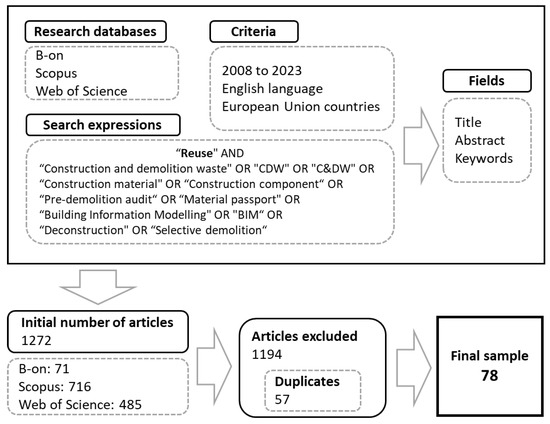
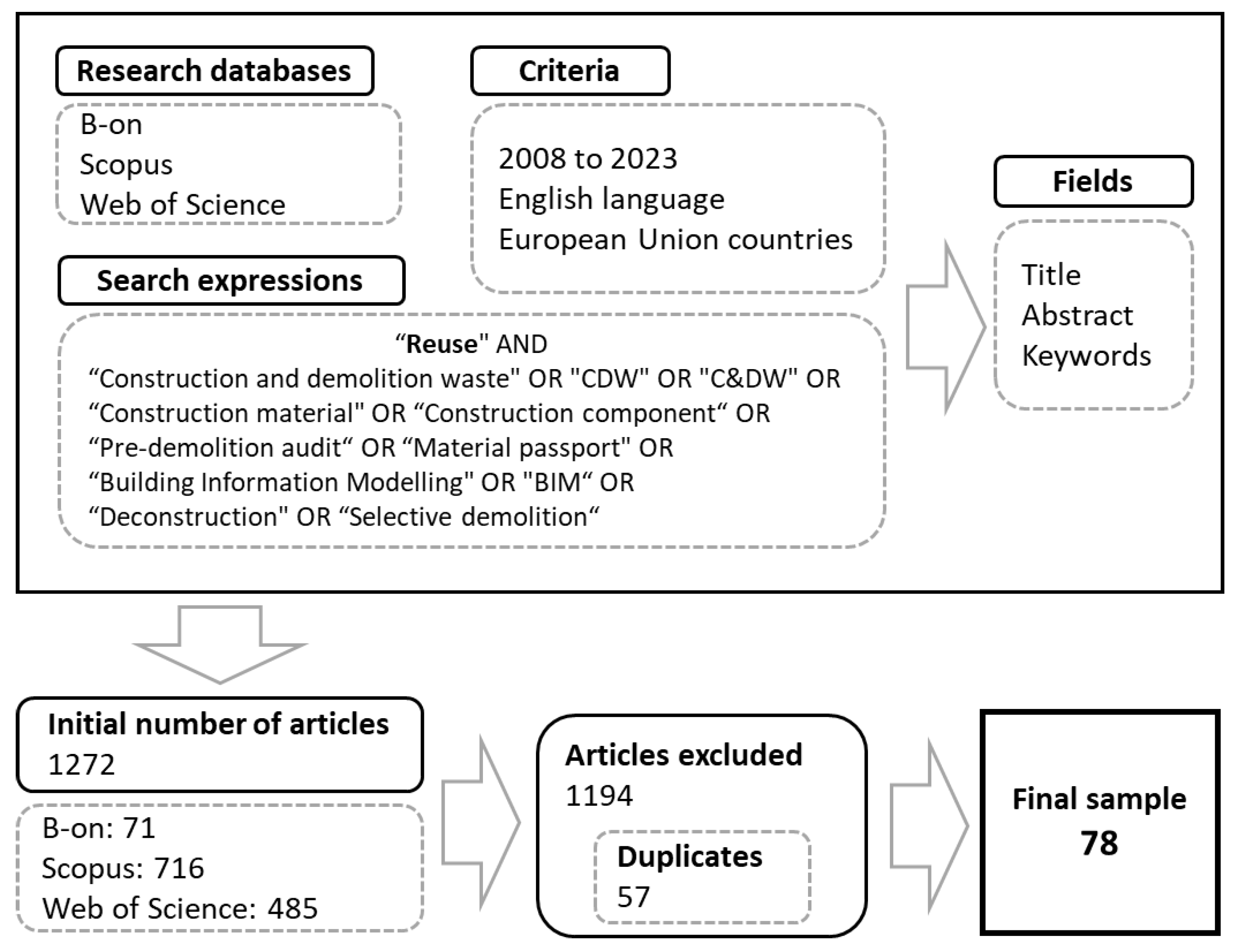
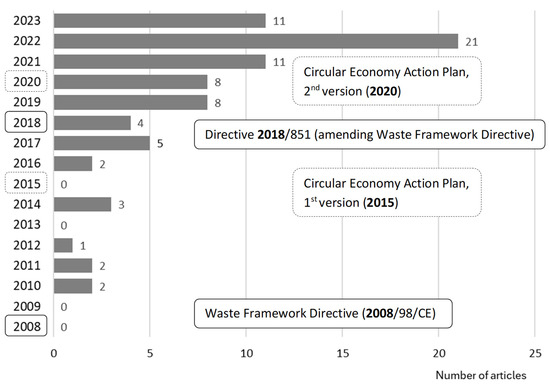
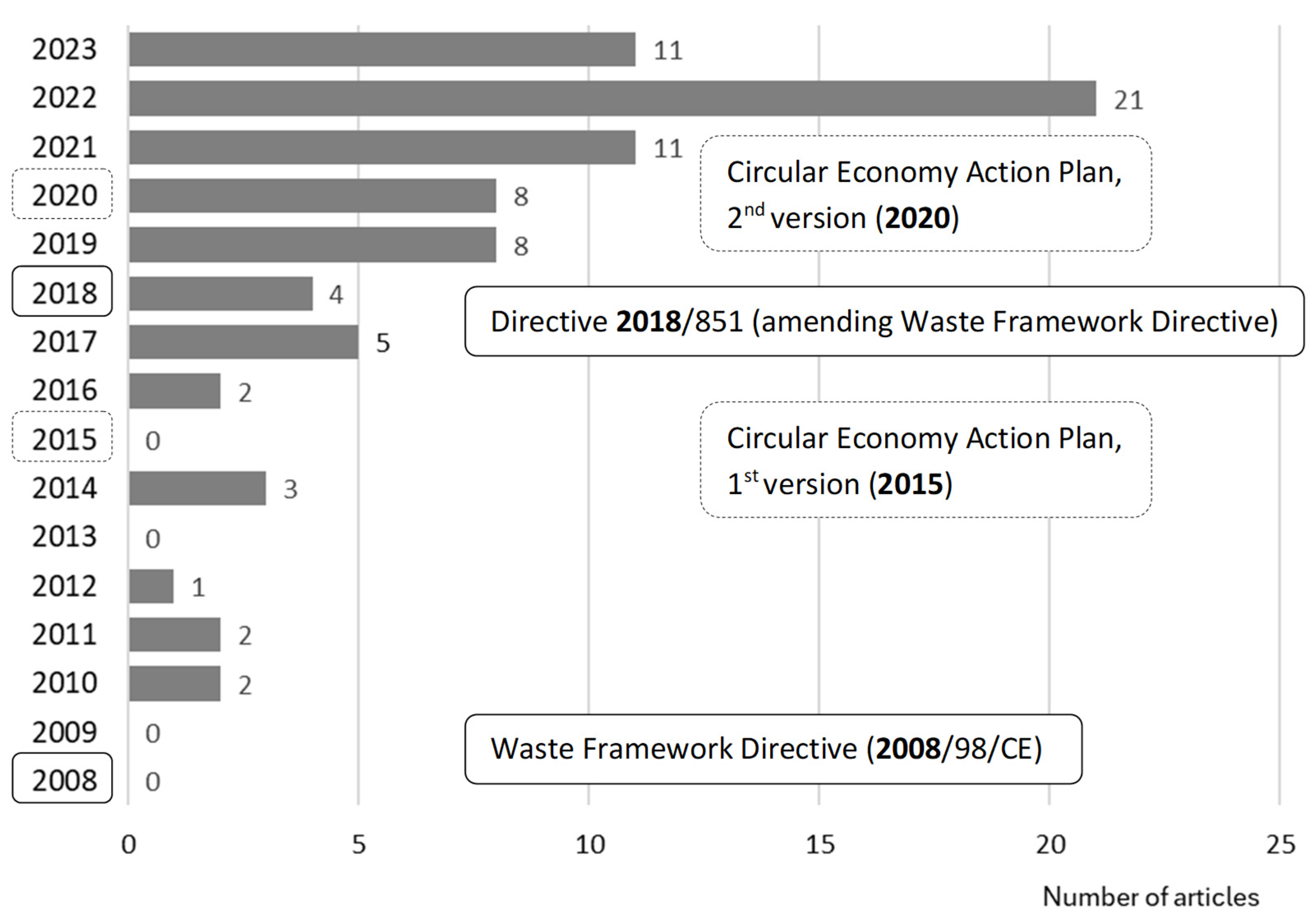
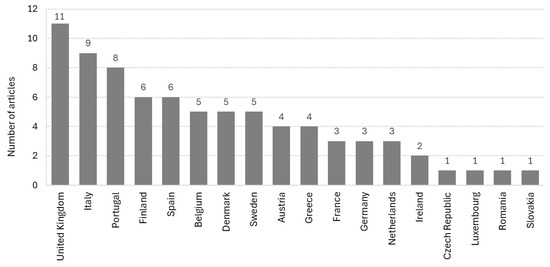
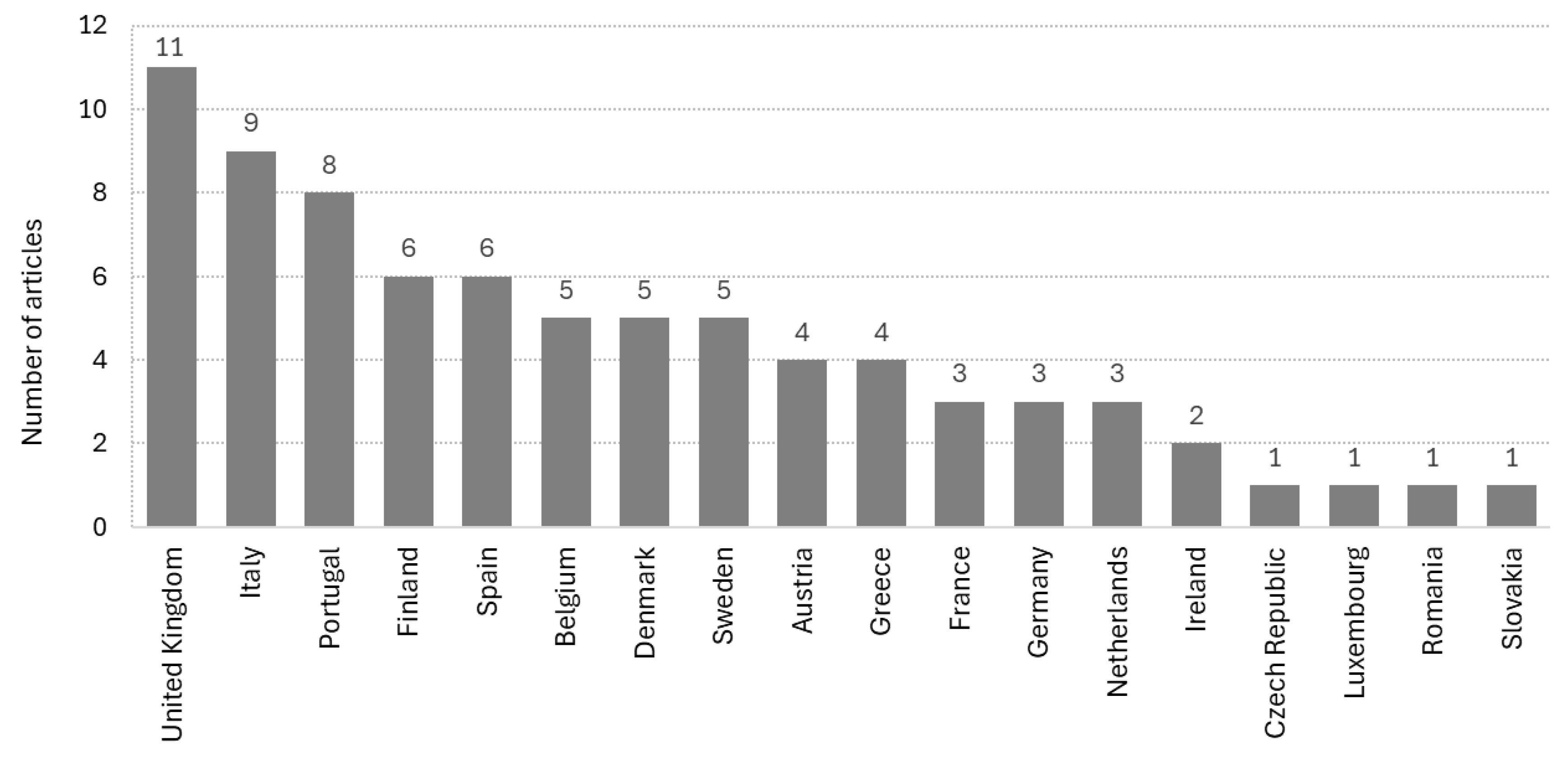
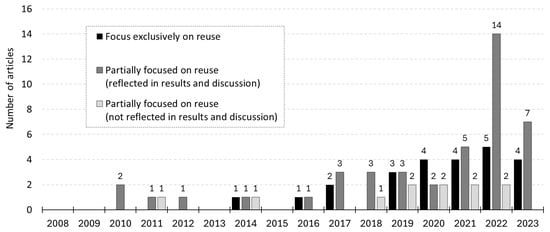
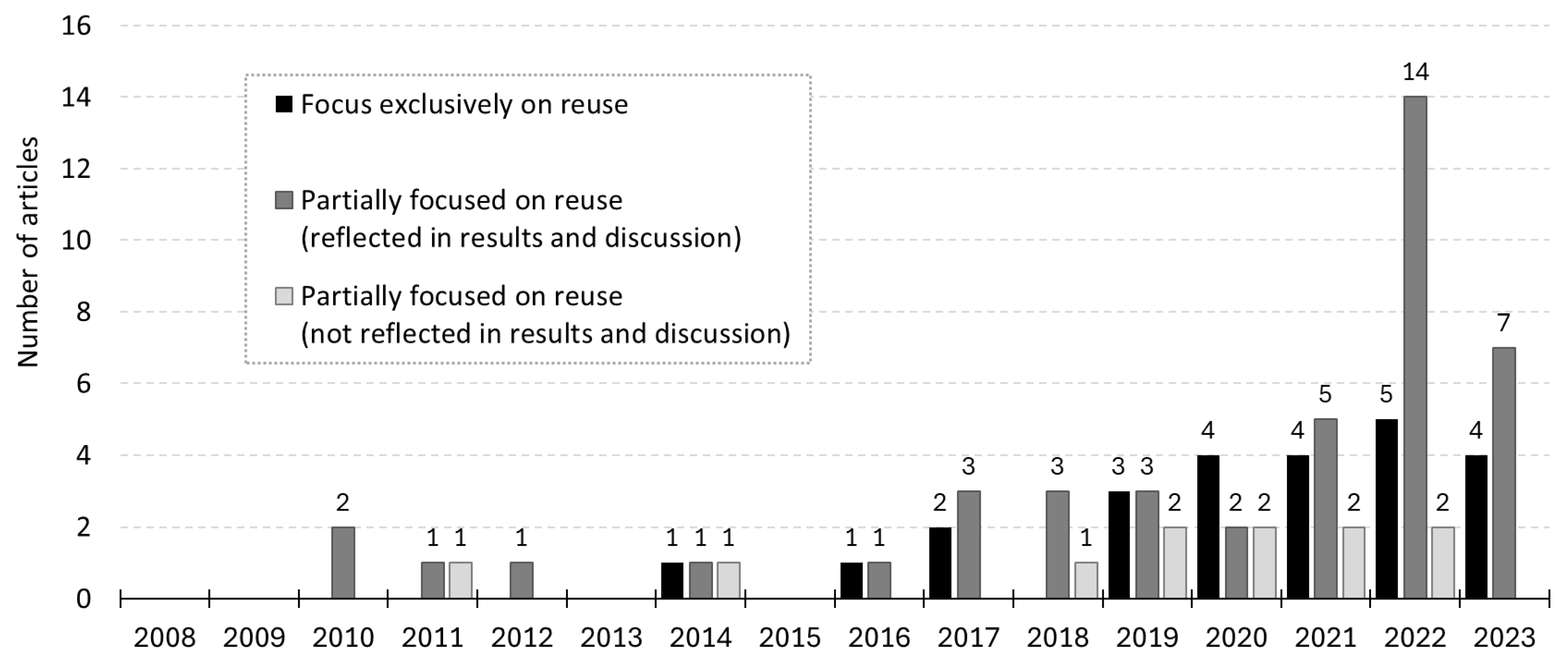
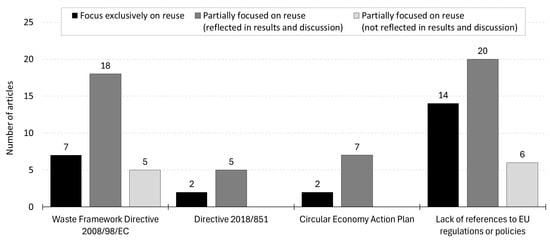

Disclaimer/Publisher’s Note: The statements, opinions and data contained in all publications are solely those of the individual author(s) and contributor(s) and not of MDPI and/or the editor(s). MDPI and/or the editor(s) disclaim responsibility for any injury to people or property resulting from any ideas, methods, instructions or products referred to in the content. |
© 2026 by the authors. Licensee MDPI, Basel, Switzerland. This article is an open access article distributed under the terms and conditions of the Creative Commons Attribution (CC BY) license.