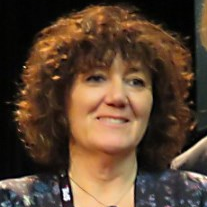
Topic Editors

Department of Chemical Engineering, Materials & Environment, Sapienza University of Rome, 00184 Rome, Italy
Associate Professor in Solid Waste Valorization, Department of Electronic Engineering, Hellenic Mediterranean University, Chania, 73100 Crete, Greece

Waste Management for Recycling and Environmental Protection

Abstract submission deadline
31 March 2027
Manuscript submission deadline
31 May 2027
Viewed by
8961

Topic Information

Dear Colleagues,

Waste management is the systematic process of collecting, transporting, processing, and disposing of waste materials to reduce their impact on the environment and human health. An integral part of modern waste management is recycling, which involves converting waste into secondary raw materials to conserve natural resources, save energy, and minimize landfill use. In this context, public awareness campaigns, policy frameworks, and corporate responsibility play vital roles in improving recycling practices. Governments and organizations worldwide are adopting strategies such as the circular economy model, where waste is minimized by designing products for reuse and recyclability. This Topic on “Waste Management for Recycling and Environmental Protection” focuses on the recent developments in this field and aims to bring together high-quality research articles addressing the various aspects of sustainable solid waste management (including, but not limited to, municipal and industrial waste streams, biosolids, and agricultural and agro-industrial residues). Contributions focusing on novel approaches to waste characterization by measuring and estimating the quantity, composition, and environmental impact of various solid waste resources and advanced valorization methodologies are particularly welcome for submission. Submissions should address both the current state and emerging challenges in this field. Potential topics include, but are not limited to, the following:

  • Advanced solid waste recycling technologies and resource recovery systems;
  • Environmental LCA for solid waste management;
  • Economic opportunities in solid waste management;
  • Recycling-oriented characterization of waste;
  • Valorization methods and technologies for agricultural and agro-industrial waste;
  • Recovery of critical raw materials from waste;
  • Policy challenges and solutions regarding solid waste management;
  • Case studies addressing specific waste management issues.

Prof. Dr. Silvia Serranti
Dr. Dimitrios Kalderis
Topic Editors

Keywords

  • biomass
  • urban mining
  • municipal solid waste
  • industrial waste
  • agricultural residues
  • secondary raw materials
  • critical raw materials
  • sustainable use of resources
  • waste recycling
  • circular economy

Participating Journals

Journal Name Impact Factor CiteScore Launched Year First Decision (median) APC
Energies
energies
3.2 7.3 2008 16.8 Days CHF 2600 Submit
Environments
environments
3.7 5.7 2014 19.2 Days CHF 1800 Submit
Molecules
molecules
4.6 8.6 1996 15.1 Days CHF 2700 Submit
Recycling
recycling
4.6 8.9 2016 18.9 Days CHF 1800 Submit
Resources
resources
3.2 7.2 2012 23.3 Days CHF 1800 Submit
Sustainability
sustainability
3.3 7.7 2009 17.9 Days CHF 2400 Submit

Preprints.org is a multidisciplinary platform offering a preprint service designed to facilitate the early sharing of your research. It supports and empowers your research journey from the very beginning.

MDPI Topics is collaborating with Preprints.org and has established a direct connection between MDPI journals and the platform. Authors are encouraged to take advantage of this opportunity by posting their preprints at Preprints.org prior to publication:

  1. Share your research immediately: disseminate your ideas prior to publication and establish priority for your work.
  2. Safeguard your intellectual contribution: Protect your ideas with a time-stamped preprint that serves as proof of your research timeline.
  3. Boost visibility and impact: Increase the reach and influence of your research by making it accessible to a global audience.
  4. Gain early feedback: Receive valuable input and insights from peers before submitting to a journal.
  5. Ensure broad indexing: Web of Science (Preprint Citation Index), Google Scholar, Crossref, SHARE, PrePubMed, Scilit and Europe PMC.

Published Papers (10 papers)

Order results
Result details
Journals
Select all
Export citation of selected articles as:
14 pages, 6689 KB  
Article
Hierarchically Porous Hollow TiO2 Nanofibers Coupled with Fluorescence-Tuned Graphene Quantum Dots for Efficient Visible-Light Photocatalysis
by Weitao Li, Zeyun Dong, Zhengyu Zhang, Luoman Zhang, Qizhe Wang, Shang Li, Shuai Li, Lei Wang and Jialin Liu
Molecules 2026, 31(9), 1430; https://doi.org/10.3390/molecules31091430 - 26 Apr 2026
Viewed by 368
Abstract
Industrial dye wastewater poses serious environmental and health risks, demanding sustainable remediation strategies. Here, hierarchically porous hollow TiO2 nanofibers (HNFTis) were fabricated and combined with blue, green, and orange graphene quantum dots (b-GQDs, g-GQDs, o-GQDs) to form heterojunction photocatalysts. Progressive fluorescence redshift [...] Read more.
Industrial dye wastewater poses serious environmental and health risks, demanding sustainable remediation strategies. Here, hierarchically porous hollow TiO2 nanofibers (HNFTis) were fabricated and combined with blue, green, and orange graphene quantum dots (b-GQDs, g-GQDs, o-GQDs) to form heterojunction photocatalysts. Progressive fluorescence redshift of GQDs, induced by surface functionalization and S/B doping, narrows the bandgap and enhances visible-light absorption. Among the composites, 0.5 wt% o-GQDs/HNFTi exhibited the highest photocurrent and lowest charge-transfer resistance and degraded 99.5% of Methylene blue under visible light within 2 h, outperforming pristine HNFTi (77.7%). The synergistic effect of TiO2 structural engineering and GQD fluorescence tuning demonstrates an effective strategy for designing high-performance photocatalysts for sustainable wastewater treatment. Full article
Show Figures

Figure 1

12 pages, 490 KB  
Article
Citrus Waste as a Source of High-Value Compounds: Effect of Solvent System and Extraction Time on Bioactive Compound Recovery
by Noemi García-Gomez, Roifer Pérez-Vásquez, José Luis Pasquel-Reátegui, Manuel Fernando Coronado-Jorge, Enrique Navarro-Ramírez, Karen Gabriela Documet-Petrlik, Pierre Vidaurre-Rojas, Keller Sánchez-Dávila and Ángel Cárdenas-García
Recycling 2026, 11(4), 77; https://doi.org/10.3390/recycling11040077 - 12 Apr 2026
Viewed by 513
Abstract
Orange waste, generally discarded, is a source of many bioactive compounds that could be used for the development of high-value-added products in the food, cosmetic, and pharmaceutical industries. The objective of this study was to evaluate the influence of extraction method (automated Soxhlet [...] Read more.
Orange waste, generally discarded, is a source of many bioactive compounds that could be used for the development of high-value-added products in the food, cosmetic, and pharmaceutical industries. The objective of this study was to evaluate the influence of extraction method (automated Soxhlet extraction and temperature-controlled maceration), solvent system, and extraction time on the recovery of bioactive compounds from Valencia orange (Citrus sinensis) by-products. Proximate characterization of the dried orange residue (DOR) was performed prior to extraction. The type of solvent (ethanol and methanol), solvent:water ratio (50, 75, and 100%), and extraction time (60 and 120 min) were evaluated in terms of total extraction yield (TEY), total phenolic content (TPC), and antioxidant capacity determined by ABTS and DPPH assays, for each extraction method. ASE generally provided higher extraction yield and total phenolic content, particularly with 75:25 ethanol:water at 120 min, whereas TCM combined with methanol produced the highest antioxidant capacity. Extracts with up to 46.32% TEY, 5.57 mg GAE/g dm, and antioxidant capacities of 66.49 and 11.10 µmol TE/g dm determined by ABTS and DPPH assays, respectively, were obtained. The results demonstrated that Valencia orange by-products are a source of phenolic compounds and antioxidants with potential for product development across different industrial sectors. Full article
Show Figures

Graphical abstract

19 pages, 11712 KB  
Article
Technical Feasibility for Site Selection for Municipal Solid Waste Final Disposal in Chihuahua
by Jesús Alejandro Prieto-Amparán, Gilberto Sandino Aquino-de los Ríos, María Cecilia Valles-Aragón, Leonor Cortés-Palacios, Griselda Vázquez-Quintero, César Guillermo García-González and Myrna C. Nevárez-Rodríguez
Environments 2026, 13(4), 211; https://doi.org/10.3390/environments13040211 - 11 Apr 2026
Viewed by 742
Abstract
Municipal solid waste (MSW) generation is a global problem affecting the environment and public health. The current landfill’s useful life is reaching its end, making new site selection a priority to guarantee proper MSW management. This research evaluated the suitability of the metropolitan [...] Read more.
Municipal solid waste (MSW) generation is a global problem affecting the environment and public health. The current landfill’s useful life is reaching its end, making new site selection a priority to guarantee proper MSW management. This research evaluated the suitability of the metropolitan area of the municipalities of Chihuahua, Aldama, and Aquiles Serdan, using Spatial Decision Support Systems (SDSS) integrated with Multi-criteria Decision-making (MCDM) and hierarchical analysis, and Geographic Information Systems (GIS) to determine potential sites for new Metropolitan landfill development in a semi-arid region. Results showed that 44.7% of the areas studied present a high suitability level, while 29.52% corresponds to a very high suitability level. These areas are located mainly in the north and center zones of the Chihuahua and Aldama municipalities, with some isolated areas in Aquiles Serdan. The key selection criteria were airport distance, land slope, and proximity to the intermunicipal boundary, which enabled the identification of sites with lower environmental impact and greater technical and economic feasibility. This study demonstrates that SDSS and GIS are efficient tools for identifying potential landfill sites. The results highlight the importance of integrating technical, environmental, and social criteria into MSW management planning to achieve sustainable, efficient management in the region. Full article
Show Figures

Graphical abstract

22 pages, 907 KB  
Article
Carbon Footprint Assessment of Food Waste Disposal Methods in a Thai Hypermarket’s Fresh Food Department
by Thunyanat Hutangkoon, Chumpol Yuangyai, Tongchai Puttongsiri, Viachaslau Filimonau and Jarotwan Koiwanit
Resources 2026, 15(4), 54; https://doi.org/10.3390/resources15040054 - 31 Mar 2026
Viewed by 1052
Abstract
The global urgency to mitigate environmental degradation and promote sustainable resource use necessitates effective waste management strategies, particularly in the retail sector, which is a significant contributor to food waste. This study explores the carbon ramifications of food waste disposal methods within a [...] Read more.
The global urgency to mitigate environmental degradation and promote sustainable resource use necessitates effective waste management strategies, particularly in the retail sector, which is a significant contributor to food waste. This study explores the carbon ramifications of food waste disposal methods within a hypermarket’s fresh food department in Bangkok, Thailand. Using the method of life cycle assessment (LCA) under the CML2001 framework, this study evaluates three food waste management methods: anaerobic digestion (AD), sanitary landfill, and mechanical and biological waste treatment (MBT). The analysis is structured to quantify the carbon footprint associated with each waste management strategy, measured in kilograms (kg) of carbon dioxide (CO2) equivalent (eq.) per kg of food waste. The estimated carbon footprint is 0.0066 kg CO2 eq./kg of food waste for MBT, 0.1221 kg CO2 eq./kg of food waste for AD, and 1.4667 kg CO2 eq./kg of food waste for sanitary landfill. These values were derived from defined system boundaries, modeling assumptions, and available operational data used to construct the life cycle inventory (LCI). In addition, a formal sensitivity analysis was not conducted in this study. Therefore, the reported values should be interpreted within the context of the modeling assumptions and data sources applied. Full article
Show Figures

Figure 1

22 pages, 1525 KB  
Article
Effects of Source-Based Waste Management Awareness on Waste Segregation Behavior Among Lower Secondary School Students in Thailand: A Case Study of Phitsanulok Province
by Wanwarang Phothisawang, Tanakorn Apornpong and Noulkamol Arpornpong
Sustainability 2026, 18(6), 3101; https://doi.org/10.3390/su18063101 - 21 Mar 2026
Viewed by 738
Abstract
This study investigated waste segregation awareness and behavior, developed awareness-promoting activities, and evaluated their effectiveness among lower secondary school students in Phitsanulok Province, Thailand. The research was conducted in three phases: Phase I involved baseline data collection using interviews and structured observations. Phase [...] Read more.
This study investigated waste segregation awareness and behavior, developed awareness-promoting activities, and evaluated their effectiveness among lower secondary school students in Phitsanulok Province, Thailand. The research was conducted in three phases: Phase I involved baseline data collection using interviews and structured observations. Phase II focused on developing awareness-promoting activities, including training workshops, printed public relations materials, video-based learning, and game-based waste segregation. Phase III evaluated the effectiveness of interventions using a pre-test–post-test design. The research instruments included awareness and behavior questionnaires, behavior observation forms, and records of segregated solid waste quantities. The results showed significant increases in awareness and waste segregation behavior scores after the intervention across all activity types (all p < 0.001). The mean awareness scores increased from 10.27 to 12.74 (p < 0.01), and mean waste segregation behavior scores increased from 11.82 to 13.64 (p < 0.001). However, after adjustment for pre-intervention scores and school, no significant differences were observed among activity types. Higher awareness levels were positively associated with improved waste segregation behavior, as reflected by changes in waste quantity and composition. These findings indicate that awareness-promoting activities can effectively enhance source-based waste management practices and may be applied in similar municipal and educational contexts. Full article
Show Figures

Figure 1

20 pages, 36258 KB  
Article
Recovery of Valuable Metals from Spent Lithium-Ion Batteries by Combining Reduction Roasting and Selective Leaching
by Ruijiao Zhai, Kui Huang, Shanjin Mao, Rugui Li, Haili Dong and Xi Zhai
Recycling 2026, 11(3), 59; https://doi.org/10.3390/recycling11030059 - 10 Mar 2026
Viewed by 800
Abstract
Amid growing environmental pressure and increasing demand for resource sustainability, the efficient recovery of valuable metals from spent lithium-ion batteries (LIBs) has become a critical challenge in the field of resource recycling. Therefore, a novel approach is presented for selective lithium (Li) and [...] Read more.
Amid growing environmental pressure and increasing demand for resource sustainability, the efficient recovery of valuable metals from spent lithium-ion batteries (LIBs) has become a critical challenge in the field of resource recycling. Therefore, a novel approach is presented for selective lithium (Li) and manganese (Mn) separation from LiNixCoyMn1−x−yO2 by combining carbothermic reduction roasting and selective leaching. Low-cost glucose (C6H12O6) was selected as the reduction roasting reductant, which converts the cathode materials into water-soluble lithium carbonate (Li2CO3), water-insoluble cobalt (Co), nickel (Ni), and manganese oxide (MnO). Wet magnetic separation was employed to preferentially extract Li while simultaneously removing excess carbon from Ni, Co, and MnO. Under optimal roasting conditions at 600 °C for 90 min followed by wet magnetic separation with a liquid–solid ratio of 30 mL/g for 30 min, 95.42% of Li was preferentially extracted. Subsequently, at a formic acid (HCOOH) concentration of 1.6 mol/L, liquid–solid ratio of 6 mL/g, and leaching time of 30 min, 94.29% of Mn was selectively extracted from the wet magnetic separation products, whereas Ni and Co were leached at 6.13% and 7.22%, respectively. The acid-leaching residue can be recycled as a Ni-Co alloy. Full article
Show Figures

Graphical abstract

15 pages, 3651 KB  
Article
Hyperspectral Imaging Coupled with Machine Learning for Accurate Color Classification of Glass Fragments in Recycling Processes
by Giuseppe Bonifazi, Giuseppe Capobianco, Roberta Palmieri and Silvia Serranti
Recycling 2026, 11(3), 43; https://doi.org/10.3390/recycling11030043 - 1 Mar 2026
Viewed by 1253
Abstract
Glass is a highly recyclable material that provides substantial environmental benefits, including savings in raw materials and energy as well as a reduction in CO2 emissions. To ensure the production of high-quality secondary raw materials, container glass from municipal waste separate collection [...] Read more.
Glass is a highly recyclable material that provides substantial environmental benefits, including savings in raw materials and energy as well as a reduction in CO2 emissions. To ensure the production of high-quality secondary raw materials, container glass from municipal waste separate collection must be accurately separated by color in recycling plants, where only minimal color mixing is tolerated. Color sorting is therefore a key step in glass recycling, as it directly affects both the quality and the market value of recycled cullet. Given the increasingly stringent color quality requirements for recycled glass and the high fraction of cullet used in container glass, advanced technological solutions are needed to improve sorting accuracy. In this study, a visible–near-infrared (VIS-NIR: 400–1000 nm) hyperspectral imaging (HSI) approach integrated with machine learning (ML) is proposed for the automated classification of post-consumer glass fragments from bottles and jars into five color categories: brown, dark green, light green, half-white and white. A hierarchical Partial Least Squares-Discriminant Analysis (PLS-DA) model combined with an object-based analysis strategy was developed to optimize color recognition. The proposed system achieved sensitivity and specificity values between 0.910 and 1.000, demonstrating excellent robustness and predictive capability. Validation on independent datasets confirmed the model’s reliability, with all color glass fragments correctly classified at the object level. The results highlight the potential of HSI-ML systems to enhance color sorting accuracy and process efficiency in recycling plants, contributing to improved material recovery and the advancement of sustainable, circular glass production. Full article
Show Figures

Figure 1

31 pages, 1660 KB  
Article
Explaining Chinese Consumer Recycling Behavior in Express Packaging: Insights from PLS-SEM, fsQCA, and Necessary Condition Analysis
by Jun Lyu, Bowen Zhan and Bakti Hasan-Basri
Sustainability 2026, 18(4), 2152; https://doi.org/10.3390/su18042152 - 23 Feb 2026
Viewed by 837
Abstract
The rapid growth of e-commerce, particularly in China, has led to a surge in express packaging waste, posing significant environmental challenges. However, consumer participation in express packaging recycling remains a critical yet underexplored issue. To address this gap, this study extends the Theory [...] Read more.
The rapid growth of e-commerce, particularly in China, has led to a surge in express packaging waste, posing significant environmental challenges. However, consumer participation in express packaging recycling remains a critical yet underexplored issue. To address this gap, this study extends the Theory of Planned Behavior (TPB) by incorporating perceived benefit, perceived trust, and policy communication to explain consumer behavior. Survey data from 382 urban consumers in China were analyzed using an integrated approach combining partial least squares structural equation modeling (PLS-SEM), fuzzy-set qualitative comparative analysis (fsQCA), and necessary condition analysis (NCA). The results indicate that attitude, perceived benefit, and perceived trust significantly influence recycling behavior, while subjective norm, perceived behavioral control, and policy communication exhibit no significant net effects. Furthermore, configurational analysis demonstrates that high recycling behavior emerges from multiple combinations of factors rather than any single dominant driver, and NCA identifies attitude as a necessary prerequisite. In conclusion, these findings underscore that express packaging recycling is driven by complex interactions among benefits, trust, and attitudes, suggesting that policymakers should prioritize multi-factor policy designs to effectively promote sustainable consumer behavior. Full article
Show Figures

Figure 1

16 pages, 12743 KB  
Article
Integrated Emission Inventory and Socioeconomic Drivers of Air Pollutants and Greenhouse Gases from Municipal Solid Waste Incineration in China
by Han Liu, Jianbo Guo, Ming Zhu, Ruiqi Zhang, Zhibin Yin, Guiying Liu, Yaohui Liu, Qinzhong Feng, Yang Chen, Wenru Zheng and Liyuan Liu
Environments 2026, 13(2), 124; https://doi.org/10.3390/environments13020124 - 22 Feb 2026
Viewed by 866
Abstract
To comprehensively assess the emissions of flue gas pollutants from municipal solid waste incineration (MSWI) in China and their socioeconomic driving factors, this study employs a bottom-up approach to develop an integrated carbon and air pollutant emission inventory for 1016 MSWI plants in [...] Read more.
To comprehensively assess the emissions of flue gas pollutants from municipal solid waste incineration (MSWI) in China and their socioeconomic driving factors, this study employs a bottom-up approach to develop an integrated carbon and air pollutant emission inventory for 1016 MSWI plants in 2024. We apply a Random Forest (RF) model to analyze the underlying drivers. Results indicate that for air pollutants, NOx has the highest emissions, whereas mercury (Hg) and dioxins (polychlorinated dibenzo-p-dioxins and dibenzofurans, PCDD/Fs) are identified as priority control pollutants due to their high toxicity. Spatially, emissions display a distinct “high in the east, low in the west” pattern, concentrated in eastern coastal provinces, with characteristic pollutants being prominent in specific regions. Meanwhile, among greenhouse gases (GHGs), CO2 dominates mass emissions, while N2O exhibits significant global warming potential. Driver analysis reveals that Gross Domestic Product (GDP) and MSWI treatment capacity are key common drivers, showing stable positive and negative contributions, respectively. The number of invention patent applications is specifically and strongly associated with NOx and heavy metal emissions. This study provides a national-scale integrated quantification of MSWI emissions and a quantitative analysis of their driving mechanisms using RF, offering a critical data foundation and scientific basis for supporting synergistic pollution and carbon reduction. Full article
Show Figures

Figure 1

16 pages, 3334 KB  
Article
Revegetation Enriched Microbial Carbon-, Nitrogen- and Phosphorus-Cycling Genes in Pb-Zn Tailings, Promoted Their Coupling, and Was Regulated by Plant Type and Colonization Time
by Shouhui Zhang, Lebin Tang, Xijun Liu, Xuehong Zhang, Hui Qiu, Yuan Yin, Mengting Lin, Jie Liu and Xusheng Jiang
Sustainability 2026, 18(4), 1811; https://doi.org/10.3390/su18041811 - 10 Feb 2026
Viewed by 501
Abstract
Revegetation is recognized as one of the most effective strategies for the ecological restoration of tailings ponds. However, a systematic understanding of how both plant colonization time and plant type shape the microbial functional potential for coupled biogeochemical cycles remains insufficient. Here, we [...] Read more.
Revegetation is recognized as one of the most effective strategies for the ecological restoration of tailings ponds. However, a systematic understanding of how both plant colonization time and plant type shape the microbial functional potential for coupled biogeochemical cycles remains insufficient. Here, we collected 24 samples comprising bare tailings and rhizosphere tailings from four dominant plant species (Miscanthus sinensis, Pinus massoniana, Lespedeza bicolor, Patrinia villosa) colonizing a lead–zinc mine tailings pond to investigate the effects of revegetation on the contents of carbon (C), nitrogen (N) and phosphorus (P) and microbial functional genes related to their cycles. The results showed that revegetation significantly increased the C, N and P contents in the rhizosphere tailings (p < 0.05), and these increased with plant colonization time. Compared with the bare tailings, the contents of C, N and P increased by 1.10 to 4.12 times, 1.06 to 4.84 times and 0.63 to 7.30 times, respectively. Furthermore, revegetation significantly enriches microbial C-, N- and P-cycling genes. The abundance of C fixation, organic degradation, nitrate reduction and organic P mineralization genes in tailings significantly increased after revegetation. Additionally, revegetation substantially enhanced the density, links and average degree of the network of microbial C-, N- and P-cycling genes. Pathway analysis using partial least squares path modeling indicated that revegetation positively affected microbial C-, N- and P-cycling genes, which were regulated by plant type and colonization time. Collectively, these findings suggest that revegetation can substantially enhance the biogeochemical cycling functions of microorganisms in tailings while also promoting their coupling. Full article
Show Figures

Figure 1

Back to TopTop