



Journal Description
Pathogens
Pathogens
is an international, peer-reviewed, open access journal on pathogens and pathogen-host interactions published monthly online by MDPI.
- Open Access— free for readers, with article processing charges (APC) paid by authors or their institutions.
- High Visibility: indexed within Scopus, SCIE (Web of Science), PubMed, MEDLINE, PMC, Embase, PubAg, CaPlus / SciFinder, AGRIS, and other databases.
- Journal Rank: JCR - Q2 (Microbiology) / CiteScore - Q1 (Infectious Diseases)
- Rapid Publication: manuscripts are peer-reviewed and a first decision is provided to authors approximately 14.1 days after submission; acceptance to publication is undertaken in 2.6 days (median values for papers published in this journal in the second half of 2025).
- Recognition of Reviewers: reviewers who provide timely, thorough peer-review reports receive vouchers entitling them to a discount on the APC of their next publication in any MDPI journal, in appreciation of the work done.
- Companion journals for Pathogens include: Parasitologia and Bacteria.
- Journal Cluster of Microbiology: Acta Microbiologica Hellenica, Applied Microbiology, Bacteria, Journal of Fungi, Microorganisms, Microbiology Research, Pathogens and Viruses.
Impact Factor:
3.3 (2024);
5-Year Impact Factor:
3.6 (2024)
Latest Articles
Epidemiological Survey and Economic Impact of Ruminant Tuberculosis-like Lesions at Slaughterhouses in Two Areas of Northern Algeria (2019–2024): A One Health Assessment
Pathogens 2026, 15(5), 546; https://doi.org/10.3390/pathogens15050546 (registering DOI) - 18 May 2026
Abstract
This retrospective study evaluated the prevalence and economic impact of tuberculosis-likelesions (TB) in cattle, sheep, and goats slaughtered at municipal abattoirs in the provinces of Bejaia and Jijel between 2019 and 2024, and examined their ecological association with reported human tuberculosis (TB) cases.
[...] Read more.
This retrospective study evaluated the prevalence and economic impact of tuberculosis-likelesions (TB) in cattle, sheep, and goats slaughtered at municipal abattoirs in the provinces of Bejaia and Jijel between 2019 and 2024, and examined their ecological association with reported human tuberculosis (TB) cases. The overall prevalence of tuberculosis-like lesions in carcasses, lungs, and livers was 0.08%, 0.85%, and 0.19%, respectively, with cattle showing the highest lesionprevalence. Logistic regression analysis identified species, season, geographic location, and climatic factors as significant predictors of lesion occurrence. Analysis of human tuberculosis records revealed a strong ecological positive correlation (r = 0.81, p<0.05) between bovine pulmonary tuberculosis-like lesions and extra-pulmonary tuberculosis in humans. Over the six-year period, large quantities of condemned carcasses and organs resulted in direct losses of €3.23 million, while reduced carcass weight accounted for indirect losses of almost €11 million.Ruminant tuberculosis-like lesions caused substantial economic losses, totaling €14.16 million over six years, with cattle accounting for 99.8% of the impact. Projected losses could reach €16.7 million by 2030 under comparable surveillance market and control conditions, highlighting the potential ongoing financial burden of the disease. Tuberculosis-like lesions remain relevant in northern Algeria, posing important veterinary, zoonotic, and economic concerns. Enhanced surveillance, laboratory confirmation of suspected lesions, and the strict implementation of control measuresare essential to limit disease transmission and mitigate its impact.
Full article
(This article belongs to the Special Issue Antimicrobial Resistance and Cross-Species Transmission of Zoonotic Pathogens: From Animal Reservoirs to Public Health Threats)
Open AccessArticle
Streptococcus agalactiae Serotype Ia ST7 CC1 in Farmed Nile Tilapia in Latin America: Age-Dependent Disease Expression and Antimicrobial Susceptibility of an Emerging Clonal Lineage
by
Marco Rozas-Serri, Miguel Fernandez-Alarcon, Mariene Miyoko-Natori, Renata Galetti, Ricardo Harakava, Mateus Cardoso-Guimarães and Ricardo Ildefonso
Pathogens 2026, 15(5), 545; https://doi.org/10.3390/pathogens15050545 (registering DOI) - 18 May 2026
Abstract
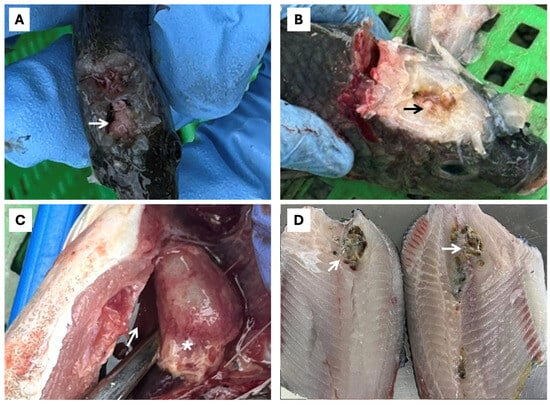
Recently, a strain of Streptococcus agalactiae serotype Ia sequence type 7 clonal complex 1 (SaIa ST7 CC1) has emerged in Latin American tilapia aquaculture as an international threat. This study evaluated outbreaks of acute streptococcosis occurring between 2021 and 2025 on commercial Nile
[...] Read more.
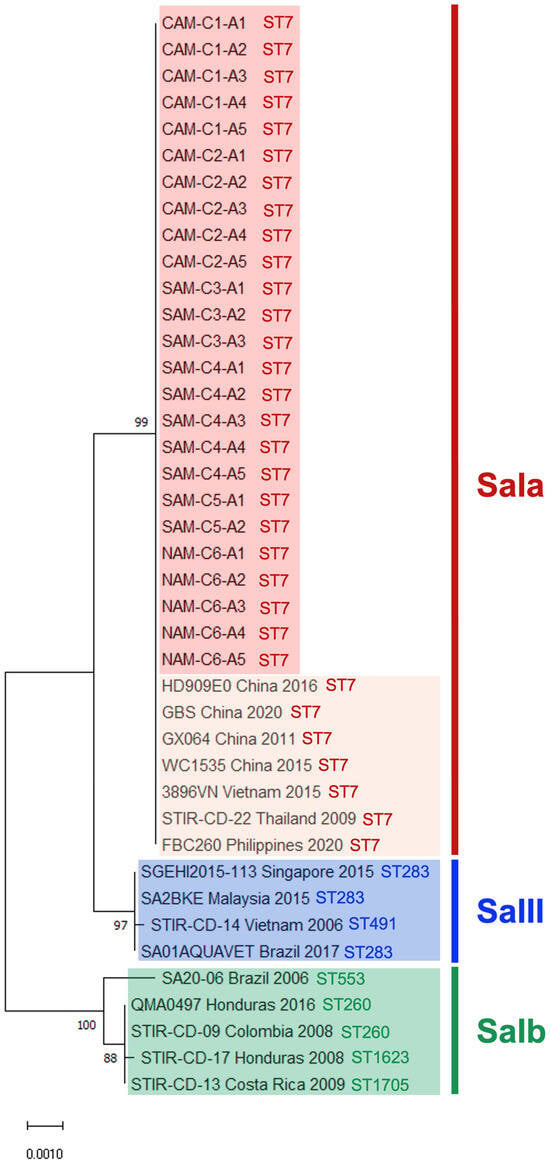
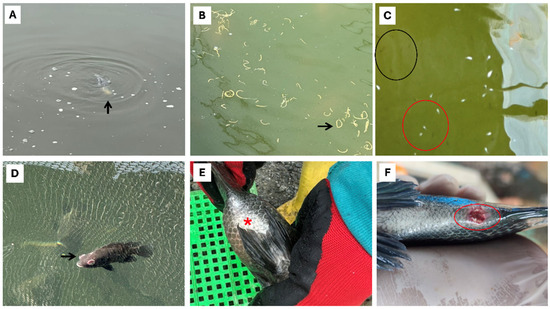
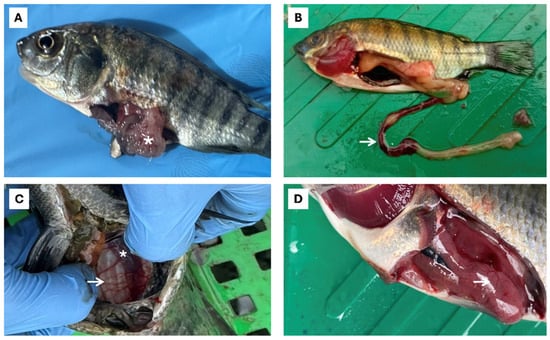
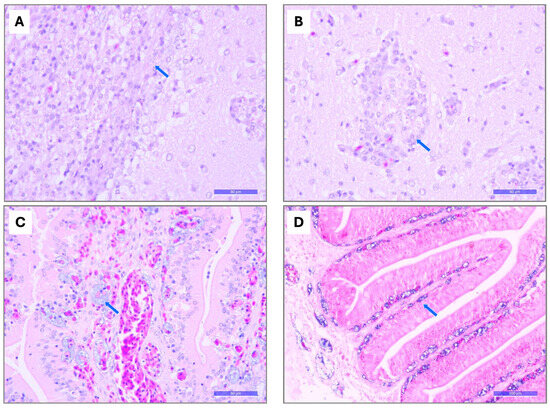
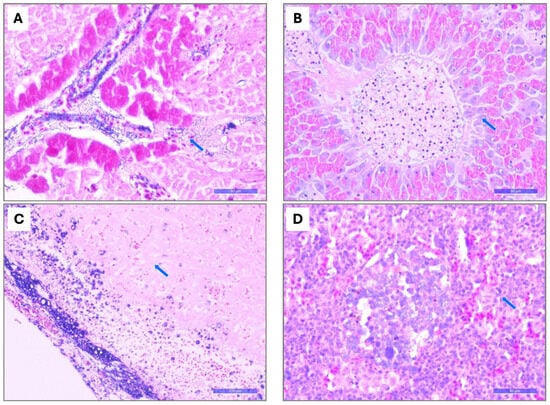
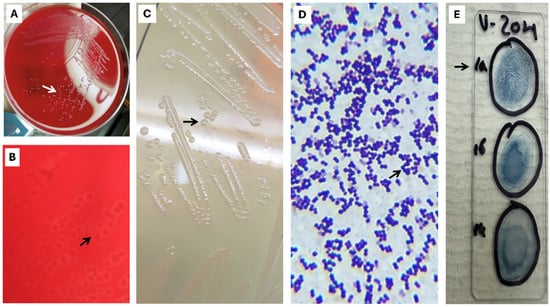
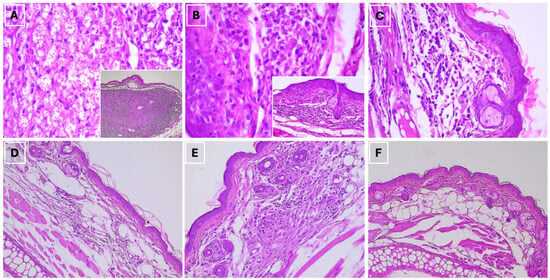
Recently, a strain of Streptococcus agalactiae serotype Ia sequence type 7 clonal complex 1 (SaIa ST7 CC1) has emerged in Latin American tilapia aquaculture as an international threat. This study evaluated outbreaks of acute streptococcosis occurring between 2021 and 2025 on commercial Nile tilapia (Oreochromis niloticus) farms in six Latin American countries, aiming to integrate molecular, clinical, pathological, and environmental data. In total, 360 moribund or recently dead fish at various production stages (larvae/fry, pre-grow-out, and grow-out) were examined, and 25 S. agalactiae isolates were serotyped and subjected to real-time PCR analysis, multilocus sequence typing (MLST), virulence and antimicrobial resistance gene profiling, and antimicrobial susceptibility testing. All isolates belonged to SaIa and shared the same ST7 CC1 MLST profile, forming a highly homogeneous cluster with reference SaIa ST7 CC1 strains previously isolated from tilapia farms in Asia. These results are consistent with the regional spread of a single clonal line. At the larval and fry stages, SaIa ST7 CC1 was associated with hyperacute septicemia, gastrointestinal hemorrhage, and frequent intestinal intussusception, whereas in pre-grow-out and grow-out fish, neurological signs were more prominent, followed by ocular signs, systemic hemorrhages, and coelomic lesions. Histopathological examination showed profuse colonization of the brain, spleen, liver, and intestine by Gram-positive cocci, accompanied by marked acute circulatory and inflammatory lesions and few chronic granulomatous responses, consistent with a rapidly progressing, highly aggressive infectious process. All outbreaks occurred during extended periods of warm water (>32 °C), with large day–night thermal gradients and reduced dissolved oxygen, suggesting that thermal stress may exacerbate disease expression in affected systems. All SaIa ST7 CC1 strains exhibited phenotypic susceptibility to florfenicol and amoxicillin, whereas 84% (21/25) and 100% (25/25) exhibited intermediate susceptibility to oxytetracycline and enrofloxacin, respectively. In total, 5 of the 21 isolates (23.8%) with intermediate susceptibility to oxytetracycline carried tetracycline resistance genes (tetM, tetO). These findings identify SaIa ST7 CC1 as a clinically significant emerging threat associated with thermally facilitated and geographically expanding streptococcosis in tilapia production in Latin America. Immediate priorities include screening imported broodstock using MLST or whole-genome sequencing (WGS), harmonized regional molecular surveillance, climate-adaptive farm management practices, prudent antimicrobial use, and serotype-matched vaccination and breeding strategies that improve both disease and heat resilience.
Full article
(This article belongs to the Section Emerging Pathogens)
►▼
Show Figures

Figure 1
Open AccessArticle
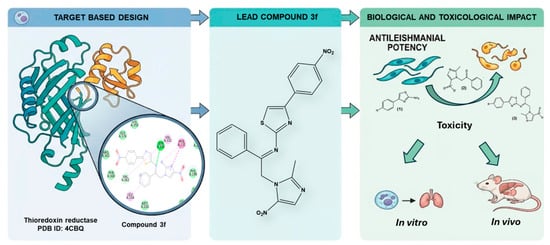
Novel Thiazolylimidazole Hybrids as Promising Antileishmanial Agents: Rational Design and Biological Evaluation
by
Cristoper Ramírez-Sandoval, María Elena Campos-Aldrete and María Estela Meléndez-Camargo
Pathogens 2026, 15(5), 544; https://doi.org/10.3390/pathogens15050544 (registering DOI) - 18 May 2026
Abstract
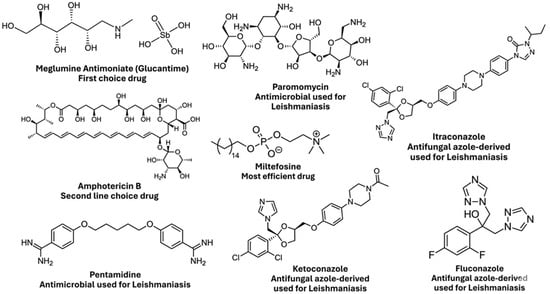
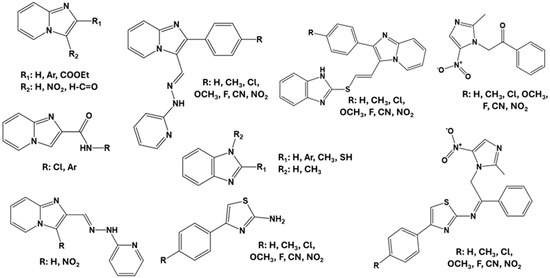
Leishmaniasis remains a major neglected tropical disease with limited therapeutic options, challenged by drug toxicity and emerging resistance to current treatments like miltefosine. In this study, a virtual library of approximately 150 azole-derived compounds was screened in silico to identify promising thiazole and
[...] Read more.
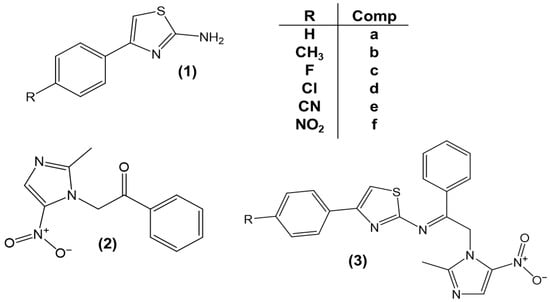
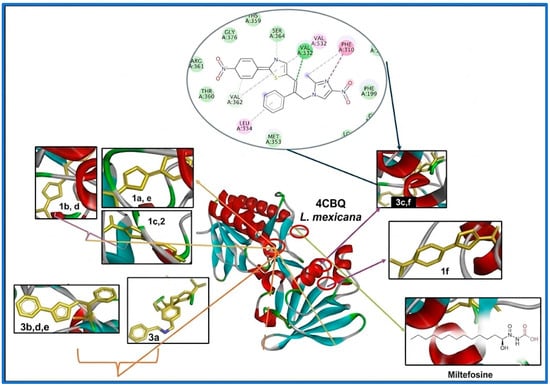
Leishmaniasis remains a major neglected tropical disease with limited therapeutic options, challenged by drug toxicity and emerging resistance to current treatments like miltefosine. In this study, a virtual library of approximately 150 azole-derived compounds was screened in silico to identify promising thiazole and imidazole scaffolds, leading to the rational design of novel hybrid molecules. Molecular docking against thioredoxin reductase (PDB ID: 4CBQ), a key enzyme in the redox metabolism of Leishmania mexicana, showed improved binding affinity compared to miltefosine, with compound 3f showing the most favourable interaction profile. Among the synthesized series 3a–f, compound 3f (4-NO2Ph) exhibited the most favourable predicted binding parameters within the series (∆G = −16.08, Ki = 0.0019 nM). Biological evaluation was performed against L. mexicana promastigotes as an early-stage phenotypic screening model to identify active compounds with potential relevance during the initial infective phase, and a markedly improved in vitro inhibitory effect (IC50 = 22.41 µM) compared to miltefosine (IC50 = 132.42 µM), representing a six-fold increase in molar potency. Furthermore, hybrid thiazolyl–imidazole systems (series 3) consistently outperformed single-core analogues, likely due to enhanced molecular planarity and lipophilicity provided by the imine linkage. Cytotoxicity assays in Vero cells revealed a high safety margin for the lead compounds, with compound 3f achieving a Selectivity Index (SI) of around 89, significantly outperforming the reference drug. Acute toxicity studies (LD50) in murine models further confirmed the safety profile, with values exceeding 2000 mg/kg for the most active derivatives. These findings identify thiazolyl–imidazole hybrids as promising early-stage scaffolds for antileishmanial drug discovery, particularly for early infection/prophylactic screening.
Full article
(This article belongs to the Special Issue Leishmania spp. and Leishmaniasis)
►▼
Show Figures

Graphical abstract
Open AccessReview
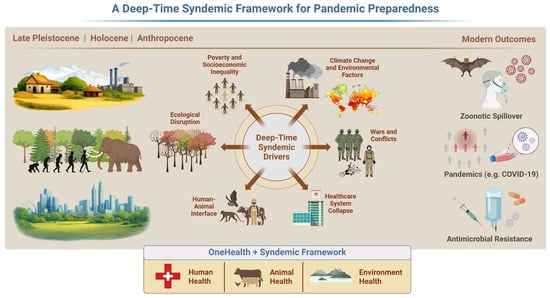
Paleopathology Meets Public Health: Deep-Time Syndemics and the Ecology of Emerging Infections
by
Hisham F. Bahmad, Ghassan Ghssein, Marwan Bahmad, Tarec K. Elajami, Irman Forghani, Claudio Tuda and Roberto Ruiz-Cordero
Pathogens 2026, 15(5), 543; https://doi.org/10.3390/pathogens15050543 (registering DOI) - 18 May 2026
Abstract
Why do pandemics keep emerging despite decades of surveillance and response? Paleopathology, the study of disease traces in ancient remains, has been revolutionized by ancient DNA (aDNA) analysis and next-generation sequencing (NGS). Reconstructing pathogen genomes from archaeological material enables the identification of extinct
[...] Read more.
Why do pandemics keep emerging despite decades of surveillance and response? Paleopathology, the study of disease traces in ancient remains, has been revolutionized by ancient DNA (aDNA) analysis and next-generation sequencing (NGS). Reconstructing pathogen genomes from archaeological material enables the identification of extinct lineages, the refinement of disease chronologies, and the characterization of long-term host-pathogen co-evolution. This provides context for public health challenges, including the emergence of pandemics and antimicrobial resistance (AMR). Infectious diseases are increasingly understood as complex phenomena arising from biological, ecological, and sociopolitical forces. Integrating paleopathology, aDNA, and paleomicrobiology supports a deep-time syndemic framework, revealing how recurring biosocial drivers have structured infectious disease risk throughout history. Ancient resistome studies demonstrate that AMR predates modern antibiotic use, reframing resistance as an intrinsic ecological feature rather than solely a modern phenomenon. Coronavirus disease 2019 (COVID-19) reaffirmed how infection intersects with chronic disease, health system fragility, and social inequities. This review highlights how integrating evolutionary perspectives into One Health shifts surveillance from a reactive approach to upstream risk mitigation and spillover prevention.
Full article
(This article belongs to the Special Issue New Insights into Antibiotic-Resistant Pathogens Within the One Health Framework: Epidemiology, Mechanisms and Strategies for Eradication)
►▼
Show Figures

Figure 1
Open AccessArticle
The Many Faces of Sporadic Acute Q Fever, Gran Canaria: Canary Islands (Spain) (1998–2024)
by
José-Luis Pérez-Arellano
Pathogens 2026, 15(5), 542; https://doi.org/10.3390/pathogens15050542 (registering DOI) - 17 May 2026
Abstract
Coxiella burnetii is an intracellular bacterium responsible for an anthropozoonosis that can be asymptomatic or manifest as acute or chronic Q fever. This extensive series of 588 patients represents one of the largest single-center studies on sporadic acute Q fever, highlighting the Canary
[...] Read more.
Coxiella burnetii is an intracellular bacterium responsible for an anthropozoonosis that can be asymptomatic or manifest as acute or chronic Q fever. This extensive series of 588 patients represents one of the largest single-center studies on sporadic acute Q fever, highlighting the Canary Islands as a high-incidence region in Spain. Epidemiologically, the domestic cycle is the primary driver of infection, with caprine livestock serving as the main reservoir, showing a local prevalence of 60.4%. Transmission is predominantly airborne via aerosols; the environmental resilience of C. burnetii facilitates its transport into urban areas, where the majority of patients reside despite lacking direct animal contact. While fever, headache, and diaphoresis are hallmark symptoms, over 90% of patients exhibit transient urinalysis abnormalities, a finding that often leads to misdiagnosis and inappropriate antimicrobial use. Clinically, the non-specific (45.7%) and hepatic (44.1%) forms are most prevalent, whereas the pulmonary form (7.8%) is strongly associated with smoking and alcohol consumption. Although localized forms affecting the nervous system or skin (such as panniculitis) were observed, the overall prognosis remains excellent with no progression to chronic Q fever in this series. In summary, the extensive series described characterizes acute Q fever patients in the Autonomous Community of the Canary Islands, with features that are similar in some cases but also show notable differences compared to other national and international series. Furthermore, depending on the patients’ age, the time elapsed between the onset of clinical manifestations and hospital evaluation, and the clinical form, acute Q fever displays significant differences.
Full article
(This article belongs to the Section Bacterial Pathogens)
Open AccessArticle
Persistent Olfactory Dysfunction Three Years After COVID-19: A Multicenter Observational Study
by
Xinyu Hu, Jingwen Li, Lin Chen, Hong Yu, Tao Zheng, Feng Dong, Xinyi Wang, Hanshu Liu, Qinwei Yu, Guiying Kuang, Tao Wang, Zhicheng Lin and Nian Xiong
Pathogens 2026, 15(5), 541; https://doi.org/10.3390/pathogens15050541 (registering DOI) - 17 May 2026
Abstract
►▼
Show Figures
Olfactory dysfunction (OD) is a common sequela of SARS-CoV-2 infection, but its prevalence and associated factors beyond 2 years remain unclear. In this multicenter observational study, we assessed 155 recovered COVID-19 patients approximately three years after infection and included 170 age-matched healthy controls
[...] Read more.
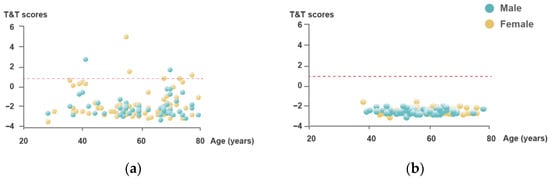
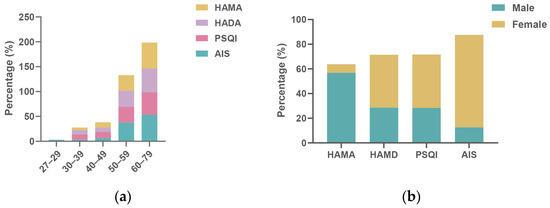
Olfactory dysfunction (OD) is a common sequela of SARS-CoV-2 infection, but its prevalence and associated factors beyond 2 years remain unclear. In this multicenter observational study, we assessed 155 recovered COVID-19 patients approximately three years after infection and included 170 age-matched healthy controls as a reference group. Demographic, clinical, psychological, and sleep-related data were collected through structured interviews. Olfactory function at the 3-year assessment was objectively evaluated using Toyota–Takagi (T&T) olfactometry. Paired baseline-to-follow-up T&T data were available only for a small exploratory subgroup of nine patients and were analyzed descriptively. At follow-up, 7 of 155 recovered patients (4.5%) met our T&T-based definition of persistent quantitative olfactory dysfunction, all of whom were older than 50 years. Emotional and sleep disturbances were also common, with descriptive trends toward higher frequencies among women and older individuals. Exploratory analyses suggested that insomnia (AIS > 6; OR 5.35, 95% CI 1.07–26.60; p = 0.033) and anxiety (HAMA ≥ 7; OR 10.54, 95% CI 1.21–91.82; p = 0.04) were associated with persistent T&T-defined quantitative OD, although the small number of outcome events limited statistical precision. These findings indicate that a small proportion of COVID-19 survivors have persistent objective OD 3 years after infection and that persistent OD is associated with anxiety and insomnia.
Full article

Figure 1
Open AccessBrief Report
Early Regulatory and Th2-Associated Responses Shape Resistance to Leishmania panamensis Infection in C57BL/6 Mice
by
Lizzi Herrera, Carlos M. Restrepo, Rodrigo Villalobos, Kissy Degracia, Jennifer Álvarez and Patricia L. Fernández
Pathogens 2026, 15(5), 540; https://doi.org/10.3390/pathogens15050540 (registering DOI) - 17 May 2026
Abstract
Characterizing the specific interactions of Leishmania species with different host systems is essential for the development and validation of experimental infection models and for identifying potential therapeutic targets. Leishmania parasites elicit diverse host immune responses that result in different levels of disease severity.
[...] Read more.
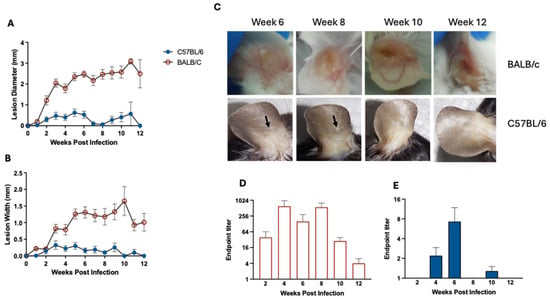
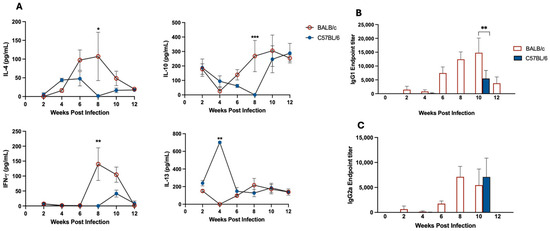
Characterizing the specific interactions of Leishmania species with different host systems is essential for the development and validation of experimental infection models and for identifying potential therapeutic targets. Leishmania parasites elicit diverse host immune responses that result in different levels of disease severity. Here, we developed a murine model of L. panamensis infection and compared the responses of BALB/c and C57BL/6 mice following intradermal ear inoculation. BALB/c mice developed progressive ulcerative lesions associated with high parasite burden, whereas C57BL/6 mice exhibited a transient edema and maintained low parasite levels detected only at early stages of infection. C57BL/6 mice displayed early production of IL-13, IL-4, and IL-10, followed by delayed IFN-γ secretion. In contrast, BALB/c mice showed a mixed Th1/Th2 response at later stages of infection. Humoral responses also differed between strains, with BALB/c mice developing an early and sustained IgG1-dominated response, while C57BL/6 mice exhibited weak and delayed antibody production. These findings suggest that resistance to L. panamensis infection in C57BL/6 mice is associated with an early and transient Th2/regulatory response accompanied by a weak and delayed antibody production.
Full article
(This article belongs to the Special Issue Leishmania spp. and Leishmaniasis)
►▼
Show Figures

Figure 1
Open AccessArticle
Sources of Human Campylobacteriosis Cases in Estonia and the Genomic Associations with Broiler Chicken Meat Isolates
by
Ilijana Ivanov, Hanna Katriina Takkinen, Johanna Takkinen, Mati Roasto and Mihkel Mäesaar
Pathogens 2026, 15(5), 539; https://doi.org/10.3390/pathogens15050539 (registering DOI) - 16 May 2026
Abstract
This study used three complementary datasets to investigate the relationship between human Campylobacter infections in Estonia and potential sources. A targeted dataset of 15 C. jejuni genomes with overlapping sequence types from human cases and broiler chicken meat was analysed using genotyping and
[...] Read more.
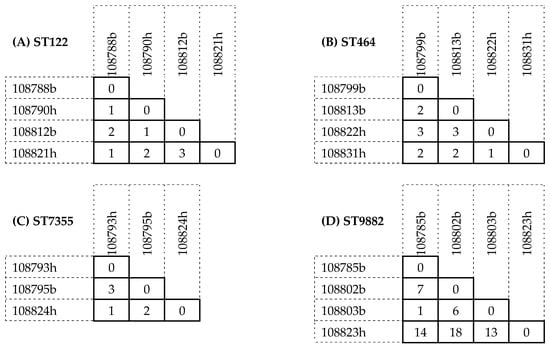
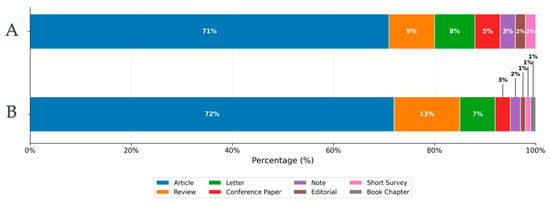
This study used three complementary datasets to investigate the relationship between human Campylobacter infections in Estonia and potential sources. A targeted dataset of 15 C. jejuni genomes with overlapping sequence types from human cases and broiler chicken meat was analysed using genotyping and in silico antimicrobial resistance profiling, alongside 20 human isolates for source attribution. Additionally, 12,111 isolates were analysed to provide population-level context. The core genome multilocus sequence typing showed a high similarity (less than three allelic differences) between the human and broiler isolates of ST122, ST464, and ST7355, indicating poultry as a likely source, whereas ST9882 was more divergent (13–18 allelic differences). The resistance profiles were consistent within ST122, ST464, and ST7355, and all were resistant to ciprofloxacin, nalidixic acid, ampicillin, and tetracycline, while ST9882 additionally exhibited aminoglycoside (streptomycin) resistance. The source attribution linked 77.8% of the human cases to chicken and 22.2% to cattle. A novel genotype, ST11001, was identified in humans and attributed to cattle source, while C. coli isolates were linked to birds and sheep. Poultry dominated the larger dataset (87.3%). Gastroenteritis was the predominant clinical presentation (98.5%), whereas ST22 and ST122 were associated with Guillain–Barré syndrome. These findings support poultry as a major reservoir of human Campylobacter infections and highlight the need for coordinated cross-border surveillance.
Full article
(This article belongs to the Section Bacterial Pathogens)
►▼
Show Figures

Figure 1
Open AccessArticle
Evolving Epidemiology and Emerging Antifungal Resistance in Vulvovaginal Candidosis: Evidence from a Five-Year Survey
by
Aristotelis Tsiakalos, Despoina Papageorgiou, Vassiliki C. Pitiriga, Christina Vogiatzi, Panayotis D. Ziakas, Ioannis Routsias, Evangelia Dimitroulia and Karolina Akinosoglou
Pathogens 2026, 15(5), 538; https://doi.org/10.3390/pathogens15050538 (registering DOI) - 16 May 2026
Abstract
►▼
Show Figures
Candida species, particularly Candida albicans (C. albicans), are the leading cause of vulvovaginal candidosis (VVC) among women of reproductive age. In recent years, the epidemiology of VVC has shifted toward non-albicans Candida (NAC) species, accompanied by increasing antifungal resistance. This
[...] Read more.
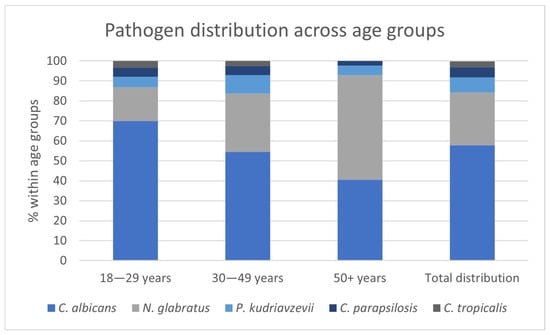
Candida species, particularly Candida albicans (C. albicans), are the leading cause of vulvovaginal candidosis (VVC) among women of reproductive age. In recent years, the epidemiology of VVC has shifted toward non-albicans Candida (NAC) species, accompanied by increasing antifungal resistance. This retrospective study evaluated the epidemiological profile of VVC and antifungal susceptibility patterns in Greece between 2020 and 2024 at a tertiary maternity and gynecological hospital. Species identification was performed using the VITEK® 2 system, and antifungal susceptibility followed EUCAST guidelines. A total of 526 vaginal swab samples were analyzed, comprising C. albicans (57.9%) and NAC species (42.1%). The median age was 36.3 years (range: 18–92). Among NAC isolates, Nakaseomyces glabratus (26.4%) predominated, followed by Pichia kudriavzevii (7.6%), Candida parapsilosis (5.1%), and Candida tropicalis (3.0%). Resistance rates among C. albicans isolates increased from 9.3% in 2020 to 22.3% (fluconazole) and 20.9% (itraconazole) in 2024. Voriconazole resistance was not detected until 2023 and 2024, when rates rose to 3.2% and 15.2%. Fluconazole resistance was observed in C. parapsilosis (3.5%) and C. tropicalis (12.5%). Echinocandin resistance remained low overall, except for N. glabratus, which demonstrated a 13.8% resistance rate to caspofungin. These findings highlight the need for surveillance, improved diagnostics and antifungal stewardship.
Full article

Figure 1
Open AccessArticle
Koilocytosis in LSIL Cytology Has Limited Predictive Value for CIN2+ in HPV-Positive Women: Implications for Risk-Based Cytology Triage
by
Yukimi Misawa, Shuichi Mizuno, Saeka Honda, Ruku Shinohara, Koki Kikuchi, Rei Settsu, Kaori Okayama, Masahiko Fujii, Mizue Oda and Mitsuaki Okodo
Pathogens 2026, 15(5), 537; https://doi.org/10.3390/pathogens15050537 (registering DOI) - 15 May 2026
Abstract
Cervical cancer screening with high-risk human papillomavirus (HR-HPV) testing requires effective triage of HPV-positive women. Koilocytosis is a classic cytopathic effect of HPV infection, but its clinical significance in low-grade squamous intraepithelial lesions (LSILs) remains unclear. We retrospectively evaluated 157 HPV-positive women with
[...] Read more.
Cervical cancer screening with high-risk human papillomavirus (HR-HPV) testing requires effective triage of HPV-positive women. Koilocytosis is a classic cytopathic effect of HPV infection, but its clinical significance in low-grade squamous intraepithelial lesions (LSILs) remains unclear. We retrospectively evaluated 157 HPV-positive women with LSIL cytology and follow-up data, including 140 women with concurrent biopsy results. Koilocytes were identified in 93/157 cases (59.2%) and were less frequent in HPV16/18-positive cases. Cervical intraepithelial neoplasia ≥ grade 2 (CIN2+) was detected in 9/84 koilocyte-positive cases (10.7%) and 16/56 koilocyte-negative cases (28.6%), whereas non-CIN findings were more common in koilocyte-positive cases. Koilocyte-positive cases also showed a longer time to regression from LSIL to negative for intraepithelial lesions or malignancy. These findings suggest that koilocytosis mainly reflects productive HPV infection and has limited utility for predicting CIN2+ in HPV-based screening triage. Excluding koilocytosis-driven low-grade cytological changes from triage positivity criteria may improve specificity and positive predictive value, supporting higher triage thresholds.
Full article
(This article belongs to the Special Issue Human Papillomavirus Infection and Its Role in Carcinogenesis)
Open AccessReview
Schistosoma mansoni and Haematobium: Radiological Diagnostic Clues and Pathophysiology
by
Sultan Abdulwadoud Alshoabi, Abdullatif O. Magram, Abdulaziz H. Alkalady, Rafat Rashed Al-Magtari, Khaled M. Almas, Khaled Mohammed Al-Sayaghi, Abdullgabbar M. Hamid, Fahad H. Alhazmi, Abdulaziz A. Qurashi, Walaa Alsharif, Amirah Alsaedi, Ezzat AbuAzzah, Abdulkareem Algahtani, Khaled A. Alqfail and Khalid M. Alshamrani
Pathogens 2026, 15(5), 536; https://doi.org/10.3390/pathogens15050536 (registering DOI) - 15 May 2026
Abstract
►▼
Show Figures
Schistosomiasis (bilharzia) is a parasitic infection caused by trematodes of the Schistosoma genus and remains a significant health burden in endemic regions. Granulomatous host responses to deposited Schistosoma eggs in small veins and tissues result in progressive changes and characteristic imaging findings. This
[...] Read more.
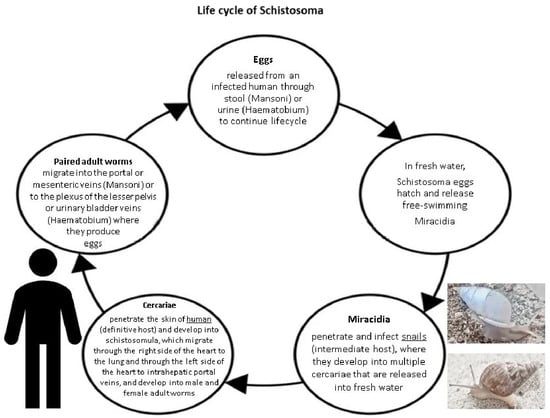
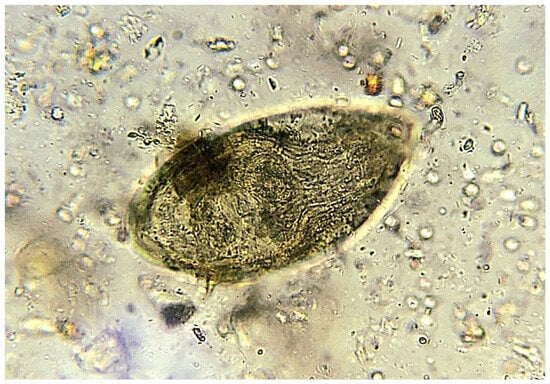
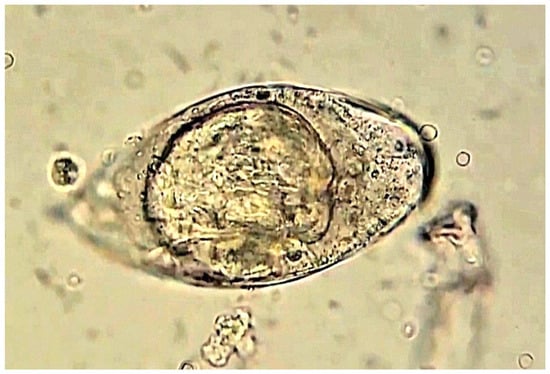
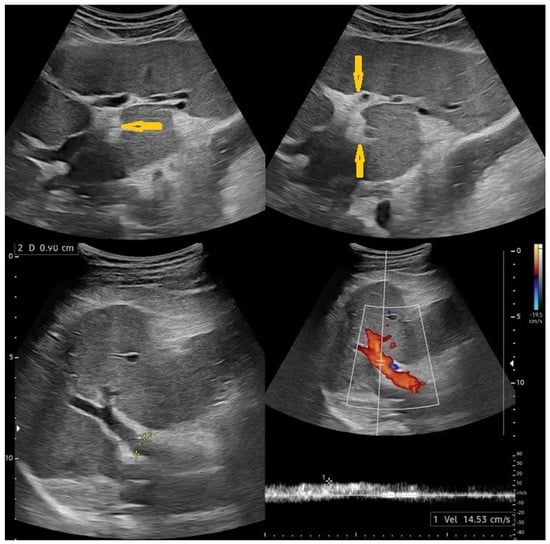
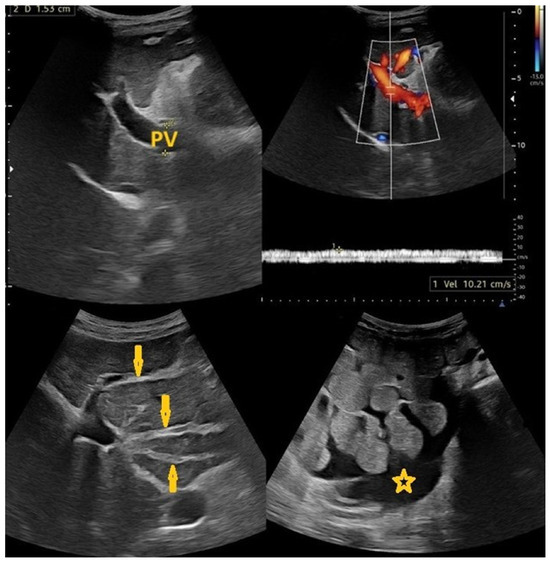
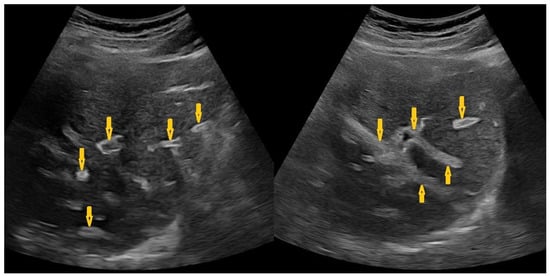
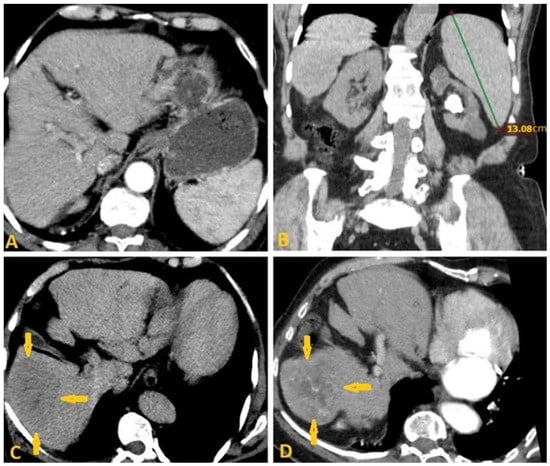
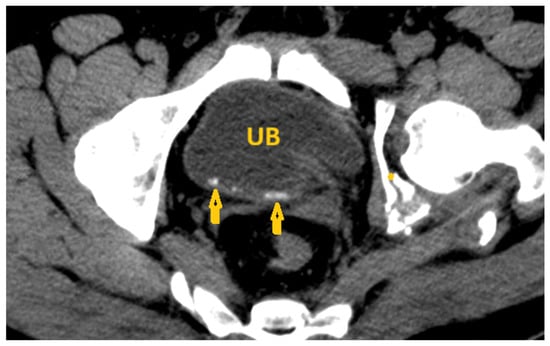
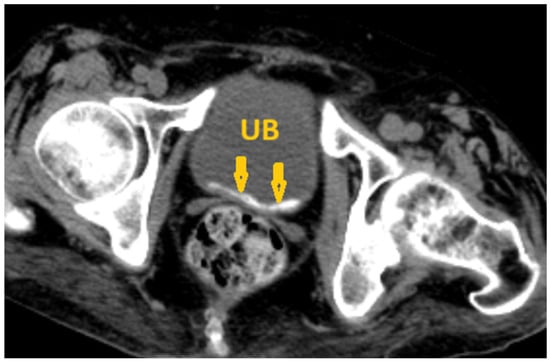
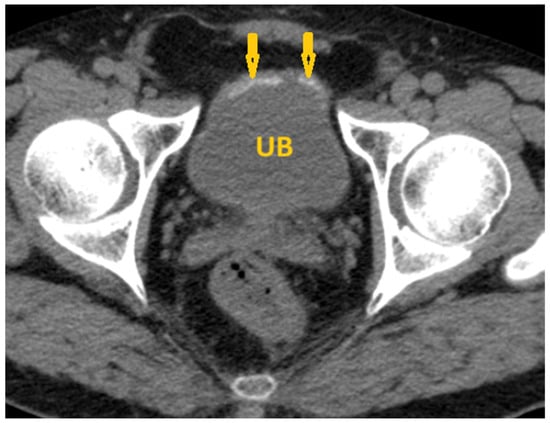
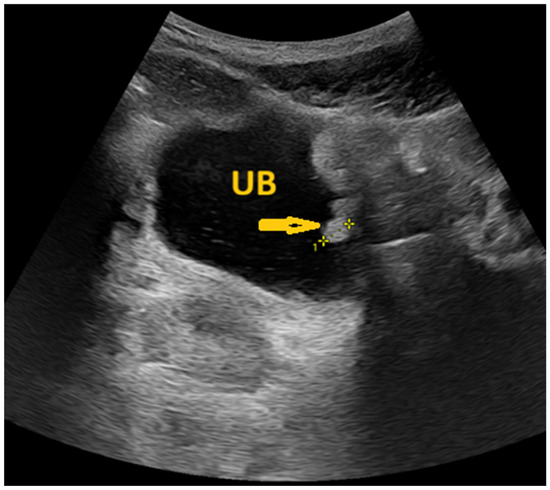
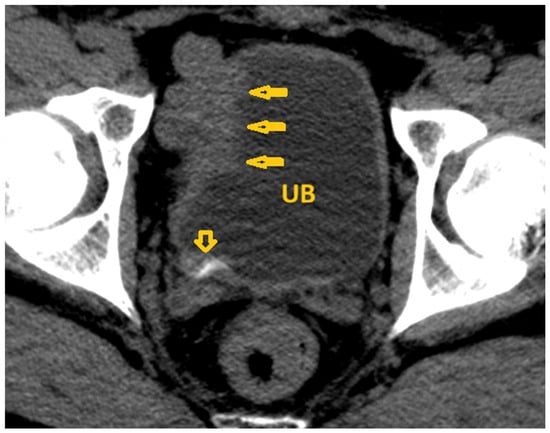
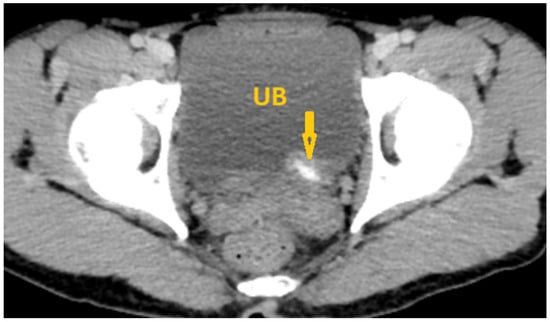
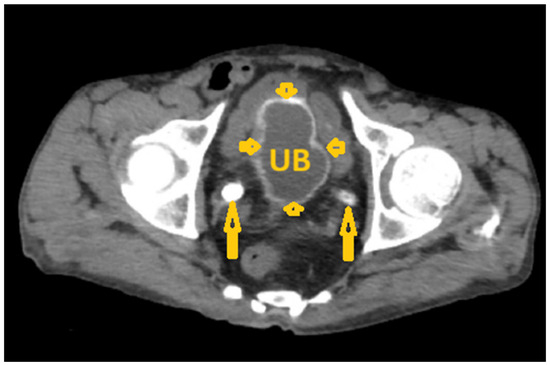
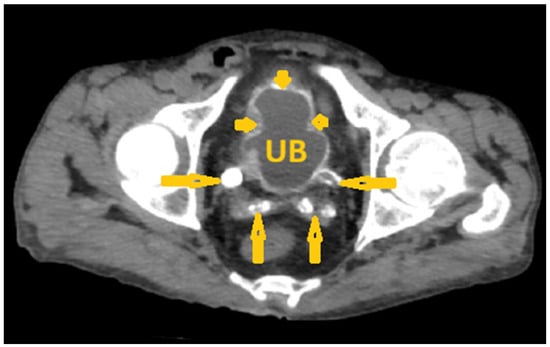
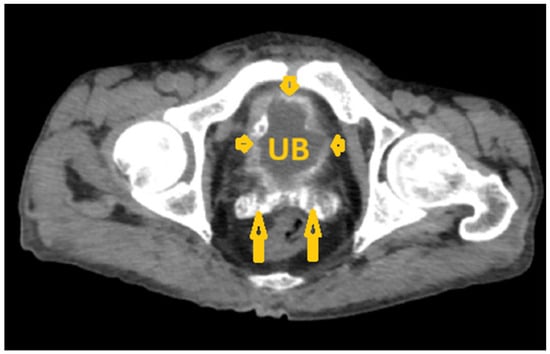
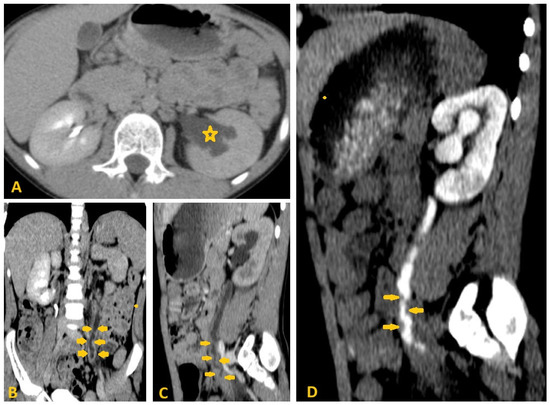
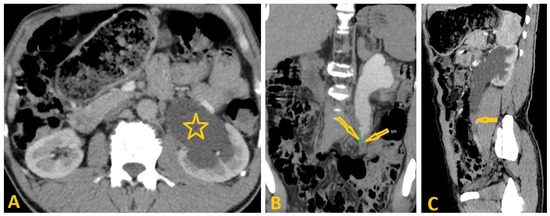
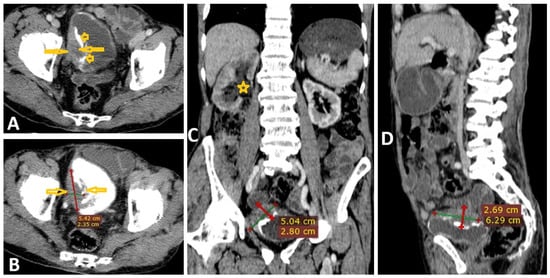
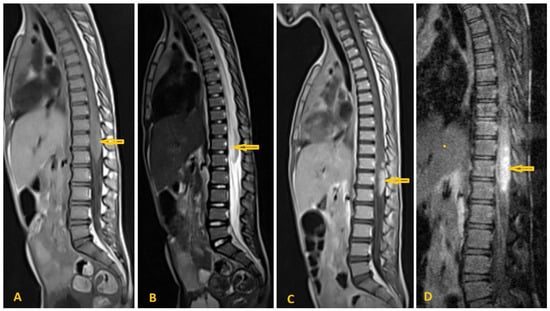
Schistosomiasis (bilharzia) is a parasitic infection caused by trematodes of the Schistosoma genus and remains a significant health burden in endemic regions. Granulomatous host responses to deposited Schistosoma eggs in small veins and tissues result in progressive changes and characteristic imaging findings. This diagnostic radiological review synthesizes the published literature and highlights key and robust imaging findings that facilitate the diagnosis of Schistosoma mansoni and Schistosoma haematobium, with emphasis on modality-specific patterns and disease staging. Schistosoma mansoni primarily affects the liver, causing periportal fibrosis visible as “pipe-stem” echogenic thickening upon ultrasonography, which may progress to portal hypertension and chronic liver disease. Liver cirrhosis is the end-stage disease manifested as an irregular liver contour with surface nodularity and lobar redistribution as right lobe atrophy with left and/or caudate lobe hypertrophy. Schistosoma haematobium predominantly affects the genitourinary system, causing urinary bladder wall thickening and calcification. Early disease, within three months of infection, may present with fine calcification, firstly in the bladder base and then extending to the whole bladder and even to the ureters. Calcification appears as a line or two parallel lines on radiography and as a circle in axial CT images, which is pathognomonic for early-stage Schistosomiasis. In contrast studies, including conventional urography and CT urography, Schistosoma eggs appear as bubble-like filling defects in the ureter, kidney, and bladder, manifested as ureteritis, pyelitis, and cystitis cystica. Late stages appear as coarse calcification, fibrosis, strictures, and reduced bladder capacity and are associated with an increased risk of bladder squamous cell carcinoma. Moreover, Schistosomiasis calcification can present in genital organs, especially in the seminal vesicles; in the prostate in males; and in the vulva, cervix, and perineum in females. Ultimately, Schistosoma mansoni and haematobium eggs can reach the spinal cord, leading to acute myelopathy with paraparesis, urinary retention, or paraplegia. Recognition of characteristic imaging patterns of Schistosomiasis is essential for early diagnosis, accurate staging, and prevention of long-term complications.
Full article

Figure 1
Open AccessReview
Current Knowledge on Tick-Borne Encephalitis Virus Interaction with Ticks: Acquisition, Dissemination, and Persistence
by
Gabrielle Trozzi, Charlotte Sohier and Nick De Regge
Pathogens 2026, 15(5), 535; https://doi.org/10.3390/pathogens15050535 (registering DOI) - 15 May 2026
Abstract
Tick-borne encephalitis virus (TBEV) is a major arthropod-borne flavivirus responsible for severe neurological disease in humans across Europe and Asia. It is maintained in nature through complex interactions within ticks and between tick vectors, vertebrate hosts and environmental factors. This review summarizes current
[...] Read more.
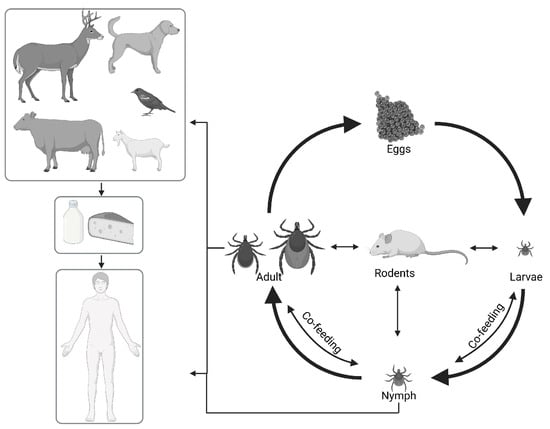
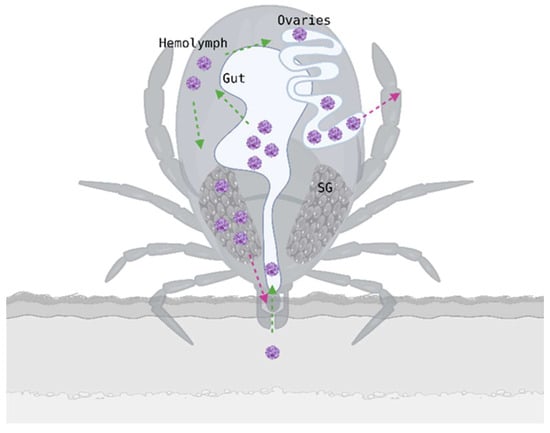
Tick-borne encephalitis virus (TBEV) is a major arthropod-borne flavivirus responsible for severe neurological disease in humans across Europe and Asia. It is maintained in nature through complex interactions within ticks and between tick vectors, vertebrate hosts and environmental factors. This review summarizes current knowledge on TBEV–tick interactions, focusing on virus acquisition, dissemination, vector competence, and long-term persistence within tick vectors. TBEV is acquired by ticks during blood feeding on viremic hosts or through co-feeding transmission under experimental conditions. Transovarial transmission has also been reported, as indicated by the detection of infected larvae in nature, although its efficiency appears to be low and variable. Following ingestion, TBEV infects and replicates in the tick midgut before dissemination via the hemolymph to secondary tissues, including the salivary glands and reproductive organs, which are essential for viral persistence and transmission. Vector competence and capacity vary between tick species and are shaped by intrinsic and extrinsic factors. Although transstadial transmission and transovarial transmission contribute to long-term virus maintenance, their efficiency is generally low and variable. In vitro models, including tick cell lines, have provided valuable insights into virus–tick interactions. Nevertheless, important knowledge gaps remain, particularly in understanding early events at the tick–host interface and mechanisms underlying viral dissemination and persistence within ticks.
Full article
(This article belongs to the Special Issue Tick-Borne Threats in Europe: From Epidemiology to the Impact of Vaccination)
►▼
Show Figures

Figure 1
Open AccessArticle
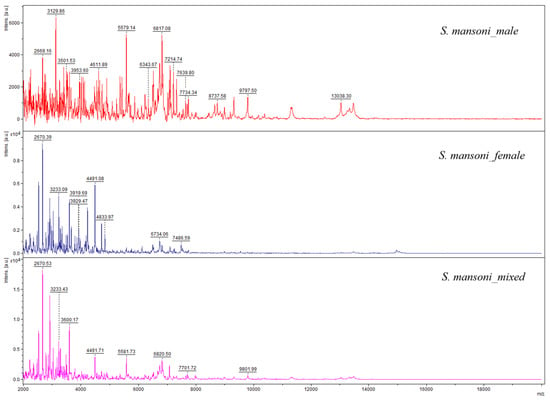
Evaluation of Matrix-Assisted Laser Desorption/Ionization Time-of-Flight (MALDI-TOF) Mass Spectrometry for Identification of Adult Schistosoma mansoni Worms and Eggs
by
Lucie Conrad, Franco H. Falcone, Sören L. Becker and Issa Sy
Pathogens 2026, 15(5), 534; https://doi.org/10.3390/pathogens15050534 (registering DOI) - 15 May 2026
Abstract
►▼
Show Figures
Schistosomiasis, a neglected tropical disease (NTD), affects humans and leads to considerable clinical morbidity and severe long-term sequelae. Laboratory diagnostics for Schistosoma mansoni are mainly based on microscopic identification of eggs in stool, but sensitivity varies with infection intensity. Matrix-assisted laser desorption/ionization time-of-flight
[...] Read more.
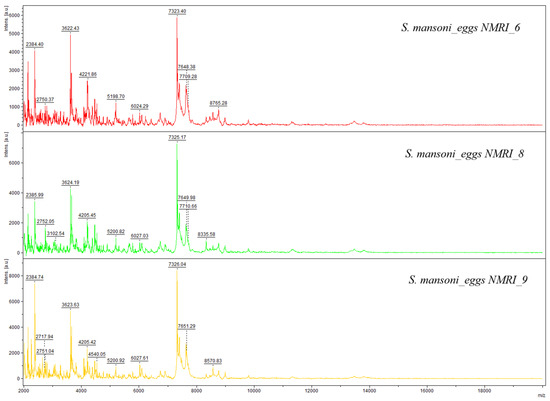
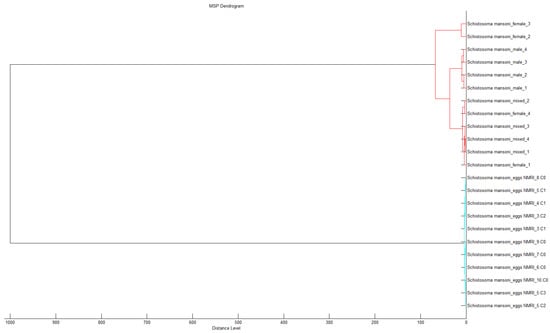
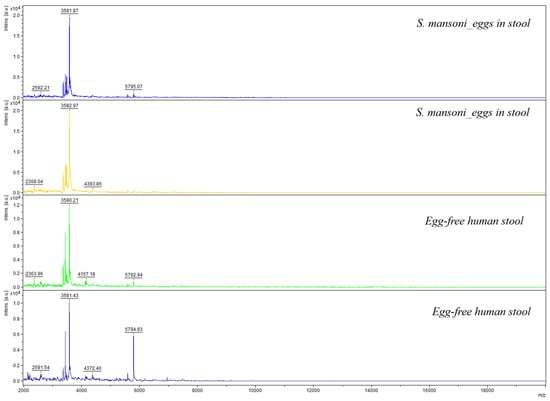
Schistosomiasis, a neglected tropical disease (NTD), affects humans and leads to considerable clinical morbidity and severe long-term sequelae. Laboratory diagnostics for Schistosoma mansoni are mainly based on microscopic identification of eggs in stool, but sensitivity varies with infection intensity. Matrix-assisted laser desorption/ionization time-of-flight (MALDI-TOF) mass spectrometry (MS) is the gold standard for bacterial identification in high-income countries. Here, we first evaluate the capacity of MALDI-TOF MS and our existing ‘in-house helminths’ database for the identification of S. mansoni worms and eggs. A subset of adult worms and egg samples was used to generate MALDI reference spectra, which were added to the database and evaluated by blind-test identification. Subsequently, egg-free human stool was spiked with purified S. mansoni eggs and analyzed by MALDI-TOF MS. Log score values (LSVs) were employed to assess the reliability of identification. A total of 62/90 (68.9%, 95% confidence interval (CI): 58.3–78.2%) adult samples were correctly identified. After database expansion, 90/90 (100%, 95% CI: 96.0–100%) and 59/60 (98.3%, 95% CI: 91.1–100%) were correctly identified for adult worms and purified eggs, respectively. In contrast, the analysis of 35 human stool samples spiked with S. mansoni as eggs did not yield identifiable spectra. MALDI-TOF MS can be applied for the identification of isolated adult S. mansoni worms and eggs. Further investigations and optimization are necessary before potential application to clinical samples (e.g., for egg detection in stool).
Full article

Figure 1
Open AccessReview
Pathogenesis and Risk Factors of Post-Infectious Bronchiolitis Obliterans in Children: A Focus on Adenovirus and Mycoplasma Infections
by
Ling Zhu, Chenghao Mei, Chenchen Zhang, Jia Li and Daiyin Tian
Pathogens 2026, 15(5), 533; https://doi.org/10.3390/pathogens15050533 (registering DOI) - 14 May 2026
Abstract
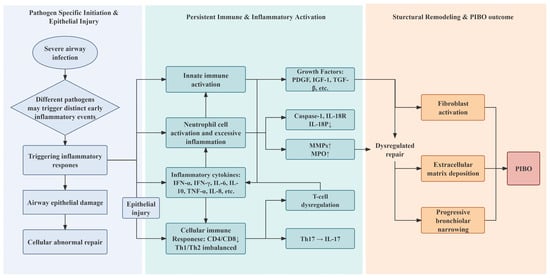
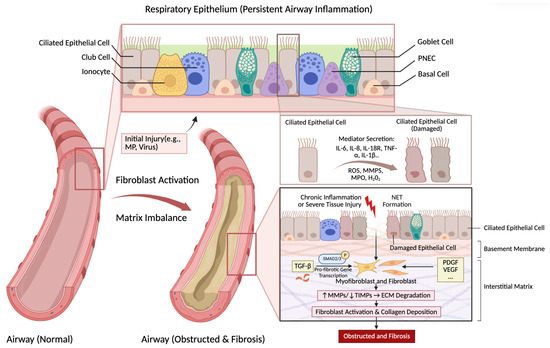
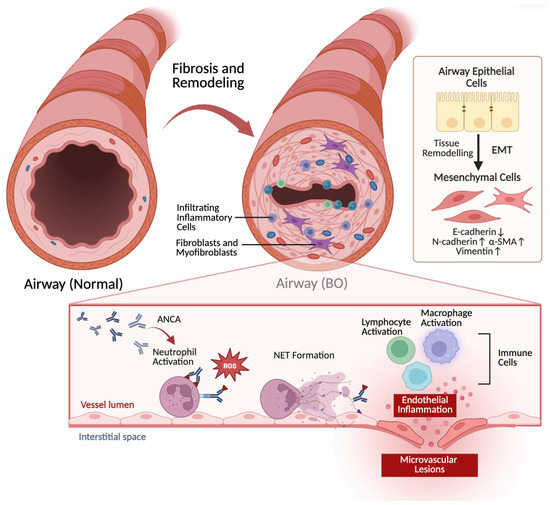
Post-infectious bronchiolitis obliterans (PIBO) is a severe chronic airway disease in children following lower respiratory tract infections. Human adenovirus (HAdV) and Mycoplasma pneumoniae (MP) are the major associated pathogens, with geographic variations in their relative importance. This review analytically compares the mechanistic divergence
[...] Read more.
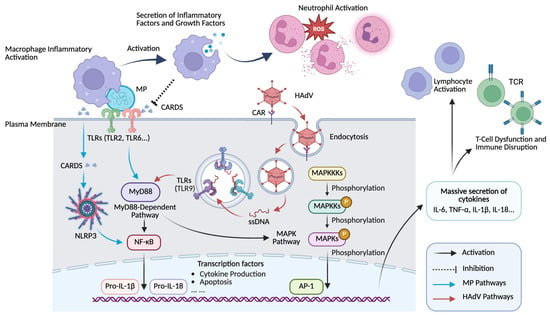
Post-infectious bronchiolitis obliterans (PIBO) is a severe chronic airway disease in children following lower respiratory tract infections. Human adenovirus (HAdV) and Mycoplasma pneumoniae (MP) are the major associated pathogens, with geographic variations in their relative importance. This review analytically compares the mechanistic divergence and convergence between HAdV and MP. Both pathogens converge on MyD88/NF-κB/MAPK signaling and neutrophil-driven inflammation, but diverge in initial host engagement (CAR/integrins vs. TLR2/6 and CARDS toxin) and inflammasome activation (TLR9-related vs. NLRP3-related). This review aims to propose an integrative model linking acute immune activation to fibrotic bronchiolar narrowing and to evaluate the risk factors for PIBO. Genetic susceptibility and epigenetic regulation help explain population differences in PIBO risk and geographic distribution. Despite progress, significant knowledge gaps remain, including the lack of single-cell resolution studies, the absence of co-infection animal models, and uncertainty regarding the long-term efficacy of targeted immunomodulatory therapies. Addressing these gaps is essential for improving early diagnosis and clinical outcomes.
Full article
(This article belongs to the Special Issue From Acute Infection to Chronic Sequelae: A Research Trajectory in Viral Infections Disease Management)
►▼
Show Figures

Figure 1
Open AccessArticle
Clinical Outcome After Surgery for Fracture-Related Infection Is Dependent on Both Microbiology and the Host Inflammatory Response
by
Ruth A. Corrigan, Andrew J. Hotchen, Anton A. N. Peterlin, Louise K. Jensen and Martin McNally
Pathogens 2026, 15(5), 532; https://doi.org/10.3390/pathogens15050532 (registering DOI) - 14 May 2026
Abstract
►▼
Show Figures
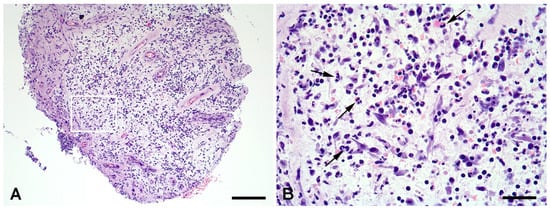
Microbiological culture and histology of deep tissue specimens are independent diagnostic criteria in fracture-related infection (FRI). However, the association between these tests has rarely been investigated, particularly in relation to clinical outcome after treatment. Patients undergoing surgery for International Consensus-confirmed FRI were included.
[...] Read more.
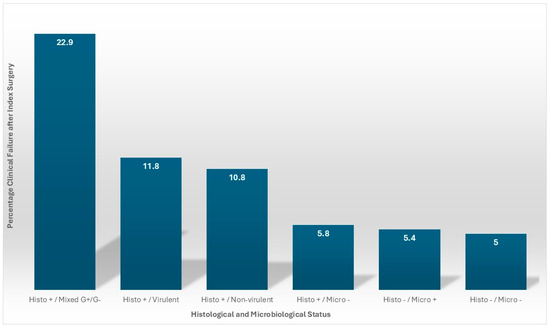
Microbiological culture and histology of deep tissue specimens are independent diagnostic criteria in fracture-related infection (FRI). However, the association between these tests has rarely been investigated, particularly in relation to clinical outcome after treatment. Patients undergoing surgery for International Consensus-confirmed FRI were included. All had ≥5 tissue specimens taken for microbiological culture and 2–3 for histology. The correlation between cultured pathogen, histological positivity (defined as ≥5 polymorphonuclear neutrophils/high power field), and outcome at one year after surgery was explored. FRI was confirmed in 430 patients, predominantly in the tibia (194), femur (111), upper limb (70), and ankle (40). A total of 321 (74.7%) were culture-positive and 334 (77.7%) were histology positive, while 265 (61.6%) were positive for both tests. Staphylococcus aureus was cultured in 169 (42.5%), coagulase-negative Staphylococci (CoNS) in 61 (15.3%), and Gram-negatives in 145 (36.3%) cases. Virulent microorganisms were strongly associated with positive histology (odds ratio 2.72; 95% CI 1.61–4.58) but not with clinical failure (OR 1.08; 0.42–2.75). Isolation of S. aureus was significantly associated with positive histology compared to other microorganisms (OR 2.21; 1.27–3.87). Surgery succeeded in 390 (90.7%) patients. Treatment failure was weakly associated with positive microbiology alone (OR 2.03; 0.83–4.96) or positive histology alone (OR 2.13; 0.81–5.6). Combined positive culture and histology was strongly associated with clinical failure (OR 2.3; 1.06–4.96). There was no difference in outcome between virulent and non-virulent bacteria when histology was positive, but both had higher failure rates compared to patients with negative culture or histology. A pronounced inflammatory response, as seen in histology, is a feature of virulent bacterial FRI. However, the presence of virulent infection alone does not dictate clinical outcome without marked inflammation. This suggests that outcome is at least as much related to the host response as to the bacterium. When the pathological response is prominent, this may lead to tissue necrosis, further bacterial invasion of adjacent tissues, osteolysis and loss of fracture stability, contributing to treatment failure. This deserves further study to understand the mechanisms behind this interplay and clinical outcome.
Full article

Figure 1
Open AccessArticle
Temporally Resolved Single-Cell RNA Sequencing Reveals Pathogenesis and Immune Responses in Intracerebral Bacille Calmette–Guérin (BCG) Infection
by
Shiqi Xie, Huiling Wang, Shaoqiong Huang, Yawen He, Ying Zhang, Shuqi Yang, Xuejiao Huang, Yang Ren, Xiao-Yong Fan, Zhidong Hu and Feng Li
Pathogens 2026, 15(5), 531; https://doi.org/10.3390/pathogens15050531 (registering DOI) - 14 May 2026
Abstract
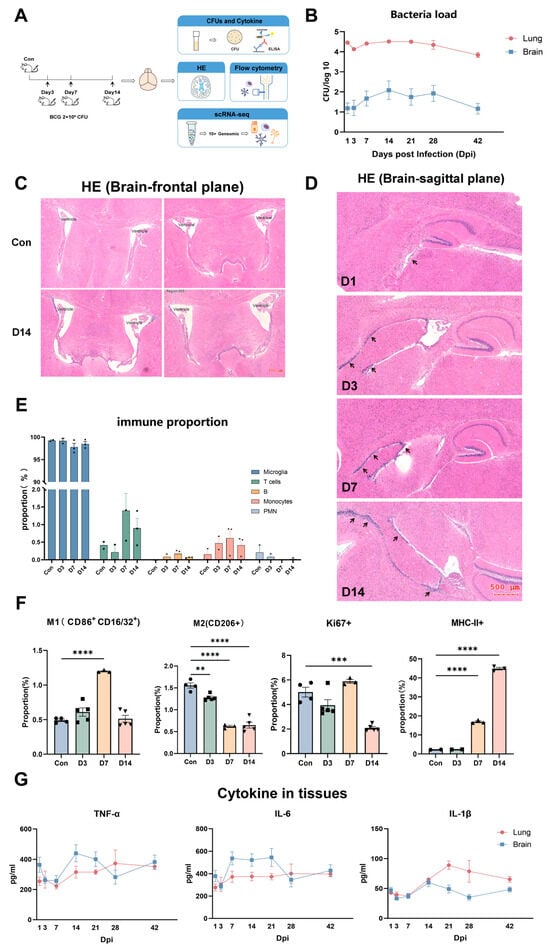
Background: In some children with immunodeficiency, Bacille Calmette–Guérin (BCG) vaccination can lead to dissemination and severe infection, including severe intracranial infection, called disseminated BCG disease (BCGosis), which is characterized by high rates of disability and mortality. However, the specific routes by which BCG
[...] Read more.
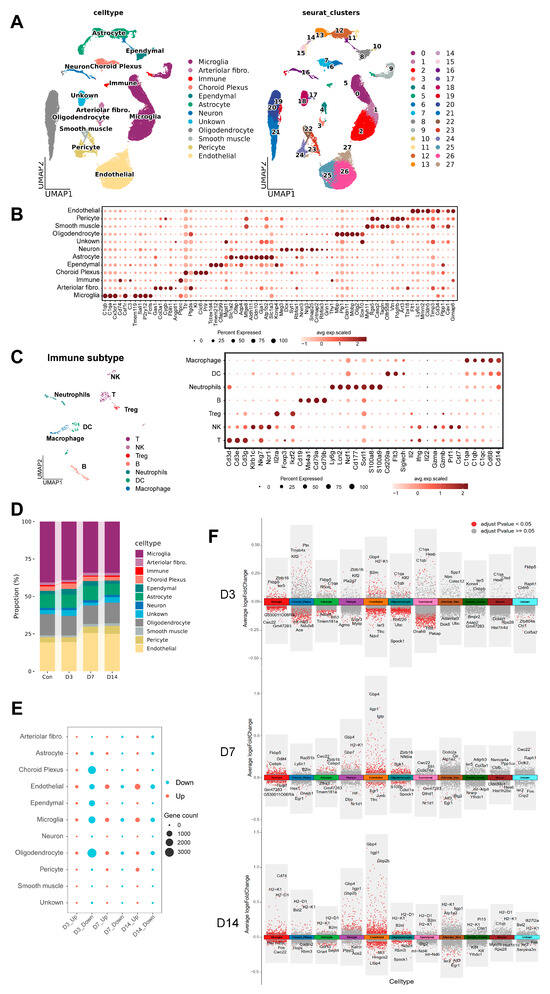
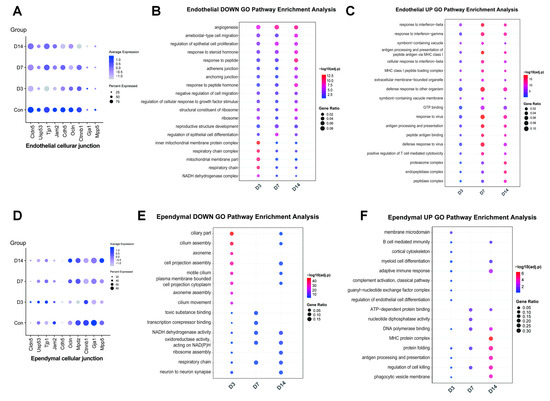
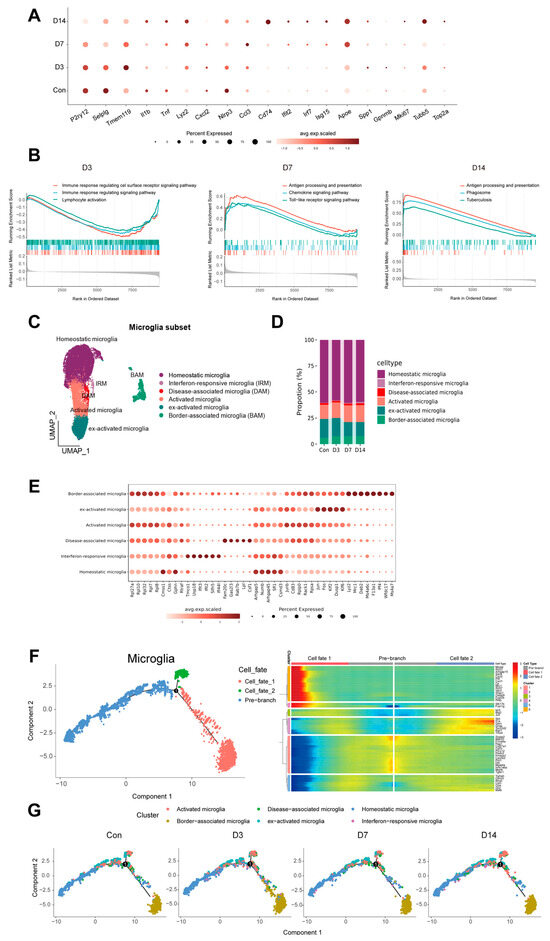
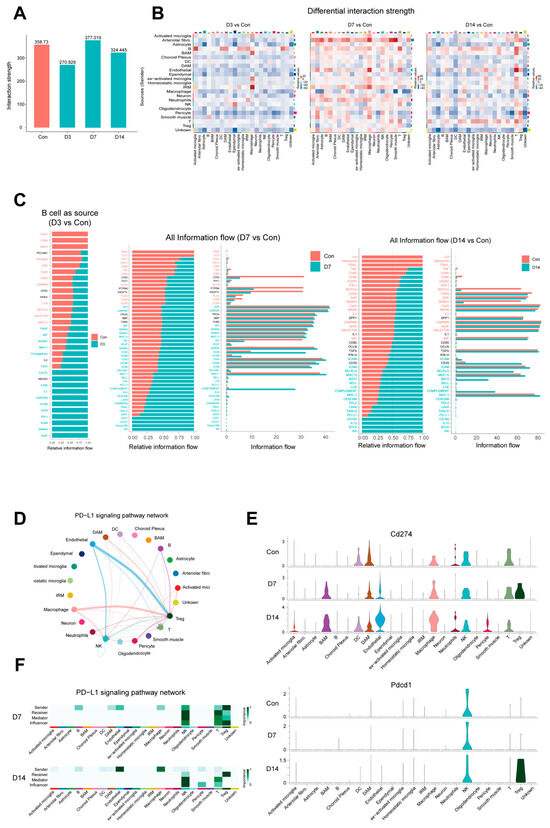
Background: In some children with immunodeficiency, Bacille Calmette–Guérin (BCG) vaccination can lead to dissemination and severe infection, including severe intracranial infection, called disseminated BCG disease (BCGosis), which is characterized by high rates of disability and mortality. However, the specific routes by which BCG crosses CNS barriers and the patterns of temporal remodeling of the CNS immune microenvironment during infection have yet to be fully elucidated. Methods: Mice were infected with BCG through tail vein injection to construct an intracerebral mycobacterial infection mouse model, wherein the brain was collected and analyzed using single-cell RNA sequencing. We profiled temporal transcriptomic changes in cell populations, pathways, and cell–cell communication associated with anti-mycobacterial activity and inflammation-induced disturbance of physiological brain activities. Results: After BCG was injected via tail vein, histopathological images and cultured colonies of brain tissue confirmed successful brain infection. Then, whole-brain tissue was dissected for 10× Genomics single-cell sequencing, and we acquired 15 cell types. Dysfunction and inflammatory responses were observed in endothelial and ependymal cells. Infection induced dynamic state transitions in microglia, enabling their differentiation into disease-related and interferon-responsive states. Along with peripheral immune cells, microglia formed temporally structured communication networks that mediated early events such as chemokine recruitment and inflammatory storms, and facilitated late-stage immune checkpoint upregulation. Conclusions: This study proposes BCSFB as a possible pathway of mycobacteria invasion and reveals the temporality of immune response processes in the pathogenesis of intracerebral mycobacterial infection.
Full article
(This article belongs to the Special Issue Innate Immune Response and Pathogen Dynamics)
►▼
Show Figures

Figure 1
Open AccessReview
Past Achievements, Present Gaps, and Future Priorities in Pneumocystis jirovecii Research: A Global Bibliometric Analysis
by
Bryan Ortiz, Jonathan Muñoz-Tabora, Kateryn Aguilar, Gustavo Fontecha, Gabriela Matamoros, Lelany Pineda-Garcia, Nancy Alvarez-Corrales, Jaime Palomares-Marín, Claudia L. Cueto-Aragón, Yaxsier de Armas and Enrique J. Calderón
Pathogens 2026, 15(5), 530; https://doi.org/10.3390/pathogens15050530 (registering DOI) - 14 May 2026
Abstract
Pneumocystis jirovecii is an opportunistic fungal pathogen responsible for Pneumocystis pneumonia (PCP), a severe infection that remains a major cause of morbidity and mortality among immunocompromised patients, particularly in non-HIV immunosuppressed populations. Despite its recognized clinical relevance and inclusion in the World Health
[...] Read more.
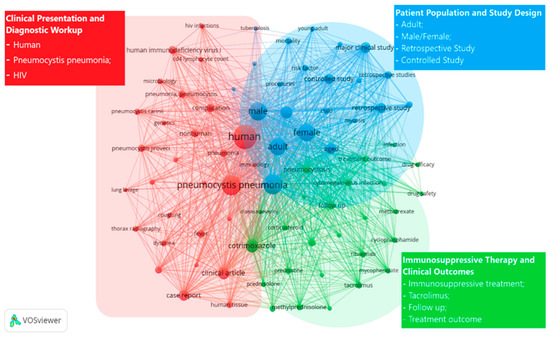
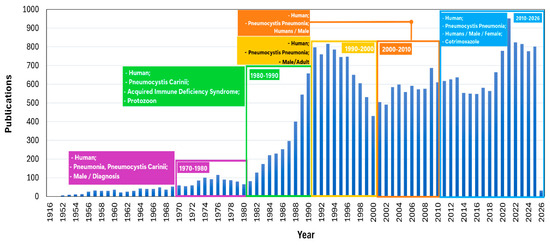
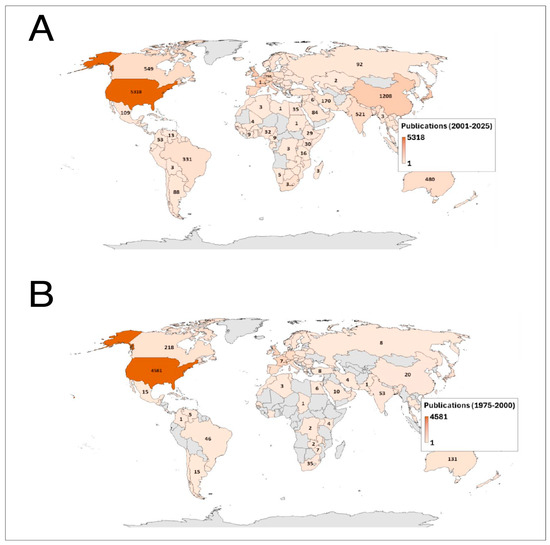
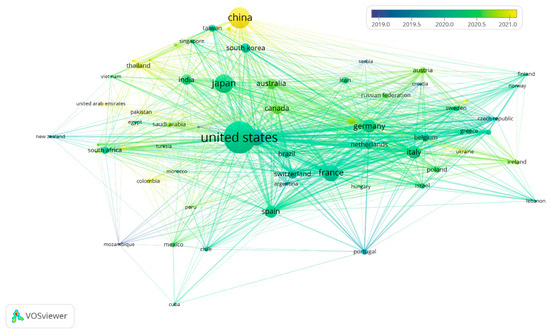
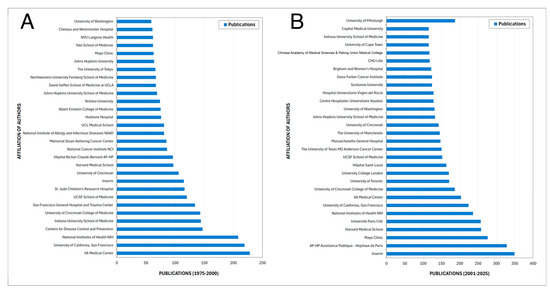
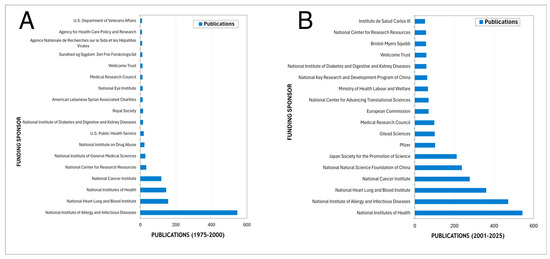
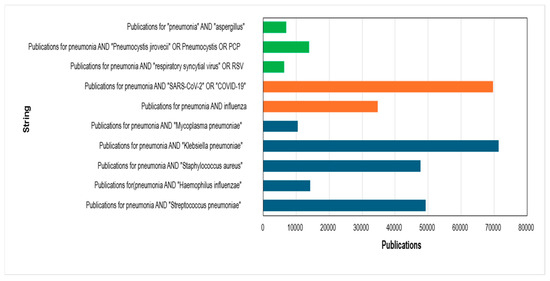
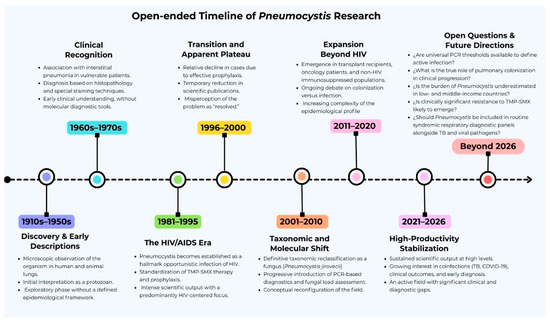
Pneumocystis jirovecii is an opportunistic fungal pathogen responsible for Pneumocystis pneumonia (PCP), a severe infection that remains a major cause of morbidity and mortality among immunocompromised patients, particularly in non-HIV immunosuppressed populations. Despite its recognized clinical relevance and inclusion in the World Health Organization’s Fungal Priority Pathogens List, important gaps persist in its diagnosis, epidemiology, and therapeutic management. This study provides a comprehensive bibliometric analysis of global scientific production on P. jirovecii using Scopus as the primary data source. Publications were evaluated for temporal trends, document types, authorship patterns, institutional productivity, collaboration networks, funding sources, thematic evolution, and journal distribution, with additional comparison against other major pneumonia-associated pathogens. A total of 27,396 articles published between 1916 and 2025 were identified. Over the last 50 years, scientific output increased from 10,382 publications in 1975–2000 to 16,496 in 2001–2025, representing an overall growth of 58.9%. Early research expansion was strongly shaped by the HIV/AIDS epidemic, whereas the post-2000 period reflected advances in molecular diagnostics, taxonomic clarification, and broader attention to non-HIV immunosuppressed populations. Although the field has become more diversified and clinically integrated, persistent structural inequities and underinvestment continue to limit progress, particularly in low- and middle-income settings.
Full article
(This article belongs to the Special Issue Insights into Fungal Infections)
►▼
Show Figures

Figure 1
Open AccessArticle
Discovery of Synthetic Imine-Chalcones Targeting Mayaro Virus Replication
by
Leonardo dos Santos Corrêa-Amorim, Natasha Cristina da Rocha, Geicy Kelly P. Barboza, Mariana F. L. P. Carlos, Aurea Echevarria, Vitor Won-Held Rabelo and Izabel Christina Nunes de Palmer Paixão
Pathogens 2026, 15(5), 529; https://doi.org/10.3390/pathogens15050529 (registering DOI) - 14 May 2026
Abstract
Mayaro virus (MAYV) is an arthritogenic alphavirus transmitted by mosquitoes and is the causative agent of Mayaro fever. This disease is associated with symptoms such as arthralgia and myalgia, which may persist for months or even years. Currently, no vaccine or specific antiviral
[...] Read more.
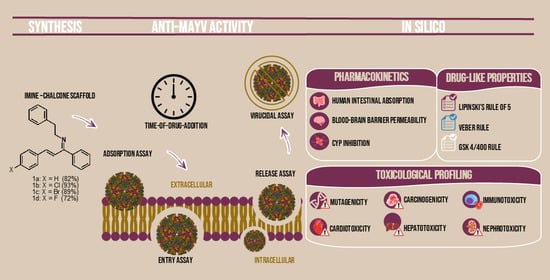
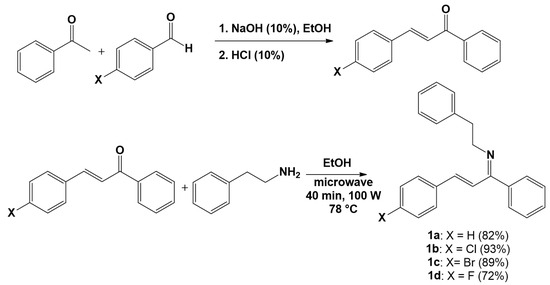
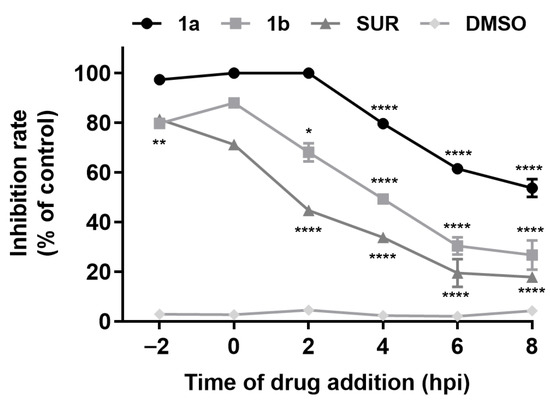
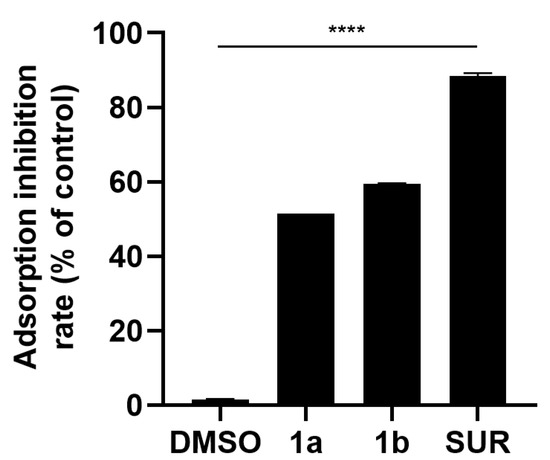
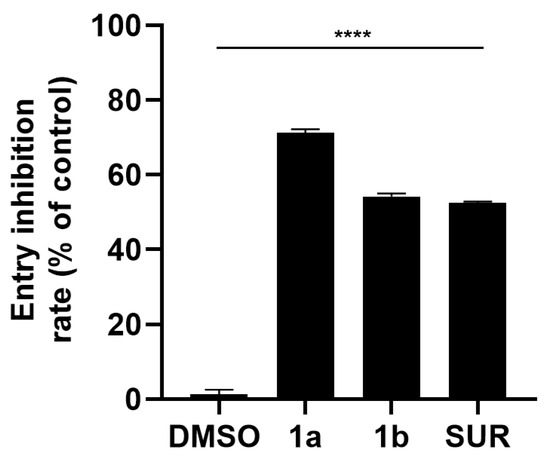
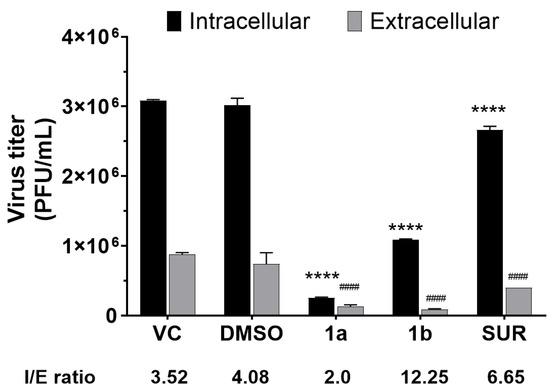
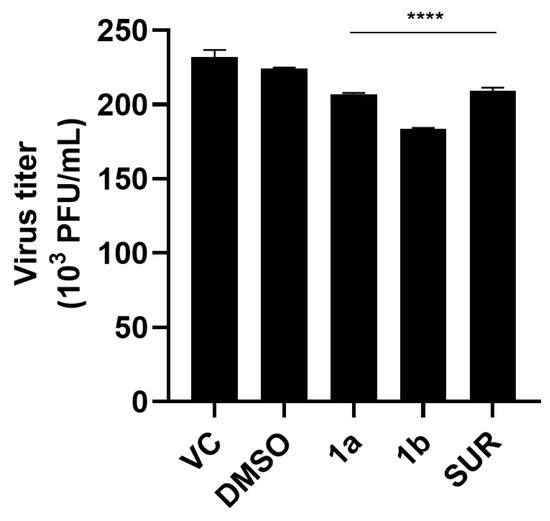
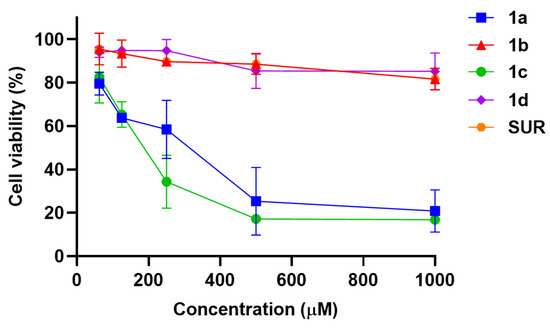
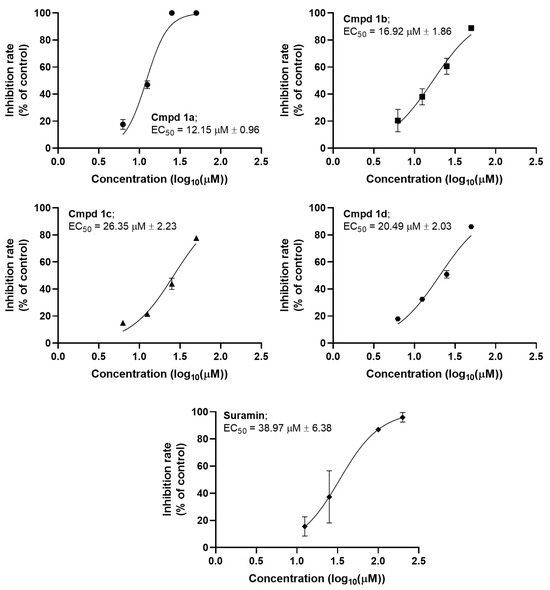
Mayaro virus (MAYV) is an arthritogenic alphavirus transmitted by mosquitoes and is the causative agent of Mayaro fever. This disease is associated with symptoms such as arthralgia and myalgia, which may persist for months or even years. Currently, no vaccine or specific antiviral therapy is available. This study aimed to assess the antiviral activity of synthetic imine-chalcone derivatives (1a–1d) against MAYV replication in Vero cells and predict their pharmacokinetic and toxicological properties. All compounds presented low cytotoxicity, with CC50 values ranging from 249.92 µM to >1000 µM. Additionally, the derivatives showed good antiviral activity, with compound 1a being the most potent (EC50 = 12.15 μM; SI = 31.47), and 1b being the most selective (EC50 = 16.92 μM; SI > 59.10). Mechanistic assays revealed that compounds 1a and 1b primarily inhibit early events in the MAYV life cycle, such as viral adsorption (1a: 51.53%; 1b: 59.35%) and entry (1a: 71.26%; 1b: 54.21%). Compound 1b also impaired virus egress, while none of the compounds exhibited strong virucidal activity. Finally, in silico ADMET predictions suggested favorable pharmacokinetic and toxicological parameters for compounds 1a and 1b. Overall, our work demonstrated for the first time the activity and safety of imine-chalcones against MAYV.
Full article
(This article belongs to the Special Issue Targeting Arboviruses: From Drug Discovery to Therapeutic Innovation)
►▼
Show Figures

Graphical abstract
Open AccessArticle
Hepatitis B Virus in Gabonese Non-Human Primate: Potential Zoonotic Circulation and Long-Term Strain Persistence
by
Danielle S. Koumba Mavoungou, Larson Boundenga, Sonia E. Lekana-Douki, Neil M. Longo Pendy, Schedy E. Koumba Moukouama, Linda Bohou Kombila, Gabriel Falque, Joa Braïthe Mangombi, Augustin Mouinga-Ondeme, Vladimir Dedkov, Laurent Dacheux, Avelin F. Aghokeng and Nadine N’dilimabaka
Pathogens 2026, 15(5), 528; https://doi.org/10.3390/pathogens15050528 (registering DOI) - 14 May 2026
Abstract
►▼
Show Figures
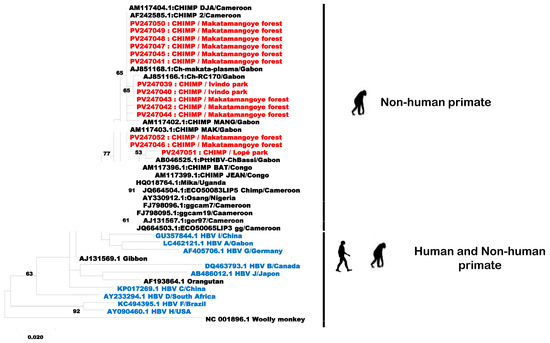
Orthohepanaviruses are viruses that infect a number of mammals, including humans and non-human primates. However, previous studies in great apes in Gabon in 2001 found one strain of hepadnavirus (HBV ChBassi strain) displaying genetic recombination between human, gorilla and chimpanzee strains, suggesting cross-species
[...] Read more.
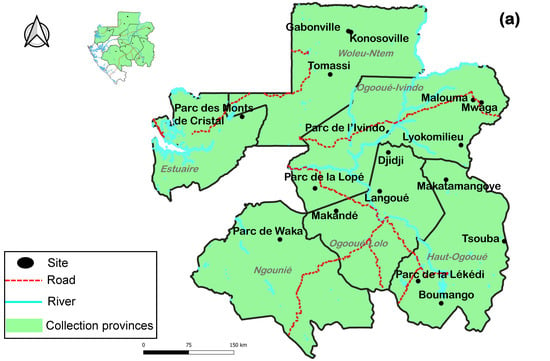
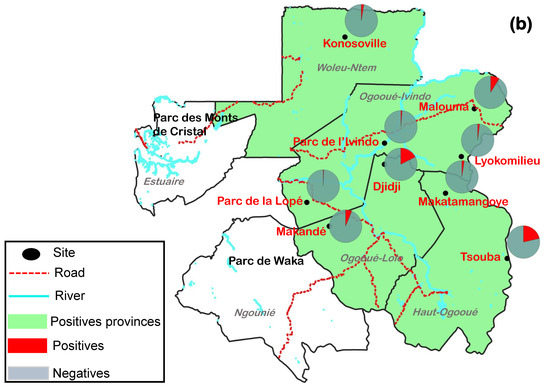
Orthohepanaviruses are viruses that infect a number of mammals, including humans and non-human primates. However, previous studies in great apes in Gabon in 2001 found one strain of hepadnavirus (HBV ChBassi strain) displaying genetic recombination between human, gorilla and chimpanzee strains, suggesting cross-species transmissions among primates. The aim of this study was to evaluate the presence of HBV DNA in non-human primates (NHPs) and to compare it with human HBV strains in order to assess the zoonotic potential. We analyzed feces from 1891 NHPs, collected in forests in Gabon, to find human HBV-related hepadnaviruses by amplifying a portion of the S gene using hemi-nested techniques, followed by sequencing. A total of 51 samples were PCR-positive. Thirteen of the fourteen sequences obtained after sequencing were phylogenetically more closely related to chimpanzee HBV strains, while the fourteenth sequence was associated with the ChBassi HBV strain. This study shows that HBV infection is endemic in wild-born great apes in Gabon. The detection of a strain genetically close to the Bassi strain (a potential zoonotic strain) highlights the need for more in-depth studies to provide an effective response as part of the ‘One Health’ initiative.
Full article

Figure 1
Open AccessArticle
The Comparative Study for Detection of Canine Vector-Borne Pathogens Between Companion and Stray Dogs in Bangkok and Vicinities, Thailand
by
Bach Xuan Pham, Pornkamol Phoosangwalthong, Techin Inkaew and Tawin Inpankaew
Pathogens 2026, 15(5), 527; https://doi.org/10.3390/pathogens15050527 (registering DOI) - 14 May 2026
Abstract
This study investigated the prevalence and molecular characteristics of canine vector-borne pathogens (CVBPs) circulating in diverse dog populations in Thailand by using molecular diagnostic methods. A total of 400 blood samples were collected from four groups (n = 100 each): stray dogs
[...] Read more.
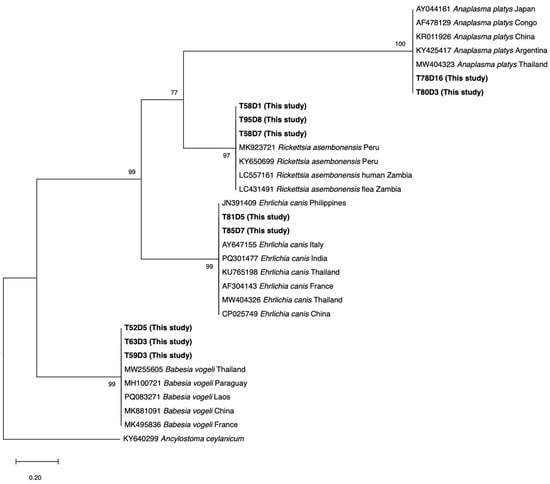
This study investigated the prevalence and molecular characteristics of canine vector-borne pathogens (CVBPs) circulating in diverse dog populations in Thailand by using molecular diagnostic methods. A total of 400 blood samples were collected from four groups (n = 100 each): stray dogs (Group A), vector-borne disease–suspected companion dogs (Group B), healthy companion dogs presenting for routine examination (Group C), and companion dogs presenting with non-vector-borne illnesses (Group D). The overall infection rate was 46.25%. Ehrlichia spp. were the most frequently detected pathogens (23.5%), followed by Babesia spp. (16.5%), Rickettsia spp. (15.0%), and Anaplasma spp. (11.5%). The prevalence differed markedly among groups, including group A (88.0%), group B (54.0%), group C (27.0%) and group D (16.0%) (p < 0.05). DNA sequence analysis showed 100% identity with GenBank™ reference sequences, confirming the presence of Ehrlichia canis, Rickettsia asembonensis, Babesia vogeli, and Anaplasma platys. The detection of CVBPs across all groups demonstrates free-roaming and owned dogs serve as reservoirs for substantial ongoing infections and pose potential zoonotic implications to humans. Overall, these findings emphasize the importance of sustained molecular surveillance, improved vector control strategies, and proactive monitoring of high-risk dog populations to reduce the burden of CVBPs in Thailand.
Full article
(This article belongs to the Special Issue Ticks and Tick-Borne Diseases in Southeast Asia)
►▼
Show Figures

Figure 1
Journal Menu
► ▼ Journal Menu-
- Pathogens Home
- Aims & Scope
- Editorial Board
- Reviewer Board
- Topical Advisory Panel
- Instructions for Authors
- Special Issues
- Topics
- Sections & Collections
- Article Processing Charge
- Indexing & Archiving
- Editor’s Choice Articles
- Most Cited & Viewed
- Journal Statistics
- Journal History
- Journal Awards
- Conferences
- Editorial Office
Journal Browser
► ▼ Journal BrowserHighly Accessed Articles
Latest Books
E-Mail Alert
News
Topics
Topic in
Biomolecules, Cells, IJMS, Pathogens, Vaccines, Biologics, Microorganisms, Biomedicines
Advances in Vaccines and Antimicrobial Therapy—2nd Edition
Topic Editors: Raffaele D’Amelio, Roberto PaganelliDeadline: 30 September 2026
Topic in
JoF, Microbiology Research, Microorganisms, Pathogens
Pathophysiology and Clinical Management of Fungal Infections
Topic Editors: Allan J. Guimarães, Marcos de Abreu AlmeidaDeadline: 30 November 2026
Topic in
Infectious Disease Reports, Insects, IJERPH, Pathogens, TropicalMed, Zoonotic Diseases
Vector-Borne Disease Spatial Epidemiology, Disease Ecology, and Zoonoses
Topic Editors: Chad L. Cross, Louisa Alexandra MessengerDeadline: 31 December 2026
Topic in
IJERPH, TropicalMed, Microorganisms, Infectious Disease Reports, Pathogens
Genetic, Environmental, and Climatic Drivers of Emerging Arboviruses and Public Health Implications
Topic Editors: André Ricardo Ribas Freitas, Pedro María Alarcón-Elbal, Luciano Pamplona de Góes CavalcantiDeadline: 20 January 2027
Conferences
Special Issues
Special Issue in
Pathogens
Viral Hepatitis and Therapeutic Strategies
Guest Editor: Arshi KhanamDeadline: 20 May 2026
Special Issue in
Pathogens
Parasitic Diseases in Wild Animals
Guest Editors: Marcelo Gómez, Carlos Rodrigo HermosillaDeadline: 20 May 2026
Special Issue in
Pathogens
Advances in Virus-Host Interactions, Viral Pathogenicity and Antiviral Drug Development
Guest Editors: Richard Y. Zhao, Fengwei Bai, Michael BukrinskyDeadline: 20 May 2026
Special Issue in
Pathogens
Current Challenges in Veterinary Virology
Guest Editors: Magdalena Materniak-Kornas, Marzena Rola-Łuszczak, Grzegorz WoźniakowskiDeadline: 30 May 2026
Topical Collections
Topical Collection in
Pathogens
Advances in Tick Research
Collection Editors: Alejandro Cabezas-Cruz, Ladislav Šimo, James J. Valdés, Dasiel Obregón
Topical Collection in
Pathogens
Bovine Leukemia Virus Infection
Collection Editors: Tasia M. (Taxis) Kendrick, Paul C. Bartlett
Topical Collection in
Pathogens
Emerging and Re-emerging Pathogens
Collection Editors: Sheng-Fan Wang, Wen-Hung Wang, Arunee Thitithanyanont
Topical Collection in
Pathogens
Novel Strategies on Antiviral Drug Discovery Against Human Diseases
Collection Editors: Jun Wang, Richard Y. Zhao, Lin Li