



Journal Description
Nutrients
Nutrients
is an international, peer-reviewed, open access journal of human nutrition published semimonthly online by MDPI. The Asia Pacific Nutrigenomics Nutrigenetics Organisation (APNNO), Italian Society for Pediatric Gastroenterology, Hepatology and Nutrition (SIGENP), Nutrition Society of New Zealand (NSNZ), Ocular Wellness & Nutrition Society (OWNS) and others are affiliated with Nutrients and their members receive discounts on article processing charges.
- Open Access— free for readers, with article processing charges (APC) paid by authors or their institutions.
- High Visibility: indexed within Scopus, SCIE (Web of Science), PubMed, MEDLINE, PMC, Embase, PubAg, AGRIS, and other databases.
- Journal Rank: JCR - Q1 (Nutrition and Dietetics) / CiteScore - Q1 (Nutrition and Dietetics)
- Rapid Publication: manuscripts are peer-reviewed and a first decision is provided to authors approximately 15.8 days after submission; acceptance to publication is undertaken in 2.6 days (median values for papers published in this journal in the first half of 2026).
- Recognition of Reviewers: Reviewers whose reports are timely and of high quality receive an APC discount voucher for a future publication in an MDPI journal. Become a reviewer.
- Companion journal: Dietetics.
- Journal Cluster of Food, Nutrition, and Health Science: Beverages, Dietetics, Foods, Nutraceuticals, Nutrients and Obesities.
Impact Factor:
5.8 (2025);
5-Year Impact Factor:
6.5 (2025)
Latest Articles
Vitamin D Status and Response to Calcifediol Supplementation in Term and Preterm Infants with Cholestasis
Nutrients 2026, 18(18), 2962; https://doi.org/10.3390/nu18182962 - 9 Sep 2026
Abstract
Background/Objectives: Infants with cholestasis are at risk of vitamin D status impairment; the role of prematurity remains unclear. The primary aim of this study was to characterize vitamin D status in term and preterm infants with cholestasis and to determine whether serum 25OHD
[...] Read more.
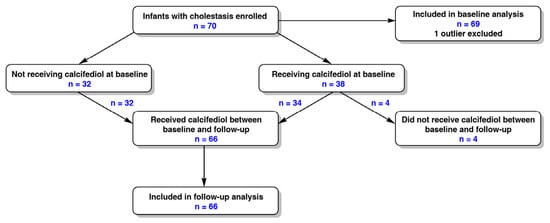
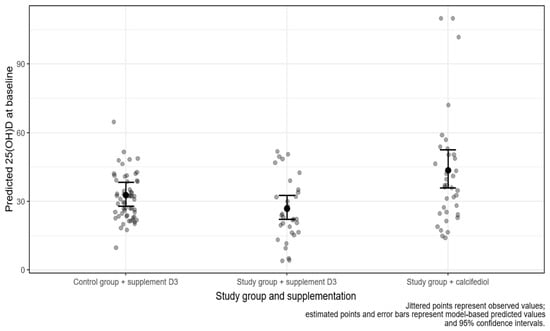
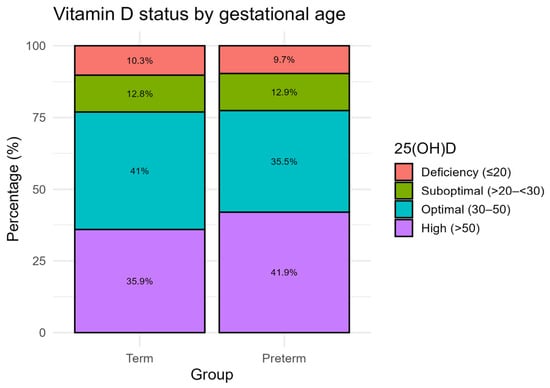
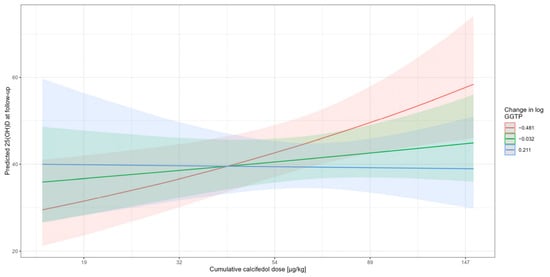
Background/Objectives: Infants with cholestasis are at risk of vitamin D status impairment; the role of prematurity remains unclear. The primary aim of this study was to characterize vitamin D status in term and preterm infants with cholestasis and to determine whether serum 25OHD concentrations were associated with gestational age, etiology of cholestasis, and biochemical markers of cholestatic activity. The secondary aim was to assess changes in serum 25OHD concentrations during calcifediol supplementation and to identify factors associated with follow-up 25OHD concentrations. Methods: In this prospective observational study with a concurrent control group, infants with cholestasis and controls underwent assessment, including serum 25-hydroxyvitamin D (25OHD), at baseline and after calcifediol supplementation in cholestatic infants. Predictors of 25OHD were evaluated using multivariable models. Results: We included 127 infants: 70 with cholestasis (39 term, 31 preterm) and 57 controls (30 term, 27 preterm). Biliary atresia was diagnosed in 21 (30%) infants. Calcifediol was administered to 38 (54%) cholestatic infants: 18 (46%) term and 20 (64%) preterm at baseline. The remaining 32 infants with cholestasis were receiving vitamin D3 supplementation. Following enrollment and review of the baseline 25OHD results, calcifediol treatment was continued or initiated in 66 of the 70 infants. Treatment was discontinued in four infants based on their high serum 25OHD concentrations. Baseline 25OHD was similar in cholestasis and controls (34.81 ± 21.33 vs. 31.55 ± 10.14 ng/mL; p = 0.261). However, vitamin D deficiency (<20 ng/mL) was more frequent in cholestatic infants than controls (22.8% vs. 5%; p < 0.05), and 25OHD concentrations > 50 ng/mL were also more frequent (18.6% vs. 3.5%; p < 0.05). Among 13 infants with 25OHD concentrations > 50 ng/mL, 11 (84.6%) infants had received calcifediol; only three exceeded 100 ng/mL. Each 1 µg/kg increase in calcifediol dose was associated with 15.7% higher expected baseline 25OHD. At follow-up, preterm and term infants had comparable 25OHD (44.15 ± 20.36 vs. 45.73 ± 18.77 ng/mL; p = 0.737); nevertheless, <30 ng/mL persisted in 23%, while >50 ng/mL occurred in 40% of cholestatic infants. Baseline 25OHD concentration and cumulative calcifediol exposure were associated with follow-up 25OHD concentration. Conclusions: Vitamin D status in cholestatic infants is highly variable. Cumulative exposure of calcifediol is associated with higher 25OHD concentrations, but heterogeneous responses require monitoring and individualized dose adjustment.
Full article
(This article belongs to the Special Issue Vitamin D, Nutrition, and Bone and Immune Function—Implications for Health and Disease from Infancy Through Adolescence)
►
Show Figures
Open AccessArticle
Dietary Matcha Attenuates High-Fat High-Sugar Diet-Induced Cardiomyocyte Hypertrophy in Association with Gut Microbiota Remodeling in Mice
by
Gopal Lamichhane, Jong-Beom Jin, Jiaqing Guo, Da-Yeon Lee, Femi Olawale, Cody Moss, Guolong Zhang, Jiyoung Bae, Edralin A. Lucas and Yoo Kim
Nutrients 2026, 18(18), 2961; https://doi.org/10.3390/nu18182961 - 9 Sep 2026
Abstract
Objectives: Obesity is associated with cardiac remodeling characterized by cardiomyocyte hypertrophy and fibrosis, eventually leading to heart failure. This study aimed to evaluate whether dietary matcha supplementation could be effective in reducing high-fat, high-sugar diet (HFD)-induced cardiac remodeling in mice, and whether
[...] Read more.
Objectives: Obesity is associated with cardiac remodeling characterized by cardiomyocyte hypertrophy and fibrosis, eventually leading to heart failure. This study aimed to evaluate whether dietary matcha supplementation could be effective in reducing high-fat, high-sugar diet (HFD)-induced cardiac remodeling in mice, and whether this effect is linked to changes in the gut microbiota along the gut–heart axis. Methods: Six-week-old C57BL/6J mice were randomly divided into normal chow diet (NCD) or HFD (without matcha, 0.2% matcha, or 1% matcha) groups. Dietary intervention continued for 10 weeks with continuous monitoring of body weight. After completion of the intervention, hearts were collected, weighed, and processed for histological examination of cardiomyocyte size with wheat germ agglutinin (WGA) staining and collagen deposition with Picrosirius Red staining. The gut microbiome was evaluated using 16S rRNA sequencing of gDNA from feces, and correlation analysis was performed between microbial taxa and cardiometabolic parameters. Results: After 10 weeks of dietary intervention, heart weight was significantly lower in mice treated with 1% matcha than in HFD controls. WGA staining showed a significant increase in cardiomyocyte size in the HFD group compared with the NCD group, whereas both the 0.2% and 1% matcha-supplemented groups revealed significantly smaller cardiomyocytes than the HFD controls. In addition, both matcha doses significantly reduced cardiac collagen deposition relative to HFD controls. In the gut, matcha supplementation displayed a marked increase in the abundance of beneficial gut microbiota, including Ligilactobacillus, Lactobacillus, and Oscillospiraceae, while reducing pathogenic Enterobacteriaceae and Klebsiella, particularly at the high dose. Conclusions: Dietary matcha supplementation attenuated HFD-induced cardiac hypertrophy and fibrosis in mice, independently of body weight, in association with modulation of the gut microbiota along the gut–heart axis. Future studies should determine whether the observed reductions in cardiac hypertrophy and fibrosis translate into measurable improvements in cardiac function and whether the associated gut microbiota alterations exert causal effects on cardiac remodeling.
Full article
(This article belongs to the Special Issue Nutrient Intake and Dietary Therapy in Prevention of Cardiovascular Disease (CVD))
Open AccessArticle
Creatine Use Among Women Across Reported Duration-of-Use Groups: A Platform-Based Cross-Sectional Survey of Supplementation Behaviors, Motivations, Knowledge, and Experiences
by
Jocelyn Burridge, Ziyang Zhang, Ali Boolani, Cory Ambrose, Daniel K. Sodickson and Jordan M. Glenn
Nutrients 2026, 18(18), 2960; https://doi.org/10.3390/nu18182960 - 9 Sep 2026
Abstract
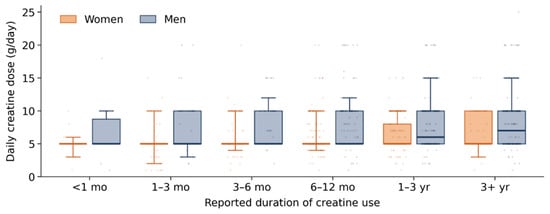
Background: Creatine is now discussed beyond sports performance and within women’s health, cognition, fatigue, and healthy-aging contexts. However, little is known about the characteristics of women who use creatine or whether these characteristics differ across durations of use. This study characterized women reporting
[...] Read more.
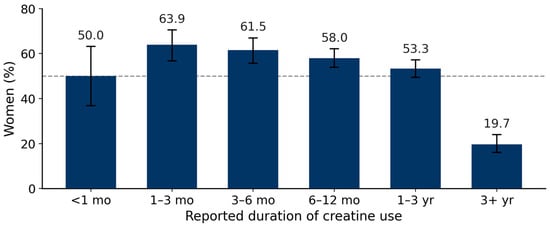
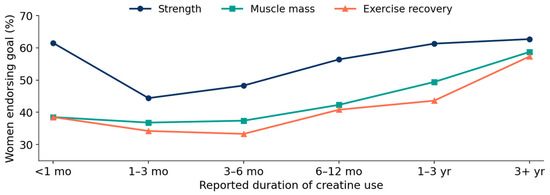
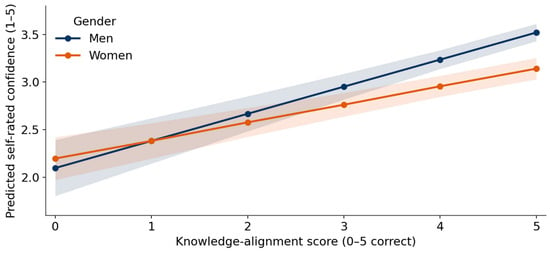
Background: Creatine is now discussed beyond sports performance and within women’s health, cognition, fatigue, and healthy-aging contexts. However, little is known about the characteristics of women who use creatine or whether these characteristics differ across durations of use. This study characterized women reporting current or past-12-month creatine use in a large cross-sectional sample and benchmarked findings against men. Methods: In a cross-sectional, supplement-platform convenience survey (approximately 2.0% response rate; a secondary analysis of a previously reported cohort), 2094 current or recent creatine users (1055 women, 1039 men; mean age 53 years [54.0 in women and 52.5 in men]) reported duration of use, supplementation goals, information sources, creatine knowledge alignment using a five-item battery, self-rated confidence, satisfaction, and intent to continue supplementation for another six months. Representation of women across six ordered duration bands was evaluated using an age-adjusted logistic model with duration as a categorical factor, with a Cochran–Armitage trend test reported alongside it. Among women, goals and information sources were compared across duration-of-use bands using unadjusted tests of homogeneity, and knowledge alignment was evaluated using an ordered trend test. Gender differences were estimated in age- and duration-adjusted models, pooled across duration groups, with Benjamini–Hochberg correction within domain; gender × duration interactions were tested for the goal and information-source outcomes. Self-rated confidence was modeled as a function of knowledge, gender, and their interaction. Results: Women comprised 50.0–63.9% of respondents across each reported duration category below three years but only 19.7% of those reporting 3+ years of use. In the primary age-adjusted analysis, gender composition differed strongly across duration categories (global p < 0.001); relative to the 3+ year group, the odds of identifying as a woman were 3.9- to 7.5-fold higher in every shorter-duration category. Among women, knowledge alignment was higher at longer reported durations in the unadjusted analysis and remained associated with duration after adjustment for age, BMI, and physical activity (global categorical test, p < 0.001). Lower knowledge alignment among shorter-duration women reflected greater uncertainty rather than greater myth endorsement, which remained rare across duration groups. Compared with men, women were less likely to report athletic performance as a goal (adjusted 37.5% vs. 50.2%) and more likely to report healthy aging, while six of seven information sources differed by gender. Women also had lower knowledge-alignment scores overall, yet the largest gender difference emerged in confidence: at equivalent observed knowledge alignment, women reported progressively lower self-rated confidence than men as scores increased (interaction p = 0.012), with an adjusted difference of −0.38 points at the highest observed knowledge score. Conclusions: Among current and recent SuppCo users who responded to this survey, women showed a pattern of creatine use that differed from the historically performance-focused populations underlying much of the evidence base. Women were disproportionately represented in shorter reported duration-of-use categories, more often endorsed healthy aging and less often athletic performance, and reported different information sources than men. Lower knowledge alignment among shorter-duration women reflected greater uncertainty rather than greater endorsement of misconceptions, while women reported lower confidence than men at the highest observed knowledge levels. These findings suggest future research and education should go beyond efficacy trials in women to address who is using creatine, the outcomes they expect, where they obtain information, and how knowledge and confidence shape decision-making. Prospective studies are needed to determine what underlies the difference in women’s representation across reported duration-of-use groups.
Full article
(This article belongs to the Section Nutrition in Women)
►▼
Show Figures

Figure 1
Open AccessArticle
Evaluation of the Intervention Effect of Bifidobacterium longum on Constipation in Sleep-Deprived Mice
by
Qimeng Liang, Xiaodong Song, Ran Wang, Yuanhong Xie, Hongxing Zhang and Junhua Jin
Nutrients 2026, 18(18), 2959; https://doi.org/10.3390/nu18182959 - 9 Sep 2026
Abstract
Background/Objectives: It remains unclear whether sleep deprivation induces constipation. This study aimed to evaluate the intervention effects of Bifidobacterium longum 151-1 and BN-BB01 on constipation induced by sleep deprivation in mice, and to explore the underlying mechanism from the perspective of the gut-brain
[...] Read more.
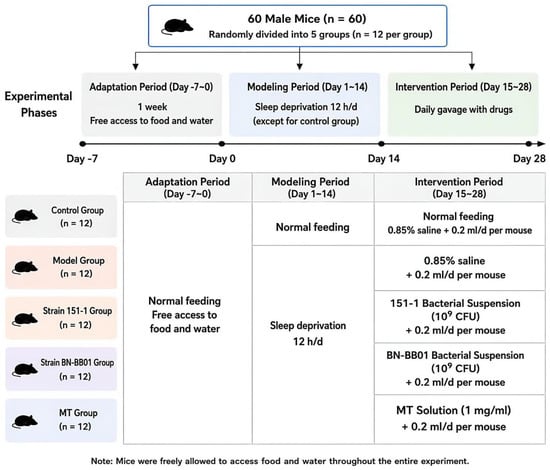
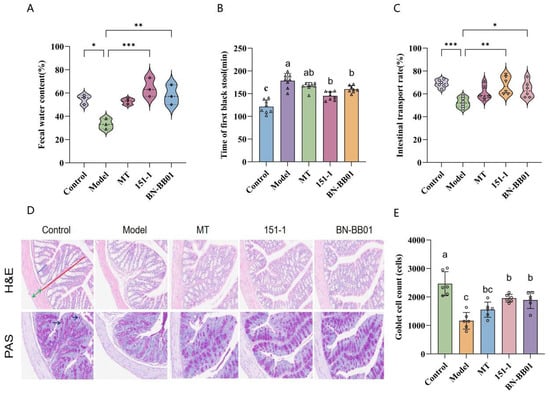
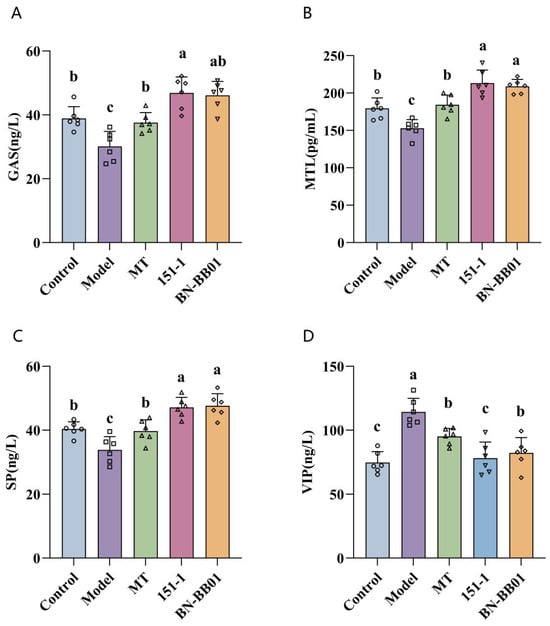
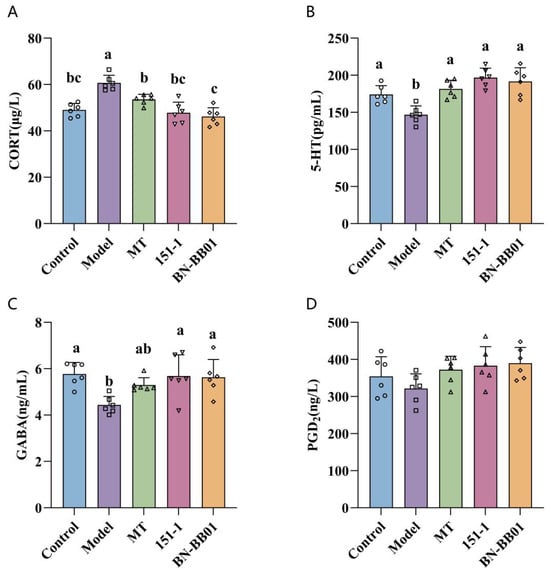
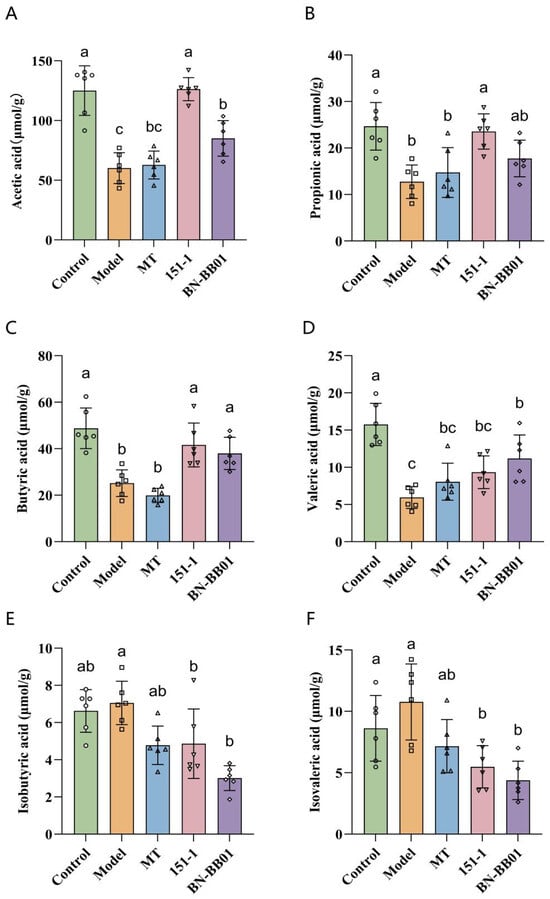
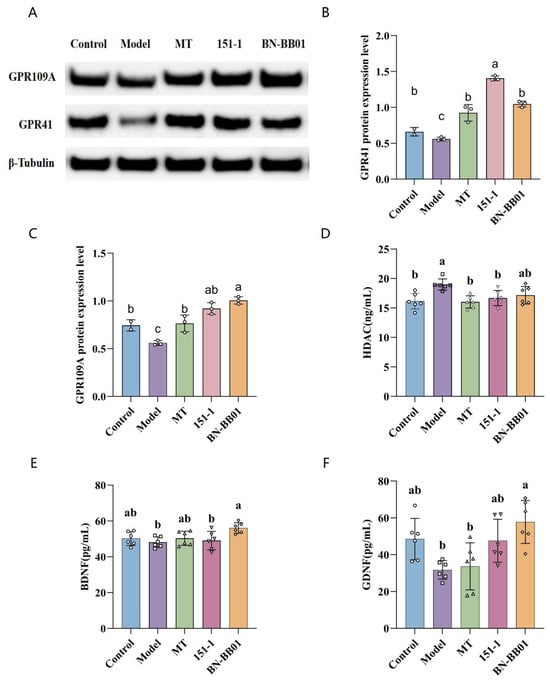
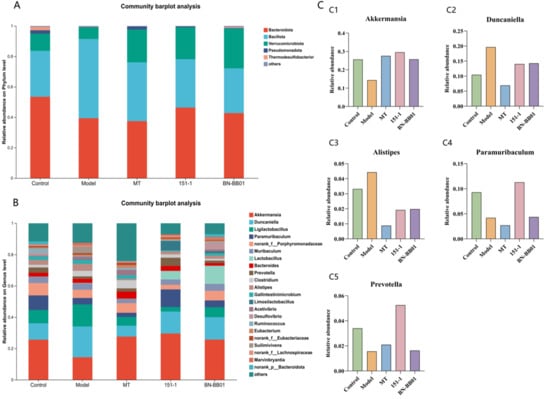
Background/Objectives: It remains unclear whether sleep deprivation induces constipation. This study aimed to evaluate the intervention effects of Bifidobacterium longum 151-1 and BN-BB01 on constipation induced by sleep deprivation in mice, and to explore the underlying mechanism from the perspective of the gut-brain axis, so as to provide a theoretical basis for probiotic intervention in sleep-related gastrointestinal dysfunction. Methods: A mouse model of sleep deprivation was established via the multiple platform water environment method. Through the detection and analysis of relevant indicators, the effects of sleep deprivation on intestinal function in mice were systematically investigated, and the changes in various indicators of mice after Bifidobacterium longum intervention were observed. Results: Sleep deprivation significantly impaired intestinal motility and intestinal mucosal barrier function in mice, reducing fecal water content by approximately 21.4%, prolonging the time to first black stool defecation by about 57 min, and decreasing goblet cell count by nearly 50%. In terms of gastrointestinal hormones and neurotransmitters, sleep deprivation significantly downregulated the levels of excitatory gastrointestinal hormones (MTL, GAS) and excitatory neurotransmitter SP by 22.3%, 14.8%, and 16.2%, respectively. Additionally, sleep deprivation promoted the secretion of the inhibitory neurotransmitter VIP and stress hormone CORT, with their levels increased by 53.1% and 23.8%, respectively. The levels of neurotransmitters including 5HT and GABA were reduced by 15.6% and 23.2%, which ultimately led to a decrease in short-chain fatty acid (SCFA) levels. Intervention with Bifidobacterium longum significantly reversed the above abnormalities. It elevated SCFA levels and upregulated the expression of SCFA receptors GPR41 and GPR109A, promoted the expression of BDNF and GDNF, inhibited HDAC activity, increased the abundance of the beneficial bacterium Akkermansia, and reduced the abundance of the harmful intestinal bacterium Alistipes. Conclusions: Bifidobacterium longum can alleviate sleep deprivation-induced constipation in mice by regulating gut-brain axis function, optimizing intestinal flora structure, modulating the secretion of gastrointestinal hormones and neurotransmitters, and repairing the intestinal mucosal barrier. This study provides a solid theoretical basis for the clinical application of probiotics in the intervention of sleep-related gastrointestinal disorders.
Full article
(This article belongs to the Section Prebiotics, Probiotics and Postbiotics)
►▼
Show Figures

Figure 1
Open AccessArticle
Urinary Concentrations of Non-Nutritive Sweeteners and Breast Cancer: A Case-Cohort Analysis of the Moli-sani Study
by
Marialaura Bonaccio, Augusto Di Castelnuovo, Simona Costanzo, Claudia F. Martinez, Emilia Ruggiero, Teresa Panzera, Simona Esposito, Amalia De Curtis, Sara Magnacca, Jacopo Troisi, Chiara Cerletti, Maria Benedetta Donati, Giovanni de Gaetano and Licia Iacoviello
Nutrients 2026, 18(18), 2958; https://doi.org/10.3390/nu18182958 - 9 Sep 2026
Abstract
Background: Non-nutritive sweeteners (NNS) are chemical substances developed by the food industry to reduce sugar and calories while preserving sweetness. Epidemiological studies have indicated a potential increased risk of certain cancers, including breast cancer (BC), associated with NNS consumption. However, the evidence has
[...] Read more.
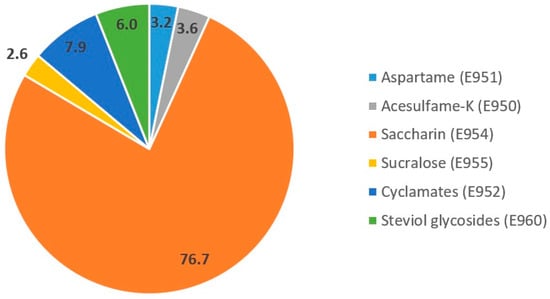
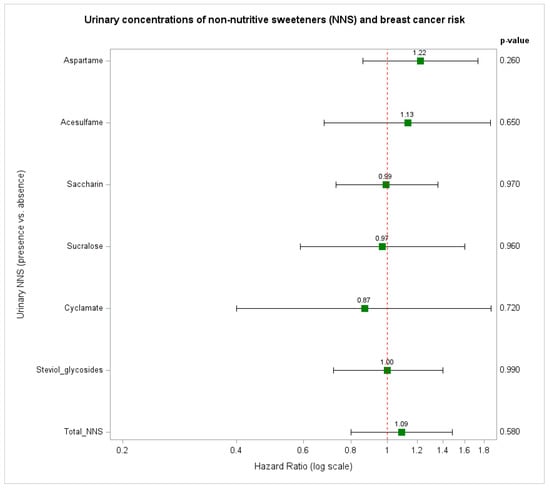
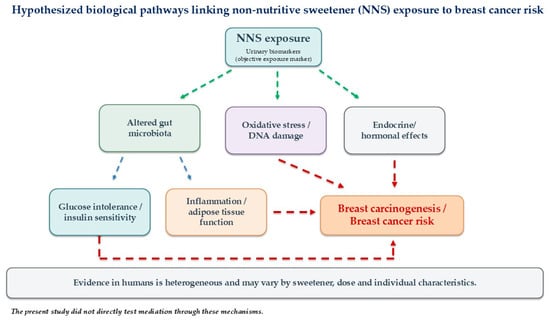
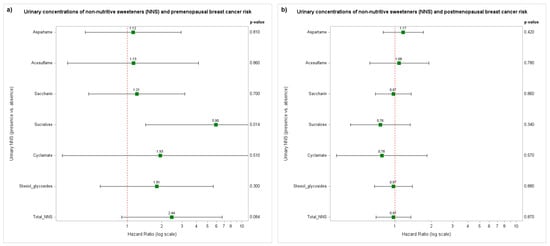
Background: Non-nutritive sweeteners (NNS) are chemical substances developed by the food industry to reduce sugar and calories while preserving sweetness. Epidemiological studies have indicated a potential increased risk of certain cancers, including breast cancer (BC), associated with NNS consumption. However, the evidence has exclusively relied on self-reported dietary information rather than objective measurements of NNSs. We examined the association of urinary concentrations of NNS with BC risk in women from the large Moli-sani Study. Methods: Using a case-cohort design, a sample of 988 middle-aged women (mean age 55 ± 12 y) was randomly selected as a sub-cohort and compared to 272 women with incident BC (38 premenopausal and 234 postmenopausal). A total of 6 commonly used NNSs (i.e., aspartame, acesulfame, saccharin, sucralose, cyclamate, and steviol glycosides) were measured through liquid chromatography–mass spectrometry in spot urine samples (creatinine-adjusted concentrations; µg/mg) collected at baseline (2005–2010). The multivariable hazard ratios (HRs) were estimated using weighted Cox regression models for the case-cohort design, with each NNS modelled as a binary variable (i.e., presence vs. absence). The sum of these values produced a total urinary NNS score, which could range from 0 to 6, and was further categorised as low (0–1) or high (2–5). Results: The predominant NNS detected in urine was saccharin (E954), contributing to 77% of total NNSs, followed by steviol glycosides (E960;11%). In multivariable-adjusted Cox analyses, neither individual NNSs nor total NNS urinary concentrations were associated with overall BC risk (HR = 1.09; 95% CI 0.80–1.48 for high vs. low). However, the presence of sucralose (E955) was directly linked to premenopausal BC (HR = 5.90; 95% CI 1.44–24.20; p = 0.014), although this estimate was based on only 38 cases and was imprecise. Conclusions: Urinary NNS concentrations were not associated with overall BC risk. The observed association between urinary sucralose and premenopausal BC should be considered exploratory and hypothesis-generating and requires independent replication.
Full article
(This article belongs to the Section Nutritional Epidemiology)
►▼
Show Figures

Figure 1
Open AccessArticle
Accumulation and Time-Dependent Changes in Unfavorable Eating Behaviors and the Risk of Incident Metabolic Dysfunction-Associated and Alcohol-Related/Associated Steatotic Liver Disease: A Retrospective Cohort Study
by
Tatsuya Fukuda, Takahiro Okamoto, Takahiro Fukaishi, Akio Kawakami, Makoto Tanaka, Tetsuya Yamada and Koshiro Monzen
Nutrients 2026, 18(18), 2957; https://doi.org/10.3390/nu18182957 - 9 Sep 2026
Abstract
Background/Objectives: Unfavorable eating behaviors may be associated with metabolic dysfunction-associated steatotic liver disease (MASLD) or metabolic dysfunction- and alcohol-associated liver disease (MetALD), but longitudinal evidence considering the accumulation and changes in these behaviors remains limited. We investigated the associations of skipping breakfast, eating
[...] Read more.
Background/Objectives: Unfavorable eating behaviors may be associated with metabolic dysfunction-associated steatotic liver disease (MASLD) or metabolic dysfunction- and alcohol-associated liver disease (MetALD), but longitudinal evidence considering the accumulation and changes in these behaviors remains limited. We investigated the associations of skipping breakfast, eating dinner within 2 h before bedtime, and fast eating, individually and cumulatively, with incident MASLD/MetALD in Japanese adults undergoing repeated health examinations. Methods: This retrospective longitudinal cohort study included 29,889 adults without MASLD/MetALD at baseline who underwent health examinations between May 2015 and March 2026. The endpoint was defined as the development of MASLD or MetALD. An unfavorable eating behavior score ranging from 0 to 3 was calculated from the three behaviors. Cox proportional hazards models were used to estimate hazard ratios (HRs) and 95% confidence intervals (CIs). Additional analyses incorporated time-dependent eating behaviors and covariates, landmark analyses, and subgroup analyses by sex and body mass index (BMI). Results: During 115,088 person-years of follow-up, 4829 participants reached the endpoint. In the mutually adjusted model, skipping breakfast, eating dinner within 2 h before bedtime, and fast eating were associated with incident combined MASLD/MetALD, with HRs of 1.19 (95% CI 1.11–1.27), 1.11 (1.05–1.18), and 1.06 (1.00–1.13), respectively. Compared with participants reporting no unfavorable eating behaviors, the fully adjusted HRs were 1.12 (1.04–1.20), 1.22 (1.13–1.33), and 1.44 (1.28–1.61) for those reporting 1, 2, and 3 behaviors, respectively. Each additional behavior was associated with an HR of 1.12 (1.08–1.15). The association of the cumulative score remained evident in time-dependent and landmark analyses. The cumulative-score association was stronger among participants with BMI < 23 kg/m2 than among those with BMI ≥ 23 kg/m2 (p for interaction < 0.001), whereas no statistically significant interaction by sex was observed. Conclusions: The accumulation of unfavorable eating behaviors was associated with a progressively higher incidence of MASLD/MetALD. Repeated assessment of simple eating behaviors during routine health examinations may help identify individuals at elevated risk, including those below conventional obesity thresholds.
Full article
(This article belongs to the Section Nutrition and Public Health)
Open AccessArticle
Occupational Stress, Nutritional Health, and Physical Pain Among Hong Kong Schoolteachers: A Cross-Sectional Study
by
Kenneth K. H. Lo, Yiting Weng, Jiali He, Raymond C. K. Chung, Wendy W. Y. So, Jessie Ho, Man-sau Wong and Hector W. H. Tsang
Nutrients 2026, 18(18), 2956; https://doi.org/10.3390/nu18182956 - 9 Sep 2026
Abstract
Background/Objectives: Teaching is a highly stressful occupation, yet the associations between occupational stress, nutritional health, and physical pain among schoolteachers remain understudied, particularly in non-Western contexts. This study examined whether high occupational stress is associated with reduced favorable dietary behaviors, as well
[...] Read more.
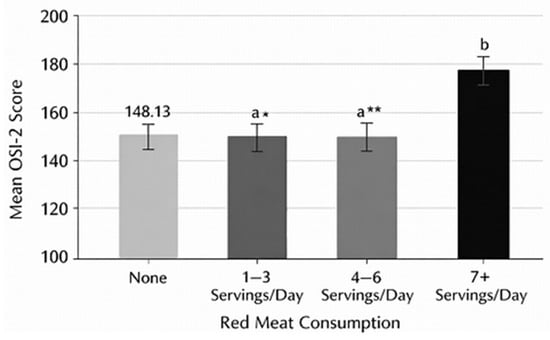
Background/Objectives: Teaching is a highly stressful occupation, yet the associations between occupational stress, nutritional health, and physical pain among schoolteachers remain understudied, particularly in non-Western contexts. This study examined whether high occupational stress is associated with reduced favorable dietary behaviors, as well as with the presence and prolonged duration of physical pain among Hong Kong schoolteachers. Methods: Cross-sectional data were analyzed from 267 secondary and special schoolteachers (65.5% female, mean age 41.5 years) who completed the Occupational Stress Indicator-2 (OSI-2), a dietary behavior questionnaire, and a region-specific pain assessment. One-way analysis of variance, independent t-tests, and linear regression (adjusting for age, gender, income, school type, depression, anxiety, stress, and sleep quality) were conducted. Results: In the adjusted linear regression, moderate red meat intake was associated with lower odds of high occupational stress. Shoulder, forearm/wrist, and hip pain were associated with high OSI-2 scores in univariable analyses. However, only pain duration of >30 days and depression remained significant in fully adjusted models. No other dietary variables or pain locations showed significant associations. Conclusions: Occupational stress among Hong Kong schoolteachers is independently associated with prolonged musculoskeletal pain, with depression strongly confounding the pain–stress relationship. An integrated approach is necessary to address the direct physical, nutritional, and mental health consequences of occupational stress.
Full article
(This article belongs to the Special Issue Nutrition, Stress, and Psychological Well-Being Across the Lifespan)
►▼
Show Figures

Figure 1
Open AccessSystematic Review
Iron Deficiency and Human Brain Electrophysiology Across the Lifespan: A Systematic and Mechanistic Review of Resting EEG, Event-Related Potentials, and Treatment Responsiveness
by
James Chmiel, Jolanta Góral-Półrola, Patrycja Leśnicka and Marta Kopańska
Nutrients 2026, 18(18), 2955; https://doi.org/10.3390/nu18182955 - 9 Sep 2026
Abstract
Introduction: Iron is essential for cerebral energy metabolism, neurotransmitter synthesis, myelination, and neural development. Iron deficiency may therefore impair brain function even before overt anemia develops. This systematic and mechanistic review synthesized EEG findings associated with iron deficiency across the lifespan and evaluated
[...] Read more.
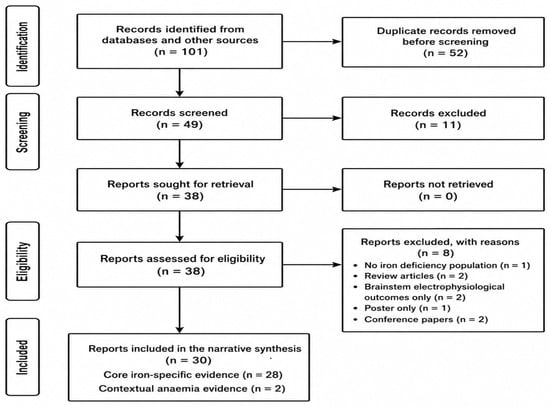
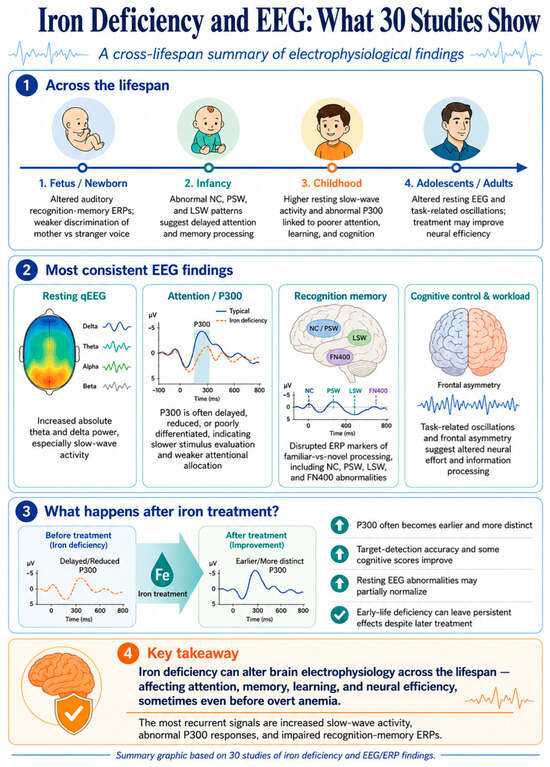
Introduction: Iron is essential for cerebral energy metabolism, neurotransmitter synthesis, myelination, and neural development. Iron deficiency may therefore impair brain function even before overt anemia develops. This systematic and mechanistic review synthesized EEG findings associated with iron deficiency across the lifespan and evaluated electrophysiological changes following iron treatment. Materials and Methods: PubMed/MEDLINE, Scopus, Web of Science, Embase, PsycINFO, and Google Scholar were searched from inception to July 2026. Human studies examining iron deficiency or iron-deficiency anemia using EEG, quantitative EEG, task-related oscillations, event-related potentials, or cortical-evoked potentials formed the core evidence base. Two additional studies of chronic kidney disease-related or mixed-etiology anemia were retained as contextual evidence to help distinguish iron-specific electrophysiological effects from abnormalities associated more generally with anemia severity and reduced oxygen-carrying capacity. Risk of bias was assessed using RoB 2 and ROBINS-I. Because of substantial heterogeneity, findings were synthesized narratively. Results: Thirty reports were retained for narrative synthesis, covering participants from the neonatal period to adulthood. Twenty-eight formed the core iron-specific evidence base, whereas two were analyzed separately as contextual anemia evidence. Iron deficiency was commonly associated with increased slow-wave activity, reduced alpha activity, delayed sensory and cognitive processing, prolonged P300 and N2 latencies, altered frontal alpha asymmetry, and impaired differentiation between relevant and irrelevant stimuli. Reductions in P300 amplitude were less consistent but were observed in severe anemia, demanding cognitive tasks, and after infantile iron-deficiency anemia. Iron supplementation improved several spectral and ERP outcomes, although recovery was variable and some abnormalities persisted after hematological correction. Interpretation was limited by heterogeneous diagnostic criteria, small samples, inconsistent EEG methods, residual confounding, variable risk of bias, and the partial non-independence of reports arising from overlapping longitudinal cohorts or parent trials. Findings from the contextual anemia studies were not interpreted as direct evidence of an effect of iron deficiency. Conclusions: Iron deficiency may disrupt the timing, synchronization, and maturation of neural activity through impaired energy metabolism, neurotransmission, myelination, and synaptic development. EEG may be useful for detecting functional brain alterations and monitoring treatment response, but no specific electrophysiological biomarker can currently be established.
Full article
(This article belongs to the Special Issue Nutrition, Stress, and Psychological Well-Being Across the Lifespan)
►▼
Show Figures

Figure 1
Open AccessCommunication
Short-Term Psychological and Physiological Changes Following Coffee Aroma Exposure: A Multimodal Assessment
by
Moeka Fukatsu, Yukihiro Tsuchiya and Yoshihiro Inoue
Nutrients 2026, 18(18), 2954; https://doi.org/10.3390/nu18182954 - 9 Sep 2026
Abstract
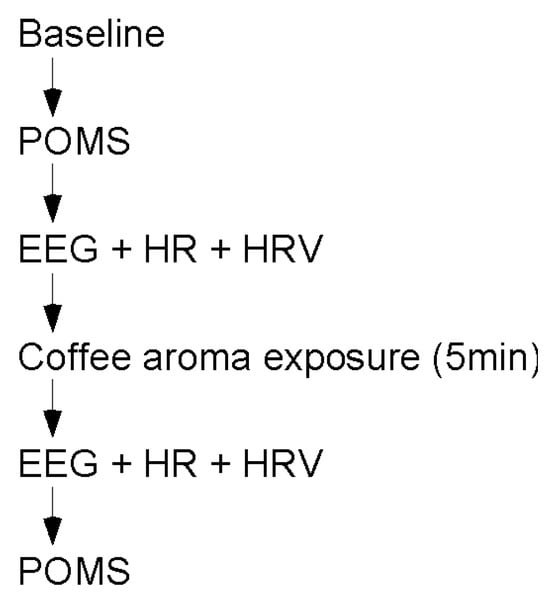
Background/Objectives: Coffee aroma has been associated with psychological and physiological responses, although these responses have often been examined separately. This exploratory study used a multimodal approach to assess subjective mood, electroencephalographic (EEG) activity, heart rate (HR), and heart rate variability (HRV) following
[...] Read more.
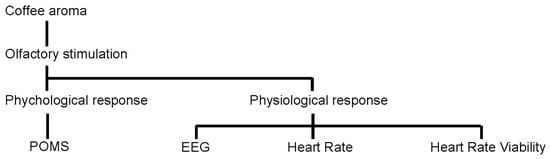
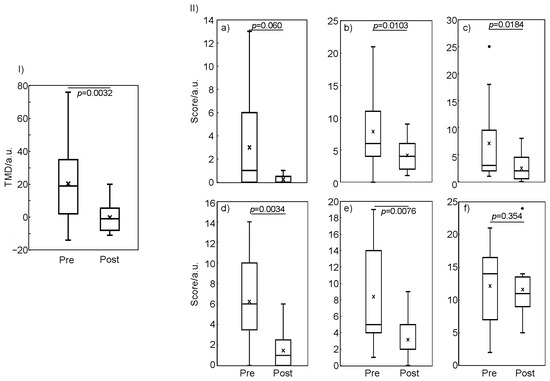
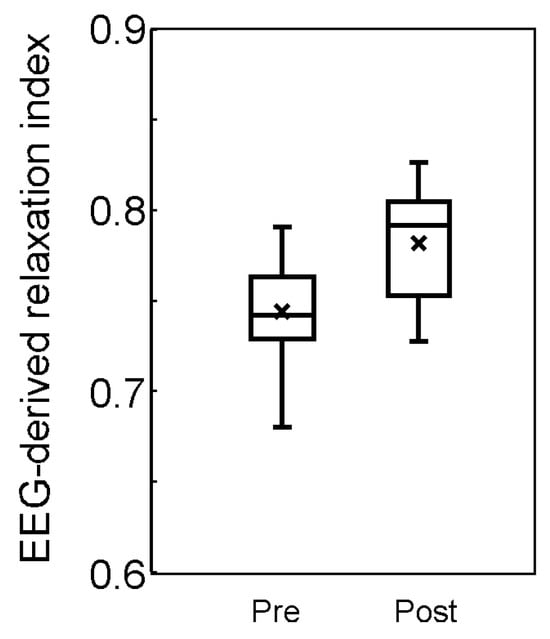
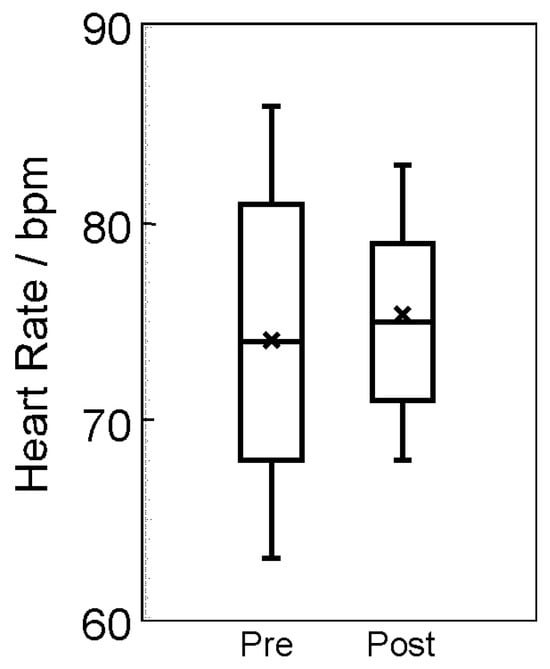
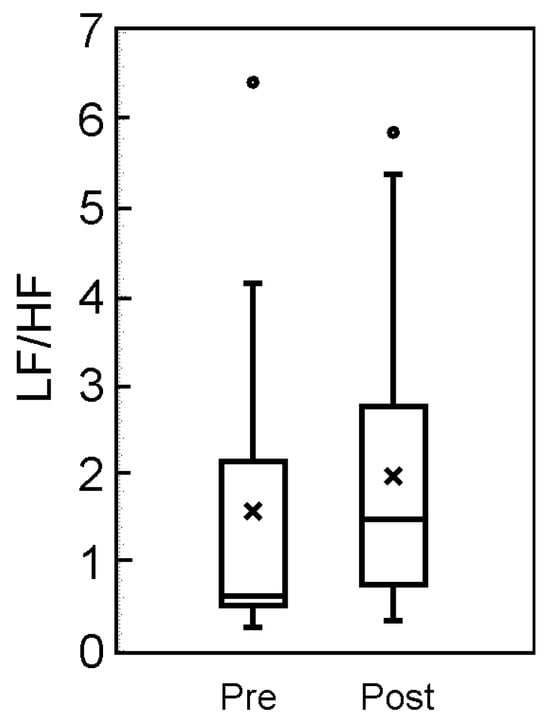
Background/Objectives: Coffee aroma has been associated with psychological and physiological responses, although these responses have often been examined separately. This exploratory study used a multimodal approach to assess subjective mood, electroencephalographic (EEG) activity, heart rate (HR), and heart rate variability (HRV) following short-term coffee aroma exposure. Methods: Twenty healthy adults aged 20–29 years participated in a single-group, within-subject pre–post study and were exposed to coffee aroma for 5 min. Mood was assessed using the Profile of Mood States (POMS). Pre- and post-exposure measurements were compared using paired t-tests, with Holm adjustment for the six POMS subscales. Effect sizes, 95% confidence intervals (CIs), and exploratory cross-domain correlations were also examined. Results: Total Mood Disturbance decreased following exposure (mean change = −20.54, 95% CI: −30.65 to −10.43; Cohen’s dz = −0.95). After Holm adjustment, Fatigue, Tension–Anxiety, Confusion, and Depression–Dejection remained significantly reduced. The EEG-derived relaxation index increased (mean change = 0.0378, 95% CI: 0.0248–0.0508; dz = 1.36). No statistically significant changes were detected in HR (dz = 0.19) or HRV (dz = 0.13). Exploratory cross-domain analyses identified no significant associations among individual changes in subjective, cortical, and cardiovascular measures. Conclusions: Short-term coffee aroma exposure was followed by changes in subjective mood and an EEG-derived index, whereas no significant cardiovascular changes were detected. Multimodal assessment may provide complementary information regarding psychological and physiological changes following coffee aroma exposure, although controlled studies with larger samples are required.
Full article
(This article belongs to the Section Nutrition and Neuro Sciences)
►▼
Show Figures

Figure 1

Open AccessArticle
Preconception and Early-Pregnancy Alcohol Consumption in Women and Men, Infertility and Risk for Miscarriage
by
Morena Martinez Mayans, Celine H. X. Lin, Aline J. Boxem, Charlotte P. Van Brienen, Annemarie G. M. G. J. Mulders, Romy Gaillard and Vincent W. V. Jaddoe
Nutrients 2026, 18(18), 2953; https://doi.org/10.3390/nu18182953 - 9 Sep 2026
Abstract
Background: Alcohol consumption is common among women and men of reproductive age. The effects of alcohol use in the preconception and early-pregnancy periods on early reproductive outcomes are not well-known. Methods: In a population-based cohort study from preconception onwards among 3225 women and
[...] Read more.
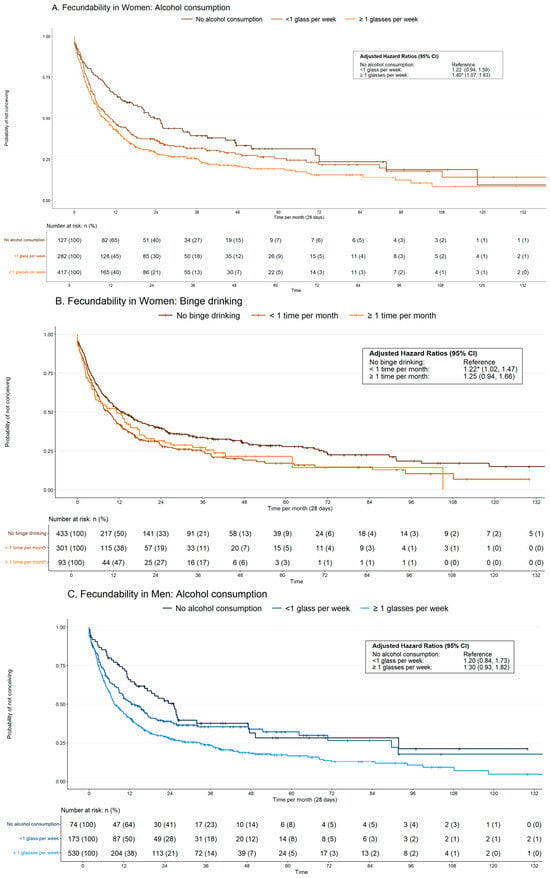
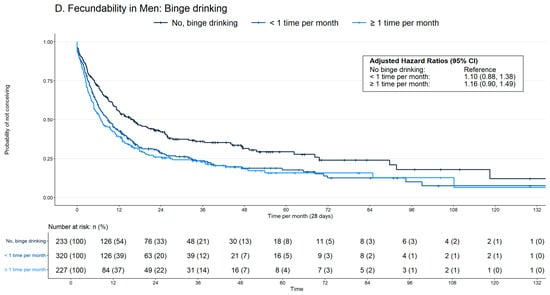
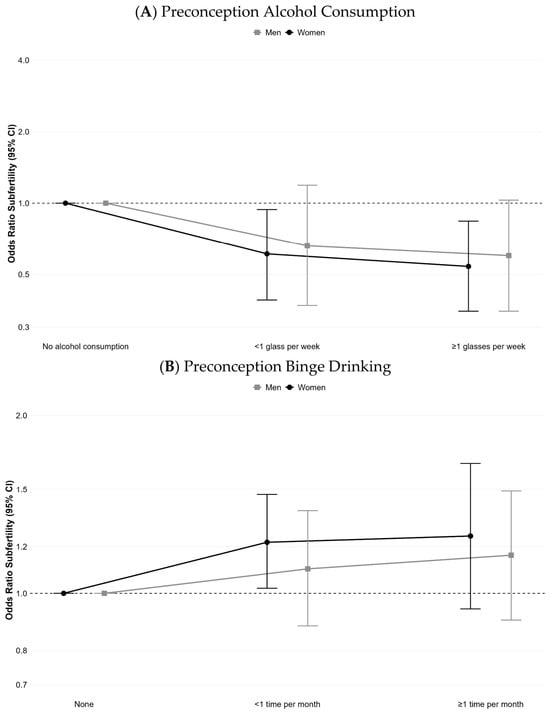
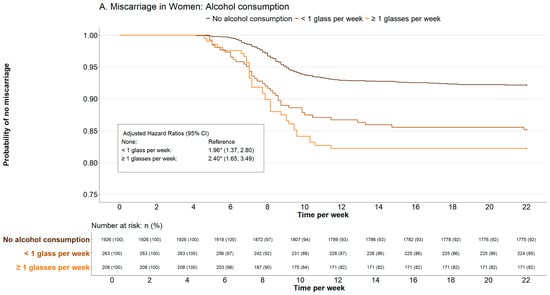
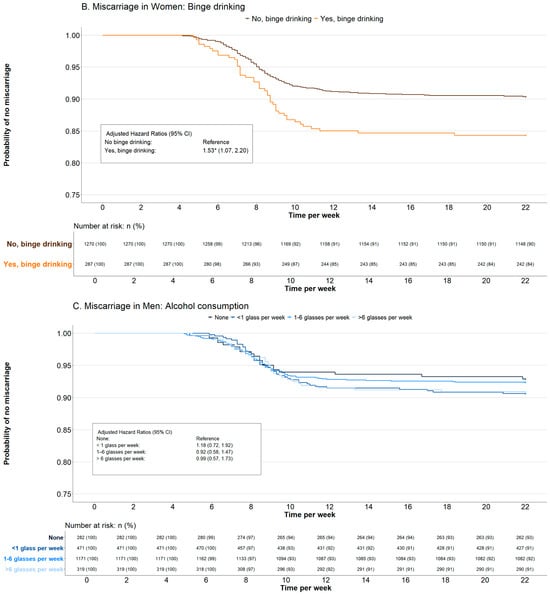
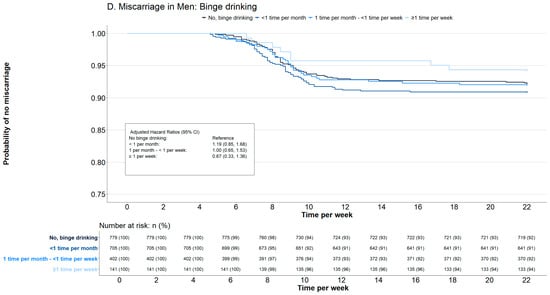
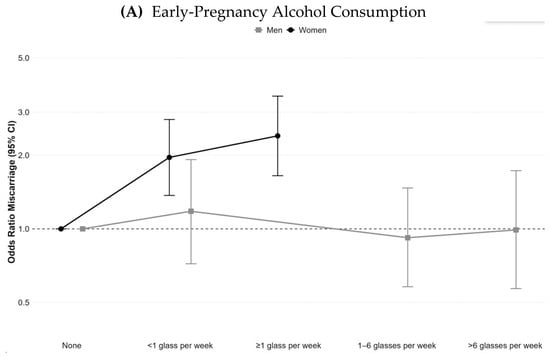
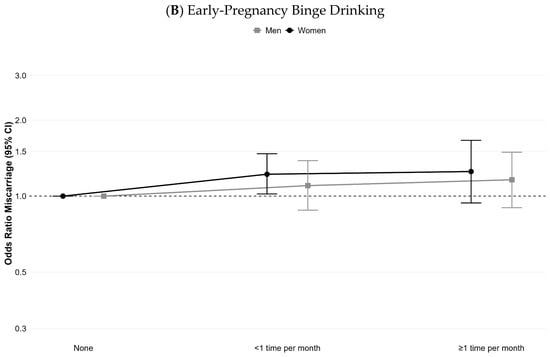
Background: Alcohol consumption is common among women and men of reproductive age. The effects of alcohol use in the preconception and early-pregnancy periods on early reproductive outcomes are not well-known. Methods: In a population-based cohort study from preconception onwards among 3225 women and their partners, we examined the associations of preconception and early-pregnancy alcohol consumption, assessed by questionnaires, with fecundability (per-cycle probability of conceiving), infertility (time to pregnancy >12 months or use of assisted reproductive technology), and miscarriage (pregnancy loss before 22 weeks of gestation). Results: As compared to no alcohol consumption, preconception intake of <1 glass/week and ≥1 glass/week among women was associated with lower odds of infertility (odds ratio (OR) 0.61, 95% confidence interval (CI) 0.39, 0.94 and OR 0.54, 95% CI 0.35, 0.84, respectively). As compared to no alcohol consumption, early-pregnancy alcohol consumption among women of <1 glass/week and ≥1 glass/week was associated with increased odds of miscarriage (OR 1.99, 95% CI 1.36, 2.92 and OR 2.37, 95%CI 1.58, 3.57). Early-pregnancy binge drinking among women was also associated with increased odds of miscarriage (OR 1.52, 95%CI 1.04, 2.24). Alcohol consumption among men was not associated with infertility or miscarriage risk. Conclusions: The associations of low-to-moderate preconception alcohol consumption with lower odds of infertility might reflect healthier lifestyles, socioeconomic factors, and residual confounding by health-related abstinence from alcohol, all of which are associated with greater fertility. Therefore, preconception and early-pregnancy counseling should mainly focus on the risk of miscarriage and fetal health outcomes.
Full article
(This article belongs to the Section Nutrition and Public Health)
►▼
Show Figures

Figure 1
Open AccessReview
Effects of Grape and Grape-Derived Bioactives on Inflammation and Immune-Driven Mechanisms Within the Context of Cardiometabolic Health and Aging: A Review
by
Indraja Gaddam, Marcela Santos Ferreira, Catherine Hastings, Mariana C. Calle and Catherine J. Andersen
Nutrients 2026, 18(18), 2952; https://doi.org/10.3390/nu18182952 - 9 Sep 2026
Abstract
Cardiometabolic disease and age-related health complications are significant clinical and public health concerns that impact an individual’s overall quality of life and longevity. Chronic low-grade and immune-mediated inflammation underlies the pathophysiology of metabolic and systemic tissue dysfunction associated with cardiometabolic disease development and
[...] Read more.
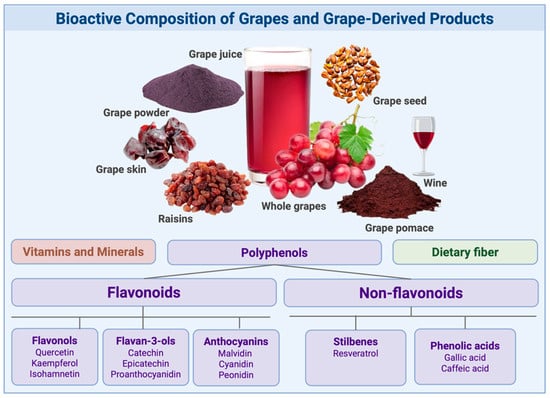
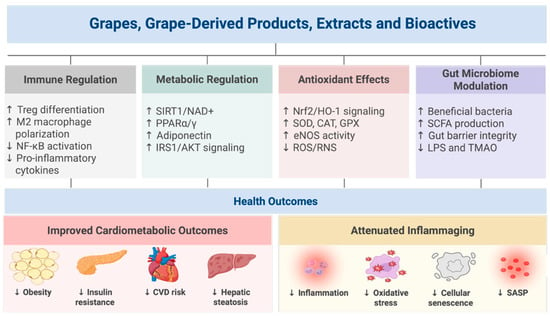
Cardiometabolic disease and age-related health complications are significant clinical and public health concerns that impact an individual’s overall quality of life and longevity. Chronic low-grade and immune-mediated inflammation underlies the pathophysiology of metabolic and systemic tissue dysfunction associated with cardiometabolic disease development and accelerated aging, whereas therapeutic and preventative strategies to reduce inflammation and promote immune function yield beneficial health outcomes. Evidence from cell and animal studies demonstrates that consumption of grapes, grape-based extracts and preparations, and grape-derived bioactive compounds exert beneficial anti-inflammatory and immunomodulatory effects, which are associated with improvements in metabolic profiles. However, results from human intervention trials investigating grape effects on inflammatory and immune markers are more limited and report varied effects on improvements in clinical and experimental biomarkers indicative of cardiometabolic disease risk and healthy aging, such as serum lipids, blood pressure, insulin resistance, oxidative stress, gut dysbiosis, and cognitive function. Variability in responses to grape products in human trials may be attributable to differences in grape product preparation in addition to variability in the health status of the study population. In this review, we present an overview of mechanistic studies evaluating the effects of grapes and grape-derived products on inflammatory and immune pathways within the context of cardiometabolic disease and aging, and provide an update on recent intervention trials in this area.
Full article
(This article belongs to the Section Phytochemicals and Human Health)
►▼
Show Figures

Figure 1

Open AccessArticle
Interactions Between Genetic Risk and Macronutrient Intake on Obesity-Related Traits in Sri Lankan Adults
by
Manahil M. Bineid, Dilki S. Perera, Zara Crosbie, Ananda Chandrasekara, Kumari M. Rathnayake and Karani Santhanakrishnan Vimaleswaran
Nutrients 2026, 18(18), 2951; https://doi.org/10.3390/nu18182951 - 9 Sep 2026
Abstract
Background/Objectives: In Sri Lanka, where obesity is increasingly prevalent, evidence on gene–diet interactions involving macronutrient intake and composition remains limited. We therefore examined these interactions on obesity-related traits. Methods: This cross-sectional analysis included 398 adults (mean age, 42.5 ± 8.3 years; 60.8% men).
[...] Read more.
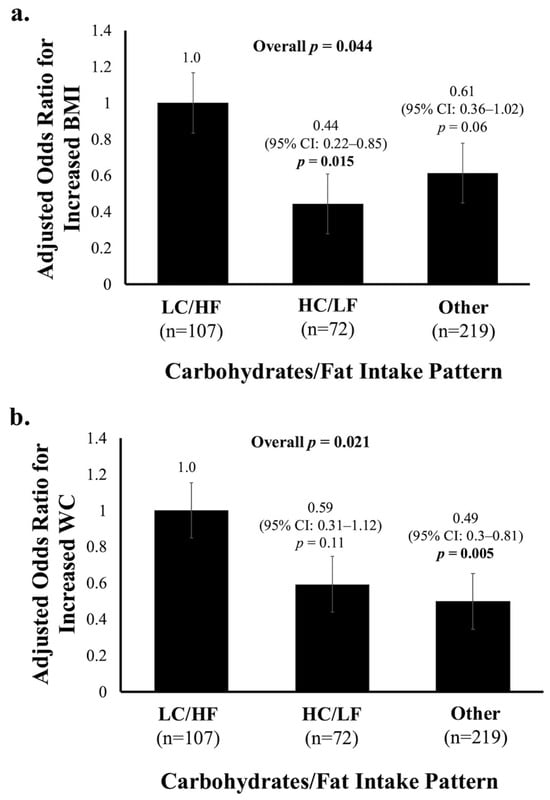
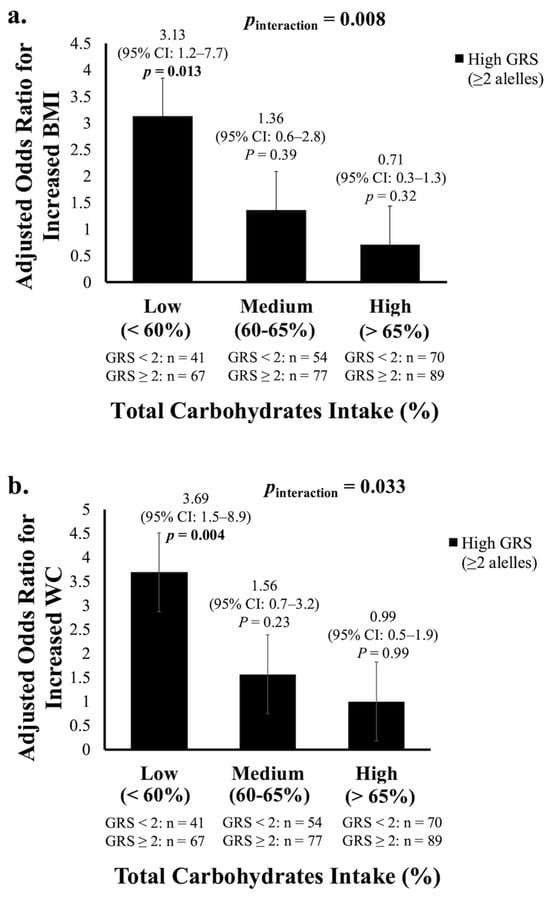
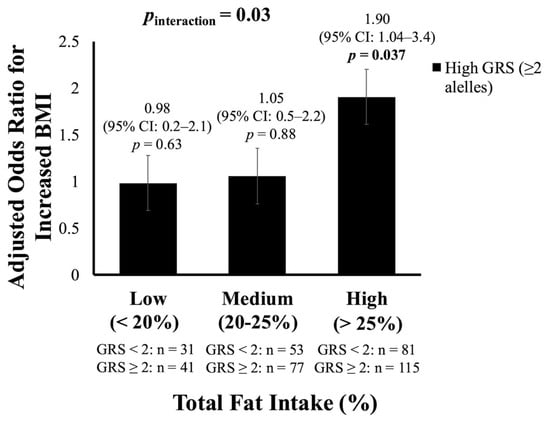
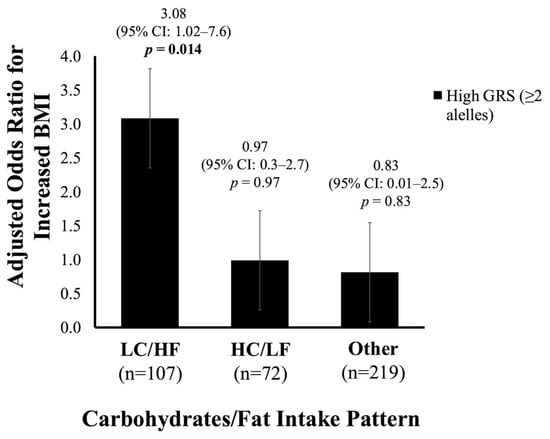
Background/Objectives: In Sri Lanka, where obesity is increasingly prevalent, evidence on gene–diet interactions involving macronutrient intake and composition remains limited. We therefore examined these interactions on obesity-related traits. Methods: This cross-sectional analysis included 398 adults (mean age, 42.5 ± 8.3 years; 60.8% men). Anthropometric measurements defined increased body mass index (BMI) and waist circumference (WC). Dietary macronutrient intake was assessed with a validated tool, and carbohydrate/fat intake patterns were determined based on study population-specific macronutrient cutoffs and interpreted as relative dietary patterns rather than clinically defined diets. A genetic risk score (GRS) was constructed using three single-nucleotide polymorphisms (FTO rs8050136, rs1588413, and TCF7L2 rs7903146). Associations and interaction effects were examined after adjustment for relevant confounders. Results: The GRS was positively associated with increased WC (p = 0.032). Carbohydrate/fat intake pattern was associated with increased BMI (p = 0.044) and WC (p = 0.021), with lower odds in the high-carbohydrate/low-fat and other combination patterns than in the low-carbohydrate/high-fat reference group. Significant GRS–carbohydrate interactions were observed for increased BMI (pinteraction = 0.008) and WC (pinteraction = 0.033), with higher odds among high-GRS individuals in the low-carbohydrate group. A GRS–fat interaction was also observed for increased BMI (pinteraction = 0.03), with significantly higher odds among high-GRS individuals in the high-fat group. Within the low-carbohydrate/high-fat pattern, high-GRS individuals had higher odds of increased BMI (OR= 3.1, p = 0.014). Conclusions: Dietary carbohydrate and fat intakes may influence the association between genetic susceptibility and obesity in Sri Lankan adults, particularly under a relatively low-carbohydrate/high-fat pattern.
Full article
(This article belongs to the Section Nutrition and Obesity)
►▼
Show Figures

Figure 1

Open AccessArticle
Zanthoxylum bungeanum Essential Oil Alleviates Obesity and Dysregulated Lipid Metabolism in Diet-Induced Obese Mice: A Multi-Omics Study Linking Gut Microbiota to Fatty Acid Metabolism
by
Luchuanyang Sun, Shiqi Zhang, Hongjuan Hu, Bingbing Xu, Shan Qian, Yukun Huang, Xiao Yang, Yan Liang and Xianggui Chen
Nutrients 2026, 18(18), 2950; https://doi.org/10.3390/nu18182950 - 9 Sep 2026
Abstract
Background: Obesity is a metabolic disorder characterized by excessive lipid accumulation, disrupted fatty acid homeostasis, and gut microbiota dysbiosis. Zanthoxylum bungeanum essential oil (ZBO) is a natural plant volatile oil with diverse bioactivities, but its anti-obesity effects and potential associations remain unclear. Methods
[...] Read more.
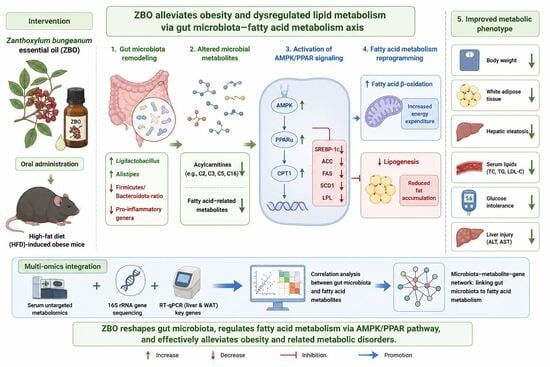
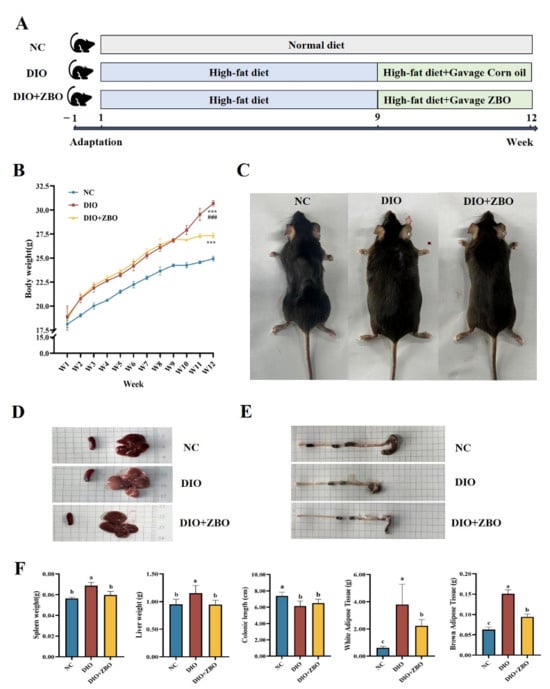
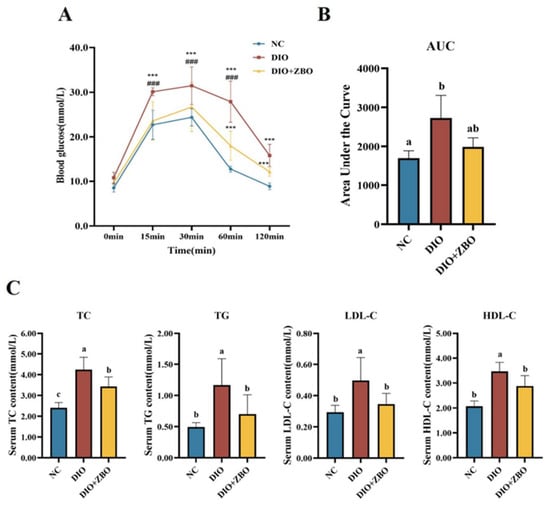
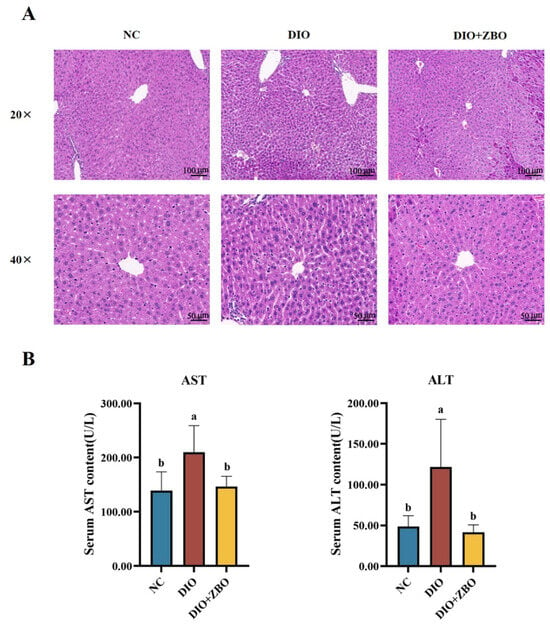
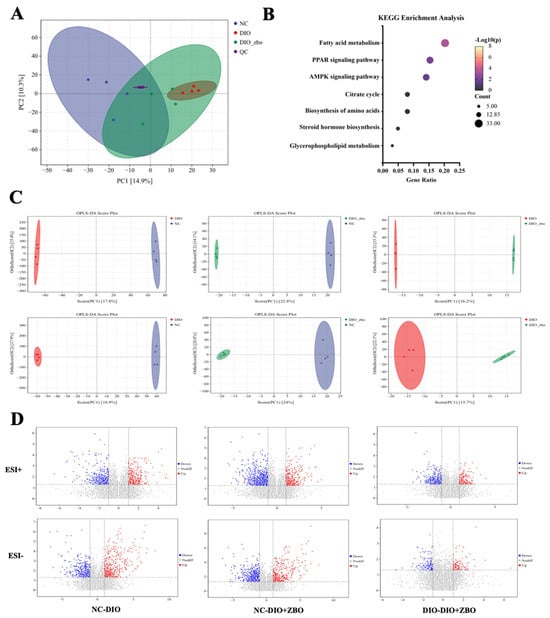
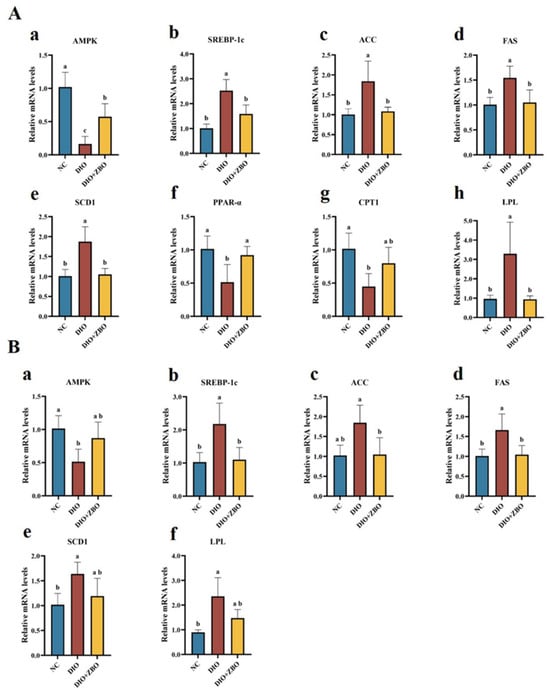
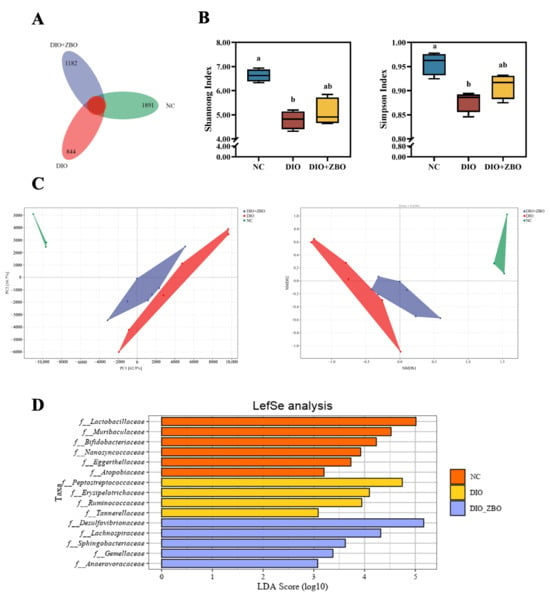
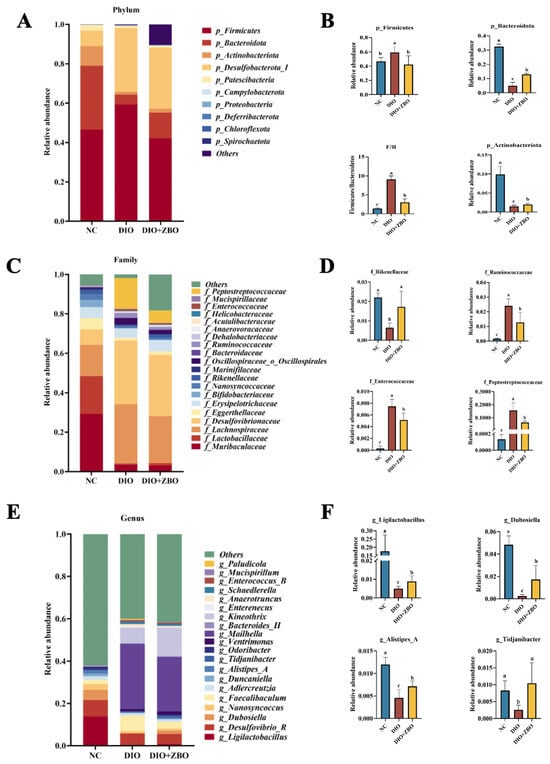
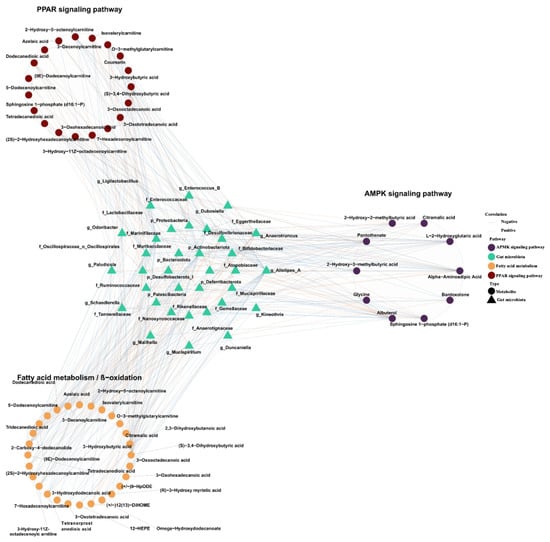
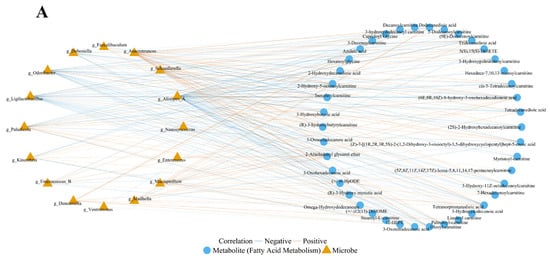
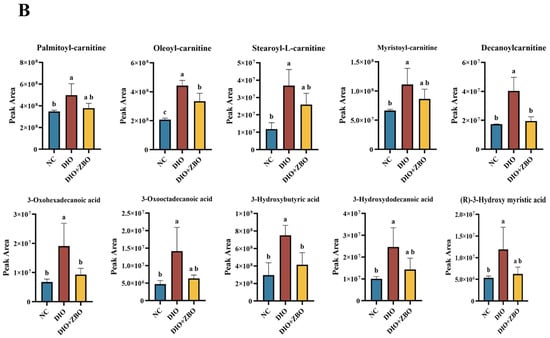
Background: Obesity is a metabolic disorder characterized by excessive lipid accumulation, disrupted fatty acid homeostasis, and gut microbiota dysbiosis. Zanthoxylum bungeanum essential oil (ZBO) is a natural plant volatile oil with diverse bioactivities, but its anti-obesity effects and potential associations remain unclear. Methods: HFD-induced obese (DIO) mice were evaluated to determine the effects of ZBO. Physiological parameters, glucose tolerance, and serum biochemical markers were assessed. Potential correlates were explored using a multi-omics approach, including integrated serum untargeted metabolomics, 16S rRNA gene sequencing, and RT-qPCR analysis of key genes involved in lipid metabolism in the liver and white adipose tissue. Results: ZBO significantly mitigated HFD-induced body weight gain, visceral adiposity, hepatic steatosis, dyslipidemia, and glucose intolerance. Metabolomics indicated that ZBO administration was associated with alterations in the serum metabolic landscape, particularly in pathways related to fatty acid metabolism and AMPK/PPAR-α signaling. Consistently, ZBO treatment was associated with upregulated mRNA expression of lipid-oxidizing genes (AMPK, PPAR-α, CPT1) and downregulated lipogenic genes (SREBP-1c, ACC, FAS, SCD1, LPL). 16S rRNA sequencing suggested that ZBO was associated with increased gut microbial diversity, decreased the Firmicutes/Bacteroidota ratio, and enriched beneficial taxa (e.g., Ligilactobacillus, Alistipes) while suppressing pro-inflammatory genera. Correlation analysis established robust associations between ZBO-modulated microbes and key fatty acid metabolites, particularly acylcarnitines and AMPK/PPAR-α-related intermediates. Conclusions: Collectively, these multi-omics data suggest that ZBO administration is associated with remodeling of the gut microbiota and correlated changes in fatty acid metabolic pathways. These findings provide preliminary preclinical evidence supporting further investigation of ZBO in the context of dietary strategies for alleviating HFD-induced obesity.
Full article
(This article belongs to the Special Issue Plant-Based Diets: Nutritional Adequacy, Bioactive Compounds, and In Vitro Cellular Bioactivity Assessment)
►▼
Show Figures

Graphical abstract
Open AccessReview
Palmitoylethanolamide and Luteolin in Brain Aging and Cognitive Decline: Biological Rationale and Current Evidence
by
Francesca Mancinetti, Virginia Boccardi, Marta Valenza, Martina Alunno, Michela Scamosci, Roberta Facchinetti, Veronica Tecchio, Anna Giulia Guazzarini, Martina Procaccini, Luigi Cari, Giuseppe Nocentini, Carmelinda Ruggiero, Caterina Scuderi, Luca Steardo and Patrizia Mecocci
Nutrients 2026, 18(18), 2949; https://doi.org/10.3390/nu18182949 - 9 Sep 2026
Abstract
Cognitive decline is closely associated with biological aging and with interconnected processes, including chronic low-grade inflammation, oxidative stress, mitochondrial dysfunction, and cellular senescence. Nutraceutical strategies capable of modulating several of these pathways may represent a complementary approach to supporting cognitive health. This narrative
[...] Read more.
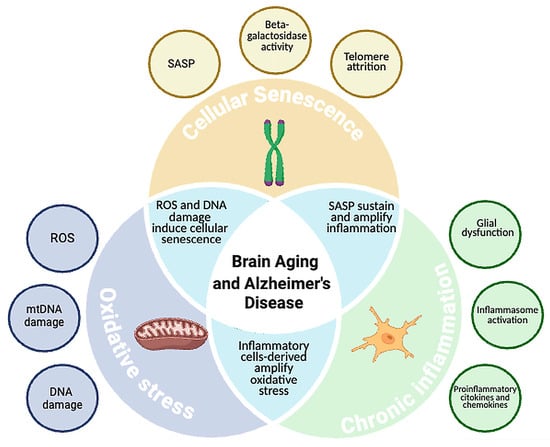
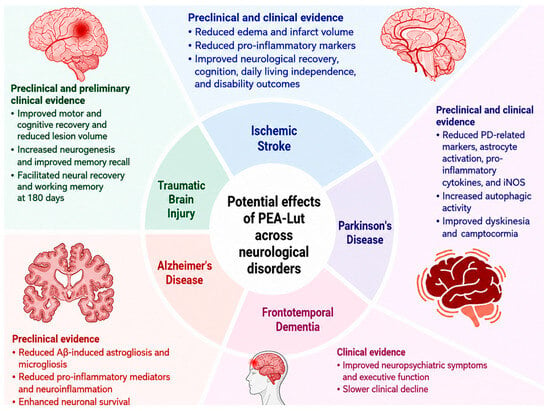
Cognitive decline is closely associated with biological aging and with interconnected processes, including chronic low-grade inflammation, oxidative stress, mitochondrial dysfunction, and cellular senescence. Nutraceutical strategies capable of modulating several of these pathways may represent a complementary approach to supporting cognitive health. This narrative review examines the biological rationale and available evidence regarding palmitoylethanolamide (PEA), luteolin, and their co-ultramicronized formulation (PEA-Lut) in cognitive impairment and dementia. Evidence from mechanistic studies, animal models, observational studies, and clinical trials was considered. PEA is an endogenous N-acylethanolamine with anti-inflammatory and neuroprotective properties, whereas luteolin exerts complementary antioxidant and anti-inflammatory effects. Co-ultramicronization may improve their physicochemical properties and biological activity. Preclinical studies suggest that PEA-Lut may attenuate glial activation, pro-inflammatory signaling, oxidative and nitrosative stress, and amyloid-β-induced cellular injury while supporting neurotrophic signaling and neuronal survival. Preliminary clinical findings have suggested possible benefits in stroke rehabilitation, frontotemporal dementia, and other neuroinflammatory conditions. However, human evidence specifically addressing mild cognitive impairment and Alzheimer’s disease remains limited, heterogeneous, and largely derived from preclinical and small or non-randomized studies. PEA-Lut therefore represents a biologically plausible investigational nutraceutical approach, although available clinical safety data are limited to relatively small and heterogeneous populations and short observation periods. Adequately powered randomized controlled trials are needed to determine its clinical efficacy, optimal timing and dosage, and long-term safety in individuals at risk of dementia.
Full article
(This article belongs to the Special Issue Nutrition, Prevention, and Management Strategies in Alzheimer’s Disease)
►▼
Show Figures

Figure 1
Open AccessArticle
Effects of Chokeberry Juice Added to a Mediterranean-Style Diet on Glycemic Control and Redox Homeostasis in Women with Prediabetes: A Randomized Controlled Trial
by
Małgorzata Elżbieta Zujko, Marta Rożniata and Marta Żebrowska-Gamdzyk
Nutrients 2026, 18(18), 2948; https://doi.org/10.3390/nu18182948 - 9 Sep 2026
Abstract
Background: Prediabetes is characterized by impaired glucose regulation and altered redox homeostasis, which may contribute to progression to type 2 diabetes. Polyphenol-rich foods may improve metabolic and redox balance. Methods: Fifty-four women aged 30–60 years with prediabetes were randomly assigned to
[...] Read more.
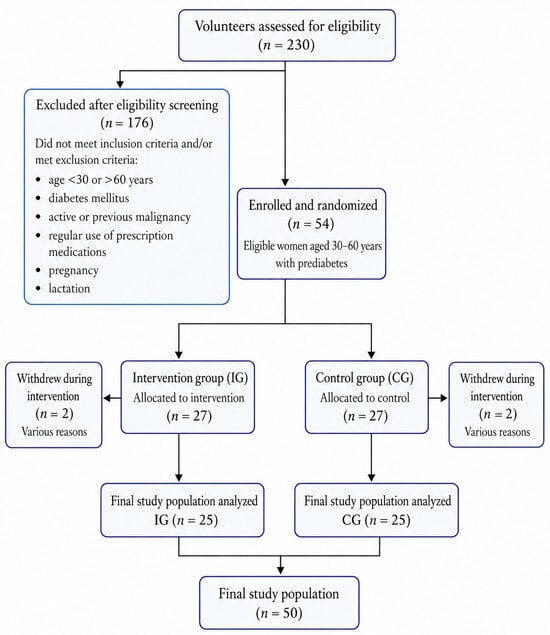
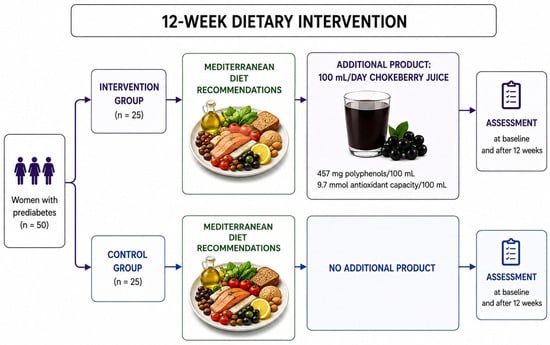
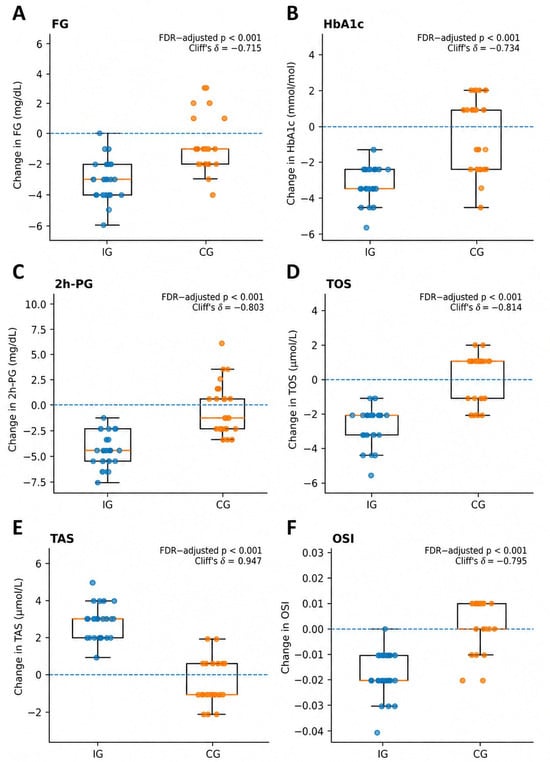
Background: Prediabetes is characterized by impaired glucose regulation and altered redox homeostasis, which may contribute to progression to type 2 diabetes. Polyphenol-rich foods may improve metabolic and redox balance. Methods: Fifty-four women aged 30–60 years with prediabetes were randomly assigned to an intervention group (IG) or control group (CG); 50 completed the 12-week study (25 per group). Both groups received Mediterranean diet recommendations. The IG additionally consumed 100 mL/day of chokeberry juice, providing 457 mg GAE of total polyphenols and 9.7 mmol antioxidant capacity (FRAP), whereas the CG received no study product. Fasting plasma glucose (FG), HbA1c, 2 h plasma glucose (2h-PG), total oxidant status (TOS), total antioxidant status (TAS), and oxidative stress index (OSI) were assessed at baseline and 12 weeks. Between-group differences in individual changes were analyzed using the Mann–Whitney U test with Benjamini–Hochberg false discovery rate correction. The randomized substudy reported here was conducted within the broader single-group parent study registered at ClinicalTrials.gov (NCT06435130), which enrolled a larger mixed-sex cohort; the present analysis concerns only the nested 12-week randomized comparison in women with prediabetes. Results: Compared with the CG, the IG showed greater reductions in FG, HbA1c, 2h-PG, TOS, and OSI and a greater increase in TAS. All between-group differences remained significant after FDR correction (adjusted p < 0.001), with large Cliff’s delta values. Conclusions: Adding 100 mL/day of chokeberry juice to Mediterranean diet recommendations for 12 weeks was associated with modest but statistically significant improvements in glycemic and redox-related outcomes in women with prediabetes. The small sample, short follow-up, and lack of placebo control limit generalizability; larger, longer placebo-controlled trials are warranted.
Full article
(This article belongs to the Special Issue Adherence to the Mediterranean Diet and Health Status)
►▼
Show Figures

Figure 1
Open AccessSystematic Review
Nutrition, Sedentary Behaviour and Physical Activity in Undergraduate Students: A Scoping Review with PRISMA-ScR Checklist
by
Mariasole Antonietta Guerriero, Rita Polito, Nicola Mancini, Antonietta Monda, Antonietta Messina, Maria Ruberto, Salvatore Allocca, Marco La Marra, Pasquale Perrone, Girolamo Di Maio, Maria Casillo, Mario Ruggiero, Yuri Russo, Giovanni Messina, Marcellino Monda, Vincenzo Monda, Filomena Mazzeo, Maria Giovanna Tafuri and Fiorenzo Moscatelli
Nutrients 2026, 18(18), 2947; https://doi.org/10.3390/nu18182947 - 8 Sep 2026
Abstract
Background/Objectives: University students are particularly vulnerable to unhealthy lifestyle behaviours, including poor dietary habits, insufficient physical activity, and prolonged sedentary time. While these three behaviours have each been extensively studied individually, the extent to which they have been jointly investigated as distinct constructs
[...] Read more.
Background/Objectives: University students are particularly vulnerable to unhealthy lifestyle behaviours, including poor dietary habits, insufficient physical activity, and prolonged sedentary time. While these three behaviours have each been extensively studied individually, the extent to which they have been jointly investigated as distinct constructs in the same undergraduate populations remains unclear. This scoping review aimed to map the available evidence jointly addressing dietary habits, sedentary behaviour, and physical activity among undergraduate university students. Methods: Following the PRISMA-ScR guidelines, a systematic search was conducted on PubMed and Scopus (search date: 27 June 2026), covering records published between 2014 and 2026 in English. Studies were eligible if they measured all three constructs (diet, sedentary behaviour, and physical activity) as distinct outcomes in undergraduate populations aged 18 years or older. Results: Of 1910 records identified, 70 studies met the eligibility criteria, comprising 62 primary studies and 8 ongoing study protocols. The primary studies spanned 26 countries across five continents, and most used cross-sectional designs; only one intervention study was identified. Across studies, inadequate diet, low physical activity, and elevated sedentary time were common and frequently co-occurred within individuals, with associations reported for mental health, body image, and weight-related outcomes. Sedentary behaviour was the construct most often absent from otherwise relevant studies and was consistently elevated when measured. Conclusions: Across the 62 primary studies spanning 26 countries, a broadly consistent pattern of suboptimal diet, insufficient physical activity, and elevated sedentary time was observed among undergraduate students.
Full article
(This article belongs to the Section Sports Nutrition)
Open AccessReview
Energy Drink Use and Adolescent Sleep Debt: Implications for Obesity, Cognition, and Physical Activity
by
Giorgos K. Sakkas, Ilias Ntoumas, Christoforos D. Giannaki and Christina Karatzaferi
Nutrients 2026, 18(18), 2946; https://doi.org/10.3390/nu18182946 - 8 Sep 2026
Abstract
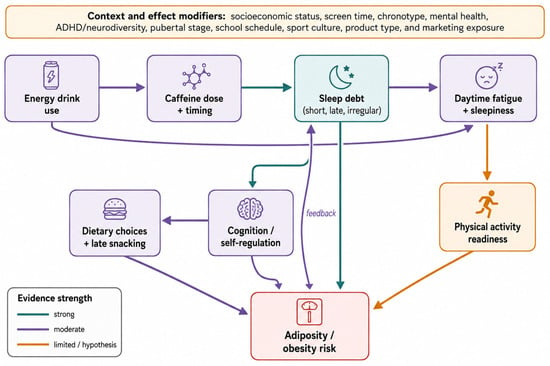
Background/Objectives: Energy drinks are marketed to adolescents as products that enhance alertness, concentration, and physical or sports performance, yet their use may also represent a visible marker of sleep debt and a potential contributor to disrupted 24 h behavioral patterns. This narrative review
[...] Read more.
Background/Objectives: Energy drinks are marketed to adolescents as products that enhance alertness, concentration, and physical or sports performance, yet their use may also represent a visible marker of sleep debt and a potential contributor to disrupted 24 h behavioral patterns. This narrative review examines evidence linking energy drink consumption with adolescent sleep disturbance and considers implications for obesity risk, cognition, and physical activity. Methods: Targeted literature searches were conducted in PubMed/MEDLINE, ScienceDirect, Google Scholar, and reference lists to identify reviews, consensus statements, policy documents, and adolescent-relevant observational or experimental studies. Evidence was synthesized narratively and classified as strong, moderate, limited, or hypothesis-generating according to study design, consistency, age specificity, and directness to the proposed pathway. Results: The strongest evidence supports associations between energy drink use and short or poor-quality sleep, and between sleep dimensions and adolescent adiposity. Experimental adolescent studies support links between sleep restriction, food choice, reward processing, cognition, and self-regulation. Evidence linking energy drink use directly to reduced physical activity is weaker and likely depends on timing, context, and user subgroup. Sugary and sugar-free products require separate interpretation: sugar-containing drinks may contribute directly to energy intake, whereas sugar-free products may still disrupt sleep through caffeine and may not remove behavioral risk. Conclusions: Energy drink use should be considered not only as caffeine or sugar exposure, but also as a screening cue for sleep debt, fatigue, sedentary behavior, and physical activity readiness. Reducing energy drink use alone is unlikely to resolve adolescent sleep debt; multifactorial interventions that combine caffeine-timing guidance, sleep hygiene, screen management, physical activity support, and policy-level access strategies are needed.
Full article
(This article belongs to the Section Nutrition and Public Health)
►▼
Show Figures

Figure 1
Open AccessArticle
Dietary Fiber Supplementation Reduces Systolic Blood Pressure in High-Risk Patients with Type 2 Diabetes and Hypertension: A Secondary Analysis of a Randomized Trial
by
José Luis Pino-Villalón, Bastian Parada-Flores, Miguel Arredondo, Roberto Fuentealba, Jessica Noack and Exal Garcia-Carrillo
Nutrients 2026, 18(18), 2945; https://doi.org/10.3390/nu18182945 - 8 Sep 2026
Abstract
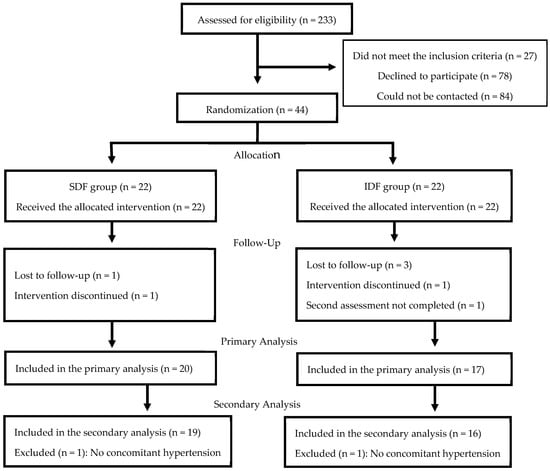
Background/Objectives: Dietary fiber supplementation has been associated with blood pressure (BP) reduction, but evidence comparing soluble (SDF) and insoluble (IDF) fiber types in high-risk populations is limited. This study aimed to compare the effects of SDF and IDF supplementation on BP and
[...] Read more.
Background/Objectives: Dietary fiber supplementation has been associated with blood pressure (BP) reduction, but evidence comparing soluble (SDF) and insoluble (IDF) fiber types in high-risk populations is limited. This study aimed to compare the effects of SDF and IDF supplementation on BP and to explore correlations between changes in BP and alterations in gut microbiota composition and serum biomarkers in adults with type 2 diabetes (T2D) and hypertension. Methods: This secondary analysis was based on a 12-week, randomized, double-blind, parallel-group clinical trial. Thirty-five adults with T2D and hypertension were assigned to receive either 5 g/day of oat β-glucan (SDF, n = 19) or microcrystalline cellulose (IDF, n = 16). BP, gut microbiota composition (quantitative polymerase chain reaction; qPCR), and inflammatory biomarkers were assessed at baseline and after the intervention. Results: The mean age of the participants was 50.7 ± 5.7 years, and 77% were female. Both groups exhibited comparable reductions in systolic blood pressure (SBP) (SDF: −11.2 ± 20.9 mmHg; IDF: −11.6 ± 17.0 mmHg; p = 0.965 between groups). In the SDF group, significant positive correlations were observed between increases in Firmicutes abundance and changes in diastolic blood pressure (DBP) (r = 0.90, p < 0.01), as well as between increases in Bifidobacterium spp. abundance and changes in DBP (r = 0.90, p < 0.05). Conclusions: Supplementation with either soluble or IDF was associated with reductions in SBP in this sample of adults with T2D and hypertension. The observed associations between changes in gut microbiota composition and BP should be considered exploratory and interpreted with caution. Placebo-controlled studies are required to confirm these findings and elucidate the underlying biological mechanisms.
Full article
(This article belongs to the Special Issue Innovative Nutritional Strategies and Dietary Interventions for Type 2 Diabetes and Its Complications)
►▼
Show Figures

Figure 1
Open AccessReview
Therapeutic Potential of Selected Flavonoids as Natural Antidiabetic Agents
by
Klaudia Stocerz, Arkadiusz Sokal, Patryk Mruczek, Monika Kadela-Tomanek and Paweł Ramos
Nutrients 2026, 18(18), 2944; https://doi.org/10.3390/nu18182944 - 8 Sep 2026
Abstract
Type 2 diabetes mellitus (T2DM) remains a major clinical challenge, with postprandial hyperglycemia (PPG) playing a key role in the development of vascular complications. Current pharmacotherapies often do not sufficiently control PPG, highlighting the need for complementary strategies. One effective approach is the
[...] Read more.
Type 2 diabetes mellitus (T2DM) remains a major clinical challenge, with postprandial hyperglycemia (PPG) playing a key role in the development of vascular complications. Current pharmacotherapies often do not sufficiently control PPG, highlighting the need for complementary strategies. One effective approach is the inhibition of carbohydrate digesting enzymes, α-amylase and α-glucosidase, which delays glucose absorption and reduces PPG excursions. Flavonoids, a diverse class of plant-derived polyphenols, exhibit multiple biological activities relevant to T2DM, including enzyme inhibition, antioxidant, and anti-inflammatory effects. This review summarizes the mechanisms by which flavonoids modulate glucose metabolism, with particular emphasis on their interactions with α-amylase and α-glucosidase. Structure–activity relationships are discussed, focusing on the influence of hydroxylation patterns, conjugation, and molecular planarity on inhibitory potency and selectivity. Selected flavonoids—chrysin, apigenin, luteolin, and quercetin—are comparatively analyzed in terms of enzyme inhibition profiles, binding mechanisms, and selectivity. Evidence from in vitro studies, enzyme kinetics, and molecular docking highlights their differential activity, particularly the preferential inhibition of α-glucosidase over α-amylase, which may reduce gastrointestinal side effects. Overall, flavonoids represent promising modulators of PPG. However, their clinical relevance is limited by bioavailability and variability of experimental data, warranting further investigation.
Full article
(This article belongs to the Special Issue Dietary Polyphenols and Diabetic Complications: Antioxidant and Anti-Inflammatory Roles)
Open AccessArticle
Mediterranean Diet and Global Dietary Shifts, 1990–2018: Population-Level Analysis Using Global Dietary Database
by
Dana Popescu-Spineni, Leila Karimi, Laima Brazionis, Elena Philippou, Audrey Tierney, Jelena Helene Cvejić, Linda Errington, Labros Sidossis and Catherine Itsiopoulos
Nutrients 2026, 18(18), 2943; https://doi.org/10.3390/nu18182943 - 8 Sep 2026
Abstract
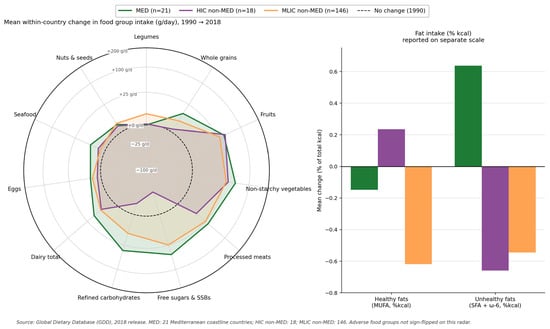
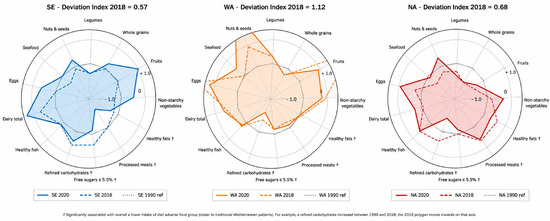
Background: The Mediterranean diet (MD) has well-established health benefits, yet modern food systems are driving a nutrition transition. Quantifying how Mediterranean countries have shifted relative to global trends is essential for evidence-based public health. Aim: Dietary changes between 1990 and 2018
[...] Read more.
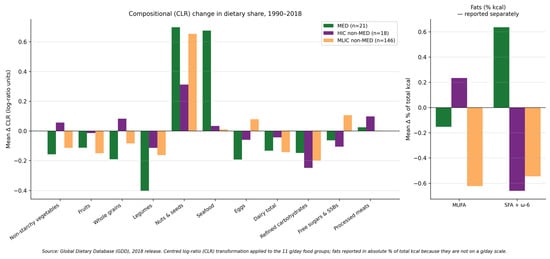
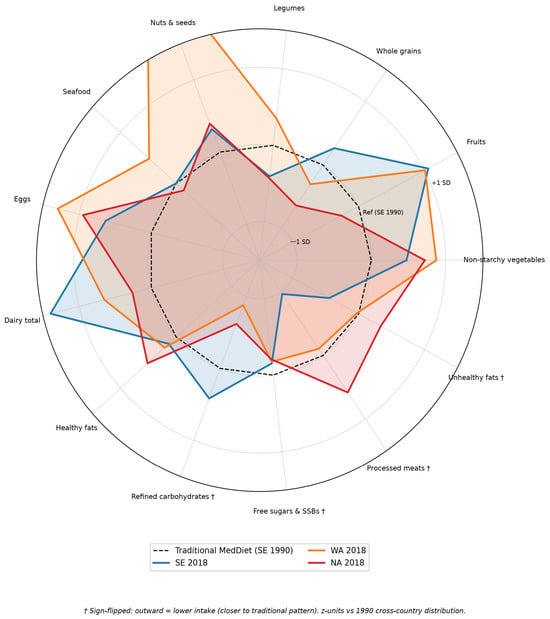
Background: The Mediterranean diet (MD) has well-established health benefits, yet modern food systems are driving a nutrition transition. Quantifying how Mediterranean countries have shifted relative to global trends is essential for evidence-based public health. Aim: Dietary changes between 1990 and 2018 were examined in Mediterranean coastline countries (MED) in comparison with high-income non-Mediterranean countries (HIC non-MED) and middle-/low-income non-Mediterranean countries (MLIC non-MED). Methods: Using the Global Dietary Database, within-country changes (1990 vs. 2018) for 13 food categories were analysed across 185 nations in three groups: MED countries (n = 21), HIC non-MED (n = 18), and MLIC non-MED (n = 146). MED countries were further grouped into Southern Europe (SE), Western Asia (WA), and North Africa (NA). Paired unweighted country-level analyses were the primary analyses; population-weighted analyses were sensitivity checks. Benjamini–Hochberg’s false-discovery-rate correction and centred log-ratio compositional analysis were applied. Results: MED seafood intake rose from 20.5 to 33.8 g/day (Δ = +13.3 g/day; 95% CI: +6.2 to +18.4; q = 0.003), and non-starchy vegetables increased from 135.5 to 173.6 g/day (Δ = +38.0 g/day; q = 0.626). Refined/starchy carbohydrate intake rose by 63.3 g/day in MED countries while declining by 33.6 g/day in HIC non-MED countries (between-group divergence +96.9 g/day; q = 0.006). Nuts and seeds rose across all groups; legumes declined modestly in MED countries. Saturated fatty acids + omega-6 polyunsaturated fatty acids (% kcal) rose by +0.6 percentage points in MED countries but fell in HIC non-MED countries. Monounsaturated fatty acids were stable. MED-WA showed the greatest overall divergence from the SE 1990 pattern. Conclusions: These findings highlight a public health paradox: the MD is globally promoted as a model of healthy eating, yet adherence within its region of origin is declining. Targeted, region-specific strategies are urgently needed to preserve beneficial MD elements while addressing emerging diet-related risks.
Full article
(This article belongs to the Section Nutrition and Public Health)
►▼
Show Figures

Figure 1
Journal Menu
► ▼ Journal Menu-
- Nutrients Home
- Aims & Scope
- Editorial Board
- Reviewer Board
- Topical Advisory Panel
- Early Career Editorial Board
- Instructions for Authors
- Special Issues
- Topics
- Sections & Collections
- Article Processing Charge
- Indexing & Archiving
- Editor’s Choice Articles
- Most Cited & Viewed
- Journal Statistics
- Journal History
- Journal Awards
- Society Collaborations
- Conferences
- Editorial Office
Journal Browser
► ▼ Journal BrowserHighly Accessed Articles
Latest Books
E-Mail Alert
News
9 September 2026
Meet Us at Nutrients 2026—Clinical Nutrition: from Research to Practice, 22–24 October 2026, Barcelona, Spain
3 September 2026
Meet Us at the American Public Health Association 2026 Annual Meeting and Expo (APHA 2026), 1–4 November 2026, San Antonio, USA
Topics
Topic in
Applied Microbiology, Fermentation, Foods, Microbiology Research, Microorganisms, Nutrients
News and Updates on Probiotics
Topic Editors: Alessandra Pino, Mutamed AyyashDeadline: 30 September 2026
Topic in
Analytica, Antioxidants, IJMS, Nutrients, Separations, Biomedicines
Druggable Targets in Human Diseases and Therapeutic Target Identification for Bioactive Natural Products
Topic Editors: Jun Dang, Gang LiDeadline: 31 October 2026
Topic in
Foods, Molecules, Nutrients, Metabolites
Omics Technologies and Other Quality and Safety Methodologies in Nutrition and Health
Topic Editors: Xianjiang Li, Wen MaDeadline: 15 November 2026
Topic in
Antioxidants, Biomedicines, Biomolecules, Cells, IJMS, Metabolites, Nutrients, Sci
Muscle Aging and Sarcopenia: Mechanisms, Metabolic Regulation, and Intervention Strategies
Topic Editors: Hélio José Coelho Júnior, Mariam El Assar, Javier AnguloDeadline: 15 December 2026
Conferences
Special Issues
Special Issue in
Nutrients
Advances in Sweeteners and Human Health: Metabolic, Molecular, and Epidemiological Perspectives on Safety, Efficacy, and Public Health Impact
Guest Editors: Ajka Pribisalić, Davorka SutlovicDeadline: 15 September 2026
Special Issue in
Nutrients
Nutrition, Prevention, and Management Strategies in Alzheimer’s Disease
Guest Editors: Patrizia Mecocci, Maria Cristina PolidoriDeadline: 15 September 2026
Special Issue in
Nutrients
The Role of Omega-3 Fatty Acids and Polyphenols in Diabetes and Diabetes-Related Diseases
Guest Editor: Ewa PolawskaDeadline: 15 September 2026
Special Issue in
Nutrients
Diet on Gut Health and Celiac Disease
Guest Editor: Kofi ClarkeDeadline: 15 September 2026
Topical Collections
Topical Collection in
Nutrients
Connection between Microbiome, Lifestyle and Diet
Collection Editors: Eva Untersmayr, Peter M. Abuja
Topical Collection in
Nutrients
Dietary Fatty Acids and the Cardiovascular Health: Evidence, Controversies, and Consensus
Collection Editor: Asim K. Duttaroy
Topical Collection in
Nutrients
Advances in Phenylketonuria (PKU) Nutrition and Diet Research (2nd Edition)
Collection Editors: Júlio César Rocha, Anita MacDonald
Topical Collection in
Nutrients
Plant-Based Diets in Sports Nutrition and Performance
Collection Editors: D. Enette Larson-Meyer, Heidi LynchConference Reports
Nutrients 2024, 16(15), 2528; https://doi.org/10.3390/nu16152528
Nutrients 2024, 16(8), 1157; https://doi.org/10.3390/nu16081157