


Journal Menu
► ▼ Journal Menu-
- Nanomaterials Home
- Aims & Scope
- Editorial Board
- Reviewer Board
- Topical Advisory Panel
- Early Career Editorial Board
- Instructions for Authors
- Special Issues
- Topics
- Sections & Collections
- Article Processing Charge
- Indexing & Archiving
- Editor’s Choice Articles
- Most Cited & Viewed
- Journal Statistics
- Journal History
- Journal Awards
- Society Collaborations
- Conferences
- Editorial Office
Journal Browser
► ▼ Journal BrowserNeed Help?
Announcements
19 August 2026
The 2nd International Conference on Bioengineering: Bioengineering in an Era of AI (BIOENG 2026) Announces Distinguished Speakers Lineup and Late-Breaking Poster Submission Opportunity
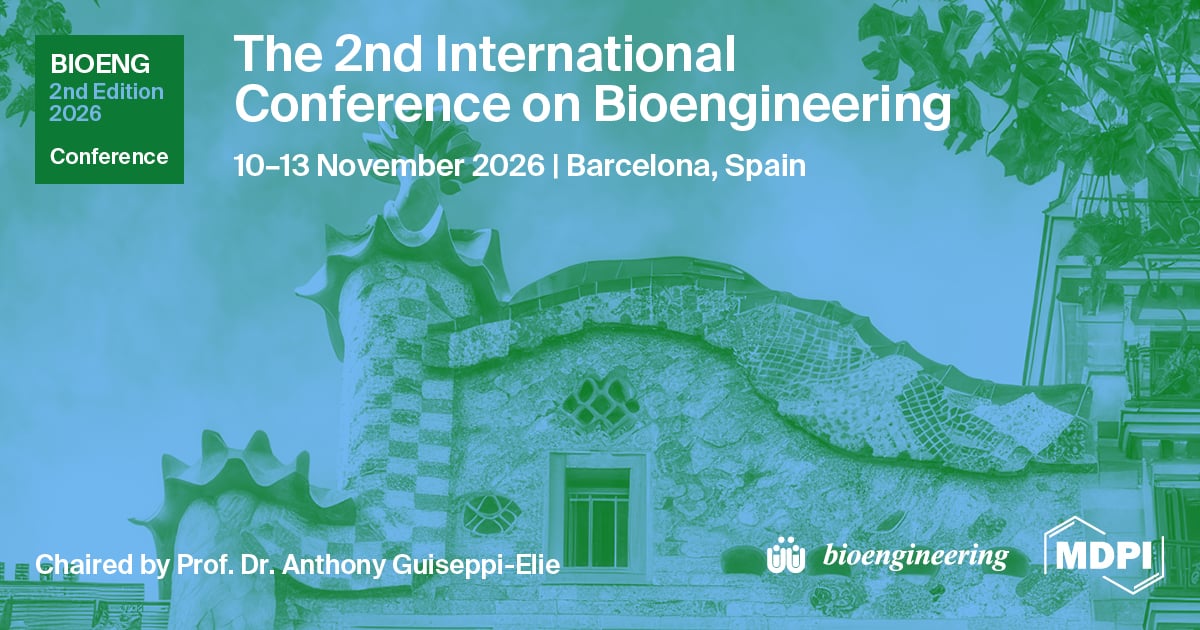
The 2nd International Conference on Bioengineering (BIOENG 2026), Bioengineering in an Era of AI, is pleased to announce its distinguished lineup of Plenary, Keynote, and Invited Speakers. Taking place from 10 to 13 November 2026 in Barcelona, Spain, the conference will bring together leading researchers, engineers, clinicians, and innovators to explore the latest advances shaping the future of bioengineering.
Conference: The 2nd International Conference on Bioengineering: Bioengineering in an Era of AI (BIOENG 2026)
Date: 10–13 November 2026
Place: Barcelona, Spain
Website: https://sciforum.net/event/BIOENG2026
Distinguished Plenary Speakers
BIOENG 2026 is honored to welcome two internationally renowned leaders in bioengineering and regenerative medicine:
- Prof. Dr. Sir Cato T. Laurencin—University of Connecticut, USA;
- Prof. Dr. Dame Molly Stevens—University of Oxford, UK.
Keynote Speakers:
The keynote program features experts representing a broad range of disciplines across bioengineering, AI, biomedical technologies, and biomechanics:
- Prof. Dr. Louis Andrew Lyon—Chapman University, USA;
- Prof. Dr. Anthony Guiseppi-Elie—Texas A&M University, USA; President and Sr. Fellow, AIIMSEI;
- Prof. Dr. Wei Gao—Division of Engineering and Applied Science, California Institute of Technology, USA;
- Prof. Dr. Franz Konstantin Fuss—University of Bayreuth, Germany.
Invited Speakers:
The conference will also feature an international group of invited experts whose work spans regenerative medicine, biomaterials, biosensing, biomedical engineering, AI, diagnostics, human–machine interaction, and global health:
- Prof. Dr. Ennio Tasciotti—San Raffaele University, Italy;
- Prof. Dr. Stelios Andreadis—State University of New York in Buffalo, USA;
- Prof. Dr. Dana Al-Sulaiman—King Abdullah University of Science and Technology, Saudi Arabia;
- Prof. Dr. Carmen Mayorga—UPC—Peruvian University of Applied Sciences, Peru;
- Dr. Selim Bozkurt—Ulster University, UK;
- Prof. Dr. Leopoldo Angrisani—University of Naples Federico II, Italy;
- Prof. Dr. Maribel Vazquez—Rutgers, The State University of New Jersey, USA;
- Prof. Dr. Silviya Petrova Zustiak—Saint Louis University, USA;
- Dr. Hana Lísalová—Institute of Physics of the Czech Academy of Sciences, Czech Republic;
- Prof. Dr. Gianluca Di Flumeri—Sapienza University of Rome, Italy;
- Dr. Luciano Sappia—Scientific Advisor and Innovation Consultant, TotemXR, Catalonia, Spain;
- Dr. Claudio Parolo—Ramón y Cajal Fellow, Universitat Rovira i Virgili; Co-founder, Global Health Innovative Solutions, Spain.
Together, these speakers will contribute to a diverse scientific program addressing emerging technologies, translational research, and the growing role of AI across bioengineering and healthcare.
Late-Breaking Poster Submissions Are Now Open
Missed the initial abstract submission deadline? Late-breaking poster submissions are now open, providing a final opportunity to present your latest research at BIOENG 2026.
Researchers are invited to submit their work for consideration in the conference poster sessions. The submission portal will remain open for a limited time, so we encourage interested researchers to submit their abstracts as soon as possible.
Submit your late-breaking poster abstract here: https://sciforum.net/submissions/BIOENG2026/link/1.
Join us in Barcelona from 10 to 13 November 2026 for four days of scientific exchange, interdisciplinary collaboration, and networking with the international bioengineering community.
31 July 2026
Ursula Röthlisberger Receives the Inaugural Michele Parrinello Award
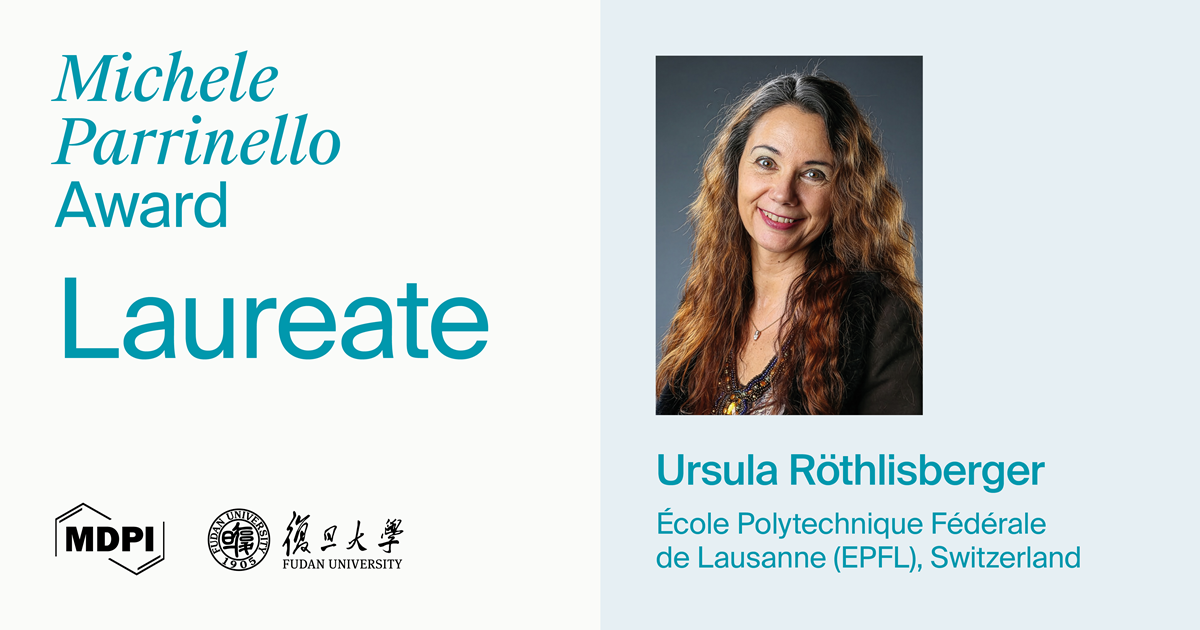
We are pleased to announce that the inaugural Michele Parrinello Award has been conferred upon Prof. Ursula Röthlisberger, in recognition of her outstanding contributions to computational chemistry and molecular simulation, particularly through her pioneering work in ab initio molecular dynamics and QM/MM multiscale simulation methods. This award celebrates researchers whose work embodies the spirit of scientific innovation and rigor that Professor Parrinello has championed throughout his career. We warmly congratulate Prof. Röthlisberger on this well-deserved recognition.
The achievements of Prof. Ursula Röthlisberger highlight the profound impact of computational methods on our understanding of complex chemical, biological, and materials systems. We invite the global scientific community to join us in celebrating her outstanding contributions to computational science.
“Professor Ursula Röthlisberger has been recognized by the 2026 Michele Parrinello Award Committee as an exceptional leader in computational chemistry and molecular simulation. Her innovative research has significantly advanced the predictive modeling of complex chemical and biological systems and has created lasting impact across multiple scientific disciplines. Through her outstanding scientific achievements, dedication to education, and leadership in the international research community, she has played a vital role in shaping the development of modern computational science.”
—Prof. Dr. Xin-Gao Gong, Chair of the Award Committee
2026 Michele Parrinello Award Laureate
|
Ursula Röthlisberger |
Prof. Ursula Röthlisberger is a professor at the Institute of Chemical Sciences and Engineering, EPFL, Switzerland, where she leads the Laboratory of Computational Chemistry and Biochemistry. Her research focuses on developing computational methods for molecular simulation, including ab initio molecular dynamics and quantum mechanical/molecular mechanical (QM/MM) multiscale approaches, to study complex chemical, biological, and materials systems. Her work has contributed to the advancement of computational frameworks for understanding molecular processes at the atomic level. She has also applied computational approaches to investigate next-generation photovoltaic materials, including dye-sensitized and perovskite solar cells, providing insights into material properties, stability, and performance through collaboration with experimental researchers. |

2026 Award Committee
Committee Chair:
- Prof. Dr. Xin-Gao Gong, Fudan University, China.
Committee Members (listed in alphabetical order):
- Prof. Alessandro Laio, Scuola Internazionale Superiore di Studi Avanzati, Italy;
- Prof. Michiel Sprik, University of Cambridge, UK;
- Prof. David J. Srolovitz, the University of Hong Kong, China;
- Prof. Mark E. Tuckerman, New York University, USA;
- Prof. Su-Huai Wei, Eastern Institute of Technology, Ningbo, China.
Note: The 2026 Award Committee comprises six members, including one anonymous member.
2026 Award Ceremony
The inaugural Michele Parrinello Award Ceremony will take place on 7 November 2026, at the Southern University of Science and Technology (SUSTech) in Shenzhen, China, as part of the 2026 MDPI Materials Science Conference. Further information and updates will be available on the official Michele Parrinello Award website.
About the Michele Parrinello Award
The Michele Parrinello Award was established in November 2025 to honor Professor Michele Parrinello’s enduring legacy in advancing computational science. This biennial international award recognizes senior researchers who have made outstanding contributions to computational physical sciences, encompassing physics, chemistry, and materials science. The recipient will receive a monetary prize of 50,000 EUR, a commemorative medal, and a certificate.
For further information about the award and the laureate, please visit the Michele Parrinello Award website.
17 September 2026
Nanomaterials Webinar | Smart Nanomaterials for Biomedical Innovation: From Immunotherapy to Regenerative Medicine, 1 October 2026
Welcome message from the webinar Chairs:
Welcome to this MDPI Nanomaterials webinar dedicated to the latest advances in smart nanomaterials and nanocomposites for biomedical innovation. This event brings together leading researchers working at the intersection of nanotechnology, regenerative medicine, immunotherapy, and bioengineering.
Through three complementary scientific contributions, we will explore innovative approaches ranging from green chemistry-driven nanocomposites and nanoparticle-based immunotherapies to piezoelectric scaffolds for neural regeneration. Together, these presentations highlight the growing impact of functional nanomaterials in addressing current biomedical challenges and shaping next-generation therapeutic strategies.
We are delighted to host distinguished speakers from internationally recognized research institutions, and we hope this webinar will stimulate discussion, foster collaborations, and inspire new perspectives in the field.
Thank you for joining us, and we wish you an engaging and insightful webinar.
Date: 1 October 2026
Time: 9:00 a.m. EDT | 3:00 p.m. CEST
Webinar ID: 880 0883 5380
Webinar Secretariat: journal.webinar@mdpi.com
Register now for free!

Program:
| Speakers and Presentations | Time in CEST | Time in EDT |
| Dr. Stefania Scialla Chair Introduction | 3:00–3:10 p.m. | 9:00–9:10 a.m. |
| Dr. María Salvador Fernández Chair Introduction | 3:10–3:20 p.m. | 9:10–9:20 a.m. |
| Dr. Angela Longo From Green Chemistry to Smart Nanomaterials: Designing the Next Generation of Healing Nanocomposites | 3:20–3:40 p.m. | 9:20–9:40 a.m. |
| Dr. Juan Luis Paris Nanoparticles for Allergen-Specific Immunotherapy | 3:40–4:00 p.m. | 9:40–10:00 a.m. |
| Dr. Eugenio Redolfi Riva LIPUS-Activated Piezoelectric Microporous Chitosan-BTNPs Scaffold Upregulated Schwann’s Cell Pathways for Nerve Regeneration | 4:00–4:20 p.m. | 10:00–10:20 a.m. |
| Q&A Session | 4:20–4:35 p.m. | 10:20–10:35 a.m. |
| Dr. Stefania Scialla and Dr. María Salvador Fernández Closing of Webinar | 4:35–4:40 p.m. | 10:35–10:40 a.m. |
After registering, you will receive a confirmation email containing information on how to join the webinar. Registrations with academic institutional email addresses will be prioritized.
Unable to attend? Register anyway and we’ll let you know when the recording is available to watch.
Webinar Chairs and Keynote Speakers:
- Dr. Stefania Scialla, National Research Council of Italy, Italy;
- Dr. María Salvador Fernández, Institute of Materials Science of Madrid, Spain;
- Dr. Angela Longo, National Research Council of Italy, Italy;
- Dr. Juan L. Paris, RICORS Inflammatory Diseases, Spain; Hospital Regional Universitario de Malaga, Spain;
- Dr. Eugenio Redolfi Riva, The BioRobotic Institute, Italy.
17 September 2026
Meet Us at the 6th China International Congress on Composite Materials (CCCM-6), 21–24 October 2026, Chongqing, China

The China International Conference on Composite Materials (CCCM) is a premier academic conference in China’s composites sector, held biennially and distinguished by its large scale, high academic standards, and extensive industry influence. Focusing on cutting-edge developments, key core technologies, and engineering applications in the field of composite materials, the 6th China International Conference on Composite Materials (CCCM-6) is scheduled to take place in Chongqing from 21 to 24 October 2026, alongside the 9th International Exhibition on Technological Innovations and Achievements in the Composites Industry (ICIE-9).
The following MDPI journals will be represented:
- Coatings;
- Polymers;
- J. Compos. Sci.;
- AI Materials;
- Materials;
- Ceramics;
- Solids;
- Journal of Functional Biomaterials (JFB);
- Electronic Materials;
- Recycling;
- Fibers;
- Adhesives;
- Textiles;
- C;
- Construction Materials;
- Metals;
- Nanomaterials.
If you are planning to attend the conference, please visit our booth #E09. Our delegates look forward to meeting you in person and answering any questions that you may have. For more information about the conference, please visit the following website: https://cccm6.csfcm.org.cn.
16 September 2026
Interview with Prof. Dr. Wen Luo—Winner of the Nanomaterials Young Investigator Award
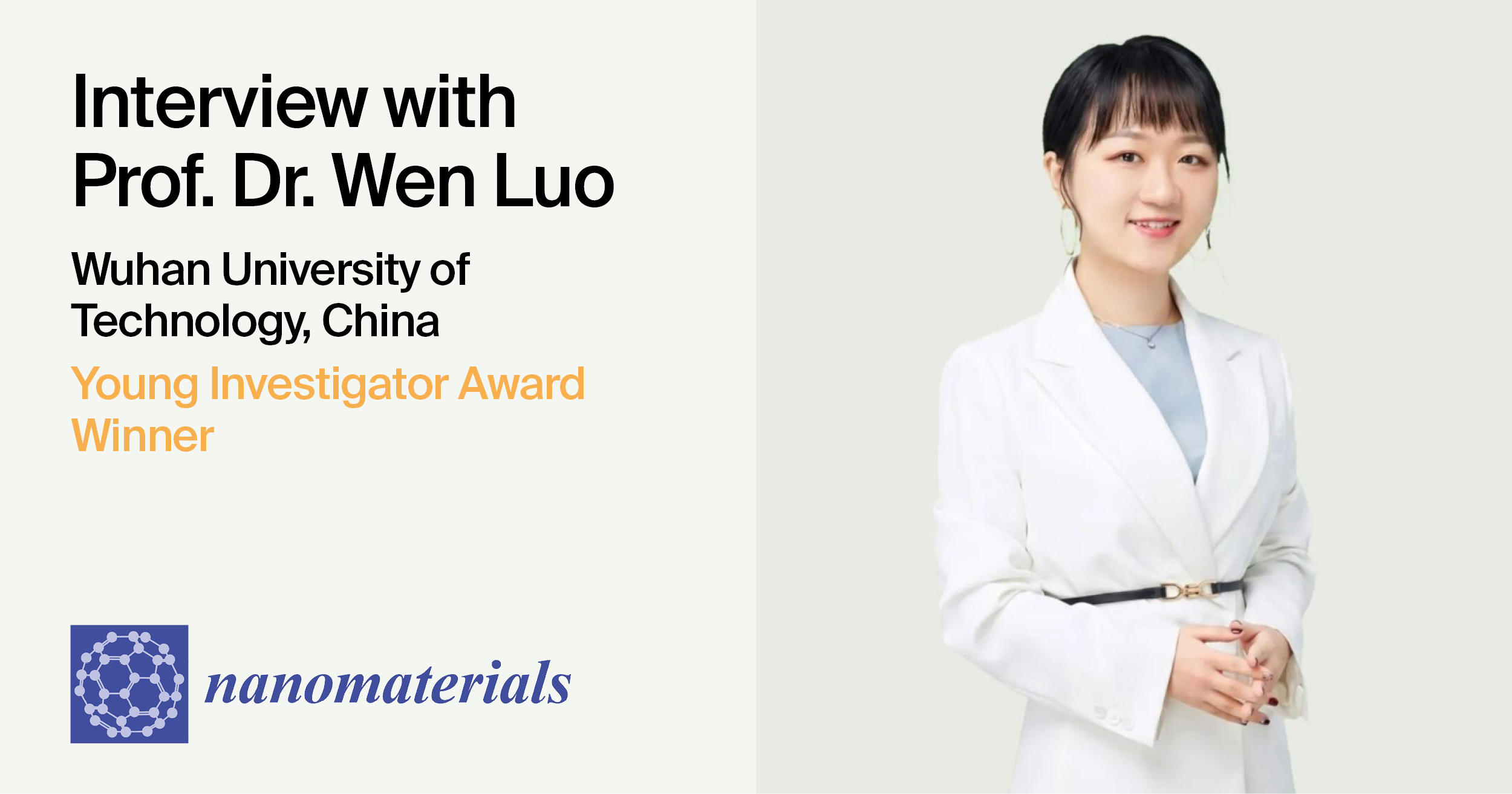
Nanomaterials (ISSN 2079-4991) is pleased to present an interview with Prof. Dr. Wen Luo, a recipient of the Nanomaterials Young Investigator Award.
Prof. Dr. Luo is a professor at the School of Physics and Mechanics, Wuhan University of Technology, China. Her research focuses on electrochemical energy materials and device physics, particularly electrochemical energy-storage materials, in situ characterization techniques, and neuromorphic micro/nanoelectronic devices.
The following is a short Q&A with Prof. Luo, who shared her research experience, views on emerging directions in nanomaterials, and thoughts on receiving the award.
1. Could you briefly introduce yourself and your current research interests?
I am a professor at the School of Physics and Mechanics, Wuhan University of Technology. My research mainly focuses on electrochemical energy materials and device physics, particularly electrode materials for secondary batteries, micro/nano energy-storage devices, and in situ characterization techniques.
Our work aims to improve battery kinetics through materials and structural design and to address challenges such as electrode polarization and cycling degradation. We also use in situ characterization to investigate the microscopic evolution of energy-storage materials during charging and discharging, providing insights for the development of high-performance electrodes.
2. What led you to pursue research in energy materials and device physics?
My research lies at the intersection of electrochemical energy-storage materials and micro/nanoelectronic devices. This direction is closely related to both practical needs in energy storage and emerging scientific challenges.
Commercial battery systems still face problems such as electrode polarization, sluggish ion transport, interfacial instability, and capacity degradation. At the same time, neuromorphic computing, flexible electronics, and chip-scale systems are creating increasing demand for low-power and highly integrated devices.
These challenges led us to combine materials design, micro/nanodevice engineering, and in situ characterization, with the aim of understanding fundamental mechanisms while developing approaches relevant to practical applications.
3. Which research directions involving nanomaterials do you think will have the greatest potential in energy storage and conversion over the next few years?
I see three particularly promising directions:
The first is the precise regulation of nanoscale interfaces and microstructures in energy-storage materials. Nanoscale interface engineering, structural confinement, and grain regulation may help address problems such as polarization, interface degradation, and cycling instability.
The second is the integration of low-dimensional nanomaterials with micro/nano energy and intelligent devices. Two-dimensional van der Waals heterostructures and related materials offer promising opportunities for memtransistors, electrochemically gated devices, and integrated sensing–memory–computing systems.
The third is the development of new nanomaterials for energy-conversion catalysis. Through approaches such as defect engineering, composite design, and strain engineering, nanomaterials can offer improved catalytic activity and selectivity for applications including CO₂ electroreduction, hydrogen conversion, and other energy technologies.
4. How did you learn about the Nanomaterials Young Investigator Award, and what does receiving the award mean to you?
I learned about the Nanomaterials Young Investigator Award through colleagues working as academic editors at MDPI, who informed me about the call for nominations.
I had previously published a paper in Nanomaterials in 2019 on heterojunction-based electrocatalysts for efficient water splitting, and my research interests are closely related to the scope of the journal.
It is a great honor to receive the Nanomaterials Young Investigator Award. For me, this recognition is both an acknowledgment of my research to date and an encouragement to continue exploring interdisciplinary research in energy materials and micro/nanodevices.
5. What advice would you give to young researchers entering this field?
I would encourage young researchers to build a solid interdisciplinary foundation. This field involves materials physics, electrochemistry, and micro/nanodevice physics, and a strong theoretical background is essential for understanding microscopic mechanisms and developing original ideas.
I would also encourage them to focus on real scientific and technological problems rather than simply following popular topics. Research driven by practical challenges can lead to work that combines scientific innovation with application potential.
6. What is your view of open access publishing?
I believe open access is an important part of the development of open science. It reduces barriers to accessing research and allows scientific findings to be shared more rapidly and widely.
This is particularly valuable for fast-developing interdisciplinary fields such as electrochemical energy storage and micro/nanodevices, where broader access to research can facilitate academic exchange and technological development.
I will continue to focus on electrochemical energy-storage materials and micro/nanoelectronic devices, while balancing fundamental research with potential practical applications. I also hope to further develop in situ characterization approaches to better understand the microscopic mechanisms underlying materials and device performance.
14 September 2026
Nanomaterials | Selected Papers on Antimicrobial Nanomaterials
The following collection features 10 selected papers on antimicrobial nanomaterials recently published in Nanomaterials (ISSN 2079‑4991) that report advances in diverse antimicrobial nanosystems, including silver, copper‑oxide, zinc‑oxide nanoparticles, carbon dots, chitosan, mesoporous‑silica and electrospun nanofibrous membranes, alongside green synthesis strategies, surface‑coating engineering, photodynamic/photothermal antibacterial modalities, and structure–activity–relationship investigations. Collectively, these works explore ways to optimize bactericidal potency, biocompatibility, anti‑biofilm performance and application feasibility for dentistry, wound healing, veterinary and other biomedical scenarios in order to advance the real‑world translation of antimicrobial nanoplatforms. The following papers will be of particular interest to you:
1. “Use of Antimicrobial Nanoparticles for the Management of Dental Diseases”
by Iris Xiaoxue Yin, Iris Xiaoxue Yin, Anjaneyulu Udduttulla, Veena Wenqing Xu, Kitty Jieyi Chen, Monica Yuqing Zhang and Chun Hung Chu
Nanomaterials 2025, 15(3), 209; https://doi.org/10.3390/nano15030209
Available online: https://www.mdpi.com/2079-4991/15/3/209
2. “Advancements in Antimicrobial Surface Coatings Using Metal/Metaloxide Nanoparticles, Antibiotics, and Phytochemicals”
by Preetha Ebenezer, S. P. S. N. Buddhika Sampath Kumara, S. W. M. A. Ishantha Senevirathne, Laura J. Bray, Phurpa Wangchuk, Asha Mathew and Prasad K. D. V. Yarlagadda
Nanomaterials 2025, 15(13), 1023; https://doi.org/10.3390/nano15131023
Available online: https://www.mdpi.com/2079-4991/15/13/1023
3. “Silver Nanoparticles as Antimicrobial Agents in Veterinary Medicine: Current Applications and Future Perspectives”
by Thibault Frippiat, Tatiana Art and Catherine Delguste
Nanomaterials 2025, 15(3), 202; https://doi.org/10.3390/nano15030202
Available online: https://www.mdpi.com/2079-4991/15/3/202
4. “Advancements in Green Synthesis of Silver-Based Nanoparticles: Antimicrobial and Antifungal Properties in Various Films”
by Syeda Hijab Zehra, Khadija Ramzan, Jonas Viskelis, Pranas Viskelis and Aiste Balciunaitiene
Nanomaterials 2025, 15(4), 252; https://doi.org/10.3390/nano15040252
Available online: https://www.mdpi.com/2079-4991/15/4/252
5. “Curcumin-Functionalized Electrospun Nanofibrous Membranes with Antimicrobial Activity for Wound Healing”
by Neraida Petrai, Konstantinos Loukelis and Maria Chatzinikolaidou
Nanomaterials 2025, 15(5), 388; https://doi.org/10.3390/nano15050388
Available online: https://www.mdpi.com/2079-4991/15/5/388
6. “Biological Evaluation of Silver-Treated Silk Fibroin Scaffolds for Application as Antibacterial and Regenerative Wound Dressings”
by Federica Paladini, Carmen Lanzillotti, Angelica Panico and Mauro Pollini
Nanomaterials 2025, 15(12), 919; https://doi.org/10.3390/nano15120919
Available online: https://www.mdpi.com/2079-4991/15/12/919
7. “Assessing Antibacterial Properties of Copper Oxide Nanomaterials on Gut-Relevant Bacteria In Vitro: A Multifaceted Approach”
by Tia A. Wardlaw, Abdulkader Masri, David M. Brown and Helinor J. Johnston
Nanomaterials 2025, 15(14), 1103; https://doi.org/10.3390/nano15141103
Available online: https://www.mdpi.com/2079-4991/15/14/1103
8. “Carbon Dots in Photodynamic/Photothermal Antimicrobial Therapy”
by Siqi Wang, Colin P. McCoy, Peifeng Li, Yining Li, Yinghan Zhao, Gavin P. Andrews, Matthew P. Wylie and Yi Ge
Nanomaterials 2024, 14(15), 1250; https://doi.org/10.3390/nano14151250
Available online: https://www.mdpi.com/2079-4991/14/15/1250
9. “Optimizing Antimicrobial Efficacy: Investigating the Impact of Zinc Oxide Nanoparticle Shape and Size”
by Ana Rita Mendes, Carlos M. Granadeiro, Andreia Leite, Eulália Pereira, Paula Teixeira and Fátima Poças
Nanomaterials 2024, 14(7), 638; https://doi.org/10.3390/nano14070638
Available online: https://www.mdpi.com/2079-4991/14/7/638
10. “Tailoring Mesoporous Silica-Coated Silver Nanoparticles and Polyurethane-Doped Films for Enhanced Antimicrobial Applications”
by Silvia Nuti, Adrián Fernández-Lodeiro, Joana Galhano, Elisabete Oliveira, Maria Paula Duarte, José Luis Capelo-Martínez, Carlos Lodeiro and Javier Fernández-Lodeiro
Nanomaterials 2024, 14(5), 462; https://doi.org/10.3390/nano14050462
Available online: https://www.mdpi.com/2079-4991/14/5/462
8 September 2026
Nanomaterials | Selected Papers on Fullerenes

In September 1985, the discovery of C60 opened a new chapter in carbon materials research and greatly expanded our understanding of the structural diversity of carbon. Since then, fullerenes and their derivatives have attracted sustained attention because of their distinctive molecular structures and electronic properties.
Over the past four decades, fullerene-based materials have been explored across a broad range of fields, including photovoltaics, photodetectors, photocatalysis, nanocomposites, and biomedical research. Their structural characteristics, interfacial behavior, charge-transport properties, and safety have also remained important research topics.
To mark the 41st anniversary of the discovery of fullerenes, Nanomaterials (ISSN 2079-4991) has selected ten recent papers highlighting advances in C60 structures and electronic properties, carrier transport, optoelectronic devices, photocatalysis, nanocomposite materials, and safety assessment. We hope this collection will provide readers with a useful overview of recent developments in fullerene-related research.
- “Graph Neural Network Determine the Ground State Structures of Boron or Nitride Substitute C60 Fullerenes”
by Linwei Sai, Beiran Du, Li Fu, Sultana Akter, Chunmei Tang and Jijun Zhao
Nanomaterials 2025, 15(13), 1012; https://doi.org/10.3390/nano15131012 - “Explore the Structural and Electronic Properties at the Organic/Organic Interfaces of Thiophene-Based Supramolecular Architectures”
by Lixia Kang, Hui Lu, Shunze Xia, Xianfei Xu, Yao Tian and Zechao Yang
Nanomaterials 2025, 15(8), 601; https://doi.org/10.3390/nano15080601 - “Mechanism of Carrier Formation in P3HT-C60-PCBM Solar Cells”
by Hiroto Tachikawa, Hiroshi Kawabata, Shigeaki Abe and Ikuya Watanabe
Nanomaterials 2024, 14(17), 1400; https://doi.org/10.3390/nano14171400 - “Fast-Growth Polymer: Fullerene Bulk-Heterojunction Thin Films for Efficient Organic Photovoltaics”
by Daewon Chung, Chandran Balamurugan, Byoungwook Park, Hyeonryul Lee, Ilhyeon Cho, Chaerin Yoon, Soyeon Park, Yong-Ryun Jo, Joonhyeon Jeon, Soonil Hong et al.
Nanomaterials 2024, 14(6), 502; https://doi.org/10.3390/nano14060502 - “Effects of the Electrical Properties of SnO2 and C60 on the Carrier Transport Characteristics of p-i-n-Structured Semitransparent Perovskite Solar Cells”
by Hoang Minh Pham, Syed Dildar Haider Naqvi, Huyen Tran, Hung Van Tran, Jonabelle Delda, Sungjun Hong, Inyoung Jeong, Jihye Gwak and SeJin Ahn
Nanomaterials 2023, 13(24), 3091; https://doi.org/10.3390/nano13243091 - “The Light Wavelength, Intensity, and Biasing Voltage Dependency of the Dark and Photocurrent Densities of a Solution-Processed P3HT:PC61BM Photodetector for Sensing Applications”
by Farjana Akter Jhuma, Kentaro Harada, Muhamad Affiq Bin Misran, Hin-Wai Mo, Hiroshi Fujimoto and Reiji Hattori
Nanomaterials 2024, 14(18), 1496; https://doi.org/10.3390/nano14181496 - “Influence of PCBM Nanocrystals on the Donor-Acceptor Polymer Ultraviolet Phototransistors”
by Hong Zhu, Quanhua Chen, Lijian Chen, Rozalina Zakaria, Min-Su Park, Chee Leong Tan, Li Zhu and Yong Xu
Nanomaterials 2024, 14(21), 1748; https://doi.org/10.3390/nano14211748 - “Efficient Charge Separation and Transport in Fullerene-CuPcOC8 Donor–Acceptor Nanorod Enhancing Photocatalytic Hydrogen Generation”
by Zihui Hua, Bo Wu, Yuhe Zhang, Chong Wang, Tianyang Dong, Yupeng Song, Ying Jiang and Chunru Wang
Nanomaterials 2024, 14(3), 256; https://doi.org/10.3390/nano14030256 - “Tunable Structure and Properties of Co-Evaporated Co–C60 Nanocomposite Films”
by Ziyang Gu, Yiting Gao, Zhou Li, Weihang Zou, Keming Li, Huan Xu, Zhu Xiao and Mei Fang
Nanomaterials 2025, 15(10), 715; https://doi.org/10.3390/nano15100715 - “A Regulatory-Compliant Genotoxicity Study of a Mixture of C60 and C70 Fullerenes Dissolved in Olive Oil Using the Mammalian Micronucleus Test”
by Fathi Moussa
Nanomaterials 2025, 15(11), 870; https://doi.org/10.3390/nano15110870
8 September 2026
Meet Us at the 4th International Conference on AI Sensors and Transducers (AIS 2027), 29 July–3 August 2027, Kunming, Yunnan, China

We invite you to submit your abstract and participate in the upcoming 4th International Conference on AI Sensors and Transducers (AIS 2027), co-organized by MDPI’s Sensors (ISSN 1424-8220), Micromachines (ISSN 2072-666X), AI Sensors (ISSN 3042-5999), Micro (ISSN 2673-8023) and Robotics (ISSN 2218-6581). The conference will be held from 29 July to 3 August 2027 in Kunming, Yunnan, China.
Following successful editions in Singapore (2024), Kuala Lumpur, Malaysia (2025), and Jeju, South Korea (2026), which collectively brought together nearly 1,350 participants from over 40 countries, AIS 2027 will continue to bring together leading researchers, engineers, and industry experts to explore emerging technologies and future directions.
Event Chairs:
- Prof. Eric M. Yeatman, University of Glasgow, Scotland, UK;
- Prof. Alexander Star, University of Pittsburgh, USA;
- Prof. Wen Jung Li, City University of Hong Kong, China;
- Prof. Chengkuo Lee, National University of Singapore, Singapore.
Plenary Speaker:
- Prof. Zhonglin Wang, Beijing Institute of Nanoenergy and Nanosystems, China.
(The speaker lineup will be updated continuously.)
Important dates:
Deadline for abstract submission: 26 March 2027;
Abstract acceptance notification: 30 April 2027;
Early Bird registration deadline: 7 June 2027;
Covering author registration deadline: 11 June 2027;
Registration deadline: 30 July 2027.
Guide for authors:
To submit your abstract, please click: 
To register for the event, please click:
For details regarding abstract submission, poster and slide submission, please refer to the “Instructions for Authors” Section: https://sciforum.net/event/AIS2027/instructions-for-authors.
For more information, you may refer to the following link: https://sciforum.net/event/AIS2027.
For any inquiries regarding the event, please contact ais@mdpi.com.
Please feel free to share information about this conference with your colleagues and students. We look forward to receiving your submissions and learning about your research at AIS 2027!
4 September 2026
Nanomaterials | Selected Papers on Computational Modeling and Simulation of Nanostructures

The following collection features 10 selected papers on computational modeling and simulation recently published in Nanomaterials (ISSN 2079‑4991). They report advances in versatile computational methodologies, including molecular dynamics simulations, density functional theory, Monte Carlo simulation, device-level numerical modeling and artificial intelligence-assisted machine learning approaches, covering atomic-scale structural analysis, photoelectric band engineering, thermal and kinetic process prediction, as well as bio–nano interface interaction evaluation. Collectively, these studies explore reliable in silico strategies to optimize nanostructure design, clarify underlying microscopic mechanisms, and improve the performance of nanoplatforms applied in drug delivery, tumor theranostics, optoelectronic devices, energy storage, biomaterial fabrication and industrial metallurgy. The following papers will be of particular interest to you:
1. “The Use of Computational Approaches to Design Nanodelivery Systems”
by Abedalrahman Abughalia, Mairead Flynn, Paul F. A. Clarke, Darren Fayne and Oliviero L. Gobbo
Nanomaterials 2025, 15(17), 1354; https://doi.org/10.3390/nano15171354
Available online: https://www.mdpi.com/2079-4991/15/17/1354
2. “Computational Modeling of Properties of Quantum Dots and Nanostructures: From First Principles to Artificial Intelligence (A Review)”
by Grzegorz Matyszczak, Krzysztof Krawczyk and Albert Yedzikhanau
Nanomaterials 2025, 15(4), 272; https://doi.org/10.3390/nano15040272
Available online: https://www.mdpi.com/2079-4991/15/4/272
3. “A Review of Chitosan-Based Electrospun Nanofibers for Food Packaging: From Fabrication to Function and Modeling Insights”
by Ji Yang, Haoyu Wang, Lihua Lou and Zhaoxu Meng
Nanomaterials 2025, 15(16), 1274; https://doi.org/10.3390/nano15161274
Available online: https://www.mdpi.com/2079-4991/15/16/1274
4. “Monte Carlo Simulations in Nanomedicine: Advancing Cancer Imaging and Therapy”
by James C. L. Chow
Nanomaterials 2025, 15(2), 117; https://doi.org/10.3390/nano15020117
Available online: https://www.mdpi.com/2079-4991/15/2/117
5. “Design and Optimization of Self-Powered Photodetector Using Lead-Free Halide Perovskite Ba3SbI3: Insights from DFT and SCAPS-1D”
by Salah Abdo, Ambali Alade Odebowale, Amer Abdulghani, Khalil As’ham, Yacine Djalab, Nicholas Kanizaj and Andrey E. Miroshnichenko
Nanomaterials 2025, 15(21), 1656; https://doi.org/10.3390/nano15211656
Available online: https://www.mdpi.com/2079-4991/15/21/1656
6. “NaOH as an Aqueous Electrolyte to Improve the Performance of Electric Double-Layer Capacitors—A Molecular Dynamics Study”
by Lifeng Ni and Jin Yu
Nanomaterials 2025, 15(9), 649; https://doi.org/10.3390/nano15090649
Available online: https://www.mdpi.com/2079-4991/15/9/649
7. “Developments in Atomistic and Nano Structure Evolution Mechanisms of Molten Slag Using Atomistic Simulation Methods”
by Chunhe Jiang, Kejiang Li, Zhisheng Bi, Shufang Ma, Jianliang Zhang, Bo Liu and Jiaqi Li
Nanomaterials 2024, 14(5), 464; https://doi.org/10.3390/nano14050464
Available online: https://www.mdpi.com/2079-4991/14/5/464
8. “Modeling the Production Process of Lignin Nanoparticles Through Anti-Solvent Precipitation for Properties Prediction”
by Victor Girard, Laurent Marchal-Heussler, Hubert Chapuis, Nicolas Brosse, Nadia Canilho and Isabelle Ziegler-Devin
Nanomaterials 2024, 14(22), 1786; https://doi.org/10.3390/nano14221786
Available online: https://www.mdpi.com/2079-4991/14/22/1786
9. “Magnetic Particle Imaging-Guided Thermal Simulations for Magnetic Particle Hyperthermia”
by Hayden Carlton, Nageshwar Arepally, Sean Healy, Anirudh Sharma, Sarah Ptashnik, Maureen Schickel, Matt Newgren, Patrick Goodwill, Anilchandra Attaluri and Robert Ivkov
Nanomaterials 2024, 14(12), 1059; https://doi.org/10.3390/nano14121059
Available online: https://www.mdpi.com/2079-4991/14/12/1059
10. “Doping Characteristics and Band Engineering of InSe for Advanced Photodetectors: A DFT Study”
by Wenkai Zhang, Yafei Ning, Hu Li, Chaoqian Xu, Yong Wang and Yuhan Xia
Nanomaterials 2025, 15(10), 720; https://doi.org/10.3390/nano15100720
Available online: https://www.mdpi.com/2079-4991/15/10/720
4 September 2026
Prof. Dr. Chang-Hwan Choi Appointed Section Editor-in-Chief of Section “Nanofabrication and Nanomanufacturing” in Nanomaterials

We are pleased to announce that Prof. Dr. Chang-Hwan Choi has been appointed Section Editor-in-Chief of the Section “Nanofabrication and Nanomanufacturing” in Nanomaterials (ISSN 2079-4991). With an extensive background in scientific research and publishing, he will bring a wealth of knowledge and expertise to this role.
Name: Chang-Hwan Choi
Affiliation: Department of Mechanical Engineering, Stevens Institute of Technology, Hoboken, NJ, USA
Interests: micro- and nanofabrication; additive manufacturing; design and applications of nanostructured materials; surface and interfacial phenomena
Website: https://www.stevens.edu/profile/cchoi
The following is a short Q&A with Prof. Dr. Chang-Hwan Choi, who shared his vision for the journal with us, as well as his views on the Section:
1. What is your assessment of Nanomaterials?
In my assessment, Nanomaterials is one of the most prestigious journals published by MDPI. I believe it enjoys strong recognition within my research community, and many of my colleagues regard publishing in it as highly valuable. I would also emphasize that its impact factor ranks among the highest in the MDPI portfolio, and the journal has earned a strong reputation over time, particularly as one of MDPI’s earlier-established publications.
2. What motivated you to accept the Section Editor-in-Chief role of “Nanofabrication and Nanomanufacturing”?
I have been serving as a Topical Advisory Panel Member for Nanomaterials and as an Editor for several other MDPI journals for a number of years. I accepted the position of Section Editor-in-Chief because I believe it will allow me to make a greater contribution to the journal than my current editorial roles. While I acknowledge that Editorial Board Members can organize Special Issues and support journal activities, I believe that the Section Editor-in-Chief position offers broader opportunities to influence the development of the journal. Additionally, as the organizer of my own international conference, I expect this role to increase my ability to promote the journal and its “Nanofabrication and Nanomanufacturing” Section within my research community.
I see additive manufacturing for nanoscale fabrication as a particularly promising area for our Section. While additive manufacturing is already important, achieving true nanoscale resolution remains a challenge, so it’s a very active research direction. I also believe integrating AI with nanoscale fabrication and manufacturing is another hot topic that could attract strong submissions.
