Journal Description
Metals
Metals
is an international, peer-reviewed, open access journal published monthly online by MDPI. The Spanish Materials Society (SOCIEMAT) is affiliated with Metals and their members receive discounts on the article processing charges.
- Open Access— free for readers, with article processing charges (APC) paid by authors or their institutions.
- High Visibility: indexed within Scopus, SCIE (Web of Science), Inspec, Ei Compendex, CAPlus / SciFinder, and other databases.
- Journal Rank: JCR - Q2 (Metallurgy and Metallurgical Engineering) / CiteScore - Q1 (Metals and Alloys)
- Rapid Publication: manuscripts are peer-reviewed and a first decision is provided to authors approximately 18.7 days after submission; acceptance to publication is undertaken in 2.7 days (median values for papers published in this journal in the second half of 2025).
- Recognition of Reviewers: reviewers who provide timely, thorough peer-review reports receive vouchers entitling them to a discount on the APC of their next publication in any MDPI journal, in appreciation of the work done.
- Companion journals for Metals include: Compounds, Alloys and Iron.
Impact Factor:
2.5 (2024);
5-Year Impact Factor:
2.8 (2024)
Latest Articles
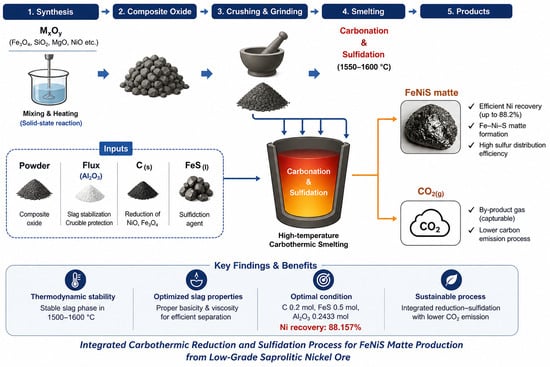
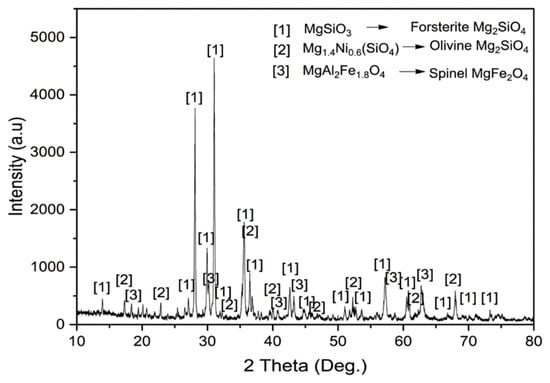
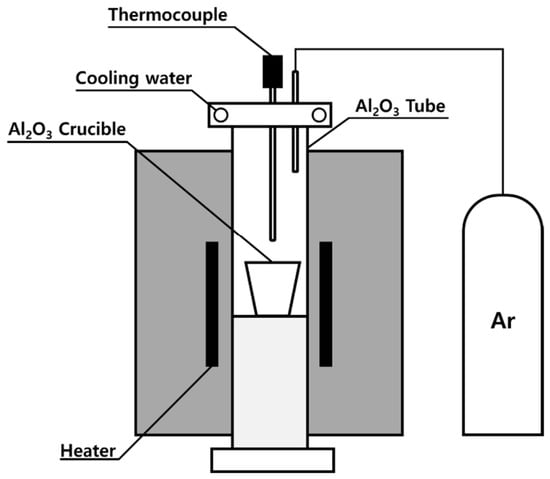
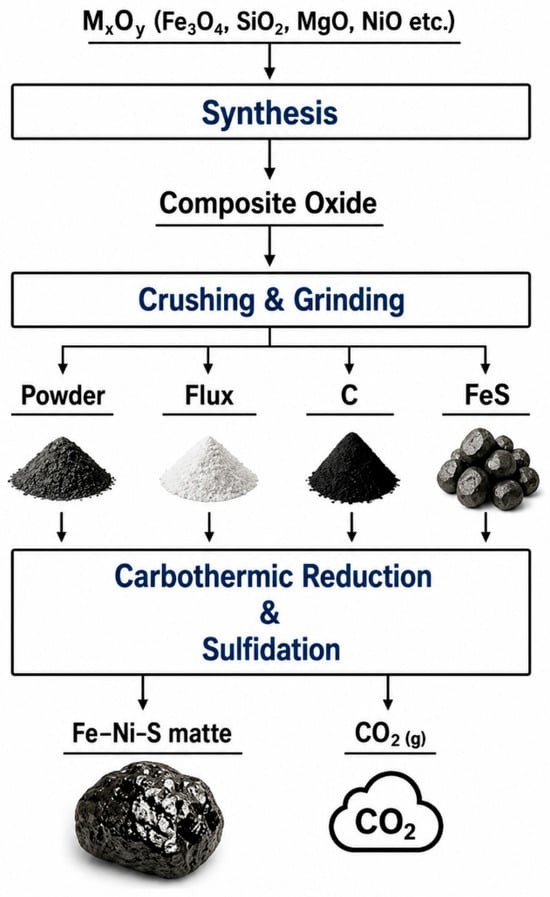
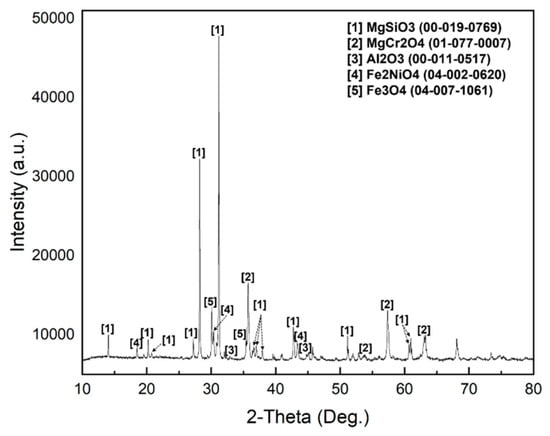
Carbothermic Reduction and Sulfidation Behavior for Fe–Ni–S Matte Production from Synthetic Saprolitic Nickel Ore
Metals 2026, 16(6), 589; https://doi.org/10.3390/met16060589 - 26 May 2026
Abstract
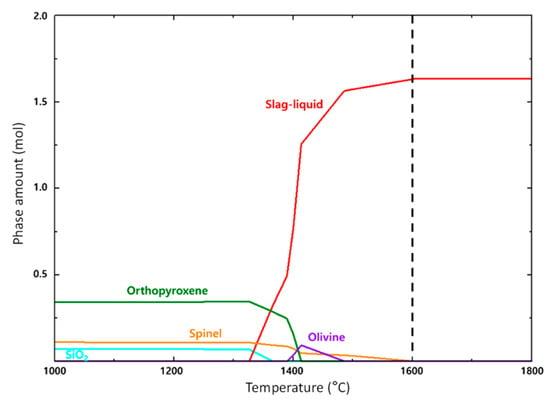
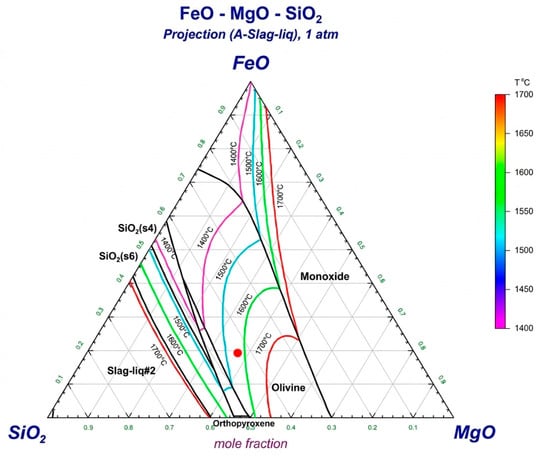
This study investigates the production behavior of Fe–Ni–S matte from synthetic nickel ore designed to simulate low-grade saprolitic laterite. The synthetic feed was formulated based on XRF and XRD analyses of magnetically upgraded laterite concentrate. Thermodynamic modeling, including phase stability analysis, Ellingham evaluation,
[...] Read more.
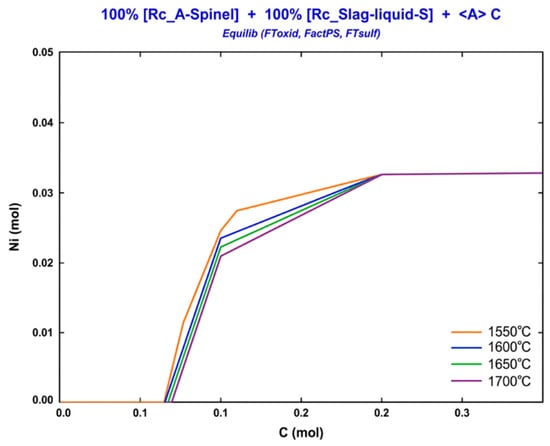
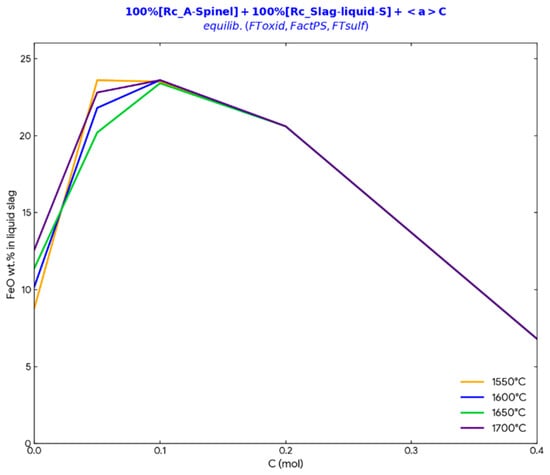
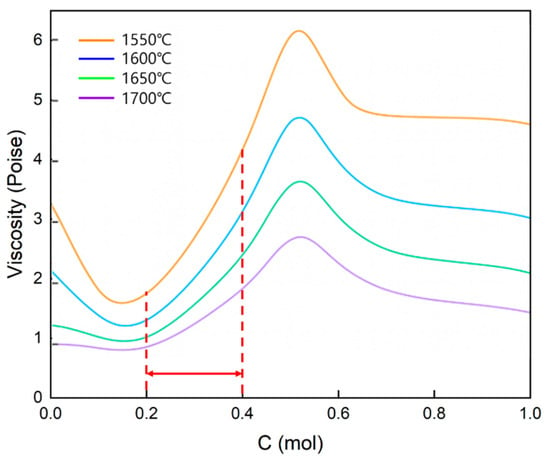
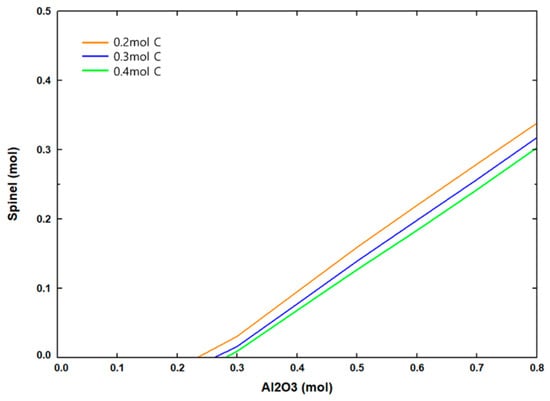
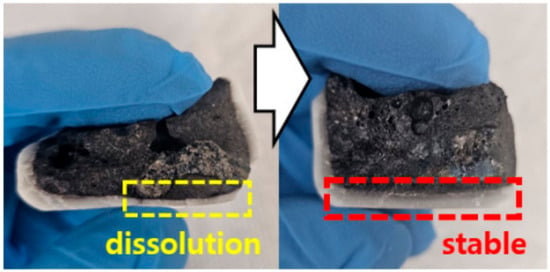
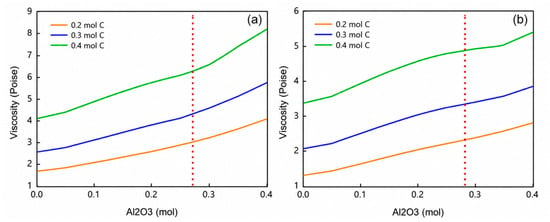
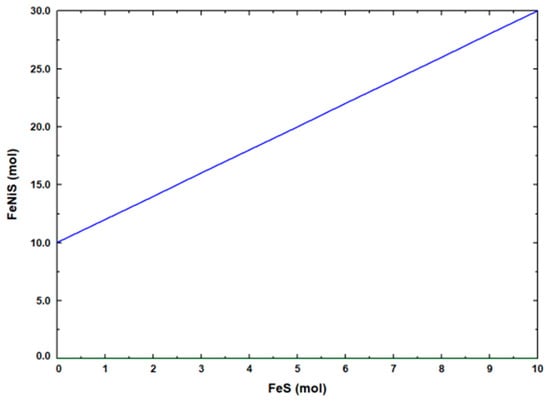
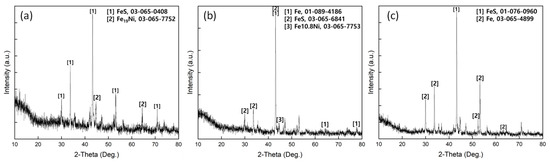
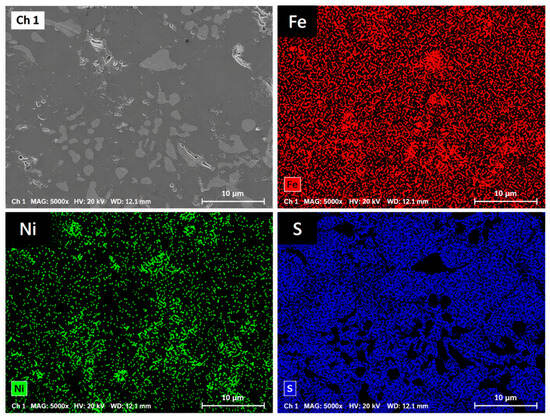
This study investigates the production behavior of Fe–Ni–S matte from synthetic nickel ore designed to simulate low-grade saprolitic laterite. The synthetic feed was formulated based on XRF and XRD analyses of magnetically upgraded laterite concentrate. Thermodynamic modeling, including phase stability analysis, Ellingham evaluation, viscosity prediction, and sulfidation equilibria, was employed to define optimal smelting conditions. Carbothermic reduction at 1550 °C enabled selective reduction in NiO and FeO, leading to the formation of Fe–Ni alloy droplets, which subsequently reacted with FeS to produce Fe–Ni–S matte. The carbon ratio played a critical role in controlling FeO content in slag, thereby influencing slag basicity and viscosity. An optimal carbon ratio of 0.2–0.4 mol maintained slag viscosity within the industrially favorable range (2–5 poise) and minimized crucible dissolution. Thermodynamic analysis confirmed that FeS is the only stable sulfide phase at high temperature and dissolves into the Fe–Ni melt, promoting stable matte formation. Under optimized carbon and FeS addition conditions, a maximum nickel recovery of approximately 88% was achieved, attributed to improved slag composition, controlled viscosity, and enhanced matte–slag separation. These results demonstrate that simultaneous carbothermic reduction and sulfidation is an effective route for Fe–Ni–S matte production from saprolite-derived oxide feed. Control of carbon ratio, FeS addition, and Al2O3 flux is essential for achieving stable matte formation and efficient metal–slag separation.
Full article
(This article belongs to the Special Issue Advances in Sustainable Utilization of Metals: Recovery and Recycling)
►
Show Figures
Open AccessArticle
Reduction Kinetics of Fe3+ in the Acid Leachate of Serpentine Neutralization Residue by SO2
by
Rongzheng Yao, Yilai Zhong, Xiyun Yang and Yongqiang Huang
Metals 2026, 16(6), 588; https://doi.org/10.3390/met16060588 - 26 May 2026
Abstract
►▼
Show Figures
Neutralization residue results from the hydrometallurgical extraction of magnesium in serpentine, and contains abundant Fe3+, Mg2+, and Al3+. The recovery of these metals involves acid leaching and precipitation. Fe3+ often causes co-precipitation and makes separation difficult.
[...] Read more.
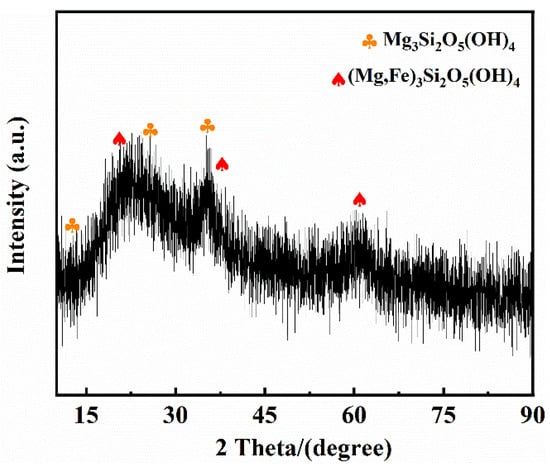
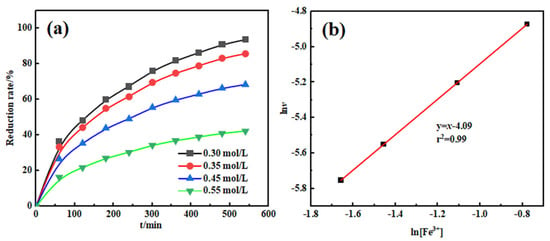
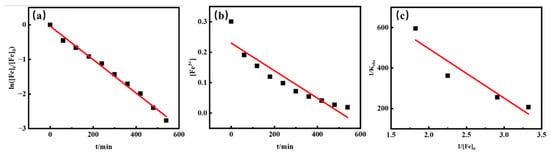
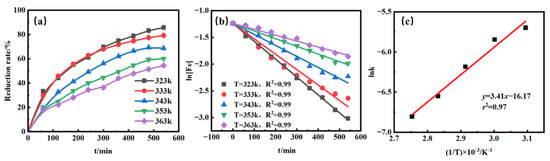
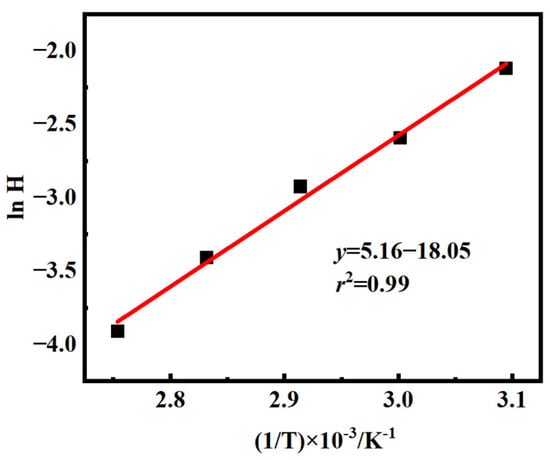
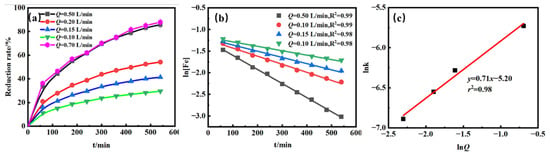
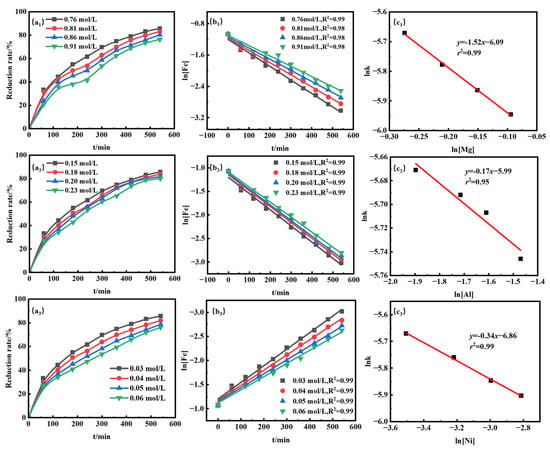
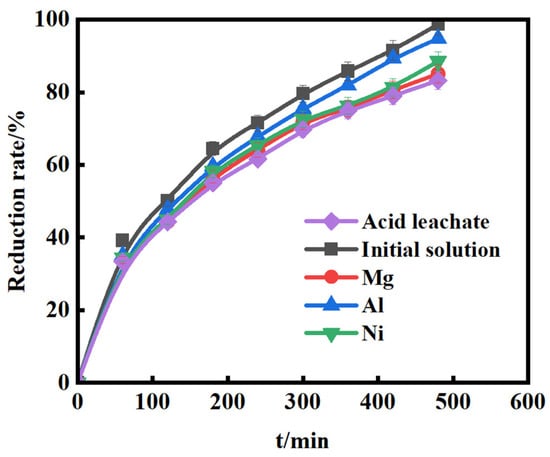
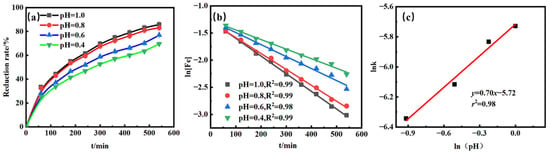
Neutralization residue results from the hydrometallurgical extraction of magnesium in serpentine, and contains abundant Fe3+, Mg2+, and Al3+. The recovery of these metals involves acid leaching and precipitation. Fe3+ often causes co-precipitation and makes separation difficult. The reduction of Fe3+ into Fe2+ can separate iron from other metals. The reduction kinetics of Fe3+ by SO2 in the acidic leachate from the neutralization residue was studied systematically within the temperature range of 323 to 363 K. The results indicate that SO2 reduction follows first-order kinetics with respect to Fe3+ and 0.71-order with respect to SO2. SO2 reduction undergoes dissolution, hydrolysis, complex and reduction. SO2 dissolution is an exothermic process with ΔHsol = −42.88 kJ mol−1, the reduction step has an activation energy of 14.52 kJ mol−1. The reduction process is controlled by dissolution and hydrolysis. High pH accelerate the reduction while the co-existing Al3+, Mg2+ and Ni2+ ions inhibit the reduction. A multi-factor-controlled kinetic equation for the reduction of Fe3+ by SO2 was built. This study provides a reference for the establishment of a multi-factor control system dynamics model.
Full article

Figure 1
Open AccessArticle
A Simplified CFD Framework for Parametric Analysis of the Cooling Stage During Aluminothermic Rail Welding: Rapid Welding Process with Short Preheating
by
Ravi Govindram Kewalramani, Ingo Riehl, Jan Hantusch and Tobias Fieback
Metals 2026, 16(6), 587; https://doi.org/10.3390/met16060587 - 26 May 2026
Abstract
The quality and integrity of aluminothermic rail welds are strongly governed by the thermal conditions involved during preheating, pouring and cooling stages of the process. In this study, a simplified numerical framework is presented, based on the finite volume method and implemented in
[...] Read more.
The quality and integrity of aluminothermic rail welds are strongly governed by the thermal conditions involved during preheating, pouring and cooling stages of the process. In this study, a simplified numerical framework is presented, based on the finite volume method and implemented in the open-source software OpenFOAM® version 7, to predict the heat transfer and solidification processes. Within this framework, the preheating stage is simulated by employing a heat flux profile derived from experimental measurements, while the mould filling stage is neglected under the assumption of instantaneous pouring of the molten metal. The steel–slag multiphase system is treated using the Volume of Fluid method, whereas melting and solidification are captured using the enthalpy-porosity approach on a fixed Eulerian grid. The numerical framework is validated for a rapid welding process with short preheating procedure, consistent with typical industrial practice for rail welding. The predicted temperature histories during the preheating stage show sufficiently good agreement with the experimental measurements. Subsequently, the cooling stage is validated for a molten metal temperature of 2200 (≈ ). The predicted width of the fusion zone is compared with experimental data, showing reasonably good agreement in the railhead region, while an underestimation is observed in the rail web and rail foot regions. Furthermore, a systematic parametric investigation is conducted by varying two key process parameters, namely the molten metal temperature examined at four distinct levels ranging from 1800 (≈ ) to 2400 (≈ ), and the active preheating duration, varied across six values ranging from 90 ( )– 390 ( ), in order to assess their influence on the cooling stage. The numerical results provide detailed insight into the temporal evolution of the thermal field and its influence on the formation and extent of the fusion zone and heat-affected zone. The results demonstrate that, despite simplifications, the model captures the dominant thermal phenomena of the process and offers a computationally efficient tool for parameter studies and process optimisation.
Full article
(This article belongs to the Section Welding and Joining)
Open AccessArticle
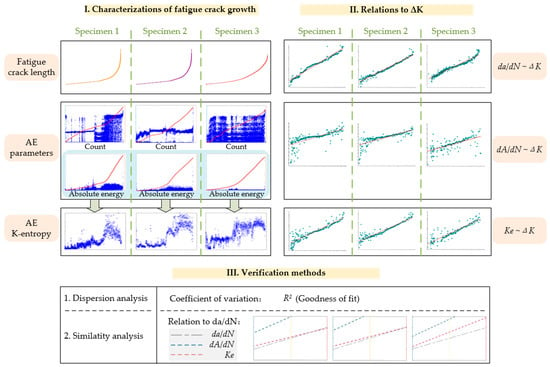
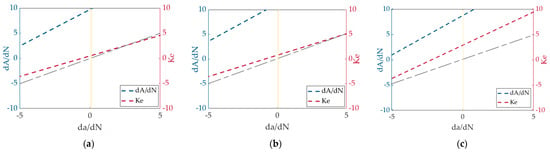
Study of Fatigue Crack Growth in Superalloy Based on Acoustic Emission K-Entropy
by
Ting Jing, Yang Yu and Qiang Liu
Metals 2026, 16(6), 586; https://doi.org/10.3390/met16060586 - 26 May 2026
Abstract
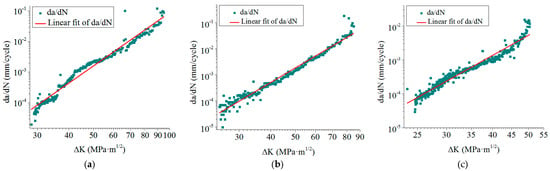
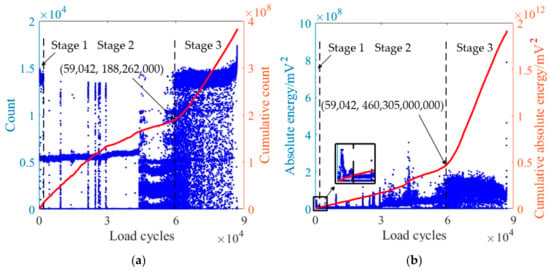
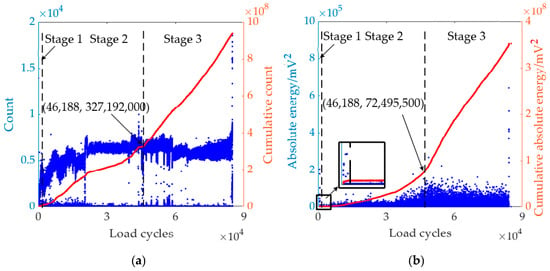
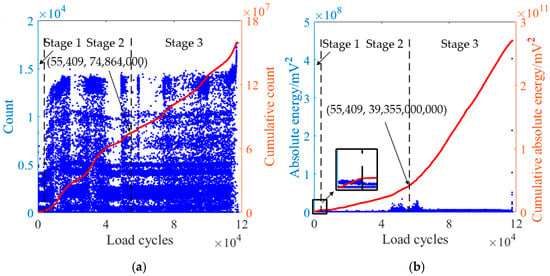
Acoustic emission (AE) technology was used to monitor the fatigue crack growth process of superalloy. The analysis results show that both the cumulative values and the K-entropy values of AE parameters have good correspondences with the three stages described by fracture mechanics, which
[...] Read more.
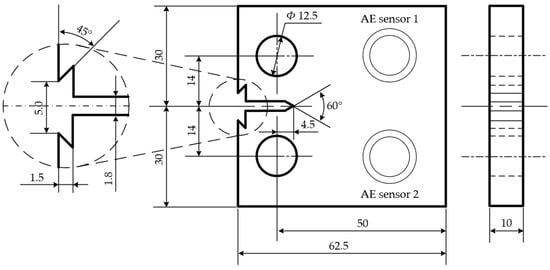
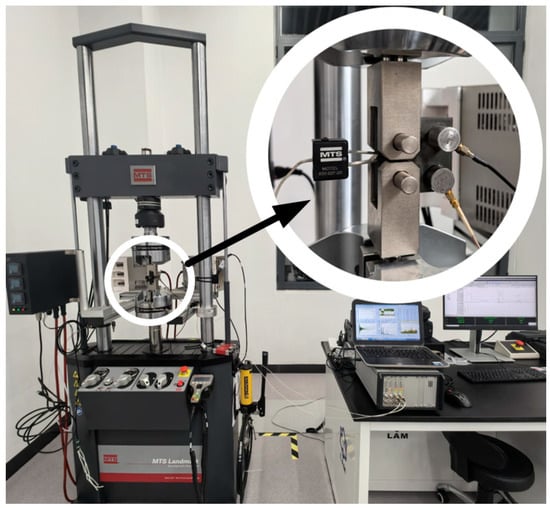
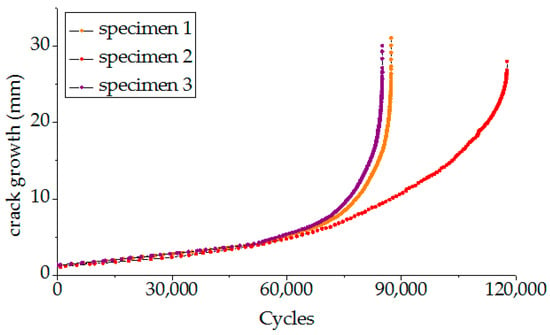
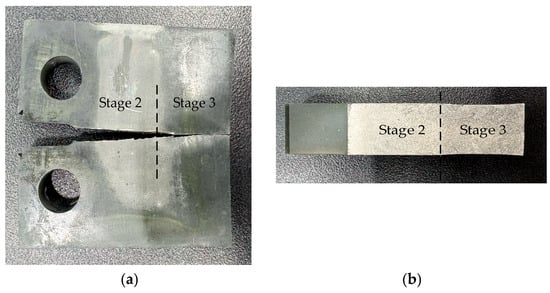
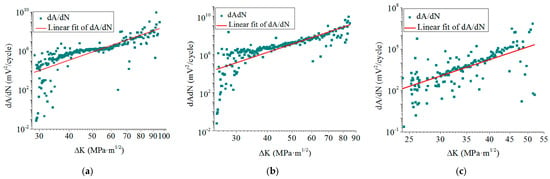
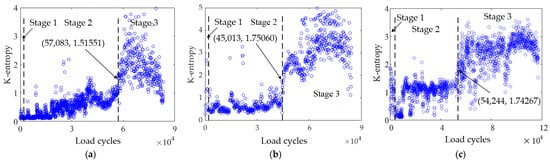
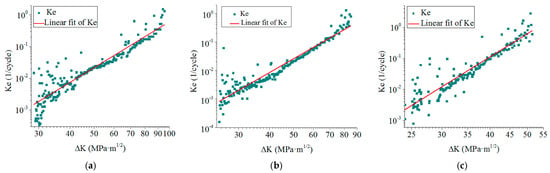
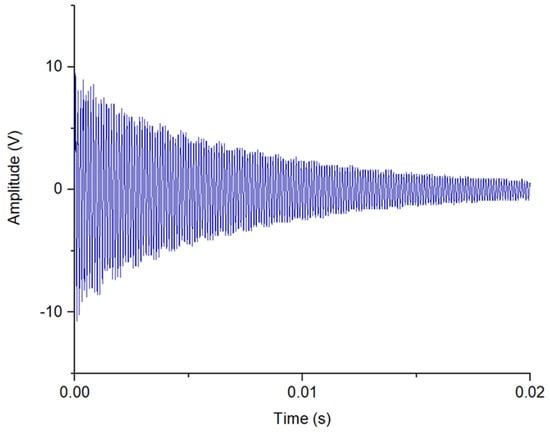
Acoustic emission (AE) technology was used to monitor the fatigue crack growth process of superalloy. The analysis results show that both the cumulative values and the K-entropy values of AE parameters have good correspondences with the three stages described by fracture mechanics, which makes it possible to characterize the process of fatigue crack growth. Since K-entropy is more sensitive to changes in fatigue state, the turning points between the second stage and the third stage are earlier than those defined by fracture mechanics, indicating that it has an early warning capability. The K-entropy of AE parameter was first proposed to represent the growth rate of fatigue crack. This method not only effectively decreased the large dispersion of change rate of AE parameters but also ensured the similarity with the fatigue crack growth rate, thereby optimizing the characterization of fatigue crack growth.
Full article
(This article belongs to the Section Metal Failure Analysis)
►▼
Show Figures

Figure 1
Open AccessArticle
Finite Element Simulation and Experimental Validation of Induction Heating Coil Design for TiAl Blade
by
Yunchuan Zhang, Puwei Dang and Huiyu Xu
Metals 2026, 16(6), 585; https://doi.org/10.3390/met16060585 - 26 May 2026
Abstract
To improve temperature uniformity and reduce thermal stress-induced cracking during laser directed energy deposition (laser DED) repair of TiAl blades, this study proposes a refined induction heating coil design based on coupled electromagnetic-thermal finite element simulation. A temperature-dependent model of the induction heating
[...] Read more.
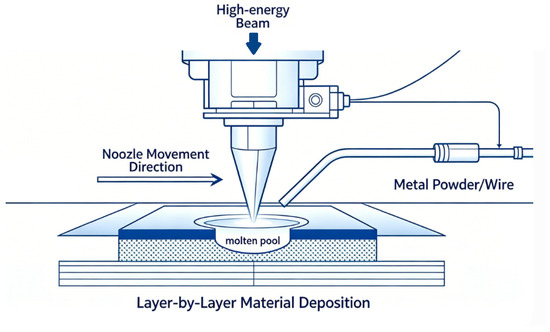
To improve temperature uniformity and reduce thermal stress-induced cracking during laser directed energy deposition (laser DED) repair of TiAl blades, this study proposes a refined induction heating coil design based on coupled electromagnetic-thermal finite element simulation. A temperature-dependent model of the induction heating process for a cast 45XD TiAl blade was established and used to compare circular and elliptical coil cross-sectional shapes. The elliptical coil reduced the magnetic field concentration at the leading and trailing edges and decreased the maximum temperature difference across the blade cross-section to below 100 K, thereby improving transverse temperature uniformity. To further improve the temperature distribution along the blade length, a variable-pitch solenoid coil with sparse turns in the middle and dense turns near both ends was designed. This arrangement improved the balance between local heat generation and heat dissipation and reduced the temperature variation within the central 10 cm region of the blade to about 10 K. Experimental validation showed engineering-level agreement with the simulation results, and the blade body was stably maintained at 1020–1030 K, satisfying the preheating requirement for laser DED repair of TiAl blades within the tested design set.
Full article
(This article belongs to the Section Computation and Simulation on Metals)
Open AccessArticle
Dependence of Intragranular Orientation Gradients on Grain Orientation in Cold-Rolled Fe-3%Si Steel
by
Xi Chen, Guojin Zhang, Songtao Chang, Yuhui Sha and Fang Zhang
Metals 2026, 16(6), 584; https://doi.org/10.3390/met16060584 - 26 May 2026
Abstract
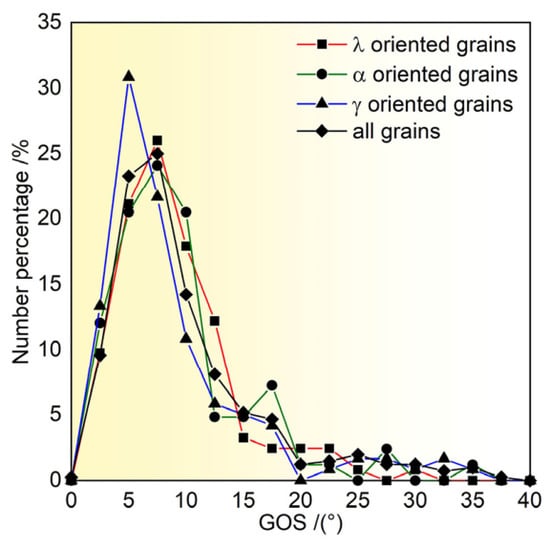
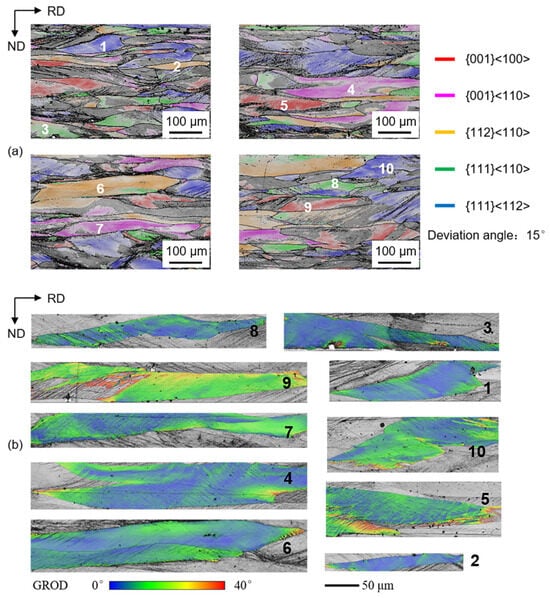
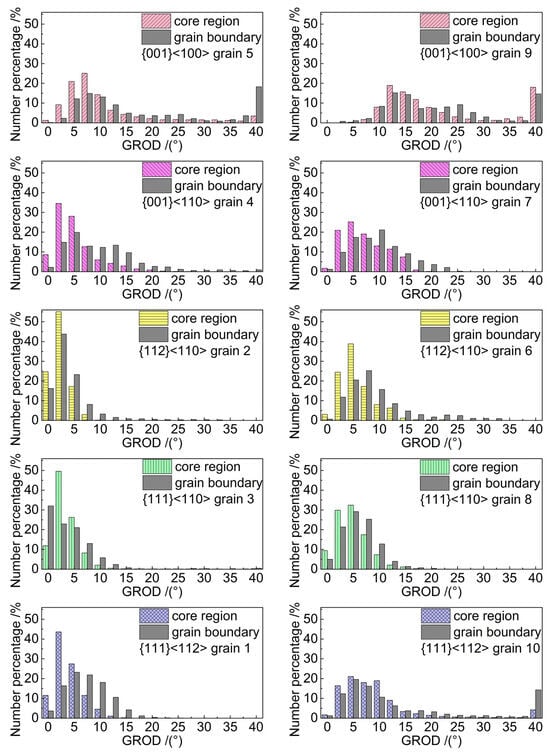
Intragranular orientation gradients play a critical role in deformation and recrystallization texture evolution of silicon steel. In this study, the dependence of intragranular orientation gradients on grain orientation in a cold-rolled Fe-3%Si alloy was systematically investigated through electron backscatter diffraction (EBSD), complemented by
[...] Read more.
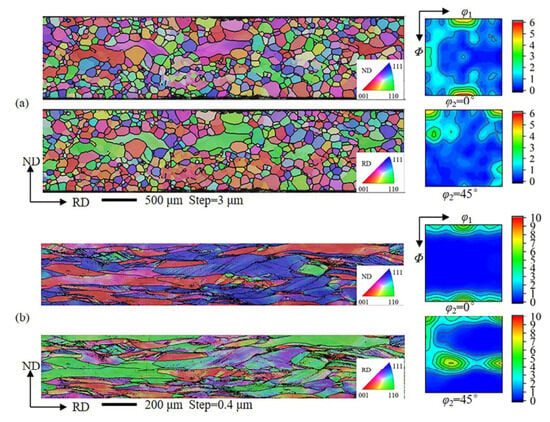
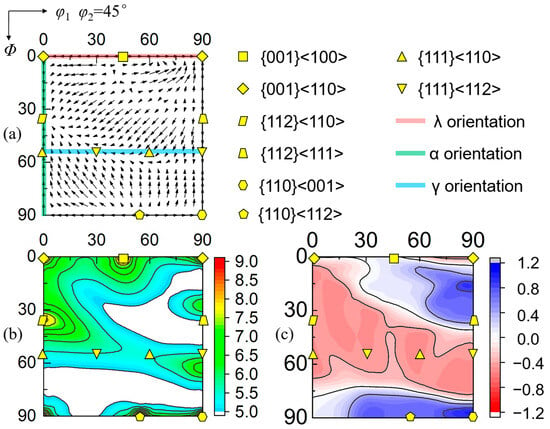
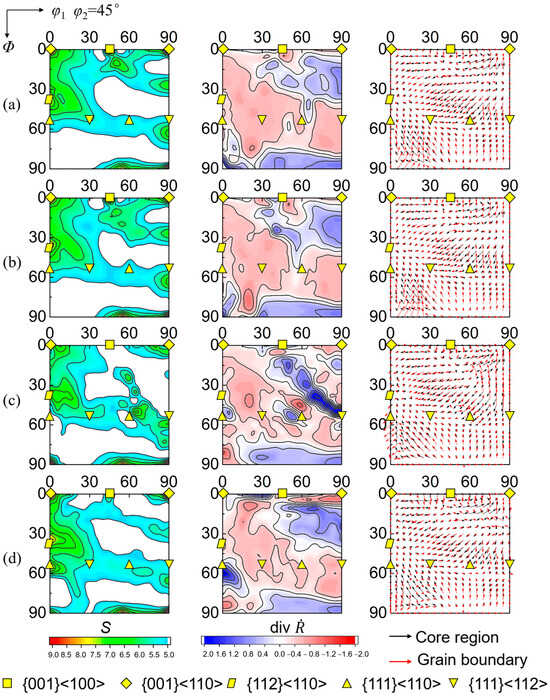
Intragranular orientation gradients play a critical role in deformation and recrystallization texture evolution of silicon steel. In this study, the dependence of intragranular orientation gradients on grain orientation in a cold-rolled Fe-3%Si alloy was systematically investigated through electron backscatter diffraction (EBSD), complemented by a rate-dependent crystal plasticity model, incorporating grain boundary resistance. A comparative assessment of intragranular orientation gradients in the grain core and grain boundary regions revealed that they are markedly sensitive to grain orientation, with the grain boundary region exhibiting a higher orientation gradient than the grain core. The formation of intragranular orientation gradients is governed by the orientation stability during plastic deformation: stable convergent α (<110>//RD, rolling direction) and γ (<111>//ND, normal direction) orientations develop lower orientation gradients, whereas grains with unstable divergent λ (<001>//ND) orientations exhibit higher orientation gradients. Furthermore, intergranular interactions during rolling reduce orientation stability near grain boundaries, thereby promoting higher orientation gradients in the grain boundary region compared to the grain core.
Full article
(This article belongs to the Special Issue Rolling and Forming of Alloys and Steels)
►▼
Show Figures

Figure 1
Open AccessArticle
Investigation of Bubble Size and Spatial Distribution in a Continuous Casting Mold Considering Coalescence and Breakup
by
Qingrui Lai, Zhiguo Luo, Yongjie Zhang and Zongshu Zou
Metals 2026, 16(6), 583; https://doi.org/10.3390/met16060583 - 26 May 2026
Abstract
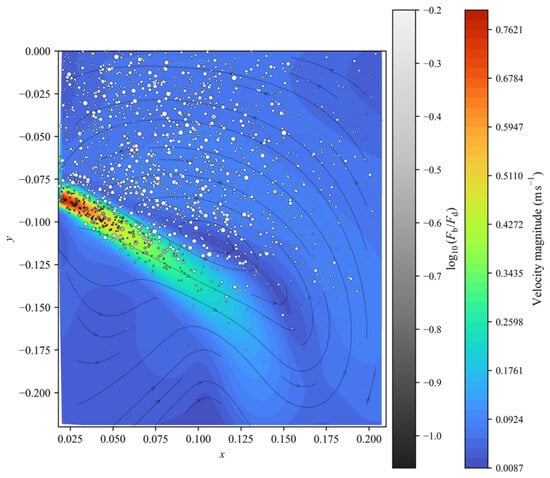
In a steel continuous casting mold, argon bubbles injected through the submerged entry nozzle undergo transport, coalescence, and turbulent breakup, producing a polydisperse bubble swarm that affects flow stability and defect formation. In this study, an Euler–Lagrange model coupled with bubble collision coalescence
[...] Read more.
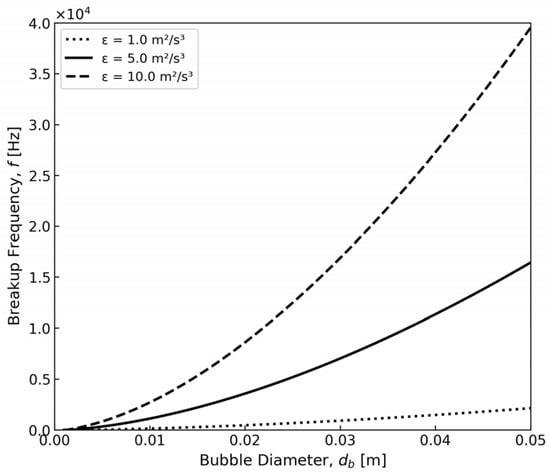
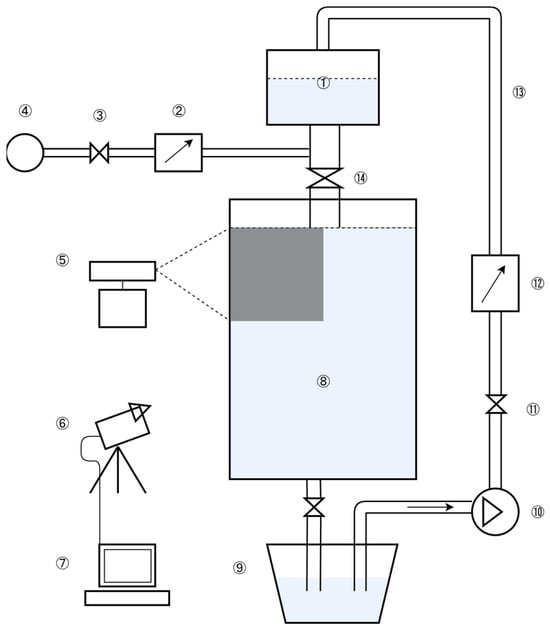
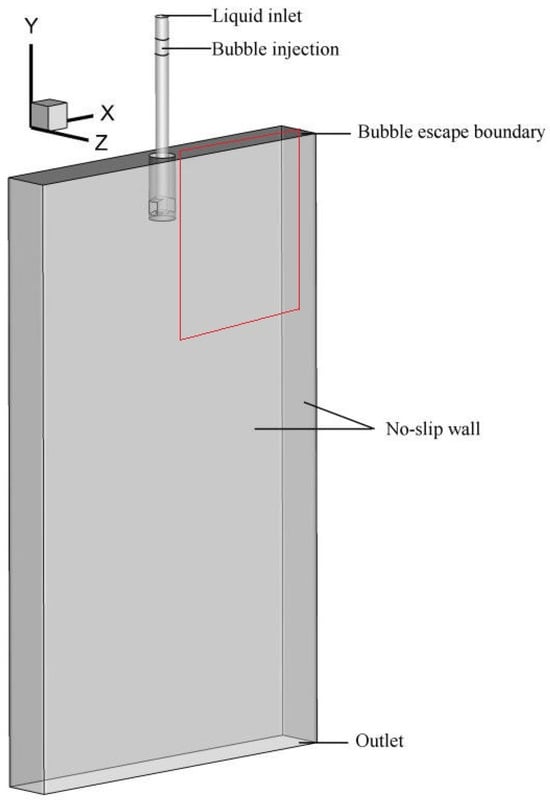
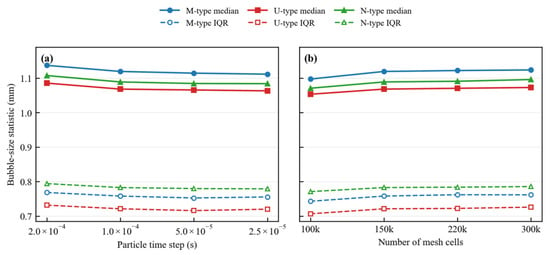
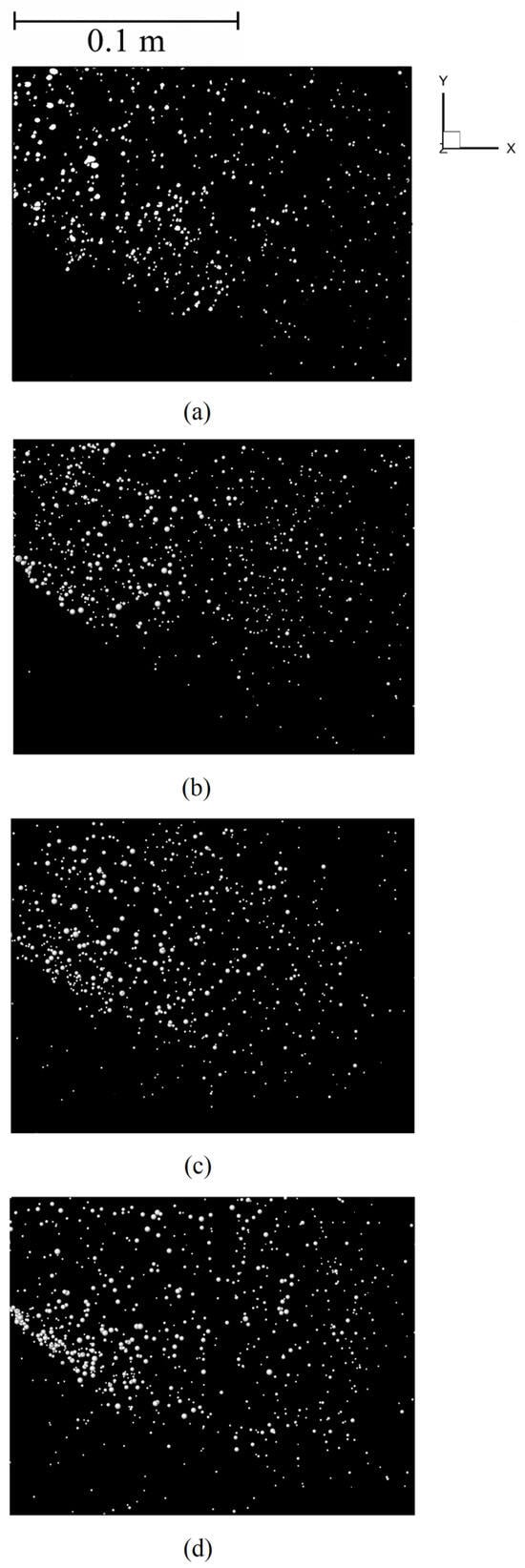
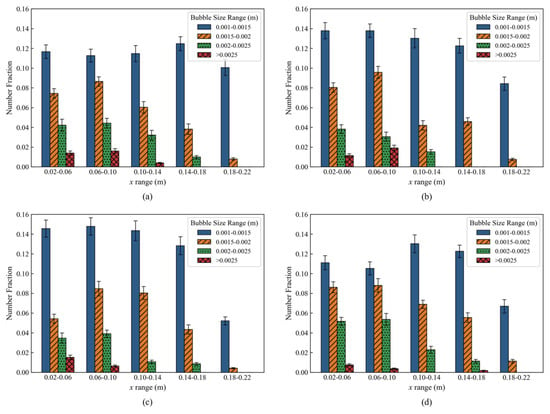
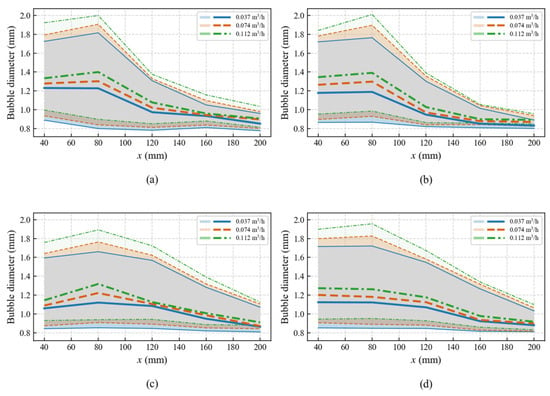
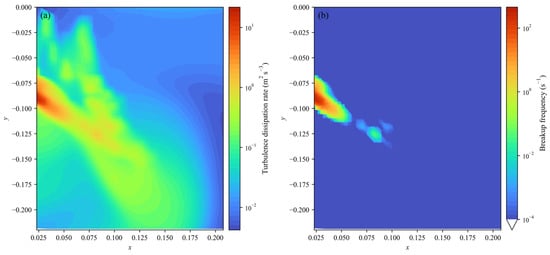
In a steel continuous casting mold, argon bubbles injected through the submerged entry nozzle undergo transport, coalescence, and turbulent breakup, producing a polydisperse bubble swarm that affects flow stability and defect formation. In this study, an Euler–Lagrange model coupled with bubble collision coalescence and turbulence-induced breakup sub-models was established and validated using water model observations. Three daughter-bubble volume distribution models were compared in terms of bubble-cloud morphology, number-fraction distribution, and median-diameter evolution at different gas flow rates. For the median bubble diameter at different gas flow rates, the M-type model gives the lowest mean absolute error of 0.0349 mm. Large bubbles with diameters greater than 2.5 mm accounted for about 4% of the total number and were mainly concentrated near the SEN, whereas small bubbles with diameters of 1.0–1.5 mm accounted for about 60% and were dispersed throughout the upper recirculation region. Mechanism analysis further shows that bubble transport is drag-dominated in the high-velocity jet region, while buoyancy becomes more important in weaker flow regions; turbulent breakup is localized mainly in high-dissipation regions.
Full article
(This article belongs to the Special Issue Advanced Simulation and Modeling Technologies of Metallurgical Processes—2nd Edition)
►▼
Show Figures

Figure 1
Open AccessArticle
Fracture Failure Analysis of U75V Pearlitic Rail on Sharp Radius Curved Track
by
Junjie Fei, Hongfang Qi, Bei Yuan, Minbiao Wan and Linlang Zhang
Metals 2026, 16(6), 582; https://doi.org/10.3390/met16060582 - 26 May 2026
Abstract
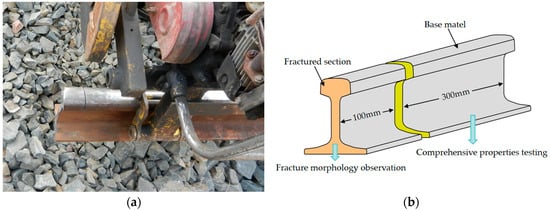
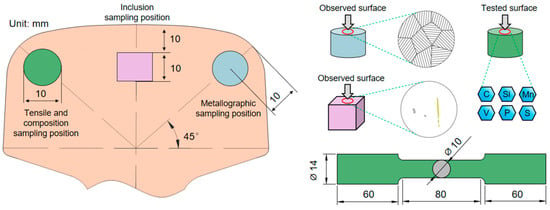
A transverse fracture occurred in U75V pearlitic rail after 5 months of service on a sharp radius curved track of mixed passenger-freight railway. Systematic tests including chemical composition analysis, mechanical properties testing, macroscopic fracture inspection, metallographic observation and microscopic morphology characterization were conducted
[...] Read more.
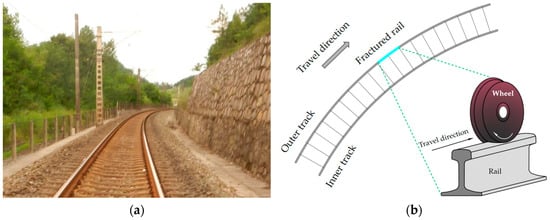
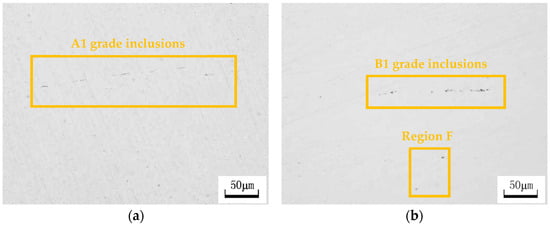
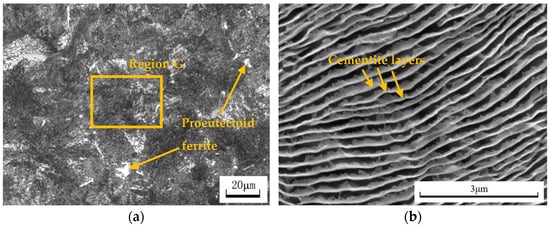
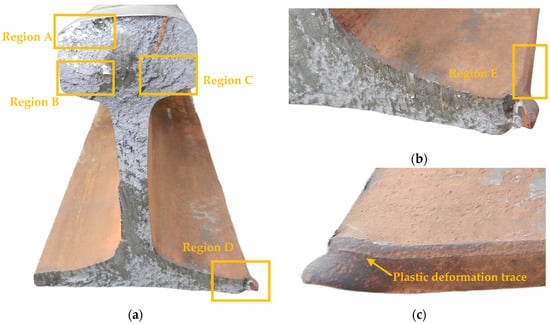
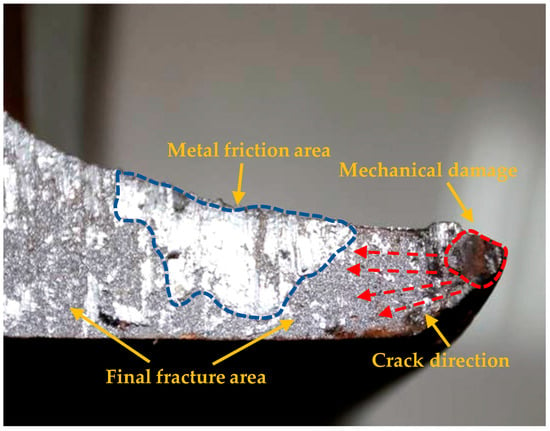
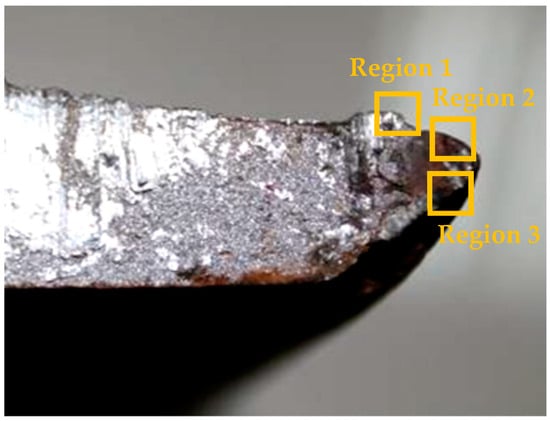
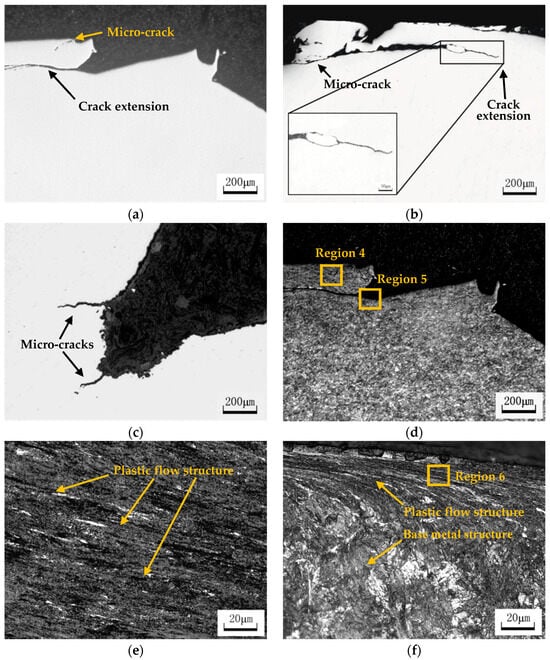
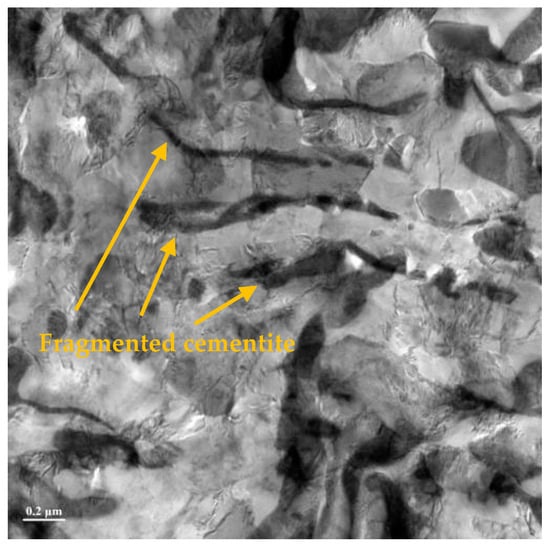
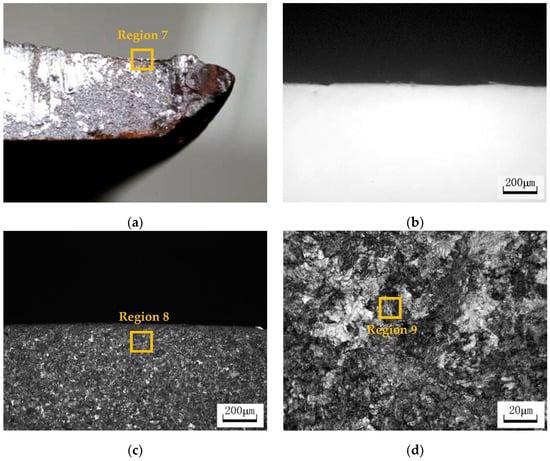
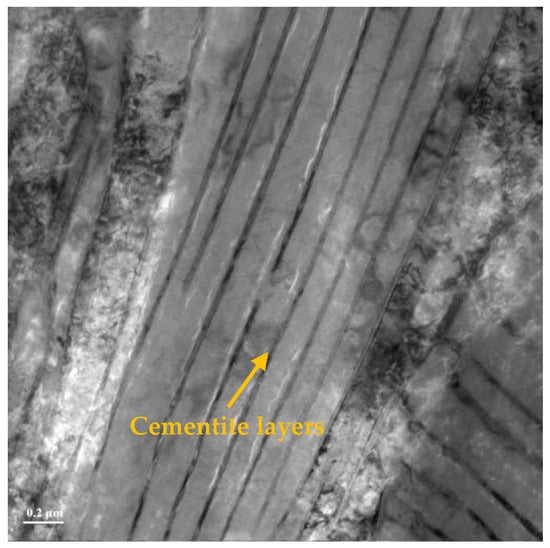
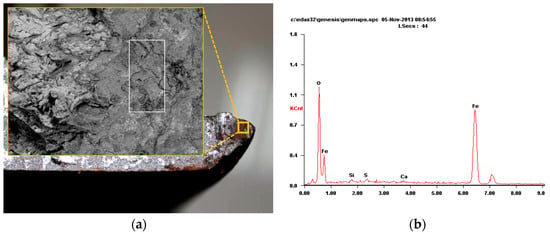
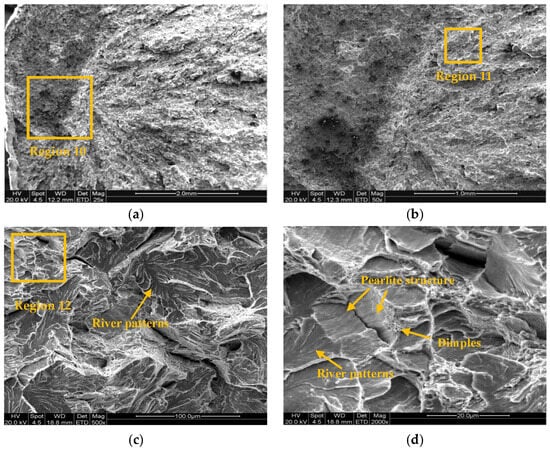
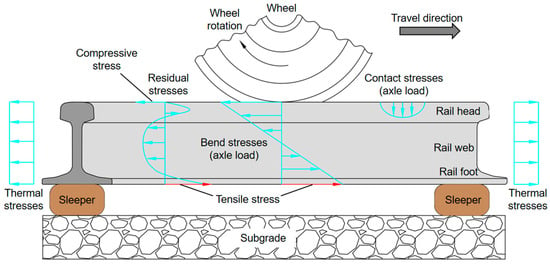
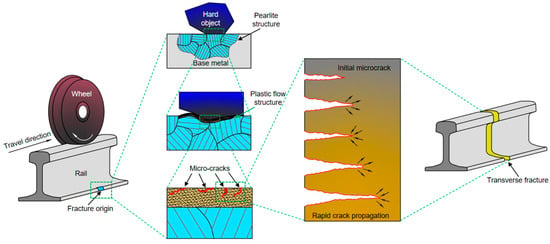
A transverse fracture occurred in U75V pearlitic rail after 5 months of service on a sharp radius curved track of mixed passenger-freight railway. Systematic tests including chemical composition analysis, mechanical properties testing, macroscopic fracture inspection, metallographic observation and microscopic morphology characterization were conducted on the failed rail sample. The results indicate that the rail base metal has qualified metallurgical quality. Its chemical composition, fundamental mechanical properties and microstructure fully meet the requirements of Chinese railway standard TB/T 2344.1-2020. The failure mode is identified as instantaneous brittle fracture. Severe mechanical extrusion and impact cause prominent plastic deformation on the rail foot, leading to surface plastic flow and further triggering micro-crack initiation. Under continuous cyclic stress induced by train loads, the micro-crack tips undergo repeated tearing and closing. Severe stress concentration accelerates the formation of transgranular cracks, which propagate rapidly and unstably toward the rail interior, eventually resulting in catastrophic transverse fracture. Standardized procedures in rail transportation, hoisting and laying are essential to avoid mechanical damage, while regular line inspection and timely replacement of damaged rails should be strictly enforced.
Full article
(This article belongs to the Section Metal Failure Analysis)
►▼
Show Figures

Figure 1
Open AccessArticle
Optimization of Heat Treatment Parameters for Austenitic Stainless Steel Cladding Using the Taguchi Method
by
Wissal Yangui, Rami Ghorbel, Farid Takali, Wafa Naifar, Ahmed Ktari, Khaled Elleuch and Nader Haddar
Metals 2026, 16(6), 581; https://doi.org/10.3390/met16060581 - 26 May 2026
Abstract
►▼
Show Figures
Hot-rolled A283 Gr C carbon steel/A240 TP 316L stainless steel-clad plates are widely used in structural applications. However, the hot-rolling process introduces residual stresses and microstructural heterogeneities near the interface, which can adversely affect mechanical performance. This study aims to optimize stress-relief annealing
[...] Read more.
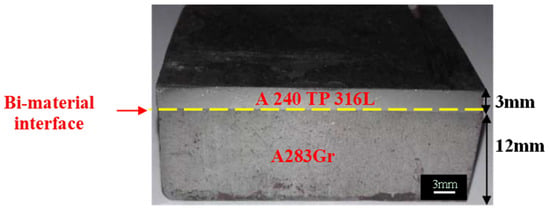
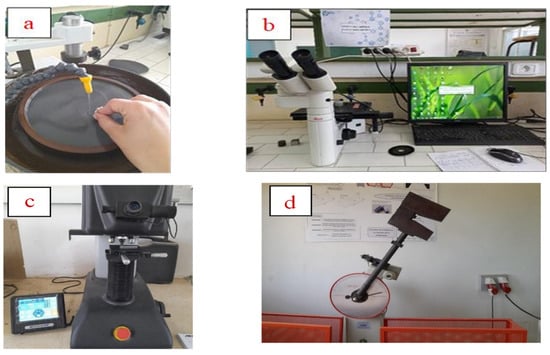
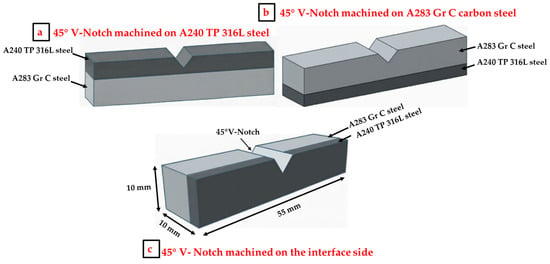
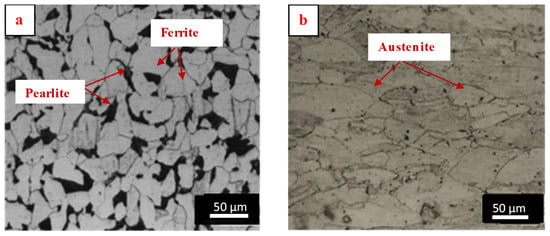
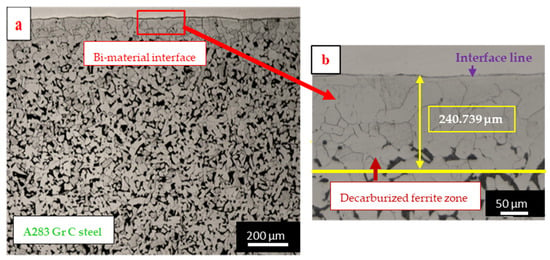
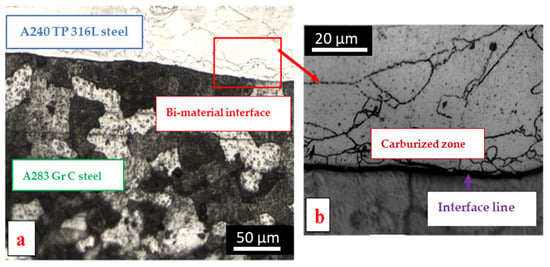
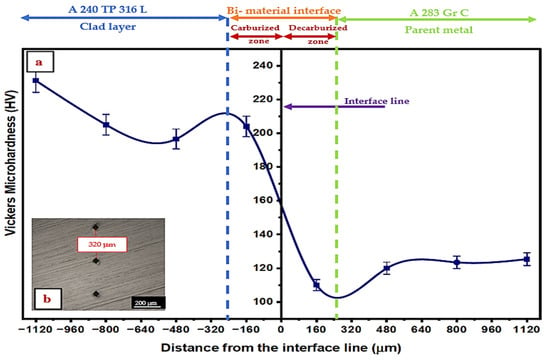
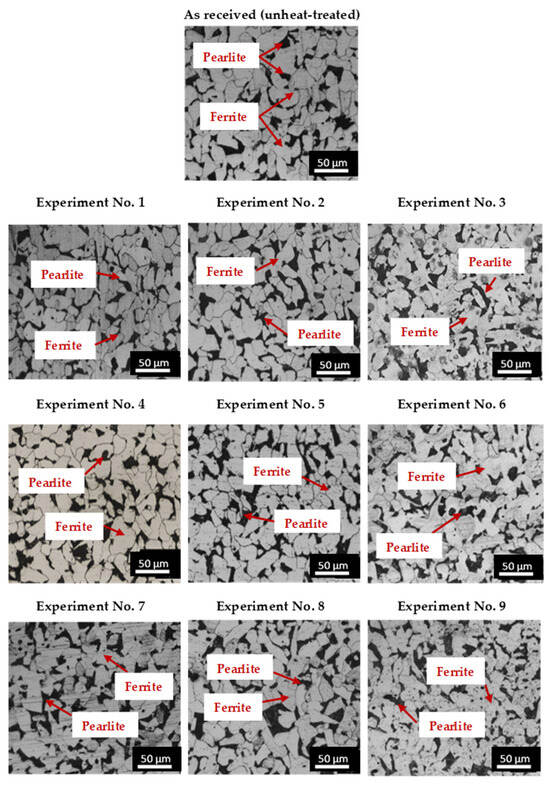
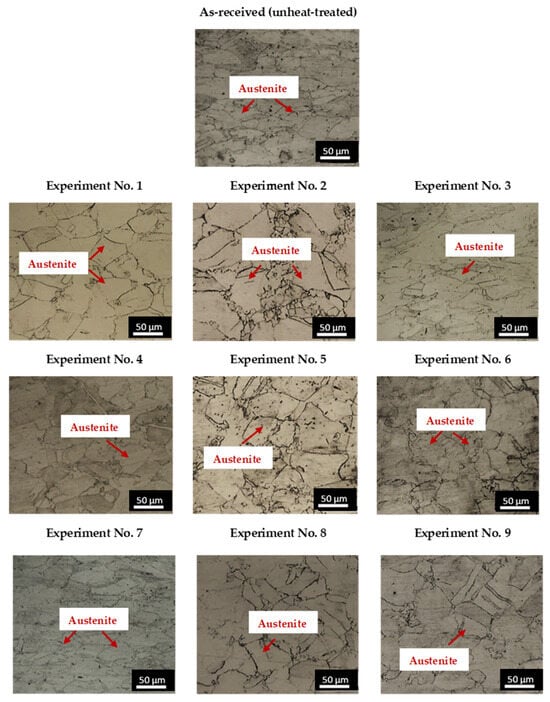
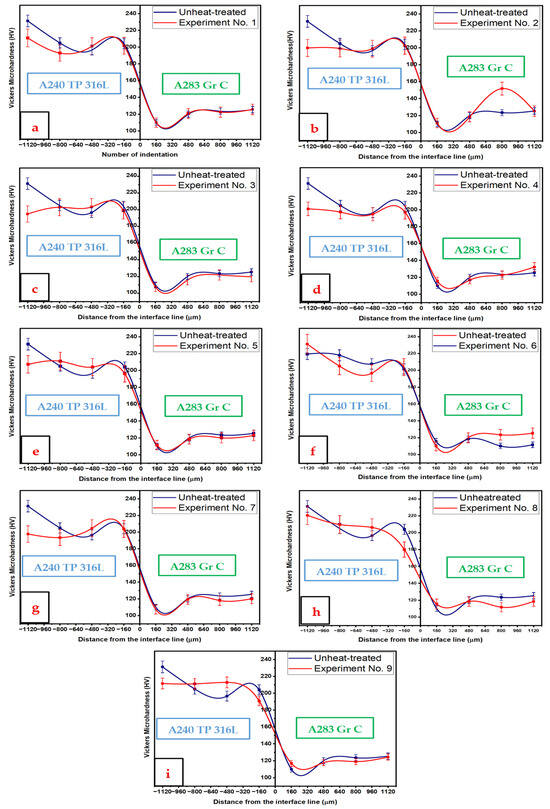
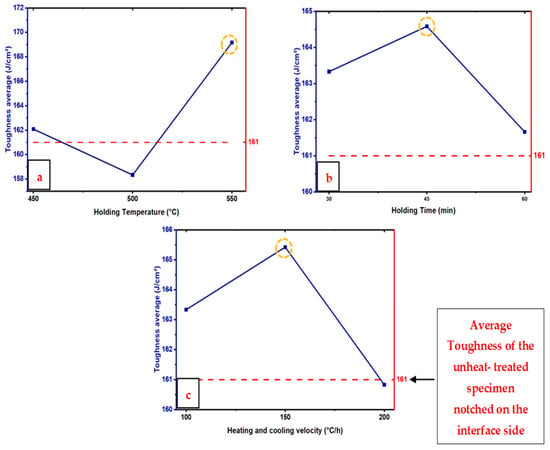
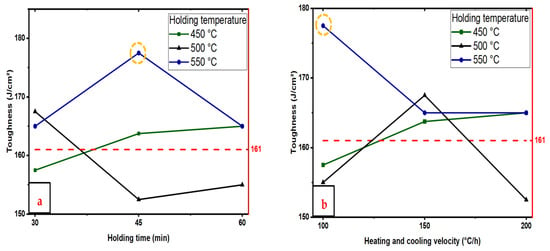
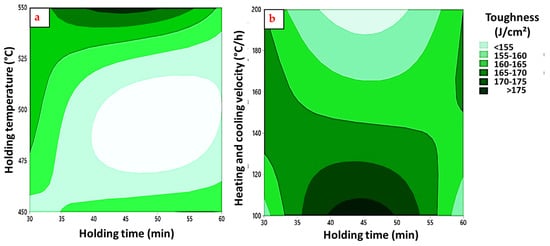
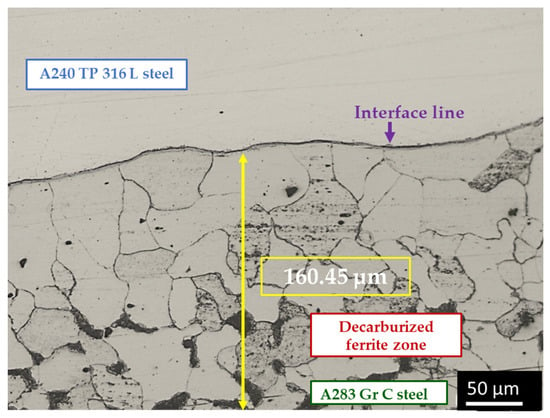
Hot-rolled A283 Gr C carbon steel/A240 TP 316L stainless steel-clad plates are widely used in structural applications. However, the hot-rolling process introduces residual stresses and microstructural heterogeneities near the interface, which can adversely affect mechanical performance. This study aims to optimize stress-relief annealing parameters for hot-rolled A283 Gr C/A240 TP 316L-clad steel in order to enhance toughness while preserving microstructural integrity. A Taguchi experimental design based on an L9 orthogonal array was employed to evaluate the effects of holding temperature, holding time, and heating/cooling velocity on Charpy impact toughness. Signal-to-noise (S/N) ratio analysis and ANOVA were used to identify the most influential parameters. Microstructural observations, microhardness profiling, and Charpy impact testing were conducted before and after heat treatment. The results indicate that stress-relief annealing does not alter the base microstructures of either the carbon steel substrate or the austenitic stainless steel-clad layer, nor does it induce carbide precipitation or secondary phase formation in the A240 TP 316L stainless steel. A noticeable reduction in the thickness of the decarburized ferrite zone near the interface was observed, suggesting improved interfacial stability. Microhardness measurements revealed a moderate decrease in hardness near the interface, accompanied by a significant increase in Charpy impact toughness under optimized conditions. ANOVA results show that holding temperature is the dominant factor influencing toughness, followed by heating/cooling velocity, while holding time has a minor effect. The optimal stress-relief annealing conditions were identified as 550 °C for 45 min, with a heating/cooling velocity of 100 °C/h. These findings demonstrate that the Taguchi method is an effective approach for optimizing heat treatment parameters and improving the mechanical integrity of hot-rolled stainless steel-clad plates.
Full article

Figure 1
Open AccessArticle
Effect of Microstructure Development on the Corrosion Behavior of EN AW-5083 in As-Cast and Homogenized Conditions
by
Natalija Dolić, Zdenka Zovko Brodarac, Franjo Kozina and Anita Begić Hadžipašić
Metals 2026, 16(6), 580; https://doi.org/10.3390/met16060580 - 25 May 2026
Abstract
The corrosion behavior of the EN AW-5083 alloy was investigated due to its widespread use in marine and transportation applications. The study examined the influence of microstructure development on corrosion behavior in both as-cast and homogenized conditions. Thermodynamic calculations, differential scanning calorimetry, and
[...] Read more.
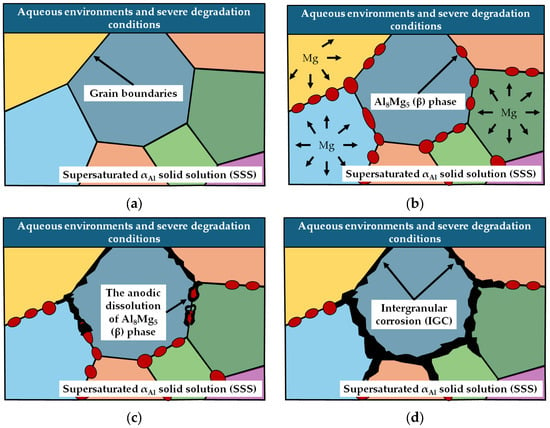
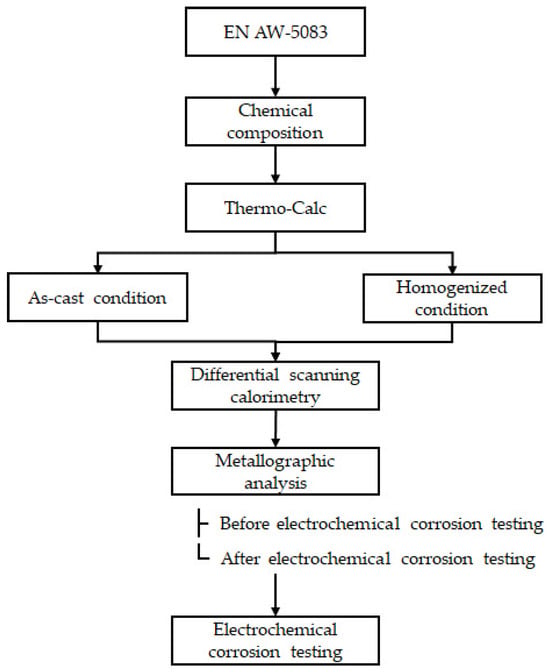
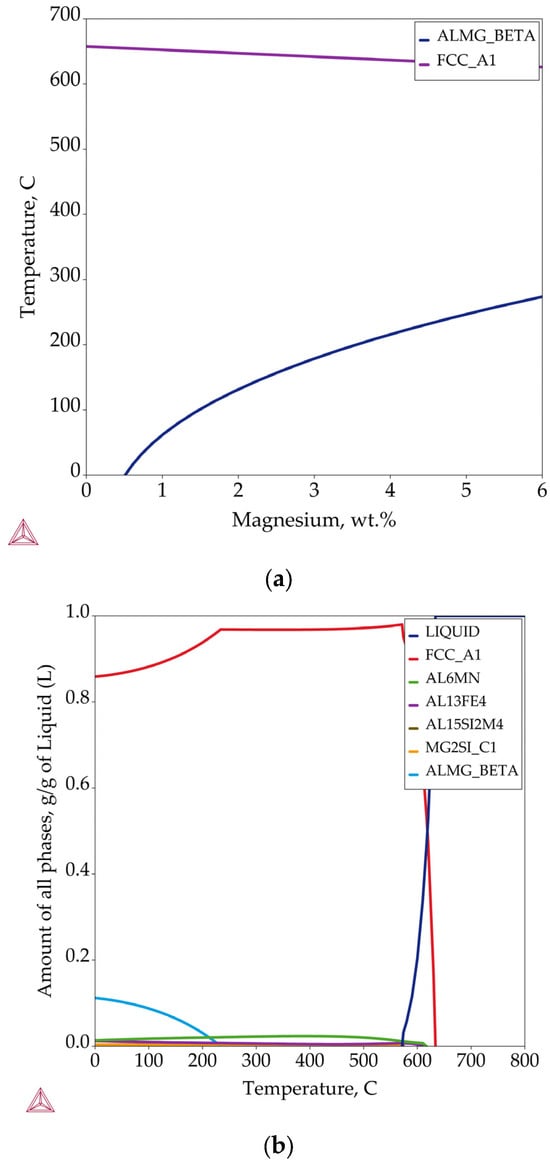
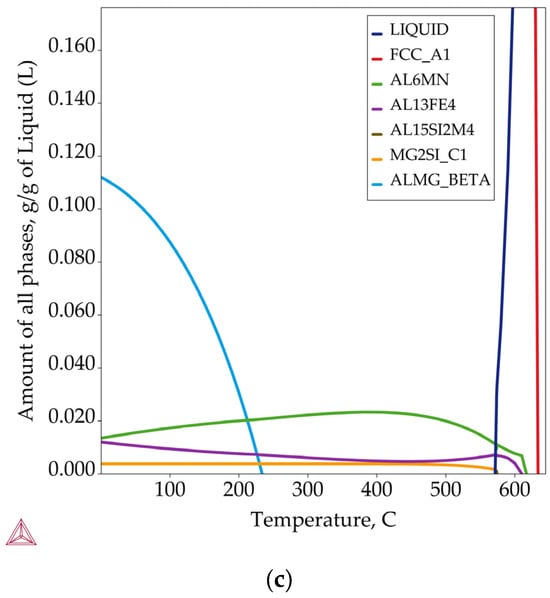
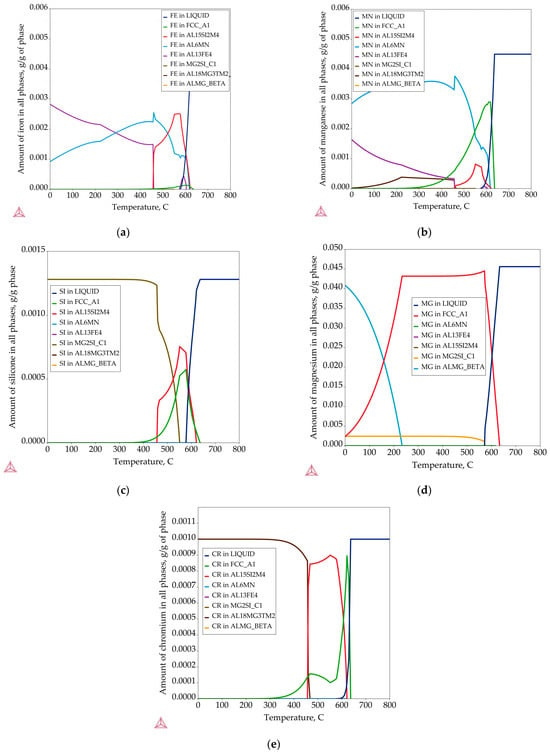
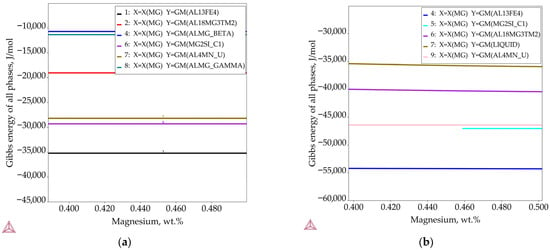
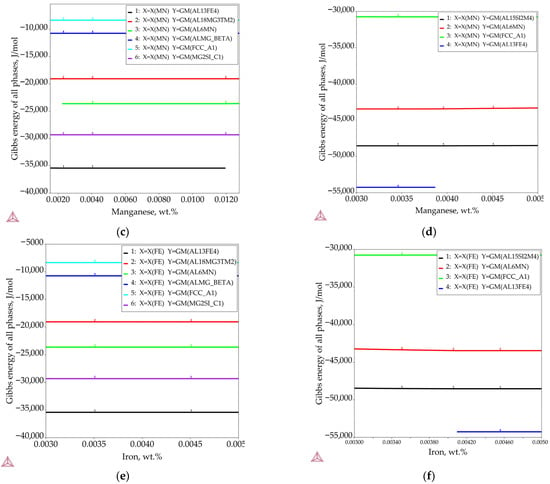
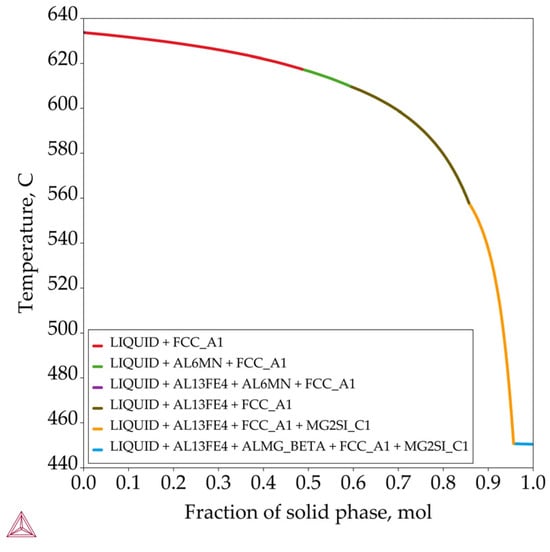
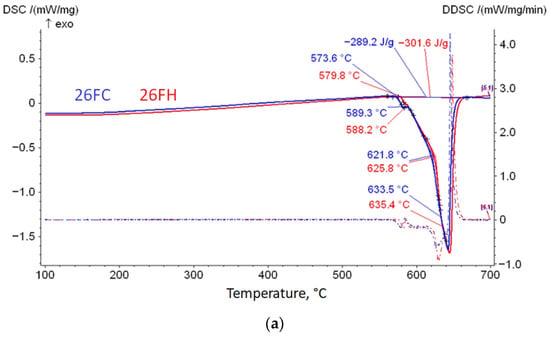
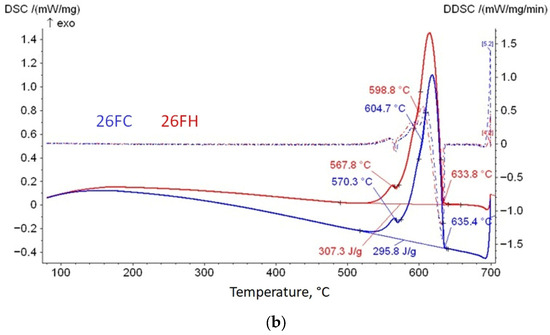
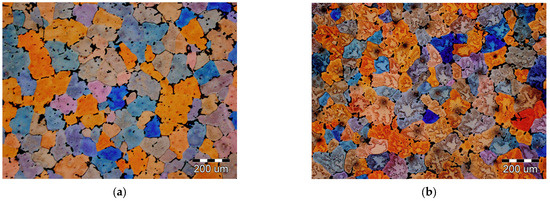
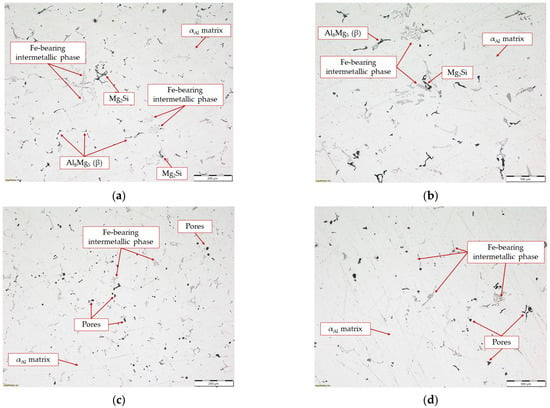
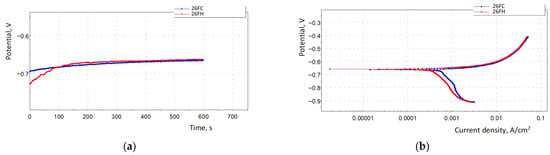
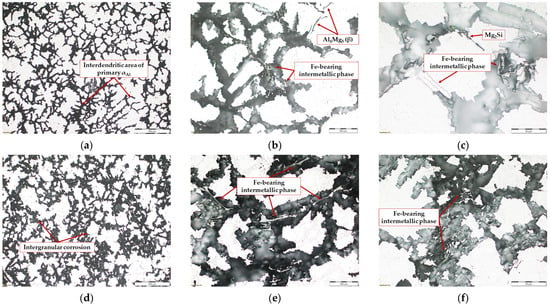
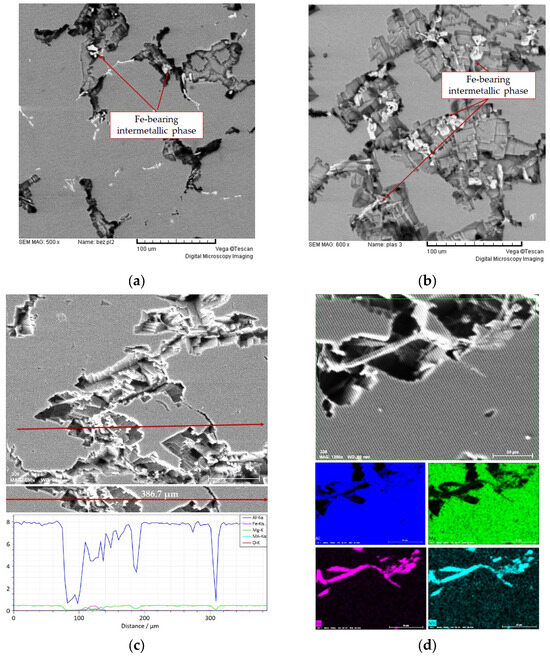
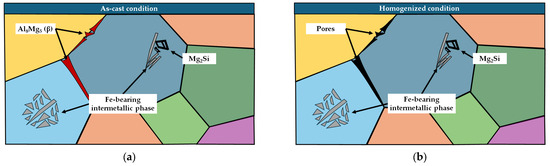
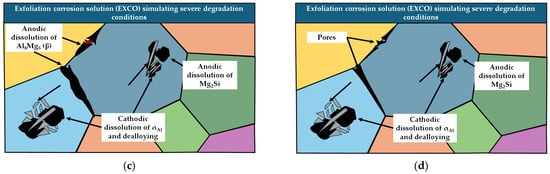
The corrosion behavior of the EN AW-5083 alloy was investigated due to its widespread use in marine and transportation applications. The study examined the influence of microstructure development on corrosion behavior in both as-cast and homogenized conditions. Thermodynamic calculations, differential scanning calorimetry, and metallographic characterization were used to analyze solidification and microstructure development, while electrochemical testing was applied to evaluate corrosion resistance in a solution simulating severe outdoor exposure conditions, primarily marine, industrial, and transportation environments. The results show that the as-cast microstructure contains a heterogeneous distribution of anodic and cathodic intermetallic phases, which promotes localized corrosion. Homogenization at 520 °C led to the dissolution of the Al8Mg5 (β) phase, resulting in reduced sensitization effects and slightly improved corrosion resistance. However, high corrosion rates were observed in both metallurgical conditions, indicating limited resistance under the applied testing conditions. The study confirms that microstructural modification through homogenization influences corrosion mechanisms in EN AW-5083.
Full article
(This article belongs to the Special Issue New Insights into Aluminum Alloys: Processing, Microstructure and Mechanical Properties)
►▼
Show Figures

Figure 1
Open AccessArticle
Study on Efficient and High-Precision Modeling of 3D Temperature Field in Continuous Casting Round Billets Based on Hybrid Coordinate System and Equal-Area Grid
by
Xinqiang Li, Shengdun Zhao, Mingjun Qiu, Tianlong Lian, Yongfei Wang, Jing Zeng, Shaobo Ma, Xiaochen Du and Shuqin Fan
Metals 2026, 16(6), 579; https://doi.org/10.3390/met16060579 - 25 May 2026
Abstract
Aiming at the challenging issue of nonlinear coupling control between cooling intensity and solidification rate in the secondary cooling zone of round billet continuous casting, this study proposes an efficient 3D temperature field modeling method that integrates hybrid coordinate systems with equal-area meshing.
[...] Read more.
Aiming at the challenging issue of nonlinear coupling control between cooling intensity and solidification rate in the secondary cooling zone of round billet continuous casting, this study proposes an efficient 3D temperature field modeling method that integrates hybrid coordinate systems with equal-area meshing. The model is applicable to the temperature range of 800–1520 °C during the continuous casting process. With the modeling strategies of constructing an r-θ-z hybrid coordinate system and designing a dynamic equal-area meshing method, and combined with a topological structure optimization algorithm, the geometric adaptability and numerical stability of the model are significantly improved. Based on this, an explicit-semi-implicit dual-mode finite difference solution model is developed, where the explicit scheme meets real-time online calculation requirements, and the semi-implicit scheme combined with preconditioned Gauss–Seidel iteration enables high-precision offline simulation. Furthermore, a boundary condition model incorporating adaptive mold heat flux correction and multi-mechanism heat transfer in the secondary cooling zone is established. Based on Microsoft Visual Studio 2019 (Version 16.11) C++ development, SIMD vectorization and temperature gradient threshold optimization technologies are employed, resulting in a 35% improvement in computational efficiency. Industrial validation results show that, taking 42CrMo steel with a casting speed of 0.24 m/min and a cross-section of φ600 mm as an example, the deviation between the calculated surface temperature (887 °C) and the measured value (876 °C) of the round billet in the straightening zone is only 11 °C, and the calculation error of the cold billet diameter is only 0.325% (with a calculated value of 597.548 mm and a measured average value of 599.5 mm), both meeting the accuracy requirements for engineering applications. The model breaks through the limitations of traditional empirical formulas and provides theoretical support for digital control of continuous casting processes and quality optimization of high-alloy steels.
Full article
(This article belongs to the Special Issue Development of Intelligent Forging Process for Metals and Alloys)
Open AccessReview
Electrically Assisted Processing of Metallic Materials: Coupled Mechanisms, Microstructure Evolution, and Service Performance
by
Xiaohui Li, Yuhong Lin, Mingjia Wu, Lijie Chen, Lianhao Liu and Guolin Song
Metals 2026, 16(6), 578; https://doi.org/10.3390/met16060578 - 25 May 2026
Abstract
Electrically assisted processing of metallic materials has emerged as a promising paradigm for reducing deformation resistance while concurrently tailoring microstructure and service-related properties under coupled electrical, thermal, and mechanical fields. This review focuses on deformation-dominated and surface-strengthening scenarios, examining recent advances from three
[...] Read more.
Electrically assisted processing of metallic materials has emerged as a promising paradigm for reducing deformation resistance while concurrently tailoring microstructure and service-related properties under coupled electrical, thermal, and mechanical fields. This review focuses on deformation-dominated and surface-strengthening scenarios, examining recent advances from three interconnected perspectives: fundamental mechanisms, microstructural evolution, and property responses. Available evidence suggests that Joule heating typically constitutes the dominant contribution under high-duty-cycle or near-steady-state current conditions, whereas non-thermal electroplastic effects become increasingly pronounced under short-pulse, high-current-density, and temporally decoupled loading regimes. Current assistance can accelerate recovery and recrystallization, refine grain structure, modify crystallographic texture, and alter phase transformation and precipitation kinetics. Additionally, it can relax or redistribute residual stresses while reducing flow stress and forming forces. In select hybrid surface treatments, these microstructural modifications translate into enhanced resistance to fatigue, wear, and corrosion. Nevertheless, the available evidence precludes a single universal explanation, given that current crowding, defect-selective heating, electron–dislocation interactions, and magnetic effects operate concurrently, with their relative importance varying across material systems and processing conditions. Moving forward, establishing a unified framework that links electrical parameters, defect evolution, microstructure, and performance is imperative, with focused efforts on the quantitative delineation of thermal and non-thermal contributions, predictive constitutive modeling, residual stress stability, and industrial scalability.
Full article
(This article belongs to the Special Issue Advanced Manufacturing and Processing Technology for Metallic Materials)
►▼
Show Figures

Figure 1
Open AccessReview
High-Entropy Alloys as Materials for Solid-State Hydrogen Storage: From Fundamental Principles to Directed Design Strategies
by
Sherzod Kurbanbekov, Mazhyn Skakov, Tolegen Kaisaruly, Yulduz Amangeldiyeva, Sherzod Ramankulov, Aidyn Tussupzhanov and Yerkhat Dauletkhanov
Metals 2026, 16(6), 577; https://doi.org/10.3390/met16060577 - 25 May 2026
Abstract
High-entropy alloys and the broader class of compositionally complex alloys have recently attracted significant attention as promising materials for solid-state hydrogen storage. Their potential arises not only from high configurational entropy but also from the possibility of tailoring phase composition, crystal structure, local
[...] Read more.
High-entropy alloys and the broader class of compositionally complex alloys have recently attracted significant attention as promising materials for solid-state hydrogen storage. Their potential arises not only from high configurational entropy but also from the possibility of tailoring phase composition, crystal structure, local chemical environment, and defect states that govern hydrogen sorption thermodynamics and kinetics. This review summarizes current understanding of hydrogen interaction mechanisms in HEAs and discusses the role of body-centered cubic (BCC), face-centered cubic (FCC), and Laves phases in determining hydrogen capacity, reversibility, and cyclic stability. The limitations of commonly used descriptors, including valence electron concentration (VEC), atomic size mismatch δ, enthalpy of mixing ΔHmix, and Ω parameter, in predicting hydrogen storage behavior are critically analyzed. Particular attention is given to the effects of processing methods, phase transformations during hydrogenation/dehydrogenation, and the energetic heterogeneity of interstitial sites in multicomponent systems. The review highlights that future progress will depend on the transition from empirical alloy discovery toward physically informed multiparametric design integrating CALPHAD, DFT modeling, machine learning, and in situ/operando characterization techniques for the development of efficient and durable hydrogen storage materials.
Full article
(This article belongs to the Special Issue Advanced Metallic Materials for Hydrogen Production, Storage and Transportation: Design, Degradation and Reliability)
►▼
Show Figures

Figure 1
Open AccessArticle
A Numerical Assessment on the Textural Stability of {112}<111> After Asymmetric Accumulative Roll-Bonding (AARB)
by
Rui Wang, Xuhui Bai, Lihong Su, Guangyang Jiang, Yu Sun, Yu Liu, Yu Zhu and Xi Huang
Metals 2026, 16(6), 576; https://doi.org/10.3390/met16060576 - 25 May 2026
Abstract
In this study, the stability of the {112}<111> rolling texture component during asymmetric accumulative roll-bonding (AARB) was systematically investigated using a crystal plasticity finite element method (CPFEM) model. The CPFEM predictions showed that the plastic deformation was inhomogeneous along the thickness for all
[...] Read more.
In this study, the stability of the {112}<111> rolling texture component during asymmetric accumulative roll-bonding (AARB) was systematically investigated using a crystal plasticity finite element method (CPFEM) model. The CPFEM predictions showed that the plastic deformation was inhomogeneous along the thickness for all five asymmetric ratios (1.0, 1.2, 1.5, 0.83, and 0.66). To characterize the plastic deformation and texture evolution, through-thickness shear strain, slip-system shear strain, crystal rotation behaviour, pole figures, and the retained area fraction of the {1 1 2}<1 1 1> texture component were analyzed. It was found that the asymmetric ratio, surface friction, and cutting-stacking pattern in AARB played a critical role in the preservation of initial {1 1 2}<1 1 1>.
Full article
(This article belongs to the Special Issue Applications of Computational Methods in Metallic Materials Manufacturing Processes)
►▼
Show Figures

Figure 1
Open AccessArticle
Surface Defect Formation Mechanism and Mold Flux Optimization in Continuous Casting of Sulfur-Containing Medium-Carbon Microalloyed Steel Blooms
by
Liguang Zhu, Xin Wang and Yihua Han
Metals 2026, 16(6), 575; https://doi.org/10.3390/met16060575 - 25 May 2026
Abstract
Sulfur-containing medium-carbon microalloyed steel blooms are widely used for high-load automotive components, and reducing surface defects is important for improving product yield and lowering downstream processing costs. To address surface defects such as star cracks and microcracks in the continuous casting of these
[...] Read more.
Sulfur-containing medium-carbon microalloyed steel blooms are widely used for high-load automotive components, and reducing surface defects is important for improving product yield and lowering downstream processing costs. To address surface defects such as star cracks and microcracks in the continuous casting of these steel blooms, this study redesigned the mold flux on the basis of the steel’s solidification characteristics and crack susceptibility and carried out a twin-strand industrial comparative casting trial. Thermodynamic and thermophysical analyses indicated that the relatively high contents of S, Mn, and Ti/N in the steel promoted the precipitation of MnS and TiN–MnS complex inclusions along grain boundaries, severely weakening grain boundary cohesion. Meanwhile, the high specific heat capacity and low thermal conductivity further intensified thermal stress concentration in the solidifying shell, rendering the steel highly susceptible to cracking. Evaluation of the originally used mold flux (Flux A) revealed that its high melting temperature (1189 °C), long melting time (106 s), high break temperature (1170 °C), and poor crystallization behavior resulted in an excessively thin liquid slag layer (<5 mm) within the mold, making it difficult to provide adequate lubrication and stable heat transfer; these were key external factors inducing surface defects. Accordingly, the optimized mold flux (Flux B) was designed and prepared by increasing the basicity from 0.95 to 1.1, raising the Al2O3 content from 9.48% to 11.16%, increasing the F content from 4.93% to 5.58%, and reducing the carbon content from 13.85% to 6.97%. The rheological and crystallization properties of the flux were optimized in a coordinated manner, allowing uniform heat transfer through the crystalline slag layer while maintaining adequate lubrication. Industrial comparative trials demonstrated that Flux B stabilized the liquid slag layer at 8–10 mm, increased slag consumption to 0.56 kg/t, and significantly reduced surface defects such as star cracks and microcracks on blooms. The ultrasonic testing acceptance rate for rolled products increased to 98.6%, thereby meeting stringent quality requirements for the continuous casting of sulfur-containing, medium-carbon, microalloyed steel blooms.
Full article
(This article belongs to the Section Metal Casting, Forming and Heat Treatment)
►▼
Show Figures

Figure 1
Open AccessArticle
Numerical Simulation of Welding-Induced Deformation and Residual Stress in a 316LN Stainless Steel Butt Joint
by
Chaoxiong Qu, Chenyang Zhou, Chao Fang, Zhixu Mao, Jin Liu, Xinlei Li, Tingyu Deng and Dean Deng
Metals 2026, 16(6), 574; https://doi.org/10.3390/met16060574 - 24 May 2026
Abstract
316LN stainless steel is widely used in critical nuclear fusion structural components due to its excellent mechanical properties and machinability. However, its high thermal expansion coefficient and low thermal conductivity promote welding distortion, while work hardening causes residual stress accumulation. Thermo-elastic–plastic finite element
[...] Read more.
316LN stainless steel is widely used in critical nuclear fusion structural components due to its excellent mechanical properties and machinability. However, its high thermal expansion coefficient and low thermal conductivity promote welding distortion, while work hardening causes residual stress accumulation. Thermo-elastic–plastic finite element modeling (FEM) is the primary numerical method for predicting these effects. Yet, despite hardware advances, full-scale simulations—especially for thick plates with multi-pass welds—remain computationally expensive, hindering the balance between efficiency and accuracy. To address the inherent trade-off between welding efficiency and dimensional accuracy in multi-pass, multi-layer welding of thick-section components, this study employs MSC. Marc to develop a finite element model of a 15 mm thick butt-welded joint fabricated from 316LN stainless steel. Three distinct heat source models—instantaneous, enhanced moving, and moving element-set—are systematically implemented to simulate transient temperature fields, residual stress distributions, and welding deformation. All numerical predictions are rigorously validated against experimental measurements to comprehensively assess both accuracy and computational efficiency. Results indicate that: (i) the predicted molten pool geometries and characteristic thermal cycle profiles from all three models exhibit strong agreement with experimental observations; (ii) longitudinal residual stress distributions predicted by all models align closely with measured values; (iii) transverse residual stresses predicted by the moving element-set and enhanced moving heat sources agree well with experiments, whereas those from the instantaneous heat source show marked deviation; (iv) angular distortion predictions from the moving element-set heat source achieve over 90% conformity with experimental data, while the instantaneous heat source substantially underestimates angular distortion, and the enhanced moving heat source yields approximately 65% agreement; and (v) in terms of computational efficiency, the instantaneous heat source requires only ~40% of the computation time needed by the moving heat source.
Full article
(This article belongs to the Special Issue Advances in Welding of Metals and Alloys)
Open AccessArticle
Investigation of Welded Joints of Pipelines from an Existing Gas Transmission Network Exposed to Hydrogen—Part II: Some Aspects of the Microstructural Mechanisms of Hydrogen-Assisted Damage and Fracture
by
Boris Yanachkov, Kateryna Valuiska, Yana Mourdjeva, Vanya Dyakova, Krasimir Kolev, Tatiana Simeonova, Rumen Krastev, Stivan Vasilev and Rumyana Lazarova
Metals 2026, 16(6), 573; https://doi.org/10.3390/met16060573 - 24 May 2026
Abstract
This study investigates hydrogen embrittlement in welded joints of X52 (L360) pipeline steel obtained from an operating natural gas transmission network after 31 years of service, with particular emphasis on production (longitudinal) and girth (circumferential) welds. The aim is to elucidate the influence
[...] Read more.
This study investigates hydrogen embrittlement in welded joints of X52 (L360) pipeline steel obtained from an operating natural gas transmission network after 31 years of service, with particular emphasis on production (longitudinal) and girth (circumferential) welds. The aim is to elucidate the influence of microstructural heterogeneity across the pipe wall and within different welded joint types on hydrogen transport, trapping behavior, and fracture mechanisms. The investigation combines X-ray diffraction, electrochemical hydrogen permeation testing, fractographic analysis, and transmission electron microscopy. X-ray diffraction results show that the base metal and girth weld consist predominantly of body-centered cubic ferrite, whereas the production weld additionally contains retained austenite associated with an elevated manganese content. These phase-related differences are consistent with transmission electron microscopy observations of martensite–austenite constituents within the weld microstructure. Electrochemical hydrogen permeation measurements reveal pronounced microstructure-dependent hydrogen transport behavior. The production weld exhibits a significantly lower apparent diffusion coefficient and a markedly higher hydrogen trap density, approximately five times greater than those of the base metal and girth weld, providing a mechanistic explanation for the observed differences in hydrogen uptake behavior. Fractographic analysis demonstrates a transition from ductile microvoid coalescence in the uncharged condition to predominantly brittle fracture following hydrogen charging. This transition is accompanied by a substantial increase in the fraction of brittle fracture zones, reaching approximately 53% in hydrogen-charged specimens. A pronounced gradient in hydrogen embrittlement susceptibility is observed across the pipe wall thickness, with outer-wall specimens consistently exhibiting greater susceptibility than inner-wall specimens. This behavior reflects the combined influence of long-term soil corrosion and hydrogen-assisted degradation. Transmission electron microscopy reveals that plastic deformation governs dislocation generation, while hydrogen significantly modifies dislocation behavior by promoting dislocation pile-ups near martensite–austenite constituents and non-metallic inclusions. These observations indicate strong interactions between hydrogen, dislocations, and microstructural heterogeneities. A clear size-dependent role of non-metallic inclusions is identified. Sub-micron inclusions act primarily as irreversible hydrogen trapping sites that contribute to hydrogen redistribution within the microstructure, whereas larger inclusions serve as preferential crack initiation sites under hydrogen charging conditions. Overall, the results demonstrate that hydrogen embrittlement behavior is governed by the combined effects of microstructural state, welded joint type, and long-term service-induced degradation, resulting in distinct hydrogen transport characteristics and fracture responses across the pipe wall.
Full article
(This article belongs to the Special Issue Advances in the Fatigue and Fracture Behaviour of Metallic Materials)
►▼
Show Figures

Figure 1
Open AccessArticle
Development and Characterization of CoCrMo/xCu Composites Fabricated by Powder Metallurgy
by
Luis Olmos, Armando Michel Garcia-Carrillo, Jose Lemus-Ruiz, Omar Jiménez, Dante Arteaga, Julio Cesar Villalobos-Brito and Melina Velasco-Plascencia
Metals 2026, 16(6), 572; https://doi.org/10.3390/met16060572 - 23 May 2026
Abstract
This study aims to develop CoCrMo/xCu composites through liquid phase sintering. The primary focus is on investigating how the addition of copper influences sintering kinetics, microstructure, and mechanical properties. The copper volume fraction ranged from 10 to 25 wt.% relative to CoCrMo. Sintering
[...] Read more.
This study aims to develop CoCrMo/xCu composites through liquid phase sintering. The primary focus is on investigating how the addition of copper influences sintering kinetics, microstructure, and mechanical properties. The copper volume fraction ranged from 10 to 25 wt.% relative to CoCrMo. Sintering was conducted at 1150 °C under an argon atmosphere. Characterization methods included scanning electron microscopy, computed microtomography, and X-ray diffraction analysis. It was observed that molten copper, which forms upon reaching its melting temperature, can fill the interparticle spaces left by CoCrMo particles in the green compacts. During sintering, densification is further enhanced by the dissolution of CoCrMo, resulting in the formation of intermetallic phases enriched in Cr and Mo, as well as a ternary Co-Cr-Cu compound. Both densification and intermetallic formation contribute to increased microhardness as Cu content rises. It is concluded that the CoCrMo/25Cu composite exhibits the best mechanical and corrosion properties because its densification was improved by the Cu liquid.
Full article
(This article belongs to the Special Issue Preparation, Microstructure, and Mechanical Properties of Biomedical Metallic Materials)
►▼
Show Figures

Figure 1
Open AccessArticle
Numerical Simulation of Tundish Filter Geometry: Effects of Pore Number and Elevation Angle on Inclusion Removal in Molten Steel
by
Aiwei Lv, Dong Feng, Xudong Luo, Siyao Liu, Jiegang You and Dabin Qi
Metals 2026, 16(6), 571; https://doi.org/10.3390/met16060571 - 23 May 2026
Abstract
►▼
Show Figures
To improve steel cleanliness during continuous casting, tundish flow-control devices must effectively regulate molten-steel flow and promote the removal of non-metallic inclusions. In this study, a numerical investigation was conducted to clarify the coupled effects of pore number and pore elevation angle in
[...] Read more.
To improve steel cleanliness during continuous casting, tundish flow-control devices must effectively regulate molten-steel flow and promote the removal of non-metallic inclusions. In this study, a numerical investigation was conducted to clarify the coupled effects of pore number and pore elevation angle in an inclined porous tundish filter on molten-steel flow behavior and inclusion removal. Twenty-five filter configurations were compared by varying the pore number from 2 to 32 pores and the pore elevation angle from 20° to 40° while maintaining an identical total flow-through area. The results show that inclusion removal is governed by the combined effects of flow guidance, velocity-field uniformity, and post-filter streamline distribution, with the filter containing 8 pores and a 40° pore elevation angle achieving the highest average inclusion removal efficiency of 74.33% for 20–80 μm inclusions. These findings provide a quantitative basis for optimizing tundish filter geometry and improving steel cleanliness during continuous casting.
Full article

Figure 1
Open AccessArticle
Effect of Fe/Ni Ratio on the Microstructure and Mechanical Properties of AlCr1.6FexNi(3.2−x)Si0.2 High-Entropy Alloys
by
Yaojian Ren, Tailin Yang, Honglian Deng, Junjie Feng, Qingkun Meng, Jiqiu Qi, Fuxiang Wei and Yanwei Sui
Metals 2026, 16(6), 570; https://doi.org/10.3390/met16060570 - 22 May 2026
Abstract
AlCrFeNi-based high-entropy alloys (HEAs) have attracted considerable interest owing to their adjustable phase constitution and attractive mechanical performance. In this study, AlCr1.6FexNi(3.2−x)Si0.2 HEAs (x = 1.0–2.0) were fabricated by vacuum arc melting to systematically evaluate the
[...] Read more.
AlCrFeNi-based high-entropy alloys (HEAs) have attracted considerable interest owing to their adjustable phase constitution and attractive mechanical performance. In this study, AlCr1.6FexNi(3.2−x)Si0.2 HEAs (x = 1.0–2.0) were fabricated by vacuum arc melting to systematically evaluate the influence of the Fe/Ni ratio on phase evolution, microstructural characteristics, and mechanical behavior. The results indicate that, with increasing Fe content, the phase constitution gradually changes from BCC+B2+σ to BCC+B2. Correspondingly, the microstructure evolves from floral and cellular eutectic morphologies to branch-like BCC-rich regions with inter-branch/intercellular eutectic constituents. At the same time, the Vickers hardness decreases from 584.1 HV to 365.7 HV as the Fe content increases. Compression results show a gradual reduction in alloy strength, whereas the deformation ability is noticeably improved. Fracture surface analysis further reveals that the alloys with x ≤ 1.4 exhibit typical brittle fracture features, while those with x ≥ 1.6 display incomplete fracture and enhanced plastic deformation. These results clarify the relationship among Fe/Ni ratio, phase constitution, microstructural evolution, and mechanical properties in AlCrFeNiSi-based HEAs.
Full article
(This article belongs to the Section Entropic Alloys and Meta-Metals)
Journal Menu
► ▼ Journal Menu-
- Metals Home
- Aims & Scope
- Editorial Board
- Reviewer Board
- Topical Advisory Panel
- Photography Exhibition
- Instructions for Authors
- Special Issues
- Topics
- Sections
- Article Processing Charge
- Indexing & Archiving
- Editor’s Choice Articles
- Most Cited & Viewed
- Journal Statistics
- Journal History
- Journal Awards
- Society Collaborations
- Conferences
- Editorial Office
Journal Browser
► ▼ Journal BrowserHighly Accessed Articles
Latest Books
E-Mail Alert
News
Topics
Topic in
Analytica, Metals, Molecules, Processes, Separations
Advances in Solvent Extraction
Topic Editors: Guoquan Zhang, Weizao LiuDeadline: 31 May 2026
Topic in
Applied Mechanics, Applied Sciences, Materials, Polymers, Solids, Metals
Multi-scale Modeling and Optimisation of Materials
Topic Editors: Mustafa Awd, Frank WaltherDeadline: 31 August 2026
Topic in
Alloys, Materials, Metals
Development of Light Alloys with Excellent Mechanical Properties
Topic Editors: Zhirou Zhang, Isaac ChangDeadline: 10 October 2026
Topic in
Materials, Crystals, Metals, Coatings, Alloys
Microstructure and Properties in Metals and Alloys, 4th Edition
Topic Editors: Andrea Di Schino, Claudio Testani, Robert BidulskýDeadline: 31 October 2026
Conferences
Special Issues
Special Issue in
Metals
Advanced Metal Smelting Technology and Prospects, 2nd Edition
Guest Editor: Dongdong ZhouDeadline: 30 May 2026
Special Issue in
Metals
Research on Microstructure and Performance Mechanisms of Advanced Steels and Alloys (2nd Edition)
Guest Editors: Weina Zhang, Qiyuan ChenDeadline: 31 May 2026
Special Issue in
Metals
Precision Machining of High-Performance Metal Materials (HPMs)
Guest Editors: Lijun Zhang, Renjie Ji, Kaiguang LuoDeadline: 31 May 2026
Special Issue in
Metals
Advances in Sustainable Utilization of Metals: Recovery and Recycling
Guest Editors: Jinfang Lv, Dongxia FengDeadline: 31 May 2026