


Abstract
Additive manufacturing (AM), also known as three-dimensional (3D) printing, has emerged as a revolutionary digital near-net-shape manufacturing technology, offering innovative solutions for the design and fabrication of complex, high-performance structures and equipment. This paper reviews the recent advancements and applications of metal AM technologies in the marine sector. Firstly, the principles and characteristics of three most widely adopted metal AM processes in this field are introduced: laser powder bed fusion (L-PBF), directed energy deposition (DED), and wire arc additive manufacturing (WAAM). Subsequently, the application status of metal AM is summarized in four key marine sectors: propulsion systems, underwater vehicle housings and structures, hull structures and shipboard equipment and components, as well as marine equipment repair and emergency support. Building on this, the major challenges for metal AM applications in the marine environment are further discussed, including the fabrication of large-scale components, standardization of materials and processes, integration of smart manufacturing and digital technologies, and sustainability and circular manufacturing. Finally, future trends are projected toward higher efficiency, intelligence, and environmental sustainability. It is indicated that metal AM will fundamentally reshape the manufacturing mode of marine equipment and support its high-performance, low-cost, intelligent and rapid-response development.
1. Introduction
Marine equipment, encompassing manned/unmanned underwater vehicles (MUV s/UUVs), surface vessels, submarines, offshore oil and gas platforms, submarine pipelines, and associated operational and detection apparatus, frequently operates within harsh environments characterized by corrosion, high pressure, and alternating loads. These conditions impose stringent requirements on manufacturing processes, material properties, and overall equipment reliability [1]. Conventional manufacturing techniques, such as casting, forging, and machining, encounter significant technical challenges when fabricating marine components and structures, particularly for integrally formed housings and components, complex internal flow channels in hydraulic systems, and lightweight lattice structures. Furthermore, these traditional methods are often associated with lengthy production cycles, high costs, and low material utilization rates [2,3,4,5].
Metal additive manufacturing (metal AM), also known as metal three-dimensional (3D) printing, is based on the principle of “discrete-stacking” [6]. It fabricates solid components directly from three-dimensional digital models by selectively melting material powder or wire in a layer-by-layer manner. This technology offers distinct advantages, including high design freedom, minimal material waste, and rapid responsiveness to customized requirements [7]. In recent years, with the maturation of metal AM equipment, materials, and process understanding [8], its applications in the marine sector have rapidly progressed from conceptual validation to practical manufacturing and in-service verification [9], exemplified by the production of components such as propellers and housings for underwater devices.
Moreover, critical components within shipboard hydraulic systems, such as pumps, valves, and actuators, are subjected to the coupled effects of high pressure, alternating loads, and the severe marine corrosive environment. Should a failure or malfunction occur during extended missions, reliance on traditional spare parts supply chains can lead to downtime lasting weeks or even months, resulting in substantial economic losses and safety hazards. The conventional spare parts management model faces a dilemma characterized by “incomplete inventory, prohibitive inventory costs, and untimely delivery” [10]. Inventory is limited to specific part numbers, often failing to cover obsolete models or non-standard components, and the high value of many parts makes comprehensive stockholding economically unfeasible [11]. Metal AM, with its inherent capability for direct digital-to-part manufacturing, perfectly aligns with the core requirements of “emergency replacement”—namely, speed, customization, and high performance. It enables rapid response and on-demand fabrication of critical replacement parts for on-site or regional emergency support. This technology provides a novel solution for realizing a new support paradigm based on “digital spares, local manufacturing” [12].
This paper aims to systematically review recent applications and research progress in metal AM within the field of marine equipment. Additionally, it discusses the role of metal AM in emergency replacement systems for marine equipment and identifies the challenges and trends associated with its application in this domain.
Review Methodology
To ensure transparency and reproducibility of the literature collection process for this review, the following retrieval and analysis framework was established.
- Search Keywords
Combinations of terms related to metal additive manufacturing or 3D printing with marine equipment keywords (marine, ship, propeller, underwater, valve, hydraulic manifold) were used, applying Boolean operators to construct the search string:
(metal additive manufacturing OR 3D printing) AND (marine OR marine equipment OR ship OR propeller OR underwater OR valve OR hydraulic manifold OR vehicle housing OR structure OR repair OR emergency)
- Databases and Information Sources
The search covered the following databases and information sources:
- Web of Science (Core Collection)
- Scopus
- Google Scholar
- IEEE Xplore
- Aminer
- Industry websites and company press releases (e.g., official websites and news platforms of RAMLAB, Aidro, Sciaky, ABS, 3dprintingindustry, etc.)
Industry websites, company press releases and company product databases were intentionally included to capture the latest application cases that reflect practical engineering progress but are often absent from bibliometric databases.
- Screening Process
- (1)
- Initial screening: Titles and abstracts were read to exclude records completely irrelevant to metal additive manufacturing or marine equipment.
- (2)
- Full-text screening: Full texts of the initially retained records were obtained and further filtered according to the inclusion criteria.
- Duplicate Removal
All retrieved records were deduplicated automatically and manually using the reference management software EndNote 2025.
- Inclusion Criteria
- Document type: Peer-reviewed journal articles (published 2016–2026), conference papers, verified industrial technical reports.
- Content relevance: Studies or applications of metal additive manufacturing (L-PBF, DED, WAAM, etc.) in the design, manufacturing, repair, or emergency support of marine equipment.
- Information completeness: Provision of verifiable technical data, process parameters, or application results.
Using the above methodology, 295 initial records were reduced to 104 final records after duplicate removal and screening. These form the main basis of this review.
2. Classification of Common Metal Additive Manufacturing Technologies for Marine Applications
Due to the differences in forming accuracy, efficiency, cost and applicable build dimensions, metal AM technologies have exhibited distinct application scenarios based on different forming principles to satisfy the diversified requirements of marine equipment. It should be clarified that this section does not intend to cover all existing metal AM technologies. Instead, we selectively summarize three dominant and most practically applicable technical systems widely adopted in marine engineering scenarios, which are Laser Powder Bed Fusion (L-PBF), Directed Energy Deposition (DED) and Wire Arc Additive Manufacturing (WAAM) [13]. Table 1 compares three mainstream metal AM technologies for marine engineering. To streamline content and focus on the most practically valuable technologies for maritime engineering, less prevalent AM techniques with limited marine applicability are not discussed here.
Table 1.
Comparison of mainstream metal AM technologies for marine engineering.
2.1. Laser Powder Bed Fusion (L-PBF)
L-PBF is one of the metal AM technologies with the highest forming precision [14]. The metal powder spread on the build platform was selectively melted by a high-energy beam (laser or electron beam). Powder particles and the previously solidified layers were metallurgically bonded together. Thereby a 3D solid part was constructed layer by layer. The schematic diagram of L-PBF process is shown in Figure 1.
Figure 1.
Schematic diagram of L-PBF.
According to the beam type and scanning strategy, L-PBF can be further divided into two mainstream processes: Selective Laser Melting (SLM) and Electron Beam Melting (EBM) [15]. With the protection of inert atmosphere, single or multiple fiber lasers were adopted to fully melt metal powder in the SLM. The laser spot diameter can be tens of micrometers. The forming accuracy of components is up to 0.1 mm, and the relative density ranges from 99.5% to 99.9%. The cooling rate is within 103–108 °C/s, which contributes to grain refinement and significantly improves the mechanical strength of materials [16]. This process is applicable to various alloys such as Ti-6Al-4V, stainless steel, nickel-based superalloys and AlSi10Mg. As the most common and technically mature L-PBF technique, the SLM has been extensively used in the fabrication of precision components for marine equipment owing to its high forming accuracy and excellent surface quality [17].
EBM employs an electron gun to emit focused high-energy electron beams, which scan the metal powder bed in a vacuum environment. The powder was rapidly melted to form a molten pool and realize metallurgical bonding with the underlying solidified layer [18]. The build platform is lowered by a thickness of one layer, and the powder recoated redistributes fresh powder. The scanning and melting procedures are repeated until the part is completed. High-temperature preheating of the powder bed is implemented before and during the forming process, which remarkably reduces the residual stress of components. Meanwhile, the vacuum environment effectively prevents oxidation of metal powder during melting, making EBM especially suitable for the manufacturing of easily oxidizable materials such as titanium alloys and superalloys. It can be applied in the fabrication of drilling and excavation equipment for deep-sea detectors.
2.2. Directed Energy Deposition (DED)
DED delivers metal powder or wire synchronously through a nozzle and uses a high-energy beam to generate a molten pool on the substrate surface for direct material deposition. Layer-by-layer material accumulation is realized via the movement of the nozzle, as shown in Figure 2. It breaks the build size limitation of L-PBF, and features high forming efficiency, wide material adaptability, and the capability of manufacturing and in-situ repairing large-scale components, as well as surface strengthening and fabrication of functionally graded materials. It shows unique advantages in the manufacturing and repairing of large and complex components for marine equipment.
Figure 2.
Schematic diagram of DED process.
Depending on the energy source, DED can be classified into Laser Metal Deposition (LMD) and Electron Beam Deposition (EBD) [19].
LMD takes a high-power laser as the energy source. The laser beam is focused on the substrate or the deposited layer to form a stable molten pool through a focusing lens. Metal powder or wire is accurately fed into the molten pool via a coaxial or lateral feeding system, rapidly melted under laser heating and bonded metallurgically with the substrate. With the coordinated movement of the laser beam and the feeding system, layer-by-layer solidification and deposition are accomplished, finally forming a 3D component or repairing the damaged region. LMD is free from build size constraints, with a material utilization rate higher than 90% and a relatively controllable heat-affected zone. Nevertheless, its forming accuracy and surface quality are relatively low; usually, subsequent machining is required to meet high-precision requirements. LMD is compatible with multiple metallic materials including titanium alloys, nickel-based superalloys, stainless steel and tool steel. Moreover, gradient transitions between different materials can be achieved through a multi-channel feeding system, providing a technical approach for the preparation of functionally integrated components [20].
EBD uses a high-energy electron beam as the energy source. The high-energy electron beam emitted by the electron gun is focused onto the substrate surface, converted into thermal energy via the interaction between the electron beam and the material, and forms a stable molten pool [21]. Metal powder or wire is precisely delivered into the molten pool by the feeding system, rapidly melted in a vacuum environment and bonded metallurgically with the substrate. Then, layer-by-layer deposition is realized through the coordinated motion of the electron beam and the feeding mechanism to form a 3D component. Compared with LMD, EBD has two core characteristics:
- the vacuum environment eliminates oxidation contamination of highly reactive metals (e.g., titanium alloys, TiAl intermetallic) and reduces gas pore defects in the molten pool, thus improving the component density;
- the electron beam possesses high energy density and a wide energy regulation range, enabling efficient melting of refractory metals such as tungsten and molybdenum.
Residual stress can also be reduced through a preheating control mechanism, lowering the risk of deformation and cracking of formed parts. However, the size of components was restricted by the vacuum chamber, making EBD unsuitable for large-scale part production. In addition, the equipment manufacturing and maintenance costs are higher than LMD; the forming accuracy and surface quality still need to be optimized by subsequent machining. EBD is mainly applied to the customized manufacturing of titanium alloy structural parts, TiAl superalloy components and refractory metal components, and also presents promising potential in the preparation of high-purity metal components and functionally graded materials.
2.3. Wire Arc Additive Manufacturing (WAAM)
WAAM uses an electric arc as the energy source and metal wire as the feedstock. It melts the wire by arc heat and deposits the molten material synchronously to build up components [22]. The process schematic diagram is illustrated in Figure 3. With the advantages of low cost and high deposition efficiency, WAAM has become one of the mainstream technologies for AM of large-scale structural parts. Its core principle is developed based on arc welding technology. Thermal energy is generated by arc modes such as gas metal arc welding, gas tungsten arc welding or plasma arc welding to melt the continuously fed metal wire, forming a molten pool under a shielding gas atmosphere. Then, layer-by-layer solidification and accumulation of the molten pool are achieved via the relative movement between the welding torch and the substrate, finally forming a 3D component. The advantages of WAAM are reflected in deposition efficiency and cost control. Its deposition rate is 5–10 times that of DED, the wire material utilization rate is close to 100%, and the equipment structure is relatively simple without high-power lasers or vacuum systems, which greatly reduces equipment procurement and operation costs. Meanwhile, WAAM is compatible with various common metallic materials including carbon steel, stainless steel, aluminum alloy and titanium alloy, and is particularly suitable for the fabrication of meter-scale and larger components. Its limitations arise from the dispersed arc energy: the high heat input leads to high residual stress and deformation risk, and the forming accuracy and surface quality are relatively low, which need to be optimized via path planning, segmented deposition and subsequent machining. In terms of application scenarios, WAAM has been widely used in the integrated manufacturing of complex structural parts such as ribs and crossbeams in large ship and marine engineering structures, tooling fixtures, and large engineering machinery components. It effectively solves the problems of long production cycle, high cost and difficult forming encountered in the production of large components by traditional casting and forging processes [23].
Figure 3.
Schematic diagram of WAAM process.
3. Applications of Metal AM in Marine Equipment
The successful application paradigms of metal AM in sectors such as aerospace, biomedical and energy are also highly relevant and transferable to the manufacturing of marine equipment, offshore structures, and vessels [24]. Based on the authors’ previous experience in marine engineering and equipment development projects, the applications of metal AM in this domain offer four distinct advantages:
- (1)
- In high-pressure marine vessels and deep-sea seals, minimizing welds is critically important. Metal AM enables the integral fabrication of components directly from digital models, significantly reducing the need for welded joints.
- (2)
- Many components in marine and offshore equipment are made from rare or precious metals. Metal AM substantially reduces material consumption.
- (3)
- Components with high hardness or thin walls are notoriously difficult and time-consuming to manufacture using traditional methods. Metal AM fundamentally addresses these challenges, shortening lead times and reducing costs.
- (4)
- Complex structures that are difficult or impossible to produce conventionally, such as hydraulic valve blocks with intricate internal channels, can be readily realized using metal AM.
- (5)
- The adoption of metal AM liberates digital design, enabling greater design freedom, facilitating the simplification of structural designs for marine equipment, and ultimately enhancing structural performance.
- (6)
- For scenarios involving difficult-to-source spare parts or the emergency replacement of critical components, metal AM has proven to be one of the most effective solutions.
Although the development history of metal AM spans just over 40 years—and its maturity in certain aspects still lags behind traditional processes like casting, forging (hot working), and machining (cold working) [25], its advantages in the marine and shipbuilding sectors are becoming increasingly pronounced with its rapid advancement.
3.1. Propulsion Systems
Propellers, as shown in Figure 4, are core components of underwater vehicle propulsion systems and are traditionally manufactured via casting followed by machining, often using titanium alloys. However, conventional titanium alloy casting processes are costly and intricate. Challenges include:
Figure 4.
Propellers, core components of underwater vehicle propulsion systems. (Source: (a) Photo by Sami Issam on Unsplash. (b) Photo by Paréj Richárd on Unsplash. Unsplash provides free worldwide copyright licenses for downloading, using, modifying and distributing its images, including for commercial and academic purposes, without requiring permission or attribution).
- (1)
- stringent control of casting temperature and atmosphere (preferably vacuum) to prevent adverse reactions like oxidation, nitridation, and carbonization, ensuring casting quality;
- (2)
- the necessity for casting molds made from materials with high-temperature wear resistance, corrosion resistance, and thermal shock stability, such as ceramics or graphite (coated);
- (3)
- the inherent poor fluidity and mold-filling capability of titanium alloys, which can lead to shrinkage porosity in castings, often necessitating subsequent vacuum hot isostatic pressing (HIP) [26]. Consequently, for low-volume propeller production, bottlenecks such as long processing cycles, high costs, and low material utilization rates (20–30%) need to be addressed [27].
A significant milestone in applying metal AM to propeller fabrication was achieved in 2017 through a collaboration between the Rotterdam Additive Manufacturing Laboratory (RAMLAB), German propeller manufacturer Promarin, software giant Autodesk, and the Damen Group. They produced the world’s first three-bladed NAB propeller, named WAAMpeller, using innovative WAAM technology [28]. The propeller measured 1.35 m in diameter and weighed 400 kg [29]. The successful completion of this prototype transitioned the concept of AM for propellers from theory to practical reality and spurred further in-depth research in this direction [30,31]. In 2021, the same consortium unveiled a 3D-printed propeller with a diameter of 2.5 m, assembled from five blades each weighing 200 kg. This propeller also received Bureau Veritas (BV) certification and passed rigorous tests, including a “crash stop” maneuver, demonstrating performance comparable to traditionally cast products. Installed on a Tripartite-class minehunter, it became the world’s largest 3D-printed propeller fitted on an active naval vessel [32]. In October 2023, the American Bureau of Shipping (ABS) collaborated with Mencast Marine (MMPL), the Singapore University of Technology and Design (SUTD), and the National Additive Manufacturing Innovation Cluster (NAMIC) on a project to manufacture and classify a 3D-printed propeller. The project focused on utilizing advanced WAAM technology to print marine propellers, aiming to achieve high quality, reduced manufacturing time, and support-free fabrication [33]. In November 2024, Kawasaki Heavy Industries, Ltd., in partnership with Pelagus 3D, successfully installed a NAB propeller blade on the BW Epic Kosan vessel, Epic Salina [34,35]. Similar to the WAAMpeller series, NAB alloy was chosen for its excellent corrosion resistance, high strength, and durability in harsh marine environments, meeting the long-term service requirements of corrosive marine conditions. Compared to conventionally manufactured counterparts, the printed propeller blade exhibited a significant 40% increase in strength. Furthermore, the entire process from design to installation took only six weeks, in stark contrast to the several months or more typically required for producing and delivering similar components through traditional methods. In January 2025, the Curtiss-Wright Engineered Pump Division (Bethlehem, PA, USA), Bechtel Plant Machinery, Inc. (Monroeville, PA, USA), and Sintavia LLC (Fort Lauderdale, FL, USA) collaborated to produce the first submarine impeller component for the U.S. Navy using qualified metal AM. This component successfully passed rigorous qualification and testing procedures [36]. The key milestones in the development of 3D-printed propellers are summarized in Table 2.
Table 2.
Development of 3D-printed Propellers.
Beyond processing techniques, researchers are also actively exploring propeller performance enhancements. Propeller noise and cavitation are critical challenges in the design and manufacturing of underwater vehicles. The low-pressure regions generated by the propeller wake during operation not only increase the acoustic signature, compromising stealth, but also reduce propulsion efficiency and induce cavitation erosion. To address this, VELO3D employed an optimized AM design for a propeller component using CuNi30 alloy. The chosen CuNi30 alloy exhibits excellent corrosion resistance in marine environments. The fabricated propeller features a porous honeycomb internal structure and a smooth surface. The internal honeycomb baffles effectively dampen vibration and shock near the hub and shaft system, while significantly mitigating noise and cavitation issues. This design enhances the quietness and reliability of underwater vehicles during operation [37].
Furthermore, researchers have conducted in-depth studies on the manufacturing methods and material characterization of marine propellers fabricated via metal AM. Klötzer-Freese et al. [38] Systematically investigated the process route and feasibility of manufacturing marine propellers from copper alloys using WAAM. Their comprehensive work encompassed fundamental material and process research, the development of a hybrid manufacturing process chain, the trial production and quality assessment of a hollow propeller, and an economic comparison of different manufacturing scenarios (traditional sand casting, pure WAAM fabrication, and hybrid manufacturing). This study provides a viable template for the hybrid WAAM manufacturing of marine propellers, enabling small-batch, high-performance, and lightweight production. Altunsaray et al. [39] conducted a study on the hydrodynamic and structural performance of thermoplastic composite marine propellers produced via the Material Extrusion (MEX) method, as shown in Figure 5. Using polyamide (PA) as the matrix, they fabricated 1/14 scale ship propeller models with three types of fiber reinforcement: long glass fiber, short carbon fiber, and continuous carbon fiber. These were compared against an aluminum alloy propeller produced by Selective Laser Sintering (SLS). Through systematic characterization of mechanical properties (tensile, compressive, and shear moduli, and Poisson’s ratio), the critical role of continuous fibers in enhancing material stiffness and strength was established. A series of hydrodynamic tests were conducted on the four propeller types in the Emerson Cavitation Tunnel (ECT), measuring the advance coefficient (J), thrust coefficient (KT), torque coefficient (KQ), and open-water efficiency (η) to analyze differences in fluid dynamic performance. Results indicated that the aluminum alloy propeller exhibited the highest thrust and efficiency. In contrast, the composite propellers, due to greater blade flexibility, showed reduced thrust and torque under heavy-load conditions (J = 0.3), with their efficiency generally lower than that of the rigid metal propeller. This research offers new insights for the AM production of marine propellers using composite materials or a combination of composite coatings with metallic materials.
Figure 5.
A study on the hydrodynamic and structural performance of marine propellers fabricated from different materials (Adapted from Ref. [39]).
Beyond explorations in processes and materials, the integration of Artificial Intelligence (AI) into metal AM represents a burgeoning research frontier. A research team at Arizona State University [40] is developing novel AI tools to optimize the stainless-steel 3D printing process. Their core objective is to achieve active control over the metal microstructure by predicting material behavior during fabrication. Using the printing of a five-axis marine propeller from 316L stainless steel as a validation case, the team aims to precisely control process parameters to stabilize grain size below 1 μm, thereby significantly enhancing the component’s mechanical properties. Compared to current methods relying on time-consuming and expensive computational simulations or empirical trial-and-error, this research holds promise for drastically compressing process development cycles and providing a new paradigm for the digital manufacturing of high-performance metal components. Also noteworthy is the launch of the Digital Efficient & Evolutionary Propeller (D.E.E.P.) project in September 2025 [41]. Led by Enki Marine Ltd. (Liverpool, UK), this project aims to revolutionize the manufacturing of a new generation of marine propellers. By combining advanced metal AM processes with digital twin technology, the project seeks to transform the propeller from a traditional passive hardware component into an intelligent cyber-physical system capable of monitoring its own performance throughout its entire lifecycle. This initiative marks a significant step towards the creation of the world’s first digitally manufactured, additively produced propeller.
3.2. Underwater Vehicle Housings and Structures
Underwater equipment encompasses a wide range of platforms, including manned/unmanned submersibles [42,43], underwater robotics [44], observation instruments [45], and detection systems [46]. Components for these systems must maintain high reliability under extreme conditions of high pressure, low temperature, and severe corrosion, demanding exceptional levels of light weighting and structural compactness. Hollow housings, serving as critical pressure-bearing and protective structures, are utilized in key applications such as pressure vessels for submersibles, sensor enclosures, and support structures for offshore platforms. The manufacturing quality of these housings directly dictates the pressure resistance, sealing integrity, and operational service life of the equipment [47,48]. Such components typically feature complex curved surfaces, variable-thickness thin walls, and high-strength requirements, presenting significant challenges for conventional machining processes [49]. The traditional manufacturing approach for these structures often involves a “forging and segmental welding” process, where machined forged blanks are welded together. While this method enables the fabrication of large-scale shells, it introduces several inherent problems. The number of weld seams increases significantly with component size and structural complexity, disrupting the continuity of the material’s microstructure and predisposing the component to various welding defects [50]. Research indicates that weld zones are susceptible to porosity, slag inclusions, and lack of fusion. Lack-of-fusion defects act as structural discontinuities within the weld, prone to direct cracking under load, thereby compromising the safety of underwater equipment. Furthermore, uneven heat input during multi-pass welding can induce uncontrolled welding distortion in the housing. Subsequent correction of this distortion requires substantial manual effort and cost, adding to production expenses and potentially degrading mechanical properties due to introduced corrective stresses [51]. Additionally, conventional subtractive methods result in significant material waste from machining, further increasing both manufacturing costs and lead times.
To meet the demanding manufacturing requirements of high-end underwater equipment, researchers have increasingly turned to metal AM for fabricating housings. Zhang et al. [52] conducted systematic research on thin-walled cylindrical shells fabricated via L-PBF. Their study utilized austenitic 316L stainless steel cylinders and a martensitic precipitation-hardened Corrax (CX)stainless steel cylinder. Through material tensile testing, microstructural characterization, 3D laser scanning for geometric measurement, and axial compression tests coupled with Digital Image Correlation (DIC) for real-time deformation and strain field monitoring, the research elucidated the influence of microstructural characteristics inherent to the L-PBF process—distinct from those of conventionally manufactured counterparts-on the stability and performance of the shells. This work provides crucial experimental data to support the engineering application of AM for complex shell structures and the assessment of applicable design guidelines. In terms of engineering applications, as reported in the June 2018 edition of Marine Technology Reporter, Riptide Autonomous Solutions leveraged metal AM to produce housings and components for its minitype UUV [53]. Under a DARPA Phase II SBIR contract, Riptide fabricated a deeper-rated UUV (7.5-inch diameter) with a design objective of 1500 m in depth. Initial seal testing and pressure testing of the hull sections were successfully completed, and the first of several vehicles underwent first article testing. In 2019, BAE Systems acquired key assets from Riptide Autonomous Solutions, including their advanced design and manufacturing technologies for autonomous underwater vehicles (AUVs), UUVs, and Autonomous Surface Vessels (ASVs), notably encompassing metal AM for hull fabrication [54]. This acquisition aimed to address the rapidly growing demand for maritime missions in global defense, commercial, and scientific markets in a cost-effective manner. In the realm of AUVs, on 5 April 2025, Anduril Industries announced via its official LinkedIn channel the successful delivery of its first Dive-LD AUV to the U.S. Navy’s Unmanned Undersea Vehicle Squadron 1 (UUVRON-1) [55]. The Dive-LD AUV is capable of operating at depths up to 6000 m for missions lasting up to 10 days. Notably, the vehicle features a 3D-printed hull. While publicly available information does not disclose specific technical details of the in-service Dive-LD or the hull material, it is preliminarily estimated that the hull is likely fabricated from titanium alloy, another high-performance alloy, or potentially incorporates non-metallic composites to ensure performance and survivability in the complex deep-sea environment. The use of metal AM facilitates rapid, serial production. Similar to UUVs and AUVs, metal AM methods are also applicable to remotely operated vehicles (ROVs), enabling the printing of frames, structural components, manipulator arms, and gripper parts using materials such as stainless steel, aluminum alloys, and titanium alloys. Furthermore, as metal AM technology advances, enabling the fabrication of increasingly complex and customized waterproof components, its application potential continues to expand. Such components are now finding use in diverse fields, including end-use engines and deep-sea diving equipment. Notably, Southern Ocean Subsea (SoSub) (Kingston, Australia), a company specializing in the design and manufacture of underwater robotics, has focused on developing tools for subsea operations. In collaboration with ThingLab, a Formlabs partner, SoSub successfully manufactured complex ROV structures for net repair tasks using a Form 3 and four Form 3L printers [56]. Manufacturing such intricate, waterproof equipment would be exceedingly difficult without 3D printing technology. This approach allowed the team to circumvent the technical limitations inherent in traditional manufacturing processes. Although the current application example utilizes resin materials, future adoption of metallic materials for printing such framework structures could further expand performance capabilities and enable deployment in more demanding operational scenarios.
Fabricating metal hemispheres via AM presents several challenges, including limitations imposed by the maximum overhang angle, the staircase effect, a propensity for collapse during forming, and difficulties in sealing the sphere. To address these issues, in 2016, Breddermann et al. [57] from the University of Rostock manufactured titanium and ceramic hemispheres with a diameter of 70 mm using a 3D printing system and subsequently tested them in a pressure tank. Their study demonstrated the feasibility of employing AM processes for manufacturing pressure housings. This work is considered representative and provides a valuable reference for subsequent efforts in printing pressure shells. As research has progressed, AM methods have been increasingly adopted for other underwater device housings. For instance, the Canadian company, International Submarine Engineering (ISE), utilized Sciaky’s electron beam additive manufacturing (EBAM) technology to produce a titanium variable ballast (VB) tank [58]. By employing metal AM, ISE was able to reduce production time by 50% (from 16 weeks to just 8 weeks), while simultaneously lowering costs through the EBAM 3D printing process.
Underwater precision sensors, serving as the “sensory nerves” of underwater detection equipment, must maintain stable operation under the high-pressure and corrosive conditions of the deep sea. This imposes stringent requirements on the dimensional accuracy, sealing integrity, and corrosion resistance of their housings. The main structure of underwater acoustic transducers is typically metallic and conventionally manufactured using traditional machining processes. However, these conventional methods struggle to fabricate components with complex geometries. AM technology, with its inherent advantage of processing arbitrary geometric shapes, overcomes this limitation, enabling the manufacture of intricate components such as closed-cavity structures and opening new possibilities for the design and fabrication of complex transducers. Xia et al. [59] proposed a low-frequency transducer housing based on a periodic displacement amplification structure (PDAS) fabricated using metal AM. This offers a novel solution for the development of low-frequency, high-power underwater acoustic detection equipment on compact platforms. The prototype, measuring 60 mm × 114 mm × 210 mm, utilizes a flex tensional structure as its basic unit, arranged periodically. Anechoic tank testing revealed a resonance frequency of 2400 Hz in the vertical hanging state and a transmitting voltage response of up to 122 dB. Discrepancies observed between test results and finite element simulations were primarily attributed to insufficient surface accuracy of the 3D-printed parts, suboptimal assembly pre-stress, and the influence of the hanging method on transducer performance. This study confirms that PDAS transducers can be adapted to volume constraints across different application scenarios by adjusting structural parameters, demonstrating their capability for low-frequency, high-power acoustic radiation. An overview of key developments in 3D-printed underwater structures, including the hemisphere fabrication, variable ballast tank, and PDAS transducer housing, is provided in Table 3.
Table 3.
Development of 3D-printed Underwater Structures.
Beyond transducer housing structures, some researchers have conducted comparative studies on the performance of 3D-printed transducers. Wang et al. [60] proposed a novel method for measuring the mechanical loss (damping coefficient) of 3D-printed metals based on vibration velocity and phase distribution. They systematically evaluated the feasibility of using AlSi10Mg aluminum alloy, fabricated by SLM, for the vibrating components of ultrasonic transducers. Through flexural beam experiments, they determined the damping coefficient of AlSi10Mg to be approximately 1.61 × 10⁻⁴ at 28 kHz and demonstrated that it could be significantly reduced by optimizing laser power (e.g., 350 W). A Langevin transducer prototype fabricated from this material achieved a maximum vibration velocity of 1184 mm/s at 27.8 kHz and exhibited excellent underwater sound pressure level (SPL) performance. This research confirms that 3D-printed AlSi10Mg possesses mechanical loss characteristics comparable to, or even better than, conventional 7075 aluminum alloy, holding significant potential for manufacturing high-performance transducers, illustrated in Figure 6. Furthermore, its performance can be actively tailored by adjusting the printing process parameters.
Figure 6.
(a) Prototypes of the four tested transducers (i–iv) with their respective masses. (b) Admittance and phase characteristics of the transducers made by AlSi10Mg (transducers i, ii, and iii), 7075 (transducer iv). The letters (i–iv) in panel (a) correspond to the same letters (i–iv) in panel (b), representing the four tested transducers, The colored labels (i–iv) in (b) correspond to the curves of the same color in (b), each representing one transducers’ measurement.)Adapted from Ref. [60].
Leveraging their respective technological advantages, various metal AM techniques have surpassed conventional manufacturing methods in the production of large-scale complex hollow housings, hemispherical shells, and precision sensor enclosures. As AM technology continues to evolve, ongoing improvements in material adaptability, forming accuracy, and cost control will provide core support for the development of underwater equipment towards light weighting, high precision, and extended service life. Consequently, the application prospects for metal AM in deep-sea exploration, ocean engineering, and defense equipment sectors are expected to broaden significantly.
3.3. Hull Structures and Shipboard Equipment and Components
Light weighting and performance enhancement of marine vessels have become core factors in improving endurance and seakeeping performance. Metal AM, with its significant advantages in design freedom, material utilization, and manufacturing lead time, is progressively being adopted for the fabrication of ship structural components. For instance, the metal 3D printing solution provider MX3D (Amsterdam, Netherlands), in collaboration with Dutch yacht builder KM Yachtbuilders, successfully designed and manufactured a metal AM aluminum alloy keel [61]. Measuring 4 m in length and weighing 180 kg, this keel utilized the WAAM technology for integrated forming of structural elements such as ribs and beams. This approach significantly reduced the number of welded joints while effectively enhancing overall structural integrity and resistance to wind and waves, concurrently lowering manufacturing costs and lead times. Beyond metallic materials, certain applications-such as superstructures, bulkheads, interior fittings, and sections of hull shell plating-are often more suitably addressed by AM using thermoplastic composites (e.g., ABS, nylon) and continuous fiber-reinforced composites. This approach maintains necessary strength and stiffness while significantly reducing the vessel’s overall weight, thereby improving fuel efficiency and speed. Consequently, metal and composite 3D printing are not competitive substitutes in shipbuilding but rather complementary technologies. Metal AM is primarily suited for the fabrication of primary load-bearing structures such as keels and brackets, whereas non-metallic AM targets the production of lightweight, fatigue-resistant, and seawater-resistant structures. This hybrid manufacturing model, integrating material, structure, and function, is driving ship construction towards greater agility, sustainability, and customization, offering diverse technological pathways for achieving high-performance vessel operation under extreme sea conditions.
Besides the hull structures, metal AM is increasingly applied to the rapid development and performance enhancement of shipboard equipment and components. A summary of typical 3D-printed marine equipment and their technical characteristics is presented in Table 4. In April 2024, Hunt Valve (Salem, OH, USA), in collaboration with Lincoln Electric (Euclid, OH, USA), successfully installed an additively manufactured valve assembly on a U.S. Navy submarine for the first time [62]. Compared to traditional sand casting, this valve exhibited a significantly improved first-pass yield and comparable or superior product quality, while the manufacturing cycle was reduced to just two-thirds of the original process time. This clearly demonstrates the rapid response capability and cost advantages of AM technology in naval equipment sustainment. Similarly, in July 2025, Marotta Controls (Montville, NJ, USA) completed the installation of its AM components on a U.S. Navy vessel [63]. Taking the cold water valve (model MV286A) as an example, the team employed the L-PBF process to print the valve body from corrosion-resistant nickel-based superalloy Inconel 625, replacing traditional brass. Results indicated a 70% reduction in delivery lead time, alongside significantly enhanced component performance, fully satisfying stringent naval equipment requirements, including MIL-S-901E shock testing and MIL-STD-167-1 mechanical vibration specifications. Ramén Valves has utilized various AM processes, including EBM, to produce titanium Grade 5 control valves [64].
Table 4.
Development of 3D-printed Shipboard Equipment and Components.
AM technology also demonstrated significant promise in the manufacturing of hydraulic components, encompassing critical parts such as pumps, valves, and valve blocks. Aidro fabricated an HD3-AMES directional control valve using L-PBF technology [65]. This valve features a 316L stainless steel body with optimized internal flow channels and is equipped with a plastic-encapsulated coil, offering corrosion resistance suitable for harsh marine environments involving high pressure, corrosion, and shock. Furthermore, the company designed and manufactured a counterbalance valve [66], achieving substantial weight reduction and enhanced performance through optimized internal fluid passages. In the realm of pump casing manufacturing, Toray Precision Co., Ltd. (Shiga, Japan) in Japan utilized Inconel 718 to print a pump casing with integrated guide vanes (outer diameter φ150 mm, height 50 mm) [67]. The internal flow channels, post-polishing, achieved a surface roughness of Ra 3.2 μm to 1.1 μm [68], effectively reducing fluid resistance. This case fully exemplifies the technological advantages of metal AM in the integrated forming of complex flow channel structures and the synergistic optimization of post-processing techniques.
Metal AM also demonstrates significant advantages in the lightweight design of hydraulic components. Taking the stackable hydraulic valve developed by Aidro as an example [69], this valve body was designed using topology optimization and fabricated integrally from stainless steel via the L-PBF process. This approach substantially reduces metal material usage while maintaining pressure-bearing performance. Testing revealed that the final valve body weight was reduced by 60% compared to conventionally manufactured counterparts, while exhibiting comparable mechanical properties and sealing reliability under pressure testing. To further validate the applicability of AM across different material systems, this hydraulic valve type was also manufactured using aluminum alloy and maraging steel. The stainless-steel variant offers excellent corrosion resistance, making it suitable for harsh environments like marine applications. The aluminum alloy variant fully leverages its lightweight characteristics, further expanding the potential for weight reduction. The maraging steel variant excels in strength and toughness while retaining good ductility, making it ideal for high-load conditions. This series of explorations fully illustrates the technological advantages of metal AM in terms of material selection flexibility and targeted performance tailoring. A valve block adopts a geometry unattainable through traditional manufacturing processes, featuring an improved internal chamber and flow channel design. Light weighting is achieved through external reinforcements, reducing weight from 0.8 kg to 0.3 kg while simultaneously enhancing stiffness [70]. Table 5 depicts a directional control valve block fabricated by AM, which also achieves significant reductions in both weight and volume. This component offers the flexibility of either modular assembly printing or direct integrated printing, achieving a weight reduction of up to 55% while maintaining required flow and pressure parameters [71].
Table 5.
The lightweight design of 3D-printed hydraulic components.
Furthermore, redesigning hydraulic component structures based on AM principles constitutes a significant research direction. Leveraging AM’s capability to construct internal features and channels, researchers have redesigned hydraulic manifolds—components that direct fluid flow between valves, pumps, and actuators within a hydraulic system, allowing design engineers to integrate hydraulic circuit control within a compact unit. Traditionally, manufacturing hydraulic manifolds involves cutting and machining aluminum alloy or stainless-steel billets to required dimensions, followed by drilling to create fluid passages. Achieving complex drilling often necessitates special tooling, and plugs are required within channels to correctly direct the fluid flow path. Inherent limitations of conventional manufacturing inevitably lead to abrupt corners between adjacent flow channels, causing inefficient or stagnant flow and ultimately resulting in efficiency losses. For instance, RENISHAW (Gloucestershire, UK), in collaboration with a client, undertook an AM-driven redesign of an existing hydraulic manifold [72], as illustrated in Table 5. The initial design iteration extracted the essential channels required for manifold functionality. Following simulation and parameter optimization, the manifold was printed in aluminum alloy (the material of the original manifold). This first iteration reduced the manifold volume by 52% (from 9600 cm3 to 4650 cm3) and mass by 52% (from 25.6 kg to 12.3 kg), while simultaneously improving flow efficiency by 60%. A second design iteration further refined the geometry, incorporating redesigned support structures to enhance rigidity and hardness, and utilized more suitable 316L stainless steel. This iteration resulted in a 79% volume reduction (to 2040 cm3) and a 36% mass reduction (to 16.3 kg) compared to the original manifold. Research teams at Zhejiang University have also conducted studies on hydraulic integrated manifold blocks [73], as shown in Table 5. They focused on fluid flow by incorporating gradually curving bends, larger bend radii, and fewer directional changes. Subsequently, this team developed a multi-objective optimization layout design method for AM, enabling the automated design of lightweight and energy-efficient hydraulic manifolds. This approach yielded reductions in manifold weight, volume, and pressure loss of 84%, 44%, and 40%, respectively [74]. Additionally, research groups led by Olaf Diegel at the University of Auckland [75] and Aiman A. Alshare [76] at the German Jordanian University have also contributed to the design and study of hydraulic manifolds, significantly advancing the lightweight design and manufacturing of hydraulic systems. These advances are particularly impactful for equipment with stringent lightweight requirements, such as unmanned surface vessels (USVs) and UUVs. Other teams have explored the biomimetic design and manufacture of hydraulic manifolds using AM, as depicted in Table 5, achieving both weight reduction and enhanced performance [77].
Metal AM technology is progressively transforming the manufacturing paradigm for ships and marine equipment. Leveraging its unique advantages, it is vigorously driving the evolution of this field towards light weighting, high performance, enhanced reliability, and improved adaptability [78,79,80]. Beyond the application scenarios and research discussed above, further advancements in AM technology are expected to progressively permeate all levels and stages of the design and manufacturing of vessels and shipboard equipment. This holds the potential to further unlock capabilities in terms of adaptability to complex sea conditions, lifecycle economic efficiency, and the integration of intelligent functionalities within equipment [81]. Furthermore, the complementary advantages offered by AM using metals and non-metallic composites will provide sustained impetus for the high-quality development of the shipbuilding and ocean engineering sectors.
3.4. Marine Equipment Repair and Emergency Support
Marine equipment in long-term service is highly susceptible to localized damage such as corrosion, wear, and fatigue cracking. Failure to repair such damage promptly and effectively can not only impair normal equipment operation but may also lead to catastrophic structural failure. However, traditional repair methods, such as shielded metal arc welding and tungsten inert gas (TIG) welding, typically rely on extensive spare parts inventories and specialized depot-level maintenance. These approaches are often characterized by long repair cycles, high logistical costs, significant heat-affected zone deformation due to high heat input, and difficulties in precisely controlling repair quality. Consequently, they struggle to meet the urgent demands of modern marine equipment for rapid response and high-quality sustainment.
Metal AM technologies, particularly DED, offer a novel technological pathway for efficient and high-quality repair of marine equipment, leveraging their unique process characteristics. The core advantages are manifested in the following aspects:
In-situ Repair Capability: DED systems, often integrated with portable robots or mobile workstations, can be deployed directly to on-site environments such as ship compartments, decks, or offshore platforms. This enables the in-situ repair of large, non-removable components (e.g., rudder blades, propellers, large shafts). This fundamentally alters the traditional maintenance paradigm of “remove-transport-repair-reinstall”, significantly reducing equipment downtime and logistical costs associated with repair.
Precise Material Deposition and Near-Net Shaping: The capability to precisely control laser power, scanning path, and powder feed rate allows for accurate control over the dimensions and geometry of the repaired region. Repair layer thickness can be controlled to the millimeter scale with minimal machining allowance. Furthermore, materials with specific properties can be flexibly selected for different zones, such as depositing corrosion-resistant alloys on corroded areas or cladding high-hardness materials on worn surfaces. This enables “targeted treatment” and performance enhancement of damaged regions.
Low Heat Input and Metallurgical Bonding: Compared to traditional arc welding, DED technologies offer high energy density but with a low total heat input, resulting in a narrow heat-affected zone on the substrate. This minimizes substrate deformation and microstructural degradation during the repair process. For instance, DED technology has been successfully applied to repair cavitation erosion on propeller blade edges, wear and scoring on large ship stern shaft journals, and sealing surface corrosion in seawater pump valve bodies [82]. Such repairs not only restore dimensional accuracy but can also yield wear and corrosion resistance superior to the original base material, substantially extending the service life of critical components.
LMD, as a quintessential DED technology, is widely utilized for repairing hull structures and marine equipment components. The Norwegian robotics company Kongsberg Ferrotech is developing a revolutionary technology termed “subsea AM for life extension” [83]. This underwater 3D printing R&D project aims to utilize subsea 3D printing technology to reconstruct damaged metal structures, potentially achieving permanent repairs and even enabling the printing of entirely new components as needed. By integrating 3D printing functionality into ROV systems, on-site repair of subsea components—such as pipelines and conduits—can be facilitated, significantly extending the operational life of underwater equipment. Over 30 km of flawless welding tests have been completed at Equinor facilities, successfully repairing corroded pipes, flanges, and manways. This paradigm shift from “spare part replacement” to “on-demand repair” is steering the marine equipment maintenance system towards greater economic efficiency and sustainability. Notably, the development of underwater LMD technology enables in-situ repair of submerged equipment without the need for retrieval to the surface, drastically reducing repair costs and lead times. The application of nitrogen interstitial solid solution high-entropy alloy (HEA) repair layers further enhances the corrosion resistance and durability of repaired areas. For example, the research group led by Professor Guifang Sun [84] has developed an underwater laser deposition technology capable of one-step fabrication of nitrogen interstitial solid solution CoCrFeMnNi high-entropy alloy deposits through powder modification. Their work provides in-depth insights into the corrosion and passivation mechanisms of these underwater laser-deposited HEAs, demonstrating significantly improved corrosion performance for underwater repaired components.
The traditional spare parts management model faces a dilemma characterized by “limited inventory, prohibitive inventory costs, and untimely delivery”. Inventory is confined to a finite range of part numbers, rendering it ineffective for obsolete models or non-standard components. Furthermore, the high value of many spare parts makes comprehensive stockholding economically unfeasible. Consequently, there is an urgent need for emergency support technologies capable of rapid response and on-demand manufacturing of critical replacement parts at the operational or regional level to address failures during vessel voyages.
AM technology, with its inherent capability for direct digital-to-part manufacturing of dense metal components, perfectly aligns with the core requirements of “emergency replacement”—namely, speed, customization, and high performance. It offers a novel solution for achieving rapid, on-site, or port-level emergency replacement and has been successfully applied and tested in numerous naval vessel maintenance scenarios. For instance, in July 2022, the U.S. Navy experimentally deployed the USS Essex equipped with a 3D printer operating with a WAAM system. The capabilities were tested aboard the Essex, and it was concluded that the vessel’s new ability to produce parts on demand was highly beneficial to the crew and allowed both the crew and the vessel to become more self-sufficient [85]. In July 2024, a team of engineers from the Consortium for Advanced Manufacturing Research and Education (CAMRE) installed a hybrid metal 3D printing device aboard the San Antonio-class amphibious transport dock ship USS Somerset (LPD 25) as an experiment during the Rim of the Pacific (RIMPAC) exercises. Unexpectedly, shortly after installation, the equipment was called upon to address a real-world engineering emergency: a critical component—the reverse osmosis pump responsible for producing fresh water on the ship—suddenly failed. This component is essential for vessels on extended deployments. This practical application case clearly demonstrates how the U.S. Navy is leveraging 3D printing technology to effectively solve engineering challenges and provided the USS Somerset with immediate, tangible proof of the value of hybrid metal AM in maritime operations [86].
4. Challenges and Trends for Metal AM in Marine Equipment
All challenges and trends discussed below are analyzed specifically for marine equipment, with examples drawn from propulsion systems, pressure housings and structures, valves, pumps, and marine equipment repair scenarios.
4.1. Fabrication of Large-Scale Components
The application of metal AM for fabricating large-scale components still confronts a series of significant challenges. These challenges permeate the entire manufacturing process—from equipment capabilities and process control to final performance validation and cost assessment—collectively constituting critical bottlenecks that constrain the widespread adoption of this technology [87]. Unlike aerospace components, which are typically smaller than one meter, marine propellers often exceed 2.5 m in diameter and pressure housings can reach several meters in length, posing unique scaling challenges for metal AM. Firstly, equipment size and process stability represent fundamental constraints. The build chamber dimensions of current mainstream metal AM systems are limited, making it difficult to directly accommodate the large components commonly found in marine equipment, such as large propellers, rudder blades, and hull sections. Furthermore, the manufacturing process for large parts is time-consuming, imposing stringent requirements on long-term process stability. During printing processes that can last tens or even hundreds of hours, any minor parameter fluctuation or environmental variation can potentially lead to manufacturing defects, consequently affecting the overall yield rate of the component [88]. Additionally, complex geometries often necessitate extensive support structures, which not only increase material costs and post-processing difficulty but also present challenges in their design and optimization.
Secondly, distortion control and residual stress constitute core process challenges. Metal AM is a layer-by-layer deposition process accompanied by rapid melting and solidification. The resulting steep temperature gradients induce significant residual stresses within the part. For large-scale components, the cumulative effect of these stresses is particularly pronounced, readily leading to severe distortion, warpage, or even cracking, which critically compromises dimensional accuracy and structural integrity [89]. Controlling such distortion requires precise thermal management strategies and complex process parameter optimization, with difficulty increasing exponentially with part size.
Thirdly, surface quality and post-processing are critical factors affecting performance. Inherent to the AM forming principle, as-built surfaces commonly exhibit defects such as the staircase effect, balling phenomena, and unmelted particles, resulting in high surface roughness. For marine equipment components subjected to long-term alternating loads and corrosive environments, poor surface condition significantly degrades fatigue performance, wear resistance, and corrosion resistance [90]. Effective surface post-processing (e.g., polishing, shot peening) for large parts presents practical challenges, including operational difficulty, high costs, and limited accessibility to complex internal cavities, thereby multiplying the difficulty of enhancing final product quality.
Finally, cost-effectiveness and production efficiency represent realistic considerations for industrial application [91]. While metal AM offers advantages in achieving structural light weighting, shortening development cycles, and part consolidation, its economic viability faces substantial challenges when applied to large-scale component manufacturing. High equipment investment, substantial metal powder consumption, prolonged printing times, high energy consumption, and complex post-processing procedures collectively drive up manufacturing costs [92]. Concurrently, the risk of scrap due to process complexity further undermines cost-effectiveness. Therefore, under current technological conditions, apart from extremely complex components that cannot be manufactured or would be prohibitively expensive using conventional methods, applying metal AM technology to general large-scale marine equipment presents significant hurdles.
4.2. Standardization of Materials and Processes
The industrialization of AM technology in the marine equipment sector confronts significant challenges related to the standardization of materials and processes. These challenges directly impact the consistency and reliability of component performance, as well as the safety certification of final products, and are critical factors constraining the transition of this technology from prototyping to widespread application.
At the material level, ensuring consistency in raw material properties is a primary challenge. AM, particularly powder bed-based processes, is highly sensitive to the physical and chemical characteristics of metal powders. Minor fluctuations in parameters such as particle size, size distribution, sphericity, flowability, and oxygen content can significantly influence the density, microstructure, and mechanical properties of the final component [93]. Currently, unified standards for powder production and evaluation are lacking for high-performance alloys commonly used in marine equipment (e.g., titanium alloys, high-strength steels, nickel-based alloys [94]. This absence leads to property variations between different batches and suppliers [95], introducing substantial risks to process stability and product traceability. Furthermore, while AM offers opportunities for “creating new materials”, the development of new alloys and the understanding of their metallurgical behavior and synthesis mechanisms within additive processes require further in-depth investigation, presenting a series of scientific, technical, and engineering challenges to be addressed [96]. It is also important to recognize how the intrinsic characteristics of metal AM—rapid solidification, cyclic reheating, and steep thermal gradients—influence microstructure and mechanical properties [97]. For example, cooling rates in L-PBF (103–108 K/s) can produce grain sizes an order of magnitude smaller than those achieved in conventional casting, leading to enhanced strength and fatigue resistance [98]. However, these same conditions can also promote anisotropy (due to columnar grain growth along the build direction) [97,99], phase transformations (e.g., retained austenite in steels) [100], and residual stress accumulation that may require post-build heat treatment [101]. Porosity, lack-of-fusion defects, and undesirable phase formation are common challenges that affect mechanical behavior, especially in alloys used for marine applications such as NAB [102], super duplex stainless steels [103], and high-strength aluminum alloys [104]. Advanced process monitoring and closed-loop control (discussed in Section 4.3) offer pathways to mitigate these issues, but a full quantitative understanding of defect-property relationships remains an ongoing area of research [105]. A further marine-specific barrier is the absence of widely accepted qualification standards by classification societies [106]. While aerospace AM components follow standards such as ASTM and ISO, marine equipment must also comply with rules from bodies such as ABS, DNV, and BV. These societies are currently developing AM-specific guidance (e.g., ABS “Guidance Notes on Additive Manufacturing”), but the certification process for load-bearing marine parts remains much less mature than in aerospace.
At the process level, the optimization of process parameters and the standardization of quality control are equally complex [107]. Metal AM involves rapid melting and solidification processes coupled with multiple physical phenomena, resulting in a vast parameter space (e.g., laser power, scanning speed, layer thickness). The lack of standardized process specifications makes it difficult to replicate consistent component quality across different machines and operators. To achieve performance levels required for demanding marine applications, components often require post-processing. For instance, hybrid additive-subtractive manufacturing employs machining to improve surface quality and optimize the stress state. However, the introduction of such post-processing steps adds further complexity to the manufacturing chain, and their own standardization cannot be overlooked. The unique forming characteristics of AM can lead to internal defects such as porosity, lack of fusion, and cracking [108], which pose potential threats to the fatigue life and fracture toughness of marine components. Currently, non-destructive testing (NDT) techniques suitable for additively manufactured parts are still under development, and associated inspection standards and acceptance criteria remain incomplete [109]. It is crucial to establish an effective quality control system that integrates online monitoring and offline inspection, and to develop industry-wide accepted defect evaluation standards. These measures are essential for ensuring the safe and reliable service of AM components in marine environments [110].
In summary, these challenges in material and process standardization constitute major obstacles to the industrialization of metal AM in the marine sector. They directly affect the repeatability and reliability of component performance, hinder designers’ ability to make accurate performance predictions, and impede the certification and qualification of related parts. Therefore, accelerating the establishment of a comprehensive standards framework encompassing materials, processes, inspection, and performance evaluation is an essential prerequisite for promoting the large-scale, engineering application of metal AM technology in the marine equipment field.
The discussion of standardization challenges above highlights the urgent need for a comprehensive framework covering materials, processes, inspection, and performance evaluation for metal AM in the marine sector. To provide readers with a concrete overview of the main material systems that have been practically applied in marine AM, Table 5 summarizes the common corrosion-resistant alloys, their typical marine applications, suitable AM processes, key properties, and the industrial examples and references covered in this review [111]. This table is intended to support the material standardization efforts discussed in Section 4.2 by offering a practical engineering reference. It also illustrates the current state-of-the-art differences in applicability and process maturity among various alloy families in the marine environment [112,113].
Each AM process has inherent limitations that affect its suitability for specific marine components. For L-PBF, the main limitations are limited build volume (typically <500 mm), high powder cost, residual stress, anisotropy, and the need for support structures; it is therefore best suited for small-to-medium-sized precision components such as valve bodies, hydraulic manifolds, and sensor housings [114]. For DED (including LMD and EBD), limitations include lower surface finish (requiring post-machining), limited geometric complexity, and higher equipment cost; however, its ability to repair large components in-situ makes it ideal for large-scale repair applications such as propeller blades, shafts, and rudders [115]. For WAAM, limitations are poor as-built surface quality, high residual stress, deformation risk, and the necessity of post-machining; nevertheless, the very high deposition rate, low equipment cost, and near-100% material utilization make it the preferred choice for meter-scale structural components such as large propellers (>2 m), pressure hulls, keels, and shipboard structures [79]. Typical component scales for marine AM range from centimeter-scale (e.g., small transducer housings) to meter-scale (e.g., propellers up to 2.5 m, pressure hulls several meters in length). A more detailed discussion of these limitations and scale-related challenges can be found in Section 4.1 and Section 4.2. A detailed critical analysis of microstructural evolution, grain refinement, anisotropy, phase transformations, residual stress, defect formation, and their quantitative links to mechanical behavior is beyond the scope of this application-focused review for AM-processed marine alloys. Each of these topics represents a rich field of research that would merit a separate, in-depth review. Here, we have highlighted the key advantages of AM (design freedom, material savings, cost reduction, and the potential for microstructural refinement and defect control via advanced process monitoring) as they relate to marine equipment. Interested readers are referred to specialized literature on the metallurgy of AM materials [79]. Various corrosion-resistant metal alloys with tailored mechanical and anti-corrosion properties have been widely adopted for the AM of marine components, and their detailed classifications, marine applications, key performance characteristics, and applicable AM processes are summarized in Table 6.
Table 6.
Common corrosion-resistant alloys for additively manufactured marine components and their applications.
4.3. Integration of Smart Manufacturing and Digital Technologies
The integration of smart manufacturing and digital technologies is emerging as a key driver propelling metal AM towards a more advanced stage, facilitating a transformation in the fabrication of complex, high-performance components such as those used in marine equipment [116]. The AM process itself generates vast amounts of data, which contains valuable information for process optimization and quality improvement, thereby providing the foundational data for the application of digital technologies. Within this context, smart manufacturing approaches like hybrid additive-subtractive manufacturing have emerged. By combining the rapid forming capabilities of additive processes with the high precision of subtractive techniques, this method offers an effective pathway for enhancing the final performance of marine equipment components.
The application potential of digital twin (DT) technology in metal AM is particularly extensive. By creating real-time, high-fidelity models of physical entities (e.g., marine equipment parts) and their manufacturing processes within a virtual space, DT enables deep interaction and co-evolution between the physical and information worlds. For the lifecycle management of marine equipment, DT technology can make the design, manufacturing, operation, and maintenance phases more responsive, predictive, and adaptive [117]. However, in practical shop-floor applications, the adaptability and accuracy of digital twins are often constrained by factors such as heterogeneous data sources, modeling precision, and uncertainties inherent in dynamic industrial environments. To address these challenges, researchers have proposed hybrid learning digital twin frameworks. These frameworks deeply integrate AI techniques with domain-specific knowledge of machine tools. By constructing data processing workflows spanning design, planning, manufacturing, and quality stages, they form a coherent “digital thread”. This enables learning and quantifying the uncertainties arising from the interaction between machine tools and processes within dynamic industrial environments, significantly enhancing model reliability and adaptive process control capabilities.
AI and machine learning (ML) optimization represent another crucial element empowering AM intelligence. ML algorithms can extract deep knowledge from the big data generated by AM, enabling precise optimization of the manufacturing process. Their applications span multiple critical stages:
- Design Optimization: Utilizing algorithms to generate and optimize complex structures tailored for specific performance requirements (e.g., light weighting, high strength), which is particularly relevant for the demanding performance criteria of marine equipment components.
- Process Parameter Optimization: By analyzing historical data, ML can intelligently recommend optimal combinations of parameters such as laser power, scanning speed, and layer thickness to minimize defects, enhance density, and improve mechanical properties.
- Defect Detection and Real-Time Monitoring: Leveraging ML models to analyze in-situ monitoring data (e.g., thermal images, acoustic signals) enables real-time identification and early warning of defects like porosity and cracks, paving the way for self-adjusting, error-correcting smart manufacturing systems.
Beyond individual algorithms, AI is reshaping the entire AM process chain: from predictive process optimization—where ML models trained on historical printing data autonomously recommend optimal parameters for new tasks [118]; to in-situ defect detection and control—where deep learning models analyze real-time thermal images or acoustic signals to identify anomalies and enable self-correcting fabrication [119]; and to generative design—where AI-driven topology optimization simultaneously explores thousands of design candidates tailored to specific marine performance constraints (e.g., light weighting under high hydrostatic pressure) [120]. These capabilities collectively address the long-standing “trial-and-error” bottleneck in AM adoption.1) Zhang et al. [121] proposed a defect-forecasting framework for metal AM using time-series foundation models (GPT4TS, TimeLLM, UniTS). This approach shifts from post-defect detection to proactive prediction, significantly improving process robustness. Such predictive capability is essential for mission-critical marine components (e.g., propellers, pressure housings), where undetected defects may lead to catastrophic failure in high-pressure seawater environments. The method was validated on two in-situ monitoring datasets and shows excellent generalization with minimal training data.2) Zhang et al. [122] developed a deep-learning-based video object segmentation model for automatic melt-pool tracking and boundary segmentation in X-ray image sequences during Laser Powder Bed Fusion (LPBF). The model employs spatiotemporal attention modules to accurately segment the solid-liquid interface in noisy, low-contrast images. Precise melt-pool control directly affects the manufacturing quality of thin-walled marine components and those with complex internal channels (e.g., underwater housings, hydraulic valve blocks), where thermal history dictates final mechanical performance and corrosion resistance.3) Cai et al. [123] presented a deep-learning framework for automatic anomaly detection and diagnosis in positional arc-directed energy deposition (arc-DED). The method extracts defect-related features from process signals, enabling early detection and categorization of anomalies. This work is particularly relevant to the repair of large-scale marine structures (e.g., stern shafts, rudder blades), where WAAM and arc-DED are increasingly used for in-situ restoration and hard facing. Automated defect diagnosis directly reduces rework risk and extends the service life of repaired marine equipment.
More importantly, the deep integration of big data, ML, and digital twins constitutes a core framework for future development [124]. ML can significantly enhance the cognitive, reasoning, and decision-making capabilities of digital twins, evolving them from passive virtual replicas into proactive intelligent agents. By organically combining these three elements, a unified synergistic framework can be established. This framework not only enhances the efficiency, precision, and sustainability of the AM process but also provides robust technological support for the intelligent, high-quality manufacturing of complex products like marine equipment. This convergence represents the inevitable trend of metal AM technology evolving from digitalization towards intelligentization.
4.4. Sustainability and Circular Manufacturing
Metal AM technology demonstrates significant potential in promoting the transformation of the marine equipment manufacturing industry towards sustainable and circular economy models. Traditional manufacturing of marine equipment, particularly processes reliant on primary mineral resources for producing metal alloys, is often associated with substantial environmental burdens and resource consumption. In this context, metal AM offers effective pathways for reducing resource consumption and environmental impact through its unique manufacturing approach [125].
Firstly, metal AM fundamentally alters material utilization patterns. As an additive process, it constructs components by depositing material layer by layer, significantly minimizing raw material waste compared to conventional subtractive manufacturing methods (e.g., machining, milling) [126]. For a typical marine propeller, the material utilization rate of WAAM (≈100%, since only the wire feedstock is consumed) is dramatically higher than that of traditional sand casting (≈20–30%, due to runners, risers, and machining allowances). This contrast directly quantifies the marine-specific sustainability advantage of metal AM [127].
Furthermore, this technology supports the realization of highly optimized lightweight designs and component consolidation, enabling the integration of multiple traditionally separate parts into a single complex assembly. This not only reduces the overall weight of equipment but also further conserves material usage and subsequent energy consumption associated with assembly and finishing. For equipment subjected to long-term service in harsh marine environments, employing hybrid additive-subtractive manufacturing techniques to improve surface quality and internal stress states can effectively enhance durability and service life, thereby reducing resource consumption stemming from replacement or repair [128].
Secondly, metal AM is a key enabler for constructing circular manufacturing systems. Integrating AM into a closed-loop model of “collection-recycling-manufacturing” facilitates effective material circularity. This model aims to systematically reduce material waste, transportation costs, energy consumption, and CO2 emissions. By optimizing the layout of recycling facilities and logistics networks, it maximizes the value of recovered materials. Such circular models are particularly pertinent for the marine equipment manufacturing sector, as they address not only the sustainability of the production phase but also the environmental impact throughout the entire lifecycle [129]. Drawing upon sustainability analysis methodologies applied to fiber-reinforced polymer manufacturing for marine applications—such as material and energy flow analysis, best available technique assessment, and impact analysis—can provide systematic frameworks for evaluating and improving the circular application of metal AM. This ensures that reductions in material use and emissions are achieved without adversely affecting human health or ecosystems.
However, fully realizing the sustainable and circular value of metal AM in marine equipment still requires addressing a series of challenges [130]. Among these, the long-term availability and criticality of metal alloys are core considerations. Comprehensive assessments of common marine metals, such as carbon steel, stainless steel, aluminum alloys, titanium alloys, and nickel-copper alloys, reveal that different materials possess distinct advantages and disadvantages regarding durability, economic viability, sustainability, and future availability. Prudent selection based on specific application scenarios is therefore essential. Concurrently, AM technology itself has inherent limitations that must be overcome through continuous technological innovation and process optimization to better integrate into mainstream manufacturing and support the transition towards sustainable production.
5. Conclusions
Metal AM, with its unique design and manufacturing advantages, is profoundly transforming the research, development, and manufacturing paradigms for marine equipment. This paper has systematically reviewed the engineering applications and research progress of representative metal AM technologies—namely L-PBF, DED, and WAAM—within the marine sector. In propulsion systems, AM technology has successfully enabled the fabrication and shipboard installation of NAB propellers, demonstrating performance comparable to traditional castings while significantly shortening manufacturing lead times. For underwater vehicle housings and structures, AM has been applied to manufacture pressure hulls for UUVs, sensor enclosures, and critical structural components for deep-sea equipment. This has effectively addressed challenges in forming complex curved thin-walled structures, enhancing light-weighting levels and structural integrity. In hull structures and shipboard equipment, AM has been utilized for fabricating structural components and has shown immense potential in the lightweight, high-performance production of complex precision devices such as hydraulic valve blocks, pumps, and valves. Through topology optimization and flow channel redesign, significant weight reduction and improved fluid efficiency have been achieved. In the realm of equipment repair and emergency support, leveraging its in-situ repair capabilities and precise material deposition, AM has emerged as a critical solution for addressing localized damage in marine equipment and enabling on-site emergency replacement during vessel voyages.
Although significant progress has been made in the application of metal AM in the marine sector, numerous challenges remain on the path towards large-scale engineering implementation. However, with further breakthroughs in key technologies and the continuous improvement of standards frameworks, the application prospects for metal AM in ocean engineering, deep-sea exploration, and marine equipment are expected to broaden considerably. Despite the significant progress reviewed above, several research gaps remain that require further investigation:
- (1)
- Long-term corrosion and fatigue data—Most existing studies report short-term laboratory results; systematic data on the performance of AM marine components under real seawater conditions over extended periods (e.g., >1 year or longer) are still lacking.
- (2)
- Qualification standards for AM repairs—While AM has shown promise for in-situ repair of shipboard components, there are no widely accepted qualification procedures or acceptance criteria for repaired structures, especially for safety-critical applications.
- (3)
- In-process monitoring for large-scale WAAM—Real-time quality control methods for large wire-arc additively manufactured structures (e.g., propellers >2 m, pressure hulls) remain underdeveloped, limiting industrial adoption.
- (4)
- Cost-effective L-PBF for medium-sized marine parts—Laser powder bed fusion offers high precision but remains expensive for many marine components; research into more economical powders, faster scanning strategies, and hybrid processes is needed.
- (5)
- AI integration validated in marine environments—Although AI is often discussed for process optimization and defect detection, few studies have demonstrated robust, validated AI systems operating onboard vessels or in underwater repair scenarios.
Limitations of This Review
This review is based on systematically retrieved literature and publicly available industrial reports up to March 2026. The number of documented metal AM applications in the marine sector remains modest, which reflects the early-to-mid stage of technology adoption in this industry. Several promising projects are still undergoing qualification or are not fully disclosed due to commercial sensitivity. Consequently, the review cannot provide statistically representative comparisons between AM and conventional manufacturing across all marine components. Future updates will be needed as more field data and long-term performance results become available.
Author Contributions
H.T.: Conceptualization, Methodology, Investigation, Writing—Original Draft, Visualization. Z.M.: Investigation, Data Curation, Formal analysis, Writing—Review & Editing. H.G.: Conceptualization, Methodology, Resources, Validation, Writing—Review & Editing. W.H.: Conceptualization, Methodology, Supervision, Writing—Review & Editing. P.D.: Conceptualization, Investigation, Writing—Review & Editing. All authors have read and agreed to the published version of the manuscript.
Funding
This research received no external funding.
Data Availability Statement
No data was used for the research described in the article.
Conflicts of Interest
The authors declare that they have no known competing financial interests or personal relationships that could have appeared to influence the work reported in this paper.
References
- Cui, W.; Lian, L.; Zhang, D. Frontiers in Deep-Sea Equipment and Technology II. J. Mar. Sci. Eng. 2024, 12, 635. [Google Scholar] [CrossRef] [Scilit]
- Niu, L.; Zhang, Q.; Zhang, Y.; Wang, J.; Luo, W.; Liu, D.; Ma, T.; Velay, X. Study on Near-Net Shape Forging of Large Marine Crank Throws. Metals 2025, 15, 14. [Google Scholar] [CrossRef] [Scilit]
- Jiang, H.; Xie, Y.; Zeng, S.; Guo, S.; Chen, Z.; Liang, Z.; Zhang, D. Research on Lightweight Design Performance of Offshore Structures Based on 3D Printing Technology. J. Mar. Sci. Eng. 2025, 13, 2007. [Google Scholar] [CrossRef] [Scilit]
- Li, D.; Dai, N.; Wang, H.; Zhang, F. Mathematical Modeling Study of Pressure Loss in the Flow Channels of Additive Manufacturing Aviation Hydraulic Valves. Energies 2023, 16, 1788. [Google Scholar] [CrossRef] [Scilit]
- Sun, J.; Gu, H.; Zhang, J.; Dai, G.; Li, B.; Sun, Z.; Liang, Z. Compressive Mechanical Properties of Lattice Structures with Varied Structural Parameters Prepared by Stereolithography. Materials 2025, 18, 3898. [Google Scholar] [CrossRef] [Scilit]
- Pan, L.; Zhang, C.-L.; Liu, T.; Liu, J.-L.; Zhang, H.-H.; Zhang, M. Exploring the Actual Stacking Height of Metal Powder Bed in Laser Powder Bed Fusion Additive Manufacturing. Sci. Rep. 2026, 16, 2851. [Google Scholar] [CrossRef] [Scilit]
- Bhandari, S.; Sapkota, H.; Jung, S. Enhancing Geometric Deviation Prediction in Laser Powder Bed Fusion with Varied Process Parameters Using Conditional Generative Adversarial Networks. J. Manuf. Mater. Process. 2025, 9, 411. [Google Scholar] [CrossRef] [Scilit]
- Purnima, G.; Ashish, S.; Pawan, K.A.; Yogesh, S.; Rajak, S.; Kumar, A. Materials’ Innovation in Additive Manufacturing: A Concise Review of Recent Developments. In Lecture Notes in Mechanical Engineering; Springer: Berlin/Heidelberg, Germany, 2024; pp. 475–488. [Google Scholar]
- Sözen, A.; Neşer, G. A Critical Systematic Scoping Review on the Applications of Additive Manufacturing (AM) in the Marine Industry. Polymers 2024, 17, 4. [Google Scholar] [CrossRef] [Scilit]
- Ahlsell, L.; Jalal, D.; Khajavi, S.H.; Sundqvist, J.; Stjernberg, J. Additive Manufacturing of Slow-Moving Automotive Spare Parts: A Supply Chain Cost Assessment. J. Manuf. Mater. Process. 2023, 7, 8. [Google Scholar] [CrossRef] [Scilit]
- Minguella-Canela, J.; Morales Planas, S.; Gomà Ayats, J.R.; Santos López, M.A. Assessment of the Potential Economic Impact of the Use of AM Technologies in the Cost Levels of Manufacturing and Stocking of Spare Part Products. Materials 2018, 11, 1429. [Google Scholar] [CrossRef] [Scilit] [PubMed]
- Kostidi, E.; Nikitakos, N. Revolutionizing the Marine Spare Parts Supply Chain through Additive Manufacturing: A System Dynamics Simulation Case Study. J. Mar. Sci. Eng. 2024, 12, 1515. [Google Scholar] [CrossRef] [Scilit]
- Sarzyński, B.; Śnieżek, L.; Grzelak, K. Metal additive manufacturing (MAM) applications in production of vehicle parts and components—A review. Metals 2024, 14, 195. [Google Scholar] [CrossRef] [Scilit]
- Mouret, T.; Leclercq, A.; Dubois, P.K.; Brailovski, V. Improving Surface Roughness and Printability of LPBF Ti6246 Components Without Affecting Their Structure, Mechanical Properties and Building Rate. Metals 2026, 16, 32. [Google Scholar] [CrossRef] [Scilit]
- Pasang, T.; Tavlovich, B.; Yannay, O.; Li, P. Directionally-Dependent Mechanical Properties of Ti6Al4V Manufactured by Electron Beam Melting (EBM) and Selective Laser Melting (SLM). Materials 2021, 14, 3603. [Google Scholar] [CrossRef] [Scilit] [PubMed]
- Qiao, D.; Wang, B.; Gu, H. Additive manufacturing: Challenges and solutions for marine and offshore applications. In International Conference on Offshore Mechanics and Arctic Engineering; American Society of Mechanical Engineers: New York, NY, USA, 2020; Volume 84348, p. V003T03A002. [Google Scholar]
- Caravella, I.; Cortis, D.; Di Angelo, L.; Orlandi, D. Experimental Data Collection of Surface Quality Analysis of CuCrZr Specimens Manufactured with SLM Technology: Analysis of the Effects of Process Parameters. Materials 2023, 16, 98. [Google Scholar] [CrossRef] [Scilit]
- Pertuz-Comas, A.D.; González-Estrada, O.A.; Martínez-Díaz, E.; Villegas-Bermúdez, D.F.; Díaz-Rodríguez, J.G. Strain-Based Fatigue Experimental Study on Ti–6Al–4V Alloy Manufactured by Electron Beam Melting. J. Manuf. Mater. Process. 2023, 7, 25. [Google Scholar] [CrossRef] [Scilit]
- ASTM F3187-16; Standard Guide for Directed Energy Deposition of Metals. ASTM International: West Conshohocken, PA, USA, 2023.
- Yoo, S.-W.; Lee, C.-M.; Kim, D.-H. Effect of Functionally Graded Material (FGM) Interlayer in Metal Additive Manufacturing of Inconel-Stainless Bimetallic Structure by Laser Melting Deposition (LMD) and Wire Arc Additive Manufacturing (WAAM). Materials 2023, 16, 535. [Google Scholar] [CrossRef] [Scilit] [PubMed]
- Shi, Y.; Gong, S.; Xu, H.; Wang, L.; Zhang, X.; Li, Y. Electron beam metal additive manufacturing: Defects formation and in-process control. J. Manuf. Process. 2023, 101, 386–431. [Google Scholar] [CrossRef] [Scilit]
- Sales, A.; Kotousov, A.; Yin, L. Design against fatigue of super duplex stainless steel structures fabricated by wire arc additive manufacturing process. Metals 2021, 11, 1965. [Google Scholar] [CrossRef] [Scilit]
- Petro, P.; Shi, X.; Wang, J.; Li, Z.; Yin, B.; Zhou, H.; Zhou, Y.; Yu, B.; Wang, Z. Enhancing Wire Arc Additive Manufacturing for Maritime Applications: Overcoming Operational Challenges in Marine and Offshore Environments. Appl. Sci. 2025, 15, 9070. [Google Scholar] [CrossRef] [Scilit]
- Zhou, K.; Han, C. Applications. In Metal Powder–Based Additive Manufacturing; Chapter 7; Wiley: Hoboken, NJ, USA, 2023. [Google Scholar]
- James, G.; Raj, S.; Gavin, T.; Khosro, S.; Max, M.; Andreas, R.; Grafe, M.; John, S.T. Additive Manufacturing in the Maritime Industry: A Perspective on Current Trends and Future Needs. J. Ship Prod. Des. 2024, 40, 36–43. [Google Scholar]
- Stroud, A.; Ertas, A. Complex Multi-System Integration Problems Associated with Titanium Metalworking and Manufacture: System of Systems Approach—Part I. Metals 2019, 9, 424. [Google Scholar] [CrossRef] [Scilit]
- Li, Y.; Li, Y.; Zhu, Y.; Liu, Z.; Wang, H. Hybrid manufacturing by 3D printing: A facile route to fabricate high-performance complex parts of low-fluidity high-entropy alloys. J. Phys. Conf. Ser. 2022, 2383, 012035. [Google Scholar] [CrossRef] [Scilit]
- Frith, J. Ramlab Gets Closer to First 3D Propeller. Marit. J. 2017, 355, 10. Available online: https://www.nstl.gov.cn/paper_detail.html?id=306748eda904f3a1d6b7cbd256a1119a (accessed on 19 January 2026).
- Nathan, S. Making It Ship Shape: Dutch Ship-Builders Unveil the World’s First 3D-Printed Marine Propeller. Engineer 2018, 298, 50–51. [Google Scholar] [CrossRef] [Scilit]
- Haria, R. Damen Shipyards Release Further Details About World’s First 3D Printed Propeller. 3D Printing Industry. 12 September 2017. Available online: https://3dprintingindustry.com/news/damen-shipyards-worlds-first-3d-printed-propeller-121112/ (accessed on 19 January 2026).
- 3D Print of a Ship’s Propeller. Int. Bulk J. 2018, 1, 62. Available online: https://www.nstl.gov.cn/paper_detail.html?id=6cdd6e59ece35f438add81d9cd0e5d12 (accessed on 19 January 2026).
- World’s Largest 3D Printed Metal Propeller Gets BV Certification. Mar. Log 2021, 126, 3. Available online: https://www.nstl.gov.cn/paper_detail.html?id=f3cba361b62fbfac3716c4cf81ffec7e (accessed on 19 January 2026).
- MI News Network. ABS Sets Sight on Ambitious Project to Class 3D-Printed Propeller. Marine Insight. 25 October 2023. Available online: https://www.marineinsight.com/shipping-news/abs-sets-sight-on-ambitious-project-to-class-3d-printed-propeller/ (accessed on 19 January 2026).
- Sher, D. Kawasaki Heavy Industries Installs WAAM 3D Printed Propeller Blade. VoxelMatters. 6 November 2024. Available online: https://www.voxelmatters.com/kawasaki-heavy-industries-installs-waam-3d-printed-propeller-blade/ (accessed on 19 January 2026).
- Griffiths, L. Kawasaki Heavy Industries Installs 3D Printed Propeller Blade with Pelagus 3D. TCT Magazine. 6 November 2024. Available online: https://www.tctmagazine.com/kawasaki-heavy-industries-installs-3d-printed-propeller-blade-pelagus-3d/ (accessed on 19 January 2026).
- Metal Powder Industries Federation. First Submarine Component with AM Impeller for US Navy. 9 January 2025. Available online: https://www.mpif.org/News/FocusPM/TabId/979/ArtMID/3883/ArticleID/1040/First-Submarine-Component-with-AM-Impellerfor-US-Navy.aspx (accessed on 19 January 2026).
- 3D Printing of Key Components for Underwater Vehicles, Contributing to Stealth Capabilities. AM Reference. 7 June 2025. Available online: https://amreference.com/?p=30084 (accessed on 19 January 2026).
- Klötzer-Freese, C.; Kruse, T.; Khalil, M.; Greitsch, L. Hybrid Manufacturing of a Hollow Ship’s Propeller—Investigation from Material Characterization to Implementation. In Proceedings of the 8th International Symposium on Marine Propulsors (SMP 2024), Hurghada, Egypt, 21–24 April 2024; Available online: https://tore.tuhh.de/entities/publication/db1df233-3cee-4755-86b4-7c5ee9d43578 (accessed on 19 January 2026).
- Altunsaray, E.; Turkmen, S.; Sözen, A.; Doğru, A.; Liu, P.; Halilbeşe, A.N.; Neşer, G. On the Hydrodynamic and Structural Performance of Thermoplastic Composite Ship Propellers Produced by Additive Manufacturing Method. J. Mar. Sci. Eng. 2024, 12, 2206. [Google Scholar] [CrossRef] [Scilit]
- DeVos, K. AI Sets Sail on Smarter Metal Propeller 3D Printing. ASU News. 5 June 2026. Available online: https://news.engineering.asu.edu/2025/06/ai-sets-sail-on-smarter-metal-propeller-3d-printing/ (accessed on 19 January 2026).
- DEEP Manufacturing. World-Leading Consortium Launches Digitally. Enabled. Efficient. Propeller Project to Conduct the Feasibility of the World’s First Digitally Enabled, Additive Manufactured Propeller. 2026. Available online: https://www.deepmanufacturing.com/insights/world-leading-consortium-launches-digitally-enabled-efficient-propeller-project/ (accessed on 19 January 2026).
- Patel, S. A Comprehensive Review of Unmanned Underwater Vehicles: Technologies, Applications, and Challenges. J. Sci. Innov. Adv. Res. 2025, 1, 236–243. [Google Scholar]
- Ma, D.; Li, Y.; Ma, T.; Pascoal, A.M. The State of the Art in Key Technologies for Autonomous Underwater Vehicles: A Review. Engineering 2025, in press. [Google Scholar] [CrossRef] [Scilit]
- Peng, B.; Ding, Y.; Wang, S. Analysis of Development Trends in Underwater Robotics. Int. J. Educ. Humanit. 2024, 15, 53–56. [Google Scholar] [CrossRef] [Scilit]
- Merena, S.; Poovizhi, K. Advanced Sensor for Monitoring Buoy System Marine Environments. Int. J. Adv. Res. Sci. Commun. Technol. 2021, 1, 290–297. [Google Scholar] [CrossRef] [Scilit]
- Hovem, J.M. Underwater Acoustics: Propagation, Devices and Systems. J. Electroceramics 2007, 19, 339–347. [Google Scholar] [CrossRef] [Scilit]
- Pranesh, S.B.; Sathianarayanan, D.; Ramadass, G.A.; Rajput, N.S.; Murugesan, M. Experimental and Finite Element Analysis of the Buckling Response of Thin Spherical Shells under Hyperbaric Pressure. J. Ocean Eng. Mar. Energy 2023, 10, 71–83. [Google Scholar] [CrossRef] [Scilit]
- Huang, Y.; Wang, X.; Ma, H. Design of Inner Ribs with Unequal Stiffness for Deep-Sea Highly Pressure-Resistant Cylindrical Shells and Utilizing NSGA-2 for Lightweight Optimization. J. Mar. Sci. Eng. 2024, 12, 1231. [Google Scholar] [CrossRef] [Scilit]
- Zhu, Y.; Zhang, J.; Zhang, Y.; Liang, X.; Noda, N.-A. Editorial: Design and Mechanical Failure of Deep-Sea Pressure Structures. Front. Mater. 2023, 10, 1292283. [Google Scholar] [CrossRef] [Scilit]
- Saedpanah, V.; Mostafaei, M.; Dibajian, S.H. Buckling Behavior of Underwater Cylindrical Shells with Dents and Weld Imperfections under External Hydrostatic Pressure Using a Plugin Developed in Abaqus. J. Pipeline Syst. Eng. Pract. 2026, 17, 04025077. [Google Scholar] [CrossRef] [Scilit]
- Mandal, N.R. Welding Defects. In Ship Construction and Welding; Springer: Singapore, 2016; pp. 283–292. [Google Scholar]
- Zhang, R.Z.; Amraei, M.; Piili, H.; Gardner, L. Microstructure, Mechanical Properties and Cross-sectional Behaviour of Additively Manufactured Stainless Steel Cylindrical Shells. Thin-Walled Struct. 2025, 208, 112750. [Google Scholar] [CrossRef] [Scilit]
- Manley, J.; Smith, J. Taking UUVs Faster, Further & Deeper. Marine Technology, 14 June 2018. Available online: https://magazines.marinelink.com/nwm/MarineTechnology/201806/ (accessed on 19 January 2026).
- BAE Systems. BAE Systems Completes Acquisition of the Riptide Autonomous Solutions Business. 3 June 2019. Available online: https://www.baesystems.com/en-us/article/acquisition-of-the-riptide-autonomous-solutions (accessed on 19 January 2026).
- Army Recognition. Anduril Strengthens U.S. Navy Undersea Intelligence Capabilities with Delivery of Dive-LD Autonomous Subsea Vehicle. 6 April 2025. Available online: https://www.armyrecognition.com/news/navy-news/2025/anduril-strengthens-u-s-navy-undersea-intelligence-capabilities-with-delivery-of-dive-ld-autonomous-subsea-vehicle (accessed on 19 January 2026).
- Formlabs. 3D Printed Underwater Robotics for Deep Sea Repairs. Formlabs Blog. 17 April 2024. Available online: https://formlabs.com/global/blog/3d-printed-underwater-robotics-for-deep-sea-repairs/ (accessed on 19 January 2026).
- Breddermann, K.; Drescher, P.; Polzin, C.; Seitz, H.; Paschen, M. Printed Pressure Housings for Underwater Applications. Ocean Eng. 2016, 113, 57–63. [Google Scholar] [CrossRef] [Scilit]
- Sciaky. Sciaky’s Electron Beam Additive Manufacturing (EBAM) Technology Helps Submarine Manufacturer Save Significant Time and Cost By 3D Printing a Titanium Variable Ballast (VB) Tank. 31 January 2017. Available online: https://www.sciaky.com/news/press-releases/sciaky-3d-prints-a-titanium-variable-ballast-tank-for-submarine-manufacturer (accessed on 19 January 2026).
- Xia, X.; Lan, Y.; Zhou, T. Low-Frequency Transducer with a Periodic Displacement Amplification Structure Based on 3D Printing. Appl. Acoust. 2023, 204, 109232. [Google Scholar] [CrossRef] [Scilit]
- Wang, L.; Zhang, R.; Wu, J.; Pan, C.; Yue, X.; Zhang, Q.; Li, Y. Assessment of Mechanical-Loss Property of 3D Printing Metal and Its Application to Ultrasonic Transducers As Vibrating Bodies. Ultrason. Sonochemistry 2025, 117, 107356. [Google Scholar] [CrossRef] [Scilit]
- Madeleine, P. MX3D Uses WAAM to Make a 3D Printed Aluminum Boat Keel. 3Dnatives. 15 September 2021. Available online: https://www.3dnatives.com/en/a-3d-printed-aluminum-boat-keel-150920214/ (accessed on 19 January 2026).
- Kremenetsky, M. Naval Postgraduate School Opens Advanced Manufacturing Center as First Submarine Valve Assembly Is 3D Printed. 3DPrint.com. 5 April 2024. Available online: https://3dprint.com/308499/naval-postgraduate-school-opens-advanced-manufacturing-center-as-first-submarine-valve-assembly-is-3d-printed/ (accessed on 19 January 2026).
- Glass, K. Marotta Reduces Lead Time 70% with First Additive Manufactured Valve Aboard a U.S. Navy Destroyer. Marotta. 29 July 2025. Available online: https://marotta.com/marotta-reduces-lead-time-70-with-first-additive-manufactured-valve-aboard-a-u-s-navy-destroyer/ (accessed on 19 January 2026).
- Ramén Valves. Additive Manufacturing—Next Generation Industrial Valves. Available online: https://www.ramenvalves.com/about-us/innovation/3d-additive-manufacturing/ (accessed on 19 January 2026).
- Aidro. AMES Valves. Available online: https://aidro.it/additive-manufacturing/ (accessed on 19 January 2026).
- Aidro. Overcenter Valve. Available online: https://aidro.it/additive-manufacturing/ (accessed on 19 January 2026).
- Wang, X.; Chou, K. The Effects of Stress Relieving Heat Treatment on the Microstructure and Residual Stress of Inconel 718 Fabricated by Laser Metal Powder Bed Fusion Additive Manufacturing Process. J. Manuf. Process. 2019, 48, 154–163. [Google Scholar] [CrossRef] [Scilit]
- Toray Performance Materials Corporation (TPC). Trial Case Studies: Pump Casing for Metal 3D Printers. Available online: https://www.tpc.toray/en/technology/additive-print/add_002_012.html (accessed on 19 January 2026).
- Aidro. High Pressure Hydraulic Manifold. Available online: https://aidro.it/additive-manufacturing/ (accessed on 19 January 2026).
- Aidro. CETOP 3 in Stainless Steel 316L. Available online: https://aidro.it/additive-manufacturing/ (accessed on 19 January 2026).
- Aidro. Bankable. Available online: https://aidro.it/additive-manufacturing/ (accessed on 19 January 2026).
- Renishaw. Redesign of Hydraulic Manifolds Based on Additive Manufacturing Technology. 25 February 2026. Available online: https://www.renishaw.com.cn/zh/hydraulic-block-manifold-redesign-for-additive-manufacturing--38949 (accessed on 23 February 2026).
- Zhang, C.; Wang, S.; Li, J.; Zhu, Y.; Peng, T.; Yang, H. Additive Manufacturing of Products with Functional Fluid Channels: A Review. Addit. Manuf. 2020, 36, 101490. [Google Scholar] [CrossRef] [Scilit]
- Zhang, C.; Zeng, Y.; Xu, R.; Zhao, C.; Yang, H.; Zhu, Y. Automatic Optimisation Layout Design Approach for Lightweight and Energy-Saving Additive Manufactured Hydraulic Manifolds. Virt. Phys. Prototyp. 2024, 19, e2379512. [Google Scholar] [CrossRef] [Scilit]
- Diegel, O.; Schutte, J.; Ferreira, A.; Chan, Y.L. Design for Additive Manufacturing Process for a Lightweight Hydraulic Manifold. Addit. Manuf. 2020, 36, 101446. [Google Scholar] [CrossRef] [Scilit]
- Alshare, A.A.; Calzone, F.; Muzzupappa, M. Hydraulic Manifold Design via Additive Manufacturing Optimized with CFD and Fluid-Structure Interaction Simulations. Rapid Prototyp. J. 2019, 25, 1516–1524. [Google Scholar] [CrossRef] [Scilit]
- Zhao, C.; Zhu, Y.; Zhang, C.; Cong, X.; Zhang, J.; He, B.; Yang, H. Using Bionics to Optimize Hydraulic Manifold Blocks Based on Additive Manufacturing. J. Mech. Eng. 2021, 57, 139–146. [Google Scholar]
- Armanfar, A.; Tasmektepligil, A.A.; Kilic, R.T.; Demir, S.; Cam, S.; Karafi, Y.; Majd, B.A.E.; Gunpinar, E. Embedding Lattice Structures into Ship Hulls for Structural Optimization and Additive Manufacturing. Ocean Eng. 2024, 301, 117601. [Google Scholar] [CrossRef] [Scilit]
- Choi, H.; Adamczyk, J.M.; Hernandez-Sanchez, B.A.; Melia, M.A.; Neary, V.J. Wire arc additive manufactured A36 steel performance for marine renewable energy systems. Int. J. Adv. Manuf. Technol. 2024, 132, 4677–4688. [Google Scholar] [CrossRef] [Scilit]
- De Castro, M.A.L.; Saxty, A.; Wright, M.; Murray, S. Addressing and mitigating risks of failures in metals additive manufacturing concerning the maritime industry. Eng. Fail. Anal. 2025, 173, 109398. [Google Scholar] [CrossRef] [Scilit]
- Laurent, M.L.; Marquis, G.E.; Gonzalez, M.; Tansel, I.; Tosunoglu, S. Embedded Sensing in Additive Manufacturing Metal and Polymer Parts: A Comparative Study of Integration Techniques and Structural Health Monitoring Performance. Algorithms 2025, 18, 613. [Google Scholar] [CrossRef] [Scilit]
- Niittyaro, L. Wire-Based Direct Energy Deposition (DED) Applications in Maritime Industry. Bachelor’s Thesis, University of Turku, Turku, Finland, 26 April 2024. Available online: https://www.utupub.fi/bitstream/handle/10024/178113/Niittyaro_Luukas_opinnayte.pdf?sequence=1&isAllowed=y (accessed on 19 January 2026).
- Ferrotech, K. Bringing Robotic Solutions to IMR of Underwater Assets. Available online: https://www.kferrotech.no/ (accessed on 27 February 2026).
- Chen, M.; Wang, Z.; Jiang, Z.; Xu, C.; Pang, J.; Sun, G.; Han, E.-H. Enhanced Corrosion Resistance and Gas Pore-Induced Pitting Mechanisms of CoCrFeMnNi High Entropy Alloy Fabricated by Underwater Directed Metal Deposition with Feedstock Modification. Corros. Sci. 2025, 245, 112716. [Google Scholar] [CrossRef] [Scilit]
- Carberry, S. JUST IN: Navy Takes 3D Printer to Sea During RIMPAC Exercise. National Defense Magazine, 18 July 2022. Available online: https://www.nationaldefensemagazine.org/articles/2022/7/18/navy-takes-3d-printer-out-to-sea (accessed on 19 January 2026).
- Wright, I. Here’s How the US Navy Solved a Real Engineering Problem with 3D Printing. Engineering.com. 29 July 2024. Available online: https://www.engineering.com/heres-how-the-us-navy-solved-a-real-engineering-problem-with-3d-printing/ (accessed on 19 January 2026).
- Haribaskar, R.; Kumar, T.S. Defects in Metal Additive Manufacturing: Formation, Process Parameters, Postprocessing, Challenges, Economic Aspects, and Future Research Directions. 3D Print. Addit. Manuf. 2024, 11, e1629–e1655. [Google Scholar] [CrossRef] [Scilit] [PubMed]
- Brennan, M.C.; Keist, J.S.; Palmer, T.A. Defects in Metal Additive Manufacturing Processes. J. Mater. Eng. Perform. 2021, 30, 4808–4818. [Google Scholar] [CrossRef] [Scilit]
- Queguineur, A.; Rückert, G.; Cortial, F.; Hascoët, J.Y. Evaluation of Wire Arc Additive Manufacturing for Large-Sized Components in Naval Applications. Weld. World 2017, 62, 259–266. [Google Scholar] [CrossRef] [Scilit]
- Sanaei, N.; Fatemi, A. Defects in Additive Manufactured Metals and Their Effect on Fatigue Performance: A State-of-the-Art Review. Prog. Mater. Sci. 2021, 117, 100724. [Google Scholar] [CrossRef] [Scilit]
- Sæterbø, M.; Solvang, W.D.; Pourhejazy, P. A Comparative Analysis of the Additive Manufacturing Alternatives for Producing Steel Parts. Metals 2025, 15, 1126. [Google Scholar] [CrossRef] [Scilit]
- Duarte, V.R.; Rodrigues, T.A.; Schell, N.; Santos, T.G.; Oliveira, J.P.; Miranda, R.M. Wire and Arc Additive Manufacturing of High-Strength Low-Alloy Steel: Microstructure and Mechanical Properties. Adv. Eng. Mater. 2021, 23, 2001036. [Google Scholar] [CrossRef] [Scilit]
- Del Rio, D.C.; Jensen, D.J.; Tiedje, N.S.; Faester, S.; Yu, T. Factors Affecting Particle Characterization of Powders Used in Additive Manufacturing. Powder Technol. 2024, 434, 119324. [Google Scholar] [CrossRef] [Scilit]
- Moghimian, P.; Poirié, T.; Kroeger, J.; Marion, F.; Larouche, F. Emerging Functional Metals in Additive Manufacturing. Adv. Eng. Mater. 2023, 25, 2201800. [Google Scholar] [CrossRef] [Scilit]
- Thomas, M.; Cayron, C.; Mandou, Q.; Bertrand, N.; Goussain, J.C. Impact of powder characteristics on the microstructure—Property relationships of PBF-LB metallic alloys. J. Jpn. Soc. Powder Powder Met. 2025, 72, S599–S606. [Google Scholar] [CrossRef] [Scilit]
- Sheikh, S.; Vela, B.; Honarmandi, P.; Arroyave, R. High-throughput alloy and process design for metal additive manufacturing. npj Comput. Mater. 2025, 11, 179. [Google Scholar] [CrossRef] [Scilit]
- Zhang, Z.; Guo, Z.; Han, Q.; Hu, D.; Wu, S.; Fan, H.; Li, E.; Li, M.; Xu, Y.; Yang, S.; et al. Anomalous anisotropy in an additively manufactured solid-solution-strengthened superalloy from room to elevated temperatures. Int. J. Plast. 2025, 192, 104409. [Google Scholar] [CrossRef] [Scilit]
- Uba, C.U.; Ding, H.; Chen, Y.; Liu, Y.; Zhang, X.; Liu, J. Enhancing the printability of laser powder bed fusion-processed aluminum 7xxx series alloys using grain refinement and eutectic solidification strategies. Materials 2025, 18, 5089. [Google Scholar] [CrossRef] [Scilit]
- Maheshwaran, S.; Rajesh Kannan, A.; Siva Shanmugam, N. Microstructure and mechanical performance of Inconel 617 thin wall fabricated via wire arc additive manufacturing. Weld. World 2026, 70, 503–519. [Google Scholar] [CrossRef] [Scilit]
- Garrivier, N.; Van Petegem, S.; Pouchon, M.; Van Swygenhoven, H. Multimodal synchrotron characterization of the formation and spatial distribution of retained austenite in PBF-LB/M-manufactured ferritic–martensitic steel. Addit. Manuf. 2026, 115, 105055. [Google Scholar] [CrossRef] [Scilit]
- Kumari, G.; Graening, T.; Zhang, X.; Wang, K.; Wang, Y.; Xiong, W. Post-build stress-relief optimization for laser powder bed fusion 316H stainless steel. Materialia 2025, 43, 102520. [Google Scholar] [CrossRef] [Scilit]
- Ding, D.; Pan, Z.; Van Duin, S.; Li, H.; Shen, C. Fabricating superior NiAl bronze components through wire arc additive manufacturing. Materials 2016, 9, 652. [Google Scholar] [CrossRef] [Scilit] [PubMed]
- Hietala, M.; Rautio, T.; Keskitalo, M.; Björk, T.; Mäntyjärvi, K. Impact of porosity on the bending fatigue strength of WAAM-fabricated super duplex stainless steel. In 2024 International Conference on Power, Energy and Innovations (ICPEI); IEEE: New York, NY, USA, 2024; pp. 196–201. [Google Scholar]
- Schulze, L.; Tóth, T.; Beverförden, J.; Klusemann, J.; Walther, F. Influence of Manufacturing Parameters on Mechanical Properties and Porosity of Additive-Manufactured and TIG-Welded AlSi10Mg Components. J. Manuf. Mater. Process. 2025, 9, 366. [Google Scholar] [CrossRef] [Scilit]
- Cao, M.; Liu, Y.; Dunne, F.P.E. A crystal plasticity approach to understand fatigue response with respect to pores in additive manufactured aluminium alloys. Int. J. Fatigue 2022, 161, 106917. [Google Scholar] [CrossRef] [Scilit]
- McCaig, E.; Lopes de Castro, M.; Saxty, A.; Orr, J.; Blunt, L.G. Additive manufacturing of maritime structural components—A classification perspective. In Proceedings of the ASME 2025 44th International Conference on Ocean, Offshore and Arctic Engineering, Vancouver, BC, Canada, 22–27 June 2025; p. V001T03A015. [Google Scholar]
- Cappellini, C.; Borgianni, Y.; Maccioni, L.; Nezzi, C. The Effect of Process Parameters on Geometric Deviations in 3D Printing with Fused Deposition Modelling. Int. J. Adv. Manuf. Technol. 2022, 122, 1763–1803. [Google Scholar] [CrossRef] [Scilit]
- Kljestan, N.; McWilliams, B.A.; Knezevic, M. Fatigue strength of an ultra-high strength low alloy steel fabricated via laser powder bed fusion. Mater. Sci. Eng. A 2024, 896, 146269. [Google Scholar] [CrossRef] [Scilit]
- Han, R.; Wang, Y.; Guo, W.; Wang, C.; Zhang, Y.; Zi, Y.; Zhao, J. DDEG: Addressing data scarcity in additive manufacturing defect detection through joint generation of CT images and defect annotations. Adv. Eng. Inform. 2025, 68, 103619. [Google Scholar] [CrossRef] [Scilit]
- Niu, K.; Yin, M.; Xie, L.; Li, H.; Liu, W. Local defects prediction in laser additive manufacturing via multisensor monitoring strategy and multi-feature fusion convolutional neural network. Opt. Laser Technol. 2025, 188, 113005. [Google Scholar] [CrossRef] [Scilit]
- Morshedbehbahani, K. Corrosion Behavior and Electrochemical Stability of Additively Manufactured Copper-Based Alloys for Marine Applications. Ph.D. Thesis, Dalhousie University, Halifax, NS, Canada, 2025. [Google Scholar]
- Aliyu, A.; Bishop, D.P.; Nasiri, A. Effect of heat treatment on microstructural evolution and corrosion behavior of wire-arc additive manufactured nickel aluminum bronze alloy. Corros. Sci. 2025, 249, 112812. [Google Scholar] [CrossRef] [Scilit]
- Safyari, M.; Furuta, S.; Khoo, P.L.; Yamamoto, A. Exceptional stress corrosion cracking resistance of additively manufactured aluminum alloys in simulated marine environments. Mater. Des. 2025, 254, 113924. [Google Scholar] [CrossRef] [Scilit]
- Liu, J.; Wang, B.; Chen, T.; Zhang, Q. The Effect of Corrosion Inhibitors on the Corrosion Behavior of Ductile Cast Iron. Metals 2025, 15, 70. [Google Scholar] [CrossRef] [Scilit]
- Saai, A.; Hepo-oja, L.; Müller, V.; Partanen, J. Comparative life cycle assessments of greenhouse gas emissions associated with directed energy deposition repairing and sand-casting replacement of a ship propeller. Prog. Addit. Manuf. 2025, 10, 11781–11799. [Google Scholar] [CrossRef] [Scilit]
- Tian, C.; Li, T.; Bustillos, J.; Bhattacharya, S.; Turnham, T.; Yeo, J.; Moridi, A. Data-Driven Approaches toward Smarter Additive Manufacturing. Adv. Intell. Syst. 2021, 3, 2100014. [Google Scholar] [CrossRef] [Scilit]
- Pant, R.; Singh, R.; Gehlot, A.; Akram, S.V.; Gupta, L.R.; Thakur, A.K. A Systematic Review of Additive Manufacturing Solutions Using Machine Learning, Internet of Things, Big Data, Digital Twins and Blockchain Technologies: A Technological Perspective Towards Sustainability. Arch. Comput. Methods Eng. 2024, 31, 4601–4616. [Google Scholar] [CrossRef] [Scilit]
- Chen, Y.; Gu, D.; Shi, K.; Zhang, C. A novel dual-phase bayesian estimation and multi-task learning method for process optimization for reducing lack-of-fusion defects during laser powder bed fusion. Addit. Manuf. 2025, 110, 104926. [Google Scholar] [CrossRef] [Scilit]
- Bostan, B.; Hinnebusch, S.; Anderson, D.; To, A.C. Accurate detection of local porosity in laser powder bed fusion through deep learning of physics-based in-situ infrared camera signatures. Addit. Manuf. 2025, 101, 104701. [Google Scholar] [CrossRef] [Scilit]
- Shu, Z.; Gao, L.; Li, H. Data-driven multiscale topology optimization of solid-lattice hybrid structures for additive manufacturing. Addit. Manuf. 2025, 110, 104920. [Google Scholar] [CrossRef] [Scilit]
- Zhang, J.; Farbiz, F.; Jafary-Zadeh, M.; Sing, S.L. From detection to forecasting: Utilizing time-series foundation models to anticipate defects in metal additive manufacturing. J. Manuf. Process. 2025, 150, 1040–1052. [Google Scholar] [CrossRef] [Scilit]
- Zhang, R.; Maftouni, M.; Chung, J.; Liu, Y. Automatic melt pool tracking and segmentation in laser powder bed fusion using X-ray image sequence. J. Intell. Manuf. 2025, 1–17. [Google Scholar] [CrossRef] [Scilit]
- Cai, Y.; Li, C.; Chen, H.; Xiong, J. Towards automatic anomaly detection and diagnosis in positional arc-directed energy deposition based on deep learning. J. Manuf. Syst. 2025, 79, 1–13. [Google Scholar] [CrossRef] [Scilit]
- Kumar, S.; Kumar, R. A Comprehensive Study on Additive Manufacturing Techniques, Machine Learning Integration, and Internet of Things-Driven Sustainability Opportunities. J. Mater. Eng. Perform. 2025, 34, 8253–8320. [Google Scholar] [CrossRef] [Scilit]
- Goncalves, A.; Ferreira, B.; Leite, M.; Ribeiro, I. Environmental and Economic Sustainability Impacts of Metal Additive Manufacturing: A Study in the Industrial Machinery and Aeronautical Sectors. Sustain. Prod. Consum. 2023, 42, 292–308. [Google Scholar] [CrossRef] [Scilit]
- Kokare, S.; Oliveira, J.P.; Godina, R. A LCA and LCC analysis of pure subtractive manufacturing, wire arc additive manufacturing, and selective laser melting approaches. J. Manuf. Process. 2023, 101, 67–85. [Google Scholar] [CrossRef] [Scilit]
- Dias, M.; Pragana, J.P.M.; Ferreira, B.; Ribeiro, I. Economic and Environmental Potential of Wire-Arc Additive Manufacturing. Sustainability 2022, 14, 5197. [Google Scholar] [CrossRef] [Scilit]
- Xu, Q.; Liu, J.; Qiu, Z.; Zhang, P. Near-defect-free manufacturing and enhanced overall wear and corrosion resistances of 316L stainless steel achieved by interlayer hybrid process with laser additive manufacturing, milling machining, and ultrasonic rolling. Adv. Eng. Mater. 2025, 27, 2403062. [Google Scholar] [CrossRef] [Scilit]
- Ferreira, B.; Brandao, F.; Borille, A.; Goncalves, A.; Leite, M.; Ribeiro, I. Assessment of the Technical, Environmental and Economic Trade-Offs in the Early Stage of Metal Additive Manufacturing Adoption. Prog. Addit. Manuf. 2025, 10, 10371–10393. [Google Scholar] [CrossRef] [Scilit]
- Villafranca, J.; Veiga, F.; Martin, M.A.; Uralde, V.; Villanueva, P. Comparing Metal Additive Manufacturing with Conventional Manufacturing Technologies: Is Metal Additive Manufacturing More Sustainable? Sustainability 2026, 18, 512. [Google Scholar] [CrossRef] [Scilit]
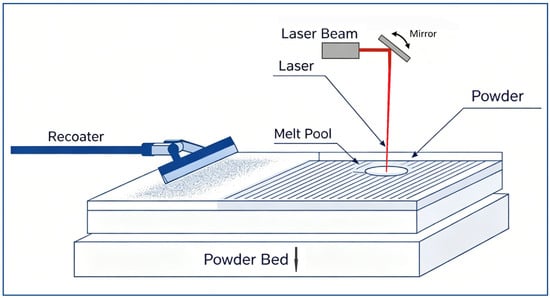
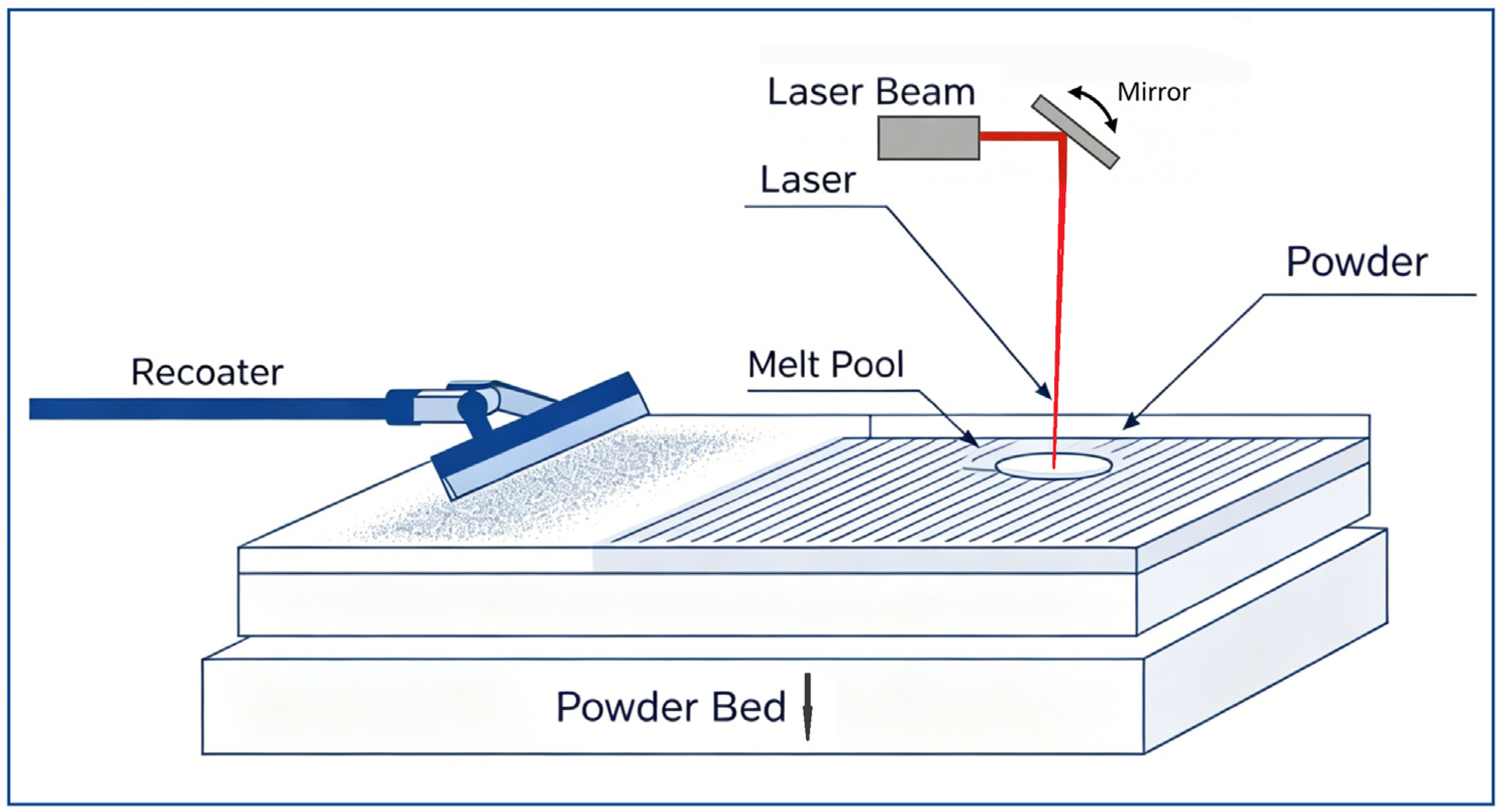
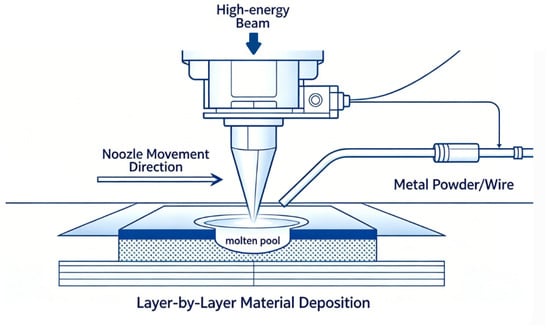
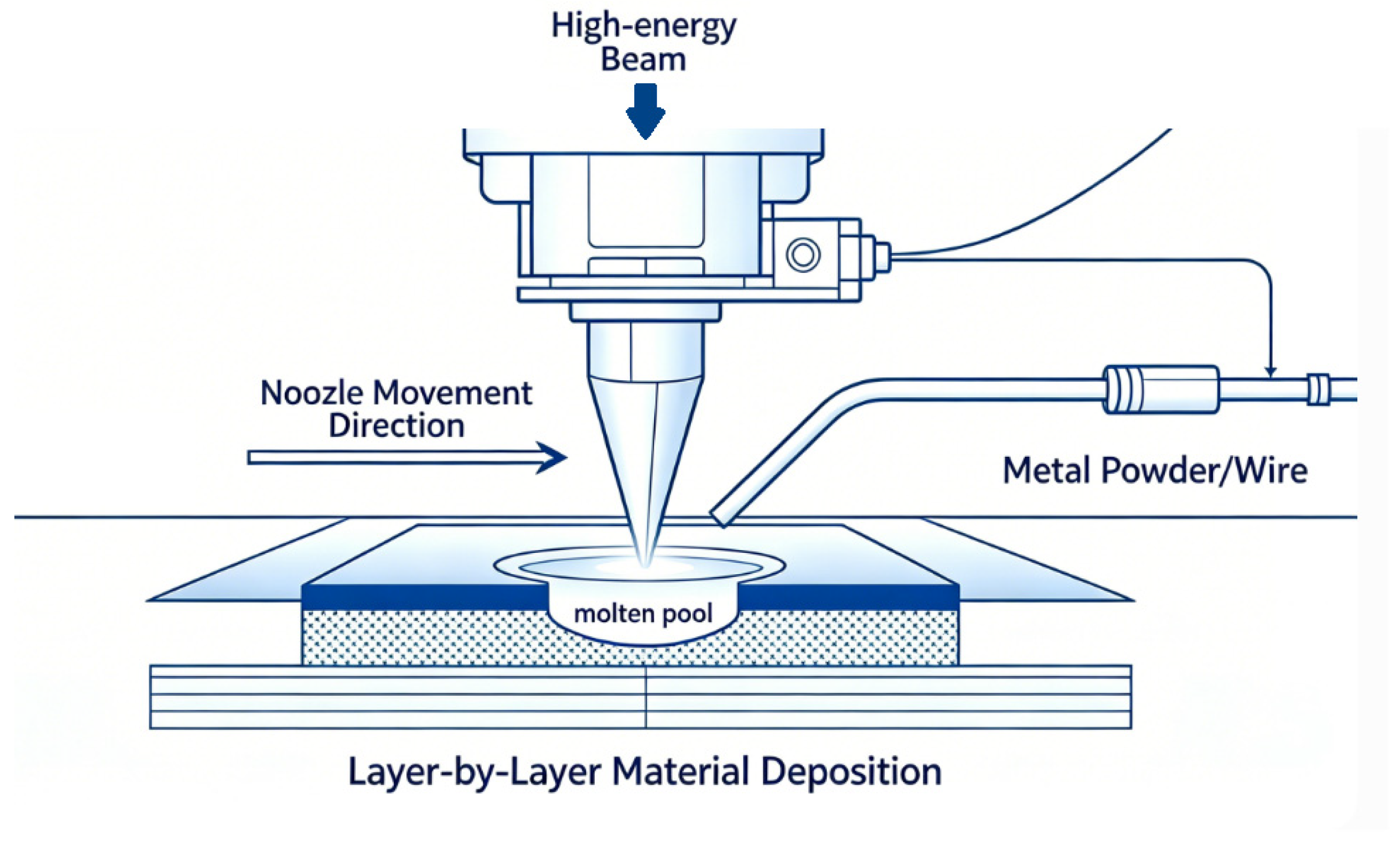
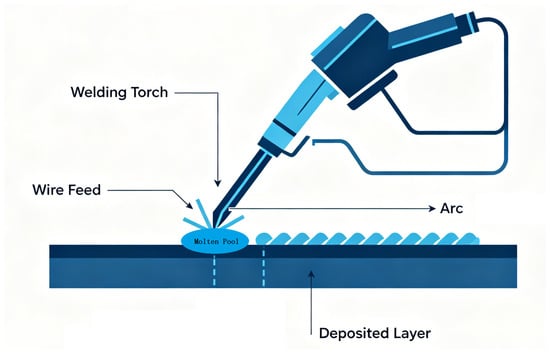
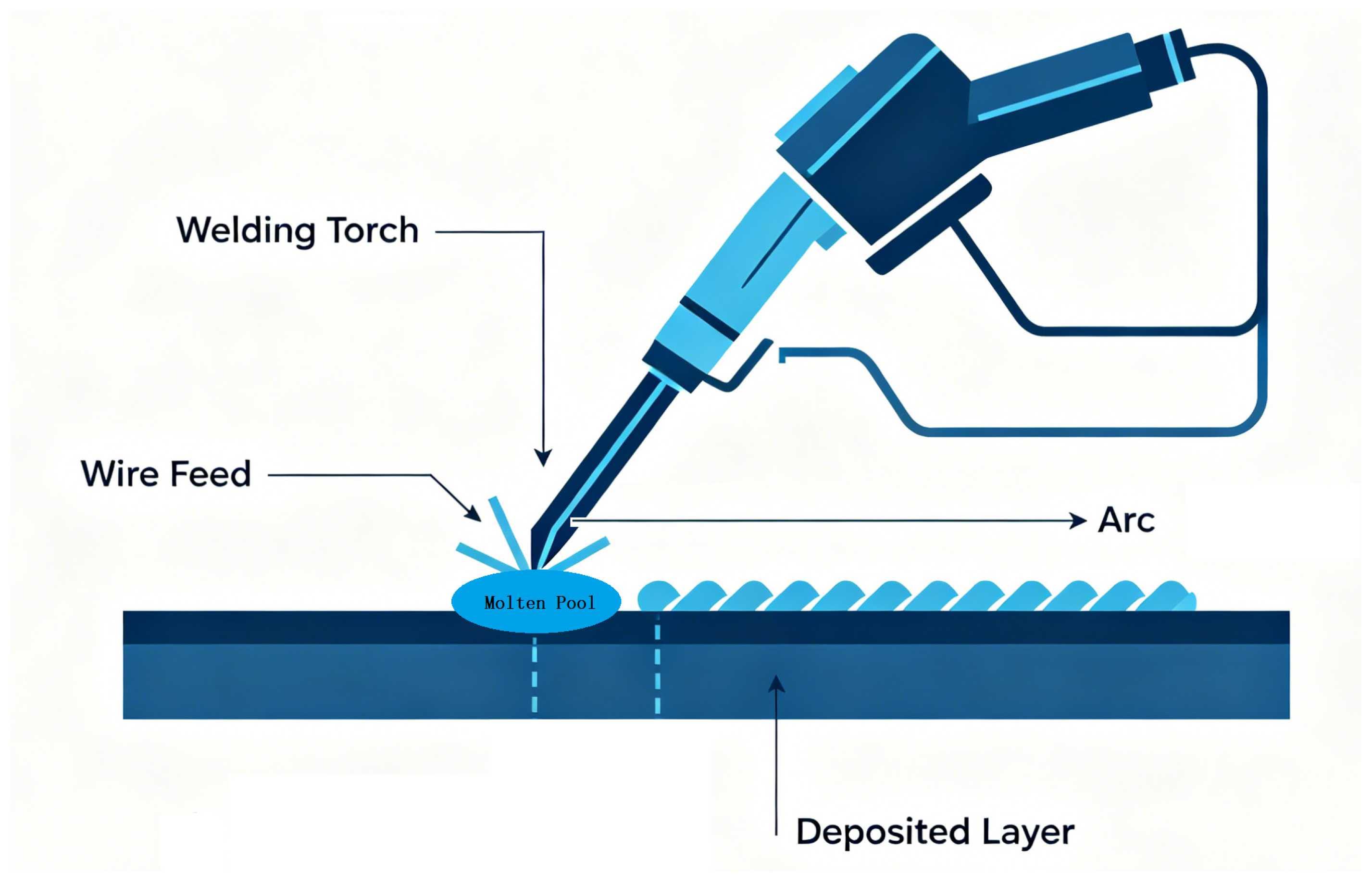
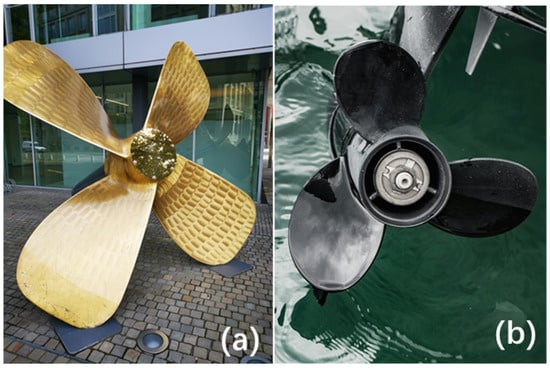
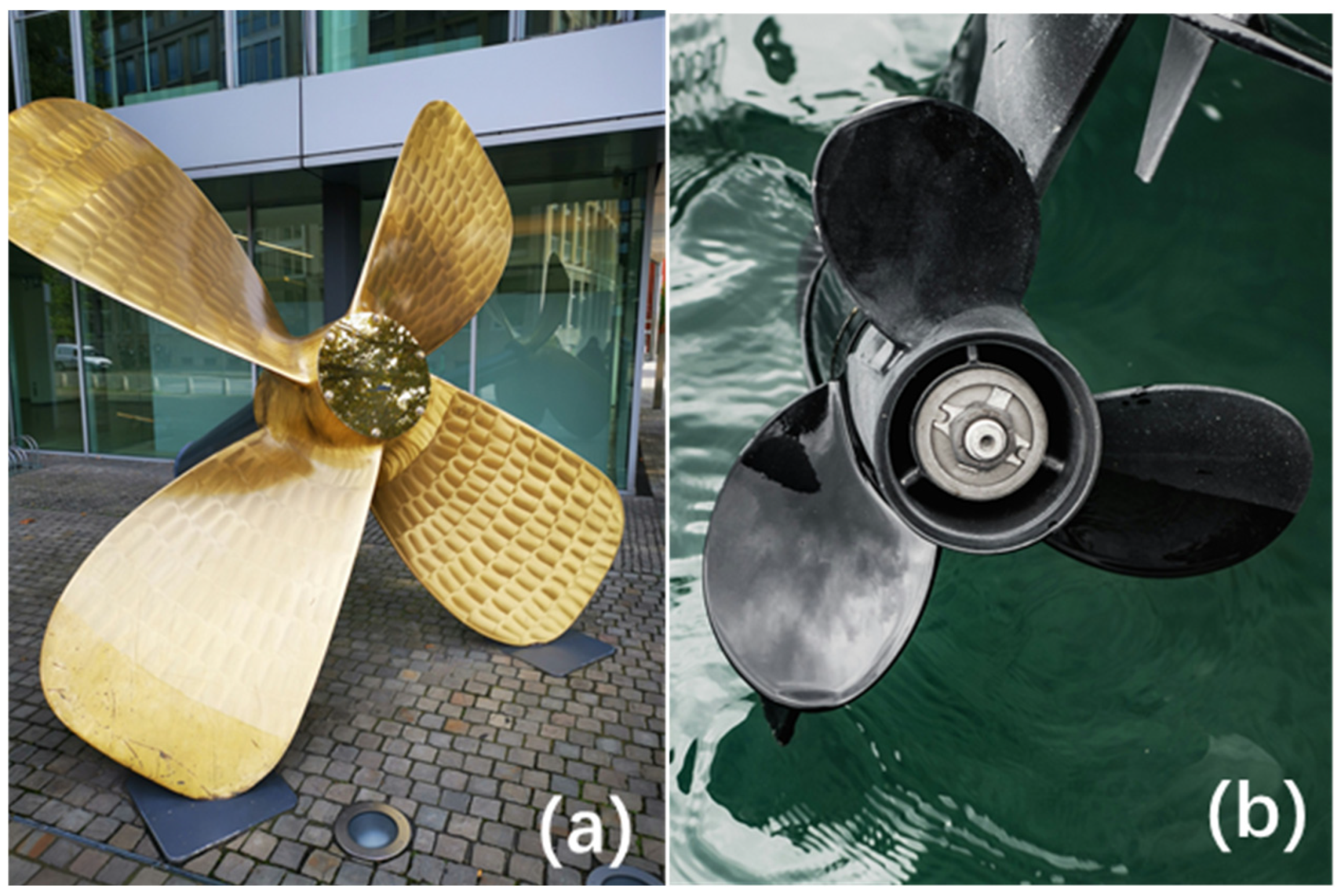
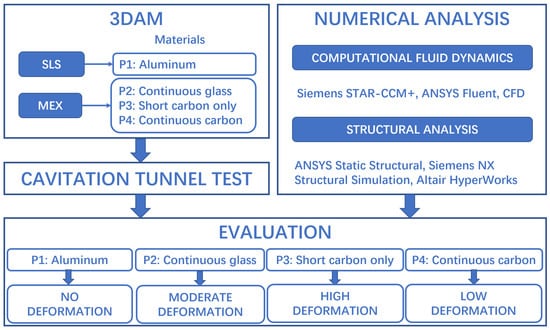
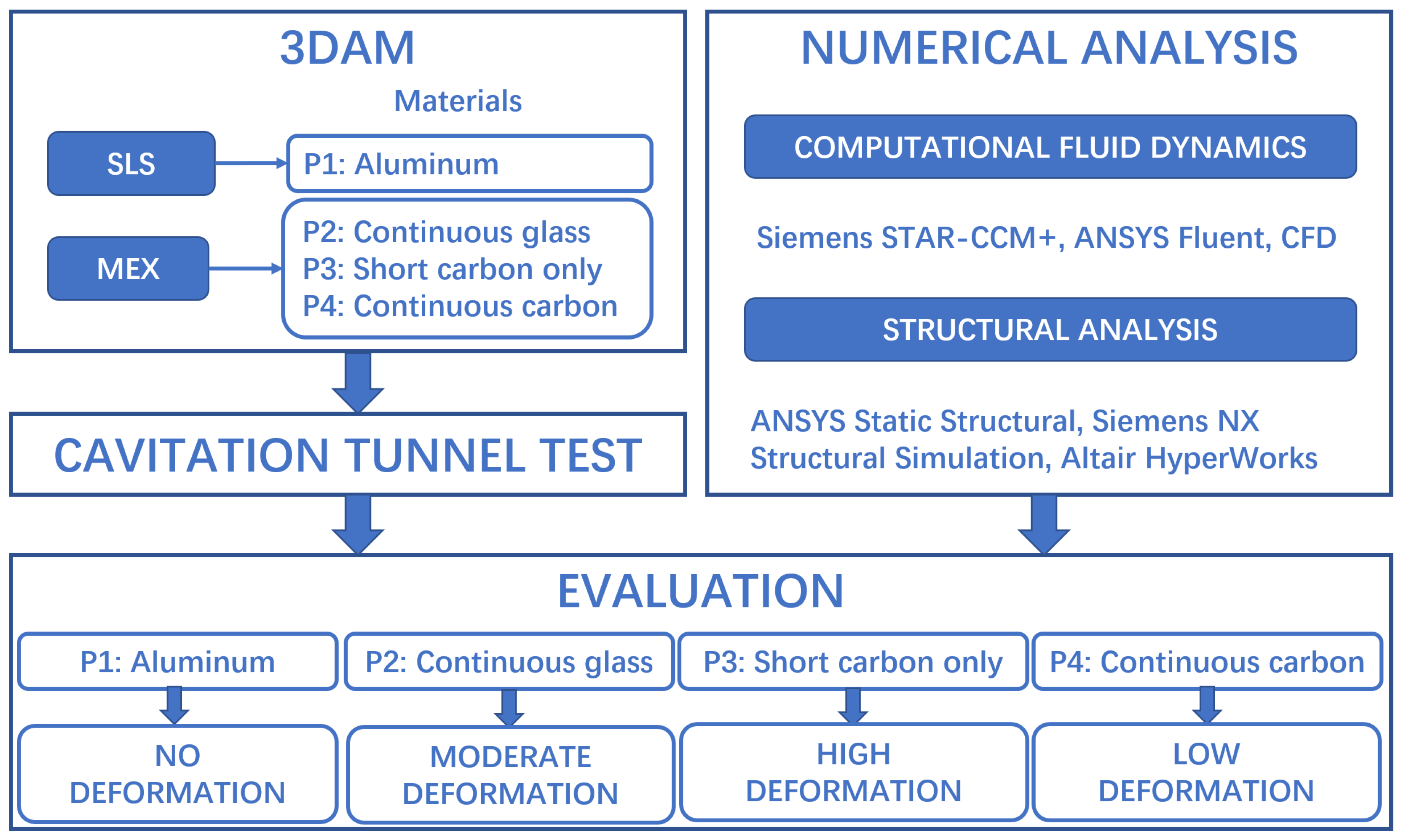
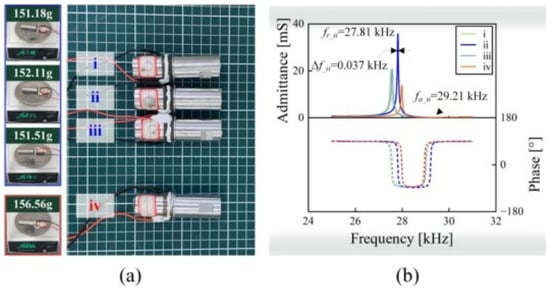
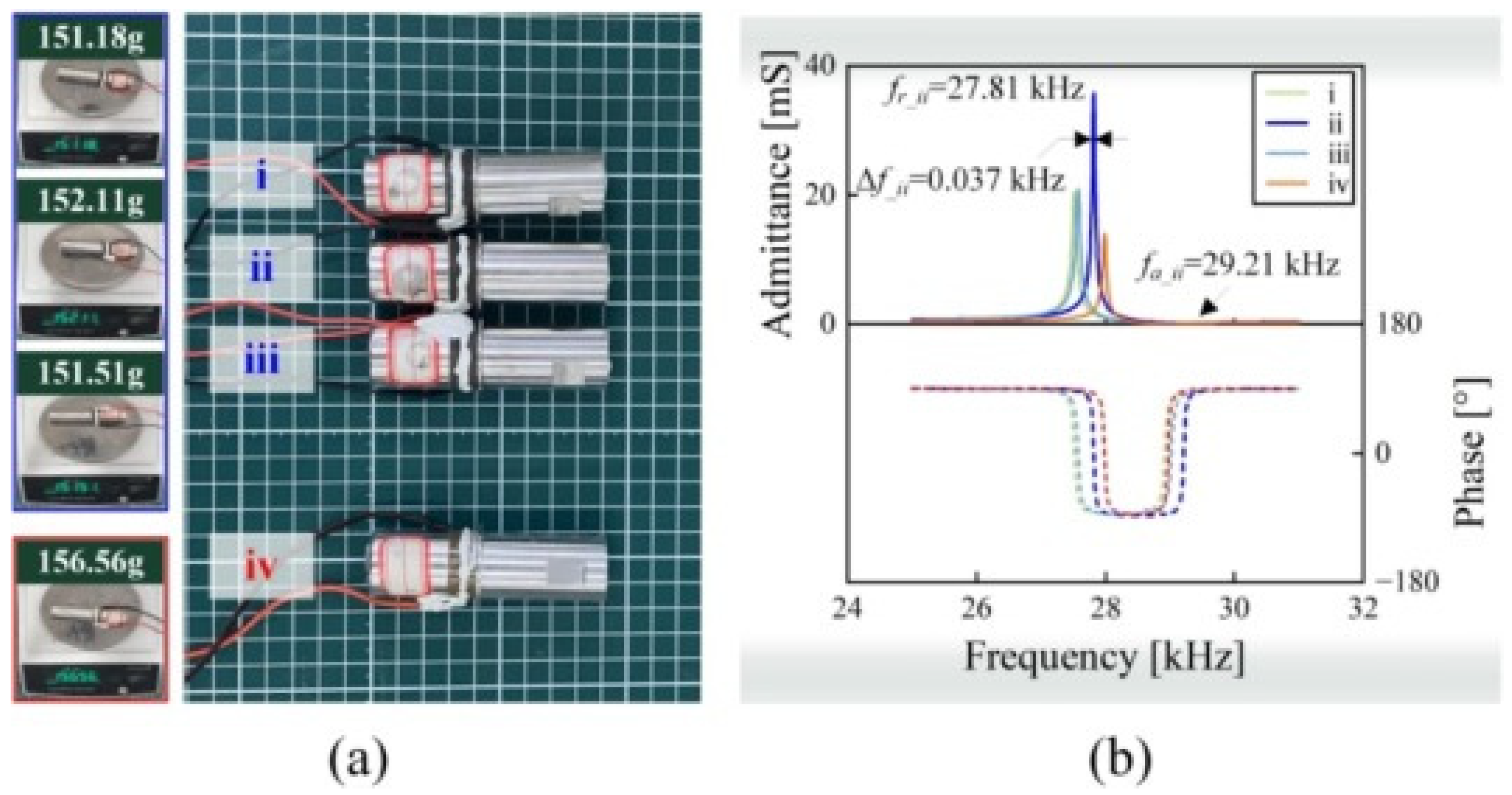

Disclaimer/Publisher’s Note: The statements, opinions and data contained in all publications are solely those of the individual author(s) and contributor(s) and not of MDPI and/or the editor(s). MDPI and/or the editor(s) disclaim responsibility for any injury to people or property resulting from any ideas, methods, instructions or products referred to in the content. |
© 2026 by the authors. Licensee MDPI, Basel, Switzerland. This article is an open access article distributed under the terms and conditions of the Creative Commons Attribution (CC BY) license.