
-
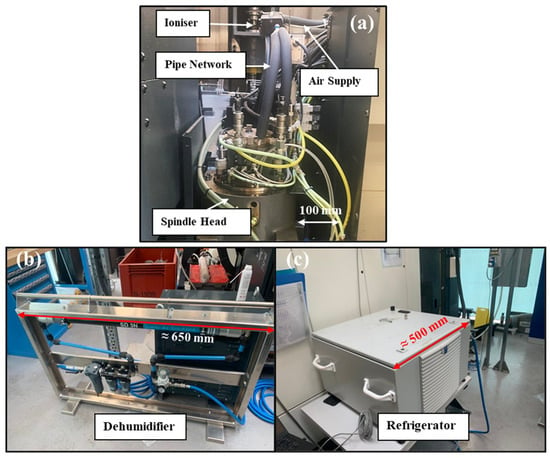
Temperature-Based Magnetic Viscosity Parameter for Evaluating Long-Term Magnetization Stability of Permanent Magnets -
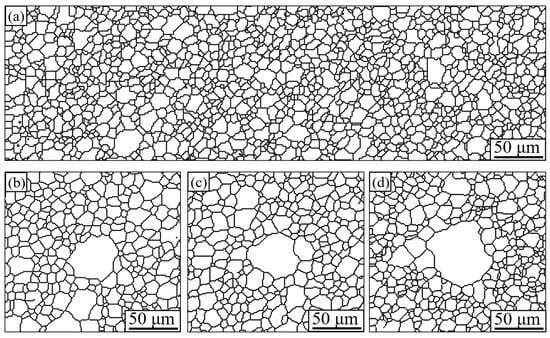
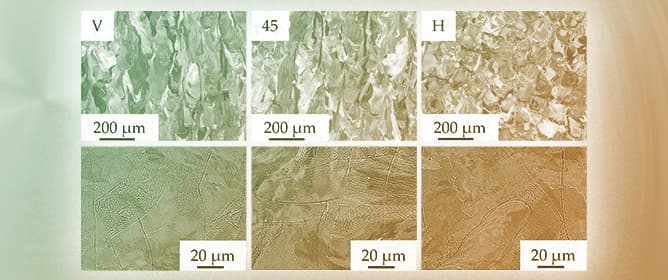
The Influence of Geometry and Orientation on the Cellular Substructure and Local Mechanical Properties of Additively Manufactured AISI 316L -
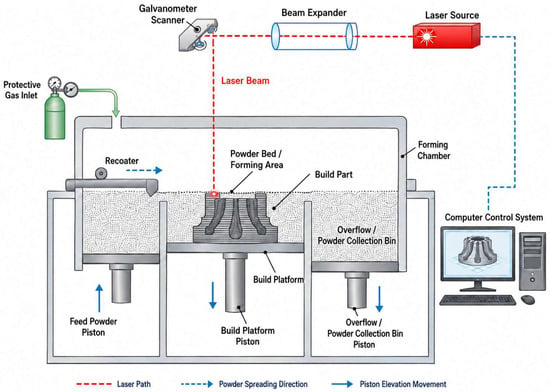
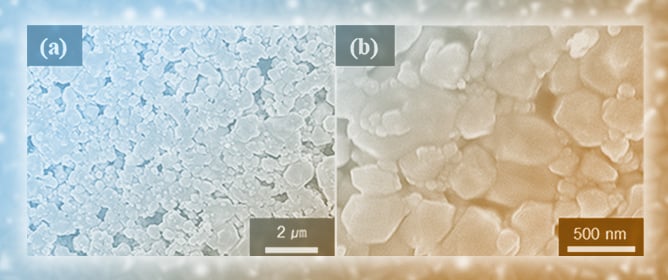
Enhanced Pressureless Sinter-Bonding of Ag Nanoparticle Paste Through In Situ Ag Complex Reduction -
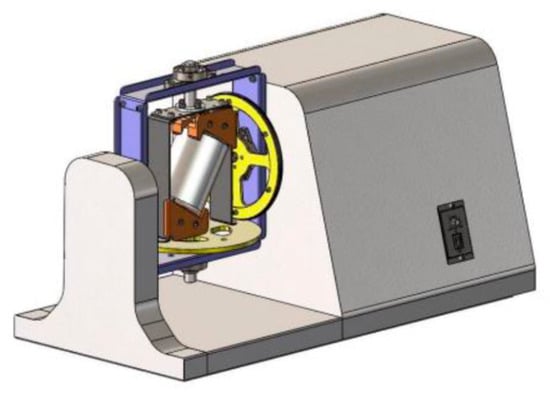
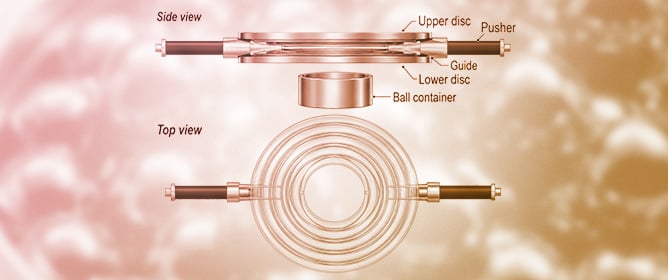
Numerical Study of Steel Ball Rolling Using Spiral Discs
Journal Description
Metals
Metals
is an international, peer-reviewed, open access journal published monthly online by MDPI. The Spanish Materials Society (SOCIEMAT) is affiliated with Metals and their members receive discounts on the article processing charges.
- Open Access— free for readers, with article processing charges (APC) paid by authors or their institutions.
- High Visibility: indexed within Scopus, SCIE (Web of Science), Inspec, Ei Compendex, CAPlus / SciFinder, and other databases.
- Journal Rank: JCR - Q2 (Metallurgy and Metallurgical Engineering) / CiteScore - Q1 (Metals and Alloys)
- Rapid Publication: manuscripts are peer-reviewed and a first decision is provided to authors approximately 15.3 days after submission; acceptance to publication is undertaken in 2.9 days (median values for papers published in this journal in the first half of 2026).
- Recognition of Reviewers: reviewers who provide timely, thorough peer-review reports receive vouchers entitling them to a discount on the APC of their next publication in any MDPI journal, in appreciation of the work done.
- Companion journals for Metals include: Compounds, Alloys and Iron.
- Journal Cluster of Metallurgy and Corrosion Science: Metals, Coatings, Crystals, Corrosion and Materials Degradation, Alloys, Iron and Welding.
Impact Factor:
3.1 (2025);
5-Year Impact Factor:
3.2 (2025)
Latest Articles
Influence of Titanium Coating Thickness on Microstructure, Residual Stress, and Corrosion Behaviour of Magnetron-Sputtered WE43 Magnesium Alloy
Metals 2026, 16(9), 943; https://doi.org/10.3390/met16090943 - 25 Aug 2026
Abstract
Magnesium alloys are attractive for temporary orthopaedic applications because of their biodegradability and favourable mechanical properties; however, their relatively rapid degradation under physiological conditions remains a challenge. In this study, the microstructural evolution, residual stress and electrochemical corrosion behaviour of WE43, a rare
[...] Read more.
Magnesium alloys are attractive for temporary orthopaedic applications because of their biodegradability and favourable mechanical properties; however, their relatively rapid degradation under physiological conditions remains a challenge. In this study, the microstructural evolution, residual stress and electrochemical corrosion behaviour of WE43, a rare earth-containing magnesium alloy with yttrium, neodymium and zirconium as alloying elements, coated with titanium, were investigated as functions of deposition time using direct-current magnetron sputtering. Titanium coatings were deposited for 1, 1.5, 2 and 3 h, producing coating thicknesses of approximately 500, 650, 1000 and 1400 nm, respectively. Field-emission scanning electron microscopy, atomic force microscopy and grazing-incidence X-ray diffraction revealed progressive changes from fine-grained to dense and, subsequently, coarse-grained morphologies with increasing deposition time. The 2 h coating exhibited the largest crystallite size (27.17 ± 3.42 nm) and a moderate compressive residual stress of 605.3 ± 15.11 MPa. Potentiodynamic polarisation measurements showed that the 2 h coating produced the lowest corrosion current density (0.133 ± 0.026 mA/cm2) and calculated corrosion rate (2.93 ± 0.57 mm/year), representing a 67% reduction relative to independently measured, uncoated WE43 (8.87 ± 1.11 mm/year). The 3 h coating exhibited a higher compressive residual stress of 992.4 ± 21.7 MPa and a higher corrosion rate of 4.81 ± 0.74 mm/year, accompanied by localised microcracking after corrosion testing. Contact-angle measurements performed on the uncoated alloy and the 2 h coating showed an increase from 75.0 ± 2.1° to 83.0 ± 1.8°. Overall, the results indicated that corrosion performance was governed by the combined effects of coating morphology, crystallographic development and residual stress, with the 2 h deposition condition providing the most favourable balance under the present experimental conditions.
Full article
(This article belongs to the Section Corrosion and Protection)
►
Show Figures
Open AccessArticle
Pyrometallurgical Recovery of Neodymium from Nd–Fe–B Magnets in End-of-Life Electric Vehicle Motors Using Non-Ferrous Smelting Slag Flux
by
Chang-Jeong Kim, Yeon-Jun Chung and Jei-Pil Wang
Metals 2026, 16(9), 942; https://doi.org/10.3390/met16090942 - 24 Aug 2026
Abstract
The increasing use of electric vehicles has led to a growing demand for rare-earth elements, particularly neodymium (Nd), which is a critical component of Nd–Fe–B permanent magnets used in traction motors. End-of-life electric vehicle motors are therefore considered promising secondary resources for Nd
[...] Read more.
The increasing use of electric vehicles has led to a growing demand for rare-earth elements, particularly neodymium (Nd), which is a critical component of Nd–Fe–B permanent magnets used in traction motors. End-of-life electric vehicle motors are therefore considered promising secondary resources for Nd recovery. In this study, a pyrometallurgical process using non-ferrous smelting slag as a flux was proposed for recovering Nd from Nd–Fe–B magnets contained in waste electric vehicle motors. Steel and magnet fractions obtained from a dismantled motor were melted at approximately 1600 °C under an air atmosphere, and Fe2O3 was added as an oxidizing agent to promote the selective oxidation of Nd. The oxidized Nd was subsequently partitioned into the slag phase as Nd2O3 through metal–slag separation. The effects of the slag flux addition ratio, Fe2O3 content, slag flux type, and crucible material on Nd recovery behavior were systematically investigated. Increasing the fayalite-based slag flux addition enhanced Nd transfer into the slag phase, and the highest Nd recovery of approximately 80% was obtained at a slag flux addition ratio of 30 wt%. The addition of 2 wt% Fe2O3 was found to be suitable for promoting stable Nd oxidation and efficient slag–metal separation. The non-ferrous smelting slag exhibited chemical and phase characteristics comparable to those of synthetic fayalite slag flux, resulting in similar Nd recovery performance. In addition, the crucible material significantly affected the process stability and Nd recovery behavior. Although a carbon crucible showed relatively high Nd recovery, severe slag foaming and crucible erosion occurred during melting. In contrast, alumina and MgO crucibles provided stable process conditions with comparable Nd recovery behavior, whereas zirconia crucibles caused relatively higher Nd loss. These results demonstrate that non-ferrous smelting slag can be effectively used as a flux for the pyrometallurgical recovery of Nd from end-of-life electric vehicle motors, offering a potential route for sustainable rare-earth recycling.
Full article
(This article belongs to the Special Issue Feature Papers in Extractive Metallurgy (2nd Edition))
►▼
Show Figures

Figure 1
Open AccessArticle
Microchannel Design Facilitates Efficient Tannin–Germanium Deposition
by
Guomu Chen, Tingfang Xie, Botao Gao, Runan Jia, Lei Gao, Xiaolei Ye, Shenghui Guo and Li Yang
Metals 2026, 16(9), 941; https://doi.org/10.3390/met16090941 - 23 Aug 2026
Abstract
To address the core industrial bottlenecks of conventional batch tannic acid-based germanium precipitation processes—high reagent consumption, long reaction cycles of several hours, severe impurity co-precipitation as well as the common mismatch between single-channel microreactor throughput and industrial production demands. This work combines numerical
[...] Read more.
To address the core industrial bottlenecks of conventional batch tannic acid-based germanium precipitation processes—high reagent consumption, long reaction cycles of several hours, severe impurity co-precipitation as well as the common mismatch between single-channel microreactor throughput and industrial production demands. This work combines numerical simulation with experimental validation to investigate microscale two-phase flow regulation, high-throughput microreactor optimization, and tannic acid precipitation intensification. Two-dimensional two-phase flow models are established for straight and zigzag microchannels, with the level set method applied to track interfacial evolution. The regulatory effects of inlet velocity and channel geometry on flow patterns, droplet behavior and mixing performance are clarified. Zigzag channels induce chaotic convection via periodic corners, achieving an order-of-magnitude improvement in mixing efficiency at low Reynolds numbers (Re < 400), which lays a fundamental basis for reaction intensification. Taking zigzag channels as core units, a bidirectional symmetric superposition scale-up strategy is proposed to break the throughput limitation of single-channel systems, and a 3D-printed high-throughput microreactor integrating 78 parallel zigzag channels is designed. 3D simulations reveal a three-stage mixing mechanism and uniform flow distribution among parallel channels, with total throughput two orders of magnitude higher than a single channel. Single-channel experiments with industrial germanium-bearing raffinate yield 91.81% precipitation efficiency under optimal conditions, reducing the reaction residence time from hours in conventional batch processes to the second scale. Staged reagent addition and two-stage serial configuration further raise the efficiency to ~98%, realizing deep germanium recovery with significantly improved reagent utilization and reduced impurity co-precipitation. This process achieves efficient intensification of the chelation precipitation process while balancing throughput and mixing performance, providing a novel and technically feasible approach for efficient low-consumption germanium recovery, and offering solid technical support for the industrial application of microreactors in the hydrometallurgy field.
Full article
(This article belongs to the Special Issue Metal Leaching and Recovery)
►▼
Show Figures

Figure 1
Open AccessArticle
Selective Removal of Iron from Ferruginous Manganese Ore by Low-Temperature Magnetizing Roasting and Dry Magnetic Separation
by
Alibek Baisanov, Nina Vorobkalo, Askhat Akuov, Yerulan Samuratov, Amir Makishev, Symbat Sharieva and Zhanna Ibrakhimova
Metals 2026, 16(9), 940; https://doi.org/10.3390/met16090940 - 23 Aug 2026
Abstract
The beneficiation of ferruginous manganese ores is limited by the intimate intergrowth of manganese-, iron-, and silicate-bearing phases. This study evaluated coal-based magnetizing roasting followed by dry magnetic separation in an externally heated chamber furnace with a charge capacity of up to 100
[...] Read more.
The beneficiation of ferruginous manganese ores is limited by the intimate intergrowth of manganese-, iron-, and silicate-bearing phases. This study evaluated coal-based magnetizing roasting followed by dry magnetic separation in an externally heated chamber furnace with a charge capacity of up to 100 kg. A 0–5 mm ore fraction with an initial Mn/Fe ratio of 2.9 was roasted with Shubarkol coal. The best separation was obtained at an actual ore–coal bed temperature of 550–600 °C and an ore-to-coal mass ratio of 1:0.4. Relative to the magnetic-separation feed, 80.0–83.4% of Fe was recovered in the magnetic fraction, while 69.9–72.6% of Mn remained in the non-magnetic product. Its Fe content decreased to 3.2–3.5%, increasing the Mn/Fe ratio to 7.30–7.84. X-ray diffraction showed preferential concentration of magnetite and jacobsite in the magnetic fraction, whereas hausmannite and braunite were concentrated mainly in the non-magnetic fraction together with the gangue phases. Multipoint measurements also demonstrated a substantial difference between the combustion-zone and actual bed temperatures. The results demonstrate that controlled low-temperature roasting can generate sufficient magnetic contrast for selective iron removal from ferruginous manganese ore.
Full article
(This article belongs to the Section Extractive Metallurgy)
►▼
Show Figures

Figure 1
Open AccessArticle
Enrichment of Copper and Cobalt from Pyrite Cinder via Cyclic Leaching: Schwertmannite-Type Iron Precipitation at Low pH
by
Zhisheng Shi, Guanyong Sun and Qi Liu
Metals 2026, 16(9), 939; https://doi.org/10.3390/met16090939 - 22 Aug 2026
Abstract
Effective iron removal from highly acidic leachates without neutralizer addition is a long-standing challenge in hydrometallurgy. For Cu-Co-bearing pyrite cinder, we demonstrate that a cyclic leaching process achieves this outcome. Operating entirely without neutralizers, the process consumed 96% of residual acid, enriched Cu
[...] Read more.
Effective iron removal from highly acidic leachates without neutralizer addition is a long-standing challenge in hydrometallurgy. For Cu-Co-bearing pyrite cinder, we demonstrate that a cyclic leaching process achieves this outcome. Operating entirely without neutralizers, the process consumed 96% of residual acid, enriched Cu and Co 4.76- and 3.88-fold, and removed 48.2% of iron, all while maintaining pH below 1.5 across four closed-loop cycles. Thermodynamic analysis reveals that Fe3+- complexation suppresses free Fe3+ to approximately 10−8 mol/L, ruling out conventional hydrolytic precipitation and directing precipitation towards schwertmannite-type basic ferric sulfate (Fe8O8(OH)6SO4). The formation of this sulfate-bearing Fe precipitate is consistent with the thermodynamic analysis, the iron mass balance, and a 176% increase in solid-phase sulfur. This neutralizer-free strategy offers a sustainable paradigm for recovering critical metals from iron-rich secondary resources.
Full article
(This article belongs to the Special Issue Metal Leaching and Recovery)
►▼
Show Figures

Figure 1
Open AccessArticle
Atmospheric Corrosion of High-Lead Bronze: From Cerussite Patina to Bronze Disease
by
Zengwei Ji, Lang Guo, Liqin Wang, Yanni Ma, Ren Li, Zeduan Pan and Xing Zhao
Metals 2026, 16(8), 938; https://doi.org/10.3390/met16080938 - 21 Aug 2026
Abstract
This study investigates the atmospheric corrosion behavior of high-lead bronze alloys within a simulated aggressive environment characterized by high humidity, acidity, chlorides, oxygen, and CO2. The evolution of surface morphology and corrosion products was systematically monitored using colorimetric analysis and micro-Raman
[...] Read more.
This study investigates the atmospheric corrosion behavior of high-lead bronze alloys within a simulated aggressive environment characterized by high humidity, acidity, chlorides, oxygen, and CO2. The evolution of surface morphology and corrosion products was systematically monitored using colorimetric analysis and micro-Raman spectroscopy. Results indicate that the initial patina primarily comprised cuprite (Cu2O) and cassiterite (SnO2), which are predominantly benign phases. During the early corrosion stage, lead oxidation and carbonation prevailed, generating abundant bright-white cerussite. Subsequently, as copper-driven corrosion became dominant, these white deposits diminished and were progressively replaced by characteristic green “bronze disease”, identified as atacamite (Cu2(OH)3Cl). The findings reveal that preferential lead corrosion is likely to induce localized pitting, thereby accelerating degradation of the copper substrate. Consequently, higher lead content may reduce the overall corrosion resistance of bronze artifacts under these specific conditions. These results offer experimental insights into atmospheric corrosion mechanisms and inform the development of evidence-based conservation strategies for bronze cultural heritage.
Full article
(This article belongs to the Section Corrosion and Protection)
►▼
Show Figures

Figure 1

Open AccessArticle
Recovery of Germanium from Zinc Smelting Leachate Using a Novel Hydroxamic Acid Extractant BGYW: Continuous Counter-Current Extraction and Process Optimization
by
Zong Guo, Zhenyu Wang, Zhixing Qin, Tao Li, Haibei Wang, Yunchuan Ma, Yun Li, Guang Fu, Hao Ma and Chaozhen Zheng
Metals 2026, 16(8), 937; https://doi.org/10.3390/met16080937 - 21 Aug 2026
Abstract
Germanium is a critical rare-dispersed metal with irreplaceable applications in infrared optics, fiber-optic communications, and semiconductor industries, making its efficient recovery from secondary resources of great strategic importance. This study investigates the selective recovery of germanium from complex zinc smelting leachates using a
[...] Read more.
Germanium is a critical rare-dispersed metal with irreplaceable applications in infrared optics, fiber-optic communications, and semiconductor industries, making its efficient recovery from secondary resources of great strategic importance. This study investigates the selective recovery of germanium from complex zinc smelting leachates using a novel hydroxamic acid extractant, BGYW, in synergistic combination with P204. The feed solution contained approximately 360 mg/L Ge, 10,790 mg/L Fe2+, and 98,530 mg/L Zn, representing a highly complex matrix. Continuous counter-current extraction was performed in a 30-stage miniature mixer-settler. Under optimized conditions of 10% BGYW + 5% P204 in white oil, an O/A ratio of 1:1, and 8 mol/L NH4F as strippant, the single-stage germanium extraction efficiency reached 99.4%. Over 16 consecutive cycles, the extraction system maintained stable performance with average germanium extraction above 99%. A 3-stage scrubbing section using 50 g/L H2SO4 effectively removed co-extracted Zn, Cu, and Al impurities. Iron co-extraction, a major challenge, was successfully mitigated through a 2–3 stage iron scrubbing step using a chloride-containing scrubbing solution, which reduced the iron concentration in the strip liquor from approximately 600 mg/L to below 4 mg/L, and decreased the Fe/Ge mass ratio from 0.197 to below 0.01. The overall germanium recovery across the entire 30-stage continuous process reached 98.82%, and the dissolution loss of BGYW in the aqueous phase was reduced by over 85% compared to the conventional YW100 extractant. Third-phase formation caused by residual organic flocculants from the leaching step was eliminated through enhanced pre-treatment, while ferric fluoride precipitation in the stripping section was resolved by incorporating the iron scrubbing stage. This study demonstrates that the BGYW-P204 extraction system with the integrated iron scrubbing step offers an efficient, stable, and industrially viable approach for germanium recovery from zinc smelting leachates, providing a practical solution to the long-standing challenge of germanium–iron separation and contributing to the sustainable supply of this critical metal.
Full article
(This article belongs to the Special Issue Separation, Purification and Extraction of Metals from Primary and Secondary Resources)
►▼
Show Figures

Figure 1
Open AccessArticle
EBSD-Derived Misorientation Analysis of Stage-Dependent Grain Refinement in High-Pressure-Torsion-Processed AA1050 Aluminium
by
Hui Wang, Shuxin Bo, Chen Yuan, Shouwei Xu, Guanyu Deng, Yu Liu and Rui Wang
Metals 2026, 16(8), 936; https://doi.org/10.3390/met16080936 - 21 Aug 2026
Abstract
The grain refinement of high-stacking-fault-energy metals during high-pressure torsion (HPT) is governed by dislocation activity and boundary evolution. However, how local misorientation evolves during different stages of grain refinement remains insufficiently clarified. In this study, AA1050 aluminium was processed by HPT to selected
[...] Read more.
The grain refinement of high-stacking-fault-energy metals during high-pressure torsion (HPT) is governed by dislocation activity and boundary evolution. However, how local misorientation evolves during different stages of grain refinement remains insufficiently clarified. In this study, AA1050 aluminium was processed by HPT to selected equivalent strains of 0, 0.90, 2.69, 10.76 and 53.78, and electron backscatter diffraction (EBSD) was used to analyse grain morphology, boundary fractions and EBSD-derived misorientation parameters. The results reveal strongly stage-dependent grain refinement during HPT. The average grain size decreases rapidly from 12.63 μm in the initial state to 3.29 μm at ε = 0.90 and 2.19 μm at ε = 2.69, remains nearly unchanged at ε = 10.76, and finally decreases to 0.58 μm at ε = 53.78. The fraction of low-angle grain boundaries increases markedly at ε = 0.90, indicating intensive formation of dislocation substructures, whereas high-angle grain boundaries become dominant at high strain. Grain orientation spread (GOS) and grain reference orientation deviation (GROD) exhibit non-monotonic evolution, whereas the geometrically necessary dislocation (GND) density increases markedly at the early deformation stage and subsequently decreases with further deformation. These results indicate that the stage-dependent grain refinement of AA1050 during HPT is closely associated with dislocation-mediated grain subdivision involving alternating grain elongation and fragmentation.
Full article
(This article belongs to the Special Issue Phase Stability and Microstructural Evolution in Aluminum Alloys)
►▼
Show Figures

Figure 1
Open AccessArticle
Optimization Study on the Process Parameters for Molybdenum Milling
by
Xian Meng, Hao Xu, Haochen Li, Jinwen Cao, Jinyue Geng, Cong Yan, Xiang Cheng and Heji Huang
Metals 2026, 16(8), 935; https://doi.org/10.3390/met16080935 - 21 Aug 2026
Abstract
►▼
Show Figures
Molybdenum (Mo), owing to its excellent properties, is widely used as a plasma-facing material and is recognized as a typical difficult-to-machine material. Achieving high-quality, low-damage machining is essential for ensuring the service reliability of Mo components. However, studies on the milling of Mo
[...] Read more.
Molybdenum (Mo), owing to its excellent properties, is widely used as a plasma-facing material and is recognized as a typical difficult-to-machine material. Achieving high-quality, low-damage machining is essential for ensuring the service reliability of Mo components. However, studies on the milling of Mo remain limited. Therefore, this study investigates a high-quality, low-damage milling technique for Mo based on analyses of milling force, machined surface roughness, and white layer formation. First, the effects of machining parameters, including radial depth of cut (ae), spindle speed (n), and feed per tooth (fz), on the responses, namely milling force (F) and surface roughness (Ra), were investigated. The relationships between milling force, surface roughness, and white layer formation were analyzed. Subsequently, the response surface methodology (RSM) was employed to reveal the influence mechanisms of the machining parameters and their interactions on the response variables. Finally, a Kriging surrogate model integrated with the Non-dominated Sorting Genetic Algorithm II (NSGA-II) was adopted to identify the optimal machining parameter combination for high-quality, low-damage milling. The results indicate that the milling force and white-layer thickness exhibit consistent increasing trends with increasing feed per tooth under the investigated conditions, demonstrating that controlling the milling force is an effective approach for achieving high-quality, low-damage milling of Mo. For the simultaneous minimization of milling force and surface roughness, the optimal machining parameters were determined to be a radial depth of cut of 0.2101 mm, a spindle speed of 10,090.7 rpm, and a feed per tooth of 0.01 mm/z. These findings provide valuable process parameter guidance for the precision machining of Mo components.
Full article

Figure 1
Open AccessArticle
Hot Deformation Behavior and Microstructural Evolution of a High-Strength Mg-Gd-Y-Zr Alloy
by
Haitao Xie, Zhiwei Liang, Di Mei, Aiyue Zhang, Chenchen Jiang, Qingshan Du, Yang Xiao, Shijie Zhu, Liguo Wang, Chujie Liu, Jinxue Liu and Shaokang Guan
Metals 2026, 16(8), 934; https://doi.org/10.3390/met16080934 - 21 Aug 2026
Abstract
Mg-Gd-Y-Zr alloys, with strong age-hardening and thermal stability, are ideal for lightweight load-bearing components, yet forming large complex parts is limited by high sensitivity to hot deformation parameters. This work investigates the hot deformation behavior and microstructure evolution of a Mg-9Gd-4Y-0.5Zr (wt.%) alloy
[...] Read more.
Mg-Gd-Y-Zr alloys, with strong age-hardening and thermal stability, are ideal for lightweight load-bearing components, yet forming large complex parts is limited by high sensitivity to hot deformation parameters. This work investigates the hot deformation behavior and microstructure evolution of a Mg-9Gd-4Y-0.5Zr (wt.%) alloy via hot compression at 400 to 510 °C and strain rates of 0.001 to 10 s−1. An Arrhenius constitutive equation with an activation energy Q of 158.63 kJ/mol was established, and a hot processing map was constructed. EBSD characterization revealed the dynamic recrystallization, grain size evolution, and texture transition. The results show that flow stress depends strongly on temperature and strain rate. At strain rates of 0.001~1 s−1, a dynamic balance between work hardening and dynamic softening is achieved, and the post-peak flow stress gradually stabilizes. At a high strain rate of 10 s−1, the flow stress continues to decrease because the competition between softening from dynamic recrystallization and work hardening is disrupted by deformation-induced heating. Low strain rates (≤0.01 s−1) and high temperatures (≥470 °C) promote dynamic recrystallization and significant grain refinement. Two optimal processing windows were determined: 400 to 430 °C at 0.001 to 0.01 s−1, giving fully recrystallized fine equiaxed grains, and 440 to 460 °C at 0.01 to 0.1 s−1 with a power dissipation efficiency η of 0.43 to 0.51, balancing processing efficiency and microstructural uniformity. This work provides systematic theoretical and data support for optimizing hot forming parameters of large Mg-Gd-Y-Zr load-bearing components and offers guidance for applying high-strength magnesium alloys in high-end equipment.
Full article
(This article belongs to the Special Issue Deformation of Metals and Alloys: Theory, Simulations and Experiments—2nd Edition)
►▼
Show Figures

Figure 1
Open AccessArticle
Domain-Knowledge-Guided Feature Engineering for Small-Sample Machine Learning Prediction of Mechanical Properties in Low-Carbon Hot-Rolled Steel Strips
by
Saurabh Tiwari, Hyoju Ahn, Jongwon Lee and Nokeun Park
Metals 2026, 16(8), 933; https://doi.org/10.3390/met16080933 - 21 Aug 2026
Abstract
Industrial steel property prediction is often constrained by limited labelled data, reducing the effectiveness of conventional machine learning models. This study investigated whether metallurgy-informed feature engineering enhances predictive performance under small-data conditions. A representative set of 300 samples from an industrial low-carbon hot-rolled
[...] Read more.
Industrial steel property prediction is often constrained by limited labelled data, reducing the effectiveness of conventional machine learning models. This study investigated whether metallurgy-informed feature engineering enhances predictive performance under small-data conditions. A representative set of 300 samples from an industrial low-carbon hot-rolled steel strip dataset (C: 0.02–0.06 wt%; Mn: 0.17–0.38 wt%) was used to derive five physically meaningful descriptors: carbon equivalent (CE), nitrogen-to-aluminum ratio (N/Al), microalloying efficiency index (MEI), thermal processing parameter (TPP), and solid solution strengthening index (SSSI). These descriptors were combined with the original 17 compositional and processing variables to create a 22-feature dataset. Random Forest (RF) and Extreme Gradient Boosting (XGBoost) models were evaluated on an independent 60-sample test set using 5-fold cross-validation. Feature engineering improved the prediction accuracy, with the greatest gain observed for elongation. For XGBoost, the mean percentage error decreased from 3.23% to 3.05%, whereas the test-set R2 increased from 0.4935 to 0.5444, representing a 10.3% improvement in the explained variance. For the yield strength, the Random Forest method increased the R2 from 0.4744 to 0.4861. Permutation importance and partial dependence analyses identified MEI and TPP as the six most influential predictors across all targets, confirming that the engineered descriptors provide complementary metallurgical information. Learning curve analysis showed slightly higher cross-validation R2 values at intermediate training sizes (n = 125–175), indicating modestly improved sample efficiency. These findings establish domain-informed feature engineering as an interpretable and practical strategy for improving machine learning in data-limited steel manufacturing processes.
Full article
(This article belongs to the Special Issue Advances in Metal Casting and Forming)
►▼
Show Figures

Figure 1
Open AccessArticle
Influence and Mechanism of Microstructure Refinement on the Hydrogen Embrittlement Resistance of 34MnB5
by
Yi Feng, Guangjie Huang, Kejian Li, Wei Li, Hongzhou Lu, Cansheng Yu, Hui Song, Jianing Bao, Junping Zhang and Jie He
Metals 2026, 16(8), 932; https://doi.org/10.3390/met16080932 - 21 Aug 2026
Abstract
►▼
Show Figures
To investigate the effect of microalloying on hydrogen embrittlement resistance of hot-stamped steels with strength levels of 1.8 GPa and above, six composition schemes were designed based on conventional 34MnB5 steel, including three routes, namely Nb, V, and Nb–V. U-bend constant-strain bending tests
[...] Read more.
To investigate the effect of microalloying on hydrogen embrittlement resistance of hot-stamped steels with strength levels of 1.8 GPa and above, six composition schemes were designed based on conventional 34MnB5 steel, including three routes, namely Nb, V, and Nb–V. U-bend constant-strain bending tests and slow strain rate tensile (SSRT) tests were conducted on quenched specimens for each scheme. Results indicated that the Nb-containing compositions exhibited superior hydrogen embrittlement resistance. The mechanism by which microalloying refines the martensitic microstructure of 34MnB5 in the quenched state and enhances its resistance to hydrogen embrittlement was studied in detail. It was found that Nb exhibits stronger effects than V in refining and homogenizing the martensite structure. The fundamental reasons for Nb’s enhanced ability to pin austenite grain boundaries at high temperatures—leading to better microstructural refinement and homogenization—are its higher temperature range for second-phase precipitation, greater driving force for grain boundary diffusion, lower austenite grain boundary diffusion coefficient, and weaker tendency for high-temperature coarsening of precipitates. The microstructural refinement and homogenization induced by Nb addition are more pronounced than those achieved by combined additions of Nb and V. Furthermore, within the concentration range of 0–0.1%, the amount of Nb is positively correlated with the degree of microstructural refinement and homogenization. By reducing martensite lath size through microalloying, multiple microstructural modifications occur: decreased density of geometrically necessary dislocations (GNDs) in the matrix, significant increase in interface density—especially a higher proportion of high-angle grain boundaries—reduced number of Σ3 special harmful grain boundaries, weakened matrix texture intensity, fewer twin martensites, and smaller twin martensite sizes. These factors collectively contribute significantly to the improved hydrogen embrittlement resistance of Nb-containing steels.
Full article

Figure 1
Open AccessArticle
Structure and Properties of the Melt-Spun Zr–(Al)–Ni–Cr–Ag Alloys
by
Olena Shved, Vasyl Girzhon, Oleksandr Smolyakov, Ihor Shtablavyi, Philipp Dörflinger, Helmut Riedl, Andrey Prokofiev and Stepan Mudry
Metals 2026, 16(8), 931; https://doi.org/10.3390/met16080931 - 21 Aug 2026
Abstract
The structure, mechanical and electrical properties of Zr-based melt-spun Zr–(Al)–Ni–Cr–Ag alloys were investigated as a function of elemental composition. X-ray diffraction reveals the structural evolution from fully amorphous to nanocrystalline states, with the latter containing Zr2Ni “big-cube” (space group Fd3̄
[...] Read more.
The structure, mechanical and electrical properties of Zr-based melt-spun Zr–(Al)–Ni–Cr–Ag alloys were investigated as a function of elemental composition. X-ray diffraction reveals the structural evolution from fully amorphous to nanocrystalline states, with the latter containing Zr2Ni “big-cube” (space group Fd3̄m, cF96), fcc-Zr2Ni, and β-Zr phases depending on the alloying ratio: Cr-rich compositions (≥15 at.%) stabilize β-Zr within the amorphous matrix, whereas Ag-enriched alloys promote “big-cube” phase formation. Ag atoms can replace both Zr and Ni sites in the “big-cube” lattice, yielding a (Zr,Ag)2(Ni,Ag) solid solution and highlighting its role as a structural bridge between the amorphous and crystalline states. Nanoindentation measurements show that hardness increases from 6.5 GPa in fully amorphous ribbons to 10.12 GPa in three-phase nanocrystalline composites, with an H/E ratio of ~0.08 indicating predominantly covalent bonding, and the fracture strength of the amorphous alloys is ~2 GPa, exceeding literature values for related Zr-based systems. Electrical resistivity measurements over the 4–298 K range show that most alloys deviate from Matthiessen’s rule, exhibiting a negative temperature coefficient of resistivity consistent with the Mooij correlation; the presence of the icosahedrally ordered “big-cube” phase further increases resistivity relative to fully amorphous alloys.
Full article
(This article belongs to the Topic Alloys and Composites Corrosion and Mechanical Properties, 2nd Edition)
►▼
Show Figures

Figure 1
Open AccessArticle
The Preparation and Optoelectronic Properties of Symmetric and Asymmetric Multilayered Transparent Conductive Films with ZnS-TiO2-Ag Material System
by
Kai Tao, Hanbin Chen, Fangzi Zhao, Shiqi Li and Zhiyong Liu
Metals 2026, 16(8), 930; https://doi.org/10.3390/met16080930 - 20 Aug 2026
Abstract
►▼
Show Figures
Flexible transparent conductive films with symmetric and asymmetric multilayered structures are studied using the ZnS–TiO2–Ag material system, in order to capitalize on the divergent properties of the two dielectric layers for improved performance. The dielectric/metal/dielectric-structured films were deposited by magnetron sputtering
[...] Read more.
Flexible transparent conductive films with symmetric and asymmetric multilayered structures are studied using the ZnS–TiO2–Ag material system, in order to capitalize on the divergent properties of the two dielectric layers for improved performance. The dielectric/metal/dielectric-structured films were deposited by magnetron sputtering sequentially, with high-purity targets. Multilayered films with various dielectric combinations and metallic layer thicknesses were prepared and analyzed. The surface morphology and phase structure were characterized by atomic force microscopy and scanning electronic microscopy. The optical properties were tested by spectrophotometry and analyzed by numerical simulation approach. The sheet resistance was measured via a four-point probe tester. Among the series of multilayers, asymmetric ZnS/Ag/TiO2 film with 35 nm thickness of dielectric layers and 8.5 nm of metallic layer possesses the optimum comprehensive optoelectronic performance. The average light transmittance reaches 90.72% in the visible spectrum, and the sheet resistance is 7.69 Ω/sq. The good result is ascribed primarily to the combined advantages of superior percolation effect of bottom ZnS layer on ultrathin Ag layer, beneficial impingement effect of top layer deposition on the metallic layer, and excellent surface smoothness of the top dielectric layer.
Full article

Figure 1
Open AccessArticle
Investigation of the Structural State of a Liquid Mg–Zn Magnesium Alloy from the Perspective of the Behavior of the Bjerrum–Guggenheim Osmotic Coefficient in the Melt
by
Vera Tolokonnikova, Sailaubai Baisanov, Amankeldy Ahmetov, Yerbolat Makhambetov, Olzhas Kenzhaliyev and Alexey Orlov
Metals 2026, 16(8), 929; https://doi.org/10.3390/met16080929 - 20 Aug 2026
Abstract
►▼
Show Figures
Carrying out a series of fundamental studies in the field of physicochemical analysis, based on an approach that considers the phase state of alloys and accounts for the regular patterns of interaction of substances in multicomponent ores that are complex in both chemical
[...] Read more.
Carrying out a series of fundamental studies in the field of physicochemical analysis, based on an approach that considers the phase state of alloys and accounts for the regular patterns of interaction of substances in multicomponent ores that are complex in both chemical and phase composition, makes it possible to formulate a number of scientifically substantiated practical recommendations. The aim of this work is to assess the degree of zinc sublimation from a magnesium alloy through the behavior of the Bjerrum–Guggenheim osmotic coefficient and the degree of dissociation of the congruent compound. The paper presents a method for processing phase equilibrium lines in a temperature–composition phase diagram, resulting in mathematical expressions for the liquidus and solidus lines on a unified analytical basis in the form of a semi-empirical dependence derived from the Schröder–Le Chatelier equation. Indirectly, through the Bjerrum–Guggenheim osmotic coefficient, the degree of dissociation of MgZn2 in the Mg–Zn system was determined to range from 17% to 46%. This result is in good agreement with the conclusions of Nikolay Semyonovich Kurnakov regarding the degree of dissociation of congruent compounds inferred from the shape of the maximum on phase diagrams. For MgZn2, this maximum is very smooth, i.e., the composition of the liquid phase changes continuously with deviation from stoichiometry, resulting in a symmetrical rounded peak. An experimental study was carried out using a SEM/EDS analytical complex to confirm the high volatility of zinc. The key zinc-concentrating phases were identified in the investigated processing products (slag, metal, and dust), which is consistent with the theoretical premises and explains the mechanism of zinc behavior during high-temperature processing of zinc-containing slags. The form of zinc occurrence in different phases was established. In the initial slag, the zinc content reaches 51.79%. In the metallic phase, zinc is detected as fine dispersed inclusions. In the collected dust (flue ducts), particles enriched in zinc up to 44.09 wt.% were identified.
Full article

Figure 1
Open AccessArticle
Industrial Waste Upcycling for Modern Construction: SAW Slag-Incorporated Composites with Multifunctional Properties Against Biological Degradation
by
Samuel Castro-Lopes, Ivanilda Ramos de Melo, Viviane Drumond Rodrigues, José Anselmo da Silva Neto, Emanoel Araújo, Marcelo Medeiros, Severino Leopoldino Urtiga Filho, Tiago Felipe de Abreu Santos, Cinthia Pederneiras and Romildo Berenguer
Metals 2026, 16(8), 928; https://doi.org/10.3390/met16080928 - 20 Aug 2026
Abstract
This research investigates the potential for valorizing submerged arc welding (SAW) slag as a partial substitute for Portland cement in eco-efficient mortars. The research focuses on microstructural characterization, mechanical performance, and, innovatively, resistance to microbial adhesion by Escherichia coli. The residue was
[...] Read more.
This research investigates the potential for valorizing submerged arc welding (SAW) slag as a partial substitute for Portland cement in eco-efficient mortars. The research focuses on microstructural characterization, mechanical performance, and, innovatively, resistance to microbial adhesion by Escherichia coli. The residue was processed by grinding and incorporated at substitution levels of 5%, 10%, and 15% by weight. The mechanical results demonstrate that the 5% substitution (AM5%) showed the best performance, reaching 47.55 MPa at 28 days, an increase of approximately 20% compared to the reference sample. This improvement is attributed to the pozzolanic effect with the filling and refinement of the pore structure, in the production of the secondary C-A-S-H phase. In the bioreactor biological assay, the AM5% sample demonstrated a significant reduction in bacterial colonization adhering to the material’s surface, with values of 9.4 × 101 CFU/cm2. Scanning electron microscopy (SEM) analyses revealed that the denser surface, with lower porosity, hindered the anchoring of E. coli and the formation of biofilm. The study concludes that the use of 5% SAW slag not only improves the structural properties of mortars but also increases their durability in environments prone to biological contamination, such as sanitation systems, promoting a sustainable alternative for the management of industrial waste in civil construction.
Full article
(This article belongs to the Special Issue Pyrometallurgy and Waste Recycling: Experiment and Simulation)
►▼
Show Figures

Figure 1
Open AccessArticle
Pellet-Sintering Process for Limonitic Nickel Laterite: Effects of Operating Parameters and Performance Improvement
by
Gen Li, Deqing Zhu, Jian Pan, Qingshi Song, Wei Liu and Ming Wang
Metals 2026, 16(8), 927; https://doi.org/10.3390/met16080927 - 20 Aug 2026
Abstract
►▼
Show Figures
Limonitic nickel laterite is difficult to sinter because of its high loss on ignition, high combined-water content, and complex refractory mineral composition, which often result in poor sinter strength and high solid fuel consumption. In this study, a pellet-sintering process was adopted to
[...] Read more.
Limonitic nickel laterite is difficult to sinter because of its high loss on ignition, high combined-water content, and complex refractory mineral composition, which often result in poor sinter strength and high solid fuel consumption. In this study, a pellet-sintering process was adopted to improve the sintering performance of limonitic nickel laterite. Pot sintering tests were carried out to investigate the effects of key process parameters—including moisture content, solid fuel dosage, return fines dosage, and drying–holding regime—on yield, tumble index, productivity index, and solid fuel consumption. The selected conditions were determined as follows: moisture content of 21%, solid fuel dosage of 5.8%, return fines dosage of 25%, drying at 450 °C for 5 min, and holding at 1000 °C for 10 min, under a fixed basicity of 1.5 and a bed height of 850 mm. Under these conditions, the yield, tumble index, productivity index, and solid fuel consumption reached 70.19%, 57.87%, 1.37 t·m−2·h−1, and 95.86 kg·t−1, respectively. Compared with conventional sintering, pellet sintering increased the yield, tumble index, and productivity index by 24.05%, 35.56%, and 31.73%, respectively, while reducing solid fuel consumption by 22.87%. XRD, OM, quantitative image analysis, and SEM–EDS analyses showed that pellet sintering reduced the average two-dimensional pore area fraction from 33.29% to 18.05% and the large-pore area fraction from 22.25% to 11.61%, while promoting a more continuous bonding structure characterized by a spinel-rich mineral framework, spinel–olivine eutectic-type composite bonding phases, and SFCA-type bonding phases. These results demonstrate that pellet sintering is a feasible route for improving the sintering performance and consolidation behavior of limonitic nickel laterite.
Full article

Figure 1
Open AccessArticle
Mechanical Response Characteristics of Tungsten-Based Alloys Prepared by SLM: Experimental Research and Verification
by
Yiming Li, Bihui Hong and Wenbin Li
Metals 2026, 16(8), 926; https://doi.org/10.3390/met16080926 - 20 Aug 2026
Abstract
This study presents a systematic investigation into the mechanical responses of two tungsten-based alloys—84W–11.2Ni–4.8Fe and 88W–8.4Ni–3.6Fe—fabricated via selective laser melting (SLM). Quasi-static compression tests using a universal testing machine and dynamic impact experiments employing a split Hopkinson pressure bar (SHPB) were conducted over
[...] Read more.
This study presents a systematic investigation into the mechanical responses of two tungsten-based alloys—84W–11.2Ni–4.8Fe and 88W–8.4Ni–3.6Fe—fabricated via selective laser melting (SLM). Quasi-static compression tests using a universal testing machine and dynamic impact experiments employing a split Hopkinson pressure bar (SHPB) were conducted over a temperature range of 298–598 K and strain rates spanning from 1 × 10⁻³ s−1 to 2.3 × 10³ s−1. Both alloys exhibited significant strain-rate hardening and thermal softening effects. Based on the experimental data, a Johnson–Cook (J–C) constitutive model was established. The fidelity of the calibrated model for the 84W alloy was rigorously validated through pulsed X-ray radiography and static armor penetration tests. The SLM-fabricated 84W-shaped charge liner produced a well-collimated jet with a tip velocity of 5101.5 m/s and achieved a penetration depth of 87 mm into rolled homogeneous armor (RHA)-equivalent steel targets. Numerical simulations using the developed J–C model showed close agreement with experimental measurements, with a maximum discrepancy of only 9.19%, thereby confirming the predictive capability of the constitutive model. These results demonstrate that the proposed J–C model can reliably characterize the large-deformation behavior of SLM-processed 84W and 88W liners under the extreme thermomechanical conditions characteristic of shaped charge jet formation—namely high temperature, high pressure, and ultra-high strain rate. Collectively, this work establishes a foundational framework for the application of SLM technology to shaped charge liner design and provides a critical basis for further research into jet formation physics and penetration mechanics of tungsten-based alloys.
Full article
(This article belongs to the Special Issue Advances in Additive Manufacturing of Metallic Materials: Characterization, Properties and Applications)
►▼
Show Figures

Figure 1
Open AccessArticle
Effect of Microalloying Elements on the Microstructure and Elevated-Temperature Mechanical Behavior of High-Strength Drill Pipe Steel
by
Yuguang Fan, Ning Li, Kaifeng Chen, Zhi You, Xinguo Liu, Lijuan Zhu, Chun Feng, Kai Zhang, Tian Wang and Hao Qu
Metals 2026, 16(8), 925; https://doi.org/10.3390/met16080925 - 19 Aug 2026
Abstract
The mechanical behavior of S135 and V150 (Mo-V-Nb microalloyed) drill pipe steels was systematically investigated at room temperature (RT) and elevated temperatures (100–300 °C), alongside the microstructural evolution after long-term thermal exposure at 310 °C (200–500 h). V150 steel exhibits a superior RT
[...] Read more.
The mechanical behavior of S135 and V150 (Mo-V-Nb microalloyed) drill pipe steels was systematically investigated at room temperature (RT) and elevated temperatures (100–300 °C), alongside the microstructural evolution after long-term thermal exposure at 310 °C (200–500 h). V150 steel exhibits a superior RT yield strength (1099 vs. 1012 MPa) relative to S135, attributed to grain refinement and precipitation strengthening from nanoscale MC precipitates. However, at 200–300 °C, S135 steel displays strength recovery due to dynamic strain aging (DSA) facilitated by the formation of Cottrell atmospheres. Conversely, in V150 steel, V and Nb pin free interstitial atoms, suppressing Cottrell atmosphere formation and DSA. Consequently, V150 cannot gain DSA-induced strengthening, resulting in a steeper yield strength decline (a 17.3% drop at 300 °C versus 11.5% for S135). Long-term thermal exposure further reveals divergent microstructural evolution: S135 steel achieves synchronous improvements in strength and ductility via the transformation of coarse M3C into stable alloy carbides and the precipitation of nanoscale Mo-enriched carbides. In contrast, V150 steel undergoes Ostwald ripening and coherency loss of high-volume-fraction nano-MC precipitates, weakening dislocation pinning and accelerating dislocation annihilation, ultimately leading to the simultaneous degradation of strength and ductility. This study elucidates that while Mo-V-Nb microalloying enhances RT strength, it compromises high-temperature mechanical stability.
Full article
(This article belongs to the Section Metal Failure Analysis)
►▼
Show Figures

Figure 1
Open AccessArticle
Sequential Design, Statistically Informed Multi-Objective Decision-Making, and Multi-Scale Quality Evaluation of Resistance Spot Welding Between Al-Si-Coated B1500HS and HC340/590DP Steels
by
Wei Li and Liming Zhou
Metals 2026, 16(8), 924; https://doi.org/10.3390/met16080924 - 19 Aug 2026
Abstract
Dissimilar resistance spot welding of Al-Si-coated B1500HS hot-stamped steel to HC340/590DP dual-phase steel suffers from a narrow process window and HAZ temper softening. A sequential orthogonal-central composite design strategy screened factors and constructed local second-order models for nugget diameter and tensile-shear force. Because
[...] Read more.
Dissimilar resistance spot welding of Al-Si-coated B1500HS hot-stamped steel to HC340/590DP dual-phase steel suffers from a narrow process window and HAZ temper softening. A sequential orthogonal-central composite design strategy screened factors and constructed local second-order models for nugget diameter and tensile-shear force. Because the complete tensile-shear CCD dataset is unavailable for independent verification, the tensile-shear model is used strictly as an auxiliary local calibration and is not assigned the same validation level as the nugget-diameter model. Within-batch ANOVA showed that electrode force dominated diameter variation and first-pulse current dominated force variation. A model-assisted variance-aware compromise (7.8/8.5 kA, 2.9 kN, 13/17 cycles) was point-wise validated at 6.5065 ± 0.1366 mm and 15.053 ± 0.1899 kN (n = 20, CV 2.10%/1.26%). The measured performance-optimal orthogonal condition remained Run 11; thus, the compromise is interpreted as a stability-oriented choice rather than a global optimum. A joint-specific HAZ screening envelope (width < 0.7 mm; hardness loss < 50%) is proposed as a descriptive screening criterion only; because HAZ width and microhardness were not measured for the n = 20 validation condition, the envelope was not validated on that condition and remains conditional on the single-factor HAZ data. The framework integrates process optimization with transparent statistical qualification and reports its model calibration limits.
Full article
(This article belongs to the Section Welding and Joining)
►▼
Show Figures

Figure 1
Journal Menu
► ▼ Journal Menu-
- Metals Home
- Aims & Scope
- Editorial Board
- Reviewer Board
- Topical Advisory Panel
- Early Career Editorial Board
- Instructions for Authors
- Special Issues
- Topics
- Sections
- Article Processing Charge
- Indexing & Archiving
- Editor’s Choice Articles
- Most Cited & Viewed
- Journal Statistics
- Journal History
- Journal Awards
- Society Collaborations
- Conferences
- Editorial Office
Journal Browser
► ▼ Journal BrowserHighly Accessed Articles
Latest Books
E-Mail Alert
News
Topics
Topic in
Applied Mechanics, Applied Sciences, Materials, Polymers, Solids, Metals
Multi-scale Modeling and Optimisation of Materials
Topic Editors: Mustafa Awd, Frank WaltherDeadline: 31 August 2026
Topic in
Alloys, Materials, Metals
Development of Light Alloys with Excellent Mechanical Properties
Topic Editors: Zhirou Zhang, Isaac ChangDeadline: 10 October 2026
Topic in
Materials, Crystals, Metals, Coatings, Alloys
Microstructure and Properties in Metals and Alloys, 4th Edition
Topic Editors: Andrea Di Schino, Claudio Testani, Robert BidulskýDeadline: 31 October 2026
Topic in
Alloys, JETA, Materials, Metals, Sci, Applied Mechanics, Buildings
Advanced Failure Analysis of Materials
Topic Editors: Franco Concli, Isaac J. HongDeadline: 31 December 2026
Conferences
Special Issues
Special Issue in
Metals
Sustainable Recycling of Metal Solid Waste and By-Products in the Photovoltaic Industry
Guest Editors: Yongsheng Ren, Alexandre Chagnes, Ilhwan ParkDeadline: 25 August 2026
Special Issue in
Metals
Additive Manufacturing of Metallic Materials—2nd Edition
Guest Editors: Paul Wood, Urvashi Fowdar GunputhDeadline: 25 August 2026
Special Issue in
Metals
Recent Advances in Surface Modification of Metallic Materials
Guest Editors: Francesca Borgioli, Shinichiro Adachi, Thomas LindnerDeadline: 25 August 2026
Special Issue in
Metals
Advanced High-Performance Steels: From Fundamental to Applications
Guest Editors: Zhengzhi Zhao, Zhigang WangDeadline: 30 August 2026