






-
Central Venous Pressure Revisited: Physiology, Pitfalls, Misconceptions, and Modern Clinical Interpretation in Critical Care -
Current Trends and Future Challenges in Transcatheter Aortic Valve Implantation (TAVI): A Narrative Review -
Novel Combination Scalp Therapy for Androgenetic Alopecia: A Preliminary Retrospective Case Series with an Illustrative Four-Year Case -
A Sensorimotor Framework for the Neurorehabilitation of Oculomotor Dysfunction in Parkinson’s Disease -
The History of the Precordial Early Repolarization and Sudden Death Syndrome, Lately Named Brugada Syndrome
Journal Description
Journal of Clinical Medicine
is an international, peer-reviewed, open access journal of clinical medicine, published semimonthly online by MDPI. The International Bone Research Association (IBRA), Spanish Society of Hematology and Hemotherapy (SEHH), Japan Association for Clinical Engineers (JACE), European Independent Foundation in Angiology/ Vascular Medicine (VAS) and others are all affiliated with JCM, and their members receive a discount on article processing charges.
- Open Access— free for readers, with article processing charges (APC) paid by authors or their institutions.
- High Visibility: indexed within Scopus, SCIE (Web of Science), PubMed, PMC, Embase, CAPlus / SciFinder, and other databases.
- Journal Rank: JCR - Q1 (Medicine, General and Internal) / CiteScore - Q1 (General Medicine)
- Rapid Publication: manuscripts are peer-reviewed and a first decision is provided to authors approximately 16.6 days after submission; acceptance to publication is undertaken in 2.8 days (median values for papers published in this journal in the first half of 2026).
- Recognition of Reviewers: reviewers who provide timely, thorough peer-review reports receive vouchers entitling them to a discount on the APC of their next publication in any MDPI journal, in appreciation of the work done.
- Companion journals for JCM include: Epidemiologia, Transplantology, Uro, Sinusitis, Rheumato, Journal of Clinical & Translational Ophthalmology, Journal of Vascular Diseases, Osteology, Complications, Therapeutics, Sclerosis, Pharmacoepidemiology, Journal of CardioRenal Medicine, Rare Diseases and Therapeutics and Journal of Respiration.
- Journal Clusters of Hematology: Hemato, Hematology Reports, Thalassemia Reports and Journal of Clinical Medicine.
Impact Factor:
3.3 (2025);
5-Year Impact Factor:
3.5 (2025)
Latest Articles
Association of the ACE2 rs879922 Polymorphism with Glaucoma Risk and Serum ACE2 Levels
J. Clin. Med. 2026, 15(16), 6168; https://doi.org/10.3390/jcm15166168 (registering DOI) - 8 Aug 2026
Abstract
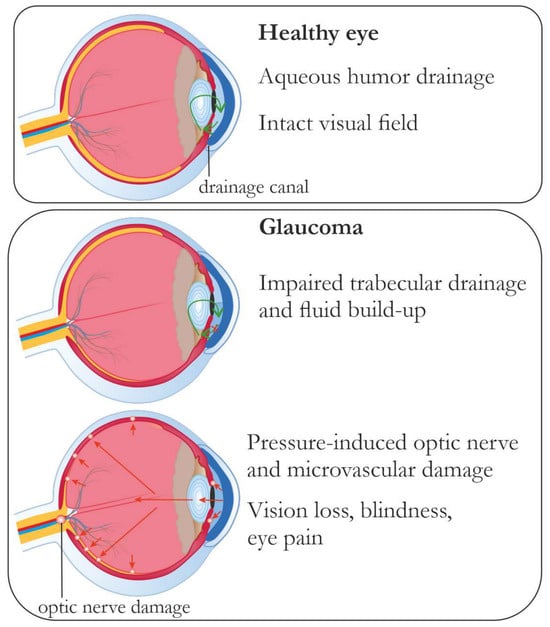
Background/Objectives: Glaucoma is a progressive optic neuropathy and one of the leading causes of irreversible blindness worldwide. Despite the important role of elevated intraocular pressure in disease development, genetic factors such as polymorphisms in the angiotensin-converting enzyme 2 (ACE2) gene may contribute to
[...] Read more.
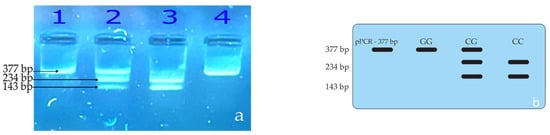
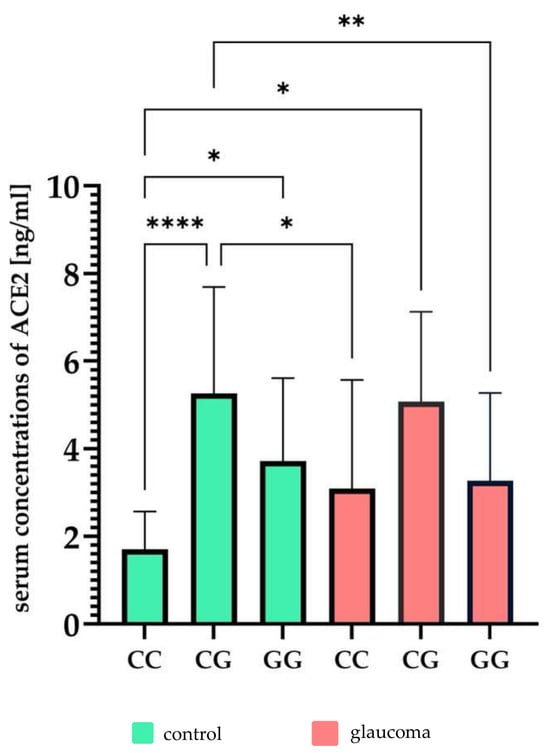
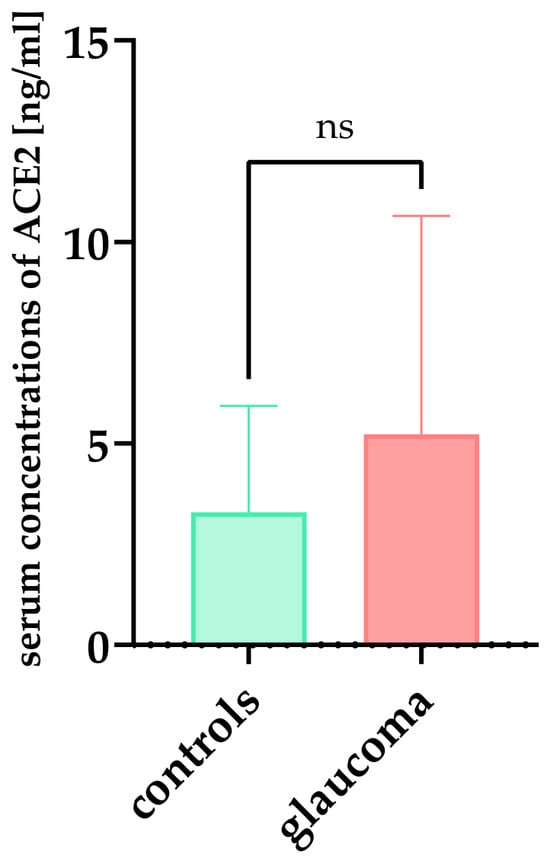
Background/Objectives: Glaucoma is a progressive optic neuropathy and one of the leading causes of irreversible blindness worldwide. Despite the important role of elevated intraocular pressure in disease development, genetic factors such as polymorphisms in the angiotensin-converting enzyme 2 (ACE2) gene may contribute to disease susceptibility. This study aims to evaluate the correlation between the rs879922 polymorphism in the ACE2 gene and glaucoma risk, as well as to assess its relationship with serum ACE2 protein levels. Methods: Patients diagnosed with glaucoma and healthy individuals were enrolled in this study. The rs879922 polymorphism was tested using the PCR-RFLP method. Serum ACE2 concentrations were measured using the ELISA method and expressed as mean ± standard deviation. Results: The rs879922 polymorphism was significantly associated with glaucoma in the allelic (OR = 2.04, p = 0.01) and recessive (OR = 2.63, p = 0.01) models, but not in the dominant model (OR = 1.80, p = 0.21). Genotype distributions deviated from Hardy–Weinberg equilibrium in both groups. Mean serum ACE2 levels were higher in glaucoma patients in comparison to controls (5.23 vs. 3.29 ng/mL). Genotype-stratified analysis revealed that in controls, the GG genotype was associated with the highest ACE2 levels, whereas in glaucoma patients, the CC genotype showed the highest concentrations. Conclusions: The rs879922 polymorphism in the ACE2 gene may be associated with glaucoma susceptibility and influences serum ACE2 levels. The relationship between genotype and ACE2 concentration appears to differ between glaucoma patients and healthy individuals, suggesting a potential interaction between genetic variation and disease status.
Full article
(This article belongs to the Section Ophthalmology)
►
Show Figures
Open AccessArticle
Prognostic Relevance of Speckle Tracking-Derived Biatrial Stiffness Index in Patients with Dilated Cardiomyopathy
by
Aura Vîjîiac, Ioana Petre, Sebastian Onciul, Alina Scărlătescu, Diana Zamfir and Radu Gabriel Vătășescu
J. Clin. Med. 2026, 15(16), 6167; https://doi.org/10.3390/jcm15166167 (registering DOI) - 8 Aug 2026
Abstract
Background: Atrial stiffness can be estimated non-invasively using speckle-tracking echocardiography (STE) and has recently emerged as an outcome predictor. We aimed to assess left atrial (LA) and right atrial (RA) phasic function; the LA stiffness index (LASI), the RA stiffness index (RASI) and
[...] Read more.
Background: Atrial stiffness can be estimated non-invasively using speckle-tracking echocardiography (STE) and has recently emerged as an outcome predictor. We aimed to assess left atrial (LA) and right atrial (RA) phasic function; the LA stiffness index (LASI), the RA stiffness index (RASI) and their sum; and the biatrial stiffness index (BASI) in dilated cardiomyopathy (DCM), and to test whether combining the two atria adds prognostic information over either index alone. Methods: A total of 121 patients with non-ischaemic DCM in sinus rhythm were followed prospectively for a composite endpoint of all-cause death, non-fatal cardiac arrest, or hospitalisation for heart failure decompensation. LASI was defined as the mitral E/e′ ratio divided by LA reservoir strain, RASI as the tricuspid Et/e′t ratio divided by RA reservoir strain, and BASI as the sum of the two. Cox models were adjusted for NYHA class, LV ejection fraction (LVEF), maximal LA volume (LAVmax) and pulmonary artery systolic pressure (PASP). Results: After 19 ± 11 months, 55 patients reached the endpoint. LA reservoir and contraction strain, all three components of RA strain and all three stiffness indices were significantly impaired in patients with events. All stiffness indices were independent outcome predictors in multivariable Cox regression (HR 2.79 [95% CI, 1.35–5.75], p = 0.006 for LASI, HR 1.84 [95% CI, 1.02–3.29], p = 0.04 for RASI and HR 2.74 [95% CI, 1.36–5.51], p = 0.005 for BASI). BASI showed the greatest increase in risk prediction (Δ likelihood ratio χ2 test = 10.3, p = 0.001) over NYHA class, left ventricular ejection fraction, LA maximal volume and pulmonary artery systolic pressure. BASI showed the highest discrimination (AUC = 0.73); however, it was not significantly better than LASI or RASI alone. Conclusions: Left and right atrial stiffness are both associated with adverse outcome in DCM and add prognostic information to an LV-centred risk model. Their unweighted sum performs at least as well as either component and offers a single parsimonious measure, whose incremental clinical value remains to be established in larger, externally validated cohorts.
Full article
(This article belongs to the Special Issue Cardiomyopathy: Advances in Clinical Diagnosis and Treatment)
Open AccessArticle
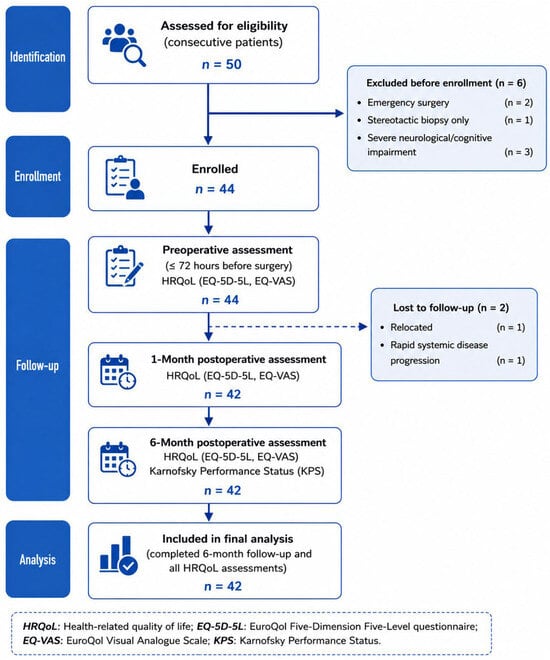
Baseline Graded Prognostic Assessment Is Associated with Postoperative Health-Related Quality of Life Recovery After Brain Metastasis Resection: A Prospective Cohort Study
by
Kadir Cetinkaya, Yasar Ünsal, Mert Yığıt, Erva Eser, Mehmet Özgür Özates and Atilla Kazancı
J. Clin. Med. 2026, 15(16), 6166; https://doi.org/10.3390/jcm15166166 (registering DOI) - 8 Aug 2026
Abstract
Objective: The objective was to evaluate longitudinal changes in health-related quality of life (HRQoL) following surgical resection of brain metastases and investigate the prognostic value of the Graded Prognostic Assessment (GPA) score in predicting HRQoL improvement. Methods: This prospective observational study included 42
[...] Read more.
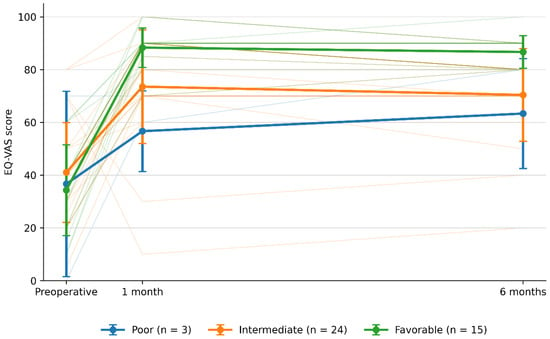
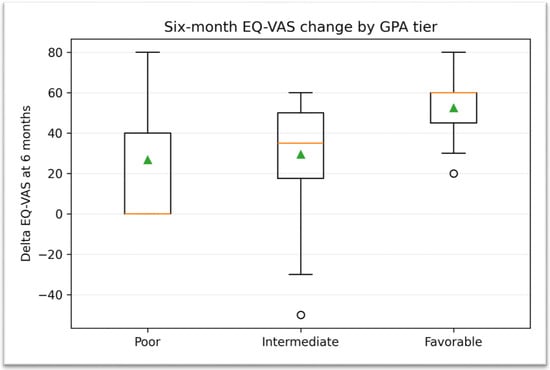
Objective: The objective was to evaluate longitudinal changes in health-related quality of life (HRQoL) following surgical resection of brain metastases and investigate the prognostic value of the Graded Prognostic Assessment (GPA) score in predicting HRQoL improvement. Methods: This prospective observational study included 42 consecutive adult patients undergoing microsurgical resection for histopathologically confirmed brain metastases. HRQoL was assessed using the EuroQol Five-Dimension Five-Level questionnaire (EQ-5D-5L) questionnaire and EuroQol Visual Analogue Scale (EQ-VAS) preoperatively and at 1 and 6 months postoperatively. Patients were stratified according to their preoperative GPA scores, and longitudinal changes in HRQoL were analyzed using non-parametric statistical methods. Results: Mean EQ-VAS scores exhibited a significant postoperative increase from 38.3 ± 19.3 at baseline to 77.6 ± 19.3 at one month and 75.7 ± 16.7 at six months (p < 0.001). Significant improvements were observed across all five EQ-5D-5L dimensions (all p < 0.001). Patients with favorable GPA scores (3.0–4.0) demonstrated greater improvements in EQ-VAS than those in lower GPA categories at one month (p = 0.035) and six months (p = 0.013). Higher baseline GPA scores were positively correlated with HRQoL improvement at both follow-up time points (ρ = 0.51 and ρ = 0.50, respectively; both p < 0.001). Changes in clinician-rated Karnofsky Performance Status (KPS) did not differ significantly across GPA categories (p = 0.731). Conclusions: Surgical resection of brain metastases significantly improves patient-reported HRQoL. The GPA score is a significant predictor of postoperative HRQoL gain, whereas traditional clinician-rated scales like KPS may lack the sensitivity to capture these patient-centered improvements. However, the findings regarding GPA subgroups should be considered exploratory due to the limited number of patients in certain tiers.
Full article
(This article belongs to the Special Issue Insights on Cancer Diagnosis, Treatment and Side Effects Management)
►▼
Show Figures

Figure 1
Open AccessArticle
Frequency of ABO, Rh Subtypes, and Kell Antigen Among Blood Donors at Riyadh Regional Blood Bank: A Retrospective Cross-Sectional Study
by
Hisham Abdulrahman Aloshaywan, Rimah Abdullah Saleem, Muhammad Raihan Sajid, Hani Tamim, Salman Aldosari, Hibba Siraj, Anas M. Alkhabaz, Lara M. Samhan, Momo Arai and Abdulwahab Binjomah
J. Clin. Med. 2026, 15(16), 6165; https://doi.org/10.3390/jcm15166165 (registering DOI) - 8 Aug 2026
Abstract
Background/Objectives: Blood group antigen frequencies vary across ethnic populations and are critical for safe transfusion practice, inventory management, and alloimmunization prevention. This study aimed to determine ABO blood group, extended Rh phenotype (D, C, c, E, e), and K antigen frequencies among blood
[...] Read more.
Background/Objectives: Blood group antigen frequencies vary across ethnic populations and are critical for safe transfusion practice, inventory management, and alloimmunization prevention. This study aimed to determine ABO blood group, extended Rh phenotype (D, C, c, E, e), and K antigen frequencies among blood donors at the Riyadh Regional Blood Bank, and to examine their associations with donor ethnicity. Methods: This retrospective cross-sectional study analyzed 10,463 blood donors (January–December 2021) using the Immucor NEO Iris fully automated immunohematology analyzer. Donors were classified into five ethnic groups. Chi-square tests assessed associations (p < 0.05), the primary scientific contribution is the descriptive frequency data, with hypothesis testing presented as secondary and exploratory. Results: Most donors were male (95.2%). Blood group O+ was most prevalent (31.6%); AB− was rarest (0.9%). Rh D-positivity was 84.7%, lowest among Saudis (81.1%). The most frequent Rh phenotypes were CcDee (24.2%), ccDee (19.9%), and CCDee (17.7%). K antigen positivity was 13.7%. Significant associations were found between D antigen and ethnicity (p < 0.001), Rh phenotype and ethnicity (p = 0.003), and ABO and ethnicity (p < 0.001). A hypothesis-generating association between Rh phenotype and K antigen (p = 0.019) did not meet the Bonferroni-corrected threshold and is considered exploratory. Conclusions: This study provides, to our knowledge, one of the largest ethnically stratified blood group datasets from Riyadh to date. The high D-negativity among Saudi donors (18.9%) has direct implications for extended phenotyping protocols and rare donor registry development. The association between Rh phenotype and K antigen requires molecular confirmation before any biological or clinical conclusions can be drawn.
Full article
(This article belongs to the Section Hematology)
Open AccessArticle
Duplicate-Aware Internal Validation of Machine-Learning Models for Classifying a Tanita BIA-Derived High-Adiposity Phenotype Using Simple Anthropometric Predictors
by
Rukiye Çiftçi, İpek Atik, Neşe Bülbül, Özgür Eken and Monira I. Aldhahi
J. Clin. Med. 2026, 15(16), 6164; https://doi.org/10.3390/jcm15166164 (registering DOI) - 8 Aug 2026
Abstract
Background/Objectives: Anthropometric machine-learning models may approximate body-composition classifications, but performance can be inflated by inconsistent preprocessing, non-independent validation records, and incomplete calibration reporting. This study evaluated a sex-specific bioelectrical impedance analysis (BIA)-defined high-adiposity phenotype using simple anthropometric variables in adults with and without
[...] Read more.
Background/Objectives: Anthropometric machine-learning models may approximate body-composition classifications, but performance can be inflated by inconsistent preprocessing, non-independent validation records, and incomplete calibration reporting. This study evaluated a sex-specific bioelectrical impedance analysis (BIA)-defined high-adiposity phenotype using simple anthropometric variables in adults with and without hypertension. Methods: Of 583 prespecified records, 11 with invalid placeholder-coded values in required anthropometric or body-composition fields were excluded, leaving 572 participants (385 normotensive and 187 hypertensive). A high-adiposity phenotype was defined as BIA-derived body fat ≥25% in males or ≥35% in females. Predictors were sex, height, body weight, waist circumference, and hypertension status; body mass index and body-fat percentage were excluded. Eight algorithms were assessed using 10 repetitions of stratified five-fold group cross-validation, with identical predictor profiles kept within the same fold. Continuous predictors were standardized within training folds. Performance was estimated from averaged out-of-fold probabilities with 2000 stratified bootstrap confidence intervals, calibration measures, and SHAP analysis. Results: A high-adiposity phenotype was present in 441 participants (77.1%). Random forest achieved the highest discrimination (ROC AUC = 0.959, PR AUC = 0.980). Gradient boosting provided the strongest threshold-dependent performance (accuracy = 0.937, balanced accuracy = 0.895, sensitivity = 0.973, specificity = 0.817, precision = 0.947, F1 score = 0.960, MCC = 0.817) and the lowest Brier score (0.057), but its calibration slope was 0.462, indicating overconfident probabilities. SHAP analysis identified waist circumference as the largest attribution within the fitted gradient-boosting model; this result must be interpreted jointly with the ablation analysis because sex, height, and body weight are inputs to the proprietary Tanita equation. Conclusions: Simple anthropometric variables classified the prespecified Tanita BIA-derived high-adiposity threshold with strong internal performance after duplicate-aware validation. Sex, height, and body weight alone achieved a ROC AUC of 0.920; adding waist circumference produced a small and uncertain increase in discrimination (ΔROC AUC = 0.0054, 95% CI −0.0060 to 0.0153), whereas hypertension status added a negligible value. The findings represent internal validation of a device-defined outcome, not prediction of an independent biological reference, and require external validation against criterion body-composition methods before clinical application.
Full article
(This article belongs to the Special Issue From Biology to Bedside: Novel Clinical Strategies in Obesity-Linked Cardiometabolic Disease)
Open AccessArticle
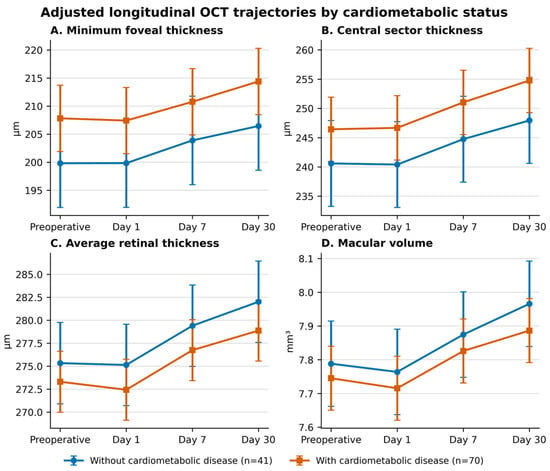
Influence of Cardiometabolic Disease on Macular Structural Changes After Uncomplicated Phacoemulsification
by
Maria-Emilia Cerghedean-Florea, Cosmin Adrian Teodoru, Horațiu Dura, Adrian Hașegan, Adrian Boicean, Paul Șiancu, Denisa Tănăsescu, Mihaela Laura Vică, Horia Stanca, Tudor Călinici, Valeria Coviltir and Ciprian Tănăsescu
J. Clin. Med. 2026, 15(16), 6163; https://doi.org/10.3390/jcm15166163 (registering DOI) - 8 Aug 2026
Abstract
Background/Objectives: To evaluate macular structural changes after uncomplicated phacoemulsification using optical coherence tomography (OCT) and to investigate whether cardiometabolic disease influences the early postoperative retinal response. Methods: This retrospective observational study included 111 eyes from 111 patients undergoing uncomplicated phacoemulsification with
[...] Read more.
Background/Objectives: To evaluate macular structural changes after uncomplicated phacoemulsification using optical coherence tomography (OCT) and to investigate whether cardiometabolic disease influences the early postoperative retinal response. Methods: This retrospective observational study included 111 eyes from 111 patients undergoing uncomplicated phacoemulsification with intraocular lens implantation. Macular OCT parameters were evaluated preoperatively and at postoperative days 1, 7, and 30. Patients were stratified according to the presence of cardiometabolic disease, and retinal changes were compared between groups. Results: Exploratory visit-specific comparisons produced nominal differences in average retinal thickness and macular volume at several assessments; however, none remained statistically significant after Holm adjustment across the 16 parameter-by-visit comparisons. The adjusted models provided no statistically significant evidence that postoperative changes from baseline differed according to cardiometabolic status. Model-derived interaction contrasts at days 1, 7, and 30 were small and their 95% confidence intervals included zero for all OCT outcomes. Accordingly, no statistically significant differences in postoperative change from baseline were detected between groups; equivalence was not assessed. Conclusions: Although nominal differences were observed in exploratory visit-specific comparisons, none remained statistically significant after multiplicity adjustment. Furthermore, the adjusted analyses did not detect statistically significant differences in postoperative change from baseline according to cardiometabolic status after adjustment for baseline retinal structure and relevant demographic and surgical confounders. No statistically significant evidence of different postoperative OCT trajectories was detected between groups; equivalence was not assessed.
Full article
(This article belongs to the Section Ophthalmology)
►▼
Show Figures

Figure 1
Open AccessArticle
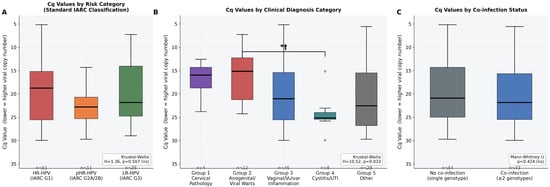
Risk Factors for Human Papillomavirus Positivity in a Tertiary Care Center: A Case–Control Study Incorporating Genotype Distribution, Co-Infection Patterns, and Quantitative Viral Load Analysis
by
Mete Hakan Karalök, Bağnu Dündar, Ayhan Parmaksız and Asiye Gök Yurttaş
J. Clin. Med. 2026, 15(16), 6162; https://doi.org/10.3390/jcm15166162 (registering DOI) - 8 Aug 2026
Abstract
Background/Objectives: Human papillomavirus (HPV) is the leading cause of cervical cancer and anogenital malignancies, yet its clinical presentation, genotype distribution, co-infection patterns, and viral load are poorly characterised in tertiary-care referrals. This study aimed to identify predictors of HPV positivity and describe
[...] Read more.
Background/Objectives: Human papillomavirus (HPV) is the leading cause of cervical cancer and anogenital malignancies, yet its clinical presentation, genotype distribution, co-infection patterns, and viral load are poorly characterised in tertiary-care referrals. This study aimed to identify predictors of HPV positivity and describe genotype, co-infection, and relative viral copy number (Cq values) in this setting. Methods: A retrospective case–control study of 234 patients (97 HPV-positive, 137 HPV-negative) used a 37-genotype qPCR platform at a tertiary-care hospital between January-December 2025. Demographic data, clinical diagnosis categories, genotype profiles, co-infection patterns, and cycle quantification (Cq) values were recorded, and multivariable logistic regression identified independent predictors of HPV positivity. Results: HPV positivity was 41.5% (97/234). Only the clinical diagnosis category independently predicted HPV status. Compared with non-specific presentations, patients with anogenital or viral warts (aOR: 4.25; 95% CI: 1.49–12.14; p = 0.007) and vaginal or vulvar inflammation (aOR: 2.08; 95% CI: 1.19–3.63; p = 0.010) had higher odds of positivity. High-risk genotypes were the second most frequently detected category (40.00% of detections), after low-risk genotypes (48.21%), with HPV-16 leading among high-risk types. Co-infection occurred in 44.3% of HPV-positive patients, mostly involving mixed-risk genotypes. Patients with anogenital warts had lower Cq values than those with urinary tract complaints (p = 0.011), reflecting higher relative viral copy numbers per swab. Conclusions: HPV positivity and relative viral copy number (as approximated by Cq values) tracked more closely with clinical presentation than with demographic background. The dominance of low-risk and high-risk genotypes and the prevalence of mixed-risk co-infections were consistent with the symptomatic profile of the cohort. These findings support interpreting HPV results in light of clinical presentation and extended genotyping with relative viral copy number quantification in tertiary settings.
Full article
(This article belongs to the Section Infectious Diseases)
►▼
Show Figures

Figure 1
Open AccessCase Report
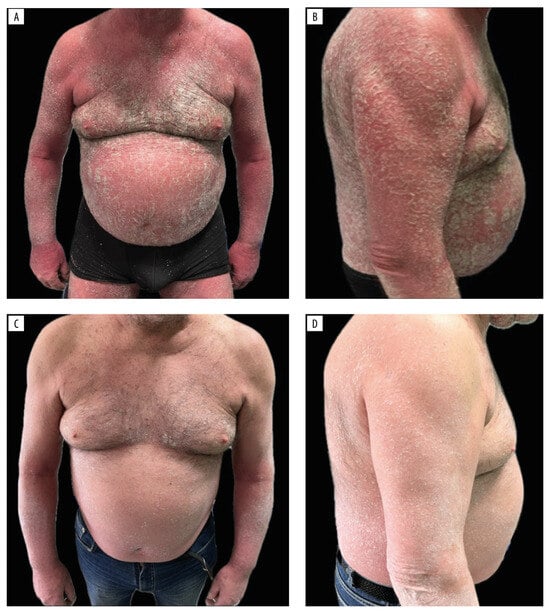
Tildrakizumab in the Treatment of Complex and Severe Psoriasis: A Case Series
by
Claudio Marasca, Domenico D’Amico, Claudia Giofrè and Viviana Lora
J. Clin. Med. 2026, 15(16), 6161; https://doi.org/10.3390/jcm15166161 (registering DOI) - 8 Aug 2026
Abstract
Background/Objectives: Patients with a clinical diagnosis of severe psoriasis complicated by comorbidities such as cardiovascular disease, obesity, metabolic syndrome and/or with the involvement of high-impact areas constitute a clinical challenge. Tildrakizumab is a monoclonal antibody targeting the IL-23/Th17 axis with a proven
[...] Read more.
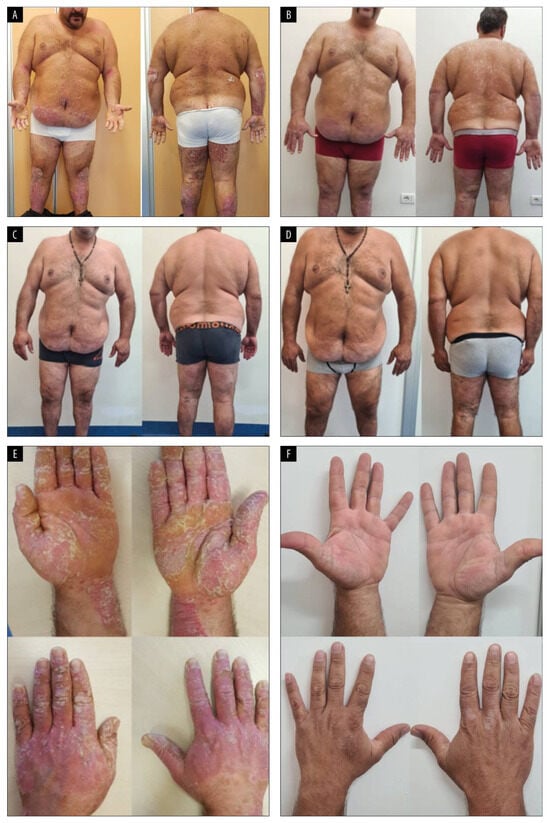
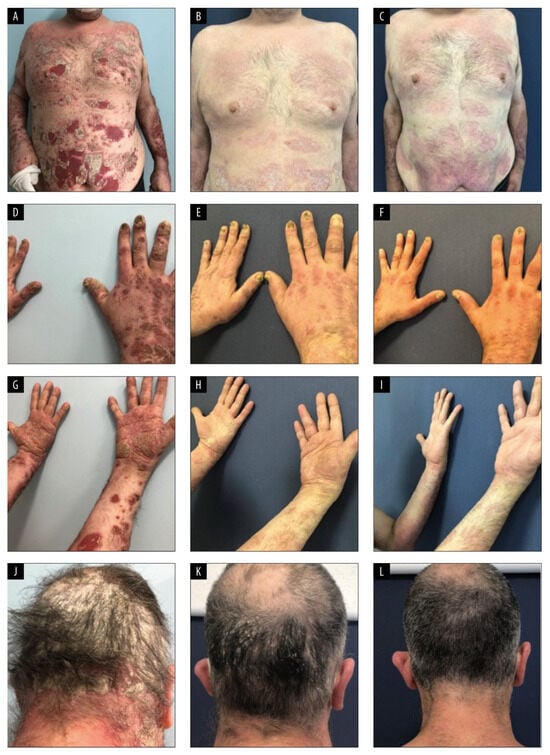
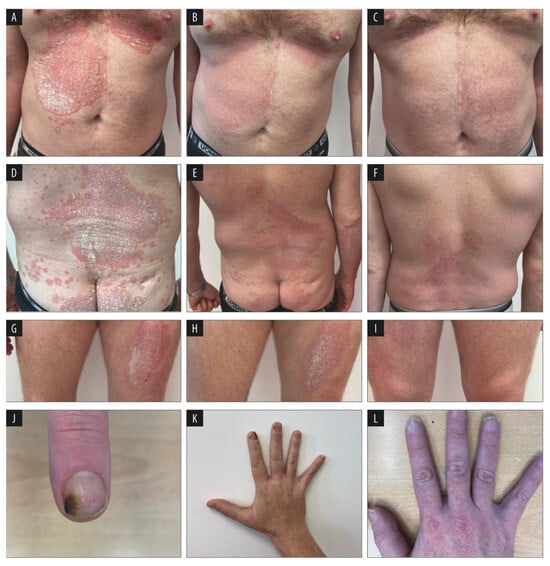
Background/Objectives: Patients with a clinical diagnosis of severe psoriasis complicated by comorbidities such as cardiovascular disease, obesity, metabolic syndrome and/or with the involvement of high-impact areas constitute a clinical challenge. Tildrakizumab is a monoclonal antibody targeting the IL-23/Th17 axis with a proven record of efficacy and safety in these patients. Methods: Here we present four cases of patients with severe psoriasis and comorbidities including cardiovascular disease (Case 1), obesity (Cases 2 and 3), metabolic syndrome (Case 3), and/or high-impact areas (Cases 2–4). Three patients (Cases 1–3) had previously received biologics but developed secondary failure or loss of efficacy; one patient was bio-naïve (Case 4). Results: The treatment with tildrakizumab in all four patients led to a quick onset (by Week 4 in all cases) of complete and lasting (1 year in Case 1, 4 years in Case 2 and 2 years in Cases 3 and 4) remission with no adverse events reported. Conclusions: Tildrakizumab is a valuable therapeutic option for patients with psoriasis and complex clinical situations, and in particular, in cases with obesity and difficult-to-treat lesion locations such as hands, scalp and genitals. Therapeutic success is often linked to an improvement in patients’ quality of life.
Full article
(This article belongs to the Special Issue New Insights into the Management of Psoriasis and Immune-Mediated Dermatoses)
►▼
Show Figures

Figure 1
Open AccessReview
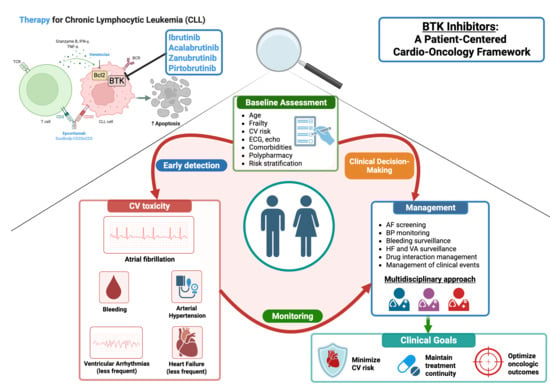
Cardiovascular Toxicity of BTK Inhibitors: A Patient-Centered Framework for Risk Stratification and Management
by
Andrea Tedeschi, Federico Barocelli, Luigi Gerra, Federico Breviario, Francesco Sbarra, Gianluca Pagnoni, Giuseppe Marasacchia, Francesco Marangi, Susan Darroudi, Francesco Di Spigno, Francesca Coppi, Annalisa Arcari, Giulia Losi, Daniele Vallisa, Giampaolo Niccoli, Daniela Aschieri, Alessandro Navazio and Luigi Tarantini
J. Clin. Med. 2026, 15(16), 6160; https://doi.org/10.3390/jcm15166160 (registering DOI) - 8 Aug 2026
Abstract
Bruton tyrosine kinase inhibitors have transformed the management of chronic lymphocytic leukemia and other B-cell malignancies, but their clinical use is increasingly influenced by cardiovascular safety. In contemporary practice, patients receiving these therapies are typically older and characterized by a high burden of
[...] Read more.
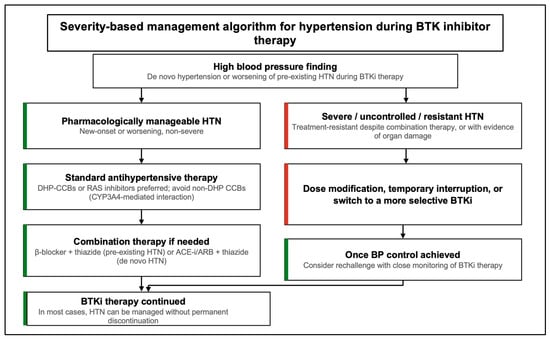
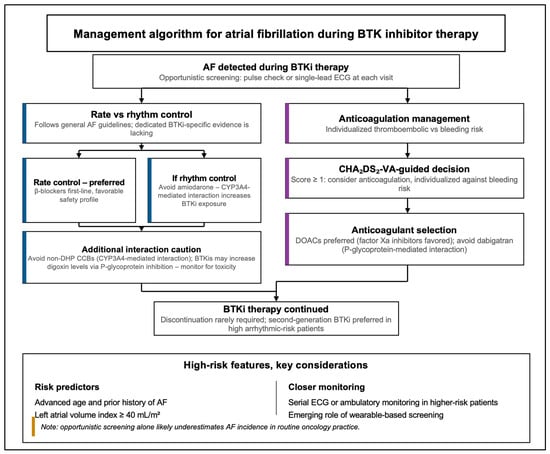
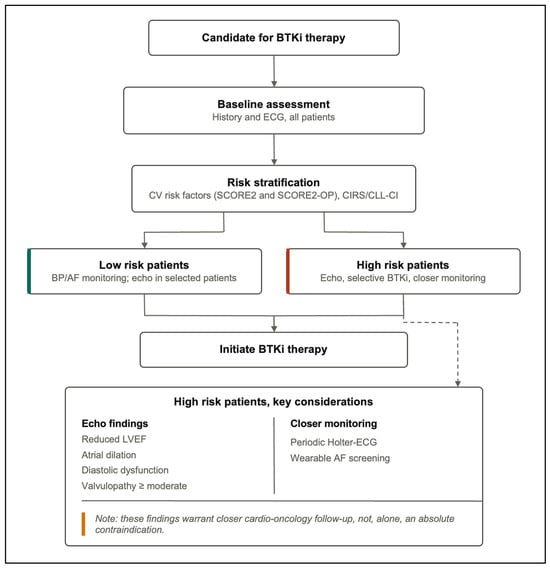
Bruton tyrosine kinase inhibitors have transformed the management of chronic lymphocytic leukemia and other B-cell malignancies, but their clinical use is increasingly influenced by cardiovascular safety. In contemporary practice, patients receiving these therapies are typically older and characterized by a high burden of comorbidities, including cardiovascular disease, metabolic disorders, and renal impairment. In this setting, cardiovascular complications should not be interpreted as isolated adverse events, but rather as clinical expressions of underlying patient vulnerability and frailty. Atrial fibrillation and arterial hypertension represent the most frequent complications, while heart failure, ventricular arrhythmias, and bleeding, although less common, may carry significant prognostic implications. Importantly, these events often arise from the interaction between drug exposure and pre-existing comorbidities, and may lead to treatment interruption, dose reduction, or discontinuation, ultimately compromising the long-term benefit of otherwise highly effective therapies. This review provides a comprehensive overview of the clinical burden, mechanisms, and management of cardiovascular complications associated with these agents, and proposes a practical, patient-centered framework to guide clinical decision-making. A structured approach based on risk assessment, early detection, and proactive management is essential to prevent complications, optimize treatment continuity, and preserve the long-term benefit of therapy in a complex and vulnerable population.
Full article
(This article belongs to the Special Issue Cardiotoxicity Within Cardio-Oncology: Clinical Advances from Prediction to Management)
►▼
Show Figures

Graphical abstract
Open AccessArticle
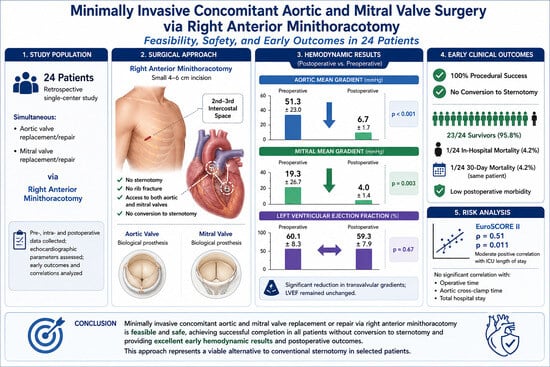
Feasibility, Acceptability and Early Outcomes of Concomitant Aortic and Mitral Valve Surgery via a Single-Incision Right Anterior Minithoracotomy: A Retrospective Cohort Study
by
Lukman Amanov, Sadeq Ali-Hasan-Al-Saegh, Arian Arjomandi Rad, Jawad Salman, Fabio Ius, Stefan Rümke, Khalil Aburahma, Jan Dieter Schmitto, Bastian Schmack, Arjang Ruhparwar, Alina Zubarevich and Alexander Weymann
J. Clin. Med. 2026, 15(16), 6159; https://doi.org/10.3390/jcm15166159 (registering DOI) - 8 Aug 2026
Abstract
Background: Minimally invasive approaches for multivalve surgery have attracted increasing interest; however, data on combined aortic and mitral valve replacement or repair using via right anterior minithoracotomy remain quite limited. This study aimed to evaluate the feasibility, safety, and early outcomes of
[...] Read more.
Background: Minimally invasive approaches for multivalve surgery have attracted increasing interest; however, data on combined aortic and mitral valve replacement or repair using via right anterior minithoracotomy remain quite limited. This study aimed to evaluate the feasibility, safety, and early outcomes of minimally invasive concomitant aortic and mitral valve replacement or repair using this approach. Methods: This retrospective study included 24 patients who underwent simultaneous aortic and mitral valve procedures via right anterior minithoracotomy. We collected preoperative, intraoperative, and postoperative data, assessing echocardiographic parameters. Early clinical outcomes, complications, and mortality rates were analyzed, with correlations between EuroSCORE II and outcomes explored. Results: The median follow-up was 412 days. All procedures were completed successfully without conversion to sternotomy. Postoperative echocardiography demonstrated a significant reduction in transvalvular gradients, with aortic mean pressure gradient decreasing from 51.3 ± 23.0 mmHg to 6.7 ± 1.7 mmHg (p < 0.001) and mitral mean pressure gradient from 19.3 ± 26.7 mmHg to 4.0 ± 1.4 mmHg (p < 0.001), while left ventricular ejection fraction remained unchanged (p = 0.67). During the study period, one patient died from a non-cardiac cause. EuroSCORE II showed a moderate positive correlation with intensive care unit length of stay (p = 0.011) but not with hospital stay or operative times. Conclusions: Minimally invasive aortic and mitral valve replacement or repair via right anterior minithoracotomy is feasible and was associated with favorable early hemodynamic and clinical outcomes in this single-center cohort.
Full article
(This article belongs to the Special Issue Minimally Invasive Cardiothoracic Surgery: Current Status and Future Perspectives)
►▼
Show Figures

Graphical abstract
Open AccessArticle
High Prevalence of Vitamin D Deficiency in Critically Ill Patients in Tropical Southern Taiwan: Risk Factors and Clinical Outcomes
by
Shoa-Lin Lin, Jia-Ying Hu, Wei-Cheng Lin, Jun-Hao Wei, Chi-Li Lee and Chih-Neng Hsu
J. Clin. Med. 2026, 15(16), 6158; https://doi.org/10.3390/jcm15166158 - 7 Aug 2026
Abstract
Objective: Vitamin D deficiency is a global concern, but its prevalence in critically ill patients in high-sunlight tropical regions is limited. This study evaluated the prevalence of vitamin D deficiency in intensive care unit (ICU) patients in southern Taiwan and identified which variables
[...] Read more.
Objective: Vitamin D deficiency is a global concern, but its prevalence in critically ill patients in high-sunlight tropical regions is limited. This study evaluated the prevalence of vitamin D deficiency in intensive care unit (ICU) patients in southern Taiwan and identified which variables correlate with deficiency and in-hospital mortality. Methods: We prospectively enrolled 221 critically ill patients, categorizing them by serum 25(OH)D levels as follows: Group A (sufficient, ≥30 ng/mL), Group B (insufficient, 20.0–29.9 ng/mL), and Group C (deficient, ≤19.9 ng/mL). Clinical variables, laboratory parameters, and outcomes were analyzed. Results: Despite the tropical climate, 33.5% of patients were vitamin D-deficient, and 47.1% were insufficient. Group C patients were significantly younger than other groups (p = 0.049). Significant differences between Groups C and A were observed in ICU length of stay (p = 0.036) and total hospital stay (p = 0.004). Multivariable analysis confirmed that only younger age (OR 0.968, p = 0.008) and low albumin level (OR 0.171, p < 0.001) were independently associated with vitamin D deficiency. Only serum albumin (p = 0.001) and C-reactive protein (CRP) levels (p = 0.015) were significantly associated with in-hospital mortality. Conclusions: Vitamin D deficiency is highly prevalent among critically ill patients in southern Taiwan, challenging the assumption that tropical ultraviolet exposure is naturally protective. Younger age and hypoalbuminemia are independent predictors of vitamin D deficiency. However, vitamin D levels were not independently associated with in-hospital mortality, which was instead predicted by albumin and CRP levels. These findings highlight a high rate of hypovitaminosis D in ICU but do not support its role as an independent predictor of mortality.
Full article
(This article belongs to the Section Intensive Care)
Open AccessArticle
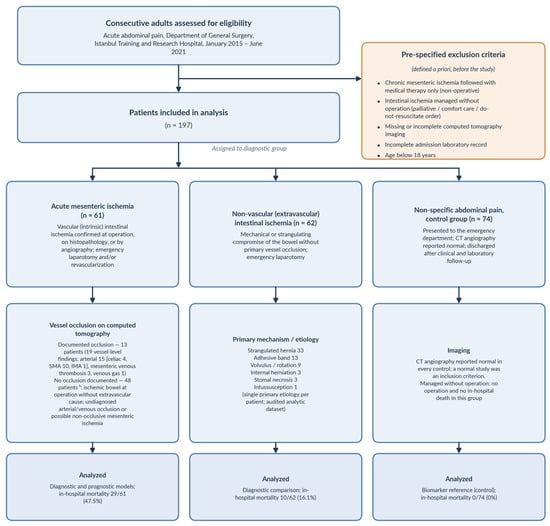
Diagnostic and Prognostic Factors in Acute Intestinal Ischemia: A Comparative, Retrospective, Single-Center Cohort Study
by
Musa Murat Çalışkan, Tahir Talat Yurttaş, Selim Doğan, Ufuk Oğuz İdiz, Kenan Büyükaşık, Taşkın Rakıcı and Mert Mahsuni Sevinç
J. Clin. Med. 2026, 15(16), 6157; https://doi.org/10.3390/jcm15166157 - 7 Aug 2026
Abstract
Background/Objectives: Acute mesenteric ischemia (AMI) resembles non-vascular intestinal ischemia (NSII) and non-specific abdominal pain (NSAP) at presentation yet carries 50–80% mortality. We tested how well admission data separate these conditions and predict in-hospital mortality, the primary endpoint. Methods: We studied 197 consecutive adults
[...] Read more.
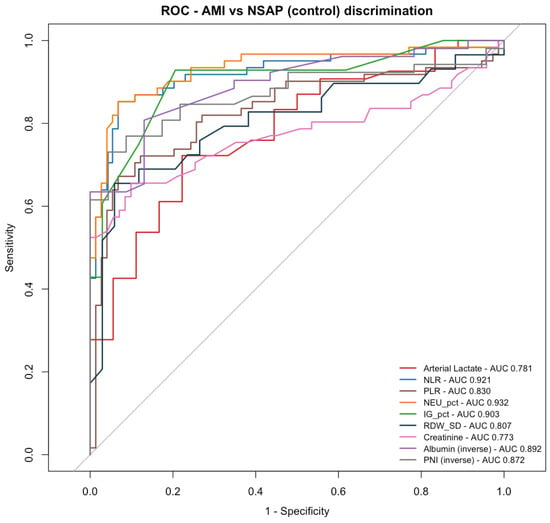
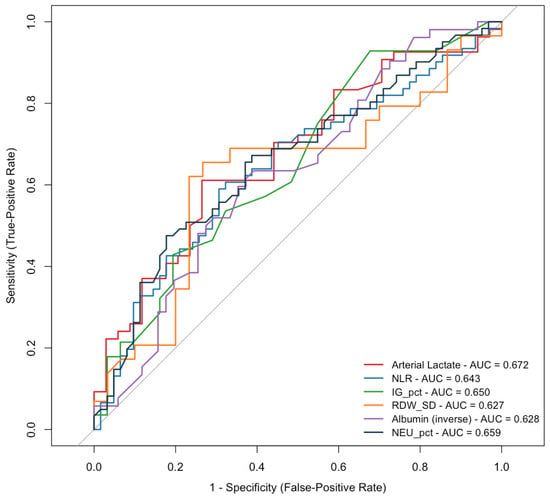
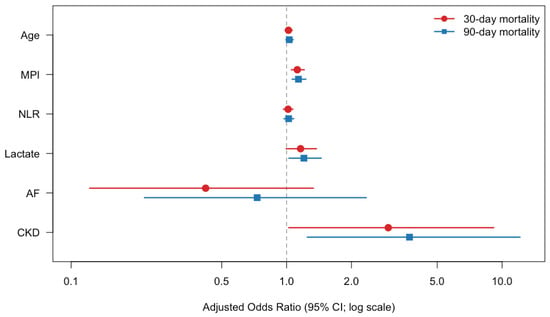
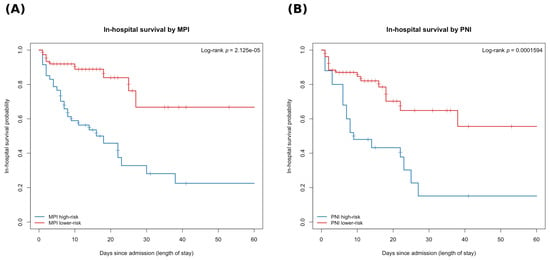
Background/Objectives: Acute mesenteric ischemia (AMI) resembles non-vascular intestinal ischemia (NSII) and non-specific abdominal pain (NSAP) at presentation yet carries 50–80% mortality. We tested how well admission data separate these conditions and predict in-hospital mortality, the primary endpoint. Methods: We studied 197 consecutive adults (2015–2021): AMI (n = 61), NSII (n = 62), and NSAP controls (n = 74). Admission demographics, comorbidities, laboratory markers, the Mannheim Peritonitis Index (MPI), and APACHE-II were compared by ROC/DeLong analysis and multivariable logistic regression (STROBE). Results: AMI had more atrial fibrillation, thromboembolism, chronic kidney disease (CKD), and dyslipidemia (p ≤ 0.028) and higher in-hospital mortality than NSII (47.5% vs. 16.1%; p < 0.001). Inflammatory ratios, lactate, and albumin separated AMI from NSAP well (AUC up to 0.93) but from NSII modestly (lactate, 0.672). APACHE-II (AUC 0.861) and MPI (0.810) predicted in-hospital death and improved combined (0.897; DeLong p = 0.014). Independent predictors were MPI (adjusted odds ratio 1.14, 95% CI 1.06–1.23), CKD (3.72, 1.25–12.10), and arterial lactate (1.20, 1.03–1.45). Conclusions: A composite admission panel was internally consistent but hypothesis-generating, not a triage tool ready for clinical use. CT angiography remains essential, since these markers cannot separate vascular from non-vascular ischemia; prospective external validation is required.
Full article
(This article belongs to the Section General Surgery)
►▼
Show Figures

Figure 1

Open AccessReview
Fibrinogen Concentrate in Acute Hemorrhage: Mechanistic Insight, Thresholds, and Targeted Replacement
by
Niels Rahe-Meyer, Justyna Bartoszko and Jerrold H. Levy
J. Clin. Med. 2026, 15(16), 6156; https://doi.org/10.3390/jcm15166156 - 7 Aug 2026
Abstract
Fibrinogen is an essential component of hemostasis and clot formation that stabilizes the platelet-dependent primary hemostatic process. Low fibrinogen levels can be primary (congenital) or secondary (acquired). Acquired hypofibrinogenemia may result from chronic diseases (e.g., liver, autoimmune diseases, and malignancies) or major hemorrhage
[...] Read more.
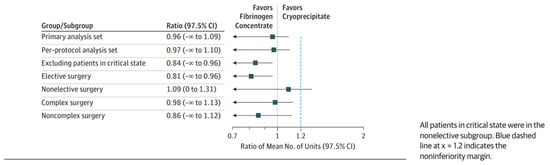
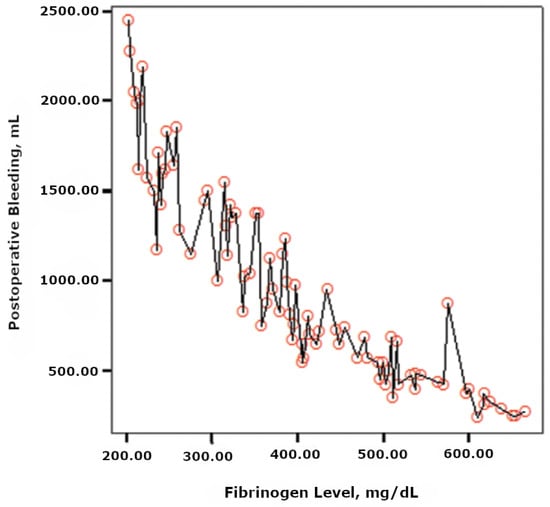
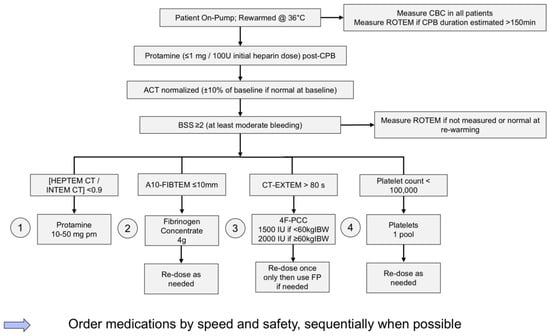
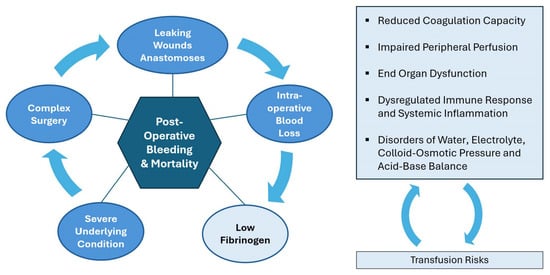
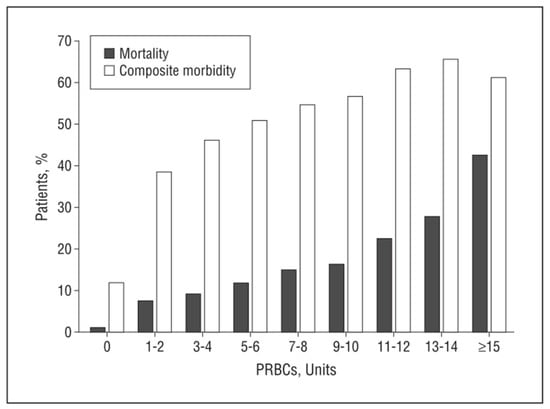
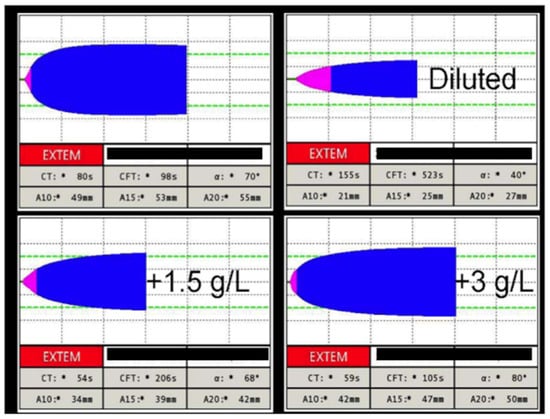
Fibrinogen is an essential component of hemostasis and clot formation that stabilizes the platelet-dependent primary hemostatic process. Low fibrinogen levels can be primary (congenital) or secondary (acquired). Acquired hypofibrinogenemia may result from chronic diseases (e.g., liver, autoimmune diseases, and malignancies) or major hemorrhage (e.g., trauma, surgery). Low fibrinogen levels are both a symptom and a precipitating factor for coagulopathy and ongoing bleeding. Fibrinogen repletion with fibrinogen-containing products is important for managing coagulopathic bleeding with suspected or documented hypofibrinogenemia. Different available fibrinogen sources include fibrinogen concentrate, cryoprecipitate, and frozen plasma and vary based on multiple factors including fibrinogen content, purity, other clotting or non-clotting proteins (e.g., immunomodulating proteins or proteins of unknown function), preparation time, safety, volumes, and availability. Fibrinogen replacement strategies have been studied in trauma but also in patients undergoing spine, cytoreductive, and cardiac surgery. In this review, we discuss the physiological actions of fibrinogen, strategies for control of coagulopathic bleeding related to hypofibrinogenemia, and the therapeutic, logistical, and economic factors that influence treatment decisions. In addition, current guidelines and clinical studies were considered regarding the formation of evidence-based treatment strategies that can be individualized at the patient’s bedside.
Full article
(This article belongs to the Special Issue Clinical Advances in Cardiothoracic Anesthesiology)
►▼
Show Figures

Figure 1
Open AccessArticle
Long-Term Coronary Outcomes and Follow-Up After Kawasaki Disease: Insights from a 25-Year Follow-Up Cohort
by
Antonio Musolino, Alessandra Marchesi, Giovanni Antonelli, Livia Gargiullo, Flavio Storelli, Giovanni Orso, Benedetta Benelli, Marta Ventura, Ludovica Ariaudo, Giulia Cafiero, Giulio Calcagni, Benedetta Leonardi, Michele Lioncino, Aurelio Secinaro, Riccardo Babini and Alberto Villani
J. Clin. Med. 2026, 15(16), 6155; https://doi.org/10.3390/jcm15166155 - 7 Aug 2026
Abstract
Introduction: Kawasaki disease (KD) is an acute systemic vasculitis and the leading cause of acquired pediatric heart disease in high-income countries. Coronary artery aneurysms (CAA) represent the most severe complication and drive long-term cardiovascular risk. Despite improved outcomes with early intravenous immunoglobulin therapy,
[...] Read more.
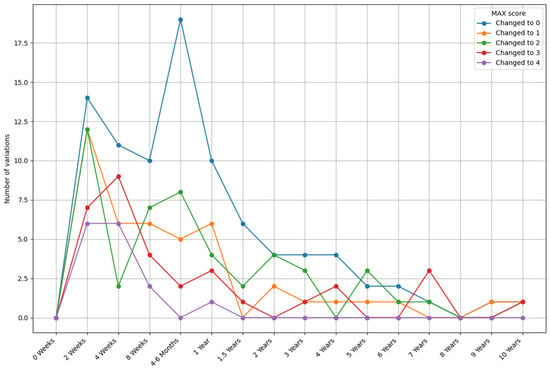
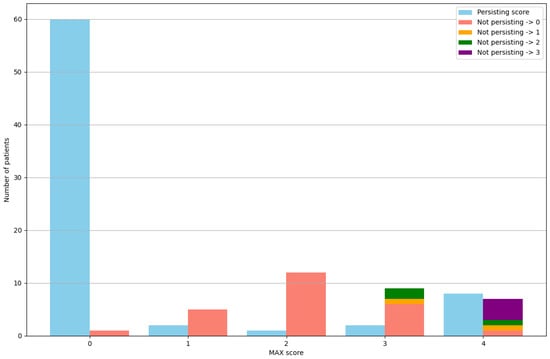
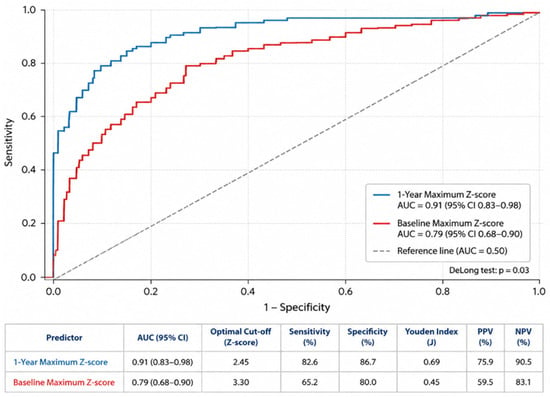
Introduction: Kawasaki disease (KD) is an acute systemic vasculitis and the leading cause of acquired pediatric heart disease in high-income countries. Coronary artery aneurysms (CAA) represent the most severe complication and drive long-term cardiovascular risk. Despite improved outcomes with early intravenous immunoglobulin therapy, follow-up strategies remain heterogeneous, particularly for patients showing CAA regression. Dynamic risk stratification based on coronary Z-scores has been proposed, but long-term real-world data are still needed to optimize surveillance. Methods: We conducted a single-center, retrospective study including pediatric patients (age 1 month–18 years) with KD complicated by CAA, followed at Bambino Gesù Children’s Hospital (Rome) between 1999 and 2024. Coronary involvement was assessed using Boston Z-scores of the right coronary artery, left main coronary artery, and left anterior descending artery. CAA severity over time was analyzed using a composite MAX SCORE (highest Z-score among coronary branches) along with the 1-YEAR MAX SCORE (highest MAX SCORE reached within the 1 year of disease). The distribution and timing of cardiac computed tomography angiography (CCTA) and exercise stress testing (EST) during follow-up were analyzed in relation to coronary severity. Results: Among 502 KD patients, 122 (24.3%) developed CAA; 113 were included in the analysis. Mean age at diagnosis was 24.6 months (M/F 3.5:1). Multivessel involvement was observed in 72%, most frequently affecting the left anterior descending artery. Long-term follow-up ≥10 years was available for 31.9% of patients. Most changes in coronary severity occurred within the first year after disease onset, with complete CAA regression in 76.1% of patients. Conversely, 53% of patients affected by giant aneurysms at 12 months showed persistent severe disease at last follow-up. EST (164 tests in 40 patients) was almost universally negative for inducible ischemia (163/164), whereas CCTA (47 exams in 35 patients) was preferentially performed early and in higher-risk patients. Test prescription correlated more closely with 1-YEAR MAX SCORE than with contemporaneous severity. Echocardiography showed systematic differences compared with CCTA for right coronary and left anterior descending artery Z-scores. Discussion: In our experience, early coronary status was closely associated with the intensity of long-term surveillance strategies in KD. The 1-YEAR MAX SCORE was associated with subsequent patterns of coronary evolution, and the continuous 1-year Maximum Z-score showed good discriminatory ability for persistent CAA on ROC analysis, pending external validation. While the low rate of positive findings on EST raises questions about its diagnostic yield in real-world practice, CCTA provided detailed anatomical characterization. Overall, these findings suggest that early coronary severity may help inform individualized, severity-driven follow-up strategies, warranting confirmation in prospective multicenter studies.
Full article
(This article belongs to the Special Issue Clinical Management of Pediatric Heart Diseases)
►▼
Show Figures

Figure 1
Open AccessReview
Smartphone-Based 3D Surface Imaging for Breast Anthropometry, Symmetry Assessment, and Volumetry: A Structured Narrative Review
by
Mateusz Mazurek, Zygmunt Domagała and Rafał Matkowski
J. Clin. Med. 2026, 15(16), 6154; https://doi.org/10.3390/jcm15166154 - 7 Aug 2026
Abstract
Background: Objective breast assessment is relevant in aesthetic, reconstructive, and oncoplastic breast surgery. Smartphones and tablets are widely available devices that may offer an accessible means for three-dimensional (3D) breast surface imaging, with potential relevance for preoperative assessment, surgical planning, and outcome
[...] Read more.
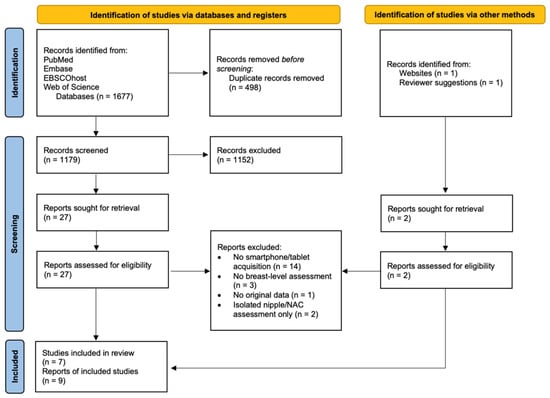
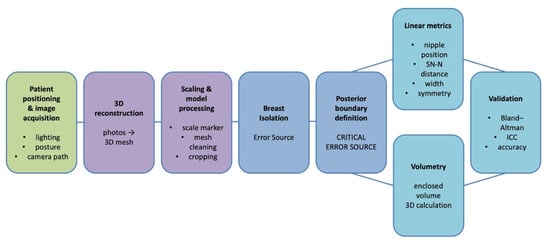
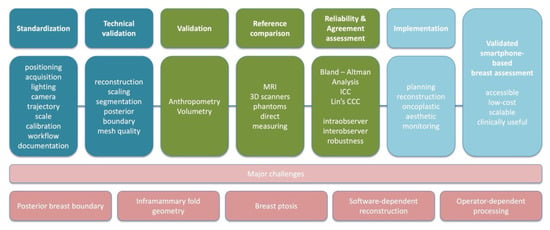
Background: Objective breast assessment is relevant in aesthetic, reconstructive, and oncoplastic breast surgery. Smartphones and tablets are widely available devices that may offer an accessible means for three-dimensional (3D) breast surface imaging, with potential relevance for preoperative assessment, surgical planning, and outcome evaluation. However, the available evidence is heterogeneous, and the validity of different devices, applications, and workflows remains unclear. This narrative review aimed to summarize the evidence on smartphone-based 3D surface imaging. Methods: A structured literature search was conducted in PubMed, Embase, Web of Science, and EBSCOhost. Only original studies that used smartphone- or tablet-based breast assessment were included. Data extraction included devices, software, population/material, outcomes, comparators, validation metrics, and limitations. Reporting completeness was assessed using an adapted GRRAS-based appraisal. Results: A total of 9 studies representing approximately 7 independent datasets were included. Only two studies assessed volumetry as one of the primary aims. The evidence base was small and heterogeneous. Most studies were patient-based, while the remaining studies used phantom or model-based designs. Feasibility was demonstrated for selected device–application–workflow combinations, predominantly involving iPhones and the 3D Scanner App, but these findings were not generalizable to smartphone-based 3D breast imaging as a whole. Evidence was more favorable for selected linear anthropometric measurements than for volumetry. Key limitations included breast ptosis, inframammary fold (IMF) geometry, posterior boundary definition, software, and operator dependence. Three of the included reports had potentially overlapping cohorts. Due to substantial heterogeneity in devices, applications, comparators, outcomes, and validation metrics, meta-analysis was not performed. Conclusions: Current evidence is limited to a small number of heterogeneous, predominantly single-center datasets and supports only workflow-specific feasibility for selected anthropometric and surface-based measurements. These findings should not be generalized across smartphone devices, applications, or reconstruction workflows. Breast volumetry remains insufficiently validated and is supported by only two non-comparable studies. Future studies should provide more detailed reporting that focuses on objective characteristics of the workflow and outcomes, including predefined analyses of agreement and measurement error.
Full article
(This article belongs to the Special Issue New Clinical Advances in Breast Reconstruction)
►▼
Show Figures

Figure 1
Open AccessSystematic Review
Extraperitoneal vs. Transperitoneal Cesarean Section: A Systematic Literature Review of Safety and Outcomes
by
Daniel Wolder, Luka Velemir, Clémentin Castel, Anna Błażuk-Fortak, Agata Michalska, Katarzyna Kwas-Sarnacka, Grzegorz Świercz and Israel Hendler
J. Clin. Med. 2026, 15(16), 6153; https://doi.org/10.3390/jcm15166153 - 7 Aug 2026
Abstract
Background: This systematic review aimed to evaluate the safety and outcomes of extraperitoneal cesarean section (EPCS), including the French Ambulatory Cesarean Section (FAUCS), by comparing them to those of transperitoneal cesarean section (TCS). Data sources: The search was conducted using the following
[...] Read more.
Background: This systematic review aimed to evaluate the safety and outcomes of extraperitoneal cesarean section (EPCS), including the French Ambulatory Cesarean Section (FAUCS), by comparing them to those of transperitoneal cesarean section (TCS). Data sources: The search was conducted using the following electronic bibliographic databases: PubMed, Web of Science, and Scopus. Studies were included if they were observational or interventional and investigated EPCS, including FAUCS, as the primary intervention. Exclusion criteria were animal studies, reviews, editorials, and conference abstracts. Methods: Two reviewers independently assessed the risk of bias using RoB 2 for RCTs and ROBINS-I for retrospective studies. Studies were grouped into comparable categories, and data were synthesized in summary tables and by comparative descriptive analysis. Results: In comparative studies, EPCS was associated with significantly lower rates of postoperative complications, such as fever (4% vs. 16% for TCS) and elevated C-reactive protein or leukocytosis (0% vs. 16–20%). EPCS reduced postoperative pain, with lower VAS scores at 24 h (e.g., 2.5 vs. 4.0 in TCS, p < 0.001) and shorter analgesic use. Time to return of bowel function was faster in EPCS and modified EPCS (6–8 h vs. 18–24 h in TCS, p < 0.01). Hospital stays were shorter after EPCS (4.15 ± 0.89 days vs. 4.82 ± 1.34 days, p = 0.027). FAUCS enabled early discharge within 24–48 h in 86–93% of cases and reduced morphine use (0.8% vs. 38% in TCS). Neonatal outcomes, including Apgar scores and cord pH, were similar across all groups. Conclusions: EPCS offers several potential advantages over TCS, including less postoperative pain, faster recovery, and shorter hospital stays. EPCS and its FAUCS variant are also associated with quicker return of bowel function and lower analgesic needs. TCS, while enabling faster fetal delivery, is linked to greater postoperative discomfort and slower recovery. However, current evidence is limited, and further high-quality trials are needed to confirm these benefits and assess long-term outcomes.
Full article
(This article belongs to the Special Issue Challenges and Opportunities in Prenatal Diagnosis)
Open AccessArticle
FuTURe Study (FUnctional Tricuspid Update Study of REcurrence)—Personalized Risk Stratification for Functional Tricuspid Regurgitation Recurrence After Mitral–Tricuspid Surgery
by
Maria Grandinetti, Gabriele Mazzenga, Piergiorgio Bruno, Giovanni Alfonso Chiariello, Annalisa Pasquini, Maria Calabrese, Nicola Testa, Marialisa Nesta, Monica Filice, Rosa Lillo, Federico Cammertoni, Natalia Pavone, Francesco Burzotta and Massimo Massetti
J. Clin. Med. 2026, 15(16), 6152; https://doi.org/10.3390/jcm15166152 - 7 Aug 2026
Abstract
Objectives: Functional tricuspid regurgitation (TR) recurrence after concomitant mitral–tricuspid surgery remains associated with adverse long-term outcomes, while reintervention on the isolated tricuspid valve carries substantial operative risk. Despite increasing awareness of the prognostic importance of functional TR, concomitant tricuspid valve repair remains
[...] Read more.
Objectives: Functional tricuspid regurgitation (TR) recurrence after concomitant mitral–tricuspid surgery remains associated with adverse long-term outcomes, while reintervention on the isolated tricuspid valve carries substantial operative risk. Despite increasing awareness of the prognostic importance of functional TR, concomitant tricuspid valve repair remains inconsistently adopted in contemporary practice, particularly in technically demanding procedures. We sought to identify predictors of recurrent TR and develop an individualized prediction model to support patient-tailored surgical planning. Methods: This single-center ambispective study included 178 consecutive patients undergoing concomitant mitral–tricuspid surgery between January 2012 and June 2019. Baseline clinical, echocardiographic and operative variables were retrospectively collected, whereas long-term clinical and echocardiographic follow-up was prospectively completed after Ethics Committee approval. Clinical, echocardiographic and operative variables were first evaluated by univariable Cox proportional hazards analysis. Based on their univariable association with recurrent TR, biological plausibility and clinical relevance, candidate predictors were subsequently entered into a multivariable Cox proportional hazards model while limiting model complexity according to the number of available outcome events. Internal validation was performed by bootstrap resampling, and regression coefficients were transformed into an exploratory individualized perioperative nomogram estimating 5-year tricuspid regurgitation recurrence-free survival. Results: Univariable analysis identified female sex, dyslipidemia, left ventricular ejection fraction <45%, severe pre-operative TR, indexed tricuspid annular diameter and suture-based annuloplasty as predictors of recurrent TR. Multivariable analysis identified surgical repair strategy as the only independent predictor associated with recurrent TR, with suture-based annuloplasty showing a significantly higher recurrence risk than prosthetic ring annuloplasty. These variables were integrated into an exploratory individualized prediction model estimating 5-year recurrence-free survival: the FuTURe nomogram. Conclusions: Our findings confirm the association between prosthetic ring annuloplasty and a lower risk of recurrent TR, consistent with current evidence supporting ring implantation as the preferred repair strategy. Beyond identifying predictors of recurrence, the FuTURe study proposes an exploratory perioperative individualized prediction model intended to complement current guideline recommendations. Consistent with its acronym, the FuTURe study shifts the focus from immediate procedural success to the patient’s future clinical trajectory, highlighting the value of individualized recurrence-risk assessment from a lifetime management perspective.
Full article
(This article belongs to the Special Issue New Perspectives on Diagnosis, Prognosis and Treatment of Tricuspid Regurgitation According to Etiology)
Open AccessArticle
Implementation of KDIGO CKD Screening and Its Prognostic Implications in Community-Dwelling Adults Aged 75 Years or Older: A Population-Based Cohort Study
by
María Isabel Uriarte-Ayestarán, Alicia Gutiérrez-Misis, María Victoria Castell-Alcalá, José M. Mostaza, Carlos Lahoz, Paula Lorenzana-Honorato, Francisco Javier San Andrés-Rebollo, Juan Cárdenas-Valladolid, Pilar Vich-Pérez, Paula Regueiro-Toribio and Miguel Ángel Salinero-Fort on behalf of Aged-Madrid Consortium
J. Clin. Med. 2026, 15(16), 6151; https://doi.org/10.3390/jcm15166151 - 7 Aug 2026
Abstract
Background: Chronic kidney disease (CKD) is highly prevalent in older adults, yet distinguishing pathological CKD from age-related decline in kidney function remains challenging. KDIGO guidelines recommend combined assessment of estimated glomerular filtration rate (eGFR) and urinary albumin-to-creatinine ratio (uACR), but implementation in
[...] Read more.
Background: Chronic kidney disease (CKD) is highly prevalent in older adults, yet distinguishing pathological CKD from age-related decline in kidney function remains challenging. KDIGO guidelines recommend combined assessment of estimated glomerular filtration rate (eGFR) and urinary albumin-to-creatinine ratio (uACR), but implementation in primary care is uncertain. We evaluated CKD screening patterns, KDIGO risk categories, and the prognostic value of eGFR and albuminuria for all-cause mortality in adults aged ≥ 75 years. Methods: We conducted a retrospective population-based cohort study of 587,603 community-dwelling adults aged ≥ 75 years using Primary Care electronic records. Complete CKD screening was defined as at least two eGFR and two uACR measurements ≥ 3 months apart during 2015–2019. CKD prevalence, KDIGO risk categories, and 40-month all-cause mortality were assessed. Multivariable Cox regression models evaluated the independent and joint associations of eGFR and albuminuria with mortality. Results: Only 19.0% of participants underwent complete KDIGO-recommended screening, mainly because of limited albuminuria testing. Among screened individuals, CKD prevalence was 25.7%, with over half classified as high or very high KDIGO risk. Mortality increased progressively with declining eGFR, increasing albuminuria, and worsening KDIGO risk. Macroalbuminuria (HR 1.87, 95% CI 1.75–2.00) and eGFR < 30 mL/min/1.73 m2 (HR 1.91, 95% CI 1.79–2.04) were independently associated with mortality. Conclusions: Complete KDIGO-recommended screening was performed in only one in five adults aged ≥ 75 years, identifying a major implementation gap in primary care. Albuminuria provided prognostic information beyond eGFR, improving identification of older adults at highest risk of death. These findings support systematic combined eGFR–uACR assessment to improve risk stratification, guide kidney-protective management, and inform healthcare planning for ageing populations.
Full article
(This article belongs to the Section Epidemiology & Public Health)
Open AccessArticle
Preoperative CT Radiomics for Assessing Pathological Response to Neoadjuvant Chemoimmunotherapy in Locally Advanced Non-Small-Cell Lung Cancer
by
Beatrice Trabalza Marinucci, Federica Palmeri, Damiano Caruso, Massimiliano Mancini, Giorgia Piccioni, Fabiana Messa, Anna Maria Ciccone, Giulio Maurizi, Erino Angelo Rendina and Mohsen Ibrahim
J. Clin. Med. 2026, 15(16), 6150; https://doi.org/10.3390/jcm15166150 - 7 Aug 2026
Abstract
Background/Objectives: Reliable preoperative assessment of treatment response after neoadjuvant chemoimmunotherapy in locally advanced non-small-cell lung cancer (NSCLC) remains challenging because conventional imaging may not accurately distinguish viable tumour from treatment-related fibrosis or immune-mediated changes. This study investigated whether CT-derived radiomic features combined with
[...] Read more.
Background/Objectives: Reliable preoperative assessment of treatment response after neoadjuvant chemoimmunotherapy in locally advanced non-small-cell lung cancer (NSCLC) remains challenging because conventional imaging may not accurately distinguish viable tumour from treatment-related fibrosis or immune-mediated changes. This study investigated whether CT-derived radiomic features combined with machine learning could improve the identification of patients achieving pathological complete response (pCR). Methods: Twenty-nine consecutive patients with stage III NSCLC who underwent surgical resection following neoadjuvant chemoimmunotherapy were retrospectively analysed. Radiomic features were extracted from preoperative CT scans and used to develop supervised machine-learning models based on Random Forest, Support Vector Machine, K-Nearest Neighbors, Multi-Layer Perceptron, and Logistic Regression algorithms. Histopathological findings after surgery served as the reference standard. Feature distributions were compared between patients with and without pCR using the Mann–Whitney U test with Bonferroni correction. Results: Surgical procedures included 19 lobectomies, 2 bilobectomies, 3 pneumonectomies, and 5 complex major resections. Pathological complete response was observed in 9 of 29 patients (31%). The proposed radiomics-based model achieved an area under the ROC curve of 0.92 (95% CI, 0.81–1.00), with 91% accuracy, 90% sensitivity, and 92% specificity (p < 0.05). All patients classified by the model as complete responders were confirmed to have pathological complete response at postoperative histological examination. Conclusions: CT-based radiomics combined with machine learning demonstrated promising performance for the preoperative prediction of pathological response after neoadjuvant chemoimmunotherapy in stage III NSCLC. Although these findings require external validation in larger prospective cohorts, this approach may support preoperative treatment assessment and surgical decision-making.
Full article
(This article belongs to the Special Issue Surgery in the Era of Neoadjuvant Immune Checkpoint Inhibitors Therapy for Thoracic Oncology)
Open AccessReview
Beyond POP-Q: A Scoping Review of Pelvic Floor Ultrasound for Anatomical Phenotyping of Anterior Compartment Prolapse
by
Anna Pitsillidi, Laura Vona, Stefano Bettocchi, Sven Schiermeier and Günter Karl Noé
J. Clin. Med. 2026, 15(16), 6149; https://doi.org/10.3390/jcm15166149 - 7 Aug 2026
Abstract
Background/Objective: Anterior compartment prolapse is commonly described as cystocele or anterior vaginal wall descent, although these terms do not identify the underlying mechanism of support failure. Similar POP-Q findings may result from different anatomical defects, including central cystocele, paravaginal support loss, apical descent,
[...] Read more.
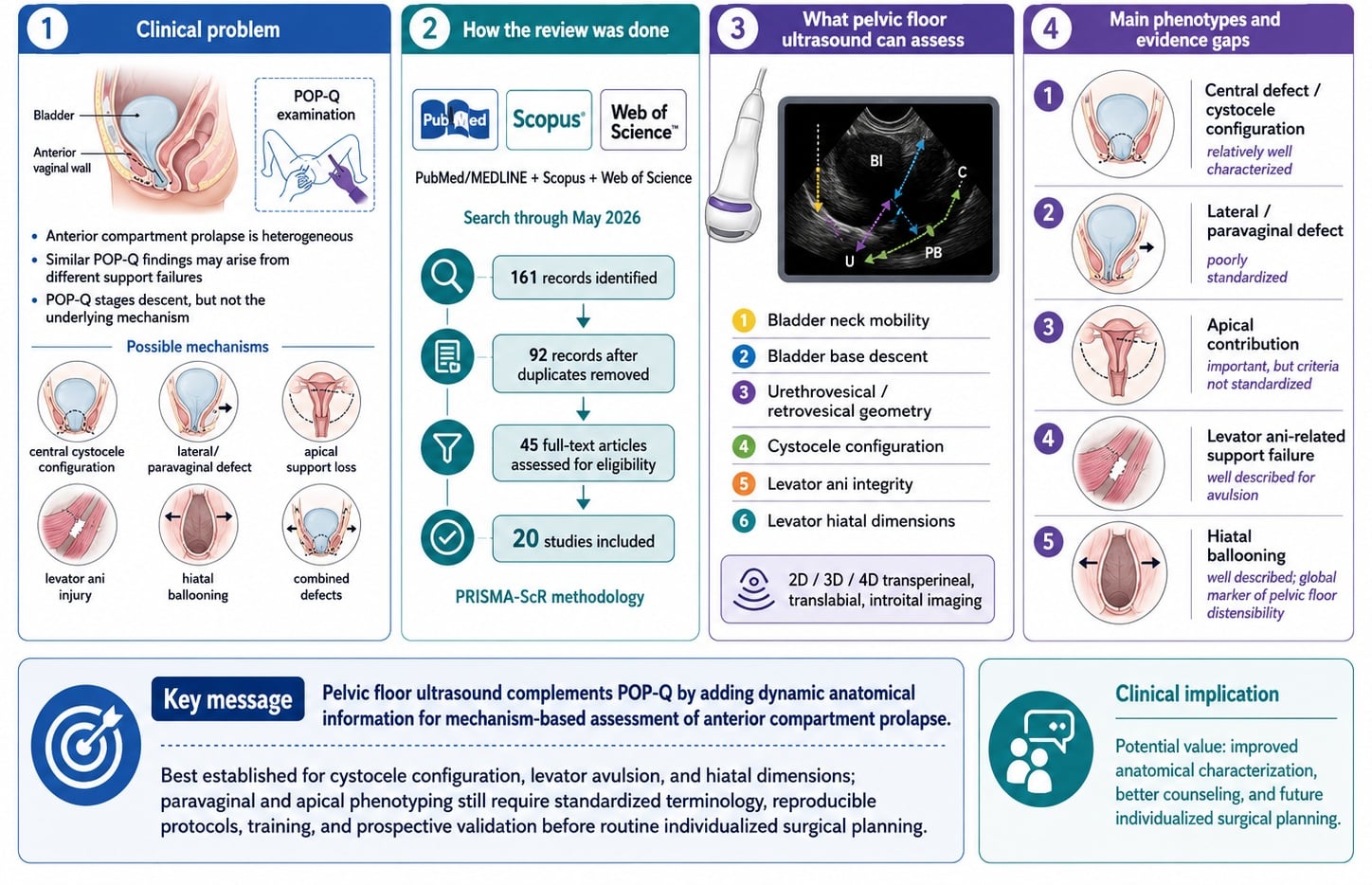
Background/Objective: Anterior compartment prolapse is commonly described as cystocele or anterior vaginal wall descent, although these terms do not identify the underlying mechanism of support failure. Similar POP-Q findings may result from different anatomical defects, including central cystocele, paravaginal support loss, apical descent, levator ani injury, hiatal ballooning, or combined abnormalities. Pelvic floor ultrasound may improve anatomical characterization, but its role in defect-specific phenotyping remains unclear. Our objective was to map the current evidence on the use of pelvic floor ultrasound for anatomical phenotyping of anterior compartment prolapse beyond POP-Q staging. Methods: A scoping review was conducted according to PRISMA-ScR guidelines. PubMed/MEDLINE, Scopus, and Web of Science were searched through May 2026. Studies evaluating anterior compartment prolapse using pelvic floor ultrasound were included. Non-ultrasound anatomical, clinical, and MRI studies were considered only as contextual literature and were not included in the evidence synthesis. Results: Twelve ultrasound-based studies were included. Most studies focused on lateral/paravaginal support abnormalities, while fewer investigated central cystocele configuration, apical-related anterior prolapse, levator-related abnormalities, and hiatal ballooning. Ultrasound techniques were heterogeneous and included transabdominal, introital, transvaginal, and translabial/transperineal approaches, frequently using three-dimensional and four-dimensional imaging. Conclusions: The available evidence suggests that anterior compartment prolapse represents a heterogeneous anatomical condition rather than a single entity defined by POP-Q descent alone. Pelvic floor ultrasound may complement clinical examination by providing dynamic information on different components of anterior compartment support, including cystocele configuration, levator ani integrity, and hiatal dimensions. However, the clinical interpretation of several phenotypes remains limited by heterogeneous terminology, variable imaging protocols, and the lack of standardized diagnostic criteria, particularly for paravaginal defects and the apical contribution to anterior wall descent. Future research should focus on harmonized ultrasound definitions, reproducible acquisition protocols, and prospective validation against anatomical and clinical outcomes to determine the role of ultrasound-based phenotyping in individualized management.
Full article
(This article belongs to the Special Issue Current Trends in Urogynecology: 3rd Edition)
►▼
Show Figures

Graphical abstract
Journal Menu
► ▼ Journal Menu-
- JCM Home
- Aims & Scope
- Editorial Board
- Reviewer Board
- Topical Advisory Panel
- Instructions for Authors
- Special Issues
- Topics
- Sections & Collections
- Article Processing Charge
- Indexing & Archiving
- Editor’s Choice Articles
- Most Cited & Viewed
- Journal Statistics
- Journal History
- Journal Awards
- Society Collaborations
- Conferences
- Editorial Office
Journal Browser
► ▼ Journal BrowserHighly Accessed Articles
Latest Books
E-Mail Alert
News
Topics
Topic in
Cancers, Diagnostics, Gastrointestinal Disorders, JCM, Current Oncology
Metastatic Colorectal Cancer: From Laboratory to Clinical Studies, 2nd Edition
Topic Editors: Ioannis Ntanasis-Stathopoulos, Diamantis I. TsilimigrasDeadline: 20 August 2026
Topic in
Cells, Immuno, IJMS, JCM, Allergies, Dermato
Skin Barrier Function and Immune Mediators as Key Therapeutic Targets of Main Inflammatory Diseases
Topic Editors: Marco Manfredini, Carlo PincelliDeadline: 31 August 2026
Topic in
Biomedicines, Clinics and Practice, Diagnostics, JCM, Rheumato
Rheumatic Disorder: From Basic Science to Clinical Practice—2nd Edition
Topic Editors: Andreina Manfredi, Caterina Vacchi, Giulia CassoneDeadline: 20 September 2026
Topic in
JCM, Pharmaceuticals, Pharmaceutics, Pharmacy, Healthcare
Optimization of Drug Utilization and Medication Adherence
Topic Editors: Enrica Menditto, Sara Mucherino, Ignacio Aznar-LouDeadline: 30 October 2026
Conferences
Special Issues
Special Issue in
JCM
The Journey of Hearing and Hearing-Related Disorders over Time—2nd Edition
Guest Editors: Winfried Schlee, Jorge Piano SimõesDeadline: 10 August 2026
Special Issue in
JCM
Advancements and Future Directions in Clinical Psychosis
Guest Editors: Marco Colizzi, Alessandra MartinelliDeadline: 10 August 2026
Special Issue in
JCM
Current Challenges and Perspectives in Aortic Valve Replacement
Guest Editors: Leonardo Guimaraes, Quentin Fischer, David Del ValDeadline: 10 August 2026
Special Issue in
JCM
Clinical Advances in Pediatric Critical Care Medicine
Guest Editor: Lama ElbahlawanDeadline: 10 August 2026
Topical Collections
Topical Collection in
JCM
Pediatric and Adolescent Gynecology
Collection Editor: Panagiotis Christopoulos