





-
From Pond to Plate: Tailored Functional Proteins for Next-Gen Microalgal Food -
Converting Food Waste into Value-Added Products: A Review on Current Technologies, Challenges, and Future Perspectives -
Artificial Intelligence in Foodborne Pathogen Detection from Sensing to Food Safety Systems: A Systematic Review -
Sodium Fumarate Enhances the Antimicrobial Efficacy of a Commercial Acidic Disinfectant Against Listeria monocytogenes, Escherichia coli and Salmonella Typhimurium Inoculated on Fresh Produce -
Valorization of By-Products for Functional Ingredients in Meat and Meat Replacers: A Circular Bioeconomy Approach
Journal Description
Foods
Foods
is an international, peer-reviewed, open access journal on food science published semimonthly online by MDPI. The Italian Society of Food Sciences (SISA) and Spanish Nutrition Foundation (FEN) are affiliated with Foods and their members receive discounts on the article processing charges.
- Open Access— free for readers, with article processing charges (APC) paid by authors or their institutions.
- High Visibility: indexed within Scopus, SCIE (Web of Science), PubMed, PMC, FSTA, AGRIS, PubAg, and other databases.
- Journal Rank: JCR - Q1 (Food Science and Technology) / CiteScore - Q1 (Health Professions (miscellaneous))
- Rapid Publication: manuscripts are peer-reviewed and a first decision is provided to authors approximately 14.8 days after submission; acceptance to publication is undertaken in 2.9 days (median values for papers published in this journal in the first half of 2026).
- Recognition of Reviewers: Reviewers whose reports are timely and of high quality receive an APC discount voucher for a future publication in an MDPI journal. Become a reviewer.
- Companion journals for Foods include: Sustainable Foods and Food Engineering.
- Journal Cluster of Food, Nutrition, and Health Science: Beverages, Dietetics, Foods, Nutraceuticals, Nutrients and Obesities.
Impact Factor:
6.0 (2025);
5-Year Impact Factor:
6.5 (2025)
Latest Articles
Conversion of DNA Copy Number Ratios to Mass Fractions for Quantifying Chicken Adulteration in Duck Meat by Digital PCR
Foods 2026, 15(19), 3523; https://doi.org/10.3390/foods15193523 (registering DOI) - 1 Oct 2026
Abstract
Meat adulteration, particularly the substitution of duck with chicken, threatens food authenticity, consumer trust, and regulatory compliance. However, converting DNA copy number measurements into meat mass fractions remains challenging. This study developed a digital PCR (dPCR)-based quantitative for determining chicken in duck. Singleplex
[...] Read more.
Meat adulteration, particularly the substitution of duck with chicken, threatens food authenticity, consumer trust, and regulatory compliance. However, converting DNA copy number measurements into meat mass fractions remains challenging. This study developed a digital PCR (dPCR)-based quantitative for determining chicken in duck. Singleplex and duplex dPCR assays targeting single-copy nuclear genes specific to chicken, duck and the conserved myostatin gene were developed and optimized. Five sets of binary chicken-in-duck mixtures were prepared and analyzed across 0–100% (w/w) to account for biological variability among meat sources. Five conversion approaches were evaluated: two conversion factor approaches based on the chicken-to-duck (kcd) and chicken-to-myo (kmyo) copy number ratios, two corresponding approaches without conversion factors (Nokcdand Myo), and a linear regression model (Std). Quantitative performance of all five conversion approaches was concentration-dependent, and no single approach was optimal across the entire range. Conversion factor approaches generally improved agreement with gravimetrically assigned values at low to intermediate levels but overestimated higher chicken fractions. The Std approach performed well at ≥5% (w/w) but was less reliable at lower levels. Approaches selected based on their quantitative performance were further evaluated across different sample compositions and processing conditions and applied to commercial duck products. Overall, dPCR combined with an appropriate conversion approach may support quantitative determination of chicken in duck meat for food authenticity testing.
Full article
(This article belongs to the Section Meat)
Open AccessArticle
From Waste to Value: Producing a Non-Astringent Persimmon Paste from Discarded ‘Rojo Brillante’ Fruit
by
Virginia Larrea, Alexandre Tormos, Isabel Hernando and Gemma Moraga
Foods 2026, 15(19), 3522; https://doi.org/10.3390/foods15193522 (registering DOI) - 1 Oct 2026
Abstract
‘Rojo Brillante’ persimmon has positioned Spain as the second largest producer worldwide. Its rapid expansion has increased seasonal overproduction and postharvest losses, particularly of astringent fruit unsuitable for fresh markets; however, the high soluble tannin content of this cultivar limits processing opportunities. In
[...] Read more.
‘Rojo Brillante’ persimmon has positioned Spain as the second largest producer worldwide. Its rapid expansion has increased seasonal overproduction and postharvest losses, particularly of astringent fruit unsuitable for fresh markets; however, the high soluble tannin content of this cultivar limits processing opportunities. In this study, a persimmon paste was developed from astringent discarded fruit. The combined effects of thermal treatment (70 and 100 °C) and sugar concentration (30 and 50%, w/w) on soluble tannin content and physicochemical properties were evaluated, together with their evolution during refrigerated storage. A ranking test was conducted to assess the astringency and other sensory attributes among formulations. Processed pastes contained a maximum of 1.01 mg GAE/g, compared with 7.3 mg GAE/g in fresh fruit, showing a decrease in the values measured by the Folin–Ciocalteu assay during processing. Importantly, these values did not increase significantly during refrigerated storage. Formulations with 50% sugar exhibited the lowest soluble tannin contents, with no significant differences attributable to thermal treatment. In contrast, samples with 30% sugar developed firmer gel structures, showing higher mechanical resistance. Pastes processed at 100 °C presented improved color stability during storage, likely associated with inactivation of enzymatic browning. Positive purchase intention was 70%, while the 100 °C/50% formulation was the most frequently selected for purchase (60%). These findings demonstrate the potential of persimmon paste as a sustainable valorization pathway for astringent ‘Rojo Brillante’ discarded fruit.
Full article
(This article belongs to the Special Issue Functional Ingredients from Food Waste and By-Products: Processing Technologies, Functional Characteristics and Value-Added Applications: 2nd Edition)
Open AccessArticle
A Market Survey of Pesticide Residues in Fruit Juices in Slovenia in 2026
by
Helena Baša Česnik
Foods 2026, 15(19), 3521; https://doi.org/10.3390/foods15193521 (registering DOI) - 1 Oct 2026
Abstract
Although the European Food Safety Authority (EFSA) encourages the monitoring of pesticide residues in food, only 8.4% of processed fruit samples were monitored in the EU in 2023. In addition, the literature mainly focuses on pesticide residues in fruit rather than in juices.
[...] Read more.
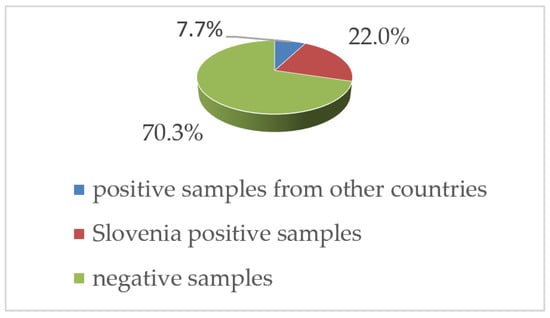
Although the European Food Safety Authority (EFSA) encourages the monitoring of pesticide residues in food, only 8.4% of processed fruit samples were monitored in the EU in 2023. In addition, the literature mainly focuses on pesticide residues in fruit rather than in juices. In the present study, 91 fruit juice samples were analyzed using GC-MS/MS for the presence of 32 active substances. The validated analytical method used was compliant with SANTE/11312/2021. Of the samples inspected, 29.7% were positive for at least one of the 32 targeted substances, while 6.6%, or 1.1, after calculation refinement by an alternative scenario, potentially exceeded the Maximum Residue Level (MRL). Potential MRL exceedances of fluopyram in table grape and mango, kresoxim-methyl in apple, tebuconazole in mango, and trifloxystrobin in apple did not pose a chronic or acute risk to consumers. Acute risk to consumers was theoretically calculated for apples containing tebuconazole. After calculation refinement by an alternative scenario, no acute risk was theoretically observed.
Full article
(This article belongs to the Section Food Quality and Safety)
►▼
Show Figures

Figure 1
Open AccessReview
From Laboratory Accuracy to Industrial Deployment: A Review of Hyperspectral Imaging for Cereal Grain Quality and Safety Assessment
by
Lingbo Zhou, Jichao Zhang, Guobin Zhang, Can Wang, Qiang Zhao, Mingbo Shao and Liyi Zhang
Foods 2026, 15(19), 3520; https://doi.org/10.3390/foods15193520 - 1 Oct 2026
Abstract
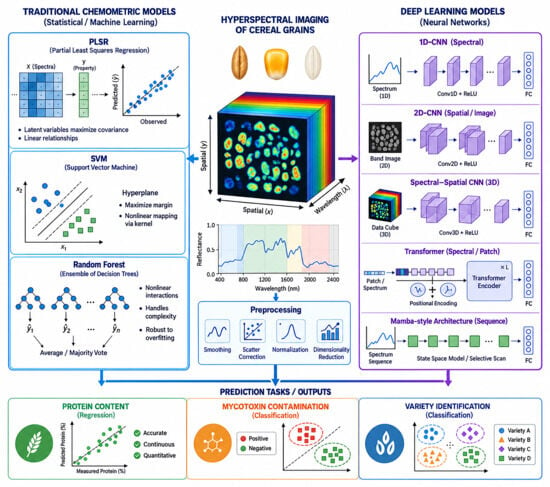
Hyperspectral imaging (HSI) is a powerful non-destructive tool for cereal grain quality and safety assessment, enabling simultaneous prediction of multiple quality parameters through integrated spectroscopy and spatial imaging. While conventional chemometric methods such as partial least squares regression remain widely used, deep learning,
[...] Read more.
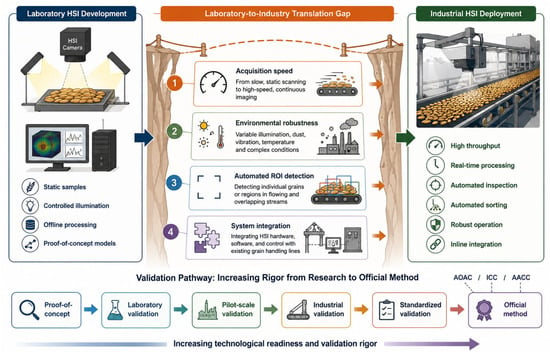
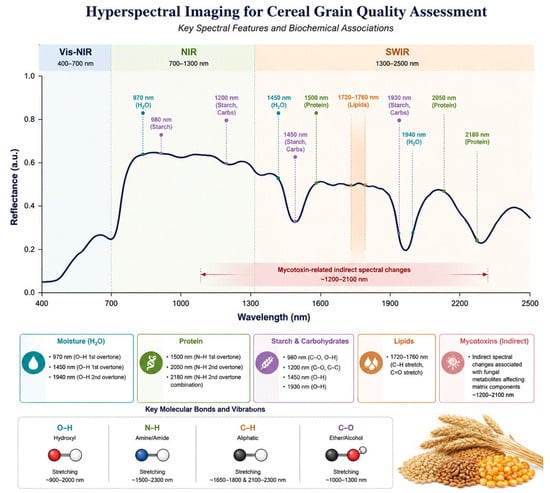
Hyperspectral imaging (HSI) is a powerful non-destructive tool for cereal grain quality and safety assessment, enabling simultaneous prediction of multiple quality parameters through integrated spectroscopy and spatial imaging. While conventional chemometric methods such as partial least squares regression remain widely used, deep learning, particularly convolutional neural networks and ensemble methods, has demonstrated superior performance and is increasingly adopted. This review synthesizes HSI applications across six major cereal crops (maize, rice, wheat, barley, sorghum, and millet), covering nutritional composition, moisture, mycotoxins, physical traits, and variety classification. Spectral principles, modeling approaches, and cross-crop patterns are analyzed. Critical gaps are identified, including the near-absence of lipid and dietary fiber studies and scarce industrial deployment validation. Publication bias and methodological heterogeneity across primary studies, which likely inflate reported prediction accuracies, are discussed. This review provides a comprehensive reference and offers perspectives on advancing HSI toward standardized and industrially deployable solutions.
Full article
(This article belongs to the Special Issue Applications of Spectroscopy and Imaging Techniques in Food Quality and Safety)
►▼
Show Figures

Figure 1
Open AccessArticle
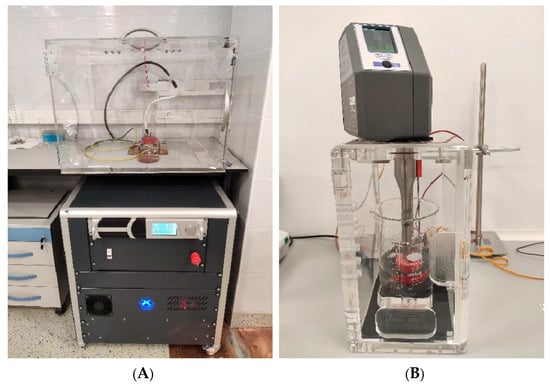
Processing of Strawberry Juice Using High-Power Ultra-Sound (HPU) and Pulsed Electric Field (PEF): Synergistic Effects on Quality, Color and Anthocyanins Revealed by Chemometrics
by
Anica Bebek Markovinović, Višnja Stulić, Predrag Putnik, Tibor Janči, Zoran Herceg, Amin Mousavi Khaneghah, Branimir Pavlić and Danijela Bursać Kovačević
Foods 2026, 15(19), 3519; https://doi.org/10.3390/foods15193519 - 1 Oct 2026
Abstract
Minimally processed, non-thermal technologies are increasingly used to preserve fruit juice quality and safety while extending shelf life. This study evaluated high-power ultrasound (HPU; 25% amplitude, 50% pulse, 2.5–7.5 min) combined with pulsed electric field (PEF; 30 kV cm−1, 100 Hz,
[...] Read more.
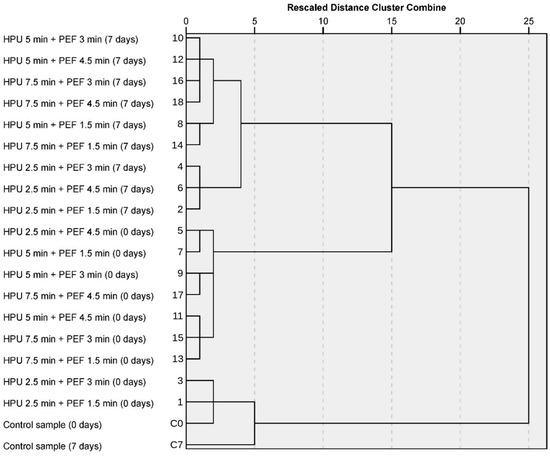
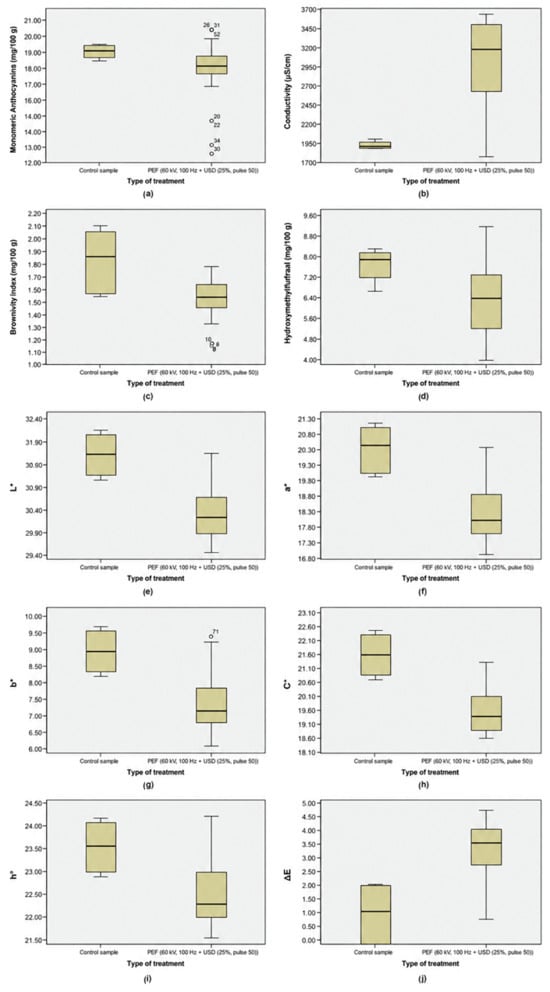
Minimally processed, non-thermal technologies are increasingly used to preserve fruit juice quality and safety while extending shelf life. This study evaluated high-power ultrasound (HPU; 25% amplitude, 50% pulse, 2.5–7.5 min) combined with pulsed electric field (PEF; 30 kV cm−1, 100 Hz, 1.5–4.5 min), applied in the HPU → PEF sequence, as a hurdle strategy for strawberry juice stored for 7 days at 4 °C. The aim was to assess effects on anthocyanin content, color, and physicochemical properties (conductivity, browning index, dissolved oxygen, HMF) and to identify optimal processing conditions using a chemometric approach. Storage significantly affected all parameters (p ≤ 0.01), increasing conductivity, browning index, and total color difference while reducing anthocyanin, oxygen, and HMF levels. Among HPU–PEF combinations, the mildest treatment (HPU 2.5 min + PEF) preserved the highest anthocyanin content (19.48 ± 0.05 mg 100 mL−1), lowest conductivity, browning index, and HMF, while more intensive treatments caused progressive degradation. Optimization identified HPU 2.5 min + PEF 1.5 min (no storage) as maximizing anthocyanin retention (20.07 mg 100 mL−1), while minimal HMF (4.29 mg L−1) required HPU 3.5 min + PEF 1.5 min. Short-duration HPU–PEF combinations thus provide an effective mild-intensity hurdle strategy for maintaining fresh-like strawberry juice quality.
Full article
(This article belongs to the Section Food Engineering and Technology)
►▼
Show Figures

Figure 1
Open AccessReview
Advances in the Preparation, Structure, and Biological Activity of Polysaccharides from Nitraria L.: A Review
by
Bing Liu, Wenbei Dong, Guanrong Jia, Sayihan Bao and Dehui Yan
Foods 2026, 15(19), 3518; https://doi.org/10.3390/foods15193518 - 1 Oct 2026
Abstract
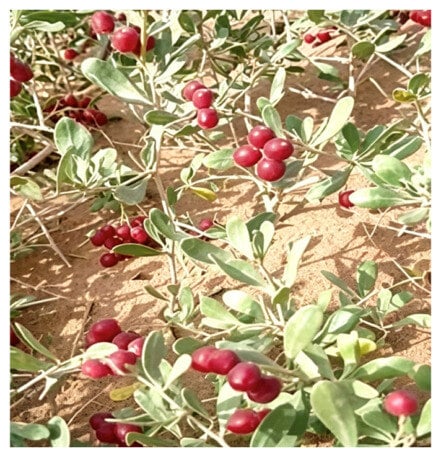
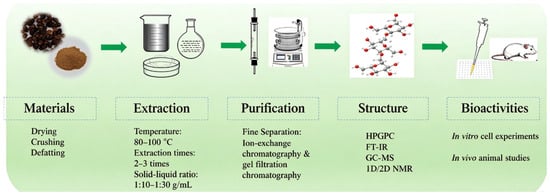
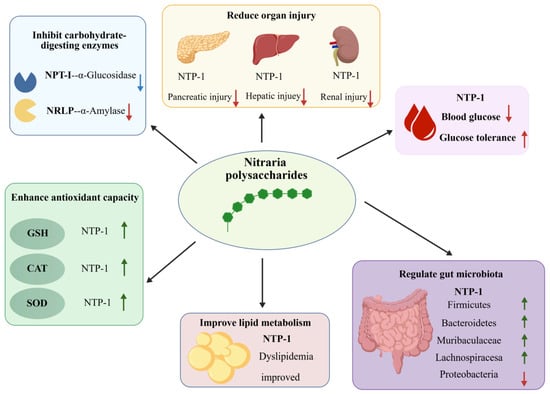
Nitraria L. species are drought- and salt-tolerant plants whose fruits, and in some studies leaves, have been investigated as sources of bioactive polysaccharides. However, the reported polysaccharide preparations and purified fractions are chemically heterogeneous and originate from different Nitraria species, geographic regions, plant
[...] Read more.
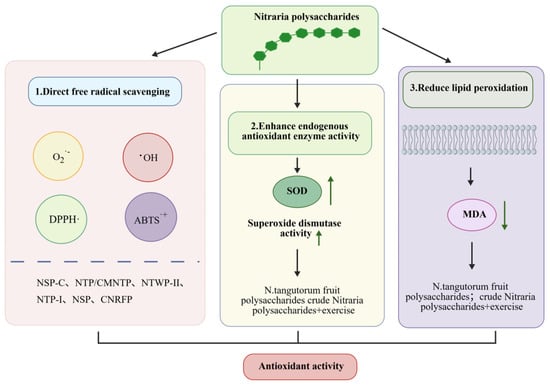
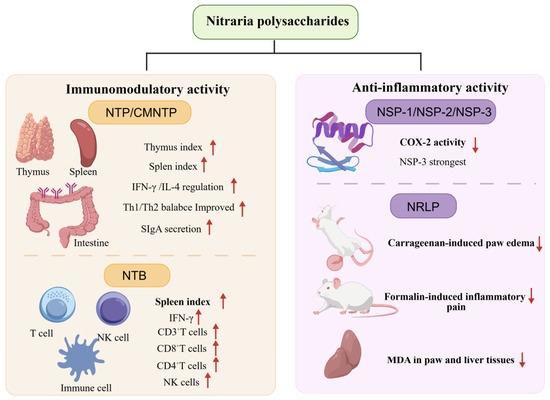
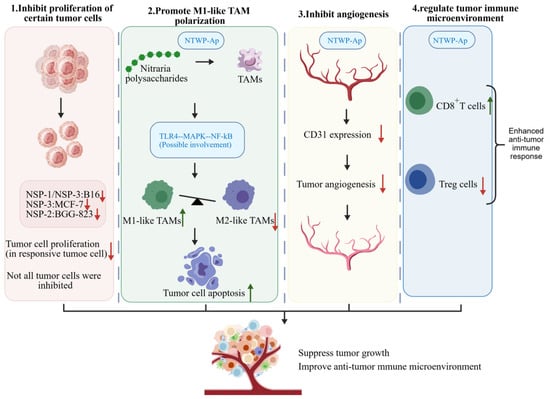
Nitraria L. species are drought- and salt-tolerant plants whose fruits, and in some studies leaves, have been investigated as sources of bioactive polysaccharides. However, the reported polysaccharide preparations and purified fractions are chemically heterogeneous and originate from different Nitraria species, geographic regions, plant organs, and extraction and fractionation procedures. This review critically summarizes current knowledge of the raw materials, extraction and purification methods, structural characteristics, and biological activities of Nitraria-derived polysaccharides. Particular attention is given to the relationship between extraction/fractionation procedures and the polysaccharide populations recovered, because extraction conditions may influence not only yield but also molecular weight, monosaccharide composition, branching, and other structural features. Reported fractions show substantial structural diversity in molecular-weight distribution, monosaccharide composition, and, where sufficiently characterized, glycosidic-linkage patterns and polysaccharide class, while differences in analytical procedures further limit direct cross-study comparisons. Biological studies have reported antioxidant, immunomodulatory, anti-inflammatory, antitumor, hypoglycaemic, anti-fatigue, anti-stress, hepatoprotective, hypolipidemic, analgesic, organ-protective, and gut-microbiota-modulating effects. Nevertheless, these findings were obtained using structurally distinct preparations and heterogeneous experimental systems, doses, administration routes, and endpoints; therefore, they should not be regarded as uniform properties of Nitraria polysaccharides as a whole. Current within-study comparisons suggest that fractionation and chemical modification may influence biological activity, but the available evidence remains insufficient to establish general structure–activity relationships. Future studies should prioritize standardized raw-material characterization, extraction and fractionation, detailed structural analysis, and biological evaluation of well-defined polysaccharide fractions to establish more reliable structure–activity relationships and support their rational development as functional-food ingredients and related bioactive products.
Full article
(This article belongs to the Special Issue Polysaccharides as Functional Ingredients: Technology, Bioactivity, and Health Benefits)
►▼
Show Figures

Figure 1
Open AccessArticle
Integrated Multi-Omics and Molecular Docking Analysis of Malate Degradation by Lactiplantibacillus plantarum S4 During Sea Buckthorn Juice Fermentation
by
Xiaogang Guo, Menghui Lin, Laifeng Zhuo, Yanru Feng, Thanh Ninh Le, Minjie Zhao and Haiying Cai
Foods 2026, 15(19), 3517; https://doi.org/10.3390/foods15193517 - 1 Oct 2026
Abstract
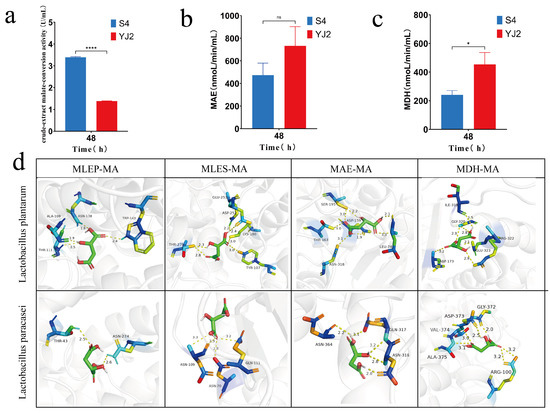
Sea buckthorn juice (SBJ) is nutritionally valuable, but its high malic acid content contributes to excessive sourness that limits consumer acceptance. In this study, the deacidification phenotypes of two lactic acid bacterial isolates, Lactiplantibacillus plantarum S4 and Lacticaseibacillus paracasei YJ2, were compared using
[...] Read more.
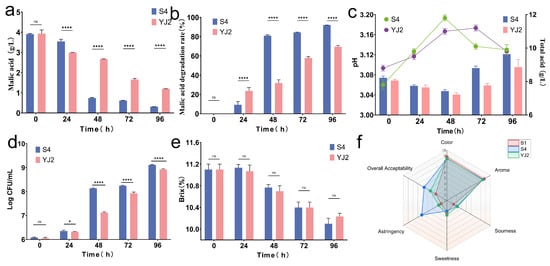
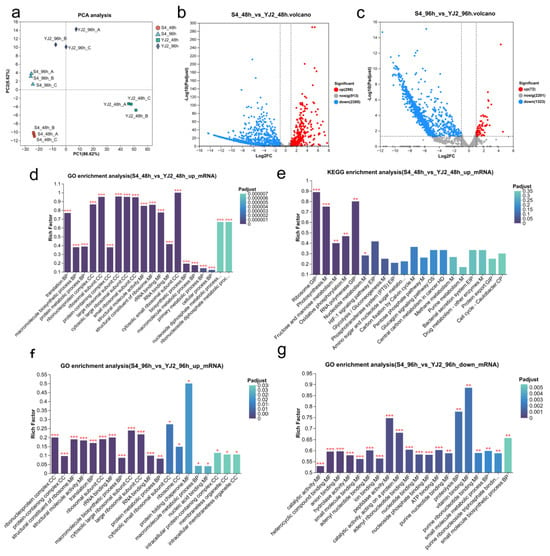
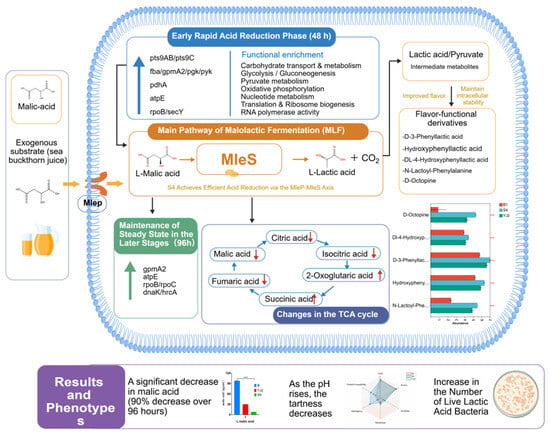
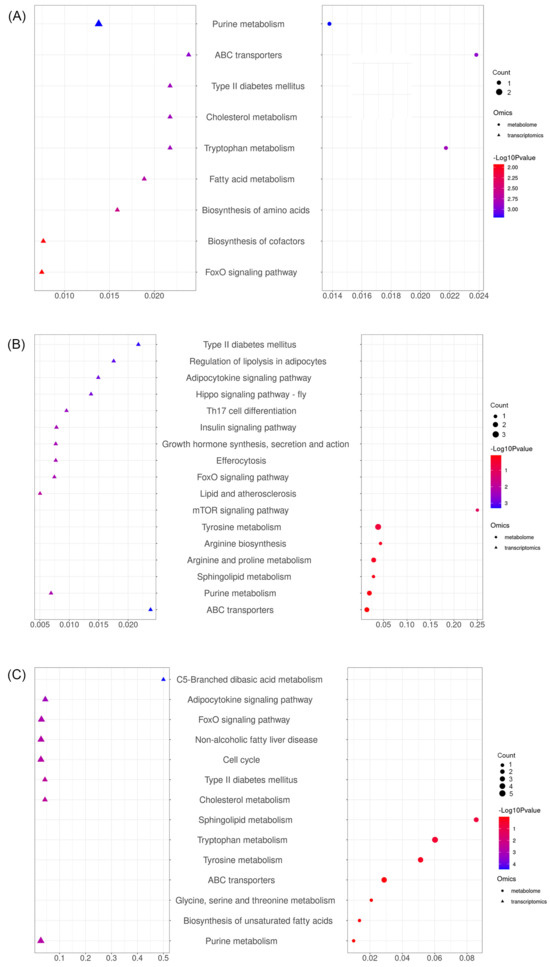
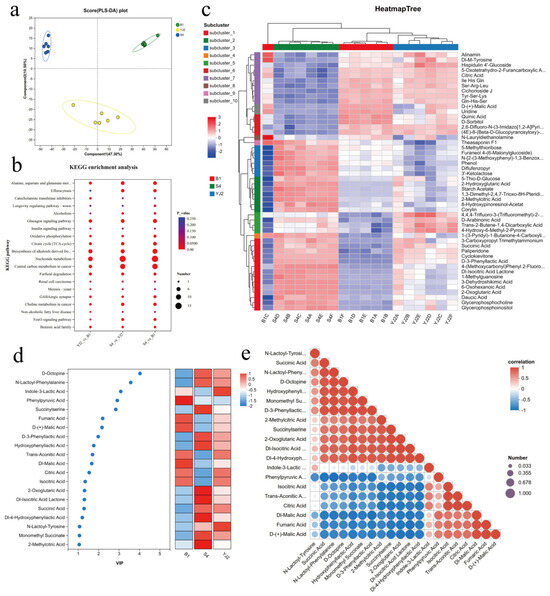
Sea buckthorn juice (SBJ) is nutritionally valuable, but its high malic acid content contributes to excessive sourness that limits consumer acceptance. In this study, the deacidification phenotypes of two lactic acid bacterial isolates, Lactiplantibacillus plantarum S4 and Lacticaseibacillus paracasei YJ2, were compared using fermentation phenotyping, sensory evaluation, enzyme assays, untargeted metabolomics, transcriptomics, and molecular docking. After 96 h of fermentation, S4 degraded 91.98% of malic acid, compared with 69.50% for YJ2, and exhibited higher viable-cell counts and overall sensory acceptability under the tested conditions. S4 also showed higher crude-extract malate-conversion activity under MLE-favoring conditions. Molecular docking predicted more favorable interactions of malate with S4-derived MleP and MleS than with the corresponding YJ2 proteins; however, these analyses did not directly measure MleP-mediated transport or MleS-specific catalytic flux. Metabolomic profiling showed lower abundance of malic acid and several other organic acids in S4-fermented SBJ, together with increased abundance of succinic acid, 2-oxoglutaric acid, phenyllactic acid-related metabolites, D-octopine, and N-lactoyl-phenylalanine. Transcriptomic analysis revealed differences between S4 and YJ2 in carbohydrate metabolism, glycolysis, pyruvate metabolism, energy generation, and late-stage cellular maintenance. Integration of these datasets supports a working model in which malate-associated conversion, central-carbon redistribution, organic-acid remodeling, and acid-stress adaptation may contribute to the greater malate-removal phenotype of S4. Because only one isolate of each species was examined, the observed differences should be interpreted as differences between S4 and YJ2 rather than as species-level effects.
Full article
(This article belongs to the Section Food Microbiology)
►▼
Show Figures

Figure 1
Open AccessArticle
Dietary N-Carbamylglutamate Modulates Muscle Growth, Nutrient Composition, and Metabolic Profiles in Danzhou Chickens
by
Dexin Zhao, Haoliang Chai, Xilong Yu, Fengjie Ji, Weiqi Peng and Hongzhi Wu
Foods 2026, 15(19), 3516; https://doi.org/10.3390/foods15193516 - 1 Oct 2026
Abstract
This study evaluated dose-dependent effects of dietary N-carbamylglutamate (NCG) on muscle growth, nutrient composition, and metabolic profiles in Danzhou chickens. A total of 480 one-day-old female Danzhou chicks were randomly assigned to diets supplemented with 0, 400, 800, or 1200 mg/kg NCG for
[...] Read more.
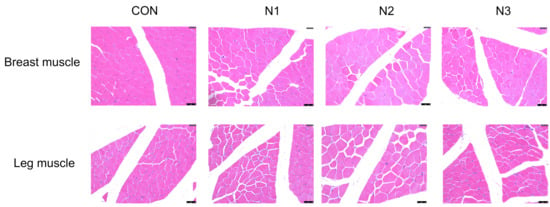
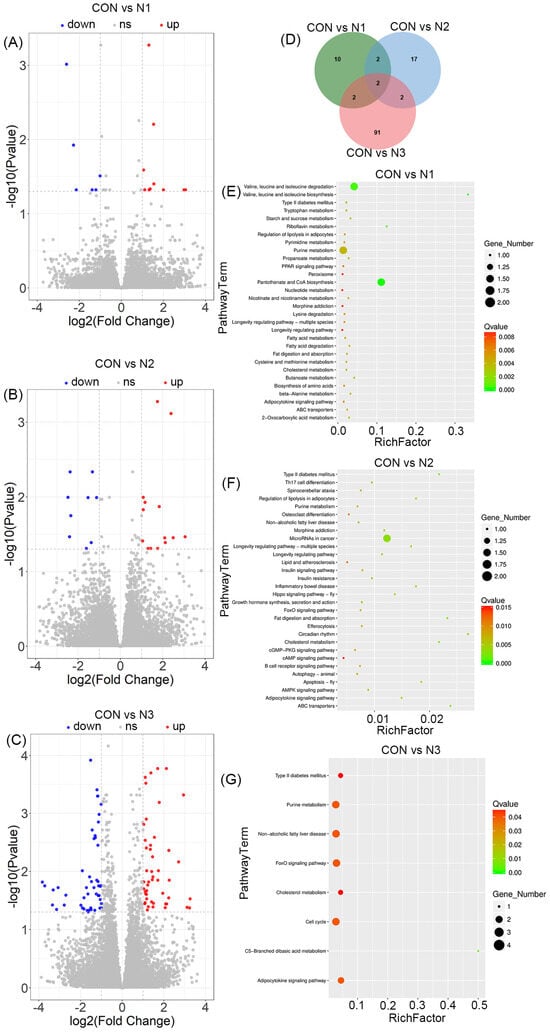
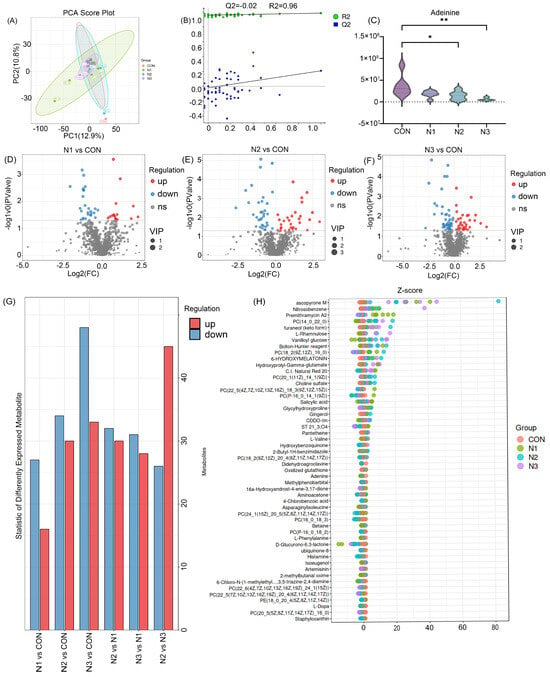
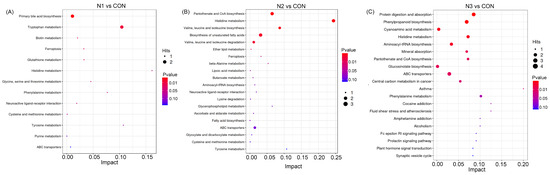
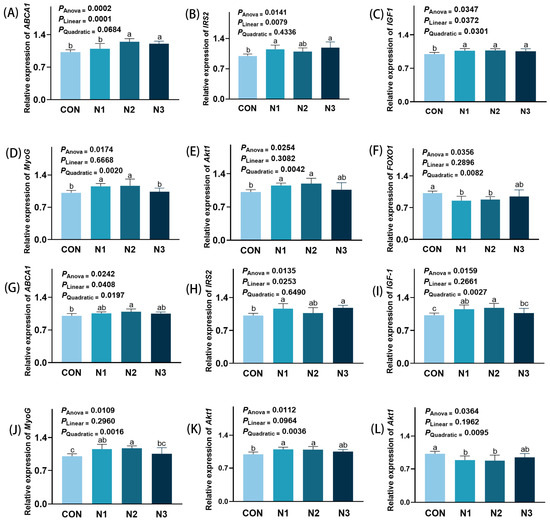
This study evaluated dose-dependent effects of dietary N-carbamylglutamate (NCG) on muscle growth, nutrient composition, and metabolic profiles in Danzhou chickens. A total of 480 one-day-old female Danzhou chicks were randomly assigned to diets supplemented with 0, 400, 800, or 1200 mg/kg NCG for 35 days and slaughtered at 35 days of age. NCG at 400–800 mg/kg improved growth performance, increased crude protein and free amino acids (arginine, methionine), and altered fatty acid composition in a muscle-specific manner, with increased breast-muscle MUFA and decreased leg-muscle arachidonic acid and DHA; total PUFA did not differ. Histological analysis showed that NCG increased leg-muscle fiber cross-sectional area and Feret diameter, accompanied by a reduction in fiber density. Mechanistically, NCG altered the mRNA expression of IRS2, IGF1, MyoG, AKT1, and FOXO1 in a manner consistent with modulation of the IGF-1/IRS2/PI3K/Akt/FoxO1 axis. Metabolomics suggested an association with purine metabolism; however, this finding is exploratory and does not establish causality. Integrated multi-omics revealed crosstalk between purine and lipid metabolism. Among the doses tested, 800 mg/kg produced the largest response for several endpoints; however, no formal dose-optimization model was fitted, and the optimal dose remains to be determined. The 1200 mg/kg dose did not further improve most endpoints, indicating a nonlinear dose response. This study provides the first multi-omics evidence demonstrates that NCG modulates muscle growth, nutrient composition, and metabolic profiles in indigenous chickens through coordinated regulation of anabolic signaling, purine metabolism, and lipid remodeling. Direct meat-quality measurements were not performed; therefore, effects on eating quality, technological quality, oxidative stability, and consumer preference remain to be established.
Full article
(This article belongs to the Section Meat)
►▼
Show Figures

Figure 1
Open AccessArticle
Perceived Barriers to Micronutrient-Rich Diets Among Charitable-Service Users in Two European Settings: A Qualitative Pilot Study
by
Aikaterini Palascha, Aneta Janikowska, Amber Peeters, Betty Chang and Siân Astley
Foods 2026, 15(19), 3515; https://doi.org/10.3390/foods15193515 - 1 Oct 2026
Abstract
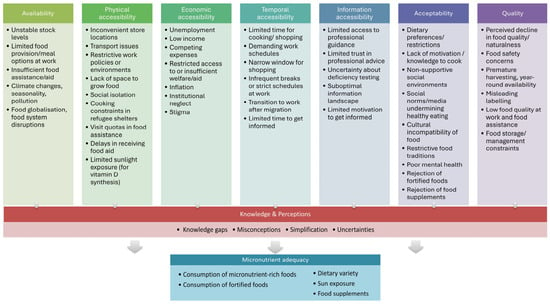
People experiencing socioeconomic disadvantage are disproportionately affected by micronutrient deficiencies, but evidence concerning the barriers to micronutrient-rich diets among disadvantaged populations in European settings is limited. This qualitative study (eight focus groups) explored the experiences of 68 beneficiaries of charitable organisations in Trieste,
[...] Read more.
People experiencing socioeconomic disadvantage are disproportionately affected by micronutrient deficiencies, but evidence concerning the barriers to micronutrient-rich diets among disadvantaged populations in European settings is limited. This qualitative study (eight focus groups) explored the experiences of 68 beneficiaries of charitable organisations in Trieste, Italy (n = 26), and Olsztyn, Poland (n = 42) (i.e., food-assistance recipients and refugees, including asylum seekers). Data were analysed using thematic analysis informed by an adapted Availability, Accessibility, Acceptability, and Quality (AAAQ) framework. Participants described intersecting economic, physical, temporal, informational, social, cultural, and organisational barriers to accessing and consuming micronutrient-rich foods. High food prices and competing household expenses constrained food choice and variety, while transport, work schedules, cooking and storage restrictions, culturally incompatible provision, social influences, and limited access to professional guidance created additional barriers. Availability and perceived quality differed between retail, food-assistance, and accommodation settings. Participants generally preferred obtaining micronutrients through food, expressed predominantly negative attitudes towards fortified foods, and reported divergent attitudes towards food supplements. The study did not assess dietary intake or micronutrient status but identified perceived barriers that might increase vulnerability to inadequate intake. The findings support context-sensitive, multilevel responses spanning food assistance, social protection, public health, organisational provision, and nutrition communication.
Full article
(This article belongs to the Special Issue Food and Nutrition: Insight into Micronutrient Intake)
►▼
Show Figures

Figure 1
Open AccessReview
Edible Mushroom Polysaccharides as Functional Food Ingredients for Metabolic Health: Preparation, Techno-Functional Behavior, and Requirements for Translation
by
Ming Chen, Ruifan Zou, Jie Chen, Yuping Zhang, Huan Diao and Yayuan Xu
Foods 2026, 15(19), 3514; https://doi.org/10.3390/foods15193514 - 1 Oct 2026
Abstract
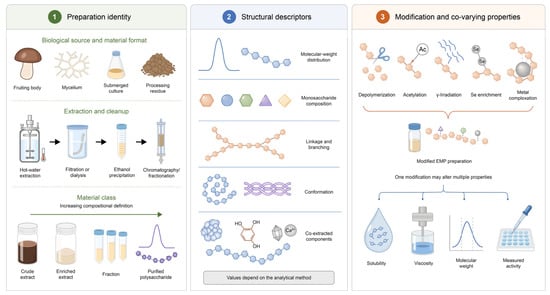
Edible mushroom polysaccharide (EMP) preparations have repeatedly improved glycemic control, adiposity, lipid homeostasis and hepatic lipid accumulation in animal models, and luminal assays and microbiota-perturbation experiments support the routes involved. Selected preparations also thicken, emulsify, retain water and modify food matrices. Yet these
[...] Read more.
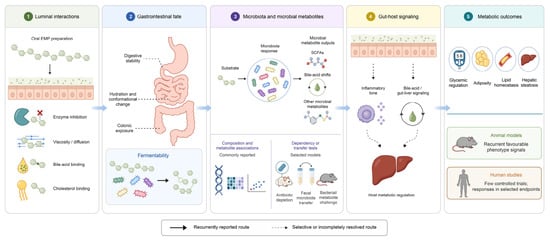
Edible mushroom polysaccharide (EMP) preparations have repeatedly improved glycemic control, adiposity, lipid homeostasis and hepatic lipid accumulation in animal models, and luminal assays and microbiota-perturbation experiments support the routes involved. Selected preparations also thicken, emulsify, retain water and modify food matrices. Yet these findings rarely concern the same material: metabolic, mechanistic and techno-functional studies usually examine different preparations, and retained function is seldom assessed after formulation, processing and digestion. This narrative review uses preparation identity, defined by biological source, processing route and resulting material characteristics, to integrate preparation chemistry, gastrointestinal mechanisms, animal and human outcomes, food-system behavior and food-use considerations. Molecular size, solubility, hydration, binding and fermentability provide a shared physicochemical basis for food-matrix performance and gastrointestinal interactions. Animal doses, human intakes and food-matrix loadings overlap at gram scale, which leaves functional delivery as the unresolved step. Controlled human trials are still few, small and dissimilar in design, so translation remains to be tested. The central question is therefore whether a reproducible EMP preparation can retain its intended function in an acceptable food and produce matched human outcomes. Progress depends on following the same characterized preparation from production and food incorporation through processing, consumption and human evaluation.
Full article
(This article belongs to the Special Issue Polysaccharides in Foods: From Structural Characterization to Biological Activities)
►▼
Show Figures

Figure 1
Open AccessArticle
Quality and Flavor Evolution of Pugionium cornutum (L.) Gaertn. During Natural Pickling: Insights from Sensory and Physicochemical Characterizations
by
Haoyu Li, Shuoshuo Kang, Yanrui Wu, Yuxuan Zhang, Jing Du, Rui Tian and Hao Yu
Foods 2026, 15(19), 3513; https://doi.org/10.3390/foods15193513 - 1 Oct 2026
Abstract
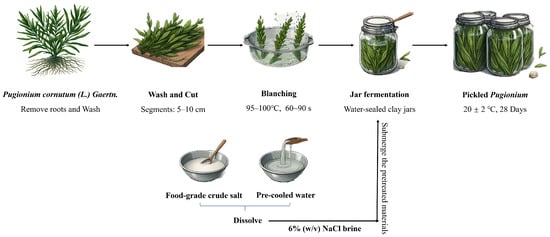
Pugionium cornutum (L.) Gaertn. is an underutilized Brassicaceae vegetable whose strong pungency limits its broader food-industrial application. Natural pickling can mitigate pungency and improve flavor, yet the dynamic evolution of flavor quality, physicochemical shifts, volatile profiles and sensory maturation throughout natural pickling remains
[...] Read more.
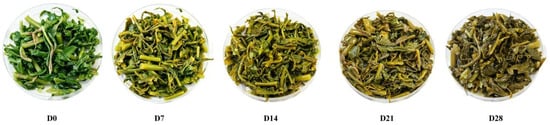
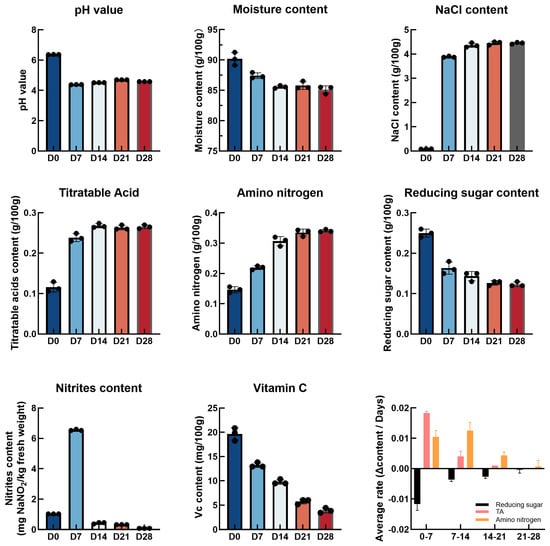
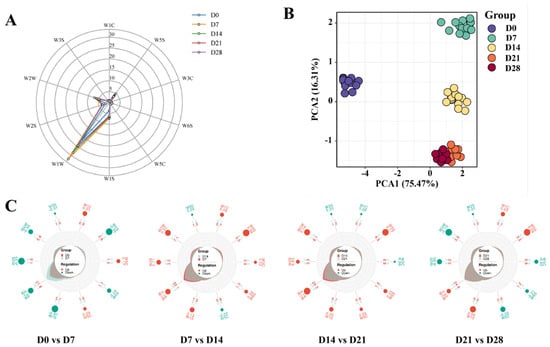
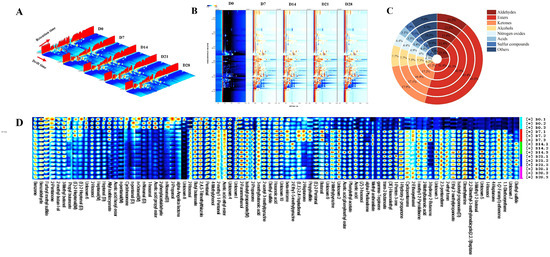
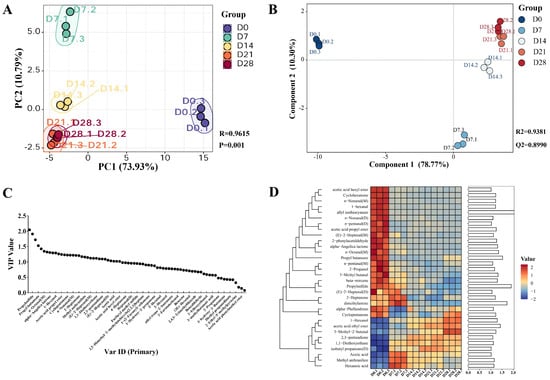
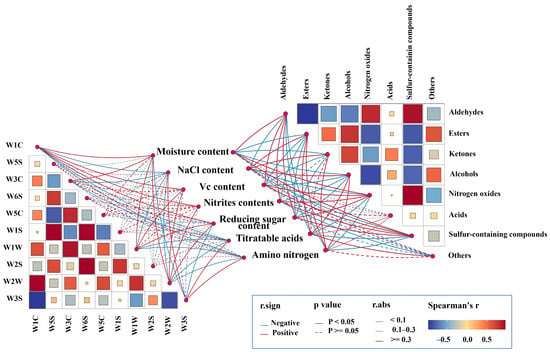
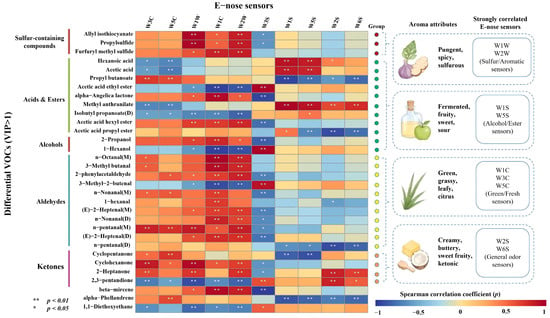
Pugionium cornutum (L.) Gaertn. is an underutilized Brassicaceae vegetable whose strong pungency limits its broader food-industrial application. Natural pickling can mitigate pungency and improve flavor, yet the dynamic evolution of flavor quality, physicochemical shifts, volatile profiles and sensory maturation throughout natural pickling remains poorly understood. Herein, sensory evaluation, physicochemical assays, electronic nose (E-nose), headspace gas chromatography–ion mobility spectrometry (HS-GC-IMS) and multivariate analyses were adopted to characterize its quality and flavor changes during 28-day natural pickling. The first 7 days represented the major physicochemical transformation interval, featuring rapid NaCl uptake, pH drop, increased titratable acidity (TA) and amino nitrogen (amino-N), reducing-sugar consumption, and a transient nitrite peak. Weighted sensory score increased from 42.75 (D0) to 81.84–83.98 (D21-D28). Aroma, taste, and texture were enhanced despite declining color scores, with no significant difference in overall acceptability between D21 and D28. E-nose principal component analysis (PCA) explained 91.78% total variance and revealed a D21–D28 overlap. HS-GC-IMS detected 84 signal peaks and tentatively identified 75 volatile organic compounds (VOCs). Aldehydes and sulfur-related volatiles generally decreased, whereas esters, ketones, and organic-acid-related compounds accumulated. In total, 33 differential VOCs with variable importance in projection (VIP) > 1 were discriminated during the pickling stage. Correlation analysis revealed associations among physicochemical variables, E-nose responses, and VOC patterns. Results indicate that natural pickling progressively optimizes sensory attributes, reaching a relatively stable aroma state at day 21. This study supplies references for pickling endpoints judgment and supports the processing development of this under exploited vegetable resource.
Full article
(This article belongs to the Section Food Quality and Safety)
►▼
Show Figures

Figure 1
Open AccessArticle
Low-Temperature Transcriptional Responses in Selected pESI-Positive Salmonella Infantis Isolates with Contrasting Antimicrobial Resistance Phenotypes: An Exploratory Study
by
Arife Ezgi Telli, Yusuf Biçer, Gamze Turkal, Ahmet Gökhan Coşkun and Nihat Telli
Foods 2026, 15(19), 3512; https://doi.org/10.3390/foods15193512 - 1 Oct 2026
Abstract
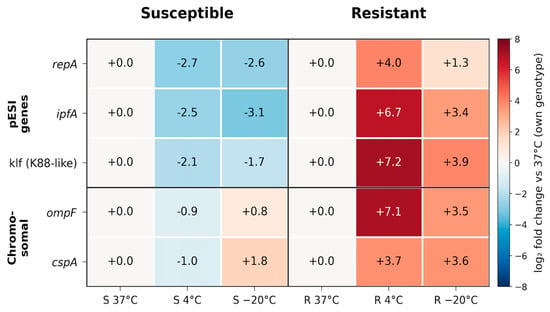
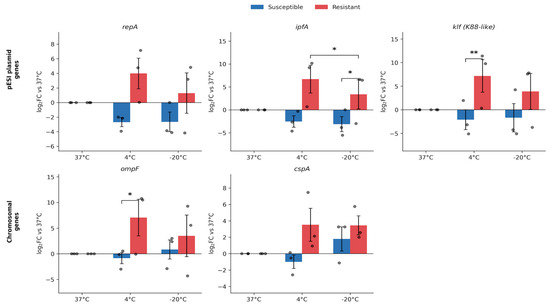
Refrigeration and freezing are commonly used preservation methods in the control of foodborne pathogens. However, the transcriptional responses of Salmonella Infantis to low-temperature conditions remain incompletely understood. In this study, the effect of low-temperature stress on the expression of pESI-related repA, ipf
[...] Read more.
Refrigeration and freezing are commonly used preservation methods in the control of foodborne pathogens. However, the transcriptional responses of Salmonella Infantis to low-temperature conditions remain incompletely understood. In this study, the effect of low-temperature stress on the expression of pESI-related repA, ipf, and K88-like genes, as well as cspA, involved in cold shock response, and ompF, associated with environmental stress adaptation, was investigated in three pESI-positive, antibiotic-susceptible and three pESI-positive multi-antibiotic-resistant (MDR) S. Infantis isolates. Isolates were exposed to 4 °C and −20 °C conditions for 24 h, while isolates incubated at 37 °C were considered as the control group. Relative expression levels of genes were determined using the SYBR Green-based RT-qPCR method. Mean transcriptional patterns differed between the two selected isolate groups, most prominently at 4 °C. Relative to their respective 37 °C controls, all five target genes showed decreased mean expression in susceptible isolates but increased mean expression in MDR isolates at 4 °C. At −20 °C, group-mean expression was increased across all five targets in the MDR group, whereas the susceptible group showed decreased mean expression of the pESI-associated targets repA, ipfA, and klf, but modest increases in ompF and cspA. A significant temperature-by-phenotype interaction was detected for ipfA (p = 0.029). Between-group comparisons identified significant differences for the K88-like fimbrial locus (klf) and ompF at 4 °C. However, larger isolate groups and functional validation studies are needed to elucidate the biological significance of the identified expression changes.
Full article
(This article belongs to the Special Issue Foodborne Pathogens, Antimicrobial Resistance and Contaminants Risk Assessment and Management Along the Animal-Based Food Chain)
►▼
Show Figures

Figure 1
Open AccessArticle
Wheat-Surface Microbiota as a Key Driver of Daqu Quality: Evidence from Microbial Diversity and Volatile Flavor Analysis
by
Ying Huang, Huan Guo, Hao Liu, Fang Wei, Hong Deng, Hong Zhang, Li Jiang and Yu Mu
Foods 2026, 15(19), 3511; https://doi.org/10.3390/foods15193511 - 1 Oct 2026
Abstract
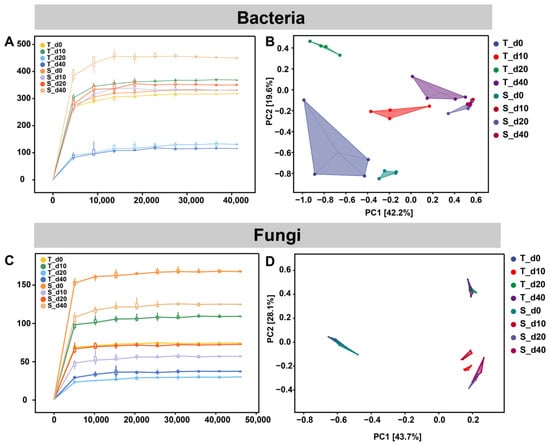
Traditional fermentation processes rely on complex microbial communities; however, the specific contributions of raw material-associated microorganisms to community assembly and flavor formation remain unclear. In this study, traditional Daqu (T) and surface-disinfected Daqu (S) were used as paired controls to decouple the contribution
[...] Read more.
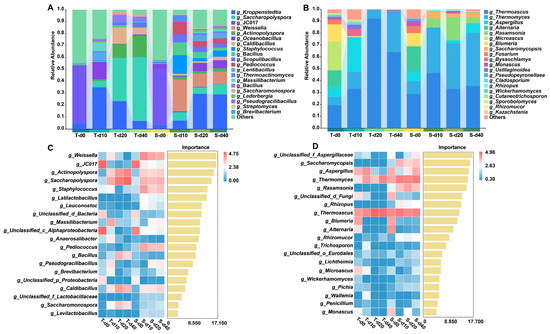
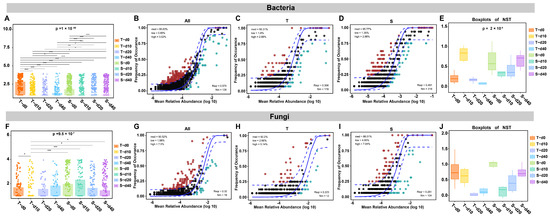
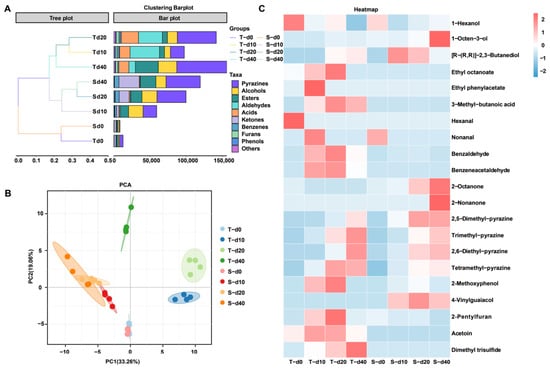
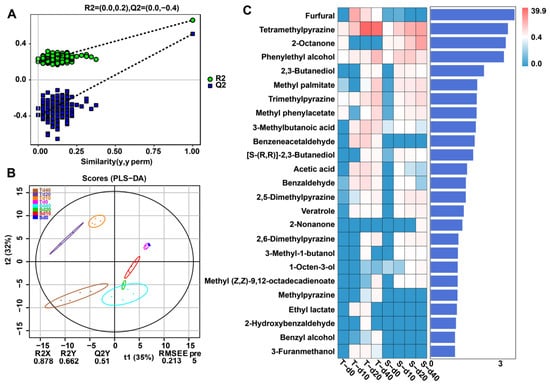
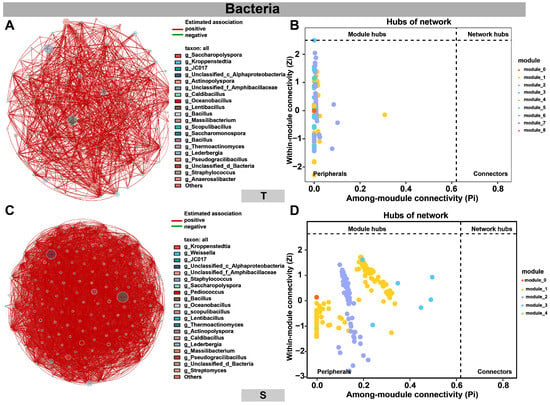
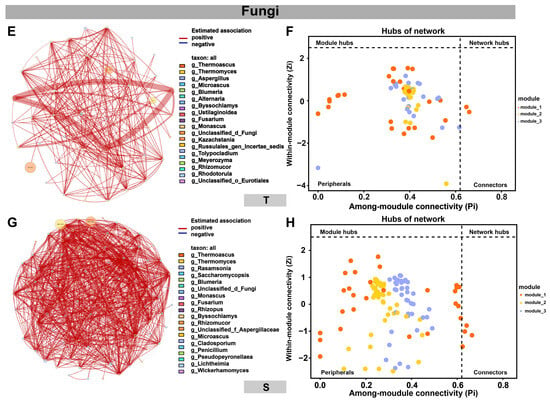
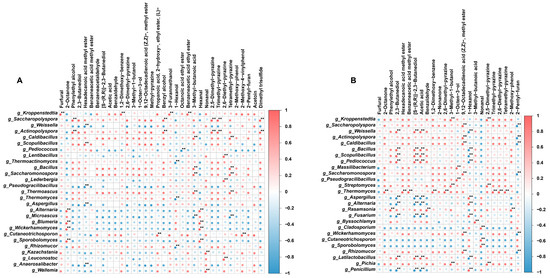
Traditional fermentation processes rely on complex microbial communities; however, the specific contributions of raw material-associated microorganisms to community assembly and flavor formation remain unclear. In this study, traditional Daqu (T) and surface-disinfected Daqu (S) were used as paired controls to decouple the contribution of raw material-associated microorganisms. By integrating community, flavor, and functional analyses, we revealed their ecological roles in driving deterministic assembly, reshaping fungal interactions, and associating with characteristic flavors. The results showed that T was dominated by Saccharopolyspora and Thermoascus, whereas S was dominated by mesophilic lactic acid bacteria such as Weissella. The selective pressure imposed by wheat-associated microorganisms drove deterministic community assembly and shifted fungal interactions from competition to positive mutualism. A total of 110 flavor compounds were identified, from which 21 potential contributing compounds and 25 differential markers were screened. The characteristic flavors of T were tetramethylpyrazine, dimethyl trisulfide, benzaldehyde, isovaleric acid, and 2-methoxy-4-vinylphenol, whereas those of S were mainly 1-octen-3-ol, 2-octanone, and phenylethyl alcohol. Functional prediction and correlation analysis showed that wheat-associated microorganisms were positively correlated with primary metabolic pathways such as those involving amylase and alcohol dehydrogenase, while Saccharopolyspora, Cutaneotrichosporon, and specific Bacillus species were positively correlated with secondary metabolism and characteristic flavor formation. This study deepens the understanding of the ecological roles of raw material-associated microorganisms and provides a scientific basis for process optimization and microbial community regulation in traditional fermented foods.
Full article
(This article belongs to the Section Food Analytical Methods)
►▼
Show Figures

Figure 1
Open AccessArticle
Elucidating the Multifunctional Roles of Olive Oil By-Products: Phenolic Profiles, Antioxidant Capacity, Probiotic Growth-Promoting and Antimicrobial Activity
by
Shaymaa B. Abdulrazzaq, Polina Makarycheva, Stefania Silvi, Marco Zannotti, Rita Giovannetti, Carlos J. García, Rocío García-Villalba, Francisco A. Tomás-Barberán and Dennis Fiorini
Foods 2026, 15(19), 3510; https://doi.org/10.3390/foods15193510 - 1 Oct 2026
Abstract
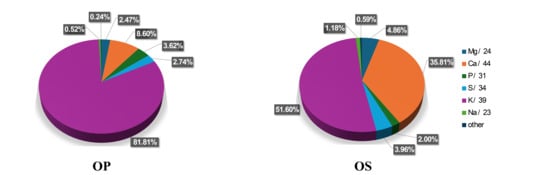
The olive oil industry generates substantial by-products, notably olive pomace and stones, which present environmental challenges yet harbour untapped bioactive potential. This study investigated the phenolic profiles, antioxidant capacity, and probiotic growth-promoting and antimicrobial activities of olive pomace (OP), olive pomace extract (OPE),
[...] Read more.
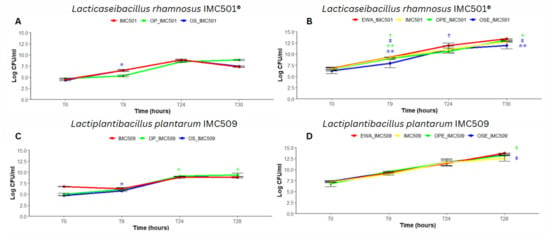
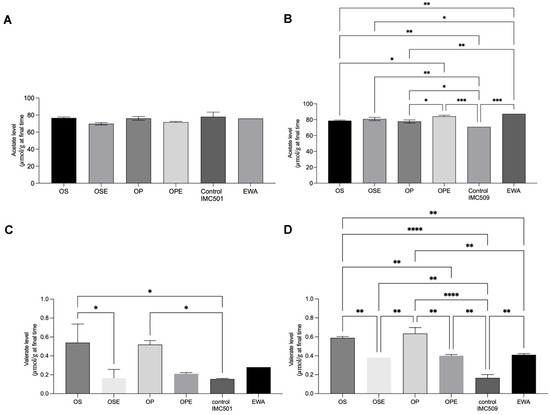
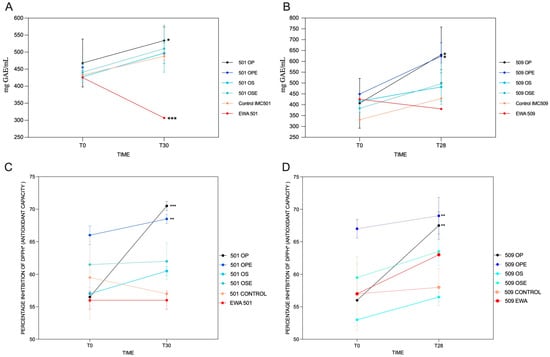
The olive oil industry generates substantial by-products, notably olive pomace and stones, which present environmental challenges yet harbour untapped bioactive potential. This study investigated the phenolic profiles, antioxidant capacity, and probiotic growth-promoting and antimicrobial activities of olive pomace (OP), olive pomace extract (OPE), olive stones (OS), and olive stone extract (OSE). Phenolic composition, determined by HPLC-DAD/MS, revealed a richer profile and higher phenolic levels in OPE than in OSE, consistent with antioxidant capacity, which was 56.8% higher in OPE (as Trolox equivalents). Probiotic growth promotion was assessed using Lactiplantibacillus plantarum IMC 509 and Lacticaseibacillus rhamnosus IMC 501®, monitoring growth curves, short-chain fatty acid (SCFA) production, total phenolic content (TPC), and antioxidant levels in supplemented culture fluids. Antimicrobial activity was examined against opportunistic pathogens such as Escherichia coli, Pseudomonas aeruginosa, Bacillus cereus, and Staphylococcus aureus. All substrates supported probiotic proliferation, and fermenting fluids from L. plantarum IMC 509 increased or sustained SCFA production after 28–30 h. OP and OPE significantly enhanced TPC and antioxidant capacity for both strains, whilst OPE and OSE inhibited the tested pathogens. These findings identify olive oil by-products as promising functional food and nutraceutical ingredients, providing preliminary in vitro evidence whilst offering a route to valorise a problematic waste stream.
Full article
(This article belongs to the Special Issue The Unrevealed Value of Agro-Food Products and Their Impact on Human Health (3rd Edition))
►▼
Show Figures

Figure 1
Open AccessReview
Integration of Micro/Nanobubbles into Biopolymer-Based Coatings: An Innovative Concept and Hypothetical Approach for Postharvest Preservation
by
Nishant Kumar, Pratibha, Mahesh Mohan Shinde, Aneta Stajikj and Anka Trajkovska Petkoska
Foods 2026, 15(19), 3509; https://doi.org/10.3390/foods15193509 - 1 Oct 2026
Abstract
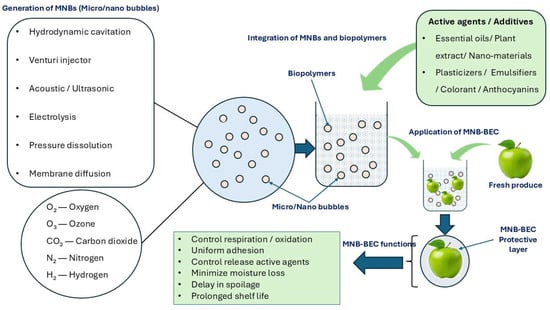
Postharvest losses are an enormous issue for food security and account for 30–40% of fruit and vegetable spoilage. Despite the potential of biopolymer-based coatings for fruits and vegetables as sustainable materials in comparison with traditional packaging, practical use is still limited due to
[...] Read more.
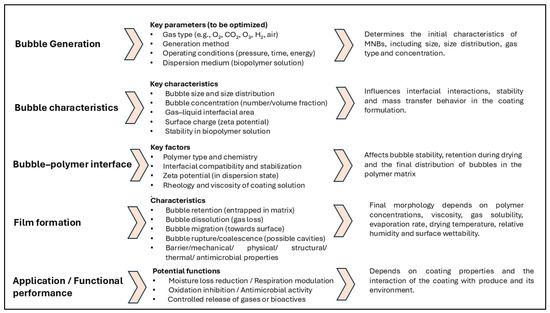
Postharvest losses are an enormous issue for food security and account for 30–40% of fruit and vegetable spoilage. Despite the potential of biopolymer-based coatings for fruits and vegetables as sustainable materials in comparison with traditional packaging, practical use is still limited due to poor barrier and mechanical properties and uncontrolled release of active components. Therefore, the proposed micro/nanobubble-integrated biopolymer edible coatings (MNB-BEC) framework builds on emerging studies of nanobubble-assisted biopolymer films and extends these findings toward a broader conceptual framework for postharvest edible coatings for minimizing food losses. The study focused on micro/nanobubble-integrated biopolymer edible coatings as an innovative strategy for advanced postharvest preservation. The proposed concept emphasizes the physicochemical properties, higher surface area, and gas–liquid mass transfer of micro/nanobubbles in biopolymer-based coatings to design multilayer coatings with higher functionality. This integration of biopolymers with micro/nanobubbles may help in enhancing barrier, mechanical, structural, and thermal properties of the film. In addition, manipulation of gases, including ozone (O3), CO2, O2, and ethylene levels, resulted in the formation of an antimicrobial environment to reduce microbial spoilage and maintain the physicochemical properties and consumer acceptability of produce by retarding oxidative stress, moisture loss, and respiration rate. Innovative concepts and hypotheses focus on MNB-BEC, bubble formation techniques, types of insert gases, biopolymers, their characterization techniques, and applications. The major challenges, including interfacial stability, release kinetics, scalability, and regulatory and industrialization issues associated with the technology, were also discussed. With developments in colloidal formation, gas–liquid interfaces, and edible coating technology, the present concept offers a comprehensive conceptual framework for MNB-BEC as a sustainable and multifunctional packaging system.
Full article
(This article belongs to the Special Issue Advances in Post-Harvest Technologies and Comprehensive Evaluation of Quality in Fresh and Processed Fruits and Vegetables)
►▼
Show Figures

Figure 1
Open AccessArticle
Depolymerized Fucoidan Alleviates High-Fat Diet-Induced Obesity in Association with Alterations in Gut Microbiota and Metabolic Profiles
by
Xiaona Sun, Lin Bai, Changyu Su, Chunqing Ai, Xiaomeng Ren, Fanhua Kong and Shuang Song
Foods 2026, 15(19), 3508; https://doi.org/10.3390/foods15193508 - 1 Oct 2026
Abstract
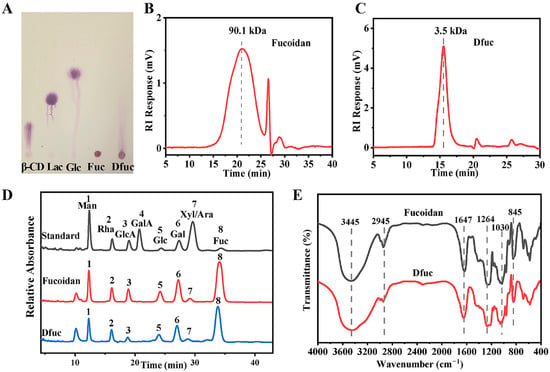
Obesity is a major global health concern associated with various metabolic disorders. Fucoidan, a seaweed-derived sulfated polysaccharide, has shown potential in alleviating obesity through modulation of gut microbiota. However, comparative effects of native and depolymerized fucoidan (Dfuc) on HFD-induced obesity and gut microbiota
[...] Read more.
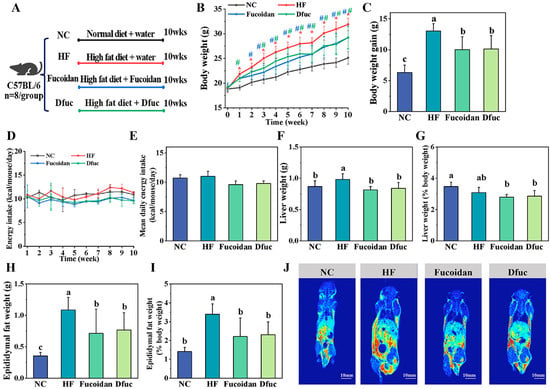
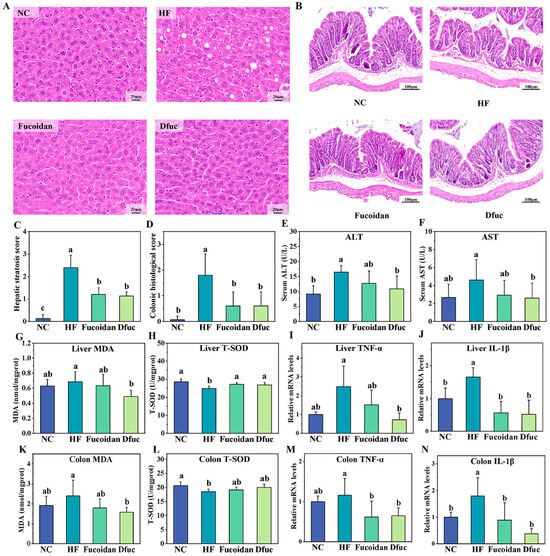
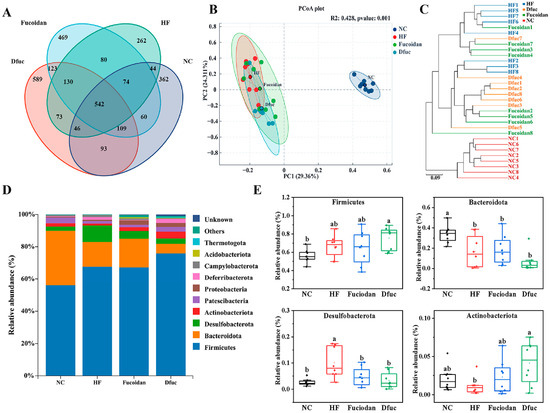
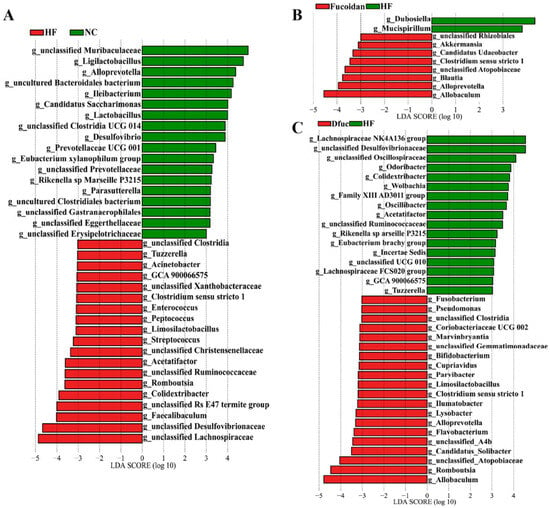
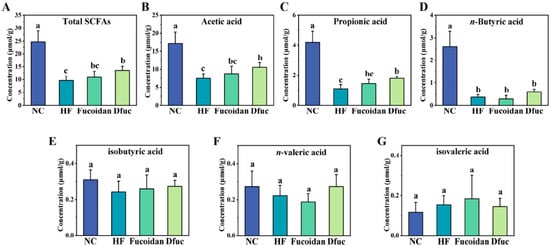
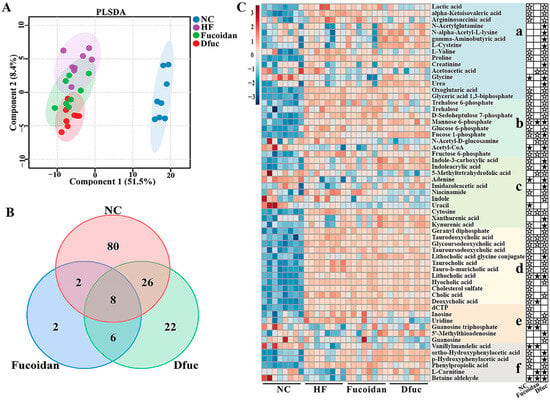
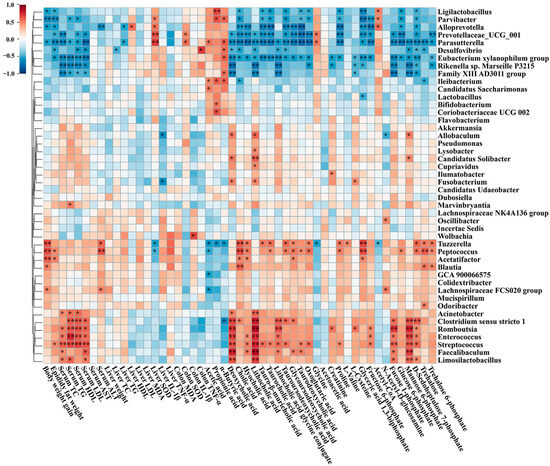
Obesity is a major global health concern associated with various metabolic disorders. Fucoidan, a seaweed-derived sulfated polysaccharide, has shown potential in alleviating obesity through modulation of gut microbiota. However, comparative effects of native and depolymerized fucoidan (Dfuc) on HFD-induced obesity and gut microbiota dysbiosis remain unclear. In this study, we compared the anti-obesity effects of fucoidan and Dfuc and evaluated their regulatory effects on gut microbiota and microbial metabolites in HFD-fed mice. Results showed that fucoidan and Dfuc reduced body weight gain, fat accumulation and hepatic lipid abnormalities. They also alleviated liver injury and oxidative stress and inflammation in hepatic and colonic tissues, with Dfuc significantly improving parameters such as serum AST, hepatic MDA, SOD activity, and TNF-α expression compared to the HF group. Furthermore, gut microbiota analysis showed that both fucoidan and Dfuc treatments enriched Alloprevotella and Allobaculum, while fucoidan increased Akkermansia and Blautia, and Dfuc promoted Bifidobacterium and Romboutsia. Moreover, metabolite analysis showed that Dfuc significantly increased fecal acetate and propionate concentrations, and induced more pronounced changes in fecal metabolites related to amino acid, carbohydrate, and bile acid metabolism. These findings suggest that Dfuc holds potential as a functional food ingredient for alleviating HFD-induced obesity and gut microbiota dysbiosis.
Full article
(This article belongs to the Section Food Nutrition)
►▼
Show Figures

Figure 1
Open AccessArticle
Interpretable Small-Sample Hyperspectral Phenotyping of Wheat Protein Fractions via Order-Optimized Derivative Preprocessing and TabPFN
by
Zihao Li, Zhaoyang Chen, Yuxing Wu, Meng Fang, Bolin Duan, Weilong Qin, Binhui Liu, Bo Li and Wenying Zhang
Foods 2026, 15(19), 3507; https://doi.org/10.3390/foods15193507 - 1 Oct 2026
Abstract
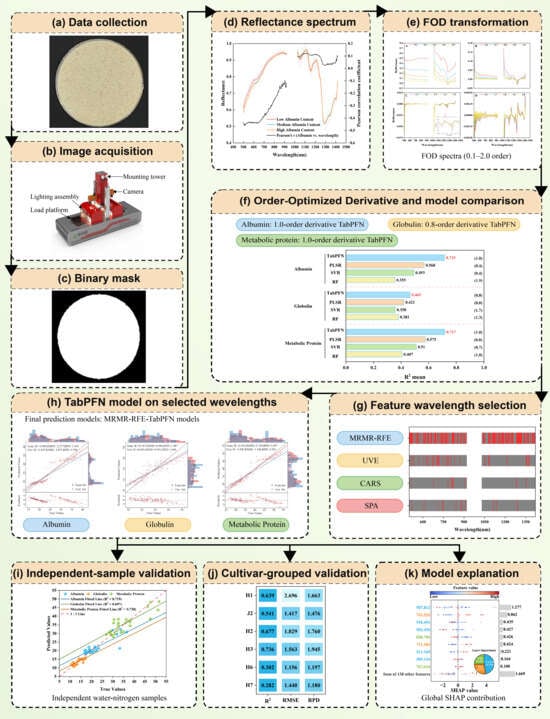
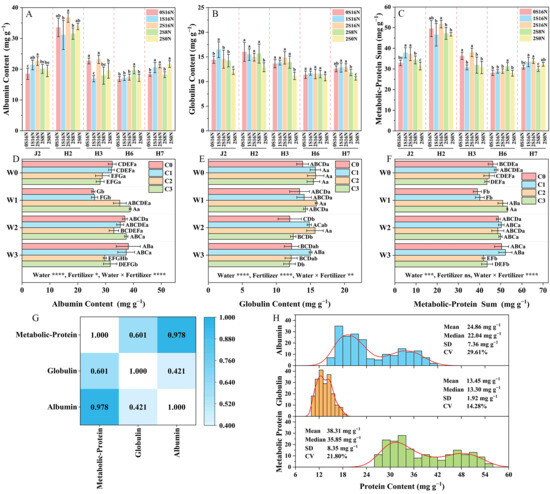
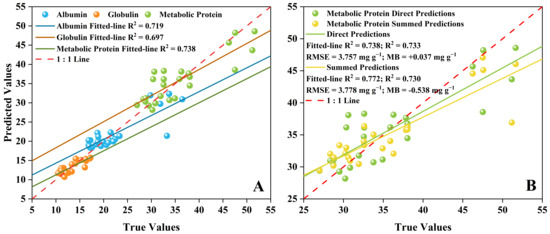
Rapid phenotyping of water- and salt-soluble wheat protein fractions can support grain quality evaluation and breeding. Whole-wheat flour from water-nitrogen and water-fertilizer trials was used to predict measured albumin and globulin contents and their derived sum, termed the metabolic-protein sum (albumin + globulin).
[...] Read more.
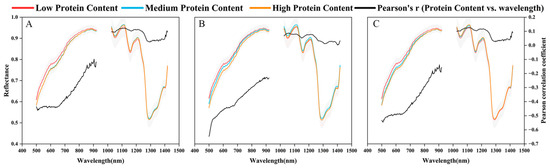
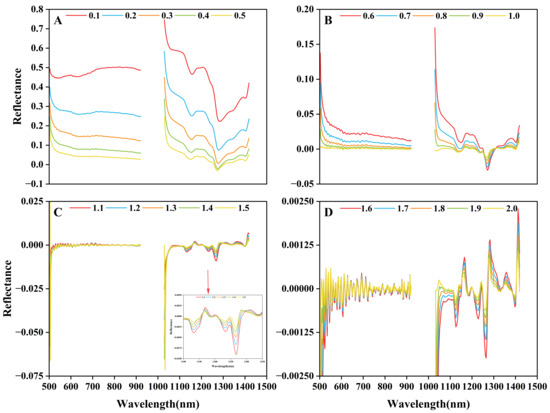
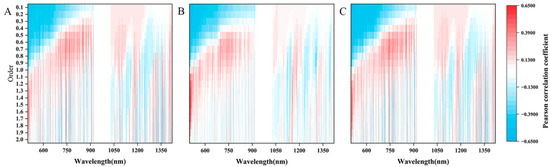
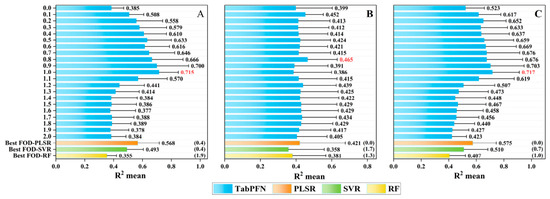
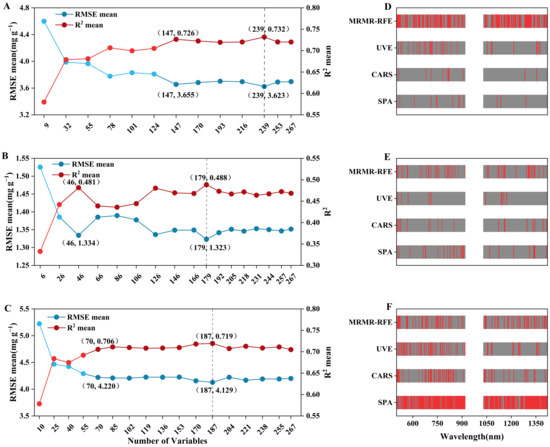
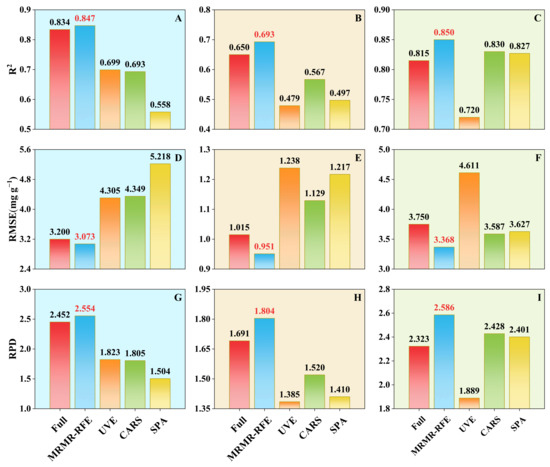
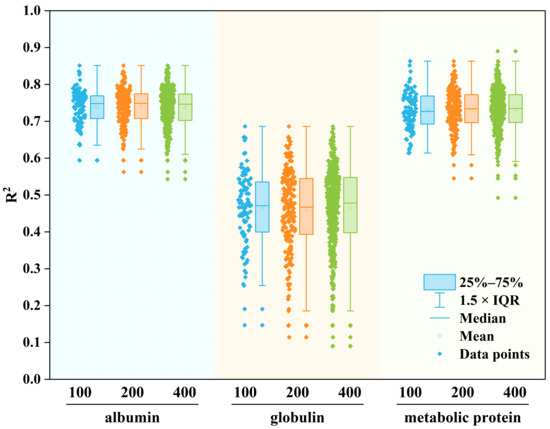
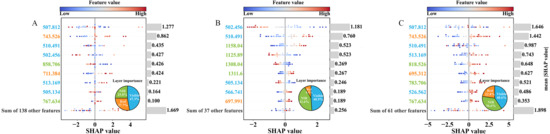
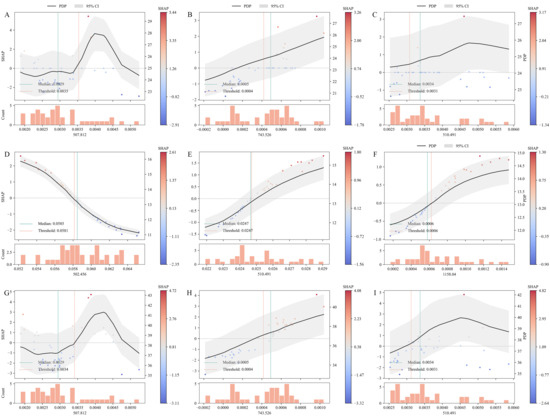
Rapid phenotyping of water- and salt-soluble wheat protein fractions can support grain quality evaluation and breeding. Whole-wheat flour from water-nitrogen and water-fertilizer trials was used to predict measured albumin and globulin contents and their derived sum, termed the metabolic-protein sum (albumin + globulin). After systematically comparing various preprocessing, wavelength selection, and regression approaches, a framework combining order-optimized derivative preprocessing (ODP), a hybrid feature-selection approach based on minimum redundancy maximum relevance (MRMR) and recursive feature elimination (RFE) and a tabular prior-data fitted network (TabPFN) regressor provided consistently strong test-set performance. The optimal derivative orders were 1.0 for albumin and the metabolic-protein sum and 0.8 for globulin. The ODP-MRMR-RFE-TabPFN framework retained 147, 46, and 70 wavelengths for albumin, globulin, and the metabolic-protein sum, yielding test set coefficient of determination (R2) values of 0.847, 0.693, and 0.850; root mean square error (RMSE) values of 3.073, 0.951, and 3.368 mg g−1; and residual prediction deviation (RPD) values of 2.554, 1.804, and 2.586, respectively. Leave-one-cultivar-out validation revealed substantial variation in predictive performance across held-out cultivars, with R2 and RPD ranging from 0.282 to 0.736 and from 1.180 to 1.945, respectively, for albumin, and from 0.416 to 0.750 and from 1.308 to 2.001, respectively, for globulin. Thus, although albumin achieved quantitative-level performance under the random train-test split, this performance was not consistently maintained for unseen cultivars, whereas globulin was generally more suitable for screening. SHapley additive explanations (SHAP) and partial dependence plots (PDPs) revealed that visible wavelengths contributed strongly to all models, with near-infrared (NIR) wavelengths supplying complementary information for globulin and the metabolic-protein sum. Overall, this framework offers rapid, interpretable flour-based estimation of metabolically active wheat protein fractions.
Full article
(This article belongs to the Section Grain)
►▼
Show Figures

Figure 1
Open AccessArticle
Comparative Study on the Formation, Structure, and Properties of Granular Cold-Water-Swelling Oat Starch by Subcritical Ethanol–Water Treatment at High and Low Temperatures
by
Yue Teng, Zijie Xie, Maojun Yao, Ji Yu and Yuntong Li
Foods 2026, 15(19), 3506; https://doi.org/10.3390/foods15193506 - 1 Oct 2026
Abstract
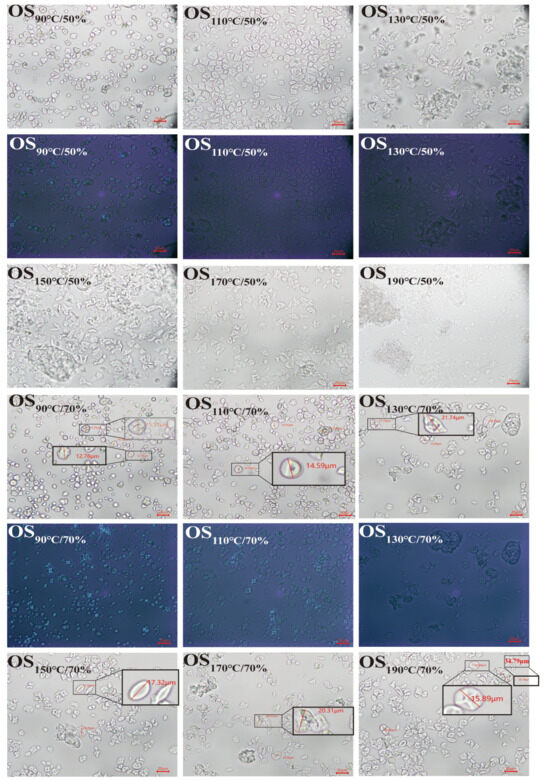
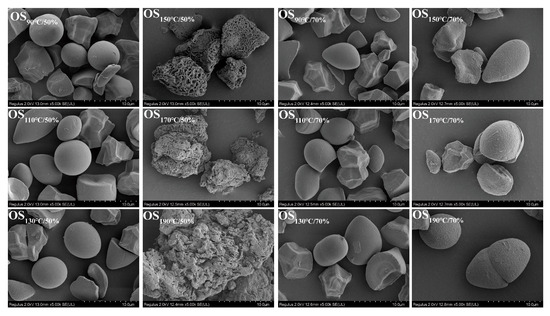
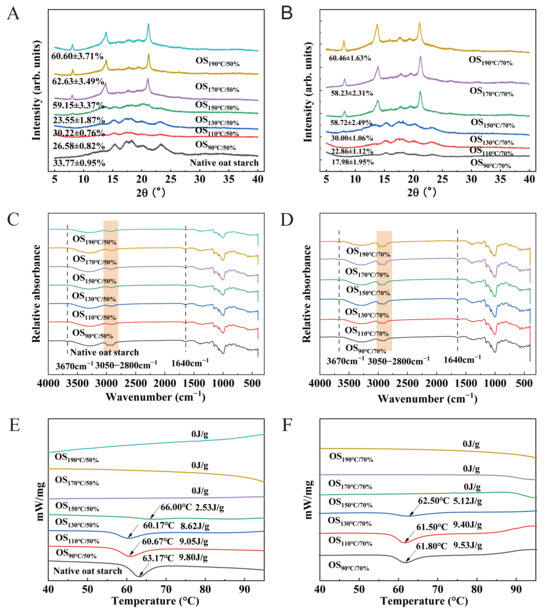
Granular cold-water-swelling oat starch was prepared under both low-temperature (90–130 °C) and high-temperature (150–190 °C) conditions using subcritical ethanol–water treatment, and the resulting structural and property changes were systematically investigated. The low-temperature treatment largely retained the native orthorhombic crystal structure and produced granules
[...] Read more.
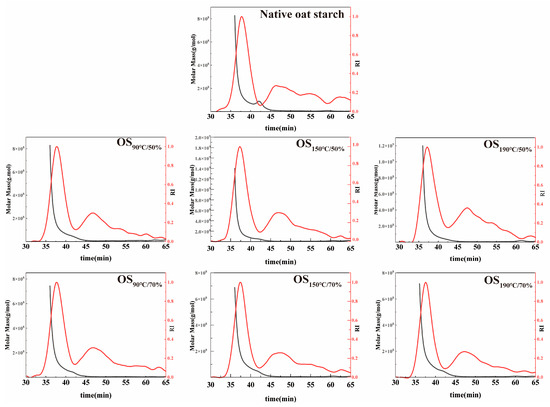
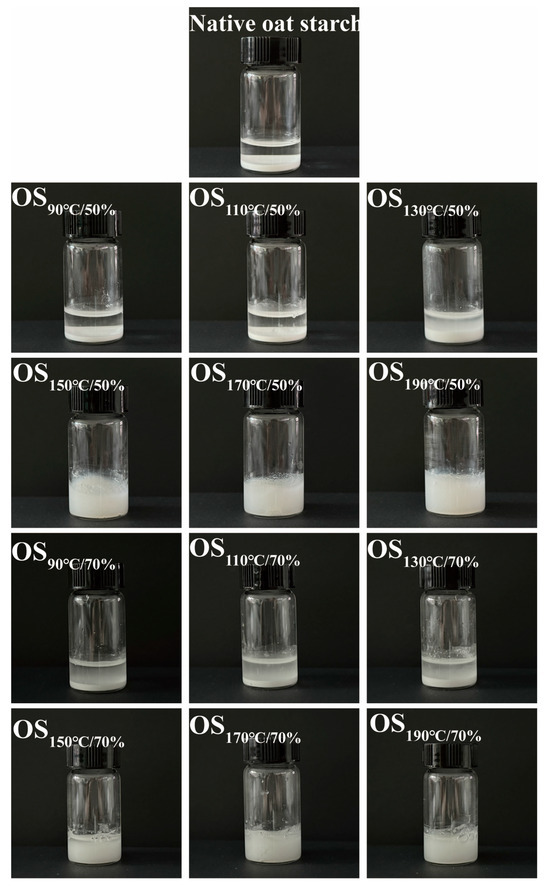
Granular cold-water-swelling oat starch was prepared under both low-temperature (90–130 °C) and high-temperature (150–190 °C) conditions using subcritical ethanol–water treatment, and the resulting structural and property changes were systematically investigated. The low-temperature treatment largely retained the native orthorhombic crystal structure and produced granules with finer morphology, whereas the high-temperature treatment induced crystallization of a new orthorhombic amylose phase and generated a swollen granular state with superior cold-water swelling capacity (11.60 g/g vs. 1.99 g/g for native starch). X-ray diffraction analysis showed that the proportion of nanocrystals with the native orthorhombic crystal structure decreased, while the proportion of the new orthorhombic phase increased with increasing temperature. The gelatinization endotherm of modified oat starch obtained by the high-temperature method disappeared. The molecular weight of modified oat starch exhibited a broad distribution, with weight-average molecular weight (Mw) values ranging from 86,633.57 to 140,842.31 kDa and a polydispersity index (PDI) between 5.80 and 9.70. These findings demonstrate that elevated temperatures primarily drive the crystallization of the new orthorhombic amylose phase, providing a foundation for designing functional starch-based materials with tailored properties.
Full article
(This article belongs to the Special Issue Hydrocolloids in Food Systems: Extraction and Intermolecular Interactions)
►▼
Show Figures

Figure 1
Open AccessReview
Bioactive Compounds in Fruit Wines: A Narrative Review
by
Uroš Čakar, Tijana Ilić, José Yamil Neira Hinojosa, Carlos L. Cespedes Acuña and Miona Belović
Foods 2026, 15(19), 3505; https://doi.org/10.3390/foods15193505 - 30 Sep 2026
Abstract
Fruit wines produced from non-grape fruits are gaining increasing attention as value-added fermented beverages due to their diverse chemical composition and content of bioactive compounds. This narrative review provides a comparative overview of fruit wines obtained from berries, drupes, pome fruits, citrus fruits,
[...] Read more.
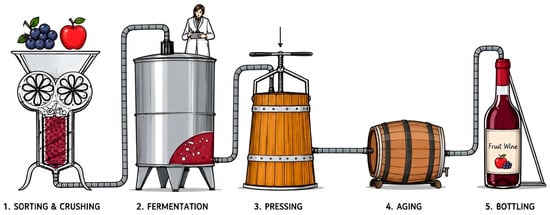
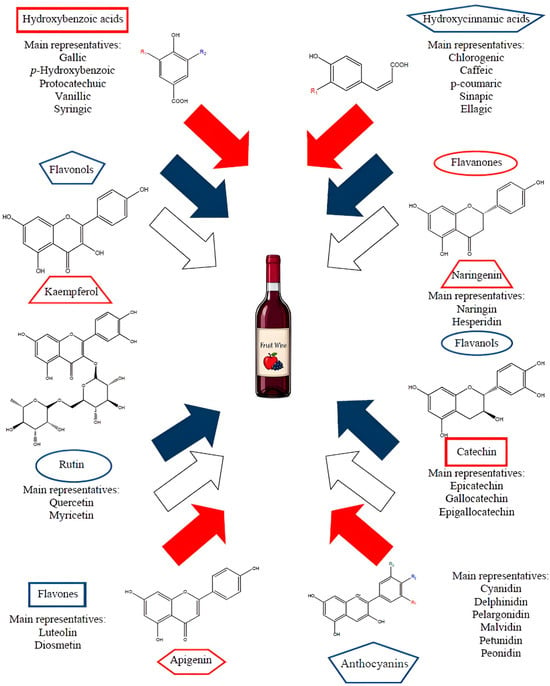
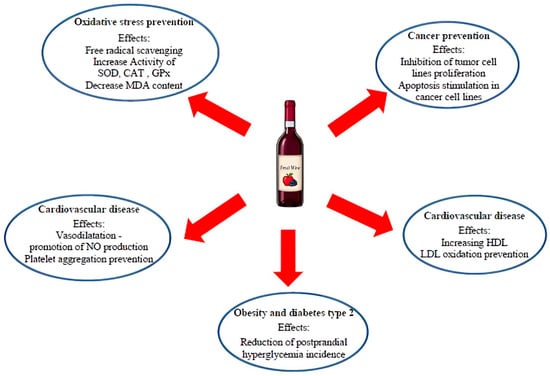
Fruit wines produced from non-grape fruits are gaining increasing attention as value-added fermented beverages due to their diverse chemical composition and content of bioactive compounds. This narrative review provides a comparative overview of fruit wines obtained from berries, drupes, pome fruits, citrus fruits, and tropical fruits, with particular emphasis on their physicochemical characteristics, phenolic composition, antioxidant properties, and technological aspects of production. Rather than considering fruit wines as a single category, the available evidence is examined across different fruit groups to identify characteristic patterns in the occurrence and relative abundance of bioactive compounds and their associated antioxidant activity. Berry wines are generally distinguished by their high phenolic and anthocyanin contents, whereas wines produced from other fruit categories exhibit distinct profiles of phenolic acids, flavonoids, and other bioactive constituents. Differences in raw materials and technological conditions, including fermentation and processing strategies, contribute substantially to the variability observed in the composition and functional properties of the resulting wines. The review also considers fruit-wine pomace as a potentially valuable source of residual bioactive compounds, highlighting opportunities for its valorization within sustainable and circular production systems. However, differences in analytical methods, reporting units, sample matrices, and experimental conditions currently limit direct quantitative comparisons among studies. Overall, this review integrates compositional, technological, and antioxidant-activity data across major fruit categories, identifies current knowledge gaps, and highlights opportunities for improving fruit-wine production, analytical characterization, and the sustainable utilization of fruit-processing by-products.
Full article
(This article belongs to the Special Issue New Advances in Analysis and Sustainable Technologies in the Winemaking Industry)
►▼
Show Figures

Figure 1
Open AccessArticle
Assessment of the Physicochemical, Textural, Sensory, and Antioxidant Properties of Sorbet Enriched with Alfalfa Protein Concentrate
by
Viorica Bulgaru, Angela Gurev, Iana Ciugureanu, Sorina Ropciuc and Aliona Ghendov-Mosanu
Foods 2026, 15(19), 3504; https://doi.org/10.3390/foods15193504 - 30 Sep 2026
Abstract
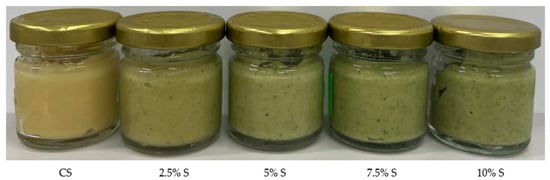
This study investigated alfalfa protein concentrate (APC) as a functional ingredient for developing protein-enriched apple sorbet. APC obtained by ultrasound-assisted aqueous extraction was characterized for its physicochemical, nutritional, phytochemical, antioxidant, textural, and functional properties and incorporated into sorbet at 2.5–10%. APC contained 86.45%
[...] Read more.
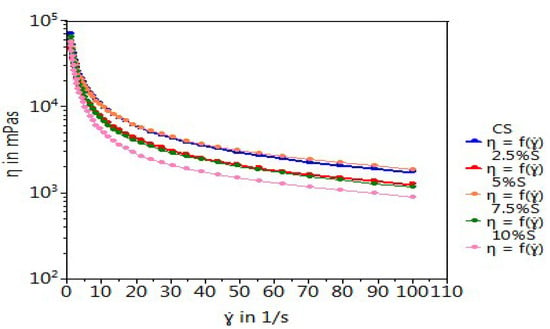
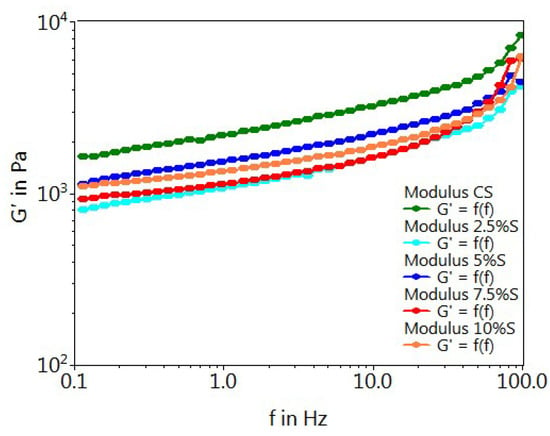
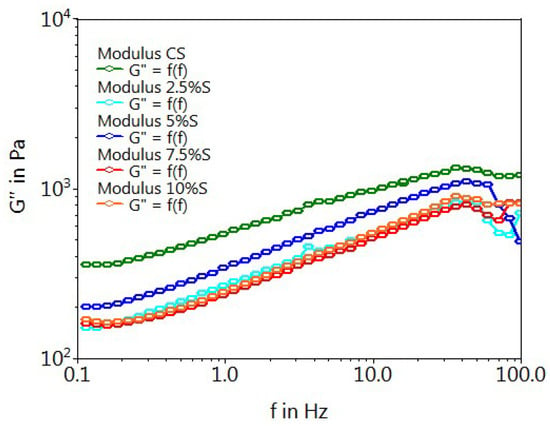
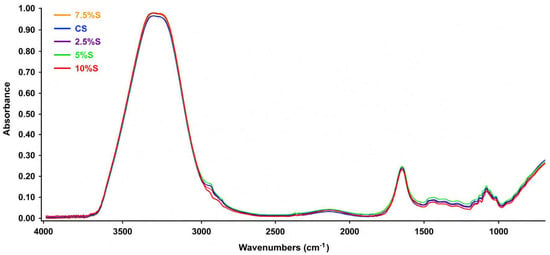
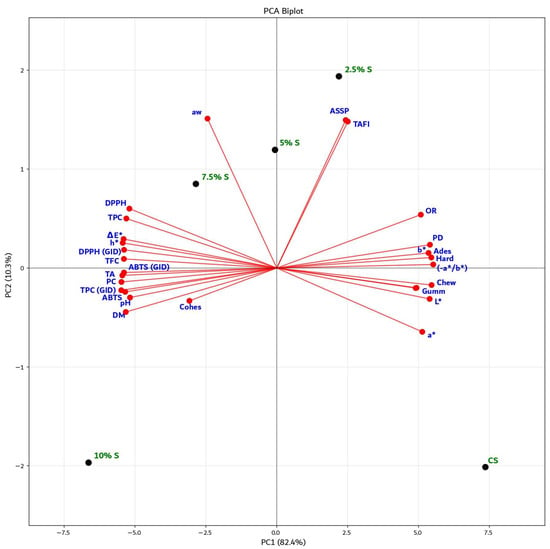
This study investigated alfalfa protein concentrate (APC) as a functional ingredient for developing protein-enriched apple sorbet. APC obtained by ultrasound-assisted aqueous extraction was characterized for its physicochemical, nutritional, phytochemical, antioxidant, textural, and functional properties and incorporated into sorbet at 2.5–10%. APC contained 86.45% protein (DW), 2297.4 mg GAE/100 g DW total polyphenols, and 983.6 mg QE/100 g DW total flavonoids. APC incorporation increased sorbet protein content from 0.11% in the control sample to 8.05% at 10% APC, while total polyphenols increased from 243.22 to 579.58 mg GAE/100 g DW and ABTS antioxidant activity from 487.41 to 904.49 mg TE/100 g DW. Following simulated gastrointestinal digestion, ABTS activity reached 1110.71 mg TE/100 g DW at 10% APC. Increasing APC concentrations reduced protein digestibility from 74.90% to 55.83%, overrun, hardness, and apparent viscosity and progressively modified sorbet color. Sensory evaluation showed the highest acceptance for formulations containing 2.5–7.5% APC, whereas 10% APC reduced sensory quality. Overall, moderate APC incorporation provided an effective balance between nutritional and functional enhancement and sensory acceptability.
Full article
(This article belongs to the Special Issue Plant-Based Proteins: New Technique Development and Emerging Applications)
►▼
Show Figures

Figure 1
Journal Menu
► ▼ Journal Menu-
- Foods Home
- Aims & Scope
- Editorial Board
- Reviewer Board
- Topical Advisory Panel
- Early Career Editorial Board
- Instructions for Authors
- Special Issues
- Topics
- Sections & Collections
- Article Processing Charge
- Indexing & Archiving
- Editor’s Choice Articles
- Most Cited & Viewed
- Journal Statistics
- Journal History
- Journal Awards
- Society Collaborations
- Conferences
- Editorial Office
Journal Browser
► ▼ Journal BrowserHighly Accessed Articles
Latest Books
E-Mail Alert
News
Topics
Topic in
Foods, Molecules, Nutrients, Metabolites
Omics Technologies and Other Quality and Safety Methodologies in Nutrition and Health
Topic Editors: Xianjiang Li, Wen MaDeadline: 15 November 2026
Topic in
Applied Microbiology, Microorganisms, Pharmaceuticals, Pharmaceutics, Foods
Probiotics: New Avenues
Topic Editors: Daniela Machado, José Carlos AndradeDeadline: 10 December 2026
Topic in
Foods, IJMS, Nutrients, Biomolecules, BioChem, Molecules
Bioactive Compounds with Application Potentials in Nutraceuticals and Nutricosmetics: Focus on Mechanism of Action and Application Science—2nd Edition
Topic Editors: Hyun-Gyun Yuk, Caili Fu, Lin Chen, Pujie ShiDeadline: 31 December 2026
Topic in
Agriculture, Applied Sciences, Crops, Foods
Sustainable Food Production and High-Quality Food Supply
Topic Editors: Kai Qiu, Guohua LiuDeadline: 11 January 2027
Conferences
Special Issues
Special Issue in
Foods
Bioactive Food Ingredients Shaping Gut Microbiota: Composition, Function, and Inter-Individual Variability
Guest Editors: Songtao Fan, Kexue ZhuDeadline: 5 October 2026
Special Issue in
Foods
Advances in Food Nutritional Biochemistry: Omics, Bioavailability and Gut Health
Guest Editors: Gianfranco Picone, Mattia SantoniDeadline: 5 October 2026
Special Issue in
Foods
Development and Application of Biosensors in the Food Field—2nd Edition
Guest Editors: Sihang Zhang, Hongji Li, Rui Chen, Long WuDeadline: 5 October 2026
Special Issue in
Foods
Cognitive or Emotional Influences on Eating Behavior and Food Choice
Guest Editor: Nobuyuki SakaiDeadline: 8 October 2026
Topical Collections
Topical Collection in
Foods
Phytonutrients in Food: From Traditional to Rational Usage
Collection Editor: Quanhong Li
Topical Collection in
Foods
Milk and Dairy Products: Chemistry, Structure, Processing and Properties
Collection Editor: Débora Parra Baptista
Topical Collection in
Foods
Physicochemical, Biochemical, and Microbiological Characteristics of Cheese
Collection Editors: Richardos Nikolaos Salek, Eva Lorencová, Zuzana Lazárková