
Journal Description
Current Oncology
Current Oncology
is an international, peer-reviewed, open access journal that since 1994 represents a multidisciplinary medium for clinical oncologists to report and review progress in the management of this disease, and published monthly online by MDPI (from Volume 28, Issue 1 - 2021). The Canadian Association of Medical Oncologists (CAMO), Canadian Association of Psychosocial Oncology (CAPO), Canadian Association of General Practitioners in Oncology (CAGPO), Cell Therapy Transplant Canada (CTTC) and others are affiliated with Current Oncology and their members receive discounts on the article processing charges.
- Open Access— free for readers, with article processing charges (APC) paid by authors or their institutions.
- High Visibility: indexed within Scopus, SCIE (Web of Science), PubMed, MEDLINE, PMC, Embase, and other databases.
- Journal Rank: JCR - Q2 (Oncology)
- Rapid Publication: manuscripts are peer-reviewed and a first decision is provided to authors approximately 22.8 days after submission; acceptance to publication is undertaken in 2.6 days (median values for papers published in this journal in the second half of 2025).
- Recognition of Reviewers: APC discount vouchers, optional signed peer review, and reviewer names published annually in the journal.
- Journal Clusters of Oncology: Cancers, Current Oncology, Onco and Targets.
Impact Factor:
3.4 (2024);
5-Year Impact Factor:
3.3 (2024)
Latest Articles
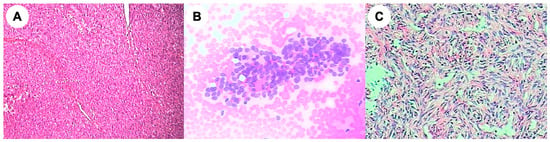
Pancreatic Metastasis from Intracranial Solitary Fibrous Tumor/Hemangiopericytoma Mimicking a Pancreatic Neuroendocrine Tumor: A Case Report and Focused Literature Review
Curr. Oncol. 2026, 33(6), 323; https://doi.org/10.3390/curroncol33060323 (registering DOI) - 29 May 2026
Abstract
Solitary fibrous tumor/hemangiopericytoma (SFT/HPC) of the central nervous system is a rare mesenchymal neoplasm with a propensity for late recurrence and distant metastasis. Pancreatic metastasis from intracranial SFT/HPC is exceptionally uncommon and may mimic primary pancreatic neoplasms, particularly pancreatic neuroendocrine tumor (PanNET). We
[...] Read more.
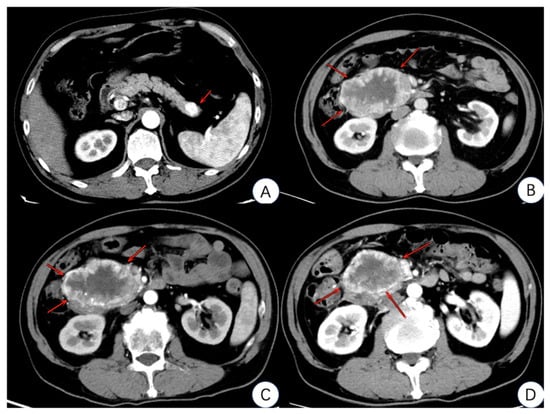
Solitary fibrous tumor/hemangiopericytoma (SFT/HPC) of the central nervous system is a rare mesenchymal neoplasm with a propensity for late recurrence and distant metastasis. Pancreatic metastasis from intracranial SFT/HPC is exceptionally uncommon and may mimic primary pancreatic neoplasms, particularly pancreatic neuroendocrine tumor (PanNET). We report a 52-year-old man with a documented history of recurrent intracranial SFT/HPC, historically diagnosed as hemangiopericytoma, who developed a hypervascular pancreatic tail lesion 11 years after the initial intracranial tumor diagnosis. Contrast-enhanced imaging and endoscopic ultrasound-guided fine-needle aspiration initially suggested a primary pancreatic neoplasm, including solid pseudopapillary neoplasm or PanNET, and a definitive preoperative diagnosis could not be established. Following laparoscopic resection, histopathological examination revealed a spindle-cell tumor with a rich vascular pattern. Immunohistochemistry documented STAT6 positivity, together with vimentin and Bcl-2 positivity, supporting the diagnosis of pancreatic metastasis from SFT/HPC. The patient later developed unresectable recurrent pancreatic disease and underwent stereotactic radiotherapy, showing radiological disease control at follow-up. This case highlights that pancreatic metastasis from intracranial SFT/HPC, although extremely rare, may occur after a prolonged latency period and mimic a hypervascular primary pancreatic neoplasm. In patients with a history of intracranial SFT/HPC, late metastatic disease should be considered, and definitive diagnosis relies on histopathological examination and targeted immunohistochemistry.
Full article
(This article belongs to the Section Gastrointestinal Oncology)
►
Show Figures
Open AccessArticle
Association Between Endocrine Therapy and Fracture Risk in Women with Breast Cancer in Germany—A Retrospective Cohort Study
by
Karel Kostev, Maximilian Peters, Henning Sievert and Matthias Kalder
Curr. Oncol. 2026, 33(6), 322; https://doi.org/10.3390/curroncol33060322 (registering DOI) - 29 May 2026
Abstract
Background: Aromatase inhibitors (AIs) are widely used in hormone receptor-positive breast cancer but may adversely affect bone health. Evidence on their independent association with fracture risk compared with tamoxifen (TAM) remains inconsistent. Methods: In this retrospective cohort study, women with an initial prescription
[...] Read more.
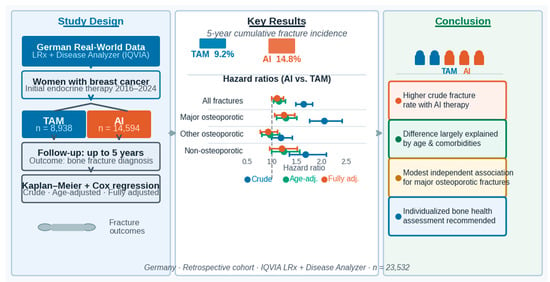
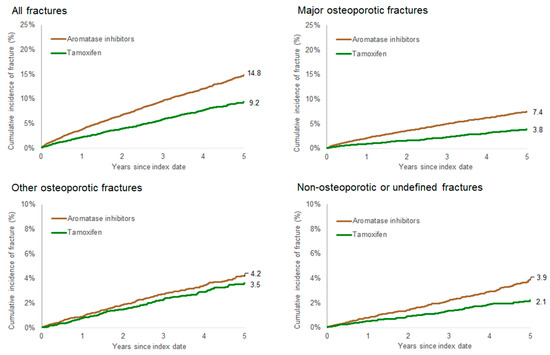
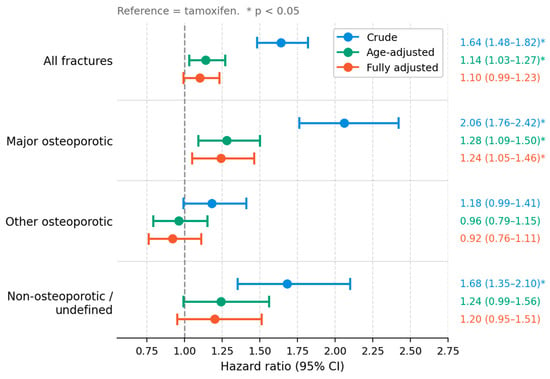
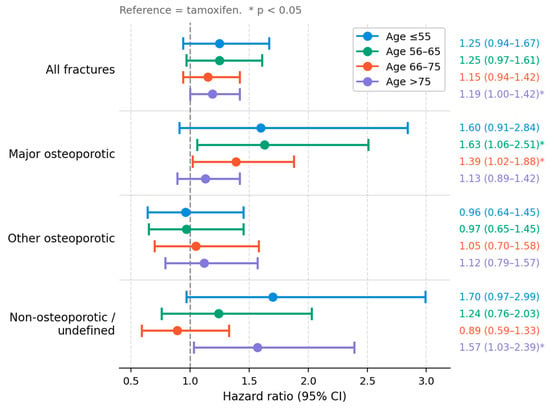
Background: Aromatase inhibitors (AIs) are widely used in hormone receptor-positive breast cancer but may adversely affect bone health. Evidence on their independent association with fracture risk compared with tamoxifen (TAM) remains inconsistent. Methods: In this retrospective cohort study, women with an initial prescription of TAM or AIs between 2016 and 2024 were identified in the IQVIA Longitudinal Prescription (LRx) database. Their prescription histories were combined with records from the IQVIA Disease Analyzer (DA) database using a validated co-therapy-based approach. Patients were then followed for up to five years. Kaplan–Meier analyses estimated cumulative fracture incidence, and Cox regression models assessed associations in unadjusted, age-adjusted, and fully adjusted analyses. Results: The study included 8938 TAM users and 14,594 AI users. Five-year cumulative incidence of all fractures was higher in the AI group than in the TAM group (14.8% vs. 9.2%). In fully adjusted primary analyses, AI therapy was not significantly associated with overall fracture risk (HR 1.10, 95% CI 0.99–1.23). A modest association persisted for major osteoporotic fractures (HR 1.24, 95% CI 1.05–1.46). Secondary exploratory analyses (age-stratified and fracture-type-specific models) showed patterns consistent with the primary results but were not powered or corrected for confirmatory inference. Conclusions: Aromatase inhibitor therapy was associated with a higher fracture incidence than tamoxifen, but much of this difference was explained by age and comorbidities. Both treatment-related effects and underlying patient characteristics contribute to fracture risk, underscoring the importance of individualized bone health assessment and targeted preventive strategies in women receiving endocrine therapy.
Full article
(This article belongs to the Section Breast Cancer)
►▼
Show Figures

Graphical abstract
Open AccessArticle
Effect of Race and Ethnicity on Academic Achievements in Cancer Physicians and Scientists
by
Doreen A. Ezeife, Amanda Khan, Mark Melika-Abusefien, Edouarda Taguedong, Md Mahsin and Shaun K. Loewen
Curr. Oncol. 2026, 33(6), 321; https://doi.org/10.3390/curroncol33060321 (registering DOI) - 29 May 2026
Abstract
Background: Diversity in academia promotes research that can reduces health disparities and addresses equity issues for marginalized populations. This study aims to examine the effect of visible minority status on academic achievements in cancer physicians and scientists. Methods: Faculty at the tertiary cancer
[...] Read more.
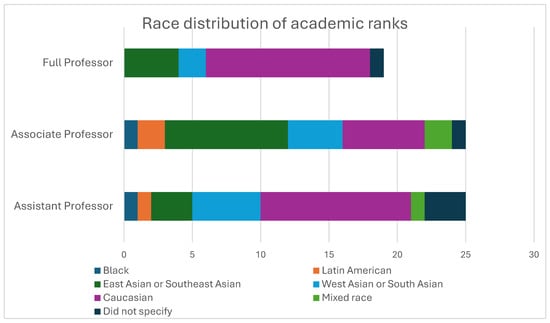
Background: Diversity in academia promotes research that can reduces health disparities and addresses equity issues for marginalized populations. This study aims to examine the effect of visible minority status on academic achievements in cancer physicians and scientists. Methods: Faculty at the tertiary cancer center in Calgary, Alberta, Canada, completed a survey in 2023 to evaluate demographics, academic rank, leadership positions, number of trainees mentored, number of publications, and amount of grant funding. Chi-square tests and regression analyses examined the impact of race and ethnicity on these academic achievements. Results: The survey was completed by 74 faculty members (47% male, 43% female, 9% gender fluid or providing no answer) with a response rate of 26%. Seven percent were Black or Latin American, 18% East Asian or Southeast Asian, 19% West or South Asian, 39% Caucasian, 6% mixed race, and 11% not providing an answer. Visible minorities were underrepresented in the full professor rank (19%) compared to non-visible minorities (38%) and were overrepresented in assistant/associate professors (28% and 53%, respectively), with 41% of non-visible minorities having the title of assistant professor and 21% as associate professor (p = 0.02). Visible minorities were less likely to have both parents college-educated (OR 0.30, 95% CI 0.09–0.92, p = 0.042) and also less likely to have been raised in a home with household income above $100,000 (OR 0.26, 95% CI 0.07–0.90, p = 0.040). Discussion: Visible minorities are underrepresented in the full professor academic rank. Larger studies are needed to evaluate whether race and ethnicity significantly impact achievements in oncology academics.
Full article
(This article belongs to the Special Issue Equity-Oriented Cancer Treatment and Care)
►▼
Show Figures

Figure 1
Open AccessArticle
Metastatic Tumour Burden as Prognostic Factor in Nivolumab-Treated Metastatic Renal Cell Carcinoma: An Exploratory Study
by
Mario Uccello, Abigail L. Gee, James A. Bennett, Helen L. Hazell, Manuel Ruiz-Echarri Rueda and Mark J. Beresford
Curr. Oncol. 2026, 33(6), 320; https://doi.org/10.3390/curroncol33060320 - 28 May 2026
Abstract
Introduction: Prognostic assessment remains fundamental in metastatic renal cell carcinoma (mRCC). Established prognostic models, such as the International Metastatic Renal Cell Carcinoma Database Consortium (IMDC) and Meet-URO classifications, are widely used but do not directly quantify the metastatic tumour burden. We evaluated the
[...] Read more.
Introduction: Prognostic assessment remains fundamental in metastatic renal cell carcinoma (mRCC). Established prognostic models, such as the International Metastatic Renal Cell Carcinoma Database Consortium (IMDC) and Meet-URO classifications, are widely used but do not directly quantify the metastatic tumour burden. We evaluated the prognostic value of metastatic tumour burden in nivolumab-treated mRCC and developed an exploratory composite prognostic score integrating the tumour burden with systemic inflammation and performance status. Patients and Methods: We retrospectively analysed consecutive patients with mRCC initiating nivolumab as a second- or third-line therapy at a single UK centre between March 2017 and November 2024. Their baseline clinical, laboratory and radiological data were collected. The metastatic tumour burden was defined as involvement of ≥2 metastatic organ sites, excluding lymph nodal, soft tissue, renal, pancreatic and thyroid metastases, while including bone metastases. The Bath score combined the metastatic tumour burden, systemic immune-inflammation index (SII) and Karnofsky performance status (KPS). Overall survival (OS) was analysed using Kaplan–Meier methods and a Cox regression, and the prognostic performance was compared using Harrell’s concordance index (C-index). Results: Fifty-one patients were included. After a median follow-up of 46.1 months, the median OS was 30.4 months. In the univariate analyses, a KPS < 80%, high SII, elevated platelet count and ≥2 metastatic organ sites were significantly associated with inferior OS. A KPS < 80% was the only variable retaining statistical significance in the multivariate analysis. The Bath score was significantly associated with OS (log-rank p < 0.001) and showed a numerically higher C-index than the IMDC and Meet-URO in this cohort (0.779 [optimism corrected, 0.760] vs. 0.641 and 0.706, respectively), with separation of risk groups. Conclusions: In this real-world cohort of nivolumab-treated mRCC, the metastatic tumour burden, systemic inflammation, and performance status were associated with survival. The Bath score should be regarded as exploratory and hypothesis-generating and requires validation in larger contemporary cohorts.
Full article
(This article belongs to the Special Issue Advances in Novel Biomarkers for Kidney Cancer)
Open AccessArticle
Targeting Phosphatidylserine in Advanced Gastric and Gastroesophageal Junction Adenocarcinomas: A Phase 2 Trial of Bavituximab Plus Pembrolizumab with Biomarker-Correlated Outcomes
by
Panagiotis Ntellas, Haeseong Park, Kerry Culm, Jeeyun Lee, Hagop Youssoufian, Colleen Mockbee, Mark Uhlik, Laura Benjamin and Ian Chau
Curr. Oncol. 2026, 33(6), 319; https://doi.org/10.3390/curroncol33060319 - 28 May 2026
Abstract
Advanced gastric and gastroesophageal junction (gastric/GOJ) adenocarcinomas have poor outcomes, and the benefit of immune checkpoint inhibitors (CPIs) remains limited. Bavituximab is a phosphatidylserine-targeting monoclonal antibody that modulates the immune and vascular tumour microenvironment. This Phase 2, open-label, multinational study evaluated bavituximab plus
[...] Read more.
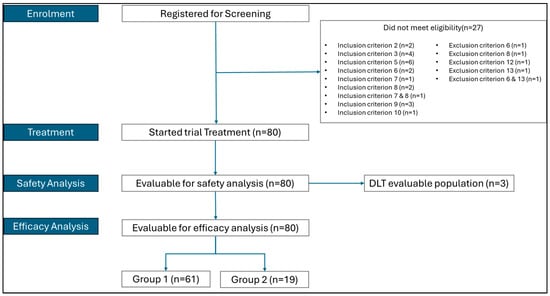
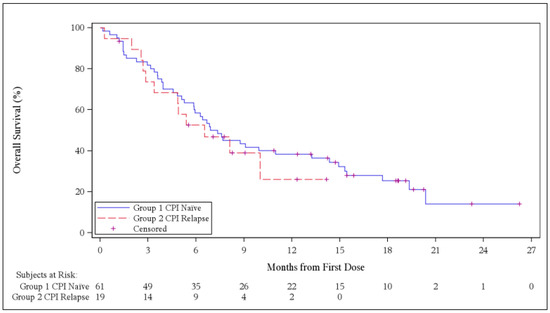
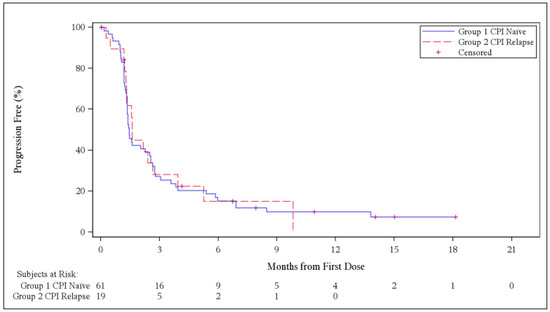
Advanced gastric and gastroesophageal junction (gastric/GOJ) adenocarcinomas have poor outcomes, and the benefit of immune checkpoint inhibitors (CPIs) remains limited. Bavituximab is a phosphatidylserine-targeting monoclonal antibody that modulates the immune and vascular tumour microenvironment. This Phase 2, open-label, multinational study evaluated bavituximab plus pembrolizumab in previously treated advanced gastric/GOJ. Patients were stratified into CPI-naïve (n = 61) and CPI-relapse (n = 19) cohorts. Bavituximab (3 mg/kg weekly) was combined with pembrolizumab (200 mg every 3 weeks) until disease progression or unacceptable toxicity. Primary endpoints included the safety and objective response rate (ORR) per RECIST 1.1. Secondary endpoints included the disease control rate (DCR), progression-free survival, overall survival, and exploratory biomarker analyses using the Xerna TME Panel and the neutrophil-to-lymphocyte ratio (NLR). No dose-limiting toxicities were observed. The most common treatment-emergent adverse events were fatigue (32.5%), constipation (31.3%), and decreased appetite (31.3%). The ORR was 13.1% in CPI-naïve and 5.3% in CPI-relapse patients; the median duration of response was 12.5 months in the CPI-naïve cohort. The DCR was 39.3% and 52.6% respectively. Higher ORRs were observed in patients with immune-high (B+) subtypes (21.9%), NLR < 4 (17.9%) and B+/NLR < 4 (33%). Bavituximab plus pembrolizumab was well tolerated but showed modest activity, with greater benefit in biomarker-defined subgroups, supporting the biomarker-driven development of tumour microenvironment-targeting combinations in advanced gastric/GOJ adenocarcinomas. NCT04099641.
Full article
(This article belongs to the Section Gastrointestinal Oncology)
►▼
Show Figures

Figure 1

Open AccessCase Report
Pregnancy Outcomes After in Utero Exposure to Immune Checkpoint Inhibitors
by
Morgan Bou Zerdan, Bruna Kfoury, Eliane Aoun, Sarah Diane Hmaidan, Roni Nitecki Wilke, Jeffrey A. How, Terri L. Woodard, Pamela T. Soliman and Laurie J. McKenzie
Curr. Oncol. 2026, 33(6), 318; https://doi.org/10.3390/curroncol33060318 - 28 May 2026
Abstract
Importance: Immune checkpoint inhibitors (ICIs) have transformed the management of cancers affecting reproductive-age patients, yet their impact on pregnancy outcomes remains incompletely understood. We describe two cases of maternal and fetal outcomes associated with ICI exposure during pregnancy and present a comprehensive literature
[...] Read more.
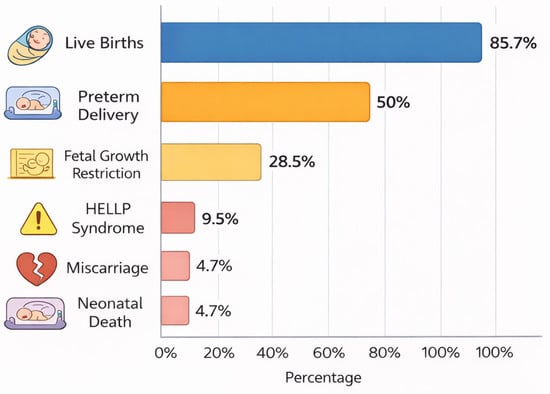
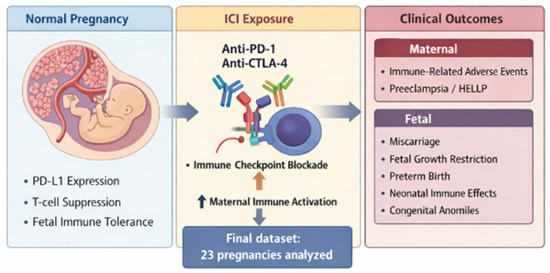
Importance: Immune checkpoint inhibitors (ICIs) have transformed the management of cancers affecting reproductive-age patients, yet their impact on pregnancy outcomes remains incompletely understood. We describe two cases of maternal and fetal outcomes associated with ICI exposure during pregnancy and present a comprehensive literature review. Methods: A retrospective chart review was conducted at MD Anderson Cancer Center (1 January 2015 to 31 December 2024) to identify patients exposed to ICIs during pregnancy. Clinical data including cancer type, treatment timing, pregnancy course, and maternal and neonatal outcomes were collected. A narrative literature review was also performed using PubMed to identify reported cases of ICI exposure during pregnancy. Observations: Two patients were identified at our institution, both treated with ICIs for advanced melanoma. One patient received pembrolizumab during early pregnancy, with the final dose administered five days after conception, and subsequently gave birth to a healthy term infant without complications. The second patient conceived while receiving adjuvant nivolumab and experienced a miscarriage at 13 weeks of gestation. Neither patient experienced immune-related toxicity during pregnancy, and both remained without evidence of disease at follow-up. The literature review identified 21 reported pregnancies with ICI exposure and variable outcomes. Most resulted in live births (85.7%), though preterm delivery occurred in approximately 50% of cases, often due to maternal or fetal indications. Additional reported outcomes included miscarriage, neonatal death, fetal growth restriction, preeclampsia, and rare immune-related neonatal effects. Congenital anomalies were reported in a small number of cases. Conclusions and Relevance: These findings suggest that, while many pregnancies exposed to ICIs result in live births, there may be an increased risk of adverse maternal and fetal outcomes. However, causality cannot be established due to the limited quality and quantity of available data. These findings underscore the importance of effective contraception during ICI therapy and careful multidisciplinary counseling when exposure occurs during pregnancy.
Full article
(This article belongs to the Section Gynecologic Oncology)
►▼
Show Figures

Figure 1
Open AccessArticle
Endometrial Cancer Recurrence Risk Following Robotic Hysterectomy
by
Sean Zhu, Ericka Wiebe, Haley Frerichs, Sunita Ghosh, Jasmine Gill, Zainab Al Habsi, Ananya Beruar and Sophia Pin
Curr. Oncol. 2026, 33(6), 317; https://doi.org/10.3390/curroncol33060317 - 28 May 2026
Abstract
Background: Minimally invasive surgery is widely used in endometrial cancer management, but recurrence remains a concern. Methods: A retrospective review of 1201 patients treated from 2012 to 2019 with robotic laparoscopy was conducted. Recurrence-free survival and hazard ratios were calculated using multivariate Cox
[...] Read more.
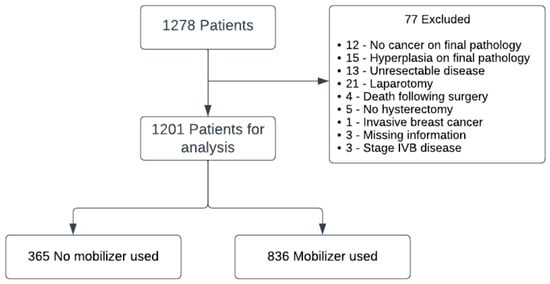
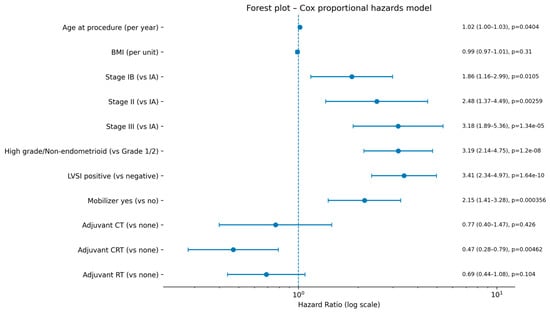
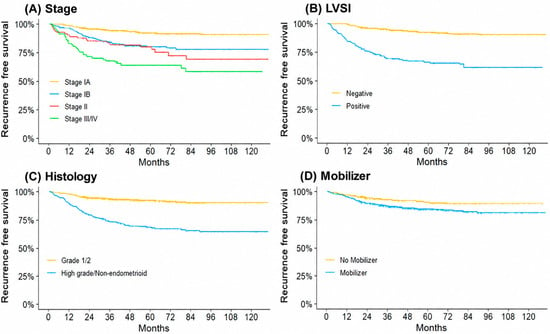
Background: Minimally invasive surgery is widely used in endometrial cancer management, but recurrence remains a concern. Methods: A retrospective review of 1201 patients treated from 2012 to 2019 with robotic laparoscopy was conducted. Recurrence-free survival and hazard ratios were calculated using multivariate Cox models. Results: Of 1278 patients, 155 cases of recurrent disease were identified. Age (HR 1.01, p = 0.045), LVSI (HR 3.54, p < 0.001), stage and high-grade histology (HR 3.39, p < 0.001) were associated with increased risk of recurrence. Hazard ratios for stages IB, II and III/IV were 1.92 (p = 0.007), 2.67 (p = 0.001), and 3.23 (p < 0.001) respectively. The use of a uterine manipulator was an independent risk factor on multivariate analysis (HR 2.12, p < 0.001). Adjuvant chemotherapy (HR 0.67, p = 0.239) and radiotherapy (HR 0.64, p = 0.056) trends favored reduced risk but were not significant. Chemoradiotherapy was found to have a reduction in recurrence with a HR 0.44 (p = 0.002). Conclusions: Traditional prognostic factors remain important for patients with endometrial cancer having undergone robotic laparoscopic hysterectomy. Uterine manipulator use should be carefully reconsidered in endometrial cancer surgery.
Full article
(This article belongs to the Special Issue Optimizing Surgical Management for Gynecologic Cancers)
►▼
Show Figures

Figure 1

Open AccessArticle
Prognostic Factors and Survival in Surgically Treated Stage III Non-Small Cell Lung Cancer: A Real-World Single-Center Retrospective Cohort Study
by
Bekir Elma, Hilal Zehra Kumbasar, Ilkay Dogan, Ahmet Ulusan, Maruf Sanli and Ahmet Ferudun Isik
Curr. Oncol. 2026, 33(6), 316; https://doi.org/10.3390/curroncol33060316 - 28 May 2026
Abstract
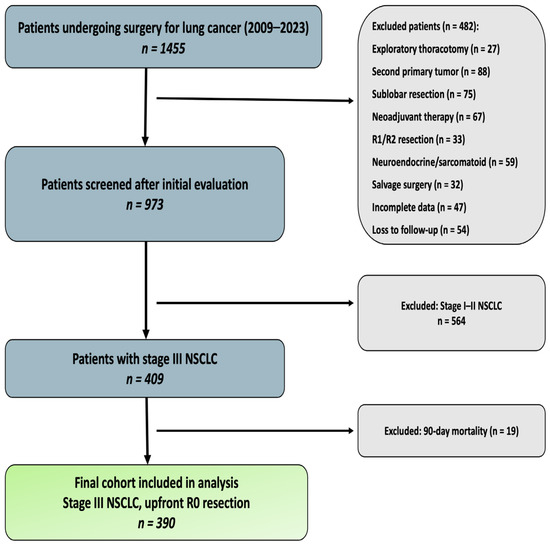
Background: Stage III non-small cell lung cancer (NSCLC) represents a clinically and biologically heterogeneous disease group, posing challenges in treatment standardization. Objective: This study aimed to evaluate survival outcomes and prognostic factors in patients with pathological stage III NSCLC undergoing upfront surgery in
[...] Read more.
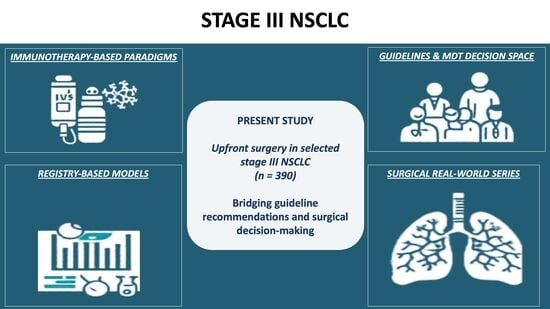
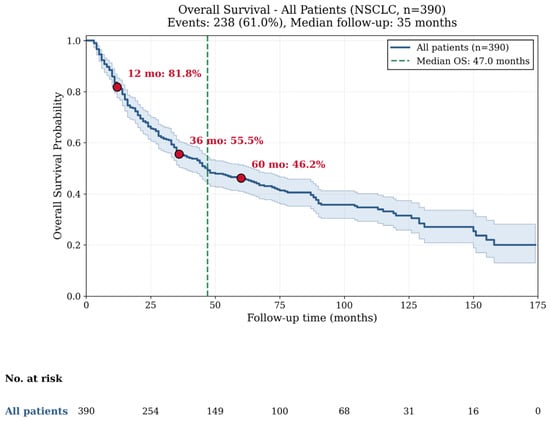
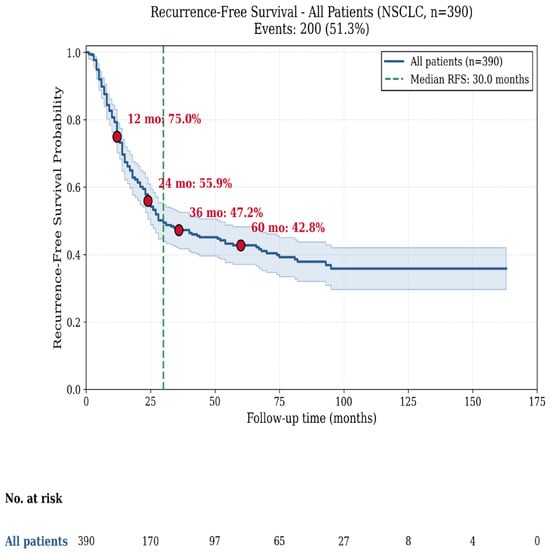
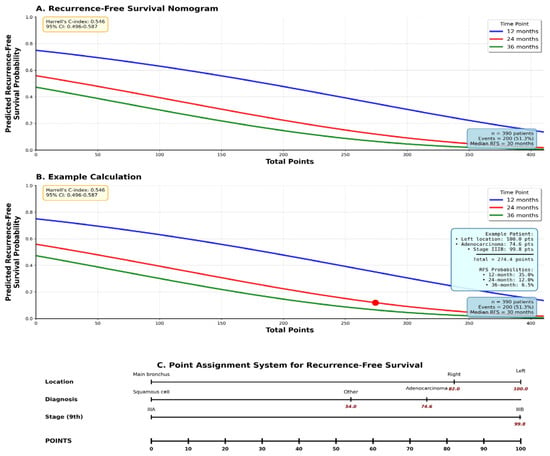
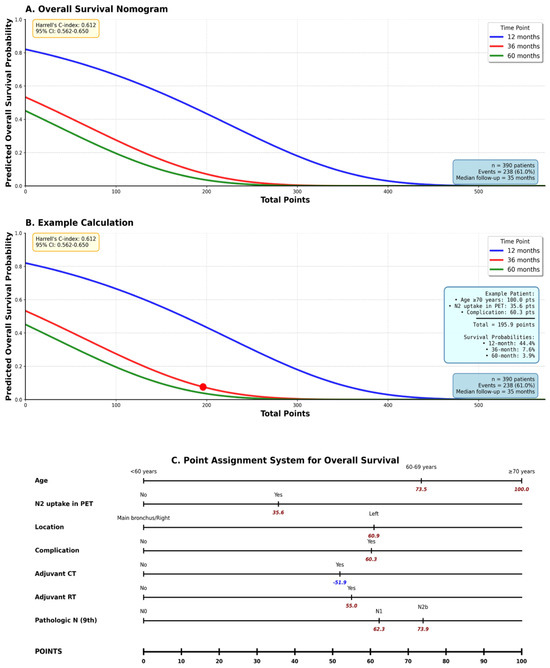
Background: Stage III non-small cell lung cancer (NSCLC) represents a clinically and biologically heterogeneous disease group, posing challenges in treatment standardization. Objective: This study aimed to evaluate survival outcomes and prognostic factors in patients with pathological stage III NSCLC undergoing upfront surgery in a real-world setting. Methods: Patients treated between January 2009 and December 2023 were retrospectively analyzed. All patients underwent anatomical resection with systematic mediastinal lymph node dissection and achieved complete (R0) resection. Overall survival (OS) and recurrence-free survival (RFS) were estimated using the Kaplan–Meier method, and prognostic factors were evaluated using Cox proportional hazards regression. Nomograms were developed for individualized survival prediction. Results: A total of 390 patients were included, with a median follow-up of 35 months. The median OS was 47 months, and the median RFS was 30 months. Multivariable analysis identified age, PET-detected mediastinal nodal involvement, tumor location, postoperative complications, pathological nodal status, adjuvant chemotherapy, and adjuvant radiotherapy as independent predictors of OS (p = 0.001, p = 0.029, p = 0.006, p =0.002, p = 0.009, and 0.004, respectively), while adjuvant chemotherapy was associated with improved survival (p = 0.010). For RFS, pathological N2b disease, stage IIIB, tumor location, and adenocarcinoma histology were independent predictors (p = 0.001, p = 0.016, p = 0.029, and p = 0.027, respectively). The OS nomogram demonstrated moderate discriminative ability, whereas the RFS model showed limited predictive performance. Conclusions: These findings highlight the substantial heterogeneity of stage III NSCLC and emphasize the importance of individualized, multidisciplinary treatment strategies beyond conventional staging systems.
Full article
(This article belongs to the Section Thoracic Oncology)
►▼
Show Figures

Graphical abstract
Open AccessArticle
Limited Immune-Mediated Efficacy of Anti-PD-L1/VEGF in EGFR-TKI-Naïve Egfr-Mutant Lung Cancer with Non-Inflamed Tumor Microenvironment
by
Atsuko Hirabae, Tadahiro Kuribayashi, Shuta Tomida, Sachi Okawa, Takamasa Nakasuka, Kazuya Nishii, Jun Nishimura, Go Makimoto, Kiichiro Ninomiya, Hisao Higo, Kammei Rai, Eiki Ichihara, Katsuyuki Hotta, Masamichi Sugimoto, Yosuke Togashi, Yoshinobu Maeda, Katsuyuki Kiura and Kadoaki Ohashi
Curr. Oncol. 2026, 33(6), 315; https://doi.org/10.3390/curroncol33060315 - 27 May 2026
Abstract
Immune checkpoint inhibitors (ICIs) show limited efficacy in epidermal growth factor receptor (EGFR)-mutant lung adenocarcinoma due to its non-inflamed tumor microenvironment (TME). While quadruple therapy combining chemotherapy, anti-programmed death-ligand 1 (PD-L1), and anti-vascular endothelial growth factor (VEGF) antibodies has shown inconsistent
[...] Read more.
Immune checkpoint inhibitors (ICIs) show limited efficacy in epidermal growth factor receptor (EGFR)-mutant lung adenocarcinoma due to its non-inflamed tumor microenvironment (TME). While quadruple therapy combining chemotherapy, anti-programmed death-ligand 1 (PD-L1), and anti-vascular endothelial growth factor (VEGF) antibodies has shown inconsistent results in EGFR-tyrosine kinase inhibitor (TKI)-pretreated patients, whether anti-VEGF therapy can modulate the intrinsic non-inflamed TME remains unknown. We employed an EGFR-TKI-naïve syngeneic Egfr-mutant mouse model and evaluated effects of anti-VEGF, anti-PD-L1, carboplatin, and paclitaxel as monotherapies and combinations, with TME analysis via immunohistochemistry (IHC), flow cytometry, and RNA sequencing. Anti-PD-L1 showed no antitumor effect, and adding anti-VEGF failed to convert the TME to an inflamed status. Although paclitaxel—but not carboplatin—combined with low-dose anti-VEGF inhibited tumor growth, adding anti-PD-L1 provided no benefit, indicating the anti-VEGF-A antibody evaluated here has a limited role in sensitizing tumors to anti-PD-L1 regardless of chemotherapy. CD8+ T-cell depletion did not attenuate the effect of paclitaxel plus low-dose anti-VEGF, and IHC and RNA sequencing revealed increased natural killer cell infiltration, suggesting a CD8+ T-cell-independent, innate immune mechanism. These findings provide preclinical evidence that the evaluated anti-VEGF has limited immunomodulatory activity in EGFR-TKI-naïve Egfr-mutant tumors with a non-inflamed TME, and suggest immunotherapeutic strategies beyond CD8+ T-cell-mediated immunity warrant investigation.
Full article
(This article belongs to the Section Thoracic Oncology)
Open AccessCase Report
Pembrolizumab-Associated Polyserositis with Eosinophilic Pleural Effusion During Adjuvant Therapy for Clear Cell Renal Cell Carcinoma: A Case Report and Targeted Review
by
Mikel Portu, Judit Sanz-Beltran, María Alejandra Duarte Borges, Julieta Navarro, Alexandra Arias, Paula Alvarez, Angel Fernández-Rebollo, Carlos Reyes, Juan Flores, Georgia Anguera and Pablo Maroto
Curr. Oncol. 2026, 33(6), 314; https://doi.org/10.3390/curroncol33060314 - 27 May 2026
Abstract
Pembrolizumab is standard adjuvant therapy for high-risk clear cell renal cell carcinoma, but serositis is an uncommon immune-related adverse event that may mimic recurrence or infection. We report a 55-year-old man who achieved no evidence of disease after nephrectomy and metastasectomy and developed
[...] Read more.
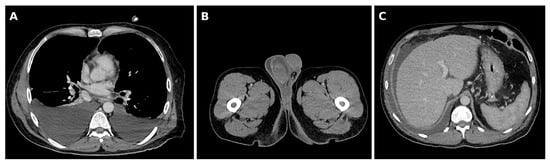
Pembrolizumab is standard adjuvant therapy for high-risk clear cell renal cell carcinoma, but serositis is an uncommon immune-related adverse event that may mimic recurrence or infection. We report a 55-year-old man who achieved no evidence of disease after nephrectomy and metastasectomy and developed anasarca, large bilateral pleural effusions, mild ascites, peripheral eosinophilia, and a small pericardial effusion after six cycles of adjuvant pembrolizumab. Pleural fluid was exudative and contained 20% eosinophils. Cytology showed inflammatory cells without evidence of malignancy; bacterial, mycobacterial, and fungal studies were negative; and mildly elevated adenosine deaminase did not support tuberculosis. Cardiac function and natriuretic peptides were preserved. Pembrolizumab was discontinued, thoracentesis and corticosteroids were administered, and symptoms, eosinophilia, renal function, and albumin improved rapidly. Follow-up through March 2026 showed no oncologic progression, although some residual pleural and abdominal fluid persisted alongside imaging findings suggestive of portal-hypertension physiology, which may have contributed to residual fluid but did not explain the eosinophilic pleural syndrome. In a targeted literature review, effusion eosinophil data were infrequently reported. This case highlights a likely underrecognized eosinophilic pleural-fluid phenotype within pembrolizumab-associated polyserositis and supports routine differential cell counts in drained serosal fluid when immune-related serositis is suspected.
Full article
(This article belongs to the Section Genitourinary Oncology)
►▼
Show Figures

Figure 1

Open AccessArticle
Integrating Exercise and Education into Lung Cancer Care: Results from the OVER-CRF Pilot Study on Cancer-Related Fatigue and Quality of Life
by
Maria Beatrice Galavotti, Alessia Pecorari, Carlotta Mainini, Monica Denti, Monica Messori, Stefania Costi, Barbara Bressi, Martina Pellegrini, Patrizia Ciammella, Francesco Falco, Francesca Zanelli, Luca Braglia and Stefania Fugazzaro
Curr. Oncol. 2026, 33(6), 313; https://doi.org/10.3390/curroncol33060313 - 27 May 2026
Abstract
Background: Cancer-Related Fatigue (CRF) significantly impairs physical performance and quality of life (QoL) in patients with non-small-cell lung cancer (NSCLC). The OVER-CRF study evaluated the feasibility, safety, and preliminary efficacy of a personalized pulmonary rehabilitation (PR) program combining supervised exercise and education during
[...] Read more.
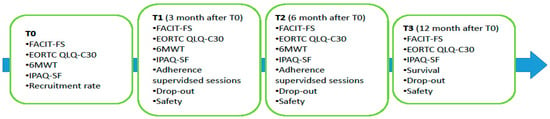
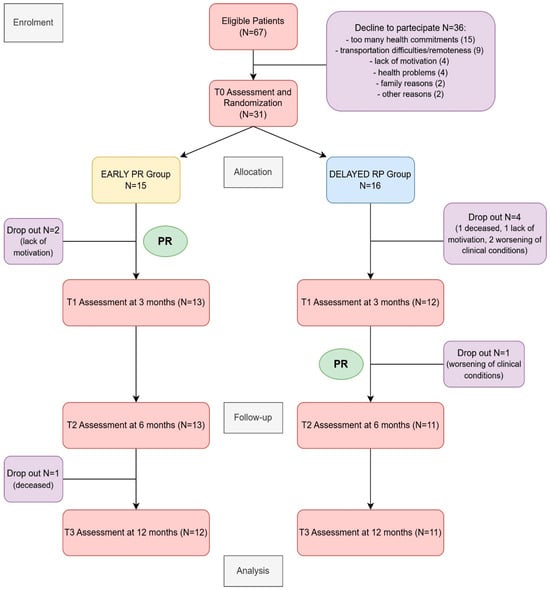
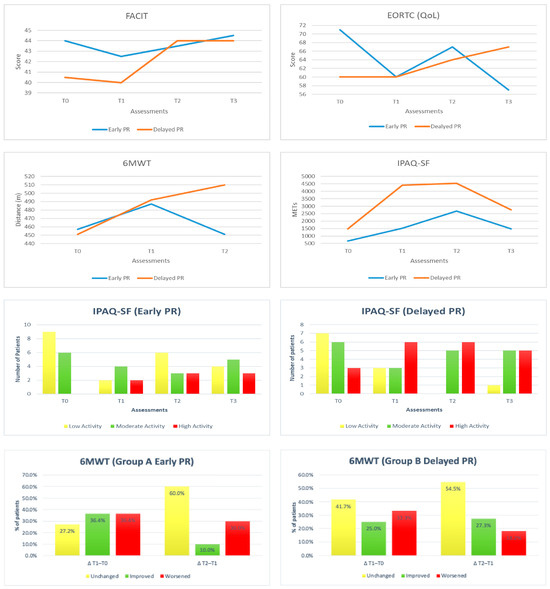
Background: Cancer-Related Fatigue (CRF) significantly impairs physical performance and quality of life (QoL) in patients with non-small-cell lung cancer (NSCLC). The OVER-CRF study evaluated the feasibility, safety, and preliminary efficacy of a personalized pulmonary rehabilitation (PR) program combining supervised exercise and education during active treatment. Methods: Patients with stage II–III NSCLC were randomized to Early-PR (initiated at the start of anticancer therapy) or Delayed-PR (initiated three months later). The 3-month intervention included two educational sessions and eight supervised exercise sessions. The primary outcome was adherence; secondary outcomes included safety, CRF (FACIT-FS), QoL (EORTC-QLQ-C30), and physical performance (6MWT). Results: Thirty-one patients were randomized (mean age 67.4 years). Adherence was excellent (Early: 86.7%; Delayed: 91.7%), exceeding feasibility thresholds. No exercise-related adverse events occurred. At 12 months, 50% of participants showed clinically meaningful CRF improvements. While both groups improved 6MWT performance during the intervention, the Delayed-PR group demonstrated more sustained QoL improvements from T1 through T3 compared to the Early-PR group. The dropout rate (25.8%) was consistent with the existing literature. Conclusions: Personalized PR is feasible and safe for NSCLC patients undergoing multimodal therapy. While early intervention provides immediate benefits, initiation timing may influence long-term QoL trajectories. These findings support integrating exercise and education into standard oncological care pathways.
Full article
(This article belongs to the Special Issue Self-Management/Patient Activation and Self-Management Support Interventions for Cancer Survivors)
►▼
Show Figures

Figure 1

Open AccessReview
Nursing Roles in Early Integration of Palliative and Supportive Care for Adults with Advanced Cancer: A Scoping Review
by
Omar Alqaisi, Suhair Al-Ghabeesh, Hanin Masalha, Aoife Jones Thachuthara, Kurian Joseph, Patricia Tai, Edward Yu and Rashmi Koul
Curr. Oncol. 2026, 33(6), 312; https://doi.org/10.3390/curroncol33060312 - 27 May 2026
Abstract
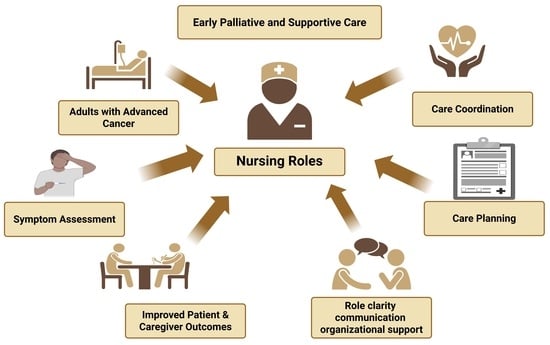
As the global cancer burden rises, adults with advanced cancer face significant physical and psychosocial symptoms requiring early integration of palliative and supportive care. Nurses in oncology, emergency, and community settings are central to symptom assessment, care coordination, communication, and advance care planning,
[...] Read more.
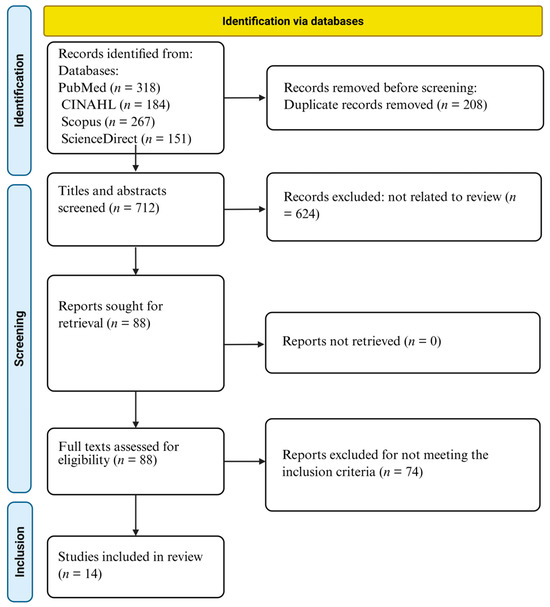
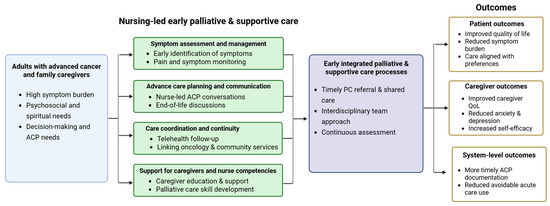
As the global cancer burden rises, adults with advanced cancer face significant physical and psychosocial symptoms requiring early integration of palliative and supportive care. Nurses in oncology, emergency, and community settings are central to symptom assessment, care coordination, communication, and advance care planning, yet their roles in early integration remain underexplored. This scoping review mapped nursing contributions to early palliative and supportive care for adults with advanced cancer and described related patient, caregiver, and system outcomes. A search of PubMed, CINAHL, Scopus, and ScienceDirect was conducted for English-language studies published between January 2016 and November 2025 involving nursing-relevant interventions in early palliative or supportive care. Fourteen studies were included: trials, observational studies, qualitative research, reviews, and a meta-analysis. Six domains emerged. Early integration consistently improved quality of life and reduced symptom burden. Nurse-led interventions increased end-of-life discussions and advance directive completion. Telehealth and telephone follow-up proved feasible for symptom management. Studies noted moderate palliative competence but gaps in communication and structural support. Caregiver-focused interventions enhanced caregiver quality of life and self-efficacy. Conclusions: Nurses are pivotal in early palliative care. Expanding structured nurse-led models, strengthening communication training, and addressing organizational barriers are essential to deliver timely, person-centered care.
Full article
(This article belongs to the Section Palliative and Supportive Care)
►▼
Show Figures

Graphical abstract
Open AccessCase Report
Acquired ROS1 Intragenic Rearrangements as a Resistance Mechanism in EGFR-Mutant Non-Small Cell Lung Cancer: A Case Series
by
Po-Tsen Liu, Yi-Lin Chen, Wan-Li Chen, Chung-Liang Ho and Chun-Hui Lee
Curr. Oncol. 2026, 33(6), 311; https://doi.org/10.3390/curroncol33060311 - 27 May 2026
Abstract
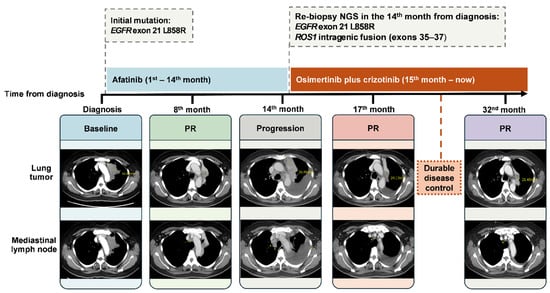
Lung cancer is a leading cause of global cancer mortality, with EGFR mutations serving as a primary therapeutic target. Although EGFR tyrosine kinase inhibitors (TKIs) are initially effective, acquired resistance inevitably develops. While ROS1 rearrangements are well-known baseline drivers, they are exceptionally rare
[...] Read more.
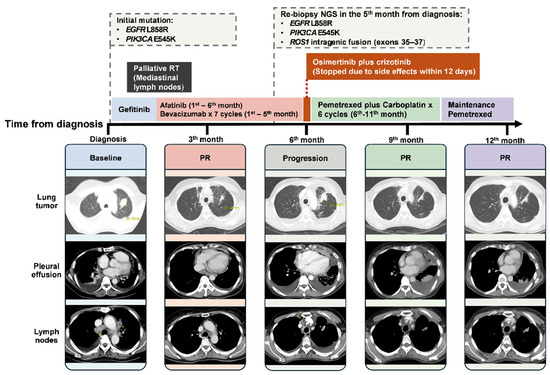
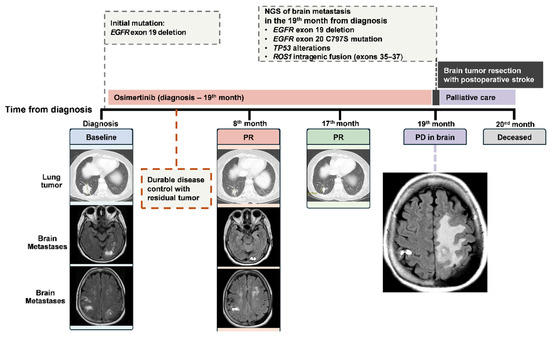
Lung cancer is a leading cause of global cancer mortality, with EGFR mutations serving as a primary therapeutic target. Although EGFR tyrosine kinase inhibitors (TKIs) are initially effective, acquired resistance inevitably develops. While ROS1 rearrangements are well-known baseline drivers, they are exceptionally rare as acquired resistance mechanisms. We utilized next-generation sequencing (NGS) to identify a rare ROS1 intragenic rearrangement (exons 35–37) in three never-smoking women with EGFR-mutant lung adenocarcinoma following progression on EGFR TKIs. Clinical courses were heterogeneous: one patient achieved a durable partial response using combined osimertinib and crizotinib. A second patient, intolerant to dual TKI therapy due to QTc prolongation and grade 3 edemas, achieved a sustained partial response with platinum-pemetrexed chemotherapy. The third patient exhibited polyclonal resistance, including EGFR C797S and TP53 mutations, with fatal central nervous system progression. In this three-patient case series, ROS1 exon 35–37 RNA-level intragenic rearrangements were repeatedly detected after EGFR-TKI progression, suggesting a rare transcript-level alteration within heterogeneous resistance evolution. However, its biological significance, driver versus passenger role, and therapeutic relevance remain uncertain. Combined EGFR and ROS1 inhibition may be considered in selected cases, but further validation is required.
Full article
(This article belongs to the Section Thoracic Oncology)
►▼
Show Figures

Figure 1
Open AccessArticle
Clinical Features and Key Prognostic Indicators of Growth Hormone-Secreting Pituitary Adenomas: A Retrospective Study of 344 Cases
by
Yu Zhang, Zenghua Mi, Hongyu Wu, Xin Ma, Long Xi, Zhijun Yang and Pinan Liu
Curr. Oncol. 2026, 33(6), 310; https://doi.org/10.3390/curroncol33060310 - 27 May 2026
Abstract
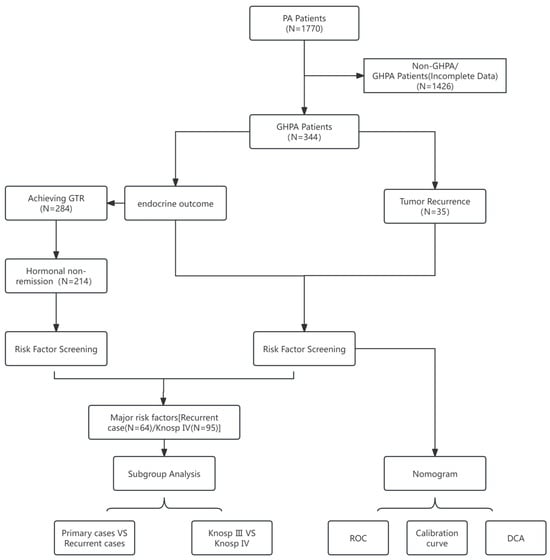
Background: In growth hormone-secreting pituitary adenomas (GHPA), postoperative hormonal non-remission and tumor recurrence determine clinical prognosis. Notably, some patients exhibit persistent hormonal abnormalities despite intraoperative gross total resection (GTR). This study systematically analyzes the prognostic risk factors in GHPA. Methods: This study collected
[...] Read more.
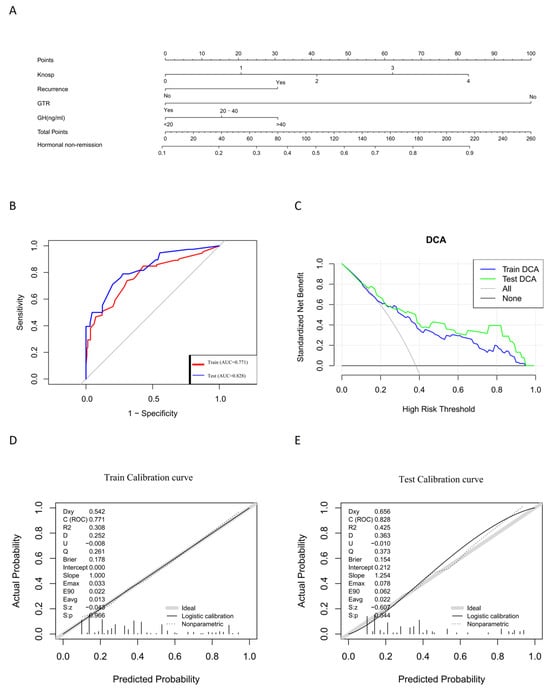
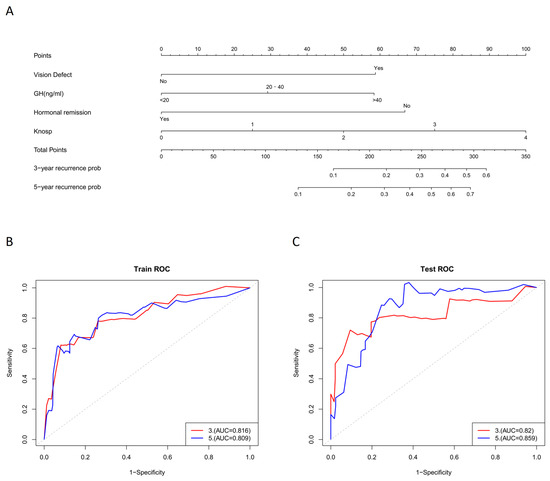
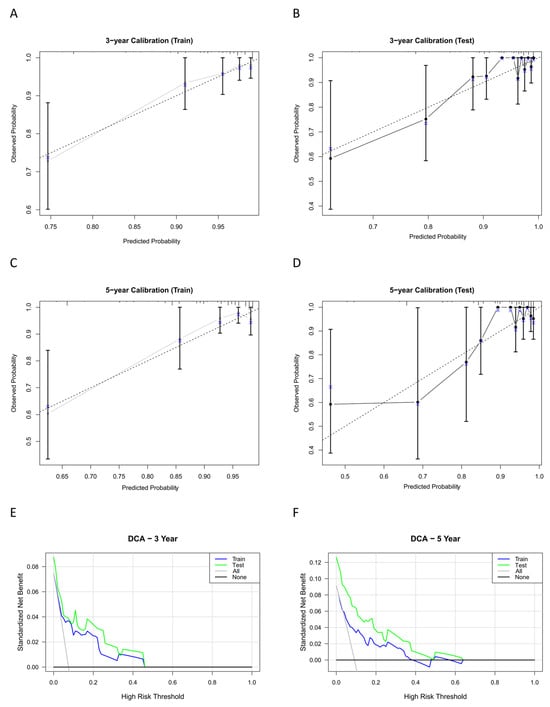
Background: In growth hormone-secreting pituitary adenomas (GHPA), postoperative hormonal non-remission and tumor recurrence determine clinical prognosis. Notably, some patients exhibit persistent hormonal abnormalities despite intraoperative gross total resection (GTR). This study systematically analyzes the prognostic risk factors in GHPA. Methods: This study collected clinical information from 344 GHPA patients. Univariate and multivariate regression analyses were performed to screen independent risk factors for hormonal non-remission, tumor recurrence, and hormonal non-remission after GTR. Nomograms were established for predicting hormonal non-remission and 3-/5-year recurrence probabilities. Subgroup comparisons were performed to further analyze significant risk factors. Results: Multivariate Logistic regression identified recurrent cases (p = 0.009), preoperative GH > 40 ng/mL (p = 0.043), not GTR (p < 0.001), and Knosp grade IV (p = 0.004) as independent risk factors of postoperative hormonal non-remission. For patients who underwent GTR, the recurrent status (p = 0.016) and Knosp grade III/IV (p = 0.049/0.009) remained significant risk factors for hormonal non-remission. Multivariate Cox regression showed preoperative GH > 40 ng/mL (p = 0.002), hormonal non-remission (p = 0.037), Knosp grade IV (p = 0.025), and vision defect (p = 0.010) as independent risk factors for tumor recurrence. The nomograms had good discrimination and calibration, with test set AUCs of 0.828 for hormonal non-remission, 0.82 for 3-year recurrence, and 0.859 for 5-year recurrence. Subgroup analysis revealed that recurrent cases, compared to initial cases, had younger patient ages, higher Knosp grades, harder tumor textures, and generally higher Ki-67 indices (all p < 0.05). Further analysis demonstrated that, relative to Knosp grade III tumors, grade IV lesions were larger, firmer, and associated with significantly lower rates of both GTR and hormonal remission, alongside a higher recurrence risk (all p < 0.05). Conclusions: Patients with high preoperative GH levels, higher Knosp grades, and recurrence often have a poorer prognosis after treatment. These results support stratified postoperative management and individualized monitoring of GHPA patients.
Full article
(This article belongs to the Section Neuro-Oncology)
►▼
Show Figures

Figure 1
Open AccessArticle
Assessment of Large Language Models in Colorectal Cancer Multidisciplinary Tumor Board Decision-Making: A Retrospective Single-Center Comparison of Guideline-Integrated General-Purpose vs. Domain-Specialized Models
by
Aydan Farzaliyeva, Mehmet Nezir Ramazanoglu, Arzu Oguz, Ozden Altundag and Zafer Akcali
Curr. Oncol. 2026, 33(6), 309; https://doi.org/10.3390/curroncol33060309 - 26 May 2026
Abstract
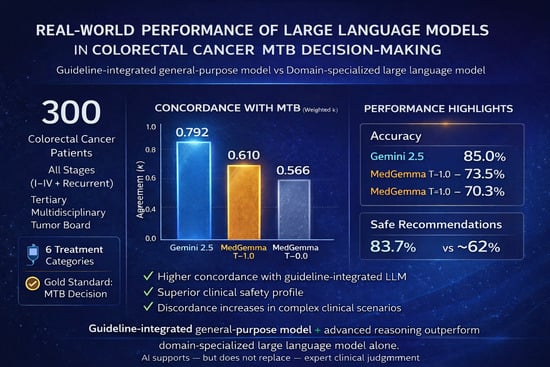
Background: Large language models (LLMs) are emerging as clinical decision-support tools in oncology, yet their ability to generate reliable treatment recommendations in real-world multidisciplinary tumor board (MTB) settings remains uncertain, particularly for complex colorectal cancer (CRC). Methods: In this retrospective study, 300 consecutive
[...] Read more.
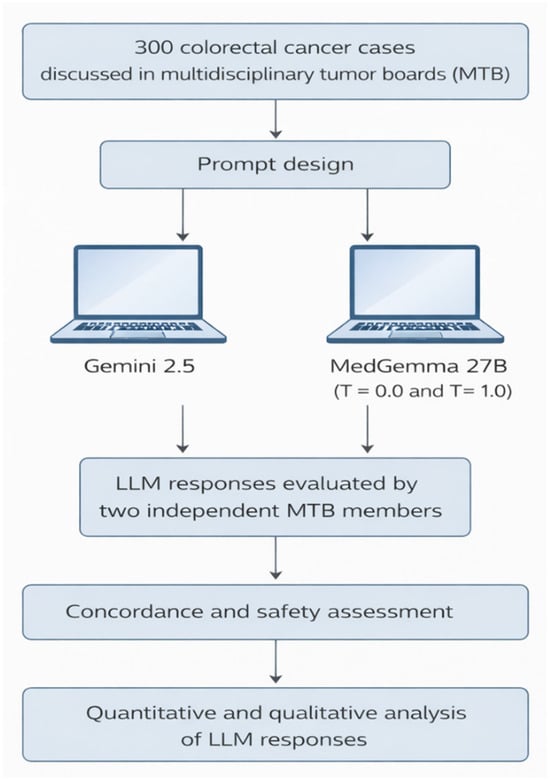
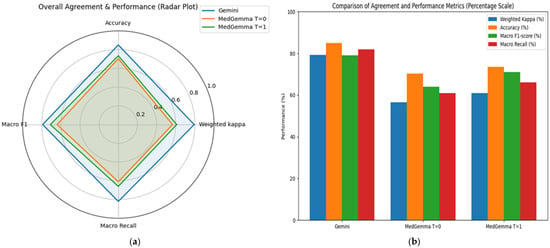
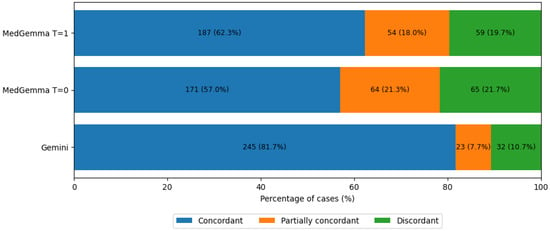
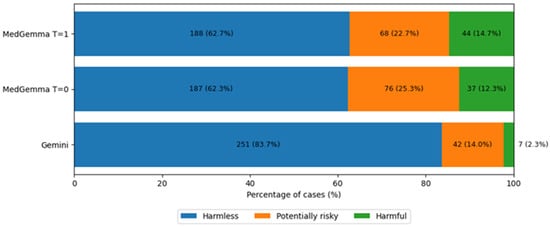
Background: Large language models (LLMs) are emerging as clinical decision-support tools in oncology, yet their ability to generate reliable treatment recommendations in real-world multidisciplinary tumor board (MTB) settings remains uncertain, particularly for complex colorectal cancer (CRC). Methods: In this retrospective study, 300 consecutive adult CRC cases discussed at a tertiary MTB were evaluated. Standardized de-identified case summaries were independently submitted to Gemini 2.5 (general-purpose, guideline-integrated) and MedGemma 27B (domain-specialized; T = 0.0 and T = 1.0). Concordance with MTB decisions was assessed using weighted Cohen’s kappa (κ), accuracy, F1 score, and recall. Safety was adjudicated by blinded senior MTB members using a three-tier risk framework. Importantly, Gemini 2.5 was evaluated in a guideline-integrated setting, whereas MedGemma operated without external guideline retrieval, introducing a predefined asymmetry in knowledge augmentation. Results: Gemini 2.5 demonstrated substantial agreement (κ = 0.792, p < 0.001), the highest exact concordance (85.0%), and a clinical safety rate of 83.7%, significantly outperforming MedGemma (p < 0.001). MedGemma showed moderate agreement at T = 0.0 (κ = 0.566; accuracy = 70.3%) and modest improvement at T = 1.0 (κ = 0.610; accuracy = 73.5%; p = 0.038), with lower safety rates (62.3% and 62.7%; p < 0.001). Discordance predominantly occurred in clinically complex scenarios, including surgical/interventional planning, active surveillance, recurrent disease management, and patients with compromised performance status. Conclusions: A guideline-integrated general-purpose LLM demonstrated superior concordance and safety compared with a domain-specialized model operating without external retrieval, supporting its adjunctive use within MTBs while preserving expert clinical judgment.
Full article
(This article belongs to the Section Gastrointestinal Oncology)
►▼
Show Figures

Graphical abstract
Open AccessArticle
Evaluating Patient Preferences for Clinical Trial Endpoints in Early-Stage Cancer: A Discrete Choice Experiment in Canada
by
Alexis T. Mickle, Frances Simbulan, Bianca Li, Kristoph Klein-Panneton, Conor L. Morrison, Sarah Walker, Karissa M. Johnston and Stephanie Snow
Curr. Oncol. 2026, 33(6), 308; https://doi.org/10.3390/curroncol33060308 - 26 May 2026
Abstract
►▼
Show Figures
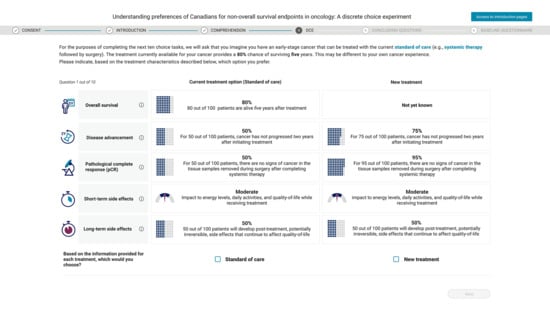
To quantify preferences and trade-offs for non-overall survival (OS) endpoints among Canadian adults treated for early-stage cancers, participants completed ten choice sets in a discrete choice experiment. Standard-of-care (SoC) was compared to new treatment profiles defined by five attributes: five-year OS, two-year disease
[...] Read more.
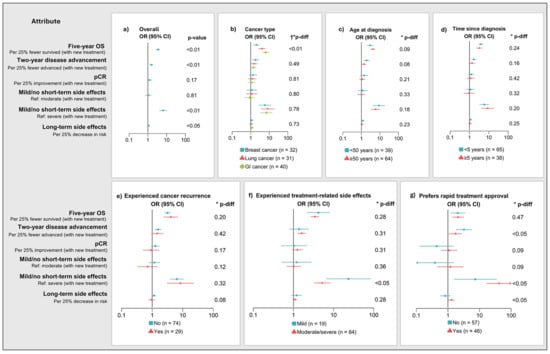
To quantify preferences and trade-offs for non-overall survival (OS) endpoints among Canadian adults treated for early-stage cancers, participants completed ten choice sets in a discrete choice experiment. Standard-of-care (SoC) was compared to new treatment profiles defined by five attributes: five-year OS, two-year disease advancement, pathological complete response (pCR), and short- and long-term side effects. SoC attribute levels remained constant across respondents, except OS, which varied. For the new treatment, all attributes except OS (fixed as unknown) varied. Data were analyzed using logistic regression and presented as odds ratios (ORs) with 95% confidence intervals (CIs). Among 103 adults treated for early-stage gastrointestinal (n = 40), breast (n = 32), or lung (n = 31) cancer, median age was 59 (Q1, Q3: 43, 75) years; 46.6% were female. Each 25% decrease in SoC OS was associated with higher odds of choosing the new treatment (OR 3.49; 95% CI 2.82–4.31; p < 0.01). Reductions in disease advancement (OR 1.55; 1.26–1.91; p < 0.01) and mild or no short-term side effects versus severe (OR 6.67; 4.35–10.00) significantly increased selection odds; long-term side effects and pCR showed modest, non-significant influence. When OS data were available for SoC, OS strongly influenced decisions; without OS data for new treatments, participants prioritized disease control and short-term tolerability.
Full article

Figure 1
Open AccessSystematic Review
Transition from Parenteral to Subcutaneous Application of Systemic Oncological Therapy for Treating Non-Small-Cell Lung Cancer
by
Anela Muratovic and Urska Janzic
Curr. Oncol. 2026, 33(6), 307; https://doi.org/10.3390/curroncol33060307 - 25 May 2026
Abstract
Background: The transition from the parenteral to subcutaneous application of systemic oncological therapy represents one of the most important innovations in modern oncology, as it affects the quality of life of patients as well as the organization of work and the management of
[...] Read more.
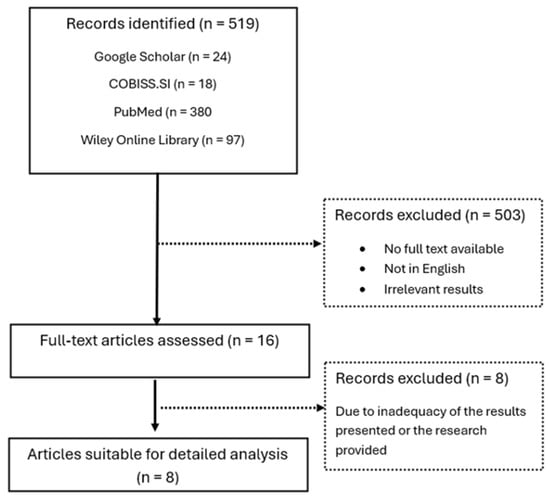
Background: The transition from the parenteral to subcutaneous application of systemic oncological therapy represents one of the most important innovations in modern oncology, as it affects the quality of life of patients as well as the organization of work and the management of health services. The introduction of this change requires effective leadership, interdisciplinary cooperation, and the adaptation of existing processes in healthcare organizations. Methods: We conducted a systematic review of the professional and scientific literature, considering the purpose and goal of this research. We used electronic databases: Wiley Online Library, PubMed, COBBIS.SI, and Google Scholar web browser. Papers from 2017 to 2025 were considered and processed using meta-synthesis. Results: Recent studies confirm that the subcutaneous administration of immunotherapy and targeted therapy is as effective and safe as parenteral immunotherapy, while significantly reducing treatment time and improving patient experience. Discussion: The transition to subcutaneous application provides an opportunity to transform oncology care. From a management perspective, the introduction of subcutaneous application requires systematic change management, staff training, process adaptation, and interdisciplinary cooperation. The sustainable implementation of innovations depends on organization, communication, and management support.
Full article
(This article belongs to the Section Oncology Nursing)
►▼
Show Figures

Figure 1
Open AccessReview
Cancer Detection and Surveillance Pathways with Abbreviated MRI in the Prostate, Pancreas, and Liver: A Risk-Stratified Narrative Review
by
Hannah Brown and Sharon E. Clarke
Curr. Oncol. 2026, 33(6), 306; https://doi.org/10.3390/curroncol33060306 - 24 May 2026
Abstract
►▼
Show Figures
Magnetic resonance imaging (MRI) plays an essential role in cancer detection and surveillance, yet complete MRI (C-MRI) protocols are lengthy, resource-intensive, and may limit access within population-level cancer care pathways. Abbreviated MRI (A-MRI) protocols have emerged as a streamlined alternative that may preserve
[...] Read more.
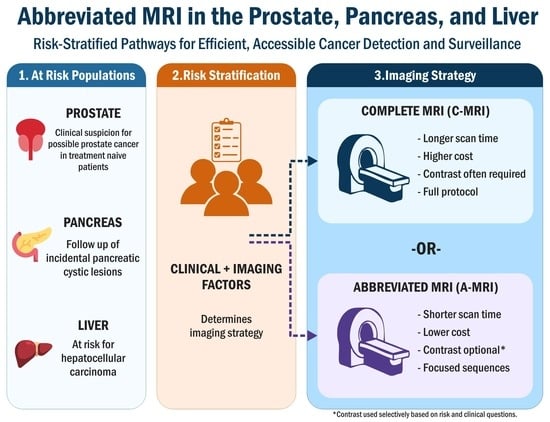
Magnetic resonance imaging (MRI) plays an essential role in cancer detection and surveillance, yet complete MRI (C-MRI) protocols are lengthy, resource-intensive, and may limit access within population-level cancer care pathways. Abbreviated MRI (A-MRI) protocols have emerged as a streamlined alternative that may preserve diagnostic performance while reducing examination time, cost, and IV contrast exposure. We conducted a narrative review of studies published between 2015 and 2025 evaluating A-MRI in prostate cancer detection and surveillance, pancreatic cystic lesion surveillance, and hepatocellular carcinoma (HCC) surveillance. Evidence was synthesized qualitatively with emphasis on potential advantages, limitations, guideline positions, and evidence gaps. Across the organ systems assessed, A-MRI may demonstrate diagnostic performance comparable to C-MRI in selected clinical contexts. Biparametric MRI has demonstrated noninferior detection of clinically significant prostate cancer; non-contrast A-MRI may be considered for the surveillance of selected low-risk pancreatic cystic lesions, and A-MRI may offer higher sensitivity than ultrasound for HCC surveillance in patients with suboptimal ultrasound visualization. Heterogeneity in the available literature and limited prospective outcome data remain important limitations. Overall, A-MRI represents a complementary, risk-adapted strategy rather than a universal replacement for C-MRI, and further prospective studies are needed to define optimal patient selection and long-term oncologic benefit.
Full article

Graphical abstract
Open AccessArticle
Clinical Predictors of Survival After Palliative Radiotherapy for Glioblastoma in a Real-World Cohort Study
by
Felix Bock, Guido Hildebrandt, Bernd Frerker, Siyer Roohani, Hannah Lily Fänger and Yvonne Dzierma
Curr. Oncol. 2026, 33(6), 305; https://doi.org/10.3390/curroncol33060305 - 23 May 2026
Abstract
Background: This study sought to evaluate overall survival (OS) following palliative radiotherapy in glioblastoma and to identify clinically applicable predictors supporting patient-centred treatment decisions, with exploration of early mortality. Methods: This retrospective single-centre study analysed 169 glioblastoma patients treated with palliative radiotherapy between
[...] Read more.
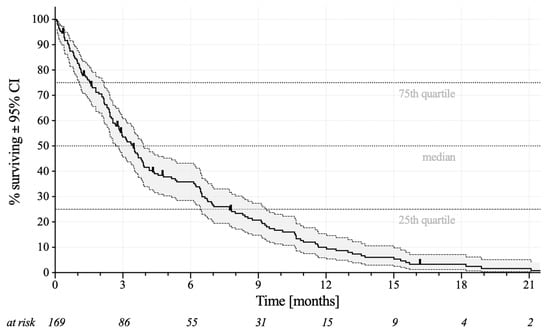
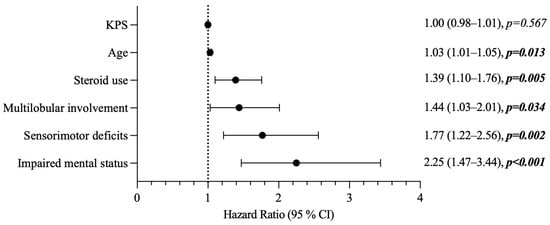
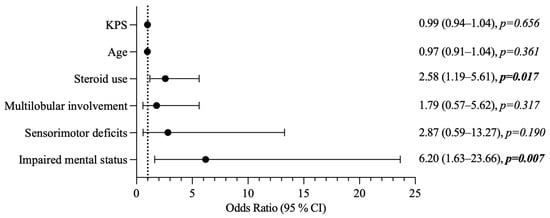
Background: This study sought to evaluate overall survival (OS) following palliative radiotherapy in glioblastoma and to identify clinically applicable predictors supporting patient-centred treatment decisions, with exploration of early mortality. Methods: This retrospective single-centre study analysed 169 glioblastoma patients treated with palliative radiotherapy between 2010 and 2025. Baseline clinical and treatment variables were assessed. OS calculated from the last day of radiotherapy was estimated using Kaplan–Meier analysis; predictors were analysed using Cox regression. Early mortality (≤30 and ≤60 days) was evaluated using logistic regression. Results: Median age at diagnosis was 75 years, median Karnofsky Performance Status (KPS) was 60%, with 63% of patients < 70%. Impaired mental status, sensorimotor deficits, and steroid use were observed in 47%, 68%, and 86% of patients, respectively. Median OS was 3.5 months. Impaired mental status (HR 2.25), sensorimotor deficits (HR 1.77), steroid use (HR 1.39), multilobar involvement (HR 1.44), and age (HR 1.03) were independently associated with OS, whereas KPS was not. The rate of early mortality at 30 and 60 days was 18% and 31%. Early mortality analysis indicated impaired mental status and steroid use as indicators of very limited survival. Conclusions: Impaired mental status and steroid use identify patients with limited survival, whereas KPS lacks independent prognostic value in this setting.
Full article
(This article belongs to the Special Issue Innovations in Patient-Centred Palliative Radiotherapy in Oncology: From Clinical Trials to Real-World Practice)
►▼
Show Figures

Figure 1

Open AccessArticle
Molecular Tumor Board-Directed Treatment for Patients with Advanced-Stage Solid Tumors: A Case–Control Real-World Study
by
Ben Ponvilawan, Dhruv Bansal, Karnav Modi, Beth Gustafson, Lindsey Douglass, Blake Buzard, Marc Roth, Christopher Ward, Timothy Pluard and Janakiraman Subramanian
Curr. Oncol. 2026, 33(6), 304; https://doi.org/10.3390/curroncol33060304 - 22 May 2026
Abstract
Interpreting and directing treatment based on comprehensive genomic testing for patients with cancer can be challenging. Molecular tumor boards (MTBs) can help by establishing collaborative frameworks to deliver patient care plans with the appropriate incorporation of genomic data. Our retrospective observational study evaluates
[...] Read more.
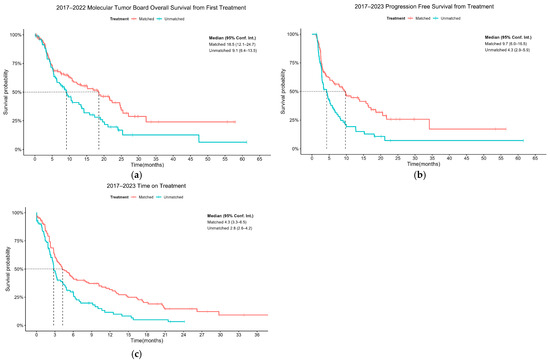
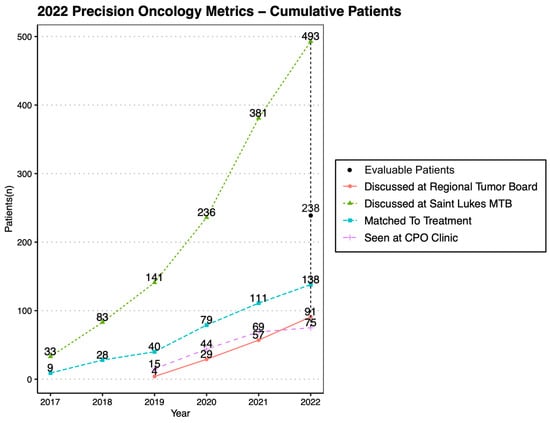
Interpreting and directing treatment based on comprehensive genomic testing for patients with cancer can be challenging. Molecular tumor boards (MTBs) can help by establishing collaborative frameworks to deliver patient care plans with the appropriate incorporation of genomic data. Our retrospective observational study evaluates the impact of MTB on the outcomes of adult patients diagnosed with advanced-stage cancer. Patients between 1 September 2017 and 1 January 2023 were grouped into those who received at least one treatment recommended by the MTB and those who did not. Hazard ratios (HR) for overall survival (OS), progression-free survival (PFS), and time on treatment (ToT) were determined using Kaplan–Meier analysis and multivariate Cox proportional hazards model adjusted for age, stage, line of therapy, and primary site of diagnosis. Of 238 evaluable patients, 138 (58%) received at least one treatment recommended by the MTB. Patient characteristics were well-balanced between the cohorts, except for higher proportions of lung adenocarcinoma, melanoma, and a lower proportion of glioblastoma in the matched cohort. Median OS, PFS, and ToT were all increased in patients on matched treatment compared to those who did not (18.5 months vs. 9.1 months, HR 0.64, 95% confidence interval (CI) 0.43–0.96, p = 0.030); 9.7 months vs. 4.3 months, HR 0.64, 95% CI 0.42–0.97, p = 0.035; and 4.3 months vs. 2.8 months, HR 0.58, 95% CI 0.41–0.83, p = 0.0027, respectively). Our findings show that MTB at a community cancer center is feasible and improves survival among patients with cancer, even after adjusting for confounding variables.
Full article
(This article belongs to the Special Issue Molecular Integrative Genomics in Cancer)
►▼
Show Figures

Figure 1
Journal Menu
► ▼ Journal Menu-
- Current Oncology Home
- Aims & Scope
- Editorial Board
- Reviewer Board
- Topical Advisory Panel
- Instructions for Authors
- Special Issues
- Topics
- Sections & Collections
- Article Processing Charge
- Indexing & Archiving
- Editor’s Choice Articles
- Most Cited & Viewed
- Journal Statistics
- Journal History
- Journal Awards
- Society Collaborations
- Conferences
- Editorial Office
Journal Browser
► ▼ Journal Browser-
arrow_forward_ios
Forthcoming issue
arrow_forward_ios Current issue - Volumes not published by MDPI
Highly Accessed Articles
Latest Books
E-Mail Alert
News
29 May 2026
Journal Cluster of Oncology | Interview with Abigayle (Abbey) Vito—Poster Award Winner at 7th DNA Repair/Replication Structures & Cancer Conference
26 May 2026
MDPI Canada & USA | Summary of an MDPI Subject Workshop—Cutting-Edge Advances in Cancer Immunology and Immunotherapy: From Basic Science to Clinical Impact
Topics
Topic in
Cancers, IJMS, Pharmaceuticals, Pharmaceutics, Sci. Pharm., Current Oncology, Molecules
Recent Advances in Anticancer Strategies, 2nd Edition
Topic Editors: Hassan Bousbaa, Zhiwei HuDeadline: 31 May 2026
Topic in
Cancers, Diagnostics, Medicina, Current Oncology
Prostate Cancer: Symptoms, Diagnosis & Treatment—3rd Edition
Topic Editors: Ana Faustino, Lúcio Lara Santos, Paula OliveiraDeadline: 30 June 2026
Topic in
Cancers, Current Oncology, JCM, Medicina, Onco
Cancer Biology and Radiation Therapy: 2nd Edition
Topic Editors: Chang Ming Charlie Ma, Ka Yu Tse, Ming-Yii Huang, Mukund SeshadriDeadline: 25 July 2026
Topic in
Cancers, Diagnostics, Gastrointestinal Disorders, JCM, Current Oncology
Metastatic Colorectal Cancer: From Laboratory to Clinical Studies, 2nd Edition
Topic Editors: Ioannis Ntanasis-Stathopoulos, Diamantis I. TsilimigrasDeadline: 20 August 2026
Conferences
Special Issues
Special Issue in
Current Oncology
Feature Advancements in Section "Childhood, Adolescent and Young Adult Oncology"
Guest Editors: Katrin Scheinemann, Maria OtthDeadline: 31 May 2026
Special Issue in
Current Oncology
Innovative Therapeutic Strategies, Biomarkers, and Molecular Pathways in Gastrointestinal and Hepatobiliary Cancers
Guest Editors: Anwaar Saeed, Azhar SaeedDeadline: 31 May 2026
Special Issue in
Current Oncology
Surgical and Medical Management of Pancreatic Tumors: Indication, Techniques, and Prognostic Factors
Guest Editors: Michele Tedeschi, Antonella Delvecchio, Riccardo MemeoDeadline: 31 May 2026
Special Issue in
Current Oncology
Hypofractionated Radiotherapy for Prostate Cancer: Emerging Evidence and Clinical Practice
Guest Editor: Hiromichi IshiyamaDeadline: 31 May 2026
Topical Collections
Topical Collection in
Current Oncology
New Insights into Prostate Cancer Diagnosis and Treatment
Collection Editor: Sazan Rasul
Topical Collection in
Current Oncology
New Insights into Breast Cancer Diagnosis and Treatment
Collection Editors: Filippo Pesapane, Matteo Suter
Topical Collection in
Current Oncology
Editorial Board Members’ Collection Series: Contemporary Perioperative Concepts in Cancer Surgery
Collection Editors: Vijaya Gottumukkala, Jörg Kleeff