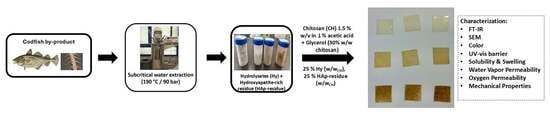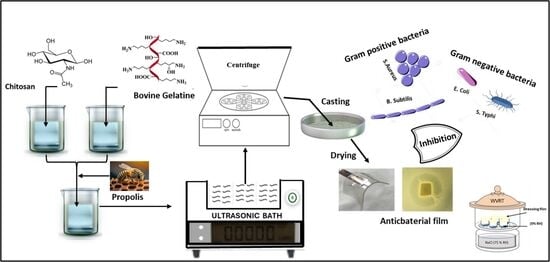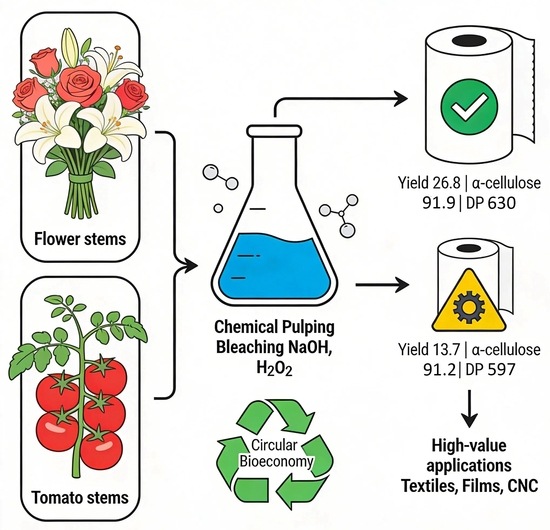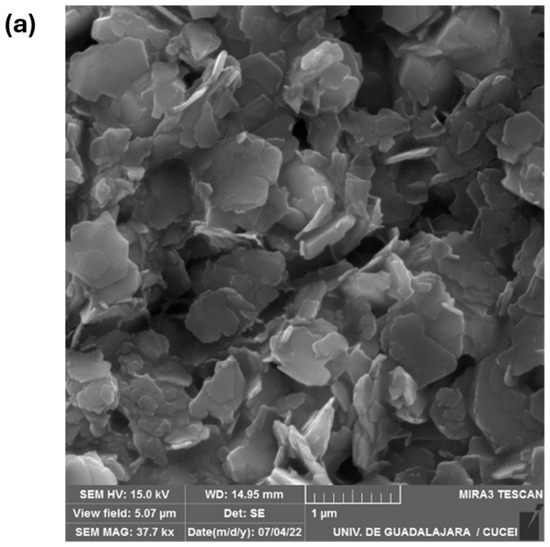

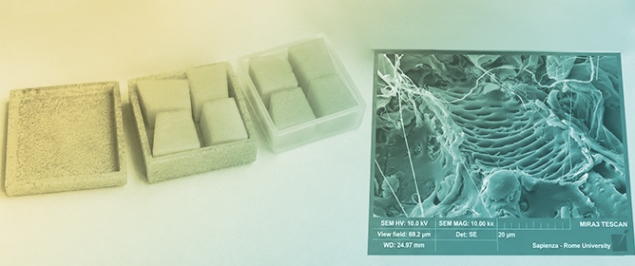
-
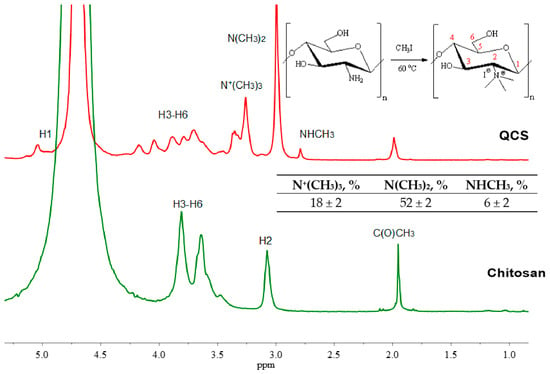
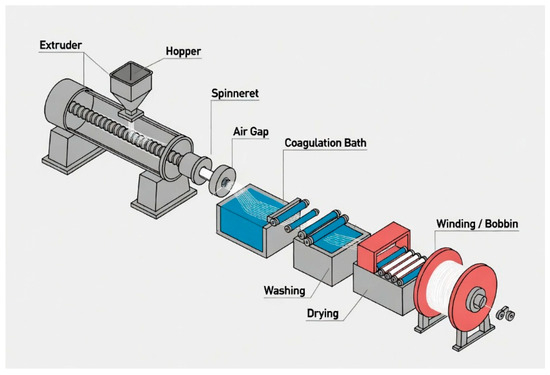
Semi-Synthesis of Chondroitin 6-Phosphate Assisted by Microwave Irradiation -
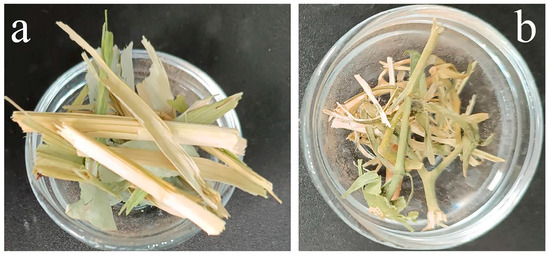
Sustainable Sourcing of l-Rhamnose-Rich Polysaccharides from Natural Biomass Diversity -
Smart Packaging System with Betalains and Rosemary Essential Oil to Extend Food Shelf Life and Monitor Quality During Storage -
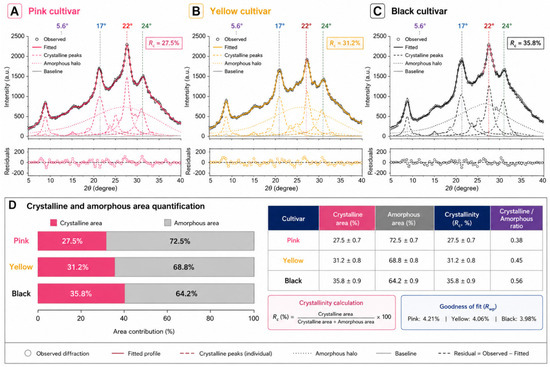
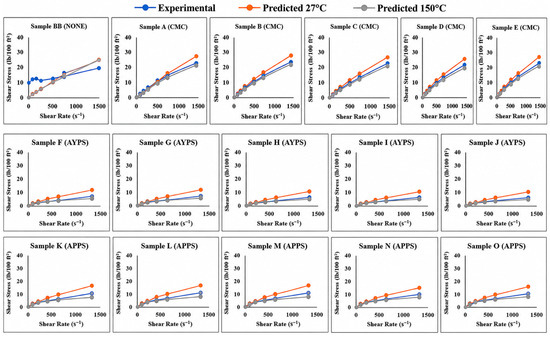
Effect of Glycerol and Isosorbide on Mechanical, Thermal, and Physicochemical Properties During Retrogradation of a Cassava Thermoplastic Starch -
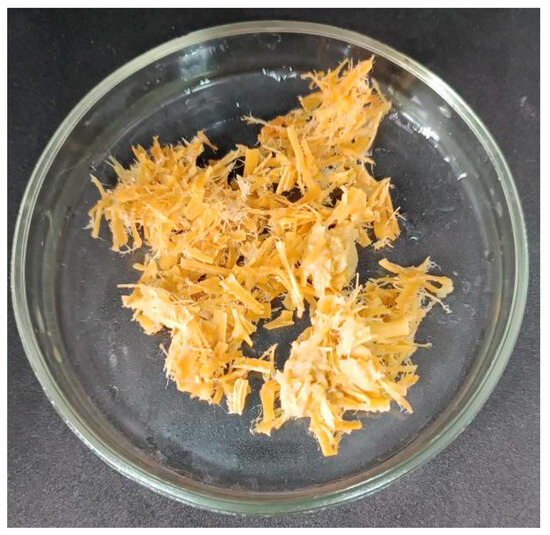
Brown Algae-Derived Polysaccharides: From Sustainable Bioprocessing to Industrial Applications
Journal Description
Polysaccharides
Polysaccharides
is an international, peer-reviewed, open access journal on all aspects of the science of polysaccharides and their derivatives, published quarterly online by MDPI.
- Open Access— free for readers, with article processing charges (APC) paid by authors or their institutions.
- High Visibility: indexed within ESCI (Web of Science), Scopus, FSTA, CAPlus / SciFinder, and other databases.
- Rapid Publication: manuscripts are peer-reviewed and a first decision is provided to authors approximately 25.4 days after submission; acceptance to publication is undertaken in 4.5 days (median values for papers published in this journal in the second half of 2025).
- Journal Rank: JCR - Q1 (Polymer Science) / CiteScore - Q1 (Engineering (miscellaneous))
- Recognition of Reviewers: APC discount vouchers, optional signed peer review, and reviewer names published annually in the journal.
- Journal Cluster of Polymer and Macromolecular Science: Polymers, Gels, Polysaccharides, Textiles, Macromol, Microplastics and Adhesives.
Impact Factor:
5.5 (2024);
5-Year Impact Factor:
5.2 (2024)
Latest Articles
Functional Properties and Rheological Performance of Cassava (Manihot esculenta) Hydrocolloids: Influence of Extraction pH on Technological Characteristics
Polysaccharides 2026, 7(1), 21; https://doi.org/10.3390/polysaccharides7010021 (registering DOI) - 7 Feb 2026
Abstract
This research focused on the systematic engineering of processing parameters to obtain novel hydrocolloids from cassava (Manihot esculenta), specifically investigating how extraction pH controls their functional and physicochemical properties. Hydrocolloids were obtained across a range of pH conditions, followed by
[...] Read more.
This research focused on the systematic engineering of processing parameters to obtain novel hydrocolloids from cassava (Manihot esculenta), specifically investigating how extraction pH controls their functional and physicochemical properties. Hydrocolloids were obtained across a range of pH conditions, followed by rigorous analysis of their chemical composition, flow behavior, viscoelasticity, and technological capacity, including water and oil holding capacity (WHC and OHC). The study established that hydrocolloids yield can be decoupled from extreme pH constraints, as high yields were successfully attained in both acidic and alkaline environments, thereby identifying a critical and flexible processing window for scalable production. Compositionally, the extracts confirmed their potential as functional additives due to a high carbohydrate content and minimal fat. Crucially, the extracted hydrocolloids exhibited strong structural performance, displaying high water and oil retention capacity—metrics essential for emulsion stability and shelf life—while consistently confirming desirable shear-thinning behavior across all effective extraction conditions. In conclusion, these results demonstrate that hydrocolloids derived from cassava are versatile stabilizers whose robust structural performance is maintained across varying processing pH levels, positioning them as promising, cost-effective alternatives for developing resilient, stable food matrices.
Full article
Open AccessArticle
Structural Characteristics and Antibacterial Assessment of Chitosan–Frankincense Oil Coatings on Strawberries
by
Rahma Al-Mamari, Laila Al-Naamani, Nasser Al-Habsi, Mohammad Shafiur Rahman and Sergey Dobretsov
Polysaccharides 2026, 7(1), 20; https://doi.org/10.3390/polysaccharides7010020 - 6 Feb 2026
Abstract
►▼
Show Figures
This study evaluated the effects of chitosan composite edible coatings with frankincense essential oil on microbial growth and strawberry quality. Four coatings were prepared using 1% and 3% chitosan aqueous solutions, with or without 1% (v/v) frankincense essential oil
[...] Read more.
This study evaluated the effects of chitosan composite edible coatings with frankincense essential oil on microbial growth and strawberry quality. Four coatings were prepared using 1% and 3% chitosan aqueous solutions, with or without 1% (v/v) frankincense essential oil derived from Boswellia sacra. Fresh strawberries were coated with chitosan and chitosan–frankincense solutions and stored under controlled conditions for eight days. The physical properties of strawberries, such as color, texture, moisture content, pH, and total soluble solids, were evaluated throughout the storage period. Results indicated that neither chitosan nor chitosan–frankincense oil coatings significantly altered the physical properties of the strawberries, such as the color, pH, moisture content, total soluble solids, and hardness at each time point. However, a significant effect of time (2-way ANOVA, p < 0.05) was observed on pH, TSS, color and hardness characteristics of strawberries. All tested coatings effectively inhibited bacterial growth. The strawberries covered with 3% chitosan–frankincense oil coating had the lowest bacterial count (74 CFU/mL). The addition of frankincense to 1% of chitosan significantly reduced the number of bacteria by 1.6-fold. Additionally, chitosan–frankincense oil films significantly reduced the growth of E.coli compared to both the chitosan film and the control. These findings suggest that chitosan combined with frankincense oil can serve as an effective natural alternative for edible coating in food preservation, offering both antimicrobial benefits and quality retention during storage.
Full article

Graphical abstract
Open AccessSystematic Review
Systematic Review of Preclinical Evidence on Antifibrotic Potential of Natural Polysaccharides
by
Juan Wang, Yun Ye, Weiwei Jiang, Hanhang Yang, Jun Xu, Quanbin Han, Aiping Lyu and Hiu Yee Kwan
Polysaccharides 2026, 7(1), 19; https://doi.org/10.3390/polysaccharides7010019 - 5 Feb 2026
Abstract
►▼
Show Figures
Background: Liver fibrosis drives mortality in chronic liver disease, with effective and approved targeted therapies being an urgent unmet medical need. Natural polysaccharides are promising multitarget candidates, but a critical appraisal of the preclinical evidence for their translatability is lacking. Objective:
[...] Read more.
Background: Liver fibrosis drives mortality in chronic liver disease, with effective and approved targeted therapies being an urgent unmet medical need. Natural polysaccharides are promising multitarget candidates, but a critical appraisal of the preclinical evidence for their translatability is lacking. Objective: This review systematically synthesizes the evidence on the efficacy, mechanisms, and methodological quality of preclinical studies investigating the antifibrotic potential of natural polysaccharides. Methods: Six databases were searched (inception to February 2025) for studies in experimental liver fibrosis models. The review followed PRISMA guidelines. Risk of bias and reporting quality were assessed using the SYRCLE (Systematic Review Centre for Laboratory Animal Experimentation) and ARRIVE (Animal Research: Reporting of In Vivo Experiments) guidelines, respectively. Results: Eighty-eight studies on 44 polysaccharides were included. A major limitation was the predominant use of the carbon tetrachloride (CCl4) rat model (54.5%). Despite this, polysaccharides showed consistent efficacy: collagen deposition was suppressed in 92.0% of studies, and serum alanine/aspartate aminotransferase (ALT/AST) were reduced in 100%. Mechanistically, inhibition of the transforming growth factor-beta (TGF-β)/Smad pathway (implicated in 60.2% of studies) and modulation of the toll-like receptor 4 (TLR4)/nuclear factor kappa B (NF-κB) pathway (15.9%) were the most common findings. However, methodological quality was low, with unclear allocation concealment (92.0%) and absent blinding (86.4%) being pervasive issues. Conclusions: This review confirms that natural polysaccharides consistently attenuate experimental fibrosis by modulating key pathways like TGF-β/Smad. Our key contribution is highlighting a critical disconnect: demonstrated efficacy is undermined by poor methodological rigor and the use of simplistic models. This gap represents a major barrier to clinical translation. Advancing these promising agents requires prioritizing chemical standardization, employing more relevant disease models, and adhering to rigorous reporting standards.
Full article

Figure 1
Open AccessArticle
Development of Chitosan-Based Films with Enhanced Hydrophobic and Antimicrobial Properties by Incorporating Piper betle L. Leaf Extract in β-Cyclodextrin with Beeswax Coating
by
Hermawan Dwi Ariyanto, Vita Paramita, Ireng Sigit Atmanto, Nur Alim Bahmid, Daffa Ikhlasul Amal, Salza Medina Putri, Wikalimma Ningsih and Fatimah Hapsari
Polysaccharides 2026, 7(1), 18; https://doi.org/10.3390/polysaccharides7010018 - 4 Feb 2026
Abstract
►▼
Show Figures
This study focused on the incorporation of Piper betle L. essential oil (EO) into β-cyclodextrin (β-CD) and the subsequent incorporation of this complex into chitosan-based films with a beeswax coating. The objective of this study was to develop a hydrophobic, antibacterial bio-based film
[...] Read more.
This study focused on the incorporation of Piper betle L. essential oil (EO) into β-cyclodextrin (β-CD) and the subsequent incorporation of this complex into chitosan-based films with a beeswax coating. The objective of this study was to develop a hydrophobic, antibacterial bio-based film suitable for preservation applications. A total of four formulations were prepared: (1) chitosan film with no EO or β-CD, (2) chitosan film with β-CD only, (3) chitosan film with EO only, and (4) chitosan film with both EO and β-CD. The EO concentration was varied between 0, 0.5 and 1% (v/v) in the formulation, while β-CD was used at a concentration of 5% (w/v). The films were characterized using FTIR to analyze functional groups, SEM for surface morphology, contact angle to assess hydrophobicity, and tensile tests for mechanical properties. The results indicated significant changes in functional group characteristics and surface morphology across the different formulations. Beeswax coating enhanced the water impermeability and increased the hydrophobicity of the films, improving the contact angle from 59.93 ± 1.79° to 97.84 ± 0.77° and the mechanical strength from 0.28 ± 0.07 MPa to 24.49 ± 0.04 MPa. The antibacterial activity, assessed using the Kirby–Bauer method, showed that the EO concentration significantly inhibited the growth of Escherichia coli, with a maximum inhibition zone of 7.43 ± 0.60 mm observed at the highest EO concentration. These findings demonstrate that chitosan-based film modifications, incorporating both EO and β-CD, significantly improve the material properties and antibacterial activity, indicating its potential for food preservation applications.
Full article

Graphical abstract
Open AccessArticle
Synthesis and Thermo-Responsive Performance of Chitosan-Based UCST-Type Superplasticizers for Cement Composites
by
Zhilong Quan, Huijin Zhan, Lang Ye, Xiaoqing Zhang, Shuanghua Zhou and Hongwei Chen
Polysaccharides 2026, 7(1), 17; https://doi.org/10.3390/polysaccharides7010017 - 1 Feb 2026
Abstract
►▼
Show Figures
Conventional polycarboxylate superplasticizers (PCEs) suffer from uncontrollable adsorption, characterized by rapid initial uptake and limited subsequent release, which causes pronounced slump loss, particularly at elevated temperatures where hydration accelerates and dispersion efficiency declines. To overcome these limitations, we developed a series of chitosan-based
[...] Read more.
Conventional polycarboxylate superplasticizers (PCEs) suffer from uncontrollable adsorption, characterized by rapid initial uptake and limited subsequent release, which causes pronounced slump loss, particularly at elevated temperatures where hydration accelerates and dispersion efficiency declines. To overcome these limitations, we developed a series of chitosan-based upper critical solution temperature (UCST) responsive superplasticizers (Thermo-PCEx, UCST = 40–42 °C) capable of temperature -adaptive dispersion during cement hydration. A vinyl-functionalized chitosan macromonomer (uCS-g-T8) was synthesized by reacting cetyl polyoxyethylene glycidyl ether with chitosan, followed by methacrylate modification, and then copolymerized with acrylic acid and isopentenol polyoxyethylene ether to yield Thermo-PCEx with tunable sugar-to-acid ratios. The polymers exhibited clear UCST-type phase-transition behavior in aqueous solution. When incorporated into cement paste, Thermo-PCEx enabled continuous fluidity enhancement at 25 °C (<UCST), with increases of 43.6%, 52.9%, 62.3% and 63.6%, after 180 min for x = 0.5, 1, 1.5 and 2, respectively. Adjusting dosage and composition further regulated setting time, improved rheological stability, and enhanced mechanical strength. These findings demonstrate a viable pathway for designing bio-based, temperature-responsive superplasticizers with self-adaptive dispersibility for sustainable cement technologies.
Full article

Graphical abstract
Open AccessArticle
Influence of Powdered Lignocellulose from Alfalfa Straw and Its Carboxymethylated Derivative on the Properties of Water-Swelling Rubbers
by
Abdirakym Nakyp, Elena Cherezova, Yulia Karaseva, Nurgali Akylbekov, Rakhymzhan Turmanov and Akbota Kuandykova
Polysaccharides 2026, 7(1), 16; https://doi.org/10.3390/polysaccharides7010016 - 1 Feb 2026
Abstract
The present work investigates the effect of powdered lignocellulose from alfalfa straw obtained by a chemo-extrusion method, as well as its carboxymethylated derivative, on the physicomechanical properties and swelling behavior of vulcanizates based on nitrile butadiene rubber (NBR, BNKS-28 AMN grade). Carboxymethylation of
[...] Read more.
The present work investigates the effect of powdered lignocellulose from alfalfa straw obtained by a chemo-extrusion method, as well as its carboxymethylated derivative, on the physicomechanical properties and swelling behavior of vulcanizates based on nitrile butadiene rubber (NBR, BNKS-28 AMN grade). Carboxymethylation of lignocellulose was performed using microwave activation. The functional group composition of the modified lignocellulose was characterized by Fourier-transform infrared (FTIR) spectroscopy, which confirmed successful carboxymethylation and revealed a reduction in crystallinity. Thermogravimetric analysis (TGA) was used to determine the thermal stability of the swelling carboxymethylated fillers. The degree of crystallinity of the carboxymethylated swelling fillers was evaluated by X-ray diffraction (XRD). It was shown that the introduction of powdered lignocellulose and its carboxymethylated derivative into the rubber compounds lead to an increase in compound viscosity and prolong the optimum cure time, while having no effect on the scorch time, in a manner similar to that observed for the commercial product sodium carboxymethylcellulose (NaCMC). It has been shown that the introduction of powdered lignocellulose and its carboxymethylated derivative increases the tensile strength of the rubber and improves its resistance to the action of mineralized water compared with the samples containing NaCMC. It was also demonstrated that carboxymethylated lignocellulose exhibits enhanced sorption capacity comparable to that of NaCMC. Overall, carboxymethylation of lignocellulose derived from alfalfa straw significantly improves the stability and sorption characteristics of nitrile butadiene rubber composites. These findings indicate that carboxymethylated lignocellulose is a sustainable and effective alternative to industrial NaCMC for use as a functional filler in elastomeric materials.
Full article
(This article belongs to the Special Issue Recent Progress on Lignocellulosic-Based Materials)
►▼
Show Figures

Graphical abstract
Open AccessArticle
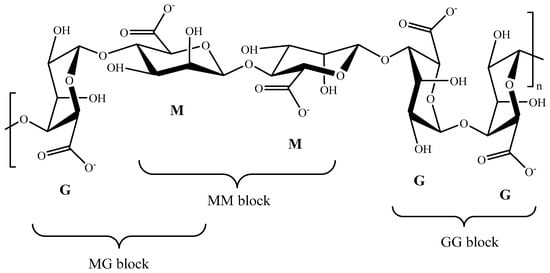
Upcycling Pineapple Waste Polysaccharides for Producing Reduced-Fat Sausage and Casings: A Circular Economy Approach
by
Nattanin Ueasin, Natcharee Jirukkakul, Nachayut Chanshotikul and Bung-Orn Hemung
Polysaccharides 2026, 7(1), 15; https://doi.org/10.3390/polysaccharides7010015 - 1 Feb 2026
Abstract
►▼
Show Figures
Pineapple processing generates substantial waste, which has the potential to be valorized according to circular economy principles. This study aimed to estimate the amount of waste generation from the pineapple industry and demonstrate its valorization by producing pectin-based hydrogels for fat replacement in
[...] Read more.
Pineapple processing generates substantial waste, which has the potential to be valorized according to circular economy principles. This study aimed to estimate the amount of waste generation from the pineapple industry and demonstrate its valorization by producing pectin-based hydrogels for fat replacement in reduced-fat sausages, in addition to cellulose-derived edible films for sausage casings. An analysis of the pineapple sector in Thailand, covering 2015–2024, revealed an average annual pineapple waste generation of 670,698 tons. The crude fiber content in pineapple waste was found to be 15–33%. In this study, pectin was successfully extracted using citric acid under microwave digestion for 10 min. Through the combination of extracted and commercial pectins, a hydrogel (fat replacer) could be formed following the incorporation of calcium residue in fish bone powder. Substituting this hydrogel for 25% fat in sausage recipes reduced fat content while improving textural properties and water-holding capacities. The reduced-fat sausage, wrapped with edible film made from gelatin and carboxymethyl cellulose (CMC) derived from pineapple waste, exhibited physicochemical stability, as evidenced by its unchanged color and pH during cold storage for 5 days. Storing this type of sausage within films containing CMC from pineapple waste exhibited superior antioxidative properties compared to those wrapped with commercial films. Our results indicated that polysaccharide residues in pineapple waste can be valorized to produce reduced-fat sausages and casings, supporting upcycling policies and waste management strategies.
Full article

Graphical abstract
Open AccessArticle
Exploration of Bamboo-Derived Nanocellulose Paper for Versatile Colorimetric Detection of Bio Compounds
by
Fitri Rahmah, Farah Nita Adila, Ruri Agung Wahyuono and Agus Muhamad Hatta
Polysaccharides 2026, 7(1), 14; https://doi.org/10.3390/polysaccharides7010014 - 31 Jan 2026
Abstract
►▼
Show Figures
Paper-based analytical devices (PADs) were developed as low-cost tools for detecting chemical and biological compounds, commonly fabricated from cellulose derived from plant biomass. Bamboo, a fast-growing and abundant plant with high cellulose content (40–50%), was investigated as a substrate source. In this study,
[...] Read more.
Paper-based analytical devices (PADs) were developed as low-cost tools for detecting chemical and biological compounds, commonly fabricated from cellulose derived from plant biomass. Bamboo, a fast-growing and abundant plant with high cellulose content (40–50%), was investigated as a substrate source. In this study, the selection of bamboo was based on its rapid growth cycle and the abundance of parenchyma cells that facilitated nanofibrillation compared to cellulose fibers from softwood or hardwood. Cellulose fibers were extracted from black bamboo (30 and 60 mesh) using mechanical and acid hydrolysis methods. The mechanical method employed ultrasonication to obtain nanocellulose, while the acid hydrolysis method used strong acids, i.e., H2SO4. The resulting nanocellulose papers exhibited variations in contact angle, porosity, and transmittance that directly affected their permeability and fluid flow behavior. The results indicated that the mechanical method, which extracted nanocellulose from parenchyma cells, yielded more consistent thermophysical and mechanical properties suitable for paper-based biosensors. The fabricated nanocellulose papers were tested as PADs for colorimetric detection of dopamine and hydrogen peroxide. Based on the literature comparison, their sensing performance, including sensitivity, linearity, limit of detection (LOD), and limit of quantification (LOQ), was comparable to other nanocellulose-based papers, indicating the potential of bamboo-derived nanocellulose as a sustainable substrate for PADs.
Full article

Figure 1
Open AccessArticle
Comparative Assessment of Edible Oil Plant Lignocellulosic Biomass as Raw Material for a Fiber-Based Integrated Fractionation
by
Adrian Cătălin Puițel, Cătălin Dumitrel Balan and Mircea Teodor Nechita
Polysaccharides 2026, 7(1), 13; https://doi.org/10.3390/polysaccharides7010013 - 31 Jan 2026
Abstract
Agricultural leftovers from oilseed crops represent an underutilized lignocellulosic resource for integrated biorefinery. In this work, rapeseed straw (RS) and sunflower stalk (SS) were evaluated as raw materials for the simultaneous recovery of hemicelluloses, lignin, and cellulose-rich fibers. Direct soda pulping (20% NaOH,
[...] Read more.
Agricultural leftovers from oilseed crops represent an underutilized lignocellulosic resource for integrated biorefinery. In this work, rapeseed straw (RS) and sunflower stalk (SS) were evaluated as raw materials for the simultaneous recovery of hemicelluloses, lignin, and cellulose-rich fibers. Direct soda pulping (20% NaOH, 160 °C, 45 min) or a combination of soda pulping with water pretreatment or alkaline extraction (water or 2% NaOH, 110 °C, 40 min) were the methods used in the process. Acid precipitation was used to remove lignin from the process fluids, whereas ethanol was used to separate hemicelluloses. FTIR spectroscopy, HPLC of acidic hydrolysates, and chemical composition analysis were used to analyze solid fractions and recovered biopolymers. The combination alkaline extraction–soda pulping produced the greatest material removal: 55% for RS and 70% for SS. Xylan was the main component of the isolated hemicellulose fraction: 44.86% for RS and 40.09% for SS. Paper sheets produced from the resulting pulps exhibited tensile strength indices of 35–55 N·m/g and burst indices of 1.1–2.4 kPa·m2/g, meeting requirements for hygiene and fluting packaging papers. These results prove that RS and SS are suitable feedstocks for integrated, multi-stream biorefinery, enabling the concurrent production of paper-making fibers and value-added biopolymers.
Full article
(This article belongs to the Special Issue Recent Progress on Lignocellulosic-Based Materials)
►▼
Show Figures

Figure 1
Open AccessReview
Polymeric Biocoatings for Postharvest Fruit Preservation: Advances, Challenges, and Future Perspectives
by
Carlos Culqui-Arce, Luz Maria Paucar-Menacho, Efraín M. Castro-Alayo, Diner Mori-Mestanza, Marleni Medina-Mendoza, Roberto Carlos Mori-Zabarburú, Robert J. Cruzalegui, Alex J. Vergara, William Vera, César Samaniego-Rafaele, César R. Balcázar-Zumaeta and Marcio Schmiele
Polysaccharides 2026, 7(1), 12; https://doi.org/10.3390/polysaccharides7010012 - 22 Jan 2026
Abstract
►▼
Show Figures
The growing demand for fresh fruit, coupled with high postharvest losses, highlights the need for sustainable and effective preservation technologies. In this context, polymeric biocoatings are emerging as a promising alternative to conventional synthetic packaging, thanks to their biodegradability, film-forming capacity, and potential
[...] Read more.
The growing demand for fresh fruit, coupled with high postharvest losses, highlights the need for sustainable and effective preservation technologies. In this context, polymeric biocoatings are emerging as a promising alternative to conventional synthetic packaging, thanks to their biodegradability, film-forming capacity, and potential to incorporate bioactive compounds. This review article summarizes recent advances in the development of coatings based on polysaccharides, proteins, and nanomaterials, analyzing their physicochemical, functional, and sensory properties, and the main conventional and emerging application methods used in fresh fruit. It also highlights the role of phenolic compounds and essential oils as antioxidant and antimicrobial agents, along with the valorization of agro-industrial by-products under circular economy schemes. Finally, it discusses the challenges associated with standardization, industrial scaling, and consumer acceptance, proposing future perspectives aimed at designing multifunctional systems that extend the shelf life and improve the quality of fresh products, in line with environmental sustainability objectives. Unlike recent reviews, this work unifies structure–function relationships with quantitative comparisons of coating performance across fruits. It further contributes a critical evaluation of emerging application technologies and their technological and regulatory readiness, offering a distinctly more integrated perspective.
Full article

Graphical abstract
Open AccessArticle
Semi-Synthesis of Chondroitin 6-Phosphate Assisted by Microwave Irradiation
by
Fabiana Esposito, Sabrina Cuomo, Serena Traboni, Alfonso Iadonisi, Donatella Cimini, Annalisa La Gatta, Chiara Schiraldi and Emiliano Bedini
Polysaccharides 2026, 7(1), 11; https://doi.org/10.3390/polysaccharides7010011 - 19 Jan 2026
Abstract
Chondroitin sulfate is a glycosaminoglycan polysaccharide, playing key roles in a plethora of physiopathological processes typical of higher animals. The position of sulfate groups within CS disaccharide subunits composing the polysaccharide chain is able to encode specific functional information. In order to expand
[...] Read more.
Chondroitin sulfate is a glycosaminoglycan polysaccharide, playing key roles in a plethora of physiopathological processes typical of higher animals. The position of sulfate groups within CS disaccharide subunits composing the polysaccharide chain is able to encode specific functional information. In order to expand such a “sulfation code”, access to non-natural CS variants and mimics thereof can be pursued. In this context, an interesting topic concerns phosphorylated analogs of CS polysaccharides, as the replacement of sulfate groups with phosphates can lead to unreported activities of phosphorylated CS. In light of this, the phosphorylation reaction of a microbial-sourced, unsulfated chondroitin polysaccharide with phosphoric acid is reported in the present study, testing different microwave irradiation conditions and comparing them with conventional heating procedures. The obtained products were subjected to a detailed characterization, in terms of chemical structure and hydrodynamic properties, by 1D- and 2D-NMR spectroscopy and HP-SEC-TDA analysis, respectively. The characterization study showed how different reaction conditions can not only influence the regioselectivity and degree of phosphorylation but also trigger the formation of phosphate diester functionalities acting as cross-linkers between polysaccharide chains. The results from the screening presented in this work could be interesting for any research devoted to the regioselective phosphorylation of a polysaccharide.
Full article
(This article belongs to the Collection Bioactive Polysaccharides)
►▼
Show Figures

Graphical abstract
Open AccessReview
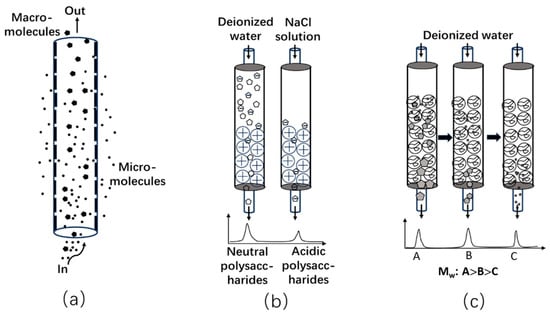
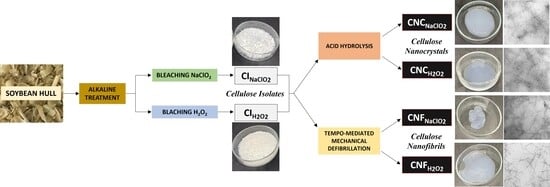
Brown Algae-Derived Polysaccharides: From Sustainable Bioprocessing to Industrial Applications
by
Houssem Khammassi, Taheni Bouaziz, Mariam Dammak, Pascal Dubesay, Guillaume Pierre, Philippe Michaud and Slim Abdelkafi
Polysaccharides 2026, 7(1), 10; https://doi.org/10.3390/polysaccharides7010010 - 16 Jan 2026
Abstract
Brown seaweeds are marine bioresources rich in bioactive compounds such as carbohydrates, proteins, pigments, fatty acids, polyphenols, vitamins, and minerals. Among these substances, brown algae-derived polysaccharides (alginate, fucoidan, and laminarin) have promising industrial prospects owing to their distinctive structural features and diverse biological
[...] Read more.
Brown seaweeds are marine bioresources rich in bioactive compounds such as carbohydrates, proteins, pigments, fatty acids, polyphenols, vitamins, and minerals. Among these substances, brown algae-derived polysaccharides (alginate, fucoidan, and laminarin) have promising industrial prospects owing to their distinctive structural features and diverse biological activities. Consequently, processing technologies have advanced substantially to address industrial requirements for biopolymer quality, cost-effectiveness, and sustainability. Over the years, significant progress has been made in developing various advanced methods for the sake of extracting, purifying, and structurally characterizing polysaccharides. Aside from that, numerous studies reported their broad spectrum of biological activities, such as antioxidant, anti-inflammatory, anticoagulant, and antimicrobial properties. Furthermore, these substances have various industrial, pharmaceutical, bioenergy, food, and other biotechnology applications. The present review systematically outlines the brown algae-derived polysaccharides treatment process, covering the entire value chain from seaweed harvesting to advanced extraction methods, while highlighting their biological activities and industrial potential as well.
Full article
(This article belongs to the Special Issue Seaweed Polysaccharides: Innovations in Isolation, Characterization, Chemical Modification and Processing)
►▼
Show Figures

Graphical abstract
Open AccessArticle
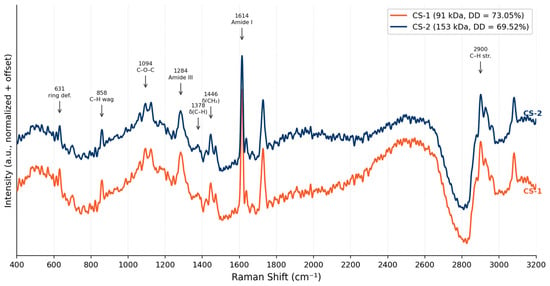
Elaboration and Characterization of New Polyurethane-Based Biocomposites from Jojoba Oil and Alfa Cellulose Fibers
by
Ahmed Ramdani, Tarik Harit, Chakib Mokhtari and Fouad Malek
Polysaccharides 2026, 7(1), 9; https://doi.org/10.3390/polysaccharides7010009 - 13 Jan 2026
Abstract
A series of biocomposites were elaborated by incorporating cellulose fibers, obtained from raw alfa plant, into a new polyurethane (PU) matrix synthesized from jojoba oil. The cellulose content was adjusted between 0% and 50%. To examine their properties, several characterization methods were employed.
[...] Read more.
A series of biocomposites were elaborated by incorporating cellulose fibers, obtained from raw alfa plant, into a new polyurethane (PU) matrix synthesized from jojoba oil. The cellulose content was adjusted between 0% and 50%. To examine their properties, several characterization methods were employed. Fourier-transform infrared spectroscopy (FTIR) and scanning electron microscopy (SEM) analyses confirmed that the extracted cellulose and the polyurethane matrix have high interfacial adhesion. Thermal stability was assessed using thermogravimetric analysis (TGA) and differential scanning calorimetry (DSC). They indicate that the composites remained thermally stable in air up to 265 °C and exhibited glass transition temperatures (Tg) in the range of −38 to −7 °C, depending on the fiber percentage inside the polyurethane-based biocomposite. The corresponding mechanical properties increased with the addition of cellulose, reaching optimal improvement at 40% fiber content.
Full article
(This article belongs to the Special Issue Recent Progress on Lignocellulosic-Based Materials)
►▼
Show Figures

Graphical abstract
Open AccessArticle
Valorization of Orange Peels for Pectin Extraction from BARI Malta-1 (Sweet Orange): A Green Approach for Sustainable Utilization of Citrus Waste
by
M. A. A. Shofi Uddin Sarkar, Md Murshed Bhuyan and Sharmeen Nishat
Polysaccharides 2026, 7(1), 8; https://doi.org/10.3390/polysaccharides7010008 - 12 Jan 2026
Abstract
►▼
Show Figures
The agro-industrial valorization of citrus waste represents a promising avenue to employ underutilized bioresources. This research investigated the potential of the peels of BARI malta 1 (sweet orange), a widely grown variety in Bangladesh, as a viable and new source for pectin extraction.
[...] Read more.
The agro-industrial valorization of citrus waste represents a promising avenue to employ underutilized bioresources. This research investigated the potential of the peels of BARI malta 1 (sweet orange), a widely grown variety in Bangladesh, as a viable and new source for pectin extraction. Pectin is a polysaccharide, having extensive applications in the pharmaceuticals, cosmetics, and food business as a thickening, texturizer, emulsifier, gelling agent, and stabilizer. This study investigated the optimum extraction conditions for maximum yield, characterization, and physicochemical properties of the obtained pectin and compared the results with the pectin obtained from other sources. Comprehensive characterization through Fourier-Transform Infrared Spectroscopy (FTIR), Nuclear Magnetic Resonance (NMR) spectroscopy, X-ray diffraction (XRD), thermogravimetric analysis (TGA), Differential Scanning Calorimetry (DSC), and Field Emission Scanning Electron Microscopy (FESEM) confirmed the structural identity, crystallinity, thermal stability, and morphological features of the extracted pectin. Physicochemical properties, including moisture content, ash content, equivalent weight, methoxyl content, and degree of esterification, indicate the suitability and superiority of the extracted pectin for industrial applications. This research approach not only supports eco-friendly processing of citrus waste but also opens avenue for circular economy initiatives in Bangladesh.
Full article

Figure 1
Open AccessArticle
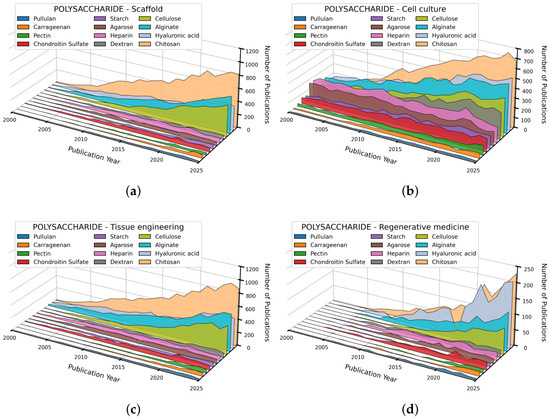
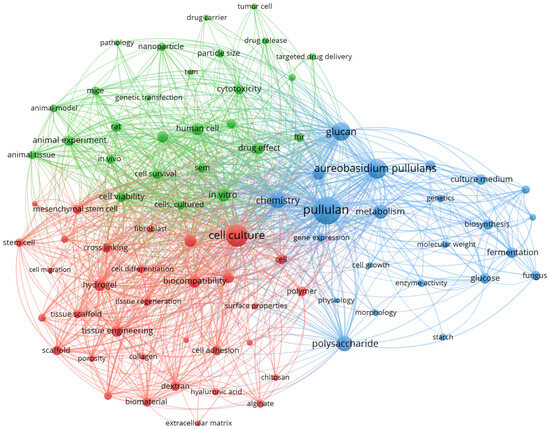
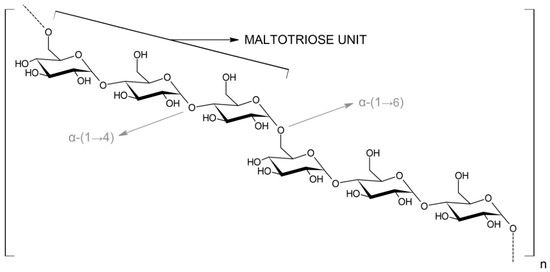
Development of Antimicrobial Wound Healing Hydrogels Based on the Microbial Polysaccharide Pullulan
by
Natalya Vedyashkina, Lyudmila Ignatova, Yelena Brazhnikova, Ilya Digel and Tatiana Stupnikova
Polysaccharides 2026, 7(1), 7; https://doi.org/10.3390/polysaccharides7010007 - 9 Jan 2026
Abstract
►▼
Show Figures
Microbial polysaccharides are promising components for wound-care products. This study reports the development of wound-healing antimicrobial hydrogels, based on pullulan from Aureobasidium pullulans, combined with mesenchymal cell-derived conditioned medium. Structural characterization of pullulan was confirmed by FTIR and NMR. Twenty-three formulations containing
[...] Read more.
Microbial polysaccharides are promising components for wound-care products. This study reports the development of wound-healing antimicrobial hydrogels, based on pullulan from Aureobasidium pullulans, combined with mesenchymal cell-derived conditioned medium. Structural characterization of pullulan was confirmed by FTIR and NMR. Twenty-three formulations containing pullulan, chitosan, gelatin, citric acid, and antimicrobial agents were prepared. Physicochemical screening identified optimal hydrogels: No. 22 (1.2% pullulan, 1.2% chitosan, 0.2% citric acid, 2.4% gelatin, 0.1% conditioned medium, 0.4% glutaraldehyde) and No. 23 (2.4% pullulan, no chitosan, the remaining components identical to those in No. 22). Both exhibited pH values of 5.34 and 5.49, moisture content of 92%, swelling capacities of 175% and 213%, and dynamic viscosity between 58–120 mPa·s. Cytotoxicity testing with human mesenchymal stem cells showed no significant toxicity, with both hydrogels supporting cell adhesion and proliferation. Antimicrobial assays demonstrated inhibitory activity against Staphylococcus aureus and Escherichia coli for both formulations; only hydrogel No. 23 inhibited Pseudomonas aeruginosa. In vitro scratch assays revealed that hydrogel No. 23 significantly promoted fibroblast migration, achieving 30.25% scratch closure after 24 h. The developed formulations combine favorable physicochemical properties with antimicrobial efficacy and regenerative potential, supporting further evaluation as advanced wound-healing and anti-burn dressings.
Full article

Graphical abstract

Open AccessArticle
Physicochemical and Sensory Evaluation of Dark Chocolate Enriched with Aloe vera-Derived Polysaccharide
by
Veronika Kotrcová, Ekambaranellore Prakash, Marcela Sluková, Jana Čopíková and Natália Palugová
Polysaccharides 2026, 7(1), 6; https://doi.org/10.3390/polysaccharides7010006 - 9 Jan 2026
Abstract
►▼
Show Figures
The demand for clean-label functional foods has increased interest in natural polysaccharides with health benefits. Acemannan, an O-acetylated glucomannan from Aloe vera, possesses antioxidant, immunomodulatory, and prebiotic activities, but its performance in fat-based systems is not well understood. This study examined the
[...] Read more.
The demand for clean-label functional foods has increased interest in natural polysaccharides with health benefits. Acemannan, an O-acetylated glucomannan from Aloe vera, possesses antioxidant, immunomodulatory, and prebiotic activities, but its performance in fat-based systems is not well understood. This study examined the incorporation of acemannan into dark chocolate at 1% and 5% (w/w) and its effects on physicochemical, rheological, antioxidant, and sensory properties. Particle size distribution remained within acceptable limits, though the 5% sample showed a larger mean size and broader span. Rheological tests confirmed shear-thinning behavior, with the higher concentration increasing viscosity at low shear and reducing it at high shear. Antioxidant activity measured by the DPPH assay showed modest improvement in enriched samples. Consumer tests with 30 panelists indicated a strong preference (89%) for the 1% formulation, which maintained a smooth mouthfeel and balanced sensory characteristics, while the 5% sample displayed more fruity and earthy notes with lower acceptance. GC–MS analysis revealed altered volatile profiles, and FTIR spectroscopy confirmed acemannan stability in the chocolate matrix. These findings demonstrate that acemannan can be incorporated into dark chocolate up to 1% as a multifunctional, structurally stable polysaccharide ingredient without compromising product quality.
Full article

Graphical abstract
Open AccessArticle
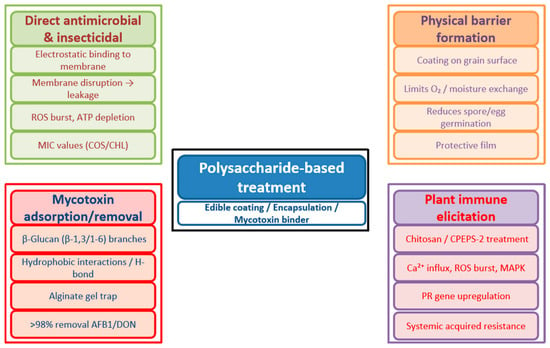
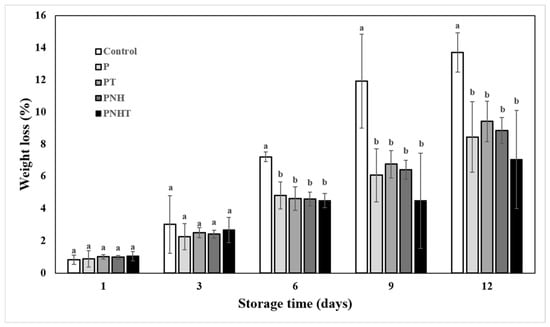
Smart Packaging System with Betalains and Rosemary Essential Oil to Extend Food Shelf Life and Monitor Quality During Storage
by
Noemi Takebayashi-Caballero, Carlos Regalado-González, Aldo Amaro Reyes, Silvia Lorena Amaya-Llano, José Ángel Granados-Arvizu, Genoveva Hernández Padrón, Víctor Castaño-Meneses and Monserrat Escamilla-García
Polysaccharides 2026, 7(1), 5; https://doi.org/10.3390/polysaccharides7010005 - 8 Jan 2026
Abstract
►▼
Show Figures
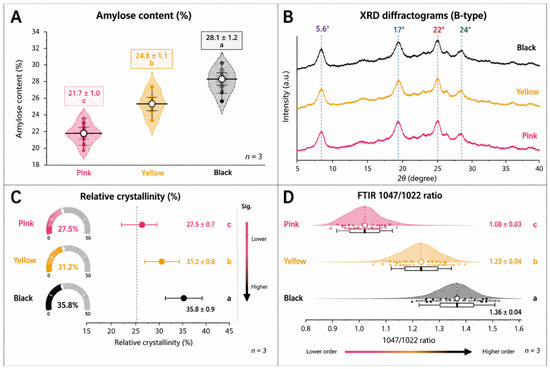
Smart packaging is an alternative that may not only replace plastic containers, but also enable food quality monitoring. In this study, an innovative packaging system was developed using a starch-chitosan polymer matrix, infused with rosemary essential oil (REO) as an antimicrobial agent, and
[...] Read more.
Smart packaging is an alternative that may not only replace plastic containers, but also enable food quality monitoring. In this study, an innovative packaging system was developed using a starch-chitosan polymer matrix, infused with rosemary essential oil (REO) as an antimicrobial agent, and betalain extract as a food quality indicator. Betalain extract, derived from beet waste, can change color with pH, making it a useful natural indicator for monitoring food freshness. This packaging system is beneficial for foods that produce metabolites related to degradation, which alter pH and allow for the visual detection of changes in product quality. The objective of this work was to develop a smart packaging system with betalains and rosemary essential oil (REO) to extend food shelf life and monitor quality during storage. REO demonstrated antimicrobial activity, but its effect did not differ significantly among the microorganisms tested. On the other hand, the betalain extract (35.75% BE v/v) completely inhibited the growth of Listeria innocua and Salmonella spp. at concentrations of 50% (v/v; 0.82 ± 0.04 mg betalain/g), showing its potential as an antimicrobial agent. The interactions between chitosan and betalains were primarily associated with electrostatic interactions between the positively charged amino groups of chitosan and the negatively charged carboxyl groups of betalains. In contrast to starch, these interactions could result from interactions between the C=O groups of betalain carboxyls and water, which, in turn, interact with the hydroxyl groups of starch through hydrogen bonding. Despite the results obtained in this study, certain limitations need to be addressed in future research, such as the variability in antimicrobial activity among different bacterial strains, which could reveal differences in the efficacy of betalains and essential oils against other pathogens.
Full article

Graphical abstract
Open AccessArticle
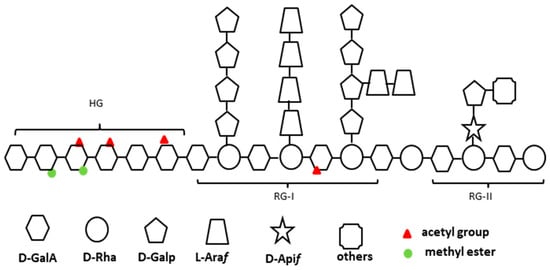
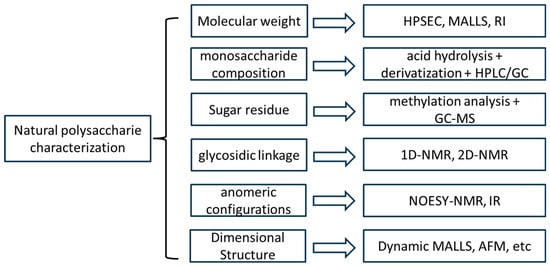
Sustainable Sourcing of l-Rhamnose-Rich Polysaccharides from Natural Biomass Diversity: Extraction, Primary Structural Elucidation, and Antioxidant Activity
by
Moussa Amroudine, Thomas Flahaut, Christine Gardarin, Gwendoline Christophe, Pascal Dubessay, Alina-Violeta Ursu, Laurent Chaisemartin, Jean-Yves Berthon, Slim Abdelkafi, Philippe Michaud and Guillaume Pierre
Polysaccharides 2026, 7(1), 4; https://doi.org/10.3390/polysaccharides7010004 - 6 Jan 2026
Abstract
►▼
Show Figures
This study explores a multi-resource approach for extracting and characterizing l-rhamnose-rich polysaccharides from nine natural biomasses, including green macroalgae (Ulva spp.), sumac species (Rhus spp.), and agro-industrial by-products such as sea buckthorn and sesame cakes. Hot-water and alkaline extractions were
[...] Read more.
This study explores a multi-resource approach for extracting and characterizing l-rhamnose-rich polysaccharides from nine natural biomasses, including green macroalgae (Ulva spp.), sumac species (Rhus spp.), and agro-industrial by-products such as sea buckthorn and sesame cakes. Hot-water and alkaline extractions were performed by biomass type, and the resulting fractions were analyzed using biochemical assays, monosaccharide profiling (HPAEC/PAD and GC/MS-EI), FTIR, and antioxidant activity tests. Extraction yields ranged from <1% in sea buckthorn residues to 15.48% in Ulva spp., which showed the highest recovery. l-rhamnose enrichment varied across biomasses: the highest proportions were found in Ulva extracts and Rhus semialata galls (PRS), reaching up to 44% of total sugars by HPAEC/PAD and 58% by GC/MS-EI. Antioxidant activities also differed markedly. In DPPH assays, the most active extracts were those from sea buckthorn berry cake (PTBA), Rhus coriaria seeds (PRC), and commercial sea buckthorn powder (PPA), with IC50 values of 32, 43, and 42 µg/mL, respectively. Hydroxyl-radical inhibition was also substantial, reaching 83.0% for PTBA, 79.4% for PRC, and 79.9% for Ulva lactuca at 1 g/L, compared with 97.5% for ascorbic acid. These results highlight specific biomasses as promising dual sources of l-rhamnose and natural antioxidants for valorization within a circular bioeconomy.
Full article

Graphical abstract

Open AccessArticle
Covalent Arabinoxylans Nanoparticles Enable Oral Insulin Delivery and Gut Microbiota Modulation in Diabetes
by
Yubia Berenice De Anda-Flores, Elizabeth Carvajal-Millan, Marcel Martínez-Porchas, Agustin Rascon-Chu, Karla G. Martinez-Robinson, Jaime Lizardi Mendoza, Judith Tanori-Cordova, Ana Luisa Martínez-López, Estefanía Garibay-Valdez and José Isidro Mendez-Romero
Polysaccharides 2026, 7(1), 3; https://doi.org/10.3390/polysaccharides7010003 - 30 Dec 2025
Abstract
►▼
Show Figures
Arabinoxylans (AX) are polysaccharides capable of forming covalent gels stable under variations in pH and temperature. They are fermentable by the colonic microbiota, making them appropriate carriers for colon-targeted oral drug delivery, including insulin. This study aimed to fabricate covalent AX nanoparticles loaded
[...] Read more.
Arabinoxylans (AX) are polysaccharides capable of forming covalent gels stable under variations in pH and temperature. They are fermentable by the colonic microbiota, making them appropriate carriers for colon-targeted oral drug delivery, including insulin. This study aimed to fabricate covalent AX nanoparticles loaded with insulin (NPAXI) using a 0.25 (AX/insulin) mass ratio and to evaluate their colon-targeted capacity to improve glycemic control in diabetic rats. In parallel, we assessed gut microbiota modulation as a secondary outcome, derived from the prebiotic fermentation of AX, considered an additional benefit. NPAXI, produced by coaxial electro spraying, displayed a mean diameter of 661 nm, a zeta potential of −31 mV, and high insulin encapsulation efficiency. Bioassay demonstrated that a single oral NPAXI dose restored normoglycemia for 9 h, starting 15 h post-administration. Gut microbiota analysis revealed that while insulin alone increased Lactobacillaceae, it failed to suppress Enterobacteriaceae. NPAXI treatment, however, promoted beneficial taxa such as Muribaculaceae and Prevotellaceae and reduced proinflammatory families like Desulfovibrionaceae and Helicobacteraceae. These microbial shifts paralleled the improved glycemic profile, suggesting a synergistic interaction between AX and insulin in reestablishing gut microbial homeostasis and metabolic regulation. Overall, NPAXI represents a promising strategy for colon-targeted oral insulin delivery, offering additional microbiota-modulating benefits.
Full article

Graphical abstract
Open AccessEditorial
Unlocking Nature’s Building Blocks: Emerging Advances in Chitin and Collagen Research
by
Azizur Rahman
Polysaccharides 2026, 7(1), 2; https://doi.org/10.3390/polysaccharides7010002 - 26 Dec 2025
Abstract
Chitin and collagen—two of nature’s most abundant structural biopolymers—continue to inspire breakthrough innovations in materials science, biomedicine, food engineering, food packaging, and environmental sustainability [...]
Full article
(This article belongs to the Special Issue Chitin and Collagen: Isolation, Purification, Characterization, and Applications, 2nd Edition)
►▼
Show Figures

Figure 1
Highly Accessed Articles
Latest Books
E-Mail Alert
News
Topics
Topic in
Polymers, Nanomaterials, Gels, Sustainable Chemistry, Polysaccharides, Macromol
Advances in Nanocellulose and Related Polysaccharide-Based Nanomaterials in a Green Context
Topic Editors: Jose Miguel Gonzalez-Dominguez, Albert Nguyen Van Nhien, Caroline Hadad, Víctor Calvo, María Emilia CanoDeadline: 30 November 2026
Conferences
Special Issues
Special Issue in
Polysaccharides
Nanocellulose-Based Materials: Sustainable and Smart Platforms for Biomedical and Functional Applications
Guest Editor: Tamilselvan MohanDeadline: 31 July 2026
Special Issue in
Polysaccharides
Polysaccharides in Advanced Packaging: Active Coatings, Safe Additives, and Green Processing
Guest Editors: Lidija Fras Zemljič, Klementina Pušnik ČrešnarDeadline: 31 July 2026
Special Issue in
Polysaccharides
New Insights into Polysaccharide-Based Scaffolds: Design, Production and Applications
Guest Editor: Antonio LaezzaDeadline: 1 August 2026
Special Issue in
Polysaccharides
Translational Advances in Polysaccharide-Based Materials: Bridging Pharmacy, Biomedicine, and Engineering
Guest Editors: Tina Maver, Uroš MaverDeadline: 30 September 2026
Topical Collections
Topical Collection in
Polysaccharides
Current Opinion in Polysaccharides
Collection Editors: Cédric Delattre, Paolina Lukova, Guillaume Pierre