



Next Issue
Volume 17, December
Previous Issue
Volume 17, October


Pharmaceutics, Volume 17, Issue 11 (November 2025) – 143 articles
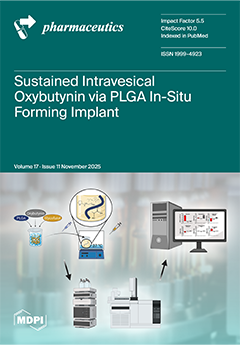
Cover Story (view full-size image): Neurogenic detrusor overactivity (NDO), commonly associated with spinal cord injury or multiple sclerosis, presents a challenging condition characterized by involuntary bladder contractions and frequent catheterization. Current oral therapy with oxybutynin often causes systemic anticholinergic side effects, limiting patient compliance. The present study explores the use of a biodegradable in situ forming implant (ISFI) using PLGA for sustained intravesical delivery of oxybutynin, with the objective of prolonging local drug exposure while potentially minimizing systemic impact. The influence of polymer end groups, drug load, and polymer concentration on release kinetics, degradation, and solvent release in vitro was evaluated, thereby demonstrating the feasibility of ISFI for NDO treatment. View this paper
  • Issues are regarded as officially published after their release is announced to the table of contents alert mailing list.
  • You may sign up for e-mail alerts to receive table of contents of newly released issues.
  • PDF is the official format for papers published in both, html and pdf forms. To view the papers in pdf format, click on the "PDF Full-text" link, and use the free Adobe Reader to open them.
Order results
Result details
Section
Select all
Export citation of selected articles as:
28 pages, 7715 KB  
Article
Functional pH-Responsive Nanoparticles for Immune Reprogramming in MSS Colorectal Cancer via ER Stress-Induced Proteostasis Disruption, PD-L1-Targeting miRNA, and TLR7 Activation
by Yu-Li Lo, Hua-Ching Lin, Ching-Yao Li, Bryant Huang, Ching-Ping Yang, Hui-Yen Chuang and Tsui-Fen Chou
Pharmaceutics 2025, 17(11), 1503; https://doi.org/10.3390/pharmaceutics17111503 - 20 Nov 2025
Viewed by 673
Abstract
Background: Colorectal cancer (CRC), particularly the microsatellite-stable (MSS) subtype, remains largely unresponsive to immune checkpoint inhibitors (ICIs) due to immune escape, tumor-associated macrophage (TAM) enrichment, and cytokine-driven suppression that sustain a TAM-dominant tumor microenvironment (TME). To overcome these barriers, a pH-responsive solid lipid [...] Read more.
Background: Colorectal cancer (CRC), particularly the microsatellite-stable (MSS) subtype, remains largely unresponsive to immune checkpoint inhibitors (ICIs) due to immune escape, tumor-associated macrophage (TAM) enrichment, and cytokine-driven suppression that sustain a TAM-dominant tumor microenvironment (TME). To overcome these barriers, a pH-responsive solid lipid nanoparticle (SLN) system was engineered to co-deliver CB-5083 (a VCP/p97 inhibitor), miR-142 (a PD-L1-targeting microRNA), and imiquimod (R, a TLR7 agonist) for spatially confined induction of endoplasmic reticulum stress (ERS) and immune reprogramming in MSS CRC. Methods: The SLNs were coated with PEG–PGA for pH-triggered de-shielding and functionalized with PD-L1- and EGFR-binding peptides plus an ER-homing peptide, enabling tumor-selective and subcellular targeting. Results: The nanoplatform displayed acid-triggered PEG–PGA detachment, selective CRC/TAM uptake, and ER localization. CB-mediated VCP inhibition activated IRE1α/XBP1s/LC3II, PERK/eIF2α/ATF4/CHOP, and JNK/Beclin signaling, driving apoptosis and autophagy, while miR-142 suppressed PD-L1 expression and epithelial–mesenchymal transition markers. R facilitated dendritic cell maturation and M1 polarization. Combined CB + miR + R/SLN-CSW suppressed IL-17, G-CSF, and CXCL1, increased infiltration of CD4+ and CD8+ T cells, reduced Tregs and M2-TAMs, and inhibited tumor growth in CT-26 bearing mice. The treatment induced immunogenic cell death, reprogramming the TME into a T cell-permissive state and conferring resistance to tumor rechallenge. Biodistribution analysis confirmed tumor-preferential accumulation with minimal off-target exposure, and biosafety profiling demonstrated low systemic toxicity. Conclusions: This TME-responsive nanoplatform therefore integrates ERS induction, checkpoint modulation, and cytokine suppression to overcome immune exclusion in MSS CRC, representing a clinically translatable strategy for chemo-immunotherapy in immune-refractory tumors. Full article
Show Figures

Graphical abstract

29 pages, 941 KB  
Review
Nanoparticles Used for the Delivery of RNAi-Based Therapeutics
by Tianrui Ren, Liang Ma, Ping Fu and Chuyue Zhang
Pharmaceutics 2025, 17(11), 1502; https://doi.org/10.3390/pharmaceutics17111502 - 20 Nov 2025
Viewed by 959
Abstract
RNA interference (RNAi) offers programmable, sequence-specific silencing via small interfering RNA (siRNA) and microRNA (miRNA), but clinical translation hinges on overcoming instability, immunogenicity, and inefficient endosomal escape. This review synthesizes advances in non-viral nanocarriers—liposomes, polymeric nanoparticles, and extracellular vesicles (EVs)—that stabilize nucleic acids, [...] Read more.
RNA interference (RNAi) offers programmable, sequence-specific silencing via small interfering RNA (siRNA) and microRNA (miRNA), but clinical translation hinges on overcoming instability, immunogenicity, and inefficient endosomal escape. This review synthesizes advances in non-viral nanocarriers—liposomes, polymeric nanoparticles, and extracellular vesicles (EVs)—that stabilize nucleic acids, tune biodistribution, and enable organ- and cell-selective delivery. We highlight design levers that now define the field: ligand-guided targeting, stimuli-responsive release, biomimicry and endogenous carriers, and rational co-delivery with small molecules. Across major disease areas—cancer and cardiovascular, respiratory, and urological disorders—these platforms achieve tissue-selective uptake (e.g., macrophages, endothelium, and myocardium), traverse physiological barriers (including the blood–brain barrier and fibrotic stroma), and remodel hostile microenvironments or immune programs to enhance efficacy while maintaining favorable safety profiles. Early clinical studies reflect this diversity, spanning targeted nanoparticles, local drug depots, exosome and cellular carriers, and inhaled formulations, e.g., and converge on core phase-I endpoints (safety, maximum tolerated dose, pharmacokinetics/pharmacodynamics, and early activity). Looking ahead, priorities include good manufacturing practice scale, consistent manufacture—especially for EVs; more efficient loading and cargo control; improved endosomal escape and biodistribution; and rigorous, long-term safety evaluation with standardized, head-to-head benchmarking. Emerging directions such as in vivo EVs biogenesis, theragnostic integration, and data-driven formulation discovery are poised to accelerate translation. Collectively, nanoparticle-enabled RNAi has matured into a versatile, clinically relevant toolkit for precise gene silencing, positioning the field to deliver next-generation therapies across diverse indications. Full article
Show Figures

Figure 1

40 pages, 5705 KB  
Review
Polymer- and Lipid-Based Nanostructures for Wound Healing with Barrier-Resolved Design
by Eunsoo Cho, Soyeon Yun, Subin Lee, Minse Kim, Jaewon Choi, Sun Eun Choi, Kwang Suk Lim, Suk-Jin Ha, Jang-Hyuk Yun and Hyun-Ouk Kim
Pharmaceutics 2025, 17(11), 1501; https://doi.org/10.3390/pharmaceutics17111501 - 20 Nov 2025
Viewed by 698
Abstract
Chronic and hard-to-heal wounds remain burdensome because microbial contamination, dysregulated inflammation, and fragile tissue regeneration slow closure, while passive dressings often injure new tissue during removal. This review synthesizes polymer- and lipid-based nanostructures through a barrier-resolved lens that links composition, architecture, and processing [...] Read more.
Chronic and hard-to-heal wounds remain burdensome because microbial contamination, dysregulated inflammation, and fragile tissue regeneration slow closure, while passive dressings often injure new tissue during removal. This review synthesizes polymer- and lipid-based nanostructures through a barrier-resolved lens that links composition, architecture, and processing to performance in protease- and salt-rich exudate across topical and transdermal routes. Quantitative trends include effective diameters of approximately 50–300 nm, practical constraints of sterile filtration at 0.2 μm, and therapeutic windows that prioritize contamination control on the first day, support proliferation around day three, and sustain remodeling beyond one week. Mechanistic evidence indicates that interfacial charge and the protein corona govern residence and uptake, lipid bilayers enable dual loading, degradable polymer matrices provide depot-like behavior, and hybrid constructs temper the early burst while improving storage stability. Full article
(This article belongs to the Section Nanomedicine and Nanotechnology)
Show Figures

Figure 1

23 pages, 3339 KB  
Article
Serendipitous Hinge Modulation Hypothetically Reprograms Caerin 1.1-LC Antibacterial Mechanism and Gram-Negative Selectivity
by Zhengze Sun, Ruixin Zhao, Yueao Zhang, Xiaonan Ma, Yangyang Jiang, Tao Wang, Xiaoling Chen, Chengbang Ma, Tianbao Chen, Chris Shaw, Mei Zhou and Lei Wang
Pharmaceutics 2025, 17(11), 1500; https://doi.org/10.3390/pharmaceutics17111500 - 20 Nov 2025
Viewed by 465
Abstract
Background: The golden era of antibiotics has long passed, and the clinical failures caused by emerging drug-resistant bacteria have intensified the demand for novel antimicrobial agents. Antimicrobial peptides have attracted significant attention as promising candidates for next-generation antibiotics. Methods: In this study, we [...] Read more.
Background: The golden era of antibiotics has long passed, and the clinical failures caused by emerging drug-resistant bacteria have intensified the demand for novel antimicrobial agents. Antimicrobial peptides have attracted significant attention as promising candidates for next-generation antibiotics. Methods: In this study, we identified a novel antimicrobial peptide, Caerin 1.1-LC, from the skin secretion of the Australian green tree frog, Litoria caerulea. Subsequent structure–activity relationship studies led us to design a series of analogues and revealed the critical role of the peptide’s intrinsic hinge structure in shaping its biological activity. Results: Incorporation of D-isomers at the valine residues within the hinge preserved overall helical content but altered the hinge conformation, resulting in an 8-fold increase in antibacterial activity against Gram-negative bacteria. Simultaneously, haemolytic activity was markedly reduced, leading to a 56-fold improvement in therapeutic index (from 0.47 to 26.6). Structural modulation of the hinge also switched the mechanism of action from classical membrane disruption with associated permeability changes to a non-membrane-permeabilising, ‘cell-penetrating-like’ behaviour, inducing membrane potential depolarisation and ATP disruption to trigger bacterial death. In vivo studies using infected larval models, along with in vitro LPS neutralisation assays, further demonstrated the therapeutic potential of the D-analogue as a novel antibacterial agent. Conclusions: This work highlights the pivotal role of hinge structures in Caerin-family/hinge-containing AMPs, offering a strategic avenue for optimising antibacterial efficacy. Full article
(This article belongs to the Special Issue Antimicrobial Peptides as Promising Therapeutic Agents)
Show Figures

Graphical abstract

12 pages, 298 KB  
Article
The Association Between Genetic Polymorphisms of UGT1A1, ABCG2, and NR1I2 and Dolutegravir Pharmacokinetic Parameters in Thai People Living with HIV
by Anan Chanruang, Angela K. Birnbaum, Sasithorn Sirilun, Suthunya Chupradit, Sasiwimol Ubolyam, Napon Hiranburana, Yong Soon Cho, Jae Gook Shin, Anchalee Avihingsanon and Baralee Punyawudho
Pharmaceutics 2025, 17(11), 1499; https://doi.org/10.3390/pharmaceutics17111499 - 20 Nov 2025
Viewed by 501
Abstract
Background/Objectives: Dolutegravir (DTG) is recommended as first-line treatment for Thai people living with HIV (PLWH). Real-world studies show high plasma concentration variability, which may increase neuropsychiatric adverse effects. This variability can be influenced by both genetic and nongenetic factors, but data for [...] Read more.
Background/Objectives: Dolutegravir (DTG) is recommended as first-line treatment for Thai people living with HIV (PLWH). Real-world studies show high plasma concentration variability, which may increase neuropsychiatric adverse effects. This variability can be influenced by both genetic and nongenetic factors, but data for the Thai population are insufficient. We investigated factors associated with DTG pharmacokinetics in Thai PLWH. Methods: A cross-sectional analysis was conducted in Thai PLWH receiving a 50 mg DTG-based regimen. Intensive blood sampling was performed to determine DTG pharmacokinetic parameters using a non-compartmental analysis. Genotyping for UGT1A1, ABCG2, and NR1I2 was performed. Univariable and multivariable linear regression analyses were used to identify factors associated with DTG pharmacokinetics. Results: A total of 104 Thai PLWH were included. Multivariable analysis demonstrated that both the UGT1A1 poor metabolizer phenotype and body weight were independently associated with DTG exposure. After adjusting for body weight, the UGT1A1 poor metabolizer phenotype was associated with increases of 5.18% in AUC0–24 and 20.59% in Ctrough. No significant association was found between the ABCG2 421 C>A polymorphism and DTG pharmacokinetic parameters. Conclusions: Body weight and the UGT1A1 poor metabolizer phenotype significantly impacted DTG exposure in Thai PLWH. Those with the UGT1A1 poor metabolizer, particularly with lower body weight, had significantly increased DTG exposures. These findings highlight that dose optimization may be worth exploring in selected individuals in this population. Full article
27 pages, 4957 KB  
Article
Mould-Free Microneedles in a Single Step: 3D Printing with Photopolymer Resins for Transdermal Delivery
by Rutuja N. Meshram and Dimitrios A. Lamprou
Pharmaceutics 2025, 17(11), 1498; https://doi.org/10.3390/pharmaceutics17111498 - 19 Nov 2025
Viewed by 1075
Abstract
Background: Digital light processing (DLP) 3D printing has emerged as a rapid alternative to labour-intensive micro-moulding for producing microneedle (MN) arrays, yet its use in biodegradable, dissolving MNs has been limited by proprietary, non-degradable resins. Methods: The current study proposed an innovative, biocompatible [...] Read more.
Background: Digital light processing (DLP) 3D printing has emerged as a rapid alternative to labour-intensive micro-moulding for producing microneedle (MN) arrays, yet its use in biodegradable, dissolving MNs has been limited by proprietary, non-degradable resins. Methods: The current study proposed an innovative, biocompatible PEGDA–vinyl-pyrrolidone photo-resin with lithium phenyl(2,4,6-trimethylbenzoyl) phosphinate initiator, which systematically optimises its rheology and photo-reactivity for DLP printing. Resin formulations were evaluated through viscosity profiling, cure kinetics, FTIR, and 1H NMR, and MN arrays were printed using a desktop DLP platform and characterised by optical microscopy, mechanical testing, thermal analysis, and dissolution studies. Results: A 40% PEGDA up-to 100% VP blend with 0.4% initiator was identified as providing rapid photopolymerisation, low shrinkage and complete vinyl conversion. Using a desktop DLP platform, 6 × 6 MN patches were printed in a single step without moulds and analysed by optical and scanning electron microscopy. The printed MNs reproduced CAD dimensions with <3% deviation, achieving a height of 1.40 ± 0.02 mm and a base thickness of 1.00 ± 0.01 mm, and showed a tip radius consistent with sharp penetration. Compression testing measured an array force of 32 N, corresponding to ~0.9 N per needle, exceeding the 0.2 N threshold for skin insertion. FTIR and 1H NMR confirmed near-quantitative crosslinking, thermogravimetric and differential scanning calorimetry indicated stability at ambient conditions, and dissolution studies showed complete needle dissolution. Conclusions: An optimised PEGDA/VP resin yields geometrically precise, mechanically robust dissolving MNs in a single step, addressing the limitations of micro-moulding and paving the way for customisable, on-demand transdermal delivery of active molecules and biologics. Full article
(This article belongs to the Special Issue Recent Advances in 3D Printing of Pharmaceutical Dosage Forms)
Show Figures

Graphical abstract

18 pages, 3402 KB  
Article
Targeted Biocatalyst Design for Asymmetric Citalopram Conversion in a Membrane Reactor
by Oliwia Degórska, Natalia Zasada, Weronika Badzińska, Qiang Fu, Teofil Jesionowski and Jakub Zdarta
Pharmaceutics 2025, 17(11), 1497; https://doi.org/10.3390/pharmaceutics17111497 - 19 Nov 2025
Viewed by 346
Abstract
Objective: This study aimed to develop a stable and active biocatalytic system for enzyme immobilization, utilizing an electrospun support doped with a metal–organic framework (MOF) and supplemented with an ionic liquid as a lipase stabilizer and activity enhancer. Methodology: The system was applied [...] Read more.
Objective: This study aimed to develop a stable and active biocatalytic system for enzyme immobilization, utilizing an electrospun support doped with a metal–organic framework (MOF) and supplemented with an ionic liquid as a lipase stabilizer and activity enhancer. Methodology: The system was applied for an efficient and enantioselective resolution of racemic citalopram. Key parameters, including MOF concentration, electrospinning and immobilization conditions, ionic liquid selection, and reaction time, were optimized to enhance biocatalyst performance. Results: The optimal immobilization time was determined to be 24 h, achieving 52% immobilization efficiency and 100% activity recovery. The resulting biocatalytic system HIGH PVC-MOF-lip-CA exhibited superior storage stability, retaining 80% of its initial activity, a 75% improvement over the free enzyme. In the resolution of citalopram, the system achieved 96% conversion of S-citalopram within 24 h, with the enantiomeric excess of 93% in favor of the S-ester over the R-ester. These findings demonstrate the system’s potential for efficient and stereoselective biocatalytic applications. Full article
(This article belongs to the Section Pharmaceutical Technology, Manufacturing and Devices)
Show Figures

Graphical abstract

37 pages, 7790 KB  
Review
Cyclodextrin: Dual Functions as a Therapeutic Agent and Nanocarrier for Regulating Cholesterol Homeostasis in Atherosclerosis
by Hao Cui, Yaqi Xu, Shulin Pu, Xue Guo, Danyu Zhao, Yuan Liu, Ye Yang and Chengxiao Wang
Pharmaceutics 2025, 17(11), 1496; https://doi.org/10.3390/pharmaceutics17111496 - 19 Nov 2025
Viewed by 756
Abstract
The progression of atherosclerosis (AS) is strongly linked to lipid crystals accumulation caused by cholesterol metabolism disorders and the worsening of the inflammatory microenvironment. Cyclodextrin (CD), characterized by their unique hydrophobic cavity structure, effectively solubilize cholesterol crystals (CCs) through host–guest recognition and act [...] Read more.
The progression of atherosclerosis (AS) is strongly linked to lipid crystals accumulation caused by cholesterol metabolism disorders and the worsening of the inflammatory microenvironment. Cyclodextrin (CD), characterized by their unique hydrophobic cavity structure, effectively solubilize cholesterol crystals (CCs) through host–guest recognition and act as a multifunctional nanocarrier core, facilitating synergistic therapy that combines pharmaceutical and adjuvant properties. CD-based nano drug delivery systems (CD-NDDS) enable precise targeting of atherosclerotic plaques. By employing synergistic functions (e.g., CCs solubilization, cholesterol efflux promotion via ABCA1/ABCG1 pathways, inflammasome inhibition, and inflammatory microenvironment alleviation), this system provides an effective strategy for AS therapy. Furthermore, CD-NDDS bestows additional pharmaceutical attributes, including enhanced solubility, controlled release, and responsive stimulation. This review begins by elucidating the intrinsic relationship between cholesterol and AS, followed by an examination of the structure-activity relationship governing CD’s cholesterol adsorption. It then explores the construction strategies, structural characteristics, and targeting mechanisms of CD nanodelivery systems in detail. The work systematically assesses CD’s formulation and pharmacological properties in targeted nanodelivery systems for combating AS, integrating drugs and adjuvants. Finally, future research directions are outlined, addressing biocompatibility optimization, targeting efficiency enhancement, and clinical translation challenges to provide a theoretical foundation and technical guidance for precise AS treatment. Full article
(This article belongs to the Special Issue Recent Advances in Nanotechnology Therapeutics)
Show Figures

Graphical abstract

31 pages, 10581 KB  
Article
Advancing Personalized Medicine Through FDM 3D Printing: Ketoprofen Tablets with Customizable Drug Release Profiles and In Silico Simulation
by Haya Khader Ahmad Yasin, Moawia M. Al-Tabakha and Siok Yee Chan
Pharmaceutics 2025, 17(11), 1495; https://doi.org/10.3390/pharmaceutics17111495 - 19 Nov 2025
Viewed by 531
Abstract
Background/Objectives: Fused deposition modeling (FDM) three-dimensional (3D) printing represents an emerging manufacturing platform for personalized oral dosage forms. Its success relies on developing robust drug-loaded filaments with consistent mechanical, thermal, and dissolution properties. This work aims to (i) develop and characterize ketoprofen-loaded [...] Read more.
Background/Objectives: Fused deposition modeling (FDM) three-dimensional (3D) printing represents an emerging manufacturing platform for personalized oral dosage forms. Its success relies on developing robust drug-loaded filaments with consistent mechanical, thermal, and dissolution properties. This work aims to (i) develop and characterize ketoprofen-loaded filaments using hot-melt extrusion (HME) and (ii) utilize them to fabricate both immediate-release (IR) and sustained-release (SR) tablets via FDM 3D printing. Methods: Filaments were prepared using Kollicoat® IR and hydroxypropyl methylcellulose (HPMC, 2600–5600 cP) as functional polymers. Sorbitol and sodium lauryl sulfate (SLS) were incorporated as plasticizer and surfactant, respectively. Filaments were evaluated for quality attributes, drug content, tensile strength, and physicochemical and surface characteristics using Scanning Electron Microscopy (SEM), Attenuated Total Reflection Fourier-transform infrared (ATR-FTIR), X-ray Diffraction (XRD), Differential Scanning Calorimetry (DSC) and Thermogravimetric Analysis (TGA). Optimized filaments were fed into an FDM 3D printer to fabricate ketoprofen tablets with varied geometries, shell numbers, and infill densities. Tablets were subjected to USP tests (weight variation, friability, hardness, disintegration, assay, content uniformity), dissolution profiling, and release kinetics modeling. Comparative dissolution studies with market Profenid® and Bi-Profenid® tablets were conducted. GastroPlus® simulations were used for in vitro–in silico correlation. Results: Among the tested formulations, Kollicoat® IR-based filaments with sorbitol and SLS (F6) demonstrated superior printability, characterized by consistent feeding, stable extrusion, and reliable formation of uniform structures for immediate-release applications. In contrast, HPMC-based filaments with sorbitol (F13) offered the most robust performance for SR formulations. Both exhibited uniform diameter, drug loading, and mechanical strength. IR tablets achieved >80% release within 30 min, while SR tablets prolonged release up to 12 h, following Higuchi and Korsmeyer–Peppas kinetics. All quality attributes complied with USP limits. Market products showed comparable dissolution, validating the approach. GastroPlus® simulations predicted pharmacokinetic profiles consistent with reported data, supporting IVIVC. Conclusions: This integrated workflow establishes a robust strategy for producing IR and SR ketoprofen tablets from a single FDM platform. The results highlight the feasibility of point-of-care, personalized medicine using 3D printing technologies. Full article
Show Figures

Figure 1

16 pages, 3941 KB  
Article
Bis-Oxadiazole Assemblies as NO-Releasing Anticancer Agents
by Egor M. Matnurov, Irina A. Stebletsova, Alexander A. Larin, Jemma Arakelyan, Ivan V. Ananyev, Artem L. Gushchin, Leonid L. Fershtat and Maria V. Babak
Pharmaceutics 2025, 17(11), 1494; https://doi.org/10.3390/pharmaceutics17111494 - 19 Nov 2025
Viewed by 714
Abstract
Background: Malignant pleural mesothelioma (MPM) is an aggressive, asbestos-associated cancer characterized by dysregulated nitric oxide (NO) signaling and increased NO levels that facilitate tumor progression. Paradoxically, this aberrant NO environment creates a therapeutic vulnerability that can be exploited by NO-donor prodrugs, which [...] Read more.
Background: Malignant pleural mesothelioma (MPM) is an aggressive, asbestos-associated cancer characterized by dysregulated nitric oxide (NO) signaling and increased NO levels that facilitate tumor progression. Paradoxically, this aberrant NO environment creates a therapeutic vulnerability that can be exploited by NO-donor prodrugs, which overwhelm cellular defenses with cytotoxic concentrations of NO, inducing nitrosative stress and apoptosis. Within this framework, oxadiazole-based scaffolds have emerged as a promising platform for prodrug development owing to their versatile chemistry and potential as novel NO donors or synergistic agents. In our previous studies, we developed several series of hybrid architectures incorporating 1,2,5-oxadiazole 2-oxide (furoxan) and 1,2,4-oxadiazole scaffolds, producing compounds with diverse and tunable NO-donor activities. We further observed that the cytotoxicity of these hybrids was significantly influenced by the substituents introduced at position 3 of the furoxan ring. Methods: We designed and synthesized a series of bis(1,2,4-oxadiazolyl)furoxans to systematically investigate their NO-donating capacity, cytotoxicity against MPM cell lines, selectivity over healthy lung fibroblasts, and underlying anticancer mechanisms. Results: The bis(1,2,4-oxadiazolyl)furoxans exhibited lower overall cytotoxicity but significantly higher selectivity compared with previously studied 3-cyano-4-(1,2,4-oxadiazolyl)furoxans. Their NO-releasing properties showed a strong correlation with their ability to induce mitochondrial damage, as evidenced by membrane depolarization. Moreover, the incorporation of specific substituents, such as a furan ring, on the 1,2,4-oxadiazole moiety introduced an additional mechanism of action through the induction of reactive oxygen species. Conclusions: Analysis of cancer cell death confirmed that these compounds acted through a multimodal mechanism dependent on both NO release and the specific substituents on the 1,2,4-oxadiazole moiety. Full article
(This article belongs to the Special Issue Prodrug Applications for Targeted Cancer Therapy)
Show Figures

Graphical abstract

19 pages, 2737 KB  
Article
Chitosan-Coated Liposomes for Intranasal Delivery of Ghrelin: Enhancing Bioavailability to the Central Nervous System
by Cecilia T. de Barros, Thais F. R. Alves, Kessi M. M. Crescencio, Jessica Asami, Moema de A. Hausen, Eliana A. de R. Duek and Marco V. Chaud
Pharmaceutics 2025, 17(11), 1493; https://doi.org/10.3390/pharmaceutics17111493 - 19 Nov 2025
Viewed by 472
Abstract
Background/Objectives: Cachexia is a syndrome characterized by the progressive loss of muscle mass, leading to high morbidity and mortality. Ghrelin (Ghrl) exhibits orexigenic, anabolic, and anti-inflammatory properties with therapeutic potential. However, its low bioavailability limits the efficacy of systemic treatments. This study [...] Read more.
Background/Objectives: Cachexia is a syndrome characterized by the progressive loss of muscle mass, leading to high morbidity and mortality. Ghrelin (Ghrl) exhibits orexigenic, anabolic, and anti-inflammatory properties with therapeutic potential. However, its low bioavailability limits the efficacy of systemic treatments. This study aimed to develop chitosan-coated liposomes containing Ghrl (CH-Lip + Ghrl) for intranasal administration, allowing quantification of Ghrl brain bioavailability using a system optimized for a labile neuropeptide. Methods: The formulation was prepared using thin-film hydration, followed by extrusion and chitosan coating. It was characterized based on morphology, size, zeta potential, stability, encapsulation efficiency, and cell viability. Permeation and mucoadhesion were evaluated ex vivo using porcine nasal mucosa, and cerebral bioavailability was assessed in Wistar rats. Results: CH-Lip + Ghrl had an average of 152.4 ± 0.2 nm (evaluated by DLS), a polydispersity index of 0.159 ± 0.018, a zeta potential of +60.8 ± 6.6 mV, and an encapsulation efficiency of 53.2 ± 0.8%, maintaining stability for 180 days. At 1% (v/v) in culture medium, the formulation retained 73.2 ± 8.4% of the viability in nasal epithelial cells and 81.9 ± 4.8% in neuroblastoma cells. Chitosan coating increased ex vivo mucoadhesion 1.7-fold and permeation 1.3-fold. In vivo, 25 min after intranasal administration, CH-Lip + Ghrl delivered 48.2 ± 8.8% of the dose to the brain, whereas free Ghrl was undetectable. Conclusions: The intranasal administration of CH-Lip + Ghrl enhances cerebral bioavailability of Ghrl. This study integrates a chemically labile neuropeptide with chitosan-coated liposomes for direct brain delivery, representing an innovative platform for future translational studies. Full article
Show Figures

Graphical abstract

31 pages, 1180 KB  
Review
Emerging Technologies Tackling Adeno-Associated Viruses (AAV) Immunogenicity in Gene Therapy Applications
by Tatiana Egorova, Anna Starikova and Anna Polikarpova
Pharmaceutics 2025, 17(11), 1492; https://doi.org/10.3390/pharmaceutics17111492 - 19 Nov 2025
Viewed by 1119
Abstract
Adeno-associated viral vectors have proven to be a safe and effective gene therapy delivery system. Over the past decade, the approval of AAV gene therapies made a revolution in treatment of severe hereditary diseases, including spinal muscular atrophy, AADC deficiency, and others. Recombinant [...] Read more.
Adeno-associated viral vectors have proven to be a safe and effective gene therapy delivery system. Over the past decade, the approval of AAV gene therapies made a revolution in treatment of severe hereditary diseases, including spinal muscular atrophy, AADC deficiency, and others. Recombinant AAV-based therapeutics are currently intended for single administration. Safety concerns arise from immune responses to AAV and the resulting transgene, which can render subsequent injections ineffective. It remains unclear whether patients who have received an AAV-based gene therapy will need re-administration in the future. Furthermore, since many people have neutralizing antibodies or memory T cells against AAV from natural infections, it is crucial to overcome pre-existing immunity. This review considers existing modern approaches aimed to overcome both pre-existing natural immunity and immunity obtained after the administration of a gene therapy drug, which include various modifications of the viral drug (capsid modification, codon optimization), the use of empty capsid traps, and pharmacological support (immunosuppressive corticosteroids, inhibitors of various branches of the immune response, nanoparticles, IgG-degrading enzymes). The goal of this review is to illustrate the importance of this challenge and to highlight potential strategies for overcoming immunity to AAV-based gene therapies, contributing to the development of a successful therapeutic gene delivery platform. Full article
(This article belongs to the Section Gene and Cell Therapy)
Show Figures

Graphical abstract

37 pages, 11900 KB  
Review
Controlled Release Technologies for Diltiazem Hydrochloride: A Comprehensive Review of Solid Dosage Innovations
by Estefanía Troches-Mafla, Constain H. Salamanca and Yhors Ciro
Pharmaceutics 2025, 17(11), 1491; https://doi.org/10.3390/pharmaceutics17111491 - 19 Nov 2025
Viewed by 685
Abstract
Introduction: Diltiazem hydrochloride (DH) is a calcium channel blocker used in the treatment of hypertension, angina pectoris, and arrhythmias. Its short half-life and frequent dosing requirements limit patient adherence and cause plasma concentration fluctuations. Objective: This review critically examines recent pharmaceutical [...] Read more.
Introduction: Diltiazem hydrochloride (DH) is a calcium channel blocker used in the treatment of hypertension, angina pectoris, and arrhythmias. Its short half-life and frequent dosing requirements limit patient adherence and cause plasma concentration fluctuations. Objective: This review critically examines recent pharmaceutical technologies and formulation strategies for modified-release dosage forms (MRDFs) of diltiazem hydrochloride, emphasizing their impact on pharmacokinetics, clinical performance, and regulatory aspects. Methodology: A structured literature review (2010–2025) was conducted using databases such as PubMed, ScienceDirect, MDPI, and ACS Publications. Studies were selected based on relevance to solid oral MRDFs of DH and their associated manufacturing techniques. Results: Techniques including direct compression, granulation, extrusion–spheronization, spray drying, solvent evaporation, and ionotropic gelation have enabled the development of hydrophilic matrices, coated pellets, microspheres, and osmotic systems. Functional polymers such as HPMC, Eudragit®, and ethylcellulose play a central role in modulating release kinetics and improving bioavailability. Conclusions: This review not only synthesizes current formulation strategies but also explores reverse engineering of ideal release profiles and the integration of advanced modeling tools such as physiologically based pharmacokinetic (PBPK) modeling and in vitro–in vivo correlation (IVIVC). These approaches support the rational design of personalized, regulatory-compliant DH therapies. Full article
Show Figures

Figure 1

21 pages, 2479 KB  
Article
Design of Peptide-Modified Aluminum Nanoparticles with Enhanced Antimicrobial, Antibiofilm, Antioxidant, and DNA-Cleaving Properties
by Zeynep Kanlidere, Nazlı Farajzadeh Öztürk, M. Serkan Yalçın and Sadin Özdemir
Pharmaceutics 2025, 17(11), 1490; https://doi.org/10.3390/pharmaceutics17111490 - 19 Nov 2025
Viewed by 485
Abstract
Background/Objectives: In this study, three antimicrobial peptides (13) were conjugated onto bare aluminum nanoparticles (NP) to produce peptide-conjugated nanoparticles (NP1NP3) in order to evaluate their biological effects. Methods: The peptide-functionalized Al [...] Read more.
Background/Objectives: In this study, three antimicrobial peptides (13) were conjugated onto bare aluminum nanoparticles (NP) to produce peptide-conjugated nanoparticles (NP1NP3) in order to evaluate their biological effects. Methods: The peptide-functionalized Al2O3 nanoparticles were characterized and subsequently analyzed for their antimicrobial activity against selected bacterial strains. The findings were compared with those of bare Al2O3 nanoparticles and free antimicrobial peptides. Through this comparison, the enhanced impact of combining nanoparticles with peptides in addressing antimicrobial resistance was demonstrated. Additionally, biofilm inhibition, microbial cell viability inhibition, DNA cleavage, antioxidant, and amylolytic activity assays were performed to comprehensively evaluate the biological functionality of the synthesized nanoparticles. Results: Although all tested samples exhibited significant antimicrobial activity, peptide-conjugated nanoparticles NP1, NP2, and NP3 provided superior activity with an MIC value of 16 mg/L. The highest biofilm inhibition activities were observed for NP2 as 53% and 70% against S. aureus and P. aeruginosa, respectively. Additionally, NP1NP3 inhibited microbial cell viability by 100% at a concentration of 6.25 mg/L and free peptide 3 displayed E. coli inhibition as 100% at a concentration of 12.5 mg/L. Furthermore, we evaluated the biological potential of antimicrobial peptide-functionalized Al2O3 nanoparticles through antibiofilm, antioxidant, antidiabetic activities, and DNA cleavage assays. Peptide-conjugated nanoparticles NP1, NP2, and NP3 exhibited the highest antioxidant activities as 43.70%, 45.22%, and 59.57%, respectively. Except for NP3, the compounds were observed to act as α-amylase enzyme activators. NP and NP1NP3 completely degraded the supercoiled circular form into small pieces. Conclusions: Our findings suggest that peptide–aluminum nanoparticle conjugation may be a promising formulation for enhancing biological activity. Further in vitro and in vivo tests may help clarify the therapeutic potential of this novel nanoformulation. Full article
(This article belongs to the Special Issue Metal Nanoparticles for Pharmaceutical Applications)
Show Figures

Figure 1

20 pages, 2534 KB  
Article
Zeolitic Imidazolate Framework-8 (ZIF-8) as a Carrier for Kaempferol Delivery to Protect Against Gamma Radiation-Induced Mortality and Damage
by Gang Yang, Jing Wang, Rong Wang, Lu Han, Chunai Gong, Jiyuan Chen, Minyan Chen and Yongfang Yuan
Pharmaceutics 2025, 17(11), 1489; https://doi.org/10.3390/pharmaceutics17111489 - 18 Nov 2025
Viewed by 449
Abstract
Background/Objectives: Kaempferol (KAE) is used to treat gamma radiation-induced damage. However, poor water solubility of KAE restricts its application. Therefore, we developed a KAE-loaded zeolitic imidazolate framework-8 (KAE@ZIF-8) to improve the solubility and bioavailability of KAE, thereby enhancing the radioprotective effect against gamma [...] Read more.
Background/Objectives: Kaempferol (KAE) is used to treat gamma radiation-induced damage. However, poor water solubility of KAE restricts its application. Therefore, we developed a KAE-loaded zeolitic imidazolate framework-8 (KAE@ZIF-8) to improve the solubility and bioavailability of KAE, thereby enhancing the radioprotective effect against gamma radiation. Methods: The composite was characterized using scanning electron microscopy (SEM), nitrogen adsorption/desorption analysis, X-ray diffraction (XRD), differential scanning calorimetry (DSC), equilibrium solubility assessments, in vitro release studies, stability evaluations, and drug-loading capacity measurements. The cytotoxic effects of KAE@ZIF-8 on Caco-2 cells were assessed in vitro. Meanwhile, the bioavailability of the preparation was also investigated. Finally, the protective efficacy of KAE@ZIF-8 against total body irradiation was evaluated in C57BL/6 mice. Results: The results indicated that KAE@ZIF-8 was successfully constructed, exhibiting a uniform hexagonal crystal morphology, with KAE transitioning from a crystalline to an amorphous state. As a carrier, ZIF-8 significantly enhanced the solubility of KAE by 9.2-fold, and the cumulative release within 12 h reached approximately 89%. Meanwhile, ZIF-8 could significantly enhance the bioavailability of KAE and reduce its toxicity. We found that pretreatment with KAE@ZIF-8 prolonged mouse survival time after 9 Gy total body irradiation (TBI). Mice were scarified on the 7th day after 7 Gy TBI. Results showed that KAE@ZIF-8 exhibited an improvement of the radioprotective effects, including weight loss mitigation, spleen index increase, radiation-induced intestinal injury attenuation, and modulation expression of IL-1β, IL-6, TNF-α and TGF-β1 following radiation. Conclusions: These results suggest the potential effect of ZIF-8 as an oral drug delivery carrier for radioprotective drugs. Full article
(This article belongs to the Section Drug Delivery and Controlled Release)
Show Figures

Graphical abstract

18 pages, 850 KB  
Review
The Convergence of Polymer Science and Predictive Modeling for Noninvasive Glucose Monitoring
by Ju-Hwan Lee, Hong-Sik Yun and Hee-Jae Jeon
Pharmaceutics 2025, 17(11), 1488; https://doi.org/10.3390/pharmaceutics17111488 - 18 Nov 2025
Viewed by 382
Abstract
The global effort to manage diabetes effectively is driving continuous innovation in glucose monitoring devices. While current systems have improved patient care, persistent challenges with sensor stability and invasiveness highlight the need for advanced, patient-friendly technologies. A particularly promising frontier is emerging from [...] Read more.
The global effort to manage diabetes effectively is driving continuous innovation in glucose monitoring devices. While current systems have improved patient care, persistent challenges with sensor stability and invasiveness highlight the need for advanced, patient-friendly technologies. A particularly promising frontier is emerging from the convergence of advanced polymer science and artificial intelligence (AI), opening new pathways for noninvasive biosensing. This feature review provides a comprehensive overview of polymer-based “hardware”, such as molecularly imprinted polymers (MIPs), conductive polymer hydrogels (CPHs), and functional coatings, which offer robust and biocompatible alternatives to traditional enzyme-based sensors. Concurrently, we examine (AI) “software”, including machine learning and predictive modeling, which enable reliable interpretation of complex biosignals for real-time glucose monitoring. Furthermore, this review highlights critical challenges in scalability, long-term in vivo stability, regulatory approval, and clinical adoption, while discussing strategies for successful translation into pharmaceutical technology and medical devices. By mapping the current landscape and future directions, this review aims to guide research toward the next generation of intelligent, patient-centric, noninvasive glucose monitoring platforms. Full article
(This article belongs to the Section Pharmaceutical Technology, Manufacturing and Devices)
Show Figures

Figure 1

22 pages, 7505 KB  
Article
Impact of Different Surfactants on Oral Bioavailability of Paclitaxel/HPMC-AS Amorphous Solid Dispersion
by Chenzhao Zhang, Siyi Mao, Jinhua Yuan, Xiuzhen Ma, Aiya Xing, Xiaoling Liu and Yuejie Chen
Pharmaceutics 2025, 17(11), 1487; https://doi.org/10.3390/pharmaceutics17111487 - 18 Nov 2025
Viewed by 552
Abstract
Objectives: Surfactants are commonly incorporated into amorphous solid dispersions (ASDs) to improve manufacturing and enhance the dissolution of poorly water-soluble drugs. However, their impact on in vitro dissolution, in vivo bioavailability, and in vitro-in vivo correlation (IVIVC) remains poorly understood, impeding the rational [...] Read more.
Objectives: Surfactants are commonly incorporated into amorphous solid dispersions (ASDs) to improve manufacturing and enhance the dissolution of poorly water-soluble drugs. However, their impact on in vitro dissolution, in vivo bioavailability, and in vitro-in vivo correlation (IVIVC) remains poorly understood, impeding the rational design of ASDs. This study aimed to elucidate the impact of six surfactants: anionic sodium lauroyl glutamate (SLG), sodium taurocholate (NaTC), sodium lauryl sulfate (SLS), and non-ionic polysorbate 80 (TW80), poloxamer 188 (P188), and polyoxyethylene lauryl ether (Brij-35), on the performance of paclitaxel (PTX)/HPMC-AS ASD. Methods: Binary PTX/HPMC-AS and ternary PTX/HPMC-AS/surfactant ASDs were prepared via rotary evaporation for FT-IR study. For dissolution and pharmacokinetic studies, low drug-loading formulations were prepared by physically blending PTX/HPMC-AS ASD with surfactants. Drug–polymer–surfactant interactions were investigated using NMR and FT-IR techniques. Dissolution performance was systematically evaluated by analyzing: (1) solubility of crystalline PTX in HPMC-AS/surfactant solutions; (2) supersaturation sustaining capacity in HPMC-AS/surfactant solutions; (3) surfactant effects on ASD dissolution and supersaturation generation; and (4) phase transformation during ASD dissolution. In vivo bioavailability was assessed in rats. Results: Findings revealed surfactant-specific effects: (1) SLG and P188 minimally affected bioavailability of PTX/HPMC-AS ASD (p > 0.05), consistent with their negligible effect on dissolution, attributable to incompatibility with PTX/HPMC-AS and weak molecular interactions; (2) TW80 significantly reduced bioavailability (p < 0.001) by inducing crystallization; thereby diminishing the amorphous advantage; (3) NaTC, Brij-35, and SLS markedly increased bioavailability (p < 0.001), owing to their compatibility with PTX and HPMC-AS, which enhanced dissolution and maintained amorphous state of precipitates. Surfactants appear to modulate ASD performance by governing supersaturation generation in solution and maintaining amorphous stability in the undissolved solid. Conclusions: The dissolution and bioavailability of ASDs are fundamentally controlled by compatibility between drug, polymer, and surfactant. Surfactant selection critically impacts ASD bioavailability. Comprehensive dissolution characterization, including supersaturation kinetics and precipitate phase analysis, enables prediction of bioavailability. Integrating molecular-level interaction analysis with multidimensional dissolution profiling is therefore essential for rational ASD design. Full article
(This article belongs to the Special Issue Advances in Amorphous Solid Dispersions)
Show Figures

Graphical abstract

5 pages, 1195 KB  
Editorial
Prospects of Hydrogels in Wound Healing: Toward the Next Generation of Smart Biomaterials
by Cristina Casadidio and Roberta Censi
Pharmaceutics 2025, 17(11), 1486; https://doi.org/10.3390/pharmaceutics17111486 - 18 Nov 2025
Viewed by 652
Abstract
Wound healing continues to represent a major clinical challenge worldwide, particularly in the context of chronic wounds, burns, and infection-prone injuries that are increasingly complicated by antimicrobial resistance [...] Full article
(This article belongs to the Special Issue Prospects of Hydrogels in Wound Healing)
Show Figures

Figure 1

23 pages, 5712 KB  
Article
Ginseng-Derived Carbon Quantum Dots Enhance Systemic Exposure of Bioactive Ginsenosides and Amplify Energy Metabolism in Mice
by Huiqiang Liu, Xin Sun, Bo Yang, Chuan Lin, Xiwu Zhang, Hui Sun, Xiangcai Meng, Yufeng Bai, Tao Zhang, Guangli Yan, Ying Han and Xijun Wang
Pharmaceutics 2025, 17(11), 1485; https://doi.org/10.3390/pharmaceutics17111485 - 17 Nov 2025
Viewed by 553
Abstract
Objective: To overcome the extremely low oral bioavailability of ginsenosides in traditional ginseng preparations, this study aimed to evaluate the efficacy of a novel ginseng-derived carbon quantum dots (G-CQDs) delivery system and to elucidate its core bioactive constituents and integrated mechanisms of action. [...] Read more.
Objective: To overcome the extremely low oral bioavailability of ginsenosides in traditional ginseng preparations, this study aimed to evaluate the efficacy of a novel ginseng-derived carbon quantum dots (G-CQDs) delivery system and to elucidate its core bioactive constituents and integrated mechanisms of action. Methods: G-CQDs were prepared from ginseng roots via ultrahigh-speed nitrogen jet pulverization combined with far-infrared pulse-assisted hydrothermal carbonization. Their physicochemical properties were characterized by transmission electron microscopy, Fourier-transform infrared spectroscopy, and fluorescence spectroscopy. The in vivo effects of G-CQDs versus traditional ginseng aqueous extract (G-AE) were compared in C57BL/6 mice (n = 12/group) using the PRO-MRRM-8 Comprehensive Laboratory Animal Monitoring System for real-time, non-invasive phenotyping of energy metabolism parameters (respiratory quotient, heat production, and oxygen consumption). Systemic exposure to ginseng bioactives was profiled using UHPLC-Q/Orbitrap/LTQ high-resolution mass spectrometry, followed by bivariate correlation analysis to identify key bioactive components linked to efficacy. Results: Compared with G-AE, G-CQDs significantly enhanced whole-body energy metabolism—respiratory quotient +2.8%, heat production +6.7%, and locomotor activity +22.9% (p < 0.05). A total of 110 in vitro constituents, 35 blood prototypes, and 29 metabolites were identified. Correlation analysis revealed eight core bioactive clusters linked to the metabolic benefits; all showed higher systemic exposure with G-CQDs (range +9.2% to +265.8%), notably ginsenoside Re +69.6%, cinnamic acid + O + SO3 +157.4%, and linolenic acid–GSH conjugate +265.8%. Conclusions: Carbon quantum dot technology significantly enhances the systemic exposure of ginseng bioactivities by improving solubility and enhancing gastrointestinal absorption, providing a molecular basis for its superior efficacy in regulating energy metabolism compared to conventional extracts. This study establishes a novel framework for developing high-value, bioavailability-enhanced nano-preparations from traditional medicines. Full article
(This article belongs to the Section Nanomedicine and Nanotechnology)
Show Figures

Figure 1

15 pages, 3605 KB  
Article
Lymph-Targeted Delivery of CUR-NLCs Enhances Oral Bioavailability: Evidence from a Double-Catheterized Rat Model
by Haoming Chi, Xiaorui Zhang, Zhiyuan Chen, Qiuyong Chen, Bo Yang, Hui Deng and Daojin Yu
Pharmaceutics 2025, 17(11), 1484; https://doi.org/10.3390/pharmaceutics17111484 - 17 Nov 2025
Viewed by 444
Abstract
Background/Objectives: Curcumin (CUR), a natural polyphenol with poor solubility and significant first-pass metabolism, shows extremely low oral bioavailability. Although CUR-loaded nanostructured lipid carriers (CUR-NLCs) have demonstrated potential in enhancing oral absorption, direct evidence regarding their intestinal lymphatic transport mechanism remains insufficient, and current [...] Read more.
Background/Objectives: Curcumin (CUR), a natural polyphenol with poor solubility and significant first-pass metabolism, shows extremely low oral bioavailability. Although CUR-loaded nanostructured lipid carriers (CUR-NLCs) have demonstrated potential in enhancing oral absorption, direct evidence regarding their intestinal lymphatic transport mechanism remains insufficient, and current understanding largely relies on indirect speculation. Methods: CUR-NLCs were prepared by emulsion-ultrasonication and evaluated for their physicochemical properties including particle size, zeta potential, polydispersity index, encapsulation efficiency, drug loading, stability and release profile. A mesenteric lymph duct-jugular vein shunt rat model combined with transmission electron microscopy was employed to assess the pharmacokinetic behavior and lymphatic transport pathway. Results: CUR-NLCs had a mean size of 117.28 ± 1.32 nm, 99.99% encapsulation efficiency, and 1.73% drug loading. They exhibited good gastrointestinal stability and sustained release (<55% in 24 h). CUR-NLCs significantly enhanced oral absorption versus free CUR, with 5.13-fold higher relative bioavailability, 5.25-fold greater Cmax, and extended half-life (33.49 ± 3.15 h). CUR was detected only in the lymph of the CUR-NLCs group, confirming intestinal lymphatic transport. TEM revealed abundant chylomicrons (0.1–2 μm) in jejunal epithelial cells, providing morphological support. Conclusions: This study directly demonstrates that CUR-NLCs improve oral bioavailability via intestinal lymphatic absorption, offering a viable strategy for delivering poorly soluble hydrophobic drugs. Full article
(This article belongs to the Section Pharmacokinetics and Pharmacodynamics)
Show Figures

Figure 1

21 pages, 5274 KB  
Article
Overcoming MRSA Antibiotic Resistance Through Losartan Repurposing with Carbon Dot–Conjugated Cerosomal Nanocarriers
by Yasmina Elmahboub, Rofida Albash, Ahmed M. Agiba, Mariam Hassan, Haneen Waleed Mohamed, Mohamed Safwat Hassan, Roaa Mohamed Ali, Yara E. Shalabi, Hend Mahmoud Abdelaziz Omran, Ahmed Adel Alaa-Eldin, Jawaher Abdullah Alamoudi, Asmaa Saleh, Amira B. Kassem and Moaz A. Eltabeeb
Pharmaceutics 2025, 17(11), 1483; https://doi.org/10.3390/pharmaceutics17111483 - 17 Nov 2025
Viewed by 432
Abstract
Background/Objectives: Methicillin-resistant Staphylococcus aureus (MRSA) presents a serious hurdle in combating antibiotic-resistant skin infections. This study aimed to repurpose losartan potassium (LOS) through its incorporation into cerosomal nanocarriers (CERs) and further functionalization with carbon dots (CDs) to enhance antibacterial efficacy. Methods: LOS-CERs were [...] Read more.
Background/Objectives: Methicillin-resistant Staphylococcus aureus (MRSA) presents a serious hurdle in combating antibiotic-resistant skin infections. This study aimed to repurpose losartan potassium (LOS) through its incorporation into cerosomal nanocarriers (CERs) and further functionalization with carbon dots (CDs) to enhance antibacterial efficacy. Methods: LOS-CERs were fabricated by the thin-film hydration method and further optimized using a D-optimal mixture design. Results: The optimized CERs, composed of phytantriol (20 mg), ceramide (30 mg), and CTAB (20 mg), exhibited high entrapment efficiency (97.07 ± 0.07%), a nanoscale particle size (372.50 ± 0.50 nm), and a positive zeta potential (+33.24 ± 0.04 mV). FT-IR analysis confirmed successful conjugation of CDs to CERs through surface functional interactions. Ex vivo permeation and confocal microscopy studies demonstrated that the CD-CER formulation sustained LOS release and enhanced its deposition within skin layers compared with the LOS solution. Using a murine model of MRSA USA300-induced skin infection, the CD-CER formulation achieved superior antibacterial efficacy, reducing the bacterial load by 3.85 log10 CFU relative to the untreated control, compared with a 3.04 log10 CFU reduction for the LOS solution. Histological evaluation supported improved healing in CD-CER-treated groups. Conclusions: Overall, CD-functionalized CERs offer a promising multifunctional nanoplatform for repurposing LOS as a topical therapeutic against MRSA-associated skin infections. Full article
Show Figures

Graphical abstract

21 pages, 2491 KB  
Article
A Design of Experiments Approach to Identify Critical Processing Parameters for Manufacture of an Autologous Platelet Gel for Diabetic Foot Ulcer
by Aleksandra Olszewska, Olga Egorova, Gabriella Gaggia, Kalliopi Mylona, Simon Pitchford, James Rickard and Ben Forbes
Pharmaceutics 2025, 17(11), 1482; https://doi.org/10.3390/pharmaceutics17111482 - 17 Nov 2025
Viewed by 475
Abstract
Background/Objectives: RAPIDTM Biodynamic Haematogel is a platelet-based gel for wound healing in diabetic foot ulcers. This study aimed to identify the processing parameters that impact on the quality of this autologous point-of-care manufactured product. Methods: An innovative design of experiments (DOE) approach [...] Read more.
Background/Objectives: RAPIDTM Biodynamic Haematogel is a platelet-based gel for wound healing in diabetic foot ulcers. This study aimed to identify the processing parameters that impact on the quality of this autologous point-of-care manufactured product. Methods: An innovative design of experiments (DOE) approach utilizing a split-plot factorial design and linear mixed-effects models enabled the evaluation of six processing parameters on time to gel and the exudation of gel releasate. Results: Across all manufacturing conditions, time to gel was 181.3 ± 179.2 s (n = 28) and the total mass of releasate exuded in 2 h was 5.6 ± 2.1 g (n = 28). Two processing parameters (temperature 15–30 °C and pre-mixing of ascorbic acid and L-PRP) had a significant impact on releasate exudation and/or time to gel. The other processing parameters (time-to-thrombin use, mixing time, WBC content and filtering of the thrombin) had little effect. The amount of releasate exuded was affected by the interaction of the temperature and time-to-thrombin use. Time to gel was affected by the mixing time and by pre-mixing the ascorbic acid and L-PRP in conjunction with temperature. Conclusions: This study illustrates an optimization of DOE methodology to inform pharmaceutical product development and identify factors that influence variability in the RAPID Biodynamic Haematogel product. Full article
(This article belongs to the Section Pharmaceutical Technology, Manufacturing and Devices)
Show Figures

Graphical abstract

2 pages, 141 KB  
Retraction
RETRACTED: Zafar et al. Moringa concanensis-Mediated Synthesis and Characterizations of Ciprofloxacin Encapsulated into Ag/TiO2/Fe2O3/CS Nanocomposite: A Therapeutic Solution against Multidrug Resistant E. coli Strains of Livestock Infectious Diseases. Pharmaceutics 2022, 14, 1719
by Naheed Zafar, Bushra Uzair, Farid Menaa, Barkat Ali Khan, Muhammad Bilal Khan Niazi, Fatima S. Alaryani, Kamlah Ali Majrashi and Shamaila Sajjad
Pharmaceutics 2025, 17(11), 1481; https://doi.org/10.3390/pharmaceutics17111481 - 17 Nov 2025
Viewed by 314
Abstract
The Journal retracts the article “Moringa concanensis-Mediated Synthesis and Characterizations of Ciprofloxacin Encapsulated into Ag/TiO2/Fe2O3/CS Nanocomposite: A Therapeutic Solution against Multidrug Resistant E [...] Full article
7 pages, 223 KB  
Editorial
Nanoparticle-Mediated Targeted Drug Delivery Systems
by Toshihiko Tashima and Nicolas Tournier
Pharmaceutics 2025, 17(11), 1480; https://doi.org/10.3390/pharmaceutics17111480 - 17 Nov 2025
Viewed by 722
Abstract
We will be serving as the Guest Editors for this very interesting Special Issue on “Nanoparticle-Mediated Targeted Drug Delivery Systems” [...] Full article
(This article belongs to the Special Issue Nanoparticle-Mediated Targeted Drug Delivery Systems)
34 pages, 7868 KB  
Article
A Meta-Analysis of In Vitro Release of Hydrophilic Therapeutics from Contact Lenses Using Mathematical Modeling
by Lucia Carichino, Kara L. Maki, Narshini D. Gunputh and Chau-Minh Phan
Pharmaceutics 2025, 17(11), 1479; https://doi.org/10.3390/pharmaceutics17111479 - 16 Nov 2025
Viewed by 326
Abstract
Background/Objectives: A meta-analysis was conducted to study the in vitro release of hydrophilic therapeutics from contact lenses, loaded using the soaking method. Fifty-three experiments were studied that measure the cumulative release of therapeutics from (mostly) commercial contact lenses placed in a vial. Methods: [...] Read more.
Background/Objectives: A meta-analysis was conducted to study the in vitro release of hydrophilic therapeutics from contact lenses, loaded using the soaking method. Fifty-three experiments were studied that measure the cumulative release of therapeutics from (mostly) commercial contact lenses placed in a vial. Methods: A mathematical model and a parameter-fitting algorithm are presented to estimate the diffusion coefficient (D) and 50% therapeutic release time (T50) of all the experimental lens–therapeutic combinations. Statistical methods were used to analyze the relationships between lens materials, therapeutic properties, and predicted parameter values (D and T50). Results: The mathematical framework was validated against previous studies. It was found that lens water content directly and moderately influences the estimated diffusion coefficient. More specifically, the median diffusivity of silicone hydrogel (SH) contact lenses was statistically different from that of conventional hydrogel (CH) lenses. The dependencies of other lens and therapeutic properties on diffusivity were complex, with special cases studied to elicit dependencies. A predictive tool was constructed to estimate the logarithm of 50% therapeutic release time (log(T50)), given the lens water content and the therapeutic molecular volume and density. Conclusions: The conducted meta-analysis found that the kinetic release of therapeutics from contact lenses depends on the properties of both the contact lens and therapeutics. The statistical model explained 64% of the variability of the log(T50) and can be used in the preliminary stages of contact lens drug delivery development. Full article
(This article belongs to the Special Issue Drug Delivery Systems for Ocular Diseases)
Show Figures

Figure 1

24 pages, 5216 KB  
Article
MOF-Engineered Platelet-Mimicking Nanocarrier-Encapsulated Cascade Enzymes for ROS Scavenging and Anti-Inflammation in Cerebral Ischemia–Reperfusion Injury
by Hao Li, Xiaowei Xie, Yu Zhang, Xiaopeng Han, Ting Shi, Jiayin Li, Wanyu Chen, Qin Wei, Hong Pan, Shuxian Xu, Qiuyu Chen, Lifang Yin and Chao Qin
Pharmaceutics 2025, 17(11), 1478; https://doi.org/10.3390/pharmaceutics17111478 - 16 Nov 2025
Viewed by 494
Abstract
Background/Objectives: Cerebral ischemia–reperfusion injury (CIRI) remains a major challenge in the treatment of ischemic stroke, characterized by intertwined oxidative stress and neuroinflammation. Existing monotherapies often fail to address this dual pathology effectively. We developed PLSCZ, a biomimetic nanoplatform integrating a catalytic core of [...] Read more.
Background/Objectives: Cerebral ischemia–reperfusion injury (CIRI) remains a major challenge in the treatment of ischemic stroke, characterized by intertwined oxidative stress and neuroinflammation. Existing monotherapies often fail to address this dual pathology effectively. We developed PLSCZ, a biomimetic nanoplatform integrating a catalytic core of imidazolate framework-8 (ZIF-8)-encapsulated superoxide dismutase (SOD) and catalase (CAT) enzymes with a hybrid platelet membrane shell. This design strategically employs metal–organic frameworks (MOFs) to effectively overcome the critical limitations of enzyme instability and provide a cascade catalytic environment, while the biomimetic surface modification enhances targeting capability, thereby enabling dual-pathway intervention against CIRI. Methods: PLSCZ was engineered by co-encapsulating SOD and CAT within a ZIF-8 core to form a cascade antioxidant system (SCZ). The core was further coated with a hybrid membrane composed of rapamycin-loaded phospholipids and natural platelet membranes. The nanoparticle was characterized by size, structure, enzyme activity, and targeting capability. In vitro and in vivo efficacy was evaluated using oxygen–glucose deprivation/reoxygenation (OGD/R) models and a transient middle cerebral artery occlusion/reperfusion (tMCAO/r) rat model. Results: In vitro, PLSCZ exhibited enhanced enzymatic stability and cascade catalytic efficiency, significantly scavenging reactive oxygen species (ROS) and restoring mitochondrial function. The platelet membrane conferred active targeting to ischemic brain regions and promoted immune evasion. PLSCZ effectively polarized microglia toward the anti-inflammatory M2 phenotype, reduced pro-inflammatory cytokine levels, restored autophagic flux, and preserved blood–brain barrier integrity. In vivo, in tMCAO/r rats, PLSCZ markedly targeted the ischemic hemisphere, reduced infarct volume, improved neurological function, and attenuated neuroinflammation. Conclusions: By synergistic ROS scavenging and anti-inflammatory action, the PLSCZ nanozyme overcomes the limitations of conventional monotherapies for CIRI. This biomimetic, multi-functional platform effectively reduces oxidative stress, modulates the phenotype of microglia, decreases infarct volume, and promotes neurological recovery, offering a promising multi-mechanistic nanotherapeutic for CIRI and a rational design model for MOF-based platforms. Full article
(This article belongs to the Section Nanomedicine and Nanotechnology)
Show Figures

Figure 1

18 pages, 3291 KB  
Article
Screening-Identified Oxazole-4-Carboxamide KB-2777 Exhibits In Vitro Anti-Coronavirus Activity
by Bud Jung, Woonsung Na, Minjoo Yeom, Jong-Woo Lim, Hai Quynh Do, Geonhee Jang, Min-A Ban, Ji-eun Yang, Youngjoo Byun and Daesub Song
Pharmaceutics 2025, 17(11), 1477; https://doi.org/10.3390/pharmaceutics17111477 - 16 Nov 2025
Viewed by 430
Abstract
Background/Objectives: Direct-acting antivirals vary by lineage and face rapid resistance. We identified the oxazole-4-carboxamide lead KB-2777 and aimed to define its in vitro activity across α/β-coronaviruses, time-of-addition (TOA) profile, host-response signatures, and combinability with benchmark DAAs. Methods: We tested KB-2777 (≤25 μM) against [...] Read more.
Background/Objectives: Direct-acting antivirals vary by lineage and face rapid resistance. We identified the oxazole-4-carboxamide lead KB-2777 and aimed to define its in vitro activity across α/β-coronaviruses, time-of-addition (TOA) profile, host-response signatures, and combinability with benchmark DAAs. Methods: We tested KB-2777 (≤25 μM) against HCoV-NL63 (LLC-MK2), HCoV-OC43 (Vero E6; MRC-5 for transcript profiling), and PEDV (Vero E6). We quantified extracellular viral RNA by RT-qPCR at 72 h (n = 3) and confirmed activity by spike-protein immunofluorescence (IFA), cytopathic effect (CPE) protection, and TCID50. We compared TOA regimens (full, pre, co, post), evaluated combinations with nirmatrelvir (NL63) or GS-441524 (OC43) using ZIP scores, and profiled infection-context transcripts (IL6, IFNB1, ISG15, NRF2/antioxidant, UPR). Results: KB-2777 reduced viral RNA with EC50 5.27 μM (NL63), 1.83 μM (OC43), and 1.59 μM (PEDV) without cytotoxicity in the tested range. In NL63 post-treatment, inhibition was minimal at 24 h but clear at 48–72 h (EC50 2.42 μM at 48 h; 5.25 μM at 72 h). TCID50 decreased at 48 h (12.5–25 μM, n = 3, p < 0.0001), and IFA/CPE corroborated antiviral activity. TOA ranked full > pre ≈ post > co. Combinations were additive to synergistic (ZIP 5.16 with nirmatrelvir; 8.40 with GS-441524). In OC43-infected MRC-5 cells, KB-2777 attenuated IL6, IFNB1, ISG15, and selected UPR transcripts, with limited changes in uninfected cells (n = 3). Conclusions: KB-2777 shows reproducible cell-based anti-coronavirus activity across α/β lineages, a TOA signature consistent with early post-entry host modulation, and favorable, non-antagonistic combinability with DAAs. These findings support target deconvolution, SAR/ADME optimization, and evaluation in primary airway and in vivo models. Full article
(This article belongs to the Special Issue Recent Advances in Nanotechnology Therapeutics)
Show Figures

Figure 1

12 pages, 3867 KB  
Communication
Heterofunctional Cationic Polyester Dendrimers as Potent Nonviral Vectors for siRNA Delivery
by Arunika Singh, Ángel Buendía, Irene Rodríguez-Clemente, Natalia Sanz del Olmo, Valentín Ceña and Michael Malkoch
Pharmaceutics 2025, 17(11), 1476; https://doi.org/10.3390/pharmaceutics17111476 - 16 Nov 2025
Viewed by 415
Abstract
Background/Objectives: Heterofunctional cationic polyester dendrimers derived from a 2-(bromomethyl)-2-(hydroxymethyl)propane-1,3-diol (BHP-diol) based AB2C monomer were evaluated as efficient and biodegradable nonviral carriers for siRNA delivery. Methods: These dendrimers feature dual internal and external charge architectures, enabling precise control of charge [...] Read more.
Background/Objectives: Heterofunctional cationic polyester dendrimers derived from a 2-(bromomethyl)-2-(hydroxymethyl)propane-1,3-diol (BHP-diol) based AB2C monomer were evaluated as efficient and biodegradable nonviral carriers for siRNA delivery. Methods: These dendrimers feature dual internal and external charge architectures, enabling precise control of charge distribution and siRNA interaction strength. Results: They achieved complete siRNA complexation at nitrogen-to-phosphate (N/P) ratios of 0.50–2.14 and provided up to 93% RNase protection, outperforming amino-functional scaffolds based on 2,2-bis(methylol)propionic acid (bis-MPA). In human (T98G) and murine (GL261) glioblastoma cells, the dendrimers exhibited minimal cytotoxicity while achieving 52–61% target protein knockdown, a two- to three-fold improvement over conventional polyester dendrimers, and approaching the silencing efficiency of the commercial Interferin® reagent. Conclusions: The combination of high complexation efficiency, strong nuclease resistance, and excellent biocompatibility establishes these heterofunctional dendrimers as a new generation of precisely tunable, biodegradable vectors for therapeutic siRNA delivery. Full article
(This article belongs to the Special Issue Dendrimers in Nanomedicine: Recent Advances)
Show Figures

Graphical abstract

35 pages, 848 KB  
Systematic Review
Biodistribution and Toxicological Impact Assessment of Cerium Dioxide Nanoparticles in Murine Models: A Systematic Review of In Vivo and Ex Vivo Studies
by Polina I. Lazareva, Victor A. Stupin, Kirill A. Lazarev, Petr F. Litvitskiy, Natalia E. Manturova and Ekaterina V. Silina
Pharmaceutics 2025, 17(11), 1475; https://doi.org/10.3390/pharmaceutics17111475 - 16 Nov 2025
Viewed by 449
Abstract
Background/Objectives: This review summarizes and analyzes current data on the toxicological effects of cerium dioxide nanoparticles (nanoceria) on various anatomical and functional systems in healthy murine models, as reported in both in vivo and ex vivo experimental settings. Methods: This systematic review was [...] Read more.
Background/Objectives: This review summarizes and analyzes current data on the toxicological effects of cerium dioxide nanoparticles (nanoceria) on various anatomical and functional systems in healthy murine models, as reported in both in vivo and ex vivo experimental settings. Methods: This systematic review was conducted and reported in accordance with the PRISMA 2020 guidelines and was prospectively registered in PROSPERO (CRD42024503240). A systematic literature search was conducted using the PubMed and ScienceDirect databases for the period 2019–2025, with the inclusion of earlier publications having significant scientific relevance. The final search update was conducted in July 2025 to ensure inclusion of the most recent studies. Results and Conclusions: Only in vivo and ex vivo studies in healthy murine models were included. Risk of bias was evaluated using the OHAT tool for animal studies, and data were synthesized narratively due to heterogeneity among studies. A total of 29 studies met the inclusion criteria. The pharmacokinetic properties of nanoceria were considered, encompassing biodistribution, elimination pathways (including oral, intravenous, intraperitoneal, inhalation, intratracheal, and instillation routes), and the influence of physicochemical characteristics on bioavailability and toxicity. The toxicological impact (TI) was assessed across major organ systems—respiratory, digestive, urinary, visual, reproductive, nervous, cardiovascular, immune, hematopoietic, endocrine, musculoskeletal, and skin. The liver, spleen, lungs, and kidneys were identified as primary accumulation sites, with clearance dependent on particle size and coating. The TI spectrum ranged from the absence of morphological changes to inflammation, fibrosis, or organ dysfunction, depending on dose, exposure route, and physicochemical parameters. The main limitations include variability of nanoparticle formulations and incomplete toxicity reporting. In general, CeO2 nanoparticles with sizes of 2–10 nm and doses ≤ 5 mg/kg showed no signs of systemic toxicity in short-term studies on healthy mice, provided that optimal coating and dosing intervals were used. Full article
(This article belongs to the Section Nanomedicine and Nanotechnology)
Show Figures

Figure 1

18 pages, 1243 KB  
Article
Human OAT1, OAT3, OAT4 and OATP1A2 Facilitate the Renal Accumulation of Ochratoxin A
by Anish Mahadeo, Yik Pui Tsang, Angela R. Zheng, Sydney Arnzen, Acilegna G. Rodriguez, Mark S. Warren, Zsuzsanna Gáborik and Edward J. Kelly
Pharmaceutics 2025, 17(11), 1474; https://doi.org/10.3390/pharmaceutics17111474 - 16 Nov 2025
Viewed by 509
Abstract
Background/Objectives: Ochratoxin A (OTA) is a widespread foodborne mycotoxin linked to chronic kidney disease of unknown etiology. Despite evidence from animal models showing OTA accumulation in the kidney, the molecular mechanisms underlying its renal disposition in humans remain only partially understood. Here, [...] Read more.
Background/Objectives: Ochratoxin A (OTA) is a widespread foodborne mycotoxin linked to chronic kidney disease of unknown etiology. Despite evidence from animal models showing OTA accumulation in the kidney, the molecular mechanisms underlying its renal disposition in humans remain only partially understood. Here, we identify human renal transporters responsible for OTA kidney accumulation, elimination, and establish Michaelis–Menten kinetics under matched conditions to directly compare transport mechanisms. We also aim to identify inhibition potential of these transport mechanisms with common dietary polyphenols. Methods: Mammalian cells and membrane vesicles overexpressing human renal transporters were used to screen and profile the uptake and efflux of OTA. Miquelianin, (-)-Epicatechin-3-O-gallate, myricetin, luteolin, and caffeic acid were tested as potential concentration-dependent transporter inhibitors. Results: We demonstrate that OTA is a substrate for human organic anion transporter (hOAT) 1 (Km: 2.10 ± 0.50 μM, Vmax: 396.9 ± 27.0 pmol/mg/min), hOAT3 (Km: 2.58 ± 0.83 μM, Vmax: 141.4 ± 30.3 pmol/mg/min), hOAT4 (Km: 6.38 ± 1.45 μM, Vmax: 96.9 ± 18.8 pmol/mg/min), and human organic anion transporting polypeptide (hOATP) 1A2 (Km: 37.3 ± 6.2 μM, Vmax: 801.0 ± 133.9 pmol/mg/min). Among efflux transporters, OTA was transported only by human breast cancer resistance protein (hBCRP), which has minimal renal expression. While none of the uptake transporters were potently inhibited (>90%) by polyphenols at 10 μM, luteolin inhibited hBCRP-mediated transport of OTA with an IC50 of 22 μM and caffeic acid stimulated hBCRP-mediated efflux with an EC50 of 713.8 μM, both of which are physiologically relevant intestinal lumen concentrations. Conclusions: Our results confirm that exposure to OTA will lead to renal accumulation and increased health risks in affected populations, necessitating increased scrutiny of our food sources. Full article
(This article belongs to the Section Drug Targeting and Design)
Show Figures

Graphical abstract

Previous Issue
Next Issue
Back to TopTop
