



-
Impacts of Climatic Phenomena and Terrain on December 2021 Extreme Rainfall over Peninsular Malaysia -
Machine Learning in Climate Downscaling: A Critical Review of Methodologies, Physical Consistency, and Operational Applications -
Long-Term VOC Transport in a Thick Heterogeneous Vadose Zone and Perched Aquifers: Jerusalem Mountains Industrial Site -
Leakage Modelling in Water Distribution Networks: A Novel Framework for Embedding FAVAD Formulation into EPANET 2.2 -
Distributive Disturbances: Examining Community Exposure to Drinking Water Contaminants Amidst the Jackson, Mississippi (USA) Water Crisis
Journal Description
Water
Water
is a peer-reviewed, open access journal on water science and technology, including the ecology and management of water resources, published semimonthly online by MDPI. Water collaborates with the Stockholm International Water Institute (SIWI). In addition, the American Institute of Hydrology (AIH), Polish Limnological Society (PLS) and Japanese Society of Physical Hydrology (JSPH) are affiliated with Water and their members receive a discount on the article processing charges.
- Open Access— free for readers, with article processing charges (APC) paid by authors or their institutions.
- High Visibility: indexed within Scopus, SCIE (Web of Science), Ei Compendex, GEOBASE, GeoRef, PubAg, AGRIS, CAPlus / SciFinder, Inspec, and other databases.
- Journal Rank: JCR - Q2 (Water Resources) / CiteScore - Q1 (Aquatic Science)
- Rapid Publication: manuscripts are peer-reviewed and a first decision is provided to authors approximately 18.9 days after submission; acceptance to publication is undertaken in 2.7 days (median values for papers published in this journal in the second half of 2025).
- Recognition of Reviewers: reviewers who provide timely, thorough peer-review reports receive vouchers entitling them to a discount on the APC of their next publication in any MDPI journal, in appreciation of the work done.
- Companion journals for Water include: Hydropower and Freshwater.
- Journal Clusters of Water Resources: Water, Journal of Marine Science and Engineering, Hydrology, Resources, Oceans, Limnological Review, Coasts.
Impact Factor:
3.0 (2024);
5-Year Impact Factor:
3.3 (2024)
Latest Articles
Integrating Numerical Simulation and Machine Learning for Groundwater Level Prediction: A Case Study of Eastern Beijing, China
Water 2026, 18(12), 1486; https://doi.org/10.3390/w18121486 (registering DOI) - 16 Jun 2026
Abstract
Accurate prediction of groundwater level (GWL) is of great significance for refined groundwater management. This study establishes a multi-model framework for predicting groundwater level by integrating the three-dimensional transient MODFLOW model, artificial neural networks (ANN) and long short-term memory (LSTM). The results reveal
[...] Read more.
Accurate prediction of groundwater level (GWL) is of great significance for refined groundwater management. This study establishes a multi-model framework for predicting groundwater level by integrating the three-dimensional transient MODFLOW model, artificial neural networks (ANN) and long short-term memory (LSTM). The results reveal that the numerical model satisfactorily reproduces groundwater level variations during calibration and validation periods, with relative errors within 1.5 m for over 91.67% of the monitoring wells. The performance of LSTM model is significantly outperformed by the ANN model with the NSEs greater than 0.92 and RMSEs smaller than 1.51 m during the training period and validation periods. Multiple scenarios were established to compare and verify the prediction accuracy of the LSTM and numerical models. RMSE values ranged from 0.054 to 0.187 and 0.012 to 0.121, respectively. In addition, the RMSE value increases with the extension of the prediction period. The uncertainty value of the LSTM model gradually decreased from 1.0 to 0.74, while that of the numerical model remained at 0.71. This indicates that the physical process constraints of the numerical model can enhance prediction stability and interpretability under different scenarios, while machine learning can efficiently satisfy high-frequency adjustment requirements and respond to abrupt disturbances. This study provides scientific references for accurately predicting GWL and comparative research between numerical models and machine learning models.
Full article
(This article belongs to the Special Issue Applications of Artificial Intelligence (AI) in Water Resources System, 2nd Edition)
Open AccessArticle
Field-Scale Spatial Organization of Water Quality During Floating-Island Operation in a Eutrophic Urban Lake
by
Nevena Čule, Aleksandar Lučić, Marija Nešić, Goran Češljar, Ilija Đorđević, Jelena Božović and Vladan Popović
Water 2026, 18(12), 1485; https://doi.org/10.3390/w18121485 (registering DOI) - 16 Jun 2026
Abstract
Eutrophication remains a persistent water-quality problem in shallow lakes, where external inputs interact with internal loading and biogeochemical cycling. Although floating treatment wetlands (FTWs) are increasingly promoted as nature-based solutions for water remediation, their field-scale interpretation in hydrologically complex eutrophic lakes remains challenging.
[...] Read more.
Eutrophication remains a persistent water-quality problem in shallow lakes, where external inputs interact with internal loading and biogeochemical cycling. Although floating treatment wetlands (FTWs) are increasingly promoted as nature-based solutions for water remediation, their field-scale interpretation in hydrologically complex eutrophic lakes remains challenging. This study examined the spatial organization of water quality during the operation of a floating-island system in a eutrophic urban lake affected by polluted tributary inflow. The study was not designed to quantify isolated FTW removal efficiency, but to evaluate spatial water quality organization during FTW operation under real-use field conditions. Water quality was monitored over two growing seasons across six functionally defined zones, and spatial and temporal patterns were analyzed using descriptive statistics and linear mixed-effects models. The results showed parameter-specific spatial structuring rather than a uniform treatment response. The clearest inlet-lake contrasts were observed for electrical conductivity (EC), suspended matter (SM), and nitrate nitrogen (NO3-N), whereas biochemical oxygen demand (BOD5), ammonium nitrogen (NH4-N), and total organic carbon (TOC) showed lower values at the inlet and higher values in downstream zones. Dissolved oxygen (DO), oxygen saturation (SO), chemical oxygen demand (COD), nitrite nitrogen (NO2-N), and orthophosphate phosphorus (PO4-P) showed moderate or non-robust zonal effects. These findings indicate that FTWs in shallow eutrophic lakes should be evaluated through functional zoning and parameter-specific interpretation rather than as isolated units with uniform removal responses.
Full article
(This article belongs to the Section Water Quality and Contamination)
Open AccessArticle
Contrasting Dissolved Organic Carbon Cycling in Open and Closed Karst Reservoirs Water: Evidence from Dual Carbon Isotopes (δ13C–Δ14C)
by
Xia Yu, Hao Liu, Bingyang Dai, Xuran Liu, Zilin Mei, Chao Ma, Chengzhi Yang, Mingyu Shao and Yanling An
Water 2026, 18(12), 1484; https://doi.org/10.3390/w18121484 (registering DOI) - 16 Jun 2026
Abstract
Reservoirs in karst regions exhibit significant carbon sink potential; however, how different reservoir types influence carbon sequestration remains poorly understood. In this study, dual carbon isotopes (δ13C–Δ14C) were applied to trace dissolved organic carbon (DOC) sources in an open
[...] Read more.
Reservoirs in karst regions exhibit significant carbon sink potential; however, how different reservoir types influence carbon sequestration remains poorly understood. In this study, dual carbon isotopes (δ13C–Δ14C) were applied to trace dissolved organic carbon (DOC) sources in an open reservoir (Aha Reservoir, AHR) and a closed reservoir (Guanshan Lake, GSL) in southwestern China, and to evaluate their carbon sequestration potential. DOC concentrations in GSL were significantly higher than those in AHR (4.14 ± 0.28 mg/L > 3.37 ± 0.30 mg/L) (p < 0.01), along with lower δ13C values (−30.34 ± 0.51‰ < −28.18 ± 0.31‰) and more enriched Δ14C values (−6.94 ± 11.07‰ > −93.74 ± 6.76‰). The δ13C–Δ14C tracing revealed that plants were the primary DOC source for AHR (61 ± 2%), whereas algae dominated DOC sources in GSL (70 ± 2%). Inflow rivers and water retention time (WRT) likely drive differences in DOC sources and concentrations between the two reservoirs. The absence of inflow rivers and the longer WRT in GSL created favorable conditions for algal growth, resulting in substantially higher chlorophyll a (Chl.a) concentrations (103.00 ± 29.87 μg/L > 13.10 ± 3.29 μg/L) and enhanced production of autochthonous DOC through a stronger biological carbon pump (BCP) effect. These conditions further facilitate the formation and accumulation of recalcitrant DOC (RDOC), ultimately increasing DOC concentrations in GSL. Our findings highlight that closed karst reservoirs may represent important yet underappreciated carbon sinks and should receive greater attention in future carbon-sink assessments.
Full article
(This article belongs to the Special Issue From Rainfall to Aquatic Ecosystems: Hydrological Processes and Environmental Effects)
Open AccessArticle
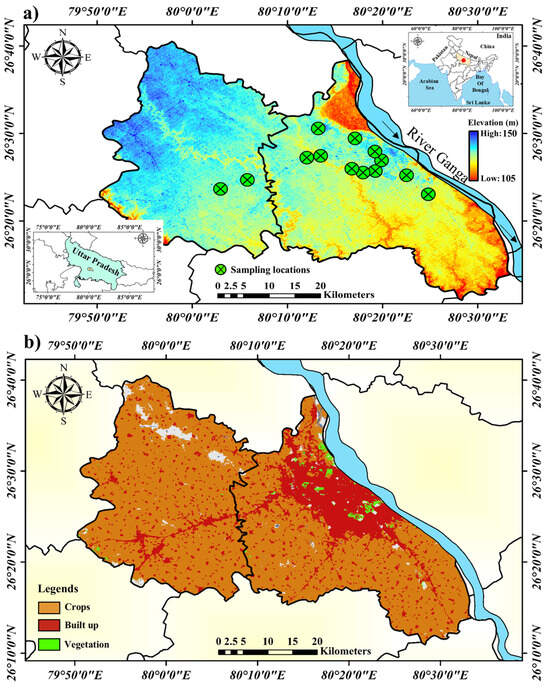
Seasonal Redox Decoupling Controls Multi-Metal (As–Cr–V–Se) Mobility in Alluvial Aquifers of the Mid-Gangetic Plain
by
Aseem Saxena, Sachin Tripathi, Abrahan Mora, Miguel Ángel López Zavala, Hiroaki Furumai and Manish Kumar
Water 2026, 18(12), 1483; https://doi.org/10.3390/w18121483 (registering DOI) - 16 Jun 2026
Abstract
Groundwater contamination by redox-sensitive elements (RSEs) such as arsenic (As), chromium (Cr), vanadium (V), and selenium (Se) pose a critical challenge in alluvial aquifers, where seasonal hydrological forcing drives dynamic hydrogeochemical and redox conditions. This study investigates the seasonal evolution of groundwater hydrogeochemistry
[...] Read more.
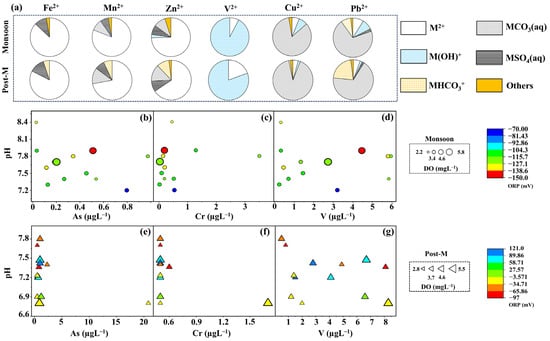
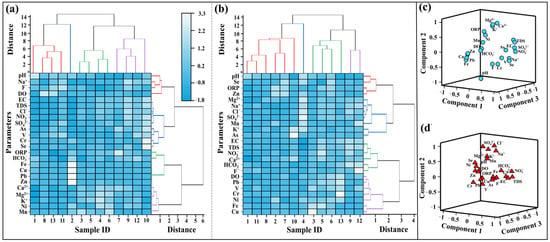
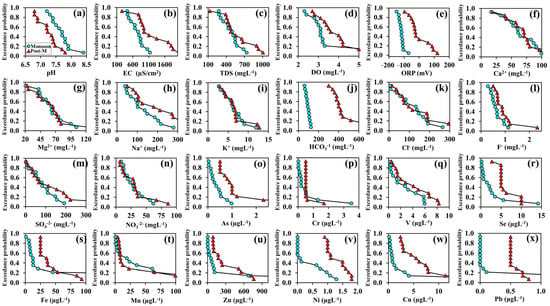
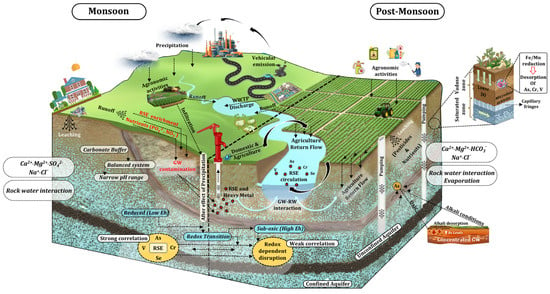
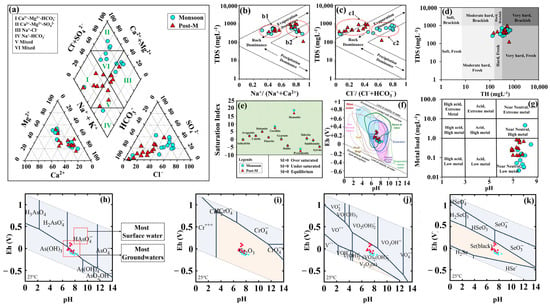
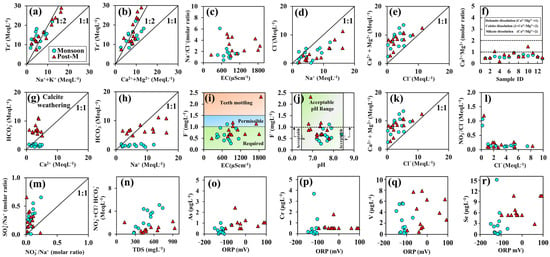
Groundwater contamination by redox-sensitive elements (RSEs) such as arsenic (As), chromium (Cr), vanadium (V), and selenium (Se) pose a critical challenge in alluvial aquifers, where seasonal hydrological forcing drives dynamic hydrogeochemical and redox conditions. This study investigates the seasonal evolution of groundwater hydrogeochemistry and multi-metal behavior in shallow aquifers of the Mid-Gangetic Plain, India, with particular emphasis on the role of seasonal redox decoupling. Monsoon conditions were dominated by strongly reducing environments (ORP: −150 to −70 mV), predominantly Ca–Mg–SO4 and Na–Cl type facies. Under these conditions, significant correlations among RSEs in particular (As–V, As–Se) indicated coupled mobilization governed by the reductive dissolution of Fe–Mn (oxyhydr)oxides. Monsoon groundwater also exhibited strong associations between RSEs and agronomic indicators (NO3−, SO42−), suggesting the influence of recharge-mediated agricultural inputs on redox-sensitive geochemical processes. In contrast, post-monsoon conditions showed a clear transition to sub-oxic states (ORP up to +121 mV) and were dominated by Ca–Mg–HCO3 facies, accompanied by substantial increases in bicarbonate (~372%), electrical conductivity (~62%), and total dissolved solids (~21%). Despite the partial oxidation of the aquifer system, redox-sensitive metals did not respond uniformly. Instead, inter-element correlations weakened or disappeared, indicating a transition from coupled to decoupled contaminant behavior. Arsenic concentrations increased up to 20.8 µgL−1, whereas Cr and V displayed variable enrichment controlled by alkali-induced desorption and carbonate-mediated surface interactions. This transition reflects seasonal redox decoupling, whereby seasonal redox shifts lead to metal-specific rather than coordinated multi-metal behavior. We propose a Seasonal Redox Decoupling Framework (SRDF) to explain the shift from coupled reductive release during monsoon conditions to selective mobilization pathways in the post-monsoon period. These findings demonstrate that seasonal redox shifts control not only metal concentrations but also inter-element relationships, leading to metal-specific risk profiles. This underscores the need for seasonally adaptive monitoring and management strategies in hydrologically dynamic alluvial aquifers.
Full article
(This article belongs to the Special Issue Advances in Groundwater Resource Development: Innovative Methods and Technologies)
►▼
Show Figures

Figure 1
Open AccessArticle
Study on the Equivalent Utilization Method of Flood Control Capacity for Cascade Hydropower Stations in the Lower Jinsha River Basin
by
Xuewen Guan, Zhenghua Wang, Yubin Chen, Yinshan Xu and Xiangxing Wei
Water 2026, 18(12), 1482; https://doi.org/10.3390/w18121482 (registering DOI) - 16 Jun 2026
Abstract
Traditional reservoir flood control operations in China have long relied on a fixed flood-limited water level (FLWL), which frequently results in the underutilization of water resources during flood seasons. Dynamic FLWL regulation and joint reservoir operation have emerged as core strategies to optimize
[...] Read more.
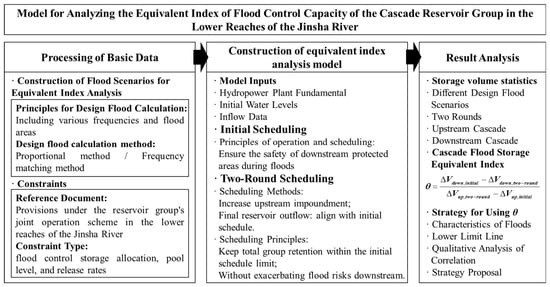
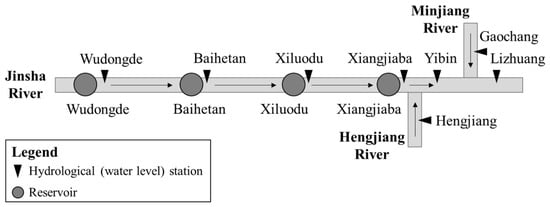
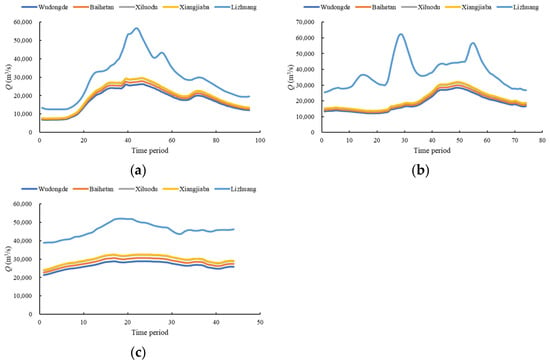
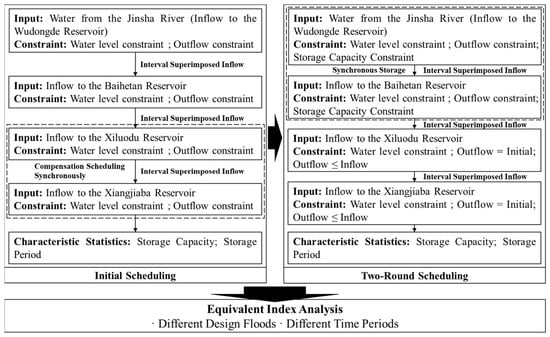
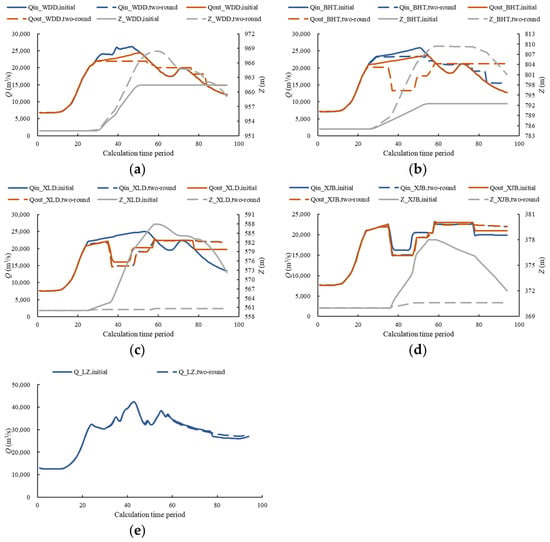
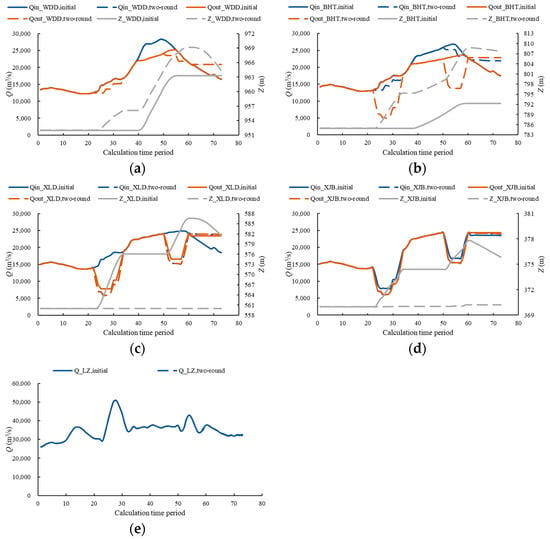
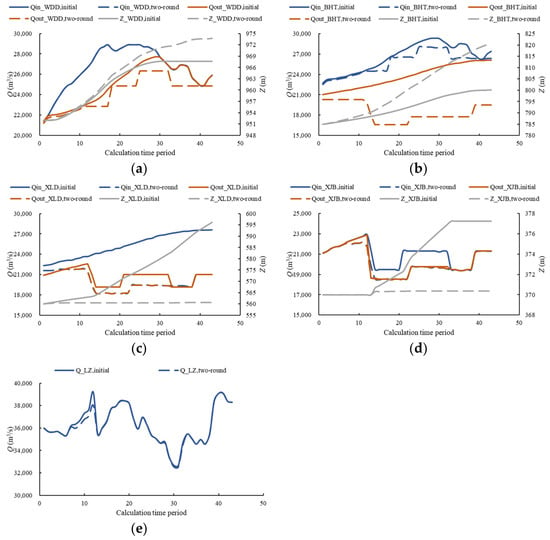
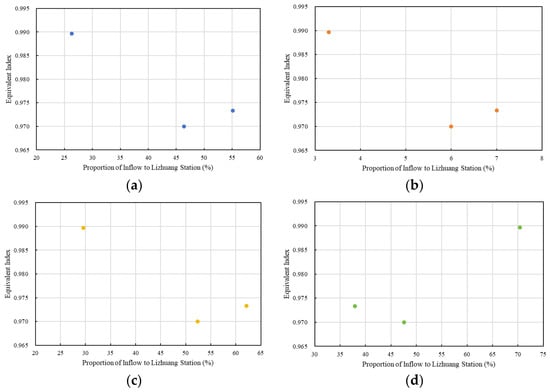
Traditional reservoir flood control operations in China have long relied on a fixed flood-limited water level (FLWL), which frequently results in the underutilization of water resources during flood seasons. Dynamic FLWL regulation and joint reservoir operation have emerged as core strategies to optimize floodwater resource utilization while ensuring flood control safety. However, these approaches typically treat the flood control storage capacity of individual reservoirs as fixed constraints, failing to consider the potential for reallocating this capacity within a cascade reservoir system. This study explores the concept of “equivalent utilization of flood control storage capacity” among cascade reservoirs. Focusing on the four major reservoirs (Wudongde, Baihetan, Xiluodu, and Xiangjiaba) in the lower reaches of the Jinsha River, a methodology for analyzing the equivalent index of their flood control storage capacity is established. The core of this methodology involves a two-round scheduling simulation under various design flood scenarios. The first round of simulation adheres to standard operating rules, while the second round allows upstream reservoirs to retain additional flood volume—with downstream reservoirs correspondingly reducing their outflow—on the premise that downstream safety targets are satisfied. The equivalent index is defined as the ratio of the reduced storage capacity utilized downstream to the additional storage capacity utilized upstream. Nine design flood scenarios (covering three typical years with 1%, 2%, and 5% exceedance probabilities) for flood control in the Sichuan–Chongqing reach were analyzed, with the tightly coupled Wudongde–Baihetan and Xiluodu–Xiangjiaba reservoir pairs treated as two integrated units. The results indicate that the equivalent indices between these two reservoir groups range from 0.96 to 0.999, demonstrating near-perfect functional interchangeability of their flood control storage capacities for the specified research objective. For practical engineering application, a value of 0.96 is recommended as the lower-bound equivalent index. This study provides a methodological framework and specific index to support the dynamic, coordinated, and more efficient utilization of flood control storage capacity in large-scale cascade reservoir systems.
Full article
(This article belongs to the Section Water Resources Management, Policy and Governance)
►▼
Show Figures

Figure 1
Open AccessArticle
A Community-Grounded Applied Approach to Strengthening Marine Protected Area Governance: Insights from the Juan Fernández Archipelago, Chile
by
Ignacio J. Petit, Jaime Aburto, Catalina Sapag, Scheila Recabarren, Sofía Ramirez-Montero, Ana Cinti, Alejandro Correa-Rivera, Andrés Cádiz, Marisol Romero and Liesbeth Van der Meer
Water 2026, 18(12), 1481; https://doi.org/10.3390/w18121481 (registering DOI) - 16 Jun 2026
Abstract
Marine Protected Areas (MPAs) are key tools for mitigating the impacts of human activities on marine biodiversity and addressing climate change. Consequently, nations worldwide have committed to international targets to expand MPA coverage, leading to a rapid increase in protected areas and generating
[...] Read more.
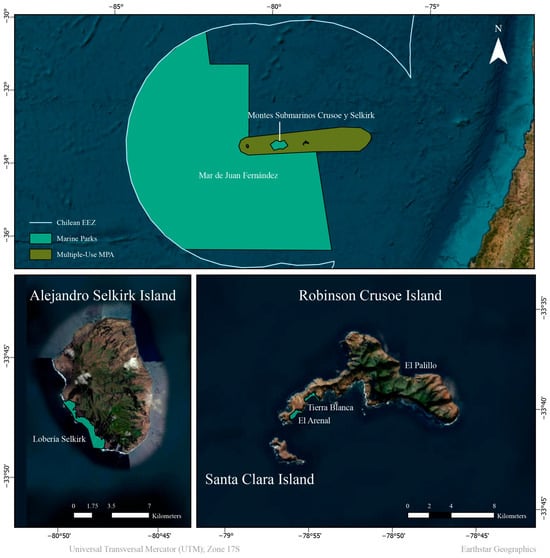
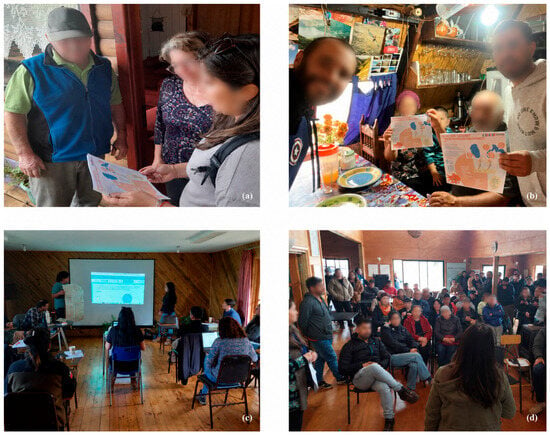
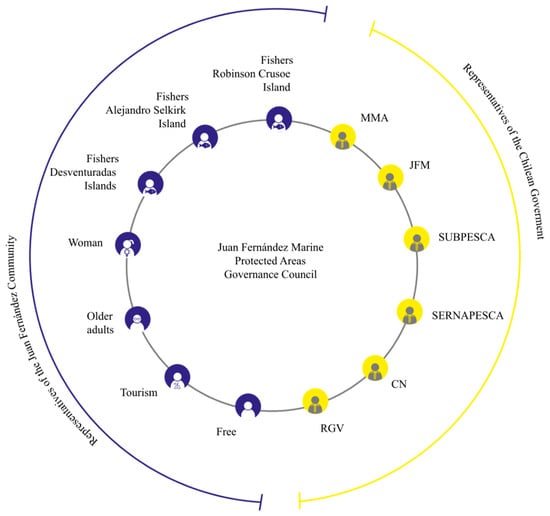
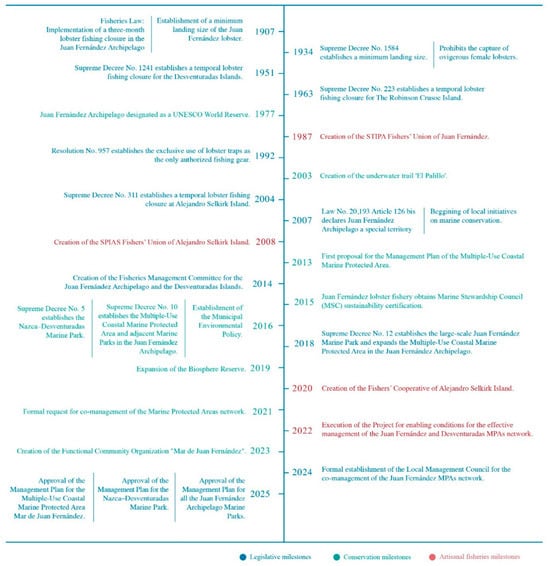
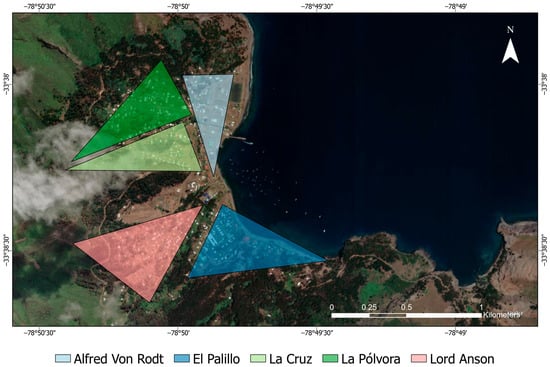
Marine Protected Areas (MPAs) are key tools for mitigating the impacts of human activities on marine biodiversity and addressing climate change. Consequently, nations worldwide have committed to international targets to expand MPA coverage, leading to a rapid increase in protected areas and generating significant challenges for financing and effective management, particularly in developing countries. Under this scenario, multiple stakeholders, including local communities, academia, governments, and national and international organizations, are joining efforts to reduce financial gaps and strengthen MPA governance and management. In this study, we present the case of the Juan Fernández Archipelago in Chile, where multiple organizations collaborated to develop a socially robust and locally grounded governance system for a network of MPAs through a comprehensive community engagement process conducted on Robinson Crusoe Island between 2022 and 2024. As a result, a Functional Community Organization was established to co-manage the MPAs with the Chilean government, and three MPA management plans encompassing ~580,000 km2 were approved. Among them, the management plan of the Multiple-Use MPA “Mar de Juan Fernández” was the first approved under the new Chilean Biodiversity and Protected Areas Service (Law 21,600), setting a national precedent for co-management. Our findings show that effective MPA governance depends not only on institutional design but also on the extent to which governance arrangements are socially embedded and locally legitimate. In this context, community-grounded and context-sensitive engagement processes facilitated high levels of participation, strengthened representation, and supported the co-production of knowledge, providing a strong foundation for the long-term implementation of conservation objectives.
Full article
(This article belongs to the Special Issue Coastal and Marine Governance and Protection, 2nd Edition)
►▼
Show Figures

Figure 1
Open AccessArticle
Advanced TiO2–SiO2–Biochar Thin-Film Nanocomposite Membranes for High-Performance Removal of Dyes and Heavy Metals from Wastewater
by
Muhammad Shahid Sami, Fida Hussain, Ammarah Mushtaq, Jalal Shah, Sang-Eun Oh and Aneela Anwar
Water 2026, 18(12), 1480; https://doi.org/10.3390/w18121480 (registering DOI) - 16 Jun 2026
Abstract
Next-generation wastewater treatment and recycling rely on membrane-based processes, but they face a trade-off among permeability, selectivity, and fouling resistance. In the present study, thin-film nanocomposite (TFN) membranes were fabricated by incorporating a ternary TiO2-SiO2-biochar nanofiller into a polysulfone
[...] Read more.
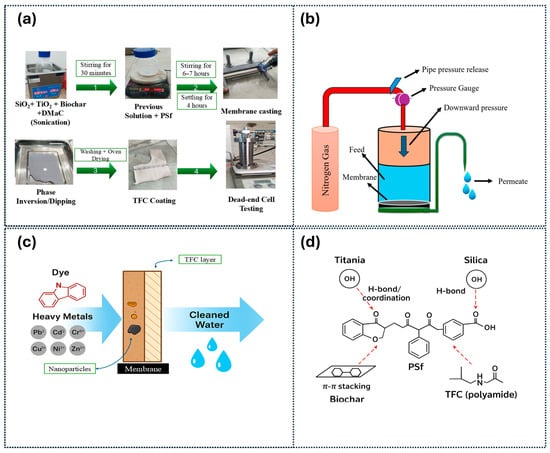
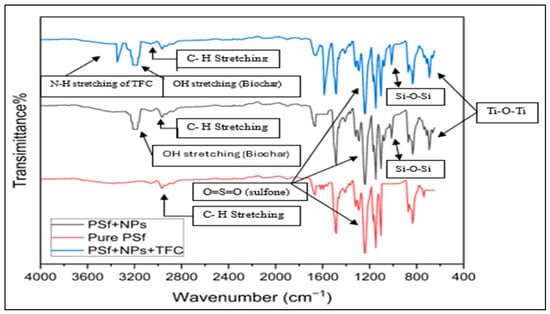
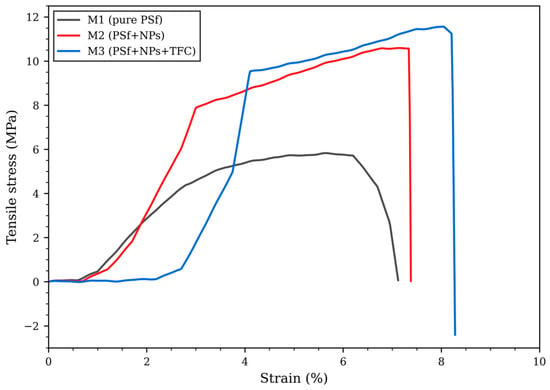
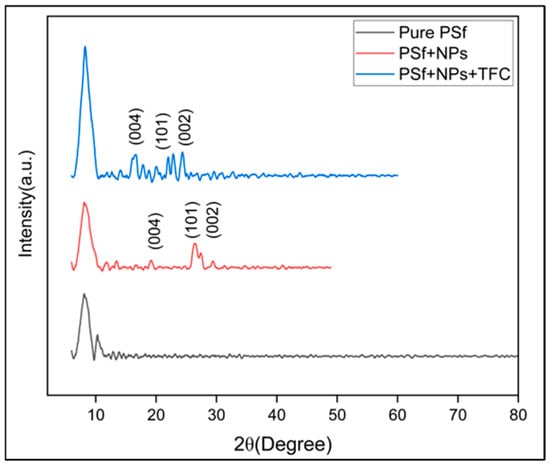
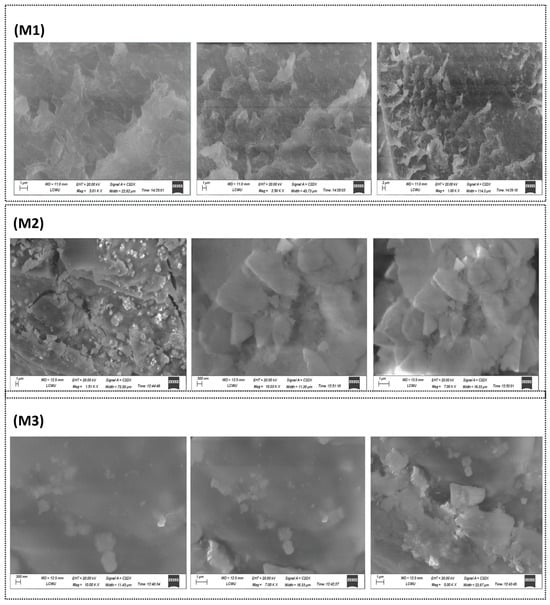
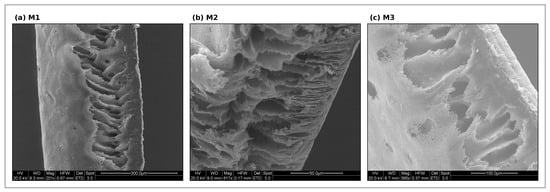
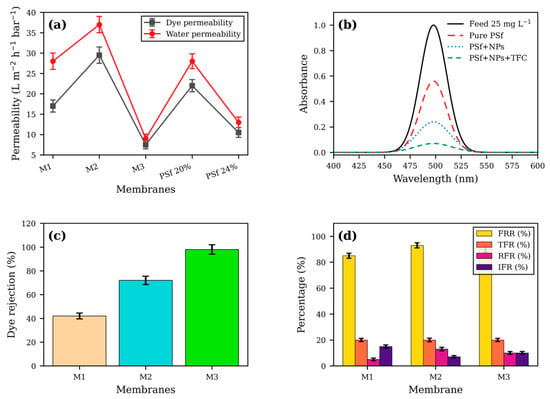
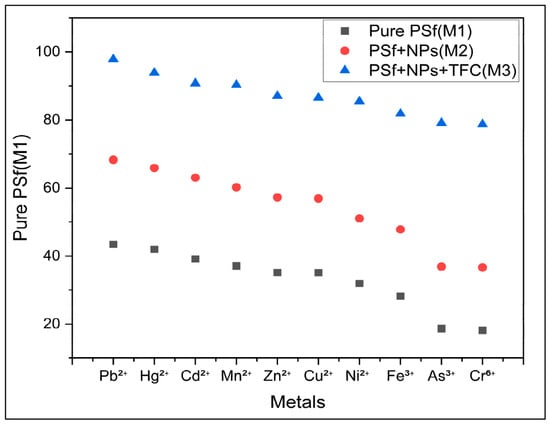
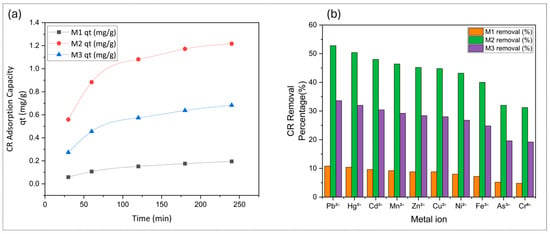
Next-generation wastewater treatment and recycling rely on membrane-based processes, but they face a trade-off among permeability, selectivity, and fouling resistance. In the present study, thin-film nanocomposite (TFN) membranes were fabricated by incorporating a ternary TiO2-SiO2-biochar nanofiller into a polysulfone (PSf) support using nonsolvent-induced phase separation, after which m-phenylenediamine and trimesoyl chloride were used via interfacial polymerization to produce a selective polyamide layer. The membrane compositions were M1 (22 wt.% PSf), M2 (22 wt.% PSf/0.5 wt.% TiO2/0.5 wt.% SiO2/0.5 wt.% biochar), and M3 (polyamide-coated M2). FTIR, XRD, SEM, contact-angle, porosity, and mechanical analyses supported successful membrane formation and changes in morphology, wettability, and structural strength after nanofiller incorporation and TFC coating. The addition of a nanofiller increased the hydrophilicity of the membranes by decreasing the water contact angle from 98.6 ± 0.8° for pristine PSf to 35.6 ± 1.5° for the nanocomposite membrane. Consequently, the pure-water permeability increased from 21 to 37 L m−2 h−1 bar−1. After polyamide layer formation, the optimized TFN membrane maintained a contact angle of 55.4 ± 3.8° and achieved a high Congo red rejection of 98% with permeate flux of 7–9 L m−2 h−1 bar−1. The membrane also showed good antifouling performance, with flux recovery ratios exceeding 90%. For heavy-metal-containing solutions, the optimized membrane showed apparent removal efficiencies of 78–98% for multivalent heavy metals (Pb2+, Hg2+, Cd2+, Mn2+, Zn2+, Cu2+, Ni2+, Fe3+, As3+, and Cr6+). Static adsorption tests showed the order M2 > M3 > M1, confirming that exposed TiO2-SiO2-biochar sites contribute to pollutant uptake, while the superior filtration performance of M3 is attributed to the combined effect of the polyamide selective layer and adsorption-assisted interactions. Overall, the TiO2-SiO2-biochar-based TFN membrane provides a promising platform for dye removal and preliminary heavy-metal attenuation from contaminated water.
Full article
(This article belongs to the Special Issue Bioremediation and Resource Recovery from Wastes and Wastewater: Advanced Materials and Hybrid Treatment Technologies)
►▼
Show Figures

Figure 1
Open AccessArticle
Investigating the Leaching of Organic Compounds from Polyethylene and the Formation of Iodinated Disinfection Byproducts in the International Space Station Potable Water
by
Conor T. Gowan, Bailey A. M. Gordon, Judy Westrick and Shawn P. McElmurry
Water 2026, 18(12), 1479; https://doi.org/10.3390/w18121479 (registering DOI) - 16 Jun 2026
Abstract
Ensuring safe and palatable drinking water is critical for long-duration space travel and part of NASA’s 2022 strategic goals. This study investigated whether the formation of iodoform occurred when iodine reacts with trace levels of dissolved organic carbon (DOC) leaching from spacecraft water
[...] Read more.
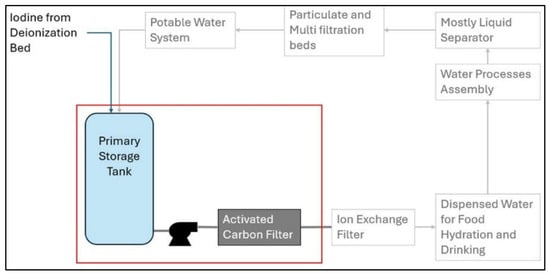
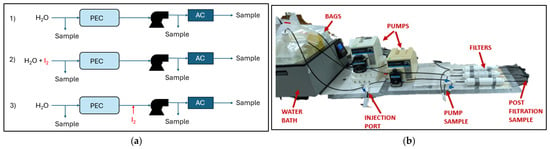
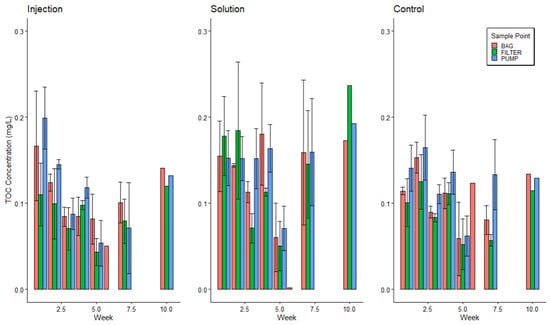
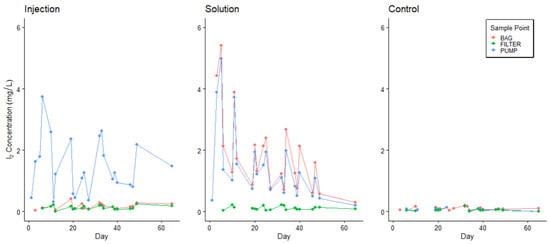
Ensuring safe and palatable drinking water is critical for long-duration space travel and part of NASA’s 2022 strategic goals. This study investigated whether the formation of iodoform occurred when iodine reacts with trace levels of dissolved organic carbon (DOC) leaching from spacecraft water system components. A simplified model of the International Space Station’s Environmental Control and Life Support System was constructed, focusing on disinfection. The system included water storage in low-density polyethylene (LDPE) bags followed by activated carbon block filtration. Three scenarios were tested: iodine treatment in the storage tank, iodine treatment in-line after storage, and a control with no iodine. Preliminary results showed I2 concentrations of 0.1–5.42 mg/L prior to filtration, which decreased below detection after filtration. DOC concentrations ranged from below detection to 1.1 mg/L. Concentrations of iodoform, determined by gas chromatography–mass spectrometry, were assessed to observe potential risks to spacecraft drinking water quality. Iodine-based disinfection did result in significant iodoform formation or increased leaching of DOC. This study supports that long-term water storage can be achieved using iodine disinfection and LDPE storage. These results also inform the use of iodine disinfection in emergency situations by drinking water managers when water supply is interrupted in disaster situations.
Full article
(This article belongs to the Special Issue Drinking Water Quality: Monitoring, Assessment and Management)
►▼
Show Figures

Figure 1
Open AccessEditorial
Editorial for the Special Issue on Advanced Numerical Approaches for Multiphase and Cavitating Flows
by
Linmin Li
Water 2026, 18(12), 1478; https://doi.org/10.3390/w18121478 (registering DOI) - 16 Jun 2026
Abstract
This editorial introduces and synthesizes the contributions included in this Special Issue on advanced numerical methods for multiphase and cavitating flows [...]
Full article
(This article belongs to the Special Issue Advanced Numerical Approaches for Multiphase and Cavitating Flows)
Open AccessArticle
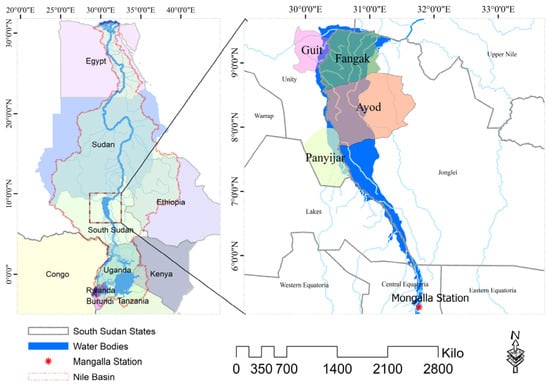
Flood Propagation and Inundation Responses Across the Sudd Wetland
by
Robert Galla, Hiroshi Ishidaira, Jun Magome and Kazuyoshi Souma
Water 2026, 18(12), 1477; https://doi.org/10.3390/w18121477 (registering DOI) - 16 Jun 2026
Abstract
Flooding is one of the most common and destructive natural disasters worldwide, and projections indicate that its intensity will increase across various climate regions during this century. South Sudan is particularly vulnerable due to a combination of factors, including hydrological releases from Lake
[...] Read more.
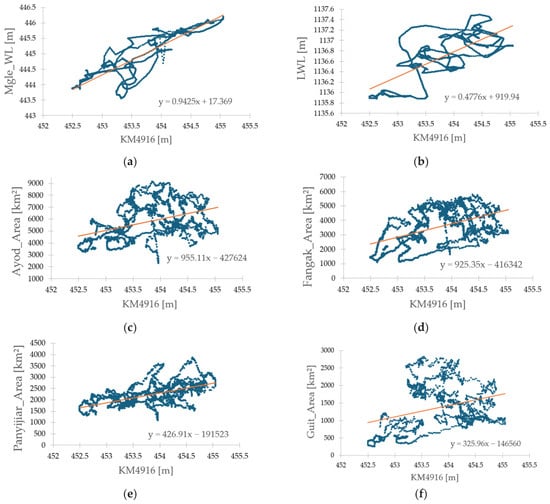
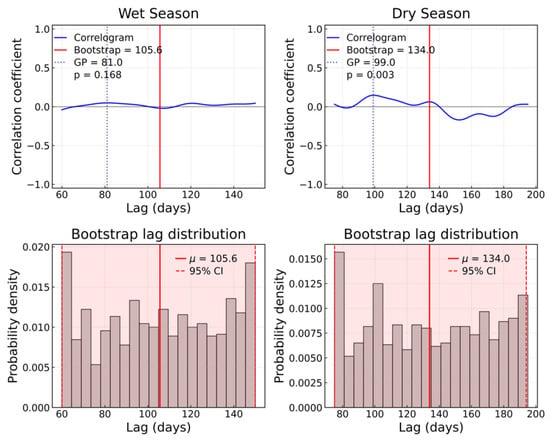
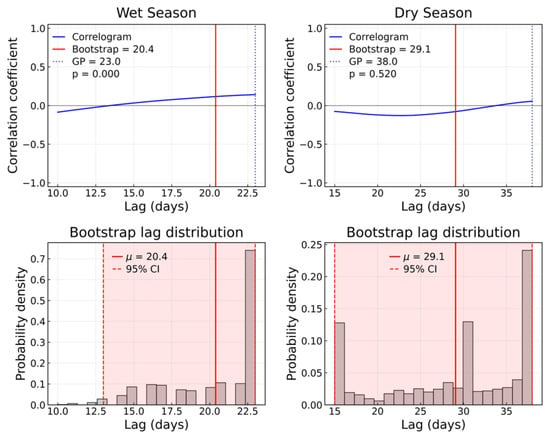
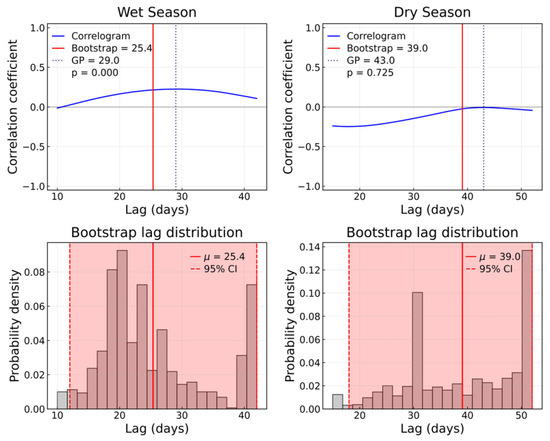
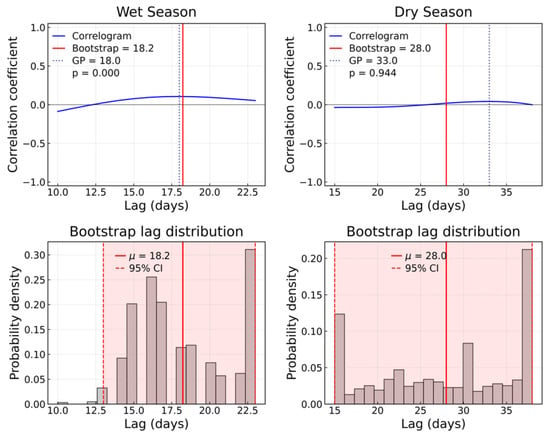
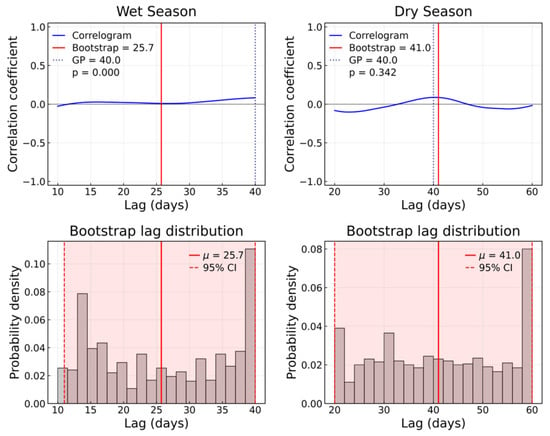
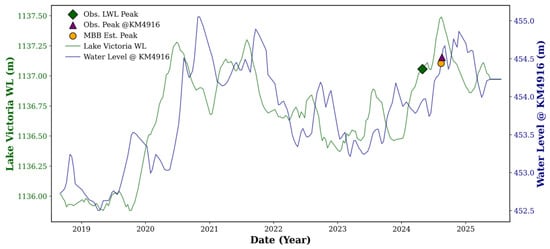
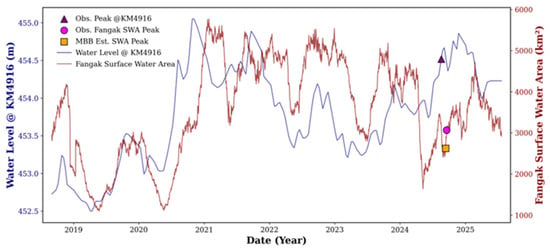
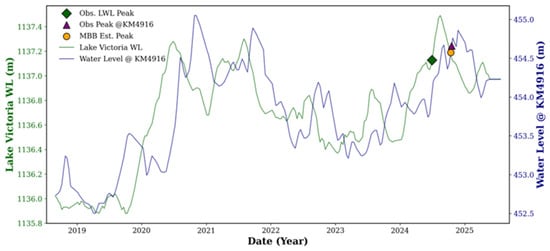
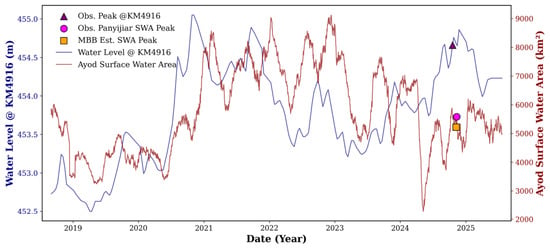
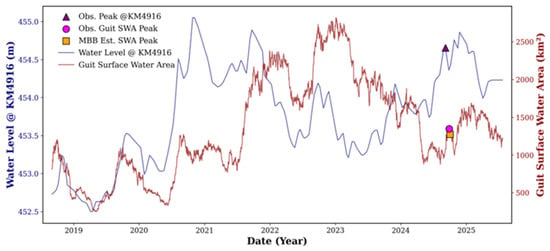
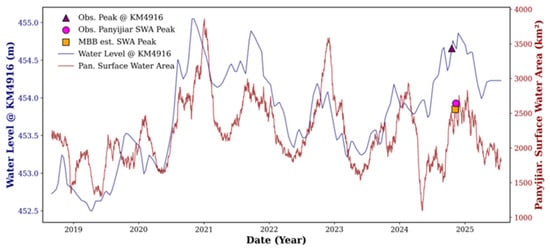
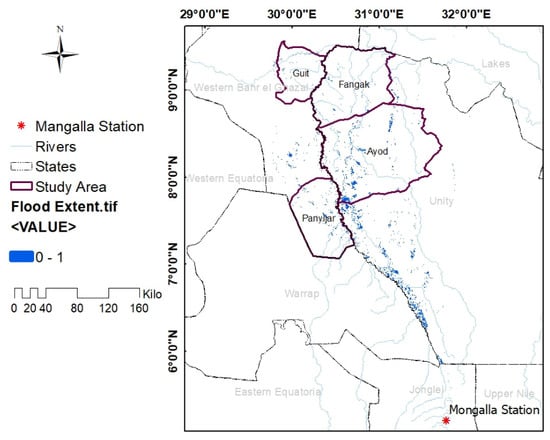
Flooding is one of the most common and destructive natural disasters worldwide, and projections indicate that its intensity will increase across various climate regions during this century. South Sudan is particularly vulnerable due to a combination of factors, including hydrological releases from Lake Victoria, local rainfall patterns, and wetland retention dynamics. These factors raise important questions regarding the hydrological connectivity between Lake Victoria and the Nile system. This study examined how upstream hydrological conditions impact flood dynamics in South Sudan’s flood-prone regions, specifically in the states of Jonglei and Unity along the River Nile. To statistically estimate flood propagation lag time from Lake Victoria to the Sudd wetland, we used Cyclone Global Navigation Satellite System (CYGNSS) remote sensing data and water-level altimetry from both Lake Victoria and the River Nile at Mangalla. The analytical methods included moving block bootstrap (MBB) cross-correlation and Gaussian process (GP) modeling. Furthermore, we validated the event-based propagation and inundation patterns using flood event reports from the Displacement Tracking Matrix (DTM). The findings indicate that the statistical propagation signals took approximately 106 days during the wet season (95% confidence interval [CI]: 60–150 days) and 134 days during the dry season (95% CI: 75–195 days) for the downstream water level response to reach the River Nile at Mangalla, and 3–4 weeks to reach the adjacent floodplains downstream. Residual stationarity diagnostics showed augmented Dickey–Fuller (ADF) statistics below −7 across the analyzed propagation pathways, indicating statistically stationary lag-adjusted residual behavior. Consistent temporal correspondence between inferred flood arrival windows and independently reported DTM flood-impact periods provides cautious support for the hydrological plausibility of the estimated propagation structure.
Full article
(This article belongs to the Special Issue Innovative Approaches in Hydrology Applied to the Study of River and Lakes Systems)
►▼
Show Figures

Figure 1
Open AccessEditorial
Advances in Management and Optimization of Urban Water Networks
by
Mohsen Hajibabaei, Robert Sitzenfrei, Mohsen Shahandashti and Milad Latifi
Water 2026, 18(12), 1476; https://doi.org/10.3390/w18121476 (registering DOI) - 15 Jun 2026
Abstract
The effective management and optimization of urban water networks is essential for addressing the growing challenges posed by aging infrastructure, population growth, urbanization, and climate change [...]
Full article
(This article belongs to the Special Issue Advances in Management and Optimization of Urban Water Networks)
Open AccessArticle
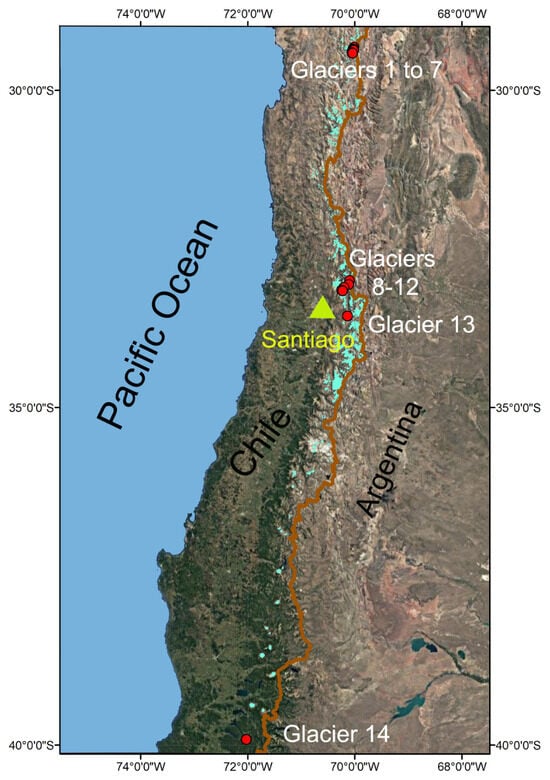
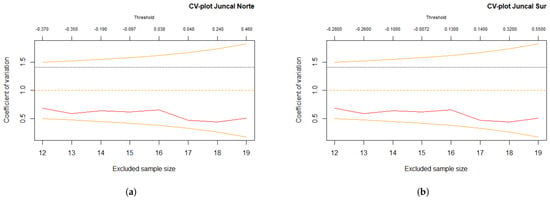
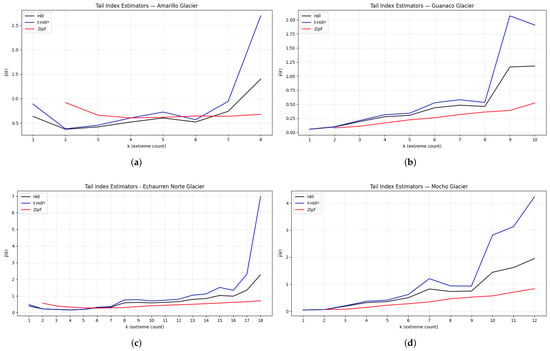
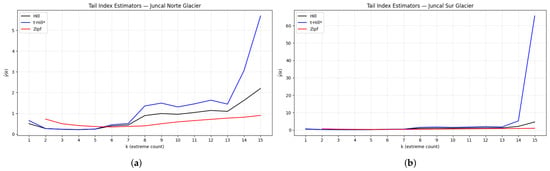
On the Mean Excess Plot Measures of Chilean Glacier Mass Balance Data
by
Milan Stehlík, Francisca Rodríguez Silva and Andrés Rivera
Water 2026, 18(12), 1475; https://doi.org/10.3390/w18121475 (registering DOI) - 15 Jun 2026
Abstract
We study the extreme behavior of six central Chile glacier mass balance series facing significant retreats and ice wastage due to climate variability and change. This has led to reduced meltwater availability in dry seasons, increasing competition for downstream water resources. Understanding glacier
[...] Read more.
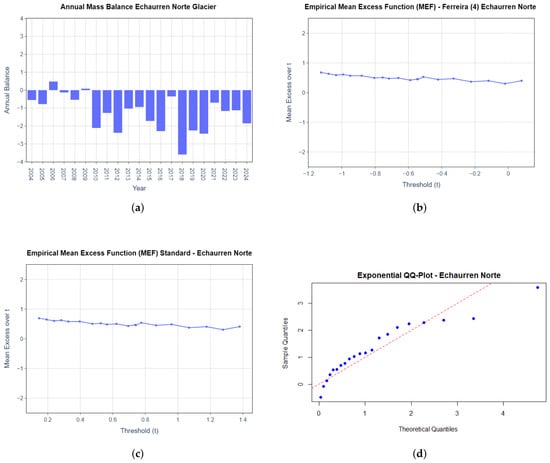
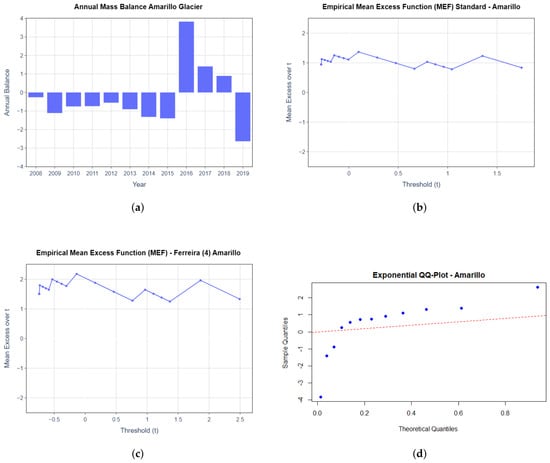
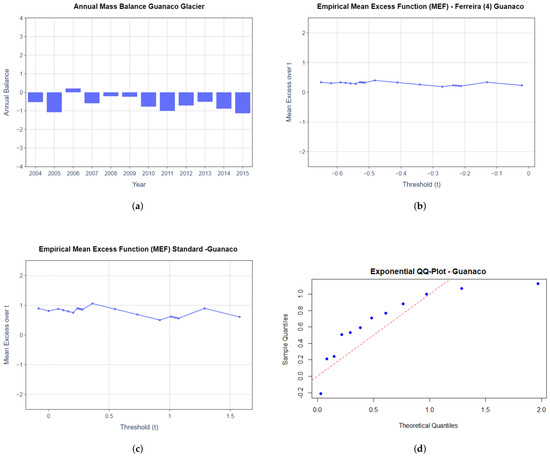
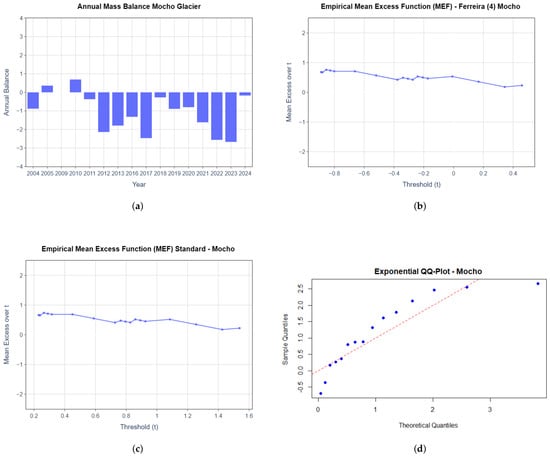
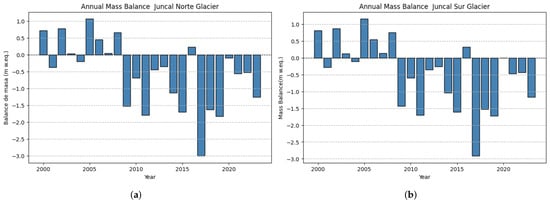
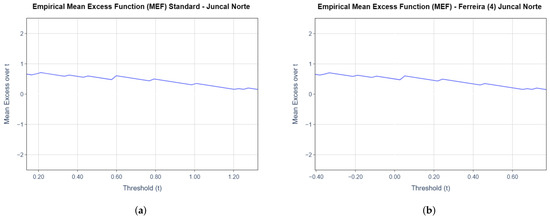
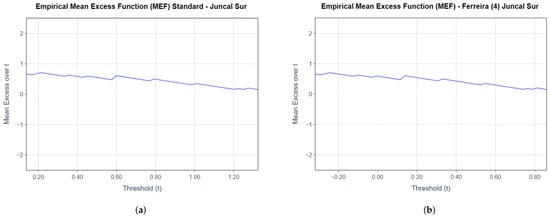
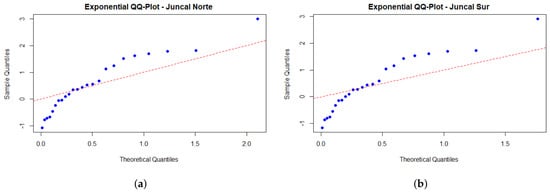
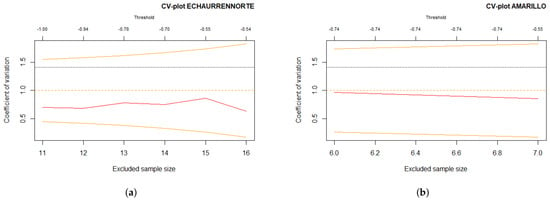
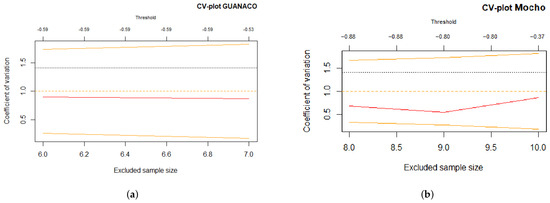
We study the extreme behavior of six central Chile glacier mass balance series facing significant retreats and ice wastage due to climate variability and change. This has led to reduced meltwater availability in dry seasons, increasing competition for downstream water resources. Understanding glacier mass balances is crucial for predicting future water availability in scenarios with higher water demands. We used Extreme Value Theory tools to analyze the data and identify extreme events. The main objective of this study is to statistically analyze glacier mass losses in Chile, using mass balance data collected from both national and international sources. The results show high heterogeneity in the extreme behavior of glaciers, with some showing an approximately exponential tail (Guanaco Glacier), others exhibiting stability with slight tails (Echaurren Norte and Mocho Glaciers) and one (Amarillo Glacier) with a highly unstable structure. The other analyzed glaciers (Juncal Norte and Juncal Sur) have slight and potentially limited tails. These results confirm the high importance of studying glaciers in the Andes in order to better understand their responses to climate change, an important and relevant aspect for the future management of glacier melt water resources.
Full article
(This article belongs to the Special Issue Editorial Board Members’ Collection Series: The Impact of Climate Change on Water Resources)
►▼
Show Figures

Figure 1
Open AccessArticle
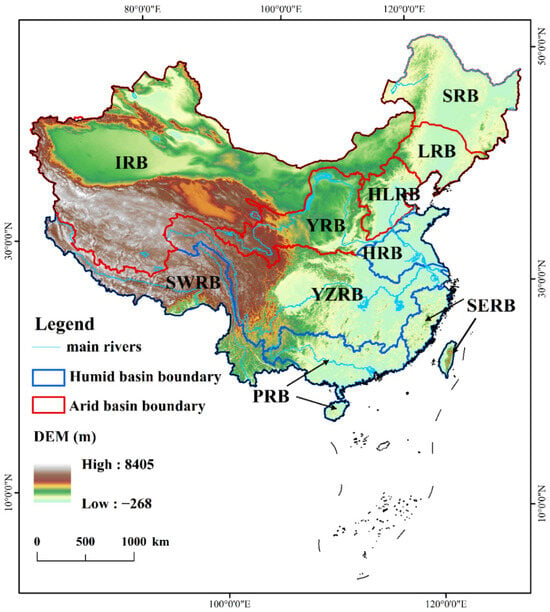
Spatiotemporal Evolution and Multi-Factor Association Analysis of Comprehensive Drought in China’s Ten Major River Basins from GRACE Observations
by
Junyan Chen, Rong Wu and Chenfeng Cui
Water 2026, 18(12), 1474; https://doi.org/10.3390/w18121474 (registering DOI) - 15 Jun 2026
Abstract
Drought is a widespread natural hazard in China that can sequentially trigger meteorological, hydrological, agricultural, and socio-economic drought types, yet traditional drought indices typically focus on a single hydrologic component and cannot capture integrated water deficits across multiple compartments. This study aims to
[...] Read more.
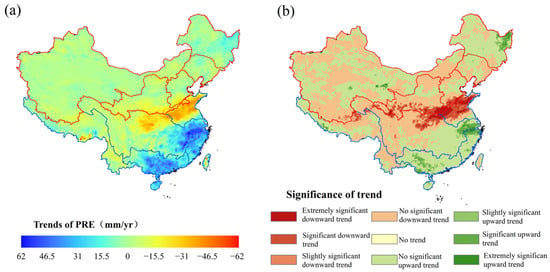
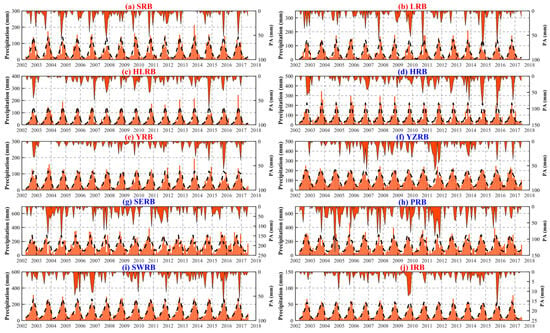
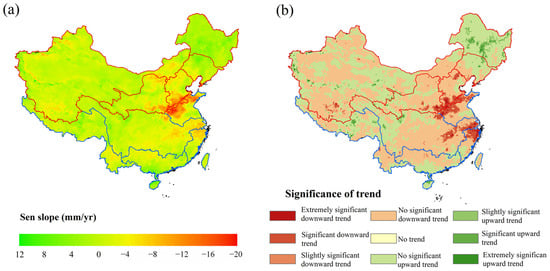
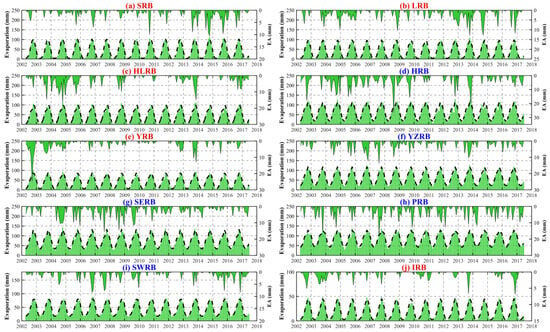
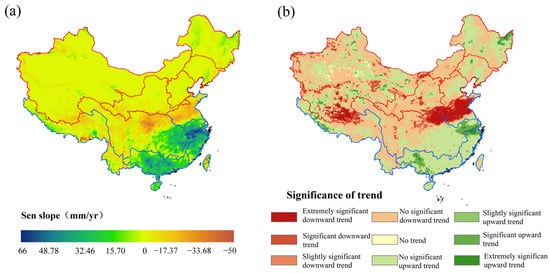
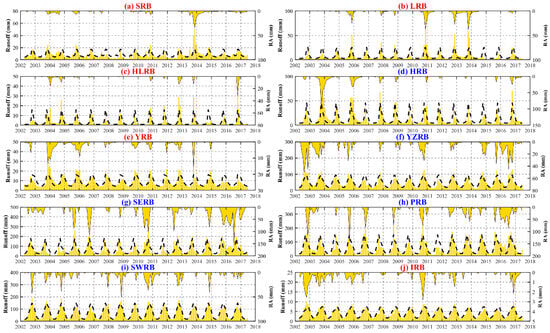
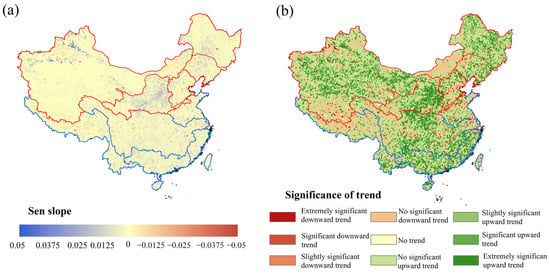
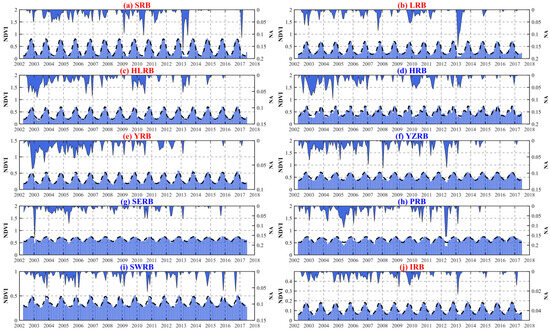
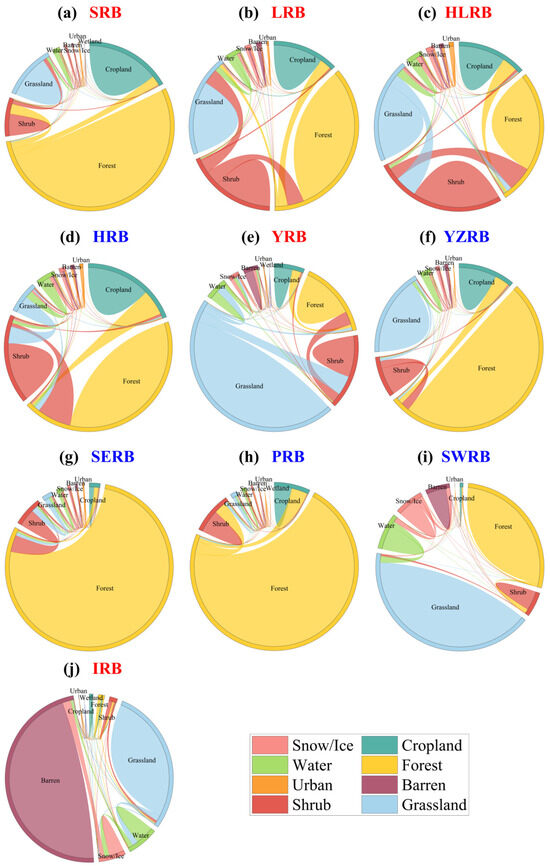
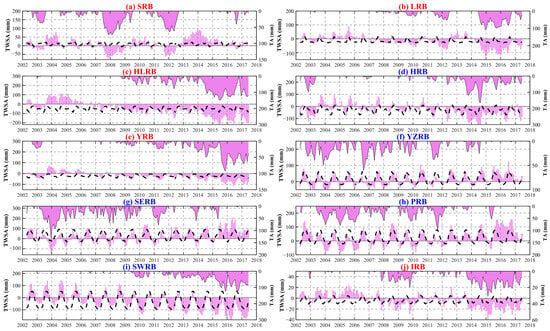
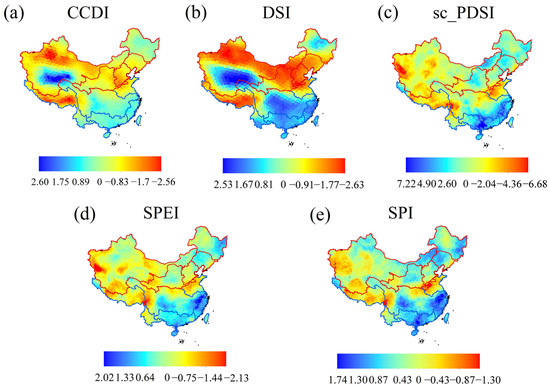
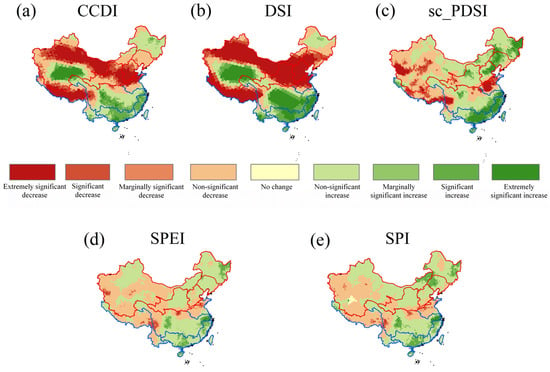
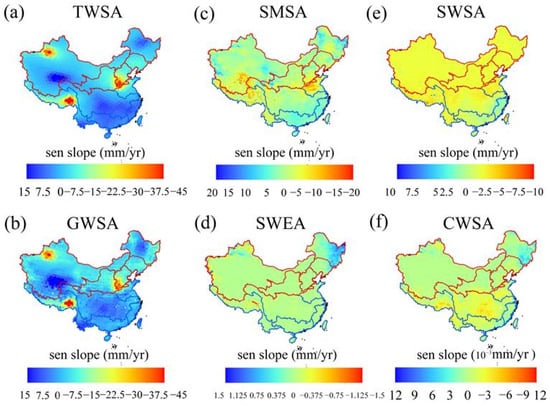
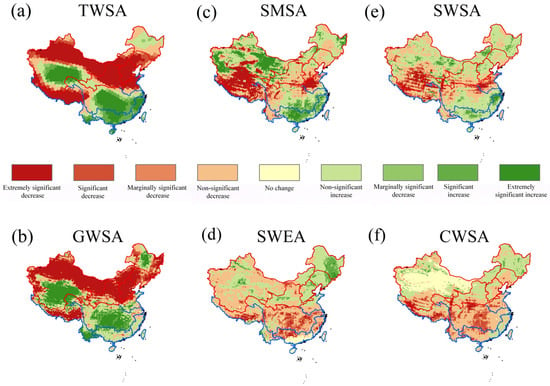
Drought is a widespread natural hazard in China that can sequentially trigger meteorological, hydrological, agricultural, and socio-economic drought types, yet traditional drought indices typically focus on a single hydrologic component and cannot capture integrated water deficits across multiple compartments. This study aims to systematically characterize the spatiotemporal evolution of comprehensive drought across China’s ten major river basins and to identify and quantify the main natural and anthropogenic factors associated with drought dynamics. We utilized the Gravity Recovery and Climate Experiment (GRACE) Mascon dataset spanning the entire mission period (April 2002–June 2017), which provides a continuous 15-year observation window suitable for detecting decadal-scale trends and inter-annual variability. Given the documented asynchrony between precipitation and terrestrial water storage changes, a zoned index framework was applied: the Combined Climatologic Deviation Index (CCDI) for arid basins and the Drought Severity Index (DSI) for humid basins. The Theil–Sen estimator and Mann–Kendall test, both non-parametric and robust to outliers, were employed for trend detection, and Pearson correlation analysis was used to evaluate statistical associations between drought indices and potential influencing factors. The results reveal a clear “dry gets drier, wet gets wetter” pattern during 2002–2017: severe drought episodes in humid basins (e.g., the Yangtze) were concentrated in 2002–2006, whereas those in arid basins (e.g., the Haihe) occurred mainly in 2013–2017. Groundwater storage anomaly (GWSA) constituted the primary component of total water storage changes in most basins, with the most rapid depletion rate of −45 mm yr−1 in the northern arid basins. Land use/cover change, especially urban expansion, showed a significant statistical association with drought intensification in arid regions, with its standardized contribution being comparable to that of natural factors such as runoff. This study provides a systematic cross-basin assessment and offers scientific insights for differentiated drought mitigation strategies and water resources management.
Full article
(This article belongs to the Special Issue Application of Artificial Intelligence in Agricultural Water Management: Methods, Practices, and Challenges)
►▼
Show Figures

Figure 1
Open AccessArticle
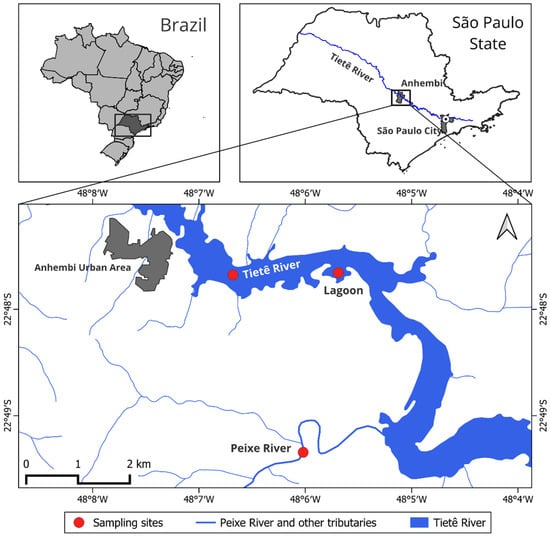
Disruption of Aquatic Ecosystem Biodiversity by Intense Pollution—A Study on Zooplankton from the Tietê River Basin (São Paulo, Brazil)
by
Gabriel Mariano, Arthur Padial Mota and Marcos Gomes Nogueira
Water 2026, 18(12), 1473; https://doi.org/10.3390/w18121473 (registering DOI) - 15 Jun 2026
Abstract
The Tietê River, heavily polluted by the largest Brazilian city (São Paulo), has significant ecological and socioeconomic importance. The effects of water-quality degradation on zooplankton diversity (taxonomic and functional) and limnological variables were evaluated through a comparison of the Tietê River’s main channel,
[...] Read more.
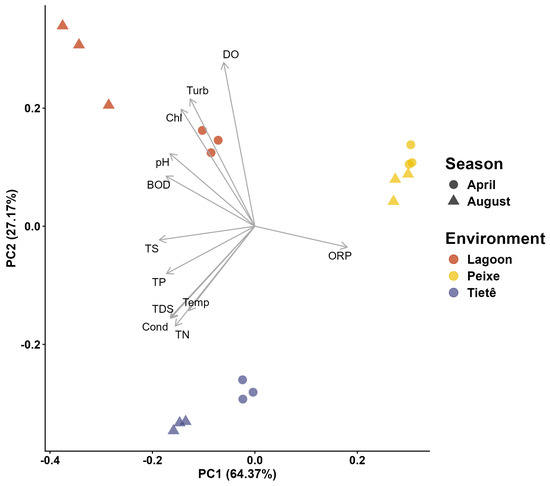
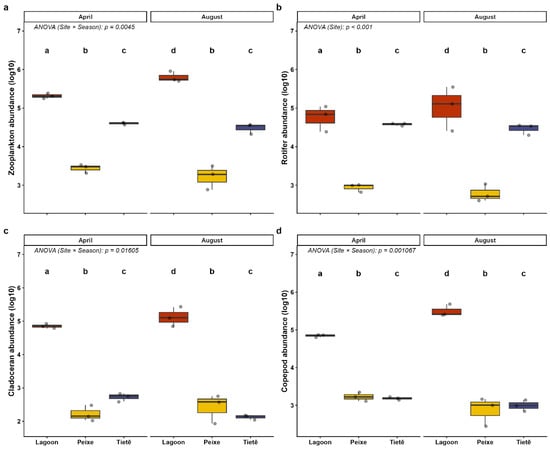
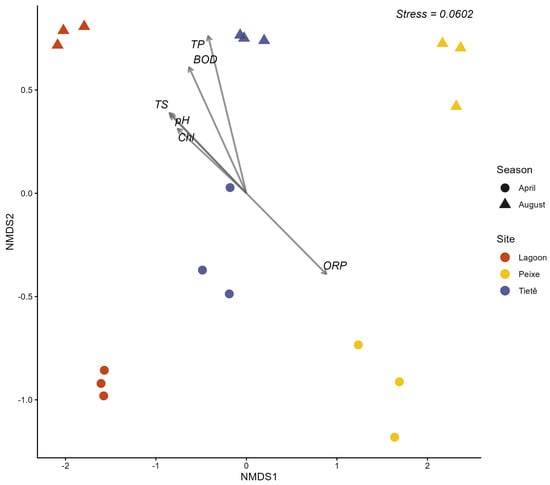
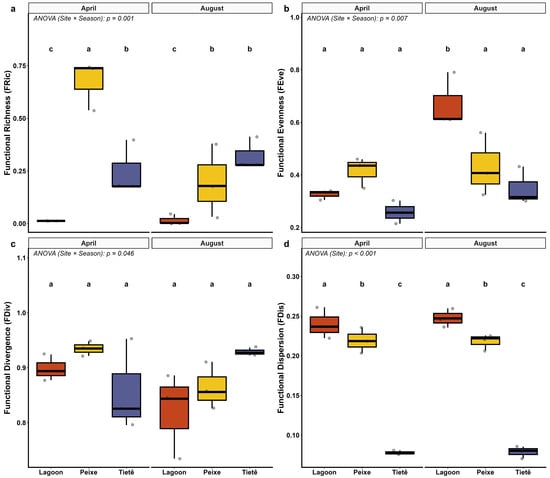
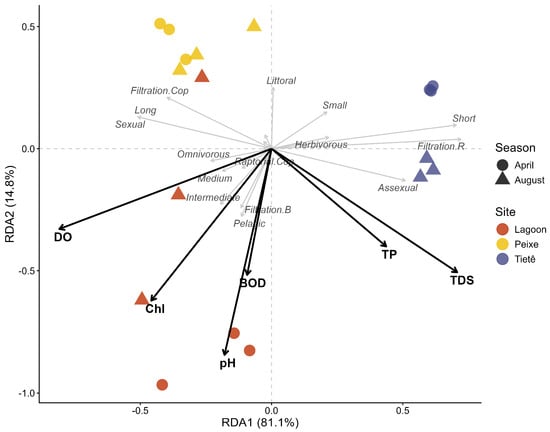
The Tietê River, heavily polluted by the largest Brazilian city (São Paulo), has significant ecological and socioeconomic importance. The effects of water-quality degradation on zooplankton diversity (taxonomic and functional) and limnological variables were evaluated through a comparison of the Tietê River’s main channel, one of its marginal lagoons and a low-impacted tributary. Samplings covered both a rainy and a dry season. Environmental conditions are distinctive, with the main river and lagoon classified as hypereutrophic and the tributary as oligo-mesotrophic. The zooplankton, an essential community for aquatic ecosystem functioning, also exhibited remarkable spatial variation. Richness varied between six (lagoon/dry) and 43 (tributary/rainy). There was a much higher abundance in the lagoon (mean = 6.5 × 10⁵), followed by the Tietê River (mean = 4.0 × 10⁴) and tributary (mean = 2.5 × 10³), and a higher taxonomic diversity (Shannon mean = 2.98) and functional richness (mean = 0.66) in the tributary, contrasting with the intermediate values in the Tietê River (means of 1.7 and 0.31, respectively) and lower in the lagoon (1.49 and 0.01). Zooplankton from the Tietê River and the lagoon positively correlated with pH, total solids, chlorophyll and phosphorus. Negative pollution’s effects on the zooplankton community were intensified by the lagoon’s lentic hydrodynamics. The low-impacted tributary seems to act as a refuge for the regional zooplankton biodiversity, taxonomically and functionally, which is restricted to highly tolerant species in the main river.
Full article
(This article belongs to the Section Biodiversity and Functionality of Aquatic Ecosystems)
►▼
Show Figures

Figure 1
Open AccessArticle
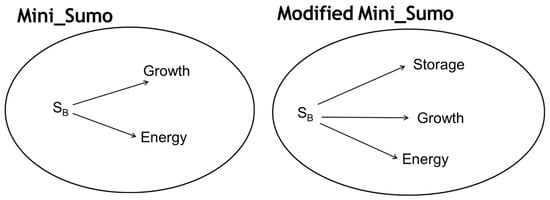
A Simplified Whole-Plant Model to Predict Biosorption in a High-Rate Biological Contactor—Activated Sludge Process
by
Tiow Ping Wong, Roger W. Babcock, Jr., Theodore Uekawa and Joachim Schneider
Water 2026, 18(12), 1472; https://doi.org/10.3390/w18121472 (registering DOI) - 15 Jun 2026
Abstract
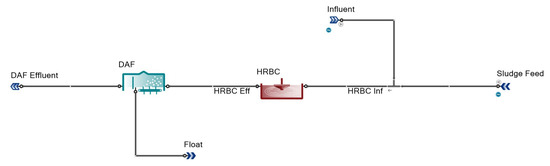
The high-rate biological contactor (HRBC) is an enhanced-primary, biosorption-based, carbon-diversion wastewater treatment process with short hydraulic retention time (HRT), short solids retention time (SRT), low dissolved oxygen (DO), and high food-to-microorganism ratio (F/M). This paper presents modifications to a commercial full-plant wastewater biodegradation
[...] Read more.
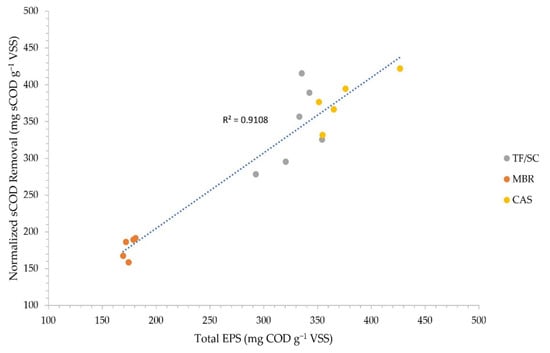
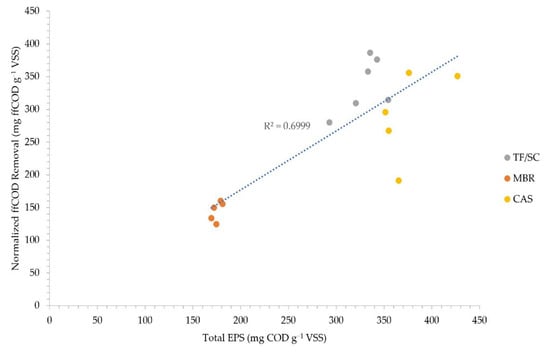
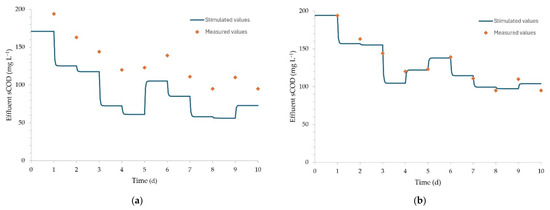
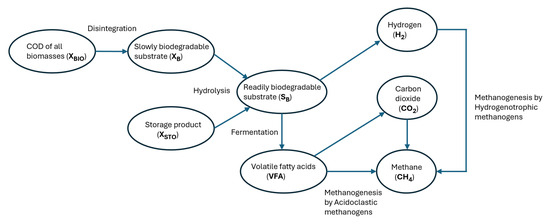
The high-rate biological contactor (HRBC) is an enhanced-primary, biosorption-based, carbon-diversion wastewater treatment process with short hydraulic retention time (HRT), short solids retention time (SRT), low dissolved oxygen (DO), and high food-to-microorganism ratio (F/M). This paper presents modifications to a commercial full-plant wastewater biodegradation model using extracellular polymeric substances (EPS) in waste activated sludge (WAS) to simulate pilot test biosorption data. Bench-scale HRBC tests found that each mg of EPS as COD (CODEPS) biosorbed 1.02 mg sCOD contained in raw wastewater. The fraction of AS organics identified as EPS in terms of COD was 37% in a conventional AS (CAS), 33% in a trickling filter-solids contact (TF/SC), and 18% in a membrane bioreactor (MBR). The modeling process used stoichiometry equations to convert EPS from its constituent concentrations (carbohydrates, proteins, humic acids, uronic acids) into COD. The conversion did not alter the finding that the normalized total EPS showed a positive relationship with soluble chemical oxygen demand sCOD biosorption with a 0.91 coefficient of determination. The modified commercial biodegradation model gave a maximum error of −12.6% when simulating pilot-scale results, and 80% of all data points were less than ±10% error. The modified model predicted 16% sCOD biosorption by EPS using the design data for a full-scale HRBC facility currently under construction.
Full article
(This article belongs to the Special Issue Adsorption Technologies in Wastewater Treatment Processes—2nd Edition)
►▼
Show Figures

Figure 1
Open AccessArticle
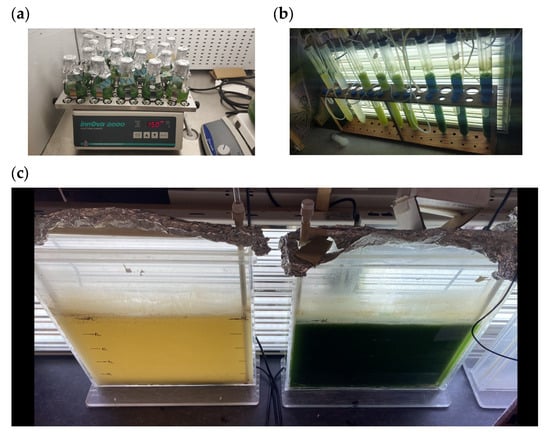
Performance Comparison of Three Photobioreactor Systems Differing in Scale, Geometry, and Operating Conditions for Landfill Leachate Treatment Using Red Algae: Nutrient Removal and Biomass Growth
by
Shanglei Pan, Xiaoyang Shi, Renjun Ruan, Xiaoping Xu, Thinesh Selvaratnam and Dongbao Zhou
Water 2026, 18(12), 1471; https://doi.org/10.3390/w18121471 (registering DOI) - 15 Jun 2026
Abstract
The algae-based landfill leachate (LL) treatment system has been proved promising for nutrient recycling and biomass production at lab- or small-scale photobioreactors (PBRs). However, many assessment tools such as techno-economic analyses (TEAs) usually utilize parameters from small-scale experiments as input data to predict
[...] Read more.
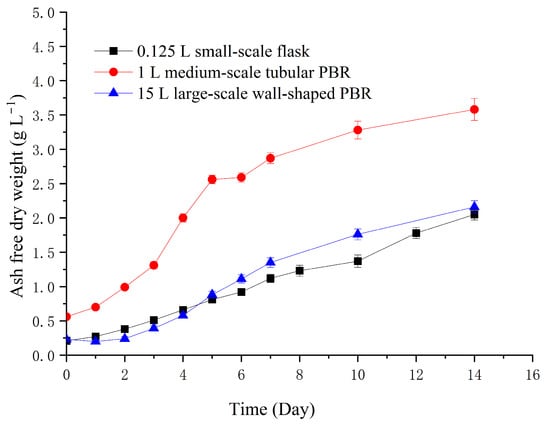
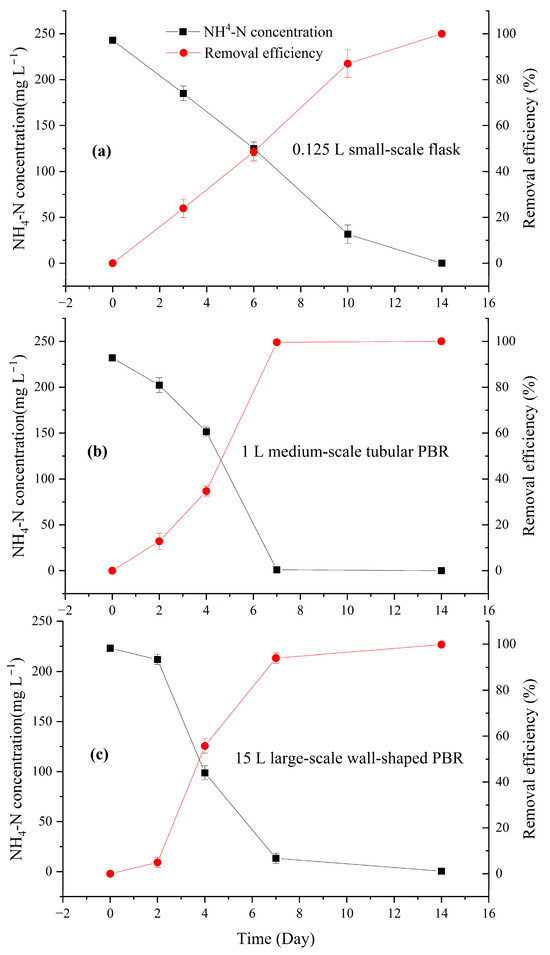
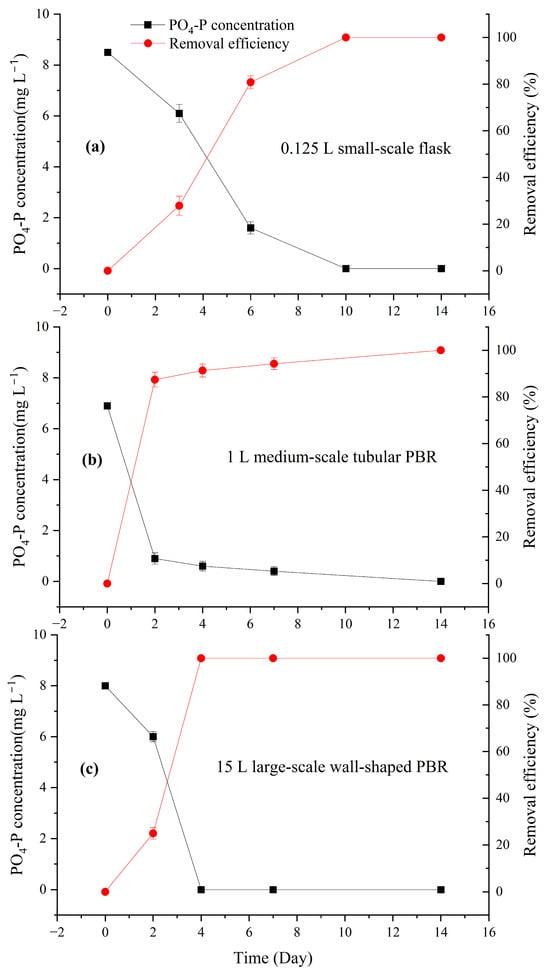
The algae-based landfill leachate (LL) treatment system has been proved promising for nutrient recycling and biomass production at lab- or small-scale photobioreactors (PBRs). However, many assessment tools such as techno-economic analyses (TEAs) usually utilize parameters from small-scale experiments as input data to predict the potential performance of commercial large-scale or full-scale bioreactors. Reliability of using data from lab-scale for commercial large-scale estimation is still uncertain. This study compared the performance of three photobioreactor systems that differed simultaneously in scale, geometry, light intensity, mixing mode, and aeration: 0.125 L small-scale flask, 1 L medium-scale tubular PBR, and 15 L wall-shaped PBR for real LL treatment. The 1 L medium-scale tubular photobioreactor outperformed the other two systems in biomass growth rate and the rates of nitrogen and phosphorus removal, even though all three systems removed nearly all NH4-N and PO4-P (≈100%) within two weeks. Possible reasons for this better performance include stronger illumination, a bubbling aeration mode, the reactor shape (which improves mixing), and higher surface area to volume ratio × light intensity. According to these results, using relatively small-scale flask experimental data for predictive analysis of industrial-scale algal systems could be inadequate. In this study, volumetric optical radiation (VOR) serves as a promising preliminary descriptive indicator to reflect the overall performance of an algal-based treatment system.
Full article
(This article belongs to the Section Wastewater Treatment and Reuse)
►▼
Show Figures

Figure 1
Open AccessArticle
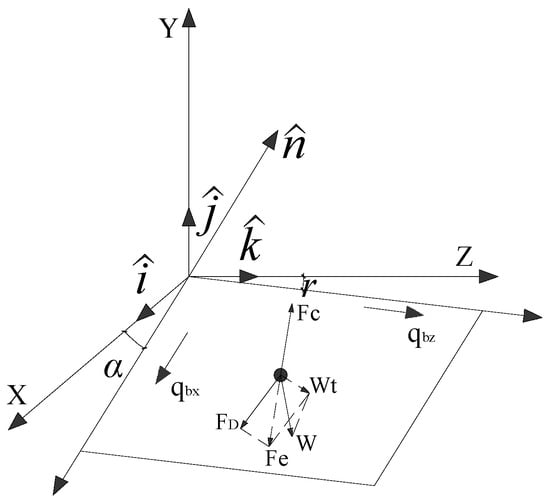
Numerical Simulation of the Impact of Plants on Water–Sediment–Phosphorus Transport and Fish Habitat in Riparian Nearshore Waters
by
Jian Li, Xiaoling Zhang, Qiang He, Miao Ge and Yu Cai
Water 2026, 18(12), 1470; https://doi.org/10.3390/w18121470 (registering DOI) - 15 Jun 2026
Abstract
In inland river basins, the coupling relationship among water, sediment, and phosphorus is essentially the redistribution of phosphorus carried in the river system, and the presence of plants affects its transport and distribution. Meanwhile, fish are the most important component in river ecosystems,
[...] Read more.
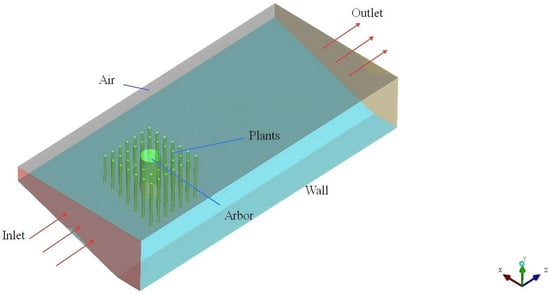
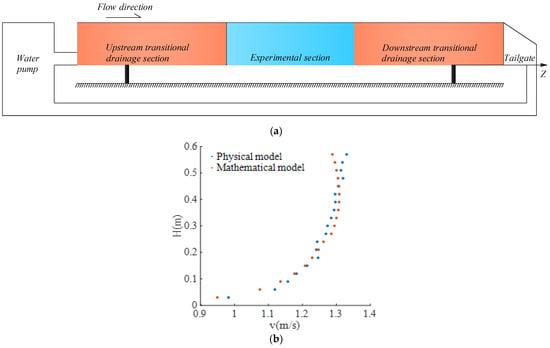
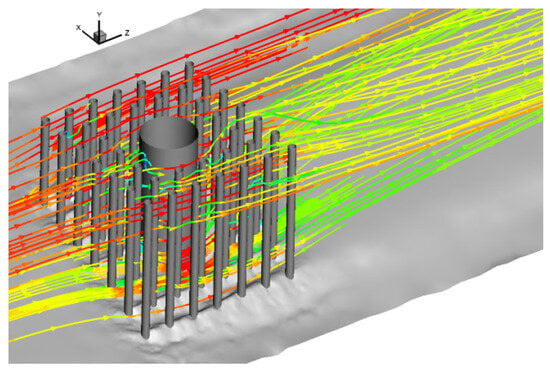
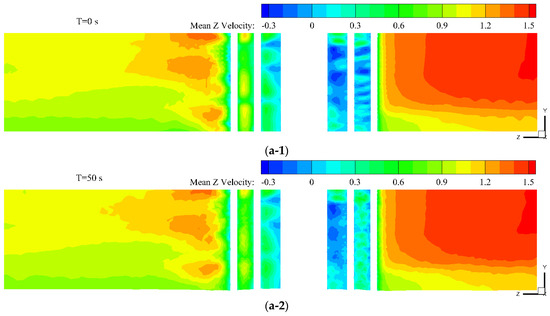
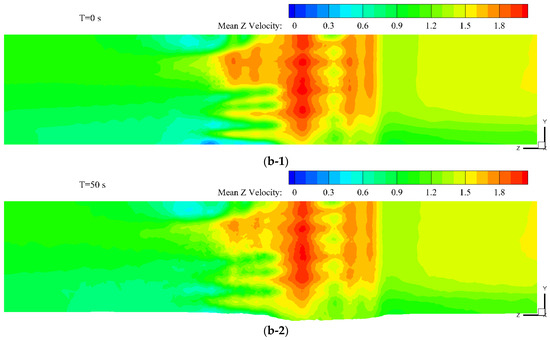
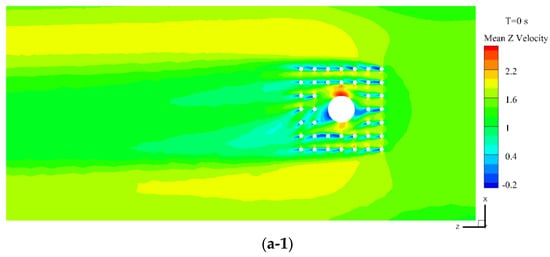
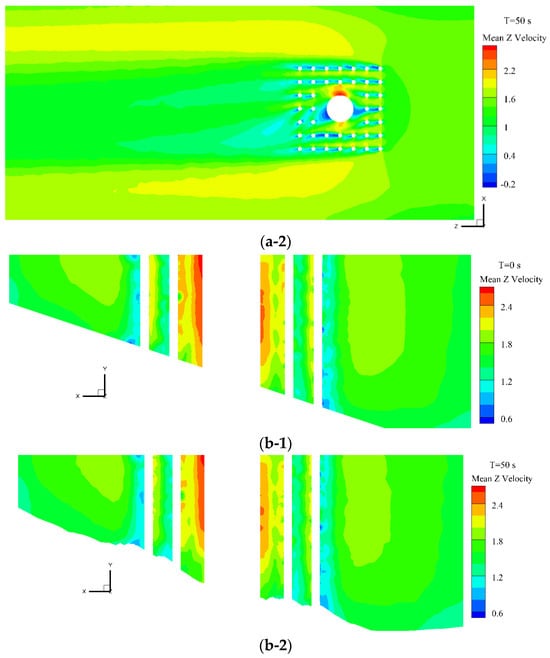
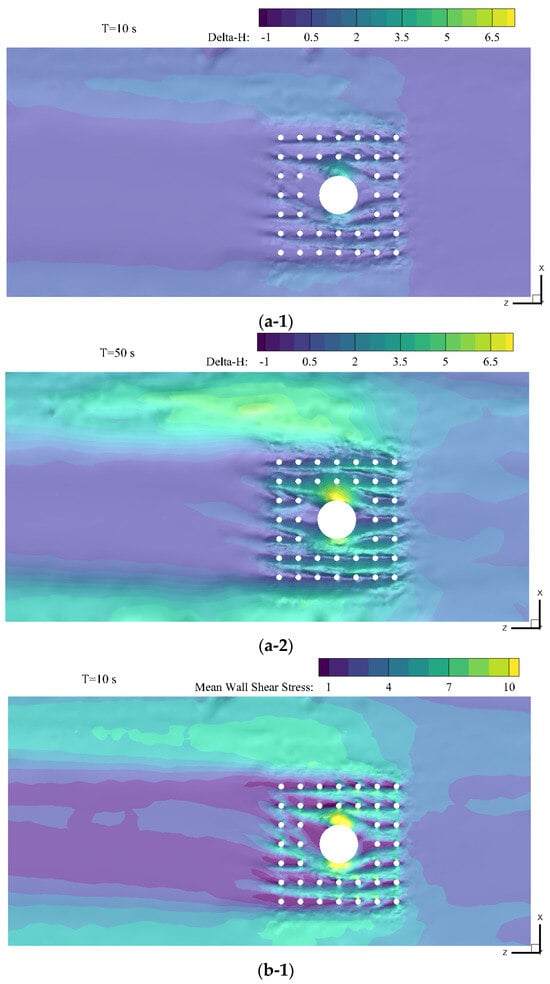
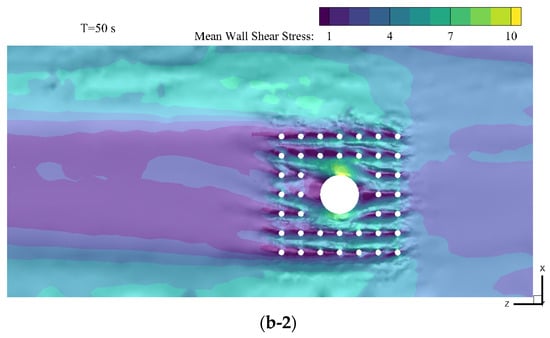
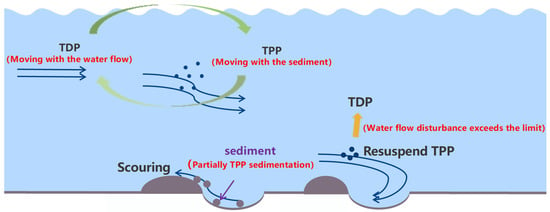
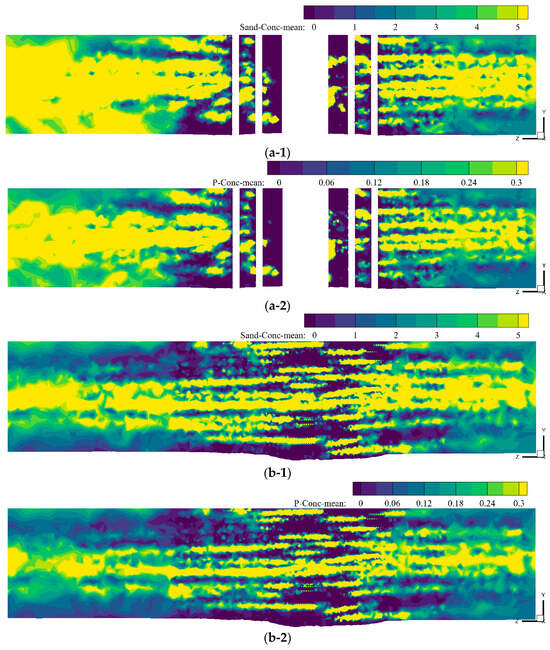
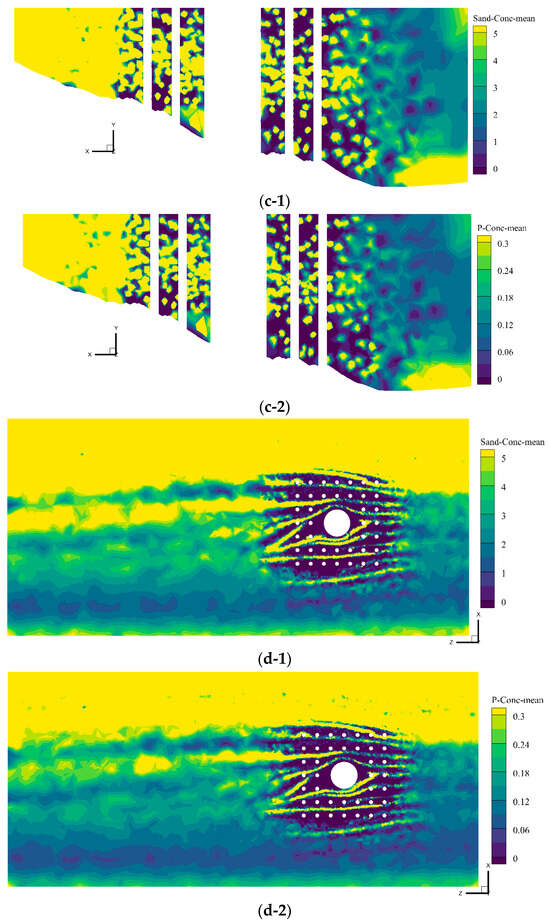
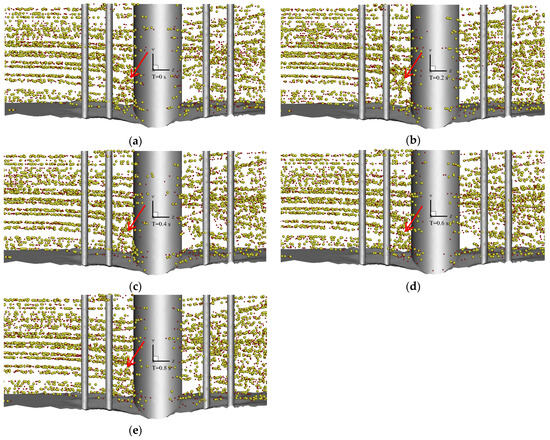
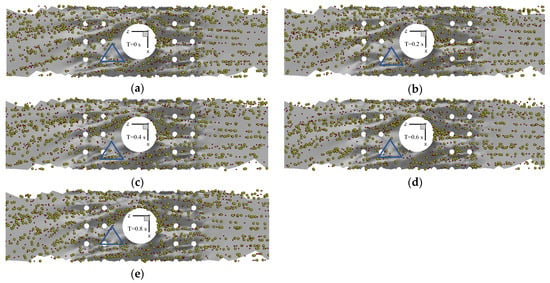
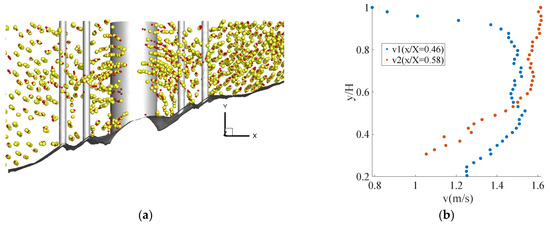
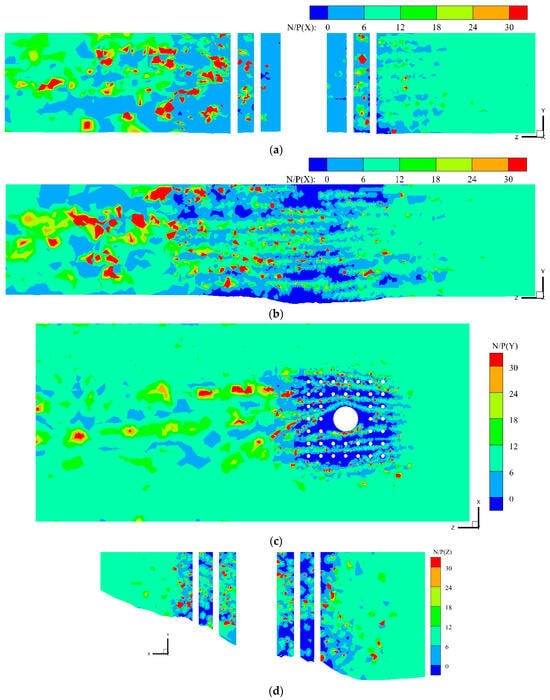
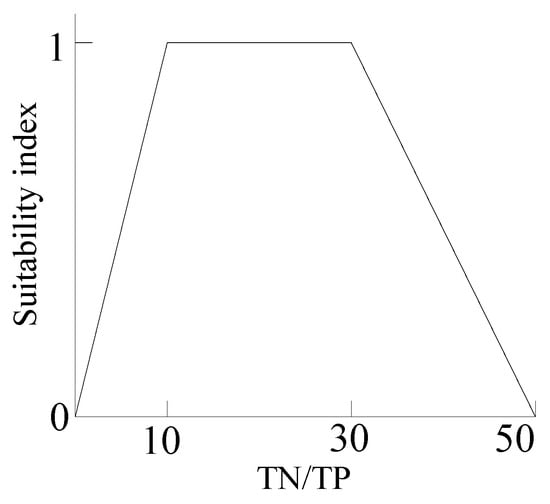
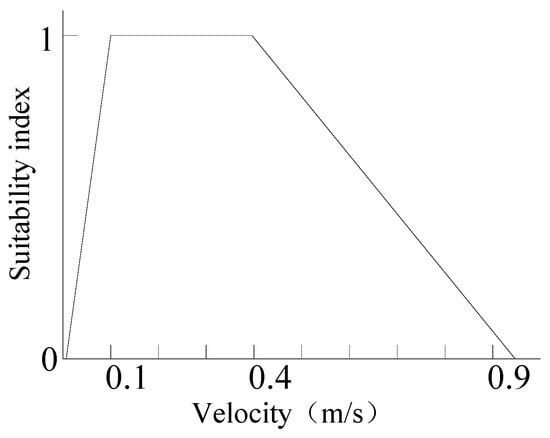
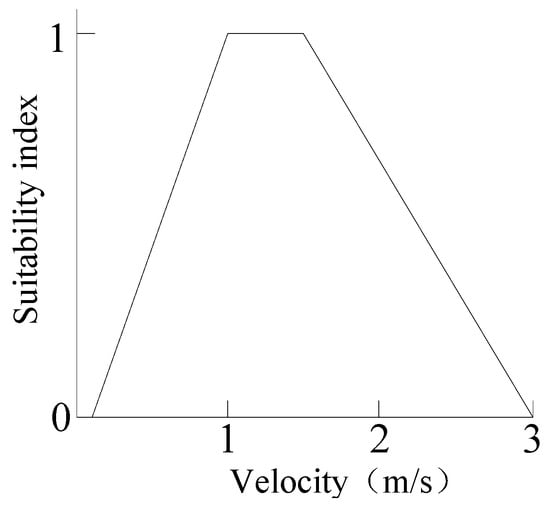
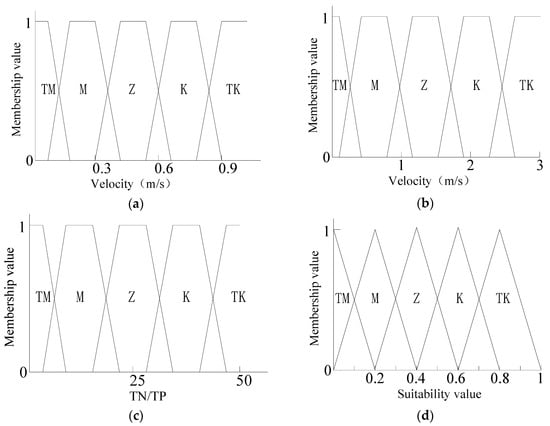
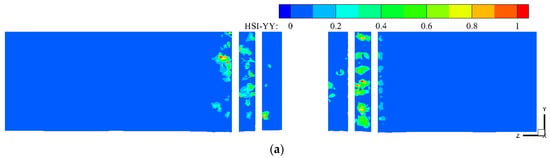
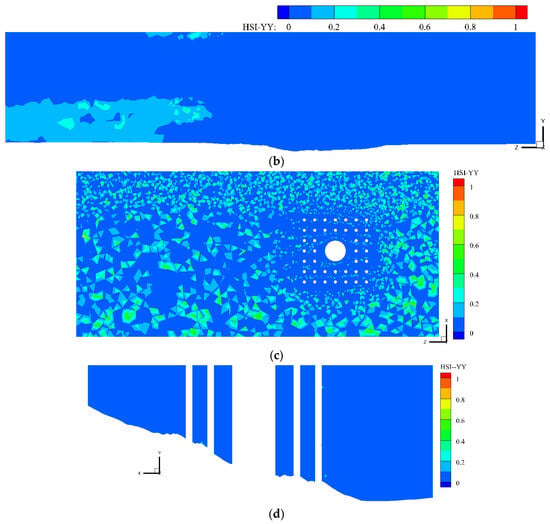
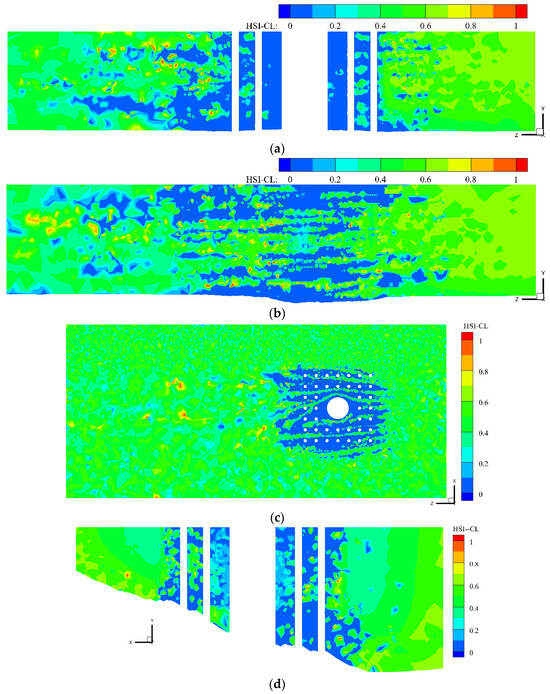
In inland river basins, the coupling relationship among water, sediment, and phosphorus is essentially the redistribution of phosphorus carried in the river system, and the presence of plants affects its transport and distribution. Meanwhile, fish are the most important component in river ecosystems, and the transport patterns of water, sediment, and phosphorus directly affect the living environment of fish. This study focuses on the coupling relationship among water–sediment–phosphorus and the suitability of fish habitats. By developing a sediment transport program and constructing a coupled movement model through numerical simulation, combined with the fuzzy mathematical theory, an evaluation model for fish habitat suitability is established to explore the coupling transport patterns of water–sediment–phosphorus near the riverbank plant areas and the distribution characteristics of fish habitats. The study found that the flow velocity near arbor is low and vortex structures exist, and the flow velocity values between the plants in the spanwise direction are high, leading to significant bank erosion. Among them, the erosion near arbor is severe, and the depth of erosion pits on the shallow water side is large. The transport of suspended sediment and phosphorus is closely related to water flow movement. In the spanwise direction between plants, sediment and phosphorus high-concentration areas are layered in a “strip” shape along the flow direction. Turbulent water flow drives the suspension of riverbed sediment and releases high phosphorus flux. Arbors have a significant impact on phosphorus transport, and the diffusion of dissolved phosphorus in pore water in some areas is prone to increase the concentration of phosphorus in the water body. The nitrogen–phosphorus ratio is regularly distributed, and the ratio between plants in the spanwise direction is close to the Redfield value, which is suitable for the growth of phytoplankton. In terms of fish habitats, areas near bank plants are not suitable for the survival of juvenile fish. The suitable areas for fish spawning are mainly distributed between plants in the spanwise direction, and the area is relatively small, but plants can provide emergency shelter. The innovation of this study lies in constructing a coupled movement model of water–sediment–phosphorus and an evaluation model for fish habitat suitability, clarifying the mechanism of plant influence on phosphorus migration in nearshore sediment and the distribution pattern of fish habitat suitability. The research results can provide important theoretical support and practical reference for the management of water environment and aquatic ecosystems in inland river basins.
Full article
(This article belongs to the Section Water Erosion and Sediment Transport)
►▼
Show Figures

Figure 1
Open AccessArticle
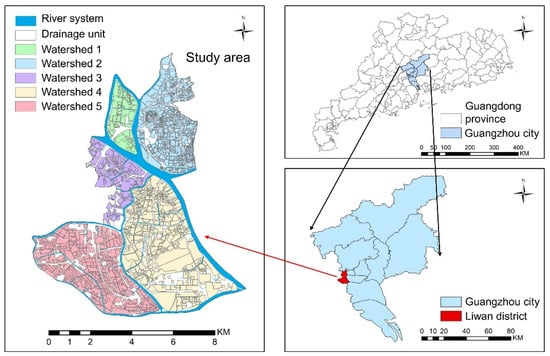
Research on Risk Assessment and Coupling Coordination Degree of Urban Sewage Pipe Network System
by
Ying Tang, Chuqin Duan, Zhiwei Zhou and Hao Wang
Water 2026, 18(12), 1469; https://doi.org/10.3390/w18121469 (registering DOI) - 15 Jun 2026
Abstract
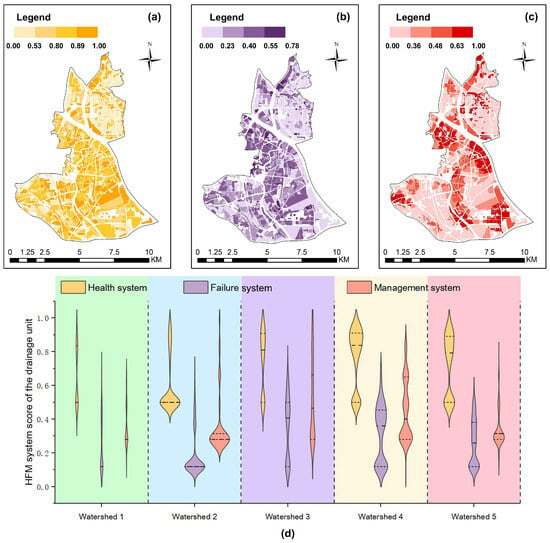
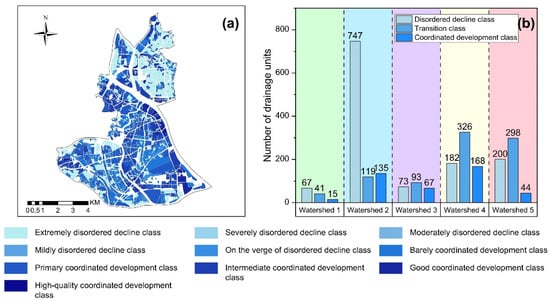
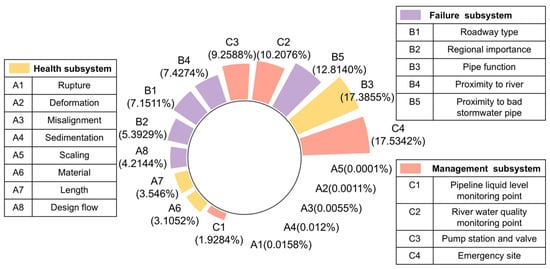
Against the backdrop of rapid urbanization, urban sewer networks face increasing challenges, including infrastructure deterioration and imbalanced resource allocation. Conventional single-dimensional risk assessment methods fail to capture the coordinated development of such complex systems. This study proposes a comprehensive HFM framework integrating Health
[...] Read more.
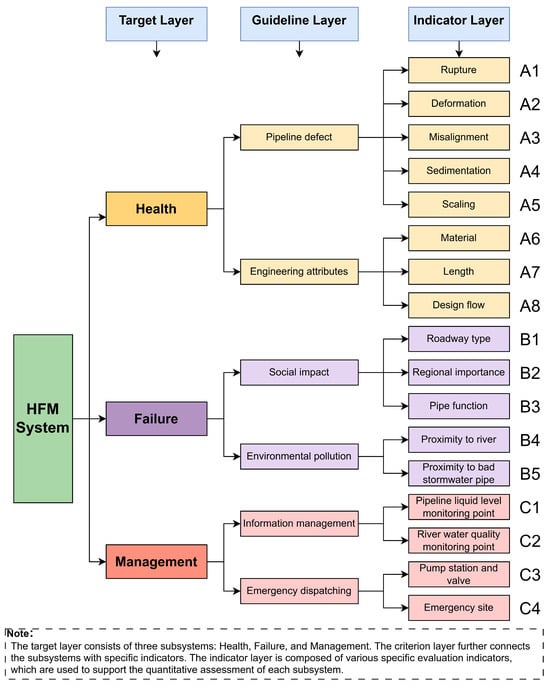
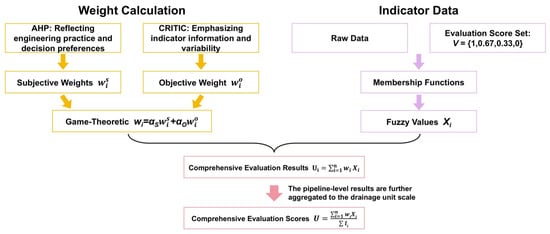
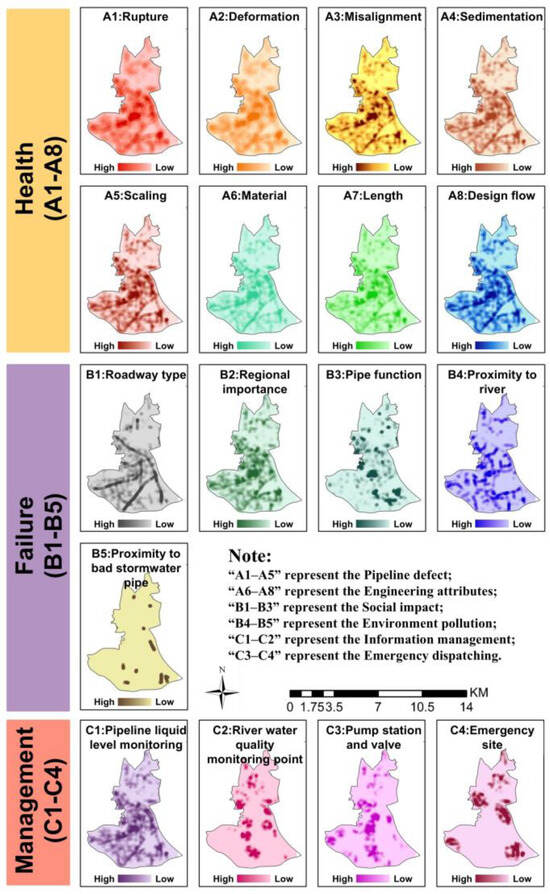
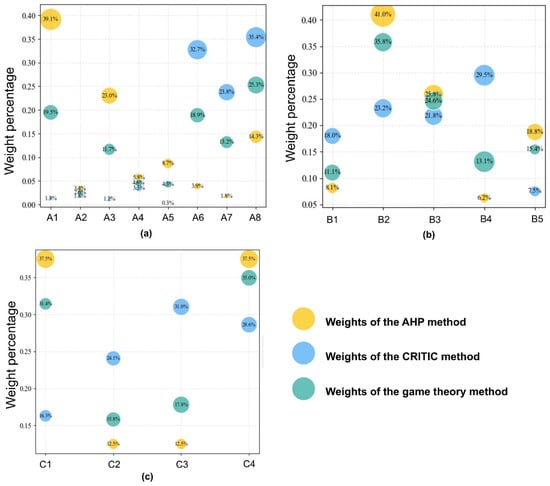
Against the backdrop of rapid urbanization, urban sewer networks face increasing challenges, including infrastructure deterioration and imbalanced resource allocation. Conventional single-dimensional risk assessment methods fail to capture the coordinated development of such complex systems. This study proposes a comprehensive HFM framework integrating Health (H), Failure (F), and Management (M), coupled with a Coupling Coordination Degree (CCD) model and an obstacle degree model to evaluate system interactions and identify key constraints. A game theory-based weighting approach combining AHP and CRITIC is applied to integrate subjective and objective weights, while fuzzy mathematics is used for multidimensional evaluation. CCD spatial analysis is conducted at the drainage unit scale. Results show that: (1) The system is in a transitional stage from disorder to coordination, with CCD values mainly ranging from 0.4 to 0.8 and exhibiting significant spatial heterogeneity. (2) High-risk areas tend to have better health conditions and stronger management inputs, whereas low-risk areas may still face latent risks due to insufficient management. (3) Key obstacles are concentrated in Failure and Management systems, particularly pipeline functionality and management capacity. Overall, system risk arises from mismatches between risk sources and management allocation rather than purely structural deficiencies. The proposed framework effectively identifies imbalance areas and priority interventions, supporting the transition toward proactive risk regulation.
Full article
(This article belongs to the Special Issue "Watershed–Urban" Flooding and Waterlogging Disasters, 2nd Edition)
►▼
Show Figures

Figure 1
Open AccessArticle
Removal of Azo Dyes Using a Coupled Adsorption and Electrochemical Oxidation Process—The Impact of Effluent Conditions
by
Rosamonde Venn, Katrina Cullen, Nigel Brown, Stephen Boult, David A. Polya, Roy A. Wogelius and Bart E. van Dongen
Water 2026, 18(12), 1468; https://doi.org/10.3390/w18121468 (registering DOI) - 14 Jun 2026
Abstract
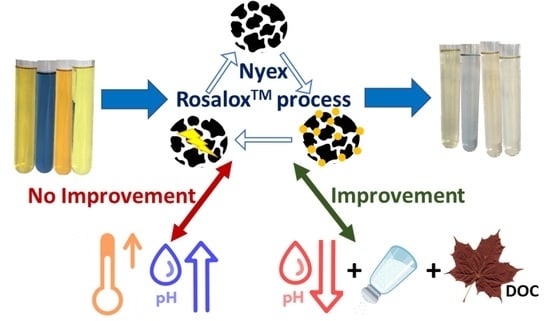
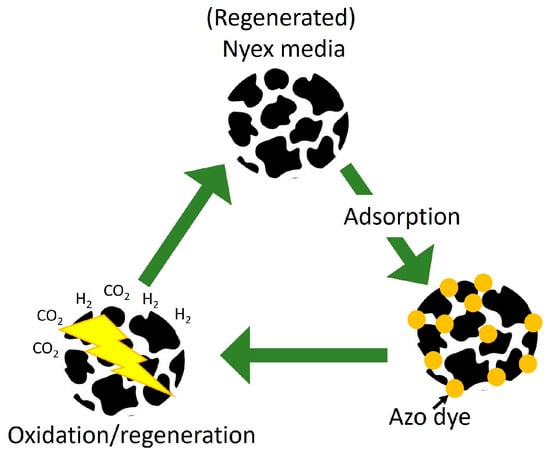
Azo dyes are a major cause of environmental pollution, but under lab-based conditions can be removed using a coupled adsorption and electrochemical oxidation process; the Nyex Rosalox™ (NR) process. However, wastewater effluents are more complex than tap water, indicating that there is a
[...] Read more.
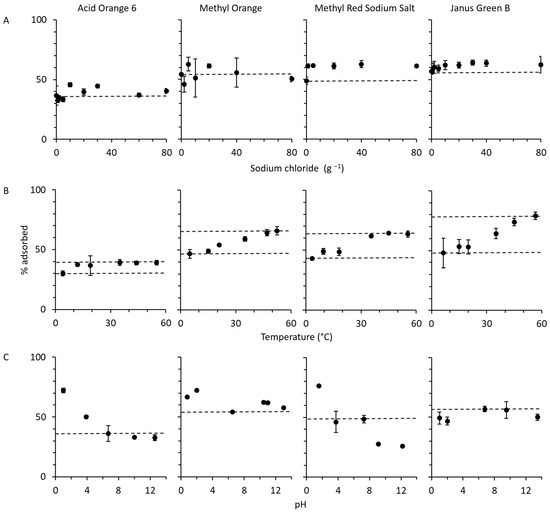
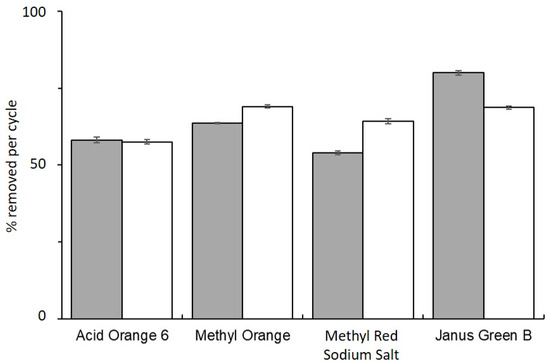
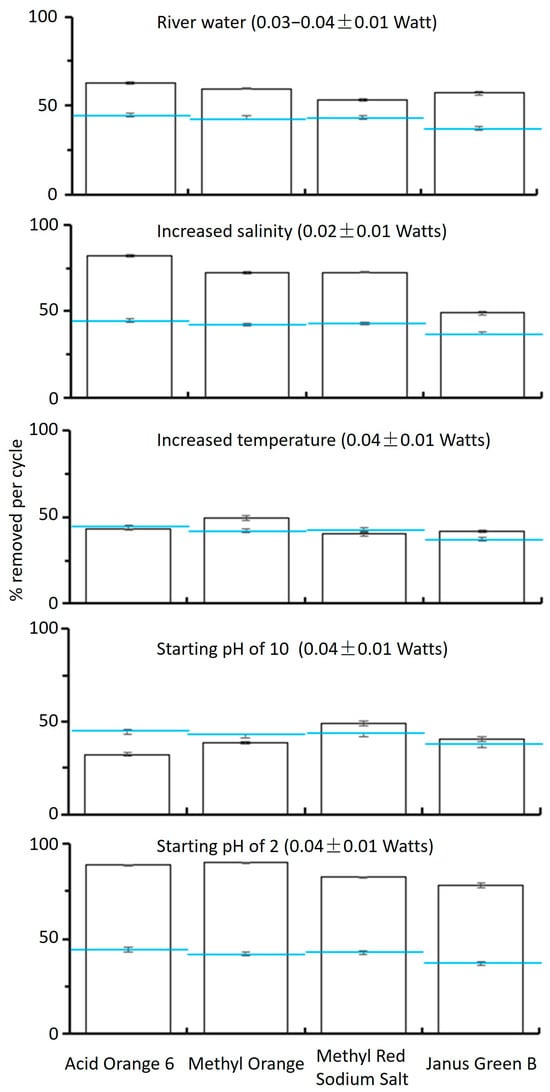
Azo dyes are a major cause of environmental pollution, but under lab-based conditions can be removed using a coupled adsorption and electrochemical oxidation process; the Nyex Rosalox™ (NR) process. However, wastewater effluents are more complex than tap water, indicating that there is a need to assess how altered effluent conditions affect the adsorption of azo dyes onto the adsorbent used (Nyex™ 2000) and overall removal efficiency of the NR process. Analysis indicates that higher temperatures, the addition of minor amounts of sodium chloride, or acidification increased adsorption, while the presence of dissolved organic carbon (DOC) only showed a minor impact if compared to baseline tap water conditions and appears to be dye-specific. Analyses further indicated that effluent conditions could have a major impact on the overall dye removal efficiency using the NR process, with up to 48% more being removed during acidic or saline conditions and, to a lesser extent, when DOC was present. Increased temperature or alkalinity had minimal impact, with inconsistent results across the dyes assessed. Combined, this highlights that effluent-specific conditions can have a major impact on the removal efficiency and should be considered during the planning stage of the azo dye treatment process.
Full article
(This article belongs to the Special Issue Electrochemical Approaches to Sustainable Water Treatment: Tackling Pollution and Advancing Resource Recovery)
►▼
Show Figures

Graphical abstract
Open AccessArticle
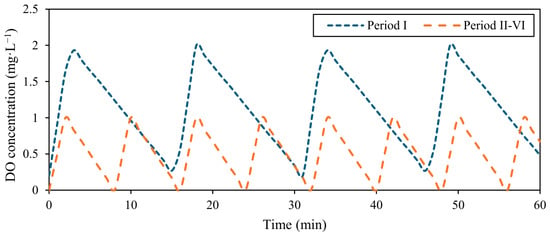
Comparing Intermittent Aeration Strategies in a Pilot-Scale Moving-Bed Biofilm Reactor Treating Real Municipal Wastewater Under Variable Carbon and Nitrogen Loadings
by
Anna Lanzetta, Stefano Papirio, Francesco Di Capua, Davide Mattioli, Michela Langone, Luca Pucci and Giovanni Esposito
Water 2026, 18(12), 1467; https://doi.org/10.3390/w18121467 (registering DOI) - 14 Jun 2026
Abstract
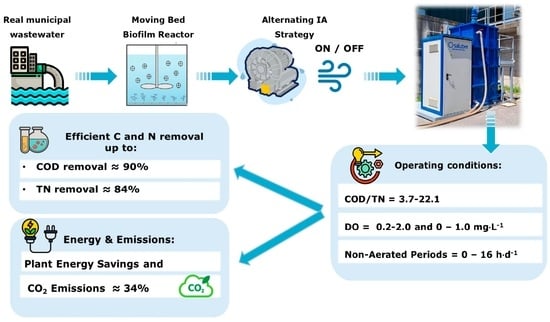
A pilot-scale moving-bed biofilm reactor (MBBR), operated under alternating intermittent aeration (IA) and non-aeration phases, was used for single-stage carbon (C) and nitrogen (N) removal from high-fluctuating municipal wastewater via simultaneous nitrification–denitrification. The reactor was operated under highly variable chemical oxygen demand to
[...] Read more.
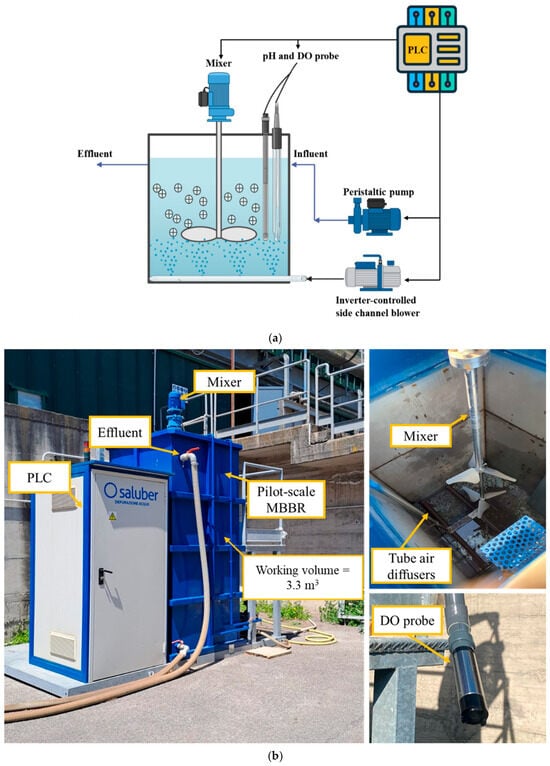
A pilot-scale moving-bed biofilm reactor (MBBR), operated under alternating intermittent aeration (IA) and non-aeration phases, was used for single-stage carbon (C) and nitrogen (N) removal from high-fluctuating municipal wastewater via simultaneous nitrification–denitrification. The reactor was operated under highly variable chemical oxygen demand to total nitrogen (COD/TN) ratios, low dissolved oxygen (DO) conditions, and progressively extended non-aerated periods to evaluate process robustness under real operational conditions. An active denitrifying biofilm developed on the carriers after 23 days of the anoxic start-up, as confirmed by batch activity tests. Under the most carbon-limited condition tested (COD/TN = 5.5), the application of 16 h·d−1 of non-aerated phases at DO levels of 0–1.0 mg·L−1 enabled simultaneous COD, N–NH4+ and TN removal efficiencies of 70, 95 and 84%, respectively. These results confirm that transient IA is an effective strategy for simultaneous C and N removal at very low COD/TN ratios and real fluctuating influent concentrations. Energy assessment showed that extended non-aeration phases reduced blower energy demand by 67% and total plant energy consumption by 34%, improving the environmental sustainability of the single-stage process. The main novelty of this study lies in the pilot-scale validation of an IA-MBBR for SND using real municipal wastewater under naturally fluctuating C and N loadings, thereby bridging previous laboratory-scale evidence with realistic operating conditions.
Full article
(This article belongs to the Special Issue Advances in Water Cycle Management and Circular Economy)
►▼
Show Figures

Graphical abstract
Journal Menu
► ▼ Journal Menu-
- Water Home
- Aims & Scope
- Editorial Board
- Reviewer Board
- Topical Advisory Panel
- Early Career Editorial Board
- Instructions for Authors
- Special Issues
- Topics
- Sections
- Article Processing Charge
- Indexing & Archiving
- Editor’s Choice Articles
- Most Cited & Viewed
- Journal Statistics
- Journal History
- Journal Awards
- Society Collaborations
- Conferences
- Editorial Office
Journal Browser
► ▼ Journal BrowserHighly Accessed Articles
Latest Books
E-Mail Alert
News
Topics
Topic in
Environments, Hydrology, Sustainability, Water
Critical Issues in Groundwater Pollution Monitoring and Risk Warning
Topic Editors: Wenjing Zhang, Wenxia Wei, Huan Huan, Zhi Dou, Yuanzheng ZhaiDeadline: 30 June 2026
Topic in
Algorithms, Data, Earth, Geosciences, Mathematics, Land, Water, IJGI
Applications of Algorithms in Risk Assessment and Evaluation
Topic Editors: Yiding Bao, Qiang WeiDeadline: 31 July 2026
Topic in
Applied Sciences, Clean Technol., Energies, Membranes, Polymers, Sustainability, Water
New Advances in Membrane Technology and Its Contribution to Sustainability
Topic Editors: Patricia Luis Alconero, Bart Van der BruggenDeadline: 12 September 2026
Topic in
Agriculture, Climate, Energies, Land, Water
Energy, Environment and Climate Policy Analysis
Topic Editors: Xiaoqian Song, Jiajie LiDeadline: 30 September 2026
Conferences
Special Issues
Special Issue in
Water
Rethinking Wastewater: Microbial Solutions for a Sustainable Future
Guest Editors: Bharat Manna, Naresh SinghalDeadline: 20 June 2026
Special Issue in
Water
Hydraulics and Hydrodynamics in Fluid Machinery, 3rd Edition
Guest Editor: Chuan WangDeadline: 20 June 2026
Special Issue in
Water
Biogeochemical Processes in Lakes, Ponds and Reservoirs of Urban Environments
Guest Editors: Yijun Xu, Xihua Wang, Siyue LiDeadline: 20 June 2026
Special Issue in
Water
Research on Microplastic Pollution in Water and Soil Environment
Guest Editors: Kai Cai, Taoze LiuDeadline: 20 June 2026