


Abstract
Next-generation wastewater treatment and recycling rely on membrane-based processes, but they face a trade-off among permeability, selectivity, and fouling resistance. In the present study, thin-film nanocomposite (TFN) membranes were fabricated by incorporating a ternary TiO2-SiO2-biochar nanofiller into a polysulfone (PSf) support using nonsolvent-induced phase separation, after which m-phenylenediamine and trimesoyl chloride were used via interfacial polymerization to produce a selective polyamide layer. The membrane compositions were M1 (22 wt.% PSf), M2 (22 wt.% PSf/0.5 wt.% TiO2/0.5 wt.% SiO2/0.5 wt.% biochar), and M3 (polyamide-coated M2). FTIR, XRD, SEM, contact-angle, porosity, and mechanical analyses supported successful membrane formation and changes in morphology, wettability, and structural strength after nanofiller incorporation and TFC coating. The addition of a nanofiller increased the hydrophilicity of the membranes by decreasing the water contact angle from 98.6 ± 0.8° for pristine PSf to 35.6 ± 1.5° for the nanocomposite membrane. Consequently, the pure-water permeability increased from 21 to 37 L m−2 h−1 bar−1. After polyamide layer formation, the optimized TFN membrane maintained a contact angle of 55.4 ± 3.8° and achieved a high Congo red rejection of 98% with permeate flux of 7–9 L m−2 h−1 bar−1. The membrane also showed good antifouling performance, with flux recovery ratios exceeding 90%. For heavy-metal-containing solutions, the optimized membrane showed apparent removal efficiencies of 78–98% for multivalent heavy metals (Pb2+, Hg2+, Cd2+, Mn2+, Zn2+, Cu2+, Ni2+, Fe3+, As3+, and Cr6+). Static adsorption tests showed the order M2 > M3 > M1, confirming that exposed TiO2-SiO2-biochar sites contribute to pollutant uptake, while the superior filtration performance of M3 is attributed to the combined effect of the polyamide selective layer and adsorption-assisted interactions. Overall, the TiO2-SiO2-biochar-based TFN membrane provides a promising platform for dye removal and preliminary heavy-metal attenuation from contaminated water.
1. Introduction
Modern industrialization has delivered substantial socioeconomic benefits; yet, it has also intensified environmental pollution and the associated health risks, particularly through the discharge of industrial wastewater from high-production sectors such as textiles [1]. The textile industry consumes a wide range of synthetic colorants, and large quantities (approx. 280,000 tons) of these dyes are released into effluents each year [2]. The majority of these dyes are non-biodegradable, thermostable, photostable, and resistant to microbial degradation, making them difficult to remove from the wastewater [3]. Their persistence not only causes undesirable coloration but also reduces light penetration, inhibits photosynthesis, and harms aquatic ecosystems. In addition, several dyes, especially azo dyes, can decompose into toxic and potentially carcinogenic aromatic amines, posing serious risks to human and environmental health [4].
Conventional dye removal methods, such as adsorption, coagulation–flocculation, ozonation, and biological degradation, are often limited in efficiency, particularly at low contaminant concentrations or in wastewater containing multiple pollutants [5]. In contrast, membrane-based technologies, including reverse osmosis (RO), nanofiltration (NF), and ultrafiltration (UF), have emerged as viable alternatives owing to their scalability, selectivity, and low energy demand [6]. Among membrane materials, polysulfone (PSf) is widely used due to its excellent mechanical strength, thermal stability, and film-forming ability. However, its hydrophobic nature, tendency to foul, and limited rejection of small dye molecules restrict its performance [7]. These limitations can be addressed by incorporating nanomaterials into the membrane matrix to create thin-film nanocomposite structures with improved separation and antifouling properties [8].
Silica nanoparticles are attractive additives because of their hydrothermal stability, surface activity, and porous structure, which enhance water transport and nanoparticle dispersion [9]. Nano-silica-based adsorbents are cost-effective and straightforward to synthesize, and have demonstrated efficiency in removing dyes such as methylene blue [10]. Titanium dioxide (TiO2) is widely reported as a photocatalytically active oxide and as a hydrophilic inorganic additive; however, because no UV- or visible-light irradiation experiments were performed in the present work, TiO2 is discussed here mainly in terms of its contribution to hydrophilicity, surface interaction, and membrane modification rather than photocatalytic degradation [11,12,13]. Biochar, a carbon-rich material derived from biomass pyrolysis, provides low-cost adsorptive functionality and additional surface interaction sites for pollutant attenuation [14,15]. Together, TiO2, SiO2, and biochar may improve membrane hydrophilicity, water flux, fouling resistance, and adsorption-assisted separation [16,17]. The separation performance of such nanocomposite supports can be further enhanced by interfacial polymerization of m-phenylenediamine (MPD) and trimesoyl chloride (TMC) to form a thin-film composite (TFC) polyamide layer. This selective skin layer improves the steric separation of dye molecules and may contribute to charge-related interactions, although direct electrostatic mechanisms require zeta-potential verification [18,19]. Accordingly, recent studies have focused on improving the productivity, selectivity, and fouling resistance of TFC membranes by incorporating nanomaterials and functionalized supports [20,21]. For example, TiO2/Al2O3-SiO2 membranes have shown approximately 15% flux improvement, a high water permeance of about 187.4 L m−2 h−1 bar−1, and a small pore size of around 4.2 nm, along with enhanced antifouling behavior [22,23]. Similarly, biochar-TiO2 composite membranes have demonstrated improved flux recovery and reduced fouling in PVDF membranes under UV irradiation [24]. The present study introduces the simultaneous integration of TiO2, SiO2, and biochar within a polysulfone matrix and beneath a thin-film composite polyamide layer. This ternary filler/support/TFC configuration has not been widely explored for Congo red dye rejection combined with heavy-metal attenuation. PSf membranes were reinforced with TiO2 and SiO2 as hydrophilic oxide additives and biochar as an adsorptive carbonaceous filler using nonsolvent-induced phase separation, followed by the formation of a TFC polyamide layer through interfacial polymerization. This design aims to improve permeability, selectivity, antifouling resistance, and flux recovery while reducing the traditional permeability-selectivity trade-off. The prepared membranes were characterized using FTIR, XRD, SEM, contact angle, porosity, and mechanical analyses, and their performance was evaluated in terms of pure-water permeability, Congo red rejection, apparent heavy-metal removal, and flux recovery. To further support the adsorption-assisted interpretation, static adsorption experiments were added as a complementary test to decouple adsorptive uptake from pressure-driven filtration, while charge-related and nanoscale dispersion effects are discussed conservatively.
2. Experimental
2.1. Materials
The phase inversion technique was used, employing polysulfone (PSf, Mw ≈ 35,000 g mol−1) as the substrate (supplied by Merck, Darmstadt, Germany) and N, N′-dimethylformamide (DMF, 99.99%) as the solvent (obtained from Fisher Chemical, Loughborough, UK) to synthesize the membrane backbone. Using trimesoyl chloride (1,3,5-benzenetricarbonyl trichloride) (>99%) and m-phenylenediamine (MPD) (>99%), both purchased from Sigma-Aldrich, St. Louis, MO, USA the polyamide layer over the membrane was produced. n-Hexane (Merck, Darmstadt, Germany) was used as the solvent for the TMC solution, while distilled water was used as the aqueous phase for the MPD solution. Moreover, nanoparticles of titanium dioxide (TiO2) with a mean size of 20 ± 5 nm and silicon dioxide (SiO2) with a mean size of 25 ± 5 nm were obtained from Merck. Rice husk-derived biochar (<100 µm) was used as a carbonaceous filler obtained from Fisher Chemical. The anionic di-azo dye Congo red (CR) was obtained from Fisher Scientific Co. (Norcross, 137 GA, USA). Additionally, analytical-grade salts including Pb(NO3)2, HgCl2, CdSO4, MnCl2, ZnSO4, CuSO4, Ni(NO3)2, FeCl3, As2O3, and K2Cr2O7 were dissolved in distilled water to make solutions of 25 ppm of Pb2+, Hg2+, Cd2+, Mn2+, Zn2+, Cu2+, Ni2+, Fe3+, As3+, and Cr6+. These solutions were used to evaluate membrane performance in terms of salt and dye rejection [7,8].
2.2. Membrane Fabrication
To create polysulfone-based membranes, the phase inversion technique was used to prepare the casting solution. Details of polysulfone-based phase inversion membranes can be found in a previous study [25]. The pure polysulfone membrane was produced using 78 wt.% DMF and 22 wt.% polysulfone beads (M1). The casting solution was stirred for about 8 h with heating at 50 °C. Then, the solution was placed at room temperature (25 °C) for degassing with constant stirring in a transparent glass bottle (Figure 1a). Similarly, for the nanocomposite membrane, the casting solution was stirred with 22 wt.% polysulfone, 76.5 wt.% DMF, 0.5% TiO2, 0.5% SiO2, and 0.5% biochar (M2). Good filler distribution is important to reduce agglomeration and maintain consistent membrane performance; therefore, the casting solution was stirred and degassed carefully before casting [8]. Direct nanoscale dispersion, however, requires TEM/EDS verification and is not overclaimed in this study.
Figure 1.
Fabrication, filtration setup, and proposed separation mechanism of biochar-SiO2/TiO2 thin-film composite membranes: (a) membrane preparation; (b) dead-end filtration system; (c) removal of dyes, heavy metals, and nanoparticles; and (d) interfacial interactions within the membrane matrix.
Next, the polymer solution was applied to the glass plate using a doctor blade with a thickness of 200 μm. The glass plate was then placed in the distilled water bath at 25 ± 2.5 °C to initiate gelation and eliminate any residual solvent and non-reactant components. The fabricated membranes were dipped in the fresh water and kept for almost 24 h before use. An aqueous amine solution of MPD was applied to the surface of the fabricated TiO2/SiO2/biochar/PSf (M2) membrane with TMC to form a polyamide layer via interfacial polymerization. Due to the formation of the three-dimensional cross-linked assembly, TMC is the most widely used acyl chloride monomer during polymerization.
A fabricated M2 membrane measuring 10.3 cm2 was taped to the glass tray and dipped in distilled water. After that, 50 mL of a 2 wt.% MPD aqueous solution was applied to the membrane surface, and the membrane was soaked in the solution for 5 min. The excess MPD solution was then removed from the surface with a glass roller until the droplets are no longer visible. After that, 50 mL of organic solution 0.1 wt.% TMC prepared in n-hexane was added immediately after the membrane was soaked in MPD, and allowed to react with MPD. The excess TMC solution was also removed using a glass roller. The reaction between TMC and MPD formed a very thin layer of polyamide on the membrane surface. Finally, the membrane was then dried in an oven at 40 °C. Thus, the prepared membranes M1, M2, and M3 (TFC/TiO2/SiO2/biochar/PSf) were then used for salt and dye rejection studies.
2.3. Membrane Characterizations
The fabricated membranes PSf (M1), TiO2/SiO2/biochar/PSf (M2), and TFC/TiO2/SiO2/biochar/PSf (M3) were characterized using FTIR, XRD, SEM, mechanical testing, and contact-angle analysis. Functional groups were determined using a Fourier-transform infrared spectrophotometer (Agilent Cary 630 FTIR spectrometer, Santa Clara, CA, USA). Surface morphology SEM were examined by FE-SEM (JEOL JSM-7500F, Akishima, Tokyo, Japan), and cross-sectional SEM were performed by FEI Quanta 200 ESEM, Hillsboro, OR, USA. Hydrophilicity and wettability were determined using contact-angle analysis (Cam-plus Micro, Tantec Inc., Glendale Heights, IL, USA). Mechanical properties were evaluated at 25 °C using a universal testing machine (UTM) following thin-film tensile-testing principles [26]. Rectangular membrane strips (50 mm × 10 mm) were tested using a 30 mm gauge length, a 5 mm min−1 crosshead speed, and a 500 N load cell. For each membrane type, three specimens (n = 3) were tested, and the representative stress-extension curves are presented with mean ± SD values where applicable [8,9].
The following formula was used to determine the elastic modulus in megapascals or MPa:
2.4. The Porosity Measurements
The fabricated membranes were evaluated using previous research [27]. The overall porosity (ε) of the membranes was determined using the following equation:
where Ww and Wd represent the wet and dry membrane weights (g), respectively, ρw is the density of water (g cm−3), and Vm is the total membrane volume (cm3).
Before analysis, the membranes were immersed in distilled water for 24 h. The surface water was carefully removed, and the wet weight (Ww) was recorded. The membranes were then dried in an oven at 60 °C for approximately 2 h, and the dry weight (Wd) was measured [27].
2.5. Performance of Membrane Separation for the Desalination and Dye Rejection
A dead-end stirred filtration cell (Sterlitech HP4750-type high-pressure stirred cell) equipped with an inert-gas pressure system was used to evaluate the performance of the fabricated membranes. The effective membrane area was 14.6 cm2 (2.26 in2), and a feed volume of 250 mL was used in the 300 mL cell. The feed solution was magnetically stirred at 400 rpm to reduce concentration polarization. Before each test, the membrane was compacted with distilled water at the operating pressure for 30 min, or until a stable flux was obtained. Unless otherwise stated, permeability and rejection experiments were performed at 8 bar, 25 ± 2 °C, and pH 7. The fabricated membranes—PSf (M1), TiO2/SiO2/biochar/PSf (M2), and TFC/TiO2/SiO2/biochar/PSf (M3)—were evaluated using aqueous solutions containing Pb(NO3)2, HgCl2, CdSO4, MnCl2, ZnSO4, CuSO4, Ni(NO3)2, FeCl3, As2O3, and K2Cr2O7 at a concentration of 25 mg L−1. The metal concentrations in the permeate were determined using an atomic absorption spectrophotometer (Agilent 240AA). Such approaches are standard in nanocomposite membrane studies [28]. All filtration tests and analytical measurements were conducted in triplicate (n = 3), and results are reported as mean ± SD unless otherwise specified. The permeability was calculated as follows:
Here, V is the permeate volume (L), A is the effective membrane area (m2), Δt is the filtration time (h), and ΔP is the applied pressure (bar). The resulting permeability is expressed in L m−2 h−1 bar−1.
where Cp and Cf are the permeate and feed concentrations, respectively, and the rejection mechanism is illustrated in Figure 1b. Additionally, Congo red (CR) dye was used as a model organic contaminant to evaluate membrane performance. The concentration of the dye was measured over time using a Cary 60 UV–Vis spectrophotometer, with λmax at 497 nm.
2.6. Evaluation of Membrane Fouling
The separating efficiency of membranes, such as permeability and rejection, is greatly affected by fouling and directly relates to the operational costs of water treatment. At 20-min intervals, the normalized flux ratio (NFR) for each membrane, relative to the initial water flux, was evaluated over 400 min during the entire filtration process using a 2000 mg L−1 NaCl solution at 12 bar and 25 °C. During this time, the membrane fouling was determined. Flux was recorded at 20 min intervals. This experiment was used as a short-term operational stability and fouling-resistance test; longer-term cyclic operation should be evaluated in future work to confirm durability under continuous wastewater-treatment conditions. Normalized flux ratio (NFR) was evaluated using distilled water before using NaCl feed water, and the following formula was used:
where J is the permeability after filtration with salt, and Jo is the permeability when the membrane was clean [29].
The fabricated membranes M1, M2, and M3 were used for antifouling studies, including flux recovery ratio (FRR), total fouling ratio (TFR), reversible fouling ratio (RFR), and irreversible fouling ratio (IFR), using the dead-end stirred cell. Before fouling studies, the initial pure-water flux (Jw1) was determined using distilled water at 8 bar. The feed was then changed to a mixed foulant solution containing 2000 mg L−1 salts and 50 mg L−1 Congo red dye and filtered for 120 min to obtain the fouled steady flux (Jf). After fouling, the membrane was rinsed with distilled water and flushed for 30 min, after which the recovered pure-water flux (Jw2) was measured. The same compaction, pressure, temperature, and stirring conditions were applied to each membrane.
Distilled feed water was used to flush the contaminated membrane after this fouling experiment, and 7 h were used to check the recovered flux (Jr). Hence, the flux recovery ratio (FRR) and flux decline ratio (FR) were calculated using the following equations:
where for the tested membranes, Jf is the feed permeance, Jw1 cycle (pure water), and Jw2 is the average permeability in the third cycle (pure water) [30].
2.7. Static Adsorption Experiments
Complementary to the mechanistic test using pressure-driven filtration, static adsorption experiments were performed to assess the adsorptive contribution of the fabricated membranes without the effect of pressure-driven filtration. Congo red (CR) solution (25 mg L−1, 100 mL, pH 8.5) was contacted separately with M1, M2, and M3 membrane samples having masses of 1.0234, 1.1093, and 1.0983 g, respectively. The suspensions were shaken at 200 ± 5 rpm and 25 ± 2 °C, and aliquots were analyzed at 0, 30, 60, 120, 180, and 240 min using UV–visible spectrophotometry at 497 nm. The 25 mg L−1 solutions of Pb2+, Hg2+, Cd2+, Mn2+, Zn2+, Cu2+, Ni2+, Fe3+, As3+, and Cr6+ were contacted with the membranes under the same temperature and agitation conditions for 240 min, and the concentrations of various metal ions after 240 min were measured by atomic absorption spectroscopy (AAS). The removal efficiency and adsorption capacity were calculated based on the concentration reduction using the following equation: qt = (C0 − Ct) × V/m, where C0 and Ct are the initial and time-dependent concentrations (mg L−1), V is the solution volume (L), and m is the mass of the membrane (g). This is a batch-contact method, which is common practice in adsorption studies for biochar/metal-oxide composites and adsorptive membranes [31,32,33].
2.8. Generative AI Disclosure Statement
The authors used OpenAI’s ChatGPT GPT Version, 5.4 (OpenAI, San Francisco, CA, USA) solely to assist in the preparation of graphical elements for Figure 1c,d. The authors reviewed and edited the output as necessary and take full responsibility for the final content.
3. Results and Discussion
3.1. FTIR Examination
As illustrated in Figure 2, FTIR spectroscopy was used to analyze the chemical structure and functional groups of the fabricated membranes, including pure polysulfone (PSf, M1), TiO2-SiO2-biochar-modified PSf (M2), and the thin-film composite membrane (M3). In the spectrum of the M1 membrane, characteristic vibrational bands corresponding to the polymer backbone were observed, confirming the successful fabrication of the membrane. The aliphatic and aromatic C–H stretching vibrations appeared in the range of 2960–2920 cm−1, while the symmetric and asymmetric stretching vibrations of the sulfone (O=S=O) groups were observed at 1320–1290 cm−1 and 1150–1130 cm−1, respectively. The aryl ether (C–O–C) stretching band appeared at 1240 cm−1, and aromatic ring vibrations were detected in the range of 1585–1490 cm−1, which are consistent with previously reported polysulfone-based membranes [34,35]. These results indicate that the phase inversion process does not change the chemical structure of the polysulfone.
Figure 2.
FTIR spectra of M1 (pure PSf), M2 (TiO2-SiO2-biochar-modified PSf), and M3 (PSf + NPs + TFC), confirming PSf backbone bands, oxide/biochar-related groups, and polyamide layer formation.
After incorporating TiO2, SiO2, and biochar (M2), noticeable changes in the FTIR spectra were observed, indicating the successful incorporation of the nanoparticles into the polymer matrix. The hydroxyl (-OH) stretching band appeared in the range of 3200–3400 cm−1 and was attributed to the surface hydroxyl groups of the metal oxides and biochar. The strong Si-O-Si asymmetric stretching band was observed at 1080–1050 cm−1, which confirms the silica incorporation. In addition, weak Ti-O-Ti vibrations appeared at 650–550 cm−1, which confirms the presence of the titania nanoparticles, which is consistent with previously reported titania nanostructures [34,36,37]. The presence of these characteristic peaks in the polysulfone backbone confirms the successful incorporation of the nanoparticles in the membrane matrix without changing the structure.
It is noted that there is a shift in the intensity and broadening of the hydroxyl band in M2 compared to M1, suggesting an increased surface polarity and hydrogen-bonding interactions, which are directly related to enhanced membrane hydrophilicity and water-transport properties [34,38]. These are consistent with the observations reported in oxide-based polymeric membranes, where surface hydroxyl groups form a hydration layer that enhances water permeability and restricts foulant adhesion [36,38]. The FTIR spectrum of the thin-film coating (M3) membrane after interfacial polymerization showed the formation of a polyamide-selective layer. The amide I (C=O) stretching strong band appeared at 1650–1660 cm−1, while the amide II (N-H bending coupled with C-N stretching) appeared at 1540–1550 cm−1. However, the N-H stretching vibrations, which confirm the presence of the polyamide network, appeared at 3300 cm−1 [39]. The appearance of the band confirms successful interfacial polymerization between the monomers and the formation of the polyamide layer on M3. The FTIR peaks confirmed the successful fabrication of the membranes at each stage. Strong amine groups within the polyamide hydrophilic layer were indicated by the presence of N-H amide-related bands resulting from the addition of nanoparticles and MPD in the TFC coating. This property leads to a higher membrane performance and lower membrane fouling. On the other hand, the M2 membrane without TFC did not exhibit high membrane performance due to the absence of the cross-linked structure, which is very beneficial for desalination and dye rejection.
The coexistence of the PSf backbone peaks, silica and titania vibrations, and polyamide bands in the M3 indicates a fully ordered membrane structure with a porous PSf backbone, embedded nanofillers, and a selective polyamide layer. After the incorporation of nanoparticles and the TFC layer, there is a minor shift in peak positions and vibrational intensities, which is evidence of strong interfacial interactions, such as dipole–dipole interactions and hydrogen bonding, between polymeric chains, nanoparticles, and biochar functional groups [35,39].
Hence, the FTIR analysis confirms the presence of the PSf backbone, the incorporation of nanoparticles (titania, silica, and biochar), and the formation of a polyamide layer on the membrane surface via interfacial polymerization. The incorporation of nanofillers and the TFC layer significantly increases the membrane’s hydrophilicity, permeability, and selectivity.
3.2. Mechanical Properties
The mechanical strength of the fabricated membranes was evaluated using uniaxial tensile testing to assess the effects of nanoparticle incorporation and thin-film composite formation on structural reinforcement and deformation behavior. Three independent rectangular specimens were tested for each membrane type (n = 3), and the stress-extension curves shown in Figure 3 represent typical behavior.
Figure 3.
Representative tensile stress–strain curves of fabricated membranes (M1, M2, and M3) measured by UTM. Tensile strength and elongation values are reported in the text as mean ± SD for three specimens per membrane type (n = 3).
The tensile stress () and strain () were determined using the following:
where is the applied force, is the cross-sectional area, is the extension, and is the initial gauge length.
The pure PSf membrane (M1) exhibited typical mechanical behavior, with a tensile strength of 5.76 ± 0.20 MPa and an elongation at break of 7.04 ± 0.22%, as shown in Figure 3. This behavior is attributed to the membrane’s porous structure, which limits its load-bearing capacity and creates stress concentration points. Similar behavior has been reported for pure polysulfone membranes due to the restricted interchain mobility and the rigid aromatic backbone [40,41]. For the nanocomposite membrane M2, the tensile strength increased to 10.66 ± 0.35 MPa, while the elongation at break increased slightly to 7.47 ± 0.25%. This simultaneous increase in strength and elongation suggests effective reinforcement by the inorganic/carbonaceous fillers without severe embrittlement.
In the M3 membrane, the tensile strength increased to 11.70 ± 0.30 MPa and the elongation at break increased to 8.36 ± 0.28% after interfacial polymerization. Overall, the tensile strength followed the order M1 < M2 < M3. This improvement can be attributed to the polyamide selective layer, which acts as a strengthening skin over the porous polysulfone backbone. Through surface densification, defect minimization, and increased structural cohesion, the polyamide layer can reduce stress concentration sites. Strong interfacial interactions between polyamide and nanofiller-modified PSf may distribute stress more efficiently across the membrane thickness. Previous studies support the improvements in tensile strength and structural cohesion in TFC membranes [42,43]. The absence of marked embrittlement indicates an acceptable compatibility between the nanoparticles and the polymer matrix during interfacial polymerization.
The enhanced mechanical properties exhibited resistance to deformation, membrane compaction, and mechanical failure under pressure-induced filtration, as in reverse osmosis systems. This is very important in nanofiltration processes, where constant pressure is applied to the membranes. Hence, incorporating silica, titania, and biochar nanoparticles with a TFC coating yields a mechanically robust membrane that withstands operational stresses while maintaining a high filtration performance.
3.3. Contact Angle Analysis
Contact-angle measurements were performed to evaluate the surface hydrophilicity and wettability of the fabricated membranes. The results are summarized in Table 1. The pure polysulfone membrane (M1) exhibited a relatively high contact angle of 98.6 ± 0.8°, indicating its hydrophobic nature, which is characteristic of PSf-based polymeric membranes due to aromatic rings and limited surface polar groups. This hydrophobicity can decrease water permeability and enhance foulant adhesion, especially in dye-containing wastewater systems [41,44]. In the M2 membrane, the contact angle decreased sharply to 35.6 ± 1.5°, indicating a pronounced increase in hydrophilicity. This enhancement is attributed to the incorporation of hydroxyl-rich TiO2 and SiO2 and oxygen-containing biochar surface groups, which increase the surface polarity and water affinity [45,46,47]. The formation of a hydration layer on the membrane surface can restrict the direct adhesion of dyes and hydrophobic foulants, thereby improving antifouling behavior.
Table 1.
Measured contact-angle values of pristine and modified membranes. Values are presented as mean ± SD (n = 2 contact-angle readings shown).
In the M3 membrane, the formation of the polyamide layer results in a slight increase in the contact angle to 55.4 ± 3.8°, indicating a reduced hydrophilicity relative to M2. The dense aromatic polyamide layer has hydrophilic amide groups, leading to a lower surface polarity than the nanocomposite membrane with oxide-rich groups.
After the formation of the polyamide layer, the M3 membrane showed a contact angle of 55.4 ± 3.8°. This value is higher than M2 but still much lower than pristine PSf, indicating that the TFC layer reduced the direct exposure of oxide/biochar groups while maintaining an overall hydrophilic surface. Such behavior is commonly observed for thin-film composite membranes formed by interfacial polymerization, where the polyamide layer modifies the surface chemistry and creates a balance between water transport and selectivity [44,47]. Overall, nanoparticle incorporation significantly enhanced membrane hydrophilicity, while the subsequent polyamide layer provided a more selective surface with balanced wettability and antifouling properties.
3.4. Porosity Analysis
The overall porosity of the fabricated membranes was analyzed using the gravimetric method to understand the changes in the void fraction and their relationship with permeability. Accordingly, the discussion is limited to gravimetric porosity and SEM-supported morphology rather than quantitative pore-size distribution. The overall porosity was determined using Equation (2), which provides the fraction of void space within the membrane matrix. The pristine PSf membrane (M1) exhibited a porosity of approximately 60–65%, which is common for membranes fabricated by nonsolvent-induced phase separation (NIPS).
In the M2 membrane, the incorporation of SiO2, TiO2, and biochar increased the gravimetric porosity to about 70–75%, suggesting a more open and interconnected support structure. This change may be associated with an increased thermodynamic instability during solvent/non-solvent exchange, filler-induced nucleation during phase separation, and enhanced water affinity caused by hydroxyl-rich surfaces. Similar increases in overall porosity and permeability have been reported for nanofiller-modified TFN membranes [24,45,46].
In the M3 membrane, the porosity slightly decreases to 65–68% as compared to the M2 membrane. The decrease in the porosity is due to the following: (i) The polyamide layer forms a dense surface, leading to blocking the surface pores and reducing the permeability. (ii) The interfacial polymerization leads to partially filling the pores and produces a sealing effect. (iii) Despite the porous PSf backbone, the surface became less permeable due to pore constriction. It is important to note that the decrease in the porosity is only due to the change in surface remaining for the internal backbone, as it is porous, and, thus, this coexistence affects the reasonable permeability and higher selectivity. In membrane performance, porosity plays an important role, as, when there is a higher porosity, there will be less mechanical strength; at a controlled porosity, there is a high mechanical strength and selectivity but less permeability.
The relationship between porosity and flux can be described using Darcy’s law:
where is the pore radius, is the viscosity, is the tortuosity, and is the membrane thickness.
Accordingly, the M2 membrane exhibited a higher water permeability and the M3 membrane, due to the TFC layer, showed a higher selectivity and resistance [47]. For example, TiO2-modified membranes showed a 10–20% increase in the porosity. The addition of SiO2 in the membrane led to a higher void fraction and, thus, an improved pore connectivity and it is the same case with the biochar addition due to having hydrophilic functional groups [24,45,46]. Overall, the results demonstrate that the incorporation of TiO2, SiO2, and biochar, followed by TFC layer formation, creates a hierarchical membrane structure that balances permeability, selectivity, and mechanical strength, which is critical for efficient dye and heavy metal removal.
3.5. X-Ray Diffraction (XRD) Analysis
The X-ray diffraction (XRD) patterns of the fabricated membranes (M1, M2, and M3) are presented in Figure 4. For the pristine PSf membrane (M1), a broad diffraction peak was observed at 2θ 8–12°, indicating the amorphous nature of polysulfone due to the absence of long-range molecular order [48,49]. In the M2 membrane, distinct peaks of diffraction centered at 2θ ≈ 25° and weaker peaks appeared in the range of 20–30°, which are the indication of the presence of the anatase TiO2 in the planes of (101), (004), and (002) and disordered carbon phases. At 25°, we can see the dominant peak (101) lane of anatase titania, which confirms the successful incorporation of nanoparticles in the polysulfone matrix [50]. Due to the amorphous silica and biochar coexistence, the remaining broad background showed no peaks [51,52].
Figure 4.
XRD patterns of M1, M2, and M3 membranes. Labeled reflections indicate characteristic anatase TiO2 peaks in the nanofiller-containing membranes, while the broad background is consistent with the amorphous PSf/polyamide phases.
In the M3 membrane, the peaks remained the same as it is in the M2 membrane with very little decrease in the intensity and increasing in the broadening of the peaks. This change is due to the effect of the ultrathin polyamide layer, which changes the diffraction signal and form structure disorder at the surface [53]. There is an absence of any other sharp peaks in the graph, confirming that the polyamide layer is also amorphous in nature, like the polysulfone backbone.
The crystallite size of TiO2 was estimated using the Scherrer equation:
where D is the crystallite size, K is the shape factor, λ is the wavelength of the incident X-ray radiation, β is the full width at half maximum (FWHM) of the diffraction peak, and θ is the Bragg angle. The dominant anatase-related peak near 25° was used to estimate the TiO2 crystallite size, which was in the nanoscale range of approximately 20 nm, proving the good incorporation of the nanoparticles without any agglomeration. This result supports the presence of nanoscale TiO2 crystallites in the membrane; however, XRD alone cannot confirm nanoscale filler dispersion or rule out local aggregation.
where Xc (%) represents the percentage crystallinity, Ac is the area of the crystalline peaks, and Aa is the area of the amorphous region. In the M1 membrane, the degree of the crystallinity appeared to be about 10%; in M2, it is 30–35% due to the titanium oxide sharp peaks; and, in M3, it decreases to the 25–30% due to the amorphous nature of the polyamide layer [49,54]. Overall, the XRD results confirm the successful incorporation of TiO2 nanoparticles into the PSf matrix, leading to a semi-crystalline structure, while the addition of the polyamide layer maintains structural integrity and contributes to improved membrane performance.
3.6. Surface Morphological Analysis (SEM)
The surface morphology of the fabricated membranes was examined using scanning electron microscopy (SEM), and the images are presented in Figure 5. The M1 membrane exhibited a relatively smooth and homogeneous surface with limited visible pore openings, as in Figure 5 (M1). This property is consistent in the phase inversion fabricated polysulfone membrane due to the formation of the solvent evaporation, and then demixing at the surface. Moreover, the surface appeared hydrophobic and less textured, which is a leading cause of a lower surface energy, reduced permeability, and greater fouling. These observations are in line with porosity measurements of 60% and a contact angle of about 98° for the M1 membrane, as is similarly reported in the literature. In the M2 membrane, the surface appears more textured and rougher, with enhanced surface heterogeneity and a uniform distribution of micro- or nanoscale features due to the presence of nanoparticles, as shown in Figure 5 (M2) [55,56,57]. This enhanced surface roughness indicated the successful incorporation of nanoparticles into the membrane.
Figure 5.
Surface SEM images of membranes at different magnifications: M1, pure PSf; M2, TiO2-SiO2-biochar-modified PSf; and M3, PSf-based TFC membrane. The images qualitatively show morphological evolution after nanofiller incorporation and TFC coating.
The morphology of the M2 membrane showed nanoscale protrusions and surface irregularities, which are consistent with filler incorporation and increased surface heterogeneity. These surface features can increase water interaction and are consistent with the lower contact angle observed for M2. However, SEM surface imaging alone cannot prove the homogeneous nanoscale dispersion of TiO2-SiO2-biochar throughout the PSf matrix; therefore, the interpretation is limited to qualitative morphological evidence [55,57]. These observations are in close agreement with the recent studies, where silica and titania-modified membranes showed better membrane performance [57,58,59].
In the M3 membrane, SEM showed a more compact and uniform surface, with nodes and ridge-valley structures present, as in Figure 5 (M3). It can also be seen that visible surface pores are reduced, confirming the formation of the polyamide layer on the membrane surface [60,61,62]. The observed morphology of M3 is characteristic of membranes containing a polyamide layer, leading to a highly cross-linked network and surface densification to make the membrane less porous and producing a nodular structure. TFC membranes along with nanoparticles can cover defects formed during fabrication, thereby improving selectivity and separation performance.
The cross-sectional SEM images (Figure 6) further confirm that the membranes possess asymmetric internal structures typical of NIPS-fabricated PSf supports [63]. M1 shows a porous substructure with macrovoids, M2 shows a more open and interconnected cross-section after the nanofiller addition, and M3 retains the porous support while exhibiting a denser selective region after interfacial polymerization. These observations support the permeability-selectivity trends but do not establish nanoscale filler co-localization; TEM and EDS mapping remain necessary for that purpose.
Figure 6.
Cross-sectional SEM images of membranes. (a) M1, pure PSf; (b) M2, TiO2-SiO2-biochar-modified PSf; and (c) M3, PSf-based TFC membrane. The images show asymmetric porous cross-sections with macrovoid/finger-like channels and porous sublayers formed during phase inversion.
According to the Wenzel model, increased surface roughness and hydrophilic surface chemistry can enhance hydrophilicity from M1 to M2, lowering the contact angle from 98.6° to 35.6° after nanofiller incorporation; after TFC coating, M3 retained a contact angle of 55.4° [62,64,65]. In M3, the polyamide layer partially covers the nanofiller-rich support and creates a denser selective region, which helps improve dye rejection while maintaining a balanced permeability. Similar trends have been observed for titania-, silica-, biochar-, and TFC-modified membranes, where surface chemistry and morphology affect hydrophilicity, selectivity, and fouling behavior [66,67]. These SEM results therefore support morphological changes after nanofiller incorporation and TFC formation.
3.7. Filtration Performance
3.7.1. Membrane Selection
To determine the optimal polysulfone concentration for membrane fabrication, membranes with polymer concentrations ranging from 20 to 24 wt.% were prepared and evaluated for permeability. As shown in Figure 7a, increasing the polymer concentration led to a decrease in permeability from approximately 28 to 13 L m−2 h−1 bar−1. This trend is attributed to the increased viscosity of the casting solution and the formation of a denser membrane structure [57,68]. The 22 wt.% membrane showed the most balanced performance, and, thus, it was selected for further nanoparticle incorporation and the polyamide layer for rejection studies. The pure-water permeability was calculated using Equation (3). This permeability directly showed how membrane morphology affects the flux. The flux decrease with the increasing polymer concentration confirmed the phase inversion fabrication of the membrane as this results in the reduced pore connectivity, enhanced viscosity of the polymer solution, and denser sponge-like structure as the polymer concentration increases [69]. In polysulfone-based membranes, similar trends have shown that increasing the polymer concentration leads to the reduction in the macrovoids, thus decreasing flux and improving structural strength [70].
Figure 7.
Filtration and Congo red performance of fabricated membranes: (a) water and dye permeability during membrane selection and TFN evaluation; (b) UV–visible absorbance spectra of Congo red feed and permeates; (c) Congo red dye rejection; and (d) antifouling indices, including FRR, TFR, RFR, and IFR. M1 = pure PSf, M2 = PSf + NPs, and M3 = PSf + NPs + TFC. Data in panels (a–d) are presented as mean ± SD from triplicate independent experiments; error bars indicate standard deviation. Panel (b) shows representative spectra.
In recent studies, the 22 wt.% PSf backbone support the idea that morphology plays an important role in TFC membrane fabrication [61]. When the pore size and porosity are too high, this leads to a defective polyamide layer and non-uniform monomer uptake [60]. On the other hand, when the backbone support is too dense, there is less water permeability and this thus reduces membrane performance [71]. It is also reported that, for interfacial polymerization, there should be an optimal pore size of less than 100 nm, which helps in the structural compactness and homogeneous polymer growth.
Hence, the 20 wt.% membrane had a higher permeability and was too open for thin-film formation, and 24 wt.% membrane was too dense to support water transport. Thus, the 22 wt.% PSf backbone provides a balanced structural strength and permeability, which is very important for a defect-free polyamide layer and nanoparticle incorporation as shown in Figure 7a [57,71].
3.7.2. Permeability and Dye Rejection Performance
Using Congo red dye as the model anionic dye, the dye rejection performance of the fabricated membranes was evaluated (Figure 7c). The M1 membrane showed a relatively low rejection because the pristine PSf support is hydrophobic and comparatively open, allowing dye permeation through the porous matrix. In M2, the dye rejection improved after the addition of silica, titania, and biochar nanoparticles, which likely altered the surface chemistry, hydrophilicity, and adsorptive interactions with dye molecules [72,73,74]. The dye rejection was calculated using Equation (4).
The M3 membrane showed a maximum Congo red rejection of approximately 98% with a permeate flux of 7–9 L m−2 h−1 bar−1, as shown in Figure 7a–c. This rejection is consistent with the recent literature values for high-performance nanocomposite membranes, where the dye rejection commonly falls within 90–99% depending on the membrane chemistry and operating conditions [75]. For example, graphene-oxide-containing nanocomposite membranes have shown a high Congo red rejection because of the enhanced surface functionality and selectivity [76]. The dye rejection followed the trend M3 > M2 > M1. For M2, the improvement may be associated with adsorption-assisted removal and partial steric restriction. For M3, the crosslinked polyamide selective layer provides a stronger steric hindrance and a denser transport pathway. Although charge-related interactions may contribute to dye rejection, no zeta-potential measurements were performed; therefore, electrostatic/Donnan exclusion is discussed as a possible contributing effect rather than a confirmed dominant mechanism [77,78].
Hence, the overall results indicate that the combination of a polyamide selective layer and nanofillers converts a low-selectivity polymeric support into a higher-performance membrane for dye removal, while maintaining a practical balance among permeability, selectivity, and antifouling performance [76,77,78].
Fabricated membranes were tested in the dead-end stirred filtration setup shown in Figure 1b, with the apparent removal of multivalent heavy metals summarized in Figure 8 (Pb2+, Hg2+, Cd2+, Mn2+, Zn2+, Cu2+, Ni2+, Fe3+, As3+, and Cr6+) using salts including Pb(NO3)2, HgCl2, CdSO4, MnCl2, ZnSO4, CuSO4, Ni(NO3)2, FeCl3, As2O3, and K2Cr2O7. The objective was to compare M1, M2, and M3 under identical filtration conditions. Atomic absorption spectroscopy (AAS) was used to determine residual metal concentrations in the permeate. The results showed an increasing removal trend from M1 to M3. Pure PSf (M1) showed a modest apparent removal ranging from 18% to 43%. A nanofiller addition in M2 increased the apparent removal to 36–68%, and the TFC layer in M3 further increased the apparent removal to 78–98% (Table 2). Because M2 contains biochar and oxide fillers, the metal-removal data should be interpreted as adsorption-assisted membrane separation rather than purely pressure-driven size exclusion. The added static adsorption results (Figure 9) confirm that adsorption contributes to pollutant attenuation, although the higher filtration removal of M3 arises from the combined contribution of the polyamide selective layer and adsorptive interactions rather than adsorption alone. Similar improvements have been observed in other nanocomposite membranes. Arshad et al. (2024) reported the high simultaneous removal of metal ions and dye using a nanocomposite membrane, attributing the performance to surface functional groups and synergistic adsorption sites [79].
Figure 8.
Metal-ion removal performance of M1, M2, and M3 at 25 mg L−1 feed concentration. Removal is reported as apparent removal because adsorption and membrane filtration may both contribute.
Table 2.
Heavy-metal apparent removal performance of membranes (feed concentration: 25 mg L−1). Values represent permeate concentration (mg L−1; mean ± RSD as originally measured) and corresponding apparent removal/rejection (%).
Figure 9.
Static adsorption performance of fabricated membranes: (a) Congo red adsorption capacity as a function of contact time at 25 mg L−1 CR, pH 8.5, 25 ± 2 °C, and 200 ± 5 rpm; and (b) endpoint metal-ion adsorption removal after 240 min from 25 mg L−1 solutions. The batch adsorption trend followed M2 > M3 > M1, confirming that exposed TiO2-SiO2-biochar sites provide the strongest adsorption contribution, while the TFC layer in M3 partially masks adsorption sites during static contact.
Hence, the overall results indicate that the polyamide layer and nanofillers convert the low-selectivity polymeric membrane to a high-performance selective membrane, especially for dye removal, while maintaining permeability, selectivity, and antifouling performance [76,77,78].
3.7.3. Heavy Metal Apparent Removal Performance
Similarly, Zahid et al. (2024) reported a high metal-ion rejection for a PANI/ZnO-PSf composite membrane, where ZnO-containing structures provided additional interaction sites for metal capture [57]. The present rejection/removal values for Cu2+, Pb2+, and Cd2+ (Table 2) are consistent with the performance range of recently reported hybrid membranes. The static adsorption results support an adsorptive contribution, but the lower batch uptake compared with filtration removal shows that the high apparent metal attenuation of M3 should not be assigned exclusively to adsorption, Donnan exclusion, or molecular sieving. Instead, the likely contributions include adsorption by biochar/oxide groups, surface complexation, hydration-mediated transport, and steric restriction by the polyamide layer. These interpretations are consistent with reports that oxide–carbon hybrid systems can enhance pollutant attenuation compared with single-additive systems [80,81,82].
Therefore, the TiO2-SiO2-biochar TFC membrane is consistent with state-of-the-art adsorptive nanocomposite membrane systems for the attenuation of heavy metals in water. The adsorptive fillers combined with the denser TFC layer enable low-ppm permeate concentrations; however, future surface-charge analysis and long-term cyclic filtration tests are required to further confirm the dominant mechanism and practical stability under real wastewater conditions.
3.7.4. Static Adsorption Assessment and Correlation with Filtration Performance
The static adsorption assessment was added to separate the adsorption contribution from the pressure-driven filtration response. As shown in Figure 9a, the Congo red uptake increased rapidly within the first 60 min, and then approached a slower plateau by 180–240 min, which is a typical batch-adsorption profile associated with the rapid occupation of accessible surface sites, followed by a slower approach to equilibrium [31,33]. At 240 min, the remaining CR concentrations were 23.0, 11.5, and 17.5 mg L−1 for M1, M2, and M3, respectively, corresponding to adsorption capacities of 0.195, 1.217, and 0.683 mg g−1. Thus, the static adsorption order was M2 > M3 > M1. The higher uptake of M2 is attributed to the direct exposure of TiO2, SiO2, and biochar sites, whereas the lower static uptake of M3 compared with M2 is attributed to the partial coverage of these sites by the polyamide layer.
For metal ions, the endpoint static adsorption after 240 min also followed the same order. M1 showed only a weak adsorption (4.8–10.8% removal), M2 showed the highest adsorption (31.2–52.8% removal), and M3 showed an intermediate adsorption (19.2–33.6% removal). This confirms that the exposed oxide–carbon functional sites in M2 provide the strongest static uptake. However, the much higher apparent metal removal obtained during filtration with M3 (Table 2) indicates that the metal attenuation under pressure-driven operation results from the coupled effects of the TFC barrier layer, restricted transport, and adsorption-assisted interactions. Similar adsorption-assisted behavior has been reported for TiO2-containing adsorptive membranes and oxide–carbon adsorbents, where metal-oxide surfaces, carbonaceous functional groups, and polymeric selective layers contribute differently under batch and filtration conditions [31,32].
3.7.5. Antifouling and Flux Recovery Analysis
The antifouling properties of the fabricated membranes were determined using the flux recovery ratio (FRR) and total, reversible, and irreversible fouling parameters. The pure PSf membrane (M1) exhibited a relatively lower FRR (85%), and a higher percentage of irreversible fouling (15%), which displayed a high level of foulant–membrane interactions, which may be explained by its hydrophobic surface and low surface functionality. On the other hand, the nanocomposite membrane (M2) showed a significantly higher FRR of approximately 93% and lower irreversible fouling of approximately 7%, whereas the thin-film nanocomposite membrane (M3) showed a stable FRR of about 90% (Figure 7d). The flux recovery ratio was calculated as Equation (7). The total fouling ratio (TFR), reversible fouling ratio (RFR) and irreversible fouling ratio (IFR) were calculated as a response to the flux decay during the filtration and recovery after cleaning using standard relationships as calculated in Table 3. It is suggested that the enhanced antifouling performance of the modified membranes is mainly due to the increase in surface hydrophilicity and the development of a hydration layer. The inclusion of TiO2 and SiO2 adds hydroxyl-rich functional groups, which enhance the energy of the surface and the interaction of water and membrane, which reduce the adhesion of foulants. Biochar also helps in this respect by offering adsorption sites which may entrap dye molecules out of the active transport routes. Enhanced antifouling behavior of a similar type has been extensively reported in nanocomposite membranes with hydrophilic nanofillers playing a major role in reducing irreversible fouling and improving flux recovery [77,83]. The fouling resistance is also enhanced by a dense polyamide layer present in the TFC membrane (M3) that creates a more uniform and smoother selective surface that restricts the foulant infiltration into membrane pores. Nevertheless, the FRR is a little lower than that of M2, which can be explained by the higher resistance to the surface and adsorption of foulants on the polyamide layer. Similar behavior has been seen in thin-film composite membranes, in which higher selectivity frequently is accompanied by intermediate fouling because of the higher surface interactions [20].
Table 3.
Water flux and fouling behavior of membranes at 8 bar. Flux values are presented as L m−2 h−1; fouling ratios were calculated from mean flux values.
The total flux decline during filtration was about 20% for all membranes, suggesting that fouling was largely reversible and controlled by concentration polarization and removable foulant deposition rather than severe pore blockage. The lower irreversible fouling values of M2 and M3 indicate that nanofiller incorporation reduces strong foulant–membrane interactions, which is beneficial for short-term operational stability. Overall, the antifouling performance followed the trend M2 ≥ M3 > M1, showing that nanocomposite additives strongly enhance the fouling resistance and that the TFC coating can be used under filtration conditions. These results are in line with the developments in oxide-based nanocomposite membranes, where hydrophilicity and surface chemistry are vital for reducing fouling and improving the membrane service life [20,77,83].
3.8. Comparison with Published Membranes
To clarify the novelty and performance relative to previous studies, Table 4 compares the present TiO2-SiO2-biochar/PSf-TFC membrane with recently reported nanocomposite membranes for dye and/or heavy-metal removal. The comparison shows that the present membrane combines high Congo red rejection, useful antifouling recovery, and broad apparent heavy-metal attenuation using a ternary oxide–carbon filler and a polyamide selective layer.
Table 4.
Comparison of the present membrane with selected literature reports on nanocomposite membranes for dye and/or heavy-metal removal.
This comparison indicates that the present membrane performs within the range of the recently reported nanocomposite systems while offering a combined oxide–carbon filler strategy. The static adsorption data strengthen the adsorption-assisted interpretation; future surface-charge, direct pore-structure, TEM/EDS mapping, AFM, and long-term cyclic operation analyses would further clarify the dominant separation pathways.
The combined characterization results explain the observed membrane-performance trends. FTIR supports the incorporation of hydrophilic oxide nanofillers and the formation of the polyamide layer, contact-angle measurements show a shift toward a more hydrophilic surface, XRD confirms the retention of crystalline inorganic features, SEM shows morphological changes and a cross-sectional asymmetric structure, and mechanical testing confirms structural reinforcement. These physicochemical changes are reflected in the performance: the nanofiller addition increased the pure-water permeability from about 21 to 37 L m−2 h−1 bar−1, while the subsequent TFC formation reduced the flux to approximately 7–9 L m−2 h−1 bar−1 but increased the Congo red rejection to about 98%. The apparent heavy-metal removal of M3 reached 78–98%; the static adsorption data confirm the adsorption contribution but also show that adsorption alone cannot explain the highest filtration removal, which is therefore attributed to the combined adsorption-assisted interaction and TFC-layer selectivity. The general trends are consistent with membrane-design principles and relevant literature [22,23,57,79,84,85,86].
The flux decline during filtration was also minimal (20%), and this suggests that fouling was mainly reversible and controlled by concentration polarization and removable deposition rather than severe pore blocking. The lower irreversible fouling in M2 and M3 indicates that the incorporation of nanofillers is an effective way of reducing the strong foulant–membrane interactions, which is essential in the long-term stability of operation. All in all, antifouling performance followed the trend M2 ≥ M3 > M1, proving that additives to nanocomposites have a substantial effect on increasing the fouling resistance and the thin-film coating can be used under filtration conditions. The results are in line with the recent developments in oxide-based nanocomposite membranes, where enhanced hydrophilicity and surface chemistry are vital in reducing fouling and improving the membrane service life [20,77,83].
This study demonstrates the synthesis of TiO2-SiO2-biochar thin-film nanocomposite polysulfone membranes with an improved dye-separation performance. The introduction of hybrid nanofillers decreased the contact angle from 98.6 ± 0.8° to 35.6 ± 1.5°, indicating an improved surface hydrophilicity, which contributed to a higher permeability and antifouling performance. Selectivity was further improved by the formation of a polyamide thin-film layer, allowing a Congo red rejection of approximately 98% and apparent heavy-metal removal of 78–98% under the tested conditions. The dense selective layer decreased the flux, but the membrane maintained a useful balance between permeability, selectivity, and fouling resistance. The results suggest that hydrophilicity, morphology, adsorptive interactions, and the polyamide selective layer collectively influence performance. The added static adsorption results support the adsorption-assisted contribution, while future zeta-potential, direct pore-structure, AFM, TEM/EDS, and long-term cyclic filtration analyses are recommended to further confirm the dominant mechanism in simulated or real textile wastewater containing mixed salts, dyes, and organic matter. Overall, the TiO2-SiO2-biochar TFN membrane is a promising platform for dye removal and the adsorption-assisted attenuation of heavy metals from contaminated water.
The combination of the characterization results explains the membrane-performance trends. FTIR was used to verify the incorporation of hydrophilic oxide nanofillers and the formation of the polyamide layer; contact-angle measurements proved a shift toward a more hydrophilic surface, XRD revealed the retained crystalline features of the inorganic phase, SEM showed an improved morphology and formation of the top layer, and mechanical testing confirmed structural reinforcement. These physicochemical alterations are directly manifested in the membrane performance: the addition of nanofiller raised the pure water permeability to between 21 and 37 L m−2 h−1 bar−1, and the subsequent formation of TFC decreased the flux to a ratio of approximately 9 L m−2 h−1 bar−1 but increased the Congo red rejection to approximately 98%. The general direction of this trend is entirely in line with the principles of membrane design and with the cited literature [22,23,57,79,84,85,86].
4. Conclusions
This paper introduces the effective synthesis of TiO2-SiO2-biochar thin-film nanocomposite polysulfone membranes with significantly enhanced separation capabilities. The introduction of hybrid nanofillers decreased the contact angle from 98.6 ± 0.8° to 55.4 ± 3.8° after TFC formation, suggesting a significant improvement in the surface hydrophilicity, which translated to a greater permeability and antifouling performance (flux recovery to a maximum of 93%). The formation of the polyamide thin-film layer improved selectivity, enabling a Congo red rejection of up to about 98% and apparent heavy-metal removal values of 78–98%. The studied interpretation emphasizes that heavy-metal removal likely arises from the combined adsorption/complexation by biochar and oxide functional sites, steric resistance from the TFC layer, and possible charge-based interactions. Overall, the constructed membrane system is an efficient and scalable treatment system for complex wastewater streams. The high contaminant attenuation and enhanced antifouling behavior indicate the promise of hybrid nanocomposite TFC membranes for next-generation water purification systems.
Author Contributions
Conceptualization, M.S.S., F.H. and A.A.; methodology, M.S.S., A.M. and J.S.; software, M.S.S.; validation, F.H., S.-E.O. and A.A.; formal analysis, M.S.S., A.M. and J.S.; investigation, M.S.S. and A.A.; resources, A.A.; data curation, M.S.S. and F.H.; writing—original draft preparation, M.S.S. and F.H.; writing—review and editing, M.S.S., F.H., S.-E.O. and A.A.; visualization, A.A. and S.-E.O.; supervision, A.A. and S.-E.O.; project administration, M.S.S. and J.S. All authors have read and agreed to the published version of the manuscript.
Funding
This research received no external funding.
Data Availability Statement
The original contributions presented in this study are included in the article. Further inquiries can be directed to the corresponding author.
Acknowledgments
The authors acknowledge the use of the ChatGPT image-generation tool (web version; OpenAI, San Francisco, CA, USA) to generate the initial conceptual illustrations used in Figure 1c,d from author-written prompts. The generated outputs were reviewed, edited, labeled, and assembled by the authors using Microsoft PowerPoint. The authors take full responsibility for the final content of these panels. The generative-AI outputs were not used to generate or modify the experimental data, analytical measurements, numerical results, or statistical analyses presented in this study.
Conflicts of Interest
The authors declare no conflicts of interest.
References
- Fuller, R.; Landrigan, P.J.; Balakrishnan, K.; Bathan, G.; Bose-O’Reilly, S.; Brauer, M.; Caravanos, J.; Chiles, T.; Cohen, A.; Corra, L. Pollution and health: A progress update. Lancet Planet. Health 2022, 6, e535–e547. [Google Scholar] [CrossRef] [Scilit]
- Jaramillo-Fierro, X.; Gaona, S.; Ramón, J.; Valarezo, E. Porous geopolymer/ZnTiO3/TiO2 composite for adsorption and photocatalytic degradation of methylene blue dye. Polymers 2023, 15, 2697. [Google Scholar] [CrossRef] [Scilit] [PubMed]
- Kolya, H.; Kang, C.-W. Toxicity of metal oxides, dyes, and dissolved organic matter in water: Implications for the environment and human health. Toxics 2024, 12, 111. [Google Scholar] [CrossRef] [Scilit]
- Sharma, J.; Sharma, S.; Soni, V. Classification and impact of synthetic textile dyes on Aquatic Flora: A review. Reg. Stud. Mar. Sci. 2021, 45, 101802. [Google Scholar] [CrossRef] [Scilit]
- El-Bindary, M.; El-Desouky, M.; El-Bindary, A. Adsorption of industrial dye from aqueous solutions onto thermally treated green adsorbent: A complete batch system evaluation. J. Mol. Liq. 2022, 346, 117082. [Google Scholar] [CrossRef] [Scilit]
- Aziz, S.; Mazhar, A.R.; Ubaid, A.; Shah, S.M.H.; Riaz, Y.; Talha, T.; Jung, D.-W. A comprehensive review of membrane-based water filtration techniques. Appl. Water Sci. 2024, 14, 169. [Google Scholar] [CrossRef] [Scilit]
- Mamah, S.C.; Goh, P.S.; Ismail, A.F.; Suzaimi, N.D.; Yogarathinam, L.T.; Raji, Y.O.; El-badawy, T.H. Recent development in modification of polysulfone membrane for water treatment application. J. Water Process Eng. 2021, 40, 101835. [Google Scholar] [CrossRef] [Scilit]
- Song, Y.; Liu, D.; Hu, R.; Zhang, Y.; Hu, Y.; Song, X.; Gao, F.; Chen, D.; Kang, J.; Zheng, Z. Tailoring morphology for improved dispersibility of hydrophilic silica nanoparticles to fabricate thin-film nanocomposite membranes. Sep. Purif. Technol. 2024, 336, 126279. [Google Scholar] [CrossRef] [Scilit]
- Sun, H.; Liu, B.; Li, D.; Yao, J. Enhancing TFC membrane permeability by incorporating single-layer MSN into polyamide rejection layer. Appl. Surf. Sci. 2020, 509, 145397. [Google Scholar] [CrossRef] [Scilit]
- Marey, A.; Gado, W.S.; Soliman, A.G.; Masoud, A.M.; El-Zahhar, A.A.; Al-Hazmi, G.A.; Taha, M.H.; El Naggar, A.M. Efficient removal of methylene blue dye from wastewater specimen using polystyrene coated nanoparticles of silica. Inorg. Chem. Commun. 2024, 160, 112018. [Google Scholar] [CrossRef] [Scilit]
- Guo, J.; Zhou, T.; Guo, H.; Ge, C.; Lu, J. Application of nano-TiO2@ adsorbent composites in the treatment of dye wastewater: A review. J. Eng. Fibers Fabr. 2025, 20, 15589250251329450. [Google Scholar]
- Rashed, M.N.; El Taher, M.E.D.; Fadlalla, S.M. Photocatalytic degradation of Rhodamine-B dye using composite prepared from drinking water treatment sludge and nano TiO2. Environ. Qual. Manag. 2022, 31, 175–185. [Google Scholar] [CrossRef] [Scilit]
- Xu, Y.; Chiam, S.L.; Leo, C.P.; Hu, Z. Recent advances in photocatalytic TiO2-based membranes for eliminating water pollutants. Sep. Purif. Rev. 2026, 55, 150–167. [Google Scholar] [CrossRef] [Scilit]
- Kazak, O.; Akkaya, G.K.; Tor, A. Sustainable and efficient removal of cationic, anionic and neutral dyes from water by pre-deposited vinasse biochar membrane. J. Environ. Chem. Eng. 2023, 11, 110042. [Google Scholar] [CrossRef] [Scilit]
- Srivastav, A.L.; Rani, L.; Sharda, P.; Patel, A.; Patel, N.; Chaudhary, V.K. Sustainable biochar adsorbents for dye removal from water: Present state of art and future directions. Adsorption 2024, 30, 1791–1804. [Google Scholar] [CrossRef] [Scilit]
- Wang, J.; Gu, Z.; Zhang, J.; Chen, X.; Li, M.; Yu, Y.; Ge, M.; Li, X. Mesoporous structure TiO2/SiO2 composite for methylene blue adsorption and photodegradation. Micro Nano Lett. 2019, 14, 323–328. [Google Scholar] [CrossRef] [Scilit]
- Chandra, S.; Jagdale, P.; Medha, I.; Tiwari, A.K.; Bartoli, M.; Nino, A.D.; Olivito, F. Biochar-supported TiO2-based nanocomposites for the photocatalytic degradation of sulfamethoxazole in water—A review. Toxics 2021, 9, 313. [Google Scholar]
- Su, J.; Lv, X.; Li, S.; Jiang, Y.; Liu, S.; Zhang, X.; Li, H.; Su, B. High separation performance thin film composite and thin film nanocomposite hollow fiber membranes via interfacial polymerization for organic solvent nanofiltration. Sep. Purif. Technol. 2021, 278, 119567. [Google Scholar] [CrossRef] [Scilit]
- Shabani, Z.; Mohammadi, T.; Kasiri, N.; Sahebi, S. Development of high-performance thin-film composite FO membrane by tailoring co-deposition of dopamine and m-phenylenediamine for the Caspian seawater desalination. Desalination 2022, 527, 115577. [Google Scholar] [CrossRef] [Scilit]
- Saleh, E.A.M.; Kumar, A.; Alghazali, T.; Ganesan, S.; Shankhyan, A.; Sharma, G.C.; Naidu, K.S.; Rahbari-Sisakht, M. Recent advances in thin film composite (TFC) membranes development: Materials and modification methods. Environ. Sci. Water Res. Technol. 2025, 11, 1059–1085. [Google Scholar] [CrossRef] [Scilit]
- Liao, Z.; Zhu, J.; Li, X.; Van der Bruggen, B. Regulating composition and structure of nanofillers in thin film nanocomposite (TFN) membranes for enhanced separation performance: A critical review. Sep. Purif. Technol. 2021, 266, 118567. [Google Scholar] [CrossRef] [Scilit]
- Deng, Q.; Yang, J.; Ai, Y. Robust and stable TiO2/Al2O3–SiO2 membrane with enhanced flux and antifouling performance for organic dye removal. RSC Adv. 2025, 15, 19610–19622. [Google Scholar] [CrossRef] [Scilit]
- Gan, N.; Lin, Y.; Zhang, Y.; Gitis, V.; Lin, Q.; Matsuyama, H. Surface mineralization of the TiO2–SiO2/PES composite membrane with outstanding separation property via facile vapor-ventilated in situ chemical deposition. Langmuir 2022, 38, 12951–12960. [Google Scholar] [CrossRef] [Scilit]
- Zhou, Z.; Xu, L.; Zhu, X.; Wang, Q.; Meng, X.; Huhe, T. Anti-fouling PVDF membranes incorporating photocatalytic biochar-TiO2 composite for lignin recycle. Chemosphere 2023, 337, 139317. [Google Scholar] [CrossRef] [Scilit]
- Bărdacă Urducea, C.; Nechifor, A.C.; Dimulescu, I.A.; Oprea, O.; Nechifor, G.; Totu, E.E.; Isildak, I.; Albu, P.C.; Bungău, S.G. Control of nanostructured polysulfone membrane preparation by phase inversion method. Nanomaterials 2020, 10, 2349. [Google Scholar] [CrossRef] [Scilit] [PubMed]
- ASTM D882-18; Standard Test Method for Tensile Properties of Thin Plastic Sheeting. ASTM International: West Conshohocken, PA, USA, 2018.
- Rabiee, H.; Farahani, M.H.D.A.; Vatanpour, V. Preparation and characterization of emulsion poly (vinyl chloride)(EPVC)/TiO2 nanocomposite ultrafiltration membrane. J. Membr. Sci. 2014, 472, 185–193. [Google Scholar] [CrossRef] [Scilit]
- Mohamad, A.N.; Aziz, F.; Yusof, N.; Jaafar, J.; Wan Salleh, W.N.; Jye, L.W.; Ismail, A.F. Recent advances in heavy metal removal by thin film nanocomposite membrane. Water Supply 2023, 23, 3635–3659. [Google Scholar] [CrossRef] [Scilit]
- Alibakhshi, S.; Youssefi, M.; Hosseini, S.S.; Zadhoush, A. Significance of thermodynamics and rheological characteristics of dope solutions on the morphological evolution of polyethersulfone ultrafiltration membranes. Polym. Eng. Sci. 2021, 61, 742–753. [Google Scholar] [CrossRef] [Scilit]
- Guo, Y.; Gong, W.; Liu, J.; Tang, X.; Wang, D.; Xiao, Z.; Xie, Y.; Wang, Y. Nanocellulose-based covalent organic framework composite nanofiltration membranes based on multidimensional assembly and click modification: Synergistic regulation of permeation flux and rejection rate. Compos. Part A Appl. Sci. Manuf. 2025, 198, 109143. [Google Scholar] [CrossRef] [Scilit]
- Yu, P.; Hu, T.; Chen, H.H.; Wu, F.; Liu, H. Effective removal of Congo red by Triarrhena biochar loading with TiO2 nanoparticles. Scanning 2018, 2018, 7670929. [Google Scholar] [CrossRef] [Scilit] [PubMed]
- Mojdehi, A.P.; Chenar, M.P.; Namvar-Mahboub, M.; Eftekhari, M. Development of PES/polyaniline-modified TiO2 adsorptive membrane for copper removal. Colloids Surf. A Physicochem. Eng. Asp. 2019, 583, 123931. [Google Scholar] [CrossRef] [Scilit]
- Zhang, J.; Yan, X.; Hu, M.; Hu, X.; Zhou, M. Adsorption of Congo red from aqueous solution using ZnO-modified SiO2 nanospheres with rough surfaces. J. Mol. Liq. 2018, 249, 772–778. [Google Scholar] [CrossRef] [Scilit]
- Ramli, W.K.W.; Dollah, N.; Qing, O.L. TiO2/polysulfone composite membrane for enhanced removal of acetaminophen from water. J. Phys. Sci. 2024, 35, 1–15. [Google Scholar] [CrossRef] [Scilit]
- Alsaady, M.; Waqas, S.; Almarshoud, M.A.; Maqsood, K.; Abdulrahman, A.; Yan, Y. Polysulfone/Graphene Oxide Mixed Matrix Membranes for Improved CO2/CH4 Separation. Membranes 2025, 15, 386. [Google Scholar] [CrossRef] [Scilit]
- Capeletti, L.B.; Zimnoch, J.H. Fourier transform infrared and Raman characterization of silica-based materials. In Applications of Molecular Spectroscopy to Current Research in the Chemical and Biological Sciences; IntechOpen: London, UK, 2016. [Google Scholar]
- Shabanpanah, S.; Omrani, A.; Mansour Lakouraj, M. Fabrication and characterization of PVA/NNSA/GLA/nano-silica proton conducting composite membranes for DMFC applications. Des. Monomers Polym. 2019, 22, 130–139. [Google Scholar] [CrossRef] [Scilit] [PubMed]
- Yan, J.; Nie, L.; Li, G.; Zhu, Y.; Gao, M.; Wu, R.; Wang, B. Graphene oxide modified polyamide 66 ultrafiltration membranes with enhanced anti-fouling performance. Membranes 2022, 12, 458. [Google Scholar] [CrossRef] [Scilit]
- Idarraga-Mora, J.A.; Lemelin, M.A.; Weinman, S.T.; Husson, S.M. Effect of short-term contact with C1–C4 monohydric alcohols on the water permeance of MPD-TMC thin-film composite reverse osmosis membranes. Membranes 2019, 9, 92. [Google Scholar] [CrossRef] [Scilit]
- Madaeni, S.; Ghaemi, N. Characterization of self-cleaning RO membranes coated with TiO2 particles under UV irradiation. J. Membr. Sci. 2007, 303, 221–233. [Google Scholar] [CrossRef] [Scilit]
- Covaliu-Mierlă, C.I.; Păunescu, O.; Iovu, H. Recent advances in membranes used for nanofiltration to remove heavy metals from wastewater: A review. Membranes 2023, 13, 643. [Google Scholar] [CrossRef] [Scilit]
- Ghosh, A.K.; Hoek, E.M. Impacts of support membrane structure and chemistry on polyamide–polysulfone interfacial composite membranes. J. Membr. Sci. 2009, 336, 140–148. [Google Scholar] [CrossRef] [Scilit]
- Liu, C.; Guo, Y.; Zhang, J.; Tian, B.; Lin, O.; Liu, Y.; Zhang, C. Tailor-made high-performance reverse osmosis membranes by surface fixation of hydrophilic macromolecules for wastewater treatment. RSC Adv. 2019, 9, 17766–17777. [Google Scholar] [CrossRef] [Scilit]
- Madaeni, S.; Zinadini, S.; Vatanpour, V. A new approach to improve antifouling property of PVDF membrane using in situ polymerization of PAA functionalized TiO2 nanoparticles. J. Membr. Sci. 2011, 380, 155–162. [Google Scholar] [CrossRef] [Scilit]
- De Guzman, M.R.; Ang, M.B.M.Y.; Hsu, K.-T.; Chu, M.-Y.; Millare, J.C.; Huang, S.-H.; Tsai, H.-A.; Lee, K.-R. Enhancing performance of thin-film nanocomposite membranes by embedding in situ silica nanoparticles. Membranes 2022, 12, 607. [Google Scholar] [CrossRef] [Scilit]
- Blanco, M.; Monteserín, C.; Angulo, A.; Pérez-Márquez, A.; Maudes, J.; Murillo, N.; Aranzabe, E.; Ruiz-Rubio, L.; Vilas, J.L. TiO2-doped electrospun nanofibrous membrane for photocatalytic water treatment. Polymers 2019, 11, 747. [Google Scholar] [CrossRef] [Scilit] [PubMed]
- Wei, X.; Liu, Y.; Zheng, J.; Wang, X.; Xia, S.; Van der Bruggen, B. A critical review on thin-film nanocomposite membranes enabled by nanomaterials incorporated in different positions and with diverse dimensions: Performance comparison and mechanisms. J. Membr. Sci. 2022, 661, 120952. [Google Scholar] [CrossRef] [Scilit]
- Baker, R.W. Membrane Technology and Applications; John Wiley & Sons: Hoboken, NJ, USA, 2023. [Google Scholar]
- Ma, Y.; Jia, R.; Xu, Z.-L.; Aibulatova, A.; Jin, X.-G.; Fang, Y.-X.; Zhang, M.-X.; Xu, S.-J. A PDA@ ZIF-8-incorporated PMIA TFN-FO membrane for seawater desalination: Improving water flux and anti-fouling performance. Membranes 2024, 14, 272. [Google Scholar] [CrossRef] [Scilit]
- Di Paola, A.; Bellardita, M.; Palmisano, L. Brookite, the least known TiO2 photocatalyst. Catalysts 2013, 3, 36–73. [Google Scholar] [CrossRef] [Scilit]
- Iler, R. Ion exchange properties of a crystalline hydrated silica. J. Colloid Sci. 1964, 19, 648–657. [Google Scholar] [CrossRef] [Scilit]
- Keiluweit, M.; Nico, P.S.; Johnson, M.G.; Kleber, M. Dynamic molecular structure of plant biomass-derived black carbon (biochar). Environ. Sci. Technol. 2010, 44, 1247–1253. [Google Scholar] [CrossRef] [Scilit] [PubMed]
- Freger, V. Swelling and morphology of the skin layer of polyamide composite membranes: An atomic force microscopy study. Environ. Sci. Technol. 2004, 38, 3168–3175. [Google Scholar] [CrossRef] [Scilit]
- Kim, H.J.; Choi, K.; Baek, Y.; Kim, D.-G.; Shim, J.; Yoon, J.; Lee, J.-C. High-performance reverse osmosis CNT/polyamide nanocomposite membrane by controlled interfacial interactions. ACS Appl. Mater. Interfaces 2014, 6, 2819–2829. [Google Scholar] [CrossRef] [Scilit] [PubMed]
- Alrashidi, A.N.; Alwael, H.; Alsohaimi, I.H.; Alzaid, M.; Hassan, H.M. Development of high-performance polysulfone ultrafiltration membranes with enhanced permeability and antifouling properties via amino-functionalized TiO2 nanotube incorporation. J. Environ. Chem. Eng. 2025, 13, 115798. [Google Scholar] [CrossRef] [Scilit]
- Xu, Y.; Zhu, Y.; Zhou, Y.; Zhu, J.; Li, C.; Chen, G. APTMS-Modified Silica as a Thin-Film Nanocomposite Forward Osmosis Membranes: Towards Enhanced Selectivity and Dye Rejection Stability for Congo Red and Rhodamine B. ChemistrySelect 2023, 8, e202300507. [Google Scholar] [CrossRef] [Scilit]
- Zahid, A.; Nawaz, H.H.; Siddique, A.; Ahmed, B.; Razzaque, S.; Liu, X.; Razzaq, H.; Umar, M. Enabling improved PSF nanocomposite membrane for wastewater treatment with selective nanotubular morphology of PANI/ZnO. Mater. Adv. 2024, 5, 9471–9487. [Google Scholar] [CrossRef] [Scilit]
- Iqbal, A.; Cevik, E.; Mustafa, A.; Qahtan, T.F.; Zeeshan, M.; Bozkurt, A. Emerging developments in polymeric nanocomposite membrane-based filtration for water purification: A concise overview of toxic metal removal. Chem. Eng. J. 2024, 481, 148760. [Google Scholar] [CrossRef] [Scilit]
- Dubovenko, R.; Dmitrenko, M.; Mikulan, A.; Puzikova, M.; Dzhakashov, I.; Rakovskaya, N.; Kuzminova, A.; Mikhailovskaya, O.; Su, R.; Penkova, A. Thin-film composite polyamide membranes modified with HKUST-1 for water treatment: Characterization and nanofiltration performance. Polymers 2025, 17, 1137. [Google Scholar] [CrossRef] [Scilit]
- Li, D.; Liu, W.; Wang, X.; Lin, W.; Zhai, J.; Fan, H.; Xiao, K.; Wang, K.; Li, Y.; Jin, Y. Nodular networks in hydrated polyamide desalination membranes enhance water transport. Sci. Adv. 2025, 11, eadt3324. [Google Scholar] [CrossRef] [Scilit] [PubMed]
- Eltahan, A.; Ismail, N.; Khalil, M.; Ebrahim, S.; Soliman, M.; Nassef, E.; Morsy, A. Advanced fabrication and characterization of thin-film composite polyamide membranes for superior performance in reverse osmosis desalination. Sci. Rep. 2025, 15, 15131. [Google Scholar] [CrossRef] [Scilit]
- AlQasas, N.; Johnson, D. Combined effects of surface roughness, solubility parameters, and hydrophilicity on biofouling of reverse osmosis membranes. Membranes 2024, 14, 235. [Google Scholar] [CrossRef] [Scilit]
- Strathmann, H.; Kock, K.; Amar, P.; Baker, R.W. The formation mechanism of asymmetric membranes. Desalination 1975, 16, 179–203. [Google Scholar] [CrossRef] [Scilit]
- Wenzel, R.N. Resistance of solid surfaces to wetting by water. Ind. Eng. Chem. 1936, 28, 988–994. [Google Scholar] [CrossRef] [Scilit]
- Wenzel, R.N. Surface roughness and contact angle. J. Phys. Chem. 1949, 53, 1466–1467. [Google Scholar] [CrossRef] [Scilit]
- Alomar, M.; Sarfraz, M.; Rasool, G.; AlMohamadi, H.; Mujtaba, M.; Bashir, M.N.; Petrů, J.; Ali, M.M. Biochar-impregnated membranes for sustainable water desalination applications. Results Chem. 2025, 18, 102649. [Google Scholar] [CrossRef] [Scilit]
- Lin, H.; Xie, J.; Dong, Y.; Liu, J.; Meng, K.; Jin, Q. A complete review on the surface functional groups in pyrolyzed biochar and its interaction mechanism with heavy metal in water. J. Environ. Chem. Eng. 2025, 13, 116681. [Google Scholar] [CrossRef] [Scilit]
- Nur-E-Alam, M.; Deowan, S.A.; Hossain, E.; Hossain, K.S.; Miah, M.Y.; Nurnabi, M. Fabrication of polysulfone-based microfiltration membranes and their performance analysis. Water Air Soil Pollut. 2024, 235, 75. [Google Scholar] [CrossRef] [Scilit]
- Mohamat, R.; Bakar, S.A.; Mohamed, A.; Muqoyyanah, M.; Othman, M.H.D.; Rohani, R.; Mamat, M.H.; Ahmad, M.K.; Malek, M.F.; Khalil, H.A. Recent advances for wastewater treatment on polyvinylidene fluoride-based membrane: A review. Int. J. Integr. Eng. 2024, 16, 517–537. [Google Scholar] [CrossRef] [Scilit]
- Negi, S.; Suresh, A.K. Thermodynamic Aspects of Membrane Synthesis: Application to Biogas Enrichment. Ind. Eng. Chem. Res. 2023, 62, 15120–15135. [Google Scholar] [CrossRef] [Scilit]
- Elhamarnah, Y.; Alkhouzaam, A.; Qiblawey, H.; Nasser, M. Enhancing the properties and performance of polysulfone ultrafiltration membranes using citric acid based deep eutectic solvent additives. J. Environ. Chem. Eng. 2024, 12, 112110. [Google Scholar] [CrossRef] [Scilit]
- Van der Bruggen, B.; Vandecasteele, C.; Van Gestel, T.; Doyen, W.; Leysen, R. A review of pressure-driven membrane processes in wastewater treatment and drinking water production. Environ. Prog. 2003, 22, 46–56. [Google Scholar] [CrossRef] [Scilit]
- Lee, A.; Elam, J.W.; Darling, S.B. Membrane materials for water purification: Design, development, and application. Environ. Sci. Water Res. Technol. 2016, 2, 17–42. [Google Scholar] [CrossRef] [Scilit]
- Ma, L.; Chen, Y.; Zheng, J. An efficient, stable and reusable polymer/TiO2 photocatalytic membrane for aqueous pollution treatment. J. Mater. Sci. 2021, 56, 11335–11351. [Google Scholar] [CrossRef] [Scilit]
- Werber, J.R.; Osuji, C.O.; Elimelech, M. Materials for next-generation desalination and water purification membranes. Nat. Rev. Mater. 2016, 1, 16018. [Google Scholar] [CrossRef] [Scilit]
- Goswami, A.; Roy, B.; Chatterjee, S. Graphene oxide-iron oxide based thin film nanocomposite membrane for congo red dye removal and simultaneous salt recovery from aqueous stream. Sci. Rep. 2025, 15, 41601. [Google Scholar] [CrossRef] [Scilit] [PubMed]
- Yin, J.; Deng, B. Polymer-matrix nanocomposite membranes for water treatment. J. Membr. Sci. 2015, 479, 256–275. [Google Scholar] [CrossRef] [Scilit]
- Van der Bruggen, B. Nanofiltration. In Encyclopedia of Membrane Science and Technology; John Wiley & Sons: Hoboken, NJ, USA, 2013; pp. 1–23. [Google Scholar]
- Arshad, F.; Al Momani, D.E.; de Vos, W.M.; Zou, L. Nanocomposite membrane for simultaneous removal of dye and heavy metal ions from wastewater. J. Environ. Manag. 2024, 371, 123242. [Google Scholar] [CrossRef] [Scilit] [PubMed]
- Zunita, M.; Irawanti, R.; Koesmawati, T.A.; Lugito, G.; Wentena, I.G. Graphene oxide (go) membrane in removing heavy metals from wastewater: A review. Chem. Eng. Trans. 2020, 82, 415–420. [Google Scholar]
- Zhou, P.; Zhang, S.; He, Y.; Wu, J.; Zhou, L.; Yin, X.; Tian, S.; Li, S.; Chen, W. One-pot fabrication of SF-DA@ PVDF membrane for dye adsorption and oil-in-water emulsion separation. J. Environ. Chem. Eng. 2023, 11, 109730. [Google Scholar] [CrossRef] [Scilit]
- Borpujari, P.; Khan, S.; Dutta, J.; Borah, D. Biochar-metal nanocomposites for azo dye removal: Advancements, mechanisms, and future prospects. Discov. Appl. Sci. 2025, 7, 1023. [Google Scholar] [CrossRef] [Scilit]
- Lee, J.; Chae, H.-R.; Won, Y.J.; Lee, K.; Lee, C.-H.; Lee, H.H.; Kim, I.-C.; Lee, J.-m. Graphene oxide nanoplatelets composite membrane with hydrophilic and antifouling properties for wastewater treatment. J. Membr. Sci. 2013, 448, 223–230. [Google Scholar] [CrossRef] [Scilit]
- Nhlengethwa, S.T.; Tshangana, C.S.; Mamba, B.B.; Muleja, A.A. The application of TiO2/ZrO2-modified nanocomposite PES membrane for improved permeability of textile dye in water. Membranes 2024, 14, 222. [Google Scholar] [CrossRef] [Scilit]
- Mortezapour, F.; Shadjou, N.; Mahmoudian, M. Effective removal of anionic dyes from aqueous solution using polyethersulfone based membrane reinforced by montmorillonite. BMC Chem. 2025, 19, 91. [Google Scholar] [CrossRef] [Scilit] [PubMed]
- Nilchi, A.; Janitabar-Darzi, S.; Mahjoub, A.; Rasouli-Garmarodi, S. New TiO2/SiO2 nanocomposites—Phase transformations and photocatalytic studies. Colloids Surf. A Physicochem. Eng. Asp. 2010, 361, 25–30. [Google Scholar] [CrossRef] [Scilit]
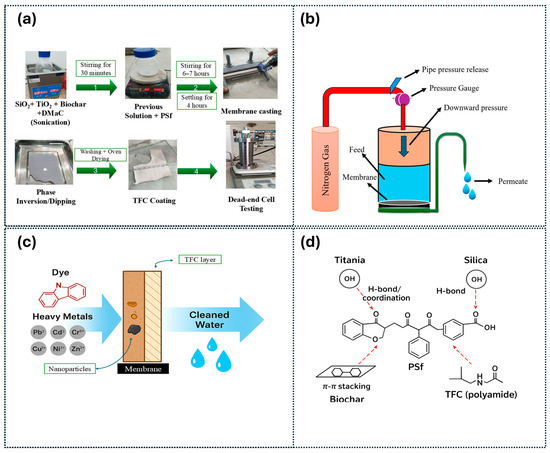
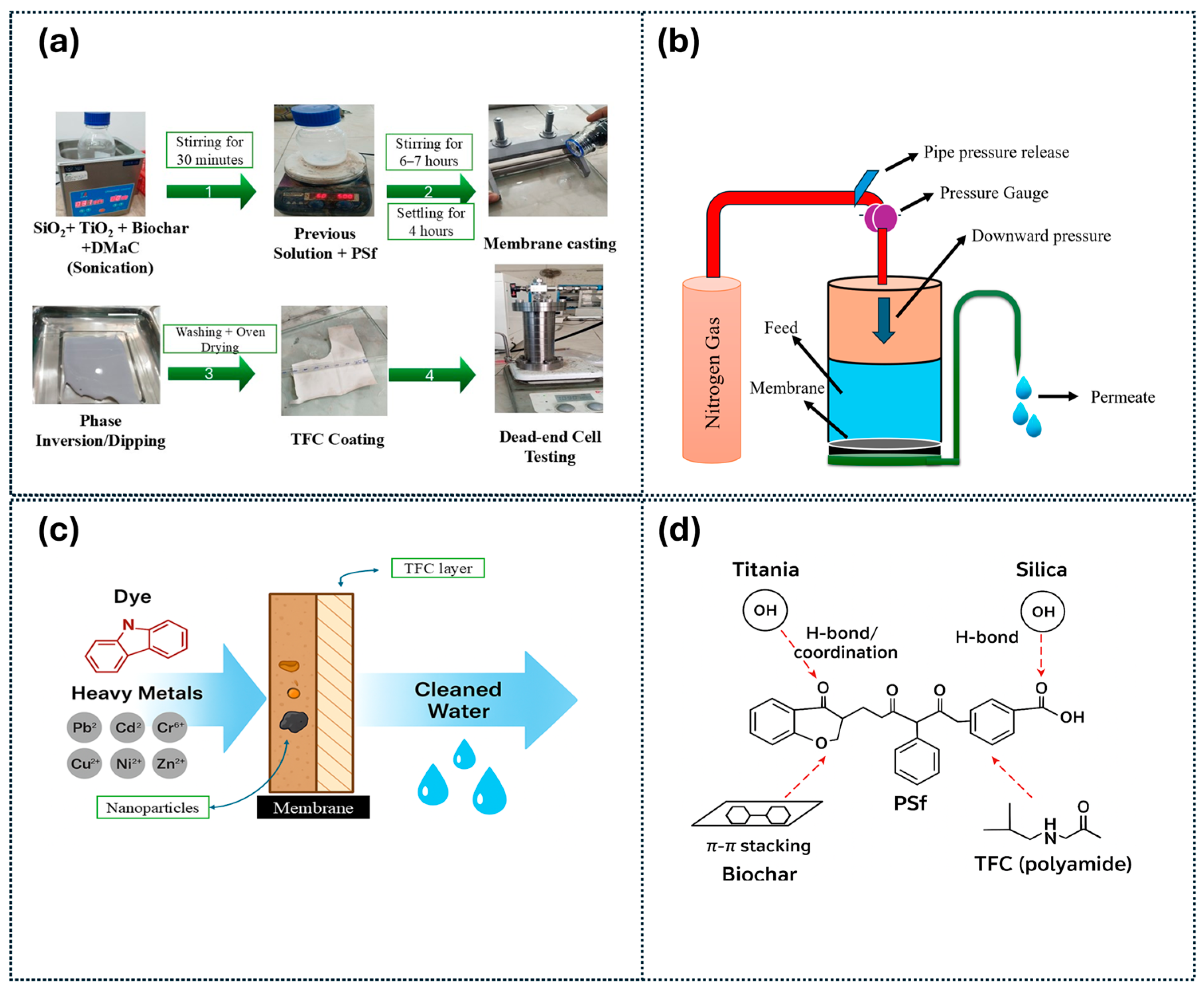
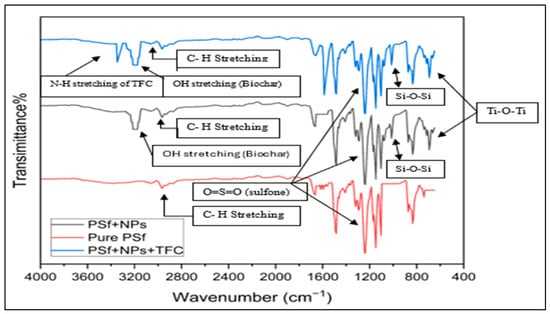
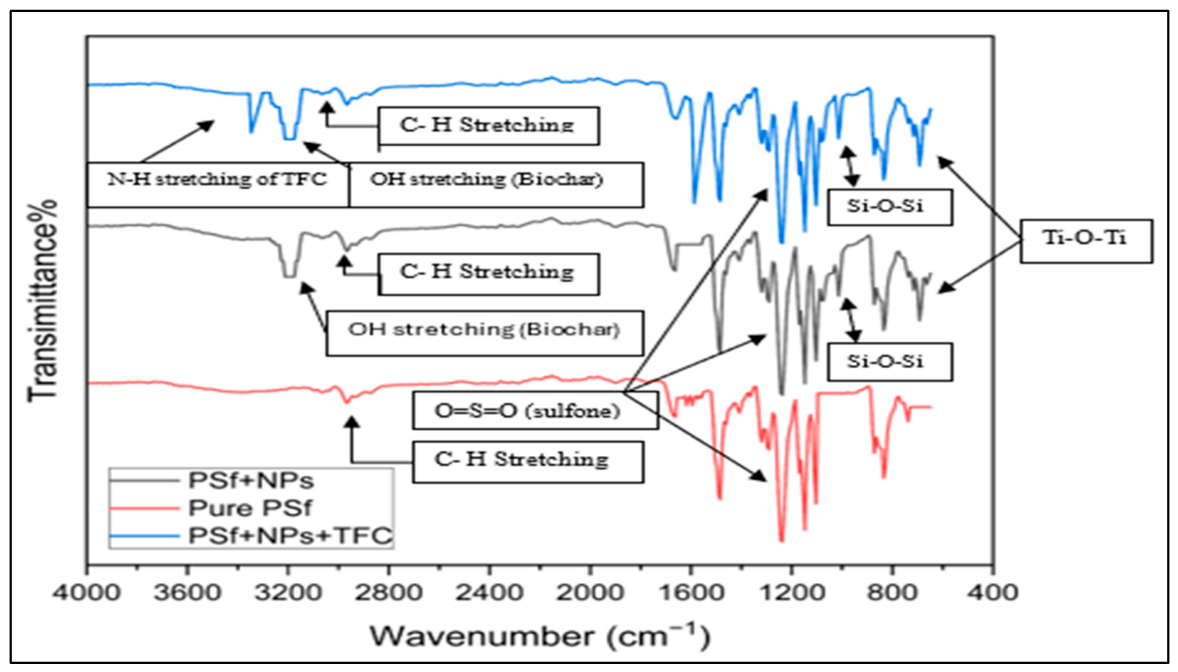
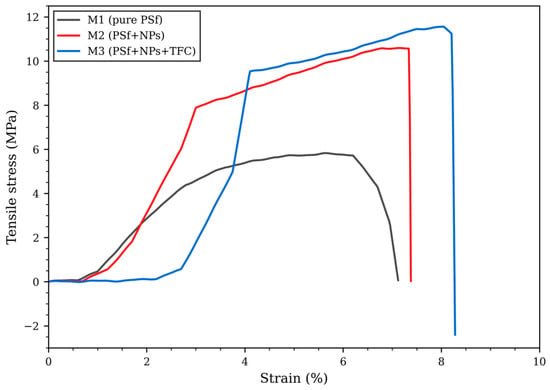
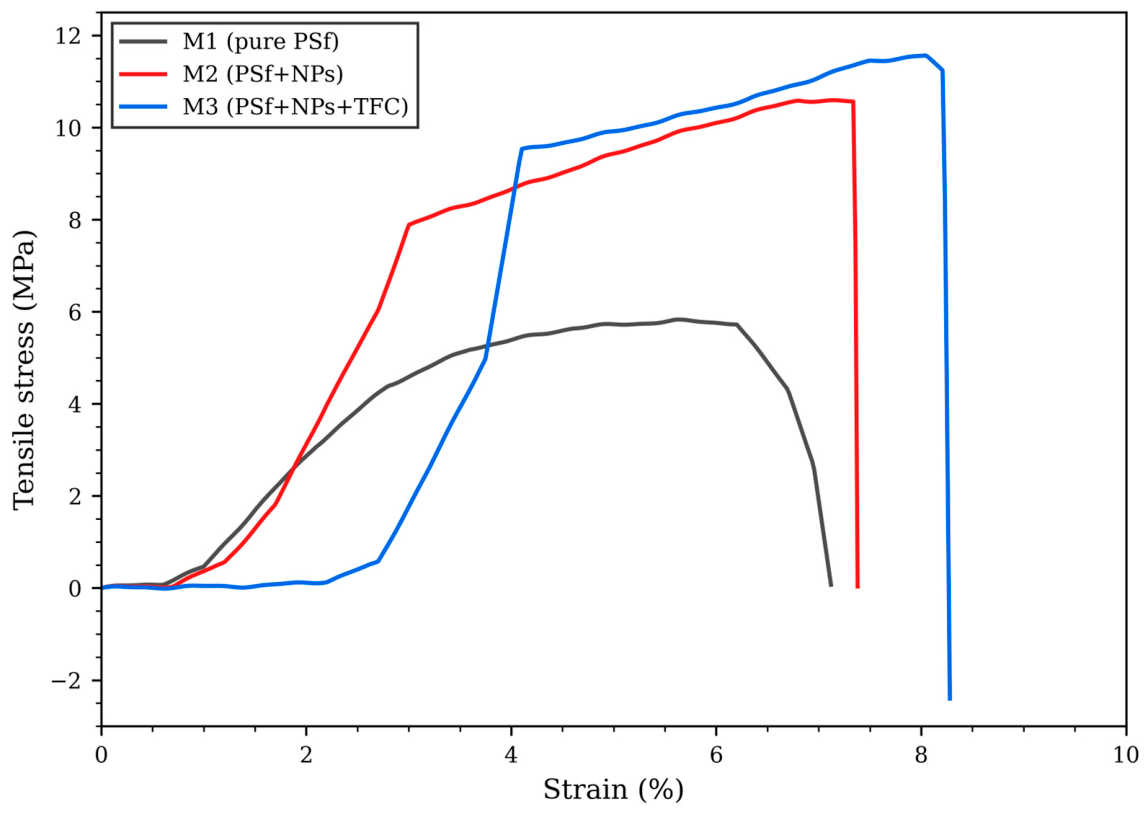
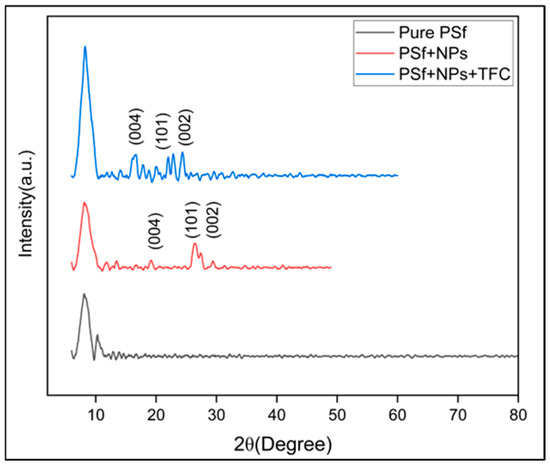
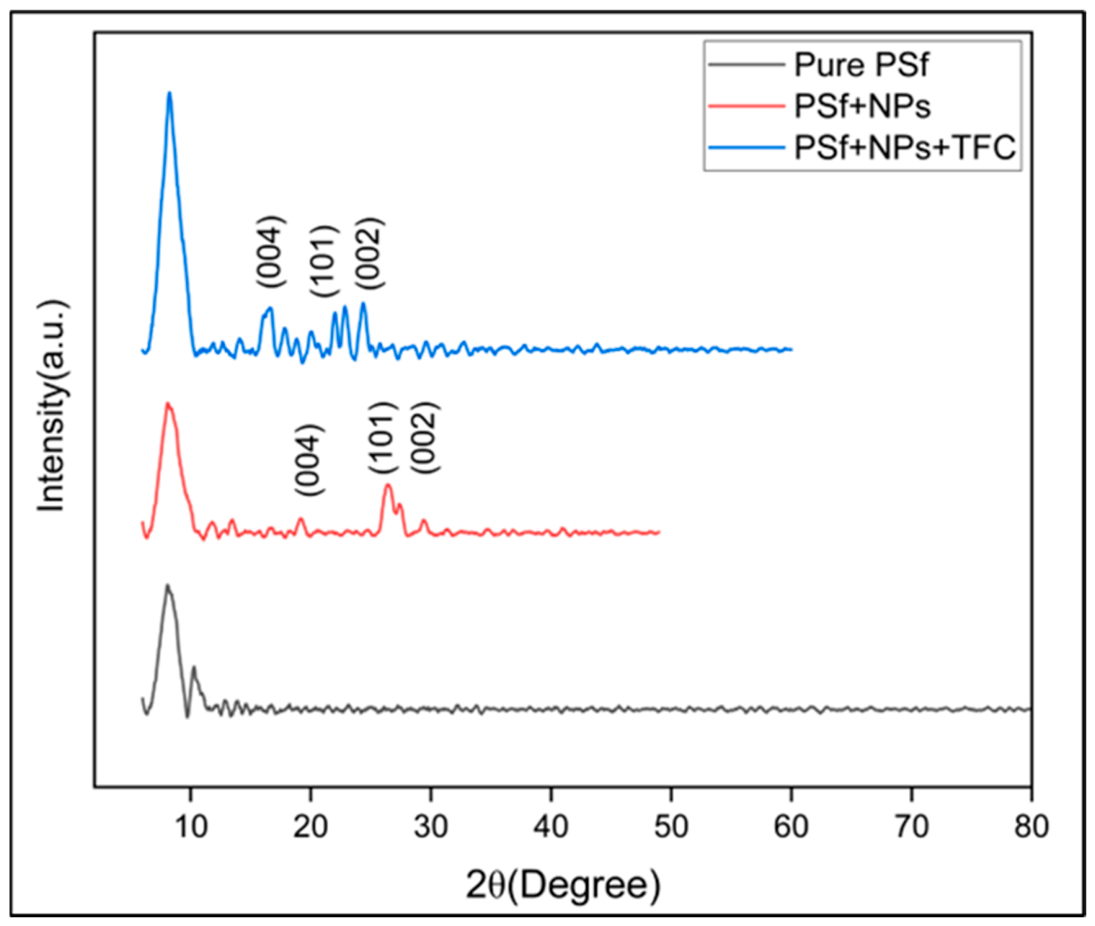
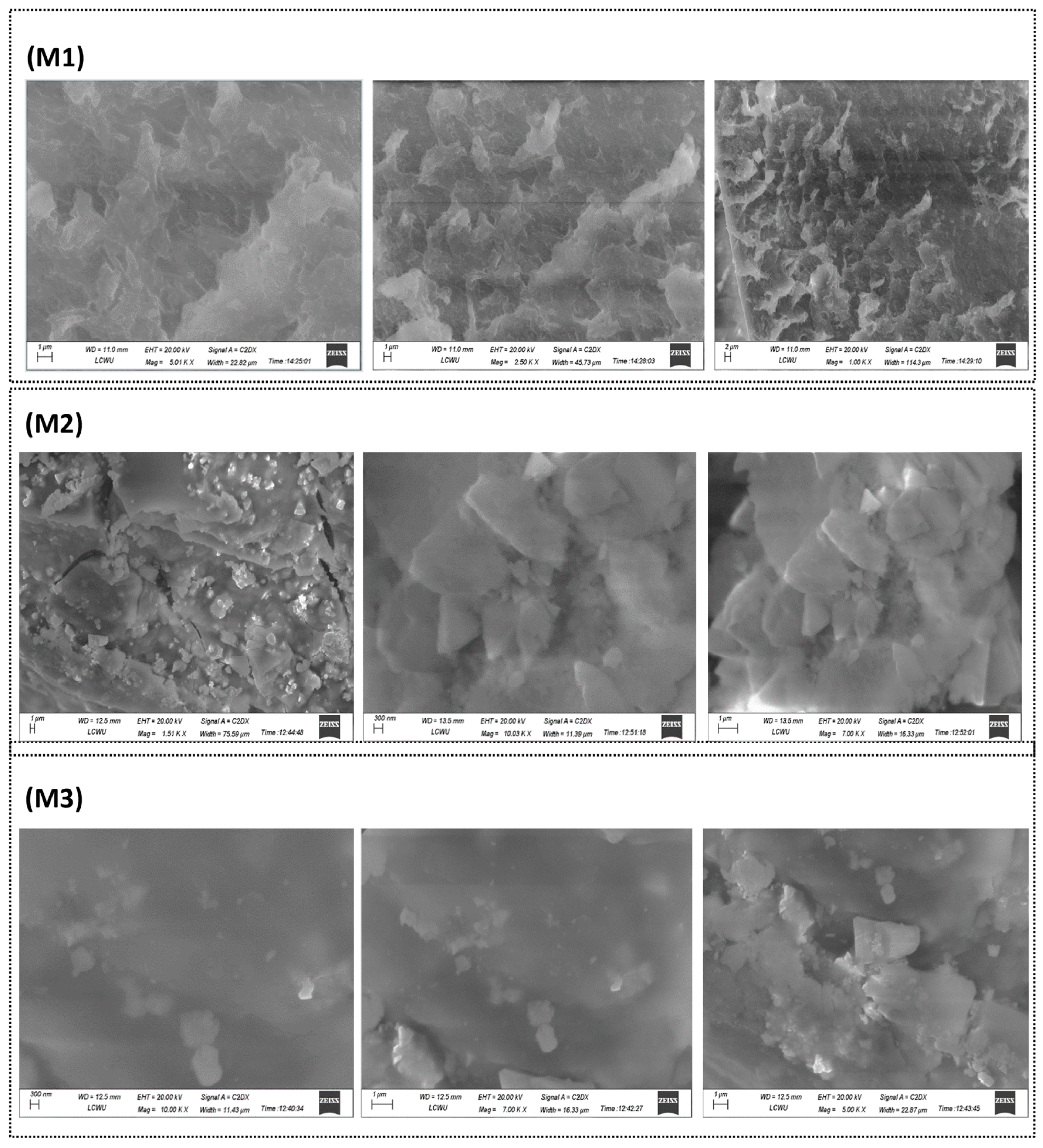
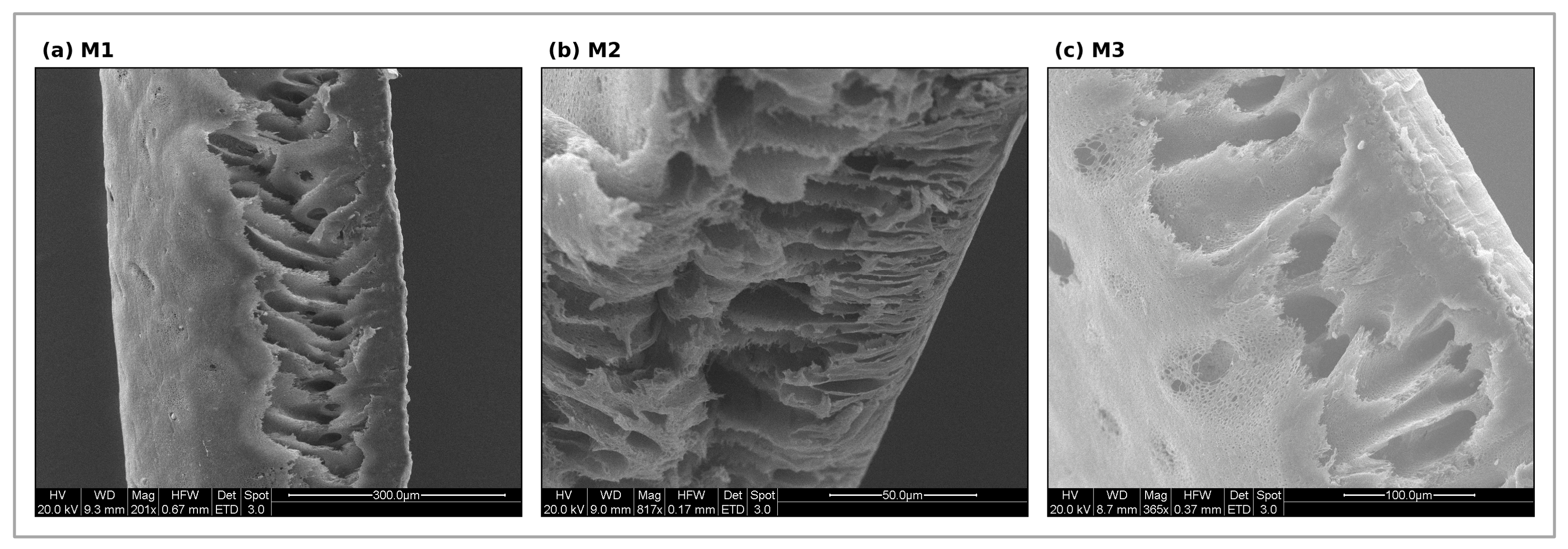
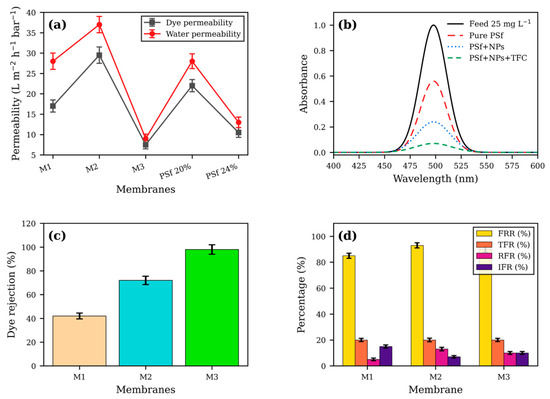
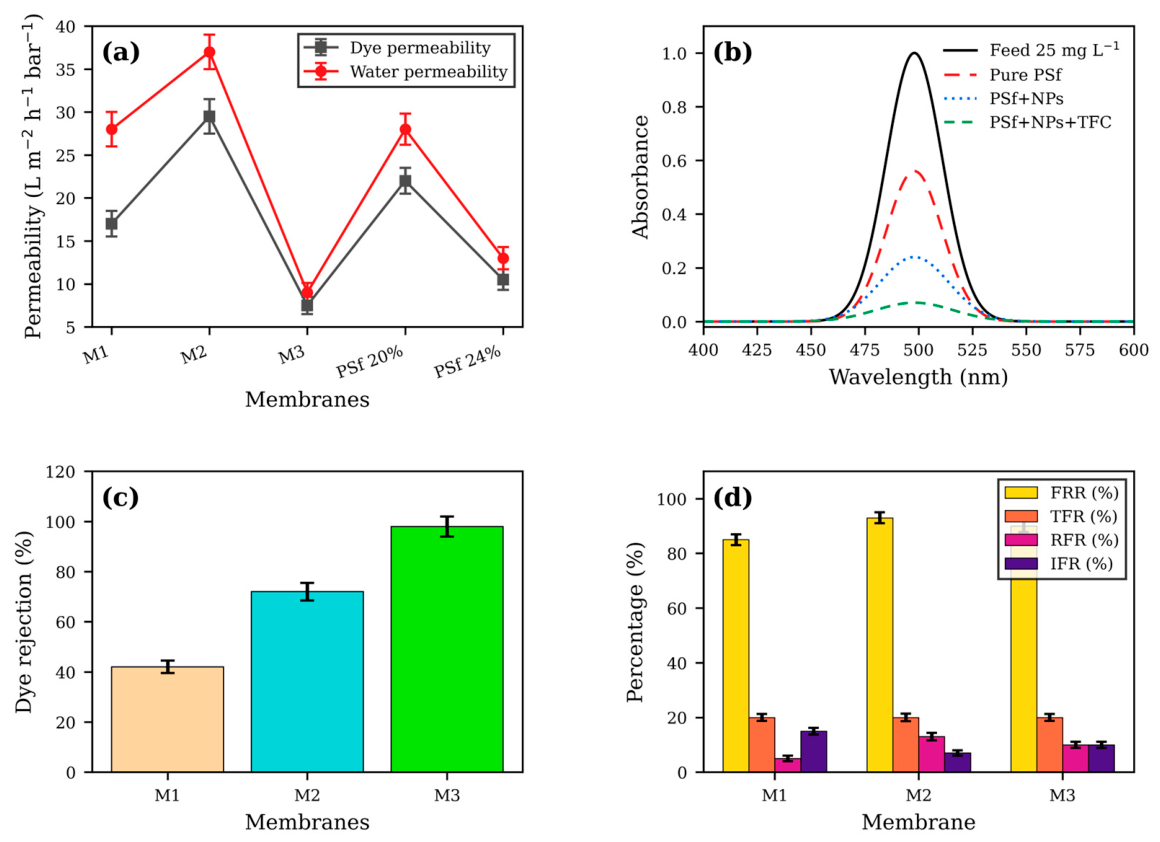
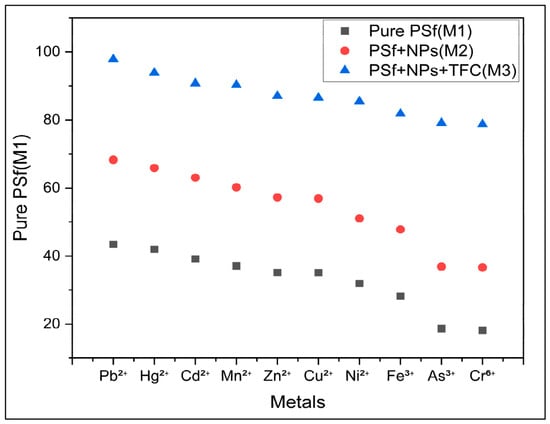
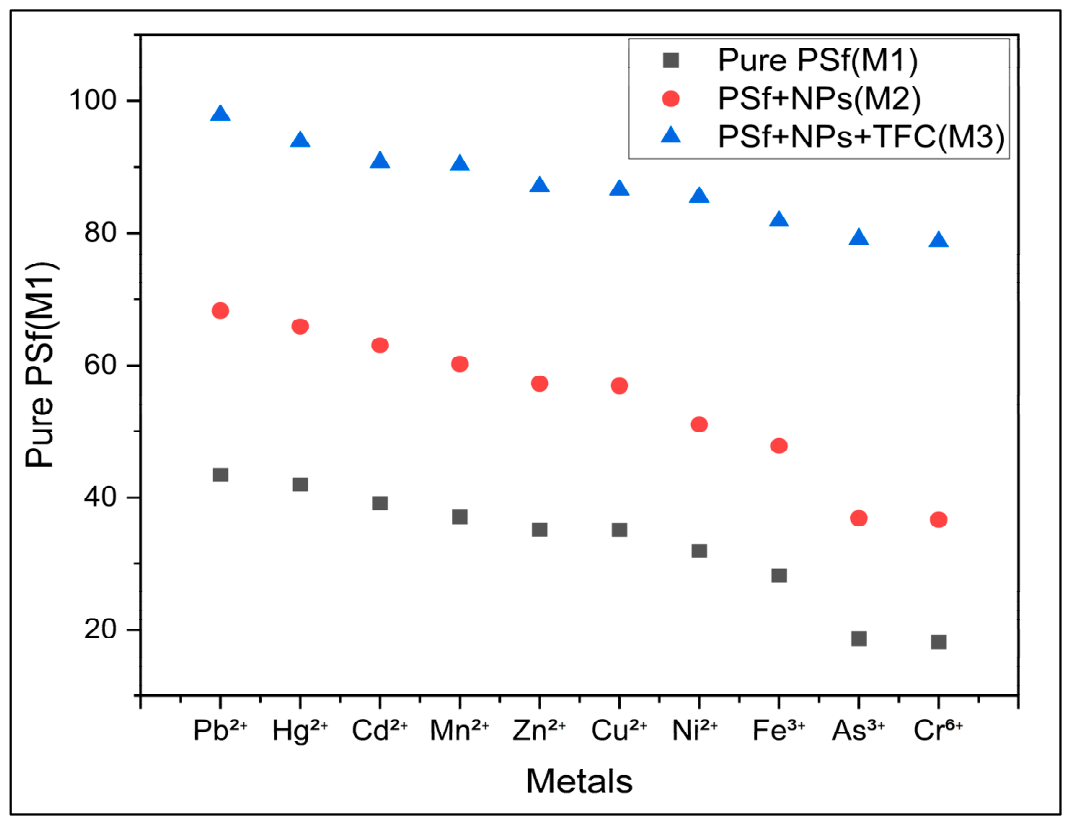
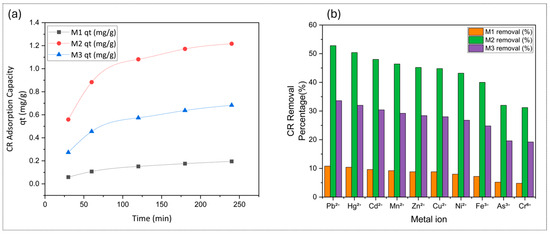
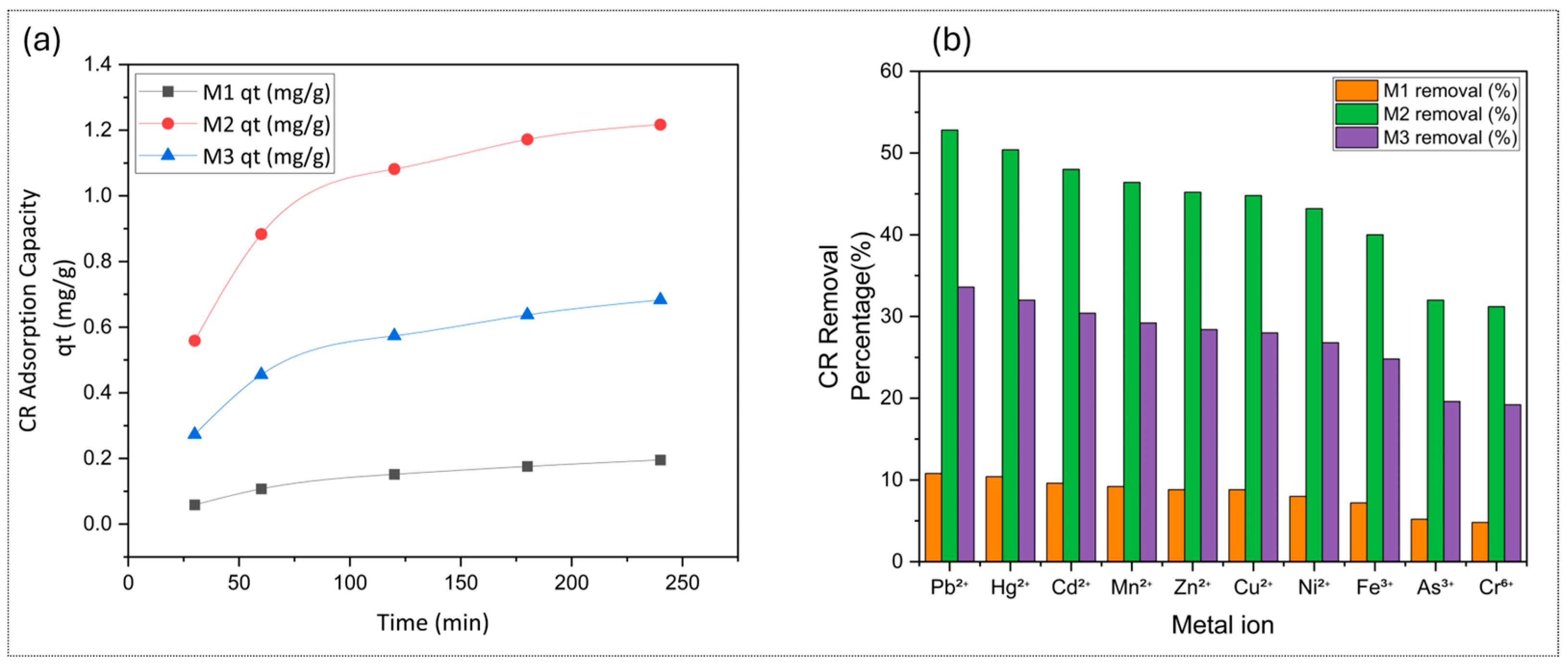

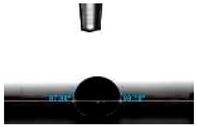
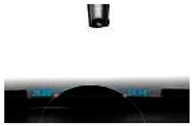
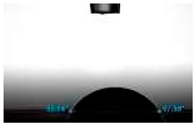
Disclaimer/Publisher’s Note: The statements, opinions and data contained in all publications are solely those of the individual author(s) and contributor(s) and not of MDPI and/or the editor(s). MDPI and/or the editor(s) disclaim responsibility for any injury to people or property resulting from any ideas, methods, instructions or products referred to in the content. |
© 2026 by the authors. Licensee MDPI, Basel, Switzerland. This article is an open access article distributed under the terms and conditions of the Creative Commons Attribution (CC BY) license.