

Journal Description
Urban Science
Urban Science
is an international, scientific, peer-reviewed, open access journal of urban and regional studies, published monthly online by MDPI. The Urban Land Institute (ULI) is affiliated with the journal.
- Open Access— free for readers, with article processing charges (APC) paid by authors or their institutions.
- High Visibility: indexed within Scopus, ESCI (Web of Science) and other databases.
- Journal Rank: JCR - Q1 (Geography) / CiteScore - Q1 (Urban Studies)
- Rapid Publication: manuscripts are peer-reviewed and a first decision is provided to authors approximately 21.6 days after submission; acceptance to publication is undertaken in 4.6 days (median values for papers published in this journal in the second half of 2025).
- Recognition of Reviewers: reviewers who provide timely, thorough peer-review reports receive vouchers entitling them to a discount on the APC of their next publication in any MDPI journal, in appreciation of the work done.
- Journal Cluster of Environmental Science: Sustainability, Land, Clean Technologies, Environments, Nitrogen, Recycling, Urban Science, Safety, Air, Waste, Aerobiology and Toxics.
Impact Factor:
2.9 (2024);
5-Year Impact Factor:
2.7 (2024)
Latest Articles
Port Urban Planning Regeneration in Piraeus City Port, Greece
Urban Sci. 2026, 10(4), 216; https://doi.org/10.3390/urbansci10040216 - 17 Apr 2026
Abstract
►
Show Figures
Port cities represent an interdependent system in which port and urban activities overlap and develop. While ports serve as the gateway for the city, expanding market reach and attracting investments, cities provide the necessary labor and services required for the operation of the
[...] Read more.
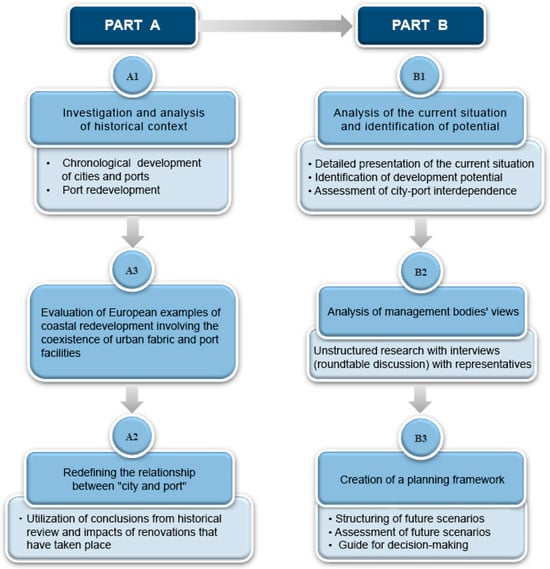
Port cities represent an interdependent system in which port and urban activities overlap and develop. While ports serve as the gateway for the city, expanding market reach and attracting investments, cities provide the necessary labor and services required for the operation of the ports. However, the mutual relationship between ports and cities is threatened by conflicts such as urban sprawl, which leads to friction by taking the space needed for storing containers at ports. Similarly, ports generate high noise and air pollution, threatening the quality of life in urban centers. Therefore, implementing best practices to manage the port–city dichotomy is essential to ensure the coexistence of the port and city. This study re-examined the port–city relationship in the framework of urban planning to guide redevelopment decisions within the Piraeus city port in Greece. Data were collected through a mixed-methods approach involving secondary research and roundtable discussions. The findings showed that a key design parameter of the Piraeus city port is the development and exploitation of the city’s relationship with water, from a functional, spatial, and aesthetic point of view. Furthermore, a guide was developed to facilitate the redevelopment of the city port and improve decision-making. The recommendations also emphasize the integration of the port city into a global economic forum and highlight its dynamism, ensuring mutual benefits for the city and port.
Full article
Open AccessArticle
Unconventional Roundabouts: Third-Generation Insights from the United States and Europe
by
Lorenzo Brocchini, Antonio Pratelli, Saša Ahac, Maja Ahac, Marjana Petrović, Luka Novačko, Reginald Souleyrette and Teng Wang
Urban Sci. 2026, 10(4), 215; https://doi.org/10.3390/urbansci10040215 - 16 Apr 2026
Abstract
This paper presents a comparative analysis of unconventional roundabouts, commonly referred to as third-generation roundabouts, based on case studies from the United States and Europe, specifically Croatia and Italy. These intersection designs deviate from traditional circular geometries to overcome limitations in safety, capacity,
[...] Read more.
This paper presents a comparative analysis of unconventional roundabouts, commonly referred to as third-generation roundabouts, based on case studies from the United States and Europe, specifically Croatia and Italy. These intersection designs deviate from traditional circular geometries to overcome limitations in safety, capacity, and spatial integration, especially in constrained or high-demand environments. The study focuses on three major typologies: raindrop, turbo, and two-geometry roundabouts (TGRs), examining their geometric characteristics, operational principles, and context-specific implementations. Based on real-world examples and qualitative assessments, each national section investigates design rationale and performance considerations in relation to local traffic dynamics. The paper contributes to the understanding of adaptive and context-sensitive intersection design, offering a conceptual framework for comparing unconventional roundabout typologies across different regulatory environments. The comparative analysis reveals that each typology responds to specific operational and spatial constraints rather than representing a universally optimal solution. In particular, raindrop and dog-bone roundabouts are most effective in interchange contexts, turbo roundabouts enhance safety and capacity in regulated multilane environments, while TGRs provide greater adaptability in constrained and irregular urban settings. These findings highlight the importance of context-dependent design strategies and support the need for flexible and context-sensitive evaluation frameworks.
Full article
(This article belongs to the Special Issue Mobility Modeling, Land Use Patterns, and Intelligent Transportation Systems for Urban Mobility)
Open AccessArticle
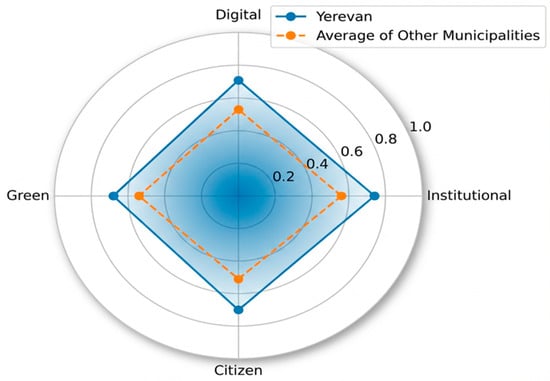
Smart Sustainability Beyond Infrastructure: An Institutional and Algorithmic Governance Framework for Green Urban Performance
by
Khoren Mkhitaryan, Susanna Karapetyan, Amalya Manukyan, Anna Sanamyan and Tatevik Mkrtchyan
Urban Sci. 2026, 10(4), 214; https://doi.org/10.3390/urbansci10040214 - 16 Apr 2026
Abstract
Cities are increasingly expected to achieve environmentally sustainable outcomes while simultaneously adapting to rapid technological transformation and growing governance complexity. However, sustainability performance in urban systems cannot be explained by technological infrastructure alone. Institutional capacity and algorithmic governance capabilities play a critical role
[...] Read more.
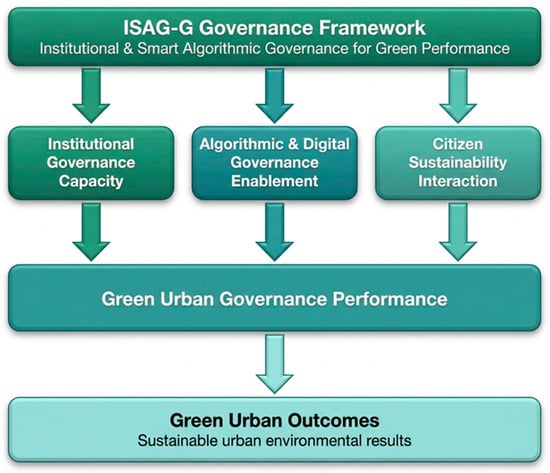
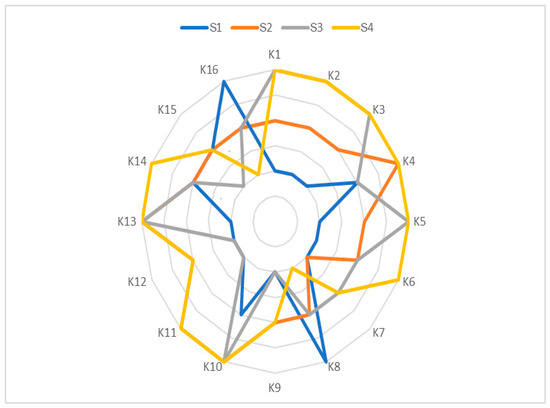
Cities are increasingly expected to achieve environmentally sustainable outcomes while simultaneously adapting to rapid technological transformation and growing governance complexity. However, sustainability performance in urban systems cannot be explained by technological infrastructure alone. Institutional capacity and algorithmic governance capabilities play a critical role in shaping coherent environmental policy implementation and green urban performance, particularly in transition city contexts. This study proposes the ISAG-G Governance Framework (Institutional and Smart Algorithmic Governance for Green Performance), a governance-oriented analytical framework designed to assess green urban governance capacity. The framework integrates four governance dimensions: institutional governance capacity, algorithmic and digital governance enablement, green urban governance performance, and citizen sustainability interaction. Methodologically, the study develops a composite governance index based on a structured indicator system. Indicator weights are determined using the Best–Worst Method (BWM) through expert consultation, while Min–Max normalization and weighted aggregation are applied to construct the composite index. The framework is empirically applied through a comparative analysis of five transition municipalities (evidence from Armenia) representing different levels of administrative capacity and urban development. The findings reveal distinct governance profiles across municipalities and highlight the importance of institutional coherence and algorithmic governance capacity in shaping green urban performance. By moving beyond infrastructure-centric approaches, the proposed framework provides both an analytical and policy-oriented tool for evaluating urban sustainability governance in transition city contexts.
Full article
(This article belongs to the Special Issue Human, Technologies, and Environment in Sustainable Cities)
►▼
Show Figures

Figure 1
Open AccessArticle
Urban Heritage as Embodied Intelligence: The Adaptive Patterns Model
by
Michael W. Mehaffy, Tigran Haas and Ryan Locke
Urban Sci. 2026, 10(4), 213; https://doi.org/10.3390/urbansci10040213 - 15 Apr 2026
Abstract
Urban heritage structures are most commonly understood as memorial artifacts, tourism assets, or redevelopment resources. While this common view acknowledges cultural and economic value, it overlooks a deeper function of heritage within the long evolution of human settlements. This paper advances a counter
[...] Read more.
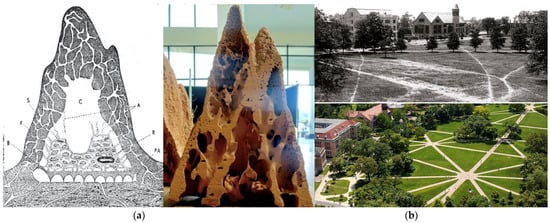
Urban heritage structures are most commonly understood as memorial artifacts, tourism assets, or redevelopment resources. While this common view acknowledges cultural and economic value, it overlooks a deeper function of heritage within the long evolution of human settlements. This paper advances a counter thesis: in addition to its historic contingencies and power relationships—which are real, but only part of the picture—urban heritage embodies valuable but often hidden intelligence that is highly relevant to contemporary urban challenges. Specifically, heritage environments encode useful structured information about spatial configurations that have gained adaptive value over time in a process known as stigmergy. Drawing on complexity science, network theory, the mathematics of symmetry, and theories of extended cognition, the paper argues that enduring urban forms persist not only for symbolic or historical reasons, but because they embed structural properties conducive to resilience, legibility, social interaction, climatic adaptation, and human well-being. Recurring characteristics include fine-grained network connectivity, fractal scaling hierarchies, organized symmetry, articulated thresholds, and biophilic integration. Evidence from environmental psychology, public health, and urban morphology suggests that such properties correlate with reduced stress, increased walkability, stronger social capital, and improved ecological performance. The paper proposes a methodological framework—what we call the Adaptive Patterns Model—for identifying, evaluating, and translating this embedded intelligence into contemporary regeneration practice. The Model is presented as a four-phase, conceptually synthesized framework—integrating insights from complexity science and stigmergy, urban morphological analysis, and pattern-language methodology—comprising documentation, pattern extraction, encoding, and performance correlation. It concludes by challenging a still-prevalent assumption that contemporary conditions invalidate accumulated spatial knowledge. Instead, urban heritage is understood as adaptive capital within an ongoing evolutionary process, offering a structurally grounded foundation for resilient urban transformation.
Full article
(This article belongs to the Special Issue Urban Regeneration: A Rethink)
►▼
Show Figures

Figure 1
Open AccessArticle
Smart Enforcement of Disability Parking: A Drone-Based License Plate Recognition and Staged Optimization Framework
by
Hanaa ZainEldin, Tamer Ahmed Farrag, Shymaa G. Eladl, Malik Almaliki, Mahmoud Badawy and Mostafa A. Elhosseini
Urban Sci. 2026, 10(4), 212; https://doi.org/10.3390/urbansci10040212 - 15 Apr 2026
Abstract
Unauthorized occupation of parking spaces designated for individuals with disabilities remains a persistent challenge in urban environments, limiting accessibility and inclusive mobility. This paper proposes an integrated UAV-assisted enforcement framework that combines drone-based imaging, onboard license plate recognition (LPR), IoT connectivity, and a
[...] Read more.
Unauthorized occupation of parking spaces designated for individuals with disabilities remains a persistent challenge in urban environments, limiting accessibility and inclusive mobility. This paper proposes an integrated UAV-assisted enforcement framework that combines drone-based imaging, onboard license plate recognition (LPR), IoT connectivity, and a staged optimization strategy for energy-aware surveillance. The framework employs a two-phase approach: first, it derives energy-efficient UAV activation patterns via sleep–active scheduling, followed by coverage maximization under energy constraints. The inherently multi-objective problem—balancing energy consumption, coverage, and redundancy—is addressed via a weighted-aggregation formulation, enabling efficient optimization with classical metaheuristic algorithms. Seven algorithms—Genetic Algorithm (GA), Particle Swarm Optimization (PSO), Simulated Annealing (SA), Ant Colony Optimization (ACO), Differential Evolution (DE), Artificial Bee Colony (ABC), and a Greedy baseline—are implemented in both conventional and staged variants to enable comprehensive evaluation. Experimental results demonstrate 32–45% reductions in energy consumption, over 95% coverage effectiveness, and 50–60% faster convergence compared to single-phase approaches, with all improvements statistically significant (p < 0.001). The proposed framework provides a scalable, practically deployable solution for intelligent enforcement of disability parking regulations while also enabling energy-efficient UAV coordination in smart urban monitoring systems.
Full article
Open AccessArticle
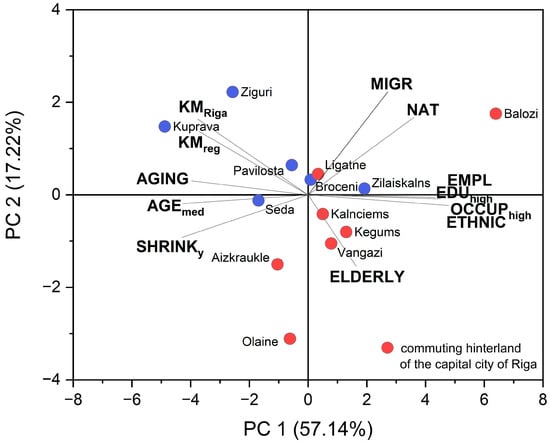
Exploring the Complex Interplay of Demographic and Socioeconomic Dynamics in Urban Shrinkage of Latvian Mono-Towns
by
Niks Stafeckis and Maris Berzins
Urban Sci. 2026, 10(4), 211; https://doi.org/10.3390/urbansci10040211 - 14 Apr 2026
Abstract
Urban shrinkage, driven by demographic and socioeconomic changes, has become a pressing issue across Europe, particularly in small peripheral towns and semi-urban settlements that have historically relied on a single industry or company. This study investigates the demographic and socioeconomic factors contributing to
[...] Read more.
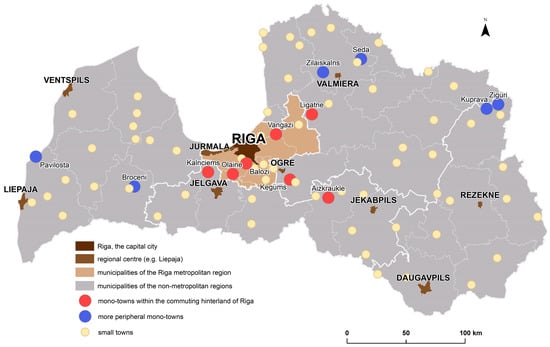
Urban shrinkage, driven by demographic and socioeconomic changes, has become a pressing issue across Europe, particularly in small peripheral towns and semi-urban settlements that have historically relied on a single industry or company. This study investigates the demographic and socioeconomic factors contributing to the multi-dimensional decline, encompassing population loss, economic contraction, and deteriorating socioeconomic conditions in Latvian mono-towns, thereby filling a void in empirical research on urban development in post-socialist contexts. Principal component analysis (PCA) was applied to a set of key demographic and socioeconomic indicators derived from census and administrative data to identify the principal dimensions that drive urban shrinkage. The analysis reveals three principal components explaining 87% of the variance: socioeconomic vitality (57.1%), population change and peripherality (17.2%), and aging society dynamics (12.6%). The results contribute to a nuanced understanding of how mono-functional urban contexts shape the intensity and character of shrinkage. These results establish a basis for specific policy measures designed to promote resilience in small-settlement settings and contribute to the understanding of spatial planning and regional development approaches in the post-socialist urban transition context. This research underscores the need for context-specific approaches to address the multifaceted challenges of urban shrinkage.
Full article
(This article belongs to the Topic Architecture and Urban Planning Towards Challenges of Socio-Demographic Changes and Aging Societies)
►▼
Show Figures

Figure 1
Open AccessArticle
Large-Scale Modeling of Urban Rooftop Solar Energy Potential Using UAS-Based Digital Photogrammetry and GIS Spatial Analysis: A Case Study of Sofia City, Bulgaria
by
Stelian Dimitrov, Martin Iliev, Bilyana Borisova, Stefan Petrov, Ivo Ihtimanski, Leonid Todorov, Ivan Ivanov, Stoyan Valchev and Kristian Georgiev
Urban Sci. 2026, 10(4), 210; https://doi.org/10.3390/urbansci10040210 - 14 Apr 2026
Abstract
Urban rooftop photovoltaic systems represent a substantial yet still underutilized renewable energy resource, particularly in high-density residential environments. Accurate large-scale assessment of rooftop solar potential, however, remains challenging due to the complex geometry of urban morphology and the limited availability of high-resolution geospatial
[...] Read more.
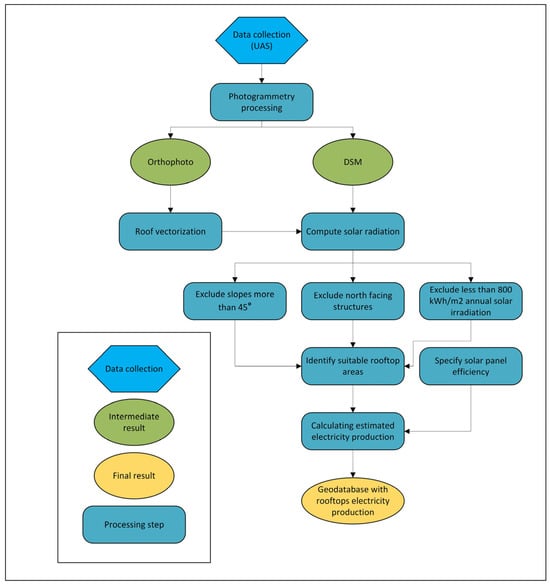
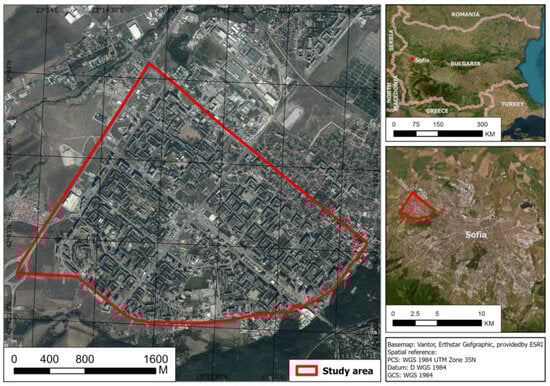
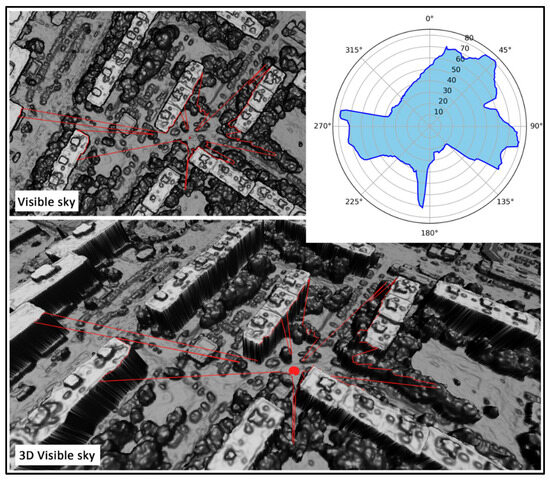
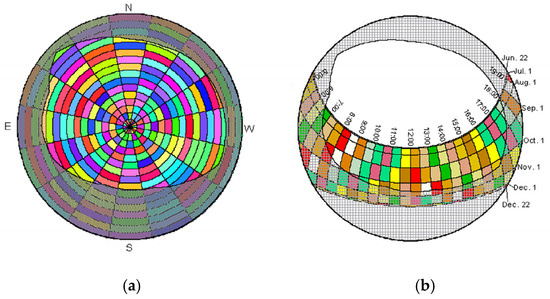
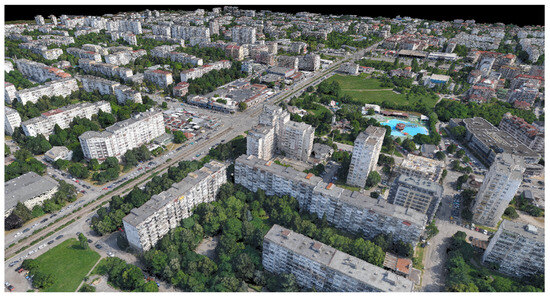
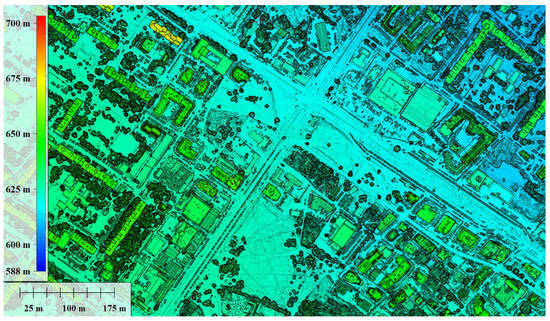
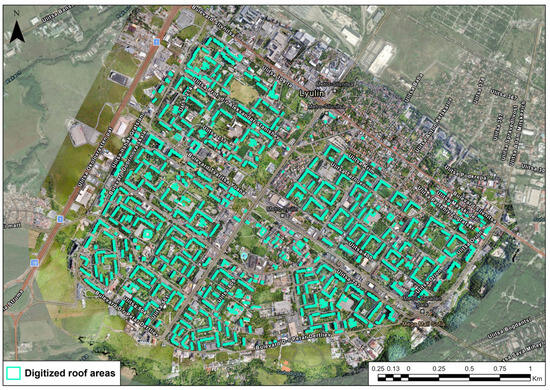
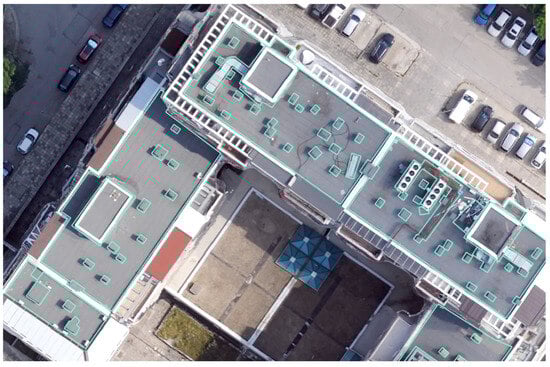
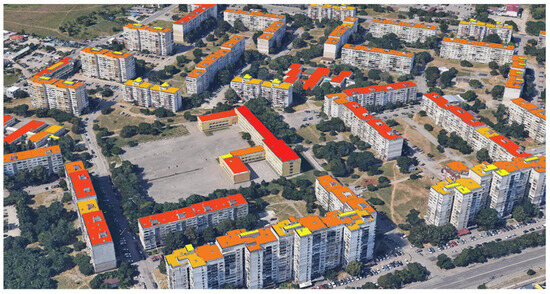
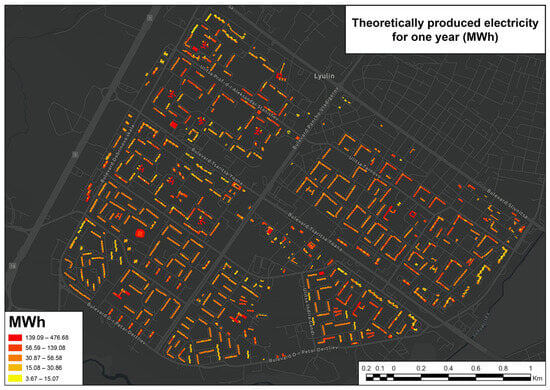
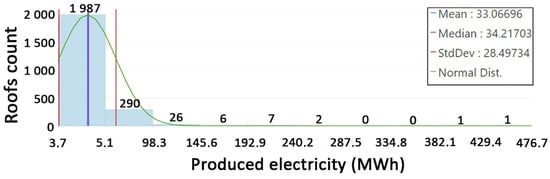
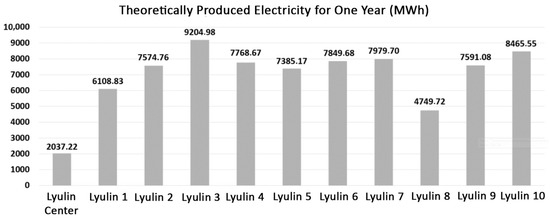
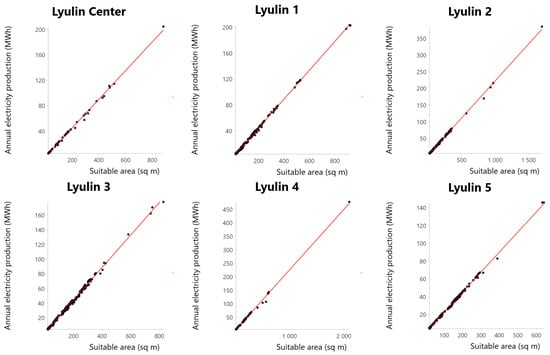
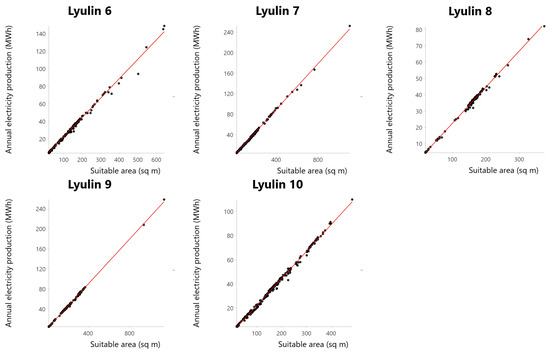
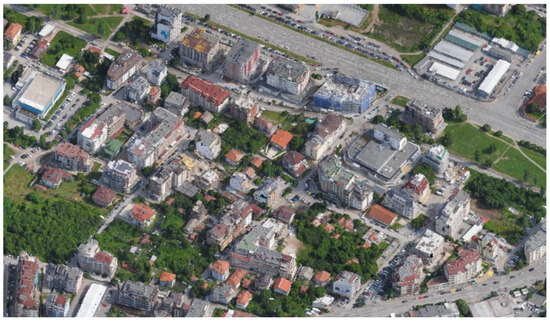
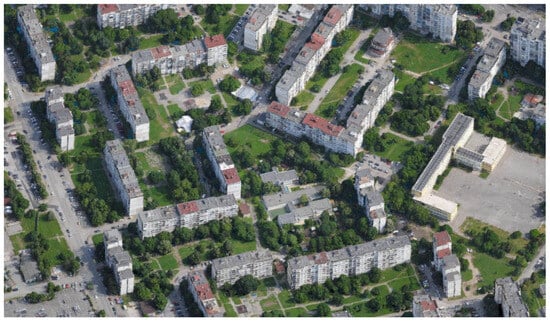
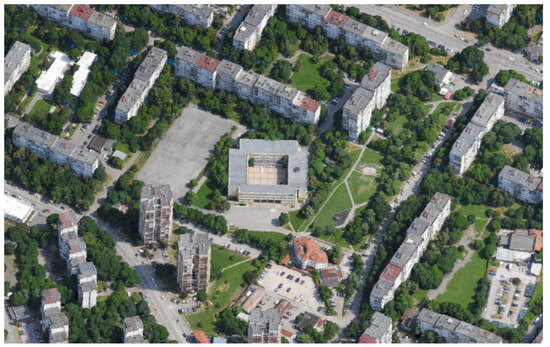
Urban rooftop photovoltaic systems represent a substantial yet still underutilized renewable energy resource, particularly in high-density residential environments. Accurate large-scale assessment of rooftop solar potential, however, remains challenging due to the complex geometry of urban morphology and the limited availability of high-resolution geospatial data. This study presents a large-scale methodological framework for estimating the theoretical photovoltaic potential of urban rooftop spaces using Unmanned Aerial System (UAS)-based digital photogrammetry and GIS-based spatial analysis. The approach integrates centimeter-resolution Digital Surface Models (DSMs) and orthophotos derived from fixed-wing UAS surveys with detailed rooftop vectorization and solar radiation modeling implemented in a GIS environment. The methodology accounts for rooftop geometry, surface orientation, slope, shading effects, and rooftop-mounted obstacles. The methodology consists of data collection of high-resolution RGB imagery suitable for detailed three-dimensional reconstruction. The images are captured with a UAS equipped with a S.O.D.A. 3D photogrammetric camera, creating a dense, georeferenced three-dimensional point cloud based on UAS imagery. Based on the point cloud, a high-resolution Digital Surface Model (DSM) was produced. Rooftop boundaries and rooftop-mounted structures were digitized on the basis of an orthophoto created from UAS imagery. The analysis workflow consists of solar modeling using ArcGIS Pro, including calculating the solar radiation. The next methodological step is to filter low radiation rooftops, steep slopes, and northern-oriented rooftops. Finally, we calculate the potential electricity production. The framework was applied to high-density residential districts in Sofia, Bulgaria, dominated by prefabricated panel buildings with predominantly flat rooftops. Drone applications in such studies are typically restricted to modeling individual roofs, which severely limits their scalability for district-wide evaluations. To overcome this, the study employs a specialized fixed-wing UAS uniquely certified for legal operations over densely populated urban environments. This platform rapidly maps large territories, ensuring consistent lighting and shading conditions that significantly enhance the accuracy of subsequent rooftop digitization. Furthermore, the resulting centimeter-level precision enables the exact vectorization of micro-rooftop obstacles. Capturing these intricate details is a critical innovation that effectively prevents the overestimation of solar energy potential commonly observed in conventional large-scale models. Solar radiation was modeled at the pixel level for a full annual cycle and filtered using photovoltaic suitability criteria, including minimum annual radiation thresholds, slope, and aspect constraints. Theoretical electricity production was subsequently estimated using zonal statistics and system performance parameters representative of contemporary photovoltaic installations. The results indicate a total theoretical annual electricity potential of approximately 76.7 GWh for the analyzed rooftop spaces, with an average production of about 34 MWh per rooftop and pronounced spatial variability driven by rooftop geometry and exposure conditions. The findings demonstrate the significant renewable energy potential embedded in existing urban rooftop infrastructure and highlight the applicability of UAS-based photogrammetry for high-resolution, large-area solar potential assessments. The proposed framework provides actionable information for urban energy planning, municipal solar cadaster development, and the strategic integration of photovoltaic systems into dense urban environments, particularly in regions lacking open-access high-resolution geospatial datasets.
Full article
(This article belongs to the Special Issue Remote Sensing & GIS Applications in Urban Science)
►▼
Show Figures

Figure 1
Open AccessArticle
Lean Urban Regeneration Through Inclusion, Sharing, and Co-Creation
by
Ari-Veikko Anttiroiko
Urban Sci. 2026, 10(4), 209; https://doi.org/10.3390/urbansci10040209 - 14 Apr 2026
Abstract
Urban regeneration has traditionally focused on large-scale developments that aim at increasing the livability and vitality of disadvantaged areas. Alternative views of urban regeneration have emerged to challenge such a structural approach. These novel ideas reflect contextual changes in progressive and innovative Western
[...] Read more.
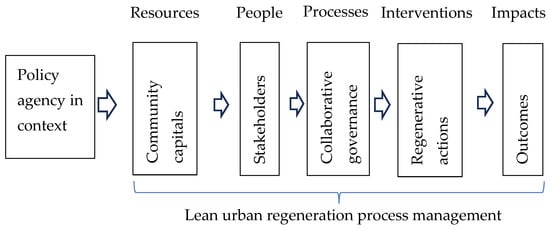
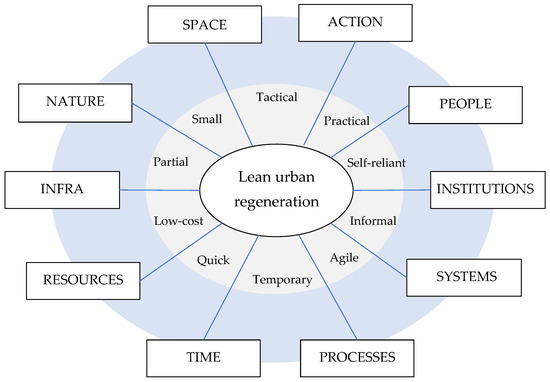
Urban regeneration has traditionally focused on large-scale developments that aim at increasing the livability and vitality of disadvantaged areas. Alternative views of urban regeneration have emerged to challenge such a structural approach. These novel ideas reflect contextual changes in progressive and innovative Western countries that embrace the culture of experimentation, prefer sharing to ownership, and emphasize participation and inclusion as fundamental aspects of public governance. This article elaborates the idea of lean urban regeneration in the progressive welfare society context, with a special view of citizen and stakeholder involvement through inclusion, sharing, and co-creation. Empirical research utilizes mini cases of the largest cities in the growth triangle of Finland. This article identifies the manifestations of lean urban regeneration and discusses its preconditions and ability to tackle urban development challenges. The results emphasize the framing nature of inclusion, the underutilization of sharing, and the key role of co-creation in lean urban regeneration. A particular potential of lean interventions is based on co-creation as the core of multimodal or hybrid regenerative projects that are firmly anchored on economic inclusion. By utilizing the input of residents, entrepreneurs, and other local stakeholders, it is possible to open up a path to integrated high-leverage activities with a potential to alleviate structural urban problems.
Full article
(This article belongs to the Special Issue Urban Regeneration: A Rethink)
►▼
Show Figures

Figure 1
Open AccessArticle
Estimating the Impact of High-Frequency Public Transit on Employment Outcomes in Chicago Neighborhoods
by
Fatemeh Noorizadehsalout and Amirhossein Vaziri
Urban Sci. 2026, 10(4), 208; https://doi.org/10.3390/urbansci10040208 - 13 Apr 2026
Abstract
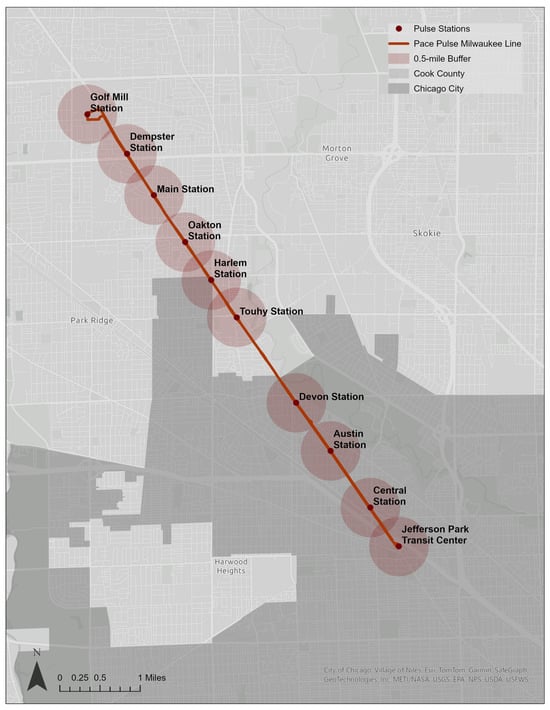
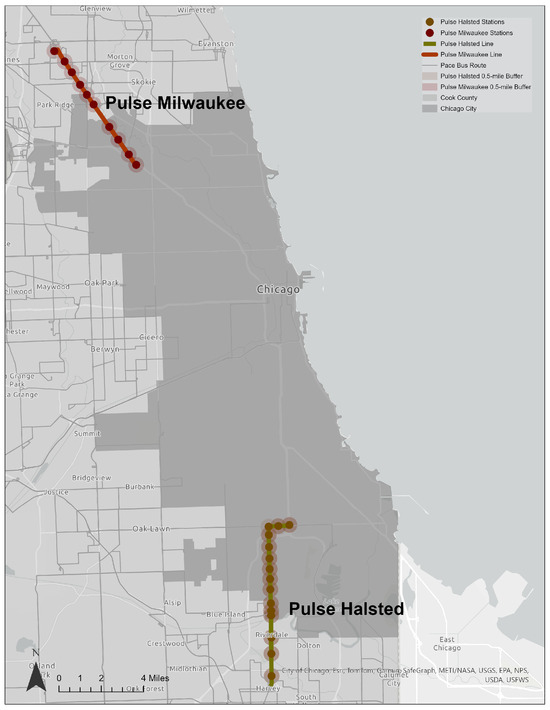
We estimate the causal impact of a high-frequency bus upgrade on neighborhood labor-market outcomes using the August 2019 launch of Pace’s Pulse Milwaukee Line in the Chicago region. We use public data-Pace GTFS schedules (stops/headways), ACS tract-level socioeconomic measures, and LEHD/LODES workplace counts.
[...] Read more.
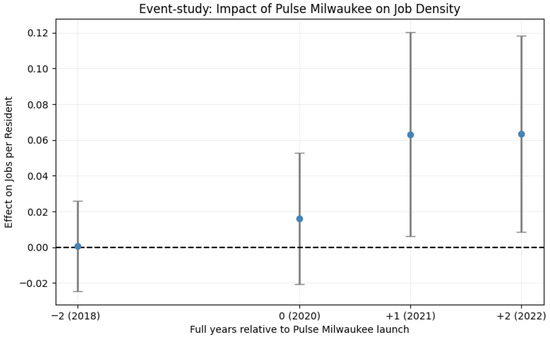
We estimate the causal impact of a high-frequency bus upgrade on neighborhood labor-market outcomes using the August 2019 launch of Pace’s Pulse Milwaukee Line in the Chicago region. We use public data-Pace GTFS schedules (stops/headways), ACS tract-level socioeconomic measures, and LEHD/LODES workplace counts. Using this database, we build a tract-level panel combining annual workplace employment outcomes with multi-year household outcomes, and then we implement a transparent difference-in-differences design that compares tracts within 0.5 miles of new Pulse stops to a 0.5–2 mile control ring before and after service begins. We find no detectable short-run effects, but we estimate a positive and economically sizable increase in workplace jobs per resident ( of the pre-treatment mean). Under conventional tract-clustered inference, this estimate is marginal (p = 0.073); thus, we interpret it as suggestive rather than definitive evidence. Our results are highly robust. Event-study estimates show flat pre-trends and post-treatment gains persisting into years +1 and +2; our placebo corridors yield null effects; and our buffer-width tests show monotonic strengthening. Finally, our population-weighted estimates remain positive, though smaller. To conclude, the results suggest that frequency improvements can reallocate jobs toward upgraded corridors even when resident employment and incomes do not move immediately. Our results may highlight a likely sequencing of impacts and the potential need for complementary land-use and workforce policies to translate accessibility gains into household-level benefits.
Full article
(This article belongs to the Section Urban Mobility and Transportation)
►▼
Show Figures

Figure 1
Open AccessArticle
Spatio-Temporal Analysis of Urban Expansion and Its Impact on Agricultural Land in the Casablanca Metropolitan Periphery
by
Boutayna Nakhili, Mohamed Chikhaoui, Younes Hmimsa, Mustapha El Janati, Ihssan El Ouadi, Ibtissam Medarhri and Fatiha Hakimi
Urban Sci. 2026, 10(4), 207; https://doi.org/10.3390/urbansci10040207 - 13 Apr 2026
Abstract
►▼
Show Figures
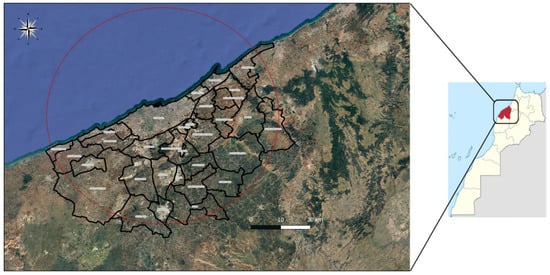
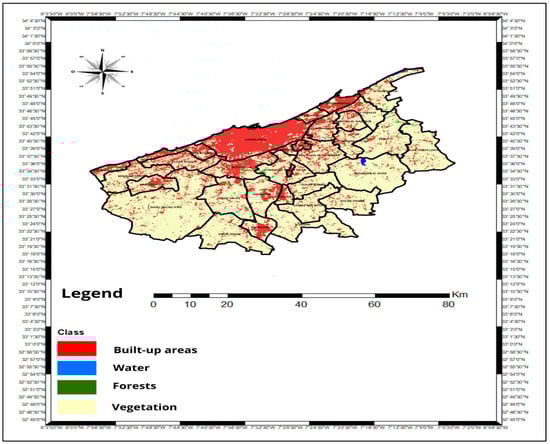
Casablanca, Morocco’s most populous and economically dynamic metropolis, is undergoing rapid and unregulated expansion, leading to accelerated agricultural land artificialization, landscape fragmentation, and growing socio-environmental vulnerability in peri-urban territories. This study investigates the spatio-temporal dynamics of urban expansion within a 40 km buffer
[...] Read more.
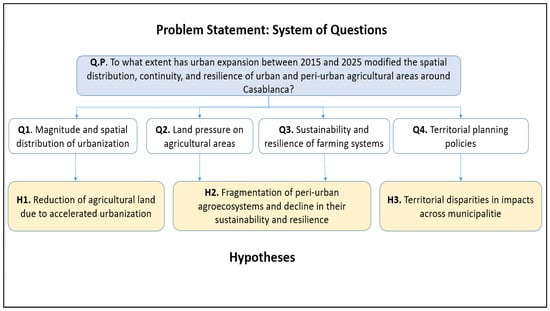
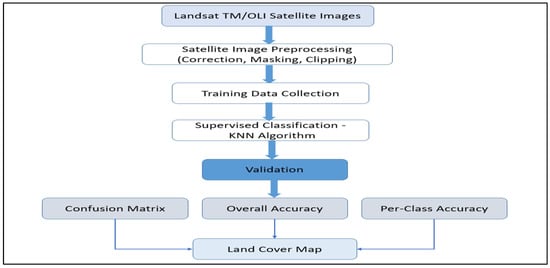
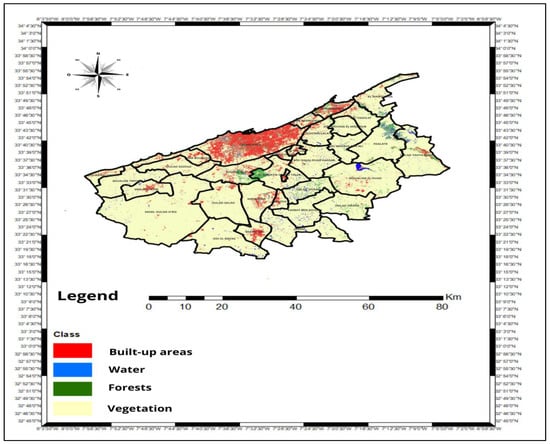
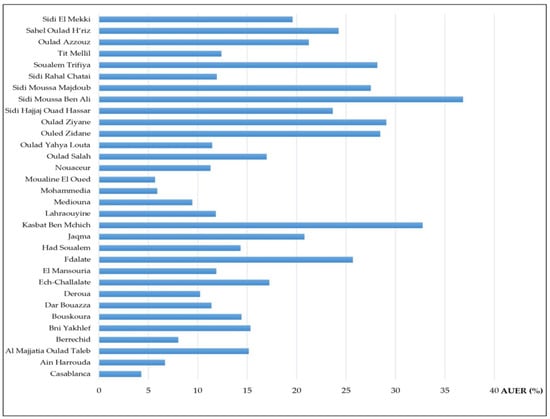
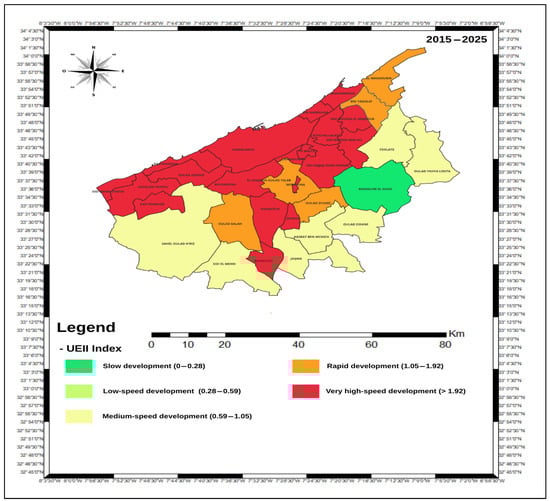
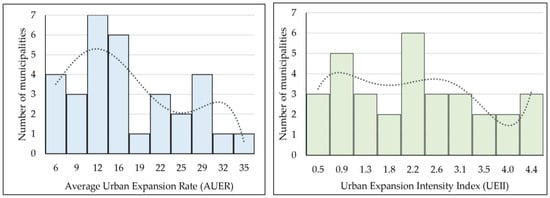
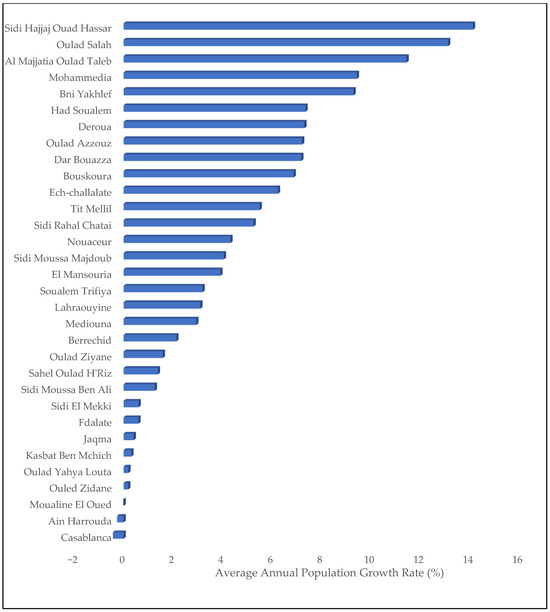
Casablanca, Morocco’s most populous and economically dynamic metropolis, is undergoing rapid and unregulated expansion, leading to accelerated agricultural land artificialization, landscape fragmentation, and growing socio-environmental vulnerability in peri-urban territories. This study investigates the spatio-temporal dynamics of urban expansion within a 40 km buffer around the city, using multi-temporal Landsat imagery (2015–2025), a GIS-based framework, and supervised classification. Four land-cover classes were extracted (urban, vegetation, forest and water) enabling a diachronic comparison of land transformation processes. Two spatial indicators were mobilized to quantify urban dynamics: the Average Urban Expansion Rate (AUER) and the Urban Expansion Intensity Index (UEII). Results reveal that urban areas expanded by up to 387.9% in some communes, with 15 exceeding an AUER of 25% and 17 falling within the “very high development” category based on UEII thresholds. Land artificialization was most intense along southern and southeastern peripheries, notably Deroua, Tit Mellil, Had Soualem, and Sidi Moussa Ben Ali, resulting in severe fragmentation of agricultural land. The classification of communes into four profiles (fast, slow, consolidated, and stable) highlights varying degrees of territorial vulnerability. By integrating demographic trends (2014–2024), the study exposes mismatches between population growth and land consumption, underscoring the urgent need for integrated spatial diagnostics and governance reforms toward sustainable peri-urban land management.
Full article

Figure 1
Open AccessArticle
Assessing Public Perceptions and Technical Potential of Waste-to-Energy in Kuwait’s Residential Sector
by
Ziad Hunaiti, Sultan Alotaibi, Zayed Ali Huneiti and Wamadeva Balachandran
Urban Sci. 2026, 10(4), 206; https://doi.org/10.3390/urbansci10040206 - 6 Apr 2026
Abstract
Kuwait faces mounting challenges in municipal solid waste (MSW) management alongside continued dependence on fossil-fuel-based electricity generation. Per capita waste generation in Kuwait is approximately 1.7 kg/person/day, exceeding the global average of 0.74 kg/person/day, indicating substantial potential for resource recovery and energy conversion.
[...] Read more.
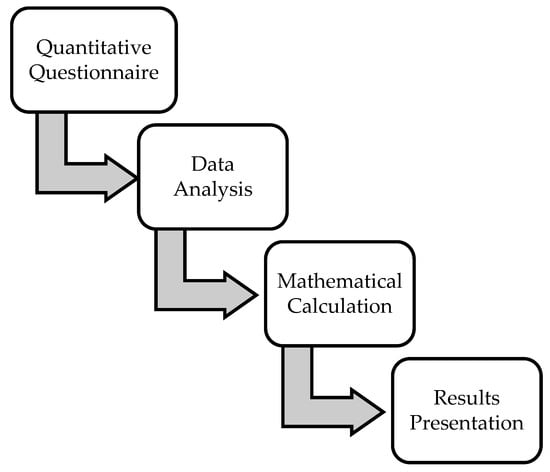
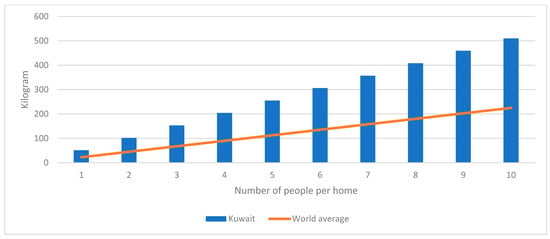
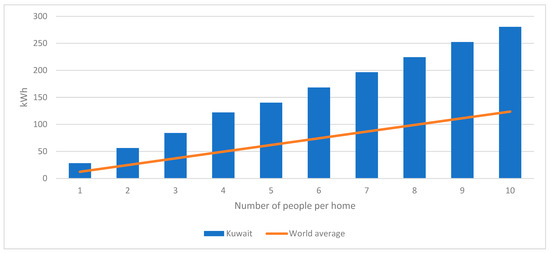
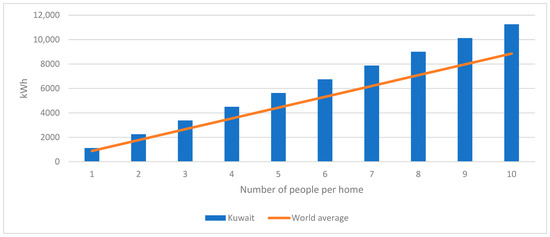
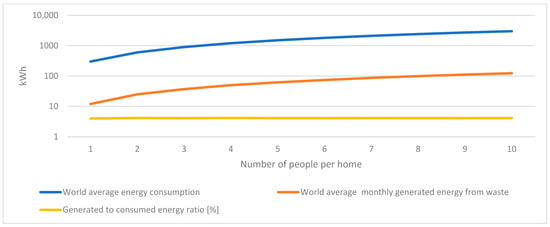
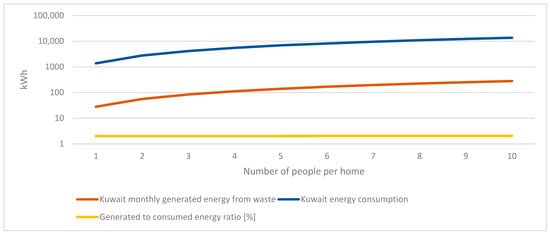
Kuwait faces mounting challenges in municipal solid waste (MSW) management alongside continued dependence on fossil-fuel-based electricity generation. Per capita waste generation in Kuwait is approximately 1.7 kg/person/day, exceeding the global average of 0.74 kg/person/day, indicating substantial potential for resource recovery and energy conversion. This study evaluates public perceptions of waste-to-energy (WtE) in Kuwait’s residential sector and estimates the potential electricity that could be generated from household waste. A structured online household survey (n = 470) was administered to assess socio-demographic characteristics and key perception constructs, including awareness, perceived risks, perceived benefits, and overall attitudes toward WtE. In parallel, a quantitative estimation was undertaken using literature-based parameters for monthly per capita waste generation and electricity consumption to derive household-level waste quantities, corresponding energy potential, and generated-to-consumed energy ratios. Survey findings indicate generally favourable attitudes toward WtE and recognition of its potential to reduce landfill dependence and contribute to electricity supply, although respondents showed stronger support for locating WtE facilities away from residential neighbourhoods. Perceived risks—particularly related to health and environmental impacts—remained salient, while perceived benefits associated with waste reduction and local economic value were also acknowledged. The technical assessment indicates that higher waste generation increases theoretical energy recovery potential; however, high residential electricity demand reduces the relative contribution of WtE, with a generated-to-consumed energy ratio of approximately 2, compared with a global benchmark ratio of 4.1. This study highlights the need for targeted public engagement, improved source segregation, and more detailed Kuwait-specific technical and economic evaluations to support evidence-based WtE policy and investment decisions.
Full article
(This article belongs to the Special Issue Waste Management Practices and Renewable Energy Pathways for Sustainable Urban Systems)
►▼
Show Figures

Figure 1
Open AccessArticle
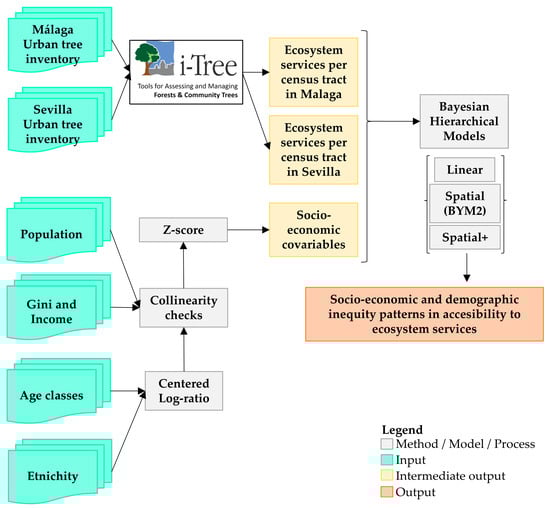
The Spatial Data Generating Process Matters: Re-Evaluating Socio-Economic and Demographic Drivers of Environmental Justice of Urban Tree Ecosystem Services in Two Mediterranean Cities
by
Ángel Ruiz-Valero, Ángel Enrique Salvo-Tierra and Jaime Francisco Pereña-Ortiz
Urban Sci. 2026, 10(4), 205; https://doi.org/10.3390/urbansci10040205 - 6 Apr 2026
Abstract
To advance the Sustainable Development Goals, it is essential to correct imbalances in how the benefits of urban trees are distributed across different demographic and socioeconomic groups. Environmental justice studies have frequently overlooked assumptions regarding the data-generating process and have not considered spatial
[...] Read more.
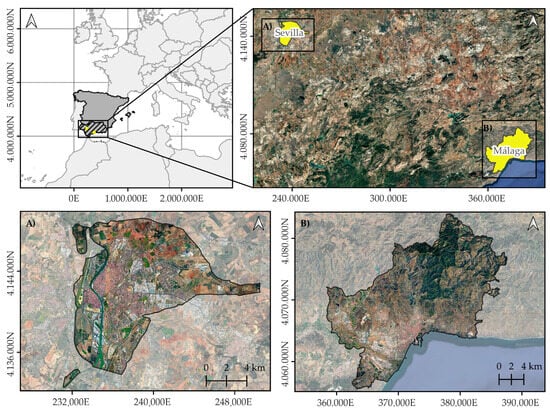
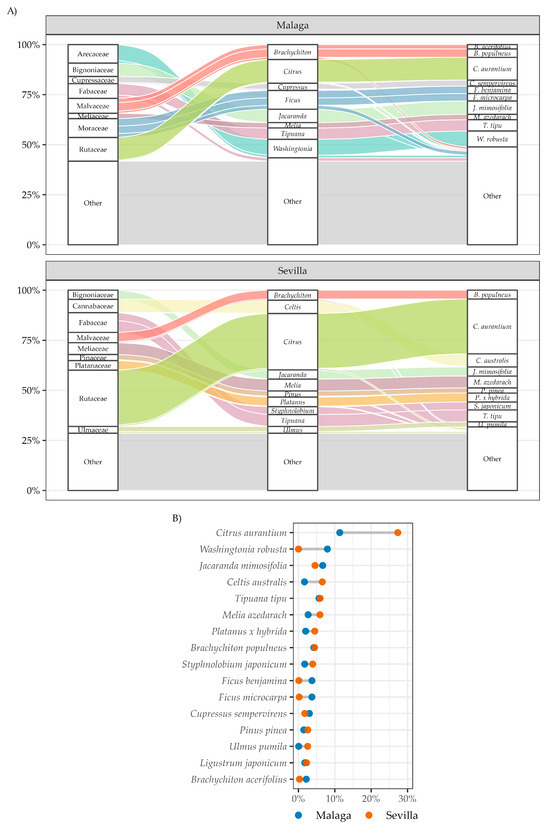
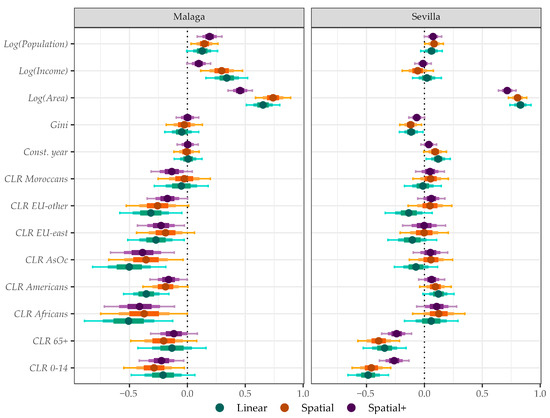
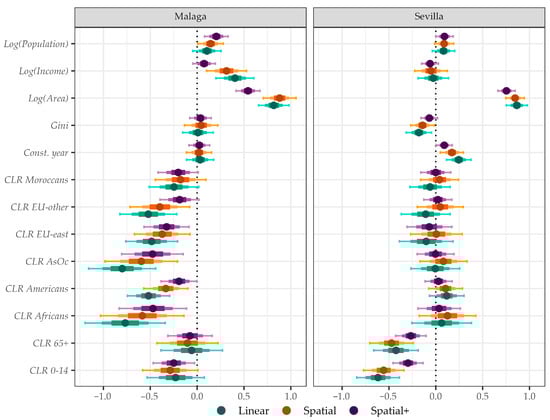
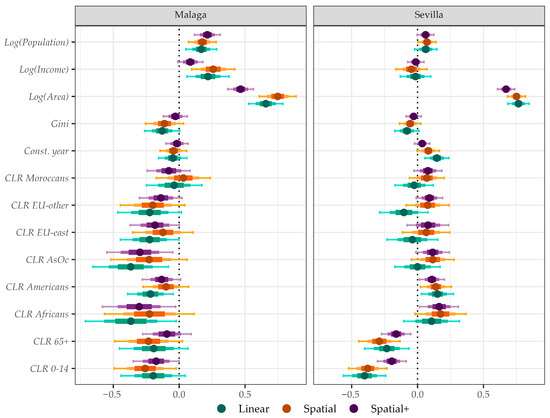
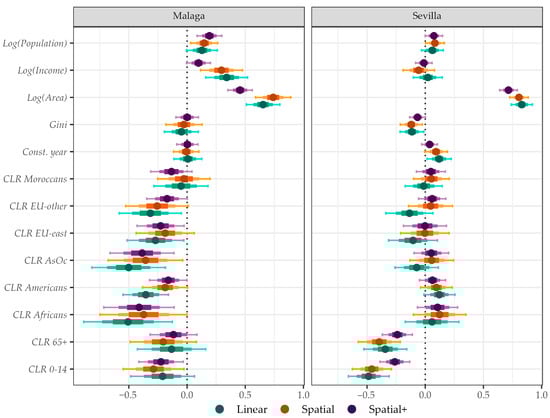
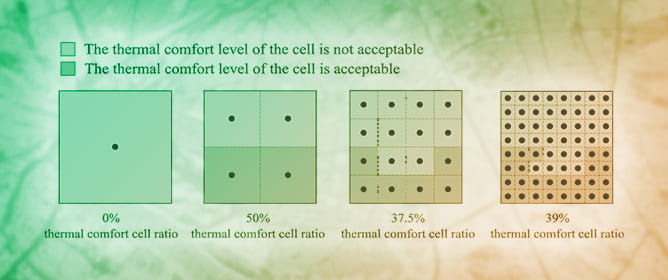
To advance the Sustainable Development Goals, it is essential to correct imbalances in how the benefits of urban trees are distributed across different demographic and socioeconomic groups. Environmental justice studies have frequently overlooked assumptions regarding the data-generating process and have not considered spatial confounding. This oversight potentially misestimates patterns of inequity. This study evaluates the sensitivity of inequity to model assumptions using urban tree inventories from Málaga and Sevilla and Bayesian hierarchical models. City-level differences dominated the inequity patterns, and model specification influenced the magnitude, precision, and credibility of estimated effects, though directionality remained consistent. Patterns were highly consistent across the four ecosystem services, indicating that model assumptions affected all services equivalently. Málaga and Seville exhibited divergent inequity patterns, indicating that local urban context mediates these relationships. In Seville, inequity patterns were inconsistent with the luxury hypothesis and occurred primarily across age-based demographic strata, whereas in Málaga they manifested predominantly along ethnicity, with weaker evidence of income inequities. We advocate for explicitly modeling spatial data-generating processes and comparing conventional versus confounding-mitigated approaches. This city-specific rigor is essential for urban planners to prevent resource misallocation, ensuring that tree-planting strategies address genuine inequities rather than methodological biases.
Full article
(This article belongs to the Section Urban Environment and Sustainability)
►▼
Show Figures

Figure 1
Open AccessArticle
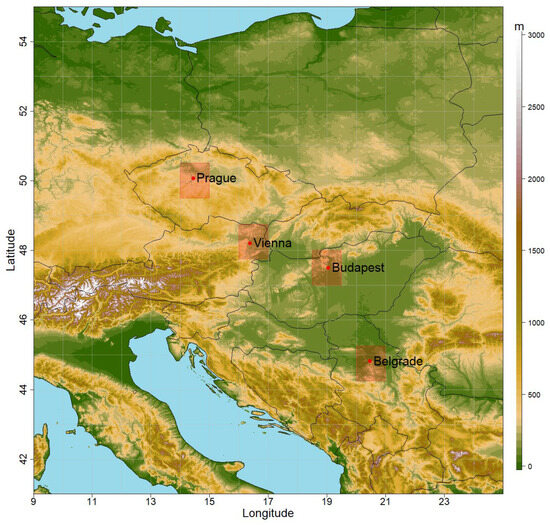
Implications of CMIP6 GCM-Based Climate Variability for Photovoltaic Potential over Four Selected Urban Areas in Central and Southeast Europe During Summer (1971–2020)
by
Erzsébet Kristóf and Tímea Kalmár
Urban Sci. 2026, 10(4), 204; https://doi.org/10.3390/urbansci10040204 - 5 Apr 2026
Abstract
In the last two decades, the utilization of solar energy has been growing rapidly worldwide, mainly due to the increasing adoption of photovoltaic (PV) systems. Since solar energy is one of the most weather-dependent renewable energy sources, an increasing number of meteorological studies
[...] Read more.
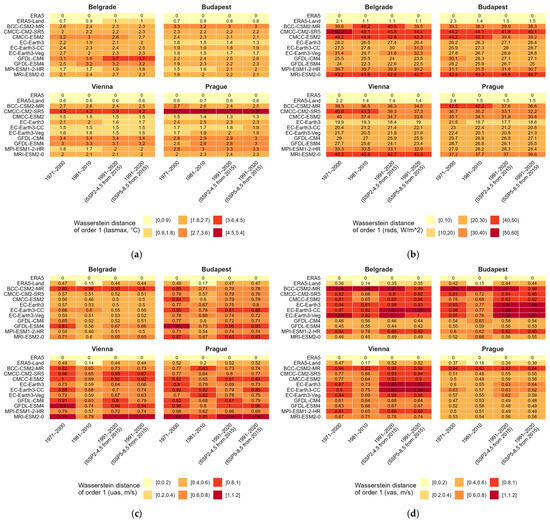
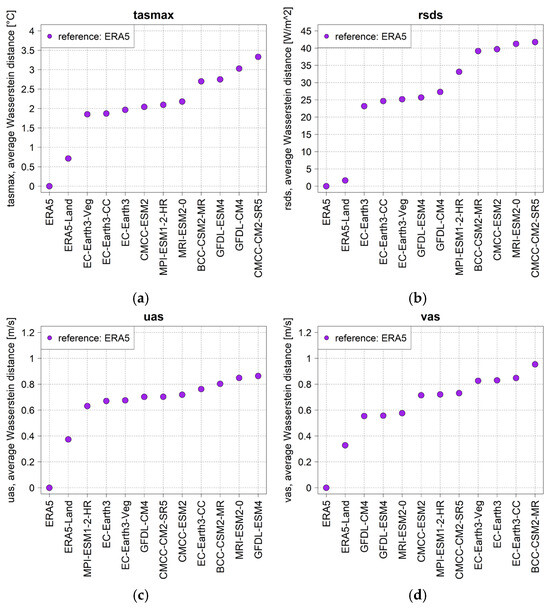
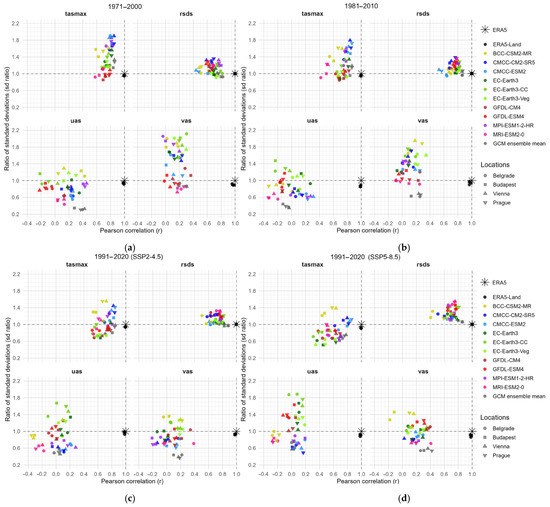
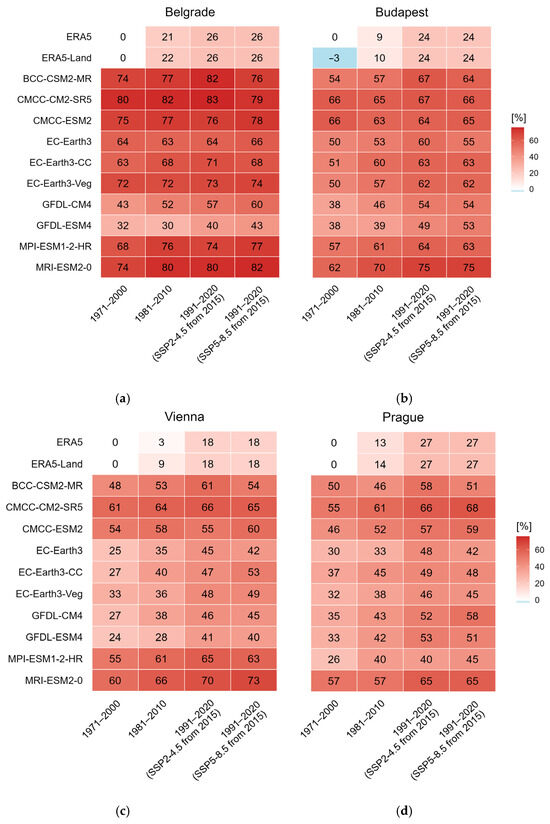
In the last two decades, the utilization of solar energy has been growing rapidly worldwide, mainly due to the increasing adoption of photovoltaic (PV) systems. Since solar energy is one of the most weather-dependent renewable energy sources, an increasing number of meteorological studies have focused on PV potential (PVpot) and its projected changes under global warming. GCM outputs disseminated through the Coupled Model Intercomparison Project (CMIP) are often applied in energy-related urban climate studies, as they can be downscaled either statistically or dynamically. It is essential to evaluate raw (not bias-corrected) GCM data, which helps to determine the uncertainties in the GCM simulations before downscaling. Despite their coarse resolution, some studies even rely directly on the GCM grid cell time series to represent individual locations. Accordingly, this study evaluates 10 CMIP Phase 6 (CMIP6) GCMs with respect to some atmospheric variables (air temperature, solar radiation, and wind speed, which are the primary drivers of PVpot) in four lowland grid cells representing four major urban areas in Central and Southeast Europe: Belgrade (Serbia), Budapest (Hungary), Vienna (Austria), and Prague (Czechia). The use of solar energy has increased significantly in most of these regions in recent years; however, it remains less studied than in Western Europe. ERA5 reanalysis is used as the reference dataset. We analyzed the boreal summer (JJA) days of three overlapping 30-year time periods: 1971–2000, 1981–2010, and 1991–2020. Our main findings are as follows: GCMs tend to overestimate solar radiation and underestimate maximum near-surface air temperature relative to ERA5 in all time periods and in all the four urban areas, which leads to a significant overestimation of the number of JJA days with high PVpot (PVpot,90). PVpot,90 is increasing from 1971–2000 to 1991–2020 in the vast majority of GCMs, in all the four regions. EC-Earth3 and its different configurations (EC-Earth3-Veg, EC-Earth3-CC) are considered the most accurate GCMs relative to ERA5.
Full article
(This article belongs to the Special Issue Integration of Renewable Energy Technologies for Sustainable and Smart Cities)
►▼
Show Figures

Figure 1
Open AccessArticle
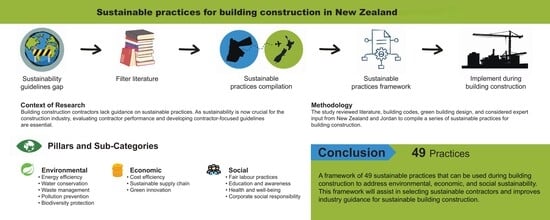
Sustainable Practices for Building Construction in New Zealand
by
Mahmoud Bader, Krishanu Roy, Terri-Ann Berry and Kim de Graaf
Urban Sci. 2026, 10(4), 203; https://doi.org/10.3390/urbansci10040203 - 5 Apr 2026
Abstract
Globally, sustainability indicators have become increasingly important in the building construction sector. While contractors play a critical role in advancing sustainability during the construction phase, there is limited guidance on the specific practices they should adopt. This study aims to address that gap
[...] Read more.
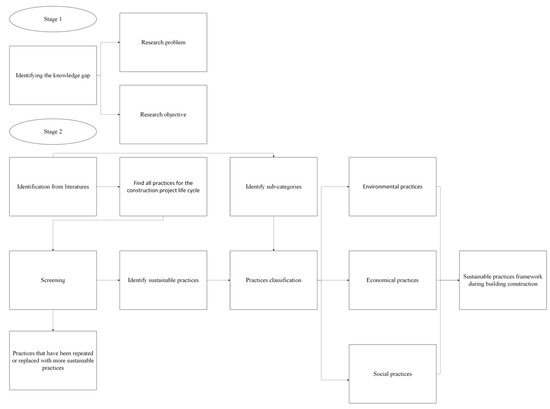
Globally, sustainability indicators have become increasingly important in the building construction sector. While contractors play a critical role in advancing sustainability during the construction phase, there is limited guidance on the specific practices they should adopt. This study aims to address that gap by identifying sustainable practices relevant to building construction and developing an initial set of practical guidelines to support contractors in enhancing their sustainability performance. Based on a literature review and the author’s experiences in New Zealand, a list of 49 sustainable practices for building construction has been developed, addressing the three pillars of sustainability: environmental, economic, and social. The research focuses on the building construction phase and emphasises contractor-level key implementation challenges, such as regulatory barriers and the need for enhanced waste management during construction. The proposed list of practices can serve as a valuable tool to guide contractors’ commitment to sustainability and may inform contractor selection for future tender projects.
Full article
(This article belongs to the Special Issue Circular Economy Strategies for Sustainable Urban Development: Innovations in Waste Management and Building Materials)
►▼
Show Figures

Graphical abstract
Open AccessArticle
Assessing the Global South–North Dichotomy in Deep Decarbonization Strategy at the Local Level
by
Bayode Akomolafe, Raphael Ayambire and Amelia Clarke
Urban Sci. 2026, 10(4), 202; https://doi.org/10.3390/urbansci10040202 - 4 Apr 2026
Abstract
Deep decarbonization strategies at the local level have been extensively documented for cities in the Global North, yet little is known about how cities in Sub-Saharan Africa (SSA) pursue climate mitigation amid infrastructure constraints, limited fiscal autonomy, and pressing developmental needs. Local governments
[...] Read more.
Deep decarbonization strategies at the local level have been extensively documented for cities in the Global North, yet little is known about how cities in Sub-Saharan Africa (SSA) pursue climate mitigation amid infrastructure constraints, limited fiscal autonomy, and pressing developmental needs. Local governments worldwide are recognized as critical actors in addressing urban greenhouse gas (GHG) emissions. However, SSA cities’ decarbonization efforts remain underexplored in academic and policy discourse, despite the region’s acute climate vulnerability and rapid urbanization. However, SSA cities’ decarbonization efforts remain underexplored in academic and policy discourse, despite the region’s acute climate vulnerability and rapid urbanization. This study examines how deep decarbonization pathways in four leading SSA cities (Accra, Addis Ababa, Lagos, and Nairobi) compare with those in the Global North. Using qualitative methods including document analysis and semi-structured interviews, we examine the technical pathways, institutional strategies, governance mechanisms, and actors involved in these cities’ climate mitigation efforts. Our findings reveal that while SSA cities pursue similar technical priorities to Global North cities (renewable energy, building efficiency, sustainable transport), their approaches diverge significantly in implementation. SSA cities innovate through decentralized waste-to-energy systems adapted to informal contexts, rely heavily on donor funding rather than municipal bonds, and uniquely leverage traditional institutions for community engagement. Governance structures are predominantly top-down and centralized, contrasting with the polycentric, multi-level governance observed in the Global North. These findings demonstrate that deep decarbonization in SSA must be reconceptualized not only as a form of climate mitigation but as an integrated strategy that addresses infrastructure gaps and building institutional capacity. This research contributes new knowledge on urban climate governance in developing regions and offers transferable lessons for cities facing similar constraints.
Full article
(This article belongs to the Special Issue Enhancing Urban Sustainability and Well-Being in Developing Regions Facing Climate Change Impacts and Economic Constraints)
Open AccessArticle
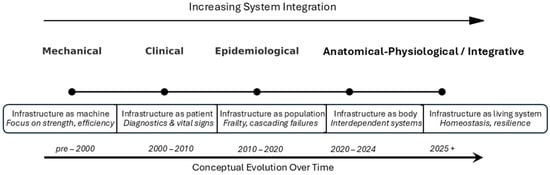
The Body Underground: A Biological Framework for Infrastructure Health, Regulation and Resilience
by
Priscilla Nelson and Richard Little
Urban Sci. 2026, 10(4), 201; https://doi.org/10.3390/urbansci10040201 - 4 Apr 2026
Abstract
►▼
Show Figures
Underground infrastructure systems are typically managed as discrete technical assets rather than as integrated, adaptive systems. This paper develops the Body Underground framework, a structured biological analogy that synthesizes prior clinical and epidemiological metaphors into a multiscale conceptual model linking materials, facilities, networks,
[...] Read more.
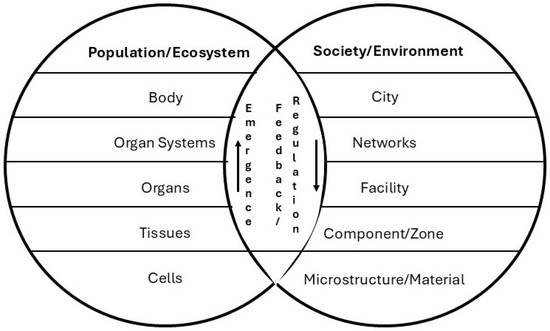
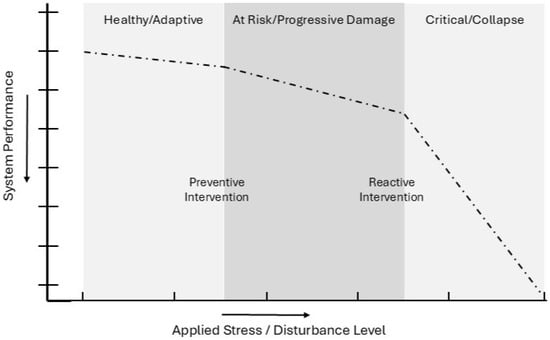
Underground infrastructure systems are typically managed as discrete technical assets rather than as integrated, adaptive systems. This paper develops the Body Underground framework, a structured biological analogy that synthesizes prior clinical and epidemiological metaphors into a multiscale conceptual model linking materials, facilities, networks, and governance. Building on Little’s clinical framing of infrastructure health and Bardet and Little’s epidemiological analysis of network failure clustering, the framework extends biological interpretation to anatomical, physiological, and homeostatic scales. The approach maps structural, hydraulic, sensing, protective, and regulatory functions to functional equivalents in living systems using explicit criteria of feedback, regulation, and measurability. The central objective of the study is to determine whether biological regulatory concepts—particularly homeostasis and hierarchical organization—can provide a coherent interpretive structure for understanding infrastructure health across material, facility, network, and governance scales. The resulting framework reframes resilience as dynamic regulatory balance rather than static robustness alone. It clarifies the methodological basis for constructing biological–infrastructure analogies, identifies measurable “vital signs” for infrastructure health, and outlines pathways toward operational translation through integrated monitoring and governance feedback. While conceptual in nature, the framework provides a structured synthesis linking material science, infrastructure engineering, systems resilience theory, and policy coordination. By organizing resilience concepts through cross-scale regulatory logic, the Body Underground model offers a coherent structure for integrating monitoring, diagnosis, and governance in the proactive management of underground infrastructure systems.
Full article

Figure 1
Open AccessArticle
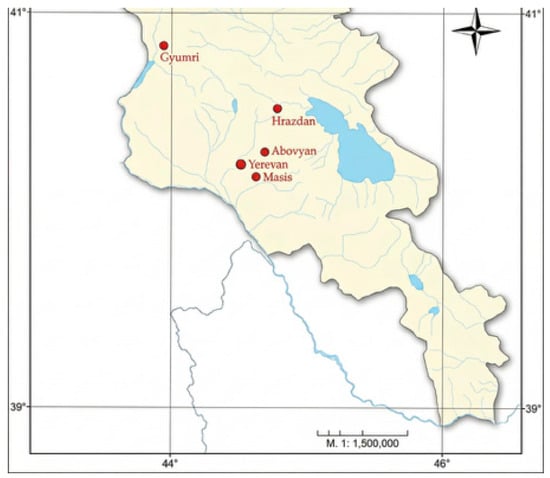
Urban Demographic Risks and Sustainability: A Composite Index Approach to Population Change, Health, and Migration in Armenia
by
Tatevik Mkrtchyan, Ani Khachatryan and Svetlana Ratner
Urban Sci. 2026, 10(4), 200; https://doi.org/10.3390/urbansci10040200 - 3 Apr 2026
Abstract
►▼
Show Figures
Urban demographic dynamics—including migration, aging, fertility change, and population redistribution—are central to sustainable urban development, urban resilience, and long-term well-being. In many small and transition economies, rapid urbanization combined with sustained emigration and population aging poses significant challenges for urban planning, labor markets,
[...] Read more.
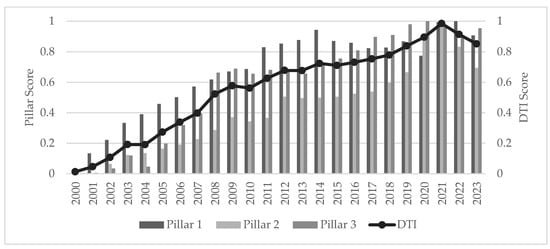
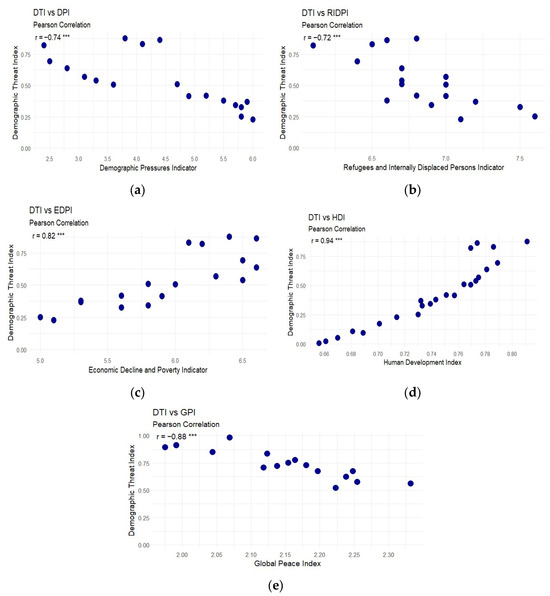
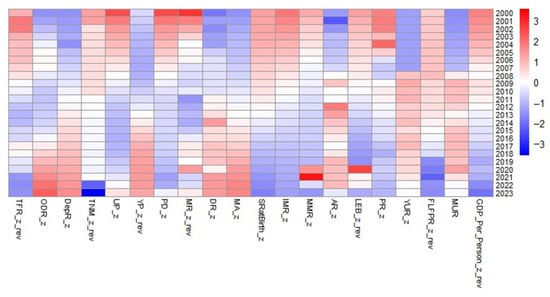
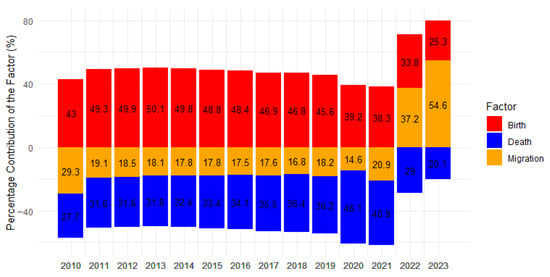
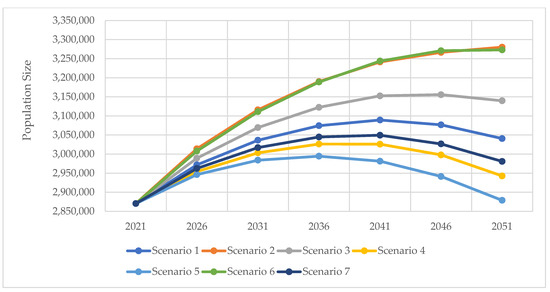
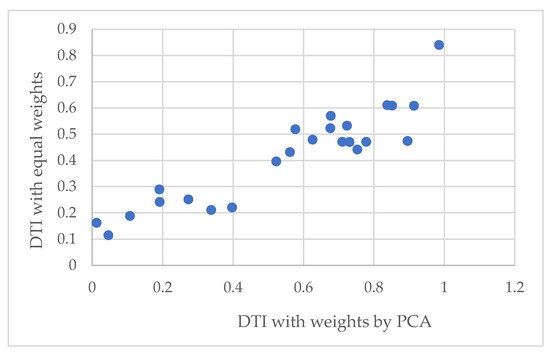
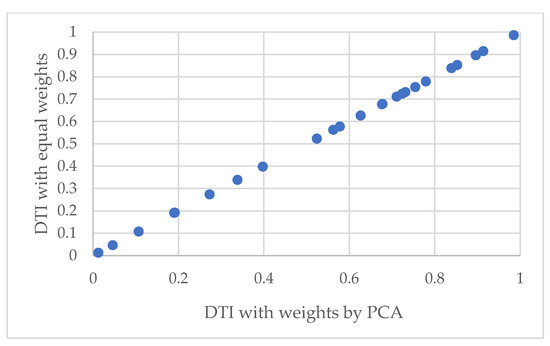
Urban demographic dynamics—including migration, aging, fertility change, and population redistribution—are central to sustainable urban development, urban resilience, and long-term well-being. In many small and transition economies, rapid urbanization combined with sustained emigration and population aging poses significant challenges for urban planning, labor markets, housing systems, and public services. The purpose of the paper is to evaluate urban sustainability-related demographic risks by a composite index and assess long-term demographic dynamics with different trajectories of migration flows and fertility. Since migration flows are more intense among urban population, depopulation is very high in peripheral rural areas, and urbanization is about 64% in Armenia, the results of the research will inform national and urban policy makers to reshape policy frameworks to enhance long-term urban resilience. This study develops a demographic threat index (DTI) to assess demographic risks relevant to urban sustainability in Armenia over the period 2000–2023. The index integrates 20 indicators grouped into three pillars—population change, population health, and socio-economic vulnerability—with indicator weights derived using principal component analysis (PCA). The results reveal a persistent increase in demographic risks, marked by accelerated population aging, declining youth cohorts, and rising socio-economic vulnerability, particularly in urban contexts. A decomposition of population change demonstrates that net migration has been the dominant driver of demographic dynamics, outweighing the combined effects of fertility and mortality. Scenario-based population projections further indicate that even optimistic increases in fertility are insufficient to stabilize population trajectories without sustained positive migration. By linking demographic security to urbanization, migration, and socio-economic vulnerability, the study highlights the importance of integrated urban and demographic policy frameworks. The proposed index offers a replicable tool for evaluating demographic risks in countries facing similar urban and demographic transitions and provides evidence-based insights for urban planning, migration management, and sustainable city strategies.
Full article

Figure 1

Open AccessArticle
An Exploratory Application of Low-Cost Drone Imagery and an Image Analysis Model to Evaluate Post-Disaster Recovery Progress for Planning Equitable Housing Recoveries Through Dynamic Funding Allocation
by
Daniel V. Perrucci, German C. Buitrago, Brady McKay, Kathleen Short and Christopher Santos
Urban Sci. 2026, 10(4), 199; https://doi.org/10.3390/urbansci10040199 - 3 Apr 2026
Abstract
After major disruptive events, particularly natural and human-made disasters, community leaders face the challenge of rebuilding societal infrastructure and managing the allocation of funds, which can affect the duration of recovery periods. Decision-makers must quickly determine how to allocate financial resources while minimizing
[...] Read more.
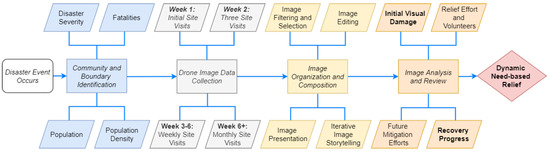
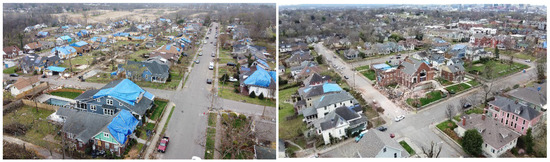
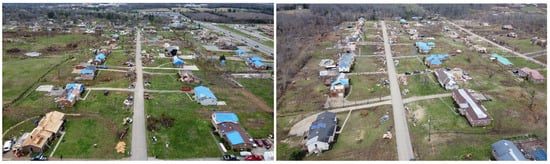
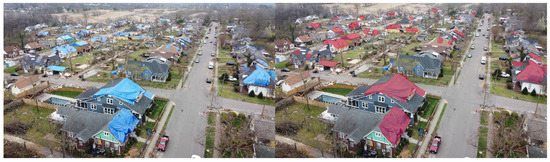
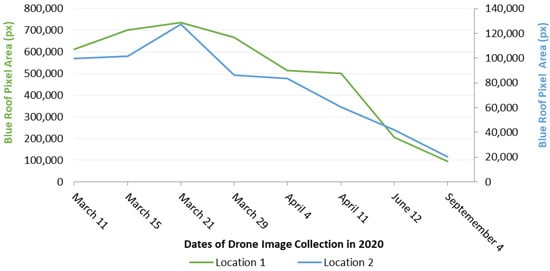
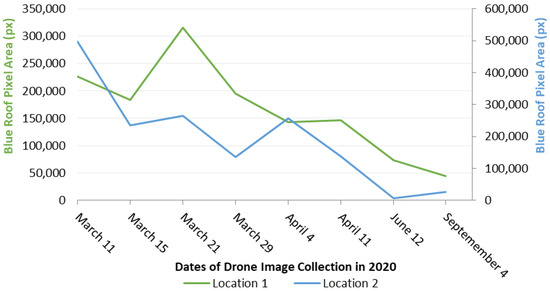
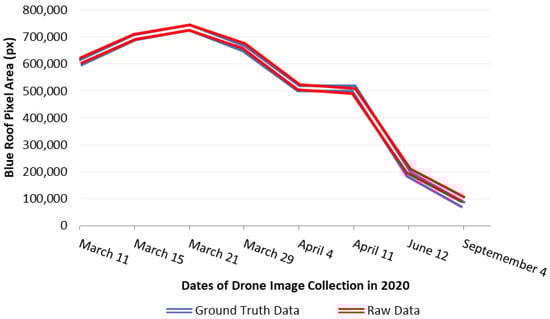
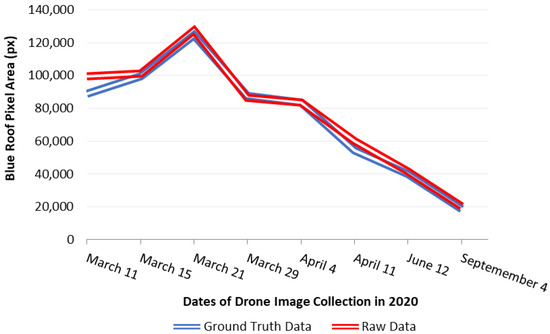
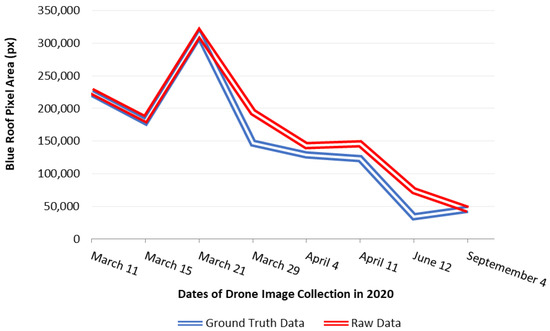
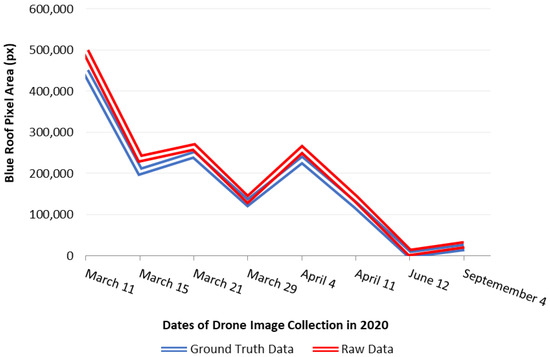
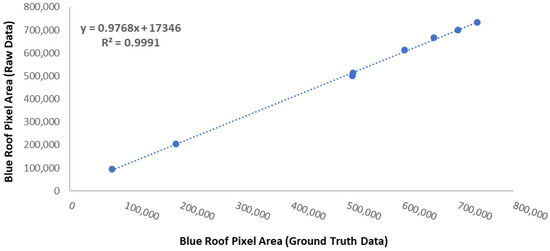
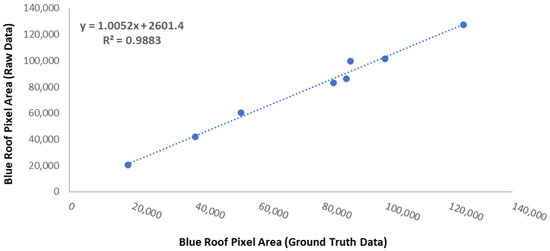
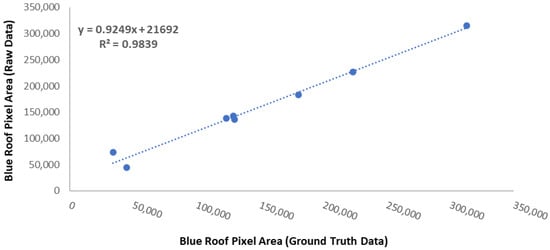
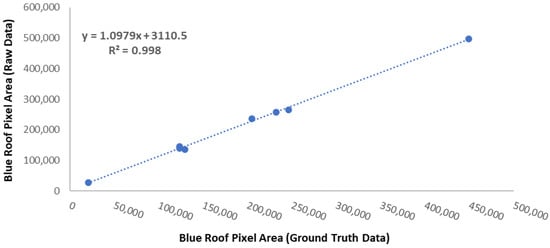
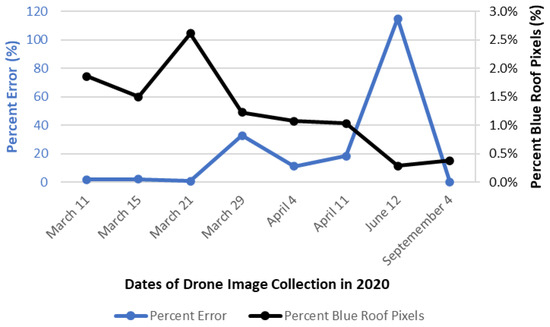
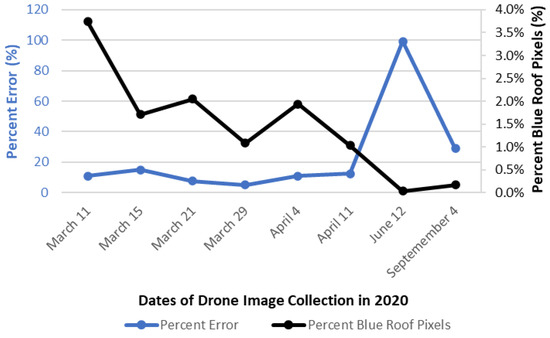
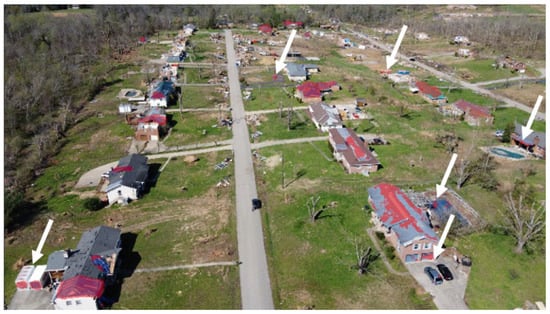
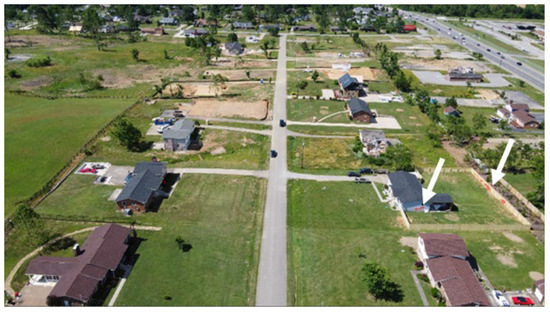
After major disruptive events, particularly natural and human-made disasters, community leaders face the challenge of rebuilding societal infrastructure and managing the allocation of funds, which can affect the duration of recovery periods. Decision-makers must quickly determine how to allocate financial resources while minimizing population distress. Conventional methods of assessing damage and evaluating relief requirements fall short of meeting the urgent recovery needs after a disaster, potentially leading to negative effects on communities, such as involuntary relocation and neighborhood gentrification. The study evaluates current methods and technologies to propose a new approach that leverages low-cost consumer drones and modern image analysis techniques to support initial damage assessments and track recovery progress, thereby promoting the dynamic allocation of limited resources. Using low-cost drone imagery enables rapid, cost-effective data collection and dynamic analysis through iterative reviews during the disaster response and recovery phases that can adjust baseline disaster funding allocations. The study investigates the potential of temporary blue tarp roofs (“blue roofs”) as a metric for recovery progress during the 2020 tornado in Middle Tennessee and conducts an R-squared and error analysis. The goal of this research is to evaluate an affordable and efficient data analysis method (e.g., modern image analysis; artificial intelligence; low-cost drones) that can improve post-disaster resource allocation and inform decision-making for governmental and planning officials.
Full article
(This article belongs to the Special Issue Sustainable and Resilient Affordable Housing in Architecture Design and Urban Plans)
►▼
Show Figures

Figure 1
Open AccessArticle
Local-Scale Assessment of Urban Resilience and the Role of Nature-Based Solutions and Stormwater Modelling
by
Rita Salgado Brito, Maria Adriana Cardoso, Catarina Jorge, Maria do Céu Almeida, Pedro Teixeira and Maria João Telhado
Urban Sci. 2026, 10(4), 198; https://doi.org/10.3390/urbansci10040198 - 3 Apr 2026
Abstract
Although urban resilience is a complex concept, several initiatives have made it more tangible. Urban public authorities and policymakers are of utmost importance, as they influence multiple neighbourhoods, stakeholders and aspects of urban resilience. Nevertheless, the role of individual facilities—such as sports fields—should
[...] Read more.
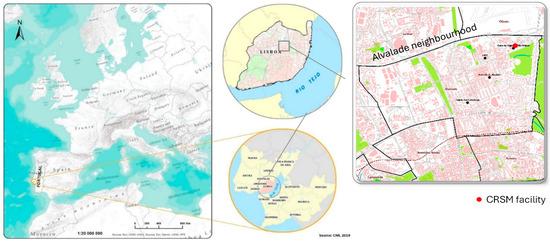
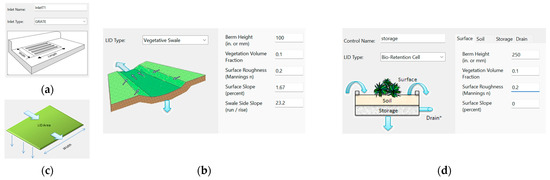
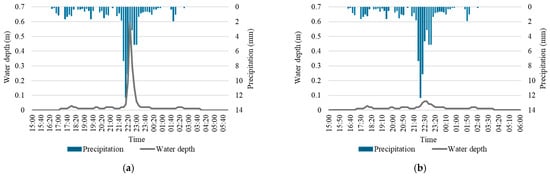
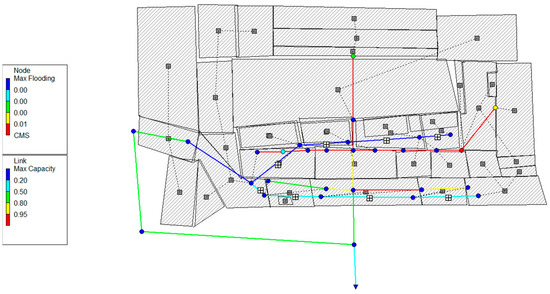
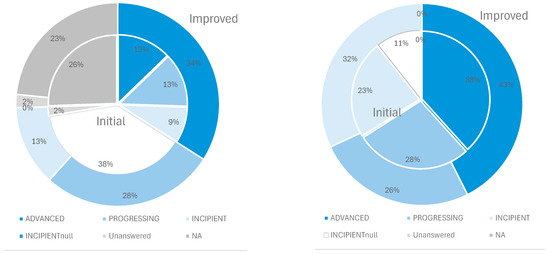
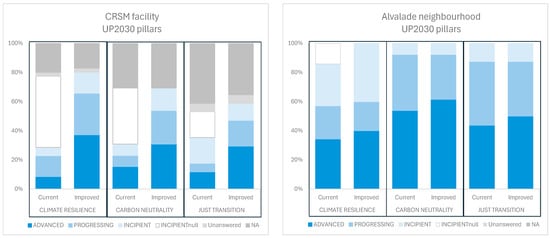
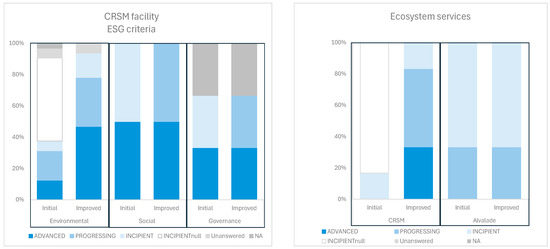
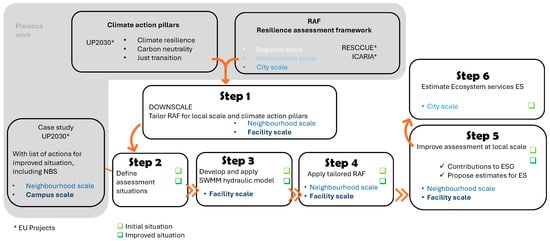
Although urban resilience is a complex concept, several initiatives have made it more tangible. Urban public authorities and policymakers are of utmost importance, as they influence multiple neighbourhoods, stakeholders and aspects of urban resilience. Nevertheless, the role of individual facilities—such as sports fields—should not be overlooked. While their impacts are smaller in scale, they can significantly enhance local resilience and serve as inspirational pilots for broader initiatives. To assess resilience at the facility scale, an existing assessment framework was adapted, aligned with ESG (environmental, social and governance) criteria and climate action pillars and valuing ecosystem services. In the sports field case study, stormwater was reframed from a burden into a resource and integrated with other scheduled resilience-enhancing interventions: water conservation, installation of photovoltaic panels, enhanced tree shading, and circularity through sports equipment reuse. Together, these interventions strengthen urban sustainability, resilience, and climate adaptation while delivering ecological and social benefits. The stormwater drainage system was modelled to simulate naturalization actions. The assessment framework is described, and its application at both neighbourhood and facility scales is discussed. Comparisons between the existing and improved situations show clear resilience gains, and opportunities for extending these measures to the city scale are explored.
Full article
(This article belongs to the Special Issue Urban Water Resources Assessment and Environmental Governance)
►▼
Show Figures

Figure 1
Open AccessArticle
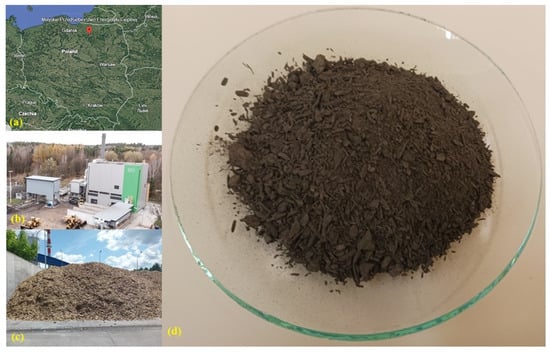
Characterization of Wood Biomass Ash Received from Energy Production Process: Preliminary Assessment of Risk and Valorization Potential for Agricultural and Environmental Applications
by
Abdulmannan Rouhani, Valentina Pidlisnyuk, Andrzej Cezary Żołnowski, Elżbieta Rolka, Sylvie Kříženecká and Karim Suhail Al Souki
Urban Sci. 2026, 10(4), 197; https://doi.org/10.3390/urbansci10040197 - 3 Apr 2026
Abstract
Wood biomass ash (WBA) from thermal power plants is often landfilled despite its potential as a secondary raw material. This study adopts a circular economy perspective to assess the physicochemical properties, valorization potential, and environmental risks of WBA, aiming to support its use
[...] Read more.
Wood biomass ash (WBA) from thermal power plants is often landfilled despite its potential as a secondary raw material. This study adopts a circular economy perspective to assess the physicochemical properties, valorization potential, and environmental risks of WBA, aiming to support its use in agriculture and environmental management. Comprehensive characterization included pH, cation exchange capacity (CEC), proximate and elemental composition, and selected organic contaminants, including polycyclic aromatic hydrocarbons (PAHs). The WBA exhibited a strongly alkaline pH (10.55), moderate CEC (4.36 cmol kg−1), and high ash content (78.32%), with lower nutrient content than other biomass ashes. Major elements included Ca (6.84%), K (2.90%), and Si (3.19%), while nitrogen was absent. Potentially toxic elements (PTEs) such as As, Cd, and Ni were below detection limits; Cr, Cu, Pb, and Zn remained within most regulatory thresholds, although Zn exceeded some limits. ΣPAHs were low (0.05 mg·kg−1), indicating minimal environmental concern. Despite reduced nutrient richness, the ash demonstrated suitability as a liming agent and supplementary nutrient source, provided that Zn levels are managed and nitrogen is supplemented. These results support the redirection of WBA from disposal to beneficial use, advancing circular economy goals and contributing to more sustainable and resilient agricultural systems.
Full article
(This article belongs to the Special Issue Circular Economy Strategies for Sustainable Urban Development: Innovations in Waste Management and Building Materials)
►▼
Show Figures

Figure 1
Journal Menu
► ▼ Journal Menu-
- Urban Science Home
- Aims & Scope
- Editorial Board
- Reviewer Board
- Topical Advisory Panel
- Instructions for Authors
- Special Issues
- Topics
- Sections & Collections
- Article Processing Charge
- Indexing & Archiving
- Editor’s Choice Articles
- Most Cited & Viewed
- Journal Statistics
- Journal History
- Journal Awards
- Society Collaborations
- Conferences
- Editorial Office
Journal Browser
► ▼ Journal BrowserHighly Accessed Articles
Latest Books
E-Mail Alert
News
Topics
Topic in
Buildings, Energies, Environments, Sustainability, Urban Science, Solar
Sustainable Built Environment, 2nd Volume
Topic Editors: Siu-Kit Lau, Vesna Kosorić, Abel Tablada, Miljana Horvat, Milena Vukmirović, Silvia Domingo-Irigoyen, Marija Todorović, Jérôme H. Kaempf, Kosa Golić, Ana Peric, Tatjana KosićDeadline: 30 April 2026
Topic in
Businesses, Economies, Humanities, Land, Sustainability, Tourism and Hospitality, Urban Science
Human–Environmental Relations: Ecotourism and Sustainability
Topic Editors: Tamara Gajić, Minja Bolesnikov, Aleksandar ErcegDeadline: 15 July 2026
Topic in
Forests, Land, Remote Sensing, Urban Science
Remote Sensing of Urban Forests and Their Ecological Functions
Topic Editors: Zhibin Ren, Sheng Xu, Mingming Jia, Chunlin LiDeadline: 31 July 2026
Topic in
Geographies, Geomatics, IJGI, Land, Urban Science, Sustainability
Spatial Decision Support Systems for Urban Sustainability
Topic Editors: Shivanand Balram, Raja Sengupta, Jorge RochaDeadline: 16 October 2026
Conferences
Special Issues
Special Issue in
Urban Science
Intelligent GIS Application in Cities
Guest Editors: Zipan Cai, Yoonshin Kwak, Si ChenDeadline: 30 April 2026
Special Issue in
Urban Science
Sustainable Solutions for Urban Wastewater Management and Resource Utilization
Guest Editors: Anish Jantrania, June E. Wolfe, Rajiv Kumar SrivastavaDeadline: 30 April 2026
Special Issue in
Urban Science
Optimizing Urban Building Energy Analysis and Prediction: Evidence from AI, Big Data, and Machine Learning
Guest Editors: Xuechen Gui, Wei LiuDeadline: 30 April 2026
Special Issue in
Urban Science
Digital Twin Ecosystems: Data Governance, Commoning, and Ethical Urban Futures
Guest Editors: Kostas Alexandridis, Soheil SabriDeadline: 1 May 2026
Topical Collections
Topical Collection in
Urban Science
Urban Acoustic Environments
Collection Editors: Francesco Aletta, Jooyoung Hong
Topical Collection in
Urban Science
Urban Agenda
Collection Editors: Luis Hernández-Callejo, Sergio Nesmachnow, Pablo de Frutos Madrazo, Tigran Haas, Yu-Sheng Shen, Marcia Eugenio-Gozalbo