



-
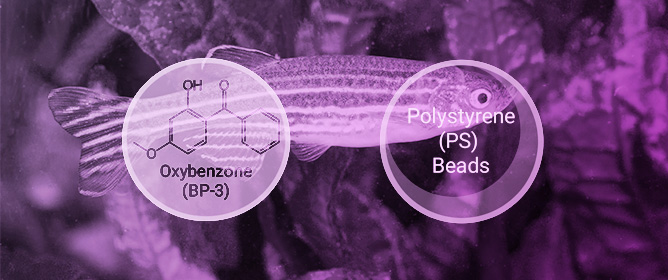
Sorption of Oxybenzone onto Polystyrene Microplastics Influences Bioavailability and Early-Life Development in Zebrafish (Danio rerio) -
Ba–Sr–V as Geogenic and Traffic Tracers in Paediatric Hair from Urban–Industrial Spain, with Co-Located Topsoil Vanadium -
Beyond Blast Injury: Occupational Hygiene, Safety, and Toxicology Considerations for Mixed-Metal and Energetic-Chemical Exposures to Explosive Ordnance Disposal Personnel
Journal Description
Toxics
Toxics
is an international, peer-reviewed, open access journal on all aspects of the toxic chemicals and materials, published monthly online by MDPI.
- Open Access— free for readers, with article processing charges (APC) paid by authors or their institutions.
- High Visibility: indexed within Scopus, SCIE (Web of Science), PubMed, PMC, Embase, CAPlus / SciFinder, AGRIS, and other databases.
- Journal Rank: JCR - Q1 (Toxicology) / CiteScore - Q1 (Chemical Health and Safety)
- Rapid Publication: manuscripts are peer-reviewed and a first decision is provided to authors approximately 17 days after submission; acceptance to publication is undertaken in 2.6 days (median values for papers published in this journal in the first half of 2026).
- Recognition of Reviewers: Reviewers whose reports are timely and of high quality receive an APC discount voucher for a future publication in an MDPI journal. Become a reviewer.
- Journal Cluster of Environmental Science: Sustainability, Land, Clean Technologies, Environments, Nitrogen, Recycling, Urban Science, Safety, Air, Waste, Aerobiology, Toxics, Pollutants, The Journal of Xenobiotics, Journal of Parks, Green and Environmental Remediation.
Impact Factor:
4.9 (2025);
5-Year Impact Factor:
5.3 (2025)
Latest Articles
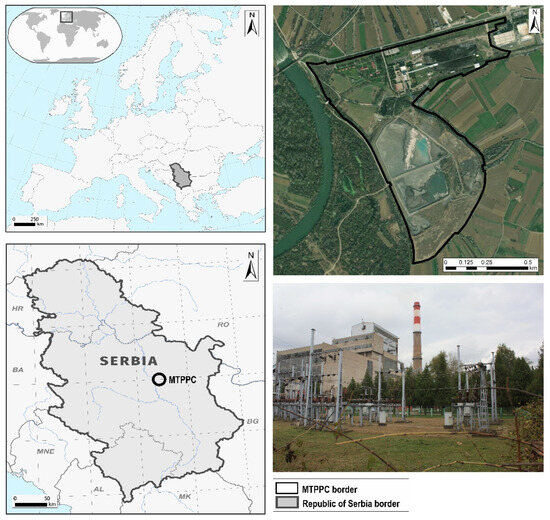
Integrated Assessment of Soil Contamination and Ecological and Human Health Risks at the Morava Thermal Power Plant Complex: A Three-Year Case Study
Toxics 2026, 14(9), 816; https://doi.org/10.3390/toxics14090816 (registering DOI) - 13 Sep 2026
Abstract
This three-year case study integrated the results of annual soil-monitoring campaigns conducted in 2022–2024 at 17 predefined locations within and immediately surrounding the Morava Thermal Power Plant Complex, Serbia. We analyzed surface soil samples (0–30 cm) for physical and chemical properties, metals and
[...] Read more.
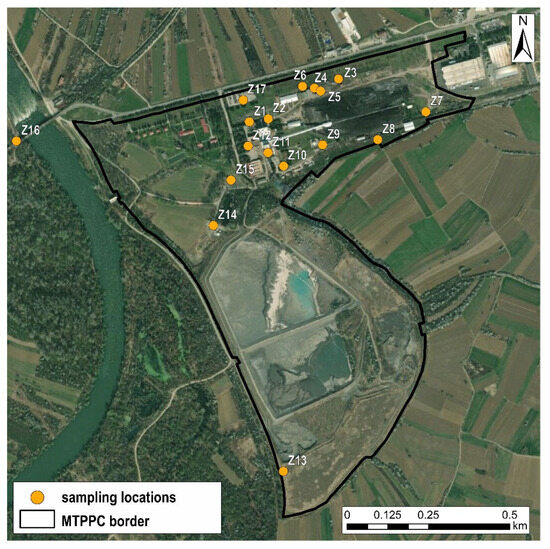
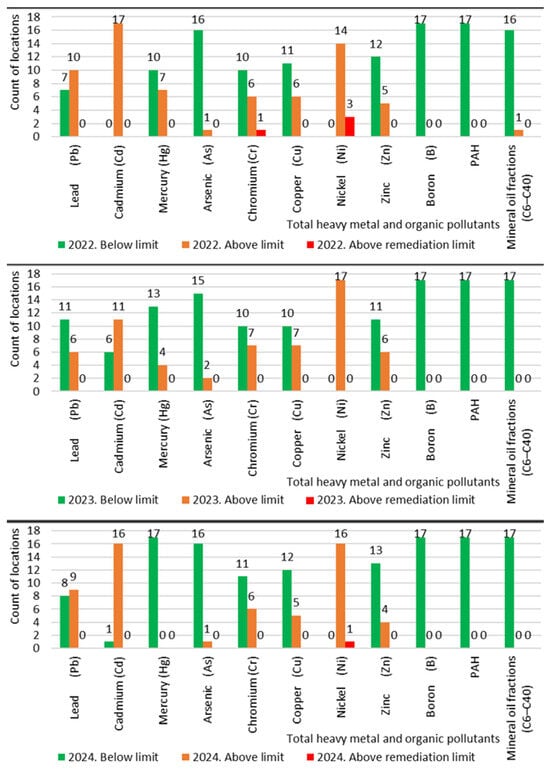
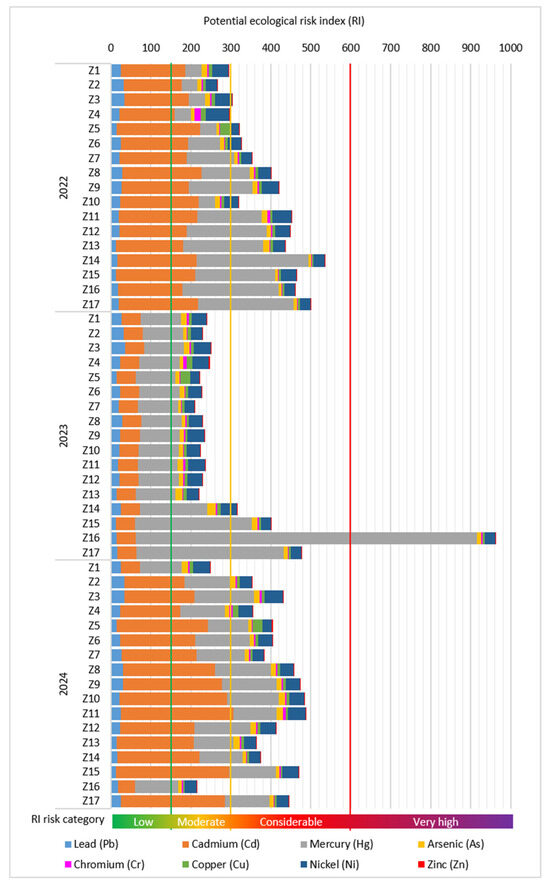
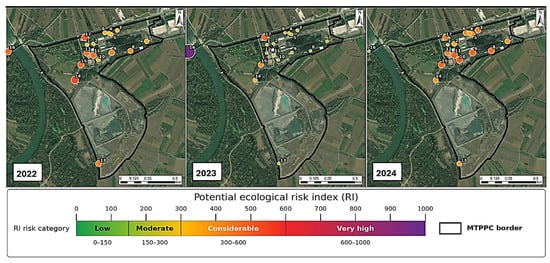
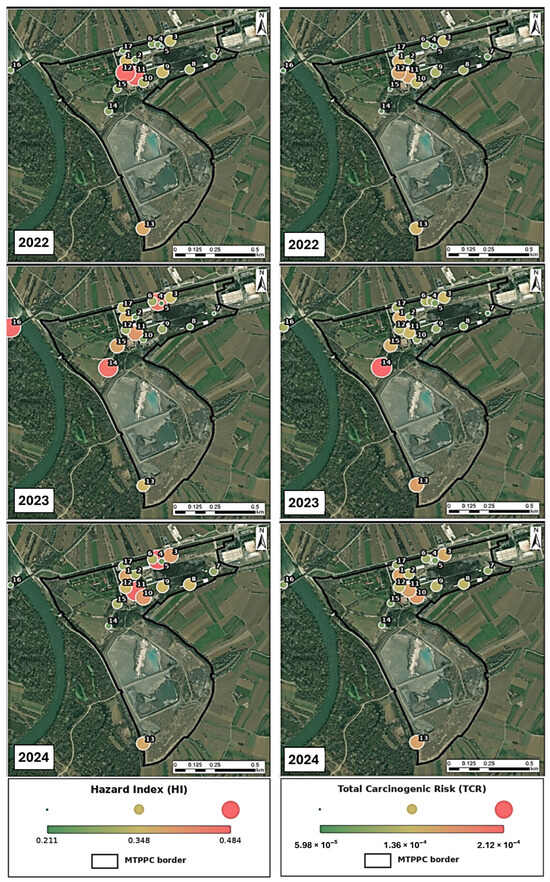
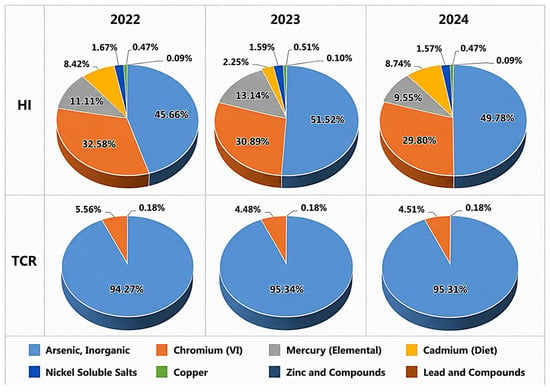
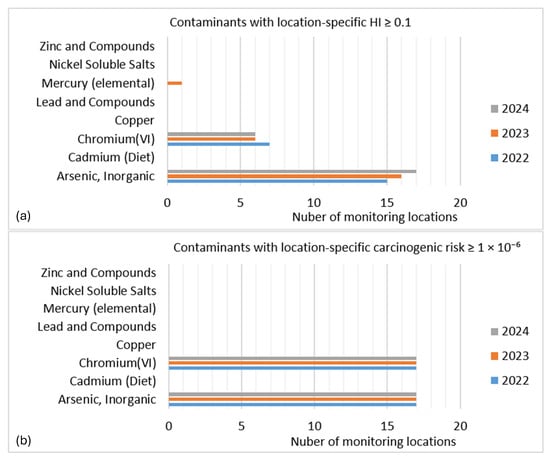
This three-year case study integrated the results of annual soil-monitoring campaigns conducted in 2022–2024 at 17 predefined locations within and immediately surrounding the Morava Thermal Power Plant Complex, Serbia. We analyzed surface soil samples (0–30 cm) for physical and chemical properties, metals and metalloids, and selected organic pollutants. Contaminant concentrations were evaluated relative to national regulatory thresholds, while potential ecological risk and outdoor worker human health risk were assessed using the potential ecological risk index (RI), Hazard Index (HI), and total carcinogenic risk (TCR). Soil properties and total contaminant concentrations varied considerably among the monitored locations. Regulatory classification identified Ni and Cd as the most widespread concerns. Ni exceeded the applicable limit value at all 17 locations in each campaign, including three remediation-value exceedances in 2022 and one in 2024. Cd exceeded the limit value at 17, 11, and 16 locations in 2022, 2023, and 2024, respectively, without exceeding the remediation value. RI ranged from 210.02 to 963.08, indicating moderate to very high potential ecological risk, and was driven primarily by Cd and Hg. Aggregate HI values ranged from 0.211 to 0.484 and remained below the screening threshold of 1 at all locations. In contrast, TCR ranged from 5.98 × 10⁻⁵ to 2.12 × 10⁻⁴ and exceeded the target benchmark of 1 × 10⁻⁶ at every location in all three campaigns. Arsenic accounted for more than 94% of TCR, while the conservative estimate obtained by applying Cr (VI) toxicity parameters to total Cr represented the principal secondary contribution. The different assessment approaches identified distinct contaminant priorities and therefore provided complementary rather than interchangeable information. The results support continued monitoring, targeted investigation of locations with elevated regulatory or risk indicators, direct chromium-speciation analysis, and integration of soil monitoring with groundwater, drainage-water, bioavailability, and effect-based assessments to support future reclamation and environmental management.
Full article
(This article belongs to the Special Issue Soil Heavy Metal Pollution and Human Health)
►
Show Figures
Open AccessArticle
Biodegradation of Triphenyl Phosphate by Gordonia polyisoprenivorans YC-XJ4: Environmental Adaptability and Bioremediation Potential
by
Xianjun Li, Xiao Ye, Junhuan Wang and Aikebaier Reheman
Toxics 2026, 14(9), 815; https://doi.org/10.3390/toxics14090815 (registering DOI) - 13 Sep 2026
Abstract
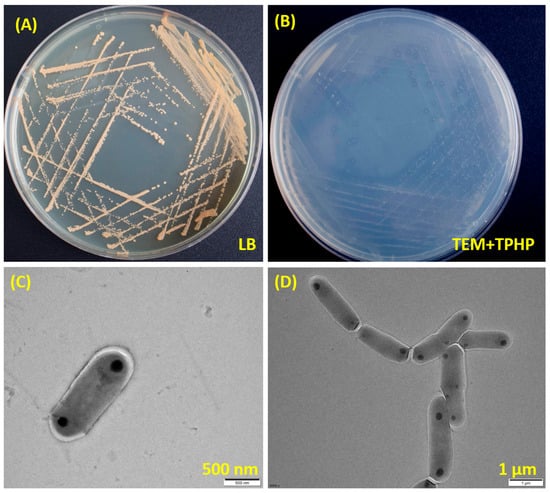
Triphenyl phosphate (TPHP) is a widely used organophosphate flame retardant (OPFR) with concerning environmental persistence and toxicity. Microbial degradation is a promising removal strategy, but highly efficient degraders outside the Sphingomonadaceae family remain rarely reported. In this study, a highly efficient TPHP-degrading strain,
[...] Read more.
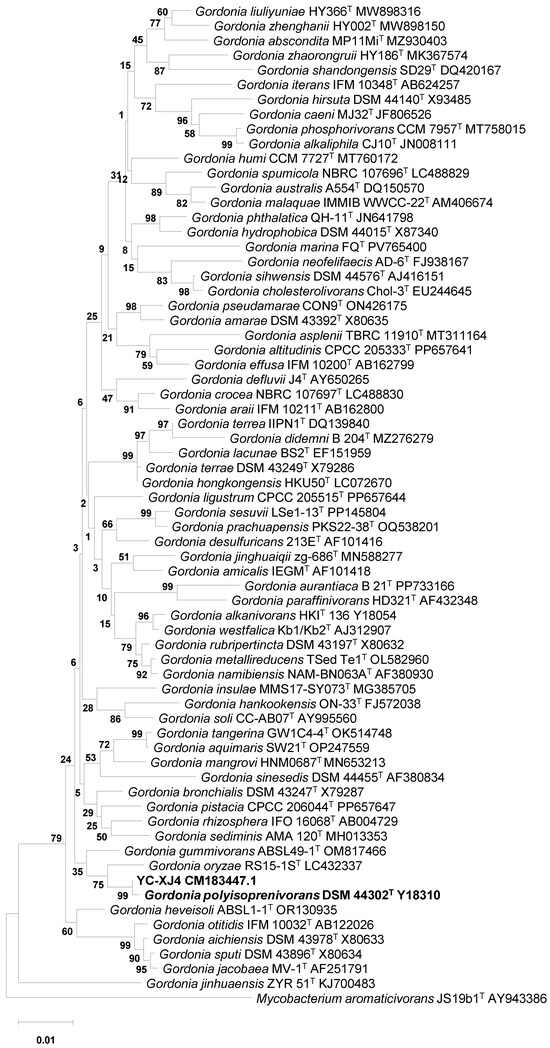
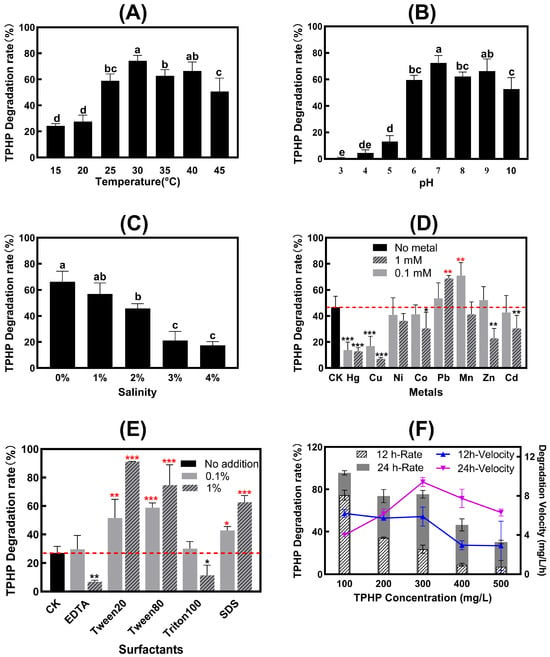
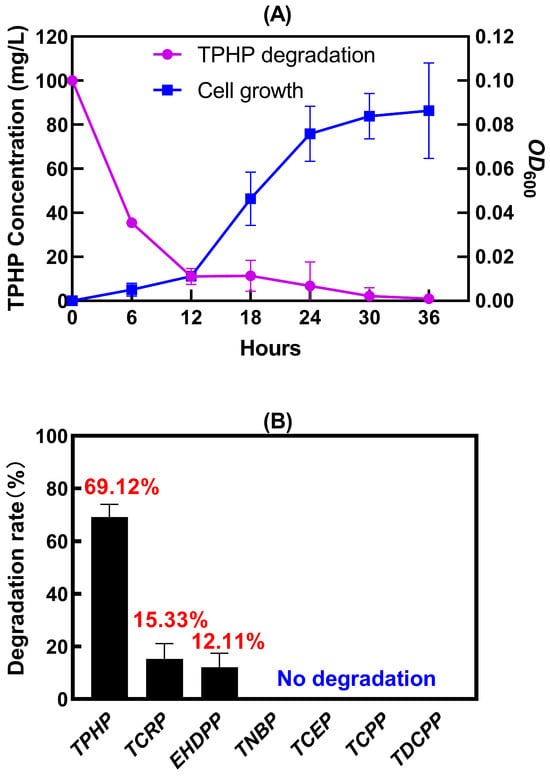
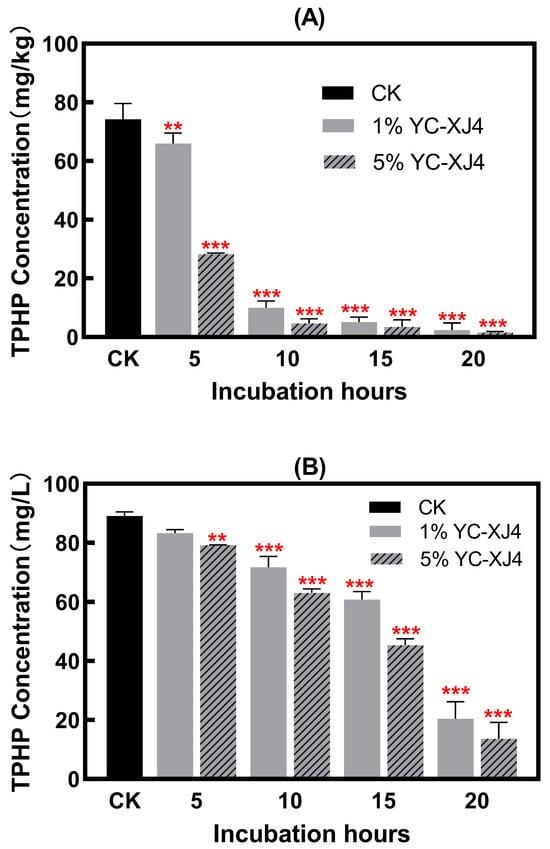
Triphenyl phosphate (TPHP) is a widely used organophosphate flame retardant (OPFR) with concerning environmental persistence and toxicity. Microbial degradation is a promising removal strategy, but highly efficient degraders outside the Sphingomonadaceae family remain rarely reported. In this study, a highly efficient TPHP-degrading strain, designated YC-XJ4, was isolated from plastic-waste-contaminated soil and identified as Gordonia polyisoprenivorans through genomic analysis. The strain exhibited robust degradation activity over broad ranges of temperature (15–40 °C), pH (6.0–10.0), and salinity (0–2% NaCl), with a maximum average degradation velocity of 9.41 mg/(L·h) at an initial TPHP concentration of 300 mg/L and approximately 30% degradation retained at 500 mg/L. Substrate spectrum analysis showed that YC-XJ4 preferentially degraded aryl-OPFRs (TPHP, tricresyl phosphate, and 2-ethylhexyl diphenyl phosphate), whereas no degradation was detected for chlorinated or alkyl congeners. Whole-genome sequencing revealed the absence of known OPFR phosphotriesterase genes, suggesting that TPHP degradation in strain YC-XJ4 may be mediated by novel enzymes. In simulated bioremediation experiments conducted under natural outdoor conditions, the strain effectively removed TPHP from both soil and seawater. In soil, with a 5% (v/v) inoculum, the TPHP concentration decreased from 100 mg/kg to 4.66 mg/kg within 10 h (95.34% removal), while in seawater, 86.41% removal was achieved within 20 h at the same inoculum size. Collectively, G. polyisoprenivorans YC-XJ4 represents a promising non-Sphingomonadaceae degrader with strong environmental adaptability and practical bioremediation potential, providing a valuable candidate for both application and the discovery of novel degrading enzymes.
Full article
(This article belongs to the Special Issue Biodegradation and Bioremediation for Emerging Environmental Pollutants)
►▼
Show Figures

Figure 1
Open AccessArticle
Imidacloprid-Induced Ferroptosis-Associated Injury in Common Carp Hepatocytes: Potential Involvement of the miR-153c/SQSTM1 Axis
by
Huijie Chen, Yitong Wang, Zhenkai Yao, Jing Li, Peng Li and Lei Diao
Toxics 2026, 14(9), 814; https://doi.org/10.3390/toxics14090814 (registering DOI) - 13 Sep 2026
Abstract
The neonicotinoid insecticide imidacloprid (IMD), widely used in agriculture, poses potential risks to aquatic ecosystems, yet its hepatotoxic mechanisms in freshwater fish remain poorly understood. This study investigates the roles of ferroptosis, mitochondrial dysfunction, inflammation, and the miR-153c/SQSTM1-mediated ferritinophagy pathway in IMD-induced hepatotoxicity
[...] Read more.
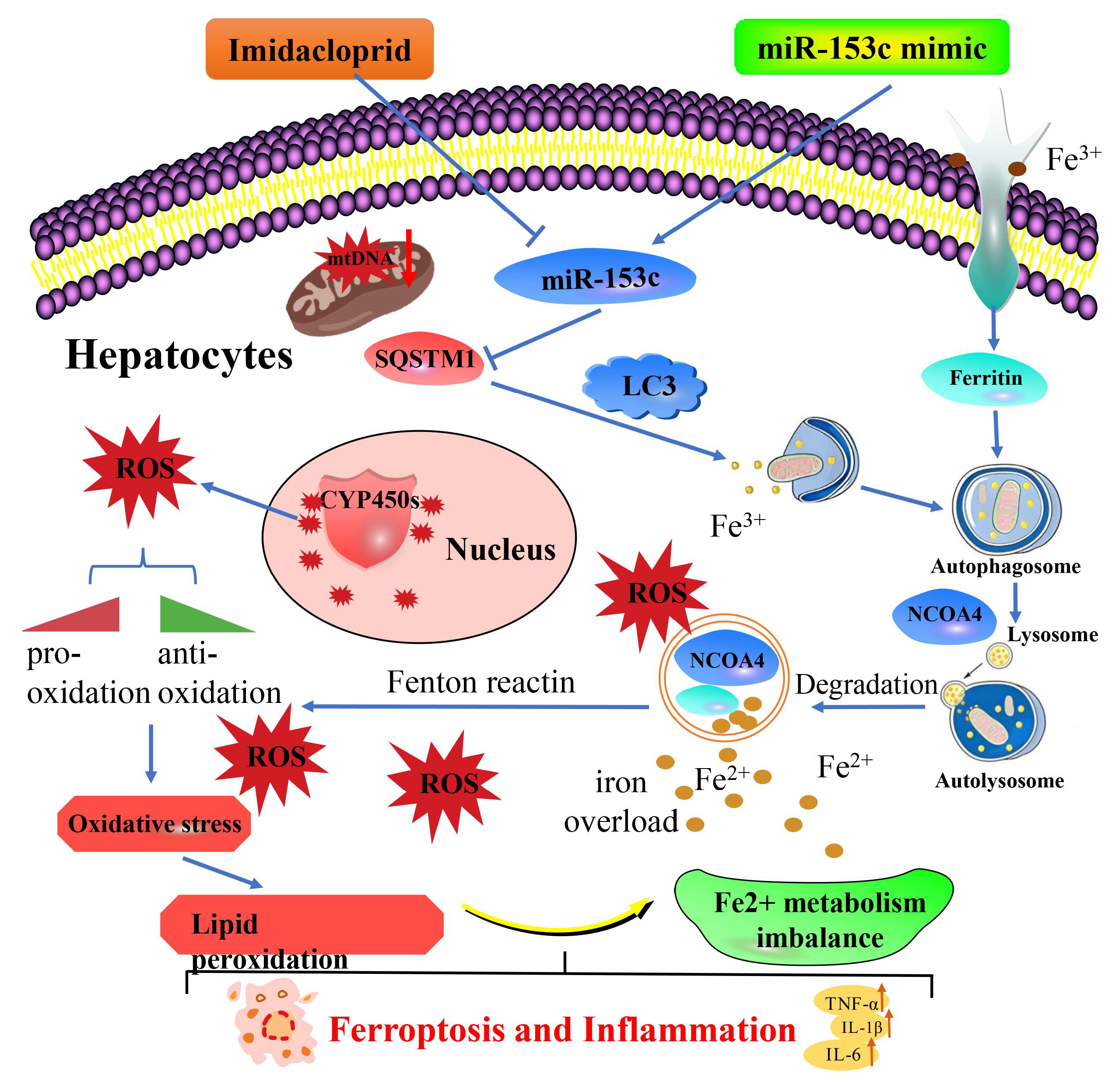
The neonicotinoid insecticide imidacloprid (IMD), widely used in agriculture, poses potential risks to aquatic ecosystems, yet its hepatotoxic mechanisms in freshwater fish remain poorly understood. This study investigates the roles of ferroptosis, mitochondrial dysfunction, inflammation, and the miR-153c/SQSTM1-mediated ferritinophagy pathway in IMD-induced hepatotoxicity in carp (Cyprinus carpio) hepatocytes. Using the CCK-8 assay, 0.6 μM IMD was selected for subsequent experiments. IMD exposure triggered ferroptosis, evidenced by increased intracellular Fe2+ accumulation, upregulated pro-ferroptotic gene and protein expression, and downregulated ferroptosis inhibitors (SLC7A11 and GPX4). Mitochondrial dysfunction was confirmed by reduced ATP content, decreased mtDNA levels, and a lowered NADPH/NADP+ ratio, along with aberrant expression of mitochondrial fission (Fis1 and Drp1) and fusion (Mfn1 and TFAM) genes. Additionally, IMD induced oxidative stress (elevated ROS and MDA; decreased T-AOC, CAT, and SOD activities) and a pronounced inflammatory response with upregulated pro-inflammatory cytokines. Mechanistically, IMD downregulated miR-153c, with concomitant upregulation of SQSTM1 at both the mRNA and protein levels, and dual-luciferase assays validated SQSTM1 as a direct target of miR-153c. miR-153c overexpression attenuated IMD-induced ferritinophagy, ferroptosis, and inflammation via the miR-153c/SQSTM1 axis. Collectively, these findings demonstrate that IMD induces hepatotoxicity in carp by triggering ferroptosis, mitochondrial dysfunction, and inflammation through the miR-153c/SQSTM1-mediated ferritinophagy pathway, providing mechanistic insights and potential targets for mitigating IMD’s ecological risks.
Full article
(This article belongs to the Section Drugs Toxicity)
►▼
Show Figures

Graphical abstract
Open AccessReview
Technology-Related Trace Elements in Paediatric Scalp-Hair Biomonitoring: Biomarker Validity, Environmental Relevance, and Implications for Risk Assessment
by
Antonio Peña-Fernández, Rafael Moreno-Gómez-Toledano, Borja Martínez-Alonso and M. Ángeles Peña Fernández
Toxics 2026, 14(9), 813; https://doi.org/10.3390/toxics14090813 (registering DOI) - 12 Sep 2026
Abstract
Technology-related trace elements (TTEs), including rare earth elements (REEs), platinum-group elements (PGEs), silver, antimony, bismuth, barium, strontium, vanadium and radionuclide-associated elements, are increasingly relevant to environmental exposure assessment. Children and adolescents are important sentinel populations, and scalp hair offers a non-invasive matrix for
[...] Read more.
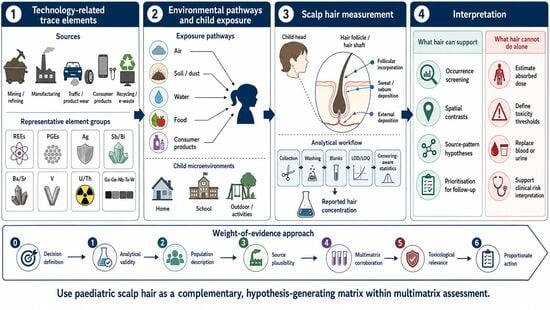
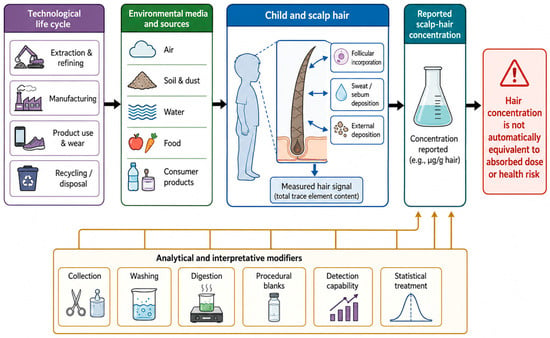
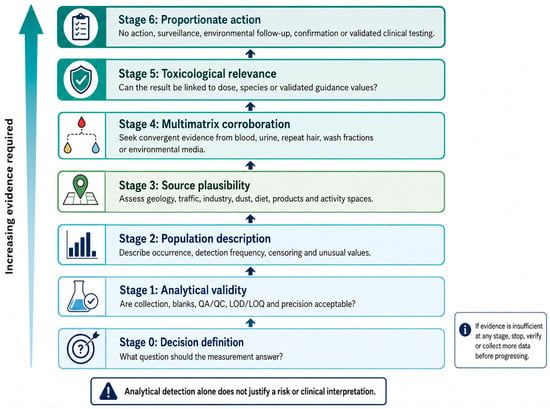
Technology-related trace elements (TTEs), including rare earth elements (REEs), platinum-group elements (PGEs), silver, antimony, bismuth, barium, strontium, vanadium and radionuclide-associated elements, are increasingly relevant to environmental exposure assessment. Children and adolescents are important sentinel populations, and scalp hair offers a non-invasive matrix for multielement analysis. However, a reported hair concentration may combine follicular incorporation, sweat and sebum deposition and external particles, and may also be influenced by collection, washing, cosmetic treatment and analytical contamination. Separately, left-censoring and the statistical treatment of non-detects can materially affect population summaries and comparisons. This critical narrative review integrates paediatric, occupational, environmental and multimatrix evidence through a structured evidence matrix and an element-by-element audit of biomonitoring assessment values. Hair can identify spatial contrasts and source-related patterns, but current evidence generally does not support direct inference of absorbed dose or clinical risk. In long-term occupational REE exposure, urine shows stronger exposure-response performance than blood; paired hair–urine data for thorium discriminate exposed groups without establishing quantitative equivalence; antimony findings vary by exposure setting; and barium biomonitoring equivalents are available for urine and plasma, but not hair. No health-based guidance values validated specifically for paediatric scalp hair were identified for any of the target TTEs. A seven-stage weight-of-evidence framework is proposed, positioning hair as a complementary screening and hypothesis-generating matrix within multimatrix assessment.
Full article
(This article belongs to the Special Issue Environmental Contamination by Toxic Metals and Metalloids, Exposure Limits, and Toxicity Thresholds)
►▼
Show Figures

Graphical abstract
Open AccessArticle
From Blast to Biological Uptake: Residual Dinitrotoluene as an Occupational Exposure Hazard in Explosive Ordnance Disposal
by
Gareth Collett, Kelly Johnstone, Tim Bashford, William Proud, Mia Tazi, Mieke Van Hemelrijck, Richard T. Bryan and Bryan G. Fry
Toxics 2026, 14(9), 812; https://doi.org/10.3390/toxics14090812 - 11 Sep 2026
Abstract
Repeated mixed-munition demolition may require explosive ordnance disposal personnel to re-enter a common demolition pit to inspect effects, recover debris and prepare subsequent stacks. Dinitrotoluene (DNT) is a recognised explosive ordnance occupational toxicant absorbed by inhalation, skin and ingestion. Urinary-tract malignancies and other
[...] Read more.
Repeated mixed-munition demolition may require explosive ordnance disposal personnel to re-enter a common demolition pit to inspect effects, recover debris and prepare subsequent stacks. Dinitrotoluene (DNT) is a recognised explosive ordnance occupational toxicant absorbed by inhalation, skin and ingestion. Urinary-tract malignancies and other adverse outcomes have been reported in highly exposed nitroaromatic-explosives workers. Recently, bladder-cancer incidence was documented as elevated among former British Army ammunition technicians. While these observations do not establish a causal relationship with DNT, they however provide a strong rationale for further investigation of credible exposure pathways. This study developed a scenario-based source-pathway-receptor model to examine whether residual DNT could constitute an occupational exposure source during these tasks. This model was applied to an explosive ordnance disposal operation involving 20 sequential demolitions and a documented aggregate TNT-equivalent basis of 1000 kg, used as a screening proxy because the operational inventory was predominantly TNT-filled. The model identified plausible primary inhalation from a blast-generated plume and secondary inhalation from resuspended residues, together with dermal and incidental-ingestion pathways. An important caveat is that it does not reconstruct individual dose or establish disease causation. Validation requires time-resolved post-blast and task-based personal air sampling, surface assessment, biomonitoring and detailed exposure reconstruction during representative demolition operations. As such, this study establishes crucial foundational hypotheses for future occupational hazard research into DNT exposure to explosive ordnance disposal personnel.
Full article
(This article belongs to the Special Issue Health Risk Assessment of Emerging Pollutants—an Integration of Exposure Estimation and Mechanism-Based Toxicity Study)
►▼
Show Figures

Graphical abstract
Open AccessArticle
From Buildings to the Environment: Flows, Exposure Pathways, and Toxicological Relevance of Tris(2-Chloro-1-Methylethyl) Phosphate (TCPP), Diuron, and Bis(2-(Perfluorohexyl)Ethyl) Phosphate (6:2 diPAP)
by
Jolita Kruopienė, Edgaras Stunžėnas, Jenny Fäldt and Riikka K. Vainio
Toxics 2026, 14(9), 811; https://doi.org/10.3390/toxics14090811 - 11 Sep 2026
Abstract
The use of hazardous chemicals in construction materials raises concerns regarding their release into the environment and their potential impact on ecosystems and human health. This study investigated the flows of tris(2-chloro-1-methylethyl) phosphate (TCPP), diuron, and bis(2-(perfluorohexyl)ethyl) phosphate (6:2 diPAP) from buildings to
[...] Read more.
The use of hazardous chemicals in construction materials raises concerns regarding their release into the environment and their potential impact on ecosystems and human health. This study investigated the flows of tris(2-chloro-1-methylethyl) phosphate (TCPP), diuron, and bis(2-(perfluorohexyl)ethyl) phosphate (6:2 diPAP) from buildings to environmental compartments and evaluated their toxicological relevance through environmental occurrence and exposure pathways. A quantitative substance flow analysis was performed for TCPP, while conceptual flow models were developed for diuron and 6:2 diPAP. TCPP flow analysis showed that approximately 70,804 t/year accumulated in products, primarily rigid polyurethane insulation materials, alongside continuous environmental releases into indoor dust, soils, and aquatic systems. It resulted in annual accumulation of nearly 444 t of TCPP in soils and 64 t in aquatic systems. Diuron was identified as a source of aquatic exposure through rainfall-driven wash-off, whereas 6:2 diPAP exhibited indoor and outdoor emission pathways and transformation into persistent perfluoroalkyl carboxylic acids. Field measurements of Interreg NonHazCity3 project confirmed the occurrence of organophosphate esters, biocides, and PFAS in indoor dust, stormwater, and wastewater. The results demonstrate that buildings act as continuous sources of toxicologically relevant substances, pointing to the necessity of upstream source control, the prevention of regrettable chemical substitution, and enhanced transparency in construction materials to mitigate long-term environmental and health risks.
Full article
Open AccessArticle
Effect of Coconut Shell and Zinc-Modified Biochar Composite Applications on Phthalate Ester (PAE) Accumulation, Growth Performance, and Soil Health in Wheat (Triticum aestivum L.)
by
Aisha Khaled Chaudhri, Aansa Rukya Saleem, Nazneen Bangash, Abdulaziz Alamri, Mostafa A. Abdel-Maksoud, Aljawharah Fahad Alabbad and Habib Ullah
Toxics 2026, 14(9), 810; https://doi.org/10.3390/toxics14090810 - 11 Sep 2026
Abstract
Soil contamination with phthalate esters (PAEs), particularly in e-waste-impacted regions, poses serious threats to crop productivity, soil health, and environmental sustainability. This study investigates the effectiveness of coconut shell biochar (BC) and zinc-modified biochar (Zn-BC) in mitigating PAE accumulation, improving wheat (Triticum
[...] Read more.
Soil contamination with phthalate esters (PAEs), particularly in e-waste-impacted regions, poses serious threats to crop productivity, soil health, and environmental sustainability. This study investigates the effectiveness of coconut shell biochar (BC) and zinc-modified biochar (Zn-BC) in mitigating PAE accumulation, improving wheat (Triticum aestivum L.) growth, and restoring soil fertility in contaminated soils. Characterization analyses revealed that Zn-BC possessed enhanced surface functionality, crystallinity, and elemental composition, favoring greater adsorption potential. Batch adsorption experiments demonstrated that Zn-BC exhibited higher equilibrium adsorption capacities for DMP (23.9 mg/g) and DBP (26.6 mg/g), following pseudo-second-order kinetics. Zn-BC significantly improved plant growth parameters including shoot height, root length, and biomass compared to unamended soil in a pot experiment. Post-harvest soil analysis showed increased pH (6.6), CEC (18.3 cmolc/kg), TOC (1.85%), and microbial biomass carbon (320 mg/kg) under Zn-BC treatment. Enzymatic activities such as dehydrogenase (45.2 µg TPF/g/d) and phosphatase (58.6 µg PNP/g/h) also improved markedly, indicating restored biological activity. These findings highlight the potential of Zn-BC as a sustainable amendment for remediating phthalate-contaminated soils and improving crop health under environmental stress conditions.
Full article
Open AccessArticle
Acetylsalicylic Acid at Trace Concentrations Induces Cellular Toxicity and Phytotoxicity in the Roots of Cultivated Plants
by
Carla Rafaela Somera, Edson Araujo de Almeida, Matheus Cristiano Hermann Massariol, Diego Espirito Santo, Danielle Cristina da Silva de Oliveira, Adriele Rodrigues dos Santos, Gideã Taques Tractz, Regiane da Silva Gonzalez, Osvaldo Valarini, Junior, C. A. Downs and Ana Paula Peron
Toxics 2026, 14(9), 809; https://doi.org/10.3390/toxics14090809 - 11 Sep 2026
Abstract
Acetylsalicylic acid (ASA) is frequently detected in wastewater and sewage sludge, which may represent potential pathways of entry into agricultural environments. However, its effects on cultivated plants at trace concentrations remain unexplored. This study evaluated the effects of ASA (1–1000 ng·L−1)
[...] Read more.
Acetylsalicylic acid (ASA) is frequently detected in wastewater and sewage sludge, which may represent potential pathways of entry into agricultural environments. However, its effects on cultivated plants at trace concentrations remain unexplored. This study evaluated the effects of ASA (1–1000 ng·L−1) on germination and root growth of Daucus carota, Solanum lycopersicum, and Cucumis sativus, as well as cytotoxic and genotoxic effects in the root meristems of Allium cepa bulbs and biochemical responses associated with redox homeostasis in the roots of all four species. No significant adverse effects were observed at the lowest concentrations tested; however, exposure to 100 and 1000 ng·L−1 reduced root growth in all species, with a relative growth index below 0.8. In A. cepa, these concentrations induced mitodepressive effects, with mitotic indices below 70% relative to controls, and increased the frequency of chromosomal abnormalities, with total CAI values of 9.6% and 11.9%, respectively. At 100 ng·L−1, C-metaphases and chromosomal disorganization during prophase were observed, characterizing an aneugenic effect, whereas at 1000 ng·L−1, these abnormalities were accompanied by metaphases with sticky chromosomes, indicating a clastogenic effect. ASA also altered redox homeostasis in the roots of all four species, as indicated by concentration-dependent modulation of antioxidant enzymes, increased lipid peroxidation, and the absence of a compensatory non-enzymatic antioxidant response. These findings indicate that trace concentrations of ASA can impair early plant development and induce cytotoxic, genotoxic, and biochemical alterations in the roots of the species studied under the experimental conditions used. These findings emphasize the importance of assessing ASA effects under soil-based and field-relevant conditions to better understand its environmental implications.
Full article
(This article belongs to the Section Emerging Contaminants)
►▼
Show Figures

Graphical abstract
Open AccessArticle
Gastric Tissue Biomonitoring Identifies Tissue-Specific Metal Profiles Associated with Helicobacter pylori Infection
by
Tolga Aydin and Vugar Ali Turksoy
Toxics 2026, 14(9), 808; https://doi.org/10.3390/toxics14090808 - 11 Sep 2026
Abstract
Background: Helicobacter pylori infection is a common chronic bacterial infection and an established cause of gastritis, peptic ulcer disease, and gastric cancer. Environmental and host metal status may interact with gastric inflammatory and microbial processes, and infection-related changes in gastric acidity, mucosal
[...] Read more.
Background: Helicobacter pylori infection is a common chronic bacterial infection and an established cause of gastritis, peptic ulcer disease, and gastric cancer. Environmental and host metal status may interact with gastric inflammatory and microbial processes, and infection-related changes in gastric acidity, mucosal permeability, and metal handling may in turn alter local tissue concentrations. This study compared systemic and gastric tissue concentrations of seven elements in adults with histopathologically confirmed H. pylori infection and uninfected controls. Methods: This single-center case–control study included 110 adults undergoing upper gastrointestinal endoscopy (55 H. pylori-positive and 55 H. pylori-negative). H. pylori status was established by hematoxylin–eosin and modified Giemsa staining. Whole blood collected in purple-top K2EDTA tubes was analyzed for As, Pb, Cd, and Sn; serum obtained from yellow-top serum-separator tubes containing clot activator and separator gel was analyzed for Al, Co, and Ni. A separate fresh antral biopsy, not the formalin-fixed histology specimen, was used for ICP-MS; tissue concentrations were normalized to recorded dry weight. Between-group metal comparisons were corrected as one family of 14 tests using Benjamini–Hochberg FDR. Prespecified age- and sex-adjusted models and an exploratory multivariable model were supplemented by ROC, PCA, and internally cross-validated PLS-DA analyses. Results: The H. pylori-positive group was older than the negative group (55.65 ± 15.01 vs. 52.42 ± 12.53 years). Blood aluminum was nominally higher in the positive group (p = 0.032; q = 0.112). In gastric tissue, aluminum was higher [0.23 (0.13–13.40) vs. 0.13 (0.10–0.23) μg/g dry weight; p < 0.001; q = 0.002], whereas arsenic was lower [1.35 (0.54–2.02) vs. 1.92 (1.47–2.43) μg/g dry weight; p < 0.001; q = 0.003] in H. pylori-positive participants. Tissue cobalt and blood/tissue nickel differences did not remain significant after FDR correction. In prespecified age- and sex-adjusted models, tissue arsenic showed an inverse association (OR = 0.431, 95% CI 0.263–0.705; p = 0.0008), whereas tissue aluminum showed a positive association (OR = 4.957, 95% CI 1.629–15.085; p = 0.0048). In the exploratory joint model, only tissue aluminum remained significant (adjusted OR = 4.016, 95% CI 1.119–14.417; p = 0.033). The joint model had an apparent within-cohort AUC of 0.774; repeated five-fold cross-validated PLS-DA yielded an AUC of 0.707. Conclusions: Histopathologically confirmed H. pylori status was associated with compartment-specific metal concentration patterns, particularly higher tissue aluminum and lower tissue arsenic. Because the study was cross-sectional and measured total concentrations, these findings do not establish environmental exposure, temporal accumulation, toxicity, or a causal direction. The regression and multivariate findings are exploratory and require validation in independent cohorts with standardized tissue sampling, arsenic speciation, exposure assessment, and quantitative gastric pathology.
Full article
(This article belongs to the Topic Advances in Environmental and Human Health (bio)Monitoring: Contributions to One Health Approach)
►▼
Show Figures

Graphical abstract
Open AccessFeature PaperArticle
aip Mutant Zebrafish Display Morphological and Transcriptional Changes Associated with Stress-Induced Hematopoiesis
by
Spencer R. Stinson, Jane K. La Du, Dante M. Perone, Sibel I. Karchner, Neelakanteswar Aluru, Lisa Truong, Mark E. Hahn and Robyn L. Tanguay
Toxics 2026, 14(9), 807; https://doi.org/10.3390/toxics14090807 - 11 Sep 2026
Abstract
The Aryl Hydrocarbon Receptor (AHR) is a versatile receptor that binds various compounds, triggering downstream transcriptional changes involved in the regulation of xenobiotic metabolism and cell fate. The Ahr Interacting Protein (AIP), also known as XAP2 and ARA9, is a molecular chaperone essential
[...] Read more.
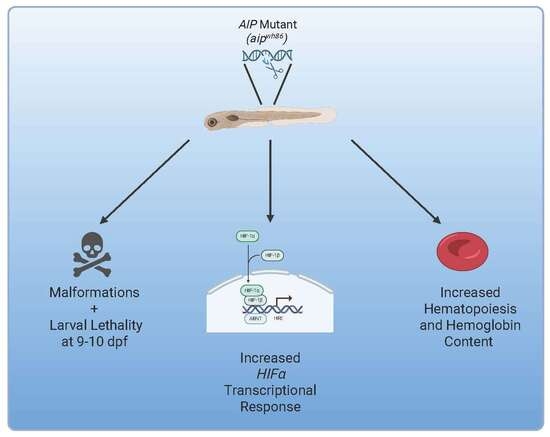
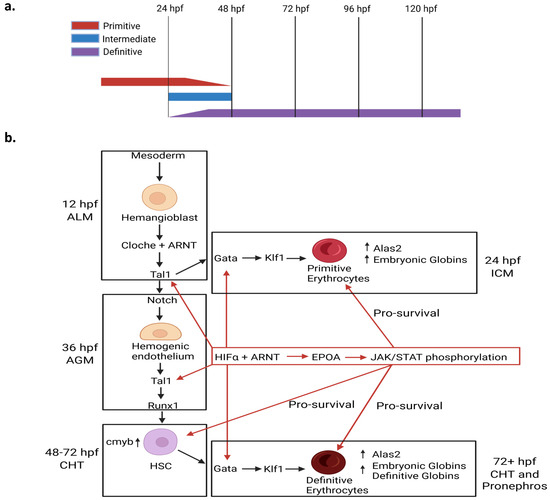
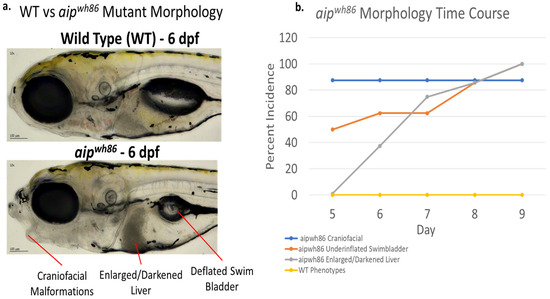
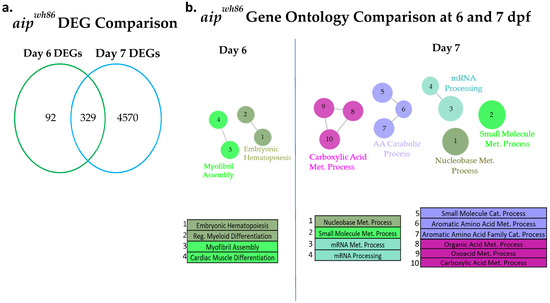
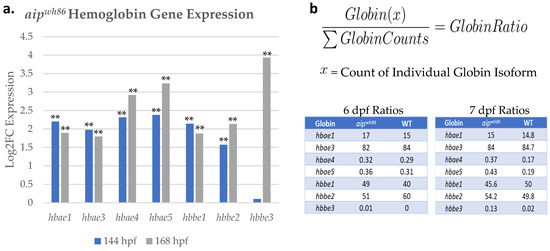
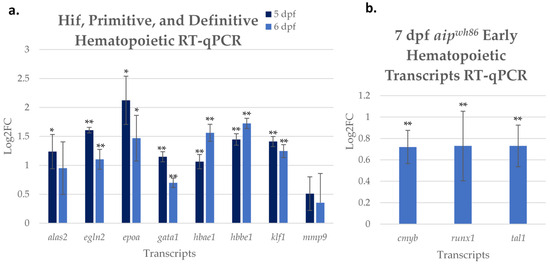
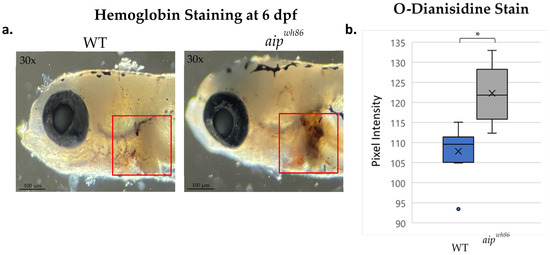
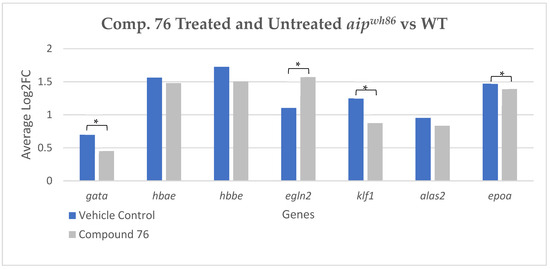
The Aryl Hydrocarbon Receptor (AHR) is a versatile receptor that binds various compounds, triggering downstream transcriptional changes involved in the regulation of xenobiotic metabolism and cell fate. The Ahr Interacting Protein (AIP), also known as XAP2 and ARA9, is a molecular chaperone essential for the cytosolic retention and stabilization of the AHR. Past studies, and AIP-linked human pathologies, suggest an alternative developmental role of the AIP apart from the AHR and canonical xenobiotic response. A null mutation of the AIP in zebrafish larvae (designated as aipwh86) resulted in craniofacial malformations, failure to inflate the swim bladder, and an enlarged and darkened liver, emerging at 5–6 days post-fertilization (dpf). Histopathological analysis at 5 dpf suggested no histological differences in the homozygous (HMZ) mutant compared to the wild type (WT). Whole-larvae RNA sequencing at 6 and 7 dpf showed significant dysregulation of key transcripts in the mutant larvae compared to WT, with pathway analysis revealing alterations in embryonic hematopoiesis and cardiac development. RT-qPCR validation showed that transcripts involved in the Hif-mediated pathway were overexpressed as early as 5 dpf. O-dianisidine staining at 6 dpf showed an increase in hemoglobin within the liver and cardiac regions of the mutant AIP larvae. This study demonstrates the complex and diverse role of AIP in vertebrate embryonic development and physiology.
Full article
(This article belongs to the Special Issue Novel Methods and Applications in Zebrafish as a Model for Mixture Toxicity)
►▼
Show Figures

Graphical abstract
Open AccessArticle
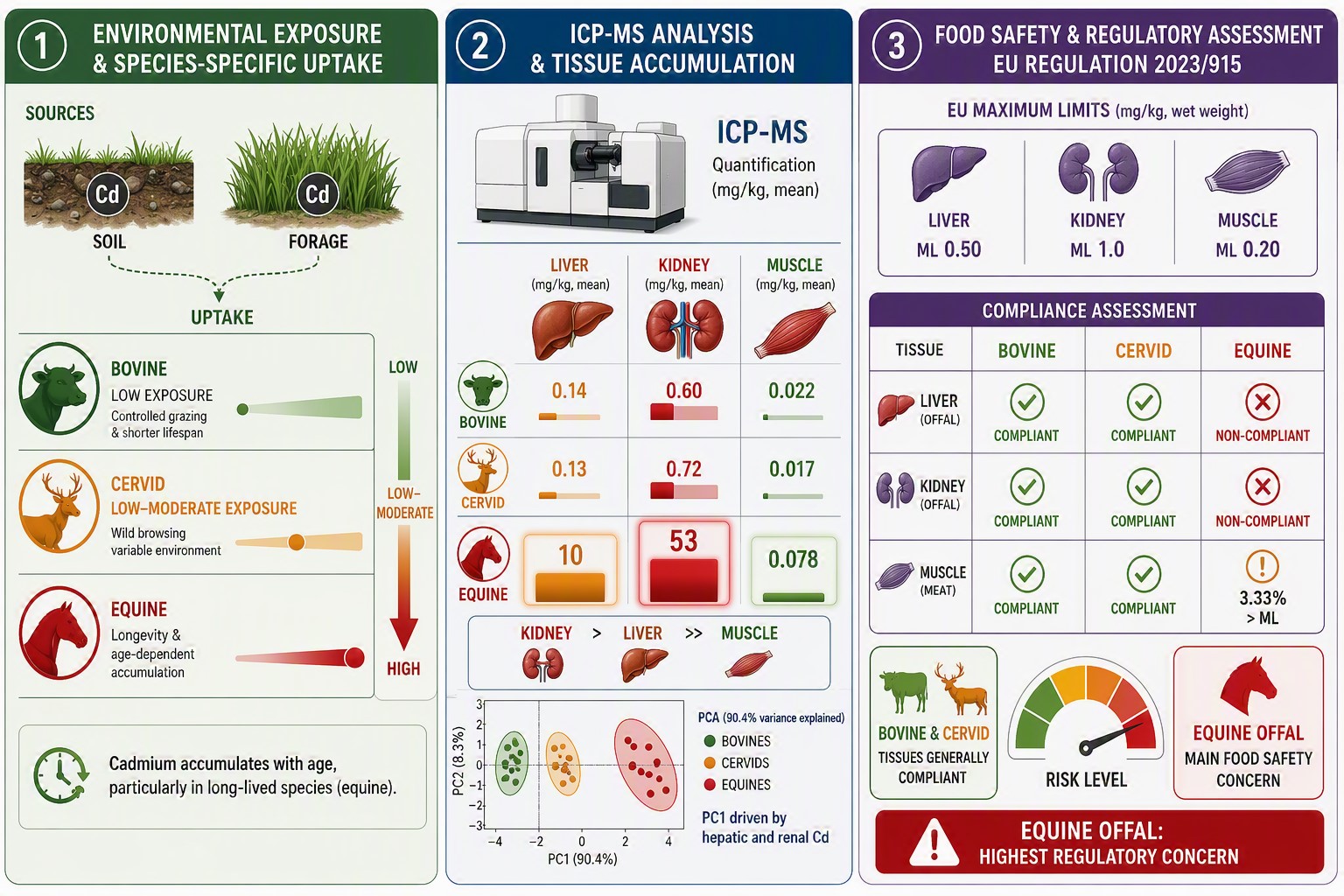
Comparative Analysis of Cadmium Profiles in Liver, Kidney, and Muscle of Bovines, Equines, and Cervids
by
Stefania Squadrone, Alessandra Griglione, Paolo Palmegiano, Stefania Gavinelli, Anna Riva, Leo Costa, Diana Giuffrida, Marcello Gigliotti, Chiara Marchese, Rosa Avolio and Maria Cesarina Abete
Toxics 2026, 14(9), 806; https://doi.org/10.3390/toxics14090806 - 10 Sep 2026
Abstract
Understanding interspecies physiological variability, toxicokinetic pathways, and bioaccumulation dynamics is fundamentally essential for veterinary diagnostics, food safety assurance, and wildlife conservation management. This ten-year toxicological study (2015–2025) analyzed cadmium (Cd) concentrations in liver, kidney, and muscle tissues of bovines, cervids, and equines from
[...] Read more.
Understanding interspecies physiological variability, toxicokinetic pathways, and bioaccumulation dynamics is fundamentally essential for veterinary diagnostics, food safety assurance, and wildlife conservation management. This ten-year toxicological study (2015–2025) analyzed cadmium (Cd) concentrations in liver, kidney, and muscle tissues of bovines, cervids, and equines from northwestern Italy using ICP-MS. Cadmium distribution varied significantly by species and tissue. Bovines and cervids exhibited low, homogeneous burdens (bovine mean liver: 0.14 mg/kg, kidney: 0.60 mg/kg; cervid mean liver: 0.13 mg/kg, kidney: 0.72 mg/kg), and cervids showed wider ranges due to environmental exposure. Conversely, equines accumulated drastically higher concentrations in hepatorenal tissues, averaging 10 mg/kg in the liver and 53 mg/kg in the kidney. Muscle tissue concentrations remained minimal across all species (0.017 to 0.078 mg/kg). Principal Component Analysis explained 90.4% of total variance, cleanly separating equines from bovines and cervids based on hepatic and renal loads. Liver and kidney proved to be robust biomarkers for monitoring Cd exposure. These findings support the integration of comparative tissue metal profiling into comprehensive veterinary toxicology, veterinary public health, and wildlife health assessment frameworks.
Full article
(This article belongs to the Special Issue Health Impacts of Cadmium and Trace Elements)
►▼
Show Figures

Graphical abstract
Open AccessEditorial
The Toxicity of Heavy Metals and Chemical Pollutants in Agricultural Soil and Plants: Ecological Risks and Remediation
by
Peipei Song
Toxics 2026, 14(9), 805; https://doi.org/10.3390/toxics14090805 - 10 Sep 2026
Abstract
Accelerated industrialization and intensive agricultural practices have driven widespread accumulation of heavy metals and chemical pollutants in global agricultural soils [...]
Full article
(This article belongs to the Special Issue The Toxicity of Heavy Metals and Chemical Pollutants in Agricultural Soil and Plants: Ecological Risks and Remediation)
Open AccessArticle
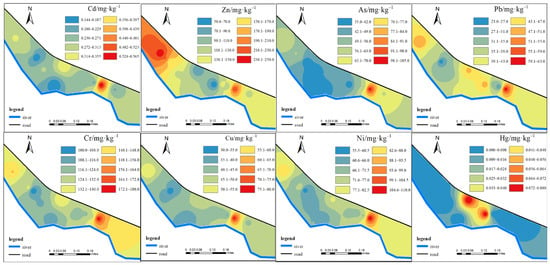
Contamination Characteristics, Source Apportionment, and Risk Assessment of Heavy Metals in Soil from a Legacy Open Dumpsite on the Qinghai–Xizang Plateau
by
Jiamin Ma, De’an Meng, Zhixi Zheng, Mengyuan Zeng, Xiyue Sun, Zhongzhu Zhou, Peng Zhou, Guanyi Chen and Zeng Dan
Toxics 2026, 14(9), 804; https://doi.org/10.3390/toxics14090804 - 10 Sep 2026
Abstract
The Qinghai–Xizang (Formerly Tibet) Plateau, known as the Roof of the World, is an important ecological security barrier for Asia and globally; its natural environment is fragile and challenging to repair after destruction. Prior to the 21st century, waste management in China primarily
[...] Read more.
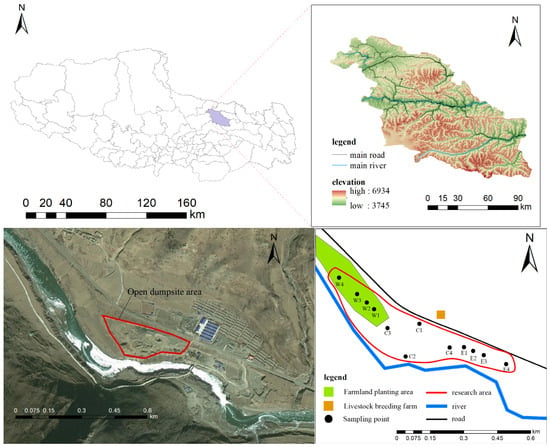
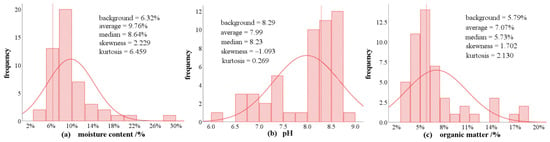
The Qinghai–Xizang (Formerly Tibet) Plateau, known as the Roof of the World, is an important ecological security barrier for Asia and globally; its natural environment is fragile and challenging to repair after destruction. Prior to the 21st century, waste management in China primarily relied on unregulated direct dumping. To investigate the environmental impacts of open dumpsites in high-altitude regions, this study focused on a representative dumpsite in the northern Xizang region. The aim was to characterize the occurrence and distribution patterns of heavy metals (HMs) in its surrounding soil, conduct source apportionment, and perform comprehensive risk assessment. The results showed low levels of mercury (Hg) and excessive levels of all other HMs. In addition, all HMs had the highest content in the residual fraction and the lowest content in the weak-acid fraction, which is less bioavailable. The Absolute Principal Component Score–Multiple Linear Regression (APCS-MLR) and Positive Matrix Factorization (PMF) results showed that the dumpsite contributed the most to cadmium (Cd); agricultural sources contributed the most to zinc (Zn); Hg mainly came from atmospheric transport and traffic sources; Pb was mainly derived from traffic and natural sources; and copper (Cu), nickel (Ni), chromium (Cr), and arsenic (As) mainly came from the dumpsite and natural sources. In addition, this research found that this dumpsite poses a relatively high HM risk to human health; oral and respiratory routes are the main non-carcinogenic routes, As and Cr contribute more to the adult and child groups, and As contributes the most to carcinogenic risk. The calculation results of the pollution assessment method indicate that the pollution of the natural environment from this dumpsite is at a low level, and immediate remediation measures are urgently needed to achieve site decontamination.
Full article
(This article belongs to the Special Issue Soil Heavy Metal Pollution and Remediation)
►▼
Show Figures

Graphical abstract
Open AccessEditorial
Environmental Chemical Exposomics and Metabolomics in Toxicology: Recent Advances
by
Minjian Chen
Toxics 2026, 14(9), 803; https://doi.org/10.3390/toxics14090803 - 10 Sep 2026
Abstract
This editorial introduces the Special Issue titled “State-of-the-Art Environmental Chemical Exposomics and Metabolomics—2nd Edition [...]
Full article
(This article belongs to the Special Issue State-of-the-Art Environmental Chemical Exposomics and Metabolomics—2nd Edition)
Open AccessArticle
Physiological Responses and Absorption Removal Effects of Three Floating Macrophytes to Polystyrene Nanoplastics Pollution
by
Yuanmiao Chen, Jianhui Xue, Jianfeng Hua and Zhidong Zhou
Toxics 2026, 14(9), 802; https://doi.org/10.3390/toxics14090802 - 10 Sep 2026
Abstract
Microplastics exert toxic effects on aquatic plants, thereby impacting ecosystem functions and services. Currently, research on the effects of nanoplastics on aquatic plants has mainly focused on algae, while floating macrophytes have received less attention. To investigate the physiological responses and uptake and
[...] Read more.
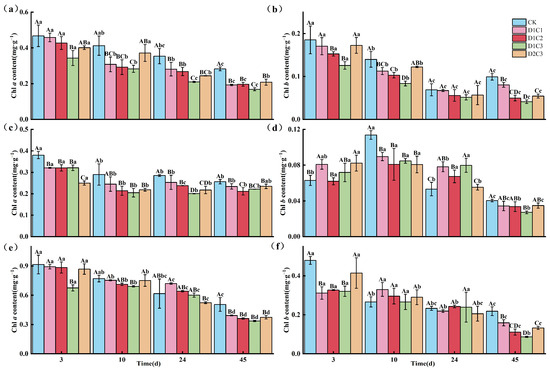
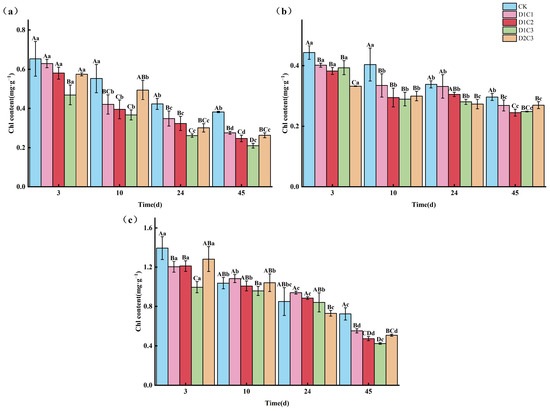
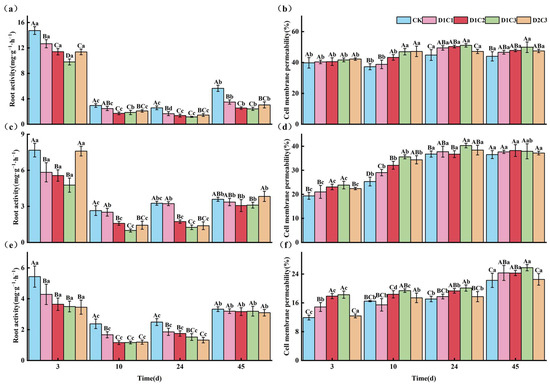
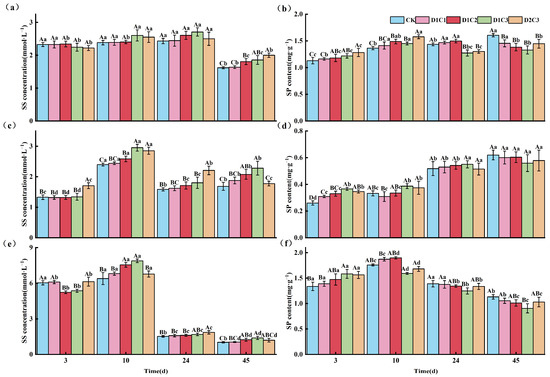
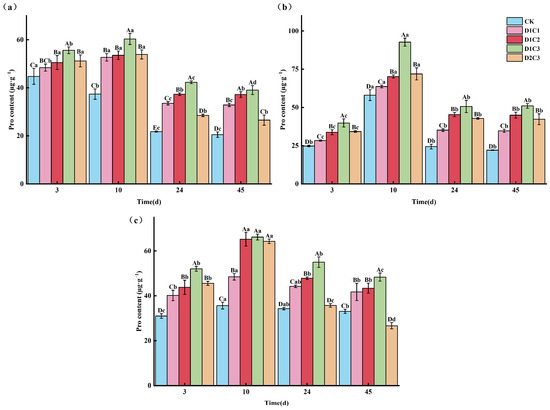
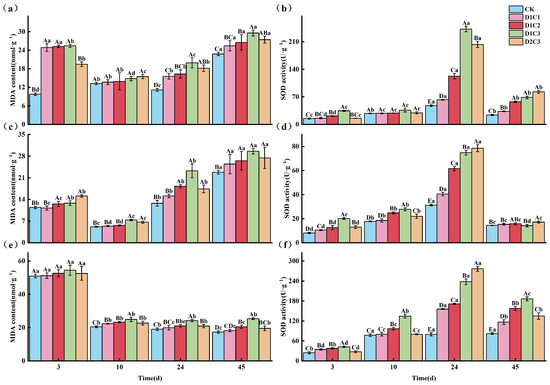
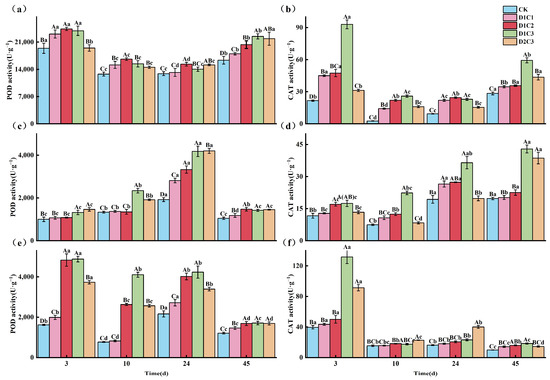
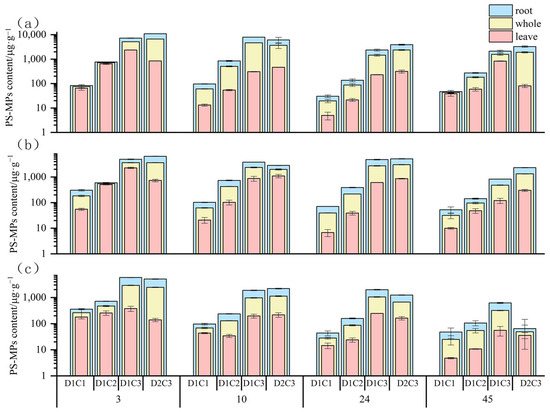
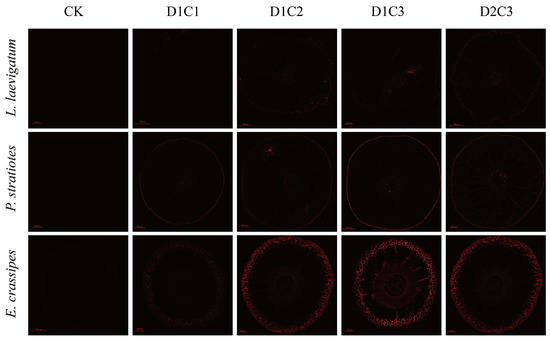
Microplastics exert toxic effects on aquatic plants, thereby impacting ecosystem functions and services. Currently, research on the effects of nanoplastics on aquatic plants has mainly focused on algae, while floating macrophytes have received less attention. To investigate the physiological responses and uptake and accumulation effects of floating macrophytes to polystyrene nanoplastics (PS-NPs), we exposed Limnobium laevigatum, Pistia stratiotes and Eichhornia crassipes to 0.1, 1 and 10 mg·L−1 of PS-NPs (20/100 nm) for 45 days. The results showed that, in general, with increasing concentration and exposure time, the three plant species exhibited a decrease in chlorophyll content, a decline in root activity, an increase in cell membrane permeability and an up-regulation of antioxidant enzyme activities. Meanwhile, the contents of proline, soluble sugars and soluble proteins showed dynamic changes. These findings indicate that under PS-NPs stress, the plants suffered structural damage and they alleviated oxidative injury and maintained osmotic balance by actively accumulating osmoregulatory substances and up-regulating antioxidant enzyme activities. Furthermore, the effects of uptake and accumulation PS-NPs differed among species. At low concentration levels, Limnobium laevigatum exhibits higher uptake and accumulation potential, while at high concentrations, Pistia stratiotes demonstrates greater uptake and accumulation potential.
Full article
(This article belongs to the Topic Aquatic Emerging Contaminants and Their Ecotoxicological Consequences, 2nd Edition)
►▼
Show Figures

Figure 1

Open AccessArticle
Network Toxicology Integrates In Vivo Evidence Linking Impaired Autophagic Clearance Involving the MTOR-TFEB Axis to Polystyrene Nanoplastic-Induced Neurotoxicity
by
Na Tang, Chun Wang, Meng Zhang, Yajie Li, Yongkang Liang, Jingjing Zhang and Qiang Niu
Toxics 2026, 14(9), 801; https://doi.org/10.3390/toxics14090801 - 9 Sep 2026
Abstract
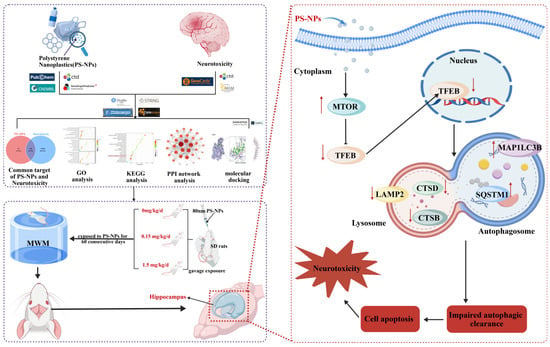
Long-term exposure to polystyrene nanoplastics (PS-NPs) causes neurotoxicity, but the underlying mechanisms remain unclear. We combined network toxicology, molecular docking, and in vivo experiments to investigate the role of MTOR-TFEB-regulated autophagy in PS-NP-induced neurotoxicity. Potential targets related to PS-NPs and neurodegenerative diseases were
[...] Read more.
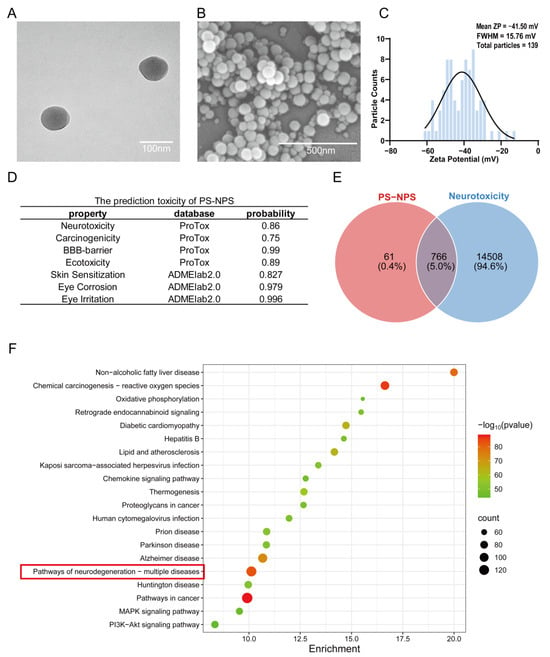
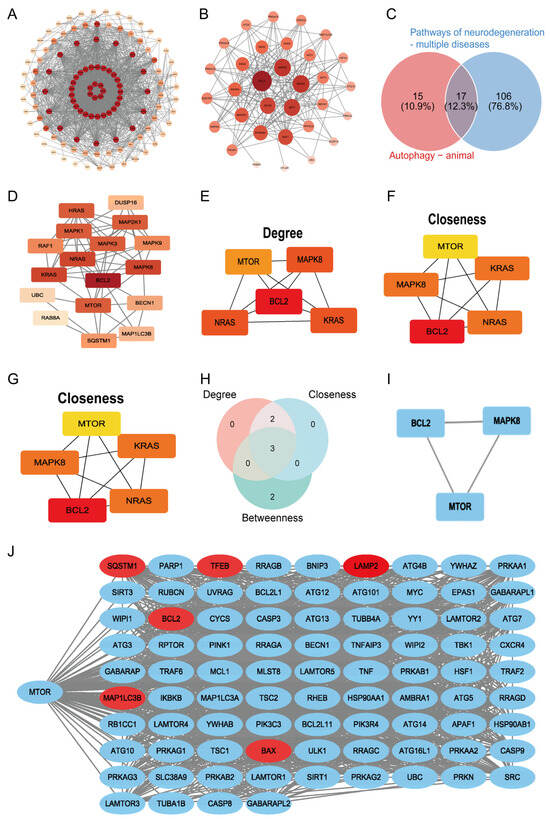
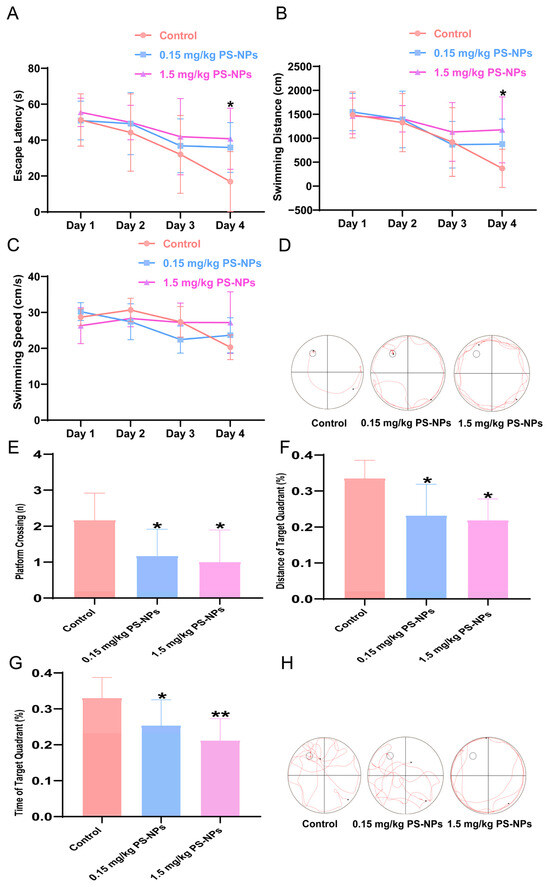
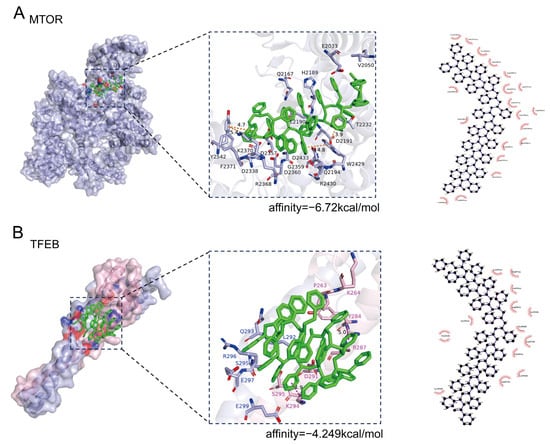
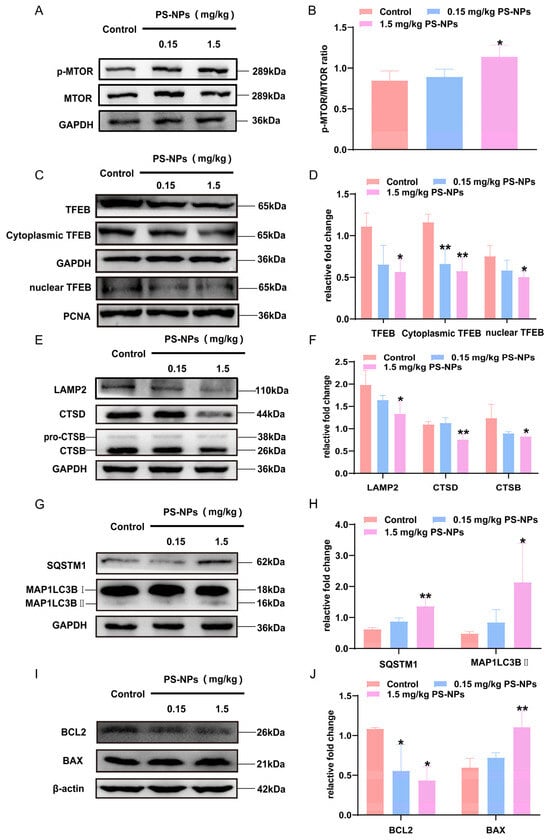
Long-term exposure to polystyrene nanoplastics (PS-NPs) causes neurotoxicity, but the underlying mechanisms remain unclear. We combined network toxicology, molecular docking, and in vivo experiments to investigate the role of MTOR-TFEB-regulated autophagy in PS-NP-induced neurotoxicity. Potential targets related to PS-NPs and neurodegenerative diseases were screened from public databases. Enrichment analysis indicated involvement of neurodegenerative and autophagy pathways. Protein–protein interaction and docking simulations prioritized MTOR as a candidate target. Sprague–Dawley rats were gavaged with PS-NPs (0.15 or 1.5 mg/kg) for 60 days. Morris water maze tests showed impaired spatial learning and memory. Western blotting of hippocampal tissues revealed increased p-MTOR/MTOR ratios, decreased total cytoplasmic and nuclear TFEB, reduced lysosomal proteins (LAMP2, CTSD, and CTSB), elevated autophagy markers SQSTM1 and MAP1LC3B-II, and altered apoptosis regulators (BAX up and BCL2 down). Collectively, PS-NPs disrupt the MTOR-TFEB axis, impair lysosomal function and autophagic clearance, and promote apoptosis, leading to neurocognitive deficits. These findings provide mechanistic insights into the MTOR-TFEB axis and highlight it as a candidate pathway warranting further evaluation as a potential intervention target.
Full article
(This article belongs to the Special Issue Environmental Contamination, Toxic Effect, and Risk Assessment of Microplastics and Plastic Additives)
►▼
Show Figures

Graphical abstract
Open AccessArticle
Comparative Analysis of Test Methods for Predicting Dermal Sensitization Potency in Essential Oils: A Component-Based Prediction Model, GARDskin Dose–Response Assay, and Local Lymph Node Assay
by
Joseph T. Dawson, Tim Lindberg, Prabodh Satyal, Ambika Poudel, Dakota T. Carter, Sara A. Shah and Cécile Bascoul
Toxics 2026, 14(9), 800; https://doi.org/10.3390/toxics14090800 - 9 Sep 2026
Abstract
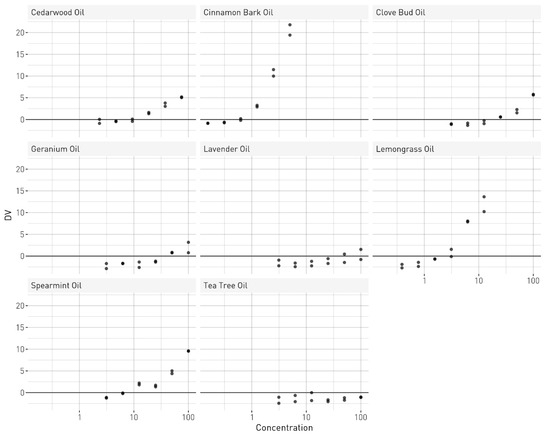
The dose–response adaptation of the genomic allergen rapid detection for skin sensitizers (GARDskin DR) assay is a non-animal method for predicting sensitization potency. This proof-of-concept comparative analysis evaluates outputs from a component-based prediction model (CP), GARDskin DR, and historical local lymph node assays
[...] Read more.
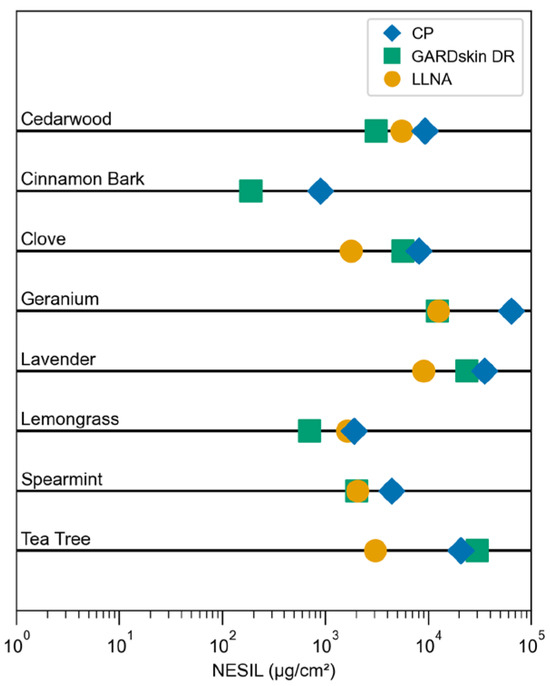
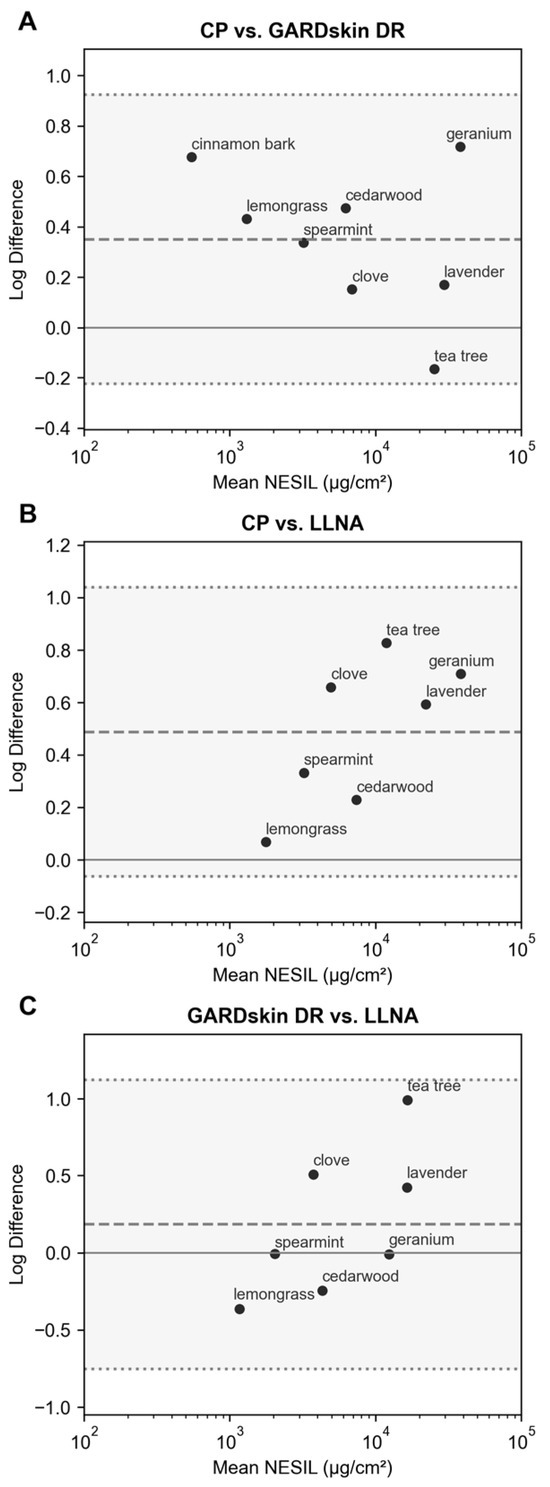
The dose–response adaptation of the genomic allergen rapid detection for skin sensitizers (GARDskin DR) assay is a non-animal method for predicting sensitization potency. This proof-of-concept comparative analysis evaluates outputs from a component-based prediction model (CP), GARDskin DR, and historical local lymph node assays (LLNA), exploring the applicability of CP and GARDskin DR for evaluating the no-expected-sensitization induction level (NESIL) potencies of essential oils. Eight well-studied essential oils were selected: cedarwood, cinnamon bark, clove bud, geranium, lavender, lemongrass, spearmint, and tea tree oils. Each underwent GARDskin DR as well as GC–MS, from which CP model outputs were derived. GARDskin DR, CP, and LLNA outputs were compared graphically and using preliminary descriptive statistics. Results show overall statistical concordance in material ranking between methods (Kendall’s W = 0.857, p = 0.017). Bland–Altman log-transformed bias and limits of agreement show numerically higher NESILCP compared to corresponding NESILGARD and NESILLLNA, but sensitivity analysis shows this finding is statistically sensitive to geranium oil. Spearman’s rank correlations were significant between NESILCP vs. NESILGARD and NESILLLNA but not between NESILGARD vs. NESILLLNA despite numerical similarity. Given the small sample, no statistical findings from this study are generalizable and should be interpreted descriptively. However, the NESIL results provide preliminary evidence supporting further evaluation of GARDskin DR and CP for dermal sensitization potency testing of essential oils.
Full article
(This article belongs to the Special Issue Applicability of New Approach Methodologies (NAMs) to Skin Sensitization: Insights from Industry and Regulatory Perspectives)
►▼
Show Figures

Figure 1

Open AccessArticle
Selection of Priority VOC Emission Sources in Seoul by Comparing Source Contributions and Health Risk-Based Contributions
by
Ji-Yun Jung, Shin-Young Park, Dong-Seop Shin, Jong-Cheol Yoon, Hak-Myeong Lim, Kwang-Rae Kim, Seok-Ryul Oh, Yong-Suk Choi, Hyun-Seok Cho and Cheol-Min Lee
Toxics 2026, 14(9), 799; https://doi.org/10.3390/toxics14090799 - 9 Sep 2026
Abstract
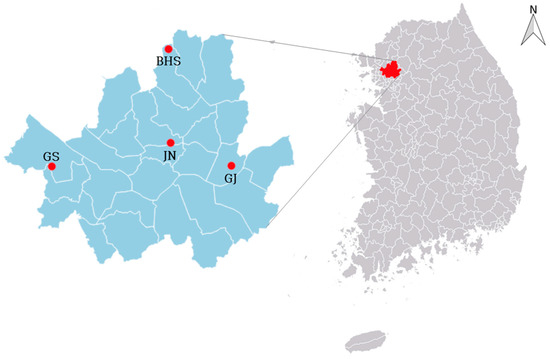
This study conducted age-specific and source-oriented health risk assessments of volatile organic compounds (VOCs) at four measurement sites in Seoul (Gangseo (GS), Gwangjin (GJ), Bukhansan (BHS), and Jongno (JN)). By comparing source-specific concentration contributions with health risk-based contributions, priority sources and compounds were
[...] Read more.
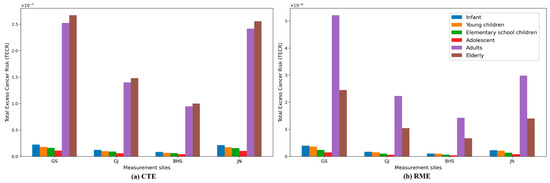
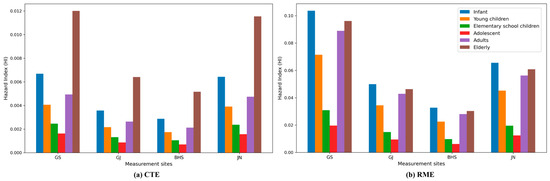
This study conducted age-specific and source-oriented health risk assessments of volatile organic compounds (VOCs) at four measurement sites in Seoul (Gangseo (GS), Gwangjin (GJ), Bukhansan (BHS), and Jongno (JN)). By comparing source-specific concentration contributions with health risk-based contributions, priority sources and compounds were identified. The age-specific health risk assessment showed that, under the central tendency exposure (CTE) scenario, both the total excess cancer risk (TECR) and hazard index (HI) at all measurement sites remained below the recommended guideline values. However, under the reasonable maximum exposure (RME) scenario, TECR exceeded 1 × 10⁻⁶ for some adult and elderly groups, indicating the potential for adverse health effects. Compound-specific analysis identified Benzene and Ethylbenzene as the major contributors to TECR, whereas Ethylbenzene, Benzene, and Toluene were the primary contributors to HI. The source-oriented health risk assessment revealed that concentration-based and health risk-based source contributions exhibited different patterns, with manufacturing-related sources ranking among the highest contributors to health risks at all measurement sites. At the GS site, the highest-ranking sources in terms of concentration and health risk contributions were Metal processing product manufacturing and Other product manufacturing, respectively. At the GJ site, Fuel-related emissions ranked highest in concentration contribution, whereas Metal processing products, chemicals and chemical products manufacturing ranked highest in health risk contribution. At the BHS and JN sites, Background hydrocarbons showed the greatest concentration contribution, while Chemicals and chemical products manufacturing, Vehicle exhaust: Acetylene-rich, and Textile product manufacturing were the major contributors. This study demonstrates that VOC management in Seoul should prioritize health risk-based rather than concentration-based approaches.
Full article
(This article belongs to the Special Issue Air Pollutants: Sources, Characteristics, Environmental Impacts and Human Health Risks)
►▼
Show Figures

Figure 1

Open AccessArticle
Association of Maternal Bone Resorption with Urinary Fluoride Levels During Pregnancy
by
Morteza Bashash, Karen E. Peterson, E. Angeles Martinez-Mier, Héctor Lamadrid-Figueroa, Ángel Santiago, Adrienne S. Ettinger, Martha María Téllez-Rojo and Howard Hu
Toxics 2026, 14(9), 798; https://doi.org/10.3390/toxics14090798 - 9 Sep 2026
Abstract
►▼
Show Figures
Evidence is accumulating linking prenatal fluoride exposure with adverse neurodevelopment. Maternal urinary fluoride (MUF) is a well-established biomarker of fluoride exposure. Because most fluoride is stored in calcified tissues, pregnancy-associated changes in bone metabolism may contribute to fetal fluoride exposure. We evaluated whether
[...] Read more.
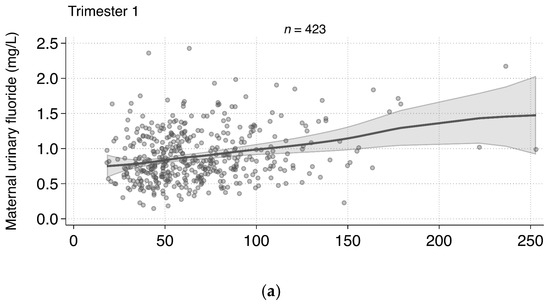
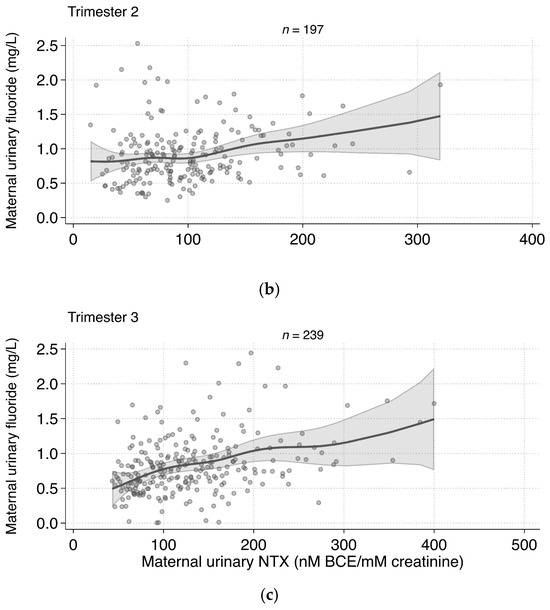
Evidence is accumulating linking prenatal fluoride exposure with adverse neurodevelopment. Maternal urinary fluoride (MUF) is a well-established biomarker of fluoride exposure. Because most fluoride is stored in calcified tissues, pregnancy-associated changes in bone metabolism may contribute to fetal fluoride exposure. We evaluated whether maternal bone resorption, indexed by urinary N-telopeptide of type I collagen (NTX), is associated with MUF across pregnancy. Participants were drawn from the Early Life Exposures in Mexico to Environmental Toxicants (ELEMENT) birth cohorts. Each woman contributed one paired MUF–NTX measurement per trimester. Both biomarkers were creatinine-normalized to account for urine dilution. Trimester-specific generalized linear models with a Gamma distribution estimated associations between NTX and MUF, adjusting for maternal age, birth order, infant birthweight, and cohort. Across the trimesters, MUF was relatively stable (0.89 ± 0.37, 0.91 ± 0.41, and 0.83 ± 0.42 mg/L), whereas NTX increased with gestation (68.0 ± 33.5, 99.0 ± 50.3, and 132.4 ± 65.4 nmol BCE/mM creatinine). Higher NTX was consistently associated with higher MUF: β = 0.00315 (p < 0.0001) in Trimester 1, β = 0.00207 (p = 0.001) in Trimester 2, and β = 0.00253 (p < 0.0001) in Trimester 3, corresponding to 11%, 11%, and 18% higher MUF per 1-SD increase in NTX. Results were unchanged after adjustment for estimated fluoride intake, with no evidence of non-linearity. Maternal bone resorption was independently associated with MUF, consistent with a skeletal contribution to urinary fluoride. Research may be needed on measures that can blunt bone mobilization of fluoride during pregnancy.
Full article

Figure 1
Open AccessArticle
Polystyrene Microplastics Impair Intestinal Homeostasis in Juvenile Tachypleus tridentatus Through Oxidative Imbalance and Gut Microbiota Dysregulation
by
Yuhong Li, Yiran Tan, Liyun Han, Yue Liu, Mingxiao Liu, Caoqun Zheng, Wenxin Jin, Tianshuai Zhang, Bosen Weng, Zhaohong Weng and Jun Bo
Toxics 2026, 14(9), 797; https://doi.org/10.3390/toxics14090797 - 9 Sep 2026
Abstract
►▼
Show Figures
Microplastics (MPs) are ubiquitous marine pollutants that pose increasing ecological risks, yet their effects on intestinal physiology and gut microbial homeostasis during the juvenile developmental stages of Tachypleus tridentatus remain unclear. In this study, fifth- and sixth-instar juveniles of T. tridentatus were exposed
[...] Read more.
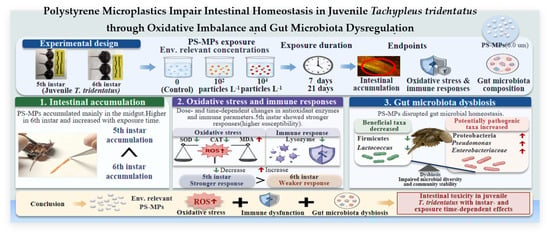
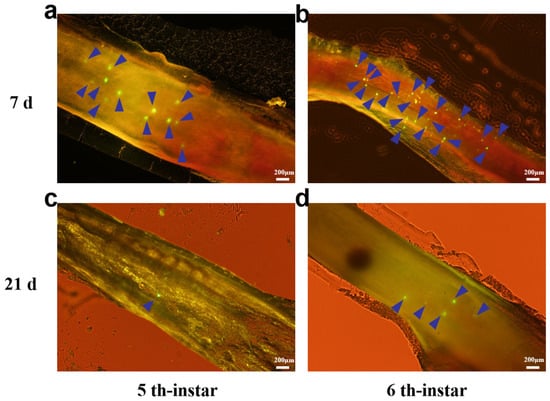
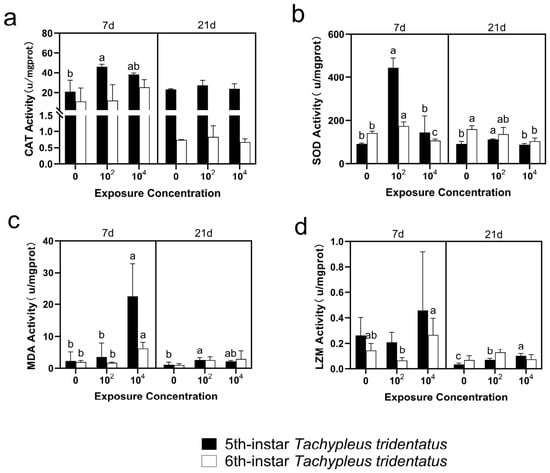
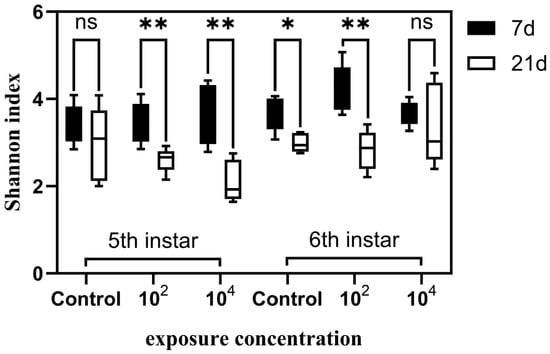
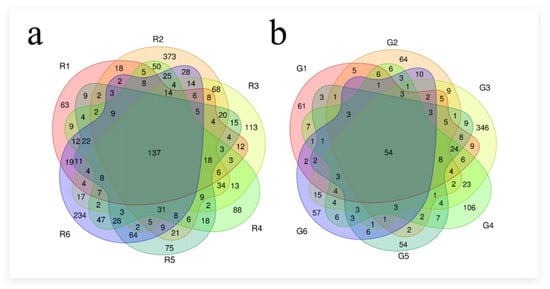
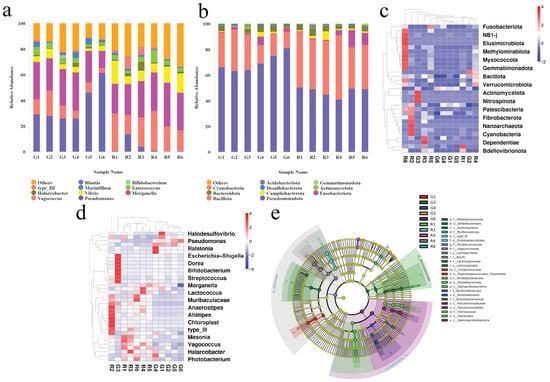
Microplastics (MPs) are ubiquitous marine pollutants that pose increasing ecological risks, yet their effects on intestinal physiology and gut microbial homeostasis during the juvenile developmental stages of Tachypleus tridentatus remain unclear. In this study, fifth- and sixth-instar juveniles of T. tridentatus were exposed to environmentally relevant concentrations of 6.0 μm polystyrene microplastics (PS-MPs; 0, 102, and 104 particles/L) for 7 and 21 days to investigate intestinal physiological responses and potential mechanisms associated with PS-MP exposure. Intestinal retention, oxidative stress, innate immune responses, and gut microbiota were comprehensively evaluated. PS-MP exposure induced concentration-dependent and time-dependent alterations in superoxide dismutase, catalase, malondialdehyde, and lysozyme, suggesting oxidative imbalance and modulation of innate immune responses. Fifth-instar juveniles displayed more pronounced oxidative-stress alterations and divergent innate-immune profiles relative to sixth-instar conspecifics, pointing to greater physiological susceptibility at earlier developmental stages. Gut microbiota analysis revealed pronounced dysbiosis, characterized by a reduced relative abundance of Bacillota, enrichment of Pseudomonadota, depletion of beneficial taxa (e.g., Lactococcus), and increased abundance of opportunistic bacteria, including Pseudomonas and members of Enterobacteriaceae. These physiological and microbial alterations collectively suggest that environmentally relevant PS-MPs impair intestinal homeostasis in juvenile T. tridentatus by inducing oxidative imbalance, modifying innate immune responses, and reshaping gut microbial communities, with clear instar- and exposure time-dependent effects. These findings highlight the importance of considering developmental stages in ecological risk assessment for benthic arthropods.
Full article

Graphical abstract
Journal Menu
► ▼ Journal Menu-
- Toxics Home
- Aims & Scope
- Editorial Board
- Reviewer Board
- Topical Advisory Panel
- Early Career Editorial Board
- Instructions for Authors
- Special Issues
- Topics
- Sections & Collections
- Article Processing Charge
- Indexing & Archiving
- Editor’s Choice Articles
- Most Cited & Viewed
- Journal Statistics
- Journal History
- Journal Awards
- Conferences
- Editorial Office
Journal Browser
► ▼ Journal BrowserHighly Accessed Articles
Latest Books
E-Mail Alert
News
Topics
Topic in
IJERPH, JoX, Toxics, Children, Metabolites, Sustainability
Environmental Exposure and Health Risks for Vulnerable Populations
Topic Editors: Mingyang Wu, Yanling DengDeadline: 31 October 2026
Topic in
JMSE, JoX, Pollutants, Toxics, Water, Environments, Limnological Review
Aquatic Emerging Contaminants and Their Ecotoxicological Consequences, 2nd Edition
Topic Editors: Valerio Matozzo, François Gagné, Stefano MagniDeadline: 30 November 2026
Topic in
Applied Sciences, Toxics, IJERPH, Biology, Cancers, Radiation
Disease Risks from Environmental Radiological Exposure
Topic Editors: Valentina Venuti, Francesco CaridiDeadline: 31 December 2026
Topic in
IJERPH, Microplastics, Polymers, Toxics
Plastic Contamination (Plastamination): An Environmental and Public Health-Related Concern
Topic Editors: Rosaria Meccariello, Antonino Testa, Francesco Cappello, Antonietta SantoroDeadline: 1 January 2027
Conferences
Special Issues
Special Issue in
Toxics
Environmental Behavior and Ecological Risks of Micro- and Nanoplastics in Aquatic Environments
Guest Editors: Agata Egea-Corbacho Lopera, María del Pilar Yeste SigüenzaDeadline: 15 September 2026
Special Issue in
Toxics
Emerging PFAS: Environmental Fate, Health Risks, and Innovative Remediation Approaches
Guest Editor: Daochen ZhuDeadline: 15 September 2026
Special Issue in
Toxics
Plant Uptake of Heavy Metals in Soil
Guest Editors: Guo Yu, Habib UllahDeadline: 20 September 2026
Special Issue in
Toxics
Human Biomonitoring, Exposure Assessment and Quantitative Analysis of PFASs
Guest Editor: Annalisa AbballeDeadline: 20 September 2026
Topical Collections
Topical Collection in
Toxics
Artificial Intelligence and Data Mining for Toxicological Sciences
Collection Editors: Emilio Benfenati, Noel Aquilina