-
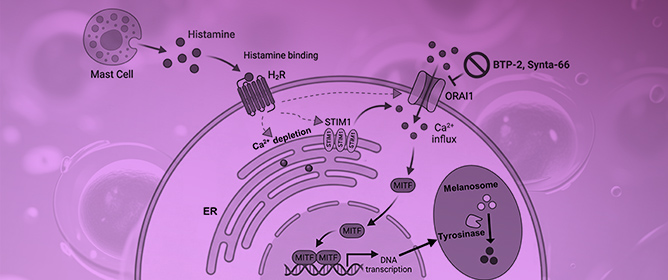
Chronic Histamine Exposure Promotes Melanogenesis via ORAI1-STIM1-Mediated Calcium Signaling Remodeling -
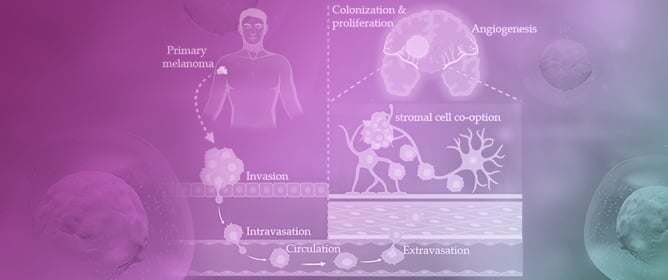
Unraveling the Enigma of Melanoma Brain Metastasis: New Molecular Insights and Therapeutic Directions -
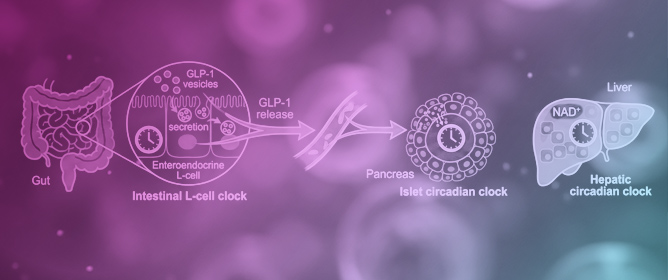
GLP-1 Receptor Agonists at the Crossroads of Circadian Biology, Sleep, and Metabolic Disease -
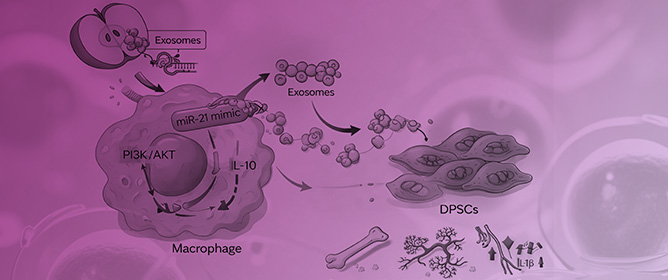
Apple-Derived Vesicles Orchestrate Bone Regeneration: In Vitro Proof of Concept -
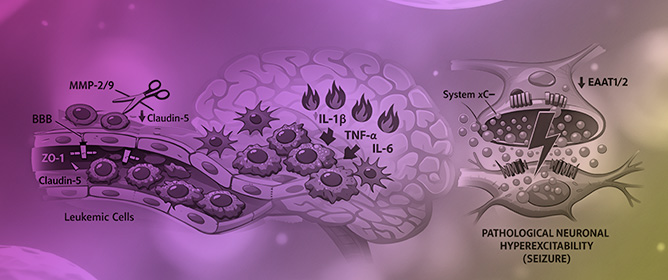
Molecular and Mechanistic Divergence of Seizures in Pediatric Acute Lymphoblastic Leukemia: CNS Infiltration Versus Chemotherapy-Induced Neurotoxicity
Journal Description
International Journal of Molecular Sciences
is an international, peer-reviewed, open access journal providing an advanced forum for biochemistry, molecular and cell biology, molecular biophysics, molecular medicine, and all aspects of molecular research in chemistry, and published semimonthly online by MDPI. The Epigenetics Society, European Chitin Society (EUCHIS), Spanish Society for Cell Biology (SEBC) and others are affiliated with IJMS and their members receive a discount on the article processing charges.
- Open Access— free for readers, with article processing charges (APC) paid by authors or their institutions.
- High Visibility: indexed within Scopus, SCIE (Web of Science), PubMed, PMC, MEDLINE, Embase, CAPlus / SciFinder, and other databases.
- Journal Rank: JCR - Q1 (Biochemistry and Molecular Biology) / CiteScore - Q1 (Inorganic Chemistry)
- Rapid Publication: manuscripts are peer-reviewed and a first decision is provided to authors approximately 17.8 days after submission; acceptance to publication is undertaken in 2.6 days (median values for papers published in this journal in the second half of 2025).
- Recognition of Reviewers: reviewers who provide timely, thorough peer-review reports receive vouchers entitling them to a discount on the APC of their next publication in any MDPI journal, in appreciation of the work done.
- Testimonials: See what our editors and authors say about IJMS.
- Companion journals for IJMS include: Biophysica, Stresses, Lymphatics, SynBio and Inflammation Journal.
Impact Factor:
4.9 (2024);
5-Year Impact Factor:
5.7 (2024)
Latest Articles
Correction: Pînzariu et al. Gut Microbiota and Short-Chain Fatty Acids: Key Factors in Pediatric Obesity and Therapeutic Targets. Int. J. Mol. Sci. 2025, 26, 11503
Int. J. Mol. Sci. 2026, 27(12), 5378; https://doi.org/10.3390/ijms27125378 (registering DOI) - 15 Jun 2026
Abstract
In the original publication [...]
Full article
(This article belongs to the Section Molecular Microbiology)
Open AccessArticle
17-DMAG-Loaded HER2-Targeted Extracellular Vesicles Induce PARP/Caspase3-Mediated Apoptosis in Gastric Carcinoma
by
Sin Hye Park, Deok Yong Sim, Do Sang Lee, Chan Mi Lee, Joo Won Moon, Ji Won Choi and Dong Jin Kim
Int. J. Mol. Sci. 2026, 27(12), 5377; https://doi.org/10.3390/ijms27125377 (registering DOI) - 15 Jun 2026
Abstract
Gastric cancer remains a major clinical challenge, underscoring the need for more effective drug delivery strategies. Approximately 10–20% of gastric cancers overexpress HER2, conferring aggressive tumor characteristics and poor survival, yet resistance to trastuzumab-based targeted therapy and limited intratumoral antibody penetration continue to
[...] Read more.
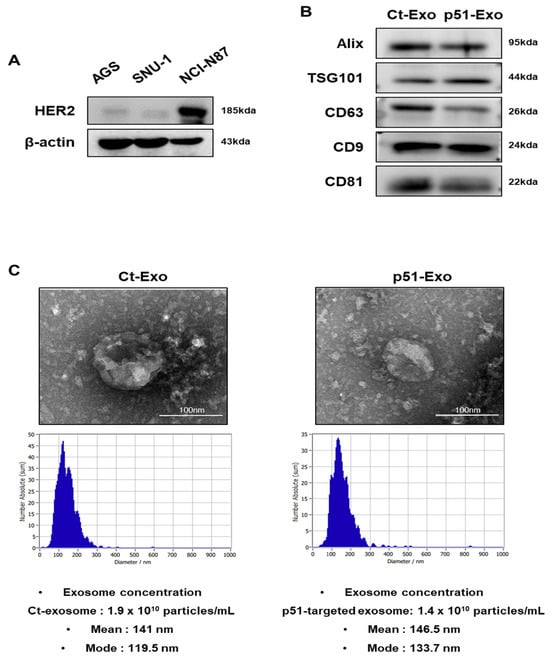
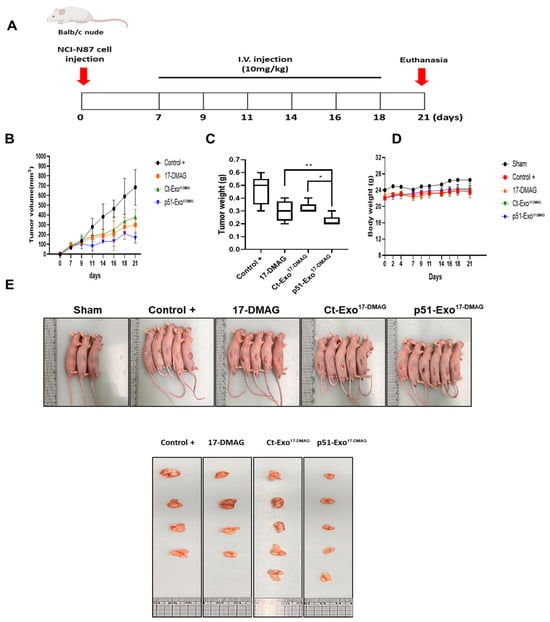
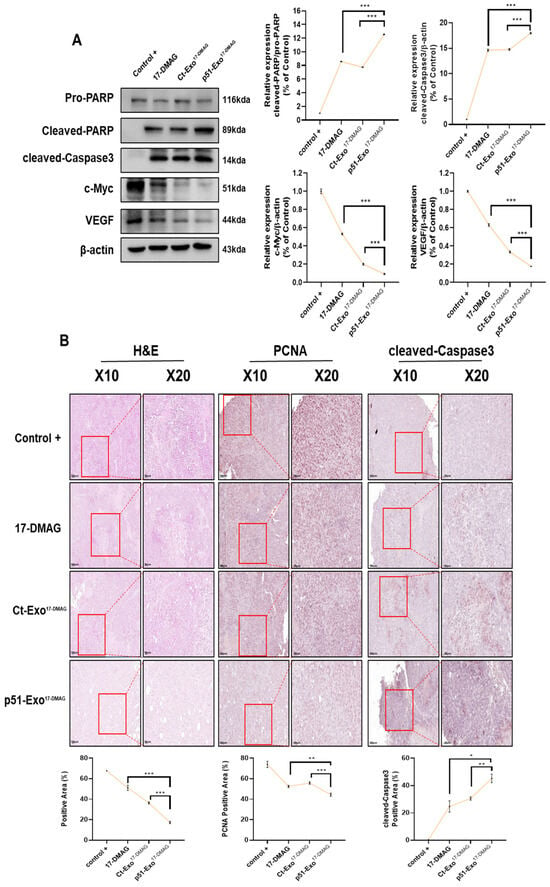
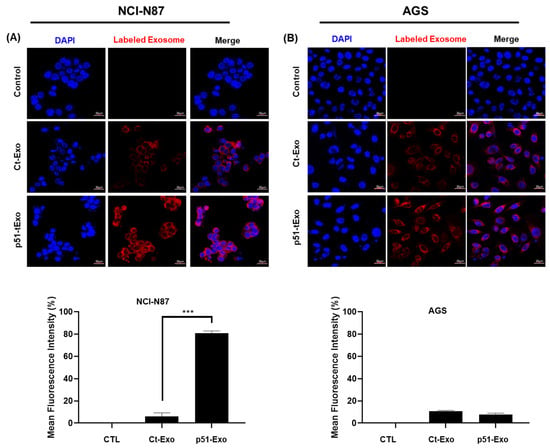
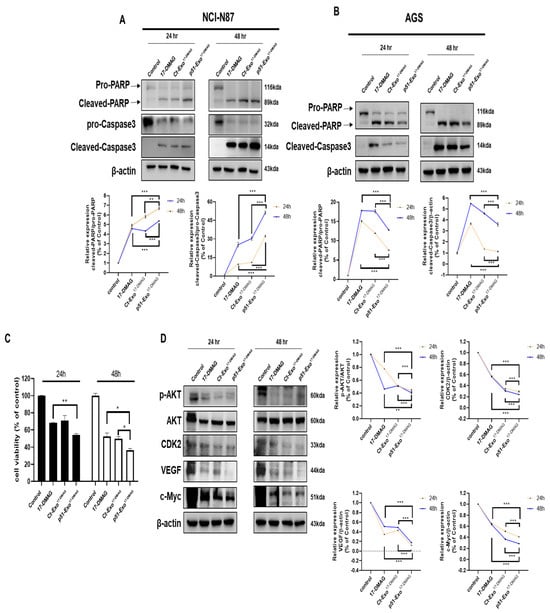
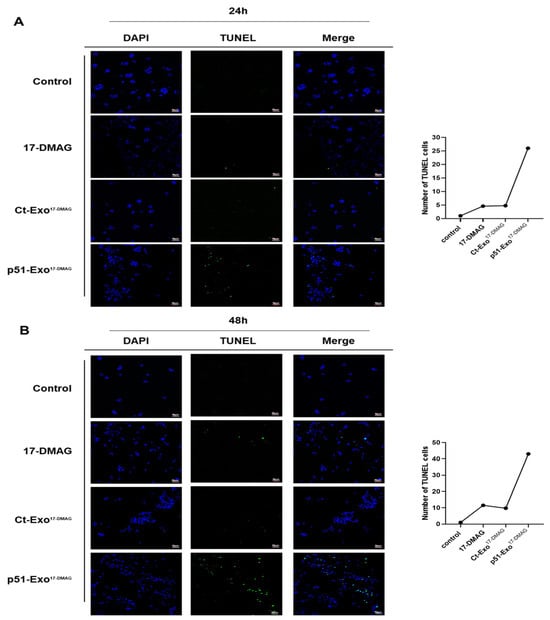
Gastric cancer remains a major clinical challenge, underscoring the need for more effective drug delivery strategies. Approximately 10–20% of gastric cancers overexpress HER2, conferring aggressive tumor characteristics and poor survival, yet resistance to trastuzumab-based targeted therapy and limited intratumoral antibody penetration continue to restrict clinical outcomes. This study evaluated HER2-targeted exosomes as a delivery platform. Exosomes were engineered to express the p51 peptide, a high-affinity HER2-binding ligand, and loaded with 17-dimethylaminoethylamino-17-demethoxygeldanamycin (17-DMAG), a potent HSP90 inhibitor. The cellular uptake and antitumor efficacy of p51-Exo17-DMAG were assessed in vitro using NCI-N87 and AGS cells and in vivo using a mouse xenograft model. p51-modified exosomes exhibited superior HER2 specific uptake. Treatment with p51-Exo17-DMAG significantly increased apoptosis, as demonstrated by elevated PARP and caspase3 cleavage, and downregulated oncogenic signaling molecules, including p-AKT, CDK2, VEGF, and c-Myc. Furthermore, p51-Exo17-DMAG increased the number of TUNEL-positive cells. In the NCI-N87 xenograft model, systemic administration of p51-Exo17-DMAG significantly inhibited tumor growth without toxicity or histological damage to major organs. Tumor analysis confirmed increased apoptosis and reduced proliferation in vivo. These findings demonstrate that p51-engineered exosomes provide an efficient, selective, and safe platform for HER2-targeted delivery of 17-DMAG, offering a promising precision medicine strategy for HER2-positive gastric cancer.
Full article
(This article belongs to the Section Molecular Oncology)
►▼
Show Figures

Figure 1
Open AccessArticle
Exploratory Analysis of Genetic Variants in BDNF, GABA Receptors, and Dopaminergic Pathways with Alcohol Use Disorder in a Spanish Cohort
by
Maura Rojas-Pirela, Sandra Patricia Gómez Lesmes, Daniel Salete-Granado, Hernán Llorente, María-Ángeles Pérez Nieto, Ignacio Novo-Veleiro, Clara Cieza-Borrella, Isabel Pastor, Javier Fernández-Mateos, Sandra M. Inés Revuelta, Antonio-Javier Chamorro, Francisco-Javier Laso, Rogelio González-Sarmiento and Miguel Marcos
Int. J. Mol. Sci. 2026, 27(12), 5376; https://doi.org/10.3390/ijms27125376 (registering DOI) - 15 Jun 2026
Abstract
Alcohol use disorder (AUD) is influenced by genetic factors that affect key neurobiological systems, including dopaminergic and GABAergic pathways, which regulate neurobehavioral functions and are modulated by brain-derived neurotrophic factor (BDNF). Variations in these genes contribute to individual vulnerability to AUD. In this
[...] Read more.
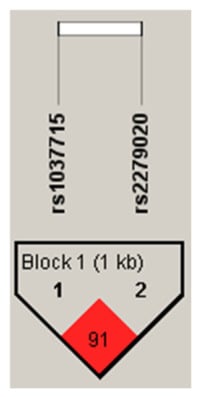
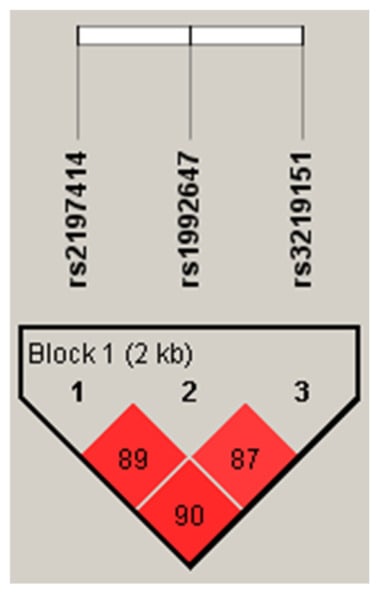
Alcohol use disorder (AUD) is influenced by genetic factors that affect key neurobiological systems, including dopaminergic and GABAergic pathways, which regulate neurobehavioral functions and are modulated by brain-derived neurotrophic factor (BDNF). Variations in these genes contribute to individual vulnerability to AUD. In this study, we investigated single-nucleotide polymorphisms (SNPs) and haplotypic associations in GABRA1, GABRA2, and GABRA6, along with the dopaminergic pathway genes DRD2/ANKK1 and BDNF, in a Spanish cohort. Peripheral blood-derived genomic DNA was genotyped, and haplotype analyses were conducted. Individual SNPs in GABRA1, GABRA2, BDNF, and DRD2/ANKK1 showed no significant associations with AUD. In GABRA6, the rs3219151 T allele was more frequent in AUD patients than in controls (57.9% vs. 49.3%; p = 0.03), while the C allele appeared to show a potential protective association. In addition, the GAC haplotype of GABRA6 (rs2197414, rs1992647, rs3219151) was less frequent in AUD than in controls (0.071 vs. 0.122) and showed a protective association (OR = 0.58; 95% CI = 0.34–0.99; p = 0.045). Our findings provide exploratory evidence suggesting that specific genetic variants and haplotypes may contribute to AUD susceptibility and support the relevance of multigenic and haplotypic approaches for exploring the neurobiological mechanisms underlying AUD.
Full article
(This article belongs to the Section Molecular Neurobiology)
►▼
Show Figures

Figure 1
Open AccessReview
Paradoxical Immune Phenotypes and Dual-State Immune Regulators in Plants: The GSL5 Case Study
by
Lixia Gao, Rong Zuo and Xiong Zhang
Int. J. Mol. Sci. 2026, 27(12), 5375; https://doi.org/10.3390/ijms27125375 (registering DOI) - 15 Jun 2026
Abstract
Plant immune genes are traditionally classified as resistance genes, susceptibility genes, or positive/negative regulators of defense. However, this framework does not fully explain a subset of immune-associated genes that display paradoxical disease phenotypes, in which genetic disruption enhances resistance despite the normal involvement
[...] Read more.
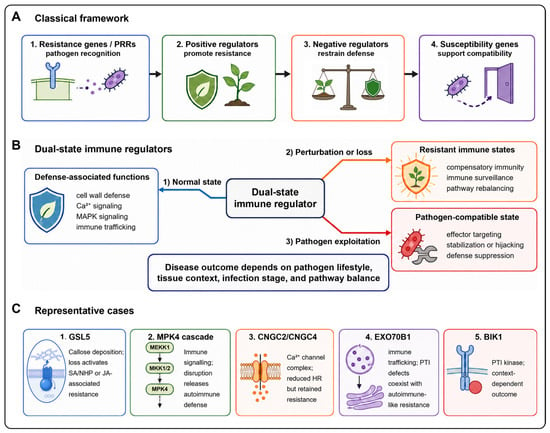
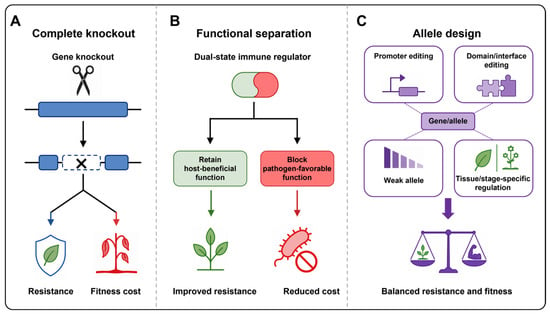
Plant immune genes are traditionally classified as resistance genes, susceptibility genes, or positive/negative regulators of defense. However, this framework does not fully explain a subset of immune-associated genes that display paradoxical disease phenotypes, in which genetic disruption enhances resistance despite the normal involvement of these genes in defense-related processes. GSL5/PMR4 is a representative example. As a pathogen-induced callose synthase, GSL5 contributes to papillary callose deposition and structural defense. Paradoxically, loss of GSL5 confers resistance to powdery mildew through salicylic acid- and N-hydroxypipecolic acid-associated pathways, as well as broad-spectrum resistance to Plasmodiophora brassicae through jasmonic acid-dependent immunity. Here, we refer to such genes as dual-state immune regulators, whose functional presence and genetic disruption promote resistance through distinct immune states. Similar regulatory patterns have been reported in several immune-related processes, including MAPK signaling, calcium influx, membrane trafficking, and receptor-proximal immune signaling. Representative examples include the MEKK1–MKK1/MKK2–MPK4 module, CNGC2/CNGC4, EXO70B1 and BIK1. This review uses GSL5 as a central example to discuss paradoxical immune phenotypes and dual-state immune regulators in plants, focusing on their biological features, potential mechanisms, and implications for resistance breeding.
Full article
(This article belongs to the Special Issue Plant Physiology and Molecular Stress)
►▼
Show Figures

Figure 1
Open AccessArticle
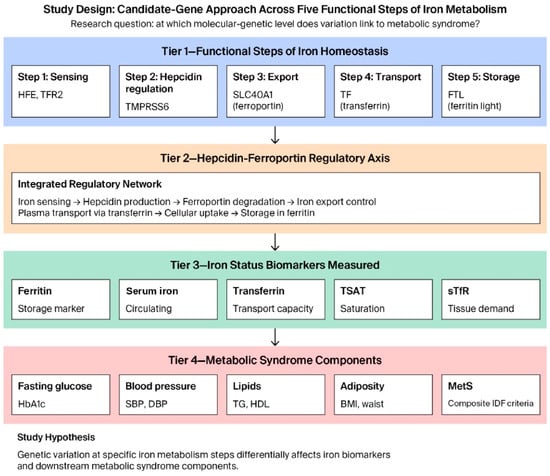
Functional Iron-Transport Genes—TF and TMPRSS6—As Genetic Determinants of Transferrin and Fasting Glucose in a Kazakh Adult Cohort: A Whole-Exome Sequencing Pilot Study
by
Dana Kaldarkhan, Gulnaz Nuskabayeva, Nursultan Nurdinov, Ugilzhan Tatykayeva, Ainash Oshibayeva, Shoira Isanova, Arzu Mamutova, Yusuf Ozkul, Nuriye Gokce, Izem Olcay Sahin and Karlygash Sadykova
Int. J. Mol. Sci. 2026, 27(12), 5374; https://doi.org/10.3390/ijms27125374 (registering DOI) - 14 Jun 2026
Abstract
Iron metabolism has long been linked to metabolic syndrome (MetS), but it is still unclear at which step—iron sensing, hepcidin regulation, export, transport, or storage—genetic variation matters the most. There are almost no studies on iron metabolism genes in Kazakhs in particular. Using
[...] Read more.
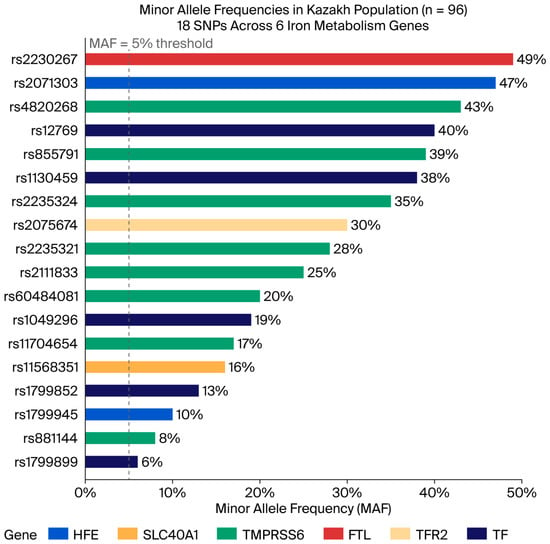
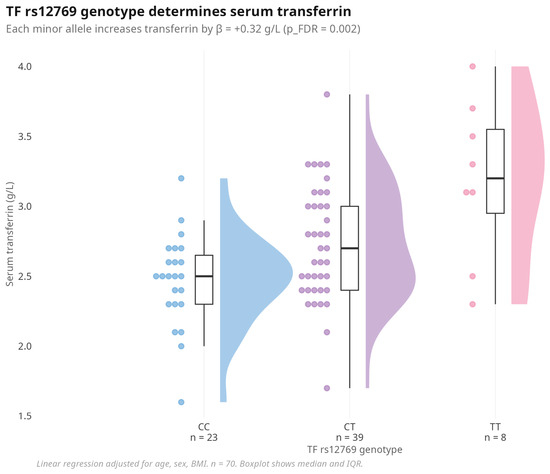
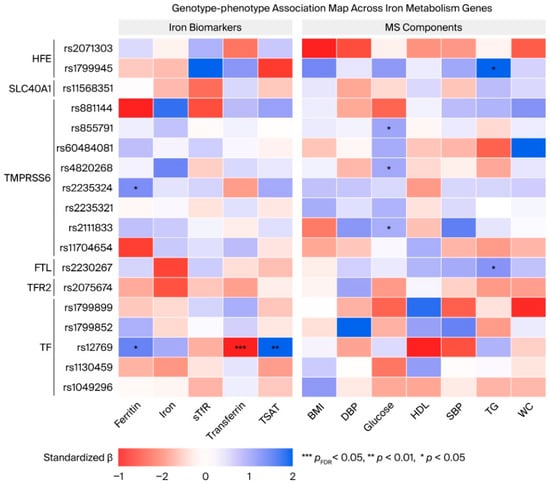
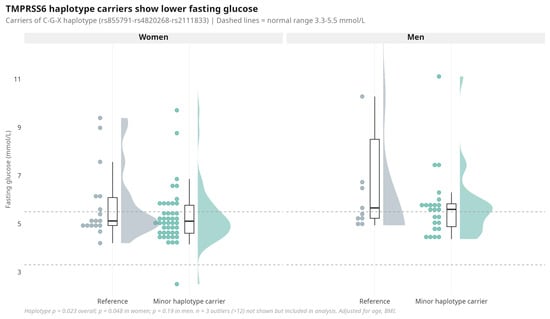
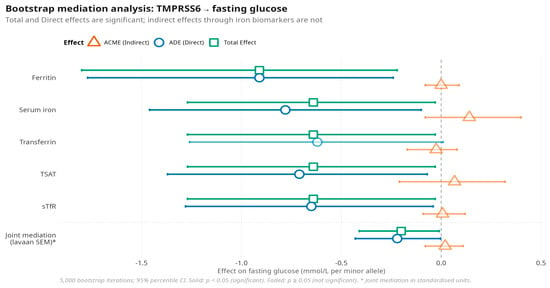
Iron metabolism has long been linked to metabolic syndrome (MetS), but it is still unclear at which step—iron sensing, hepcidin regulation, export, transport, or storage—genetic variation matters the most. There are almost no studies on iron metabolism genes in Kazakhs in particular. Using whole-exome sequencing (WES) data from 96 Kazakh adults (52 with MetS), we examined 18 SNPs across six iron metabolism genes—HFE, SLC40A1, TMPRSS6, FTL, TFR2, and TF. Associations with iron biomarkers and MS components were tested by linear regression adjusted for age, sex, and BMI, with FDR correction, haplotype analysis, and bootstrap mediation analysis. Significant effects clustered at two distinct steps of iron metabolism: hepcidin regulation (TMPRSS6) and iron transport (TF). The T allele of TF rs12769 raised serum transferrin (β = +0.32 g/L; p_FDR = 0.002) while lowering both TSAT (β = −4.25%) and ferritin (β = −0.36 log-units); haplotype analysis confirmed rs12769 as the driver. The TMPRSS6 C–G–C haplotype was associated with lower fasting glucose (β = −1.19 mmol/L; p = 0.023), and TF rs12769 emerged as a robust FDR-significant determinant of serum transferrin (p_FDR = 0.002). Bootstrap mediation analysis (5000 iterations) showed that the TMPRSS6 effect on glucose is not mediated by ferritin, serum iron, transferrin, TSAT, or sTfR (all ACME p > 0.20), while Total and Direct Effects remained robust (p ≤ 0.054). In Kazakhs, iron-metabolism genes appear to influence fasting glucose through direct mechanisms not captured by the standard iron biomarker panel; alternative pathways involving hepatic enzymes, hepcidin, or inflammation warrant investigation in larger cohorts.
Full article

(This article belongs to the Section Molecular Pathology, Diagnostics, and Therapeutics)
►▼
Show Figures

Figure 1
Open AccessReview
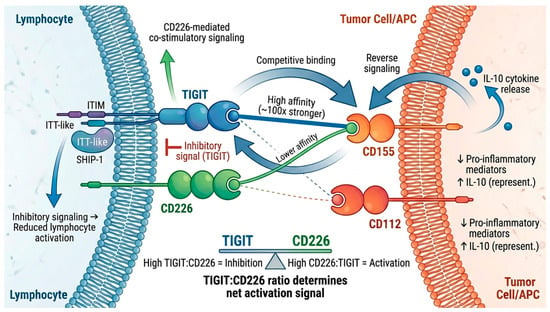
Beyond PD-1/PD-L1: Reprogramming the Gynecologic Tumor Microenvironment by Targeting TIGIT and Myeloid Suppression
by
Shanza Waseem, Jun Zhan and Xue Xiao
Int. J. Mol. Sci. 2026, 27(12), 5373; https://doi.org/10.3390/ijms27125373 (registering DOI) - 14 Jun 2026
Abstract
Immune checkpoint inhibitors targeting the PD-1 (Programmed Cell Death Protein 1)/PD-L1 (Programmed Death-Ligand 1) axis have transformed cancer therapeutics, yet their efficacy in gynecologic malignancies particularly high-grade serous ovarian carcinoma remains disappointingly limited. This therapeutic resistance stems from a highly orchestrated, multidimensional immunosuppressive
[...] Read more.
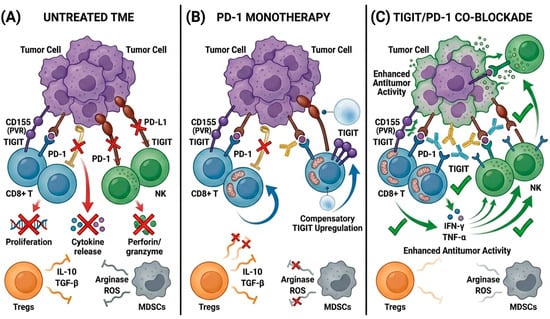
Immune checkpoint inhibitors targeting the PD-1 (Programmed Cell Death Protein 1)/PD-L1 (Programmed Death-Ligand 1) axis have transformed cancer therapeutics, yet their efficacy in gynecologic malignancies particularly high-grade serous ovarian carcinoma remains disappointingly limited. This therapeutic resistance stems from a highly orchestrated, multidimensional immunosuppressive tumor microenvironment (TME) characterized by the convergent actions of regulatory T cells (Tregs), myeloid-derived suppressor cells (MDSCs), and an inhibitory cytokine network (IL-10, TGF-β, VEGF). Emerging evidence positions TIGIT (T-cell immunoreceptor with immunoglobulin and ITIM domain) as a master checkpoint integrator that coordinately regulates CD8+ T-cell exhaustion, NK-cell dysfunction, and Treg-mediated suppression. Dual blockade of PD-1 and TIGIT represents a mechanistically rational strategy to dismantle this immunosuppressive fortress. This review synthesizes current understanding of the gynecologic TME architecture, delineates the molecular and cellular basis for TIGIT/PD-1 synergy, critically evaluates ongoing clinical translation efforts, and proposes an integrative framework leveraging spatial transcriptomics, single-cell resolution immunoprofiling, and patient-derived experimental models to accelerate biomarker-driven therapeutic development.
Full article
(This article belongs to the Section Molecular Oncology)
►▼
Show Figures

Figure 1
Open AccessArticle
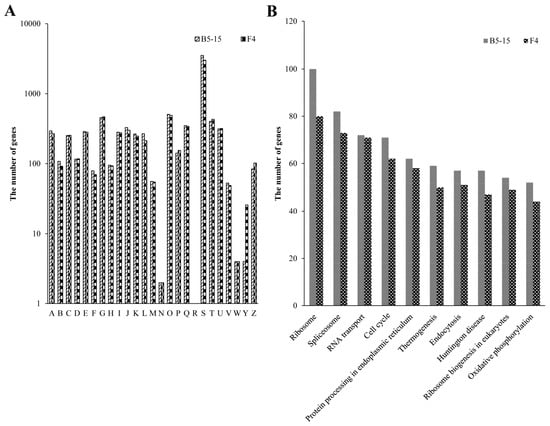
Genomic and Metabolomic Comparisons Provide New Insights into Plant Cell Wall Degradation, Mating Diversity and Secondary Metabolites in Brown and White Commercial Hypsizygus marmoreus Varieties
by
Chenli Zhou, Wenyun Li, Yan Li, Ting Guo, Junjun Shang, Lihua Tang, Wenjun Mao, Jianing Wan, Dapeng Bao, Yingying Wu and Ruiheng Yang
Int. J. Mol. Sci. 2026, 27(12), 5372; https://doi.org/10.3390/ijms27125372 (registering DOI) - 14 Jun 2026
Abstract
Hypsizygus marmoreus (Peck) H.E. Bigelow is a commercial edible mushroom includes two primary commercial varieties: brown and white. To reveal the genetic and metabolic differences between these two varieties, genomic and metabolomic comparisons of the white strain F4 and the brown strain B5-15
[...] Read more.
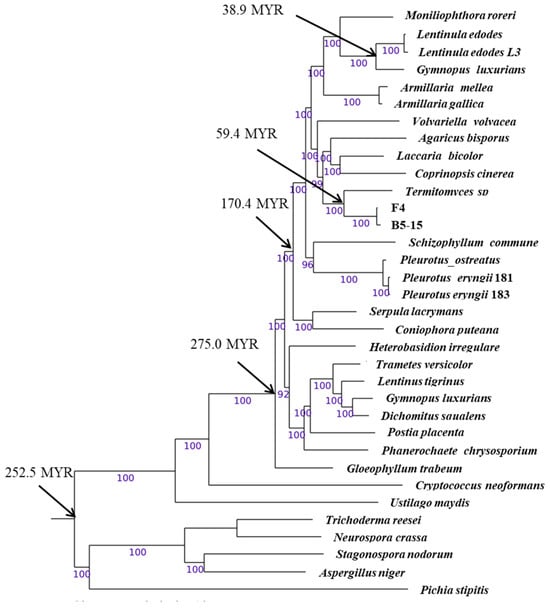
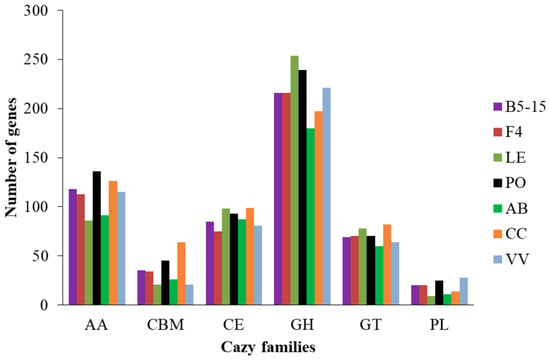
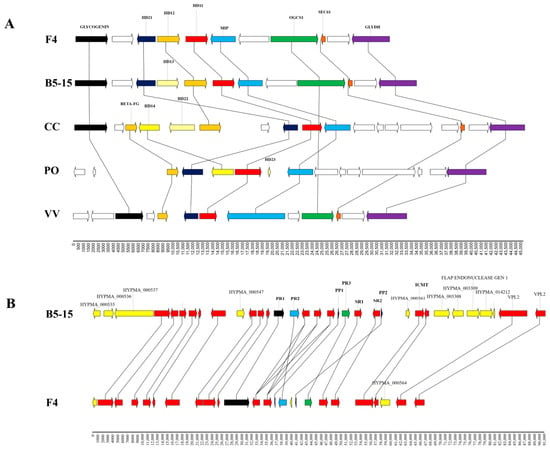
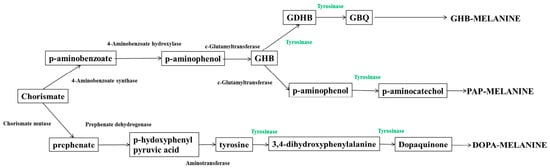
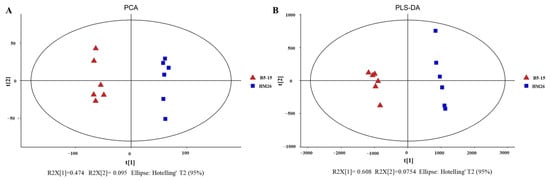
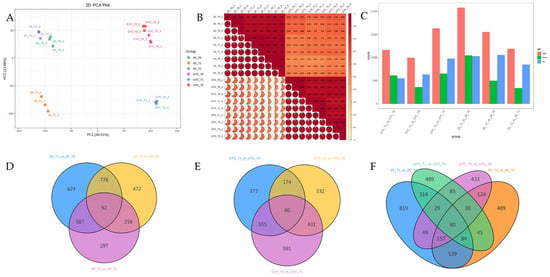
Hypsizygus marmoreus (Peck) H.E. Bigelow is a commercial edible mushroom includes two primary commercial varieties: brown and white. To reveal the genetic and metabolic differences between these two varieties, genomic and metabolomic comparisons of the white strain F4 and the brown strain B5-15 were performed. The assembled genome sizes were 40,851,948 bp for F4 and 41,902,673 bp for B5-15. Molecular clock analysis estimated that H. marmoreus diverged from Termitomyces sp. approximately 59.4 million years ago during the Paleocene based on the genomic information. The two genomes showed little difference in the gene compositions related to β-Glucosidase and certain lignin degrading auxiliary enzymes. In contrast, the structures of the mating-type loci, including gene copy numbers and the transcriptional orientation of open reading frames, differed between the varieties, and it exhibited higher mating-type locus diversity. Comparative genomic analysis further indicated that the brown strain can biosynthesize melanin-like compounds using chorismate as the starting molecule, with tyrosinase acting as a key enzyme. Moreover, metabolomic profiling based on principal component analysis (PCA) and orthogonal partial least squares-discriminant analysis (OPLS-DA) revealed distinct metabolic profiles between the two varieties. Collectively, these findings improve our understanding of the genetic basis underlying the phenotypic differences between the two H. marmoreus varieties.
Full article
(This article belongs to the Section Molecular Plant Sciences)
►▼
Show Figures

Figure 1
Open AccessArticle
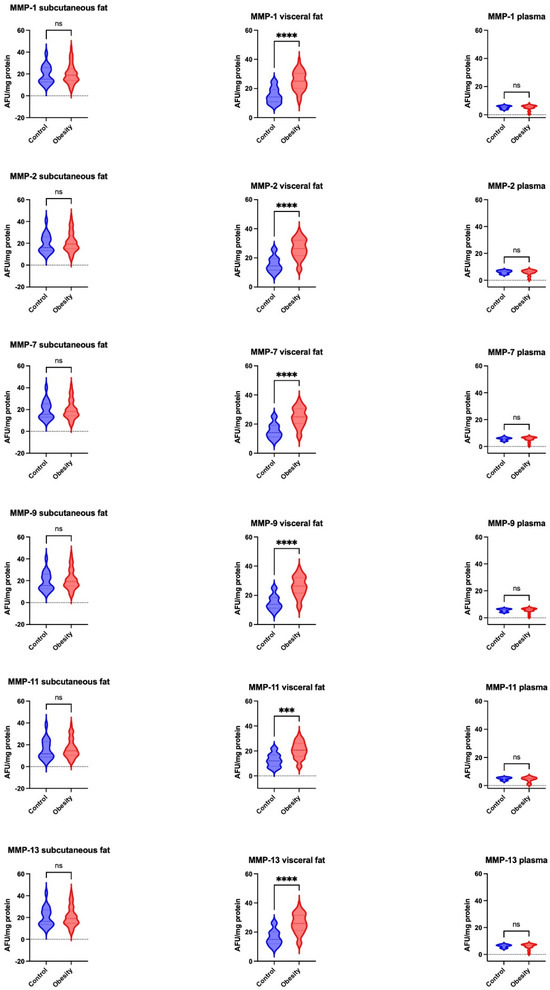
Enhanced Proteolytic and Glycooxidative Activity in Visceral Adipose Tissue in Obesity: A Tissue-Level Comparative Study
by
Konrad Wiśniewski, Barbara Choromańska, Mateusz Maciejczyk, Alan Tkaczuk, Andrzej Kupisz, Roman Cemaga, Jacek Dadan, Małgorzata Żendzian-Piotrowska, Anna Zalewska and Piotr Andrzej Myśliwiec
Int. J. Mol. Sci. 2026, 27(12), 5371; https://doi.org/10.3390/ijms27125371 (registering DOI) - 14 Jun 2026
Abstract
Adipose tissue expansion in obesity is accompanied by extracellular matrix (ECM) remodeling, regulated by matrix metalloproteinases (MMPs). Visceral adipose tissue (VAT) is metabolically more active than subcutaneous adipose tissue (SAT). However, depot-specific differences in proteolytic activity and protein glycooxidation remain incompletely characterized. In
[...] Read more.
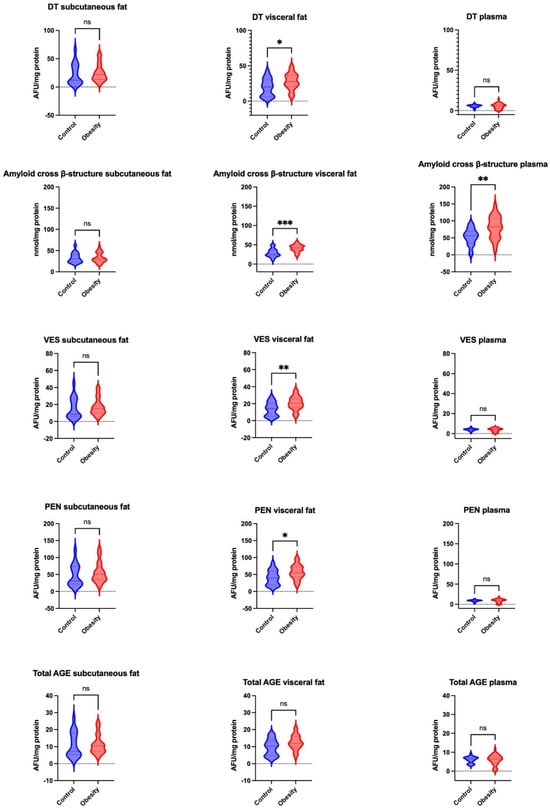
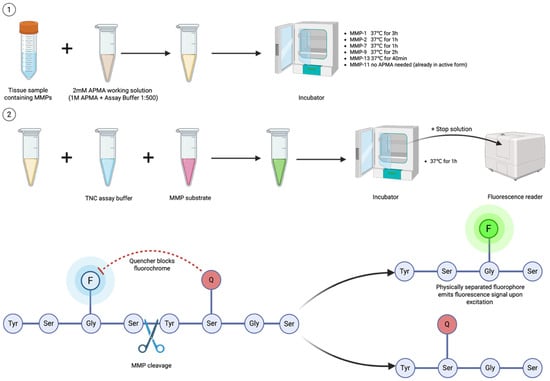
Adipose tissue expansion in obesity is accompanied by extracellular matrix (ECM) remodeling, regulated by matrix metalloproteinases (MMPs). Visceral adipose tissue (VAT) is metabolically more active than subcutaneous adipose tissue (SAT). However, depot-specific differences in proteolytic activity and protein glycooxidation remain incompletely characterized. In this case–control study, we assessed the activity of six matrix metalloproteinases (MMP-1, -2, -7, -9, -11, and -13) using a fluorescence resonance energy transfer (FRET) assay and quantified advanced glycation- and glycooxidation-related markers in paired VAT, SAT, and plasma samples obtained from 40 patients with obesity and 21 non-obese controls. The activities of all assessed MMPs were greater in patients with obesity than in the control group (p < 0.01 for all MMPs). Direct tissue-compartment comparisons showed that MMP activity and glycooxidation-related markers were most pronounced in VAT, with markedly higher values in obese individuals compared with controls. In VAT of obese individuals, median MMP activity was approximately 50–60% higher compared with controls. Amyloid cross-β-structure, vesperlysine, and pentosidine were significantly elevated in VAT in obesity, whereas plasma levels were markedly lower and showed limited group differences. No significant differences were observed between obese participants with and without metabolic syndrome. Obesity is associated with a depot-specific molecular profile characterized by enhanced proteolytic and glycooxidative activity predominantly within visceral adipose tissue. These findings highlight the importance of tissue-compartment-specific assessment in obesity.
Full article
(This article belongs to the Section Molecular Pathology, Diagnostics, and Therapeutics)
►▼
Show Figures

Figure 1
Open AccessArticle
Targeting PI3K/Akt/mTOR Pathway, Ki-67 and Endothelin Receptors by Ambrisentan in Juvenile Rat Intestinal Ischemia
by
Marwa Monier Mahmoud Refaie, Hanaa Hassanein Mohammed, Asmaa A. Hasan, Sayed Shehata, Asmaa A. Muhammed, Mohamad Assayed Nader, Zamzam M. Abdelsamie, Hoda S. Sherkawy, Enas Fathy, Shereen Mohammed Mohammed Elsaghir, Fatma F. Ali, Ahmed M. Ashour, Ali Khames and Doaa Mohamed Elroby Ali
Int. J. Mol. Sci. 2026, 27(12), 5370; https://doi.org/10.3390/ijms27125370 (registering DOI) - 14 Jun 2026
Abstract
Juvenile intestinal ischemia–reperfusion (JII/R) is a pediatric surgical emergency caused by mesenteric vessel occlusion and has a high mortality rate. Malrotation can cause intestinal ischemia in infants due to midgut volvulus. It affects not only the intestine itself but also other organs, such
[...] Read more.
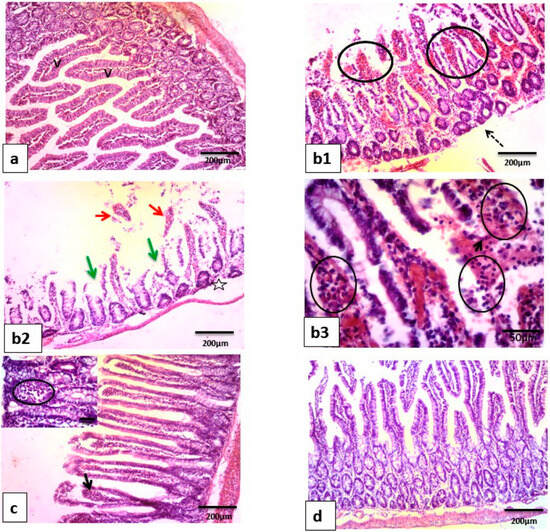
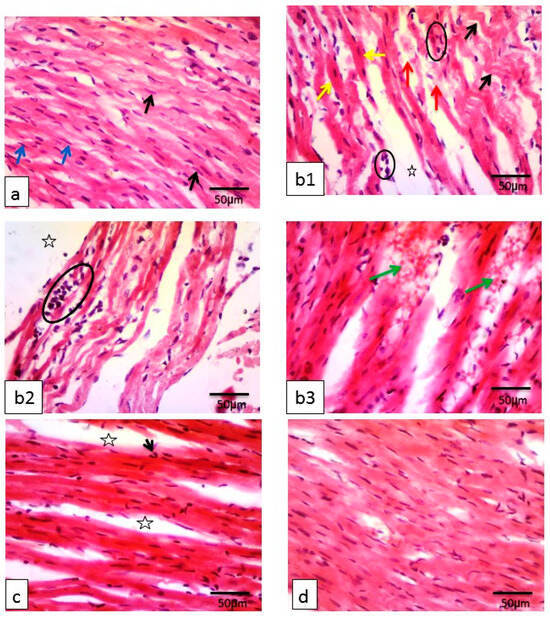
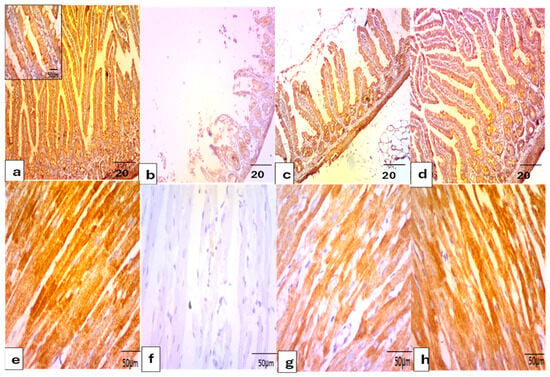
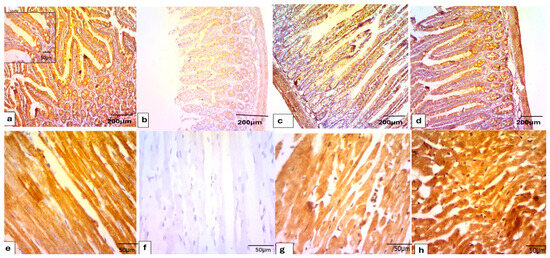
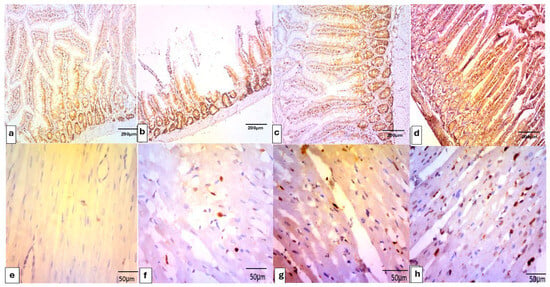
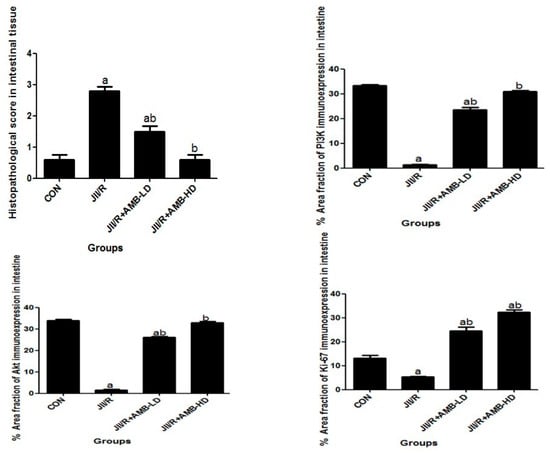
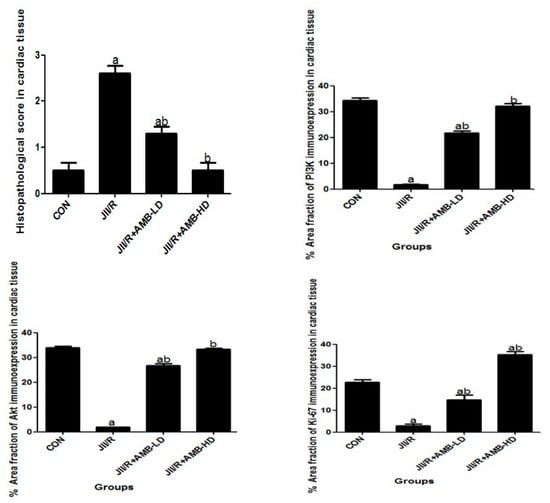
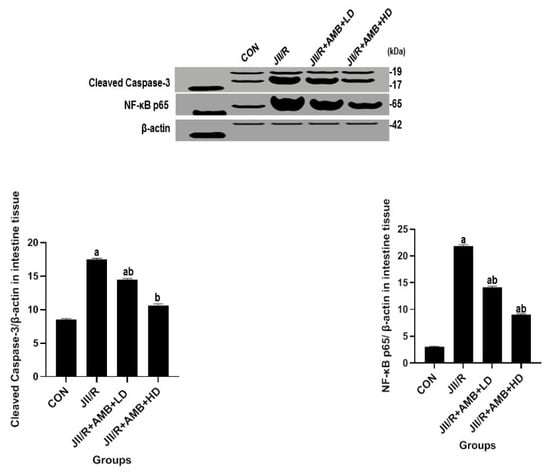
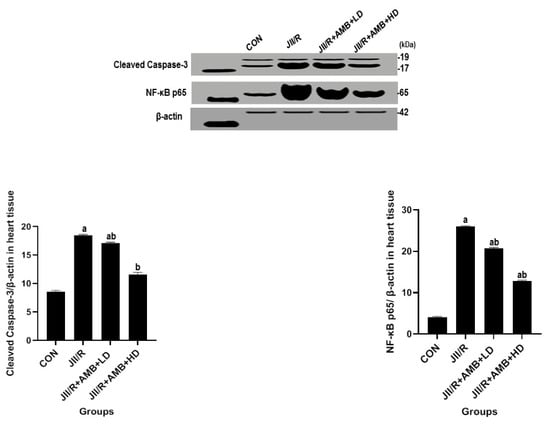
Juvenile intestinal ischemia–reperfusion (JII/R) is a pediatric surgical emergency caused by mesenteric vessel occlusion and has a high mortality rate. Malrotation can cause intestinal ischemia in infants due to midgut volvulus. It affects not only the intestine itself but also other organs, such as cardiac tissue. Therefore, searching for more effective therapeutic solutions is an essential critical need. This directed our thoughts to evaluate the role of ambrisentan (AMB) in a rat model of induced JII/R by clamping the superior mesenteric artery. Forty juvenile male Wistar albino rats (3–4 weeks old) were randomly divided into four experimental groups: control (CON) group, JII/R group, and AMB-treated groups (30, 60 mg/kg) with JII/R. Induction of JII/R results in significant changes in cardiac enzymes, oxidative stress, inflammatory, and apoptotic parameters with high expression of endothelin receptor A (ERA). Also, histopathological changes revealed extensive mucosal damage, loss of intestinal villi, dysregulated and degenerated cardiac fibers with inflammatory cell infiltration, and tissue necrosis. In contrast, AMB administration significantly reduced the elevated levels of cardiac enzymes, malondialdehyde (MDA), nuclear factor kappa B (NF-κB), ERA, and caspase-3 expression. However, AMB treatment increased immune expressions of phosphatidylinositol 3-kinase (PI3K), protein kinase B (Akt), Ki-67, and mammalian target of rapamycin (mTOR) and showed remarkable improvement in the histopathological changes. AMB could be considered as an adjuvant medical treatment for cases of JII/R.
Full article

(This article belongs to the Section Molecular Biology)
►▼
Show Figures

Figure 1
Open AccessReview
Targeting Cathepsin C in Cancer Metastasis: Protease Network Activation, Inflammatory Crosstalk, and Therapeutic Opportunities
by
Yahui Liu, Liangyu Hao and Lixiang Zheng
Int. J. Mol. Sci. 2026, 27(12), 5369; https://doi.org/10.3390/ijms27125369 (registering DOI) - 14 Jun 2026
Abstract
Cathepsin C (CTSC), also known as dipeptidyl peptidase I, is an upstream activator of serine protease networks that may promote metastatic progression through inflammatory amplification and microenvironmental remodeling. Increasing evidence suggests that CTSC contributes to cancer progression not simply as an overexpressed lysosomal
[...] Read more.
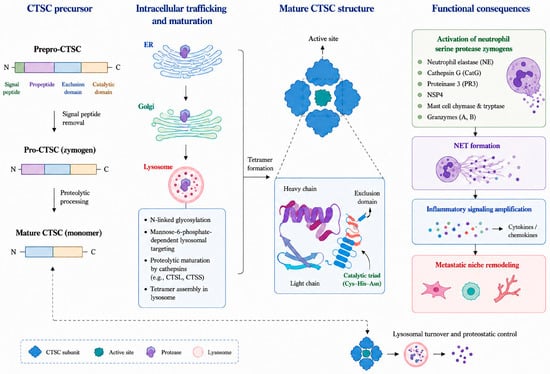
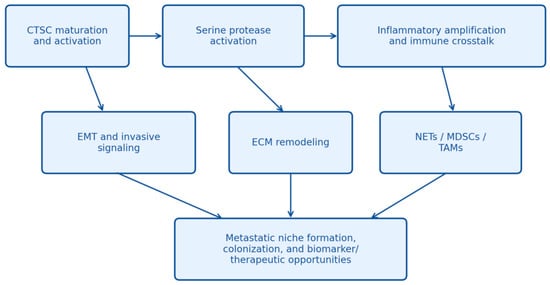
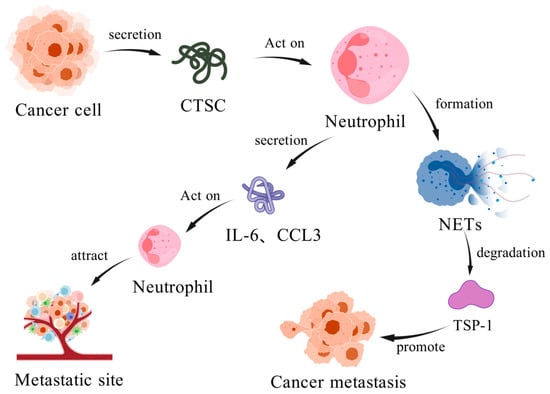
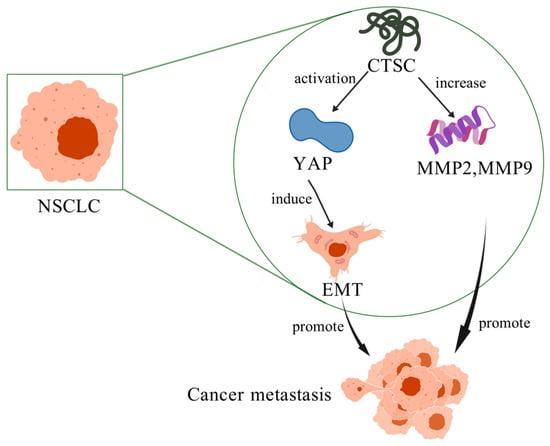
Cathepsin C (CTSC), also known as dipeptidyl peptidase I, is an upstream activator of serine protease networks that may promote metastatic progression through inflammatory amplification and microenvironmental remodeling. Increasing evidence suggests that CTSC contributes to cancer progression not simply as an overexpressed lysosomal protease, but as a context-dependent regulator of metastatic traits. This review summarizes the structure, maturation, and biological functions of CTSC, with emphasis on its protease-activating capacity and its links to tumor-associated inflammation. Current evidence connecting CTSC to epithelial–mesenchymal transition, extracellular matrix remodeling, neutrophil extracellular trap formation, and immune microenvironment reprogramming is then synthesized across hepatocellular carcinoma, renal cell carcinoma, breast cancer, colorectal cancer, non-small-cell lung cancer, and glioma. Available data most strongly support a pro-metastatic role for CTSC in breast cancer and colorectal cancer, whereas evidence in several other malignancies remains predominantly preclinical and mechanistically incomplete. Importantly, CTSC is better viewed as a targetable protease network hub than as a universal pan-cancer metastatic driver. The biomarker potential and therapeutic relevance of CTSC are also evaluated, with particular attention to the opportunities and limitations of current DPP-1/CTSC inhibitors and the need for tumor-specific translational strategies. Overall, CTSC represents a promising but still incompletely validated target in oncology, and future work should prioritize tissue-specific dependency, biomarker qualification, and rational combination approaches.
Full article
(This article belongs to the Special Issue Adhesion, Invasion, and Metastasis in Cancer Progression)
►▼
Show Figures

Figure 1
Open AccessArticle
MicroRNA-597 Suppresses Gastric Cancer Invasion and Progression via RUNX1 Targeting, an Effect Attenuated by the Long Non-Coding RNA KCNQ1OT1
by
Alejandra Sandoval-Borquez, Wilda Olivares, Francisco J. Carvajal, Pablo M. Santoro, Carolina Bizama, Yáreni Ávalos-Guajardo, Keila Torres, Marcelo Garrido, Enrique Norero, Andrew F. G. Quest and Alejandro H. Corvalan
Int. J. Mol. Sci. 2026, 27(12), 5368; https://doi.org/10.3390/ijms27125368 (registering DOI) - 14 Jun 2026
Abstract
Aberrant expression of multiple microRNAs has been reported in gastric cancer. In particular, microRNA-597 has been associated with poor survival rates but is not yet well characterized. Seventy-five clinical samples, four cell lines, and two patient-derived organoids were evaluated for the expression of
[...] Read more.
Aberrant expression of multiple microRNAs has been reported in gastric cancer. In particular, microRNA-597 has been associated with poor survival rates but is not yet well characterized. Seventy-five clinical samples, four cell lines, and two patient-derived organoids were evaluated for the expression of microRNA-597 and its target genes. microRNA-597 was transiently transfected for analysis of cell migration, invasion, wound healing, colony formation, and cell viability, and its regulation by long non-coding RNAs was explored using the TCGA-STAD and LncBook tools. In clinical samples, low expression of microRNA-597 was associated with the intestinal subtype (p = 0.002) and stages III and IV (p = 0.048). All functional readouts were reduced after microRNA-597 transfection, including colony formation, in patient-derived organoids. Among target genes, RUNX1 was directly regulated by microRNA-597. Other cell invasion genes were dependent on RUNX1 as a hub for regulation. Analysis of the Intersection between long non-coding RNAs co-expressed with RUNX1 and those with the highest microRNA-597 prediction binding identified KCNQ1OT1 as the top transcript. Silencing of KCNQ1OT1 and co-expression in clinical samples suggest the existence of a KCNQ1OT1/microRNA-597/RUNX1 network. The results indicate that microRNA-597 directly suppresses RUNX1, while KCNQ1OT1 modulates this interaction. Our approach enabled the simultaneous analysis of dysregulation in three families of transcripts in gastric cancer progression.
Full article

(This article belongs to the Special Issue The Role of Micro-RNA in Gastrointestinal Cancers—from Molecules to Novel Therapies)
Open AccessArticle
Microparticles Released by Dengue Virus-Infected Monocytes Mediate Endothelial Activation and Vasculopathy
by
Janet García-Pillado, Pedro Pablo Martínez-Rojas, Elizabeth Quiroz-Garcia, Carlos Cabello-Gutiérrez, Marcela Lizano, Luis Padilla-Noriega, Lourdes Teresa Agredano-Moreno, Luis Felipe Jiménez-García and Blanca H. Ruiz-Ordaz
Int. J. Mol. Sci. 2026, 27(12), 5367; https://doi.org/10.3390/ijms27125367 (registering DOI) - 14 Jun 2026
Abstract
Dengue is the most prevalent arthropod-borne viral disease, caused by infection with the dengue virus (DENV). Severe dengue is characterized by significant vasculopathy involving a proinflammatory and procoagulant state associated with increased vascular permeability. However, the host–virus interactions driving this process remain incompletely
[...] Read more.
Dengue is the most prevalent arthropod-borne viral disease, caused by infection with the dengue virus (DENV). Severe dengue is characterized by significant vasculopathy involving a proinflammatory and procoagulant state associated with increased vascular permeability. However, the host–virus interactions driving this process remain incompletely elucidated. Monocytes (Mø) are primary target cells during DENV infection and actively release extracellular vesicles, like microparticles (MPs), mediating intercellular communication, contributing to dengue pathogenesis. Here, we evaluated whether MPs released by DENV-infected monocytes represent a previously underappreciated mechanism contributing to dengue-associated vascular dysfunction. The vascular endothelium plays a determining role in the response to injury because it functions as a regulatory interface during hemostasis (coagulation–fibrinolysis–inflammation) and by preserving the endothelial barrier. We found that these vesicles transport viral proteins (E and NS1), exhibit a procoagulant profile that promotes thrombin generation, and enhance endothelial vascular cell (EVC) activation. DENV-infected THP-1 Mø MPs interaction induces a shift toward a procoagulant, proinflammatory, and proadherent phenotype, characterized by increased expression of PAR-1, TF, ICAM-1, and VCAM-1, reflecting the establishment of a sustained HMEC-1 EVC activation that compromises vascular barrier integrity. This leads to increased permeability, a hallmark of DENV-associated vasculopathy and a central event in the progression to severe dengue.
Full article

(This article belongs to the Special Issue The Molecular Basis of Extracellular Vesicles in Health and Diseases—2nd Edition)
Open AccessArticle
High-Pressure Processing Alters Biofilm Persistence and Virulence Gene Expression in Listeria monocytogenes Strains
by
Patryk Adamski, Arkadiusz Józef Zakrzewski, Anna Zadernowska and Wioleta Chajęcka-Wierzchowska
Int. J. Mol. Sci. 2026, 27(12), 5366; https://doi.org/10.3390/ijms27125366 (registering DOI) - 14 Jun 2026
Abstract
Listeria monocytogenes is a persistent foodborne pathogen capable of forming biofilms and surviving in food-processing environments. This study investigated the impact of high-pressure processing (HPP) at 200 and 400 MPa/5 min on biofilm viability, biomass, and expression of nine virulence-associated genes in L.
[...] Read more.
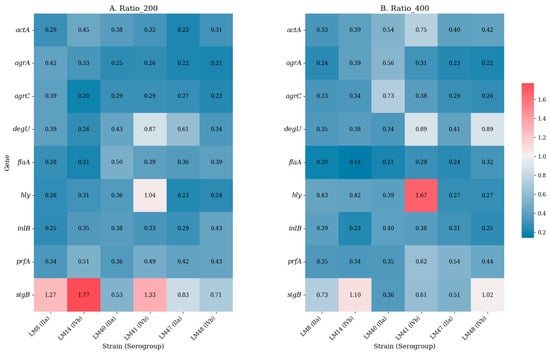
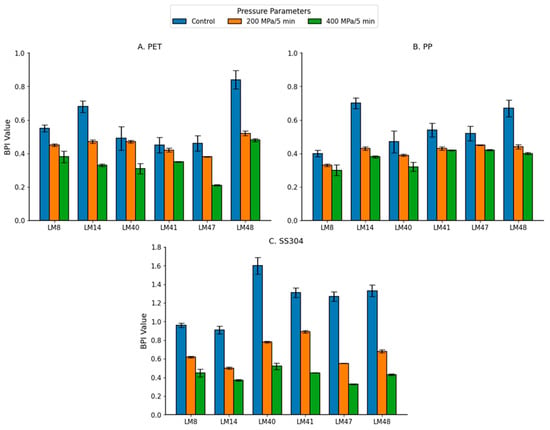
Listeria monocytogenes is a persistent foodborne pathogen capable of forming biofilms and surviving in food-processing environments. This study investigated the impact of high-pressure processing (HPP) at 200 and 400 MPa/5 min on biofilm viability, biomass, and expression of nine virulence-associated genes in L. monocytogenes strains (n = 6) belonging to the serogroups IIa (LM8, LM40, LM41) and IVb (LM14, LM47, LM48). The pressure levels applied were selected to represent sublethal HPP conditions (below 600 MPa) that allowed the survival of the strains and thus enabled the investigation of adaptive responses in cells that escape complete inactivation. Biofilms were cultivated on stainless-steel 304, polyethylene terephthalate, and polypropylene coupons under static conditions at 25 °C for 72 h and 168 h. Biofilm viability [log10(CFU/cm2)] was assessed by plate count method and biomass quantified via the biofilm production index (BPI). The cultures were subjected to HPP treatment and their ability to form biofilms was re-evaluated. HPP significantly (p < 0.05) reduced biofilm viability and biomass on all types of surfaces tested. Gene expression analysis revealed a pressure-dependent (p < 0.05) modulation of flaA and sigB, while other virulence genes (agrA, agrC, actA, prfA, hly, inlB, and degU) were generally downregulated (gene expression ratio values below 1). Serogroup IVb strains exhibited enhanced stress responses and lower biofilm survival on polyethylene terephthalate and polypropylene surfaces. These findings demonstrate that HPP modulates both phenotypic and genotypic traits linked to L. monocytogenes persistence, emphasizing the need to optimize pressure parameters and surface materials to prevent biofilm formation in HPP-treated food systems.
Full article

(This article belongs to the Section Molecular Microbiology)
►▼
Show Figures

Figure 1
Open AccessReview
Myeloid-Derived Suppressor Cells in Inflammatory Arthritis
by
Daniel R. McDougle, James J. Moon and David A. Fox
Int. J. Mol. Sci. 2026, 27(12), 5365; https://doi.org/10.3390/ijms27125365 (registering DOI) - 14 Jun 2026
Abstract
Myeloid-derived suppressor cells (MDSCs) are a heterogeneous group of immature myeloid cell populations with potent immunosuppressive activity. MDSCs accumulate during states of chronic inflammation in response to inflammatory cytokine signaling that triggers emergency myelopoiesis in the bone marrow. In rheumatoid arthritis and experimental
[...] Read more.
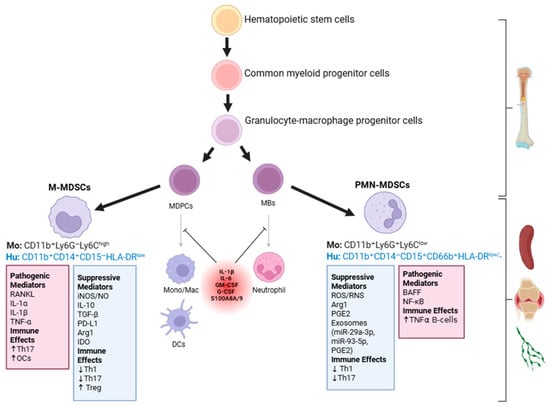
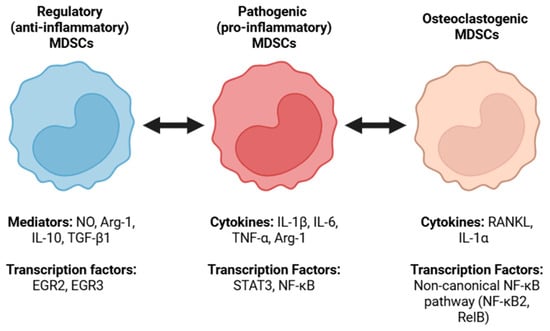
Myeloid-derived suppressor cells (MDSCs) are a heterogeneous group of immature myeloid cell populations with potent immunosuppressive activity. MDSCs accumulate during states of chronic inflammation in response to inflammatory cytokine signaling that triggers emergency myelopoiesis in the bone marrow. In rheumatoid arthritis and experimental models of inflammatory arthritis, MDSCs were initially thought to serve as a regulatory checkpoint that limits excessive inflammation. However, subsequent studies have shown that these cells can either alleviate or worsen arthritis depending on immunophenotype, disease timing, microenvironment, cytokines/chemokines, and transcriptional states. Taken together, the seemingly paradoxical roles of MDSCs in inflammatory arthritis likely reflect a highly plastic and context-dependent myeloid continuum. This review examines current knowledge of MDSCs in inflammatory arthritis, highlighting the conditions that direct their functional diversity and the factors that determine whether they alleviate or exacerbate disease. We also discuss emerging therapeutic strategies and emerging concepts to better understand these immune cell populations in the context of inflammatory arthritis.
Full article

(This article belongs to the Special Issue Novel Therapeutic Strategies and Targets in Rheumatoid Arthritis)
►▼
Show Figures

Figure 1
Open AccessArticle

A Unique SLC26A4 Mutation Spectrum in a Mongolian Enlarged Vestibular Aqueduct Cohort via Whole-Exome Sequencing: A Preliminary Study
by
Jargalkhuu Erdenechuluun, Bayasgalan Gombojav, Tserendulam Batsaikhan, Yue-Sheng Lu, Narandalai Danshiitsoodol, Zaya Makhbal, Maralgoo Jargalmaa, Tuvshinbayar Jargalkhuu, Ho-Peng Hsu, Pei-Hsuan Lin, Hung-Ju Su, Chien-Hsing Lin, Yu-Ting Chiang, Chuan-Jen Hsu, Pei-Lung Chen, Jacob Shu-Jui Hsu, Cheng-Yu Tsai and Chen-Chi Wu
Int. J. Mol. Sci. 2026, 27(12), 5364; https://doi.org/10.3390/ijms27125364 (registering DOI) - 14 Jun 2026
Abstract
Enlarged vestibular aqueduct (EVA) is a common inner ear malformation that causes sensorineural hearing loss. It is frequently associated with pathogenic variants in the SLC26A4 gene. This study aimed to investigate the genetic basis of hearing loss in Mongolian patients with EVA. Whole-exome
[...] Read more.
Enlarged vestibular aqueduct (EVA) is a common inner ear malformation that causes sensorineural hearing loss. It is frequently associated with pathogenic variants in the SLC26A4 gene. This study aimed to investigate the genetic basis of hearing loss in Mongolian patients with EVA. Whole-exome sequencing was performed in 19 Mongolian patients from 15 unrelated families diagnosed with EVA with or without cochlear incomplete partition type II. All patients underwent high-resolution computed tomography of the temporal bone to confirm the diagnosis. Biallelic SLC26A4 pathogenic variants were identified in all 15 families, achieving a 100% diagnostic yield. The most frequent variant was c.919-2A>G (40%), followed by c.2027T>A (23.3%) and c.1318A>T (16.7%). The spectrum of variants includes population-specific variants found in East Asians (c.919-2A>G), North Asians (c.2027T>A), and Southwest Asians (c.716T>A), suggesting a unique mutation spectrum in this Mongolian cohort characterized by variants prevalent across various Eurasian populations, which remains to be confirmed in larger studies. Furthermore, correlation analyses on multi-ethnic allele frequencies of biallelic SLC26A4 genotypes demonstrated positive correlations with deaf cohorts of East Asian, North Asian, Northeast Asian, and Western Asian groups. Digenic inheritance (with pathogenic variants in FOXI1, KCNJ10, or EPHA2) was not observed, and there was no clear genotype–phenotype correlation between specific SLC26A4 genotypes and hearing levels or inner ear malformations. This study provides a comprehensive overview of the genetic landscape of EVA in the Mongolian population. The identification of biallelic SLC26A4 pathogenic variants in all families underscores the clinical role of this gene in EVA pathogenesis. The observed pan-ethnic mutation spectrum likely reflects the genetic diversity resulting from historical migrations of Mongolians.
Full article

(This article belongs to the Special Issue Perspectives of Molecular Genetics and Genomics in Human Mendelian Diseases)
►▼
Show Figures

Figure 1
Open AccessArticle
Triclustering Model for Three-Dimensional Time-Series Gene Expression Data
by
Qiankun Liu, Mengyuan Zhu, Dongchao Ji and Libo Jiang
Int. J. Mol. Sci. 2026, 27(12), 5363; https://doi.org/10.3390/ijms27125363 (registering DOI) - 14 Jun 2026
Abstract
With the rapid advancement and cost reduction in high-throughput sequencing technologies, the accumulation of large-scale, three-dimensional gene expression data has surged. Consequently, effectively reducing the dimensionality of these complex datasets to extract critical biological information remains a significant challenge. Although various methods for
[...] Read more.
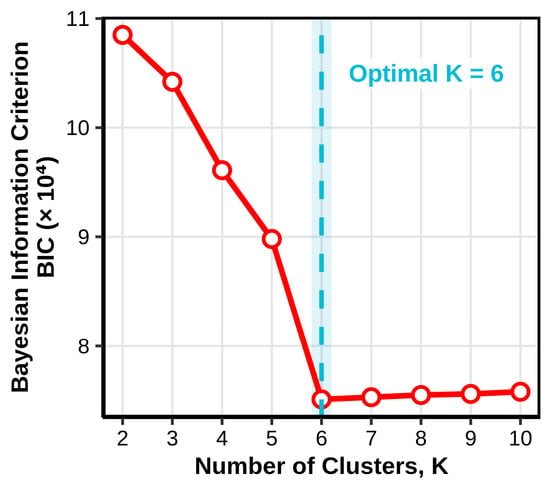
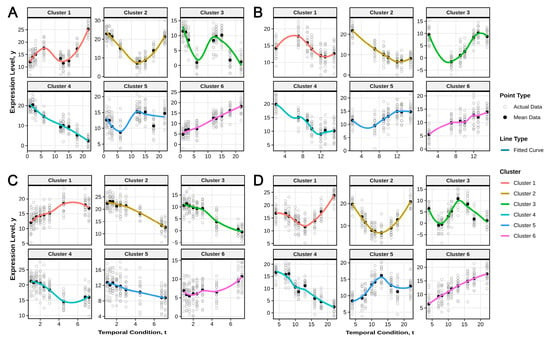
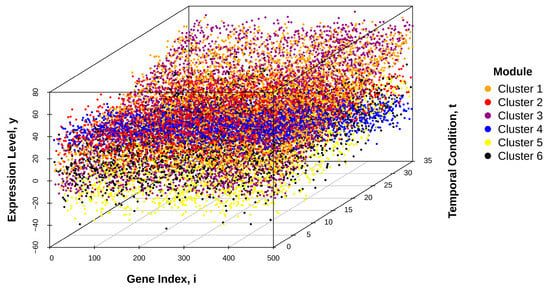
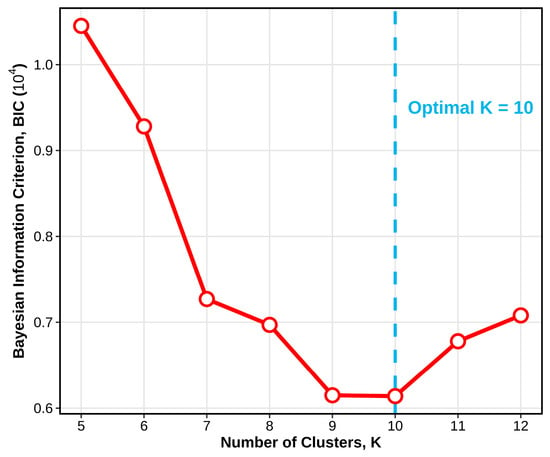
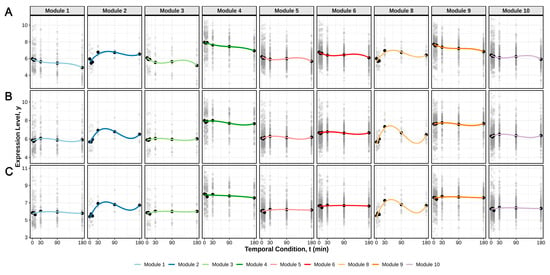
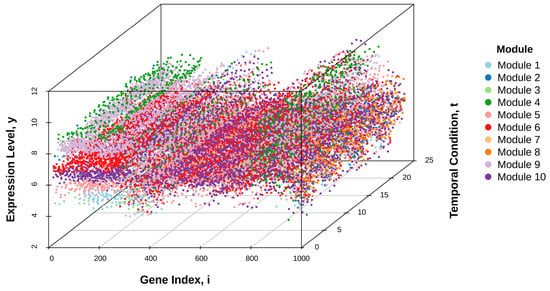
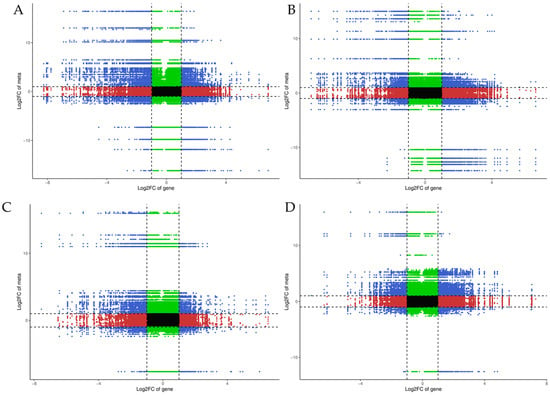
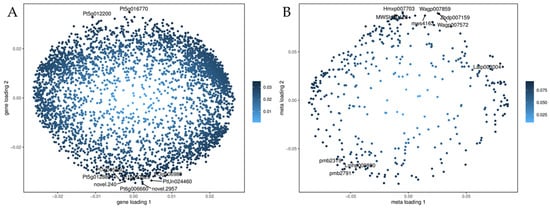
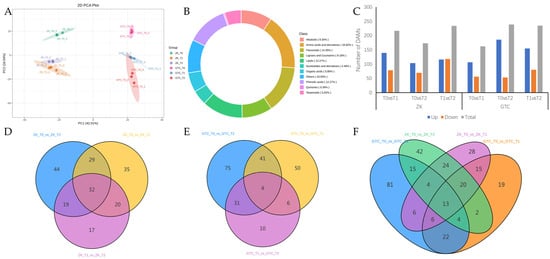
With the rapid advancement and cost reduction in high-throughput sequencing technologies, the accumulation of large-scale, three-dimensional gene expression data has surged. Consequently, effectively reducing the dimensionality of these complex datasets to extract critical biological information remains a significant challenge. Although various methods for identifying gene expression modules have been developed, most do not explicitly account for the multifactorial interactions among the temporal, spatial, and environmental dimensions. To address this limitation, we propose a novel three-dimensional triclustering technique based on a multivariate Gaussian mixture model (MVGMM) within a maximum likelihood framework. Specifically, our approach incorporates Legendre polynomials to model the temporal dynamics of gene expression and utilizes the Bayesian Information Criterion (BIC) to determine the optimal number of clusters. To further evaluate the model’s robustness against the high background noise typically present in empirical datasets (such as Arabidopsis thaliana), we conducted a rigorous sensitivity analysis by artificially injecting high-intensity Gaussian white noise into the simulated dataset. Despite severe noise interference, the global minimum of the BIC consistently remained at K = 6. Furthermore, the penalty term in the BIC successfully suppressed artificial cluster proliferation, preventing the model from fitting the noise as new functional modules. The MVGMM framework successfully recovered the predefined cluster structure in simulation studies and identified distinct expression modules in empirical Arabidopsis thaliana data. By jointly modeling temporal, spatial, and environmental variation, this study provides a statistical framework for exploring multidimensional gene expression patterns and may facilitate the identification of coordinated regulatory programs in complex biological systems.
Full article
(This article belongs to the Section Molecular Informatics)
►▼
Show Figures

Figure 1
Open AccessArticle
Kadsura coccinea Roots Ameliorated Alcohol-Induced Liver Injury by Modulating Oxidative Stress Through the Regulation of the Nrf2/MAPK Signaling Pathway
by
Yashi Wang, Shiqi Liu, Aamer Muhammad, Jiahao Chen, Zhuocheng Xie, Yuxuan Yao, Chuanle Li, Wei Wang, Yupei Yang and Bin Li
Int. J. Mol. Sci. 2026, 27(12), 5362; https://doi.org/10.3390/ijms27125362 (registering DOI) - 14 Jun 2026
Abstract
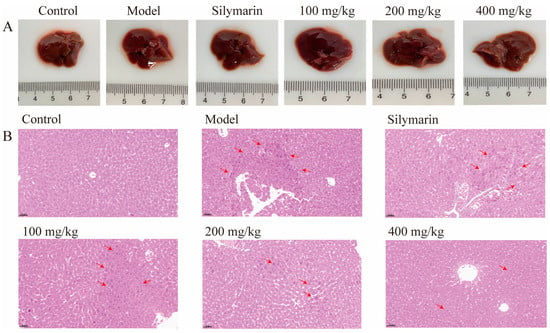
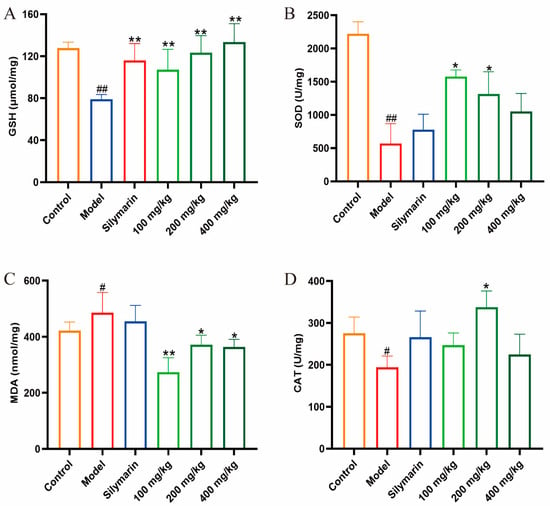
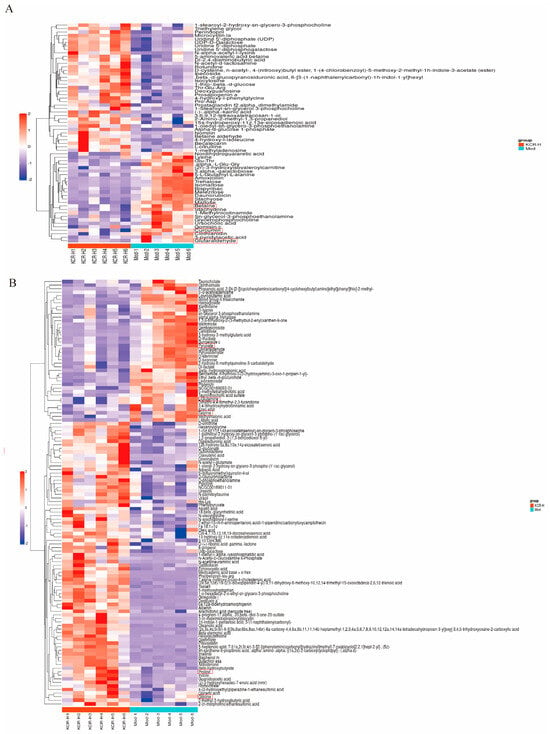
The present investigation evaluated the therapeutic potential of ethanol-derived extracts from Kadsura coccinea root (KCR) against alcohol-induced liver injury (ALI) utilizing a murine experimental system. Male Balb/c mice were administered alcohol intragastrically in a stepwise manner over 8 weeks to establish the ALI
[...] Read more.
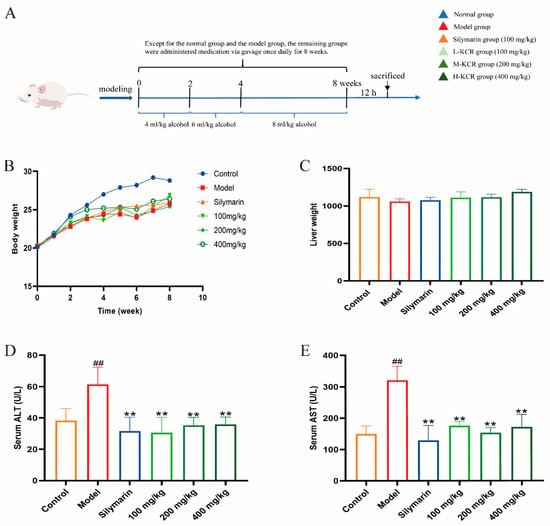
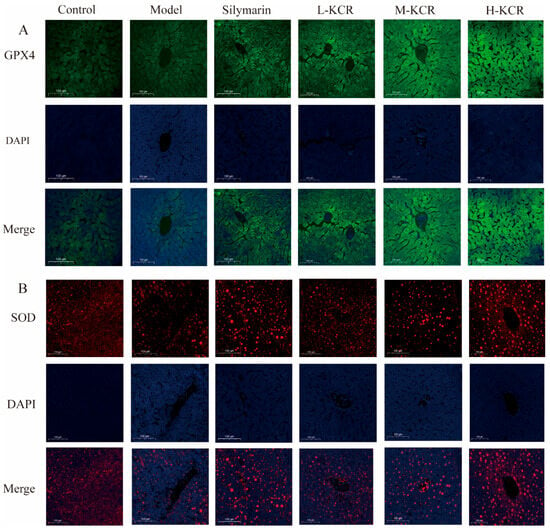
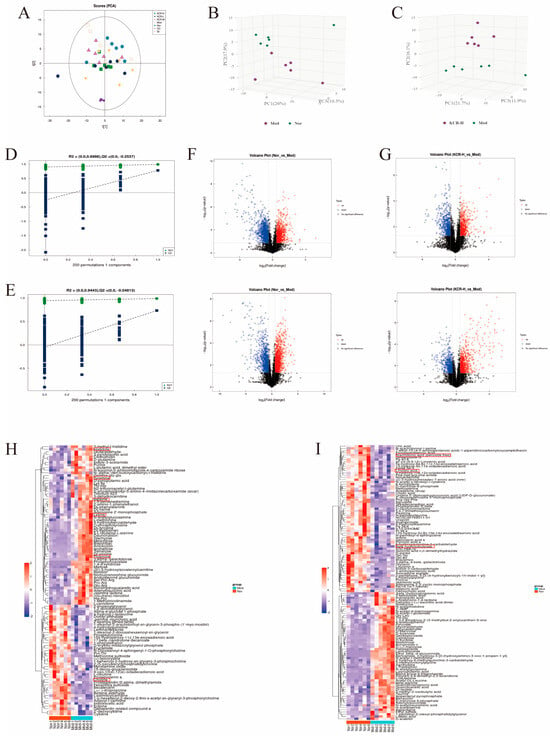
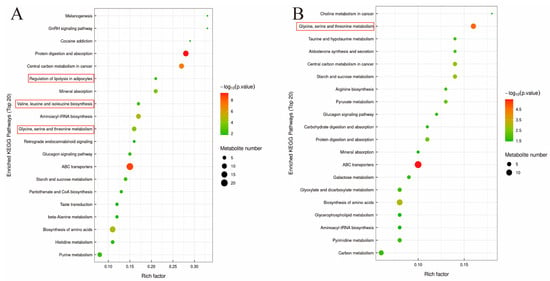
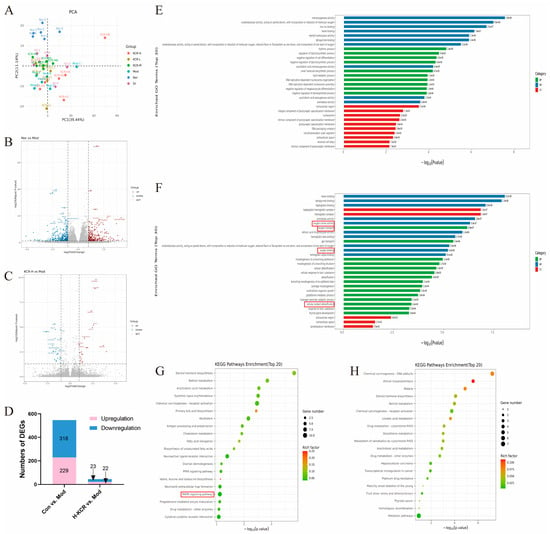
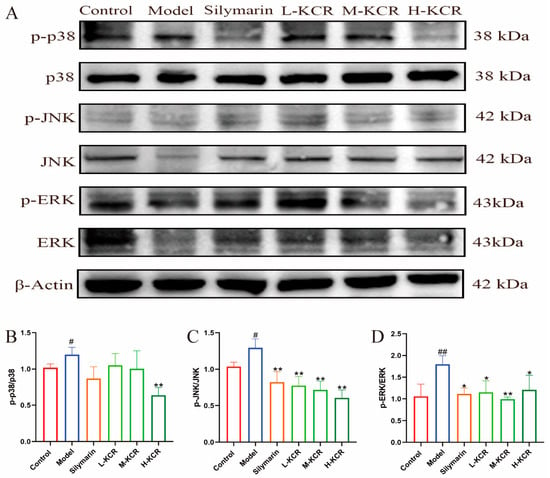
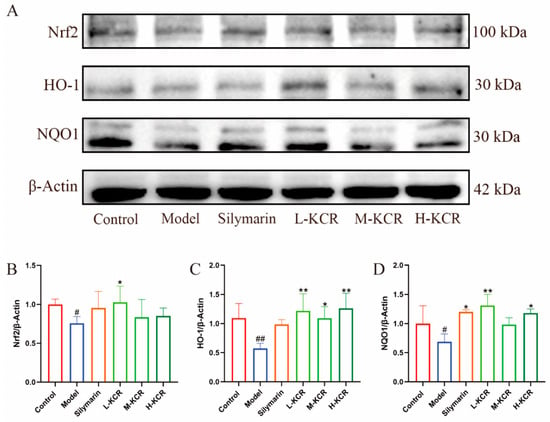
The present investigation evaluated the therapeutic potential of ethanol-derived extracts from Kadsura coccinea root (KCR) against alcohol-induced liver injury (ALI) utilizing a murine experimental system. Male Balb/c mice were administered alcohol intragastrically in a stepwise manner over 8 weeks to establish the ALI model. Experimental outcomes demonstrated that KCR administration substantially improved hepatic functional status, evidenced by marked reductions in circulating hepatic enzymes, specifically aspartate aminotransferase (AST) and alanine aminotransferase (ALT). KCR also increased glutathione (GSH) activity, reduced malondialdehyde (MDA) levels in the liver, and exerted antioxidant effects by boosting the expression of enzymes such as superoxide dismutase (SOD), catalase (CAT), and glutathione peroxidase 4 (GPX4). Additionally, metabolomic and transcriptomic analyses identified metabolites and pathways closely linked to oxidative stress, including Glutathione metabolism and the MAPK signaling pathway. Further mechanistic studies revealed that KCR could decrease the phosphorylation of p38, JNK, and ERK, while increasing the expression of Nrf2, HO-1, and NQO1. In conclusion, KCR alleviates ALI by modulating the MAPK/Nrf2 pathway, restoring redox homeostasis, enhancing antioxidant defenses, and improving metabolic disorders.
Full article
(This article belongs to the Special Issue Application of Natural Products in Biomedicine and Pharmacotherapy: 3rd Edition)
►▼
Show Figures

Figure 1
Open AccessArticle
Integrative Analysis of Transcriptome and Metabolome Reveals Molecular Mechanisms of Salt Tolerance in Two Citrus Rootstocks
by
Yueting Sun, Peng Wang, Yanmei Wu, Feng Liu and Longfei Jin
Int. J. Mol. Sci. 2026, 27(12), 5361; https://doi.org/10.3390/ijms27125361 (registering DOI) - 14 Jun 2026
Abstract
Salt stress is a major abiotic stress that threatens citrus yield and quality. To elucidate the molecular mechanisms underlying differential salt tolerance in citrus rootstocks, we performed an integrative transcriptomic and metabolomic analysis of salt-sensitive trifoliate orange (Poncirus trifoliata) and salt-tolerant
[...] Read more.
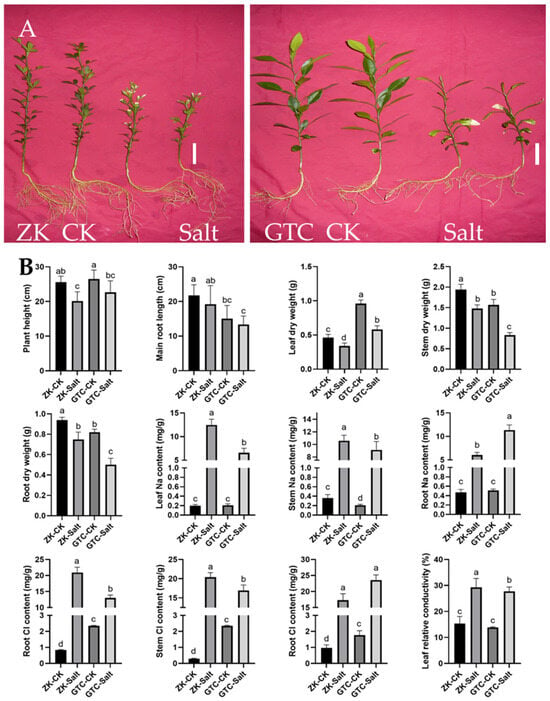
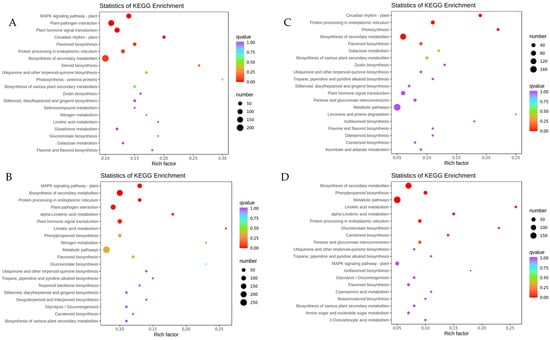
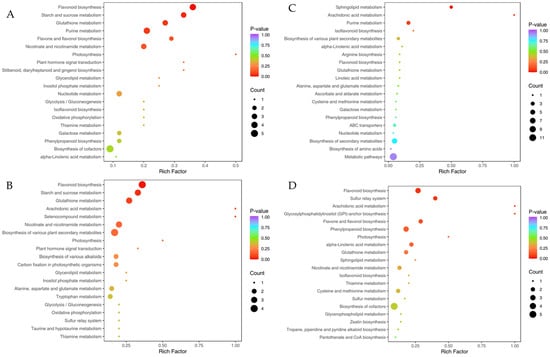
Salt stress is a major abiotic stress that threatens citrus yield and quality. To elucidate the molecular mechanisms underlying differential salt tolerance in citrus rootstocks, we performed an integrative transcriptomic and metabolomic analysis of salt-sensitive trifoliate orange (Poncirus trifoliata) and salt-tolerant Goutoucheng (Citrus aurantium) under 60 mM NaCl treatment for 12 h and 24 h. Physiological observations confirmed that Goutoucheng exhibited less growth inhibition and leaf damage than trifoliate orange. Transcriptome sequencing identified 2081 and 1588 differentially expressed genes (DEGs) in trifoliate orange at 12 h and 24 h, respectively, compared with 1166 and 997 DEGs in Goutoucheng. Metabolome profiling revealed 217 and 173 differentially accumulated metabolites (DAMs) in trifoliate orange versus 162 and 239 DAMs in Goutoucheng at the two time points. KEGG pathway analysis showed that DEGs were mainly enriched in the Mitogen-activated protein kinase (MAPK) signaling pathway—plant, plant hormone signal transduction, and flavonoid biosynthesis—and DAMs were mainly enriched in flavonoid biosynthesis, starch and sucrose metabolism, and glutathione metabolism. Integrative nine-quadrant and two-way orthogonal partial least squares analyses further pinpointed flavonoid biosynthesis as a central hub in salt response. Notably, quercetin derivatives accumulated preferentially in the salt-tolerant rootstock Goutoucheng. Several transcription factor families—including HSF, MYB, NAC, HB-HD-ZIP, C2H2, bHLH, AP2/ERF, and Trihelix—may enhance antioxidant capacity under salt stress by regulating flavonoid accumulation. Collectively, these results indicated that coordinated regulation of flavonoids contributed critically to salt stress adaptation in citrus rootstocks. The identified DEGs, DAMs, and transcription factors provide candidate targets for genetic improvement of salt tolerance in citrus.
Full article
(This article belongs to the Special Issue Abiotic Stress Tolerance and Genetic Diversity in Plants, 3rd Edition)
►▼
Show Figures

Figure 1
Open AccessArticle
Genotoxic Potential of Metodesnitazene and Etodesnitazene: Insights with and Without S9 Metabolic Activation
by
Francesca Rombolà, Dalila Maurizzi, Alessia Silla, Cristiana Caliceti, Sabrine Bilel, Patrizia Hrelia, Marco Malaguti, Monia Lenzi and Matteo Marti
Int. J. Mol. Sci. 2026, 27(12), 5360; https://doi.org/10.3390/ijms27125360 (registering DOI) - 13 Jun 2026
Abstract
The ongoing emergence of New Psychoactive Substances represents a growing threat to public health, as newly synthesized compounds continuously enter the illicit drug market, evading standard detection methods and challenging regulatory frameworks. Among New Psychoactive Substances, nitazenes are potent non-fentanyl opioids associated with
[...] Read more.
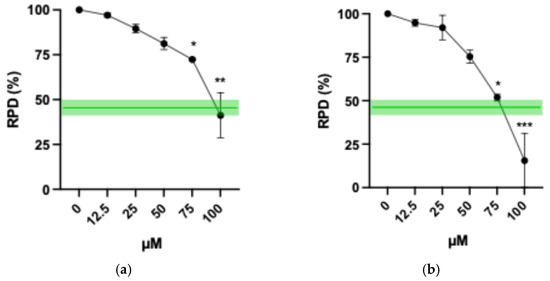
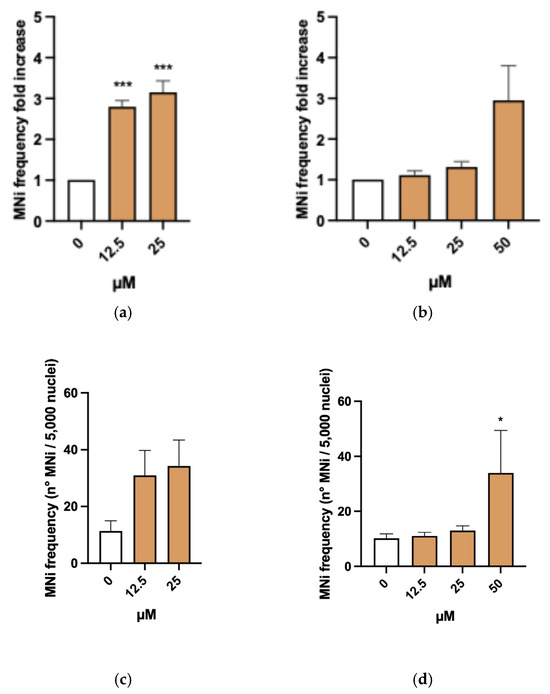
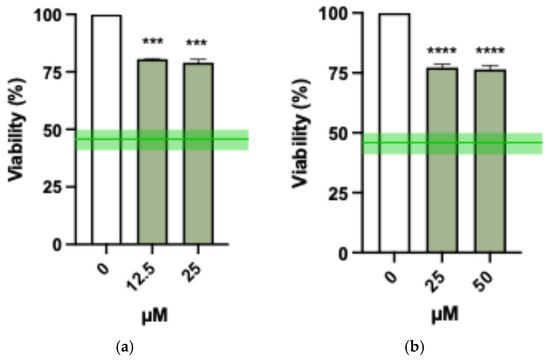
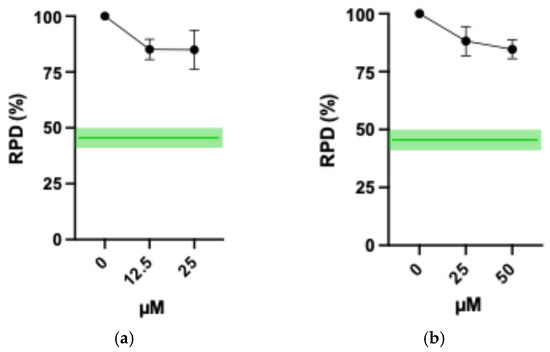
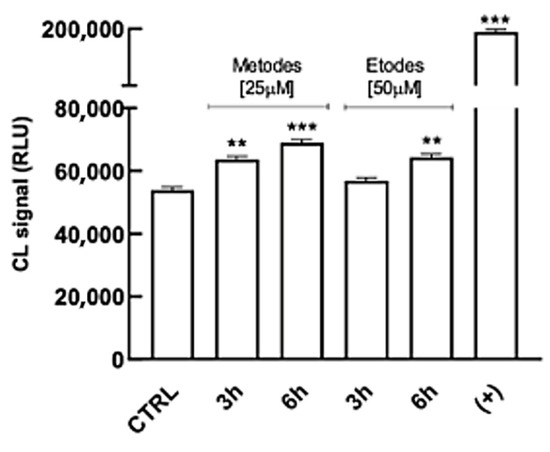
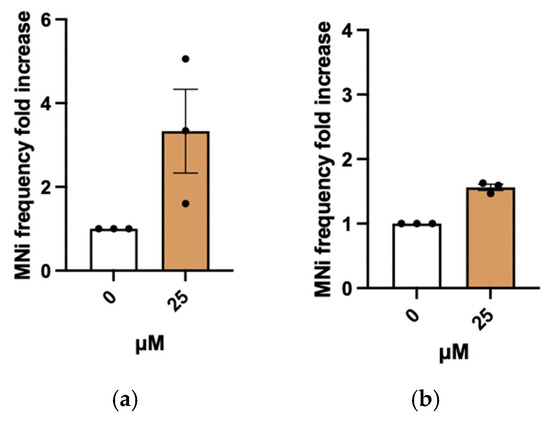
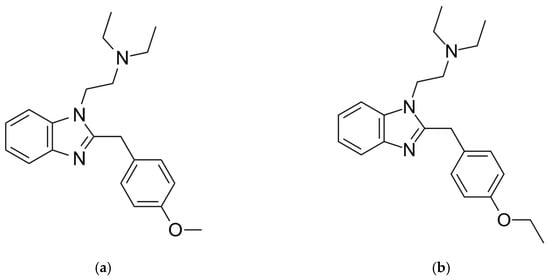
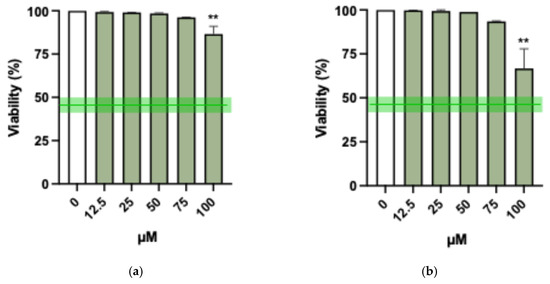
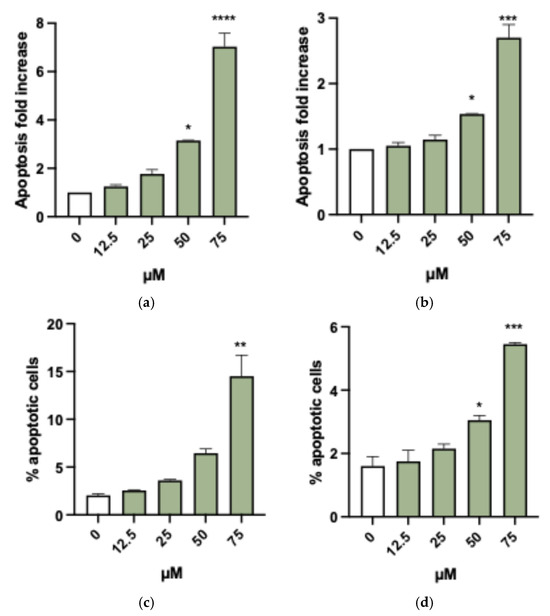
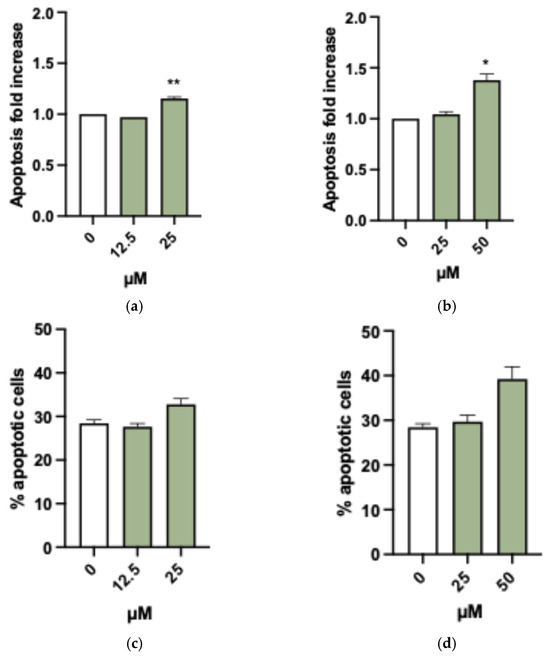
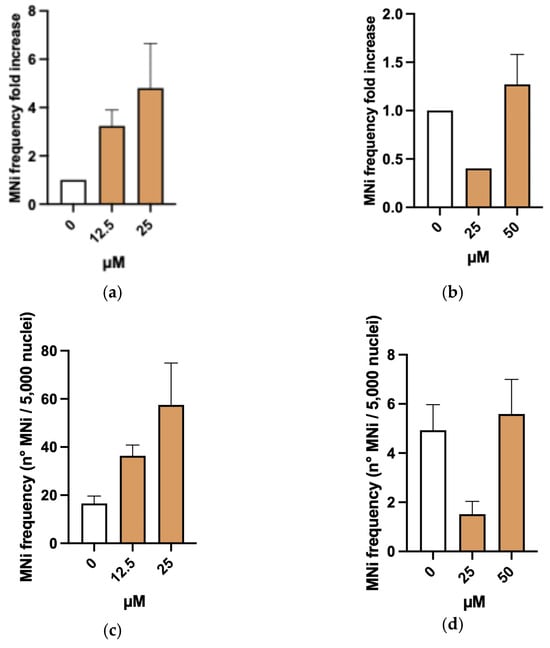
The ongoing emergence of New Psychoactive Substances represents a growing threat to public health, as newly synthesized compounds continuously enter the illicit drug market, evading standard detection methods and challenging regulatory frameworks. Among New Psychoactive Substances, nitazenes are potent non-fentanyl opioids associated with severe cases of intoxication. This study evaluated the genotoxic potential of metodesnitazene and etodesnitazene in the human TK6 cell line. Cells were exposed to increasing concentrations of studied compounds, with and without S9 metabolic activation system. Preliminary assessments and micronuclei frequency analyses were performed by flow cytometry in at least three independent experiments. Metodesnitazene induced an increase in micronuclei frequency starting from 12.5 μM (p < 0.05), whereas etodesnitazene induced an effect only at 50 μM. Metabolic activation increases micronuclei formation at higher concentrations of metodesnitazene 25 μM, but did not substantially affect the response to etodesnitazene. Both compounds also induced intracellular reactive oxygen species production, measured through a chemiluminescent-based bioassay, suggesting oxidative stress as a potential contributing mechanism. These findings highlight the need for compound-specific toxicological profiling to better anticipate the acute and long-term risks associated with nitazene consumption.
Full article
(This article belongs to the Special Issue New Advances in Opioid Research)
►▼
Show Figures

Figure 1
Open AccessArticle
Loss of TDP-43 Drives Innate Immune Activation Through Relish in Drosophila
by
Giulia Romano, Raffaella Klima and Fabian Feiguin
Int. J. Mol. Sci. 2026, 27(12), 5359; https://doi.org/10.3390/ijms27125359 (registering DOI) - 13 Jun 2026
Abstract
Inflammatory and immune alterations are increasingly recognized as components of ALS pathology, yet whether they arise as a direct consequence of TDP-43 dysfunction or as a downstream response to neurodegeneration remains unresolved. To address this question, we profiled adult head transcriptomes of Drosophila
[...] Read more.
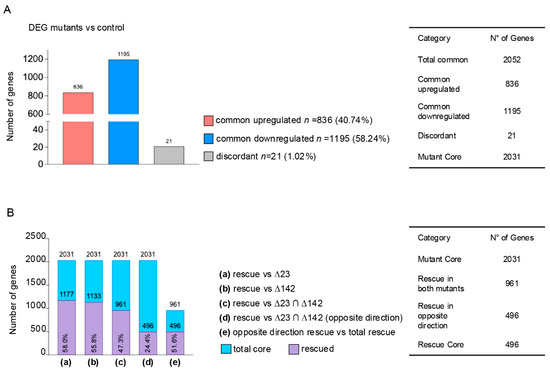
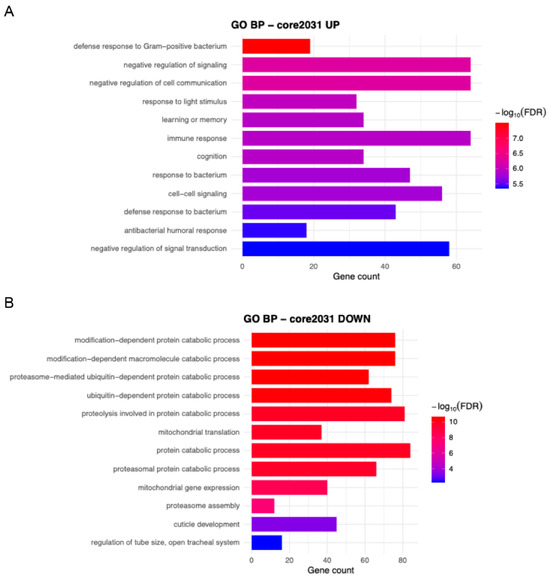
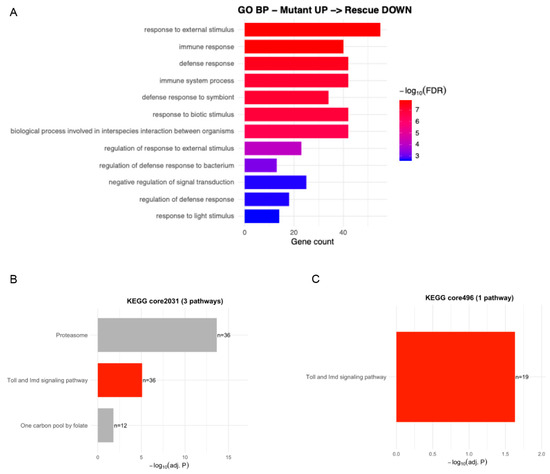
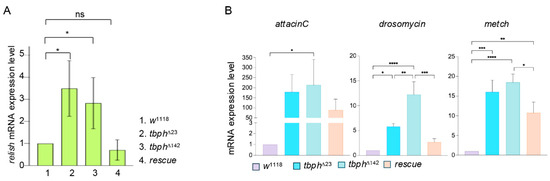
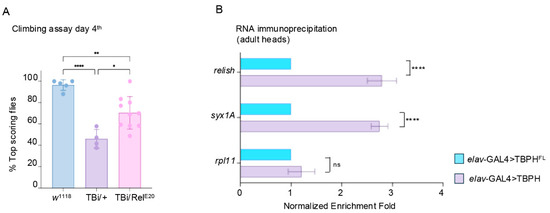
Inflammatory and immune alterations are increasingly recognized as components of ALS pathology, yet whether they arise as a direct consequence of TDP-43 dysfunction or as a downstream response to neurodegeneration remains unresolved. To address this question, we profiled adult head transcriptomes of Drosophila lacking TBPH, the fly homolog of TDP-43, and identified marked overactivation of the conserved Toll/Imd/NF-κB (Relish) innate immune pathway, including increased expression of antimicrobial effector genes and inflammatory genes. We further found that TDP-43/TBPH regulates the NF-κB homolog Relish by associating with its mRNA and that its loss permits Relish-dependent immune overactivation. Genetic reduction in Relish in TDP-43-deficient flies suppressed inflammatory signaling and ameliorated neurological defects in vivo, indicating that immune dysregulation contributes to TDP-43 loss-associated phenotypes.
Full article
(This article belongs to the Special Issue Amyotrophic Lateral Sclerosis (ALS): Pathogenesis and Treatments)
►▼
Show Figures

Figure 1
Journal Menu
► ▼ Journal Menu-
- IJMS Home
- Aims & Scope
- Editorial Board
- Reviewer Board
- Topical Advisory Panel
- Early Career Editorial Board
- Instructions for Authors
- Special Issues
- Topics
- Sections & Collections
- Article Processing Charge
- Indexing & Archiving
- Most Cited & Viewed
- Journal Statistics
- Journal History
- Journal Awards
- Society Collaborations
- Conferences
- Editorial Office
Journal Browser
► ▼ Journal Browser-
arrow_forward_ios
Forthcoming issue
arrow_forward_ios Current issue - Vol. 27 (2026)
- Vol. 26 (2025)
- Vol. 25 (2024)
- Vol. 24 (2023)
- Vol. 23 (2022)
- Vol. 22 (2021)
- Vol. 21 (2020)
- Vol. 20 (2019)
- Vol. 19 (2018)
- Vol. 18 (2017)
- Vol. 17 (2016)
- Vol. 16 (2015)
- Vol. 15 (2014)
- Vol. 14 (2013)
- Vol. 13 (2012)
- Vol. 12 (2011)
- Vol. 11 (2010)
- Vol. 10 (2009)
- Vol. 9 (2008)
- Vol. 8 (2007)
- Vol. 7 (2006)
- Vol. 6 (2005)
- Vol. 5 (2004)
- Vol. 4 (2003)
- Vol. 3 (2002)
- Vol. 2 (2001)
- Vol. 1 (2000)
Highly Accessed Articles
Latest Books
E-Mail Alert
News
Topics
Topic in
Biomedicines, IJMS, JCM, Medicina, Neurology International
Advances in Exercise-Induced Neurogenesis, Neuronal and Functional Adaptations in Neurorehabilitation
Topic Editors: Carlos Bernal-Utrera, Cleofas Rodriguez-Blanco, Maria Livia Carrascal MorenoDeadline: 29 June 2026
Topic in
Dentistry Journal, IJMS, JCM, Medicina, Applied Sciences
Oral Health Management and Disease Treatment
Topic Editors: Christos Rahiotis, Felice Lorusso, Sergio Rexhep TariDeadline: 31 July 2026
Topic in
Biomedicines, Biomolecules, Cancers, Cells, Hematology Reports, IJMS
Advances in Molecular Pathogenesis and Targeted Therapies for Multiple Myeloma
Topic Editors: Chung Hoow Kok, Cindy H. S. Lee, Claudio CerchioneDeadline: 3 August 2026
Topic in
Biomolecules, Chemistry, IJMS, Molecules, Pharmaceuticals
Enzymes and Enzyme Inhibitors in Drug Research
Topic Editors: Athina Geronikaki, Cosimo D. Altomare, Maria Stefania SinicropiDeadline: 11 September 2026
Conferences
Special Issues
Special Issue in
IJMS
Molecular Mechanisms and Diagnostics in Hereditary Hemolytic Anemias
Guest Editor: Joan-Lluís Vives-CorronsDeadline: 20 June 2026
Special Issue in
IJMS
Toxicology Research: Understanding and Predicting Compound-Induced Toxicity
Guest Editor: Miriam Beatríz VirgoliniDeadline: 20 June 2026
Special Issue in
IJMS
Current Progress in Neutrophil Extracellular Traps (NETs)
Guest Editor: Joanna CzerwińskaDeadline: 20 June 2026
Special Issue in
IJMS
Research Progress on Photosensitizers and Photodynamic Therapy
Guest Editor: Michal HegerDeadline: 20 June 2026
Topical Collections
Topical Collection in
IJMS
Feature Papers in Molecular Biophysics
Collection Editors: Ian Nicholls, Vladimir N. Uversky
Topical Collection in
IJMS
Latest Review Papers in Molecular Genetics and Genomics
Collection Editor: Salvatore Saccone
Topical Collection in
IJMS
Feature Papers in Molecular Informatics
Collection Editors: Antonio Rescifina, Giuseppe Floresta