

Journal Menu
► ▼ Journal Menu-
- IJMS Home
- Aims & Scope
- Editorial Board
- Reviewer Board
- Topical Advisory Panel
- Early Career Editorial Board
- Instructions for Authors
- Special Issues
- Topics
- Sections & Collections
- Article Processing Charge
- Indexing & Archiving
- Most Cited & Viewed
- Journal Statistics
- Journal History
- Journal Awards
- Society Collaborations
- Conferences
- Editorial Office
Journal Browser
► ▼ Journal Browser-
arrow_forward_ios
Forthcoming issue
arrow_forward_ios Current issue - Vol. 27 (2026)
- Vol. 26 (2025)
- Vol. 25 (2024)
- Vol. 24 (2023)
- Vol. 23 (2022)
- Vol. 22 (2021)
- Vol. 21 (2020)
- Vol. 20 (2019)
- Vol. 19 (2018)
- Vol. 18 (2017)
- Vol. 17 (2016)
- Vol. 16 (2015)
- Vol. 15 (2014)
- Vol. 14 (2013)
- Vol. 13 (2012)
- Vol. 12 (2011)
- Vol. 11 (2010)
- Vol. 10 (2009)
- Vol. 9 (2008)
- Vol. 8 (2007)
- Vol. 7 (2006)
- Vol. 6 (2005)
- Vol. 5 (2004)
- Vol. 4 (2003)
- Vol. 3 (2002)
- Vol. 2 (2001)
- Vol. 1 (2000)
Need Help?
Announcements
19 August 2026
The 2nd International Conference on Bioengineering: Bioengineering in an Era of AI (BIOENG 2026) Announces Distinguished Speakers Lineup and Late-Breaking Poster Submission Opportunity
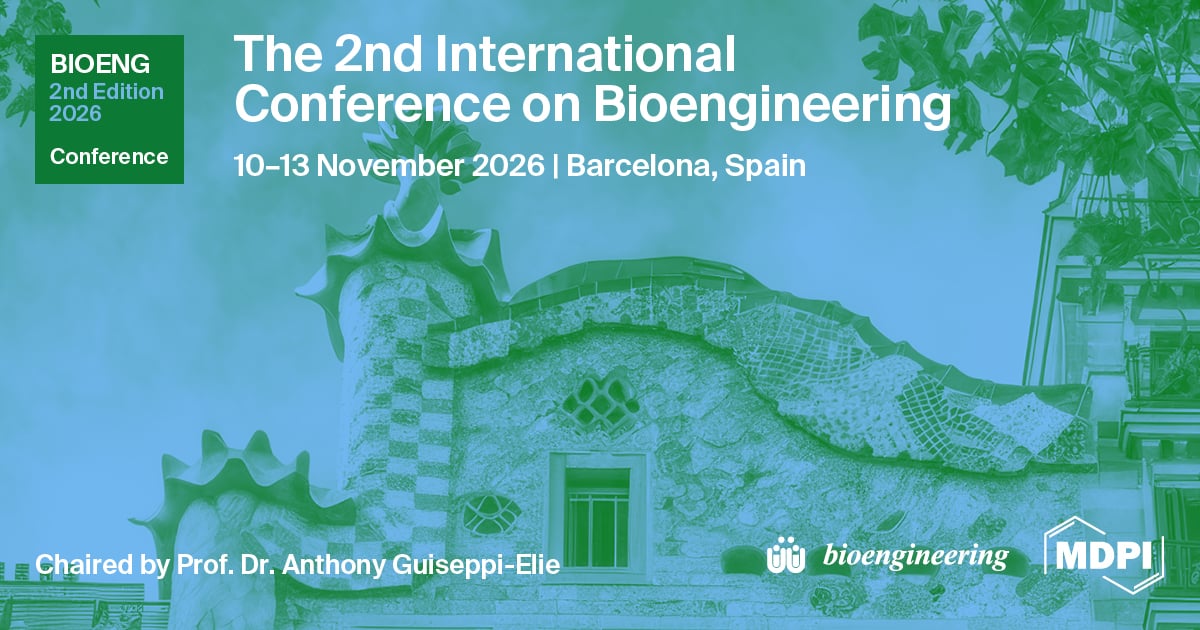
The 2nd International Conference on Bioengineering (BIOENG 2026), Bioengineering in an Era of AI, is pleased to announce its distinguished lineup of Plenary, Keynote, and Invited Speakers. Taking place from 10 to 13 November 2026 in Barcelona, Spain, the conference will bring together leading researchers, engineers, clinicians, and innovators to explore the latest advances shaping the future of bioengineering.
Conference: The 2nd International Conference on Bioengineering: Bioengineering in an Era of AI (BIOENG 2026)
Date: 10–13 November 2026
Place: Barcelona, Spain
Website: https://sciforum.net/event/BIOENG2026
Distinguished Plenary Speakers
BIOENG 2026 is honored to welcome two internationally renowned leaders in bioengineering and regenerative medicine:
- Prof. Dr. Sir Cato T. Laurencin—University of Connecticut, USA;
- Prof. Dr. Dame Molly Stevens—University of Oxford, UK.
Keynote Speakers:
The keynote program features experts representing a broad range of disciplines across bioengineering, AI, biomedical technologies, and biomechanics:
- Prof. Dr. Louis Andrew Lyon—Chapman University, USA;
- Prof. Dr. Anthony Guiseppi-Elie—Texas A&M University, USA; President and Sr. Fellow, AIIMSEI;
- Prof. Dr. Wei Gao—Division of Engineering and Applied Science, California Institute of Technology, USA;
- Prof. Dr. Franz Konstantin Fuss—University of Bayreuth, Germany.
Invited Speakers:
The conference will also feature an international group of invited experts whose work spans regenerative medicine, biomaterials, biosensing, biomedical engineering, AI, diagnostics, human–machine interaction, and global health:
- Prof. Dr. Ennio Tasciotti—San Raffaele University, Italy;
- Prof. Dr. Stelios Andreadis—State University of New York in Buffalo, USA;
- Prof. Dr. Dana Al-Sulaiman—King Abdullah University of Science and Technology, Saudi Arabia;
- Prof. Dr. Carmen Mayorga—UPC—Peruvian University of Applied Sciences, Peru;
- Dr. Selim Bozkurt—Ulster University, UK;
- Prof. Dr. Leopoldo Angrisani—University of Naples Federico II, Italy;
- Prof. Dr. Maribel Vazquez—Rutgers, The State University of New Jersey, USA;
- Prof. Dr. Silviya Petrova Zustiak—Saint Louis University, USA;
- Dr. Hana Lísalová—Institute of Physics of the Czech Academy of Sciences, Czech Republic;
- Prof. Dr. Gianluca Di Flumeri—Sapienza University of Rome, Italy;
- Dr. Luciano Sappia—Scientific Advisor and Innovation Consultant, TotemXR, Catalonia, Spain;
- Dr. Claudio Parolo—Ramón y Cajal Fellow, Universitat Rovira i Virgili; Co-founder, Global Health Innovative Solutions, Spain.
Together, these speakers will contribute to a diverse scientific program addressing emerging technologies, translational research, and the growing role of AI across bioengineering and healthcare.
Late-Breaking Poster Submissions Are Now Open
Missed the initial abstract submission deadline? Late-breaking poster submissions are now open, providing a final opportunity to present your latest research at BIOENG 2026.
Researchers are invited to submit their work for consideration in the conference poster sessions. The submission portal will remain open for a limited time, so we encourage interested researchers to submit their abstracts as soon as possible.
Submit your late-breaking poster abstract here: https://sciforum.net/submissions/BIOENG2026/link/1.
Join us in Barcelona from 10 to 13 November 2026 for four days of scientific exchange, interdisciplinary collaboration, and networking with the international bioengineering community.
31 July 2026
Ursula Röthlisberger Receives the Inaugural Michele Parrinello Award
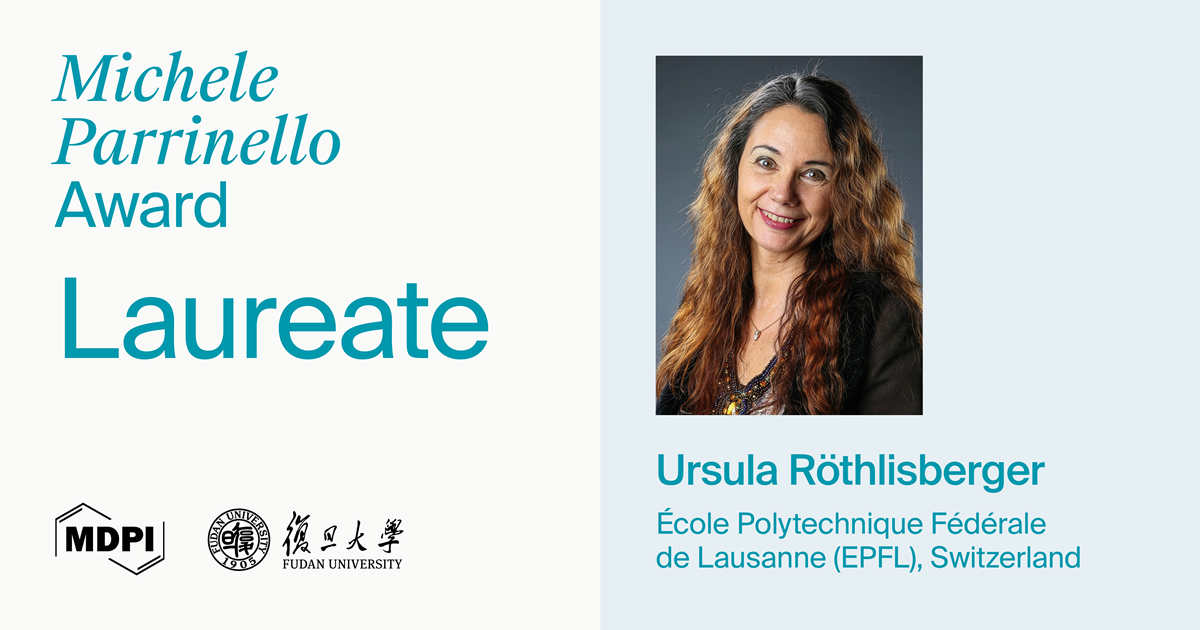
We are pleased to announce that the inaugural Michele Parrinello Award has been conferred upon Prof. Ursula Röthlisberger, in recognition of her outstanding contributions to computational chemistry and molecular simulation, particularly through her pioneering work in ab initio molecular dynamics and QM/MM multiscale simulation methods. This award celebrates researchers whose work embodies the spirit of scientific innovation and rigor that Professor Parrinello has championed throughout his career. We warmly congratulate Prof. Röthlisberger on this well-deserved recognition.
The achievements of Prof. Ursula Röthlisberger highlight the profound impact of computational methods on our understanding of complex chemical, biological, and materials systems. We invite the global scientific community to join us in celebrating her outstanding contributions to computational science.
“Professor Ursula Röthlisberger has been recognized by the 2026 Michele Parrinello Award Committee as an exceptional leader in computational chemistry and molecular simulation. Her innovative research has significantly advanced the predictive modeling of complex chemical and biological systems and has created lasting impact across multiple scientific disciplines. Through her outstanding scientific achievements, dedication to education, and leadership in the international research community, she has played a vital role in shaping the development of modern computational science.”
—Prof. Dr. Xin-Gao Gong, Chair of the Award Committee
2026 Michele Parrinello Award Laureate
|
Ursula Röthlisberger |
Prof. Ursula Röthlisberger is a professor at the Institute of Chemical Sciences and Engineering, EPFL, Switzerland, where she leads the Laboratory of Computational Chemistry and Biochemistry. Her research focuses on developing computational methods for molecular simulation, including ab initio molecular dynamics and quantum mechanical/molecular mechanical (QM/MM) multiscale approaches, to study complex chemical, biological, and materials systems. Her work has contributed to the advancement of computational frameworks for understanding molecular processes at the atomic level. She has also applied computational approaches to investigate next-generation photovoltaic materials, including dye-sensitized and perovskite solar cells, providing insights into material properties, stability, and performance through collaboration with experimental researchers. |

2026 Award Committee
Committee Chair:
- Prof. Dr. Xin-Gao Gong, Fudan University, China.
Committee Members (listed in alphabetical order):
- Prof. Alessandro Laio, Scuola Internazionale Superiore di Studi Avanzati, Italy;
- Prof. Michiel Sprik, University of Cambridge, UK;
- Prof. David J. Srolovitz, the University of Hong Kong, China;
- Prof. Mark E. Tuckerman, New York University, USA;
- Prof. Su-Huai Wei, Eastern Institute of Technology, Ningbo, China.
Note: The 2026 Award Committee comprises six members, including one anonymous member.
2026 Award Ceremony
The inaugural Michele Parrinello Award Ceremony will take place on 7 November 2026, at the Southern University of Science and Technology (SUSTech) in Shenzhen, China, as part of the 2026 MDPI Materials Science Conference. Further information and updates will be available on the official Michele Parrinello Award website.
About the Michele Parrinello Award
The Michele Parrinello Award was established in November 2025 to honor Professor Michele Parrinello’s enduring legacy in advancing computational science. This biennial international award recognizes senior researchers who have made outstanding contributions to computational physical sciences, encompassing physics, chemistry, and materials science. The recipient will receive a monetary prize of 50,000 EUR, a commemorative medal, and a certificate.
For further information about the award and the laureate, please visit the Michele Parrinello Award website.
21 August 2026
Meet Us at the 19th Congress of the International Union of Microbiological Societies (IUMS2026), 4–6 November 2026, Lisbon, Portugal
Conference: The 19th Congress of the International Union of Microbiological Societies
Organization: Kenes Group
Date: 4–6 November 2026
Place: Lisbon, Portugal
Based on the success of the last IUMS meeting held in Florence in 2024, IUMS2026 is expected to be an excellent opportunity to continue the discussion of the latest advancements in microbiology, bringing together scientists working on bacteriology, virology, and mycology worldwide.
Key topics will include microbial genetics, molecular and synthetic biology, gene regulation, proteomics, and applied microbiology in fields such as biotechnology, clinical and medical sciences, industrial applications, and environmental sustainability—with a strong emphasis on the preservation of ecosystems and oceans. Special attention will be paid to how Artificial Intelligence (AI) can affect any aspect of microbiology.
Beyond scientific advancements, this meeting aims to highlight the crucial role of microbes in sustaining life on Earth. Microorganisms are fundamental to global health, food security, energy production, industry, carbon sequestration, agriculture, ecosystem restoration, and scientific progress.
Additionally, the 2026 IUMS meeting will be focused on “Beyond the Microscope: AI & Innovation in Microbiology” to discuss the growing impact of AI on microbiology research and practice. Networking and collaboration opportunities, new partnerships and multidisciplinary co-creation links will be promoted. In addition, efforts will be dedicated to engaging microbiologists worldwide, ensuring participation from both low- and high-income countries.
The following open access journals will be represented:
- Pathogens;
- Microorganisms;
- Viruses;
- JoF;
- Microbiology Research;
- IJMS;
- Parasitologia;
- Life;
- SynBio;
- Applied Microbiology;
- Toxins.
If you plan on attending this conference, please feel free to stop by our booth, #10. Our delegates look forward to meeting you in person and answering any questions you may have.
For more information about the conference, please visit the following link:
https://iums2026.com/.
20 August 2026
Meet Us at the 6th International Conference on Materials (ICM), 16–18 September 2026, Manchester, UK

The 6th International Conference on Materials will be held from 16 to 18 September 2026, organized by MDPI in Manchester, UK.
This conference aims to bring together researchers, industry professionals, and experts from around the world to share the latest advancements, exchange ideas, and foster collaborations in the field of materials science. Over the course of three days, the conference will explore a wide range of topics—biomaterials and bioelectronics; materials for the environment; energy, electronics, and magnetic materials; and materials for catalysis—through keynote lectures, oral presentations, and poster sessions.
The following MDPI journals will be represented:
- Materials;
- Nanomaterials;
- Polymers;
- Coatings;
- IJMS;
- Adhesives;
- Applied Nano;
- Alloys;
- Sustainable Chemistry;
- Magnetism.
If you are attending this conference, please do not hesitate to start an online conversation with us. Our delegates look forward to meeting you in person and answering any questions that you may have.
For more information about the conference, please visit the following link:
https://sciforum.net/event/ICM2026/home.
19 August 2026
International Journal of Molecular Sciences | Highly Cited Papers Published in the “Molecular Immunology” Section

1. “The Multifaceted Role of Macrophages in Biology and Diseases”
by Jan Brancewicz, Natalia Wójcik, Zuzanna Sarnowska, Julia Robak and Magdalena Król
Int. J. Mol. Sci. 2025, 26(5), 2107; https://doi.org/10.3390/ijms26052107
Available online: https://www.mdpi.com/1422-0067/26/5/2107
Viewed by 15940+ | Cited by 70
2. “Anti-Inflammatory Effects of SGLT2 Inhibitors: Focus on Macrophages”
by Elena Y. Rykova, Vadim V. Klimontov, Elena Shmakova, Anton I. Korbut, Tatyana I. Merkulova and Julia Kzhyshkowska
Int. J. Mol. Sci. 2025, 26(4), 1670; https://doi.org/10.3390/ijms26041670
Available online: https://www.mdpi.com/1422-0067/26/4/1670
Viewed by 10285+ | Cited by 69
3. “Macrophage Polarization and Functions in Pathogenesis of Chronic Obstructive Pulmonary Disease”
by Gun-Dong Kim, Eun Yeong Lim and Hee Soon Shin
Int. J. Mol. Sci. 2024, 25(11), 5631; https://doi.org/10.3390/ijms25115631
Available online: https://www.mdpi.com/1422-0067/25/11/5631
Viewed by 12110+ | Cited by 43
4. “Targeting Macrophage Polarization for Reinstating Homeostasis following Tissue Damage”
by Qiran Du, Anna Dickinson, Pruthvi Nakuleswaran, Susan Maghami, Savindu Alagoda, Andrew L. Hook and Amir M. Ghaemmaghami
Int. J. Mol. Sci. 2024, 25(13), 7278; https://doi.org/10.3390/ijms25137278
Available online: https://www.mdpi.com/1422-0067/25/13/7278
Viewed by 8870+ | Cited by 36
5. “Direct Current Electrical Stimulation Shifts THP-1-Derived Macrophage Polarization towards Pro-Regenerative M2 Phenotype”
by Santiago Bianconi, Liudmila Leppik, Elsie Oppermann, Ingo Marzi and Dirk Henrich
Int. J. Mol. Sci. 2024, 25(13), 7272; https://doi.org/10.3390/ijms25137272
Available online: https://www.mdpi.com/1422-0067/25/13/7272
Viewed by 8220+ | Cited by 34
6. “The Role of the Immune System in the Course of Hashimoto’s Thyroiditis: The Current State of Knowledge”
by Karolina Wrońska, Maciej Hałasa and Małgorzata Szczuko
Int. J. Mol. Sci. 2024, 25(13), 6883; https://doi.org/10.3390/ijms25136883
Available online: https://www.mdpi.com/1422-0067/25/13/6883
Viewed by 20720+ | Cited by 47
7. “Autoimmunity, New Potential Biomarkers and the Thyroid Gland—The Perspective of Hashimoto’s Thyroiditis and Its Treatment”
by Ewa Tywanek, Agata Michalak, Joanna Świrska and Agnieszka Zwolak
Int. J. Mol. Sci. 2024, 25(9), 4703; https://doi.org/10.3390/ijms25094703
Available online: https://www.mdpi.com/1422-0067/25/9/4703
Viewed by 23030+ | Cited by 54
8. “The Role of NK and T Cells in Endometriosis”
by José Lourenço Reis, Natacha Nurdine Rosa, Catarina Martins, Miguel Ângelo-Dias, Luís Miguel Borrego and Jorge Lima
Int. J. Mol. Sci. 2024, 25(18), 10141; https://doi.org/10.3390/ijms251810141
Available online: https://www.mdpi.com/1422-0067/25/18/10141
Viewed by 3845+ | Cited by 22
9. “Primary Human M2 Macrophage Subtypes Are Distinguishable by Aqueous Metabolite Profiles”
by Amanda L. Fuchs, Stephanann M. Costello, Sage M. Schiller, Brian P. Tripet and Valérie Copié
Int. J. Mol. Sci. 2024, 25(4), 2407; https://doi.org/10.3390/ijms25042407
Available online: https://www.mdpi.com/1422-0067/25/4/2407
Viewed by 4675+ | Cited by 21
10. “The Dual Role of Neutrophil Extracellular Traps (NETs) in Sepsis and Ischemia-Reperfusion Injury: Comparative Analysis across Murine Models”
by Antonia Kiwit, Yuqing Lu, Moritz Lenz, Jasmin Knopf, Christoph Mohr, Yannick Ledermann, Michaela Klinke-Petrowsky, Laia Pagerols Raluy, Konrad Reinshagen, Martin Herrmann, Michael Boettcher and Julia Elrod
Int. J. Mol. Sci. 2024, 25(7), 3787; https://doi.org/10.3390/ijms25073787
Available online: https://www.mdpi.com/1422-0067/25/7/3787
Viewed by 4780+ | Cited by 19
19 August 2026
Meet Us Virtually at the 1st International Online Conference on Healthy Ageing (IOCHA 2027), 14–15 June 2027

We are delighted to announce the 1st International Online Conference on Healthy Ageing (IOCHA 2027), chaired by Prof. Dr. Lydia Gimenez Llort, which will take place from 14 to 15 June 2027.
IOCHA 2027 warmly invites researchers and scholars to present their latest research, participate in interactive discussions, and join live Q&A sessions that will further advance research and innovation in the field of Healthy Ageing.
We welcome contributions that align with the following thematic areas:
1. Biological foundations of healthy ageing;
2. Brain, cognition, and mental health in ageing;
3. Nutrition, lifestyle, and disease prevention in ageing;
4. Technology, healthcare systems, and age-friendly societies.
Important deadlines:
Deadline for abstract submission: 15 February 2027;
Notification of acceptance: 15 March 2027;
Deadline for free registration: 8 June 2027.
Guide for Authors:
To submit your abstract, please click on the following link: https://sciforum.net/submissions/IOCHA2027/1.
To register for the event for free, please click on the following link: https://sciforum.net/registration/IOCHA2027/tickets.
For more information, you may refer to: https://sciforum.net/event/IOCHA2027.
For any enquiries regarding the event, please contact us at iocha@mdpi.com.
We look forward to seeing you at the 1st International Online Conference on Healthy Ageing.
13 August 2026
International Journal of Molecular Sciences Webinar | Building Reproductive Futures: Advances in Oncofertility and Uterine Receptivity, 15 September 2026

A welcome message from the webinar Chair:
Welcome to the webinar “Building Reproductive Futures: Advances in Oncofertility and Uterine Receptivity”.
We are pleased to have you join us for a timely discussion on two important areas of reproductive medicine that are helping shape the future of fertility care.
The first presentation by Dr. So-Youn Kim, “Exploring and Expanding Options for the Reproductive Future of Cancer Survivors”, will highlight recent advances in oncofertility and the growing opportunities available to preserve and restore reproductive potential in individuals affected by cancer.
The second presentation by Dr. Liang Ma, “Genetic Regulation of Uterine Receptivity and Decidualization”, will explore the molecular mechanisms that govern endometrial function and embryo implantation, providing insights into the biological foundations of successful pregnancy.
Together, these topics span key stages of the reproductive journey, ranging from preserving fertility before or during cancer treatment to optimizing the uterine environment for successful implantation and pregnancy. Advances in both areas are transforming patient care and opening new possibilities for personalized reproductive medicine.
We hope that this webinar will provide valuable scientific insights, stimulate discussion, and foster collaboration among clinicians, researchers, trainees, and healthcare professionals dedicated to improving reproductive treatment outcomes.
Date: 15 September 2026
Time: 4:00 p.m. EDT
Webinar ID: 869 3046 8854
Webinar Secretariat: journal.webinar@mdpi.com

Program:
| Speaker and Presentation | Time (EDT) |
| Dr. Sung Tae Kim Chair Introduction |
4:00–4:10 p.m. |
| Dr. So-Youn Kim Exploring and Expanding Options for the Reproductive Future of Cancer Survivors |
4:10–4:30 p.m. |
| Dr. Liang Ma Genetic Regulation of Uterine Receptivity and Decidualization |
4:30–4:50 p.m. |
| Q&A Session | 4:50–5:10 p.m. |
| Dr. Sung Tae Kim Closing of Webinar |
5:10–5:15 p.m. |
After registering, you will receive a confirmation email containing information on how to join the webinar. Registrations with academic institutional email addresses will be prioritized.
Unable to attend? Register anyway, and we will let you know when the recording is available to watch.
Webinar Chair and Keynote Speakers:
- Dr. Sung Tae Kim, University Hospitals Fertility Center, USA;
- Dr. So-Youn Kim, Rutgers New Jersey Medical School, USA;
- Dr. Liang Ma, Washington University in St. Louis, USA.
Related Special Issues:
“Molecular Mechanisms of Reproduction and Reproductive Diseases”
Guest Editor: Dr. Sung Tae Kim
Deadline for manuscript submissions: 25 December 2026
“Molecular Advances in Assisted Reproductive Technologies”
Guest Editor: Dr. Sung Tae Kim
Deadline for manuscript submissions: 25 December 2026
“Preimplantation Genetic Testing in Assisted Reproductive Technologies”
Guest Editor: Dr. Sung Tae Kim
Deadline for manuscript submissions: 25 December 2026
5 August 2026
MDPI INSIGHTS: The CEO’s Letter #37 – Canada Summit, Sciforum Relaunch, 30 Years of Impactful Research & ISPRS 2026

Welcome to the MDPI Insights: The CEO's Letter.
In these monthly letters, I will showcase two key aspects of our work at MDPI: our commitment to empowering researchers and our determination to facilitating open scientific exchange.
Opening Thoughts

Reflections from the MDPI Canada Summit 2026 in Toronto (9–10 July)
As part of this year’s MDPI Summit events, we were delighted to host Editors-in-Chief (EiCs) and Editorial Board Members (EBMs) in Toronto for the MDPI Canada Summit 2026 this July.
Across the two days, we presented on topics including research integrity, editorial leadership, artificial intelligence, peer review, and the evolving role of the EiC. More importantly, the Summit created space for feedback and conversations with the academic community: these engagements continue play and important role in shaping how MDPI develops its journals and services.
Why Canada?
Canada has become one of the world’s leading Open Access (OA) nations. In 2025, 68% of Canadian research publications were published OA, with more than 73,000 OA articles produced during the year. Over the past five years alone, Canadian researchers have published more than 526,000 scholarly articles, showing both the scale and quality of Canadian research.
MDPI Toronto Office

“Canada has become one of the world’s leading Open Access nations”
Since opening in 2019, our Toronto office has grown to more than 85 colleagues supporting editorial operations, research integrity, marketing, societies, conferences, indexing, author services, and many other functions across North America. It was great to spend time with the team, see first-hand the energy and enthusiasm they bring to their work, and recognize the significant role they play in building relationships with the Canadian research community and delivering events such as this Summit.
MDPI and Canada
Today, Canada is an important part of the MDPI community:
- More than 53,800 articles from Canadian institutions published with MDPI since 1996
- More than 5,800 MDPI publications from Canadian researchers in 2025
- Nearly 1,900 Canadian Editorial Board Members, including 24 Editors-in-Chief; 49 Section Editors-in-Chief
- More than 30 Institutional Open Access Partnerships (IOAP) with universities across Canada

“The academic community is at the center of everything we do”
These numbers reflect the long-term partnerships with researchers, reviewers, editors, and institutions who continue to place their trust in MDPI.
Summit Program
Throughout the Summit, we presented and discussed topics against the following agenda:
- MDPI at 30: Introduction, Reflections and the Road Ahead – Stefan Tochev (CEO)
- Engagement with Academic Community and Society Partnerships – Karen Irwin (Associate Editorial Engagement Manager) and Carla Aloè (Head of Societies and Acquisition)
- Latest Developments in the Editorial Process – Summer Huggard (Operations Manager)
- Research Integrity and Publication Ethics – Renato Merki (Research Integrity Specialist)
- AI and Technology in Publishing – Dr. Barnaby Crook (Regional Engagement Editor)
- Panel Discussion – Bob Vrooman (Head of Business Development / Operations Manager, USA), Summer Huggard, Renato Merki, and myself

These presentations reinforce something we often say at MDPI: The academic community is at the center of everything we do. Each session concluded with a Q&A, allowing for discussions throughout the Summit to engage directly with our EiCs and EBMs.
Further Reading
I also had the opportunity to be interviewed by University Affairs about the evolving landscape of scholarly publishing, Open Access, and the importance of engaging with the research community. If you’re interested, you can read the interview in:
- English: University Affairs – MDPI Toronto Summit 2026: Bringing Together Leaders to Shape the Future of Scholarly Publishing
- Français: Affaires universitaires – Sommet MDPI de Toronto 2026
Thank You
As OA continues to grow around the world, events such as the MDPI Canada Summit remind us of the importance of meeting with our academic community in person. Listening to feedback, exchanging ideas, and building relationships are essential to ensuring that MDPI continues to evolve alongside the researchers, editors, reviewers, and institutions we serve.

Impactful Research

Five Journals, Five Different Stories of Success
Each year, the release of the Journal Citation Reports (JCR) provides an opportunity to look at the progress of our journal portfolio and, more importantly, the achievements of the research communities behind it.
A recent MDPI Blog article from Tommy Lax (Content Specialist, MDPI) highlights five journals whose 2025 Journal Impact Factor results show that success can take many forms – from achieving a first Impact Factor, to steady long-term growth, to leadership within highly competitive disciplines.
The featured journals include:
- Machine Learning & Knowledge Extraction (MAKE) – Among the 330 MDPI journals which received an Impact Factor in 2025, MAKE (ISSN 2504-4990) holds the accolade of having the highest rating of 8.4. The journal, which provides an advanced forum for the study of machine learning and its applications, is placed in Q1 for three subject categories: Computer science, artificial intelligence; Computer science, interdisciplinary applications; and Engineering, electrical & electronic.
- Antioxidants – Continuing its strong position across multiple scientific disciplines, Antioxidants (ISSN 2076-3921) was awarded an exceptional Impact Factor of 8.2. In addition, the journal was placed in Q1 in three subject categories: Biochemistry & molecular biology; Chemistry, medicinal; and Food science & technology.
- Biomass – This year, Biomass (ISSN 2673-8783) was recognized in the JCR for the first time, with a strong debut Impact Factor of 6.7. What makes this achievement even more impressive is the journal’s placement in Q1 of the category Engineering, chemical.
- Analytica – Remaining with the theme of growth, Analytica (ISSN 2673-4532), which provides an advanced forum for all aspects of fundamental and applied analytical chemistry, recorded one of the largest year-on-year increases in Journal Impact Factor, with a 7.4 – an astounding 3.8-point increase from its 2024 rating of 3.6.
- Batteries – Indexed in SCIE, Batteries (ISSN 2313-0105) received an updated Impact Factor of 6.3 this year, representing an increase of 1.5 versus last year, demonstrating consistent growth and increasing visibility over several years.
While citation metrics provide one perspective on journal performance, they tell only part of the story. Every milestone reflects the dedication of Editors-in-Chief, Editorial Board Members, reviewers, authors, and colleagues across MDPI who work together to uphold rigorous editorial standards and support high-quality research.
As a signatory of the Declaration on Research Assessment (DORA), MDPI supports a balanced approach to research evaluation. Journal-level metrics should be viewed alongside article-level indicators and the broader scientific and societal impact of published research.
Thank you to everyone whose commitment continues to strengthen our journals and advance Open Access across the global research community.
Inside MDPI

Building Better Tools for the Research Community: The Relaunch of Sciforum
Innovation at MDPI extends beyond journals. Over the past decade, we have continued to invest in products that support researchers, conference organizers, editors, reviewers, and institutions throughout the research lifecycle. As part of this ongoing investment, our Product and Engineering teams have been modernizing several of MDPI’s digital platforms. One important milestone in that journey is the relaunch of Sciforum, our conference management platform.
Read More: Sciforum Relaunch: Empowering Science through Seamless Event Management
Rather than simply updating an existing system, our product and engineering teams have rebuilt Sciforum, using a modern architecture designed to improve the user experience, support future growth, and continue to strengthen our position in the conference management market.
“Scalable technology is essential to delivering a high-quality experience”
Why We Rebuilt Sciforum
Technology must continue evolving alongside the needs of our users. The previous platform had served MDPI well for many years but had become difficult to extend and maintain. The new platform introduces a modular architecture that enables faster development, more flexibility, and a scalable foundation for future work.
Major improvements include:
- Simplified submission workflows
- Role-based dashboards
- A modern website builder
- Flexible pricing options
- Permanent data hosting
- A scalable architecture for future development

Supporting Our Conference Community
Sciforum is more than a software platform: it supports researchers, conference organizers, reviewers, speakers, and attendees by helping them organize, participate in, and share scientific meetings more efficiently. As MDPI continues to expand its conference activities worldwide, investing in modern, scalable technology is essential to delivering a high-quality experience for both our external partners and our internal teams.
Looking Ahead
The relaunch represents the beginning Sciforum’s next chapter. Planned improvements include: the Program Builder, Communication Hub, expanded payment options, Zoom integration, and a mobile application. These will continue to enhance the platform over the coming months.
Coming Together for Science

Highlights from ISPRS Congress 2026 – Toronto, Canada
In early July, I had the pleasure of attending the XXV ISPRS Congress in Toronto, one of the world’s leading gatherings for the geospatial and remote sensing research community. It was a great opportunity to meet researchers, editors, society leaders, and collaborators, while gaining insights into some of the latest developments in geospatial science and technology.
Over several days, I had the privilege of presenting the Jack Dangermond Award; speaking about MDPI’s approach to AI in publishing and our 30-year journey in Open Access publishing; participating in Editorial Board meetings; and engaging with members of the ISPRS community.
Below is a summary of these activities:
Celebrating excellence in research
One of the highlights of the week was presenting the Jack Dangermond Award for the best paper published in the ISPRS International Journal of Geo-Information (IJGI). Sponsored by MDPI and ESRI, the award recognizes an outstanding paper published over a four-year period and includes an ISPRS certificate together with a USD 10,000 prize.

Awards such as these remind us that journals are much more than publication platforms: they celebrate research that advances knowledge, inspires future work, and delivers meaningful impact for both science and society.
Presentations at ISPRS
I also had the pleasure to give two presentations during the congress:

1. The AI Revolution in Publishing: Challenges, Innovations, and MDPI’s Vision
The development of AI continues to transform scholarly publishing. During this session, I shared how MDPI is integrating AI responsibly, not to replace editorial judgement or peer review, but to support our staff by improving efficiency while maintaining scientific quality and research integrity.
2. MDPI: 30 Years of Open Access Publishing
I also had the opportunity to share MDP’s 30-year journey from a small publishing initiative to becoming a global Open Access publisher serving millions of researchers worldwide. As part of this session, my colleague Carla Aloè (Head of Societies and Acquisitions) introduced the ISPRS International Journal of Geo-Information (IJGI), sharing its development and contribution to the geospatial research community.

Meeting with Our Editorial Boards
Another rewarding aspect of the congress was meeting with the Editorial Boards of two of our journals:
- Remote Sensing
- ISPRS International Journal of Geo-Information
These discussions went beyond journal metrics. We heard ideas about editorial quality and emerging research areas, and we discussed reviewer engagement, diversity within editorial boards, and how journals can continue serving their communities for the future. These conversations are a great way to connect directly to the scientists who help shape our journals.


“One of our core missions has always been to make high-quality research openly accessible”
Partnerships matter
Scientific publishing is built on collaboration. Throughout the congress, our team welcomed researchers to the MDPI booth, met with authors and editors, and discussed opportunities for collaboration across our journals and society partnerships.
Special thanks to our MDPI colleagues who were present throughout the ISPRS congress supporting our Editorial Board meetings and the MDPI booth: Andy Tran, Carla Aloè, Carlo Cunanan, Diana Ribeiro Tosato, and Elena Duan.

Thank you to ISPRS for organizing this congress, to the researchers who shared their work, to our Editorial Board members, and to MDPI colleagues whose dedication continues to shape the journals and communities we support.
Closing Thoughts

Insights Into 30 Years of Impactful MDPI Research
As we celebrate 30 years of MDPI, it’s worth reflecting on the impact that the research we publish has on society. One of our core missions has always been to make high-quality research openly accessible so that it can inform new discoveries, public policy, education and innovation around the world.
A recent article on the MDPI Blog highlights several examples of MDPI publications that have gone beyond academic citations to help inform governments, international organizations and public policy discussions.
Research Creating Real-World Impact
The MDPI blog article features research that has contributed to topics including:
- protecting the Amazon rainforest through satellite mapping
- understanding climate change and urban heat inequality
- encouraging more young women to pursue STEM careers
- tackling obesity through healthier food environments
- shaping sustainable urban planning through the “15-minute city” concept
These examples remind us that publishing research is not only about producing articles: it is about helping knowledge reach the people who can use it to improve lives and address global challenges.
Thirty Years of Open Access
MDPI’s 30th Anniversary is also an opportunity to recognize the collective contribution of everyone across MDPI. Every manuscript processed, every review coordinated, every system developed, every conference organized, every partnership established and every article published contributes to a much larger purpose: helping scientific knowledge move further and faster.
You can explore the full article here: 30 Years of Impactful MDPI Research
You can also visit our 30th Anniversary page to learn more about MDPI’s journey over the past three decades.
Chief Executive Officer
MDPI AG
31 July 2026
Announcing the Award Committee for the Inaugural Michele Parrinello Award

MDPI is pleased to announce the Award Committee for the inaugural Michele Parrinello Award, presented alongside the announcement of the 2026 laureate.
Established in 2025 in honor of Prof. Michele Parrinello’s pioneering contributions to atomistic simulation and computational science, the Michele Parrinello Award is presented biennially to recognize distinguished senior scientists who have made significant contributions to computational physical sciences, encompassing physics, chemistry, and materials science, with particular emphasis on fundamental research.
To ensure the highest standards of evaluation, the Award Committee brings together internationally recognized experts whose expertise spans computational physical sciences, including physics, chemistry, and materials science. Chaired by a distinguished scientist in the field, the committee provides independent perspectives to evaluate nominations based on rigor, integrity, and academic excellence.
Committee Chair:
|
|
Prof. Dr. Xin-Gao Gong |

Committee Members:
|
|
Prof. Alessandro Laio |
|
|
Prof. Michiel Sprik |
|
|
Prof. David J. Srolovitz |
|
|
Prof. Mark E. Tuckerman |
|
|
Prof. Su-Huai Wei |


Note: The 2026 Award Committee comprises six members, including one anonymous member.
We sincerely thank the committee members for their valuable contributions and dedication to the Michele Parrinello Award. Their expertise and commitment are essential to maintaining the academic excellence and integrity of this international award.
For more information about the Michele Parrinello Award, please visit the official award website: https://mparrinelloaward.org/.
29 July 2026
Topics Webinar | Kinases, Cancer, Drugs and Artificial Intelligence, 10 August 2026

Today, we turn our focus to a field that has become central to modern oncology: the study and therapeutic targeting of protein kinases. Over the past two decades, kinases have emerged as one of the most clinically successful classes of drug targets in cancer. These enzymes act as critical molecular switches, governing a vast network of signaling pathways that control cell proliferation, survival, and metabolism. When dysregulated—whether through mutation, overexpression, or chromosomal translocation—kinases drive the hallmark behaviors of malignancy.
It is no exaggeration to say that the discovery of kinase inhibitors has transformed the therapeutic landscape. From the groundbreaking success of imatinib in chronic myeloid leukemia to the latest generation of highly selective ATP-competitive and allosteric inhibitors, we have seen how a deep understanding of kinase biology can translate into life-saving drugs. However, we are also acutely aware of the persistent challenges: acquired resistance, off-target toxicity, and the daunting complexity of kinase signaling networks. The question is no longer simply which kinase to target, but how to target it more intelligently, more selectively, and for the right patient at the right time.
This is where artificial intelligence enters the picture, and while much of our conversation will be anchored in kinase biology, we will explore how AI is beginning to accelerate drug discovery—from structure prediction to virtual screening. Yet let us be clear: biology remains the foundation. Our goal today is to ask how these powerful computational tools can help us navigate the complexity of the kinome and ultimately improve patient outcomes.
Date: 10 August 2026 at 4:00 p.m. CEST | 10:00 a.m. EDT
Webinar ID: 889 3819 0599
Register now for free!

Program:
|
Speaker/Presentation |
Time in CEST |
Time in EDT |
|
Dr. Jonas Cicenas Chair Introduction |
4:00–4:10 p.m. |
10:00–10:10 a.m. |
|
Dr. Jonas Cicenas AI and Machine Learning in Kinase Inhibitor Development |
4:10–4:30 p.m. |
10:10–10:30 a.m. |
|
Prof. Dr. Lee M. Graves Applying Affinity Proteomics to Profile Kinome Dynamics and Inhibitor Specificity |
4:30–4:50 p.m. |
10:30–10:50 a.m. |
|
Dr. Eglė Žalytė Targeting Kinases in Gynecological Cancers: From Molecular Pathways to Clinical Practice |
4:50–5:10 p.m. |
10:50–11:10 a.m. |
|
Q&A Session |
5:10–5:25 p.m. |
11:10–11:25 a.m. |
|
Dr. Jonas Cicenas Closing of Webinar |
5:25–5:30 p.m. |
11:25–11:30 a.m. |
After registering, you will receive a confirmation email containing information on how to join the webinar.
Registrations with academic institutional email addresses will be prioritized.
If you are unable to attend, please register anyway, and we will let you know when the recording is available to watch.
Webinar Chair and Keynote Speakers:
- Dr. Jonas Cicenas, 1 Faculty of Informatics, Engineering and Technologies, Kauno Kolegija Higher Education Institution, Lithuania; 2 SMK College of Applied Sciences, Kalvarijų, Lithuania; 3 UAB CDKjc, Kukučių, Lithuania;
- Prof. Dr. Lee M. Graves, Department of Pharmacology, University of North Carolina at Chapel Hill, NC;
- Dr. Eglė Žalytė, Institute of Biosciences, Life Sciences Center, Vilnius University, Lithuania.
Relevant Topics:
“Kinases in Cancer and Other Diseases, 2nd Edition”
Topic Editors: Dr. Jonas Cicenas and Dr. Anna M. Czarnecka
Abstract submission deadline: 31 July 2026
Manuscript submission deadline: 31 August 2026
“Kinases and GTPases in Cancer: The Role of Mutations and sRNAs”
Topic Editors: Dr. Jonas Cicenas and Prof. Dr. Lee M. Graves
Abstract submission deadline: 31 October 2027
Manuscript submission deadline: 31 December 2027
For more information about this webinar, please visit the following website:
https://sciforum.net/event/TOPICS-51.
If you have any questions about this event, please contact journal.webinar@mdpi.com.
Topics Webinar Secretariat
