


-
Phage-Based Approaches for Potential Integration into Bivalve Depuration Systems -
Analysis of Respiratory Behaviour of Thicklipped Grey Mullet (Chelon labrosus) Juveniles Under Different Rearing Conditions -
The Copepod/Artemia Trade-Off in the Culture of Long Snouted Seahorse Hippocampus guttulatus -
Utilization of Plant-Derived Essential Oils as Natural Alternatives for Controlling Fish Pathogens: A Critical Review of Their Use Against Aeromonas hydrophila
Journal Description
Fishes
Fishes
is an international, peer-reviewed, scientific, open access journal covering fishes and aquatic animals research, and is published monthly online by MDPI. The Iberian Society of Ichthyology (SIBIC) and Brazilian Society of Aquaculture and Aquatic Biology (Aquabio) are affiliated with Fishes and their members receive a discount on the article processing charges.
- Open Access— free for readers, with article processing charges (APC) paid by authors or their institutions.
- High Visibility: indexed within Scopus, SCIE (Web of Science), GEOBASE, PubAg, FSTA, and other databases.
- Journal Rank: JCR - Q1 (Marine and Freshwater Biology)
- Rapid Publication: manuscripts are peer-reviewed and a first decision is provided to authors approximately 18.7 days after submission; acceptance to publication is undertaken in 3.6 days (median values for papers published in this journal in the second half of 2025).
- Recognition of Reviewers: reviewers who provide timely, thorough peer-review reports receive vouchers entitling them to a discount on the APC of their next publication in any MDPI journal, in appreciation of the work done.
- Testimonials: See what our editors and authors say about Fishes.
- Companion journals for Fishes include: Aquaculture Journal and Smart Fisheries.
Impact Factor:
2.4 (2024);
5-Year Impact Factor:
2.4 (2024)
Latest Articles
Research on the Adaptive Response Mechanism of Bacterial Infection in Triplophysa siluroides
Fishes 2026, 11(6), 310; https://doi.org/10.3390/fishes11060310 (registering DOI) - 22 May 2026
Abstract
Triplophysa siluroides, a unique species of plateau fish, holds significant economic value. However, its natural population has sharply declined due to overfishing and the construction of water conservancy projects. Investigating the various conditions necessary for its growth is a crucial prerequisite for
[...] Read more.
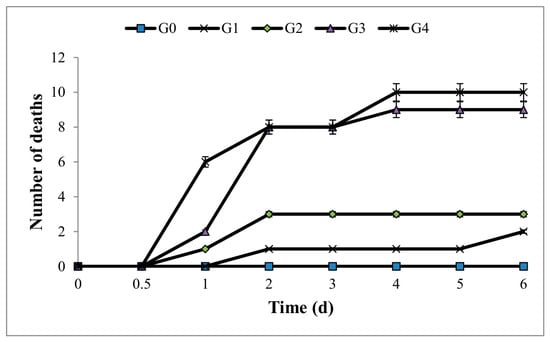
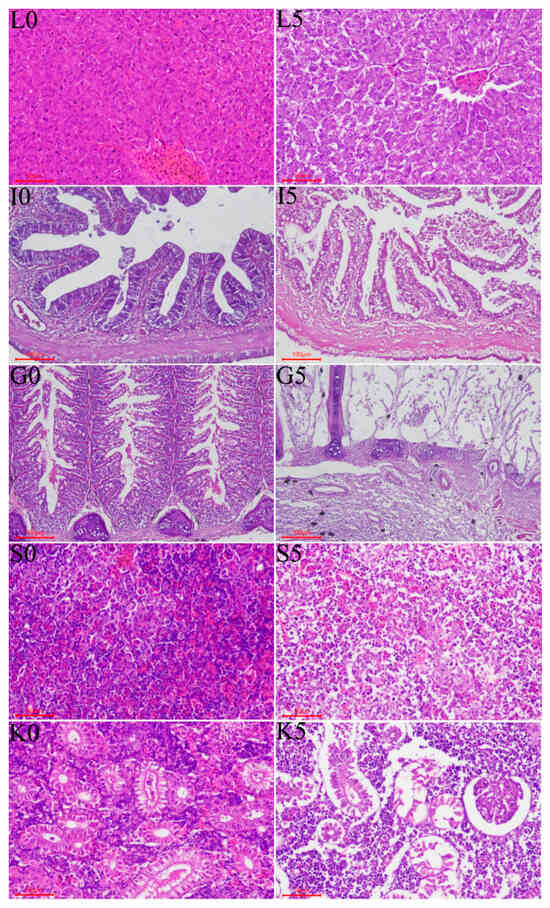
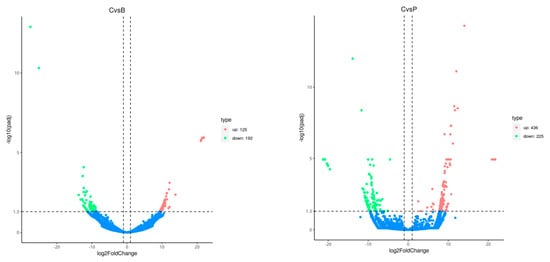
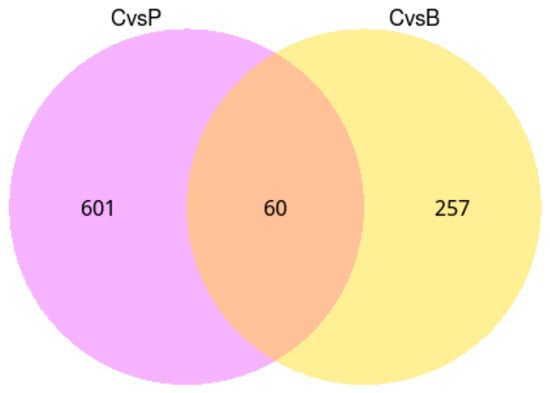
Triplophysa siluroides, a unique species of plateau fish, holds significant economic value. However, its natural population has sharply declined due to overfishing and the construction of water conservancy projects. Investigating the various conditions necessary for its growth is a crucial prerequisite for successful artificial breeding. This study used Edwardsiella tarda as the pathogenic bacterium to determine the median lethal concentration following infection of T. siluroides, as well as to examine changes in tissues, organs, and gene expression. The study found that dead T. siluroides displayed symptoms such as abdominal distension, fluid accumulation, and a reddened anus, and the median lethal concentration of E. tarda for T. siluroides was calculated to be 1.00 × 10⁶ CFU/mL. Following infection with E. tarda, the liver, intestine, gills, spleen, and kidneys exhibited varying degrees of lesions. Transcriptome sequencing identified a total of 54,667 genes. Compared to the blank control group, 192 genes were downregulated and 125 genes were upregulated in T. siluroides infected with E. tarda. In contrast, after infection with the poly(I:C) viral mimic, 225 genes were downregulated and 436 genes were upregulated. This study determined the median lethal concentration of E. tarda for T. siluroides via intraperitoneal injection under laboratory conditions. The results may contribute to disease prevention and control in the breeding of T. siluroides, as well as inform future risk assessments of infection in aquaculture water bodies.
Full article
(This article belongs to the Special Issue Ecohydrology and River Connectivity: Implications for Fish Conservation)
►
Show Figures
Open AccessReview
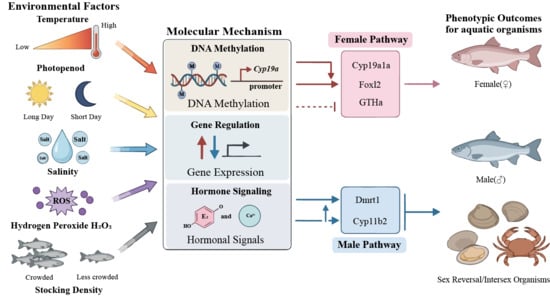
Sex Control in Aquaculture Breeding in China: Advances in Genes, Mechanisms, and Applications
by
Chengru Qin, Bailing Chen, Linghui Zhou, Chenglong Jin, Yunfeng Li and Weibing Dong
Fishes 2026, 11(6), 309; https://doi.org/10.3390/fishes11060309 (registering DOI) - 22 May 2026
Abstract
►▼
Show Figures
Sex control technology has become a key technique in aquatic animal breeding, as many aquatic species exhibit distinct sexual dimorphism in growth, reproduction, immunity, and other economically important traits. Therefore, methods such as regulating sex ratios and establishing unisexual populations can significantly enhance
[...] Read more.
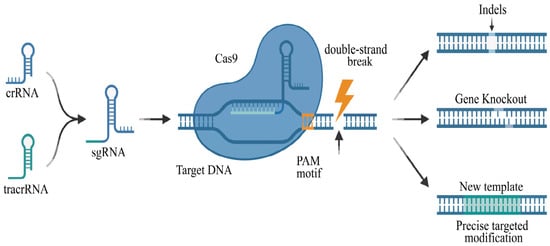
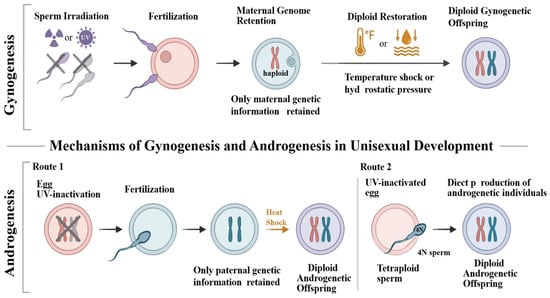
Sex control technology has become a key technique in aquatic animal breeding, as many aquatic species exhibit distinct sexual dimorphism in growth, reproduction, immunity, and other economically important traits. Therefore, methods such as regulating sex ratios and establishing unisexual populations can significantly enhance aquaculture productivity and breeding efficiency. Recent years have seen a rapid advancement in the field of research on the mechanisms of sex determination and differentiation in aquatic animals, as well as sex control technologies. This review summarizes the latest advances in research on the mechanisms of sex formation in aquatic animals, including genetic sex determination, environmental sex determination, and genotype-environment interactions. Furthermore, this review outlines the major sex-linked genes and molecular markers used for genetic sex identification, introduces key male and female regulatory factors involved in gonadal differentiation, and explores the application of major sex control methods in aquaculture breeding, including techniques such as interspecific hybridization, environmental regulation, hormone induction, parthenogenesis, and gene editing.
Full article

Figure 1
Open AccessArticle
AHSC-Net: A Fish Pose Estimation Method for Intelligent Monitoring in Precision Aquaculture
by
Xiaohong Peng, Ronghan Lu, Zhuohan Xiao and Xiaohan Chen
Fishes 2026, 11(5), 308; https://doi.org/10.3390/fishes11050308 - 21 May 2026
Abstract
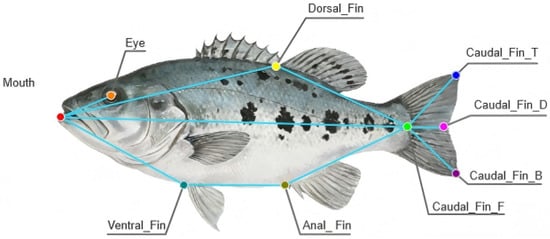
In aquaculture, fish physiological information serves as the foundation for behavior recognition, precise feeding, and health monitoring. The acquisition of such information relies on accurate keypoint detection and pose estimation of the fish body. To address the challenges caused by inter-occlusion among fish
[...] Read more.
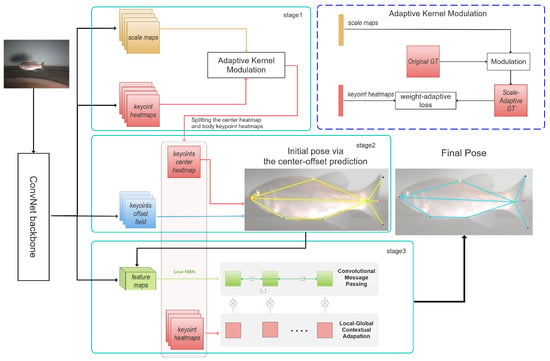
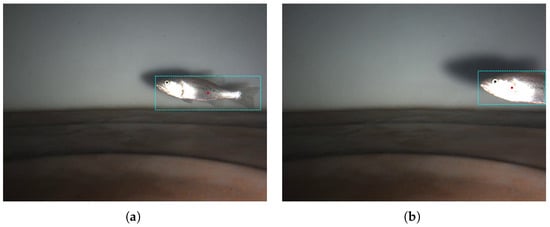
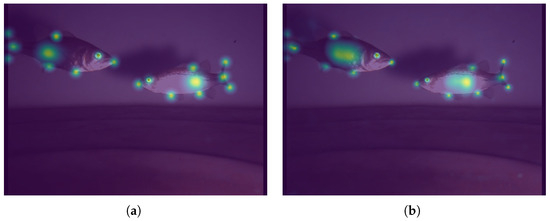
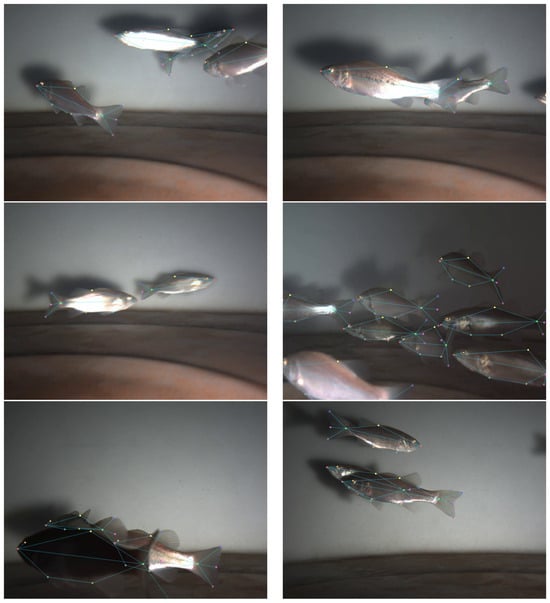
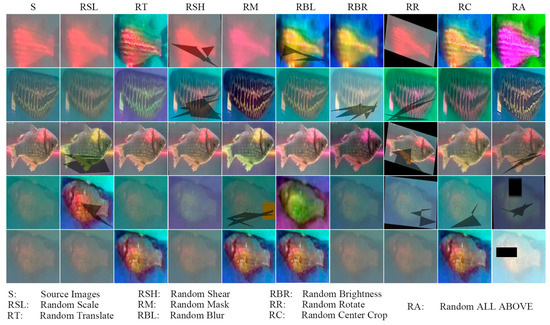
In aquaculture, fish physiological information serves as the foundation for behavior recognition, precise feeding, and health monitoring. The acquisition of such information relies on accurate keypoint detection and pose estimation of the fish body. To address the challenges caused by inter-occlusion among fish schools and blurred keypoint boundaries in underwater environments, a novel fish pose estimation method based on the Adaptive-kernel Hybrid-center Structural Constraint Network (AHSC-Net) is proposed. Optimized specifically for the characteristics of fish poses, the proposed method effectively enhances detection accuracy and robustness in complex underwater scenarios. First, a Stochastic Local Centroid Sampling (SLCS) strategy is introduced to improve detection capability. By simulating centroid positions in occluded samples, this approach enhances the model’s ability to detect partially occluded fish. Next, a Spatial-Awareness Enhanced Pose Structural Constraint (SAPSC) is established through coordinate embedding and morphological constraints. It ensures the rationality of the predicted poses. Furthermore, an Adaptive Kernel Modulation Module (AKMM) is designed to dynamically adjust the Gaussian kernel distribution, effectively addressing challenges posed by underwater blurring and variations in fish scales. Experimental results demonstrate that AHSC-Net achieves 92.0% AP and 94.6% AR on a self-constructed largemouth bass dataset, outperforming state-of-the-art methods such as HRNet, HigherHRNet, DEKR, and YOLO-Pose. This study presents a fish pose estimation method that provides effective technical support for automated and precise monitoring in aquaculture.
Full article
(This article belongs to the Special Issue Computer Vision Applications for Fisheries and Aquaculture)
►▼
Show Figures

Figure 1
Open AccessArticle
Comparative Analysis of Growth Patterns and Sexual Dimorphism of Scylla paramamosain in Pond Culture
by
Jiahui Liu, Ronghua Li, Yang Jiang, Yun Hu, Zhuang Li, Qingyang Wu, Changkao Mu, Weiwei Song, Chunlin Wang and Ce Shi
Fishes 2026, 11(5), 307; https://doi.org/10.3390/fishes11050307 - 21 May 2026
Abstract
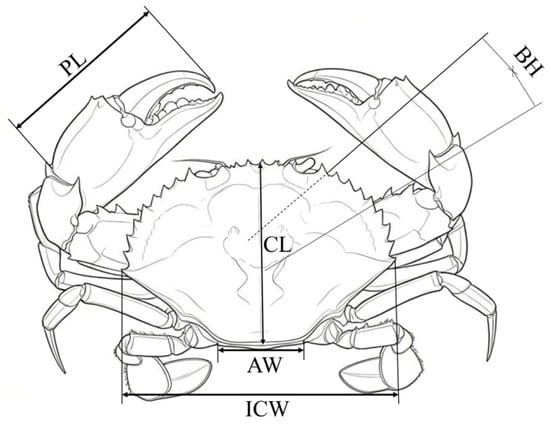
To investigate the growth patterns and sexual differences in pond-cultured mud crabs (Scylla paramamosain), this study measured eight growth patterns in pond-cultured S. paramamosain aged 1 to 5 months, including internal carapace width (ICW), abdomen width (AW), body height (BH), carapace
[...] Read more.
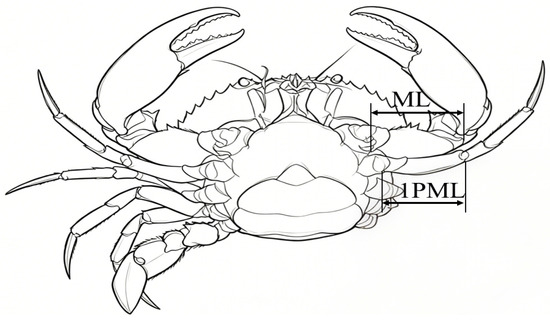
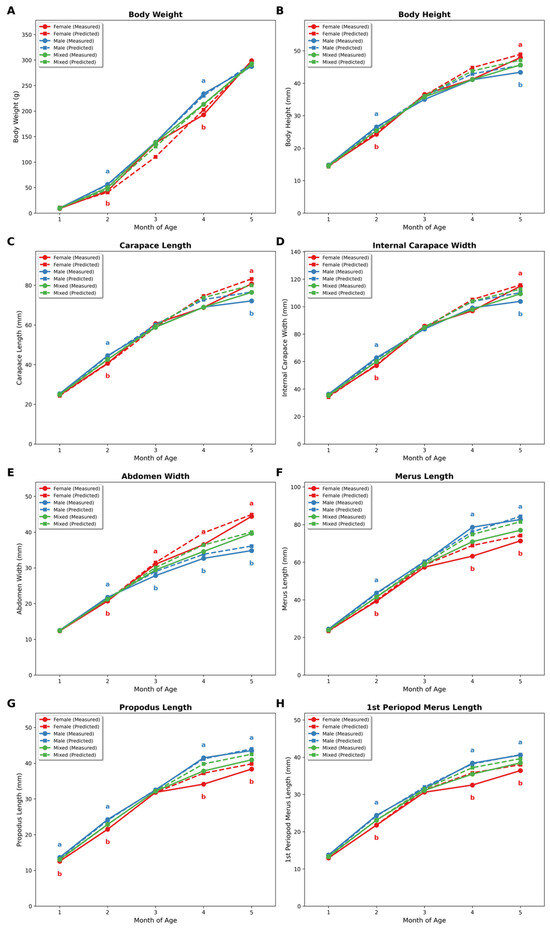
To investigate the growth patterns and sexual differences in pond-cultured mud crabs (Scylla paramamosain), this study measured eight growth patterns in pond-cultured S. paramamosain aged 1 to 5 months, including internal carapace width (ICW), abdomen width (AW), body height (BH), carapace length (CL), propodus length (PL), merus length (ML), first periopod merus length (1PML), and body weight (BW), with measurements taken monthly. The growth patterns for females, males, and a mixed-sex group were fitted using the following three growth curve models: Logistic, Gompertz, and von Bertalanffy. The fitting results indicate that the optimal growth model for male S. paramamosain is the Logistic model, while the optimal growth model for female S. paramamosain is the von Bertalanffy model. The predicted growth inflection points and inflection weight for male S. paramamosain are 3.15 months and 155.00 g, respectively; for female S. paramamosain, the predicted growth inflection point and inflection weight are 4.25 months and 228.71 g, respectively; and for mixed-sex S. paramamosain, the growth inflection point and inflection weight are 3.22 months and 151.80 g, respectively. Males achieve a rapid growth period earlier (at 3–4 months of age) than females, with the weight of male crabs significantly greater than that of females at four months of age (p < 0.05). Males exhibit slow weight gain from the fourth to the fifth month, while females demonstrate a rapid weight gain rate during the same period. These results provided a theoretical basis and reference for the refined pond culture of S. paramamosain.
Full article
(This article belongs to the Special Issue Biology and Culture of Marine Invertebrates)
►▼
Show Figures

Figure 1
Open AccessArticle
Effects of Strontium Marking on Otolith Elemental Deposition, Digestive Enzymes, and Antioxidant System in Juvenile Japanese Flounder (Paralichthys olivaceus)
by
Jiahui Zhang, Siyang Li, Jun Zhang, Jinming Zhang, Tianyi Li, Jianhua Li, Jun Yang and Yan Wang
Fishes 2026, 11(5), 306; https://doi.org/10.3390/fishes11050306 - 20 May 2026
Abstract
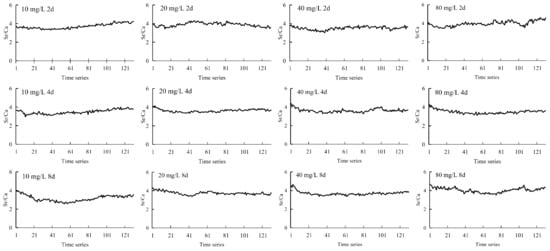
Japanese flounder (Paralichthys olivaceus) is an economically important species in China’s marine fishery industry. However, due to long-term intensive fishing, its wild population has declined sharply. Artificial stock enhancement has become a core measure for restoring its resources. This study aimed
[...] Read more.
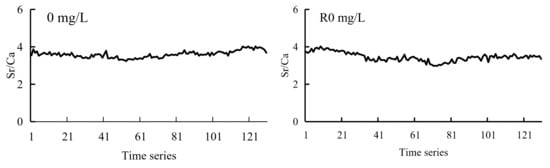
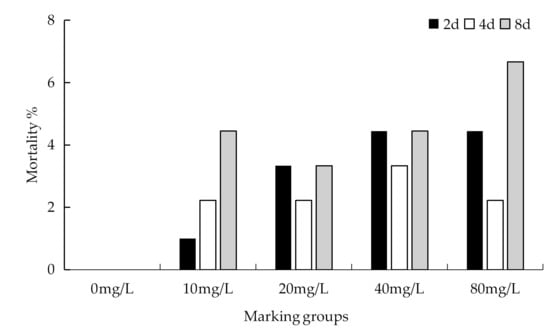
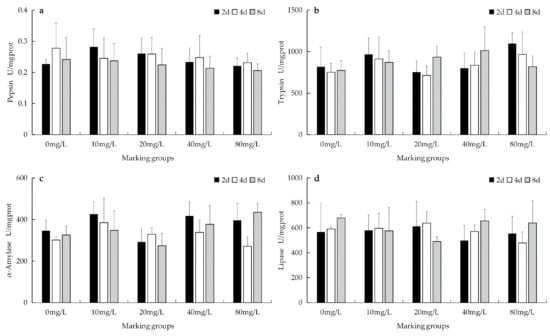
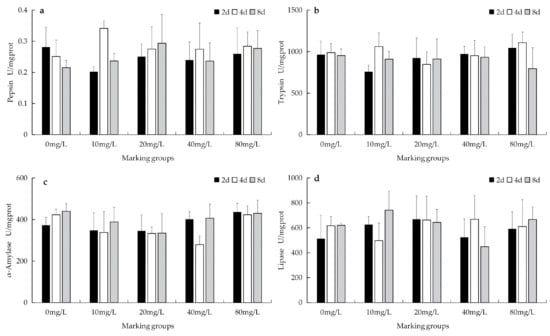
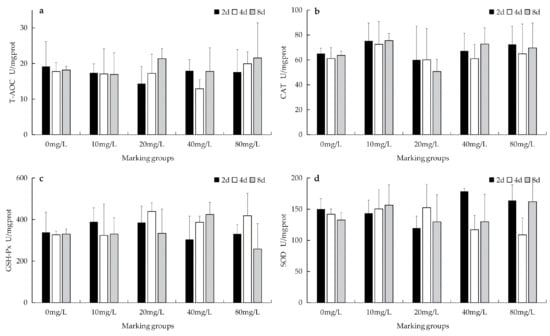
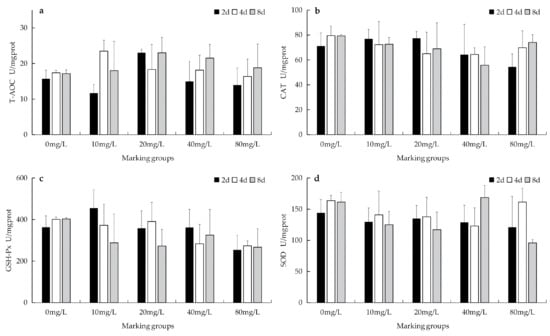
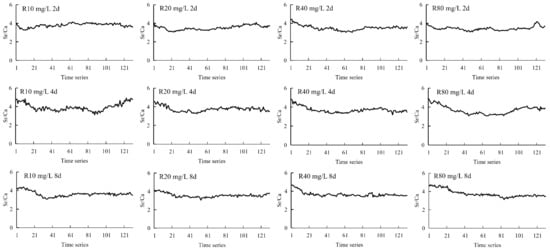
Japanese flounder (Paralichthys olivaceus) is an economically important species in China’s marine fishery industry. However, due to long-term intensive fishing, its wild population has declined sharply. Artificial stock enhancement has become a core measure for restoring its resources. This study aimed to investigate the effects of different immersion durations and concentrations of SrCl2 solution (10, 20, 40, 80 mg/L) on strontium (Sr) deposition in the otoliths of P. olivaceus, and to systematically evaluate the impacts of Sr marking on the fish’s antioxidant capacity and digestive enzyme activity. The results showed that the otolith Sr/Ca ratio was positively correlated with marking concentration and duration; the optimal parameters were 40 mg/L for 4 days, with the Sr/Ca ratio returning to baseline after 30 days post-marking, and a 100% marking success rate. There were no significant differences in body length, body weight, or condition factor between the experimental groups and the control group (p > 0.05), but mortality was significantly increased in the 80 mg/L group. Digestive enzymes exhibited a dose-dependent response to Sr exposure, characterized by activation at low concentrations and inhibition at high concentrations; lipase was the most sensitive, with an inhibition threshold of 10 mg/L. Sr marking within the range of 20–40 mg/L for 4–8 days significantly activated the activity of T-AOC, CAT, GPx, and SOD (p < 0.05) and reduced MDA content, indicating that the antioxidant system was activated without causing persistent oxidative damage. In conclusion, Sr marking is a safe and efficient method for otolith marking in Paralichthys olivaceus. The recommended protocol is immersion in a 40 mg/L SrCl2 solution for 4 days, followed by a 30-day recovery period in clean seawater before being used for stock enhancement evaluation. This study provides a scientific basis and technical support for assessing the effectiveness of stock enhancement in P. olivaceus.
Full article
(This article belongs to the Special Issue Adaptive Fisheries Management in East Asia: Navigating Climate Change, POPs, and Microplastics)
►▼
Show Figures

Figure 1

Open AccessArticle
Natural Dietary Supplementation with Elionurus muticus Essential Oil Enhances Growth Performance and Modulates Physiological Responses to Transport Stress in Nile Tilapia
by
Aline da Silva Rocha, José Fernando Bibiano Melo, David Ramos da Rocha, Rafael Carvalho da Silva, Rafael Silva Marchão, Alane Pains Oliveira do Monte, Gabriela Cristina da Silva Santos, Samantha Chung, Leandro Licursi de Oliveira, Denise Schmidt, Rodrigo Fortes-Silva and Carlos Eduardo Copatti
Fishes 2026, 11(5), 305; https://doi.org/10.3390/fishes11050305 - 20 May 2026
Abstract
This study evaluated the effects of dietary Elionurus muticus essential oil (EMEO) on growth performance, physiological responses, and resistance to car transport stress in Nile tilapia (Oreochromis niloticus). Fish were fed experimental diets for 60 days and subsequently subjected to 6
[...] Read more.
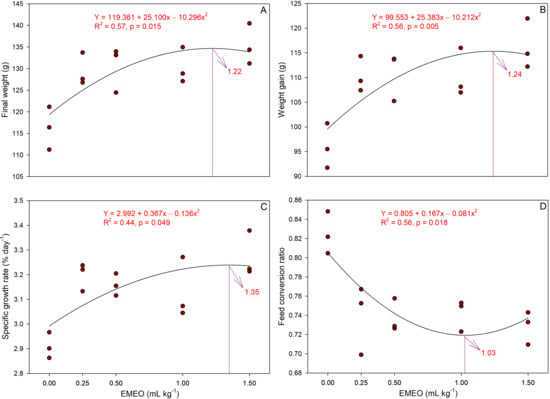
This study evaluated the effects of dietary Elionurus muticus essential oil (EMEO) on growth performance, physiological responses, and resistance to car transport stress in Nile tilapia (Oreochromis niloticus). Fish were fed experimental diets for 60 days and subsequently subjected to 6 h of transport stress. Five diets were tested: 0.00 (control), 0.25, 0.50, 1.00, and 1.50 mL EMEO kg−1, in triplicate (10 fish per 500 L tank; stocking density 0.4 kg L−1). Citral was the major EMEO compound (73.91%). Increasing dietary EMEO levels improved growth performance and reduced the feed conversion ratio. Before transport, EMEO supplementation increased erythrocyte counts and plasma glucose levels, while reducing hematocrit and hepatic aspartate aminotransferase (AST) activity (p < 0.05). After transport, plasma glucose, hematocrit, and hepatic AST values decreased, whereas hepatic glycogen and hemoglobin levels increased with higher EMEO inclusion (p < 0.05). Also, post-transport, EMEO-fed fish showed enhanced intestinal digestive enzyme activity (lipase and amylase) and antioxidant capacity (superoxide dismutase and ferric reducing antioxidant power) but increased protein carbonyl levels. Lipid peroxidation (malondialdehyde) was reduced at intermediate EMEO levels (p < 0.05). Histological analyses indicated no tissue damage and suggested improved liver and intestinal function with increasing EMEO inclusion. Overall, dietary supplementation with 1.00 mL EMEO kg−1 is recommended to enhance growth performance and metabolic adjustment and to improve physiological status to withstand transport stress in Nile tilapia.
Full article
(This article belongs to the Special Issue Advances in Tilapia Aquaculture)
►▼
Show Figures

Figure 1
Open AccessArticle
The Impact of Artificial Intelligence on the Resilience of China’s Fisheries Industry Chain: Evidence from Panel Data Analysis
by
Wenjing Huang, Haoze Liang, Shiwei Xu, Jing Qin and Ekaterina Shebanova
Fishes 2026, 11(5), 304; https://doi.org/10.3390/fishes11050304 - 20 May 2026
Abstract
Marine fisheries are a cornerstone of food security, and artificial intelligence (AI) technology holds significant strategic importance for enhancing fishery industrial chain resilience. This study utilizes provincial panel data from China covering the period 2010–2024 to assess the level of fishery industrial chain
[...] Read more.
Marine fisheries are a cornerstone of food security, and artificial intelligence (AI) technology holds significant strategic importance for enhancing fishery industrial chain resilience. This study utilizes provincial panel data from China covering the period 2010–2024 to assess the level of fishery industrial chain resilience across 29 provinces (excluding Qinghai, Tibet, Hong Kong, Macao and Taiwan), and employs a two-way fixed-effects model to investigate the mechanisms through which AI influences the resilience of the fisheries industry chain. The findings reveal the following: (1) AI has a significant positive impact on the resilience of the fisheries industry chain. For every one-unit increase in AI development level, the fishery industrial chain resilience increases by 0.470 units; (2) AI enhances fishery industrial chain resilience by promoting structural upgrades in the fisheries industry and improving resource allocation efficiency; (3) heterogeneity analysis indicates that the enabling effects of AI are more pronounced in samples characterized by well-developed digital infrastructure, a higher level of digital economic development, and those located in the eastern regions. This study provides new empirical evidence for understanding how AI empowers the resilience of the fisheries industry chain, and holds significant theoretical and practical value for formulating fisheries science and technology policies tailored to local conditions and for safeguarding national food security.
Full article
(This article belongs to the Special Issue Advances in Fisheries Economics)
Open AccessArticle
Effects of Dietary Tryptophan on Growth, Protein Degradation, and Antioxidant Enzyme Activity in Juvenile Meagre (Argyrosomus regius)
by
Margarida Saavedra, Ana Vasconcelos, Ana Catarina Matias, Florbela Soares, Marisa Barata and Pedro Pousão-Ferreira
Fishes 2026, 11(5), 303; https://doi.org/10.3390/fishes11050303 - 20 May 2026
Abstract
Tryptophan has been shown to affect fish feed intake and growth performance. Moreover, it is the precursor of several bioactive molecules such as serotonin, which can be converted into melatonin. Melatonin is a potent antioxidant that directly neutralises free radicals and reduces oxidative
[...] Read more.
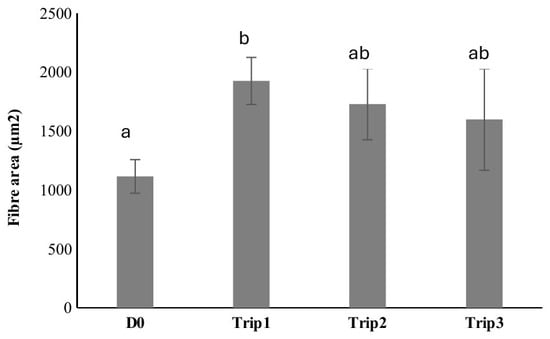
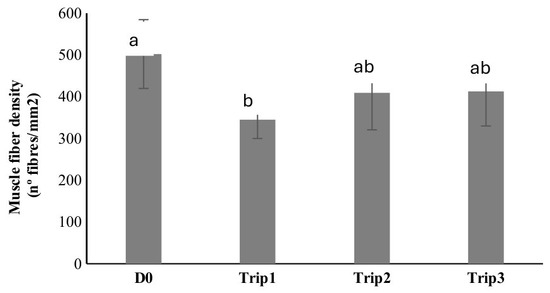
Tryptophan has been shown to affect fish feed intake and growth performance. Moreover, it is the precursor of several bioactive molecules such as serotonin, which can be converted into melatonin. Melatonin is a potent antioxidant that directly neutralises free radicals and reduces oxidative stress. Diets rich in tryptophan may contribute to reduced oxidative stress, potentially through its role as a precursor of serotonin and melatonin. In this study, three diets containing different contents of tryptophan: 0.5 (Trip1), 0.6 (Trip2) and 0.8% (Trip3), were tested in triplicate in 112-day-old meagre with an initial weight of 32.6 ± 3.4 g and 14.4 ± 0.5 cm length for 56 days. Although the results showed no significant differences for growth and FCR between treatments, there was a tendency toward increased growth and a decrease in FCR in meagre fed higher levels of tryptophan. The main protein degradation systems in the liver and white muscle were evaluated. The activity of the tested proteases in the muscle was unaffected by dietary tryptophan levels. A decrease in oxidative stress was also observed as the level of tryptophan in the diets increased, although not statistically significant. A trend of decreasing superoxide dismutase, catalase, and selenium-independent glutathione peroxidase levels in tryptophan-rich diets was also observed.
Full article
(This article belongs to the Special Issue Aquaculture Feeds and Feed Additives—Toward Precise and Sustainable Nutrition)
►▼
Show Figures

Figure 1

Open AccessArticle
Annual and Spatial Variation in the Diet of Juvenile Pacific Cod in Mutsu Bay, Japan
by
Anran Dong, Tetsuya Takatsu, Tomoya Ishikawa, Kenta Sasaki and Mitsuhiro Nakaya
Fishes 2026, 11(5), 302; https://doi.org/10.3390/fishes11050302 - 19 May 2026
Abstract
To evaluate Mutsu Bay as a nursery habitat for Pacific cod (Gadus macrocephalus Tilesius, 1810), we analyzed settled age-0 juveniles collected with a small bottom otter trawl over 10 years. The three stations with the highest juvenile densities were targeted, and prey-specific
[...] Read more.
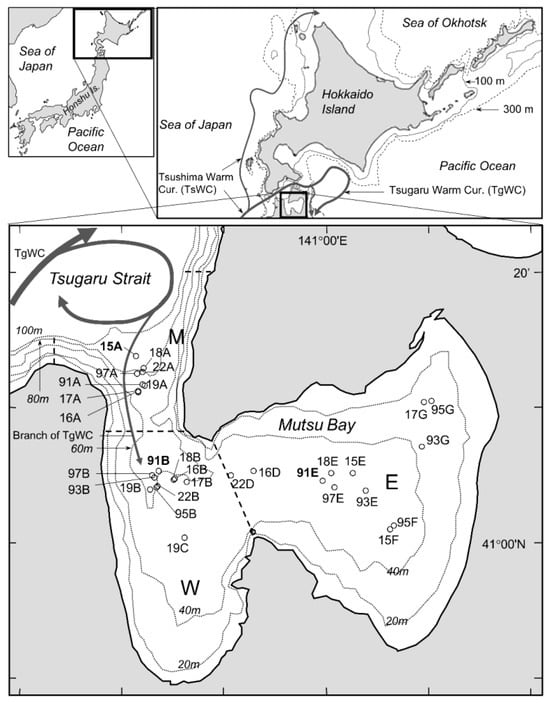
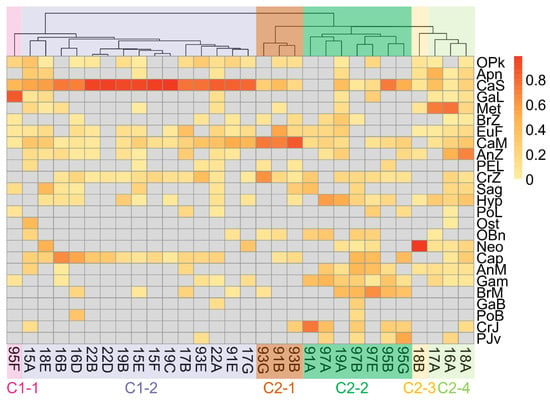
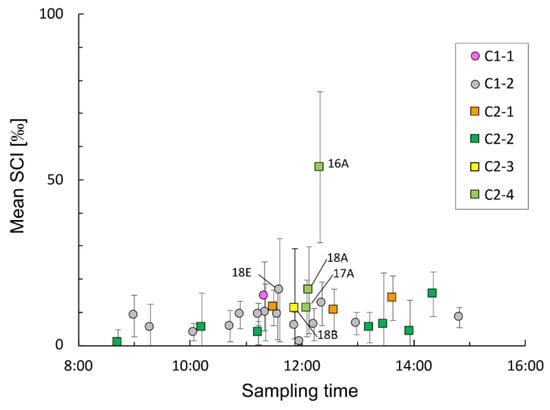
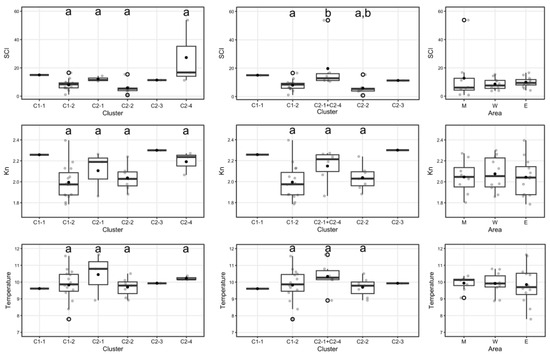
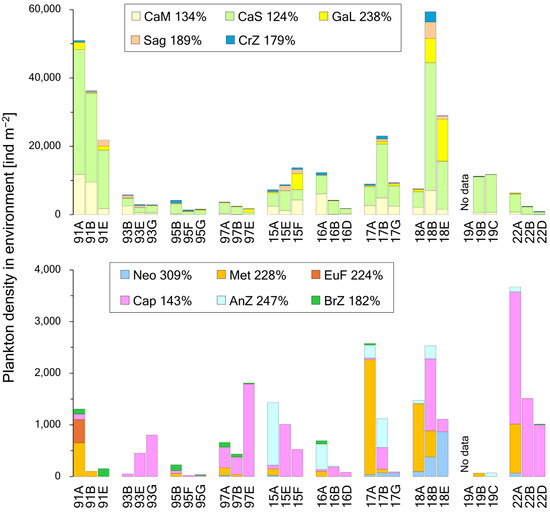
To evaluate Mutsu Bay as a nursery habitat for Pacific cod (Gadus macrocephalus Tilesius, 1810), we analyzed settled age-0 juveniles collected with a small bottom otter trawl over 10 years. The three stations with the highest juvenile densities were targeted, and prey-specific feeding intensity (SCIi), its sum (SCI), and the relative condition factor (Kn) were quantified, followed by examining their relationships with juvenile attributes and environmental variables. Diets varied among stations and shifted ontogenetically from small-sized calanoid copepods to larger planktonic and benthic prey. SCI was highest at stations where juveniles consumed medium-sized plankton (0.1–1.0 mg ind−1), including Calanus pacificus, Mesocalanus tenuicornis, Metridia pacifica, Anomura zoeae, and Euphausiacea furciliae, and lower where other prey dominated. High-SCI individuals were rarely observed, likely reflecting enhanced digestion at high temperatures near the upper habitat limit (~12 °C) and consistently low prey density independent of temperature. Kn increased with body size and SCI and tended to be higher in cooler water and closer to the bay mouth, suggesting coupled environmental and physiological constraints. These results suggest that after late May, juveniles may benefit from moving toward the bay mouth, where prey encounter rates are likely higher, including relatively larger prey, which may improve feeding opportunities and condition.
Full article
(This article belongs to the Special Issue Ecology of Fish: Age, Growth, Reproduction and Feeding Habits)
►▼
Show Figures

Figure 1
Open AccessArticle
Multi-Class Marine Organism Detection Using Multi-Scale Attention-Enhanced YOLO11n
by
Zehuan Bai, Haoxi Mao, Junliang Xu, Na Lv and Yiran Liu
Fishes 2026, 11(5), 301; https://doi.org/10.3390/fishes11050301 - 19 May 2026
Abstract
Monitoring marine organisms plays a vital role in biodiversity conservation, marine environmental management, and fisheries resource management. However, the underwater environment is often low-light and turbid, leading to indistinct target boundaries. Moreover, the wide variety of marine organisms—with significant differences in color, scale,
[...] Read more.
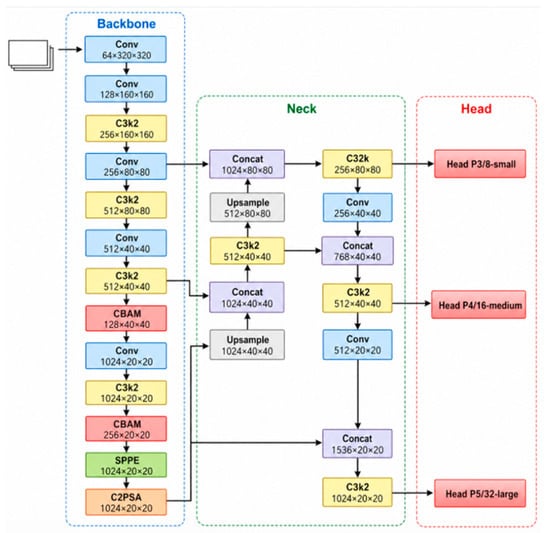
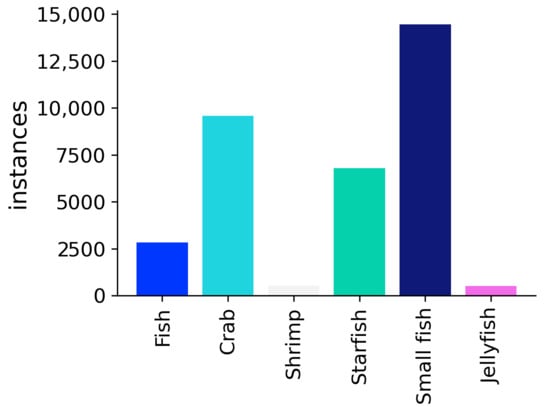
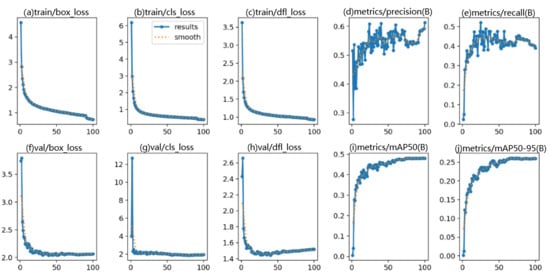
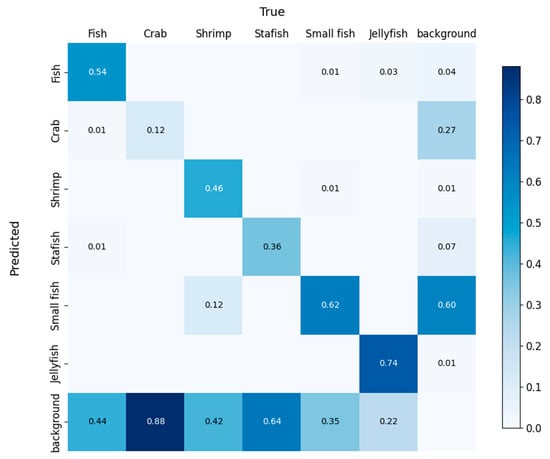
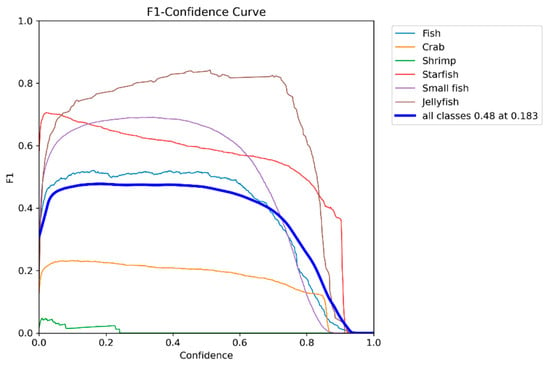
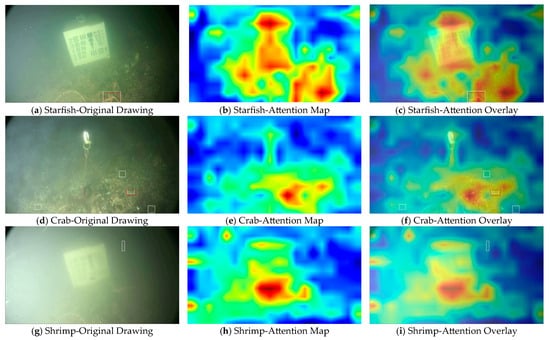
Monitoring marine organisms plays a vital role in biodiversity conservation, marine environmental management, and fisheries resource management. However, the underwater environment is often low-light and turbid, leading to indistinct target boundaries. Moreover, the wide variety of marine organisms—with significant differences in color, scale, texture, and morphology—can easily result in missed detections. To address these challenges, this paper proposes a multi-class marine organism detection method using multi-scale attention-enhanced You Only Look Once 11 nano (YOLO11n). The method incorporates the Convolutional Block Attention Module (CBAM) into the YOLO11n network, enabling the model to better focus on key feature regions while effectively suppressing background noise interference in complex marine environments. In addition, the model is trained using the Complete Intersection over Union (CIoU) loss function, which enhances bounding box regression accuracy, especially in handling targets of varying scales. The effectiveness of the proposed method is validated on the publicly available BrackishMOT dataset. The proposed model achieves an overall mAP@0.5 of 0.481, computed as the average AP across six organism categories. Category-wise results indicate stronger performance on visually distinguishable targets, such as Jellyfish, Starfish, and Small fish, with AP values of 0.808, 0.678, and 0.677, respectively. In contrast, performance remains limited for rare or visually ambiguous categories. These results suggest that the proposed method is effective for multi-class marine organism detection, particularly when discriminative visual features are present.
Full article
(This article belongs to the Special Issue Computer Vision Applications for Fisheries and Aquaculture)
►▼
Show Figures

Figure 1

Open AccessArticle
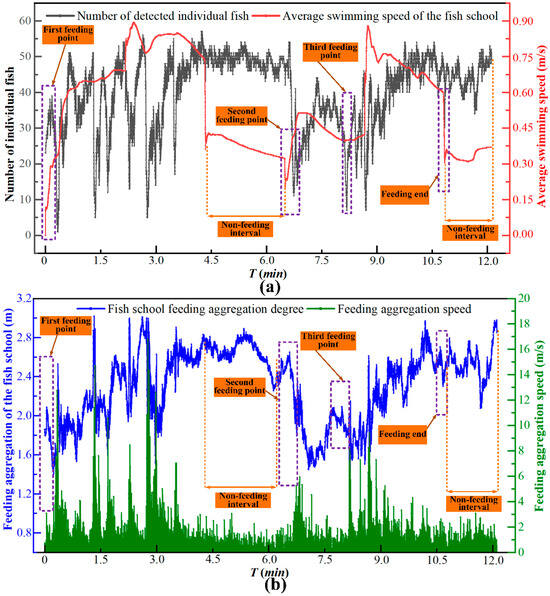
A Novel Dual-Index Analysis Method for Quantifying Fish School Feeding Intensity Using Average Swimming Speed and Feeding Aggregation Speed
by
Bo Jia, Xiaochan Wang, Yinyan Shi, Jinming Zheng, Jihao Wang, Zhen Xu, Xiaolei Zhang and Chengquan Zhou
Fishes 2026, 11(5), 300; https://doi.org/10.3390/fishes11050300 - 18 May 2026
Abstract
Accurate identification and quantitative assessment of fish feeding intensity are pivotal for enhancing aquaculture production efficiency. Currently, feeding intensity is mainly assessed based on fish school feeding images with a single feature, overlooking the interdependencies between individual fish and the fish school’s behavior.
[...] Read more.
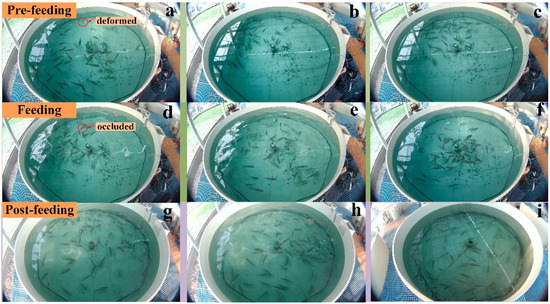
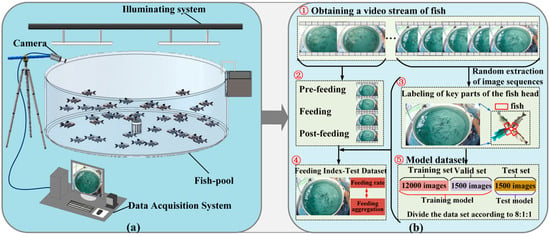
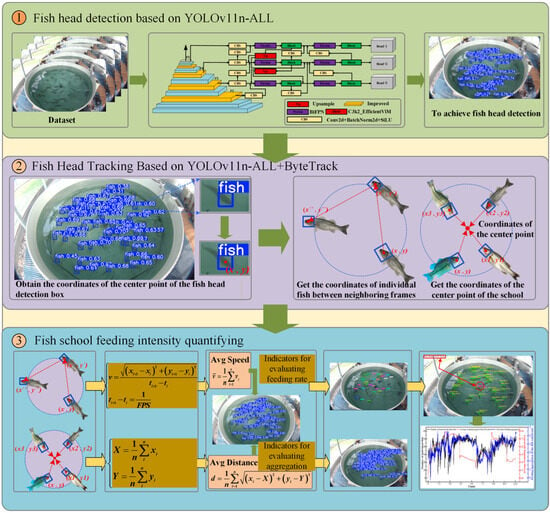
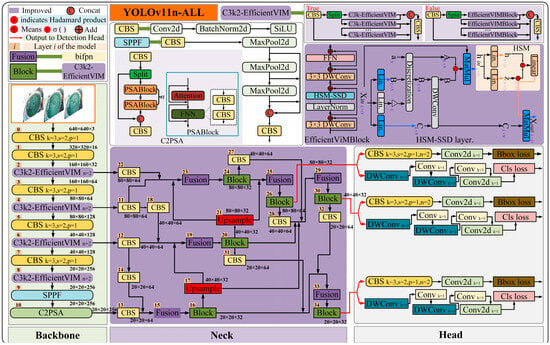
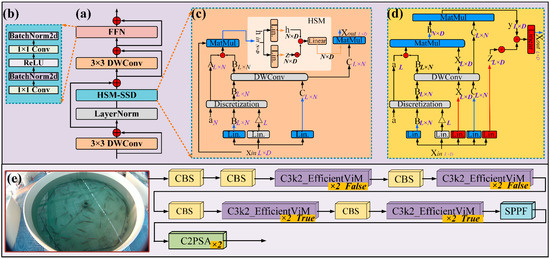
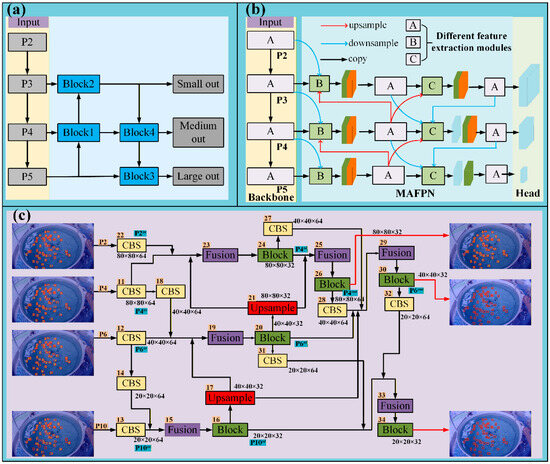
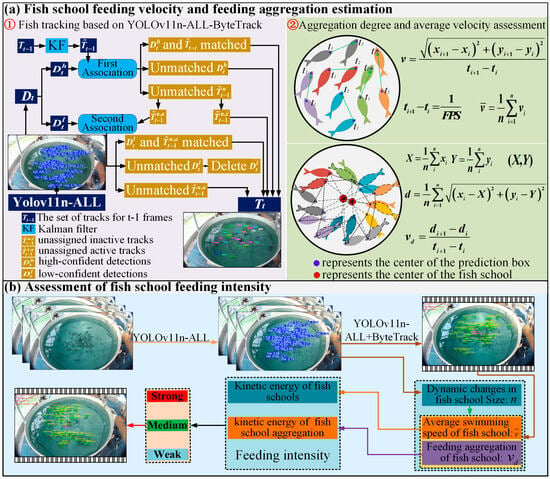
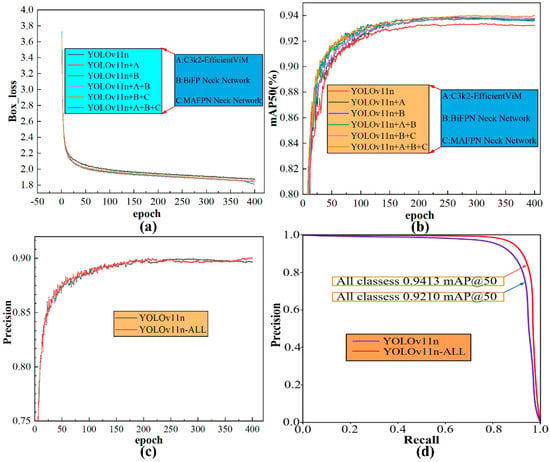
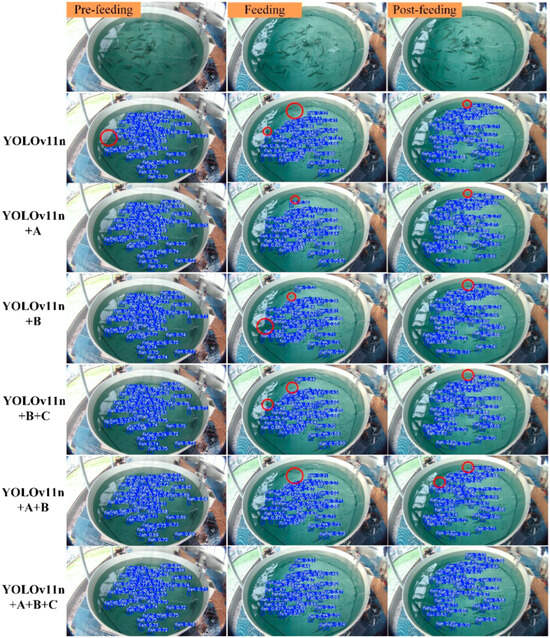
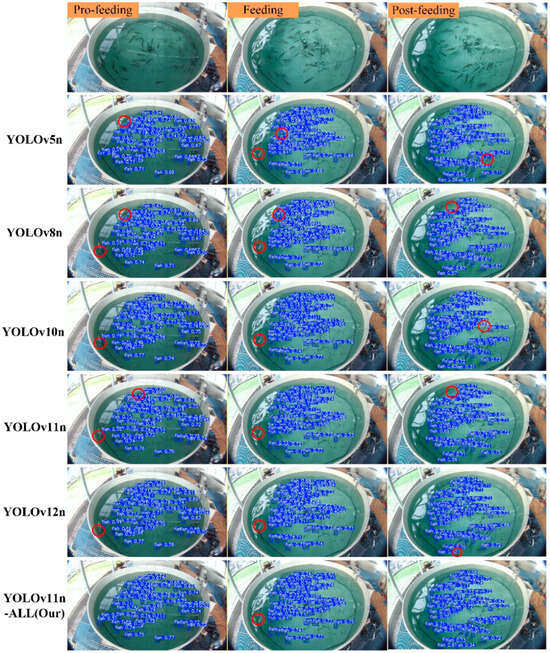
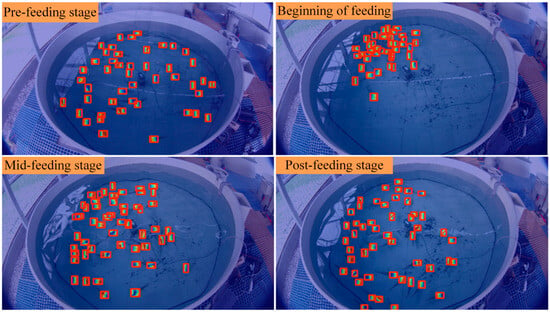
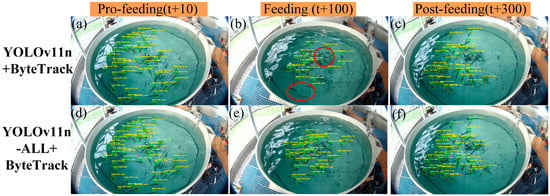
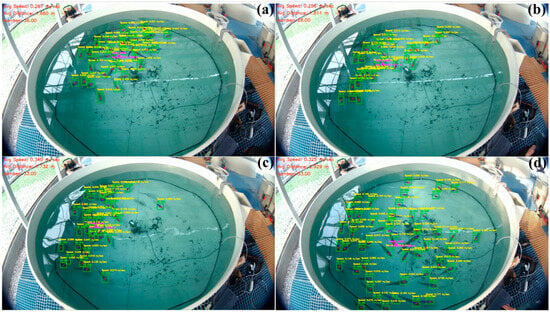
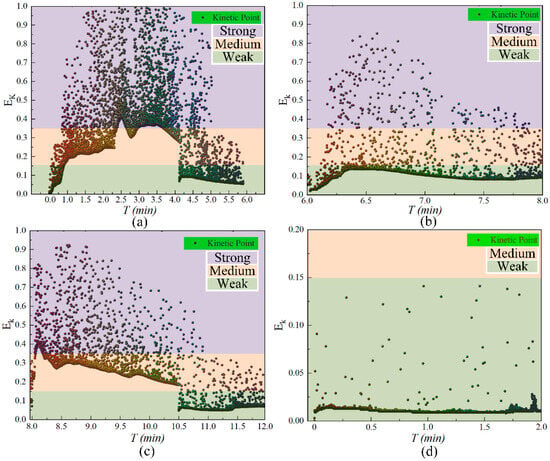
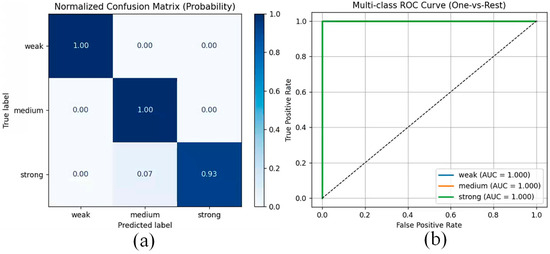
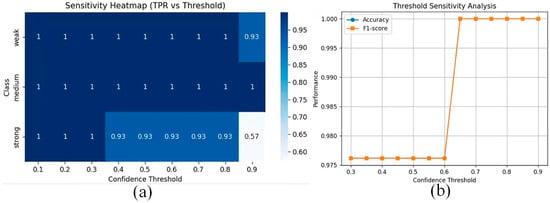
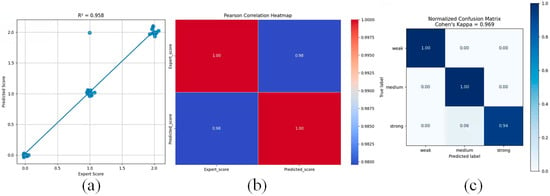
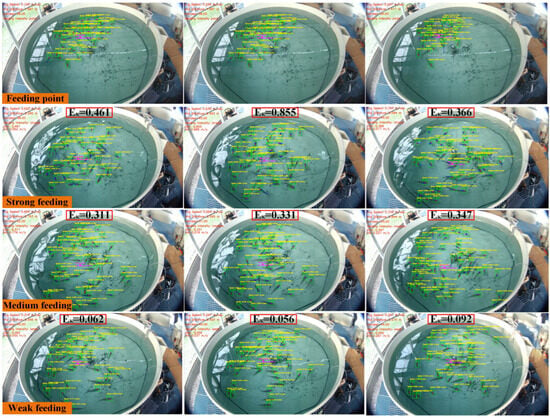
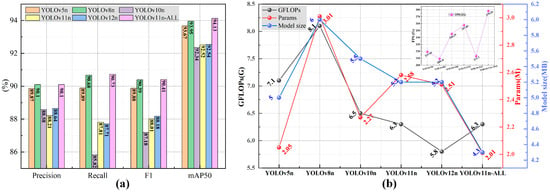
Accurate identification and quantitative assessment of fish feeding intensity are pivotal for enhancing aquaculture production efficiency. Currently, feeding intensity is mainly assessed based on fish school feeding images with a single feature, overlooking the interdependencies between individual fish and the fish school’s behavior. Therefore, this paper presents a method based on detecting individual fish heads to characterize the feeding aggregation speed and the average swimming speed of the fish school, thereby quantifying the fish school’s feeding intensity. First, the improved YOLOv11n-ALL model was employed to detect individual fish heads, resulting in improved detection performance, increasing inference speed, and reducing computational complexity. Additionally, feeding aggregation speed and average swimming speed indices for fish schools were constructed by combining the YOLOv11n-ALL model with the ByteTrack algorithm to track and extract the centers of individual fish heads’ detection boxes. Finally, the fish school feeding kinetic energy was assessed using the feeding aggregation speed and average swimming speed dual indices, and the fish school feeding intensity levels were classified according to the feeding kinetic energy. Experimental results reveal that the improved YOLOv11n-ALL model achieved an average detection precision (mAP50) of 94.13% for detecting fish heads, reduced the parameter count by 22.09%, and exhibited a computational complexity of 6.4 GFLOPs. Furthermore, the classification model of fish school feeding intensity, quantified by the dual indices of average swimming speed and feeding aggregation speed, achieved a detection accuracy of 97.41%. This method digitizes detection results, enabling rapid classification of fish school feeding intensity and demonstrating its effectiveness for feeding intensity assessment and the development of scientific feeding strategies.
Full article
(This article belongs to the Special Issue Computer Vision Applications for Fisheries and Aquaculture)
►▼
Show Figures

Figure 1
Open AccessArticle
Preliminary Study Finds LEDs, UV Lights, and C-Type Hooks May Reduce Sustainability in Aegean Small-Scale Fisheries
by
Yakup Kaska, Doğan Sözbilen, Melissa Ana Vezard, Paolo Casale, Muharrem Hakan Kaykaç, Zafer Tosunoğlu and Earl Possardt
Fishes 2026, 11(5), 299; https://doi.org/10.3390/fishes11050299 - 18 May 2026
Abstract
Marine coastal ecosystems provide a variety of habitats for biodiversity. However, they are affected by bycatch, the unintentional capture of non-target species during fishing operations such as gillnets, trammel nets, and longlines. To mitigate bycatch, modifications such as LED and UV lights in
[...] Read more.
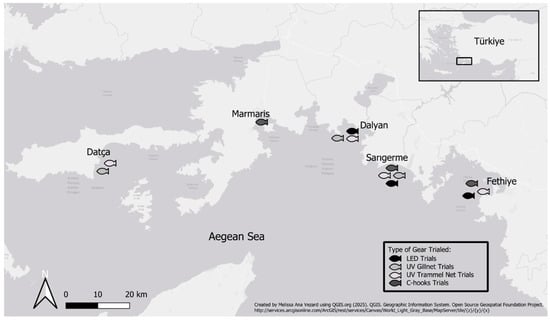
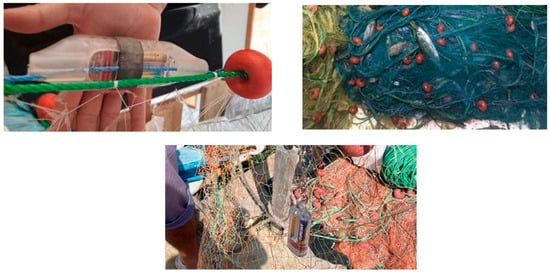
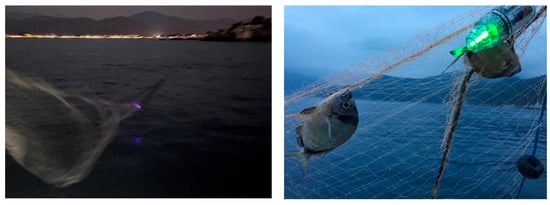
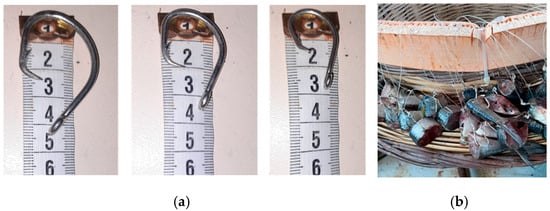
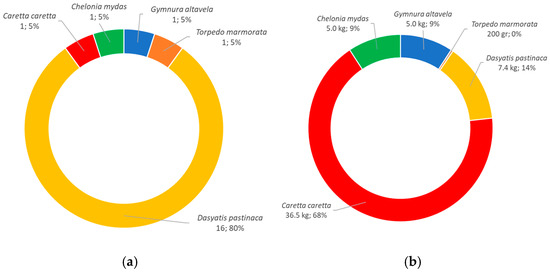
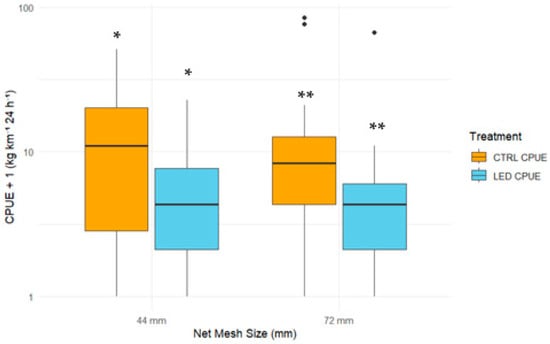
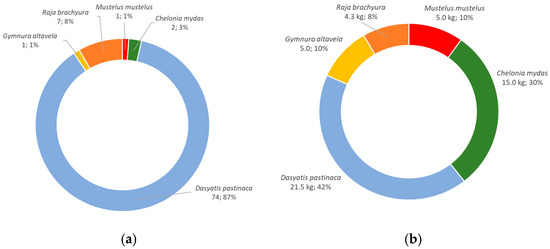
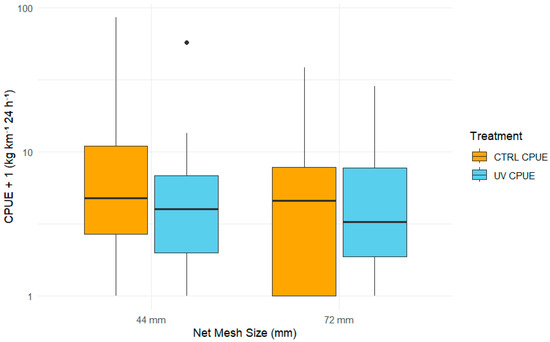
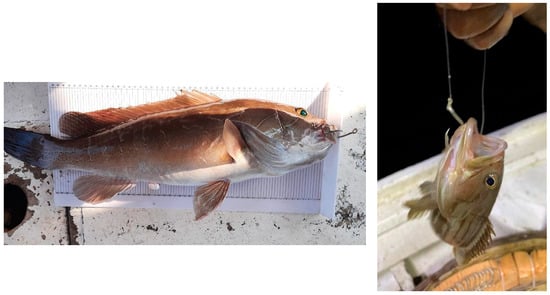
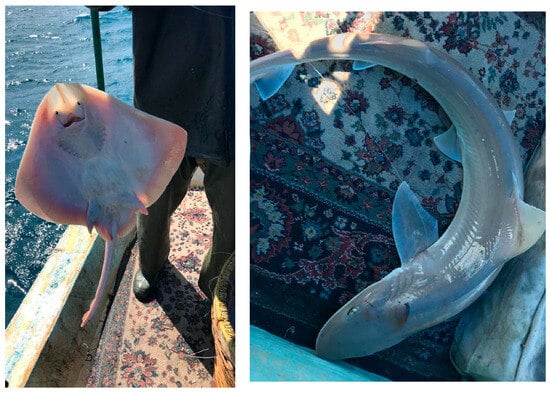
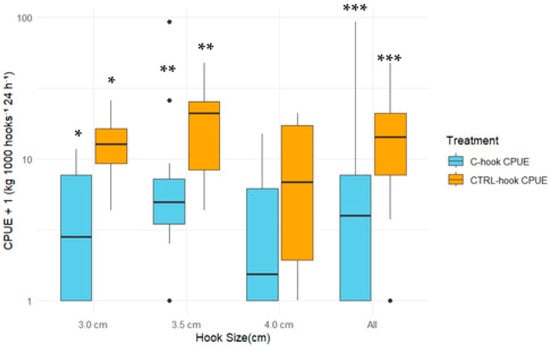
Marine coastal ecosystems provide a variety of habitats for biodiversity. However, they are affected by bycatch, the unintentional capture of non-target species during fishing operations such as gillnets, trammel nets, and longlines. To mitigate bycatch, modifications such as LED and UV lights in gillnets and trammel nets and C-type (circle) hooks in longlines have been studied worldwide. Yet, studies remain limited in Türkiye. This study aimed to evaluate the effectiveness of these gear modifications in small-scale fisheries along the Aegean coast of Türkiye. Paired trials were conducted to compare standard (control) and modified (LED, UV, or C-type hook) fishing gears. Trials resulted in four sea turtles caught in LED and UV nets with no significance. Other vulnerable species caught in UV trammel nets showed significance. Overall, modified gears showed a significant reduction in commercial species catch, while increasing non-target species captures. These preliminary findings contradict much of the literature, which generally reports these modifications as effective bycatch reduction tools. The results emphasize the necessity of developing regionally adapted gear modifications and conducting more extensive experiments to validate their performance. The implementation of locally optimized bycatch mitigation tools may help achieve a balance between marine conservation and the socioeconomic sustainability of small-scale fisheries.
Full article
(This article belongs to the Special Issue Sustainable Management of Small-Scale and Data-Limited Fisheries: Diagnosis and Strategies)
►▼
Show Figures

Graphical abstract
Open AccessArticle
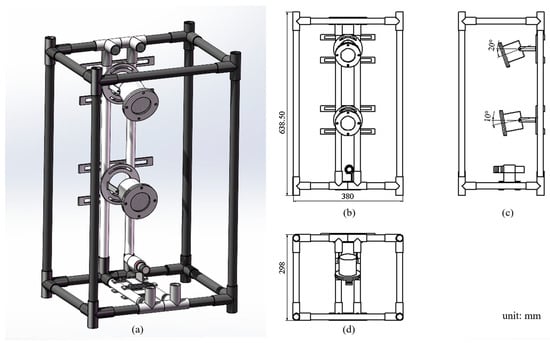
Integrated Laser Imaging for Fusiform Fish Measurement in Aquaculture
by
Shuxian Wang, Shengmao Zhang, Yongchuang Shi, Zuli Wu and Tianfei Cheng
Fishes 2026, 11(5), 298; https://doi.org/10.3390/fishes11050298 - 18 May 2026
Abstract
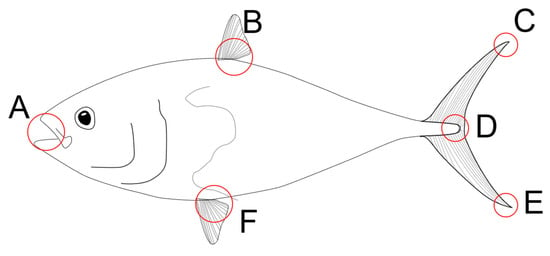
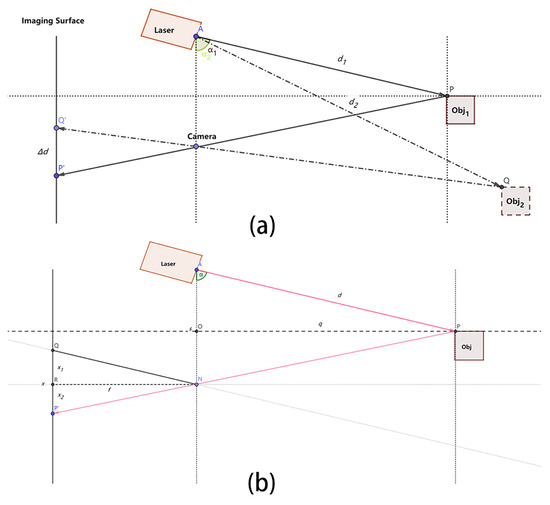
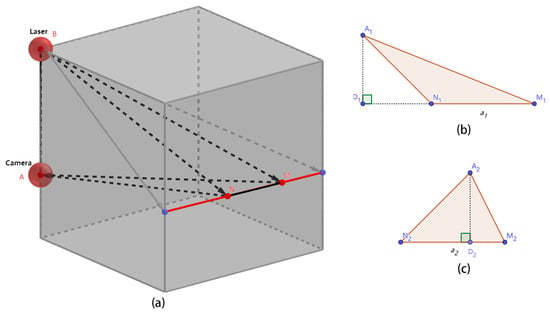
This paper details the implementation of an integrated engineering framework for the real-time assessment of pose and size in fusiform fish, utilizing laser-camera technology. The design, comprising a camera and laser emitter, leverages laser triangulation for accurately measuring distances between key points, providing
[...] Read more.
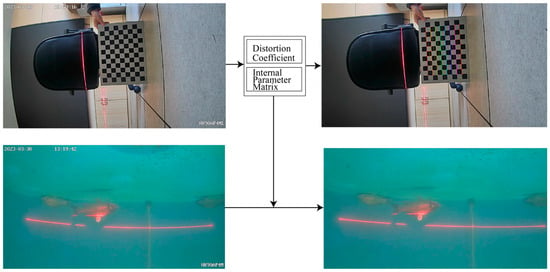
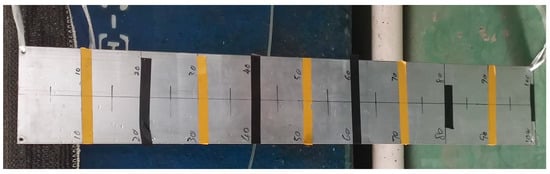
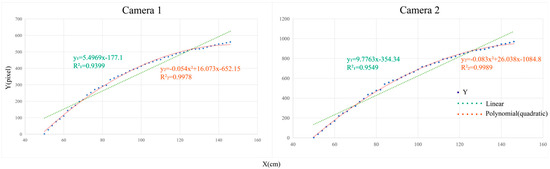
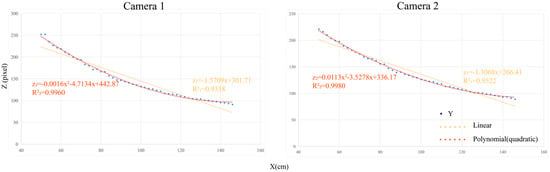
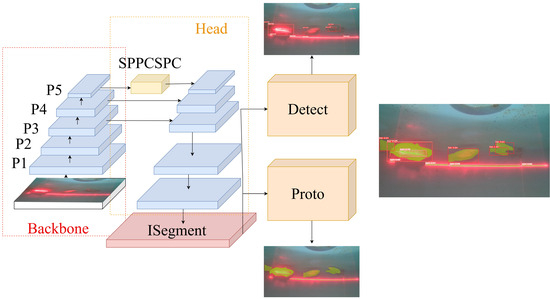
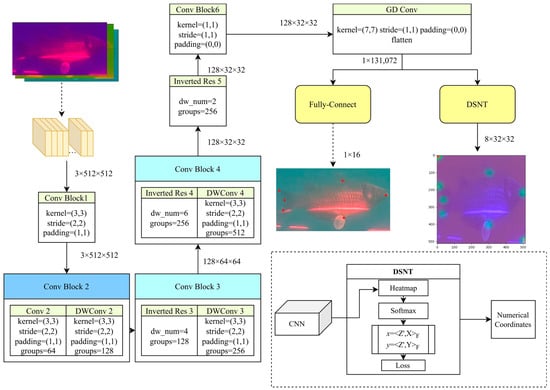
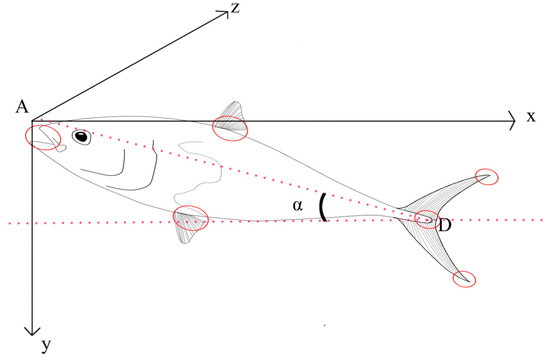
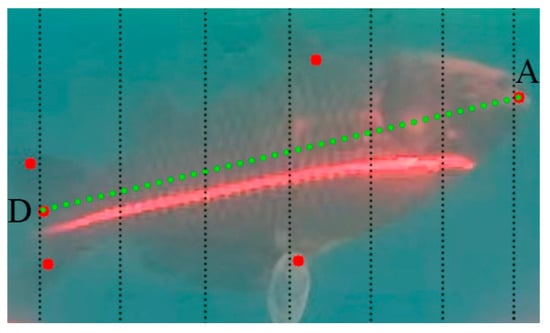
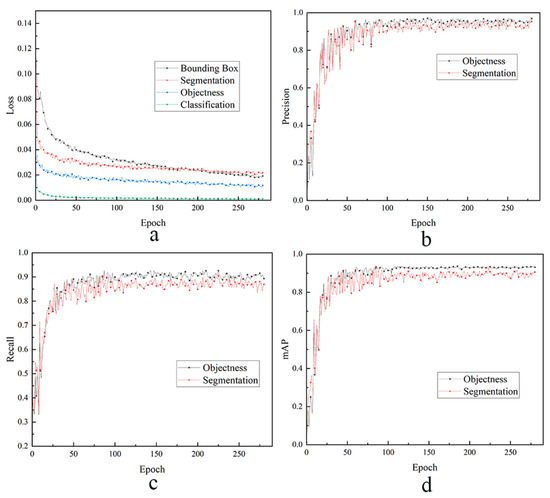
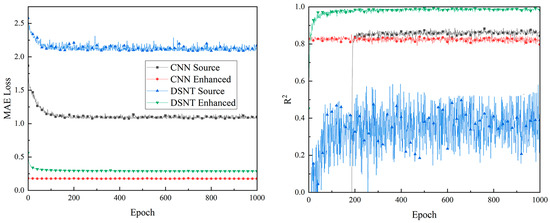
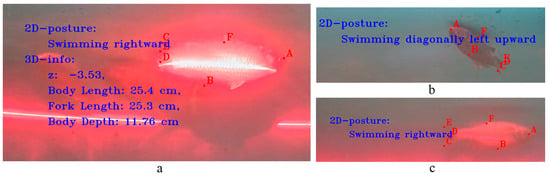
This paper details the implementation of an integrated engineering framework for the real-time assessment of pose and size in fusiform fish, utilizing laser-camera technology. The design, comprising a camera and laser emitter, leverages laser triangulation for accurately measuring distances between key points, providing a reliable baseline for data comparison. Enhanced with the yolov7 model backbone, it includes detection and segmentation features, enabling precise image instance segmentation of fish and laser lines. The system’s dual-network structure, which combines fully connected regression and DSNT-MobileFaceNet networks, efficiently identifies six crucial landmarks on fish—an essential step for detailed pose analysis. This method facilitates the accurate determination of two-dimensional fish posture by analyzing the relative positions of these landmarks. A notable capability of this system is its ability to infer depth information from laser lines on the fish’s body, aiding in the accurate measurement of dimensions such as body length and depth. Empirical results demonstrate the system’s effectiveness, with high mean Average Precision (mAP) values for both object detection (0.9560 for fish, 0.8550 for laser lines) and segmentation (0.9740 for fish, 0.8420 for laser lines). The DSNT-MobileFaceNet network, in particular, shows excellent fitting accuracy with an value of 0.9170. The deep learning model achieves an average error rate of 7.75% in detecting fish data, markedly improving upon the baseline error rate of 14.70%. Overall, this study confirms the proposed system’s capability in accurately assessing fish pose and size. As a rigorous proof of concept validated in a controlled laboratory environment, this work establishes a foundational framework for non-invasive morphological monitoring, suggesting its future applicability in marine biology and aquaculture.
Full article
(This article belongs to the Special Issue Computer Vision Applications for Fisheries and Aquaculture)
►▼
Show Figures

Figure 1

Open AccessReview
Status and Development Potential of Bellamya Aquaculture in Asia: Ecology, Integrated Farming Models, and High-Value Utilization
by
Wu Jin, Jianwei Liu, Benhe Ma, Xianhui Pan, Xueyan Ma, Xiaojuan Cao and Haibo Wen
Fishes 2026, 11(5), 297; https://doi.org/10.3390/fishes11050297 - 16 May 2026
Abstract
Freshwater snails, specifically those belonging to the genus Bellamya, are increasingly recognized as important components of sustainable aquaculture and aquatic ecosystem management. This review synthesizes current knowledge on their ecological roles, aquaculture practices, utilization, and associated risks to evaluate their potential as
[...] Read more.
Freshwater snails, specifically those belonging to the genus Bellamya, are increasingly recognized as important components of sustainable aquaculture and aquatic ecosystem management. This review synthesizes current knowledge on their ecological roles, aquaculture practices, utilization, and associated risks to evaluate their potential as a multifunctional resource. Available evidence shows that Bellamya species function as bioindicators of environmental change and contribute to water purification through grazing, nutrient cycling, and interactions with aquatic plants. In aquaculture, diverse production systems, including rice–snail co-culture and pond-based farming, have been developed, demonstrating high resource-use efficiency and economic value. In addition to their nutritional importance as a protein source, freshwater snails provide opportunities for value-added products in food, biomaterials, and health-related applications. However, challenges remain, including parasite transmission, the bioaccumulation of environmental pollutants, genetic resource degradation, and ecological carrying capacity constraints under intensive farming. Future development depends on advances in breeding, nutrition, and intelligent farming technologies, as well as improved environmental monitoring and regulatory frameworks. Overall, freshwater snail aquaculture represents a promising pathway for integrating food production with ecosystem restoration, but its sustainable expansion requires coordinated efforts in research, management, and industry development.
Full article
(This article belongs to the Special Issue Advances in Shellfish Aquaculture)
►▼
Show Figures

Figure 1
Open AccessArticle
Identification of Macrophage Migration Inhibitory Factor in Mytilus coruscus and Its Role in Methylation During Antibacterial Immunity
by
Xuechun Wang, Chentenghong Yuan, Xirui Si, Pengzhi Qi and Bin Shen
Fishes 2026, 11(5), 296; https://doi.org/10.3390/fishes11050296 - 15 May 2026
Abstract
Macrophage migration inhibitory factor (MIF) is broadly acknowledged as a central pro-inflammatory regulator, owing to its multifaceted functions including immune cell recruitment, initiation and amplification of pro-inflammatory cytokine cascades, enhancement of macrophage viability, facilitation of macrophage polarization toward a pro-inflammatory state, and attenuation
[...] Read more.
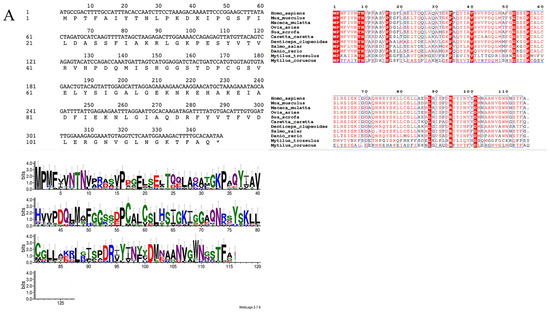
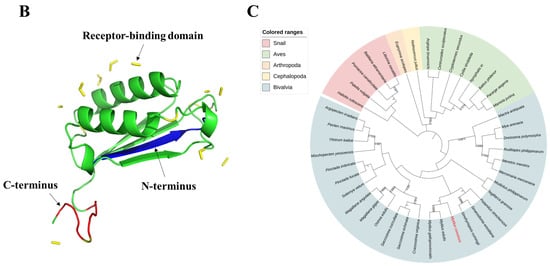
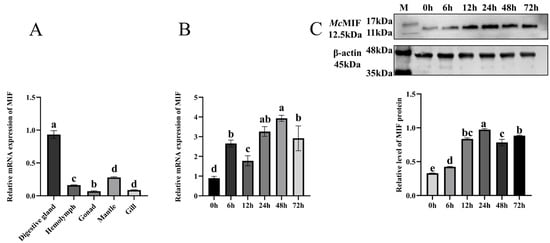
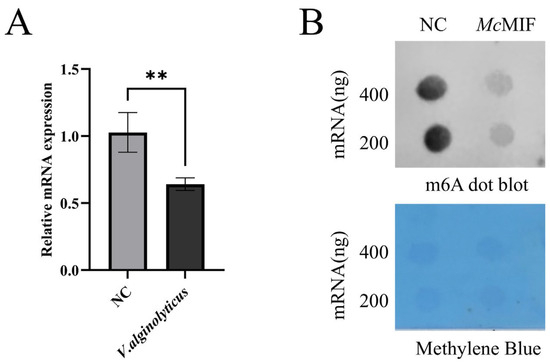
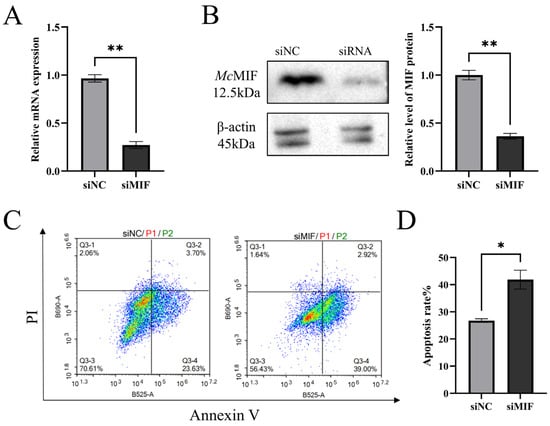
Macrophage migration inhibitory factor (MIF) is broadly acknowledged as a central pro-inflammatory regulator, owing to its multifaceted functions including immune cell recruitment, initiation and amplification of pro-inflammatory cytokine cascades, enhancement of macrophage viability, facilitation of macrophage polarization toward a pro-inflammatory state, and attenuation of glucocorticoid-mediated immunosuppression. However, functional investigations of MIF in Mytilus coruscus remain limited. In this study, we identified the MIF gene in M. coruscus, and bioinformatic analyses revealed that the gene encodes a 115-amino-acid polypeptide that exhibits close phylogenetic affinity with MIF homologs from other mollusks. McMIF was predominantly expressed in immune-related tissues, with notably high expression levels in the digestive gland. Upon Vibrio alginolyticus infection, both the mRNA and protein levels of McMIF were significantly upregulated, suggesting that McMIF is involved in the antibacterial immune response of M. coruscus. Meanwhile, the m6A modification level of McMIF was markedly reduced following infection, suggesting a potential relationship between m6A modification and the antibacterial immune function of MIF. Furthermore, knockdown of McMIF followed by LPS stimulation led to an increased level of apoptosis in digestive gland cells, suggesting that McMIF is involved in the inhibition of apoptosis induced by immune stimulation. Collectively, these findings provide insights into the immunological characteristics of McMIF in M. coruscus.
Full article
(This article belongs to the Special Issue Advances in the Immunology of Aquatic Animals)
►▼
Show Figures

Figure 1
Open AccessArticle
Bioaccumulation of Trace Elements in the Most Commercial Fish in the Southern Black Sea and Risk Estimates Related to Their Consumption
by
Levent Bat, Süleyman Özdemir, Zekiye Birinci Özdemir and Ayşah Öztekin
Fishes 2026, 11(5), 295; https://doi.org/10.3390/fishes11050295 - 15 May 2026
Abstract
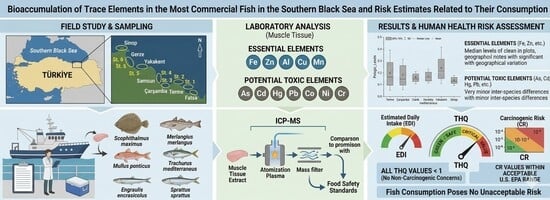
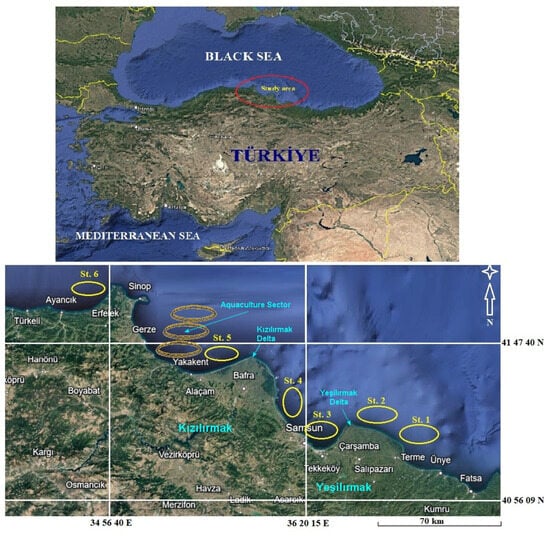
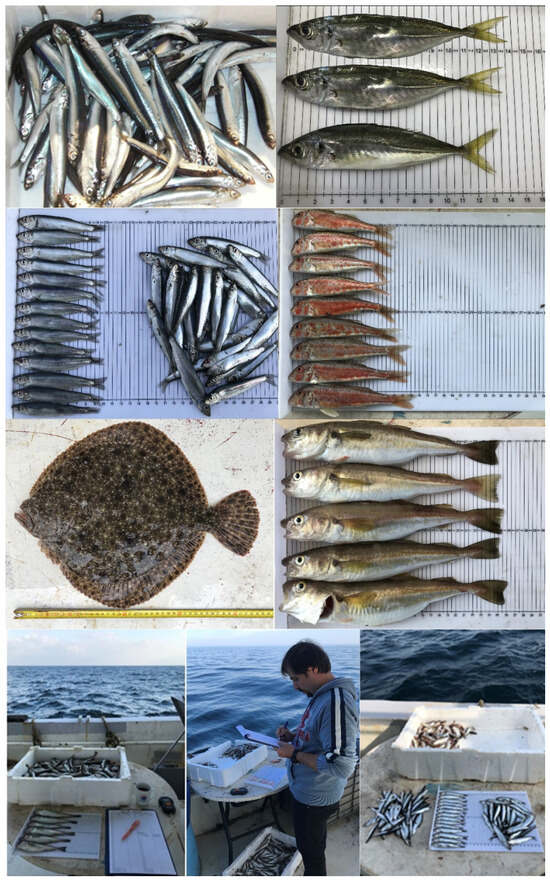
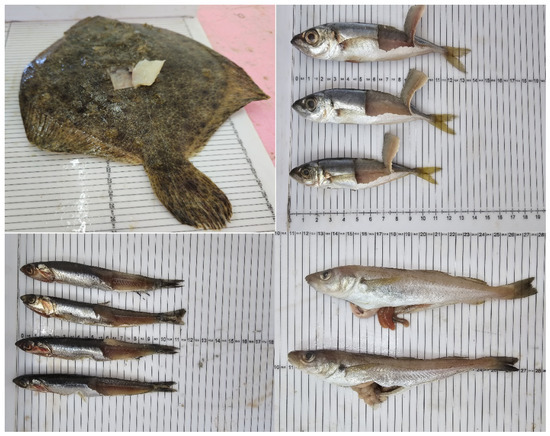
This study evaluates the accumulation of trace elements (Al, Cr, Mn, Fe, Co, Ni, Cu, Zn, As, Cd, Hg, and Pb) in the muscle tissues of six commercially important fish species (Scophthalmus maximus, Merlangius merlangus, Mullus ponticus, Trachurus mediterraneus
[...] Read more.
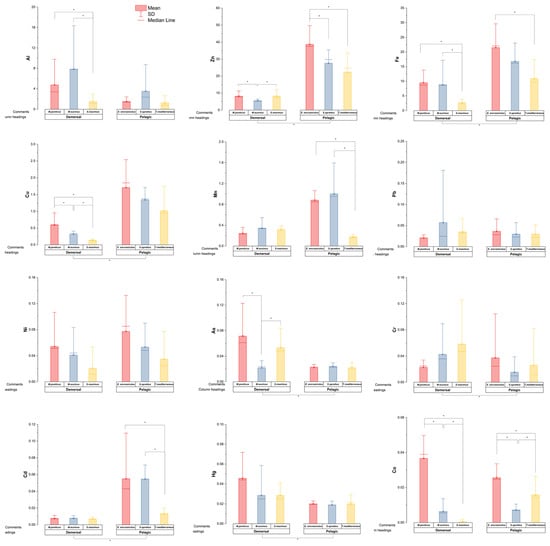
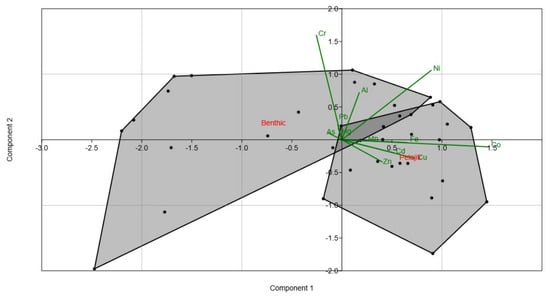
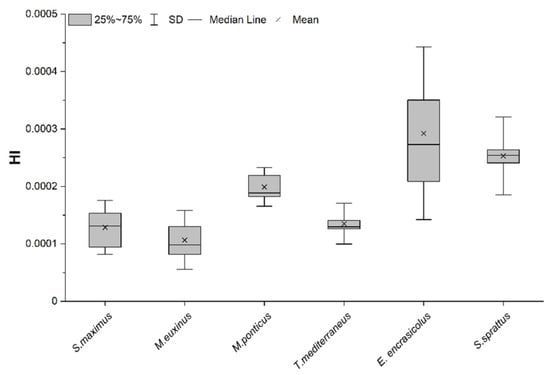
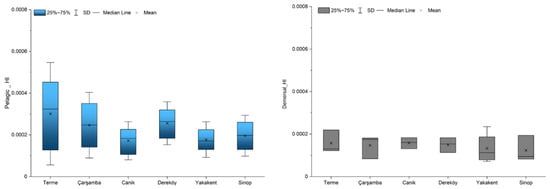
This study evaluates the accumulation of trace elements (Al, Cr, Mn, Fe, Co, Ni, Cu, Zn, As, Cd, Hg, and Pb) in the muscle tissues of six commercially important fish species (Scophthalmus maximus, Merlangius merlangus, Mullus ponticus, Trachurus mediterraneus, Engraulis encrasicolus, and Sprattus sprattus) harvested from multiple locations across the Sinop and Samsun coasts of the southern Black Sea during the 2023–2025 fishing seasons to assess potential human health risks. Element concentrations were quantified using inductively coupled plasma mass spectrometry (ICP-MS) and compared against national and international food safety standards. Results indicated that essential elements, particularly Fe and Zn, exhibited the highest concentrations, while Co and potentially toxic elements (Cd, Pb, As, and Hg) remained at lower levels. Although significant geographical variations in accumulation were observed between sampling locations, inter-species differences were relatively minor. Human health risk assessments, including Estimated Daily Intake (EDI), Target Hazard Quotient (THQ), and Carcinogenic Risk (CR), revealed that all THQ values were well below 1, indicating no non-carcinogenic concerns. Furthermore, CR values for As, Cr, and Pb fell within the acceptable range (10−6 to 10−4) defined by the U.S. EPA. Consequently, fish consumption from these regions poses no unacceptable risk, though localized element elevations suggest a need for enhanced environmental monitoring of pollution sources.
Full article
(This article belongs to the Special Issue Stress Ecology of Aquatic Animals)
►▼
Show Figures

Graphical abstract
Open AccessArticle
Gut Microbiota and Metabolome Differences Between Fast- and Slow-Growing Brass Gudgeon (Coreius heterodon)
by
Yafan Dai, Leiming Zhang, Xingyu Ma, Bing Xie, Xueying Pei, Xiaolan Shi, Jie Mei, Tao Wang, Guoqin Zhou and Wei Liu
Fishes 2026, 11(5), 294; https://doi.org/10.3390/fishes11050294 - 15 May 2026
Abstract
►▼
Show Figures
The gut microbiota plays a crucial role in regulating fish growth. In this study, we performed 16S rRNA sequencing and metabolomics to compare the gut microbiota and metabolic profiles of fast-growing (FG) and slow-growing (SG) brass gudgeon (Coreius heterodon) from the
[...] Read more.
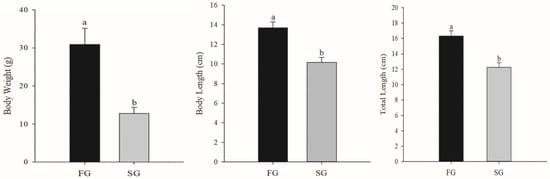
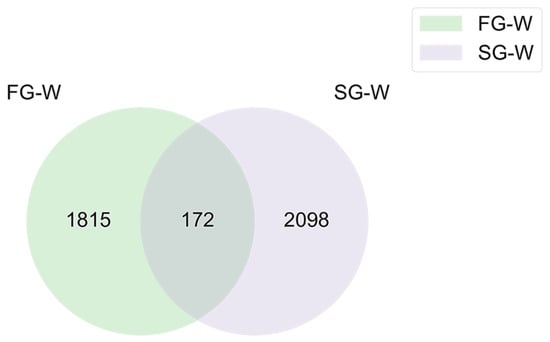
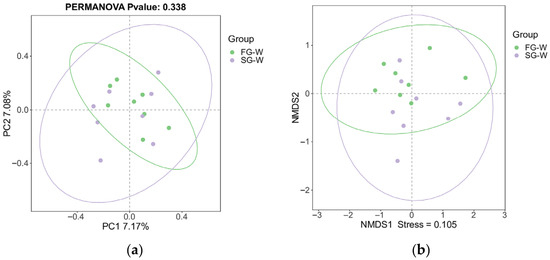
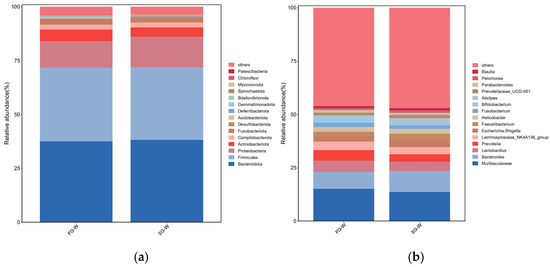
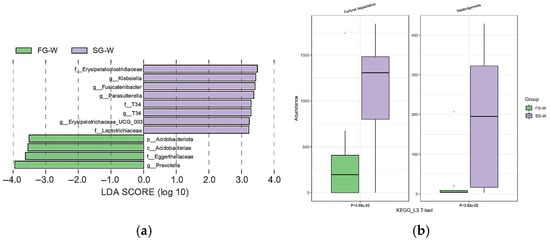
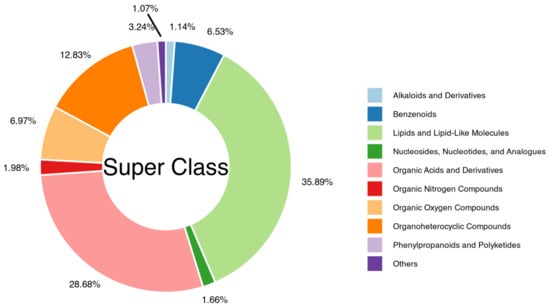
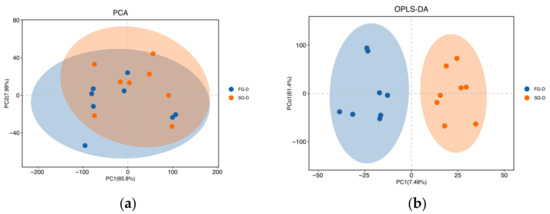
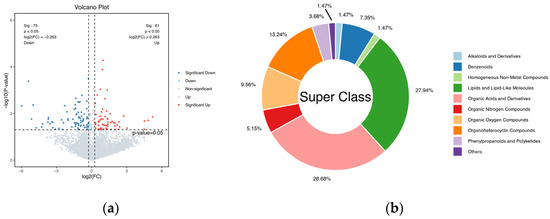
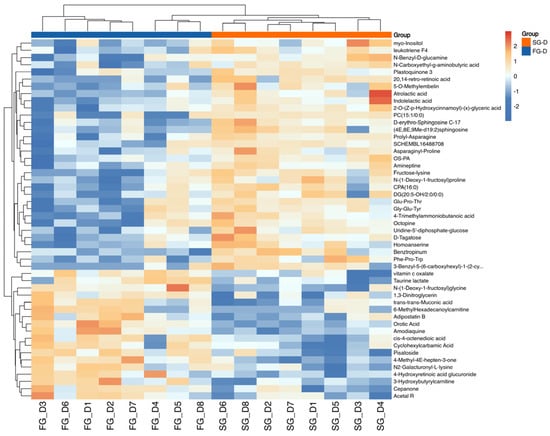
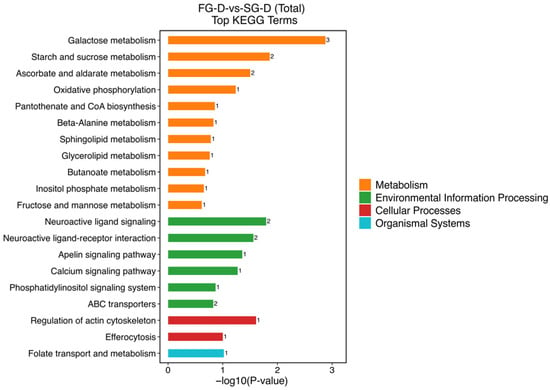
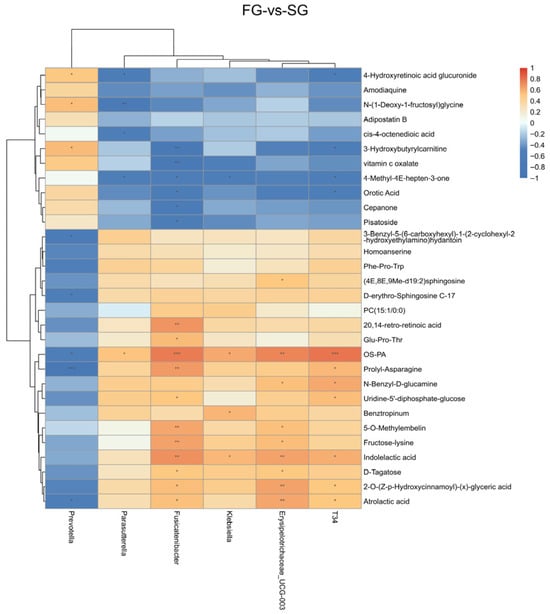
The gut microbiota plays a crucial role in regulating fish growth. In this study, we performed 16S rRNA sequencing and metabolomics to compare the gut microbiota and metabolic profiles of fast-growing (FG) and slow-growing (SG) brass gudgeon (Coreius heterodon) from the same family, reared under identical conditions for 12 months. Our results revealed that there was no significant difference in the overall gut microbiota structure between FG and SG groups, but significant differences were observed at specific phylum and genus levels. The FG group harbored a greater abundance of potential probiotics (e.g., Prevotella, Lactobacillus, and Lachnospiraceae NK4A136_group), while opportunistic pathogens such as Klebsiella and Pseudomonas were less abundant. Metabolomics analysis identified 136 differential metabolites, among them, 61 were upregulated and 75 were downregulated in the FG group, with higher levels of phosphatidylcholine, acylcarnitine, and amino acid derivatives in the FG group. KEGG pathway analysis showed enrichment of butanoate metabolism, tryptophan metabolism, and pyrimidine metabolism in the FG group. Spearman correlation analysis indicated that specific gut microbiota was significantly correlated with metabolites involved in energy metabolism, gut homeostasis, and oxidative balance. These findings revealed associations between specific gut microbiota, gut metabolites, and growth performance in brass gudgeon. Although overall community structure did not differ significantly between groups, the compositional and metabolic shifts observed suggest that the gut microbiota–metabolite association might be linked to growth variation. This study provided new insights into the microbiota–metabolite–growth axis of brass gudgeon and offers valuable reference information for the development of specialized probiotic feeds for this species.
Full article

Figure 1
Open AccessArticle
Integrative Transcriptome and GWAS Analyses Reveal Growth-Associated Molecular Architecture in Pacific Abalone (Haliotis discus hannai)
by
Hyejung Jung, Eun Soo Noh, Hyejin Kim, Hee-Bok Park, Young-Su Seo, In Jun Hwang, Hee Jeong Kong, Jung-Ha Kang and Jungwook Park
Fishes 2026, 11(5), 293; https://doi.org/10.3390/fishes11050293 - 15 May 2026
Abstract
Pacific abalone (Haliotis discus hannai) is a widely cultured and economically important abalone species in aquaculture yet improving growth performance remains a major challenge for stable production. To clarify the molecular architecture associated with growth performance in Pacific abalone, we integrated
[...] Read more.
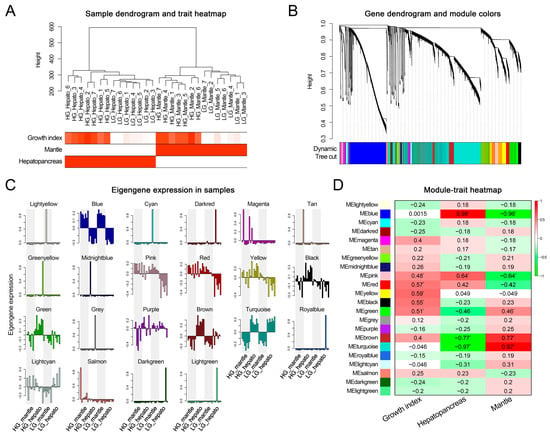
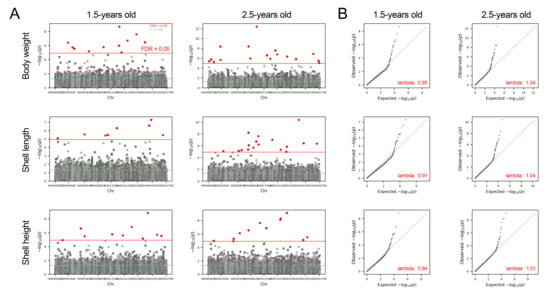
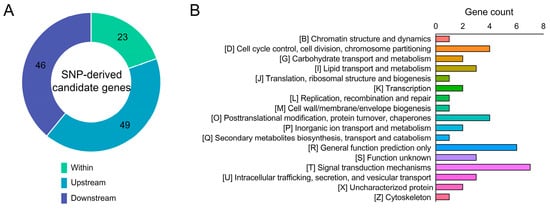
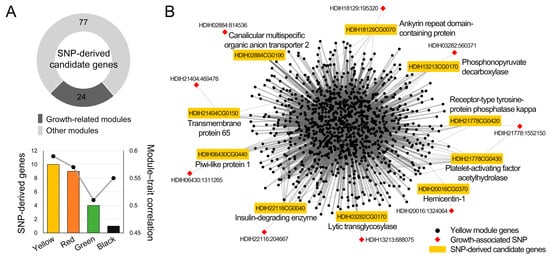
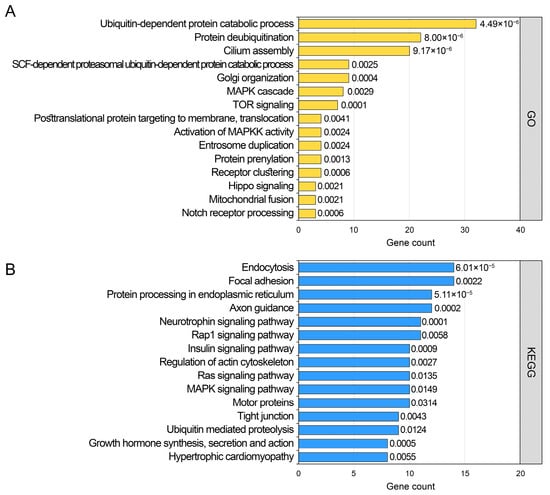
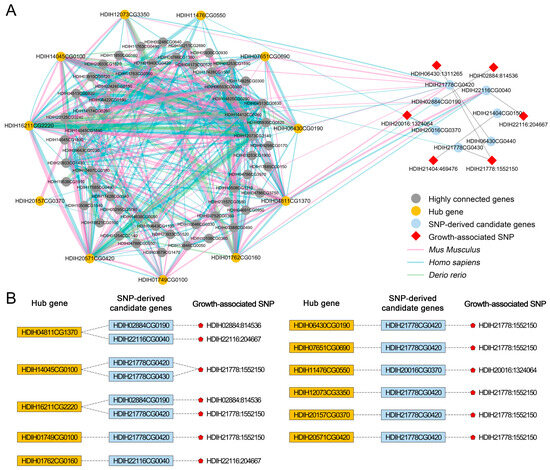
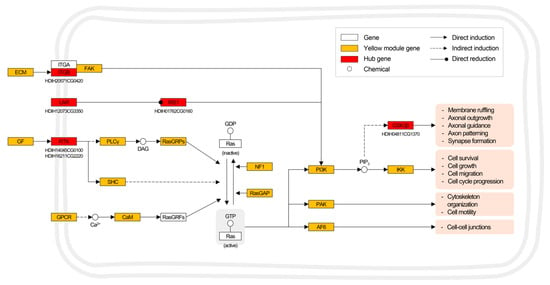
Pacific abalone (Haliotis discus hannai) is a widely cultured and economically important abalone species in aquaculture yet improving growth performance remains a major challenge for stable production. To clarify the molecular architecture associated with growth performance in Pacific abalone, we integrated transcriptome and genome-wide association study (GWAS) data from high-growth and low-growth groups showing significant growth differences. Transcriptome profiles from hepatopancreas and mantle tissues were used to construct a co-expression network of 43,125 genes, summarized into 22 modules associated with tissue specificity and growth-related variation. In parallel, analysis of a custom 60K SNP array identified 67 significant growth-associated SNPs. Integration of these GWAS signals into the co-expression network revealed a core module most strongly correlated with growth index and enriched for SNP-derived candidate genes. Functional enrichment indicated that the core module was associated with proteostasis and growth-related signaling pathways, including insulin, Ras, and MAPK signaling. Protein–protein interaction analysis further identified 11 hub genes with high intramodular connectivity and direct interactions with SNP-derived genes, most of which participate in receptor-mediated and intracellular growth-regulatory functions. These findings provide an integrated molecular framework for growth performance in Pacific abalone and candidate targets for future molecular breeding strategies.
Full article
(This article belongs to the Special Issue Applications of Genome-Based Technologies in Aquaculture)
►▼
Show Figures

Figure 1
Open AccessArticle
Preference for Natural Stimuli in Juvenile Guppies
by
Chiara Varracchio, Cristiano Bertolucci, Giorgio Bertorelle and Tyrone Lucon-Xiccato
Fishes 2026, 11(5), 292; https://doi.org/10.3390/fishes11050292 - 14 May 2026
Abstract
Drawing on the well-documented preference for natural and highly biodiverse environments in humans, it has been proposed that other animals may also recognise and show interest in natural stimuli. If widespread across animals, such a preference could have important evolutionary and welfare implications.
[...] Read more.
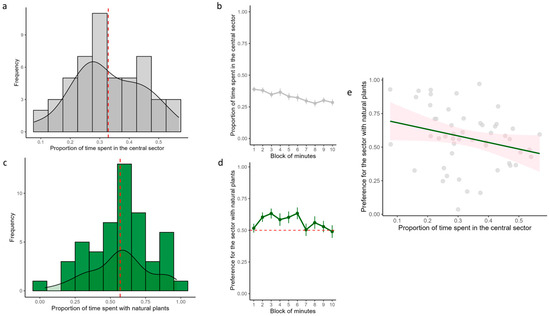
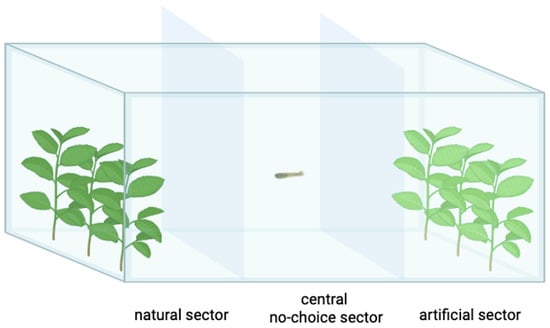
Drawing on the well-documented preference for natural and highly biodiverse environments in humans, it has been proposed that other animals may also recognise and show interest in natural stimuli. If widespread across animals, such a preference could have important evolutionary and welfare implications. However, we currently lack investigations of this preference outside humans. To begin filling this gap, we examined whether juvenile guppies (Poecilia reticulata) exhibit a spontaneous preference for natural stimuli. In a dichotomous choice test, guppies were given the opportunity to choose between an environment containing live aquatic plants and one with structurally similar, in shape and size, artificial plants. After habituation to the testing apparatus, guppies spent significantly more time in the environment with live plants, suggesting a preference for natural stimuli. This supports the idea that, beyond humans, other animals may also be capable of recognizing and responding to natural stimuli.
Full article
(This article belongs to the Section Physiology and Biochemistry)
►▼
Show Figures

Figure 1
Open AccessArticle
Habitat Use, Residency, and Connectivity of Bull Sharks (Carcharhinus leucas) in the Bazaruto Seascape, Mozambique
by
Stephanie K. Venables, Lukas Müller, Christoph A. Rohner, Andrea D. Marshall, Jimmy van Rijn, Nilza de Catarina, John D. Filmalter and Ryan Daly
Fishes 2026, 11(5), 291; https://doi.org/10.3390/fishes11050291 - 14 May 2026
Abstract
Bull sharks (Carcharhinus leucas) are highly mobile coastal predators, whose broad movements complicate conservation planning, particularly in the Western Indian Ocean, where key habitats remain poorly understood. Using passive acoustic telemetry, this study assessed the habitat use, residency, and regional connectivity
[...] Read more.
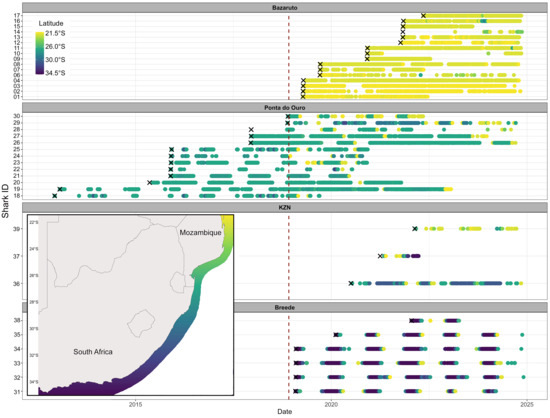
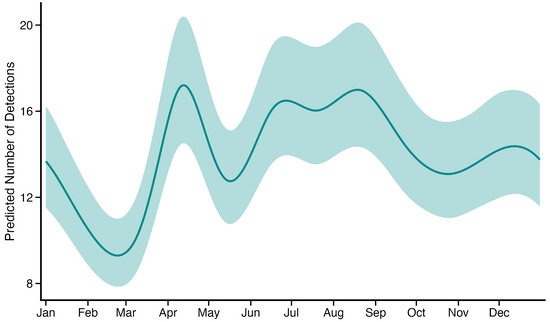
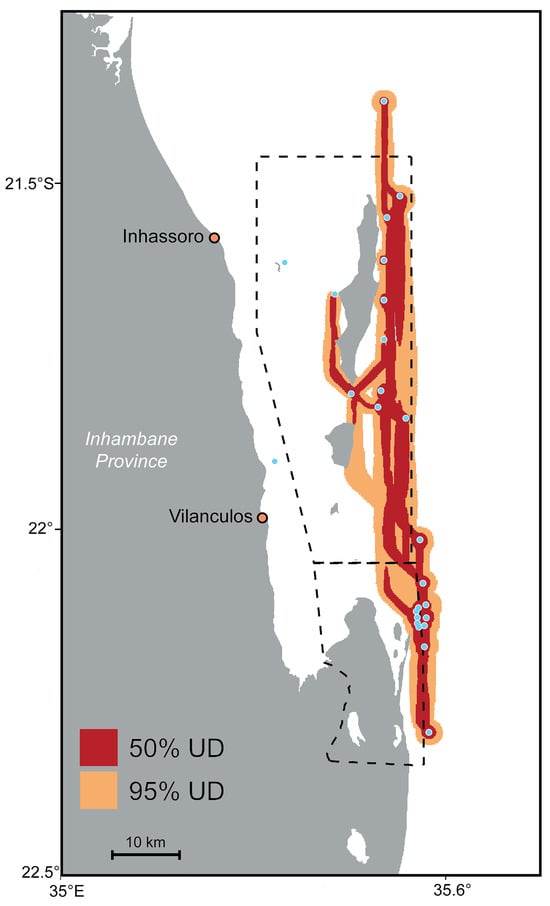
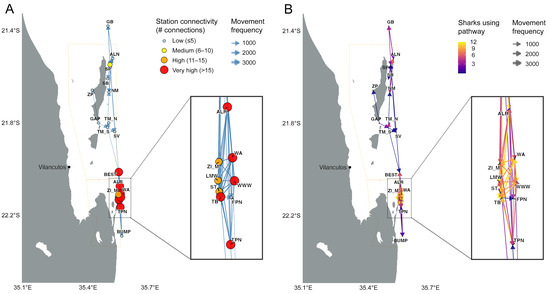
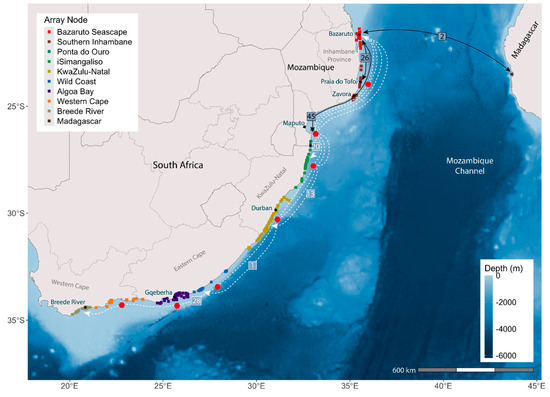
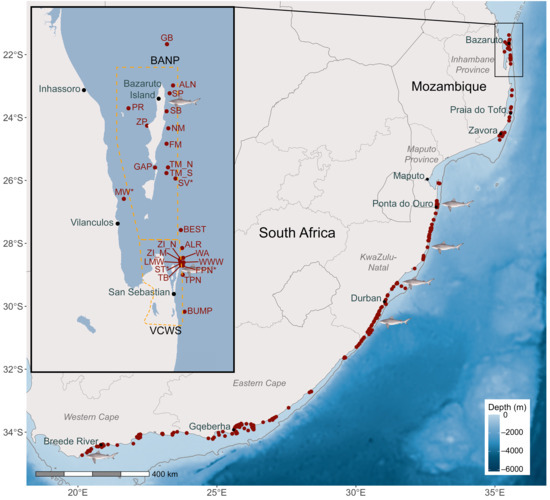
Bull sharks (Carcharhinus leucas) are highly mobile coastal predators, whose broad movements complicate conservation planning, particularly in the Western Indian Ocean, where key habitats remain poorly understood. Using passive acoustic telemetry, this study assessed the habitat use, residency, and regional connectivity of adult bull sharks within the Bazaruto Seascape, Mozambique, evaluating the area’s ecological role within a wider movement network. Sharks tagged around Bazaruto exhibited high residency (mean Rmax = 0.45) and year-round presence, with core habitat concentrated along seaward reef systems and inshore areas off the San Sebastian Peninsula. Although most core habitat areas (82%) overlapped with existing marine protected areas, important habitats extended beyond protected area boundaries. In addition to supporting resident individuals, the seascape functioned as a seasonal waypoint within a regional movement corridor, with transient sharks exhibiting short periods (<5 days) of seasonal residency (primarily between May and November). Movement patterns revealed strong connectivity with other aggregation sites along the southeast African coast and occasional long-distance movements across the Mozambique Channel to Madagascar and beyond. These findings demonstrate that the Bazaruto Seascape provides both critical habitat and acts as a connectivity node for resident and transient bull sharks, highlighting the need for conservation strategies that combine local spatial protection with broader regional and transboundary management frameworks.
Full article
(This article belongs to the Special Issue Habitat as a Template for Life Histories of Fish)
►▼
Show Figures

Figure 1
Journal Menu
► ▼ Journal Menu-
- Fishes Home
- Aims & Scope
- Editorial Board
- Reviewer Board
- Topical Advisory Panel
- Instructions for Authors
- Special Issues
- Topics
- Sections
- Article Processing Charge
- Indexing & Archiving
- Editor’s Choice Articles
- Most Cited & Viewed
- Journal Statistics
- Journal History
- Journal Awards
- Society Collaborations
- Conferences
- Editorial Office
- 10th Anniversary
Journal Browser
► ▼ Journal BrowserHighly Accessed Articles
Latest Books
E-Mail Alert
News
Topics
Topic in
Animals, Antioxidants, Fishes, Biology
Immunology and Disease Prevention and Control in Aquatic Animals
Topic Editors: Hongliang Zuo, Jiejie Sun, Linwei YangDeadline: 31 August 2026
Topic in
Fishes, Foods, Microplastics, Veterinary Sciences, Poultry, Animals, Ruminants
Micro- and Nanoplastics in Animals and Livestock Production
Topic Editors: Sonia Tassone, Beniamino T. Cenci-Goga, Samia Ben Said, Khalil AbidDeadline: 31 December 2026
Topic in
Animals, Aquaculture Journal, Biology, Fishes, Life
Sex Differentiation Mechanisms in Aquatic Species
Topic Editors: Mingyou Li, Zhihui Sun, Jun ZhangDeadline: 31 January 2027
Topic in
Biology, Data, Diversity, Fishes, Animals, Conservation, Hydrobiology
Intersection Between Macroecology and Data Science
Topic Editors: Paulo Branco, Gonçalo DuarteDeadline: 23 April 2027
Conferences
Special Issues
Special Issue in
Fishes
Sustainable Fisheries Dynamics
Guest Editors: Rong Wan, Junbo ZhangDeadline: 22 May 2026
Special Issue in
Fishes
Freshwater Fishes: Taxonomic Diversity, Conservation Concerns, and Future Directions
Guest Editor: Luisa Maria Sarmento-SoaresDeadline: 30 May 2026
Special Issue in
Fishes
The Hidden Network: Trophic Interactions in Marine Ecosystems
Guest Editor: Cristina AndolinaDeadline: 31 May 2026
Special Issue in
Fishes
An Issue in Honor of Yoram Avnimelech: Application of Biofloc Technology (BFT)
Guest Editors: Felipe Boéchat Vieira, Mauricio G.C. Emerenciano, Wilson WasieleskyDeadline: 5 June 2026