1. Introduction
Aquaculture and broader aquatic food systems can play a key role in the green transition. The aquatic food sector, including microalgae, plankton, plants, and invertebrates, has huge untapped potential to contribute to the green transition to sustainable diets through research and innovation in high-quality animal protein that is suitable for human consumption [
1].
In recent years, research and practical interest in snail aquaculture, particularly that of freshwater species within the genus
Bellamya in Asia, have increased markedly. This growing attention is largely driven by its considerable potential to address food security challenges in Asia, provide high-quality nutritional resources, and promote environmental sustainability. Compared with conventional livestock production, snail farming offers several advantages, including low production costs, a minimal ecological footprint, high resource-use efficiency, and strong environmental adaptability [
2]. Snail meat is rich in high-quality protein, essential amino acids, and minerals, making it an excellent source of animal protein [
3,
4]. In addition, processing byproducts can be utilized in traditional medicine [
5,
6,
7], biomaterials (such as hydroxyapatite) [
8,
9], and the development of high-value bioactive peptide supplements [
10].
For many developing countries facing constraints in land resources, protein supply, and environmental sustainability, the development of snail aquaculture represents not only an effective strategy for enhancing food security but also a key driver of rural economic growth and circular agriculture. Through the integration of selective breeding strategies (such as the development of fast-growing and disease-resistant strains), intelligent farming technologies (including sensor-based monitoring and data-driven management), and ecological production models (such as rice–snail co-culture and aquaculture wastewater treatment systems), snail farming is transitioning from a traditional harvesting activity to a modern, environmentally sustainable aquaculture industry. This transformation positions snail aquaculture as a promising contributor to several United Nations’ Sustainable Development Goals, including Zero Hunger, Clean Water and Sanitation, Life Below Water, and Responsible Consumption and Production. In this review, we first explore the distribution and bioindicator role of Bellamya in Asia, and then we examine current aquaculture models such as rice–snail co-culture systems and risk management challenges in food safety. Finally, we highlight future frontiers, including molecular breeding, precision nutrition, and modern aquaculture technologies.
2. Population Distribution, Ecological Niche, and Bioindication from a Global Perspective
Freshwater snails, particularly those belonging to the genus Bellamya, play a crucial role in freshwater ecosystems worldwide. Owing to their extensive geographic distribution and strong ecological adaptability, they serve as valuable indicator species for investigating biogeographic patterns, assessing environmental change, and evaluating ecosystem health.
2.1. Global Distribution Patterns and Biogeography
The genus
Bellamya belongs to the subfamily Bellamyinae within the family Viviparidae, and it represents one of the most diverse and widely distributed groups of freshwater snails. Its natural distribution spans Africa, Asia, Australia, and North America [
11,
12]. In Africa,
Bellamya are widely distributed in major river systems such as the Nile and Zambezi Rivers [
11], as well as in the nearshore zones of Lake Victoria, the world’s second-largest freshwater lake, where they dominate benthic biomass in certain areas [
13,
14,
15,
16,
17]. In Asia, their distribution extends from the Mekong River basin to major Chinese river systems, including the Yangtze, Pearl, and Yellow Rivers [
18,
19,
20]. They are also found across the Indian subcontinent (e.g., the Narmada River [
21], Barak River [
22], and Calcutta wetlands [
23]) and throughout Southeast Asia [
24]. In North America,
Bellamya have been reported in the Alabama–Coosa River basin [
11]. This extensive distribution is partly attributable to their strong environmental adaptability and historical dispersal processes, likely driven by geological events such as plate tectonics and ancient river connectivity [
25,
26].
Archaeological evidence indicates that, as early as 7000–5000 BC, human populations in the Dinggui Mountain region of Guangxi Province, China, were already consuming
Bellamya as a source of animal protein, highlighting their long-standing association with human societies [
27]. However, recent anthropogenic activities, including hydraulic engineering projects (such as dam construction), land-use changes, and water pollution, have significantly altered their population distribution patterns [
23,
28,
29,
30]. For example, the abundance of
Bellamya in large, well-connected lakes within the Yangtze River basin (such as the Poyang and Dongting Lakes) is notably lower than that in lakes with limited connectivity or complete isolation (such as Shijiu Lake) [
18]. This pattern is largely attributable to hydrological alterations caused by weirs and dams, which modify habitat conditions, substrate characteristics, and food resource availability, thereby creating environments more favorable for
Bellamya populations [
31]. In suburban aquatic systems with intense human activity, such as the rivers surrounding Lake Victoria,
Bellamya often become dominant due to increased organic matter inputs. Their population density shows strong correlations with key water quality parameters, including dissolved oxygen and nutrient concentrations, making them effective bioindicators of eutrophication and overall ecosystem health [
13,
14,
15,
17].
2.2. Population Genetic Structure and Adaptive Evolution
Despite the widespread distribution of
Bellamya, genetic studies have revealed complex and informative patterns of population structure. For example, analyses of
B. aeruginosa populations from the Yellow, Yangtze, and Pearl River basins in China demonstrate significant genetic differentiation among these major river systems, while little variation is observed within each basin. This pattern indicates that geographic isolation, such as watershed boundaries, is the primary driver of population divergence; however, according to SNP data, gene flow remains relatively unrestricted within individual river systems [
20]. In a study examining Lake Victoria, Africa, up to 13 morphologically distinct
Bellamya populations were reported based on mitochondrial and microsatellite markers obtained from 321 individuals; however, only three major clades closely corresponding to geographic distribution were identified. This suggests that morphological diversity does not necessarily reflect underlying genetic differentiation and that environmental selection pressures may have driven rapid phenotypic divergence [
32]. Furthermore, landscape genetics studies indicate that factors such as hydrological connectivity [
18], elevation [
26], and climatic conditions [
25] play critical roles in shaping population genetic structure.
Similar patterns have been observed in
Bellamya aeruginosa populations across the Indian subcontinent, where genetic variation is strongly associated with geographic isolation among river basins [
33,
34,
35]. Such genetic insights are essential for the conservation of germplasm resources, the development of improved breeding programs, and the prediction of species responses to future environmental changes, including climate change. However, systematic evaluation and conservation of freshwater mollusk germplasm resources remain insufficient. Strengthening these efforts is urgently needed to preserve genetic diversity and support the sustainable utilization of these resources [
36].
2.3. As a “Biological Sensor” for Environmental Changes
The ecological niche of
Bellamya, primarily inhabiting benthic environments and feeding by filtering or scraping algae and organic detritus, directly exposes them to pollutants present in both water and sediments. This ecological characteristic makes them highly effective environmental bioindicators and a “living archive” of pollution history [
37].
Extensive studies have demonstrated that freshwater snails can effectively accumulate heavy metals, such as copper, zinc, lead, cadmium, and chromium, from aquatic environments. The degree of accumulation is influenced by multiple factors, including ambient metal concentrations, exposure duration, organism age, tissue type (with digestive glands and gills typically showing the highest accumulation capacity), and seasonal variation (e.g., differences between dry and rainy seasons). For example, investigations conducted in Lake Tai, the Xiang River, and aquatic systems in Nigeria have consistently reported positive correlations between heavy metal concentrations in snail tissues and sediment contamination levels [
38,
39,
40]. This relationship enables the use of snails as bioindicators to reconstruct pollution histories and assess current ecological risks. Specifically, the bioaccumulation capacity varies among metals, with visceral tissues generally exhibiting higher enrichment for chromium, copper, lead, and zinc than cadmium and nickel [
39].
2.3.1. Organic Pollutants and Emerging Contaminants
Freshwater snails also exhibit a strong capacity to accumulate a wide range of persistent organic pollutants, including polychlorinated biphenyls [
41], polybrominated diphenyl ethers [
42], polycyclic aromatic hydrocarbons (e.g., petroleum hydrocarbons) [
43], pesticides such as pyrethroids [
44] and chlorpyrifos [
45], and emerging brominated flame retardants [
46]. Exposure to these contaminants can induce multiple toxic effects, including oxidative stress (manifested by increased activities of antioxidant enzymes such as superoxide dismutase, catalase, and glutathione S-transferase) [
42], disruption of energy metabolism (e.g., glycogen depletion), neurotoxicity, and DNA damage. These physiological and biochemical responses serve as sensitive early-warning biomarkers of environmental contamination [
42,
47]. For example, rapid glycogen depletion in snails exposed to pyrethroids has been identified as a reliable indicator of toxic stress [
44].
2.3.2. Microplastics and Antibiotics
Among emerging pollutants, microplastics, particularly fibrous particles, tend to accumulate within the digestive tract of freshwater snails such as
P. canaliculata. Their abundance is positively correlated with the intensity of human activities, especially in densely populated areas and aquaculture regions, and they can disrupt intestinal microbial communities [
48,
49]. In addition, freshwater snails are highly sensitive to fluoroquinolone antibiotics, such as ciprofloxacin, highlighting their potential utility in assessing antibiotic pollution in aquatic environments [
47].
2.3.3. Integrated Biological Indices
Based on parameters such as the occurrence frequency, abundance, and biomass of freshwater snails, together with their relationships with physicochemical factors (e.g., dissolved oxygen, total nitrogen, total phosphorus, and chemical oxygen demand), zoobenthos-based indices, such as indices of biological integrity and biological monitoring indices, can be developed [
50]. In river and lake monitoring, these indices show strong consistency with conventional physicochemical assessments, providing a more comprehensive evaluation of aquatic ecosystem health [
51,
52].
3. Core Ecological Functions: From Water Purification to Ecosystem Restoration
Beyond their role as environmental sentinels, freshwater snails of the genus Bellamya function as key ecological engineers in freshwater ecosystems. They play a critical role in mitigating eutrophication and facilitating ecosystem restoration, thereby significantly contributing to the maintenance of aquatic environmental stability.
3.1. Controlling Algae and Improving Water Quality
Bellamya are highly efficient grazers and filter feeders. By consuming planktonic algae (such as cyanobacteria and green algae) [
53] and biofilms attached to substrates and aquatic plant surfaces (periphyton) [
54], they directly reduce algal biomass and remove nutrients, including nitrogen and phosphorus, from aquatic environments [
53].
3.1.1. Suppressing Algal Blooms
Experimental studies have demonstrated that the introduction of freshwater snails can significantly reduce chlorophyll-a concentrations and improve water transparency [
55]. Their selective feeding behavior, such as the preferential consumption of
Chlorella over
Microcystis, can alter algal community structure and suppress harmful cyanobacterial blooms under certain conditions [
56]. In addition, the mucus secreted by snails promotes the flocculation of suspended particles, enhancing sedimentation and further improving light penetration in the water column [
57].
3.1.2. Promoting Nutrient Cycling and Removal
The feeding, digestion, excretion, and bioturbation activities of snails exert strong influences on biogeochemical processes at the water–sediment interface. These activities accelerate organic matter decomposition and nutrient release from sediments (a process often referred to as the priming effect), while interactions with microorganisms and aquatic plants enhance denitrification and phosphorus removal efficiency [
57]. The biological disturbance caused by
Bellamya periodically re-exposes the sediment to oxygen, accelerating the decomposition of partially degraded detritus and providing a large supply of electron donors, thereby significantly increasing their availability to microorganisms. It also promotes nitrate reductase, nitrite reductase, and hydroxylamine reductase activities. This facilitates the removal of nitrogen from sediments through denitrification [
58]. In snail–plant symbiotic systems (e.g.,
Vallisneria natans and
Myriophyllum aquaticum), snails improve submerged plant growth by removing epiphytic algae and increasing light availability. In turn, aquatic plants provide habitat and oxygen for snails while directly assimilating nutrients. This mutualistic interaction significantly reduces the total nitrogen and ammonia nitrogen concentrations in overlying water, with additional benefits for total phosphorus removal [
59,
60,
61]. Compared with single-component systems (snail- or plant-only), integrated snail–plant systems show markedly greater improvements in water quality and ecosystem restoration [
59,
62].
3.1.3. Application in Constructed Wetlands and Effluent Treatment
The incorporation of
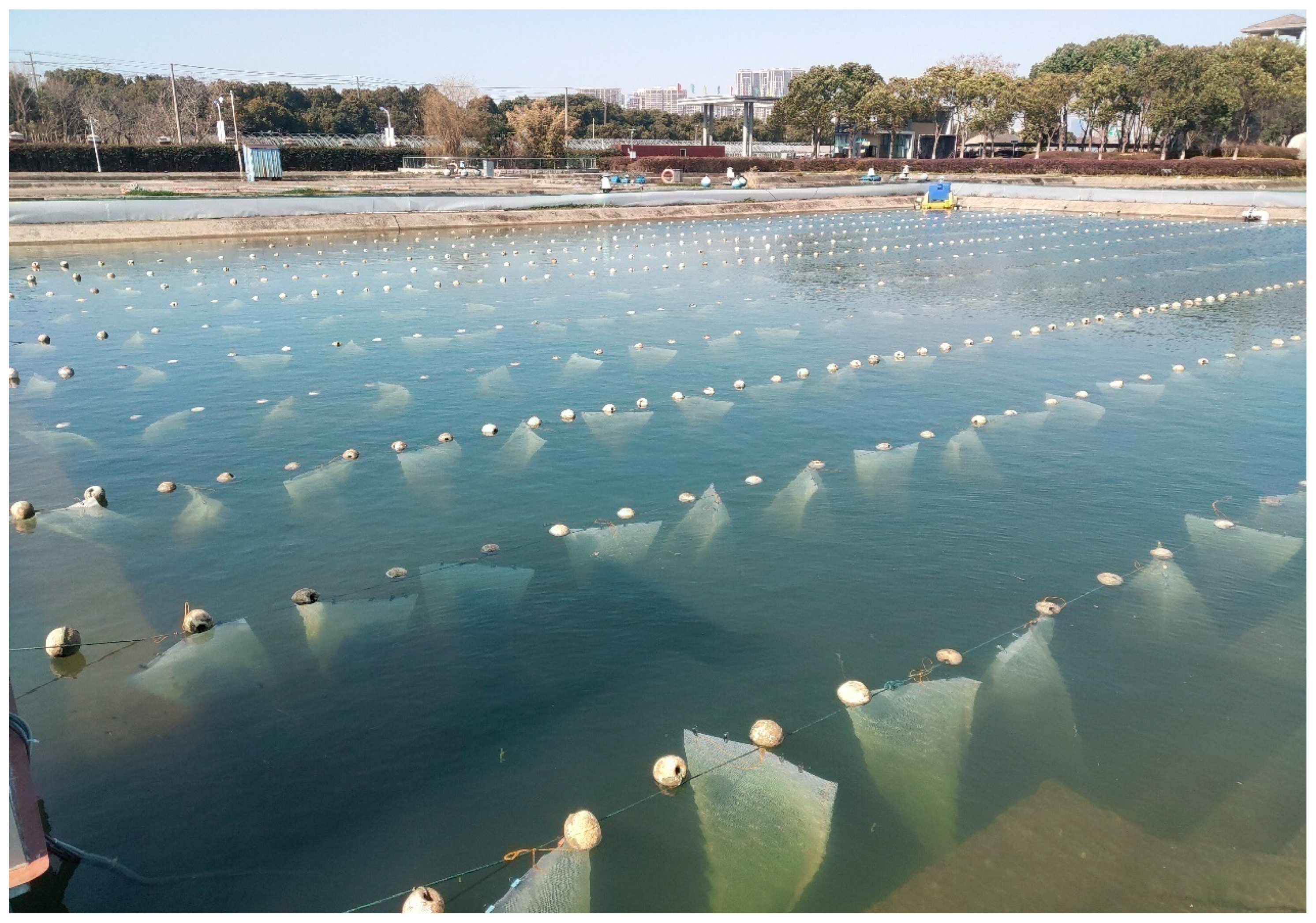
Bellamya into constructed wetlands and aquaculture wastewater treatment systems has been shown to enhance the removal of nitrogen, phosphorus, and other pollutants (
Figure 1). This effect is achieved through multiple mechanisms, including the direct consumption of suspended organic matter and algae; sediment disturbance that increases interactions between pollutants, microorganisms, and plant roots; and metabolic activities (such as ammonium excretion) that stimulate nitrifying and denitrifying microbial processes, thereby improving overall nutrient removal efficiency [
63].
3.2. Maintaining Food Web Stability and Biodiversity
Freshwater snails are key components of benthic food webs in aquatic ecosystems. As primary consumers, they convert algae and organic detritus into biomass, thereby facilitating energy transfer to higher trophic levels. At the same time, they serve as important prey for a wide range of organisms, including fish species such as
Sargochromis codringtonii [
64] and
Mylopharyngodon piceus [
65], crustaceans such as
Eriocheir sinensis [
66], and aquatic insects such as fireflies [
67].
This central ecological role means that fluctuations in snail populations can directly affect resource availability for higher trophic levels and influence overall ecosystem stability. In healthy, macrophyte-dominated lakes, moderate snail populations contribute to maintaining water clarity, supporting the growth of aquatic vegetation, and sustaining high levels of biodiversity. In contrast, declines in snail populations, caused by overharvesting or environmental degradation, can trigger cascading ecological effects, including increased algal blooms and the loss of aquatic plant communities [
68,
69].
3.3. Response to Human Disturbance
The population dynamics of
Bellamya are highly sensitive to both climate change and anthropogenic disturbances. Long-term monitoring data from lakes such as the Dongting, Gucheng, and Chaohu Lakes indicate that the abundance and biomass of
Bellamya populations have declined in recent decades. This decline is closely associated with multiple human-induced pressures, including reduced sediment and water inflow, altered hydrological regimes, increasing eutrophication, and intensive harvesting [
70,
71]. These disturbances exert a range of negative effects on snail communities. For example, hydropower development can lead to elevated water levels and prolonged habitat inundation, while sand mining can cause substrate degradation and increased turbidity. In addition, urban sewage discharge contributes to the deterioration of water quality. These factors promote shifts in community structure, characterized by increased dominance of pollution-tolerant taxa, such as oligochaetes and chironomid larvae, and an overall decline in biodiversity [
72]. Therefore, the conservation and restoration of
Bellamya resources are essential not only for preserving these species but also for maintaining the ecological integrity and functional stability of freshwater ecosystems.
4. Development Potential and Technical System of the Aquaculture Industry
Given their considerable ecological and economic value, the artificial cultivation of Bellamya is gaining increasing attention in China and worldwide, leading to the development of diverse ecological aquaculture systems.
4.1. Primary Aquaculture Models and Economic Benefits
4.1.1. Integrated Rice–Snail Cultivation
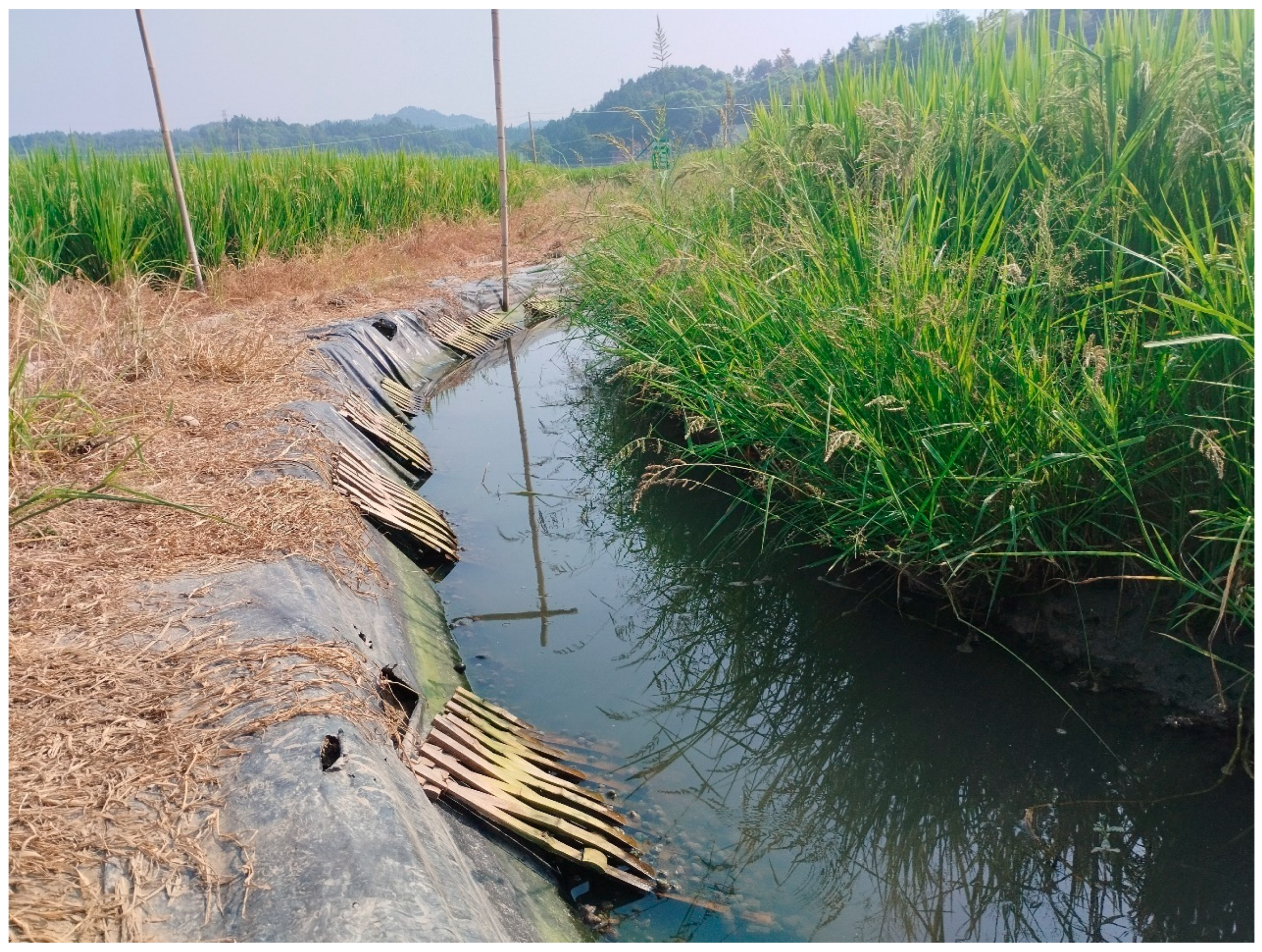
Integrated rice–snail cultivation is currently the most widely adopted system and offers substantial ecological and economic benefits. In this system, trenches are constructed within rice paddies to establish a symbiotic rice–snail co-culture system. Rice plants provide shade and a relatively cool microenvironment for snails, while snails help control weeds, pests, and certain algae within the fields (
Figure 2). In addition, snail excreta serve as a natural fertilizer, enhancing soil fertility and supporting rice growth.
To support the supply of snails for the snail-themed town in Fenyi County, Jiangxi Province, the local government has promoted rice–snail intercropping on a total area of 133.33 hectares over the past three years. Under a typical production cycle from March to November, snail yields can exceed 4500 kg per acre, while rice yields reach approximately 5250 kg per acre. The combined output value per acre can surpass CNY 45,000, with a net profit of snail around CNY 21,000. This integrated system enables the efficient use of both land and water resources, achieving a dual production output while reducing reliance on chemical fertilizers and pesticides [
73]. Because the practice of rice and snail co-cultivation has not been around for long and farmers tend to be cost-conscious, the amount of feed applied to the rice fields is insufficient. Although yields can reach 4500 kg per acre, some snails still fall below market size (shell width > 1.4 cm); therefore, these figures represent the most conservative estimates.
4.1.2. Pond Ecological Cultivation
Pond cultivation is commonly implemented through co-culture with Chinese mitten crabs or fish or by cultivating
Bellamya as the primary target organism. In Chinese mitten crab aquaculture, the practice of “planting aquatic vegetation and introducing snails” represents a well-established and highly efficient ecological strategy [
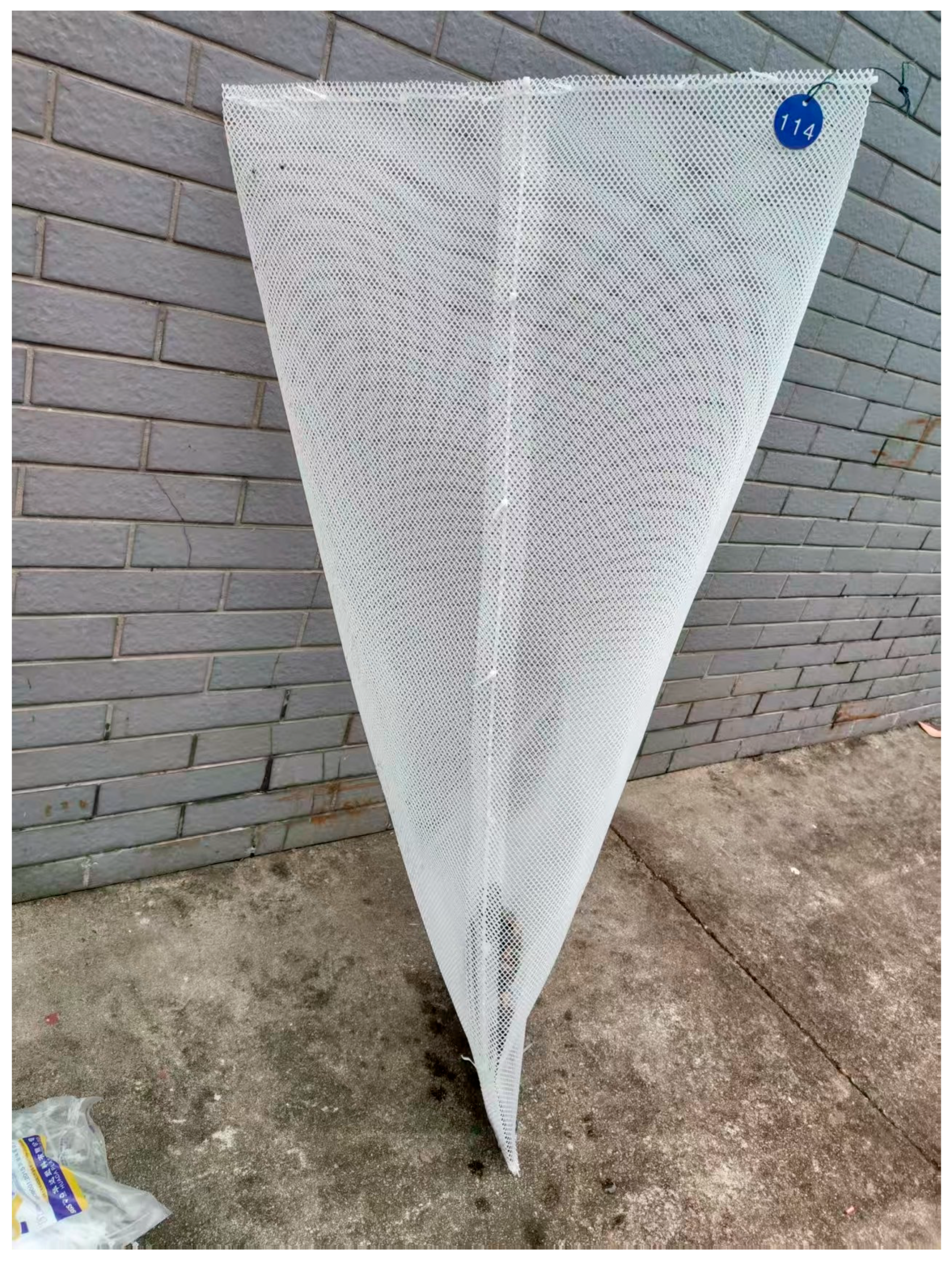
67]. In this system, snails function both as high-quality natural feed sources for crabs and as biological agents for water purification. When cultivated as the primary species, intensive production can be achieved through techniques such as the use of net pens and the provision of substrate or climbing structures. Experimental studies have shown that, under optimized cage culture conditions (
Figure 3), juvenile snail yields are considerable, with projected production reaching 3000–4000 kg per acre, highlighting their substantial production potential [
74]. In addition, the co-culture of
Bellamya in summer fish fry rearing ponds has been shown to improve water quality, provide natural food resources, and enhance overall economic returns [
75].
4.1.3. Lake and Wetland Enhancement and Resource Management
In large, shallow eutrophic lakes and wetland ecosystems, management strategies such as the artificial release of snail larvae, the protection of spawning habitats, and the implementation of fishing moratoriums can effectively promote the recovery of natural populations. At the same time, regulated and scientifically managed harvesting practices support the sustainable utilization of these resources [
76,
77,
78].
4.2. Key Aquaculture Technical Points
4.2.1. Seedling Production and Breeding
At present, aquaculture seedstock primarily depends on the collection of wild broodstock and naturally reproduced offspring. Selective breeding programs remain at an early stage, although new varieties such as “Lihu No. 1” have already been developed. Breeding efforts mainly focus on growth-related traits, including shell width and body weight, which are important for commercial grading. Correlation analyses indicate that shell width and height are key determinants of body weight and can be used as effective indicators for indirect selection [
79].
4.2.2. Nutrition and Feed
Bellamya exhibit both grazing and filter-feeding behaviors. In natural environments, they feed on benthic algae, organic detritus, and tender aquatic plant tissues [
59]. Under intensive aquaculture conditions, supplementary feeding with soybean meal, wheat bran, and formulated feeds is commonly applied. Studies have shown that appropriate dietary lipid levels can significantly enhance growth performance [
80]. In addition, microalgae such as
Chlorella vulgaris have been demonstrated to promote growth when used as supplementary feed [
81].
4.2.3. Environmental Management
Bellamya prefer habitats characterized by good water quality, sufficient dissolved oxygen, and soft substrates such as silt or sandy mud. Key environmental parameters for aquaculture management include water depth, temperature, and transparency [
52]. For example, suspended culture experiments have shown minimal differences in growth across a water depth range of 13–43 cm. It is important to prevent excessive nutrient loading and the accumulation of thick sediments, which can lead to hypoxic conditions at the bottom [
82]. In addition, the introduction of pesticide residues, particularly those to which snails are highly sensitive, such as pyrethroids and organophosphates, should be strictly avoided in aquaculture systems [
44].
4.2.4. Behavior and Growth Characteristics
Bellamya exhibit distinct diel vertical migration and seasonal activity patterns, with peak activity typically occurring from dusk to dawn [
83]. Growth trajectories show clear inflection points (for example, around three months of age), and reproductive activity generally peaks twice per year, in spring and autumn [
84]. Understanding these biological characteristics is essential for optimizing feeding strategies, harvesting schedules, and overall farm management.
4.3. Processing, Nutritional Value, and High-Value Utilization
4.3.1. Nutritional Profile
Snail meat is widely recognized as a nutritious food source, characterized by a high protein content (with crude protein exceeding 50% of dry matter); low fat levels; and a rich mineral composition, including calcium, iron, and zinc. It is particularly suitable as a dietary supplement for children, as well as middle-aged and elderly populations. Although the nutritional composition may vary slightly among species, such as
B. purificata and
B. aeruginosa, their overall nutritional advantages remain significant [
85].
4.3.2. Food Processing
Freshwater snails serve as key ingredients in various regional specialty foods, such as Liuzhou snail rice noodles in China, generating substantial market demand. The industrial value of this sector has grown rapidly, with the total output of the Liuzhou snail rice noodle industry projected to exceed CNY 80 billion by 2025. In addition, processed products, including ready-to-eat seasoned snail meat, canned products, and frozen snail products, continue to diversify and expand [
86].
4.3.3. High-Value Product Development
Enzymatic hydrolysis of snail proteins can produce bioactive peptides with angiotensin-converting enzyme inhibitory activity, indicating their potential application in the development of functional foods for blood pressure regulation [
7,
10].
4.3.4. Biomedical Materials
Snail shells, which are primarily composed of calcium carbonate, can be utilized to synthesize hydroxyapatite with excellent biocompatibility. This material has important applications in biomedical fields, including bone defect repair and dental implantation. Furthermore, when combined with zinc oxide, hydroxyapatite exhibits enhanced antimicrobial properties [
8].
4.3.5. Traditional Medicinal Value
In traditional medical practices across regions such as India and Bangladesh, snail meat and derived products have been used to treat conditions such as arthritis, asthma, and ocular diseases. These applications provide potential leads for modern pharmacological research, although further scientific validation and identification of active compounds are required [
5,
6].
5. Risk Management and Sustainable Development Challenges
5.1. Parasite Risks and Food Safety
Freshwater snails can act as intermediate hosts for a range of zoonotic parasites, most notably
Angiostrongylus cantonensis, the causative agent of
Eosinophilic meningoencephalitis. Epidemiological studies have shown that
Bellamya in natural water bodies exhibit measurable infection rates with
A. cantonensis third-stage larvae [
87,
88] and
Mesostephanus indicum [
89]. Food safety is therefore a critical prerequisite for the sustainable development of the snail aquaculture industry. It is essential to emphasize to both consumers and producers that all snail products must be thoroughly cooked prior to consumption and that the intake of raw or undercooked snails should be strictly avoided. At the aquaculture stage, preventive measures should include the use of clean and uncontaminated water sources, the avoidance of introducing stock from parasite-endemic regions, and the development and application of environmentally friendly parasite control strategies.
5.2. Risk of Bioaccumulation of Environmental Pollutants
As effective bioaccumulators, freshwater snails cultured in contaminated environments may accumulate excessive levels of heavy metals and organic pollutants, thereby posing potential risks to consumer health. Health risk assessments have indicated that long-term, high-level consumption of snail meat sourced from polluted areas may present significant health risks to certain populations, particularly fishermen and other high-consumption groups [
90]. Therefore, the establishment of comprehensive environmental monitoring systems for aquaculture sites, together with rigorous product quality control and inspection frameworks, is essential. Priority should be given to selecting culture waters with good ecological conditions and minimal industrial contamination. In addition, regular monitoring of pollutant levels in both the cultured snails and their surrounding environment is necessary to ensure food safety and support the sustainable development of the industry.
5.3. Germplasm Resource Conservation and Inbreeding Control
Although Bellamya exhibit strong environmental adaptability, pressures such as overexploitation, habitat degradation, and unregulated species introductions may lead to local population declines and the loss of genetic diversity. Comprehensive surveys, systematic collection, and evaluation of germplasm resources at national scales are therefore essential for the establishment of germplasm repositories and conservation areas. Within breeding programs, particular emphasis should be placed on maintaining adequate genetic diversity in foundation populations to prevent inbreeding depression and the associated deterioration of desirable traits.
5.4. Ecological Carrying Capacity of Large-Scale Aquaculture
Although molluscan aquaculture can contribute to the mitigation of eutrophication in aquatic systems, large-scale intensive production may also introduce new environmental challenges, including localized nutrient enrichment resulting from waste accumulation and an increased risk of disease transmission [
91]. Therefore, it is essential to adhere to ecological aquaculture principles; optimize stocking densities through scientific planning; and promote environmentally sustainable production models, such as integrated rice–fish systems and integrated multi-trophic aquaculture [
92]. These approaches help ensure that aquaculture practices operate within the ecological carrying capacity of the system and minimize negative environmental impacts.
6. Future Outlook and Research Frontiers
As an emerging green industry, the future development of snail aquaculture will depend on continuous technological innovation, effective policy support, and sustainable management strategies.
6.1. Fundamental Research and Technological Innovation
Genomics and molecular breeding: Comprehensive whole-genome sequencing of Bellamya is needed to elucidate the genetic basis of key traits, including growth performance, stress tolerance, sex determination, and shell color variation. Such advances will provide a foundation for marker-assisted selection and genomic breeding strategies.
6.1.1. Precision Nutrition and Feed Development
Further research is required to define the nutritional requirements of snails at different developmental stages. The development of efficient and environmentally friendly formulated feeds will help reduce dependence on natural food sources and mitigate the risk of algal overgrowth in aquaculture systems.
6.1.2. Intelligent Aquaculture Technologies
The development of advanced farming equipment, such as real-time water quality monitoring systems, automated feeding devices, and intelligent harvesting technologies, will improve production efficiency, standardization, and management precision.
6.1.3. Green Disease Control
Systematic investigation of pathogen diversity, disease epidemiology, and environmentally sustainable control strategies, particularly for parasitic infections, is essential to reduce reliance on chemical treatments and improve the overall health management of snail aquaculture systems.
6.2. Industry Integration and Value Chain Extension
6.2.1. Deep Processing and Branding
The development of diversified, ready-to-eat, and functional snail-based food products should be further promoted to enhance market competitiveness. In addition, snail shells can be utilized for the production of high-value products, including biomaterials, soil conditioners, and handicrafts, thereby increasing overall product value. The establishment of geographical indication products and certified green or organic brands will further strengthen market recognition and industry competitiveness.
6.2.2. Integration of Aquaculture, Restoration, and Recreation
The integration of snail aquaculture with ecological restoration initiatives in degraded aquatic environments, such as eutrophic lakes and mining subsidence areas, offers a promising pathway for sustainable development. This approach can be combined with the development of recreational fisheries, including ecotourism activities such as sightseeing, recreational fishing, and science education, thereby generating synergistic ecological, economic, and social benefits.
6.3. Policy Support and Sustainable Management
6.3.1. Develop Industry Plans and Standards
Governmental and regulatory authorities should play a leading role in formulating strategic development plans for snail aquaculture and establishing comprehensive standards that cover the entire value chain, including seed production, farming practices, processing, and distribution.
6.3.2. Strengthen Resource Conservation and Stock Enhancement
Scientifically managed harvesting strategies, such as quota-based fishing and seasonal closures, should be implemented to protect wild snail populations. At the same time, ongoing stock enhancement programs should be conducted to support the recovery and sustainability of natural resources.
6.3.3. Promote International Scientific Cooperation
Snail aquaculture has considerable development potential in regions such as Asia, Africa, and South America. Strengthening South–South cooperation and international collaboration is essential in areas such as germplasm exchange, aquaculture technologies, disease prevention, and market development, thereby facilitating advancement of this emerging industry in Asia.
7. Conclusions
As important components of freshwater ecosystems in Asia, Bellamya and related taxa possess ecological and economic value that extends far beyond traditional perceptions. They function not only as indicators of environmental health and ecological engineers in ecosystem restoration but also as sustainable sources of high-quality protein and raw materials for biomaterial development. From natural lakes to rice paddies and from traditional harvesting to modern aquaculture systems, the freshwater snail industry is undergoing a critical transition toward a more sustainable and technologically advanced sector. In the context of challenges related to food security in Asia, resource limitations, and environmental protection, the development of environmentally sustainable snail aquaculture, particularly systems based on species such as the Chinese pond snail, is a feasible and forward-looking strategy. Achieving this transformation will require coordinated efforts among researchers, industry stakeholders, policymakers, and local communities. Through continued technological innovation, environmentally responsible management, integrated value chain development, and effective policy support, freshwater snail resources can be further developed into a modern, sustainable aquaculture industry. Such progress has the potential to promote rural economic development, enhance food security, and contribute to the restoration of aquatic ecosystems.
Author Contributions
W.J. and J.L. contributed to the conceptualization, data curation, writing of the original draft, and review and editing of the manuscript. X.C. contributed to the manuscript review and editing. B.M. and X.P. were responsible for funding acquisition. X.M. contributed to the investigation, methodology, and validation. H.W. contributed to project administration and supervision. All authors have read and agreed to the published version of the manuscript.
Funding
This work was supported by grants from the Guangxi Science and Technology Program (GuikenongAB2506910042) and the Joint Research Project on Aquatic Breeding of Jiangxi Province (jxsczy202603).
Data Availability Statement
No new data were created or analyzed in this study.
Acknowledgments
The authors would like to thank the reviewers for their detailed and constructive suggestions for this manuscript.
Conflicts of Interest
The authors declare no conflicts of interest.
References
- Roos, N. Spotlight: Aquaculture for Human Nutrition and Health Outcomes. Front. Aquac. 2025, 4, 1574847. [Google Scholar] [CrossRef]
- Idamokoro, E.M.; Niba, A.S. Bibliometric Global Research Trends on Snail Farming. Am. J. Anim. Vet. Sci. 2025, 20, 41–52. [Google Scholar] [CrossRef]
- Li, Y.B.; Chun, S.L.; Liu, C.C.; Li, J.L. Comparison of Macronutrient Components of Several Marine and Freshwater Shellfish. J. Shanghai Ocean Univ. 2012, 21, 297–303. (In Chinese) [Google Scholar]
- Baby, R.L.; Hasan, I.; Kabir, K.A.; Naser, M.N. Nutrient Analysis of Some Commercially Important Molluscs of Bangladesh. J. Sci. Res. 2010, 2, 390–396. [Google Scholar] [CrossRef]
- Prabhakar, A.K.; Roy, S.P. Ethno-Medicinal Uses of Some Shell Fishes by People of Kosi River Basin of North-Bihar, India. Stud. Ethno-Med. 2009, 3, 1–4. [Google Scholar] [CrossRef]
- Ahmad, T.B.; Liu, L.; Kotiw, M.; Benkendorff, K. Review of Anti-Inflammatory, Immune-Modulatory and Wound Healing Properties of Molluscs. J. Ethnopharmacol. 2018, 210, 156–178. [Google Scholar] [CrossRef]
- Dey, T.K.; Chatterjee, R.; Mandal, R.S.; Roychoudhury, A.; Paul, D.; Roy, S.; Pateiro, M.; Das, A.K.; Lorenzo, J.M.; Dhar, P. ACE Inhibitory Peptides from Bellamya bengalensis Protein Hydrolysates: In Vitro and in Silico Molecular Assessment. Processes 2021, 9, 1316. [Google Scholar] [CrossRef]
- Charlena; Suparto, I.H.; Kurniawan, E. Synthesis and Characterization of Hydroxyapatite-Zinc Oxide (Hap-ZnO) as Antibacterial Biomaterial. IOP Conf. Ser. Mater. Sci. Eng. 2019, 599, 12011. [Google Scholar] [CrossRef]
- Suparto, I.H.; Putri, D.K. Synthesis of Hydroxyapatite from Rice Fields Snail Shell (Bellamya javanica) through Wet Method and Pore Modification Using Chitosan. Procedia Chem. 2015, 17, 27–35. [Google Scholar] [CrossRef]
- Xia, S.H.; Wang, Z. Hydrolysis of Bellamya purificata Foot Muscle. J. Food Sci. Biotechnol. 2006, 5, 91–97. (In Chinese) [Google Scholar] [CrossRef]
- Stelbrink, B.; Richter, R.; Kohler, F.; Riedel, F.; Strong, E.E.; Van Bocxlaer, B.; Albrecht, C.; Hauffe, T.; Page, T.J.; Aldridge, D.C.; et al. Global Diversification Dynamics since the Jurassic: Low Dispersal and Habitat-Dependent Evolution Explain Hotspots of Diversity and Shell Disparity in River Snails (Viviparidae). Syst. Biol. 2020, 69, 944–961. [Google Scholar] [CrossRef] [PubMed]
- Stephen, B.J. The Freshwater Gastropods of Nebraska and South Dakota: A Review of Historical Records, Current Geographical Distribution and Conservation Status. Ph.D. Thesis, University of Nebraska, Lincoln, NE, USA, 2018. [Google Scholar]
- Ngupula, G.W.; Kayanda, R. Benthic Macrofauna Community Composition, Abundance and Distribution in the Tanzanian and Ugandan Inshore and Offshore Waters of Lake Victoria. Afr. J. Aquat. Sci. 2010, 35, 185–192. [Google Scholar] [CrossRef]
- Abell, P.I. Palaeoclimates at Lake Turkana, Kenya, from Oxygen Isotope Ratios of Gastropod Shells. Nature 1982, 297, 321–323. [Google Scholar] [CrossRef]
- Abell, P.I. Oxygen Isotope Ratios in Modern African Gastropod Shells: A Data Base for Paleoclimatology. Chem. Geol. Isot. Geosci. Sect. 1985, 58, 183–193. [Google Scholar] [CrossRef]
- Mothersill, J.S.; Freitrag, R.; Barnes, B. Benthic Macroinvertebrates of Northwestern Lake Victoria, East Africa: Abundance, Distribution, Intra-Phyletic Relationships and Relationships between Taxa and Selected Element Concentrations in the Lake-Bottom Sediments. Hydrobiologia 1980, 74, 215–224. [Google Scholar] [CrossRef]
- Mwambungu, J.A. The Diversity of Benthic Mollusks of Lake Victoria and Lake Burigi. Tanzan. J. Sci. 2004, 30, 21–32. [Google Scholar] [CrossRef]
- Shu, F.Y.; Wang, H.J.; Pan, B.Z.; Liu, X.Q.; Wang, H.Z. Assessment of Species Statutions of Mollusca in the Mid-Lower Yangtze Lakes. Acta Hydrobiol. Sin. 2009, 33, 1051–1058. (In Chinese) [Google Scholar] [CrossRef]
- Yang, Q.R.; Chen, Q.W.; Zhao, D.; Zhang, X.L. Autumn Macroinvertebrate Community Structure in Lijiang River. J. China Inst. Water Resour. Hydropower Res. 2012, 10, 225–230. (In Chinese) [Google Scholar] [CrossRef]
- Zeng, Q.; Sun, Y.; Zhong, H.; Yang, C.; Qin, Q.; Gu, Q. Population Genomic Evidence for the Diversification of Bellamya aeruginosa in Different River Systems in China. Biology 2023, 12, 29. [Google Scholar] [CrossRef] [PubMed]
- Kumar, A.; Vyas, V. Diversity of Molluscan Communities in River Narmada, India. J. Chem. Biol. Phys. Sci. 2012, 2, 1407–1412. [Google Scholar]
- Roy, S.; Gupta, A. Molluscan Diversity in River Barak and Its Tributaries, Assam, India. Assam Univ. J. Sci. Technol. 2010, 5, 109–113. [Google Scholar]
- Basu, A.; Sengupta, S.; Dutta, S.; Saha, A.; Ghosh, P.; Roy, S. Studies on Macrobenthic Organisms in Relation to Water Parameters at East Calcutta Wetlands. J. Environ. Biol. 2013, 34, 733–737. [Google Scholar]
- Cummings, K.S.; Lydeard, C. Freshwater Mollusks of the World: A Distribution Atlas; Johns Hopkins University Press: Baltimore, MD, USA, 2019. [Google Scholar]
- Damayanti, G.; Takayasu, K.; Matsuoka, K. Middle Miocene-Pliocene Freshwater Gastropods of the Churia Group, West-Central Nepal. Paleontol. Res. 1997, 1, 166–179. [Google Scholar] [CrossRef]
- Roy, R.; Wang, Y.; Jiang, S. Growth Pattern and Oxygen Isotopic Systematics of Modern Freshwater Mollusks along an Elevation Transect: Implications for Paleoclimate Reconstruction. Palaeogeogr. Palaeoclimatol. Palaeoecol. 2019, 532, 109243. [Google Scholar] [CrossRef]
- Chi, Z.; Hung, H. Later Hunter-Gatherers in Southern China, 18000–3000BC. Archaeol. Q. Rev. Archaeol. 2012, 86, 11–29. [Google Scholar] [CrossRef]
- Hu, Z.Q.; Li, C. Study on the Influence on Benthonic Animals Following Building a Reservoir in the Heimi Mountain Area. Life Sci. Res. 2005, 4, 351–355. (In Chinese) [Google Scholar] [CrossRef]
- Li, X.J.; Yang, J.; Gu, Q.H.; Zhang, M. Evaluation of the Water Quality on the Aquatic Biology Investigation Data of Luohe East Lake. J. Henan Norm. Univ. Nat. Sci. Ed. 2019, 47, 86–91+2. (In Chinese) [Google Scholar] [CrossRef]
- Ren, P.; Fang, P.; Bao, Y.; Li, H.; Wang, H.; Gong, K. Variation in Macrobenthic Community Characteristics among Different Types of Wetlands in Xuanmen Bay. Acta Ecol. Sin. 2016, 36, 5632–5645. (In Chinese) [Google Scholar] [CrossRef]
- Varsha, R.M. Studies on Macrobenthos and Seansonal Variation with Special Reference to Zooplankton Diversity Tiwi Dam (TITWI) Distbuldana. Trends Life Sci. 2013, 2, 37–40. [Google Scholar]
- Whelan, N.V.; Strong, E.E. Genetic Diversity and Historical Demography in Bellamya Gastropods from the Lake Victoria Ecoregion Reveal Early and Severe Population Collapse. Mol. Ecol. 2021, 30, 361–363. [Google Scholar] [CrossRef]
- Meshje, M.H. Diversity and Morphological Variations in Some Freshwater Gastropods. AIP Conf. Proc. 2022, 2547, 020030. [Google Scholar] [CrossRef]
- Prabha, K.S.; Kumar, A. Species Diversity of Shellfishes in Madhepura District of Bihar. Biospectra 2018, 14, 65–68. [Google Scholar]
- Prabha, K.S.; Kumar, A. Taxonomic Studies of Shell Fish Fauna of Madhepura, Bihar. Biospectra 2019, 14, 31–36. [Google Scholar]
- Bai, Z.Y.; Wen, P.C.; Yuan, L.; Wang, G.L.; Li, J.L. Germplasm Resources Situation and Protection & Utilization of Freshwater Molluscs in China. J. Fish. China 2022, 46, 149–157. (In Chinese) [Google Scholar]
- Ray, M.; Bhunia, N.S.; Bhunia, A.S.; Ray, S. A Comparative Analyses of Morphological Variations, Phagocytosis and Generation of Cytotoxic Agents in Flow Cytometrically Isolated Hemocytes of Indian Molluscs. Fish Shellfish Immunol. 2013, 34, 244–253. [Google Scholar] [CrossRef]
- Kong, M.; Hang, X.; Wang, L.; Yin, H.; Zhang, Y. Accumulation and Risk Assessment of Heavy Metals in Sediments and Zoobenthos Bellamya aeruginosa and Corbicula fluminea from Lake Taihu. Water Sci. Technol. 2016, 73, 203–214. [Google Scholar] [CrossRef]
- Bo, L.J.; Wang, D.J.; Li, T.L.; Li, Y.; Zhang, G.; Wang, C.; Zhang, S.Q. Accumulation and Risk Assessment of Heavy Metals in Water, Sediments, and Aquatic Organisms in Rural Rivers in the Taihu Lake Region, China. Environ. Sci. Pollut. Res. 2015, 22, 6721–6731. [Google Scholar] [CrossRef] [PubMed]
- Liu, J.; Huang, W.; Li, Z.; Hu, J.; Zhu, Y.; Xie, H.; Peng, C. Accumulation, Subcellular Distribution, and Ecological Risk Assessment of Pb and Cd in Bellamya aeruginosa from the Xiangjiang River, China. Chem. Ecol. 2020, 36, 327–341. [Google Scholar] [CrossRef]
- Zhu, C.F.; Wang, P.; Li, Y.M.; Chen, Z.J.; Li, W.J.; Ssebugere, P.; Zhang, Q.H.; Jiang, G.B. Bioconcentration and Trophic Transfer of Polychlorinated Biphenyls and Polychlorinated Dibenzo-p-Dioxins and Dibenzofurans in Aquatic Animals from an e-Waste Dismantling Area in East China. Environ. Sci. Process. Impacts 2015, 17, 693–699. [Google Scholar] [CrossRef]
- Zhou, K.; Ma, T.W.; Zhu, C.; Liu, J.; Peng, J.Y.; Wu, B. Effects of 2, 2′, 4, 4′-Tetrabromodiphenyl Ether (BDE-47)-Contaminated Sediments on SOD, CAT, and EROD Activities in the Hepatopancreas of Bellamya aeruginosa. Acta Sci. Circumstantiae 2010, 30, 1666–1673. (In Chinese) [Google Scholar]
- AL-Talal., E.A.; Talal, A.A.; AL-Saad, H.T. Regional and Seasonal Variation of Total Petroleum Hydrocarbons in Water and Mollusca at Quarna North Shatt AL-Arab River. Marsh Bull. 2019, 14, 71–82. [Google Scholar] [CrossRef]
- Ahirrao, D.V. Alterations in Some Physiological Processes in a Freshwater Prosobranch Snail Bellamya bengalensis Due to Pyrethroids Intoxication. Ph.D. Thesis, Dr. Babasaheb Ambedkar Marathwada University, Aurangabad, India, 2002. [Google Scholar]
- Han, G.X.; Kong, R.; Liu, C.S.; Huang, K.; Xu, Q.L.; Wu, J.; Fei, J.M.; Zhang, H.; Su, G.Y.; Letcher, R.J.; et al. Field and Laboratory Evidence That Chlorpyrifos Exposure Reduced the Population Density of a Freshwater Snail by Increasing Juvenile Mortality. Environ. Sci. Technol. 2024, 58, 17543–17554. [Google Scholar] [CrossRef]
- Zheng, G.M.; Wan, Y.; Shi, S.N.; Zhao, H.Q.; Gao, S.X.; Zhang, S.Y.; An, L.H.; Zhang, Z.B. Trophodynamics of Emerging Brominated Flame Retardants in the Aquatic Food Web of Lake Taihu: Relationship with Organism Metabolism across Trophic Levels. Environ. Sci. Technol. 2018, 52, 4632–4640. [Google Scholar] [CrossRef]
- Lad, S.B.; Abdar, M.R.; Dubal, R.S. A Brief Note on Molluscan Diversity from Krishna River in Sangli District, Maharashtra, India. Res. J. Agric. Sci. 2021, 12, 474–477. [Google Scholar]
- Zhang, M.; Jin, Y.J.; Zhang, C.; Xu, Y.W.; Fan, C.Y.; Pan, W.J.; Li, J.T.; Chen, H.L.; Jin, B.S. Impact of Microplastic Exposure on the Antioxidant Enzyme Activity and Intestinal Microbiota Composition of Bellamya aeruginosa. J. Hangzhou Norm. Univ. 2024, 23, 565–571. (In Chinese) [Google Scholar] [CrossRef]
- Xu, Q.; Deng, T.; LeBlanc, G.A.; An, L. An Effective Method for Evaluation of Microplastic Contaminant in Gastropod from Taihu Lake, China. Environ. Sci. Pollut. Res. Int. 2020, 27, 22878–22887. [Google Scholar] [CrossRef] [PubMed]
- Zhou, X.T.; Huang, J.Y.; Yi, M. Assessment of Water Ecological Health Status of the Xiangjiang River Mainstream Based on Benthic Macroinvertebrate Index of Biological Integrity. Wetl. Sci. 2024, 22, 367–375. (In Chinese) [Google Scholar] [CrossRef]
- Chen, X.H.; Kang, L.J.; Sun, C.J.; Yang, Q. Development of Multi-Metric Index Based on Benthic Macroinvertbrate to Access River Ecosystem of a Typical Plain River Network in China. Acta Hydrobiol. Sin. 2013, 37, 191–198. (In Chinese) [Google Scholar]
- Zhao, F.B.; Chen, P.P.; Xu, H.T.; Zhang, W.; Feng, L.H.; Wang, L.Q. The Community Structure and Their Relationships of Zoobenthos with Environmental Factors in Shanghai Urban Rivers. Ecol. Environ. Sci. 2016, 25, 1361–1368. (In Chinese) [Google Scholar] [CrossRef]
- Han, S.; Yan, S.; Chen, K.; Zhang, Z.; Zed, R.; Zhang, J.; Song, W.; Liu, H. 15N Isotope Fractionation in an Aquatic Food Chain: Bellamya aeruginosa (Reeve) as an Algal Control Agent. J. Environ. Sci. 2010, 22, 242–247. [Google Scholar] [CrossRef]
- Chen, J.; Xie, P. Tissue Distributions and Seasonal Dynamics of the Hepatotoxic Microcystins-LR and -RR in Two Freshwater Shrimps, Palaemon modestus and Macrobrachium nipponensis, from a Large Shallow, Eutrophic Lake of the Subtropical China. Toxicon 2005, 45, 615–625. [Google Scholar] [CrossRef]
- Madison, B.N.; Qu, M.Z.; Gavrin, E.; Ren, W.W.; Wang, Y.X.; Lefebvre, D.D. Biological Control of Microcystis aeruginosa through Sequestration in Pseudofaeces Produced by the Freshwater Gastropod, Sinotaia aeruginosa. Toxins 2025, 17, 536. [Google Scholar] [CrossRef] [PubMed]
- Chen, Z.; Zhao, D.; Li, M.; Tu, W.; Luo, X.; Liu, X. A Field Study on the Effects of Combined Biomanipulation on the Water Quality of a Eutrophic Lake. Environ. Pollut. 2020, 265, 115091. [Google Scholar] [CrossRef]
- Fujibayashi, M.; Shin, W.-S.; Nagahama, Y.; Aikawa, Y.; Nishimura, O. The Effect of Pedal Mucus of Pond Snail, Bellamya chinensis on Decomposition of Organic Matter in Paddy Field Sediments. Jpn. J. Water Treat. Biol. 2012, 48, 141–144. [Google Scholar] [CrossRef]
- Zhang, Y.Y.; Hou, Y.R.; Jia, R.; Li, B.; Zhu, J.; Ge, X.P. Nitrogen Occurrence Forms and Bacterial Community in Sediment Influenced by Bellamya purificata Bioturbation. Front. Mar. Sci. 2022, 9, 1028716. [Google Scholar] [CrossRef]
- Mo, S.Q.; Zhang, X.F.; Tang, Y.L.; Liu, Z.W.; Kettridge, N. Effects of Snails, Submerged Plants and Their Coexistence on Eutrophication in Aquatic Ecosystems. Knowl. Manag. Aquat. Ecosyst. 2017, 418, 44. [Google Scholar] [CrossRef]
- Chen, H.L.; Wu, W.; Yin, H.T.; Xu, X.Y.; Zhuang, J.L. Effects of the Combined System of Myriophyllum verticillatum—Hypophthalmichthys molitrix—Sinotaia aeruginosa on Phosphorus Characteristic in Lake Sediments. J. Lake Sci. 2024, 36, 1694–1705. (In Chinese) [Google Scholar]
- Han, X.; Wei, W.; Yin, H.T.; Xu, X.Y.; Zhuang, J.L. The Nitrogen Removal Efficiency and Pathways of a Combination System of Vallisneria natans—Hypophthalmichthys molitrix—Bellamya aeruginosa in Lakes. Acta Sci. Circumstantiae 2024, 44, 37–48. (In Chinese) [Google Scholar] [CrossRef]
- Li, K.Y.; Wen, M.Z.; Yang, H.W.; Li, Y.M.; Liu, Z.W. Mutualistic Relationship between Freshwater Snails and Aquatic Macrophytes. Acta Ecol. Sin. 2007, 27, 5427–5432. [Google Scholar] [CrossRef]
- Xie, C.; Li, X.; He, X.B.; Xu, Y.H.; Jia, Z.Z.; Li, Y.Y.; Wang, J.; Wu, J.S. Treatment Effect of Oenanthe javanica—Myriophyllum quitense Constructed Wetland on Swine Wastewater. J. Plant Resour. Environ. 2024, 33, 26–34. (In Chinese) [Google Scholar] [CrossRef]
- Brodersen, J.D.B.L.; Chimbari, M.J.; Madsen, H. Prosobranch Mollusc Species- and Size- Preferences of Sargochromis codringtonii (Cichlidae) in Lake Kariba, Zimbabwe. Afr. J. Aquat. Sci. 2003, 28, 179–182. [Google Scholar] [CrossRef]
- Tookhy, N.A.; Nur-Mahiza, M.I.; Ibitoye, E.B.; Lokman, H.I.; Ahmad Shakhes, S. Freshwater Snails in Malaysia: Diversity, Roles in Trematode Transmission, and Agricultural Impacts. Pertanika J. Trop. Agric. Sci. 2025, 48, 1205–1222. [Google Scholar] [CrossRef]
- Chen, X.W.; Lu, D.Y.; Li, Z.H.; Yue, W.C.; Wang, J.; Jiang, X.Y.; Han, H.; Wang, C.H. Plant and Animal-Type Feedstuff Shape the Gut Microbiota and Metabolic Processes of the Chinese Mitten Crab Eriocheir sinensis. Front. Vet. Sci. 2021, 8, 589624. [Google Scholar] [CrossRef]
- Fu, X.H.; Nobuyoshi, O.; Zhang, Y.; Lei, C.L. A Rearing Apparatus and Diet for the Aquatic Firefly Luciola lei (Coleoptera: Lampyridae). Can. Entomol. 2006, 138, 399–406. [Google Scholar] [CrossRef]
- Xiong, C.H.; Zhang, R.L.; Ji, G.H.; Feng, L.H.; Wang, L.Q. Community Structure of Macrozoobenthos and Its Relationship with Environmental Factors in Lake Gehu, Jiangsu, China. Chin. J. Appl. Ecol. 2016, 27, 927–936. (In Chinese) [Google Scholar] [CrossRef]
- Li, D.; Cai, K.; Li, X.; Giesy, J.P.; Niu, Z.; Cai, Y.; Dai, J.; Xu, D.; Zhou, X.; Liu, H.; et al. Influence of Environmental Variables on Benthic Macroinvertebrate Communities in a Shallow Eutrophic Lowland Lake (Ge Lake, China). Tecnol. Cienc. Agua 2019, 10, 88–119. [Google Scholar] [CrossRef]
- Wang, X.M.; Ou, F.P.; Wang, C.M.; Tian, Q.; Huan, Q.; Zhang, L.; Lu, S.Y. Long-Term Evolution and Influencing Factors of Macrozoobenthos in Dongting Lake. J. Agro-Environ. Sci. 2016, 35, 336–345. (In Chinese) [Google Scholar]
- Gu, X.H.; Fan, C.X.; Hu, B.L.; Zhang, X.D.; Chen, X.M.; Wang, X.R. Status Quo and the Succession of the Biological Resources in Lake Gucheng. J. Ecol. Rural. Environ. 2005, 21, 7–11. (In Chinese) [Google Scholar] [CrossRef]
- Hu, Z.Q.; Liu, J.; Fu, X.Q.; Yan, H.M. Study on Mollusca of Xiang River Trunk Stream. Acta Hydrobiol. Sin. 2007, 31, 524–531. (In Chinese) [Google Scholar] [CrossRef]
- Mao, J.; Jin, W.; Xie, L.S.; Zhong, L.M.; Min, J.S. Rice Paddy Cultivation of the Freshwater Snail. Sci. Fish Farming 2024, 7, 27–28. (In Chinese) [Google Scholar] [CrossRef]
- Du, X.W.; He, Q.; He, Y.J.; Wen, H.B.; Ma, X.Y.; Jin, W. Summary of Snail Reproduction Trials in Primary Purification Zones of Chinese Mitten Crab Farming Pond Effluent. Sci. Fish Farming 2020, 41, 71–72. (In Chinese) [Google Scholar] [CrossRef]
- Slootweg, R.; Malek, E.A.; McCullough, F.S. The Biological Control of Snail Intermediate Hosts of Schistosomiasis by Fish. Rev. Fish Biol. Fish. 1994, 4, 67–90. [Google Scholar] [CrossRef]
- Sinha, C. A Comparative Study of Monthly and Seasonal Variations in Productivity of Molluscs in Hardia Wetland of Saran District of North Bihar, India. Biospectra 2020, 15, 287–290. [Google Scholar]
- Pathare, P.P.; Gade, R.B.; Erande, M.R. A Note on Molluscan Diversity of Nighoj Potholes (Kund) Parner Taluka Ahamadnagar District (M.S.) India. J. Emerg. Technol. Innov. Res. 2021, 8, 64–74. [Google Scholar]
- Dash, S.; Gurumayum, S.D.; Priyadarsini, P. A Preliminary Study on the Diversity of Macrobenthic and Aquatic Insect Fauna of Subhadra Estuary, Ganjam, Odisha. Rec. Zool. Surv. India 2020, 120, 141–146. [Google Scholar] [CrossRef]
- Wu, J.Q.; Zhou, K.Q.; Zhang, C.Q.; Wei, X.K.; Ye, H.; Peng, J.X.; Lin, Y.; Qin, J.Q.; Chen, Z.; Luo, H.; et al. Analysis of Effect of Morphological Traits on Body Weight of Male and Female Pear-Shaped Ringed Edge Snail Bellamya purificata. J. Dalian Ocean Univ. 2024, 39, 622–633. (In Chinese) [Google Scholar] [CrossRef]
- Milinsk, M.C.; das Graças Padre, R.; Hayashi, C.; de Oliveira, C.C.; Visentainer, J.V.; de Souza, N.E.; Matsushita, M. Effects of Feed Protein and Lipid Contents on Fatty Acid Profile of Snail (Helix aspersa maxima) Meat. J. Food Compos. Anal. 2006, 19, 212–216. [Google Scholar] [CrossRef]
- Huang, Y.Q.; Zhang, J.J.; Xu, D.L.; Ren, X.H.; Yang, W.; Lu, K.H.; Zhu, J.Y. Metabolomics Revealed That Toxic Cyanobacteria Stress Reduced the Flavor Quality of Bellamya aeruginosa. Front. Sustain. Food Syst. 2024, 8, 1379140. [Google Scholar] [CrossRef]
- Zhao, M.W.; Yang, Y.; Luo, Y.S.; Zhou, K.Q.; Hui, P.X.; Huang, Y.; Du, X.S.; Lin, Y.; Chen, Z.; Qin, J.Q. Preliminary Study on the Optimal Depth for Suspended Culture of the Bellamya sp. in Ponds. Sci. Fish Farming 2023, 7, 79–80. (In Chinese) [Google Scholar] [CrossRef]
- Deliagina, T.G.; Orlovsky, G.N. Control of Locomotion in the Freshwater Snail Planorbis corneus I. Locomotory Repertoire of the Snail. J. Exp. Biol. 1990, 152, 389–404. [Google Scholar] [CrossRef]
- Li, K.; Ma, X.Y.; Gao, K.L.; Yang, K.; Jin, W.; Wen, H.B. Linear Model Analysis of Longitudinal Growth Data for Bellamya sp. Snails. Sci. Fish Farming 2025, 3, 76–78. (In Chinese) [Google Scholar] [CrossRef]
- Misra, K.K.; Shkrob, I.; Rakshit, S.; Dembitsky, V.M. Variability in Fatty Acids and Fatty Aldehydes in Different Organs of Two Prosobranch Gastropod Mollusks. Biochem. Syst. Ecol. 2002, 30, 749–761. [Google Scholar] [CrossRef]
- Wen, Y.H.; Qin, H.M.; Huang, J.; Luo, F.G.; Wang, W.M.; Yang, R.B. Current Status and Future Outlook of the Market for Products Related to the Ellamya sp. in the Manufacturing and Catering Industries. China Fish. 2018, 42–45. (In Chinese) [Google Scholar]
- Chen, Y.S.; Tao, H.; Li, Y.Z.; Yang, J.J.; Wang, T.T.; Zhang, J.; Chen, M.; Zhou, X.M. Prevalence of Angiostrongylus cantonensis Infection in Snails for Sale in Select Regions of Yunnan Province from 2019 to 2023. Chin. J. Zoonoses 2024, 40, 984–988. (In Chinese) [Google Scholar] [CrossRef]
- Zhao, Y.; Jiang, L.; Fang, W.; Chen, S.; Liu, Y.; Zhao, S.; Andrus, P.S.; Li, T.; Guo, Y. A New Diagnostic Technique for Identifying Angiostrongylus spp. Larvae in Intermediate Snail Species by Examining the Buccal Cavity. Parasites Vectors 2024, 17, 298. [Google Scholar] [CrossRef]
- Sheena, P.; Manjula, K.T.; Subair, K.T.; Janardanan, K.P. The Life Cycle of Mesostephanus indicum Mehra, 1947 (Digenea: Cyathocotylidae). Parasitol. Res. 2007, 101, 1015–1018. [Google Scholar] [CrossRef] [PubMed]
- Tao, Y.; Zhang, Y.; Hu, X.N.; Meng, W. Distribution and Bioaccumulation of Heavy Metals in Aquatic Organisms of Different Trophic Levels and Potential Health Risk Assessment from Taihu Lake, China. Ecotoxicol. Environ. Saf. 2012, 81, 55–64. [Google Scholar] [CrossRef] [PubMed]
- Petersen, J.K.; Saurel, C.; Nielsen, P.; Timmermann, K. The Use of Shellfish for Eutrophication Control. Aquac. Int. 2016, 24, 857–878. [Google Scholar] [CrossRef]
- Ogello, E.O.; Tran, N.; Outa, N.O.; Muthoka, M.; Hoong, Y. Promising Aquaculture Technologies and Innovations for Transforming Food Systems toward Low Emission Pathways in Kenya: A Review. In Low-Emission Food Systems Initiative; WorldFish: Penang, Malaysia, 2023; pp. 22–23. [Google Scholar]
| Disclaimer/Publisher’s Note: The statements, opinions and data contained in all publications are solely those of the individual author(s) and contributor(s) and not of MDPI and/or the editor(s). MDPI and/or the editor(s) disclaim responsibility for any injury to people or property resulting from any ideas, methods, instructions or products referred to in the content. |




 and
and