Journal Description
Education Sciences
Education Sciences
is an international, peer-reviewed, open access journal on education, published monthly online by MDPI. The European Network of Sport Education (ENSE) is affiliated with Education Sciences and its members receive discounts on the article processing charges.
- Open Access— free for readers, with article processing charges (APC) paid by authors or their institutions.
- High Visibility: indexed within Scopus, ESCI (Web of Science), Educational Research Abstracts, PsycInfo, and other databases.
- Journal Rank: JCR - Q1 (Education and Educational Research) / CiteScore - Q1 (Physical Therapy, Sports Therapy and Rehabilitation)
- Rapid Publication: manuscripts are peer-reviewed and a first decision is provided to authors approximately 26.5 days after submission; acceptance to publication is undertaken in 3.9 days (median values for papers published in this journal in the second half of 2025).
- Recognition of Reviewers: reviewers who provide timely, thorough peer-review reports receive vouchers entitling them to a discount on the APC of their next publication in any MDPI journal, in appreciation of the work done.
- Companion journal: AI in Education.
- Journal Cluster of Education and Psychology: Adolescents, AI in Education, Behavioral Sciences, Education Sciences, International Journal of Cognitive Sciences, Journal of Intelligence, Psychology International and Youth.
Impact Factor:
3.5 (2025);
5-Year Impact Factor:
3.3 (2025)
Latest Articles
Engaging High School Students in Robotics and Artificial Intelligence Through Engineering Design Robotics Education
Educ. Sci. 2026, 16(6), 987; https://doi.org/10.3390/educsci16060987 (registering DOI) - 22 Jun 2026
Abstract
Engineering design education is an effective instructional approach for enhancing students’ motivation, interest, and creativity while introducing them to the engineering design process (EDP). However, there is limited knowledge on how to integrate the EDP into robotics education, particularly AI-robotics, and how students
[...] Read more.
Engineering design education is an effective instructional approach for enhancing students’ motivation, interest, and creativity while introducing them to the engineering design process (EDP). However, there is limited knowledge on how to integrate the EDP into robotics education, particularly AI-robotics, and how students experience AI-enabled robotics project-based learning grounded in an EDP. This pre-/posttest embedded mixed-methods study adds to the scarce body of literature on interdisciplinary education in engineering design, robotics, and AI. This project developed, implemented, and evaluated a project-based engineering design AI-robotics curriculum that introduced novice Computer Science (CS) high school students to robotics, machine learning, and AI. Students’ collaborative robotics projects were grounded in an EDP to introduce the students to engineering practices and promote engagement and interest through design-based, hands-on learning. An analysis of quantitative and qualitative data revealed an improvement in students’ CS attitudes, collaboration, and social interactions after participating in the curriculum. Recommendations for designing AI-robotics projects grounded in an EDP are discussed.
Full article
(This article belongs to the Section STEM Education)
Open AccessPerspective
From Permission to Pedagogy: The Structured AI-Guided Education Assessment Policy (SAGE-AP) for Generative AI in Higher Education
by
Mahmoud Elkhodr and Ergun Gide
Educ. Sci. 2026, 16(6), 986; https://doi.org/10.3390/educsci16060986 (registering DOI) - 22 Jun 2026
Abstract
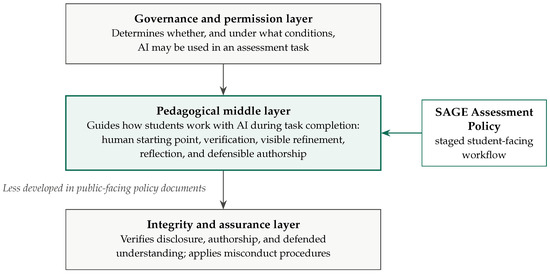
Higher education policy on generative artificial intelligence has developed rapidly, yet much of this development remains stronger on governance, permission, disclosure, and assurance than on pedagogy. Universities increasingly move beyond blanket prohibition by distinguishing between restricted and permitted contexts, requiring acknowledgement of tool
[...] Read more.
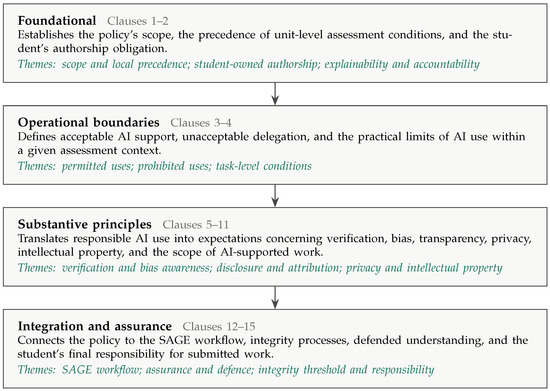
Higher education policy on generative artificial intelligence has developed rapidly, yet much of this development remains stronger on governance, permission, disclosure, and assurance than on pedagogy. Universities increasingly move beyond blanket prohibition by distinguishing between restricted and permitted contexts, requiring acknowledgement of tool use, and introducing verification mechanisms to protect authorship and understanding. However, publicly visible institutional approaches appear less developed in providing structured, student-facing workflows that guide responsible AI engagement during assessment completion. This article, informed by a bounded qualitative document analysis, uses the term pedagogical middle layer to describe the process guidance needed between institutional permission settings and academic-integrity or misconduct procedures. Drawing on recent literature and a purposive scan of selected publicly available university policy and guidance documents, the paper argues that current public-facing models are often effective at defining boundaries but less explicit in guiding disciplined, transparent, and defensible forms of human–AI collaboration. In response, the paper presents the Structured AI-Guided Education Assessment Policy (SAGE-AP) as a theoretically grounded policy proposal for AI-assisted assessment, rather than as an empirically validated policy intervention. SAGE-AP frames assessment as a staged process in which students begin from their own understanding, engage with AI critically, document evaluative decisions, refine outputs responsibly, and defend the reasoning represented in the final submission. The paper contributes to institutional policy development by clarifying how permission settings may be complemented by pedagogical process guidance in the generative AI era.
Full article
(This article belongs to the Special Issue Fostering Students’ Critical Thinking in the Age of Artificial Intelligence in Institutions of Higher Education)
►▼
Show Figures

Figure 1
Open AccessArticle
Stimulating Change at the Human–Computer Interface: Cultivating Cognitive and Critical Thinking Through Immersive Virtual Reality as an Innovative Pedagogy in STEM Education
by
Patrick Camilleri and Clarisse Schembri Frendo
Educ. Sci. 2026, 16(6), 985; https://doi.org/10.3390/educsci16060985 (registering DOI) - 22 Jun 2026
Abstract
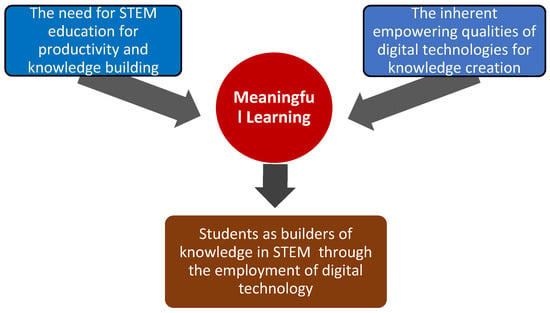
Crafting STEM teaching into meaningful experiences can transform facts into knowledge. Immersive virtual reality (IVR) represents a significant pedagogical disruption, offering novel modalities of engagement with science content, extending beyond passive reception towards enhanced critical inquiry, reflective evaluation, and the cultivation of higher-order
[...] Read more.
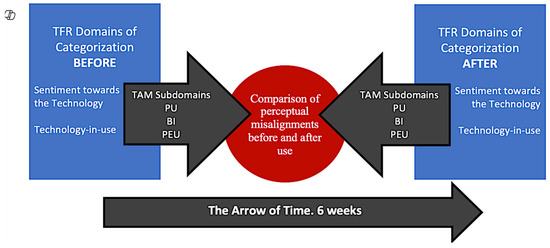
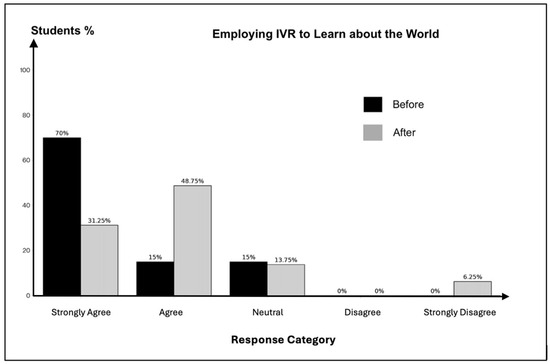
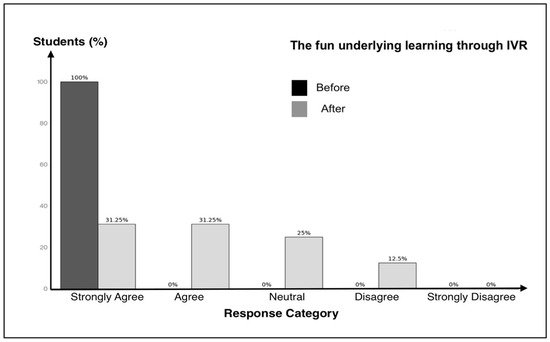
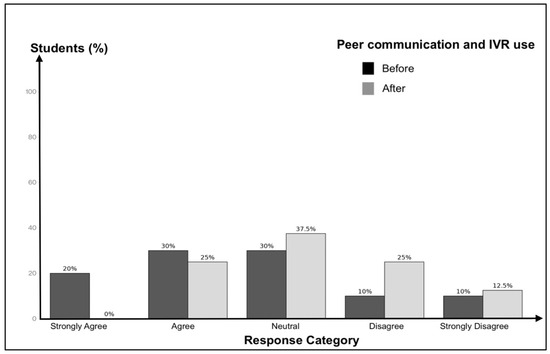
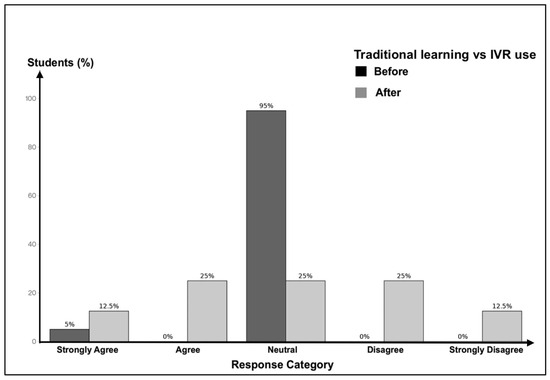
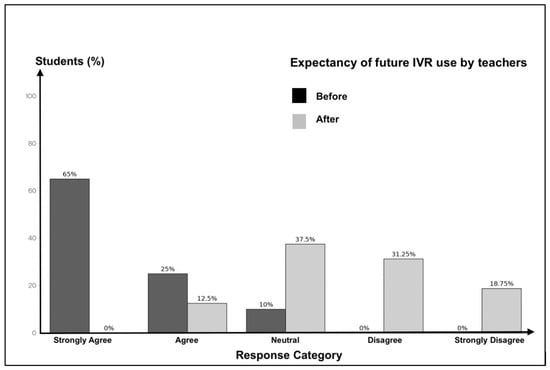
Crafting STEM teaching into meaningful experiences can transform facts into knowledge. Immersive virtual reality (IVR) represents a significant pedagogical disruption, offering novel modalities of engagement with science content, extending beyond passive reception towards enhanced critical inquiry, reflective evaluation, and the cultivation of higher-order thinking skills. This study investigated how 20 Maltese students (mean age 12) adjusted their perceptions and acceptance of IVR when encountering it for the first time in formal STEM education. A quasi-experimental design was employed over six weeks, with data collected through pre- and post-intervention questionnaires. The analytical framework combined the Technological Frames of Reference (TFR) and Technology Acceptance Model (TAM) to capture perceptual snapshots and attitudinal shifts. While IVR initially stimulated enthusiasm, sustained exposure prompted critical reflections on its potential and limitations, particularly in relation to subject relevance, peer communication, and ease of use. Such deliberations are themselves suggestive indicators of reflective engagement. Rather than being demonstrated evidence of cognitive skill development, they are consistent with the early exercise of analytical and evaluative reasoning. These insights underscore the recursive dialog between technology-in-use and user contextualization, revealing how perceptions mature through experience. By examining how young learners engage with emergent technologies, this research highlights education’s role in cultivating adaptability, reflective judgment, and critical thinking capacities—central to innovative pedagogy and support for uncertain futures.
Full article
(This article belongs to the Special Issue Cultivating Cognitive and Critical Thinking Skills Through Innovative Pedagogies)
►▼
Show Figures

Figure 1
Open AccessArticle
Investigating the Effectiveness of Case-Based Socio-Legal Pedagogy in Developing Critical Thinking: Evidence from Muslim Women’s Legal Experiences in Israel
by
Tajread Keadan
Educ. Sci. 2026, 16(6), 984; https://doi.org/10.3390/educsci16060984 (registering DOI) - 21 Jun 2026
Abstract
Developing critical thinking is a central aim of contemporary higher education, yet conventional instructional approaches often underuse authentic, real-world materials that stimulate higher-order reasoning and reflective judgment. The study examines the effectiveness of case-based socio-legal pedagogy in fostering critical thinking within contexts of
[...] Read more.
Developing critical thinking is a central aim of contemporary higher education, yet conventional instructional approaches often underuse authentic, real-world materials that stimulate higher-order reasoning and reflective judgment. The study examines the effectiveness of case-based socio-legal pedagogy in fostering critical thinking within contexts of legal pluralism and social complexity. A quasi-experimental mixed-methods pre–post design was conducted with 62 undergraduate students enrolled in a course on Islamic law and society. Over a four-week intervention, students engaged with six socio-legal cases drawn from Muslim women’s legal experiences in Israel, focusing on divorce, maintenance (nafaka), and child custody. Quantitative data were collected using a validated Critical Thinking Rubric assessing argumentation, evaluation of multiple perspectives, and legal reasoning. Results showed significant improvement in overall critical thinking, with gains across all measured dimensions. Qualitative analysis of written assignments and student reflections revealed greater recognition of legal ambiguity, more structured and evidence-based argumentation, and deeper engagement with competing normative and social frameworks. Overall, the findings highlight the pedagogical value of integrating socio-legal complexity into case-based learning as an adaptable model for strengthening critical thinking across disciplines involving interpretive, contested, and context-dependent knowledge in higher education and other fields requiring careful judgment under conditions of uncertainty and change.
Full article
(This article belongs to the Special Issue Cultivating Cognitive and Critical Thinking Skills Through Innovative Pedagogies)
Open AccessArticle
AI-Assisted Interactive Storytelling for Education: A Healthy Building Case
by
Faizan Shafique, Janna Lancaster, Mohsen Goodarzi and Rabia Faizan
Educ. Sci. 2026, 16(6), 983; https://doi.org/10.3390/educsci16060983 (registering DOI) - 21 Jun 2026
Abstract
Higher education increasingly addresses topics that are complex, interdisciplinary, and context-dependent, creating challenges for traditional lecture-based instruction. This study explores the potential of AI-assisted interactive storytelling as a pedagogical approach for such learning contexts, using healthy buildings as an instructional case relevant to
[...] Read more.
Higher education increasingly addresses topics that are complex, interdisciplinary, and context-dependent, creating challenges for traditional lecture-based instruction. This study explores the potential of AI-assisted interactive storytelling as a pedagogical approach for such learning contexts, using healthy buildings as an instructional case relevant to architecture, engineering, and construction (AEC) education. Grounded in constructivist learning theory, a set of interactive stories was developed using generative AI and implemented in Twine to create a decision-based learning experience. The intervention was tested in a class using a pretest–posttest design along with a student perception survey. The results showed a significant improvement in knowledge following the intervention. Student feedback was also positive across all measured dimensions, including perceived learning, cognitive engagement, emotional engagement, motivation to learn, and comparison with traditional lectures. These findings suggest that interactive storytelling can support both learning and engagement when teaching complex, multidimensional topics. This study further indicates that generative AI can serve as a practical development partner by reducing the time and technical effort required to create interactive educational materials. Overall, this paper contributes to higher education research by positioning and demonstrating AI-assisted interactive storytelling as a promising instructional approach for complex learning areas.
Full article
(This article belongs to the Special Issue Higher Education in the Age of AI: Instructional Innovation, Societal Equity, and Infrastructure Reliance)
Open AccessArticle
From AI Tool Use to Instructional Design: Development and Validation of the AID-CTQ in Higher Education
by
Natalia Lara Nieto-Márquez, Rubén Madrigal-Cerezo, Laura Ramos-Marcos, Nicolás Rueda-Díaz, Tomás García-Martín and Francisco López-Muñoz
Educ. Sci. 2026, 16(6), 982; https://doi.org/10.3390/educsci16060982 (registering DOI) - 20 Jun 2026
Abstract
Artificial intelligence (AI) is transforming higher education, although most research addresses its integration in terms of frequency of use or technological acceptance, without examining how it translates into specific curricular and instructional decisions. That is why this study has a dual aim: to
[...] Read more.
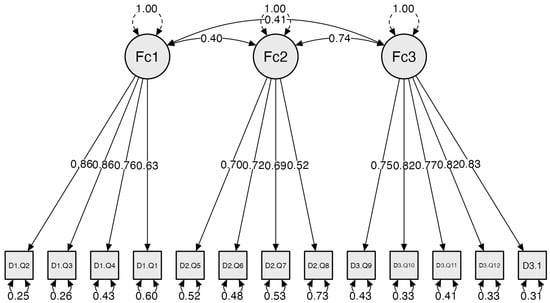
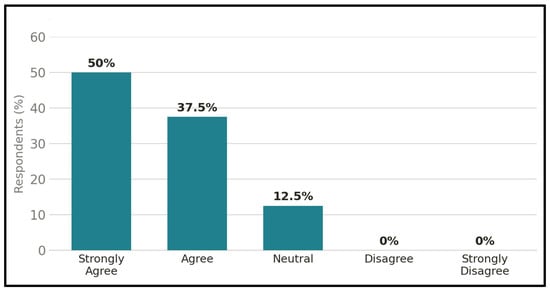
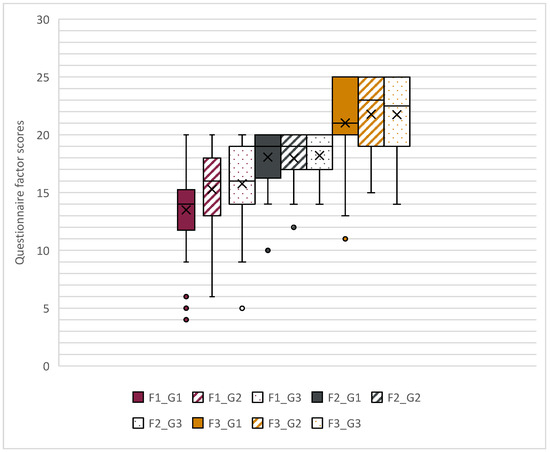
Artificial intelligence (AI) is transforming higher education, although most research addresses its integration in terms of frequency of use or technological acceptance, without examining how it translates into specific curricular and instructional decisions. That is why this study has a dual aim: to develop and validate the AI Instructional Design Questionnaire for Critical Thinking (AID-CTQ) and to analyze how university faculty integrate AI into instructional design practices in higher education. The sample included 144 faculty members from a university in Madrid, selected by convenience. Exploratory and confirmatory factor analyses of the questionnaire supported a three-factor structure: Activity Design (F1), Critical Thinking Assessment (F2), and Self-Regulation and Reflection (F3). The final 12-item model shows good model fit (CFI = 0.98, TLI = 0.98, RMSEA = 0.05, SRMR = 0.05) and adequate overall reliability (α = 0.86). At the item level, responses related to assessment and reflective practices showed consistently high agreement, whereas items linked to activity design displayed greater variability. Faculty members with more than 10 years of experience obtained significantly higher scores, indicating that the educational value of AI depends less on the tools used and more on the quality of instructional decisions. Reported use of AI was high, with ChatGPT and Copilot being the most frequently used tools. Overall, the findings indicate that the integration of AI in higher education is evolving from predominantly instrumental uses toward more pedagogical and curriculum-oriented forms of implementation. Accordingly, the educational value of AI lies less in the tool itself than in the quality of the instructional decisions through which it is meaningfully embedded in the curriculum.
Full article
(This article belongs to the Special Issue AI—the Emerging Episteme in Higher Education: New Epistemologies, Pedagogies, and Research Methodologies)
►▼
Show Figures

Figure 1
Open AccessSystematic Review
Exploring the Role of Artificial Intelligence (AI) in Enhancing EFL Education in Saudi Arabia: A Review of Opportunities, Obstacles, and Future Directions
by
Ansa Hameed
Educ. Sci. 2026, 16(6), 981; https://doi.org/10.3390/educsci16060981 (registering DOI) - 20 Jun 2026
Abstract
Over the past decade, developments in artificial intelligence (AI) have sparked a new wave of debate and research across nearly all areas of life, including education. In English as a Foreign Language (EFL) education, AI-based technologies are also widely adopted to support learners
[...] Read more.
Over the past decade, developments in artificial intelligence (AI) have sparked a new wave of debate and research across nearly all areas of life, including education. In English as a Foreign Language (EFL) education, AI-based technologies are also widely adopted to support learners and instructors. This trend has led to numerous studies focused on understanding AI’s role in identifying potential opportunities and challenges. This study offers a systematic review of relevant research, highlighting the benefits and obstacles of AI use in the Saudi EFL context. About 60 peer-reviewed articles were selected following PRISMA guidelines. The findings reveal multiple opportunities for AI integration in Saudi Arabia, such as improved language skills, personalized learning experiences, increased self-regulated learning, boosted motivation and confidence among learners, expanded learning opportunities, and support for pedagogy and institutional performance. Major challenges include biased and inaccurate data, students’ overdependence on technology, ethical concerns, and a lack of technological skills among users. The study also suggests future directions, including localizing AI tools, conducting long-term impact studies, providing faculty and student training, and establishing ethical guidelines within institutions.
Full article
(This article belongs to the Section Technology Enhanced Education)
Open AccessArticle
Childhood Play as a Socioemotional Ecology: Understanding Emotional Well-Being in Sociocultural Contexts
by
Luis Burgos-Burdiles, Enrique Riquelme Mella and Daniel Quilaqueo Rapiman
Educ. Sci. 2026, 16(6), 980; https://doi.org/10.3390/educsci16060980 (registering DOI) - 19 Jun 2026
Abstract
Emotional well-being has become a central concern in contemporary educational research, particularly in contexts shaped by social and cultural diversity. However, dominant approaches to educational assessment continue to prioritize cognitive outcomes, often overlooking the affective dimensions of children’s everyday experiences. In this context,
[...] Read more.
Emotional well-being has become a central concern in contemporary educational research, particularly in contexts shaped by social and cultural diversity. However, dominant approaches to educational assessment continue to prioritize cognitive outcomes, often overlooking the affective dimensions of children’s everyday experiences. In this context, play emerges as a key yet underexplored process through which emotional well-being is constructed in childhood. This study aimed to analyze the role of play in the configuration of emotional well-being in sociocultural educational contexts from a sociocultural and relational perspective. A qualitative multiple-case study was conducted in two rural schools located in Mapuche territories in southern Chile, involving students, teachers, caregivers, and Mapuche knowledge holders (kimches). Data were generated through semi-structured interviews and focus groups and analyzed using inductive coding procedures supported by qualitative data analysis software. The findings indicate that play operates as a socioemotional ecology through which children participate in collective forms of life, construct relationships, and experience emotional well-being in interaction with others, territory, and culturally meaningful practices. Three interconnected dimensions emerged. First, play was experienced as a relational, territorialized, and culturally situated practice sustained through participation, collective interaction, and intergenerational transmission. Second, emotional well-being emerged through enjoyment, companionship, belonging, and opportunities for social participation. Third, well-being appeared as a situated experience dependent on access to meaningful spaces, material conditions, cultural repertoires, and opportunities for play. Participants also identified tensions associated with technological change, the reduction in free play opportunities, and transformations in community life, while highlighting the potential role of schools in revitalizing culturally significant play practices such as palín and linao. These findings suggest that emotional well-being is not simply an individual psychological state but a relational and sociocultural accomplishment emerging through participation in meaningful play practices. The study contributes to interdisciplinary debates on childhood, emotional well-being, intercultural education, and sociocultural approaches to development by proposing the concept of play as a socioemotional ecology.
Full article
Open AccessArticle
“Stepping into Wellbeing”: Informal Mindful Pedagogy for Student Wellbeing in Higher Education—A Case Study of Applied Learning
by
Annette Sweeney, Jolanta Burke and Trudy Meehan
Educ. Sci. 2026, 16(6), 979; https://doi.org/10.3390/educsci16060979 (registering DOI) - 19 Jun 2026
Abstract
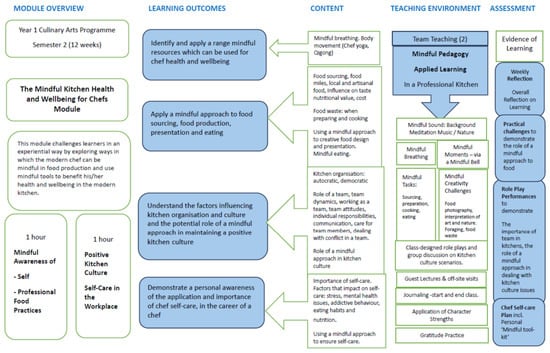
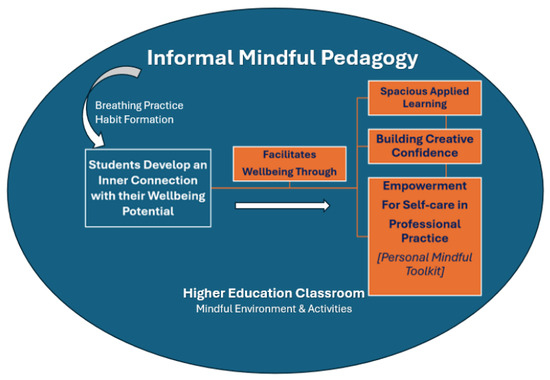
Mindful pedagogy integrates a mindful approach in the classroom to support learning, creativity, and wellbeing using formal meditative practice or informal subject-related mindful practice or both. Since 2019, Mindful Kitchen Health and Wellbeing for Chefs, a globally unique module, has been delivered within
[...] Read more.
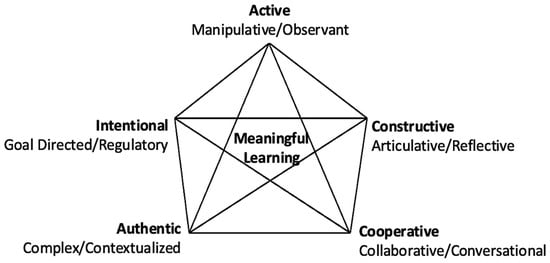
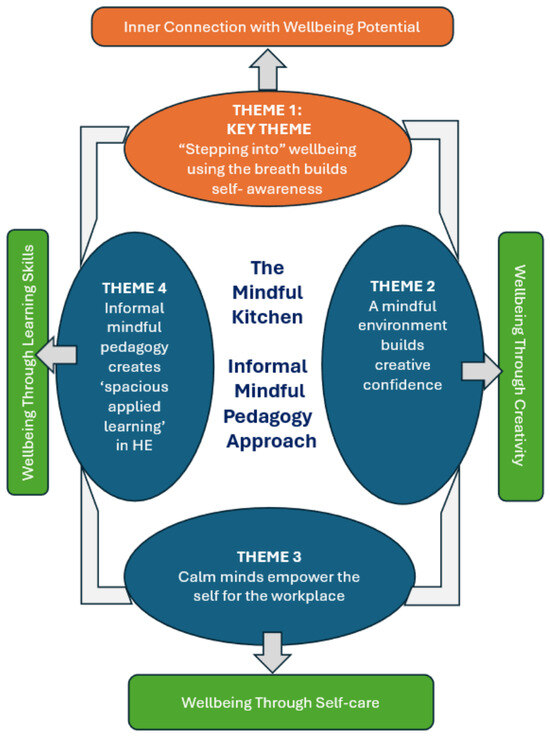
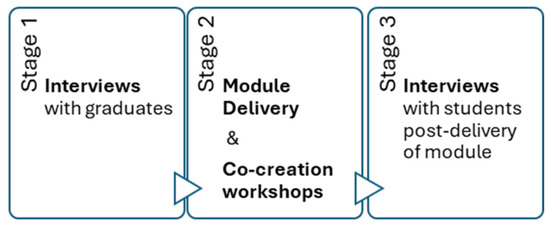
Mindful pedagogy integrates a mindful approach in the classroom to support learning, creativity, and wellbeing using formal meditative practice or informal subject-related mindful practice or both. Since 2019, Mindful Kitchen Health and Wellbeing for Chefs, a globally unique module, has been delivered within year 1 of an undergraduate culinary arts programme. It uses a mindful pedagogical approach in a teaching kitchen setting promoting student self-care, mindfulness with food and positive kitchen culture. This qualitative single-case study explores its impact on the wellbeing of chefs in a real-world context and the process that creates that impact. The case study database includes interviews with graduates (n = 11), students (n = 7), module artefacts, co-creation workshops, and researcher reflection on class observations. Four themes emerged: stepping into wellbeing using the breath builds self-awareness, a mindful classroom builds creative confidence, calm minds empower the self for the workplace and informal mindful pedagogy creates “spacious applied learning” in Higher Education (HE). These unique insights can inform wellbeing-focused pedagogical practice in HE settings. Students’ experiences are easily transferable into other disciplines; however, further research should investigate nuances in transferability. Recommendations on integrating this approach into educators’ practice to strengthen wellbeing-focused teaching are presented.
Full article
(This article belongs to the Special Issue Pedagogy of Wellbeing in Higher Education: Innovating Educational Practice to Support Student Mental Health)
►▼
Show Figures

Figure 1
Open AccessArticle
School Renewal and School Well-Being: A Case Study
by
Jianping Shen, John Lane, Patricia Reeves, Siche Feng and Xin Ma
Educ. Sci. 2026, 16(6), 978; https://doi.org/10.3390/educsci16060978 (registering DOI) - 19 Jun 2026
Abstract
In this longitudinal case study, we examined school well-being during the change process. We operationalized the change process as the school renewal model and viewed school well-being from the perspective of the PERMA (positive emotion, engagement, relationships, meaning, and accomplishment) model. We found
[...] Read more.
In this longitudinal case study, we examined school well-being during the change process. We operationalized the change process as the school renewal model and viewed school well-being from the perspective of the PERMA (positive emotion, engagement, relationships, meaning, and accomplishment) model. We found that all elements of the PERMA model were manifested in the school renewal process and that the school renewal process was not dominated solely by conflict and tension, as the literature typically suggests about the change process. The findings of the study suggest the possibility of reframing tension as productive rather than detrimental in the school renewal context. This study also advances the construct of school well-being as an organizational property.
Full article
(This article belongs to the Special Issue Examining Leadership in Connection to Welcoming and Belonging in Schools)
Open AccessArticle
Implementation of a CSMHS in a Small Rural School: A Longitudinal Case Study
by
Nicole R. Skaar, Chelsea Molstead and Ben Christensen
Educ. Sci. 2026, 16(6), 977; https://doi.org/10.3390/educsci16060977 (registering DOI) - 19 Jun 2026
Abstract
Rural youth often face barriers to accessing mental health services, including workforce shortages, limited resources, and persistent stigma. Schools are well-positioned to address these gaps through comprehensive school mental health systems (CSMHSs) embedded within multi-tiered systems of support (MTSSs). This study evaluated the
[...] Read more.
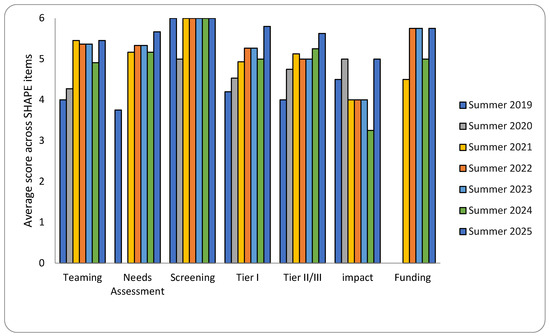
Rural youth often face barriers to accessing mental health services, including workforce shortages, limited resources, and persistent stigma. Schools are well-positioned to address these gaps through comprehensive school mental health systems (CSMHSs) embedded within multi-tiered systems of support (MTSSs). This study evaluated the implementation and effectiveness of a CSMHS in a small Midwestern rural school district over seven years. A longitudinal case study design was used to describe implementation across seven years. Universal mental health screening data were analyzed to determine the proportion of students receiving tiered supports over time. Implementation fidelity was assessed annually using the School Health Assessment and Performance Evaluation (SHAPE) system. Across seven years, more than 80% of students consistently demonstrated mental wellness within Tier I supports, with Tier II and Tier III needs aligned with expected MTSS distributions. SHAPE data indicated steady implementation improvement, particularly in universal screening, teaming, and tiered support. Ongoing challenges included monitoring Tier II intervention fidelity and demonstrating system-level impact. Findings suggest that CSMHSs can be effectively implemented and sustained in rural school settings when aligned with existing MTSS frameworks, supported by strong partnerships, and adapted to local contexts. This study provides evidence supporting the feasibility of rural CSMHS implementation and offers implications for practice and sustainability.
Full article
(This article belongs to the Special Issue The Role of U.S. K-12 Schools in Protecting and Promoting Students' Mental Health)
►▼
Show Figures

Figure 1
Open AccessArticle
Organisation of Early Childhood Education Environments: Validation of a Self-Report Instrument for Assessing Quality, Pedagogical Dynamics and Educators’ Intentionality
by
Mónica Pereira, Carla Fernandes, Natalie Nóbrega Santos, Ana Teresa Brito, Sónia Cabral and Lourdes Mata
Educ. Sci. 2026, 16(6), 976; https://doi.org/10.3390/educsci16060976 (registering DOI) - 19 Jun 2026
Abstract
The primary aim of this study was to validate a self-assessment instrument about the organisation of the Early Childhood Education and Care (ECEC) environment and to investigate how early childhood educators perceive their educational environments, including quality, intentionality (specifically, their anticipatory considerations in
[...] Read more.
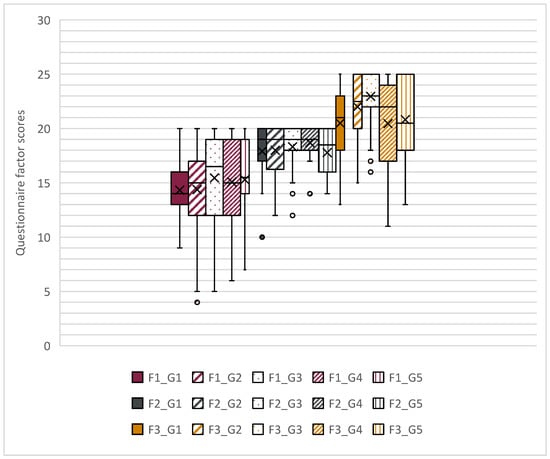
The primary aim of this study was to validate a self-assessment instrument about the organisation of the Early Childhood Education and Care (ECEC) environment and to investigate how early childhood educators perceive their educational environments, including quality, intentionality (specifically, their anticipatory considerations in planning the ECEC environment) and pedagogical dynamics. The EduIn&Out Organisation of ECEC Environments Questionnaire was completed by 802 Portuguese ECEC educators (children’s ages 3–6) and explored educators’ perceptions of various aspects of the ECEC environment, including the quality of the organisation of the space, materials and equipment (both indoor and outdoor), time management and daily routines, family and child participation, coordination with the educational team and with the centre’s leadership. It also gathers educators’ characterisation of their pedagogical dynamics (routine flow, children’s agency, and the use of indoor and outdoor contexts), associated with the quality of the educational environment, and educators’ intentionality while considering different needs and interests when organising the educational environment. The tool demonstrated good psychometric characteristics. Educators reported higher quality in time and routine organisation, but lower quality in outdoor spaces, family and child participation and coordination with the centre’s leadership. Enhanced quality was associated with more stimulating, child-centred routines that balanced indoor and outdoor activities. Overall, the characteristics of the instrument highlight its potential for supporting educators’ reflection.
Full article
(This article belongs to the Special Issue Pedagogy in Early Years Education)
Open AccessArticle
Teachers’ Understandings of Using a Game in Sustainability Education—A Case Study from Sweden
by
Therése Wahlström, Sally Windsor and Maria Svensson
Educ. Sci. 2026, 16(6), 975; https://doi.org/10.3390/educsci16060975 (registering DOI) - 19 Jun 2026
Abstract
There is a pressing need for education regarding sustainability and previous research has focused more on students and less on teachers. This article explores teachers’ understandings of using the game Climate Call, which covers carbon dioxide content, in the General Science classroom to
[...] Read more.
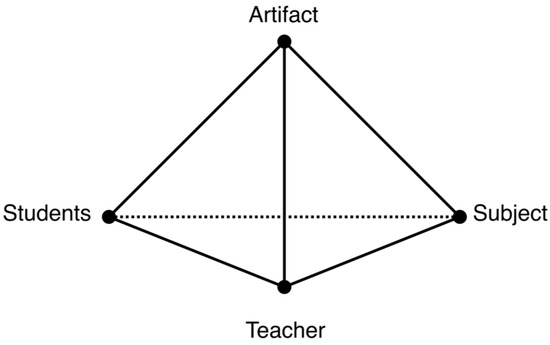
There is a pressing need for education regarding sustainability and previous research has focused more on students and less on teachers. This article explores teachers’ understandings of using the game Climate Call, which covers carbon dioxide content, in the General Science classroom to teach sustainability. This case study involved four teachers and six upper secondary classes in Sweden, from whom data was collected through fieldnotes, video recordings and interviews. The data has been analysed through the framework of the didactical tetrahedron, modelling the interactions between teacher, student, sustainability and the game in teaching and learning. The results indicate that teachers recognise new opportunities for teaching sustainability and for using the game’s content to highlight other aspects of the subject. The game also creates new interaction opportunities between students and teachers, though not all interactions were without obstacles.
Full article
(This article belongs to the Special Issue Teaching for Sustainable Futures: Prospects for Professional Growth for Educators)
►▼
Show Figures

Figure 1
Open AccessArticle
Making Space for Interrogation of Place: An Argument for Spatial Equity in Education Research
by
Erin McHenry-Sorber, J. Kessa Roberts, Sara L. Hartman, Sarah Schmitt-Wilson, Catharine Biddle and Pamela Buffington
Educ. Sci. 2026, 16(6), 974; https://doi.org/10.3390/educsci16060974 (registering DOI) - 19 Jun 2026
Abstract
The use of critical spatial perspectives in interrogating spatial inequities has proven essential to understanding rural students’, teachers’, and leaders’ experiences. In this qualitative study, we use spatial (in)justice to examine the socio-spatial challenges rural schools experience across different U.S. geographies. We then
[...] Read more.
The use of critical spatial perspectives in interrogating spatial inequities has proven essential to understanding rural students’, teachers’, and leaders’ experiences. In this qualitative study, we use spatial (in)justice to examine the socio-spatial challenges rural schools experience across different U.S. geographies. We then explore the spatialized local responses to educational problems through the leveraging of local strengths and partnerships, countering deficit perspectives of rural schools and communities. Disrupting bounds between rural and urban scholarship through a common critical framing of place can serve as a source of resistance to shared sources and outcomes of spatial injustice.
Full article
(This article belongs to the Special Issue Practice and Policy: Rural and Urban Education Experiences)
Open AccessSystematic Review
Generative AI-Integrated Virtual Agents and Simulations in Health Professions Education: A Systematic Review
by
Xining (Ning) Wang, Andrew O’Malley, Alun Hughes and Md Saifuddin Khalid
Educ. Sci. 2026, 16(6), 973; https://doi.org/10.3390/educsci16060973 (registering DOI) - 18 Jun 2026
Abstract
The rapid development of generative artificial intelligence (GenAI) is transforming both the health sector and health profession education, although AI-based systems have existed in these sectors for decades. GenAI-integrated virtual agents and simulations now play novel and critical roles in simulation-based education and
[...] Read more.
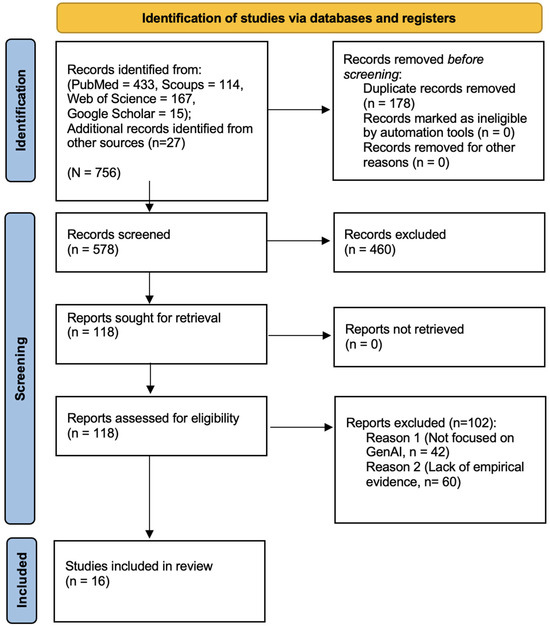
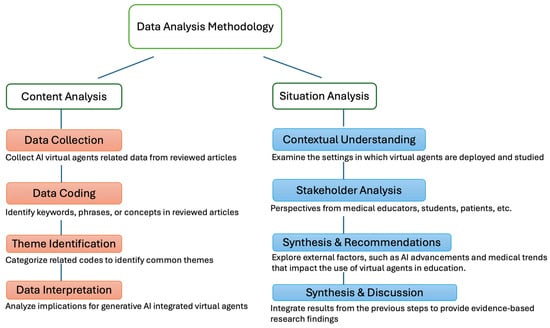
The rapid development of generative artificial intelligence (GenAI) is transforming both the health sector and health profession education, although AI-based systems have existed in these sectors for decades. GenAI-integrated virtual agents and simulations now play novel and critical roles in simulation-based education and are potential solutions to enhance the adaptability of health profession education. This systematic review was conducted using the PRISMA guidelines and explores how GenAI-integrated virtual agents and simulations are being applied in health profession education, with a particular focus on their educational impact, technical features and functionalities, and current limitations. This review aims to synthesize the pedagogical value and technological design of GenAI-integrated simulations and to inform health professionals and educators about the effective use, impact, and challenges of GenAI in health education simulations. A total of 16 papers were reviewed. Results show that GenAI-integrated virtual agents and simulations have potential to enhance clinical communication, diagnostic accuracy, multilingual interactions, and learner confidence for health profession education. Related theoretical, technological, and educational implications of generative AI-integrated virtual agents and simulations are discussed to inform future design and application. Limitations include insufficient educational effectiveness, response accuracy issues, and unresolved ethical and privacy concerns. Future studies should focus on long-term efficacy, ethical considerations, and optimizing AI–human collaboration in various health profession education contexts.
Full article
(This article belongs to the Special Issue Transforming Education: Integrating Digital Technology for Learning and Assessment)
►▼
Show Figures

Figure 1
Open AccessArticle
Understanding How Technology Acceptance Relates to Programming Self-Efficacy in AI-Supported Programming Learning: The Roles of Learning Interest, Engagement, and Reflective Use
by
Bixia Tang, Miaomiao Chen, Xinyue Zhao and Heng Luo
Educ. Sci. 2026, 16(6), 972; https://doi.org/10.3390/educsci16060972 (registering DOI) - 18 Jun 2026
Abstract
This study explored the relationship between technology acceptance and programming self-efficacy in the context of AI-supported programming learning, with learning engagement, reflective use, learning interest, and learning satisfaction acting as potential mediators. A total of 131 high school students participated in three weeks
[...] Read more.
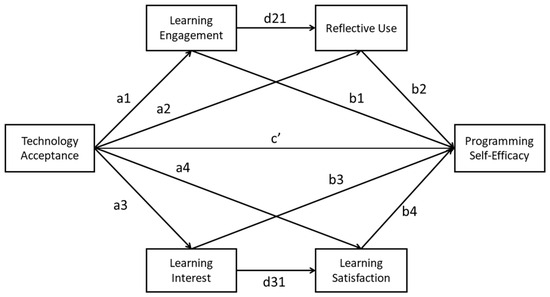
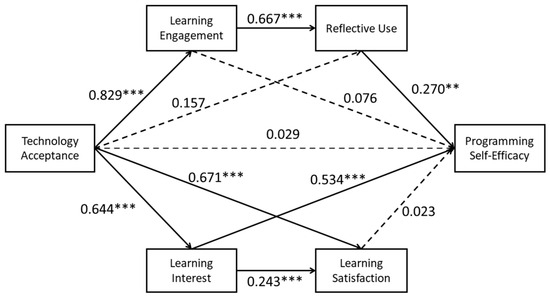
This study explored the relationship between technology acceptance and programming self-efficacy in the context of AI-supported programming learning, with learning engagement, reflective use, learning interest, and learning satisfaction acting as potential mediators. A total of 131 high school students participated in three weeks of AI agent-assisted programming learning and completed a questionnaire after the intervention. A cross-sectional, nonexperimental design was adopted, and PROCESS v5.0 Model 82 was used to examine multiple serial mediation effects. The results showed that technology acceptance did not have a significant direct effect on programming self-efficacy, whereas significant indirect effects were identified. Mediation analysis revealed that learning interest may play a critical mediating role in relation to programming self-efficacy. In addition, a significant serial mediating pathway was found through learning engagement and reflective use, indicating that technology acceptance was indirectly associated with programming self-efficacy through increased learning engagement and reflective use. These findings contribute to a deeper understanding of the mechanisms underlying the development of students’ programming self-efficacy in AI-supported programming learning and provide practical implications for the design and implementation of AI-assisted programming instruction.
Full article
(This article belongs to the Special Issue K-12 Computer Science Education in the Era of AI)
►▼
Show Figures

Figure 1
Open AccessArticle
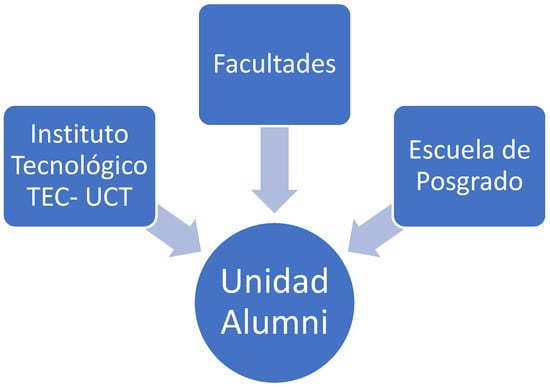
Institutional Management of the Alumni Community and Quality Assurance in Higher Education: A Descriptive Case Study of a University Model
by
Enrique Riquelme, Ámbar Millar, Evelyn Martínez and Stefany Bustamante
Educ. Sci. 2026, 16(6), 971; https://doi.org/10.3390/educsci16060971 - 18 Jun 2026
Abstract
Quality assurance in higher education increasingly depends on the capacity of institutions to transform stakeholder engagement into usable evidence for decision-making and continuous improvement. Among external stakeholders, alumni represent a potentially strategic but underutilized source of information on the relevance of training processes
[...] Read more.
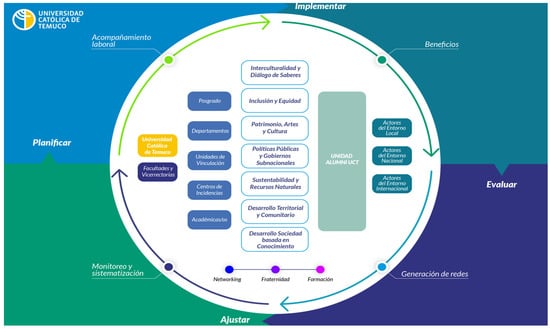
Quality assurance in higher education increasingly depends on the capacity of institutions to transform stakeholder engagement into usable evidence for decision-making and continuous improvement. Among external stakeholders, alumni represent a potentially strategic but underutilized source of information on the relevance of training processes and their alignment with professional trajectories. However, the existence of alumni engagement does not guarantee its integration into formal quality assurance systems. This study analyzes how an institutional alumni management model is designed to articulate graduate engagement with internal quality assurance processes. Adopting a qualitative case study approach based on documentary analysis, the research examines the organizational architecture of a Chilean university, focusing on the mechanisms through which alumni participation is expected to be translated into evidence for academic decision-making. The findings show that the model combines strong relational infrastructures with emerging mechanisms for data capture and circulation. However, the institutionalization of processes for interpreting and using evidence remains less developed, revealing an asymmetry between participation, data production, and decision-making. Based on these results, the study conceptualizes alumni integration into quality assurance as a multi-stage process involving participation, data capture, circulation, and use, highlighting the organizational conditions required for each stage. The study contributes by proposing a process model of institutional translation that identifies the organizational breakdowns through which alumni engagement may remain disconnected from formal quality assurance processes. In doing so, it shows that the effectiveness of quality assurance systems depends not on the availability of data alone, but on the governance arrangements that enable evidence to be interpreted, circulated, and used.
Full article
(This article belongs to the Special Issue Quality Assessment of Higher Education Institutions)
►▼
Show Figures

Figure 1
Open AccessArticle
Assessing Online Writing Professional Development with Video-Based Simulations
by
Hannah M. Dostal, Kimberly A. Wolbers, Kelsey Spurgin and Leala Holcomb
Educ. Sci. 2026, 16(6), 970; https://doi.org/10.3390/educsci16060970 - 18 Jun 2026
Abstract
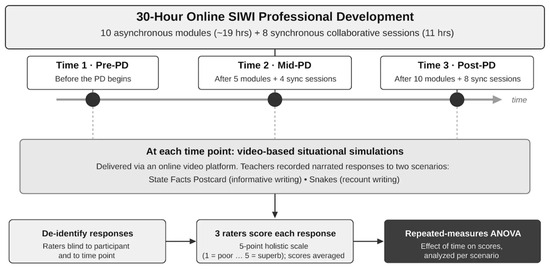
Persistent disparities in literacy outcomes affect deaf learners, who may experience writing instruction that does not align with their linguistic contexts. This study examined how teachers’ instructional reasoning about writing developed during participation in an online Strategic and Interactive Writing Instruction (SIWI) professional
[...] Read more.
Persistent disparities in literacy outcomes affect deaf learners, who may experience writing instruction that does not align with their linguistic contexts. This study examined how teachers’ instructional reasoning about writing developed during participation in an online Strategic and Interactive Writing Instruction (SIWI) professional development (PD) program. Nineteen teachers of deaf students completed a 30-hour virtual PD that combined asynchronous modules and synchronous collaborative sessions focused on evidence-based writing instruction. Teachers completed video-based situational simulations at three time points across the PD; responses were scored using a 5-point holistic scale to assess growth in pedagogical content knowledge. A post-workshop survey also asked teachers to rate prior use, anticipated implementation, and readiness to implement SIWI-aligned practices on a 3-point scale. Survey results indicated relatively low pre-workshop use of practices and higher anticipated implementation and readiness after PD. Repeated-measures analyses of simulation scores indicated significant improvement over time, reflecting strengthened ability to identify instructional priorities, integrate language and writing instruction, and justify responsive teaching decisions. To illustrate what this growth looked like in practice, the manuscript includes an embedded illustration of one teacher’s scenario responses across the three time points, showing a shift from more general/imprecise instructional commentary to more SIWI-aligned, objective-driven reasoning that explicitly links language supports to targeted writing instruction and next instructional steps. These findings suggest that video-based simulations offer a feasible, practice-oriented way to assess teacher learning in online PD, and that programs preparing teachers of deaf writers should pair self-report measures with simulation-based tasks that document how teachers apply pedagogical content knowledge to writing instruction.
Full article
(This article belongs to the Special Issue Innovative Practices to Address Reading and Writing Disparities in Education)
►▼
Show Figures

Figure 1
Open AccessArticle
Fearing Cognitive Automation: How AI Perceptions Shape Career Considerations Among 12th-Grade Students
by
Harun Serpil and Mehmet Aksoy
Educ. Sci. 2026, 16(6), 969; https://doi.org/10.3390/educsci16060969 - 18 Jun 2026
Abstract
AI technologies are changing the world of work in ways that are hard to predict, and this uncertainty is felt particularly strongly by young people who are just beginning to think about their futures. This study explores how high school students in Turkey
[...] Read more.
AI technologies are changing the world of work in ways that are hard to predict, and this uncertainty is felt particularly strongly by young people who are just beginning to think about their futures. This study explores how high school students in Turkey perceive AI’s potential impact on their career choices, using Social Cognitive Career Theory (SCCT) and Uncertainty Management Theory (UMT) as interpretive lenses rather than formally tested models. SCCT helps frame AI as an environmental force that shapes how students think about their career options, while UMT helps explain how students emotionally and cognitively respond to uncertainty that cannot easily be resolved. Using a cross-sectional survey of 354 12th-grade students, we developed and validated the AI-Related Career Perception Questionnaire (AICP-Q), which yielded four factors: AI Anxiety and Career Precarity, AI Literacy and Technological Awareness, Proactive Career Adaptation, and Socio-Technical Uncertainty. Students showed moderate AI awareness but relatively high levels of socio-technical uncertainty. Academic track emerged as an exploratory statistical correlate of AI Anxiety, a descriptive association suggesting that students’ sense of threat from AI may relate more to the specific skill demands of their chosen field than to the prestige of their school, though no causal inference can be drawn from these cross-sectional data. A key finding is “the planning gap”: students recognized the potential career disruptions associated with AI but did not consistently respond with adaptive behaviors. Drawing on UMT, we advance the tentative hypothesis, to be tested in future research, that this pattern may relate to a lack of the appraisal resources needed to translate awareness into action; because these constructs were not directly measured, this remains an interpretive suggestion rather than an empirical finding.
Full article
(This article belongs to the Special Issue Artificial Intelligence and Transformations in Education: Challenges and Opportunities)
Open AccessArticle
Scenario Planning in Educational Leadership: Cultivating Future-Ready Mindsets, Shared Language, and Symbolic Anchors for Innovation in Complex Systems
by
Adelee Penner and Sharon Friesen
Educ. Sci. 2026, 16(6), 968; https://doi.org/10.3390/educsci16060968 - 18 Jun 2026
Abstract
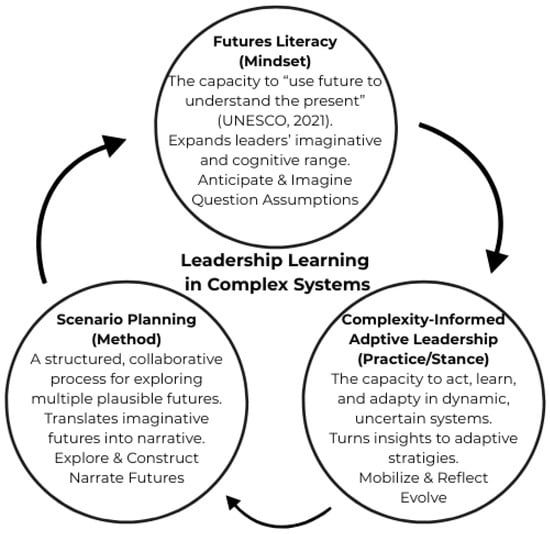
This AI-assisted integrative literature review, grounded in complexity theory, examines how existing scholarship conceptualizes the potential of scenario planning to support future-ready mindsets, shared language, symbolic anchors, and adaptive capacity in educational leadership. Using the Consensus AI-assisted research synthesis platform, peer-reviewed literature was
[...] Read more.
This AI-assisted integrative literature review, grounded in complexity theory, examines how existing scholarship conceptualizes the potential of scenario planning to support future-ready mindsets, shared language, symbolic anchors, and adaptive capacity in educational leadership. Using the Consensus AI-assisted research synthesis platform, peer-reviewed literature was identified, ranked for semantic relevance, and screened in relation to three guiding questions focused on scenario planning, VUCA leadership, shared language, and professional learning. From an initial corpus of 2092 papers, 100 high-relevance studies were purposively selected for full review and analyzed through narrative thematic synthesis. Findings suggest that scenario planning may contribute to foresight, adaptability, and communicative capacity when facilitated inclusively and used iteratively with an equity focus. When treated as an ongoing practice rather than a one-time planning exercise, scenario planning appears to offer a promising structure for cultivating adaptive, innovative leadership capable of navigating complex educational change.
Full article
(This article belongs to the Special Issue Educational Leadership for Complex Times: Integrative Approaches for Flourishing Schools and Systems)
►▼
Show Figures

Figure 1
Journal Menu
► ▼ Journal Menu-
- Education Sciences Home
- Aims & Scope
- Editorial Board
- Topical Advisory Panel
- Instructions for Authors
- Special Issues
- Topics
- Sections & Collections
- Article Processing Charge
- Indexing & Archiving
- Editor’s Choice Articles
- Most Cited & Viewed
- Journal Statistics
- Journal History
- Journal Awards
- Society Collaborations
- Conferences
- Editorial Office
Journal Browser
► ▼ Journal BrowserHighly Accessed Articles
Latest Books
E-Mail Alert
News
Topics
Topic in
AI, Applied Sciences, Education Sciences, Electronics, Information
Explainable AI in Education
Topic Editors: Guanfeng Liu, Karina Luzia, Luke Bozzetto, Tommy Yuan, Pengpeng ZhaoDeadline: 30 June 2026
Topic in
AI, Computers, Education Sciences, Societies, Future Internet, Technologies
AI Trends in Teacher and Student Training
Topic Editors: José Fernández-Cerero, Marta Montenegro-RuedaDeadline: 11 July 2026
Topic in
Administrative Sciences, Buildings, Education Sciences, Societies, Sustainability
Architectural Education
Topic Editors: Daniel Ferrández Vega, Alicia Zaragoza Benzal, Rafael Marcos-Sánchez, Ricardo Curto-RodríguezDeadline: 30 July 2026
Topic in
AI, Education Sciences, Electronics
Generative Artificial Intelligence in Higher Education
Topic Editors: Xin Zhao, Minna Rollins, Marco CarratùDeadline: 30 November 2026
Conferences
Special Issues
Special Issue in
Education Sciences
Advancing Education for Sustainable Development and Climate Change Education Through Empirical Research
Guest Editors: Tobias Hoppe, Monika Martin, Werner RießDeadline: 26 June 2026
Special Issue in
Education Sciences
Human–Computer Interaction (HCI) for Education: Creating Engaging and Inclusive Digital Learning Experiences
Guest Editor: Charoula AngeliDeadline: 30 June 2026
Special Issue in
Education Sciences
The State of the Art and the Future of Education
Guest Editor: Daniel MuijsDeadline: 30 June 2026
Special Issue in
Education Sciences
Professional Ethics for Early Childhood Educators
Guest Editor: Chrysa KeungDeadline: 30 June 2026
Topical Collections
Topical Collection in
Education Sciences
Trends and Challenges in Higher Education
Collection Editors: Paul Barach, Donald A. Donahue
Topical Collection in
Education Sciences
Artificial Intelligence (AI) and Education
Collection Editors: Gary K. W. Wong, Ho-Yin Cheung