Article

From AI Tool Use to Instructional Design: Development and Validation of the AID-CTQ in Higher Education


by
Natalia Lara Nieto-Márquez
1,*,
Rubén Madrigal-Cerezo
1,
Laura Ramos-Marcos
1,
Nicolás Rueda-Díaz
1,
Tomás García-Martín
2 and
Francisco López-Muñoz
3,4,5
1
Faculty of Education, Camilo José Cela University, Castillo de Alarcón 49, Villafranca del Castillo, 28692 Madrid, Spain
2
Escuela Politécnica Superior de Tecnología y Ciencia, Camilo José Cela University, C/de Juan Hurtado de Mendoza, 4, 28036 Madrid, Spain
3
Faculty of Health Sciences–HM Hospitals, Camilo José Cela University, Castillo de Alarcón 49, Villafranca del Castillo, 28692 Madrid, Spain
4
HM Hospitals Health Research Institute, Plaza del Conde del Valle de Suchil 16, 28015 Madrid, Spain
5
Neuropsychopharmacology Unit, “Hospital 12 de Octubre” Research Institute, Avenida de Córdoba s/n, 28041 Madrid, Spain
*
Author to whom correspondence should be addressed.
Educ. Sci. 2026, 16(6), 982; https://doi.org/10.3390/educsci16060982

Submission received: 30 April 2026 / Revised: 15 June 2026 / Accepted: 16 June 2026 / Published: 20 June 2026

Abstract

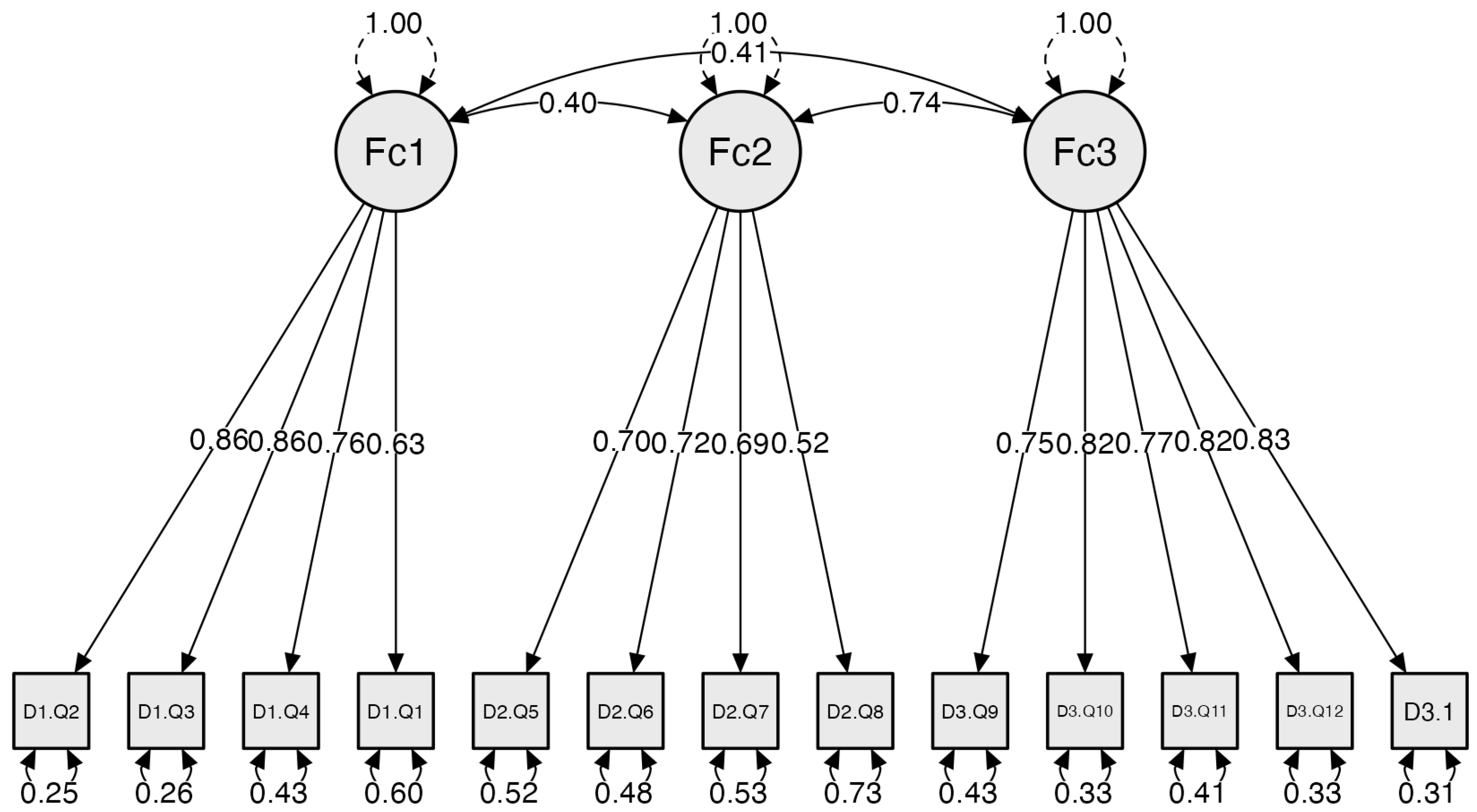
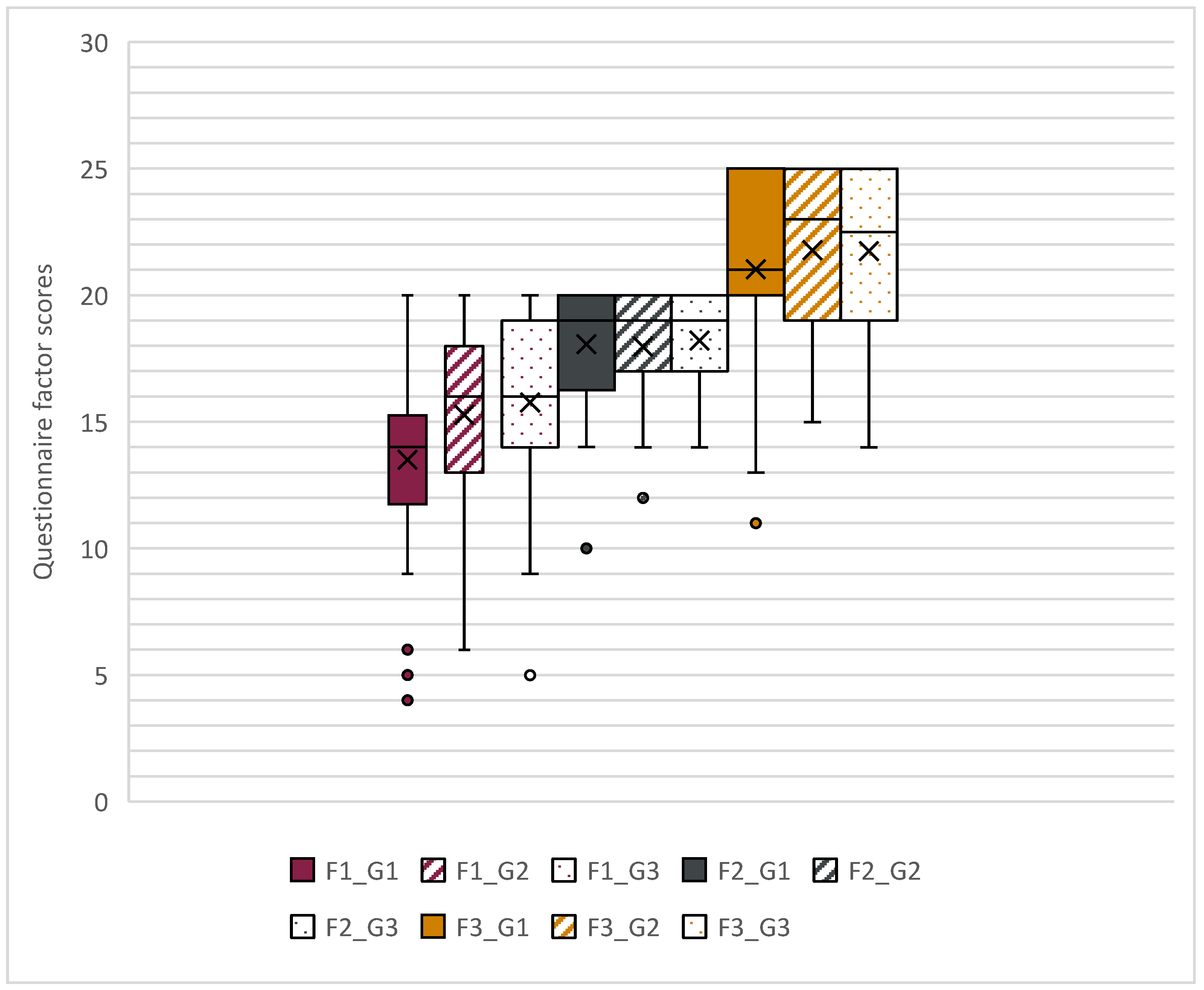
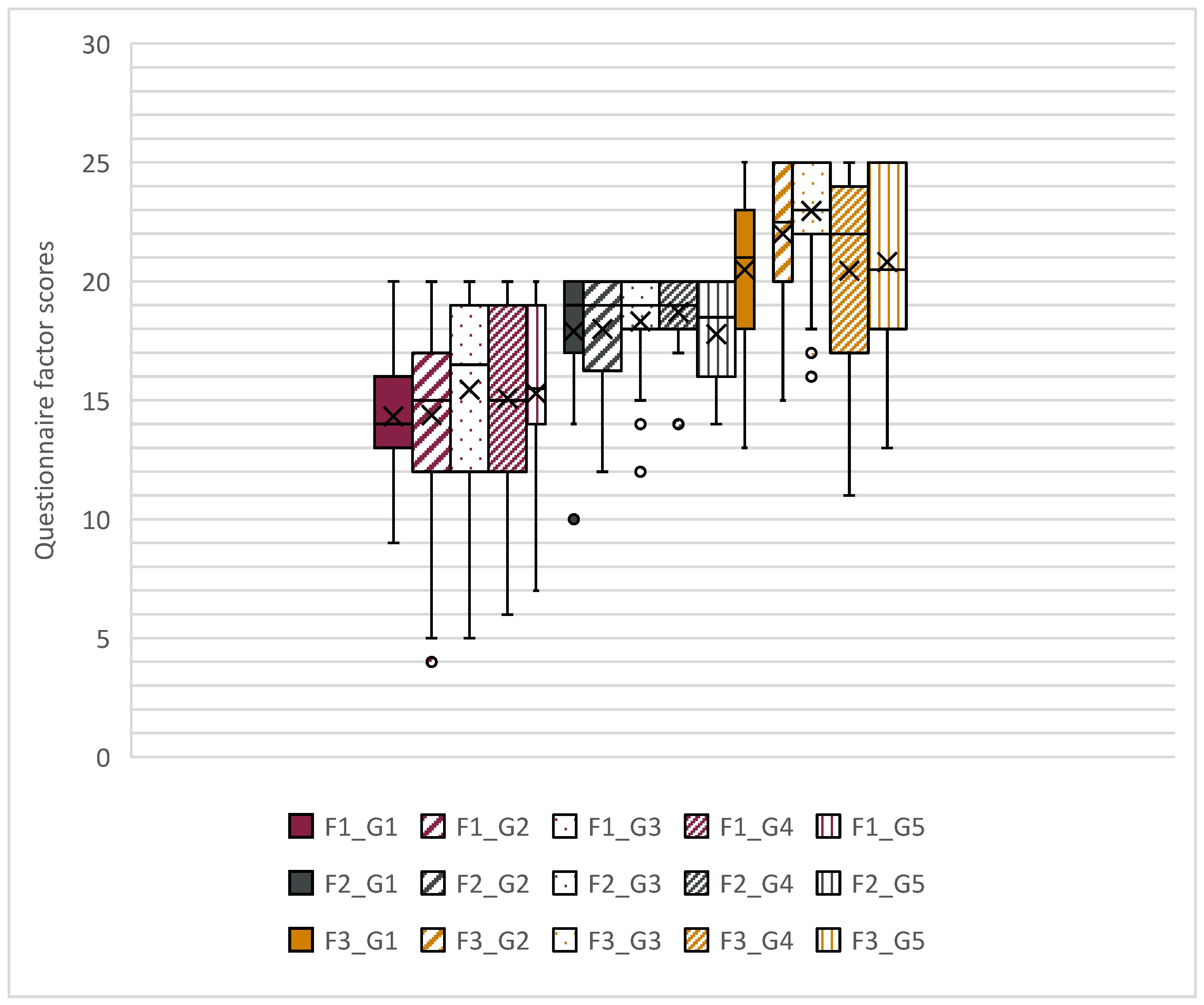
Artificial intelligence (AI) is transforming higher education, although most research addresses its integration in terms of frequency of use or technological acceptance, without examining how it translates into specific curricular and instructional decisions. That is why this study has a dual aim: to develop and validate the AI Instructional Design Questionnaire for Critical Thinking (AID-CTQ) and to analyze how university faculty integrate AI into instructional design practices in higher education. The sample included 144 faculty members from a university in Madrid, selected by convenience. Exploratory and confirmatory factor analyses of the questionnaire supported a three-factor structure: Activity Design (F1), Critical Thinking Assessment (F2), and Self-Regulation and Reflection (F3). The final 12-item model shows good model fit (CFI = 0.98, TLI = 0.98, RMSEA = 0.05, SRMR = 0.05) and adequate overall reliability (α = 0.86). At the item level, responses related to assessment and reflective practices showed consistently high agreement, whereas items linked to activity design displayed greater variability. Faculty members with more than 10 years of experience obtained significantly higher scores, indicating that the educational value of AI depends less on the tools used and more on the quality of instructional decisions. Reported use of AI was high, with ChatGPT and Copilot being the most frequently used tools. Overall, the findings indicate that the integration of AI in higher education is evolving from predominantly instrumental uses toward more pedagogical and curriculum-oriented forms of implementation. Accordingly, the educational value of AI lies less in the tool itself than in the quality of the instructional decisions through which it is meaningfully embedded in the curriculum.
Keywords: artificial intelligence; higher education; instructional design; critical thinking; self-regulated learning; curriculum implementation artificial intelligence; higher education; instructional design; critical thinking; self-regulated learning; curriculum implementation