

Journal Description
Chemosensors
Chemosensors
is an international, scientific, peer-reviewed, open access journal on the science and technology of chemical sensors and related analytical methods and systems, published monthly online by MDPI.
- Open Access— free for readers, with article processing charges (APC) paid by authors or their institutions.
- High Visibility: indexed within Scopus, SCIE (Web of Science), CAPlus / SciFinder, Inspec, Engineering Village and other databases.
- Journal Rank: JCR - Q2 (Instruments and Instrumentation) / CiteScore - Q1 (Physical and Theoretical Chemistry)
- Rapid Publication: manuscripts are peer-reviewed and a first decision is provided to authors approximately 19.1 days after submission; acceptance to publication is undertaken in 2.6 days (median values for papers published in this journal in the second half of 2025).
- Recognition of Reviewers: reviewers who provide timely, thorough peer-review reports receive vouchers entitling them to a discount on the APC of their next publication in any MDPI journal, in appreciation of the work done.
- Journal Cluster of Analysis and Sensing Technologies: Analytica, Biosensors, Chemosensors, Purification, Separations and Spectroscopy Journal.
Impact Factor:
3.7 (2024);
5-Year Impact Factor:
3.8 (2024)
Latest Articles
Rapid and Low-Cost N-Doped Carbon Dots Synthesis Based on Orange Peels for Highly Sensitive Detection of Ferric and Mercury Ions
Chemosensors 2026, 14(5), 112; https://doi.org/10.3390/chemosensors14050112 - 9 May 2026
Abstract
Using orange peels as a biowaste, fluorescent N-CDs were prepared simply and rapidly through a one-step microwave-assisted method and urea as a nitrogen source. The synthesized N-CDs exhibited a high QY value of 47.12% compared to CDs prepared using different methods. Moreover, the
[...] Read more.
Using orange peels as a biowaste, fluorescent N-CDs were prepared simply and rapidly through a one-step microwave-assisted method and urea as a nitrogen source. The synthesized N-CDs exhibited a high QY value of 47.12% compared to CDs prepared using different methods. Moreover, the N-CDs have good pH and thermal stability. N-CDs exhibited high sensitivity toward Fe(ІІІ), Hg(І), and Hg(ІІ) ions with low LOD values of about 0.0555, 0.15379, and 0.02505 μM, respectively. This approach is hopeful for the large-scale formation of N-CDs and could encourage their utilization as fluorescent chemosensors due to their affordability, simplicity, high efficiency, and environmental friendliness.
Full article
(This article belongs to the Special Issue Colorimetric and Fluorescent Sensors: Current Status and Future Development)
Open AccessArticle
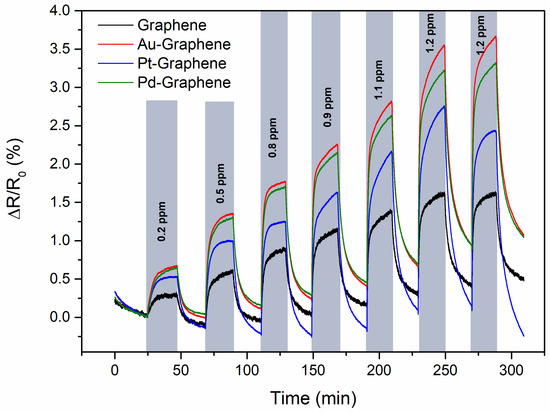
Detection of VOCs Using Metal Nanoparticle-Decorated Graphene
by
Syrine Behi, Atef Thamri, Juan Casanova-Chafer, Nicolas Karageorgos Perez, Eduard Llobet and Adnane Abdelghani
Chemosensors 2026, 14(5), 111; https://doi.org/10.3390/chemosensors14050111 - 7 May 2026
Abstract
Volatile Organic Compounds (VOCs) are important indicators of environmental pollution and metabolic activity, making their sensitive and selective detection highly relevant for applications in health monitoring and air quality assessment. Graphene, owing to its exceptional charge transport properties, large surface area, and tunable
[...] Read more.
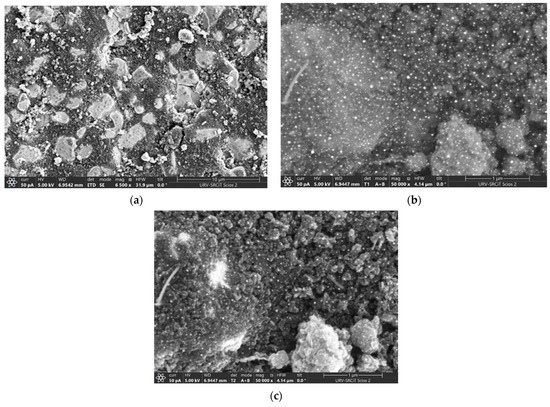
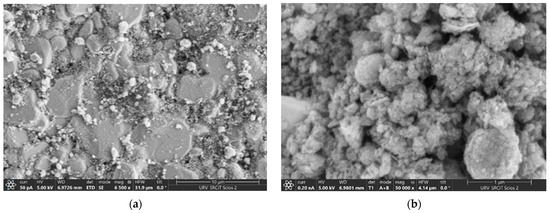
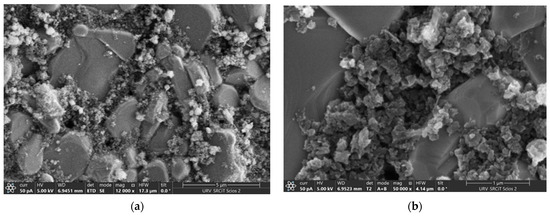
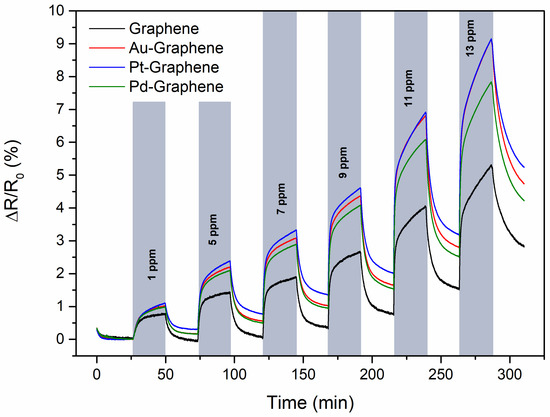
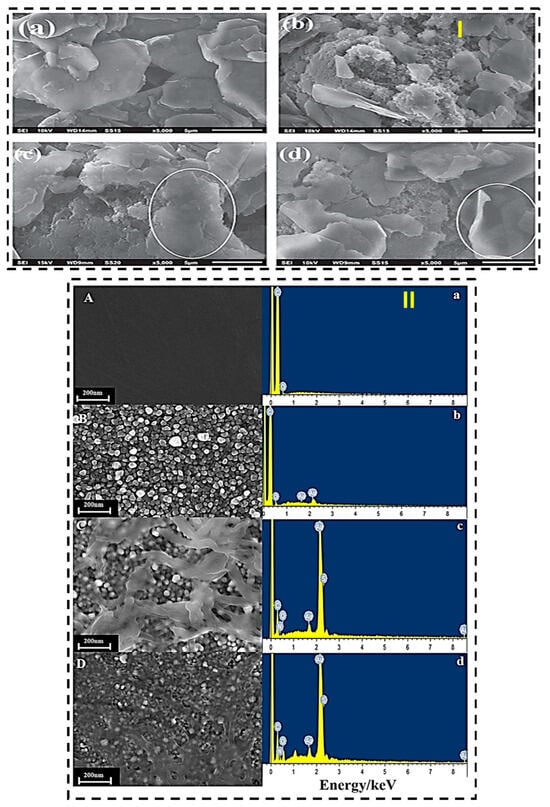
Volatile Organic Compounds (VOCs) are important indicators of environmental pollution and metabolic activity, making their sensitive and selective detection highly relevant for applications in health monitoring and air quality assessment. Graphene, owing to its exceptional charge transport properties, large surface area, and tunable surface chemistry, is a promising candidate for advanced gas and VOCs sensing. Here we report chemoresistive sensors based on pristine graphene and graphene decorated with platinum (Pt), palladium (Pd), and gold (Au) nanoparticles toward both aromatic (benzene, toluene, and xylene) and non-aromatic (ethanol, methanol, and acetone) vapor compound detection. The detection is achieved at room temperature, and the results demonstrate that graphene functionalized with noble metal nanoparticles shows significant enhancements in sensitivity compared to pristine graphene, mainly against ethanol, toluene and xylene vapors for the Au–graphene sensors. A comparative study with Multi-Walled Carbon Nanotube (MWCNT) sensors decorated with the same type of nanoparticles revealed clear advantages of graphene, attributed to the microstructure and porous structure of graphene powders, which facilitate efficient charge transfer upon vapor adsorption.
Full article
(This article belongs to the Special Issue Recent Progress in Nano Material-Based Gas Sensors)
►▼
Show Figures

Figure 1
Open AccessArticle
Rumex nervosus-Derived Fe3O4 Nanoparticles as an Electrocatalyst for the Electrochemical Sensing of 2,4-D
by
Asma E. Althagafi, Ekram Y. Danish, Amna N. Khan, M. Aslam and M. Tahir Soomro
Chemosensors 2026, 14(5), 110; https://doi.org/10.3390/chemosensors14050110 - 2 May 2026
Abstract
The extensive use of 2,4-dichlorophenoxyacetic acid (2,4-D) in agriculture has led to water contamination and associated health risks, highlighting the need for eco-friendly detection strategies. Herein, Fe3O4 nanoparticles were green-synthesized for the first time using an aqueous extract of Rumex
[...] Read more.
The extensive use of 2,4-dichlorophenoxyacetic acid (2,4-D) in agriculture has led to water contamination and associated health risks, highlighting the need for eco-friendly detection strategies. Herein, Fe3O4 nanoparticles were green-synthesized for the first time using an aqueous extract of Rumex nervosus (R. nervosus) as a natural reducing and stabilizing agent and successfully employed for the electrochemical sensing of 2,4-D, representing the first reported application of R. nervosus-mediated Fe3O4 nanoparticles for this purpose. The phytochemical composition of the extract and synthesized R-Fe3O4 nanoparticles were systematically characterized. The R-Fe3O4-modified glassy carbon electrode (GCE) was evaluated for charge transfer properties using electrochemical impedance spectroscopy (EIS). Cyclic voltammetry (CV) showed no redox peak for 2,4-D at the bare GCE, whereas R-Fe3O4/GCE exhibited a distinct reduction peak at ~−1.5 V in 0.1 M phosphate buffer (pH 7), attributed to reductive dechlorination. Square-wave voltammetry (SWV) exhibited a linear response over the concentration range of 50–325 µM with a detection limit of 3.35 µM for 2,4-D. Although this performance is slightly above the guideline limits recommended by the World Health Organization (~0.14 µM) and the United States Environmental Protection Agency (~0.32 µM), it is suitable for the routine monitoring of elevated 2,4-D levels in environmental samples. The sensor demonstrated high selectivity with negligible interference and satisfactory recoveries of 96.6–98.3% in real water samples.
Full article
(This article belongs to the Special Issue Electroanalytical Methods for Sustainable Health: Sensing in Environment, Food, and Diagnostics)
Open AccessArticle
Comparative Characterisation of Meat Quality, Nutritional Composition, and Flavour Profile in Wuhua Yellow Chickens (Gallus Domesticus) Assessed by Multi-Analytical Approaches
by
Zhuoxian Weng, Yongjie Xu, Weina Li, Xunhe Huang, Liangjie Luo, Zhiwei Liu and Xiaonan Zhang
Chemosensors 2026, 14(5), 109; https://doi.org/10.3390/chemosensors14050109 - 2 May 2026
Abstract
Wuhua Yellow Chicken (WYC) is a Guangdong heritage breed known for its characteristic “three yellow” phenotype and distinctive meat flavour. Despite its commercial importance, data on muscle flavour chemistry remain scarce. In this study, 180 one-day-old chicks (90 cocks, 90 hens, 18 replicates
[...] Read more.
Wuhua Yellow Chicken (WYC) is a Guangdong heritage breed known for its characteristic “three yellow” phenotype and distinctive meat flavour. Despite its commercial importance, data on muscle flavour chemistry remain scarce. In this study, 180 one-day-old chicks (90 cocks, 90 hens, 18 replicates of 5 chickens per sex) were raised to 20 weeks under cage conditions, after which slaughter traits, meat physicochemical indices, proximate composition, amino acid and fatty acid profiles, and volatile compounds were measured. Cocks were heavier and had higher eviscerated yields and leg muscle percentages, whereas hens accumulated more abdominal fat (6.47–0.46%, p < 0.01). Shear force was greater in cock breast muscle (2.86–2.13 kg·f, p < 0.01), indicating firmer texture. Cock breast muscle contained more crude protein (26.89%) and less crude fat. Amino acid totals were identical between sexes (21.10 g/100 g), with all six essential amino acids surpassing FAO/WHO reference values; lysine scored highest (168%). Unsaturated fatty acid proportions were 63.33% (cocks) and 66.64% (hens), with PUFA/SFA ratios of 61.95% and 53.60%, respectively. Gas chromatography-mass spectrometry identified 10 volatile compounds in cocks and 14 in hens; aldehydes dominated in both, with hexanal alone accounting for over 50%. Hen muscle contained a richer volatile profile, including additional ketone and ester compounds. These data collectively confirm that WYC is nutritionally dense, organoleptically appealing, and well-suited for further breed promotion.
Full article
(This article belongs to the Special Issue GC, MS and GC-MS Analytical Methods: Opportunities and Challenges (Fourth Edition))
Open AccessReview
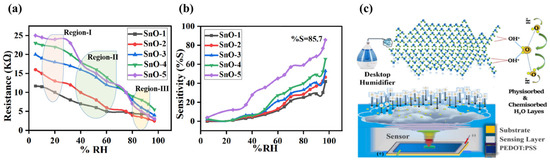
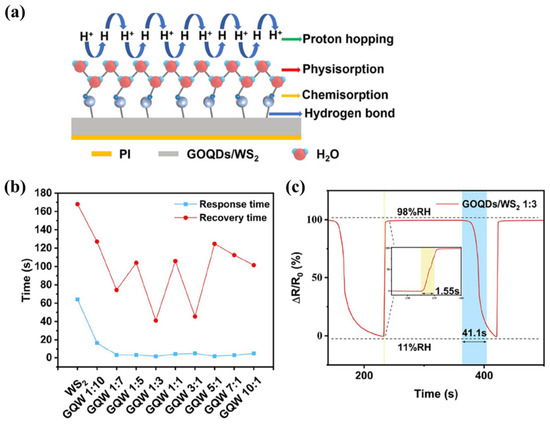
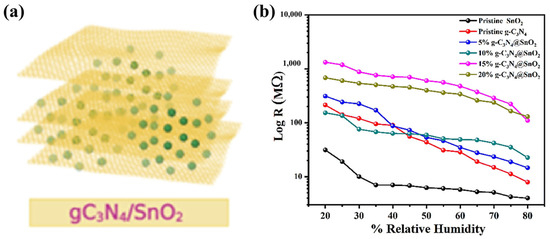
3D Organic–Inorganic Hybrid Humidity Sensors: A Review
by
Seo-Yeon Kim, Hyun-Jun Dong and Jaehan Jung
Chemosensors 2026, 14(5), 108; https://doi.org/10.3390/chemosensors14050108 - 2 May 2026
Abstract
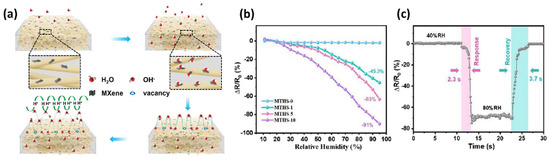
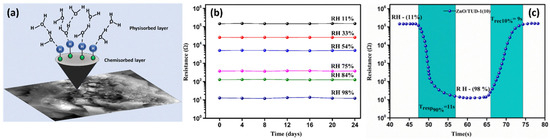
Humidity sensors are widely employed in diverse fields such as healthcare, agriculture, construction, and the storage of food and pharmaceuticals. In these areas, accurate and reliable humidity monitoring is essential to ensure appropriate environmental conditions and prevent material degradation or device malfunction. Recently,
[...] Read more.
Humidity sensors are widely employed in diverse fields such as healthcare, agriculture, construction, and the storage of food and pharmaceuticals. In these areas, accurate and reliable humidity monitoring is essential to ensure appropriate environmental conditions and prevent material degradation or device malfunction. Recently, organic–inorganic hybrid materials have emerged as promising platforms for humidity sensing, as they integrate the complementary properties of both organic and inorganic components. Notably, hybrid materials with three-dimensional architectures have received growing attention owing to their large specific surface area, which affords enhanced reactivity and improved sensing performance. In this review, recent progress in humidity sensors based on organic–inorganic hybrid materials is summarized, with particular emphasis on three-dimensional hybrid architectures. The analysis suggests that 3D hybrid architectures can enhance sensing performance by improving water adsorption and charge transport pathways. Overall, the potential and significance of organic–inorganic hybrid architectures for the development of high-performance humidity sensors are critically discussed.
Full article
(This article belongs to the Section Materials for Chemical Sensing)
►▼
Show Figures

Figure 1
Open AccessReview
Nanomaterial-Modified Screen-Printed Electrodes: Advances, Interfacial Engineering Evaluation, and Real-World Applications in Electrochemical Sensing
by
Tudor-Alexandru Filip, Vlad-Andrei Scarlatache, Alin Dragomir, Georgiana Prodan-Chiriac and Marius-Andrei Olariu
Chemosensors 2026, 14(5), 107; https://doi.org/10.3390/chemosensors14050107 - 1 May 2026
Abstract
Innovations in nanomaterial science, engineering and printing technologies have increasingly driven advances in electrochemical sensing. Screen-printed electrodes (SPEs) have become a versatile, low-cost, and scalable solution for developing portable electrochemical detection platforms. However, their analytical performance remains intrinsically limited by surface area, electron
[...] Read more.
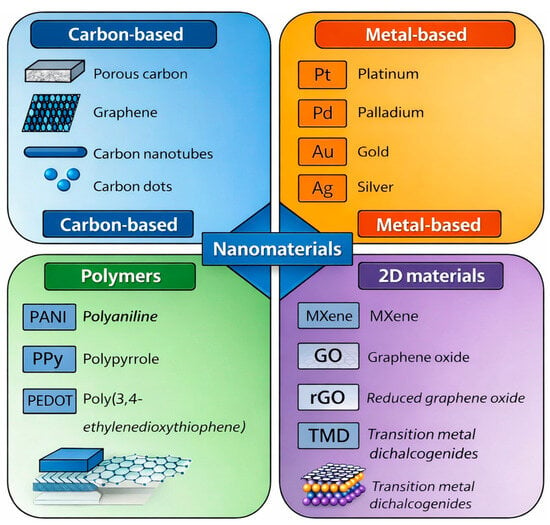
Innovations in nanomaterial science, engineering and printing technologies have increasingly driven advances in electrochemical sensing. Screen-printed electrodes (SPEs) have become a versatile, low-cost, and scalable solution for developing portable electrochemical detection platforms. However, their analytical performance remains intrinsically limited by surface area, electron transfer efficiency, and the immobilization of biomolecules. Recent developments in nanostructured materials, ranging from two-dimensional (2D) materials such as graphene, MXenes, and transition metal dichalcogenides, to one-dimensional nanostructures and hybrid nanocomposites, have transformed the signal transduction landscape of SPE-based electrochemical sensors. Integration of nanomaterials into SPEs has successfully transformed their analytical capabilities, but the diversity of materials and modification strategies has made it difficult to consolidate current knowledge in the field. Strategies that integrate nanomaterials via ink formulation, surface modification, or in situ growth have yielded sensors with unprecedented sensitivity, reproducibility, and selectivity across various chemical and biological targets. This review offers a cross-material synthesis of how nanomaterial engineering transforms the electrochemical performance of SPEs. By integrating insights across morphology, interfacial chemistry, and device-level behavior, it establishes a unified perspective that has been missing from the current literature and clarifies the design principles driving next-generation SPE-based sensing platforms.
Full article
(This article belongs to the Special Issue Electrochemical Sensors and Biosensors: Recent Progress, Challenges, and Future Perspectives)
►▼
Show Figures

Figure 1
Open AccessArticle
Preparation and Application of Hydrophobic Plasmonic Filter Paper for Detecting Pesticides in Edible Oil by Raman Spectroscopy
by
Jie Gao, Weiwei Zhang, Hangming Qi, Xu Tao, Qian Yu, Xianming Kong and Kundan Sivashanmugan
Chemosensors 2026, 14(5), 106; https://doi.org/10.3390/chemosensors14050106 - 1 May 2026
Abstract
A flexible paper-based surface-enhanced Raman scattering substrate with a hydrophobic surface was fabricated through a simple route. The Ag nanoparticle was modified on filter paper through the in situ growth method. The hydrophobic filter paper/Ag substrate was prepared via soaking in 10−8
[...] Read more.
A flexible paper-based surface-enhanced Raman scattering substrate with a hydrophobic surface was fabricated through a simple route. The Ag nanoparticle was modified on filter paper through the in situ growth method. The hydrophobic filter paper/Ag substrate was prepared via soaking in 10−8 g/mL of 1-dodecanethiol with a 12 h growth time. The hydrophobic filter paper/Ag substrate exhibits excellent flexibility and hydrophobic properties with a contact angle of 130.2°. The diffusion of the aqueous solution was significantly suppressed on the hydrophobic filter paper/Ag substrate. The hydrophobic filter paper/Ag substrate could simultaneously improve the SERS signal and fluorescence of the analyte, and that was successfully used for detecting thiram from edible oil with a limit of detection at 1.8 × 10⁻⁸ M and monitoring melamine in aqueous solution. The hydrophobic filter paper/Ag substrate is a flexible, economical, and convenient method for detecting harmful ingredients from oil by SERS.
Full article
(This article belongs to the Topic Applications of Nanomaterials in Biosensing: Current Trends and Future Prospects)
Open AccessArticle
Significance of Ammonia Dopant in the Analysis of Formaldehyde Solution and Its Headspace by Corona Discharge-Ion Mobility Spectrometry
by
Vahideh Ilbeigi, Younes Valadbeigi and Štefan Matejčík
Chemosensors 2026, 14(5), 105; https://doi.org/10.3390/chemosensors14050105 - 1 May 2026
Abstract
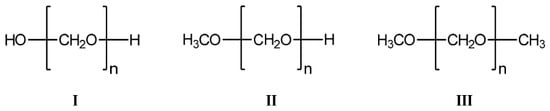
Formalin, a commercial aqueous solution typically containing 37% formaldehyde, often includes a few percent methanol to inhibit polymerization. Nevertheless, formaldehyde readily forms polymerization products such as glycols, dimethoxy (acetal), and methoxyalcohol (hemiacetal) derivatives, making their analysis important. In this work, we employ ion
[...] Read more.
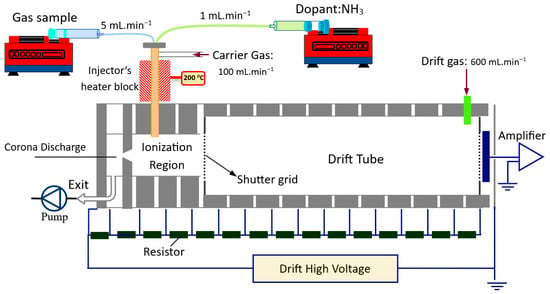
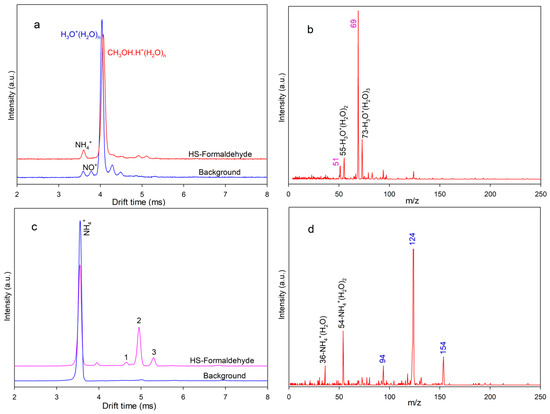
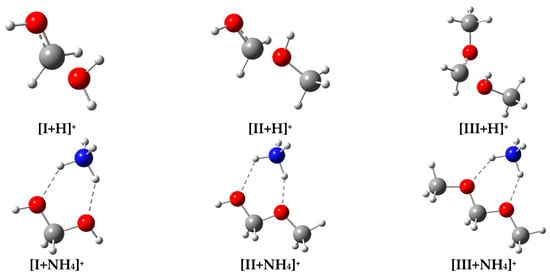
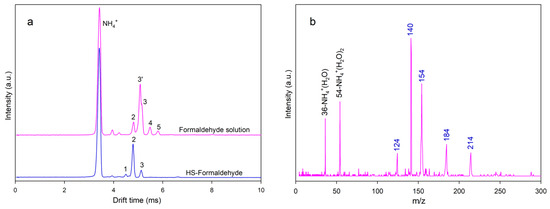
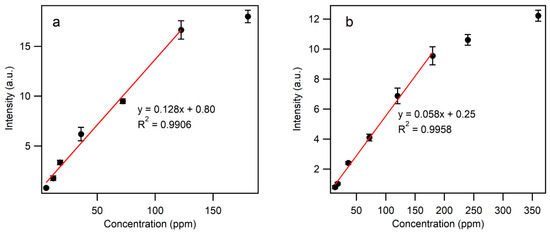
Formalin, a commercial aqueous solution typically containing 37% formaldehyde, often includes a few percent methanol to inhibit polymerization. Nevertheless, formaldehyde readily forms polymerization products such as glycols, dimethoxy (acetal), and methoxyalcohol (hemiacetal) derivatives, making their analysis important. In this work, we employ ion mobility spectrometry (IMS) for qualitative and quantitative detection of these species and demonstrate that analysis is not feasible using the standard IMS reactant ion, H3O+(H2O)n. Protonation by H3O+(H2O)n induces loss of water or methanol, preventing stable detection of the intact derivatives. Hence, ammonia was introduced as a dopant to replace H3O+(H2O)n with NH4+(H2O)n in the ionization region, thereby shifting the ionization mechanism from proton transfer to ammonium attachment. A high-temperature injection port was also designed to enable the analysis of both liquid samples and their corresponding headspace. Using the developed method, we identified both acetal and hemiacetal derivatives in commercial formaldehyde solution, while only the more volatile acetal species were detected in the headspace. Quantitative analysis yielded a limit of detection (LOD) of 1.9 ppm and a linear range of 5.5–120 ppm for solution measurements. Importantly, the method provides reliable detection in the presence of substantial humidity, an environment in which many polymer-based sensors fail due to severe moisture interference. Overall, ammonia-doped IMS offers a robust and humidity-tolerant platform for characterizing formaldehyde polymerization products in both the gas and liquid phases.
Full article
(This article belongs to the Special Issue Novel Gas Sensing Approaches: From Fabrication to Application)
►▼
Show Figures

Figure 1
Open AccessArticle
A COF-Based Turn-On Fluorescent Sensor for Rapid Visual Detection of Histamine in Food Spoilage
by
Zixian Wu, Hui Zhou and You Zhou
Chemosensors 2026, 14(5), 104; https://doi.org/10.3390/chemosensors14050104 - 1 May 2026
Abstract
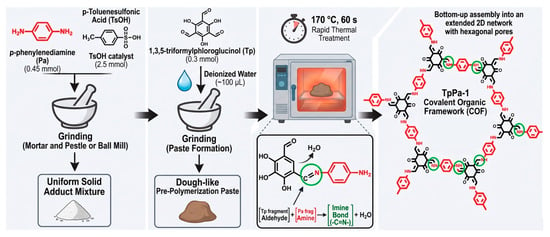
Unsafe food poses a significant threat to global public health and the economy, making the early detection of food spoilage an ongoing and critical imperative. Herein, we report the design of a straightforward and highly effective fluorescence sensor for monitoring histamine (HI), a
[...] Read more.
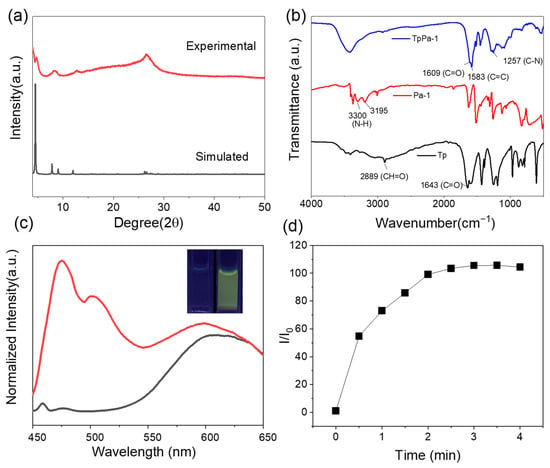
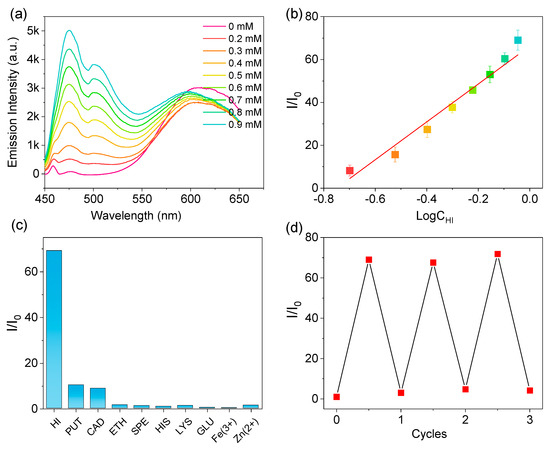
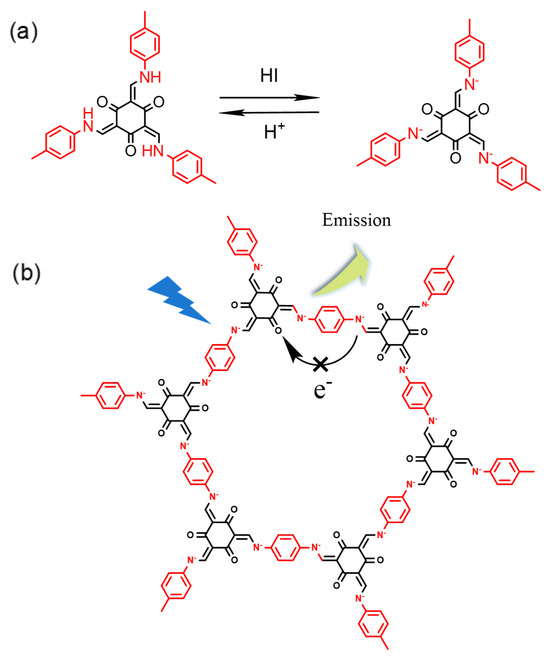
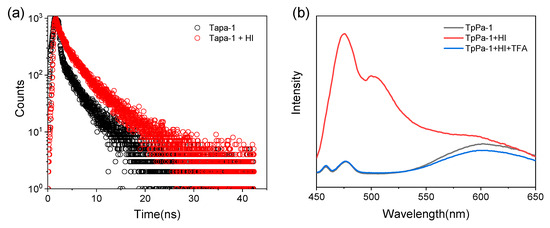
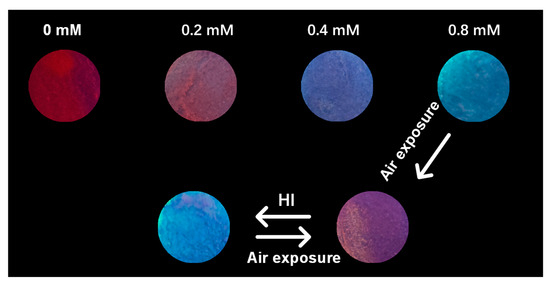
Unsafe food poses a significant threat to global public health and the economy, making the early detection of food spoilage an ongoing and critical imperative. Herein, we report the design of a straightforward and highly effective fluorescence sensor for monitoring histamine (HI), a key biomarker of food deterioration, utilizing the direct interaction between the analyte and the sensor. We demonstrate that the inherently weak luminescent covalent organic framework (COF), TpPa-1, functions as a highly responsive “turn-on” luminescent switch in the presence of HI. Upon interaction with HI, the luminescence of TpPa-1 is significantly enhanced; this phenomenon is attributed to the generation of anionic N− species via the deprotonation of the N−H unit, which effectively suppresses the electron transfer pathway from the nitrogen lone pair to the COF backbone. The TpPa-1 sensor exhibits excellent sensitivity and reproducibility for HI detection. Furthermore, we developed a reusable, fluorescent COF-based film that displays a distinct, naked-eye visible color transition from red to yellow-green upon exposure to histamine, establishing a robust platform for rapid, and preliminary food quality assessment. This work presents a novel, COF-based strategy for HI detection, offering substantial significance for public health and food safety monitoring.
Full article
(This article belongs to the Special Issue (Bio)Chemical Sensing in Real-World Applications—a Dedicated Issue for Young Researchers)
►▼
Show Figures

Figure 1
Open AccessArticle
Design and Validation of a Chemometric-Assisted Methodology for the Simultaneous Measurement of Flunixin Meglumine and Florfenicol in Veterinary Formulations: Appraisal of Eco-Friendliness and Functionality
by
Mona A. Abdel Rahman, Hazim Mohammed Ali, Mohammed Gamal, Lobna Mohammed Abd Elhalim, Mai Mohamed Abd El-Aziz and Rehab Moussa Tony
Chemosensors 2026, 14(5), 103; https://doi.org/10.3390/chemosensors14050103 - 30 Apr 2026
Abstract
Multivariate calibration methods have proven to be helpful in interpreting complex spectral data, particularly in the simultaneous analysis of pharmaceutical mixtures. In this study, three chemometric-assisted spectrophotometric methods were developed and validated for the simultaneous assessment of flunixin meglumine (FM) and florfenicol (FF),
[...] Read more.
Multivariate calibration methods have proven to be helpful in interpreting complex spectral data, particularly in the simultaneous analysis of pharmaceutical mixtures. In this study, three chemometric-assisted spectrophotometric methods were developed and validated for the simultaneous assessment of flunixin meglumine (FM) and florfenicol (FF), namely, multivariate curve resolution–alternating least squares (MCR-ALS), artificial neural networks (ANNs), and partial least squares (PLS). These methods were successfully utilized to address the significant spectral overlap between FM and FF in their combined dose form, enabling simultaneous quantification without prior chromatographic separation. Statistical analysis was conducted to compare the performance of the proposed methods to that of a published HPLC method, and the results showed no significant variation in trueness or precision. The proposed methods were validated according to ICH guidelines, showing high sensitivity, low LOD and LOQ, and excellent precision (%RSD < 2.0%). Furthermore, they were evaluated for environmental sustainability using the analytical greenness (AGREE) metric and the complex modified green analytical procedure index (Complex MoGAPI), which provided a greenness score of 0.7 and a total sustainability score of 80. These results demonstrate the applicability of the proposed chemometric methods as straightforward, effective, and ecologically beneficial substitutes for regular quality control analysis.
Full article
(This article belongs to the Special Issue Advanced Chemometric Methods for Analytical Applications)
Open AccessReview
Transient Potential Signals from Ion-Selective Electrodes Based on Plasticized Polymeric Membranes—Fundamentals and Applications
by
José Manuel Olmos, José Antonio González-Franco and Joaquín Ángel Ortuño
Chemosensors 2026, 14(5), 102; https://doi.org/10.3390/chemosensors14050102 - 24 Apr 2026
Abstract
This review examines the reported research on the potential responses of ion-selective electrodes over time when exposed to sudden changes in the concentration of the primary ion (ion initially present in the ion-selective electrode membrane) and/or foreign interfering ions. Particular attention is given
[...] Read more.
This review examines the reported research on the potential responses of ion-selective electrodes over time when exposed to sudden changes in the concentration of the primary ion (ion initially present in the ion-selective electrode membrane) and/or foreign interfering ions. Particular attention is given to the responses of liquid- and plasticized polymeric membrane-based ion-selective electrodes to foreign ions. The review provides an in-depth discussion of the theoretical models proposed to describe transient potential signals obtained experimentally with these ion-selective electrodes. In chronological order, the different contributions are presented and commented on in terms of their assumptions and mathematical treatments. The final equations obtained in each case, as well as some stages of their derivations, are presented. Additionally, the various models are classified and critically commented upon. Lastly, the review discusses the analytical applications reported for identifying and quantifying ions using the transient potential signals.
Full article
(This article belongs to the Section Electrochemical Devices and Sensors)
Open AccessArticle
Mechanoactivation of Indium Oxide-Based Gas Sensors for Efficiency Enhancement
by
Maria I. Ikim, Varvara A. Demina, Elena Y. Spiridonova, Egor D. Baldin, Olusegun J. Ilegbusi and Leonid I. Trakhtenberg
Chemosensors 2026, 14(5), 101; https://doi.org/10.3390/chemosensors14050101 - 23 Apr 2026
Abstract
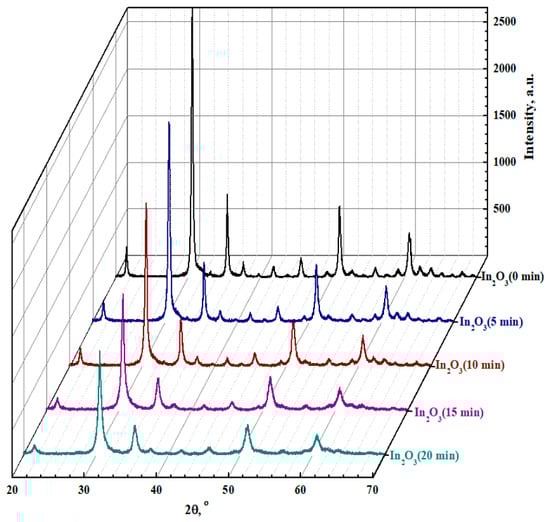
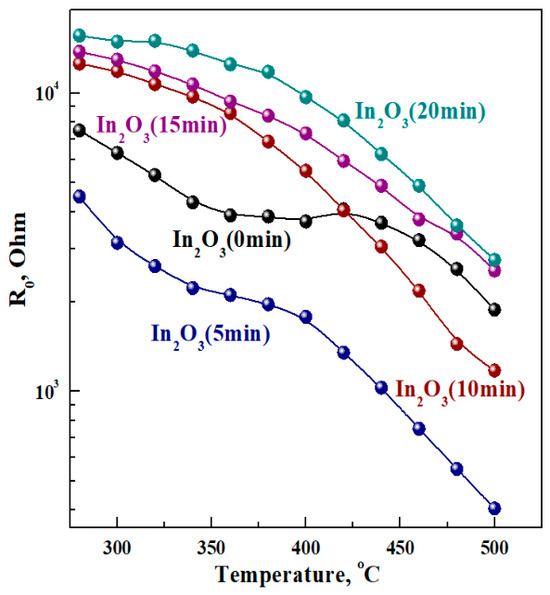
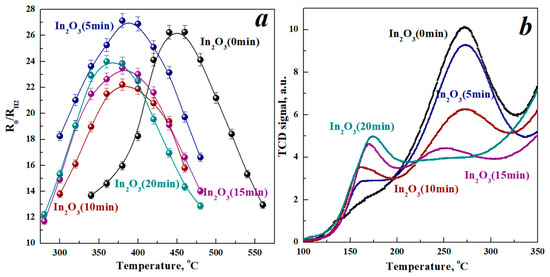
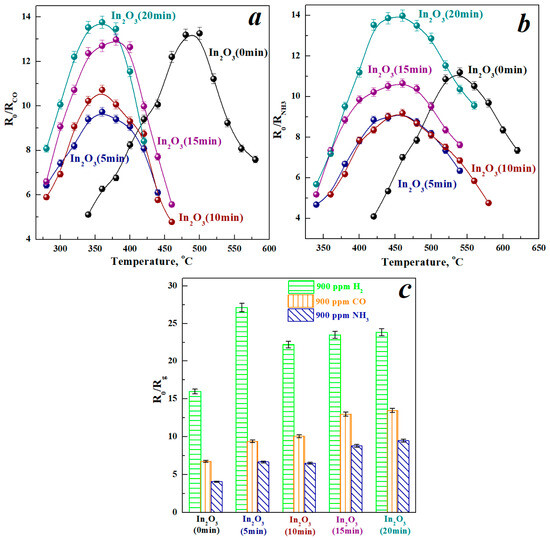
Indium oxide was mechanically activated, and its effect on the operation of semiconductor gas-sensitive devices was evaluated. The structural and morphological characteristics of In2O3 following mechanical activation were examined. The powder treatment produced a defective particle surface structure, enhanced specific
[...] Read more.
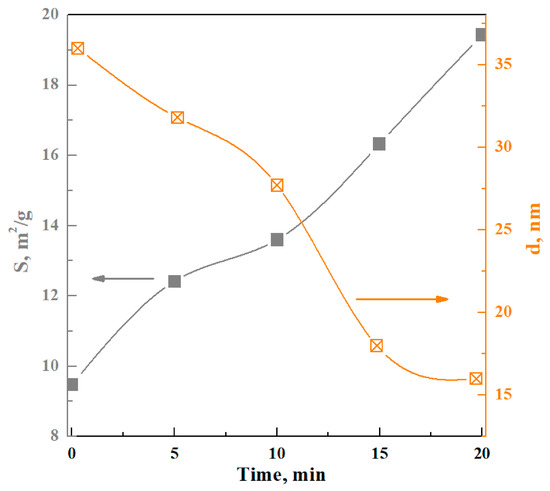
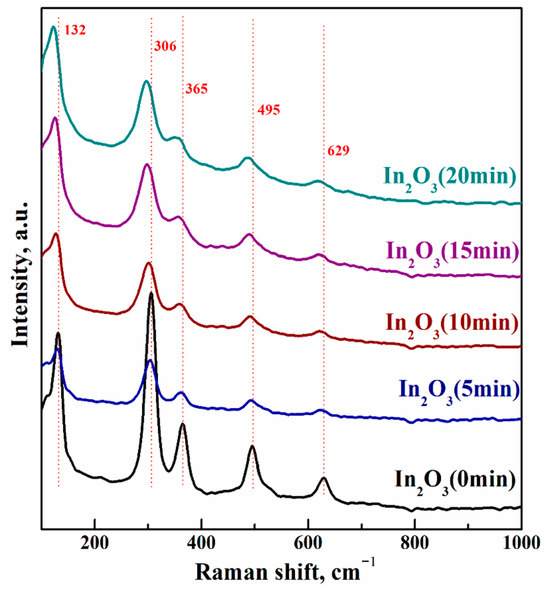
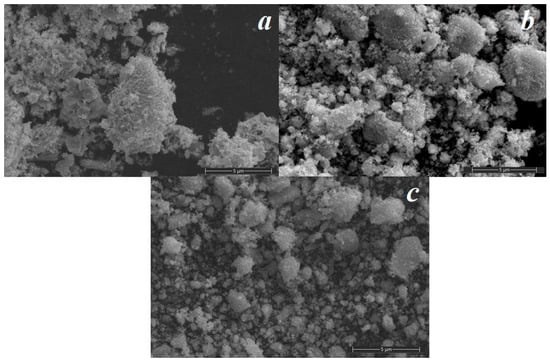
Indium oxide was mechanically activated, and its effect on the operation of semiconductor gas-sensitive devices was evaluated. The structural and morphological characteristics of In2O3 following mechanical activation were examined. The powder treatment produced a defective particle surface structure, enhanced specific surface area, and improved material diffusion properties. Experimental evidence indicates a substantial enhancement in the reactivity of indium oxide with diverse gases, stemming from alterations in grain structure and the formation of novel adsorption sites. The results obtained demonstrate that mechanoactivation is a promising technological tool for the development of energy-efficient sensors.
Full article
(This article belongs to the Special Issue Functional Nanomaterial-Based Gas Sensors)
►▼
Show Figures

Figure 1
Open AccessReview
Sensors and Mass Spectrometry Connection for Food Analysis: A Systematic Review of Methodological Synergies
by
Fabiola Eugelio, Marcello Mascini, Federico Fanti, Sara Palmieri and Michele Del Carlo
Chemosensors 2026, 14(4), 100; https://doi.org/10.3390/chemosensors14040100 - 20 Apr 2026
Abstract
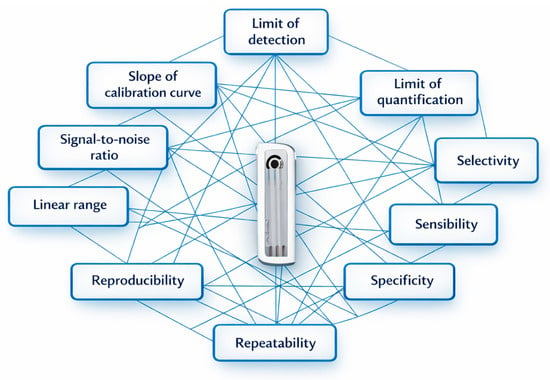
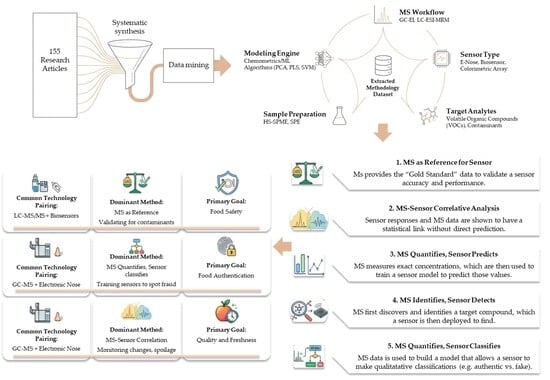
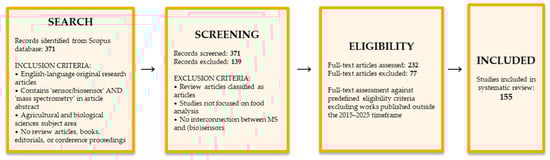
Background: Sensors and mass spectrometry (MS) are frequently used in combination for food safety and quality assessment, yet their functional integration lacks a formal methodological framework. This review categorizes the synergies between these technologies into distinct Relational Connections. Methodology: Following Preferred Reporting Items
[...] Read more.
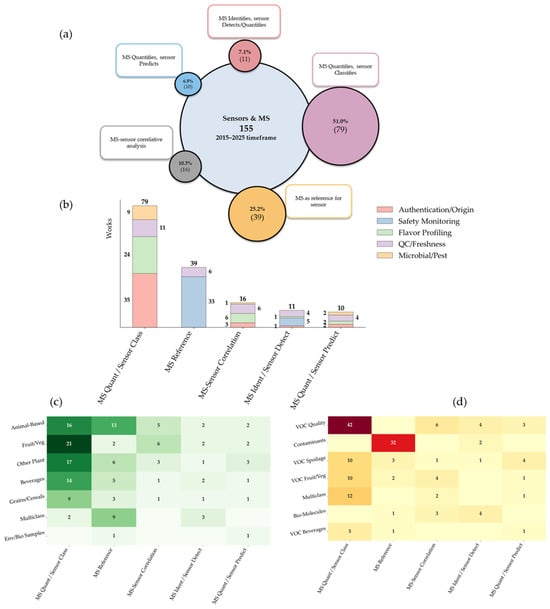
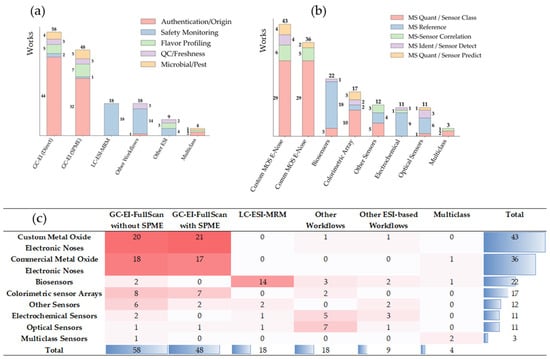
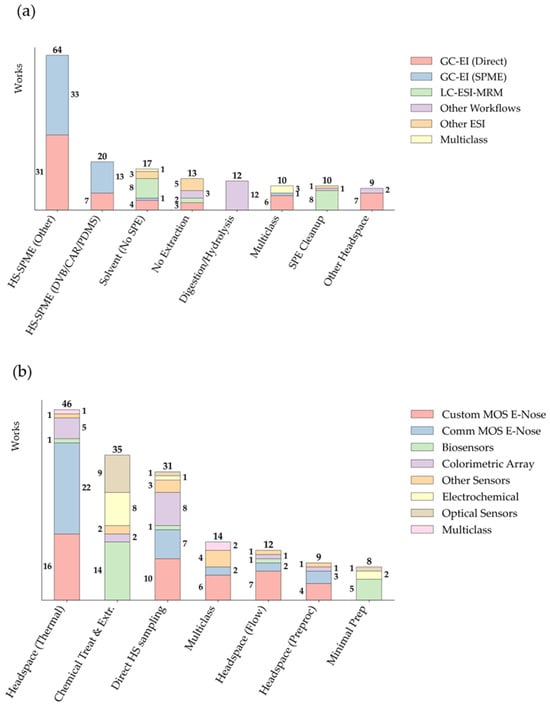
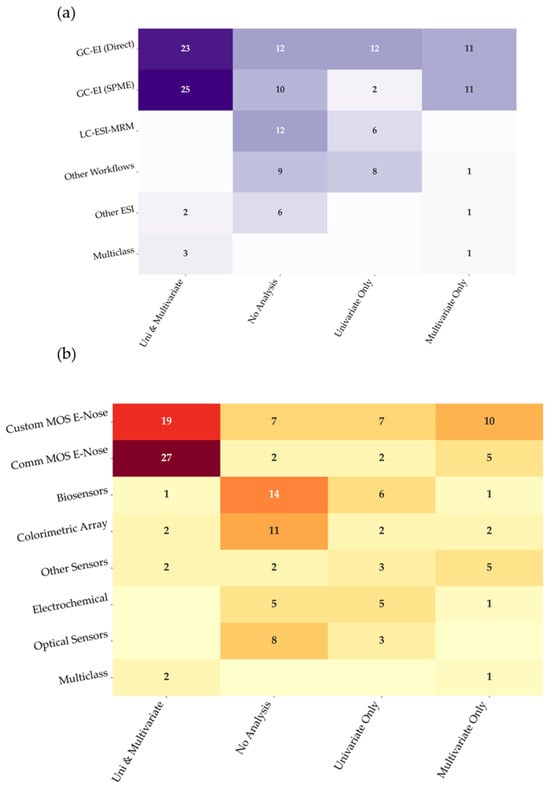
Background: Sensors and mass spectrometry (MS) are frequently used in combination for food safety and quality assessment, yet their functional integration lacks a formal methodological framework. This review categorizes the synergies between these technologies into distinct Relational Connections. Methodology: Following Preferred Reporting Items for Systematic Reviews and Meta-Analyses (PRISMA) guidelines, 155 original research articles published between 2015 and 2025 were systematically analyzed. Records were identified via the Scopus database within the food science domain. Experimental meta-data, including extraction protocols, instrumental configurations (ionization source, mass analyzer, cost tier), and chemometric strategies, were extracted to identify core methodological patterns. Statistical associations were quantified using chi-squared tests with Cramer’s V effect sizes. Results: Five Relational Connections were identified: (1) MS as reference for sensor validation (25.2%); (2) MS-sensor correlative analysis (10.3%); (3) MS quantifying data to train predictive sensor models (6.5%); (4) MS identifying targets for sensor detection (7.1%); and (5) MS enabling sensor classification models (51.0%). Technology pairing is governed by a three-level hierarchy: analyte polarity determines the ionization source (V = 0.69), required precision determines the mass analyzer (V = 0.64), and cost/availability constraints shape the practical integration strategy. Gas Chromatography (GC)-MS is predominantly coupled with Electronic Noses for volatile profiling (86% of classification studies), while Liquid Chromatography-Tandem Mass Spectrometry (LC-MS/MS) pairs with biosensors for contaminant analysis (74% of reference validation studies). Systematic analysis of the full pairing matrix reveals that 75% of theoretically possible MS-sensor combinations remain unexplored or underrepresented, identifying both technical boundaries and innovation frontiers. Discussion: The findings clarify the strategic logic behind technology pairings, demonstrating that MS provides the quantitative molecular data required for sensor training. The hierarchical decision framework and identification of underexplored pairings provide an evidence-based guide for designing future integrated food analysis systems.
Full article
(This article belongs to the Special Issue GC, MS and GC-MS Analytical Methods: Opportunities and Challenges (Fourth Edition))
►▼
Show Figures

Graphical abstract
Open AccessReview
Prostate Cancer Diagnostics in Transition: A Review of Promising Biomarkers, Multiplex Biosensors, and Point-of-Care Diagnostic Strategies
by
Sarra Takita, Alexei Nabok, Magdi H. Mussa, Abdalrahem Shtawa, Anna Lishchuk and David P. Smith
Chemosensors 2026, 14(4), 99; https://doi.org/10.3390/chemosensors14040099 - 19 Apr 2026
Abstract
Prostate cancer (PCa) remains one of the most prevalent urological malignancies worldwide, with early and accurate diagnosis being critical for improving patient outcomes. Traditional screening approaches, such as digital rectal examination and prostate-specific antigen (PSA) testing, have long served as frontline tools; however,
[...] Read more.
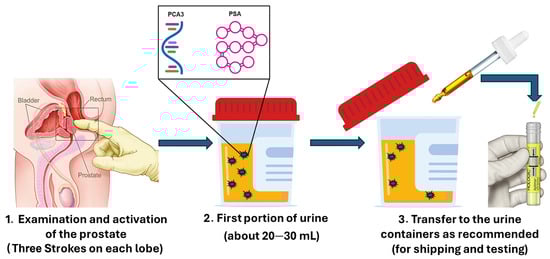
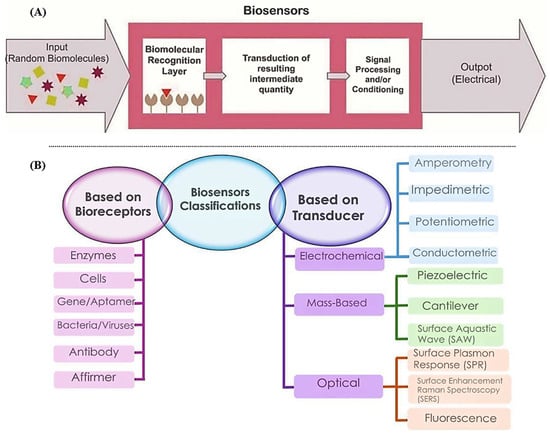
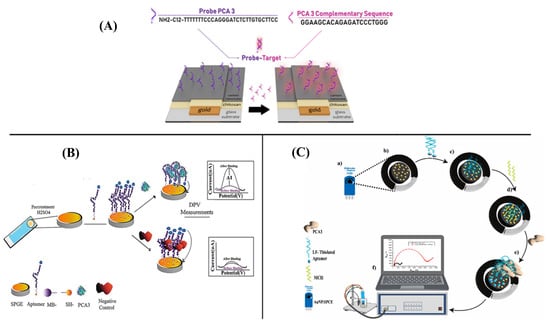
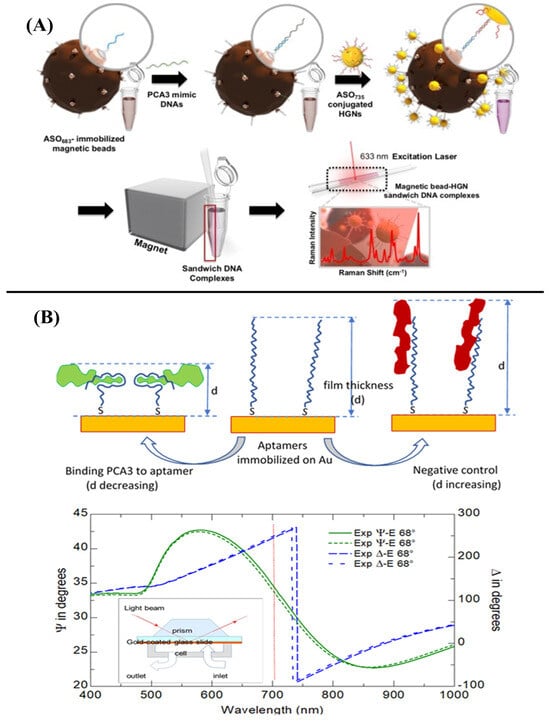
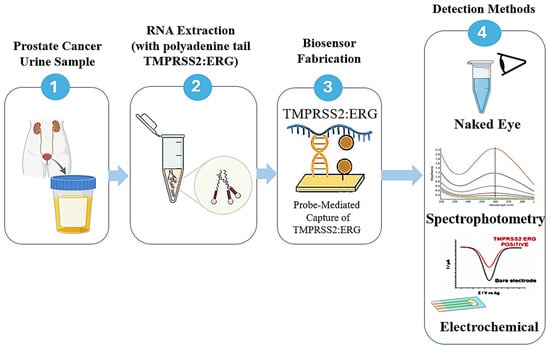
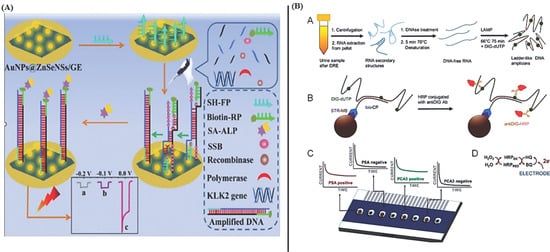
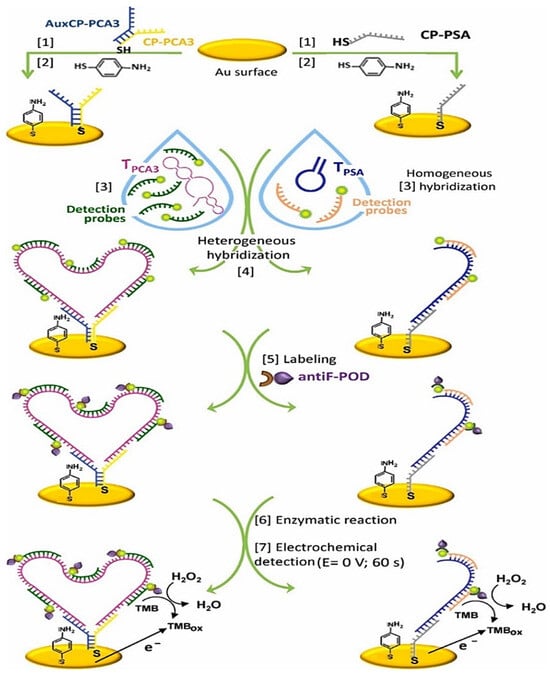
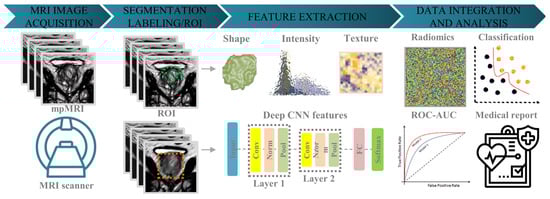
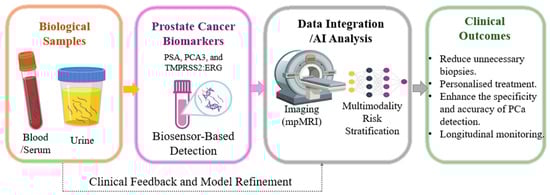
Prostate cancer (PCa) remains one of the most prevalent urological malignancies worldwide, with early and accurate diagnosis being critical for improving patient outcomes. Traditional screening approaches, such as digital rectal examination and prostate-specific antigen (PSA) testing, have long served as frontline tools; however, their limited specificity and sensitivity contribute to high rates of false positives, unnecessary biopsies, and overtreatment. Recent UK guidelines and international consensus increasingly question the role of PSA-based population screening, advocating for risk-stratified pathways and multiparametric MRI as first-line investigations. In parallel, advances in molecular biology have identified promising cancer-specific biomarkers, such as prostate cancer antigen 3 (PCA3) and transmembrane protease serine 2 (TMPRSS2:ERG), that outperform PSAs in terms of specificity and prognostic value. These developments have catalysed innovation in biosensor technologies, enabling rapid, cost-effective, and non-invasive detection of single and multiplex biomarkers in urine and serum. Electrochemical and optical affinity-based biosensors offer transformative potential for the development of personalised point-of-care platforms and diagnostics, reducing the reliance on invasive procedures and improving clinical decision-making. The latter can be augmented with artificial intelligence (AI) tools. This review critically examines the limitations of PSAs, synthesises evidence on novel biomarkers and imaging-led strategies, and evaluates the design, performance, and translational challenges of biosensor-based assays. Furthermore, it outlines future directions, including standardisation, large-scale clinical validation, and integration of multiplex biosensors with AI for precision diagnostics. By bridging molecular insights with engineering innovations, these approaches promise to redefine PCa screening and enable accurate, patient-centred care.
Full article
(This article belongs to the Special Issue Electrochemical Biosensors for Global Health Challenges)
►▼
Show Figures

Figure 1
Open AccessArticle
Quantitative Detection of ALP Activity via Electrochemiluminescence Signal Switching on a Biomimetic Zirconia Interface
by
Xinyu Lu, Jin Wang, Jiahao Zhou, Wenwen Tu, Junru Zhou and Tianxiang Wei
Chemosensors 2026, 14(4), 98; https://doi.org/10.3390/chemosensors14040098 - 19 Apr 2026
Abstract
Quantitative detection of alkaline phosphatase (ALP) activity is crucial in clinical diagnosis and bioanalysis. Herein, we have developed a highly sensitive electrochemiluminescence (ECL) biosensor that employs a biomimetic zirconia interface as its core sensing platform. The interface was constructed by immobilizing o-phosphorylethanolamine (PEA)
[...] Read more.
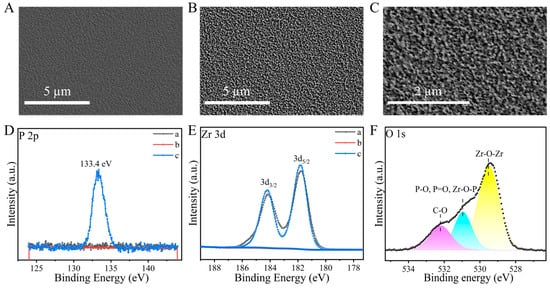
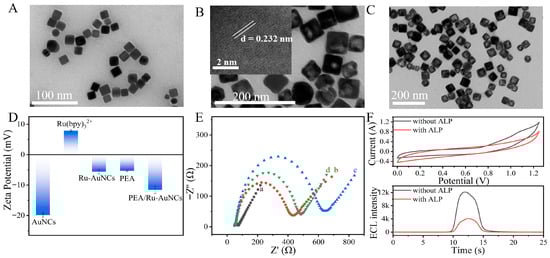
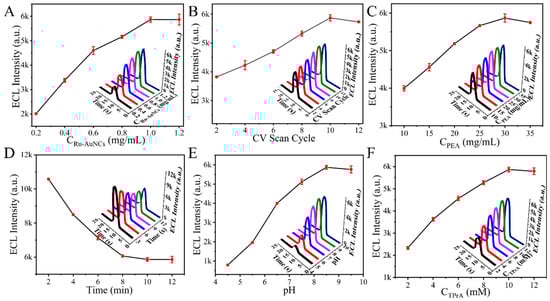
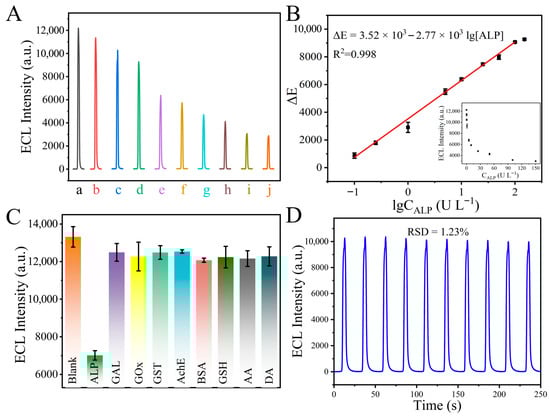
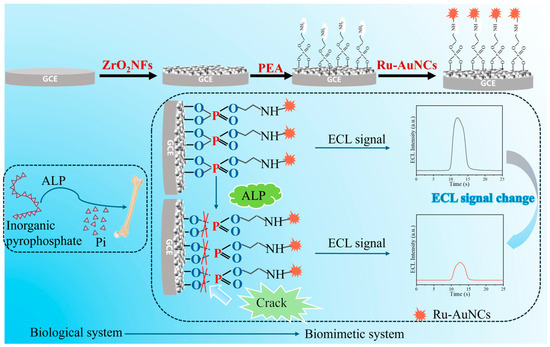
Quantitative detection of alkaline phosphatase (ALP) activity is crucial in clinical diagnosis and bioanalysis. Herein, we have developed a highly sensitive electrochemiluminescence (ECL) biosensor that employs a biomimetic zirconia interface as its core sensing platform. The interface was constructed by immobilizing o-phosphorylethanolamine (PEA) onto zirconium oxide nanofilms (ZrO2NFs), forming a surface rich in Zr-O-P bonds. This design mimics phosphate recognition and enzyme-triggered dephosphorylation processes, where ALP catalyzes the hydrolysis of these bonds, triggering a direct switch in the ECL signal from Ru(bpy)32+-loaded gold nanocage (Ru-AuNCs) emitters. This sensor achieves a wide linear range of 0.100–100 U/L and a low detection limit down to 0.0899 U/L. Its practical utility was validated through the accurate detection of ALP in fetal bovine serum samples, confirming high recovery and reliability. This strategy highlights the potential of biomimetic zirconia interfaces in developing robust biosensors for early disease diagnosis.
Full article
(This article belongs to the Special Issue Electrochemical Biosensors for Global Health Challenges)
►▼
Show Figures

Figure 1
Open AccessReview
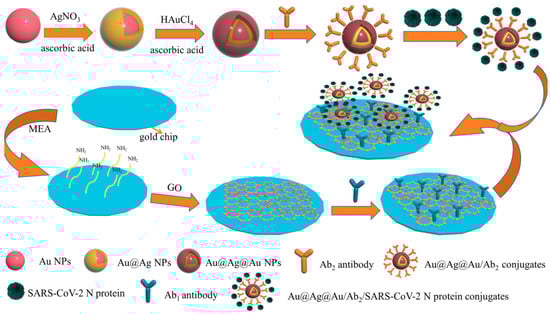
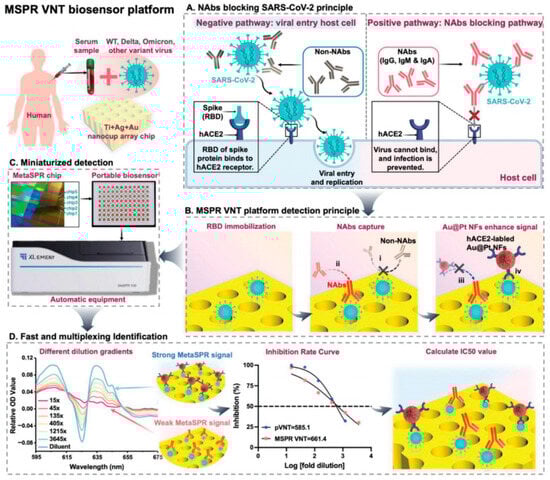
Surface Plasmon Resonance Biosensors for Detection of SARS-CoV-2
by
Yili Yuan, Qing Kang, Xusheng Wang, Wensheng Liu and Jialei Du
Chemosensors 2026, 14(4), 97; https://doi.org/10.3390/chemosensors14040097 - 19 Apr 2026
Abstract
Surface plasmon resonance (SPR) is a label-free, real-time biosensing technology with high sensitivity for the detection of biomolecular interactions. This review highlights recent advances in SPR biosensors for the detection of SARS-CoV-2. First, we outline design strategies, especially advanced plasmonic nanostructures and precise
[...] Read more.
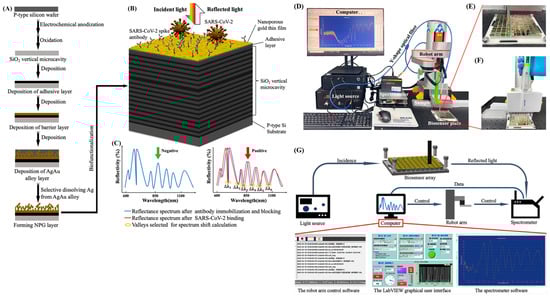
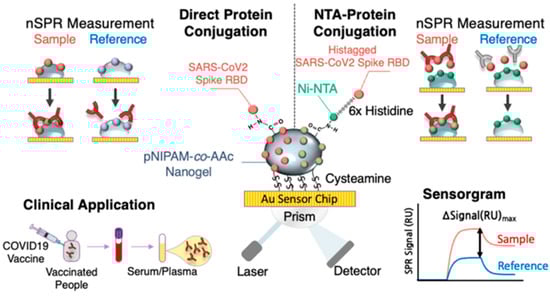
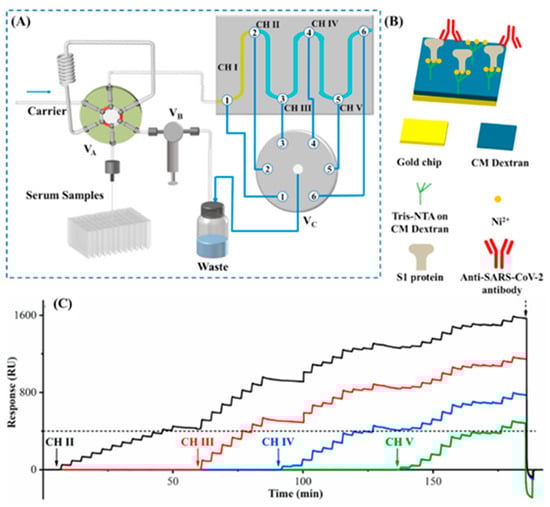
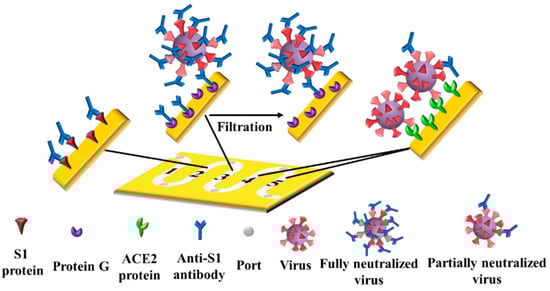
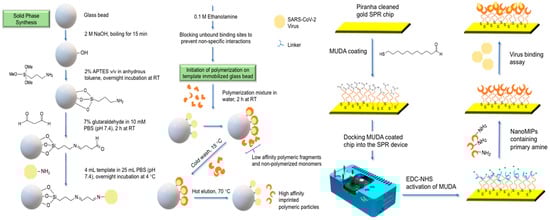
Surface plasmon resonance (SPR) is a label-free, real-time biosensing technology with high sensitivity for the detection of biomolecular interactions. This review highlights recent advances in SPR biosensors for the detection of SARS-CoV-2. First, we outline design strategies, especially advanced plasmonic nanostructures and precise surface functionalization, that improve the specificity and binding affinity to viral targets. Next, we cover signal amplification methods, such as nanoparticle conjugation and plasmonic photothermal effects, which enhance the sensitivity for low-abundance viral components. Subsequently, we conducted a comparative analysis of SPR biosensors alongside traditional and emerging detection approaches for SARS-CoV-2, elucidating their individual merits and drawbacks. We also discuss how machine learning improves data interpretation and diagnostic accuracy. Finally, we discuss the current challenges and future development directions, particularly for clinical diagnostics, epidemic monitoring, and public health security. These advances support faster, more reliable, and accessible diagnostics for current and future viral outbreaks.
Full article
(This article belongs to the Special Issue Photoelectrochemical and Surface Plasmon Resonance Sensors: Current Status and Future Perspectives)
►▼
Show Figures

Figure 1
Open AccessArticle
Analytical Challenges in the Separation and Identification of Ten Substituted Cathinone Isomers (C12H17NO) Using EI-GC-MS and ESI-LC-MS/MS
by
Shih-Rong Lin, Yan-Chiao Mao, Ahai C. Lua, Hsuan-Wei Huang, Jun-Jen Liu and Yu-Chih Shen
Chemosensors 2026, 14(4), 96; https://doi.org/10.3390/chemosensors14040096 - 14 Apr 2026
Abstract
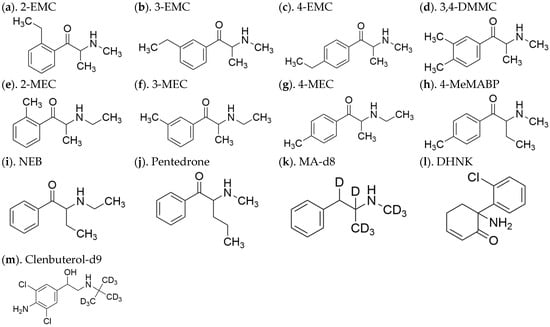
Synthetic cathinones are among the most frequently encountered classes of new psychoactive substances, and many occur as structural isomers sharing identical molecular formulas and highly similar mass-spectral features. Among them, substituted cathinones with the molecular formula C12H17NO (MW 191 Da) present particular analytical
[...] Read more.
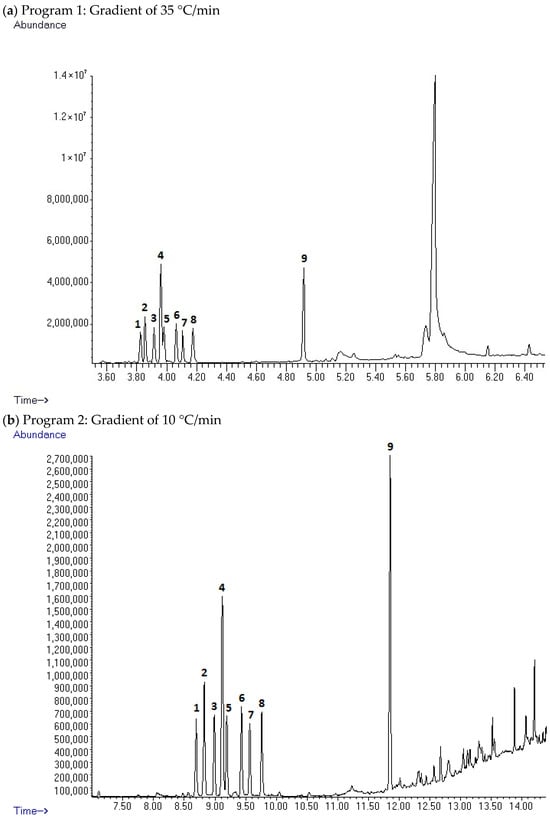
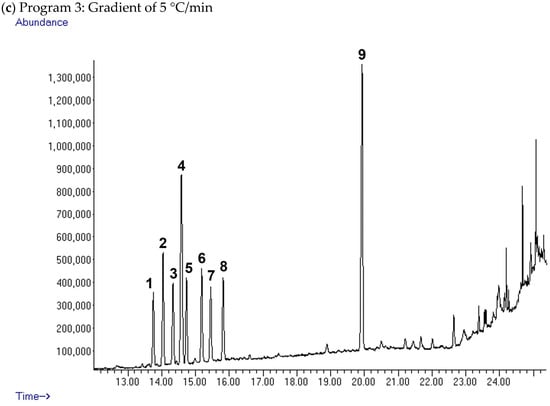
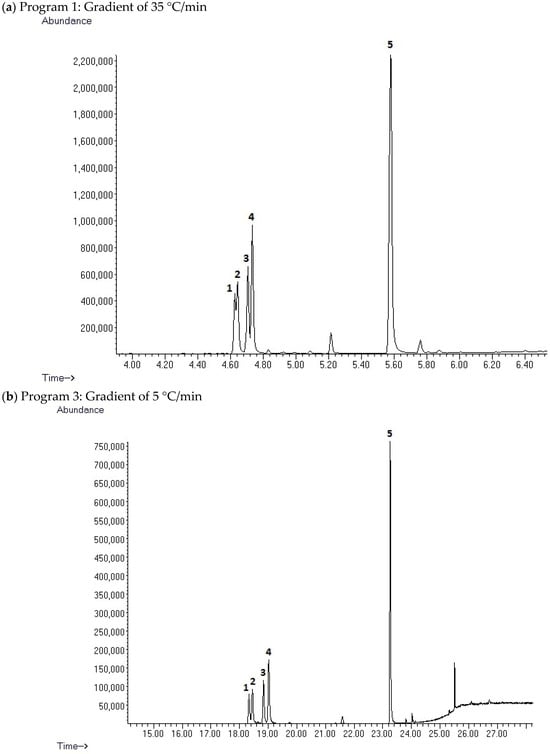
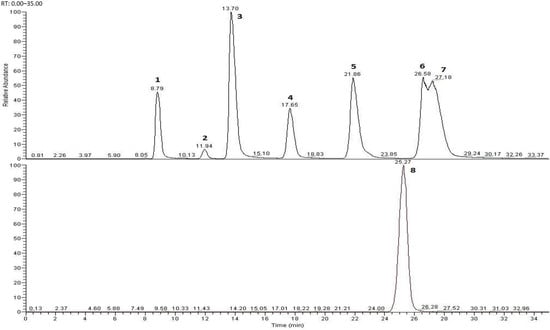
Synthetic cathinones are among the most frequently encountered classes of new psychoactive substances, and many occur as structural isomers sharing identical molecular formulas and highly similar mass-spectral features. Among them, substituted cathinones with the molecular formula C12H17NO (MW 191 Da) present particular analytical challenges because of their similar chromatographic behavior and overlapping ionization patterns. This study evaluated a combined EI-GC-MS and ESI-LC-MS/MS workflow, incorporating derivatization with trifluoroacetic anhydride (TFAA) and acetic anhydride (AA), for the differentiation of ten MW 191 Da isomers. TFAA-derivatized GC-MS enabled preliminary classification of the isomers, although several EMC and MEC analogs remained only partially resolved. AA derivatization improved the separation of unresolved isomers under slower oven temperature conditions, demonstrating the value of alternative acylation for enhancing chromatographic discrimination. LC-MS/MS provided complementary confirmation for several analytes, but some isomers remained difficult to distinguish because of shared product ions and peak fusion in mixed-standard analysis. Overall, this study establishes a practical analytical workflow for distinguishing MW 191 Da substituted cathinone isomers and highlights both the strengths and limitations of combining derivatization-based GC-MS with LC-MS/MS confirmation in routine forensic or clinical laboratories.
Full article
(This article belongs to the Section Analytical Methods, Instrumentation and Miniaturization)
►▼
Show Figures

Figure 1
Open AccessReview
Sensor Technologies in Medicine–Food Homology: A Comprehensive Review
by
Yifan Qi, Shuwen Yan, Jianrong Chai, Tingrui Wang and Yuming Wang
Chemosensors 2026, 14(4), 95; https://doi.org/10.3390/chemosensors14040095 - 13 Apr 2026
Abstract
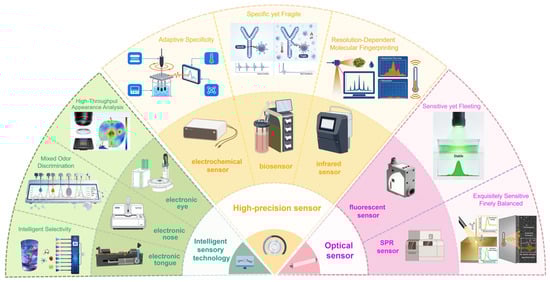
Medicine–food homology (MFH) substances, which possess both medicinal and edible properties, have garnered widespread attention in the global health context of the new era. The MFH industry has experienced explosive growth and has gradually become a key supporting aspect of TCM modernization. However,
[...] Read more.
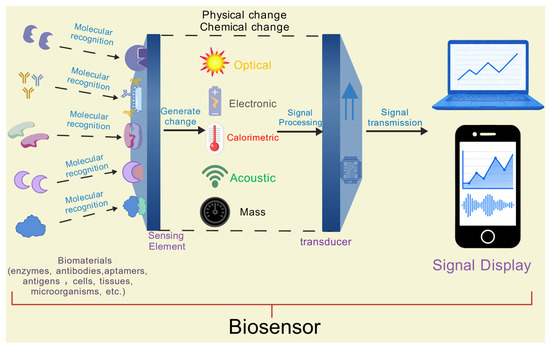
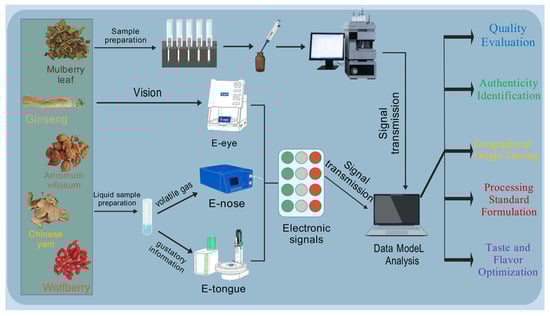
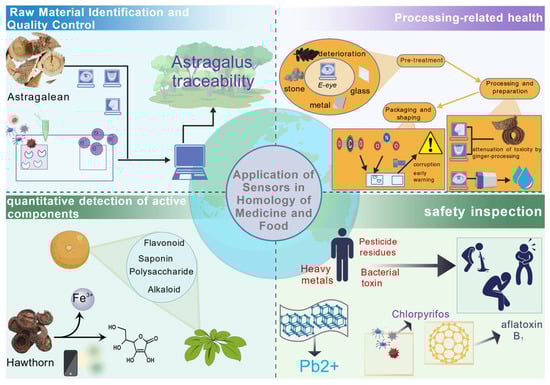
Medicine–food homology (MFH) substances, which possess both medicinal and edible properties, have garnered widespread attention in the global health context of the new era. The MFH industry has experienced explosive growth and has gradually become a key supporting aspect of TCM modernization. However, due to the pollution of the modern environment, the content of pollutants in MFH products has been increasing, raising concerns regarding quality, safety, and efficacy control. Traditional quality-analysis technologies struggle to meet the needs of rapid on-site detection because of their dependence on large instruments and the complexity of operation. This dilemma has propelled advances in sensor technology. With its advantages of high sensitivity, real-time detection, and portability, sensor technology has become a key technical support for quality control and supervision in the field of MFH. In this review, we comprehensively categorize the mainstream sensor types used for analysis in the field of MFH, including intelligent sensors, optics, electrochemistry, biosensors, etc. This review outlines their research status, elaborates on their primary application directions and corresponding core technologies, discusses current challenges (including stability, interference, and cost), and presents future perspectives. Overall, sensor-based technologies offer a promising and scalable solution for the quality control of MFH products, addressing critical challenges such as stability, interference, and cost. With ongoing advances in intelligent sensing, optics, electrochemistry, and biosensing platforms, these methods are poised to play an increasingly vital role in ensuring the safety, efficacy, and quality consistency of MFH products amid growing environmental pressures.
Full article
(This article belongs to the Special Issue (Bio)Chemical Sensing in Real-World Applications—a Dedicated Issue for Young Researchers)
►▼
Show Figures

Figure 1
Open AccessReview
Research Progress on the Detection of Deep-Sea Microorganisms and the Significance of Measurement Standards
by
Ziyi Cheng, Mei Zhang, Huijun Yuan, Jingjing Liu and Yongzhuo Zhang
Chemosensors 2026, 14(4), 94; https://doi.org/10.3390/chemosensors14040094 - 11 Apr 2026
Abstract
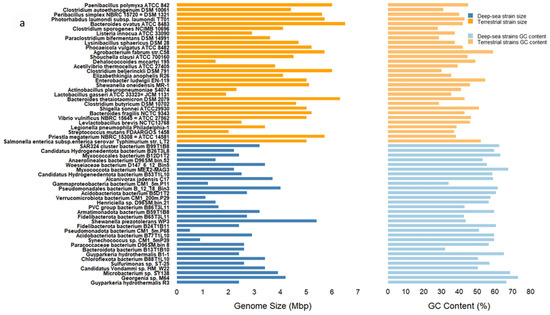
The exploration of deep-sea microorganisms is transitioning from ex situ laboratory analysis to in situ real-time monitoring. While in situ technologies offer unprecedented access to microbial activities in their natural extreme habitats, they face a critical, yet often overlooked, bottleneck: the absence of
[...] Read more.
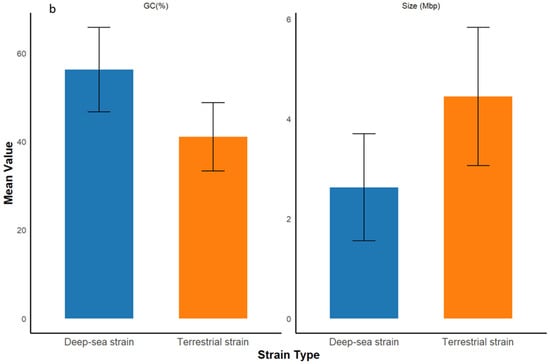
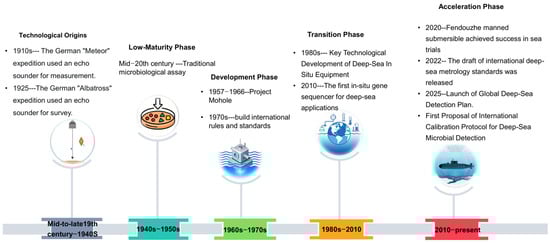
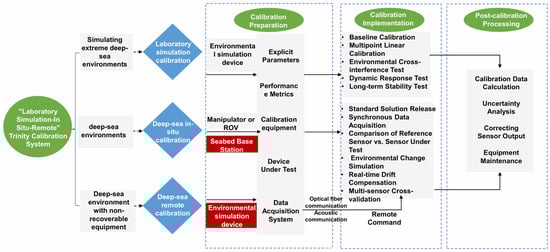
The exploration of deep-sea microorganisms is transitioning from ex situ laboratory analysis to in situ real-time monitoring. While in situ technologies offer unprecedented access to microbial activities in their natural extreme habitats, they face a critical, yet often overlooked, bottleneck: the absence of a robust metrological framework. This lack of standardized calibration, traceability, and reference materials results in data that are often irreproducible, device-specific, and incomparable across studies, severely undermining scientific discovery and resource assessment. This review provides a systematic analysis of the current landscape of deep-sea microbial detection technologies, categorizing them by their operational principles and critically evaluating their performance, limitations, and metrological readiness. By synthesizing the technological challenges with the principles of metrology, we identify the fundamental gap between advanced sensing capabilities and the lack of in situ measurement standards. To bridge this gap, we propose an innovative “laboratory simulation–in situ detection–remote calibration” trinity calibration system. This framework establishes a complete metrological traceability chain tailored for extreme deep-sea conditions, aiming to transform isolated sensor data into globally comparable, scientifically robust, and industrially actionable information, thereby paving the way for precision deep-sea biology and governance.
Full article
(This article belongs to the Section (Bio)chemical Sensing)
►▼
Show Figures

Figure 1
Open AccessArticle
Ag-Functionalized ZIF-8-Derived Porous ZnO Nanocomposites for ppb-Level Acetone Detection
by
Wenjie Bi, Jinmiao Zhu, Bin Zheng, Shiwei Yang, Chengzhi Ruan, Siyu Yu, Xinran Li, Yinuo Xu, Hongyu Yu, Yafei Xu and Shantang Liu
Chemosensors 2026, 14(4), 93; https://doi.org/10.3390/chemosensors14040093 - 9 Apr 2026
Abstract
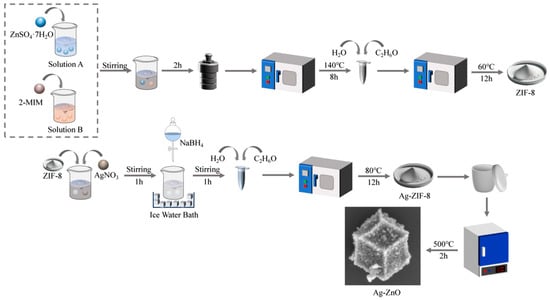
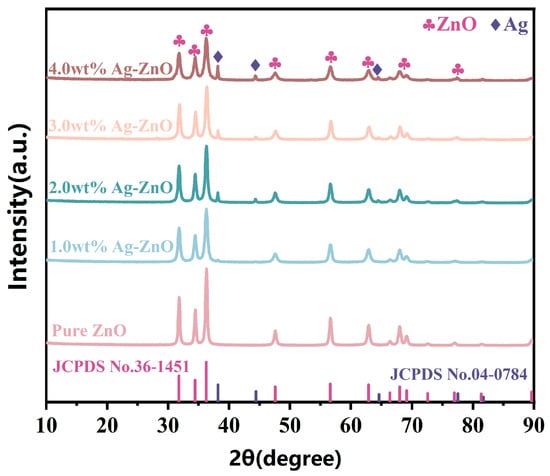
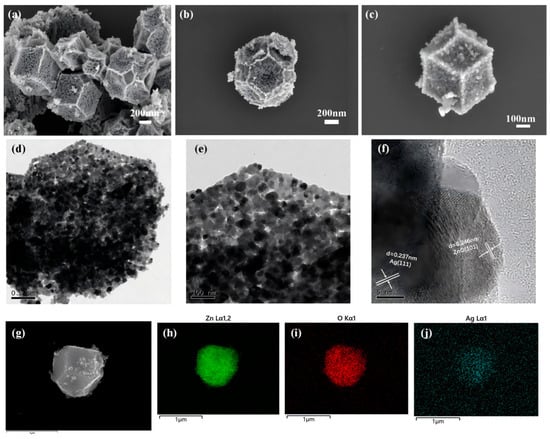
In this study, Ag-functionalized porous ZnO nanocomposites were successfully synthesized via pyrolysis of Ag-loaded ZIF-8 precursors. The structural and surface properties of the materials were systematically characterized using XRD, XPS, FESEM, and HRTEM analyses. A gas sensor fabricated from the optimized 3.0 wt%
[...] Read more.
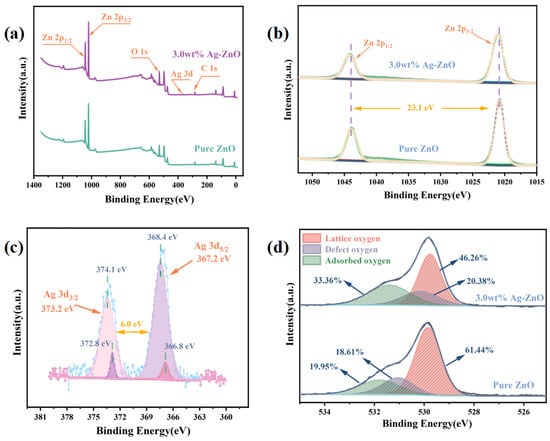
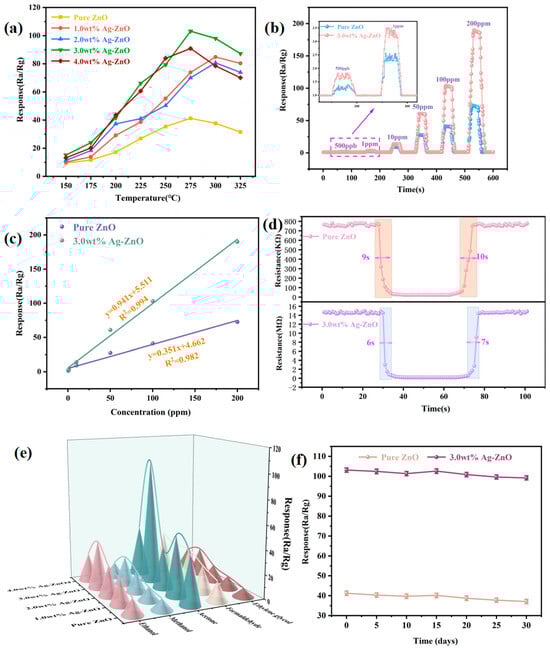
In this study, Ag-functionalized porous ZnO nanocomposites were successfully synthesized via pyrolysis of Ag-loaded ZIF-8 precursors. The structural and surface properties of the materials were systematically characterized using XRD, XPS, FESEM, and HRTEM analyses. A gas sensor fabricated from the optimized 3.0 wt% Ag–ZnO sample exhibited a significantly enhanced response (Ra/Rg = 103) toward 100 ppm acetone at an operating temperature of 275 °C, which is approximately 2.51 times greater than that of pristine ZnO. The sensor also demonstrated rapid response/recovery times (6 s/7 s), excellent linearity over a wide concentration range (500 ppb–200 ppm), good selectivity against common interfering VOCs, and stable performance, with over 95% response retention after 30 days. The improved sensing performance is attributed to the hierarchical porous structure derived from ZIF-8 and the increased oxygen vacancy concentration and chemisorbed oxygen species induced by Ag loading, which collectively increase surface reaction activity. This work provides an effective strategy for constructing noble metal-modified porous ZnO materials for sensitive and reliable acetone detection.
Full article
(This article belongs to the Special Issue Metal-Organic Frameworks-Derived Functional Materials: Advances in Sensing Applications)
►▼
Show Figures

Figure 1
Journal Menu
► ▼ Journal Menu-
- Chemosensors Home
- Aims & Scope
- Editorial Board
- Reviewer Board
- Topical Advisory Panel
- Photography Exhibition
- Instructions for Authors
- Special Issues
- Topics
- Sections & Collections
- Article Processing Charge
- Indexing & Archiving
- Editor’s Choice Articles
- Most Cited & Viewed
- Journal Statistics
- Journal History
- Journal Awards
- Conferences
- Editorial Office
Journal Browser
► ▼ Journal BrowserHighly Accessed Articles
Latest Books
E-Mail Alert
News
Topics
Topic in
Beverages, Foods, Molecules, Nutrients, Separations, Chemosensors
Advances in Analysis of Food and Beverages, 2nd Edition
Topic Editors: Constantinos G. Tsiafoulis, Anna M. KaczmarekDeadline: 31 May 2026
Topic in
Chemosensors, JMMP, Materials, Nanomaterials, Sensors
Functional Materials for Chemical Sensing and Environmental Sustainability: Trends, Concepts and Applications
Topic Editors: Michele Penza, Guanying Chen, Anming HuDeadline: 30 June 2026
Topic in
Molecules, Biomimetics, Chemosensors, Life, AI, Sci
Recent Advances in Chemical Artificial Intelligence
Topic Editors: Pier Luigi Gentili, Jerzy Górecki, David C Magri, Pasquale StanoDeadline: 15 October 2026
Topic in
Analytica, Molecules, Separations, Chemistry, Chemosensors
Advances in Counter-Current Chromatography
Topic Editors: Shihua Wu, Xinyi Huang, Zhi YangDeadline: 30 October 2026
Conferences
Special Issues
Special Issue in
Chemosensors
Progress in Enzyme Sensing Technology
Guest Editor: Israel AlshanskiDeadline: 15 May 2026
Special Issue in
Chemosensors
Innovative Gas Sensors: Development and Application
Guest Editor: Bin AiDeadline: 15 May 2026
Special Issue in
Chemosensors
Functional Material-Enhanced Fiber-Optic Chemical Sensor
Guest Editor: Lingxin KongDeadline: 30 May 2026
Special Issue in
Chemosensors
Functional Nanomaterial-Based Electrochemical Sensors
Guest Editor: Keagan PokpasDeadline: 30 May 2026
Topical Collections
Topical Collection in
Chemosensors
Novel Chirogenic Systems and Sensing Materials for Stereoselective Sensors Development
Collection Editors: Victor Borovkov, Riina Aav, Roberto Paolesse, Manuela Stefanelli, Donato Monti
Topical Collection in
Chemosensors
Recent Advances in Multifunctional Sensing Technology for Gas Analysis
Collection Editor: Simonetta Capone