

-
Load Frequency Control in Multi-Area Power Systems Using Incremental Proportional–Integral–Derivative and Model-Free Adaptive Control -
A Conceptual Logistic–Production Framework for Wastewater Recovery and Risk Management -
Pipeline Curvature Detection Using a Pipeline Inspection Gauge Equipped with Multiple Odometry
Journal Description
Applied System Innovation
(ASI) is an international, peer-reviewed, open access journal on integrated engineering and technology, published monthly online. It is the official journal of the International Institute of Knowledge Innovation and Invention (IIKII).
- Open Access— free for readers, with article processing charges (APC) paid by authors or their institutions.
- High Visibility: indexed within Scopus, ESCI (Web of Science), Inspec, Ei Compendex and other databases.
- Journal Rank: JCR - Q2 (Engineering, Electrical and Electronic) / CiteScore - Q1 (Applied Mathematics)
- Rapid Publication: manuscripts are peer-reviewed and a first decision is provided to authors approximately 22 days after submission; acceptance to publication is undertaken in 4.8 days (median values for papers published in this journal in the second half of 2025).
- Recognition of Reviewers: reviewers who provide timely, thorough peer-review reports receive vouchers entitling them to a discount on the APC of their next publication in any MDPI journal, in appreciation of the work done.
- Journal Cluster of Information Systems and Technology: Analytics, Applied System Innovation, Cryptography, Data, Digital, Informatics, Information, Journal of Cybersecurity and Privacy and Multimedia.
Impact Factor:
3.7 (2024);
5-Year Impact Factor:
4.0 (2024)
Latest Articles
A Systematic Review of Eco-Adaptive Cruise Control for Electric Vehicles: Control Strategies, Computational Challenges, and the Simulation-to-Reality Gap
Appl. Syst. Innov. 2026, 9(5), 96; https://doi.org/10.3390/asi9050096 - 30 Apr 2026
Abstract
Energy-aware Adaptive Cruise Control (Eco-ACC) has become an essential approach for enhancing the energy efficiency of electric vehicles while ensuring safe and comfortable driving. This paper presents a systematic review, following the PRISMA methodology, of 60 recent studies published between 2021 and 2025.
[...] Read more.
Energy-aware Adaptive Cruise Control (Eco-ACC) has become an essential approach for enhancing the energy efficiency of electric vehicles while ensuring safe and comfortable driving. This paper presents a systematic review, following the PRISMA methodology, of 60 recent studies published between 2021 and 2025. The review provides a structured analysis of control strategies, validation approaches, computational demands, and battery-related considerations in Eco-ACC systems. The results indicate that Model Predictive Control (MPC) remains the most widely adopted technique (41.7%), primarily due to its ability to handle system constraints and address multi-objective optimization problems. Reinforcement Learning (RL) approaches (33.3%) are increasingly explored for their capability to adapt to uncertain and dynamic driving conditions. In addition, hybrid MPC–AI methods (16.7%) show strong potential for balancing optimal control performance with real-time implementation requirements. A key observation is the clear imbalance in validation practices: more than 73% of the studies rely on simulation-based evaluation, whereas only 10% include real-world experiments, revealing a pronounced simulation-to-reality (sim2real) gap. Furthermore, two critical research gaps are identified. First, the computational energy paradox highlights the trade-off between improved control performance and increased computational cost. Second, battery-aware control remains insufficiently addressed, as most existing methods overlook long-term battery degradation effects. Based on these findings, this review proposes a deployment-oriented research framework that prioritizes hybrid control architectures, real-time feasibility, and robust validation strategies, including Hardware-in-the-Loop and field testing. The presented insights aim to support the development of practical and energy-efficient Eco-ACC systems suitable for real-world deployment in next-generation electric vehicles.
Full article
Open AccessReview
Agricultural Intelligence: A Technical Review Within the Perception–Decision–Execution Framework
by
Shaode Yu, Xinyi Li, Songnan Zhao and Qian Liu
Appl. Syst. Innov. 2026, 9(5), 95; https://doi.org/10.3390/asi9050095 - 30 Apr 2026
Abstract
Artificial intelligence (AI) is transforming modern agriculture from experience-driven practices to data-driven production paradigms. To provide an in-depth analysis of AI technologies in intelligent agriculture, we retrieved literature from Web of Science, IEEE Xplore, Google Scholar and Scopus, covering publications from 2015 to
[...] Read more.
Artificial intelligence (AI) is transforming modern agriculture from experience-driven practices to data-driven production paradigms. To provide an in-depth analysis of AI technologies in intelligent agriculture, we retrieved literature from Web of Science, IEEE Xplore, Google Scholar and Scopus, covering publications from 2015 to 2025, and 85 articles remained after screening 1867 relevant publications. These articles are grouped into three stages from perception, to decision making, to execution (PDE) in a closed-loop framework. At the perception level, we highlight progress in intelligent sensing systems, such as unmanned aerial vehicle (UAV) and multi-modal monitoring platforms, for crop disease and pest detection, growth monitoring and abiotic stress assessment. At the decision making level, integration of heterogeneous data sources, including meteorological records, soil measurements, remote sensing (RS) imagery and market information, supports advanced analytics, such as yield prediction, pest and disease warning, irrigation and fertilization planning, and crop management optimization. At the execution level, agricultural robots equipped with simultaneous localization and mapping (SLAM) and deep reinforcement learning (RL) facilitate precision spraying, autonomous harvesting, and unmanned field operations. Overall, AI technologies demonstrate substantial potential in the PDE pipeline of agricultural production. However, several challenges remain, including heterogeneous data fusion, limited generalization across diverse environments, complex system integration, and high hardware and deployment costs. Future directions are discussed from the perspectives of lightweight model design, cross-platform standardization, enhanced human–machine collaboration, and a deeper integration of emerging AI paradigms to support scalable, robust, and autonomous agricultural intelligence systems.
Full article
Open AccessArticle
Impact of Wind Speed Variations on Frequency Control in Grid-Forming PMSG-Based Wind Turbines
by
Masood Mottaghizadeh, Shayan Soltani, Innocent Kamwa, Abbas Rabiee and Seyed Masoud Mohseni-Bonab
Appl. Syst. Innov. 2026, 9(5), 94; https://doi.org/10.3390/asi9050094 - 30 Apr 2026
Abstract
With the fast penetration of renewable energy resources (RERs) in modern power grids, system inertia is gradually decreasing, whereby threatening frequency stability. Grid-forming (GFM) permanent magnet synchronous generator (PMSG) wind turbines have emerged as a promising solution for supporting and maintaining power system
[...] Read more.
With the fast penetration of renewable energy resources (RERs) in modern power grids, system inertia is gradually decreasing, whereby threatening frequency stability. Grid-forming (GFM) permanent magnet synchronous generator (PMSG) wind turbines have emerged as a promising solution for supporting and maintaining power system stability. Nevertheless, many studies neglect the inherent intermittency and limited power capability of RERs. As a result, the dynamic interactions between machine-side and grid-side converters are often neglected, and the DC link is commonly modeled as either an ideal voltage source or a controlled current source, which may lead to inaccurate representations of system dynamics. As a solution, this paper investigates the influence of RER intermittency and power constraints on DC-link dynamics and their impact on the frequency support performance of GFM PMSGs. First, the overall system is configured using back-to-back voltage source converters, and the system’s dynamic equations are presented. Afterwards, the impact of wind speed variations is thoroughly discussed, alongside a critical examination of the requirements specified in IEEE Standard 2800-2022. Furthermore, a supervisory curtailment strategy is proposed to ensure overall system stability under severe load disturbances when the PMSG is unable to supply the required power. Finally, detailed case studies are conducted to: (1) assess the influence of variable wind speed and DC-link voltage control on the dynamic response of PMSGs, and (2) compare the performance of the accurate DC-link dynamic model with conventional idealized and simplified models.
Full article
Open AccessArticle
Agentic AI for Price-Only 15 min SDAC Market Diagnostics in Central and Eastern Europe
by
Șener Ali, Simona-Vasilica Oprea and Adela Bâra
Appl. Syst. Innov. 2026, 9(5), 93; https://doi.org/10.3390/asi9050093 - 29 Apr 2026
Abstract
►▼
Show Figures
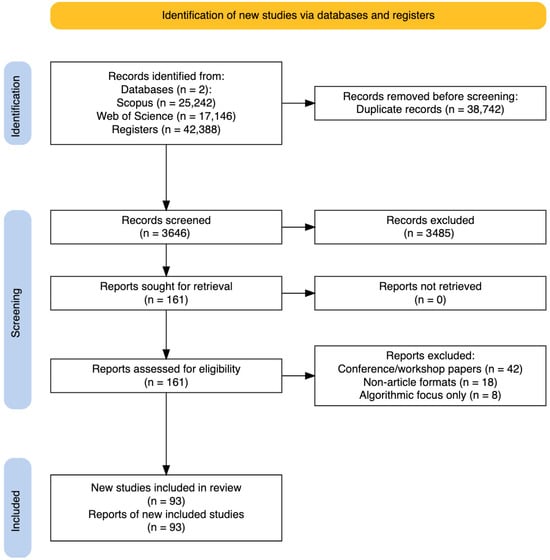
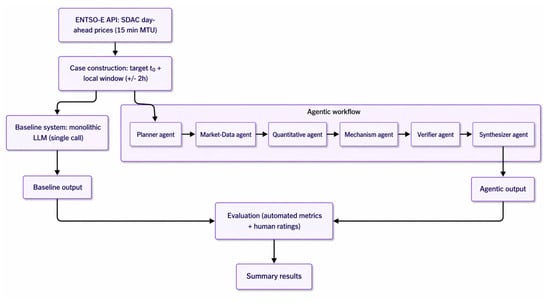
The shift to 15 min market time units (MTUs) in single-day-ahead coupling (SDAC) increases temporal granularity, but complicates the interpretation of intra-hour electricity price spikes and rapid ramps. This paper examines whether architectural decomposition improves the reliability of large language model (LLM)-based diagnostics
[...] Read more.
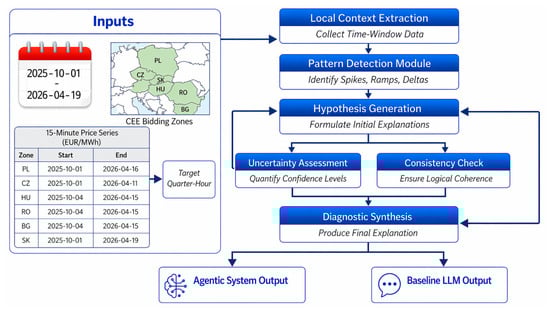
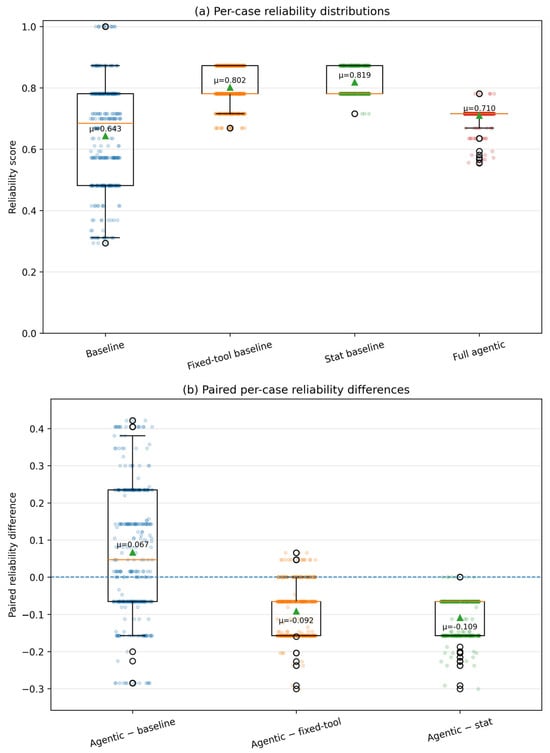
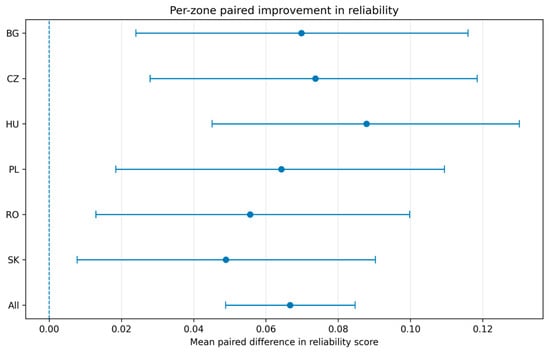
The shift to 15 min market time units (MTUs) in single-day-ahead coupling (SDAC) increases temporal granularity, but complicates the interpretation of intra-hour electricity price spikes and rapid ramps. This paper examines whether architectural decomposition improves the reliability of large language model (LLM)-based diagnostics in price-only settings, rather than causal market analytics, under severe information constraints. We compare a proposed agentic workflow featuring structured context extraction, spike/ramp detection, hypothesis generation, consistency checks, and explicit uncertainty calibration against non-agentic baselines. The paper contributes: (i) a reproducible benchmark for 15 min diagnostic question answering in day-ahead markets, (ii) an agentic architecture tailored to structured time-series reasoning with explicit uncertainty handling, and (iii) empirical evidence that decomposition and verification improve evidence grounding and trustworthiness in market analytics. The evaluation includes 360 price-only cases sampled across autumn 2025, winter 2025–2026, and early spring 2026, balanced by bidding zone, temporal period, event type, and impact tier, comprising 180 spike and 180 ramp cases from six Central and Eastern European bidding zones (Bulgaria, Czechia, Hungary, Poland, Romania, and Slovakia). Using identical inputs, we assess automatic reliability metrics and human ratings. The agentic workflow improves reliability (∆ = +0.067, 95% CI [+0.049, +0.085]) and significantly increases calibrated price-only disclaimers (∆ = +0.500) relative to the monolithic LLM baseline. Human evaluation confirms higher overall quality (+0.74), helpfulness (+1.06), and correctness (+0.94), with a 65.5% pairwise win rate. Overall, the results support a narrower conclusion: structured decomposition and verification improve calibration and perceived explanation quality relative to a simple monolithic LLM baseline, but their advantages are not uniform across stronger non-agentic baselines and remain limited by the absence of exogenous market data.
Full article
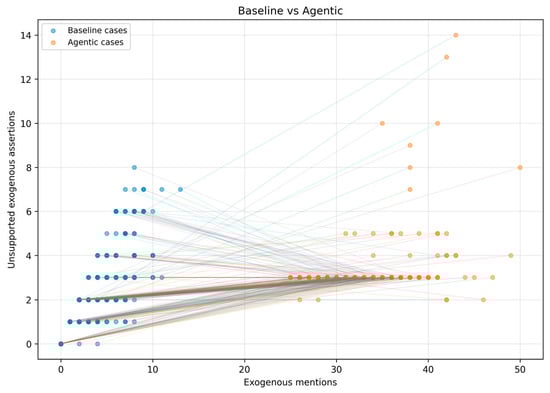
Figure 1
Open AccessReview
Applications of Distribution Phasor Measurement Units for the Integration of Distributed Energy Resources in Modern Distribution Networks
by
John Steven Fierro-Rincón, Carlos Arturo Lozano-Moncada, Eduardo Gómez-Luna, Luis Fernando Grisales-Noreña and Daniel Sanin-Villa
Appl. Syst. Innov. 2026, 9(5), 92; https://doi.org/10.3390/asi9050092 - 29 Apr 2026
Abstract
►▼
Show Figures
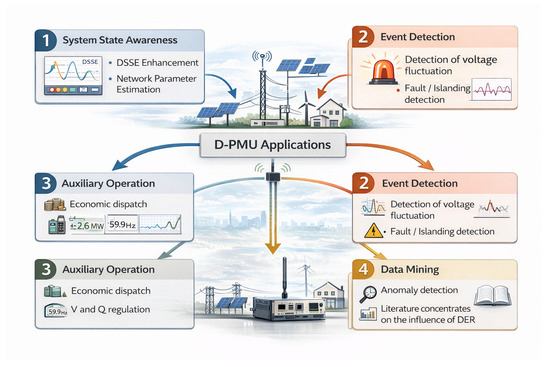
The rapid growth of Distributed Energy Resources (DERs) has intensified operational challenges in modern distribution networks, especially with respect to observability, bidirectional power flow, feeder model accuracy, and fast event detection. This review critically examines the role of Distribution Phasor Measurement Units (D-PMUs)
[...] Read more.
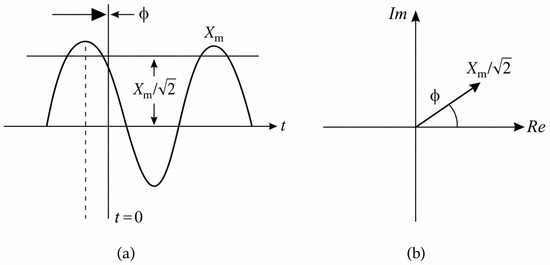
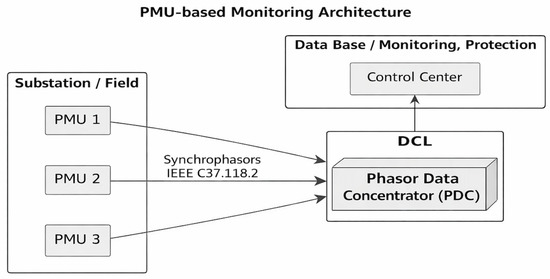
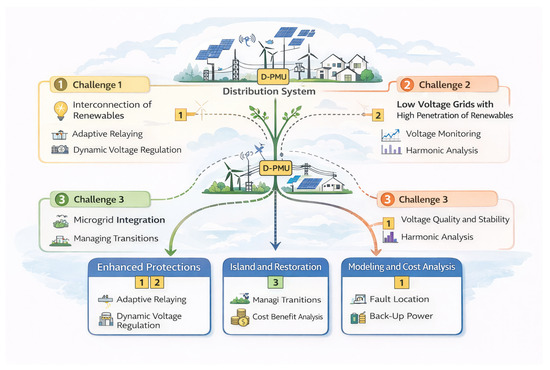
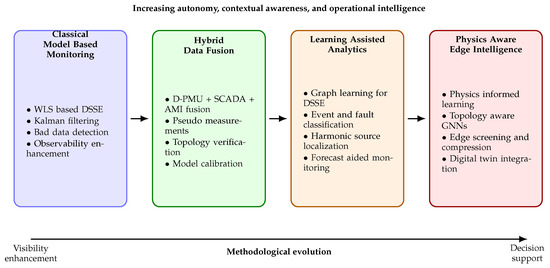
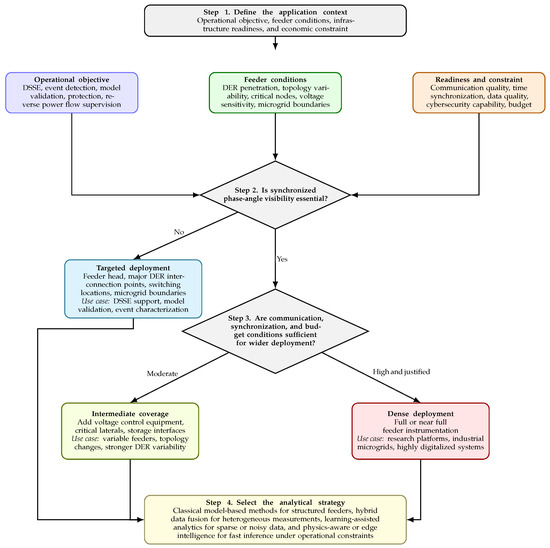
The rapid growth of Distributed Energy Resources (DERs) has intensified operational challenges in modern distribution networks, especially with respect to observability, bidirectional power flow, feeder model accuracy, and fast event detection. This review critically examines the role of Distribution Phasor Measurement Units (D-PMUs) in this transition. Rather than only listing reported applications, the paper evaluates the technical and practical conditions under which D-PMUs provide meaningful value beyond conventional monitoring technologies. Particular attention is given to state estimation, event detection, ancillary operation, communication latency, synchronization vulnerability, economic viability, and the limited evidence from field deployment. The review shows that D-PMUs are especially attractive at feeder heads, DER interconnection points, switching locations, and microgrid boundaries, where synchronized phase-angle measurements improve visibility of dynamic and unbalanced phenomena. However, widespread deployment is still constrained by cost, communication infrastructure, interoperability, timing security, and the scarcity of publicly documented utility-scale results. The paper concludes by identifying the most promising research directions, including physics-aware learning, graph-based analytics, edge processing, and application-driven placement strategies for DER-rich distribution systems.
Full article
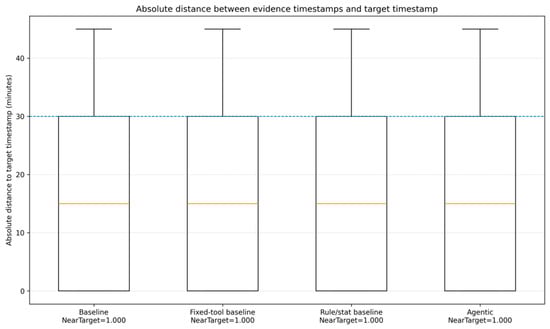
Figure 1
Open AccessArticle
Experimental and Multiphysics Analysis of Graphene Oxide Paper-Based Ionic Thermoelectric Cell
by
Iván Abel Hernández-Robles, Xiomara González-Ramírez, Aldo Elizarraraz-Perez, Luis Ramón Merchan-Villalba and Jesús Martínez-Patiño
Appl. Syst. Innov. 2026, 9(5), 91; https://doi.org/10.3390/asi9050091 - 29 Apr 2026
Abstract
Approximately 60% of the world’s primary energy is dissipated as waste heat, representing a critical opportunity for energy recovery in sectors such as electro-mobility and fuel cells. Commercial thermoelectric generators (TEGs), predominantly based on bismuth telluride (Bi2Te3), face limitations
[...] Read more.
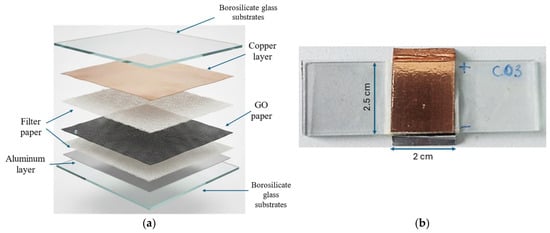
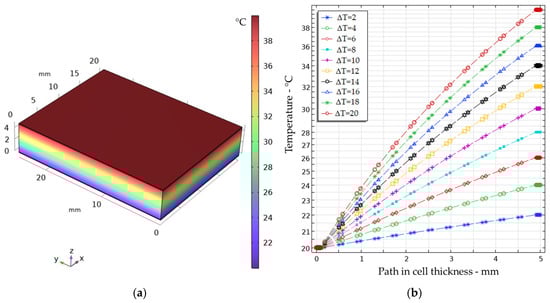
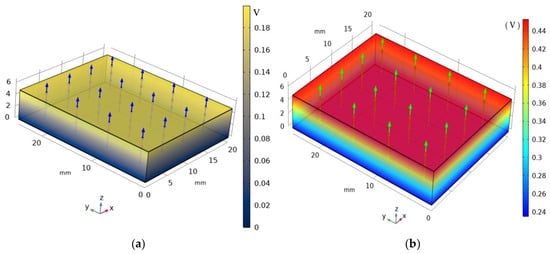
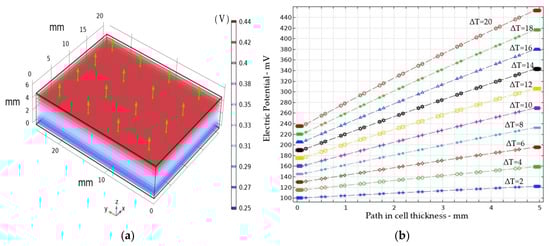
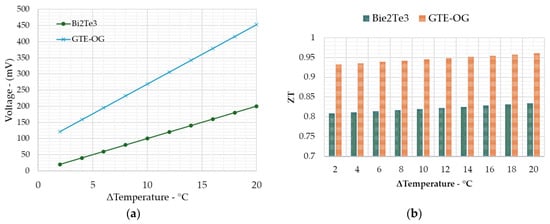
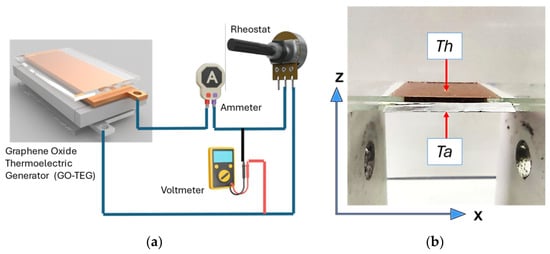
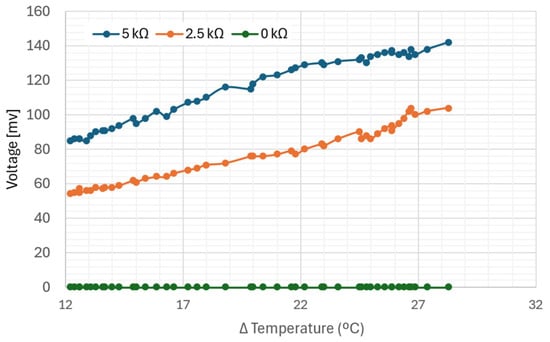
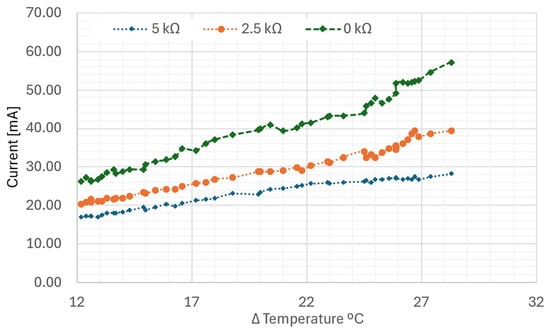
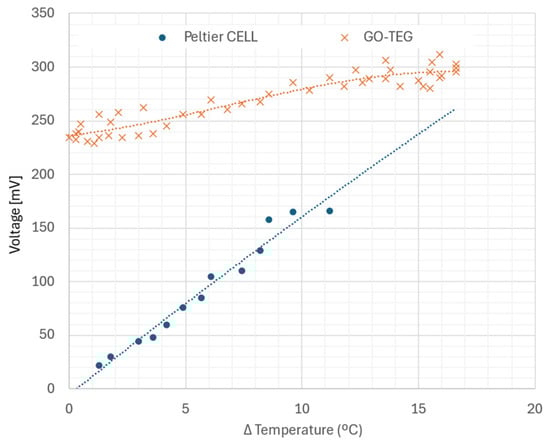
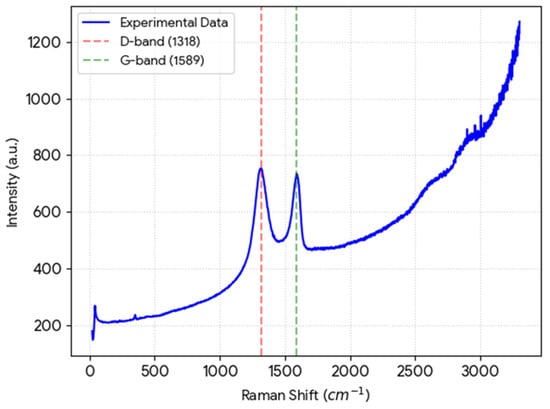
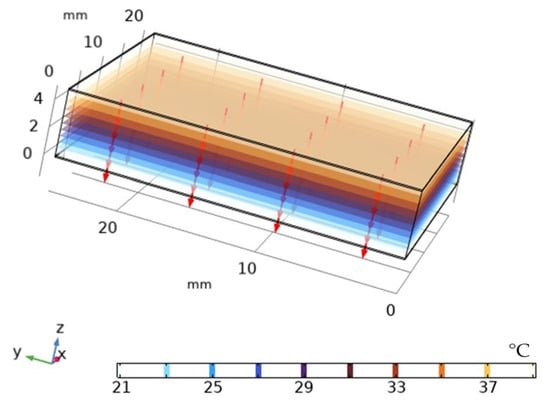
Approximately 60% of the world’s primary energy is dissipated as waste heat, representing a critical opportunity for energy recovery in sectors such as electro-mobility and fuel cells. Commercial thermoelectric generators (TEGs), predominantly based on bismuth telluride (Bi2Te3), face limitations due to mechanical rigidity, toxicity, and high production costs. This study proposes graphene oxide (GO) as an emerging alternative thanks to its oxygenated functional groups and layered structure as well as GO paper facilitates’ thermal and electrical transport. However, the effective integration of this nanomaterial into solid-state systems under real operating conditions remains a technical challenge. Therefore, this work presents the development, multiphysics modeling, and experimental validation of an innovative TEG cell using GO paper as an active layer. The results demonstrate that the proposed GO-ITC achieves an average of 2.75 times higher generated voltage with a lower thermal gradient as well as an improved equivalent figure of merit (ZT) compared to Bi2Te3-based TEGs. This work contributes to the evaluation of GO-doped materials for voltage generation under specific thermal gradients, providing a lightweight and flexible solution for waste heat harvesting in modern power systems.
Full article
(This article belongs to the Section Industrial and Manufacturing Engineering)
►▼
Show Figures

Figure 1
Open AccessSystematic Review
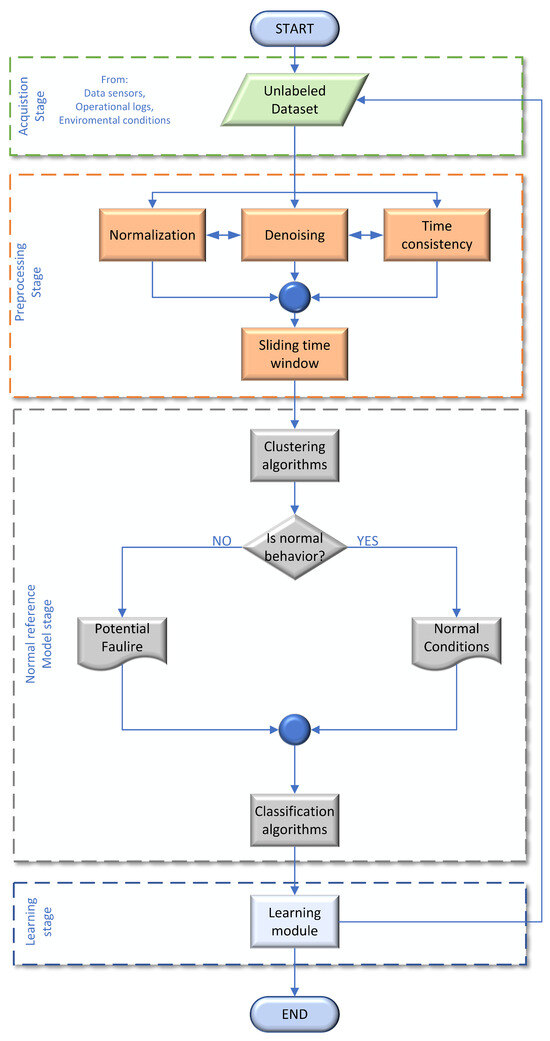
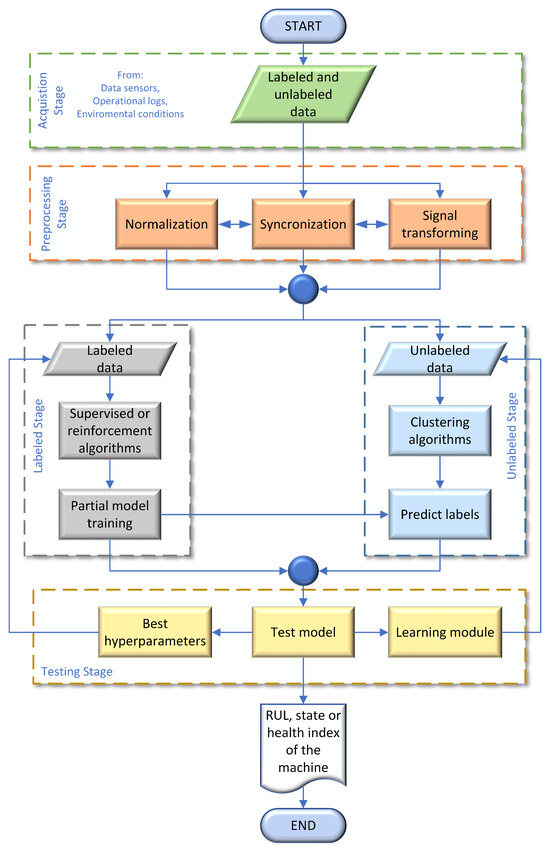
Hybrid Approaches of Machine Learning Algorithms in Predictive Maintenance: A Systematic Literature Review
by
Jorge Paredes, Danilo Chavez, Ramiro Isa-Jara and Diego Vargas
Appl. Syst. Innov. 2026, 9(5), 90; https://doi.org/10.3390/asi9050090 - 29 Apr 2026
Abstract
►▼
Show Figures
The advent of Industry 4.0 has precipitated the digitization of myriad industrial processes, a feat attributable to the implementation of sophisticated digital enablers such as artificial intelligence (AI) and the Internet of Things (IoT). These technological advances have facilitated the implementation of various
[...] Read more.
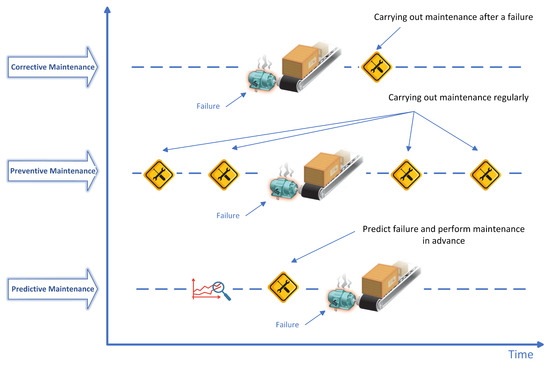
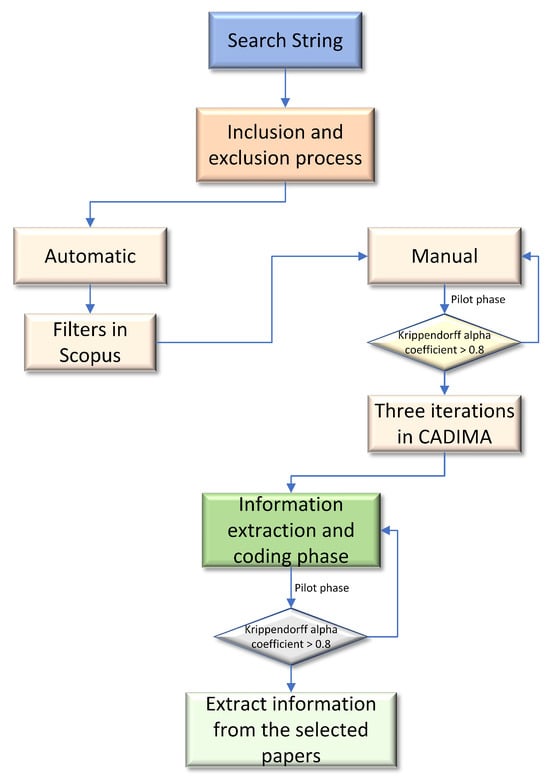
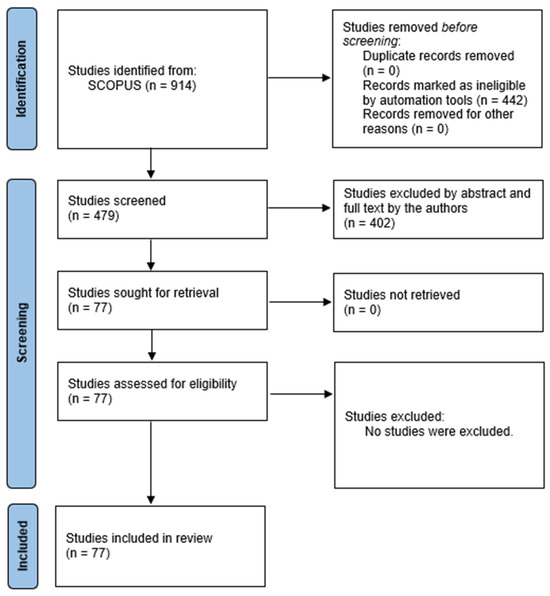
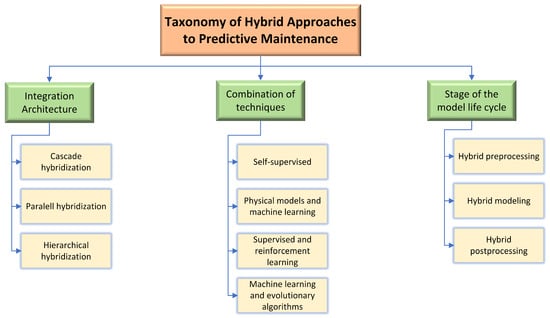
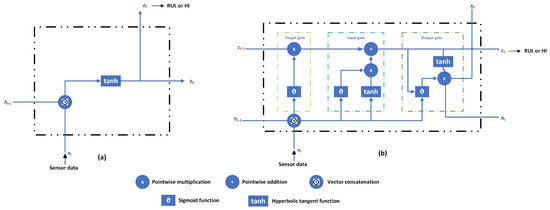
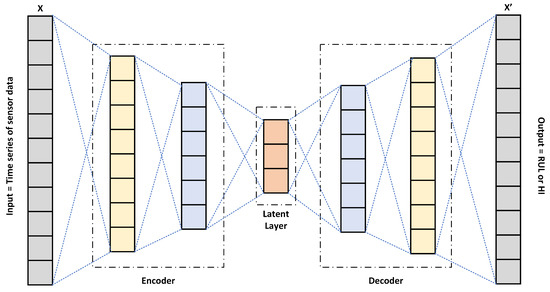
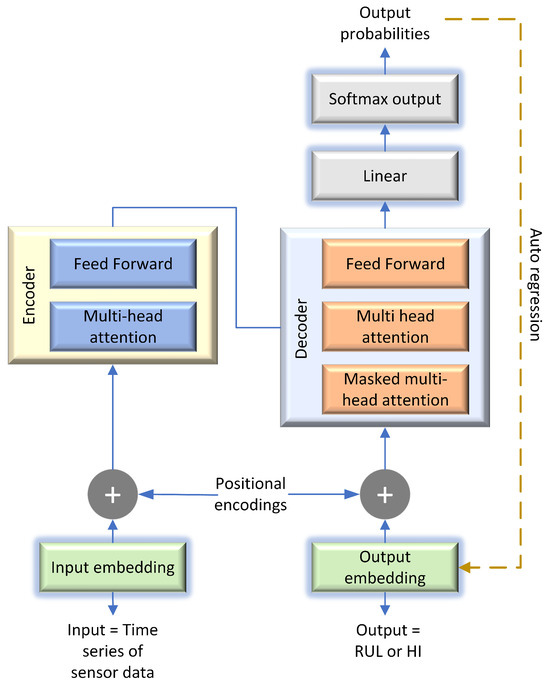
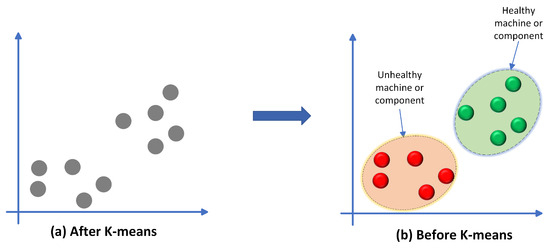
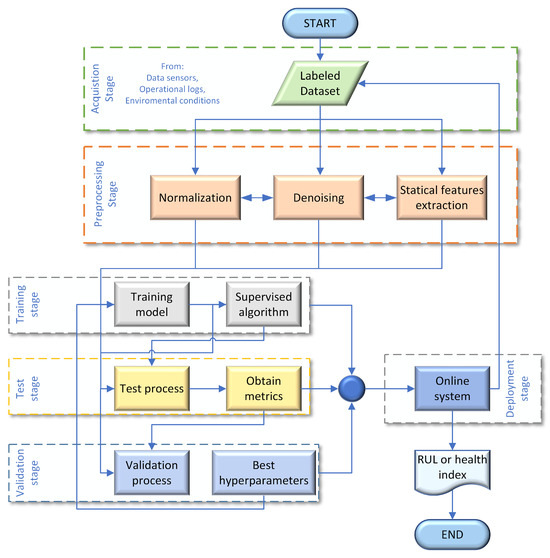
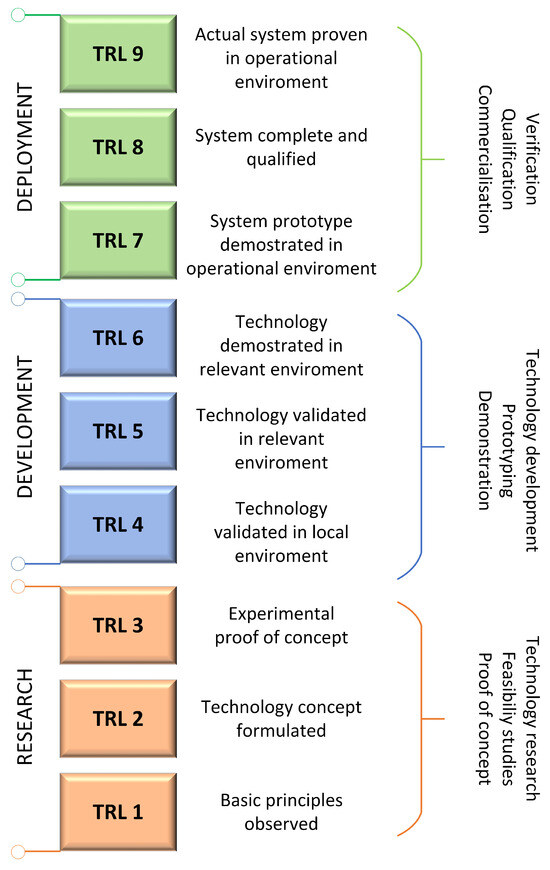
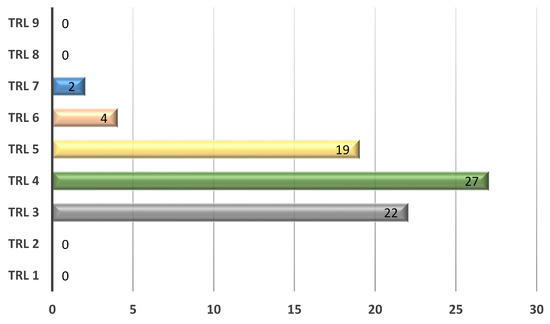
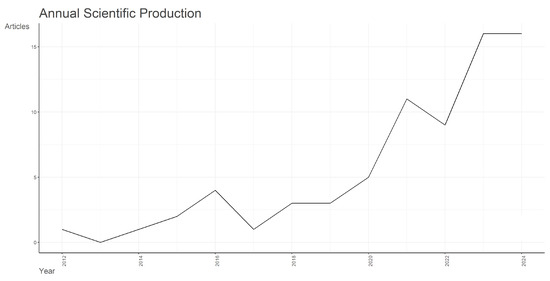
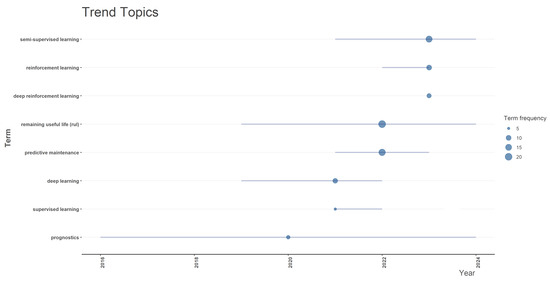
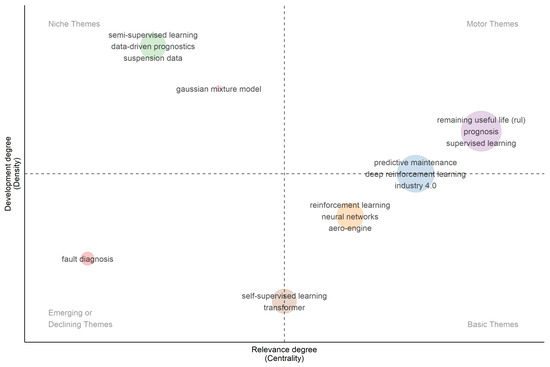
The advent of Industry 4.0 has precipitated the digitization of myriad industrial processes, a feat attributable to the implementation of sophisticated digital enablers such as artificial intelligence (AI) and the Internet of Things (IoT). These technological advances have facilitated the implementation of various innovative applications, especially in the field of predictive maintenance. This approach facilitates more precise estimation of the remaining useful life (RUL) of equipment, determination of the health index (HI) of machinery, and planning of effective maintenance schedules that circumvent unexpected and costly shutdowns in industrial operations. The employment of hybrid approaches founded on machine learning algorithms in the domain of predictive maintenance signifies a perpetually evolving field of research, wherein novel techniques, methodologies, and strategies are proposed to enhance maintenance efficiency and reliability. In order to furnish a substantial and exhaustive compendium of information, a methodical literature review is hereby presented, offering a meticulous survey of the hybrid approaches utilized within this domain. The study analyzed 77 papers from the 914 papers found on the topic, to find and organize the body of knowledge, and presents a lucid taxonomy, the primary algorithms employed in hybrid approaches, the most prevalent datasets, the applicable technology architectures, and the maturity level of these solutions. This study provides a robust conceptual foundation for future research, underscoring the significance of hybrid approaches as a promising field of study, with considerable potential for advancement in the realm of industrial predictive maintenance.
Full article
Figure 1
Open AccessArticle
Automated Identification from CT Using Sphenoid Sinus Geometry as an Anatomical Biometric
by
Nataliya Bilous, Vladyslav Malko, Dmytro Tkachenko and Marcus Frohme
Appl. Syst. Innov. 2026, 9(5), 89; https://doi.org/10.3390/asi9050089 - 29 Apr 2026
Abstract
Reliable identification of deceased individuals may be difficult when conventional biometric methods such as facial recognition, fingerprint analysis, or DNA profiling cannot be applied. In such cases, medical imaging records acquired during a person’s lifetime may serve as an alternative source of identifying
[...] Read more.
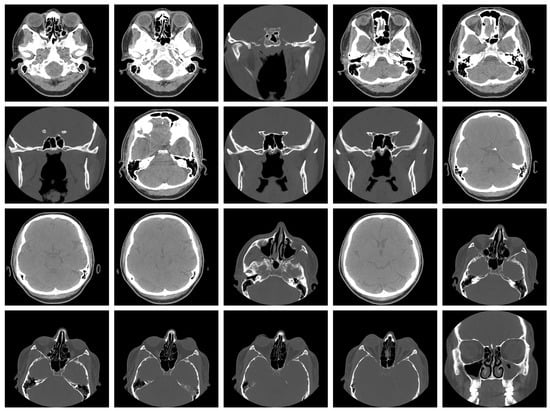
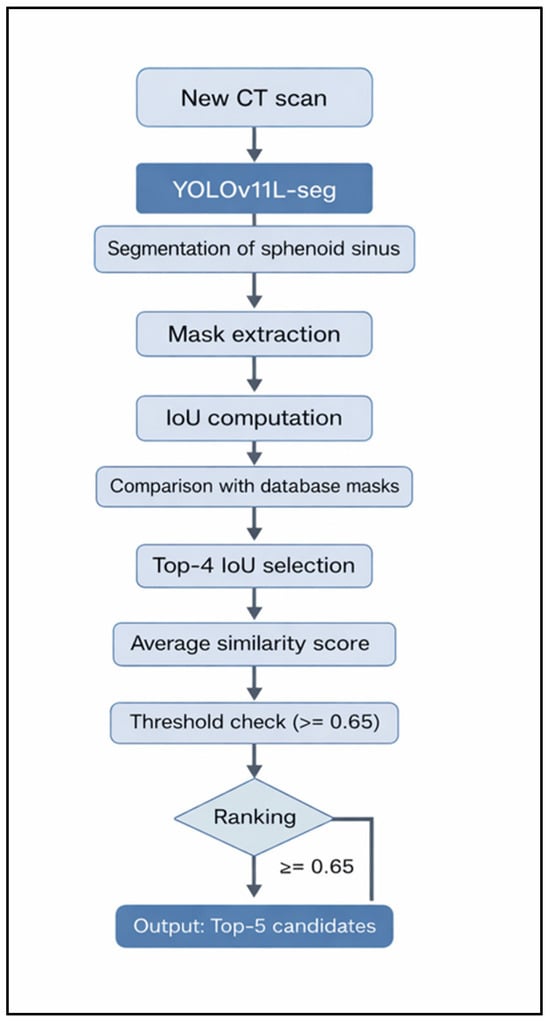
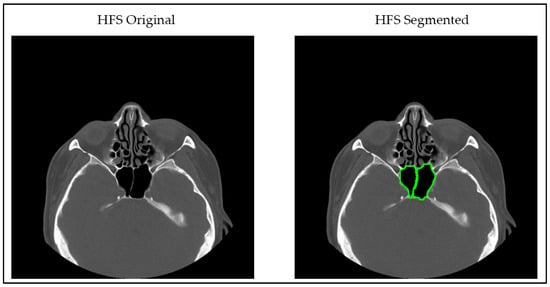
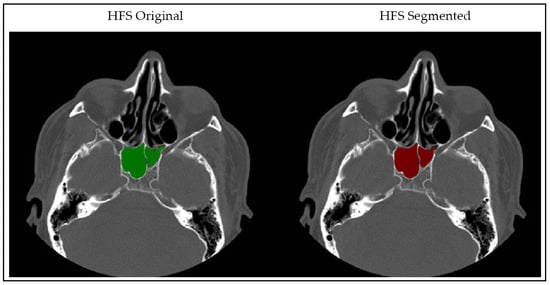
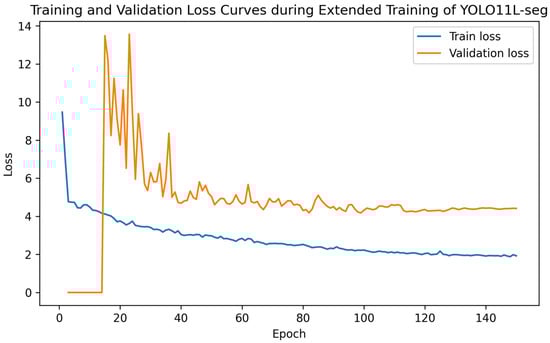
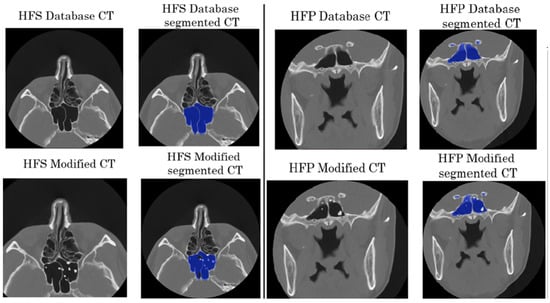
Reliable identification of deceased individuals may be difficult when conventional biometric methods such as facial recognition, fingerprint analysis, or DNA profiling cannot be applied. In such cases, medical imaging records acquired during a person’s lifetime may serve as an alternative source of identifying information. Certain anatomical structures visible in computed tomography (CT), including the sphenoid sinus, exhibit considerable inter-individual variability while remaining relatively stable within the same individual. This study investigates the feasibility of using sphenoid sinus morphology as an anatomical biometric for automated identification from head CT scans. Identification is formulated as a ranking problem in which a query CT examination is compared with a reference database using geometric descriptors derived from segmentation masks, reducing dependence on CT intensity values. The dataset consisted of CT scans from 816 individuals acquired in two patient positioning modes: Head First Supine (HFS) and Head First Prone (HFP). Several deep learning architectures, including YOLOv8 variants, YOLO11L-seg, UNet++, DeepLabV3+, HRNet, and SegFormer-B2, were evaluated for sphenoid sinus segmentation. Based on F1-score performance and cross-mode stability, YOLO11L-seg was selected and further trained to construct a database of binary masks representing individual sphenoid sinus anatomy. Identification was performed using pairwise mask comparison based on the Intersection over Union (IoU) metric. To reduce the influence of segmentation artifacts and slice-level variability, the final similarity score for each candidate was computed as the average of the four highest IoU values across slice comparisons. Individuals were ranked according to similarity, and identification was considered successful if the correct subject appeared among the top five candidates and exceeded a predefined similarity threshold. The proposed approach achieved Top-5 identification accuracies of 97.27% for HFP and 87.67% for HFS acquisitions. These results demonstrate the feasibility of using sphenoid sinus geometry as a stable anatomical biometric for automated identification. The key contribution of this study is the introduction of a ranking-based identification framework that utilizes anatomical biometrics derived from CT data for reliable patient matching.
Full article
(This article belongs to the Section Artificial Intelligence)

►▼
Show Figures

Figure 1
Open AccessArticle
Adaptive Underwater Image Enhancement Techniques Using Deep Learning
by
Alexandros Vrochidis and Stelios Krinidis
Appl. Syst. Innov. 2026, 9(5), 88; https://doi.org/10.3390/asi9050088 - 28 Apr 2026
Abstract
Underwater images often suffer from degradations, including color distortion, reduced visibility, and low contrast due to light absorption and scatter in water. Numerous enhancement techniques have been proposed to improve visual quality and address these challenges. However, no single method consistently performs best
[...] Read more.
Underwater images often suffer from degradations, including color distortion, reduced visibility, and low contrast due to light absorption and scatter in water. Numerous enhancement techniques have been proposed to improve visual quality and address these challenges. However, no single method consistently performs best across all underwater scenes. This work introduces a novel deep learning framework for the automatic selection of the most suitable enhancement technique for underwater images. A novel fused objective metric, combining the Underwater Color Image Quality Evaluation (UCIQE), Underwater Image Quality Measure (UIQM), and Underwater Image Fidelity (UIF) metrics is introduced to assess image quality effectively. The metric is then utilized to train a Shifted Window (Swin) transformer model, which predicts the best enhancement method for each image. This approach advances automatic underwater image enhancement by addressing varying image conditions with a data-driven, adaptive process. Experimental results show that the proposed model achieves an F1 score of 87.88% in selecting the optimal enhancement technique, effectively determining the best enhancement based on the characteristics of the input image.
Full article
(This article belongs to the Special Issue Deep Visual Recognition for Intelligent Systems and Applications)
Open AccessArticle
Profit Maximization in a Retrial Queueing-Inventory System: A Hybrid Algorithm
by
Xiao-Li Cai and Yong Qin
Appl. Syst. Innov. 2026, 9(5), 87; https://doi.org/10.3390/asi9050087 - 28 Apr 2026
Abstract
►▼
Show Figures
This study investigates the problem of profit maximization in a retrial queueing-inventory system. Customers who arrive at the system when there is no stock enter a retrial orbit and are treated as retrial demands. We consider two strategies for inventory replenishment: the base
[...] Read more.
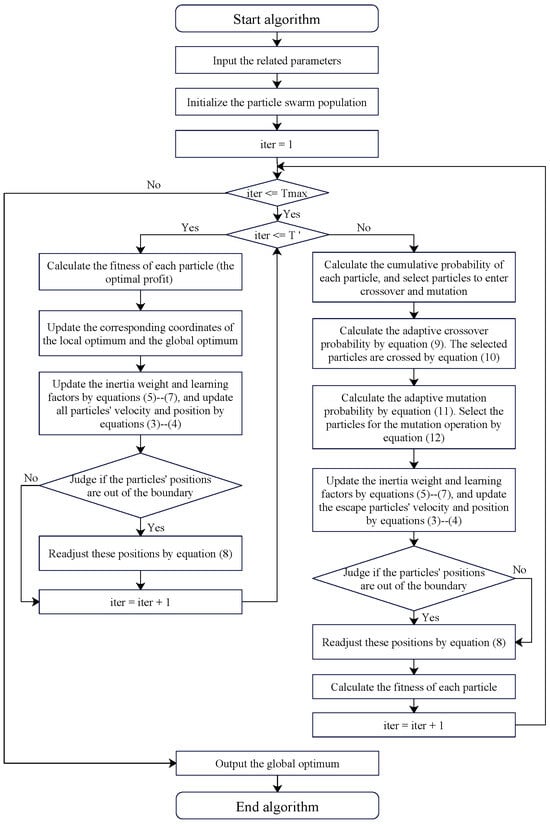
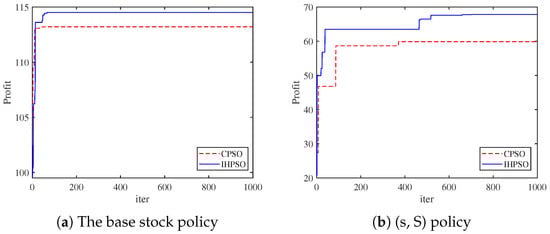
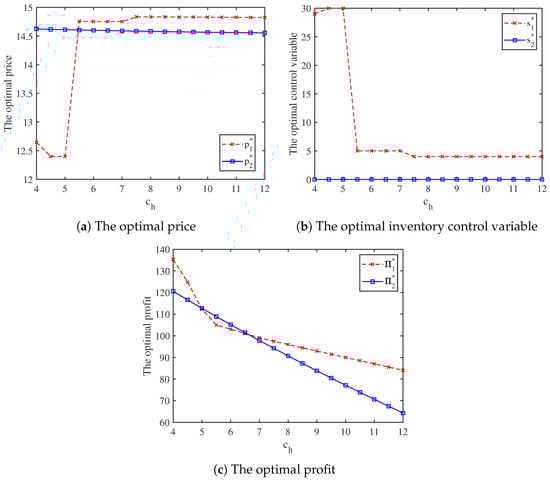
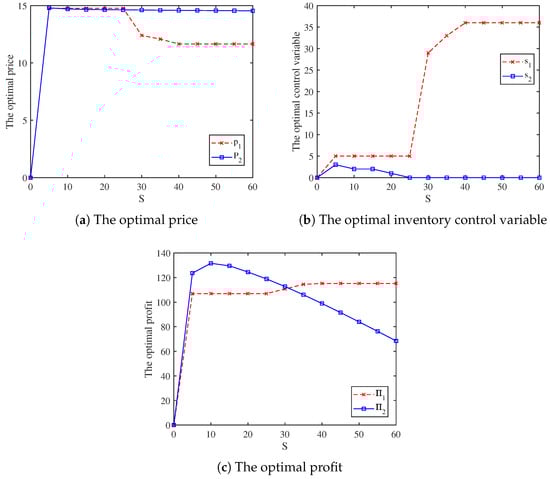
This study investigates the problem of profit maximization in a retrial queueing-inventory system. Customers who arrive at the system when there is no stock enter a retrial orbit and are treated as retrial demands. We consider two strategies for inventory replenishment: the base stock policy and the (s, S) policy. For each strategy, we first formulate the fundamental equations needed to determine the rate matrix and the steady-state probabilities. Then, we compute the system’s performance metrics and profit function. Moreover, by leveraging particle swarm optimization (PSO) and genetic algorithm (GA), we introduce an improved hybrid optimization algorithm, Improved Hybrid Particle Swarm optimization (IHPSO), to solve the profit maximization problem. This algorithm initially uses PSO, followed by GA crossover and mutation to improve performance. In comparison to the canonical PSO algorithm (CPSO), our algorithm exhibits superior global search capabilities. Finally, we conduct a numerical analysis on the optimal decision variables and the corresponding profits utilizing the IHPSO algorithm and present several interesting findings.
Full article
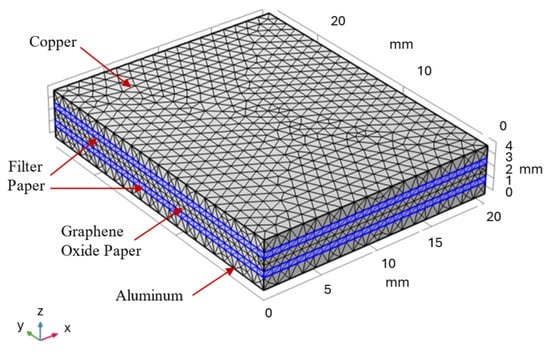
Figure 1
Open AccessArticle
Using Natural Language and Health Ontologies in Hope Recommender System: Evaluation of Use in Medicine
by
Hans Eguia, Carlos Sánchez-Bocanegra, Carlos Fernandez Llatas, Fernando Alvarez López and Francesc Saigí-Rubió
Appl. Syst. Innov. 2026, 9(5), 86; https://doi.org/10.3390/asi9050086 - 27 Apr 2026
Abstract
Objectives: Despite the widespread availability of digital clinical information, timely access to relevant biomedical evidence during routine consultations remains limited in practice. Primary care clinicians, in particular, face significant time constraints that make it difficult to integrate comprehensive literature searches into everyday workflows.
[...] Read more.
Objectives: Despite the widespread availability of digital clinical information, timely access to relevant biomedical evidence during routine consultations remains limited in practice. Primary care clinicians, in particular, face significant time constraints that make it difficult to integrate comprehensive literature searches into everyday workflows. This study evaluates whether an ontology-based recommender system can support routine clinical workflows by reducing information retrieval time while preserving the clinically acceptable usefulness of retrieved evidence. We assessed the performance of the HOPE (Health Operation for Personalised Evidence) system compared with realistic manual PubMed searches conducted by physicians. Materials and Methods: We conducted an observational evaluation involving 50 primary care physicians, who independently assessed 30 anonymised, rewritten clinical cases representative of common primary care scenarios. HOPE automatically extracted biomedical concepts from case descriptions using natural language processing and mapped them to Unified Medical Language System (UMLS) ontologies to generate ranked PubMed recommendations. A subset of 10 physicians also conducted manual PubMed searches in line with their usual clinical practice. Article relevance was assessed using a predefined binary criterion, and a reference relevance set was established by consensus among three senior physicians using a pooled document set. Retrieval performance was evaluated using Precision@k, relative Recall@k, and Normalised Discounted Cumulative Gain (NDCG@k). Manual search time was measured using a standardised stopwatch protocol, whereas HOPE response time was logged automatically by the system. Results: Inter-physician agreement in relevance assessment was substantial (Fleiss’ κ = 0.66; 95% CI: 0.61–0.70). HOPE achieved moderate-to-high precision within the top-ranked results (Precision@3 = 0.72), with relative recall increasing as additional documents were considered. Ranking metrics indicated that relevant articles were generally positioned early in the result lists. The mean total retrieval time for manual PubMed searches was 13.3 ± 1.7 min per case, compared with 17.4 ± 2.1 s for HOPE-assisted retrieval (p < 0.001). Conclusions: In a controlled, workflow-oriented evaluation using synthetic clinical cases, HOPE substantially reduced information retrieval time while maintaining clinically acceptable relevance in the retrieved literature. These findings support the use of ontology-based, AI-assisted systems as workflow-support tools to facilitate timely access to biomedical evidence, without replacing clinical judgment.
Full article
(This article belongs to the Special Issue AI-Enhanced Decision Support Systems)
Open AccessArticle
Experimental Investigation of Manufacturing Constrained Induction Motor to PMSM Conversion for Direct-Drive Agricultural Ventilation Systems
by
Ritthichai Ratchapan, Wanwinit Wijittemee, Surasak Noituptim, Theerapol Muankhaw, Sawek Pratummet and Boonyang Plangklang
Appl. Syst. Innov. 2026, 9(5), 85; https://doi.org/10.3390/asi9050085 - 25 Apr 2026
Abstract
Large-diameter axial ventilation fans are widely used in poultry houses to regulate ai flow, temperature, and air quality. However, conventional induction motors driving these fans typically operate at fixed speed and suffer efficiency degradation under low-speed, high-torque conditions due to slip-induced rotor copper
[...] Read more.
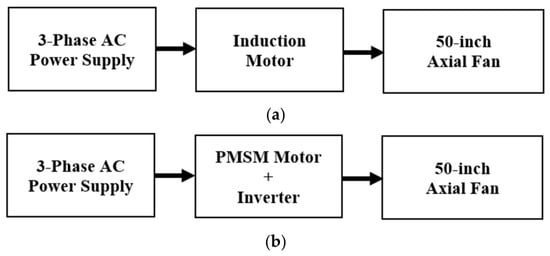
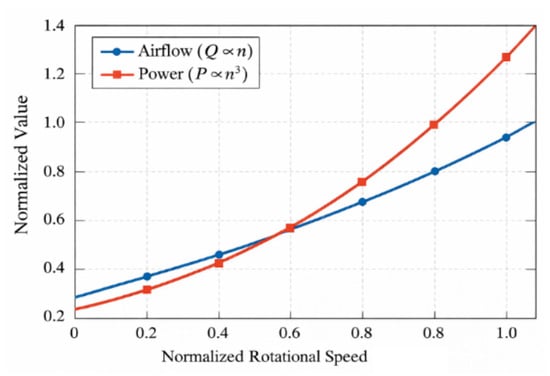
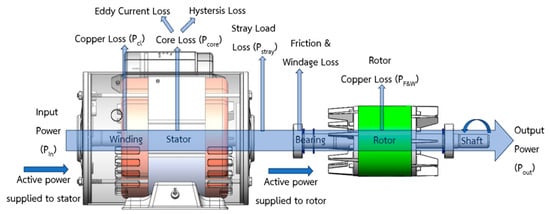
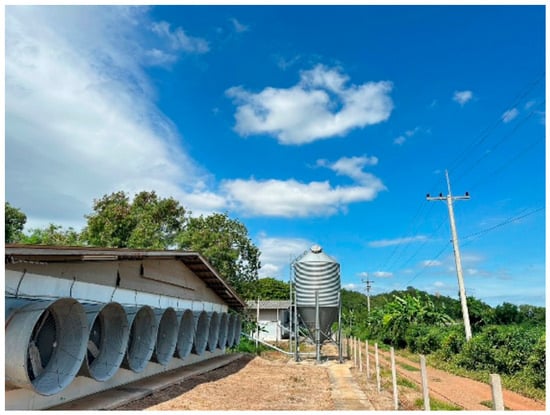
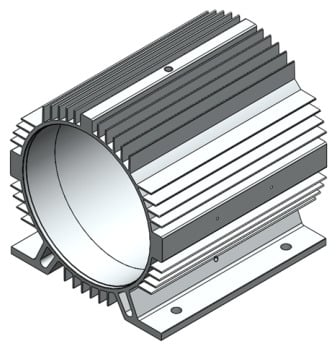
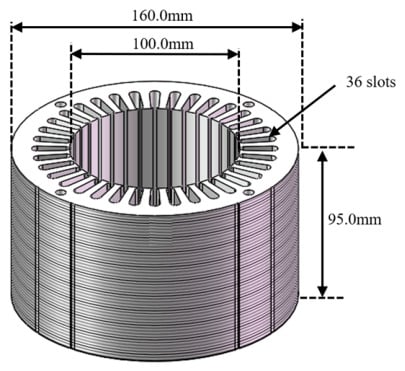
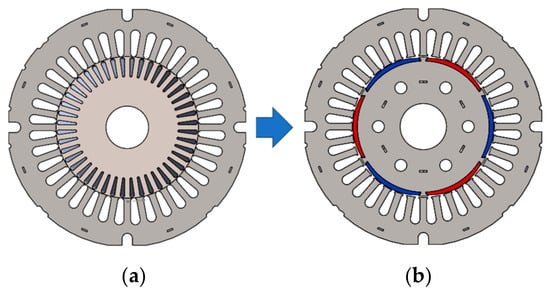
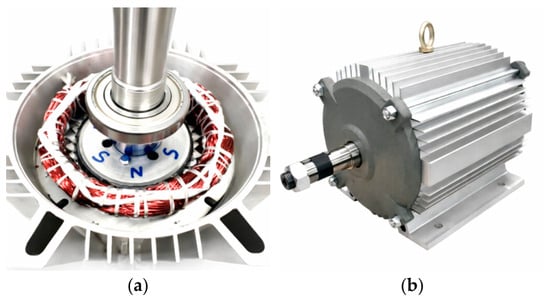
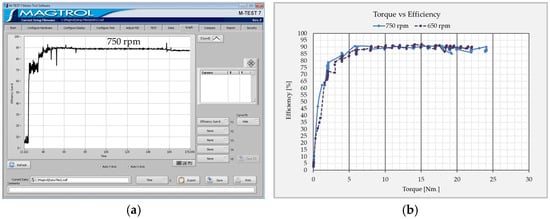
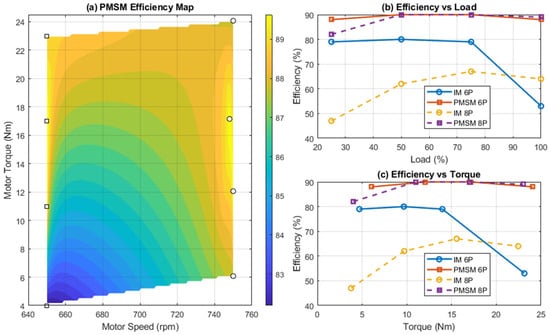
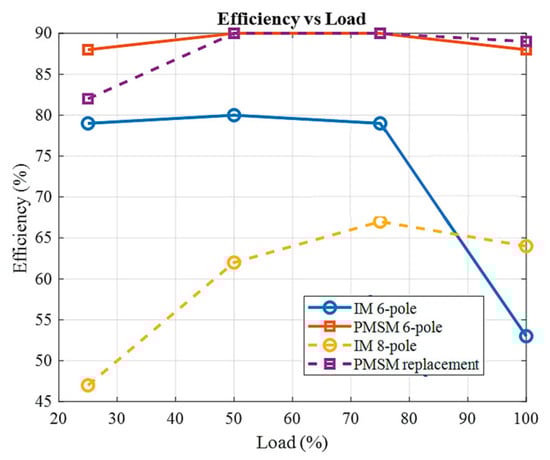
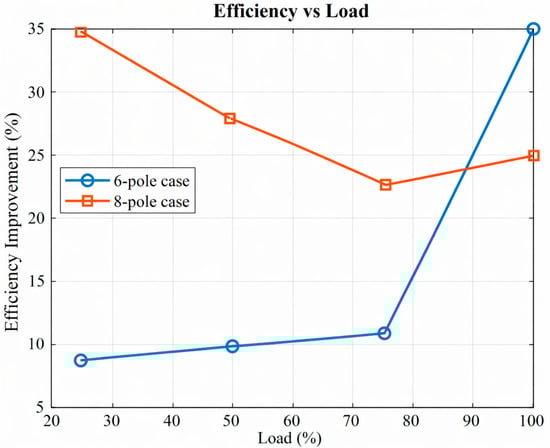
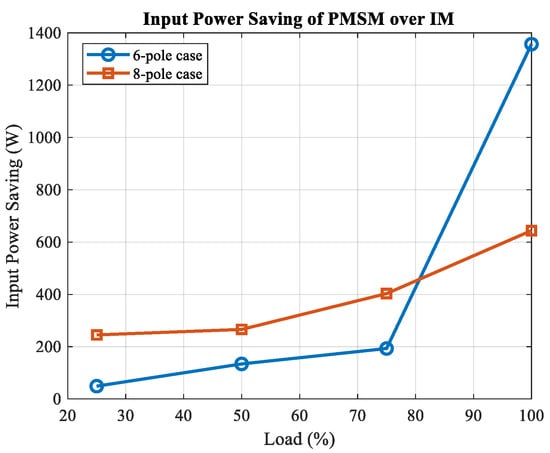
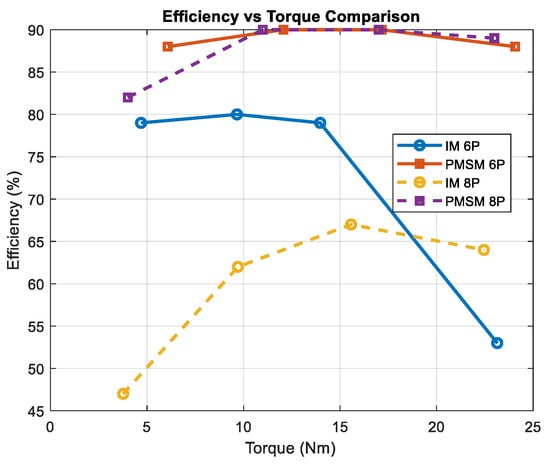
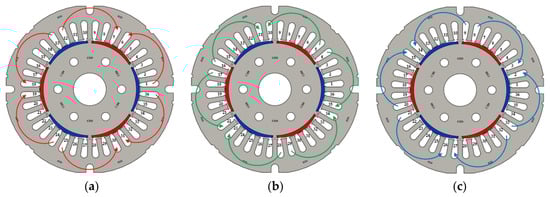
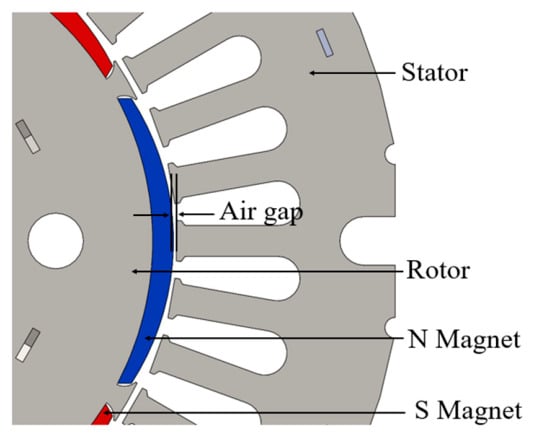
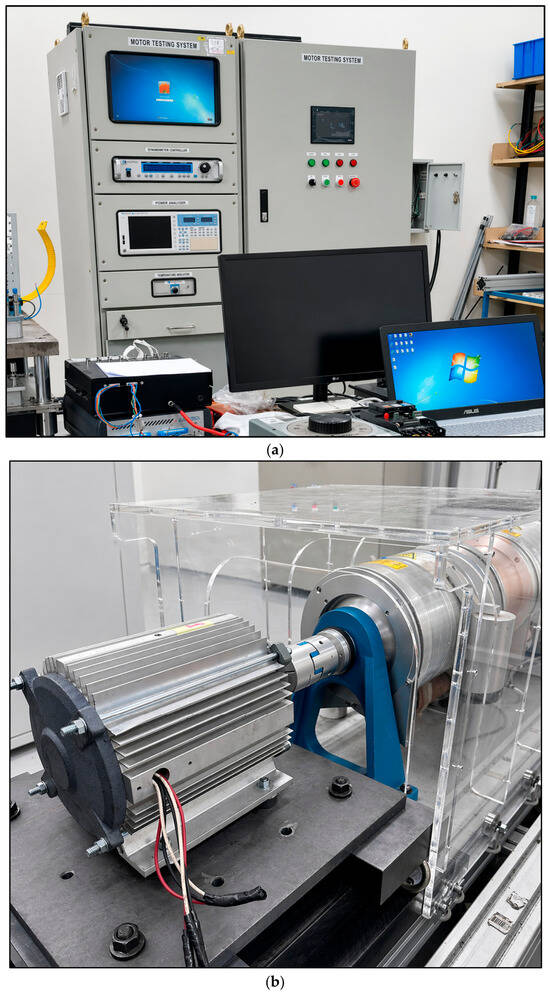
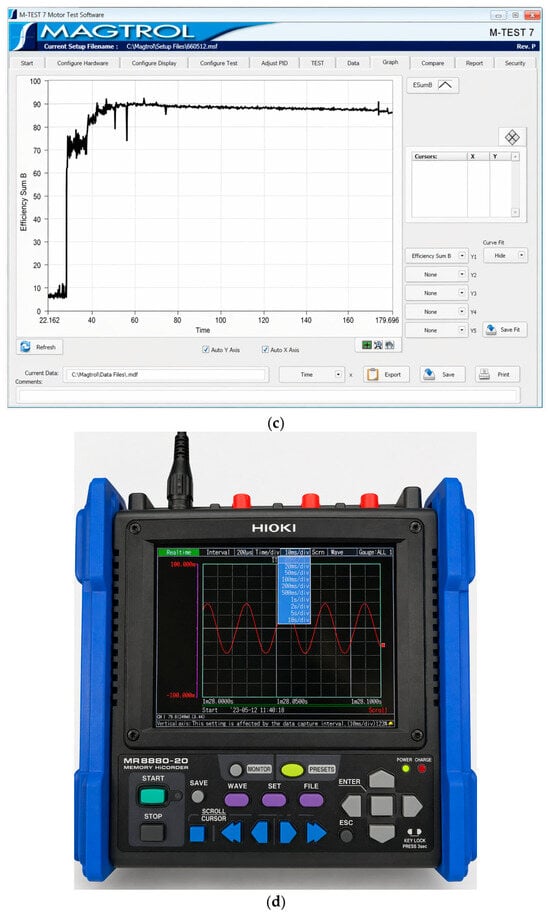
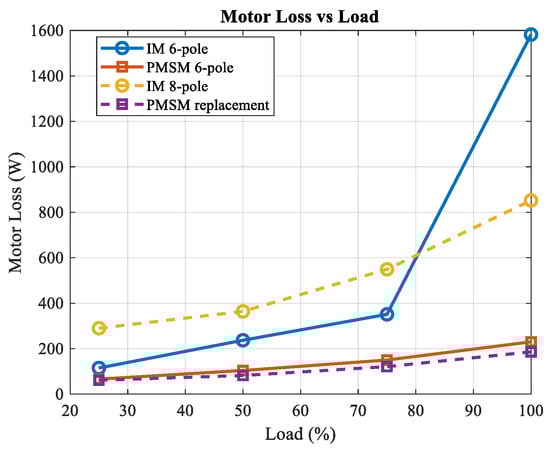
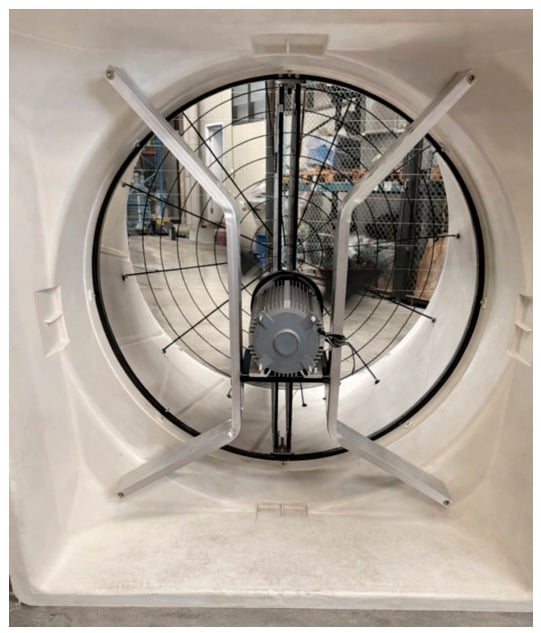
Large-diameter axial ventilation fans are widely used in poultry houses to regulate ai flow, temperature, and air quality. However, conventional induction motors driving these fans typically operate at fixed speed and suffer efficiency degradation under low-speed, high-torque conditions due to slip-induced rotor copper losses. This study presents an experimental investigation of a manufacturing constrained conversion of a commercial induction motor platform into a direct-drive surface permanent magnet synchronous motor (PMSM). Instead of developing a completely new motor design, the proposed approach reuses the existing stator lamination, housing structure, and winding production process while redesigning the rotor electromagnetic structure to incorporate surface-mounted permanent magnets. Experimental testing was conducted using a dynamo meter-based measurement system to evaluate the performance of both the commercial induction motor and the converted PMSM prototype. The results show that the commercial induction motor exhibits significant efficiency degradation at high torque due to increased slip, whereas the PMSM eliminates slip-dependent rotor copper losses and maintains efficiencies above 88% within the typical ventilation operating range of 650–750 rpm. This study further relates airflow demand to rotational speed using fan affinity laws, highlighting the cubic relationship between speed and input power and demonstrating the energy-saving potential of variable-speed PMSM drives. The proposed conversion framework therefore provides a practical pathway for improving the energy efficiency of agricultural ventilation systems while maintaining compatibility with existing motor manufacturing infrastructure.
Full article
(This article belongs to the Section Applied Systems on Educational Innovations and Emerging Technologies)
►▼
Show Figures

Figure 1
Open AccessArticle
A Constrained-Aware Genetic Algorithm for Coverage Optimization in Range-Free Sensor Networks
by
Ioannis S. Barbounakis, Ioannis V. Saradopoulos, Nikolaos E. Antonidakis, Erietta Vasilaki and Maria S. Zakynthinaki
Appl. Syst. Innov. 2026, 9(5), 84; https://doi.org/10.3390/asi9050084 - 23 Apr 2026
Abstract
Wireless sensor networks increasingly support time-critical monitoring applications, where coverage optimization must often be performed under limited computational resources. This work addresses a previously underexplored WSN coverage problem involving range-free, angular-limited sensors with transmitter-induced sensing degradation and discrete sector orientation. We formulate a
[...] Read more.
Wireless sensor networks increasingly support time-critical monitoring applications, where coverage optimization must often be performed under limited computational resources. This work addresses a previously underexplored WSN coverage problem involving range-free, angular-limited sensors with transmitter-induced sensing degradation and discrete sector orientation. We formulate a mixed combinatorial problem that jointly optimizes K-out-of-N sensor activation and sector assignment under strict feasibility constraints. A constraint-aware genetic algorithm with repair-based feasibility enforcement is proposed and validated against the global optimum obtained via exhaustive enumeration, enabling direct quantification of optimality. The repair mechanism corrects infeasible offspring after each genetic operation to guarantee that exactly K sensors remain active, eliminating the need for penalty-based constraint handling. A brute-force search is used to establish the global optimum of our small-scale scenario, serving as a ground-truth optimality benchmark for evaluating the proposed method. The purpose of this comparison is not to assess competitiveness against other metaheuristic algorithms, but to quantify how closely the proposed approach approximates the true optimal solution under strict problem constraints. The constraint-aware genetic algorithm is developed using an integer chromosome encoding, two initialization strategies, two crossover pairing schemes, elitism, and per-gene mutation, combined with alternative constraint-handling strategies. Two experimental series evaluate the impact of population size, crossover method, mutation probability, and constraint handling using problem-specific metrics, alongside convergence and fitness statistics. The proposed algorithm reliably reaches near-optimal solutions with significantly reduced computational cost when compared to exhaustive search. By integrating problem-specific constraints directly into the process, the proposed evolutionary optimization method effectively balances solution quality and execution time, making it well suited for scenarios requiring rapid sensor reconfiguration.
Full article
Open AccessReview
An Overview of the Application of Modern Statistical Techniques in Semiconductor Manufacturing
by
Hsuan-Yu Chen and Chiachung Chen
Appl. Syst. Innov. 2026, 9(4), 83; https://doi.org/10.3390/asi9040083 - 21 Apr 2026
Abstract
The semiconductor industry has long relied on Statistical Process Control (SPC) for yield and reliability management. In early technology nodes, classic univariate tools such as Shewhart charts, cumulative sums (CUSUM), exponentially weighted moving averages (EWMA), and the Cp/Cpk exponent could effectively monitor a
[...] Read more.
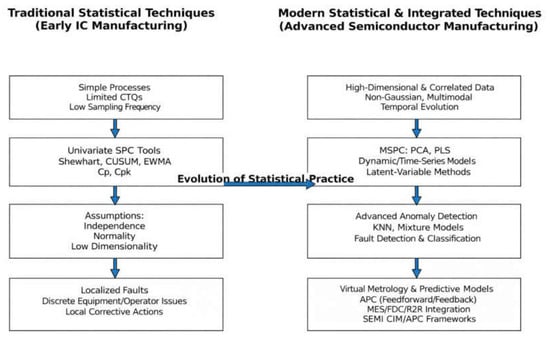
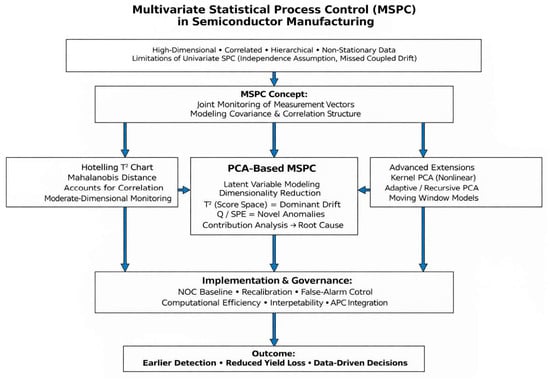
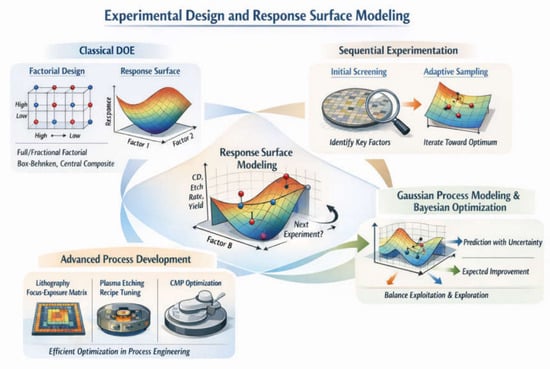
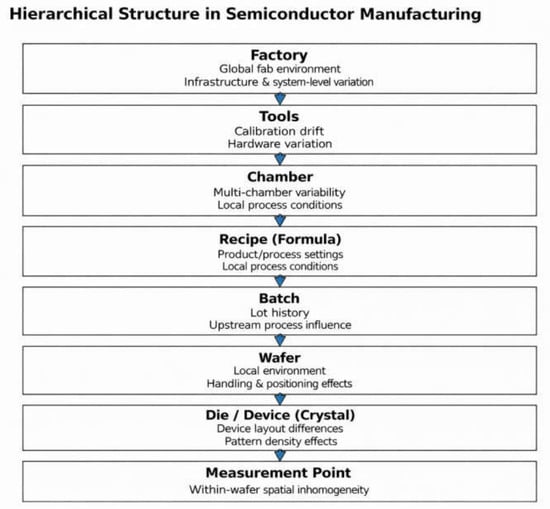
The semiconductor industry has long relied on Statistical Process Control (SPC) for yield and reliability management. In early technology nodes, classic univariate tools such as Shewhart charts, cumulative sums (CUSUM), exponentially weighted moving averages (EWMA), and the Cp/Cpk exponent could effectively monitor a finite set of key variables. However, sub-5nm and emerging 3 nm technologies have fundamentally changed the statistical environment. Advanced patterning, high-aspect-ratio etching, atomic layer deposition (ALD), chemical-mechanical polishing (CMP), and novel materials have drastically narrowed the process window. At these scales, nanometer-level deviations in critical dimensions (CD), overlay, or surface roughness can significantly impact yield. Simultaneously, modern wafer fabs generate massive amounts of high-frequency sensor data and high-dimensional metrology data. Traditional SPC assumptions—such as independence, normality, low dimensionality, and stationarity—often do not hold. Semiconductor data exhibits: (i) extremely high-dimensionality and strong intervariate correlations; (ii) a hierarchical structure encompassing fab → tooling → chamber → recipe → batch → wafer → field; and (iii) metrological delays and sampling limitations leading to incomplete and asynchronous observations. To address these challenges, this paper reviews advanced statistical methods applicable to wafer fabrication. These methods include multivariate statistical process control (MSPC) approaches such as Hotelling T2 statistics, PCA/PLS combining T2 and Q statistics, contribution diagnostics, time-series drift and change point detection, and Bayesian hierarchical modeling for uncertainty-aware monitoring in data-limited scenarios. Furthermore, we discuss how to integrate these methods with fault detection and classification (FDC), line-to-line monitoring (R2R), advanced process control (APC), and manufacturing execution systems (MES). This paper focuses on scalable, interpretable, and maintainable implementations that transform statistical analysis from a passive monitoring tool into an active component of data-driven fab control.
Full article
(This article belongs to the Special Issue Feature Papers in the ‘Industrial and Manufacturing Engineering’ Section)
►▼
Show Figures

Figure 1
Open AccessArticle
Process-Oriented Framework for Reliability and Life-Cycle Engineering of Railway Systems
by
Iryna Bondarenko
Appl. Syst. Innov. 2026, 9(4), 82; https://doi.org/10.3390/asi9040082 - 21 Apr 2026
Abstract
Modern standards and requirements for ensuring the reliability and safety of transport infrastructure are aimed at shifting from routine maintenance to preventive maintenance, focused on predicting technical conditions and lifecycle management. Modern engineering approaches are based on the logic of state assessment and
[...] Read more.
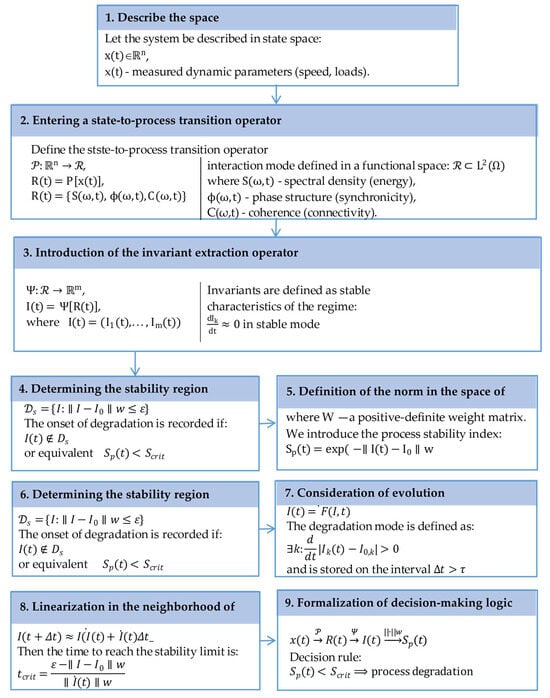
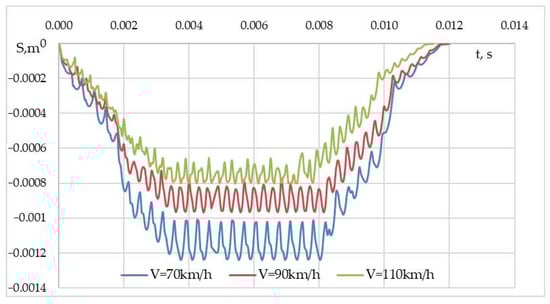
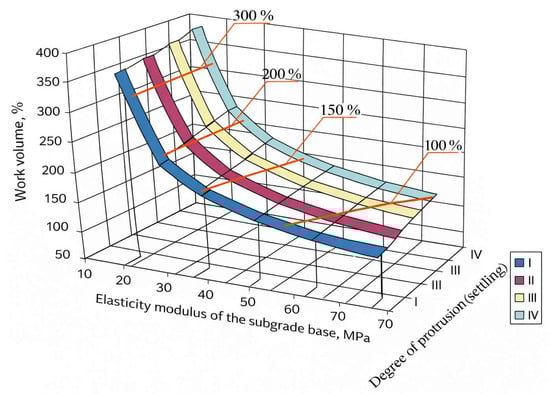
Modern standards and requirements for ensuring the reliability and safety of transport infrastructure are aimed at shifting from routine maintenance to preventive maintenance, focused on predicting technical conditions and lifecycle management. Modern engineering approaches are based on the logic of state assessment and ensuring structural strength and dimensional stability. Therefore, they focus on recording defects or deviations from acceptable values without revealing the failure mechanism, which limits the ability to identify degradation processes and predict failures. The purpose of this article is to develop a formal conceptual framework for operationalizing process-oriented reliability analysis. Within this methodological framework, state is viewed as a snapshot of a dynamic process, while process stability is defined as the ability of a system to maintain its key behavioral characteristics under changing operating conditions and the geometric and physical–mechanical properties of system elements. The proposed framework expands on classical state-based diagnostics by introducing process invariants as prognostic indicators. The transition to trajectory-based behavior analysis allows monitoring systems to evolve into lifecycle management tools.
Full article
(This article belongs to the Topic Collection Series on Applied System Innovation)
►▼
Show Figures

Figure 1
Open AccessArticle
An Adaptive Traffic Signal Control Framework Integrating Regime-Aware LSTM Forecasting and Signal Optimization Under Socio-Temporal Demand Shifts
by
Sara Atef and Ahmed Karam
Appl. Syst. Innov. 2026, 9(4), 81; https://doi.org/10.3390/asi9040081 - 20 Apr 2026
Abstract
►▼
Show Figures
Recurring socio-temporal events, such as Ramadan in Middle Eastern cities, introduce pronounced non-stationarity in urban traffic demand. During these periods, daytime traffic volumes typically decline, while congestion becomes more severe in the evening around the Iftar (fast-breaking) period and persists into late-night hours,
[...] Read more.
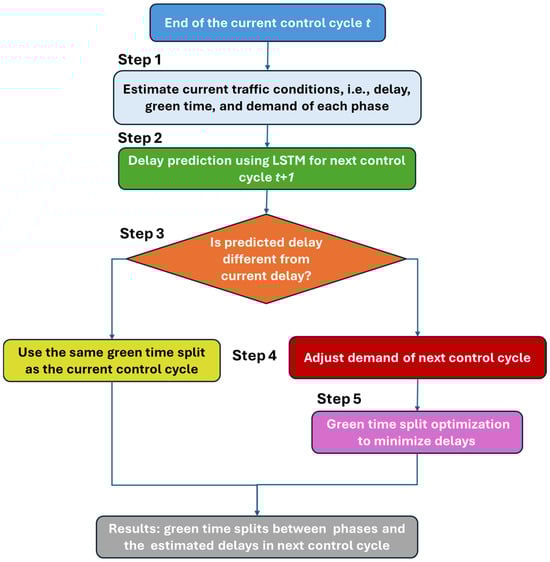
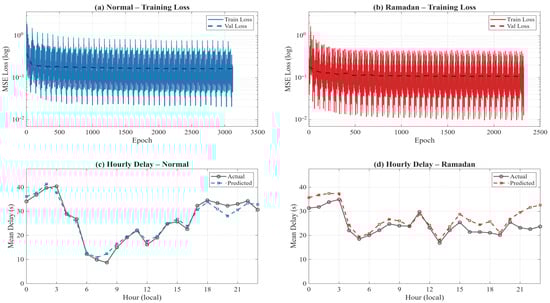
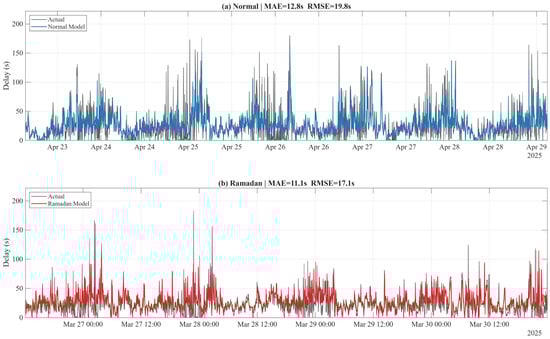
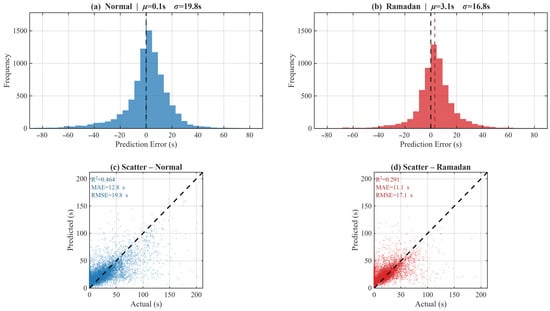
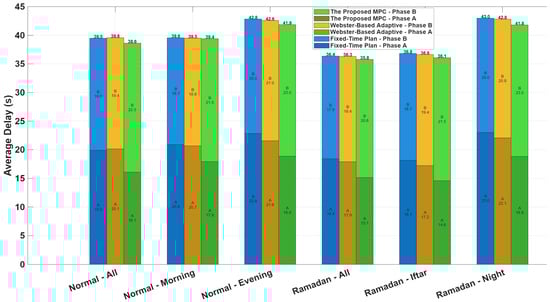
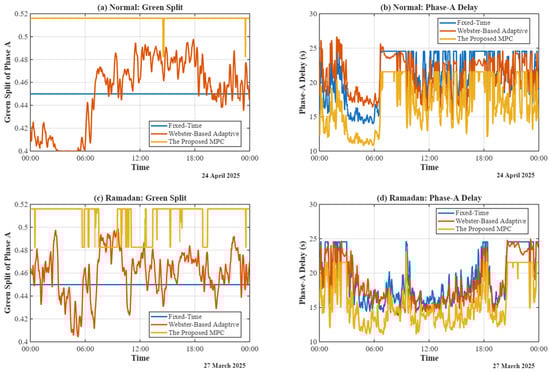
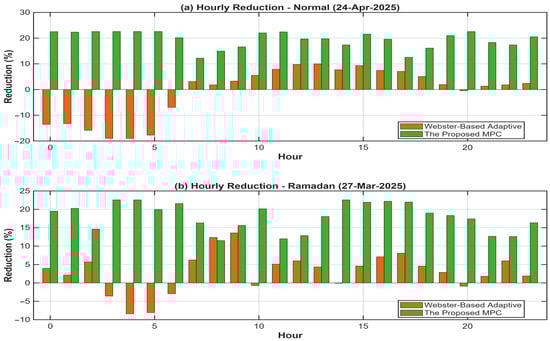
Recurring socio-temporal events, such as Ramadan in Middle Eastern cities, introduce pronounced non-stationarity in urban traffic demand. During these periods, daytime traffic volumes typically decline, while congestion becomes more severe in the evening around the Iftar (fast-breaking) period and persists into late-night hours, making conventional fixed-time signal plans less effective. An additional challenge is that demand is not only time-varying, but also unevenly distributed across competing movements: attempts to prioritize high-volume phases can inadvertently cause excessive delays—or even starvation—on lower-demand approaches. To address these issues, this study presents an adaptive, regime-aware traffic signal control framework that combines predictive modeling with constrained optimization. Short-term phase-level delays are forecast using Long Short-Term Memory (LSTM) models, and a Model Predictive Control (MPC) scheme then determines the green time allocation at each control cycle through a receding-horizon strategy. The optimization explicitly represents phase interactions by including constraints that prevent excessive delay in competing movements, thereby yielding a balanced and operationally realistic control policy. The approach is validated with one-minute-resolution TomTom delay data from a signalized intersection in Jeddah, Saudi Arabia, covering both Normal and Ramadan conditions. The LSTM models show stable predictive performance, achieving root mean square errors (RMSEs) of 19.8 s under Normal conditions and 17.1 s during Ramadan. In general, the results show that the proposed framework cuts total intersection delay by about 0.3% to 2.8% compared to standard control strategies. Even though these total-delay improvements are small, they come with big drops in delay for lower-demand phases (about 12–20%) and keep the delay increases for higher-demand phases under control. This shows that the method makes the whole process more efficient by fairly spreading out the delay instead of just making one phase better on its own. The results show that combining forecasting with constrained optimization is a strong and useful way to handle changing traffic demand. This is especially true during times of high demand when flexibility, stability, and fairness across movements are all important.
Full article
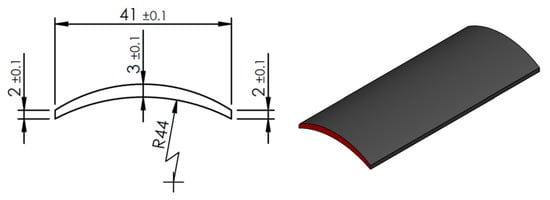
Figure 1
Open AccessArticle
LLM-Driven Modeling and Decision Support Methods for Cross-Domain Collaborative Mission Systems
by
Han Li, Dongji Li, Yunxiao Liu, Jinyu Ma, Guangyao Wang and Jianliang Ai
Appl. Syst. Innov. 2026, 9(4), 80; https://doi.org/10.3390/asi9040080 - 17 Apr 2026
Abstract
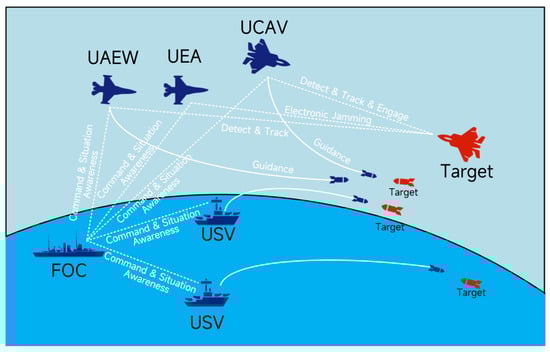
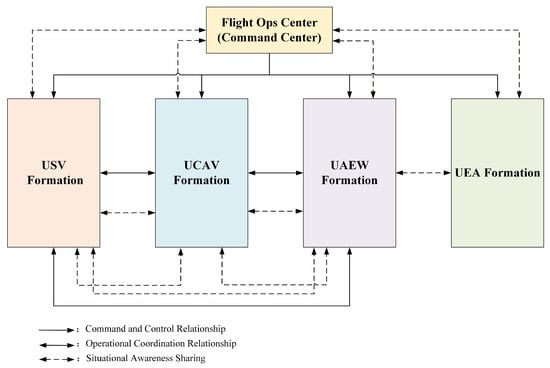
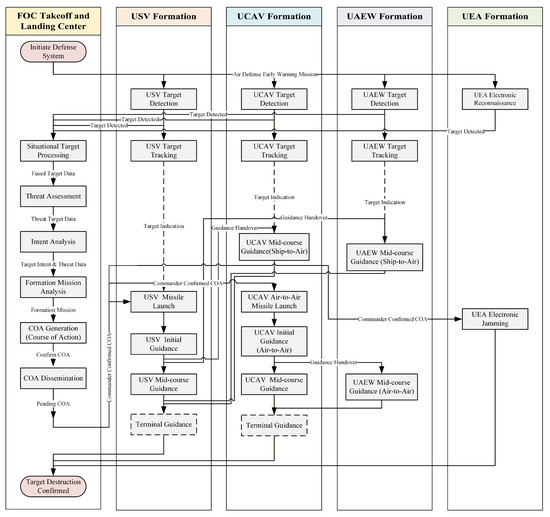
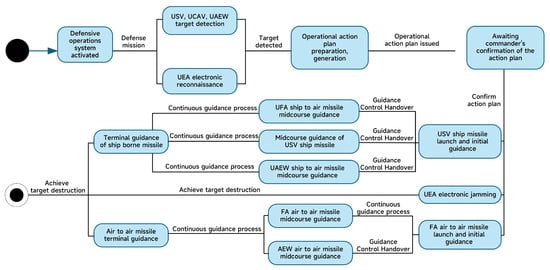
Cross-domain formations composed of Unmanned Aerial Vehicles (UAVs) and Unmanned Surface Vessels (USVs) are critical for maritime defense but face significant challenges in countering complex aerial threats and developing flexible, collaborative strategies. Addressing the limitations of traditional decision support systems in semantic understanding
[...] Read more.
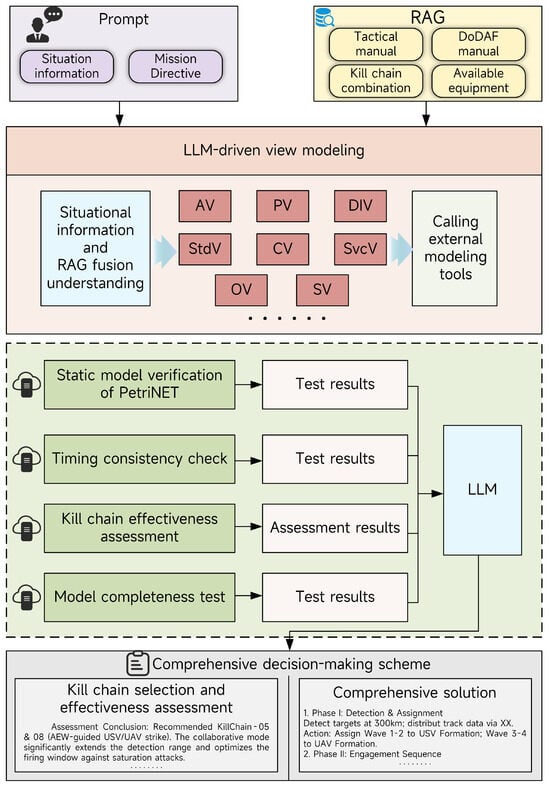
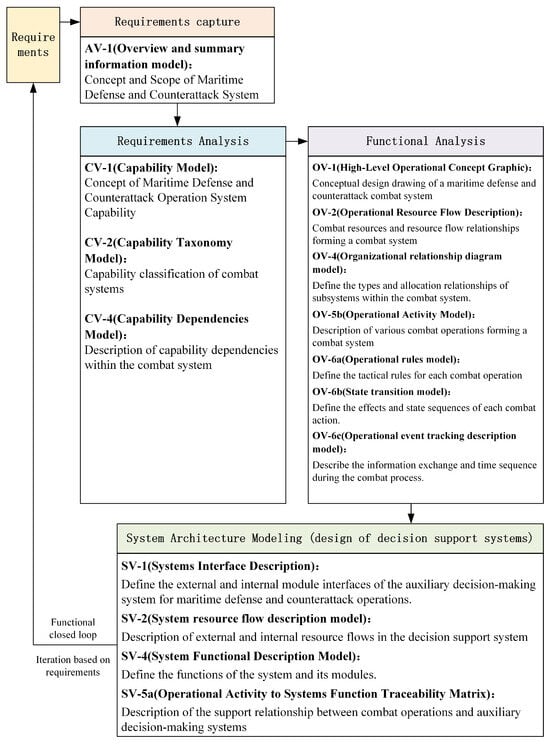
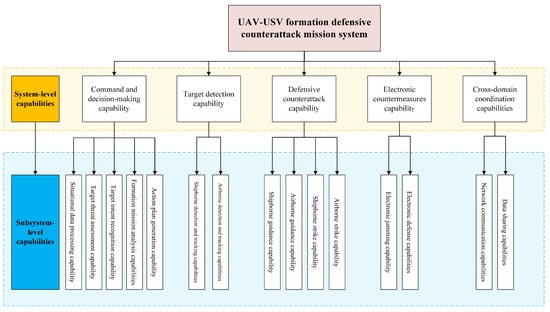
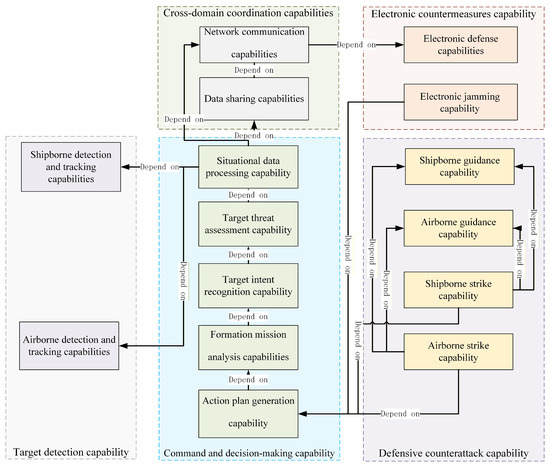
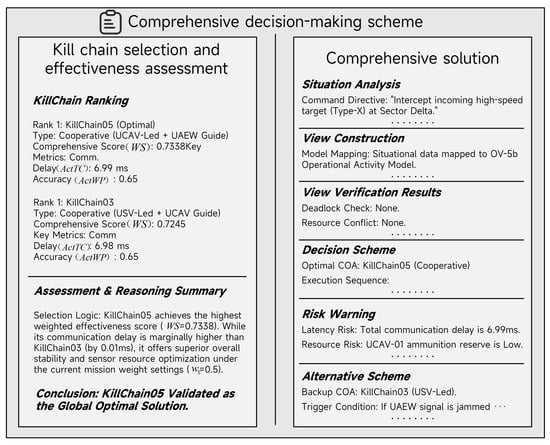
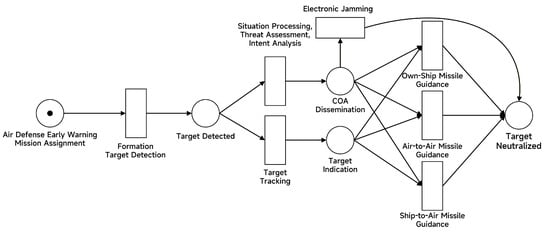
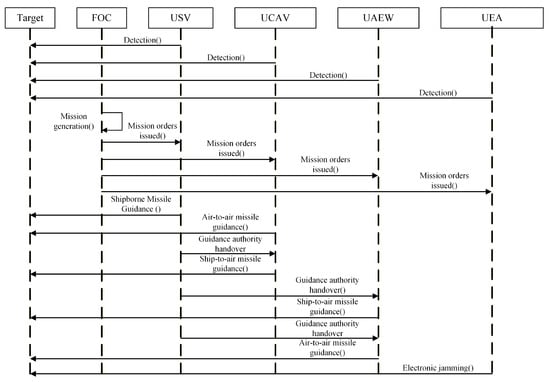
Cross-domain formations composed of Unmanned Aerial Vehicles (UAVs) and Unmanned Surface Vessels (USVs) are critical for maritime defense but face significant challenges in countering complex aerial threats and developing flexible, collaborative strategies. Addressing the limitations of traditional decision support systems in semantic understanding and dynamic adaptation, this paper proposes a novel Large Language Model (LLM)-driven decision support framework grounded in the Department of Defense Architecture Framework (DoDAF). By integrating Retrieval-Augmented Generation (RAG) with a domain-specific knowledge base, the framework enhances the LLM’s ability to align natural-language directives with standardized DoDAF view models, effectively mitigating hallucinations in tactical generation. The proposed framework coordinates a closed-loop process, using Petri net-based static logic verification to ensure structural consistency and Monte Carlo-based dynamic effectiveness evaluation to optimize the selection of kill chains. Experimental validations in a simulated UAV-USV maritime defense scenario demonstrate that the framework achieves 96.6% entity accuracy and 100% format compliance in model generation. In comparison, the generated cooperative kill chains significantly outperform non-cooperative methods by improving interception efficacy by approximately 26.08% under saturation attack conditions. This study develops an automated, interpretable workflow that transforms unstructured situational understanding into decision reporting, significantly enhancing the efficiency and reliability of cross-domain collaborative mission planning.
Full article
(This article belongs to the Special Issue AI-Driven Decision Support for Systemic Innovation)
►▼
Show Figures

Figure 1
Open AccessArticle
Optimized Lyapunov-Theory-Based Filter for MIMO Time-Varying Uncertain Nonlinear Systems with Measurement Noises Using Multi-Dimensional Taylor Network
by
Chao Zhang, Zhimeng Li and Ziao Li
Appl. Syst. Innov. 2026, 9(4), 79; https://doi.org/10.3390/asi9040079 - 16 Apr 2026
Abstract
Minimizing the impacts of coupling, randomness, time variation and uncertain nonlinearity to enhance real-time performance is critical for controlling complex industrial systems. This paper proposes an optimized adaptive filtering method (LAF-MTNF) for time-varying uncertain nonlinear systems with multiple-input multiple-output (MIMO) measurement noise, which
[...] Read more.
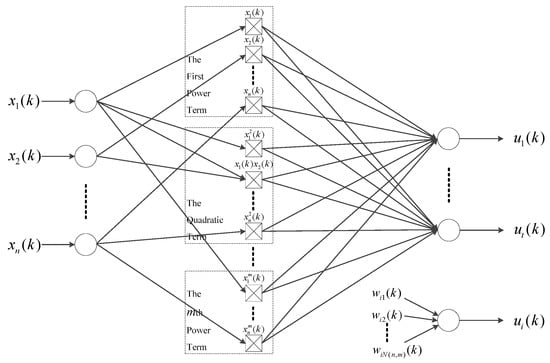
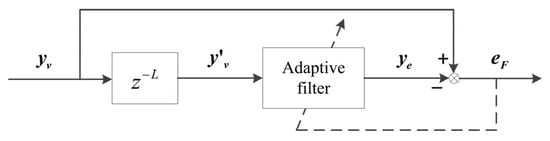
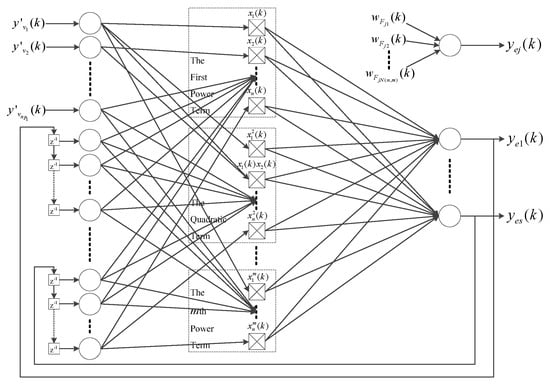
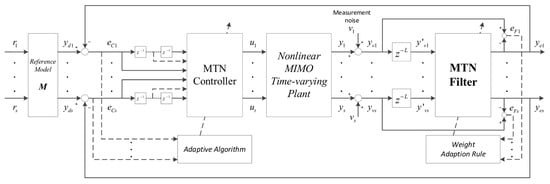
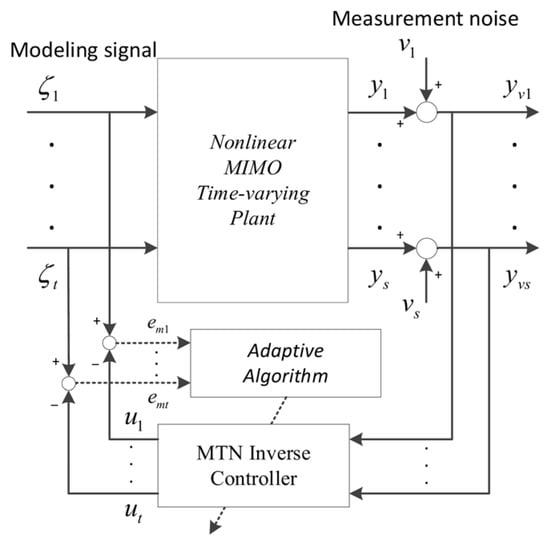
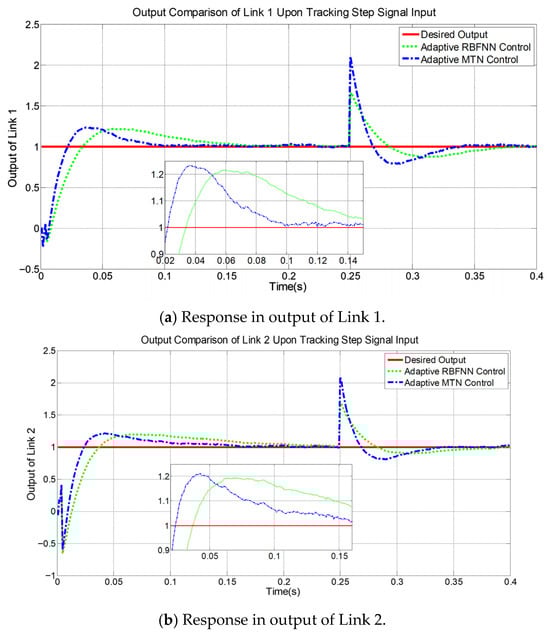
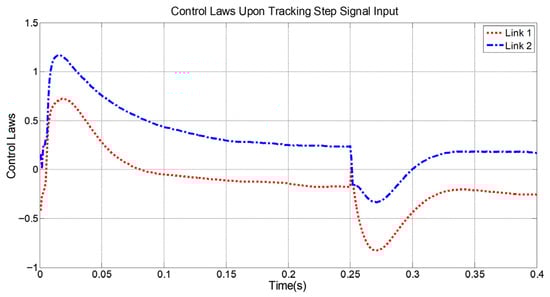
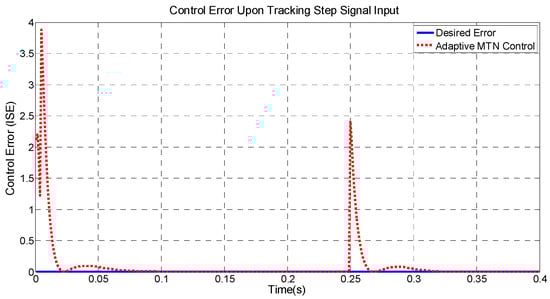
Minimizing the impacts of coupling, randomness, time variation and uncertain nonlinearity to enhance real-time performance is critical for controlling complex industrial systems. This paper proposes an optimized adaptive filtering method (LAF-MTNF) for time-varying uncertain nonlinear systems with multiple-input multiple-output (MIMO) measurement noise, which integrates the multi-dimensional Taylor network (MTN) with Lyapunov stability theory (LST). Leveraging MTN’s inherent advantages—simple structure, linear parameterization, and low computational complexity—LAF-MTNF achieves efficient real-time filtering while avoiding the exponential computation burden of neural networks. The contributions of this work are threefold: (1) A novel integration of LST and MTN is proposed for MIMO filtering, in which an energy space is constructed with a unique global minimum to eliminate local optimization traps, addressing the stability deficit of traditional MTN filters using LMS/RLS algorithms. (2) Convergence performance is systematically quantified by deriving explicit expressions for the error convergence rate (regulated by a positive constant) and convergence region (a sphere centered at the origin) while modifying adaptive gain to avoid singularity, filling the gap of incomplete performance analysis in existing Lyapunov-based filters. (3) The design is disturbance-independent, relying only on input/output measurements and requiring no prior knowledge of noise statistics, thus enhancing robustness to unknown industrial disturbances. We systematically analyze the Lyapunov stability of LAF-MTNF, and simulations on a complex MIMO system verify that it outperforms existing methods in filtering precision (mean error 0.0227 vs. 0.0674 of RBFNN) and dynamic response speed, while ensuring asymptotic stability and real-time applicability. The proposed LAF-MTNF method achieves significant advantages over traditional adaptive filtering methods in filtering accuracy, convergence speed and anti-cross-coupling capability. This method has broad application prospects in high-precision industrial servo motion control, power system state monitoring and other multi-variable nonlinear industrial scenarios with complex noise environments.
Full article
(This article belongs to the Section Control and Systems Engineering)
►▼
Show Figures

Figure 1
Open AccessArticle
A Dual Approach to the A* Algorithm to Generate Consistent Trajectories for the Leader–Follower Scheme
by
Griselda Stephany Abarca-Jiménez, Manuel Vladimir Vega-Blanco, Jesús Mares-Carreño, Juan Cruz-Castro and Yunuén López-Grijalba
Appl. Syst. Innov. 2026, 9(4), 78; https://doi.org/10.3390/asi9040078 - 16 Apr 2026
Abstract
Path planning and formation control in leader–follower robotic systems are active areas of research, as both are highly relevant to the proper execution of the assigned task. In this work, a dual approach to the A* algorithm is applied to generate consistent trajectories
[...] Read more.
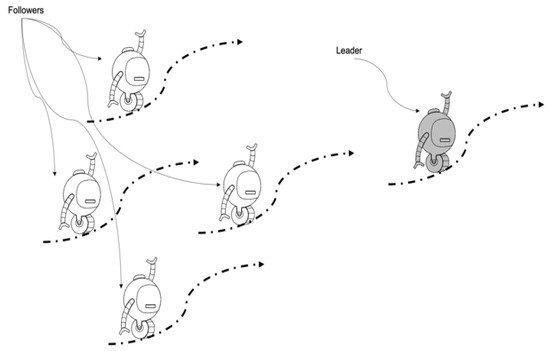
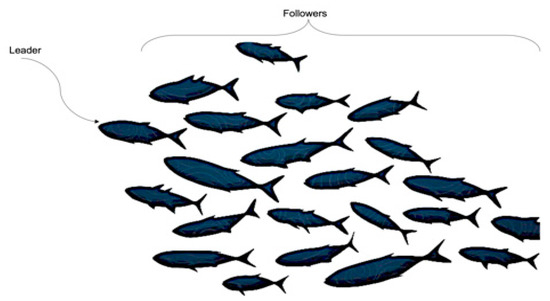
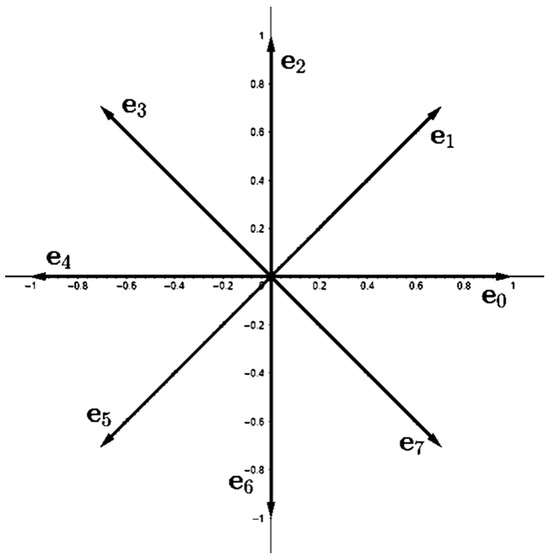
Path planning and formation control in leader–follower robotic systems are active areas of research, as both are highly relevant to the proper execution of the assigned task. In this work, a dual approach to the A* algorithm is applied to generate consistent trajectories for a multi-agent robotic system with a leader–follower scheme. The conventional A* algorithm aims to minimize the cost of finding the best path by minimizing distances. In this case, a modified A* algorithm is used because, although decision-making also involves choosing among eight options or cells, the goal is not to minimize distance; instead, the focus is on analyzing the direction of acceleration. The proposed algorithm is robust regarding the initial and relative pose of the leader with respect to the followers. The leader is tracked using a digital accelerometer. The algorithm is tested by simulating various patterns and implemented in two experimental test scenarios: the first with differential mobile robots, and the second with an Ackerman-type mobile robot. In both scenarios, the trajectories were achieved with deviations in x and y between the follower’s path and the leader’s path of less than 0.03, and the leader’s pose independence was maintained.
Full article
(This article belongs to the Topic Collection Series on Applied System Innovation)
►▼
Show Figures

Figure 1
Open AccessArticle
SMART-CROWD: A System Architecture for Intelligent Assessment of Crowdsourcing Maturity in Urban Mobility Governance
by
Katarzyna Turoń and Andrzej Kubik
Appl. Syst. Innov. 2026, 9(4), 77; https://doi.org/10.3390/asi9040077 - 31 Mar 2026
Abstract
►▼
Show Figures
Urban mobility has undergone a significant transformation in recent years, caused by rapid urbanization, environmental pressures, and technological innovation. Even though digital tools and mobility platforms are increasingly used to address transportation challenges, these challenges remain complex and multidimensional, concerning not only infrastructure,
[...] Read more.
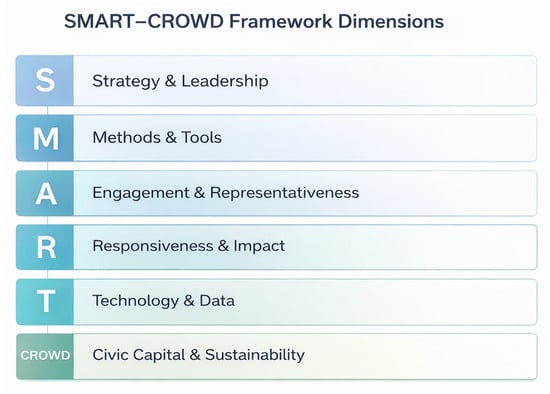
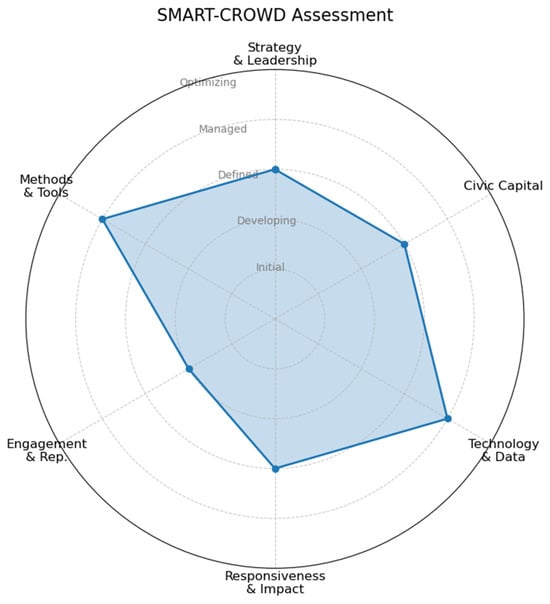
Urban mobility has undergone a significant transformation in recent years, caused by rapid urbanization, environmental pressures, and technological innovation. Even though digital tools and mobility platforms are increasingly used to address transportation challenges, these challenges remain complex and multidimensional, concerning not only infrastructure, but also user behavior, institutional coordination, trust, and social acceptance. Crowdsourcing has proven effective in leveraging distributed knowledge and accelerating innovation in business and public sectors. However, its application in urban mobility contexts has not yet been sufficiently synthesized in a framework-oriented manner. To address this, the study first conducted a comprehensive literature review of existing crowdsourcing assessment frameworks and their applicability to mobility systems. The results show that current implementations in urban mobility often remain fragmented and limited to unidirectional data extraction, lacking comprehensive approaches that integrate technological, social, and organizational dimensions. In response to this, the authors developed the SMART-CROWD framework for assessing cities’ maturity in using crowdsourcing across six dimensions: Strategy & Leadership (S), Methods & Tools (M), Engagement & Representativeness (A), Responsiveness & Impact (R), Technology & Data (T), and Civic Capital & Sustainability (CROWD). Each dimension includes measurable indicators, providing a structured basis of diagnosing disparities between technological capabilities and socio-institutional readiness. The SMART-CROWD framework is intended to support a transition from one-way data acquisition toward more scalable, reciprocal, and citizen-focused innovation ecosystems. This work contributes to the field of applied systems innovation by proposing a structured framework for assessing and guiding the use of distributed intelligence in smart urban mobility.
Full article
Figure 1
Journal Menu
► ▼ Journal Menu-
- ASI Home
- Aims & Scope
- Editorial Board
- Topical Advisory Panel
- Instructions for Authors
- Special Issues
- Topics
- Sections & Collections
- Article Processing Charge
- Indexing & Archiving
- Editor’s Choice Articles
- Most Cited & Viewed
- Journal Statistics
- Journal History
- Journal Awards
- Society Collaborations
- Conferences
- Editorial Office
Journal Browser
► ▼ Journal BrowserHighly Accessed Articles
Latest Books
E-Mail Alert
News
Topics
Topic in
Applied Sciences, ASI, Blockchains, Computers, MAKE, Software
Recent Advances in AI-Enhanced Software Engineering and Web Services
Topic Editors: Hai Wang, Zhe HouDeadline: 31 May 2026
Topic in
Applied Sciences, Buildings, Sustainability, Infrastructures, ASI
Circularity Research and Innovation Towards Sustainable Cities and Built Environment
Topic Editors: Sakdirat Kaewunruen, Charalampos Baniotopoulos, Luís BragançaDeadline: 31 July 2026
Topic in
Applied Sciences, Computers, Electronics, Sensors, ASI, Micromachines
Collection Series on Applied System Innovation
Topic Editors: Sheng-Joue Young, Shoou-Jinn Chang, Stephen D. Prior, Liang-Wen JiDeadline: 31 August 2026
Topic in
Social Sciences, Societies, ASI
Social Sciences and Intelligence Management, 2nd Volume
Topic Editors: Liza Lee, Teen-Hang Meen, Kuei-Kuei Lai, Linda Pavitola, Charles Tijus, Kate ChenDeadline: 31 December 2026
Conferences
Special Issues
Special Issue in
ASI
Information Industry and Intelligence Innovation
Guest Editors: Shih-Pang Tseng, Jhing-Fa WangDeadline: 30 May 2026
Special Issue in
ASI
Advances in Mathematical Models and Computational Intelligence for Transportation System Planning and Management
Guest Editors: Yan Sun, Maoxiang LangDeadline: 30 May 2026
Special Issue in
ASI
AI-Enhanced Decision Support Systems
Guest Editor: Lu MengDeadline: 1 June 2026
Special Issue in
ASI
Unmanned Aerial Vehicles for Smart Cities: Optimization, Collaboration, and Intelligent Applications
Guest Editor: Wu DengDeadline: 20 June 2026