


Abstract
The advent of Industry 4.0 has precipitated the digitization of myriad industrial processes, a feat attributable to the implementation of sophisticated digital enablers such as artificial intelligence (AI) and the Internet of Things (IoT). These technological advances have facilitated the implementation of various innovative applications, especially in the field of predictive maintenance. This approach facilitates more precise estimation of the remaining useful life (RUL) of equipment, determination of the health index (HI) of machinery, and planning of effective maintenance schedules that circumvent unexpected and costly shutdowns in industrial operations. The employment of hybrid approaches founded on machine learning algorithms in the domain of predictive maintenance signifies a perpetually evolving field of research, wherein novel techniques, methodologies, and strategies are proposed to enhance maintenance efficiency and reliability. In order to furnish a substantial and exhaustive compendium of information, a methodical literature review is hereby presented, offering a meticulous survey of the hybrid approaches utilized within this domain. The study analyzed 77 papers from the 914 papers found on the topic, to find and organize the body of knowledge, and presents a lucid taxonomy, the primary algorithms employed in hybrid approaches, the most prevalent datasets, the applicable technology architectures, and the maturity level of these solutions. This study provides a robust conceptual foundation for future research, underscoring the significance of hybrid approaches as a promising field of study, with considerable potential for advancement in the realm of industrial predictive maintenance.
1. Introduction
In the contemporary world, industries are experiencing profound changes, driven by the digitalization of production systems. This paradigm shift, frequently referred to as the “Fourth Industrial Revolution” or Industry 4.0, is being precipitated by the integration of disruptive technologies such as artificial intelligence (AI), the Internet of Things (IoT), and big data [1,2,3]. In order for this transformation to be effective, it is imperative that a close interaction between physical infrastructures and digital platforms be achieved. Such integration enables manufacturing facilities to generate substantial quantities of data from diverse components, which can subsequently be processed to yield valuable insights [4]. Furthermore, this convergence facilitates the efficient exploitation of local resources, thereby minimizing the necessity for human intervention or extensive data exchange [5].
The implementation of IoT-based architectures results in the generation of substantial volumes of data, which may encompass events and alarms stemming from operations within a production line. The incorporation of data preprocessing and analytical techniques facilitates the extraction of meaningful insights concerning the overall manufacturing process [6]. Information of this nature is of pivotal importance in the processes of decision-making, the scheduling of maintenance activities, the identification of failures, the estimation of a machine’s remaining useful life (RUL) and health index (HI), the reduction of operational costs, and the enhancement of worker safety [7,8].
The field of artificial intelligence (AI) encompasses a broad spectrum of technologies, which have garnered significant attention for their capacity to address highly intricate challenges. In this domain, machine learning (ML) algorithms assume a pivotal role by facilitating accurate prediction and classification tasks, enhancing production efficiency, and contributing to cost reduction in industrial settings [9]. Machines have been shown to be capable of learning from the data they generate through machine learning (ML), thereby refining production processes, without the need for explicit programming instructions [10]. Furthermore, these systems have the capacity to process and interpret datasets, detect underlying patterns, and make decisions based on the extracted knowledge [11].
Machine learning techniques have been demonstrated to possess the capacity to execute tasks such as regression, classification, and data analysis [12]. The advent of more sophisticated models has enabled the management of complex datasets, signifying a pivotal advancement in the domain of artificial intelligence [13]. These algorithms are generally categorized into three models: supervised, unsupervised, or hybrid, the latter of which combines features of both paradigms [14]. In recent years, the field of machine learning has witnessed a surge of interest in the domain of reinforcement learning [15]. This interest is evidenced by the proliferation of research proposals in the academic literature. For instance, hybrid frameworks that integrate a combination of supervised, unsupervised, and reinforcement learning strategies have been put forth by researchers in the field [16].
Figure 1 illustrates the different maintenance strategies applied within industrial environments, and machinery maintenance practices are generally classified into three main types [17,18]: Corrective maintenance is carried out once a machine has failed, typically after the production process is interrupted. Preventive maintenance consists of planned inspections and interventions aimed at preserving the optimal performance of machinery, even when no faults are present. Predictive maintenance relies on machine-generated data to anticipate possible failures in advance, enabling more efficient use of time and resources.
Figure 1.
Types of maintenance.
Predictive maintenance (PdM), also known as condition-based maintenance (CBM) [19], is a methodology designed to estimate the RUL of mechanical or electrical systems [20]. The primary objective of this technology is to predict the time remaining before a machine will experience a failure by monitoring its performance under varying operating conditions through the use of sensors. In industrial contexts, the ability to accurately predict the RUL of equipment is of particular value, as it facilitates the prevention of severe breakdowns and operational disruptions.
At present, there are three primary approaches used to predict RUL [21]:
- Physical-model-based methods.
- Data-driven models.
- Hybrid models.
Physical-model-based methods [22,23] entail the creation of models that depend on the expertise of the equipment or machinery operator to estimate the RUL. When the degradation process is accurately represented, these models can provide highly precise predictions [24]. However, in practical applications, the implementation of these systems can be challenging, due to the necessity of extensive prior knowledge about the machinery, which is often not readily available.
The primary objective of data-driven methodologies is to establish a correlation between the collected data and the RUL, eschewing reliance on predefined degradation models. These methods have become widely adopted due to their flexibility and effectiveness in managing the complexities of various equipment types and systems [25]. A prevalent application involves the estimation of the RUL of lithium-ion batteries. This estimation is achieved through the utilization of supervised learning techniques, such as support vector machines (SVM) [26]. Another strategy involves the extraction of features from datasets through the application of deep learning (DL) algorithms [27], such as neural networks, which are designed to emulate human brain function. These algorithms have been employed in industries such as the oil and gas industry to predict the RUL of critical equipment [28]. In order to achieve higher precision in RUL estimation, more sophisticated models must be employed. One such model is the long short-term memory (LSTM) network. These models possess the capacity to process time series data, filter out noise, and enhance the overall robustness of the model [29]. A notable benefit of these networks is their capacity for collaborative operation, as evidenced by the development of Bi-LSTM networks for predicting the RUL of aircraft engines [30]. It is imperative to acknowledge that the efficacy of these methodologies is contingent upon the availability of labeled datasets.
The term “hybrid” refers to methods that combine different types of machine learning algorithms, including supervised, unsupervised, and reinforcement learning [31,32,33]. In this context, RUL functions as a pivotal criterion for formulating maintenance strategies, leveraging insights from supervised algorithms in conjunction with simulated approaches that utilize smart sensors and Internet of Things (IoT) technologies [34]. The integration of supervised and reinforcement learning techniques has enabled the development of more effective methods for predicting the RUL of lithium-ion battery banks. This integration incorporates parameterized policies, degradation models, and reduced inspection times [35]. Furthermore, a decision-support framework has been proposed to guide operators in recommending maintenance actions, thereby overcoming the limitations of traditional prediction methods through the combined use of supervised and reinforcement learning algorithms [36].
The implementation of machine learning algorithms, encompassing supervised, unsupervised, and reinforcement-based methodologies, has demonstrated efficacy in the context of monitoring compressed gas systems within oil refineries. In such scenarios, Internet of Things (IoT) architectures are employed to collect data from specific machinery. These data are then analyzed by machine learning models to assess the equipment’s health status [37]. A system based on Industry 4.0 and leveraging digital enablers such as artificial intelligence was proposed by [38]. This system is capable of evaluating the health of an entire factory and optimizing maintenance operations. The utilization of predictive maintenance models that employ neural networks has been demonstrated to facilitate the estimation of the RUL of machinery. In addition to this capability, these models have been shown to suggest optimal schedules for planned maintenance, as evidenced by [39]. Furthermore, the integration of quantitative and qualitative analyses facilitates the effective detection of faults by machine learning algorithms, thereby enhancing the efficacy of decision-making processes for maintenance activities and concomitantly reducing associated costs [40].
A number of survey papers have explored various aspects of predictive maintenance, including fault diagnosis and RUL estimation. A systematic review of deep learning algorithms for monitoring machine health categorized these methods into four main types: Convolutional Neural Networks (CNNs), Recurrent Neural Networks (RNNs), Deep Belief Networks (DBNs), and auto-encoders [41]. Khan et al. [42] offered a comprehensive review of the applications of CNNs, RNNs, and auto-encoders for assessing machine health. The review was accompanied by a simple architecture designed for this purpose. A number of studies have been conducted that concentrated on the prediction of failures in particular machines or components. Such components may include bearings [43,44], wind turbines [45], or rotating machinery [46]. Furthermore, a subset of works prioritized the development of general failure prediction methodologies. For instance, Remadna et al. proposed a generic framework for machinery health management and forecasting. In this framework, the use of deep learning (DL) algorithms, such as CNNs, deep belief networks (DBNs), and autoencoders, was reviewed for fault prediction [47]. Lei et al. presented a structured approach to fault prognosis and detection, which is divided into four stages: data acquisition, model construction, data partitioning, and RUL prediction [48].
In industrial environments, there has also been a need to incorporate machine learning algorithms through edge computing techniques, a key trend in current research. This approach has the advantage of transferring processing to devices close to the data source, thereby reducing latency and increasing system autonomy [49]. Under this concept, programmable logic controllers (PLCs), despite their limited resources, are emerging as critical platforms for implementing predictive maintenance techniques.
In their research, Mennilli et al. demonstrated the feasibility of integrating machine learning algorithms into PLCs with limited resources or low power consumption. This enables the development of new lines of work focused on creating compact and hybrid models that can be implemented at the edge or in the cloud [50]. These findings are perfectly aligned with Industry 4.0 and predictive maintenance. They could lead to smarter, more resilient distributed automation systems that can operate with limited hardware.
The aforementioned survey papers provide valuable insights into fault prediction and detection. However, it should be noted that these devices are not without their limitations. First, the primary focus is on the evaluation of fault detection and prediction using fundamental machine learning models that depend on a single algorithm. Secondly, these surveys predominantly failed to incorporate recent advancements in artificial intelligence, including reinforcement learning. In contrast, the present paper offers a comprehensive review of recent hybrid approaches in predictive maintenance that aim to enhance both accuracy and precision. The text goes on to consider architectures and models suitable for both labeled and unlabeled data, providing insights into reinforcement-learning-based methods and highlighting key advancements from 2019 to 2024.
The primary contributions of this paper are enumerated below.
- A taxonomy is presented to facilitate the development of novel hybrid approaches by researchers.
- Three architectures are presented, contingent upon the type of data to be used and the hybrid approach to be used for the proposed model.
- A classification system is presented that is based on the maturity level of the analyzed work. The objective of presenting this classification system is to deploy the models in real or production environments.
The structure of this paper is as follows: The subsequent section details the methodology and execution of the systematic literature review. Section 3 explores a range of hybrid approaches in predictive maintenance, encompassing a taxonomy of these methods, the algorithms employed, commonly used datasets, system architectures, maturity levels of the evaluated systems, and data interpretations derived from tools such as Bibliometrix. The ensuing section, Section 4, presents a detailed discussion of the findings. Section 5 addresses potential threats to validity. Consequently, Section 6 presents the conclusions of the study, while Section 7 offers directions for future research.
Related Works
In industrial contexts, the implementation of predictive maintenance has emerged as a pivotal strategy to optimize the availability and reliability of production lines and processes. In this regard, the employment of machine learning algorithms has facilitated the development of models that are capable of identifying latent patterns and generating predictions based on sensor data. Nevertheless, the inherent variability in operating conditions and the frequent occurrence of failures have demonstrated the inadequacy of approaches reliant upon a single algorithm. To address this challenge, a potential solution involves the integration of diverse machine learning algorithm techniques to develop more robust and precise models capable of generating precise RULs and HIs.
In order to address these limitations, there has been an increasing interest in hybrid approaches that integrate multiple machine learning techniques, such as the combination of supervised and reinforcement learning. In the subsequent section, a comparative analysis of literature review studies proposing various architectures is conducted. This analysis takes into account the datasets utilized and the maturity levels of the proposed systems. The results have been summarized in Table 1.
Table 1.
Related works comparison.
As shown in Table 1, the limitations of the related works presented are primarily associated with the absence of an adequate taxonomy for all the approaches of the models they present. In addition, the architectures presented are highly specific, precluding the possibility of model generalization. This limitation may impede progress in these research domains. This paper contributes to the current literature by presenting a taxonomy of hybrid approaches, which can be a great help to researchers as it helps classify the approaches of models to solve problems related to predictive maintenance. In addition, this classification serves as a useful reference for future research, detailing architectures that can be selected based on the characteristics of the datasets under study. Furthermore, it introduces maturity levels for assessing proposed systems, providing a systematic and objective framework for research evaluation.
2. Methods
This systematic review was conducted in accordance with the PRISMA (Preferred Reporting Items for Systematic Reviews and Meta-Analyses) guidelines. The PRISMA 2020 protocol was implemented to ensure the transparency, rigor, and reproducibility of the study’s findings. These stages included the formulation of the research question, the design of the protocol, the execution of the literature search, the selection of studies, the extraction of data, the assessment of quality, and the analysis of the results.
The present study has been meticulously documented on the OSF (Open Science Framework) platform, a digital repository that fosters transparency, open access, and the ability to trace the provenance of research materials. The development of the search strategy and the critical analysis of the results were meticulously documented at each stage of the research process. These records are systematically stored in the OSF registry (https://osf.io/2t58k/ accessed on 8 August 2025). Such comprehensive documentation supports the replicability of the study, facilitates collaborative peer review, and enhances its credibility within the scientific community.
2.1. Scope of the Study
The main goal of this paper was to conduct a systematic literature review on hybrid machine learning approaches applied to predictive maintenance. To achieve this objective, the following research questions were formulated:
- RQ 1. What taxonomy is applied in hybrid approaches related to predictive maintenance?
- RQ 2. What types of machine learning algorithms are used in hybrid approaches used in predictive maintenance tasks?
- RQ 3. What types of input data do machine learning algorithms use, and what are the outputs of machine learning algorithms?
- RQ 4. Is there a generic architecture used in hybrid approaches to perform predictive maintenance tasks?
- RQ 5. What is the maturity level of the model based on hybrid approaches for predictive maintenance?
2.2. Study Identification
The study identification comprised three fundamental components: the search string, the inclusion and exclusion process, and the coding and information extraction phase. The subsequent sections provide a comprehensive overview of the methodology employed in this study.
As illustrated in Figure 2, the methodology employed in this study is delineated in a systematic manner.
Figure 2.
Methodology used in this paper.
This study used a database-oriented search strategy, with the Scopus database serving as the primary source for literature retrieval.
2.2.1. Search String
The selection of search terms was guided by vocabulary frequently used in existing studies and concepts related to predictive maintenance. Additionally, synonyms recommended by [54] were included to enhance the comprehensiveness of the search. The utilization of Boolean operators facilitated the formulation of a concise and well-structured search string for implementation in the Scopus database.
Table 2 presents the search string used in this study.
Table 2.
Search string used in this paper.
The search string presented above yielded a total of 914 papers.
2.2.2. Inclusion and Exclusion Process
The inclusion and exclusion process comprised two stages: an automatic phase and a manual phase. The automatic phase of the study made use of built-in Scopus functions and filters, while the manual phase was conducted using CADIMA software vers. 2.2.4.2 [55].
The automatic phase was executed entirely within Scopus, leveraging filter and classification options mainly related to the field of research, type of document, and language. This automatic phase resulted in the identification of 479 papers.
Table 3 presents the inclusion and exclusion criteria used during the automatic phase.
Table 3.
Inclusion and exclusion criteria used in Scopus (automatic phase).
The manual phase of the process entailed the utilization of CADIMA software. Initially, the software identified potential duplicates and eliminated them, thereby retaining only the original document. Subsequent to the analysis conducted by the software, the presence of duplicate papers was not detected. Consequently, the manual phase was initiated.
The inclusion and exclusion criteria used during the manual phase are presented in Table 4.
Table 4.
Inclusion and exclusion criteria used in manual phase.
It is imperative to acknowledge that a pilot phase was initiated prior to the implementation of the manual phase. During this stage, an expert and the principal investigator randomly selected ten papers and applied the inclusion and exclusion criteria. The titles and abstracts were meticulously reviewed, and each paper was systematically classified as either included or excluded. In order to ensure the reliability of these evaluations, the Krippendorff alpha coefficient was set at 0.8, a threshold that is commonly accepted in such studies [56]. At the conclusion of the pilot phase, a Krippendorff alpha coefficient of 0.9 was attained, signifying a substantial degree of consensus among the reviewers.
In the manual phase of the inclusion and exclusion process, documents were categorized using four distinct labels, as outlined below:
- Included: the study fulfills all established inclusion criteria and none of the exclusion criteria.
- Excluded: the study meets the exclusion criteria or does not fulfill any of the inclusion criteria.
- Unclear: the reviewer is uncertain whether the paper should be included or excluded.
- Secondary: the document represents a secondary or tertiary contribution.
The manual inclusion and exclusion process was executed in three iterations.
In the initial iteration, the titles of 257 papers were reviewed, resulting in the selection of these documents. During the second iteration, the abstracts were examined, reducing the number of papers to 165. The third and final iteration entailed a review of the conclusions, which culminated in the identification of a final set of 77 papers.
The 77 papers obtained following the manual inclusion and exclusion phase were used for the subsequent stage of data extraction and coding.
The PRISMA flow diagram, which illustrates this process, is shown in Figure 3.
Figure 3.
PRISMA flow diagram for inclusion and exclusion procedure.
2.2.3. Information Extraction and Coding Phase
The objective of this stage was to extract salient information from the selected papers to address the research questions. The extracted data encompassed the identification details of each paper, as well as their total readership.
Prior to the initiation of this phase, a pilot test was conducted by the principal investigator and an expert to verify the suitability of the selected papers for analysis and data extraction. The Krippendorff alpha coefficient was found to be 0.85, a value that is generally considered acceptable. Following this determination, a total of 77 papers were subjected to analysis.
3. Results
In the contemporary context of industrial asset management, the implementation of predictive maintenance has emerged as a pivotal strategy. This approach facilitates the early detection of potential failures and the optimization of equipment usage. The utilization of sensors and operational data facilitates the continuous monitoring of machinery. This approach enables the implementation of interventions solely when indicators indicate they are necessary, thereby circumventing the conventional approach to maintenance, which is predicated on corrective and preventive measures [57]. Research has demonstrated that this strategy effectively reduces unplanned downtime, extends the lifespan of assets, and reduces the costs associated with unnecessary maintenance.
In the context of predictive maintenance, the estimation of a component’s or system’s RUL is of paramount importance, as it enables the projection of the time remaining prior to a critical failure [58]. Recent advancements in artificial intelligence and machine learning have facilitated the development of increasingly accurate and adaptive models, thereby enhancing the precision and reliability of RUL predictions.
Specifically, the utilization of supervised learning algorithms facilitates the development of predictive models that employ labeled historical datasets, wherein the time to failure is documented [59]. These models possess the capacity to capture intricate relationships among operating conditions, sensor signals, and system degradation. Consequently, they facilitate highly precise estimation of the RUL of the system.
The efficacy of these algorithms is contingent upon the quality and quantity of the available data. A significant proportion of the datasets under consideration consist of sensor-based time series, encompassing variables such as temperature, pressure, vibration, and electrical current. These types of data support the development of models with sufficient predictive accuracy, which can be further refined through the optimization of algorithm-specific hyperparameters.
Conversely, reinforcement learning has recently gained prominence as an effective tool for sequential decision-making in dynamic and uncertain environments. In the context of predictive maintenance, this methodology facilitates the development of agents that optimize maintenance policies by balancing the trade-off between the costs associated with early interventions and the risks of system failure, while continuously learning from real-time interactions with the system [60].
Optimal maintenance policies can be derived through either simulated environments or empirical data, wherein a reinforcement learning agent interacts with the system over time to learn action-selection strategies that maximize cumulative rewards.
The integration of these methodologies provides a robust framework for addressing the complexities associated with failure prediction in sophisticated industrial systems, thereby enabling a smooth transition toward autonomous, intelligent, and highly efficient maintenance environments.
3.1. Taxonomic Classification of Hybrid Machine Learning Approaches for Predictive Maintenance
In the contemporary Industry 4.0 landscape, digital enablers such as machine learning have facilitated the rise of predictive maintenance as a primary strategy for improving operational efficiency and prolonging the service life of industrial equipment and machinery. In this context, hybrid algorithms have emerged as effective tools that integrate the strengths of multiple techniques, thereby addressing the limitations associated with traditional or single-method approaches [61].
Within the domain of machine learning, a hybrid algorithm is defined as the integration of two or more techniques that operate in a synergistic manner to enhance predictive accuracy and precision [62]. These hybrid approaches may incorporate a range of methods, including the integration of statistical models [63] and semi-supervised frameworks that merge unsupervised and supervised algorithms, such as neural networks or autoencoders [64,65,66]. In the context of predictive maintenance, the deployment of hybrid algorithms facilitates the effective management of critical challenges, including high-dimensional data, the nonlinear nature of degradation processes, and the limited availability of labeled data [61].
3.1.1. Based on the Integration Architecture
- Cascading hybridization: refers to a process in which an initial model performs a preliminary task, such as feature extraction, and the outputs of this task are subsequently used as inputs for a secondary predictive model. The work of [67] involves two modules. The first of these modules is responsible for extracting features that will serve as input for the second module, and it uses an LSTM to accurately calculate the RUL. As outlined in [68,69], two algorithms were cascaded: the first was responsible for extracting or selecting features, with the second making predictions of either RUL or HI, with an error rate below 5%.
- Parallel hybridization: involves two or more models operating concurrently on the same dataset, with their outputs combined through ensemble methods or voting techniques. As outlined in [70], feature extraction can be carried out using a time window that directs the data to two parallel learning streams. These streams subsequently converge in a fully connected neural network, which is then able to predict the RUL.
- Hierarchical or tiered hybridization: refers to the organization of models according to functional levels, such as anomaly detection, fault diagnosis, or other domain-specific tasks. In [71,72], a multifaceted approach was adopted, with several processes being given priority. Firstly, the RUL was predicted, and then a maintenance calendar was scheduled. The results obtained were significantly superior to those achieved using a single algorithm, with an average accuracy rate of over 92%.
3.1.2. Based on the Combination of Techniques
- Self-supervised: entails the integration of supervised and unsupervised learning techniques. This approach is especially beneficial in contexts where labeled data are scarce or unavailable. This approach can combine algorithms such as CNN, LSTM, and transformers to predict the RUL and HI of bearings and lithium battery banks, with a relative error of less than 3.66% [73,74,75].
- Physical models and machine learning: integrates physics-driven models reflecting the operational and structural characteristics of the equipment with machine learning techniques, thereby enhancing model interpretability and performance. Machines can generate heterogeneous data, so physical models are only useful in certain situations. However, by integrating them with unsupervised and semi-supervised approaches, we can obtain valuable information for informed decision-making in predictive maintenance [76].
- Supervised and reinforcement algorithms: entails the combined application of supervised learning techniques with reinforcement learning algorithms, thereby improving both the adaptability and predictive accuracy of the model. This approach is particularly advantageous in predictive maintenance, where the benefits of supervised learning enable highly accurate predictions of RUL or HI, while reinforcement learning can refine and adjust these predictions or recommend actions to schedule maintenance [41,77,78].
- Machine learning and evolutionary algorithms: combines evolutionary optimization techniques with machine learning, using the former to tune hyperparameters or perform feature selection prior to model training. For instance, genetic algorithms can be utilized to optimize hyperparameters, which are then employed to train hybrid models that integrate both supervised and unsupervised methodologies [79].
3.1.3. Based on the Stage Within the Model Life Cycle
- Hybrid preprocessing: refers to the combined utilization of techniques aimed at data cleaning, handling missing values, reducing noise, and selecting relevant features. Traditional techniques for preprocessing data can be combined to normalize data and eliminate outliers, and then combined with autoencoder algorithms to generate labels for incomplete data. This makes it possible to generate supervised models with high accuracy, as in [80].
- Hybrid modeling: refers to the combination of multiple predictive models within a unified structure, including techniques such as deep multi-layer networks or ensemble-based learning methods. The combination of different algorithms, whether they are supervised or unsupervised, has been demonstrated to enhance the accuracy of RUL and HI predictions [66]. Algorithms can also be automated to select the most suitable algorithm for a specific task, in order to detect failures in a software company [81].
- Hybrid post-processing: refers to the use of methods for post-prediction adjustment, including techniques like curve smoothing and reliability-based evaluation. Suspension data can contain valuable information about the degradation of a machine and, therefore, its RUL. Using this type of data with two individual algorithms that calculate the RUL for each other helps to obtain virtual units that are then added to the training set. These types of models use the Coprog approach, and the results obtained are better than those of an individual algorithm [82].
The implementation of hybrid algorithms presents distinct benefits over single-method approaches, which are outlined below:
- Improved capacity for generalization in the presence of heterogeneous or variable data.
- Enhanced predictive accuracy and reliability for estimating RUL.
- Integration of expert knowledge, whether physical or human-derived.
- Enhanced ability to process and analyze data that are noisy, incomplete, or partially missing.
The implementation of hybrid approaches, involving the combination of two or more techniques, presents several inherent challenges, as outlined below:
- High computational demands, coupled with the necessity for extensive datasets.
- Challenges associated with integrating heterogeneous systems.
- Increased risk of overfitting in highly complex model configurations.
- Reduced interpretability in certain hybrid model architectures.
The taxonomy delineated herein is reflected in a variety of industries that have adopted hybrid approaches to predictive maintenance. In the aerospace sector, for instance, CNN-LSTM models trained on C-MAPSS datasets are employed to predict turbine failures [83]. In the domain of oil and gas engineering, evolutionary optimization algorithms in conjunction with neural networks are employed to predict the deterioration of centrifugal pumps [84]. In a similar vein, the railway sector has adopted hybrid solutions for estimating the RUL of wheels and electric motors. These solutions are based on the analysis of vibration and temperature measurements [85].
Figure 4 provides a graphical depiction of the proposed taxonomy of hybrid approaches applied in predictive maintenance.
Figure 4.
Taxonomy of hybrid approaches in predictive maintenance.
3.2. Machine Learning Algorithms Employed in Hybrid Approaches
Machine learning algorithms applied in the domain of predictive maintenance process large volumes of historical and real-time data, including sensor measurements, operational conditions, and maintenance records, to detect patterns and anomalies that precede mechanical or electrical failures. The subsequent section offers a thorough review of the algorithms most frequently utilized in hybrid approaches for tasks such as RUL estimation.
3.2.1. Random Forest
Random Forest is a machine learning algorithm based on the concept of decision trees and is widely applicable to both regression and classification tasks. The term “forest” is employed to denote an ensemble of decision trees, with each tree generating a distinct prediction. The final output is determined by averaging the predictions from regression tasks or by majority voting in classification tasks. In the context of predictive maintenance, the Random Forest algorithm has demonstrated its efficacy in the classification of machinery health status. Active learning (AL) is used as a first step in this classification to select significant unlabeled samples. Then, a failure can be predicted with an accuracy of approximately 99.85% using a semi-supervised approach and the trained model that uses the analyzed algorithm, as in the work proposed in [86].
The Random Forest algorithm operates according to the following procedure:
- The algorithm generates an ensemble of decision trees, each trained on a distinct subset of the available training data (e.g., time series, sensor data, or operating conditions).
- During the construction of each tree, a random subset of features is selected at each split (node) rather than using the complete set of features.
- For a given new observation, each decision tree produces a prediction. The final output is obtained through majority voting in classification or by averaging the individual predictions in regression tasks.
The Random Forest algorithm boasts a number of advantages, including high accuracy and robustness, a reduction in the overfitting commonly associated with individual decision trees, and effective and effective performance with large datasets such as data extracted from sensors found in industrial machinery and high-dimensional feature spaces. However, it is important to note that the method is not without its limitations. In general, the model exhibits reduced processing speed and higher memory requirements in comparison to alternative models. Additionally, its interpretability is frequently found to be lower than that of a single decision tree.
3.2.2. Artificial Neural Networks
Artificial neural networks (ANNs) are a class of artificial intelligence algorithms that draw inspiration from the intricate dynamics of the human brain. These networks consist of multiple layers of interconnected artificial neurons that collaborate to identify patterns, generate predictions, or perform data classification. In the context of predictive maintenance, using neural networks with supervised or reinforcement learning algorithms, such as the Reinforced Learning Tree (RTL), demonstrated high accuracy and reliability in evaluating and extending the operating time of an engine, without the need for oil changes, and this approach also improved planning and optimized proper use throughout the useful life of the engine, with an accuracy greater than 84% in the validation set [87]. This integration of neural networks with machine learning algorithms has yielded significant advancements in various fields, including industrial maintenance and asset management. In self-supervised approaches such as Cop rog, the combination of neural networks allows two individual algorithms to be used and RUL to be predicted against the other algorithm, and this is useful because it allows more accurate predictions, with an root mean square error (RMSE) 5.26% lower than a single machine learning algorithm [82].
The architecture of an artificial neural network in the context of predictive maintenance consists of the following components:
- Input layer: responsible for receiving and processing the input data.
- Hidden layers: perform data processing by propagating signals through weighted connections and applying mathematical transformations.
- Output layer: generates the network output, corresponding to either regression estimates or classification decisions (i.e., RUL or HI).
Each neuron within a given layer is capable of receiving multiple inputs, which are subsequently scaled by associated weights. A bias term is incorporated, and an activation function (e.g., ReLu, sigmoid or Tanh) is applied to the weighted sum.
Artificial neural networks provide notable benefits in predictive maintenance, including the capacity to model temporal dependencies and uncover intricate relationships within the data. Nonetheless, their implementation is often constrained by high computational requirements and the challenges associated with integrating them alongside other analytical methods.
3.2.3. Recurrent Neural Networks
Recurrent neural networks (RNNs) constitute a class of neural networks specifically designed to handle sequential or time series data, which is particularly beneficial in predictive maintenance applications. Unlike conventional artificial neural networks, RNNs incorporate a memory mechanism that allows their output to be influenced not only by the current input, but also by preceding states. This is accomplished through feedback connections from the output to the network, enabling the capture of temporal patterns. A hybrid methodology can be implemented that integrates feature engineering with recurrent units. This methodology extracts relevant features using time series windows, and then a recurrent unit learns a representation of the data. Finally, an algorithm predicts the state of the machine. Using this method, ref. [88] predicted tool wear, gearbox faults, and bearing failures with great precision, obtaining an RMSE of less than 8%.
RNNs can be trained on operational datasets, such as large time series of sensor data under defined conditions, to capture standard behavior patterns. Deviations from these patterns may trigger notifications signaling the likelihood of imminent failure.
The benefits of incorporating RNNs in predictive maintenance, especially in hybrid configurations with other algorithms, include the following:
- Capability to capture and represent the evolution of machine behavior over time.
- Facilitation of early anomaly detection.
- Capacity for continuous adaptation through training on updated datasets.
Basic RNNs are known to face limitations when processing long sequences, which has led to the adoption of variants such as long short-term memory networks.
3.2.4. Long Short-Term Memory
Long Short-Term Memory (LSTM) networks represent an advanced enhancement of recurrent neural networks, designed to retain critical information over extended sequences, while filtering out irrelevant data. This capability is particularly valuable for time series data, such as sensor measurements from machinery, where anomalies may develop gradually or be influenced by past events. For example, LSTMs were employed to classify faults and assess the health status of aircraft engine shaft bearings, with an accuracy of 92.03% with only 10 networks; additionally, K-means was used to confirm the accuracy of the preprocessed test bench data and the correctness of the training process [71]. In addition, LSTMs can be integrated with encoder architectures to estimate the RUL of lithium battery banks, which can use labeled or unlabeled data, reducing errors by an average of 2.5% and 23.55% compared to supervised regression models and 17% and 44% compared to semi-supervised approaches [83]. Meanwhile, LSTMs implemented as lightweight Bi-LSTM networks to determine the RUL of bearings obtained a better prediction of the degradation curve and improved the prediction by 3% compared to a traditional BI LSTM network. [89].
The key benefits of LSTM networks can be summarized as follows:
- Early identification of failure indicators, irrespective of their temporal distance from the event.
- Tolerance of noisy or imperfect data, such as sensor outputs.
- Facilitation of non-linear and complex modeling, without the necessity for explicit rule definitions.
Despite their advantages, LSTM networks entail significant computational demands because of their structural components, including gates and memory cells. Adequate training necessitates substantial datasets, to ensure effective generalization. Without appropriate regularization, the networks are at risk of overfitting, where they capture the training data too precisely and fail to identify underlying general patterns.
Figure 5 depicts the architecture of RNN and LSTM networks.
Figure 5.
Structure of (a) recurrent neural networks (RNNs), (b) long shor-term memory (LSTM).
As illustrated in Figure 1, RNNs are composed of nodes that receive the current time step input (large time series or sensor data) along with the previous network output . Each RNN regulates the information to be retained through the network output (RUL or HI). LSTMs extend this architecture by incorporating the previous cell state as an additional input and producing the current cell state as output. The activation functions for the gates typically include the sigmoid or hyperbolic tangent functions. The architecture of an RNN is comparatively simpler than that of an LSTM. LSTMs utilize input, output, and forget gates to effectively capture temporal dynamics and correlations within time series datasets.
3.2.5. Autoencoder
An autoencoder is a machine learning model predominantly utilized for tasks such as dimensionality reduction, denoising, and unsupervised feature extraction. Its primary objective is to derive a compact and informative representation of the input data, referred to as an encoding, from which the original data can be reconstructed. These properties make autoencoders particularly valuable in predictive maintenance applications, where they can be integrated with other algorithms to enhance the precision and accuracy of RUL predictions.
An autoencoder is capable of learning to replicate its input at the output by constraining the information to pass through a low-dimensional latent layer. This mechanism compels the network to capture the most salient features of the data. This approach automatically extracts features from sensors and can estimate RUL from experimental datasets, including bearings and wheels on urban trains, based on incomplete lifecycle data. The encoder uses contrastive predictive coding (CPC), and the decoder is based on a transformer. Results demonstrate superior performance compared to more advanced methods [90]. Moreover, integrating autoencoders within a Bi-LSTM framework has been shown to improve RUL prediction, providing performance metrics such as root mean square error (RMSE) and SCORE comparable to state-of-the-art algorithms, with higher margins of error ranging from 0.33% to 5.16%, which demonstrates the high accuracy of the model proposed by [91]. In contexts where labeled data are scarce, the use of autoencoders, as described in [92], offers a viable solution. They simulated fatigue and leveraged self-supervised learning using an autoencoder architecture and pre-trained Deep Learning models, which resulted in a model with a mean absolute percentage error (MAPE) of 7.34%.
The architecture of an autoencoder comprises three fundamental elements:
- Encoder: maps the input data to a lower-dimensional space, producing a latent (encoded) representation that preserves essential information.
- Latent layer: holds the compressed encoding of the input, representing the most compact form, while preserving the essential information.
- Decoder: responsible for reconstructing the original input based on the encoded representation.
In predictive maintenance applications, an encoder presents distinct benefits, as it does not rely on failure-specific data and can function effectively with information collected during regular operation. This adaptability allows it to be applied across a variety of sensors and machinery. Its role in self-supervised methodologies is also significant, enabling the analysis of unlabeled datasets or those including failure instances.
However, these models require careful hyperparameter tuning to avoid the incorporation of anomalous data. In addition, they demand considerable computational resources throughout the training process.
The variational autoencoder (VAE), a probabilistic extension of the standard autoencoder, enables the generation of new samples similar to the original dataset. Its implementation is especially advantageous in contexts with ample labeled data, such as bearing datasets, as demonstrated in a self-supervised approach that obtained a favorable result with a classification accuracy of 88.11%, with 50% of samples labeled, as described by [93], demonstrating its robustness compared to other ML algorithms.
In Figure 6, the conventional architecture of an autoencoder is shown, with the input and output layers and the encoder and decoder blocks clearly delineated. The encoder block is tasked with reducing the dimensionality of the input data, whereas the decoder is responsible for reconstructing the original data.
Figure 6.
Structure of an autoencoder.
3.2.6. Transformer
Transformers are machine learning algorithms that leverage the self-attention mechanism to handle sequential data effectively. Initially designed for natural language processing, their use has expanded to a variety of applications, including computer vision, audio processing, and predictive maintenance. In predictive maintenance, transformers have been integrated to prune decision trees for RUL estimation in aircraft engine datasets, achieving a 7% reduction in prediction error and a 33% reduction in computational cost [94]. Additionally, vision transformers, when used with semi-supervised transfer learning, can adapt to various datasets, such as those for lithium-ion batteries, and these datasets can be used for condition monitoring and determining remaining useful life (RUL). Using this method, the mean square error was 0.66% and the mean error was 3.86%, achieving accurate estimates [73].When combined with reinforcement learning, a transformer can capture complex temporal dependencies in order to predict RUL. Deep reinforcement learning can then recommend maintenance actions that will extend service life. In [95], the CMAPPS dataset was used, and the results demonstratd slight superiority in predicting RUL compared to similar algorithms, as well as effectiveness in recommending maintenance actions.
The use of a transformer allows for the simultaneous processing of an entire data sequence, overcoming the sequential constraints inherent to models based on RNN or LSTM architectures, which process data step by step. This capability provides the following advantages:
- Enhanced parallelization during training, resulting in faster model development.
- Improved capability to capture long-range dependencies within data sequences (very useful in predicting RUL with unlabeled data).
- Effective scalability when handling large volumes of data, such as those collected from sensors.
The internal architecture of a transformer consists of the following components:
- Encoders: receive the input and map it onto a structured internal representation.
- Decoders: generate predictions, for instance, estimating the RUL or HI of equipment or machinery.
In addition, both encoders and decoders consist of several layers, encompassing the following:
- Multi-head attention modules: these modules allow the model to focus on different parts of the input sequence simultaneously, capturing diverse relationships and dependencies within the data (e.g., data sensors with operating conditions).
- Feed-forward layers (classical neural networks): standard neural network layers that take inputs from the attention mechanisms and apply transformations via nonlinear activation functions to generate output representations.
- Layer normalization and residual connections: mechanisms that stabilize and accelerate training by normalizing activations within layers and allowing gradients to flow more effectively through the network.
The internal structure of a transformer is illustrated in Figure 7.
Figure 7.
Structure of a transformer.
As shown in Figure 7, the Transformer model consists of an encoder–decoder framework. The encoder converts sequential inputs (time series of sensor data) into contextualized vector embeddings using positional encoding and multi-head self-attention. The decoder, operating in an autoregressive manner, integrates masked self-attention to preserve causality, and cross-attention to incorporate encoder outputs. A final projection through linear and softmax layers yields probabilistic estimates of future RUL values or HI, enabling parallelized inference and nuanced temporal modeling.
3.2.7. K-Means
K-means is an unsupervised clustering algorithm aimed at dividing a dataset into K distinct clusters, such that the elements within each cluster exhibit high similarity and differ from those in other clusters. In the field of predictive maintenance, K-means is utilized to uncover operational patterns and detect anomalies in machine data. The algorithm is often employed as part of the data preprocessing pipeline to remove outliers, organize data into clusters, and extract relevant features, which can then be input into models like LSTM for evaluating machine health, and thus a precision of 92% can be obtained [71]. Furthermore, principal component analysis (PCA) can be used to reduce dimensionality by extracting the most informative components from vibration data, which can then be analyzed in conjunction with Gaussian mixture models and K-means to predict failures, with an accuracy of 82.96%, making it possible to determine the condition of the machine [96].
The benefits associated with the application of K-means are outlined as follows:
- The algorithm does not require labeled data, making it suitable for unsupervised applications (datasets of sensor data with partially labeled time series).
- Its implementation is notable for its simplicity and computational efficiency, especially when handling large datasets.
- K-means has been shown to aid in the early detection of failures, reducing the reliance on manual inspections.
Nevertheless, it is important to acknowledge that K-means presents certain limitations, which are as follows:
- The predetermined specification of the number of clusters (k) is required.
- The algorithm is limited in its ability to manage clusters that are non-spherical in shape.
- Special attention must be given to the presence of outliers, as they can significantly affect clustering results.
Figure 8 depicts the operational mechanism of the K-means algorithm within the scope of predictive maintenance applications.
Figure 8.
Operation of the K-means algorithm in predictive maintenance.
As depicted in Figure 8a, the dataset initially presents a dispersed distribution, devoid of any evident patterns or relationships. Following the application of the K-means algorithm, Figure 8b illustrates the emergence of identifiable clusters and relationships within the data. For example, this clustering can be employed to determine the operational health status of a machine, categorizing it as either healthy or faulty.
3.2.8. Q-Learning
Q-Learning is a reinforcement learning technique that allows an agent to determine the optimal decision-making policy through iterative interactions, with an environment based on trial and error. Its principal goal is to learn a Q-value function, which evaluates the expected utility (reward) of performing a specific action in a given state. Within the domain of predictive maintenance, this approach can be applied, for example, to define a control strategy for the degradation of components in a simulation of an electric motor and a bearing mounted on a shaft, thereby enabling an accurate estimation of the RUL of a DC motor [97]. Moreover, Q-Learning can be combined with supervised learning methods, such as neural networks, to improve the precision and reliability of RUL predictions, increasing accuracy by 15% relative to approaches relying on a single algorithm like LSTM or multi layer perceptron (MLP), and increasing by 4% relative to other hybrid approaches such as convolutional neural networks with LSTM [98].
The Q-Learning algorithm is based on four core principles, which are summarized as follows:
- State: denotes the current condition of a system or piece of equipment. This may include parameters such as vibration, temperature, and operational cycles, among others.
- Action: represents the set of possible decisions, including, but not limited to, performing maintenance, deferring action, or predicting the RUL.
- Reward: a numerical value quantifying the benefit or cost associated with executing an action in a given state. For example, proactively preventing a failure may yield a positive reward, whereas an actual failure often incurs a significant penalty.
- Q-value: an estimate of the expected cumulative reward of taking a specific action in a given state, considering both immediate and future rewards.
The Q-Learning algorithm is a machine learning method that constructs a table, denoted as Q(s, a) and that is updated according to the formula in (1), which quantifies the effectiveness of taking an action a in a particular state s. The effectiveness is evaluated based on the expected future reward if the action is executed, assuming that all subsequent actions are chosen optimally.
where
- s = actual state.
- a = action.
- r = reward received after taking the action.
- s′ = new state after action.
- a′ = possible actions in the new state.
- = learning rate.
- = discount factor.
- Q(s, a) = current estimated value.
The application of the Q-Learning algorithm in predictive maintenance provides multiple benefits:
- It acquires knowledge directly from data, without the necessity of a physical system model.
- It exhibits adaptability to evolving conditions in equipment.
- It facilitates the optimization of maintenance strategies.
The application of this algorithm entails certain limitations, chiefly related to the computational resources required for its execution and the complexity involved in integrating it with other algorithms.
3.2.9. Deep Q-Learning
Deep Q-Learning constitutes an advanced reinforcement learning paradigm that combines the principles of Q-Learning with deep neural networks to approximate the Q-function, which quantifies the expected utility (Q-value) of performing an action in a given state. Unlike traditional Q-Learning, which relies on tabular representation of Q-values, deep Q-Learning leverages neural networks to generalize effectively in environments with large or continuous state and action spaces. Within the realm of predictive maintenance, this approach has been demonstrated to enhance decision-making regarding industrial asset maintenance and the prediction of remaining useful life (RUL) when integrated with other machine learning methodologies.
The deployment of deep Q-learning in multi-agent systems has been shown to yield more precise maintenance decisions, with reported reductions in prediction mean absolute error (MAE) by up to 10.2% relative to conventional algorithms using the CMAPPS dataset [99]. These multi-agent frameworks are capable of determining the optimal timing for shutting down machinery to perform maintenance, providing substantial advantages over run-to-failure strategies. Empirical evidence indicates that such data-driven decision-making combining supervised and reinforcement learning surpasses human judgment in terms of both accuracy and reliability [78]. In specific applications, such as bearing health monitoring, RUL estimation can be initiated by encoding the system state using an autoencoder, followed by reinforcement-learning-based training to generate accurate outcomes for RUL, with lower root mean square error, which can subsequently be benchmarked against alternative methodologies [100].
The employment of this technique in the field of predictive maintenance offers numerous advantages:
- Determines the optimal timing for maintenance interventions.
- Acquires knowledge directly from historical experiences, whether simulated or real.
- Demonstrates the capacity to adapt to dynamic and evolving operational environments.
- Supports continuous performance enhancement through the incorporation of newly acquired data.
In Figure 9, the structure of Q-Learning and Deep Q-Learning is delineated.
Figure 9.
Structure of the: (a) Q-Learning and (b) Deep Q-Learning.
As shown in Figure 9, the conventional Q-Learning algorithm utilizes both the current state and the selected action as inputs to the Q-value table, yielding a single Q-value per iteration. In contrast, Deep Q-Learning exclusively uses the state as input, enabling the parallel evaluation of multiple possible actions, thanks to the use of a neural network. This capability significantly enhances the efficiency of identifying the optimal action at each decision point.
3.3. Frequently Utilized Public Datasets
The advent of Industry 4.0 has enabled the acquisition of data from diverse sources, including mechanical components within machinery that monitor a variety of variables such as temperature, vibration, and electrical currents. The studies examined in the present review utilize both public and private datasets. Nevertheless, the most frequently analyzed components are jet engines and bearings, which are characterized by high fault tolerance. Below, two widely recognized and publicly accessible datasets are presented, which are commonly employed to evaluate the performance of models implementing hybrid approaches.
3.3.1. C-MAPPS Dataset
The Commercial Modular Aero-Propulsion System Simulation (C-MAPSS) dataset comprises a collection of simulations generated by NASA’s turbofan engine simulator. It consists of multiple time series, each beginning with the aircraft engine operating under nominal conditions. At a predetermined point, a fault was introduced, ultimately resulting in a complete system failure. As depicted in Figure 10, the turbofan engine architecture primarily includes a high-pressure and a low-pressure compressor, a high-pressure and a low-pressure turbine, and a combustion chamber [101].
Figure 10.
Turbofan engine structure.
The simulation was capable of producing two types of faults across multiple operating modes. During standard operation, data were collected from 58 sensors distributed throughout the turbofan engine; however, only 21 sensors were included in the dataset, as they were deemed to provide valid and relevant signals. The C-MAPSS dataset is organized into four subsets, comprising both training and testing sets. Each subset may feature distinct operating conditions and fault types, thereby progressively increasing the complexity from FD001 to FD004. A summarized description of the C-MAPSS dataset is presented in Table 5.
Table 5.
Summary of the CMAPSS dataset.
The training datasets comprise records of the turbofan engine functioning under nominal conditions up to the point of failure. Each dataset contains 26 columns, including the engine identification, duty cycle, six operational settings, and 21 sensor measurements for monitoring purposes. Additionally, the datasets encompass six distinct operating conditions and two failure modes, specifically fan degradation and high-pressure compressor degradation.
This type of dataset serves as a benchmark for the training and validation of predictive models and can also be employed to generate synthetic data for industrial diagnostics using generative models and reinforcement learning [102]. Moreover, a neural-network-based differential equation was applied to estimate RUL, with the temporal coefficients determined through reinforcement learning. Model validation was conducted using both the C-MAPSS dataset and a bearing dataset [103]. In addition, the dataset can be leveraged to construct health indices via unsupervised algorithms, which are subsequently used to improve the predictive accuracy of supervised models. In this context, a bi-LSTM network was implemented, and the derived health indices facilitated highly precise RUL predictions [101].
The dataset employed for the subsequent experiments is referred to as FD004. This dataset was selected due to its high level of complexity, encompassing six distinct operating conditions and two failure modes. Such characteristics enhance the robustness of the hybrid algorithm when applied in experimental evaluations. Analysis has indicated that certain columns exert negligible influence on RUL prediction. Accordingly, based on the methodology presented in [13], a total of 14 columns were retained for the proposed hybrid approach. The selected columns correspond to indices 2, 3, 4, 7, 8, 9, 11, 12, 13, 14, 15, 17, 20, and 21.
3.3.2. PRONOSTIA Dataset
The PRONOSTIA dataset is extensively employed in predictive maintenance research, particularly for estimating the remaining useful life (RUL) of bearings. Developed by the FEMTO-ST Institute in France, this dataset has established itself as a benchmark within the field, providing a standardized framework for the validation of models based on machine learning and deep learning methodologies [75,104,105].
The PRONOSTIA dataset is centered on accelerated degradation experiments of bearings installed on an automated test rig. Throughout these tests, the bearings were operated under controlled conditions until failure occurred, while real-time measurements were systematically recorded, encompassing the following:
- Vibration signals.
- Bearing temperature.
- Operating conditions such as speed and load.
The principal aim of the experiment was to simulate accelerated bearing degradation within a condensed timeframe by applying a radial force surpassing the maximum dynamic load capacity of the bearings. During each test, the rotational speed was held constant, while vibration and temperature signals were continuously monitored using two DYTRAN 3035B accelerometers and a PT100 PROSENSOR platinum RTD thermocouple. The experimental protocol continued until the bearings manifested clear signs of failure, indicated by a marked increase in vibration levels exceeding 20 g, thereby defining the end of the bearing’s operational life.
Figure 11, adapted from [106], illustrates the PRONOSTIA test rig, which was equipped with a variety of sensors, actuators, and data acquisition modules.
Figure 11.
Main components of the PRONOSITA test bench.
The dataset in question encompassed 17 experiments conducted under three distinct operational conditions, as summarized in Table 6. Each condition varied in terms of applied load and rotational speed, thereby facilitating the evaluation of bearing performance under diverse stress scenarios.
Table 6.
Operating conditions of the PRONOSTIA dataset.
The experimental dataset was partitioned into training and test subsets, to ensure that all operational conditions were represented in both phases. Specifically, the training set comprised six experiments, while the remaining eleven experiments constituted the test set. Although the PRONOSTIA dataset has demonstrated utility in predicting the remaining useful life (RUL) of bearings, it is limited in scope, as it only considers two failure-inducing factors: radial load and rotational speed. The exclusion of additional potential influences, such as contamination, which is a critical factor in real-world industrial settings, represents a notable limitation of this dataset.
3.4. Architectural Frameworks Proposed for Implementation in Hybrid Approaches
The efficient exploitation of available data within the context of predictive maintenance is crucial for failure anticipation, resource optimization, and downtime reduction. Nevertheless, in numerous industrial settings, labeled data—i.e., data explicitly identifying fault conditions or normal operation—remain scarce and costly to acquire [107], whereas unlabeled data are abundant yet comparatively less informative in isolation [90]. This imbalance has driven the development of hybrid methodologies that combine multiple machine learning architectures, thereby capitalizing on the advantages offered by both data types.
Within this framework, hybrid architectures generally combine supervised algorithms, which rely on labeled data, with unsupervised techniques designed to identify patterns within large volumes of unlabeled data. In addition, semi-supervised learning approaches specifically developed to improve predictive performance when working with heterogeneous datasets can also be incorporated.
Such combinations facilitate the development of more robust, adaptive, and precise models that are able to learn from noisy or incomplete signals, identify anomalies, and predict incipient failures, even in contexts where historical failure data are scarce. Consequently, hybrid architectures constitute a powerful strategy for advancing toward more intelligent, sustainable, and practically applicable predictive maintenance systems in real industrial settings.
Table 7 presents a comparison of the principal approaches in predictive maintenance.
Table 7.
Comparison of machine learning approaches.
As illustrated in Table 7, supervised learning is designed for precise predictive tasks, contingent on the availability of sufficient data. Conversely, unsupervised learning finds greater application in industrial environments, where labeling can be costly or impractical, yet the extraction of information from voluminous unstructured datasets is imperative. Reinforcement learning is a distinct approach that stands in contrast to both supervised and unsupervised methods by emphasizing sequential decision-making processes. Through interaction with a real or simulated environment, the agent learns to select actions that maximize cumulative reward. The integration of these approaches has the potential to yield hybrid methods, which are poised to emerge as a leading research focus in 2025, particularly in the realm of equipping industrial systems with predictive maintenance capabilities.
3.4.1. Architecture for Labeled Data
In a predictive maintenance framework grounded in labeled data, the architecture is primarily oriented toward the application of supervised learning models, which are subsequently enhanced through integration with reinforcement learning algorithms via example-based training. These models leverage historical records in which each data instance is explicitly labeled to represent the system’s condition, such as normal operation, incipient wear, or imminent failure. By utilizing this structured information, the architecture facilitates the development of predictive models capable of accurately classifying new inputs or estimating the likelihood of future failures, thereby supporting proactive decision-making and system reliability.
The foundational structure of this architectural design generally begins with a data acquisition and preprocessing stage, in which signals are gathered from multiple sources, including sensors, operational logs, and environmental measurements. The collected data are then subjected to a sequence of preprocessing tasks aimed at ensuring quality and consistency. These tasks typically involve data cleaning, synchronization, and transformation, supported by statistical and signal processing techniques. Among the most frequently applied procedures are normalization, noise reduction, and feature extraction based on statistical metrics or domain-specific knowledge. This stage establishes the conditions necessary for the subsequent development of robust and reliable predictive models.
After preprocessing, the curated dataset is divided into training, validation, and test subsets to support robust model development and unbiased evaluation. During training, labeled examples are fed into supervised learning algorithms—such as neural networks, support vector machines, and random forests—which learn to associate input features with target labels. These models uncover intricate patterns linking operational parameters to system behaviors. As training progresses, the algorithms refine their internal representations, enabling them to generalize effectively and predict potential failure events with high accuracy when exposed to unseen data.
Following the training phase, the model architecture transitions into a comprehensive evaluation and optimization stage, designed to rigorously assess predictive performance. During this phase, a suite of quantitative metrics—such as accuracy, sensitivity (recall), specificity, F1-score, area under the ROC curve (AUC), and root mean square error (RMSE)—are calculated to capture various aspects of model behavior across classification and regression tasks.
Insights derived from these metrics guide the fine-tuning of hyperparameters and structural adjustments. Examples include modifying the depth and splitting criteria of decision trees, altering the number of neurons or layers in neural networks, and calibrating the learning rate in gradient-based optimization algorithms.
This iterative refinement process enhances the model’s ability to generalize effectively, ensuring consistent and reliable performance when applied to unseen data in dynamic, real-world environments.
The architecture further incorporates a deployment and inference phase, wherein the trained model is embedded into an online monitoring system that continuously receives real-time data streams from sensors within the industrial environment. In this stage, the system performs continuous state prediction, enabling the timely detection of operational anomalies. It generates alerts when behaviors indicative of known faults or progressive degradation are identified, and it can additionally estimate the RUL of critical components. This integration facilitates proactive decision-making, reduces unplanned downtime, and supports the implementation of predictive maintenance strategies in dynamic industrial settings.
A critical element of the system architecture is the feedback loop, which facilitates dynamic model updates using newly labeled data—often derived from previously unobserved faults or technician-led interventions. This closed-loop mechanism supports continuous learning, enabling the predictive maintenance model to incrementally improve its accuracy and adaptability in response to evolving operational conditions.
Given the high cost and expertise required for manual data labeling, the architecture incorporates label quality management tools to optimize annotation workflows. These tools may include automated detection of labeling inconsistencies, algorithmic review of ambiguous samples, and active learning techniques that strategically select the most informative instances for expert labeling. By integrating these mechanisms, the system ensures efficient allocation of human resources, while simultaneously enhancing the integrity and robustness of the training dataset.
This architecture was used in [98], which was designed for labeled data, to propose a hybrid scheme between supervised and reinforcement learning. In this scheme, the output of the supervised algorithm (a neural network in this case) serves as input for the reinforcement algorithm (Q-Learning). This approach yields more accurate and precise RUL predictions than using a single ML algorithm. In addition, ref. [95] presented an architecture that integrates a transformer model with reinforcement learning to recommend maintenance actions. In this approach, the dataset is annotated with actions and expert recommendations.
Furthermore, data collected from vehicle sensors within a fleet (IoV—Internet of Vehicles) can be leveraged, enabling the implementation of a multi-agent system based on a Deep Q-Network, using an architecture similar to the one proposed in [99]. The application of reinforcement learning has proven effective for estimating the remaining useful life (RUL) of bearing assemblies. Specifically, the use of an encoder to map data to system states, combined with a reinforcement learning algorithm, facilitates accurate RUL prediction. It is important to emphasize that, for such applications, the complete dataset must be labeled and use an architecture similar to the proposal in [100].
Additionally, RUL can be predicted using convolutional neural networks (CNNs), which have demonstrated superior performance compared to models such as linear regression or random forests. As a supervised approach, CNNs are limited to the use of labeled datasets, such as CMAPSS [108]. Architectures that combine regression and classification techniques have also been proposed to estimate RUL and categorize it within defined critical zones [109].
Moreover, a reinforcement learning-based algorithm known as Auto-Step has shown the ability to calculate the parameters required for the application of the Paris law, a widely recognized methodology in mechanical engineering for crack characterization. In this context, Auto-Step utilizes labeled bearing data, and when properly calibrated, its architectural framework enables the accurate determination of the RUL [110].
Figure 12 presents a flowchart illustrating the proposed architecture for labeled data.
Figure 12.
Proposed architecture for labeled data.
3.4.2. Architecture for Unlabeled Data
In industrial contexts, unlabeled data such as continuous sensor measurements lacking explicit fault annotations are substantially more prevalent than labeled data. Architectures designed to exploit such data are founded on unsupervised learning techniques, whose primary objective is to uncover patterns, correlations, and latent structures within the data, without relying on prior labeling. This architectural approach is particularly critical for detecting anomalous behavior or deviations from normal operation, even in the absence of a historical fault database.
The initial stage of this framework, analogous to supervised architectures, involves data acquisition and preprocessing. Special attention is given to ensuring temporal alignment, noise reduction, and normalization. Sliding time windows are commonly utilized to capture sequences of system behavior, enabling comparative analysis and the assessment of variable evolution over time.
A foundational component of this framework is the construction of a reference model that encapsulates normal system behavior. This model defines regions within the feature space that correspond to standard operating conditions, typically identified through unsupervised learning techniques such as k-means clustering, dimensionality reduction methods (e.g., PCA or t-SNE), or generative models like variational autoencoders. Observations that fall outside these established regions are flagged as potential anomalies, indicating deviations from expected performance patterns.
Deep neural networks also play a critical role in anomaly detection architectures. These models are trained to reconstruct input data following an encoding or feature extraction phase. When the reconstruction significantly diverges from the original input, the discrepancy is interpreted as an anomaly. This approach is particularly effective in environments characterized by nonlinear and high-dimensional interdependencies among variables, allowing the system to detect subtle, emergent deviations that may signal early-stage faults or abnormal behavior
Once anomalies have been detected, the system proceeds to an event detection and segmentation phase, wherein isolated anomalous data points are grouped into coherent events. These events are then ranked according to their associated risk levels or degree of novelty. While this process does not explicitly assign categorical labels such as “failure”, it enables the identification of atypical behaviors that may serve as precursors to future system faults.
To ensure long-term reliability, the architecture incorporates continuous or incremental learning mechanisms that accommodate the evolving nature of “normal” behavior—often influenced by component degradation, environmental shifts, or operational drift. Maintaining model relevance in such dynamic contexts necessitates periodic retraining, hyperparameter adjustment, and structural updates.
Furthermore, this framework provides a foundation for hybrid learning strategies. Anomalies identified in unlabeled datasets can be retrospectively examined and annotated by domain experts, thereby enriching the labeled corpus. This iterative feedback loop strengthens supervised learning models by integrating insights from unsupervised anomaly detection. Ultimately, the synergy between unsupervised and supervised methods enables the discovery of latent behavioral patterns, bridging the gap between emergent system states and established fault categories—thus enhancing the overall effectiveness of predictive maintenance.
This architecture for unlabeled data has been used in the following works:
The exploitation of unlabeled data enables the deployment of frequency-domain architectures, which facilitate feature extraction through techniques such as frequency mix-up, and this methodology and architecture has been shown to produce promising results [67]. Within the framework of unlabeled data architectures, clustering algorithms—such as K-means—can be applied to analyze data streams, allowing for the detection of a cluster of unlabeled data and subsequent labeling of faults when they occur [111]. In the specific context of fault detection in telescopes, studies have demonstrated that architectures based on unsupervised learning applied to unlabeled data are capable of identifying critical faults with greater efficacy than comparable supervised approaches using an architecture such as the one proposed in [112].
Figure 13 presents a flowchart depicting the proposed architecture for processing unlabeled data.
Figure 13.
Proposed architecture for unlabeled data.
3.4.3. Mixed Architecture
Mixed architectures in predictive maintenance aim to leverage the complementary advantages of supervised, unsupervised, or reinforcement models, providing high predictive accuracy and exploratory capabilities. Semi-supervised approaches, in particular, are well-suited for scenarios in which large volumes of unlabeled data coexist with a limited set of labeled examples. This is especially relevant in industrial environments, where failures occur infrequently and documenting them is costly. Such architectures enable the development of scalable and cost-effective predictive systems, reducing the dependency on extensive labeling. Additionally, semi-supervised models facilitate online estimation of RUL using methods such as linear regression with tensors, mitigating the error accumulation caused by sparse labeled data using an architecture that combines labeled and unlabeled approaches, as proposed in [113].
As with other architectures, the semi-supervised framework begins with a comprehensive preprocessing stage, which includes cleaning, synchronization, and transformation of multivariate sensor signals. Following this, the workflow bifurcates into two parallel streams: one dedicated to labeled data, used to partially train the model, and the other processing unlabeled data, which contributes to regularization and enhances the overall learning process.
A widely adopted strategy in mixed architectures is self-training, wherein an initial supervised model is first trained on the available labeled data and subsequently employed to generate predictions on unlabeled data. As the model’s confidence in these predictions grows, the pseudo-labeled data are progressively incorporated into the training set. This iterative process effectively enlarges the model’s knowledge base, without necessitating direct human intervention. For example, [114] used the architecture proposed in this manuscript and introduced a mixup domain adaptation algorithm implemented in three stages: initially, the source domain is trained; subsequently, the source and target domains are combined and retrained; finally, mixup regularization is applied within the target domain using pseudo-labels. The overarching goal is to extract meaningful information from the target domain, even in the absence of labeled data, through the application of self-training techniques.
Another significant approach involves consistency-based or perturbation-aware methods, such as Mean Teacher [115] and FixMatch [116]. These methods are designed to encourage the model to generate stable predictions under slight perturbations of the input. Such architectures enhance model robustness when handling unlabeled data, while simultaneously exploiting the limited labeled data efficiently, effectively reinforcing learning through indirect supervision. Both works take into account an architecture that defines the treatment of labeled and unlabeled data, as proposed.
In more sophisticated predictive maintenance systems, semi-supervised models can integrate anomaly detection modules to identify potential instances of unlabeled failures. Such anomalous events can then be prioritized for expert review or forensic analysis, providing continuous and targeted feedback that enriches the dataset with pertinent labels. This iterative process enhances the model’s continuous learning cycle and improves its sensitivity to previously unseen failure patterns. Additionally, it is important to use an architecture that has the capacity to treat labeled and unlabeled data separately, as proposed in this research, and the combination of supervised learning and reinforcement learning enables the creation of an actor model and a critic model: the actor model evaluates the actions taken, assessing the effectiveness of the training process, while the critic model monitors the policy and makes adjustments when necessary. This framework is particularly advantageous for handling undersampled datasets or data prone to mislabeling [117].
Moreover, the architecture can incorporate an active learning mechanism, to identify which unlabeled instances would be most informative if annotated by experts. This approach optimizes the use of specialized human resources and accelerates model improvement by directing labeling efforts toward the most uncertain or informative cases. As illustrated in [86], active learning can leverage a proprietary database to select and label the most salient samples using an architecture similar to the one proposed in this manuscript. These samples are then incorporated into the training process, where a supervised algorithm, such as a random forest, classifies them to determine the health status of the machinery.
Finally, semi-supervised or mixed-architecture models have been demonstrated to facilitate the establishment of a robust foundation for predictive maintenance in scenarios where labeled data are limited or incomplete. By strategically leveraging unlabeled data, these mixed architectures offer a more adaptable and scalable solution than purely supervised approaches. This allows incipient failures to be detected, even under conditions of uncertainty or continuous operational change.
A flowchart depicting the proposed mixed architecture is presented in Figure 14.
Figure 14.
Proposed architecture for mixed data.
3.5. Maturity of the Models
The assessment of model maturity is a crucial step in the practical adoption of hybrid approaches for predictive maintenance. While hybrid models are highly effective in estimating the remaining useful life (RUL) and evaluating the health status of machinery, their industrial applicability depends on the verification of their development stage and operational readiness.
Technology Readiness Level (TRL) [118] provides a standardized framework to evaluate the extent to which a technology has evolved from conceptual research to deployment-ready solutions. Within predictive maintenance, TRL serves to gauge how hybrid models—integrating supervised, unsupervised, or reinforcement learning methods—have progressed from theoretical constructs to validated applications within real industrial contexts. Although these models have shown significant promise, their maturity levels differ across various applications and industrial sectors, necessitating careful evaluation before large-scale implementation.
In the lower tiers of the TRL spectrum (TRL 1 to TRL 3), research is primarily concentrated on the elucidation of fundamental scientific principles and the formulation of conceptual models. In this stage, the development of hybrid predictive maintenance models is predominantly confined to academic or laboratory environments, where the interactions and synergies among various artificial intelligence algorithms are explored. Although preliminary results are often promising, empirical validation is limited, and the necessary infrastructure to support deployment beyond controlled settings is generally lacking.
For example, the integration of supervised learning models, such as Long Short-Term Memory (LSTM) networks, with reinforcement learning algorithms like Proximal Policy Optimization (PPO) has been proposed to generate maintenance scheduling recommendations based on fleet data from cargo trucks [119]. Similarly, methodologies combining state-space representations with reinforcement learning have been applied to estimate RUL using both simulated gearbox data and experimental bearing datasets [120]. Temporal Convolutional Networks (TCNs) combined with reinforcement learning have also been employed for predicting the RUL of rotating machinery, as demonstrated with the University of Cincinnati bearing dataset [121]. In other cases, health indices were derived via vector fusion optimization, after which reinforcement learning agents predicted element degradation, utilizing bearing data [122].
Additional approaches include the identification of valve states through the combination of supervised algorithms, such as random forests, and unsupervised methods to detect abrupt changes [123], as well as semi-supervised methodologies that leverage incomplete time series to determine RUL using the CMAPSS dataset for regression and classification tasks [124]. Collectively, these studies illustrate that such work remains largely confined to academic or experimental contexts and requires further validation before deployment in industrial environments.
As hybrid models advance to TRL 4 and TRL 5, their validation increasingly occurs within relevant, though still simulated, operational environments. At this stage, the integration of actual sensors and data acquisition systems allows the models to process data that closely mimic real-world operating conditions. A crucial aspect of this validation involves evaluating the models’ performance under representative scenarios, which facilitates the identification of limitations related to generalization, response time, and compatibility with existing industrial systems.
For example, RUL can be estimated using the Kaplan–Meier algorithm to model component deterioration, combined with reinforcement learning to recommend maintenance actions, as demonstrated with datasets reflecting the degradation of sheet metal culverts [125]. Semi-supervised approaches have been validated using the CMAPSS and lithium-ion battery datasets, demonstrating their capacity to extract features that effectively characterize machine health [126]. Test benches, such as those for circulating water pumps, have been employed to estimate RUL using Markov processes and reinforcement learning for policy optimization [127].
Other approaches include combining Random Forest and Q-Learning on the CMAPSS dataset [128], implementing double Q-Networks [129], and applying regression with binary classification to determine RUL for software company equipment [130]. Motor bearing conditions have been assessed using motor current data, where a mixed Gaussian model captured normal characteristics and unsupervised methods detected deviations [131]. Hydraulic systems have been monitored with supervised algorithms capable of handling time series to produce health indices [132]. Autoencoders and LSTM networks have been employed to estimate the RUL of crusher bearings [133], while combinations with unsupervised techniques have been applied to military vehicle fleets [134], both enabling the identification of patterns and relationships in time series data. Collectively, these studies demonstrate that hybrid models validated in simulated or relevant environments are well-positioned for subsequent testing and deployment in real industrial contexts.
Upon reaching TRL 6 and TRL 7, hybrid models are tested within real operational environments, typically through pilot implementations. At this stage, the focus shifts to evaluating model robustness, compatibility with industrial platforms, and their influence on maintenance-related decision-making. Effective deployment generally requires close collaboration with industrial partners and the adaptation of models to specific machinery or component configurations, accounting for operational variability and environmental factors that may impact performance.
For instance, the integration of a supervised algorithm, such as an LSTM network, within a boosting framework like Q-Learning was employed to estimate the RUL of a CNC machine in scenarios lacking labeled data, achieving high predictive accuracy [135]. Similarly, accurate RUL assessment for wind turbine gearbox bearings was accomplished through a model combining two supervised techniques, namely linear regression and neural networks [136]. Both of these studies underwent pilot testing in real-world environments, positioning them as strong candidates for broader industrial integration and operational deployment.
At TRL 8, hybrid models are fully operational within an organization’s predictive maintenance systems, functioning continuously and generating measurable benefits. These advantages include a reduction in unplanned failures, improved maintenance scheduling, and optimized asset lifecycle management. At this stage, models are also expected to incorporate mechanisms for updating, self-assessment, and feedback, to ensure sustained accuracy over time.
Upon reaching TRL 9, the technology achieves full commercial deployment and validation under real-world conditions. Hybrid models become integral components of the predictive maintenance ecosystem, working alongside active management systems, IoT platforms, and advanced analytics solutions. Attainment of this level reflects not only technical maturity but also the consideration of organizational dimensions, such as workforce capabilities, change management strategies, and a demonstrable return on investment (ROI).
In Figure 15, the different levels of the TRL scale, as previously described, are graphically represented.
Figure 15.
Technology readiness levels (TRLs).
It is essential to recognize that the advancement of a hybrid model across the TRL scale is neither linear nor guaranteed. Successful implementation requires a well-defined strategic plan; sustained investment in research and development; iterative validation processes; and effective collaboration among engineers, data scientists, and operational personnel. Additionally, considerations such as cybersecurity, model interpretability, and technical scalability play a critical role in enabling progression to higher TRL levels.
As depicted in Figure 16, the maturity levels of the models reported in the analyzed studies exhibited considerable variation.
Figure 16.
Maturity levels in the papers analyzed.
As depicted in Figure 16, the application of the TRL framework to hybrid models in predictive maintenance provides a robust tool for evaluating their technological readiness. Although many implementations currently reside at intermediate stages (TRL 4–6), advances in computational power, industrial digitization, and the availability of high-quality data are accelerating their advancement toward higher TRL levels. This trend indicates that hybrid models are poised to assume a pivotal role in the future of intelligent industrial asset management.
3.6. Analysis with Bibliometrix
In recent years, bibliometric analysis has become a fundamental approach for systematically investigating the development of scientific fields and detecting emerging research trends. Within this framework, Bibliometrix [137] has distinguished itself as a versatile and robust tool that enables the execution of reproducible bibliometric studies.
Bibliometrix, an open-source software implemented in R, allows the analysis of bibliographic data from multiple sources, such as Web of Science and Scopus. Its capabilities include the assessment of keyword co-occurrence, evaluation of scientific productivity, and the generation of visualizations such as thematic maps and temporal trend analyses.
Bibliometrix was selected for this study because of its ability to handle large-scale bibliographic datasets and produce comprehensive analyses, thereby enabling the identification of patterns, research gaps, and emerging opportunities in a rapidly evolving domain, such as hybrid machine learning approaches for predictive maintenance.
The bibliometric analysis conducted using Bibliometrix produced results that underscore the novelty of the research topic addressed in this work, as depicted in Figure 17, Figure 18 and Figure 19.
Figure 17.
Annual scientific output in the field of hybrid approaches to predictive maintenance.
Figure 18.
Trend topics in the field of hybrid approaches to predictive maintenance.
Figure 19.
Thematic map in the field of hybrid approaches to predictive maintenance.
In Figure 17, the X-axis represents the years spanning 2012 to 2024, while the Y-axis corresponds to the number of published scientific articles. Between 2012 and 2013, publication activity remained relatively low. A gradual yet steady increase was observed from 2014 to 2016, followed by a notable decline in 2017. From 2018 onward, the number of publications exhibited an upward trend that stabilized over the subsequent years, reaching its peak in 2024. This trajectory reflects the growing scientific interest and contributions within the field of predictive maintenance, particularly regarding hybrid machine learning approaches.
In Figure 18, the temporal evolution of key terms related to predictive maintenance and machine learning is depicted. The Y-axis lists the primary terms, while the X-axis represents the timeline spanning approximately from 2015 to 2024. The blue circles indicate the frequency of occurrence of each term, with larger circles corresponding to higher frequencies. The horizontal bars denote the periods during which each term was actively referenced in the reviewed publications.
The most frequently occurring terms are associated with RUL and predictive maintenance, highlighting their centrality in the research discourse. Supervised learning appeared consistently over several years with moderate frequency, whereas deep reinforcement learning appeared less frequently and in a more intermittent manner, suggesting that alternative machine learning techniques were being explored. Prior to 2020, research predominantly focused on supervised learning and deep learning approaches. After 2020, there was a notable shift toward advanced hybrid methodologies, including reinforcement learning, deep reinforcement learning, and semi-supervised learning, reflecting growing interest in more sophisticated predictive maintenance strategies.
In Figure 19, a strategic map of research topics is presented. The X-axis measures the degree of connectivity or relevance of a topic relative to others in the field, reflecting its global importance or centrality. The Y-axis, in contrast, evaluates the internal development of a topic, indicating its maturity, specialization, or depth within its domain.
Topics such as RUL and supervised learning are both well-developed and highly relevant. In contrast, predictive maintenance and Industry 4.0 are central to the field but remain relatively underdeveloped, highlighting areas in need of further investigation. Data-driven prognostics and suspension data intersect with multiple domains, representing highly specialized research areas. Fault diagnosis and self-supervised learning, meanwhile, are emerging topics with growing interest, suggesting significant potential for exploration. The observed correlation between predictive maintenance and Industry 4.0 further underscores the relevance of these areas.
Overall, the bibliometric analysis indicates that the application of hybrid approaches in predictive maintenance constitutes a promising avenue for future research, offering opportunities to advance both theoretical understanding and practical implementation.
4. Discussion
In the domain of predictive maintenance, machine learning algorithms have demonstrated significant efficacy in enhancing the precision of failure predictions and maintenance decision-making. Recently, hybrid approaches have shown particularly promising results. Unlike traditional models that rely on a single learning technique, hybrid approaches integrate multiple algorithms or methodologies, leveraging the strengths of each to mitigate the limitations inherent to individual models—for instance, overfitting in deep neural networks or susceptibility to noise in rule-based systems.
The results of this study indicate that hybrid models exhibit an enhanced capacity to accommodate the variability inherent in industrial sensor data. Semi-supervised learning techniques, for example, enable the exploitation of unlabeled data to identify patterns and forecast failures. This capability contributes to reduced unplanned downtime and more efficient utilization of maintenance resources. Moreover, the ability of hybrid models to capture complex, non-linear relationships makes them particularly suitable for production environments where operating conditions are dynamic and evolving.
From a taxonomic standpoint, hybrid approaches in predictive maintenance can be categorized based on their type of integration. Architectural integration, for instance, entails the design of composite models in which different algorithms operate sequentially or in parallel within a unified framework. A common example is the combination of dimensionality reduction methods, such as autoencoders, with classifiers like neural networks. This design facilitates the management of large volumes of multivariate sensor data, enhancing model robustness, efficiency, and resilience to noise or redundant information.
Alternatively, the integration of these techniques can be categorized according to the stage of the model life cycle in which they are applied. Certain hybrid systems focus primarily on the training phase, employing reinforcement learning algorithms to evaluate predictions and trigger appropriate actions. This classification provides a more detailed understanding of each approach’s purpose and enables the selection of models based on the specific objectives of the predictive maintenance system, such as enhancing accuracy, inference speed, or adaptability to changing operational conditions.
In the design of hybrid algorithms for predictive maintenance, a prevalent strategy involves combining supervised, unsupervised, and reinforcement learning methods to address the various stages of failure diagnosis and prognostics. Supervised techniques, including Random Forests and deep neural networks such as RNNs and LSTMs with an accuracy greater than 90%, have proven highly effective for health state classification and RUL prediction. These models can be enhanced by autoencoders, which serve as preprocessors to extract relevant features from multivariate sensor data with an RMSE less than 1%, or by Transformers, which provide sophisticated sequence modeling capabilities with contextual attention—particularly valuable in systems with multiple data sources and complex interdependencies and reducing the error by at least 7% compared to other algorithms used for the same tasks.
Unsupervised approaches, such as K-means clustering, are often employed for preliminary detection of anomalous patterns or operational state grouping, without the need for labeled data, with a precision of 92%. This is particularly advantageous in industrial contexts, where labeling is costly or limited. Reinforcement learning algorithms, including Q-Learning and Deep Q-Learning, have emerged as effective tools for real-time decision-making in adaptive maintenance systems. These methods enable agents to identify optimal maintenance policies through continuous interaction with the environment, maximizing long-term rewards such as equipment availability and cost efficiency, and increasing accuracy by 4% compared to hybrid approaches that take these algorithms into account and not just supervised learning algorithms. The combination of these strategies within a hybrid framework supports the development of intelligent, adaptive, and continuously learning predictive maintenance systems, fully aligned with the principles of Industry 4.0.
The use of standardized datasets, such as C-MAPSS and PRONOSTIA, is essential for the rigorous validation of hybrid models in predictive maintenance. These datasets provide realistic and complex scenarios that emulate operational conditions and progressive failure modes in critical components, including aero-propulsion engines and bearings. Such data enable the assessment of model generalizability, accuracy, and robustness under conditions that closely resemble industrial environments.
Moreover, the widespread adoption of these datasets in the scientific literature allows for objective comparisons across different methodologies, promoting reproducibility and advancing research in the field. The availability of labeled, sequential data spanning diverse operating conditions is particularly suitable for evaluating hybrid architectures that combine supervised, sequential, and reinforcement learning models, thereby verifying their effectiveness in near-real industrial scenarios.
In the context of labeled data, hybrid architectures are typically organized around robust supervised models, including Random Forests, deep neural networks, or Transformers, often augmented with feature optimization techniques or automated variable selection. Such architectures are most effective when reliable fault histories and labeled operational data are accessible, facilitating the training of highly accurate models for fault detection and prediction. The integration of autoencoders as a preliminary representation step has been demonstrated to improve input space encoding, reduce dimensionality, and enhance the performance of the primary predictive model. Overall, hybrid approaches enable the combination of multiple classifiers, increasing the generalizability and adaptability of predictive maintenance systems across varying operational conditions.
In industrial contexts where data are unlabeled or sparsely labeled, which is a common occurrence, hybrid architectures typically adopt unsupervised or semi-supervised strategies. Techniques such as K-means clustering or autoencoders are employed to uncover latent structures or generate intermediate representations of the data. These representations can subsequently be utilized by supervised models trained on a limited set of labeled samples, forming a semi-supervised learning framework. Additionally, self-training mechanisms can be incorporated throughout the model life cycle to continuously refine predictions and enhance overall performance as new observations are collected. Such hybrid approaches for mixed data provide scalable and efficient solutions in scenarios where comprehensive labeling is not feasible, enabling maximal utilization of available information without compromising diagnostic or prognostic accuracy.
Regarding technological maturity, most studies on hybrid algorithms for predictive maintenance are situated at TRL levels 3 to 5. This reflects the predominance of research conducted in experimental or validation phases within controlled or simulated environments. At these stages, models are primarily evaluated using standardized datasets, such as C-MAPSS and PRONOSTIA, or through laboratory test benches. While these phases allow for extensive exploration of hybrid architecture configurations and performance comparisons, they highlight a substantial gap between academic research and industrial deployment, particularly in terms of scalability, integration with operational systems, and reliability under real-world conditions.
To reach higher levels of technological readiness, hybrid models must demonstrate effectiveness in simulations and be implemented and validated in actual industrial environments, which present challenges such as environmental variability, inconsistent data quality, and infrastructure limitations. This underscores the need for robust, interpretable, and adaptable solutions, alongside interdisciplinary collaboration between researchers, maintenance engineers, and IT specialists. The incorporation of continuous feedback loops and online learning mechanisms is essential to enable models to evolve alongside monitored systems, representing a critical step toward their integration into Industry 4.0 production applications.
A bibliometric analysis conducted using the Bibliometrix tool indicated that the application of hybrid machine learning algorithms in predictive maintenance constitutes an emerging and rapidly expanding domain within industrial machine learning. Although hybrid models have only gained significant attention in the past five to seven years, the increasing volume of publications and the diversity of integrated methodologies reflect a growing interest within the scientific community. The emergence of evolving thematic clusters further highlights a convergence of traditional and contemporary techniques, such as the integration of supervised and reinforcement learning algorithms or the combination of sequential models with unsupervised methods. This trend suggests that hybrid approaches are not only technically viable but also represent an innovative field with substantial potential to transform industrial maintenance practices.
The studies analyzed in this research demonstrate the effectiveness of hybrid approaches in accurately predicting RULs and HIs. However, the economic and operational viability of these approaches must be considered. Most studies lack detailed analyses of the sensors of the machinery, integration with legacy systems, and management of labeled and unlabeled data.
For instance, in Latin America, cement production is linked to the mining sector, which is one of the sectors that consumes the most electricity for its production processes. The utilization of hybrid models, equipped with the capacity to discern faults, would enhance the energy efficiency of machines and curtail unanticipated periods of downtime. A number of cement plants in Ecuador possess the capacity to produce 2200 tons of cement in vertical mills. However, this type of machinery is susceptible to failures, which could be avoided by using a hybrid model to optimize operating parameters and RUL. This potential reduction in energy consumption could amount to a minimum of 15%, which would result in a daily savings of USD 530.
Among the primary cost–benefit considerations, the following aspects are particularly salient:
- The initial financial investment in sensors and suitable data acquisition systems can be substantial. However, the subsequent reduction in unscheduled downtime results in significantly greater economic benefits.
- The process of migrating or adapting legacy infrastructure can incur substantial expenses; nevertheless, the advantages of possessing an autonomous, stable system that utilizes hybrid models merit careful consideration.
- Data labeling is a complex task, but it can improve model performance by making them more accurate and precise.
The implementation of hybrid models may encounter organizational impediments, including resistance to change and a shortage of personnel with training in AI for automation and ensuring cybersecurity across the industrial complex. Therefore, sustainable implementation is essential, and it must complement technical feasibility studies with economic analyses, while also taking TRL levels into account.
Despite their promise, the deployment of hybrid algorithms faces notable challenges. Computational complexity and the need for large volumes of labeled data for effective training remain critical obstacles. However, strategies that leverage unlabeled data offer potential solutions. Additionally, the interpretability of hybrid models continues to limit their widespread industrial adoption, as many maintenance decisions require transparent reasoning that can be validated by human experts. Therefore, future research should focus on improving the explainability of hybrid models and devising more efficient training methodologies to facilitate practical implementation in industrial environments.
5. Factors Affecting Study Validity
The integrity of the current study is influenced by multiple factors that may pose threats to its internal and external validity. This section systematically identifies and evaluates these potential threats, which span the design, data collection, and analysis phases. To uphold methodological rigor, targeted mitigation strategies were implemented at each stage of the research process. Through this proactive approach, the study aimed to minimize bias, enhance reliability, and support the credibility of its findings.
5.1. Evaluation of Construct Validity
To ensure construct validity in this systematic literature review, a meticulous review of the existing literature was essential, particularly given the lack of standardized terminology about hybrid approaches used in predictive maintenance. During the initial phase, which involved formulating the database search strategy, Scopus was selected as the primary data source, due to its breadth and relevance. As noted in [138], Scopus surpasses Web of Science in its coverage of computer science publications, largely because it aggregates the peer-reviewed papers of journals and conferences from leading repositories such as Springer, IEEE, MDPI, and ACM. These sources represent the most authoritative catalogs in the field, thereby reinforcing the comprehensiveness and reliability of the literature base used in this study.
5.2. Internal Validity Considerations
To mitigate internal considerations regarding validity in the search process, key terminology for predictive maintenance and hybrid machine learning were identified using the IEEE Thesaurus. An extensive literature review established consistent definitions for reusable elements. The search strategy was iteratively validated on two test sets of 10 articles each, curated by a domain expert. The search string was refined after each round, with the final version selected for maximizing the retrieval of relevant, expert-endorsed publications.
A separate threat concerned the formulation and application of inclusion/exclusion criteria. A consensus meeting between the principal researcher and supervisor refined these criteria, which were then piloted to ensure clarity and robustness.
The manual screening was conducted by a single reviewer under supervisory guidance. An initial set of 914 articles was screened following a pilot stage to standardize the reviewer’s application of the criteria. To minimize researcher bias, inter-coder reliability was quantified using Cohen’s kappa with a threshold of k 0.8. This involved two iterative rounds on test sets (10 articles for full texts), with all discrepancies resolved through researcher–supervisor discussion.
During the main review phase, a drop in the kappa coefficient below the threshold triggered a detailed re-examination of all discrepancies. Articles marked “uncertain” underwent a second evaluation focused on their conclusions. Final inclusion and exclusion decisions were made by the researcher and supervisor jointly to ensure objectivity and minimize bias.
5.3. External Validity Considerations
The external validity consideration of the coding process in studies involving hybrid machine learning algorithms for predictive maintenance stems from researcher bias. To address this, the review process was carefully overseen, and a structured coding manual was developed to ensure consistency and transparency. In instances where ambiguity arose regarding the classification of a particular article, it was marked as “uncertain” and subsequently reviewed in consultation with a supervisor to reach a well-informed consensus.
Moreover, a significant portion of the literature failed to clearly differentiate between predictive models and the combination strategies used to construct hybrid architectures. Terminological inconsistencies across studies further complicated interpretation and synthesis.
A theoretical framework grounded in the core principles of predictive maintenance and machine learning was developed to address these challenges. This facilitated a systematic literature categorization, which enhanced the conceptual coherence and yielded more reliable insights.
6. Conclusions
This research investigated the potential of hybrid machine learning techniques for predictive maintenance, highlighting their increasing relevance in both industrial and academic contexts. A comprehensive analysis demonstrated that combining supervised, unsupervised, and reinforcement learning methods—such as Random Forest, RNN, LSTM, autoencoders, Transformers, K-means, Q-Learning, and Deep Q-Learning—substantially improves model accuracy and robustness. The proposed taxonomy allowed for the systematic classification of hybrid strategies, thereby supporting the selection of suitable methodologies for different data types, whether labeled or unlabeled. Moreover, the results indicate that the proposed general architecture is adaptable to various scenarios, enhancing data processing and interpretability.
Prominent datasets, including C-MAPPS and PRONOSTIA, were identified as key instruments for model validation. Nonetheless, incorporating real-world datasets could further generalize the findings. It was also noted that most analyzed approaches remain at initial or intermediate maturity levels, highlighting opportunities for future research focused on the optimization and industrial deployment of these systems. Bibliometric analysis using Bibliometrix confirmed the novelty of this topic, revealing a recent exponential increase in publications and reflecting a growing interest in developing more efficient predictive maintenance solutions.
In summary, this study contributes meaningfully to the expanding literature on hybrid approaches in predictive maintenance, providing a methodological foundation for both researchers and practitioners. The findings emphasize the need for further exploration of innovative algorithmic combinations and for improving standardization in model evaluation. The implementation of these hybrid approaches in industrial systems, when assessed against the TRL, can represent a significant investment; however, the advantages are substantial, as they can facilitate predictive maintenance features in traditional or constrained hardware systems, thereby paving the way for the digitization of Industry 4.0.
7. Future Directions
A critical direction for future research involves advancing toward the practical implementation of hybrid models within industrial settings, thereby bridging the existing gap between academic investigations and real-world applications. Achieving this goal requires that these models be rigorously evaluated under actual operational conditions, addressing challenges such as environmental variability, data quality, and infrastructure limitations. Consequently, there is a pressing need to develop interpretable models capable of providing explanations that are understandable to human experts, thereby facilitating their effective integration into maintenance decision-making processes. Interdisciplinary collaboration among data scientists, maintenance engineers, and industrial integrators is increasingly recognized as essential for scaling these models in line with Industry 4.0 principles.
Future research should prioritize the design of adaptive hybrid architectures that can seamlessly integrate multiple sources and types of data, including unlabeled or incomplete signals. The adoption of semi-supervised and real-time self-training learning methodologies is proposed as a viable approach for environments where exhaustive labeling is impractical. Additionally, exploring novel strategies for algorithmic integration—such as combining Transformers with reinforcement learning models—may enhance system adaptability under dynamic and complex conditions. To ensure the validity of these approaches, it is crucial to employ standardized datasets and perform preliminary evaluations in controlled scenarios before large-scale deployment.
Author Contributions
Conceptualization J.P., D.C., and D.V.; Methodology J.P. and D.C.; Software J.P.; Writing original draft J.P. and D.V.; Writing review and editing J.P. and D.V.; Supervision D.C. and R.I.-J.; Validation D.C. and R.I.-J. All authors have read and agreed to the published version of the manuscript.
Funding
This research received no external funding and the APC was funded by Escuela Politécnica Nacional.
Data Availability Statement
The original contributions presented in the study are included in the article, further inquiries can be directed to the corresponding author.
Conflicts of Interest
The authors declare no conflicts of interest.
Abbreviations
The following abbreviations are used in this manuscript:
| AI | Artificial intelligence |
| ML | Machine learning |
| RUL | Remaining useful life |
| HI | Health index |
| PdM | Predictive maintenance |
| CBM | Condition based machine |
| SVM | Support vector machine |
| DL | Deep learning |
| LSTM | Long short term memory |
| IoT | Internet of things |
| CNN | Convolutional neural network |
| RNN | Recurrent neural network |
| RL | Reinforcement learning |
| ANN | Artificial neural network |
| CMAPPS | Commercial modular aero-propulsion system simulation |
| TRL | Technology readiness level |
| RMSE | Root mean square error |
| MSE | Mean square error |
| MAE | Mean absolute error |
References
- Das, P.; Perera, S.; Senaratne, S.; Osei-Kyei, R. Paving the Way for Industry 4.0 Maturity of Construction Enterprises: A State of the Art Review. Eng. Constr. Archit. Manag. 2022. ahead-of-print. [Google Scholar] [CrossRef] [Scilit]
- Ghobakhloo, M. Industry 4.0, Digitization, and Opportunities for Sustainability. J. Clean Prod. 2020, 252, 119869. [Google Scholar] [CrossRef] [Scilit]
- Samuel, G. The Internet of Things; MIT Press: Cambridge, MA, USA, 2015; p. 270. Available online: https://mitpress.mit.edu/9780262542623/the-internet-of-things/ (accessed on 8 February 2025).
- Borgi, T.; Hidri, A.; Neef, B.; Naceur, M.S. Data Analytics for Predictive Maintenance of Industrial Robots. In Proceedings of the International Conference on Advanced Systems and Electric Technologies, IC_ASET, Hammamet, Tunisia, 14–17 January 2017; pp. 412–417. [Google Scholar] [CrossRef] [Scilit]
- Bouyahrouzi, E.M.; Kihel, A.E.; Embarki, S.; Kihel, B.E. Maintenance 4.0 Model Development for Production Lines in Industry 4.0 Using a Deep Learning Approach and IoT Data in Real-Time: An Experimental Case Study. In Proceedings of the IEEE International Conference on Intelligent Data Acquisition and Advanced Computing Systems: Technology and Applications, IDAACS, Dortmund, Germany, 7–9 September 2023; pp. 157–162. [Google Scholar] [CrossRef] [Scilit]
- Alkhazaleh, R.; Mykoniatis, K.; Alahmer, A. The Success of Technology Transfer in the Industry 4.0 Era: A Systematic Literature Review. J. Open Innov. Technol. Mark. Complex. 2022, 8, 202. [Google Scholar] [CrossRef] [Scilit]
- Martin, D.; Heinzel, S.; von Bischhoffshausen, J.K.; Kühl, N. Deep Learning Strategies for Industrial Surface Defect Detection Systems. In Proceedings of the 55th Hawaii International Conference on System Sciences, Maui, HI, USA, 5–8 January 2021. [Google Scholar] [CrossRef] [Scilit]
- Peres, R.S.; Dionisio Rocha, A.; Leitao, P.; Barata, J. IDARTS—Towards Intelligent Data Analysis and Real-Time Supervision for Industry 4.0. Comput. Ind. 2018, 101, 138–146. [Google Scholar] [CrossRef] [Scilit]
- Chopra, V. Role of Machine Learning in Manufacturing Sector. Int. J. Recent Technol. Eng. 2019, 8, 2320–2328. [Google Scholar] [CrossRef] [Scilit]
- Nadiah, N.; Soim, S.; Sholihin, S. Implementation of Decision Tree Algorithm Machine Learning in Detecting COVID-19 Virus Patients Using Public Datasets. Indones. J. Artif. Intell. Data Min. 2022, 5, 37–43. [Google Scholar] [CrossRef] [Scilit]
- Dai, A. Co-Creation: Space Reconfiguration by Architect and Agent Simulation Based Machine Learning. In Hybrid Intelligence; Springer: Singapore, 2023; pp. 304–313. [Google Scholar] [CrossRef] [Scilit]
- Nived, J.; Pruthvirajsinh, S.; Dhaval, B.; Tejasvi, G.; Rutvij, H. On Machine Learning Trends for Android Applications. Int. J. Comput. Appl. 2018, 179, 29–31. [Google Scholar] [CrossRef] [Scilit]
- Li, X.; Ding, Q.; Sun, J.Q. Remaining Useful Life Estimation in Prognostics Using Deep Convolution Neural Networks. Reliab. Eng. Syst. Saf. 2018, 172, 1–11. [Google Scholar] [CrossRef] [Scilit]
- Agrawal, S.; Gupta, G.K.; Gopalakrishna, P.K.; Balasubramaniam, V.S.; Goel, L.; Mahadik, S. Hybrid Machine Learning Models: Combining Strengths of Supervised and Unsupervised Learning Approaches. In Proceedings of the 2024 7th International Conference on Contemporary Computing and Informatics (IC3I), Greater Noida, India, 18–20 September 2024; pp. 1056–1061. [Google Scholar] [CrossRef] [Scilit]
- Figueiredo Prudencio, R.; Maximo, M.R.O.A.; Colombini, E.L. A Survey on Offline Reinforcement Learning: Taxonomy, Review, and Open Problems. IEEE Trans. Neural Netw. Learn Syst. 2024, 35, 10237–10257. [Google Scholar] [CrossRef] [Scilit]
- Song, D.; Zhu, B.; Zhao, J.; Han, J.; Chen, Z. Personalized Car-Following Control Based on a Hybrid of Reinforcement Learning and Supervised Learning. IEEE Trans. Intell. Transp. Syst. 2023, 24, 6014–6029. [Google Scholar] [CrossRef] [Scilit]
- Sarita, K.; Kumar, S.; Saket, R.K. Fault Detection of Smart Grid Equipment Using Machine Learning and Data Analytics. In Advances in Smart Grid Automation and Industry 4.0; Springer: Berlin/Heidelberg, Germany, 2021; Volume 693, pp. 37–49. [Google Scholar] [CrossRef] [Scilit]
- Zhang, C.; Lim, P.; Qin, A.K.; Tan, K.C. Multiobjective Deep Belief Networks Ensemble for Remaining Useful Life Estimation in Prognostics. IEEE Trans. Neural Netw. Learn Syst. 2017, 28, 2306–2318. [Google Scholar] [CrossRef] [Scilit]
- Williams, J.H.; Davies, A.; Drake, P.R. Condition-Based Maintenance and Machine Diagnostics; Springer: Dordrecht, The Netherlands, 1994; Available online: https://link.springer.com/book/9780412465000 (accessed on 8 February 2025).
- Mobley, R.K. An Introduction to Predictive Maintenance; Elsevier Science: New York, NY, USA, 2002. [Google Scholar] [CrossRef] [Scilit]
- John, J.; Ghosal, A.; Margaria, T.; Pesch, D. DSLs and Middleware Platforms in a Model-Driven Development Approach for Secure Predictive Maintenance Systems in Smart Factories. In Leveraging Applications of Formal Methods, Verification and Validation; Springer: Cham, Switzerland, 2021; pp. 146–161. [Google Scholar] [CrossRef] [Scilit]
- Wang, H.K.; Li, Y.F.; Liu, Y.; Yang, Y.J.; Huang, H.Z. Remaining Useful Life Estimation under Degradation and Shock Damage. Proc. Inst. Mech. Eng. Part J. Risk Reliab. 2015, 229, 200–208. [Google Scholar] [CrossRef] [Scilit]
- Jouin, M.; Gouriveau, R.; Hissel, D.; Péra, M.C.; Zerhouni, N. Degradations Analysis and Aging Modeling for Health Assessment and Prognostics of PEMFC. Reliab. Eng. Syst. Saf. 2016, 148, 78–95. [Google Scholar] [CrossRef] [Scilit]
- Qian, Y.; Yan, R.; Gao, R.X. A Multi-Time Scale Approach to Remaining Useful Life Prediction in Rolling Bearing. Mech. Syst. Signal Process. 2017, 83, 549–567. [Google Scholar] [CrossRef] [Scilit]
- Zhang, Z.; Song, W.; Li, Q. Dual-Aspect Self-Attention Based on Transformer for Remaining Useful Life Prediction. IEEE Trans. Instrum. Meas. 2022, 71, 2505711. [Google Scholar] [CrossRef] [Scilit]
- Li, Y.; Song, L.; Yi, R.; Su, J.; Gao, X.; Du, J. An RUL Prediction Approach for Lithium-Ion Batteries Based on FIG and SVM with Multi-Kernel. In Proceedings of the 2022 7th Asia Conference on Power and Electrical Engineering, ACPEE, Hangzhou, China, 15–17 April 2022; pp. 2101–2105. [Google Scholar] [CrossRef] [Scilit]
- Hou, N.; Dong, H.; Wang, Z.; Ren, W.; Alsaadi, F.E. Non-Fragile State Estimation for Discrete Markovian Jumping Neural Networks. Neurocomputing 2016, 179, 238–245. [Google Scholar] [CrossRef] [Scilit]
- Fauzi, M.F.A.M.; Aziz, I.A.; Amiruddin, A. The Prediction of Remaining Useful Life (RUL) in Oil and Gas Industry Using Artificial Neural Network (ANN) Algorithm. In Proceedings of the 2019 IEEE Conference on Big Data and Analytics (ICBDA), Pulau Pinang, Malaysia, 19–21 November 2019; pp. 7–11. [Google Scholar] [CrossRef] [Scilit]
- Hu, P.; Li, Z.; Tian, D.; Zhang, J. RUL Prediction Based on Improved LSTM Network Structure. In Proceedings of the 34th Chinese Control and Decision Conference, CCDC, Hefei, China, 15–17 August 2022; pp. 1901–1906. [Google Scholar] [CrossRef] [Scilit]
- Remadna, I.; Terrissa, S.L.; Zemouri, R.; Ayad, S.; Zerhouni, N. Leveraging the Power of the Combination of CNN and Bi-Directional LSTM Networks for Aircraft Engine RUL Estimation. In Proceedings of the 2020 Prognostics and Health Management Conference, PHM-Besancon, Besancon, France, 4–7 May 2020; pp. 116–121. [Google Scholar] [CrossRef] [Scilit]
- Al-Dulaimi, A.; Zabihi, S.; Asif, A.; Mohammadi, A. A Multimodal and Hybrid Deep Neural Network Model for Remaining Useful Life Estimation. Comput. Ind. 2019, 108, 186–196. [Google Scholar] [CrossRef] [Scilit]
- Remadna, I.; Terrissa, L.S.; Ayad, S.; Zerhouni, N. RUL Estimation Enhancement Using Hybrid Deep Learning Methods. Int. J. Progn. Health Manag. 2021, 12, 1. [Google Scholar] [CrossRef] [Scilit]
- Al-Dulaimi, A.; Zabihi, S.; Asif, A.; Mohammadi, A. Hybrid Deep Neural Network Model for Remaining Useful Life Estimation. In Proceedings of the ICASSP 2019—2019 IEEE International Conference on Acoustics, Speech and Signal Processing (ICASSP), Brighton, UK, 12–17 May 2019; pp. 3872–3876. [Google Scholar] [CrossRef] [Scilit]
- Consilvio, A.; Febbraro, A.D.; Sacco, N. A Rolling-Horizon Approach for Predictive Maintenance Planning to Reduce the Risk of Rail Service Disruptions. IEEE Trans. Reliab. 2021, 70, 875–886. [Google Scholar] [CrossRef] [Scilit]
- Patrizi, G.; Martiri, L.; Pievatolo, A.; Magrini, A.; Meccariello, G.; Cristaldi, L.; Nikiforova, N.D. A Review of Degradation Models and Remaining Useful Life Prediction for Testing Design and Predictive Maintenance of Lithium-Ion Batteries. Sensors 2024, 24, 3382. [Google Scholar] [CrossRef] [Scilit]
- Khorasgani, H.; Farhat, A.; Wang, H.; Gupta, C. Off-Line Deep Reinforcement Learning for Maintenance Optimization. Annu. Conf. Phm Soc. 2021, 13, 1. [Google Scholar] [CrossRef] [Scilit]
- Ramesh, P.G.; Dutta, S.J.; Neog, S.S.; Baishya, P.; Bezbaruah, I. Implementation of Predictive Maintenance Systems in Remotely Located Process Plants under Industry 4.0 Scenario. In Advances in RAMS Engineering; Springer Series in Reliability Engineering; Springer: Cham, Switzerland, 2020; pp. 293–326. [Google Scholar] [CrossRef] [Scilit]
- Chiu, Y.C.; Cheng, F.T.; Huang, H.C. Developing a Factory-Wide Intelligent Predictive Maintenance System Based on Industry 4.0. J. Chin. Inst. Eng. 2017, 40, 562–571. [Google Scholar] [CrossRef] [Scilit]
- Sang, G.M.; Xu, L.; de Vrieze, P. A Predictive Maintenance Model for Flexible Manufacturing in the Context of Industry 4.0. Front. Big Data 2021, 4, 663466. [Google Scholar] [CrossRef] [Scilit]
- Mubarak, A.; Asmelash, M.; Azhari, A.; Alemu, T.; Mulubrhan, F.; Saptaji, K. Digital Twin Enabled Industry 4.0 Predictive Maintenance Under Reliability-Centred Strategy. In Proceedings of the 2022 1st International Conference on Electrical, Electronics, Information and Communication Technologies, ICEEICT, Trichy, India, 16–18 February 2022. [Google Scholar] [CrossRef] [Scilit]
- Zhao, R.; Yan, R.; Chen, Z.; Mao, K.; Wang, P.; Gao, R.X. Deep Learning and Its Applications to Machine Health Monitoring. Mech. Syst. Signal Process. 2019, 115, 213–237. [Google Scholar] [CrossRef] [Scilit]
- Khan, S.; Yairi, T. A Review on the Application of Deep Learning in System Health Management. Mech. Syst. Signal Process. 2018, 107, 241–265. [Google Scholar] [CrossRef] [Scilit]
- Zhang, S.; Zhang, S.; Wang, B.; Habetler, T.G. Deep Learning Algorithms for Bearing Fault Diagnosticsx—A Comprehensive Review. IEEE Access 2020, 8, 29857–29881. [Google Scholar] [CrossRef] [Scilit]
- Hoang, D.T.; Kang, H.J. A Survey on Deep Learning Based Bearing Fault Diagnosis. Neurocomputing 2019, 335, 327–335. [Google Scholar] [CrossRef] [Scilit]
- Liu, R.; Yang, B.; Zio, E.; Chen, X. Artificial Intelligence for Fault Diagnosis of Rotating Machinery: A Review. Mech. Syst. Signal Process. 2018, 108, 33–47. [Google Scholar] [CrossRef] [Scilit]
- Baltazar, S.; Li, C.; Daniel, H.; Valente De Oliveira, J. A Review on Neurocomputing Based Wind Turbines Fault Diagnosis and Prognosis. In Proceedings of the 2018 Prognostics and System Health Management Conference, PHM-Chongqing 2018, Chongqing, China, 26–28 October 2018; pp. 437–443. [Google Scholar] [CrossRef] [Scilit]
- Remadna, I.; Terrissa, S.L.; Zemouri, R.; Ayad, S. An overview on the deep learning based prognostic. In Proceedings of the 2018 International Conference on Advanced Systems and Electric Technologies, IC_ASET 2018, Hammamet, Tunisiapp, 22–25 March 2018; pp. 196–200. [Google Scholar] [CrossRef] [Scilit]
- Lei, Y.; Li, N.; Guo, L.; Li, N.; Yan, T.; Lin, J. Machinery health prognostics: A systematic review from data acquisition to RUL prediction. Mech. Syst. Signal Process. 2018, 104, 799–834. [Google Scholar] [CrossRef] [Scilit]
- Liu, P.; Zhang, Y.; Wu, H.; Fu, T. Optimization of Edge-PLC-Based Fault Diagnosis with Random Forest in Industrial Internet of Things. IEEE Internet Things J. 2020, 7, 9664–9674. [Google Scholar] [CrossRef] [Scilit]
- Mennilli, R.; Mazza, L.; Mura, A. Integrating Machine Learning for Predictive Maintenance on Resource-Constrained PLCs: A Feasibility Study. Sensors 2025, 25, 537. [Google Scholar] [CrossRef] [Scilit]
- Ren, Y. Optimizing Predictive Maintenance with Machine Learning for Reliability Improvement. ASCE-ASME J. Risk Uncertain. Eng. Syst. Part Mech. Eng. 2021, 7. [Google Scholar] [CrossRef] [Scilit]
- Zhu, T.; Ran, Y.; Zhou, X.; Wen, Y. A Survey of Predictive Maintenance: Systems, Purposes and Approaches. arXiv 2019, arXiv:1912.07383. [Google Scholar]
- Bouzenita, M.; Mouss, L.H.; Melgani, F.; Bentrcia, T. A Short Review on Industrial Prognostic Hybrid Approaches: Concepts, Techniques and Applications. In Proceedings of the 2024 12th International Conference on Systems and Control, ICSC, Batna, Algeria, 3–5 November 2024; pp. 452–457. [Google Scholar] [CrossRef] [Scilit]
- IEEE. IEEE Thersaurus. Institute of Electricals and Electronics Engineers. 2022. Available online: https://ieee-org.widen.net/s/ljqzpfxm5g/ieee-thesaurus (accessed on 8 February 2025).
- Kohl, C.; McIntosh, E.J.; Unger, S.; Haddaway, N.R.; Kecke, S.; Schiemann, J.; Wilhelm, R. Online Tools Supporting the Conduct and Reporting of Systematic Reviews and Systematic Maps: A Case Study on CADIMA and Review of Existing Tools. Environ. Evid. 2018, 7, 8. [Google Scholar] [CrossRef] [Scilit]
- Krippendorff, K. Testing the Reliability of Content Analysis Data. 2007. Available online: https://studylib.net/doc/7447747/testing-the-reliability-of-content-analysis-data (accessed on 8 February 2025).
- Qiao, W.; Qu, L. Prognostic Condition Monitoring for Wind Turbine Drivetrains via Generator Current Analysis. Chin. J. Electr. Eng. 2018, 4, 80–89. [Google Scholar] [CrossRef] [Scilit]
- Olariu, E.M.; Portase, R.; Tolas, R.; Potolea, R. Predictive Maintenance - Exploring Strategies for Remaining Useful Life (RUL) Prediction. In Proceedings of the 2022 IEEE 18th International Conference on Intelligent Computer Communication and Processing Conference, ICCP, Cluj-Napoca, Romania, 22–24 September 2022; pp. 3–8. [Google Scholar] [CrossRef] [Scilit]
- Mathew, V.; Toby, T.; Singh, V.; Rao, B.M.; Kumar, M.G. Prediction of Remaining Useful Lifetime (RUL) of Turbofan Engine Using Machine Learning. In Proceedings of the IEEE International Conference on Circuits and Systems, ICCS, Thiruvananthapuram, India, 20–21 December 2017; pp. 306–311. [Google Scholar] [CrossRef] [Scilit]
- Hu, Q.; Zhao, Y.; Wang, Y.; Peng, P.; Ren, L. Remaining Useful Life Estimation in Prognostics Using Deep Reinforcement Learning. IEEE Access 2023, 11, 32919–32934. [Google Scholar] [CrossRef] [Scilit]
- Xu, Q.; Wang, Z.; Jiang, C.; Jing, Z. Data-Driven Predictive Maintenance Framework Considering the Multi-Source Information Fusion and Uncertainty in Remaining Useful Life Prediction. Knowl. Based. Syst. 2024, 303, 112408. [Google Scholar] [CrossRef] [Scilit]
- Hu, C.; Youn, B.D.; Kim, T.; Wang, P. A Co-Training-Based Approach for Prediction of Remaining Useful Life Utilizing Both Failure and Suspension Data. Mech. Syst. Signal Process. 2015, 62–63, 75–90. [Google Scholar] [CrossRef] [Scilit]
- Lee, J.; Mitici, M. Deep Reinforcement Learning for Predictive Aircraft Maintenance Using Probabilistic Remaining-Useful-Life Prognostics. Reliab. Eng. Syst. Saf. 2023, 230, 108908. [Google Scholar] [CrossRef] [Scilit]
- Martin, G.S.; Droguett, E.L. Temporal Variational Auto-Encoders for Semi-Supervised Remaining Useful Life and Fault Diagnosis. IEEE Access 2022, 10, 55112–55125. [Google Scholar] [CrossRef] [Scilit]
- Wang, T.; Guo, D.; Sun, X. A New Paralleled Semi-Supervised Deep Learning Method for Remaining Useful Life Prediction. Commun. Comput. Inf. Sci. 2021, 1397, 219–226. [Google Scholar] [CrossRef] [Scilit]
- Berghout, T.; Mouss, L.H.; Bentrcia, T.; Elbouchikhi, E.; Benbouzid, M. A Deep Supervised Learning Approach for Condition-Based Maintenance of Naval Propulsion Systems. Ocean. Eng. 2021, 221, 108525. [Google Scholar] [CrossRef] [Scilit]
- Guo, H.; Zhu, H.; Wang, J.; Prahlad, V.; Ho, W.K.; Silva, C.W.d.; Lee, T.H. Remaining Useful Life Prediction via Frequency Emphasizing Mix-Up and Masked Reconstruction. IEEE Trans. Artif. Intell. 2024, 5, 4686–4695. [Google Scholar] [CrossRef] [Scilit]
- Yu, Z.; Lei, N.; Mo, Y.; Xu, X.; Li, X.; Huang, B. Feature Extraction Based on Self-Supervised Learning for Remaining Useful Life Prediction. J. Comput. Inf. Sci. Eng. 2024, 24, 021004. [Google Scholar] [CrossRef] [Scilit]
- Abiola, A.; Manzano, F.S.; Andújar, J.M. A Novel Deep Reinforcement Learning (DRL) Algorithm to Apply Artificial Intelligence-Based Maintenance in Electrolysers. Algorithms 2023, 16, 541. [Google Scholar] [CrossRef] [Scilit]
- Xue, B.; Gao, X.; Zhang, S.; Wang, N.; Fu, S.; Yu, J.; Zhang, G.; Huang, Z. A Feature-Level Mask Self-Supervised Assisted Learning Approach Based on Transformer for Remaining Useful Life Prediction. Intell. Data Anal. 2024, 28, 217–237. [Google Scholar] [CrossRef] [Scilit]
- Berghout, T.; Bentrcia, T.; Lim, W.H.; Benbouzid, M. A Neural Network Weights Initialization Approach for Diagnosing Real Aircraft Engine Inter-Shaft Bearing Faults. Machines 2023, 11, 1089. [Google Scholar] [CrossRef] [Scilit]
- Tseremoglou, I.; Bieber, M.; Verhagen, W.J.C.; Santos, B.F.; Freeman, F.C.; van Kessel, P.J. The Impact of Prognostic Uncertainty on Condition-Based Maintenance Scheduling: An Integrated Approach. In Proceedings of the AIAA AVIATION 2022 Forum, Chicago, IL, USA, 27 June–1 July 2022. [Google Scholar] [CrossRef] [Scilit]
- Wang, Y.X.; Zhao, S.; Wang, S.; Ou, K.; Zhang, J. Enhanced Vision-Transformer Integrating with Semi-Supervised Transfer Learning for State of Health and Remaining Useful Life Estimation of Lithium-Ion Batteries. Energy AI 2024, 17, 100405. [Google Scholar] [CrossRef] [Scilit]
- Hojjati, H.; Sadeghi, M.; Armanfard, N. Multivariate Time-Series Anomaly Detection with Temporal Self-Supervision and Graphs: Application to Vehicle Failure Prediction. In Proceedings of the European Conference, ECML PKDD 2023, Turin, Italy, 18–22 September 2023; Volume 14175, pp. 242–259. [Google Scholar] [CrossRef] [Scilit]
- Deng, W.K.; Nguyen, K.T.P.; Medjaher, K.; Gogu, C.; Morio, J. Bearings RUL Prediction Based on Contrastive Self-Supervised Learning. IFAC-PapersOnLine 2023, 56, 11906–11911. [Google Scholar] [CrossRef] [Scilit]
- Cho, S.; May, G.; Tourkogiorgis, I.; Perez, R.; Lazaro, O.; de la Maza, B.; Kiritsis, D. A Hybrid Machine Learning Approach for Predictive Maintenance in Smart Factories of the Future. IFIP Adv. Inf. Commun. Technol. 2018, 536, 311–317. [Google Scholar] [CrossRef] [Scilit]
- Rama-Maneiro, E.; Patrizi, F.; Vidal, J.; Lama, M. Towards Learning the Optimal Sampling Strategy for Suffix Prediction in Predictive Monitoring. In Proceedings of the 36th International Conference, CAiSE 2024, Limassol, Cyprus, 3–7 June 2024; Volume 14663, pp. 215–230. [Google Scholar] [CrossRef] [Scilit]
- Kashyap, R.; Al-Lami, Z.F.; Naser, Z.L.; Abdulhasan, M.M. Navigating the Prognostics Landscape: Deep Reinforcement Learning-Enabled Remaining Useful Life Estimation with Novel Methodology. In Proceedings of the International Conference on Communication, Computer Sciences and Engineering, IC3SE, Gautam Buddha Nagar, India, 9–11 May 2024; pp. 520–526. [Google Scholar] [CrossRef] [Scilit]
- Listou Ellefsen, A.; Bjørlykhaug, E.; Æsøy, V.; Ushakov, S.; Zhang, H. Remaining Useful Life Predictions for Turbofan Engine Degradation Using Semi-Supervised Deep Architecture. Reliab. Eng. Syst. Saf. 2019, 183, 240–251. [Google Scholar] [CrossRef] [Scilit]
- Guo, H.; Zhu, H.; Wang, J.; Vadakkcpat, P.; Ho, W.K.; Lee, T.H. Masked Self-Supervision for Remaining Useful Lifetime Prediction in Machine Tools. In Proceedings of the IEEE International Conference on Industrial Informatics (INDIN), Perth, Australia, 25–28 July 2022; pp. 353–358. [Google Scholar] [CrossRef] [Scilit]
- Ferreira, L.; Pilastri, A.; Romano, F.; Cortez, P. Using Supervised and One-Class Automated Machine Learning for Predictive Maintenance. Appl. Soft. Comput. 2022, 131, 109820. [Google Scholar] [CrossRef] [Scilit]
- Hu, C.; Youn, B.D.; Kim, T. Semi-Supervised Learning with Co-Training for Data-Driven Prognostics. In Proceedings of the PHM 2012—2012 IEEE International Conference on Prognostics and Health Management: Enhancing Safety, Efficiency, Availability, and Effectiveness of Systems Through PHM Technology and Application, Conference Program, Denver, CO, USA, 18–21 June 2012. [Google Scholar] [CrossRef] [Scilit]
- Lin, Y.H.; Guan, L.X.; Chang, L.; Zio, E. A Semisupervised Deep Hybrid Multitask Model for RUL Prediction. IEEE Trans. Instrum. Meas. 2023, 72, 3522911. [Google Scholar] [CrossRef] [Scilit]
- He, R.; Dai, Y.; Lu, J.; Mou, C. Developing Ladder Network for Intelligent Evaluation System: Case of Remaining Useful Life Prediction for Centrifugal Pumps. Reliab. Eng. Syst. Saf. 2018, 180, 385–393. [Google Scholar] [CrossRef] [Scilit]
- Mohammadi, R.; He, Q. A Deep Reinforcement Learning Approach for Rail Renewal and Maintenance Planning. Reliab. Eng. Syst. Saf. 2022, 225, 108615. [Google Scholar] [CrossRef] [Scilit]
- Andriani, A.Z.; Kurniati, N.; Santosa, B. Enabling Predictive Maintenance Using Machine Learning in Industrial Machines With Sensor Data. Proc. Int. Conf. Ind. Eng. Oper. Manag. 2021, 8, 2366. [Google Scholar] [CrossRef] [Scilit]
- Gajewski, J.; Vališ, D. Verification of the Technical Equipment Degradation Method Using a Hybrid Reinforcement Learning Trees–Artificial Neural Network System. Tribol. Int. 2021, 153, 106618. [Google Scholar] [CrossRef] [Scilit]
- Wang, J.; Zhao, R.; Wang, D.; Yan, R.; Mao, K.; Shen, F. Machine Health Monitoring Using Local Feature-Based Gated Recurrent Unit Networks. IEEE Trans. Ind. Electron. 2017, 65, 1539–1548. [Google Scholar] [CrossRef] [Scilit]
- Sun, J.; Zhang, X.; Wang, J. Lightweight Bidirectional Long Short-Term Memory Based on Automated Model Pruning with Application to Bearing Remaining Useful Life Prediction. Eng. Appl. Artif. Intell. 2023, 118, 105662. [Google Scholar] [CrossRef] [Scilit]
- Lin, T.; Song, L.; Cui, L.; Wang, H. Advancing RUL Prediction in Mechanical Systems: A Hybrid Deep Learning Approach Utilizing Non-Full Lifecycle Data. Adv. Eng. Inform. 2024, 61, 102524. [Google Scholar] [CrossRef] [Scilit]
- Fan, Z.; Li, W.; Chang, K.C. A Bidirectional Long Short-Term Memory Autoencoder Transformer for Remaining Useful Life Estimation. Mathematics 2023, 11, 4972. [Google Scholar] [CrossRef] [Scilit]
- Akrim, A.; Gogu, C.; Vingerhoeds, R.; Salaün, M. Remaining Useful Life Prediction with a Deep Self-Supervised Learning Approach. In Proceedings of the ECCOMAS Congress 2022—8th European Congress on Computational Methods in Applied Sciences and Engineering, Oslo, Norway, 5–9 June 2022; Science Computing. [Google Scholar] [CrossRef] [Scilit]
- Zhang, S.; Ye, F.; Wang, B.; Habetler, T.G. Semi-Supervised Bearing Fault Diagnosis and Classification Using Variational Autoencoder-Based Deep Generative Models. IEEE Sens. J. 2021, 21, 6476–6486. [Google Scholar] [CrossRef] [Scilit]
- Zhang, X.; Sun, J.; Wang, J.; Jin, Y.; Wang, L.; Liu, Z. PAOLTransformer: Pruning-Adaptive Optimal Lightweight Transformer Model for Aero-Engine Remaining Useful Life Prediction. Reliab. Eng. Syst. Saf. 2023, 240, 109605. [Google Scholar] [CrossRef] [Scilit]
- Zhao, Y.; Yang, J.; Wang, W.; Yang, H.; Niyato, D. TranDRL: A Transformer-Driven Deep Reinforcement Learning Enabled Prescriptive Maintenance Framework. IEEE Internet Things J. 2024, 11, 35432–35444. [Google Scholar] [CrossRef] [Scilit]
- Amruthnath, N.; Gupta, T. Fault Class Prediction in Unsupervised Learning Using Model-Based Clustering Approach. In Proceedings of the 2018 International Conference on Information and Computer Technologies, ICICT, DeKalb, IL, USA, 23–25 March 2018; pp. 5–12. [Google Scholar] [CrossRef] [Scilit]
- Jha, M.S.; Theilliol, D.; Biswas, G.; Weber, P. Approximate Q-Learning Approach for Health Aware Control Design. In Proceedings of the Conference on Control and Fault-Tolerant Systems, SysTol, Casablanca, Morocco, 18–20 September 2019; pp. 418–423. [Google Scholar] [CrossRef] [Scilit]
- Paredes, J.; Chávez, D.; Isa-Jara, R.; Vargas, D. A Hybrid Machine Learning Algorithm Approach to Predictive Maintenance Tasks: A Comparison with Machine Learning Algorithms. Results Eng. 2025, 26, 105137. [Google Scholar] [CrossRef] [Scilit]
- Yang, L.; Guo, S.; Tham, C.K.; Li, M.; Liu, G.; Zhou, P. PreM-FedIoV: A Novel Federated Reinforcement Learning Framework for Predictive Maintenance in IoV. IEEE Trans. Mob. Comput. 2024, 23, 11954–11970. [Google Scholar] [CrossRef] [Scilit]
- Zheng, G.; Li, Y.; Zhou, Z.; Yan, R. A Remaining Useful Life Prediction Method of Rolling Bearings Based on Deep Reinforcement Learning. IEEE Internet Things J. 2024, 11, 22938–22949. [Google Scholar] [CrossRef] [Scilit]
- Hou, M.; Pi, D.; Li, B. Similarity-Based Deep Learning Approach for Remaining Useful Life Prediction. Measurement 2020, 159, 107788. [Google Scholar] [CrossRef] [Scilit]
- Skordilis, E.; Moghaddass, R.; Farhat, M.T. A Generative Reinforcement Learning Framework for Predictive Analytics. In Proceedings of the Annual Reliability and Maintainability Symposium, Orlando, FL, USA, 23–26 January 2023. [Google Scholar] [CrossRef] [Scilit]
- Zhou, Z.; Li, T.; Zhao, Z.; Sun, C.; Chen, X.; Yan, R.; Jia, J. Time-Varying Trajectory Modeling via Dynamic Governing Network for Remaining Useful Life Prediction. Mech. Syst. Signal Process. 2023, 182, 109610. [Google Scholar] [CrossRef] [Scilit]
- Nectoux, P.; Gouriveau, R.; Medjaher, K.; Ramasso, E.; Chebel-Morello, B.; Zerhouni, N.; Varnier, C.; Nectoux, P.; Gouriveau, R.; Medjaher, K.; et al. PRONOSTIA: An Experimental Platform for Bearings Accelerated Degradation Tests. In Proceedings of the IEEE International Conference on Prognostics and Health Management, PHM’12, Beijing, China, 23–25 May 2012; pp. 1–8. Available online: https://api.semanticscholar.org/CorpusID:15847836 (accessed on 8 February 2025).
- Cui, L.; Wang, X.; Wang, H.; Jiang, H. Remaining Useful Life Prediction of Rolling Element Bearings Based on Simulated Performance Degradation Dictionary. Mech. Mach. Theory 2020, 153, 103967. [Google Scholar] [CrossRef] [Scilit]
- Dhungana, H.; Rykkje, T.; Lundervold, A.S. Bearing Prognostics Using the Pronostia Data: A Comparative Study. IEEE Access 2025, 13, 49433–49456. [Google Scholar] [CrossRef] [Scilit]
- Guedes, J.V.; Aguiar, E.; Gogu, C.; Guedes, J.V. Investigating Merits of Deep Self-Supervised Learning on a Fatigue RUL Prognostics Application. In Proceedings of the 2024 IEEE Aerospace Conference, Big Sky, MT, USA, 2–9 March 2024. [Google Scholar] [CrossRef] [Scilit]
- Babu, G.S.; Zhao, P.; Li, X.L. Deep Convolutional Neural Network Based Regression Approach for Estimation of Remaining Useful Life. In Proceedings of the 21st International Conference, DASFAA 2016, Dallas, TX, USA, 16–19; Volume 9642, pp. 214–228. [CrossRef] [Scilit]
- Porotsky, S.; Bluvband, Z. Prognostic and Health Management for Suspended Time-Series. In Proceedings of the 2nd International Symposium on Stochastic Models in Reliability Engineering, Life Science, and Operations Management, SMRLO, Beer Sheva, Israel, 15–18 February 2016; pp. 81–86. [Google Scholar] [CrossRef] [Scilit]
- Afshari, H.H.; Al-Ani, D.; Habibi, S. Fault Prognosis of Roller Bearings Using the Adaptive Auto-Step Reinforcement Learning Technique. In Proceedings of the ASME 2014 Dynamic Systems and Control Conference, DSCC, San Antonio, TX, USA, 22–24 October 2014; p. 1. [Google Scholar] [CrossRef] [Scilit]
- Kameswari, U.S.; Babu, I.R. Sensor Data Analysis and Anomaly Detection Using Predictive Analytics for Process Industries. In Proceedings of the 2015 IEEE Workshop on Computational Intelligence: Theories, Applications and Future Directions, WCI 2015, Kanpur, India, 14–17 December 2015. [Google Scholar] [CrossRef] [Scilit]
- Gambadoro, S.; Cavalieri, S.; D’Urso, D.; Costa, A. Detecting Anomalies: A Case Study in Predictive Maintenance of Telescopes. In Artificial Intelligence and Industrial Applications; Springer: Berlin/Heidelberg, Germany; Volume 771, pp. 1–16. [CrossRef] [Scilit]
- Mao, W.; Liu, K.; Zhang, Y.; Liang, X.; Wang, Z. Self-Supervised Deep Tensor Domain-Adversarial Regression Adaptation for Online Remaining Useful Life Prediction Across Machines. IEEE Trans. Instrum. Meas. 2023, 72, 2509916. [Google Scholar] [CrossRef] [Scilit]
- Furqon, M.; Pratama, M.; Liu, L.; Habibullah, H.; Dogancay, K. Mixup Domain Adaptations for Dynamic Remaining Useful Life Predictions. Knowl.-Based Syst. 2024, 295, 111783. [Google Scholar] [CrossRef] [Scilit]
- Tarvainen, A.; Valpola, H. Mean Teachers Are Better Role Models: Weight-Averaged Consistency Targets Improve Semi-Supervised Deep Learning Results. Adv. Neural. Inf. Process. Syst. 2017, 30, 1195–1204. [Google Scholar]
- Sohn, K.; Berthelot, D.; Li, C.L.; Zhang, Z.; Carlini, N.; Cubuk, E.D.; Kurakin, A.; Zhang, H.; Raffel, C. FixMatch: Simplifying Semi-Supervised Learning with Consistency and Confidence. Adv. Neural. Inf. Process Syst. 2020, 33, 596–608. Available online: https://arxiv.org/pdf/2001.07685 (accessed on 8 February 2025).
- Chang, Y.; Chen, J.; Wu, W.; Pan, T.; Zhou, Z.; He, S. Intelligent Fault Quantitative Identification for Industrial Internet of Things (IIoT) via a Novel Deep Dual Reinforcement Learning Model Accompanied With Insufficient Samples. IEEE Internet Things J. 2022, 9, 19811–19822. [Google Scholar] [CrossRef] [Scilit]
- Sadin, S.R.; Povinelli, F.P.; Rosen, R. The NASA Technology Push towards Future Space Mission Systems. Acta Astronaut. 1989, 20, 73–77. [Google Scholar] [CrossRef] [Scilit]
- Tham, C.K.; Liu, W.; Chattopadhyay, R. Prescriptive Maintenance of Freight Vehicles Using Deep Reinforcement Learning. In Proceedings of the IEEE Vehicular Technology Conference, Florence, Italy, 20–23 June 2023. [Google Scholar] [CrossRef] [Scilit]
- He, R.; Tian, Z.; Zuo, M. Machine Prognostics under Varying Operating Conditions Based on State-Space and Neural Network Modeling. Mech. Syst. Signal Process. 2023, 182, 109598. [Google Scholar] [CrossRef] [Scilit]
- Li, F.; Cheng, Y.; Tang, B.; Zhou, X.; Tian, D. Multi-Layer Gated Temporal Convolution Network for Residual Useful Life Prediction of Rotating Machinery. Mech. Syst. Signal Process. 2021, 155, 107600. [Google Scholar] [CrossRef] [Scilit]
- Huang, X.; Peng, Z.; Tang, D.; Zheng, Z.; Chen, J. Remaining Useful Life Prediction of Multi-Sensor Monitored Degradation Systems with Health Indicator. In Proceedings of the 2022 International Conference on Sensing, Measurement and Data Analytics in the Era of Artificial Intelligence, ICSMD 2022, Harbin, China, 22–24 December 2022. [Google Scholar]
- Atif Qureshi, M.; Miralles-Pechuán, L.; Payne, J.; O’Malley, R.; Namee, B. Mac. Valve Health Identification Using Sensors and Machine Learning Methods. Commun. Comput. Inf. Sci. 2020, 1325, 45–60. [Google Scholar] [CrossRef] [Scilit]
- Bluvband, Z.; Porotsky, S. RUL Prognostics and Critical Zone Recognition for Suspended Time-Series. In Proceedings of the 2015 IEEE Conference on Prognostics and Health Management: Enhancing Safety, Efficiency, Availability, and Effectiveness of Systems Through PHAf Technology and Application, PHM 2015, Austin, TX, USA, 22–25 June 2015. [Google Scholar] [CrossRef] [Scilit]
- Mikhail, M.; Ouali, M.S.; Yacout, S. A Data-Driven Methodology with a Nonparametric Reliability Method for Optimal Condition-Based Maintenance Strategies. Reliab. Eng. Syst. Saf. 2024, 241, 109668. [Google Scholar] [CrossRef] [Scilit]
- Lin, Y.H.; Chang, L.; Guan, L.X. Enhanced Stochastic Recurrent Hybrid Model for RUL Predictions via Semi-Supervised Learning. Reliab. Eng. Syst. Saf. 2024, 248, 110167. [Google Scholar] [CrossRef] [Scilit]
- Liu, X.; Cheng, W.; Xing, J.; Chen, X.; Zhao, Z.; Gao, L.; Ding, B.; Zhou, K.; Zhi, Y.; Zhang, R. Optimized Online Remaining Useful Life Prediction for Nuclear Circulating Water Pump Considering Time-Varying Degradation Mechanism. IEEE Trans. Ind. Inform. 2024, 20, 11057–11068. [Google Scholar] [CrossRef] [Scilit]
- Kozjek, D.; Malus, A.; Vrabič, R. Multi-Objective Adjustment of Remaining Useful Life Predictions Based on Reinforcement Learning. Procedia CIRP 2020, 93, 425–430. [Google Scholar] [CrossRef] [Scilit]
- Hoong Ong, K.S.; Niyato, D.; Yuen, C. Predictive Maintenance for Edge-Based Sensor Networks: A Deep Reinforcement Learning Approach. In Proceedings of the IEEE World Forum on Internet of Things, WF-IoT 2020—Symposium Proceedings, Virtual, 24–28 August 2020. [Google Scholar] [CrossRef] [Scilit]
- Ferreira, L.; Pilastri, A.; Sousa, V.; Romano, F.; Cortez, P. Prediction of Maintenance Equipment Failures Using Automated Machine Learning. In Proceedings of the 22nd International Conference, IDEAL 2021, Manchester, UK, 25–27 November 2021; Volume 13113, pp. 259–267. [Google Scholar] [CrossRef] [Scilit]
- Hiruta, T.; Maki, K.; Kato, T.; Umeda, Y. Unsupervised Learning Based Diagnosis Model for Anomaly Detection of Motor Bearing with Current Data. Procedia CIRP 2021, 98, 336–341. [Google Scholar] [CrossRef] [Scilit]
- Yang, C.L.; Liang, C.H.; Lin, C.J. Predictive Maintenance Model Based on Fusion of Time Series and Supervised Learning Methods. In Proceedings of the 2nd South American International Conference on Industrial Engineering and Operations Management, Sao Paulo, Brazil, 5–8 April 2021; Volume 8, pp. 300–301. [Google Scholar] [CrossRef] [Scilit]
- Ding, H.; Yang, L.; Lv, K.; Yang, Z.; Cheng, Z. Remaining Useful Life Prediction for Bearings of Shearer Rocker Transmission Parts Based on Internet of Things. Smart Innov. Syst. Technol. 2020, 166, 1505–1518. [Google Scholar] [CrossRef] [Scilit]
- Bond, W.G.; Dozier, H.; Arnold, T.L.; Silas, A.; Shukla, I.; Dong, Q.T.; Hansen, B.E.; Mize, C.H. A Hybrid Learning Approach to Prognostics and Health Management for Military Ground Vehicles Using Time-Series and Maintenance Event Data. In Proceedings of the Annual Conference of the Prognostics and Health Management Society, PHM, Besancon, France, 4–7 May 2020; Volume 12. [Google Scholar] [CrossRef] [Scilit]
- Yao, J.; Lu, B.; Zhang, J. Tool Remaining Useful Life Prediction Using Deep Transfer Reinforcement Learning Based on Long Short-Term Memory Networks. Int. J. Adv. Manuf. Technol. 2022, 118, 1077–1086. [Google Scholar] [CrossRef] [Scilit]
- Elasha, F.; Shanbr, S.; Li, X.; Mba, D. Prognosis of a Wind Turbine Gearbox Bearing Using Supervised Machine Learning. Sensors 2019, 19, 3092. [Google Scholar] [CrossRef] [Scilit]
- Aria, M.; Cuccurullo, C. Bibliometrix: An R-Tool for Comprehensive Science Mapping Analysis. J. Inf. 2017, 11, 959–975. [Google Scholar] [CrossRef] [Scilit]
- Cavacini, A. What Is the Best Database for Computer Science Journal Articles? Scientometrics 2015, 102, 2059–2071. [Google Scholar] [CrossRef] [Scilit]
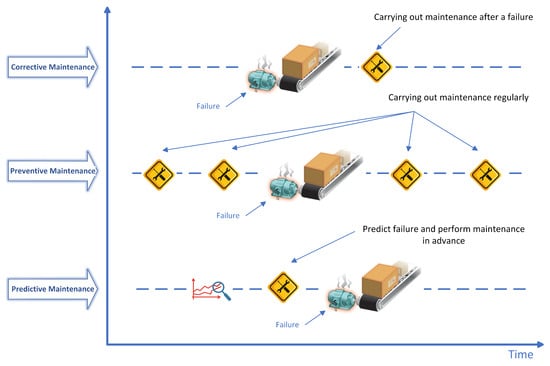
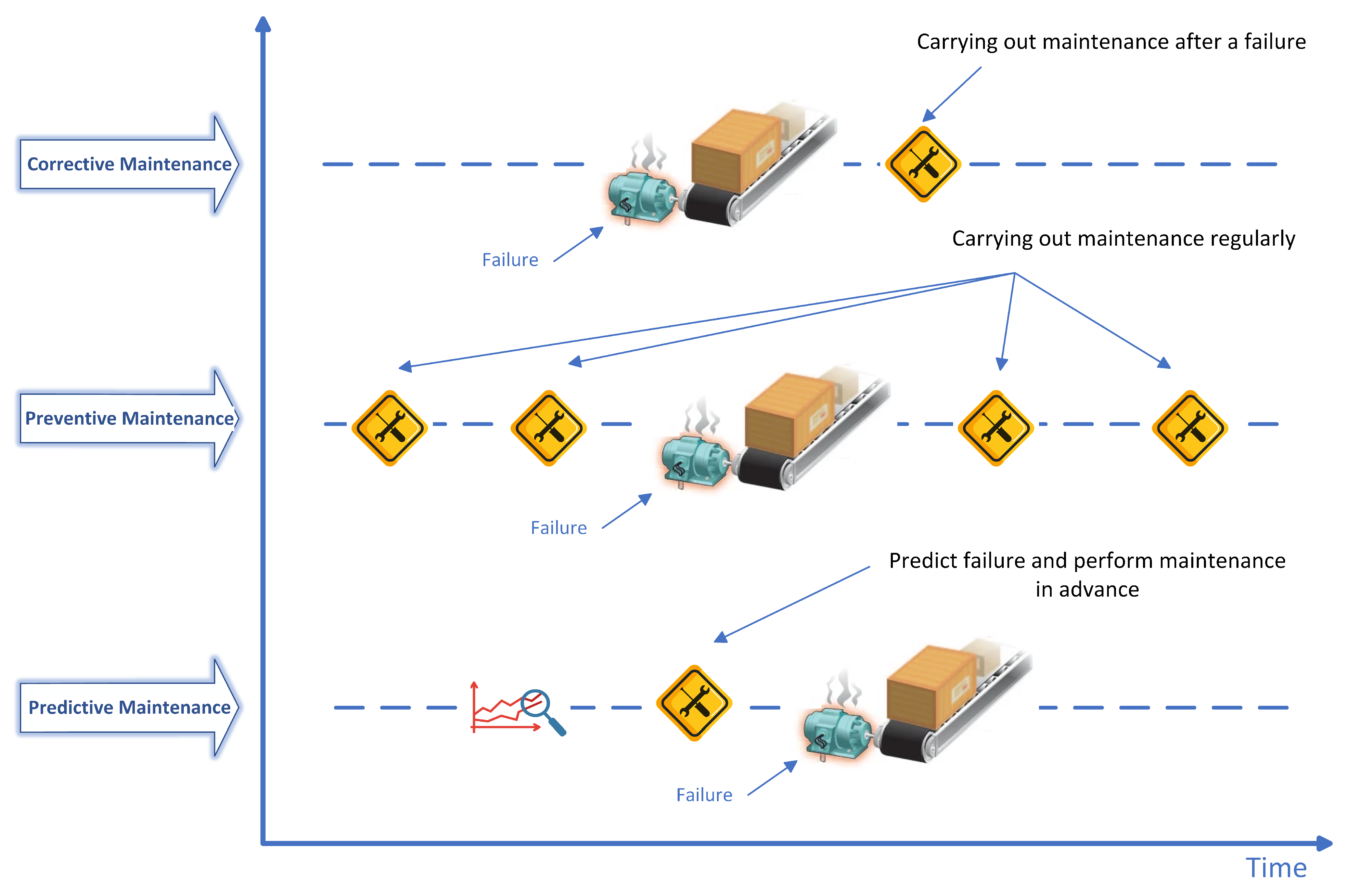
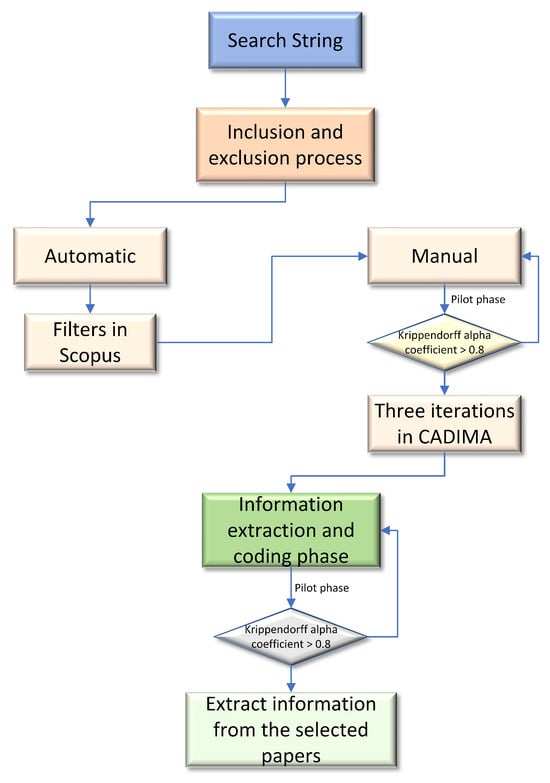
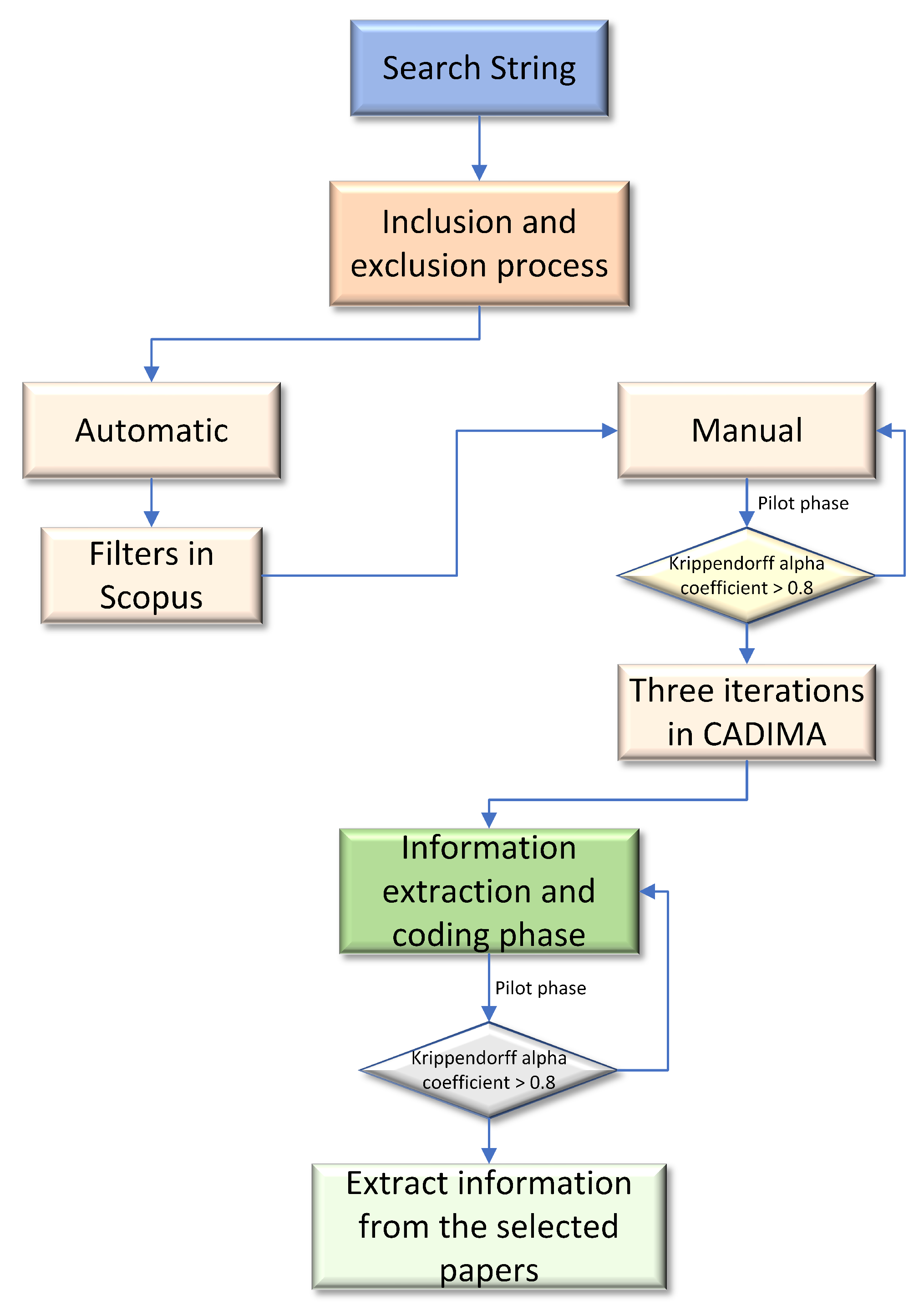
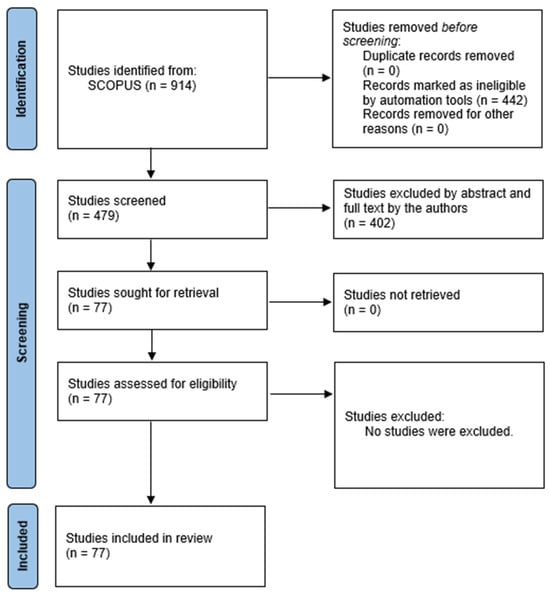
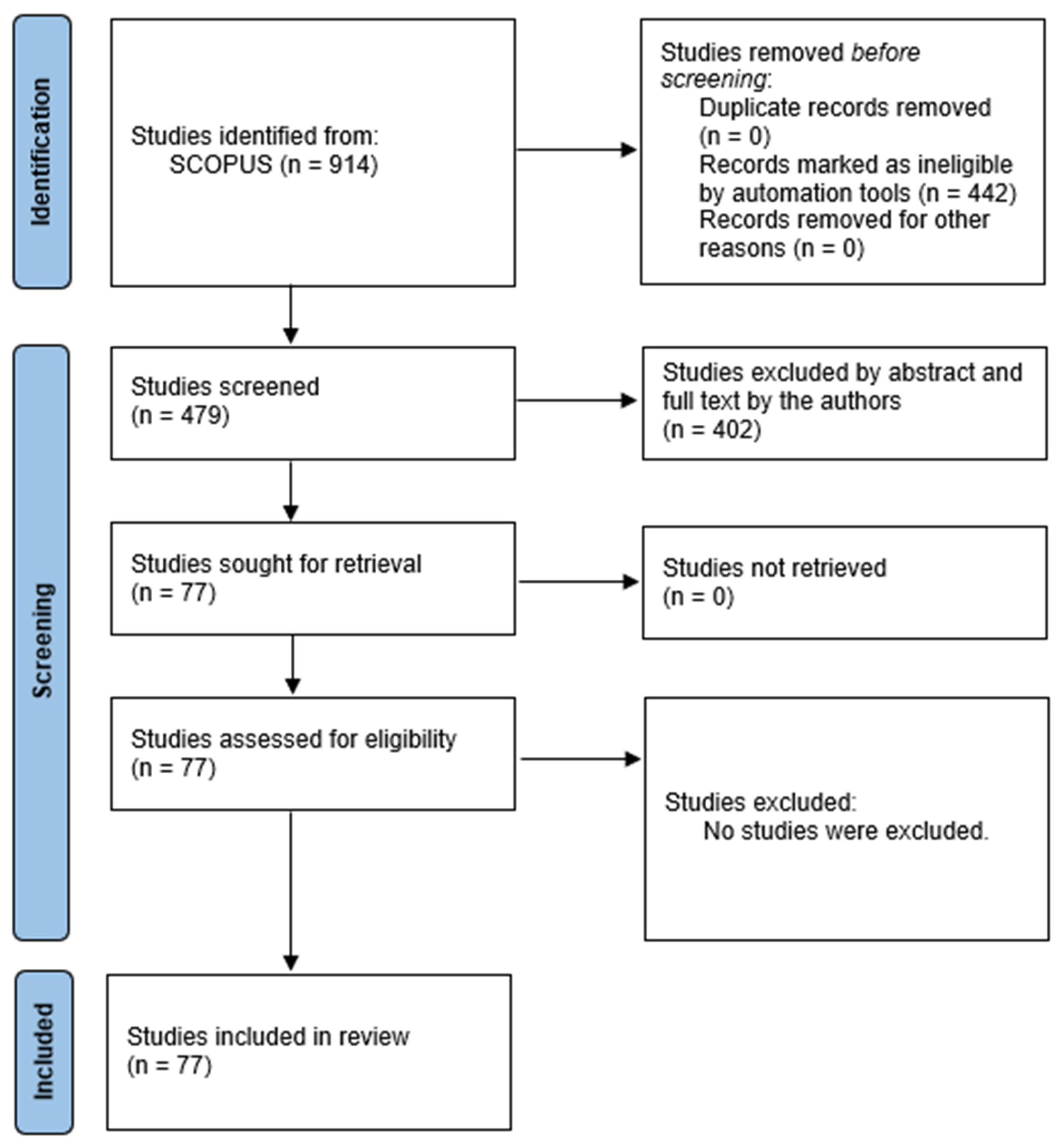
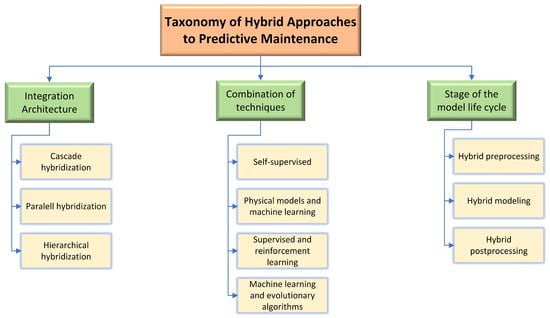
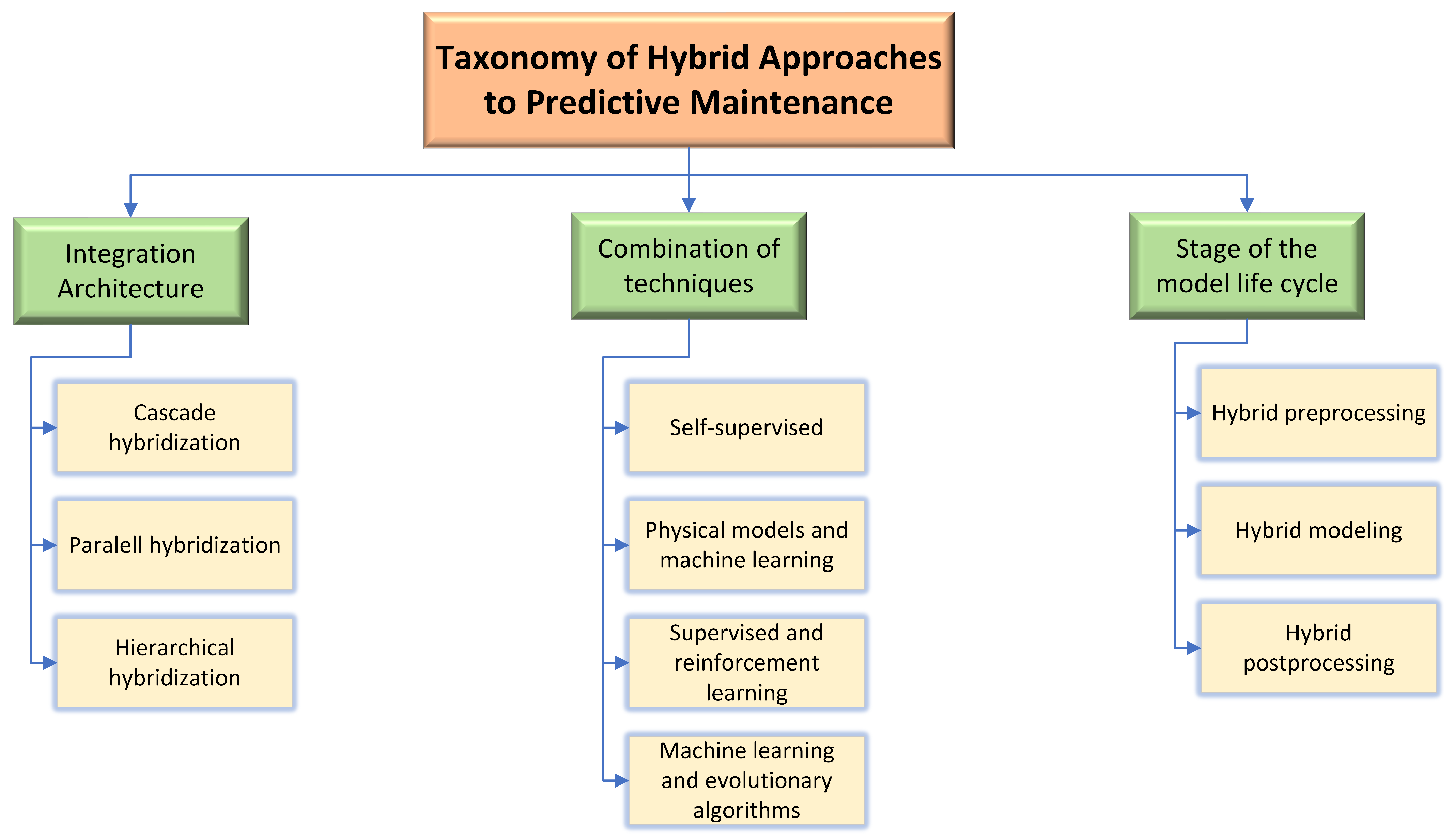
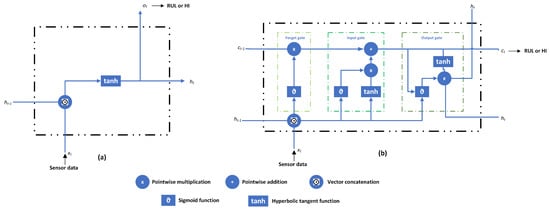
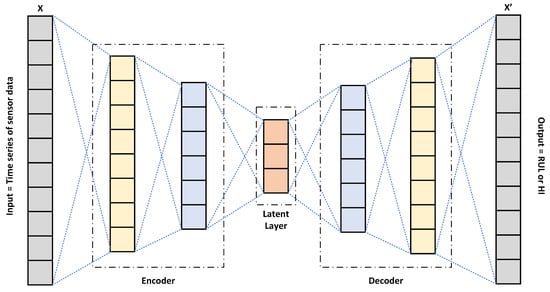
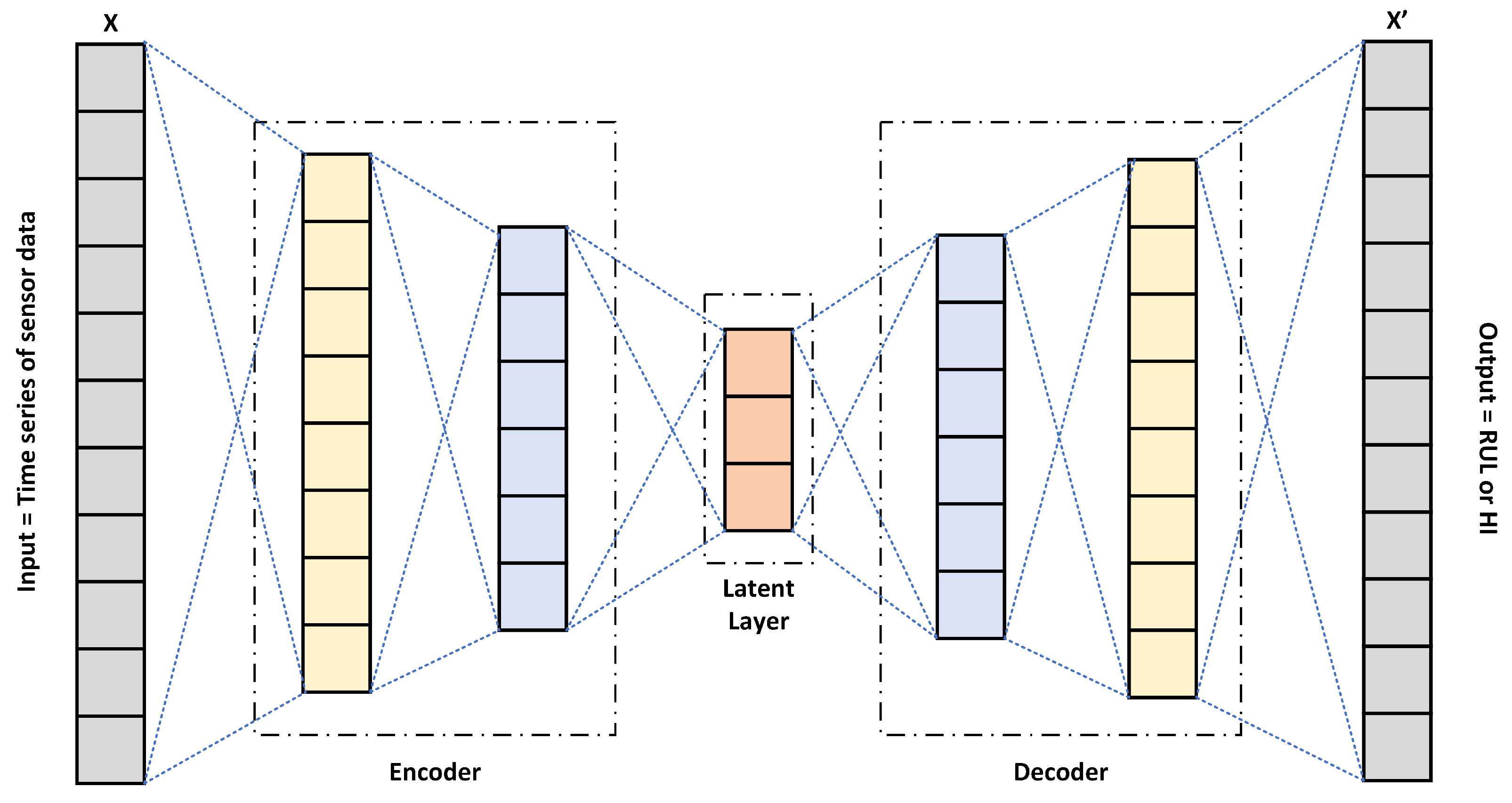
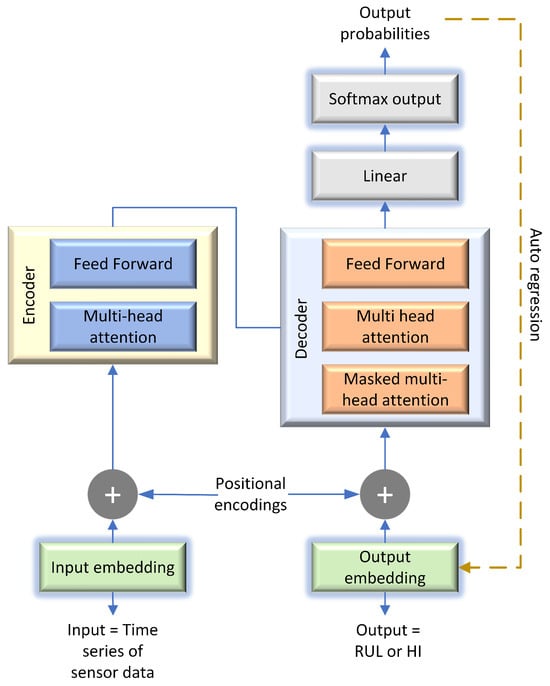
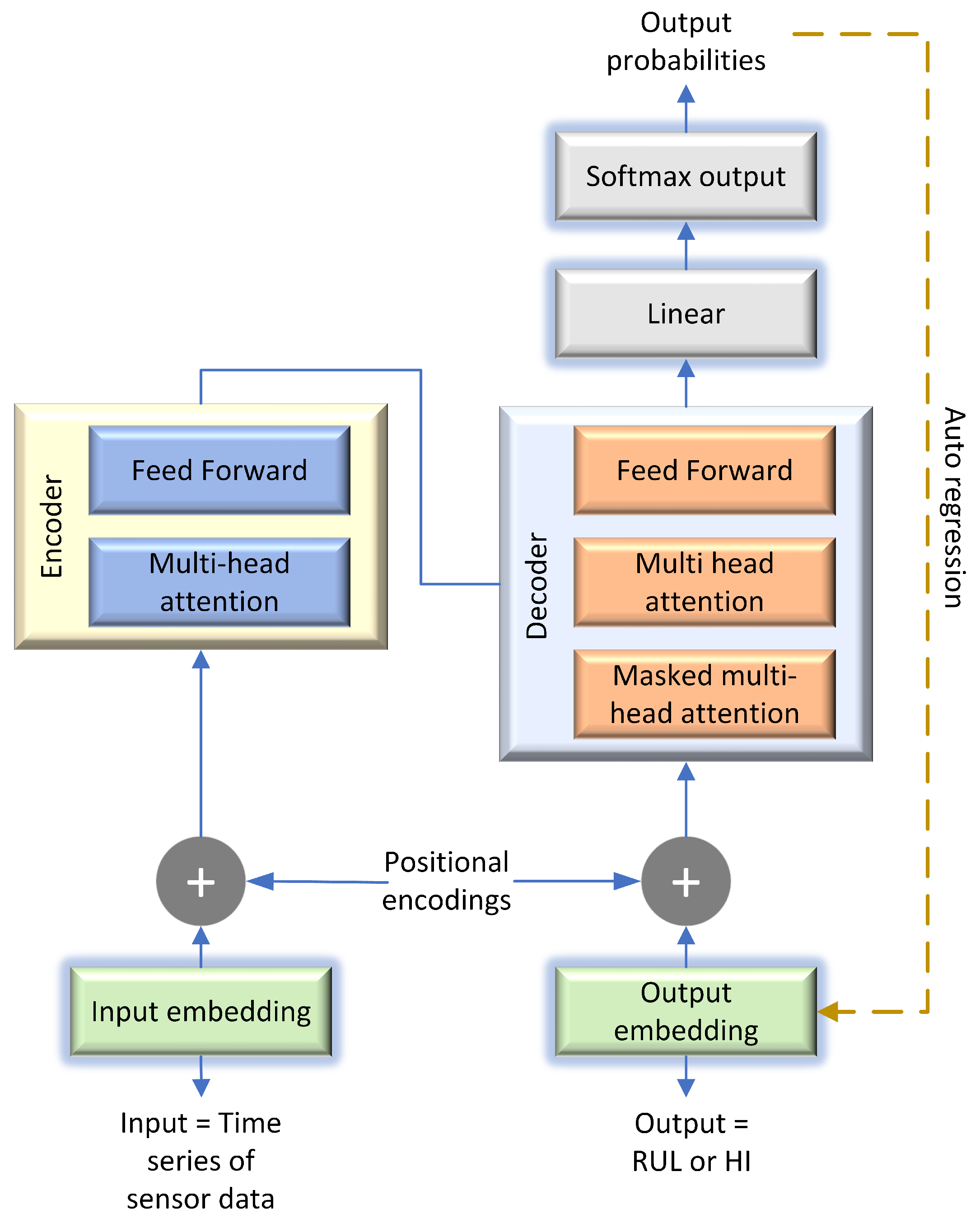
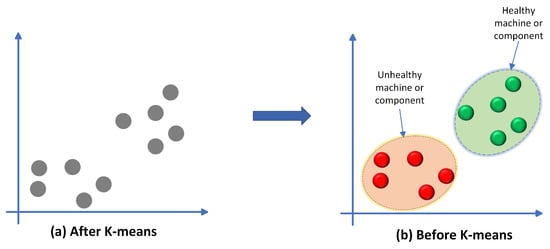
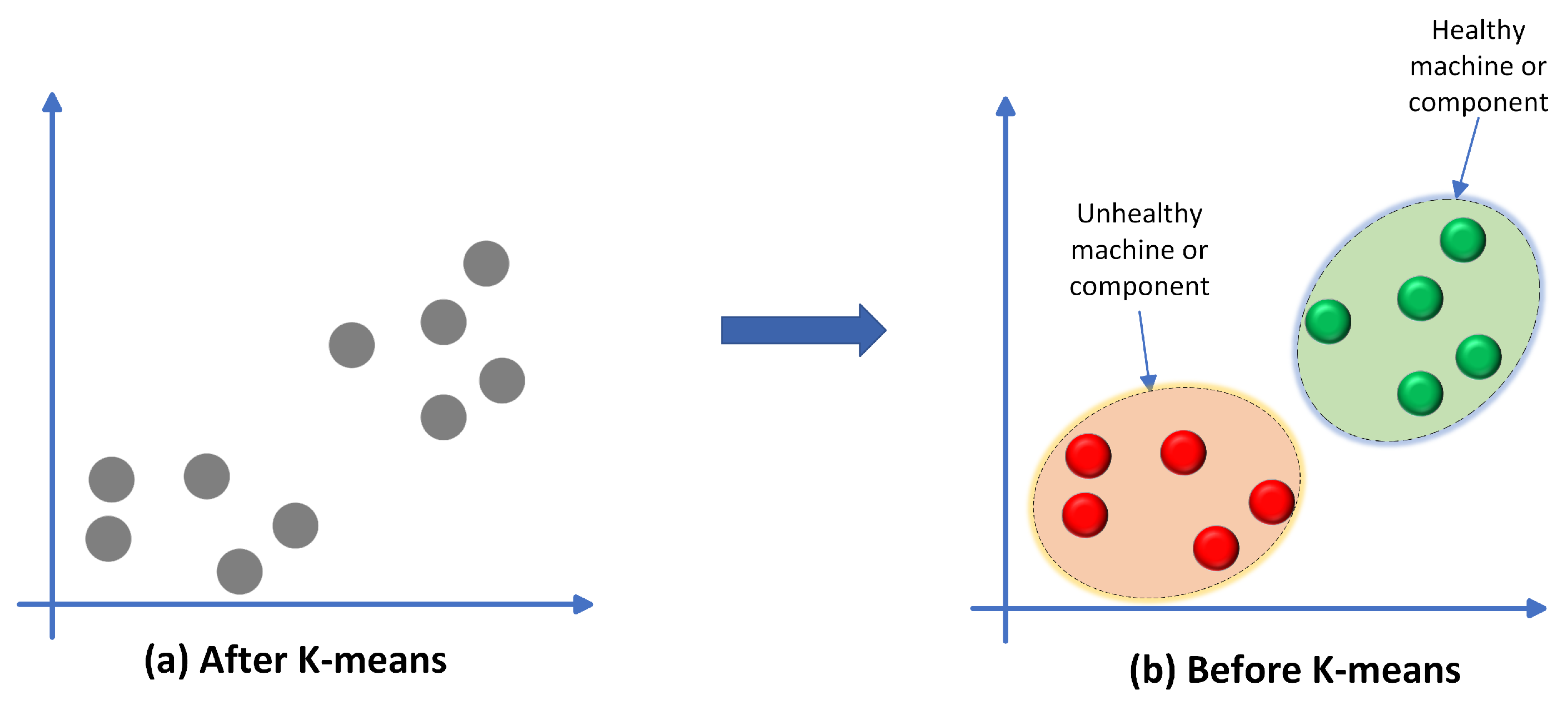
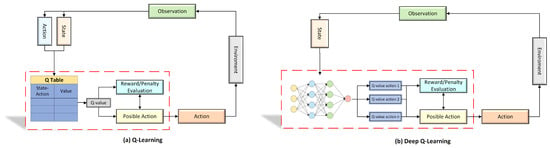
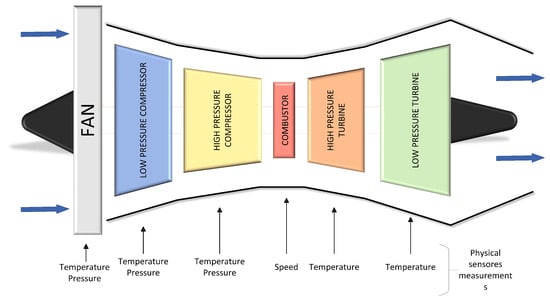
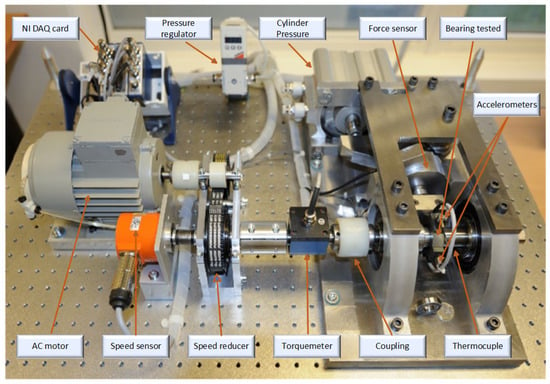
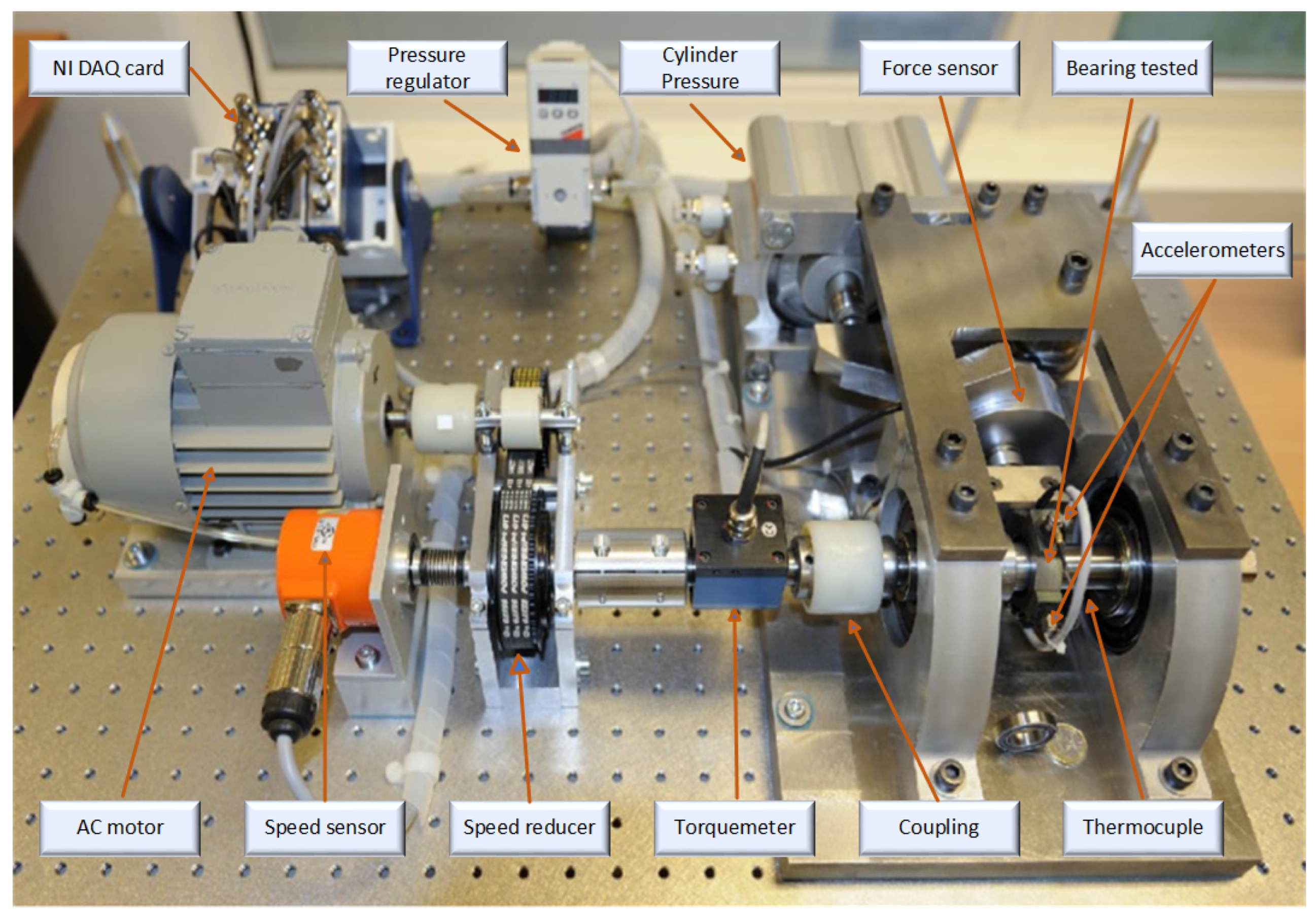
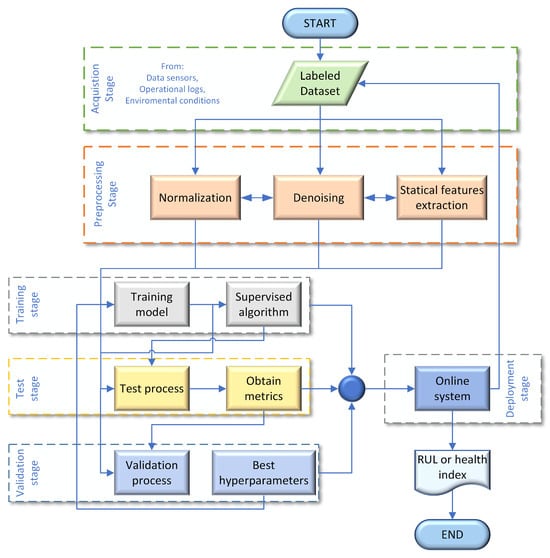
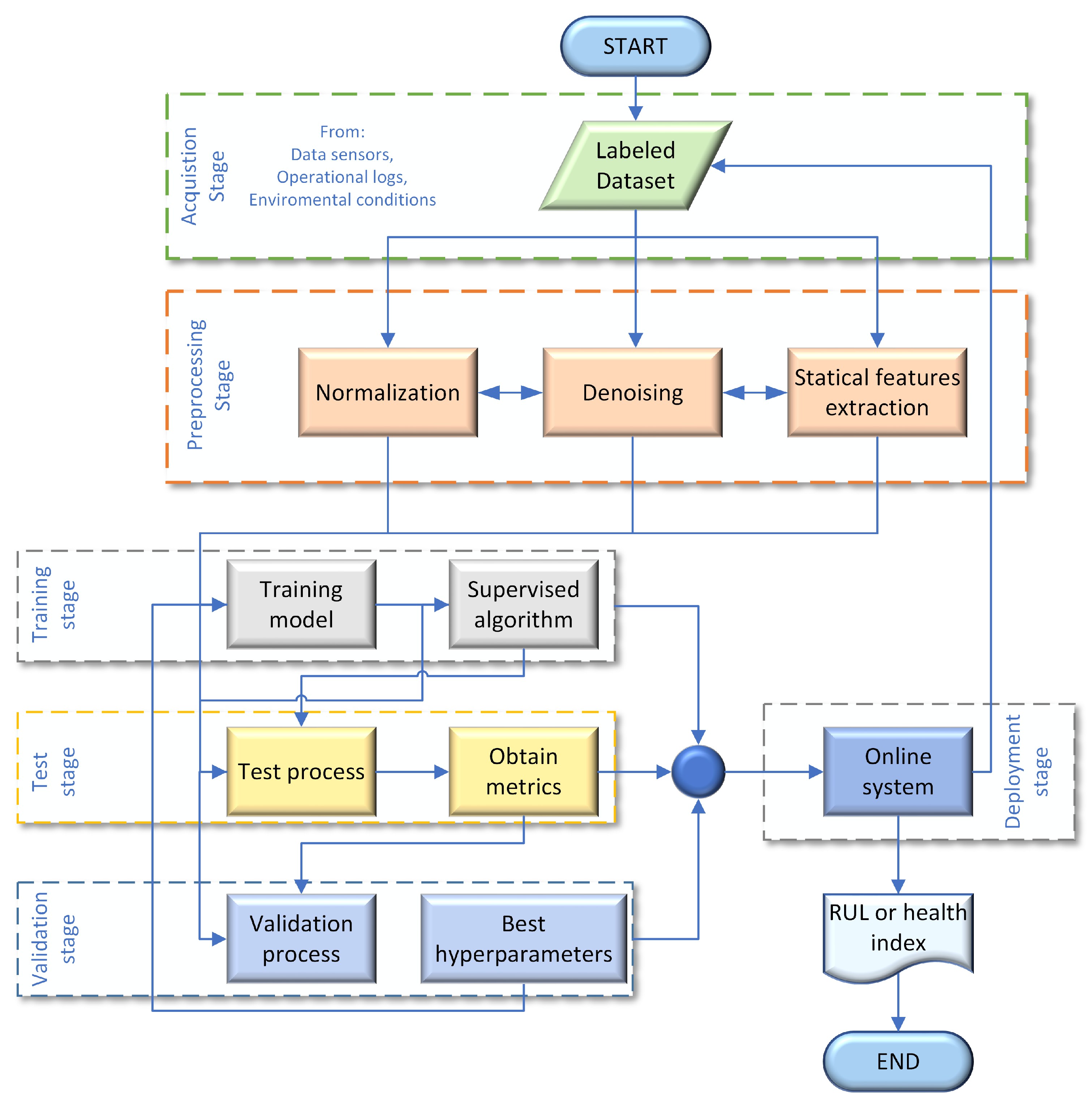
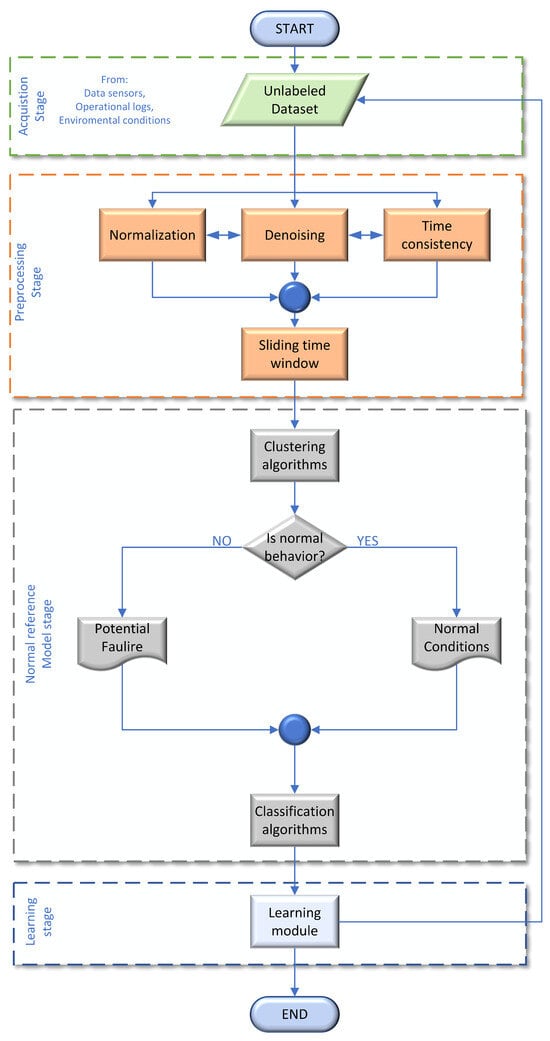
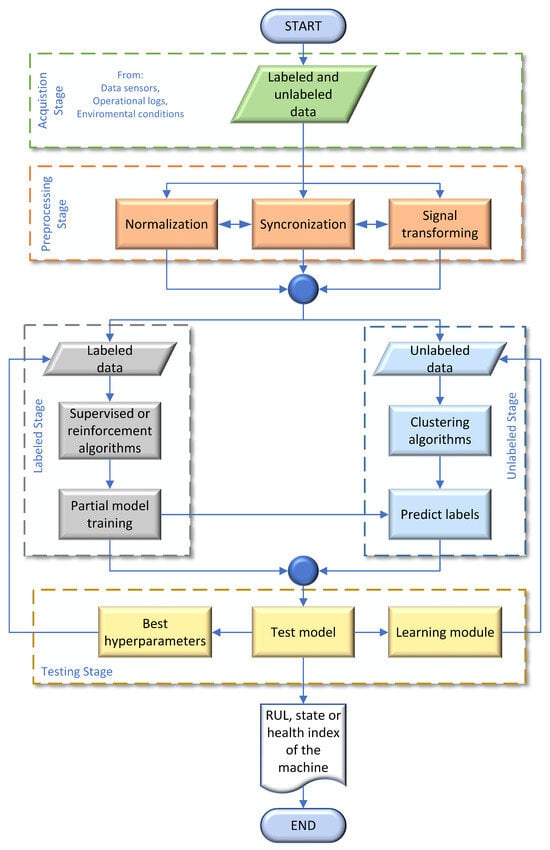
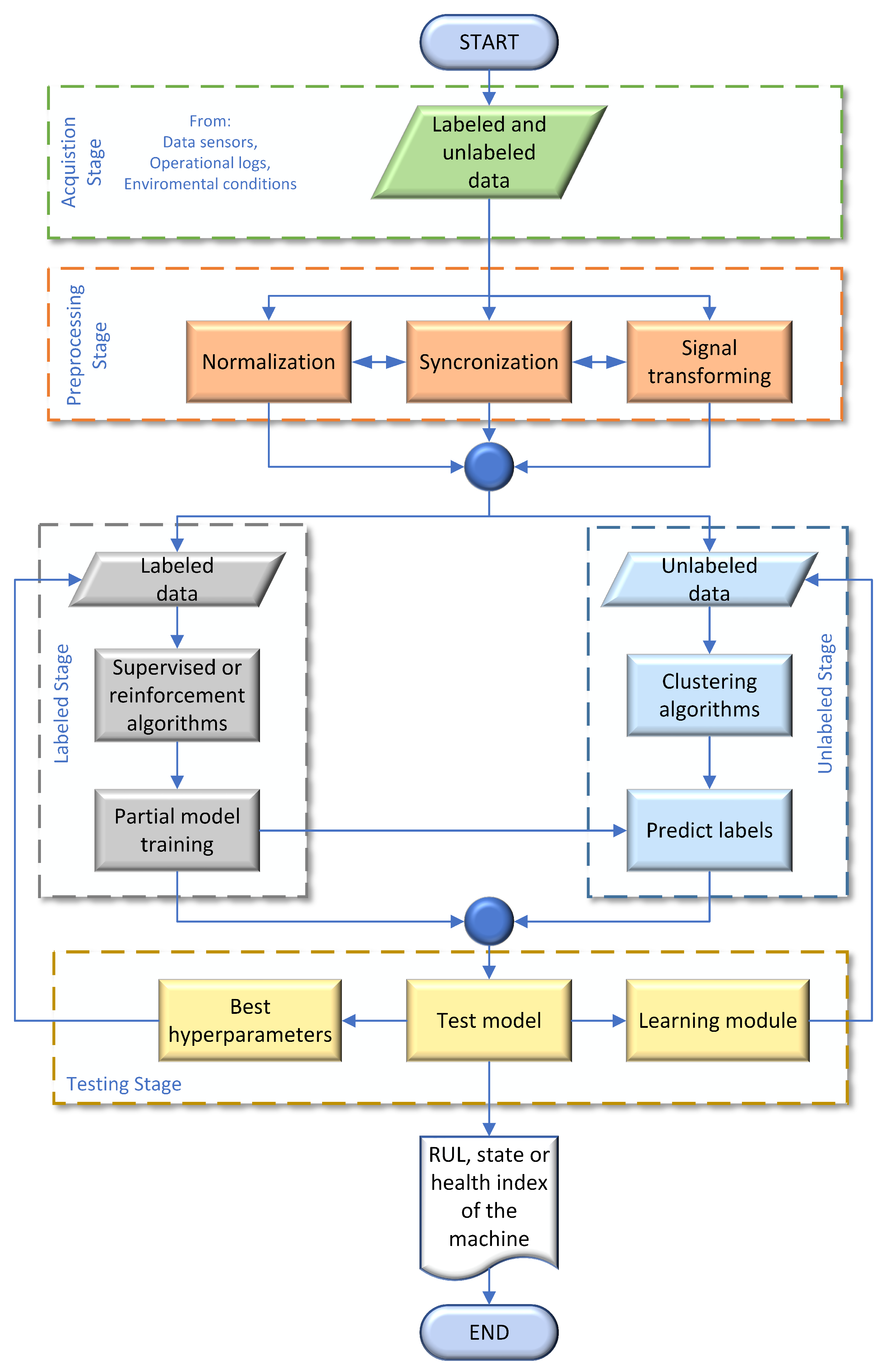
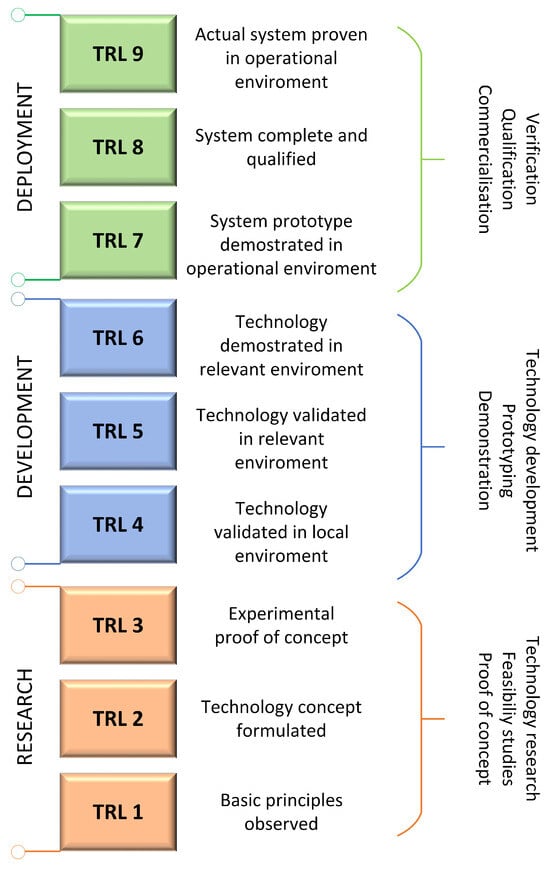
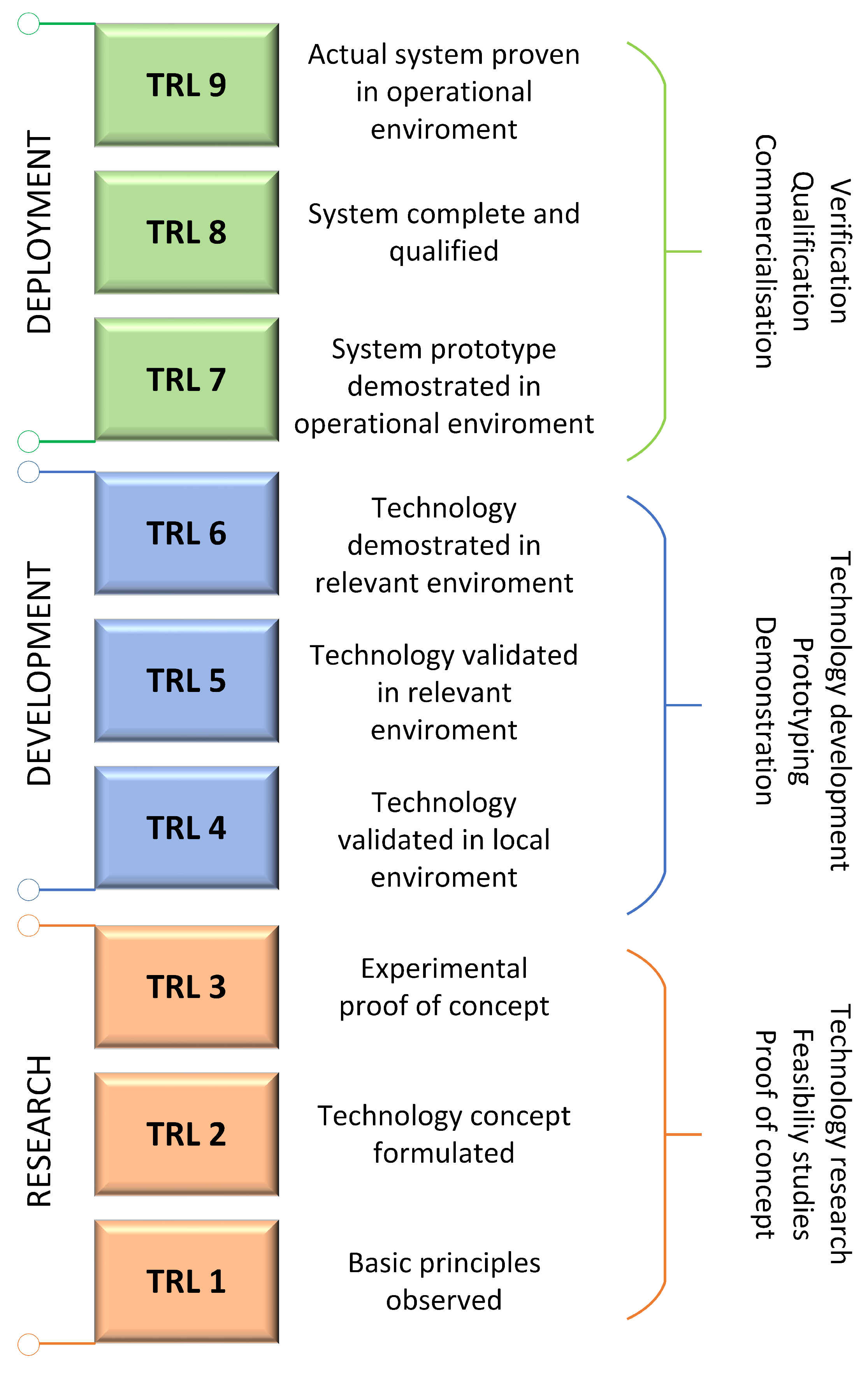
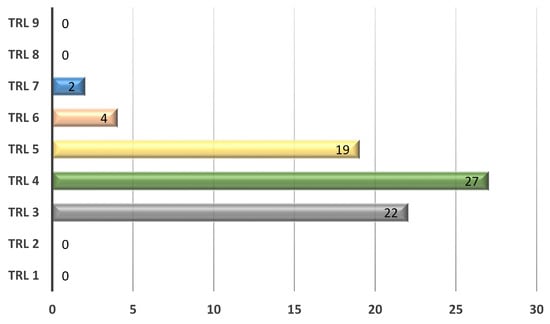
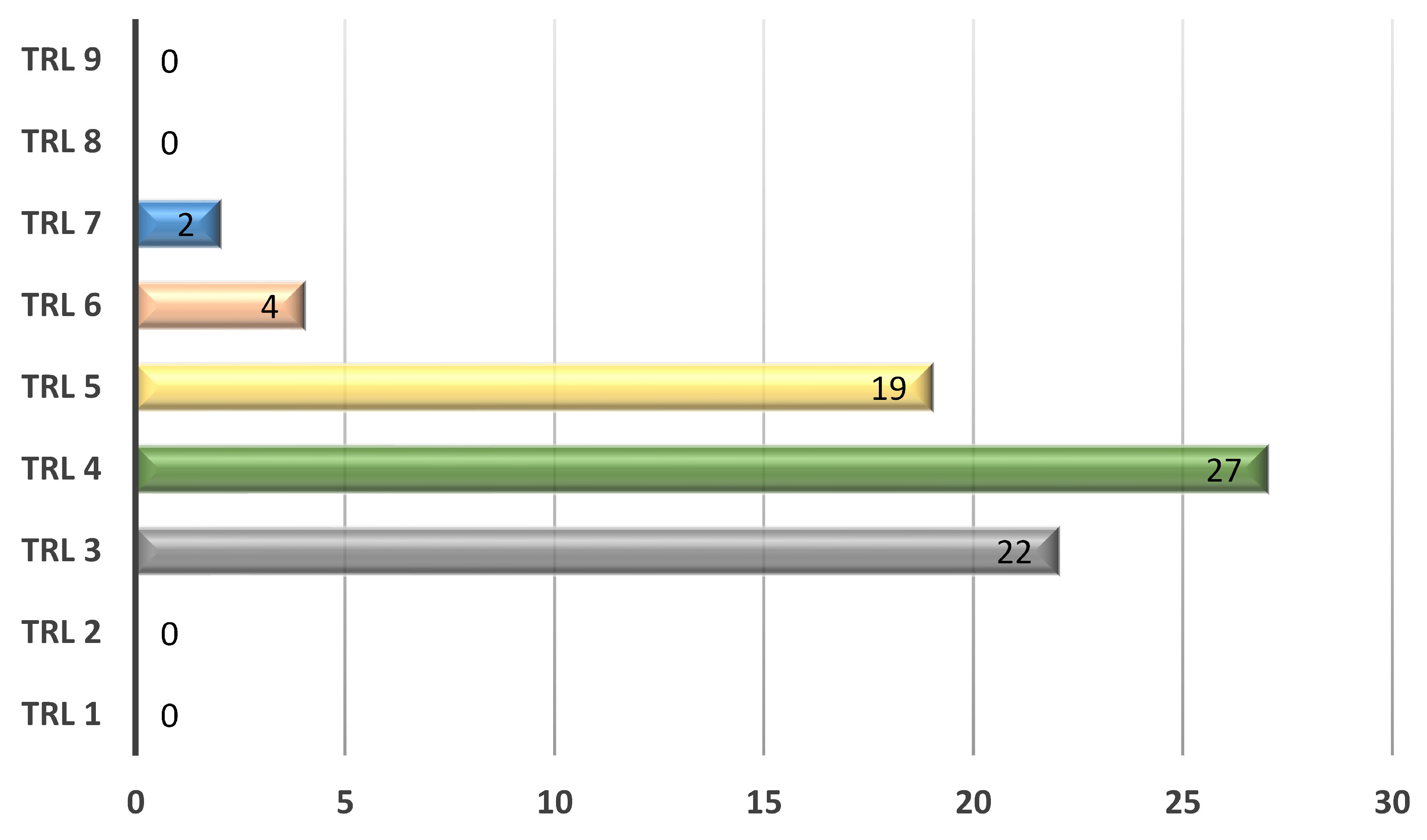
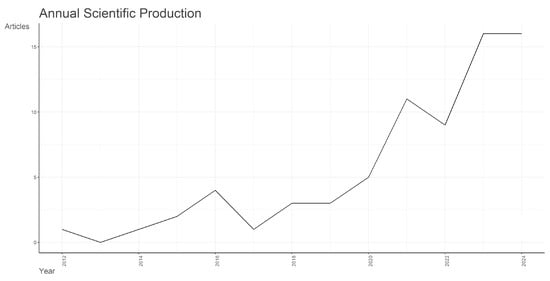
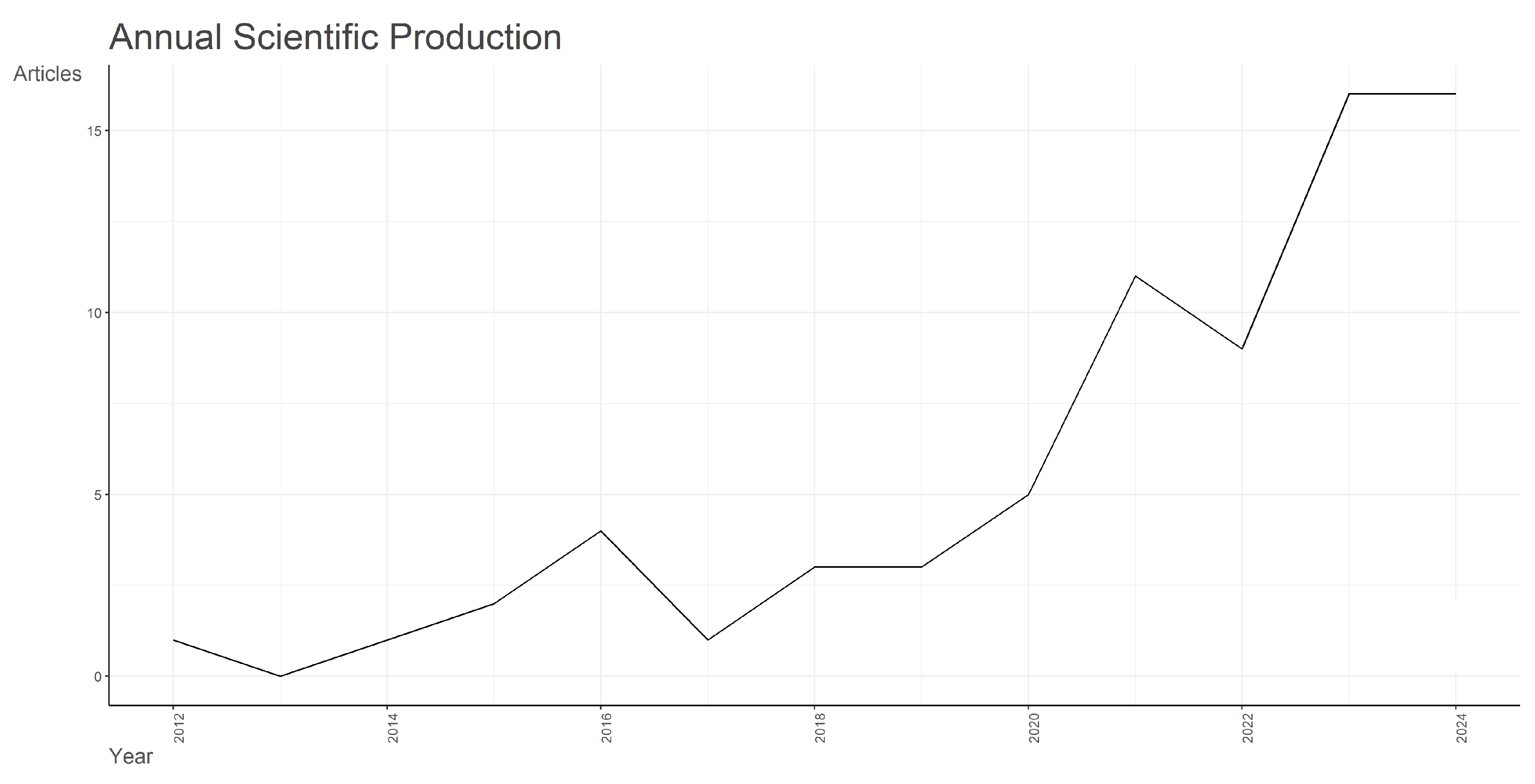
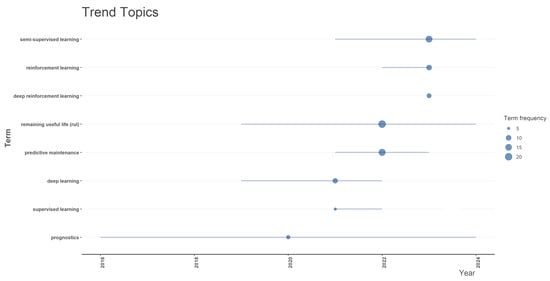
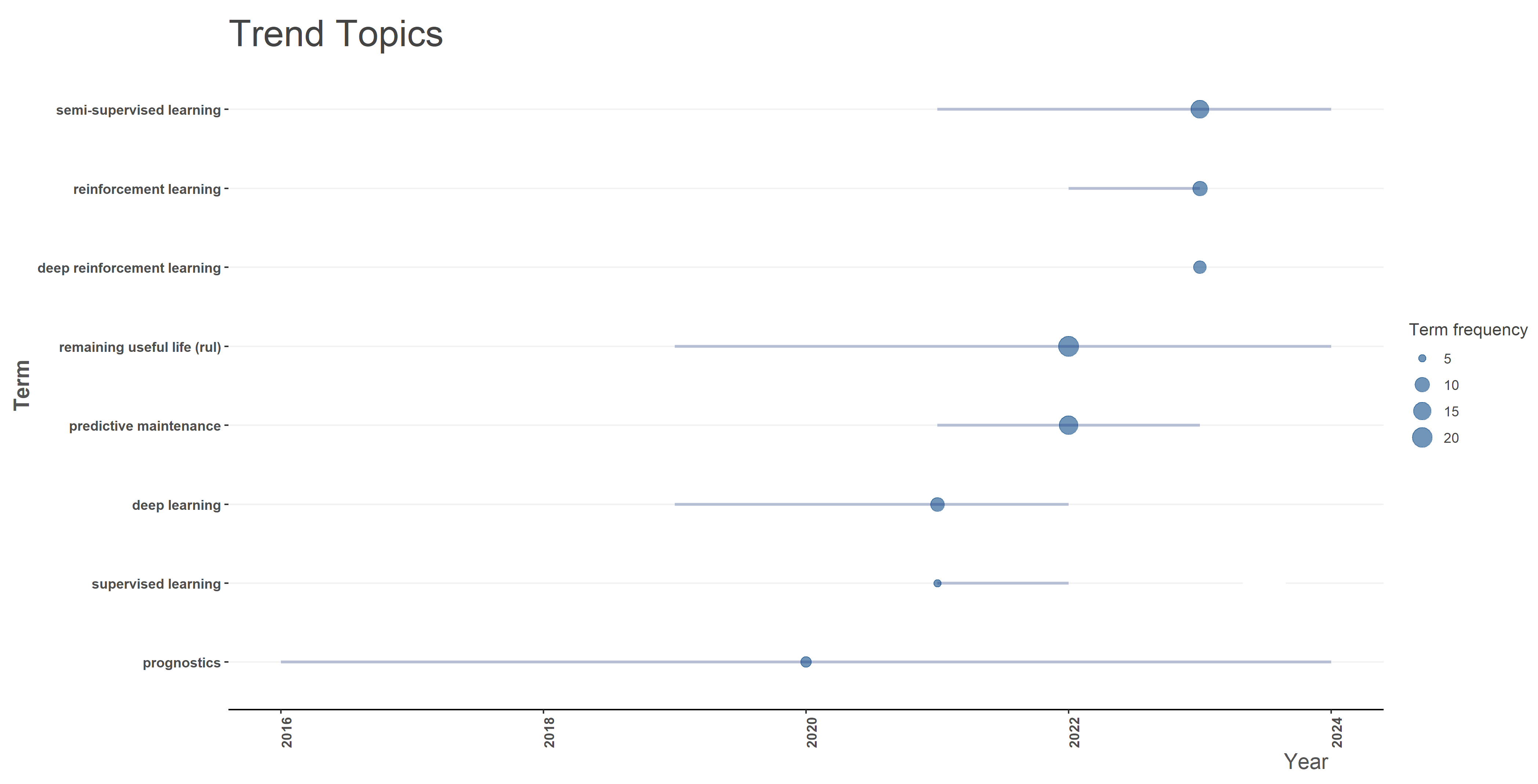
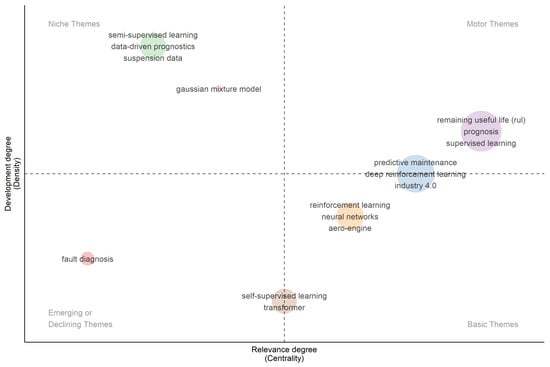
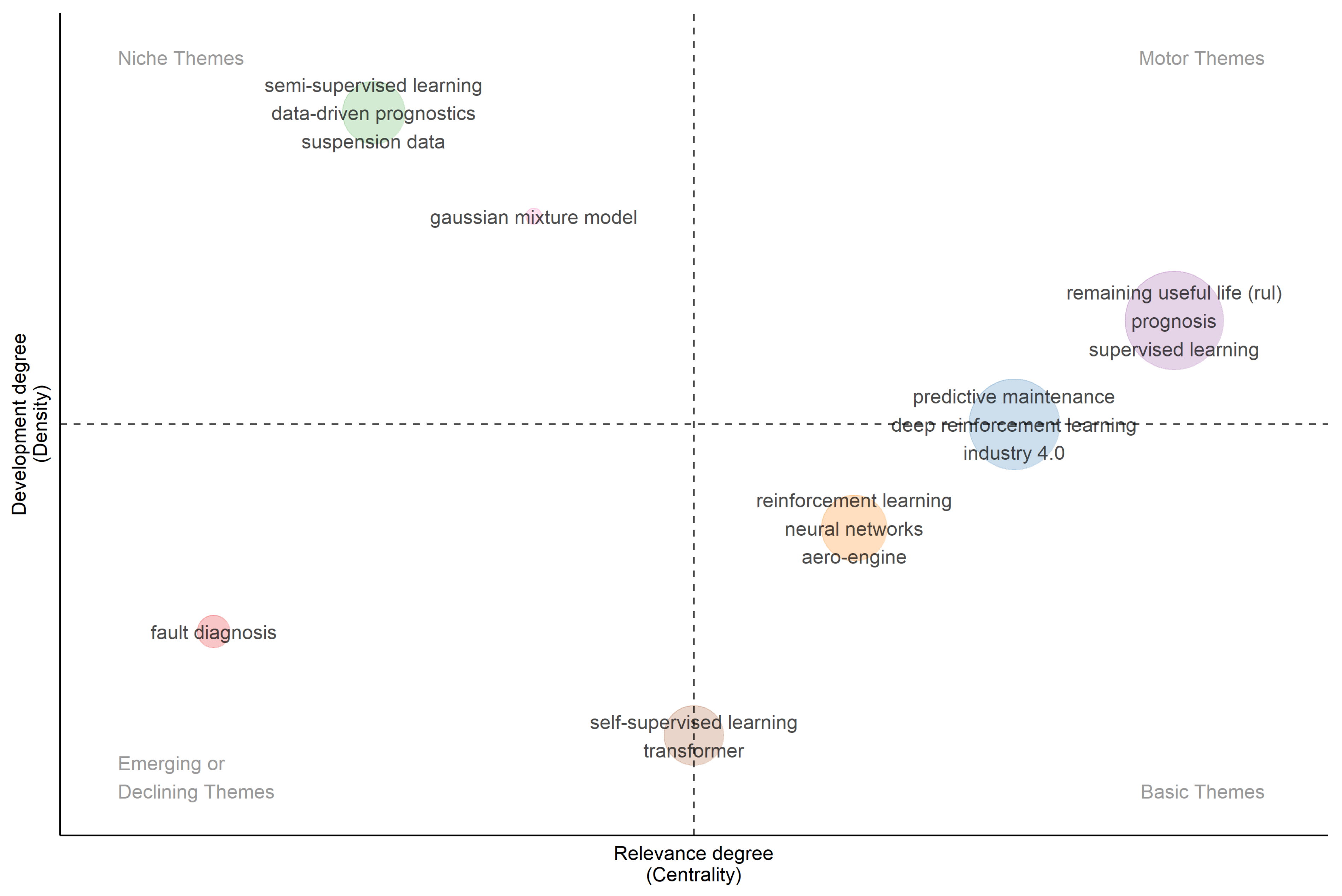

Disclaimer/Publisher’s Note: The statements, opinions and data contained in all publications are solely those of the individual author(s) and contributor(s) and not of MDPI and/or the editor(s). MDPI and/or the editor(s) disclaim responsibility for any injury to people or property resulting from any ideas, methods, instructions or products referred to in the content. |
© 2026 by the authors. Published by MDPI on behalf of the International Institute of Knowledge Innovation and Invention. Licensee MDPI, Basel, Switzerland. This article is an open access article distributed under the terms and conditions of the Creative Commons Attribution (CC BY) license.