
Topical Advisory Panel applications are now closed. Please contact the Editorial Office with any queries.
Journal Description
Beverages
Beverages
is an international, peer-reviewed, open access journal on beverage research and development published monthly online by MDPI.
- Open Access— free for readers, with article processing charges (APC) paid by authors or their institutions.
- High Visibility: indexed within Scopus, ESCI (Web of Science), Embase, FSTA, CAPlus / SciFinder, PubAg, and other databases.
- Journal Rank: CiteScore - Q2 (Food Science)
- Rapid Publication: manuscripts are peer-reviewed and a first decision is provided to authors approximately 23.7 days after submission; acceptance to publication is undertaken in 8.7 days (median values for papers published in this journal in the second half of 2025).
- Recognition of Reviewers: reviewers who provide timely, thorough peer-review reports receive vouchers entitling them to a discount on the APC of their next publication in any MDPI journal, in appreciation of the work done.
- Journal Cluster of Food, Nutrition, and Health Science: Beverages, Dietetics, Foods, Nutraceuticals, Nutrients and Obesities.
Impact Factor:
2.7 (2024);
5-Year Impact Factor:
3.4 (2024)
Latest Articles
FT-IR Physico-Chemical Parameters and GC-MS Polar Metabolite Fingerprints Discriminate Carignano and Cannonau DOC Wines
Beverages 2026, 12(5), 59; https://doi.org/10.3390/beverages12050059 (registering DOI) - 12 May 2026
Abstract
To protect wine authenticity and quality, two Sardinian red wines, Carignano del Sulcis and Cannonau di Sardegna, were characterized using an FT-IR and untargeted GC–MS integrated approach. FT-IR-derived oenological parameters, together with GC–MS profiles of polar low-molecular-weight metabolites, were subjected to multivariate statistical
[...] Read more.
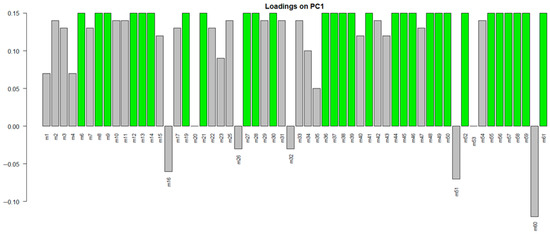
To protect wine authenticity and quality, two Sardinian red wines, Carignano del Sulcis and Cannonau di Sardegna, were characterized using an FT-IR and untargeted GC–MS integrated approach. FT-IR-derived oenological parameters, together with GC–MS profiles of polar low-molecular-weight metabolites, were subjected to multivariate statistical analysis. Compared with Cannonau, Carignano exhibited higher color intensity, greater density, and higher contents of glucose, lactic acid, and malic acid. Discriminant analysis of GC-MS data revealed that Carignano was characterized by uronic acids and arabitol, suggesting possible exposure to Botrytis. In contrast, Cannonau was characterized by 2,3 butanediol and ethyl-tartrate, indicating more pronounced yeast fermentative activity, consistent with the lower residual glucose content measured by FT-IR. Classification analysis demonstrated that the different wineries exert significant influence on the final characteristics of the wine. Overall, the findings demonstrated the effectiveness of this integrated analytical approach as a promising tool for wine authentication.
Full article
(This article belongs to the Section Wine, Spirits and Oenological Products)
Open AccessReview
Probiotic Yeast for Brewing? A Mini-Review of Craft Brewing Research with Saccharomyces cerevisiae var. boulardii
by
Tianyang Wang and Shiwen Zhuang
Beverages 2026, 12(5), 58; https://doi.org/10.3390/beverages12050058 (registering DOI) - 11 May 2026
Abstract
The brewing industry remains at the forefront of technological innovation, with growing interest in alternative yeasts. Saccharomyces cerevisiae var. boulardii, a well-established probiotic yeast, has attracted attention for its potential to produce probiotic-enriched beers, offering an option for moderate consumers seeking functional beverages.
[...] Read more.
The brewing industry remains at the forefront of technological innovation, with growing interest in alternative yeasts. Saccharomyces cerevisiae var. boulardii, a well-established probiotic yeast, has attracted attention for its potential to produce probiotic-enriched beers, offering an option for moderate consumers seeking functional beverages. This mini-review brings together current research on the use of S. boulardii in craft brewing, focusing on fermentation performance, flavour and sensory characteristics, and potential health-related functions. While often regarded as a variant of S. cerevisiae, S. boulardii shows comparable or greater cell growth, increased acetic acid production at the expense of glycerol, and lower alcohol yield compared to S. cerevisiae. Despite these differences, beers brewed with S. boulardii exhibit similar volatile compound profiles and sensory characteristics to those produced with S. cerevisiae. In terms of health-related attributes, S. boulardii-fermented beers show higher antioxidant activity, the presence of malto-oligosaccharides with prebiotic potential, and the ability of yeast to survive both storage and gastrointestinal transit. Strategies explored to optimise its brewing performance and customer acceptance include co-fermentation with S. cerevisiae, modified mashing protocols, and natural flavour additions. Overall, the available evidence supports S. boulardii as a promising yeast for developing probiotic-enriched beers. Further research is needed to validate current findings at commercial scales, investigate host–microbiome interactions following beer consumption and develop strategies that balance probiotic efficacy and desirable beer appearance over shelf life. The paper may assist brewers in making informed decisions about deploying S. boulardii, aligning consumer interest in functional beverages with the enjoyment of beer.
Full article
(This article belongs to the Section Beverage Technology Fermentation and Microbiology)
Open AccessArticle
Molecular and Physiological Analysis of Saccharomyces cerevisiae Strains Associated with Taberna, an Alcoholic Beverage from the Sap of Coyol Palm (Acrocomia aculeata Jacq. Lodd. Ex Mart.)
by
Maritza Tawas-Penagos, José Alberto Narváez-Zapata, Patricia Lappe-Oliveras and Alma Gabriela Verdugo-Valdez
Beverages 2026, 12(5), 57; https://doi.org/10.3390/beverages12050057 (registering DOI) - 9 May 2026
Abstract
►▼
Show Figures
In Chiapas, Mexico, traditional fermented beverages represent an important cultural resource and serve as reservoirs of native microorganisms, particularly Saccharomyces cerevisiae. In Taberna, a beverage produced from the sap of Acrocomia aculeata, morphological variation among S. cerevisiae colonies has been
[...] Read more.
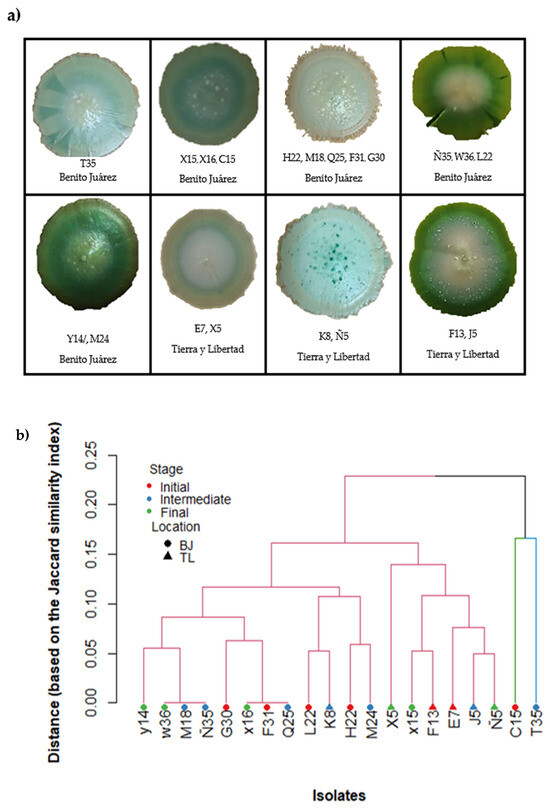
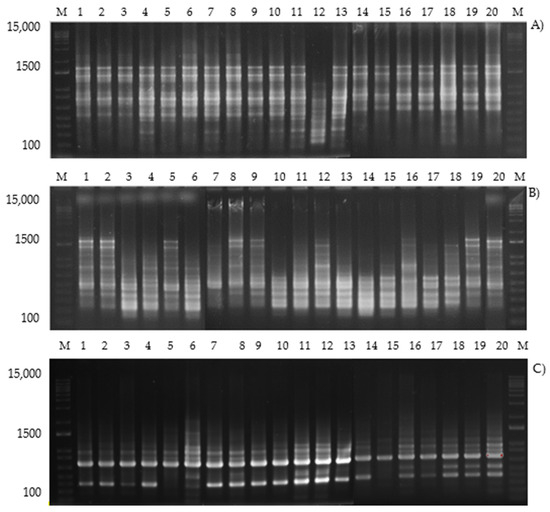
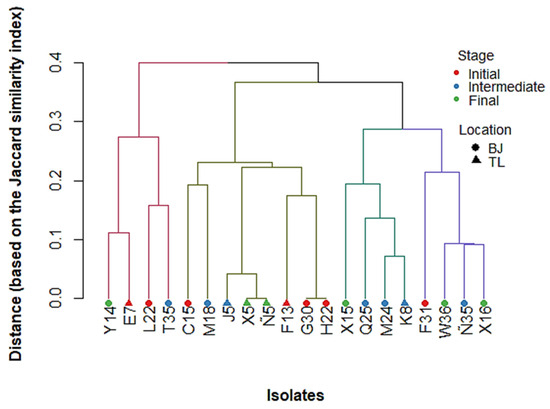
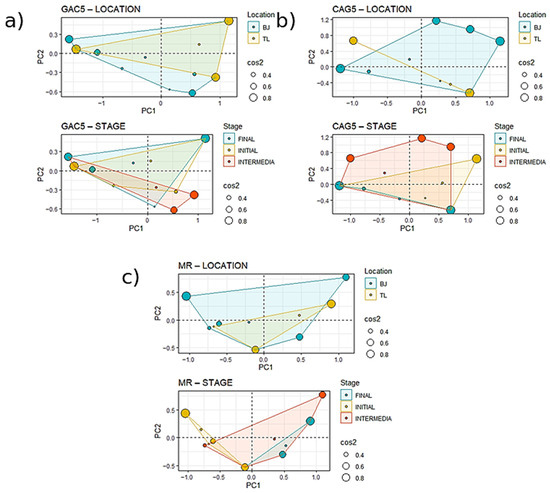
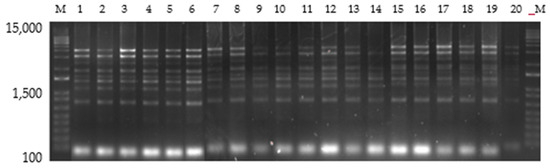
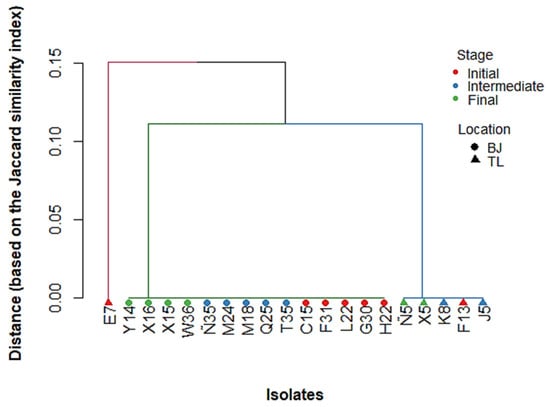
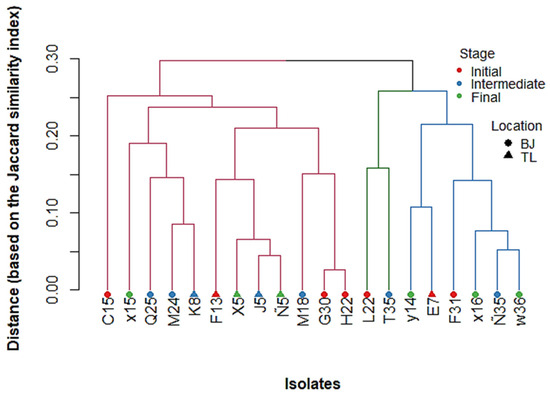
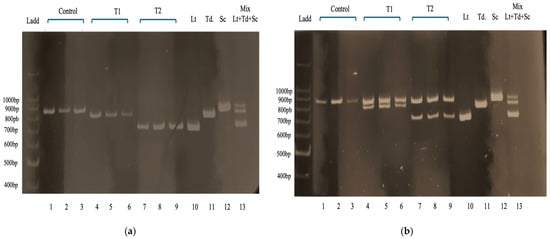
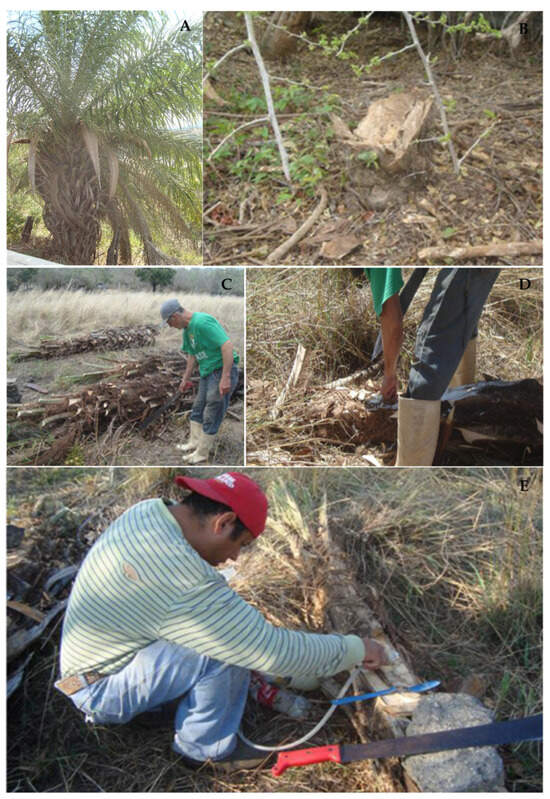
In Chiapas, Mexico, traditional fermented beverages represent an important cultural resource and serve as reservoirs of native microorganisms, particularly Saccharomyces cerevisiae. In Taberna, a beverage produced from the sap of Acrocomia aculeata, morphological variation among S. cerevisiae colonies has been reported across different fermentation stages. This study aimed to determine whether colony morphological traits are related to intraspecific variability among isolates and to assess whether this variability is associated with the locality of origin and fermentation stage. Twenty Saccharomyces cerevisiae isolates collected from three fermentation stages (initial, intermediate, and final) in two localities (Benito Juárez and Tierra y Libertad) were characterized. Macromorphological and physiological traits—including thermotolerance, osmotolerance, cycloheximide tolerance, ethanol resistance, and carbohydrate fermentation—were evaluated. Genetic variability was assessed by Arbitrarily Primed-Polimerase in Chain Reaction (AP-PCR)using the microsatellites (CAG)5, (GAC)5, and MR, and by Restriction Fragment Length Polymorphism (RFLP) of the ITS-5.8S and NTS regions; data were analyzed using Unweighted Pair Group Method with Arithmetic mean (UPGMA). The isolates exhibited high physiological and molecular heterogeneity, primarily associated with locality. Isolates C15, K8, and X5 grew at temperatures up to 45 °C, and isolated Ñ5 tolerated ethanol concentrations up to 15%. Genetic profiles showed intraspecific polymorphism and geographic differentiation. These findings highlight substantial physiological variation among isolates, suggesting potential relevance for future applications in traditional fermentation processes.
Full article

Figure 1
Open AccessArticle
Fumaric Acid as an Alternative to Sulphur Dioxide in Conventional and Skin-Macerated White Winemaking
by
Violeta García-Viñola, Montserrat Poblet, Albert Bordons, Cristina Reguant and Nicolas Rozès
Beverages 2026, 12(5), 56; https://doi.org/10.3390/beverages12050056 - 7 May 2026
Abstract
►▼
Show Figures
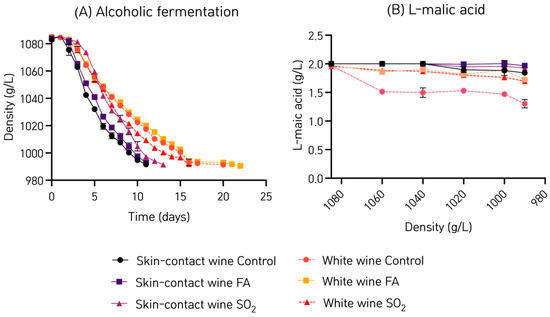
The production of white-skin-macerated wines without sulphur dioxide (SO2) has increased in recent years, although it presents challenges such as uncontrolled alcoholic fermentation (AF) or malolactic fermentation (MLF) and the production of undesirable compounds. Fumaric acid (FA) is being explored as
[...] Read more.
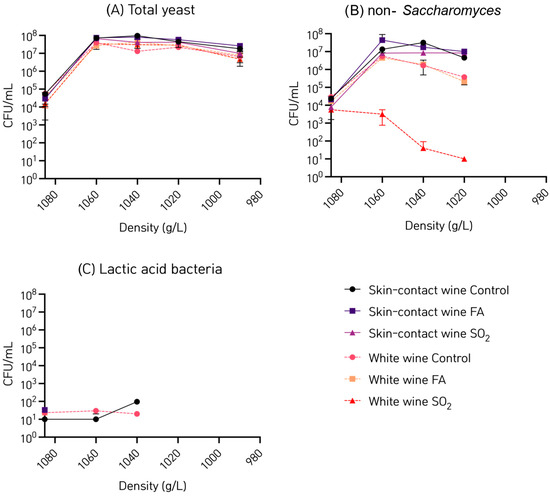
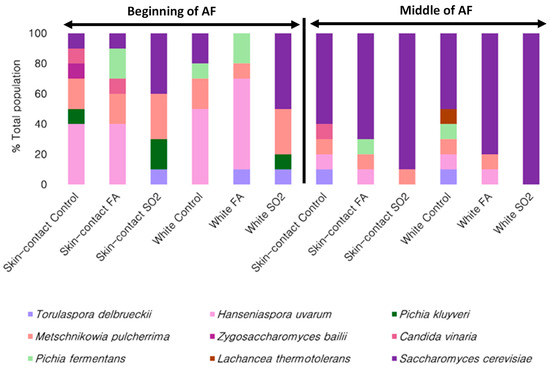
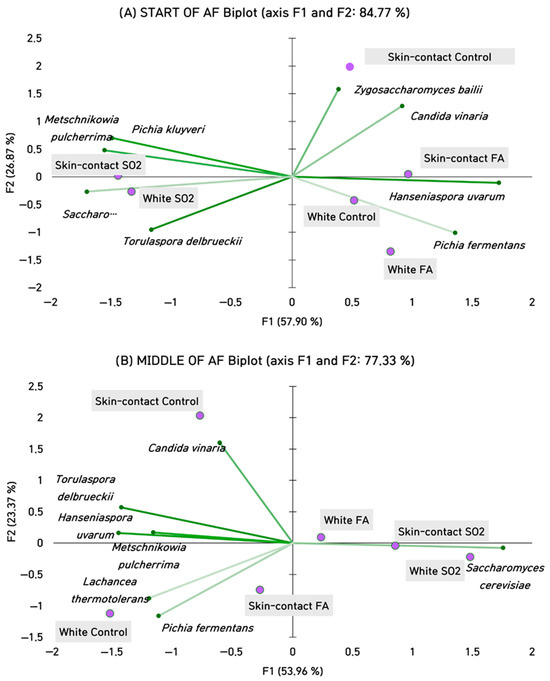
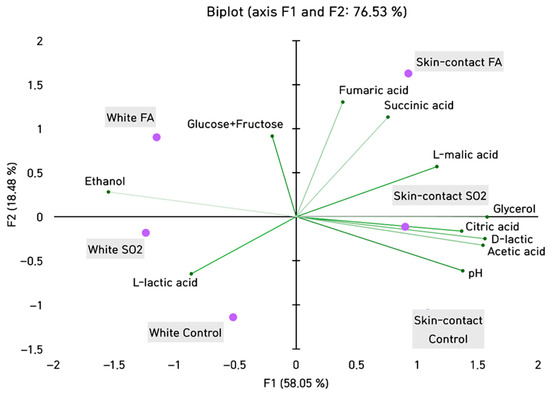
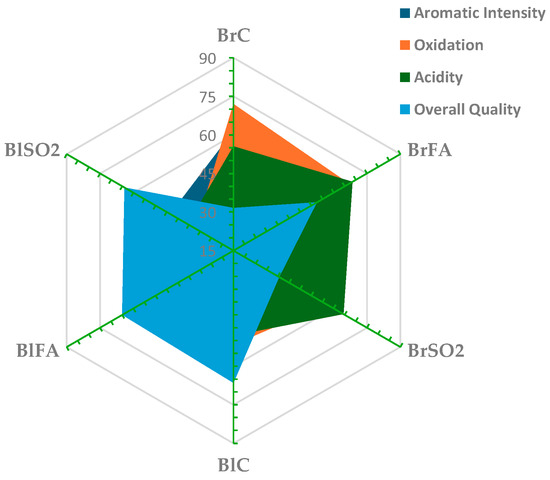
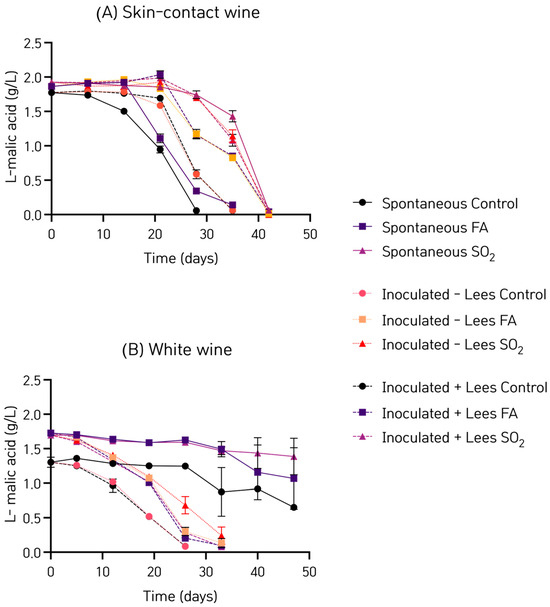
The production of white-skin-macerated wines without sulphur dioxide (SO2) has increased in recent years, although it presents challenges such as uncontrolled alcoholic fermentation (AF) or malolactic fermentation (MLF) and the production of undesirable compounds. Fumaric acid (FA) is being explored as an alternative to SO2 due to its antimicrobial and acidifying properties. This study evaluated the effects of vinification type (white skin contact vs. conventional white wine) and different treatments: (i) control without additives, (ii) 0.6 g/L FA, and (iii) 40 mg/L SO2. After AF, MLF was conducted under three conditions: spontaneous fermentation and two inoculated trials with 106 cells/mL of Oenococcus oeni, one without lees and one with 1 g/L lees from AF. Yeast and lactic acid bacteria dynamics during AF were monitored, along with chemical composition, colour, and sensory characteristics of the wines. Results revealed that the development of AF and final wine compositions were influenced by the vinification type and treatment. During MLF, residual FA from the AF was able to delay its progress but was not sufficient to completely inhibit it. The sensory analysis did not reveal significant differences between treatments. Fumaric acid is a viable alternative to SO2 for managing MLF in high-pH white wines (including those with skin maceration), allowing for lower SO2 concentrations and enhanced freshness without impacting sensory quality.
Full article

Figure 1
Open AccessArticle
Digital Interventions Targeting Sugar-Sweetened Beverage and Energy Drink Consumption in Adolescents: A Promising but Fragmented Field
by
Paula Silva
Beverages 2026, 12(5), 55; https://doi.org/10.3390/beverages12050055 - 7 May 2026
Abstract
►▼
Show Figures
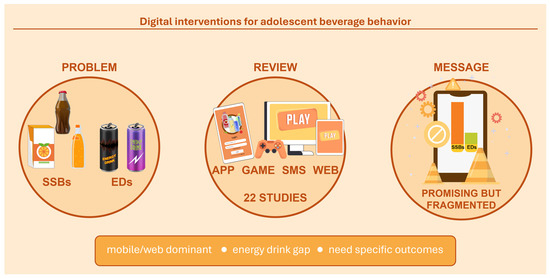
Background: Adolescence is a critical period for the development of beverage-related behaviors; however, the role of digital interventions in addressing sugar-sweetened beverage and energy drink consumption remains insufficiently characterized. Methods: This study examined the literature on digital interventions aimed at modifying beverage-related behaviors
[...] Read more.
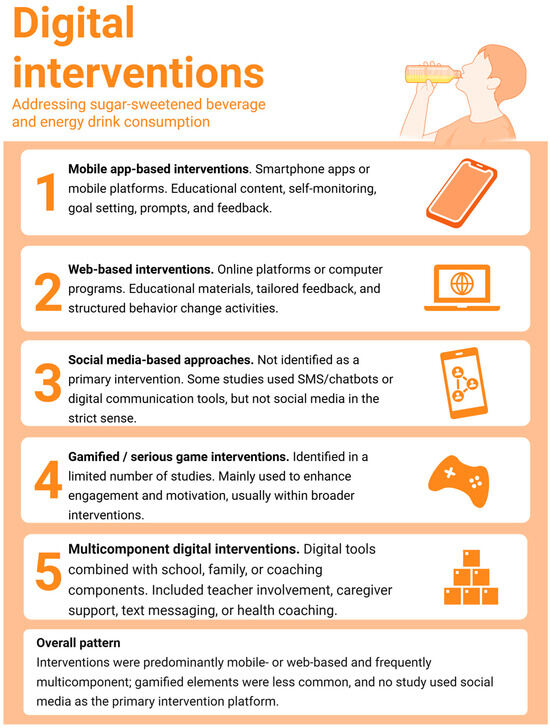
Background: Adolescence is a critical period for the development of beverage-related behaviors; however, the role of digital interventions in addressing sugar-sweetened beverage and energy drink consumption remains insufficiently characterized. Methods: This study examined the literature on digital interventions aimed at modifying beverage-related behaviors among adolescents through a structured search in Scopus, PubMed, and Web of Science. Eligible studies were analyzed descriptively and classified according to intervention focus, digital delivery mode, behavior change strategy, ecological level of delivery, and beverage outcome specificity. Results: Twenty-two studies were included. Most studies have focused on sugar-sweetened beverage outcomes, whereas energy drink consumption has rarely been addressed directly. The identified interventions were predominantly mobile- or web-based and were often embedded within broader multicomponent, school-based, or lifestyle-oriented approaches. Beverage-related outcomes varied substantially across studies. Conclusions: Digital interventions targeting beverage-related behaviors in adolescents represent a promising but fragmented field. These findings offer a structured analytical foundation for designing and implementing future digital interventions targeting beverage consumption in adolescents.
Full article

Graphical abstract
Open AccessArticle
Assessing Wine Quality in Glass and Alternative Packaging During Storage
by
Mark Walker Bartz, Amanda J. Fleming and Renee T. Threlfall
Beverages 2026, 12(5), 54; https://doi.org/10.3390/beverages12050054 - 6 May 2026
Abstract
►▼
Show Figures
Glass bottles remain ideal for wine marketing and long-term storage, but they also represent a major contributor to the overall carbon footprint of wine production. Although aluminum and plastic are emerging as alternative packaging, these materials can influence wine quality. The impact of
[...] Read more.
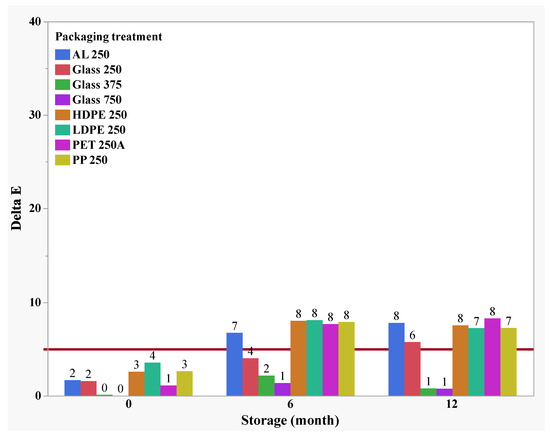
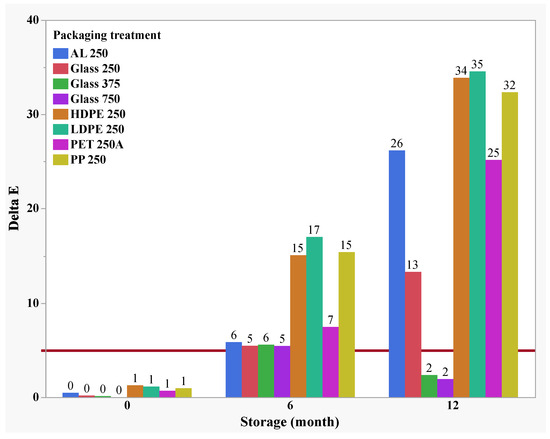
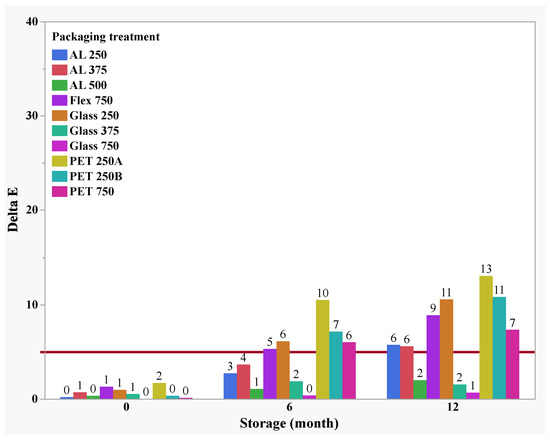
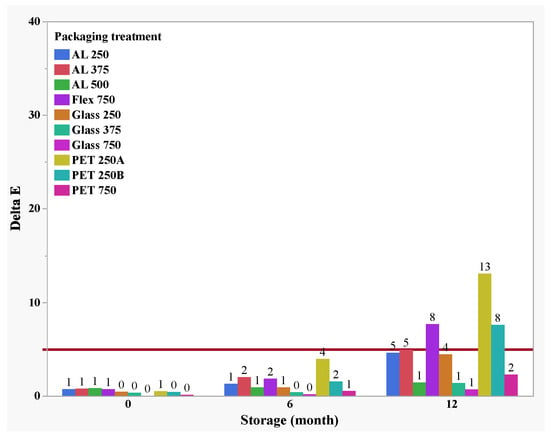
Glass bottles remain ideal for wine marketing and long-term storage, but they also represent a major contributor to the overall carbon footprint of wine production. Although aluminum and plastic are emerging as alternative packaging, these materials can influence wine quality. The impact of wine packaging on the composition, color, and total phenolics of red wine and white wine was evaluated at 0, 6, and 12 months of storage at 15 °C in 2022 and 2023. Chambourcin and Vignoles (Vitis hybrids) grapes were harvested, produced into wine, then bottled in different packaging. Eight wine packaging treatments were evaluated for the 2022 wines, including three glass treatments (250 mL, 375 mL, and 750 mL) and five 250 mL containers of aluminum (AL), polyethylene terephthalate (PET), high-density polyethylene (HDPE), low-density polyethylene (LDPE), and polypropylene (PP). Ten wine packaging treatments were evaluated for the 2023 wines, including three glass treatments (250 mL, 375 mL, and 750 mL), three aluminum treatments (250 mL, 375 mL, and 500 mL), three PET treatments (two 250 mL and 750 mL), and one 750 mL flexible pouch. In both years, the packaging treatment significantly impacted dissolved oxygen, free sulfur dioxide, L*, Delta E, and chroma at 6- and 12 months of storage in the red and white wines. As expected, the wine in glass packaging (375 and 750 mL) had the best color and phenolic stability during storage. Regardless of packaging treatment, Delta E (where values >5 indicate noticeably different color compared to wines in Glass 750 at bottling) for these wines increased during storage. For alternative packaging, aluminum and PET had potential for wine stored up to 6 months but less at 12 months of storage. Alternative packaging can lower the wine industry’s carbon footprint but does not provide the extended shelf-life of wine offered by glass packaging. However, alternative packaging remains a promising option for wines intended to be consumed within six months of bottling.
Full article

Figure 1
Open AccessArticle
Evaluation of Infrared Drying Parameters for Spent Coffee Grounds: Effects on Drying Kinetics, Quality, and Energy Consumption
by
Shu-Chin Wang, Meng-Jen Tsai, Chih-Hong Tung and Po-Hua Wu
Beverages 2026, 12(5), 53; https://doi.org/10.3390/beverages12050053 - 1 May 2026
Abstract
►▼
Show Figures
Spent coffee grounds (SCGs) are abundant byproducts generated during coffee processing that are unsuitable for storage and subsequent value-added utilization owing to their high moisture content and water activity (aw). This study investigated the effects of different infrared power levels (800,
[...] Read more.
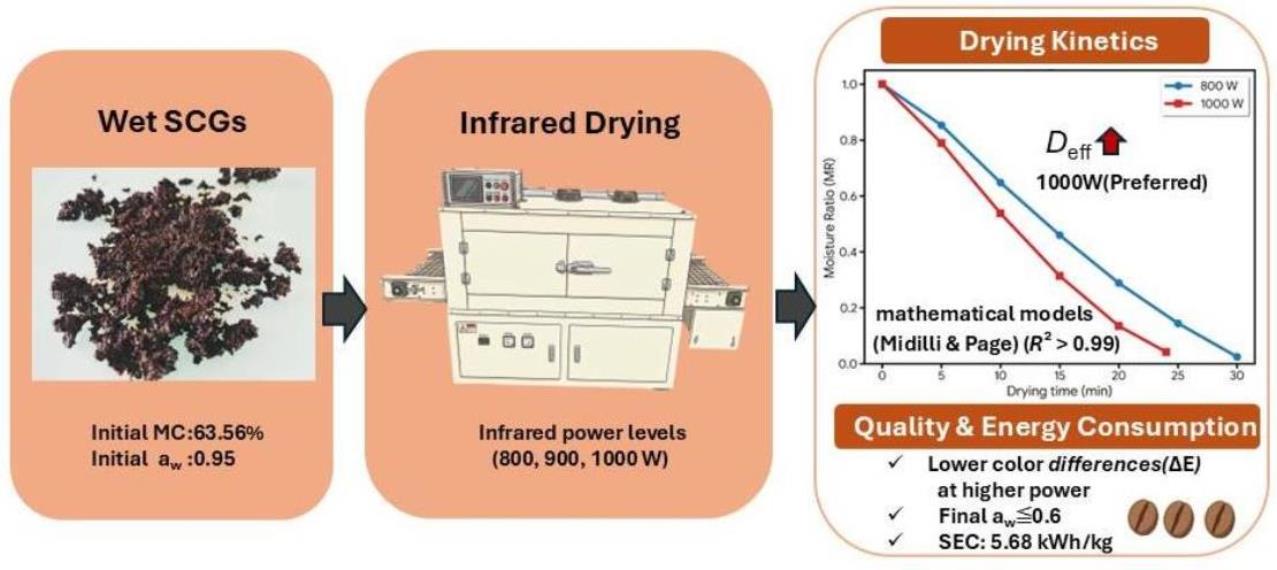
Spent coffee grounds (SCGs) are abundant byproducts generated during coffee processing that are unsuitable for storage and subsequent value-added utilization owing to their high moisture content and water activity (aw). This study investigated the effects of different infrared power levels (800, 900, and 1000 W) on drying kinetics, product quality, and energy efficiency to determine the preferred drying parameters for SCGs. The initial moisture content and aw of SCGs were 63.56% (wet basis) and 0.95, respectively. To enhance mechanistic understanding, the drying data were fitted to four mathematical models, with the Midilli and Page models providing the best fit (R2 > 0.99). Drying experiments were conducted under a sample thickness of 0.7 cm and a loading of 500 g, with a final moisture content of <10% as the drying endpoint. The results showed that as infrared power increased, drying time decreased from 30 to 24 min and the drying rate significantly increased from 10.32 to 12.77 g H2O/min (p < 0.05). The drying process was mainly characterized by a falling-rate period, with the effective moisture diffusivity ranging from 0.97 to 1.15 × 10⁻⁸ m2/s and (increasing with rising power, indicating that internal moisture diffusion was the dominant drying mechanism. The final aw of each treatment group was ≤0.60, indicating good storage stability. Color analysis showed that the color differences in treatments at higher power levels (900 W and 1000 W) were significantly lower than those at lower ones (p < 0.05). While the specific energy consumption (SEC) showed a marginal decrease from 5.80 to 5.68 kWh/kg at higher power, a comprehensive evaluation of drying efficiency, quality characteristics, and energy consumption indicated that 1000 W was the preferred infrared drying power under the conditions employed in this study. These results confirm that infrared drying is an efficient stabilization method with strong potential for rapid stabilization of food processing byproducts.
Full article

Graphical abstract
Open AccessArticle
Changes in Microbial and Physicochemical Composition in Water Kefir over Repeated Sequential Culture Transfers and Prolonged Storage
by
Adwoa S. Dankwa, Lewis B. Perkins and Jennifer J. Perry
Beverages 2026, 12(5), 52; https://doi.org/10.3390/beverages12050052 - 27 Apr 2026
Abstract
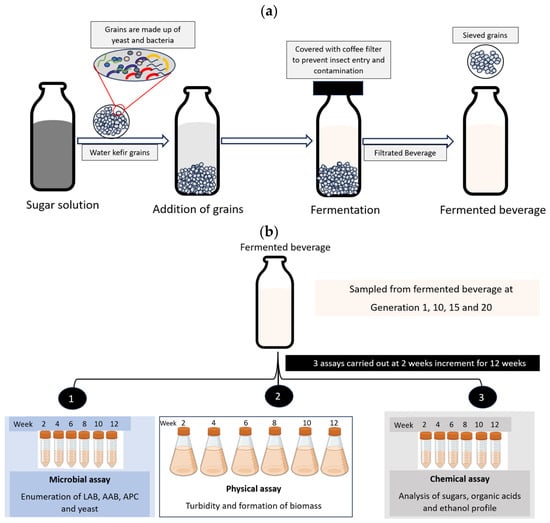
Water kefir production requires the fermentation of sweetened water with polysaccharide starter culture embedded with bacteria and yeast, which determines the finished product’s sensory, microbial, and chemical profile. The culture self-propagates, producing a new culture biomass used to inoculate subsequent raw materials. This
[...] Read more.
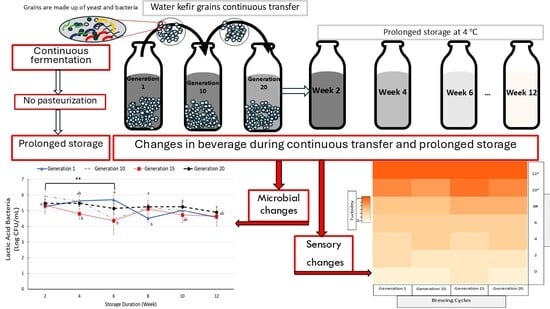
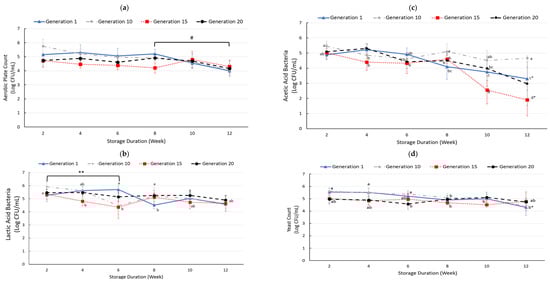
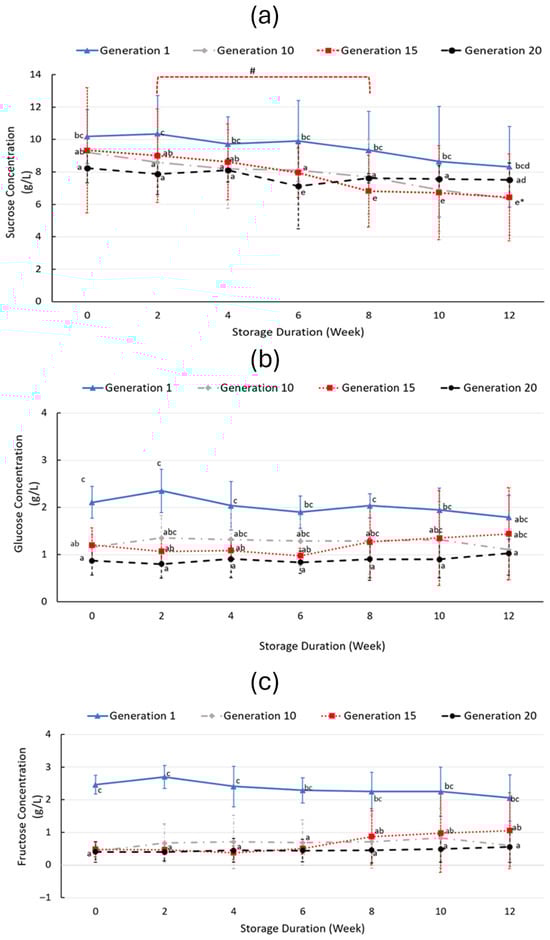
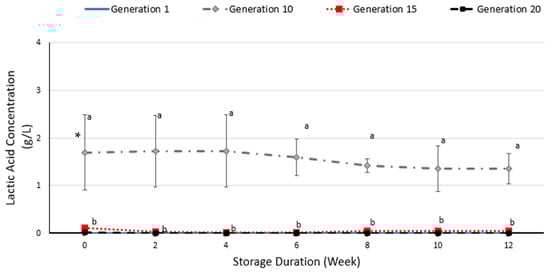
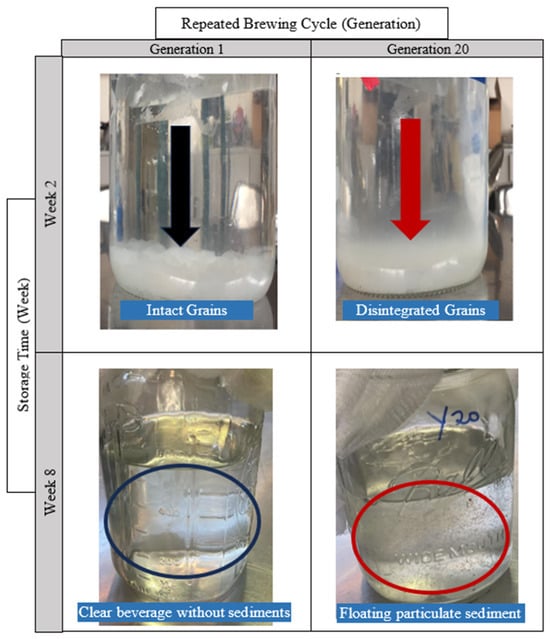
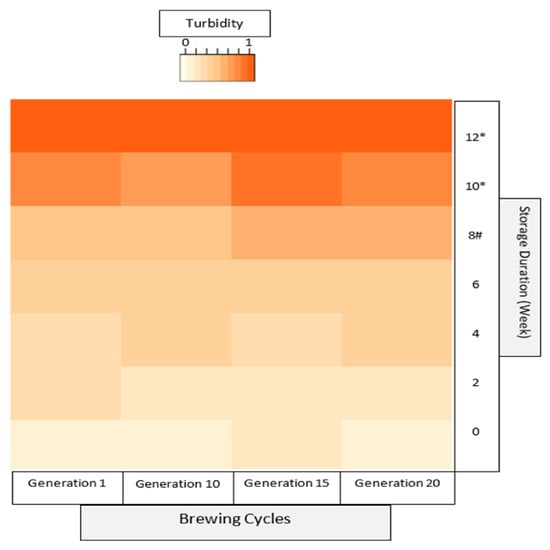
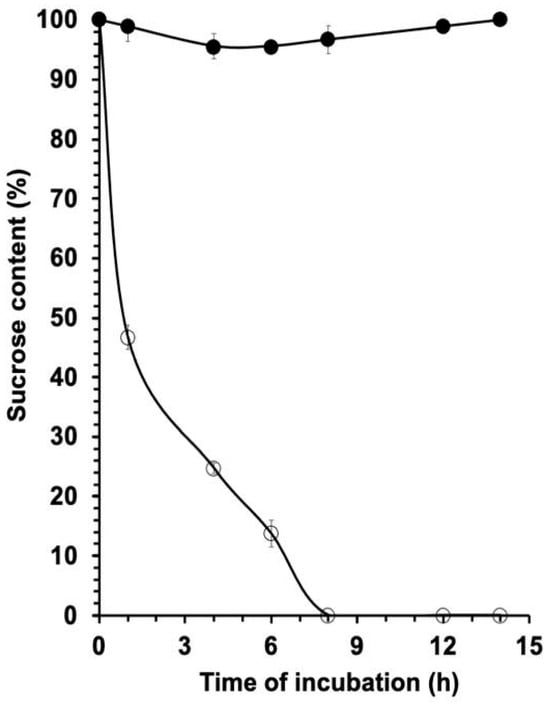
Water kefir production requires the fermentation of sweetened water with polysaccharide starter culture embedded with bacteria and yeast, which determines the finished product’s sensory, microbial, and chemical profile. The culture self-propagates, producing a new culture biomass used to inoculate subsequent raw materials. This study evaluated the effect of sequential culture transfers (across batches) and prolonged storage (within batches) on the microbial and chemical composition of finished beverages. Six commercial cultures were used in 20 sequential fermentations. The beverages were analyzed immediately after fermentation and then were stored at 4 °C for analysis every 2 weeks for 12 weeks. Microbial populations, including aerobic plate count (APC), lactic acid bacteria (LAB), acetic acid bacteria (AAB), and yeast, were enumerated; major organic acids, sugars, and alcohols were quantified chromatographically. Sequential culture transfers and storage resulted in minimal microbial and chemical component changes. The initial microbial counts were similar across brewing cycles and culture systems with high counts of LAB. The culture transfers resulted in a decrease in initial ethanol levels to a negligible level. Microbial viability and sucrose content decreased with prolonged beverage storage. Overall, this study revealed that water kefir cultures were resistant to temporal changes and beverages’ microbial and chemical constituents were statistically stable (p > 0.05) during refrigeration.
Full article
(This article belongs to the Section Beverage Technology Fermentation and Microbiology)
►▼
Show Figures

Graphical abstract
Open AccessArticle
Potential of Physalis ixocarpa Calyx Extract Addition as a Natural Preservation Method for Pulque
by
Raúl Emilio Vargas-Peña, Daniel Durán-Segura, Aldo Amaro-Reyes, Juan Campos-Guillén, Lucía Guadalupe Abadía-García, Alexis Matadamas-Ortiz, Hilda María Hernández-Hernández, José Ángel Granados-Arvizu and Monserrat Escamilla-García
Beverages 2026, 12(5), 51; https://doi.org/10.3390/beverages12050051 - 24 Apr 2026
Abstract
Pulque is a traditional Mexican beverage produced through the fermentation of agave sap (aguamiel). Its primary sensory properties are attributed to the fermentative activity of Saccharomyces cerevisiae, Leuconostoc mesenteroides, and Zymomonas mobilis. However, the overproliferation of these microorganisms results in
[...] Read more.
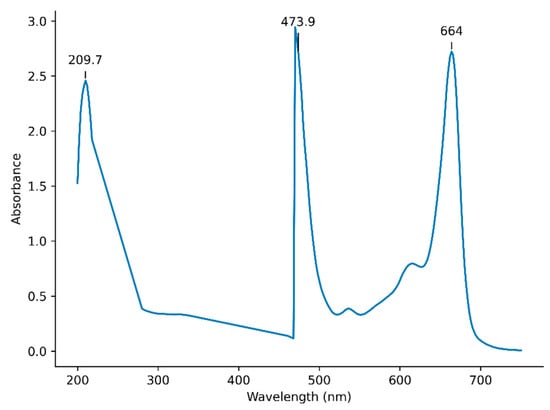
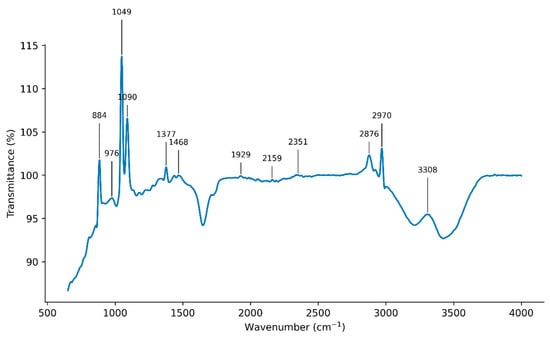
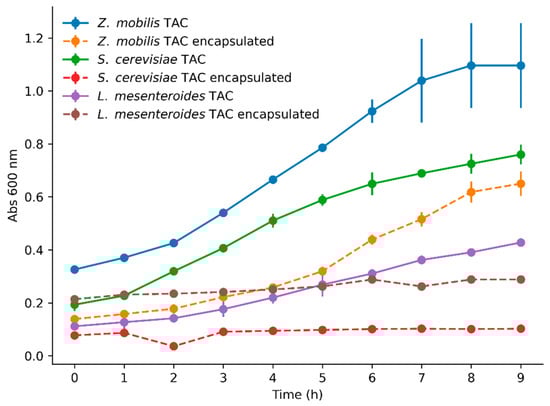
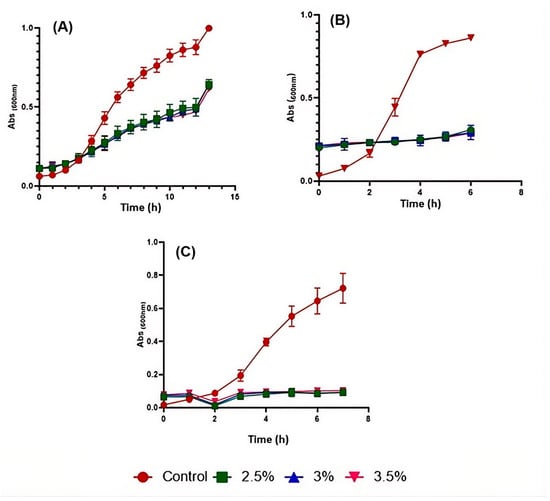
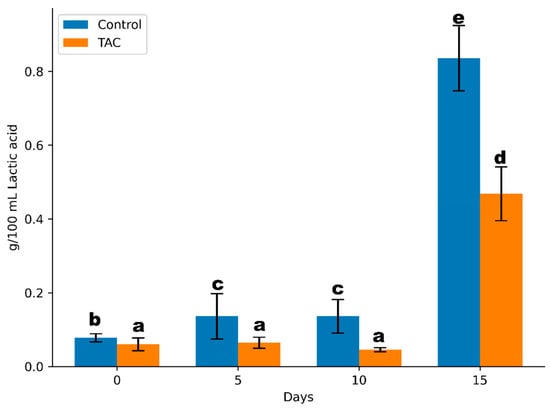
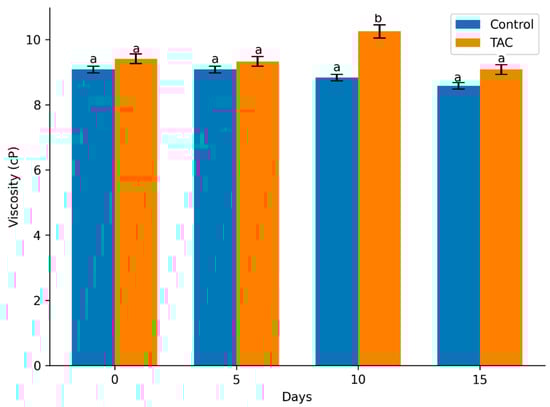
Pulque is a traditional Mexican beverage produced through the fermentation of agave sap (aguamiel). Its primary sensory properties are attributed to the fermentative activity of Saccharomyces cerevisiae, Leuconostoc mesenteroides, and Zymomonas mobilis. However, the overproliferation of these microorganisms results in an extremely short shelf life, which hinders its commercialization. Tomatillo accrescent calyx extract (TACE) shows potential as a food preservative due to its high physalin content. Therefore, this study aimed to evaluate the effect of adding microencapsulated TACE on the shelf life and organoleptic properties of pulque. The extract demonstrated effective antimicrobial activity against L. mesenteroides, Z. mobilis, and S. cerevisiae, successfully delaying further fermentation. Additionally, the addition of TACE prevented an excessive increase in acidity, maintaining values suitable for consumption for up to 15 days, in accordance with regulatory standards, while the viscosity and alcohol content were not negatively affected. These findings suggest that TACE has significant potential for preserving both the microbiological and sensory quality of pulque.
Full article
(This article belongs to the Section Beverage Technology Fermentation and Microbiology)
►▼
Show Figures

Figure 1
Open AccessArticle
New Fermented Beverage from Orange Peel By-Products Containing Bioactive Flavanones
by
Berta María Cánovas, Dolores Fuentes, Ioana M. Bodea, Alberto Garre, Cristina García-Viguera and Sonia Medina
Beverages 2026, 12(5), 50; https://doi.org/10.3390/beverages12050050 - 24 Apr 2026
Abstract
The increasing popularity of fermented beverages, such as kombucha, has prompted the search of alternative ingredients with distinct functional and sensory properties. Orange (Citrus sinensis L. Osbeck) peel, an abundant by-product of the citrus industry, represents a valuable natural source of flavanones
[...] Read more.
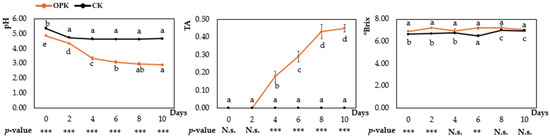
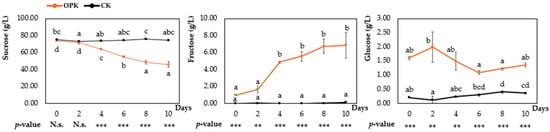
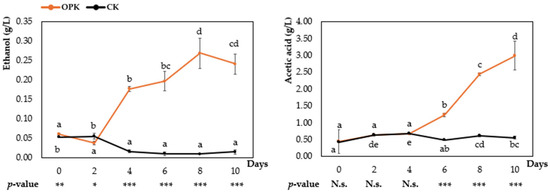
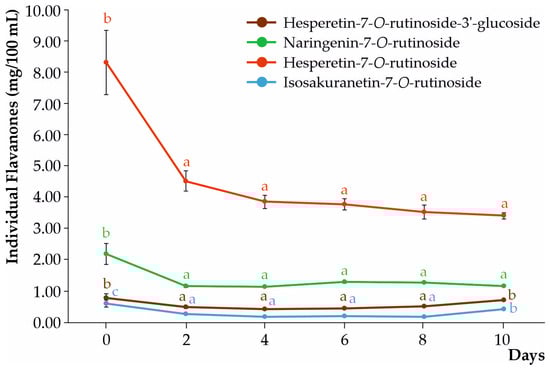
The increasing popularity of fermented beverages, such as kombucha, has prompted the search of alternative ingredients with distinct functional and sensory properties. Orange (Citrus sinensis L. Osbeck) peel, an abundant by-product of the citrus industry, represents a valuable natural source of flavanones associated with multiple health benefits, offering a suitable substrate for fermentation. In this context, the present study proposes the valorisation of this by-product through the development of a new fermented beverage analogous to kombucha, rich in bioactive flavanones. During the fermentation process, variations were observed in physicochemical quality parameters (pH (4.86–2.91), titratable acidity (maximum 0.45% as acetic acid), and total soluble solids (TSS) (6.90–7.05 °Brix), as well as in the fermentation metabolites and substrates: sucrose (73.99–45.75 g/L), fructose (0.98–6.87 g/L), glucose (1.60–1.35 g/L), ethanol (0.06–0.24 g/L), and acetic acid (0.45–3.00 g/L). On the other hand, the initial total flavanone content (11.85 mg/100 mL), of which 70% corresponded to hesperidin, decreased during fermentation but then remained stable, reaching a final concentration of 5.72 mg/100 mL. Overall, these results highlight the potential of orange peel by-products for the development of innovative fermented beverages with a high content of bioactive flavanones, which are distinct from conventional tea-based kombucha. Moreover, this strategy represents a potential approach for this citrus waste valorisation, contributing to improved resource efficiency and supporting the transition towards a circular economy.
Full article
(This article belongs to the Special Issue New Insights into Artisanal and Traditional Beverages)
►▼
Show Figures

Figure 1
Open AccessArticle
Prototype Development of a Wine-Based Flavored Beverage with Freeze-Dried Strawberry Extract
by
Pedro Fernandes, Diana Daccak, Cláudia Pessoa, Inês Carmo Luís, Fernando Lidon and Maria Manuela Silva
Beverages 2026, 12(4), 49; https://doi.org/10.3390/beverages12040049 - 21 Apr 2026
Abstract
The aim of this study was to develop and characterize a wine-based flavored beverage produced from single-varietal white Moscatel wine with the incorporation of freeze-dried strawberry extract (cv. Fortuna Original®), and to evaluate its physicochemical, chromatic, and short-term sensory stability over
[...] Read more.
The aim of this study was to develop and characterize a wine-based flavored beverage produced from single-varietal white Moscatel wine with the incorporation of freeze-dried strawberry extract (cv. Fortuna Original®), and to evaluate its physicochemical, chromatic, and short-term sensory stability over 20 days. Five formulations (0, 4, 6, 8, and 12 g extract per 500 mL) were analyzed after 10 and 20 days of storage. The incorporation of strawberry extract led to increased total acidity and slight dilution of alcohol content (from ≈7.1% to 6.9% v/v), while pH and density remained stable, indicating the preservation of the physicochemical structure of the wine matrix. Chromatic parameters showed modulation associated with strawberry-derived pigments, with reduced variability over time, suggesting short-term color stabilization. Analytical results demonstrated low coefficients of variation for most parameters after 20 days, indicating system consistency during storage. Sensory evaluation revealed that the formulation containing 6 g of extract exhibited a higher aromatic intensity and enhanced red fruit perception compared to the control wine. Overall, the results demonstrate that the incorporation of freeze-dried strawberry extract into a white wine matrix is technologically feasible and enables the controlled modulation of physicochemical and sensory properties without compromising short-term stability.
Full article
Open AccessArticle
Fermentative Potential of Industrial Saccharomyces cerevisiae Strains for Mead Production from Semi-Arid Brazilian Honeys
by
Rayssa Karla Silva, Jamerson Domingos de França, Henri Adson Ferreira Medeiros, Walter de Paula Pinto Neto, Luciana Leite de Andrade Lima Arruda, Hélio Fernandes de Melo, Daniela Maria do Amaral Ferraz Navarro, Paulo Milet-Pinheiro, Andrelina Maria Pinheiro Santos, Marcos Antonio de Morais, Jr. and Rafael Barros de Souza
Beverages 2026, 12(4), 48; https://doi.org/10.3390/beverages12040048 - 15 Apr 2026
Abstract
This study evaluated the fermentative potential of eight industrial strains of Saccharomyces cerevisiae for producing mead from honeys originating from the Caatinga Biome in the semi-arid region of Pernambuco, Brazil. Despite presenting similar ethanol yields around 0.38 g/g, the strains differed in fermentation
[...] Read more.
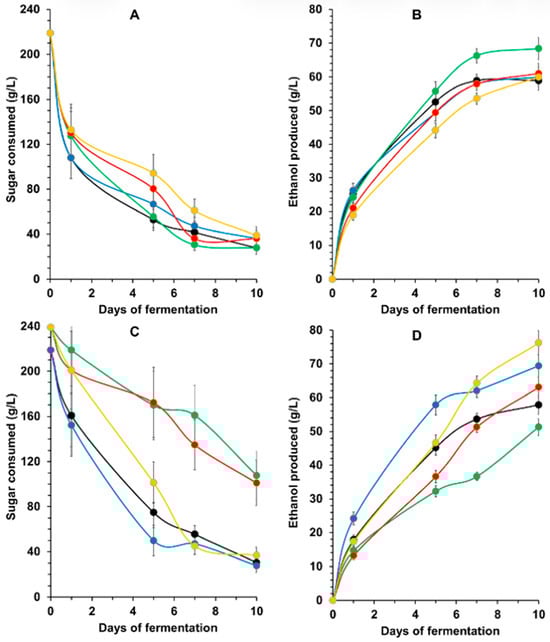
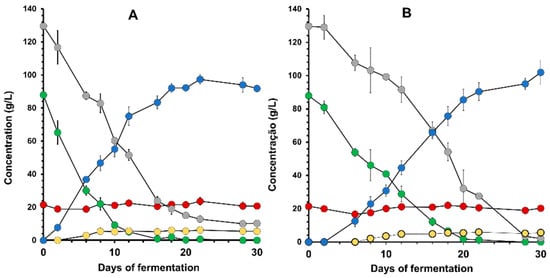
This study evaluated the fermentative potential of eight industrial strains of Saccharomyces cerevisiae for producing mead from honeys originating from the Caatinga Biome in the semi-arid region of Pernambuco, Brazil. Despite presenting similar ethanol yields around 0.38 g/g, the strains differed in fermentation rate, residual sugar profile, and metabolic composition of the final products. Saccharomyces cerevisiae strains Renaissance TR313 and Fermol Distiller JP1 were selected for more detailed analyses, with JP1 standing out for its higher volumetric productivity (0.23 g/L/h) and shorter fermentation time of 20 days. Further fermentations demonstrated that increasing biomass, supplementing with the inorganic nitrogen source ammonium sulphate, or cell immobilization accelerates fermentation without compromising yield. Thus, the JP1 strain shows promise as a ferment for producing regionally identified mead from honeys typical of the Caatinga biome of the semi-arid Northeast of Brazil. The use of this strain with the honey of the Sertão can characterize the regional product and increase its value.
Full article
(This article belongs to the Special Issue Bioactive Compounds in Fermented Beverages)
►▼
Show Figures

Figure 1
Open AccessArticle
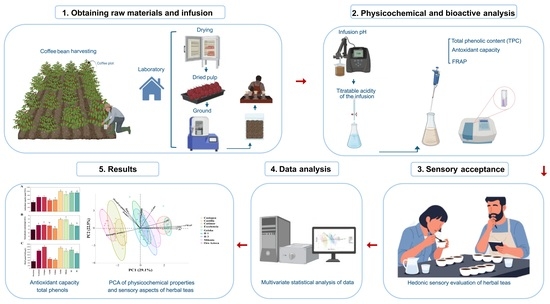
Varietal Influence on Physicochemical Properties, Antioxidant Capacity, and Sensory Acceptability of Coffea arabica L. Pulp Infusions
by
Robin Oblitas-Delgado, Bianca Mayté Flores Inga, Eyner Huaman, Raúl Vargas, Jois V. Carrion, Amilcar Valle-Lopez, Jhon Edler Lopez-Merino, Edinson Acuña-Ramírez and Manuel Oliva-Cruz
Beverages 2026, 12(4), 47; https://doi.org/10.3390/beverages12040047 - 14 Apr 2026
Abstract
►▼
Show Figures
Coffee pulp, a by-product of coffee processing and a rich source of bioactive compounds, is a promising raw material for functional beverages. However, the influence of genetic variability among coffee varieties on the functional and sensory properties of pulp infusions remains poorly understood.
[...] Read more.
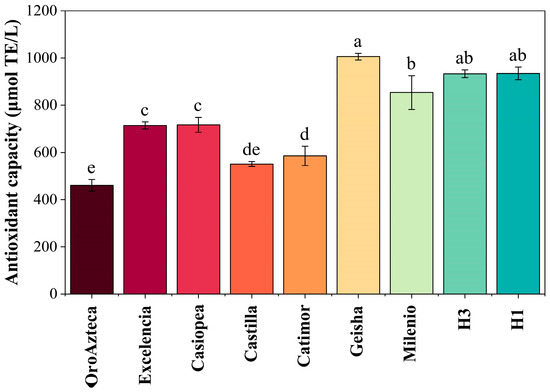
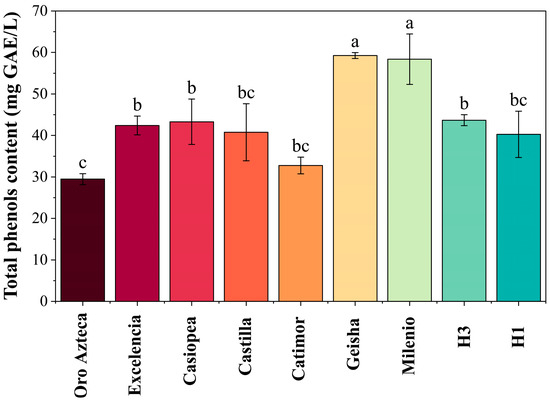
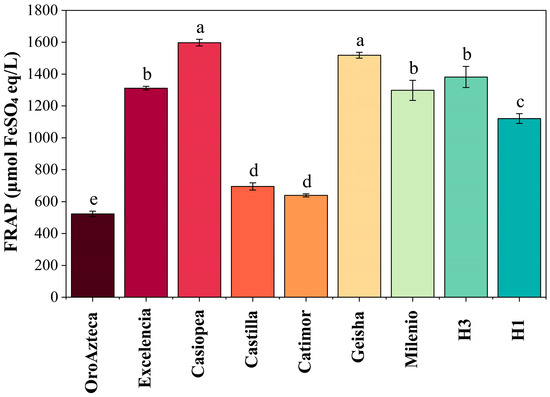
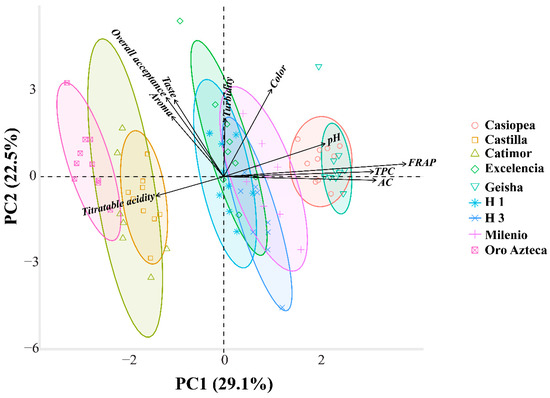
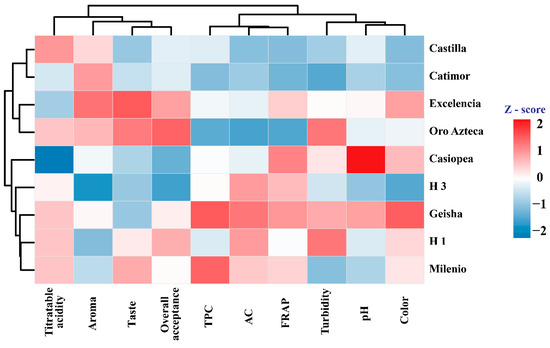
Coffee pulp, a by-product of coffee processing and a rich source of bioactive compounds, is a promising raw material for functional beverages. However, the influence of genetic variability among coffee varieties on the functional and sensory properties of pulp infusions remains poorly understood. This study evaluated physicochemical, antioxidant, and sensory properties of infusions from nine Coffea arabica L. varieties. Significant differences among varieties were observed (p < 0.05). The pH ranged from 5.36 to 6.42, and titratable acidity from 0.06 to 0.08 g/100 mL, indicating a mild acidic profile. Antioxidant activity (DPPH) ranged from 460.52 to 1006.03 µmol TE/L, and total phenolic content from 29.47 to 59.27 mg GAE/L. Geisha showed the highest antioxidant activity and phenolic content, while Casiopea exhibited the highest reducing capacity. In contrast, Oro Azteca, Excelencia, and H1 achieved the highest sensory acceptance. Multivariate analysis confirmed clear differentiation among varieties and a separation between bioactive and sensory-related attributes. These findings highlight the role of varietal selection in balancing functional potential and consumer acceptance, supporting the development of functional beverages within a circular economy framework.
Full article

Graphical abstract
Open AccessArticle
Profiling of Consumer Perception and Acceptance of Indigenous Jamu Beverages
by
Reggie Surya, Dian Aruni Kumalawati, Felicia Tedjakusuma, Dionysius Subali, Antonello Santini and Fahrul Nurkolis
Beverages 2026, 12(4), 46; https://doi.org/10.3390/beverages12040046 - 8 Apr 2026
Abstract
►▼
Show Figures
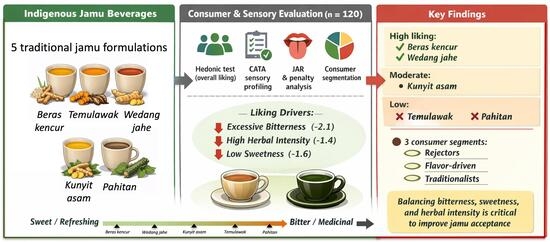
Jamu is a traditional Indonesian herbal beverage widely consumed for its perceived health benefits; however, its broader acceptance is often constrained by intense sensory characteristics. This study investigated the sensory characteristics and consumer acceptance of five commonly consumed jamu beverages (wedang jahe,
[...] Read more.
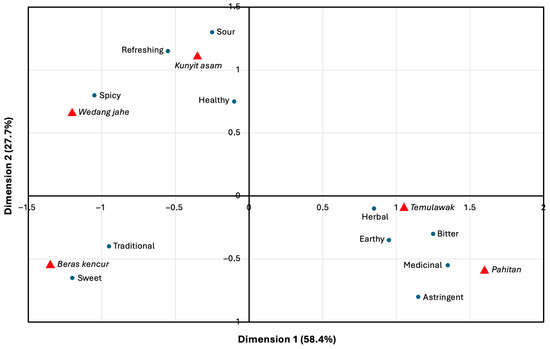
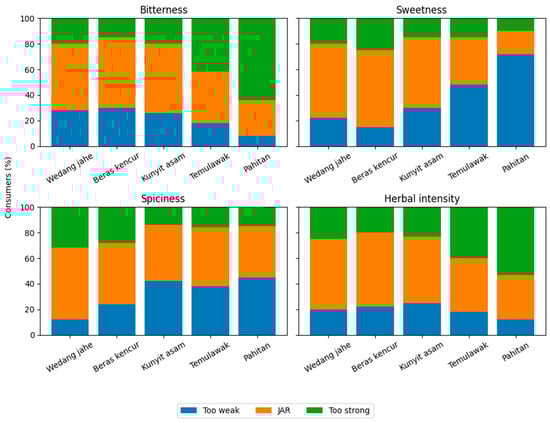
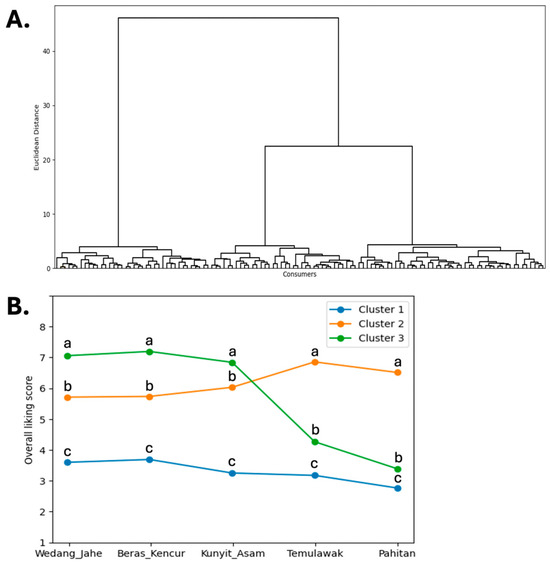
Jamu is a traditional Indonesian herbal beverage widely consumed for its perceived health benefits; however, its broader acceptance is often constrained by intense sensory characteristics. This study investigated the sensory characteristics and consumer acceptance of five commonly consumed jamu beverages (wedang jahe, beras kencur, kunyit asam, temulawak, and pahitan) using an integrated sensory and consumer research approach. Commercial powdered jamu products were evaluated by 120 consumers familiar with jamu. Significant differences in consumer acceptance were observed among formulations (p < 0.05), with beras kencur and wedang jahe showing the highest liking, kunyit asam moderate acceptance, and temulawak and pahitan the lowest. Sensory characterization revealed a clear perceptual continuum across jamu beverages, ranging from sweet, refreshing, and spicy profiles to strongly bitter, herbal, and medicinal characteristics. Analysis of sensory intensity perception indicated that excessive bitterness and herbal intensity, as well as insufficient sweetness, were the primary contributors to reduced consumer liking. Furthermore, consumer responses to jamu were heterogeneous, with distinct acceptance patterns observed across different consumer groups. By linking sensory perception with consumer preference, this study provides scientifically grounded insights to support the development, reformulation, and targeted positioning of jamu beverages as modern functional drinks while preserving their traditional identity.
Full article

Graphical abstract
Open AccessArticle
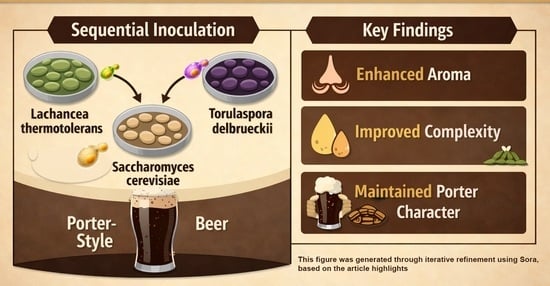
Enhancing Sensory Complexity in Porter-Style Beer via Sequential Inoculation with Non-Saccharomyces Yeasts
by
Carla Jara, Abner Mardones, Victoria Urzúa, Álvaro Peña-Neira and Jaime Romero
Beverages 2026, 12(4), 45; https://doi.org/10.3390/beverages12040045 - 7 Apr 2026
Abstract
►▼
Show Figures
The diversification of craft beer styles has stimulated interest in innovative yeast-driven strategies to enhance sensory complexity while maintaining process robustness and stylistic integrity. In this context, non-Saccharomyces yeasts represent promising biotechnological tools for modulating fermentation performance and flavor development in brewing
[...] Read more.
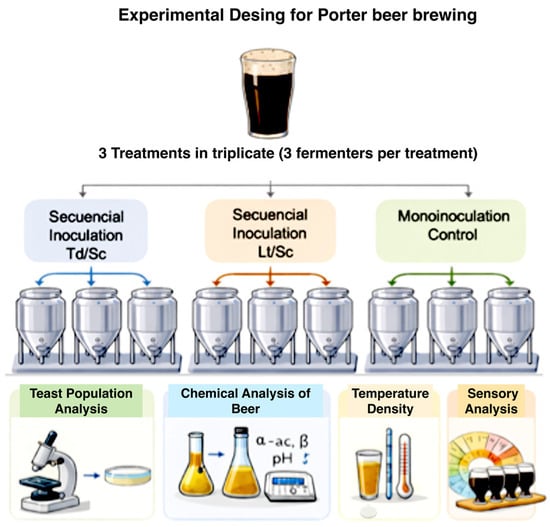
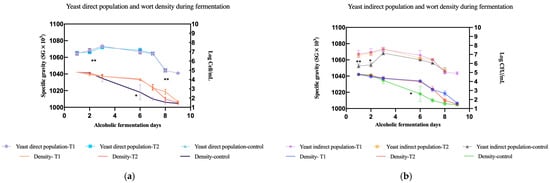
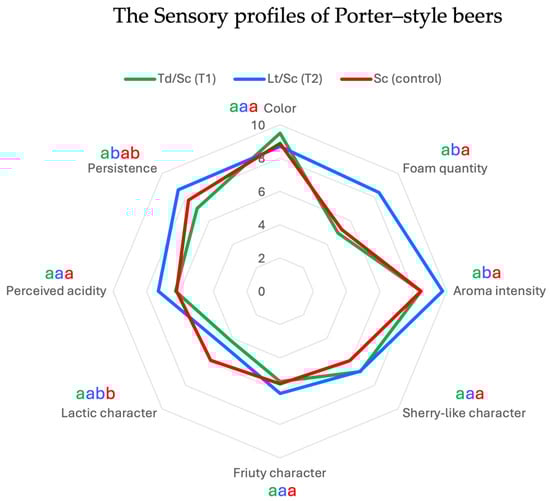
The diversification of craft beer styles has stimulated interest in innovative yeast-driven strategies to enhance sensory complexity while maintaining process robustness and stylistic integrity. In this context, non-Saccharomyces yeasts represent promising biotechnological tools for modulating fermentation performance and flavor development in brewing systems. This study evaluated the application of Lachancea thermotolerans and Torulaspora delbrueckii in the production of a Porter-style beer using sequential inoculation with Saccharomyces cerevisiae. All fermentations were conducted in triplicate from a wort with an original gravity of 1042. The final alcohol content ranged from 4.82 to 4.99% (v/v), and apparent attenuation varied between 84.1 and 88.9%, with no significant differences among treatments (p > 0.05). Color (92–94 European Brewery Convention (EBC) and bitterness (~18 International Bitterness Units (IBU) remained within Porter-style parameters across all fermentations. Total acidity ranged from 0.19 to 0.21% (lactic acid equivalents), while volatile acidity was significantly higher in the L. thermotolerans treatment (0.55 g L−1) compared with the control (0.22 g L−1) (p < 0.05). Sequential inoculation influenced early fermentation kinetics and modulated selected sensory attributes. Quantitative Descriptive Analysis (n = 18 panelists) indicated higher aroma intensity and foam quantity in beers produced with L. thermotolerans, whereas T. delbrueckii was associated with moderate increases in foam persistence. The roasted character and overall stylistic perception remained stable across treatments. These findings indicate that sequential inoculation with selected non-Saccharomyces yeasts enables measurable sensory differentiation in dark beer matrices without compromising fermentative performance or stylistic integrity. The results support their controlled integration as technological tools for sensory innovation in Porter-style beers.
Full article

Graphical abstract
Open AccessReview
Potential Characteristics of Water Kefir on Health Benefits
by
Alejandra Yerovi-López and Amparo Gamero
Beverages 2026, 12(4), 44; https://doi.org/10.3390/beverages12040044 - 2 Apr 2026
Abstract
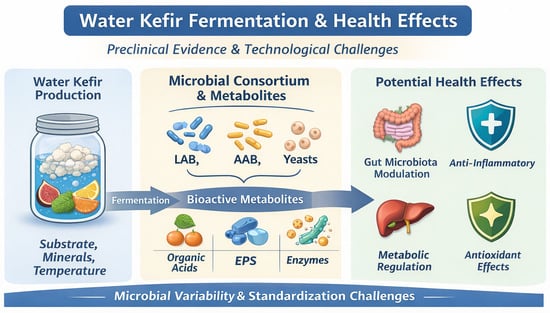
Water kefir is a non-dairy fermented beverage that has received increasing scientific attention due to its complex microbial composition and its suitability for individuals with dietary restrictions. This review critically examines the current body of scientific evidence addressing the functional properties and potential
[...] Read more.
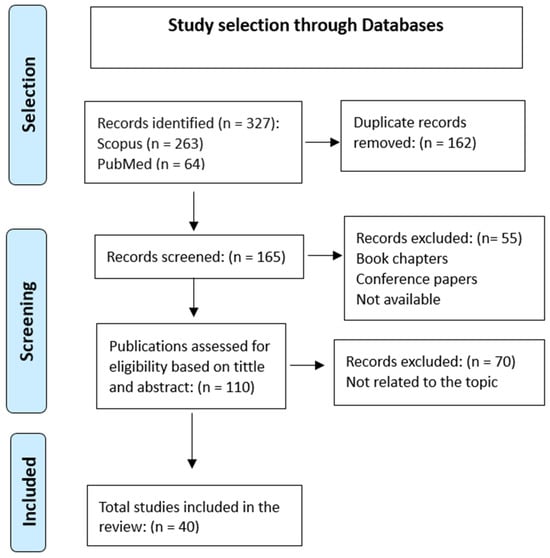
Water kefir is a non-dairy fermented beverage that has received increasing scientific attention due to its complex microbial composition and its suitability for individuals with dietary restrictions. This review critically examines the current body of scientific evidence addressing the functional properties and potential health-related effects of water kefir. A systematic literature search was conducted using the PubMed and Scopus databases, focusing on studies published over the past decade. Experimental evidence derived from in vitro assays and in vivo studies in animal models suggests that water kefir and its derived components may exhibit antioxidant, anti-inflammatory, antibacterial, detoxifying, and gut microbiota-modulating activities. Several studies have also reported probiotic-related characteristics among microorganisms isolated from water kefir, as well as beneficial effects in experimental models of chronic conditions, including type 2 diabetes, colitis, and liver injury. Reported microbiota-associated effects include increased bacterial diversity, enrichment of beneficial genera such as Lactobacillus spp. and Bifidobacterium spp., and reductions in potentially pathogenic taxa including Escherichia spp. and Shigella spp. Nevertheless, the available evidence is largely preclinical, and substantial variability in microbial composition, fermentation conditions, and experimental design limits direct comparison across studies. Well-designed human clinical trials are therefore required to validate these findings, establish efficacy and safety, and clarify the relevance of water kefir as a functional fermented food in human health.
Full article
(This article belongs to the Section Tea, Coffee, Water, and Other Non-Alcoholic Beverages)
►▼
Show Figures

Graphical abstract
Open AccessArticle
Mandatory Tethered Caps on Plastic Beverage Bottles: Croatian Consumer Perception and Acceptance Pre- and Post-Implementation of the EU Single-Use Plastic Directive
by
Jasenka Gajdoš Kljusurić and Jasna Čačić
Beverages 2026, 12(4), 43; https://doi.org/10.3390/beverages12040043 - 2 Apr 2026
Abstract
►▼
Show Figures
The mandatory introduction of tethered caps on plastic beverage bottles under European Directive (EU) 2019/904 aims to reduce plastic litter and improve the collection efficiency of packaging waste. This regulatory change introduced a packaging design modification that directly affects consumer interaction. Consumer acceptance
[...] Read more.
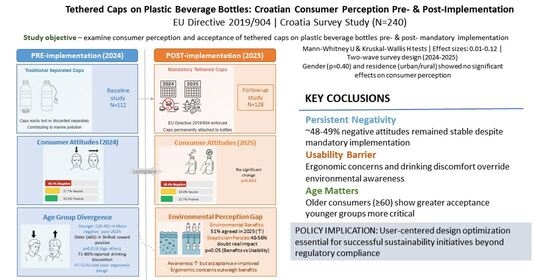
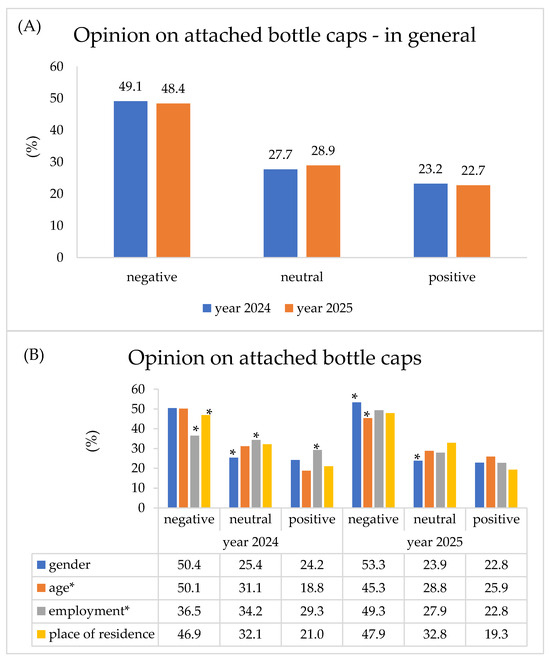
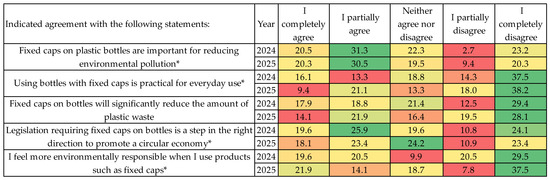
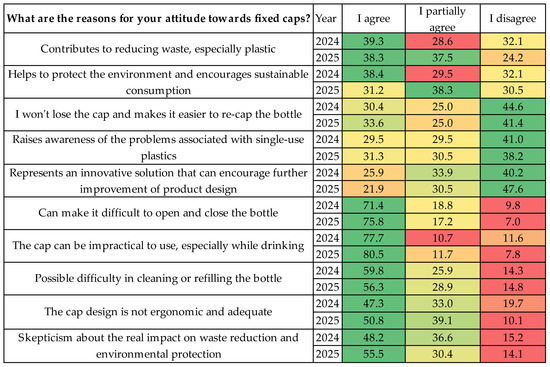
The mandatory introduction of tethered caps on plastic beverage bottles under European Directive (EU) 2019/904 aims to reduce plastic litter and improve the collection efficiency of packaging waste. This regulatory change introduced a packaging design modification that directly affects consumer interaction. Consumer acceptance of this packaging innovation, however, remains uncertain. Drawing on research suggesting that product experience is shaped not only by physical interaction but also by expectations and value-based framing, this study examines whether the environmental intent of tethered caps is reflected in consumer perceptions over time. We analyze changes in consumer attitudes toward tethered caps before and after the legal obligation came into force, based on survey data collected in 2024 and 2025. Results indicate that overall consumer perceptions remained predominantly negative in both years, with a slight increase in negative responses following mandatory implementation. Although reported awareness of single-use plastic issues was higher in 2025, this did not correspond to improved evaluations of usability. Skepticism regarding the actual impact on waste reduction, along with ergonomic concerns and discomfort during drinking, were consistently identified as key barriers to acceptance. Socio-demographic analysis showed that age and employment status significantly influenced attitudes, whereas gender and place of residence did not. Contrary to expectations, younger respondents showed a shift toward more negative perceptions after implementation. Overall, the results suggest that the EU Single-Use Plastics Directive, although primarily aimed at achieving positive environmental outcomes, did not produce a comparable effect on consumer perception, as the environmental rationale did not significantly increase the acceptability of the tethered cap among users. This highlights the limits to value-based acceptance of sustainability-driven packaging measures and underscores the importance of integrating user-centered evaluation into regulatory design and communication strategies. These insights contribute to the broader discussion on the effectiveness of regulatory packaging interventions in the beverage sector.
Full article

Graphical abstract
Open AccessArticle
First Results on the Impact of Preharvest Application of Native Non-Saccharomyces Yeasts on Primitivo Wine Composition
by
Teodora Basile, Giambattista Debiase, Francesco Mazzone, Giuseppe Dipierro, Margherita D’Amico, Flavia Angela Maria Maggiolini, Rocco Perniola, Lucia Rosaria Forleo, Carlo Bergamini, Maria Francesca Cardone and Antonio Domenico Marsico
Beverages 2026, 12(4), 42; https://doi.org/10.3390/beverages12040042 - 1 Apr 2026
Abstract
►▼
Show Figures
This work evaluates how the vineyard-level application of selected indigenous non-Saccharomyces yeasts influences the chemical and aromatic profile of Primitivo wines, focusing on fermentation-derived metabolites and phenolic composition. The traditional method for making red wine relies on the use of sulfur dioxide
[...] Read more.
This work evaluates how the vineyard-level application of selected indigenous non-Saccharomyces yeasts influences the chemical and aromatic profile of Primitivo wines, focusing on fermentation-derived metabolites and phenolic composition. The traditional method for making red wine relies on the use of sulfur dioxide (SO2) to ensure wine preservation, prevent oxidation, and produce microbiologically stable products. Applying beneficial non-Saccharomyces yeasts to grape surfaces shortly before harvest is a novel winemaking biotechnology aimed at producing wines with reduced SO2 inputs. This approach can influence fermentation outcomes, modulate wine chemistry, and reinforce regional identity. The produced wines were analyzed for conventional oenological parameters, as well as for their phenolic and aromatic profiles. Results showed that field applications of our strains of L. thermotolerans and St. bacillaris positively modulate both the phenolic and aromatic profile of young Primitivo wine produced with reduced amounts of SO2.
Full article

Figure 1
Open AccessArticle
Varietal Terpenoids and C13-Norisoprenoids in Alentejo Varietal Red Wines Across Two Vintages by HS-SPME–GC–TOFMS
by
Sousa Gastão-Muchecha, Nuno Martins, Raquel Garcia and Maria João Cabrita
Beverages 2026, 12(4), 41; https://doi.org/10.3390/beverages12040041 - 1 Apr 2026
Abstract
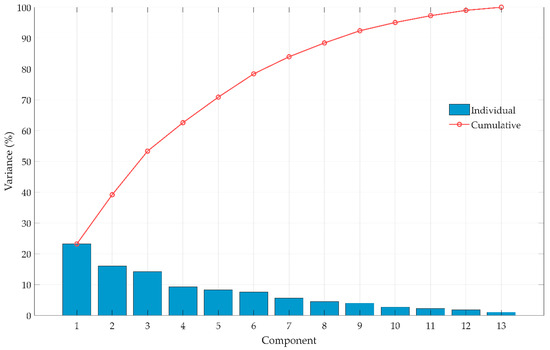
This study characterizes the volatile organic compound (VOC) profiles of young monovarietal red wines from five cultivars widely grown in Alentejo, Portugal—Aragonez, Castelão, Merlot, Syrah, and Trincadeira, across two consecutive vintages (2021 and 2022), in a total of 20 samples. Understanding how grape
[...] Read more.
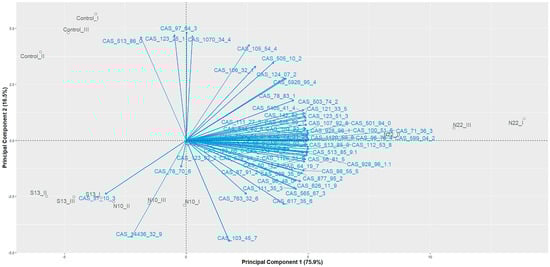
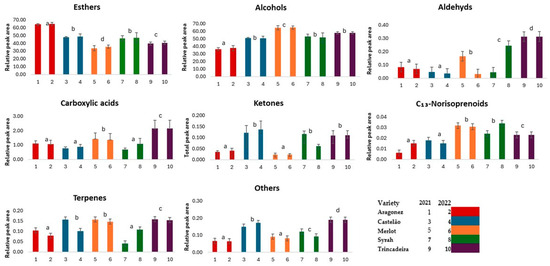
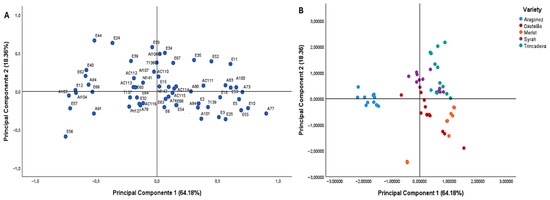
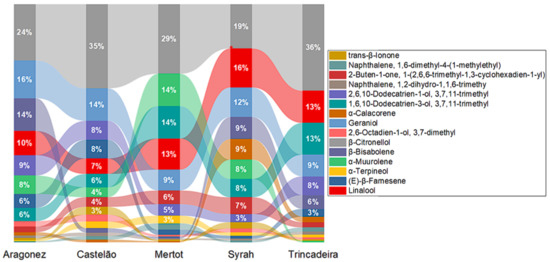
This study characterizes the volatile organic compound (VOC) profiles of young monovarietal red wines from five cultivars widely grown in Alentejo, Portugal—Aragonez, Castelão, Merlot, Syrah, and Trincadeira, across two consecutive vintages (2021 and 2022), in a total of 20 samples. Understanding how grape variety and harvest year shape VOC composition is essential for defining varietal typicity, supporting authenticity assessments, and guiding quality-driven enological practices. VOCs were extracted using headspace solid-phase microextraction (HS-SPME) and analyzed by gas chromatography coupled to time-of-flight mass spectrometry (GC–TOFMS), providing a semi-quantification of 142 volatile compounds across nine chemical families. Statistical analyses, including ANOVA and Principal Component Analysis (PCA), unveiled significant effects of variety, vintage, and their interactions on VOC composition, enabling clear discrimination of the wines. Notably, terpenes and C13-norisoprenoids exhibited strong varietal differentiation patterns: Castelão and Trincadeira showed higher relative proportions of monoterpenes like linalool, β-citronellol, and geraniol, whereas Aragonez presented increased sesquiterpene levels including β-bisabolene and α-muurolene, and Syrah and Merlot displayed more diverse terpenoid patterns. Despite their lower abundance, C13-norisoprenoids, particularly trans-β-ionone, consistently differentiated wines across vintages. A 100% ribbon chart of the main terpenoids and C13-norisoprenoids highlighted genotype-driven and vintage-independent patterns, underscoring their potential as robust markers of Portuguese red wines. This study presents a high-resolution HS-SPME–GC–TOFMS chemometric workflow for the profiling and classification of young Alentejo red wines, highlighting consistent varietal patterns in terpene and C13-norisoprenoid distributions under the studied conditions.
Full article
(This article belongs to the Section Quality, Nutrition, and Chemistry of Beverages)
►▼
Show Figures

Figure 1
Open AccessArticle
Chemical Composition of Coffea arabica Beans and Grafts at Different Roasting Levels
by
Miriam Cristina Pastelin-Solano, Odon Castañeda-Castro, Javier Emanuel Bulbarela-Marini, María Elizabeth Márquez-López, Luis Alberto Solano-Rodríguez, José Guadalupe Vian-Pérez, Marisol Castillo-Morales, Rafael Uzárraga-Salazar, Luis Alberto Sánchez-Bazán, César Galicia-Beltrán and Tania Marín-Garza
Beverages 2026, 12(4), 40; https://doi.org/10.3390/beverages12040040 - 31 Mar 2026
Abstract
►▼
Show Figures
The main commercial species of coffee is Coffea arabica; however, it is highly susceptible to biotic and abiotic factors. For this reason, scions of Coffea arabica species are used on robusta (Coffea canephora) rootstocks since grafting can modify the organoleptic,
[...] Read more.
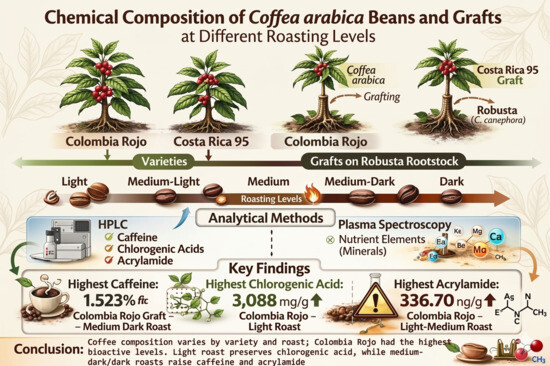
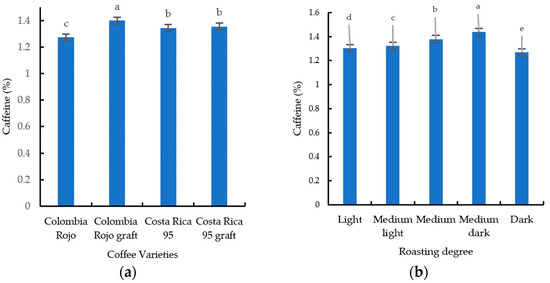
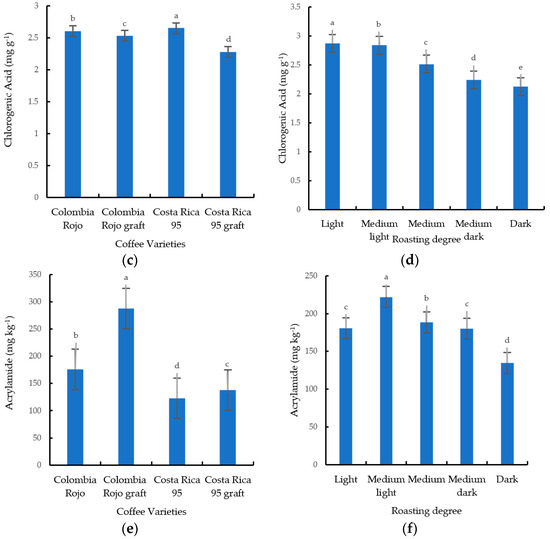
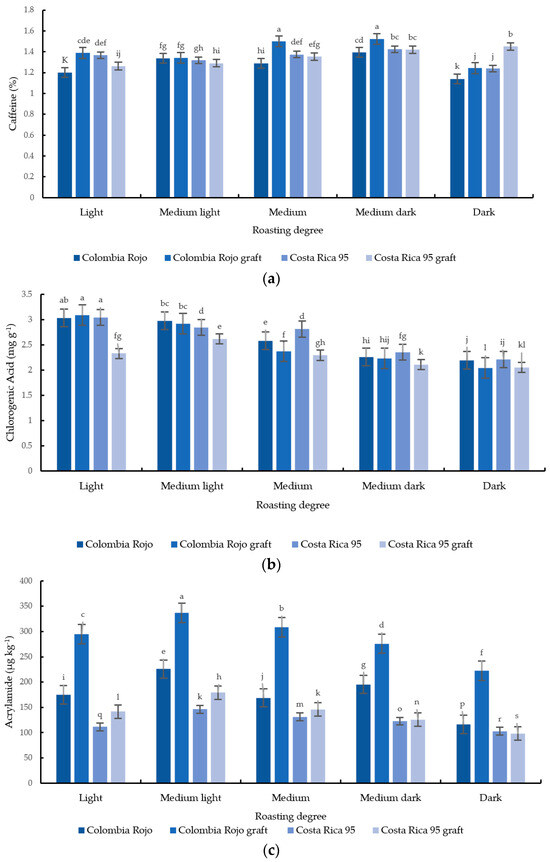
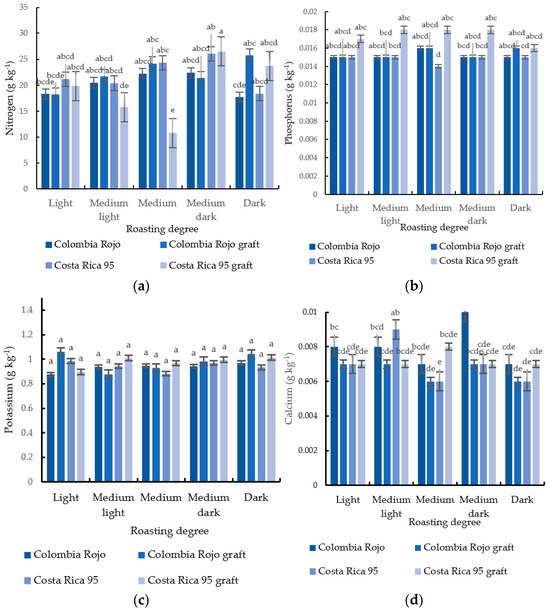
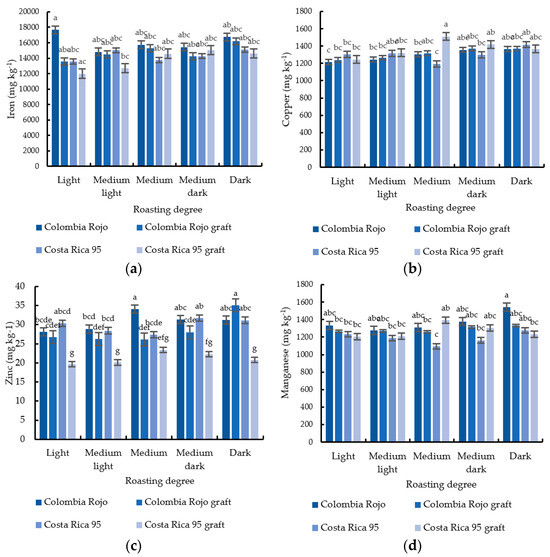
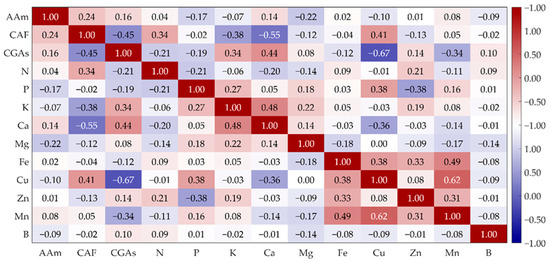
The main commercial species of coffee is Coffea arabica; however, it is highly susceptible to biotic and abiotic factors. For this reason, scions of Coffea arabica species are used on robusta (Coffea canephora) rootstocks since grafting can modify the organoleptic, nutraceutical, and nutritional characteristics of crops. The objective of this study was to evaluate the effects of five roasting degrees (light, medium light, medium, medium dark, and dark) in two varieties of Coffea arabica species (Colombia Rojo and Costa Rica 95) and their respective grafts on C. canephora variety Romex. The concentrations of acrylamide, caffeine, and chlorogenic acids were analyzed using HPLC, and the nutrient content was analyzed using plasma induction atomic emission spectrophotometry. The graft of the Colombia Rojo variety with the medium dark roast had the highest concentration of caffeine (1.523%). The same variety with the light roast had the highest concentration of chlorogenic acid (3.088 mg g−1), while the highest acrylamide content (336.70 ng g−1) was found in the same variety with the medium light roast. The roasting degree, variety, and grafting of coffee influence the organoleptic, nutraceutical, and nutritional contents of coffee infusions.
Full article

Graphical abstract
Journal Menu
► ▼ Journal Menu-
- Beverages Home
- Aims & Scope
- Editorial Board
- Reviewer Board
- Topical Advisory Panel
- Instructions for Authors
- Special Issues
- Topics
- Sections & Collections
- Article Processing Charge
- Indexing & Archiving
- Editor’s Choice Articles
- Most Cited & Viewed
- Journal Statistics
- Journal History
- Journal Awards
- Editorial Office
Journal Browser
► ▼ Journal BrowserHighly Accessed Articles
Latest Books
E-Mail Alert
News
Topics
Topic in
Beverages, Foods, Molecules, Nutrients, Separations, Chemosensors
Advances in Analysis of Food and Beverages, 2nd Edition
Topic Editors: Constantinos G. Tsiafoulis, Anna M. KaczmarekDeadline: 31 May 2026
Topic in
Microorganisms, Foods, Beverages, Fermentation, Applied Microbiology, Nutraceuticals, Applied Biosciences
The Biotechnological Potential of Non-Saccharomyces Yeasts
Topic Editors: Spiros Paramithiotis, Maria Dimopoulou, Jayanta Kumar Patra, Yorgos KotseridisDeadline: 30 September 2026
Topic in
Beverages, Chemosensors, Fermentation, Foods, Molecules, Gastronomy
Advances in Analysis of Flavors and Fragrances: Chemistry, Properties and Applications in Food Quality Improvement, 2nd Edition
Topic Editors: Ana Leahu, Maria Soledad Prats Moya, Cristina GhineaDeadline: 28 February 2027
Topic in
Agriculture, Beverages, Dairy, Fermentation, Foods
Food Processing and Preservation: Innovative Solutions for Natural Food Preservation, 2nd Edition
Topic Editors: Ângela Fernandes, Filipa MandimDeadline: 31 March 2027
Special Issues
Special Issue in
Beverages
Quality and Authenticity in Wine: Analytical Advances and Consumer Perspectives
Guest Editor: Vassilis AthanasiadisDeadline: 25 May 2026
Special Issue in
Beverages
The Future of Functional Fermented Beverages: The Case of Kombucha
Guest Editor: Anthony N. MutukumiraDeadline: 10 June 2026
Special Issue in
Beverages
Stable Isotopes and Elemental Profiles as Guardians of Food and Beverage Integrity: Tracing Origins and Evaluating Quality
Guest Editors: Gabriela Cristea, Adriana DeheleanDeadline: 15 June 2026
Special Issue in
Beverages
Upcycling Beverage Waste: From By-Product to Resource
Guest Editors: Dimitris Makris, Stamatina KallithrakaDeadline: 20 June 2026
Topical Collections
Topical Collection in
Beverages
Wines and Other Beverages: Fermentation, Stabilization and Conservation Technologies
Collection Editors: Antonio Morata, António Manuel Jordão, Fernanda Cosme, Ileana Vigentini