Journal Description
Aerobiology
Aerobiology
(ISSN 2813-5075) is an international, peer-reviewed, open access journal dedicated to the science of airborne biological particles, including their interactions with environmental systems and their impacts on human health.
- Open Access— free for readers, with article processing charges (APC) paid by authors or their institutions.
- Rapid Publication: first decisions in 18 days; acceptance to publication in 7 days (median values for MDPI journals in the first half of 2026).
- Recognition of Reviewers: APC discount vouchers, optional signed peer review, and reviewer names published annually in the journal.
- Aerobiology is a companion journal of Atmosphere.
- Journal Cluster of Environmental Science: Sustainability, Land, Clean Technologies, Environments, Nitrogen, Recycling, Urban Science, Safety, Air, Waste, Aerobiology, Toxics, Pollutants, The Journal of Xenobiotics, Journal of Parks, Green and Environmental Remediation.
Latest Articles
Climate Change and Bioaerosols: Impacts on Airborne Microbial Distribution and Public Health
Aerobiology 2026, 4(3), 16; https://doi.org/10.3390/aerobiology4030016 - 17 Aug 2026
Abstract
Climate change has an increasing influence on the composition, abundance, and distribution of bioaerosols in the atmosphere. Bioaerosols, which include airborne bacteria, fungi, viruses, pollen, and microbial fragments, represent an important component of atmospheric particulate matter and play a significant role in environmental
[...] Read more.
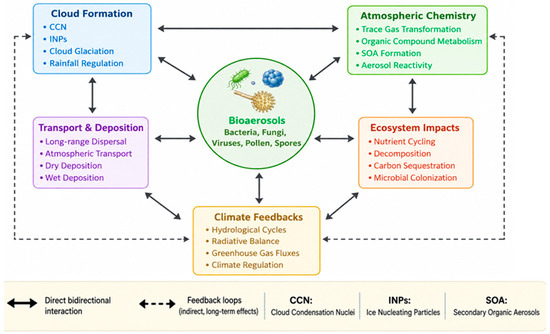
Climate change has an increasing influence on the composition, abundance, and distribution of bioaerosols in the atmosphere. Bioaerosols, which include airborne bacteria, fungi, viruses, pollen, and microbial fragments, represent an important component of atmospheric particulate matter and play a significant role in environmental and public health processes. Changes in temperature, humidity, extreme weather events, and air pollution can alter microbial survival, dispersal, and seasonal patterns in the air. These climatic shifts may enhance the long-distance transport of microorganisms and modify the diversity and concentration of airborne microbial communities. As a result, exposure to pathogenic or allergenic bioaerosols may increase, contributing to respiratory diseases, allergies, and the spread of infectious pathogens. Furthermore, climate-driven environmental disturbances such as dust storms, wildfires, and urbanization can intensify bioaerosol emissions and atmospheric transport. Understanding the interactions between climate change and bioaerosols is therefore essential for predicting microbial dispersion patterns and developing strategies to mitigate associated public health risks.
Full article
(This article belongs to the Special Issue Bioaerosols in Urban Settings: Roles of Climate Change, Ecosystem Services and Human Health)
►
Show Figures
Open AccessReview
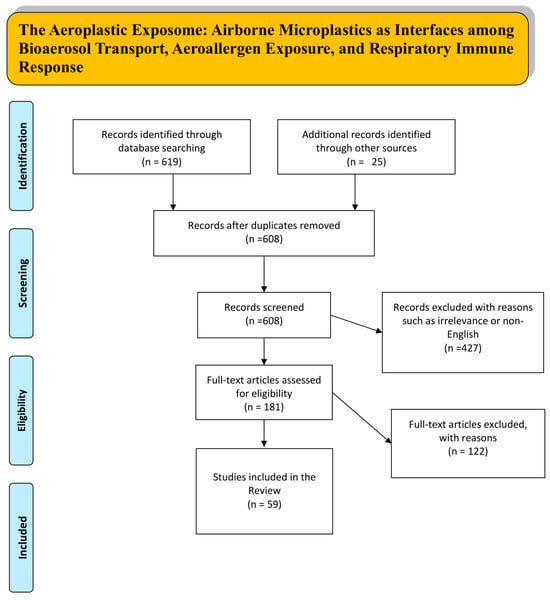
The Aeroplastic Exposome: Airborne Microplastics as Interfaces Among Bioaerosol Transport, Aeroallergen Exposure, and Respiratory Immune Response
by
Georgios I. Barkas and Garyfallia Perlepe
Aerobiology 2026, 4(3), 15; https://doi.org/10.3390/aerobiology4030015 - 17 Aug 2026
Abstract
►▼
Show Figures
Airborne microplastics and nanoplastics (MNPs) are increasingly reported in indoor, outdoor, and occupational air, but their aerobiological significance remains incompletely defined. This narrative review proposes the aeroplastic exposome as a cautious, testable framework for evaluating airborne MNPs as interfaces among aerosol transport, biological
[...] Read more.
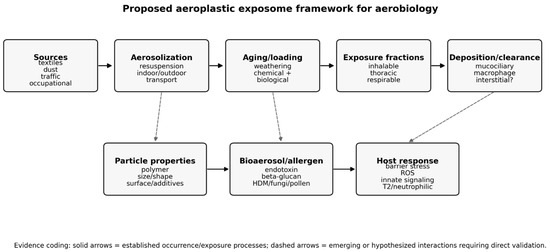
Airborne microplastics and nanoplastics (MNPs) are increasingly reported in indoor, outdoor, and occupational air, but their aerobiological significance remains incompletely defined. This narrative review proposes the aeroplastic exposome as a cautious, testable framework for evaluating airborne MNPs as interfaces among aerosol transport, biological and chemical loading, aeroallergen co-exposure, inhalation, respiratory deposition, clearance, and airway immune response. Evidence from environmental monitoring, indoor and occupational exposure studies, and human respiratory-sample and lung-tissue detection studies supports the occurrence of airborne MNPs, the plausibility of inhalation exposure, reported detection in human respiratory samples, and experimental hazard under selected conditions. However, evidence that airborne plastic particles routinely carry bioaerosols or aeroallergens remains insufficient or model-dependent. The aeroplastic exposome is therefore not proposed as a disease entity, validated exposure metric, or established explanation for asthma, chronic obstructive pulmonary disease, fibrosis, infection, or cancer. Instead, it is a framework for organizing testable questions about polymer identity, aerodynamic fraction, morphology, aging state, biological loading, co-exposure context, deposition, clearance, epithelial–immune responses, and host susceptibility. Priority research needs to include standardized airborne sampling, same-particle polymer–bioaerosol–allergen characterization, exposure-relevant aerosol systems, factorial co-exposure experiments, and prospective human studies with repeated personal exposure assessment.
Full article

Figure 1
Open AccessArticle
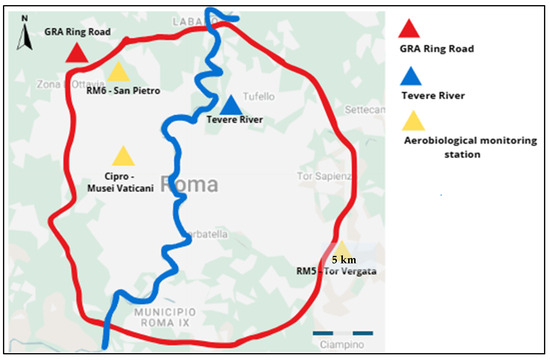
Critical Issues of Aerobiological Monitoring: The Long-Distance Transport of Ambrosia Pollen into Rome
by
Denise De Franco, Alessandro Di Menno di Bucchianico, Alessandro Travaglini and Maria Antonia Brighetti
Aerobiology 2026, 4(3), 14; https://doi.org/10.3390/aerobiology4030014 - 24 Jul 2026
Abstract
►▼
Show Figures
Pollen data obtained from aerobiological monitoring are utilized in various fields of application but require statistical processing. In this study, airborne pollen data from the Rome aerobiological monitoring stations (San Pietro Hospital and Tor Vergata), covering the period 1997–2025, were analyzed, with a
[...] Read more.
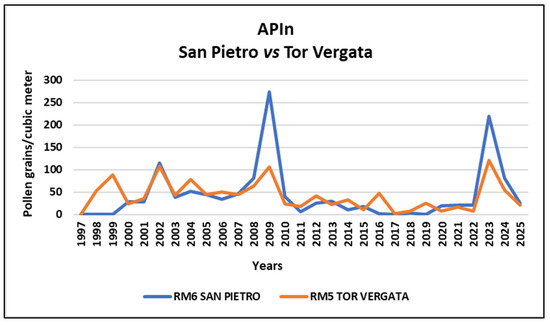
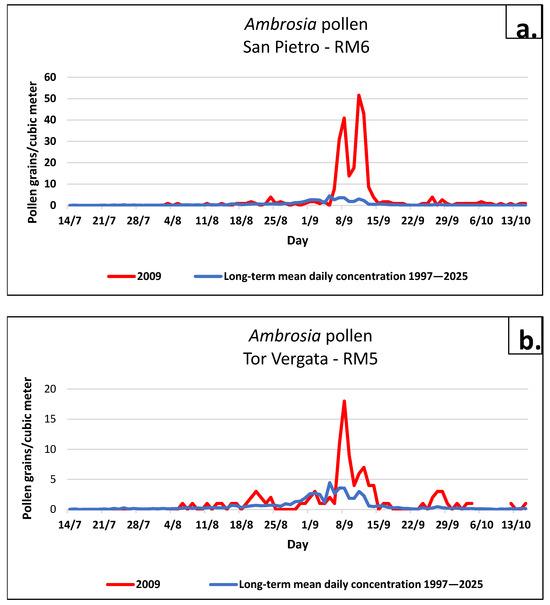
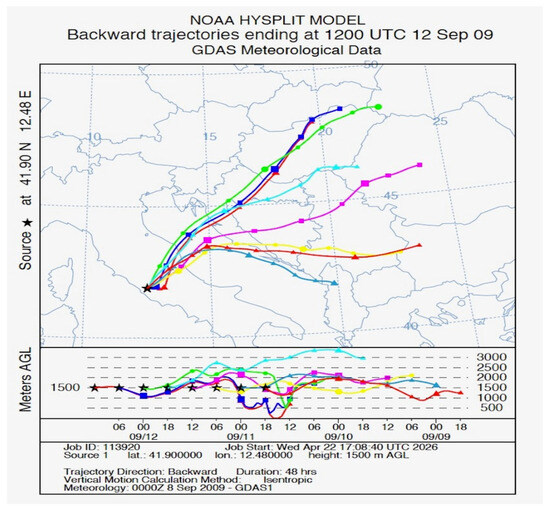
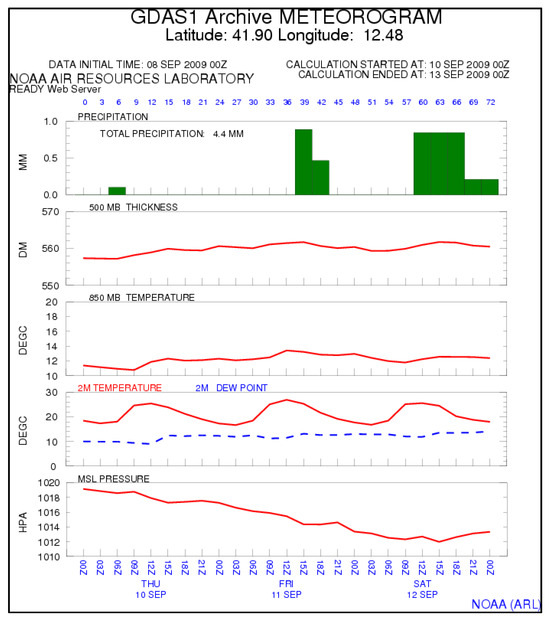
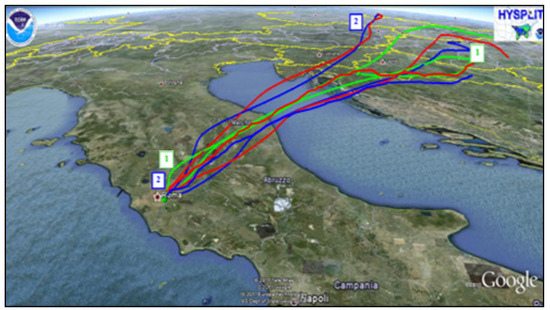
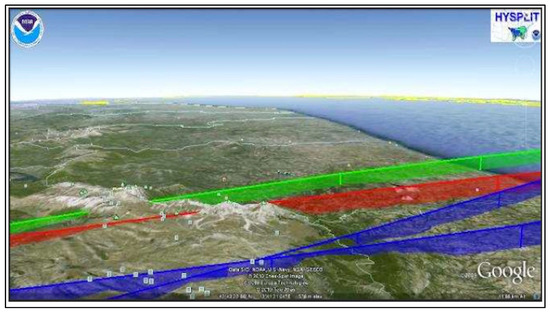
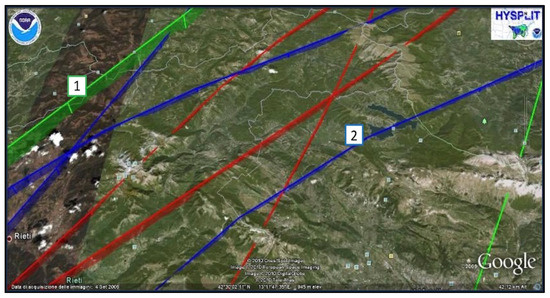
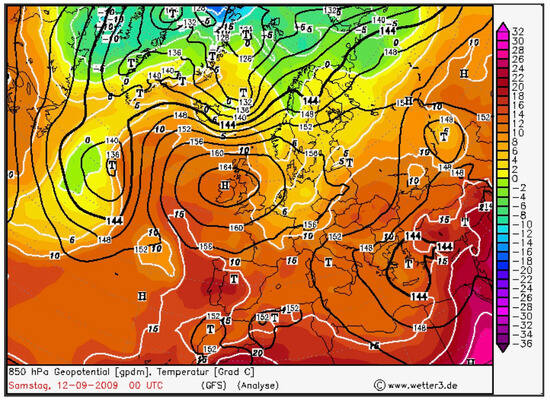
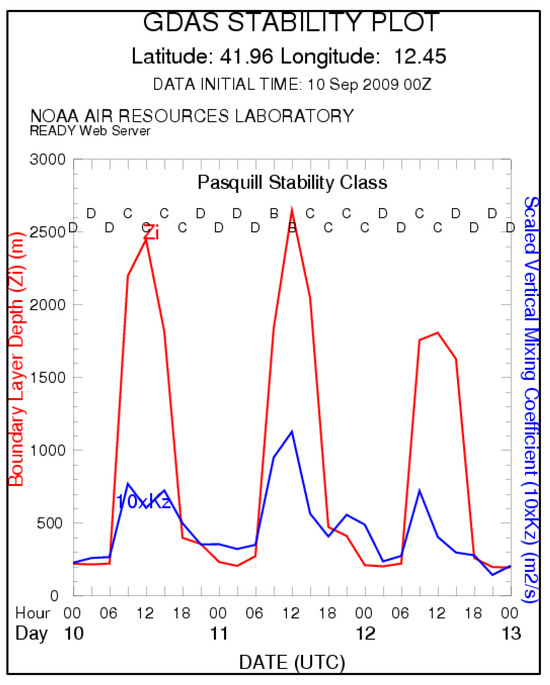
Pollen data obtained from aerobiological monitoring are utilized in various fields of application but require statistical processing. In this study, airborne pollen data from the Rome aerobiological monitoring stations (San Pietro Hospital and Tor Vergata), covering the period 1997–2025, were analyzed, with a specific focus on an Ambrosia pollen episode occurring on 11–12 September 2009. Many studies have employed descriptive statistical methods or predictive models. Among these, the HYSPLIT model was employed in a case study to verify whether the elevated levels of ragweed pollen recorded on 11–12 September 2009 in Rome were attributed to long-distance transport, and to determine the possible source areas through back-trajectories. The relationships between pollen concentrations, distribution maps of Ambrosia spp. individuals, transport conditions, and meteorological conditions were examined. The combination of these tools appears to confirm that the presence of Ambrosia pollen is the result of long-distance transport. To complement the modeling analysis, backward trajectories were computed using the HYSPLIT model with a 48 h duration at three altitudes (0, 100, and 1500 m above sea level) to evaluate the influence of planetary boundary layer dynamics on the transport pathways. Despite being an excellent tool, the use of HYSPLIT in Italy could present some critical issues due to the terrain topography, which affects the calculation of altitude levels and introduces uncertainties in trajectory reconstruction. New techniques are emerging daily, leading to increasingly precise forecasts. Nevertheless, an increase in aerobiological sampling sites with adequate regulation would represent a sound starting point for standardizing intervention strategies.
Full article

Figure 1
Open AccessArticle
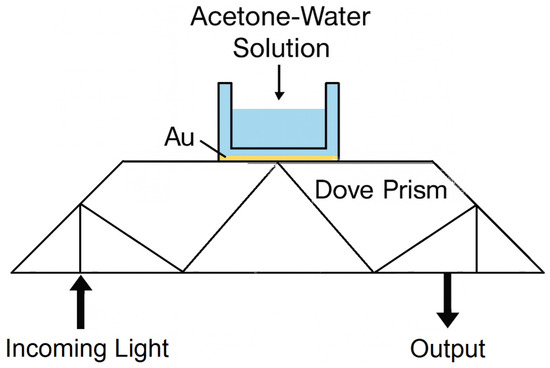
Surface Plasmon Resonance Sensor for Acetone Detection in Breath Condensate
by
Cleumar da Silva Moreira, Ademir Luiz do Prado and Antonio Marcus Nogueira Lima
Aerobiology 2026, 4(3), 13; https://doi.org/10.3390/aerobiology4030013 - 10 Jul 2026
Abstract
►▼
Show Figures
A prism-coupled surface plasmon resonance (SPR) platform was assessed for detecting dilute acetone in liquid samples representative of condensed exhaled breath. The study combines transfer-matrix Fresnel calculations with wavelength-interrogated experiments performed with a PMMA prism and a nominal 50 nm Au layer. The
[...] Read more.
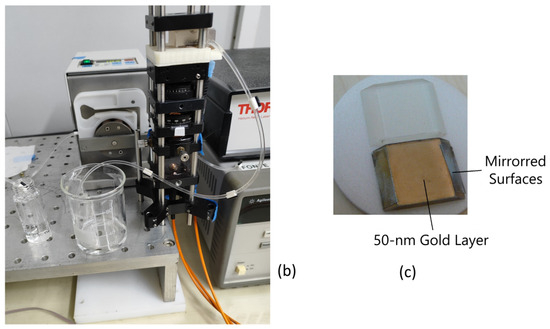
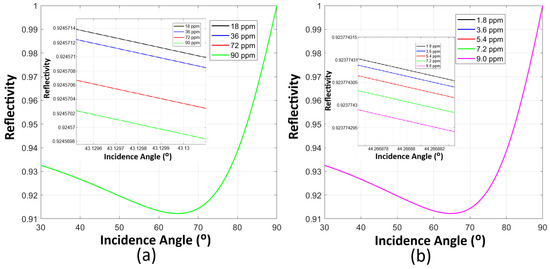
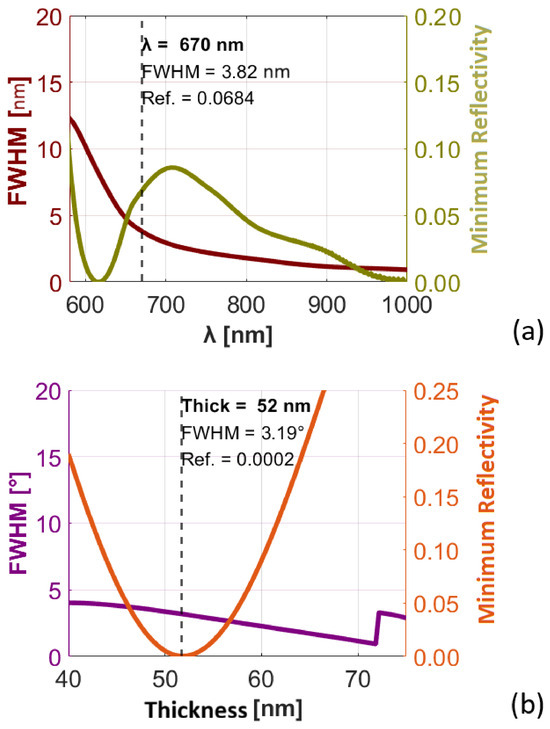
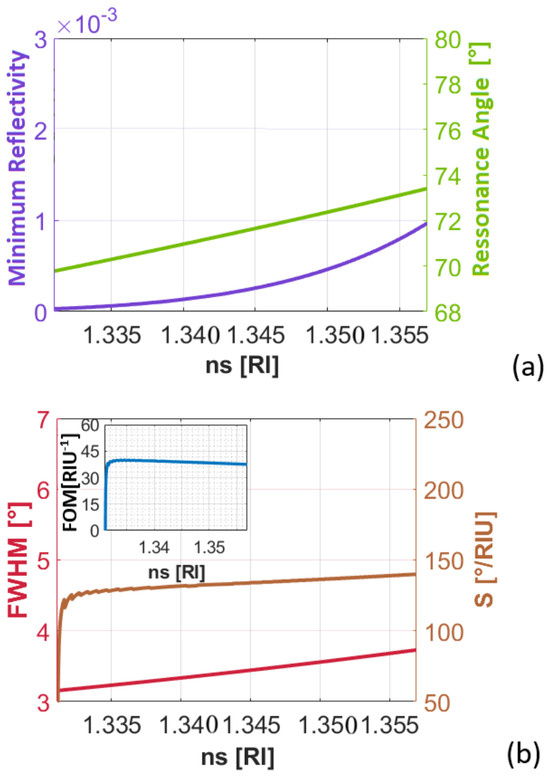
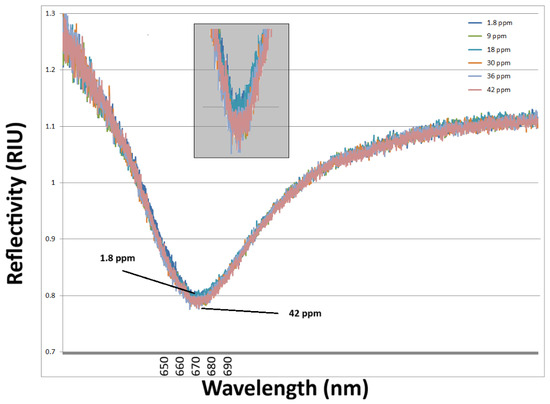
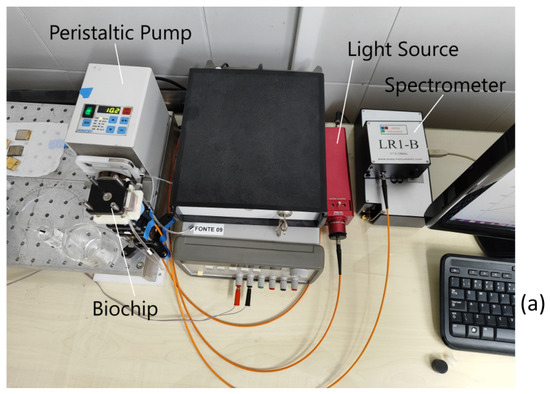
A prism-coupled surface plasmon resonance (SPR) platform was assessed for detecting dilute acetone in liquid samples representative of condensed exhaled breath. The study combines transfer-matrix Fresnel calculations with wavelength-interrogated experiments performed with a PMMA prism and a nominal 50 nm Au layer. The numerical analysis was used to examine the resonance position, line broadening, minimum reflectance, sensitivity, and figure of merit as a function of optical and material parameters. Experimentally, aqueous acetone solutions spanning 1.8–90 ppm were analyzed. The resonance band shifted systematically toward longer wavelengths as the acetone content increased, and reproducible spectral changes were obtained for concentrations down to approximately 9 ppm using the present optical setup. From the measured spectral slope and baseline fluctuations, the statistical limit of detection was estimated to be close to 1 ppm, whereas the practical limit was governed mainly by spectrometer resolution and low-concentration signal separation. These results establish a reproducible reference for non-functionalized Au/PMMA SPR sensing of acetone in condensed breath-like aqueous media.
Full article

Figure 1
Open AccessReview
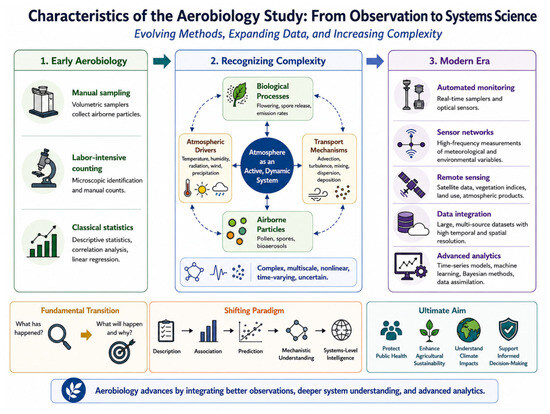
Classical, Modern, and Hybrid Statistical Approaches in Aerobiology
by
Hsuan-Yu Chen and Chiachung Chen
Aerobiology 2026, 4(2), 12; https://doi.org/10.3390/aerobiology4020012 - 14 Jun 2026
Abstract
►▼
Show Figures
Aerobiology, the science that studies atmospheric biological particles (including pollen, fungal spores, bacteria, and viruses), has undergone a profound transformation from a descriptive, observational discipline into a predictive, data-driven field, thanks to advances in statistical methods and environmental sensing technologies. Early research, based
[...] Read more.
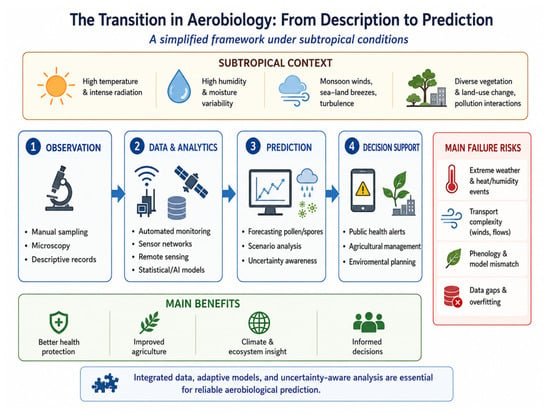
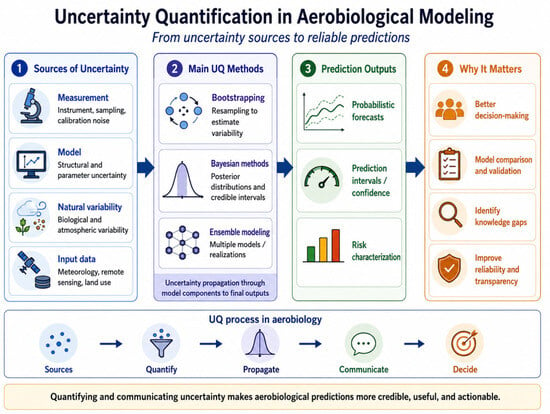
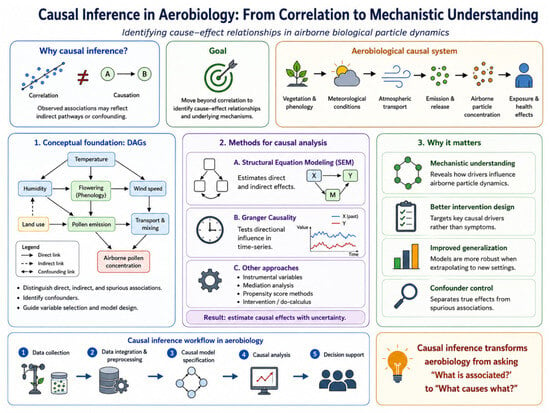
Aerobiology, the science that studies atmospheric biological particles (including pollen, fungal spores, bacteria, and viruses), has undergone a profound transformation from a descriptive, observational discipline into a predictive, data-driven field, thanks to advances in statistical methods and environmental sensing technologies. Early research, based on classical statistical methods such as descriptive analysis, correlation analysis, and linear regression, established a fundamental understanding of seasonal dynamics and environmental relationships. However, the inherent complexity of aerosol biological systems—characterized by nonlinear interactions, spatiotemporal variability, and multiscale processes—has spurred the adoption of modern statistical techniques. These techniques include time-series analysis, generalized linear and additive models, spatial statistics, Bayesian inference, machine learning, and data assimilation, often combined with high-resolution environmental monitoring and sensor networks. In recent years, hybrid modeling approaches have emerged, combining mechanistic understanding of atmospheric transport and biological emissions processes with data-driven learning to improve the accuracy, robustness, and interpretability of predictions. This review comprehensively compares classical, modern, and hybrid statistical methods in air biology, exploring their theoretical foundations, practical applications, and inherent limitations. Furthermore, this review highlights emerging paradigms such as uncertainty quantification, causal inference, digital twins, and AI-driven real-time prediction systems. It also discusses challenges, including data heterogeneity, model interpretability, and cross-regional portability. By treating aerobiology as a complex adaptive environmental–biological system, this study highlights statistical methods that link observations to mechanisms and advance scalable, reliable, systems-oriented prediction frameworks for future research and applications.
Full article

Figure 1
Open AccessArticle
First Report of Leaf Spot of Spinacia oleracea Caused by Alternaria burnsii: Aerobiological Implications and Enzymatic Virulence Factor
by
Tayyaba Afzal and Roshaan Ahmed
Aerobiology 2026, 4(2), 11; https://doi.org/10.3390/aerobiology4020011 - 26 May 2026
Abstract
Spinacia oleracea L. cultivation in South Asia is severely compromised by leaf spot disease caused by fungal plant pathogens, resulting in significant yield and quality losses. In this study, we report the first molecularly confirmed case of an Alternaria burnsii leaf spot on
[...] Read more.
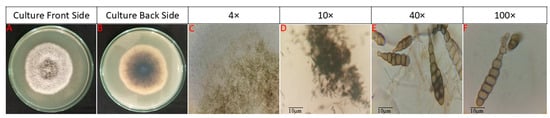
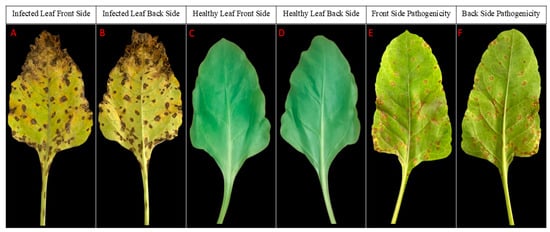
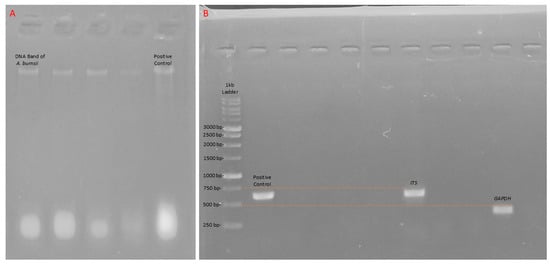
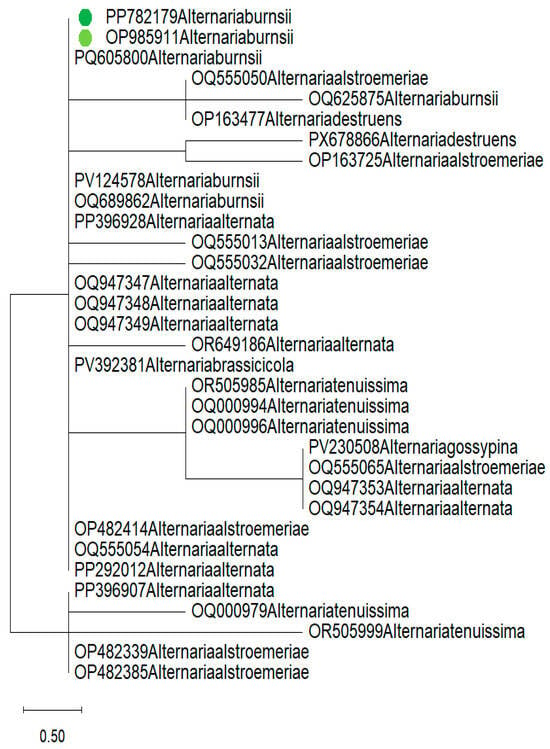
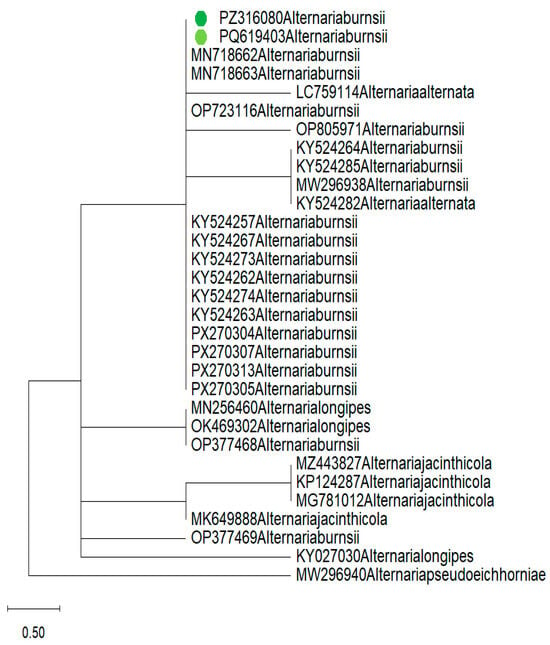
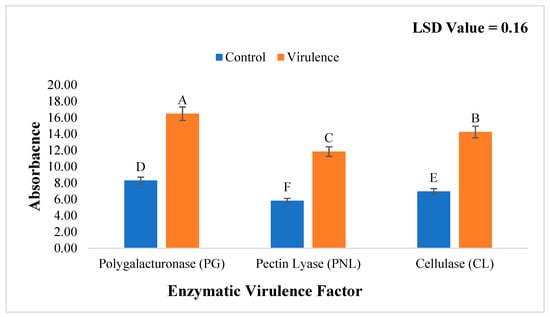
Spinacia oleracea L. cultivation in South Asia is severely compromised by leaf spot disease caused by fungal plant pathogens, resulting in significant yield and quality losses. In this study, we report the first molecularly confirmed case of an Alternaria burnsii leaf spot on S. oleracea in Pakistan. Symptomatic S. oleracea leaves exhibiting necrotic lesions with concentric rings were collected during a field survey across Bahawalpur district, Punjab, Pakistan in 2024. After isolation, purification and morphological identification it was identified that it belongs to the Alternaria genus. For the confirmation of species, molecular identification was performed; using the ITS and GAPDH primer revealed that the fungal plant pathogen causing leaf spot of S. oleracea is A. burnsii which was also confirmed by phylogenetic analysis. Koch’s postulates were carried out to confirm pathogenicity on detached leaf assays. To assess the virulence of A. burnsii enzymatic analysis was performed. Notably, enzymatic virulence profiling demonstrated a markedly increased production of polygalacturonase (PG: 16.0 ± 0.8 AU), pectin lyase (PNL: 12.0 ± 0.6 AU) and cellulase (CL: 14.0 ± 0.7 AU) relative to controls (all p < 0.001; LSD = 0.16), with PG having the greatest relative increase. This report expands the known host range for A. burnsii and highlights its two-fold threat: as a bioaerosol disseminable by wind and an enzymatic pathogen. These findings highlight the urgent need for integrated disease management strategies for suppressing leaf spot disease in S. oleracea agroecosystems.
Full article
(This article belongs to the Special Issue Airborne Biological Particles: Characterization, Monitoring, and Health Relevance)
►▼
Show Figures

Figure 1
Open AccessArticle
Airborne Pollen and Spores of the University of Ibadan Campus, Ibadan, Southwest Nigeria
by
Muyideen Olumide Akasoro, Margaret Adebisi Sowunmi and Peter Adegbenga Adeonipekun
Aerobiology 2026, 4(2), 10; https://doi.org/10.3390/aerobiology4020010 - 18 May 2026
Cited by 1
Abstract
►▼
Show Figures
The study of airborne pollen and spores in regions, communities, and campuses has gained importance in Nigeria in recent times. Aerospora sampling was carried out from November 2012 to February 2013 on the University of Ibadan campus Watch Tower. The Tower is the
[...] Read more.
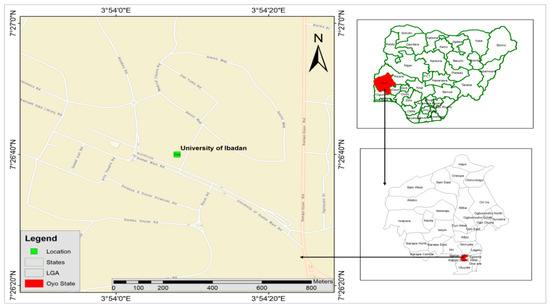
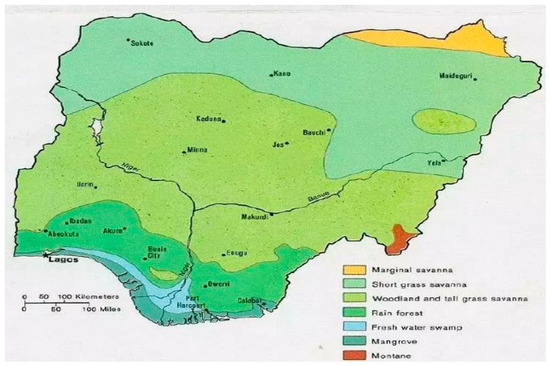
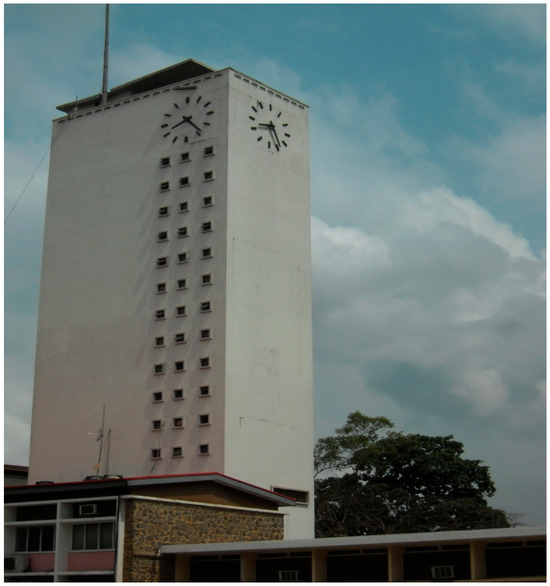
The study of airborne pollen and spores in regions, communities, and campuses has gained importance in Nigeria in recent times. Aerospora sampling was carried out from November 2012 to February 2013 on the University of Ibadan campus Watch Tower. The Tower is the tallest building on campus, standing at 35 m. An Aero sampler was used to collect aeropalynomorphs monthly at the site. The recovered residues were acetolysed and studied microscopically. Meteorological data for this location were obtained from the Nigerian Meteorological Agency (NiMet) for the prevailing weather conditions. Statistical analysis using the Pearson Correlation Coefficient was used to evaluate the relationship between airborne pollen and spores and meteorological parameters. A variety of palynomorphs, characteristic of rainforest, secondary/open forest, savanna, and freshwater vegetation types, were recovered. The dominant ones belonged to the Arecaceae, Anacardiaceae, Amaranthaceae, Euphorbiaceae, Moraceae, and Poaceae families, as well as fungal spores. Pollen counts with meteorological data revealed variations in palynomorph types and concentrations that reflected the influence of the aerosampler location, weather parameters, and the degree of human activities on the floral composition. This work is the first aero-sampling on the University of Ibadan campus and a contribution to the aeropalynological data of campuses across Southwest Nigeria.
Full article

Figure 1
Open AccessArticle
Sensitisation Profile of Patients with Positive Skin Prick Test to Amaranthaceae Pollen in the South of Portugal
by
Joana Coelho, Maria Lages, Natacha Santos, Maria João Paes, Filipa Ribeiro and Maria Antónia São Braz
Aerobiology 2026, 4(2), 9; https://doi.org/10.3390/aerobiology4020009 - 24 Apr 2026
Abstract
►▼
Show Figures
Exposure to airborne pollen allergens is a major trigger of respiratory allergy, whose prevalence continues to rise throughout Europe. In southern Portugal, the Mediterranean climate and extensive vegetation diversity promote high pollen loads, particularly from the Amaranthaceae family. This retrospective observational study aimed
[...] Read more.
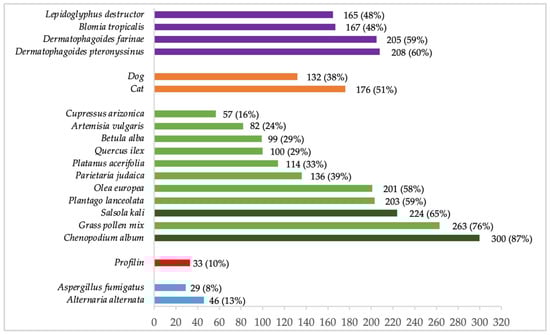
Exposure to airborne pollen allergens is a major trigger of respiratory allergy, whose prevalence continues to rise throughout Europe. In southern Portugal, the Mediterranean climate and extensive vegetation diversity promote high pollen loads, particularly from the Amaranthaceae family. This retrospective observational study aimed to characterise the sensitisation profiles of patients with positive skin prick tests (SPTs) to Chenopodium album and/or Salsola kali, the dominant Amaranthaceae species in the region. Data from 346 patients were analysed, including demographic and clinical characteristics, SPT results, and specific IgE sensitisation to molecular allergens. Of these, 35% were positive for C. album only, 13% for S. kali only, and 51% for both. In molecular testing, 54% of S. kali-sensitised patients were positive to Sal k 1, whereas only 4% of C. album-sensitised patients were positive to Che a 1. Sensitisation to panallergens such as profilins and Ole e 1-like proteins was frequent, suggesting extensive IgE cross-reactivity between these taxa. A significant correlation in wheal size (r = 0.53, p < 0.0001) further supports shared allergenic determinants. Despite higher SPT positivity to C. album, S. kali is likely the predominant sensitising source in this population. These findings highlight the importance of molecular-based diagnostics to distinguish genuine sensitisation from cross-reactivity in Mediterranean settings.
Full article

Figure 1
Open AccessReview
Aerobiology in Latin America: Past, Present and Future Directions for Atmospheric Pollen Surveillance
by
Guillermo Guidos-Fogelbach, Andrea Aida Velasco Medina, Iván Chérrez-Ojeda, Oscar Calderón Llosa, Itzel Yoselin Sánchez Pérez, Guillermo Velázquez Sámano, Dan Dalan, Marilyn Urrutia Pereira and Dirceu Sole
Aerobiology 2026, 4(2), 8; https://doi.org/10.3390/aerobiology4020008 - 31 Mar 2026
Cited by 1
Abstract
►▼
Show Figures
Aeropalynology, the monitoring and interpretation of airborne pollen, has become increasingly relevant in Latin America as allergic rhinitis and asthma rise alongside rapid urbanization, land-use change, and climate variability. Yet the region’s capacity remains heterogeneous: long-standing traditions in the Southern Cone coexist with
[...] Read more.
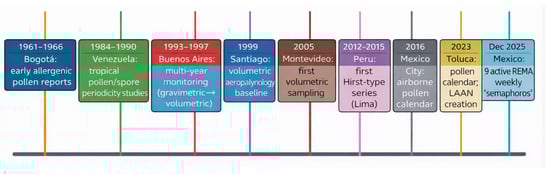
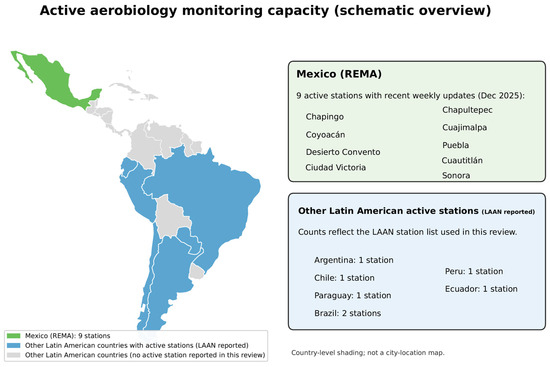
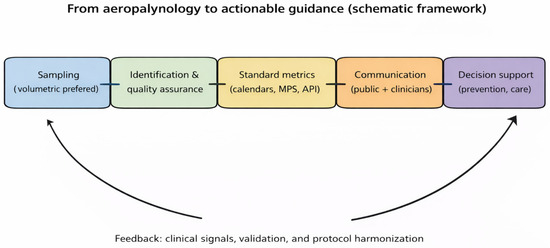
Aeropalynology, the monitoring and interpretation of airborne pollen, has become increasingly relevant in Latin America as allergic rhinitis and asthma rise alongside rapid urbanization, land-use change, and climate variability. Yet the region’s capacity remains heterogeneous: long-standing traditions in the Southern Cone coexist with emerging programs in tropical and Andean settings, and many series are not translated into standardized products useful for clinical care or public health. We conducted a structured literature review guided by PRISMA 2020 to synthesize the historical evolution, current monitoring infrastructure, dominant pollen taxa, and translational outputs reported across Latin American countries. Evidence indicates that Mexico currently represents the most mature aeropalynological ecosystem in the region, supported by multi-site monitoring, open weekly reporting (REMA), multiple city-level pollen calendars, and emerging computational approaches for pollen identification. Across countries, recurrent high-impact taxa include Cupressaceae, Fraxinus, Platanus, Olea, Poaceae, Urticaceae, Amaranthaceae, Rumex, Ambrosia, and Parietaria, with local dominance shaped by biogeography and urban vegetation. Key gaps include limited long-term continuity outside a few cities, variable methodology (sampler type, taxonomic resolution, units, thresholds), and scarce linkage of pollen exposure metrics with clinical outcomes. Future priorities include harmonized volumetric monitoring, interoperable data standards, routine publication of pollen calendars and thresholds, integration with meteorology for forecasting, and expansion of digital decision-support tools to improve prevention and management of allergic respiratory diseases in Latin America.
Full article

Figure 1
Open AccessArticle
Airborne Pollutants and Their Relation to Pulmonary Impairment and X-Ray Repair Cross-Complementing 1 Gene Variants in Aluminum Smelter Workers
by
Gehan Moubarz, Atef M. F. Mohammed, Inas A. Saleh, Amal Saad-Hussein and Heba Mahdy-Abdallah
Aerobiology 2026, 4(2), 7; https://doi.org/10.3390/aerobiology4020007 - 25 Mar 2026
Abstract
►▼
Show Figures
This study estimates the association between respiratory outcomes among employees of a secondary aluminum plant and airborne pollutants. Additionally, it looks into the relationship between pulmonary dysfunction in workers and X-Ray repair cross-complementing one (XRCC1) gene polymorphisms. 110 exposed workers and 58 non-exposed
[...] Read more.
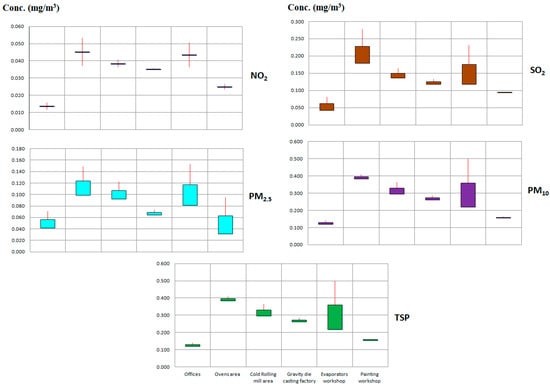
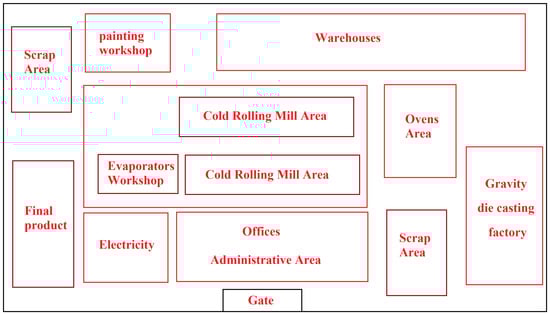
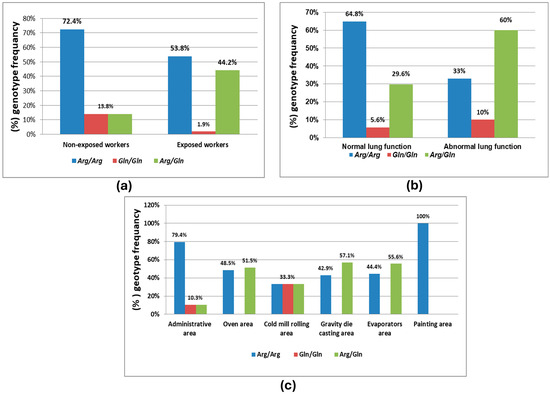
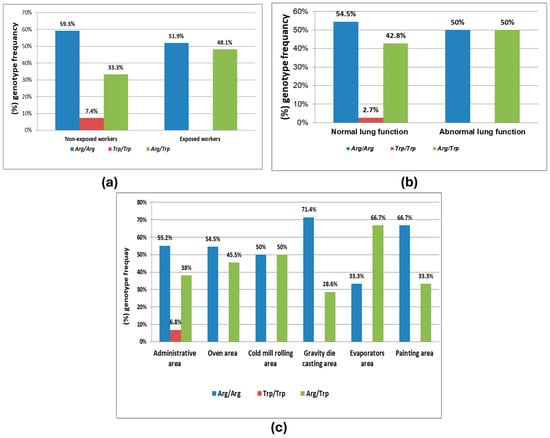
This study estimates the association between respiratory outcomes among employees of a secondary aluminum plant and airborne pollutants. Additionally, it looks into the relationship between pulmonary dysfunction in workers and X-Ray repair cross-complementing one (XRCC1) gene polymorphisms. 110 exposed workers and 58 non-exposed workers were enrolled in the study. Measurements were conducted on sulfur dioxide (SO2), nitrogen dioxide (NO2), and particulate particles. Pulmonary function was tested. Eosinophil cationic protein (ECP), C-reactive protein (CRP), matrix metalloproteinase-1 (MMP-1), interleukin 6 (IL6), granulocyte-macrophage colony-stimulating factor (GM-CSF), XRCC1 protein, and genotyping of XRCC1 gene polymorphisms were examined. The annual average concentrations of particulate matter (PM2.5, PM10), total suspended particulates (TSP), SO2, and NO2 were lower than the permissible limit. The areas around ovens, evaporators, and cold rolling mills exhibited the highest amounts. The majority of employees in these departments had impaired lung function. Prolonged exposure was associated with a significant decrease in forced expiratory volume in 1 s (FEV1%) and forced vital capacity (FVC%) among the exposed group (p = 0.001 & 0.04, respectively). Serum XRCC1 levels were significantly higher among exposed workers (p = 0.02). Inflammatory biomarkers showed no statistically significant differences between groups. Aluminum workers are at risk of developing respiratory disorders. The level of serum XRCC1 may serve as a potential biomarker for detecting susceptible workers.
Full article

Figure 1
Open AccessArticle
Impact of Bioaerosol Particles on Atmospheric Charging/Discharging and Conductivity in the Global Electric Circuit (GEC)
by
Kenji Miki
Aerobiology 2026, 4(1), 6; https://doi.org/10.3390/aerobiology4010006 - 14 Feb 2026
Abstract
Understanding the dynamics of atmospheric ions, the carriers of electrons and ions in the global electric circuit (GEC), is necessary to fully understand Earth’s atmospheric electricity. Because atmospheric ions are too small to be influenced by gravity, the gravitational settling of aerosol particle
[...] Read more.
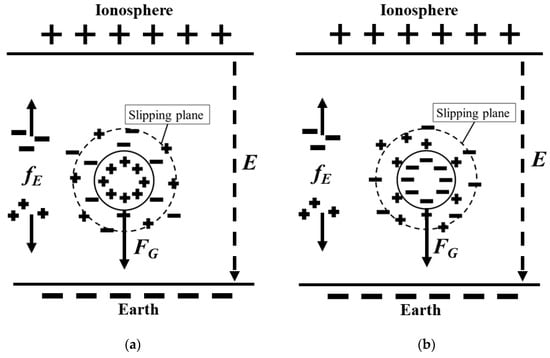
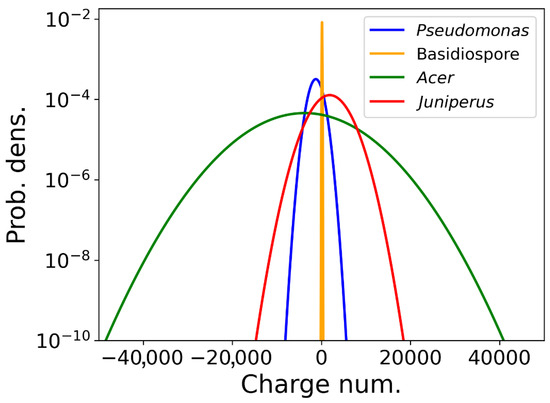
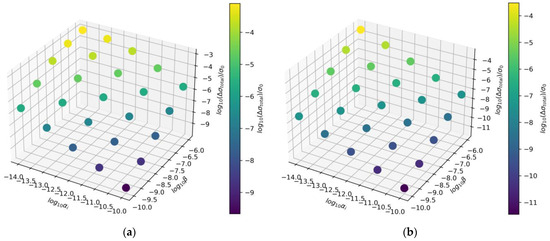
Understanding the dynamics of atmospheric ions, the carriers of electrons and ions in the global electric circuit (GEC), is necessary to fully understand Earth’s atmospheric electricity. Because atmospheric ions are too small to be influenced by gravity, the gravitational settling of aerosol particle in fair weather has not been considered as a driving force in the GEC model. However, the attachment of these particles to other coarse particles can cause them to move in gravity’s direction. In this study, the influence of the gravitational settling of various bioaerosol particles with electrostatic force on the GEC is calculated. The results show the importance of considering bioaerosol particles in the GEC model, and that pollen grains can carry the order of 0.1% of ions and electrons carried by atmospheric ions due to their weight and charging efficiencies. Also, the reduction in atmospheric conductivity in the presence of bioaerosol particles was calculated. Bioaerosol particles can reduce atmospheric conductivity by an order of due to pollen and by an order of due to microbes.
Full article
(This article belongs to the Special Issue Advancements in Artificial Intelligence for Bioaerosol Detection, Characterization, and Modeling)
►▼
Show Figures

Figure 1
Open AccessReview
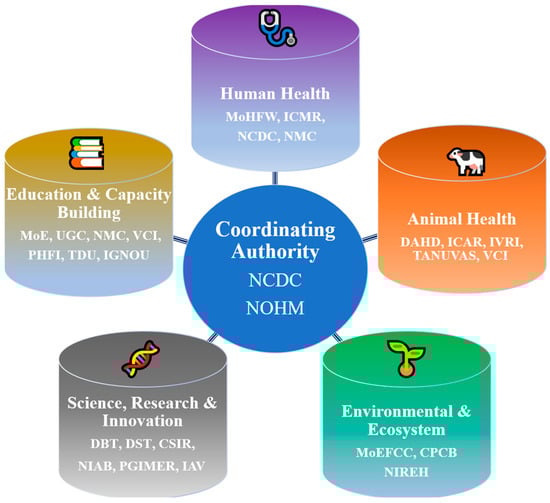
One Network–One Nation–One Health India’s Strategic Blueprint for Resilient, Cross-Sectoral Health Systems
by
Anuupama Suchiita, Subash Chandra Sonkar and Aakansha Suchitta
Aerobiology 2026, 4(1), 5; https://doi.org/10.3390/aerobiology4010005 - 2 Feb 2026
Cited by 3
Abstract
The escalating threats of zoonotic diseases, antimicrobial resistance (AMR), climate change, and environmental degradation have intensified the need for a unified health approach. One Health—integrating human, animal, and environmental health—is critical for national and global health security. India, with its high population density,
[...] Read more.
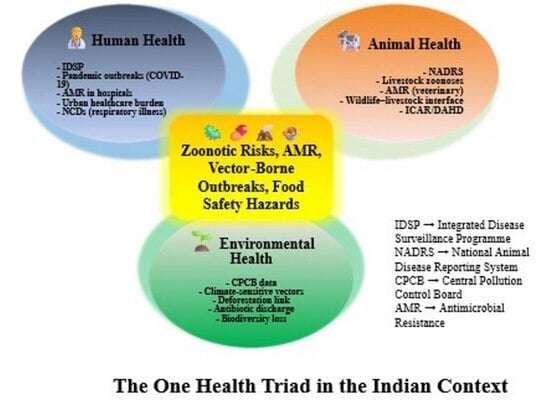
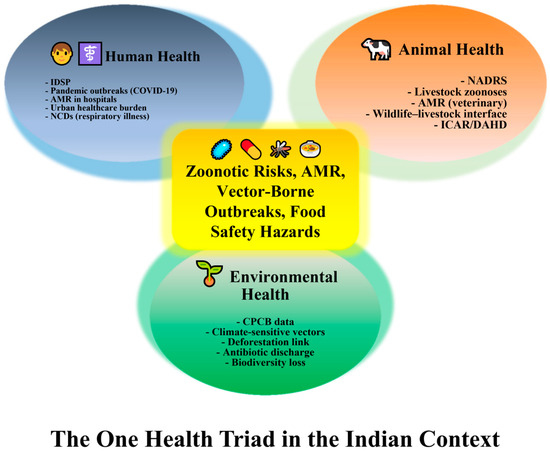
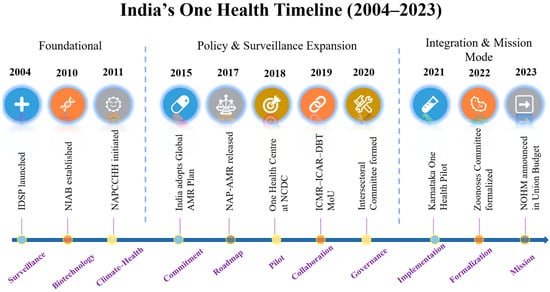
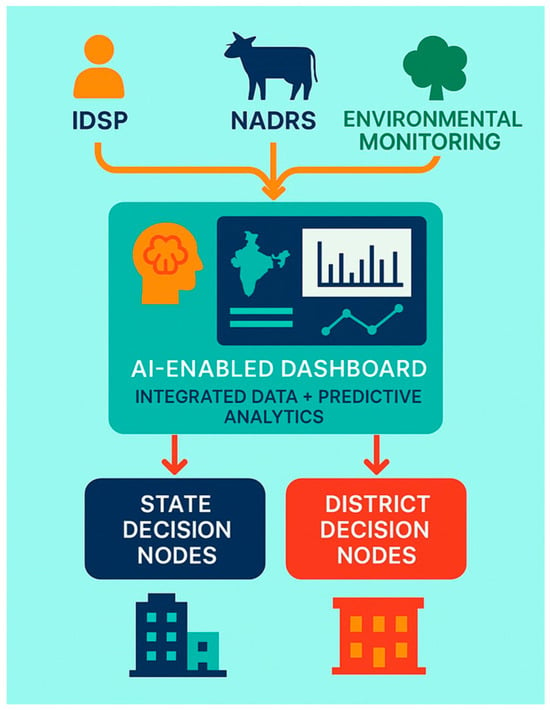
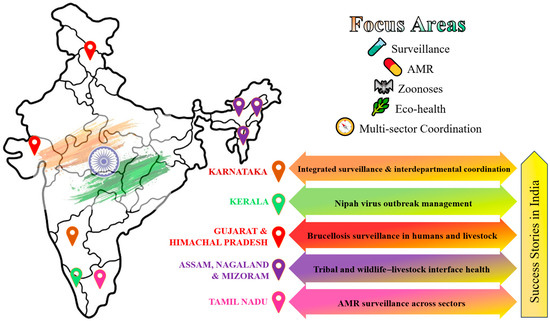
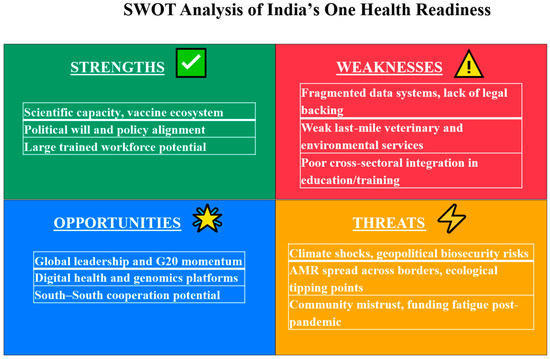
The escalating threats of zoonotic diseases, antimicrobial resistance (AMR), climate change, and environmental degradation have intensified the need for a unified health approach. One Health—integrating human, animal, and environmental health—is critical for national and global health security. India, with its high population density, biodiversity, and socio-ecological complexity, stands poised to lead in operationalizing this integrated vision. This review analyzes India’s evolving One Health ecosystem, focusing on policy development, inter-ministerial collaborations, surveillance systems, grassroots implementation, and education. Institutions like the National Centre for Disease Control (NCDC), Indian Council of Medical Research (ICMR), and Department of Biotechnology (DBT) are discussed. We propose a strategic blueprint built on integrated surveillance (One Network), cross-sectoral governance (One Nation), and field-level implementation (One Health). Highlighting successful case studies and India’s role in global platforms, the article presents a roadmap to bridge fragmented efforts into a resilient, community-driven national mission to protect human, animal, and environmental health.
Full article
(This article belongs to the Special Issue Bioaerosols in Urban Settings: Roles of Climate Change, Ecosystem Services and Human Health)
►▼
Show Figures

Graphical abstract
Open AccessArticle
Optimizing Molecular Tools for Bioaerosol Monitoring: A Case Study of Staphylococcus aureus in a Crowded Workplace
by
Merita Xhetani, Brikena Parllaku, Fjoralda Bakiri, Arta Lugaj, Etleva Hamzaraj, Mirela Lika, Antea Metaliaj, Vera Beca and Bationa Bennewitz
Aerobiology 2026, 4(1), 4; https://doi.org/10.3390/aerobiology4010004 - 12 Jan 2026
Cited by 1
Abstract
Staphylococcus aureus is a common opportunistic pathogen found in various environments, with the potential for rapid spread, especially in densely populated indoor settings. Integrating traditional microbiological monitoring with molecular techniques is critical for the timely detection and control of such pathogens. The aim
[...] Read more.
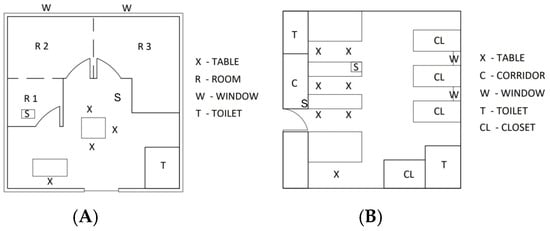
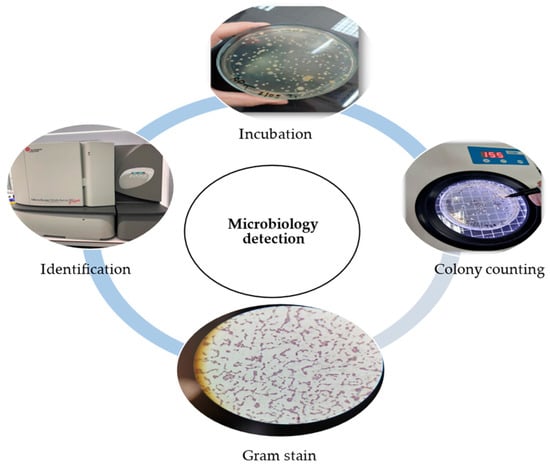
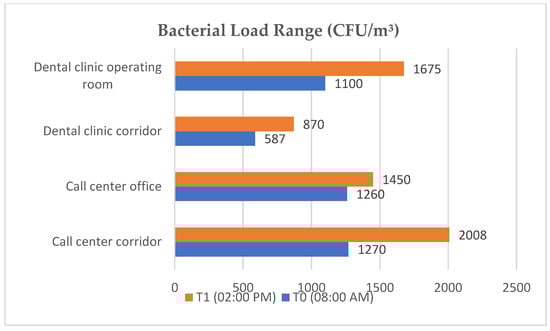
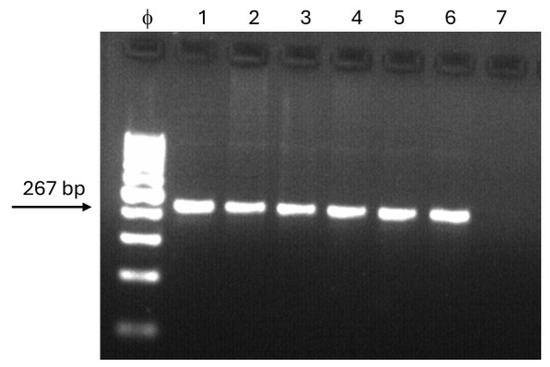
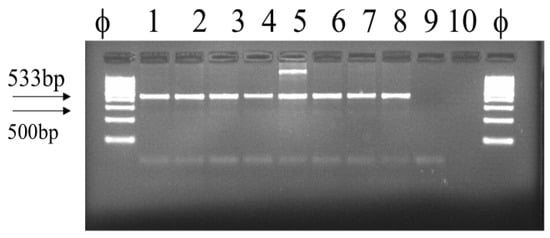
Staphylococcus aureus is a common opportunistic pathogen found in various environments, with the potential for rapid spread, especially in densely populated indoor settings. Integrating traditional microbiological monitoring with molecular techniques is critical for the timely detection and control of such pathogens. The aim of this study was (1) to monitor the presence and spread of S. aureus in a crowded occupational environment and (2) to optimize a PCR protocol with sequence specific primers (PCR-SSP) for precise identification and early detection of this microorganism and its antibiotic resistance genes. Sampling was conducted in two different places: a call center and a healthcare facility room. All samples were collected from indoor areas at two different time points (T0 and T1) in May 2025 (mean temperature: 22.5 °C; humidity: 59.5%). Microbiological techniques and molecular analysis using PCR-SSP were employed to confirm the presence of S. aureus and detect antibiotic resistance genes such as mecA. A total CFU (colony-forming unit) count of 587 was recorded at the dental clinic corridor, and a total CFU count of 2008 was recorded at the call center corridor. PCR-SSP successfully confirmed the identity of S. aureus with an amplicon size 267 bp and enabled the detection of antibiotic resistance markers, validating its use as a complementary method to traditional microbiological techniques. This study highlights the importance of combining environmental monitoring with molecular biology tools to enhance the early detection and accurate identification of microbial pathogens such as S. aureus and provide an insight for our future direction of producing biosensors for digital air monitoring in crowded workplaces.
Full article
(This article belongs to the Special Issue Advancements in Artificial Intelligence for Bioaerosol Detection, Characterization, and Modeling)
►▼
Show Figures

Figure 1

Open AccessArticle
Investigation of Aeromycoflora in the Library and Reading Room of Midnapore College (Autonomous): Impact on Human Health
by
Tanmoy Basak, Rajarshi Pradhan, Amrita Mallik and Abhigyan Roy
Aerobiology 2026, 4(1), 3; https://doi.org/10.3390/aerobiology4010003 - 1 Jan 2026
Abstract
►▼
Show Figures
Aeromycoflora present in the library environment is known to play a significant role in triggering allergies and contributing to the deterioration of both cellulosic and non-cellulosic materials within the intramural setting of the Midnapore College Library. Fungal spores not only accelerate the aging
[...] Read more.
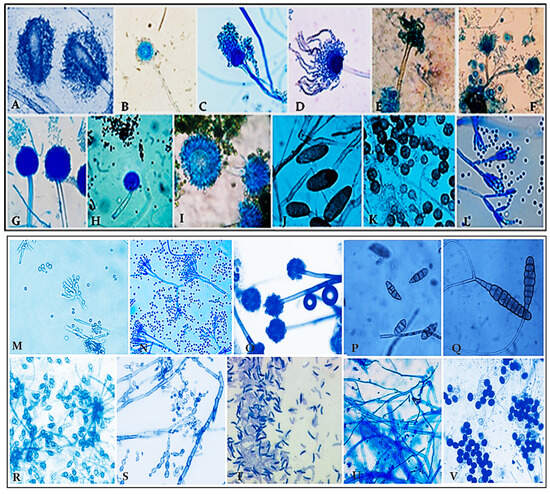
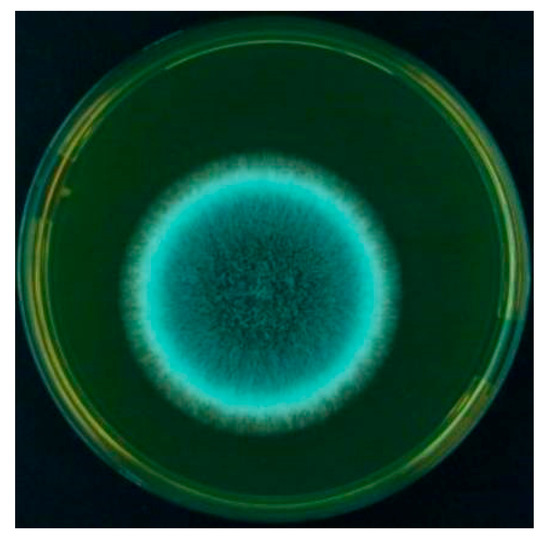
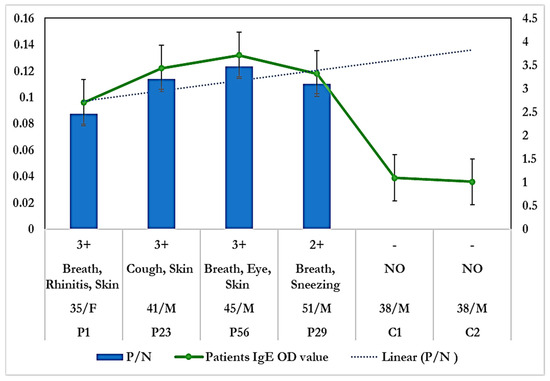
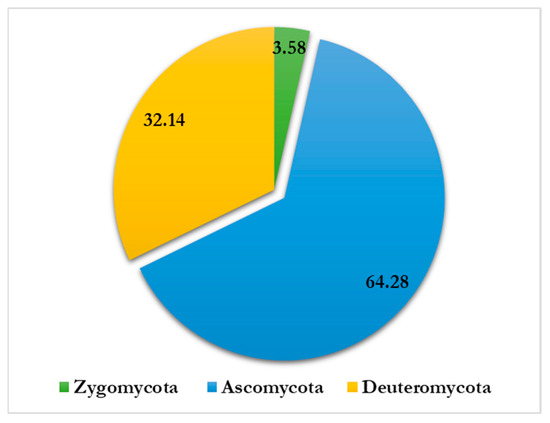
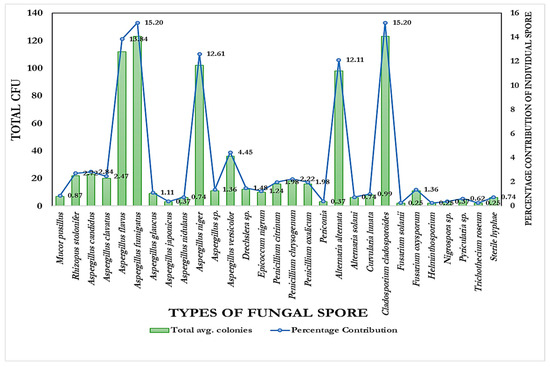
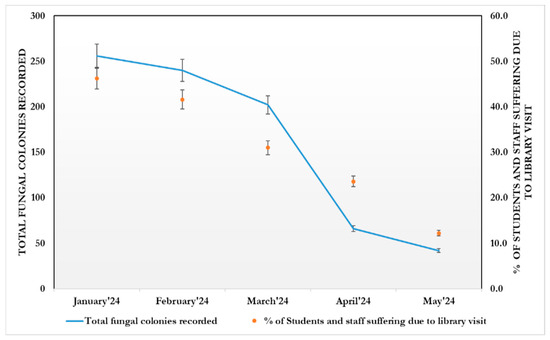
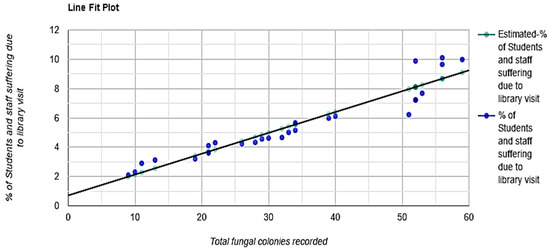
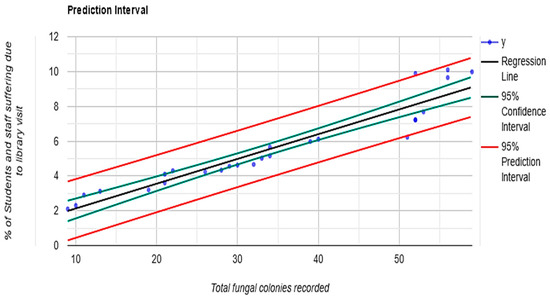
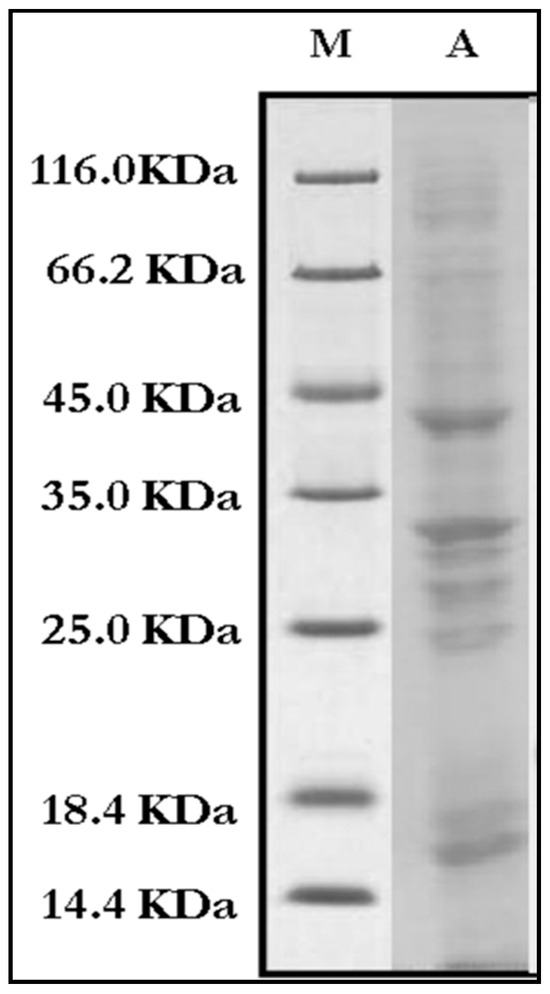
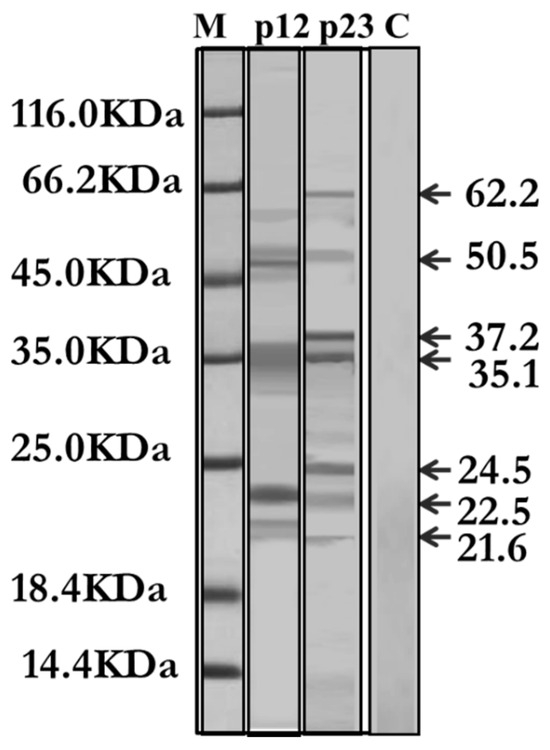
Aeromycoflora present in the library environment is known to play a significant role in triggering allergies and contributing to the deterioration of both cellulosic and non-cellulosic materials within the intramural setting of the Midnapore College Library. Fungal spores not only accelerate the aging and degradation of books but also pose considerable health risks to students, library visitors, and staff. In total, 480 fungal colonies belonging to 15 genera and 28 species were recorded using the culture plate exposure method. The predominant taxa included Aspergillus/Penicillium, Alternaria alternata, Alternaria solani, Cladosporium cladosporioides, Curvularia lunata, Penicillium oxalicum, Epicoccum sp., Fusarium solanii, Fusarium oxysporum, Periconia sp., Rhizopus sp., and other Penicillium species. Many of these fungi are well-documented allergens and have been reported to cause adverse health manifestations—such as respiratory discomfort and skin irritation—among students, teaching staff, and book handlers exposed to airborne mycobiota. The present study aimed to investigate the aeromycological diversity within the Midnapore College Library and to conduct immuno-clinical assessments to identify specific serum IgE using both in vivo and in vitro diagnostic techniques. Individuals frequently visiting the library reported symptoms including eye irritation, headaches, itchy skin, sore throat, and severe asthma. Spearman’s rank correlation analysis revealed a significant association between total and dominant spore concentrations and the health status of affected individuals. Clinico-immunological evaluations confirmed the allergenicity of Aspergillus fumigatus, with 39.5% of atopic individuals showing positive reactions in skin prick tests (SPT). Additionally, three novel sero-reactive proteins were identified, offering valuable insights for local clinicians in diagnosing and managing fungal-induced allergic conditions.
Full article

Figure 1
Open AccessArticle
Patterns of Allergy-Related Healthcare Utilization and Medicine Consumption in Relation to Aeroallergen Exposure
by
Rajat Prakash Singhal, Sumit Khandelwal and Akhilendra Bhushan Gupta
Aerobiology 2026, 4(1), 2; https://doi.org/10.3390/aerobiology4010002 - 22 Dec 2025
Abstract
►▼
Show Figures
Allergic rhinitis and asthma remain major public-health challenges, with airborne pollen serving as a key environmental driver. This study investigates the temporal association between aeroallergen exposure, patient healthcare utilization, and allergy medicine consumption at the MNIT Jaipur dispensary from 2015 to 2020, focusing
[...] Read more.
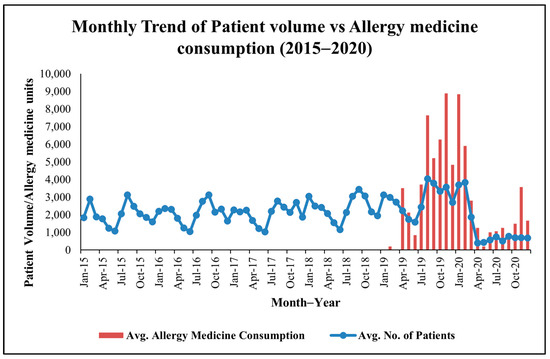
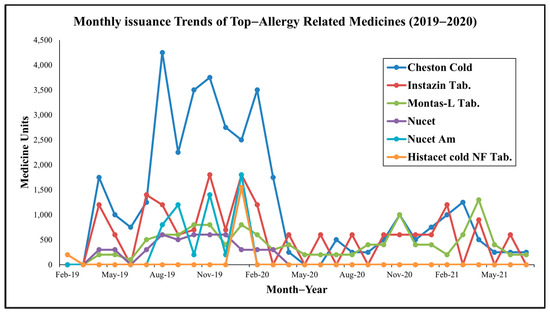
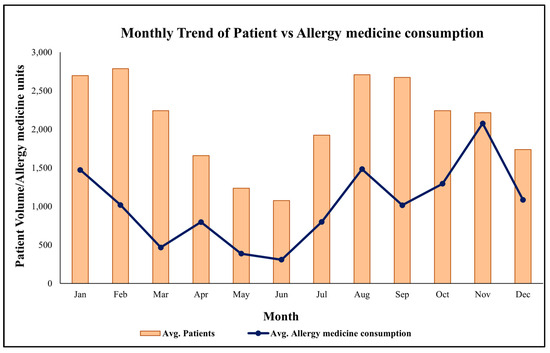
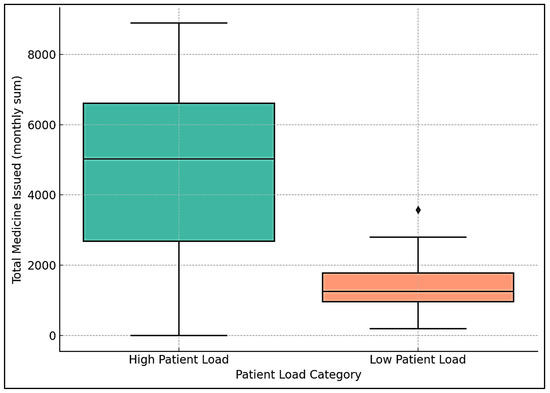
Allergic rhinitis and asthma remain major public-health challenges, with airborne pollen serving as a key environmental driver. This study investigates the temporal association between aeroallergen exposure, patient healthcare utilization, and allergy medicine consumption at the MNIT Jaipur dispensary from 2015 to 2020, focusing on Holoptelea integrifolia pollen as a primary allergen. Patient visit data and medicine issuance records were analyzed to evaluate seasonal co-trends using descriptive time-series and statistical tests, including Pearson correlation and Mann–Whitney U. The analysis revealed consistent peaks in both patient visit and medicine issuance during February–April, corresponding with H. integrifolia pollen release, and secondary peaks during August–September and October, coinciding with Amaranthus spinosus, Parthenium hysterophorus, and monsoon mold activity. A moderate positive correlation (r = 0.58, 95% CI: 0.22–0.79, p = 0.007) and significant differences between high- and low-patient months (U = 107.5, p = 0.043, 95% CI of difference: 1323–3620 units) indicating that increased healthcare utilization coincides with seasonal aeroallergen exposure. These findings highlight the potential of medicine consumption data as a cost-effective proxy for allergen surveillance, aiding early warning and preparedness for seasonal allergy management. Integration of such pharmaco-epidemiological insights with dispersion models may strengthen predictive frameworks for pollen exposure and public-health response.
Full article

Figure 1
Open AccessArticle
A Geostatistical Study of a Fuzzy-Based Dataset from Airborne Magnetic Particle Biomonitoring
by
Daniela A. Molinari, Mauro A. E. Chaparro, Aureliano A. Guerrero and Marcos A. E. Chaparro
Aerobiology 2026, 4(1), 1; https://doi.org/10.3390/aerobiology4010001 - 19 Dec 2025
Abstract
►▼
Show Figures
Airborne magnetic particles (AMPs) are associated with potentially toxic elements, and their size, mineralogy, and concentration can significantly impact both the environment and human health. However, their spatial analysis is often limited by small datasets, non-normality, and pronounced local variability. In this work,
[...] Read more.
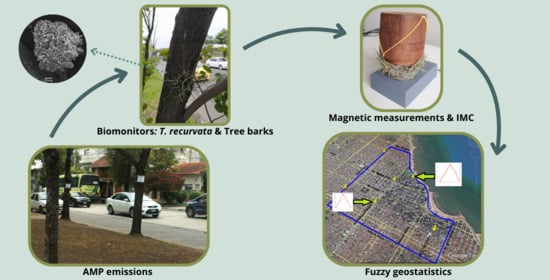
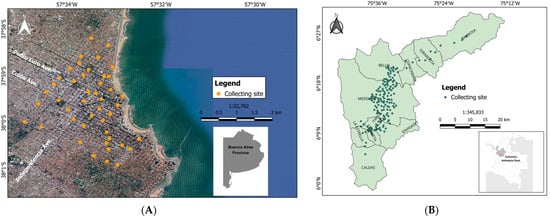
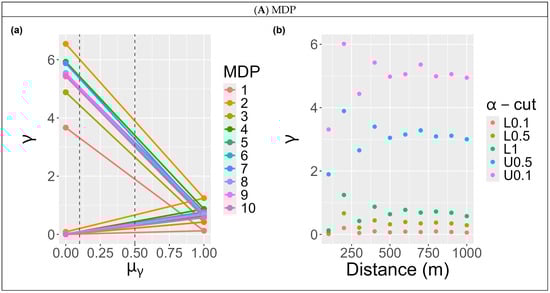
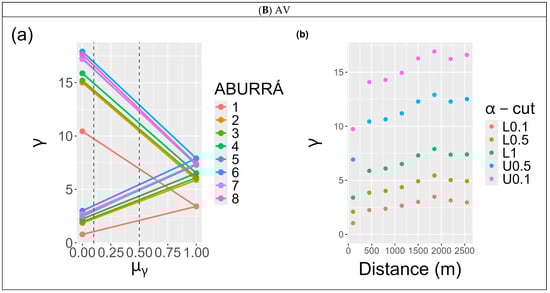
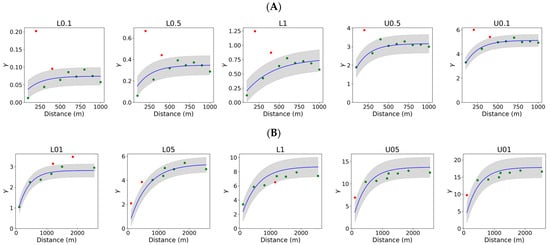
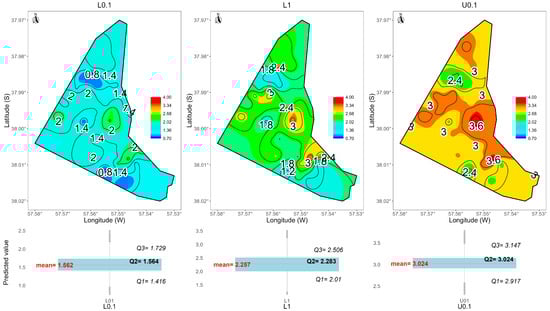
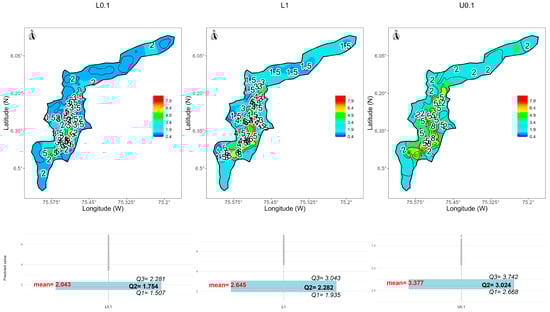
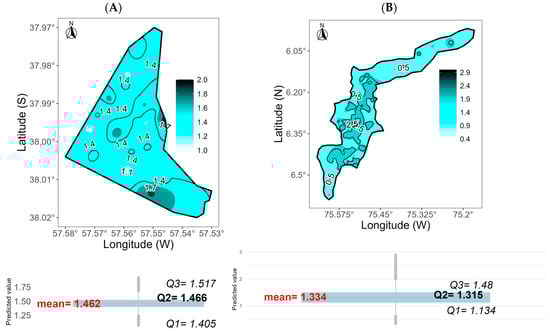
Airborne magnetic particles (AMPs) are associated with potentially toxic elements, and their size, mineralogy, and concentration can significantly impact both the environment and human health. However, their spatial analysis is often limited by small datasets, non-normality, and pronounced local variability. In this work, two sites with distinct demographic and geographic characteristics, the city of Mar del Plata (Argentina) and the Aburrá Valley region (Colombia), were analyzed using the fuzzy Magnetic Pollution Index (IMC) as an indicator of the concentration of AMPs. Moreover, an original methodological framework that explicitly incorporates measurement uncertainty through fuzzy numbers, combined with an approach modeling fuzzy semivariances via α-cuts, performs spatial prediction via ordinary kriging. This study produces maps that simultaneously reflect the magnitude of IMC and its associated uncertainty. Unlike classical geostatistics, the fuzzy-based model captures the inherent imprecision of magnetic measurements and reveals spatial patterns where uncertainty becomes informative about the type and origin of pollution. In particular, this approach demonstrates that areas with higher IMC levels are associated with high anthropic activity (near industrial zones, main avenues, slow traffic). In contrast, lower values were found in residential areas. Overall, the fuzzy-driven approach provides an additional layer of information not accessible through traditional methods, improving spatial interpretation and supporting the identification of priority areas for environmental monitoring.
Full article

Graphical abstract
Open AccessArticle
Asbestos Fiber Measurements During Low Dust-Generating Work Processes
by
Barbara Dorota Kolarik, Susanne Celia Rørbye, Martin Nerum Olsen and Kristoffer Kampmann
Aerobiology 2025, 3(4), 12; https://doi.org/10.3390/aerobiology3040012 - 10 Dec 2025
Cited by 1
Abstract
►▼
Show Figures
The Danish asbestos executive order defines a range of situations and work processes that require no protective measures, due to an assumption of low dust generation and therefore negligible exposure to asbestos fibers. The purpose of the study was to investigate the exposure
[...] Read more.
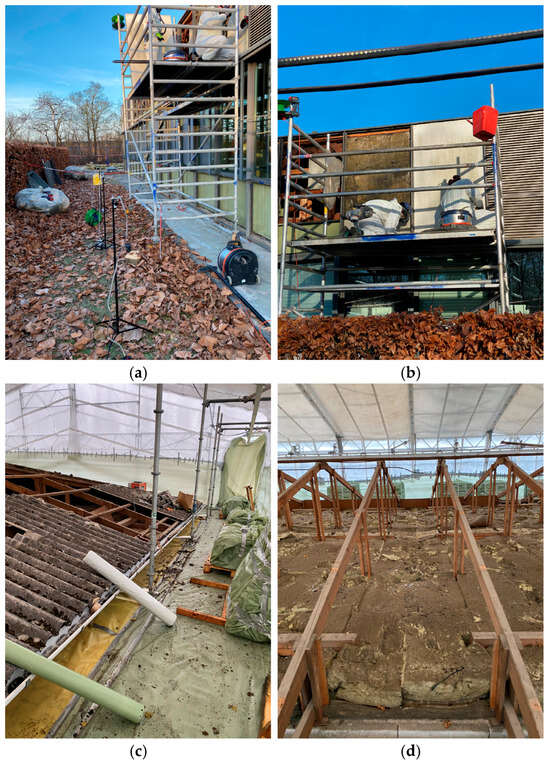
The Danish asbestos executive order defines a range of situations and work processes that require no protective measures, due to an assumption of low dust generation and therefore negligible exposure to asbestos fibers. The purpose of the study was to investigate the exposure of workers performing tasks where low dust generation is assumed, as well as those in direct proximity. Five roof renovation projects, one facade removal project, and one removal project of whole pipes with intact asbestos insulation were included in the study. A total of 52 personal samples and 33 stationary samples were collected. The asbestos fiber concentrations measured in personal samples ranged from below the detection limit to 0.13 f/cm3 (fibers/cm3). Despite the large spread between projects, the measured concentrations of asbestos fibers in 45 of the 52 personal samples were above the Danish occupational exposure limit value (OEL) of 0.003 f/cm3. The concentration of asbestos fibers in 20 of 33 stationary samples was also above the Danish OEL. The results of personal and stationary measurements suggest that any work with asbestos-containing materials may be associated with a significant risk of exposure above the OEL and, thus, should not be considered a low-dust-generating process without measurements.
Full article

Figure 1
Open AccessReview
Pollen and Fungal Spore Co-Exposure in Allergic Respiratory Diseases: A Systematic Review
by
Alina-Maria Ivaşko, Corina Ureche, Oana Cristina Marginean, Monica Grama and Teodora Nicola-Varo
Aerobiology 2025, 3(4), 11; https://doi.org/10.3390/aerobiology3040011 - 3 Dec 2025
Cited by 1
Abstract
Co-exposure to airborne pollen and fungal spores is increasingly recognized as a contributor to asthma and allergic rhinitis, especially as climatic shifts since 2020 have intensified their seasonal overlap. We systematically searched PubMed and Google Scholar for studies published between 2020 and 2025
[...] Read more.
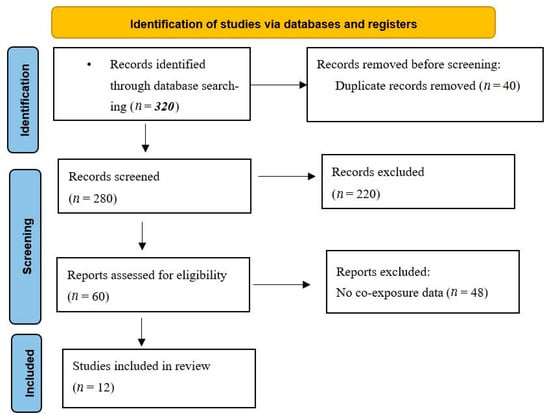
Co-exposure to airborne pollen and fungal spores is increasingly recognized as a contributor to asthma and allergic rhinitis, especially as climatic shifts since 2020 have intensified their seasonal overlap. We systematically searched PubMed and Google Scholar for studies published between 2020 and 2025 that assessed simultaneous pollen–fungi exposure and respiratory outcomes. Screening was performed independently by two reviewers, resulting in 12 eligible studies out of 320 records. Meta-analysis was not feasible due to substantial heterogeneity in exposure definitions, taxa, outcome measures, and analytical approaches. Overall, the studies indicate that short-term co-exposure tends to worsen respiratory symptoms and increase emergency visits or asthma exacerbations, with stronger effects in children, polysensitized individuals, and urban settings. However, effect sizes varied considerably across regions and methodologies. Environmental and climatological papers provided context for seasonal overlap but did not contribute clinical data. Current evidence suggests a potential synergistic effect, though more standardized exposure metrics are needed to refine risk estimates.
Full article
(This article belongs to the Special Issue Bioaerosols in Urban Settings: Roles of Climate Change, Ecosystem Services and Human Health)
►▼
Show Figures

Figure 1
Open AccessReview
Airborne Fungal Communities: Diversity, Health Impacts, and Potential AI Applications in Aeromycology
by
Divjot Kour, Sofia Sharief Khan, Meenakshi Gusain, Akshara Bassi, Tanvir Kaur, Aman Kataria, Simranjeet Kaur and Harpreet Kour
Aerobiology 2025, 3(4), 10; https://doi.org/10.3390/aerobiology3040010 - 30 Oct 2025
Cited by 8
Abstract
►▼
Show Figures
International interests in bioaerosols have gained an increased attention to widen the knowledge pool of their identification, distribution, and quantification. Aeromycota signify a complex and diverse group of fungi dispersed through the atmosphere. Aeromycology is an important field of research due to its
[...] Read more.
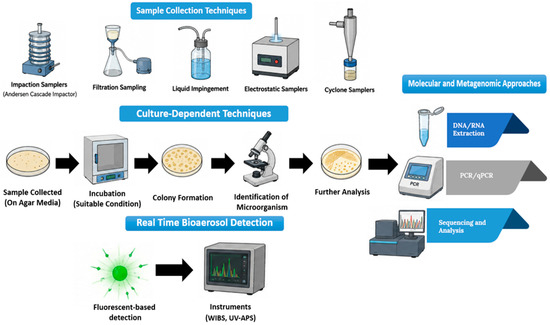
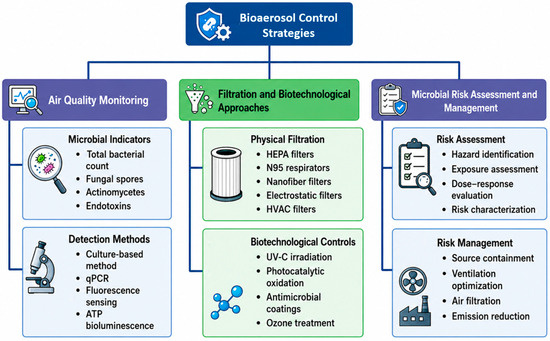
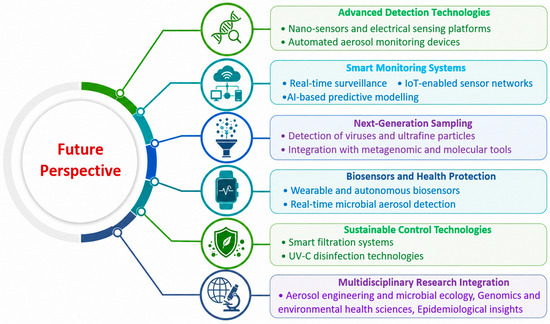
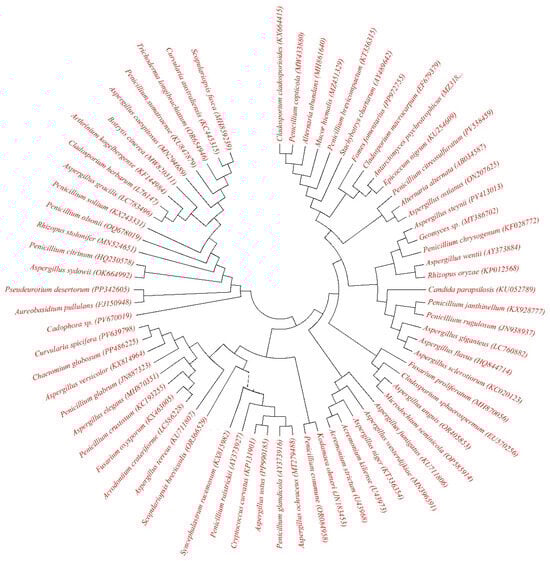
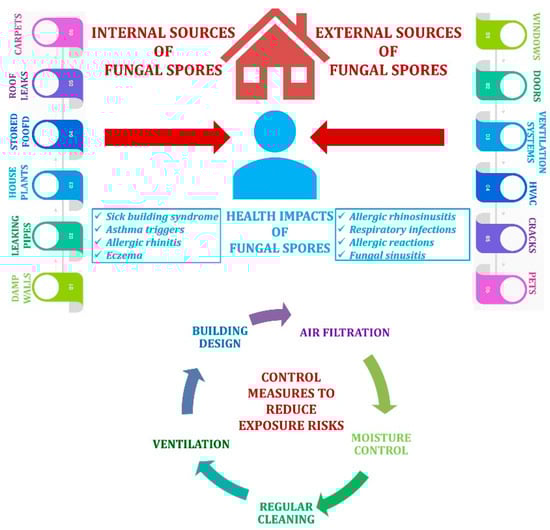
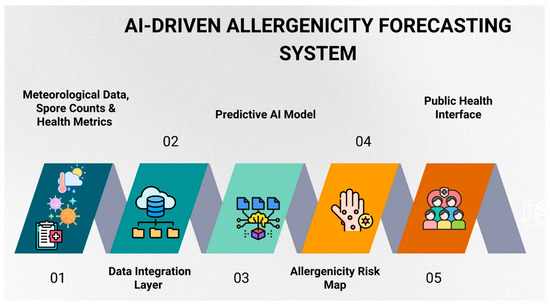
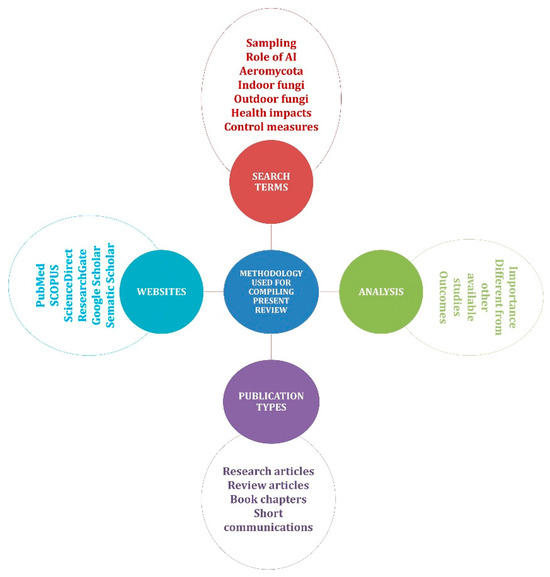
International interests in bioaerosols have gained an increased attention to widen the knowledge pool of their identification, distribution, and quantification. Aeromycota signify a complex and diverse group of fungi dispersed through the atmosphere. Aeromycology is an important field of research due to its important role in human health. Aeromycoflora both indoors and outdoors, are responsible for many allergies and other respiratory diseases. The present review describes the diversity of the aeromycoflora, the techniques used for sampling, identification, and taxonomic classification, and the limitations of the traditional culture-based methods as they fail to detect unculturable species. Furthermore, the spatial and temporal variability in aeromycota complicate consistent monitoring. Both indoor and outdoor environments harbor airborne fungi. The diversity in indoor environments is greatly shaped by the moisture content, building design, and ventilation, which are further taken into consideration. Further, the health impacts of the indoor and outdoor fungi have been discussed and what control measures can be taken to reduce the exposure risks and management strategies that can be adopted. Artificial intelligence (AI) can bring revolution in this field of research and can help in improving detection, monitoring, and classification of airborne fungi. The review finally outlines the emerging role of AI in aeromycology.
Full article

Figure 1
Open AccessEditorial
Bioaerosols in Urban Settings: Roles of Climate Change, Ecosystem Services and Human Health
by
Athanasios Charalampopoulos, Ioanna Pyrri and Athanasios Damialis
Aerobiology 2025, 3(4), 9; https://doi.org/10.3390/aerobiology3040009 - 13 Oct 2025
Abstract
Urban environments constitute of spaces in which the majority of humankind reside, work and recreate [...]
Full article
(This article belongs to the Special Issue Bioaerosols in Urban Settings: Roles of Climate Change, Ecosystem Services and Human Health)
Highly Accessed Articles
Latest Books
E-Mail Alert
News
Topics
Topic in
Atmosphere, Buildings, Urban Science, Medicina, Air, Healthcare, Applied Sciences, Aerobiology
Impacts of Air Quality on Environment and Human Health, 2nd Edition
Topic Editors: Marco Dettori, Antonella Arghittu, Giovanna DeianaDeadline: 30 June 2027
Topic in
Atmosphere, Buildings, Energies, IJERPH, Sustainability, Air, Toxics, Aerobiology
Air Quality and the Built Environment, 2nd Edition
Topic Editors: Shen Yang, Grzegorz Majewski, Delia D'Agostino, Jianbang XiangDeadline: 31 August 2027
Special Issues
Special Issue in
Aerobiology
Advancements in Artificial Intelligence for Bioaerosol Detection, Characterization, and Modeling
Guest Editors: Salvatore Romano, Mattia FragolaDeadline: 25 September 2026
Special Issue in
Aerobiology
Bioaerosols in Urban Settings: Roles of Climate Change, Ecosystem Services and Human Health
Guest Editors: Athanasios Charalampopoulos, Ioanna Pyrri, Athanasios DamialisDeadline: 31 December 2026
Topical Collections
Topical Collection in
Aerobiology
Editorial Board Members’ Collection Series: National Aerobiological Monitoring Networks
Collection Editors: Donát Magyar, Athanasios Damialis, David J. O'Connor