


Abstract
Climate change has an increasing influence on the composition, abundance, and distribution of bioaerosols in the atmosphere. Bioaerosols, which include airborne bacteria, fungi, viruses, pollen, and microbial fragments, represent an important component of atmospheric particulate matter and play a significant role in environmental and public health processes. Changes in temperature, humidity, extreme weather events, and air pollution can alter microbial survival, dispersal, and seasonal patterns in the air. These climatic shifts may enhance the long-distance transport of microorganisms and modify the diversity and concentration of airborne microbial communities. As a result, exposure to pathogenic or allergenic bioaerosols may increase, contributing to respiratory diseases, allergies, and the spread of infectious pathogens. Furthermore, climate-driven environmental disturbances such as dust storms, wildfires, and urbanization can intensify bioaerosol emissions and atmospheric transport. Understanding the interactions between climate change and bioaerosols is therefore essential for predicting microbial dispersion patterns and developing strategies to mitigate associated public health risks.
1. Introduction
Bioaerosols are microscopic particles of biological origin that remain suspended in the atmosphere. They include bacteria, fungi, viruses, pollen, and cellular fragments. These particles form an integral component of atmospheric particulate matter and are gaining increasing recognition for their role in environmental processes and human health. Despite their significance, bioaerosols have received less attention in air quality assessments compared to chemical pollutants, leading to gaps in research and policy frameworks [1]. Advances in aeromicrobiology have highlighted that bioaerosols’ composition and concentration vary across spatial and temporal scales depending on environmental conditions [2].
Climate change has emerged as a major factor influencing atmospheric processes, including the behaviour of bioaerosols. Variations in temperature, humidity, and precipitation patterns can significantly alter microbial survival and distribution. Climate-driven changes can either enhance or suppress the concentration of airborne pathogenic microorganisms, depending on the environmental context [3]. Furthermore, interactions between bioaerosols and atmospheric reactions, such as oxidative transformations, may modify their structure and toxicity, thereby influencing their impact on ecosystems and human health [4]. Recent studies have stated that climate change, combined with air pollution, creates complex exposure scenarios that can intensify the effects of bioaerosols on respiratory health [5].
Airborne microorganisms play important roles in both ecological and atmospheric processes. They contribute to biogeochemical cycles and can influence cloud formation and precipitation through mechanisms such as ice nucleation. At the same time, bioaerosols are associated with various health risks, including respiratory infections, allergies, and the transmission of infectious diseases. The growing concern over multi-exposure environments, where bioaerosols interact with pollutants and climatic stressors, underscores the need for integrated research approaches [6]. Additionally, bioaerosols can act as carriers of genetic material, potentially facilitating microbial adaptation and global gene transfer under changing environmental conditions [2].
2. Diversity and Sources of Airborne Microorganisms
The atmosphere primarily serves as a transient reservoir rather than a growth-supporting habitat due to limited nutrient availability. The composition of airborne microorganisms is largely determined by their emission sources. Bioaerosols originate from both natural ecosystems and anthropogenic activities, with global annual emissions estimated at 28.1 Tg/year for bacteria, 186 Tg/year for fungi, and 84 Tg/year for pollen [7]. Major contributors include soil, water bodies, vegetation, animals, and human-associated processes, which collectively introduce a diverse range of biological particles into the atmosphere [8,9,10] (Figure 1).
Figure 1.
From source to air: major natural and anthropogenic contributors to bioaerosol formation.
Among natural sources, soil is the dominant terrestrial reservoir due to its high microbial density and organic content that supports microbial proliferation [11]. Wind erosion and disturbances facilitate aerosolization, releasing approximately 1.5 × 10²³ to 3.5 × 1024 bacterial cells into the atmosphere annually [12]. Rainfall further enhances dispersal, with raindrop impact contributing to the release of soil-associated microbes [13]. Aquatic systems such as oceans and lakes also act as significant sources where bubble bursting and wave action inject microorganisms into the air, resulting in concentrations of 104–105 cells/m3 over marine regions [14,15]. Vegetation surfaces contains dense microbial populations (~106–107 cells/cm2), and wind-driven processes enable their transfer into the atmosphere, often leading to higher microbial abundance over vegetated areas [16,17]. Animals further contribute by releasing microorganisms and zoonotic pathogens, with certain species acting as reservoirs for airborne viral transmission [18].
Anthropogenic sources play a critical role, particularly in indoor and occupational environments. Humans are major emitters, carrying approximately 1012–1014 microorganisms that are continuously released through everyday activities [19,20]. Respiratory emissions generate bioaerosols containing pathogens responsible for diseases such as COVID-19, SARS, and influenza [21,22,23]. Additionally, environments such as farms, wastewater treatment plants, and landfills release high concentrations of bioaerosols (103–105 CFU/m3), often enriched with pathogenic microorganisms, thereby posing occupational and environmental health risks [24,25].
The distribution of bioaerosols in the atmosphere can be categorized into major biological groups, including bacteria, fungi, archaea, and other components. Bacteria constitute the most abundant fraction, largely due to their small size, metabolic versatility, and resistance mechanisms such as spore formation and UV tolerance, enabling long-range transport. Fungi are the second dominant group, primarily present as spores, with genera such as Aspergillus, Penicillium, and Cladosporium contributing significantly to atmospheric load and allergenic potential [26,27]. Archaea, which are less abundant, have been detected in airborne environments, particularly those originating from extreme or soil habitats, indicating their resilience under atmospheric stress conditions. Other bioaerosol components include viruses, pollen grains, algal cells, protozoa, and microbial fragments, which function as dispersal units or inactive particulates but play critical roles in disease transmission, ecological interactions, and seasonal variability [28,29].
3. Microbial Responses to Environmental Factors and Climate Change in Bioaerosols
Airborne microorganisms continuously respond to environmental conditions that determine their survival, viability, metabolic activity, transport, and dispersal in both outdoor and indoor environments. The principal factors influencing bioaerosols include temperature, relative humidity, wind velocity, atmospheric pressure, solar ultraviolet radiation, precipitation, particulate matter, and air pollution. These variables regulate microbial physiological responses irrespective of climate change. However, climate change modifies the intensity, frequency, and duration of these environmental conditions through global warming, altered precipitation regimes, extreme weather events, and increasing atmospheric pollution, thereby indirectly reshaping the composition, abundance, and geographical distribution of bioaerosols [30]. Unlike terrestrial or aquatic habitats, the atmosphere represents a highly stressful environment characterized by nutrient scarcity, desiccation, oxidative stress, ultraviolet irradiation, and continuous air movement. Consequently, airborne microorganisms have evolved several adaptive mechanisms to withstand atmospheric stress, including sporulation, biofilm formation, pigmentation, DNA repair pathways, antioxidant production, osmoprotectant accumulation, and association with particulate matter. These adaptations enable many bacteria, fungi, and viruses to remain viable during long-distance atmospheric transport and facilitate their deposition into new environments. Environmental conditions also influence bioaerosol dynamics through aerosolization, resuspension, entrainment, atmospheric transport, and deposition. Wind erosion, human activities, agricultural operations, traffic, and extreme weather events resuspend microorganisms from soil, vegetation, water bodies, and built environments into the atmosphere [29]. Once airborne, microorganisms may be transported over local, regional, or intercontinental distances depending on particle size, atmospheric stability, turbulence, and meteorological conditions. Climate change is expected to intensify many of these transport processes by increasing drought frequency, dust storms, wildfires, flooding, and changing wind circulation patterns, thereby altering microbial exposure risks for humans, animals, and plants [31]. Microbial activity studies conducted in Qingdao demonstrated that atmospheric microorganisms remain metabolically active under changing environmental conditions, suggesting their adaptation to atmospheric stressors [32]. Indoor environments deserve particular attention because people spend approximately 90% of their time inside buildings, where ventilation systems, heating, ventilation and air-conditioning (HVAC) systems, occupant activities, humidity, temperature, and building materials strongly influence bioaerosol composition. Poor ventilation and inappropriate humidity levels promote the accumulation and persistence of airborne microorganisms, increasing exposure to pathogenic and allergenic species [30].
3.1. Temperature Effects on Microbial Survival and Metabolic Activity
Temperature reflects a major influence on the survival, viability, and metabolic activity of microbial bioaerosols by affecting cellular integrity, enzymatic function, and stress tolerance mechanisms. Elevated temperatures can denature proteins, disrupt cytoplasmic membranes, increase oxidative stress, and reduce microbial viability, whereas lower temperatures generally slow cellular metabolism and prolong survival by decreasing biochemical activity. Researchers have demonstrated that thermal treatment in continuous airflow systems could effectively inactivate airborne bacteria, with more than 99.9% of Escherichia coli and Bacillus subtilis becoming inactive after being exposed to high temperatures for only ~0.3 s [33]. This finding suggests that airborne microbes are extremely sensitive to rapid thermal stress, although spore-forming bacteria such as B. subtilis exhibit comparatively greater heat resistance due to their protective endospore structures. The extent of temperature tolerance varies considerably among microorganisms depending on their structural and physiological characteristics. Spore-forming bacteria such as Bacillus spp. exhibit remarkable resistance because endospores possess dehydrated cores, protective cortex layers, and specialized proteins that safeguard DNA against thermal damage. In contrast, vegetative Gram-negative bacteria are generally more susceptible to temperature fluctuations due to their relatively fragile outer membranes. Many fungi survive adverse temperatures through the production of resistant spores, whereas viruses enclosed within respiratory droplets or particulate matter may gain additional protection from environmental stress. Seasonal studies in the Qingdao coastal region showed that microbial activity in bioaerosols followed the trend summer > autumn > winter > spring, indicating that warmer conditions generally favour microbial persistence and atmospheric activity [34]. In contrast, studies reported no significant direct correlation between temperature and microbial activity, implying that factors such as humidity, nutrient availability, and particulate protection may buffer microorganisms against thermal fluctuations [32]. Evidence explains that temperature stress can induce dormant or injured physiological states in airborne bacteria, followed by resuscitation when environmental conditions become favourable [35]. Temperature influences bacterial culturability and metabolic activity in aerosolized particles, even when total bacterial counts remain relatively stable [36]. This indicates that microbial survival in bioaerosols depends not only on temperature alone, but also on microbial adaptation strategies, particle association, and atmospheric microenvironments that can protect cells from thermal damage.
3.2. Influence of Humidity on Microbial Viability and Sporulation
Relative humidity is a determinant factor that governs the survival, persistence, and sporulation of microbial bioaerosols by influencing cellular water balance, membrane stability, and stress adaptation mechanisms. Low-humidity conditions generally increase desiccation stress, leading to reduced microbial viability, whereas moderate-to-high humidity can enhance survival and metabolic maintenance of airborne microorganisms. Shen et al. [37] demonstrated that humidity significantly affected the viability of aerosolized Cryptococcus neoformans, where reduced humidity decreased survival during aerosolization and potentially limited transmission efficiency. Prolific sporulation was observed after 3–4 weeks of incubation, suggesting that spore formation acts as a critical adaptive strategy enabling fungal persistence under fluctuating atmospheric moisture conditions. It has been reported that bacterial sporulation occurred between days 11 and 15 when agar plates were maintained at room temperature, indicating that environmental moisture and storage conditions strongly influence the transition of vegetative cells into resistant spores [38]. The observations primarily originate from laboratory incubation studies, and their direct extrapolation to complex atmospheric environments remains uncertain because airborne microorganisms are simultaneously exposed to ultraviolet radiation, temperature fluctuations, oxidative stress, and particulate interactions. Bacterial spore reaerosolization behaviour varied considerably at 20% and 80% relative humidity, confirming that atmospheric moisture directly affects not only microbial survival but also airborne transport dynamics and redeposition patterns [39]. In bioaerosol sampling systems, the air humidity significantly influenced the bioefficiency of filter samplers, affecting the recovery of viable microorganisms; this highlights the sensitivity of airborne microbes to moisture fluctuations during collection and atmospheric exposure [40]. Airborne fungi in wastewater treatment environments identified moisture-tolerant genera such as Aspergillus and Penicillium as dominant atmospheric constituents, likely due to their highly resistant spores that withstand desiccation and facilitate long-range dispersal [26]. These findings suggest that humidity does not merely regulate microbial survival passively but also actively shapes the physiological adaptation, sporulation efficiency, aerosol transport, and ecological persistence of microorganisms in the atmosphere, thereby influencing both environmental dissemination and public health risks associated with bioaerosols.
Future climate projections further increase the importance of understanding humidity–bioaerosol interactions. Changes in precipitation regimes, prolonged droughts, and altered atmospheric moisture associated with climate change are expected to modify microbial survival, sporulation patterns, and atmospheric transport. However, quantitative predictions remain challenging because humidity interacts with multiple environmental factors, including temperature, ultraviolet radiation, wind dynamics, and particulate matter.
3.3. Precipitation and Its Role in Microbial Release and Deposition
Precipitation influences the atmospheric transport, release, and deposition of microbial bioaerosols through both scavenging and aerosolization processes. It has been reported that nearly 71% of rainfall events resulted in effective wet scavenging of airborne biological particles, demonstrating the major role of rain in reducing atmospheric bioaerosol concentrations [41]. This removal process is often transient and strongly depends on rainfall intensity, duration, droplet size, and prevailing meteorological conditions, indicating that precipitation does not uniformly reduce airborne microbial abundance across different environments. However, rainfall can also enhance microbial emissions through splash aerosolization. The impact of raindrops on soil, vegetation, and other porous surfaces generates secondary aerosols enriched with bacteria, fungal spores, and other biological particles, thereby increasing local bioaerosol concentrations immediately following precipitation events [42]. Experimental observations from a rainfall study conducted by the Massachusetts Institute of Technology (MIT) showed that raindrops striking porous soils can eject bacteria-containing aerosols into the air, explaining the increase in microbial abundance that is often detected after precipitation events [13]. The precipitation-associated cloud processes contribute to microbial cycling and long-distance atmospheric transport [7]. Future climate projections indicate an increasing frequency of extreme rainfall events in many regions, which may intensify splash-mediated aerosolization following prolonged dry periods while simultaneously enhancing wet deposition during heavy storms. Consequently, shifts in precipitation regimes are expected to alter bioaerosol emission patterns, atmospheric residence times, and regional disease transmission dynamics. However, accurately predicting these responses remains difficult because precipitation interacts with multiple environmental drivers, including temperature, soil moisture, vegetation cover, wind speed, and particulate matter concentrations.
3.4. Wind, Airflow and Atmospheric Transport
Wind and atmospheric airflow are major drivers of bioaerosol emission, resuspension, transport, and deposition, thereby influencing microbial dispersal, environmental persistence, and human exposure. Microorganisms are aerosolized through natural processes such as wind erosion, sea spray, vegetation disturbance, and raindrop impact, as well as anthropogenic activities including agriculture, wastewater treatment, and landfill operations [7,12,13,24]. Once airborne, their transport is governed by wind speed, turbulence, atmospheric stability, and aerodynamic particle size. Fine particles (<5 μm) can remain suspended for extended periods and be transported over regional to intercontinental distances, whereas larger particles (>10 μm) settle rapidly through gravitational deposition, limiting their dispersal [7,12,28,29]. Wind-driven resuspension of microorganisms from soil, vegetation, and built environments further elevates airborne microbial concentrations, particularly during dry and windy conditions, increasing the likelihood of inhalation exposure [12,20]. Climate change is expected to amplify these processes through more frequent droughts, dust storms, wildfires, and extreme weather events, thereby facilitating the wider dissemination of pathogenic and allergenic microorganisms [3,29,30,36]. Although atmospheric dispersion and computational modelling have improved predictions of bioaerosol movement, accurately incorporating microbial viability, species-specific survival, and environmental interactions remains a significant challenge, highlighting the need for integrated aerobiological and climate-based modelling approaches [3,5,28].
4. Bioaerosols and Climate Change Feedback Mechanisms
The relationship between climate change and bioaerosols is bidirectional. While climatic factors such as temperature, humidity, wind patterns, and precipitation strongly influence the emission, transport, survival, and deposition of airborne microorganisms, bioaerosols can also affect atmospheric processes and climate systems through several feedback mechanisms. These interactions occur through cloud formation, precipitation dynamics, atmospheric chemistry, and ecosystem functioning, making bioaerosols an active component of the Earth’s climate system rather than passive atmospheric constituents (Figure 2). The magnitude and direction of these feedbacks vary considerably across ecosystems, seasons, and climatic regions, making their net contribution to climate regulation difficult to quantify.
Figure 2.
Interactions between bioaerosols and climate factors and their implications for climate feedback mechanisms.
One of the most significant climate feedback mechanisms involves the ability of certain microorganisms to function as cloud condensation nuclei (CCN) and ice-nucleating particles (INPs). Ice-nucleating bacteria such as Pseudomonas syringae and several fungal spores possess specialized surface proteins that promote ice crystal formation at relatively warm temperatures compared to mineral particles. These biological particles can initiate cloud glaciation, influence cloud lifetime, and modify precipitation patterns, thereby affecting regional hydrological cycles and atmospheric energy balance [43,44]. Through these processes, bioaerosols contribute to cloud microphysics and may indirectly regulate climate by altering rainfall distribution and cloud radiative properties.
Climate change may further intensify these interactions by modifying bioaerosol emissions. Rising temperatures, altered precipitation regimes, vegetation shifts, and increasing frequency of extreme weather events can enhance the release of microbial particles from soils, plant surfaces, oceans, and agricultural systems. Studies examining aerosol–climate interactions indicate that changes in climatic conditions substantially influence aerosol emissions and atmospheric concentrations, creating feedback loops that may amplify or suppress atmospheric processes [45]. Increased drought frequency, for example, can promote dust generation and microbial aerosolization, whereas intense rainfall events may simultaneously enhance microbial release and wet deposition. The responses are unlikely to be uniform because different microbial taxa exhibit contrasting physiological tolerances and ecological adaptations. For example, prolonged drought may enhance dust-mediated microbial aerosolization, whereas extreme rainfall can simultaneously promote splash aerosolization and wet scavenging, producing opposing effects on atmospheric bioaerosol abundance. This complexity limits the development of generalized predictive models.
Bioaerosols also participate in atmospheric chemical transformations. Airborne microorganisms can metabolize organic compounds, transform atmospheric trace gases, and influence the formation of secondary organic aerosols (SOAs). Although chemical aerosols remain the dominant contributors to aerosol radiative forcing, biological particles can interact with atmospheric oxidants and organic compounds, potentially modifying aerosol composition, optical properties, and atmospheric reactivity [46]. Such interactions highlight the need to consider bioaerosols within broader atmospheric chemistry frameworks rather than treating them solely as biological entities.
Atmospheric transport and deposition of microorganisms contribute to ecosystem-scale climate feedbacks. Long-range dispersal facilitates microbial colonization of terrestrial and aquatic ecosystems, influencing nutrient cycling, decomposition processes, carbon sequestration, and ecosystem productivity. Deposited microorganisms may alter soil and plant-associated microbial communities, thereby affecting biogeochemical processes linked to carbon and nitrogen cycling. These ecological consequences can indirectly influence greenhouse gas fluxes and climate regulation through changes in ecosystem functioning.
Despite the growing recognition of these climate feedback mechanisms, substantial uncertainties remain regarding the magnitude and global significance of bioaerosol–climate interactions. Most climate models continue to focus primarily on mineral dust, black carbon, and anthropogenic aerosols, while biological aerosols are often poorly represented or omitted entirely. Current estimates of aerosol radiative forcing and climate feedbacks therefore may underestimate the contribution of bioaerosols to atmospheric processes [47,48]. Future research should integrate aerobiology, atmospheric chemistry, microbial ecology, and Earth-system modelling to improve our understanding of how bioaerosols influence climate dynamics under changing environmental conditions.
5. Microbial Impacts on Public Health
Exposure to airborne microbial particles has emerged as a major environmental health concern due to its association with a wide range of human diseases and physiological disorders (Table 1). Increasing urbanization, industrialization, and climate variability have intensified human exposure to microbial contaminants in the atmosphere, thereby elevating public health risks. These exposures are linked to respiratory infections, allergic responses, asthma, chronic pulmonary diseases, and the spread of infectious pathogens. Vulnerable populations, including children, the elderly and immunocompromised individuals are highly susceptible to adverse health outcomes. In recent years, growing evidence has highlighted the contribution of atmospheric microbial exposure to epidemic transmission and antimicrobial resistance dissemination.
5.1. Respiratory Diseases
Exposure to airborne bioaerosols has been strongly associated with respiratory illnesses such as asthma, allergic rhinitis, chronic bronchitis, hypersensitivity pneumonitis, and pulmonary infections. These health effects arise due to the inhalation of microbial cells, fungal spores, endotoxins, mycotoxins, and other biologically active components capable of inducing inflammation and immune responses [49]. The severity of respiratory damage largely depends on the aerodynamic size of particulate matter (PM) carrying these microorganisms. Larger particles (>10 µm) are generally trapped in the upper respiratory tract, causing irritation of the nose and throat, whereas smaller particles such as PM10 and PM2.5 can penetrate deeper into the bronchi and alveolar regions of the lungs [50]. Fine particles smaller than 2.5 µm are considered particularly hazardous because they remain suspended in air for longer periods and facilitate the transport of pathogenic and allergenic microorganisms into the lower respiratory tract. Particle size alone does not determine health risk, as microbial viability, species composition, and the presence of virulence factors or toxins also influence pathogenic potential. Consequently, bioaerosols with similar particle sizes may exhibit different health impacts depending on their microbial characteristics and environmental conditions.
Recent studies have demonstrated that elevated PM 2.5 concentrations correlate with increased bacterial and fungal bioaerosol abundance, thereby enhancing respiratory exposure risks [51]. Such interactions between particulate pollutants and microbial aerosols may intensify oxidative stress, epithelial injury, and inflammatory cytokine production in lung tissues. In addition, shifts in atmospheric microbial community structures have been linked to changes in the prevalence and severity of respiratory diseases [52]. The relationships are often influenced by seasonal variation, meteorological conditions, and local emission sources, making it difficult to establish a universal exposure–response relationship across different geographical regions. Therefore, PM concentration should be considered alongside microbial diversity and viability when assessing respiratory health risks.
Mitigation of bioaerosol-induced respiratory disorders requires integrated environmental and public health strategies. Effective approaches include reducing particulate air pollution, improving indoor ventilation systems, maintaining humidity control, and employing high-efficiency particulate air (HEPA) filtration technologies to limit microbial aerosol accumulation. Personal protective equipment such as masks can reduce inhalation exposure in highly contaminated environments. Continuous monitoring of airborne microbial communities and particulate levels is essential for early risk assessment and implementation of preventive measures, particularly in densely populated urban and occupational surroundings.
5.2. Fungal Spores and Allergenic Microorganisms
Fungal spores represent a major fraction of atmospheric bioaerosols and are strongly associated with respiratory allergies and pulmonary disorders in humans. Common allergenic fungal genera such as Aspergillus, Penicillium, Alternaria, and Cladosporium have frequently been implicated in asthma, allergic rhinitis, hypersensitivity reactions, and chronic respiratory irritation [53]. Due to their small aerodynamic size, fungal spores can remain suspended in air for prolonged periods and penetrate deeply into the respiratory tract, particularly when associated with fine particulate matter such as PM2.5 and PM10. Recent public health investigations have indicated that individuals with pre-existing respiratory illnesses and weakened immune systems are especially vulnerable to fungal bioaerosol exposure [51]. This limitation highlights the importance of incorporating molecular and culture-independent techniques into routine bioaerosol surveillance to achieve a more comprehensive assessment of airborne fungal communities. Importantly, the severity of allergic responses is not solely dependent on total spore concentration; rather, the presence and dominance of highly allergenic fungal species play a more critical role in determining disease outcomes [54]. Both viable and non-viable fungal spores are capable of releasing allergens, toxins, and inflammatory compounds, suggesting that conventional culture-based assessments may underestimate actual exposure risks [55]. Indoor exposure to elevated fungal bioaerosols, particularly in damp and poorly ventilated environments, has also been associated with allergy, infection, toxic responses, and irritation-related illnesses [56]. These findings collectively highlight the need for effective air quality management, moisture control, ventilation improvement, and continuous monitoring of airborne fungal communities to reduce public health risks associated with allergenic bioaerosols.
5.3. Bioaerosol-Mediated Impacts on Agriculture and Ecosystem Health
Airborne microbial dissemination significantly influences agricultural productivity and environmental stability through the transport of plant pathogens, allergenic fungi, and microbial contaminants across ecosystems [2,16]. The atmospheric spread of phytopathogenic microorganisms can accelerate the transmission of crop diseases, resulting in reduced yield, deterioration of crop quality, and economic losses in agricultural systems. Climatic factors such as temperature, wind currents, humidity, and precipitation further regulate the survival and deposition of these microorganisms, thereby influencing seasonal disease outbreaks and microbial distribution patterns [44]. Such interactions can disrupt ecological balance, alter microbial community structures, and increase contamination risks in soil and water environments. Integrating bioaerosol surveillance with meteorological data and crop disease forecasting models could therefore improve early warning systems and enable timely disease management, reducing unnecessary pesticide applications and supporting sustainable agricultural practices [3,44].
5.4. Airborne Plant Pathogens and Crop Disease Spread
Airborne dissemination of plant pathogens represents one of the most critical drivers of crop disease epidemics in agricultural ecosystems. Atmospheric transport enables pathogenic microorganisms to spread rapidly across local, regional, and even global scales, thereby intensifying disease severity and increasing the likelihood of epidemic outbreaks in major food and cash crops [57]. Climatic factors such as wind speed, humidity, rainfall, and temperature strongly regulate pathogen survival, aerosolization, dispersal efficiency, and deposition on plant surfaces, directly influencing infection dynamics and seasonal disease prevalence. Studies conducted in India have reported that fungal bioaerosols dominate airborne microbial attacks on crops more significantly than bacterial aerosols, highlighting the major role of fungal pathogens in agricultural disease transmission [58].
The long-distance atmospheric movement of pathogenic spores and microbial propagules also facilitates transboundary disease spread, allowing pathogens to cross geographical barriers and infect previously unaffected agricultural regions [53]. Such atmospheric dissemination poses substantial economic and ecological threats due to reductions in crop yield, deterioration of produce quality, and increased dependence on chemical disease management strategies. Furthermore, climate change and intensified agricultural activities may alter atmospheric circulation patterns and enhance the persistence and spread of airborne pathogens, potentially increasing future disease burdens. From a critical perspective, conventional disease management approaches alone may be insufficient because airborne transmission is highly dynamic and difficult to predict. Recent reviews have explained the integration of aerobiological surveillance, atmospheric monitoring, and predictive numerical modelling systems for early disease forecasting and sustainable crop protection [59]. Advanced bioaerosol monitoring approaches are increasingly recognized as essential tools for minimizing pathogen transmission, reducing agricultural losses, and improving environmental sustainability in modern farming systems [60].
Table 1.
Major bioaerosol sources, dominant microorganisms, and associated health impacts.
6. Methodologies for Studying Airborne Microorganisms
The study of airborne microorganisms requires specialized methodologies to accurately detect, collect, quantify, and characterize microbial particles suspended in the atmosphere. Since bioaerosols are often present in low concentrations and are highly influenced by environmental factors such as humidity, temperature, airflow, and particle size, reliable analytical techniques are essential for obtaining representative data. Methodological approaches help to determine microbial diversity, viability, transport dynamics, and potential impacts on environmental, agricultural, and human health systems. These techniques generally include sample collection methods, culture-dependent analysis, molecular and metagenomic approaches, and real-time sensing technologies (Figure 3). The selection of appropriate methodology depends on the objective of the study, the type of microorganism, environmental conditions, and the level of sensitivity and specificity required for analysis.
Figure 3.
Methods for detection and characterization of airborne microorganisms.
6.1. Sample Collection Techniques
Accurate bioaerosol analysis depends primarily on efficient sample collection because microbial viability, particle integrity, and aerosol concentration are strongly influenced by environmental conditions and collection mechanisms. Sampling efficiency is affected by particle size, airflow rate, humidity, sampling duration, and mechanical stress during collection [78]. Among the most widely used methods, impaction samplers collect airborne microorganisms by forcing air through perforated nozzles onto agar surfaces or adhesive substrates, where particles deviate from airflow due to inertia and impact onto the collection medium. Andersen cascade impactors are especially important because they separate particles according to aerodynamic diameter, allowing size-resolved microbial analysis. This is significant because respirable particles smaller than 5 µm can penetrate deeply into the respiratory tract and pose greater health risks [79]. During operation, larger particles deposit on upper stages while smaller particles collect on lower stages, followed by incubation and colony enumeration. Impaction methods are advantageous because they recover viable microorganisms and provide particle-size distribution data, but high impaction force can damage fragile microorganisms and prolonged sampling may reduce bioefficiency [78].
Although Andersen impactors provide valuable information on particle-size distribution and viable microorganisms, they may underestimate bioaerosol concentrations due to the superimposition of multiple particles on the same impact location, resulting in the formation of a single visible colony. Positive-hole correction tables have been developed to compensate for this effect. These corrections are generally reliable only at relatively low particle numbers and become less accurate under high-microbial-loading conditions [78,79].
Filtration sampling is another widely applied approach in which airborne microorganisms are trapped on membrane filters composed of gelatin, polycarbonate, or PTFE materials. Air is drawn through filters using vacuum pumps, after which microorganisms retained on the membrane surface are extracted for culture-based or molecular analyses. Menetrez et al. [80] measured ambient bioaerosol exposure using gravimetric filtration combined with microbial characterization, where filters were weighed before and after sampling using a microbalance to estimate particulate loading. Filtration techniques exhibit high efficiency for fine particle collection and are compatible with PCR and metagenomic analyses; however, desiccation stress often reduces microbial viability and extraction efficiency depends strongly on filter composition. Gelatin filters are particularly preferred because they maintain moisture and dissolve easily during nucleic acid extraction. Filtration methods exhibit high collection efficiency for fine particles and are highly compatible with PCR, quantitative PCR, and metagenomic analyses. However, microbial viability decreases because of desiccation stress during prolonged sampling, and recovery efficiency depends strongly on filter composition and extraction procedures. Dry membrane filters are generally recommended only for short sampling periods, typically a few minutes, to minimize viability loss while maintaining DNA recovery. In contrast, gelatin filters better preserve microbial viability because they retain moisture and can be readily dissolved during nucleic acid extraction. Nevertheless, gelatin filters are generally operated at relatively low flow rates (<50 L min−1), thereby limiting the collection of statistically representative large air volumes during environmental monitoring [40,78,80].
Liquid impingement is another important sampling strategy in which bioaerosols are collected directly into liquid media such as phosphate-buffered saline or nutrient broth. Air is bubbled through the liquid at controlled flow rates, allowing aerosol particles to become trapped within the suspension for subsequent culturing, microscopy, or molecular analysis. Instruments such as All-Glass Impinger-30 (AGI-30) impingers and Bio-Samplers are commonly employed for this purpose. These systems are found to be effective for preserving fragile microorganisms and viruses because the liquid medium minimizes desiccation stress. Evaporation during long sampling periods and reduced efficiency for ultrafine particles remain major constraints. The liquid impingers are highly suitable for downstream molecular studies because collected suspensions can be directly processed for DNA extraction. AGI-30 impingers are generally recommended for relatively short sampling periods (<30 min) because evaporation of the collection fluid progressively decreases sampling efficiency. In addition, the fine nozzles of AGI-30 efficiently collect particles approximately between 0.5 and 10 μm, although collection efficiency decreases considerably for particles larger than approximately 7 μm. Despite these limitations, liquid impingers remain highly suitable for downstream molecular analyses because the collected suspensions can be processed directly for DNA or RNA extraction without additional recovery steps [59,78,81].
Advanced collection systems such as electrostatic and cyclone samplers are increasingly used in occupational and environmental bioaerosol monitoring. Electrostatic samplers use electric fields to attract charged particles onto collection surfaces, whereas cyclone samplers employ centrifugal force to separate particles based on aerodynamic properties. These systems improve recovery of ultrafine particles while reducing microbial stress associated with conventional impaction methods [81]. Wetted cyclone collectors further improve sampling performance by collecting microorganisms directly into liquid media, thereby maintaining microbial culturability and preserving DNA integrity for molecular analyses. Commercially available systems such as the Coriolis® cyclone sampler have therefore gained widespread application in environmental surveillance because they combine high flow rates with efficient recovery of bacteria, fungi, and viruses suitable for culture-dependent, PCR-based, and metagenomic investigations [6,81].
6.2. Culture-Dependent Techniques
Culture-dependent methods remain fundamental for quantifying viable and culturable airborne microorganisms in hospitals, agricultural environments, and occupational settings. In these approaches, collected samples are spread or impacted directly onto selective or non-selective agar media, incubated under optimized environmental conditions, and quantified as colony-forming units per cubic metre of air (CFU/m3). Nutrient agar is commonly used for heterotrophic bacteria, malt extract agar for fungi, and blood agar for pathogenic bacteria. Previous studies have suggested that culturability is highly influenced by nutrient composition, incubation conditions, and sampling stress [79]. Culture-based methods are advantageous because they allow microbial isolation, identification, and antimicrobial susceptibility testing; however, they significantly underestimate airborne microbial diversity because many microorganisms remain viable but non-culturable (VBNC). Environmental studies suggest that more than 90% of airborne microbial taxa may remain undetected using conventional culture methods alone. Following isolation, microorganisms are characterized using Gram staining, spore morphology, biochemical assays, and MALDI-TOF mass spectrometry to determine taxonomy and pathogenic potential [82]. The selective enrichment process further favours fast-growing and metabolically active microorganisms, potentially overlooking slow-growing, stressed, or nutritionally demanding taxa that may contribute substantially to airborne microbial communities. Consequently, culture-derived data are more representative of the culturable fraction than the actual microbial diversity, which may lead to biased ecological and health risk assessments. Integrating culture-based techniques with molecular approaches can therefore provide a more comprehensive understanding of airborne microbial composition while preserving the advantage of recovering viable isolates for downstream characterization.
6.3. Molecular and Metagenomic Approaches
Culture-independent molecular approaches have transformed bioaerosol analysis by enabling detection of non-culturable and low-abundance microorganisms. Polymerase chain reaction (PCR) is one of the most commonly used methods in which DNA extracted from filters, impactors, or impinger suspensions is amplified using species-specific primers. Amplified products are subsequently visualized through electrophoresis or fluorescence-based detection systems. Quantitative PCR (qPCR) further enables real-time estimation of microbial abundance with high sensitivity and specificity. It was observed that molecular methods provide substantially greater detection sensitivity than conventional culture-based techniques [79]. However, PCR cannot distinguish viable from dead cells unless viability dyes are incorporated, and environmental inhibitors may interfere with amplification efficiency.
Next-generation sequencing (NGS) and metagenomic approaches now provide comprehensive profiling of airborne microbial communities. In these methods, total environmental DNA is extracted, marker genes such as 16S rRNA or ITS regions are amplified, and sequencing platforms generate millions of reads that are subsequently analyzed using bioinformatic pipelines to determine taxonomic and functional diversity. These approaches enable community structure analysis, identification of antibiotic resistance genes, and source tracking of airborne microorganisms. The metagenomics overcomes major culturability limitations and allows ecosystem-level interpretation of aerosol microbiomes [81]. Despite these advantages, metagenomic studies require expensive instrumentation, advanced computational analysis, and careful consideration of DNA degradation during sampling.
Recent advances also include metatranscriptomics and functional analysis, which evaluate RNA transcripts to identify metabolically active airborne microorganisms. These techniques help to differentiate active microbial populations from inactive cells or extracellular DNA while simultaneously identifying virulence genes, toxin biosynthesis pathways, stress response mechanisms, and biogeochemical cycling genes.
6.4. Real-Time Bioaerosol Detection and Sensing
Traditional bioaerosol analysis often requires longer incubation or sequencing workflows with increasing interest in real-time sensing technologies for rapid environmental monitoring. Fluorescence-based detection systems are among the most significant developments because many microorganisms contain intrinsic fluorophores such as NADH, riboflavin, and tryptophan. These compounds emit fluorescence when excited by ultraviolet light, allowing real-time identification of probable biological particles. Scientists have described fluorescence spectroscopy as a major advancement in online bioaerosol monitoring [83]. Instruments such as the Wideband Integrated Bioaerosol Sensor (WIBS) and Ultraviolet Aerodynamic Particle Sizer (UV-APS) simultaneously measure aerodynamic particle size and fluorescence spectra to classify airborne biological particles. These systems provide rapid continuous monitoring and high temporal resolution, making them highly suitable for atmospheric studies, industrial hygiene, and occupational monitoring. Non-biological fluorescent particles may produce false positives, limiting taxonomic specificity.
Despite these advantages, both WIBS and UV-APS possess important limitations. Firstly, they do not physically collect bioaerosol samples, preventing subsequent culture-based analysis, nucleic acid extraction, antimicrobial susceptibility testing, or confirmatory molecular identification. Instead, they function solely as real-time particle detection instruments. Secondly, fluorescence signatures alone cannot identify microorganisms at the genus or species level because different biological particles frequently exhibit overlapping fluorescence characteristics. Consequently, these instruments can only indicate the probable presence of biological aerosols and are unable to provide definitive taxonomic identification.
Another important limitation is their susceptibility to chemical interference. Several non-biological particles, including pollen fragments, combustion-derived organic matter, mineral dust coated with organic compounds, and other fluorescent atmospheric particles, may exhibit fluorescence characteristics similar to those of microorganisms, resulting in false-positive detection. Furthermore, microorganisms with weak intrinsic fluorescence or low concentrations of fluorophores may remain undetected, leading to an underestimation of total bioaerosol abundance. Therefore, fluorescence-based instruments should be regarded primarily as rapid screening tools rather than definitive microbial identification systems [77,83].
Feeney et al. [77] demonstrated that WIBS effectively differentiated temporal fluctuations in bioaerosol concentrations at biowaste facilities by continuously monitoring changes associated with waste-processing activities and environmental conditions. The online measurements showed good agreement with conventional offline bioaerosol sampling, highlighting the utility of WIBS for continuous environmental surveillance despite its limited taxonomic specificity.
Hariston et al. [82] further designed an advanced real-time detection system integrating aerodynamic particle sizing with intrinsic fluorescence measurements. Such systems simultaneously characterize particle diameter, fluorescence signatures, and particle concentration, making them highly valuable in biodefense monitoring, hospital infection surveillance, industrial hygiene, and agricultural exposure assessment.
To improve reliability, real-time fluorescence monitoring is increasingly integrated with conventional bioaerosol collection methods such as impaction, filtration, liquid impingement, or cyclone sampling, followed by culture-dependent analysis, quantitative PCR, metagenomic sequencing, or MALDI-TOF mass spectrometry. This complementary strategy combines the rapid temporal resolution of online sensors with the high taxonomic specificity and functional characterization provided by laboratory-based analytical techniques, thereby enabling more comprehensive bioaerosol surveillance in environmental and occupational settings [6,81,83].
6.5. Bioaerosol Sampling and Quantification Techniques
Bioaerosol samplers operate through several physical mechanisms, including impaction, filtration, impingement, cyclonic separation, and electrostatic attraction. Impaction relies on inertial deposition, filtration captures particles on membrane surfaces, impingement traps particles within liquid media, cyclone samplers separate particles using centrifugal force, and electrostatic samplers utilize electrical charge interactions. It has been stated that no single sampler is universally optimal because environmental conditions and microbial characteristics vary substantially [78]. A major consideration in bioaerosol analysis is bioefficiency, which refers to the ability of a sampler to preserve microbial viability while accurately representing airborne microbial concentrations. Bioefficiency is strongly influenced by mechanical stress, desiccation, relative humidity, temperature, airflow rate, and sampling duration. Fragile microorganisms, particularly Gram-negative bacteria and enveloped viruses, often exhibit substantial viability loss during aggressive sampling procedures. Standardized evaluation systems using controlled aerosol chambers and particle monitoring instruments have been developed and used to compare sampler performance under different conditions [84]. Field-based bioaerosol investigations are now extensively applied in hospitals, composting facilities, agricultural environments, waste treatment plants, and indoor ecosystems. Atmospheric modelling has been combined with field measurements to estimate continental-scale bioaerosol abundance across the United States in order to understand the large-scale distribution, transport patterns, and atmospheric behaviour of airborne biological particles [85]. This approach aided in comparing real-world bioaerosol measurements with predictive atmospheric models, enabling improved assessment of bioaerosol sources, dispersion dynamics, and regional variability across different environmental conditions.
7. Mitigation and Control Strategies
Mitigation and control of airborne microorganisms rely on a combination of technological, engineering, and management approaches aimed at reducing their release, transmission, and associated health risks across environmental, industrial, agricultural, and clinical settings. These strategies generally involve air-quality monitoring, filtration systems, engineering controls, biotechnological interventions, and risk-management approaches. Advances in real-time sensing technologies and smart monitoring systems have further improved the detection and control of bioaerosol contamination.
7.1. Air Quality Monitoring Using Microbial Indicators
The assessment of microbial indicators in air samples is widely employed to evaluate bioaerosol contamination, environmental quality and potential risks to human health. Microbial indicators are specific microorganisms or microbial components used to represent the presence, abundance, and source of airborne contamination (Table 2). Common microbial indicators include total bacterial count, fungal spores, actinomycetes, endotoxins, and specific genera such as Aspergillus, Penicillium, Bacillus, and Staphylococcus. In composting facilities and wastewater treatment environments, thermophilic actinomycetes and Aspergillus fumigatus are frequently used as indicators because they are strongly associated with organic waste decomposition and respiratory health risks [86]. These microorganisms are monitored because their elevated concentrations indicate microbial emission hotspots and increased occupational exposure. Microbial indicators are generally detected through culture-based methods, quantitative PCR, fluorescence sensing, and particulate monitoring systems. Air samples are collected using filtration, impaction, or impingement techniques, followed by microbial enumeration and identification. The principle behind indicator monitoring is that the presence or abundance of selected microorganisms reflects the overall microbial air quality and contamination level of a specific environment [40]. Bioaerosols are often associated with particulate matter such as PM2.5 and PM10, which act as carriers that protect microorganisms from environmental stress and facilitate long-distance atmospheric transport. In urban environments and Asian megacities, particulate matter-associated bioaerosols have emerged as major public health concerns because fine particles carrying microbial contaminants can penetrate deep into the respiratory tract and increase risks of allergies, asthma, and respiratory infections. Researchers proposed a combination of three microbial indicators for compost bioaerosol monitoring because individual indicators alone may not accurately represent total microbial emissions [86]. Studies demonstrated that seasonal variations, humidity, and temperature strongly influence microbial indicator abundance in wastewater treatment plants. Warmer temperatures and higher humidity generally favoured microbial persistence and dispersion in the air, leading to increased concentrations of bacterial and fungal indicators during certain seasons, whereas less favourable environmental conditions reduced their abundance [87]. Advanced sensor-based technologies now enable real-time monitoring of microbial indicators using fluorescence detection, Adenosine Triphosphate (ATP) bioluminescence, and automated biosensors. Both viable and non-viable bioaerosols, including bacteria, fungi, viruses, toxins and pollen particles can now be monitored using integrated analytical technologies for improved air-quality surveillance [88]. A further challenge is distinguishing between viable and non-viable microorganisms. DNA-based methods may detect residual genetic material from dead cells, potentially overestimating exposure risks, whereas culture-based approaches may underestimate microbial abundance by excluding viable but non-culturable organisms. Integrating multiple analytical techniques can therefore improve the accuracy of microbial air-quality assessment. These systems are increasingly important for early warning systems, environmental monitoring, and public health protection. Despite considerable advances in monitoring technologies, the absence of standardized sampling protocols, indicator selection criteria, and reporting units limits comparisons among studies. Consistent methodologies would improve data reproducibility and facilitate the development of regulatory guidelines for bioaerosol monitoring.
Table 2.
Common microbial indicators representing source of airborne contamination.
7.2. Engineering, Filtration, and Biotechnological Approaches for Bioaerosol Mitigation
Filtration is one of the most widely used methods for controlling airborne microorganisms because it physically removes microbial particles from air streams. Filtration systems operate by forcing contaminated air through porous filter materials that trap airborne particles based on mechanisms such as interception, inertial impaction, diffusion, and electrostatic attraction. There are several kinds of filters available currently to filter aerosols from the environment (Table 3). Larger particles are primarily removed through inertial impaction and interception, while ultrafine particles are captured by Brownian diffusion and electrostatic interactions. High-efficiency particulate air (HEPA) filters are among the most effective filtration systems because they can remove at least 99.97% of particles ≥0.3 µm in diameter, including bacteria, fungal spores, and some virus-containing aerosols. Filtration systems are highly effective for bioaerosol collection and control because microorganisms become trapped within fibrous filter matrices during airflow [81]. Studies compared aerosol and bioaerosol collection on air filters and demonstrated that filtration efficiency depends on filter structure, airflow rate, particle size, and microbial properties [94]. It was reported that HEPA filters significantly improve indoor air quality by reducing airborne microbial concentrations and limiting pathogen circulation in enclosed environments [95]. In addition to air filtration, engineering controls play a central role in mitigating airborne microbial transmission within indoor environments. Proper ventilation design and optimized heating, ventilation, and air-conditioning (HVAC) systems dilute and remove contaminated air while maintaining adequate air exchange rates to minimize bioaerosol accumulation. Computational Fluid Dynamics (CFD) modelling has become an important tool for predicting airflow patterns, particle dispersion, and the effectiveness of ventilation strategies in hospitals, laboratories, schools, and other occupied buildings. CFD-based simulations facilitate optimization of air supply and exhaust configurations, thereby reducing stagnant airflow zones and limiting cross-contamination between indoor spaces [81]. Air curtains installed at entrances and critical transition areas further restrict the movement of contaminated air masses, whereas maintaining indoor relative humidity within the recommended range of approximately 40–60% reduces the persistence and transmission of several airborne microorganisms while improving occupant comfort. These engineering interventions, when integrated with HEPA filtration, provide a multi-barrier approach for effective bioaerosol control. Advanced filtration technologies include nanofiber filters, electrostatic precipitators, acoustic filtration systems, and photocatalytic filters. Electrostatic filters work by electrically charging airborne particles and attracting them onto oppositely charged collection plates, thereby improving removal efficiency for ultrafine particles. Nanofiber filters possess extremely small pore sizes and a large surface area, allowing enhanced capture of microbial aerosols while maintaining adequate airflow. Researchers evaluated an acoustic bioaerosol removal device in indoor air streams, where sound-wave-assisted particle movement improved microbial removal efficiency [96]. Biotechnological control methods also involve ultraviolet (UV) irradiation, photocatalytic oxidation, antimicrobial coatings, and ozone treatment. UV germicidal irradiation works by damaging microbial DNA and RNA through ultraviolet-C radiation, thereby preventing microbial replication and survival. Photocatalytic oxidation systems utilize catalysts such as titanium dioxide activated by UV light to generate reactive oxygen species that destroy microbial cells. UV irradiation and photocatalytic technologies can effectively reduce microbial contamination, although their efficiency against allergens and resistant particles may vary [97]. It has been suggested that microbiological laboratories require integrated biosafety systems including ventilation control, filtration units, negative-pressure containment, and chemical disinfection strategies to minimize airborne pathogen transmission [98].
Table 3.
Characteristics and applications of filtration systems used in bioaerosol research and control.
7.3. Microbial Risk Assessment and Management
Microbial risk assessment and management involve evaluating the potential health risks associated with exposure to airborne microorganisms and implementing strategies to minimize those risks (Figure 4). Risk assessment generally includes hazard identification, exposure assessment, dose–response evaluation, and risk characterization. Hazard identification determines the presence of pathogenic or allergenic microorganisms in the atmosphere, while exposure assessment evaluates concentration, duration, and route of human exposure. Bioaerosol-associated risks are especially significant in hospitals, composting facilities, wastewater treatment plants, agricultural settings, and densely populated urban regions. Studies explained that effective bioaerosol mitigation requires engineering controls such as source containment, air filtration, ventilation optimization, and emission reduction systems. Mitigation of bioaerosol-induced respiratory disorders further requires integrated environmental and public health strategies extending beyond engineering controls. Reducing particulate air pollution limits the availability of particulate matter (PM2.5 and PM10) that can transport microorganisms over long distances, thereby decreasing airborne microbial exposure. Personal protective equipment (PPE), particularly well-fitted respirators and face masks, provides an additional barrier against inhalation of infectious bioaerosols in healthcare facilities, agricultural operations, waste management plants, and other high-exposure occupational settings. Continuous monitoring of airborne microbial communities together with particulate matter concentrations using conventional sampling methods and real-time sensing technologies enables early detection of contamination events, timely implementation of preventive measures, and improved risk assessment in densely populated urban environments and occupational workplaces. Therefore, effective bioaerosol mitigation requires an integrated framework combining source control, ventilation management, air filtration, environmental monitoring, and appropriate personal protection.
Figure 4.
Strategies for control of bioaerosol particulates.
A microclimatic bioaerosol risk-management framework showing that environmental parameters, including humidity, airflow, and temperature, strongly influence infection risk and airborne microbial persistence [103,104]. Increasing numbers of modern risk-management systems are integrating real-time monitoring technologies, predictive atmospheric modelling, and smart biosensors for rapid detection of hazardous airborne microbial events. Automated systems can continuously measure microbial indicators and environmental parameters, allowing rapid identification of contamination hotspots and implementation of emergency interventions. Advanced analytical technologies, including biosensors, microfluidic platforms, and real-time aerosol monitoring systems, enable rapid, sensitive, and continuous detection of particulate matter and bioaerosols, improving air-quality surveillance, early risk assessment, and environmental health protection [88]. It has been highlighted that smart bioaerosol monitoring platforms integrating automated sensing, HEPA filtration, and microbial indicators improve biosecurity preparedness in environmental, industrial, and clinical sectors [95]. Together, these approaches demonstrate that effective microbial risk management requires integration of microbiology, environmental engineering, atmospheric science, biosafety, and public health frameworks to minimize airborne microbial exposure and improve environmental sustainability.
8. Challenges and Research Gaps
Though significant advances have been made with regard to bioaerosol monitoring technologies, several challenges continue to limit accurate assessment of airborne microbial communities and their associated health and environmental risks. One of the primary limitations is the absence of standardized protocols for sampling, sample processing, microbial identification, and data reporting. Variations in sampling devices, collection duration, airflow rates, and analytical techniques often produce inconsistent results, making comparisons among studies and geographical regions difficult [105]. Establishing standardized methodologies would therefore improve data reproducibility and support the development of globally accepted monitoring guidelines.
Another important research gap lies in the limited availability of rapid, real-time, and highly sensitive monitoring systems. Although fluorescence-based sensors, ATP bioluminescence assays, and automated biosensors have improved bioaerosol detection, their sensitivity, specificity, and field applicability require further optimization before routine environmental deployment. The next-generation biosensors should integrate high sensitivity, multiplex detection, and real-time analysis while remaining portable, cost-effective, and robust under diverse environmental conditions. Advances in nanomaterials, microfluidics, and artificial intelligence are expected to overcome many of these technological limitations [106].
Indoor bioaerosol exposure also remains insufficiently understood, particularly in mechanically ventilated buildings and energy-efficient infrastructures. Existing studies provide limited information on the interactions among ventilation systems, particulate matter, microbial transport, and occupant exposure. The need for both laboratory-based and field-scale investigations that accurately simulate real-world indoor environments to better understand bioaerosol dynamics and optimize ventilation strategies has been highlighted [105,107].
Interdisciplinary collaboration is required to bridge the gap between atmospheric science, microbiology, environmental engineering, and public health. It has been concluded that international collaborative research is essential for improving bioaerosol exposure assessment, generating comparable datasets, and strengthening evidence-based risk assessment [104]. Addressing these research gaps will facilitate the development of standardized monitoring frameworks and more effective strategies for protecting environmental quality and public health.
9. Future Perspectives and Emerging Control Strategies for Bioaerosol Management
Despite major advancements in aerosol science and environmental monitoring, bioaerosol research continues to face challenges associated with real-time detection, standardization of sampling methods, and effective exposure control. Nevertheless, rapid progress in bioaerosol science, technology, and engineering is expected to transform future monitoring and mitigation strategies. Emerging technologies such as DNA-based detection systems, nanosensors, electrical sensing platforms and automated aerosol monitoring devices are increasingly being explored for rapid and accurate identification of airborne microorganisms [108]. These innovations are anticipated to improve the sensitivity, specificity, and response time of bioaerosol surveillance systems in both environmental and clinical settings.
Future developments in bioaerosol sampling are likely to focus on improving collection efficiency, preserving microbial viability, and enabling unbiased detection of diverse microbial populations, including viruses and ultrafine particles (Figure 5). Advanced sampling platforms integrated with molecular and metagenomic tools may facilitate continuous monitoring of airborne microbial communities and early detection of pathogenic outbreaks [81]. In addition, the integration of artificial intelligence, Internet of Things (IoT)-based networks, and cloud-connected environmental sensors is expected to enhance predictive modelling and real-time assessment of bioaerosol-associated health risks.
Figure 5.
Emerging technologies and research directions shaping the future of bioaerosol monitoring, detection, and control.
The development of next-generation biosensors represents another promising direction in bioaerosol control and management. Wearable, autonomous, and networked biosensors capable of detecting microbial aerosols in real time may significantly improve occupational safety, indoor air quality management, and public health preparedness [106]. Emerging biosensing technologies are also expected to overcome current limitations associated with low detection sensitivity and delayed microbial identification. Furthermore, the incorporation of antimicrobial nanomaterials, smart filtration systems, UV-C disinfection technologies, and energy-efficient air purification systems may provide sustainable approaches for controlling bioaerosol transmission in hospitals, agricultural facilities and densely populated urban environments.
With increasing concerns regarding airborne disease transmission, antimicrobial resistance, and climate-driven changes in microbial dispersal, bioaerosol research is expected to become multidisciplinary. Future studies integrating aerosol engineering, microbial ecology, genomics, and environmental health sciences may provide deeper insights into the ecological and epidemiological significance of airborne microorganisms.
10. Conclusions
Aerobiology is an important multidisciplinary field that investigates the occurrence, transport, and impacts of airborne microorganisms on human health, agriculture, and environmental sustainability. Bioaerosols such as bacteria, fungi, viruses, and pollen significantly influence respiratory health, crop productivity, ecosystem dynamics, and atmospheric processes. Climatic factors including temperature, humidity, wind, and precipitation strongly regulate microbial dispersal and survival in the atmosphere. Advances in sampling technologies, molecular approaches, metagenomics, and real-time sensing systems have improved the detection and characterization of airborne microbial communities. However, challenges related to sampling standardization, viability preservation, and accurate real-time identification remain. Effective mitigation strategies such as HEPA filtration, UV-C irradiation, biosensors, and smart monitoring systems are becoming increasingly important for reducing microbial exposure and improving air quality. Emerging technologies involving artificial intelligence, IoT-based monitoring, and next-generation biosensors are expected to strengthen future bioaerosol surveillance and risk management. Overall, aerobiology plays a vital role in disease prevention, environmental monitoring, sustainable agriculture, and public health protection, with future advancements expected to enhance global biosafety and environmental sustainability.
Author Contributions
Writing—original draft, review, and conceptualization, K.R.S.; writing—review and editing, supervision, and resources, K.R.S. and R.P.; supervision, conceptualization, references, editing and resources, K.R.S., K.S.V. and T.J.; visualization, supervision, conceptualization, and resources, R.P., S.P. and S.K. All authors have read and agreed to the published version of the manuscript.
Funding
This research received no external funding.
Data Availability Statement
No new data were created or analyzed in this study. Data sharing is not applicable to this article.
Acknowledgments
The authors express gratitude to Tamil Nadu Agricultural University for providing access to digital resources.
Conflicts of Interest
The authors declare no conflicts of interest.
Abbreviations
The following abbreviations are used in this manuscript:
| AGI | All-Glass Impinger |
| ATP | Adenosine Triphosphate |
| CCN | Cloud Condensation Nuclei |
| CFU | Colony-Forming Unit |
| CNT | Carbon Nanotube |
| COVID-19 | Coronavirus Disease 2019 |
| DNA | Deoxyribonucleic Acid |
| HEPA | High-Efficiency Particulate Air |
| HVAC | Heating, Ventilation, and Air Conditioning |
| INPs | Ice-Nucleating Particles |
| IoT | Internet of Things |
| ITS | Internal Transcribed Spacer |
| MALDI-TOF | Matrix-Assisted Laser Desorption/Ionization Time-of-Flight |
| MCE | Mixed Cellulose Ester |
| NADH | Nicotinamide Adenine Dinucleotide (Reduced Form) |
| NGS | Next-Generation Sequencing |
| PCR | Polymerase Chain Reaction |
| PM2.5 | Particulate Matter ≤ 2.5 μm |
| PM10 | Particulate Matter ≤ 10 μm |
| PTFE | Polytetrafluoroethylene |
| qPCR | Quantitative Polymerase Chain Reaction |
| RNA | Ribonucleic Acid |
| SARS | Severe Acute Respiratory Syndrome |
| SOA | Secondary Organic Aerosol |
| UV | Ultraviolet |
| UV-APS | Ultraviolet Aerodynamic Particle Sizer |
| UV-C | Ultraviolet C Radiation |
| VBNC | Viable But Non-Culturable |
| WIBS | Wideband Integrated Bioaerosol Sensor |
References
- Damialis, A.; Gilles, S. Bioaerosol exposure and associated health effects in a changing planet: Beyond the state-of-the-art. Adv. Chem. Pollut. Environ. Manag. Prot. 2026, 14, 37–59. [Google Scholar]
- Tastassa, A.C.; Sharaby, Y.; Lang-Yona, N. Aeromicrobiology: A global review of the cycling and relationships of bioaerosols with the atmosphere. Sci. Total Environ. 2024, 912, 168478. [Google Scholar] [CrossRef] [Scilit] [PubMed]
- Van Leuken, J.; Swart, A.; Droogers, P.; Van Pul, A.; Heederik, D.; Havelaar, A. Climate change effects on airborne pathogenic bioaerosol concentrations: A scenario analysis. Aerobiologia 2016, 32, 607–617. [Google Scholar] [CrossRef] [Scilit] [PubMed]
- Li, P.; Wang, C.; Li, L.; Zheng, T. Bioaerosols and VOC emissions from landfill leachate treatment processes: Regional differences and health risks. J. Hazard. Mater. 2024, 480, 136232. [Google Scholar] [CrossRef] [Scilit] [PubMed]
- Atalay-Sahar, E.; Yildiz-Ozturk, E.; Ozgur, S.; Aral, A.; Dayanc, E.; Goksel, T.; Meuwissen, R.; Yesil-Celiktas, O.; Goksel, O. Novel approach methodologies in modeling complex bioaerosol exposure in asthma and allergic rhinitis under climate change. Expert Rev. Mol. Med. 2025, 27, e13. [Google Scholar] [CrossRef] [Scilit] [PubMed]
- Feng, X.; Hu, P.; Jin, T.; Fang, J.; Tang, F.; Jiang, H.; Lu, C. On-site monitoring of airborne pathogens: Recent advances in bioaerosol collection and rapid detection. Aerobiologia 2024, 40, 303–341. [Google Scholar] [CrossRef] [Scilit]
- Després, V.; Huffman, J.A.; Burrows, S.M.; Hoose, C.; Safatov, A.; Buryak, G.; Fröhlich-Nowoisky, J.; Elbert, W.; Andreae, M.; Pöschl, U. Primary biological aerosol particles in the atmosphere: A review. Tellus B Chem. Phys. Meteorol. 2012, 64, 15598. [Google Scholar] [CrossRef] [Scilit]
- Bowers, R.M.; McLetchie, S.; Knight, R.; Fierer, N. Spatial variability in airborne bacterial communities across land-use types and their relationship to the bacterial communities of potential source environments. ISME J. 2011, 5, 601–612. [Google Scholar] [CrossRef] [Scilit] [PubMed]
- Bowers, R.M.; Clements, N.; Emerson, J.B.; Wiedinmyer, C.; Hannigan, M.P.; Fierer, N. Seasonal variability in bacterial and fungal diversity of the near-surface atmosphere. Environ. Sci. Technol. 2013, 47, 12097–12106. [Google Scholar] [CrossRef] [Scilit] [PubMed]
- Szyłak-Szydłowski, M.; Kulig, A.; Miaśkiewicz-Pęska, E. Seasonal changes in the concentrations of airborne bacteria emitted from a large wastewater treatment plant. Int. Biodeterior. Biodegrad. 2016, 115, 11–16. [Google Scholar] [CrossRef] [Scilit]
- Veresoglou, S.D.; Rillig, M.C. Challenging cherished ideas in mycorrhizal ecology: The Baylis postulate. New Phytol. 2014, 204, 1–3. [Google Scholar] [CrossRef] [Scilit] [PubMed]
- Burrows, S.; Butler, T.; Jöckel, P.; Tost, H.; Kerkweg, A.; Pöschl, U.; Lawrence, M. Bacteria in the global atmosphere–Part 2: Modeling of emissions and transport between different ecosystems. Atmos. Chem. Phys. 2009, 9, 9281–9297. [Google Scholar] [CrossRef] [Scilit]
- Joung, Y.S.; Ge, Z.; Buie, C.R. Bioaerosol generation by raindrops on soil. Nat. Commun. 2017, 8, 14668. [Google Scholar] [CrossRef] [Scilit] [PubMed]
- Cho, B.C.; Hwang, C.Y. Prokaryotic abundance and 16S rRNA gene sequences detected in marine aerosols on the East Sea (Korea). FEMS Microbiol. Ecol. 2011, 76, 327–341. [Google Scholar] [CrossRef] [Scilit] [PubMed]
- Hu, W.; Murata, K.; Fukuyama, S.; Kawai, Y.; Oka, E.; Uematsu, M.; Zhang, D. Concentration and viability of airborne bacteria over the Kuroshio extension region in the northwestern Pacific Ocean: Data from three cruises. J. Geophys. Res. Atmos. 2017, 122, 12892–12905. [Google Scholar] [CrossRef] [Scilit]
- Vorholt, J.A. Microbial life in the phyllosphere. Nat. Rev. Microbiol. 2012, 10, 828–840. [Google Scholar] [CrossRef] [Scilit] [PubMed]
- Lymperopoulou, D.S.; Adams, R.I.; Lindow, S.E. Contribution of vegetation to the microbial composition of nearby outdoor air. Appl. Environ. Microbiol. 2016, 82, 3822–3833. [Google Scholar] [CrossRef] [Scilit] [PubMed]
- Han, T.; Wren, M.; DuBois, K.; Therkorn, J.; Mainelis, G. Application of ATP-based bioluminescence for bioaerosol quantification: Effect of sampling method. J. Aerosol Sci. 2015, 90, 114–123. [Google Scholar] [CrossRef] [Scilit] [PubMed]
- Luckey, T.; Venugopal, B. Modes of Intake and Absorption. In Physiologic and Chemical Basis for Metal Toxicity; Springer: Berlin/Heidelberg, Germany, 1977; pp. 39–91. [Google Scholar]
- Hospodsky, D.; Yamamoto, N.; Nazaroff, W.; Miller, D.; Gorthala, S.; Peccia, J. Characterizing airborne fungal and bacterial concentrations and emission rates in six occupied children’s classrooms. Indoor Air 2015, 25, 641–652. [Google Scholar] [CrossRef] [Scilit] [PubMed]
- Lindsley, W.G.; Blachere, F.M.; Thewlis, R.E.; Vishnu, A.; Davis, K.A.; Cao, G.; Palmer, J.E.; Clark, K.E.; Fisher, M.A.; Khakoo, R. Measurements of airborne influenza virus in aerosol particles from human coughs. PLoS ONE 2010, 5, e15100. [Google Scholar] [CrossRef] [Scilit] [PubMed]
- Wei, J.; Li, Y. Airborne spread of infectious agents in the indoor environment. Am. J. Infect. Control 2016, 44, S102–S108. [Google Scholar] [CrossRef] [Scilit] [PubMed]
- Asadi, S.; Bouvier, N.; Wexler, A.S.; Ristenpart, W.D. The coronavirus pandemic and aerosols: Does COVID-19 transmit via expiratory particles? Aerosol Sci. Technol. 2020, 54, 635–638. [Google Scholar] [CrossRef] [Scilit] [PubMed]
- Martin, S.T.; Andreae, M.O.; Artaxo, P.; Baumgardner, D.; Chen, Q.; Goldstein, A.H.; Guenther, A.; Heald, C.L.; Mayol-Bracero, O.L.; McMurry, P.H. Sources and properties of Amazonian aerosol particles. Rev. Geophys. 2010, 48, RG2002. [Google Scholar] [CrossRef] [Scilit]
- Skóra, J.; Matusiak, K.; Wojewódzki, P.; Nowak, A.; Sulyok, M.; Ligocka, A.; Okrasa, M.; Hermann, J.; Gutarowska, B. Evaluation of microbiological and chemical contaminants in poultry farms. Int. J. Environ. Res. Public Health 2016, 13, 192. [Google Scholar] [CrossRef] [Scilit] [PubMed]
- Kowalski, M.; Wolany, J.; Pastuszka, J.; Płaza, G.; Wlazło, A.; Ulfig, K.; Malina, A. Characteristics of airborne bacteria and fungi in some Polish wastewater treatment plants. Int. J. Environ. Sci. Technol. 2017, 14, 2181–2192. [Google Scholar] [CrossRef] [Scilit]
- Pagalilauan, H.A.M.; Paraoan, C.E.M.; Vital, P.G. Detection of pathogenic bioaerosols and occupational risk in a Philippine landfill site. Arch. Environ. Occup. Health 2018, 73, 107–114. [Google Scholar] [CrossRef] [Scilit] [PubMed]
- Šantl-Temkiv, T.; Sikoparija, B.; Maki, T.; Carotenuto, F.; Amato, P.; Yao, M.; Morris, C.E.; Schnell, R.; Jaenicke, R.; Pöhlker, C. Bioaerosol field measurements: Challenges and perspectives in outdoor studies. Aerosol Sci. Technol. 2020, 54, 520–546. [Google Scholar] [CrossRef] [Scilit]
- Šantl-Temkiv, T.; Amato, P.; Casamayor, E.O.; Lee, P.K.; Pointing, S.B. Microbial ecology of the atmosphere. FEMS Microbiol. Rev. 2022, 46, fuac009. [Google Scholar] [CrossRef] [Scilit] [PubMed]
- Damialis, A.; Gilles, S. Air quality in the era of climate change: Bioaerosols, multi-exposures, and the emerging threats of respiratory allergies and infectious diseases. Curr. Opin. Environ. Sci. Health 2025, 46, 100634. [Google Scholar] [CrossRef] [Scilit]
- Romano, S. Bioaerosols: Composition, meteorological impact, and transport. Atmosphere 2023, 14, 590. [Google Scholar] [CrossRef] [Scilit]
- Qi, J.; Zhong, X.; Shao, Q.; Gao, D.; Wu, L.; Huang, L.; Ye, Y. Microbial activity levels in atmospheric bioaerosols in Qingdao. Aerobiologia 2015, 31, 353–365. [Google Scholar] [CrossRef] [Scilit]
- Jung, J.H.; Lee, J.E.; Kim, S.S. Thermal effects on bacterial bioaerosols in continuous air flow. Sci. Total Environ. 2009, 407, 4723–4730. [Google Scholar] [CrossRef] [Scilit] [PubMed]
- Zhong, X.; Qi, J.; Li, H.; Dong, L.; Gao, D. Seasonal distribution of microbial activity in bioaerosols in the outdoor environment of the Qingdao coastal region. Atmos. Environ. 2016, 140, 506–513. [Google Scholar] [CrossRef] [Scilit]
- Marthi, B. Resuscitation of microbial bioaerosols. In Atmospheric Microbial Aerosols: Theory and Applications; Springer: Berlin/Heidelberg, Germany, 1994; pp. 192–225. [Google Scholar]
- Shen, F.; Yao, M. Bioaerosol nexus of air quality, climate system and human health. Natl. Sci. Open 2023, 2, 20220050. [Google Scholar] [CrossRef] [Scilit]
- Springer, D.J.; Saini, D.; Byrnes, E.J.; Heitman, J.; Frothingham, R. Development of an aerosol model of Cryptococcus reveals humidity as an important factor affecting the viability of Cryptococcus during aerosolization. PLoS ONE 2013, 8, e69804. [Google Scholar] [CrossRef] [Scilit] [PubMed]
- Siller, P.; Skopeck, B.; Rosen, K.; Bartel, A.; Friese, A.; Rösler, U. Impact of air humidity on the tenacity of different agents in bioaerosols. PLoS ONE 2024, 19, e0297193. [Google Scholar] [CrossRef] [PubMed]
- Kesavan, J.; Kesavan, M.; Rule, A.M. Sampling efficiencies of two modified viable cascade impactors. Aerosol Sci. Technol. 2017, 51, 1296–1302. [Google Scholar] [CrossRef] [Scilit]
- Wang, Z.; Reponen, T.; Grinshpun, S.A.; Górny, R.L.; Willeke, K. Effect of sampling time and air humidity on the bioefficiency of filter samplers for bioaerosol collection. J. Aerosol Sci. 2001, 32, 661–674. [Google Scholar] [CrossRef] [Scilit]
- Blanco-Alegre, C.; Calvo, A.I.; Fraile, R. Research on the Effects of Black Carbon on Climate: Evolution and Emerging Concerns. In Advances in Environmental Research; Daniels, J.A., Ed.; Nova Science Publishers, Inc.: New York, NY, USA, 2021; Volume 84, pp. 113–166. [Google Scholar]
- Rathnayake, C.M.; Metwali, N.; Jayarathne, T.; Kettler, J.; Huang, Y.; Thorne, P.S.; O’shaughnessy, P.T.; Stone, E.A. Influence of rain on the abundance of bioaerosols in fine and coarse particles. Atmos. Chem. Phys. 2017, 17, 2459–2475. [Google Scholar] [CrossRef] [Scilit]
- Morris, C.E.; Georgakopoulos, D.G.; Sands, D.C. Ice nucleation active bacteria and their potential role in precipitation. Proc. J. Phys. IV 2004, 121, 87–103. [Google Scholar] [CrossRef] [Scilit]
- Fröhlich-Nowoisky, J.; Kampf, C.J.; Weber, B.; Huffman, J.A.; Pöhlker, C.; Andreae, M.O.; Lang-Yona, N.; Burrows, S.M.; Gunthe, S.S.; Elbert, W. Bioaerosols in the Earth system: Climate, health, and ecosystem interactions. Atmos. Res. 2016, 182, 346–376. [Google Scholar] [CrossRef] [Scilit]
- Tegen, I.; Schepanski, K. Climate feedback on aerosol emission and atmospheric concentrations. Curr. Clim. Change Rep. 2018, 4, 1–10. [Google Scholar] [CrossRef] [Scilit]
- Von Schneidemesser, E.; Monks, P.S.; Allan, J.D.; Bruhwiler, L.; Forster, P.; Fowler, D.; Lauer, A.; Morgan, W.T.; Paasonen, P.; Righi, M. Chemistry and the linkages between air quality and climate change. Chem. Rev. 2015, 115, 3856–3897. [Google Scholar] [CrossRef] [Scilit] [PubMed]
- Bellouin, N.; Quaas, J.; Morcrette, J.-J.; Boucher, O. Estimates of aerosol radiative forcing from the MACC re-analysis. Atmos. Chem. Phys. 2013, 13, 2045–2062. [Google Scholar] [CrossRef] [Scilit]
- Zhang, K.; O’Donnell, D.; Kazil, J.; Stier, P.; Kinne, S.; Lohmann, U.; Ferrachat, S.; Croft, B.; Quaas, J.; Wan, H. The global aerosol-climate model ECHAM-HAM, version 2: Sensitivity to improvements in process representations. Atmos. Chem. Phys. 2012, 12, 8911–8949. [Google Scholar] [CrossRef] [Scilit]
- Kim, K.-H.; Kabir, E.; Jahan, S.A. Airborne bioaerosols and their impact on human health. J. Environ. Sci. 2018, 67, 23–35. [Google Scholar] [CrossRef] [Scilit] [PubMed]
- Mack, S.M.; Madl, A.K.; Pinkerton, K.E. Respiratory health effects of exposure to ambient particulate matter and bioaerosols. Compr. Physiol. 2020, 10, 1–20. [Google Scholar] [CrossRef] [Scilit]
- Ziaei, S.; Sarkhosh, M.; Saeidi, M.; Sarkhoshkalat, M. Public health implications of bacterial and fungal bioaerosol concentrations in outdoor air. Sci. Rep. 2025, 15, 22706. [Google Scholar] [CrossRef] [Scilit] [PubMed]
- Chen, L.-W.A.; Zhang, M.; Liu, T.; Fortier, K.; Chow, J.C.; Alonzo, F.; Kolberg, R.; Cao, J.; Lin, G.; Patel, T.Y. Evaluation of epifluorescence methods for quantifying bioaerosols in fine and coarse particulate air pollution. Atmos. Environ. 2019, 213, 620–628. [Google Scholar] [CrossRef] [Scilit]
- Kakde, U.B. Fungal bioaerosols: Global diversity, distribution and its impact on human beings and agricultural crops. Bionano Front. 2012, 5, 323–329. [Google Scholar]
- Lin, W.-R.; Chen, Y.-H.; Lee, M.-F.; Hsu, L.-Y.; Tien, C.-J.; Shih, F.-M.; Hsiao, S.-C.; Wang, P.-H. Does spore count matter in fungal allergy?: The role of allergenic fungal species. Allergy Asthma Immunol. Res. 2016, 8, 404–411. [Google Scholar] [CrossRef] [Scilit] [PubMed]
- Eduard, W.; Heederik, D.; Duchaine, C.; Green, B.J. Bioaerosol exposure assessment in the workplace: The past, present and recent advances. J. Environ. Monit. 2012, 14, 334–339. [Google Scholar] [CrossRef] [Scilit] [PubMed]
- Fung, F.; Hughson, W.G. Health effects of indoor fungal bioaerosol exposure. Appl. Occup. Environ. Hyg. 2003, 18, 535–544. [Google Scholar] [CrossRef] [Scilit] [PubMed]
- Mohaimin, A.Z.A.; Krishnamoorthy, S.; Shivanand, P. A critical review on bioaerosols—Dispersal of crop pathogenic microorganisms and their impact on crop yield. Braz. J. Microbiol. 2024, 55, 587–628. [Google Scholar] [CrossRef] [Scilit] [PubMed]
- Yadav, S.; Gettu, N.; Swain, B.; Kumari, K.; Ojha, N.; Gunthe, S.S. Bioaerosol impact on crop health over India due to emerging fungal diseases (EFDs): An important missing link. Environ. Sci. Pollut. Res. 2020, 27, 12802–12829. [Google Scholar] [CrossRef] [Scilit] [PubMed]
- Pan, M.; Lednicky, J.A.; Wu, C.Y. Collection, particle sizing and detection of airborne viruses. J. Appl. Microbiol. 2019, 127, 1596–1611. [Google Scholar] [CrossRef] [Scilit] [PubMed]
- Gashi, N.; Szőke, Z.; Fauszt, P.; Dávid, P.; Mikolás, M.; Gál, F.; Stündl, L.; Remenyik, J.; Paholcsek, M. Bioaerosols in agriculture: A comprehensive approach for sustainable crop health and environmental balance. Agronomy 2025, 15, 1003. [Google Scholar] [CrossRef] [Scilit]
- Akpeimeh, G.F. Bioaerosol Emission from MSW Open Dumpsites and the Impact on Exposure and Associated Health Risks. Ph.D. Thesis, University of Leeds, Leeds, UK, 2019. [Google Scholar]
- Cyprowski, M.; Ławniczek-Wałczyk, A.; Gołofit-Szymczak, M.; Frączek, K.; Kozdrój, J.; Górny, R.L. Bacterial aerosols in a municipal landfill environment. Sci. Total Environ. 2019, 660, 288–296. [Google Scholar] [CrossRef] [Scilit] [PubMed]
- Albrecht, A.; Kiel, K.; Kolk, A. Strategies and methods for investigation of airborne biological agents from work environments in Germany. Int. J. Occup. Saf. Ergon. 2007, 13, 201–213. [Google Scholar] [CrossRef] [Scilit] [PubMed][Green Version]
- ADEME. The ADEME Research Programme on Atmospheric Emissions from Composting: Research Findings and Literature Review; ADEME: Angers, France, 2012. [Google Scholar]
- Anaissie, E.J.; Stratton, S.L.; Dignani, M.C.; Lee, C.-k.; Summerbell, R.C.; Rex, J.H.; Monson, T.P.; Walsh, T.J. Pathogenic molds (including Aspergillus species) in hospital water distribution systems: A 3-year prospective study and clinical implications for patients with hematologic malignancies. Blood J. Am. Soc. Hematol. 2003, 101, 2542–2546. [Google Scholar] [CrossRef] [Scilit] [PubMed]
- Bonifait, L.; Charlebois, R.; Vimont, A.; Turgeon, N.; Veillette, M.; Longtin, Y.; Jean, J.; Duchaine, C. Detection and quantification of airborne norovirus during outbreaks in healthcare facilities. Clin. Infect. Dis. 2015, 61, 299–304. [Google Scholar] [CrossRef] [Scilit] [PubMed]
- O’Hara, R.E.; Rubin, R. Reducing bioaerosol dispersion from wastewater treatment and its land application: A review and analysis. J. Environ. Health 2005, 68, 24–30. [Google Scholar] [PubMed]
- Burger, H. Bioaerosols: Prevalence and health effects in the indoor environment. J. Allergy Clin. Immunol. 1990, 86, 687–701. [Google Scholar] [CrossRef] [Scilit] [PubMed]
- Portnoy, J.M.; Barnes, C.S.; Kennedy, K. Sampling for indoor fungi. J. Allergy Clin. Immunol. 2004, 113, 189–198. [Google Scholar] [CrossRef] [Scilit] [PubMed]
- Duchaine, C.; Mériaux, A.; Brochu, G.; Cormier, Y. Airborne microflora in Quebec dairy farms: Lack of effect of bacterial hay preservatives. Am. Ind. Hyg. Assoc. J. 1999, 60, 89–95. [Google Scholar] [CrossRef] [Scilit] [PubMed][Green Version]
- Baker, W.S.; Gray, G.C. A review of published reports regarding zoonotic pathogen infection in veterinarians. J. Am. Vet. Med. Assoc. 2009, 234, 1271–1278. [Google Scholar] [CrossRef] [Scilit] [PubMed]
- Dutkiewicz, J.; Krysinska-Traczyk, E.; Skórska, C.; Cholewa, G.; Sitkowska, J. Exposure to airborne microorganisms and endotoxin in a potato processing plant. Ann. Agric. Environ. Med. 2002, 9, 225–235. [Google Scholar] [PubMed]
- Chen, X.; Kumari, D.; Achal, V. A review on airborne microbes: The characteristics of sources, pathogenicity and geography. Atmosphere 2020, 11, 919. [Google Scholar] [CrossRef] [Scilit]
- Fierer, N.; Liu, Z.; Rodríguez-Hernández, M.; Knight, R.; Henn, M.; Hernandez, M.T. Short-term temporal variability in airborne bacterial and fungal populations. Appl. Environ. Microbiol. 2008, 74, 200–207. [Google Scholar] [CrossRef] [Scilit] [PubMed]
- Alexandersen, S.; Donaldson, A.I. Further studies to quantify the dose of natural aerosols of foot-and-mouth disease virus for pigs. Epidemiol. Infect. 2002, 128, 313–323. [Google Scholar] [CrossRef] [Scilit] [PubMed]
- Dubuis, M.-E.; M’Bareche, H.; Veillette, M.; Bakhiyi, B.; Zayed, J.; Lavoie, J.; Duchaine, C. Bioaerosols concentrations in working areas in biomethanization facilities. J. Air Waste Manag. Assoc. 2017, 67, 1258–1271. [Google Scholar] [CrossRef] [Scilit] [PubMed]
- Feeney, P.; Rodríguez, S.F.; Molina, R.; McGillicuddy, E.; Hellebust, S.; Quirke, M.; Daly, S.; O’Connor, D.; Sodeau, J. A comparison of on-line and off-line bioaerosol measurements at a biowaste site. Waste Manag. 2018, 76, 323–338. [Google Scholar] [CrossRef] [Scilit] [PubMed]
- Haig, C.; Mackay, W.; Walker, J.; Williams, C. Bioaerosol sampling: Sampling mechanisms, bioefficiency and field studies. J. Hosp. Infect. 2016, 93, 242–255. [Google Scholar] [CrossRef] [Scilit] [PubMed]
- Blachere, F.M.; Green, B.J.; Jensen, P.A.; Law, B.F.; Lindsley, W.G.; Martin, S.B., Jr.; Schafer, M.P. Sampling and characterization of bioaerosols. NIOSH Man. Anal. Methods 2017, 1, 82–112. [Google Scholar]
- Menetrez, M.; Foarde, K.; Esch, R.; Dean, T.; Betancourt, D.; Moore, S.; Svendsen, E.; Yeatts, K. The measurement of ambient bioaerosol exposure. Aerosol Sci. Technol. 2007, 41, 884–893. [Google Scholar] [CrossRef] [Scilit]
- Mainelis, G. Bioaerosol sampling: Classical approaches, advances, and perspectives. Aerosol Sci. Technol. 2020, 54, 496–519. [Google Scholar] [CrossRef] [Scilit] [PubMed]
- Hairston, P.P.; Ho, J.; Quant, F.R. Design of an instrument for real-time detection of bioaerosols using simultaneous measurement of particle aerodynamic size and intrinsic fluorescence. J. Aerosol Sci. 1997, 28, 471–482. [Google Scholar] [CrossRef] [Scilit] [PubMed]
- Huffman, J.A.; Perring, A.E.; Savage, N.J.; Clot, B.; Crouzy, B.; Tummon, F.; Shoshanim, O.; Damit, B.; Schneider, J.; Sivaprakasam, V. Real-time sensing of bioaerosols: Review and current perspectives. Aerosol Sci. Technol. 2020, 54, 465–495. [Google Scholar] [CrossRef] [Scilit]
- Thompson, M.W.; Donnelly, J.; Grinshpun, S.A.; Juozaitis, A.; Willeke, K. Method and test system for evaluation of bioaerosol samplers. J. Aerosol Sci. 1994, 25, 1579–1593. [Google Scholar] [CrossRef] [Scilit]
- Zawadowicz, M.A.; Froyd, K.D.; Perring, A.E.; Murphy, D.M.; Spracklen, D.V.; Heald, C.L.; Buseck, P.R.; Cziczo, D.J. Model-measurement consistency and limits of bioaerosol abundance over the continental United States. Atmos. Chem. Phys. 2019, 19, 13859–13870. [Google Scholar] [CrossRef] [Scilit]
- Le Goff, O.; Godon, J.-J.; Milferstedt, K.; Bacheley, H.; Steyer, J.-P.; Wéry, N. A new combination of microbial indicators for monitoring composting bioaerosols. Atmos. Environ. 2012, 61, 428–433. [Google Scholar] [CrossRef] [Scilit]
- Mbareche, H.; Dion-Dupont, V.; Veillette, M.; Brisebois, E.; Lavoie, J.; Duchaine, C. Influence of seasons and sites on bioaerosols in indoor wastewater treatment plants and proposal for air quality indicators. J. Air Waste Manag. Assoc. 2022, 72, 1000–1011. [Google Scholar] [CrossRef] [Scilit] [PubMed]
- Su, X.; Sutarlie, L.; Loh, X.J. Sensors and analytical technologies for air quality: Particulate matters and bioaerosols. Chem. Asian J. 2020, 15, 4241–4255. [Google Scholar] [CrossRef] [Scilit] [PubMed]
- Wéry, N. Bioaerosols from composting facilities—A review. Front. Cell. Infect. Microbiol. 2014, 4, 42. [Google Scholar] [CrossRef] [Scilit] [PubMed]
- Meyer, H.; Jensen, K.A.; Nielsen, K.F.; Kildesø, J.; Norn, S.; Permin, H.; Poulsen, L.; Malling, H.; Gravesen, S.; Gyntelberg, F. Double blind placebo controlled exposure to molds: Exposure system and clinical results. Indoor Air 2005, 15, 73–80. [Google Scholar] [CrossRef] [Scilit] [PubMed]
- Walser, S.M.; Gerstner, D.G.; Brenner, B.; Bünger, J.; Eikmann, T.; Janssen, B.; Kolb, S.; Kolk, A.; Nowak, D.; Raulf, M.; et al. Evaluation of exposure–response relationships for health effects of microbial bioaerosols—A systematic review. Int. J. Hyg. Environ. Health 2015, 218, 577–589. [Google Scholar] [CrossRef] [Scilit] [PubMed]
- Mocherniuk, M.; Kukhtyn, M. Microbiological indicators of bioaerosol in veterinary medicine clinics. Sci. Messenger LNU Vet. Med. Biotechnol. Ser. Vet. Sci. 2022, 24, 3–10. [Google Scholar] [CrossRef] [Scilit]
- Wéry, N.; Galès, A.; Brunet, Y. Bioaerosol sources. In Microbiology of Aerosols; Delort, A.-M., Amato, P., Eds.; Wiley-Blackwell: Hoboken, NJ, USA, 2017; pp. 115–135. [Google Scholar]
- Miaskiewicz-Peska, E.; Lebkowska, M. Comparison of aerosol and bioaerosol collection on air filters. Aerobiologia 2012, 28, 185–193. [Google Scholar] [CrossRef] [Scilit] [PubMed]
- Batool, S.S.; Batool, S.M.; DeSutter, T.; Meehan, M.; Oduor, P.G. Smart bioaerosol monitoring: Advanced sampling and sensing across environmental, clinical, and industrial domains. ACS Omega 2026, 11, 4868–4902. [Google Scholar] [CrossRef] [Scilit] [PubMed]
- Nelson, A.J.; Page, M.A.; Ginsberg, M.D.; Rood, M.J. Bench-scale aerosol filtration test system and evaluation of an acoustic bioaerosol removal device for indoor air streams. Aerosol Sci. Technol. 2013, 47, 1285–1292. [Google Scholar] [CrossRef] [Scilit]
- Jafari, A.J.; Rostami, R.; Ghainy, G. Advance in bioaerosol removal technologies; a review. Iran. J. Health Saf. Environ. 2018, 5, 1007–1016. [Google Scholar]
- Obayori, O.S.; Salam, L.B. Control of bioaerosols, biosafety, and biosecurity. In Aeromicrobiology; Elsevier: Amsterdam, The Netherlands, 2023; pp. 243–266. [Google Scholar]
- Moyer, E.S.; Bergman, M. Electrostatic N-95 respirator filter media efficiency degradation resulting from intermittent sodium chloride aerosol exposure. Appl. Occup. Environ. Hyg. 2000, 15, 600–608. [Google Scholar] [CrossRef] [Scilit] [PubMed]
- Guan, T.; Yao, M. Use of carbon nanotube filter in removing bioaerosols. J. Aerosol Sci. 2010, 41, 611–620. [Google Scholar] [CrossRef] [Scilit]
- Jeong, S.Y.; Kim, T. Comparison of five membrane filters to collect bioaerosols for airborne microbiome analysis. J. Appl. Microbiol. 2021, 131, 780–790. [Google Scholar] [CrossRef] [Scilit] [PubMed]
- Pigeot-Remy, S.; Lazzaroni, J.; Simonet, F.; Petinga, P.; Vallet, C.; Petit, P.; Vialle, P.; Guillard, C. Survival of bioaerosols in HVAC system photocatalytic filters. Appl. Catal. B Environ. 2014, 144, 654–664. [Google Scholar] [CrossRef] [Scilit]
- Dong, Z.; Liu, Z.; Jin, Y.; Liu, H.; Hu, C.; Ye, C.; Yuan, Y.; Rong, R. Enhancing urban biosecurity and sustainability through a microclimatic bioaerosol risk management framework. Sustain. Cities Soc. 2025, 131, 106740. [Google Scholar] [CrossRef] [Scilit]
- Kummer, V.; Thiel, W.R. Bioaerosols–sources and control measures. Int. J. Hyg. Environ. Health 2008, 211, 299–307. [Google Scholar] [PubMed]
- Marczylo, E.L.; Jackson, S.; Bell, C.; Andrews, D.; Clift, M.J.; Crawford, I.; Fejer, G.; Ferguson, R.M.; Fisher, M.C.; Goode, E.J.; et al. Promoting global collaboration to improve bioaerosol exposure assessment and understanding of associated health impacts: Outcomes from a series of workshops. Microbiology 2025, 171, 001561. [Google Scholar] [CrossRef] [Scilit] [PubMed]
- Kumar, K. Next-generation biosensors for detecting bioaerosols: Challenges, innovations, and applications. J. Microbiol. Methods 2026, 244, 107489. [Google Scholar] [CrossRef] [Scilit] [PubMed]
- Nazarenko, Y.; Narayanan, C. Energy Recovery Ventilation: What Is Needed to Fill the Research Gaps Related to Its Effects on Exposure to Indoor Bio-Aerosols, Nanoparticulate, and Gaseous Indoor Air Pollution. Atmosphere 2025, 16, 309. [Google Scholar] [CrossRef] [Scilit]
- Xu, Z.; Wu, Y.; Shen, F.; Chen, Q.; Tan, M.; Yao, M. Bioaerosol science, technology, and engineering: Past, present, and future. Aerosol Sci. Technol. 2011, 45, 1337–1349. [Google Scholar] [CrossRef] [Scilit]
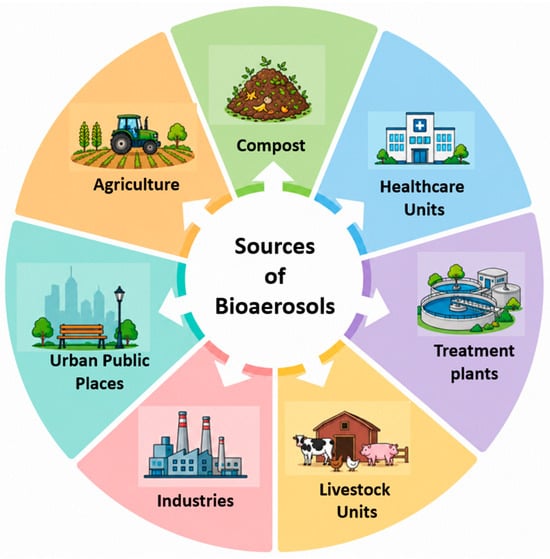
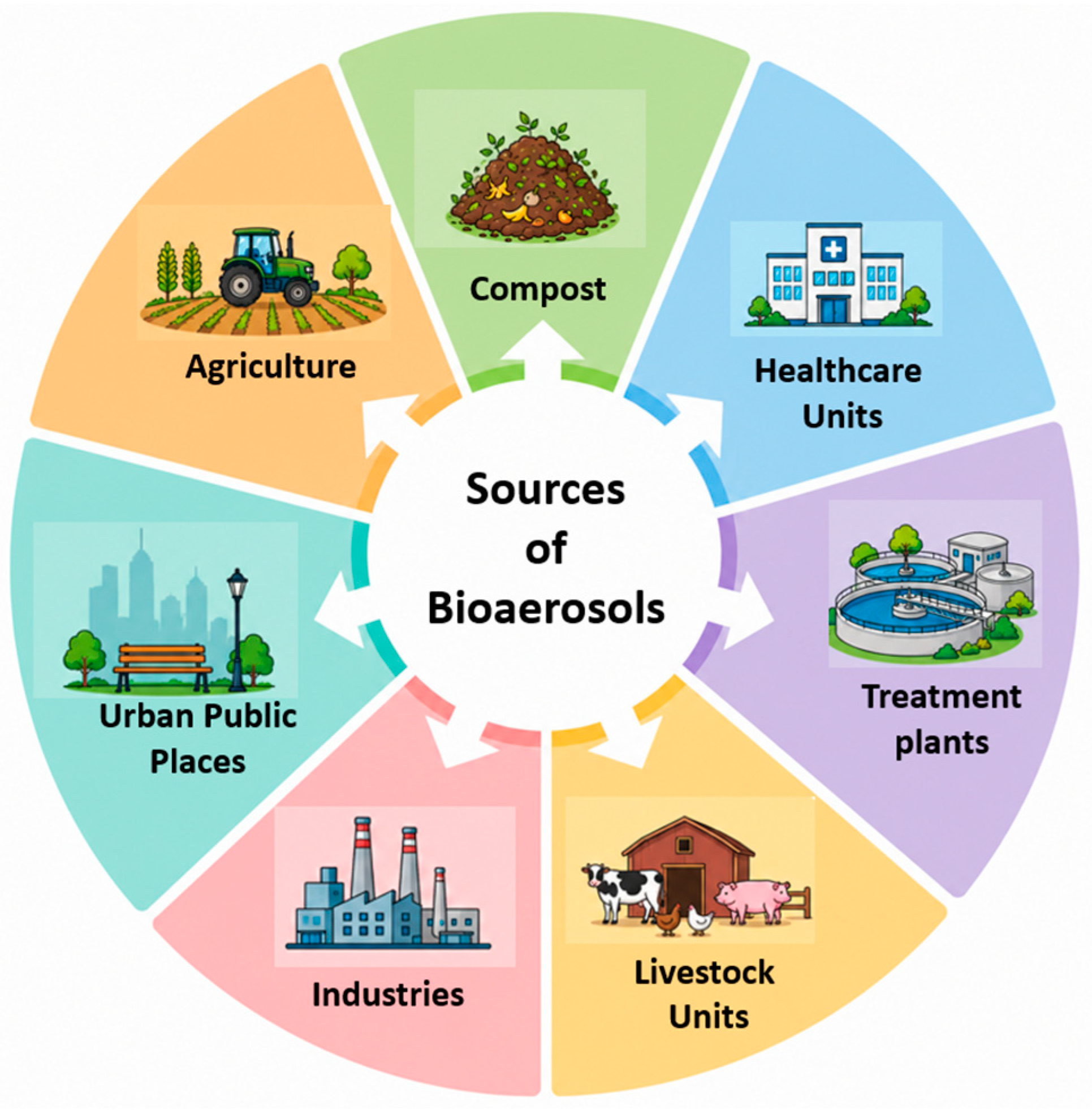
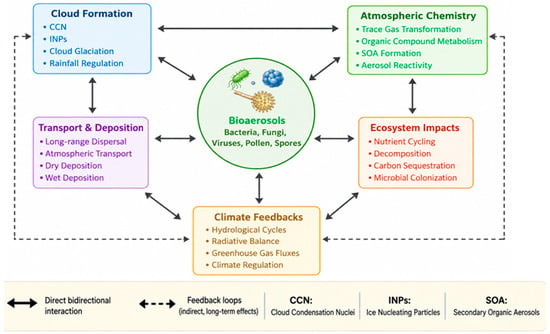
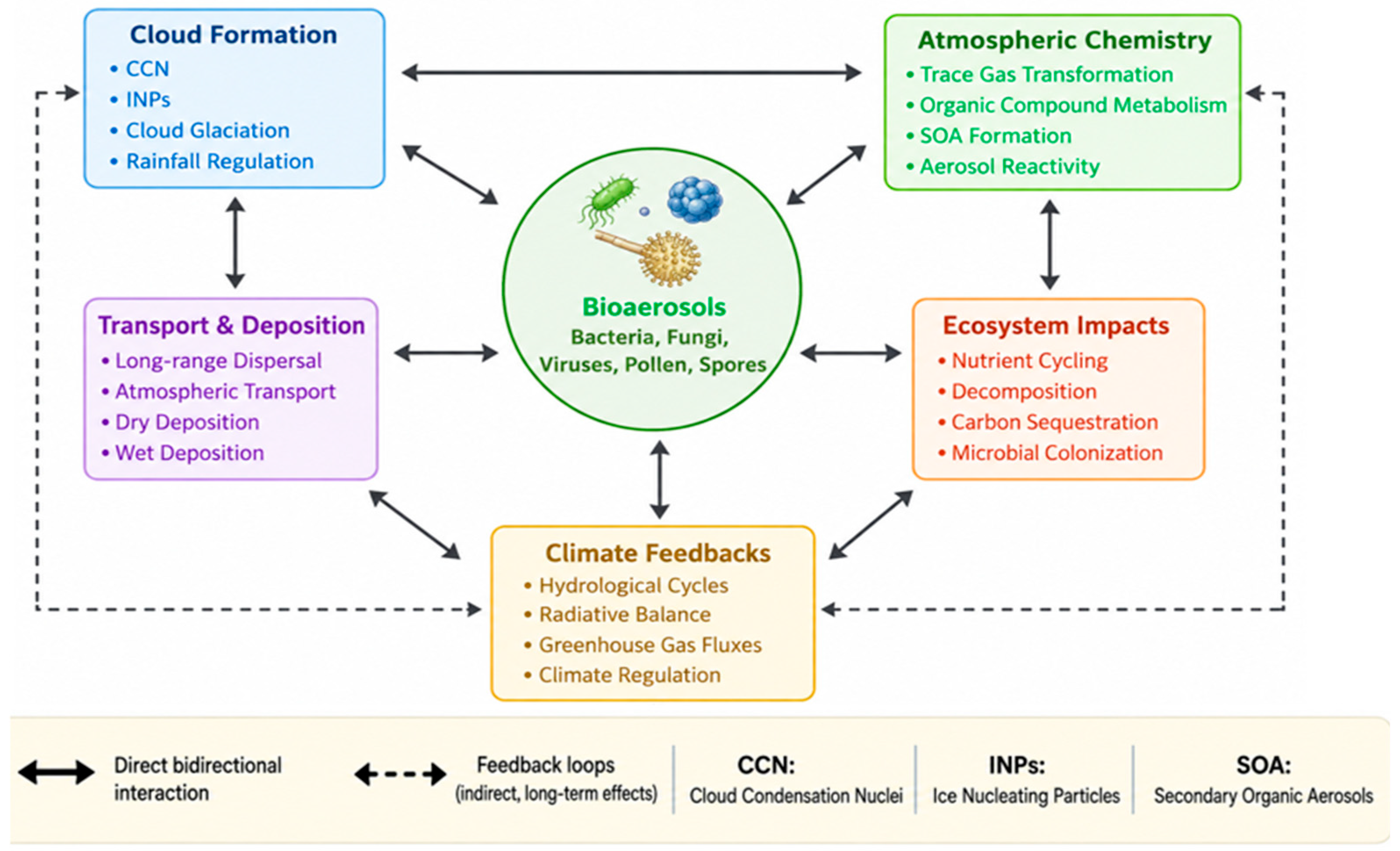
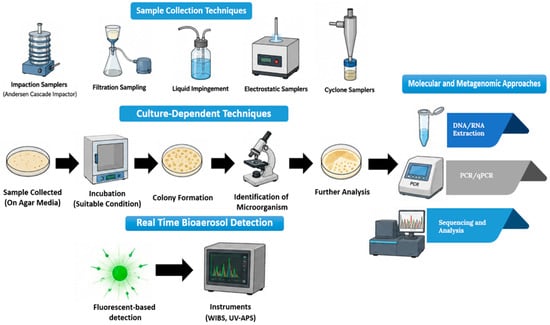
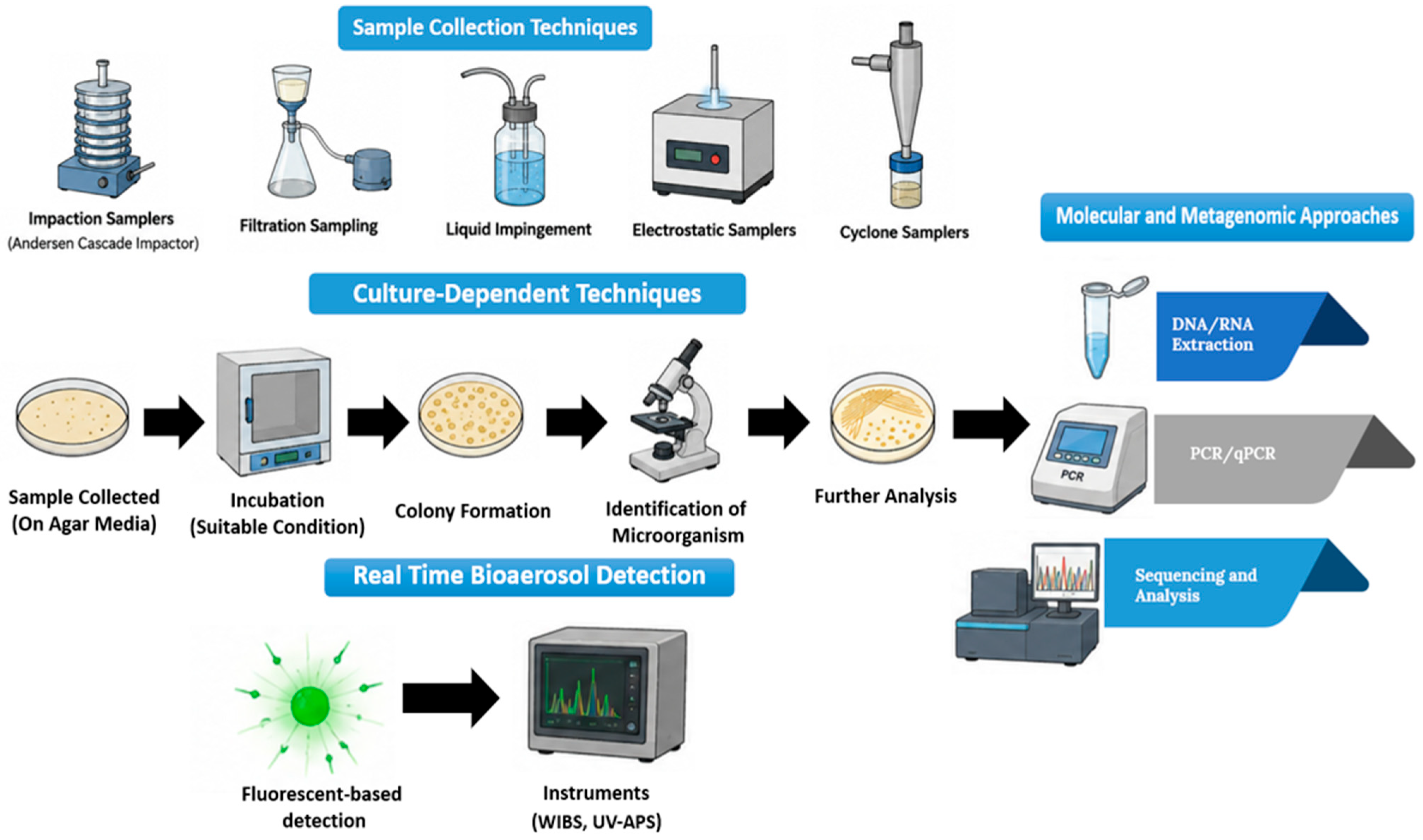
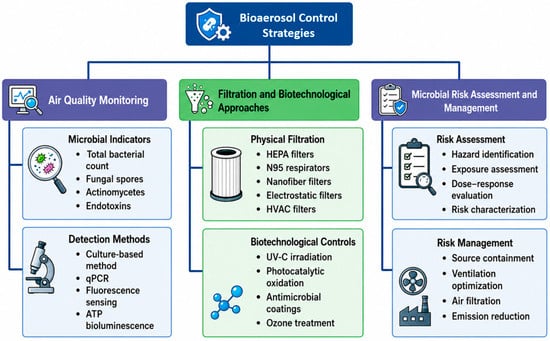
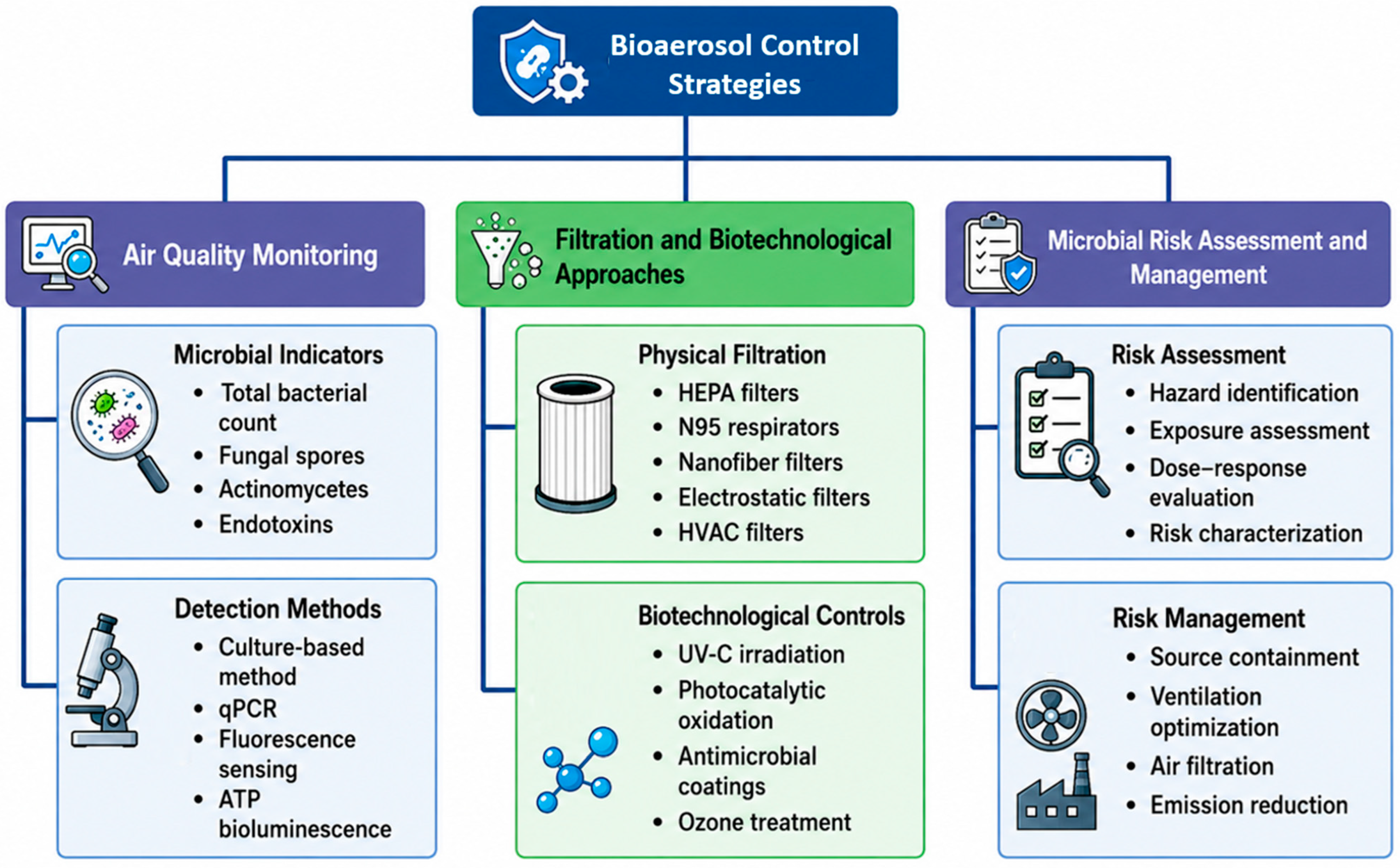
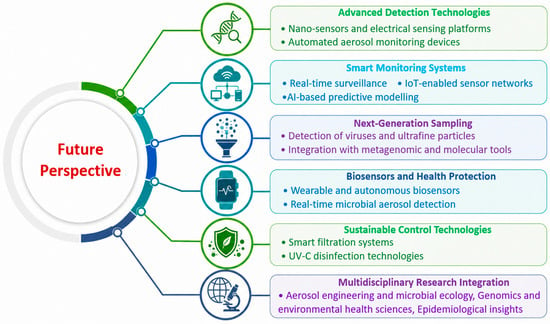
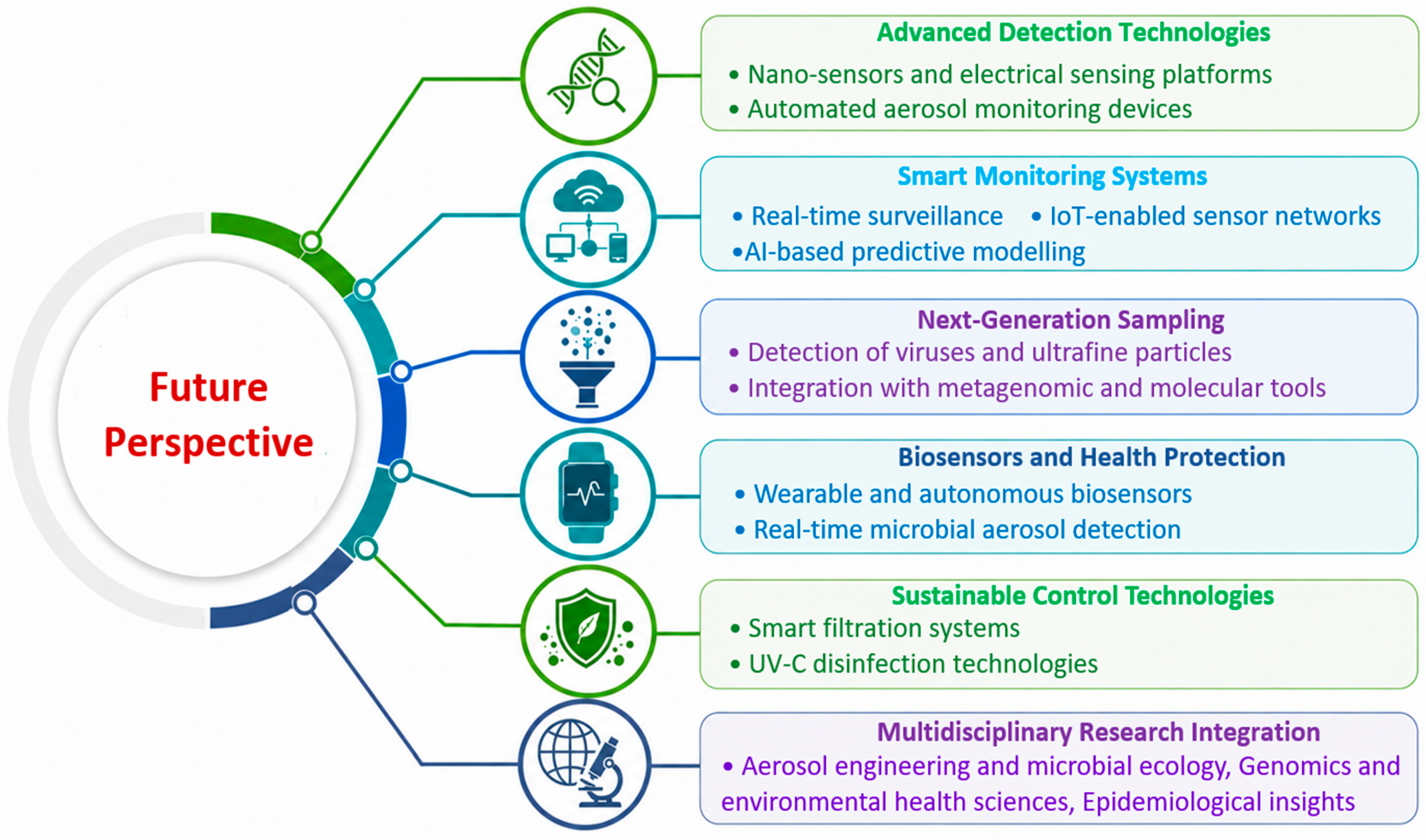
Disclaimer/Publisher’s Note: The statements, opinions and data contained in all publications are solely those of the individual author(s) and contributor(s) and not of MDPI and/or the editor(s). MDPI and/or the editor(s) disclaim responsibility for any injury to people or property resulting from any ideas, methods, instructions or products referred to in the content. |
© 2026 by the authors. Licensee MDPI, Basel, Switzerland. This article is an open access article distributed under the terms and conditions of the Creative Commons Attribution (CC BY) license.