Skip to Content

Scientia Pharmaceutica

Scientia Pharmaceutica is an international, peer-reviewed, open access journal related to the pharmaceutical sciences, published quarterly online. 
It is the official journal of the Austrian Pharmaceutical Society (ÖPhG). Society members receive discounts on the article processing charges.
Get Alerted

Add your email address to receive forthcoming issues of this journal.

All Articles (1,596)

Jojoba oil is a well-established skin-beneficial liquid wax with high value in topical formulations. Bigels, as preferred semi-solid dosage forms, serve as versatile platforms by incorporating hydrogels and oleogels to leverage their advantages and address their limitations. In this study, jojoba oil bigels were developed using sorbitan monostearate (20%, w/w) as an oleogelator and different hydrophilic bases, 1% Carbomer 940, 6% methylcellulose, or 20% Poloxamer 407 gel, with all concentrations expressed relative to the corresponding phase. Nine bigels were obtained by varying hydrogel-to-oleogel ratios (90:10–70:30). They were evaluated in terms of their organoleptic, microstructural, and textural characteristics. Both the hydrogel matrix type and the phase proportion impacted the studied properties. Carbomer bigels displayed the highest spreadability, methylcellulose formulations showed the greatest adhesiveness, and poloxamer systems exhibited maximum firmness and cohesiveness, with a comparatively more homogeneous phase distribution. The increase in oleogel content enhanced firmness and cohesiveness while modulating spreadability and adhesiveness in a hydrogel-dependent manner. Moreover, all designed formulations remained physically stable after centrifugation, but only those containing 80% carbomer gel or 70% or 80% poloxamer gel preserved their mechanical characteristics without significant changes after freeze-thawing. Besides identifying three promising biphasic dermal drug delivery platforms, these findings reinforce the tunability of bigels through the careful component selection.
6 March 2026

Tube inversion test results for oleogels prepared with 10% (A), 15% (B), 20% (C), and 25% (D) sorbitan monostearate.

Once-monthly injectable therapies targeting glucagon-like peptide-1 (GLP-1), glucose-dependent insulinotropic polypeptide (GIP), and adjacent metabolic pathways are moving from a conceptual goal to a plausible next step for type 2 diabetes (T2D) and obesity. The most clinically advanced program is maridebart cafraglutide (MariTide), a long-acting GLP-1 receptor agonist conjugated to an Fc-containing scaffold that also mediates sustained GIP receptor antagonism. Across phase 2 trials, once-monthly maridebart has produced clinically meaningful weight loss (~12–16% in adults without diabetes; ~8–12% in those with T2D), together with HbA1c reductions of ~1.2–1.6 percentage points, with a safety profile broadly consistent with GLP-1-based therapy. An exploratory every-8-weeks regimen showed attenuated efficacy, suggesting that monthly dosing may represent a practical lower boundary for maintaining therapeutic exposure and metabolic effect in this format. Beyond maridebart, a rapidly expanding pipeline—including ultra-long-acting GLP-1 analogs, dual GLP-1/GIP agonists, long-acting GIPR antagonists, amylin receptor agonists, and emerging thyroid hormone receptor beta (THRβ) agonists—is actively testing monthly regimens or induction-to-monthly maintenance strategies; however, most readouts remain early and are frequently limited to conference presentations or sponsor communications. Accordingly, much of the pipeline evidence should be interpreted as early-phase and non-peer-reviewed, and therefore hypothesis-generating. Key uncertainties include long-term durability, cardiometabolic outcomes, immunogenicity, and interindividual variability in response, which will ultimately determine how once-monthly regimens integrate with established weekly standards in routine care.

4 March 2026

Mechanistic landscape of emerging extended-interval metabolic candidates discussed in this review. Programs are grouped by pharmacologic class as indicated by the colored labels: GLP-1RA (blue), GIP-1RA (red), GIPR-ANT (purple), AMY-RA (orange), and THRβ-RA (green). Maridebart cafraglutide (MariTide; AMG 133) is depicted as a peptide–antibody conjugate combining GLP-1RA activity with sustained GIPR antagonism. Asset names are shown as development codes; icons are schematic and intended to illustrate mechanistic classification rather than molecular structure or comparative efficacy.

A comprehensive MD + QC methodology was developed and applied to evaluate various aspects of Arbidol interactions with functional amino acids of surface proteins of influenza virus and SARS-CoV-2. The spatial structure, solvation features, conformational behavior of Arb AA (AA–Trp, Tyr, Phe, and Val) complexes were established, and the statistics of intermolecular interactions in the complex were described. It was found that Arb can participate in strong and long-lived π-π stacking interactions with aromatic amino acids. The binding energy (BE) of Arbidol and amino acids in aqueous solution was estimated using an explicit solvation model, QTAIM analysis and correlation of BE vs. total electron density at the bond critical points of the complex. Theoretical calculations were validated by experimental studies of fluorescence (FL) quenching of aromatic AA by Arbidol. Spectral-fluorescent properties of Arbidol hydrochloride in aqueous solutions were studied, and the luminescence quantum yield for the electronically excited state of Arb was determined.

4 March 2026

The inhibitor of influenza and SARS-CoV-2 virus entry: (A) Structural formula and antiviral activity of Arb [1,14,15,16]. (B) Secondary structure of the influenza virus hemagglutinin (HA): the globular head of the first subunit of the protein (HA1) is shown in gray, and the stalk domain (HA2) is shown in blue; the structure is visualized using the PDB [19] code 5T6N [3]. (C) The location of Ab between two α helices of HR: hydrogen and salt bridges are shown as yellow and purple dashed lines, respectively. (D) Secondary structure of the onion head of the SARS-CoV-2 S protein: the first subunit (S1) is shown in gray, and the second subunit (S2) is shown in blue; the structure is visualized using the PDB code 7BNM [20]. F—location of the Arb molecule in the HR region: the salt bridge is shown as a purple dashed line.

Lipid nanoparticles have been a subject of intense scientific interest in recent years due to their inherent biocompatibility, versatile delivery routes, drug loading and potential large-scale production. Solid lipid nanoparticles (SLNs) and nanostructured lipid carriers (NLCs) are matrix lipid nanoparticles that differ in their lipid composition and, specifically, the presence of liquid lipid in the latter. Their production is straightforward and relatively inexpensive. They provide an additional specific advantage for dermal delivery in the treatment of atopic dermatitis, as they can carry various drugs and even ameliorate the skin condition on their own. The chronic character and the observed predominance of atopic dermatitis in the pediatric population further justify the utility of improved therapeutic strategies and the application of SLNs and NLCs specifically. Therefore, in the current review, we aimed to systematically collect the available literature on this topic and to evaluate where we stand in terms of scientific and practical knowledge. The observations show significant potential for clinical translation for both SLNs and NLCs in the near future. However, some key limitations were identified and discussed. The novelty of this review lies in its systematic consolidation and critical discussion of SLNs and NLCs specifically in the context of atopic dermatitis.

18 February 2026

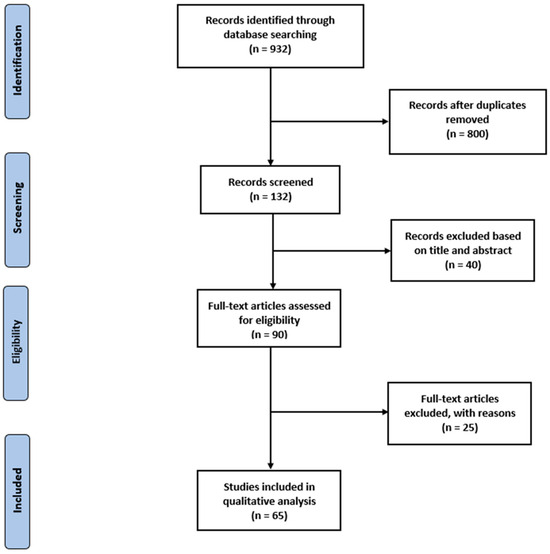
PRISMA flowchart for the search strategy applied in the current review (WOS—Web of Science).

News & Conferences

Volumes

Latest Issues

Open for Submission

Editor's Choice

Reprints of Collections

Antitumor Activity of Natural Products and Related Compounds
Reprint

Antitumor Activity of Natural Products and Related Compounds

Editors: Barbara De Filippis, Alessandra Ammazzalorso, Marialuigia Fantacuzzi
XFacebookLinkedIn
Sci. Pharm. - ISSN 2218-0532