Machine Learning Integration of In-Silico QSAR, Graph Neural Networks and Docking Reveal Natural Products Inhibitors Against Mycobacterium tuberculosis



Abstract

1. Introduction
2. Materials and Methods
2.1. Dataset Collection and Preprocessing
2.2. QSAR Analysis and Fingerprint Generation
2.3. Virtual Screening
Graph-Based Deep Learning for Binding Affinity Prediction
2.4. Protein and Ligand Preparation
2.5. Molecular Docking and Binding Free Energy Calculation
2.6. In Silico Pharmacokinetics Study
ADMET and Toxicity Prediction
2.7. Molecular Dynamics (MD) Simulation
3. Results
3.1. ML-Based Data Collections, Preprocessing, and QSAR Analysis
3.2. Graph-Neural-Network–Based Affinity Prediction (NHGNN-DTA)
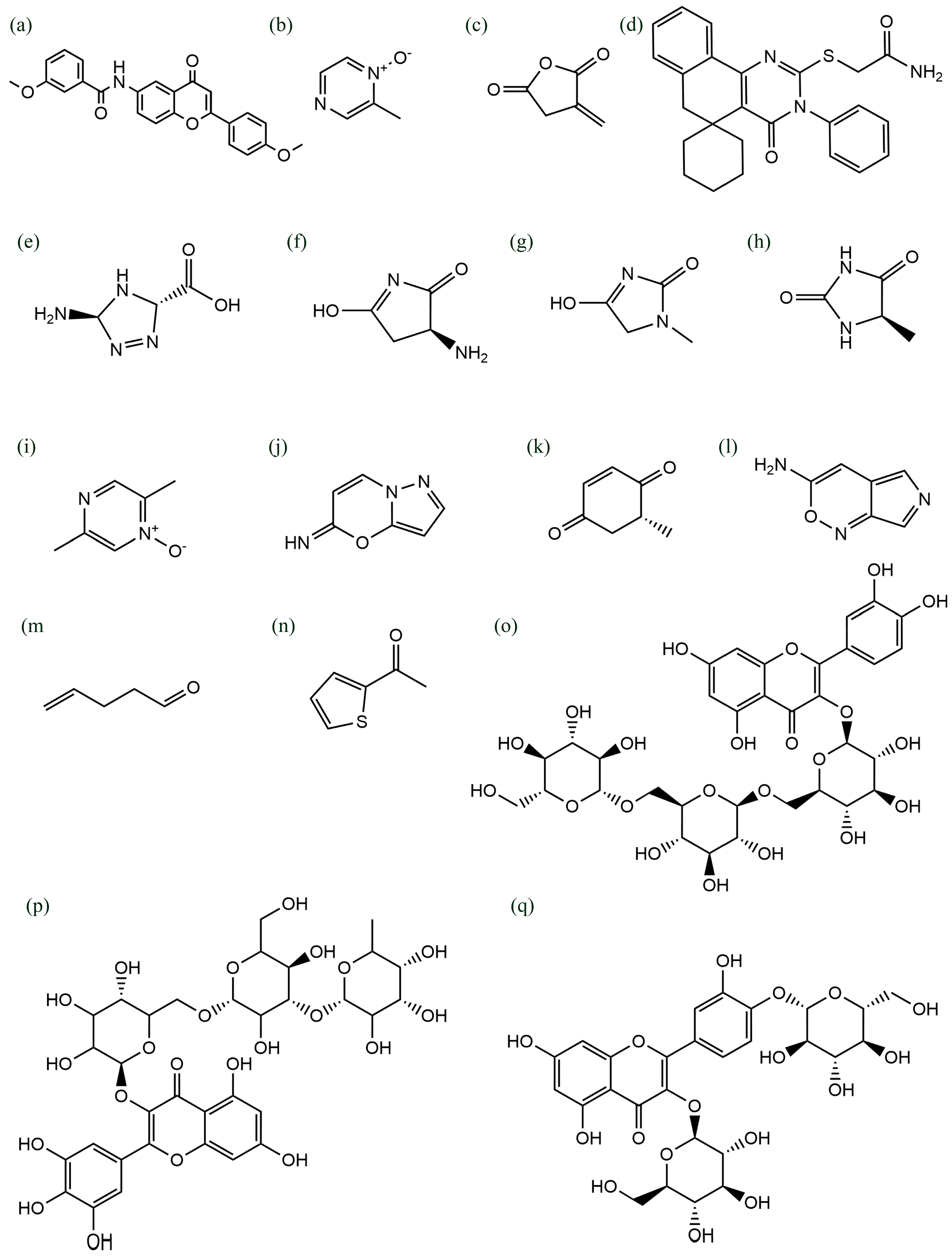
3.3. Molecular Docking
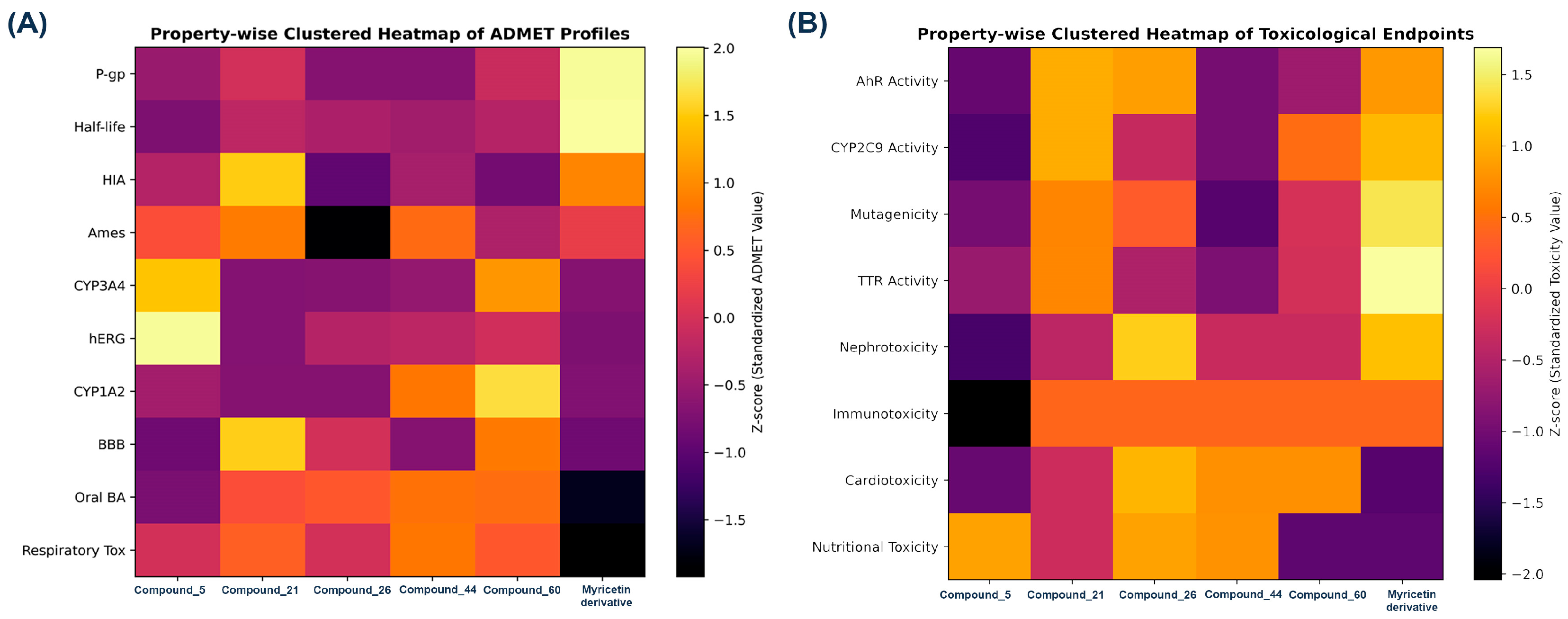
3.4. In-Silico Pharmacology Assessment
3.4.1. ADMET Profiling
3.4.2. Toxicological Endpoint Analysis
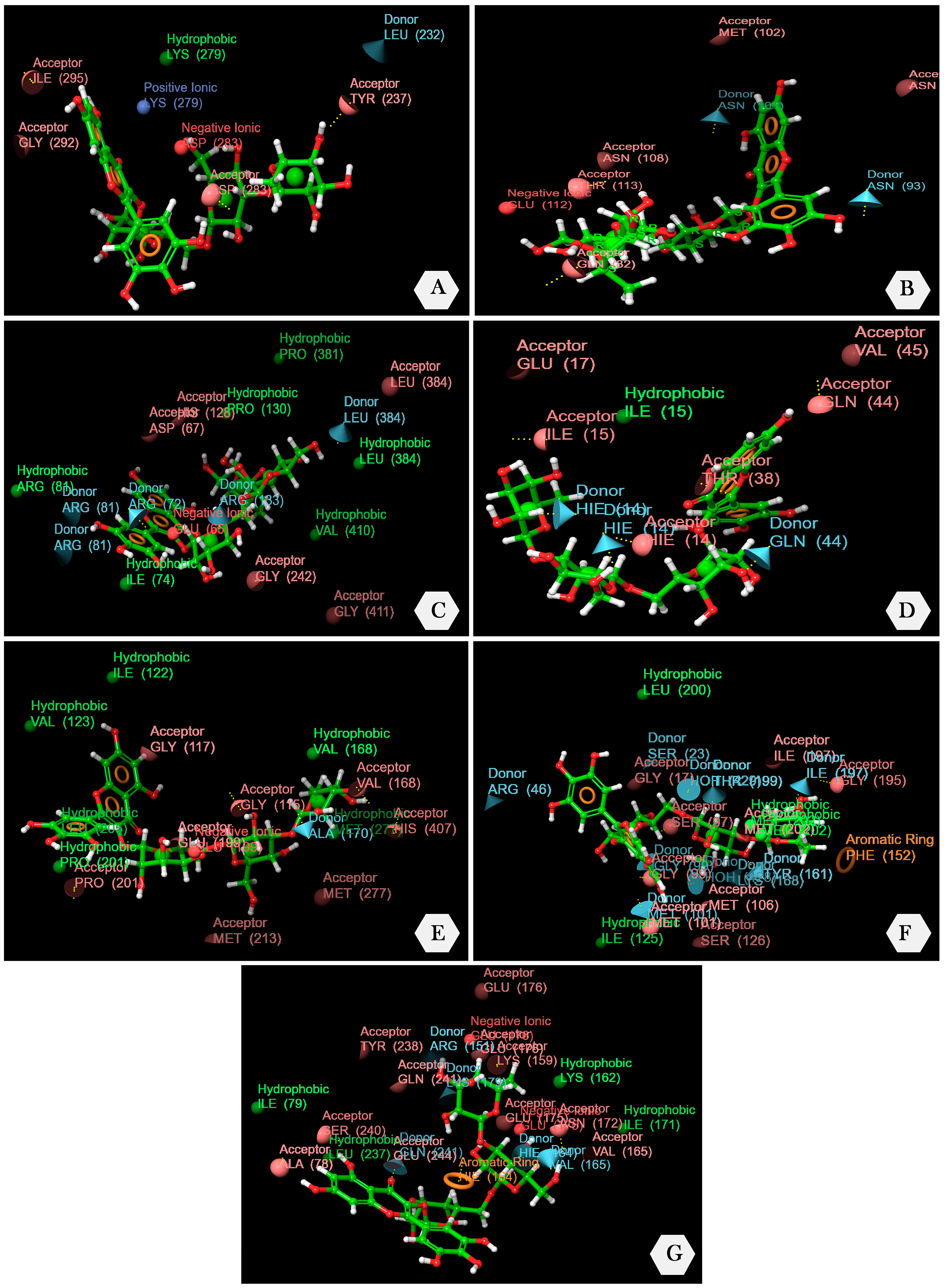
3.5. Binding Analysis of Myricetin Derivative
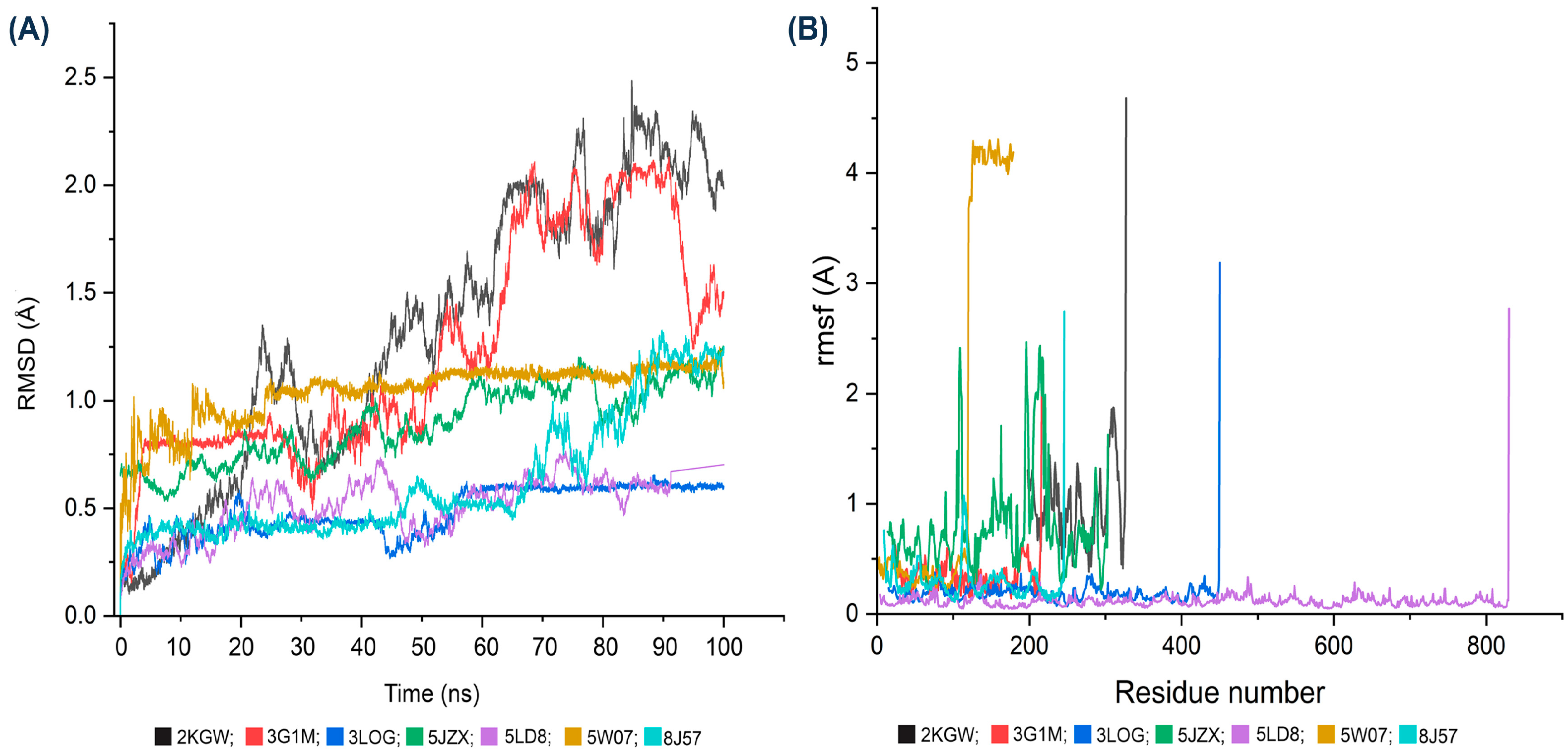
3.6. Dynamic Stability of Multitarget Binding Behavior
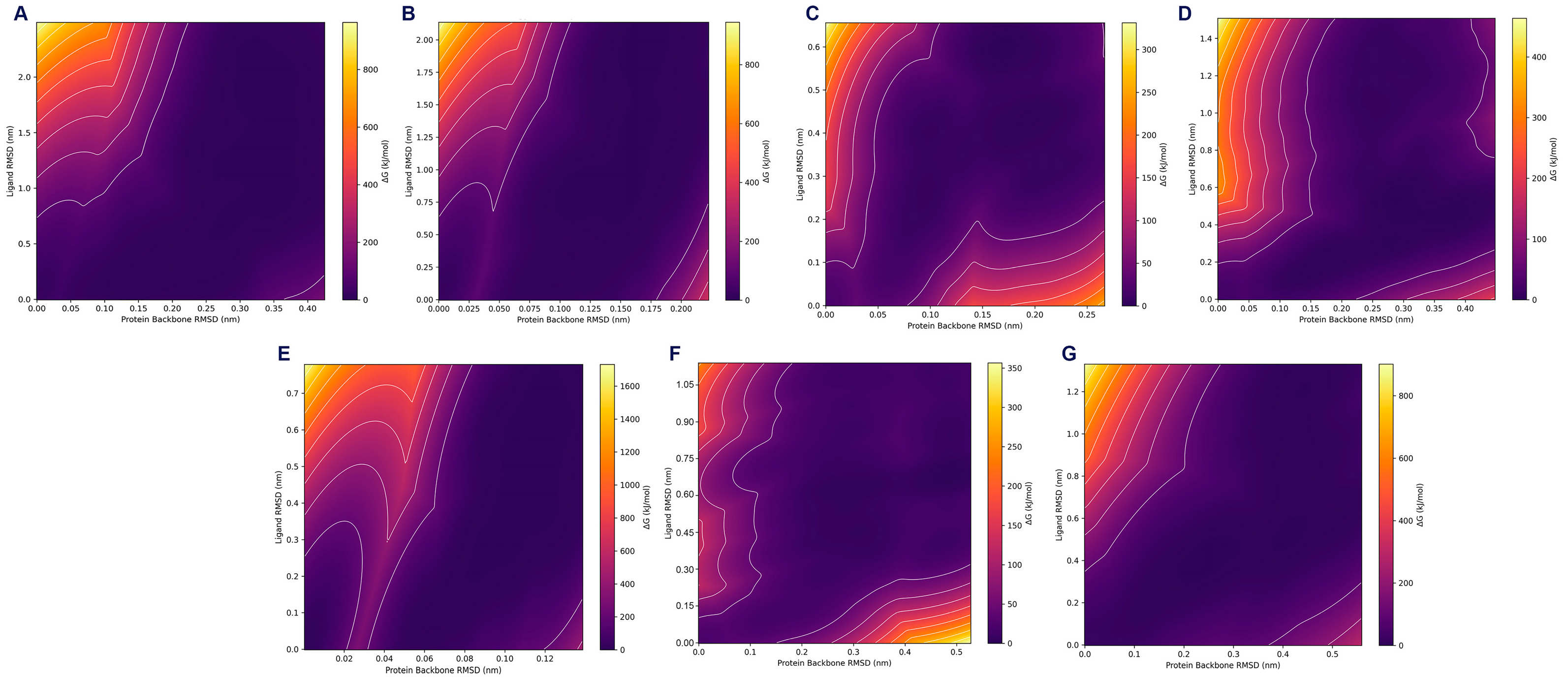
3.7. RMSD-Based Free Energy Landscape Analysis
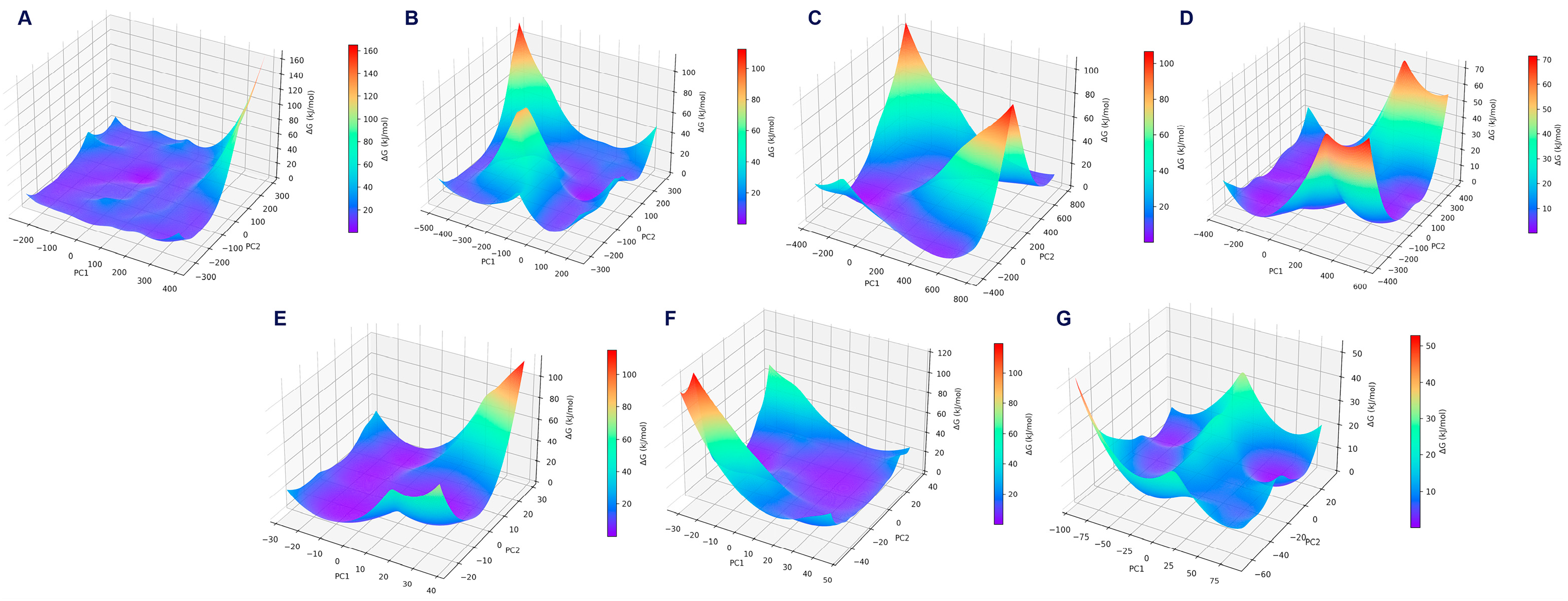
3.8. Trajectories-Based Free Energy Surface Analysis
4. Discussion
5. Limitations of the Study
6. Conclusions
Supplementary Materials
Author Contributions
Funding
Institutional Review Board Statement
Informed Consent Statement
Data Availability Statement
Acknowledgments
Conflicts of Interest
References
- World TB Day 2025. Available online: https://www.who.int/campaigns/world-tb-day/2025 (accessed on 9 January 2026).
- Global Tuberculosis Report 2025. Available online: https://www.who.int/teams/global-programme-on-tuberculosis-and-lung-health/tb-reports/global-tuberculosis-report-2025 (accessed on 9 January 2026).
- Boniface, P.K.; Ferreira, E.I. Opportunities and Challenges for Flavonoids as Potential Leads for the Treatment of Tuberculosis. In Studies in Natural Products Chemistry; Elsevier: Amsterdam, The Netherlands, 2020; Volume 65, pp. 85–124. ISBN 978-0-12-817905-5. [Google Scholar]
- Sulis, G.; Centis, R.; Sotgiu, G.; D’Ambrosio, L.; Pontali, E.; Spanevello, A.; Matteelli, A.; Zumla, A.; Migliori, G.B. Recent Developments in the Diagnosis and Management of Tuberculosis. npj Prim. Care Respir. Med. 2016, 26, 16078. [Google Scholar] [CrossRef]
- Campaniço, A.; Moreira, R.; Lopes, F. Drug Discovery in Tuberculosis. New Drug Targets and Antimycobacterial Agents. Eur. J. Med. Chem. 2018, 150, 525–545. [Google Scholar] [CrossRef]
- Cole, S.T.; Brosch, R.; Parkhill, J.; Garnier, T.; Churcher, C.; Harris, D.; Gordon, S.V.; Eiglmeier, K.; Gas, S.; Barry, C.E.; et al. Deciphering the Biology of Mycobacterium tuberculosis from the Complete Genome Sequence. Nature 1998, 393, 537–544. [Google Scholar] [CrossRef]
- Yang, T.; Zhong, J.; Zhang, J.; Li, C.; Yu, X.; Xiao, J.; Jia, X.; Ding, N.; Ma, G.; Wang, G.; et al. Pan-Genomic Study of Mycobacterium tuberculosis Reflecting the Primary/Secondary Genes, Generality/Individuality, and the Interconversion Through Copy Number Variations. Front. Microbiol. 2018, 9, 1886. [Google Scholar] [CrossRef] [PubMed]
- Chiliza, T.E.; Pillay, M.; Pillay, B. Identification of Unique Essential Proteins from a Mycobacterium Tuberculosis F15/LAM4/KZN Phage Secretome Library. Pathog. Dis. 2017, 75, ftx001. [Google Scholar] [CrossRef] [PubMed]
- Cole, S.T. Mycobacterium Tuberculosis: Drug-Resistance Mechanisms. Trends Microbiol. 1994, 2, 411–415. [Google Scholar] [CrossRef]
- Mdluli, K.; Slayden, R.A.; Zhu, Y.; Ramaswamy, S.; Pan, X.; Mead, D.; Crane, D.D.; Musser, J.M.; Barry, C.E. Inhibition of a Mycobacterium Tuberculosis β-Ketoacyl ACP Synthase by Isoniazid. Science 1998, 280, 1607–1610. [Google Scholar] [CrossRef] [PubMed]
- Rozwarski, D.A.; Grant, G.A.; Barton, D.H.R.; Jacobs, W.R.; Sacchettini, J.C. Modification of the NADH of the Isoniazid Target (InhA) from Mycobacterium tuberculosis. Science 1998, 279, 98–102. [Google Scholar] [CrossRef]
- Harikishore, A.; Grüber, G. Mycobacterium tuberculosis F-ATP Synthase Inhibitors and Targets. Antibiotics 2024, 13, 1169. [Google Scholar] [CrossRef]
- Atanasov, A.G.; Zotchev, S.B.; Dirsch, V.M.; the International Natural Product Sciences Taskforce; Orhan, I.E.; Banach, M.; Rollinger, J.M.; Barreca, D.; Weckwerth, W.; Bauer, R.; et al. Natural Products in Drug Discovery: Advances and Opportunities. Nat. Rev. Drug Discov. 2021, 20, 200–216. [Google Scholar] [CrossRef]
- Balunas, M.J.; Kinghorn, A.D. Drug Discovery from Medicinal Plants. Life Sci. 2005, 78, 431–441. [Google Scholar] [CrossRef]
- d’Avigdor, E.; Wohlmuth, H.; Asfaw, Z.; Awas, T. The Current Status of Knowledge of Herbal Medicine and Medicinal Plants in Fiche, Ethiopia. J. Ethnobiol. Ethnomedicine 2014, 10, 38. [Google Scholar] [CrossRef] [PubMed]
- Yuan, H.; Ma, Q.; Ye, L.; Piao, G. The Traditional Medicine and Modern Medicine from Natural Products. Molecules 2016, 21, 559. [Google Scholar] [CrossRef]
- Chaachouay, N.; Zidane, L. Plant-Derived Natural Products: A Source for Drug Discovery and Development. Drugs Drug Candidates 2024, 3, 184–207, Correction in Drugs Drug Candidates 2026, 5, 14. https://doi.org/10.3390/ddc5010014. [Google Scholar] [CrossRef]
- Lopes, G.; Pinto, E.; Salgueiro, L. Natural Products: An Alternative to Conventional Therapy for Dermatophytosis? Mycopathologia 2017, 182, 143–167. [Google Scholar] [CrossRef]
- Swain, P.; Kumari, R.; Biswas, S.; Misra, N.; Kushwaha, G.S.; Suar, M. Plant Natural Products for Antibacterial Drug Development against ESKAPE Pathogens. Microbe 2025, 9, 100610. [Google Scholar] [CrossRef]
- Vijaya, K.; Ananthan, S. Therapeutic Efficacy of Medicinal Plants against Experimentally Induced Shigellosis in Guinea Pigs. Indian J. Pharm. Sci. 1996, 58, 191–193. [Google Scholar]
- Panche, A.N.; Diwan, A.D.; Chandra, S.R. Flavonoids: An Overview. J. Nutr. Sci. 2016, 5, e47. [Google Scholar] [CrossRef]
- Mutha, R.E.; Tatiya, A.U.; Surana, S.J. Flavonoids as Natural Phenolic Compounds and Their Role in Therapeutics: An Overview. Futur. J. Pharm. Sci. 2021, 7, 25. [Google Scholar] [CrossRef]
- Chang, Y.; Hawkins, B.A.; Du, J.J.; Groundwater, P.W.; Hibbs, D.E.; Lai, F. A Guide to In Silico Drug Design. Pharmaceutics 2022, 15, 49. [Google Scholar] [CrossRef] [PubMed]
- Gan, C.; Jia, X.; Fan, S.; Wang, S.; Jing, W.; Wei, X. Virtual Screening and Molecular Dynamics Simulation to Identify Potential SARS-CoV-2 3CLpro Inhibitors from a Natural Product Compounds Library. Acta Virol. 2023, 67, 12464. [Google Scholar] [CrossRef]
- Zeng, T.; Li, J.; Wu, R. Natural Product Databases for Drug Discovery: Features and Applications. Pharm. Sci. Adv. 2024, 2, 100050, Correction in Pharm. Sci. Adv. 2024, 2, 100054. https://doi.org/10.1016/j.pscia.2024.100054. [Google Scholar] [CrossRef] [PubMed]
- Chuong, P.-H.; Nguyen, L.A.; He, H. Chiral Drugs. An Overview. Int. J. Biomed. Sci. 2006, 2, 85–100. [Google Scholar] [CrossRef]
- Yendapally, R.; Lee, R.E. Design, Synthesis, and Evaluation of Novel Ethambutol Analogues. Bioorganic Med. Chem. Lett. 2008, 18, 1607–1611. [Google Scholar] [CrossRef]
- Smith, S.W. Chiral Toxicology: It’s the Same Thing…Only Different. Toxicol. Sci. 2009, 110, 4–30. [Google Scholar] [CrossRef]
- Chandrasekhar, V.; Rajan, K.; Kanakam, S.R.S.; Sharma, N.; Weißenborn, V.; Schaub, J.; Steinbeck, C. COCONUT 2.0: A Comprehensive Overhaul and Curation of the Collection of Open Natural Products Database. Nucleic Acids Res. 2025, 53, D634–D643. [Google Scholar] [CrossRef]
- Odugbemi, A.I.; Nyirenda, C.; Christoffels, A.; Egieyeh, S.A. Machine Learning Prediction of Intestinal α-Glucosidase Inhibitors Using a Diverse Set of Ligands: A Drug Repurposing Effort with drugBank Database Screening. Silico Pharmacol. 2025, 13, 95. [Google Scholar] [CrossRef]
- He, H.; Chen, G.; Chen, C.Y.-C. NHGNN-DTA: A Node-Adaptive Hybrid Graph Neural Network for Interpretable Drug–Target Binding Affinity Prediction. Bioinformatics 2023, 39, btad355. [Google Scholar] [CrossRef] [PubMed]
- Friesner, R.A.; Banks, J.L.; Murphy, R.B.; Halgren, T.A.; Klicic, J.J.; Mainz, D.T.; Repasky, M.P.; Knoll, E.H.; Shelley, M.; Perry, J.K.; et al. Glide: A New Approach for Rapid, Accurate Docking and Scoring. 1. Method and Assessment of Docking Accuracy. J. Med. Chem. 2004, 47, 1739–1749. [Google Scholar] [CrossRef] [PubMed]
- Friesner, R.A.; Murphy, R.B.; Repasky, M.P.; Frye, L.L.; Greenwood, J.R.; Halgren, T.A.; Sanschagrin, P.C.; Mainz, D.T. Extra Precision Glide: Docking and Scoring Incorporating a Model of Hydrophobic Enclosure for Protein−Ligand Complexes. J. Med. Chem. 2006, 49, 6177–6196. [Google Scholar] [CrossRef]
- Fu, L.; Shi, S.; Yi, J.; Wang, N.; He, Y.; Wu, Z.; Peng, J.; Deng, Y.; Wang, W.; Wu, C.; et al. ADMETlab 3.0: An Updated Comprehensive Online ADMET Prediction Platform Enhanced with Broader Coverage, Improved Performance, API Functionality and Decision Support. Nucleic Acids Res. 2024, 52, W422–W431. [Google Scholar] [CrossRef]
- Banerjee, P.; Kemmler, E.; Dunkel, M.; Preissner, R. ProTox 3.0: A Webserver for the Prediction of Toxicity of Chemicals. Nucleic Acids Res. 2024, 52, W513–W520. [Google Scholar] [CrossRef]
- Abraham, M.J.; Murtola, T.; Schulz, R.; Páll, S.; Smith, J.C.; Hess, B.; Lindahl, E. GROMACS: High Performance Molecular Simulations through Multi-Level Parallelism from Laptops to Supercomputers. SoftwareX 2015, 1–2, 19–25. [Google Scholar] [CrossRef]
- Ahmad, A.; Kaleem, M.; Ahmed, Z.; Shafiq, H. Therapeutic Potential of Flavonoids and Their Mechanism of Action against Microbial and Viral Infections—A Review. Food Res. Int. 2015, 77, 221–235. [Google Scholar] [CrossRef]
- Ohemeng, K.A.; Schwender, C.F.; Fu, K.P.; Barrett, J.F. DNA Gyrase Inhibitory and Antibacterial Activity of Some Flavones(1). Bioorganic Med. Chem. Lett. 1993, 3, 225–230. [Google Scholar] [CrossRef]
- Ikigai, H.; Nakae, T.; Hara, Y.; Shimamura, T. Bactericidal Catechins Damage the Lipid Bilayer. Biochim. Biophys. Acta Biomembr. 1993, 1147, 132–136. [Google Scholar] [CrossRef]
- Plaper, A.; Golob, M.; Hafner, I.; Oblak, M.; Šolmajer, T.; Jerala, R. Characterization of Quercetin Binding Site on DNA Gyrase. Biochem. Biophys. Res. Commun. 2003, 306, 530–536. [Google Scholar] [CrossRef] [PubMed]
- Chen, L.-W.; Cheng, M.-J.; Peng, C.-F.; Chen, I.-S. Secondary Metabolites and Antimycobacterial Activities from the Roots of Ficus Nervosa. Chem. Biodivers. 2010, 7, 1814–1821. [Google Scholar] [CrossRef]
- Lechner, D.; Gibbons, S.; Bucar, F. Modulation of Isoniazid Susceptibility by Flavonoids in Mycobacterium. Phytochem. Lett. 2008, 1, 71–75. [Google Scholar] [CrossRef]
- Almatroudi, A. Integrative Machine Learning, Virtual Screening, and Molecular Modeling for BacA-Targeted Anti-Biofilm Drug Discovery Against Staphylococcal Infections. Crystals 2024, 14, 1057. [Google Scholar] [CrossRef]
- Zheng, S.; Gu, Y.; Gu, Y.; Zhao, Y.; Li, L.; Wang, M.; Jiang, R.; Yu, X.; Chen, T.; Li, J. Machine Learning–Enabled Virtual Screening Indicates the Anti-Tuberculosis Activity of Aldoxorubicin and Quarfloxin with Verification by Molecular Docking, Molecular Dynamics Simulations, and Biological Evaluations. Brief. Bioinform. 2025, 26, bbae696. [Google Scholar] [CrossRef] [PubMed]
- Yabuuchi, H.; Hayashi, K.; Shigemoto, A.; Fujiwara, M.; Nomura, Y.; Nakashima, M.; Ogusu, T.; Mori, M.; Tokumoto, S.; Miyai, K. Virtual Screening of Antimicrobial Plant Extracts by Machine-Learning Classification of Chemical Compounds in Semantic Space. PLoS ONE 2023, 18, e0285716. [Google Scholar] [CrossRef] [PubMed]
- Lin, B.; Yan, S.; Zhen, B. A Machine Learning Method for Predicting Molecular Antimicrobial Activity. Sci. Rep. 2025, 15, 6559. [Google Scholar] [CrossRef]
- Ibrahim, M.; Detroja, A.; Bhimani, A.; Bhatt, T.C.; Koradiya, J.; Sanghvi, G.; Bishoyi, A.K. In Silico Discovery of Potential Novel Anti-Tuberculosis Drug Candidates from Phytoconstituents of Chlorophytum borivilianum and Asparagus racemosus. Heliyon 2025, 11, e42859. [Google Scholar] [CrossRef]
- Khan, F.; Li, D.; Ahmad, I.; Abbasi, S.W.; Nishan, U.; Sheheryar, S.; Moura, A.A.; Ullah, R.; Ibrahim, M.A.; Shah, M.; et al. Exploring the Genomic Potential of Kytococcus schroeteri for Antibacterial Metabolites against Multi-Drug Resistant Mycobacterium tuberculosis. J. Infect. Public Health 2025, 18, 102598. [Google Scholar] [CrossRef]
- Khan, S.A.; Rather, M.A.; Jia, Z.; Qadir, S.M.; Khan, M.U.; Ejaz, H.; Alruwaili, M.; Baughn, A.D.; Thomas Shier, W.; Ahmad, M.S. Discovery of Antitubercular Potential of Trans-3-Indoleacrylic Acid and Its Derivatives Targeting Mycobacterium tuberculosis: A Combined in Vitro and in Silico Investigation. Bioorganic Chem. 2025, 163, 108668. [Google Scholar] [CrossRef] [PubMed]
- Elsaman, T.; Mohamed, M.A.; Mohamed, M.S.; Eltayib, E.M.; Abdalla, A.E. Microbial-Based Natural Products as Potential Inhibitors Targeting DNA Gyrase B of Mycobacterium tuberculosis: An In Silico Study. Front. Chem. 2025, 13, 1524607. [Google Scholar] [CrossRef]
- Nyijime, T.A.; Shallangwa, G.A.; Uzairu, A.; Umar, A.B.; Ibrahim, M.T.; Kavalapure, R.S.; Ramu, R. In Silico Exploration of 6-Sulfonyl-8-Nitrobenzothiazinone Derivatives as Mycobacterium tuberculosis GyrB Inhibitors: Molecular Docking, Md Simulation, DFT, and Pharmacokinetic Studies. Silico Res. Biomed. 2025, 1, 100018. [Google Scholar] [CrossRef]
- Pitaloka, D.A.E.; Arfan, A.; Khairunnisa, S.F.; Megantara, S. In Silico Identification of a Phosphate Marine Steroid from Indonesian Marine Compounds as a Potential Inhibitor of Phosphatidylinositol Mannosyltransferase (PimA) in Mycobacterium tuberculosis. Comput. Biol. Med. 2025, 186, 109677. [Google Scholar] [CrossRef]
- Singh, S.; Verma, P.; Gaur, M.; Bhati, L.; Madan, R.; Sharma, P.P.; Rawat, A.; Rathi, B.; Singh, M. In-Silico Development of a Novel TLR2-Mediating Multi-Epitope Vaccine against Mycobacterium tuberculosis. Silico Pharmacol. 2025, 13, 34. [Google Scholar] [CrossRef] [PubMed]



| Ligand Name | Protein ID | Docking Score kcal/mol | Glide Energy kcal/mol | MM-GBSA ΔG kcal/mol | Prime Energy kcal/mol |
|---|---|---|---|---|---|
| myricetin 3-rhamnosyl-(1→3)-glucosyl-(1→6)-glucoside | 2KGW | −5.445 | −48.737 | −30.92 | −4999.5 |
| compound_44 | −5.303 | −20.476 | −21.29 | −4864.8 | |
| compound_59 | −5.172 | −16.736 | −19.10 | −4888.6 | |
| compound_4 | 3G1M | −8.353 | −32.181 | −104.85 | −8376.2 |
| compound_26 | −7.534 | −30.77 | −31.79 | −8208.7 | |
| compound_76 | −7.515 | −26.331 | −53.17 | −8180.1 | |
| myricetin 3-rhamnosyl-(1→3)-glucosyl-(1→6)-glucoside | −7.514 | −48.737 | −49.68 | −8334.9 | |
| compound_21 | 3LOG | −7.062 | −23.815 | −58.65 | −18,763.17 |
| compound_22 | −6.437 | −25.123 | −9.21 | −18,714.51 | |
| compound_7 | −6.406 | −19.197 | −27.91 | −18,706.29 | |
| myricetin 3-rhamnosyl-(1→3)-glucosyl-(1→6)-glucoside | −6.225 | −48.737 | −31.25 | −18,659.81 | |
| compound_60 | 5JZX | −5.82 | −22.49 | −19.24 | −12,170.14 |
| compound_44 | −5.55 | −21.02 | −19.03 | −12,160.16 | |
| compound_72 | −5.38 | −19.57 | −17.66 | −12,214.68 | |
| myricetin 3-rhamnosyl-(1→3)-glucosyl-(1→6)-glucoside | −5.1 | −17.22 | −19.72 | −12,295.42 | |
| myricetin 3-rhamnosyl-(1→3)-glucosyl-(1→6)-glucoside | 5LD8 | −8.18 | −88.56 | −81.92 | −16,842.4 |
| compound_8 | −7.522 | −55.938 | −33.64 | −16,815.8 | |
| Moracetin | −6.812 | −78.124 | −46.30 | −16,816.9 | |
| myricetin 3-rhamnosyl-(1→3)-glucosyl-(1→6)-glucoside | 5W07 | −9.312 | −74.094 | −79.39 | −10,710.53 |
| Quercetin 3,4′-diglucoside | −9.154 | −66.274 | −67.53 | −10,699.35 | |
| compound_5 | −8.507 | −30.636 | −21.63 | −10,531.34 | |
| myricetin 3-rhamnosyl-(1→3)-glucosyl-(1→6)-glucoside | 8J57 | −6.706 | −71.327 | −51.17 | −8799.18 |
| compound_15 | −6.46 | −24.852 | −14.64 | −8677.73 | |
| compound_16 | −5.956 | −27.06 | −26.47 | −8698.9 |
| ADMET Property | Compound_5 | Compound_21 | Compound_26 | Compound_44 | Compound_60 | Myricetin 3-Rhamnosyl-(1→3)-glucosyl-(1→6)-glucoside |
|---|---|---|---|---|---|---|
| Human Intestinal Absorption (HIA) | Inactive | Inactive | Inactive | Inactive | Inactive | Inactive |
| BBB Permeability | Inactive | Active | Inactive | Inactive | Active | Inactive |
| CYP1A2 Inhibitor | Inactive | Inactive | Inactive | Active | Active | Inactive |
| CYP3A4 Inhibitor | Active | Inactive | Inactive | Inactive | Active | Inactive |
| P-gp Substrate | Inactive | Inactive | Inactive | Inactive | Inactive | Active |
| Half-life (T1/2) | Active | Active | Active | Active | Active | Active |
| Ames Toxicity | Active | Active | Inactive | Active | Active | Active |
| hERG Inhibition | Active | Inactive | Inactive | Inactive | Inactive | Inactive |
| Oral Bioavailability | Inactive | Active | Active | Active | Active | Inactive |
| Respiratory Toxicity | Active | Active | Active | Active | Active | Inactive |
| Compound | Nephro-Toxicity | Cardio-Toxicity | Immuno-Toxicity | Mutagenicity | Nutritional Toxicity | AhR Active | TTR Active | CYP2C9 Active |
|---|---|---|---|---|---|---|---|---|
| Compound_5 | Active | Inactive | Inactive | Active | Inactive | Active | Inactive | Active |
| Compound_21 | Inactive | Inactive | Inactive | Inactive | Inactive | Inactive | Inactive | Inactive |
| Compound_26 | Inactive | Inactive | Inactive | Inactive | Inactive | Inactive | Inactive | Inactive |
| Compound_44 | Inactive | Inactive | Inactive | Inactive | Inactive | Inactive | Inactive | Inactive |
| Compound_60 | Inactive | Inactive | Inactive | Inactive | Inactive | Inactive | Inactive | Inactive |
| myricetin 3-rhamnosyl-(1→3)-glucosyl-(1→6)-glucoside | Inactive | Inactive | Active | Inactive | Inactive | Inactive | Active | Inactive |
Disclaimer/Publisher’s Note: The statements, opinions and data contained in all publications are solely those of the individual author(s) and contributor(s) and not of MDPI and/or the editor(s). MDPI and/or the editor(s) disclaim responsibility for any injury to people or property resulting from any ideas, methods, instructions or products referred to in the content. |
© 2026 by the authors. Published by MDPI on behalf of the Österreichische Pharmazeutische Gesellschaft. Licensee MDPI, Basel, Switzerland. This article is an open access article distributed under the terms and conditions of the Creative Commons Attribution (CC BY) license.
Share and Cite
Periasamy, S.; Ramasamy, R.; Chinnaiyan, R.; Sridhar, A. Machine Learning Integration of In-Silico QSAR, Graph Neural Networks and Docking Reveal Natural Products Inhibitors Against Mycobacterium tuberculosis. Sci. Pharm. 2026, 94, 39. https://doi.org/10.3390/scipharm94020039
Periasamy S, Ramasamy R, Chinnaiyan R, Sridhar A. Machine Learning Integration of In-Silico QSAR, Graph Neural Networks and Docking Reveal Natural Products Inhibitors Against Mycobacterium tuberculosis. Scientia Pharmaceutica. 2026; 94(2):39. https://doi.org/10.3390/scipharm94020039
Chicago/Turabian StylePeriasamy, Sakthidhasan, Rajesh Ramasamy, Rajasekar Chinnaiyan, and Arun Sridhar. 2026. "Machine Learning Integration of In-Silico QSAR, Graph Neural Networks and Docking Reveal Natural Products Inhibitors Against Mycobacterium tuberculosis" Scientia Pharmaceutica 94, no. 2: 39. https://doi.org/10.3390/scipharm94020039
APA StylePeriasamy, S., Ramasamy, R., Chinnaiyan, R., & Sridhar, A. (2026). Machine Learning Integration of In-Silico QSAR, Graph Neural Networks and Docking Reveal Natural Products Inhibitors Against Mycobacterium tuberculosis. Scientia Pharmaceutica, 94(2), 39. https://doi.org/10.3390/scipharm94020039