-
Bimetallic Charge Regulation in NiFe Layered Double Hydroxides Accelerates Surface Hydrogen Atom Cycling for Enhanced Catalytic Ozone Decomposition -
Interfacial Organization in CuO-Based Nanobiocatalysts for Cellulose Saccharification: Influence of Enzyme Loading on Catalytic Behavior -
Guided Pairwise Variable Optimization Method Applied to an Alpha-Type Stirling Engine -
Efficient Geothermal Reservoir Simulation Using Deep Learning Surrogates and Multiscale Interpolation Techniques
Journal Description
Processes
Processes
is an international, peer-reviewed, open access journal on processes/systems in chemistry, biology, material, energy, environment, food, pharmaceutical, manufacturing, automation control, catalysis, separation, particle and allied engineering fields published semimonthly online by MDPI. The Brazilian Association of Chemical Engineering (ABEQ) is affiliated with Processes and its members receive discounts on the article processing charges. Please visit Society Collaborations for more details.
- Open Access— free for readers, with article processing charges (APC) paid by authors or their institutions.
- High Visibility: indexed within Scopus, SCIE (Web of Science), Ei Compendex, Inspec, AGRIS, and other databases.
- Journal Rank: CiteScore - Q2 (Chemical Engineering (miscellaneous))
- Rapid Publication: manuscripts are peer-reviewed and a first decision is provided to authors approximately 14.9 days after submission; acceptance to publication is undertaken in 2.9 days (median values for papers published in this journal in the second half of 2025).
- Recognition of Reviewers: reviewers who provide timely, thorough peer-review reports receive vouchers entitling them to a discount on the APC of their next publication in any MDPI journal, in appreciation of the work done.
- Companion journal: Advanced Petroleum Science.
Impact Factor:
3.4 (2025);
5-Year Impact Factor:
3.5 (2025)
Latest Articles
Effects of Injection–Production Parameters in Inter-Fracture Gas Injection for Horizontal Wells of the Changqing Yuan 284 Tight Oil Reservoir
Processes 2026, 14(13), 2075; https://doi.org/10.3390/pr14132075 (registering DOI) - 25 Jun 2026
Abstract
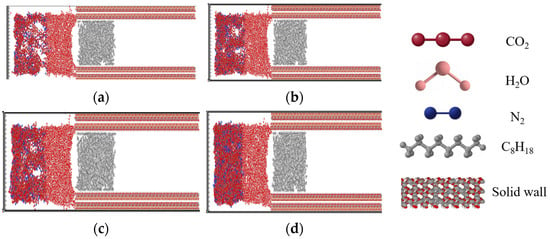
Conventional depletion development and waterflooding are often ineffective in tight oil reservoirs because of their ultra-low permeability, complex fracture–matrix architecture, and limited fluid mobility. Although inter-fracture CO2 flooding has demonstrated considerable potential for enhanced oil recovery (EOR), the coupled effects of key
[...] Read more.
Conventional depletion development and waterflooding are often ineffective in tight oil reservoirs because of their ultra-low permeability, complex fracture–matrix architecture, and limited fluid mobility. Although inter-fracture CO2 flooding has demonstrated considerable potential for enhanced oil recovery (EOR), the coupled effects of key operational parameters on reservoir pressure evolution, fracture–matrix mass transfer, and oil mobilization remain inadequately understood. In this study, a multi-component compositional simulation model, constrained by detailed geological characterization and calibrated through production history matching of the Yuan 284 block in the Changqing Oilfield, was developed to systematically evaluate the effects of CO2 injection rate, injection–production time ratio, and shut-in duration on recovery performance and reservoir response. The results show that increasing the CO2 injection rate from 1000 to 50,000 m3/d improves the recovery factor from 40.49% to 49.90%; however, the incremental recovery gain decreases markedly beyond 30,000 m3/d, which is aggravated by enhanced gas channeling through high-conductivity fracture pathways. Analysis of the injection–production time ratio indicates that an optimal ratio of 0.50 provides the best balance between reservoir energy replenishment and oil displacement efficiency, whereas excessively small ratios result in insufficient pressure support and reduced recovery. In contrast, extending the shut-in duration consistently lowers recovery performance by weakening fracture–matrix mass transfer and promoting pressure dissipation, demonstrating that immediate production following injection is more effective than prolonged soaking under the investigated conditions. The optimized operating scheme yields a recovery factor of 48.87%, substantially exceeding the representative waterflooding recovery level of 35.20%. These findings clarify the mechanisms controlling pressure maintenance, CO2 utilization efficiency, and volumetric sweep during inter-fracture asynchronous CO2 flooding, and provide both theoretical insights and practical guidance for the efficient development of ultra-low-permeability fractured tight oil reservoirs.
Full article
(This article belongs to the Special Issue Environmentally Friendly Production of Energy from Natural Gas Hydrates, 2nd Edition)
Open AccessArticle
Research on Method for Collaborative Acquisition of Expertise Domain Knowledge by Multiple People
by
Zekai Peng, Leijie Fu, Yv Bai, Yan Cao, Ziyan Zhu and Hu Qiao
Processes 2026, 14(13), 2074; https://doi.org/10.3390/pr14132074 (registering DOI) - 25 Jun 2026
Abstract
Addressing the problems of complex forms, low structurization and insufficient reliability of automatic acquisition of professional knowledge sources in the manufacturing industry, this paper proposes an improved multi-person collaborative knowledge acquisition method for professional fields. Drawing on the quality control concept of “three
[...] Read more.
Addressing the problems of complex forms, low structurization and insufficient reliability of automatic acquisition of professional knowledge sources in the manufacturing industry, this paper proposes an improved multi-person collaborative knowledge acquisition method for professional fields. Drawing on the quality control concept of “three reviews and three proofs” in the publishing industry and combining the characteristics of professional knowledge acquisition tasks, this method constructs a knowledge acquisition process with the collaborative participation of editors and professionals. This paper designs a quality assurance mechanism from three dimensions, namely personnel quality, process quality and result quality; introduces triangular fuzzy numbers to evaluate personnel quality; and establishes a process quality control model under multi-level inspection. Taking the knowledge acquisition project of CNC Machining Manual as an example, 39 professionals completed large-scale professional knowledge processing tasks within 60 working days. Compared with the traditional manual knowledge acquisition method, under similar workload conditions, the proposed method reduces the task completion time by approximately 40% and improves knowledge quality by approximately 10%. The research results show that this method can enhance the organization, inspectability and result stability of the complex professional knowledge acquisition process, and is suitable for constructing vertical domain knowledge bases with high quality requirements.
Full article
(This article belongs to the Special Issue Industry 4.0 and Industry 5.0: Simulators and Algorithms in Manufacturing Processes and Systems)
►▼
Show Figures

Figure 1
Open AccessArticle
Study on Minimum Miscibility Pressure of CO2–Oil System in Deep High-Temperature and High-Pressure Reservoirs
by
Hong-Mei Wang, Li-Jian Li, Hong Chen, Wei Xiong, Ye Tian, Yu-Long Zhao, Yu-Jia Zeng and Xian-Yu Jiang
Processes 2026, 14(13), 2073; https://doi.org/10.3390/pr14132073 (registering DOI) - 25 Jun 2026
Abstract
Deep high-temperature and high-pressure (HTHP) oil reservoirs have limited experimental MMP data, large differences between reservoir and saturation pressures, low gas–oil ratios, and pressure-sensitive CO2–oil phase behavior, which make both minimum miscibility pressure (MMP) prediction and miscibility-mechanism identification challenging. To address
[...] Read more.
Deep high-temperature and high-pressure (HTHP) oil reservoirs have limited experimental MMP data, large differences between reservoir and saturation pressures, low gas–oil ratios, and pressure-sensitive CO2–oil phase behavior, which make both minimum miscibility pressure (MMP) prediction and miscibility-mechanism identification challenging. To address these gaps, this study determines the MMP of a CO2–oil system by integrating slim-tube experiments, empirical formula methods, the Multiple Mixed-Cell (MMC) method, the Method of Characteristics (MOC), compositional numerical simulation, and three intelligent algorithm models (GWO-RBF, GWO-LSSVM, and GWO-SVM). The slim-tube MMP of 44.13 MPa at 140 °C is used as the experimental reference for comparing prediction errors, whereas PVTsim and literature data are used for consistency checks and model benchmarking. The results show that when the injected CO2 mole fraction exceeds 0.88, the formation oil under original reservoir conditions cannot achieve first-contact miscibility with CO2, and the maximum dissolved CO2–oil molar ratio is 7.3:1. Supercritical CO2 forms dual displacement mechanisms, including front-end vaporizing miscible drive and rear-end condensing miscible drive, but the dominant mechanism for this CO2–oil system is vaporizing miscible drive. During the vaporizing gas drive, the CO2 + N2 + C1 content in the liquid phase increases from less than 60% to nearly 90%, indicating significant CO2 dissolution into oil and associated density and viscosity reduction; meanwhile, the C7+ content in the gas phase increases to nearly 10%, indicating extraction of heavy components. Relative to the slim-tube reference at 140 °C, the deviations of MMC, GWO-SVM, GWO-LSSVM, compositional numerical simulation, GWO-RBF, MOC, and empirical formula methods are 2.97%, 3.08%, 3.40%, 4.24%, 4.26%, 11.62%, and 19.74%, respectively. The MMC method is the most suitable approach for this specific HTHP oil system, while intelligent algorithms should be regarded as supplementary predictors whose reliability depends on training-domain coverage and independent validation.
Full article
(This article belongs to the Special Issue Engineering Problems in the Development of Unconventional Oil and Gas Reservoirs)
Open AccessArticle
Process Study on Preparation of TiC by Reduction–Carburization of TiO2 in CH4-Ar Mixed Gas
by
Tao Wei, Shibing Cai, Liangning Huang, Jianwei Song, Tu Hu and Huanwu Zhan
Processes 2026, 14(13), 2072; https://doi.org/10.3390/pr14132072 (registering DOI) - 25 Jun 2026
Abstract
Methane (CH4) was employed as a carbon source for the reduction and carburization of TiO2 via a gas-phase infiltration process to synthesize titanium carbide (TiC). The highly reactive and diffusible carbon species derived from CH4 decomposition enable a significant
[...] Read more.
Methane (CH4) was employed as a carbon source for the reduction and carburization of TiO2 via a gas-phase infiltration process to synthesize titanium carbide (TiC). The highly reactive and diffusible carbon species derived from CH4 decomposition enable a significant reduction in both reaction time and temperature compared with conventional carbothermal reduction methods. The phase evolution during the CH4-driven reduction–carburization of TiO2 was analyzed, and the effects of CH4 volume fraction, reaction temperature, and reaction time on the carburization efficiency were systematically investigated, with the phase composition and microstructure of the products also characterized. The optimal conditions in a CH4-Ar system were found to be 10%CH4–90%Ar at 1270 °C for 8 h, yielding a carburization efficiency of 79.1% for TiO2 pellets. Increasing the CH4 proportion led to more severe carbon deposition, with deposited carbon adhering to the pellet surface and clogging the internal pores. Raising the temperature promoted the reduction–carburization reaction, but excessive acceleration of CH4 cracking above 1270 °C caused carbon accumulation on the TiO2 surface, forming a carbon shell that lowered the carburization efficiency. Prolonging the reaction time was beneficial for achieving a higher degree of carburization.
Full article
(This article belongs to the Section Materials Processes)
►▼
Show Figures

Figure 1
Open AccessArticle
Characteristics of Spontaneous Imbibition and Penetration Depth in Tight Conglomerate Reservoirs
by
Zeyou Hui, Jiaxing Liu, Zixiang Wang, Meng Ning, Kai Li, Qiang Luo and Shixun Bai
Processes 2026, 14(13), 2071; https://doi.org/10.3390/pr14132071 (registering DOI) - 25 Jun 2026
Abstract
During hydraulic fracturing, the extensive use of slickwater and post-fracturing shut-in (soaking) processes take advantage of spontaneous imbibition to displace crude oil. While nano-flooding agents are known to reduce interfacial tension (IFT) and alter wettability, a critical challenge lies in distinguishing between deep
[...] Read more.
During hydraulic fracturing, the extensive use of slickwater and post-fracturing shut-in (soaking) processes take advantage of spontaneous imbibition to displace crude oil. While nano-flooding agents are known to reduce interfacial tension (IFT) and alter wettability, a critical challenge lies in distinguishing between deep but inefficient displacement and shallow but highly efficient sweep. This study investigates the pore-scale mobilization and penetration depth of a nano-flooding agent in tight conglomerate reservoirs and focuses on the recovery per unit imbibition depth as a novel metric for evaluating the displacement efficiency. The nano-agent demonstrated excellent performance, reducing oil–water IFT to 0.141 mN/m and reversing wettability from oil-wet (148.7°) to water-wet (39.5°). Experiments revealed that the diffusion rate of the nano-agent decreases with pore size, suggesting a limited transport in confined space. Under reservoir conditions (80 °C), spontaneous imbibition in tight cores was highly permeability-dependent. High-permeability cores achieved a recovery rate of up to 44.6%, whereas low-permeability cores reached only about 12%. This work highlights that penetration depth alone does not necessarily indicate high recovery. The medium-permeability core exhibited a lower final penetration depth than the low-permeability core but achieved a much higher total recovery due to superior efficiency per unit depth, suggesting that in tight reservoirs, a shallow but highly efficient displacement mechanism can outperform a deep but inefficient one.
Full article
(This article belongs to the Section Petroleum and Low-Carbon Energy Process Engineering)
►▼
Show Figures

Figure 1
Open AccessArticle
Diagnostic Decomposition of Single-Scalar Severity Descriptors in Biomass Torrefaction: A SIC–CO Framework
by
Sunyong Park, Kwang Cheol Oh and DaeHyun Kim
Processes 2026, 14(13), 2070; https://doi.org/10.3390/pr14132070 (registering DOI) - 25 Jun 2026
Abstract
Severity factors are widely used to compress torrefaction temperature–time history into a single scalar descriptor. However, whether such scalar representations are structurally sufficient to describe realised conversion across heterogeneous biomass samples remains unclear. In this study, we evaluated the adequacy of single-scalar severity
[...] Read more.
Severity factors are widely used to compress torrefaction temperature–time history into a single scalar descriptor. However, whether such scalar representations are structurally sufficient to describe realised conversion across heterogeneous biomass samples remains unclear. In this study, we evaluated the adequacy of single-scalar severity descriptors using a literature-derived dry torrefaction dataset comprising 154 observations from 7 published studies, covering multiple biomass categories and operating conditions. A severity factor, SF(α), was formulated, and its scaling parameter α was optimised through a systematic α-sweep to maximise its relationship with the experimentally determined extent of conversion (EOC). Based on the optimised formulation, EOC was decomposed into severity-implied conversion (SIC) and conversion offset (CO), separating the dominant severity-controlled trajectory from sample-specific deviations. The optimised formulation (α* = 65.1) showed a strong global correlation with EOC (R2 = 0.8593), confirming that severity captures the main average conversion trend. However, nested model comparisons showed that including CO consistently improved explanatory power for both absolute fuel properties and enhancement ratios, with the greatest gains in enhancement space. SIC and CO accounted for 85.9% and 14.1% of the total variance, respectively, indicating that a non-negligible component of conversion variability was not captured by the single severity descriptor. These results show that, although a single severity scalar is useful for describing dataset-level trends, it does not fully resolve sample-level torrefaction behaviour within the analysed dataset. The SIC–CO framework is therefore proposed not as a new severity index or a pre-measurement predictive model, but as a post hoc diagnostic framework for identifying the explanatory limits of scalar severity representations in biomass torrefaction analysis.
Full article
(This article belongs to the Section Environmental and Green Processes)
►▼
Show Figures

Figure 1
Open AccessArticle
Deep Spatiotemporal Surrogate Modeling of Natural Gas Pipeline Networks for Heterogeneous Equipment and Long-Horizon Forecasting
by
Hongtao Diao, Weichao Yu, Chenxiao Zhao, Xiong Yin, Jie Chen, Dongyan Zheng, Yuming Lin, Chen Liu and Yuxuan He
Processes 2026, 14(13), 2069; https://doi.org/10.3390/pr14132069 (registering DOI) - 25 Jun 2026
Abstract
Accurate multistep-ahead prediction of natural gas pipeline-network states is essential for intelligent dispatching, yet such networks contain physically heterogeneous components (gas sources, pipelines, compressors, valves), and historical states and future dispatching commands are decoupled in both temporal scale and physical semantics. This causes
[...] Read more.
Accurate multistep-ahead prediction of natural gas pipeline-network states is essential for intelligent dispatching, yet such networks contain physically heterogeneous components (gas sources, pipelines, compressors, valves), and historical states and future dispatching commands are decoupled in both temporal scale and physical semantics. This causes conventional data-driven models to suffer from semantic entanglement and cumulative error during long-horizon forecasting. This study proposes a deep spatiotemporal surrogate model with three coordinated designs: (i) type-specific feature encoding combined with global latent-graph mapping and a shared graph convolutional network (GCN) to disentangle heterogeneous-equipment attributes and represent network-wide topological coupling; (ii) a residual-gated temporal coupling mechanism that adaptively fuses historical operating inertia with future external disturbances; and (iii) a temporal-gradient multi-objective loss with a 12-step autoregressive rolling strategy over a 6 h horizon to suppress cumulative divergence. On 85,248 samples built from field monitoring data and commercial mechanistic simulations, the model attains median relative errors of 1.15% for nodal pressure and 2.10% for pipeline flow, capturing macroscopic pressure decay and high-frequency transient flow induced by valve and compressor switching without noticeable delay, providing an efficient tool for online simulation, real-time warning, and decision support in complex natural gas pipeline networks.
Full article
(This article belongs to the Section Energy Systems)
►▼
Show Figures

Figure 1
Open AccessReview
A Review of Multi-Agent Intelligent Interaction Technologies for Renewable Energy Vehicles Under a Vehicle-Station-Traffic-Grid Coupling System
by
Yuanweiji Hu, Bo Yang, Lei Zhou, Zhe Jiang, Chuanyun Tang and Yang Liu
Processes 2026, 14(13), 2068; https://doi.org/10.3390/pr14132068 (registering DOI) - 25 Jun 2026
Abstract
The rapid development of renewable energy vehicles (REVs) has deepened the coupling between transportation and power systems, leading to the formation of the vehicle–station–traffic–grid (VSTG) coupled system. This paper provides a systematic review of multi-agent intelligent interaction technologies for REVs under the VSTG
[...] Read more.
The rapid development of renewable energy vehicles (REVs) has deepened the coupling between transportation and power systems, leading to the formation of the vehicle–station–traffic–grid (VSTG) coupled system. This paper provides a systematic review of multi-agent intelligent interaction technologies for REVs under the VSTG framework, covering the evolutionary process of VSTG systems, the composition and coupling mechanisms of vehicle–station–traffic–grid subsystems, the objectives and constraints of heterogeneous agents, representative V2X interaction modes, deployment-related standards, and collaborative optimization methods. First, the development trajectory of VSTG systems is traced, from independent planning and uncoordinated charging to V2G integration and V2X multi-network interaction. Second, a multi-agent interaction framework is established to characterize vehicle agents, charging station agents, grid agents, traffic management agents, user/operator agents, aggregator/platform agents, and roadside infrastructure agents. In addition, representative vehicle-to-everything (V2X) modes, including V2L, V2H, V2B, V2mG, and V2G, are compared in terms of their operating principles, application scenarios, and technical characteristics. Moreover, various optimization methods for the coupled system are reviewed. Finally, key challenges, including cross-domain coupling complexity, operational uncertainty, interoperability, battery degradation, and engineering deployment, are discussed, and future research directions are proposed. This review provides a structured reference for the modeling, optimization, and practical deployment of intelligent VSTG systems.
Full article
(This article belongs to the Section AI-Enabled Process Engineering)
►▼
Show Figures

Figure 1
Open AccessArticle
Sitingand Sizing of Energy Storage Systems Considering Renewable Generation Uncertainties and Resilience Requirement
by
Yingbei Yao, Jian Zhou, Da Sang, Zhenfei Tan, Hongyun Feng and Zheng Yan
Processes 2026, 14(13), 2067; https://doi.org/10.3390/pr14132067 (registering DOI) - 25 Jun 2026
Abstract
The rapid development of renewable energy generators (REGs) has increased the uncertainties and security risks in power systems. Furthermore, extreme weather conditions impose higher demands on the secure operation range of power systems. Energy storage systems (ESSs), with fast power regulation capability, can
[...] Read more.
The rapid development of renewable energy generators (REGs) has increased the uncertainties and security risks in power systems. Furthermore, extreme weather conditions impose higher demands on the secure operation range of power systems. Energy storage systems (ESSs), with fast power regulation capability, can smooth fluctuations of REGs and mitigate risks of power deficits and power flow violations under extreme events. To this end, this paper proposes an ESS siting and sizing model that considers the economic efficiency, security, and resilience requirements. First, to overcome drawbacks of existing ESS planning methods that ignore the resilience requirement under extreme events and the strong nonlinearity of power flow entropy indicator reflecting system security margins, the loading rate balance (LRB) indicator is developed to describe the safety and resilience of transmission grid and is incorporated into the ESS planning model in a first-order dispersion form to keep the optimization model linear. Second, a coordinated ESS planning and dispatch optimization model is formulated to minimize the equivalent daily planning cost, daily dispatch cost, and LRB, subject to secure operation constraints of the power system under renewable generation uncertainties. Third, a sample average approximation -based chance-constrained approach is proposed in the ESS planning model to characterize the uncertainties of wind and solar power to avoid distributional dependence and the curse of dimensionality. Detailed simulations validate the effectiveness of the proposed ESS planning method in terms of improving economic efficiency while ensuring system security and resilience.
Full article
(This article belongs to the Section Energy Systems)
►▼
Show Figures

Figure 1
Open AccessArticle
A New Decomposition Method for Split-Film Thermoanemometry Probes
by
Pavel Antoš and Václav Uruba
Processes 2026, 14(13), 2066; https://doi.org/10.3390/pr14132066 (registering DOI) - 25 Jun 2026
Abstract
This paper presents a novel decomposition method for split-film probes to improve pitch angle determination over a wide range of flow velocities. Conventional approaches often suffer from the velocity dependence of the directional response function, resulting in large angular errors. The proposed method
[...] Read more.
This paper presents a novel decomposition method for split-film probes to improve pitch angle determination over a wide range of flow velocities. Conventional approaches often suffer from the velocity dependence of the directional response function, resulting in large angular errors. The proposed method introduces a new functional formulation based on effective cooling velocities and velocity-dependent reference parameters. These parameters are explicitly derived from calibration data and modeled using fourth-order polynomial regressions to suppress velocity-induced variance. Experimental verification conducted for velocities between 2.2 and 14.6 m/s demonstrates that the proposed method collapses the calibration data more effectively than previous models. The total angular estimation error does not exceed ±2° within the pitch angle range from −60° to 60°. The proposed approach is therefore suitable for reliable measurements in low-velocity regions of complex flows, such as wakes and recirculation zones.
Full article
(This article belongs to the Section Chemical Processes and Systems)
►▼
Show Figures

Figure 1
Open AccessArticle
Connectivity-Aware LSTM-PSO for Water Injection Allocation in Offshore Waterflooding Reservoirs
by
Feng Wei, Xiaoquan Chen, Guoqiang Pang, Wei Li, Peng Chen and Shixiang Jiao
Processes 2026, 14(13), 2065; https://doi.org/10.3390/pr14132065 (registering DOI) - 25 Jun 2026
Abstract
Water injection allocation is critical for maintaining pressure support in mature offshore waterflooding reservoirs, but its optimization is complicated by delayed injection–production responses, interwell interference, limited intervention windows, and incomplete field labels for injector–producer connectivity. This study proposes a connectivity-aware optimization framework that
[...] Read more.
Water injection allocation is critical for maintaining pressure support in mature offshore waterflooding reservoirs, but its optimization is complicated by delayed injection–production responses, interwell interference, limited intervention windows, and incomplete field labels for injector–producer connectivity. This study proposes a connectivity-aware optimization framework that couples an attention-based connectivity identification network, a group-level long short-term memory (LSTM) production surrogate, and particle swarm optimization (PSO). The methodological novelty lies in using prescribed connectivity labels in a field-informed semi-synthetic benchmark to quantitatively test whether dynamic injection–production sequences and static well-pair attributes can be transformed into interpretable connectivity estimates for injection allocation decision support. The benchmark contains five injectors, ten producers, daily injection and production histories, static well-pair attributes, response lags, and normalized connectivity coefficients generated under practical injection rate, lag, water cut, and adjustment constraints. The attention model recovered the dominant injector–producer relationships with MAE = 0.0146, RMSE = 0.0240, R2 = 0.9835, cosine similarity = 0.9962, and top-three overlap = 100%. The group-level LSTM achieved MAE = 4.524 m3/d, RMSE = 5.963 m3/d, MAPE = 1.255%, and R2 = 0.964 on the chronological test set. Across 15 optimization cases, the PSO module generated feasible injection reallocations under single-well rate, total-injection balance, and +/−15% adjustment constraints. The results should be interpreted as controlled methodological validation rather than direct field deployment; further testing with anonymized field data is required.
Full article
(This article belongs to the Topic Advanced Technology for Oil and Nature Gas Exploration)
►▼
Show Figures

Figure 1
Open AccessArticle
Computational Study of the Effect of the Phosphorus Atom on the Doping of Graphene Quantum Dots for Mercury Removal
by
Joaquín Alejandro Hernández Fernández, Rafael Gonzalez-Cuello and Rodrigo Ortega-Toro
Processes 2026, 14(13), 2064; https://doi.org/10.3390/pr14132064 (registering DOI) - 25 Jun 2026
Abstract
Removing mercury (Hg2+) from aqueous environments remains a major environmental challenge due to its high toxicity and bioaccumulation. Graphene quantum dots (GQDs) are adsorbents that show promise in removing these contaminants, but their yield is low in their pristine form. This
[...] Read more.
Removing mercury (Hg2+) from aqueous environments remains a major environmental challenge due to its high toxicity and bioaccumulation. Graphene quantum dots (GQDs) are adsorbents that show promise in removing these contaminants, but their yield is low in their pristine form. This study investigates the effect of phosphorus (P) doping on vacancy-containing GQDs to enhance Hg2+ absorption using density functional theory (DFT) calculations. These were performed at the M06-2X/def2-TZVP level of theory to optimize the structures of GQDs, 1P-GQDs, and 2P-GQDs to evaluate adsorption energies, frontier molecular orbitals, and dipole moments. The results show that GQDs with vacancy have an adsorption energy of −65.21 kcal mol−1, which increases to −104.54 kcal mol−1 for 1P-GQDs, indicating the strongest Hg2+ binding. However, 2P-GQD shows a lower value of −73.47 kcal mol−1, suggesting lower efficiency due to electronic competition between dopants. Dipole moments increase from 0.8192 D (GQD) to 4.6729 D (1P-GQD) and 5.7557 D (2P-GQD), confirming strong polarization induced by P incorporation. The HOMO-LUMO gap decreases from 2.204 eV to 1.937 eV after single doping. At the same time, after Hg2+ adsorption, the values increase to 5.153 eV (GQD), 3.462 eV (1P-GQD), and 2.068 eV (2P-GQD), indicating configuration-dependent electronic stabilization. PDOS analysis confirms weak cation-π interaction in GQD and strong orbital hybridization in 1P-GQD, consistent with a coordination-type bond. Doping a single phosphate atom optimizes the electronic structure of GQDs with a vacancy site, thereby improving charge transfer and adsorption strength through electronic balance.
Full article
(This article belongs to the Special Issue The Properties and Application Progress of Graphene Materials)
►▼
Show Figures

Figure 1
Open AccessArticle
Geological Characteristics and Exploration Potential of Oil and Gas in the Tajik Basin of the Tethys Tectonic Domain
by
Wei Yin, Zhifeng Ji, Bing Lu, Xingyang Zhang, Liangjie Zhang, Xueke Wang, Mingjun Zhang, Chunsheng Wang, Ren Jiang, Yue Zheng, Yiqiong Zhang, Wuling Mo and Song Li
Processes 2026, 14(13), 2063; https://doi.org/10.3390/pr14132063 (registering DOI) - 25 Jun 2026
Abstract
The Tajik Basin is located on the eastern edge of the Central Asian segment of the Tethyan tectonic domain. The basin underwent intense tectonic transformation during the Himalayan period, resulting in complex structural styles, unclear original sedimentary characteristics and oil and gas geological
[...] Read more.
The Tajik Basin is located on the eastern edge of the Central Asian segment of the Tethyan tectonic domain. The basin underwent intense tectonic transformation during the Himalayan period, resulting in complex structural styles, unclear original sedimentary characteristics and oil and gas geological conditions, and a complex process of oil and gas accumulation, which restricts the further evaluation of the basin’s exploration potential. Studying the Tajik Basin in the macro background of the Tethys tectonic domain, the tectonic sedimentary evolution of the Tethys tectonic domain has a significant effect on the basin’s tectonic evolution, sedimentary characteristics, and oil and gas accumulation conditions. The Tajik Basin has gone through four stages of tectonic evolution: the Late Permian to Triassic was the stage of back arc foreland basin; the Jurassic period was the stage of back arc extensional faulting depression; the Cretaceous–Paleogene period was the stage of depression basins; and the Neogene is the stage of the regenerated foreland basins. Through field geological surveys and analysis of outcrop samples, it has been determined that the Tajik Basin has developed three sets of source rocks: the Middle and Lower Jurassic, Cretaceous, and Paleogene. Among them, the organic matter abundance of the Middle and Lower Jurassic is relatively high, most of them are in the mature stage, and they are primarily gas-generating source rocks. The Cretaceous and Paleogene source rocks are mainly oil generating and in a low-mature state. There are four sets of reservoirs developed in the Tajik Basin: Middle-Upper Jurassic carbonate rocks, Lower Cretaceous clastic rocks, Upper Cretaceous carbonate rocks and Paleogene carbonate rocks. Comprehensive research shows that the Tajik Basin mainly develops three types of oil and gas reservoirs: Jurassic carbonate gas reservoirs, distributed in the southwestern Gissar Uplift and Surhan Depression in the western part of the basin; Paleogene carbonate reservoirs, distributed in the southern Vakhsh Depression and the eastern Kuliabu Depression; and multi layer–multi lithology oil and gas reservoirs, distributed in the northern Dushanbe Depression. The primary controlling factor for the three types of oil and gas reservoirs is tectonic movement, which forms traps and simultaneously reshapes the reservoirs, ultimately leading to effective accumulation of oil and gas. The distribution of oil and gas in the Tajik Basin is characterized by “west gas and east oil, west more and east less, west pre-salt and east post-salt, and pre-salt gas and post-salt oil”. Affected by the regional tectonic movements of the Tethys rich oil and gas tectonic domain, the basin has high-quality hydrocarbon source rocks, reservoirs, and cap rock conditions. The pre-salt Jurassic has the potential to form large natural gas reservoirs, while the post-salt Cretaceous and Paleogene still have further potential for exploration.
Full article
(This article belongs to the Special Issue Phase Behavior Modeling in Unconventional Resources)
►▼
Show Figures

Figure 1
Open AccessArticle
Numerical Investigation of Inter-Wheel Melt Transfer and Fiberization Behavior During the Co-Production of Ceramic Fibers from Fly Ash and Coal Gangue
by
Jianyu Yu, Wei Chen, Changliang Zhen, Kai Zhao, Baoxiang Wang, Ying Chen, Yongli Xiao and Yajun Wang
Processes 2026, 14(13), 2062; https://doi.org/10.3390/pr14132062 (registering DOI) - 25 Jun 2026
Abstract
The synergistic co-production of ceramic fibers from fly ash and coal gangue offers a promising path for their high-value utilization. However, research in this area remains limited, hindering its broader application. This study employs numerical simulations to assess the influence of high-wheel rotational
[...] Read more.
The synergistic co-production of ceramic fibers from fly ash and coal gangue offers a promising path for their high-value utilization. However, research in this area remains limited, hindering its broader application. This study employs numerical simulations to assess the influence of high-wheel rotational speed and melt temperature on the mass of inter-wheel melt transfer, as well as their effects on ligament size and slag-ball fraction. The results show that the high wheel, responsible for melt pre-fragmentation and transfer, plays a crucial role in determining the mass of inter-wheel melt transfer and controlling ligament dimensions. In contrast, the low wheel does not directly affect ligament size but aids in transforming pre-fragmented droplets into ligaments and modulates their dispersion. Melt temperature impacts both transfer mass and ligament size by modifying melt properties. The slag-ball fraction increases with the melt temperature and decreases with the high-wheel speed, while the low-wheel speed has a negligible effect. Under the optimal operating conditions of a melt temperature of 1745 °C and equal rotational speeds of 10,000 rpm for both the high and low wheels, a ligament structure with a relatively concentrated size distribution is obtained, with the slag-ball fraction effectively controlled within the range of 8–13%.
Full article
(This article belongs to the Special Issue Numerical Simulation and Heat Transfer in Material Processing and Casting Engineering)
►▼
Show Figures

Figure 1
Open AccessArticle
Enhanced Recovery of Phenolic Compounds from Oca (Oxalis tuberosa) Skin: A Comparative Study Between Pressurized Liquid Extraction and Conventional Extraction
by
María Fernanda Quispe Angulo, Salome Mamani-Pari, Mario Cotacallapa-Sucapuca, Uber Quispe-Valenzuela, María Mercedes Carrasco-Colque, Juan Callañaupa-Quispe, Bernardo Jorge-Rojas, Valerio Urbano Eleazar Roque-Illanes and Nils Leander Huamán-Castilla
Processes 2026, 14(13), 2061; https://doi.org/10.3390/pr14132061 (registering DOI) - 25 Jun 2026
Abstract
Oca (Oxalis tuberosa) skin is considered an agroindustrial waste byproduct, which currently holds no economic value. Nevertheless, this waste is a natural source of antioxidant compounds, which can be recovered through the use of sustainable technologies. Thus, this study aims to
[...] Read more.
Oca (Oxalis tuberosa) skin is considered an agroindustrial waste byproduct, which currently holds no economic value. Nevertheless, this waste is a natural source of antioxidant compounds, which can be recovered through the use of sustainable technologies. Thus, this study aims to evaluate and compare the efficacy of 15% ethanol combined with two extraction techniques like solid–liquid extraction (SLE) and pressurized liquid extraction (PLE) for the recovery of antioxidant compounds from five oca skin cultivars. Regardless of the oca cultivar, the use of PLE was more efficient for obtaining extracts rich in polyphenol with high antioxidant capacity compared to the SLE process. Under PLE conditions, Pachatusan and Yawar cultivars presented the highest value of total polyphenols and antioxidant capacity. In comparison, the QuesWe and Pachatusan cultivars presented the lowest values. Polyphenol profile analysis showed that the PLE process effectively disrupted the cell wall matrix, resulting in a greater release of monomers (gallic acid, catechin, and epicatechin) and procyanidin B2 compared to the SLE process, while procyanidin A2 was more efficiently recovered under SLE, particularly in the Pachatusan cultivar. Principal component analysis (PCA) confirmed cultivar-dependent polyphenolic patterns, explaining 81.7% and 84.8% of total variance for SLE and PLE, respectively, with PLE generating more pronounced differentiation among cultivars driven by catechin, epicatechin, and gallic acid. The integration of PLE technology with the Oca skin framework facilitates the standardized production of extracts rich in antioxidants. Future research should concentrate on evaluating the stability of these specific dimers within food matrices, as well as their bioavailability in human clinical models.
Full article
(This article belongs to the Special Issue Advances in Green Extraction and Separation Processes)
►▼
Show Figures

Figure 1
Open AccessArticle
Thermo-Hydraulic and Thermodynamic Analysis of Rotational–Perforated Static Mixer
by
Hongrui Wei, Xuefang Gao, Dewu Wang, Yan Liu, Ruojin Wang, Zixuan Guo, Lei Wang, Meng Tang and Shaofeng Zhang
Processes 2026, 14(13), 2060; https://doi.org/10.3390/pr14132060 (registering DOI) - 25 Jun 2026
Abstract
To clarify the thermo-hydraulic performance and thermodynamic characteristics of rotational–perforated static mixer (RPSM) for laminar heat transfer enhancement in circular tubes, a three-dimensional steady laminar flow model was developed for inlet Reynolds numbers from 200 to 1000. The heat transfer enhancement, resistance increase,
[...] Read more.
To clarify the thermo-hydraulic performance and thermodynamic characteristics of rotational–perforated static mixer (RPSM) for laminar heat transfer enhancement in circular tubes, a three-dimensional steady laminar flow model was developed for inlet Reynolds numbers from 200 to 1000. The heat transfer enhancement, resistance increase, and irreversible losses of RPSM with two installation modes and Kenics were comparatively analyzed. The results show that RPSM (forward) exhibits the strongest practical heat transfer performance. Its convective heat transfer coefficient is on average 39.8% higher than that of Kenics, while its thermal effectiveness and number of transfer units are increased by 21.3% and 32.8%, respectively. However, the heat transfer enhancement of RPSM is accompanied by a significant increase in flow resistance. The Z-factors of RPSM (forward) and RPSM (backward) are approximately 3.4 and 6.2 times that of Kenics, respectively. Second law analysis shows that the Bejan numbers of all configurations are close to unity, indicating that total entropy generation is mainly dominated by heat transfer entropy generation. Although RPSM (forward) has a higher exergy destruction rate, its second law efficiency is on average 20.1% higher than that of Kenics. Flow–heat transfer coupling visualization shows that RPSM (forward) can maintain relatively continuous swirling and secondary flow structures, thereby promoting radial energy transport and temperature field uniformity. In contrast, RPSM (backward) induces stronger local recirculation and pressure loss, resulting in higher pumping power demand. Overall, for the specific RPSM geometry and Reynolds number range investigated in this study, RPSM (forward) shows advantages in heat transfer capacity and thermal exergy utilization, but these advantages are accompanied by a substantial flow resistance penalty. Therefore, further structural optimization should focus on retaining radial transport while reducing local pressure loss.
Full article
(This article belongs to the Section Chemical Processes and Systems)
►▼
Show Figures

Figure 1
Open AccessArticle
Optimal Orientation of Horizontal Wells in Hydraulically Fractured Reservoirs Considering Natural Fracture Pattern and Density: An EDFM-Based Study
by
Jianchao Shi, Jiwei Wang, Xiaoke Li, Yongjian Feng, Qiang Liu, Junjian Li, Xiukun Wang and Liwu Jiang
Processes 2026, 14(13), 2059; https://doi.org/10.3390/pr14132059 (registering DOI) - 25 Jun 2026
Abstract
Natural fractures can significantly affect fluid seepage behavior and development performance in tight formations. However, the optimal configurations and performance of oriented horizontal wells under various natural fracture scenarios remain insufficiently understood. Numerical simulation models for a fractured horizontal well in a five-spot
[...] Read more.
Natural fractures can significantly affect fluid seepage behavior and development performance in tight formations. However, the optimal configurations and performance of oriented horizontal wells under various natural fracture scenarios remain insufficiently understood. Numerical simulation models for a fractured horizontal well in a five-spot well pattern were established based on the embedded discrete fracture model (EDFM) to consider the coupled effects of hydraulic fractures and natural fractures. Optimization analyses were performed under different natural fracture conditions, with cumulative oil production used as the main evaluation criterion. The results indicate that natural fractures play a significant role in determining the optimal horizontal well orientation. For reservoirs without natural fractures and those with low- to medium-density single-set natural fractures, the optimal horizontal well orientation is perpendicular to the maximum horizontal stress direction. In contrast, for high-density single-set natural fracture systems, a slight rotation of the horizontal wellbore improves cumulative oil production, with an optimal orientation angle of approximately 15° identified in this work. For conjugate fracture networks, the influence of well orientation becomes more significant, and the optimal orientation angle varies with fracture density, ranging from 15° to 45°. This study indicates that the horizontal wellbore trajectory design may highly rely on the characteristics of natural fractures. Therefore, thorough and accurate characterization of natural fractures should be conducted before optimizing the orientation of fractured horizontal wells. The findings of this work provide theoretical guidance for the placement of fractured horizontal wellbores in naturally fractured tight formations.
Full article
(This article belongs to the Special Issue Advances in Fluid Flow in Unconventional Reservoirs)
►▼
Show Figures

Figure 1
Open AccessArticle
Wind Speed Generation Method of Desert−Gobi−Wasteland Renewable Energy Base Based on Physical-Informed Neural Networks
by
Xinping Gao, Yuanzhi Li, Ling Hao, Xinhua Lei, Guixia Han, Fei Xu, Xiangyu Yan and Lei Chen
Processes 2026, 14(13), 2058; https://doi.org/10.3390/pr14132058 (registering DOI) - 25 Jun 2026
Abstract
High spatial resolution wind speed data is very important for wind farm planning, design, operation and maintenance. But due to cost, site and other factors, it is impossible to build a large number of anemometer towers to obtain high spatial resolution measured data.
[...] Read more.
High spatial resolution wind speed data is very important for wind farm planning, design, operation and maintenance. But due to cost, site and other factors, it is impossible to build a large number of anemometer towers to obtain high spatial resolution measured data. Therefore, this paper proposes a method for generating wind speed data in renewable energy bases based on physics-informed neural networks, which incorporates fluid mechanics control equations such as the Navier−Stokes equation as physical constraints into the model training process. The model’s input includes the wind speed data and the wind direction data of the anemometer towers as input, as well as the geographical difference data between the input anemometer towers and the output point, enabling to learn the mapping relationship between geographical differences and wind speed differences at different locations, achieving the goal of generating high spatial resolution wind speed data. Using normalized root mean absolute error (NMAE) to measure the model error, the average wind speed error and the average wind direction error of the proposed wind speed data generation method on different test sets are 8.28% and 10.50%, which is lower than that of BP neural network and graph convolutional neural network, and can provide more refined data support for wind turbine layout planning and wind farm power prediction of renewable energy bases.
Full article
(This article belongs to the Section Energy Systems)
►▼
Show Figures

Figure 1
Open AccessArticle
Process Optimization of Amphiphobic Surfactant Treatments for Mitigating Water-Lock Damage in Shale Gas Reservoirs
by
Jingjia Yang, Guangqiang Cao, Nan Li, Zhou Xu, Yiqiang Pan, Zhonghua Liu and Jun Yang
Processes 2026, 14(13), 2057; https://doi.org/10.3390/pr14132057 (registering DOI) - 25 Jun 2026
Abstract
Water blockage severely restricts gas transport in deep shale reservoirs, while effective mitigation requires a precise balance of multiple operational variables. This study utilizes core-flooding experiments to optimize the treatment processes of an amphiphobic fluorinated copolymer, focusing on the coupled roles of surfactant
[...] Read more.
Water blockage severely restricts gas transport in deep shale reservoirs, while effective mitigation requires a precise balance of multiple operational variables. This study utilizes core-flooding experiments to optimize the treatment processes of an amphiphobic fluorinated copolymer, focusing on the coupled roles of surfactant concentration, injected volume, and shut-in duration. The results show that permeability damage decreases rapidly with surfactant concentration, optimizing at 0.5 wt.%. Conversely, excessive liquid retention beyond a critical injection threshold of 1.0 PV triggers secondary water-blocking. Extending the shut-in duration to 8 days facilitates surfactant redistribution and interfacial equilibrium, gradually reversing rock wettability to a stable amphiphobic state. Crucially, the concurrent reduction in interfacial tension markedly lowers capillary resistance, allowing trapped water to detach and flow back under significantly lower driving pressures. This optimization effectively minimizes the energetic barrier for fluid displacement and creates a gas-preferential flow environment. The proposed laboratory operational window balances surfactant dosage, injection volume, and shut-in duration under the tested conditions, providing an experimental reference for optimizing post-fracturing cleanup, controlling liquid retention, and improving early-time gas flowback in shale gas reservoirs.
Full article
(This article belongs to the Special Issue New Advances in Low-Energy Processes for Geo-Energy Development: 3rd Edition)
►▼
Show Figures

Figure 1
Open AccessArticle
Techno-Economic Assessment for Thorium Recovery from Monazite Ores and REE Tailings: Global Evidence and Implications for Central Asia
by
Marat Baipakov, Bakhytzhan Lesbayev, Sandugash Tanirbergenova, Zulkhair Mansurov, Zhanna Alsar, Ahmed Hassanein and Zinetula Insepov
Processes 2026, 14(13), 2056; https://doi.org/10.3390/pr14132056 (registering DOI) - 25 Jun 2026
Abstract
Thorium (Th) is increasingly considered a promising fertile material for sustainable nuclear energy—which is not fissile itself, but convertible to fissile 233U—particularly as a by-product of rare earth element (REE) processing. This study develops a parametric techno-economic assessment (TEA) framework synthesizing published
[...] Read more.
Thorium (Th) is increasingly considered a promising fertile material for sustainable nuclear energy—which is not fissile itself, but convertible to fissile 233U—particularly as a by-product of rare earth element (REE) processing. This study develops a parametric techno-economic assessment (TEA) framework synthesizing published data from China, Russia, the USA, India, and Europe to establish the methodological foundation for evaluating thorium recovery economics from monazite ores and REE tailings under Central Asian conditions. Monazite typically contains 4–12% ThO2, while tailings contain 0.1–3%, making secondary resources attractive for future recovery strategies. Particular attention is given to integration with uranium tailings and the application of advanced materials such as nanocomposite sorbents and carbon-based electrodes. Reported production costs of ThO2 range from 50 to 500 USD/kg depending on process scale, feedstock quality, and co-production of REEs. The reviewed studies consistently show that coupling thorium recovery with REE processing improves economic feasibility. Modern approaches, including hybrid technologies and electrosorption systems, may reduce operational costs and improve process efficiency. Despite challenges related to capital investment, market uncertainty, and radioactive waste management, thorium continues to attract growing interest as a potential component of future nuclear fuel cycles and advanced reactor systems, including small modular reactors. To the best of the authors’ knowledge, this is the first parametric TEA framework structured around Central Asian conditions, combining literature-derived regional data, scenario-based process economics, and Monte Carlo sensitivity analysis within a single discounted cash flow structure.
Full article
(This article belongs to the Special Issue Non-ferrous Metal Metallurgy and Its Cleaner Production)
►▼
Show Figures

Figure 1
Journal Menu
► ▼ Journal Menu-
- Processes Home
- Aims & Scope
- Editorial Board
- Reviewer Board
- Topical Advisory Panel
- Early Career Editorial Board
- Instructions for Authors
- Special Issues
- Topics
- Sections & Collections
- Article Processing Charge
- Indexing & Archiving
- Editor’s Choice Articles
- Most Cited & Viewed
- Journal Statistics
- Journal History
- Journal Awards
- Society Collaborations
- Conferences
- Editorial Office
Journal Browser
► ▼ Journal BrowserHighly Accessed Articles
Latest Books
E-Mail Alert
News
Topics
Topic in
Batteries, Energies, Processes, Sustainability
Advanced Battery Thermal Management Solution for Electric Vehicles, 2nd Edition
Topic Editors: Hamidreza Behi, Masud Behnia, Danial KarimiDeadline: 30 June 2026
Topic in
Applied Sciences, Clean Technol., Energies, Materials, Processes
Thermal Energy Transfer and Storage, 2nd Edition
Topic Editors: Xiaohu Yang, Bengt SundenDeadline: 31 July 2026
Topic in
Applied Sciences, ChemEngineering, Molecules, Processes, Reactions, Separations
Processing Design and Intensification in Chemical Engineering
Topic Editors: Yang Yuan, Wenyu Xiang, Haisheng ChenDeadline: 25 August 2026
Topic in
Clean Technol., Energies, Environments, Resources, Sustainability, Processes
Decarbonization of Energy Systems and AI-Assisted Optimization in Life Cycle Assessment
Topic Editors: Cristian Dincă, Lu LiuDeadline: 31 August 2026
Conferences
Special Issues
Special Issue in
Processes
Nanomaterials and Flexible Electronic Devices: Processing, Diagnostics and Applications
Guest Editors: Yongchao Yu, Ming Xiao, Shutong WangDeadline: 30 June 2026
Special Issue in
Processes
Process Analysis and Optimal Control of the Power Conversion Systems
Guest Editor: Nedim TutkunDeadline: 30 June 2026
Special Issue in
Processes
Advanced Control and Optimization of Electric Drive Systems
Guest Editors: Wentao Zhang, Cheng Luo, Chunyang JiangDeadline: 30 June 2026
Special Issue in
Processes
Cutting-Edge Approaches for the Plastic Recycling
Guest Editors: Ajmir Khan, Zhaohan Yu, Shehla MushtaqDeadline: 30 June 2026
Topical Collections
Topical Collection in
Processes
Modeling, Simulation and Computation on Dynamics of Complex Fluids
Collection Editors: Gabriella Bognár, Krisztian Hriczo
Topical Collection in
Processes
Tools, Approaches and Modeling in Sustainable Supply Chain Management
Collection Editors: Chih-Te Yang, Chi-Jie Lu
Topical Collection in
Processes
Selected Papers from the International Electronic Conference on Processes
Collection Editor: Giancarlo Cravotto