


Abstract
The relentless rise in global plastic consumption has intensified the challenge of managing plastic waste pollution. Current conventional recycling technologies face significant limitations in processing efficiency and environmental compatibility, hindering the effective recovery of plastic resources. Against this background, microwave pyrolysis technology has emerged as a promising solution, leveraging its dual advantages of thermal and non-thermal effects. This technology enables uniform and rapid heating, substantially reducing processing time and energy consumption. Its characteristics open new pathways for the high-value conversion of waste plastics. Through this approach, waste plastics can be efficiently transformed into valuable products such as pyrolysis oil, hydrogen gas, and solid carbon, demonstrating broad application prospects. This paper first systematically reviews the shortcomings of existing plastic pyrolysis technologies. It then delves into the operational mechanisms, process characteristics, and key influencing factors of microwave-assisted pyrolysis. Finally, it examines current challenges and issues while outlining future research directions, offering insights for the sustainable resource utilisation of waste plastics.
1. Introduction
Plastics are indispensable in modern society due to their low cost and high adaptability, driving rapid growth in global production. The OECD Global Plastics Outlook (2022) reports that primary plastic production increased from 234 Mt in 2000 to 368 Mt in 2019, while plastic waste generation reached 353 Mt [1]. However, waste management remains highly inefficient, with only ~9% recycled, 19% incinerated, ~50% landfilled, and ~22% mismanaged, causing severe environmental and ecological risks [2]. Consequently, systematic plastic pollution governance has become a key issue, as emphasised in China’s 14th Five-Year Action Plan, which calls for strengthened life cycle management and enhanced plastic recycling [3]. From a resource perspective, waste plastics are high-carbon and high-hydrogen secondary resources suitable for conversion into fuels and chemicals, and efficient pyrolysis technologies are therefore critical, offering 30–80% lower carbon emissions compared with virgin plastic production [4]. Nevertheless, conventional plastic treatment suffers from slow heating and temperature non-uniformity; in response to this problem, researchers have begun to explore alternative energy input methods, and microwave heating, which has the characteristics of rapid energy transfer and volumetric heating, has gradually attracted attention.
Microwave pyrolysis technology represents an advanced process for treating waste plastics. This method leverages the interaction between microwave electric fields and microscopic charges within materials—such as dipoles and ions—to promote the decomposition of waste plastics into smaller molecular compounds through microwave heating in an oxygen-free or low-oxygen environment. This technology effectively converts waste plastics into high-value products, including gases, liquid fuels (pyrolysis oil), and solid carbon. Compared to traditional pyrolysis processes reliant on conductive heating, it significantly overcomes inherent drawbacks such as temperature rise lag and substantial heat loss, thereby establishing a highly promising technical pathway for achieving resource recovery from waste plastics.
Existing reviews have systematically elucidated the fundamental principles and process characteristics of microwave pyrolysis technology in plastic recycling. However, discussions on key factors influencing process performance remain largely confined to unidimensional analyses, lacking comprehensive evaluations from a multi-parameter coupling perspective. To address this gap, this paper systematically integrates the synergistic mechanisms among feedstock properties, reaction conditions, microwave parameters, and catalysts during microwave pyrolysis-assisted plastic resource recovery. It quantitatively assesses their combined impact on energy consumption and key product yields. This paper first dissects the efficiency bottlenecks and environmental constraints faced by traditional plastic recycling technologies. It then elucidates the intrinsic mechanism by which microwave-enhanced technology achieves low energy consumption through rapid and uniform heating, while demonstrating its potential to effectively enhance the efficiency, selectivity, and sustainability of waste plastic resource utilisation. Building on this foundation, this study systematically analyses the combined effects of multiple key parameters on resource recovery objectives, reviews the current research landscape in plastic recycling applications, and outlines potential pathways and research priorities for advancing microwave pyrolysis technology toward industrial-scale implementation.
2. Waste Plastic Pyrolysis Technology
2.1. Traditional Waste Plastic Pyrolysis Technology
Within the field of waste plastic pyrolysis technology, common processing techniques can be broadly categorised into two types: ambient-temperature processing and high-temperature processing [5]. This classification is fundamentally based on the core conditions of the reaction process. Ambient-temperature methods typically rely on chemical or biological action to achieve plastic degradation under ambient temperature; whereas high-temperature methods primarily utilise thermal energy and pressure to disrupt the polymer chain structure of plastics, converting them into low-molecular-weight products.
Room-temperature processing methods primarily encompass recycling and catalytic technologies. Recycling is achieved through physical modification (such as filling, toughening, and compounding, without altering molecular structure) and chemical modification (altering molecular structure to enhance properties). Nanofillers (such as nanoclay and carbon nanotubes) significantly improve the mechanical and thermal properties of plastics [6]. Blending PET with HDPE enhances toughness and processability [7]. Catalytic technologies are divided into photocatalysis and biocatalysis [8]. Photocatalysis harnesses solar energy to convert polyester plastics into high-value monomers, saving 3.7 kJ of energy and reducing 0.4 tonnes of carbon emissions per tonne [9]. However, plastic hydrophobicity is incompatible with catalysts, and selectivity remains low. Biocatalysis employs microbial enzymes (e.g., fungal) to degrade plastics [7]. However, PET enzymes act solely on ester bonds, proving ineffective on polyolefins (e.g., PE and PP) and unsuitable for mixed plastics. Despite each technology’s advantages, bottlenecks persist in interfacial compatibility, reaction selectivity, and substrate universality, limiting large-scale application [10].
The high-temperature treatment of waste plastics primarily encompasses three methods: incineration, pyrolysis, and catalytic pyrolysis. Incineration is the most widely used method, operating at 800–1200 °C and requiring sufficient oxygen. Approximately 80% of the plastic decomposes into smaller molecules, with the released thermal energy utilised for power generation [11]. This process achieves harmlessness, volume reduction, and energy recovery. However, incineration suffers from poor process control, readily produces toxic pollutants, and struggles to recover high-value resources. Consequently, it is gradually being replaced by cleaner, more efficient recycling technologies [12]. Pyrolysis, conducted under oxygen-free conditions, converts plastics into combustible gases, tar, waxes, and carbonaceous residues through molecular bond breaking. It is particularly suited to polyolefin plastics such as PE, PP, and PS. Pyrolysis offers strong process controllability, operational flexibility, and customisation potential. Current challenges include high investment costs, complex product compositions that are difficult to separate, and room for improvement in recovery efficiency [13].
Catalytic pyrolysis involves heating waste plastics to 300–600 °C under anaerobic or low-oxygen conditions, where a catalyst facilitates their conversion into products such as oil, gas, and carbon [14]. This technology reduces the reaction activation energy by 10–50%, thereby lowering operating temperatures, enhancing efficiency, and increasing product value [15]. For instance, the ZSM-5 catalyst significantly enhances the yield of petrol and light oils from HDPE/PP mixtures [16]. Catalytic pyrolysis also substantially reduces toxic by-products like dioxins and lowers greenhouse gas emissions [17]. However, its application faces challenges: poor thermal conductivity in waste plastics leads to uneven temperature distribution and increased energy consumption, while molten material readily forms coke deposits that impede continuous operation. Overall, existing technologies can process waste plastics but suffer from low energy efficiency and poor selectivity. Consequently, developing more efficient and environmentally friendly techniques—such as microwave pyrolysis—is crucial. We have compared existing technologies in terms of reaction conditions, main products, and advantages and disadvantages in Table 1, which more intuitively demonstrates the necessity of finding new technologies. The following sections will focus on elucidating its mechanisms and advantages.
Table 1.
Advantages and limitations of the traditional cracking methods.
2.2. Microwave Pyrolysis Technology for Waste Plastic Treatment
Traditional heating methods typically rely on thermal conduction pathways, gradually transferring heat from the material’s surface to its interior. This approach not only results in inefficient heating due to heat dissipation but also creates significant temperature disparities between the material’s interior and exterior. Consequently, microwave heating substantially reduces the time required for materials to reach target temperatures, markedly enhancing production efficiency while fundamentally minimising thermal energy loss during heat transfer. This technology provides an efficient, energy-saving, and stable technical solution for demanding heating applications, delivering significant energy conservation benefits [25]. Microwaves are electromagnetic waves with wavelengths ranging from 1 mm to 1 m and frequencies spanning 300 MHz–300 GHz. The fundamental distinction between microwave heating and conventional heating technologies lies in their unique heat transfer mechanism. It harnesses the high-frequency oscillation of dipole molecules within material systems, converting energy into ‘internal frictional heat’ to achieve effective temperature elevation of objects. Microwave heating originates from the interaction between the alternating microwave electromagnetic field and microwave-responsive components within the material, primarily through dipolar polarisation and ionic conduction mechanisms. Under the oscillating electric field, polar molecules and mobile charge carriers continuously reorient or migrate, leading to dielectric loss and resistive dissipation, by which electromagnetic energy is directly converted into thermal energy. During this process, uniformly distributed microwave absorbers within the raw material absorb the microwaves, forming hot spots within the material. This enables rapid heating of the raw material, thereby enhancing heat transfer efficiency and heating rates, whilst exhibiting high energy utilisation. The microwave heating process relies not only on conventional thermal effects but also on unique non-thermal effects that critically influence the reaction process. Non-thermal effects refer to the direct, specific interactions between the microwave electromagnetic field and reaction molecules. Specifically, this manifests as coupling between the microwave field and the outer-shell electrons of molecules, altering their electron distribution or polarisation state. This, in turn, influences the reaction pathways and energy barriers.
Under current research, the non-thermal effects of microwaves have been demonstrated to significantly alter chemical reaction pathways and kinetics by inducing intramolecular electron rearrangement and energy redistribution. This effect not only directly weakens chemical bond strengths and enhances reactant site activity but also effectively reduces apparent activation energy. Consequently, reaction rates and selectivity are markedly improved without substantially elevating the overall system temperature. Research by Tang et al. [26] indicates that microwave irradiation induces intramolecular electron redistribution, concurrently weakening chemical bonds while enhancing the nucleophilic or electrophilic character of reaction sites. Chen et al. [27] further validated this from an energy perspective, demonstrating that under constant energy input, optimising microwave absorption power density can substantially increase reaction rates without elevating the overall system temperature. Antonio et al. [4] demonstrated that under strictly controlled temperature conditions in low-polarity solvents, microwave irradiation enhances the rate of cycloaddition reactions. This acceleration is attributed to favourable changes in the system’s entropy and a corresponding decrease in activation free energy. Experimental data from Wang et al. [28] further corroborate this conclusion: under non-thermal microwave conditions, the apparent activation energy of the reaction decreased substantially from 59.58 kJ/mol under conventional heating to 20.98 kJ/mol. Theoretical investigations by Ma et al. [29] further elucidate that the non-thermal microwave effect functions as a ‘molecular-scale stirrer’, directly exciting and rearranging the internal energy states of reactant molecules. This promotes the adoption of more reaction-favourable active conformations, thereby significantly enhancing reaction efficiency without noticeable temperature elevation. Lin and Chu [30] attributed these superior transport properties to field-specific non-thermal mechanisms, such as ponderomotive forces and polarisation charge interactions, which drive molecular motion more efficiently than thermal conduction. Capitalising on this unique field responsiveness, Wu et al. [31] showed that geometric “tip effects” can amplify localised electric fields to promote electron delocalisation, thereby substantially enhancing reactant site activity beyond thermal limits. Furthermore, Aljammal et al. [32] provided thermodynamic validation of this non-thermal advantage, quantifying that microwave irradiation effectively lowers the apparent activation energy barrier by increasing the activation entropy of the transition state. Consequently, reaction rates and selectivity are markedly improved without substantially elevating the overall system temperature. In summary, the non-thermal microwave effect offers an energy-efficient and highly effective pathway for chemical reactions, presenting significant application prospects in catalysis and material transformation fields.
Although studies suggest that microwave systems exhibit reaction behaviours distinct from conventional heating—implying the existence of non-thermal effects—significant controversy persists. Wang et al. [33] noted that many phenomena attributed to non-thermal effects are difficult to replicate under strict temperature controls, proposing that they may instead stem from inadequate monitoring or misinterpreted localised thermal effects. Similarly, Kappe and Baghbanzadeh [34] emphasise that these specific effects can often be explained by rapid bulk heating, localised hotspots, and measurement errors rather than true non-thermal mechanisms. The disagreement largely arises from the complexity of experimental systems and limitations in temperature characterisation. Consequently, microwave non-thermal effects should not be simplistically affirmed or dismissed. Instead, they require rational evaluation under rigorously controlled conditions to clearly distinguish between thermal effects and apparent non-thermal behaviour.
Aligned with dual carbon goals and circular economy principles, microwave-assisted pyrolysis technology achieves rapid, uniform heating through direct microwave-material coupling (Figure 1 [23]), effectively overcoming temperature gradients and energy consumption bottlenecks inherent in conventional heat conduction [24]. This unique ‘volume heating’ effect suppresses secondary reactions triggered by localised overheating, thereby significantly enhancing the selectivity and quality of target products. Not only does this technology markedly improve reaction efficiency, but its optimised temperature control environment also lays the groundwork for in-depth investigation into pyrolysis mechanisms [25]. We compare traditional cracking and microwave cracking in Table 2 by heating method, heating rate, energy efficiency, temperature uniformity, and product selectivity to highlight the significant advantages of microwave cracking.
Figure 1.
Schematic of traditional heating and microwave heating methods [35].
Table 2.
The differences between traditional pyrolysis and microwave pyrolysis, and the advantages of microwave pyrolysis.
Microwave-assisted pyrolysis of waste plastics employs adaptive heating technology, enabling a rapid transition from microwave transparency to absorption, allowing materials to quickly pass through the low-temperature dielectric loss region. In this region, materials typically exhibit microwave transparency because the thermal energy is insufficient to activate carrier transitions or generate significant dipole polarisation. Rapid heating facilitates an efficient transition of materials from a low-loss state to a high-absorption state, thereby reducing the apparent activation energy and improving reaction kinetics [45]. Combined thermal and non-thermal effects improve energy–mass transfer, lowering overall energy consumption while enabling precise energy delivery [46]. Studies demonstrate that this approach enables efficient upgrading of plastics (e.g., PET) to high-quality oils, overcoming the high energy demand and unstable product quality of conventional pyrolysis [40]. Luo et al. [47] reported that conventional catalytic pyrolysis consumes 80–200 MJ·kg−1, approximately 1.4–1.5 times that of microwave-assisted pyrolysis, while non-catalytic routes exceed 220 MJ·kg−1. Zhao et al. [48] further showed that microwave plasma significantly accelerates heating and hydrogen production, achieving target temperatures (350–400 °C) within ~160 s and peak H2 flow rates of 93 mL·min−1, far outperforming conventional systems. Zhou et al. [49] demonstrated superior product selectivity and energy efficiency under microwave conditions: ZSM–5-catalysed pyrolysis yielded 73.5% C5–C12 hydrocarbons, with flexible temperature control enabling liquid yields of 47.4% at 560 °C and wax suppression to 1.3% at 740 °C, achieving an overall energy efficiency of 89.6%, significantly higher than conventional processes. The specific product distribution is illustrated in Figure 2.
Figure 2.
(a) Energy consumption of waste plastics during conventional pyrolysis and microwave pyrolysis; (b) fraction distribution of liquid products from waste plastic pyrolysis under microwave irradiation and composition of high-aromatic components [49].
To further investigate the process advantages of microwave technology, research by Fan et al. [35] demonstrated that microwave-assisted pyrolysis of waste plastics significantly outperforms conventional methods in enhancing aviation fuel yield, optimising product composition, and improving process efficiency. Findings indicate that microwave technology achieves a liquid yield of 98.78 wt% during polystyrene (PS) pyrolysis, with C8–C16 hydrocarbons constituting 64.79% of the aviation fuel fraction. For the pyrolysis of PP, a liquid yield of 78.22 wt% was achieved, with C8–C16 hydrocarbons constituting 91.02% of the product. Both surpassed conventional pyrolysis results, with product yields and compositions presented in Figure 3 below. Concurrently, the unique heating mechanism of microwaves effectively addresses issues such as localised overheating and uneven temperature distribution caused by slow heat conduction in conventional methods. Experiments show that in a microwave field, the average heating rates of high-density polyethene (HDPE) and low-density polyethene (LDPE) both exceed 96 °C/min. Thus, the target temperature can be reached in just 4.5 min. This substantially improves both energy efficiency and reaction rates of the process. In summary, thanks to its unique heating mechanism, microwave-assisted plastic pyrolysis technology significantly enhances reaction rates and reduces energy consumption—enabling efficient, targeted energy conversion. It also limits carbon buildup on catalysts, thus prolonging their service life.
Figure 3.
(a) Product distribution of different plastics under microwave conditions; (b) heating rate and C8—C16 hydrocarbon content of different plastics under microwave conditions [35].
In addition, to further rigorously assess the “high-value” potential of the recovered resources, some scholars compared the quality of the produced hydrogen and solid carbon with commercial standards and the relevant literature. Regarding hydrogen, the Fe-Ni/SiC (2:1) catalyst achieved an H2 concentration of 73.89 vol% at 800 °C [50]. While this purity is lower than industrial hydrogen standards (≥99.00%, GB/T 3634.1–2011 [51]) or fuel cell-grade standards (≥99.97%, ISO 14687:2019 [52]) and requires purification technologies such as pressure swing adsorption (PSA) for commercial application, it represents a significant improvement compared to non-catalytic pyrolysis (29.06 vol%). Furthermore, the yield is significantly superior to other reported catalytic systems for treating waste plastics, such as NiFe12/γ-Al2O3 (~65 vol%) and Ni/ZSM5 (~50 vol%), confirming its superiority as a high-quality crude hydrogen feedstock [53]. Regarding solid carbon, the in situ grown carbon nanotubes exhibit moderate graphitisation (ID/IG = 1.03) and a clear graphene layered structure (I2D/IG between 0.5 and 1) [54]. Although its crystal order is lower than commercial graphite (ID/IG ≈ 0.1–0.3), the prepared carbon nanotubes possess a superior structure compared to monometallic catalysts (e.g., Fe/SiC). Considering the uniform diameter of these carbon nanotubes (5.73–17.95 nm) and their ability to be upgraded and recycled from waste without complex synthesis, they possess high functional value and are suitable for applications requiring moderate conductivity and microwave absorption, representing a cost-effective alternative to expensive commercial carbon materials.
Based on the above research data and analysis, it can be concluded that microwave-assisted pyrolysis technology offers clear advantages over conventional pyrolysis methods in heating rate, energy efficiency, and target product selectivity. It offers an environmentally friendly approach to waste plastic recovery with considerable application potential. A key factor in enabling this technology is the introduction of absorbing agents, which are the core link to achieving efficient cracking. Due to the low dielectric loss and lack of microwave response capability of most plastics, it is necessary to use absorbers to convert microwave energy into thermal energy, thereby indirectly heating and cracking plastic materials.
Common microwave-absorbing materials include activated carbon, graphite, silicon carbide, metals, and their derivatives, which play a pivotal role in microwave-assisted waste plastic processing. Their performance directly determines energy conversion and heating efficiency. One core parameter for evaluating a material’s microwave absorption performance is the tangent of the loss angle. This parameter reflects the material’s efficacy in converting electromagnetic energy into thermal energy. Typically ranging from 0 to 1, this parameter is influenced not only by the material’s intrinsic structure and chemical composition but also affected by external factors such as temperature and microwave power. Furthermore, the degree of temperature rise within the material under a microwave field is closely related to the penetration depth (dp) of the electromagnetic waves within it. The penetration depth is defined as the propagation distance at which microwave power attenuates to 37% of its surface level, serving as a key indicator for evaluating heating uniformity and thermal zone distribution. Consequently, an ideal microwave absorber must possess both high dielectric loss and an appropriate penetration depth to achieve rapid and uniform volumetric heating [55]. Among various absorbers, silicon carbide (SiC) finds particularly extensive application in the field of plastic microwave processing due to its exceptional microwave absorption capabilities. As an outstanding dielectric loss material, SiC efficiently converts microwave energy into thermal energy, causing it to rapidly heat up to several hundred degrees Celsius or higher. Consequently, SiC is commonly employed as a microwave absorber in experimental studies.
To clarify the role of microwave absorbers, Luo et al. [47] compared pyrolysis without absorbers, with externally placed absorbers, and with absorbers directly mixed with plastics. Pyrolysis occurred only in the latter two cases, and the absence of significant differences confirmed that absorbers act primarily as passive heat sources, converting microwave energy into heat without altering cracking pathways or product selectivity. In practice, direct mixing distributes heat sources throughout the reaction zone, minimising temperature gradients and enabling rapid, uniform heating. The absorber-to-feedstock ratio further affects product yields. Shi et al. [6] reported that increasing the ratio from 60:5 to 60:15 raised gas yield from 45.0 to 70.7 wt%, whereas further increasing to 60:25 reduced it to 60.4 wt%, indicating an optimal ratio. Insufficient absorber loading leads to uneven heating, while excessive loading dilutes energy density and increases mass transfer resistance, ultimately lowering target product yields.
During the experimental process, microwave absorber particles act as a dispersing medium, preventing the agglomeration of raw materials at elevated temperatures and ensuring thorough contact between the feedstock and carrier gas. Research has shown that microwave absorbers play an essential and crucial role in the microwave pyrolysis of plastics, with their selection and characteristics directly affecting energy conversion efficiency and reaction pathways. Building on this foundation, further exploration will focus on the key factors influencing microwave-assisted waste plastic pyrolysis technology. This will include an analysis of raw material properties, reaction conditions, microwave energy parameters, and catalysts. A systematic review of the current research landscape will be conducted, along with an examination of the challenges and opportunities that lie ahead for the future development of this technology.
2.3. Key Factors in Microwave-Assisted Waste Plastic Pyrolysis
2.3.1. Influence of Raw Material Characteristics on Microwave-Assisted Waste Plastic Pyrolysis
Within the framework of producing aromatics via microwave pyrolysis of plastics, feedstock characteristics critically determine pyrolysis efficiency and aromatic selectivity, mainly through polymer structure, feedstock composition, and pretreatment efficiency [56]. Structural differences among plastics such as LDPE, PP, and HDPE lead to distinct pyrolysis behaviours and product distributions. LDPE, characterised by a highly branched structure, preferentially produces hydrogen and light hydrocarbons under microwave irradiation in the presence of catalysts [57]. PP, with a backbone rich in tertiary carbon atoms, undergoes C–C bond scission more readily and favours propylene formation, resulting in a much lower hydrogen yield than LDPE under identical conditions [23]. In contrast, HDPE has linear chains, high crystallinity, and strong thermal stability, requiring higher temperatures for effective cracking and yielding liquid products richer in long-chain hydrocarbons [58]. When LDPE alone is pyrolysed, gas yields can reach 73.61 wt%, with hydrogen accounting for 73.89 vol%, making it a common model feedstock for microwave pyrolysis studies [59]. LDPE is also free of heteroatoms and produces acid- and water-free oils with carbon numbers mainly in the C5–C26 range (C5–C12 > 89.51% useZSM–5 at 450 °C). By comparison, HDPE requires higher energy input and tends to form long-chain intermediates, necessitating intensified pre-pyrolysis treatment [60]. Yao et al. [61] experimentally verified this phenomenon: under identical conditions, microwave-radiation pyrolysis of different plastic types yields markedly distinct product compositions and yields. Specific experimental results are presented in Figure 4. Lam et al. [40] discovered through their research that the product compositions generated by different plastic types vary significantly, with particularly pronounced differences in the oil phase composition. Consequently, feedstock characteristics substantially influence the composition of target products.
Figure 4.
Yield and production volume vary significantly among different types of plastics under identical reaction conditions [61].
The complexity of feedstock composition further influences the pyrolysis process. In practical applications, waste plastics primarily constitute mixed systems, and blending plastics with other materials can enhance the yield of target products. Jiang et al. [62] observed that when palm oil underwent microwave pyrolysis alone, the gas phase yield was 71.4 wt% (comprising 30.3 wt% ethylene, 4.5 wt% propylene, 3.3 wt% hydrogen, 15.5 wt% carbon monoxide, and 24.1 wt% methane); solid products (biocarbon) accounted for 22.0 wt%; and liquid products (primarily condensed polycyclic aromatic hydrocarbons) constituted 6.6 wt%. When palm oil was co-pyrolysed with PE powder under microwave conditions, ethylene content in the gas decreased to 26.6 wt%, while propylene content increased to 15.1 wt%; solid product content decreased, while gas product yield increased. When palm oil was co-pyrolysed with PP powder, ethylene content rose to 32 wt%, propylene content increased to 16.1 wt%, and the combined ethylene and propylene yield approached 45 wt% of the feedstock. At this point, the yield is comparable to that of conventional naphtha steam cracking. This study demonstrates that co-pyrolysis of different plastics with palm oil significantly enhances the content of target components in the gaseous products.
The research by Su et al. [62] showed that microwave co-pyrolysis of waste plastics and waste cooking oil produces a strong synergistic effect, reducing oxygen content from 14% to <1% and yielding sulphur-free, low-nitrogen products mainly in the C4–C24 range, with diesel (C15–C24) and petrol (C4–C12) fractions accounting for ~50% and ~30%, respectively; aliphatic hydrocarbons dominated (80–97%) while aromatics remained low (1–7%). Similarly, Alam et al. [63] reported that co-pyrolysis of PP and PS increased liquid yield from 60.6% to 84.3%, with styrene accounting for 67.58%. Overall, co-pyrolysis consistently outperforms individual pyrolysis in both yield and product quality, while the role of pretreatment in regulating product formation remains unclear. We visually compared the effects of raw material characteristics on the distribution of microwave-assisted pyrolysis products of waste plastics in Table 3.
Table 3.
Effects of raw material characteristics on product distribution during microwave-assisted pyrolysis of waste plastics.
Recent studies indicate that pre-treating raw materials can significantly enhance key parameters such as reaction rates. In Su et al.’s [62] research, waste plastic was finely pulverised into 2–5 mm particles to reduce material size. This enabled thorough mixing of the waste plastic with waste pyrolysis oil, activated carbon, and microwave absorbers, thereby preventing uneven heat transfer and localised coking caused by oversized particles during plastic melting. The pulverised waste plastic (2–5 mm) was mixed with 50 g of activated carbon and 50 g of pyrolysis oil. Under a vacuum of 60 kPa and with microwave power set at 800 W, the mixture was heated at a rate of 20 °C/min. This process achieved the target pyrolysis temperature of 580 °C within 20 min. Without pre-crushing, uneven mixing reduces the heating rate below 15 °C/min, making it difficult to exceed 500 °C. Thus, crushing raw materials as a pre-treatment step significantly enhances heating rates. Research by Kunwar et al. [59] corroborates this observation, confirming that pretreatment facilitates more complete pyrolysis of the feedstock. This avoids the non-uniformity arising from either ‘excessive cracking due to localised overheating’ or ‘incomplete pyrolysis forming polymeric residues’ in untreated materials.
Naturally, pre-treatment methods are not confined to the aforementioned approaches. Beyond conventional grinding processes, material drying represents another frequently employed technique. Luo et al. [47] investigated the impact of drying on experimental outcomes, subjecting LDPE to 12 h of drying in a 105 °C oven before measuring its moisture content, ash content, volatile matter, and elemental composition. The purpose of drying is to remove free water from the raw material, reduce microwave energy loss (as water molecules preferentially absorb microwaves, diminishing thermal efficiency), and ensure uniform material properties. After drying, LDPE treated with the Fe-Ni/SiC catalyst achieved a heating rate of 73.39 °C/min. This rate was significantly higher than the expected value for feedstock containing moisture. When the moisture content exceeded 1%, the heating rate decreased by 15–20%. The dried gaseous product exhibited a high H2 volume content of 73.89% (Fe-Ni/SiC (2:1) catalyst) with no H2O interference. Without drying treatment, the gas contained an additional 3–5% by volume of H2O, resulting in a reduced effective H2 concentration. The aforementioned research conclusively demonstrates that feedstock characteristics and pretreatment methods are critical prerequisites for determining pyrolysis efficiency, and optimising the pretreatment process can significantly enhance the yield of target products.
2.3.2. Effect of Reaction Conditions on Microwave-Assisted Pyrolysis of Waste Plastics
Reaction temperature is a core variable in microwave-assisted pyrolysis and strongly determines product yields and distribution. Zhou et al. [49] studied LDPE pyrolysis at different temperatures and observed clear temperature dependence: at 500 °C, gas, liquid, and wax yields were 7.6 wt%, 33.2 wt%, and 40.5 wt%, respectively; the gas phase was dominated by C2–C4 hydrocarbons (63.1%), while C5–C12 hydrocarbons accounted for 38.9% of the liquid phase. Increasing the temperature to 560 °C (the experimental results are shown in Figure 5a below) raised the liquid yield to a maximum of ~47.4 wt% (normal olefin/normal alkane ratio ≈ 3), after which further heating led to a decline in liquid yield and a continuous increase in gas production. Similarly, Mohammad et al. [28] reported that LDPE pyrolysed at 800 W (≈590 °C) yielded ~23 wt% liquid, whereas increasing the power to 900 W (≈640 °C) reduced the liquid yield and increased the gas yield to 83 wt%. For heavy oil, the liquid yield peaked at 41 wt% at 800 W (≈600 °C) and decreased to 32 wt% at 900 W (≈670 °C), while the gas yield increased from 19 wt% (500 W) to 30 wt% (900 W), as shown in Figure 5b. These data demonstrate that when the temperature is further increased to 640 °C (LDPE) or 670 °C (HO), it promotes secondary cracking, shifting products from liquids to non-condensable gases. We visually compared the effect of reaction temperature on the distribution of microwave-assisted pyrolysis products of waste plastics in Table 4, further demonstrating the critical role of reaction temperature.
Figure 5.
(a) Effect of different reaction temperatures on LDPE pyrolysis products under microwave conditions; (b) effect of different reaction temperatures on LDPE and heavy oil pyrolysis products under microwave conditions [21,31].
Table 4.
Effect of reaction temperature on product distribution during microwave-assisted pyrolysis of waste plastics.
2.3.3. Effect of Microwave Parameters on Microwave-Assisted Pyrolysis of Waste Plastics
Having analysed the fundamental effects of raw material properties and conventional reaction conditions on the pyrolysis process, it is particularly important to investigate the mechanism of microwave action as a specialised energy field. Compared to traditional heating methods, microwaves achieve rapid material heating through dielectric polarisation. This unique energy transfer mechanism renders microwave power and irradiation time as core variables. This section will delve into these two aspects, further elucidating the key factors influencing microwave-assisted pyrolysis of waste plastics.
Cui et al. [66] reported that microwave power strongly influences polypropylene pyrolysis, with gas yield increasing from 52.2% to 76.1% as power rose from 600 W to 800 W and then decreasing to 68.9% at 1000 W. With increasing power, C3H6 content increased (61.0–69.6 wt%), while CH4 exhibited a rise–fall trend (12.4, 15.5, and 13.0 wt% at 600, 800, and 1000 W)(as shown in Figure 6a). Similar results were observed by Shi et al. [38], where increasing power from 600 W to 1000 W increased gas yield (18.0 wt% → 70.7 wt%) and reduced wax yield (76.0 wt% → 18.3 wt%), with C3H6 becoming the dominant gas component (9.8 → 20.4 vol%)(as shown in Figure 6b). These trends arise from higher heating rates at elevated power, which promote deeper cracking and β-scission to form propylene. Fan et al. [35] showed that in polystyrene pyrolysis with iron-based absorbers, oil yield increased from 78.00% at 450 W to 92.33% at 650 W but declined to 90.33% at 850 W due to excessive secondary cracking. The oil phase was dominated by monocyclic aromatics (>86%), mainly styrene, toluene, and α-methylstyrene, with total hydrocarbons and aviation-fuel-range fractions (C8–C16) peaking at 96.99% and 77.88% at 650 W; higher power promoted PAH formation, highlighting the need for careful power control. Therefore, microwave power must be appropriately controlled during practical experiments.
Figure 6.
(a) Effect of different microwave power levels on the yield of pyrolysis gases from polypropylene and the concentrations of C3H6 and CH4 in the pyrolysis gas; (b) effect of microwave power on the yield of pyrolysis products from waste plastics and concentrations of C3H6, CH4, and H2 in pyrolysis gas [42,43].
Microwave irradiation duration is a key parameter influencing pyrolysis outcomes. Prolonged microwave exposure may induce catalyst deactivation, subsequently reducing target product yields. Zhou et al. [49] investigated the variation in product distribution with reaction time within a continuous microwave-assisted pyrolysis system. Results indicated that during the initial reaction phase (0–30 min), liquid product yield reached 49%, with aromatic hydrocarbon content as high as 45%. However, when the reaction time exceeded 30 min, the liquid yield gradually decreased to 35%, with corresponding aromatic content falling to 23.3%. This phenomenon indicates that excessively prolonged microwave irradiation significantly diminishes catalyst activity, altering reaction pathways and product distribution. Consequently, reaction time must be judiciously controlled in experiments. The aforementioned research demonstrates that microwave power, as the system’s energy input, markedly influences gas–liquid product formation rates, with an optimal power range existing. Microwave irradiation duration also impacts catalyst activity to a certain extent. In practical processes, power must be precisely regulated according to target product requirements, and microwave irradiation duration must be appropriately controlled.
Having examined the critical influence of microwave parameters on the reaction process, we observe another equally significant factor: the role of catalysts. The presence or absence of catalysts, adjustments to their inherent properties, and their ratio relative to feedstock all exert profound effects on the quality of the final product and overall efficiency. We now turn to the unique role of catalysts in microwave pyrolysis. Specifically, we will analyse how they work together with microwave effects to improve the efficiency of converting waste plastics into resources.
2.3.4. Effect of Catalysts on Microwave-Assisted Pyrolysis of Waste Plastics
In microwave-assisted pyrolysis of waste plastics, catalysts are essential for regulating product composition. Zeng et al. [67] compared four zeolites and identified HZSM-5 as the optimal catalyst; its moderate pore size and acidity promote BTX formation while suppressing PAHs. In contrast, Hβ’s large pores lead to excessive reactions and high PAH formation, while Hγ is prone to deactivation via carbon deposition. Although SAPO-34 favours olefin production, its narrow pores hinder aromatic synthesis. Consequently, HZSM-5 remains the most widely applied catalyst in this field.
In the study by Luo et al. [68], microwave-assisted pyrolysis experiments on low-density polyethene were conducted to systematically investigate the regulatory effect of catalysts on the distribution and composition of pyrolysis products. Experimental results indicated that under catalyst-free conditions, the liquid yield was 52.1 wt%, comprising 34.1 wt% alkanes and 65.9 wt% alkenes, with no detectable aromatics. The product exhibited a high content of C16+ heavy fractions, presenting a typical waxy morphology. Following the introduction of MgO catalyst, the liquid yield decreased to 48.5 wt%; however, the product composition has undergone significant optimisation. The proportion of light hydrocarbons (C5–C15) in the pyrolysis oil markedly increased to 87.6%, effectively suppressing the formation of heavy wax-like products. Crucially, this catalyst promoted aromatic formation, elevating the aromatic content in the product from zero to 4.8%. The mechanism of MgO can be explained by its surface active sites promoting the cleavage of long carbon chains into short-chain aliphatic hydrocarbons (eliminating wax) and initiating a mild secondary cyclisation reaction, thereby achieving the generation of aromatic hydrocarbons from scratch without excessive cracking. Detailed experimental data are presented in Figure 7 below. This transformation indicates that MgO not only facilitates polymer backbone cleavage during pyrolysis but also directs olefin cyclisation and aromatisation pathways, thereby shifting the product composition towards high-value light aromatics. In summary, the introduction of the catalyst significantly improved the carbon number distribution and chemical composition of the products, enhanced the selectivity of the cracking process, and provided an effective pathway for obtaining lighter fuel oils with greater application potential from waste plastics.
Figure 7.
(a) Effect of catalyst presence on three-phase product yield and aromatic hydrocarbon recovery under microwave conditions; (b) effect of catalyst presence on product carbon number distribution under microwave conditions [38].
In the microwave catalytic pyrolysis of waste plastics, catalyst deactivation caused by carbon deposition remains a major challenge, which can be effectively mitigated by synergistic regulation of acidity and pore structure. Studies have shown that the performance of bimetallic modified catalysts is significantly better than that of monometallic catalysts. Liu et al. [69] reported that Fe-Co dual-modified catalysts can increase the selectivity of phenolic compounds in bio-oil to 45.17%, of which phenolic compounds account for 94.14% of the 32.3% liquid yield, far exceeding that of monometallic systems. Similarly, Luo et al. [47] demonstrated that the Fe-Ni/SiC catalyst exhibited superior catalytic performance due to synergistic electronic and geometric effects. Specifically, the electronic interaction between Fe and Ni optimised the electron density of active sites, facilitating the activation and cleavage of C–C and C–H bonds. Simultaneously, the geometric effect inhibited the sintering of metal particles and improved their dispersion, thereby increasing the number of accessible active sites. Consequently, under the optimal conditions of Fe: Ni ratio of 2:1 and 800 °C, the catalyst achieved a maximum gas yield of 73.61 wt% (with 73.89 vol% H2) and a remarkably high selectivity for the gasoline fraction (52.44 wt%) in the liquid oil, as illustrated in Figure 8. In addition, we compared the product results of the same raw material under different catalysts in Table 5, which more intuitively reflects the importance of catalyst types.
Figure 8.
(a) Effect of single/bimetallic catalysts on the yield of pyrolysis products and syngas content from waste plastics under microwave conditions; (b) effect of SiC and composite catalysts on the yield of pyrolysis products from waste plastics under microwave conditions [47].
Table 5.
Effect of catalyst type on product distribution during microwave-assisted pyrolysis of waste plastics.
Researchers, including Yao [72], successfully produced hydrogen and carbon nanotubes during the pyrolysis of waste plastics using an iron–aluminium bimetallic catalyst, achieving significantly higher yields than those obtained with single-metal or unmodified catalysts. This outcome stems from a synergistic mechanism between the two metals: iron acts as an active centre promoting bond cleavage and carbon nano-tube growth, while aluminium functions as a structural aid maintaining the catalyst’s high dispersion. This demonstrates the distinct advantages of bimetallic modified catalysts in microwave pyrolysis of waste plastics. The synergistic effects of different metallic components not only enhance the overall microwave responsiveness of the catalyst, facilitating rapid heating of the reaction system, but also effectively increase the number of active sites. This enhances C-H bond cleavage efficiency, thereby substantially boosting hydrogen yield and maximising the resource utilisation value of waste plastics. In practical applications, researchers seeking to enhance the yield of specific high-value chemicals must undertake targeted catalyst screening and design efforts. Therefore, the rational selection of catalysts modified with different metals according to the target product has become a key factor in achieving high-value resource utilisation of waste materials.
In the actual modification process, experimental results may be influenced by the preparation method employed. Different synthesis strategies and technical approaches can affect the composition of the final product. Monzavi et al. [28] prepared SiC-HZSM-5 composite catalysts using two distinct methods, aiming to analyse the impact of different preparation techniques on product composition under identical conditions. The study revealed that when silicon carbide (microwave absorber) was directly mixed with HZSM-5 (catalyst) powder, heat was transferred directly from silicon carbide to the feedstock, causing thermal cracking to become the dominant reaction. This generated substantial waxy products and induced catalyst coking, resulting in inefficient catalytic cracking, whereas, when HZSM-5 is directly coated onto the surface of silicon carbide foam, heat is first transferred from the interior of the silicon carbide to the HZSM-5 shell. This approach maximises the temperature at the catalyst’s active sites, with the feedstock primarily contacting the high-temperature HZSM-5 surface. Consequently, catalytic cracking becomes the dominant reaction. This method both suppresses thermal cracking and enhances the selectivity of target products.
Moreover, the mass ratio of catalyst to feedstock typically constitutes a significant factor influencing reaction outcomes. Peng et al. [73] investigated the effect of altering the mass ratio of feedstock to catalyst (from 14:3 to 6:3) under identical reaction conditions. The results indicated that as the catalyst proportion increased (i.e., the ratio decreased), the liquid yield initially rose before declining, reaching a peak of 63.75 wt% at an 8:3 ratio. When the catalyst was insufficient (14:3 ratio), incomplete cracking likely occurred due to insufficient acid sites on the catalyst. Conversely, excess catalyst (6:3 ratio) may induce excessive cracking and accelerate catalyst deactivation, thereby reducing yield. This effect was concurrently reflected in the composition of the liquid phase: the relative content of monocyclic aromatic hydrocarbons (MAHs) increased steadily from 55.19% (14:3) to 63.34% (6:3), while the contents of olefins and alkanes decreased correspondingly. This occurs because increasing the catalyst dosage enables more feedstock to be converted more thoroughly into aromatics. Therefore, to enhance the aromatic content, this ratio may be appropriately increased.
However, catalysts still face numerous practical challenges in application. Multiple studies indicate that catalysts are prone to carbon fouling and deactivation during reactions, leading to reduced activity and diminished target product yields. Zhang et al. [74] conducted four consecutive cyclic tests to validate catalyst stability. Results showed hydrogen yield gradually decreased from an initial 60.5 mmol/g LDPE to approximately 42.0 mmol/g LDPE by the fourth cycle, while solid (carbon) yield rose from around 30 wt% to 47.2 wt%, indicating catalyst activity decay during the reaction process, primarily due to reduced active sites caused by coking. Moreover, the reducing atmosphere during microwave pyrolysis may alter the chemical state of the catalyst. Zhang et al. further observed via XRD characterisation that the supported metal existed as an oxide on the catalyst surface before reaction. TEM analysis revealed that post-reaction, the metal oxide was reduced to its metallic state, resulting in a reduction in active sites. Zeng et al. [67] investigated the effect of varying catalyst loading on liquid phase composition, where the liquid product was pyrolysis oil. Polycyclic aromatic hydrocarbons (PAHs) within this oil serve as precursors for catalyst coking. With increasing catalyst loading, the relative content of PAHs rose significantly. Coking obstructs catalyst pores and obscures active sites, leading to rapid catalyst deactivation. Consequently, subsequent research should focus on reducing carbon deposits and maintaining active site numbers to ensure target product yield and composition.
While catalysts regulate reaction pathways and product distribution in microwave plastic pyrolysis, their long-term stability under microwave fields is critical. Prolonged exposure to harsh reaction environments causes catalyst deactivation via coking, poisoning, sintering, and structural evolution, which not only reduces activity and selectivity but also alters dielectric properties, hotspot distribution, and effective reaction temperature, potentially accelerating deactivation under increased power or temperature [75,76,77]. Therefore, long-term performance depends on catalyst deactivation rate, and structural and dielectric stability, requiring catalyst design and process operation to jointly address deactivation and microwave–material coupling to ensure stable, energy-efficient operation [75].
2.3.5. Interactions Between Multiple Factors
Although factors such as raw material properties, reaction conditions, and catalysts significantly influence the process of resource recovery through microwave-assisted pyrolysis of waste plastics, it is often the interplay of these elements that exerts a pronounced effect in practical applications. The relevant parameters exhibit highly coupled characteristics, necessitating the coordinated regulation of multiple factors to achieve efficient resource recovery in actual processes.
Temperature and catalyst effects are strongly coupled in microwave-assisted pyrolysis, with catalysts significantly modifying the temperature dependence of the reaction [74]. Acidic zeolites reduce the activation energy, enabling high conversion at 450–500 °C compared with >600 °C for conventional pyrolysis, whereas improper matching at higher temperatures promotes excessive cracking, gas formation, carbon deposition, and catalyst deactivation. Under microwave conditions, an optimal temperature range of ~600–620 °C combined with zeolite catalysts (e.g., ZSM-5 or SiC-supported zeolites) enhances liquid yield and aromatic content, while thermally conductive supports such as SiC foam mitigate temperature gradients and improve product quality [28]. Consequently, temperature and catalyst should be optimised as coupled parameters rather than adjusted independently. Feedstock properties, microwave absorber loading, and microwave power are strongly interdependent. Optimal power must match the feedstock’s dielectric characteristics, as simply increasing power without sufficient absorbers—particularly for microwave-transparent plastics—often leads to poor heating efficiency, localised energy accumulation, and coking rather than enhanced conversion [76]. Only the appropriate matching of microwave power and absorber dosage enables uniform and efficient thermal conversion.
Overall, the influencing factors of microwave-assisted pyrolysis technology are not isolated but interact with one another. The ‘optimal equilibrium point’ in process operation essentially represents a trade-off between energy input and product value: Operating at reduced temperatures facilitated by catalysts helps lower energy consumption and operational costs yet must be weighed against catalyst deactivation and regeneration expenses [77]. Rather than optimising individual process parameters in isolation, synchronously considering the interactive effects of power, temperature, catalyst, and feedstock characteristics represents the key pathway to achieving synergistic optimisation of economic viability and dual carbon objectives.
2.4. Life Cycle and Industrial Feasibility of Microwave-Based Plastic Valorisation
2.4.1. Life Cycle Analysis of Microwave-Based Plastic Resource Recovery
Life cycle assessment (LCA) has become a pivotal tool for evaluating the environmental sustainability of emerging plastic recycling technologies. Microwave-assisted pyrolysis demonstrates significant advantages in plastic resource recovery, yielding enhanced product yields and quality in laboratory trials. However, comprehensive LCA is essential for its large-scale industrialisation, requiring systematic evaluation of environmental benefits by considering energy inputs, emissions, and other factors. This section will quantitatively evaluate the advantages of this technology over alternative pyrolysis methods in terms of process energy consumption and gas emissions, drawing upon research from several scholars.
Neha [78] studies indicate that microwave-assisted pyrolysis generally exhibits lower energy consumption and GWP than conventional pyrolysis and incineration. Incineration typically exceeds 3–5 kg CO2-eq·kg−1 plastic, whereas resource-recovery pyrolysis pathways, including microwave pyrolysis, can approach or fall below 1–2 kg CO2-eq·kg−1 when product substitution is considered. Assessments conducted by Foong [79] further show that microwave pyrolysis can reduce GWP by 50–80% relative to incineration, although its advantages strongly depend on electricity consumption (often >60–70% of total energy use), grid structure, and feedstock stability [80]. Coupled processes integrating microwave pyrolysis have demonstrated up to ~90% emission reduction compared with conventional routes [81], while reported life cycle benefits (10–40%) are most pronounced for single or polyolefin-rich feedstocks and diminish for complex mixtures, causing scale-up uncertainties [82,83]. From a techno-economic perspective, MAP exhibits a distinct cost structure compared to conventional pyrolysis. Traditional systems typically leverage the combustion heat from biomass residues or fossil fuels, thereby reducing operational costs. In contrast, MAP relies on electricity, which generally carries higher unit energy costs, posing challenges for large-scale commercialisation [84]. However, MAP technology offers potential economic compensation through process intensification: significantly enhanced heating rates shorten reaction times, thereby reducing capital expenditures. Furthermore, the selective heating mechanism of microwaves often yields higher-quality bio-oil and biochar with greater market value [80]. Consequently, the economic viability of industrialised microwave-assisted processes primarily hinges on optimising energy efficiency and offsetting high electricity costs through the development of high-value-added product applications.
Overall, the integrated life cycle and techno-economic assessments indicate that microwave pyrolysis technology offers substantial advantages for waste plastic resource recovery, particularly in terms of process intensification and reduced greenhouse gas emissions. Nevertheless, current findings suggest that its feasibility depends heavily on electricity supply structures, feedstock stability, and the balance between operational costs and product value. Consequently, future industrial sustainability assessments must prioritise strategies that target high-value end products to offset electricity costs, ensuring both environmental and economic viability.
2.4.2. Industrial Feasibility of Microwave-Assisted Resource Recovery from Plastics
Research on plastic microwave pyrolysis remains largely laboratory-based, although recent studies have explored its engineering scale-up and industrial feasibility. Process simulation and techno-economic analyses suggest advantages in reaction efficiency, process intensification, and compatibility with electrically driven systems. Specifically, microwave-assisted pyrolysis (MAP) exhibits superior energy efficiency and economic viability compared to conventional pyrolysis (CP). A review by Ferrera-Lorenzo et al. revealed that MAP drastically outperforms CP by reducing reaction time from 150–180 min to just 16 min (a ~10-fold speed increase) and lowering specific energy consumption by 93.2% (from 264.63 to 18.02 MJ/kg). This aligns with comparative studies by Motasemi et al. [85], which indicate a 1.5-fold improvement in heating efficiency (60% vs. 40%). Furthermore, the transition to the industrial scale unlocks immense potential; Lam et al. [86] demonstrated that scaling capacity from 0.1 to 100 kg/h reduces energy intensity by 99% (from ~11.5 to 0.12 kWh/kg), confirming MAP as a highly competitive industrial solution.
Building on these advantages, Al-Sakkaf et al. [87] proposed a continuous microwave route for converting waste polypropylene to propylene, demonstrating favourable single-pass conversion, energy consumption, and capital cost. At the reactor design level, Kondo et al. [88] developed a modular continuous microwave pyrolysis system using microwave-absorbing heating elements, achieving stable operation and high gas yields, thereby demonstrating the feasibility of transitioning from batch experiments to continuous engineering systems.
However, the large-scale industrial application of microwave pyrolysis remains cautious. Reactor size scale-up exacerbates electromagnetic field non-uniformity and limited penetration depth, leading to local overheating or insufficient heating and compromising process stability and product uniformity, which is widely regarded as a key engineering bottleneck beyond simple geometric scaling [86]. Feedstock heterogeneity further amplifies instability in microwave absorption and temperature distribution, increasing challenges in reaction control, energy efficiency, and product consistency. Moreover, energy efficiency advantages observed at the laboratory scale are often not transferable to industrial systems due to increased electromagnetic conversion losses, heat dissipation, and auxiliary energy demands during scale-up [37]. Combined with higher system complexity and limited long-term industrial demonstrations, these factors continue to constrain industrial deployment [89].
Overall, plastic microwave pyrolysis technology is progressively transitioning from laboratory research towards an engineering exploration phase characterised by continuous operation, process simulation, and techno-economic analysis. However, its industrial deployment remains constrained by multiple factors, including reactor scale-up, energy efficiency assessment, and operational stability. Future work will involve systematic validation of the microwave pyrolysis process under real-world waste plastic systems and industrial-relevant conditions, to clarify its practical application and potential advantages over conventional thermal pyrolysis processes in the field of plastic resource recovery.
3. Existing Challenges
Microwave-assisted pyrolysis technology, as an emerging conversion pathway, demonstrates significant potential in the field of waste plastic resource utilisation. It offers high processing efficiency, favourable energy utilisation, and excellent product controllability. It is one of the key technologies for achieving a circular economy for plastics. Nevertheless, this technology still faces a series of issues and technical challenges.
Firstly, the interaction between microwaves and materials is complex: most waste plastics, particularly the predominant polyolefin materials (such as polyethene and polypropylene), are characterised by low dielectric loss and consequently exhibit poor microwave absorption properties. Consequently, the pyrolysis process must rely on microwave absorbers (such as activated carbon or silicon carbide) to enhance dielectric loss and coupling thermal efficiency [90]. Some studies indicate that absorbers such as carbon-based materials and metal oxides not only significantly increase the system’s temperature rise rate and heat transfer efficiency but also modulate the distribution of pyrolysis products. For instance, Fe3O4 as a microwave absorber in polystyrene microwave pyrolysis achieves an average heating rate of up to 119 °C/min and an oil phase yield as high as 97.7 wt% [91]. This demonstrates that developing highly efficient absorbers for low-absorptive plastics is a key direction for enhancing pyrolysis efficiency. However, this approach increases operational costs and process complexity while introducing several challenges: issues with uniform mixing of absorbers and plastics, performance degradation of absorbers due to sintering or carbon deposition at high temperatures, and potential contamination of the final product by absorbers. Different plastic components exhibit distinct microwave response characteristics owing to variations in chemical structure. This makes achieving efficient, synchronous conversion of all components under uniform process parameters difficult, posing a significant challenge to selective control over the final product.
Secondly, although advanced catalysts such as liquid metal and bifunctional catalysts improve cracking selectivity and product quality, their practical application is constrained by high cost, limited stability, and poor impurity tolerance, with catalyst-related expenses accounting for ~10–30% of total operating costs. Under microwave irradiation, localised high temperatures enhance reaction kinetics but also accelerate carbon fouling; for instance, carbon deposition on ZSM-5 progressively blocks acidic sites, leading to deactivation. Meanwhile, the unresolved role of microwave non-thermal effects hinders rational catalyst design, leaving current catalyst development largely reliant on empirical trial-and-error approaches.
Finally, several critical challenges must be addressed during the engineering scale-up of microwave-assisted processes to achieve industrial application. Unlike conventional thermal processing systems, the scaling-up of microwave reactors is not linear—increasing reactor size often leads to severe non-uniformity in electromagnetic field distribution, resulting in localised overheating or undercooling zones [92]. Under continuous operation, these effects intensify—large-scale feedstock introduction imposes additional constraints on heat and mass transfer, particularly pronounced in heterogeneous systems [93]. Furthermore, product discharge remains a major bottleneck in continuous processes, especially for solid residues like coke or slag, which interfere with microwave field propagation, cause reactor clogging, and disrupt operational stability [94]. To address these challenges, researchers have explored various reactor configurations, yet existing systems remain largely confined to laboratory or early pilot-scale applications. While studies have successfully demonstrated kilogram-scale or pilot-scale continuous microwave reactors for chemical synthesis and process intensification, fully integrated demonstration-scale facilities capable of sustained continuous operation remain exceptionally rare [95]. Long-term stable operation also faces challenges, including component durability; microwave leakage control; and precise coupling of electromagnetic, thermal, and fluid dynamic fields.
4. Future Outlook
In summary, microwave-assisted pyrolysis technology, with its highly efficient, energy-saving, and uniquely selective heating advantages, demonstrates significant application potential in the field of waste plastic resource recovery. Looking ahead to the future, research in this field should focus on the following cutting-edge directions: the primary objective is to design and synthesise novel catalysts that combine efficient microwave response, high selective catalytic activity, and long-term stability and achieve synergistic coupling between microwave absorption and catalytic sites to enhance key reaction steps, whilst employing modifications to increase active sites to enhance resistance to coking and sintering, to address activity decline. Simultaneously, catalyst regeneration enables the efficient full-process resource recovery of waste plastics, supporting the development of a circular economy under the “dual carbon” goal. Secondly, with the help of multi-scale simulation and characterisation techniques, the complex interaction mechanisms among the microwave field, catalyst active sites, and plastic pyrolysis intermediates need to be deeply revealed, providing a model basis for process optimisation. Finally, the focus should be on developing highly efficient continuous microwave reactor systems. Through innovative reactor structure and feed mechanism design, synergistic optimisation of material transport, microwave irradiation, and product discharge can be achieved. This will establish a stable and scalable process scaling pathway and ultimately promote the industrial application of this technology. These breakthroughs in processing pathways will provide systematic support for achieving high-value, environmentally sound conversion of waste plastics.
Author Contributions
Y.B. (Yuxin Bai): Conceptualization, formal analysis, investigation, writing—original draft preparation, writing—review and editing; H.S.: Methodology, writing—reviewing and editing; K.L.: Resources; J.Z.: Supervision and visualisation; C.Y.: Data curation; Y.B. (Yi Bai): Methodology; S.S.: Visualisation. All authors have read and agreed to the published version of the manuscript.
Funding
This research was funded by the State Key Laboratory of Heavy Oil Processing’s independent research projects.
Data Availability Statement
No new data were created or analyzed in this study.
Conflicts of Interest
Authors Jiang Zhao and Shoufeng Sun were employed by the PetroChina Planning and Engineering Institute. The remaining authors declare that the research was conducted in the absence of any commercial or financial relationships that could be construed as a potential conflict of interest.
References
- Vuppaladadiyam, S.S.V.; Vuppaladadiyam, A.K.; Sahoo, A.; Urgunde, A.; Murugavelh, S.; Šrámek, V.; Pohořelý, M.; Trakal, L.; Bhattacharya, S.; Sarmah, A.K.; et al. Waste to Energy: Trending Key Challenges and Current Technologies in Waste Plastic Management. Sci. Total Environ. 2024, 913, 169436. [Google Scholar] [CrossRef] [Scilit]
- Zhang, Y.; Hua, W. Analysis of Patent Technologies for Chemical Recycling of Waste Plastics. Petrochemicals 2023, 52, 879–887. [Google Scholar] [CrossRef]
- He, L.; Shen, J.; Guo, S. Research progress on the modification and recycling of waste plastics. Polym. Bull. 2021, 34, 18–28. [Google Scholar] [CrossRef]
- Ragaert, K.; Ragot, C.; Van Geem, K.M.; Kersten, S.; Shiran, Y.; De Meester, S. Clarifying European Terminology in Plastics Recycling. Curr. Opin. Green Sustain. Chem. 2023, 44, 100871. [Google Scholar] [CrossRef] [Scilit]
- Garcia, J.M.; Robertson, M.L. The Future of Plastics Recycling. Science 2017, 358, 870–872. [Google Scholar] [CrossRef] [Scilit]
- Shi, R.; Liu, K.-S.; Liu, F.; Yang, X.; Hou, C.-C.; Chen, Y. Electrocatalytic Reforming of Waste Plastics into High Value-Added Chemicals and Hydrogen Fuel. Chem. Commun. 2021, 57, 12595–12598. [Google Scholar] [CrossRef] [Scilit] [PubMed]
- Li, L.; Gao, J.; Yang, X.; Wang, Z. Research progress on the biodegradability of biodegradable plastics. Hubei Agric. Sci. 2013, 52, 2481–2485. [Google Scholar] [CrossRef]
- Dong, Q.; Lele, A.D.; Zhao, X.; Li, S.; Cheng, S.; Wang, Y.; Cui, M.; Guo, M.; Brozena, A.H.; Lin, Y.; et al. Depolymerisation of Plastics by Means of Electrified Spatiotemporal Heating. Nature 2023, 616, 488–494. [Google Scholar] [CrossRef] [Scilit] [PubMed]
- Liu, Y.; Zhong, Q.; Xu, P.; Huang, H.; Yang, F.; Cao, M.; He, L.; Zhang, Q.; Chen, J. Solar Thermal Catalysis for Sustainable and Efficient Polyester Upcycling. Matter 2022, 5, 1305–1317. [Google Scholar] [CrossRef] [Scilit]
- Buchholz, P.C.F.; Feuerriegel, G.; Zhang, H.; Perez-Garcia, P.; Nover, L.-L.; Chow, J.; Streit, W.R.; Pleiss, J. Plastics Degradation by Hydrolytic Enzymes: The Plastics-Active Enzymes Database—PAZy. Proteins Struct. Funct. Bioinform. 2022, 90, 1443–1456. [Google Scholar] [CrossRef] [Scilit]
- Miao, K.; Meng, J.; Jiang, X. Research Progress on Pollution and Degradation of Plastic Waste. J. East China Norm. Univ. Sci. 2023, 2023, 170–176. [Google Scholar] [CrossRef]
- Hu, Y.; Hu, F.; Zhou, J.; Dou, Y. Research progress in the recycling and conversion of waste plastics. China Plast. 2024, 38, 79–87. [Google Scholar] [CrossRef]
- Li, N.; Mei, X.; Zhong, B.; Wang, X.; Liu, X.; Lin, H.; He, Y. Potential Ecological Risk of Microplastics Contamination to Environment in Protect Area Lakes. J. Hazard. Mater. 2025, 485, 136863. [Google Scholar] [CrossRef] [Scilit]
- An, L.; Kou, Z.; Li, R.; Zhao, Z. Research Progress in Fuel Oil Production by Catalytic Pyrolysis Technologies of Waste Plastics. Catalysts 2024, 14, 212. [Google Scholar] [CrossRef] [Scilit]
- Kremer, I.; Tomić, T.; Katančić, Z.; Erceg, M.; Papuga, S.; Vuković, J.P.; Schneider, D.R. Catalytic Pyrolysis and Kinetic Study of Real-World Waste Plastics: Multi-Layered and Mixed Resin Types of Plastics. Clean. Technol. Environ. Policy 2021, 24, 677–693. [Google Scholar] [CrossRef] [Scilit]
- Miskolczi, N.; Angyal, A.; Bartha, L.; Valkai, I. Fuels by Pyrolysis of Waste Plastics from Agricultural and Packaging Sectors in a Pilot Scale Reactor. Fuel Process. Technol. 2009, 90, 1032–1040. [Google Scholar] [CrossRef] [Scilit]
- Kusenberg, M.; Zayoud, A.; Roosen, M.; Thi, H.D.; Abbas-Abadi, M.S.; Eschenbacher, A.; Kresovic, U.; De Meester, S.; Van Geem, K.M. A Comprehensive Experimental Investigation of Plastic Waste Pyrolysis Oil Quality and Its Dependence on the Plastic Waste Composition. Fuel Process. Technol. 2022, 227, 107090. [Google Scholar] [CrossRef] [Scilit]
- Al-Salem, S.M.; Lettieri, P.; Baeyens, J. Recycling and Recovery Routes of Plastic Solid Waste (PSW): A Review. Waste Manag. 2009, 29, 2625–2643. [Google Scholar] [CrossRef] [Scilit]
- Ellis, L.D.; Rorrer, N.A.; Sullivan, K.P.; Otto, M.; McGeehan, J.E.; Román-Leshkov, Y.; Wierckx, N.; Beckham, G.T. Chemical and Biological Catalysis for Plastics Recycling and Upcycling. Nat. Catal. 2021, 4, 539–556. [Google Scholar] [CrossRef] [Scilit]
- Sarkar, T.K.; Yadav, M.; Obot, I.B. Mechanistic Evaluation of Adsorption and Corrosion Inhibition Capabilities of Novel Indoline Compounds for Oil Well/Tubing Steel in 15% HCl. Chem. Eng. J. 2022, 431, 133481. [Google Scholar] [CrossRef] [Scilit]
- Tournier, V.; Topham, C.M.; Gilles, A.; David, B.; Folgoas, C.; Moya-Leclair, E.; Kamionka, E.; Desrousseaux, M.-L.; Texier, H.; Gavalda, S.; et al. An Engineered PET Depolymerase to Break down and Recycle Plastic Bottles. Nature 2020, 580, 216–219. [Google Scholar] [CrossRef] [Scilit]
- Arena, U. Process and Technological Aspects of Municipal Solid Waste Gasification. A Review. Waste Manag. 2012, 32, 625–639. [Google Scholar] [CrossRef] [Scilit] [PubMed]
- Al-Salem, S.M.; Antelava, A.; Constantinou, A.; Manos, G.; Dutta, A. A Review on Thermal and Catalytic Pyrolysis of Plastic Solid Waste (PSW). J. Environ. Manag. 2017, 197, 177–198. [Google Scholar] [CrossRef] [Scilit]
- Shantanu, M.; Mahendra Reddy, V.; Karmakar, S. Experimental and Numerical Studies on Heat Recirculated High Intensity Meso-Scale Combustor for Mini Gas Turbine Applications. Energy Convers. Manag. 2018, 176, 324–333. [Google Scholar] [CrossRef] [Scilit]
- Zheng, K.; Wu, Y.; Hu, Z.; Wang, S.; Jiao, X.; Zhu, J.; Sun, Y.; Xie, Y. Progress and Perspective for Conversion of Plastic Wastes into Valuable Chemicals. Chem. Soc. Rev. 2023, 52, 8–29. [Google Scholar] [CrossRef] [Scilit]
- Tang, L.; Chen, X.; Tao, X. Non-Thermal Effect of Microwave on Organic Sulfur Removal from Coal by Microwave with Peroxyacetic Acid. Fuel 2023, 338, 127262. [Google Scholar] [CrossRef] [Scilit]
- Chan, C.-H.; Ab Manap, N.I.; Nek Mat Din, N.S.M.; Ahmad Hazmi, A.S.; Kow, K.W.; Ho, Y.K. Strategy to Scale up Microwave Synthesis with Insight into the Thermal and Non-Thermal Effects from Energy-Based Perspective. Chem. Eng. Process.-Process Intensif. 2021, 168, 108594. [Google Scholar] [CrossRef] [Scilit]
- Monzavi, M.; Chen, Z.; Hussain, A.; Chaouki, J. High Quality Products from Microwave Catalytic Pyrolysis of Heavy Oil and Polyethylene. Appl. Therm. Eng. 2023, 230, 120722. [Google Scholar] [CrossRef] [Scilit]
- Ma, J. Master Equation Analysis of Thermal and Nonthermal Microwave Effects. J. Phys. Chem. A 2016, 120, 7989–7997. [Google Scholar] [CrossRef] [Scilit]
- Wu, J.; Yan, Z.; Lu, L.; Wang, C.; Shi, J.; Sun, B. Dual Promotion of Electron Transfer and Polarization by Organic Ligands for Microwave Catalysis over an Iron-Based Metal–Organic Framework. ACS Appl. Eng. Mater. 2025, 3, 4470–4481. [Google Scholar] [CrossRef] [Scilit]
- Lin, M.-S.; Chu, K.-R. On the Non-Thermal Mechanisms in Microwave Sintering of Materials. Materials 2025, 18, 668. [Google Scholar] [CrossRef] [Scilit]
- Aljammal, N.; Lauwaert, J.; Biesemans, B.; Verpoort, F.; Heynderickx, P.M.; Thybaut, J.W. Quantification of the Microwave Effect in the Synthesis of 5-Hydroxymethylfurfural over Sulfonated MIL-101(Cr). Catalysts 2023, 13, 622. [Google Scholar] [CrossRef] [Scilit]
- Wang, N.; Zou, W.; Li, X.; Liang, Y.; Wang, P. Study and Application Status of the Nonthermal Effects of Microwaves in Chemistry and Materials Science—A Brief Review. RSC Adv. 2022, 12, 17158–17181. [Google Scholar] [CrossRef] [Scilit]
- Zhu, Y.-J.; Chen, F. Microwave-Assisted Preparation of Inorganic Nanostructures in Liquid Phase. Chem. Rev. 2014, 114, 6462–6555. [Google Scholar] [CrossRef] [Scilit]
- Fan, S.; Zhang, Y.; Cui, L.; Maqsood, T.; Nižetić, S. Cleaner Production of Aviation Oil from Microwave-Assisted Pyrolysis of Plastic Wastes. J. Clean. Prod. 2023, 390, 136102. [Google Scholar] [CrossRef] [Scilit]
- Jiang, Z.; Liang, Y.; Guo, F.; Wang, Y.; Li, R.; Tang, A.; Tu, Y.; Zhang, X.; Wang, J.; Li, S.; et al. Microwave-Assisted Pyrolysis-a New Way for the Sustainable Recycling and Upgrading of Plastic and Biomass: A Review. ChemSusChem 2024, 17, e202400129. [Google Scholar] [CrossRef] [Scilit]
- Yang, C.; Shang, H.; Li, J.; Fan, X.; Sun, J.; Duan, A. A Review on the Microwave-Assisted Pyrolysis of Waste Plastics. Processes 2023, 11, 1487. [Google Scholar] [CrossRef] [Scilit]
- Shi, H.; Cui, Y.; Zhang, Y.; Zhao, W.; Liu, W.; Ruan, R. Gases Production from Microwave-Assisted Pyrolysis of Polypropylene Plastic. J. Environ. Chem. Eng. 2023, 11, 110851. [Google Scholar] [CrossRef] [Scilit]
- Fan, S.; Liu, Y.; Zhang, Y.; Zhao, W.; Xu, C. Microwave-Assisted Pyrolysis of Plastics for Aviation Oil Production: Energy and Economic Analyses. Front. Chem. Sci. Eng. 2024, 18, 81. [Google Scholar] [CrossRef] [Scilit]
- Zhao, J.; Gao, J.; Wang, D.; Chen, Y.; Zhang, L.; Ma, W.; Zhao, S. Microwave-Intensified Catalytic Upcycling of Plastic Waste into Hydrogen and Carbon Nanotubes over Self-Dispersing Bimetallic Catalysts. Chem. Eng. J. 2024, 483, 149270. [Google Scholar] [CrossRef] [Scilit]
- Dan, E.; McCue, A.J.; Dionisi, D.; Fernández Martín, C. Plastic Valorization into Added-Value Products via Microwave and Conventional Pyrolysis: A Review. ACS Environ. Au 2026, in press. [Google Scholar] [CrossRef] [Scilit]
- Papuga, S.; Savković, J.; Djurdjevic, M.; Ciprioti, S.V. Effect of Feed Mass, Reactor Temperature, and Time on the Yield of Waste Polypropylene Pyrolysis Oil Produced via a Fixed-Bed Reactor. Polymers 2024, 16, 1302. [Google Scholar] [CrossRef] [Scilit]
- Shen, Y. Microwave-Assisted Pyrolysis of Biomass and Plastic Wastes for Hydrogen Production. Green Chem. 2025, 27, 10402–10422. [Google Scholar] [CrossRef] [Scilit]
- Nanda, S.; Berruti, F. Thermochemical Conversion of Plastic Waste to Fuels: A Review. Environ. Chem. Lett. 2021, 19, 123–148. [Google Scholar] [CrossRef] [Scilit]
- Goulas, A.; Whittaker, T.; Chi-Tangyie, G.; Reaney, I.M.; Engstrøm, D.; Whittow, W.; Vaidhyanathan, B. Multi-Material Additive Manufacture and Microwave-Assisted Sintering of a Metal/Ceramic Metamaterial Antenna Structure. Appl. Mater. Today 2023, 33, 101878. [Google Scholar] [CrossRef] [Scilit]
- Cudjoe, D.; Wang, H. Plasma Gasification versus Incineration of Plastic Waste: Energy, Economic and Environmental Analysis. Fuel Process. Technol. 2022, 237, 107470. [Google Scholar] [CrossRef] [Scilit]
- Luo, J.; Gong, G.; Ma, R.; Sun, S.; Cui, C.; Cui, H.; Sun, J.; Ma, N. Study on High-Value Products of Waste Plastics from Micro-wave Catalytic Pyrolysis: Construction and Performance Evaluation of Advanced Microwave Absorption-Catalytic Bifunc-tional Catalysts. Fuel 2023, 346, 128296. [Google Scholar] [CrossRef] [Scilit]
- Zhang, P.; Liang, C.; Wu, M.; Chen, X.; Liu, D.; Ma, J. High-Efficient Microwave Plasma Discharging Initiated Conversion of Waste Plastics into Hydrogen and Carbon Nanotubes. Energy Convers. Manag. 2022, 268, 116017. [Google Scholar] [CrossRef] [Scilit]
- Zhou, N.; Dai, L.; Lv, Y.; Li, H.; Deng, W.; Guo, F.; Chen, P.; Lei, H.; Ruan, R. Catalytic Pyrolysis of Plastic Wastes in a Continuous Microwave Assisted Pyrolysis System for Fuel Production. Chem. Eng. J. 2021, 418, 129412. [Google Scholar] [CrossRef] [Scilit]
- Yao, D.; Wu, C.; Yang, H.; Zhang, Y.; Nahil, M.A.; Chen, Y.; Williams, P.T.; Chen, H. Co-Production of Hydrogen and Carbon Nanotubes from Catalytic Pyrolysis of Waste Plastics on Ni-Fe Bimetallic Catalyst. Energy Convers. Manag. 2017, 148, 692–700. [Google Scholar] [CrossRef] [Scilit]
- GB/T 3634.1-2011; Hydrogen Part 1: Industrial Hydrogen; Two Thousand and Eleven. China National Standardization Administration: Beijing, China.
- ISO 14687:2019; Hydrogen Fuel Quality—Product Specification. International Organization for Standardization: Geneva, Switzerland, 2019.
- Wu, C.; Williams, P.T. Investigation of Ni-Al, Ni-Mg-Al and Ni-Cu-Al Catalyst for Hydrogen Production from Pyrolysis–Gasification of Polypropylene. Appl. Catal. B Environ. 2009, 90, 147–156. [Google Scholar] [CrossRef] [Scilit]
- Sheka, E.F.; Golubev, Y.A.; Popova, N.A. Graphene Domain Signature of Raman Spectra of Sp2 Amorphous Carbons. Nanomaterials 2020, 10, 2021. [Google Scholar] [CrossRef] [Scilit]
- Xie, X.; Wu, S. Application and progress of microwave-assisted heating in thermal decomposition reactions. Chem. React. Eng. Technol. 2024, 40, 452–467. [Google Scholar]
- Liu, Z.; Xie, M.; Zhou, T.; Yang, J.; Yang, Y.; Liu, T.; Dai, S.; Huang, Q.; Cen, Q.; Xiao, P.; et al. A Review on Liquid Fuel Produced from Microwave-Assisted Pyrolysis of Plastic Waste. Process Saf. Environ. Prot. 2024, 187, 833–844. [Google Scholar] [CrossRef] [Scilit]
- Jie, X.; Li, W.; Slocombe, D.; Gao, Y.; Banerjee, I.; Gonzalez-Cortes, S.; Yao, B.; AlMegren, H.; Alshihri, S.; Dilworth, J.; et al. Microwave-Initiated Catalytic Deconstruction of Plastic Waste into Hydrogen and High-Value Carbons. Nat. Catal. 2020, 3, 902–912. [Google Scholar] [CrossRef] [Scilit]
- Li, Y.; Wang, W.; Yin, F. Co-Pyrolysis of Mixed Plastics and Its Impact on Kinetic Parameters and Pyrolysis Product Distribution. Therm. Sci. Eng. Prog. 2025, 68, 104242. [Google Scholar] [CrossRef] [Scilit]
- Kunwar, B.; Chandrasekaran, S.R.; Moser, B.R.; Deluhery, J.; Kim, P.; Rajagopalan, N.; Sharma, B.K. Catalytic Thermal Cracking of Postconsumer Waste Plastics to Fuels. 2. Pilot-Scale Thermochemical Conversion. Energy Fuels 2017, 31, 2705–2715. [Google Scholar] [CrossRef] [Scilit]
- Liu, M.; Wang, G.; Zhang, Z.; Li, Z.; Xu, S.; Wang, R.; He, S. Catalytic Pyrolysis Performance of Alkanes to Light Olefins over Bifunctional ZSM-5 Zeolites. J. Anal. Appl. Pyrolysis 2023, 170, 105924. [Google Scholar] [CrossRef] [Scilit]
- Yao, L.; Liu, X.; Song, Z.; Wang, Z.; Pang, Y.; Li, S.; Huang, C. Microwave-Assisted Fe-Based Catalytic Conversion of Plastic Waste to Hydrogen: ReaxFF-MD and DFT Insights. Chem. Eng. J. 2025, 520, 166127. [Google Scholar] [CrossRef] [Scilit]
- Lam, S.S.; Wan Mahari, W.A.; Ok, Y.S.; Peng, W.; Chong, C.T.; Ma, N.L.; Chase, H.A.; Liew, Z.; Yusup, S.; Kwon, E.E.; et al. Microwave Vacuum Pyrolysis of Waste Plastic and Used Cooking Oil for Simultaneous Waste Reduction and Sustainable Energy Conversion: Recovery of Cleaner Liquid Fuel and Techno-Economic Analysis. Renew. Sustain. Energy Rev. 2019, 115, 109359. [Google Scholar] [CrossRef] [Scilit]
- Jiang, H.; Liu, W.; Zhang, X.; Qiao, J. Chemical Recycling of Plastics by Microwave-assisted High-temperature Pyrolysis. Glob. Chall. 2020, 4, 1900074. [Google Scholar] [CrossRef] [Scilit]
- Ahmad, F.; Cao, W.; Zhang, Y.; Pan, R.; Zhao, W.; Liu, W.; Shuai, Y. Oil Recovery from Microwave Co-Pyrolysis of Polystyrene and Polypropylene Plastic Particles for Pollution Mitigation. Environ. Pollut. 2024, 356, 124240. [Google Scholar] [CrossRef] [Scilit]
- Cui, Y.; Zhang, Y.; Cui, L.; Liu, Y.; Li, B.; Liu, W. Microwave-Assisted Pyrolysis of Polypropylene Plastic for Liquid Oil Production. J. Clean. Prod. 2023, 411, 137303. [Google Scholar] [CrossRef] [Scilit]
- Cui, Y.; Zhang, Y.; Cui, L.; Xiong, Q.; Mostafa, E. Microwave-Assisted Fluidized Bed Reactor Pyrolysis of Polypropylene Plastic for Pyrolysis Gas Production towards a Sustainable Development. Appl. Energy 2023, 342, 121099. [Google Scholar] [CrossRef] [Scilit]
- Zeng, Y.; Wang, Y.; Liu, Y.; Dai, L.; Wu, Q.; Xia, M.; Zhang, S.; Ke, L.; Zou, R.; Ruan, R. Microwave Catalytic Co-Pyrolysis of Waste Cooking Oil and Low-Density PolyeFluidisedthylene to Produce Monocyclic Aromatic Hydrocarbons: Effect of Different Catalysts and Pyrolysis Parameters. Sci. Total Environ. 2022, 809, 152182. [Google Scholar] [CrossRef] [Scilit] [PubMed]
- Luo, T.; Zhou, W.; Wang, Y.; Jiang, H.; Wu, J.; Hu, J.; Wang, M.; Wang, W.; Wang, Q.; Hu, Y.; et al. Integrating Microwave Pyrolysis and Hydrotreating for Converting Low-Density Polyethylene into Jet Fuel. Renew. Energy 2024, 236, 121432. [Google Scholar] [CrossRef] [Scilit]
- Liu, H.; Cui, J.; Zhao, Z.; Ren, Y.; Chen, B.; Li, L. Bifunctional Catalyst Fe-Co/AC for Synergistic CatalyPolyethenezing Microwave-Assisted Lignin Hydrogenolysis. Renew. Energy 2025, 253, 123570. [Google Scholar] [CrossRef] [Scilit]
- Fu, W.; Zhang, Y.; Liu, Z.; Zhao, W.; Liu, W.; Shuai, Y. Microwave-Assisted Catalytic Pyrolysis of Polypropylene for Aviation Fuel Production with Fe/Ni Catalysts: A Comparison with Electrical Catalytic Pyrolysis. Energy Convers. Manag. 2025, 340, 119993. [Google Scholar] [CrossRef] [Scilit]
- Shoukat, B.; Hussain, H.; Naz, M.Y.; Ibrahim, A.A.; Shukrullah, S.; Khan, Y.; Zhang, Y. Microwave-Assisted Catalytic Deconstruction of Plastics Waste into Nanostructured Carbon and Hydrogen Fuel Using Composite Magnetic Ferrite Catalysts. Scientifica 2024, 2024, 3318047. [Google Scholar] [CrossRef] [Scilit]
- Yao, L.; Yi, B.; Zhao, X.; Wang, W.; Mao, Y.; Sun, J.; Song, Z. Microwave-Assisted Decomposition of Waste Plastic over Fe/FeAl2O4 to Produce Hydrogen and Carbon Nanotubes. J. Anal. Appl. Pyrolysis 2022, 165, 105577. [Google Scholar] [CrossRef] [Scilit]
- Peng, Y.; Wang, X.; Fan, L.; Zhang, Q.; Cui, X.; Tian, X.; Wu, Q.; Cobb, K.; Ruan, R.; Tu, H.; et al. Conversion of Low-Density Polyethylene into Monocyclic Aromatic Hydrocarbons through Continuous Microwave Pyrolysis with Ex-Situ Dual-Catalyst Beds. J. Clean. Prod. 2023, 418, 138039. [Google Scholar] [CrossRef] [Scilit]
- Zhang, Z.; Chen, H.; Hu, W.; Xie, M.; Pan, Y.; Niu, B.; Duan, D.; Ding, L.; Long, D.; Zhang, Y. Temperature-Dependent NiFeAl Catalysts for Efficient Microwave-Assisted Catalytic Pyrolysis of Polyethene into Value-Added Hydrogen and Carbon Nanotubes. Fuel 2024, 366, 131390. [Google Scholar] [CrossRef] [Scilit]
- Jadhav, A.L.; Gardi, P.A.; Kadam, P.A. Critical Review of Heterogeneous Catalysts: Manufacturing of Fuel from Waste Plastic Pyrolysis. Korean J. Chem. Eng. 2024, 41, 2937–2960. [Google Scholar] [CrossRef] [Scilit]
- Fricler, V.Y.; Nyashina, G.S.; Vershinina, K.Y.; Vinogrodskiy, K.V.; Shvets, A.S.; Strizhak, P.A. Microwave Pyrolysis of Agricultural Waste: Influence of Catalysts, Absorbers, Particle Size and Blending Components. J. Anal. Appl. Pyrolysis 2023, 171, 105962. [Google Scholar] [CrossRef] [Scilit]
- Dai, L.; Zhao, H.; Zhou, N.; Cobb, K.; Chen, P.; Cheng, Y.; Lei, H.; Zou, R.; Wang, Y.; Ruan, R. Catalytic Microwave-Assisted Pyrolysis of Plastic Waste to Produce Naphtha for a Circular Economy. Resour. Conserv. Recycl. 2023, 198, 107154. [Google Scholar] [CrossRef] [Scilit]
- Neha, S.; Prasanna Kumar Ramesh, K.; Remya, N. Techno-Economic Analysis and Life Cycle Assessment of Microwave Co-Pyrolysis of Food Waste and Low-Density Polyethene. Sustain. Energy Technol. Assess. 2022, 52, 102356. [Google Scholar] [CrossRef] [Scilit]
- Foong, S.Y.; Chan, Y.H.; Yek, P.N.Y.; Lock, S.S.M.; Chin, B.L.F.; Yiin, C.L.; Lan, J.C.-W.; Lam, S.S. Microwave-Assisted Pyrolysis in Biomass and Waste Valorisation: Insights into the Life-Cycle Assessment (LCA) and Techno-Economic Analysis (TEA). Chem. Eng. J. 2024, 491, 151942. [Google Scholar] [CrossRef] [Scilit]
- Beneroso, D.; Monti, T.; Kostas, E.T.; Robinson, J. Microwave Pyrolysis of Biomass for Bio-Oil Production: Scalable Processing Concepts. Chem. Eng. J. 2017, 316, 481–498. [Google Scholar] [CrossRef] [Scilit]
- Lee, S.; Lee, H.; Lee, J.; Cho, H. Sustainable Chemical Recycling of Waste Plastics into Olefins through Low-Pressure Hydrothermal Liquefaction and Microwave Pyrolysis: Techno-Economic Analysis and Life Cycle Assessment. Energy Convers. Manag. 2024, 317, 118861. [Google Scholar] [CrossRef] [Scilit]
- Trecáková, T.; Paulu, A.; Harasymchuk, I.; Brunhoferová, H.; Kočí, V. The Effects of the Technological Setup of Plastic Waste Pyrolysis on Its Environmental Performance. Environ. Sci. Adv. 2025, 4, 1796–1809. [Google Scholar] [CrossRef] [Scilit]
- Muniyappan, D.; Lima, G.R.; Pereira, A.O.; Gopi, R.; Ramanathan, A. Multivariate Combined Optimization Strategy and Comparative Life-Cycle Assessment of Biomass and Plastic Residues via Microwave Co-Pyrolysis Approach towards a Sustainable Synthesis of Renewable Hydrocarbon Fuel. J. Environ. Chem. Eng. 2023, 11, 111436. [Google Scholar] [CrossRef] [Scilit]
- Mahmoud Fodah, A.E.; Ghosal, M.K.; Behera, D. Bio-Oil and Biochar from Microwave-Assisted Catalytic Pyrolysis of Corn Stover Using Sodium Carbonate Catalyst. J. Energy Inst. 2021, 94, 242–251. [Google Scholar] [CrossRef] [Scilit]
- Mostasemi, F.; Afzal, M.T. A Review on the Microwave-Assisted Pyrolysis Technique. Renew. Sustain. Energy Rev. 2013, 28, 317–330. [Google Scholar] [CrossRef] [Scilit]
- Hu, X.; Ma, D.; Zhang, G.; Ling, M.; Hu, Q.; Liang, K. Microwave-assisted pyrolysis of waste plastics for their resource reuse: A technical review. Carbon Resources Conversion. 2023, 28, 317–330. [Google Scholar] [CrossRef] [Scilit]
- Al-Sakkaf, A.; Luo, C.; Wang, Y.; Palanki, S. Technoeconomic Analysis of a Microwave-Assisted Novel Process That Converts Polypropylene Plastic Waste to Propylene. Ind. Eng. Chem. Res. 2025, 64, 23568–23581. [Google Scholar] [CrossRef] [Scilit]
- Kondo, H.; Sawai, A.; Hirabayashi, K.; Nakanishi, A.; Fukumoto, K.; Tanaka, Y.; Horikoshi, S. Continuous Process Design of the Microwave Chemical Recycling of Waste Plastics Using Microwave-Absorbing Heating Elements. Sci. Rep. 2024, 14, 21952. [Google Scholar] [CrossRef] [Scilit] [PubMed]
- Putra, P.H.M.; Rozali, S.; Patah, M.F.A.; Idris, A. A Review of Microwave Pyrolysis as a Sustainable Plastic Waste Management Technique. J. Environ. Manag. 2022, 303, 114240. [Google Scholar] [CrossRef] [Scilit] [PubMed]
- Fan, S.; Zhang, Y.; Cui, L.; Xiong, Q.; Maqsood, T. Conversion of Polystyrene Plastic into Aviation Fuel through Microwave-Assisted Pyrolysis as Affected by Iron-Based Microwave Absorbents. ACS Sustain. Chem. Eng. 2023, 11, 1054–1066. [Google Scholar] [CrossRef] [Scilit]
- Rajasekhar Reddy, B.; Malhotra, A.; Najmi, S.; Baker-Fales, M.; Coasey, K.; Mackay, M.; Vlachos, D.G. Microwave Assisted Heating of Plastic Waste: Effect of Plastic/Susceptor (SiC) Contacting Patterns. Chem. Eng. Process.-Process Intensif. 2022, 182, 109202. [Google Scholar] [CrossRef] [Scilit]
- Barham, J.P.; Koyama, E.; Norikane, Y.; Ohneda, N.; Yoshimura, T. Microwave Flow: A Perspective on Reactor and Microwave Configurations and the Emergence of Tunable Single-Mode Heating toward Large-Scale Applications. Chem. Rec. 2019, 19, 188–203. [Google Scholar] [CrossRef] [Scilit]
- Goyal, H.; Chen, T.-Y.; Chen, W.; Vlachos, D.G. A Review of Microwave-Assisted Process Intensified Multiphase Reactors. Chem. Eng. J. 2022, 430, 133183. [Google Scholar] [CrossRef] [Scilit]
- Priecel, P.; Lopez-Sanchez, J.A. Advantages and Limitations of Microwave Reactors: From Chemical Synthesis to the Catalytic Valorisation of Biobased Chemicals. ACS Sustain. Chem. Eng. 2019, 7, 3–21. [Google Scholar] [CrossRef] [Scilit]
- Kappe, C.O. Controlled Microwave Heating in Modern Organic Synthesis. Angew. Chem. Int. Ed. 2004, 43, 6250–6284. [Google Scholar] [CrossRef] [Scilit] [PubMed]
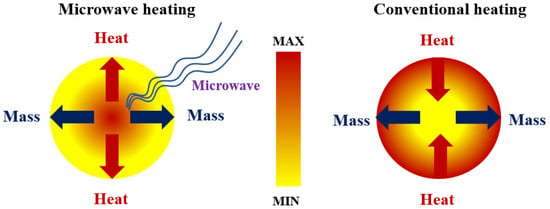
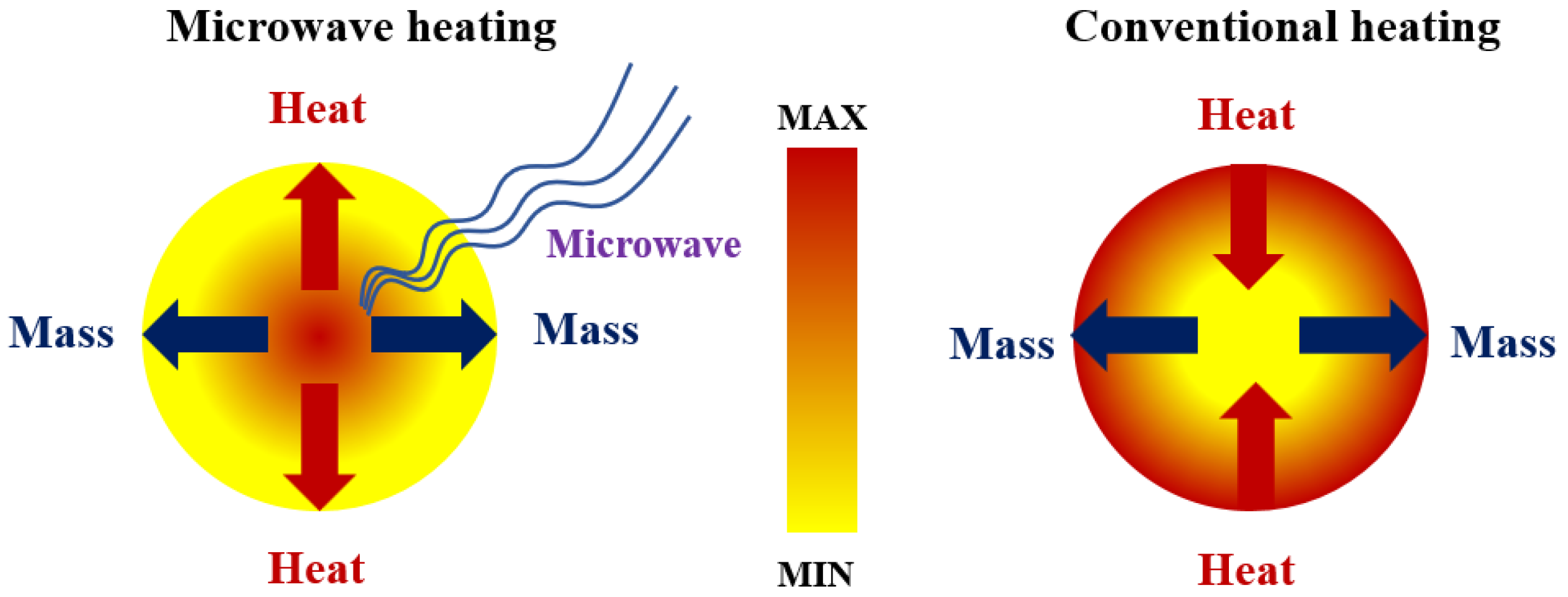
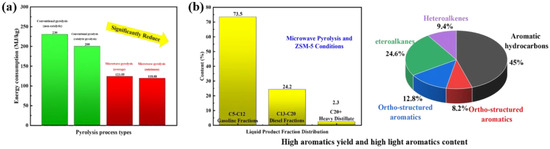
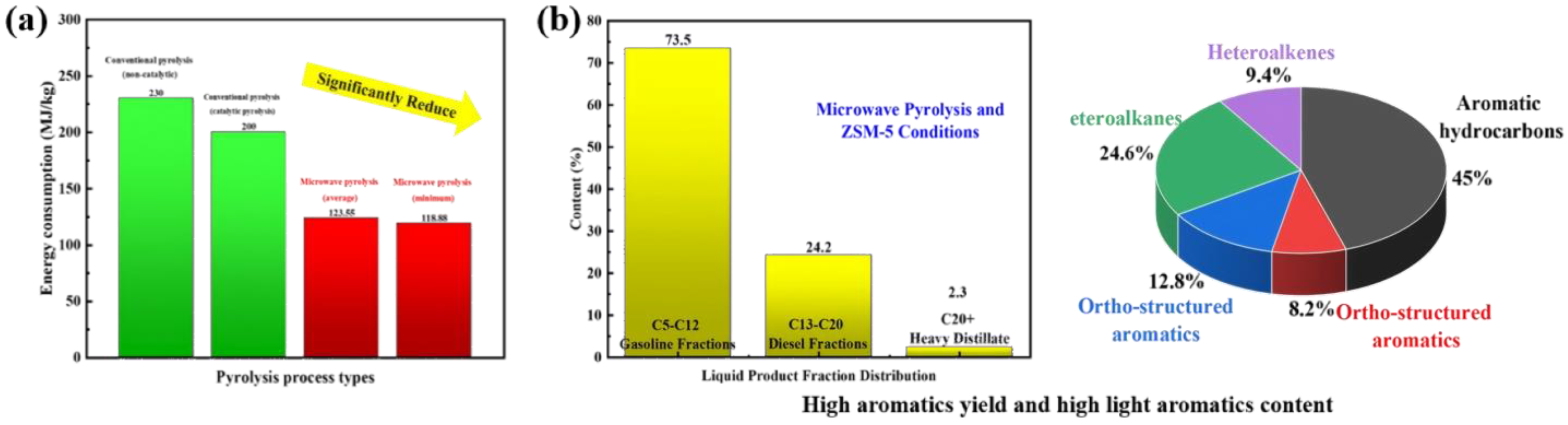
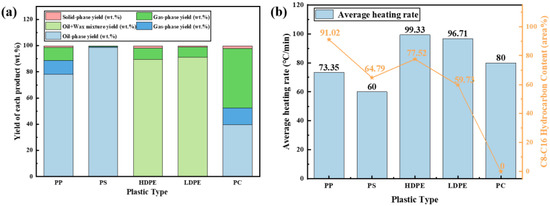
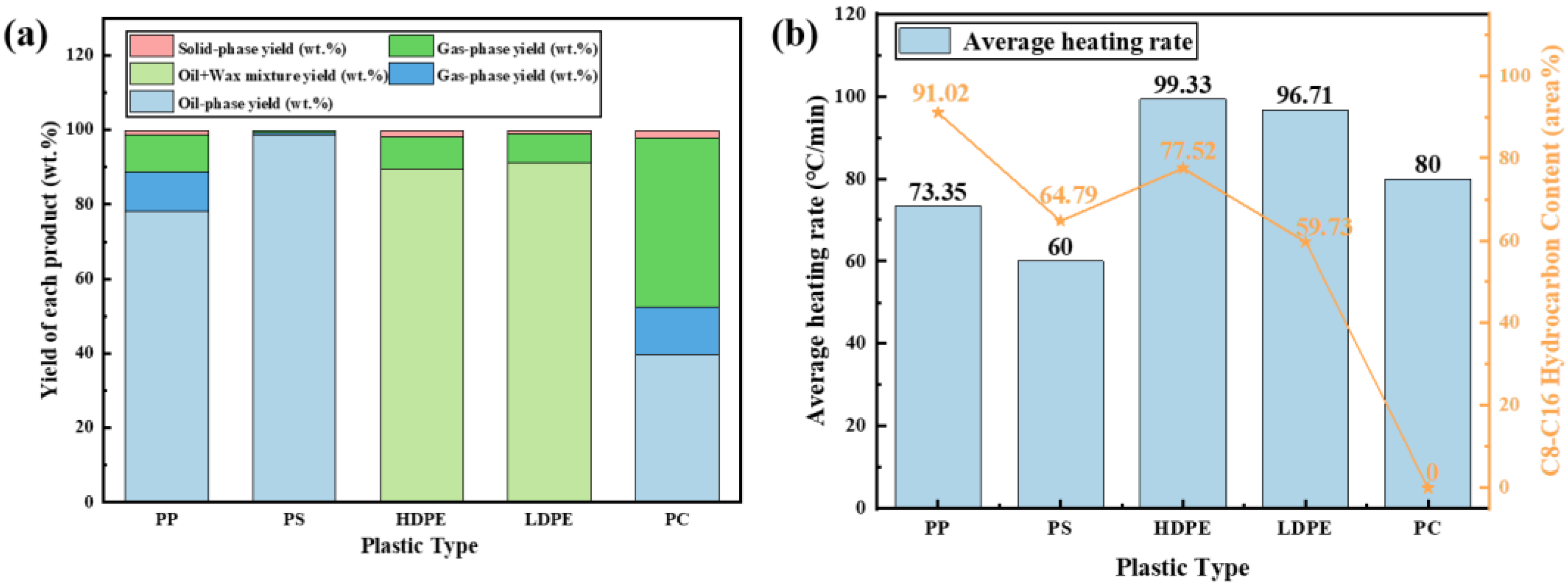
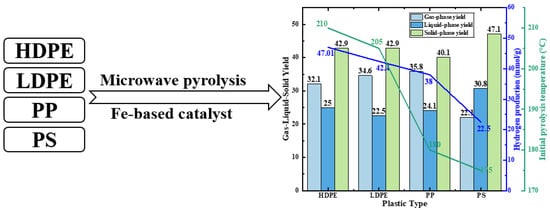
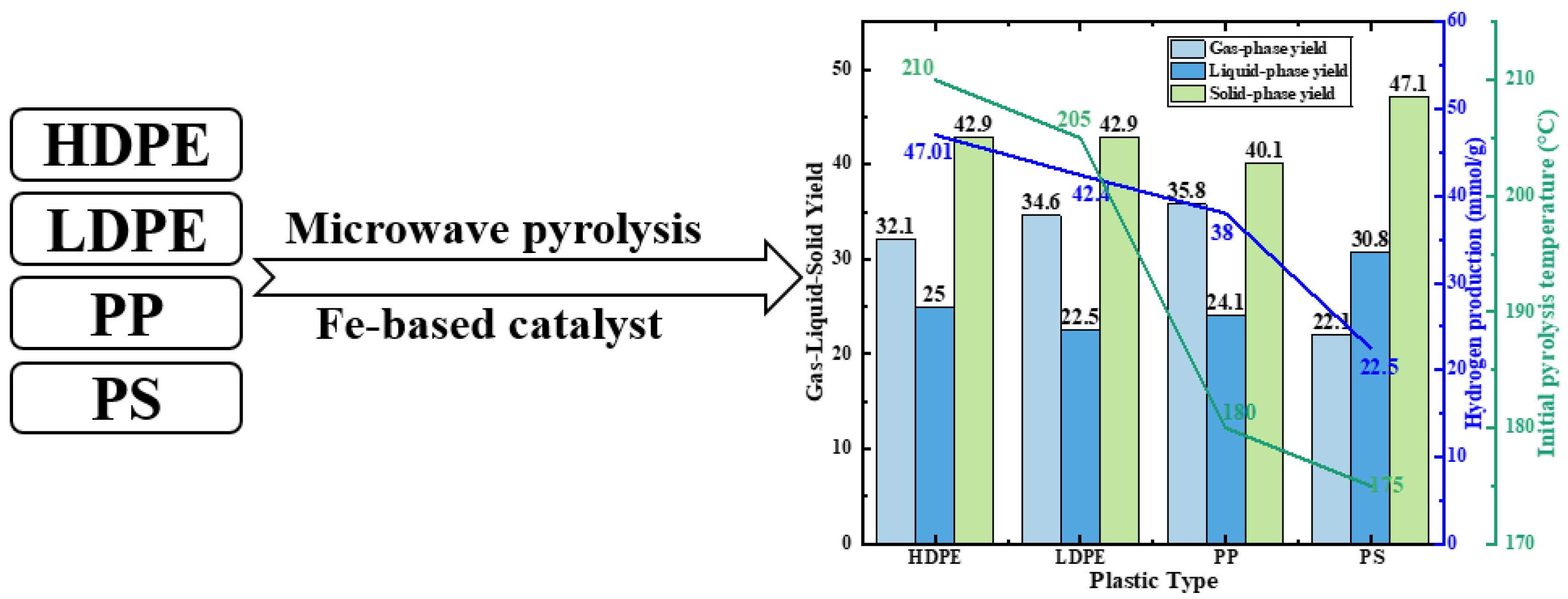
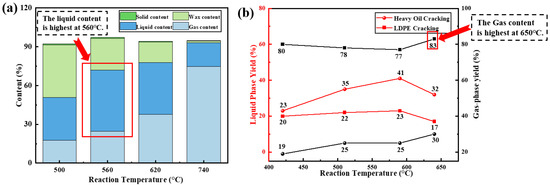
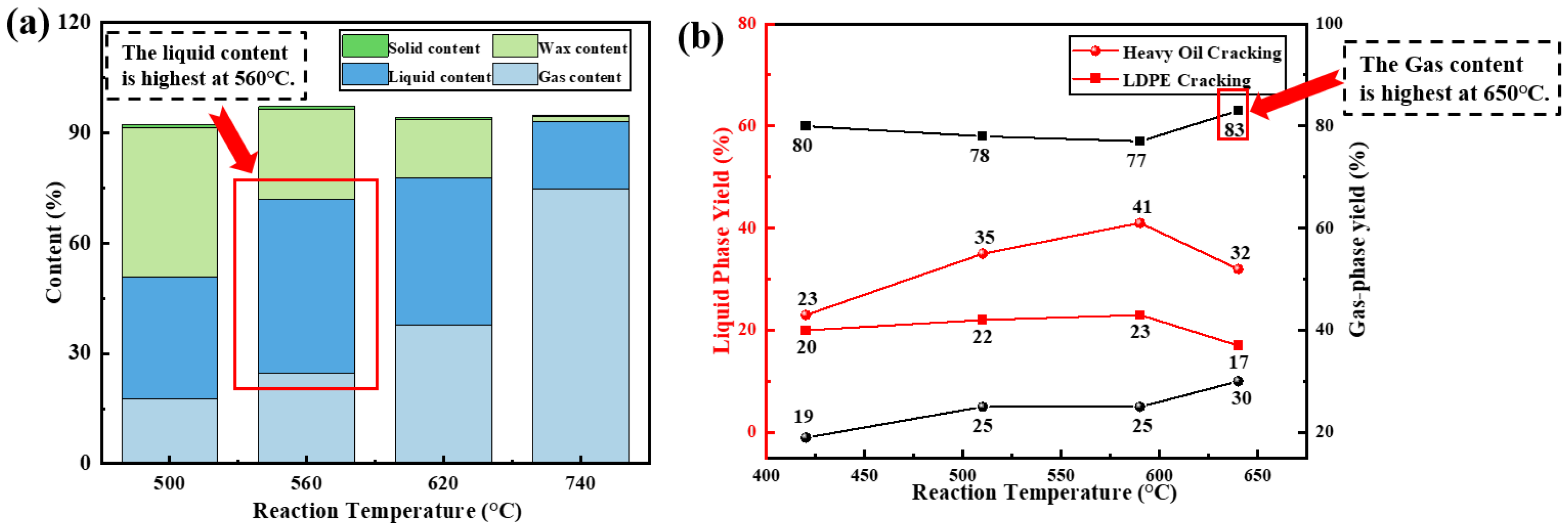
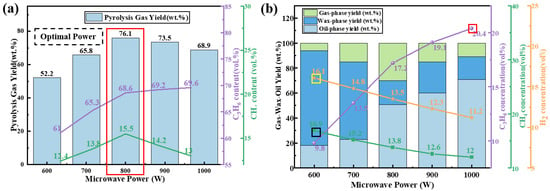
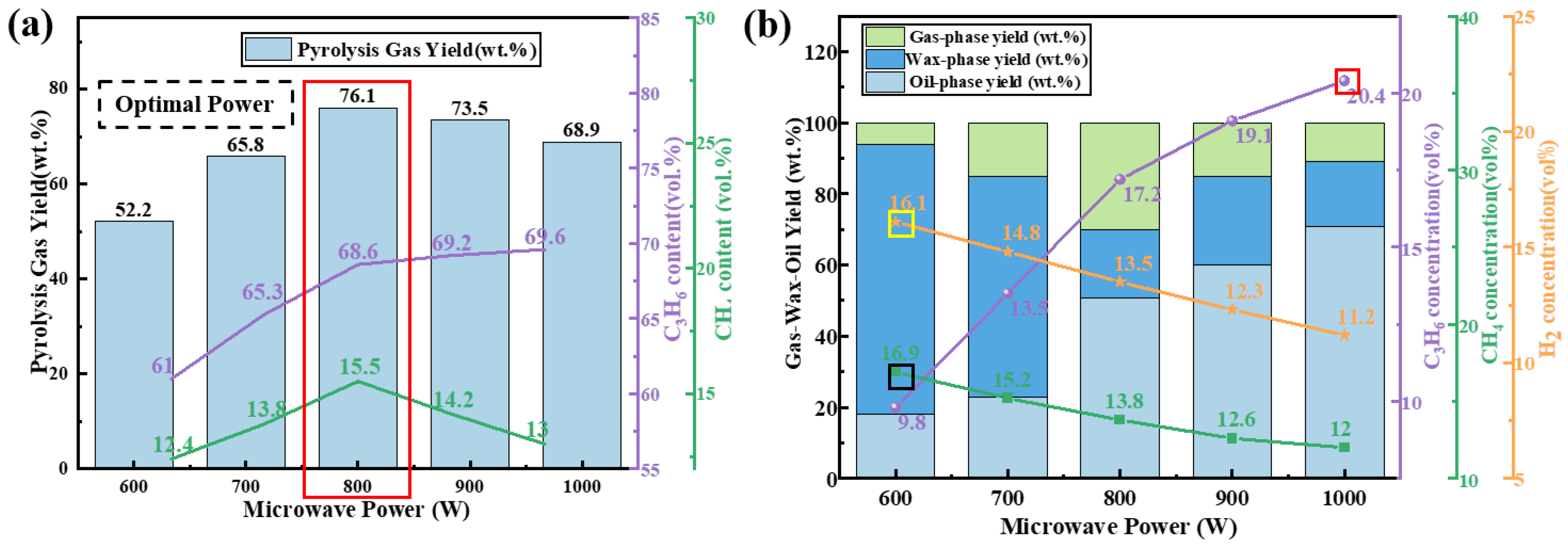
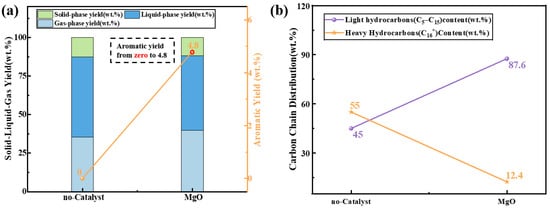
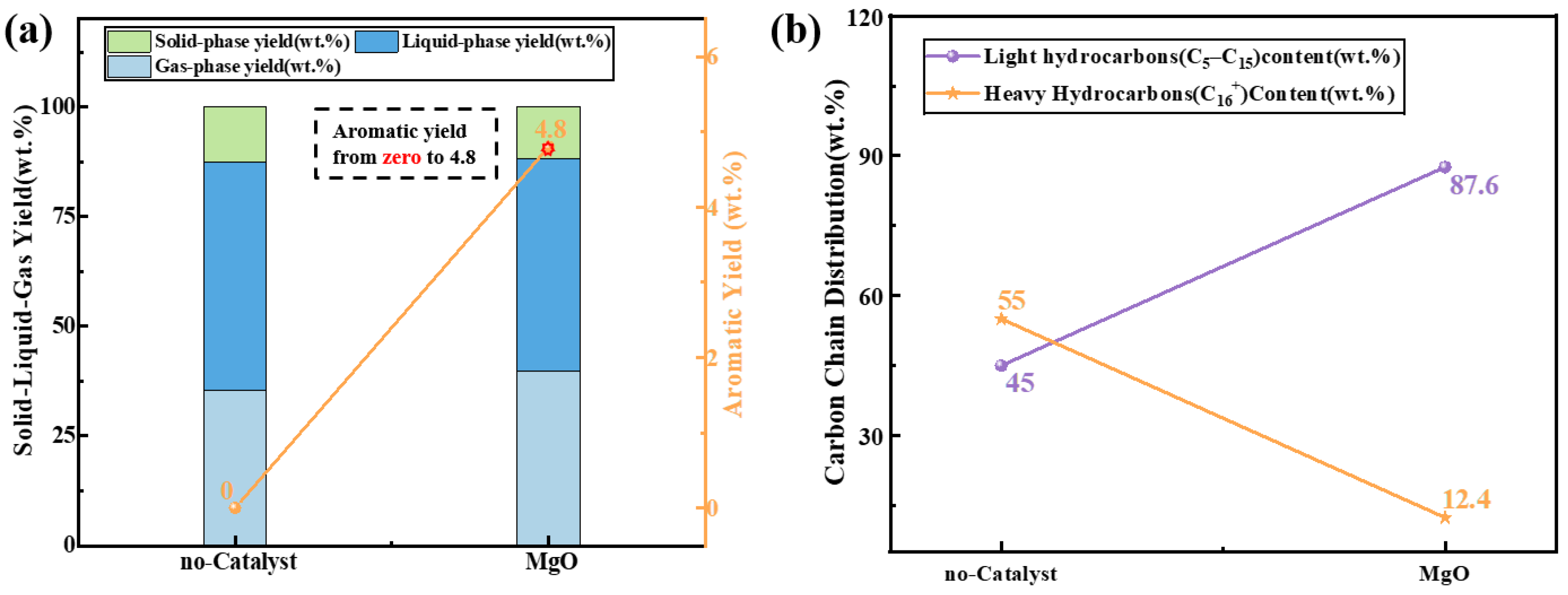
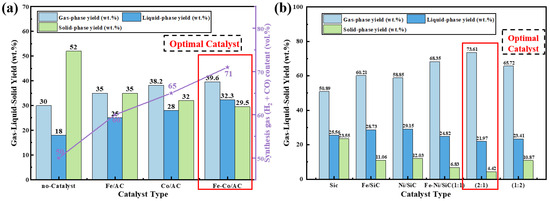
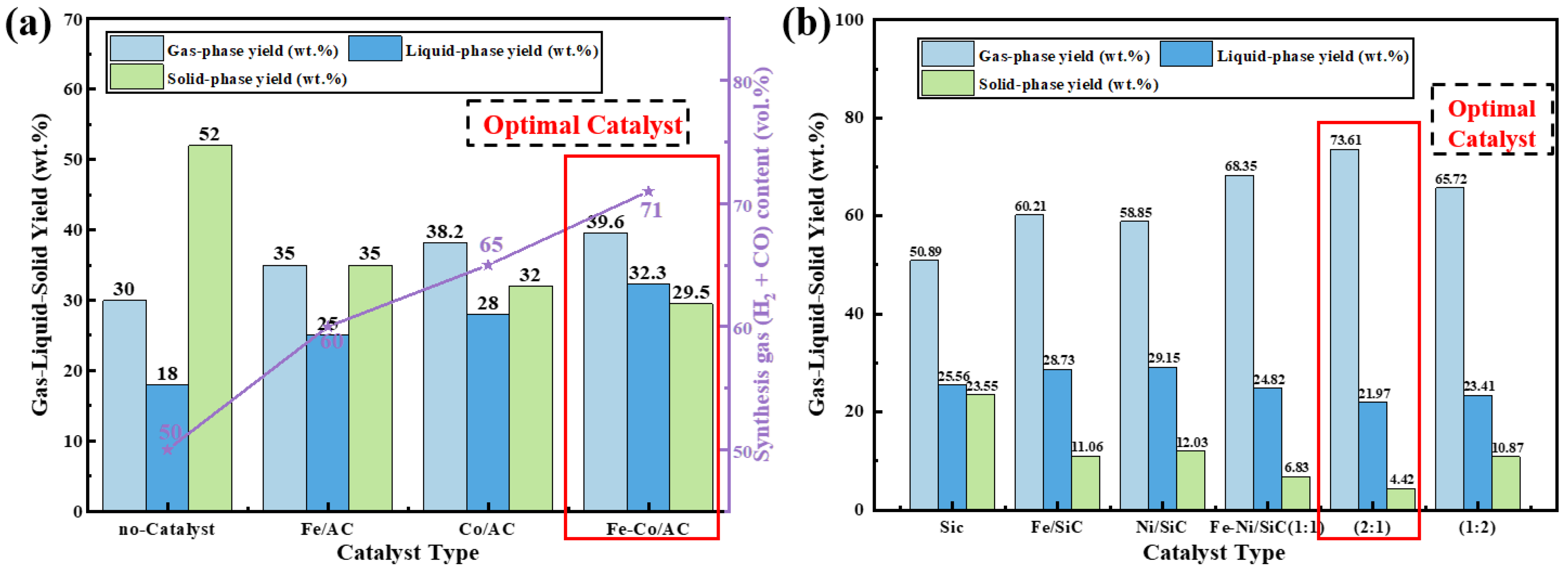

Disclaimer/Publisher’s Note: The statements, opinions and data contained in all publications are solely those of the individual author(s) and contributor(s) and not of MDPI and/or the editor(s). MDPI and/or the editor(s) disclaim responsibility for any injury to people or property resulting from any ideas, methods, instructions or products referred to in the content. |
© 2026 by the authors. Licensee MDPI, Basel, Switzerland. This article is an open access article distributed under the terms and conditions of the Creative Commons Attribution (CC BY) license.