Article

Study on Combined Protection Technology of Reinforcement and Rectification for High Voltage Tower on Super Large Mining Height of Mining-Induced Surface


1
Shaanxi Shanmei Caojiatan Min Co., Ltd., Yulin 718000, China
2
XuZhou China Mining Geotechnical Technology Co., Ltd., Xuzhou 221000, China
3
School of Mines, China University of Mining and Technology, Xuzhou 221116, China
*
Author to whom correspondence should be addressed.
Processes 2026, 14(3), 443; https://doi.org/10.3390/pr14030443
Submission received: 26 December 2025 / Revised: 19 January 2026 / Accepted: 22 January 2026 / Published: 27 January 2026
(This article belongs to the Section Energy Systems)

Abstract

Severe surface deformation induced by super-large mining height longwall extraction poses a significant threat to the safe operation of high-voltage transmission towers. In this study, a 330 kV straight-line transmission tower located above the 122104 working face of the Caojiatan Coal Mine was selected as a case study to investigate tower stability under mining-induced surface deformation and to develop corresponding protection technologies. An integrated monitoring system combining instantaneous and long-term measurements was established to characterize surface movement throughout the mining process. The results indicate that the maximum surface subsidence reached 7300 mm, while the maximum inclination and curvature attained 50 mm/m and 0.62 mm/m2, respectively, reflecting intense deformation of the overlying ground. Numerical simulations based on ANSYS 2021R1 were conducted to systematically evaluate the effects of surface inclination, compressive deformation, and tensile deformation on the structural response of the transmission tower. The critical deformation thresholds leading to structural failure were identified as 30 mm/m for inclination, −7.2 mm/m for horizontal compression, and 7.7 mm/m for horizontal tension. Based on these findings, a comprehensive protection system was proposed, integrating tower body reinforcement, combined foundation reconstruction, surface subsidence monitoring, dynamic jacking-based rectification, and foundation grouting reinforcement. The proposed scheme was successfully implemented in field practice. Monitoring results demonstrate that, after reinforcement and rectification, differential settlement of the tower foundation was controlled within 20 mm, and tower inclination remained below 1‰. This ensured uninterrupted underground mining operations and continuous power transmission within the Caojiatan Coal Mine corridor. The outcomes of this study provide a practical reference for the protection of high-voltage transmission towers under similar mining conditions.

1. Introduction

High-voltage transmission towers distributed across mining areas are highly vulnerable to mining-induced surface deformation. In the Caojiatan Coal Mine, two high-voltage transmission corridors—serving conventional power transmission as well as wind and photovoltaic energy systems—cross the surface of the No. 12 mining district. Underground coal extraction results in the formation of goafs, which subsequently induce surface subsidence, inclination, and curvature [1,2,3,4,5]. These deformations can lead to foundation settlement, structural distortion, and even failure of transmission towers, thereby threatening the safe operation of power transmission lines and causing substantial economic losses and safety risks [6].
To mitigate such risks, it is essential to conduct systematic stability assessments of transmission towers under mining influence and to implement targeted protection measures. Extensive research has been carried out to investigate the deformation and failure mechanisms of transmission towers affected by mining subsidence. Li et al. [7] established a prediction model for conductor ground clearance and analyzed the deformation characteristics of transmission lines during longwall mining. Yuan and co-workers [8,9,10], based on surface subsidence prediction in collapse-prone areas, employed numerical simulation methods to evaluate the combined effects of surface deformation and wind loading on tower deformation and internal force distribution, providing a basis for tower safety assessment. Guo et al. [11] analyzed the influence of top-coal caving mining on non-uniform settlement, inclination, and leg opening of transmission towers and conducted comprehensive safety evaluations under mining conditions. Jiang et al. [12] developed finite element models of high-voltage transmission towers to assess deformation processes and load-bearing performance under varying meteorological conditions in goaf areas. Using finite element analysis, Yang [13] investigated the dynamic impact effects of sudden surface subsidence on transmission towers under wind loading. Other studies [14,15,16,17,18,19] have examined the influence of goaf location on foundation deformation and proposed mechanical models to describe the coordinated deformation between mining-induced surface movement and large-slab tower foundations.
Overall, existing studies have predominantly relied on theoretical analysis and numerical modeling of transmission tower structures to evaluate the effects of external loads and surface deformation on internal force responses. These efforts have provided valuable guidance for the protection of high-voltage transmission towers in mining subsidence areas. However, limited attention has been paid to the coupling between extreme surface deformation induced by super-large mining height longwall faces and the integrated application of reinforcement, rectification, and foundation modification technologies. In particular, the determination of critical surface deformation thresholds and their direct linkage to field-scale protection strategies remains insufficiently addressed.
In this study, the 330 kV straight-line transmission tower located above the 10 m mining height 122104 working face of the Caojiatan Coal Mine is taken as the research object. The effects of different surface deformation modes on tower stability are systematically analyzed using field monitoring and numerical simulation. Critical deformation thresholds leading to structural failure are identified. Based on these results, a combined protection technology integrating tower body reinforcement, foundation reconstruction, real-time surface deformation monitoring, dynamic jacking-based rectification, and foundation grouting reinforcement is proposed and implemented in situ. The findings aim to provide technical support and practical guidance for ensuring the safe and stable operation of surface high-voltage transmission towers under super-large mining height conditions.

2. Overview of Engineering Geology and High-Voltage Transmission Towers

2.1. 122104 Ultra-Large Mining Height Working Face: Geological and Production Overview

Caojiatan mine is situated in the northern part of Yulin City, Shaanxi Province, with the surface landscape primarily consisting of sandy and aeolian landforms. The coal seam is buried at a depth ranging from 255 to 338 m, featuring stable thickness with an average of 11.2 m. The 122104 working face employs the longwall retreating fully mechanized mining method with one-pass full-height extraction, and the goaf is managed using the full caving method. The working face spans 5977 m in strike length and 300 m in dip length, with an average coal thickness of 10.5 m and a geological reserve of 852,366 tons. The conditions of the coal seam, roof, and floor of the working face are detailed in Table 1.

2.2. Overview of Surface High-Voltage Transmission Towers

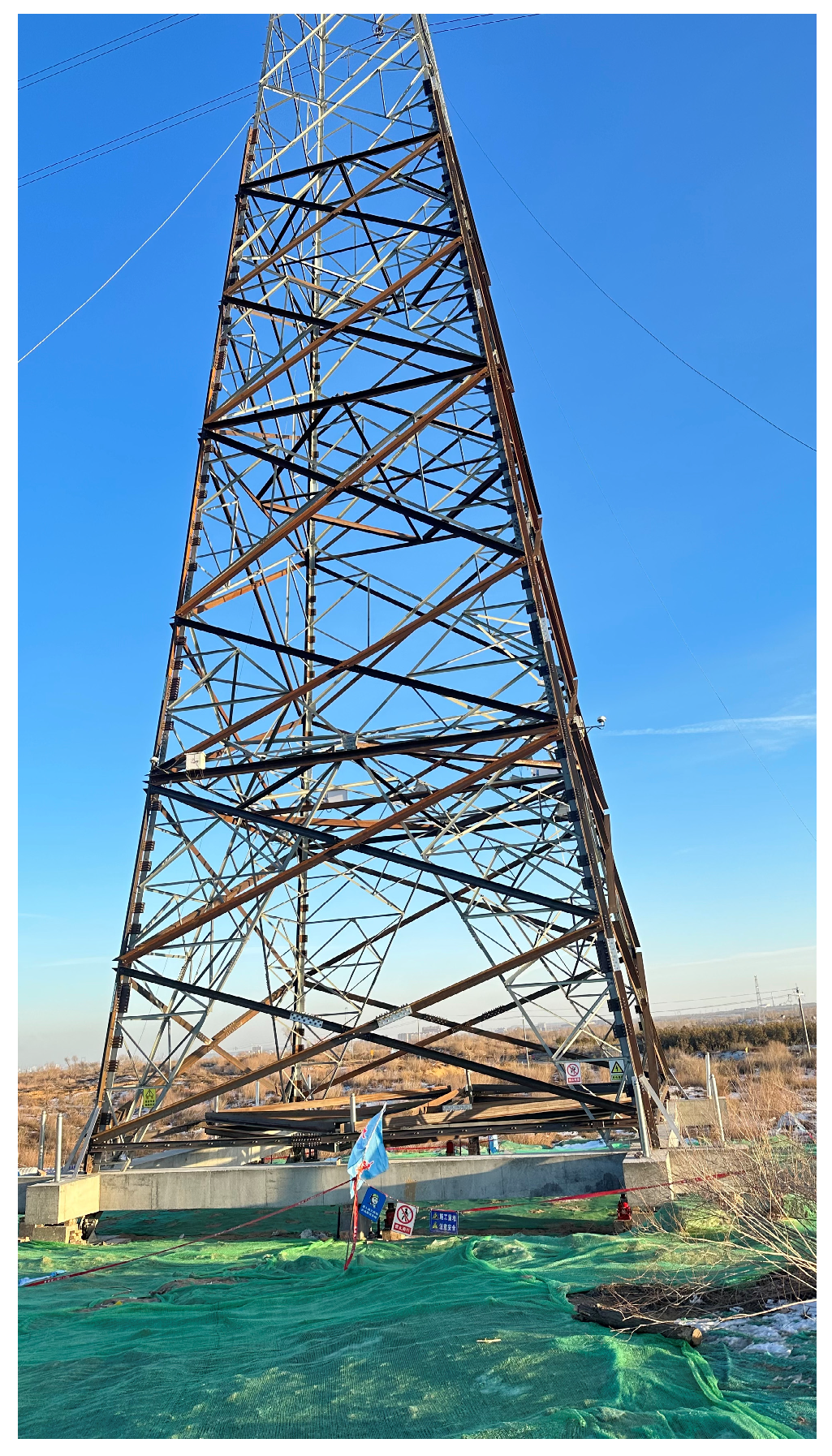
This paper takes the 330 kV tangent tower above the surface of the 122104 working face as the main research object. The tower is a four-leg structure with an independent foundation. It is 173 m away from the working face open-off cut and 50 m from the main haulage roadway of the working face. The tower base spacing is approximately 13 m, the tower height is 72.4 m, and the tower base width is 0.8 m. The location of the tangent tower is shown in Figure 1.

3. Mining-Induced Surface Deformation Characteristics

3.1. Surface Movement and Deformation Monitoring

To clarify the surface subsidence behavior of the working face and to support subsequent foundation reinforcement and protection measures, an integrated high-intensity surface deformation monitoring system was established. The system was designed to ensure the safe and stable operation of the surface transmission tower during longwall retreat. A combined “instantaneous + long-term” monitoring strategy was adopted.
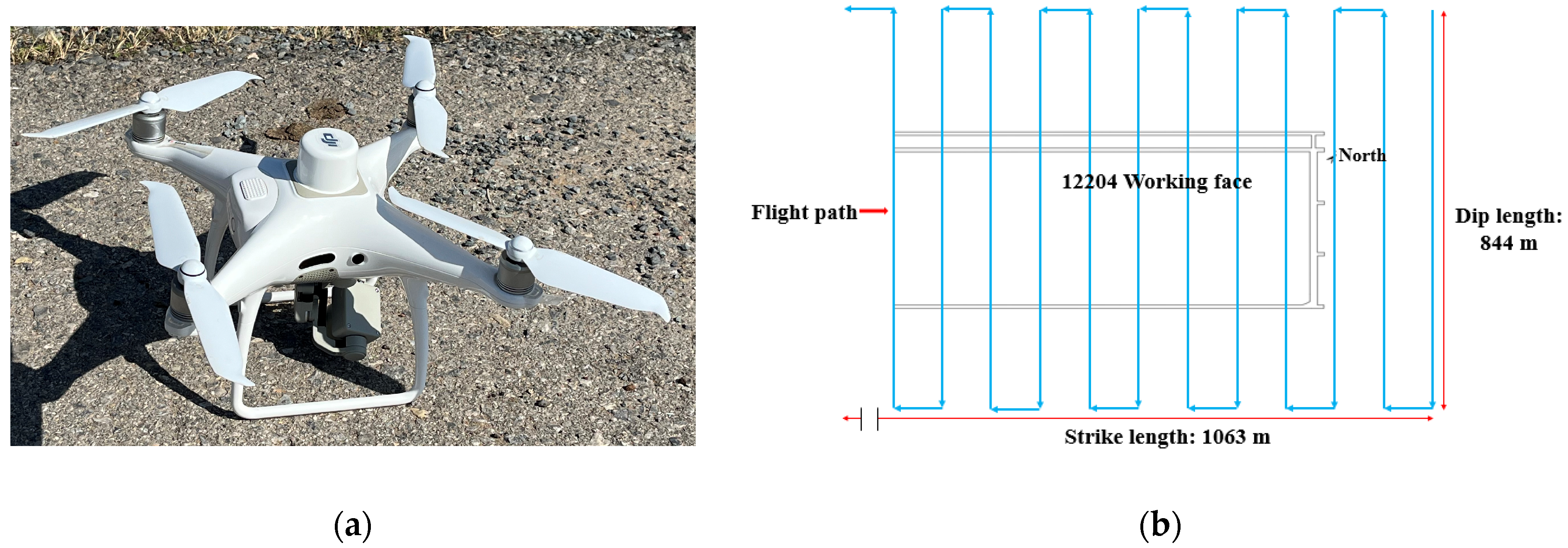
Instantaneous monitoring (Figure 2) was conducted using unmanned aerial vehicles (UAVs) equipped with multispectral measurement cameras (infrared and visible light). The scanning accuracy of the UAV is 5 mm/100 m, the scanning speed is 300,000 points/s, and the angular resolution is 0.0005°. This approach enabled rapid identification of surface damage patterns and transient crack distributions. In addition, terrestrial three-dimensional laser scanning was employed to acquire high-resolution surface point-cloud data, from which accurate digital elevation models were generated to capture short-term surface deformation.
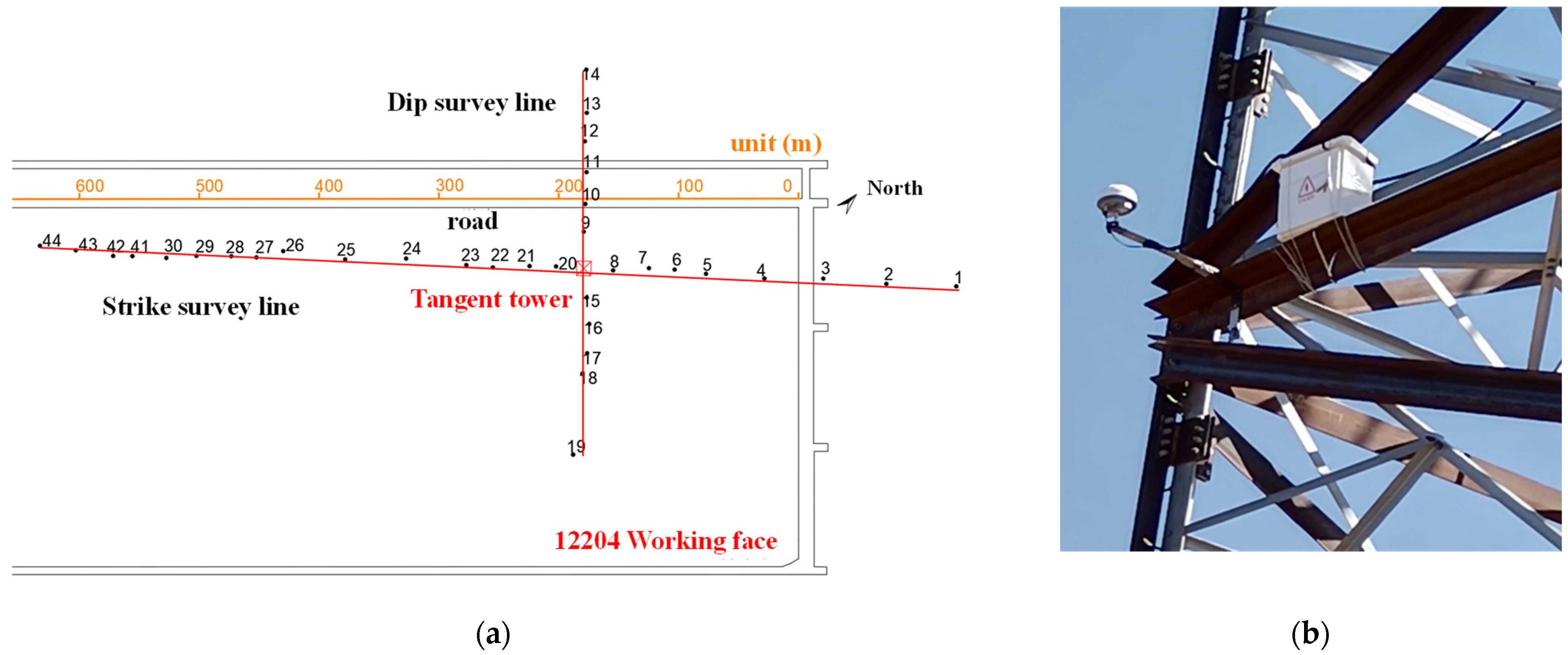
Long-term monitoring (Figure 3) was performed using total stations, laser rangefinders, and Global Navigation Satellite System (GNSS) instruments. The distance between the monitoring points is 25~50 m, and the distance between the control points and the monitoring points and the control points is 50 m. The length of the strike line is about 640 m, and the distance from the center line is 85 m. The average length of the two dip lines, Q1 is 335 m, which is about 185 m and 530 m from the open-off cut, respectively. A total of 44 monitoring points are arranged, of which 11 monitoring points are arranged on the Q1 and Q2 lines, respectively. There are 22 monitoring points arranged on the Z line, including six GNSS automatic monitoring points. The automatic monitoring is real-time, dynamic monitoring. The data is collected every 10 min and uploaded to the system. The total station is used for manual monitoring, and the monitoring frequency is 1–2 times/day.
These instruments were arranged along surface displacement monitoring lines to continuously record horizontal and vertical ground movement, as well as to track the development and evolution of surface cracks. This monitoring scheme provided continuous deformation data and allowed the spatial extent and temporal evolution of the subsidence basin to be accurately characterized.

3.2. Overall Surface Subsidence Characteristics

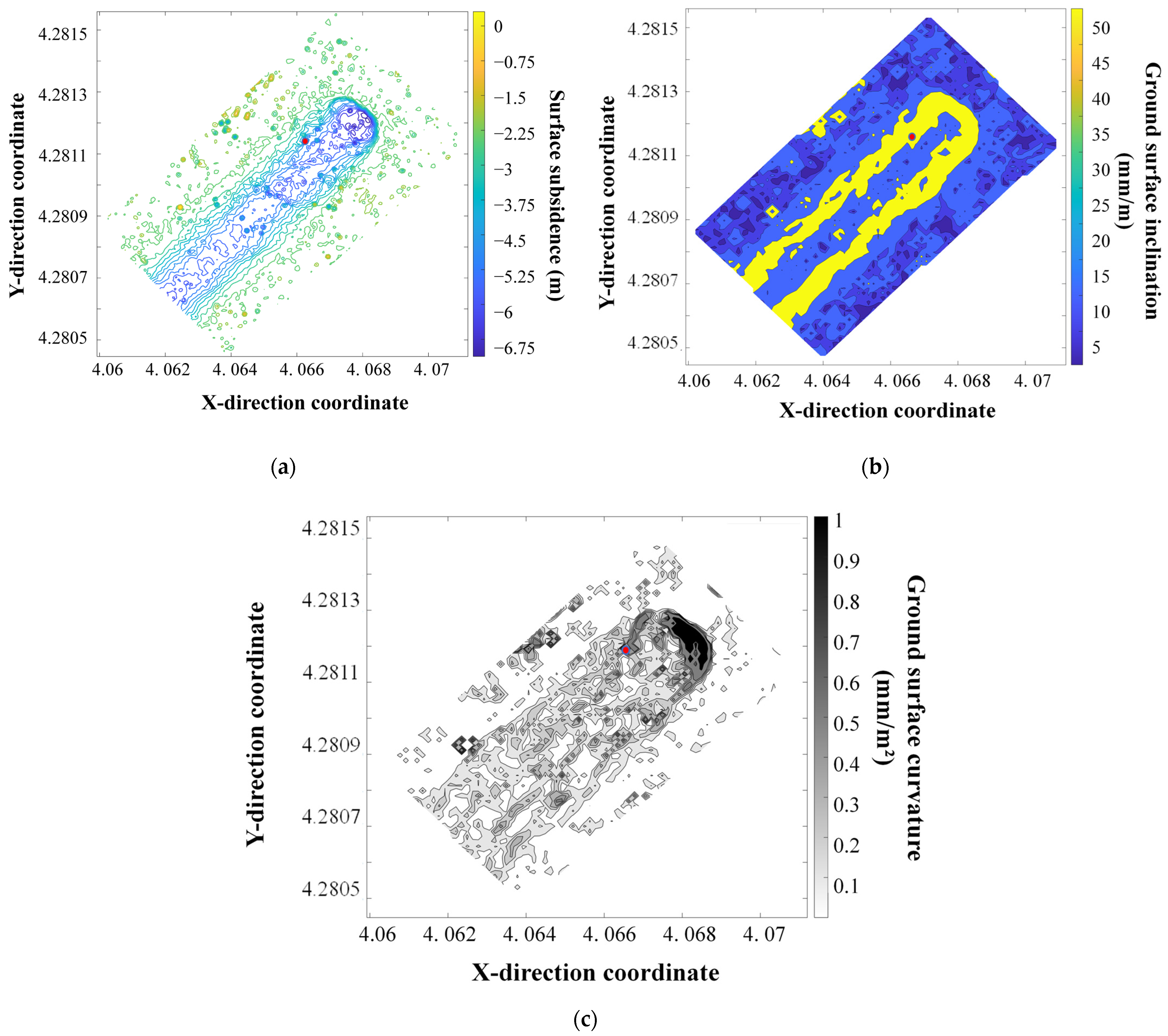
Monitoring results indicate that, after completion of mining and stabilization of ground movement, the maximum surface subsidence above the 122104 working face reached approximately 7300 mm (Figure 4a). Within a zone extending about 300 m along the strike direction in front of the open-off cut and 90–180 m along the dip direction, surface subsidence increased markedly. In this area, vertical displacement ranged from −7.30 m to −0.72 m.
Surface inclination in this zone reached up to 50 mm/m (Figure 4b), while curvature attained a maximum of 0.62 mm/m2 (Figure 4c), indicating a pronounced intensification of deformation. These results demonstrate that the surface experienced severe differential movement during mining. The red point is the position of the line tower.
In the central region of the subsidence basin, surface settlement reached its maximum and gradually stabilized. Differential settlement in this area was relatively small, with an average inclination of approximately 14.3 mm/m. A height difference of about 7.3 m was observed between the non-affected surface area and the stable subsidence zone. Near the boundary of the working face, large surface inclinations were widely developed. This region remains in a long-term tensile–shear deformation state and represents the most severely damaged surface zone.

3.3. Surface Subsidence Behavior in the Tower Area

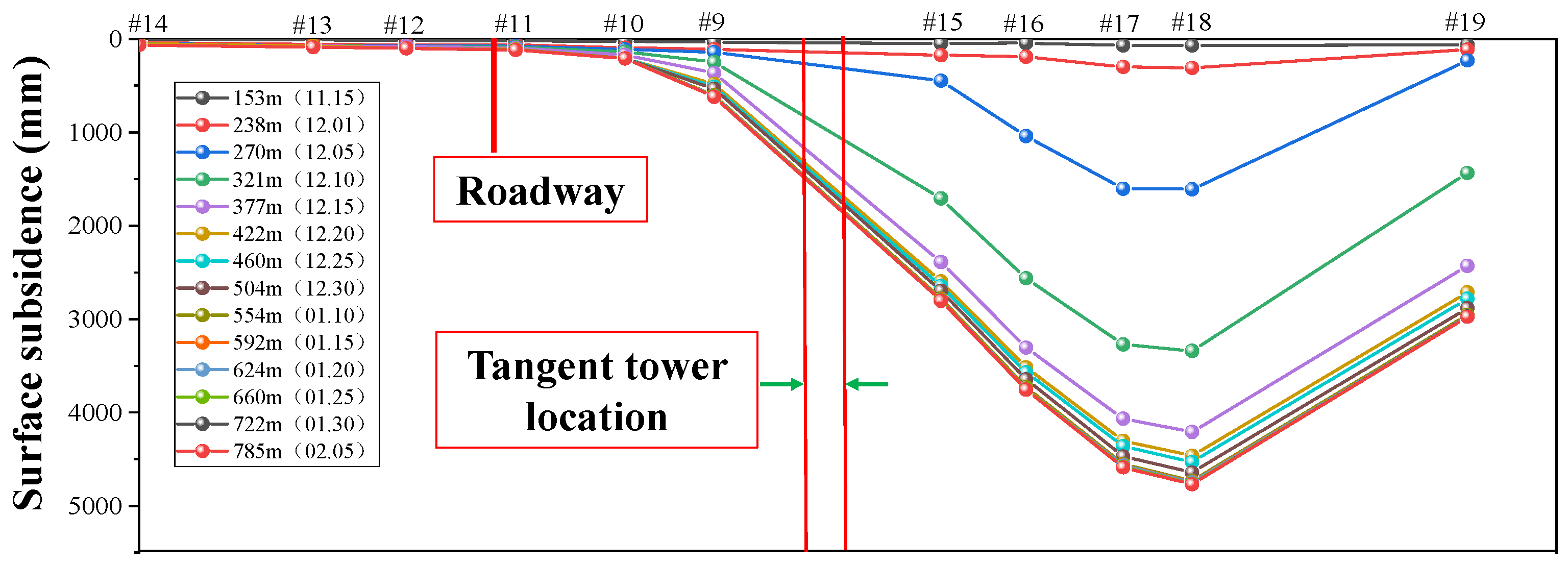
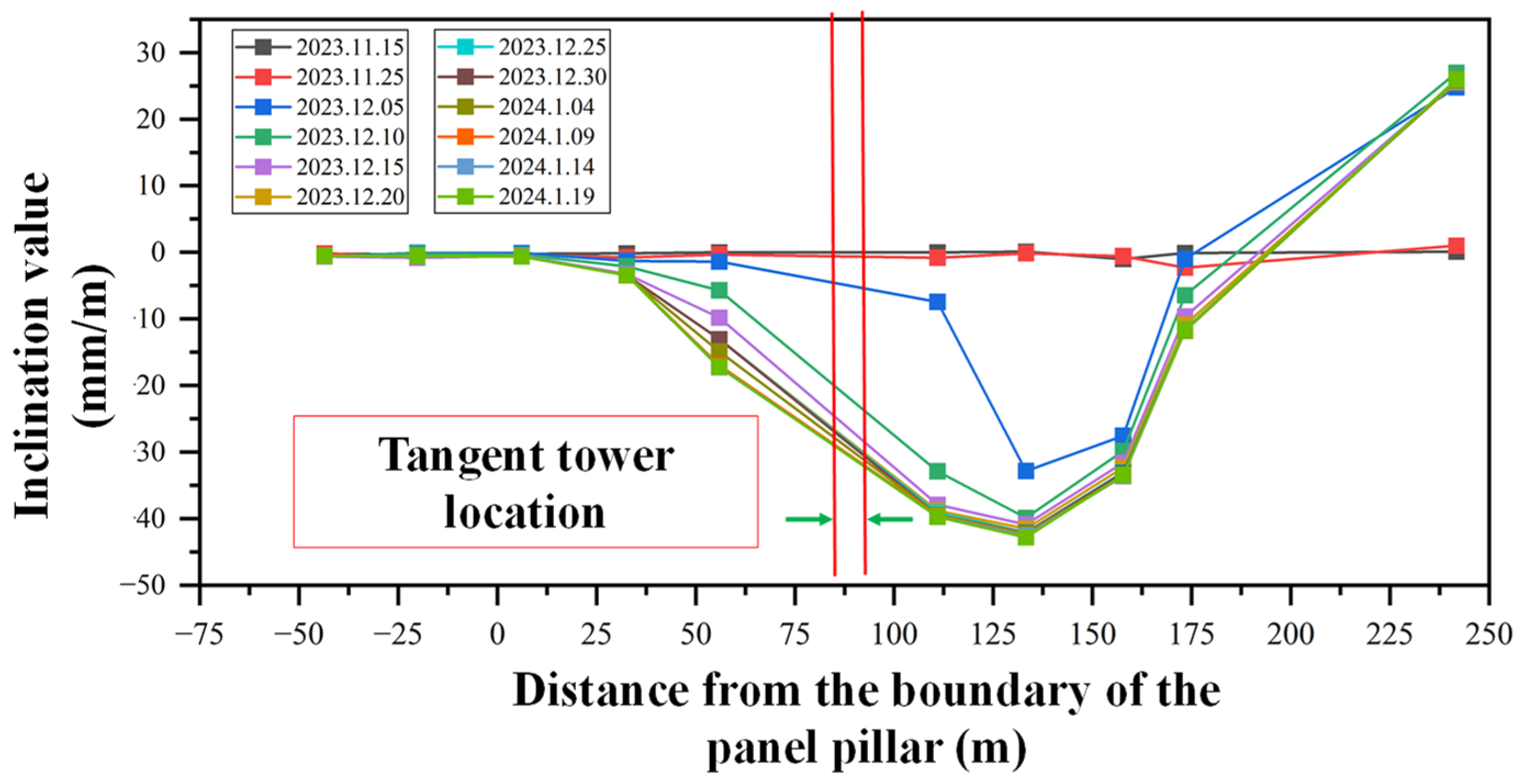
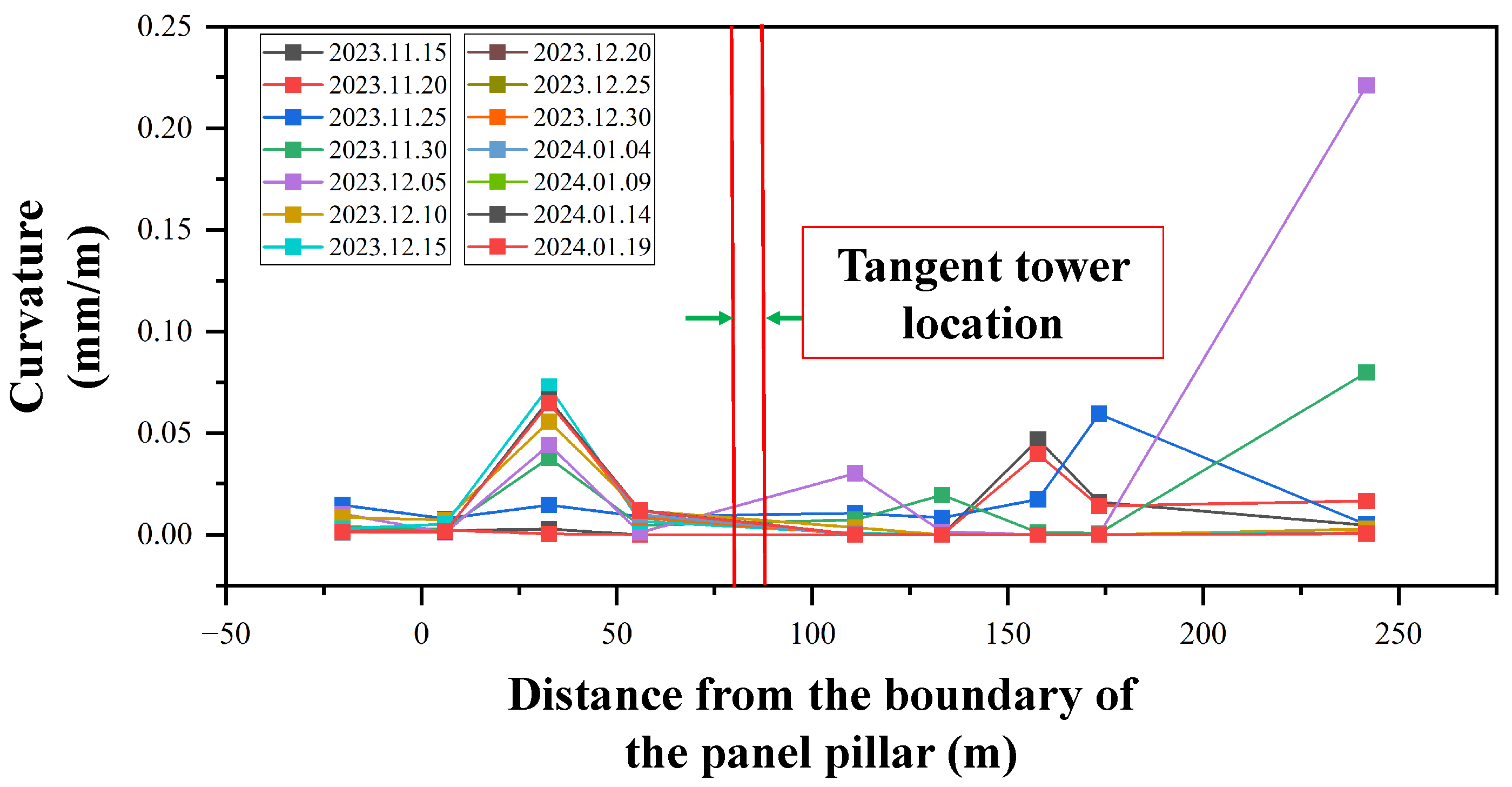
Figure 5, Figure 6 and Figure 7 present the surface deformation monitoring results along the tower survey line from November 2023 to January 2024. The cumulative subsidence at the location of the straight-line transmission tower reached approximately 2000 mm. The corresponding surface inclination was about 32.3 mm/m, and the surface curvature was approximately 0.02 mm/m2.
According to relevant regulations, high-voltage transmission towers rated above 220 kV are classified as Class II protected structures. For such structures, the allowable limits require surface horizontal deformation to be less than 4 mm/m, surface inclination to be less than 6 mm/m, and surface curvature to be below 0.4 mm/m2. The monitored surface deformation in the tower area, particularly the excessive inclination, significantly exceeds these thresholds. As a result, the stability and safe operation of the high-voltage transmission tower are subject to substantial risk under the influence of mining-induced surface deformation.

4. Numerical Simulation of Transmission Tower Stability Under Mining Influence

Field monitoring results indicate that the surface at the tower location is characterized by pronounced inclination accompanied by measurable curvature. Such surface deformation can induce non-uniform settlement, horizontal compression, or tensile displacement at the tower foundation. These effects generate additional internal forces within the superstructure of the transmission tower. When the induced stresses exceed the material strength limits of tower members, structural damage or instability may occur. To quantify the deformation tolerance of the transmission tower under mining-induced surface movement, a numerical simulation was conducted to establish the relationship between surface deformation and tower structural response. The results provide a basis for defining critical deformation thresholds and for developing effective protection strategies.

4.1. Model Construction and Simulation Scheme

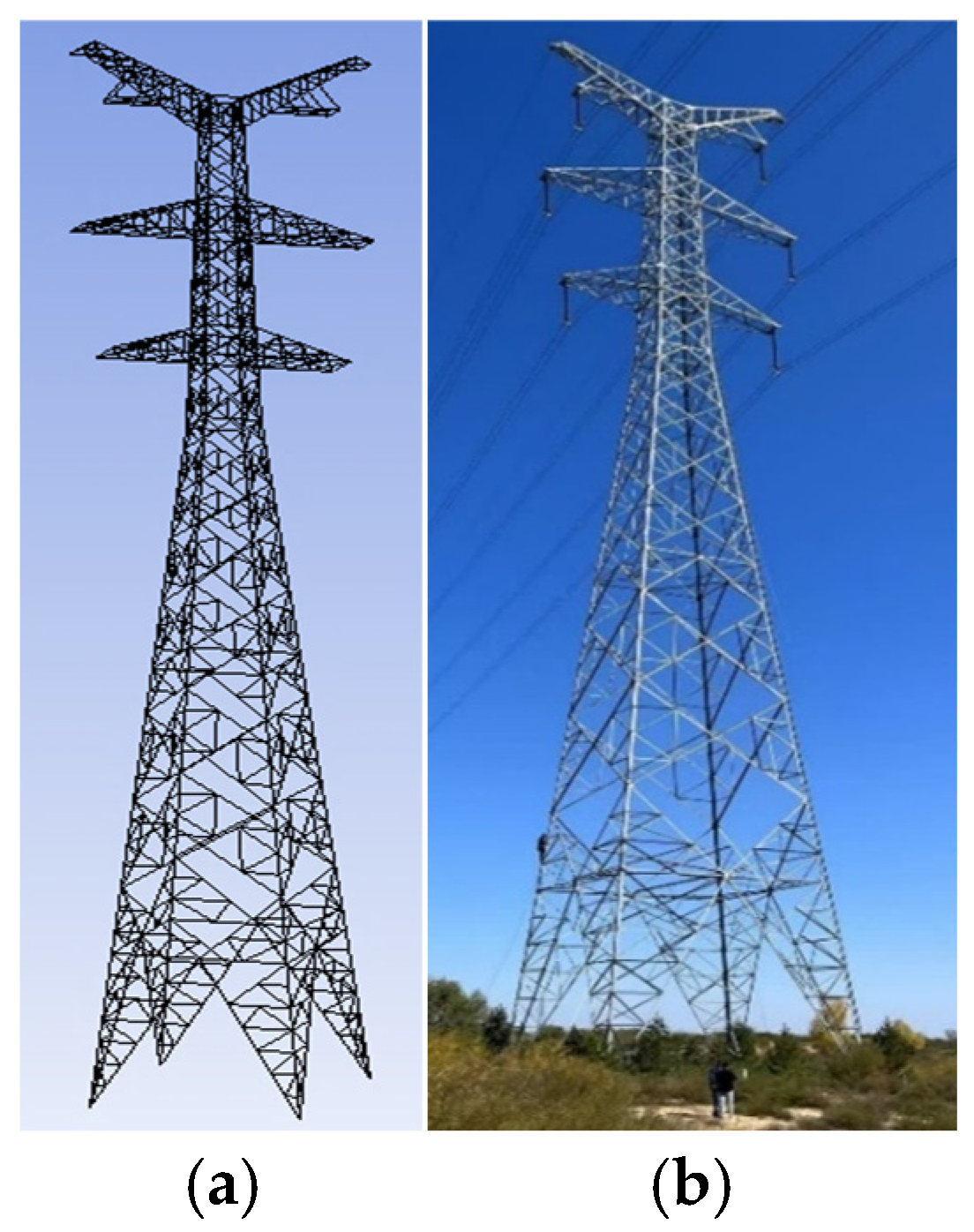
A three-dimensional finite element model of the 330 kV straight-line transmission tower located above the 122104 working face was developed using ANSYS 2021R1 software (Figure 8). The model geometry was constructed based on the actual tower dimensions, with a total height of 72 m and a root opening of 12 m. The tower structure consists of angle steel members, connecting steel plates, and bolted joints. The main leg members were assigned Q345 structural steel, while diagonal and bracing members were modeled using Q235 steel.
Material nonlinearity was simulated using an ideal elastic–plastic constitutive model for steel. The material properties and geometric parameters used in the model are summarized in Table 2. All structural members were modeled as beam elements, and geometric compatibility between members was ensured at connection nodes. Bilinear isotropic hardening (BISO) is used to simulate the plastic stress–strain relationship of the tower model steel. This option uses the isotropic hardening Von Mises yield criterion. In this calculation, the ultimate stress of the tie rod is taken as the standard, in which the ultimate stress of Q235 steel is 235 MPa, and the ultimate stress of Q345 steel is 345 MPa.
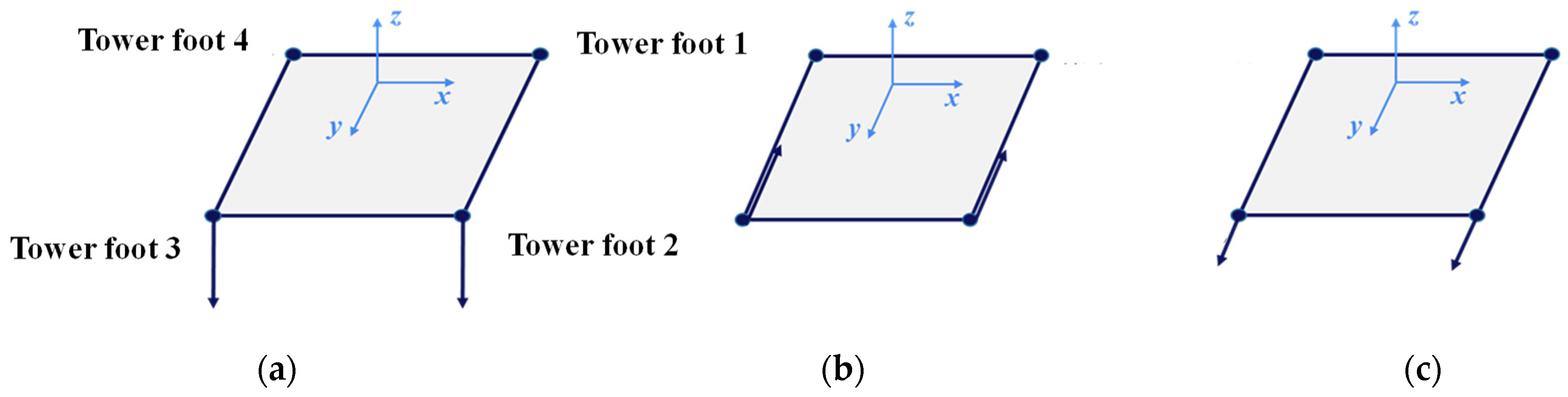
To simulate mining-induced surface deformation, different combinations of displacement boundary conditions were applied to the four tower legs. Tower legs located in non-deforming zones were constrained as fixed supports, while deformation of the foundation was represented by imposing prescribed displacement loads on selected tower legs. Three typical surface deformation modes were considered: inclination deformation, horizontal compressive deformation, and horizontal tensile deformation (Figure 9).
The boundary conditions for each deformation mode are listed in Table 3. In the table, UX, UY, and UZ denote translational degrees of freedom in the direction parallel to the transmission line, perpendicular to the line, and vertical direction, respectively, while ROTY represents rotational freedom about the line direction. Based on the measured surface deformation characteristics, a series of deformation magnitudes was applied for each working condition, as summarized in Table 4.

4.2. Critical Surface Deformation Thresholds

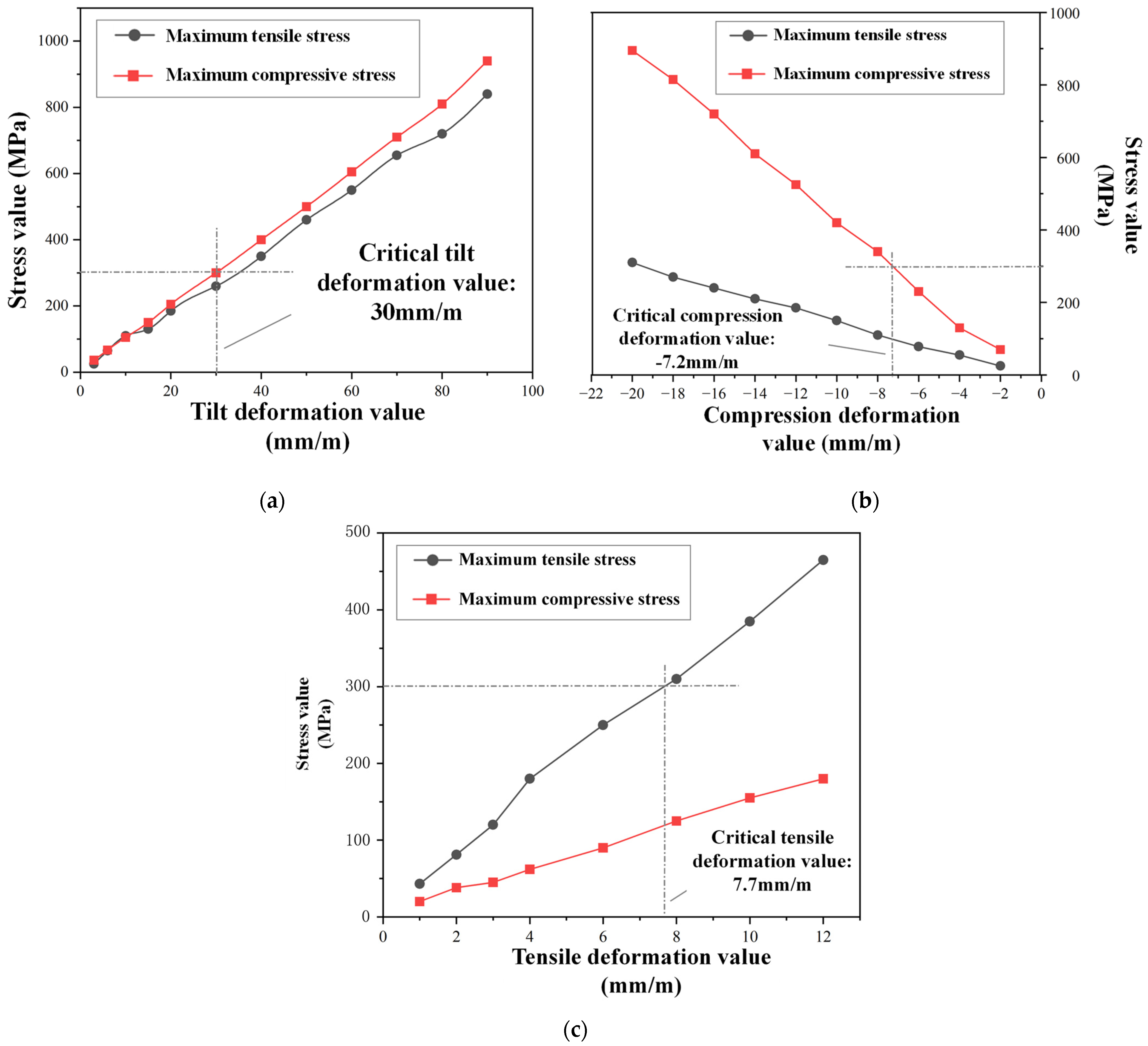
Numerical simulations were performed for all deformation scenarios, and the maximum stress generated in the tower members was extracted for each case. Figure 10 illustrates the relationship between the maximum member stress and the corresponding surface deformation magnitude under inclination, compressive, and tensile deformation conditions.
The results indicate that structural failure of the transmission tower occurs when surface deformation exceeds specific critical thresholds. The critical surface deformation values leading to tower instability were determined to be 30 mm/m for surface inclination, −7.2 mm/m for horizontal compression, and 7.7 mm/m for horizontal tension.
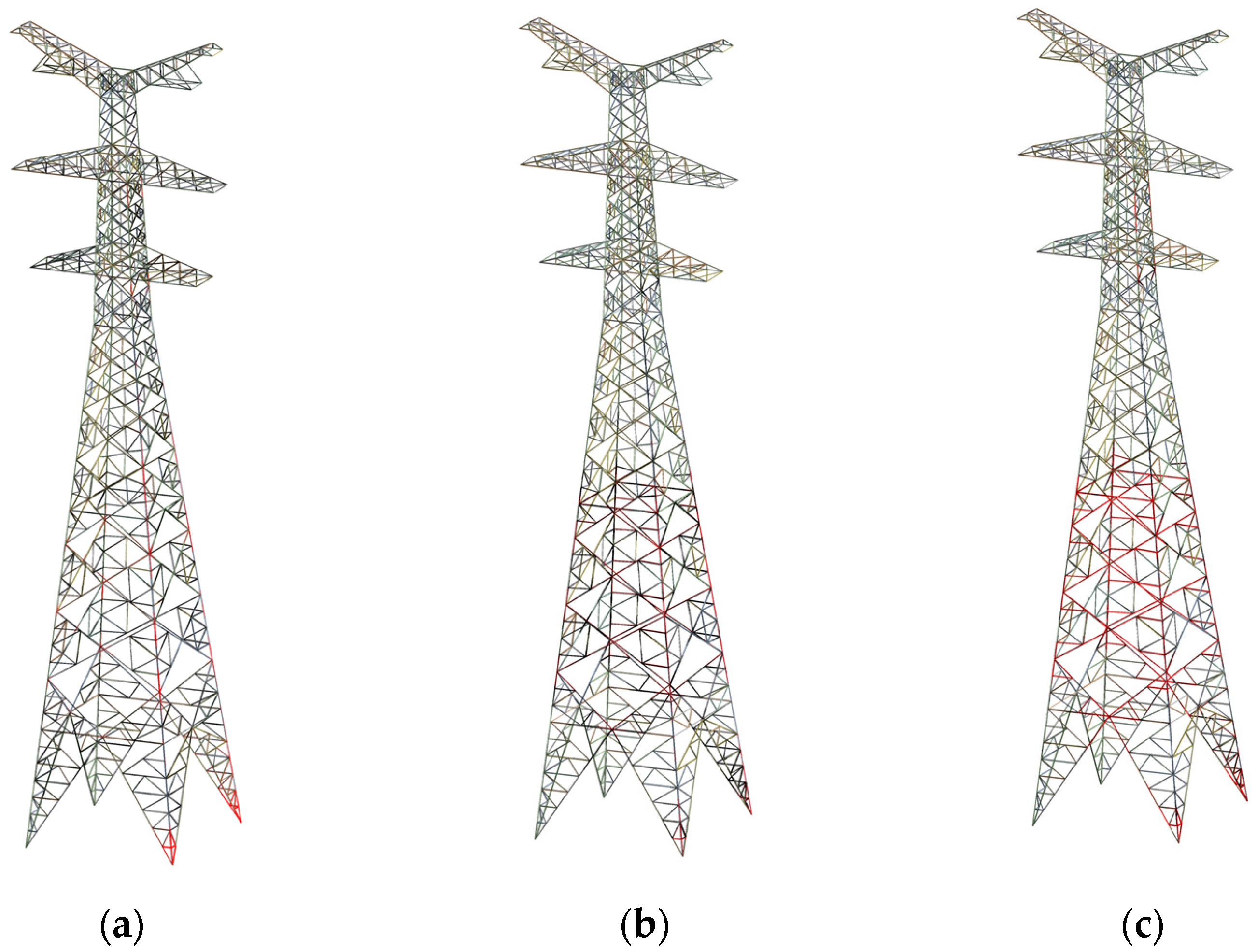
Figure 11 presents the stress distribution characteristics of tower members under the critical deformation conditions. Under inclination deformation, the earliest failure was observed in the main leg members on the fixed side of the tower foundation. In contrast, under horizontal compressive and tensile deformation, stress concentration was most pronounced in the diagonal and horizontal bracing members near the tower legs, making these components particularly susceptible to damage.
These results demonstrate that straight-line transmission towers are highly sensitive to both surface inclination and horizontal deformation. Tower legs and lower-body members are especially vulnerable under tensile and compressive ground movement. When the surface inclination reaches 30 mm/m, the axial stress in Q235 steel tension members approaches 260 MPa, exceeding the allowable stress limit and posing a serious threat to structural safety.
Combined with the surface subsidence characteristics described in Section 2, the tower location is shown to be subjected to deformation levels exceeding critical thresholds. Therefore, effective mitigation measures targeting both surface deformation control and structural reinforcement are required to ensure the safe and stable operation of high-voltage transmission towers under super-large mining height conditions.

5. Combined Protection Technology System for Mining-Induced High-Voltage Transmission Towers

5.1. Integrated Reinforcement and Rectification Strategy

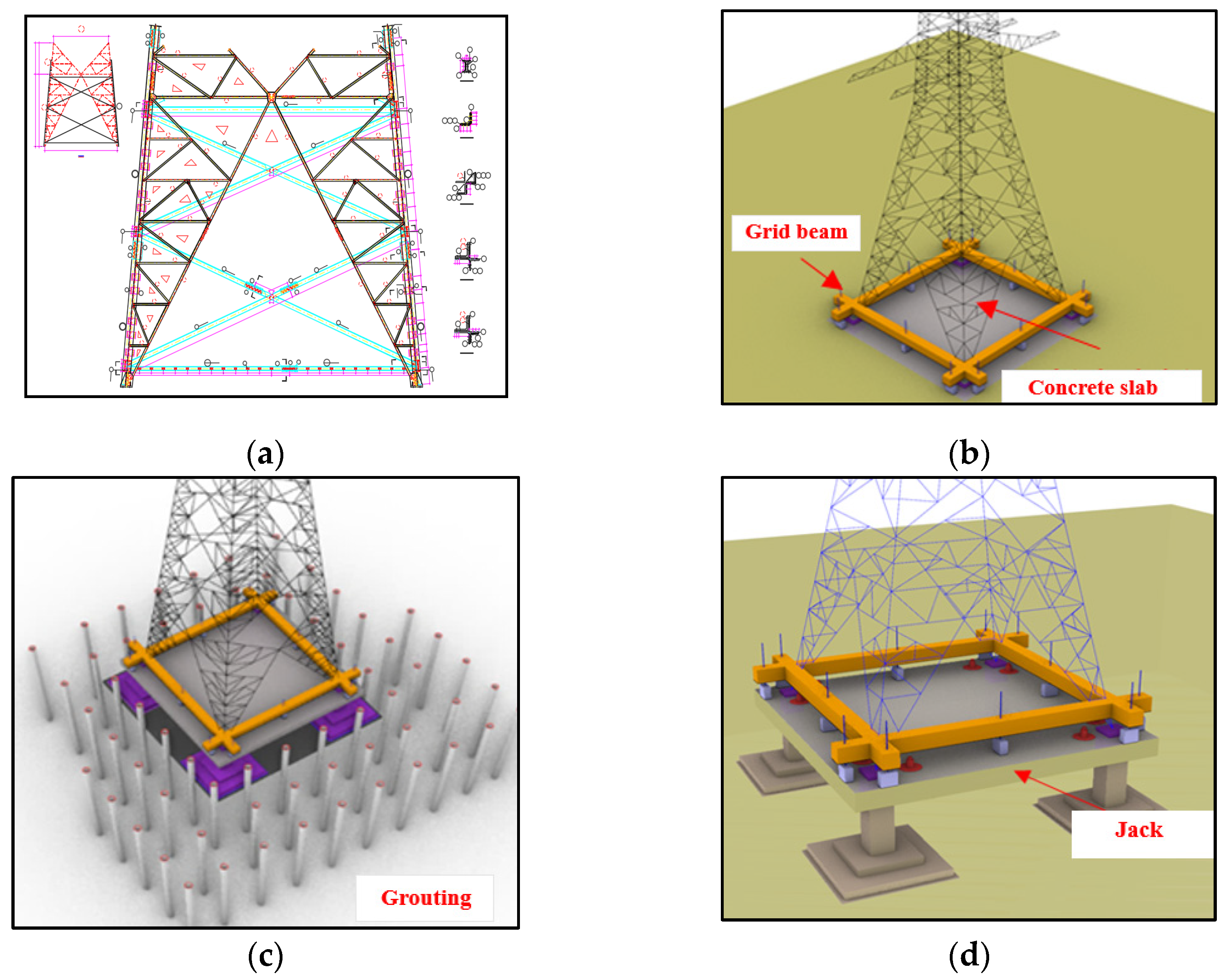
Based on the surface deformation characteristics and the critical instability thresholds identified in Section 2 and Section 3, a comprehensive protection strategy was developed for the high-voltage transmission tower. The design concept addresses both the resistance of the tower structure to deformation-induced damage and the adaptability of the foundation to mining-induced non-uniform ground movement. Accordingly, an integrated protection system was established, incorporating tower body reinforcement, combined foundation reconstruction, foundation grouting reinforcement, real-time deformation monitoring, and dynamic rectification. The overall technical scheme is illustrated in Figure 12.

5.1.1. Tower Body Reinforcement

To enhance the deformation resistance of the transmission tower, external steel wrapping reinforcement was applied to the tower body (Figure 13). High-strength steel plates and steel strips with a thickness of 15 mm were used as reinforcement materials. These components were installed on the outer surfaces of the tower members to improve load-bearing capacity and structural stiffness.
The reinforcement zone extended from the tower legs to the mid-height of the tower body, covering an overall height of approximately 46 m. Prior to installation, the tower surface was cleaned and treated with bonding agents to improve adhesion between the reinforcement materials and the steel members. The steel plates and strips were cut and bent according to design requirements to ensure close contact with the tower geometry. Final fixation was achieved through welding or high-strength bolted connections, ensuring reliable load transfer between the original structure and the reinforcement components.

5.1.2. Combined Foundation Reconstruction

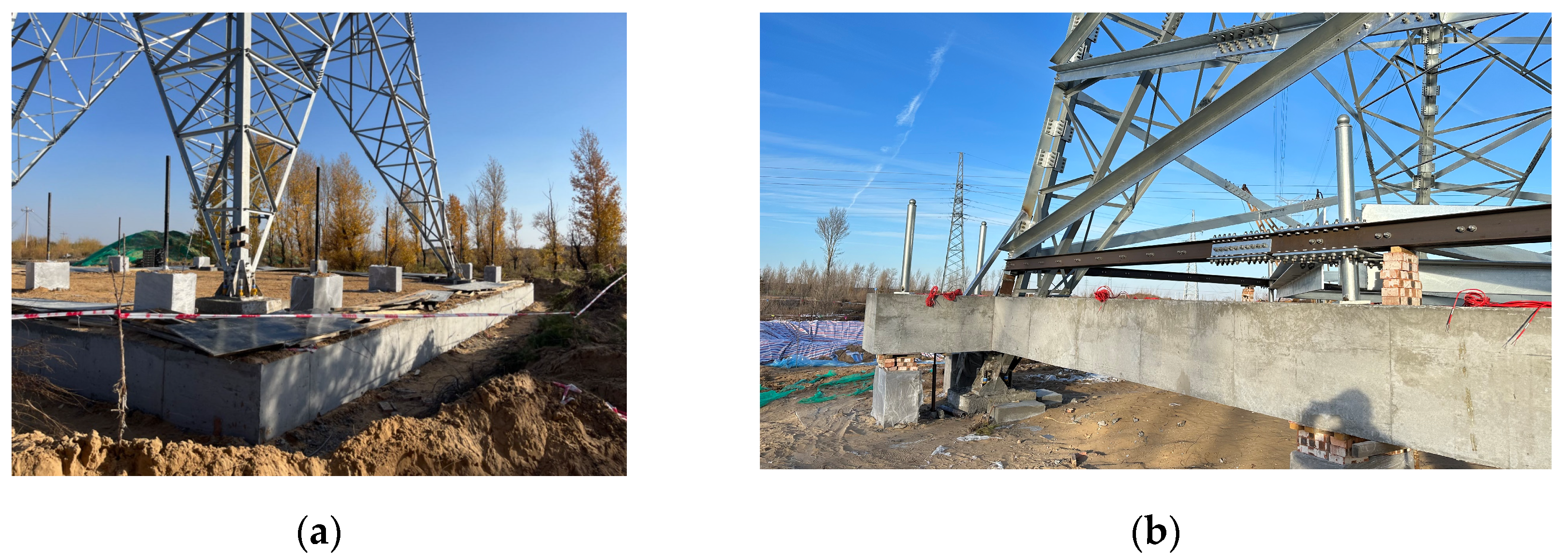
To improve the resistance of the foundation to non-uniform settlement and surface deformation, the four originally independent tower footings were reconstructed into a combined foundation system. Reinforced concrete was cast to integrate the individual footings into a single composite foundation slab, thereby enhancing overall stiffness and deformation compatibility.
The construction procedure consisted of three main steps. First, excavation and cleaning of the original footings were performed using small-scale mechanical equipment. The excavation depth was approximately 1 m, and excavation progressed from the compression side toward the tension side of the foundation. The excavation boundary was extended 1 m beyond the original footing edges. Second, reinforcement bars were implanted into the original concrete foundations, and stirrups were installed around the exterior. Longitudinal and transverse reinforcement bars were arranged along the implanted bars, and adjacent footings were mechanically connected through the reinforcement system. Concrete was then poured to form a reinforced concrete slab, as shown in Figure 14a. Third, a grid-beam structure was constructed approximately 1 m above the slab surface, with the four tower legs serving as key nodes (Figure 14b). Concrete adjustment pedestals were installed beneath the beam ends, and threaded adjustment rods were mounted at each pedestal to enable subsequent elevation control.

5.1.3. Foundation Grouting Reinforcement

The surface of the 122104 working face is covered by thick aeolian sand deposits, and the transmission tower foundation is located within a loose sandy soil layer with low mechanical strength. Under mining influence, the foundation soil is prone to cracking and differential settlement, which may lead to step-like ground fissures and sudden tower instability. To address these risks, grouting reinforcement was applied to the tower foundation and surrounding soil to improve overall strength and deformation resistance [20,21].
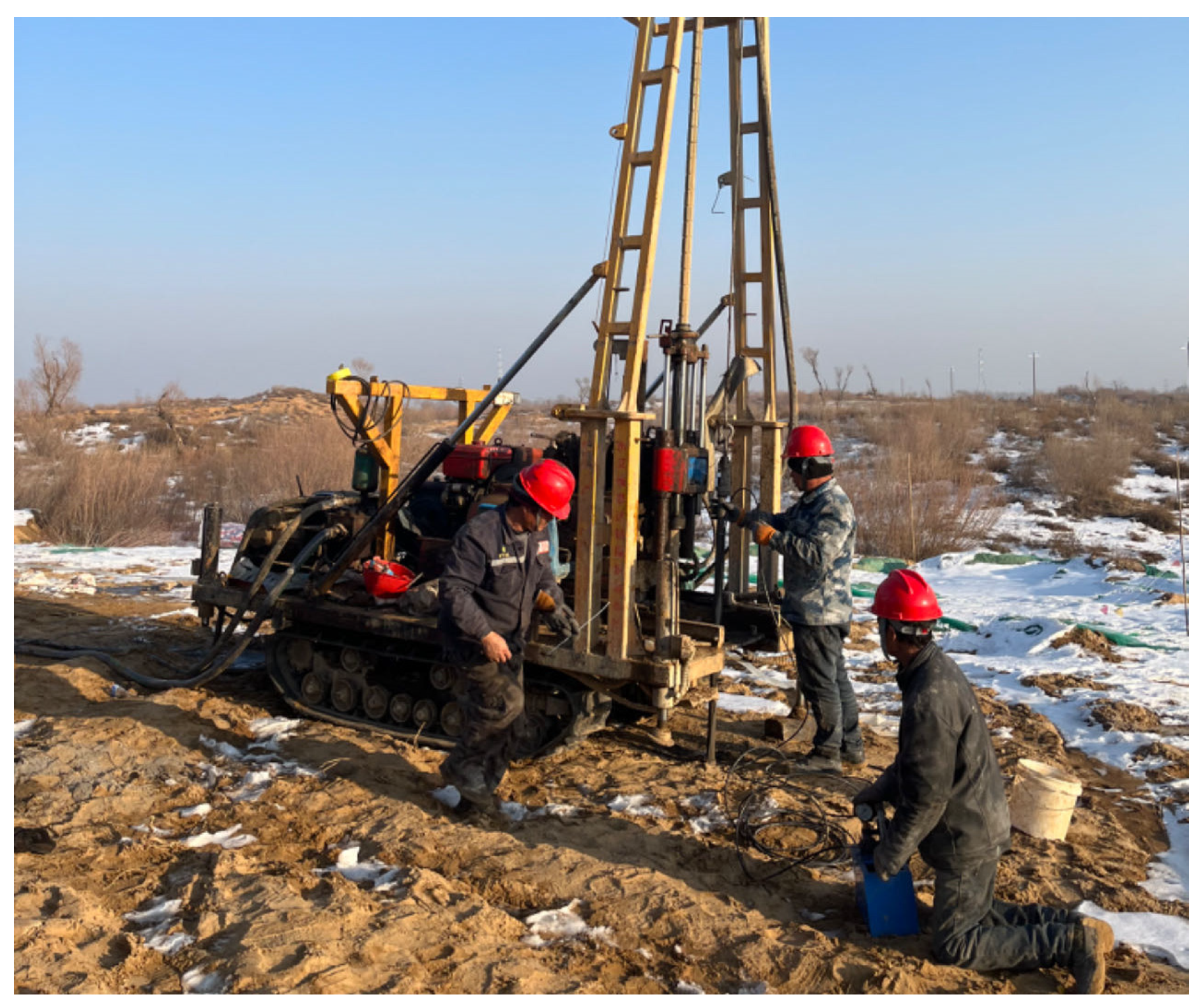
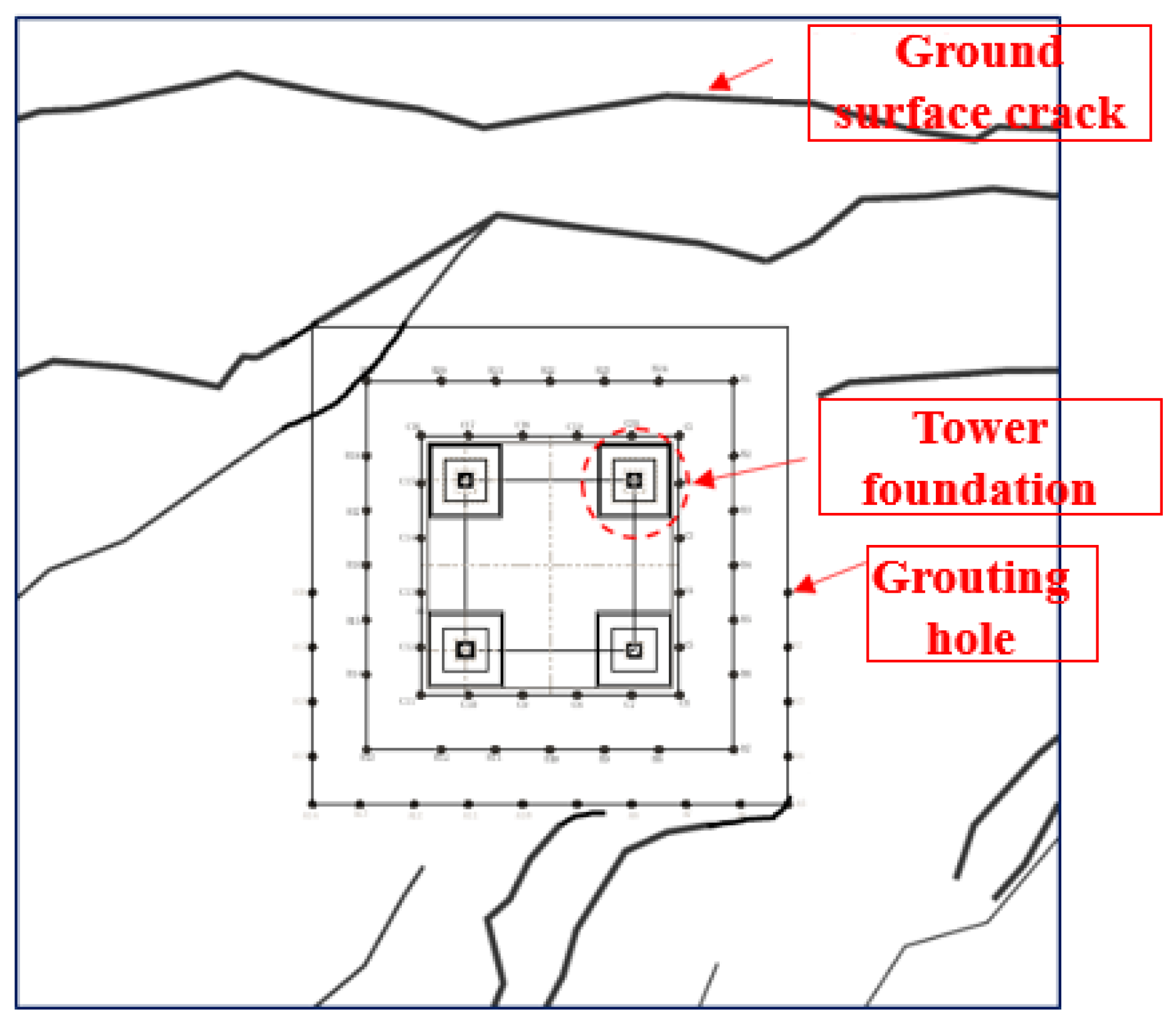
Grouting serves two primary functions. First, grout injection fills voids between sand particles, compensating for subsidence-induced volume loss and reducing differential settlement of the foundation. Second, grout solidification increases interparticle bonding, thereby enhancing the bearing capacity and integrity of the foundation soil. Considering the reinforcement depth, treatment range, and the relative position between the tower and the goaf, grouting holes were arranged in three rows with a spacing of 4 m and an inter-row distance of 3 m. The innermost row was positioned 0.5 m from the outer edge of the foundation slab. A staggered triangular layout was adopted, with 20, 24, and 18 boreholes arranged in the inner, middle, and outer rows, respectively. Grouting was conducted in an alternating sequence within each row. The planar layout of the grouting holes is shown in Figure 15.

5.1.4. Real-Time Dynamic Rectification

The straight-line transmission tower is located near the boundary of the mining subsidence basin. After reconstruction into a combined foundation, the tower tends to incline toward the center of the subsidence basin. Moreover, mining-induced degradation of soil mechanical properties reduces foundation bearing capacity and may induce overall sliding of the tower structure. Long-term inclination can also impose excessive additional stress on the grid-beam system, increasing the risk of structural damage. Therefore, dynamic rectification was implemented to maintain tower verticality.
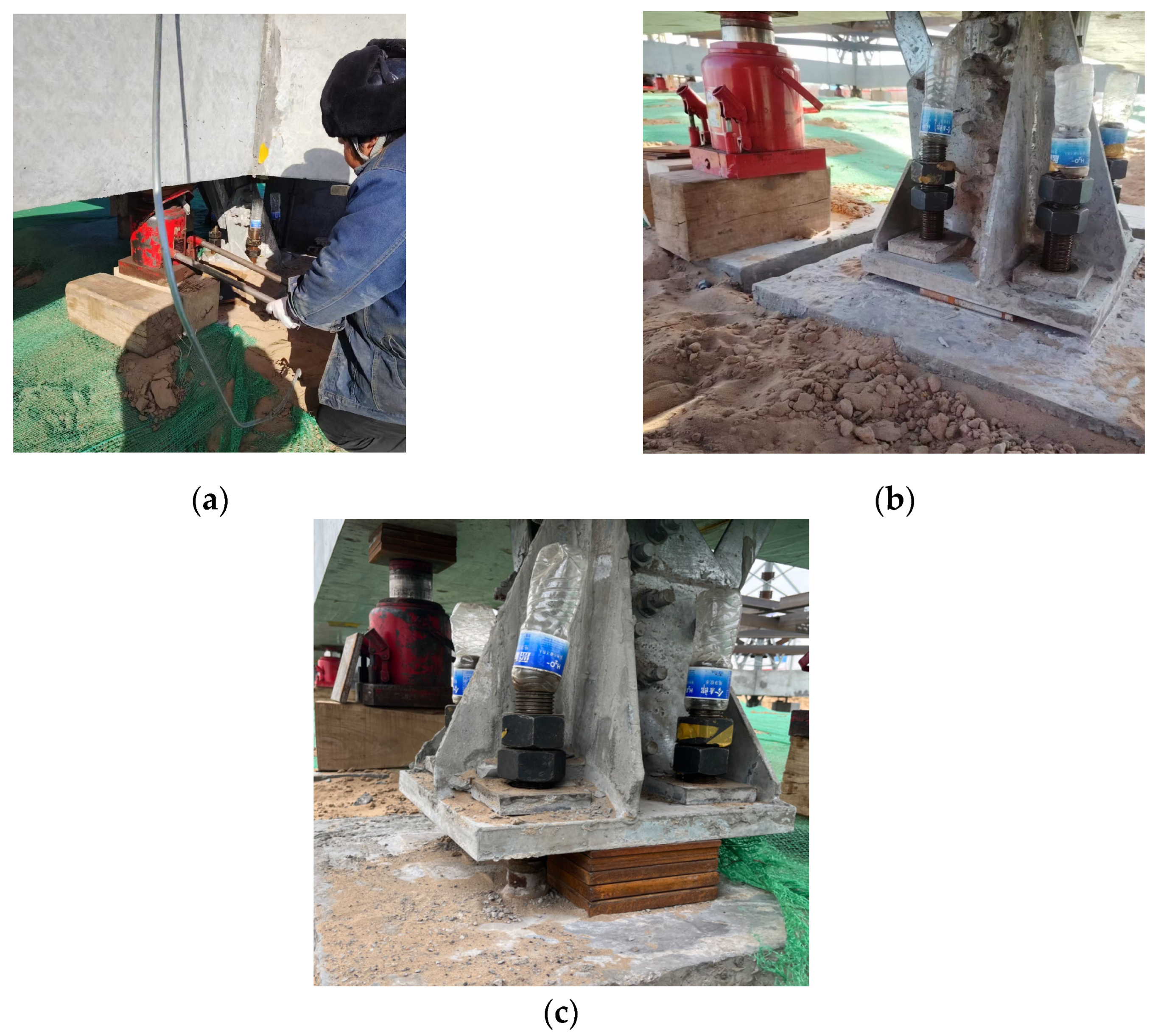
A GNSS-based monitoring system was installed at the four tower legs to continuously record horizontal and vertical displacement of the foundation [22,23]. Tower rectification was performed using a jacking method (Figure 16). Prior to jacking, the anchor bolts at the base plates were loosened. Hydraulic jacks were then used to lift the side of the foundation experiencing greater settlement. Steel shims were inserted beneath the base plates to compensate for elevation differences. After rectification was completed, the anchor bolts were retightened to secure the adjusted position.

5.2. Reinforcement Effect on Tower Structure and Foundation

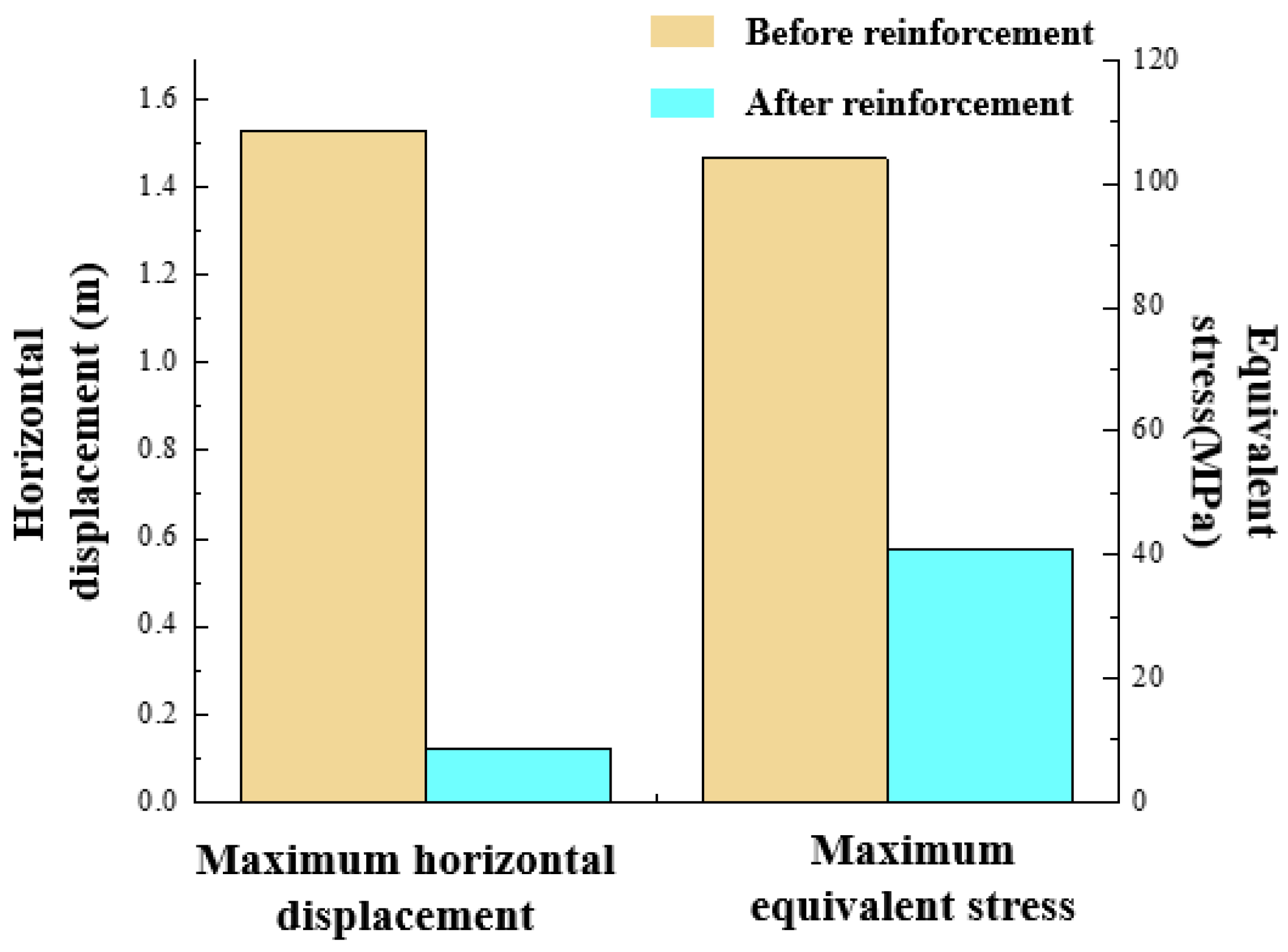
Using the numerical model established in Section 3, the improvement in structural response due to reinforcement was evaluated under the critical inclination deformation condition. Simulation results (Figure 17) indicate that, prior to reinforcement, surface inclination caused pronounced non-uniform settlement of the independent footings, resulting in elevated additional stresses and bending deformation in tower members. When these stresses exceeded material limits, localized damage occurred, potentially leading to overall tower instability.
After reinforcement, the independent footings were effectively integrated into a combined foundation, significantly reducing differential horizontal displacement. When combined with tower body reinforcement, the stress distribution within the tower structure was substantially improved, and peak stress values were markedly reduced, thereby enhancing overall structural stability.

5.3. Effectiveness of Foundation Grouting Reinforcement

Post-grouting observations (Figure 18) show that the reinforced zone and the original foundation behaved as an integrated unit during surface subsidence. The entire grouted area underwent coordinated horizontal movement and settlement toward the center of the subsidence basin, with only minor surface cracking observed. Tensile cracks were mainly concentrated near the boundary between the reinforced zone and the original sandy soil, where a stiffness contrast exists. These observations indicate that grouting effectively expanded the functional foundation area and prevented the development of large ground fissures at the foundation edges.
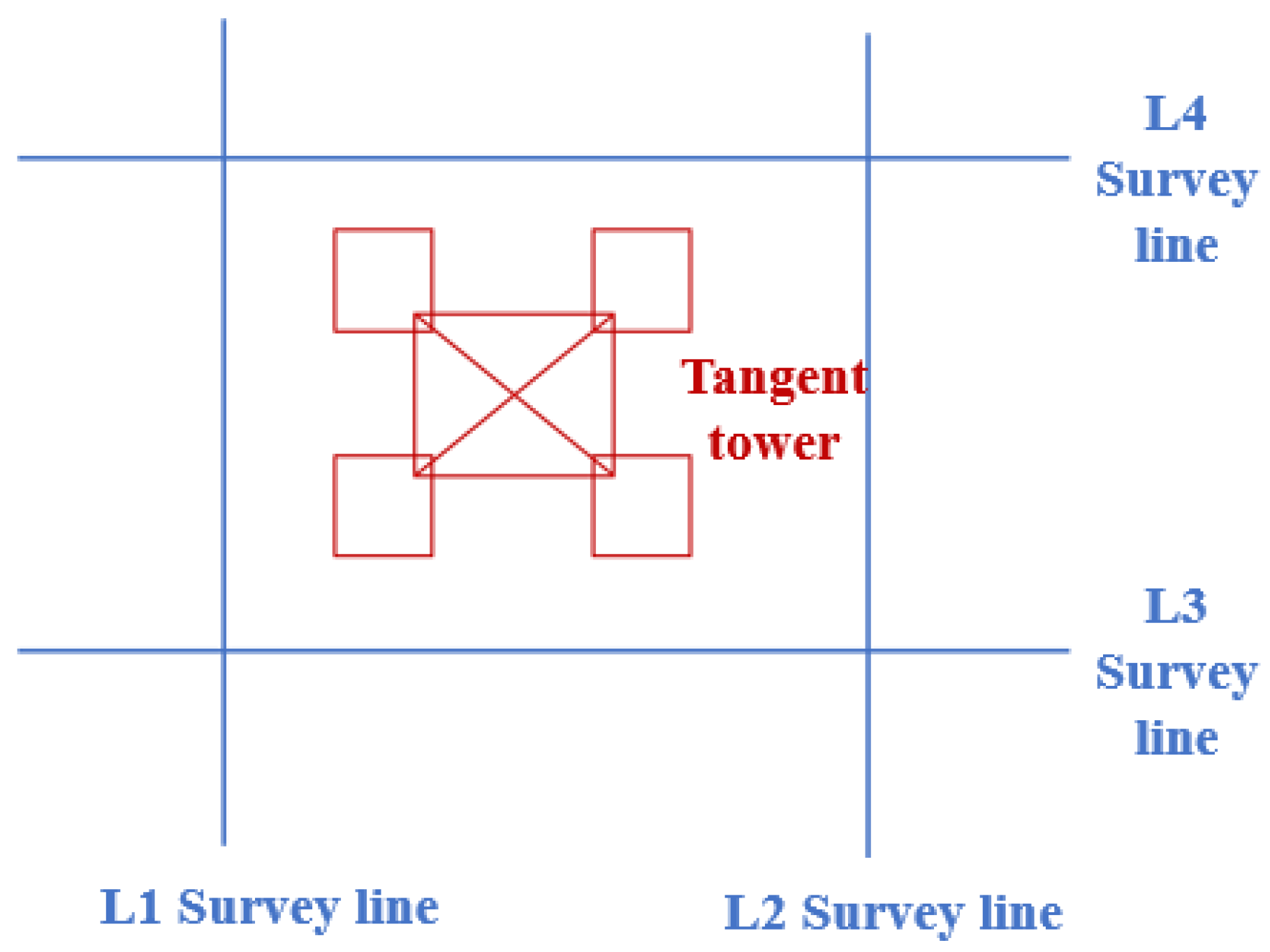
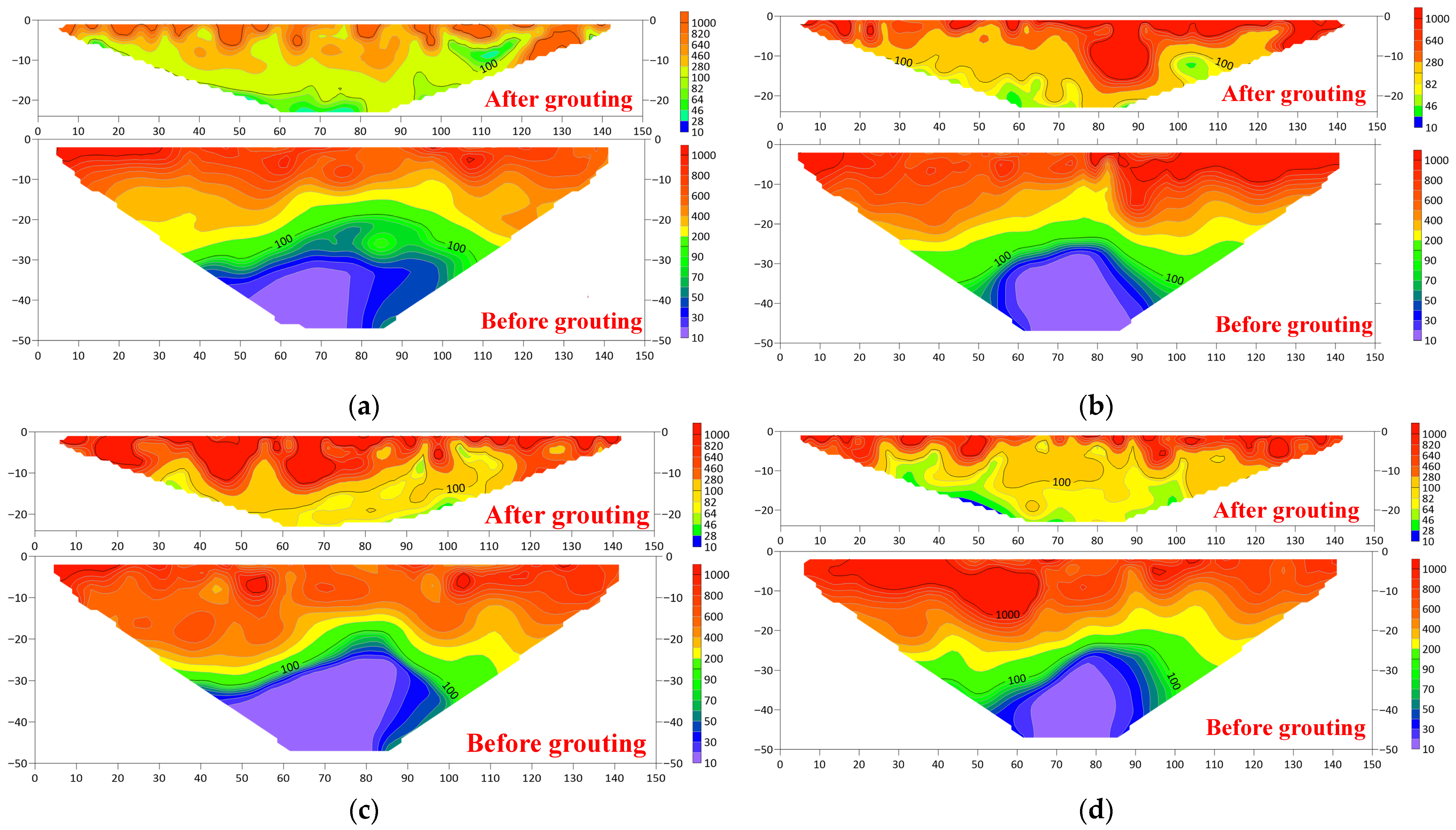
To further evaluate the effectiveness of grouting in repairing shallow subsurface fractures, high-density electrical resistivity surveys were conducted before and after grouting. Survey lines were arranged around the tower foundation, as shown in Figure 19. A comparison of the two survey stages (Figure 20) reveals a significant increase in resistivity within the depth range of 5–25 m after grouting, accompanied by improved lateral uniformity and the disappearance of enclosed low-resistivity anomalies. These results confirm that fractures and damaged zones beneath the tower were effectively filled and solidified by the grout.

5.4. Effectiveness of Dynamic Rectification

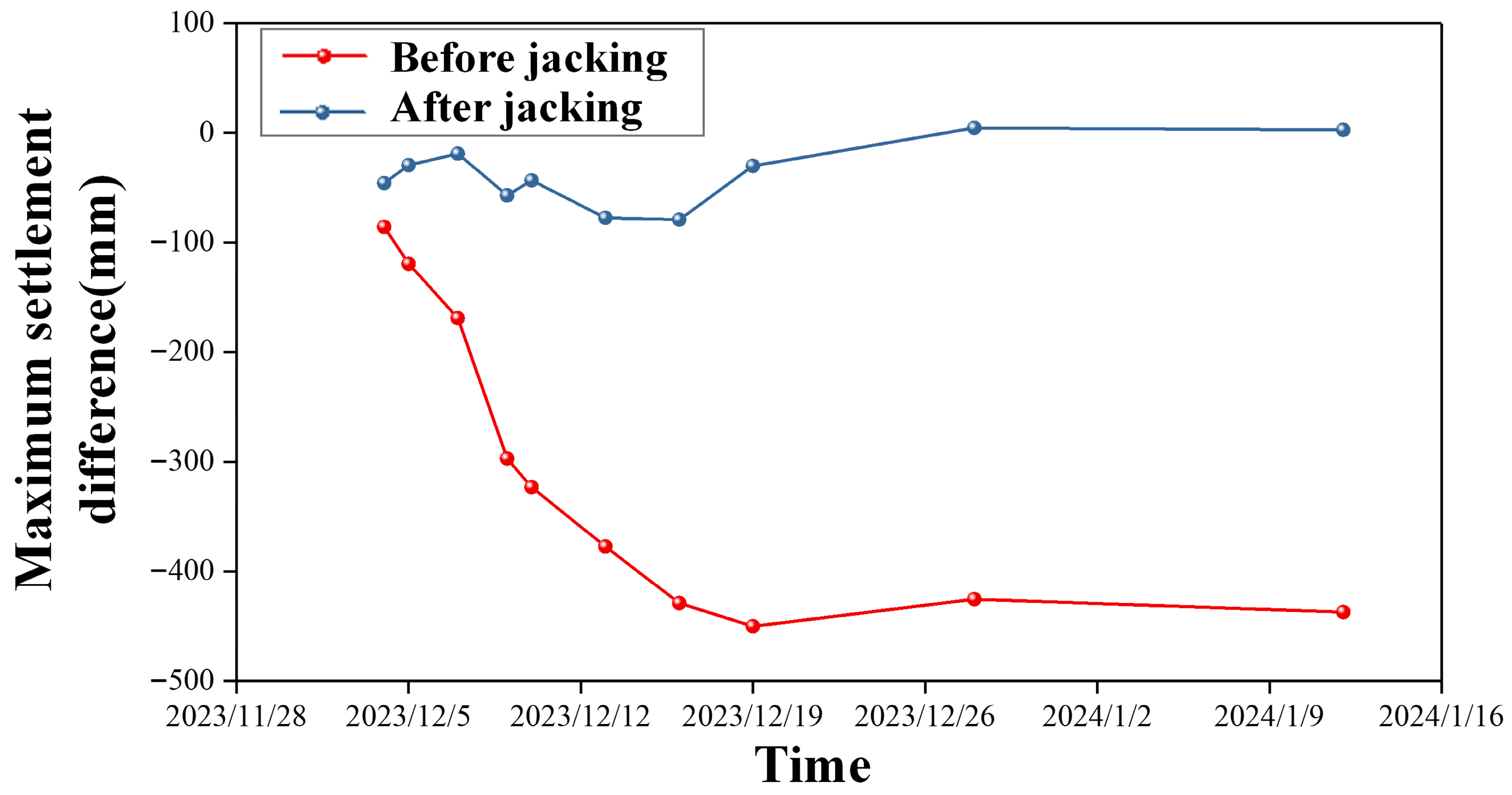
Dynamic rectification of the transmission tower commenced on 4 December 2023. GNSS monitoring data were used to compare foundation settlement before and after jacking. As shown in Figure 21, without rectification, the stabilized settlements of the four tower footings would have reached 1535.5 mm, 1579.9 mm, 2085.5 mm, and 2017.1 mm, respectively, resulting in a maximum differential settlement of approximately 550 mm and a tower inclination of up to 32‰.
After implementation of the rectification measures, differential settlement of the tower foundation was controlled within 20 mm, and the maximum tower inclination was limited to approximately 1‰. Both foundation deformation and tower inclination remained within the allowable limits for safe operation of high-voltage transmission lines.

6. Conclusions

  • An integrated surface deformation monitoring system combining UAV-based three-dimensional laser scanning for instantaneous measurements and total station–GNSS monitoring for long-term observations was established for the 122104 working face of the Caojiatan Coal Mine. This system enabled full-cycle tracking of mining-induced surface movement. The maximum surface subsidence reached 7300 mm, with a peak subsidence rate of 756.7 mm/d, while surface inclination and curvature attained 50 mm/m and 0.62 mm/m2, respectively. Severe deformation was concentrated within a zone extending approximately 300 m along the strike direction and 90–180 m along the dip direction, where subsidence exhibited a dip-symmetric distribution and gradually decreased away from the open-off cut along strike.
  • Taking the 330 kV surface transmission tower above the working face as the research object, a finite element model incorporating mining-induced surface deformation was developed. The relationships between surface inclination, horizontal compression, horizontal tension, and the maximum internal forces in tower members were quantified. The critical surface deformation thresholds leading to structural failure of the unreinforced tower were identified as 30 mm/m for inclination, −7.2 mm/m for horizontal compression, and 7.7 mm/m for horizontal tension.
  • A comprehensive protection scheme for high-voltage transmission towers under super-large mining height conditions was proposed and implemented. The scheme integrates tower body reinforcement, combined foundation reconstruction, real-time surface deformation monitoring, dynamic jacking-based rectification, and foundation grouting reinforcement. Field monitoring results demonstrate that, after reinforcement and rectification, differential settlement of the tower foundation was consistently controlled within 20 mm, and tower inclination did not exceed 1‰. The transmission tower remained in safe operation throughout the mining process, confirming the effectiveness and engineering applicability of the proposed combined protection technology.

7. Limitations

(1) The object studied in this paper is a 330 KV high-voltage tower. Due to the structural differences in other towers, deformation simulation tests need to be carried out separately to determine the specific deformation threshold.
(2) The research background is the Caojiatan Coal Mine. The research results can provide a reference for the line tower control in this area. However, due to the different strata and mining techniques in other areas, it is necessary to analyze according to local conditions to determine the surface deformation law.

Author Contributions

L.W.: Project administration, Investigation, Methodology, Resources, Writing—Original Draft, and Writing—Review and Editing. J.L.: Data Curation, Methodology, Software, Visualization, and Writing—Review and Editing. S.G.: Investigation, Methodology, Supervision, and Writing—Review and Editing. X.W.: Investigation, Software, Validation, and Writing—Review and Editing. C.Q.: Investigation, Supervision, and Writing—Review and Editing. L.Z.: Investigation, Supervision, and Writing—Review and Editing. Z.W.: Investigation, Supervision, and Writing—Review and Editing. All authors have read and agreed to the published version of the manuscript.

Funding

This research was funded by Shaanxi Shanmei Caojiatan Min Co., Ltd. grant number CKH/ZXKJ-2023-012.

Data Availability Statement

The data used to support the findings of this study are included and shown within the article.

Conflicts of Interest

Authors Lu Wang and Jinming Li are employed by the Shaanxi Shanmei Caojiatan Min Co., Ltd. Authors Shenxiang Gao and Zehui Wu are employed by the XuZhou China Mining Geotechnical Technology Co., Ltd. The remaining authors declare that the research was conducted in the absence of any commercial or financial relationships that could be construed as a potential conflict of interest. The authors declare that this study received funding from Shaanxi Shanmei Caojiatan Min Co., Ltd. The funder was not involved in the study design, collection, analysis, interpretation of data, the writing of this article or the decision to submit it for publication.

References

  1. Guo, W.; Deng, K. Status and Prospects of Mining Damage and Protection Technology of High Voltage Transmission Line Iron Tower. In Centennial Mining Development Forum, School of Energy Science and Engineering, Henan Polytechnic University; Henan Polytechnic University: Jiaozuo, China, 2009. [Google Scholar] [CrossRef]
  2. Liu, W. Experimental study on protecting high voltage electric power lines by grouting separated strata zone in overburden. J. China Coal Soc. 2001, 26, 236–239. [Google Scholar] [CrossRef]
  3. Xue, J.; Dong, B.; Ren, C. Application of top coal caving technology in super thick coal seam mining through the surface high voltage wire tower. Coal Eng. 2017, 49, 167–174. [Google Scholar]
  4. Li, D.; Zhong, C.; Zha, J. Deformation extraction analysis of high voltage tower in mining area based on laser scanning technology. Coal Eng. 2018, 50, 115–118. [Google Scholar]
  5. Cai, L.; Liu, Y.; Meng, W.; Xu, Z.; Wang, S. High-voltage power lines pylons foundation subsidence dynamic prediction and monitoring method in mining area. Metal Mine 2016, 3, 168–171. [Google Scholar]
  6. Zha, J.; Guo, G.; Di, L.; Liu, B. A study on safety measures of mine under high voltage transmission line. Ground Press. Strat. Control. 2005, 112–114. [Google Scholar]
  7. Li, F.; Guo, G.; Deng, K. Prediction method for influence of mining subsidence on overhead power transmission line and its application. Min. Saf. Environ. Prot. 2002, 29, 18–20+67. [Google Scholar]
  8. Yuan, G.; Zhang, Y.; Chen, J.; Shu, Q.J. Reliability Assessment of Transmission Tower in Mining Subsidence Area. Power Syst. Technol. 2010, 34, 214–248. [Google Scholar] [CrossRef]
  9. Yuan, G.; Chen, J.; Yang, G.; Liu, T.; Guo, G. Influence of dynamic ground deformation on internal force and structural deformation of transmission towers. J. Hohai Univ. (Nat. Sci.) 2010, 38, 284–289. [Google Scholar]
  10. Zhou, J.; Ma, W.; Yuan, G.; Mu, Z. Research on the influence of ground surface deformation on the wind resistance of transmission tower in mining subsidence area. Ind. Constr. 2017, 47, 96–100. [Google Scholar] [CrossRef]
  11. Guo, W.; Zheng, B. Study of coal caving mining under the steel tower of high-voltage transmission line and its safety. J. Min. Saf. Eng. 2011, 28, 267–272. [Google Scholar]
  12. Jiang, H.; Xie, J.; Zhang, B.; Peng, F.; Guo, L. Analysis modeling and performance evaluation of the bearing capacity of the transmission tower in goaf areas. Power Syst. Clean Energy 2015, 31, 7–15. [Google Scholar]
  13. Yang, F. Impact effect analysis on transmission tower structures with the foundation deformation in mining subsidence areas. J. Vib. Shock 2018, 37, 181–186+195. [Google Scholar] [CrossRef]
  14. Zhu, H. Study on Instability Characteristics and Safety Evaluation System of High-Voltage Transmission Towers in Goaf Sites. Master’s Thesis, Henan Polytechnic University, Jiaozuo, China, 2022. [Google Scholar] [CrossRef]
  15. Wen, X.; Li, X.; Wang, R.; Wang, S. Safety Analysis of Coal Seam Surface High Voltage Transmission Tower under Deep Paste Filling. Coal Technol. 2018, 37, 13–16. [Google Scholar] [CrossRef]
  16. Wang, Y.; Zhao, J. Application of High Water Local Filling on Coal Face. Coal 2018, 27, 23–25. [Google Scholar]
  17. Yong, Q. Study on Synergistic Interaction Model of High-Voltage Transmission Towers Under Mining Influence and Its Application. Ph.D. Thesis, Henan Polytechnic University, Jiaozuo, China, 2012. [Google Scholar]
  18. Wang, X.; Qiao, L.; Sun, X. Stability Numerical Simulation of Transmission Tower Foundation above Goaf Area. Metal Mine 2008, 110–113+143. [Google Scholar]
  19. Zhao, B.; Zhao, Y.; Feng, J.; Wang, J.; Feng, X. Research on the collaborative deformation law of mining surface and transmission line tower slab foundation. J. Min. Saf. Eng. 2024, 41, 472–480. [Google Scholar] [CrossRef]
  20. Guo, W.; Zhao, G.; Yang, W.; Jiao, Y.; Ma, Z.; Chen, X. Deformation characteristics of high-rise structures due to coal mining and their precise grouting reinforcement mechanisms. J. China Coal Soc. 2022, 47, 1908–1920. [Google Scholar] [CrossRef]
  21. Yin, W. Study on Local Backfilling Mining Technology for the 1110 Working Face Under High-Voltage Transmission Towers in Sima Coal Mine. Master’s Thesis, Northeastern University, Shenyang, China, 2020. [Google Scholar] [CrossRef]
  22. Wang, F.; Zhai, W.; Zhao, S.; Man, J. A novel unsupervised PINN framework with dynamically self-adaptive strategy for solid mechanics. J. Comput. Phys. 2025, 542, 114373. [Google Scholar] [CrossRef]
  23. Zhai, W.; Wang, F.; Faramarzi, A.; Metje, N. Model-free data-driven computational analysis for soil consolidation problems. Int. J. Numer. Anal. Methods Geomech. 2025, 50, 1166–1175. [Google Scholar] [CrossRef]
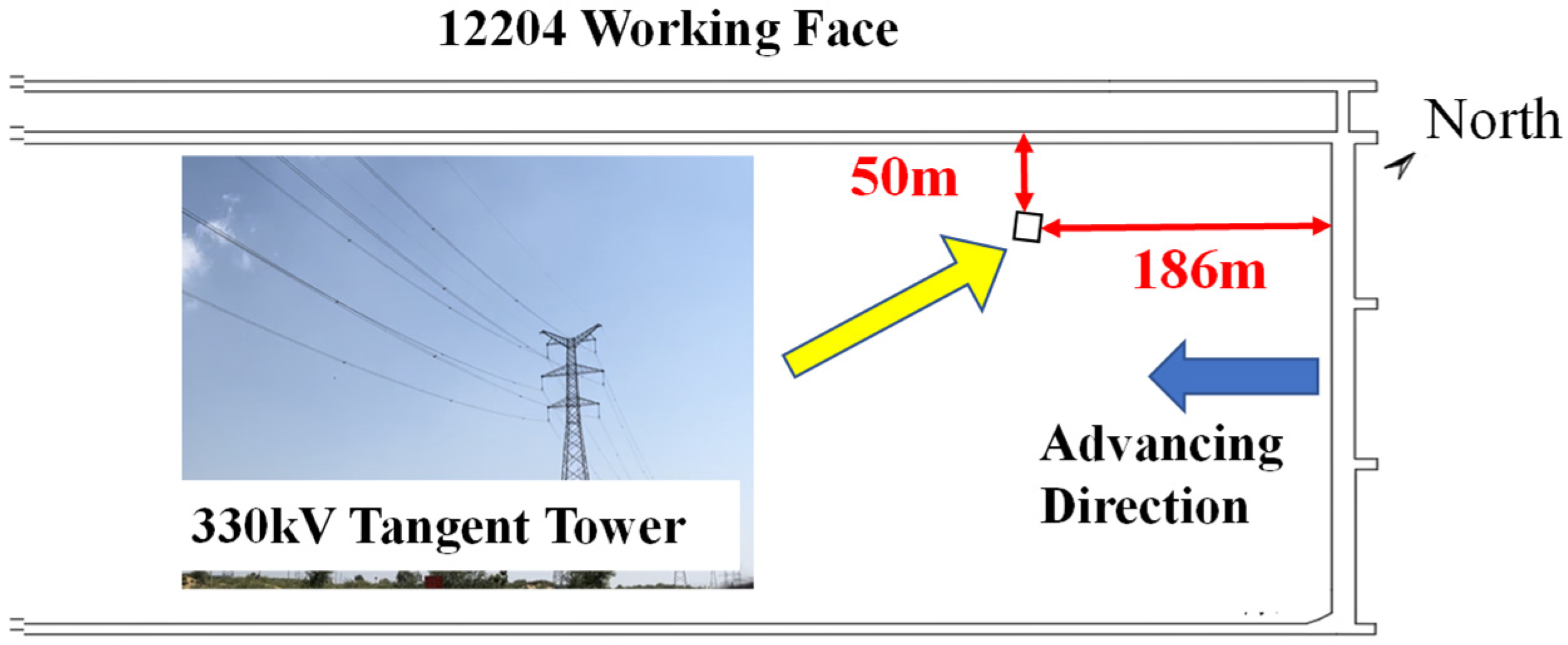
Figure 1. Surface line tower of the 122104 working face.
Processes 14 00443 g001
Figure 2. Instantaneous monitoring equipment diagram: (a) survey camera mounted on unmanned aerial vehicle (UAV); (b) unmanned aerial vehicle (UAV) flight path.
Processes 14 00443 g002
Figure 3. Long-term monitoring station layout and equipment schematic diagram: (a) observation station layout; (b) GNSS.
Processes 14 00443 g003
Figure 4. Mining surface deformation characteristics: (a) ground surface subsidence; (b) ground surface inclination; and (c) ground surface curvature.
Processes 14 00443 g004
Figure 5. Variation law of subsidence.
Processes 14 00443 g005
Figure 6. Tilt change rule.
Processes 14 00443 g006
Figure 7. Curvature variation.
Processes 14 00443 g007
Figure 8. Tower finite element model: (a) 3D model; (b) actual transmission tower.
Processes 14 00443 g008
Figure 9. Schematic diagram of displacement loading: (a) inclination deformation, (b) compression deformation, and (c) tensile deformation.
Processes 14 00443 g009
Figure 10. Relation between the maximum stress value generated by the tower under different working conditions and the surface deformation value: (a) inclination deformation, (b) compression deformation, and (c) tensile deformation.
Processes 14 00443 g010
Figure 11. Stress distribution characteristics of tower members under different critical conditions: (a) inclination deformation, (b) compression deformation, and (c) tensile deformation.
Processes 14 00443 g011
Figure 12. Transformation of high-voltage line tower foundations and tower body structures: (a) tower body reinforcement, (b) tower foundation combination, (c) foundation reinforcement, and (d) real-time deviation correction.
Processes 14 00443 g012
Figure 13. Reinforcement of the tower body by a steel package.
Processes 14 00443 g013
Figure 14. Tower-base combination: (a) reinforced concrete slab, (b) grillage beam.
Processes 14 00443 g014
Figure 15. Field grouting in the tower foundation area.
Processes 14 00443 g015
Figure 16. Schematic of rectifying device: (a) jack lifting, (b) loosening the foot plate, and (c) adding gaskets.
Processes 14 00443 g016
Figure 17. Reinforcement effect of the line tower.
Processes 14 00443 g017
Figure 18. Distribution of ground cracks around the tower.
Processes 14 00443 g018
Figure 19. Layout of high-density electrical measurement lines.
Processes 14 00443 g019
Figure 20. High-density electrical detection results: (a) L1 survey line, (b) L2 survey line, (c) L3 survey line, and (d) L4 survey line.
Processes 14 00443 g020
Figure 21. Comparison of the maximum settlement difference in the tower before and after jacking.
Processes 14 00443 g021
Table 1. Conditions of the coal seam, roof, and floor in the 122104 working face.
Roof and FloorCategoryLithologyThickness (m)
Main RoofMedium-grained Sandstone16.9
Immediate RoofSiltstone21.7
2-2 CoalCoal10.5
Immediate FloorSiltstone6.31
Main FloorFine-grained Sandstone8
Table 2. Specific parameters of the model.
Base SpacingHeight
m
Component MaterialSteel Density KG/m3Steel Elastic Modulus PaSteel Poisson’s Ratio
1372Q345
Q235
7.85 × 1032.06 × 10110.3
Table 3. Constraint conditions of tower feet.
Working ConditionConstraint Condition
Inclination DeformationTower Foot 1 and Tower Foot 2 are fixed with ROTY released; Tower Foot 3 and Tower Foot 4 have UY and ROTZ released, and UZ < 0
Compression DeformationTower Foot 1 and Tower Foot 2 are fixed; Tower Foot 3 and Tower Foot 4 have UY released, and UY < 0
Tensile DeformationTower Foot 1 and Tower Foot 2 are fixed; Tower Foot 3 and Tower Foot 4 have UY released, and UY > 0
Table 4. Simulation schemes of different working conditions.
Working Condition 1 Deformation Amount (mm/m)Working Condition 2Deformation Amount (mm/m)Working Condition 3Deformation Amount (mm/m)
Inclination Deformation3, 6, 10, 15, 20, 30, 40, 50, 60, 70, 80, 90Compression Deformation−2, −4, −6, −8, −10, −12, −14, −16, −18, −20Tensile Deformation1, 2, 3, 4, 6, 8, 10, 12
Disclaimer/Publisher’s Note: The statements, opinions and data contained in all publications are solely those of the individual author(s) and contributor(s) and not of MDPI and/or the editor(s). MDPI and/or the editor(s) disclaim responsibility for any injury to people or property resulting from any ideas, methods, instructions or products referred to in the content.