-
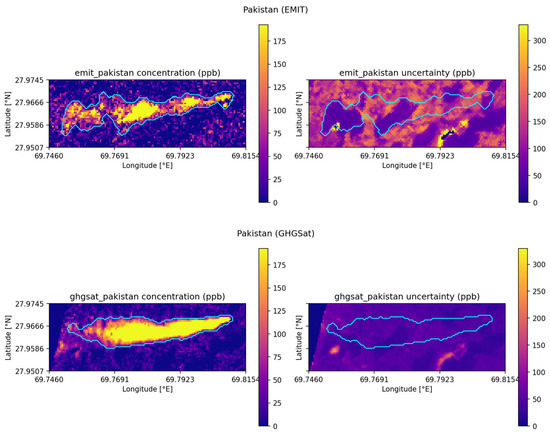
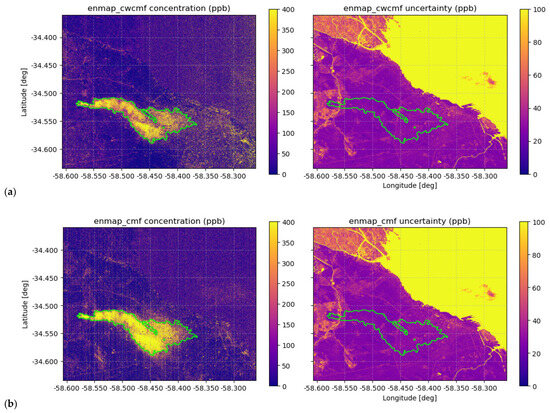
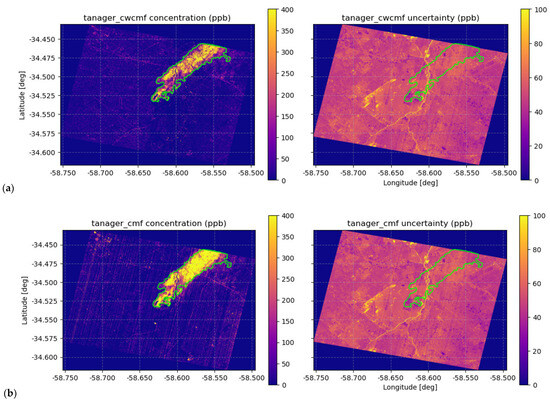
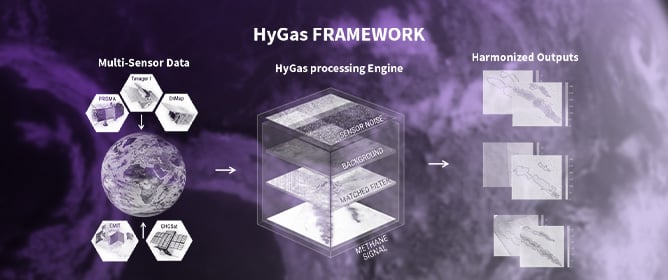
A Multi-Sensor Framework for Methane Detection and Flux Estimation with Scale-Aware Plume Segmentation and Uncertainty Propagation from High-Resolution Spaceborne Imaging Spectrometers -
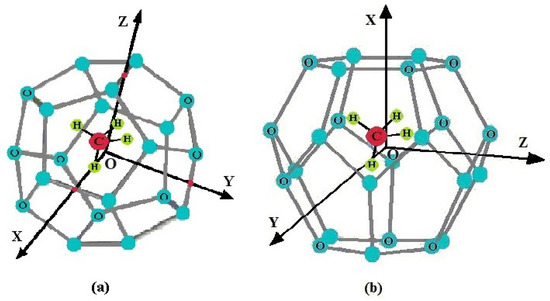
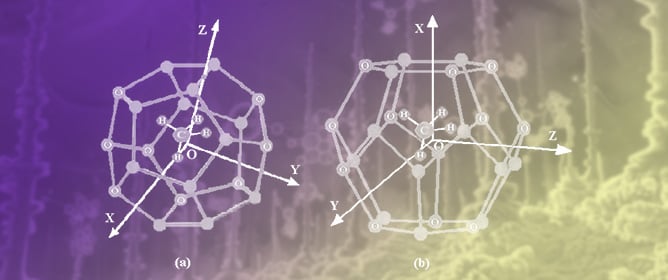
A Theoretical Proposal to Localize and Determine the Amount of Methane, Ammonia and Carbon Dioxide in Nano-Cages of Water Clathrate Through the Space Infrared Spectroscopic Observations -
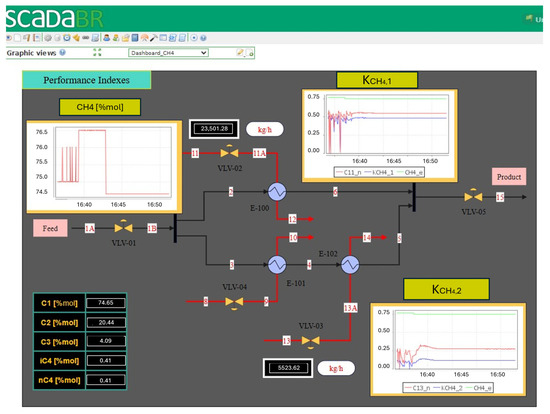
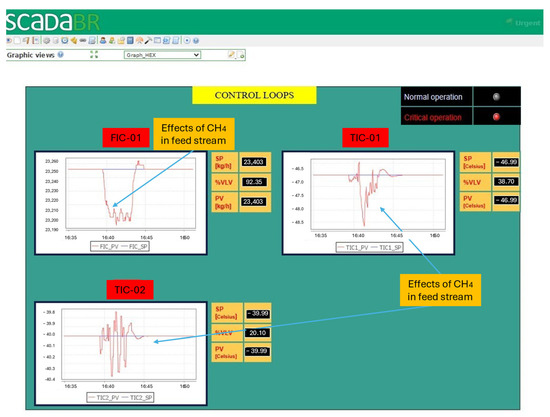
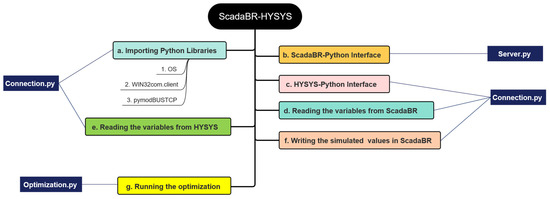
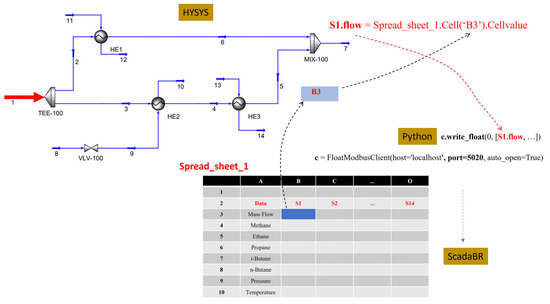
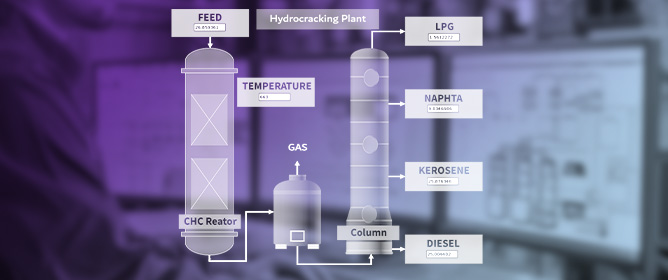
Supervisory Monitoring and Control Using Chemical Process Simulators and SCADA Systems
Journal Description
Methane
Methane
is an international, peer-reviewed, open access journal on all aspects of methane published quarterly online by MDPI.
- Open Access— free for readers, with article processing charges (APC) paid by authors or their institutions.
- High Visibility: indexed within Scopus and other databases.
- Journal Rank: CiteScore - Q2 (General Energy)
- Rapid Publication: manuscripts are peer-reviewed and a first decision is provided to authors approximately 18.8 days after submission; acceptance to publication is undertaken in 5.6 days (median values for papers published in this journal in the second half of 2025).
- Recognition of Reviewers: APC discount vouchers, optional signed peer review, and reviewer names published annually in the journal.
- Journal Cluster of Energy and Fuels: Energies, Batteries, Hydrogen, Biomass, Electricity, Wind, Fuels, Gases, Solar, ESA, Bioresources and Bioproducts and Methane.
Latest Articles
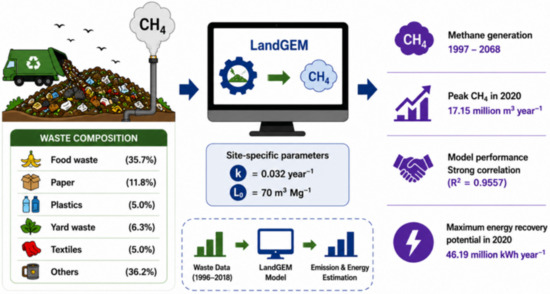
Modeling of CH4 Emission and Assessment of Energy Potential: A Case Study of Okhla Landfill, South Delhi
Methane 2026, 5(2), 18; https://doi.org/10.3390/methane5020018 - 11 Jun 2026
Abstract
Municipal solid waste (MSW) landfills are major sources of greenhouse gas (GHG) emissions, particularly methane (CH4), which possesses a significantly higher global warming potential than carbon dioxide (CO2). This study evaluates methane emission and energy recovery potential from the
[...] Read more.
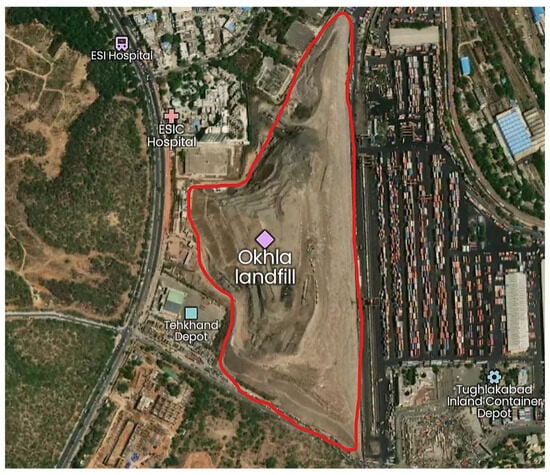
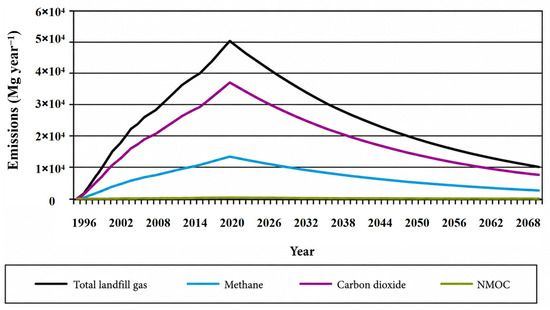
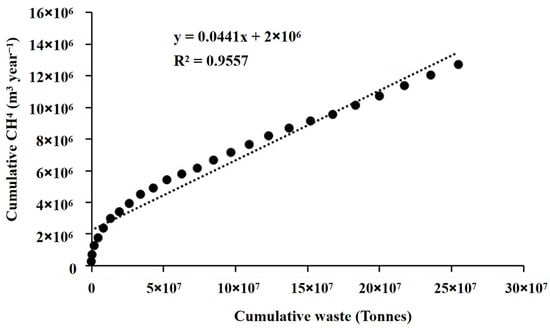
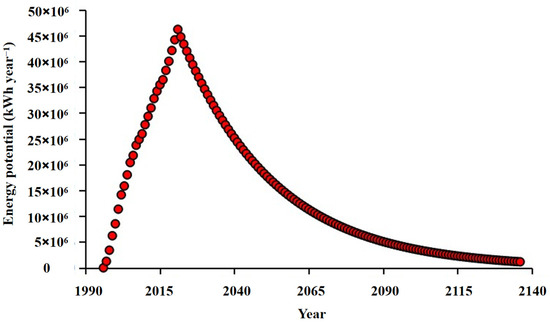
Municipal solid waste (MSW) landfills are major sources of greenhouse gas (GHG) emissions, particularly methane (CH4), which possesses a significantly higher global warming potential than carbon dioxide (CO2). This study evaluates methane emission and energy recovery potential from the Okhla landfill site, South Delhi, India, using the Landfill Gas Emissions Model (LandGEM). Site-specific model parameters suitable for Indian landfill conditions (k = 0.032 year−1 and L0 = 70 m3 Mg−1) were incorporated to improve prediction accuracy. The results showed that methane generation initiated in 1997 and is expected to continue until 2068. Peak methane emission of approximately 17.15 million m3 year−1 was observed in 2020 due to rapid degradation of the biodegradable organic fraction, especially food waste. The corresponding peak total landfill gas (LFG) and CO2 emissions were approximately 35.43 million m3 year−1 and 17.71 million m3 year−1, respectively. A strong correlation (R2 = 0.9557) between cumulative waste deposition and methane generation confirmed model reliability. The estimated maximum energy recovery potential was approximately 46.19 million kWh year−1. The study further discusses the applicability of the LandGEM under non-engineered landfill conditions commonly observed in developing countries. Overall, the findings emphasize the importance of methane recovery for greenhouse gas mitigation, sustainable waste management, and renewable energy generation in urban landfill systems.
Full article
(This article belongs to the Special Issue 250 Years of Methane: From Discovery to Global Challenges)
►
Show Figures
Open AccessFeature PaperArticle
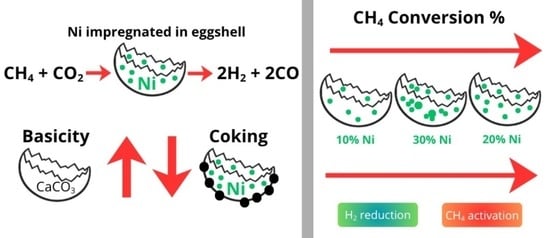
H2 Production by Dry Reforming of Methane over Ni Catalysts Supported on Waste Eggshell
by
Isabele Giordani Wenzel and Oscar W. Perez-Lopez
Methane 2026, 5(2), 17; https://doi.org/10.3390/methane5020017 - 8 Jun 2026
Abstract
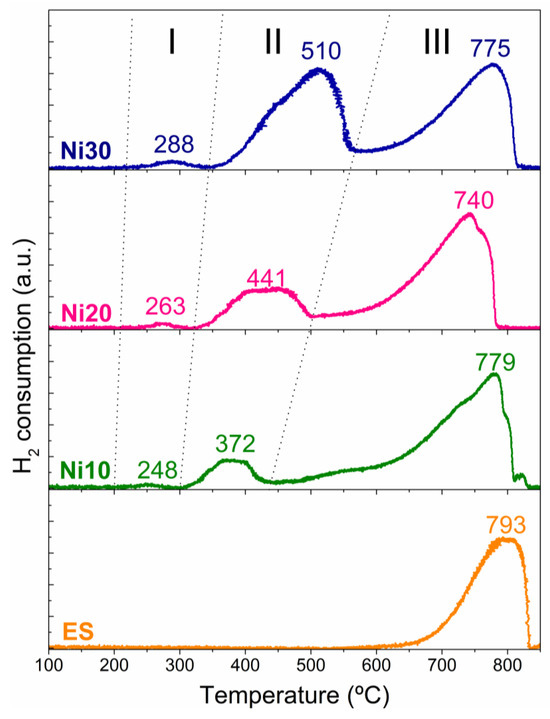
The use of waste eggshell as a support material for nickel catalysts in the dry reforming of methane (DRM) aims to enhance hydrogen production while controlling catalyst deactivation caused by carbon deposition. Catalyst samples were prepared by wet impregnation and characterized by N
[...] Read more.
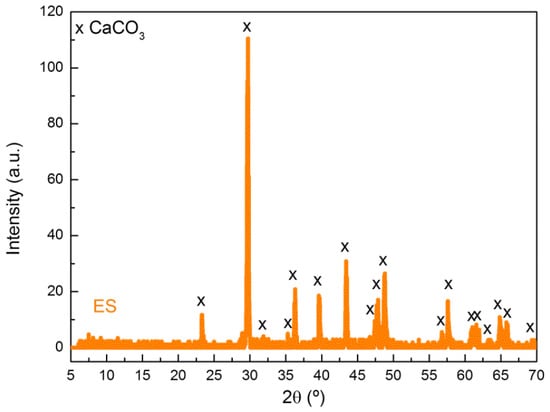
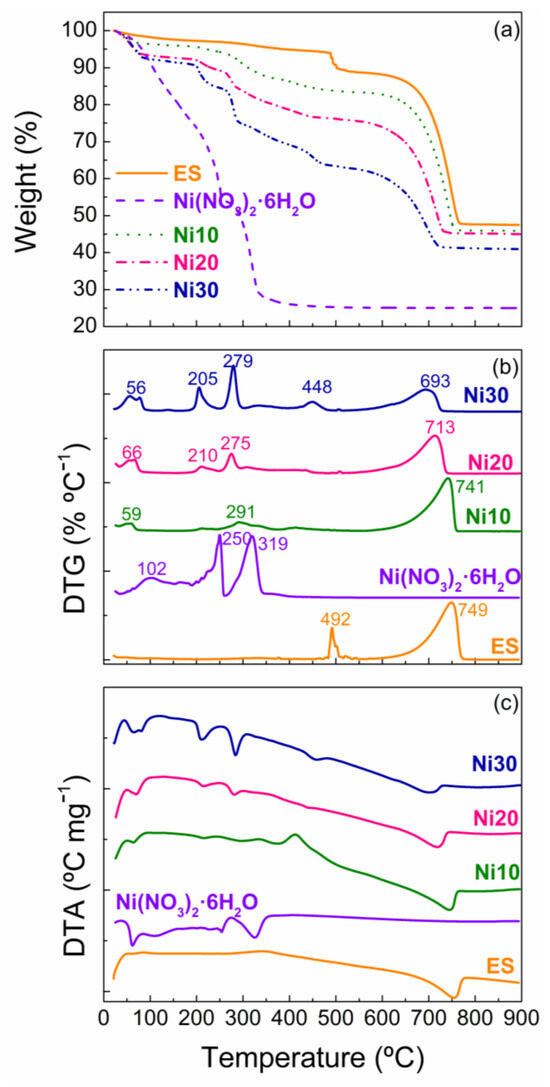
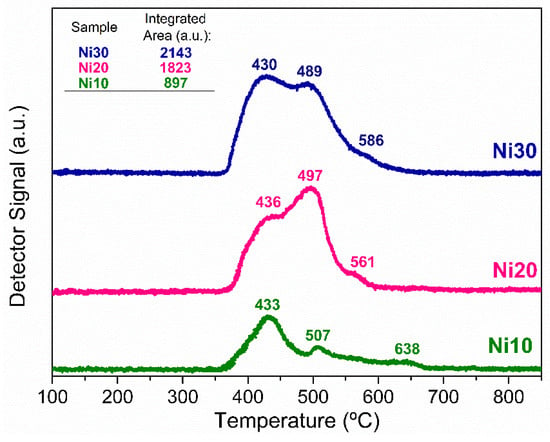
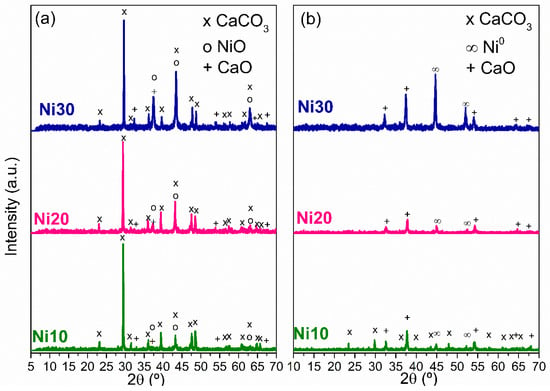
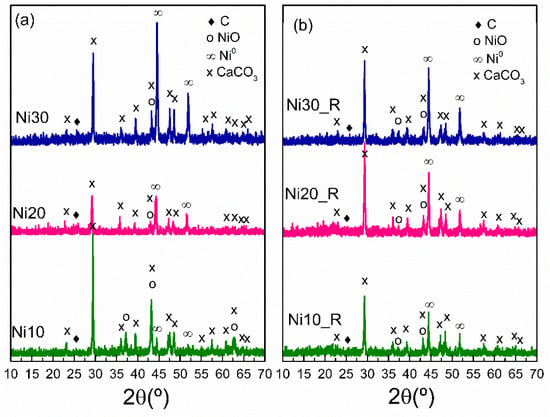
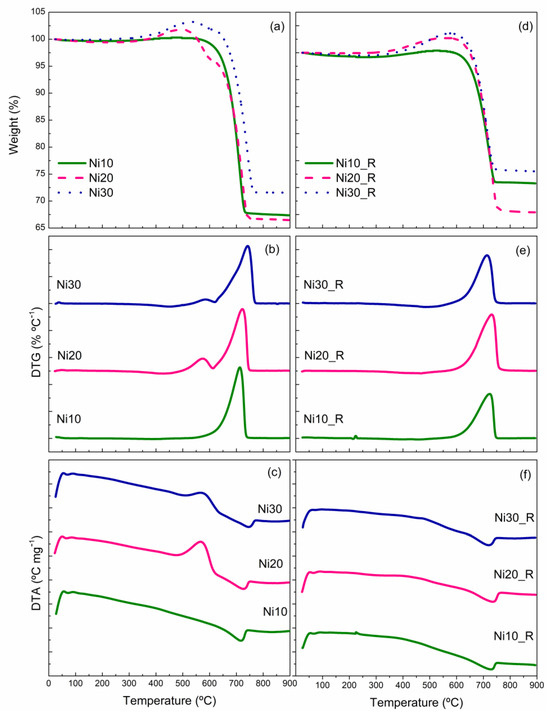
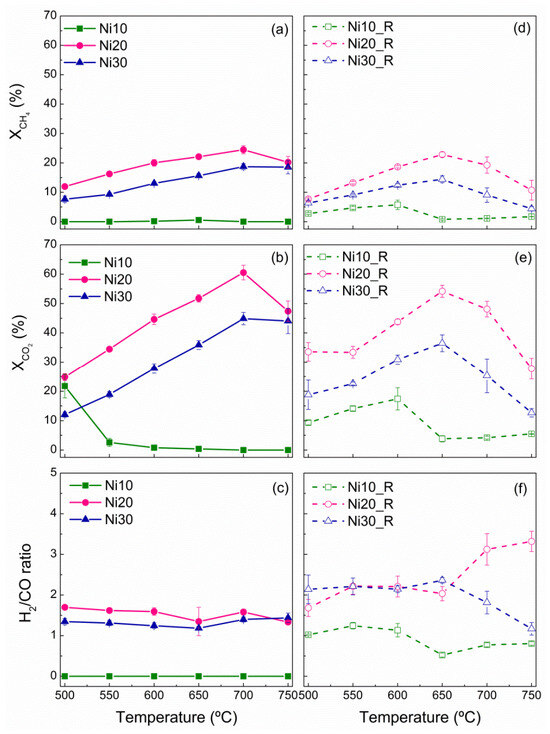
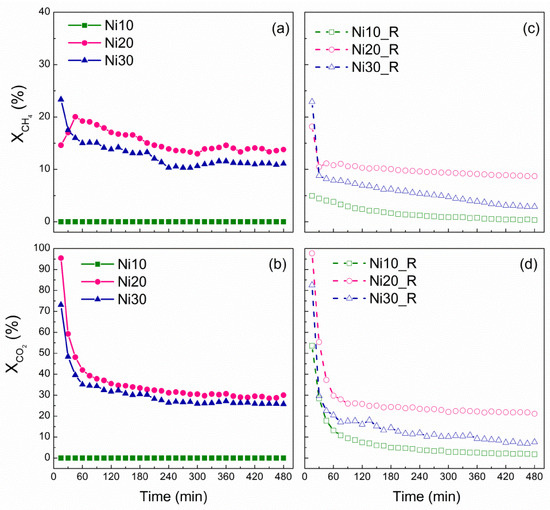
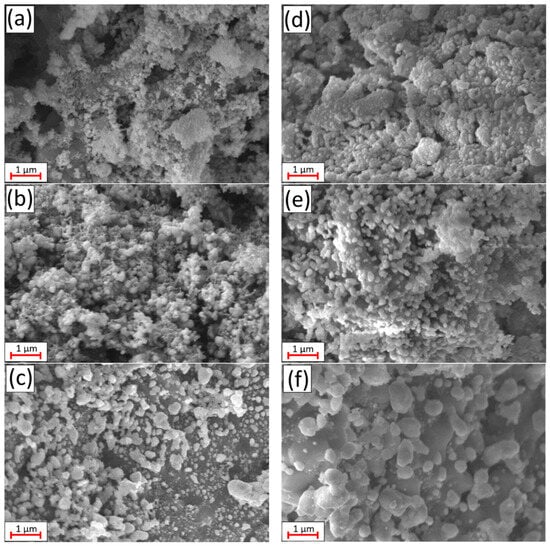
The use of waste eggshell as a support material for nickel catalysts in the dry reforming of methane (DRM) aims to enhance hydrogen production while controlling catalyst deactivation caused by carbon deposition. Catalyst samples were prepared by wet impregnation and characterized by N2 adsorption–desorption measurements, X-ray diffractometry (XRD), thermogravimetric analysis (TGA), temperature-programmed reduction, desorption of CO2 and oxidation (H2-TPR, CO2-TPD and TPO), and scanning electron microscopy (SEM). Catalyst activity experiments were conducted at temperatures ranging from 500 to 750 °C, with both reduced and unreduced samples, utilizing a 1.5:1 mixture of CH4 and CO2 in a fixed-bed reactor, accompanied by online gas chromatography for analysis. By employing a low calcination temperature (500 °C), the integrity of the eggshell support was maintained. The Ni20 catalyst, with an intermediate nickel loading, exhibited the highest CH4 (24.5%) and CO2 (60.5%) conversion and showed minimal carbon formation. Notably, the basicity of the eggshell support contributed to the suppression of carbon deposition, as evidenced by the TPO and SEM analyses. The results suggest that the inherent basicity of the eggshell enhances catalyst resistance to coking while also contributing to the mitigation of eggshell waste.
Full article
(This article belongs to the Special Issue From Methane to Hydrogen: Innovations and Implications)
►▼
Show Figures

Graphical abstract
Open AccessReview
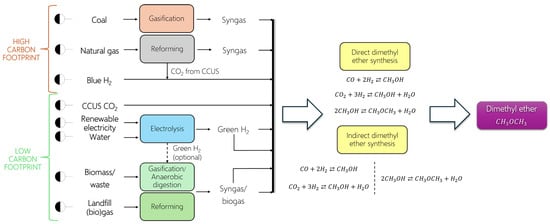
A Narrative Review of Dimethyl Ether Production Technologies with a Focus on Landfill Biogas Potential as Feedstock
by
Domingo Cabrera-Gallardo, Maria Camila Quintero-Quintana, Francisco M. Baena-Moreno, Mónica Rodríguez-Galán and Fernando Vidal-Barrero
Methane 2026, 5(2), 16; https://doi.org/10.3390/methane5020016 - 28 May 2026
Abstract
►▼
Show Figures
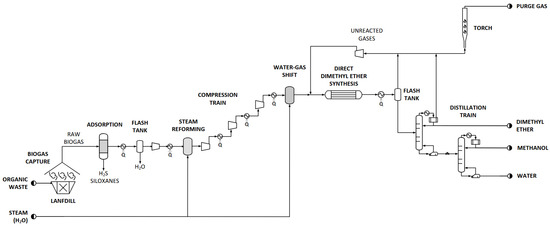
Following the rising global demand for sustainable solutions within the chemical industry, this narrative review evaluates dimethyl ether (DME) production routes focusing on both economic performance and environmental sustainability. Special focus is given to landfill biogas (LFB) as a source to obtain DME.
[...] Read more.
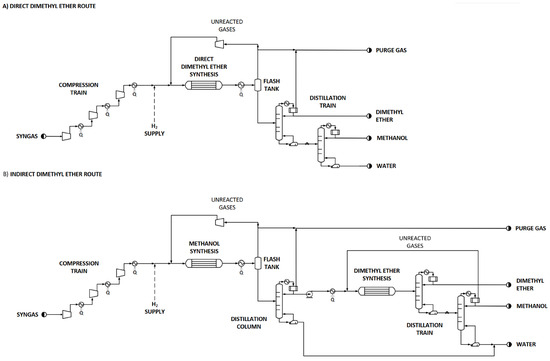
Following the rising global demand for sustainable solutions within the chemical industry, this narrative review evaluates dimethyl ether (DME) production routes focusing on both economic performance and environmental sustainability. Special focus is given to landfill biogas (LFB) as a source to obtain DME. Assessment was performed through narrative comparison of facility capacity, DME pricing, environmental impacts, and Technology Readiness Level (TRL). Studies from 2015 onwards are considered, unless well-established methods are referenced. We searched for industrial-scale studies reporting economic viability and techno-economic-environmental feasibility, including modeling plants, government reports, and conference papers in English. Two primary routes for DME synthesis are identified: the commercially proven indirect route, and an emerging, future-focused direct synthesis in a single reactor. A comparative analysis reveals that natural gas (NG) and coal are the most economical feedstocks for DME synthesis (305–485 €/t), but carry the highest environmental impacts. Biogenic feedstocks offer economic competitiveness (270–550 €/t for biomass and 350–785 €/t for biogas) with lower CO2 emissions, while renewable hydrogen and carbon capture CO2 are recognized as long-term solutions (910–2610 €/t). The timeline for their industrial realization will be determined by advancements in innovation, research, and economic incentives to bridge the price gaps existing today.
Full article

Figure 1
Open AccessArticle
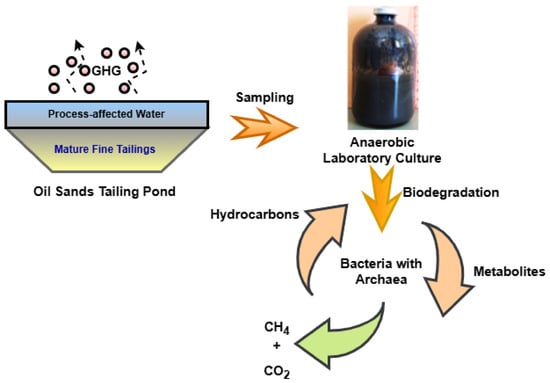
Hydrocarbon-Resolved Methane Prediction from Diluent Biodegradation in Oil-Sands Tailings
by
Ali Hamidoğlu and Hao Wang
Methane 2026, 5(2), 15; https://doi.org/10.3390/methane5020015 - 20 May 2026
Abstract
Methane generation from anaerobic biodegradation of fugitive diluent hydrocarbons is an important source of greenhouse gas emissions from oil-sands tailings, yet predictive tools that preserve hydrocarbon-level information remain limited. This study develops a hydrocarbon-resolved methane-prediction model and tests it on a case study
[...] Read more.
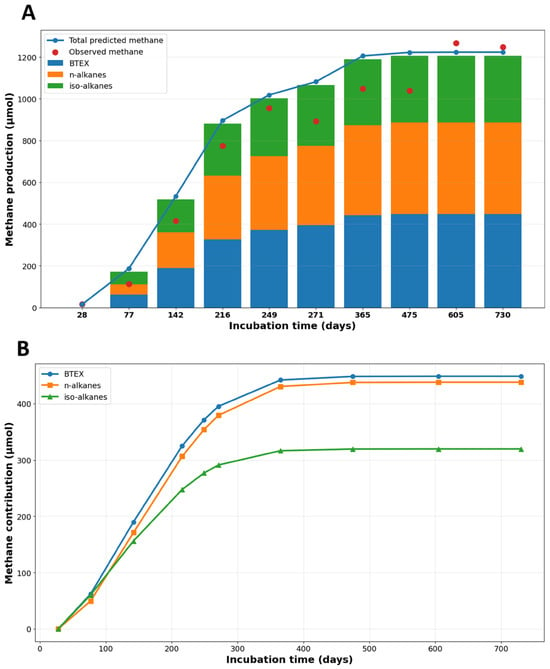
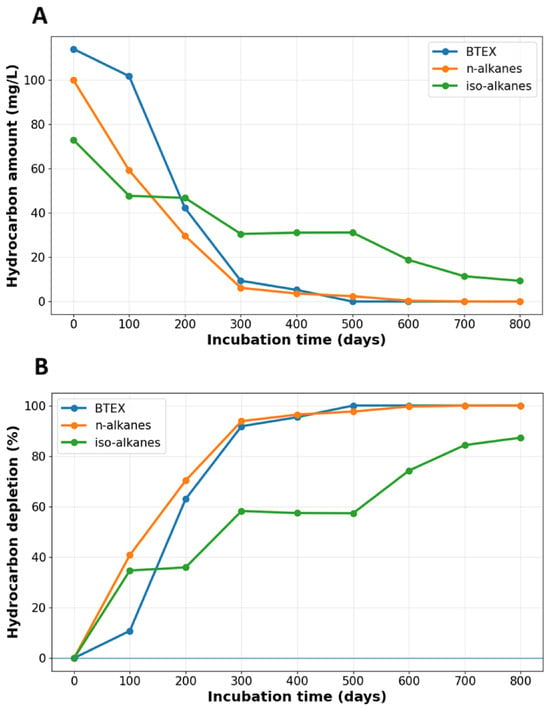
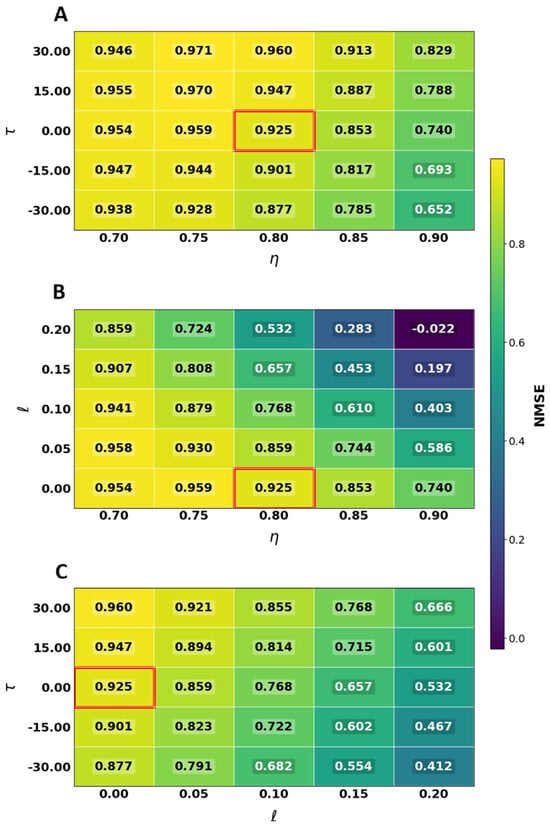
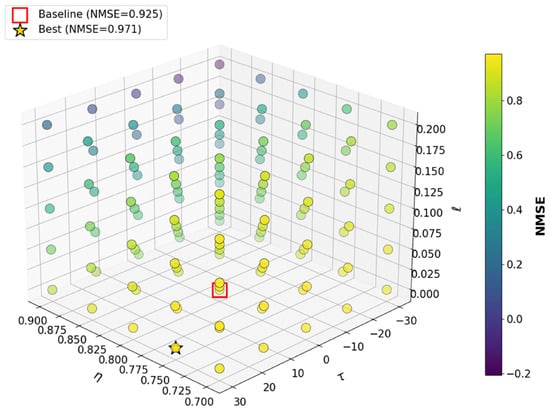
Methane generation from anaerobic biodegradation of fugitive diluent hydrocarbons is an important source of greenhouse gas emissions from oil-sands tailings, yet predictive tools that preserve hydrocarbon-level information remain limited. This study develops a hydrocarbon-resolved methane-prediction model and tests it on a case study involving a twelve-component diluent mixture containing BTEX, normal alkanes, and iso-alkanes. The model integrates stoichiometric methane yields, compound-specific lag times, Monod-type hydrocarbon consumption, logistic activation, and a single methane-conversion factor to simulate cumulative methane production and group-level methane contributions through time. Model performance is evaluated against measured methane and residual hydrocarbon data using normalized mean square error. The model reproduces cumulative methane with improved normalized mean square error relative to the existing stoichiometric benchmarks, while group-resolved outputs and robustness analyses show that predictive performance is governed primarily by conversion efficiency and lag structure. On the other hand, inclusion of an unresolved biodegradable-substrate fraction did not strengthen model agreement. These results indicate that the modeled hydrocarbon set captures the principal methane-generating substrate pool and that the proposed framework provides an accurate and mechanistically interpretable basis for methane prediction in oil-sands tailings.
Full article
(This article belongs to the Special Issue 250 Years of Methane: From Discovery to Global Challenges)
►▼
Show Figures

Figure 1
Open AccessArticle
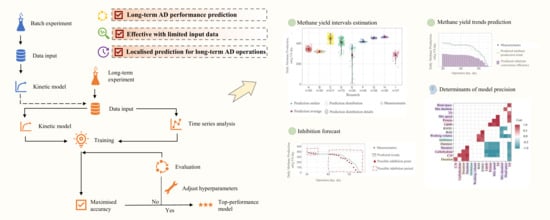
Performance Prediction of Long-Term Anaerobic Digestion Operation of Food Waste Using a Combined Approach of Time-Series Analysis Techniques and Biomethane Potential Test Results
by
Xiaowen Zhu, Edgar Blanco, Manni Bhatti and Aiduan Borrion
Methane 2026, 5(2), 14; https://doi.org/10.3390/methane5020014 - 30 Apr 2026
Abstract
Predicting long-term anaerobic digestion (AD) performance for food waste remains challenging because of substrate variability, process disturbance, and limited routine monitoring data. This study developed a practical framework that combines biomethane potential (BMP) test results with time-series analyses to estimate methane production during
[...] Read more.
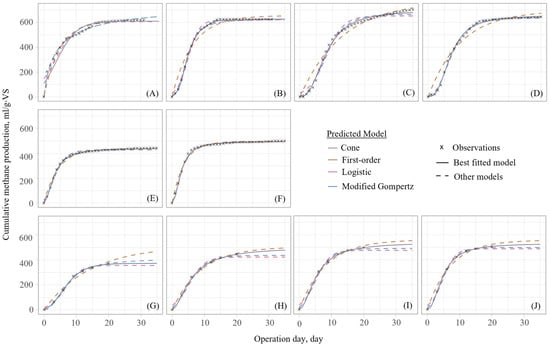
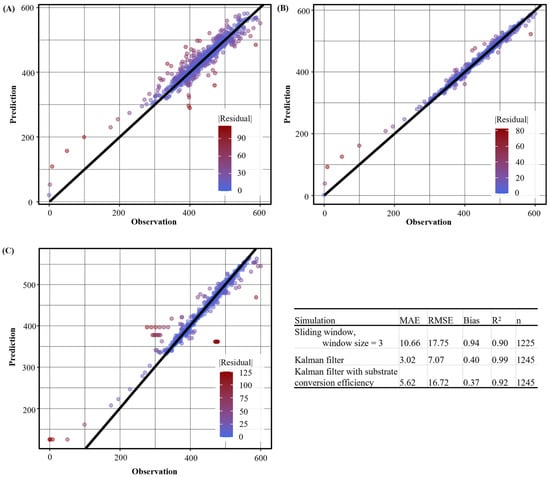
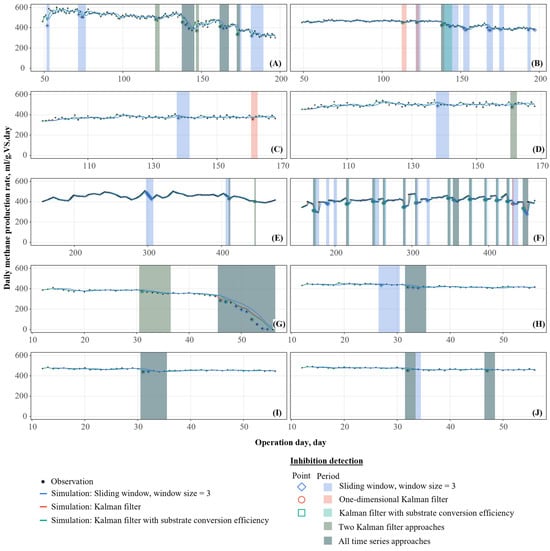
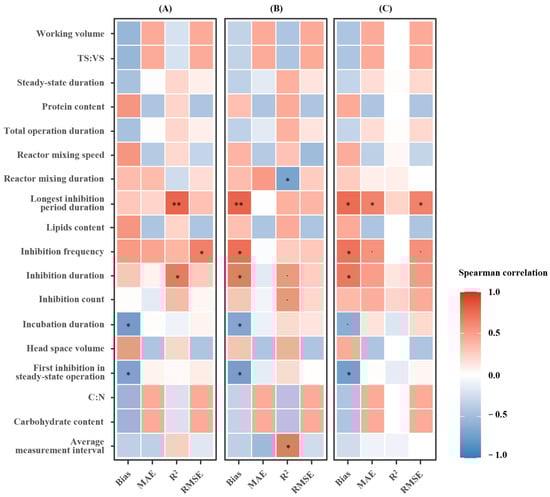
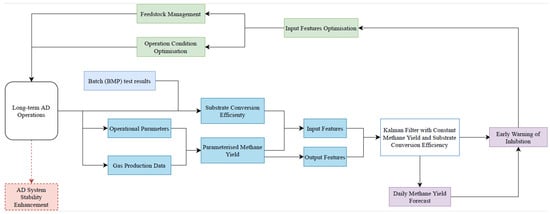
Predicting long-term anaerobic digestion (AD) performance for food waste remains challenging because of substrate variability, process disturbance, and limited routine monitoring data. This study developed a practical framework that combines biomethane potential (BMP) test results with time-series analyses to estimate methane production during steady-state long-term AD operation. Ten paired batch and long-term datasets from three research groups were analysed. Among four BMP kinetic models, the Cone model gave the best fit in eight of 10 datasets. For long-term prediction, a 3-day sliding-window method and two Kalman filter approaches were compared. The one-dimensional Kalman filter achieved the best overall predictive accuracy, while the two-dimensional Kalman filter, which incorporated substrate conversion efficiency, provided clearer identification of persistent abnormal deviations associated with potential inhibition. The proposed framework offers a simple and localised decision support tool for methane forecasting, noise reduction, and early warning of instability when only BMP data and routine methane measurements are available.
Full article
(This article belongs to the Special Issue Innovations in Methane Production from Anaerobic Digestion)
►▼
Show Figures

Graphical abstract
Open AccessReview
Recent Advances and Prospects in Methane Production from Anaerobic Digestion: Process Intensification, Additives, and Biogas Upgrading
by
Bonface O. Manono and Felix Lamech Mogambi Ming’ate
Methane 2026, 5(2), 13; https://doi.org/10.3390/methane5020013 - 15 Apr 2026
Abstract
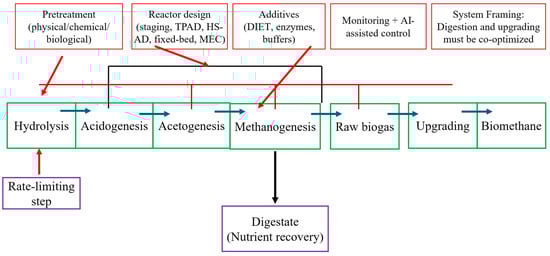
Anaerobic digestion (AD) plays an important role in the circular bioeconomy by converting organic waste into renewable methane and nutrient-rich fertilizer. However, consistent, high-quality biomethane production is hindered by four main factors: hydrolysis limitations, fluctuating feedstock quality, microbial instability, and the high cost/energy
[...] Read more.
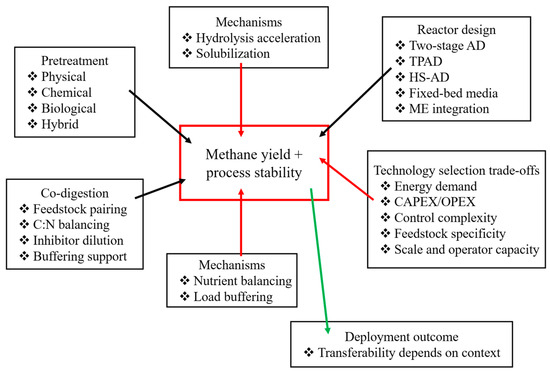
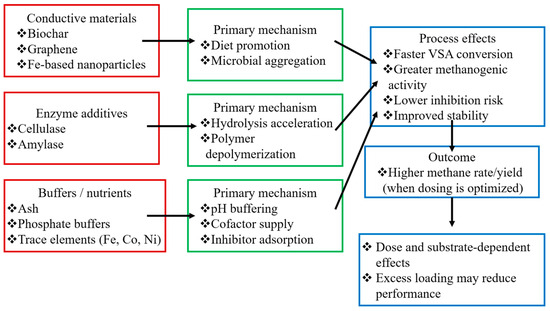
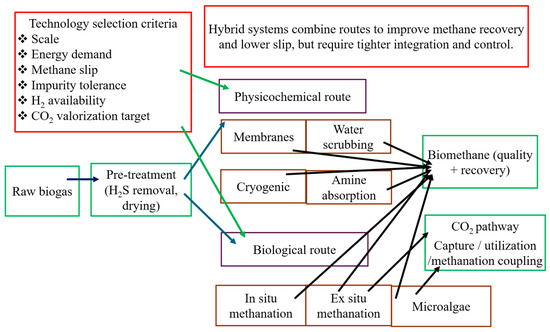
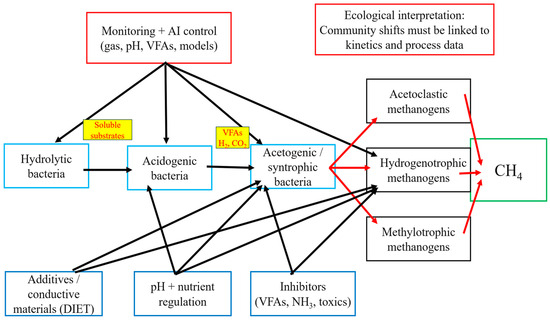
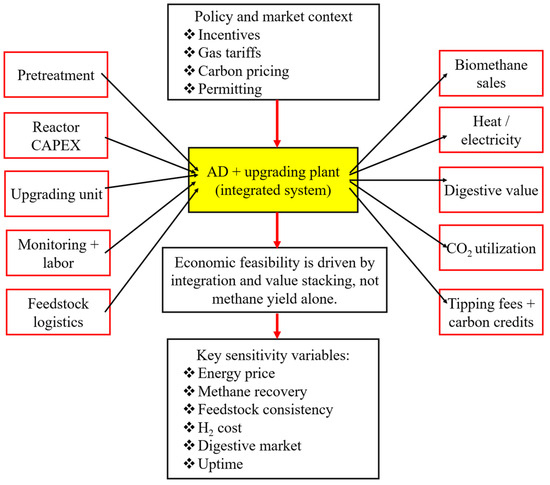
Anaerobic digestion (AD) plays an important role in the circular bioeconomy by converting organic waste into renewable methane and nutrient-rich fertilizer. However, consistent, high-quality biomethane production is hindered by four main factors: hydrolysis limitations, fluctuating feedstock quality, microbial instability, and the high cost/energy demand of purification. This review explores three key areas that improve biomethane production: (i) process intensification (pretreatments and advanced reactors), (ii) microbial regulation through additives, and (iii) biogas upgrading for pipeline use. Anaerobic digestion can be greatly improved by combining thermal or hybrid pretreatments, staged digestion, high-solids technology, and electrochemical systems. These methods speed up hydrolysis and help the system handle higher amounts of organic material more effectively. However, actual performance benefits depend on specific substrate characteristics, heat integration, and control complexity. Optimizing the C:N ratio, buffering capacity, and trace-element supplementation, while simultaneously diluting toxic inhibitors, makes co-digestion an effective and adaptable approach to enhancing anaerobic digestion processes. Additives like carbon, iron nanoparticles, enzymes, and buffers can optimize digestion, but their performance is highly dependent on dosage and substrate. Additionally, they lack validation in long-term, industrial-scale applications. Conventional physicochemical techniques continue to be standard for generating high-quality biomethane, but biological methanation and microalgal systems are playing a growing role in integrating Power-to-Gas technology and using CO2 efficiently. Critical research needs to focus on four areas: (1) standardized reporting metrics, (2) AI-enabled monitoring and control, (3) coupled techno-economic and life-cycle analysis (TEA-LCA), and (4) long-term pilot or full-scale validation. Overall, comprehensive optimization of the entire flow is more effective than improving isolated parts.
Full article
(This article belongs to the Special Issue Innovations in Methane Production from Anaerobic Digestion)
►▼
Show Figures

Figure 1
Open AccessArticle
In Vitro Ruminal Fermentation and Gas and Methane Production of Eragrostis curvula Supplemented with Searsia lancea Leaf or Silage Meal
by
Morokolo J. Molele, Khanyisile R. Mbatha, Sanele T. Jiyana, Francuois L. Müller and Thamsanqa D. E. Mpanza
Methane 2026, 5(2), 12; https://doi.org/10.3390/methane5020012 - 8 Apr 2026
Abstract
Livestock represent a key asset in the livelihood of smallholder farmers and play a critical role in the social dynamics and nutritional security of resource-poor communities. However, within these resource-poor communities, livestock productivity remains low. This is often due to seasonal changes in
[...] Read more.
Livestock represent a key asset in the livelihood of smallholder farmers and play a critical role in the social dynamics and nutritional security of resource-poor communities. However, within these resource-poor communities, livestock productivity remains low. This is often due to seasonal changes in the quantity and quality of available feed from the natural veld, which in turn also contributes to methane production. This study aimed to evaluate the effects of supplementing Eragrostis curvula hay with Searsia lancea leaf or silage meal on in vitro fermentation efficiency and gas and methane production. Therefore, an in vitro study using a semi-automated pressure transducer technique was conducted on grass hay alone (control) and grass hay supplemented with 15% or 30% of either S. lancea leaf or silage meal. The dietary treatments were arranged in a complete randomized design, with each treatment replicated four times. Total gas and methane production was recorded at 3, 6, 12, 24 and 48 h using a pressure transducer attached to a data logger. After incubation, samples were collected to determine volatile fatty acids. Supplementing grass hay with 15% S. lancea leaf meal increased gas production by 76%, 52%, 32% and 12% in the first 24 h of incubation. Similarly, increasing the supplementation level to 30% increased gas production by 75%, 63%, 45% and 14%. However, supplementing grass hay with silage meal at 15% significantly reduced gas production by 37% during the first 3 h of incubation, whereas supplementation at 30% had no effect. Supplementing grass hay with S. lancea meals effectively reduced methane production at 24 and 48 h. Grass hay supplemented with 15% or 30% silage meal reduced methane by 46% and 39% at 24 h, while at 48 h, methane was reduced by 39% and 49%, respectively. Supplementing grass hay with S. lancea meals, however, did not affect volatile fatty acids. In conclusion, S. lancea can be strategically used as a supplementary feed source to modulate the rumen ecosystem by attenuating enteric methane production. Further studies are required to determine the effect of S. lancea on rumen microbial composition and its metabolic function.
Full article
(This article belongs to the Special Issue Mitigating Methane Emissions Through Innovative Animal Nutrition Strategies)
Open AccessReview
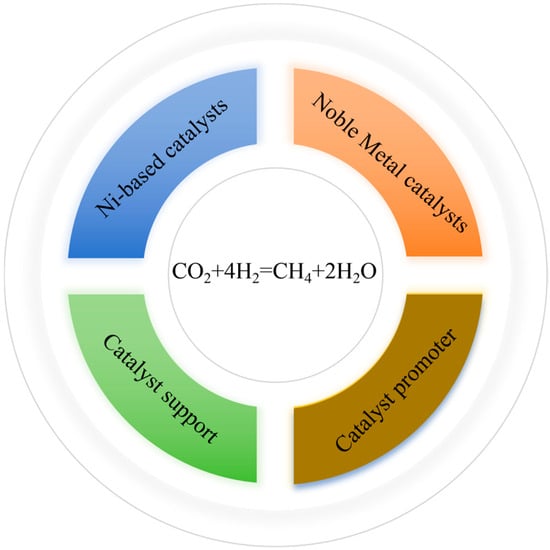
Recent Advances and Future Prospects Towards CO2 Methanation Reaction
by
Fanying Zhang, Bin Lu and Jihao Zhang
Methane 2026, 5(1), 11; https://doi.org/10.3390/methane5010011 - 1 Mar 2026
Abstract
►▼
Show Figures
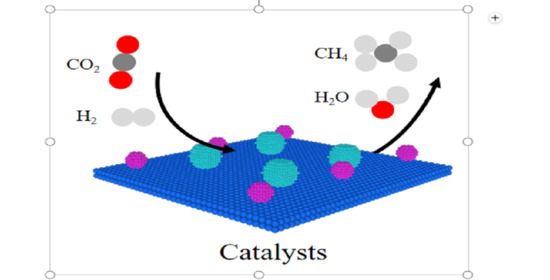
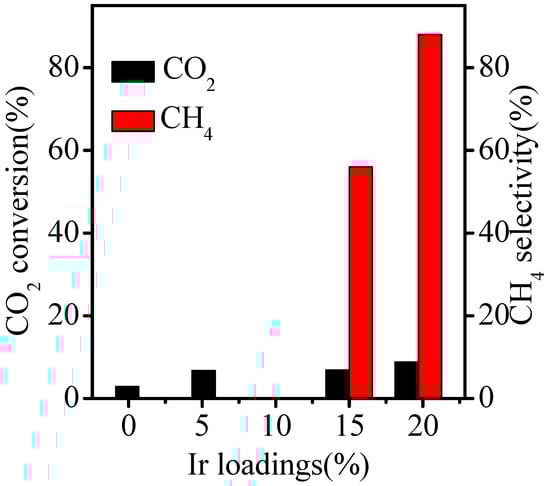
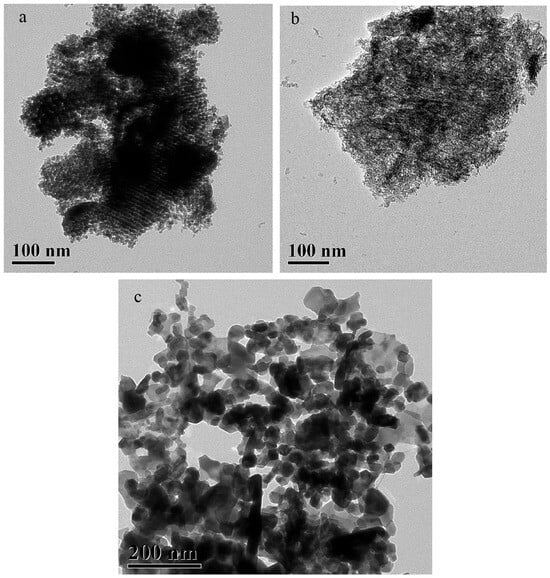
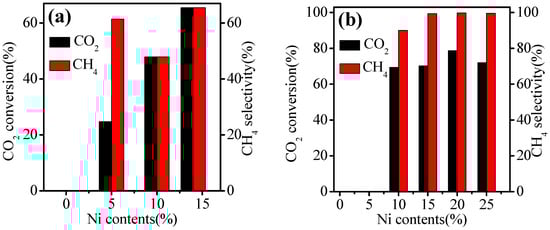
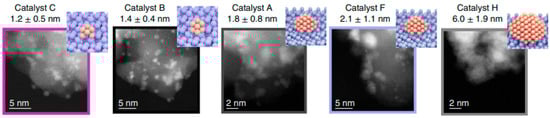
The reaction of CO2 hydrogenation into CH4 provides an industrial-scale pathway for CO2 recycling. The controllable design of catalysts with highly active and stable performance is challenging, and investigation of the reaction mechanism is of great significance. In this paper,
[...] Read more.
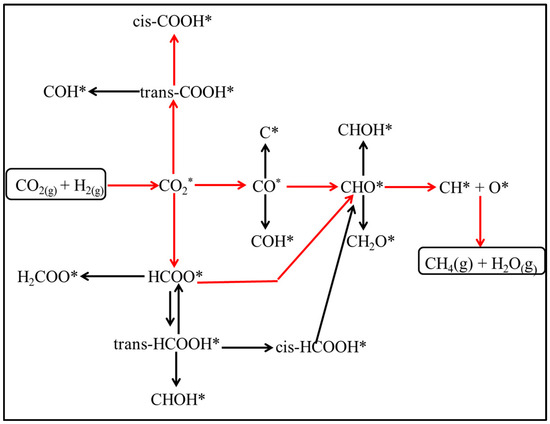
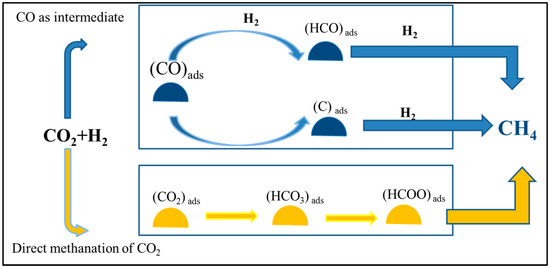
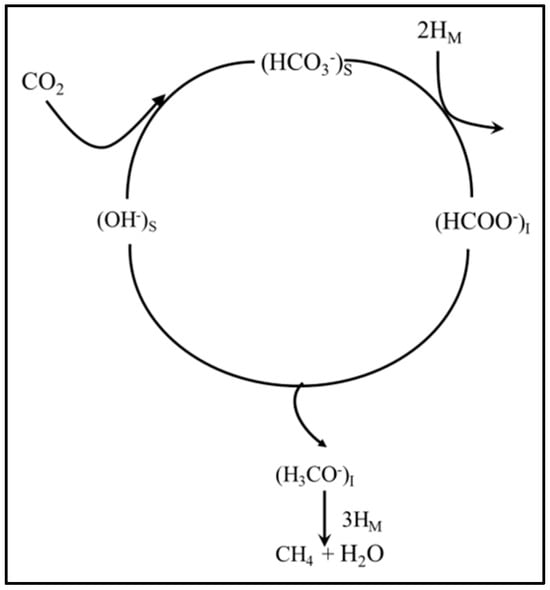
The reaction of CO2 hydrogenation into CH4 provides an industrial-scale pathway for CO2 recycling. The controllable design of catalysts with highly active and stable performance is challenging, and investigation of the reaction mechanism is of great significance. In this paper, the reasonable regulation scheme on designing excellent performance catalysts is proposed, and all the reaction paths on the surface of catalysts are also analyzed in detail. It emphasized the fundamental factors influencing the activity of catalysts, and it proposed some practical strategies to effectively improve the performance of the catalysts in combination with the structure–activity relationship. This work has great significance for the optimal performance catalysts of heterogeneous catalytic systems. Furthermore, it provided a rationalized approach to designing catalysts with specific nanostructures and surface properties, such as catalytic reforming, dehydrogenation, hydrogenation, electric catalysis, and many other reactions. In addition, a critical perspective on the future challenges and opportunities in designing high performance catalysts is provided.
Full article

Graphical abstract
Open AccessArticle
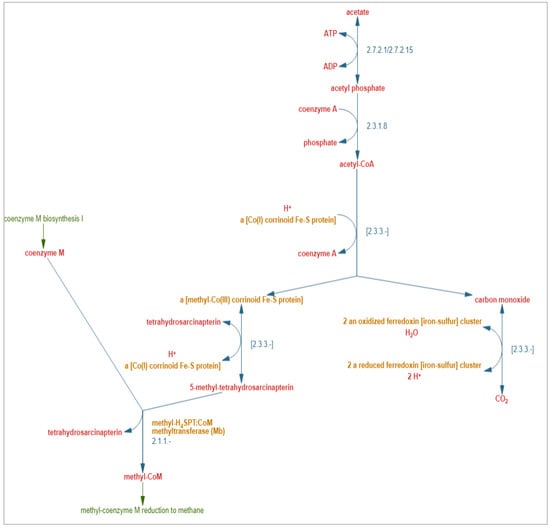
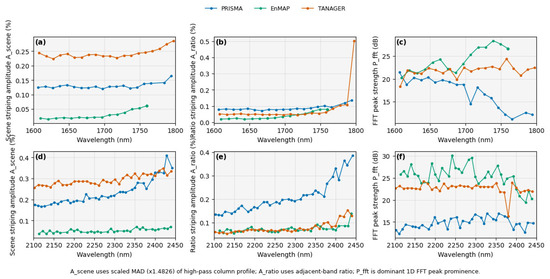
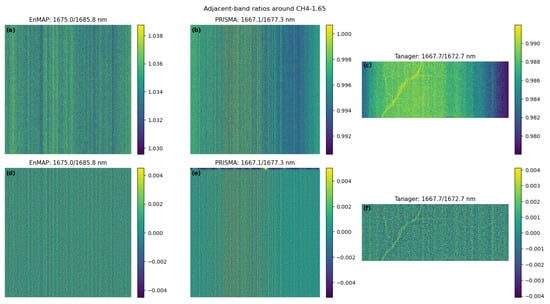
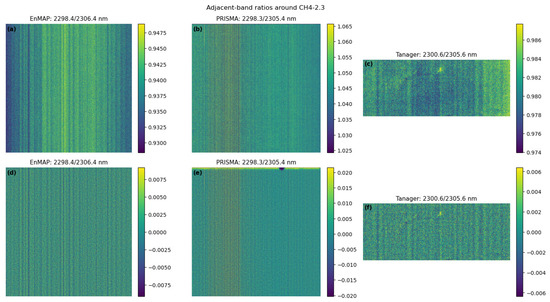
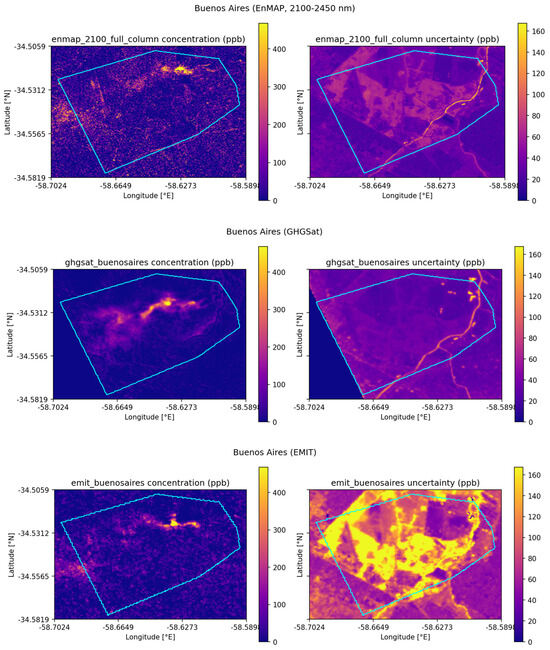
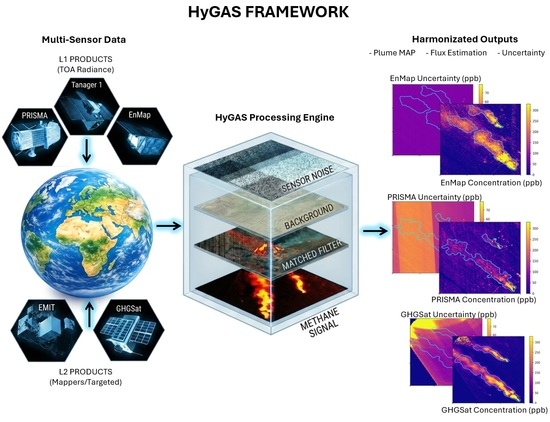
A Multi-Sensor Framework for Methane Detection and Flux Estimation with Scale-Aware Plume Segmentation and Uncertainty Propagation from High-Resolution Spaceborne Imaging Spectrometers
by
Alvise Ferrari, Valerio Pampanoni, Giovanni Laneve, Raul Alejandro Carvajal Tellez and Simone Saquella
Methane 2026, 5(1), 10; https://doi.org/10.3390/methane5010010 - 13 Feb 2026
Cited by 1
Abstract
►▼
Show Figures
Methane is the second most important contributor to global warming, and monitoring super-emitters from space is critical for climate mitigation. Despite the advancements in hyperspectral remote sensing, comparing methane observations across diverse imaging spectrometers remains a challenging task. Different retrieval algorithms, plume segmentation
[...] Read more.
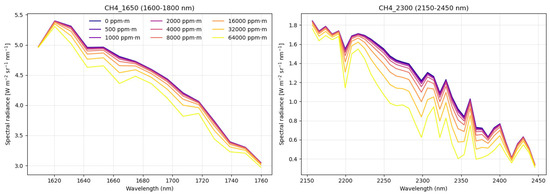
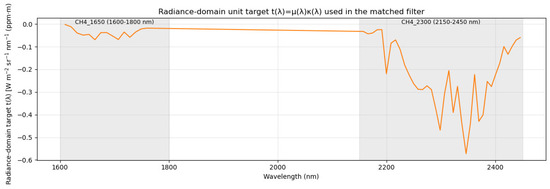
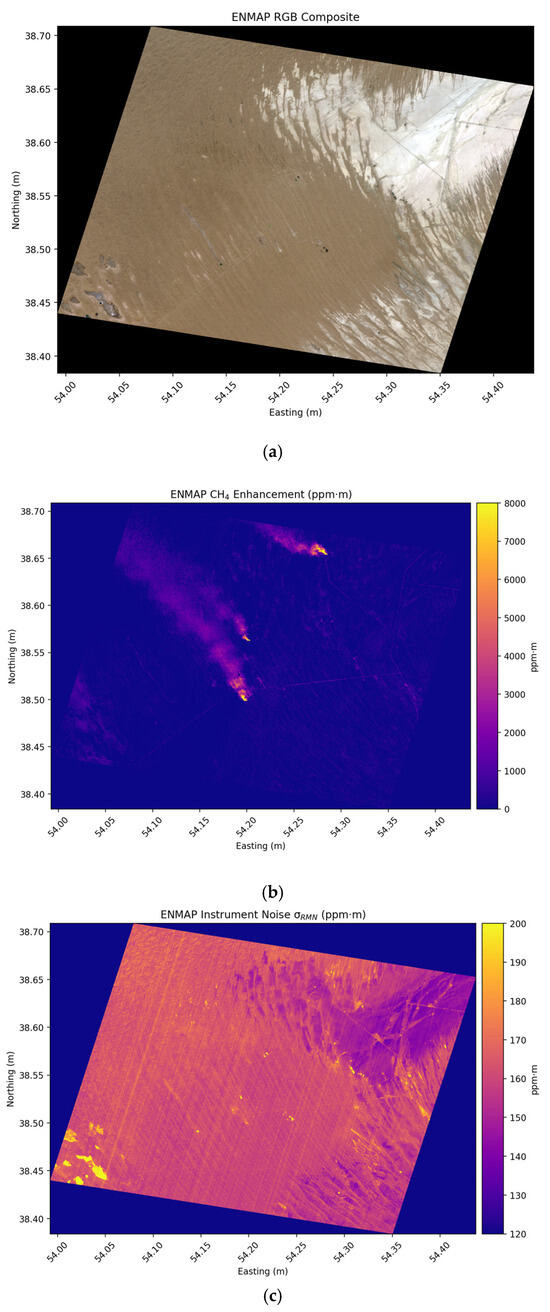
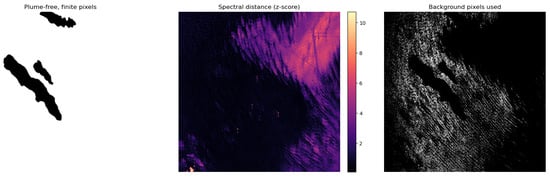
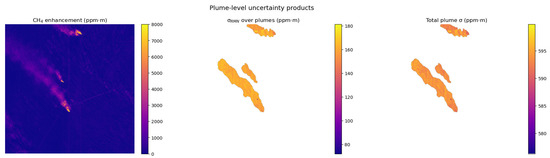
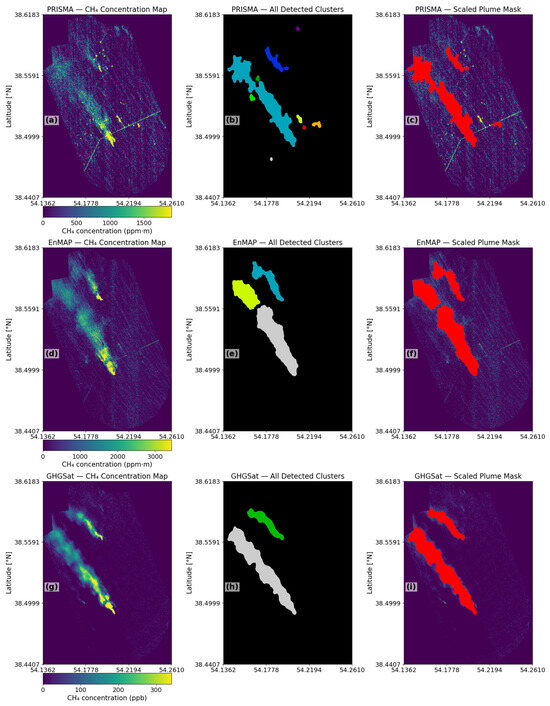
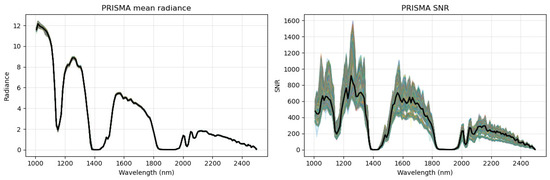
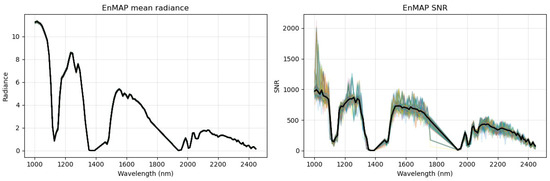
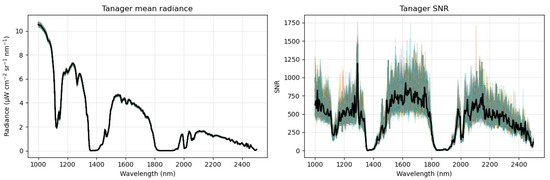
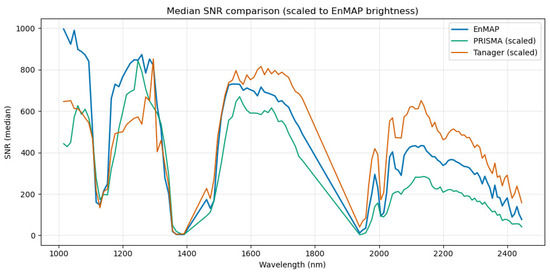
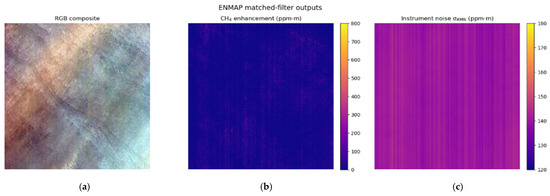
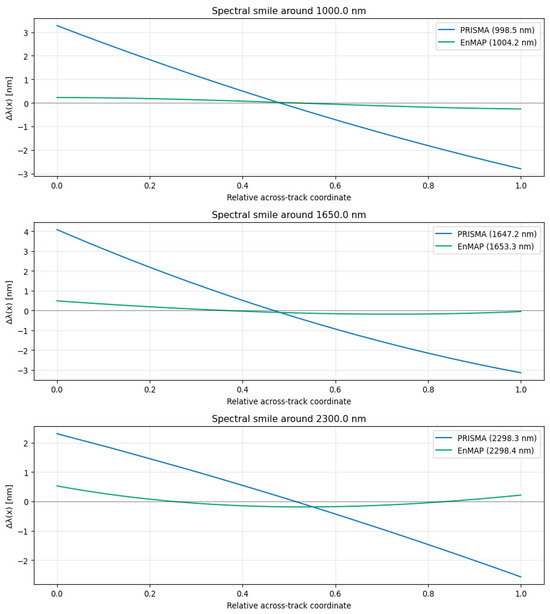
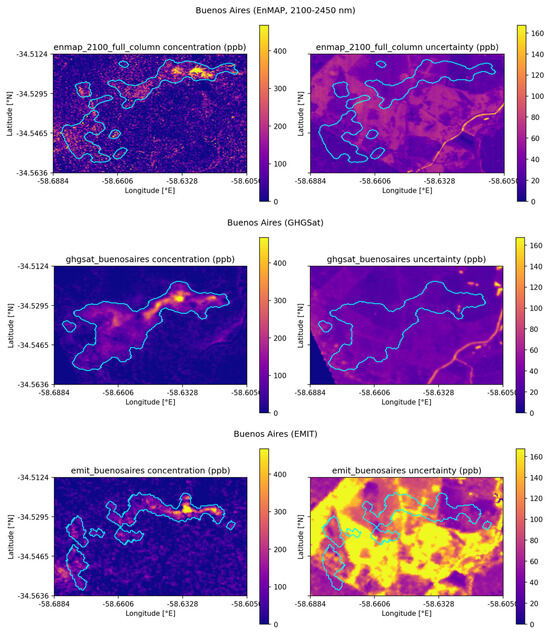
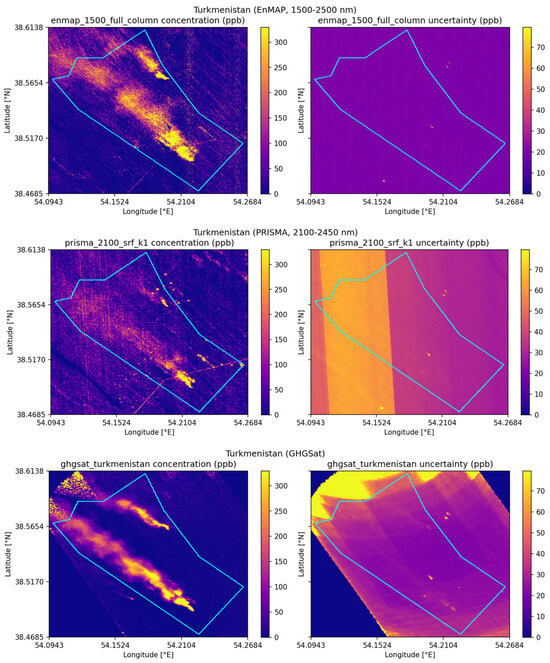
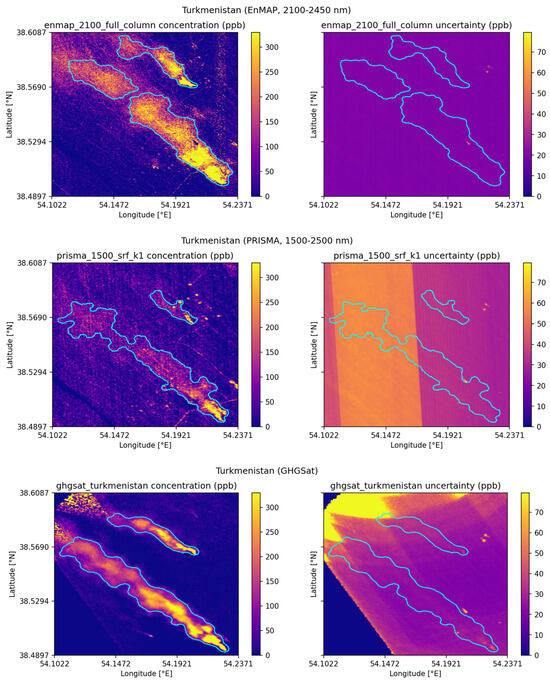
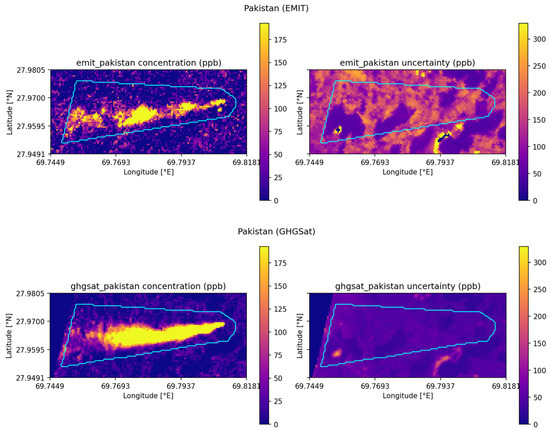
Methane is the second most important contributor to global warming, and monitoring super-emitters from space is critical for climate mitigation. Despite the advancements in hyperspectral remote sensing, comparing methane observations across diverse imaging spectrometers remains a challenging task. Different retrieval algorithms, plume segmentation techniques and uncertainty treatments make it very hard to perform fair comparisons between different products. To overcome these difficulties, this study presents HyGAS (Hyperspectral Gas Analysis Suite), a unified, open-source framework for sensor-agnostic methane retrieval and flux estimation. Starting from the established clutter-matched-filter (CMF) formalism and a physical calibration in concentration–path-length units (ppm·m), we propagate both instrument noise and surface-driven background variability consistently from methane enhancement to Integrated Mass Enhancement (IME) and flux. The framework further includes a spectrally matched background-selection strategy, scale-aware segmentation with fixed physical criteria across resolutions, and emission-rate estimation via an IME– approach informed by Large Eddy Simulation (LES). We demonstrate the framework on near-simultaneous observations of landfills and gas infrastructure in Argentina, Turkmenistan, and Pakistan, spanning Level-1 radiance workflows (PRISMA, EnMAP, Tanager-1) and Level-2 methane products (EMIT, GHGSat). The standardised chain enables systematic inter-comparison of methane enhancement products and reduces methodological bias, supporting robust multi-mission assessment and future global monitoring.
Full article

Graphical abstract
Open AccessArticle
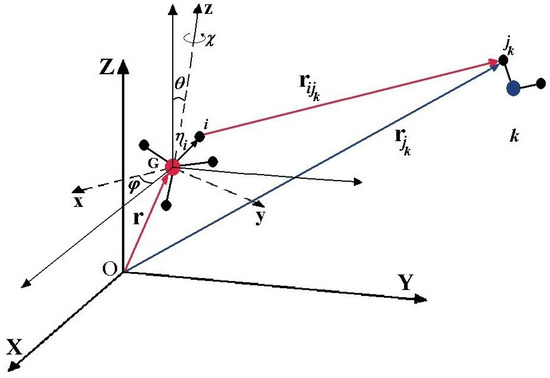
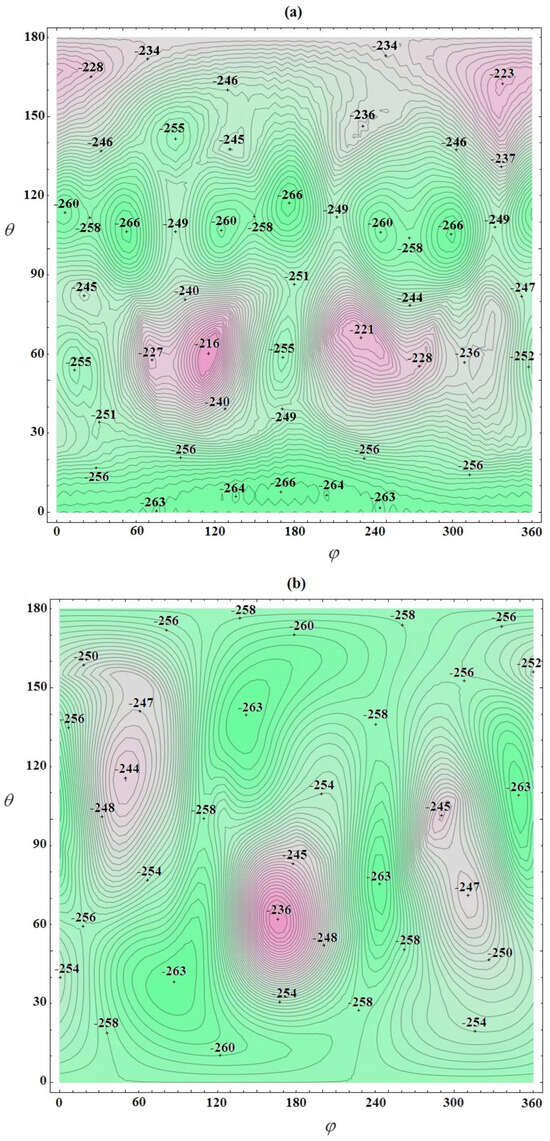
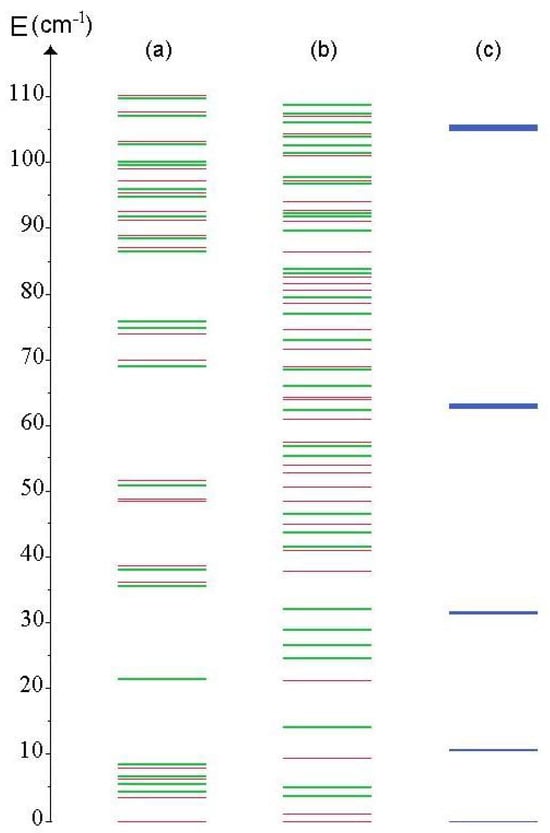
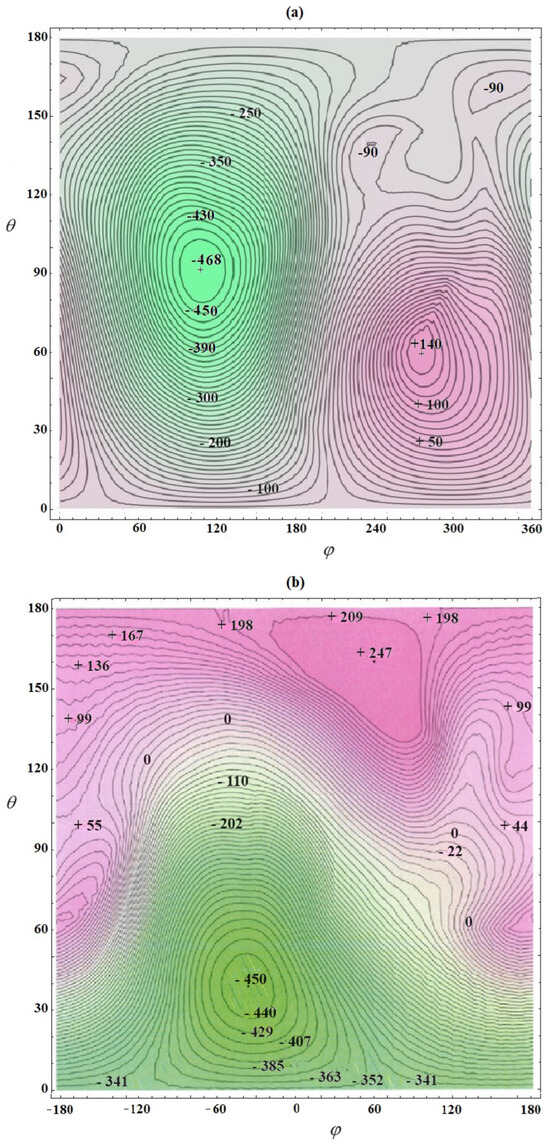
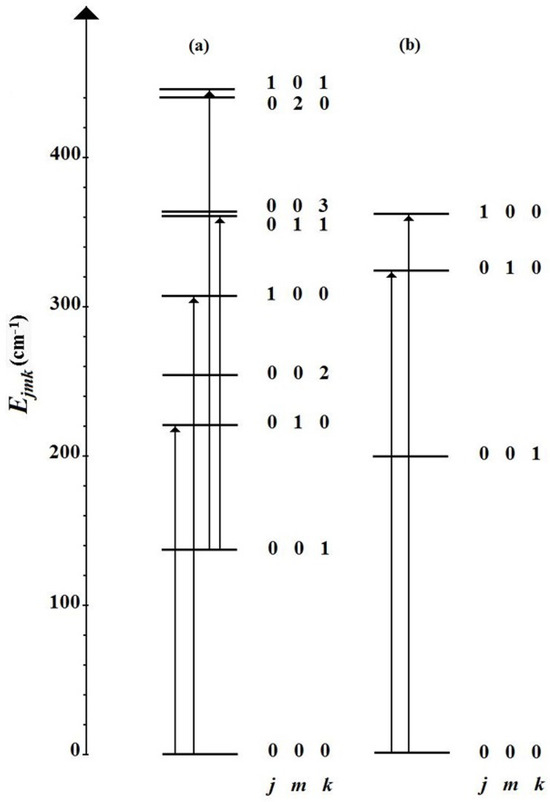
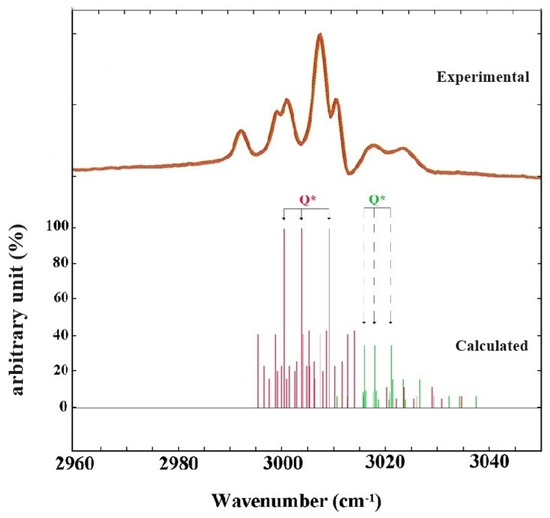
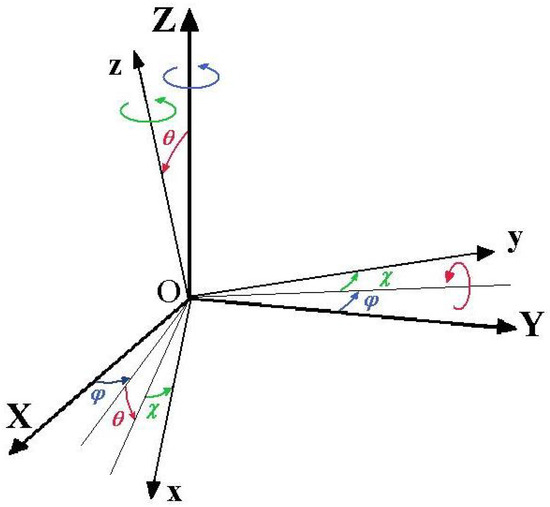
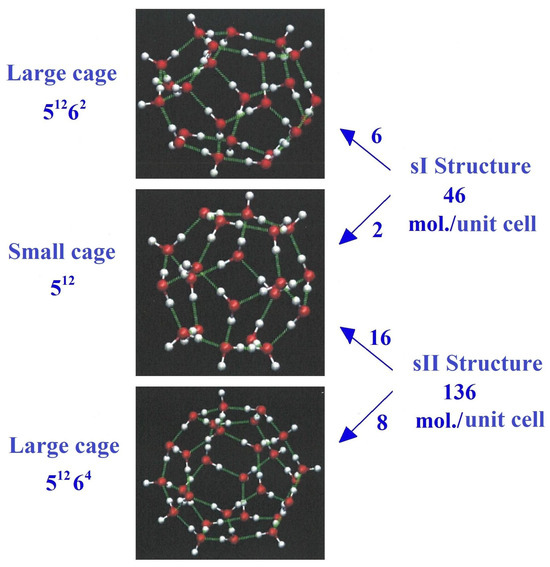
A Theoretical Proposal to Localize and Determine the Amount of Methane, Ammonia and Carbon Dioxide in Nano-Cages of Water Clathrate Through the Space Infrared Spectroscopic Observations
by
Azzedine Lakhlifi, Pierre R. Dahoo and Mustapha Meftah
Methane 2026, 5(1), 9; https://doi.org/10.3390/methane5010009 - 5 Feb 2026
Abstract
►▼
Show Figures
This paper investigates the different relaxation channels of a single symmetric top NH3 and a spherical top CH4 molecule trapped at low temperature in a clathrate hydrate nano-cage in the infrared absorption domain of their vibrational degrees of freedom. The approach
[...] Read more.
This paper investigates the different relaxation channels of a single symmetric top NH3 and a spherical top CH4 molecule trapped at low temperature in a clathrate hydrate nano-cage in the infrared absorption domain of their vibrational degrees of freedom. The approach utilizes the Born–Oppenheimer approximation and the extended site inclusion model applied to CO2 in a previous work, which was based on pairwise atom–atom effective interaction potentials. The calculations show that trapping the methane or ammonia molecule is energetically more favorable in a type sI clathrate structure than in an sII one, and entropic considerations show that methane can be released much more easily than ammonia from clathrate hydrate nano-cages. In the small (s) and large (l) nano-cages with the sI structure, the CH4 molecule exhibits a more or less perturbed rotational motion, while the NH3 molecule shows a strongly hindered orientational motion that tends to a three-dimension librational motion (oscillation motion) around its orientational equilibrium configuration. The calculated orientational energy level schemes are quite different from those of the molecular free rotation. In the static field inside the cage, degenerate and vibrational modes of methane and ammonia molecules are shifted and split. Moreover, for ammonia molecules, the and modes are shifted, and the inversion motion is no longer allowed. The non-radiative and radiative relaxation channels of CH4, NH3 and CO2 in clathrate nano-cages are discussed with reference to the matrix isolation spectroscopic results. Upon laser excitation, then, from the energy levels calculated for the different degrees of freedom, NH3 and CO2 are expected to fluoresce, while for CH4, non-radiative relaxation should lead to evaporation at the surface of clathrates. Experimental setups are suggested to localize and study these species underneath ice surfaces on distant planets or planetesimals from mobile detectors such as drones or CubeSats equipped with appropriate laser sources and telescopes with 2D imaging detectors.
Full article

Figure 1
Open AccessArticle
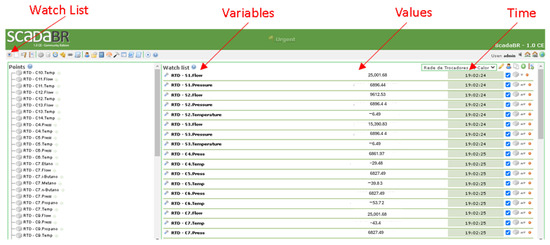
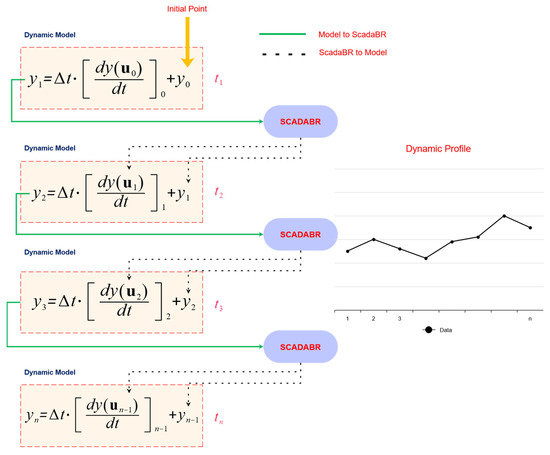
Supervisory Monitoring and Control Using Chemical Process Simulators and SCADA Systems
by
Rebecca Bastos Boschoski and Lizandro de Sousa Santos
Methane 2026, 5(1), 8; https://doi.org/10.3390/methane5010008 - 5 Feb 2026
Abstract
►▼
Show Figures
A digital twin (DT) is an automation strategy that integrates a physical plant with an adaptive, real-time simulation environment, with bidirectional communication between them. In process engineering, DTs promise real-time monitoring, prediction of future conditions, predictive maintenance, process optimization, and control. Dashboards for
[...] Read more.
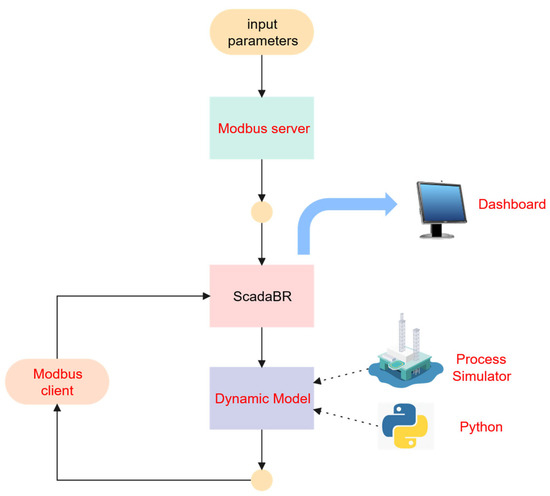
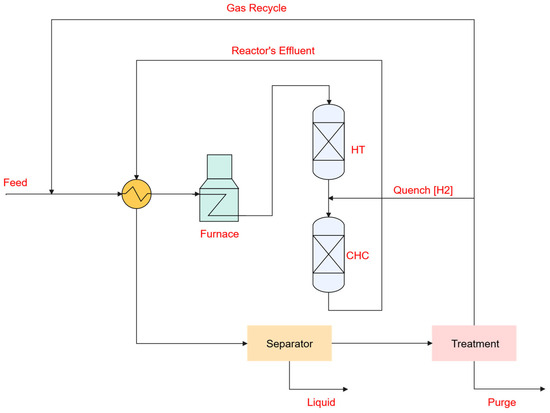
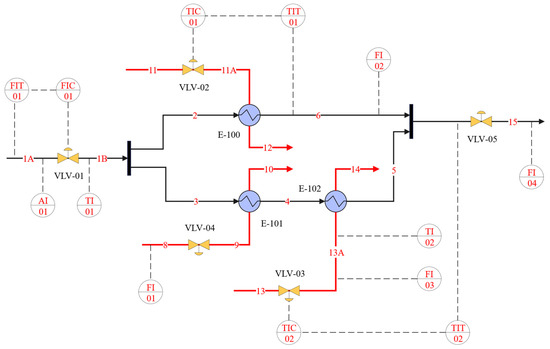
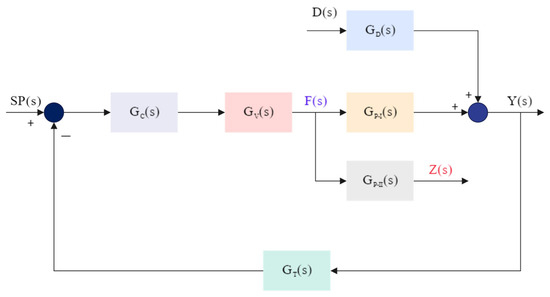
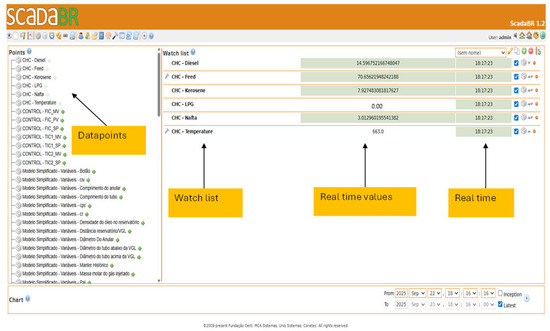
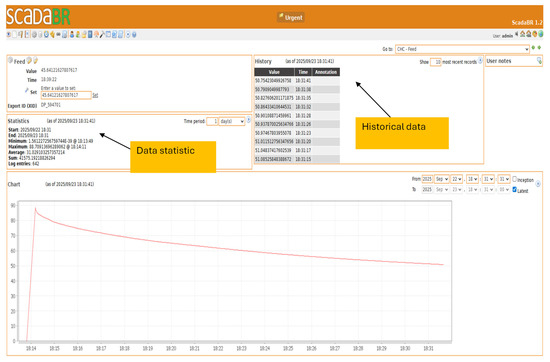
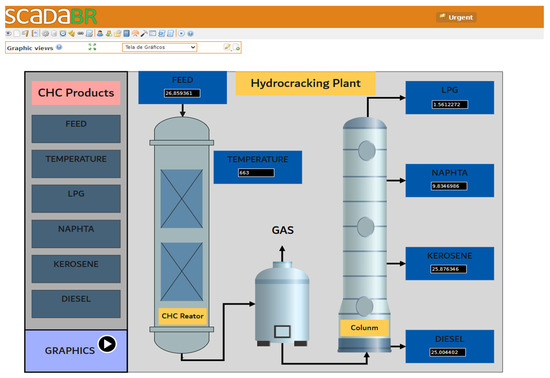
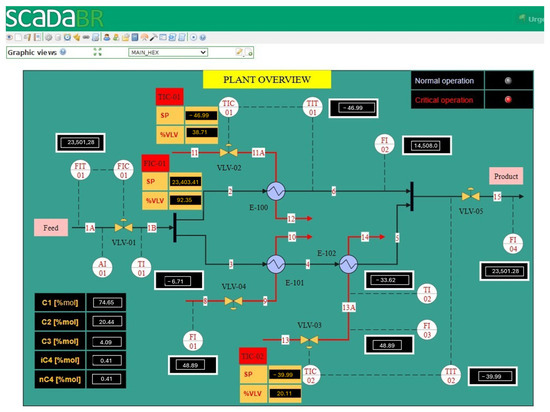
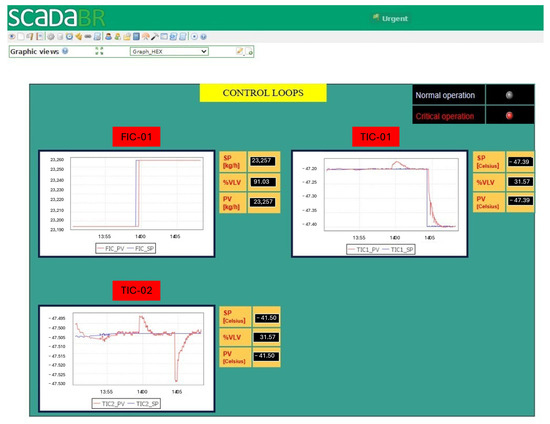
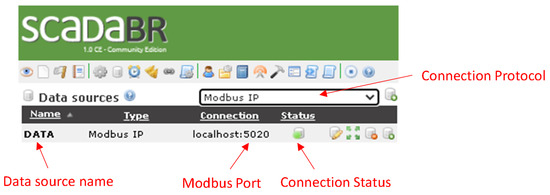
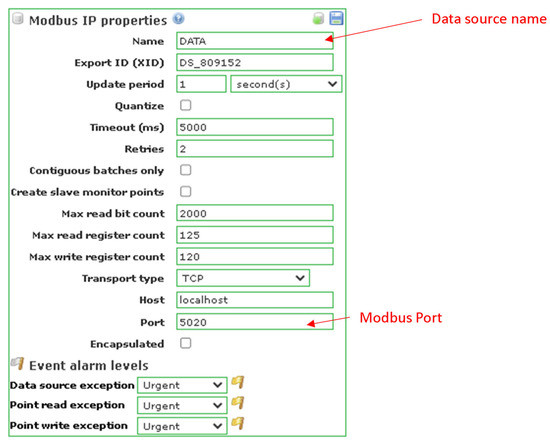
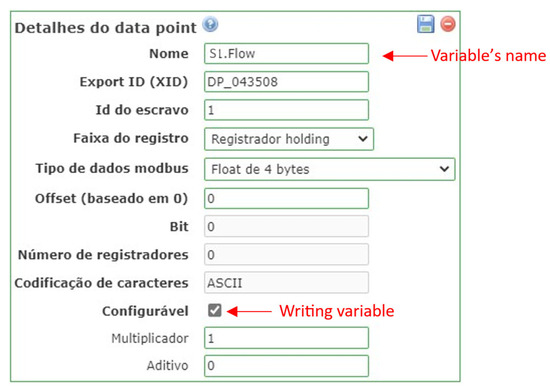
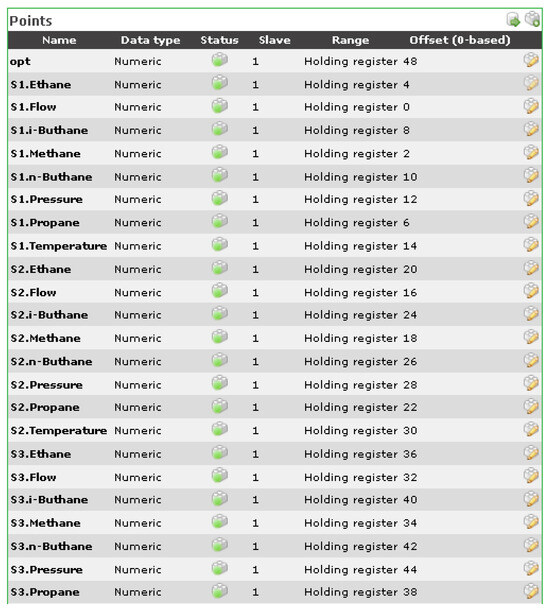
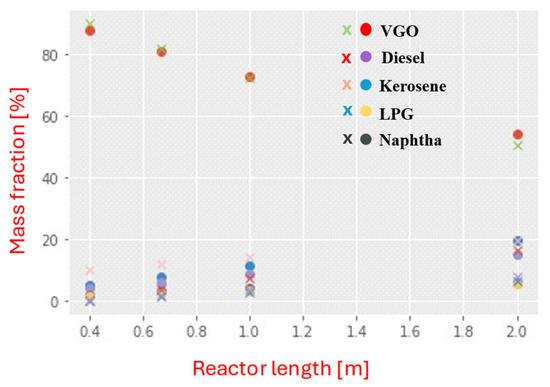
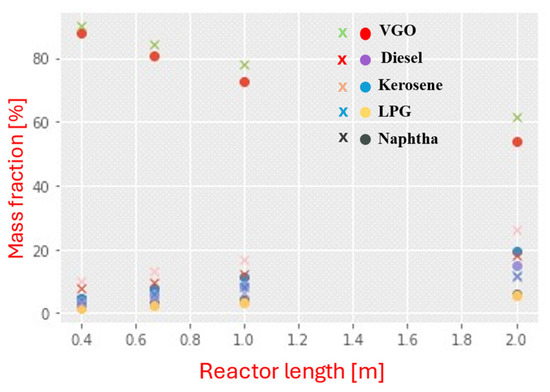
A digital twin (DT) is an automation strategy that integrates a physical plant with an adaptive, real-time simulation environment, with bidirectional communication between them. In process engineering, DTs promise real-time monitoring, prediction of future conditions, predictive maintenance, process optimization, and control. Dashboards for process monitoring are becoming increasingly relevant for tracking key metrics and supervising industrial units in real time. Supervisory Control and Data Acquisition (SCADA) systems are widely used for process automation, with ScadaBR, an open-source, freely licensed platform. This work presents the development of a computational tool that integrates the Aspen HYSYS/Python with the ScadaBR system for real-time monitoring and supervision of dynamic models. The virtual plant, which replicates the system’s physical behavior, was connected to the SCADA platform via the Modbus protocol, enabling bidirectional data exchange between the simulated model and the supervisory interface. The system supports operational analysis and control strategy validation. Two case studies were analyzed: (i) a simplified catalytic hydrocracking process, implemented in the Python environment, and (ii) a heat exchanger networks process, simulated using the HYSYS simulator. In the second case, the process was dynamically simulated, with real-time monitoring of a simple dynamic indicator that correlates the feed methane concentration with heat transfer fluids. The results demonstrate the feasibility and applicability of the proposed approach for educational purposes, operator training, and process engineering validation, fostering a more realistic and interactive simulation environment. Furthermore, the results show that the tool is promising for dynamic monitoring of environmental and energy indices, demonstrating that methane consumption relative to process feed can be evaluated and controlled over time.
Full article

Figure 1
Open AccessReview
Methane Emissions from Livestock Operations: Sources, Sinks, and Mitigation Strategies
by
Bonface O. Manono
Methane 2026, 5(1), 7; https://doi.org/10.3390/methane5010007 - 1 Feb 2026
Cited by 3
Abstract
►▼
Show Figures
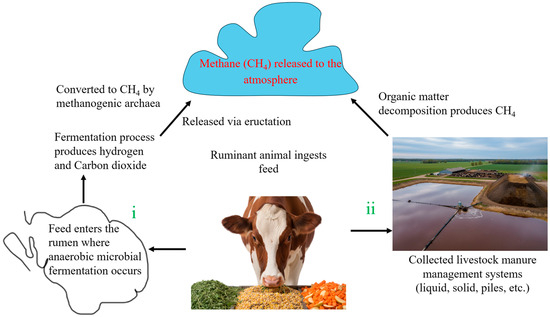
Livestock operations significantly contribute to global methane (CH4) emissions, a potent greenhouse gas. This occurs primarily through enteric fermentation (a digestive process in ruminant animals that produce methane) and manure management. This review synthesizes the current understanding of the sources of
[...] Read more.
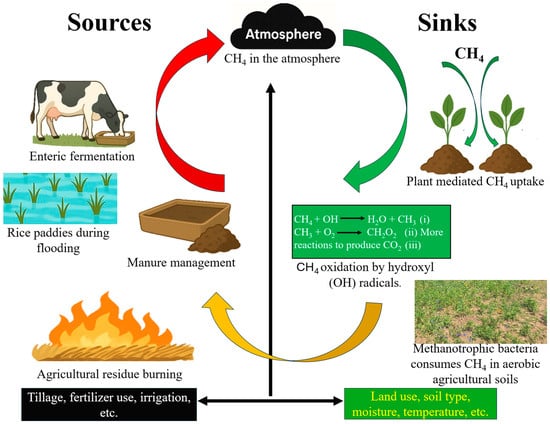
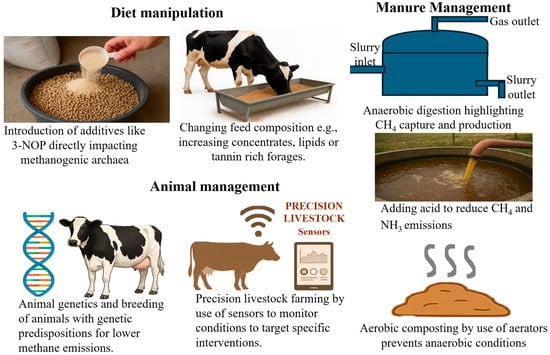
Livestock operations significantly contribute to global methane (CH4) emissions, a potent greenhouse gas. This occurs primarily through enteric fermentation (a digestive process in ruminant animals that produce methane) and manure management. This review synthesizes the current understanding of the sources of methane within livestock farming systems. It focuses on the primary drivers of these emissions, namely methane production during ruminant digestion and emissions from manure handling. The review also explores the concept of methane sinks, highlighting the processes that remove methane from the atmosphere and their role in the global methane cycle. While natural methane sinks exist, their capacity to offset methane emissions from livestock operations is limited. This review therefore discusses a range of mitigation approaches, categorized into animal and feed management, diet manipulation, rumen manipulation, and advanced technologies. Synthesizing these elements provides a clear understanding of the challenges and opportunities in addressing livestock-related methane emissions. Effective strategies should aim to reduce methane production without negatively impacting animal productivity and health. This emphasizes that addressing sustainable livestock production requires integrated approaches that simultaneously tackle climate change mitigation.
Full article

Figure 1
Open AccessArticle
Effects of Nitrogen Addition on Gas Fluxes and Nitrification in Cerrado Soil Under a Controlled Incubation Assay by Land Use
by
Helio Danilo Quevedo, Ricardo Hideo Taniwaki and Janaina Braga do Carmo
Methane 2026, 5(1), 6; https://doi.org/10.3390/methane5010006 - 30 Jan 2026
Abstract
►▼
Show Figures
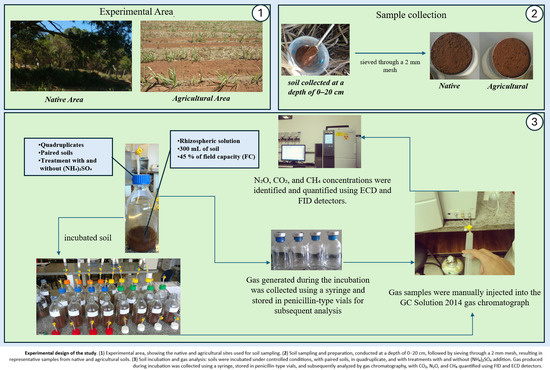
This study evaluated the effects of ammonium sulfate [(NH4)2SO4] addition and land-use history on greenhouse gas emissions (CH4, CO2, N2O) and inorganic nitrogen dynamics (NH4+ and NO3−
[...] Read more.
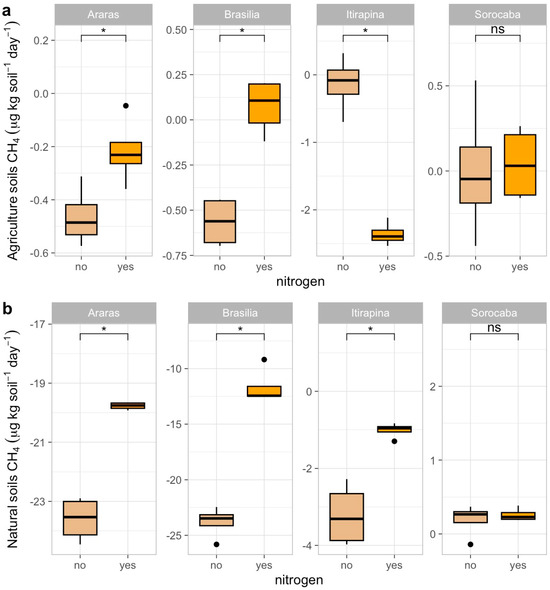
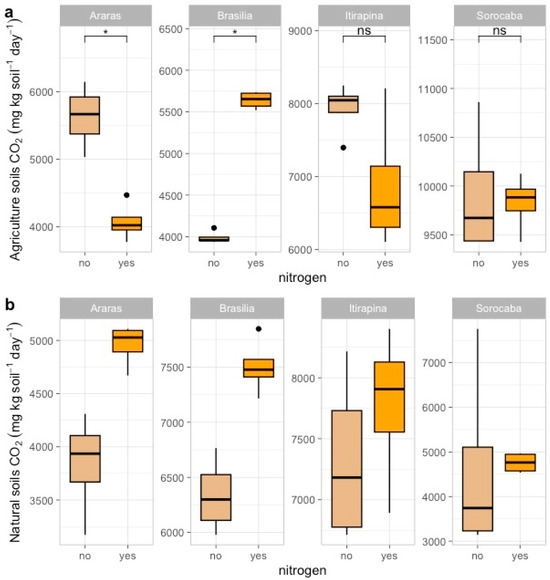
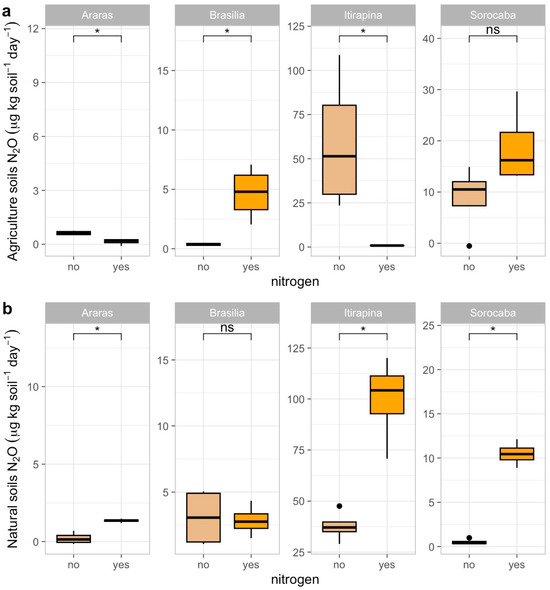
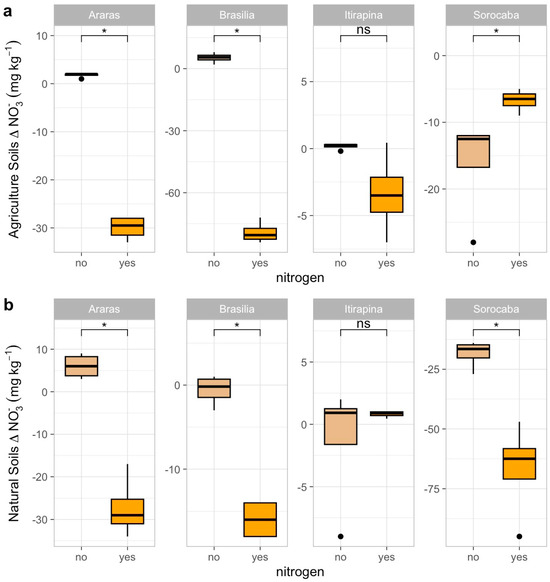
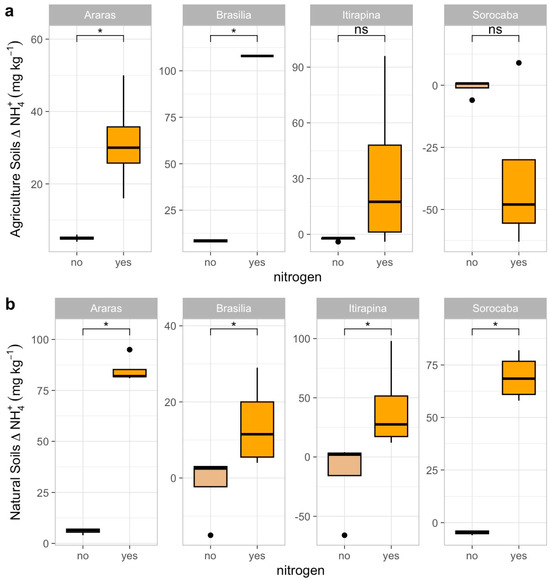
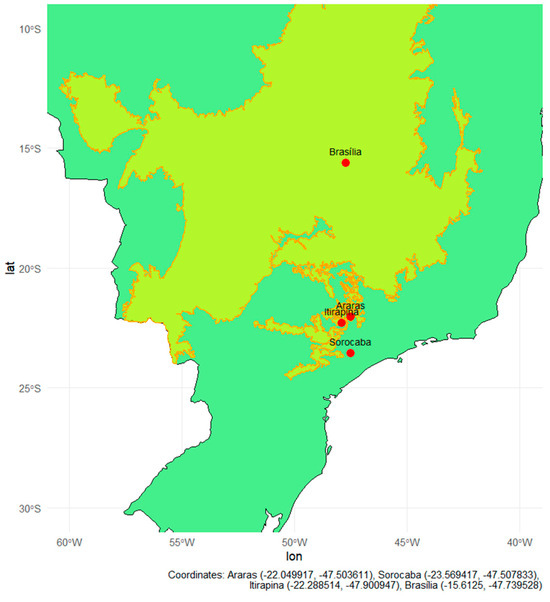
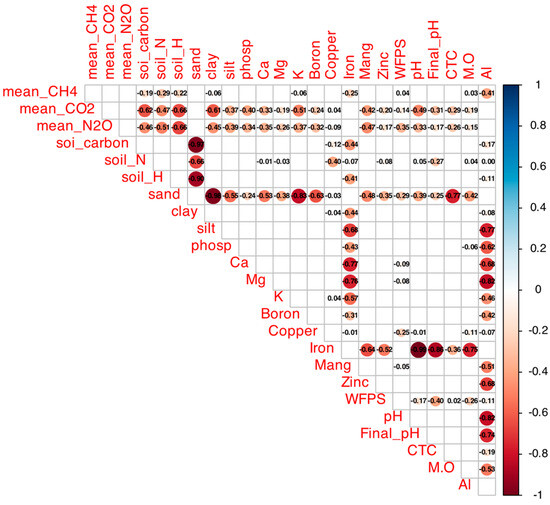
This study evaluated the effects of ammonium sulfate [(NH4)2SO4] addition and land-use history on greenhouse gas emissions (CH4, CO2, N2O) and inorganic nitrogen dynamics (NH4+ and NO3−) in Brazilian Cerrado soils. The objective was to determine how fertilization interacts with native and agricultural soils to regulate key biogeochemical processes. Soil samples from native and agricultural areas were collected in four regions (Araras, Sorocaba, Itirapina, and Brasília), representing contrasting pedoclimatic conditions and soil textures under different cropping systems. Samples were incubated under controlled conditions, with greenhouse gas fluxes analyzed by gas chromatography and inorganic nitrogen concentrations determined by colorimetric methods. Nitrogen fertilization inhibited CH4 consumption in native and agricultural soils and reversed fluxes to emissions in sandy soils. CO2 emissions increased in native soils but decreased in agricultural soils, suggesting effects of soil fertility and carbon stocks. N2O emissions increased mainly in native soils, reflecting intensified nitrification and denitrification, whereas agricultural soils responded heterogeneously. Nitrogen addition altered NH4+ and NO3− consumption, indicating enhanced oxidation and microbial assimilation. These results demonstrate that land-use history influences soil biogeochemical responses to nitrogen, underscoring the importance of site-specific fertilization in mitigating emissions and promoting sustainability in the Cerrado.
Full article

Graphical abstract
Open AccessReview
Biomethanization of Whey: A Narrative Review
by
Juan Sebastián Ramírez-Navas and Ana María Carabalí-Banderas
Methane 2026, 5(1), 5; https://doi.org/10.3390/methane5010005 - 27 Jan 2026
Abstract
Whey and its permeates constitute highly organic, low-alkalinity dairy streams whose management remains suboptimal in many processing facilities. This narrative review integrates recent evidence on the anaerobic digestion (AD) of whey, linking substrate composition and biodegradability with microbial pathways, inhibition mechanisms, biogas quality,
[...] Read more.
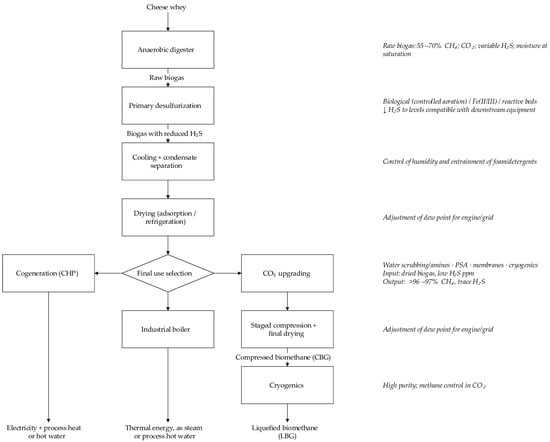
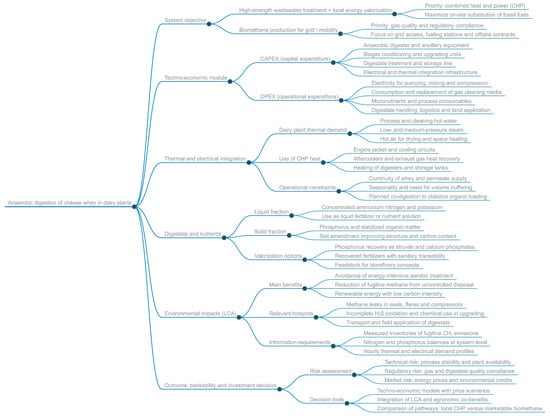
Whey and its permeates constitute highly organic, low-alkalinity dairy streams whose management remains suboptimal in many processing facilities. This narrative review integrates recent evidence on the anaerobic digestion (AD) of whey, linking substrate composition and biodegradability with microbial pathways, inhibition mechanisms, biogas quality, and techno-economic and environmental feasibility in industrial settings. Data for sweet whey, acid whey, and their permeates are synthesized, with emphasis on operational windows, micronutrient requirements, and co-digestion or C/N/P/S balancing strategies that sustain resilient methanogenic communities. Options for biogas conditioning and upgrading towards combined heat and power, boiler applications, and compressed or liquefied biomethane are examined, and selection criteria are proposed based on impurity profiles, thermal integration, and methane-recovery performance. Finally, critical R&D gaps are identified, including mechanistic monitoring, bioavailable micronutrition, modular upgrading architectures, and the valorization of digestate as a recovered fertilizer. This review provides an integrated framework to guide the design and operation of technically stable, environmentally verifiable, and economically viable whey-to-biomethane schemes for the dairy industry.
Full article
(This article belongs to the Special Issue Innovations in Methane Production from Anaerobic Digestion)
►▼
Show Figures

Figure 1
Open AccessArticle
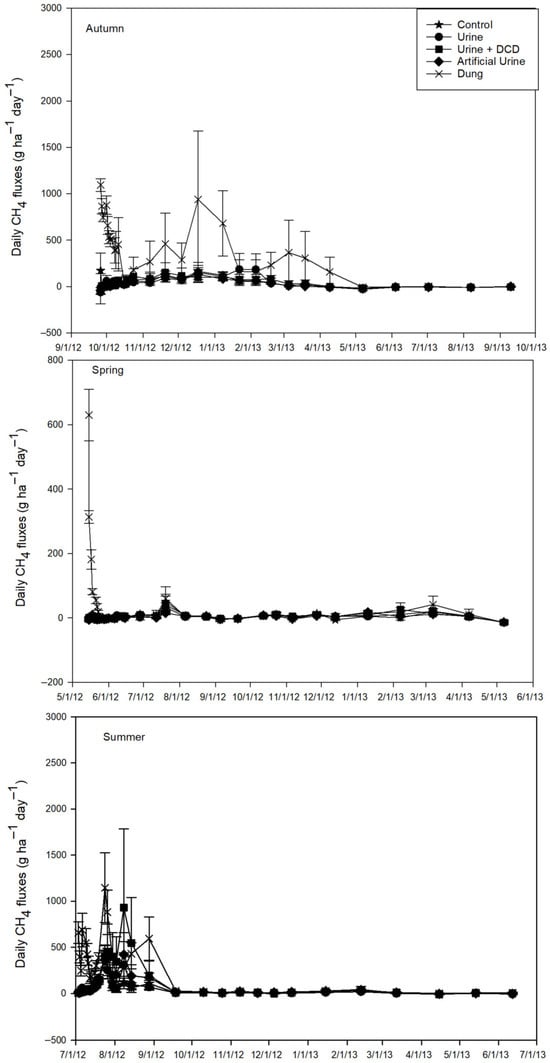
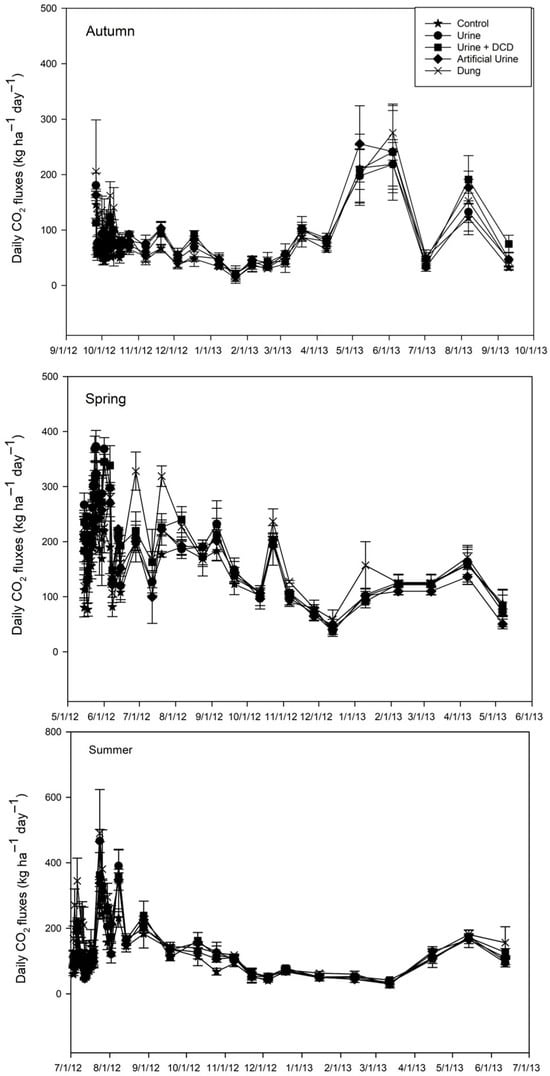
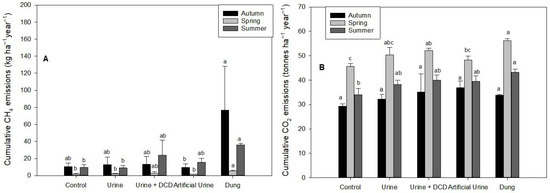
Dynamics of Soil CH4 and CO2 Fluxes from Cattle Urine with and Without a Nitrification Inhibitor, and Dung Deposited onto a UK Grassland Soil
by
Jerry Celumusa Dlamini, David Chadwick and Laura Maritza Cardenas
Methane 2026, 5(1), 4; https://doi.org/10.3390/methane5010004 - 19 Jan 2026
Cited by 1
Abstract
►▼
Show Figures
Food production systems associated with livestock management are significant sources of greenhouse gases (GHGs). Livestock excreta are one of the primary sources of GHG emissions from grazing livestock. Against this context, a field experiment was established in a UK grassland to establish the
[...] Read more.
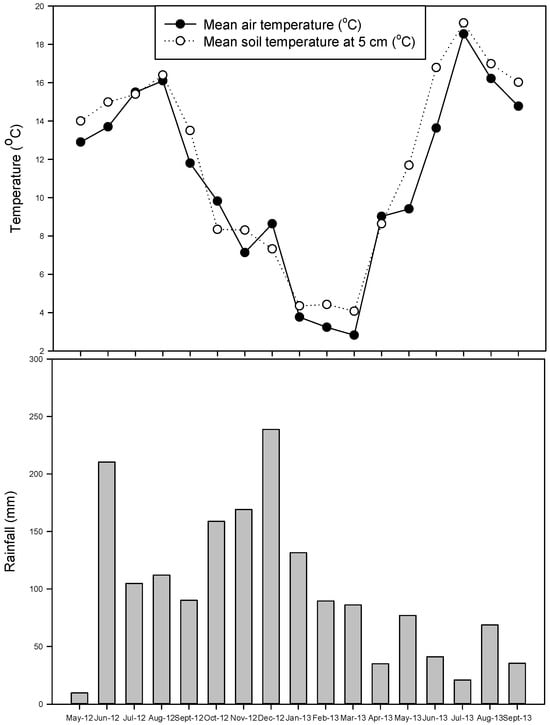
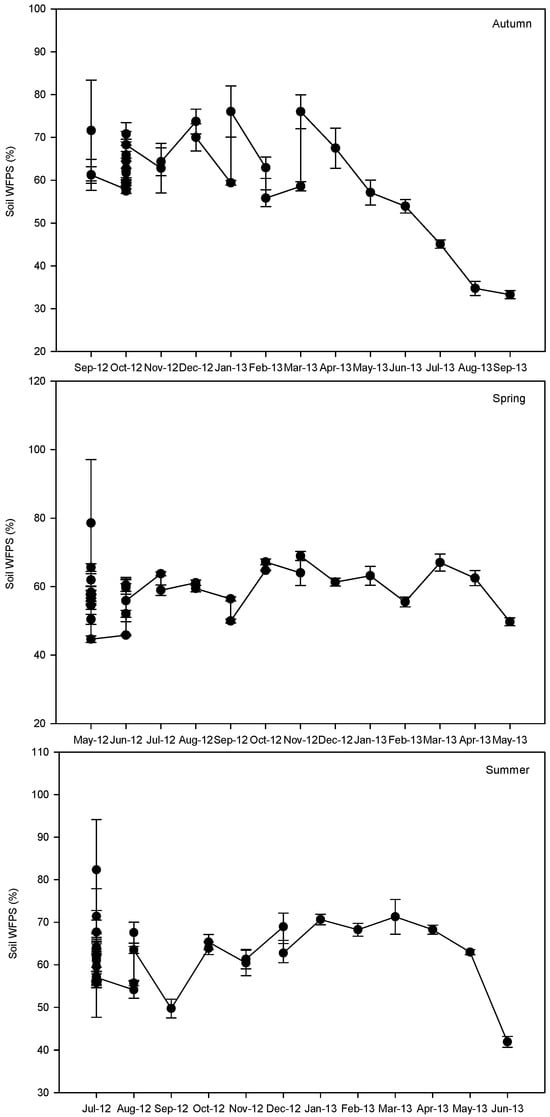
Food production systems associated with livestock management are significant sources of greenhouse gases (GHGs). Livestock excreta are one of the primary sources of GHG emissions from grazing livestock. Against this context, a field experiment was established in a UK grassland to establish the extent of soil methane (CH4), carbon dioxide (CO2), andN2O fluxes upon the deposition of (i) cattle urine (U), (ii) urine + dicyandiamide (DCD) (U + DCD), (iii) artificial urine (AU), and dung (D), and compared with a (iv) control, where neither urine nor dung was applied. Excreta applications were made at three experimental periods during the grazing season: early-, mid-, and late-season. Soil N2O emissions data have been published already by co-authors; hence, this paper summarizes the emissions of soil-borne CH4 and CO2 emissions, and explores in particular, the effects of the addition of DCD, a nitrification inhibitor used to reduce direct and indirect N2O emissions from urine patches, on these (carbon) C-GHGs. Soil moisture (p = 0.47), soil temperature (p = 0.51), and nitrate (NO3−) (p = 0.049) and ammonium (NH4+) (p = 0.66) availability, and C (p = 0.54) addition were key controls of both soil CH4 and CO2 emissions. The dung treatment stimulated the production and subsequent emissions of soil CH4 and CO2, a significantly high net CH4 and CO2-based global warming potential (GWP). The findings of the current study lay a foundation for an in-depth understanding of the magnitude and dynamics of soil-borne CH4 and CO2 upon urine and dung deposition during three different seasons. This study implies that the use of DCD may have the potential to reduce carbon-based GHGs from the urine and dung of grazing animals.
Full article

Figure 1
Open AccessArticle
Interspecific Variation in Methane Emissions Under Wind Exposure from Two Cultivated Species of Brassicaceae
by
Emma J. Daigle and Mirwais M. Qaderi
Methane 2026, 5(1), 3; https://doi.org/10.3390/methane5010003 - 1 Jan 2026
Abstract
►▼
Show Figures
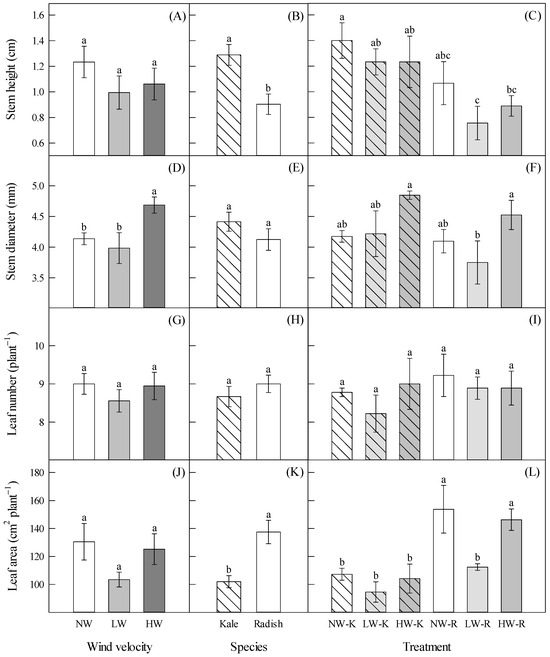
Aerobically produced methane (CH4) from plants is influenced by several environmental factors, but wind velocity has yet to be investigated for its potential role in plant-derived CH4 emissions. We tested three wind velocities (0, 6, and 12 km h−1
[...] Read more.
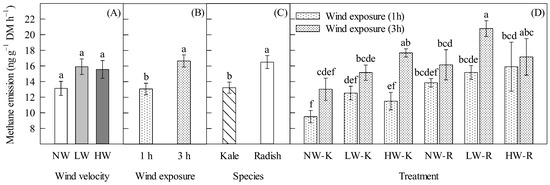
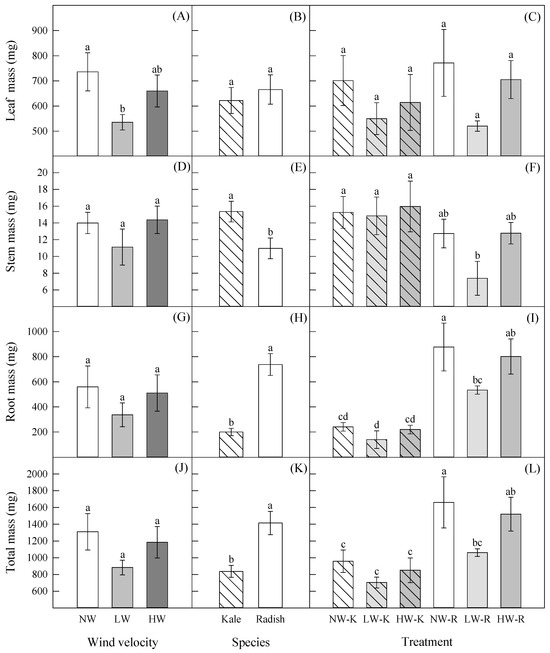
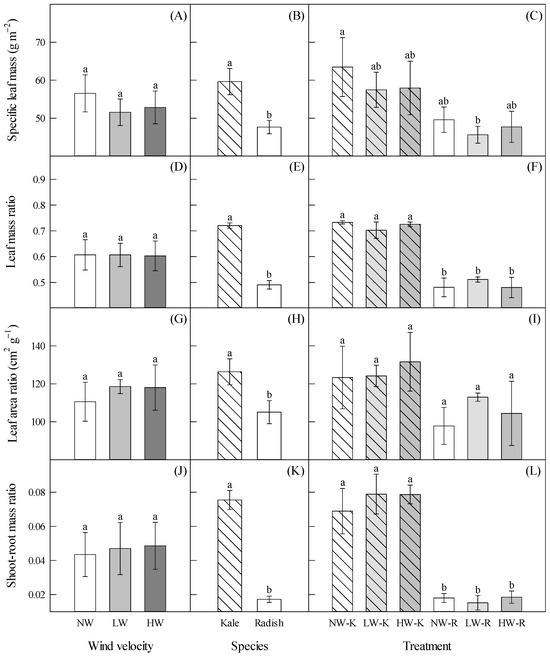
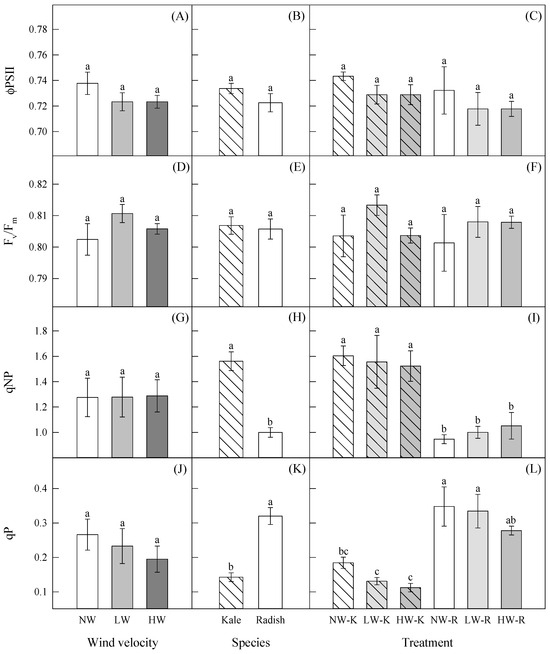
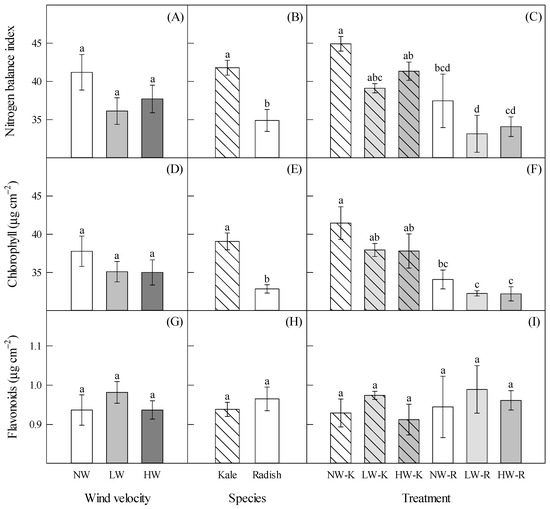
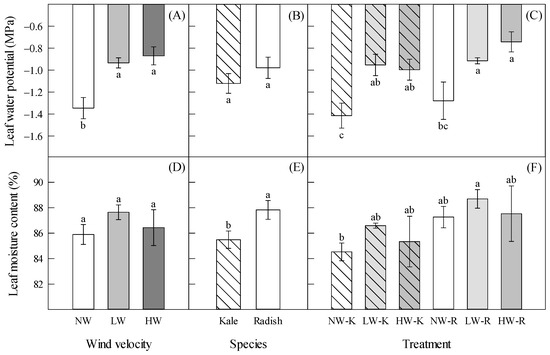
Aerobically produced methane (CH4) from plants is influenced by several environmental factors, but wind velocity has yet to be investigated for its potential role in plant-derived CH4 emissions. We tested three wind velocities (0, 6, and 12 km h−1) on a wind-susceptible, Raphanus sativus (radish), and a wind-tolerant, Brassica oleracea var. sabellica (kale) plant species to investigate the effects of wind on plant-derived CH4, and to compare how varying tolerances to wind affect CH4 emissions. We found that wind exposure resulted in a decrease in leaf surface area, root and total dry mass, and an increase in leaf water potential for radish plants, while kale plants were affected minimally by wind. Radish plants emitted more CH4 than kale plants, although the effect of wind velocity on CH4 emissions and several of the measured traits was insignificant. Our study revealed that short-term exposure to lower wind velocities is generally insufficient to induce significant changes in plant growth and functioning. However, we showed that radish plants were more stressed by exposure to wind compared to kale plants, as indicated by lower plant growth and higher CH4 emissions.
Full article

Figure 1
Open AccessArticle
Substrate Composition Shapes Methanogenesis, Microbial Ecology, and Digestate Dewaterability in Microbial Electrolysis Cell-Assisted Anaerobic Digestion of Food Waste
by
Jiaojiao Yang, Baihui Cui, Xiaodong Xin, Yves Iradukunda and Wangwang Yan
Methane 2026, 5(1), 2; https://doi.org/10.3390/methane5010002 - 25 Dec 2025
Cited by 1
Abstract
The compositional heterogeneity of food waste greatly influences its bioconversion in microbial electrolysis cell (MEC)-assisted anaerobic digestion (AD), but the underlying mechanism remains unclear. Therefore, this study assessed two typical food wastes, i.e., starch-rich rice and cellulose-rich vegetables, on methane production, microbial constituents,
[...] Read more.
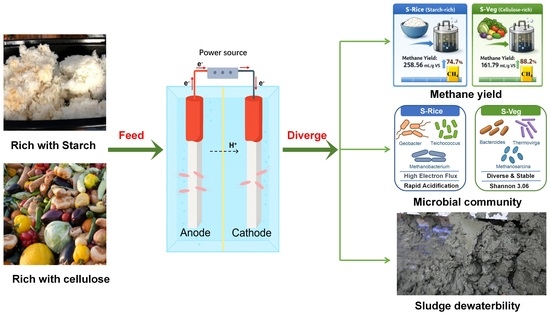
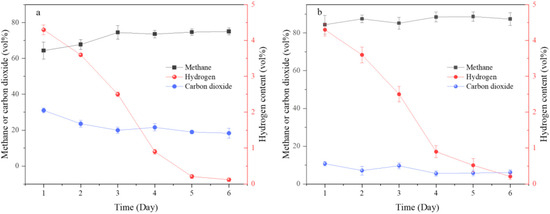
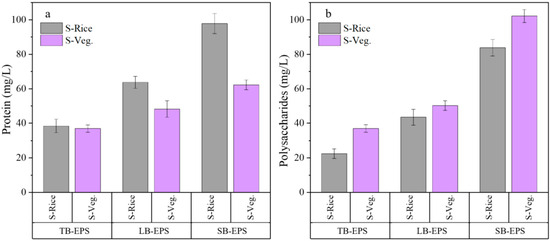
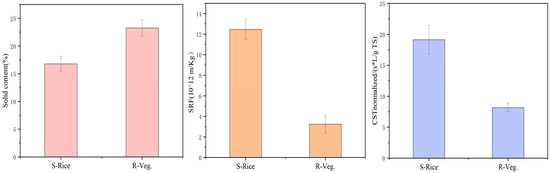
The compositional heterogeneity of food waste greatly influences its bioconversion in microbial electrolysis cell (MEC)-assisted anaerobic digestion (AD), but the underlying mechanism remains unclear. Therefore, this study assessed two typical food wastes, i.e., starch-rich rice and cellulose-rich vegetables, on methane production, microbial constituents, and digestate dewaterability in single-chamber MECs. The results demonstrated that, while the rice-fed MEC (258.56 mL/g VS) achieved a higher methane yield compared to the vegetable-fed MEC (161.79 mL/g VS), the latter achieved higher methane purity. Temporal profiles of volatile fatty acids (VFAs) revealed rapid acidification and consumption in rice-fed systems, whereas vegetable-fed MEC exhibited delayed degradation. Additionally, the substrate type greatly influenced digestate dewaterability, since digestate from the vegetable-fed MEC exhibited lower specific resistance to filtration (3.25 × 10¹² m/kg vs. 12.46 × 10¹² m/kg) and capillary suction time (8.16 s·L/g vs. 19.14 s·L/g) compared to that from the rice-fed MEC. This improvement was likely attributed to high polysaccharides in extracellular polymeric substances (EPS) and cellulose’s structural properties, which promoted the formation of a porous, less compressible sludge cake that facilitated sludge dewaterability. Microbial community analysis revealed a substrate-driven specialization, as the rice-fed MECs enriched exoelectrogens (e.g., Geobacter, Trichococcus) and hydrogenotrophic methanogens (i.e., Methanobacterium), while the vegetables enriched Bacteroides and Methanosarcina. Collectively, these results suggest substrate composition profoundly influences methane yield, metabolic pathways, microbial ecology, and digestate properties in MEC-assisted AD. This work provides key insights into the role of feedstock characteristics in shaping MEC-assisted AD systems.
Full article
(This article belongs to the Special Issue Innovations in Methane Production from Anaerobic Digestion)
►▼
Show Figures

Graphical abstract
Open AccessArticle
Specific Nature of Neutral Red: A Study on Methanosarcina barkeri
by
Priyanka Srivastava and Sheikh S. Rahman
Methane 2026, 5(1), 1; https://doi.org/10.3390/methane5010001 - 19 Dec 2025
Abstract
Neutral red (NR) is a phenazine dye that has been implicated in electron transfer processes in methanogenic archaea. NR has been previously observed to enhance methane production but its effects on Methanosarcina barkeri are unknown. This study aimed to investigate the effects of
[...] Read more.
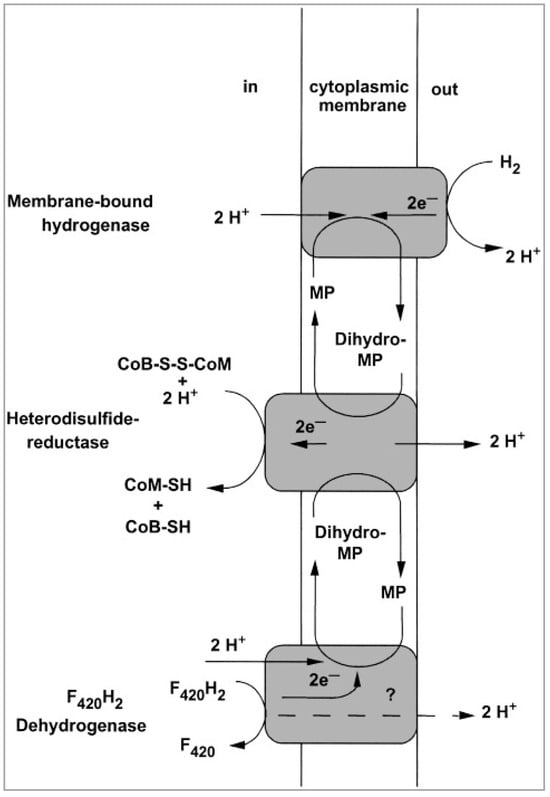
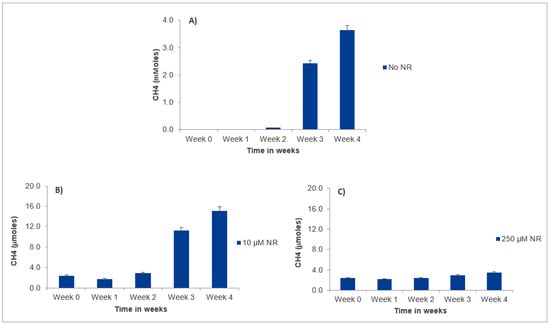
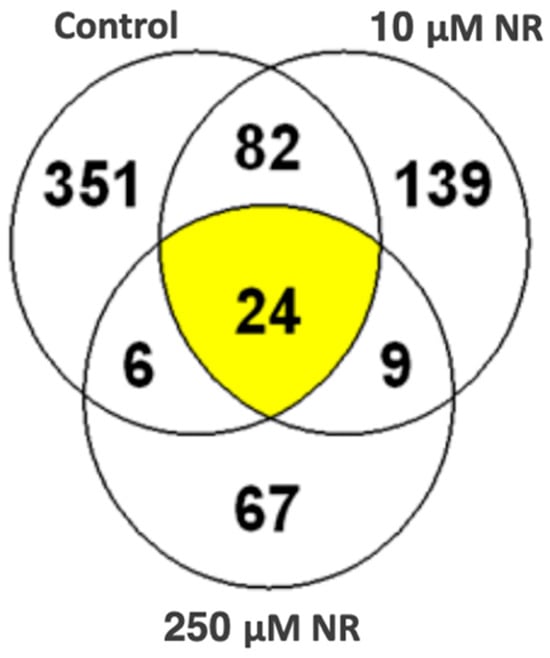
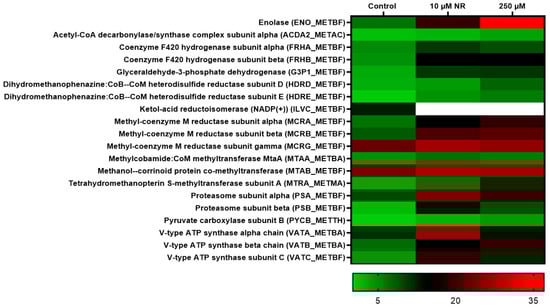
Neutral red (NR) is a phenazine dye that has been implicated in electron transfer processes in methanogenic archaea. NR has been previously observed to enhance methane production but its effects on Methanosarcina barkeri are unknown. This study aimed to investigate the effects of NR on M. barkeri DSM-804. M. barkeri cultures were grown in the presence of 10 and 250 µM NR for four weeks, and proteomic analysis was performed using liquid chromatography-tandem mass spectrometry (LC-MS/MS). The results showed that methane production was significantly reduced in the presence of NR, at lower concentrations of both 10 and 250 µM NR treatments, compared to the control. Proteomic analysis revealed the downregulation of proteins related to substrate metabolism and methanogenesis, such as the heterodisulfide reductase subunits D (HDRD_METBF) and E (HDRE_METBF), suggesting that NR hindered essential metabolic processes. Proteomic analysis also revealed that M. barkeri lacked methanophenazine in its membrane, which is a component essential for electron transport via neutral red (NR) that supports enhanced growth and methane production. Further research is needed to explore the role of methanophenazine and understand the mechanisms underlying NR’s effects of NR on methanogenesis in M. barkeri.
Full article
(This article belongs to the Special Issue Innovations in Methane Production from Anaerobic Digestion)
►▼
Show Figures

Figure 1
Open AccessArticle
Enteric Methane Emission Estimates for Cattle in Zambia from 1994 to 2022 Using the IPCC Tier 2 Approach
by
Idowu Kolawole Odubote, Chisoni Mumba, Shimels Wassie, Christian Adjogo Bateki and Andreas Wilkes
Methane 2025, 4(4), 30; https://doi.org/10.3390/methane4040030 - 15 Dec 2025
Abstract
►▼
Show Figures
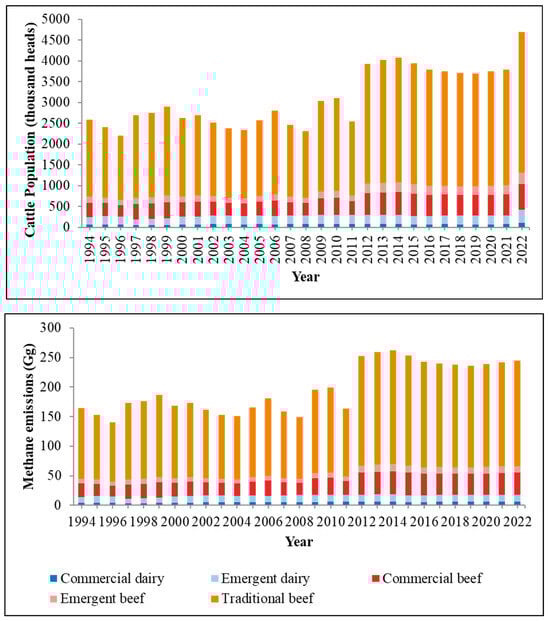
Agriculture is a significant contributor to greenhouse gas (GHG) emissions, with enteric methane (EntCH4) from cattle production being a major source. In Zambia, cattle play a critical role in rural livelihoods and food security, yet the contribution of cattle production systems
[...] Read more.
Agriculture is a significant contributor to greenhouse gas (GHG) emissions, with enteric methane (EntCH4) from cattle production being a major source. In Zambia, cattle play a critical role in rural livelihoods and food security, yet the contribution of cattle production systems to national GHG emissions remains poorly quantified. This study used the Intergovernmental Panel on Climate Change (IPCC) Tier 2 method to estimate EntCH4 from Zambia’s cattle population from 1994 to 2022. The Tier 2 method provides a more accurate estimate than the Tier 1 method by incorporating country-specific data on cattle population demographics, husbandry, and feeding practices. The results show significant variations in EntCH4 over time, driven by changes in cattle population dynamics and production practices. This study underscored the importance of transitioning from the generalized Tier 1 to the Tier 2 method to capture the unique characteristics of Zambia’s cattle production systems. The present findings provide critical insights for developing targeted mitigation strategies that will support Zambia’s ongoing efforts to address climate change while promoting sustainable livestock production.
Full article

Figure 1
Open AccessArticle
Using Methane to Support Renewables for Decarbonisation
by
Stephen A. Lloyd and William J. Atteridge
Methane 2025, 4(4), 29; https://doi.org/10.3390/methane4040029 - 12 Dec 2025
Abstract
The cost of “carbon net zero by year 2050” for the UK will be high, and this target date can only be achieved if the project is undertaken in a progressive and timely manner; otherwise, costs will escalate. The base power source behind
[...] Read more.
The cost of “carbon net zero by year 2050” for the UK will be high, and this target date can only be achieved if the project is undertaken in a progressive and timely manner; otherwise, costs will escalate. The base power source behind the UK approach to “net zero” is nuclear fission electricity power stations, and the ones currently on order are running significantly late. Renewables will provide some supply together with interconnectors, but only approx. twenty percent of the planned wind turbines are in place. The electricity distribution grid must change to satisfy the UK’s planned “electricity-based” future. Energy use for transport is also a significant fraction of total UK energy consumption and we include predictions for their associated emissions. These must be reduced in a progressive and timely fashion. Intermittent support for unreliable renewables is necessary and methods employing both liquid as well as gaseous fuels are suggested. Means to use and upgrade the existing infrastructure are considered, and a few of the basic building blocks of the future are examined regarding their installation without significant interruption to the basic UK economy. ANR/AMR and SMR are included as potential renewables support as well as base load generators, and the approx. quantity of CO2e emissions avoided is estimated. Even though methane is a powerful greenhouse gas, the main support for renewables will be UK natural gas (methane content ~95%), with Avtur/diesel as a recommended reserve. It is suggested that methane has a significant short- to medium-term future as a transition fuel.
Full article
(This article belongs to the Special Issue From Methane to Hydrogen: Innovations and Implications)
Highly Accessed Articles
Latest Books
E-Mail Alert
News
Topics
Topic in
Agronomy, Crops, Land, Plants, Atmosphere, Nitrogen, Agriculture, Methane
Multi-Objective Optimization of Staple Crop Production for Yield, Carbon Sequestration, and Greenhouse Gas Mitigation
Topic Editors: Qiang Xu, Wei Yang, Ziyin Shang, Peng ZhangDeadline: 31 October 2026
Special Issues
Special Issue in
Methane
Innovations in Methane Production from Anaerobic Digestion
Guest Editor: Benedikt HülsemannDeadline: 15 June 2026
Special Issue in
Methane
From Methane to Hydrogen: Innovations and Implications
Guest Editors: Elodie Fourré, Xiaohai Zheng, Jeffrey D. MooreDeadline: 31 October 2026
Special Issue in
Methane
Mitigating Methane Emissions Through Innovative Animal Nutrition Strategies
Guest Editors: Jonathan Raúl Garay-Martínez, José Felipe Orzuna-Orzuna, Jorge Alonso Maldonado-JáquezDeadline: 30 November 2026
Special Issue in
Methane
250 Years of Methane: From Discovery to Global Challenges
Guest Editors: Patrick Da Costa, Brad RidouttDeadline: 31 December 2026