
Journal Description
Marine Drugs
Marine Drugs
is an international, peer-reviewed, open access journal on the research, development, and production of biologically and therapeutically active compounds from the sea, published monthly online by MDPI. The Australia New Zealand Marine Biotechnology Society (ANZMBS) is affiliated with Marine Drugs and its members receive discounts on the article processing charges.
- Open Access— free for readers, with article processing charges (APC) paid by authors or their institutions.
- High Visibility: indexed within Scopus, SCIE (Web of Science), PubMed, MEDLINE, PMC, Embase, PubAg, MarinLit, AGRIS, and other databases.
- Journal Rank: JCR - Q1 (Pharmacology and Pharmacy) / CiteScore - Q1 (Pharmacology, Toxicology and Pharmaceutics (miscellaneous))
- Rapid Publication: manuscripts are peer-reviewed and a first decision is provided to authors approximately 13.6 days after submission; acceptance to publication is undertaken in 1.9 days (median values for papers published in this journal in the second half of 2025).
- Recognition of Reviewers: reviewers who provide timely, thorough peer-review reports receive vouchers entitling them to a discount on the APC of their next publication in any MDPI journal, in appreciation of the work done.
- Journal Clusters-Pharmaceutical Science: Scientia Pharmaceutica, Marine Drugs, Pharmaceuticals, Pharmaceutics, Pharmacy, Future Pharmacology, Pharmacoepidemiology, Drugs and Drug Candidates and Journal of Pharmaceutical and BioTech Industry.
Impact Factor:
5.4 (2024);
5-Year Impact Factor:
5.6 (2024)
Latest Articles
Sodium Alginate Hydrogel with Zinc Ion Nanoparticles for Synergistic Neuroprotection and Functional Recovery in Spinal Cord Injury
Mar. Drugs 2026, 24(5), 176; https://doi.org/10.3390/md24050176 - 13 May 2026
Abstract
The current lack of effective treatments for traumatic spinal cord injury (SCI) presents a significant challenge in managing the complex microenvironmental alterations that follow the initial trauma. This study developed an injectable alginate hydrogel dynamically cross-linked by tannic acid–zinc nanoparticles (TA@Zn NPs), which
[...] Read more.
The current lack of effective treatments for traumatic spinal cord injury (SCI) presents a significant challenge in managing the complex microenvironmental alterations that follow the initial trauma. This study developed an injectable alginate hydrogel dynamically cross-linked by tannic acid–zinc nanoparticles (TA@Zn NPs), which exerts neuroprotective effects through the sustained release of zinc ions (Zn2+) and antioxidant TA@Zn NPs. TA@Zn NPs were cross-linked with phenylboronic acid-modified sodium alginate (SA) to form an injectable gel system. In response to the acidic and ROS-rich microenvironment characteristic of SCI, the hydrogel undergoes degradation, thereby triggering the disintegration of TA@Zn NPs and the concomitant release of Zn2+, enabling sustained therapeutic delivery. In a rat model of contusion injury, the degradation of TA@Zn NPs and the sustained release of Zn2+ significantly reduced oxidative damage and promoted axonal regeneration, which in turn inhibited scar formation and enhanced the tissue’s antioxidant capacity. Consequently, the group treated with the Zn2+-releasing hydrogel exhibited significant recovery of motor function. Collectively, these results validate the dual-function integration of Zn2+ as a dynamic cross-linker and neuroprotective agent within injectable hydrogels as a robust strategy for SCI repair, presenting a clinically translatable paradigm for neural regeneration.
Full article
(This article belongs to the Section Marine Pharmacology)
►
Show Figures
Open AccessArticle
Marine-Derived Neoagarotetraose Alleviates Dry Eye Disease by Suppressing Inflammation and Apoptosis in a Murine Model
by
Nan Wu, Yating Du, Chaocheng Wu, Zhuhua Chan and Runying Zeng
Mar. Drugs 2026, 24(5), 175; https://doi.org/10.3390/md24050175 - 12 May 2026
Abstract
Dry eye disease (DED) is a complex ocular surface disorder characterized by tear film instability, chronic inflammation, and epithelial damage, for which current treatments remain limited. Marine-derived bioactive oligosaccharides have attracted increasing interest due to their diverse pharmacological activities and favorable safety profiles.
[...] Read more.
Dry eye disease (DED) is a complex ocular surface disorder characterized by tear film instability, chronic inflammation, and epithelial damage, for which current treatments remain limited. Marine-derived bioactive oligosaccharides have attracted increasing interest due to their diverse pharmacological activities and favorable safety profiles. In this study, we investigated the therapeutic potential of neoagarotetraose (NA4), a marine oligosaccharide derived from red algal agar, in a murine model of DED. DED was induced in eight-week-old female C57BL/6 mice by topical instillation of 0.2% benzalkonium chloride for seven consecutive days. NA4 was administered topically at concentrations of 125, 250, and 500 mg/L. Therapeutic outcomes were evaluated by tear secretion, corneal fluorescein staining, histopathological analysis, immunofluorescence staining for Ki67, F4/80, IL-1β, IL-6, and TNF-α, TUNEL assay for apoptosis, and ELISA for cytokine levels. NA4 treatment significantly improved tear secretion and reduced corneal fluorescein staining scores. Histological analysis revealed that NA4 preserved corneal epithelial thickness and restored conjunctival goblet cell density. Immunofluorescence analysis revealed that NA4 reversed inflammation-associated epithelial hyperproliferation and attenuated macrophage infiltration. Moreover, NA4 markedly suppressed the expression and tissue levels of IL-1β, IL-6, and TNF-α, and attenuated corneal epithelial apoptosis, with the 500 mg/L NA4 group showing no significant difference in efficacy compared to the positive control 0.1% sodium hyaluronate. These findings demonstrate that NA4, a marine-derived oligosaccharide, exerts multi-targeted protective effects against DED by improving tear film stability, preserving ocular surface integrity, suppressing inflammation, and reducing apoptosis. Our study highlights the potential of marine oligosaccharides such as NA4 as promising candidates for ocular surface disease management and supports the further exploration of marine resources for ophthalmic therapeutic applications.
Full article
(This article belongs to the Section Marine Pharmacology)
Open AccessArticle
Antidiabetic Effects of Ecklonia cava and Dieckol via DPP-IV Inhibition and Glucose Transport Regulation
by
Indyaswan T. Suryaningtyas, Nabila Shafura, Ratih Pangestuti, Won-Kyo Jung and Jae-Young Je
Mar. Drugs 2026, 24(5), 174; https://doi.org/10.3390/md24050174 - 12 May 2026
Abstract
Brown seaweeds are recognized for their rich content of phlorotannins with promising antidiabetic properties through multi-targeted modulation of glucose metabolism. This study investigated the antidiabetic potential of the ethyl acetate fraction of Ecklonia cava (EC-ETAC) and its major phlorotannin, dieckol, focusing on inhibition
[...] Read more.
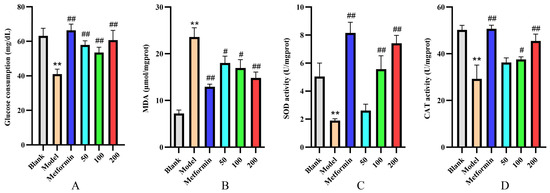
Brown seaweeds are recognized for their rich content of phlorotannins with promising antidiabetic properties through multi-targeted modulation of glucose metabolism. This study investigated the antidiabetic potential of the ethyl acetate fraction of Ecklonia cava (EC-ETAC) and its major phlorotannin, dieckol, focusing on inhibition of carbohydrate-digesting enzymes, intestinal glucose absorption, dipeptidyl peptidase-IV (DPP-IV) activity, and hepatic glucose metabolism. EC-ETAC potently inhibited α-glucosidase (IC50 = 2.2 ± 0.2 µg/mL) and α-amylase (IC50 = 41.0 ± 1.2 µg/mL), outperforming acarbose by 26-fold and 6-fold, respectively. Pure dieckol showed strong activity with IC50 values of 2.213 ± 0.04 µM (α-glucosidase) and 156.87 ± 0.124 µM (α-amylase). In differentiated Caco-2 cells, both EC-ETAC and dieckol downregulated SGLT1 and GLUT2 protein expression to ~0.5-fold of control and suppressed 2-NBDG glucose uptake by 46–53% over 120 min, effects not seen with acarbose. Dieckol inhibited DPP-IV activity (IC50 = 12.12 ± 0.021 µM), reducing in situ activity to 53.89% at 25 µM without changing DPP-IV protein levels. Molecular docking revealed high-affinity binding of dieckol to DPP-IV (−10.396 kcal/mol), directly occluding the catalytic triad (Ser630, His740). In insulin-resistant HepG2 cells, dieckol restored glucose uptake to 108.97% of control via AMPK activation (1.21-fold), GLUT2 normalization (0.84-fold), and PGC-1α recalibration (0.96-fold), matching or surpassing 1 mM metformin. These results demonstrate dual-inhibition mechanism combined with hepatic AMPK restoration, establishing dieckol as a promising marine-derived multi-targeted agent for T2DM management.
Full article
(This article belongs to the Special Issue Marine-Derived Compounds in Metabolic Regulation and Chronic Disease)
►▼
Show Figures

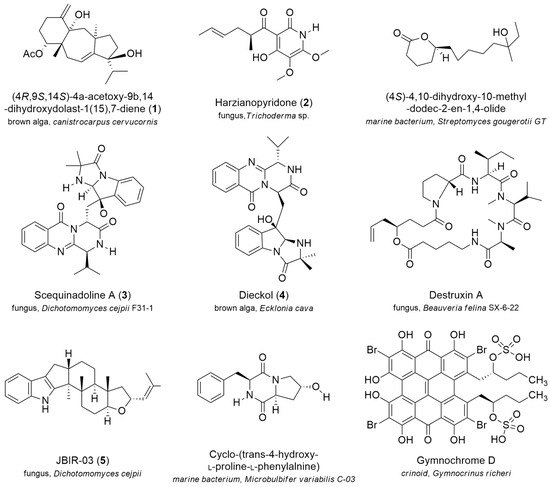
Figure 1
Open AccessReview
Marine Natural Products as Potent Anticancer Agents (2020–2024): Structural Diversity, SARs and Target Prediction
by
Zimeng Huang, Yijing Du, Junzhe Hu, Leyi Ying, Binying Zhou, Yi Hua, Hong Wang and Zhikun Yang
Mar. Drugs 2026, 24(5), 173; https://doi.org/10.3390/md24050173 - 10 May 2026
Abstract
In recent years, Marine Natural Products (MNPs) have emerged as a significant source for anticancer drug discovery, as many natural products can offer structural diversity, unique mechanisms of action, and relatively low toxicity. This article provides a systematic review of MNPs with reported
[...] Read more.
In recent years, Marine Natural Products (MNPs) have emerged as a significant source for anticancer drug discovery, as many natural products can offer structural diversity, unique mechanisms of action, and relatively low toxicity. This article provides a systematic review of MNPs with reported anticancer activities from 2020 to 2024. These compounds are classified into seven major categories: terpenoids, alkaloids, sterols, polyketides, peptides and proteins, polysaccharides, and macrolides. For each category, we elaborate on the marine sources, structural identification, in vitro anticancer activity, and preliminary structure–activity relationships. We found that sponges and marine-derived fungi are the most abundant sources of highly active compounds. Furthermore, knowledge graph-based analysis reveals that oxygen- and nitrogen-containing heterocycles constitute the core pharmacophores, and target prediction further indicates that MNPs exert anticancer effects through coordinated modulation of a multi-target network involving kinases, proteasomes, and nuclear receptors. This review contributes significantly to a deeper understanding of recent advances (2020–2024) in MNPs and provides critical guidance for promoting the development of innovative anticancer drugs derived from marine resources.
Full article
(This article belongs to the Section Marine Pharmacology)
►▼
Show Figures

Figure 1
Open AccessArticle
Multi-Omics Reveals Tetrodotoxin Transport and Accumulation Mechanisms in Takifugu bimaculatus
by
Xinxin Zhang, Min Xu, Jiapeng Qi, Shuigen Li, Xiaoting Chen, Bei Chen, Shuilin Cai, Kun Qiao, Qilin Huang and Zhiyu Liu
Mar. Drugs 2026, 24(5), 172; https://doi.org/10.3390/md24050172 - 10 May 2026
Abstract
The potent toxicity of tetrodotoxin (TTX) has long constrained sustainable growth in pufferfish aquaculture. Takifugu bimaculatus, an economically important species farmed along the coast of Fujian, China, remains poorly understood regarding how it transports and accumulates this potent neurotoxin. To address this
[...] Read more.
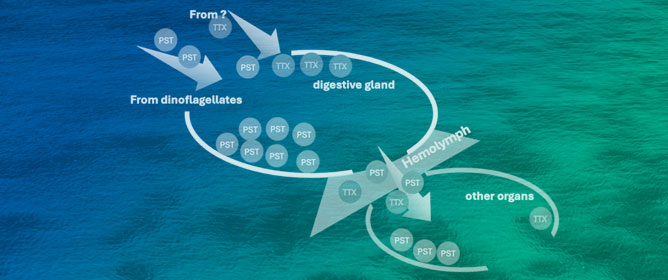
The potent toxicity of tetrodotoxin (TTX) has long constrained sustainable growth in pufferfish aquaculture. Takifugu bimaculatus, an economically important species farmed along the coast of Fujian, China, remains poorly understood regarding how it transports and accumulates this potent neurotoxin. To address this gap, we combined transcriptomic and proteomic analyses to characterize the molecular responses of T. bimaculatus to TTX exposure. After oral administration, TTX primarily accumulated in the liver, ovaries, and skin. Multi-omics profiling revealed 163 differentially expressed genes (DEGs) and 88 differentially expressed proteins (DEPs) in liver tissue, together with 239 DEGs and 179 DEPs in ovarian tissue. KEGG pathway analysis suggests that the liver maintains homeostasis by regulating ion concentrations and restructuring lipid raft architectures, alongside coordinated carrier protein activity. This likely supports active TTX uptake and directed transport toward the ovaries and skin, followed by metabolic clearance. By contrast, ovarian tissues appear to establish a stable, long-term reservoir through cytoskeletal remodeling, enhanced interactions with the extracellular matrix, and activated endocytic pathways. Together, these findings offer insights into how T. bimaculatus accumulates and transports TTX, laying groundwork for identifying key transporter genes, clarifying TTX metabolic pathways, and developing practical food safety controls.
Full article
(This article belongs to the Section Marine Toxins)
►▼
Show Figures

Figure 1
Open AccessArticle
Bioactive Compounds from Microalgae and Cyanobacteria: Evaluation of Their Antioxidant and Antimicrobial Activities
by
Bruna de Falco, Carlos José Martel-Benítez, Carlos Almeida, Attilio Anzano, Francesco Pisapia, José Luis Martín-Barrasa, Antera Martel Quintana and Juan Luis Gómez-Pinchetti
Mar. Drugs 2026, 24(5), 171; https://doi.org/10.3390/md24050171 - 9 May 2026
Abstract
Microalgae hold great potential towards pharmaceutical and nutraceutical sectors due to their substantial content of highly functional bioactive compounds. To assess their potential as a sustainable source of valuable products, 10 cyanobacterial and 10 eukaryotic microalgal strains belonging to different taxonomic groups (Chlorophyta,
[...] Read more.
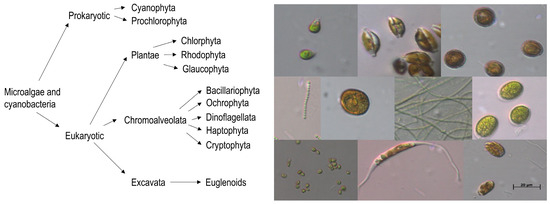
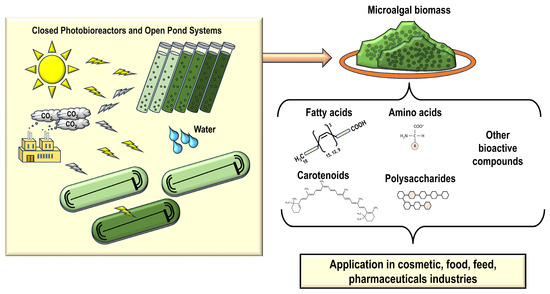
Microalgae hold great potential towards pharmaceutical and nutraceutical sectors due to their substantial content of highly functional bioactive compounds. To assess their potential as a sustainable source of valuable products, 10 cyanobacterial and 10 eukaryotic microalgal strains belonging to different taxonomic groups (Chlorophyta, Cyanophyta, Euglenophyta, Heterokontophyta and Rhodophyta) were screened for their biochemical profile, antioxidant and antimicrobial activity against Staphylococcus aureus. Total phenol content and antioxidant activity were positively correlated (r = 0.69, p < 0.01), with the highest values observed in Euglena cantabrica, Haematococcus pluvialis, and Chrysoreinhardia giraudii. HPLC-PAD pigment analysis revealed species-specific profiles, with β,β-carotene as major carotenoid in most cyanobacteria, whereas neoxanthin, violaxanthin and lutein were predominantly present in Chlorophyta, and fucoxanthin was the main carotenoid in C. giraudii, Entomoneis sp. and Isochrysis galbana. Protein content ranged from 9.2 ± 0.4% to 57.6 ± 0.5% with the highest levels in the cyanobacteria Microcystis aeruginosa, Nostoc sp., Cylindrospermum stagnale, Anabaena minutissima, and Arthrospira platensis. Multivariate analysis differentiated cyanobacteria and eukaryotes based on their fatty acid profiles. Organic extracts from 15 species showed inhibitory effects against S. aureus with MIC50 < 1024 µg/mL. The eukaryotes Entomoneis sp., C. giraudii, I. galbana, Picochlorum sp. and the cyanobacteria C. stagnale and Nodularia sp. exhibited the strongest inhibitory effects on bacterial growth. In conclusion, E. cantabrica and C. giraudii stood out for their high antioxidant activity and significant antimicrobial effects, respectively, highlighting their potential as valuable sources of bioactive compounds.
Full article
(This article belongs to the Special Issue Green Gold: Microalgae as a Sustainable Source of Nutrients and Bioactive Compounds)
►▼
Show Figures

Graphical abstract
Open AccessReview
Marine Bioactive Peptides for Colorectal Cancer Therapy: Mechanisms, Therapeutic Potential, and Translational Challenges
by
Yueyang Lu, Guixiao Wang, Mei Zhou, Tianbao Chen and Zhimin Fan
Mar. Drugs 2026, 24(5), 170; https://doi.org/10.3390/md24050170 - 9 May 2026
Abstract
Colorectal cancer (CRC) is one of the most prevalent gastrointestinal malignancies worldwide and remains a major cause of cancer-related mortality. Although current treatment strategies, including surgery, chemotherapy, radiotherapy, and targeted therapies, have improved patient outcomes, their effectiveness is frequently limited by multidrug resistance,
[...] Read more.
Colorectal cancer (CRC) is one of the most prevalent gastrointestinal malignancies worldwide and remains a major cause of cancer-related mortality. Although current treatment strategies, including surgery, chemotherapy, radiotherapy, and targeted therapies, have improved patient outcomes, their effectiveness is frequently limited by multidrug resistance, severe adverse effects, tumour recurrence, and restricted patient applicability. Consequently, there is an urgent need to develop novel therapeutic agents with improved efficacy and reduced toxicity. Marine bioactive peptides have emerged as promising candidates for CRC therapy because of their remarkable structural diversity, unique evolutionary adaptations, and broad spectrum of biological activities. Numerous marine-derived peptides exhibit potent anti-CRC effects by inducing apoptosis, regulating cell-cycle progression, suppressing invasion and metastasis, inhibiting angiogenesis, and modulating the tumour microenvironment while generally demonstrating low toxicity toward normal cells. Despite these advantages, the clinical translation of marine peptides remains constrained by several challenges, including poor stability, rapid enzymatic degradation, limited bioavailability, difficulties in large-scale production, insufficient target characterization, and a lack of long-term safety evaluation. Recent advances in peptide engineering and pharmaceutical technology have significantly accelerated progress in this field. Strategies such as structural modification, cyclization, nanoformulation, intelligent delivery systems, and artificial intelligence-assisted peptide design have improved peptide stability, targeting efficiency, pharmacokinetic properties, and production feasibility. These technological innovations provide new opportunities to overcome the major limitations associated with marine peptide therapeutics. This review systematically summarizes the sources, structural characteristics, extraction and purification methods, molecular mechanisms, and in vitro and in vivo anti-CRC activities of marine-derived peptides. In addition, the major translational challenges and current technological solutions are critically discussed, with particular emphasis on the integration of multidisciplinary approaches for the development of next-generation marine peptide-based therapeutics for colorectal cancer.
Full article
(This article belongs to the Special Issue Marine Bioactive Peptides—Structure, Function and Application, 3rd Edition)
►▼
Show Figures

Graphical abstract
Open AccessCommunication
Metformin-like Methylglyoxal Scavengers from Macroalgae Chondrus crispus and Gracilaria vermiculophyla Preserve Cell Viability
by
George S. Hanna, Menny M. Benjamin, Latarsha Porcher, Sriram Vijayraghavan, Natalie Saini and Mark T. Hamann
Mar. Drugs 2026, 24(5), 169; https://doi.org/10.3390/md24050169 - 9 May 2026
Abstract
A quantitative NMR assay was utilized to identify methylglyoxal-scavenging natural products from Rhodophytes, Chondrus crispus and Gracilaria vermiculophylla. This revealed the activity of guanylurea-containing amino acid derivatives, gongrine and gigartinine. The molecules share structural features with the frontline blood glucose-lowering drug and
[...] Read more.
A quantitative NMR assay was utilized to identify methylglyoxal-scavenging natural products from Rhodophytes, Chondrus crispus and Gracilaria vermiculophylla. This revealed the activity of guanylurea-containing amino acid derivatives, gongrine and gigartinine. The molecules share structural features with the frontline blood glucose-lowering drug and plant natural product derivative, metformin, and scavenge methylglyoxal via the same mechanism, resulting in an imidazole-containing Advanced Glycation Endproduct or AGE. The protective effect of the molecules reported here was evaluated in a cell-based model for reactive aldehyde stress using methylglyoxal exposure to reduce cell viability. Gongrine, gigartinine, and metformin all preserve cell viability in HepG2 following methylglyoxal exposure. This is the first report of methylglyoxal scavenging and cell viability protection of these macroalgae-derived guanylurea-containing natural products, which can be found in high abundance in commonly consumed and industrially produced macroalgae species. The compounds presented here, along with their algal sources, offer a unique opportunity to produce guanylureas with therapeutic potential through sustainable production methods from easily cultivated algal sources.
Full article
(This article belongs to the Special Issue Algae Research: From Cultivation to Drugs)
►▼
Show Figures

Graphical abstract
Open AccessArticle
Isolation and Characterization of St-CRPs: Cysteine-Rich Peptides from the Arctic Marine Ascidian Synoicum turgens
by
Ida K. Ø. Hansen, Philip B. Rainsford, Johan Isaksson, Kine Ø. Hansen, Klara Stensvåg, Anastasia Albert, Terje Vasskog and Tor Haug
Mar. Drugs 2026, 24(5), 168; https://doi.org/10.3390/md24050168 - 8 May 2026
Abstract
Ascidians are a group of marine invertebrates, most of which are sessile and soft-bodied. Their lack of an adaptive immune system makes them rely on innate immune responses to detect and eliminate invading microbes. Antimicrobial peptides (AMPs) play an essential part in this
[...] Read more.
Ascidians are a group of marine invertebrates, most of which are sessile and soft-bodied. Their lack of an adaptive immune system makes them rely on innate immune responses to detect and eliminate invading microbes. Antimicrobial peptides (AMPs) play an essential part in this process. In this paper, we present the isolation, structure elucidation, and bioactivities of two new cysteine-rich peptides (CRPs) from the Arctic marine ascidian Synoicum turgens. The sequences and structures of the peptides were determined by Edman degradation sequencing, mass spectrometry, and NMR analysis. This revealed two novel 2 kDa peptides, St-CRP-1 and St-CRP-2, with neutral net charge and C-terminal amidation. St-CRP-1 consisted of 18 amino acids and displayed selective and moderate growth inhibition of two Gram-positive bacterial strains (Bacillus subtilis and Corynebacterium glutamicum) at 24.6 µM, whereas St-CRP-2 consisted of 19 amino acids and inhibited the growth of B. subtilis at 49.2 µM. St-CRP-1 had no effect on two mammalian cell lines or the brine shrimp Artemia salina at the highest concentration tested. Structural analysis of the St-CRPs indicated a Cys1–Cys6, Cys2–Cys4, and Cys3–Cys5 disulfide connectivity, which is also found in alpha-defensins. The results from this study show that Arctic marine ascidians are a rich source of novel bioactive peptides.
Full article
(This article belongs to the Special Issue Research on Marine Antimicrobial Peptides)
►▼
Show Figures

Graphical abstract
Open AccessArticle
Convergent Total Synthesis of PM742 and SAR-Guided Development of the Clinical Candidate PM534
by
María Jesús Martín, Juan Hernando, Raquel Rodríguez-Acebes, Asier Gómez-SanJuan, Andrés Francesch, Simon Munt and Carmen Cuevas
Mar. Drugs 2026, 24(5), 167; https://doi.org/10.3390/md24050167 - 7 May 2026
Abstract
We report the first total synthesis of PM742 using N-Boc-D-Norvaline and 2-Methyl-L-Cysteine hydrochloride as starting materials in a convergent sequence of eight chemical steps. This strategy provides efficient access to PM742 and enables the preparation of structurally related analogs. PM742 exhibited in vitro
[...] Read more.
We report the first total synthesis of PM742 using N-Boc-D-Norvaline and 2-Methyl-L-Cysteine hydrochloride as starting materials in a convergent sequence of eight chemical steps. This strategy provides efficient access to PM742 and enables the preparation of structurally related analogs. PM742 exhibited in vitro cytotoxic activity against a panel of human tumor cell lines, which prompted preliminary structure-activity relationship (SAR) studies. These efforts led to the preparation of PM534, a related analog with improved activity that has now entered Phase I clinical trials in humans.
Full article
(This article belongs to the Section Synthesis and Medicinal Chemistry of Marine Natural Products)
►▼
Show Figures

Graphical abstract
Open AccessReview
Long-Chain n-3 Polyunsaturated Fatty Acids Attenuate the Severity of Obesity-Associated White Adipose Tissue and Skeletal Muscle Dysfunction
by
Ala Alzubi, Alyssa Lucchesi, Jessie L. Burns, Clara E. Cho, David W. L. Ma, Lindsay E. Robinson and Jennifer M. Monk
Mar. Drugs 2026, 24(5), 166; https://doi.org/10.3390/md24050166 - 6 May 2026
Abstract
Obesity is a complex metabolic disorder defined by a body mass index greater than 30 kg/m2, excess adipose tissue accumulation, chronic low-grade inflammation and metabolic dysfunction, leading to increased susceptibility to other chronic conditions. Evidence from both mechanistic pre-clinical studies and
[...] Read more.
Obesity is a complex metabolic disorder defined by a body mass index greater than 30 kg/m2, excess adipose tissue accumulation, chronic low-grade inflammation and metabolic dysfunction, leading to increased susceptibility to other chronic conditions. Evidence from both mechanistic pre-clinical studies and human clinical trial suggests a role for long-chain (LC) n-3 polyunsaturated fatty acids (PUFAs), namely eicosapentaenoic acid (EPA) and docosahexaenoic acid (DHA), to modulate obesity-associated outcomes and attenuate the production of inflammatory mediators, namely adipokines from adipose tissue and myokines from skeletal muscle, that can mitigate inflammation-associated metabolic dysfunction. Therefore, this narrative review synthesizes evidence and mechanistic insights on the role(s) of n-3 PUFA in regulating obesity-associated changes in adipose tissue and skeletal muscle inflammation and immune cell trafficking and metabolic outcomes.
Full article
(This article belongs to the Special Issue Research on Marine Compounds and Inflammation)
►▼
Show Figures

Figure 1
Open AccessReview
Research Progress on Marine Active Substances in Improving Atherosclerosis
by
Chenyang Xie, Jiapeng Qi, Wenmei Huang, Bei Chen, Min Xu, Shuji Liu, Yongchang Su, Yixiong Lin, Kun Qiao and Zhiyu Liu
Mar. Drugs 2026, 24(5), 165; https://doi.org/10.3390/md24050165 - 6 May 2026
Abstract
Atherosclerosis is the primary pathological foundation of various cardiovascular and cerebrovascular diseases. Although existing treatment strategies exhibit certain efficacy, they still encounter limitations such as pronounced side effects and a single-target approach. The oceans have nurtured a rich diversity of organisms, and the
[...] Read more.
Atherosclerosis is the primary pathological foundation of various cardiovascular and cerebrovascular diseases. Although existing treatment strategies exhibit certain efficacy, they still encounter limitations such as pronounced side effects and a single-target approach. The oceans have nurtured a rich diversity of organisms, and the secondary metabolites they generate possess novel structures, diverse activities, and unique mechanisms of action, offering new prospects for the development of anti-atherosclerotic drugs. This paper reviews advancements related to research on marine-derived active substances that possess anti-atherosclerotic activity, as well as current challenges in research on active substances, with the objective of laying a foundation for the development of anti-atherosclerotic drugs.
Full article
(This article belongs to the Special Issue Marine Bioactive Substances: From By-Products to Innovative Applications)
►▼
Show Figures

Graphical abstract
Open AccessArticle
Bioinspired Antimicrobial Strategy: An Extremophile Deep Sea Peptide to Combat Cystic Fibrosis Infections Caused by Pseudomonas aeruginosa and Staphylococcus aureus
by
Céline Boidin-Wichlacz, Marc Maresca, Teddy Grandjean, Axelle Grandé, Orane Huchez, Katy Jeannot, Rémi Desmet, Benoît Snella, Nicolas Vidal, Laure Genet, Stéphanie Caby, Magalie Sénéchal, Sophie Guillier, Fabienne Ripoll-Neulat, Oleg Melnyk, Muriel Pichavant and Aurélie Tasiemski
Mar. Drugs 2026, 24(5), 164; https://doi.org/10.3390/md24050164 - 5 May 2026
Abstract
Cystic fibrosis (CF)-associated lung infections caused by Pseudomonas aeruginosa (P. aeruginosa) and Staphylococcus aureus (S. aureus) remain difficult to treat due to multidrug resistance and the redox instability of the pulmonary environment, which can impair antibiotic efficacy. In this
[...] Read more.
Cystic fibrosis (CF)-associated lung infections caused by Pseudomonas aeruginosa (P. aeruginosa) and Staphylococcus aureus (S. aureus) remain difficult to treat due to multidrug resistance and the redox instability of the pulmonary environment, which can impair antibiotic efficacy. In this study, we investigated alvinellacin (ALV), a disulfide-stabilized β-hairpin antimicrobial peptide (AMP) derived from the deep-sea polychaete Alvinella pompejana (A. pompejana), as a potential therapeutic agent naturally adapted to redox-fluctuating conditions. The antibacterial and antibiofilm activities of ALV were evaluated against multidrug-resistant (MDR) clinical isolates under CF-like reducing conditions (6 mM dithiothreitol (DTT)). Circular dichroism (CD) analysis showed that DTT did not alter the β-hairpin secondary structure of ALV, supporting its structural stability in CF-like environments. Mechanistic analyses included pore-forming assay, membrane interaction studies, scanning electron microscopy (SEM), lipid-binding assays, cytotoxicity testing, and resistance induction assays, while in vivo efficacy was assessed using the Galleria mellonella infection model. ALV demonstrated strong bactericidal activity that was maintained in the presence of NaCl or human serum. ALV did not induce bacterial resistance and effectively inhibited early-stage biofilm formation and disrupted preformed biofilms, including those of the clinical isolate, even under reducing conditions. The peptide showed selective permeabilization of bacterial membranes linked to its stronger affinity for bacterial membrane lipids and negligible interaction with host-like membranes, with no observed cytotoxicity. In vivo, ALV significantly improved survival in infected larvae. These findings highlight ALV as a promising redox-resilient antimicrobial candidate for treating MDR CF lung infections.
Full article
(This article belongs to the Section Marine Pharmacology)
►▼
Show Figures

Graphical abstract
Open AccessArticle
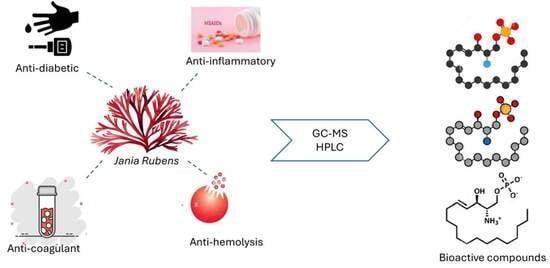
Mixotrophic Cultivation of Limnospira (Spirulina) platensis Using Early-Stage Fig Processing Wastewater: Effects on Biomass Composition, Antioxidants and Phycocyanin
by
Luca Franzoso, Luca Usai, Riccardo Allodi, Giacomo Fais, Deborah Dessì, Robinson Soto-Ramirez, Bartolomeo Cosenza, Abderrahim Damergi, Giovanni Antonio Lutzu and Alessandro Concas
Mar. Drugs 2026, 24(5), 163; https://doi.org/10.3390/md24050163 - 5 May 2026
Abstract
The valorization of agro-industrial waste streams represents a promising strategy for reducing production costs in microalgae biotechnology while promoting circular economy approaches. In this study, wastewater derived from fig jam processing was evaluated as an organic carbon source for mixotrophic cultivation of Limnospira
[...] Read more.
The valorization of agro-industrial waste streams represents a promising strategy for reducing production costs in microalgae biotechnology while promoting circular economy approaches. In this study, wastewater derived from fig jam processing was evaluated as an organic carbon source for mixotrophic cultivation of Limnospira (Spirulina) platensis. Cultures were grown under four conditions: a control medium and three concentrations of fig wastewater (FW) at 0.75%, 1.5%, and 3% (v v−1). The wastewater used in this study originates specifically from the washing and cleaning stages of dried fig processing, representing an early processing stream characterized by relatively high soluble sugar content and low thermal or chemical alteration. Biomass biochemical composition and bioactive compound production were investigated, including carbohydrates, proteins, lipids, photosynthetic pigments, polyphenols, antioxidant activity, and phycocyanin extraction yield and purity. The results showed that fig wastewater supplementation significantly influenced the metabolic profile of L. platensis. The highest protein content was obtained at 0.75% FW (44.90 ± 1.93 g 100 g−1 DW), whereas lipid accumulation increased with FW concentration, reaching 9.45 ± 2.30 g 100 g−1 DW at 3% FW. Antioxidant activity peaked at 1.5% FW (4.33 ± 0.43 μmol Trolox mg−1 DW), suggesting stimulation of oxidative stress response pathways under moderate organic supplementation. Pigment production showed different responses, with relatively stable chlorophyll and carotenoid contents but decreasing phycocyanin levels at higher FW concentrations. Phycocyanin yield decreased from 9.82 ± 1.00 g 100 g−1 DW in the control to 5.80 ± 0.22 g 100 g−1 DW at 3% FW, while purity values were highest at the highest FW concentration. These findings demonstrate that fig processing wastewater can be effectively used as an alternative organic substrate for mixotrophic Spirulina cultivation, enabling simultaneous wastewater valorization and production of biomass rich in proteins and bioactive compounds.
Full article
(This article belongs to the Special Issue Algae Research: From Cultivation to Drugs)
►▼
Show Figures

Graphical abstract
Open AccessArticle
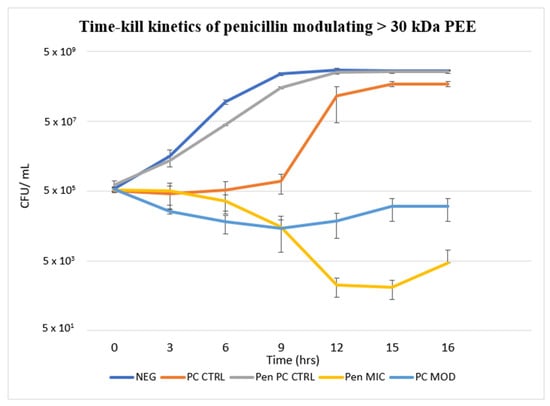
Development of HPMC-Based Hard Capsules with Rapid Disintegration Across Simulated Gastrointestinal pH Conditions: Formulation Design, Process Optimization, and Disintegration Mechanism of the HPMC/GG/ι-C Ternary System
by
Yuting Dong, Songlin Ye, Xiaojun Hong, Yafang Shi, Youcheng Liu, Xueqin Zhang, Jing Ye and Meitian Xiao
Mar. Drugs 2026, 24(5), 162; https://doi.org/10.3390/md24050162 - 2 May 2026
Abstract
While hydroxypropyl methylcellulose (HPMC) is a promising plant-based alternative to gelatin, its industrial application is limited by poor mechanical properties and high production costs. In this study, high-performance HPMC-based hard capsules were developed using an HPMC/gellan gum/ι-carrageenan ternary system. The formulation and preparation
[...] Read more.
While hydroxypropyl methylcellulose (HPMC) is a promising plant-based alternative to gelatin, its industrial application is limited by poor mechanical properties and high production costs. In this study, high-performance HPMC-based hard capsules were developed using an HPMC/gellan gum/ι-carrageenan ternary system. The formulation and preparation process were optimized via single-factor experiments, response surface methodology, and low-field nuclear magnetic resonance analysis. Scanning electron microscopy was applied to characterize the microstructural evolution during disintegration. The optimized capsules exhibited rapid disintegration within 15 min across four pH media and satisfied the requirements of the Chinese Pharmacopoeia (2025). Drug dissolution profiles using cefradine and ranitidine hydrochloride showed over 85% cumulative release within 30 min, with similarity factors higher than 50 relative to commercial gelatin capsules under the tested conditions. This work provides a feasible and low-cost strategy for the industrial production of plant-based capsules and promotes the high-value utilization of polysaccharide-based capsule materials.
Full article
(This article belongs to the Special Issue Marine-Derived Polymers for Tissue Engineering and Drug Delivery Applications)
►▼
Show Figures

Graphical abstract
Open AccessArticle
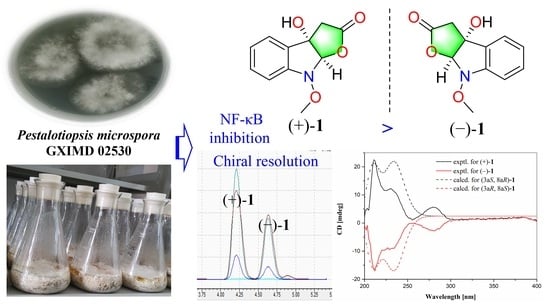
Mycosporine-like Amino Acids Biosynthesis in Asterarcys sp. Driving by Phosphorus Limitation: Evidence from Physiological and Transcriptomic Analyses
by
Liang Wei, Hualian Wu, Jiayi Wu, Houbo Wu, Jinting Lv, Tao Li and Wenzhou Xiang
Mar. Drugs 2026, 24(5), 161; https://doi.org/10.3390/md24050161 - 30 Apr 2026
Abstract
Mycosporine-like amino acids (MAAs), a class of secondary metabolites characterized by a cyclohexenone or cyclohexenimine ring structure bound to amino acid residues, are widely distributed in algae. These compounds exhibit strong ultraviolet-absorbing and antioxidant activities, making them attractive candidates for natural sunscreen formulations.
[...] Read more.
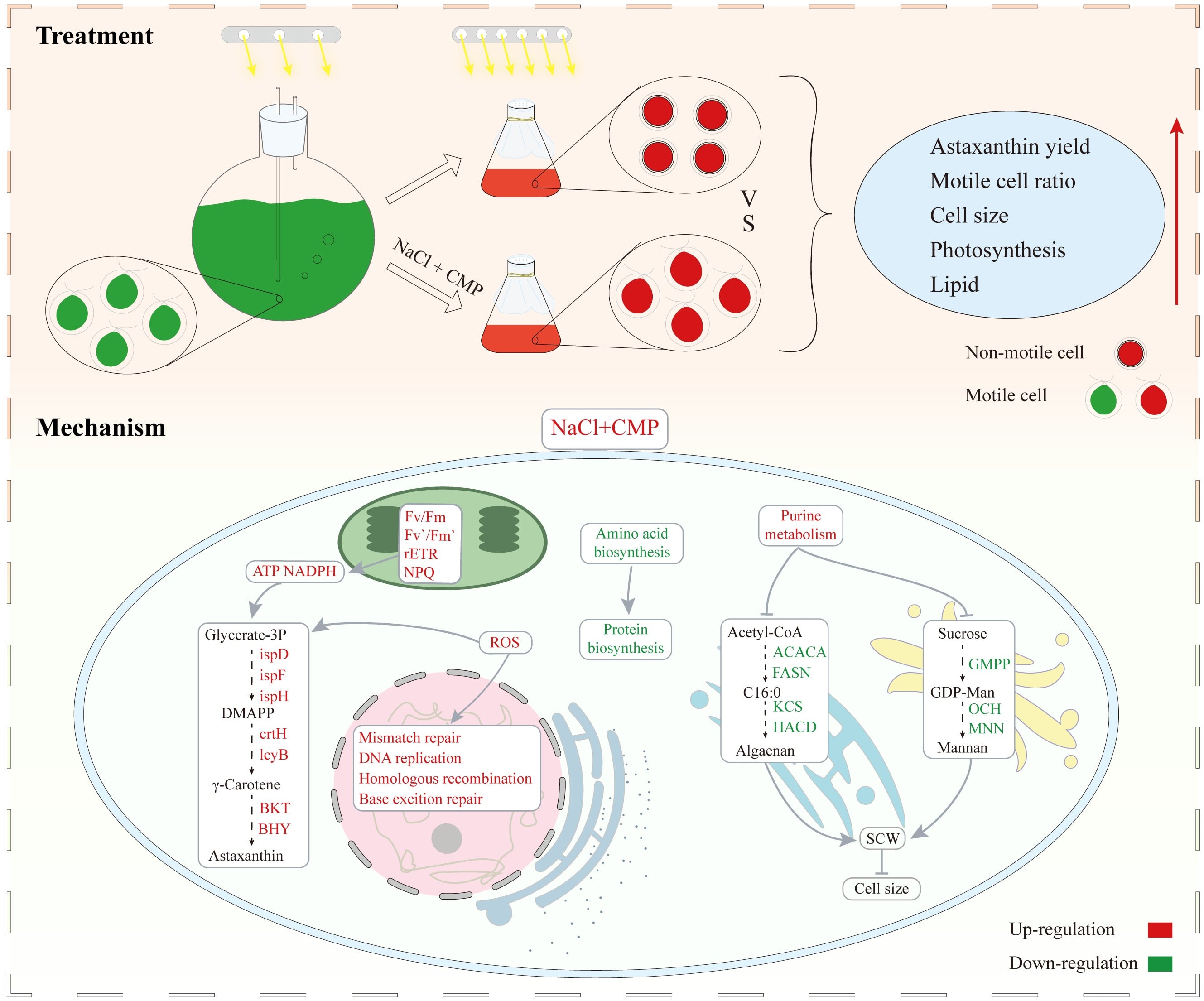
Mycosporine-like amino acids (MAAs), a class of secondary metabolites characterized by a cyclohexenone or cyclohexenimine ring structure bound to amino acid residues, are widely distributed in algae. These compounds exhibit strong ultraviolet-absorbing and antioxidant activities, making them attractive candidates for natural sunscreen formulations. However, the low productivity of MAAs in microalgae severely hampers commercial viability. Asterarcys sp., a fast-growing, heat- and light-tolerant microalga, has recently been demonstrated to produce high levels of MAAs under UV irradiation. In this study, phosphorus limitation was found to stimulate rapid MAAs accumulation in Asterarcys sp. SCSIO-46548. After eight days of cultivation, microalgal cells grown in phosphorus-free medium (0 mg L−1) showed a sixfold higher MAAs content (1.08% DW) compared to the group supplied with 5.60 mg L−1 phosphorus (0.18% DW). However, the accumulation of MAAs began to plateau under phosphorus deprivation. Based on integrated homology alignment with cyanobacteria and functional domain validation, a putative biosynthetic pathway for mycosporine-serine in Asterarcys sp. SCSIO-46548 was proposed. Importantly, the gene expression of desmethyl-4-deoxygadusol synthase (DDGS) exhibited a 2.75-fold upregulation under phosphorus limitation. Complementary bioinformatic analyses further characterized the subcellular localization and major physicochemical properties of the candidate enzymes involved. In conclusion, phosphorus limitation is an effective strategy to enhance MAAs production in Asterarcys sp. SCSIO-46548 by upregulating the expression of key biosynthetic genes, such as DDGS. This finding provides an effective solution to the low MAAs productivity in microalgae cultivation.
Full article
(This article belongs to the Special Issue Innovations in Marine Algal Biotechnology: From Bioprocessing to Applications)
►▼
Show Figures

Graphical abstract
Open AccessArticle
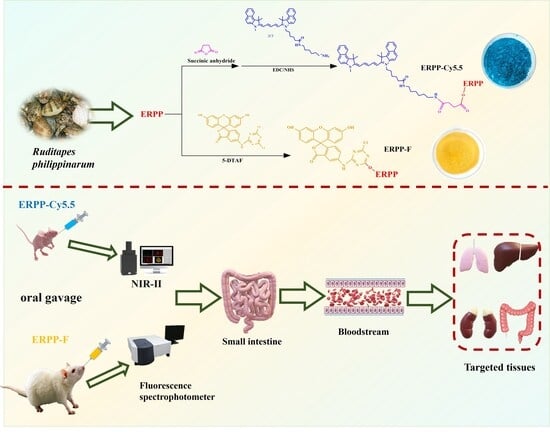
Schoenoplectus californicus (C.A. Mey.) Soják: Chemical Profile, Antioxidant Capacity, Psychopharmacological Exploration and Analgesic Activity
by
Julio Campos-Florián, Gladys Galliani-Huamanchumo, Alessandra Victoria Campos-Bazán, Betsabé Chunga-Flores, Inés Castro-Dionicio, Víctor E. Villarreal-La Torre, Lucia Fátima Flores-Atoche, Lucia Gonzales-Mendez, Gianfranco Ramos-Farfán, José Condor-Goytizolo, Ana María Guevara-Vásquez, Marilú Roxana Soto-Vásquez, Juan Carlos Rodríguez-Soto, Paul Alan Arkin Alvarado-García, William Sagástegui-Guarniz and Billy Cabanillas-Amado
Mar. Drugs 2026, 24(5), 160; https://doi.org/10.3390/md24050160 - 30 Apr 2026
Abstract
Schoenoplectus californicus, a macrophyte from Peruvian marine–coastal wetlands, is traditionally used for medicinal purposes, yet its pharmacological potential remains insufficiently explored. This study evaluated the chemical profile, antioxidant capacity, psychopharmacological effects, and analgesic activity of a hydroethanolic extract from its rhizomes. Phytochemical
[...] Read more.
Schoenoplectus californicus, a macrophyte from Peruvian marine–coastal wetlands, is traditionally used for medicinal purposes, yet its pharmacological potential remains insufficiently explored. This study evaluated the chemical profile, antioxidant capacity, psychopharmacological effects, and analgesic activity of a hydroethanolic extract from its rhizomes. Phytochemical screening and LC–MS/MS analyses were performed to characterize secondary metabolites. Antioxidant activity was assessed using DPPH and ABTS assays, while in vivo anxiolytic, sedative, and analgesic effects were evaluated in Balb/c mice through open field, elevated plus maze, rotarod, analgesimeter, tail-flick, and hot plate tests, with diazepam and tramadol as reference drugs. In silico PASS and BOILED-Egg analyses were used to predict pharmacological mechanisms and central nervous system permeability. The extract contained flavonoids, phenolic compounds, and stilbenes and exhibited notable antioxidant activity (IC50: 0.7319 mg/mL for DPPH and 0.6207 mg/mL for ABTS). Anxiolytic effects were observed at 50 mg/kg, sedative effects at 200 mg/kg, and significant analgesic activity at 50 mg/kg. Several compounds were predicted to cross the blood–brain barrier, with inhibition of GABA aminotransferase suggested as a potential mechanism. Acute toxicity was detected (LD50 > 2000 mg/kg). These findings support S. californicus as a promising source of neuroactive and analgesic compounds, although further mechanistic and dose-optimization studies are required.
Full article
(This article belongs to the Special Issue Bioprospecting of Marine Halophyte Plants)
►▼
Show Figures

Graphical abstract
Open AccessArticle
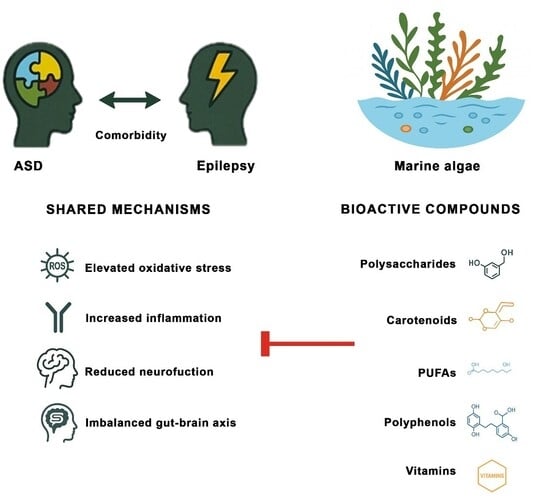
Structural Characterization of an α-D-glucan from Bellamya purificata and Its Protective Effects on Non-Alcoholic Fatty Liver Disease in Zebrafish
by
Xianhui Pan, Kangqi Zhou, Yuan Meng, Zhong Chen, Xuesong Du, Junqi Qin, Yong Lin and Tingjun Hu
Mar. Drugs 2026, 24(5), 159; https://doi.org/10.3390/md24050159 - 30 Apr 2026
Abstract
Non-alcoholic fatty liver disease (NAFLD) is a primary metabolic disorder that threatens adolescent health globally, with no effective therapeutic agents currently available. Bellamya purificata is a traditional Chinese medicine categorized as "medicinal food", and polysaccharides are among its active components. However, its physicochemical
[...] Read more.
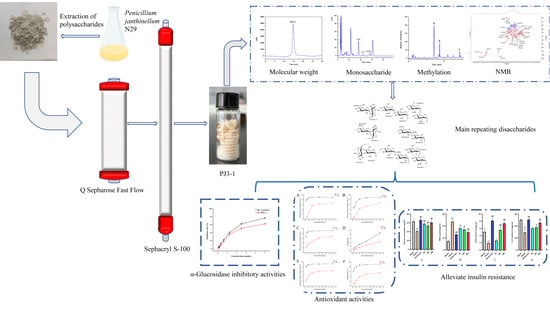
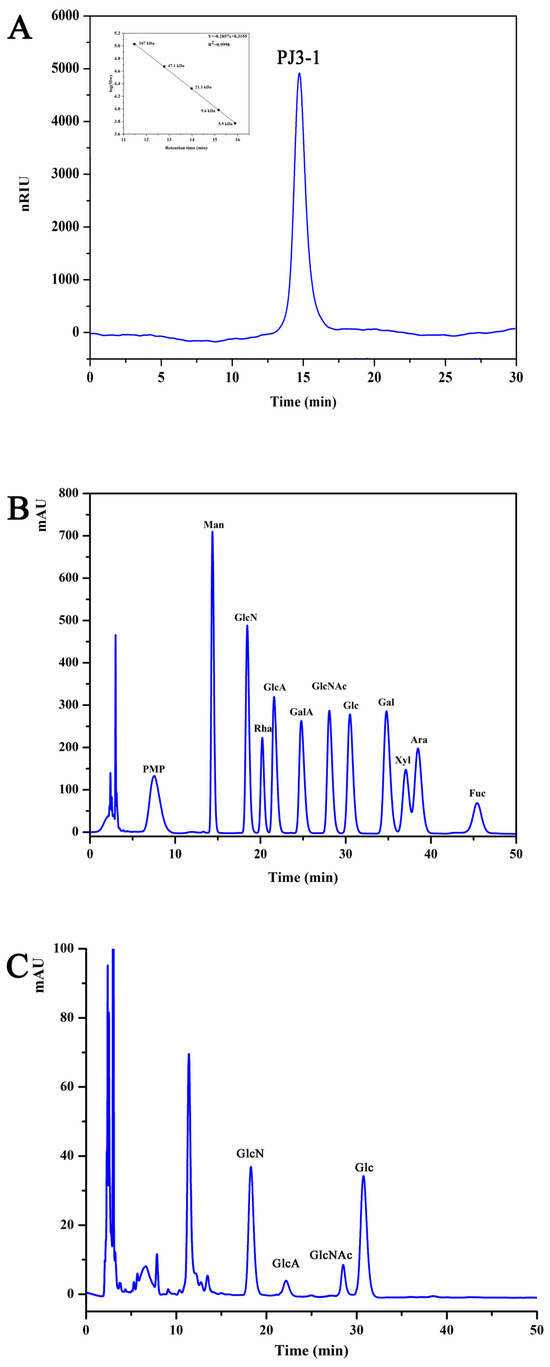
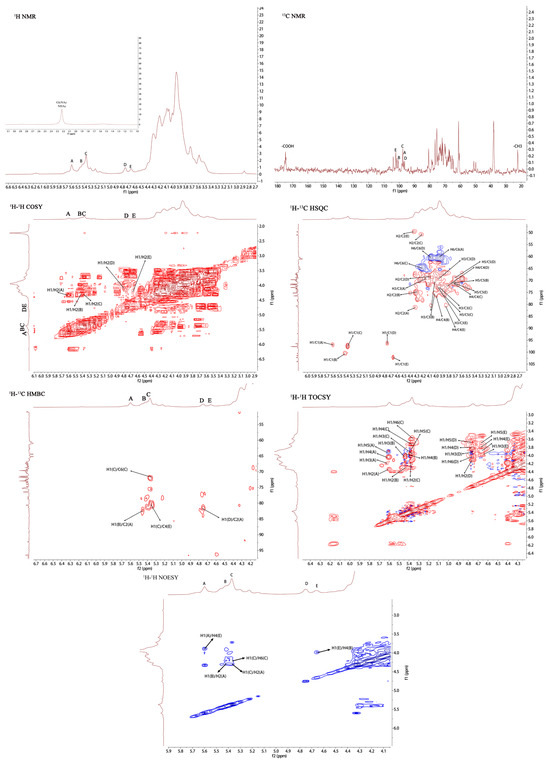
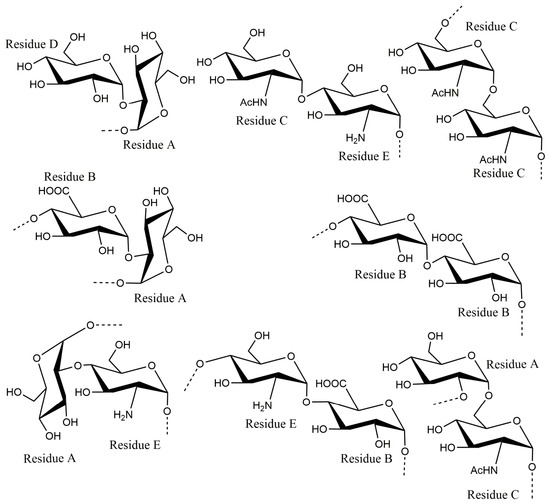
Non-alcoholic fatty liver disease (NAFLD) is a primary metabolic disorder that threatens adolescent health globally, with no effective therapeutic agents currently available. Bellamya purificata is a traditional Chinese medicine categorized as "medicinal food", and polysaccharides are among its active components. However, its physicochemical structure remains poorly characterized, and no study has evaluated its effects on NAFLD. In this study, a homogeneous neutral polysaccharide, α-D-glucan (Mw = 6,412.704 kDa), was isolated from B. purificata. The structure of the polysaccharide was characterized using monosaccharide composition analysis, methylation analysis, NMR spectroscopy, and scanning electron microscopy. The backbone structure of the polysaccharide comprises →4)-α-D-Glcp-(1→ and →4,6)-α-D-Glcp-(1→, with side chains of α-D-Glcp-(1→ attached to the O-6 position of the 1→4,6)-α-D-Glcp-(1→ sugar residues. Additionally, QSPS-1D effectively reduced weight gain, hepatic lipid accumulation (TC and TG), and inflammatory responses (tnf-α and il-1β) in NAFLD zebrafish. Moreover, QSPS-1D alleviated dysbiosis by inhibiting harmful bacteria (e.g., Stenotrophomonas, Agrobacterium, and Chryseobacterium) and promoting beneficial microbiota (e.g., Rothia), which restored the Firmicutes-to-Bacteroidetes ratio. In parallel, it enhanced the expression of tight junction proteins (zo-1 and claudin-1), leading to the repair of the intestinal mucosal barrier. These findings suggest that B. purificata polysaccharides may be a potential functional food for early NAFLD intervention, with effects potentially associated with the modulation of the gut microbiota.
Full article
(This article belongs to the Section Marine Pharmacology)
►▼
Show Figures

Graphical abstract
Open AccessArticle
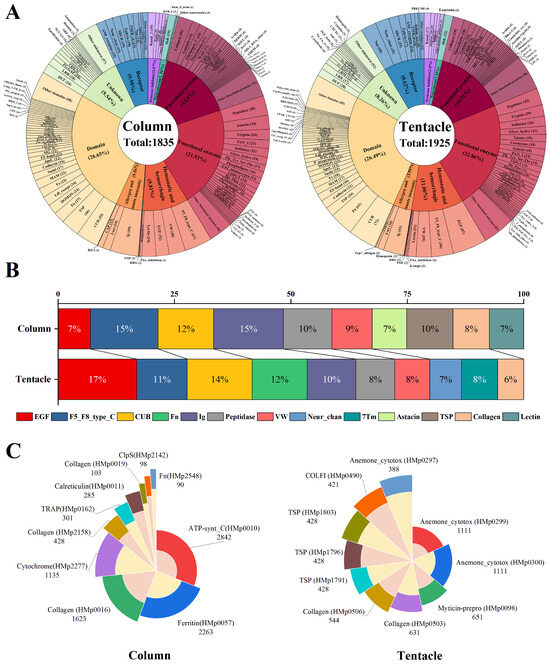
Identification of Antioxidant and Anti-Inflammatory Activity of Sea Cucumber (Holothuria tubulosa) Active Peptides by a Combined Approach of Omics Data and Bioinformatics Analysis
by
Laura La Paglia, Mirella Vazzana, Manuela Mauro, Francesca Dumas, Alfonso Urso, Sugár Simon, Laszlo Drahos and Aiti Vizzini
Mar. Drugs 2026, 24(5), 158; https://doi.org/10.3390/md24050158 - 30 Apr 2026
Abstract
Background: Inflammatory signaling and oxidative stress machinery are interconnected and play roles in apoptosis, proliferation, redox state control, and the progression of many diseases, including cancer. The marine environment harbors a wealth of organisms that produce a wide variety of bioactive molecules with
[...] Read more.
Background: Inflammatory signaling and oxidative stress machinery are interconnected and play roles in apoptosis, proliferation, redox state control, and the progression of many diseases, including cancer. The marine environment harbors a wealth of organisms that produce a wide variety of bioactive molecules with significant biological activities. Over the last decade, the advent of AI-driven approaches has enhanced the study and analysis of peptides, helping to reduce costly and time-consuming conventional laboratory testing, validation, and synthetic procedures. Methods: In this study, we predicted the antioxidative and anti-inflammatory activities of peptides isolated from proteomic data obtained from circulating cells and humoral components of the sea cucumber defense system using a bioinformatic workflow based on different artificial intelligence tools. Results: We identified 40 top-ranked peptides with antioxidative and anti-inflammatory activity and a sub-class of eight peptides shared by FreD domains. Molecular docking and molecular dynamics simulations showed that they have active binding sites for different key molecules involved in inflammatory and oxidative processes. Conclusions: The results showed that the peptides highlighted by our analysis workflow can be identified as potential molecules used as therapeutic strategies for diseases by targeting both inflammatory and oxidative processes.
Full article
(This article belongs to the Special Issue Bioactive Compounds from Marine Invertebrates)
►▼
Show Figures

Graphical abstract

Open AccessArticle
Thiol-Associated Antioxidant Activity of Recombinant Mussel Foot Protein Mfp6-1 Supports Cutaneous Wound Repair in a Murine Model
by
Zi-Jun Li, Kun-Cheng Wang, Zhi-Ming Shen, Yu-Qing Wang and Yi-Feng Li
Mar. Drugs 2026, 24(5), 157; https://doi.org/10.3390/md24050157 - 29 Apr 2026
Abstract
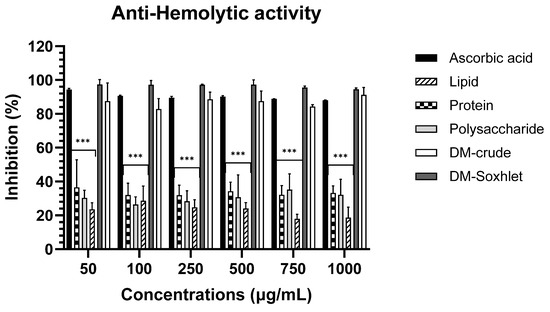
Mussel foot proteins (Mfps) are renowned for their underwater adhesion, whereas their biotechnological potential for cutaneous wound repair remains largely underexplored. In this study, we identified and characterized a cysteine-rich mussel foot protein, Mfp6-1, from Mytilus coruscus and investigated its therapeutic potential for
[...] Read more.
Mussel foot proteins (Mfps) are renowned for their underwater adhesion, whereas their biotechnological potential for cutaneous wound repair remains largely underexplored. In this study, we identified and characterized a cysteine-rich mussel foot protein, Mfp6-1, from Mytilus coruscus and investigated its therapeutic potential for wound healing. Sequence analysis showed that Mfp6-1 is enriched in cysteine (11.0%) and tyrosine (~16.5%). We successfully expressed recombinant Mfp6-1 (rMfp6-1) in E. coli. Structural prediction based on the mature peptide sequence suggested that rMfp6-1 adopts a relatively compact fold containing several short β-structural elements. In vitro assays demonstrated that rMfp6-1 possesses antioxidant activity in the 2,2-diphenyl-1-picrylhydrazyl (DPPH) assay, and alkylation experiments suggested that cysteine residues contribute importantly to this activity. Dithio-bis-nitrobenzoic acid (DTNB)-based thiol quantification further demonstrated that rMfp6-1 contained abundant accessible free sulfhydryl groups, supporting an important contribution of cysteine-derived thiols to its antioxidant activity. Experiments on a full-thickness mouse wound model showed that rMfp6-1 treatment resulted in significantly faster wound contraction. Morphological analysis further revealed that rMfp6-1 optimizes the healing microenvironment by promoting collagen accumulation and re-epithelialization. Additionally, the treatment was found to trigger vascular endothelial growth factor (VEGF)-mediated angiogenesis, thereby improving the overall quality of the regenerated tissue. Furthermore, rMfp6-1 treatment significantly reduced interleukin-6 (IL-6) expression, suggesting that its antioxidant capacity creates a permissive microenvironment for tissue regeneration by suppressing excessive inflammation. These findings indicate that recombinant rMfp6-1 is a promising bioactive candidate for wound-healing applications.
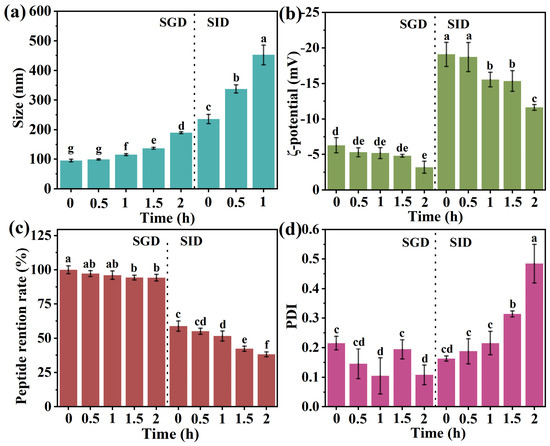
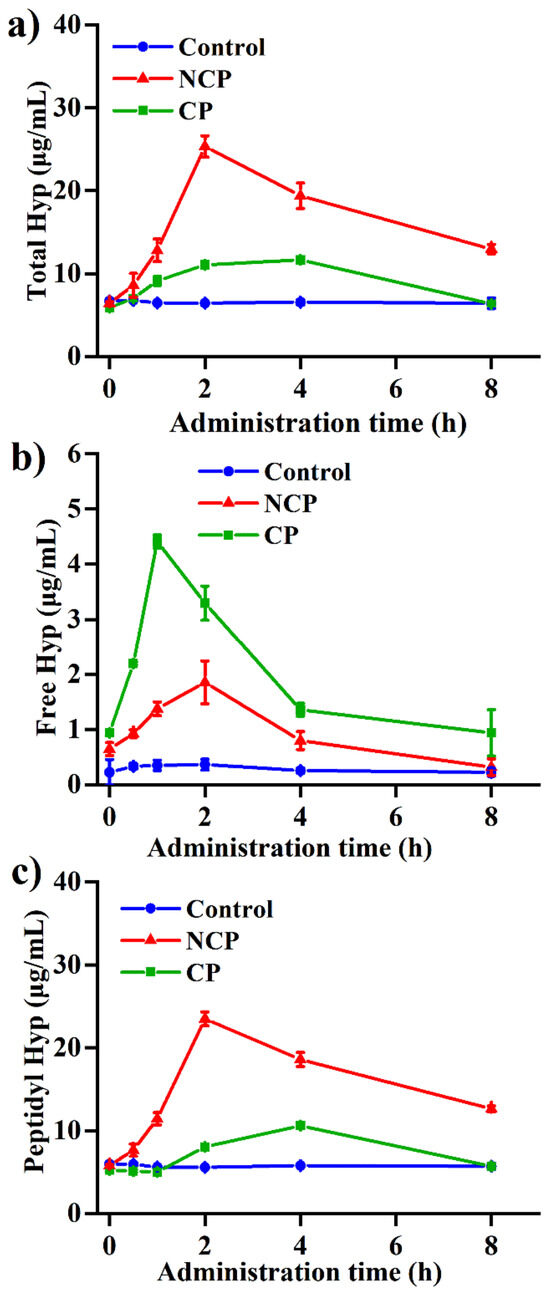
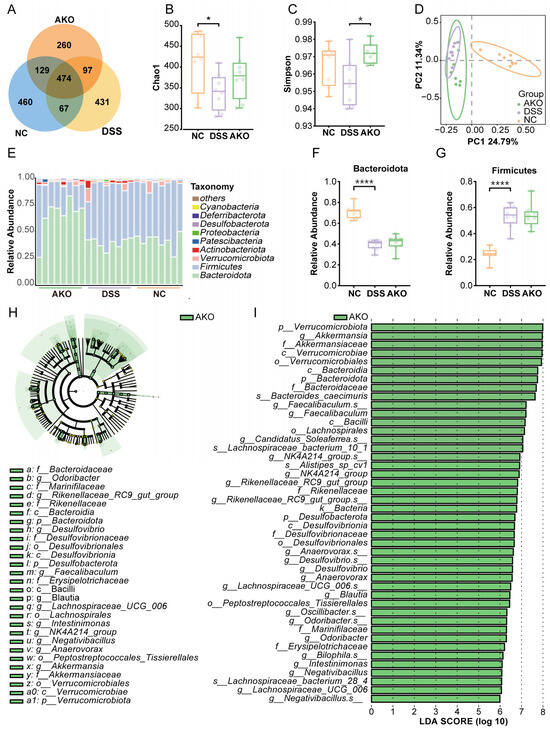
Full article
(This article belongs to the Special Issue Marine Antioxidants 2026)
Journal Menu
► ▼ Journal Menu-
- Marine Drugs Home
- Aims & Scope
- Editorial Board
- Reviewer Board
- Instructions for Authors
- Special Issues
- Topics
- Sections & Collections
- Article Processing Charge
- Indexing & Archiving
- Editor’s Choice Articles
- Most Cited & Viewed
- Journal Statistics
- Journal History
- Journal Awards
- Society Collaborations
- Conferences
- Editorial Office
Journal Browser
► ▼ Journal Browser-
arrow_forward_ios
Forthcoming issue
arrow_forward_ios Current issue - Vol. 24 (2026)
- Vol. 23 (2025)
- Vol. 22 (2024)
- Vol. 21 (2023)
- Vol. 20 (2022)
- Vol. 19 (2021)
- Vol. 18 (2020)
- Vol. 17 (2019)
- Vol. 16 (2018)
- Vol. 15 (2017)
- Vol. 14 (2016)
- Vol. 13 (2015)
- Vol. 12 (2014)
- Vol. 11 (2013)
- Vol. 10 (2012)
- Vol. 9 (2011)
- Vol. 8 (2010)
- Vol. 7 (2009)
- Vol. 6 (2008)
- Vol. 5 (2007)
- Vol. 4 (2006)
- Vol. 3 (2005)
- Vol. 2 (2004)
- Vol. 1 (2003)
Highly Accessed Articles
Latest Books
E-Mail Alert
News
Topics
Topic in
Applied Biosciences, Applied Microbiology, Fermentation, Marine Drugs, Microorganisms
Microbial Cell Factories for Natural Products
Topic Editors: Carlos Barreiro, Ana Ibáñez, José L. BarredoDeadline: 31 May 2026
Topic in
Applied Biosciences, Applied Sciences, Fermentation, Marine Drugs, Microorganisms, Phycology
Microalgae: Current Trends in Basic Research and Applications
Topic Editors: Nhuan Nghiem, Tae Hyun KimDeadline: 30 September 2026
Topic in
Dietetics, Foods, Marine Drugs, Nutrients, Oceans, Phycology
Microalgae-Based Foods and Ingredients: Innovative Processing, Sensory Quality, and Functional Applications
Topic Editors: Haohao Wu, Xiaojin Song, Han Sun, Adewale Olusegun Obadina, Wenhui GuDeadline: 12 March 2027
Topic in
Brain Sciences, Nutrients, Pharmaceuticals, Sci. Pharm., Marine Drugs
Marine-Derived Bioactive Components in the Prevention and Treatment of Memory Disorders
Topic Editors: Zhiyou Yang, Yi ZhangDeadline: 30 May 2027
Conferences
Special Issues
Special Issue in
Marine Drugs
Cultivation and Chemical Profiling of Marine Microorganisms
Guest Editor: Zeinab KhalilDeadline: 15 May 2026
Special Issue in
Marine Drugs
Marine Anti-Inflammatory and Antioxidant Agents, 5th Edition
Guest Editors: Donatella Degl'Innocenti, Marzia VasarriDeadline: 15 May 2026
Special Issue in
Marine Drugs
Marine Lectins: Structures, Functions and Applications
Guest Editor: Kanji HoriDeadline: 31 May 2026
Special Issue in
Marine Drugs
Marine Microorganisms Bioprospecting, 2nd Edition
Guest Editors: Junfeng Wang, Qingbo ZhangDeadline: 31 May 2026
Topical Collections
Topical Collection in
Marine Drugs
Bioactive Compounds from Marine Plankton
Collection Editor: Georg Pohnert
Topical Collection in
Marine Drugs
Marine Compounds and Cancer
Collection Editors: Friedemann Honecker, Sergey A. Dyshlovoy
Topical Collection in
Marine Drugs
Bioactive Compounds from Marine Invertebrates
Collection Editor: Kirsten Benkendorff