


Abstract
Colorectal cancer (CRC) is one of the most prevalent gastrointestinal malignancies worldwide and remains a major cause of cancer-related mortality. Although current treatment strategies, including surgery, chemotherapy, radiotherapy, and targeted therapies, have improved patient outcomes, their effectiveness is frequently limited by multidrug resistance, severe adverse effects, tumour recurrence, and restricted patient applicability. Consequently, there is an urgent need to develop novel therapeutic agents with improved efficacy and reduced toxicity. Marine bioactive peptides have emerged as promising candidates for CRC therapy because of their remarkable structural diversity, unique evolutionary adaptations, and broad spectrum of biological activities. Numerous marine-derived peptides exhibit potent anti-CRC effects by inducing apoptosis, regulating cell-cycle progression, suppressing invasion and metastasis, inhibiting angiogenesis, and modulating the tumour microenvironment while generally demonstrating low toxicity toward normal cells. Despite these advantages, the clinical translation of marine peptides remains constrained by several challenges, including poor stability, rapid enzymatic degradation, limited bioavailability, difficulties in large-scale production, insufficient target characterization, and a lack of long-term safety evaluation. Recent advances in peptide engineering and pharmaceutical technology have significantly accelerated progress in this field. Strategies such as structural modification, cyclization, nanoformulation, intelligent delivery systems, and artificial intelligence-assisted peptide design have improved peptide stability, targeting efficiency, pharmacokinetic properties, and production feasibility. These technological innovations provide new opportunities to overcome the major limitations associated with marine peptide therapeutics. This review systematically summarizes the sources, structural characteristics, extraction and purification methods, molecular mechanisms, and in vitro and in vivo anti-CRC activities of marine-derived peptides. In addition, the major translational challenges and current technological solutions are critically discussed, with particular emphasis on the integration of multidisciplinary approaches for the development of next-generation marine peptide-based therapeutics for colorectal cancer.
1. Introduction
Colorectal cancer (CRC) is a gastrointestinal malignancy with persistently high global incidence and mortality, posing a major public health challenge. Epidemiological data indicate that in 2022, there were over 1.9 million new cases and 900,000 deaths worldwide, with CRC ranking as the third most commonly diagnosed cancer and the second leading cause of cancer death. Driven by population growth and ageing, the disease burden is projected to worsen, with an anticipated 3 million new cases and 1.6 million deaths by 2040 [1,2,3].
Current primary treatments for CRC include surgery, chemotherapy, radiotherapy, immunotherapy, and targeted therapy. Surgery is the preferred option for patients with resectable early-stage disease, but it only addresses local lesions and is not curative. It also carries risks such as blood loss, infection, and thrombosis [4]. Patients with unresectable tumours rely on combined regimens like chemotherapy and radiotherapy, which have significant drawbacks. Common chemotherapy agents like 5-fluorouracil and oxaliplatin often damage the digestive and hematopoietic systems. Furthermore, cancer cells develop multidrug resistance, frequently through the overexpression of P-glycoprotein, leading to acquired resistance in over half of patients on combination therapy [5]. Radiotherapy causes rectal discomfort and abnormal defecation, while both surgery and radiotherapy may, paradoxically, increase the risk of metastasis. In the realm of immunotherapy for CRC, PD-1/PD-L1 immune checkpoint inhibitors (ICIs), such as pembrolizumab and nivolumab, have been approved for patients with mismatch repair deficiency (dMMR) or high microsatellite instability (MSI-H). However, only around 5% of metastatic CRC cases belong to this specific molecular subtype. This implies that the majority of patients with proficient mismatch repair (pMMR) or microsatellite stable (MSS) tumours exhibit insensitivity to ICI therapy. Additionally, ICI administration often results in immune-related adverse events (irAEs), including diarrhea, rash, and colitis. In the domain of targeted therapy, EGFR-directed agents such as cetuximab and panitumumab are strictly indicated for RAS/BRAF wild-type metastatic CRC patients. Bevacizumab exerts its antitumour effect by inhibiting vascular endothelial growth factor (VEGF)-mediated angiogenesis, with its application independent of RAS/BRAF mutation status. For the approximately 10% of metastatic CRC patients harbouring the BRAF V600E mutation, BRAF inhibitors like encorafenib provide a targeted therapeutic option. These patients typically demonstrate poor response to conventional chemotherapy and unfavourable prognosis, whereas encorafenib improves their clinical outcomes. Nevertheless, patients frequently develop acquired resistance within months of initiating targeted therapy. This resistance is commonly driven by secondary RAS mutations, activation of bypass signalling pathways, or direct resistance-conferring mutations [6,7]. Collectively, these existing therapies demonstrate limitations such as insufficient specificity, high toxicity, and frequent resistance while still posing potential damage to normal cells. This highlights an urgent need for novel, highly effective, and low-toxicity anti-CRC drugs.
Owing to their unique origins and structural characteristics, marine peptides have obvious advantages in fighting CRC. The ocean is an ecosystem with high biodiversity. Organisms adapt to extreme conditions, such as high pressure, salinity, and low temperature, and evolve metabolic pathways that are different from terrestrial life. This process generates peptides with new structures and specific functions [8,9]. These marine-derived peptides directly act on tumour cells, regulate the tumour microenvironment, and participate in immune regulation. They form a rich and unique candidate molecular library for the prevention and treatment of CRC, providing important resources for overcoming the single-target restrictions of traditional drugs [10,11].
Recent studies demonstrate the therapeutic potential of marine peptides. With the continuous exploration of the medicinal potential of marine organisms, the structure and function of marine polypeptides have also been investigated. Ziconotide extracted from conical snails has been approved by the U.S. Food and Drug Administration because of its good targeting activity and low toxicity, setting standards for the safety of peptide drugs [12,13]. Dolastatin 10 has shown positive results in various phase II trials of solid tumours, proving that it has anti-tumour effects [14]. Focusing on CRC, F2, rAj-HRP, and other peptides induce cell apoptosis or inhibit proliferation by regulating the ubiquitinization, cell cycle, and other mechanisms of XIAP, which are promising candidate drugs [15,16,17]. These advances show a clear, gradual research trajectory from basic research on the structure and function of marine peptides to clinical applications for the treatment of tumours.
With varied origins and research bases, marine peptides offer unique merits for CRC therapy. From a physicochemical perspective, their relative small size is conducive to efficient transmembrane transport into tumour cells, which solves the problem of drug delivery, and they are also easy to prepare and modify [18]. Compared with traditional chemotherapy drugs, they have less drug interaction, less accumulation in the liver and kidneys, and a lower incidence of adverse reactions [19]. In terms of mechanism, marine peptides generally come into contact with multiple targets to regulate cell apoptosis, proliferation signals, and the tumour microenvironment, thus overcoming the limitations of single-target agents. Marine peptides are highly selective for cancer cells and can selectively eliminate tumour cells, protect healthy cells, and reduce treatment-related damage [20,21,22]. These comprehensive advantages determine their potential as a new anti-CRC therapy.
In this review, the mechanism of action of marine peptides against colorectal cancer and their potential use in treatment are considered. In what follows, we summarize the sources, structures, and research advancements pertaining to these peptides, describing the transition from basic research to transformation exploration. The goal is to provide a solid theoretical foundation for the future development of marine peptide drugs for the treatment of CRC.
2. Source and Structural Characteristics of Marine Peptides
2.1. Sources of Marine Peptides
There are a variety of peptide resources in the marine environment, mainly derived from marine animals, algae, and microorganisms, each of which produces biologically active peptides with unique structures and functional properties [23,24]. Marine animals, including fish, mollusks, crustaceans, echinoderms, sponges, tunicates, and sea cucumbers, are the major sources [25] (Figure 1) (Table 1). Kahalalide F, a cyclic depsipeptide derived from the mollusk Elysia rufescens, inhibits colon cancer cell proliferation by disrupting the lysosomal structure of cancer cells [26]. Anti-cancer peptide fractions derived from the bivalve mollusk Ruditapes decussatus, particularly the peptide Pep25, exhibit highly selective cytotoxicity against colorectal cancer cell lines by inducing apoptosis, activating autophagy, and inhibiting tumour-proliferative signalling pathways [27]. The sponge produces the cyclic peptides Callyaerin E/G, which are biologically active compounds with cytotoxic effects on tumour cells [28], whereas the tunicate yields the anti-tumour peptide CS5931, which exerts effects via mitochondrial apoptosis and cell cycle arrest [29]. Didemnin B is a cyclic decapeptide initially isolated from the tunicate Trididemnum solidum. It exhibits potent antiproliferative activity against colorectal cancer, lung cancer, and other tumour cell lines through multiple mechanisms, including the inhibition of protein synthesis by binding to the eukaryotic elongation factor 1 (eEF1) and the suppression of cyclin expression. Plitidepsin, a derivative of didemnin B from the tunicate Aplidium albicans, exerts its anti-tumour therapeutic effects via eukaryotic elongation factor 1 α (eEF1A)-mediated oxidative stress induction and JNK activation [30]. Histidine-rich peptides derive from sea cucumber target epidermal growth factor receptors (EGFR) and their downstream signalling cascade [31]. Furthermore, sea anemones constitute a valuable reservoir of anti-cancer peptides. Actinoporins, a class of proteins and peptides produced by sea anemones, form transmembrane pores in the sphingomyelin-enriched membrane domains of target cells. This process disrupts cellular osmotic balance and induces cell lysis [32]. An actinoporin named Sticholysin I, derived from Stichodactyla helianthus, has been conjugated to the anti-colon cancer antigen monoclonal antibody IOR C5. This conjugate effectively eliminates SW948 colorectal cancer cell lines in preclinical models [33]. Colorectal tumour cell membranes are characterized by high levels of sphingomyelin. Thus, the pharmacological activity of actinoporins renders them promising candidate molecules for the treatment of colorectal cancer (CRC) [34].
Figure 1.
Marine-derived peptides and their mechanisms in inhibiting colorectal cancer.
Table 1.
Representative marine peptides with anti-colorectal cancer activity.
Green varieties of algae synthesize cyclic peptides. The ring structure is composed of amino acids and fatty acid chains [35]. Red algal peptides often combine with polysaccharides containing monosaccharide residues such as glucose and galactose to form complexes [36]. Brown algal peptides generally function with phenolic groups to regulate apoptosis-related proteins [37]. Peptides derived from cyanobacteria generally contain thiazole rings, which have a strong inhibitory effect on lymphoma cells [38]. Microorganisms, particularly actinomycetes and fungi, are also important sources. Actinomycetes produce proteasome-inhibitory peptides with a γ-lactam-β-lactone bicyclic structure [39], and fungal peptides destroy key signalling pathways to cause anti-tumour activity [40].
2.2. Structural Characteristics of Marine Peptides
The structure of a marine peptide is complex and closely related to its biological activity and therapeutic potential for the treatment of colorectal cancer (CRC). Marine peptides mainly occur in a linear or cyclical form, adapted to the harsh marine environment, and perform targeted functions [41]. Linear peptides are composed of straight amino acid chains connected by peptide bonds. Due to their relatively simple sequence, they generally have high tissue permeability, which directly affects the binding affinity with cell targets [42]. Dolastatin 10 is a linear peptide derived from sea hare venom. It inhibits the assembly of microtubules, resulting in an anti-tumour effect [43]. The bivalve linear peptide P6 induces CRC cell apoptosis by regulating the p38 MAPK pathway [44]. For cyclic peptides formed through peptide-bond cyclization or ester-bonds, the metabolic stability is improved due to the reduction in the enzymatic degradation sites of cyclic peptides, thus prolonging the effect in the body [45]. Notable examples include Kahalalide F, a cyclic depsipeptide from green algae, with 13 amino acid rings, and the fatty acid chain is connected by ester bonds, which plays the role of dual structural reinforcement [46]. There are also cryptophycins from cyanobacteria, which have a strong inhibitory effect on microtubules on account of their ring structure [47]. These structural properties account for the effects and resilience of peptides, which have been confirmed by in vitro and in vivo studies.
3. Methods for Obtaining and Isolating Marine Peptides
Marine peptide production should be tailored according to the source and structural characteristics—that is, enzyme hydrolysis, direct extraction and purification, fermentation, structural optimization, and other key methods. Each method has its own unique features in terms of efficiency and scalability [48] (Table 2).
Table 2.
Preparation and separation technology of marine peptides.
3.1. Enzymatic Hydrolysis
Enzymatic hydrolysis is the fundamental method of marine peptide generation. It is necessary to achieve precise protein degradation by protease-mediated catalysis, for which the strict regulation of parameters is imperative [49]. When using neutral protease to hydrolyze oyster protein, temperature, pH, and duration should be carefully optimized to improve efficiency [50]. Similarly, regulating parameters in the alcalase-mediated hydrolysis of sea cucumber protein can improve the yield of active peptides [51]. Controlling the molecular weight characteristics and biological activity ensures that peptides are generated effectively. Recent research shows that the enzyme hydrolysis methods used in the production of marine peptides have different effects. Ultrasound-assisted enzymatic lysis has become an efficient method for extracting fish skin protein. In the case of collagen, the yield achieved with the traditional enzymatic method is 20% to 35%. Ultrasound-assisted hydrolysis (20 kHz, 400 to 750 Watt) increases the yield and shortens the processing time by more than 50% [52]. This improvement is due to the structural damage caused by cavitation, which promotes the interaction between enzymes and substrates. When processing the gonadal glands of Strongylocentrotus nudus, the optimized papain method yields hydrolyzed antioxidant peptides at 27.96 ± 0.54%; the product demonstrates good antioxidant activity, and the method is markedly superior to the single-enzyme strategy [53]. This sequential method has greater advantages in terms of hydrolysis efficiency and bioactive peptide yield, which meet the requirements of large-scale production of functional marine peptides.
3.2. Direct Extraction and Purification
Direct extraction and purification are generally used to separate native marine peptides, and the initial steps should be adapted to different sources. Animal tissues are generally crushed and homogenized to destroy the cell–matrix; then, buffer-assisted extraction is undertaken to maintain the integrity of biological activity and minimize the loss of components [8]. Algal peptides are generally extracted using polar solvents such as methanol, and the initial fractionation is carried out by differential polarity [54]. Crude extracts from microorganisms are recovered from the fermentation liquid by centrifugation and filtration; then, the active ingredients are enriched by concentration [55]. Purification is generally achieved via fine separation chromatography techniques, such as separating callyaerin A from marine sponge Callyspongia aerizusa and separating symplostatin A from marine cyanobacteria Symploca sp. [56,57]. Multi-stage chromatography is crucial for obtaining high-purity isolates, such as Milnamides A and D from sponges [58] and Bistratamides E–J from tunicates [59]. Recent research has highlighted significant differences in yield and efficiency among extraction methods for marine-derived bioactive compounds. While novel technologies such as microwave-assisted extraction (MW) and supercritical fluid extraction (SFE) exhibit excellent performance in extracting marine lipids and oils, they are generally less suitable for marine peptides. In fact, compared to traditional solvent extraction and enzymatic hydrolysis, SFE often yields inferior results in peptide recovery due to the non-polar nature of supercritical CO2, and MW carries a risk of thermally degrading sensitive peptide structures [60]. Therefore, traditional enzymatic hydrolysis, often coupled with advanced ultrafiltration, remains the most reliable and widely adopted approach for efficiently recovering marine-sourced peptides from species such as Atlantic salmon (Salmo salar) and Spirulina platensis [61]. Nevertheless, SFE and MW serve as valuable complementary processing steps that indirectly benefit peptide characterization. Optimized SFE conditions achieved a defatting yield of 86.75% from Spirulina platensis, significantly outperforming conventional Soxhlet extraction (9.18%) and enriching the protein content of the post-extraction solid cake from 69.2 to 74.4 g/100 g. When this protein-enriched cake is subsequently analyzed by LC-QTOF-MS/MS, 14 peptides are identified [62]. These findings suggest that SFE, while not a direct peptide extraction method, indirectly enhances peptide recovery by concentrating proteins in the residual solid. MW pre-treatment also significantly releases specific protein fractions from Chlorella vulgaris, facilitating subsequent enzymatic hydrolysis and peptide formation, though its contribution to overall protein extraction yield is not statistically significant, and the risk of thermal degradation of heat-sensitive peptides should be noted [63].
3.3. Fermentation
Fermentation has emerged as an effective and sustainable approach for the large-scale production of bioactive marine peptides. By utilizing microbial biosynthesis, efficient peptide accumulation can be achieved while valorizing marine biomass. An illustrative case is the microbial fermentation of marine processing by-products (such as fish skin, viscera, or tuna frame proteins) using selected strains like Bacillus subtilis or lactic acid bacteria. This bioconversion process not only facilitates the cost-effective and environmentally friendly mass production of functional marine peptides but also resolves the ecological issues associated with marine waste disposal [64]. Recent surveys show that the optimized fermentation strategies of marine peptide production is effective. In red seaweed (Pyropia spp.), solid-state fermentation (SSF) of the complex lactic acid bacteria (LAB) consortium improves the soluble protein content and peptide diversity, producing 58 bioactive peptides, which are superior to single-strain fermentation in terms of yield and function [65]. In addition, oysters (Crassostrea angulata) were fermented underwater with Lactobacillus casei to obtain peptides mainly composed of low-molecular-weight fractions (<1000 Da). These peptides have strong gastrointestinal stability and immunomodulation. The fermentation process will not use harsh chemicals, which minimizes waste [66]. The optimized fermentation method improves the output of the target peptide and the retention of biological activity and overcomes the many limitations of traditional batch fermentation, reflecting its advantages in sustainable marine peptide production.
3.4. Structural Optimization
Structural optimization refers to the use of molecular modification to expand the biological activity of natural peptides. Taking the new peptide identified in the hydrolysis of Ostrea rivularis Gould protein as the target, reasonable optimization with molecular docking was achieved. Researchers used Trp to replace the N-terminal Gly of GGYGIF or designed alternate simple and hydrophobic amino acid sequences to produce the derivative WGWGW, whose xanthine oxidase-inhibitory activity is more than twofold higher than that of the original peptide [67]. Structural optimization of the marine sponge-derived cyclic peptide stylissatin A (SA) has been primarily achieved through the specific modification of its tyrosine residue. Research indicates that the protection of the tyrosine hydroxyl group—specifically by introducing tert-butyl, propargyl, methyl, or benzyl groups to form the corresponding ethers—markedly enhances the nitric oxide (NO)-reducing activity of SA derivatives. Consequently, the optimized analogue exhibits significantly more potent anti-inflammatory activity (EC50 = 12 μM) compared to the natural SA (EC50 = 73 μM) [68]. These modifications exemplify how rational design, guided by structure–activity relationships and molecular docking, substantially elevates peptide functionality and identifies avenues for the production of high-efficacy marine peptides.
4. Mechanistic Analysis of Marine Peptides
4.1. Induction of Cell Death Pathways
A core mechanism by which marine peptides combat colorectal cancer is the regulation of cell death. They directly trigger cancer cell death through diverse and targeted approaches, including the activation of apoptosis pathways and the induction of cytotoxic damage. To activate apoptosis, marine peptides primarily target the mitochondrial-dependent intrinsic pathway and block key signalling cascades. rAj-HRP from the marine mollusk Babylonia areolata activates the mitochondrial apoptosis pathway by upregulating the pro-apoptotic protein BAX and catalyzing PARP degradation. It also targets the EGFR and its downstream PI3K/AKT and Ras/MAPK signalling axes, creating a synergistic effect of apoptosis activation and signal inhibition with an IC50 as low as 5.21 μM in HCT116 cells [16]. The P6 peptide isolated from the bivalve Arca inflata promotes ROS generation, which induces calcium overload, disrupts mitochondrial membrane potential, and activates the p38 MAPK pathway to induce apoptosis in HT-29 and DLD-1 cells. A 30 mg/kg dose of P6 achieved a tumour inhibition rate of 72.66% in a nude mouse xenograft model [44,69]. Actinomycin V, produced by the marine actinomycete Streptomyces sp., disrupts the mitochondrial membrane, potentially leading to the release of cytochrome c into the cytoplasm. This subsequently activates cleaved caspase-9/3 and PARP while inhibiting the pro-survival signals of the PI3K/AKT pathway, showing potent cytotoxic activity on HCT116 and HT-29 cells [70]. Trichodermamide B, a metabolite from the marine fungus Penicillium janthinellum SH0301, specifically blocks the JAK/STAT3 pathway by inhibiting STAT3 phosphorylation at the Y705 site and downregulating downstream anti-apoptotic proteins, thereby inducing apoptosis in HCT116 cells [44].
In terms of cytotoxic damage, marine peptides cause cell death by directly disrupting structural integrity or interfering with cytoskeletal function. The HVLSRAPR peptide from Spirulina platensis exhibits selective cytotoxicity against HT-29 cells with an IC50 of 99.88 μg/mL, while its toxicity to normal liver cells is negligible. Dolastatin 10 from the sea hare Dolabella auricularia specifically binds to tubulin, inhibiting microtubule polymerization and disrupting spindle assembly, which blocks cell division and triggers apoptosis [71]. Desmethoxymajusculamide C (DMMC), which is produced by the cyanobacterium Lyngbya majuscule, targets the cytoskeleton, disrupting the microfilament network and cell morphology of HCT116 cells at a low IC50 of 20 nM, leading to apoptosis [72]. Marine peptides mediate colorectal cancer cell death via the targeted activation of apoptotic pathways and the induction of cytotoxic damage through cell structure and cytoskeletal disruption, demonstrating significant potential in the regulatory process.
4.2. Inhibition of Cell Proliferation and Cell Cycle Arrest
Another major mechanism through which marine peptides block colorectal cancer progression is the inhibition of cell proliferation and the regulation of the cell cycle. They intervene in cell cycle checkpoints and proliferative signalling pathways to halt the unlimited division of cancer cells. The orderly progression of the cell cycle depends on the regulation of cyclin-dependent kinase (CDK) and cyclin complexes. Marine peptides can interfere with the binding of these two components or directly inhibit CDK activity, causing cells to arrest at a specific phase [73]. Based on the arrest phase, these mechanisms can be divided into G0/G1 and G2/M phase arrest. Thiocoraline, which is produced by the marine actinomycete Micromonospora marina, specifically binds to the active site of DNA polymerase α, inhibiting its catalytic function and impeding the initiation of DNA replication in LoVo and SW620 cells, ultimately leading to G1 phase arrest [74]. Ohmyungsamycin A, which is secreted by a marine Streptomyces species, reduces the activity of key molecules required for cell cycle progression by modulating the Skp2-p27 axis and MCM4 protein expression, inducing cells to remain in the G0/G1 phase and blocking cancer cell division from its initiation [75]. Asperphenin A, a lipopeptide benzophenone derivative secreted by the marine fungus Aspergillus sp., specifically acts on RKO cells by interfering with the function of mitosis-related proteins, inducing G2/M phase arrest, and preventing cells from entering the division stage. In terms of inhibiting proliferative signalling pathways, marine peptides mainly target core pathways closely associated with colorectal cancer development, such as PI3K-Akt-mTOR. By inhibiting the phosphorylation of key proteins in these pathways and blocking the signalling cascade, they suppress the transmission of proliferation signals at the source [76]. By targeting distinct regulatory nodes in the cell cycle and core proliferative signalling cascades, marine peptides present reliable inhibitory effects against the uncontrolled growth of cancer cells.
4.3. Suppression of Invasion and Metastasis
A key mechanism by which marine peptides curb colorectal cancer progression and improve prognosis is the suppression of invasion and metastasis. They achieve this by targeting core steps in tumour metastasis, creating a comprehensive blockade of the metastatic process [77]. The epithelial–mesenchymal transition (EMT), the initial step in metastasis, endows cancer cells with migratory and invasive capabilities. Marine peptides effectively block the EMT by regulating EMT-related transcription factors and markers. Nobilamide I, produced by the marine actinomycete Saccharomonospora sp., downregulates EMT transcription factors like Snail and Slug. It also inhibits the activity of matrix metalloproteinases (MMPs) 2/9 and upregulates the expression of their inhibitor, TIMP2, significantly inhibiting the migration of Caco2 cells [78]. Androsamide, from the actinomycete Nocardiopsis sp., blocks the EMT in Caco-2 and HCT116 cells by downregulating Snail, Slug, and the mesenchymal marker N-cadherin, thereby reducing the invasive capacity of cancer cells [79]. The degradation of the extracellular matrix (ECM) is a necessary step for tumour cell invasion and metastasis and is primarily mediated by proteases such as matrix metalloproteinases (MMPs) [80]. Tasiamides from the cyanobacterial genus Symploca sp. exhibit an IC50 of 3.47 μg/mL in LoVo cells, and their derivatives specifically inhibit the enzyme cathepsin D. By inhibiting cathepsin D, these peptides reduce the degradation of the extracellular matrix (ECM) by tumour cells and suppress cancer cell invasion [81].
Furthermore, marine peptides curb metastasis by interfering with cytoskeletal function and inhibiting angiogenesis. Hemiasterlin, a peptide isolated from the sponge Auletta sp., induces microtubule depolymerization and exerts anti-mitotic effects against tumour cells [17]. The CS5931 peptide from the sea squirt Ciona savignyi inhibits the expression of angiogenesis-related factors by disrupting the cell membrane structure. It is not only highly toxic to HCT-8 cells but also inhibits their proliferation and migration at low concentrations, blocking the formation of metastatic foci from the perspective of vascular supply [82]. Different marine peptides exert these distinct anti-metastatic mechanisms by targeting individual key nodes of the metastatic process, such as EMT initiation, extracellular matrix degradation, cancer cell migration, and tumour angiogenesis, reflecting the diversity and specificity of marine peptides in inhibiting colorectal cancer metastasis.
4.4. Anti-Inflammatory and Pro-Oxidant Properties
The anti-inflammatory and pro-oxidant properties of marine peptides are important mechanisms for improving the tumour microenvironment and indirectly inhibiting colorectal cancer progression. These mechanisms depend on regulating the balance of inflammatory factors and controlling oxidative stress levels, thereby eliminating the pro-carcinogenic characteristics of the tumour microenvironment [83].
In terms of anti-inflammatory effects, marine peptides primarily work by inhibiting the expression of pro-inflammatory factors and blocking inflammatory signalling pathways. The H-TL1 polypeptide secreted by the sea snake Hydrophis cyanocinctus acts as a TNF antagonist, competitively binding to the TNF receptor. This blocks the activation of the NF-κB inflammatory signalling pathway, reducing the expression of pro-inflammatory factors like IL-1β and COX-2 and inhibiting inflammation-mediated tumour proliferation and invasion [84]. Grassypeptolides, from the marine cyanobacterium Lyngbya confervoides, not only inhibit HT-29 colorectal cancer cells but also specifically inhibit dipeptidyl peptidase 8 (DPP8). DPP8 regulates T-cell activation-related inflammation, reducing the secretion of the pro-inflammatory cytokine IL-2 and balancing the state of abnormally activated T-cells in the tumour microenvironment, achieving a dual regulation of anti-inflammation and immune preservation [85].
In terms of pro-oxidant regulation, specific marine peptides exert their anti-cancer effects by elevating reactive oxygen species (ROS) levels beyond the toxic threshold in cancer cells, thereby inducing severe oxidative damage. For example, Pardaxin, a well-characterized peptide isolated from the marine flatfish Pardachirus marmoratus, has been shown to induce massive intracellular ROS accumulation, which subsequently triggers oxidative DNA damage and caspase-dependent apoptosis in human cancer cells [86]. Similarly, the marine-derived antimicrobial peptide Tilapia piscidin 4 (TP4) effectively elevates ROS levels within cancer cells, leading to severe oxidative stress, mitochondrial dysfunction, and dose-dependent cytotoxicity against various malignant cell lines [87]. By participating in regulation, marine peptides can break the vicious cycle of inflammation and cancer and create favourable conditions for the treatment of colorectal cancer.
5. In Vivo and In Vitro Anti-Colorectal Cancer Efficacy of Marine Peptides
In vitro investigations serve as a foundational screening tool for marine peptides’ anti-CRC efficacy, allowing for the precise assessment of antiproliferative, pro-apoptotic, and anti-metastatic effects under controlled conditions and the identification of promising candidates for mechanistic elucidation [88]. There are a wide variety of marine peptides with strong activity [89]. Halipeptin D is a cyclic sponge-derived peptide with an IC50 of 7 nM for HCT116 cell line. Largazole, from cyanobacteria Symploca sp., specifically binds to the catalytic domain of HDAC1 to inhibit histone deacetylase (HDAC) and induce HCT116 cell apoptosis at the nanomolar level [90]. Rakicidin C, derived from Streptomyces sp. GKU 220, inhibits the invasion of 26-L5 cells in the mouse colon at 1.25 μM [91]. Fish-derived peptides, such as Rainbow trout skin hydrolysates, inhibit the survival of HCT116 [92], and the by-products of flathead fish achieved 91% growth inhibition in HT-29 cells [93]. These studies show how cyclization and other structural characteristics enhance biological activity through stable interaction with cellular targets, which provides mechanical insights into the relationship between peptide structure and CRC inhibition. To better explain the in vitro efficacy of marine peptides, we compiled the molecular features of CRC cell lines in Supplementary Table S1, using Cellosaurus as the primary reference. This is biologically meaningful because KRAS and BRAF mutations influence the EGFR/RAS/MAPK signalling axis, PIK3CA mutations activate the PI3K/AKT survival pathway, APC/CTNNB1 alterations remodel Wnt-driven proliferation and cytoskeletal organization, TP53 defects affect mitochondrial apoptosis and DNA damage responses, SMAD4 loss facilitates metastatic behaviour, and MSI-H/dMMR status alters replication stress and apoptotic thresholds. Consequently, marine peptides targeting these pathways may show differential potency across CRC cell lines with distinct genetic backgrounds. For example, the marine peptide P6 is more potent in KRAS/PIK3CA-mutant DLD-1 (IC50 = 2.14 μM) than in BRAF-mutant HT-29 (IC50 = 4.43 μM), suggesting sensitivity to KRAS/PIK3CA signalling. Thiocoraline differs in activity between SW620 (IC50 = 15 nM) and LoVo (IC50 = 500 nM), implying background-dependent targeting of DNA replication. However, current studies have not yet directly compared isogenic KRAS, BRAF, or PIK3CA-mutant versus wild-type CRC cell lines; thus, the relationship between peptide potency and specific mutations remains correlative, not causative. Future work should evaluate marine peptides in isogenic CRC cell models carrying defined KRAS, NRAS, BRAF, PIK3CA, APC, TP53, or mismatch repair alterations to determine whether particular oncogenic mutations modulate peptide sensitivity or resistance.
Supplementing in vitro findings, the in vivo models further demonstrate that marine peptides are effective against CRC in a complex physiological environment, taking into account the immune response, bioavailability, and toxicity to better predict clinical results [94]. The immunocompetent model is suitable for immunomodulatory peptides such as ohmyungsamycin A from marine actinomycete, which achieved 52.1% tumour suppression in HCT116 xenograft mice without immune-related damage [74]. Immunodeficient xenograft models, ideal for direct anti-tumour assessment, demonstrate efficacy in peptides such as rAj-HRP, inhibiting HCT116 tumour volume by nearly 60% at 200 μg/kg in nude mice with minimal toxicity [16], and P6 from Arca inflata, yielding over 70% inhibition in HT-29 xenografts [44]. Specialized alternative models, such as zebrafish xenograft models, provide efficient in vivo preliminary screening tools for peptides by taking advantage of transparent embryos and short experimental cycles [95]. Cyclic dipeptides derived from Escherichia sp. reduced tumour volume by over 60% in the HT-29 zebrafish model, with no observed embryotoxicity, confirming their favourable preclinical characteristics [96].To provide a more transparent comparison of in vivo efficacy, the experimental parameters, including animal model, CRC cell line, dose, route of administration, dosing frequency, treatment duration, tumour inhibition rate, and toxicity observations have been summarized in Supplementary Table S2.
In general, these in vivo verifications confirm that the structural optimization of marine peptides is transformed into effective CRC inhibition, highlighting the low toxicity characteristics and laying the foundation for overcoming the conversion bottleneck through innovative technologies.
6. Application of Marine Peptides in the Treatment of Colorectal Cancer: Breakthroughs and Technological Innovations
6.1. Translation Challenges: Key Constraints for Application of Marine Peptides
The clinical adoption of marine peptides in the treatment of colorectal cancer (CRC) is hindered by the challenges of interrelated challenges in CRC-specific efficacy, pharmacokinetics, scalable production, and safety evaluation, which hinders their transition from preclinical research to clinical application. There is a lack of optimized drug-like properties adapted to CRC-specific conditions, a production system suitable for the clinical needs of CRC, and safety mechanism evaluation consistent with CRC pathophysiology [97].
A primary bottleneck lies in the poor optimization of marine peptides’ drug-like properties for CRC’s unique physiological microenvironment [98]. Most linear marine peptides are highly susceptible to degradation by CRC-overexpressed proteases such as matrix metalloproteinases and aminopeptidases in the tumour stroma and bloodstream [99]. For instance, sea cucumber-derived peptides exhibit substantial degradation within 1 h in CRC xenograft mice, while algae/shellfish-derived peptides have short in vivo half-lives, failing to maintain effective concentrations in CRC tumour tissues with dense stromal barriers [83,100]. These problems are important because many reported marine peptides are of medium molecular size. They are larger and less permeable than small-molecule drugs but lack the long circulation and target-recognition properties of antibodies [101]. Consequently, their oral bioavailability is often limited by gastrointestinal peptidases, poor epithelial permeability, and first-pass clearance, whereas systemic administration is still constrained by serum proteolysis, renal filtration, and rapid metabolic inactivation [102]. Hydrophilic peptides cannot penetrate the collagen-rich CRC stroma, while hydrophobic peptides aggregate in aqueous solutions [103]. In addition, medium-sized peptides generally do not freely diffuse across tumour-cell membranes and often require endocytosis, transporter-mediated uptake, or cell-penetrating motifs. However, endosomal or lysosomal trapping may prevent their access to intracellular targets such as mitochondria and cytoskeletal proteins [104]. Dense extracellular matrix, abnormal vasculature, and high interstitial pressure in CRC further reduce tumour-cell accessibility. Potential neurotoxicity also needs explicit assessment, especially for marine peptides affecting ion channels, neuronal membranes, or microtubules, because off-target effects on peripheral or enteric neurons may cause neuropathy or gastrointestinal dysmotility [105]. This phenomenon is commonly observed in CRC patients with tumour-induced gut barrier dysfunction and further lowers peptide bioavailability [106]. Critically, existing peptide delivery systems rely on non-specific tumour microenvironmental cues, such as low pH or high glutathione, rather than CRC-specific biomarkers, such as carcinoembryonic antigen, microsatellite instability, and HER2 [107]. This mismatch results in poor tumour enrichment and an increased risk of damage to normal colonic epithelia, which is particularly concerning for CRC patients with pre-existing intestinal inflammation or polyposis [108].
Also, the production system fails to meet the clinical scalability requirements of CRC. Natural extraction is limited by the scarcity of marine resources and complex workflows [109]. Isolated Dolastatin 10 is a candidate drug for the treatment of CRC. Its isolation requires the processing of a large number of raw materials, followed by repeated chromatography. Due to the high incidence of CRC and the high demand for large-scale clinical supplies, this practice is unsustainable [14]. Thus, chemical syntheses such as solid-phase peptide synthesis include obstacles to CRC-targeted peptides [110]. Long-chain peptides modified with CRC-specific ligands are difficult to synthesize on a large scale and require multiple HPLC purifications, which increase the fluctuations in cost and yield, affecting phase I/II CRC trials [111].
Compounding these barriers are insufficient CRC-aligned safety assessments and mechanistic gaps [112]. Toxicological studies for most marine peptides are limited to in vitro cytotoxicity assays, lacking evaluations of systemic safety in CRC-relevant contexts [113]. This limitation is largely attributed to the lengthy ethical approval process for in vivo studies, the high costs of animal modelling and clinical patient recruitment, and the substantial time investment. Although most marine peptides show no toxicity to normal cells in vitro, the complex metabolic environment in vivo can amplify their non-specific toxicity [99]. Adverse effects tend to accumulate preferentially in metabolic organs such as the colon, liver, and kidneys [114]. For instance, the broad-spectrum anti-tumour peptide Didemnin B was terminated in phase II clinical trials because of intestinal toxicities such as nausea and vomiting at elevated doses and a lack of efficacy in patients with advanced cancer. The peptide Plitidepsin, despite advancing to phase III trials, causes adverse reactions, including fatigue and nausea, at high doses. Therefore, the clinical safety of marine peptides must be validated through in vivo experiments to determine dose thresholds, organ-specific toxicity, and long-term tolerance so as to balance anti-cancer activity with the protection of normal tissues [115]. Additionally, marine peptides’ non-endogenous sequences carry immunogenicity risks, which are particularly critical for CRC patients undergoing chemotherapy or immunotherapy, for example, via anti-PD-1 agents, as immune activation could exacerbate adverse reactions or compromise treatment efficacy [116,117]. Mechanistically, although existing studies have confirmed that some marine peptides target partial CRC-associated signalling pathways, most investigations still have mechanistic research limitations. They lack the systematic identification and in-depth analysis of key CRC-specific molecular targets, such as the Wnt/β-catenin pathway, alongside their complete upstream and downstream regulatory networks [118]. No subtype-specific mechanistic verification and exploration have been carried out for distinct CRC molecular subtypes, including MSI-H, MSS, and BRAF-mutant subtypes [119]. This gap prohibits the establishment of a clear correlation between the modes of action of marine peptides and the genetic and pathological characteristics of various CRC subtypes, which further slows the clinical translation of marine peptides for CRC therapy [11,120].
6.2. Technological Innovations: Tailored Strategies to Improve Translational Efficacy
Technological innovation tailored to the unique pathophysiology of CRC is pivotal to overcoming these challenges. The main avenues of progress in this regard include the optimization of drugs adapted to CRC, the scalable production of cancer-specific peptides, and the acceleration of the transformation of the latest technologies (Figure 2).
Figure 2.
Clinical application challenges and innovative solutions of marine peptides in colorectal cancer treatment.
6.2.1. Optimization of Drug-like Properties for CRC
The structural transformation and intelligent delivery system are designed to solve the protease-rich tumour microenvironment and matrix barrier of CRC. Cyclization enhances the resistance of matrix metalloproteinase and aminopeptidase overexpressed by CRC and is expected to prolong the in vivo half-life of marine peptides in xenografts [121,122]. In addition, a colorectal cancer biomarker guidance system was developed. The carcinoembryonic antigen (CEA)-targeted transport vector—that is, anti-CEA monoclonal antibodies bound to cell osmotic peptides—encapsulates peptides with customized pharmacokinetic characteristics and achieves targeted accumulation in the CEA-positive CRC model [123]. Meanwhile, pH-responsive nanoparticles respond to the pH of the microenvironment of CRC tumours, which control peptide release, thus reducing the off-target toxicity to normal colon tissue [124]. PEGylated nanoparticles reduce the clearance of the reticuloendothelial system, which is an important improvement for CRC patients who experience impaired drug circulation due to liver metastases [125,126]. To overcome pharmacokinetic and cellular delivery barriers in CRC therapy, future peptide optimization should combine structural stabilization with tumour-targeted delivery strategies. Strategies such as cyclization, D-amino acid substitution, terminal amidation, lipidation, and PEGylation enhance resistance to proteolytic degradation, reduce renal clearance, and extend systemic circulation, though their impact on target affinity and toxicity necessitates validation. Nanocarriers, liposomes, polymeric micelles, and hydrogel depots may protect peptides from enzymatic degradation and enhance accumulation in CRC lesions. To improve membrane transport and intracellular availability, peptides can be conjugated with tumour-activated cell-penetrating sequences, pH-sensitive linkers, or endosomolytic motifs that promote endosomal escape [101,102]. CRC-specific ligands targeting CEA, epithelial cell adhesion molecule (EpCAM) and integrins may further increase tumour-cell accessibility and reduce normal-tissue exposure. Optimized peptides should be evaluated via serum stability assays, neurotoxicity screens, and in vivo pharmacokinetic–pharmacodynamic studies [104,105].
6.2.2. Scalable Production of CRC-Specific Marine Peptides
Synthesis technology has been improved to meet the requirements of clinical scale, mainly through research on efficiency, purity control, and compatibility with the characteristics of CRC active peptides. The combination of automatic solid-phase peptide synthesis (SPPS) and microwave assistance is still the main way of synthesizing bioactive peptides, which solves problems such as peptide-chain aggregation and steric hindrance [127,128]. Enzyme synthesis complements the chemical method of hydrolyzing the marine protein substrate at a specific location with food-grade protease. The continuous membrane reactor system recovers enzymes, reduces reagent consumption, and shortens the production cycle, thus further improving the enzyme process [129,130]. This strategy is suitable for producing peptides with CRC-inhibitory activity and minimizing the impact on the environment [131]. Purification technology and synthesis workflow are carried out at the same time to ensure clinical compliance [132,133]. Ultrafiltration based on molecular weight enriches biologically active peptides; then, reverse-phase high-performance liquid chromatography (RP-HPLC) is used for fine purification [134,135]. These integrated processes overcome the limitations of natural extraction while ensuring consistent batch quality, laying a solid foundation for the scalable supply of CRC-specific marine peptides and accelerating their translational progress [136,137].
6.2.3. AI-Driven Acceleration of CRC-Targeted Translational Research
Looking ahead, accelerating the translational process of marine peptides for colorectal cancer (CRC) therapy will largely rely on the deep integration of artificial intelligence (AI) tailored to CRC’s unique molecular subtypes and tumour microenvironment (TME). Deep learning technologies are now empowering CRC-specific mechanistic elucidation and high-efficiency candidate peptide screening. Structural prediction tools such as AlphaFold and trRosetta accurately model the three-dimensional conformations of peptides and their binding modes with CRC core targets, which can be further validated through molecular docking and molecular dynamics simulations to clarify interaction mechanisms [138,139].
Beyond structural prediction, AI algorithms integrate tumour microenvironment (TME) characteristics and peptide physicochemical properties with multi-dimensional features to establish subtype-selective screening models [140]. For instance, generative adversarial networks (GANs) effectively mitigate the limitations of limited and imbalanced anti-cancer peptide (ACP) datasets by generating bioactive peptide samples, enabling high-throughput screening of peptides with enhanced efficacy against refractory cancer subtypes [141]. Additionally, explainable AI (XAI) tools such as SHAP and Grad-CAM decode key peptide features driving CRC-specific activity, while multimodal AI frameworks combine pathological image analysis with peptide design to align candidates with clinical pathological features [142]. These technologies have been verified and applied for de novo sequence generation and preclinical efficacy prediction in CRC peptide drug design. By improving target specificity, subtype adaptability, and translational reliability, the technologies significantly accelerate the translation of marine peptides from discovery to clinical application.
7. Conclusions
The high incidence and mortality rate of colorectal cancer (CRC), coupled with the lack of existing treatment methods, has necessitated the emergence of new, low-toxicity, and efficient prevention and treatment programmes. Relying on the unique evolutionary advantages of marine ecosystems, marine active peptides show structural diversity and mechanical characteristics. The multi-dimensional regulation of tumour progression to improve the efficacy of conventional treatment represents a very promising approach to CRC prevention and treatment, providing a differentiated means of overcoming current therapeutic challenges. However, there are still obstacles to the clinical transformation of marine peptides, such as sub-excellent drug-like characteristics, restrictions on scalable production, and insufficient system safety evaluation in-depth mechanism clarification. Future progress will rely on the integration of a variety of technologies, such as artificial intelligence-assisted design and nanodelivery systems, and strengthened interdisciplinary cooperation. It is crucial to establish a correlated system linking a marine peptide library with CRC clinical sample banks and to develop unified standards for quality control and formulation processes. Concurrently, further research into formulation stability and human metabolic patterns is needed. As these translational frameworks are gradually refined, marine peptides are poised to be developed into novel anti-CRC drugs that balance efficacy with safety. This will enrich the portfolio of precision treatment options and provide significant support for alleviating the global disease burden and improving quality of life for patients.
Supplementary Materials
The following supporting information can be downloaded at: https://www.mdpi.com/article/10.3390/md24050170/s1, Table S1: Colorectal cancer cell lines and their representative molecular features; Table S2: In vivo anti-CRC efficacy of representative marine peptides.
Author Contributions
Conceptualization, Z.F., T.C., and M.Z.; Formal analysis, Y.L.; Funding acquisition, Y.L.; Investigation, Y.L.; Project administration, Z.F. and T.C.; Resources, M.Z.; Supervision, Z.F., M.Z., and T.C.; Writing and editing, Y.L. and G.W. All authors have read and agreed to the published version of the manuscript.
Funding
This research was funded by the Nanjing Municipal Special Fund for Health Science and Technology Development—Young Talent Science and Technology Project (Grant No. QNX25087) (to Y.L.).
Institutional Review Board Statement
Not applicable.
Data Availability Statement
This study did not create or analyze new data. This article does not apply to data sharing.
Acknowledgments
Yueyang lu was supported by the Nanjing Municipal Special Fund for Health Science and Technology Development—Young Talent Science and Technology Project (Grant No. QNX25087).
Conflicts of Interest
The authors declare no conflicts of interest.
References
- Fadlallah, H.; El Masri, J.; Fakhereddine, H.; Youssef, J.; Chemaly, C.; Doughan, S.; Abou-Kheir, W. Colorectal cancer: Recent advances in management and treatment. World J. Clin. Oncol. 2024, 15, 1136–1156. [Google Scholar] [CrossRef] [Scilit]
- Morgan, E.; Arnold, M.; Gini, A.; Lorenzoni, V.; Cabasag, C.J.; Laversanne, M.; Vignat, J.; Ferlay, J.; Murphy, N.; Bray, F. Global burden of colorectal cancer in 2020 and 2040: Incidence and mortality estimates from GLOBOCAN. Gut 2023, 72, 338–344. [Google Scholar] [CrossRef] [Scilit]
- Zhou, J.; Yang, Q.; Zhao, S.; Sun, L.; Li, R.; Wang, J.; Wang, L.; Wang, D. Evolving landscape of colorectal cancer: Global and regional burden, risk factor dynamics, and future scenarios (the Global Burden of Disease 1990–2050). Ageing Res. Rev. 2025, 104, 102666. [Google Scholar] [CrossRef] [Scilit]
- Kumar, A.; Gautam, V.; Sandhu, A.; Rawat, K.; Sharma, A.; Saha, L. Current and emerging therapeutic approaches for colorectal cancer: A comprehensive review. World J. Gastrointest. Surg. 2023, 15, 495–519. [Google Scholar] [CrossRef] [Scilit]
- Vodenkova, S.; Buchler, T.; Cervena, K.; Veskrnova, V.; Vodicka, P.; Vymetalkova, V. 5-fluorouracil and other fluoropyrimidines in colorectal cancer: Past, present and future. Pharmacol. Ther. 2020, 206, 107447. [Google Scholar] [CrossRef] [Scilit] [PubMed]
- Overman, M.J.; McDermott, R.; Leach, J.L.; Lonardi, S.; Lenz, H.-J.; Morse, M.A.; Desai, J.; Hill, A.; Axelson, M.; Moss, R.A.; et al. Nivolumab in patients with metastatic DNA mismatch repair-deficient or microsatellite instability-high colorectal cancer (CheckMate 142): An open-label, multicentre, phase 2 study. Lancet Oncol. 2017, 18, 1182–1191. [Google Scholar] [CrossRef] [Scilit]
- Kopetz, S.; Grothey, A.; Yaeger, R.; Van Cutsem, E.; Desai, J.; Yoshino, T.; Wasan, H.; Ciardiello, F.; Loupakis, F.; Hong, Y.S.; et al. Encorafenib, Binimetinib, and Cetuximab in BRAF V600E-Mutated Colorectal Cancer. N. Engl. J. Med. 2019, 381, 1632–1643. [Google Scholar] [CrossRef] [Scilit] [PubMed]
- Cunha, S.A.; Pintado, M.E. Bioactive peptides derived from marine sources: Biological and functional properties. Trends Food Sci. Technol. 2022, 119, 348–370. [Google Scholar] [CrossRef] [Scilit]
- Karthikeyan, A.; Joseph, A.; Nair, B.G. Promising bioactive compounds from the marine environment and their potential effects on various diseases. J. Genet. Eng. Biotechnol. 2022, 20, 14. [Google Scholar] [CrossRef] [Scilit]
- Macedo, M.W.F.S.; Cunha, N.B.d.; Carneiro, J.A.; Costa, R.A.d.; Alencar, S.A.d.; Cardoso, M.H.; Franco, O.L.; Dias, S.C. Marine Organisms as a Rich Source of Biologically Active Peptides. Front. Mar. Sci. 2021, 8, 667764. [Google Scholar] [CrossRef] [Scilit]
- Bandaru, N.; Patil, Y.P.; Ekghara, S.D.; Patil, K.S.; Bonthu, M.G. Exploring Marine-Derived Compounds as Potential Anti-Cancer Agents: Mechanisms and Therapeutic Implications. Cancer Pathog. Ther. 2025, 4, 192–207. [Google Scholar] [CrossRef] [Scilit]
- Bowling, J.J.; Kochanowska, A.J.; Kasanah, N.; Hamann, M.T. Nature’s bounty—Drug discovery from the sea. Expert Opin. Drug Discov. 2007, 2, 1505–1522. [Google Scholar] [CrossRef] [Scilit]
- Lin, J.; Chen, S.; Butt, U.D.; Yan, M.; Wu, B. A comprehensive review on ziconotide. Heliyon 2024, 10, e31105. [Google Scholar] [CrossRef] [Scilit] [PubMed]
- Gao, G.; Wang, Y.; Hua, H.; Li, D.; Tang, C. Marine Antitumor Peptide Dolastatin 10: Biological Activity, Structural Modification and Synthetic Chemistry. Mar. Drugs 2021, 19, 363. [Google Scholar] [CrossRef] [Scilit] [PubMed]
- Kim, J.L.; Park, S.H.; Jeong, S.; Kim, B.R.; Na, Y.J.; Jo, M.J.; Jeong, Y.A.; Yun, H.K.; Kim, D.Y.; Kim, B.G.; et al. Sea Cucumber (Stichopus japonicas) F2 Enhanced TRAIL-Induced Apoptosis via XIAP Ubiquitination and ER Stress in Colorectal Cancer Cells. Nutrients 2019, 11, 1061. [Google Scholar] [CrossRef] [Scilit] [PubMed]
- Zhang, Y.; Gao, S.; Mao, J.; Song, Y.; Wang, X.; Jiang, J.; Lv, L.; Zhou, Z.; Wang, J. The Inhibitory Effect and Mechanism of the Histidine-Rich Peptide rAj-HRP from Apostichopus japonicus on Human Colon Cancer HCT116 Cells. Molecules 2024, 29, 5214. [Google Scholar] [CrossRef] [Scilit]
- Loganzo, F.; Discafani, C.M.; Annable, T.; Beyer, C.; Musto, S.; Hari, M.; Tan, X.; Hardy, C.; Hernandez, R.; Baxter, M.; et al. HTI-286, a synthetic analogue of the tripeptide hemiasterlin, is a potent antimicrotubule agent that circumvents P-glycoprotein-mediated resistance in vitro and in vivo. Cancer Res. 2003, 63, 1838–1845. [Google Scholar]
- Shahidi, F.; Saeid, A. Bioactivity of Marine-Derived Peptides and Proteins: A Review. Mar. Drugs 2025, 23, 157. [Google Scholar] [CrossRef] [Scilit]
- Ahmed, S.; Alam, W.; Alsharif, K.; Aschner, M.; Akkol, E.K.; Allahyani, M.; Alhuthali, H.; Saso, L.; Türkcanoğlu, E.G.; Khan, H. Unveiling the potential of marine peptides in leukemia: Mechanistic insights and future horizon in peptide research. Turk. J. Med. Sci. 2025, 55, 1063–1076. [Google Scholar] [CrossRef] [Scilit]
- Zheng, K.; Yang, Z.; Ba, T. Marine bioactive peptides as potential therapeutic agents for wound healing—A review. Ann. Med. 2025, 57, 2530693. [Google Scholar] [CrossRef] [Scilit]
- Visuddho, V.; Halim, P.; Helen, H.; Muhar, A.M.; Iqhrammullah, M.; Mayulu, N.; Surya, R.; Tjandrawinata, R.R.; Ribeiro, R.; Tallei, T.E.; et al. Modulation of Apoptotic, Cell Cycle, DNA Repair, and Senescence Pathways by Marine Algae Peptides in Cancer Therapy. Mar. Drugs 2024, 22, 338. [Google Scholar] [CrossRef] [Scilit]
- Jaret, A.; Baghel, V.; Bisht, G.S. Anticancer Peptides: Unveiling the Next Frontier in Cancer Treatment. Int. J. Pept. Res. Ther. 2025, 31, 64. [Google Scholar] [CrossRef] [Scilit]
- Banday, A.H.; Azha, N.u.; Farooq, R.; Sheikh, S.A.; Ganie, M.A.; Parray, M.N.; Mushtaq, H.; Hameed, I.; Lone, M.A. Exploring the potential of marine natural products in drug development: A comprehensive review. Phytochem. Lett. 2024, 59, 124–135. [Google Scholar] [CrossRef] [Scilit]
- Wang, S.; Fan, L.; Pan, H.; Li, Y.; Qiu, Y.; Lu, Y. Antimicrobial peptides from marine animals: Sources, structures, mechanisms and the potential for drug development. Front. Mar. Sci. 2023, 9, 1112595. [Google Scholar] [CrossRef] [Scilit]
- Carroll, A.R.; Copp, B.R.; Grkovic, T.; Keyzers, R.A.; Prinsep, M.R. Marine natural products. Nat. Prod. Rep. 2026, 43, 89–131. [Google Scholar] [CrossRef] [Scilit] [PubMed]
- Shilabin, A.G.; Kasanah, N.; Wedge, D.E.; Hamann, M.T. Lysosome and HER3 (ErbB3) selective anticancer agent kahalalide F: Semisynthetic modifications and antifungal lead-exploration studies. J. Med. Chem. 2007, 50, 4340–4350. [Google Scholar] [CrossRef] [Scilit]
- Hussein, A.A.A.; Salem, M.B.; ElZallat, M.; Ghoname, S.I.; Habib, M.R.; Hammam, O.A.; El-Dabaa, E.; Okasha, H. Novel peptides from the edible bivalve Ruditapes decussatus target apoptosis, autophagy, and FGF19-FGFR4 signaling in human cancer cell lines. Sci. Rep. 2025, 15, 34283. [Google Scholar] [CrossRef] [Scilit] [PubMed]
- Varijakzhan, D.; Loh, J.Y.; Yap, W.S.; Yusoff, K.; Seboussi, R.; Lim, S.E.; Lai, K.S.; Chong, C.M. Bioactive Compounds from Marine Sponges: Fundamentals and Applications. Mar. Drugs 2021, 19, 246. [Google Scholar] [CrossRef] [Scilit] [PubMed]
- Librizzi, M.; Martino, C.; Mauro, M.; Abruscato, G.; Arizza, V.; Vazzana, M.; Luparello, C. Natural Anticancer Peptides from Marine Animal Species: Evidence from In Vitro Cell Model Systems. Cancers 2023, 16, 36. [Google Scholar] [CrossRef] [Scilit]
- Dağ, H.E.; Atalay, B.R.; Ayaz, F.; Ayaz, E.A.; Deviren, A. The investigation of immunomodulatory effects of didemnin B in macrophage cells. Immunol. Res. 2026, 74, 25. [Google Scholar] [CrossRef] [Scilit]
- Ru, R.; Guo, Y.; Mao, J.; Yu, Z.; Huang, W.; Cao, X.; Hu, H.; Meng, M.; Yuan, L. Cancer Cell Inhibiting Sea Cucumber (Holothuria leucospilota) Protein as a Novel Anti-Cancer Drug. Nutrients 2022, 14, 786. [Google Scholar] [CrossRef] [Scilit] [PubMed]
- Tejuca, M.; Anderluh, G.; Serra, M.D. Sea anemone cytolysins as toxic components of immunotoxins. Toxicon 2009, 54, 1206–1214. [Google Scholar] [CrossRef] [Scilit]
- Tejuca, M.; Anderluh, G.; Serra, M.D. Construction of an immunotoxin with the pore forming protein StI and ior C5, a monoclonal antibody against a colon cancer cell line. Int. Immunopharmacol. 2004, 4, 731–744. [Google Scholar] [CrossRef] [Scilit] [PubMed]
- Jeong, K.-Y. Recent Understanding of Colorectal Cancer Treatment; IntechOpen: London, UK, 2022. [Google Scholar]
- Hamann, M.T.; Otto, C.S.; Scheuer, P.J.; Dunbar, D.C. Kahalalides: Bioactive Peptides from a Marine Mollusk Elysia rufescens and Its Algal Diet Bryopsis sp. J. Org. Chem. 1996, 61, 6594–6600. [Google Scholar] [CrossRef] [Scilit]
- Singh, R.S.; Walia, A.K. Lectins from red algae and their biomedical potential. J. Appl. Phycol. 2018, 30, 1833–1858. [Google Scholar] [CrossRef] [Scilit]
- Pradhan, B.; Nayak, R.; Patra, S.; Jit, B.P.; Ragusa, A.; Jena, M. Bioactive Metabolites from Marine Algae as Potent Pharmacophores against Oxidative Stress-Associated Human Diseases: A Comprehensive Review. Molecules 2021, 26, 37. [Google Scholar] [CrossRef] [Scilit] [PubMed]
- Chen, N.; Huang, R.; Lan, H.; Jokela, J.; Wei, H.; Zhi, S.; Liu, L. Cyclic peptides from cyanobacteria: Structural insights, biological functions, and mechanisms of cyclization. Algal Res. 2025, 86, 103925. [Google Scholar] [CrossRef] [Scilit]
- Ibrahim, J.A.A.; Botcha, S.; Prattipati, S.D. Marine actinomycetes: A promising source of novel therapeutics and pharmaceutical bioactive compounds—A review. Microbe 2025, 7, 100383. [Google Scholar] [CrossRef] [Scilit]
- Hafez Ghoran, S.; Taktaz, F.; Sousa, E.; Fernandes, C.; Kijjoa, A. Peptides from Marine-Derived Fungi: Chemistry and Biological Activities. Mar. Drugs 2023, 21, 510. [Google Scholar] [CrossRef] [Scilit]
- Ashaolu, T.J.; Pham, B.P.; Molnár, Z.; Varga, L.; Greff, B. The structure–activity relationship of marine peptides: A review. Int. J. Food Sci. Technol. 2024, 59, 4437–4445. [Google Scholar] [CrossRef] [Scilit]
- Li, Q.; Vlachos, E.N.; Bryant, P. Design of linear and cyclic peptide binders from protein sequence information. Commun. Chem. 2025, 8, 211. [Google Scholar] [CrossRef] [Scilit]
- Panja, A.; Sharma, V.; Mitra, P.; Bazylevich, A.; Drori, C.; Kayet, A.; Tobi, D.; Patsenker, L.; Firer, M.; Gellerman, G. Synthesis and anticancer properties of novel dolastatin 10 analogs featuring five-membered heterocyclic rings with a linkable group at the C-terminus. Bioorg. Med. Chem. 2024, 109, 117794. [Google Scholar] [CrossRef] [Scilit]
- Li, C.; Zhang, S.; Zhu, J.; Huang, W.; Luo, Y.; Shi, H.; Yu, D.; Chen, L.; Song, L.; Yu, R. A Novel Peptide Derived from Arca inflata Induces Apoptosis in Colorectal Cancer Cells through Mitochondria and the p38 MAPK Pathway. Mar. Drugs 2022, 20, 110. [Google Scholar] [CrossRef] [Scilit]
- Bauer, M.; Glowacka, M.; Kamysz, W.; Kleczkowska, P. Marine Peptides: Potential Basic Structures for the Development of Hybrid Compounds as Multitarget Therapeutics for the Treatment of Multifactorial Diseases. Int. J. Mol. Sci. 2024, 25, 12601. [Google Scholar] [CrossRef] [Scilit] [PubMed]
- Wyer, S.; Townsend, D.M.; Ye, Z.; Kourtidis, A.; Choo, Y.-M.; de Barros, A.L.B.; Donia, M.S.; Hamann, M.T. Recent advances and limitations in the application of kahalalides for the control of cancer. Biomed. Pharmacother. 2022, 148, 112676. [Google Scholar] [CrossRef] [Scilit] [PubMed]
- Lee, H.; Nihan, K.; Kwon, Y.R. Cyanobacterial Peptides in Anticancer Therapy: A Comprehensive Review of Mechanisms, Clinical Advances, and Biotechnological Innovation. Mar. Drugs 2025, 23, 233. [Google Scholar] [CrossRef] [Scilit] [PubMed]
- Cui, Y.; Li, X.; Sun, Y.; Liu, Y.; Zhang, W.; Jiang, Y.; Zhou, Y.; Liu, J.; Gong, B.; Wu, Y.; et al. Separation, characterization, AI screening, and bioactivities of marine bioactive peptides: A review. Food Chem. 2025, 495, 146312. [Google Scholar] [CrossRef] [Scilit]
- Du, J.; Xiao, M.; Sudo, N.; Liu, Q. Bioactive peptides of marine organisms: Roles in the reduction and control of cardiovascular diseases. Food Sci. Nutr. 2024, 12, 5271–5284. [Google Scholar] [CrossRef] [Scilit]
- Wang, X.; Yu, H.; Xing, R.; Liu, S.; Chen, X.; Li, P. Optimization of Oyster (Crassostrea talienwhanensis) Protein Hydrolysates Using Response Surface Methodology. Molecules 2020, 25, 2844. [Google Scholar] [CrossRef] [Scilit]
- Vu, D.T.; Falch, E.; Elvevoll, E.O.; Jensen, I.J. Enzymatic Hydrolysis of Orange-Footed Sea Cucumber (Cucumaria frondosa)-Effect of Different Enzymes on Protein Yield and Bioactivity. Foods 2023, 12, 3685. [Google Scholar] [CrossRef] [Scilit]
- Pezeshk, S.; Abdollahi, M. Ultrasound technology in fish proteins processing: Innovations in extraction and structure–function dynamics. Ultrason. Sonochem. 2025, 120, 107503. [Google Scholar] [CrossRef] [Scilit] [PubMed]
- Tacias-Pascacio, V.G.; Castañeda-Valbuena, D.; Morellon-Sterling, R.; Tavano, O.; Berenguer-Murcia, Á.; Vela-Gutiérrez, G.; Rather, I.A.; Fernandez-Lafuente, R. Bioactive peptides from fisheries residues: A review of use of papain in proteolysis reactions. Int. J. Biol. Macromol. 2021, 184, 415–428. [Google Scholar] [CrossRef] [Scilit]
- Trigueros, E.; Oliveira, A.P.; Andrade, P.B.; Videira, R.A.; de Pinho, P.G.; Sanz, M.T.; Beltrán, S. Exploring the bioactive potential of algae residue extract via subcritical water extraction: Insights into chemical composition and biological activity. Food Chem. 2024, 458, 140310. [Google Scholar] [CrossRef] [Scilit]
- Contreras-Angulo, L.A.; Leyva-López, N.; Rodríguez-Miranda, E.S.; Germán-Soto, B.G.; González-Gómez, J.P.; Trujillo-Peregrina, A.E. Bioactive Compounds Extraction from Marine Microorganisms by Fermentation. In Bioactive Compounds Extraction from Marine Resources and Wastes; Heredia, J.B., Gutiérrez-Grijalva, E.P., Cabanillas-Bojórquez, L.A., Eds.; Springer Nature: Singapore, 2025; pp. 151–174. [Google Scholar] [CrossRef] [Scilit]
- Daletos, G.; Kalscheuer, R.; Koliwer-Brandl, H.; Hartmann, R.; de Voogd, N.J.; Wray, V.; Lin, W.; Proksch, P. Callyaerins from the Marine Sponge Callyspongia aerizusa: Cyclic Peptides with Antitubercular Activity. J. Nat. Prod. 2015, 78, 1910–1925. [Google Scholar] [CrossRef] [Scilit] [PubMed]
- Dincturk, H.C.; Bilgin, A.B.; Köroğlu, D.G.; Gozukirmizi, C.K.; Ozkan, G.; Capanoglu, E.; Setzer, W.N.; Büsselberg, D.; Calina, D.; Sharifi-Rad, J. Symplocamide A as marine-derived proteasome inhibitor: A promising scaffold for targeted cancer therapy. Med. Oncol. 2025, 42, 351. [Google Scholar] [CrossRef] [Scilit] [PubMed]
- Liu, C.; Masuno, M.N.; Macmillan, J.B.; Molinski, T.F. Enantioselective total synthesis of (+)-milnamide A and evidence of its autoxidation to (+)-milnamide D. Angew. Chem. Int. Ed. Engl. 2004, 43, 5951–5954. (In English) [Google Scholar] [CrossRef] [Scilit]
- Perez, L.J.; Faulkner, D.J. Bistratamides E−J, Modified Cyclic Hexapeptides from the Philippines Ascidian Lissoclinum bistratum. J. Nat. Prod. 2003, 66, 247–250. [Google Scholar] [CrossRef] [Scilit]
- Aspevik, T.; Oterhals, Å.; Rønning, S.B.; Altintzoglou, T.; Wubshet, S.G.; Gildberg, A.; Afseth, N.K.; Whitaker, R.D.; Lindberg, D. Valorization of Proteins from Co- and By-Products from the Fish and Meat Industry. Top. Curr. Chem. 2017, 375, 53. [Google Scholar] [CrossRef] [Scilit]
- Hayes, M.; Tiwari, B.K. Bioactive Carbohydrates and Peptides in Foods: An Overview of Sources, Downstream Processing Steps and Associated Bioactivities. Int. J. Mol. Sci. 2015, 16, 22485–22508. [Google Scholar] [CrossRef] [Scilit]
- Cuesta-Ramos, L.; Sánchez-Moreno, N.; Salgado-Ramos, M.; Castagnini, J.M.; Martí-Quijal, F.J.; Ferrer, E.; Barba, F.J.; Pallarés, N. LC-QTOF-MS/MS for tentative identification of antioxidant peptides in defatted Spirulina platensis cakes obtained by supercritical CO2 extraction. Anal. Bioanal. Chem. 2025, 418, 1645–1657. [Google Scholar] [CrossRef] [Scilit]
- Karabulut, G.; Purkiewicz, A.; Goksen, G. Recent developments and challenges in algal protein and peptide extraction strategies, functional and technological properties, bioaccessibility, and commercial applications. Compr. Rev. Food Sci. Food Saf. 2024, 23, e13372. [Google Scholar] [CrossRef] [Scilit]
- Sila, A.; Bougatef, A. Antioxidant peptides from marine by-products: Isolation, identification and application in food systems. A review. J. Funct. Foods 2016, 21, 10–26. [Google Scholar] [CrossRef] [Scilit]
- Luo, J.; Ye, C.; Wen, Y.; Bao, Y.; Quek, S.Y. Investigation of solid-state fermentation of red seaweed (Pyropia spp.) with lactic acid Bacteria: Effects on protein profile and in vitro digestibility. Food Chem. 2025, 469, 142667. [Google Scholar] [CrossRef] [Scilit]
- Zhong, L.; Wu, Y.; Guan, X.; Xu, M.; Huang, J.; Zheng, Y.; Wang, Q. Oyster Peptides Prepared by Lactobacillus casei Fermentation Enhance Immune Activity in RAW264.7 Cells via Activation of the MAPK Pathway. Mar. Drugs 2025, 23, 484. [Google Scholar] [CrossRef] [Scilit]
- Zhao, Q.; Jiang, X.; Mao, Z.; Zhang, J.; Sun, J.; Mao, X. Exploration, sequence optimization and mechanism analysis of novel xanthine oxidase inhibitory peptide from Ostrea rivularis Gould. Food Chem. 2023, 404, 134537. [Google Scholar] [CrossRef] [Scilit] [PubMed]
- Ullah, A.; Shaheen, F.; Salar, U.; Tzakos, A.G.; Gerothanassis, I.P. Therapeutic Potential of Stylissatin A and Related Cyclic Peptides From Marine Sponges. J. Pept. Sci. 2025, 31, e70045. [Google Scholar] [CrossRef] [Scilit]
- Chen, C.; Xia, P.; Gan, Y.; Zheng, X.; Yang, P.; Shi, A.; Liu, X.; Zhang, J.; Yu, P.; Zhang, D. Food-derived bioactive peptides as emerging therapeutic agents: Unlocking novel strategies for colorectal cancer treatment. Pharmacol. Res. 2025, 217, 107819. [Google Scholar] [CrossRef] [Scilit] [PubMed]
- Jiang, S.; Zhang, E.; Ruan, H.; Ma, J.; Zhao, X.; Zhu, Y.; Xie, X.; Han, N.; Li, J.; Zhang, H.; et al. Actinomycin V Induces Apoptosis Associated with Mitochondrial and PI3K/AKT Pathways in Human CRC Cells. Mar. Drugs 2021, 19, 599. [Google Scholar] [CrossRef] [Scilit]
- Nandi, S.; Khatua, S.; Nag, A.; Sen, S.; Chakraborty, N.; Naskar, A.; Acharya, K.; Mekky, R.H.; Contreras, M.d.M.; Calina, D.; et al. Dolastatins and their analogues present a compelling landscape of potential natural and synthetic anticancer drug candidates. Curr. Res. Biotechnol. 2024, 7, 100167. [Google Scholar] [CrossRef] [Scilit]
- Ahmad, I.Z.; Parvez, S.; Tabassum, H. Chapter 10—Cyanobacterial peptides with respect to anticancer activity: Structural and functional perspective. In Studies in Natural Products Chemistry; Attaur, R., Ed.; Elsevier: Amsterdam, The Netherlands, 2020; Volume 67, pp. 345–388. [Google Scholar]
- Asghar, A.; Chohan, T.A.; Khurshid, U.; Saleem, H.; Mustafa, M.W.; Khursheed, A.; Alafnan, A.; Batul, R.; Bin Break, M.K.; Almansour, K.; et al. A systematic review on understanding the mechanistic pathways and clinical aspects of natural CDK inhibitors on cancer progression.: Unlocking cellular and biochemical mechanisms. Chem. Biol. Interact. 2024, 393, 110940. [Google Scholar] [CrossRef] [Scilit] [PubMed]
- Eghtedari, M.; Jafari Porzani, S.; Nowruzi, B. Anticancer potential of natural peptides from terrestrial and marine environments: A review. Phytochem. Lett. 2021, 42, 87–103. [Google Scholar] [CrossRef] [Scilit]
- Byun, W.S.; Kim, S.; Shin, Y.-H.; Kim, W.K.; Oh, D.-C.; Lee, S.K. Antitumor Activity of Ohmyungsamycin A through the Regulation of the Skp2-p27 Axis and MCM4 in Human Colorectal Cancer Cells. J. Nat. Prod. 2020, 83, 118–126. [Google Scholar] [CrossRef] [Scilit]
- Wei, J.; Gou, Z.; Wen, Y.; Luo, Q.; Huang, Z. Marine compounds targeting the PI3K/Akt signaling pathway in cancer therapy. Biomed. Pharmacother. 2020, 129, 110484. [Google Scholar] [CrossRef] [Scilit]
- Bhardwaj, N.; Goel, B.; Tripathi, N.; Sahu, B.; Jain, S.K. A comprehensive review on chemistry and pharmacology of marine bioactives as antimetastatic agents. Eur. J. Med. Chem. Rep. 2022, 4, 100023. [Google Scholar] [CrossRef] [Scilit]
- Le, T.C.; Pulat, S.; Lee, J.; Kim, G.J.; Kim, H.; Lee, E.Y.; Hillman, P.F.; Choi, H.; Yang, I.; Oh, D.C.; et al. Marine Depsipeptide Nobilamide I Inhibits Cancer Cell Motility and Tumorigenicity via Suppressing Epithelial-Mesenchymal Transition and MMP2/9 Expression. ACS Omega 2022, 7, 1722–1732. [Google Scholar] [CrossRef] [Scilit]
- Lee, J.; Gamage, C.D.B.; Kim, G.J.; Hillman, P.F.; Lee, C.; Lee, E.Y.; Choi, H.; Kim, H.; Nam, S.-J.; Fenical, W. Androsamide, a Cyclic Tetrapeptide from a Marine Nocardiopsis sp., Suppresses Motility of Colorectal Cancer Cells. J. Nat. Prod. 2020, 83, 3166–3172. [Google Scholar] [CrossRef] [Scilit] [PubMed]
- He, X.; Lee, B.; Jiang, Y. Extracellular matrix in cancer progression and therapy. Med. Rev. 2022, 2, 125–139. [Google Scholar] [CrossRef] [Scilit] [PubMed]
- Li, Z.; Bao, K.; Xu, H.; Wu, P.; Li, W.; Liu, J.; Zhang, W. Design, synthesis, and bioactivities of tasiamide B derivatives as cathepsin D inhibitors. J. Pept. Sci. Off. Publ. Eur. Pept. Soc. 2019, 25, e3154. [Google Scholar] [CrossRef] [Scilit]
- Cheng, L.; Wang, C.; Liu, H.; Wang, F.; Zheng, L.; Zhao, J.; Chu, E.; Lin, X. A novel polypeptide extracted from Ciona savignyi induces apoptosis through a mitochondrial-mediated pathway in human colorectal carcinoma cells. Clin. Color. Cancer 2012, 11, 207–214. [Google Scholar] [CrossRef] [Scilit] [PubMed]
- Jegani, K.T.; Balde, A.; Nazeer, R.A. A review on anti-inflammatory and antioxidant peptides derived from marine organisms: Mechanism of action and therapeutic applications. Food Biosci. 2025, 63, 105745. [Google Scholar] [CrossRef] [Scilit]
- Florean, C.; Dicato, M.; Diederich, M. Immune-modulating and anti-inflammatory marine compounds against cancer. Semin. Cancer Biol. 2022, 80, 58–72. [Google Scholar] [CrossRef] [Scilit] [PubMed]
- Kwan, J.C.; Liu, Y.; Ratnayake, R.; Hatano, R.; Kuribara, A.; Morimoto, C.; Ohnuma, K.; Paul, V.J.; Ye, T.; Luesch, H. Grassypeptolides as natural inhibitors of dipeptidyl peptidase 8 and T-cell activation. ChemBioChem 2014, 15, 799–804. [Google Scholar] [CrossRef] [Scilit]
- Huang, T.C.; Lee, J.F.; Chen, J.Y. Pardaxin, an antimicrobial peptide, triggers caspase-dependent and ROS-mediated apoptosis in HT-1080 cells. Mar. Drugs 2011, 9, 1995–2009. [Google Scholar] [CrossRef] [Scilit]
- Kılınç, S.; Karaoğlan, M.; Kuzucu, M. Analysis of possible effects of recombinant antimicrobial peptide TP4 on colon cancer line HT-29. Med. Oncol. 2025, 42, 356. [Google Scholar] [CrossRef] [Scilit]
- Avilés-Gaxiola, S.; Gutiérrez-Grijalva, E.P.; León-Felix, J.; Angulo-Escalante, M.A.; Heredia, J.B. Peptides in Colorectal Cancer: Current State of Knowledge. Plant Foods Hum. Nutr. 2020, 75, 467–476. [Google Scholar] [CrossRef] [Scilit] [PubMed]
- Zhang, J.-N.; Xia, Y.-X.; Zhang, H.-J. Natural Cyclopeptides as Anticancer Agents in the Last 20 Years. Int. J. Mol. Sci. 2021, 22, 3973. [Google Scholar] [CrossRef] [Scilit]
- Hong, J.; Luesch, H. Largazole: From discovery to broad-spectrum therapy. Nat. Prod. Rep. 2012, 29, 449–456. [Google Scholar] [CrossRef] [Scilit] [PubMed]
- Kitani, S.; Ueguchi, T.; Igarashi, Y.; Leetanasaksakul, K.; Thamchaipenet, A.; Nihira, T. Rakicidin F, a new antibacterial cyclic depsipeptide from a marine sponge-derived Streptomyces sp. J. Antibiot. 2018, 71, 139–141. [Google Scholar] [CrossRef] [Scilit]
- Yaghoubzadeh, Z.; Peyravii Ghadikolaii, F.; Kaboosi, H.; Safari, R.; Fattahi, E. Antioxidant Activity and Anticancer Effect of Bioactive Peptides from Rainbow Trout (Oncorhynchus mykiss) Skin Hydrolysate. Int. J. Pept. Res. Ther. 2020, 26, 625–632. [Google Scholar] [CrossRef] [Scilit]
- Nurdiani, R.; Vasiljevic, T.; Yeager, T.; Singh, T.K.; Donkor, O.N. Bioactive peptides with radical scavenging and cancer cell cytotoxic activities derived from Flathead (Platycephalus fuscus) by-products. Eur. Food Res. Technol. 2017, 243, 627–637. [Google Scholar] [CrossRef] [Scilit]
- Vazquez, J.M.; Khudyakov, J.I.; Madelaire, C.B.; Godard-Codding, C.A.; Routti, H.; Lam, E.K.; Piotrowski, E.R.; Merrill, G.B.; Wisse, J.H.; Allen, K.N.; et al. Ex vivo and in vitro methods as a platform for studying anthropogenic effects on marine mammals: Four challenges and how to meet them. Front. Mar. Sci. 2024, 11, 1466968. [Google Scholar] [CrossRef] [Scilit]
- Fontana, C.M.; Van Doan, H. Zebrafish xenograft as a tool for the study of colorectal cancer: A review. Cell Death Dis. 2024, 15, 23. [Google Scholar] [CrossRef] [Scilit]
- Jinendiran, S.; Teng, W.; Dahms, H.-U.; Liu, W.; Ponnusamy, V.K.; Chiu, C.C.-C.; Kumar, B.S.D.; Sivakumar, N. Induction of mitochondria-mediated apoptosis and suppression of tumor growth in zebrafish xenograft model by cyclic dipeptides identified from Exiguobacterium acetylicum. Sci. Rep. 2020, 10, 13721. [Google Scholar] [CrossRef] [Scilit]
- Yang, Y.; Liu, P.; Zhou, M.; Yin, L.; Wang, M.; Liu, T.; Jiang, X.; Gao, H. Small-molecule drugs of colorectal cancer: Current status and future directions. Biochim. Biophys. Acta (BBA) -Mol. Basis Dis. 2024, 1870, 166880. [Google Scholar] [CrossRef] [Scilit] [PubMed]
- Meyiah, A.; Khan, F.I.; Alfaki, D.A.; Murshed, K.; Raza, A.; Elkord, E. The colorectal cancer microenvironment: Preclinical progress in identifying targets for cancer therapy. Transl. Oncol. 2025, 53, 102307. [Google Scholar] [CrossRef] [Scilit]
- Sukumaran, S.; Nadarajan, S. Marine Peptides and Their Bioactive Potentials: New Horizon for Biotherapeutics. In Drugs from Nature: Targets, Assay Systems and Leads; Haridas, M., Abdulhameed, S., Francis, D., Kumar, S.S., Eds.; Springer Nature: Singapore, 2024; pp. 153–178. [Google Scholar] [CrossRef] [Scilit]
- Tang, C.-d.; Cheng, J.-H.; Sun, D.-W. Structure-activity relationships and activity enhancement techniques of marine bioactive peptides (MBPs). Crit. Rev. Food Sci. Nutr. 2025, 65, 4941–4963. [Google Scholar] [CrossRef] [Scilit] [PubMed]
- Fosgerau, K.; Hoffmann, T. Peptide therapeutics: Current status and future directions. Drug Discov. Today 2015, 20, 122–128. [Google Scholar] [CrossRef] [Scilit]
- Lau, J.L.; Dunn, M.K. Therapeutic peptides: Historical perspectives, current development trends, and future directions. Bioorg. Med. Chem. 2018, 26, 2700–2707.103. [Google Scholar] [CrossRef] [Scilit] [PubMed]
- Xu, C.; Liu, Y.; Li, K.; Zhang, J.; Wei, B.; Wang, H. Absorption of food-derived peptides: Mechanisms, influencing factors, and enhancement strategies. Food Res. Int. 2024, 197, 115190. [Google Scholar] [CrossRef] [Scilit]
- Guidotti, G.; Brambilla, L.; Rossi, D. Cell-Penetrating Peptides: From Basic Research to Clinics. Trends Pharmacol. Sci. 2017, 38, 406–424. [Google Scholar] [CrossRef] [Scilit]
- Staff, N.P.; Grisold, A.; Grisold, W.; Windebank, A.J. Chemotherapy-induced peripheral neuropathy: A current review. Ann. Neurol. 2017, 81, 772–781. [Google Scholar] [CrossRef] [Scilit]
- Öngoren, B.; Kara, A.; Serrano, D.R.; Lalatsa, A. Novel enabling strategies for oral peptide delivery. Int. J. Pharm. 2025, 681, 125888. [Google Scholar] [CrossRef] [Scilit] [PubMed]
- Zhang, Y.; Zhang, M.; Song, H.; Dai, Q.; Liu, C. Tumor Microenvironment-Responsive Polymer-Based RNA Delivery Systems for Cancer Treatment. Small Methods 2025, 9, e2400278. [Google Scholar] [CrossRef] [Scilit]
- Fu, C.; Yu, L.; Miao, Y.; Liu, X.; Yu, Z.; Wei, M. Peptide-drug conjugates (PDCs): A novel trend of research and development on targeted therapy, hype or hope? Acta Pharm. Sin. B 2023, 13, 498–516. [Google Scholar] [CrossRef] [Scilit]
- Alonso, D.; Reguera, L.; Rennert, R.; Morgan, I.; Saoud, M.; Ricardo, M.G.; Valdés, L.; Coro-Bermello, J.; Wessjohann, L.A.; Rivera, D.G. Exploration of the Tertiary Amide Chemical Space of Dolastatin 15 Analogs Reveals New Insights into the Structure–Anticancer Activity Relationship. ChemMedChem 2025, 20, e202500580. [Google Scholar] [CrossRef] [Scilit]
- Cai, Z.; Liu, L.; Zou, C.; Jiang, X.; Wang, G.; He, X.; Zhuang, W.; Yang, C.; Yao, Y.; Sun, X.; et al. Peptide synthesis: A review of classical and emerging methods. Biofabrication 2025, 18, 012001. [Google Scholar] [CrossRef] [Scilit] [PubMed]
- Wang, L.; Wang, N.; Zhang, W.; Cheng, X.; Yan, Z.; Shao, G.; Wang, X.; Wang, R.; Fu, C. Therapeutic peptides: Current applications and future directions. Signal Transduct. Target. Ther. 2022, 7, 48. [Google Scholar] [CrossRef] [Scilit] [PubMed]
- Bose, D.; Roy, L.; Chatterjee, S. Peptide therapeutics in the management of metastatic cancers. RSC Adv. 2022, 12, 21353–21373. [Google Scholar] [CrossRef] [Scilit]
- Gunasekara, D.M.N.M.; Wijerathne, H.D.T.U.; Wang, L.; Kim, H.-S.; Sanjeewa, K.K.A. Marine Bioactive Peptides in the Regulation of Inflammatory Responses: Current Trends and Future Directions. Proteomes 2025, 13, 53. [Google Scholar] [CrossRef] [Scilit]
- Okeke, E.S.; Okagu, I.U.; Chukwudozie, K.; Ezike, T.C.; Ezeorba, T.P.C. Marine-Derived Bioactive Proteins and Peptides: A Review of Current Knowledge on Anticancer Potentials, Clinical Trials, and Future Prospects. Nat. Prod. Commun. 2024, 19, 1934578X241239825. [Google Scholar] [CrossRef] [Scilit]
- Rafieezadeh, D.; Esfandyari, G. Marine bioactive peptides with anticancer potential, a narrative review. Int. J. Biochem. Mol. Biol. 2024, 15, 118–126. [Google Scholar] [CrossRef] [Scilit]
- Puig, M.; Shubow, S. Immunogenicity of therapeutic peptide products: Bridging the gaps regarding the role of product-related risk factors. Front. Immunol. 2025, 16, 1608401. [Google Scholar] [CrossRef] [Scilit]
- Achilleos, K.; Petrou, C.; Nicolaidou, V.; Sarigiannis, Y. Beyond Efficacy: Ensuring Safety in Peptide Therapeutics through Immunogenicity Assessment. J. Pept. Sci. 2025, 31, e70016. [Google Scholar] [CrossRef] [Scilit]
- Zhao, H.; Ming, T.; Tang, S.; Ren, S.; Yang, H.; Liu, M.; Tao, Q.; Xu, H. Wnt signaling in colorectal cancer: Pathogenic role and therapeutic target. Mol. Cancer 2022, 21, 144. [Google Scholar] [CrossRef] [Scilit]
- Dunne, P.D.; Arends, M.J. Molecular pathological classification of colorectal cancer—An update. Virchows Arch. 2024, 484, 273–285. [Google Scholar] [CrossRef] [Scilit]
- Sharma, K.; Sharma, K.K.; Sharma, A.; Jain, R. Peptide-based drug discovery: Current status and recent advances. Drug Discov. Today 2023, 28, 103464. [Google Scholar] [CrossRef] [Scilit] [PubMed]
- Ye, Z.; Xu, Z.; Ouyang, J.; Shi, W.; Li, S.; Wang, X.; Lu, B.; Wang, K.; Wang, Y. Improving the Stability and Anti-Infective Activity of Sea Turtle AMPs Using Multiple Structural Modification Strategies. J. Med. Chem. 2024, 67, 22104–22123. [Google Scholar] [CrossRef] [Scilit] [PubMed]
- Lee, Y.; Oh, B.; Kang, S.; Kim, S.; Kim, Y.-P. Engineering cyclized biomolecules for advanced diagnostic and therapeutic applications. Biotechnol. Adv. 2025, 84, 108694. [Google Scholar] [CrossRef] [Scilit]
- Polli, J.R.; Balthasar, J.P. Cell Penetrating Peptides Conjugated to Anti-Carcinoembryonic Antigen “Catch-and-Release” Monoclonal Antibodies Alter Plasma and Tissue Pharmacokinetics in Colorectal Cancer Xenograft Mice. Bioconjug. Chem. 2022, 33, 1456–1466. [Google Scholar] [CrossRef] [Scilit] [PubMed]
- Jayapriya, P.; Pardhi, E.; Vasave, R.; Guru, S.K.; Madan, J.; Mehra, N.K. A review on Stimuli-pH responsive liposomal formulation in cancer therapy. J. Drug Deliv. Sci. Technol. 2023, 90, 105172. [Google Scholar] [CrossRef] [Scilit]
- Xiao, W.; Jiang, W.; Chen, Z.; Huang, Y.; Mao, J.; Zheng, W.; Hu, Y.; Shi, J. Advance in peptide-based drug development: Delivery platforms, therapeutics and vaccines. Signal Transduct. Target. Ther. 2025, 10, 74. [Google Scholar] [CrossRef] [Scilit]
- Wang, Y.; Yin, Z.; Gao, L.; Ma, B.; Shi, J.; Chen, H. Lipid Nanoparticles-Based Therapy in Liver Metastasis Management: From Tumor Cell-Directed Strategy to Liver Microenvironment-Directed Strategy. Int. J. Nanomed. 2023, 18, 2939–2954. [Google Scholar] [CrossRef] [Scilit]
- Sabatino, G.; D’Ercole, A.; Pacini, L.; Zini, M.; Ribecai, A.; Paio, A.; Rovero, P.; Papini, A.M. An Optimized Scalable Fully Automated Solid-Phase Microwave-Assisted cGMP-Ready Process for the Preparation of Eptifibatide. Org. Process Res. Dev. 2021, 25, 552–563. [Google Scholar] [CrossRef] [Scilit]
- Zheng, B.; Wang, X.; Guo, M.; Tzeng, C.M. Therapeutic Peptides: Recent Advances in Discovery, Synthesis, and Clinical Translation. Int. J. Mol. Sci. 2025, 26, 5131. [Google Scholar] [CrossRef] [Scilit]
- Fernando, I.P.S.; Jayawardena, T.U.; Wu, J. Marine proteins and peptides: Production, biological activities, and potential applications. Food Innov. Adv. 2023, 2, 69–84. [Google Scholar] [CrossRef] [Scilit]
- Alavi, F.; Ciftci, O.N. Purification and fractionation of bioactive peptides through membrane filtration: A critical and application review. Trends Food Sci. Technol. 2023, 131, 118–128. [Google Scholar] [CrossRef] [Scilit]
- Deo, S.; Turton, K.L.; Kainth, T.; Kumar, A.; Wieden, H.-J. Strategies for improving antimicrobial peptide production. Biotechnol. Adv. 2022, 59, 107968. [Google Scholar] [CrossRef] [Scilit]
- Singh, S.K.; Collins, J.M. Ultra-Efficient Solid-Phase Peptide Synthesis. In Peptide Synthesis: Methods and Protocols; Hussein, W.M., Skwarczynski, M., Eds.; Springer: New York, NY, USA, 2025; pp. 327–342. [Google Scholar] [CrossRef] [Scilit]
- Liu, Y.; Lu, X.; Chen, M.; Wei, Z.; Peng, G.; Yang, J.; Tang, C.; Yu, P. Advances in screening, synthesis, modification, and biomedical applications of peptides and peptide aptamers. BioFactors 2024, 50, 33–57. [Google Scholar] [CrossRef] [Scilit]
- Akhavan-Bahabadi, M.; Paknejad, H.; Hedayati, A.; Habibi-Rezaei, M. Fractionation of the Caspian sand goby epidermal exudates using membrane ultrafiltration and reversed-phase chromatography: An investigation on bioactivities. Sci. Rep. 2024, 14, 1716. [Google Scholar] [CrossRef] [Scilit] [PubMed]
- Lu, Z.; Sun, N.; Dong, L.; Gao, Y.; Lin, S. Production of Bioactive Peptides from Sea Cucumber and Its Potential Health Benefits: A Comprehensive Review. J. Agric. Food Chem. 2022, 70, 7607–7625. [Google Scholar] [CrossRef] [Scilit]
- Yang, C.; Brown, Z.Z.; Meng, T.; Frost, J.R.; Rao, A.; Zhu, X.; Pissarnitski, N.; Jian, T.; Pan, J.; Liu, M. Enabling faster and greener peptide purification in discovery chemistry. J. Chromatogr. B 2025, 1267, 124795. [Google Scholar] [CrossRef] [Scilit]
- Isidro-Llobet, A.; Kenworthy, M.N.; Mukherjee, S.; Kopach, M.E.; Wegner, K.; Gallou, F.; Smith, A.G.; Roschangar, F. Sustainability Challenges in Peptide Synthesis and Purification: From R&D to Production. J. Org. Chem. 2019, 84, 4615–4628. [Google Scholar] [CrossRef] [Scilit]
- Rezaee, K.; Eslami, H. Bridging machine learning and peptide design for cancer treatment: A comprehensive review. Artif. Intell. Rev. 2025, 58, 156. [Google Scholar] [CrossRef] [Scilit]
- Harmalkar, A.; Lyskov, S.; Gray, J.J. Reliable Protein-Protein Docking with AlphaFold, Rosetta, and Replica-Exchange; eLife Sciences Publications, Ltd.: Cambridge, UK, 2025. [Google Scholar] [CrossRef] [Scilit]
- Wu, X.; Lin, H.; Bai, R.; Duan, H. Deep learning for advancing peptide drug development: Tools and methods in structure prediction and design. Eur. J. Med. Chem. 2024, 268, 116262. [Google Scholar] [CrossRef] [Scilit] [PubMed]
- Bhattarai, S.; Chong, K.T.; Tayara, H. GAN-ML: Advancing anticancer peptide prediction through innovative Deep Convolution Generative Adversarial Network data augmentation technique. Chemom. Intell. Lab. Syst. 2025, 262, 105390. [Google Scholar] [CrossRef] [Scilit]
- Wu, J.; Ji, S.; Sahibzada, K.I.; Lou, M.; An, F.; Li, W.; Guo, J.; Zhang, T.; Zhang, X.; Chou, Y.; et al. Artificial intelligence-driven anticancer peptide discovery. iMetaOmics 2025, 2, e70063. [Google Scholar] [CrossRef] [Scilit]
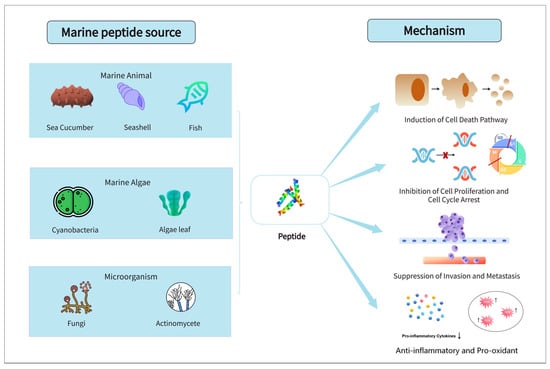
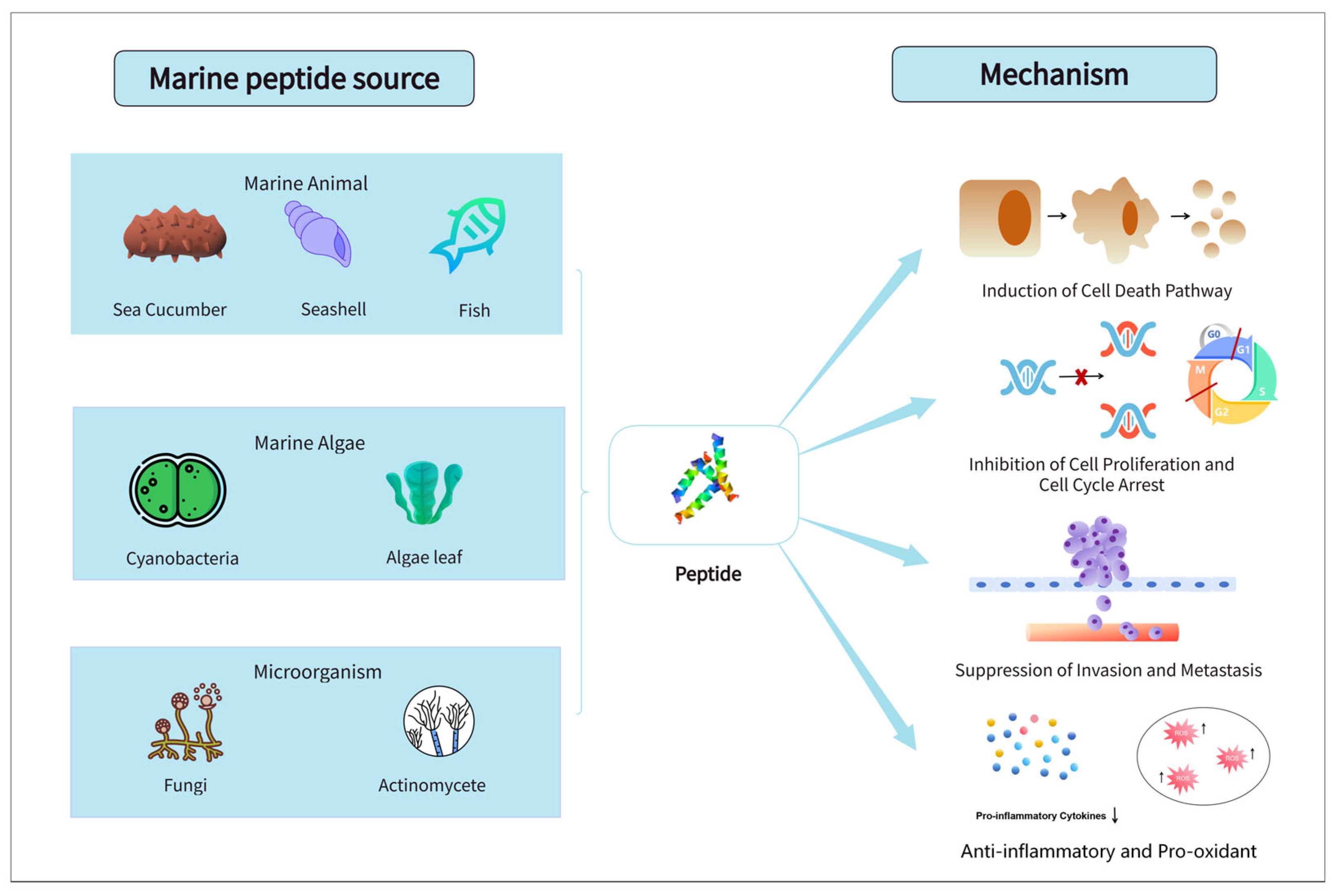
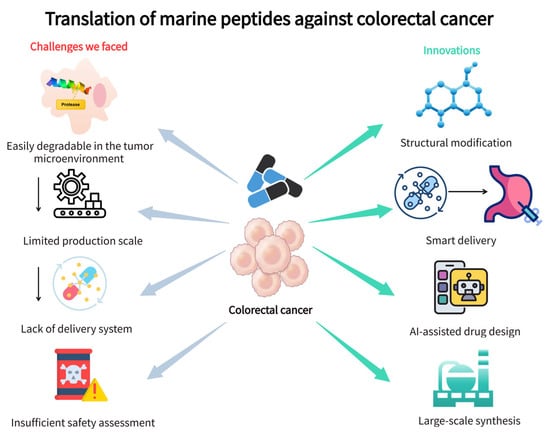
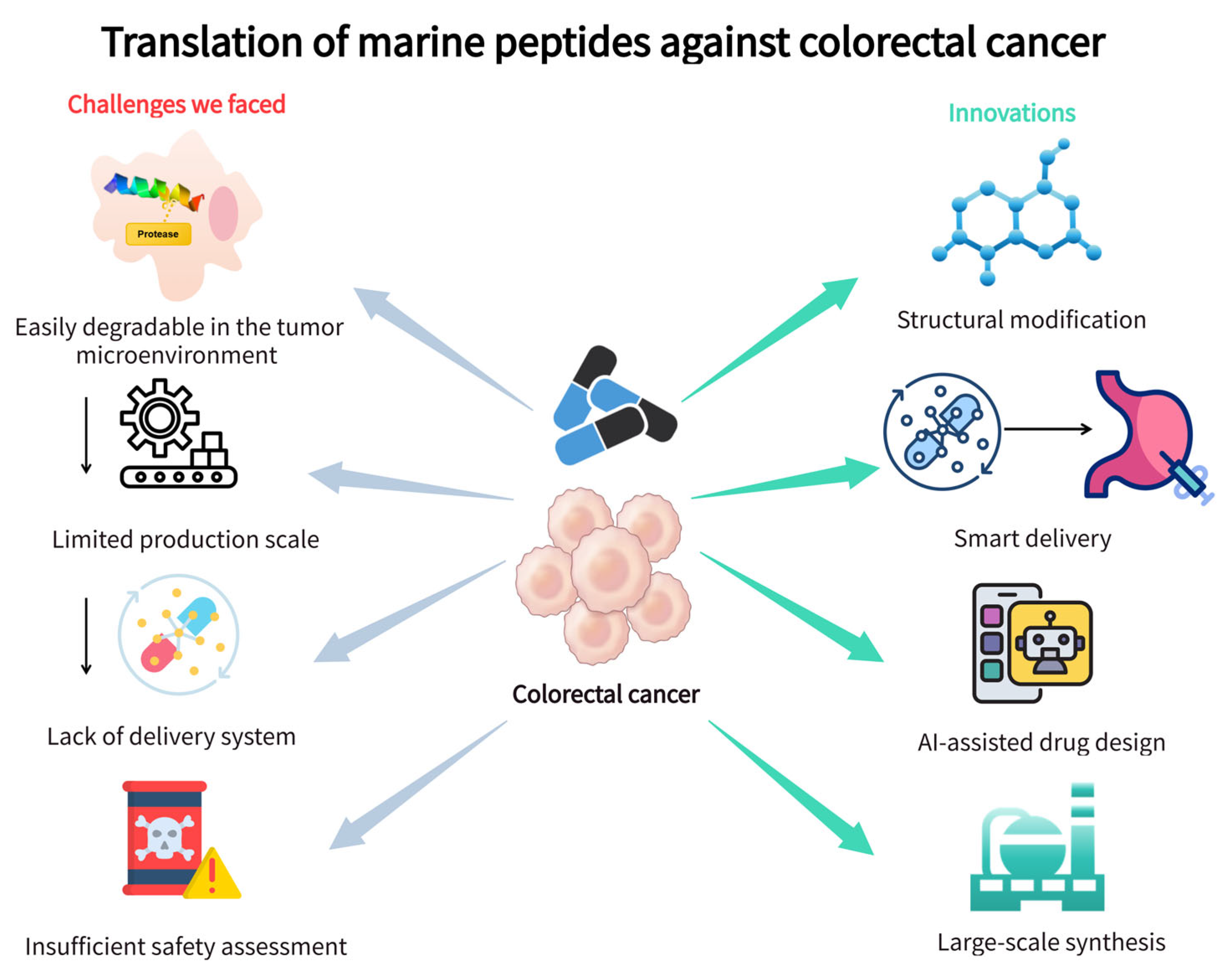

Disclaimer/Publisher’s Note: The statements, opinions and data contained in all publications are solely those of the individual author(s) and contributor(s) and not of MDPI and/or the editor(s). MDPI and/or the editor(s) disclaim responsibility for any injury to people or property resulting from any ideas, methods, instructions or products referred to in the content. |
© 2026 by the authors. Licensee MDPI, Basel, Switzerland. This article is an open access article distributed under the terms and conditions of the Creative Commons Attribution (CC BY) license.