Journal Description
Infrastructures
Infrastructures
is an international, scientific, peer-reviewed open access journal on infrastructures published monthly online by MDPI. Infrastructures is affiliated to International Society for Maintenance and Rehabilitation of Transport Infrastructures (iSMARTi) and their members receive a discount on the article processing charges.
- Open Access— free for readers, with article processing charges (APC) paid by authors or their institutions.
- High Visibility: indexed within Scopus, ESCI (Web of Science), Inspec, and other databases.
- Journal Rank: JCR - Q2 (Construction and Building Technology) / CiteScore - Q1 (Building and Construction)
- Rapid Publication: manuscripts are peer-reviewed and a first decision is provided to authors approximately 18.2 days after submission; acceptance to publication is undertaken in 2.9 days (median values for papers published in this journal in the first half of 2026).
- Recognition of Reviewers: reviewers who provide timely, thorough peer-review reports receive vouchers entitling them to a discount on the APC of their next publication in any MDPI journal, in appreciation of the work done.
- Journal Cluster of Civil Engineering and Built Environment: Acoustics, Architecture, Buildings, CivilEng, Construction Materials, Infrastructures, Intelligent Infrastructure and Construction, NDT and Vibration.
Impact Factor:
3.6 (2025);
5-Year Impact Factor:
3.5 (2025)
Latest Articles
Hydration and Microstructural Evolution of Cement Pastes Incorporating Submerged Arc Welding Slag
Infrastructures 2026, 11(8), 268; https://doi.org/10.3390/infrastructures11080268 (registering DOI) - 1 Aug 2026
Abstract
The valorisation of industrial by-products as supplementary cementitious materials is a promising strategy to reduce clinker consumption and improve the sustainability of cement-based materials. In this study, the influence of submerged arc welding (SAW) slag on the hydration behaviour and microstructural evolution of
[...] Read more.
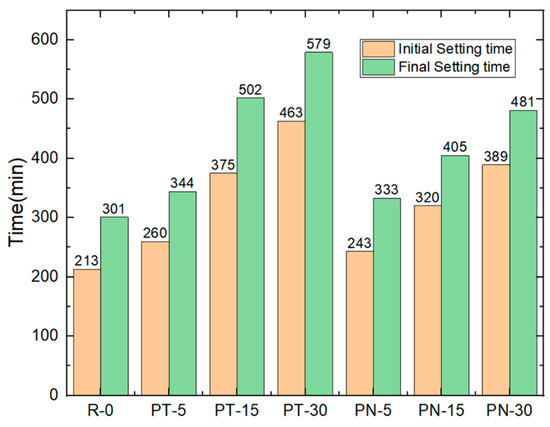
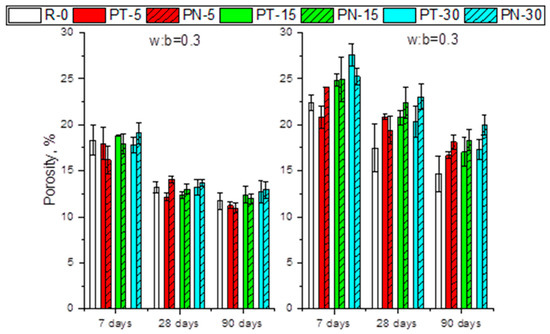
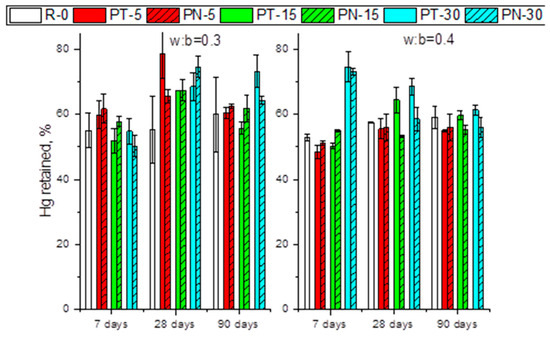
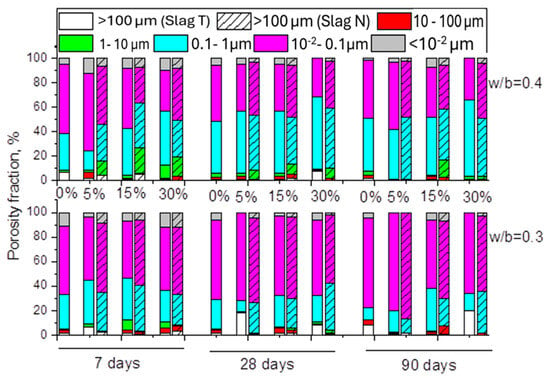
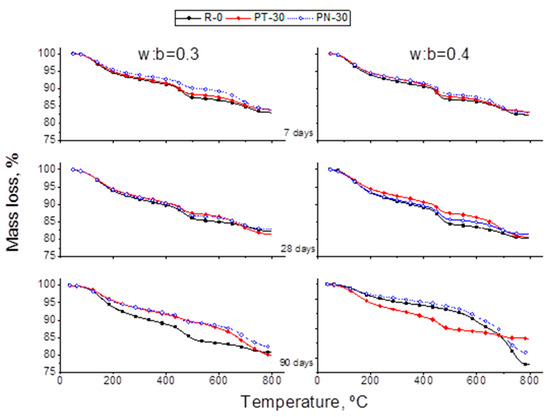
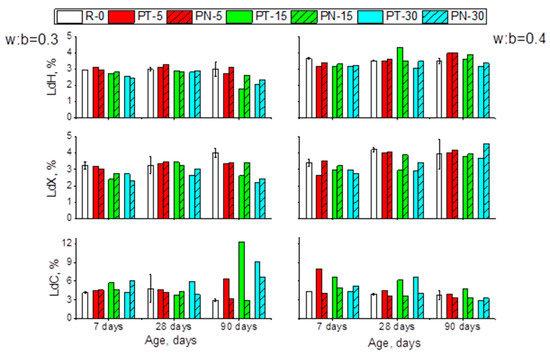
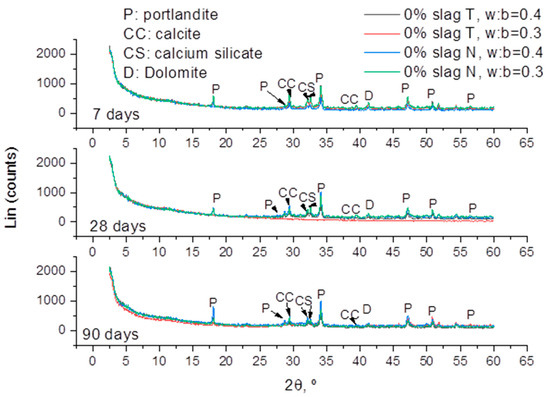
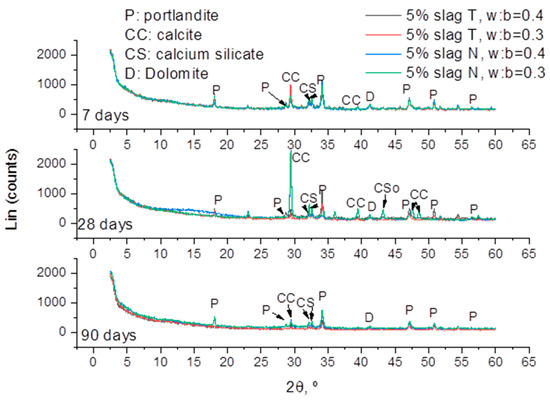
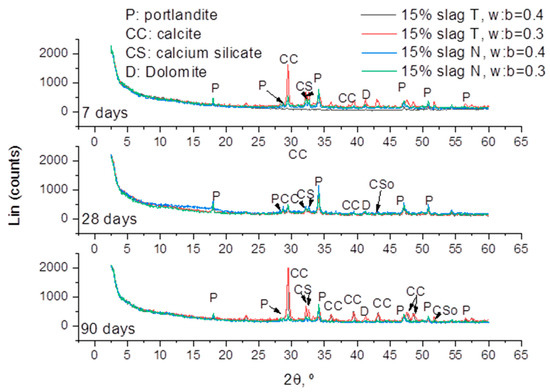
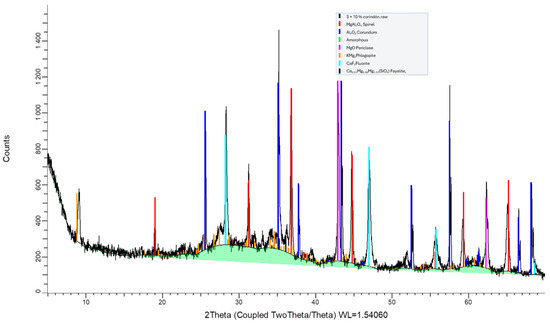
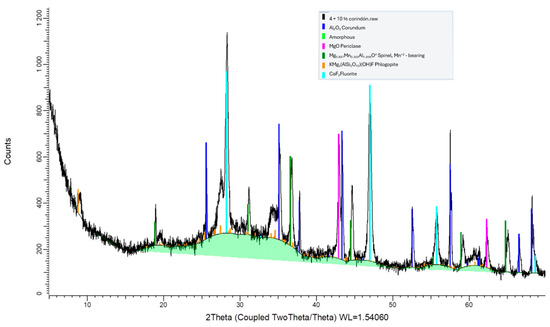
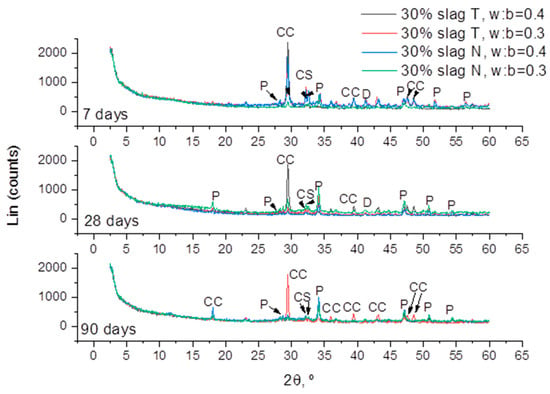
The valorisation of industrial by-products as supplementary cementitious materials is a promising strategy to reduce clinker consumption and improve the sustainability of cement-based materials. In this study, the influence of submerged arc welding (SAW) slag on the hydration behaviour and microstructural evolution of cement pastes was investigated. Two SAW slags from different industrial sources were incorporated as partial replacements of ordinary Portland cement at 5%, 15%, and 30% by mass. Cement pastes were prepared with water-to-binder ratios of 0.3 and 0.4 and characterised through setting time, water demand, mercury intrusion porosimetry (MIP), differential scanning calorimetry (DSC), and X-ray diffraction (XRD). The results showed that SAW slag systematically delayed both initial and final setting times, while having only a negligible effect on water demand. Under the fixed mix conditions adopted in this study, this retardation is interpreted as the combined effect of clinker dilution and modified fresh-state conditions. MIP analysis revealed higher early-age porosity in SAW-containing pastes, particularly at high replacement levels and higher water-to-binder ratios, although mixtures with up to 15% slag approached the reference pore structure at later ages. Thermal analysis indicated lower bound water and portlandite contents at early ages, mainly due to clinker dilution, while long-term hydration development remained comparable at moderate replacement levels. At higher slag contents, some mixtures showed higher calcium carbonate contents, suggesting a tendency toward increased carbonate formation under the investigated conditions. Overall, the results indicate that SAW slag primarily affected early paste behaviour and pore structure development, with clinker dilution appearing to be the main mechanism, although weak secondary physical or chemical contributions cannot be completely excluded.
Full article
(This article belongs to the Special Issue Recent Advances in Enhancing Sustainability and Durability of Cement and Concrete)
►
Show Figures
Open AccessArticle
Non-Uniform Shear Deformation and Its Influence Factor Sensitivity of Colluvial Coarse-Grained Soil
by
Yonglong Qu, Xinglong Wang, Gengshe Yang, Yanhu Mu, Lizhen Wu, Tengfei Han and Mengyuan Zhang
Infrastructures 2026, 11(8), 267; https://doi.org/10.3390/infrastructures11080267 (registering DOI) - 1 Aug 2026
Abstract
To investigate the mechanical properties of coarse-grained soil in high-altitude mountainous areas, experimental research was conducted to explore the shear process, shear modulus, shear dilation, and stress axis rotation of coarse-grained soil under varying conditions. The sensitivity and mechanisms of these factors were
[...] Read more.
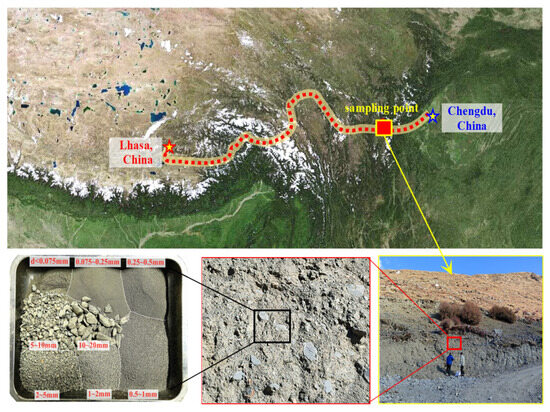
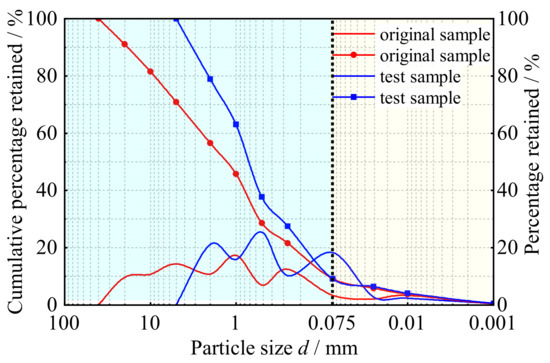
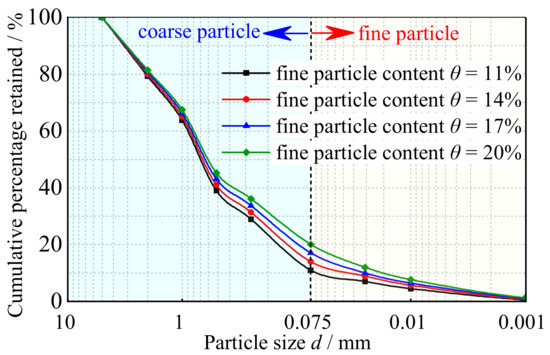
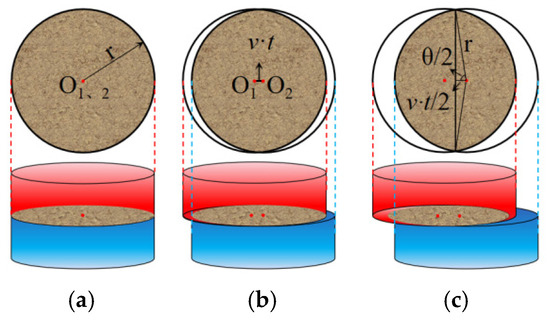
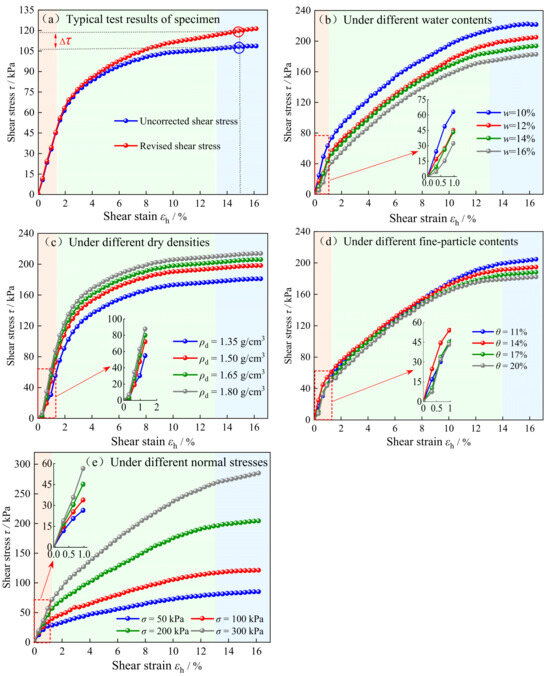
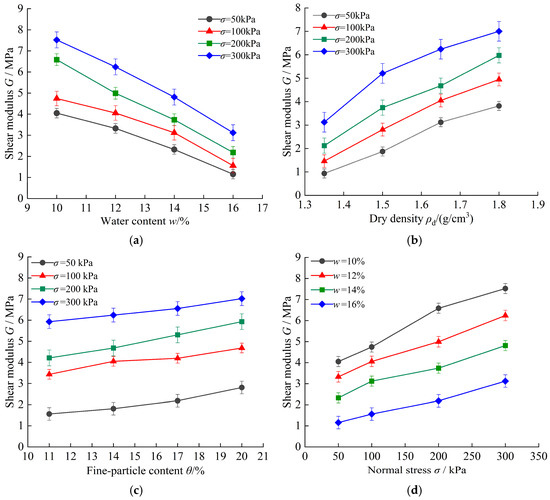
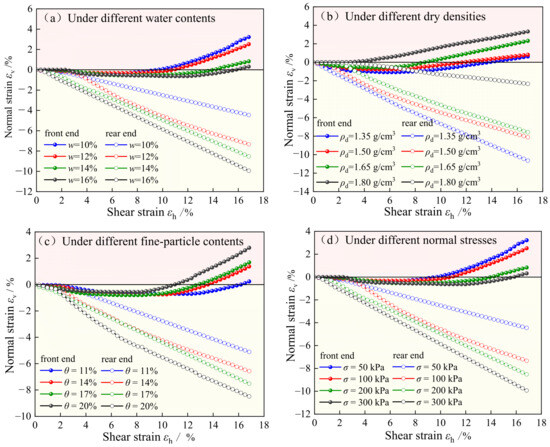
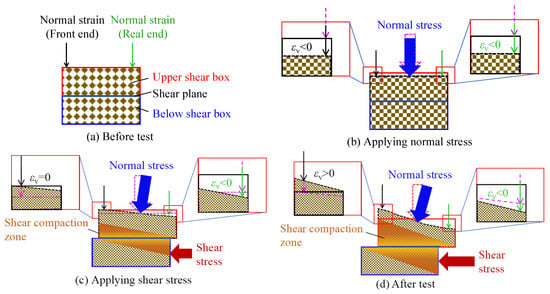
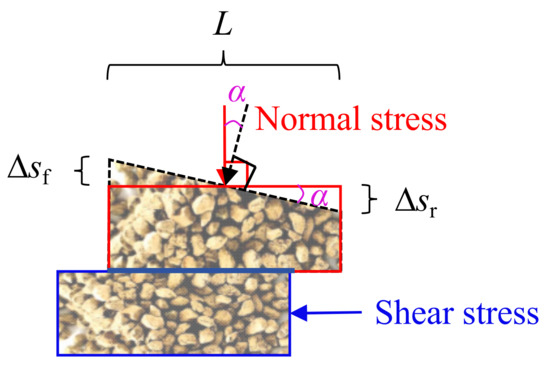
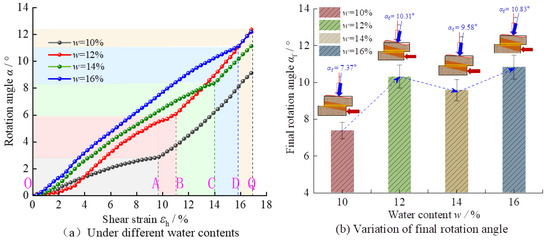
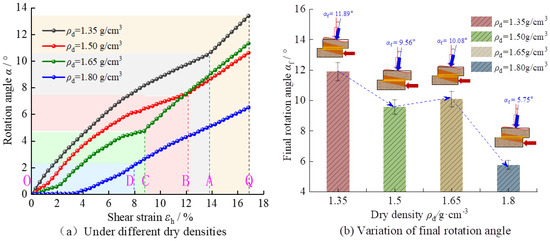
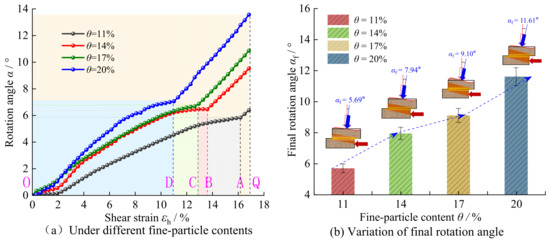
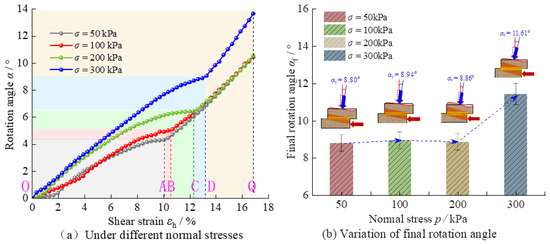
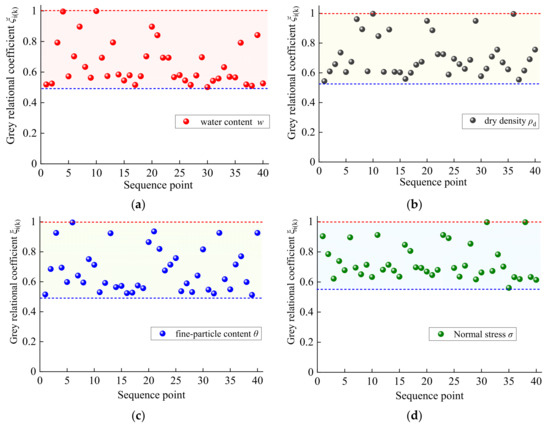
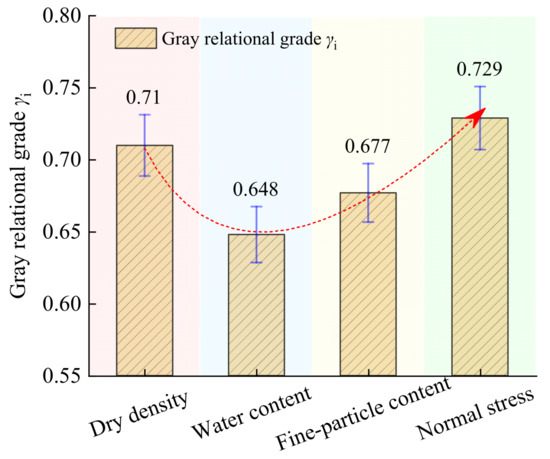
To investigate the mechanical properties of coarse-grained soil in high-altitude mountainous areas, experimental research was conducted to explore the shear process, shear modulus, shear dilation, and stress axis rotation of coarse-grained soil under varying conditions. The sensitivity and mechanisms of these factors were also analyzed. The results indicate that increasing water content and fine particle content significantly diminish the strain-hardening characteristic, whereas dry density and normal stress augment this effect. Under shear stress, the samples exhibit pronounced non-uniform shear dilatancy. Elevated water content, fine particle content, and normal stress enhance shear contraction at the rear of the sample while suppressing shear dilation at the front. In contrast, dry density produces the opposite effect. The rotation of the stress axis initially follows a nonlinear growth pattern before transitioning to linear growth. The growth rate and ultimate rotation angle increase monotonically with water content, fine particle content, and normal stress but decrease with increasing dry density. Additionally, the shear modulus decreases exponentially with increasing water content and increases exponentially with dry density, fine particle content, and normal stress. Ultimately, normal stress is identified as the most sensitive factor, followed by dry density and fine particle content, with water content being the least sensitive. These findings can provide geotechnical parameters and a theoretical basis for the scientific prevention of high-altitude geological hazards. These findings can provide indoor mechanical parameters and deformation laws of coarse-grained soils for engineering.
Full article
(This article belongs to the Special Issue Construction and Maintenance of Transportation Infrastructure in Extreme Environments)
►▼
Show Figures

Figure 1

Open AccessArticle
Evaluating Risky Driving Behavior Using a Naturalistic Driving Dataset: A Hybrid Modelling Approach
by
Eleni Maria Theodoraki, Thodoris Garefalakis, Eva Michelaraki and George Yannis
Infrastructures 2026, 11(8), 266; https://doi.org/10.3390/infrastructures11080266 (registering DOI) - 1 Aug 2026
Abstract
Driver behavior is a critical factor in road safety, contributing to the majority of traffic crashes. The i-DREAMS project introduced the concept of a Safety Tolerance Zone (STZ) to enhance driving safety through real-time and post-trip interventions. This study develops and evaluates three
[...] Read more.
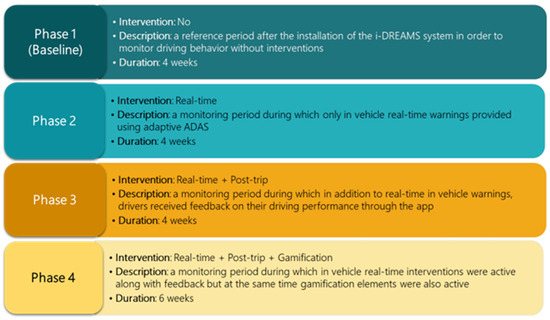
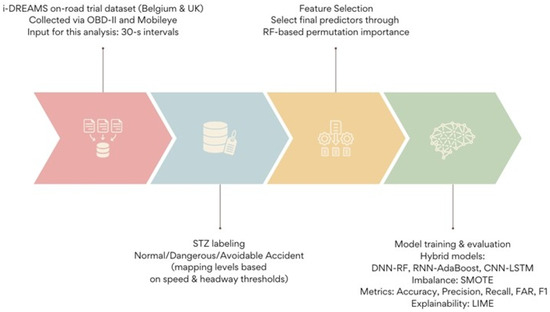
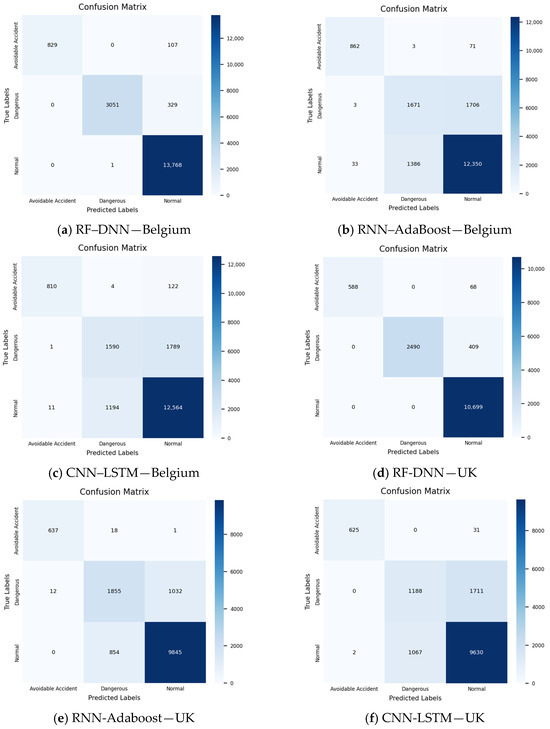
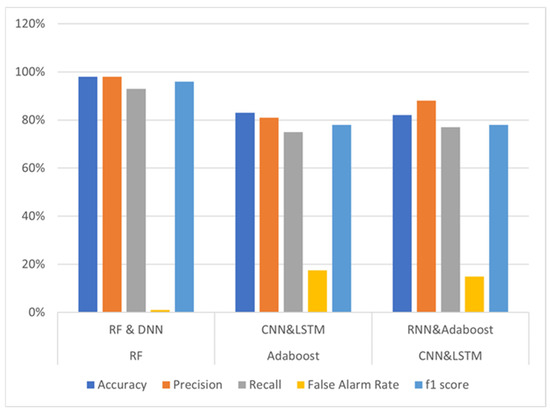
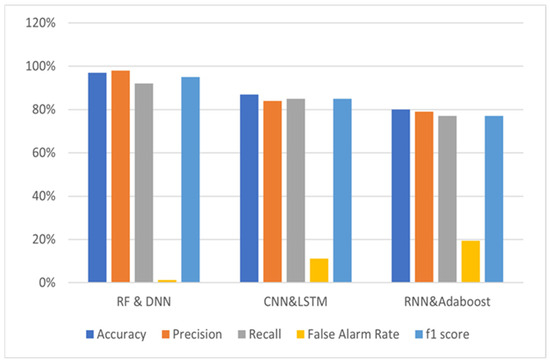
Driver behavior is a critical factor in road safety, contributing to the majority of traffic crashes. The i-DREAMS project introduced the concept of a Safety Tolerance Zone (STZ) to enhance driving safety through real-time and post-trip interventions. This study develops and evaluates three hybrid machine learning models—(i) Deep Neural Network–Random Forest (DNN-RF), (ii) Convolutional Neural Network–Long Short-Term Memory (CNN-LSTM), and (iii) Recurrent Neural Network–AdaBoost (RNN-AdaBoost)—to classify risky driving behavior into three safety levels using naturalistic driving data from Belgium and the UK. The dataset includes 69 drivers, 15,389 trips, and 265,512 min of driving data. Among the models tested, the DNN-RF model demonstrated the highest accuracy, reaching 98% in Belgium and 97% in the United Kingdom, outperforming other approaches. Feature importance analysis identified harsh acceleration and braking as the most critical factors in Belgium, while total trip distance and harsh acceleration were predominant in the UK. To enhance model transparency, we applied the Local Interpretable Model-agnostic Explanations (LIME) algorithm, providing valuable insights into model predictions. The findings support the potential of hybrid deep learning models in improving road safety by accurately detecting risky driving behaviors. These insights can inform targeted interventions and driver assistance technologies to mitigate crash risks and promote safer driving practices.
Full article
(This article belongs to the Special Issue Safer Roads Ahead: Exploring the Latest Innovations and Advancements in Road Design and Safety Technology, 2nd Edition)
►▼
Show Figures

Figure 1
Open AccessArticle
Human-Centered Optimization of Expressway Interchange Guide-Sign Infrastructure in Complex Road Networks: Evidence from Visual Behavior, Physiological Responses, and Driving Simulation
by
Yanshuang Zhi, Shuzhen Lou, Hongfu Wu, Yingying Luo and Yanqun Yang
Infrastructures 2026, 11(8), 265; https://doi.org/10.3390/infrastructures11080265 - 31 Jul 2026
Abstract
Expressway interchange guide signs must support rapid route decisions under limited viewing time, high information load, and potential vehicle occlusion. This study developed a human-centered framework for optimizing guide-sign information and presentation in complex expressway networks by integrating an on-road field experiment, driving
[...] Read more.
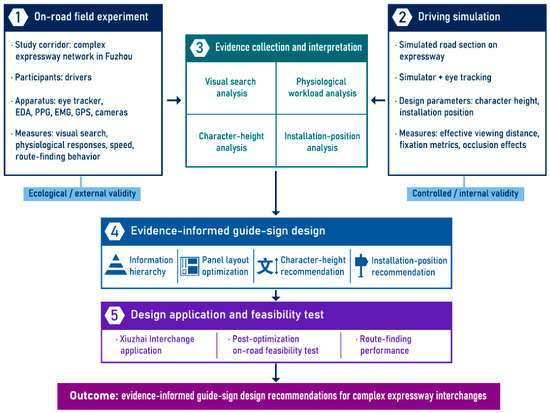
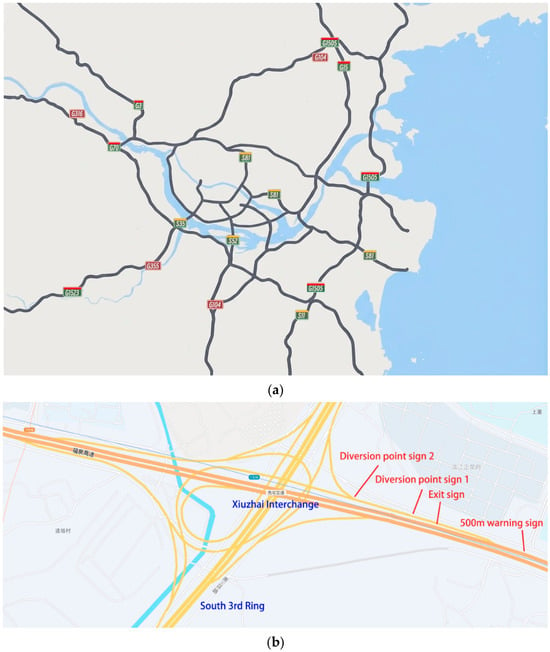
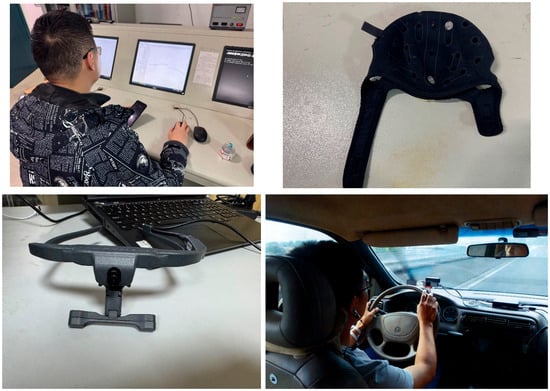
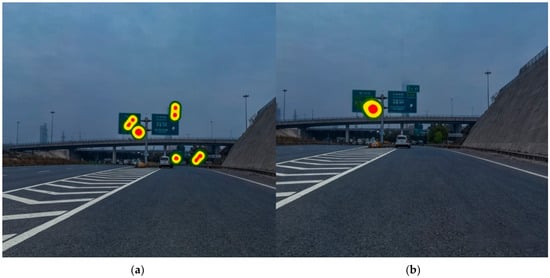
Expressway interchange guide signs must support rapid route decisions under limited viewing time, high information load, and potential vehicle occlusion. This study developed a human-centered framework for optimizing guide-sign information and presentation in complex expressway networks by integrating an on-road field experiment, driving simulation, eye-movement measures, physiological responses, and driving behavior. The field experiment involved ten drivers unfamiliar with the Fuzhou expressway network and yielded 119 valid sign-reading episodes. A separate simulation experiment with 60 licensed drivers examined character heights of 55, 65, and 75 cm and roadside, median-side, and dual-side installation under three ordinal traffic background conditions. Drivers generally initiated visual search in the upper-left region of sign panels and focused on route-relevant place names and directional arrows. Descriptive observations suggested that usable control-point information could support route inference when the destination was absent, whereas the absence of both destination and usable control-point information was accompanied by more sustained deceleration and more dispersed visual search. Effective viewing distance increased across the tested character-height conditions. At a design speed of 120 km/h and an assumed recognition time of 2.6 s, the required viewing distance was approximately 86.7 m. The mean viewing distance for the 55 cm condition was below this requirement, whereas the 65 and 75 cm conditions exceeded it. The findings were applied to Xiuzhai Interchange. In a dynamic screen-based route-choice test, 24 of 25 participants made acceptable choices. Overall, guide signs in complex networks should be designed as coordinated information systems integrating control-point hierarchy, information continuity, character height, and installation position.
Full article
(This article belongs to the Special Issue Safer Roads Ahead: Exploring the Latest Innovations and Advancements in Road Design and Safety Technology, 2nd Edition)
►▼
Show Figures

Figure 1

Open AccessArticle
Micro Breakage-Induced Contact Network Evolution and Performance Degradation of Graded Aggregates Under Cyclic Loading
by
Xianpu Xiao, Qian Zhang, Kang Wang, Kang Xie, Shengjun Zhang, Tao Ding and Shiqiang Zhang
Infrastructures 2026, 11(8), 264; https://doi.org/10.3390/infrastructures11080264 - 30 Jul 2026
Abstract
Graded aggregates used in high-speed railway subgrades often undergo micro breakage (i.e., corner and edge spalling) under cyclic loading, whereas the mechanism linking local particle spalling to contact-network evolution and permanent deformation remains unclear. To address the lack of a physically based micro
[...] Read more.
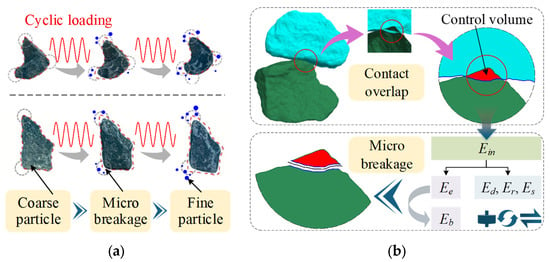
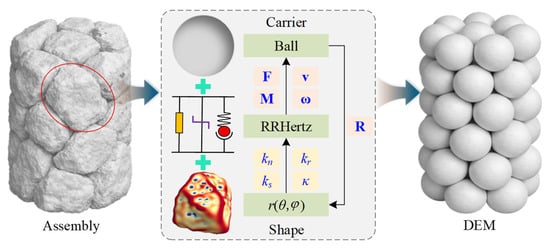
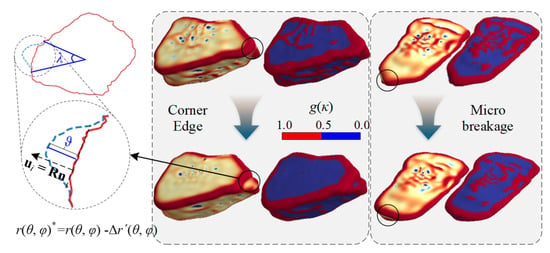
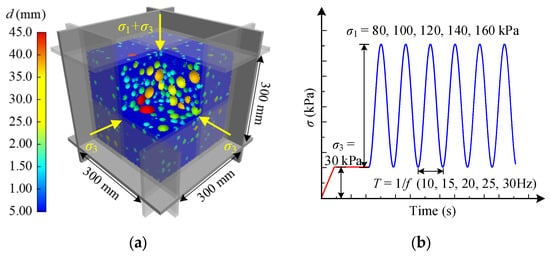
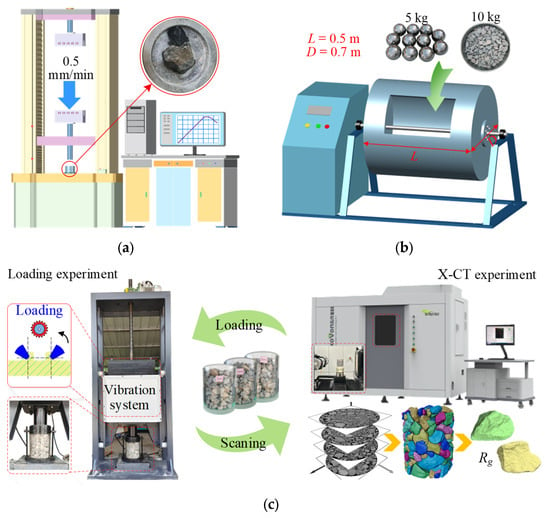
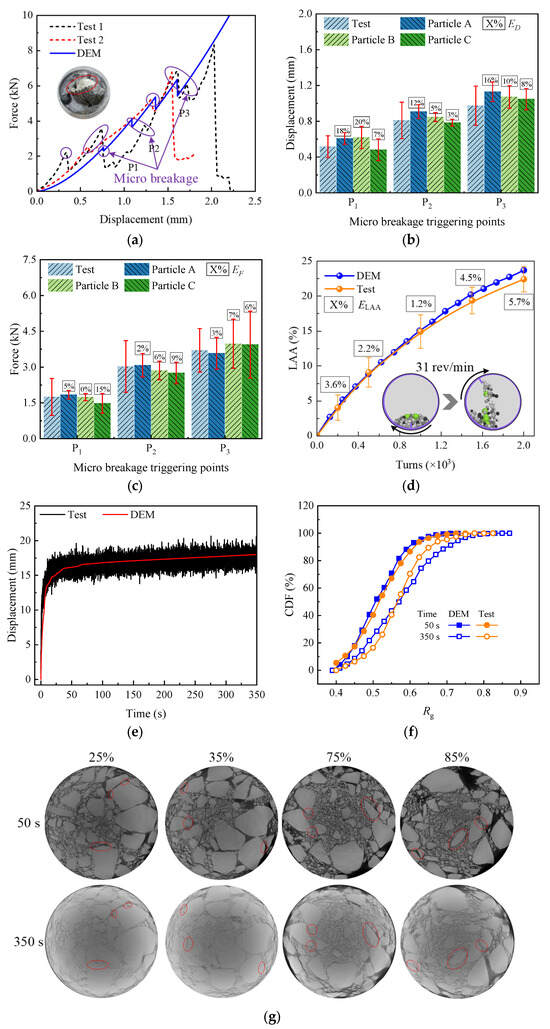
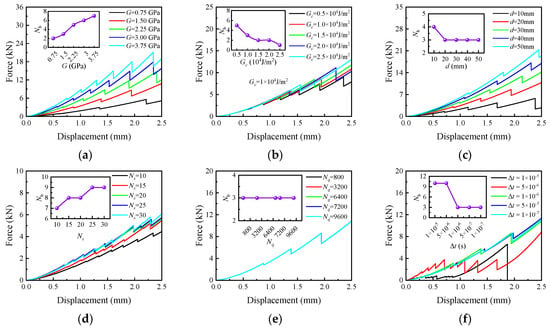
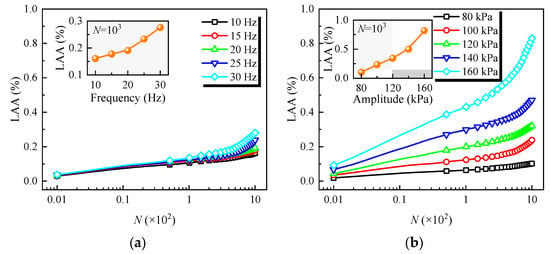
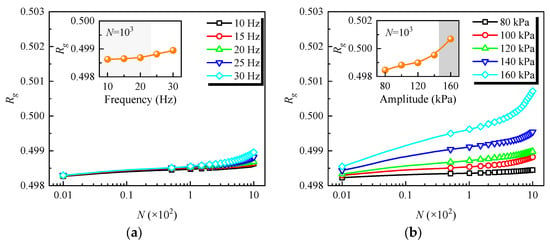
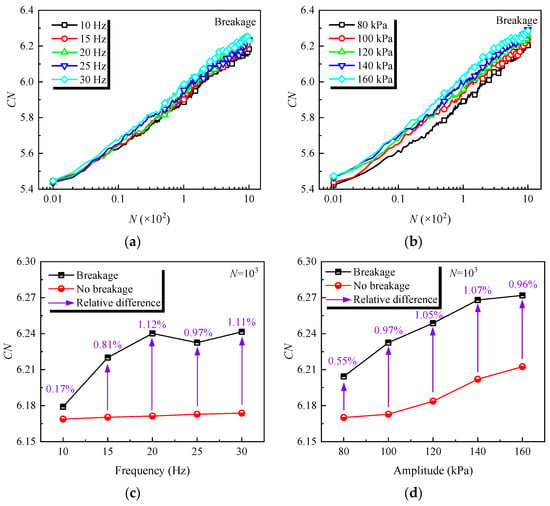
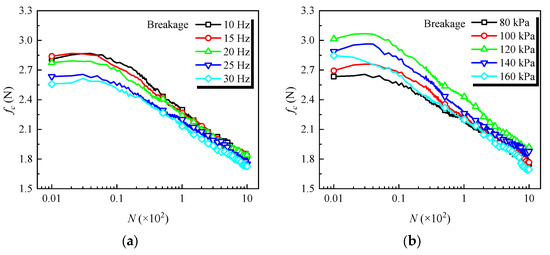
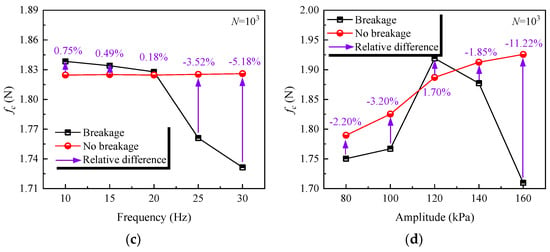
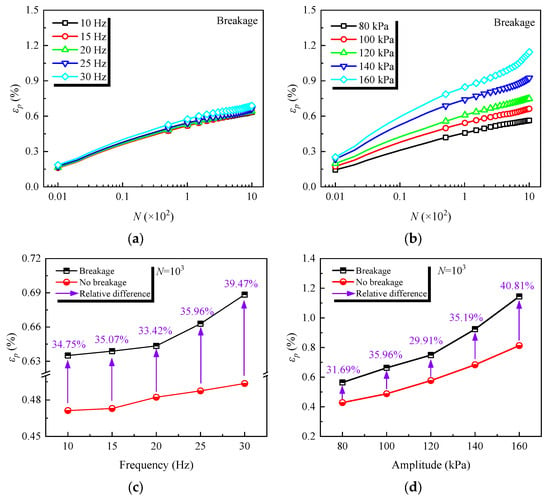
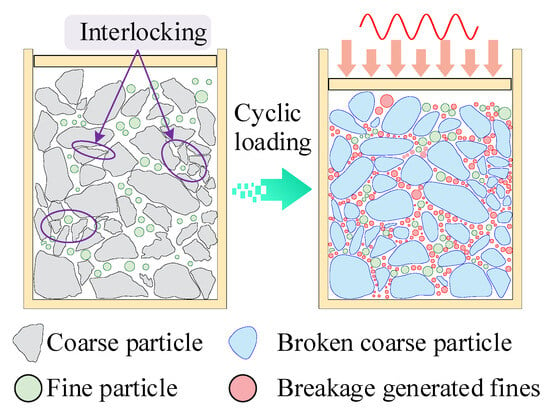
Graded aggregates used in high-speed railway subgrades often undergo micro breakage (i.e., corner and edge spalling) under cyclic loading, whereas the mechanism linking local particle spalling to contact-network evolution and permanent deformation remains unclear. To address the lack of a physically based micro breakage criterion and a continuous local shape-updating scheme in existing DEM approaches, this study proposes an energy-driven micro breakage method. The method uses the relationship between contact elastic energy and fracture energy for newly created free surfaces as the breakage criterion. It also employs a radial function representation to simulate local particle shape evolution. The proposed method is subsequently validated through multilevel tests and shows reasonable agreement with the experimental results for particle micro breakage and the associated mechanical responses. Furthermore, dynamic triaxial simulation results show that micro breakage exhibits a distinct cumulative characteristic and increases with loading frequency and amplitude. Meanwhile, micro breakage drives particle rearrangement and new contact formation, leading to skeleton densification and weakening of the strong force-chain network, which in turn accelerates plastic deformation accumulation. These coupled processes constitute an important mechanism governing the progressive degradation of graded aggregates under cyclic loading. This study clarifies the associated particle-scale mechanism and provides a reference for performance optimization.
Full article
(This article belongs to the Section Infrastructures Materials and Constructions)
►▼
Show Figures

Figure 1
Open AccessArticle
A Highly Circular Asphalt Surface Mixture with Steel Slag Aggregates and Reclaimed Asphalt Pavement: Laboratory-to-Field Validation and Life Cycle Assessment
by
Carlos D. A. Loureiro, Caroline F. N. Moura, Joel R. M. Oliveira and Hugo M. R. D. Silva
Infrastructures 2026, 11(8), 263; https://doi.org/10.3390/infrastructures11080263 - 30 Jul 2026
Abstract
The increasing demand for sustainable road infrastructure has encouraged the development of asphalt mixtures incorporating recycled materials and industrial by-products. This study developed and validated a highly circular AC14 asphalt surface mixture incorporating steel slag aggregates (SSA) and reclaimed asphalt pavement (RAP). The
[...] Read more.
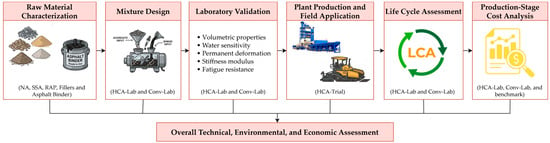
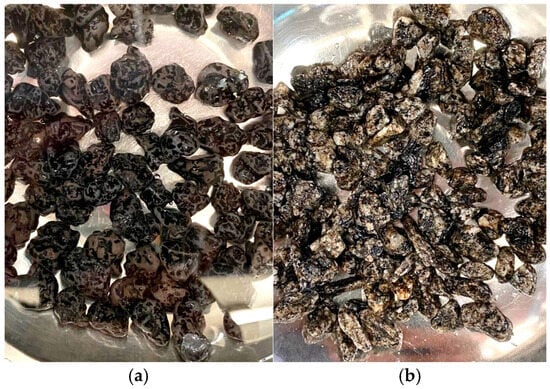
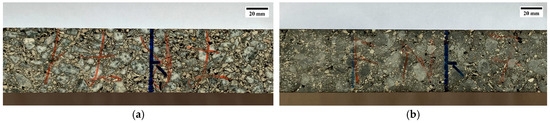
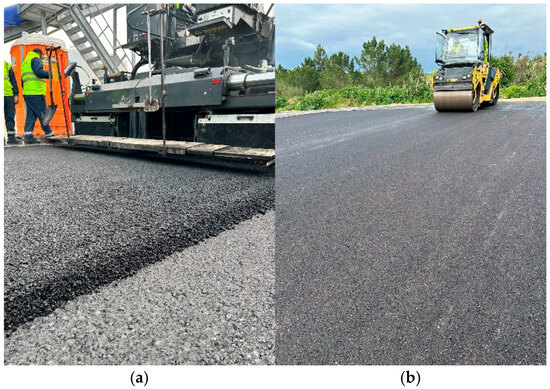
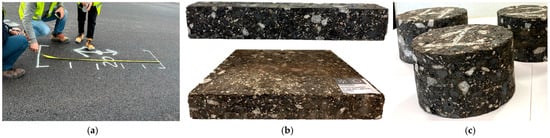
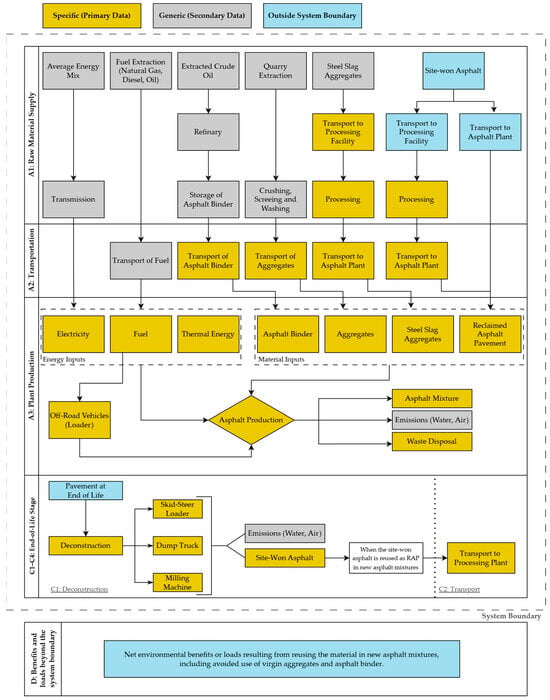
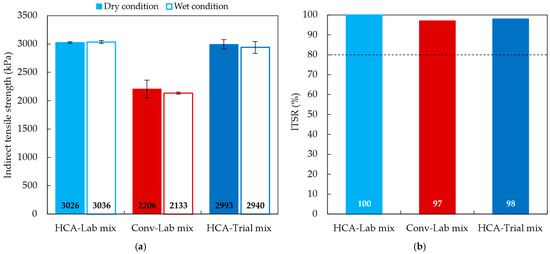
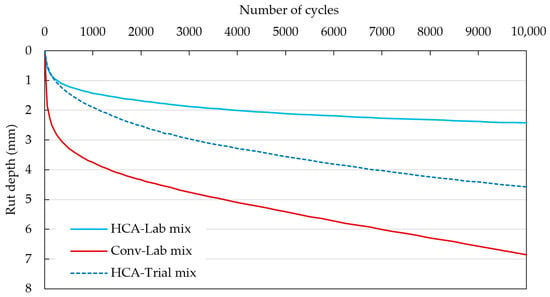
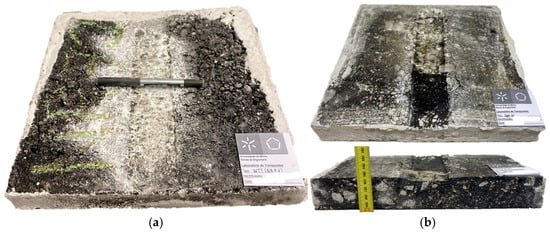
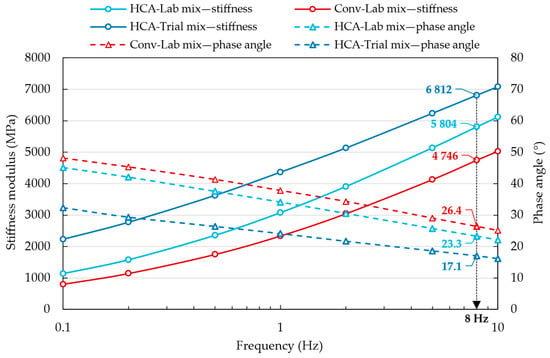
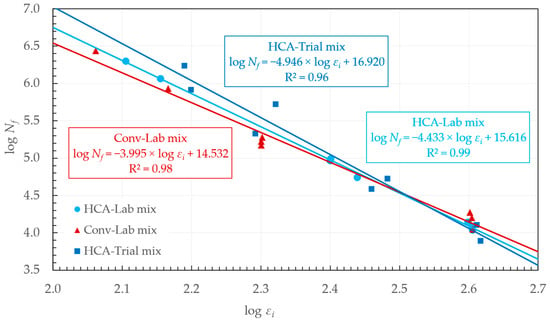
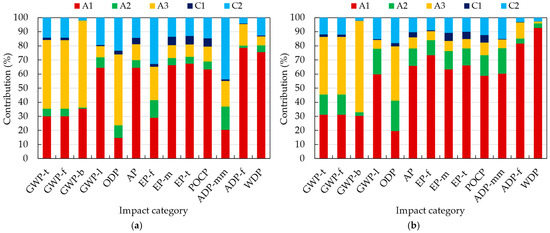
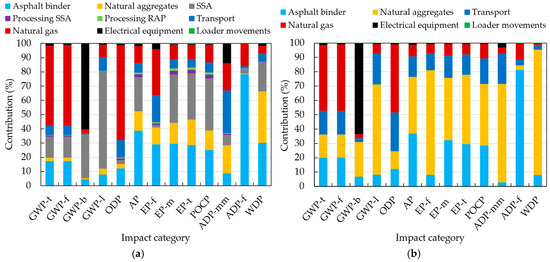
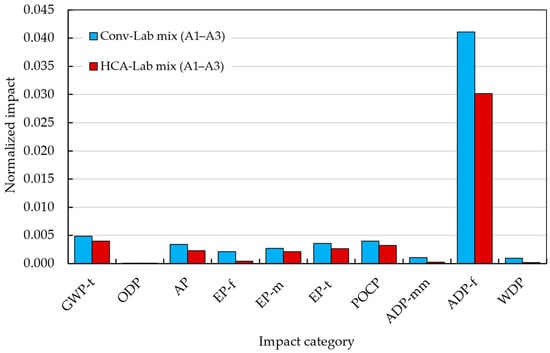
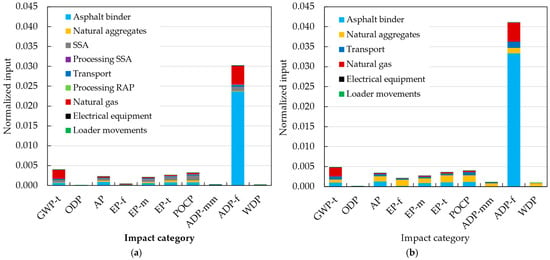
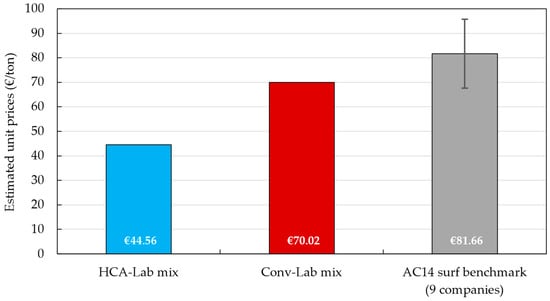
The increasing demand for sustainable road infrastructure has encouraged the development of asphalt mixtures incorporating recycled materials and industrial by-products. This study developed and validated a highly circular AC14 asphalt surface mixture incorporating steel slag aggregates (SSA) and reclaimed asphalt pavement (RAP). The laboratory-designed mixture contained 63.8% SSA and 17.2% RAP, corresponding to 81.0% secondary materials, or 83.0% when recovered filler is included. Its volumetric and mechanical performance was compared with that of a conventional AC14 surface mixture with natural aggregates. The highly circular formulation was then produced in an asphalt plant and applied in a full-scale field trial. A life cycle assessment (LCA), following EN 15804:2012+A2:2019, and a production-stage cost analysis were conducted using plant-specific data. The highly circular mixture showed improved rutting resistance, higher stiffness modulus, very high resistance to water damage, and better fatigue indicators than the conventional reference mixture. The field trial supported its feasibility under real production and construction conditions. The LCA showed reductions in 12 of the 13 product-stage environmental impact indicators, including reductions of 18.1% in total global warming potential, 26.6% in abiotic depletion potential for fossil resources, 77.6% in abiotic depletion potential for minerals and metals, and 81.5% in water deprivation potential. The estimated production-stage unit price was 36.4% lower than that of the conventional mixture and 45.4% lower than the Portuguese market benchmark. These results demonstrate the technical, environmental, and economic potential of highly circular asphalt surface mixtures incorporating SSA and RAP.
Full article
(This article belongs to the Special Issue Sustainable Materials and Design for Wearing Courses and Surface Treatments)
►▼
Show Figures

Figure 1

Open AccessArticle
Evidence of a Highway–Rail Grade Crossing Safety Plateau Through Regime-Transition Analysis and Explainable Machine Learning
by
Raj Bridgelall
Infrastructures 2026, 11(8), 262; https://doi.org/10.3390/infrastructures11080262 - 30 Jul 2026
Abstract
Highway–rail grade crossing (HRGC) safety has improved substantially over recent decades through engineering upgrades, active warning systems, crossing closures, enforcement, and public education. Recent national trends, however, suggest that these gains may have slowed, raising the question of whether HRGC safety has entered
[...] Read more.
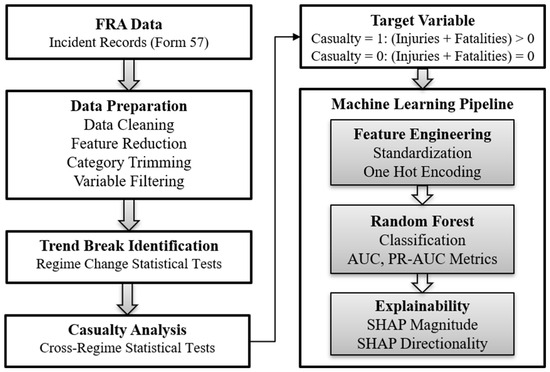
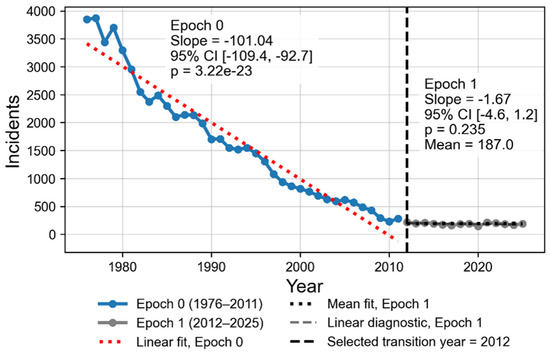
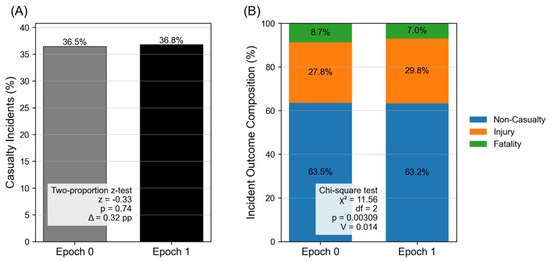
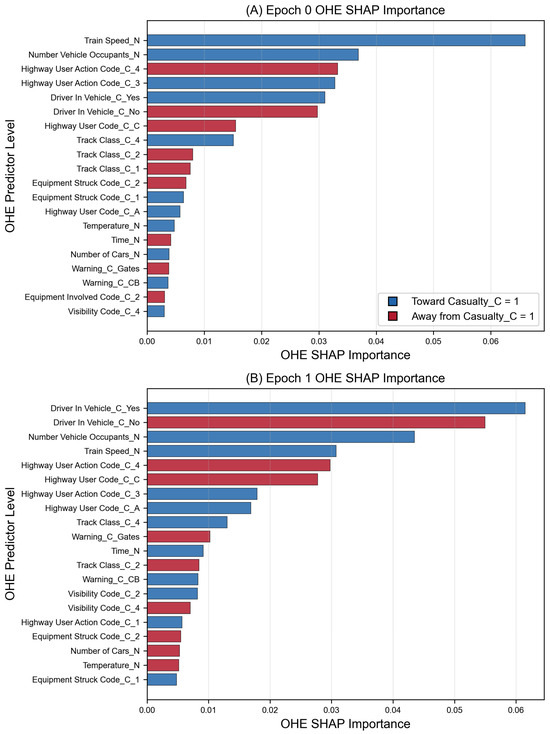
Highway–rail grade crossing (HRGC) safety has improved substantially over recent decades through engineering upgrades, active warning systems, crossing closures, enforcement, and public education. Recent national trends, however, suggest that these gains may have slowed, raising the question of whether HRGC safety has entered a persistent plateau. This study investigates whether the historical decline in U.S. HRGC incidents has transitioned into a statistically distinct safety regime and whether the factors associated with casualty occurrence have changed following that transition. An analytical framework integrating regime-transition analysis, cross-regime casualty comparison, and explainable machine learning was applied to nationwide Federal Railroad Administration incident records from 1976 to 2025. Trend analysis, complementary stationarity diagnostics, residual diagnostics, information criteria, and sensitivity analysis consistently identified 2012 as the onset of a statistically stationary safety plateau. Comparison of casualty outcomes showed no meaningful change in either the probability of casualty occurrence or the distribution of injury and fatality outcomes following the transition. Explainable random forest models further demonstrated substantial temporal stability in the factors associated with casualty occurrence. Train speed, vehicle occupancy, driver presence, and highway-user actions remained the dominant predictors across both safety regimes, with driver presence ranking among the most influential characteristics during the plateau period. These findings indicate that the current safety challenge is not the emergence of new collision mechanisms but the persistence of well-established operational and behavioral risk factors. Future reductions in HRGC casualties will likely require targeted engineering improvements, advanced warning technologies, connected-vehicle and vehicle-to-infrastructure systems, artificial intelligence-enabled monitoring, and focused public education to address the persistent residual risks sustaining the national safety plateau.
Full article
(This article belongs to the Special Issue The Resilience of Railway Networks: Enhancing Safety and Robustness)
►▼
Show Figures

Figure 1

Open AccessArticle
Risk Prioritization of Nearby Infrastructure-Related 311 Requests Around Urban Streetworks Using Public Data: A Weather-Informed Calibrated Random Forest Case Study in New York City
by
Jerzy Rosłon
Infrastructures 2026, 11(8), 261; https://doi.org/10.3390/infrastructures11080261 - 29 Jul 2026
Abstract
Urban streetworks are necessary for infrastructure maintenance and renewal, but they may generate local disruptions that are difficult to observe systematically. This study develops a reproducible public-data-based workflow for prioritizing urban streetwork closure days according to their risk of nearby infrastructure-related 311 service
[...] Read more.
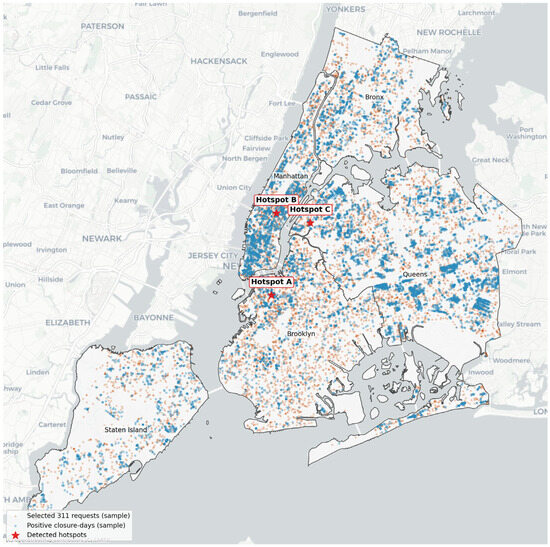
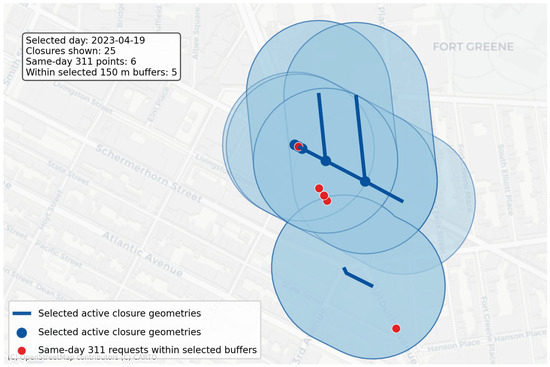
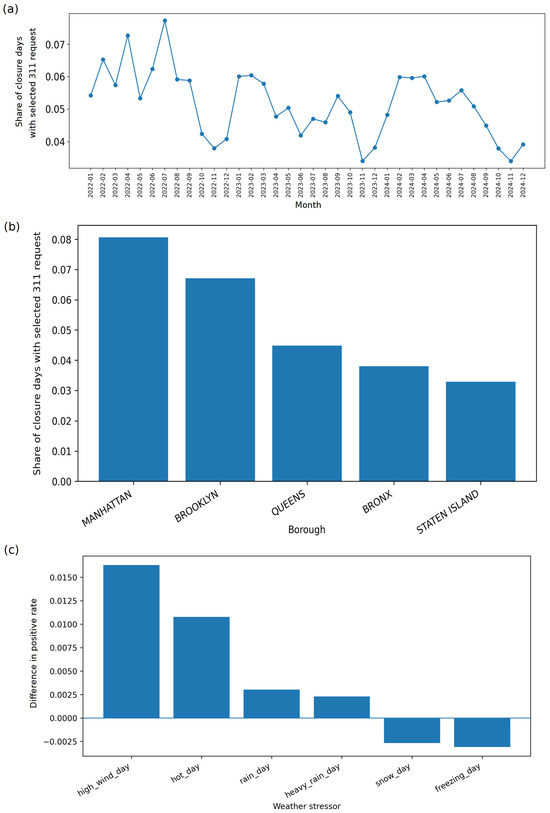
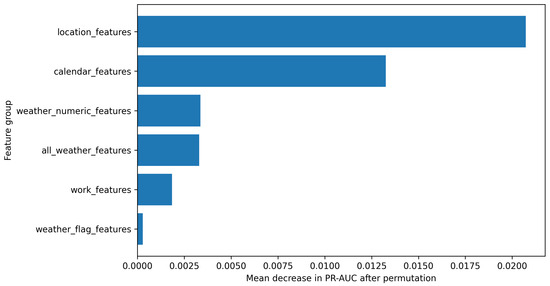
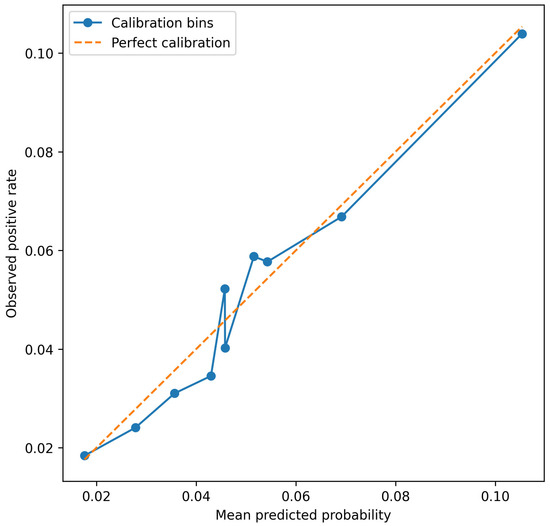
Urban streetworks are necessary for infrastructure maintenance and renewal, but they may generate local disruptions that are difficult to observe systematically. This study develops a reproducible public-data-based workflow for prioritizing urban streetwork closure days according to their risk of nearby infrastructure-related 311 service requests (municipal non-emergency reports submitted by residents or other street users). The case study uses New York City data from 2022 to 2024 and integrates recorded street closures, selected 311 complaints, and daily weather variables. A closure day is defined as a recorded street closure active on a single calendar day. The main target identifies whether at least one selected 311 request occurred in the vicinity of an active closure on the same day. The final model is a weather-informed, calibrated Random Forest. The final dataset contained 2,708,620 closure day records. The model achieved an ROC-AUC of 0.6408, a PR-AUC of 0.0799, and a Brier score of 0.0459. Among the top 5% highest-risk closure days, precision reached 11.48%, with a lift of 2.35 over random selection, relative to a 2024 test prevalence of approximately 4.88%. Permutation importance showed that location and calendar features dominated prediction, while continuous weather variables provided a smaller but measurable contribution.
Full article
(This article belongs to the Special Issue AI in Sustainable and Resilient Infrastructures: Construction, Management, and Maintenance)
►▼
Show Figures

Figure 1

Open AccessArticle
Curved Surface Slider Design Procedure Aimed at Device Performance
by
Concetta Tripepi, Chiara Ormando and Paolo Clemente
Infrastructures 2026, 11(8), 260; https://doi.org/10.3390/infrastructures11080260 - 28 Jul 2026
Abstract
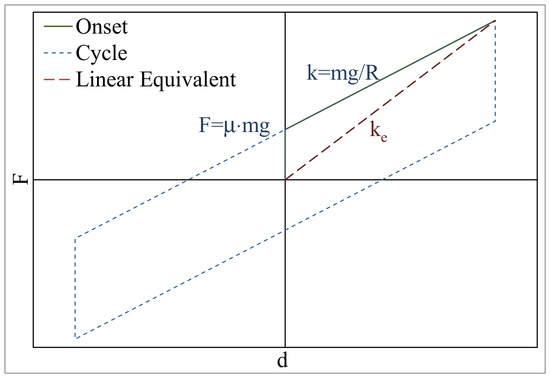
The design of curved surface sliders hides some pitfalls that can affect the effectiveness of the isolation system, as pointed out by past theoretical and experimental studies. In this paper, the basic relationships of curved surface sliders are rewritten, defining a characteristic parameter.
[...] Read more.
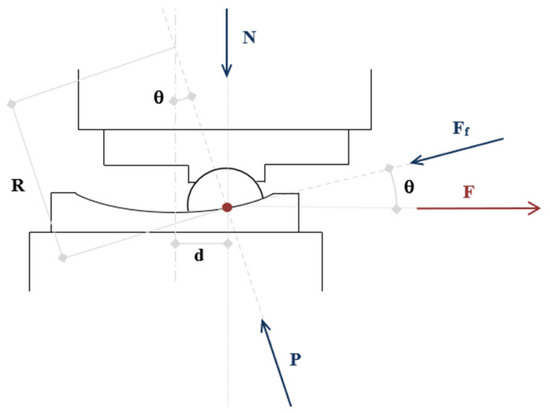
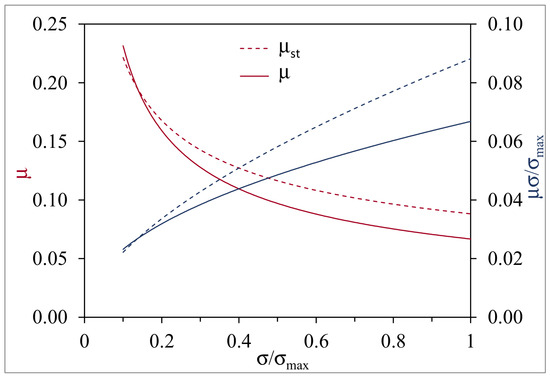
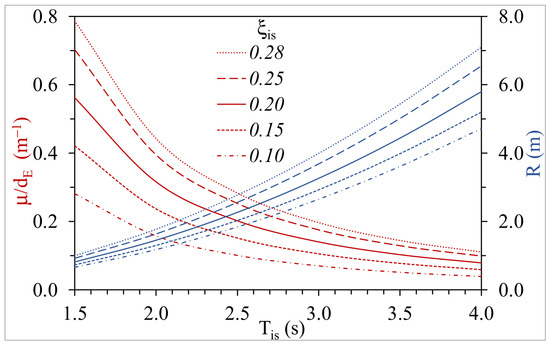
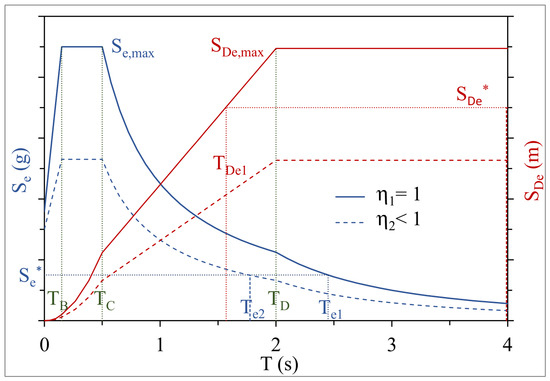
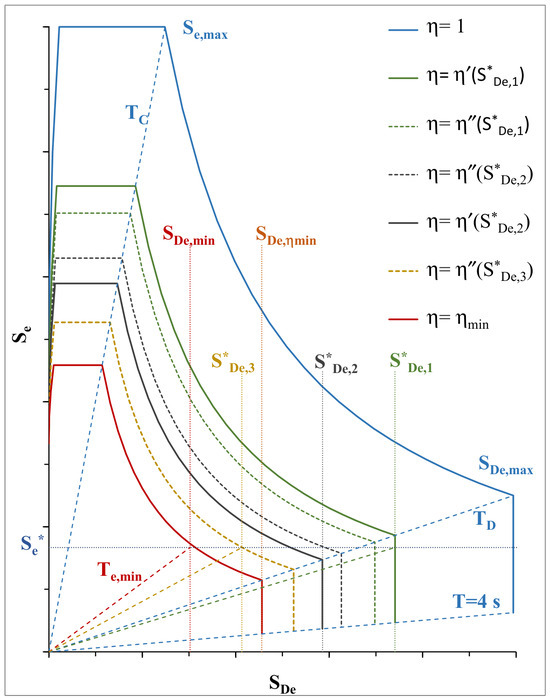
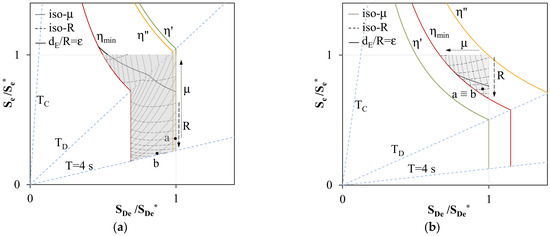
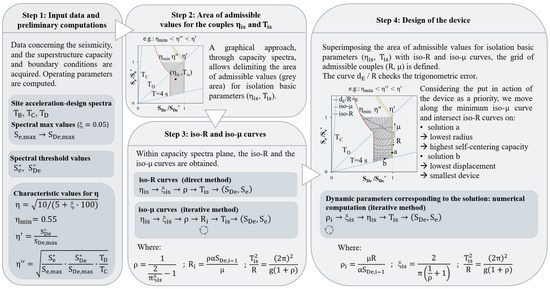
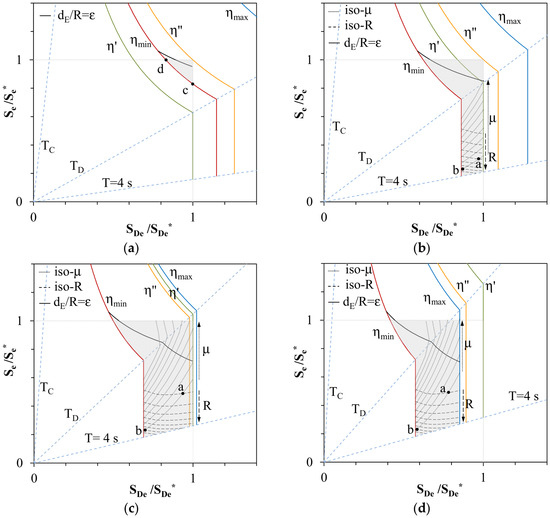
The design of curved surface sliders hides some pitfalls that can affect the effectiveness of the isolation system, as pointed out by past theoretical and experimental studies. In this paper, the basic relationships of curved surface sliders are rewritten, defining a characteristic parameter. This relates the design parameters, i.e., the friction coefficient, the equivalent radius, and the seismic displacement, with each other but depends on the damping ratio only. As is well known, a high value of friction could prevent the onset of motion. The self-centering capacity depends on the equivalent radius. Finally, the seismic displacement affects the dimensions and, therefore, the material consumption and the required gap. The design procedure proposed here is organized in two main phases. In the first one, the feasibility of a base isolation system, consistent with the fixed building seismic capacity and maximum displacement, is analyzed. An admissible area, i.e., the couples of values of the effective period and damping ratio, is individualized on the acceleration–displacement (capacity) spectrum plane. To do that, the outcomes of a previous study are used. In the second phase, the iso-R and iso-μ curves are plotted in this area. These allow a suitable choice of the design parameters and, therefore, a performance-oriented design. A flowchart summarizes the method. Finally, some examples show practical applications and allow the verification of the effectiveness of the proposed procedure.
Full article
(This article belongs to the Special Issue Seismic Engineering in Infrastructures: Challenges and Prospects)
►▼
Show Figures

Figure 1
Open AccessArticle
Experimental and Numerical Investigations of Seismic Performance of Prefabricated SRC Frame in Multi-Floored Grain Warehouse
by
Qiang Li, Yonggang Ding, Guoqi Ren, Jinquan Zhao, Qikeng Xu and Zhenhua Xu
Infrastructures 2026, 11(8), 259; https://doi.org/10.3390/infrastructures11080259 - 27 Jul 2026
Abstract
As an innovative structural system aligned with construction industrialization, prefabricated Steel-Reinforced Concrete (SRC) structures are characterized by high load-bearing capacity, efficient material utilization, and rapid construction. In this study, the mechanical behavior, failure mechanisms, and ductility characteristics of a prefabricated SRC multi-floored grain
[...] Read more.
As an innovative structural system aligned with construction industrialization, prefabricated Steel-Reinforced Concrete (SRC) structures are characterized by high load-bearing capacity, efficient material utilization, and rapid construction. In this study, the mechanical behavior, failure mechanisms, and ductility characteristics of a prefabricated SRC multi-floored grain warehouse frame were investigated through quasi-static cyclic loading tests. To complement the experimental program, high-fidelity numerical models were developed using Abaqus, incorporating concrete plastic damage and steel material nonlinearity. The simulation results were rigorously validated against the experimental data. The findings indicate that the specimens exhibited typical shear failure modes with full hysteretic loops, demonstrating substantial energy dissipation capacity (equivalent viscous damping coefficient of 0.261). Notably, the results of the parametric study indicate that the integration of wall panels can significantly increase the load-bearing capacity and lateral stiffness of the frame system. The ductility of the samples was excellent, with displacement ductility coefficients ranging from 3.1 to 3.7. The ultimate inter-story drift angles at failure (1/49–1/38) substantially exceeded the code-specified limit (1/50), indicating robust collapse-prevention capacity. The numerical results strongly agreed with the experimental observations in terms of the hysteretic behavior, failure patterns, and skeleton curves, confirming the reliability of the modeling strategy for subsequent seismic performance analyses and parametric evaluations.
Full article
(This article belongs to the Topic Advances on Structural Engineering, 3rd Edition)
Open AccessArticle
Data-Driven Prediction of Track Quality Index (TQI): A Comparative Study of Statistical and Ensemble Learning Models—A Case Study of the Kolashin–Podgorica Railway
by
Ivona Nedevska Trajkova, Zlatko Zafirovski, Jelena Dimitrijevic, Riste Ristov and Vasko Gacevski
Infrastructures 2026, 11(8), 258; https://doi.org/10.3390/infrastructures11080258 - 27 Jul 2026
Abstract
►▼
Show Figures
Maintaining the geometric quality of railway tracks is essential for safe and efficient operations. This study examines the prediction of the Track Quality Index (TQI) using Multiple Linear Regression (MLR) and Random Forest (RF) models, based on inspection data from the mountainous Kolashin–Podgorica
[...] Read more.
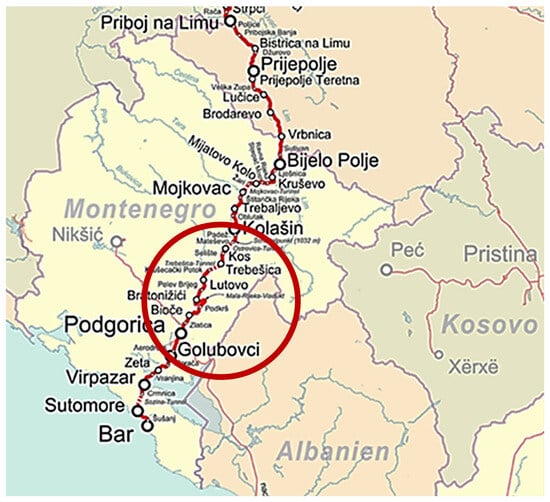
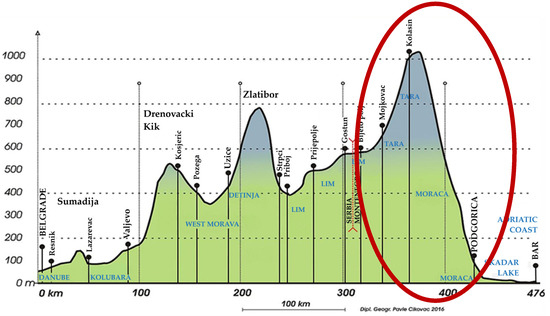
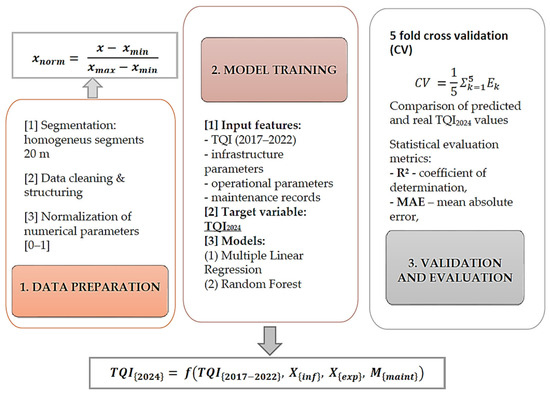
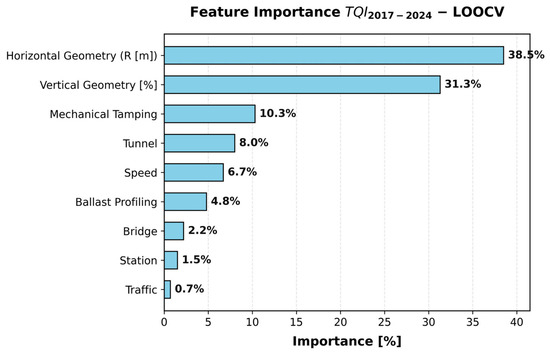
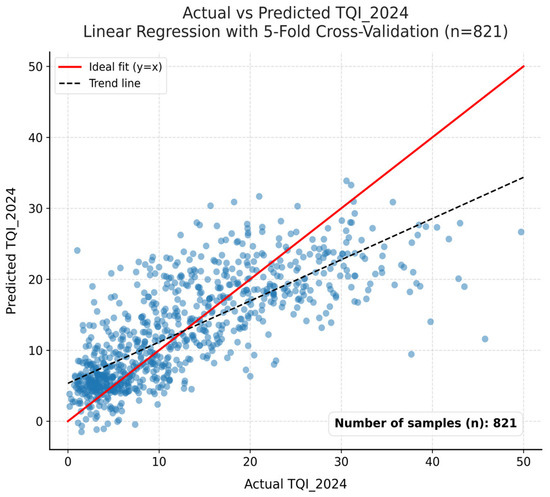
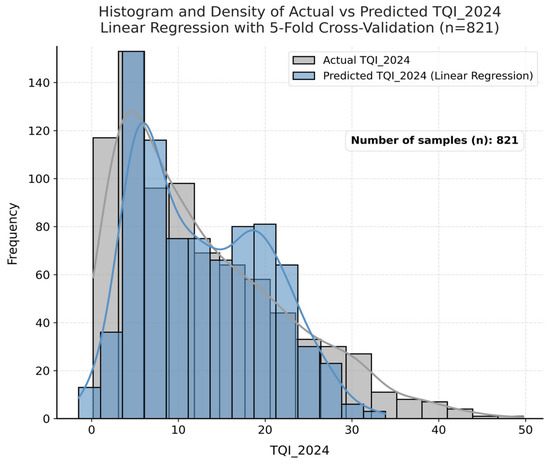
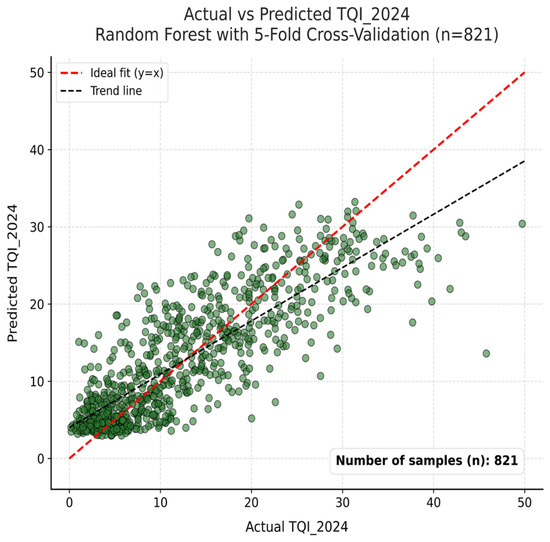
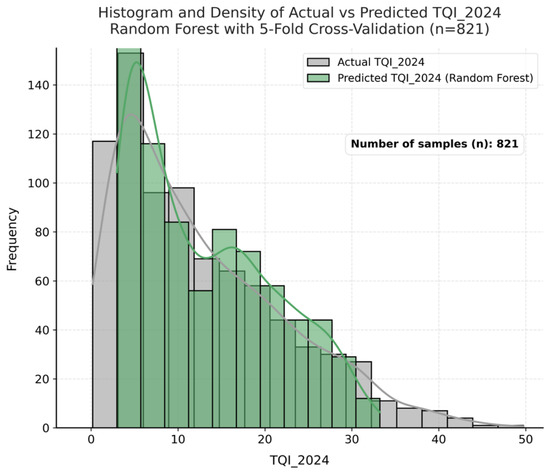
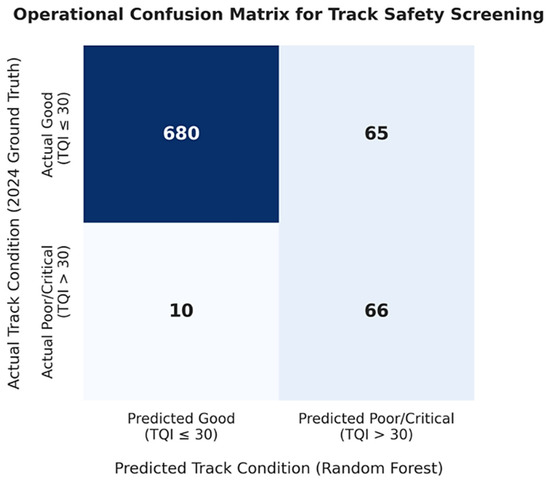
Maintaining the geometric quality of railway tracks is essential for safe and efficient operations. This study examines the prediction of the Track Quality Index (TQI) using Multiple Linear Regression (MLR) and Random Forest (RF) models, based on inspection data from the mountainous Kolashin–Podgorica railway section. Data collected from 2017 to 2022 were used for model development, while 2024 data served as an independent validation set. The primary contribution is a high-resolution analysis of 20-m homogeneous track units across multiple years, combined with independent validation. The dataset includes precise measurements segmented into 20-m units, covering infrastructure, geometric, operational, and maintenance variables. Model variables were selected for their relevance to track quality and data completeness. Both models were trained on scaled input data and evaluated using the coefficient of determination (R2), mean absolute error (MAE), and root mean square error (RMSE). The RF model outperformed MLR, achieving a higher R2 (0.69 versus 0.57) and an MAE approximately 15% lower. Furthermore, the RF model identified severe localized degradation trends and demonstrated robust screening capability, achieving 86.4% sensitivity in detecting high-risk track segments requiring urgent intervention. These findings highlight the effectiveness of ensemble machine learning methods in reducing prediction errors and enabling proactive, data-driven track maintenance in complex railway networks. This methodology allows railway engineers to identify segments most susceptible to rapid deterioration, supporting more precise scheduling of tamping, renewals, or other targeted interventions. Model outputs can assist managers in prioritizing maintenance activities, optimizing resource allocation, and minimizing unexpected failures, thereby enhancing safety and cost efficiency in daily operations. However, the study is limited by its focus on a single railway corridor and a relatively short observation period with few maintenance events, which may restrict the generalizability of the findings to other lines or maintenance regimes.
Full article

Figure 1
Open AccessSystematic Review
Floating Car Data in Transportation: A Survey of the Literature
by
Sara Siverio, Roberto Ventura and Benedetto Barabino
Infrastructures 2026, 11(8), 257; https://doi.org/10.3390/infrastructures11080257 - 26 Jul 2026
Abstract
Floating Car Data (FCD) are increasingly used to analyse mobility patterns and support transport-system management, but the evidence remains fragmented across heterogeneous applications, sensing technologies, and data-processing methods, particularly regarding road-infrastructure monitoring. This study presents a systematic literature review and structured evidence map
[...] Read more.
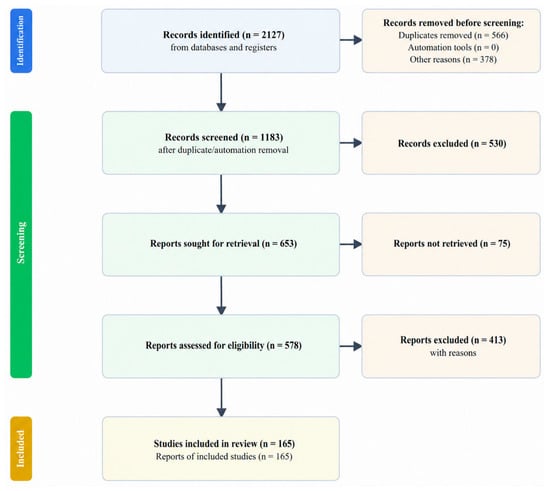
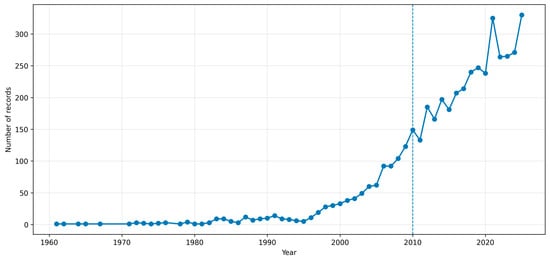
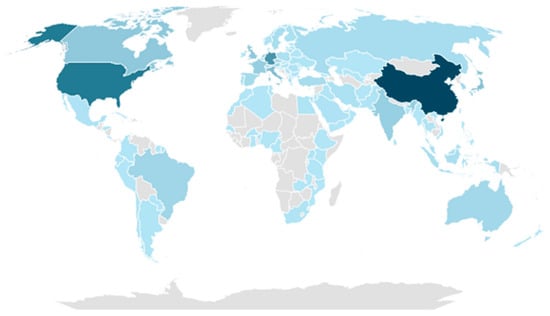
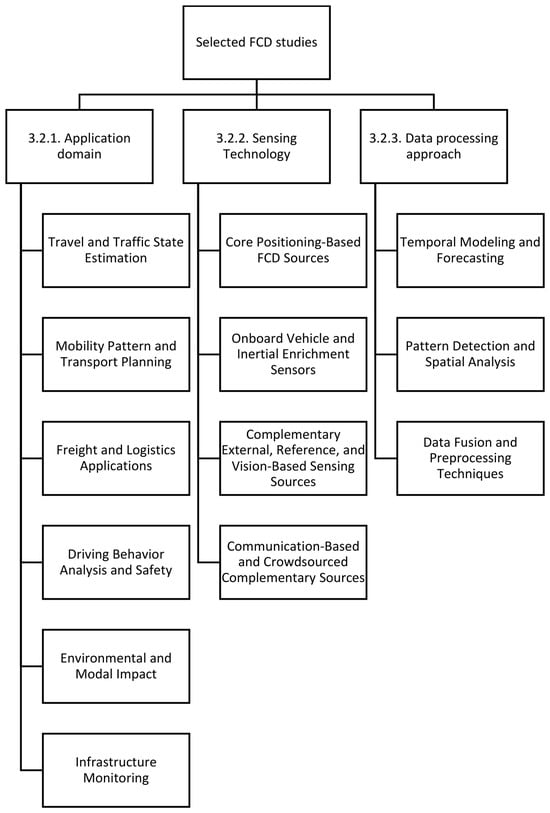
Floating Car Data (FCD) are increasingly used to analyse mobility patterns and support transport-system management, but the evidence remains fragmented across heterogeneous applications, sensing technologies, and data-processing methods, particularly regarding road-infrastructure monitoring. This study presents a systematic literature review and structured evidence map of FCD research published between 2010 and 2025. Following PRISMA methodology, Scopus and Google Scholar were searched using the exact expression “floating car data”. The search retrieved 2127 records; after bibliographic harmonisation, duplicate removal, title-and-abstract screening, full-text retrieval, and eligibility assessment, 165 publications were included. The studies were classified through a top-down framework covering application domain, sensing technology, processing approach, validation method, geographical region, deployment scale, and integration with Pavement Management Systems (PMSs). Traffic-state estimation and mobility-planning applications covered 100 publications (60.6%), whereas infrastructure monitoring was the primary domain in 20 studies (12.1%). GPS or GNSS data were used in 128 publications (77.6%), while accelerometers, gyroscopes, or inertial measurement units were reported in 29 studies (17.6%). Only 15 publications (9.1%) described operational or real-time deployment, and explicit PMS-oriented integration was identified in only 9 studies (5.5%). The findings show that FCD research is methodologically mature for traffic and mobility applications but remains comparatively fragmented for pavement-condition assessment. The review therefore proposes an operational pathway linking accelerometric data acquisition, preprocessing, normalization, fleet-level aggregation, validation, data fusion, and PMS decision-making. These results highlight that the principal research gap concerns not sensor availability, but the development of standardized, transferable, and operationally validated frameworks for network-wide pavement monitoring.
Full article
(This article belongs to the Special Issue Sustainable Infrastructures for Urban Mobility, 2nd Edition)
►▼
Show Figures

Figure 1

Open AccessArticle
The Use of Geophysical Surveys in the Study of a Landslide-Prone Area near the Village of Dolan in the Almaty Region of Kazakhstan
by
Kambar Assemov, Auez Abetov, Alibek Issakhov, Valery Kryukov, Alibek Taskynbayev, Giorgi Khazaradze, Alexey Zholdybayev and Mikhail Shulga
Infrastructures 2026, 11(8), 256; https://doi.org/10.3390/infrastructures11080256 - 23 Jul 2026
Abstract
►▼
Show Figures
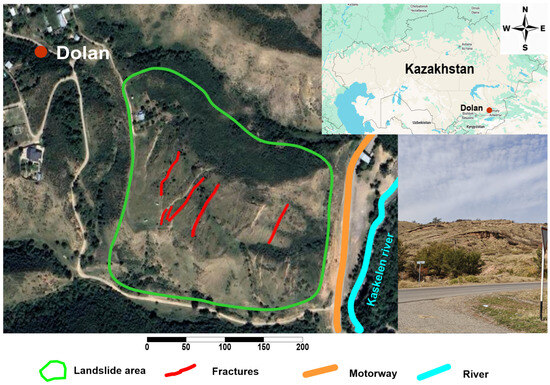
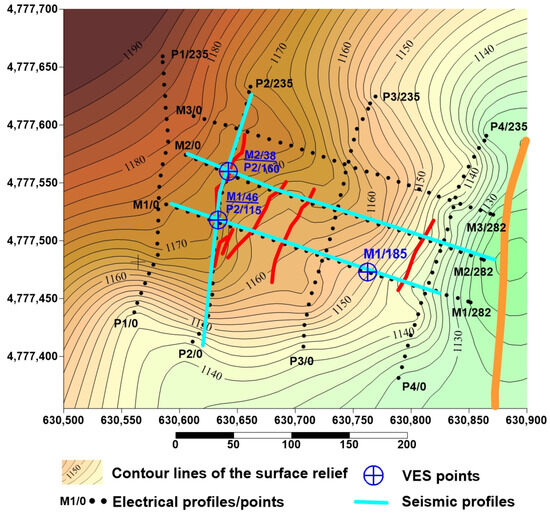
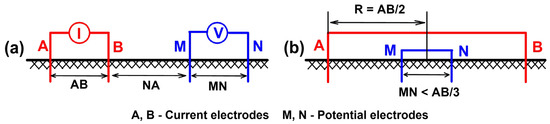
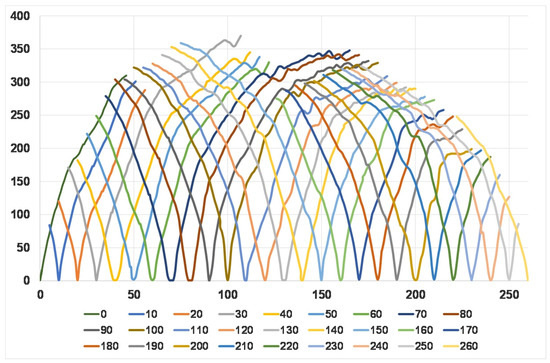
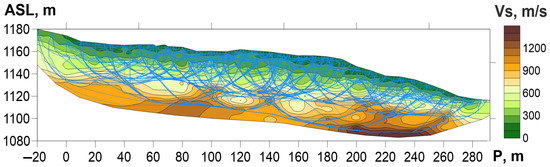
In southern Kazakhstan, landslide control is highly relevant for settlements located in areas with mountainous terrain. This study was conducted to observe the results of applying electrical, seismic and magnetic surveys to investigate a landslide-prone slope in the Almaty Region. The aim was
[...] Read more.
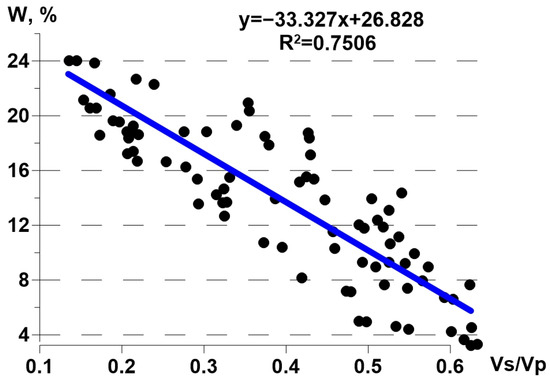
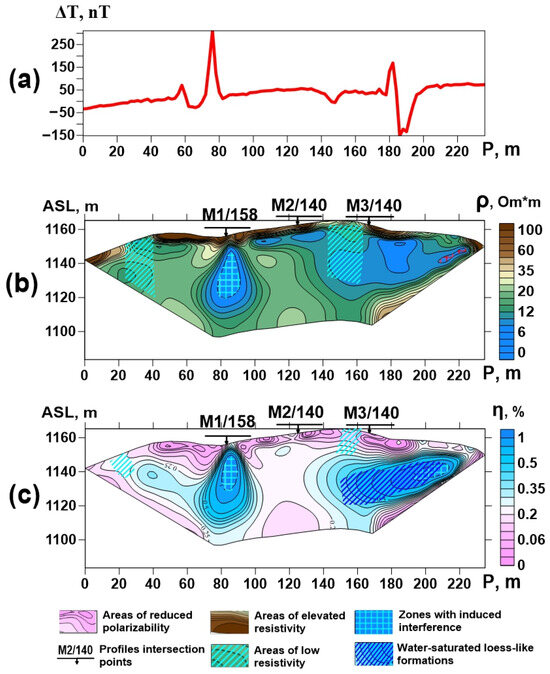
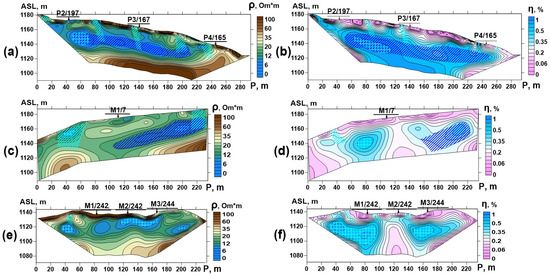
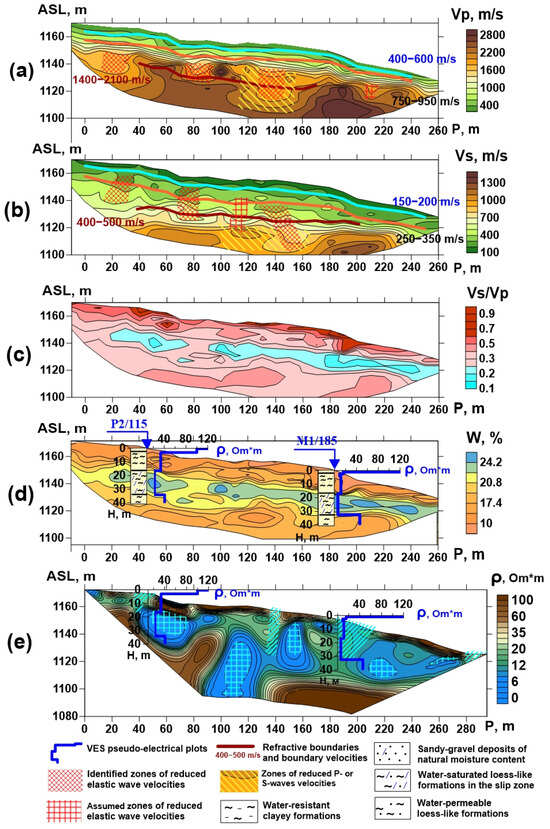
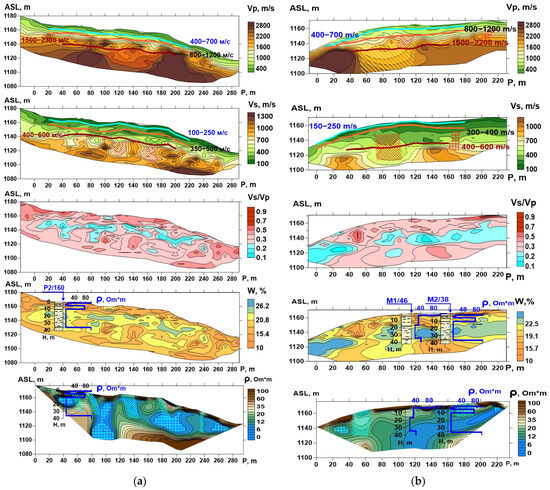
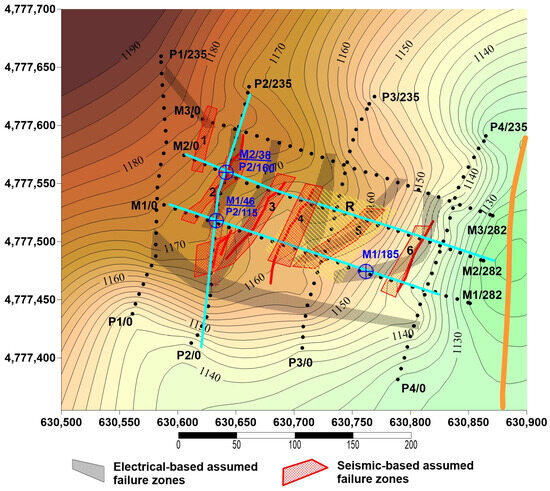
In southern Kazakhstan, landslide control is highly relevant for settlements located in areas with mountainous terrain. This study was conducted to observe the results of applying electrical, seismic and magnetic surveys to investigate a landslide-prone slope in the Almaty Region. The aim was to improve the reliability of geophysical data when assessing the state of the landslide body. For the first time for this landslide, based on a joint analysis of geoelectric and velocity characteristics, the structural heterogeneities associated with unconsolidated and water-saturated soils, as well as fractures, were identified. The combination of data on the elastic, electrical and magnetic properties of the studied medium significantly improved the clarity of the interpretation of geophysical data when studying the landslide massif. This made it possible to refine the internal structure of the landslide and identify areas with an increased likelihood of deformation. The obtained results provide a reliable basis for assessing slope stability and demonstrate the need for integrated geophysical surveys to reduce the risk of landslides. Along with engineering–geological methods, geophysical surveys will be an integral component of monitoring landslide-prone areas, which will enable timely implementation of organizational measures to protect infrastructure facilities.
Full article

Figure 1
Open AccessFeature PaperArticle
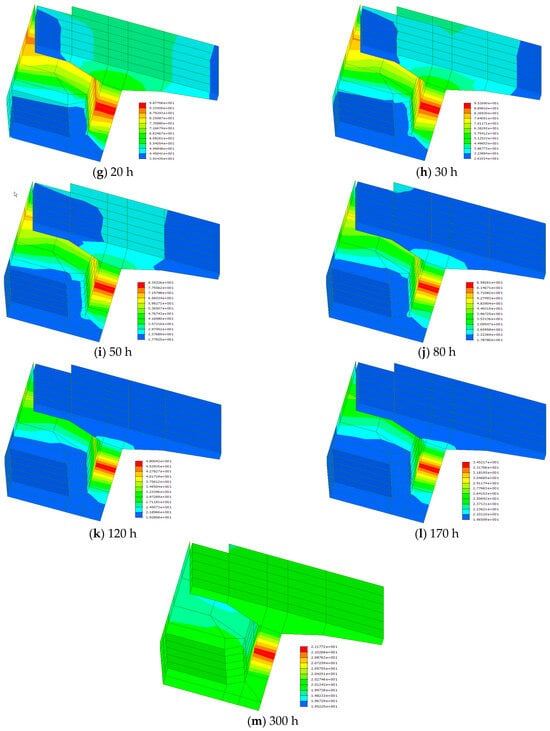
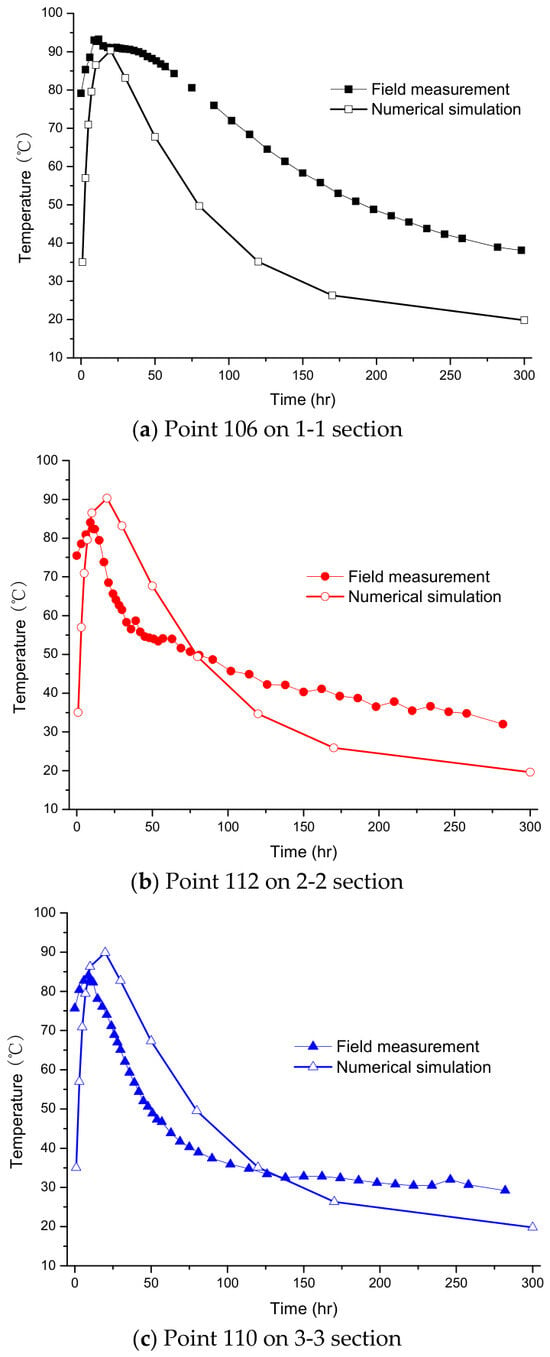
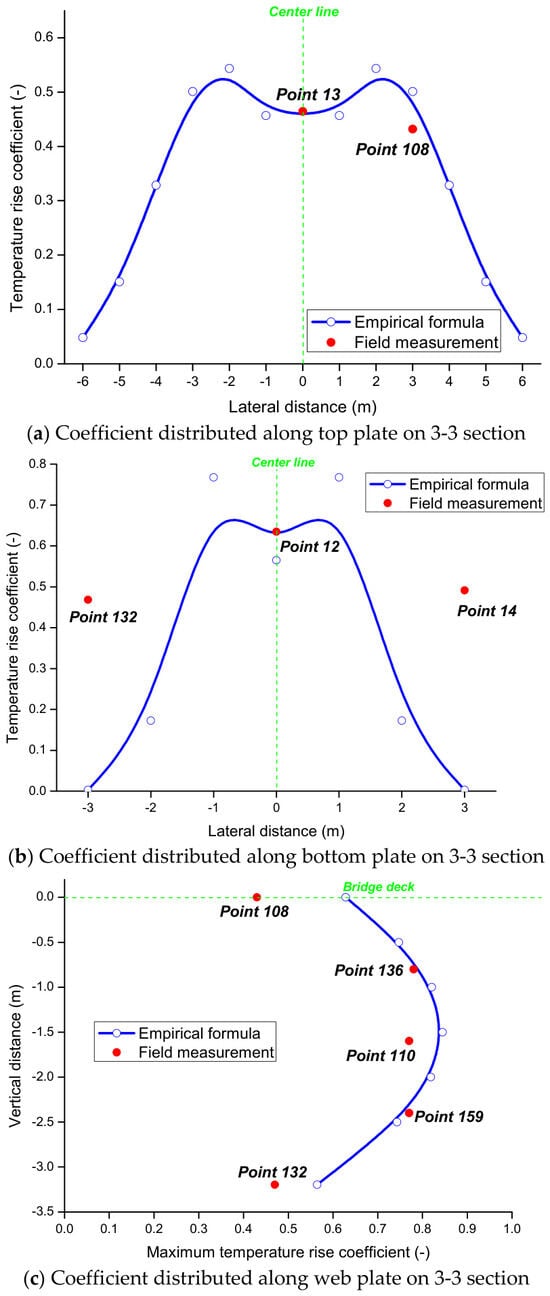
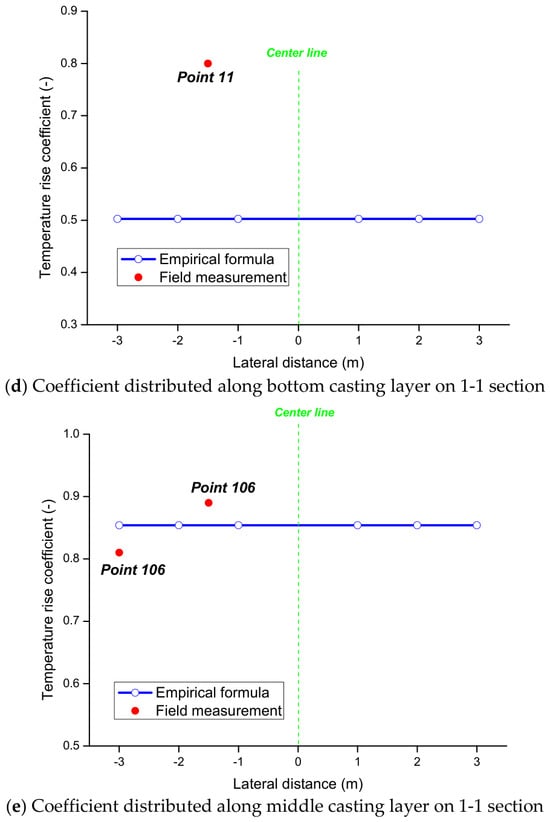
Time-Varying Temperatures of Early Age Massive Concrete in #0 Segment of Huangsha Harbor Bridge
by
Xiao-Xiang Cheng, Ze-Yang Sun and Hong Zhu
Infrastructures 2026, 11(7), 255; https://doi.org/10.3390/infrastructures11070255 - 22 Jul 2026
Abstract
To accurately predict temperature rise due to the concrete hydration heat released from the #0 segment of a continuous concrete girder bridge at an early construction stage for structural design purposes, researchers proposed an approach incorporating empirical predictive formulae with a preliminary numerical
[...] Read more.
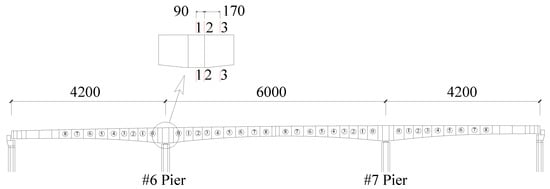
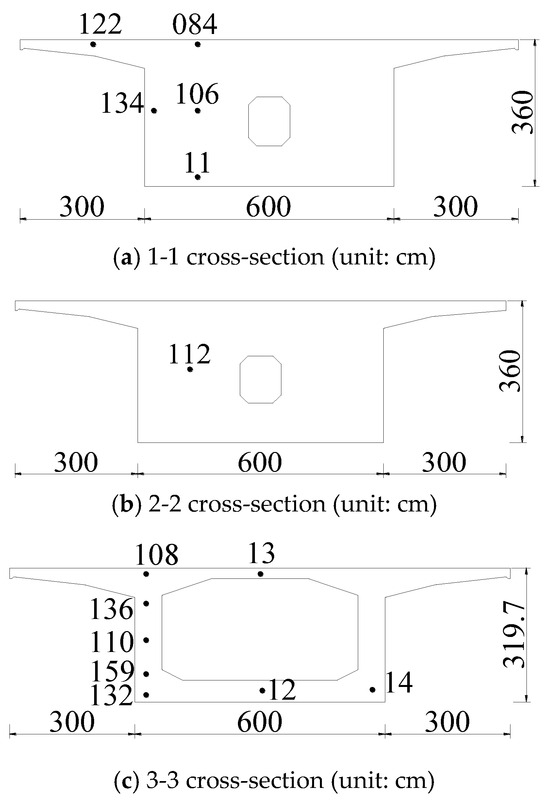
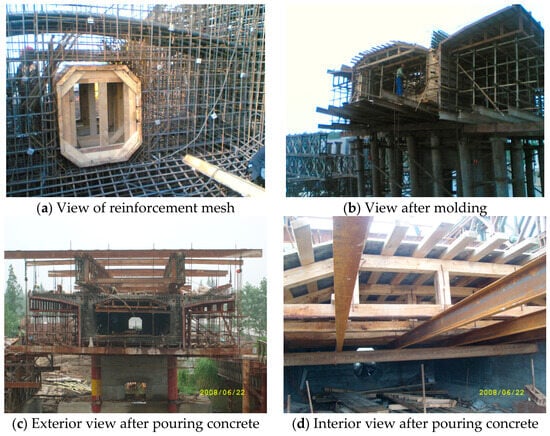
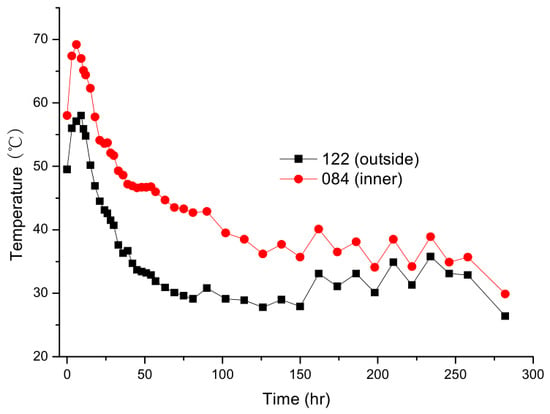
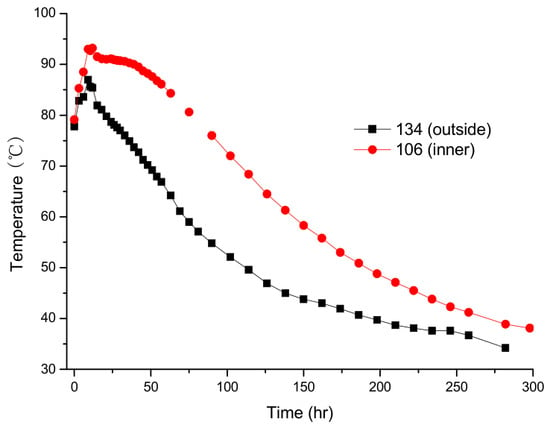
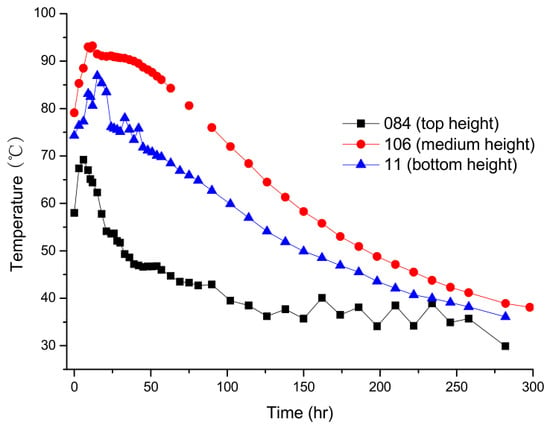
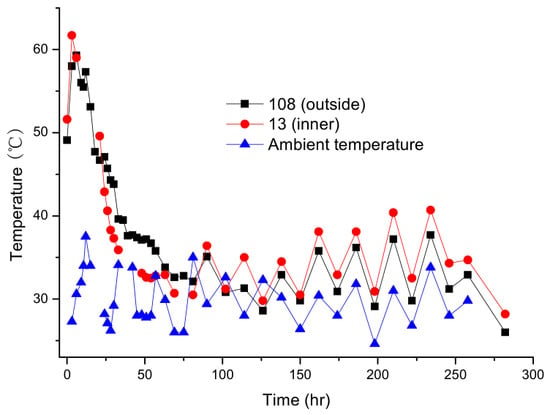
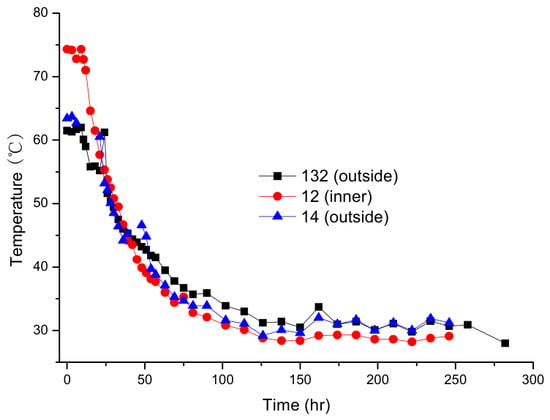
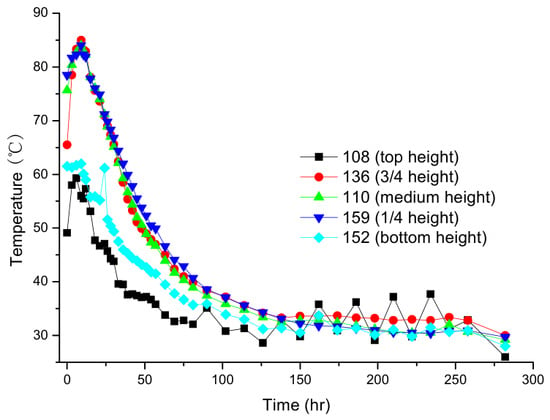
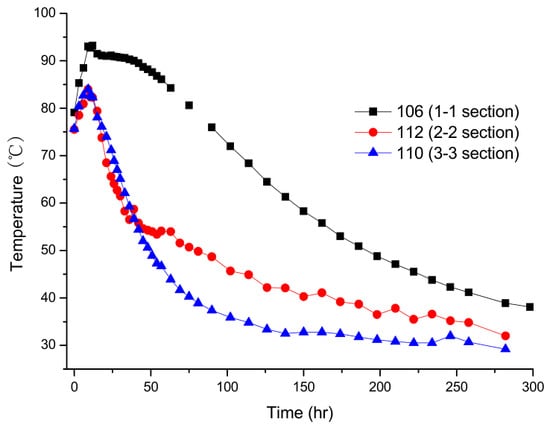
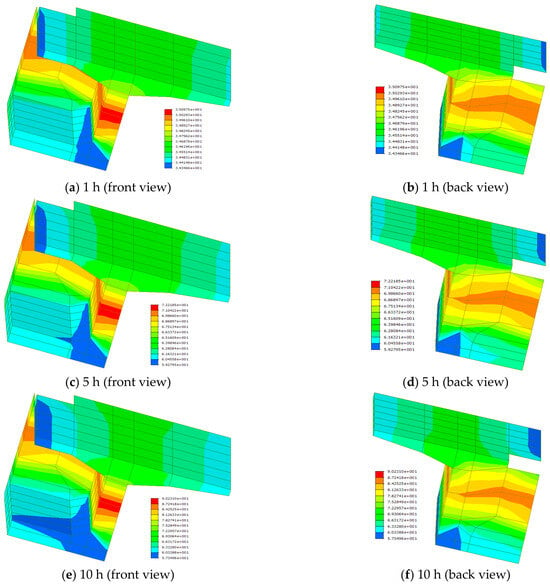
To accurately predict temperature rise due to the concrete hydration heat released from the #0 segment of a continuous concrete girder bridge at an early construction stage for structural design purposes, researchers proposed an approach incorporating empirical predictive formulae with a preliminary numerical analysis. However, due to the uniqueness of the structural geometry and material in each engineering case and the limited data shared by the whole engineering community, no universal predictive empirical model for temperature rise due to hydration heat has yet been identified for practical use that can be applied to a variety of different projects. Moreover, the preliminary numerical analyses are usually based on questionable assumptions and simplifications of the physical truth, the accuracy of which also requires further validation. To this end, the present research measured the time-varying temperature samples of early age massive concrete in the #0 segment of Huangsha Harbor Bridge (a twin-deck three-span continuous concrete box girder bridge located in Jiangsu Province, China) and examined the accuracy of the predictive empirical models formulated by other researchers and the usability of a numerical modal established on a commercial finite element (FE) platform by comparing the corresponding results with the data from the present field measurements. The results suggest that the empirical formulae proposed can generally effectively describe the actual temperature distribution patterns related to the thermal issue, but they are characterized by inferior usability in some cases. In addition, the present comparison also indicates that the actual maximum temperature rise can be correctly predicted by the preliminary FE analysis in most cases.
Full article
(This article belongs to the Section Infrastructures and Structural Engineering)
►▼
Show Figures

Figure 1
Open AccessArticle
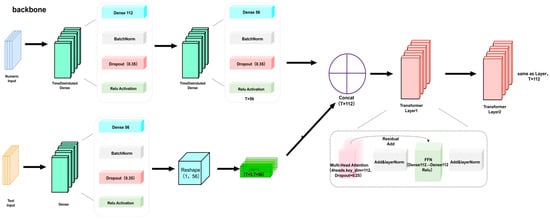
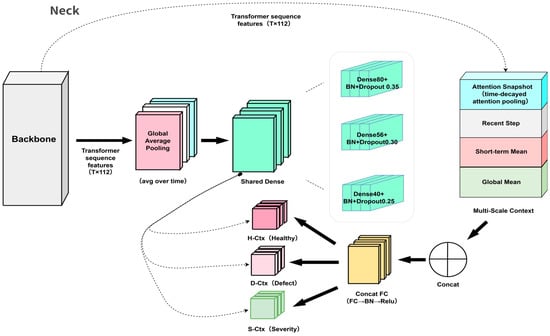
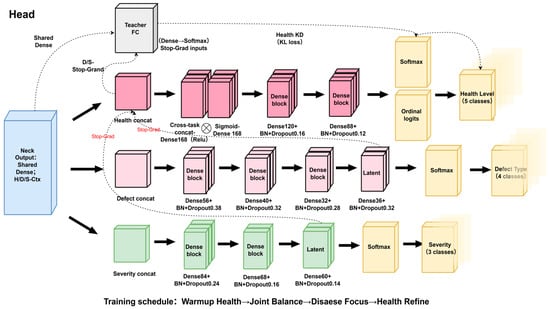
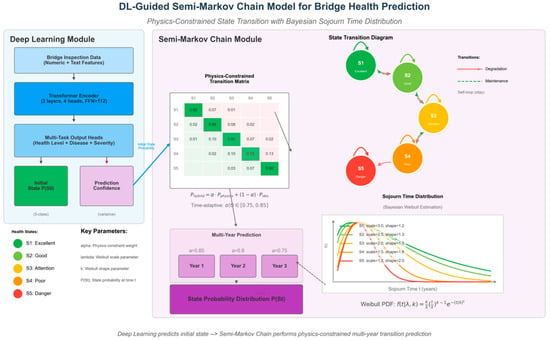
A Physics-Constrained Multi-Task Learning–Semi-Markov Framework for Bridge Condition Assessment, Deterioration Forecasting, and Risk-Aware Maintenance Prioritization
by
Zhihui Feng, Yuchen Zhao, Liangqi Zhang, Fulei Xu, Xiaojun Li, Zhiqiang Liang, Yufeng Guo and Hui Zhang
Infrastructures 2026, 11(7), 254; https://doi.org/10.3390/infrastructures11070254 - 22 Jul 2026
Abstract
►▼
Show Figures
Bridge health assessment and deterioration prediction are essential for traffic safety and maintenance planning. However, conventional bridge evaluation still relies heavily on expert judgment and heuristic rules, limiting objectivity and long-term forecasting capability. This study proposes a physics-constrained multi-task learning–semi-Markov framework for bridge
[...] Read more.
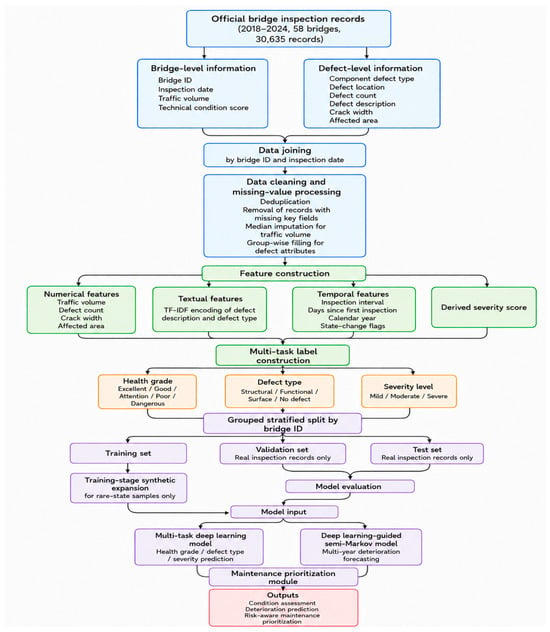
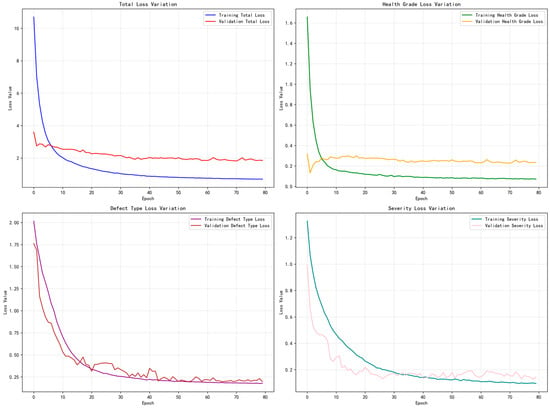
Bridge health assessment and deterioration prediction are essential for traffic safety and maintenance planning. However, conventional bridge evaluation still relies heavily on expert judgment and heuristic rules, limiting objectivity and long-term forecasting capability. This study proposes a physics-constrained multi-task learning–semi-Markov framework for bridge condition assessment, multi-year deterioration forecasting, and risk-aware maintenance prioritization. Guided by the Highway Bridge Technical Condition Rating Code, the proposed model jointly predicts health grade, defect type, and severity from inspection item/defect entry records, improving assessment robustness through cross-task information sharing. The predicted health states are then incorporated into a physics-constrained semi-Markov model to forecast bridge deterioration over a three-year horizon, and the current and predicted states are further used for maintenance prioritization. Experiments on real bridge inspection data show that the proposed model achieves test accuracies of 95.20%, 99.67%, and 99.72% for health grade, defect type, and severity, respectively, with a Cohen’s kappa of 0.872, while the proposed semi-Markov model achieves a three-year prediction accuracy of 95.4% and a weighted accuracy of 99.1%. Comparative and ablation studies further demonstrate the effectiveness of the proposed framework for bridge lifecycle management.
Full article

Figure 1
Open AccessArticle
Hydraulic and Scour Assessment for Sustainable Bridge Replacement over the Mid Fork Saline River, USA
by
Ahmad J. Alzubaidi, Haneen H. Darwish, Mutaz M. Zoubi, Qusay Y. Abu-Afifeh, Rasha Al-Rkebat, Heba F. Al-Jawaldeh, Nisreen Obeidat, Tariq M. F. Al-Nawaiseh, Ali Brezat, Saif Al-Omari and Yazan A. Alta’any
Infrastructures 2026, 11(7), 253; https://doi.org/10.3390/infrastructures11070253 - 22 Jul 2026
Abstract
River crossing bridges in low-gradient floodplains can be affected by limited conveyance, backwater control, and scour-related foundation risk. This study evaluates a proposed IL 13 bridge replacement over the Mid Fork Saline River, Illinois, using HEC-RAS 1D steady-flow modeling, hydrologic inputs from USGS
[...] Read more.
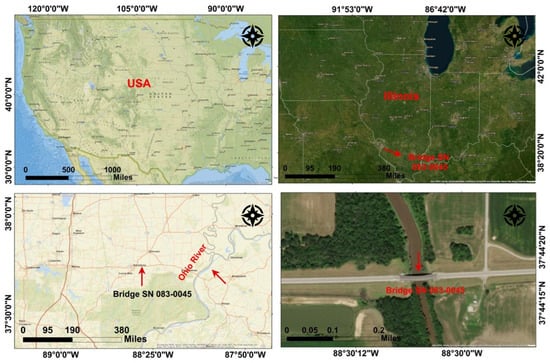
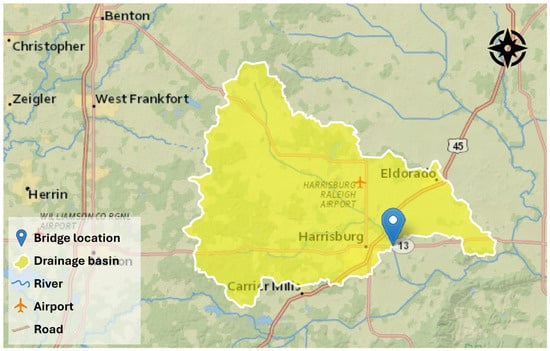
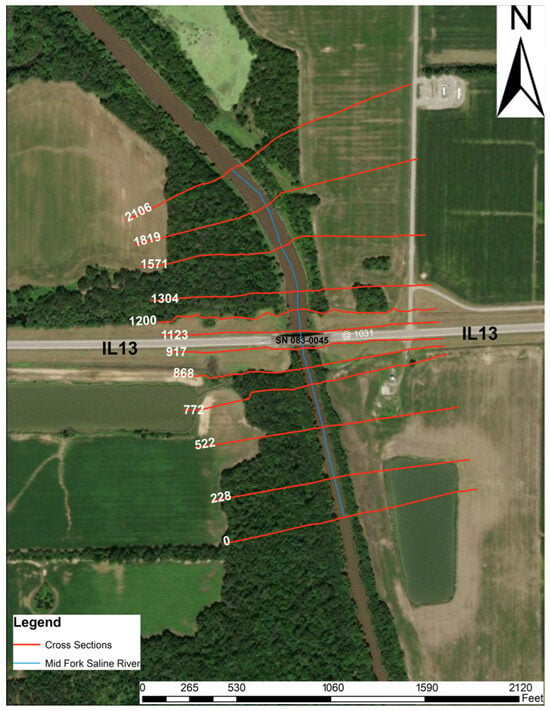
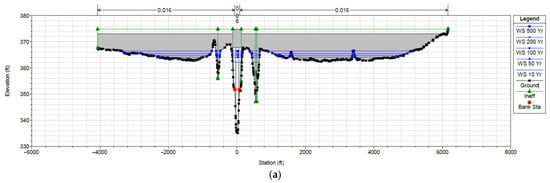
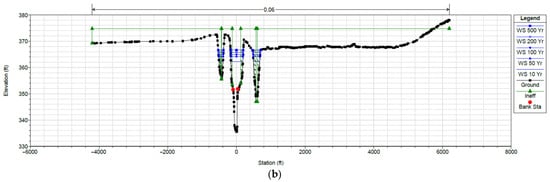
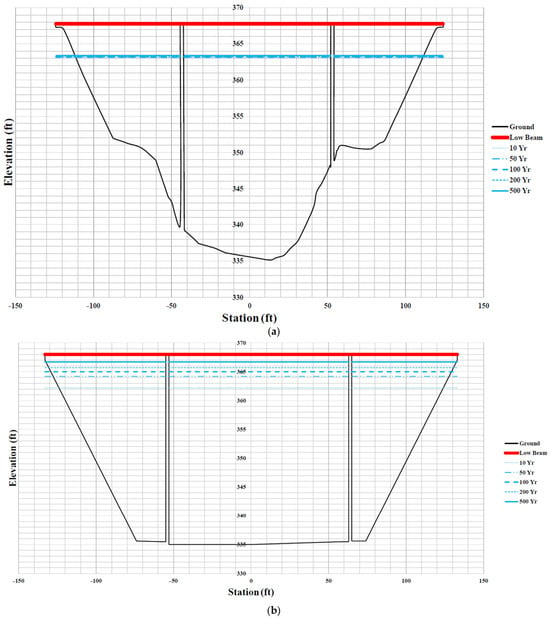
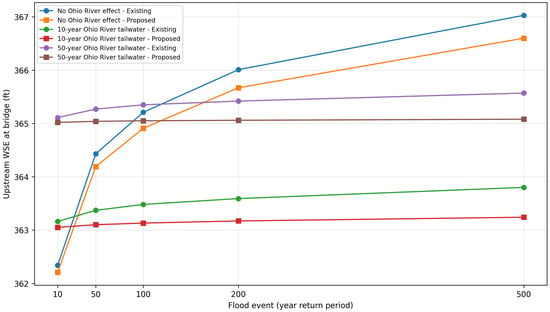
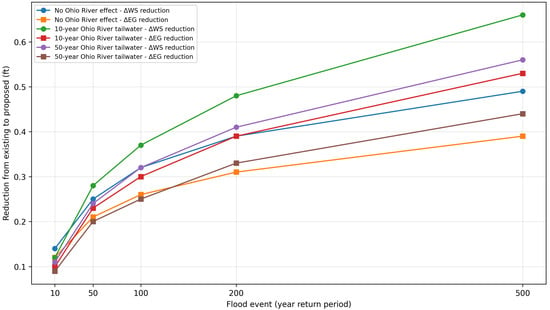
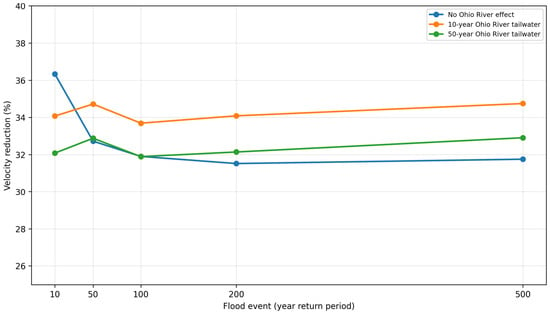
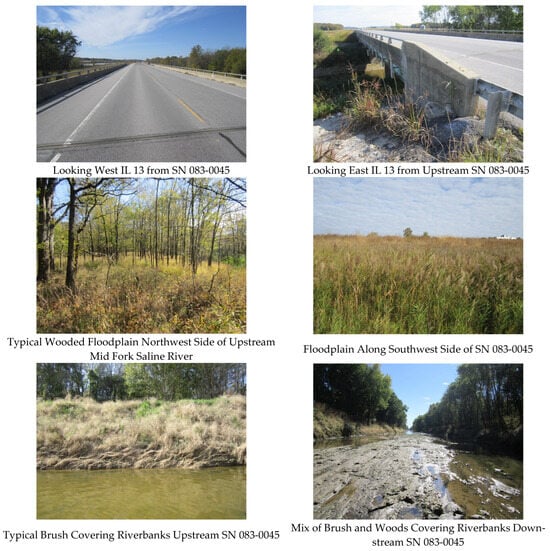
River crossing bridges in low-gradient floodplains can be affected by limited conveyance, backwater control, and scour-related foundation risk. This study evaluates a proposed IL 13 bridge replacement over the Mid Fork Saline River, Illinois, using HEC-RAS 1D steady-flow modeling, hydrologic inputs from USGS StreamStats for a drainage area of 236.45 mi2, bridge opening analysis, multiple-opening interpretation, and HEC-18 scour assessment. Natural, existing, and proposed conditions were compared under design floods and Ohio River tailwater scenarios. The proposed bridge increased the effective waterway opening under all evaluated hydraulic scenarios, with increases of approximately 68.5–79.5% under the no-tailwater case, 76.1–76.9% under the 10-year Ohio River tailwater case, and 71.7–72.1% under the 50-year Ohio River tailwater case. Bridge opening velocity decreased by about one-third, indicating lower local hydraulic intensity and improved conveyance through the main opening. Contraction scour was not controlling, while computed pier scour decreased by approximately 8–10% and the controlling right abutment scour decreased slightly. Because empirical HEC-18 scour equations can have large uncertainty, commonly approaching an order of a factor of two in practical scour prediction, these reductions are interpreted only as comparative trends. They do not provide a basis for reducing foundation design requirements, but they indicate that the proposed replacement does not worsen the controlling scour response. Overall, the replacement improves hydraulic compatibility, reduces local hydraulic stress, and does not worsen the governing scour response. The study supports SDG 9, SDG 11, and SDG 13 in a hydraulic-infrastructure sense by promoting resilient bridge serviceability, safer transport connectivity, and adaptation-oriented flood risk assessment; however, full life-cycle carbon, cost, and network-resilience metrics were outside the scope.
Full article
(This article belongs to the Special Issue Sustainable Bridge Engineering)
►▼
Show Figures

Figure 1
Open AccessArticle
Sustainable Pavement Maintenance and Rehabilitation Planning Using a Big-Data Based Microscopic Management Model
by
Hamed Maleki, Mohammad Bagher Fakhrzad, Fereidoon Moghadas Nejad, Hamzeh Zakeri and Akbar Danesh
Infrastructures 2026, 11(7), 252; https://doi.org/10.3390/infrastructures11070252 - 21 Jul 2026
Abstract
The condition of pavement networks gradually deteriorates over years of use. Finding a suitable strategy to address this deterioration has become a key concern in pavement maintenance. Recently, pavement agencies have been facing uncertainties in maintenance and rehabilitation activities because of economic conditions
[...] Read more.
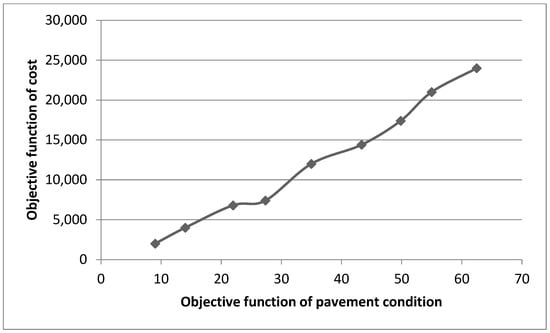
The condition of pavement networks gradually deteriorates over years of use. Finding a suitable strategy to address this deterioration has become a key concern in pavement maintenance. Recently, pavement agencies have been facing uncertainties in maintenance and rehabilitation activities because of economic conditions and changes in climatic and traffic conditions, which complicate planning for strategy determination. Therefore, it is important for pavement agencies to be able to maximize pavement condition while considering uncertainty and minimizing the maintenance budget. In this paper, a pavement management model has been developed using a microscopic approach to overcome the complexity. The microscopic pavement management problem is formulated as an integer linear programming model, subject to budget constraints. The proposed microscopic model incorporates integer variables representing the pavement sections to be treated by the applicable maintenance and rehabilitation actions. Innovative approaches, cold paving techniques, are applied in the paper, offering substantial benefits in terms of environmental impact and resource efficiency. In the proposed model, distribution functions fitted to historical data are used to evaluate pavement condition performance. The objective of yielding optimum pavement conditions is achieved by considering uncertainty applied to a given pavement system. A case study was conducted by examining a network of eight pavement sections over a 5-year planning period. The model solutions are obtained by integrating activities and the epsilon-constraint method. In addition, the results of each solution are compared for the decision-maker. The results show that the proposed model is an attractive method for managing pavement maintenance programs at the network level.
Full article
(This article belongs to the Special Issue Cold and Warm Techniques for Sustainable Pavement Construction and Maintenance)
►▼
Show Figures

Figure 1

Open AccessArticle
Mechanical and Volumetric Properties of Hot Mix Asphalt with Rice and Wheat Husk Waste as Alternative Filler
by
Abdul Hafeez Memon, Naeem Aziz Memon, Giuseppe Loprencipe, Antonio D’Andrea, Gulzar Hussain Jatoi and Laura Moretti
Infrastructures 2026, 11(7), 251; https://doi.org/10.3390/infrastructures11070251 - 21 Jul 2026
Abstract
►▼
Show Figures
Fillers (<0.075 mm) in hot mix asphalt (HMA) play a pivotal role in optimizing bitumen content, filling voids, and improving mechanical performance. In many agricultural countries, large quantities of rice and wheat husk waste are produced, while the road construction industry faces material
[...] Read more.
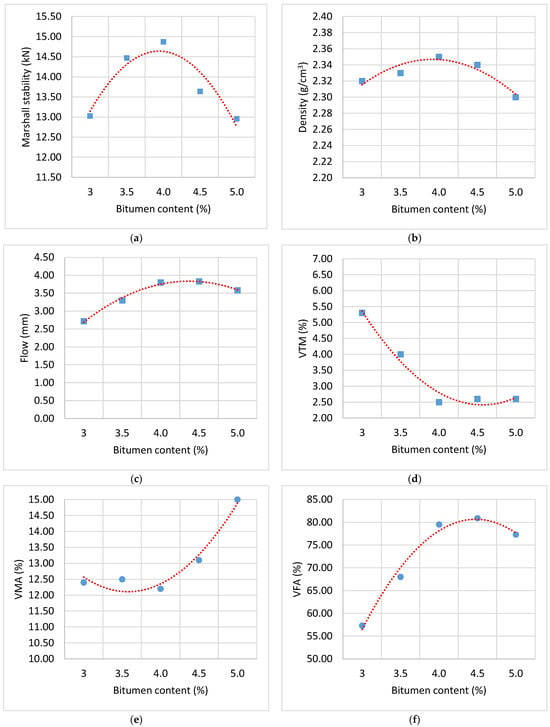
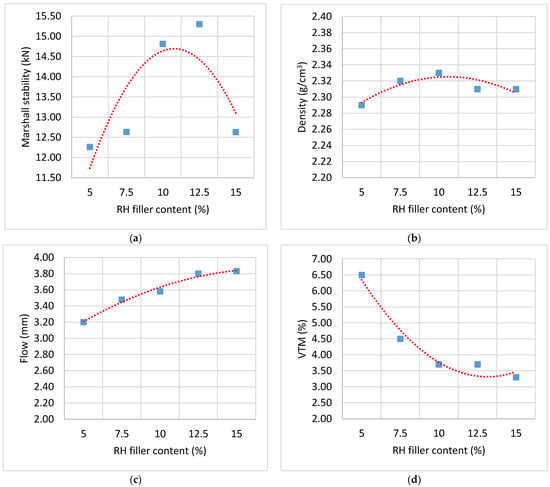
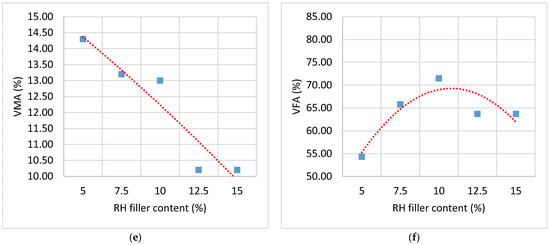
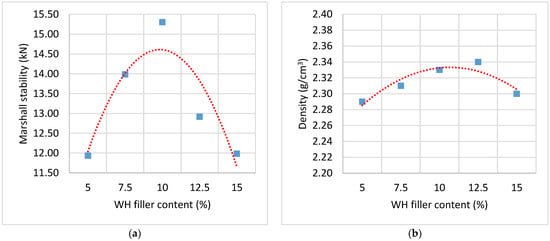
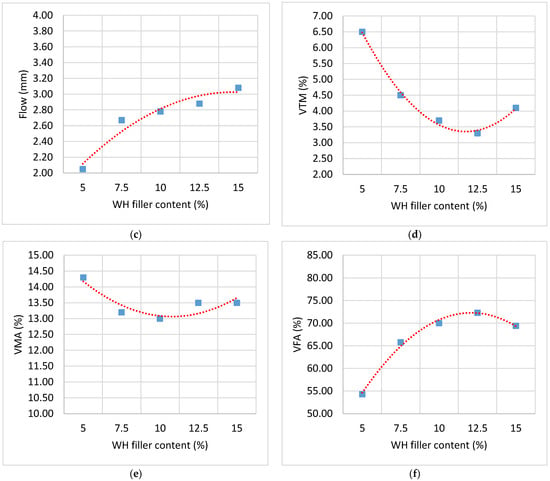
Fillers (<0.075 mm) in hot mix asphalt (HMA) play a pivotal role in optimizing bitumen content, filling voids, and improving mechanical performance. In many agricultural countries, large quantities of rice and wheat husk waste are produced, while the road construction industry faces material shortages of conventional filler materials and related performance challenges. This study evaluates the feasibility of using rice husk (RH) and wheat husk (WH) fillers on HMA performance. Unlike previous studies that primarily focused on ash-derived agricultural residues, this work investigates the direct utilization of raw husk materials, eliminating the need for energy-intensive processing. Few studies directly examine the aggregate gradation and binder concentration with respect to rice and wheat husk ash. As a result, the relative effectiveness of these two agricultural waste fillers in improving the volumetric and Marshall properties of asphalt mixtures is yet unknown. Fifteen mixtures with varying bitumen contents (3.0–5.0%) were tested to determine the optimum bitumen content (OBC). Subsequently, modified mixtures were prepared at the OBC using RH and WH fillers at five replacement levels (5.0–15.0%). The Marshall Mix design method was employed to assess stability, flow, density, and air voids content. The control mixture showed a Marshall stability of 14.86 kN, flow of 3.52 mm, density of 2.342 g/cm3, and air voids of 2.9%. At their optimum filler contents (i.e., 10.33% for RH and 10.43% for WH), the modified mixtures achieved higher Marshall stability (14.96 kN and 15.06 kN, respectively), with flow values of 3.51 mm and 2.83 mm, and densities of 2.335 g/cm3 and 2.330 g/cm3. Statistical analysis using ANOVA at the OBC confirmed that RH and WH fillers can be used as alternative fillers in HMA without adversely affecting Marshall performance, while contributing to agricultural waste valorization and resource conservation.
Full article

Figure 1
Open AccessArticle
Evaluation of the Performance Capability of Remote Visual Inspection of Concrete Structures Using Drones
by
George T. Alliott, Adam C. Bannister and Hamish Dow
Infrastructures 2026, 11(7), 250; https://doi.org/10.3390/infrastructures11070250 - 21 Jul 2026
Abstract
Close visual inspection (CVI) forms a cornerstone of asset integrity. Advances in access technologies, including drones, have led to their increased use for remote visual inspection (RVI). However, comparative studies of RVI and CVI, in terms of defect detection, are currently limited. In
[...] Read more.
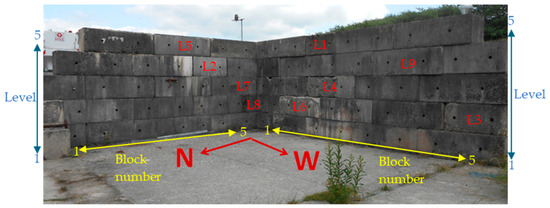
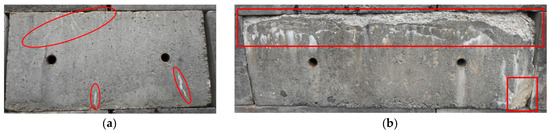
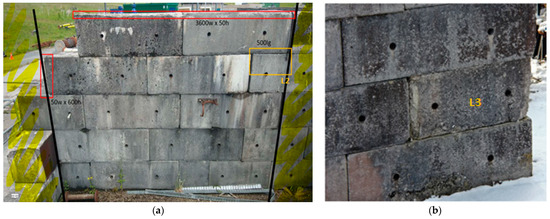
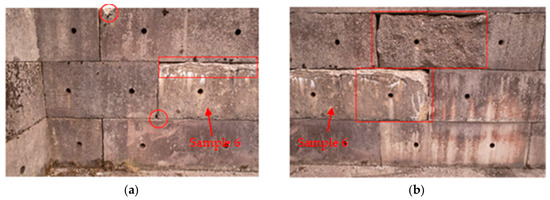
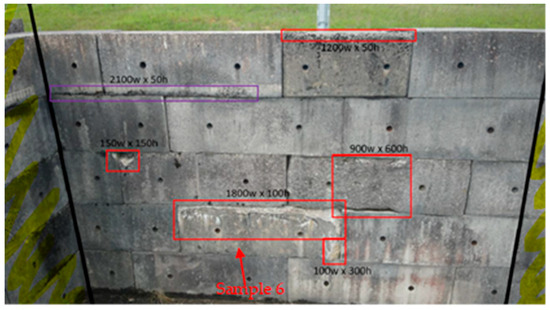
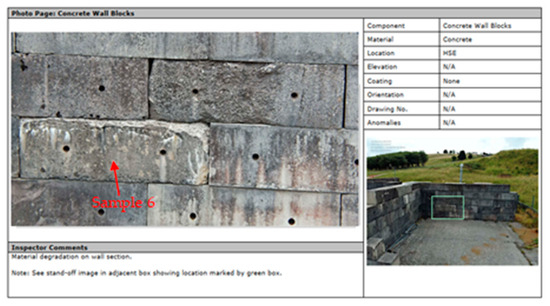
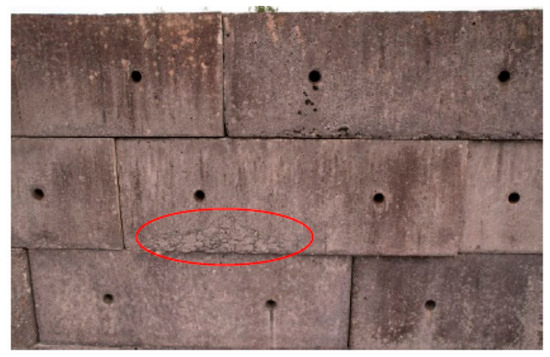
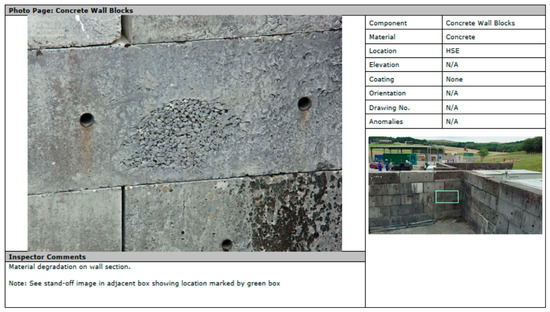
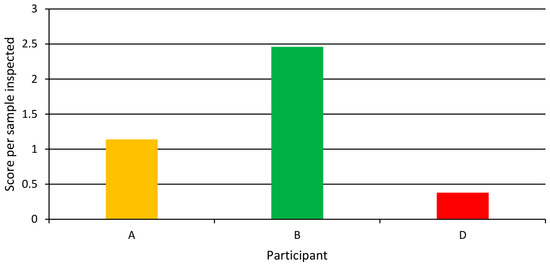
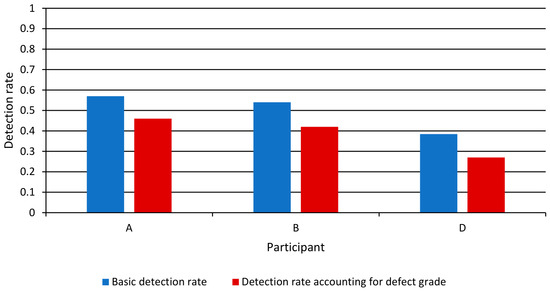
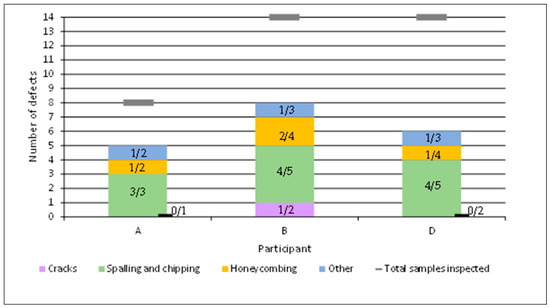
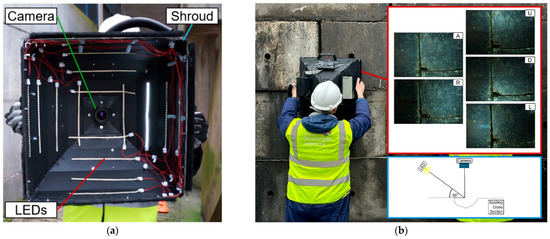
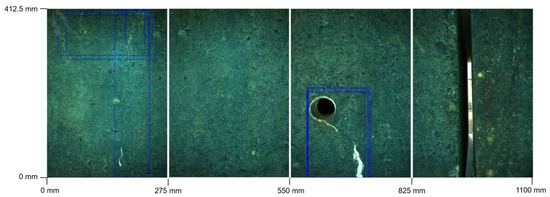
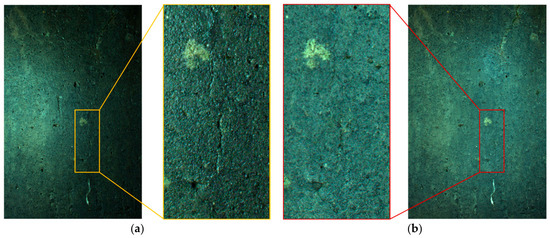
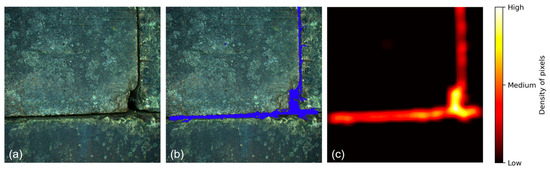
Close visual inspection (CVI) forms a cornerstone of asset integrity. Advances in access technologies, including drones, have led to their increased use for remote visual inspection (RVI). However, comparative studies of RVI and CVI, in terms of defect detection, are currently limited. In this study, controlled trials were conducted with multiple industrial participants operating drones to inspect a concrete block wall containing representative defects. RVI performance was assessed in terms of defect detection, identification and sizing. RVI demonstrated moderate performance, with an overall defect detection rate of approximately 50% and no participant exceeding 0.6. Detection was strongly dependent on defect type, with larger defects such as spalling and chipping consistently identified, while finer defects such as cracking were frequently missed. Identification of defect type was less reliable and influenced by inspector experience, while sizing capability was limited, with only one participant providing approximate measurements for larger defects. An automated visual inspection device, termed ALICS (Adaptive Lighting for the Inspection of Concrete Structures), was deployed on two samples. Images were captured of the concrete surface under varying lighting conditions to enhance the visibility of any present defects. Images were then analysed using artificial intelligence (AI), with the device identifying all defects in the tested areas. These results highlight both the current limitations of RVI and the potential of illumination-enhanced automated approaches to improve inspection reliability.
Full article
(This article belongs to the Section Infrastructures Inspection and Maintenance)
►▼
Show Figures

Graphical abstract
Open AccessArticle
On the Cost Analysis of Low-Noise Pavements
by
Filippo Giammaria Praticò and Ezgi Eren
Infrastructures 2026, 11(7), 249; https://doi.org/10.3390/infrastructures11070249 - 21 Jul 2026
Abstract
Low-noise pavements (LNPs) are increasingly important under Green Public Procurement policies, yet public administrations still lack clear guidance on selecting pavement types based on noise-related externalities. Although traffic noise generates substantial societal costs—affecting health, education, and property values—these external burdens are often overlooked
[...] Read more.
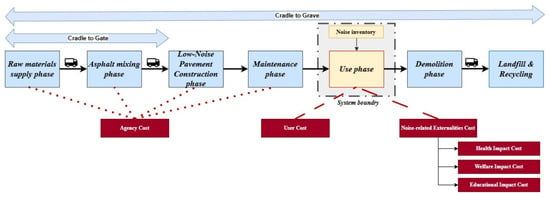
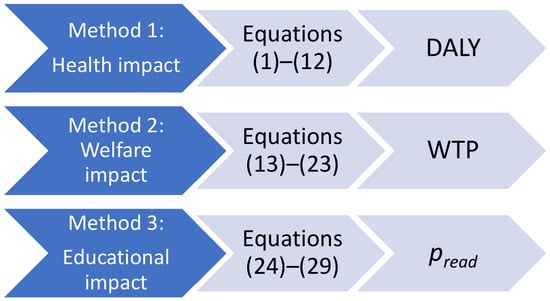
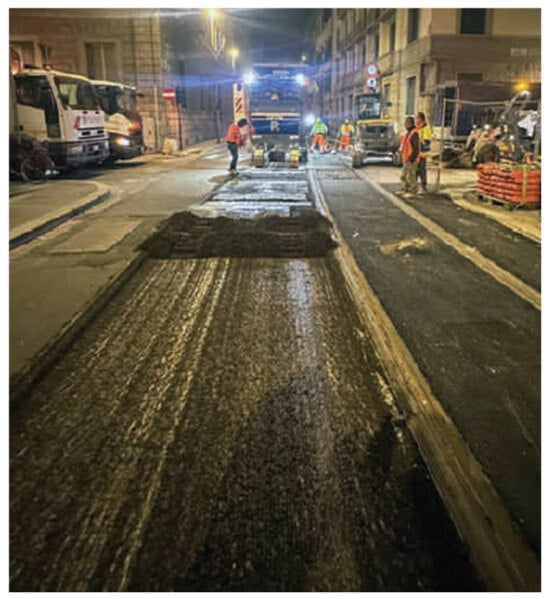
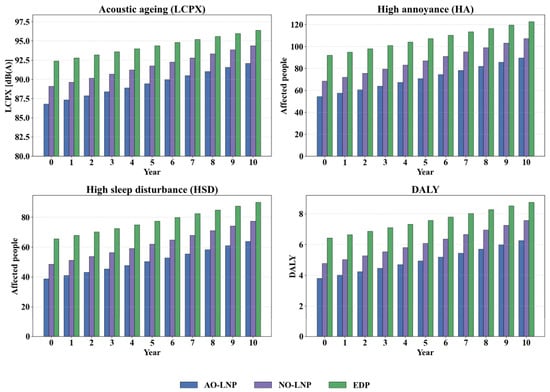
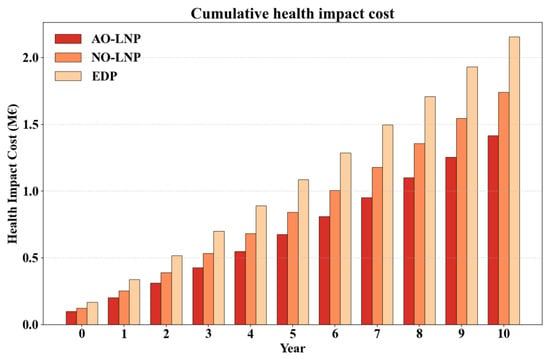
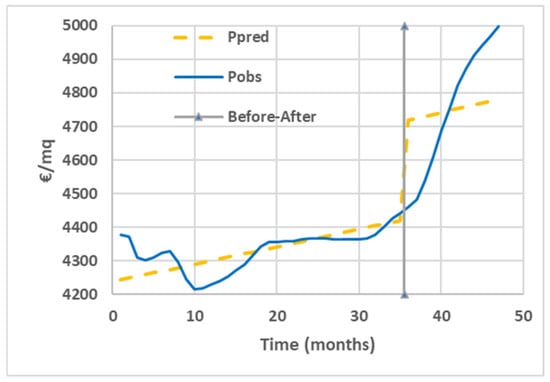
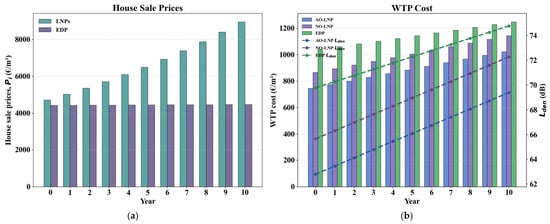
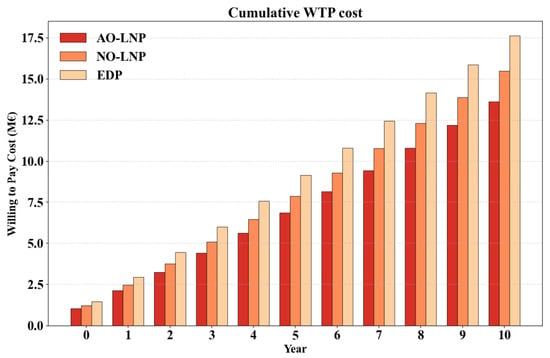
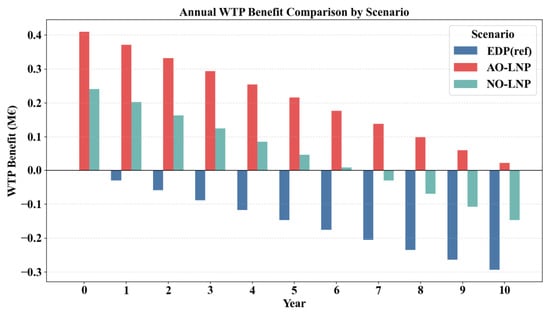
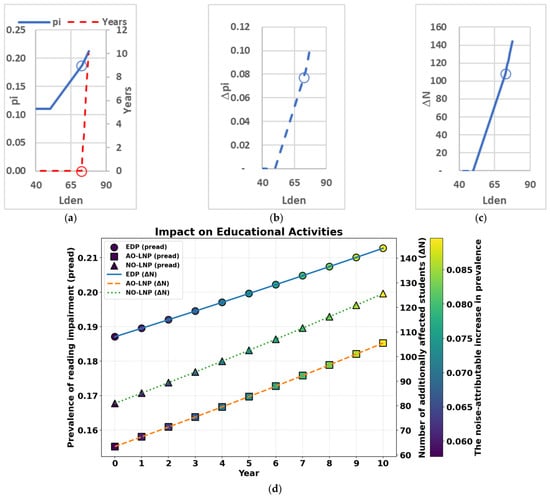
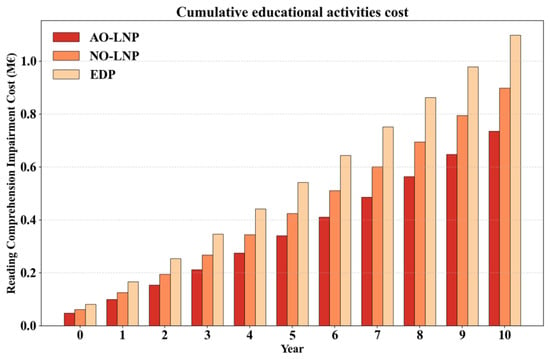
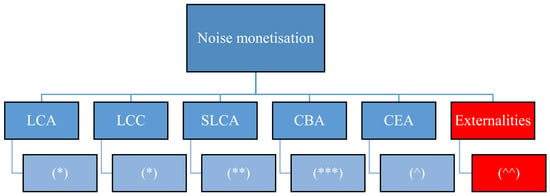
Low-noise pavements (LNPs) are increasingly important under Green Public Procurement policies, yet public administrations still lack clear guidance on selecting pavement types based on noise-related externalities. Although traffic noise generates substantial societal costs—affecting health, education, and property values—these external burdens are often overlooked or excluded from traditional pavement appraisal and investment decisions, leading to systematically underestimated life cycle costs (LCC). This study develops an integrated framework to monetise traffic-noise impacts within an LCC perspective by combining health effects (Disability-Adjusted Life Years, DALYs), property-value capitalisation (willingness to pay, WTP), and noise-induced educational losses. The system limit is intentionally restricted to noise-related externalities during pavement operations, while agency, user, and vehicle operating costs are excluded. A comprehensive review of existing monetisation approaches is provided, and a new unified method is proposed. The framework is applied to a case study from the LIFE SNEAK project on Via La Marmora (Florence, Italy), comparing existing, acoustically non-optimised, and acoustically optimised surfaces. The results showed that the LIFE SNEAK pavement significantly alleviated the burden of noise on public health and education costs, which were 34% and 33% lower than in the baseline scenario, respectively, with a welfare surplus of +€2.38 million over the ten-year period. In particular, it was noted that the most important economic contribution of LNPs stems from the WTP approach. This study provides clear evidence that noise externalities play a considerable role in long-term pavement cost estimates, thereby supporting the systematic inclusion of these costs in LCC analyses. The proposed method puts forward a practical approach to support the selection of noise-sensitive, sustainable, and socially responsible road pavements.
Full article
(This article belongs to the Special Issue Sustainable Materials and Design for Wearing Courses and Surface Treatments)
►▼
Show Figures

Figure 1
Journal Menu
► ▼ Journal Menu-
- Infrastructures Home
- Aims & Scope
- Editorial Board
- Reviewer Board
- Topical Advisory Panel
- Early Career Editorial Board
- Instructions for Authors
- Special Issues
- Topics
- Sections & Collections
- Article Processing Charge
- Indexing & Archiving
- Most Cited & Viewed
- Journal Statistics
- Journal History
- Journal Awards
- Society Collaborations
- Conferences
- Editorial Office
- 10th Anniversary
Journal Browser
► ▼ Journal BrowserHighly Accessed Articles
Latest Books
E-Mail Alert
News
Topics
Topic in
Applied Sciences, Buildings, CivilEng, Infrastructures, Safety, Systems
Advancing Construction Safety and Health: Innovations and Strategies
Topic Editors: Hadi Sarvari, David J. Edwards, Timothy Olawumi, Frank GhansahDeadline: 15 August 2026
Topic in
Applied Sciences, Architecture, Buildings, CivilEng, Infrastructures, Materials, Modelling
Sustainable Construction Materials, Processes, and Automation Technologies
Topic Editors: Ayman El-Zohairy, Ahmed A. IbrahimDeadline: 20 August 2026
Topic in
Buildings, CivilEng, Construction Materials, Infrastructures, Materials
Sustainable Materials and Resilient Structures: Interdisciplinary Approaches
Topic Editors: Anderson Chu, Adil Tamimi, Haodao Li, Yu-Cun Gu, Baoquan ChengDeadline: 31 August 2026
Topic in
Applied Sciences, Buildings, Designs, Infrastructures, JMSE
Resilient Civil Infrastructure, 2nd Edition
Topic Editors: De-Cheng Feng, Ji-Gang Xu, Xu-Yang CaoDeadline: 31 October 2026
Conferences
Special Issues
Special Issue in
Infrastructures
Advances in Damage Detection for Concrete Structures
Guest Editors: Seyed Sasan Khedmatgozar Dolati, Darius BačinskasDeadline: 10 August 2026
Special Issue in
Infrastructures
Advances in Bridge Engineering: Innovative Materials, Intelligent Monitoring, and Sustainable Design
Guest Editors: Jiang Yi, Nailiang Xiang, Yingqi Liu, Ting HuangDeadline: 20 August 2026
Special Issue in
Infrastructures
Advances in Bridge Engineering: Structures, Monitoring, and AI Technologies
Guest Editors: Miao Su, Zhiping Zeng, Min Wu, Fuming WangDeadline: 30 August 2026
Special Issue in
Infrastructures
Safer Roads Ahead: Exploring the Latest Innovations and Advancements in Road Design and Safety Technology, 2nd Edition
Guest Editors: Dimitrios Nikolaou, Panagiotis PapantoniouDeadline: 31 August 2026
Topical Collections
Topical Collection in
Infrastructures
New Trends in Bridge Engineering
Collection Editors: Michele Fabio Granata, Antonino Recupero, Joan R. Casas