Journal Description
International Journal of Environmental Research and Public Health
(IJERPH) is a transdisciplinary, peer-reviewed, open access journal that covers global health, healthcare sciences, behavioral and mental health, infectious diseases, chronic diseases and disease prevention, exercise and health related quality of life, environmental health and environmental sciences, and is published monthly online by MDPI. The International Society Doctors for the Environment (ISDE), Italian Society of Environmental Medicine (SIMA) and Environmental Health Association of Québec (ASEQ‑EHAQ) are affiliated with IJERPH and their members receive discounts on the article processing charges.
- Open Access— free for readers, with article processing charges (APC) paid by authors or their institutions.
- High Visibility: indexed within Scopus, PubMed, MEDLINE, PMC, Embase, GEOBASE, CAPlus / SciFinder, and other databases.
- Journal Rank: CiteScore - Q1 (Public Health, Environmental and Occupational Health)
- Rapid Publication: manuscripts are peer-reviewed and a first decision is provided to authors approximately 24 days after submission; acceptance to publication is undertaken in 3.8 days (median values for papers published in this journal in the first half of 2026).
- Recognition of Reviewers: Reviewers whose reports are timely and of high quality receive an APC discount voucher for a future publication in an MDPI journal. Become a reviewer.
- Sections: published in 7 topical sections.
- Journal Cluster of Public Health: International Journal of Environmental Research and Public Health, Infectious Disease Reports, Epidemiologia, Occupational Health, International Journal of Environmental Medicine (IJEM), Journal of Market Access & Health Policy (JMAHP), Hygiene, Trends in Public Health, Digital Health and Innovation (DHI), Green Health and Health Economics and Policy.
- Companion journal: Trends in Public Health
Latest Articles
Listening to Youth Voices: Student-Generated Recommendations for Suicide Prevention and Mental Wellbeing in Higher Educational Institutions—A Qualitative Round-Table Dialogue from India
Int. J. Environ. Res. Public Health 2026, 23(9), 1235; https://doi.org/10.3390/ijerph23091235 (registering DOI) - 17 Sep 2026
Abstract
Background: Student suicide has emerged as a major public health concern, particularly in India, where rising suicide rates have intensified calls for higher education institutions to play a central role in prevention. Although whole-university and participatory approaches are increasingly advocated, evidence on
[...] Read more.
Background: Student suicide has emerged as a major public health concern, particularly in India, where rising suicide rates have intensified calls for higher education institutions to play a central role in prevention. Although whole-university and participatory approaches are increasingly advocated, evidence on students’ priorities for institutional action remains limited. This study explored students’ perspectives on actions that higher education institutions can take to promote mental wellbeing and reduce suicide risk. Methods: An exploratory qualitative study was conducted using document analysis of written group responses generated during a large-scale participatory round-table dialogue on suicide prevention in Bengaluru, India. A total of 212 undergraduate and postgraduate students from 29 higher education institutions participated. Written responses from 19 discussion groups were analysed using reflexive thematic analysis. Results: Four overarching themes and 13 subthemes were identified: strengthening institutional mental health support systems, building mental health capacity across the institutional ecosystem, humanising academic and institutional systems, and creating wellbeing-oriented campus environments and cultures. Students emphasised accessible mental health services, faculty and peer capacity building, compassionate institutional policies, academic reforms, and campus environments that foster belonging and holistic wellbeing. Conclusions: The findings support socio-ecological and whole-university approaches to student mental health and suicide prevention. By centring students’ recommendations, the study provides practical insights to inform participatory, contextually relevant institutional policies and campus-based suicide prevention strategies.
Full article
(This article belongs to the Section Behavioral and Mental Health)
Open AccessArticle
Knowledge, Attitudes, Beliefs, and Intention to Support Future Legalization of Medical Cannabis Among Vietnamese Nursing Students: A Convergent Parallel Mixed-Methods Study
by
Bao Thy Vuong, Uyen Thi To Nguyen, Thanh Thao Trang Le, Nguyen Cong Cuu and Cua Ngoc Le
Int. J. Environ. Res. Public Health 2026, 23(9), 1234; https://doi.org/10.3390/ijerph23091234 - 17 Sep 2026
Abstract
(1) Background: Medical cannabis (MC) is attracting global attention due to its therapeutic potential; however, the preparedness of nursing students in countries where MC remains banned is not well understood. This convergent parallel mixed-methods study aimed to examine the knowledge, attitudes, beliefs and
[...] Read more.
(1) Background: Medical cannabis (MC) is attracting global attention due to its therapeutic potential; however, the preparedness of nursing students in countries where MC remains banned is not well understood. This convergent parallel mixed-methods study aimed to examine the knowledge, attitudes, beliefs and intention to support the future legalization of MC among Vietnamese nursing students, as well as to identify factors associated with this intention. (2) Methods: A cross-sectional survey was conducted among 422 nursing students selected via simple random sampling at Dong Thap Medical College, Vietnam, alongside in-depth interviews with 10 purposefully selected participants. Data were analyzed using descriptive statistics, ordinal logistic regression, and thematic analysis. (3) Results: Nursing students achieved 56.5% of the maximum knowledge score, while attitude and belief scores were 73.5% and 68.1% of the respective maximums. Notably, 56.2% of students remained undecided about supporting the future legalization of MC. Greater knowledge and stronger beliefs regarding the therapeutic benefits and safety of MC were independently associated with higher intention to support future legalization, whereas general attitudes were not statistically significant in the multivariable model. Four core qualitative themes emerged—therapeutic value, safety and ethical concerns, professional readiness, and social, legal, and organizational impacts—providing rich contextual explanations for the quantitative findings. (4) Conclusions: Intention to support the future legalization of MC depends not only on individual knowledge and beliefs but also on confidence in evidence-based practice, professional preparedness, and regulatory oversight. Integrating education on MC into nursing curricula can enhance future workforce readiness and support evidence-based healthcare policy.
Full article
Open AccessArticle
Do Hospice Gardens Need a Guide? Comparing Guided and Unguided Forest Bathing for Wellbeing, Nature Connectedness and Heart Rate Variability: A Pilot Study
by
Yangang Xing, Rachel Pitzettu and Kirsten McEwan
Int. J. Environ. Res. Public Health 2026, 23(9), 1233; https://doi.org/10.3390/ijerph23091233 - 17 Sep 2026
Abstract
Nature-based interventions may support health and wellbeing, but evidence directly comparing guided and less-resource-intensive formats in clinical populations remains limited. This non-randomised pilot study examined one-hour guided forest bathing and a matched, lightly facilitated unguided nature walk in hospice gardens. Seventeen adult hospice
[...] Read more.
Nature-based interventions may support health and wellbeing, but evidence directly comparing guided and less-resource-intensive formats in clinical populations remains limited. This non-randomised pilot study examined one-hour guided forest bathing and a matched, lightly facilitated unguided nature walk in hospice gardens. Seventeen adult hospice service users selected either the guided (n = 8) or unguided (n = 9) session. The Warwick–Edinburgh Mental Wellbeing Scale (WEMWBS), Inclusion of Nature in Self (INS) scale, and heart rate variability, indexed by the standard deviation of normal-to-normal intervals (SDNN), were assessed before and immediately after the sessions. In 2 × 2 mixed analyses of variance, WEMWBS and INS scores improved significantly over time, but neither outcome showed a significant group-by-time interaction. SDNN showed neither a significant time effect nor a group-by-time interaction; its significant between-group effect was consistent with baseline differences. Exploratory Reliable Change Index analyses identified improvement for some individuals, although these findings require cautious interpretation. Both formats were associated with short-term improvements in self-reported wellbeing and nature connectedness, but the design does not establish causality or equivalence. A lightly facilitated nature walk may warrant evaluation as an accessible, lower-resource addition to palliative-care programmes.
Full article
(This article belongs to the Special Issue Nature Immersion, Health, and the Community)
Open AccessReview
Tourism Intensity, Salutogenic Settings, and Population Health in Alpine Destinations: A Scoping Review with Implications for South Tyrol
by
Christian J. Wiedermann, Patrick Rina, Giuliano Piccoliori and Doris Hager von Strobele-Prainsack
Int. J. Environ. Res. Public Health 2026, 23(9), 1232; https://doi.org/10.3390/ijerph23091232 - 17 Sep 2026
Abstract
Background/Objectives: Alpine destinations combine high tourism intensity with location-bound natural health resources that position them as potentially salutogenic settings; however, the evidence connecting tourism, public health, and well-being in this context has never been systematically mapped. This scoping review charts the concepts, evidence,
[...] Read more.
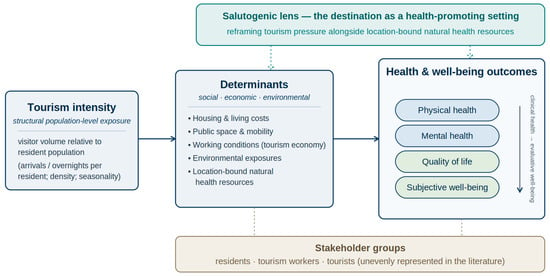
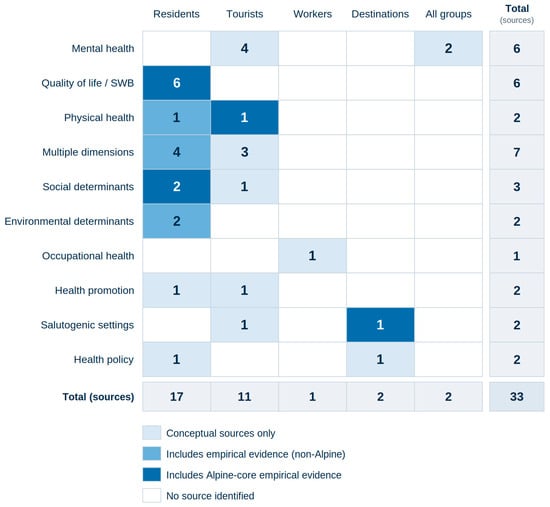
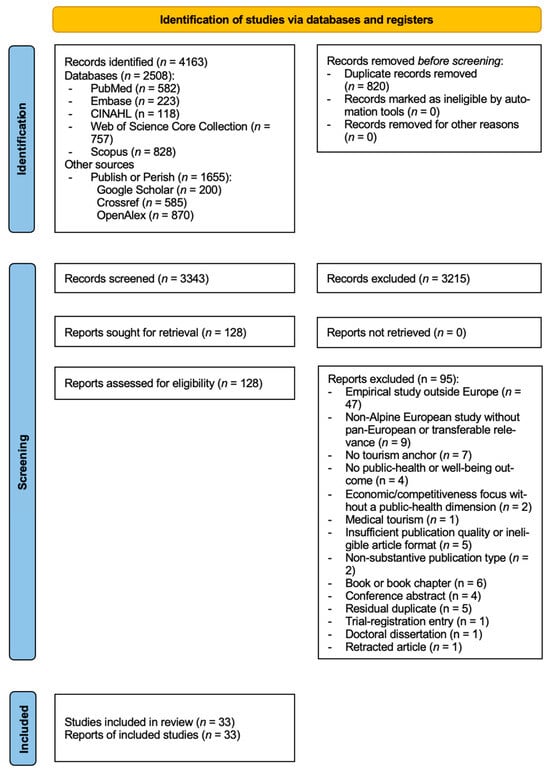
Background/Objectives: Alpine destinations combine high tourism intensity with location-bound natural health resources that position them as potentially salutogenic settings; however, the evidence connecting tourism, public health, and well-being in this context has never been systematically mapped. This scoping review charts the concepts, evidence, and knowledge gaps at this intersection, focusing on South Tyrol (Italy). Methods: This review followed the Joanna Briggs Institute methodology and PRISMA-ScR. Five databases (PubMed, Embase, CINAHL, Web of Science, and Scopus) were searched, supplemented by Publish or Perish searches of Google Scholar, Crossref, and OpenAlex. Records were screened against a Population–Concept–Context framework, with geographic restrictions applied at screening. Data were synthesized descriptively without aggregating effect estimates. Results: Of 4163 records identified, 3343 were screened, and 128 were assessed in full text; 33 sources were included (22 conceptual, 11 empirical), divided almost evenly between tourism and health science journals. Empirical evidence has concentrated on residents’ quality of life and subjective well-being, with findings differing by outcome, scale, and tourism intensity. None of the included studies measured mental health outcomes. Only four empirical studies originated from the Alpine region, each addressing a different level of the destination system, and none from South Tyrol; evidence on tourism workers and older populations was exclusively conceptual. Conclusions: The field rests mainly on conceptual work distributed across two largely separate studies. The evidence gap map identifies measured resident health outcomes, worker health, and population-specific groups as research priorities for tourism-intensive Alpine regions, for which South Tyrol offers a suitable setting.
Full article
(This article belongs to the Special Issue Healthy Spaces, Healthy Lives: Analyzing the Role of Built Environment on Human Health)
►▼
Show Figures

Figure 1
Open AccessArticle
Changes in Aerobic and Muscle-Strengthening Physical Activity and Self-Reported Morbidity Among University Students During the COVID-19 Pandemic: A Cross-Sectional Study
by
Juliana de Souza Soares, Maria Isabel Martins Mourão-Carvalhal and Sandra Celina Fernandes Fonseca
Int. J. Environ. Res. Public Health 2026, 23(9), 1231; https://doi.org/10.3390/ijerph23091231 - 17 Sep 2026
Abstract
The COVID-19 pandemic substantially affected lifestyle behaviors among university students, potentially increasing their vulnerability to chronic noncommunicable diseases (NCDs). This cross-sectional study investigated associations between self-reported changes in the frequency of moderate-intensity aerobic physical activity (MPA) and muscle-strengthening physical activity (MSPA) and self-reported
[...] Read more.
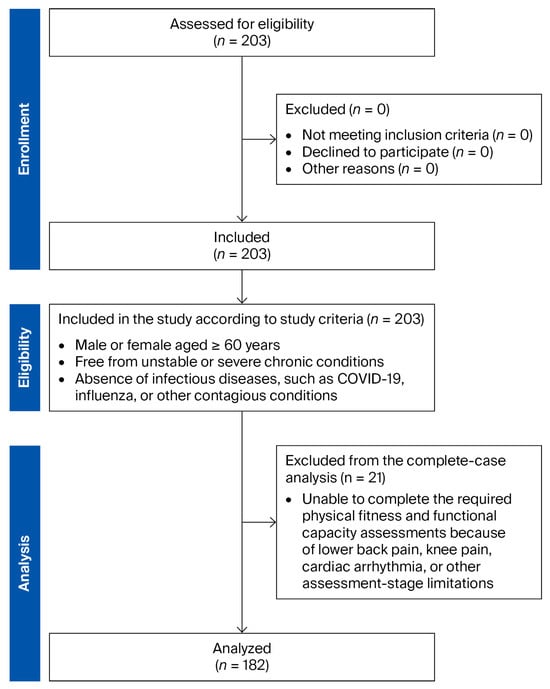
The COVID-19 pandemic substantially affected lifestyle behaviors among university students, potentially increasing their vulnerability to chronic noncommunicable diseases (NCDs). This cross-sectional study investigated associations between self-reported changes in the frequency of moderate-intensity aerobic physical activity (MPA) and muscle-strengthening physical activity (MSPA) and self-reported morbidity among university students. Data were collected through an online questionnaire from 1150 students at a private university in Rio de Janeiro, Brazil, between August 2021 and April 2022. Morbidity was defined as a self-reported medical diagnosis of hypertension, type 2 diabetes mellitus, and/or cardiovascular disease. Separate and mutually adjusted binary logistic regression models were controlled for sex, age, smoking, sugar consumption, and fat consumption. Morbidity prevalence was 9.4%. In separate adjusted models, MPA (global p = 0.046) and MSPA (global p = 0.016) were associated with morbidity. Compared with no engagement, all MPA engagement categories were linked to lower odds of morbidity (ORs = 0.41–0.42), as were increased (OR = 0.41; 95% CI: 0.22–0.75) and maintained MSPA (OR = 0.44; 95% CI: 0.24–0.81). In the mutually adjusted model, the overall associations were attenuated for MPA (p = 0.442) and MSPA (p = 0.127), although increased MSPA remained individually associated with lower odds of morbidity (OR = 0.42; 95% CI: 0.19–0.93; p = 0.032). These findings should be interpreted cautiously, as the cross-sectional design precludes establishing temporal direction and reverse causality is possible.
Full article
(This article belongs to the Special Issue Physical Activity and Its Association with Health in University Students)
Open AccessArticle
Validity of EHR-Derived Phenotypes for Outcome Ascertainment in the PRESERVE Trial: Implications for Embedding RCTs in Healthcare Systems
by
Sarah M. Leatherman, Sonia T. Anand, Michael J. Davenport, Jade Fiotto, Paul A. Monach, Steven D. Weisbord and Ryan E. Ferguson
Int. J. Environ. Res. Public Health 2026, 23(9), 1230; https://doi.org/10.3390/ijerph23091230 - 17 Sep 2026
Abstract
Randomized controlled trials (RCTs) are crucial for determining effective interventions but are costly, time-consuming, and complex. Electronic health records (EHRs) offer the potential to enhance research using clinical data, reducing costs and improving efficiency. We evaluated the accuracy of EHR-derived phenotypes for endpoint
[...] Read more.
Randomized controlled trials (RCTs) are crucial for determining effective interventions but are costly, time-consuming, and complex. Electronic health records (EHRs) offer the potential to enhance research using clinical data, reducing costs and improving efficiency. We evaluated the accuracy of EHR-derived phenotypes for endpoint identification versus RCT-outcome ascertainment in the PRESERVE trial (NCT01467466), comparing sodium bicarbonate vs. sodium chloride and oral acetylcysteine vs. placebo in preventing serious adverse outcomes and contrast-associated acute kidney injury (CIAKI) after angiography. PRESERVE outcomes were compared with EHR data from the Veterans Affairs Corporate Data Warehouse. Real-world data (RWD) phenotypes captured serious adverse events within 90 days post-angiography, including death, dialysis need, and persistent kidney decline. Sensitivity, specificity, and percent agreement were calculated using trial outcomes as the gold standard. Among 4,196 PRESERVE patients, 95% had outcomes assessed. RWD outcomes showed mixed accuracy: 100% sensitivity/specificity for death; high sensitivity for primary composite events (71.2%), dialysis (75.0%), and hospitalization (78.1%); and low sensitivity for CIAKI (45.8%) and persistent kidney decline (40.5%). Substituting RWD outcomes into primary analysis produced conclusions matching the RCT conclusions. EHR phenotypes can substitute for traditional outcome collection, given adequate planning and validation. Despite variable accuracy, RWD outcomes yielded similar conclusions to RCTs, supporting their use for trial efficiency and reducing costs.
Full article
(This article belongs to the Special Issue Real-World Data Analytics and Evidence Generation for Chronic Disease and Health Systems)
Open AccessEssay
Menstrual Hygiene as a Human Rights and Health Equity Issue: Inequality, Access, and Human Dignity Among Women
by
Hazrina Adelia, Nur’aini Nur’aini, Feni Betriana, Firnaliza Rizona and Gil P. Soriano
Int. J. Environ. Res. Public Health 2026, 23(9), 1229; https://doi.org/10.3390/ijerph23091229 - 16 Sep 2026
Abstract
Lack of health awareness and access to menstrual hygiene goods is a challenging issue in some parts of the world, creating a situation where menstrual hygiene becomes a privilege. This issue reflects the broader social determinants of health and gender-based inequities affecting women.
[...] Read more.
Lack of health awareness and access to menstrual hygiene goods is a challenging issue in some parts of the world, creating a situation where menstrual hygiene becomes a privilege. This issue reflects the broader social determinants of health and gender-based inequities affecting women. This essay discusses why hygiene access remains unequal for women and outlines ways to address the disparity. The sources of this essay draw on the relevant literature in healthcare focusing on women’s hygiene practices. Various factors, including socio-economic-cultural factors and hygiene education, were identified to trigger hygiene behaviors. Strategies to enhance menstrual hygiene include structured and targeted education, school-based programs and menstrual hygiene management, and community-led and WASH approaches. Inadequate access to hygiene products and sanitation facilities is linked to poverty, educational disparities, stigma, and structural inequities that compromise women’s health, dignity, and social participation. Menstrual hygiene should be recognized as a fundamental human right and a public health necessity. Multisectoral interventions involving healthcare providers, educators, communities, and policymakers are essential to reduce hygiene inequities and promote women’s dignity and health equity.
Full article
Open AccessEssay
Identifying the Primary Driver of Rising Cancer Incidence—A Path to Prevention
by
Jian Gao
Int. J. Environ. Res. Public Health 2026, 23(9), 1228; https://doi.org/10.3390/ijerph23091228 - 16 Sep 2026
Abstract
Cancer incidence has risen sharply over the past century. Despite enormous investments in cancer research and treatment, cancer continues to inflict immense human suffering and premature mortality. If current trends continue, nearly half of the populations in developed countries will develop cancer during
[...] Read more.
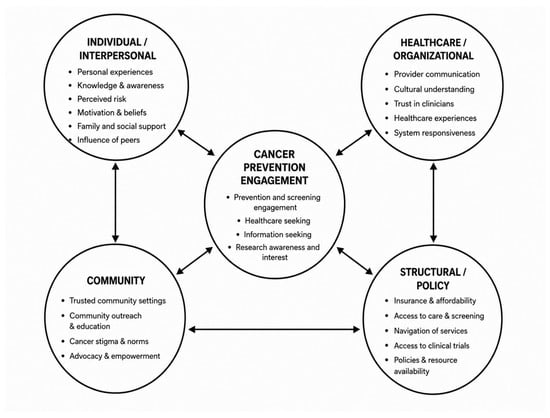
Cancer incidence has risen sharply over the past century. Despite enormous investments in cancer research and treatment, cancer continues to inflict immense human suffering and premature mortality. If current trends continue, nearly half of the populations in developed countries will develop cancer during their lifetime by 2040. Given the persistent challenges in treating solid tumors that cannot be surgically removed, primary prevention has become more imperative than ever. Effective prevention, however, requires a clear understanding of the primary driver behind the dramatic rise in cancer incidence. Identifying this driver has been difficult because numerous risk factors may contribute to carcinogenesis directly or indirectly. To overcome this challenge, this study focuses on what has primarily driven the increase in cancer incidence rate over the past eight decades, rather than what causes cancer. To achieve this objective, the present study classified all potential root causes into six categories—genetics, aging, lifestyle, nutrition, psychological stress, and environmental exposures—and evaluated their biological mechanisms, exposure scales, and probabilistic dependencies (temporal correlations) in relation to the increase in cancer incidence rate. Based on established criteria for causal inference, this study finds that the chronic accumulation of toxic chemicals in the human body through food, water, air, and consumer products applied to the skin is most likely the principal driver of the escalating incidence of cancer over the past century. Therefore, reversing this upward trend will require public health policies that prioritize reducing exposure to these ubiquitous toxic chemicals.
Full article
Open AccessArticle
Gender-Based Discrimination and Its Associations with Mental Wellbeing, Self-Efficacy and Career Choice Among Medical Students in Latvia: A Cross-Sectional Study
by
Ērika Markina and Laura Valaine
Int. J. Environ. Res. Public Health 2026, 23(9), 1227; https://doi.org/10.3390/ijerph23091227 - 16 Sep 2026
Abstract
Gender-based discrimination in medical education remains a critical yet overlooked issue that may adversely affect the mental health and professional development of future physicians. This study investigated the prevalence of such experiences and their association with mental wellbeing, self-esteem, self-efficacy and career choices
[...] Read more.
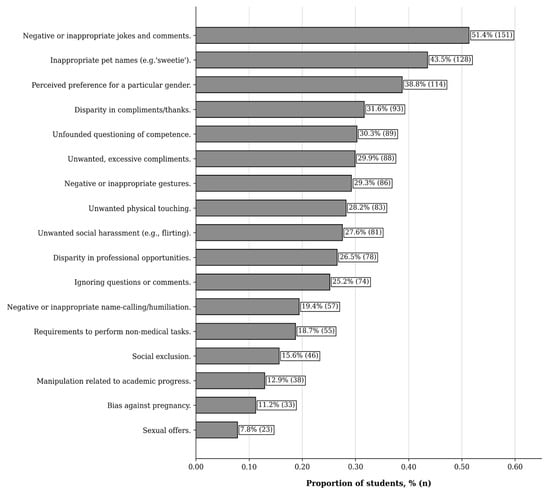
Gender-based discrimination in medical education remains a critical yet overlooked issue that may adversely affect the mental health and professional development of future physicians. This study investigated the prevalence of such experiences and their association with mental wellbeing, self-esteem, self-efficacy and career choices among the medical students at Rīga Stradiņš University in Latvia. Using a cross-sectional design, 294 medical students completed a survey incorporating the gender discrimination questionnaire, Rosenberg Self-Esteem Scale, General Self-Efficacy Scale, PHQ-9 and GAD-7. Overall, 36.05% (n = 106) of respondents self-identified as personally having experienced gender-based discrimination. The most encountered or witnessed discriminatory behaviours were inappropriate gender-related jokes or comments and patronizing pet names. After adjustment for age, self-reported gender, and study year, self-reported discrimination was associated with higher odds of clinically significant depressive symptoms and anxiety, as well as lower self-esteem and self-efficacy. It was also associated with a higher relative likelihood of having no current specialty option, uncertainty about pursuing residency, or no intention to pursue residency. These findings indicate the need to address gender-based discrimination within academic and clinical training environments to support student wellbeing and professional development.
Full article
(This article belongs to the Section Behavioral and Mental Health)
►▼
Show Figures

Figure 1
Open AccessSystematic Review
The Organization of Home Palliative Cancer Care by Primary Health Care: A Systematic Review
by
Marcelle Miranda da Silva, Thayna de Assis Barros S. Thiago, Maria da Conceição Albernaz Crespo, Audrei Castro Telles, Cristina Lavareda Baixinho, Andreia Costa and Eunice Sá
Int. J. Environ. Res. Public Health 2026, 23(9), 1226; https://doi.org/10.3390/ijerph23091226 (registering DOI) - 16 Sep 2026
Abstract
►▼
Show Figures
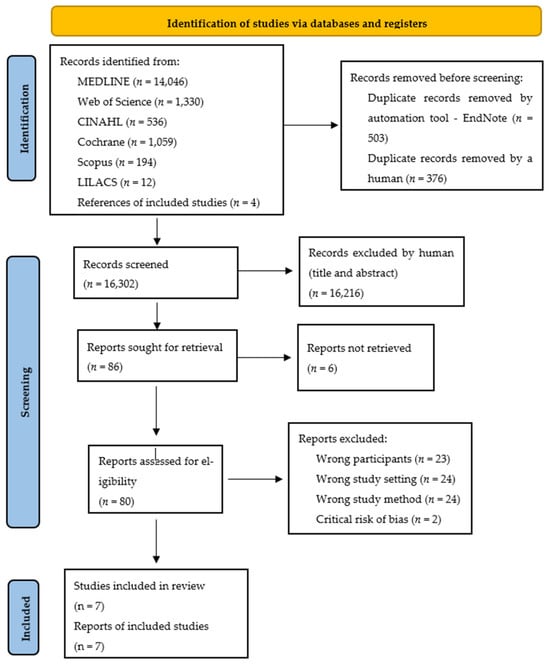
Background: Home-based palliative cancer care coordinated by primary care has been proposed as a strategy to improve access, continuity, and alignment with patient preferences, but its organizational characteristics and effects remain insufficiently synthesized. Aim: The aim was to characterize the organizational components of
[...] Read more.
Background: Home-based palliative cancer care coordinated by primary care has been proposed as a strategy to improve access, continuity, and alignment with patient preferences, but its organizational characteristics and effects remain insufficiently synthesized. Aim: The aim was to characterize the organizational components of home-based palliative care models for patients with advanced cancer coordinated by primary care and to evaluate the effects of these models on patient-related and health system outcomes. Methods: Following a Cochrane review protocol, primary studies were searched in MEDLINE, Scopus, LILACS, Web of Science, the Cochrane Library, and CINAHL to identify randomized controlled trials and analytical observational studies published between January 2018 and May 2026. Results: The narrative synthesis included seven analytical observational studies conducted in high-income countries, most classified as 4b—settings with advanced and integrated palliative care. Across these studies, recurrent organizational components included case management, structured care pathways prioritizing home-based care, and mechanisms linking primary care with specialized palliative care teams. Reported outcomes were associated with potential system-level benefits, such as fewer emergency department visits and higher proportions of home death, but these findings are subject to residual confounding, heterogeneity, and indirectness, which limit confidence in the evidence. Conclusion: The available evidence, which was restricted to seven observational studies conducted in countries with highly developed palliative care systems, suggests that certain organizational components may support home-based palliative cancer care coordinated by primary care. However, substantial methodological limitations, the absence of patient-centred outcomes, and the lack of studies from low- and middle-income countries indicate that further research is needed before drawing practice or policy recommendations.
Full article

Figure 1
Open AccessReview
A Scoping Review of Psychological Distress Outcomes in NICU Healthcare Providers
by
Pamela A. Geller, Andrea L. Nelson, Leah Sodowick, Hisham Nsier, Shannon G. Hanson, Sage N. Saxton, Chavis A. Patterson, Miller Shivers, Rochelle Steinwurtzel and Melissa Maye
Int. J. Environ. Res. Public Health 2026, 23(9), 1225; https://doi.org/10.3390/ijerph23091225 - 16 Sep 2026
Abstract
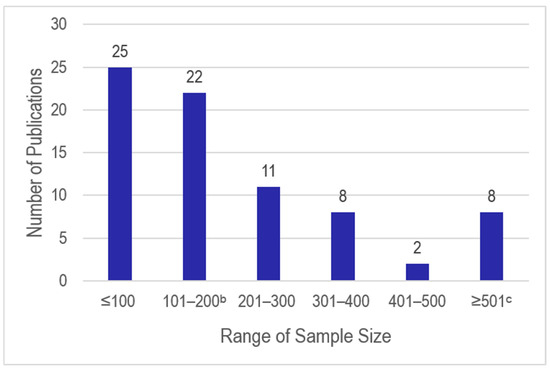
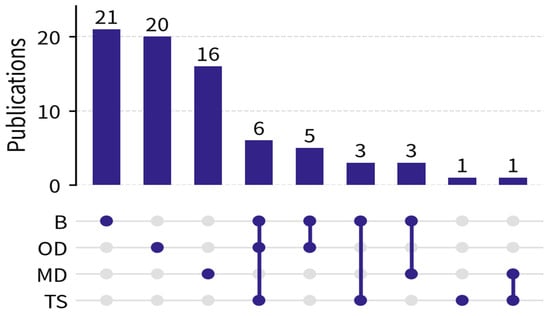
The Neonatal Intensive Care Unit (NICU) is a demanding work environment that provides medical care for acutely ill and premature infants while supporting parents experiencing significant stress and psychological distress. This scoping review is the first to examine quantitative research across a broad
[...] Read more.
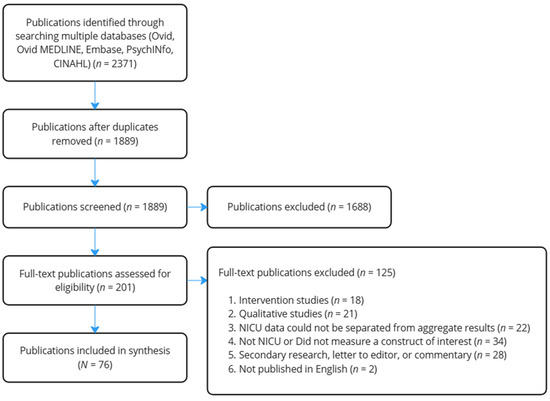
The Neonatal Intensive Care Unit (NICU) is a demanding work environment that provides medical care for acutely ill and premature infants while supporting parents experiencing significant stress and psychological distress. This scoping review is the first to examine quantitative research across a broad range of psychological constructs, including burnout, traumatic stress, moral distress, and other distress outcomes such as mental health, somatic symptoms and physiological indicators, among NICU healthcare providers. Following PRISMA-ScR guidelines, PsycINFO, Ovid via MEDLINE, Embase, and CINAHL were searched. Two searches (2021 and 2024) identified 1889 unique records, with 76 publications from 34 countries meeting inclusion criteria (i.e., original quantitative research assessing work-related psychological consequences with NICU healthcare providers) and exclusion criteria (i.e., intervention studies; qualitative studies; NICU provider data inseparable from aggregate results). Most participants were White, female NICU nurses. Across studies, psychological distress was most often reported in the low-to-moderate range, with considerable variability within and across studies making it difficult to clearly summarize the average levels of distress and associations that best predict psychological distress outcomes. Consistent differences by healthcare profession or sociodemographic characteristics were not identified, largely because these factors were infrequently assessed, or findings were inconsistent. Environmental factors were more frequently assessed and reported to be associated with psychological distress in NICU providers. The current evidence base is constrained by cross-sectional designs, inconsistent practices, and conceptual overlap across psychological constructs. Future research should prioritize longitudinal designs, standardized methodologies, and more representative samples across professions. In the interim, unit-level assessment and targeted interventions may help address modifiable work-related stressors, individual responses to stressors, and support NICU healthcare providers’ well-being.
Full article
(This article belongs to the Special Issue Psychosocial Risk Factors and Mental Health Outcomes Among Healthcare Workers: An Occupational Health Perspective)
►▼
Show Figures

Figure 1
Open AccessReview
Air Pollution, Anemia and Nutrition: A Scoping Review of Research Gaps in the Role of Nutrients in PM2.5-Related Anemia
by
Katelyn Lee, Brooke-Lynn Reynolds, Avani Dinesh, Laura Lipke and Deena B. Thomas
Int. J. Environ. Res. Public Health 2026, 23(9), 1224; https://doi.org/10.3390/ijerph23091224 - 16 Sep 2026
Abstract
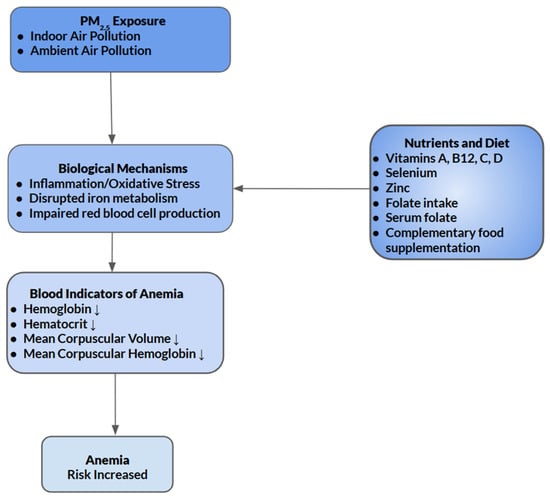
Anemia, a major global public health issue, has been increasingly linked to air pollution. Growing evidence suggests that fine particulate matter (PM2.5) exposure is associated with reduced hemoglobin concentrations and increased anemia risk, potentially through pathways involving oxidative stress, inflammation, and
[...] Read more.
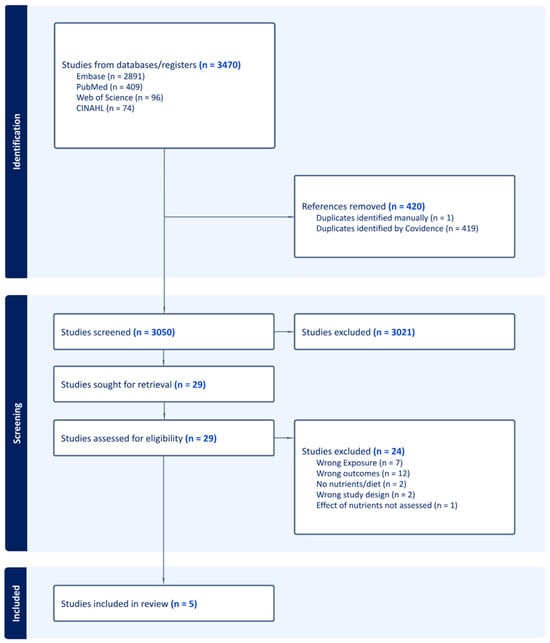
Anemia, a major global public health issue, has been increasingly linked to air pollution. Growing evidence suggests that fine particulate matter (PM2.5) exposure is associated with reduced hemoglobin concentrations and increased anemia risk, potentially through pathways involving oxidative stress, inflammation, and disrupted hematopoiesis. This review examines whether nutrients or supplements, such as iron, vitamins B, C, and D, and folate, and the social context have a protective effect and can modify PM2.5-related anemia. Following JBI guidelines, we systematically searched databases such as PubMed and Web of Science to screen 3450 studies. Across diverse geographic settings, the included studies consistently reported the following: (a) an inverse association between PM2.5 exposure and anemia-related outcomes, including lower hemoglobin concentrations and altered hematologic indicators, and an increased anemia risk; (b) an adequate nutritional status, particularly higher intake or levels of iron, folate, and antioxidant vitamins, may attenuate the adverse hematologic effects of PM2.5 exposure, but evidence remains limited; and (c) adverse social conditions such as lower income and lower education can amplify vulnerability to PM2.5-related anemia, but this evidence also remains limited. Further research is needed to better understand how nutritional factors and the social environment modify susceptibility to PM2.5-related anemia.
Full article
(This article belongs to the Special Issue Air Pollution Exposure and Its Impact on Human Health)
►▼
Show Figures

Figure 1

Open AccessArticle
Reducing Sedentary Working in a University Setting: A Mixed-Methods Evaluation of Three Workplace Feasibility Interventions
by
Ayazullah Safi, Muhammad Hossain, Adam L. Kelly, Matthew Cole and Natalie C. Walker
Int. J. Environ. Res. Public Health 2026, 23(9), 1223; https://doi.org/10.3390/ijerph23091223 - 16 Sep 2026
Abstract
►▼
Show Figures
Background: Sedentary working is a major risk factor for chronic diseases. Workplace health and wellbeing-related interventions that focus on creating opportunities for physical movement may help mitigate prolonged sitting. The aim of this study was to evaluate three different interventions within a university
[...] Read more.
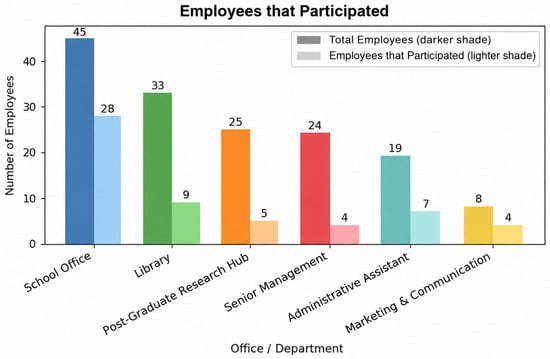
Background: Sedentary working is a major risk factor for chronic diseases. Workplace health and wellbeing-related interventions that focus on creating opportunities for physical movement may help mitigate prolonged sitting. The aim of this study was to evaluate three different interventions within a university setting. Methods: Three independent feasibility interventions focused on university employees were conducted. Intervention 1 assessed the deliberate use of office-based exercise equipment over 11 weeks (n = 57) alongside pre–post measures of health, quality of life and work limitations and free-text activity log comments. Intervention 2 involved a one-week baseline followed by 8 weeks of a sit–stand workstation intervention (n = 10), with participant-recorded sitting and standing and pre–post health and work-related outcomes. Intervention 3 used a within-participant repeated-measures design in which 61 employees completed seated, standing and walking meetings in a fixed sequence, with mood assessed immediately before and after each condition using the Brunel Mood Scale. Paired parametric or non-parametric analyses were used as appropriate, with repeated-measures comparisons for meeting formats and adjustment for multiple testing. Results: In Intervention 1, participants recorded a mean of ~56 min of exercise equipment use per week across the 11-week intervention. No statistically robust pre–post changes were identified in quality of life, health status, work limitations or estimated productivity loss after adjustment for multiple comparisons. Free-text comments indicated perceived benefits including enhanced energy, opportunities to disrupt screen-based work and increased focus, alongside practical barriers such as excessive office temperature. In Intervention 2, participant-recorded sitting decreased from 1973.6 (SD 265.6) to 821.3 (SD 361.1) minutes/week (p < 0.001; dz = −2.69), while standing increased from 438.5 (SD 286.0) to 923.1 (SD 439.6) minutes/week (p = 0.013; dz = 0.97). RAND-36 Physical Functioning and Energy/Fatigue also showed statistically significant pre–post differences after multiplicity adjustment, while other health, quality of life and work limitation outcomes did not. In Intervention 3, standing and walking meetings produced greater increases in Vigour compared to seated meetings. Vigour was the only BRUMS dimension for which the between-format difference remained statistically significant following correction for multiple comparisons. Conclusions: The three interventions demonstrate preliminary evidence that movement and postural alteration can be included in sedentary university working routines.
Full article

Figure 1
Open AccessArticle
From Hive to Health: A Regional Occupational Health Needs Assessment of Beekeepers
by
Whitley J. Stone and Zachary S. Farley
Int. J. Environ. Res. Public Health 2026, 23(9), 1222; https://doi.org/10.3390/ijerph23091222 - 16 Sep 2026
Abstract
Beekeeping is a physically demanding agricultural occupation involving repetitive lifting, awkward postures, prolonged outdoor work, and environmental exposures. Musculoskeletal disorders have been documented among beekeepers, but less is known about broader occupational health experiences, ergonomic practices, and intervention needs. This study characterized the
[...] Read more.
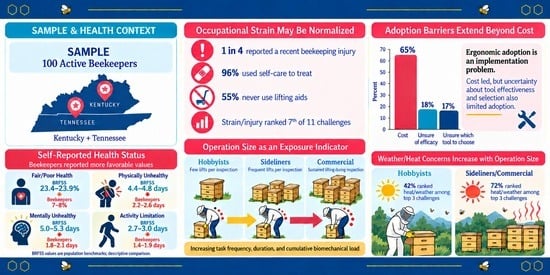
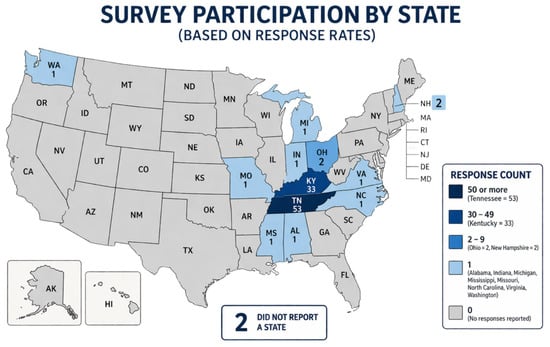
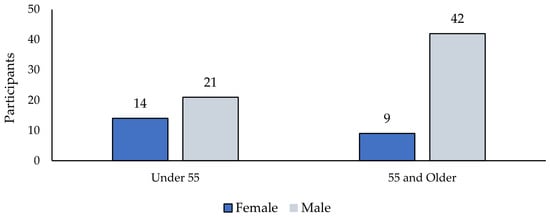
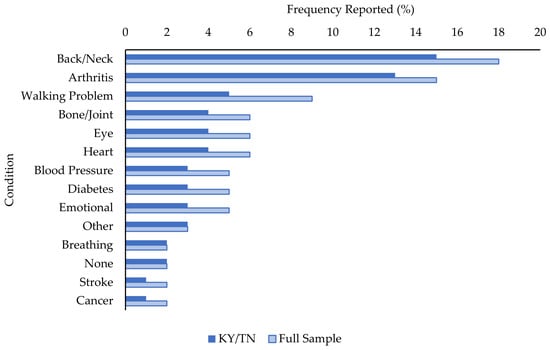
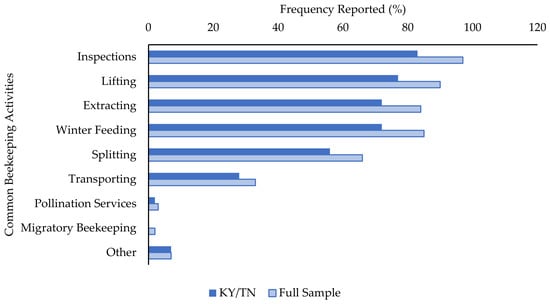
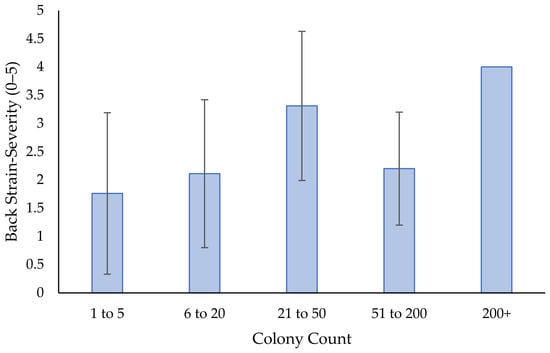
Beekeeping is a physically demanding agricultural occupation involving repetitive lifting, awkward postures, prolonged outdoor work, and environmental exposures. Musculoskeletal disorders have been documented among beekeepers, but less is known about broader occupational health experiences, ergonomic practices, and intervention needs. This study characterized the occupational health, physical demands, and ergonomic priorities among beekeepers through a regional needs assessment focused primarily on Kentucky and Tennessee (n = 86). A cross-sectional online survey was completed by 100 U.S. beekeepers in active management roles. The survey assessed self-reported health, physical workload, musculoskeletal strain, injuries, ergonomic tool use, and occupational challenges. Over half routinely lifted loads exceeding 40 pounds, yet 55% never used lifting aids. Larger operations reported significantly greater back strain, suggesting operation size may reflect cumulative physical workload. Approximately one-quarter reported a beekeeping-related injury, with nearly all managed through self-care. Cost was the primary barrier to ergonomic tool adoption. Despite common musculoskeletal strain, participants generally reported favorable overall health compared with regional population benchmarks. Within this regional sample, occupational health concerns were associated with physical workload, operation size, and barriers to ergonomic intervention. Future investigations should address hazardous tasks alongside behavioral, economic, and cultural factors affecting adoption of preventative strategies.
Full article
(This article belongs to the Special Issue Advancing Public and Occupational Health Through Physical Activity and Injury Prevention)
►▼
Show Figures

Figure 1
Open AccessCorrection
Correction: Al-Hamdani et al. Plain Packaging: One of the Plain Simple Solutions for Nicotine Reduction in the Middle East. Int. J. Environ. Res. Public Health 2026, 23, 879
by
Mohammed Al-Hamdani, Steven M. Smith, Rana Abouzoor and Courtney McKay
Int. J. Environ. Res. Public Health 2026, 23(9), 1221; https://doi.org/10.3390/ijerph23091221 - 16 Sep 2026
Abstract
In the original publication [...]
Full article
Open AccessArticle
Anxiety, Depression, Professional Grief Overload, and Quality of Life Among Dentists in Multiprofessional Oncology Residency Programs: A Cross-Sectional Study
by
Istefani Souza Silva, Hilton Marcos Alves Ricz, Manoel Antônio dos Santos, Érika Arantes de Oliveira-Cardoso and Leandro Dorigan de Macedo
Int. J. Environ. Res. Public Health 2026, 23(9), 1220; https://doi.org/10.3390/ijerph23091220 - 16 Sep 2026
Abstract
In Brazil, the five-year undergraduate dental curriculum provides limited preparation for coping with death, bereavement, and emotionally demanding hospital environments, which may increase vulnerability to psychological burden among dentists working in oncology care. This cross-sectional study assessed anxiety, depression, and professional grief overload
[...] Read more.
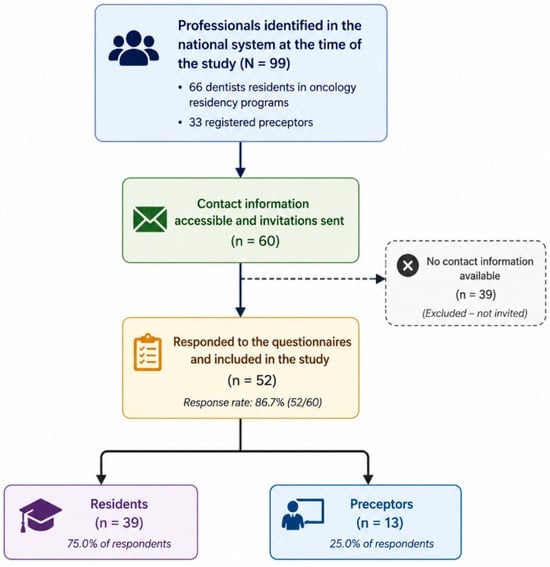
In Brazil, the five-year undergraduate dental curriculum provides limited preparation for coping with death, bereavement, and emotionally demanding hospital environments, which may increase vulnerability to psychological burden among dentists working in oncology care. This cross-sectional study assessed anxiety, depression, and professional grief overload among dentists involved in multiprofessional oncology residency programs in Brazil and examined their associations with quality of life and professional characteristics. Fifty-two dentists completed validated measures of anxiety and depression (HADS), professional grief overload (ESPL), and quality of life (SF-36). The sample was predominantly female (69.2%), single (80.8%), and composed of residents (75.0%). Mild anxiety was observed in 28.9% of participants and moderate-to-severe anxiety in 32.7%, while 23.1% presented with mild depressive symptoms and 13.5% presented with moderate-to-severe depression. The mean Professional Grief Overload Scale score was 37.6 (SD = 9.8; IQR, 31.5–44.3). Higher levels of professional grief overload have been associated in previous studies with psychological distress, emotional exhaustion, and reduced quality of life among healthcare professionals. Anxiety and depression were strongly correlated (ρ = 0.71, p < 0.001), and anxiety showed a moderate correlation with professional grief overload (ρ = 0.55, p < 0.001). Higher levels of anxiety, depression, and professional grief overload were associated with poorer quality of life, particularly in vitality, social functioning, and mental health domains. Exploratory cluster analysis identified a subgroup characterized by greater psychological burden and substantially lower quality-of-life scores. These findings suggest that dentists working in oncology residency programs experience considerable psychological burden, highlighting the need for educational and institutional strategies focused on emotional preparedness, grief management, and mental health support within oncology care settings.
Full article
(This article belongs to the Special Issue Mental Health in Healthcare: Challenges and Perspectives from the Past to the Future)
►▼
Show Figures

Figure 1
Open AccessArticle
Faith over Protection, Faith as Foundation: A Mixed-Methods Joint Display Study of Religion, Spirituality, and PrEP Decision-Making Among Black Cisgender Women in the United States
by
Maya S. Terry, Patricia Maritim, Lily Schwartzman, Oluwabukola Apata, Julia L. Marcus, Oni J. Blackstock and Whitney C. Irie
Int. J. Environ. Res. Public Health 2026, 23(9), 1219; https://doi.org/10.3390/ijerph23091219 - 15 Sep 2026
Abstract
Background: Black cisgender women in the United States bear a disproportionate burden of new HIV diagnoses, yet fewer than 1 in 10 women who could benefit from pre-exposure prophylaxis (PrEP) receive a prescription. Religion and spirituality are central to many Black women’s
[...] Read more.
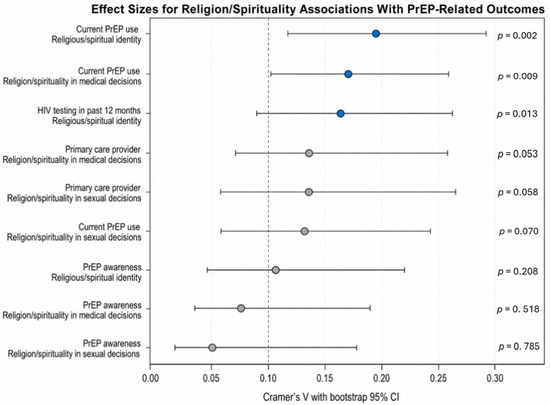
Background: Black cisgender women in the United States bear a disproportionate burden of new HIV diagnoses, yet fewer than 1 in 10 women who could benefit from pre-exposure prophylaxis (PrEP) receive a prescription. Religion and spirituality are central to many Black women’s lives and may shape sexual health decision-making in complex ways, but their role in PrEP engagement has been undertheorized. Methods: We conducted a convergent mixed-methods study integrating cross-sectional survey data from the ReachHER study (N = 397 Black cisgender women) with qualitative, semi-structured interviews (different sample of N = 30 Black cisgender women). Three religion/spirituality items—general religiosity, religion in medical decisions, and religion in sexual decisions—were examined in exploratory bivariate analyses with prior PrEP awareness, current PrEP use, HIV testing in the past 12 months, and primary care provider access using Pearson χ2 tests. Prior PrEP awareness was assessed before participants received standardized PrEP education. Qualitative data were analysed using reflexive thematic analysis. A joint display integrated the two datasets. Results: General religious/spiritual identification and religion in medical decisions were associated with current PrEP use in bivariate analyses, and religious/spiritual identification was also associated with HIV testing in the past 12 months. Five qualitative themes emerged: (1) religion as part of a broader belief system; (2) religion as cultural and identity intersection; (3) religion as a barrier to sexual health communication; (4) faith over protection as a driver of PrEP hesitancy and stigma; and (5) religious institutions as trusted intervention spaces. Conclusions: In this mixed-methods study, religion/spirituality functioned as an ambivalent but consequential multidimensional context for PrEP decision-making among Black cisgender women, simultaneously constraining sexual discourse and providing trusted infrastructure for prevention. Faith-partnered, intersectionally tailored PrEP interventions warrant further study.
Full article
(This article belongs to the Special Issue Women and Pre-Exposure Prophylaxis for HIV Prevention)
►▼
Show Figures

Figure 1
Open AccessArticle
Antenatal Care Visits and Exclusive Breastfeeding Among Refugee and Host Community Women in South Sudan
by
Thonaeng Charity Molelekoa and Abayomi Samuel Oyekale
Int. J. Environ. Res. Public Health 2026, 23(9), 1218; https://doi.org/10.3390/ijerph23091218 - 15 Sep 2026
Abstract
The need to promote maternal and child health is a concurrent legislative agenda in many developing countries. This is particularly important in South Sudan due to protracted economic fragility. Although previous studies have examined the determinants of antenatal care (ANC) utilization and exclusive
[...] Read more.
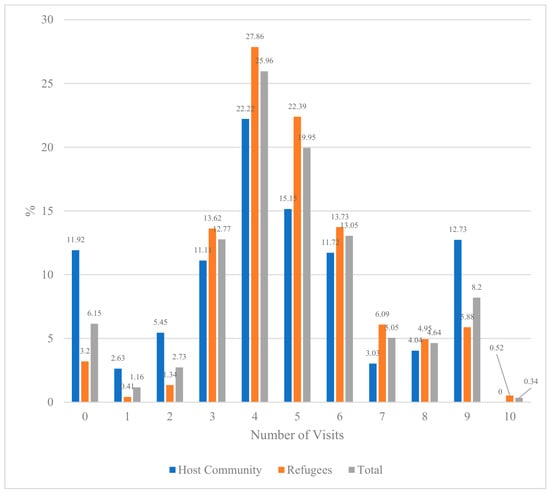
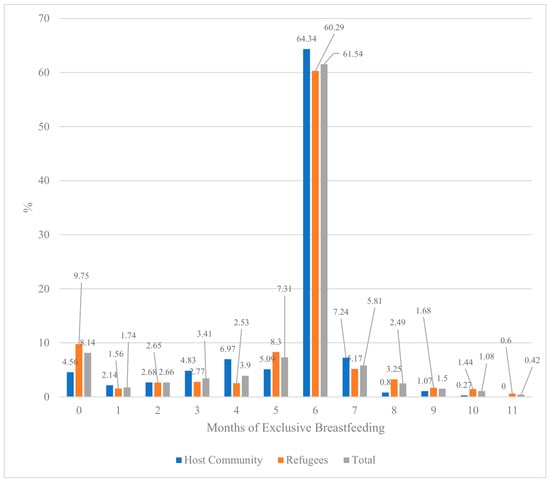
The need to promote maternal and child health is a concurrent legislative agenda in many developing countries. This is particularly important in South Sudan due to protracted economic fragility. Although previous studies have examined the determinants of antenatal care (ANC) utilization and exclusive breastfeeding (EBF) among refugees and other vulnerable populations, limited empirical evidence has examined the association between ANC visits and EBF in displacement settings. Therefore, this study determined the association between ANC visits and EBF among refugees and host community members in South Sudan. The study was based on cross-sectional secondary data, which were collected in 2023 by the United Nations High Commissioner for Refugees (UNHCR), as part of the Forced Displacement Survey in South Sudan. The data were analyzed with a control function instrumental variable Poisson regression. The results showed that 61.54% of the women breastfed exclusively for six months and 8.14% did not breastfeed. Refugees reported a higher use of skilled ANC providers. The control function instrumental variable Poisson regression results confirmed the endogeneity of ANC visits, given the statistical significance of the control function parameter (p < 0.05). Also, ANC was significantly and positively associated with the number of months of EBF (p < 0.01). The results showed differences in the correlates of ANC visits and EBF duration across residence statuses. The combined analysis revealed a positive association between ANC visits and consultations with doctors and with nurses, while food problems, unchanged household income, urban residence, and some forms of delivery assistance had negative associations among some population groups. In the pooled and refugee results, civil-issued identification had a positive association with ANC visits. Also, income resilience showed different associations with EBF among host community women, and regional differences were observed among refugees. The findings highlight the need to strengthen access to adequate ANC and integrate breastfeeding counselling into maternal healthcare services delivered by skilled healthcare providers while tailoring interventions to the distinct circumstances of refugee and host community populations.
Full article
(This article belongs to the Special Issue Research on Global Health Economics and Policy)
►▼
Show Figures

Figure 1
Open AccessFeature PaperArticle
Policy Analysis of Workplace Wellbeing-Related Policies at a Tertiary Academic Institution in Johannesburg: Implications for Academic Employees
by
Naeema Ahmad Ramadan Reis and Natasha Khamisa
Int. J. Environ. Res. Public Health 2026, 23(9), 1217; https://doi.org/10.3390/ijerph23091217 - 15 Sep 2026
Abstract
Workplace wellbeing is a multidimensional construct shaped by psychological, physical, and organisational determinants. In higher education, human resource and governance policies influence these determinants, yet policy portfolios are often compliance-oriented rather than explicitly wellbeing-focused. Despite increasing global attention to workplace wellbeing, there remains
[...] Read more.
Workplace wellbeing is a multidimensional construct shaped by psychological, physical, and organisational determinants. In higher education, human resource and governance policies influence these determinants, yet policy portfolios are often compliance-oriented rather than explicitly wellbeing-focused. Despite increasing global attention to workplace wellbeing, there remains limited empirical analysis of how institutional policy environments conceptualise and operationalise wellbeing, particularly in African higher education contexts. This study critically analysed workplace-related policies at a tertiary academic institution in Johannesburg to assess how wellbeing is conceptualised and operationalised, and to identify gaps relevant to academic employees. A qualitative single-case document study design was employed, guided by the Walt and Gilson Policy Triangle Framework (content, context, actors, processes) and complemented by a wellbeing classification lens. Policies were purposively selected based on predefined inclusion criteria relating to working conditions, inclusion, health and safety, development, and employment governance. Deductive framework analysis was followed by inductive thematic synthesis. Workplace wellbeing was not explicitly defined within the policy portfolio and was inconsistently operationalised. Most policies functioned through indirect pathways and emphasised legal compliance, governance, and procedural oversight. Five cross-cutting themes were identified, including compliance-driven policy architecture, uneven workload governance, and bounded disability inclusion. Key gaps included limited integration of psychosocial risk, insufficient support for chronic illness and non-visible disability, and lack of monitoring of wellbeing outcomes. Institutional policies provide important safeguards but do not operate as an integrated workplace wellbeing framework. Strengthening conceptual clarity, aligning policies with contemporary evidence, and embedding measurable wellbeing indicators may improve employee wellbeing and institutional sustainability. As a single-institution document analysis, the findings reflect formalities of policies rather than implementation and may therefore have limited transferability to other higher education sections. Nevertheless, the study provides a thourough framework for examining how institutional policies shape workplace wellbeing and offers a foundation for future comparative policy analyses.
Full article
(This article belongs to the Special Issue Models and Approaches to Workplace Health Promotion and Well-Being with Diverse Population Groups)
Open AccessArticle
Baseline Predictors of Informal Breast Health Promotion Among Participants Overdue for Screening
by
Ezra Belfiore Wright, Garth H. Rauscher, John Dziak, Jocelyn Perez-Ahlgrain, Tatiana Lopez, Mariana Tellez, Heidi Parra, Emely Moreno, Monica J. Padilla, Karyme Huerta, Viviana Bahena, Sheryl Lawrence, Irlanda Maneli Estrada Sanchez, Carolina Bujanda, Paola Torres, Elizabeth de la Paz, Juanita Arroyo, Silvia Montoya, Araceli Lucio, Pamela Ganschow, Kristin Andersen, Maria J. Perez, Nathan Stackhouse, Marc S. Atkins, Erin I. Neuschler, Candyce H. Kroenke, Jennifer Watling Neal and Yamilé Molinaadd
Show full author list
remove
Hide full author list
Int. J. Environ. Res. Public Health 2026, 23(9), 1216; https://doi.org/10.3390/ijerph23091216 - 15 Sep 2026
Abstract
To address underutilization of breast cancer screening among Latines, one solution may be to identify participants, at baseline, who are likely to promote breast health after participation. We sought to (1) describe breast health promotion at baseline and (2) examine relevant predictors, using
[...] Read more.
To address underutilization of breast cancer screening among Latines, one solution may be to identify participants, at baseline, who are likely to promote breast health after participation. We sought to (1) describe breast health promotion at baseline and (2) examine relevant predictors, using self-report data from 400 Latine participants. Breast health and mammography promotion were binary outcomes and validated with environmental data (message, modality, time). Predictors were measured with validated instruments, including (1) acceptability of breast health promotion (Likert items); (2) breast cancer screening knowledge (count); (3) limited cultural misconceptions (count); (4) knowing a health advocate/professional (binary); and (5) non-health volunteerism history (binary). About 35% of participants had promoted breast health, and 14% had promoted mammography. Modified Poisson regressions found that perceived acceptability predicted breast health (PR = 1.53, 95% CI [1.17, 1.99], p = 0.002) and mammography promotion (PR = 1.61, 95% CI [1.02, 2.55], p = 0.04), after accounting for age, nativity, education, income, and mammography history. Knowing a health advocate/professional also predicted breast health promotion (PR = 1.53, 95% CI [1.18, 1.98], p = 0.001). Our findings highlight potential factors to consider for future interventions to train participants to promote breast health.
Full article
(This article belongs to the Special Issue Advancing Breast Health and Breast Cancer Prevention Through Policy, Community, System and Technological Change)
Journal Menu
► ▼ Journal Menu-
- IJERPH Home
- Aims & Scope
- Editorial Board
- Reviewer Board
- Topical Advisory Panel
- Early Career Editorial Board
- Instructions for Authors
- Special Issues
- Topics
- Sections & Collections
- Article Processing Charge
- Indexing & Archiving
- Editor’s Choice Articles
- Most Cited & Viewed
- Journal Statistics
- Journal History
- Journal Awards
- Society Collaborations
- Conferences
- Editorial Office
Journal Browser
► ▼ Journal Browser-
arrow_forward_ios
Forthcoming issue
arrow_forward_ios Current issue - Vol. 23 (2026)
- Vol. 22 (2025)
- Vol. 21 (2024)
- Vol. 20 (2023)
- Vol. 19 (2022)
- Vol. 18 (2021)
- Vol. 17 (2020)
- Vol. 16 (2019)
- Vol. 15 (2018)
- Vol. 14 (2017)
- Vol. 13 (2016)
- Vol. 12 (2015)
- Vol. 11 (2014)
- Vol. 10 (2013)
- Vol. 9 (2012)
- Vol. 8 (2011)
- Vol. 7 (2010)
- Vol. 6 (2009)
- Vol. 5 (2008)
- Vol. 4 (2007)
- Vol. 3 (2006)
- Vol. 2 (2005)
- Vol. 1 (2004)
Highly Accessed Articles
Latest Books
E-Mail Alert
News
21 August 2026
Meet Us at The 5th International Online Conference on Environmental Research and Public Health (OCERPH 2027), 12–13 July 2027
6 May 2026
International Journal of Environmental Research and Public Health Outstanding Special Issue Award—Winners Announced
Topics
Topic in
Behavioral Sciences, Children, EJIHPE, IJERPH, Healthcare
Mental Health and the 2030 Sustainable Development Agenda: Old Problems and New Perspectives
Topic Editors: Carlos Laranjeira, Ana QueridoDeadline: 31 October 2026
Topic in
Behavioral Sciences, Healthcare, IJERPH, Social Sciences, EJIHPE
Mental Health in Trauma Survivors
Topic Editors: Hyojin Im, Asli Cennet Yalim, Gashaye Melaku Tefera, Isok KimDeadline: 30 November 2026
Topic in
Applied Sciences, Toxics, IJERPH, Biology, Cancers, Radiation
Disease Risks from Environmental Radiological Exposure
Topic Editors: Valentina Venuti, Francesco CaridiDeadline: 31 December 2026
Topic in
IJERPH, Microplastics, Polymers, Toxics
Plastic Contamination (Plastamination): An Environmental and Public Health-Related Concern
Topic Editors: Rosaria Meccariello, Antonino Testa, Francesco Cappello, Antonietta SantoroDeadline: 1 January 2027
Conferences
Special Issues
Special Issue in
IJERPH
Unveiling Chronic Pain: Understanding Prevalence, Management, Psychiatric Comorbidity, and Inflammatory Mechanisms
Guest Editors: Nóra Kerekes, Marc Landry, Ana María Sánchez-PérezDeadline: 30 September 2026
Special Issue in
IJERPH
Healthcare Communication in Public Health
Guest Editor: Anne MoorheadDeadline: 30 September 2026
Special Issue in
IJERPH
Promoting Health and Safety in the Workplace
Guest Editors: Marta Regina Cezar-Vaz, Clarice Alves BonowDeadline: 30 September 2026
Special Issue in
IJERPH
Improving Maternal and Child Oral Healthcare
Guest Editors: Lívia Zina, Izabella FernandesDeadline: 30 September 2026
Topical Collections
Topical Collection in
IJERPH
Health Behaviors, Risk Factors, NCDs and Health Promotion
Collection Editor: Stefano Campostrini
Topical Collection in
IJERPH
Bullying, Cyberbullying, Dating Violence, and Cyber Dating Violence in Adolescence
Collection Editor: María-Jesús Cava
Topical Collection in
IJERPH
2nd Edition of Achieving Environmental Health Equity: Great Expectations
Collection Editors: Timothy E. Ford, Margaret J. Eggers